Delivery of temperature sensitive items including proteins and kits will be paused on 6/19 for the Juneteenth holiday. For urgent orders please contact customer service.
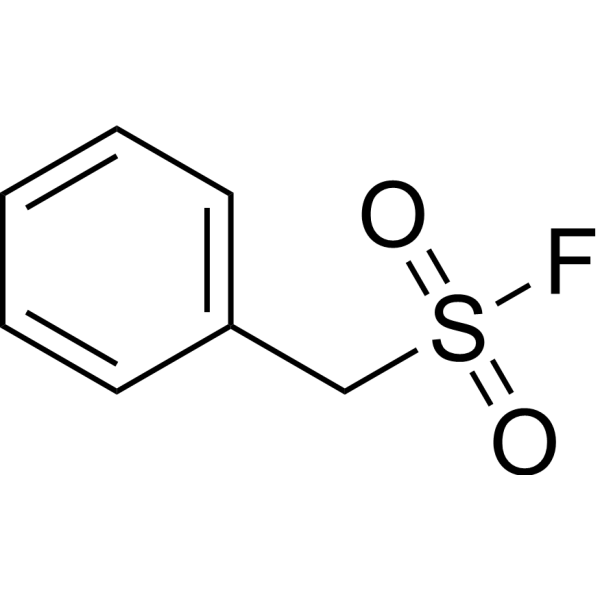
PMSF (Phenylmethylsulfonyl fluoride) is a nonspecific and irreversible serineproteasesinhibitor. PMSF inhibits some thiol proteases, non-protease enzymes, and acetylcholinesterase. PMSF can be used to prepare protein extracts from tissue and cell lysates .
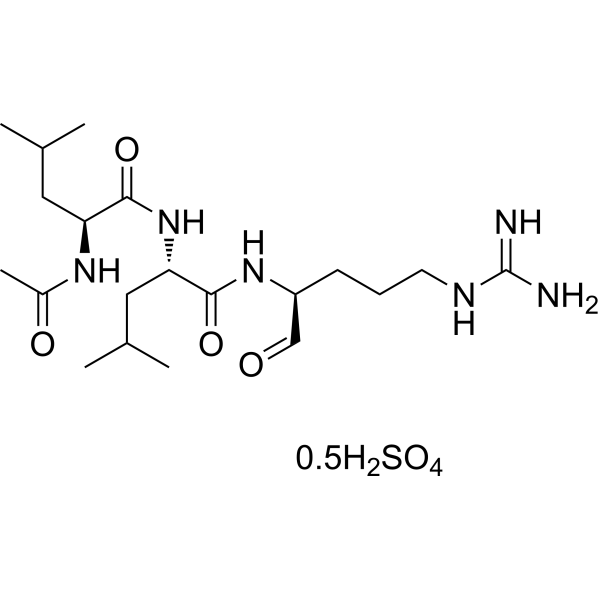
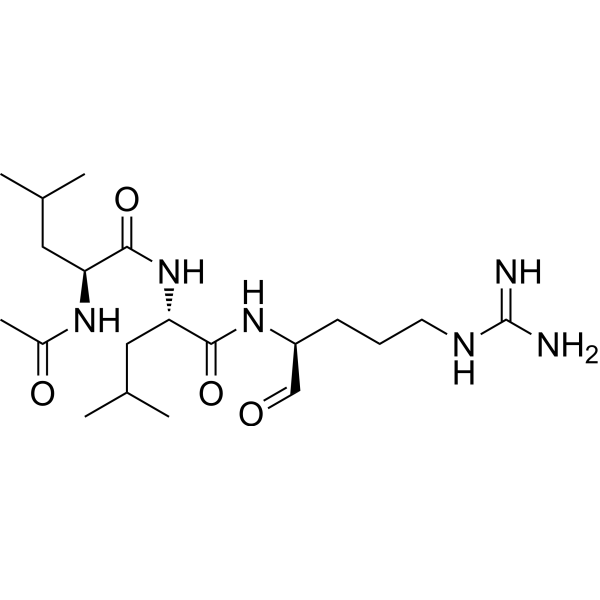
Leupeptin hemisulfate is a broad-spectrum, membrane-permeable proteaseinhibitor. Leupeptin hemisulfate potently inhibitsserine, cysteine and threonine proteases. Leupeptin hemisulfate inhibitsM pro (the main protease of SARS-CoV-2) and also has anti-inflammatory activity .
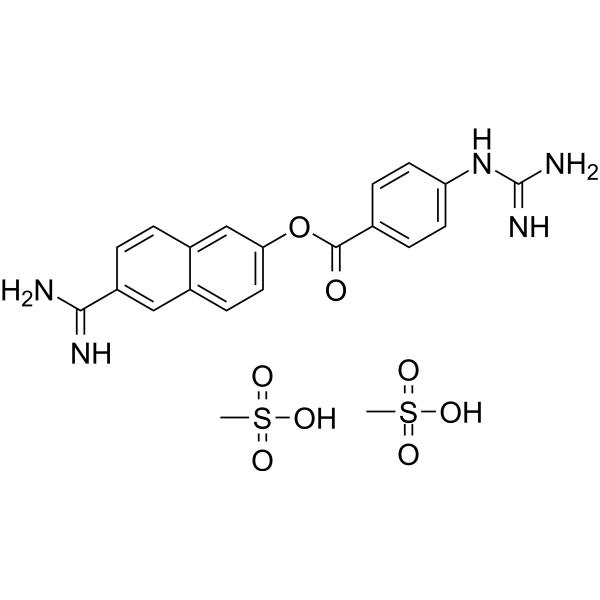
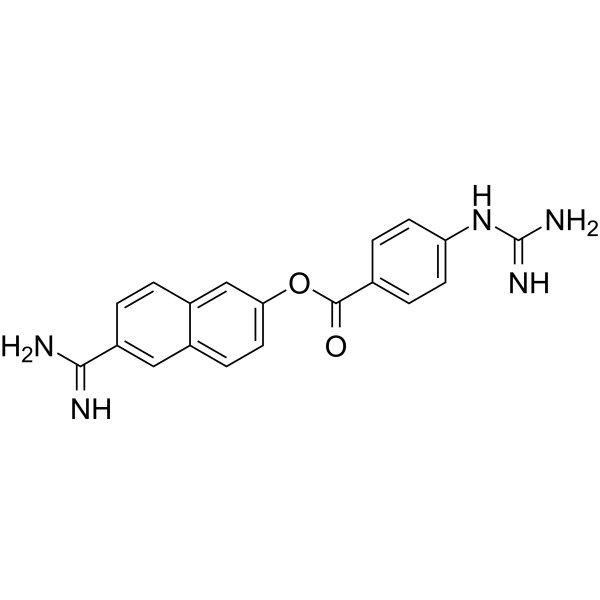
Nafamostat mesylate (FUT-175), an anticoagulant, is a synthetic serineproteaseinhibitor. Nafamostat mesylate has anticancer and antivirus effect. Nafamostat mesylate induce apoptosis by up-regulating the expression of tumor necrosis factor receptor-1 (TNFR1). Nafamostat mesylate can be used in the development of the pathological thickening of the arterial wall .
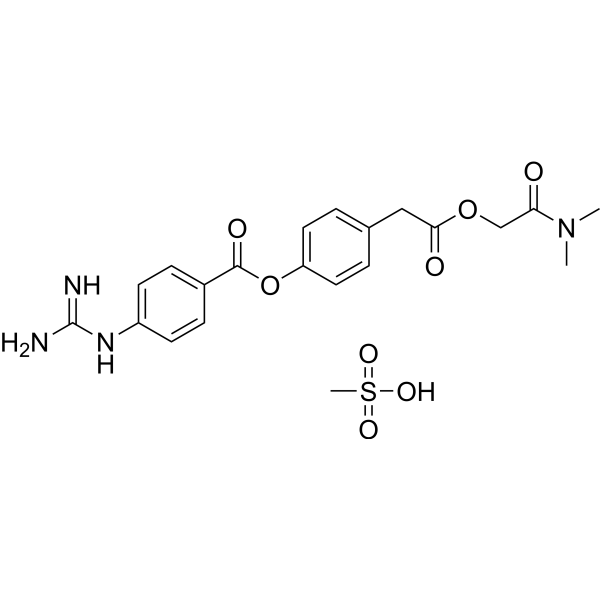
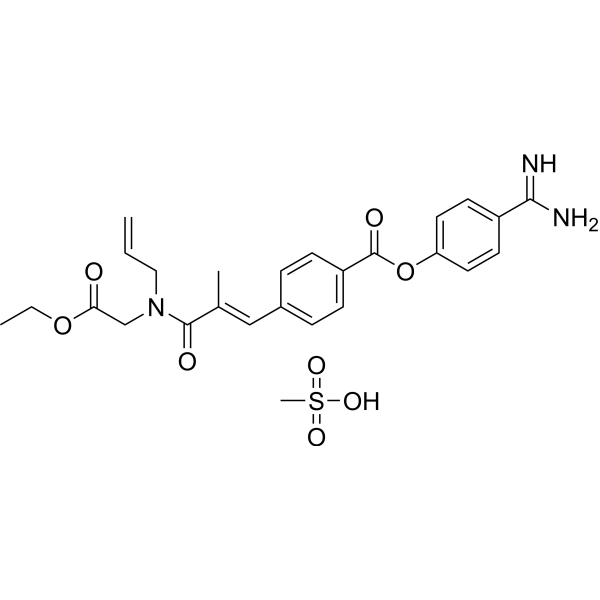
Camostat mesylate (Camostat mesilate) is an orally active, synthetic serineproteaseinhibitor for chronic pancreatitis. Camostat mesylate, an inhibitor of TMPRSS2, shows antiviral activity against SARS-CoV-2. Camostat mesylate also inhibits the activity of prostasin, trypsin, and matriptase .
Proteinase, Aspergillus oryzae is a serineprotease that hydrolyzes peptide bonds in protein substrates, preferring alkaline conditions (optimal pH 10.5). It efficiently degrades casein, poly-L-glutamic acid, and poly-L-lysine, with activity irreversibly inhibited by diisopropylfluorophosphate (DFP) and potato inhibitor. This enzyme catalyzes proteolysis via serine residues in its active site, finding applications in food processing (e.g., soy sauce fermentation), detergents, and leather industries due to its high yield in solid-state fermentation and cost-effective production.
Ulinastatin (Uristatin) is a trypsin and serineproteaseinhibitor. Ulinastatin is the main protein binding inhibitor of various trypsin, chymotrypsin, and various pancreatic proteases. Ulinastatin shows neuroprotective, anti-inflammatory, anti-apoptotic, anti-oxidant effects .
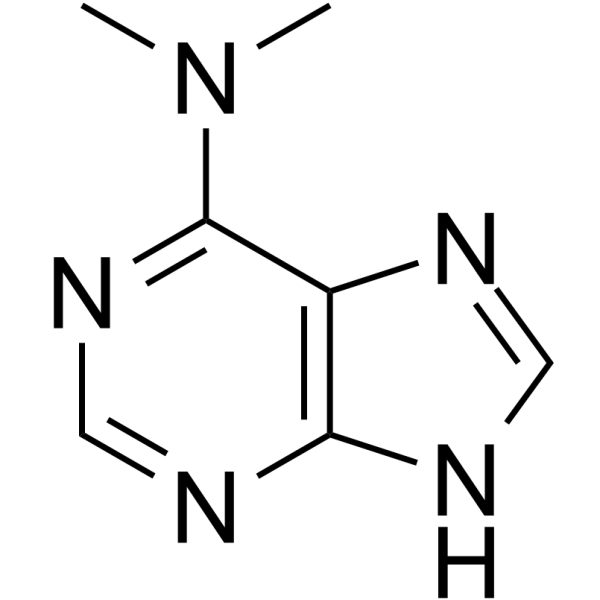
6-(Dimethylamino) purine (6-Dimethylaminopurine) is a serine threonine protein kinaseinhibitor. 6-(Dimethylamino) purine can inhibit prolactin induced expression of lactoprotein genes in rabbit mammary gland cells. 6-(Dimethylamino) purine can affect the maturation of mammalian oocytes. 6-(Dimethylamino) purine can lead to downregulation of genes related to cell proliferation and cell cycle progression, such as proliferating cell nuclear antigen, insulin-like gene 1, and serineproteaseinhibitor 2 genes, and induce apoptosis in lymphoma cells (apoptosis) .
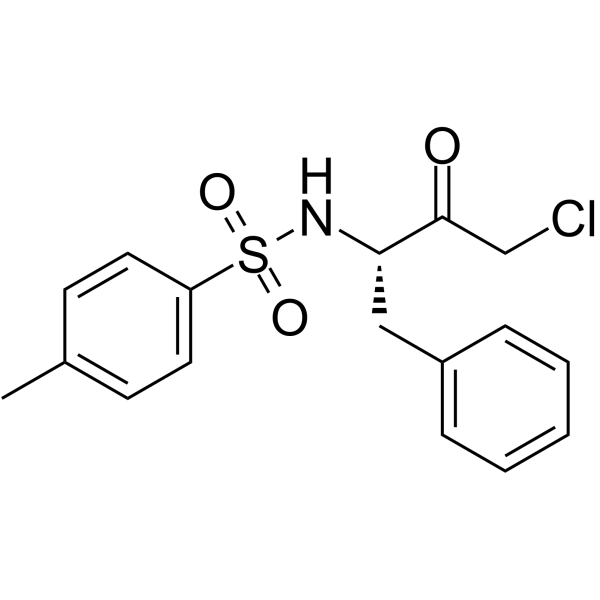
TPCK (L-1-Tosylamido-2-phenylethyl chloromethyl ketone; L-TPCK) is an effective serineproteaseinhibitor and also a blocker of the PDK1/Akt pathway. TPCK can modify the E7 protein in actively keratinocyte cells. TPCK can induce cellular apoptosis, suppress tumor growth, reduce hypoxic-ischemic brain injury in rat pups, and affect vascular permeability in inflamed rats .
Lalistat 1 is a potent, selective, and competitive inhibitor of lysosomal acid lipase (LAL) and against purified human LAL (phLAL) with an IC50 of 68 nM. Lalistat 1 is a inhibitor of immunoglobulin A1 protease (IgA1P)proteases for H. influenzae, has less effects on other serine hydrolases (trypsin or β-lactamase, etc.). Lalistat 1 can be used for the research of niemann-pick type C (NPC) disease .
ISD sodium is an interferon-stimulatory DNA, a 45 bp non-CpG double-stranded oligonucleotide derived from the genome of Listeria monocytogenes. ISD sodium potently induces type I interferon production via the cGAS‑STING‑TBK1‑IRF3 pathway .
Ucf-101 is a selective and competitive inhibitor of pro-apoptotic protease Omi/HtrA2, with an IC50 of 9.5 μM for His-Omi. Ucf-101 exhibits very little activity against various other serineproteases (IC50>200 μM). Ucf-101 has a natural red fluorescence at 543 nm that is used to monitor its ability to enter mammalian cells. Ucf-101 has a significant cardioprotective effect against MI/R injury and also has certain neuroprotective effect .
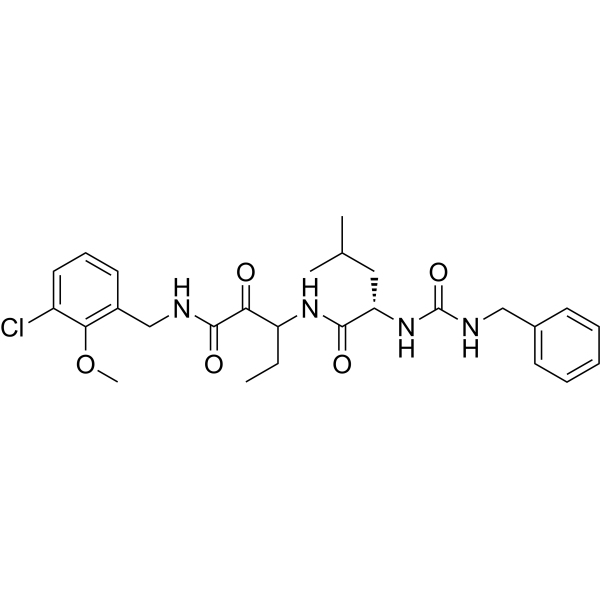
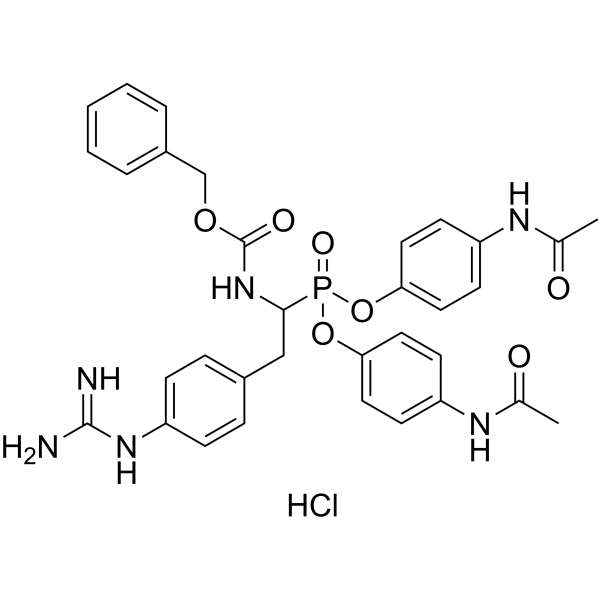
Cathepsin G Inhibitor I (Compound 7) is a potent, selective, reversible, competitive, non-peptidic Cathepsin G inhibitor (IC50 = 53 nM; Ki = 63 nM). Cathepsin G Inhibitor I can be used in research related to immune disorders .
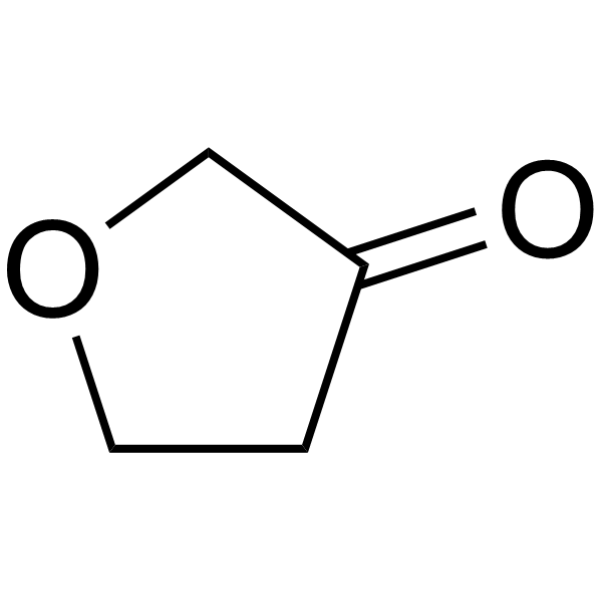
Dihydrofuran-3(2H)-one (3-Oxotetrahydrofuran) is a cyclic ketone that can be used to synthesize cyclic ketone inhibitors that inhibit the serineprotease plasmin .
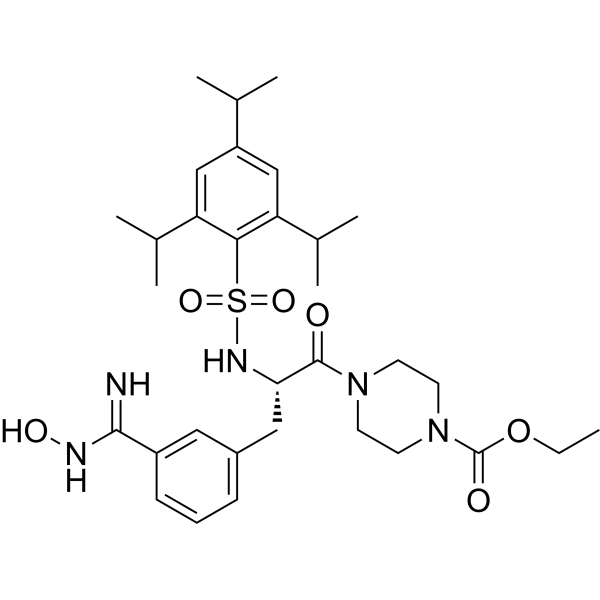
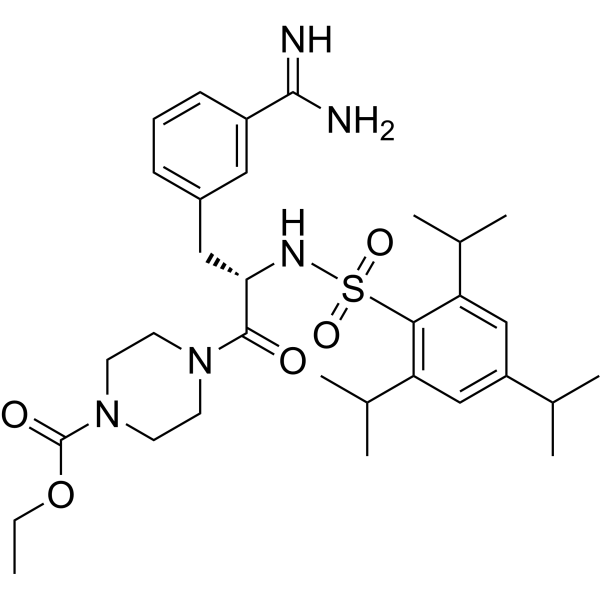
Upamostat (WX-671), a prodrug of WX-UK1, is an orally active serineproteaseinhibitor. Upamostat inhibits the urokinase-type plasminogen activator (uPA) system, blocking the plasminogen activation process mediated by it, thereby suppressing the invasion, migration and metastasis of tumor cells. Upamostat can be used in the research of metastatic breast cancer and locally advanced pancreatic cancer .
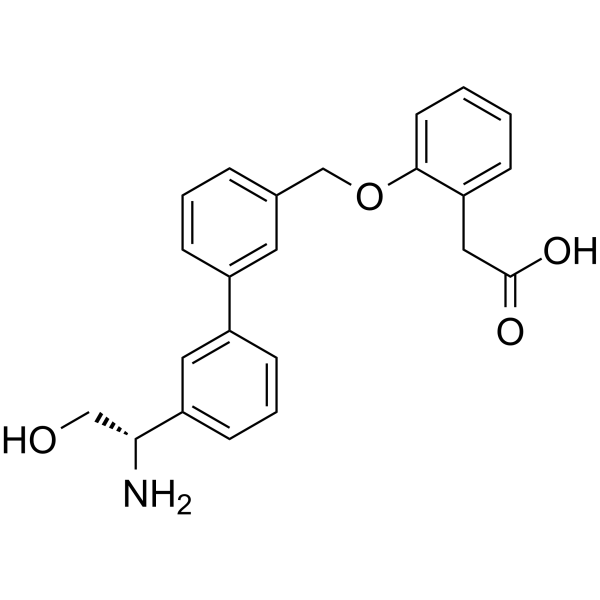
FD-IN-1 (Compound 12) is an orally bioavailable and selective factor D (FD) inhibitor with an IC50 of 12 nM. Complement FD, a highly specific S1 serineprotease, plays a central role in the alternative complement pathway of the innate immune system. FD-IN-1 also inhibits factor XIa (FXIa) and Tryptase β2 with IC50s of 7.7 and 6.5 µM, respectively .
NA-184 is a selective and brain-penetrant calpain-2inhibitor with an IC50 of 134 nM for mouse calpain-2. NA-184 has weak inhibitory activity on calpain-1 (IC50 of 2826 nM). NA-184 does not exhibit significant inhibition on a variety of other cysteine-, serine- or metallo-proteases. NA-184 shows significant neuroprotection and can be used for the study of traumatic brain injury (TBI) .
Leupeptin is a broad-spectrum, membrane-permeable proteaseinhibitor. Leupeptin potently inhibitsserine, cysteine and threonine proteases. Leupeptin inhibitsM pro (the main protease of SARS-CoV-2) and also has anti-inflammatory activity .
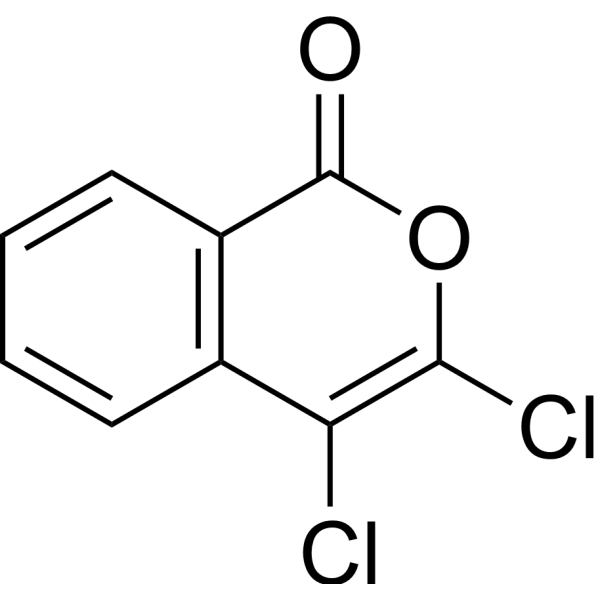
3,4-Dichloroisocoumarin is a potent serine-protease and SrLipinhibitor (Ki for SrLip: 26.6 μM). 3,4-Dichloroisocoumarin is opened by serineproteases and then undergoes acylation with the enzyme, thereby inhibitingprotease activity. 3,4-Dichloroisocoumarin can induce DNA fragmentation and Apoptosis. 3,4-Dichloroisocoumarin can be used in the research of multiple fields such as tumors, cardiovascular disease and enzyme catalytic mechanisms .
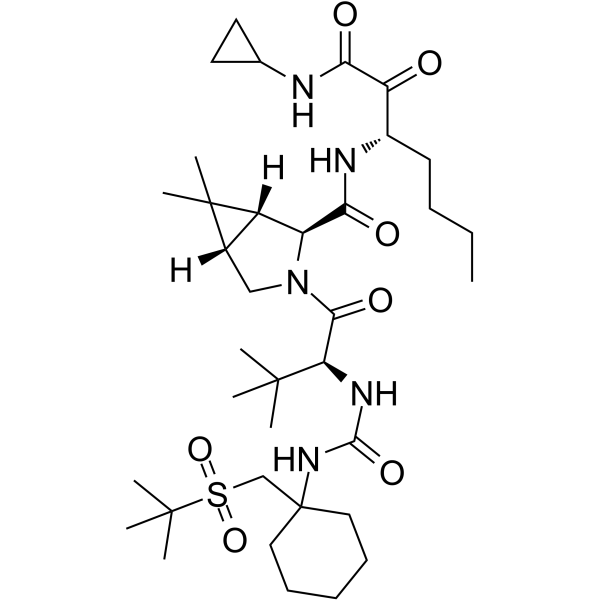
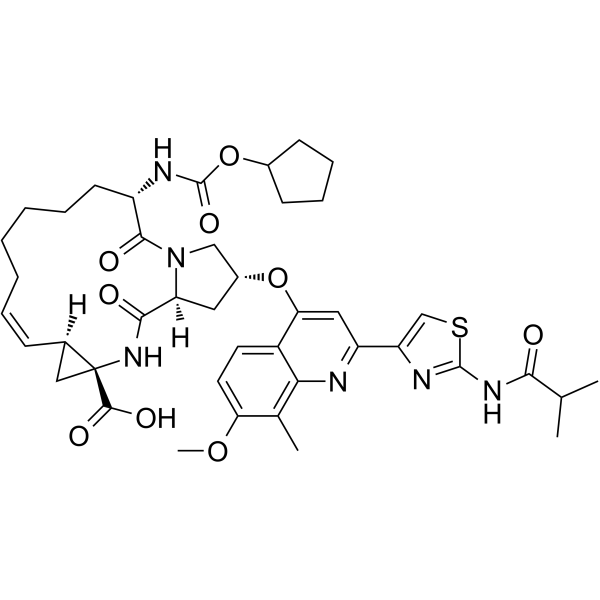
Narlaprevir (SCH 900518) is a selective and orally bioavailable NS3 proteaseinhibitor with a Ki value of 6 nM and an EC90 value of 40 nM . Narlaprevir also inhibits the HCV nonstructural protein 3 serineprotease . Narlaprevir is also a SARS-CoV 3CL proinhibitor with an IC50 of 2.3 μM .
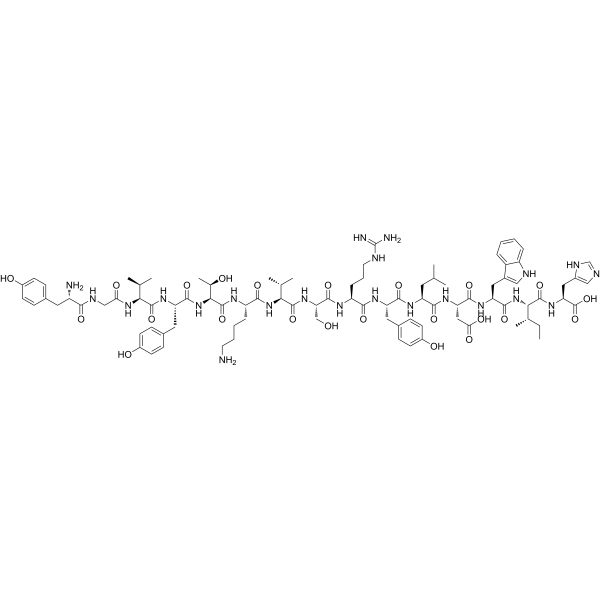
Activated Protein C (390-404), human is a polypeptide fragment of vitamin K-dependent serineprotease activated protein C (APC), which inhibits the anticoagulant activity of APC. Activated Protein C (390-404), human inhibits APC-catalyzed inactivation of factor Va .
UKI-1 (WX-UK1) is a potent urokinase-type plasminogen activator (uPA)inhibitor with a Ki of 0.41 μM. UKI-1 is also a low molecular weight serineproteaseinhibitor. UKI-1 is a potent antimetastatic agent and inhibits the invasive capacity of carcinoma cells .
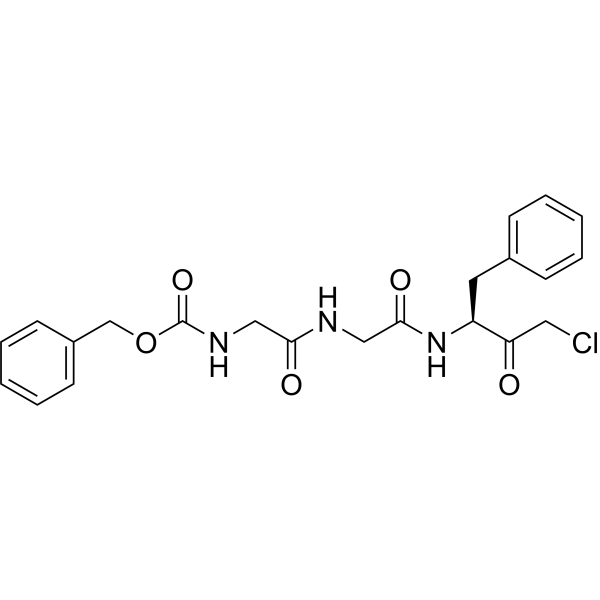
Z-GGF-CMK is an Antibacterial agent, an inhibitor of the ClpP1P2serineprotease complex (with an IC50 of 50 μM against intracellular ClpP1P2 protease activity in Mycobacterium bovis BCG), and a selective inhibitor of the mycobacterial Proteasome (with an IC50 of 50 μM against the proteasome in M. bovis BCG). Z-GGF-CMK inhibits the growth of mycobacteria. Z-GGF-CMK exhibits cytotoxic activity against liver cancer cells. Z-GGF-CMK can be used in the research of tuberculosis .
N-alpha-Tosyl-Lys chloromethyl ketone hydrochloride (TLCK hydrochloride) is a Serineproteaseinhibitor with an IC50 of 12.0 μM against Caspase-3, 54.5 μM against Caspase-6, and 19.3 μM against Caspase-7. It inhibits thrombin-induced nuclear translocation of FOXO1. N-alpha-Tosyl-Lys chloromethyl ketone hydrochloride can be used in research related to leukemia and cardiovascular diseases .
Serratiopeptidase (Brasan; Dasen) is an orally active zinc-containing metalloprotease belonging to the serralysin family. Serratiopeptidase reduces the release of inflammatory mediators such as prostaglandins, thromboxanes and interleukins by inhibitingCOX, thereby relieving pain, swelling and redness. Serratiopeptidase exhibits antibiofilm, mucolytic and wound-healing activities. As a serineprotease, Serratiopeptidase has the ability to dissolve blood clots, fibrin and atherosclerotic plaques. Serratiopeptidase degrades amyloid fibrils and has potential anti-Alzheimer's effects. Serratiopeptidase shows cytotoxicity against colon cancer cells .
Cathepsin C-IN-5 (compound SF38) is a potent, selective and orally active Cathepsin Cinhibitor with IC50s of 59.9 nM, 4.26 µM, >5 µM, >5 µM, >5 µM for Cat C, Cat L, Cat S, Cat B, Cat K, respectively. Cathepsin C-IN-5 inhibits the Cat C activity in bone marrow and blood. Cathepsin C-IN-5 decreases the activation of NSPs (neutrophil serineproteases). Cathepsin C-IN-5 shows anti-inflammatory activity .
MM3122 is a selective type II transmembrane serineprotease (TMPRSS2) inhibitor with an IC50 value of 0.34 nM. MM3122 effectively blocks TMPRSS2, thereby inhibiting the entry of SARS-CoV-2 and MERS-CoV into human cells .
Verducatib (BI 1291583) is an orally active inhibitor of cathepsinC (also known as DPP1). Verducatib restores the protease-inhibitor balance by inhibiting the activation of neutrophil serineproteases, thereby alleviating pulmonary inflammation and regulating infection responses. Verducatib significantly reduces the risk (including severe exacerbations) and frequency of acute exacerbations in bronchiectasis (BE). Verducatib also improves lung function and quality of life, and shortens the duration of antibiotic use. The overall incidence of adverse events of Verducatib is comparable to that of placebo, with only slightly more mild-to-moderate cutaneous adverse events observed in the high-dose group, demonstrating promising clinical application potential .
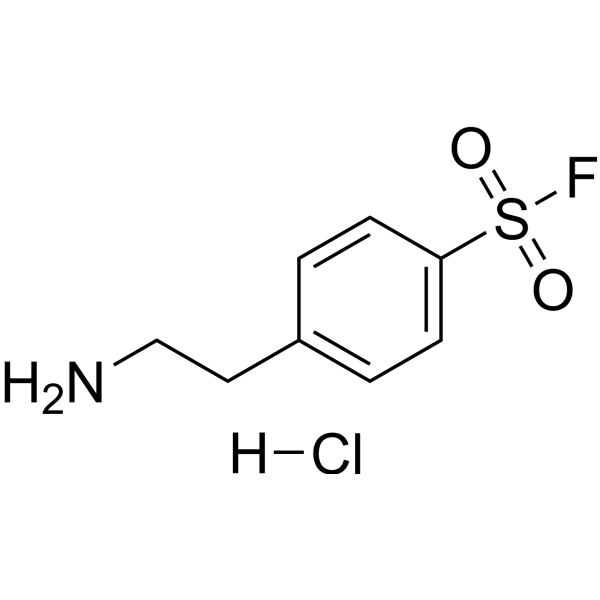
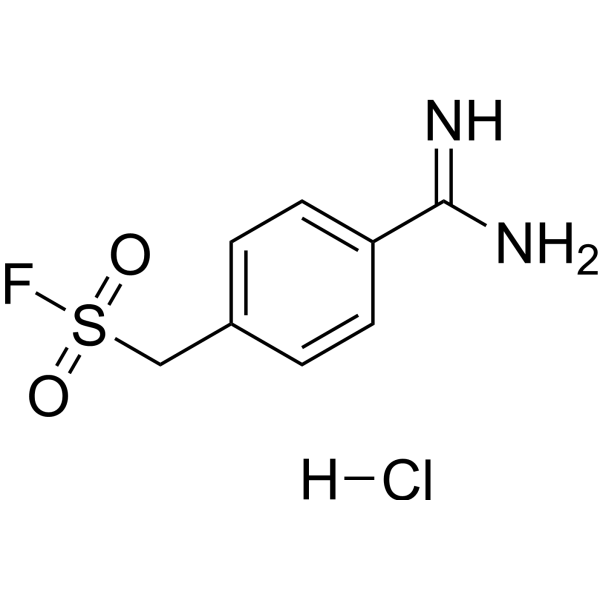
p-APMSF (p-Amidinophenylmethylsulfonylfluoride) hydrochloride is a serineprotease and trypsin inhibitor with the characteristic of rapid onset of action. p-APMSF hydrochloride reduces the enzymatic hydrolysis of recombinant human G-CSF in rat pulmonary mucosa. Combined intratracheal treatment with p-APMSF hydrochloride and Laureth-9 significantly enhances its absorption efficiency in rat lungs. Following intranasal administration, p-APMSF hydrochloride does not increase the concentration of recombinant human G-CSF in rat plasma, nor does it alter the effect of G-CSF on inducing an increase in total white blood cell count .
Agkistrodon halys batroxobin is a thrombin-like serineprotease. Agkistrodon halys batroxobin reduces the expression of Sirt1 and extracellular signal-regulated kinase activation in brain tissue. Agkistrodon halys batroxobin reduces cleaved caspase-3 expression and inhibits neuronal apoptosis in rat .
BMS-354326 is a tryptaseinhibitor with an IC50 of 1.8 nM. BMS-354326 exhibits excellent selectivity against trypsin and most other related serineproteases. BMS-354326 can be used in the research of asthma and inflammatory diseases .
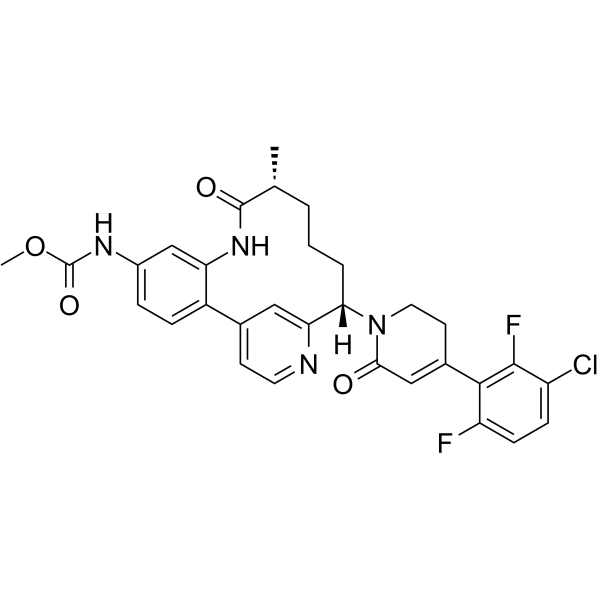
TMPRSS6-IN-1 (TFA) is a potent inhibitor of TMPRSS6 (Matriptase-2), belonging to TTSPs (transmembrane serineprotease). TMPRSS6, is a type II TTSP, the genetic reduction of which will improve symptoms of hemochromatosis and beta thalassemia in mice .
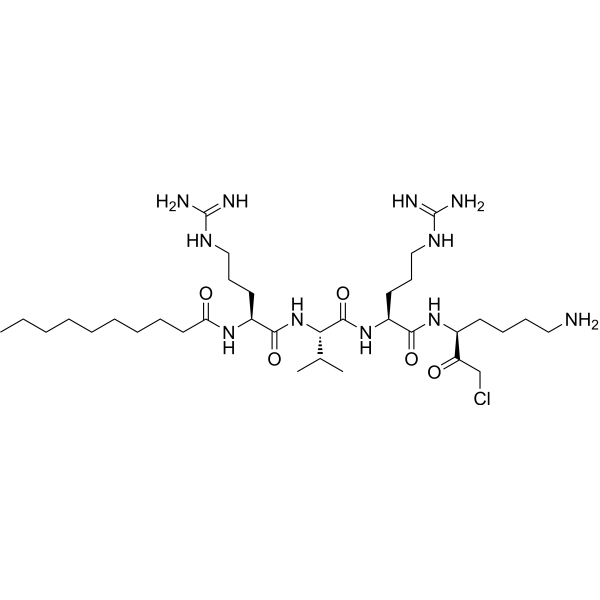
DEC-RVRK-CMK (Decanoyl-Arg-Val-Arg-Lys-chloromethylketone) TFA is a peptide-based CMK (chloromethylketone) inhibitor that targets and inactivates the secreted soluble kexin (Kex2) (Ki=8.45 μM). The yeast enzyme Kex2 (kexin, EC 3.4.21.61) is a calcium-dependent transmembrane protease and belongs to the mammalian protease family of the serineprotease subtilisin family. The binding mechanism of Kex2 with different CMK inhibitors depends on substrate selectivity, particularly the selective differences between lysine and arginine at the P1 position .
Camostat (mesylate) (Standard) is the analytical standard of Camostat (mesylate). This product is intended for research and analytical applications. Camostat mesylate (Camostat mesilate) is an orally active, synthetic serineproteaseinhibitor for chronic pancreatitis. Camostat mesylate, an inhibitor of TMPRSS2, shows antiviral activity against SARS-CoV-2. Camostat mesylate also inhibits the activity of prostasin, trypsin, and matriptase .
Nafamostat, an anticoagulant, is a synthetic serineproteaseinhibitor. Nafamostat has anticancer and antivirus effect. Nafamostat induce apoptosis by up-regulating the expression of tumor necrosis factor receptor-1 (TNFR1). Nafamostat can be used in the development of the pathological thickening of the arterial wall .
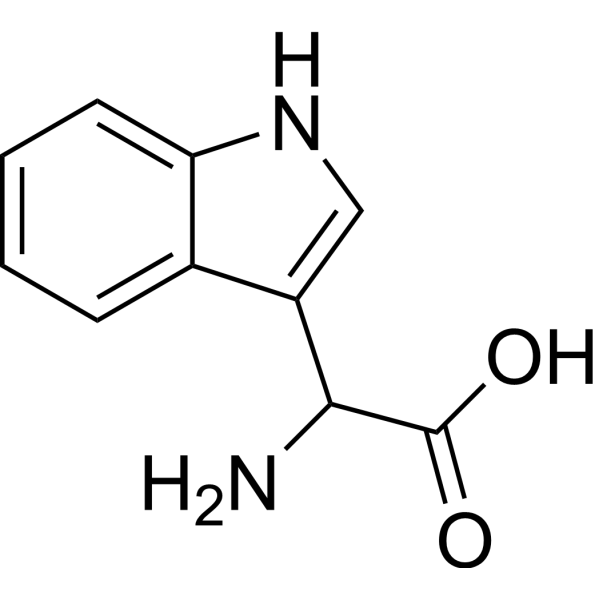
DL-3-Indolylglycine is a compound intermediate and Amino acid derivative. DL-3-Indolylglycine can be used for the synthesis of serineproteaseinhibitors. DL-3-Indolylglycine is applicable to the research of thrombotic diseases .
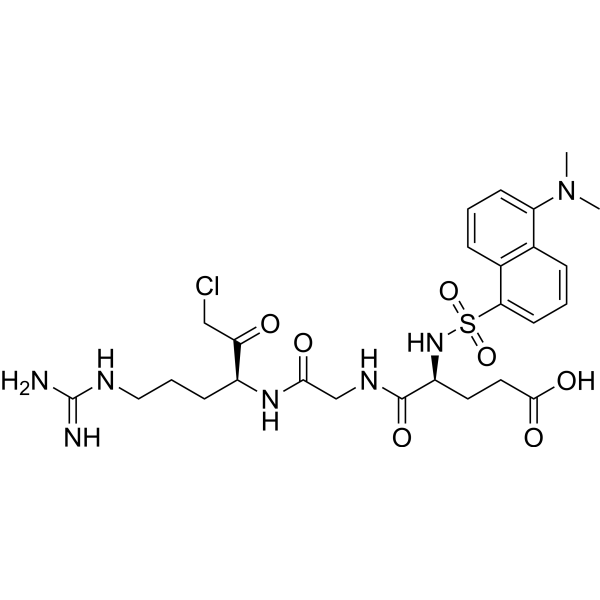
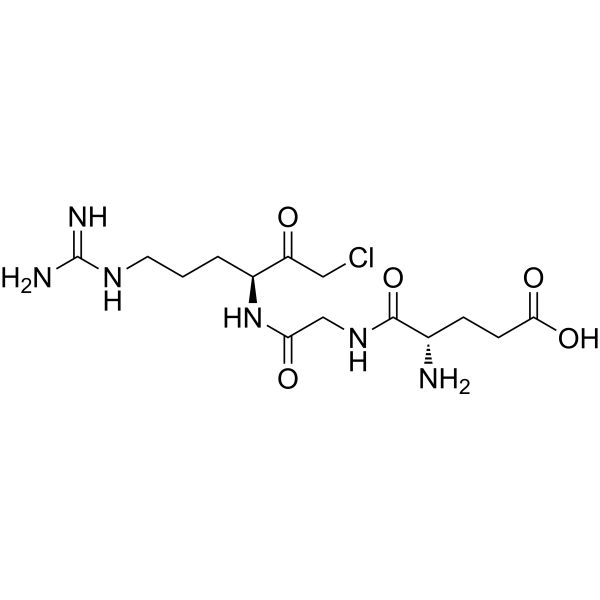
Dansyl-Glu-Gly-Arg-Chloromethylketone TFA is a proteaseinhibitor, and inhibitsserine/threonine proteases. Dansyl-Glu-Gly-Arg-Chloromethylketone TFA inhibits activated porcine factor IX .
DEC-RVRK-CMK (Decanoyl-Arg-Val-Arg-Lys-chloromethylketone) is a peptide-based CMK (chloromethylketone) inhibitor that targets and inactivates the secreted soluble kexin (Kex2) (Ki=8.45 μM). The yeast enzyme Kex2 (kexin, EC 3.4.21.61) is a calcium-dependent transmembrane protease and belongs to the mammalian protease family of the serineprotease subtilisin family. The binding mechanism of Kex2 with different CMK inhibitors depends on substrate selectivity, particularly the selective differences between lysine and arginine at the P1 position .
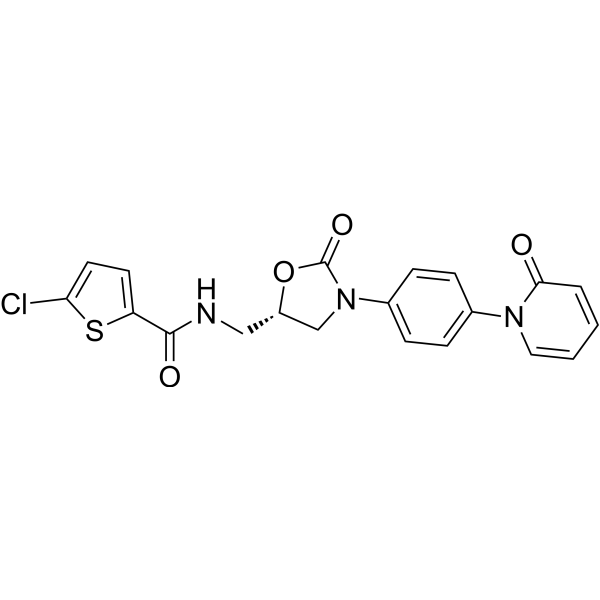
Zifaxaban is an orally active, competitively and selective Factor Xa (FXa)inhibitor with an IC50 of 11.1 nM for human FXa. Zifaxaban shows >10000-fold greater selectivity than other serineproteases. Zifaxaban can be used for the arterial and venous thrombosis research .
Darexaban (YM150) is a potent, selective and orally active factor Xa (FXa)inhibitor with an IC50 of 54.6 nM. Darexaban shows high selectivity against other related serineproteases, such as trypsin, thrombin, and kallikrein. Darexaban has anticoagulant and antithrombotic effects .
TMPRSS6-IN-1 (compound 8) is a potent inhibitor of TMPRSS6 (Matriptase-2), belonging to TTSPs (transmembrane serineprotease). TMPRSS6, is a type II TTSP, the genetic reduction of which will improve symptoms of hemochromatosis and beta thalassemia in mice .
MASP-2-IN-1 (Compound 77) is a selective MASP-2 inhibitor with an IC50 of 0.0114 μM, and an IC50 of 13.2 μM against MASP-3. MASP-2-IN-1 inhibits the catalytic activity of MASP-2 in the lectin complement pathway. MASP-2-IN-1 is applicable to the research of immune diseases .
Nafamostat (mesylate) (Standard) is the analytical standard of Nafamostat (mesylate). This product is intended for research and analytical applications. Nafamostat mesylate (FUT-175), an anticoagulant, is a synthetic serineproteaseinhibitor. Nafamostat mesylate has anticancer and antivirus effect. Nafamostat mesylate induce apoptosis by up-regulating the expression of tumor necrosis factor receptor-1 (TNFR1). Nafamostat mesylate can be used in the development of the pathological thickening of the arterial wall .
Dansyl-Glu-Gly-Arg-Chloromethylketone is a proteaseinhibitor, and inhibitsserine/threonine proteases. Dansyl-Glu-Gly-Arg-Chloromethylketone inhibits activated porcine factor IX .
Leupeptin (hemisulfate) (Standard) is the analytical standard of Leupeptin (hemisulfate). This product is intended for research and analytical applications. Leupeptin hemisulfate is a broad-spectrum, membrane-permeable proteaseinhibitor. Leupeptin hemisulfate potently inhibitsserine, cysteine and threonine proteases. Leupeptin hemisulfate inhibits Mpro (the main protease of SARS-CoV-2) and also has anti-inflammatory activity[1][2][3].
BI-1230, a chemical probe, is potent and digit nanomolar inhibitor of HCV NS3 protease and of viral replication. BI-1230 is also highly selective against other serine/cysteine proteases. BI-1230 shows good Pharmacokinetic(PK) activity .
L 373890 is a selective pyridinone acetamide thrombininhibitor with a Ki of 0.5 nM. L 373890 shows highly selectivity for thrombin over trypsin (Ki of 570 nM), serineproteases plasmin, tPA, activated protein C, plasma kallikrein and chymotrypsin. L 373890 can be used for thrombosis research .
VD5123 is a serineproteaseinhibitor. VD5123 inhibits TMPRS2, HGFA, matriptase, hepsin with IC50s of 15, 3980, 140, 37 nM respectively. VD5123 can be used for antiviral research, such as SARS-CoV-2 and broad panel of coronaviruses and influenza viruses .
DX-9065a is a selective, nonpeptidic, and orally active factor Xa (FXa)inhibitor with a Ki of 41 nM for human FXa. DX-9065a has low activity against other serineproteases. DX-9065a has strong anticoagulant actions .
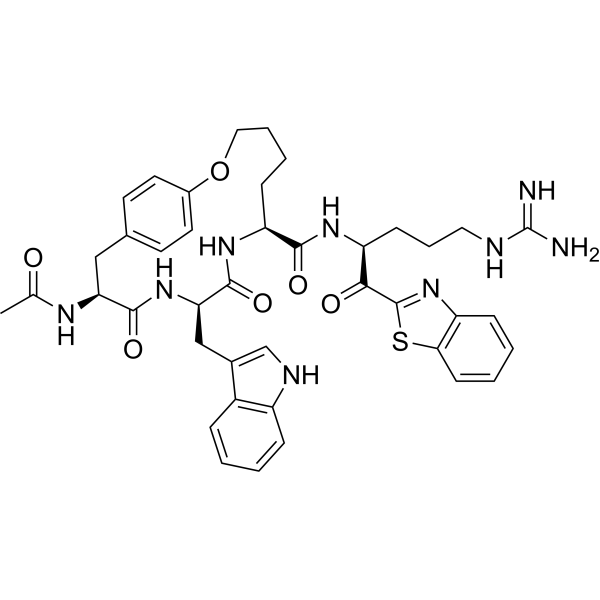
VD4162 (Compound 8b) is a macrocyclic inhibitor of serineproteases. VD4162 can significantly improve potency for all four target enzymes TMPRSS2 (IC50 = 3.7 nM), HGFA(IC50 = 3.3 nM), matriptase (IC50 = 2.9 nM), and hepsin (IC50 = 0.54 nM). VD4162 can be used for the research of cancer .
BCX-3607 is an orally active tissue factor/factor VIIa (TF-FVIIa) inhibitor (IC50: 4 nM). BCX-3607 blocks the extrinsic coagulation pathway by inhibiting the TF-FVIIa complex and significantly prolongs the prothrombin time (PT). BCX-3607 has a higher selectivity for TF-FVIIa than other serineproteases (such as thrombin, FXa, etc.). BCX-3607 can reduce thrombus weight and inflammatory response, and has both anti-thrombotic and anti-inflammatory effects. BCX-3607 can be used in the study of thrombosis-related diseases .
CE-2072 is an inhibitor of serineproteases neutrophil elastase and proteinase-3. CE-2072 inhibitsHIV-1 production and p24 production in response to IL-18 or NaCl in infected U1 monocytic cells, reduces virus replication in infected peripheral blood mononuclear cells and blocks infection of permissive HeLa cells. CE-2072 suppresses activation of the HIV-1-inducing transcription factor NF-kB in U1 cells. CE-2072 is promising for research of HIV-1-related disease .
Cyclothiazomycin selectively inhibits renin activity and does not inhibit pepsin, aspartic acid, serine, mercaptan protease and metalloproteinases. Cyclothiazomycin has weak antifungal activity .
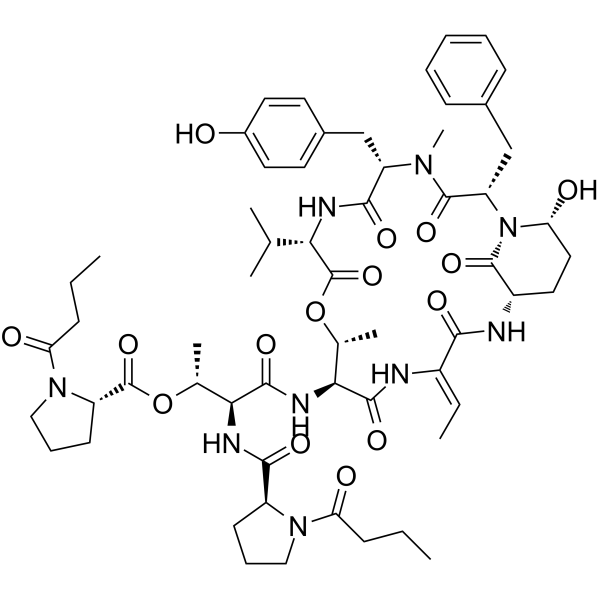
Rivulariapeptolides 1155 is a potent serineproteaseinhibitor with IC50s of 41.84, 4.94, 56.54 nM for chymotrypsin, elastase, prpteinase K, respectively .
Activated Protein C (390-404), human TFA, a peptide of the activated protein C (a vitamin K-dependent serineprotease), potently inhibits APC anticoagulant activity .
Rivulariapeptolides 988 is a high potent and selective serineproteaseinhibitor with IC50 values of 95.46 nM, 15.29 nM and 85.50 nM for chymotrypsin, elastase and proteinase K, respectively .
Rivulariapeptolides 1121 is a high potent and selective serineproteaseinhibitor with IC50 values of 35.52 nM, 13.24 nM and 48.05 nM for chymotrypsin, elastase and proteinase K, respectively .
Rivulariapeptolides 1185 is a high potent and selective serineproteaseinhibitor with IC50 values of 13.17 nM, 23.59 nM and 55.26 nM for chymotrypsin, elastase and proteinase K, respectively .
FL-166 is a SARS coronavirus main protease (Mpro) inhibitor (Ki: 40 nM). FL-166 exerts its inhibitory effect by targeting a cluster of serine residues near the active site of the protease. FL-166 can be used in the study of SARS-CoV .
VD2173 is a side chain cyclized macrocyclic peptide inhibitor of HGF-activating serineproteases. VD2173 potently inhibitsmatriptase and hepsin. VD2173 can be used for the research of lung cancer .
Kynapcin-13 can non-competitively inhibit the activity of prolyl endopeptidase (PEP) with an IC50 of 76.80 μM. Kynapcin-13 has a little inhibitory effect on other serineproteases .
Kynapcin-28 can non-competitively inhibit the activity of prolyl endopeptidase (PEP) with an IC50 of 76.80 μM. Kynapcin-28 has a little inhibitory effect on other serineproteases .
Narlaprevir (Standard) is the analytical standard of Narlaprevir. This product is intended for research and analytical applications. Narlaprevir (SCH 900518) is a selective and orally bioavailable NS3 proteaseinhibitor with a Ki value of 6 nM and an EC90 value of 40 nM . Narlaprevir also inhibits the HCV nonstructural protein 3 serineprotease . Narlaprevir is also a SARS-CoV 3CLpro inhibitor with an IC50 of 2.3 μM .
Alpha 1 Antichymotrypsin, Human Plasma is a serineproteaseinhibitor. Alpha 1 Antichymotrypsin, Human Plasma appears in the amyloid lesions of Alzheimer's disease. Alpha 1 Antichymotrypsin, Human Plasma can be used in Alzheimer's disease research .
ONO-3403 is an orally active serineproteaseinhibitor. ONO-3403 inhibits the production of TNF-α and nitric oxide induced by LPS. ONO-3403 inhibits the cell growth and induces the apoptosis, and has an antitumor effect on malignant tumors .
SP-Chymostatin B (α-MAPI) is a strong inhibitor of many proteases, including chymotrypsin, papain, chymotrypsin-like serine proteinases, chymases, and lysosomal cysteine proteinases such as cathepsins A,B,C, H, and L. SP-Chymostatin B weakly inhibits human leucocyte elastase .
Guanoxyfen (N-(3-Phenoxypropyl)guanidine) nitrate is a compound that exhibits potent inhibitory activity against the serineprotease enzyme TMPRSS2, which plays a crucial role in the infectivity of coronaviruses. Guanoxyfen nitrate is also an effective inhibitor of vasoconstrictor responses to sympathetic nerve stimulation.
Razaxaban hydrochloride (BMS 561389 hydrochloride) is a highly potent, selective and orally active factor Xainhibitor with a Ki of 0.19 nM. Razaxaban hydrochloride exhibits excellent selectivity (>5000-fold) for factor Xa over other related serineproteases. Razaxaban hydrochloride is also a potent thrombininhibitor with a Ki of 540 nM. Razaxaban hydrochloride has strongly antithrombotic activity .
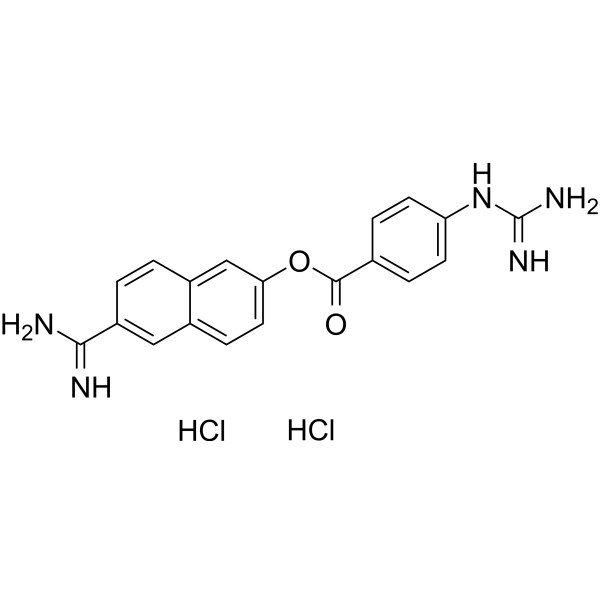
Nafamostat hydrochloride, an anticoagulant, is a synthetic serineproteaseinhibitor. Nafamostat hydrochloride has anticancer and antivirus effect. Nafamostat hydrochloride induces apoptosis by up-regulating the expression of tumor necrosis factor receptor-1 (TNFR1). Nafamostat hydrochloride can be used in the development of the pathological thickening of the arterial wall .
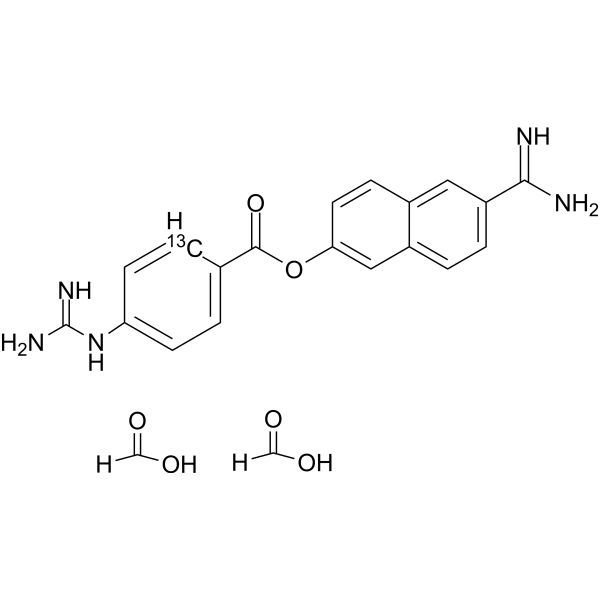
Nafamostat formate salt- 13C6 is the 13C labeled Nafamostat. Nafamostat, a synthetic serineproteaseinhibitor, is an anticoagulant. Nafamostat supresses T cell auto-reactivity by decreasing granzyme activity and CTL cytolysis. Nafamostat blocks activation of SARS-CoV-2 .
Human SERPINA1 mRNA encodes the human serpin family A member 1 (SERPINA1) protein, a serineproteaseinhibitor belonging to the serpin superfamily. SERPINA1’s major physiological function is the protection of the lower respiratory tract against proteolytic destruction by human leukocyte elastase (HLE).
6-(Dimethylamino) purine (6-Dimethylaminopurine) is a serine threonine protein kinase inhibitor. 6-(Dimethylamino) purine can inhibit prolactin induced expression of lactoprotein genes in rabbit mammary gland cells. 6-(Dimethylamino) purine can affect the maturation of mammalian oocytes. 6-(Dimethylamino) purine can lead to downregulation of genes related to cell proliferation and cell cycle progression, such as proliferating cell nuclear antigen, insulin-like gene 1, and serineproteaseinhibitor 2 genes, and induce apoptosis in lymphoma cells (apoptosis) .
FXIIa-IN-3 (Compound 8) is a potent and selective Factor XIIa (FXIIa) inhibitor, with an IC50 of 0.045 μM. FXIIa-IN-3 also exhibits a substantial margin of selectivity against related serineproteases, including FXIa, FXa, and FIXa. FXIIa-IN-3 can be used for the research of thromboembolic diseases .
Dihydrofuran-3(2H)-one (Standard) is the analytical standard of Dihydrofuran-3(2H)-one. This product is intended for research and analytical applications. Dihydrofuran-3(2H)-one (3-Oxotetrahydrofuran) is a cyclic ketone that can be used to synthesize cyclic ketone inhibitors that inhibit the serineprotease plasmin .
DX-9065a free base is a selective, nonpeptidic, and orally active factor Xa (FXa)inhibitor with a Ki of 41 nM for human FXa. DX-9065a free base has low activity against other serineproteases. DX-9065a free base has strong anticoagulant actions .
PfSUB1-IN-1 (compound 4c) is a plasmodium falciparum subtilisin-like serineprotease 1 (PfSUB1) Inhibitor (IC50: 15 nM). PfSUB1 is an antimalarial target. PfSUB1-IN-1 inhibits the growth of a genetically modified P. falciparum line expressing reduced levels of PfSUB1 13-fold more efficiently compared to a wild-type parasite line .
APC-6860 is a trypsin-like serineproteasesinhibitor with ki values of 0.21 and 0.44 μM for uPA and trypsin, respectively. APC-6860 has a selectivity ratio for tPA versus uPA of 80. APC-6860 has ki values of 0.1 and 0.082 μM for human and murine urokinases, respectively. APC-6860 can be used for the research of cancer .
RH12 is a dual inhibitor for SARS-CoV-2 related RNA-dependent RNA polymerase (RdRp, IC50 is 4.42 nM) and human transmembrane serineprotease 2 (TMPRSS2, IC50 is 4.2 nM). RH12 exhibits antiviral efficacy. RH12 inhibits viral replication and absorption, and exhibits a 90.5% virucidal effects on Vero-E6 cells. RH12 inhibits cell viability of Calu-3 with an IC50 of 17.5 nM .
C1s Enzyme is a subunit of the complement C1 complex, which activates the complement as a serineprotease. C1s Enzyme cleaves LRP5 and LRP6, and thus activates the Wnt/β-Catenin signaling pathway. C1s Enzyme promotes the macrophage M2 polarization and inhibits M1 polarization. C1s Enzyme enhances efferocytosis, exhibits anti-inflammatory activity .
Ucf-101 (Standard) is the analytical standard of Ucf-101. This product is intended for research and analytical applications. Ucf-101 is a selective and competitive inhibitor of pro-apoptotic protease Omi/HtrA2, with an IC50 of 9.5 μM for His-Omi. Ucf-101 exhibits very little activity against various other serineproteases (IC50>200 μM). Ucf-101 has a natural red fluorescence at 543 nm that is used to monitor its ability to enter mammalian cells. Ucf-101 has a significant cardioprotective effect against MI/R injury and also has certain neuroprotective effect .
(E)-Upamostat ((E)-WX-671) is an E-isomer of Upamostat (HY-16511). Upamostat (WX-671), a prodrug of WX-UK1, is an orally active serineproteaseinhibitor .
UAMC-00050 free base is a potent trypsin-like serineproteaseinhibitor. UAMC-00050 free base can be used in research of dry eye syndrome and ocular inflammation .
CU-2010 is a Serineproteaseinhibitor. In canine models, CU-2010 reduces blood loss after cardiac surgery in a dose-dependent manner and improves post-ischemic recovery .
WGU55 is a selective and potent reversible type II transmembrane serineprotease TMPRSS6inhibitor with a Ki of 12.15 nM. WGU55 inhibits TMPRSS6 activity with an IC50 of 138 nMin KEK293 cells. WGU55 has a Ki of 3510 nM (SI = 289) against the homologous proteasematriptase and a Ki of 5.2 μM against the coagulation key proteaseFactor Xa. WGU55 can be used for the research of iron overload related diseases, such as hereditary hemochromatosis .
RLYB331 (KY1066) is a is a monoclonal antibody targeting Matriptase-2 (TMPRSS6) . RLYB331 binds to the serineprotease active site of matriptase-2, blocking protease activity to increase hepcidin expression. RLYB331 reduces iron overload, inhibits α-aggregates, reduces ROS, inhibitsapoptosis, and enhances erythroid differentiation. RLYB331 ameliorates ineffective erythropoiesis in β-thalassemic mouse models. RLYB331 can be used for the research of β-thalassemia .
APC-6860 hydrochloride is a competitive, selective arylamidine Serineproteaseinhibitor, with a Ki of 0.44 μM for trypsin, 0.10 μM for h-uPA, and 0.082 μM for mouse uPA. APC-6860 hydrochloride inhibits urokinase-activated plasminogen-mediated degradation of Fibronectin in cancer cells. APC-6860 hydrochloride is applicable to research related to breast cancer and prostate cancer .
(E)-Upamostat-d5 ((E)-WX-671-d5) is the deuterium labeled (E)-Upamostat (HY-16511A). (E)-Upamostat ((E)-WX-671) is an E-isomer of Upamostat (HY-16511). Upamostat (WX-671), a prodrug of WX-UK1, is an orally active serineproteaseinhibitor .
Upamostat (WX-671) hydrogen sulfate, a prodrug of WX-UK1 (HY-100415), is an orally active serineproteaseinhibitor. Upamostat hydrogen sulfate inhibits the urokinase-type plasminogen activator (uPA) system, blocking the plasminogen activation process mediated by it, thereby suppressing the invasion, migration and metastasis of tumor cells. Upamostat hydrogen sulfate can be used in the research of metastatic breast cancer and locally advanced pancreatic cancer .
UKI-1-d8 acetate (WX-UK1-d8 acetate) is the deuterium labeled UKI-1 acetate. UKI-1 (WX-UK1) is a potent urokinase-type plasminogen activator (uPA)inhibitor with a Ki of 0.41 μM. UKI-1 is also a low molecular weight serineproteaseinhibitor. UKI-1 is a potent antimetastatic agent and inhibits the invasive capacity of carcinoma cells .
DPP-1-IN-2 is a DPP-Iinhibitor with a human IC50 of 36.8 nM and oral efficacy. DPP-1-IN-2 binds to intracellular DPP-I, increases its thermal stability, and reduces the activity and expression levels of downstream neutrophil serineproteases by inhibiting its enzymatic activity. DPP-1-IN-2 regulates the secretion of inflammatory factors and chemokines to exert anti-inflammatory effects. DPP-1-IN-2 reverses joint inflammation and tissue damage in adjuvant-induced arthritis rat models. DPP-1-IN-2 is applicable to research related to arthritis .
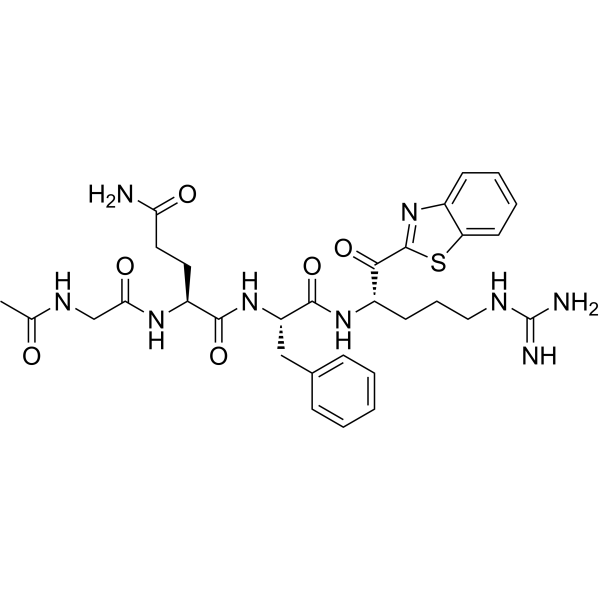
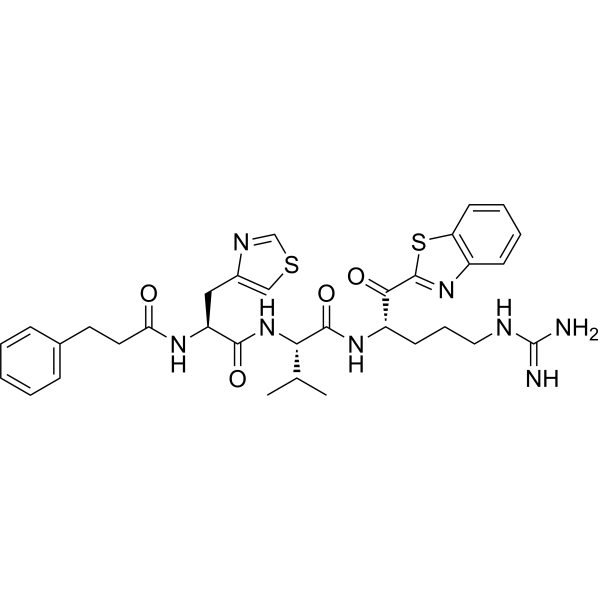
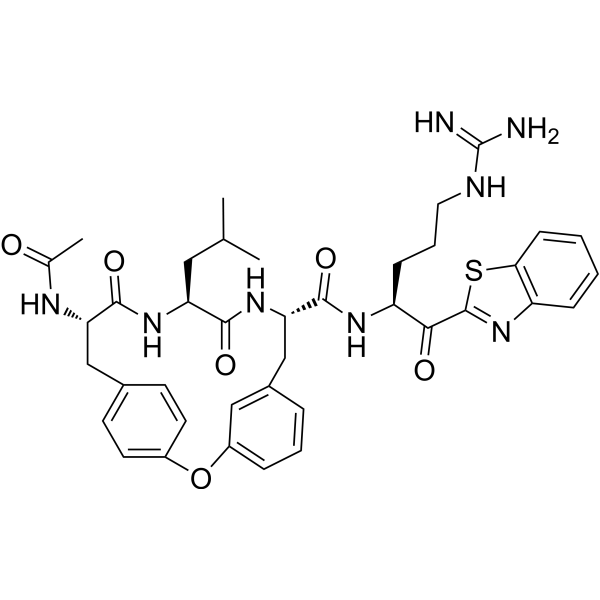
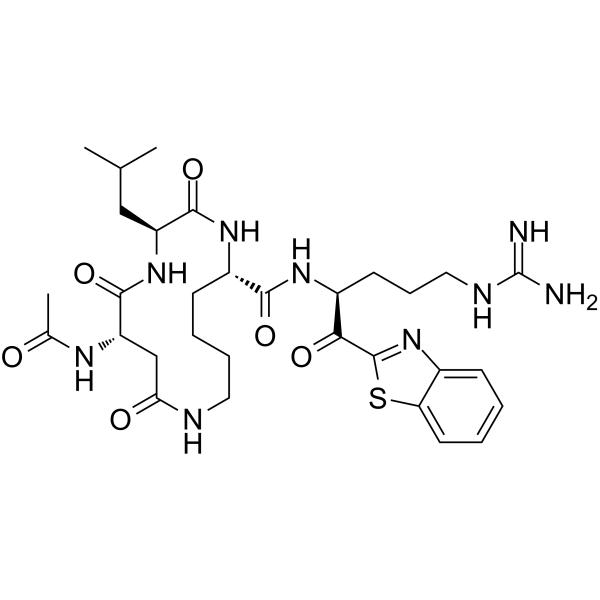
Cbz-QFR-kbt is a ketone-based benzothiazole ketone inhibitor of TMPRSS2, with an IC50 value of 0.42 nM. Cbz-QFR-kbt also has inhibitory activity against Matriptase, Hepsin, HGFA, and Factor Xa, with IC50 values of 1, 1.3, 85, and 85 nM respectively. Cbz-QFR-kbt shows significant inhibitory effects against SARS-CoV-2 and H1N1 (IC50 = 60 nM). Cbz-QFR-kbt can be used in antiviral research .
INVA8001 (ASB17061) is a highly selective and orally active chymase inhibitor with IC50 values for human chymase and mouse mast cell proteinase 4 (mMCP-4) of 0.02 and 0.03 μM, respectively. INVA8001 exhibits IC50 values for bovine α-chymotrypsin and human cathesin G of 3.4 and 32.1 μM, respectively, and it shows over 1000-fold selectivity for other related serineproteases. INVA8001 inhibits mast cells in a mouse primary sclerosing cholangitis (PSC) model, improves bile duct pathology, and alleviates bile stasis, demonstrating anti-inflammatory and anti-fibrotic effects .
TM5614 sodium is an orally active and specific PAI-1inhibitor with an IC50 of <6.95 μM. TM5614 sodium blocks the interaction between PAI-1 and serineproteases or LRP-1, and enhances plasmin generation. TM5614 sodium restores macrophage efferocytosis and promotes macrophage polarization. TM5614 sodium alleviates PAI-1-mediated inhibition of Furin, promotes MT1-MMP maturation, activates the NOTCH1 signaling pathway, inhibits proliferation and induces apoptosis. TM5614 sodium promotes skeletal muscle regeneration and alleviates inflammation in a mouse model of skeletal muscle injury. TM5614 sodium can be used in research on skeletal muscle injury-induced inflammation and chronic myeloid leukemia .
Retrocyclin-101 (RC-101) TFA is an artificially synthesized, cyclic-structured θ-defensin, a broad-spectrum agent with antimicrobial (covering viruses, bacteria, and fungi) activity and anti-inflammatory activity. Retrocyclin-101 TFA can inhibit the serineprotease activity of ZIKV NS2B-NS3, with an IC50 of 7.20 μM. Retrocyclin-101 TFA has significant inhibitory activity against HIV, SARS-CoV-2, flaviviruses, influenza viruses, HSV-1/2, Staphylococcus aureus, etc. Retrocyclin-101 TFA inhibits the signal transduction mediated by TLR4 and TLR2, reducing the expression of pro-inflammatory cytokines .
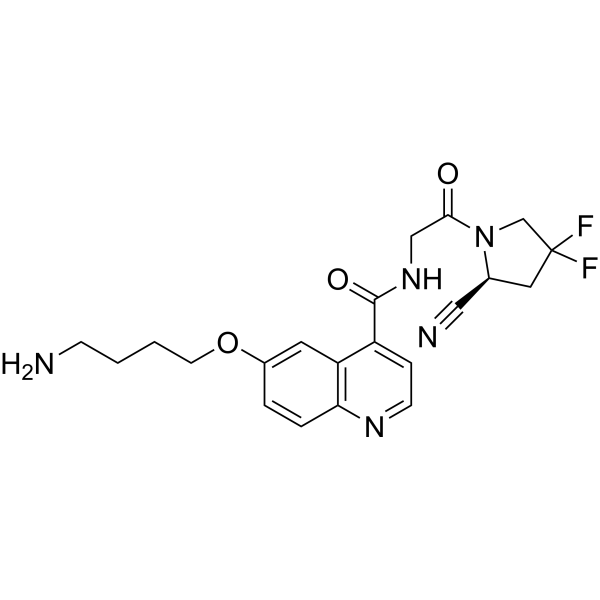
NH2-UAMC1110 is an aminobutoxy derivative of the fibroblast activation protein (FAP) inhibitor UAMC1110 (HY-100684), and is a precursor compound for the synthesis of FAP inhibitor probes, not directly used in bioactivity experiments. For example, NH2-UAMC1110 is involved in the synthesis of the radiotracer FAPI-QS, which exhibits high tumor selectivity and high dose-response, and has been used for tumor diagnosis. NH2-UAMC1110 introduces an active amino group into its structure, enabling it to form covalent bonds with various molecules (such as DOTA, DATA5m, radionuclide chelators, etc.), thereby synthesizing molecular imaging probes or targeted compounds with the ability to target FAP. NH2-UAMC1110 specifically binds to the FAP active site, inhibiting its proline-selective serineprotease activity (including dipeptidyl peptidase and endopeptidase activity), blocking FAP-mediated tissue remodeling processes. Its key activity is high targeting and high affinity, and its core function is to be coupled with bifunctional chelators (such as DOTA, DATA5m) as a targeting module. NH2-UAMC1110 can be applied to diagnostic imaging studies of tumors expressing FAP (such as colorectal cancer, pancreatic cancer, etc.), and also provides molecular tools for targeted research of FAP-related diseases with high FAP expression, such as fibrosis and arthritis .
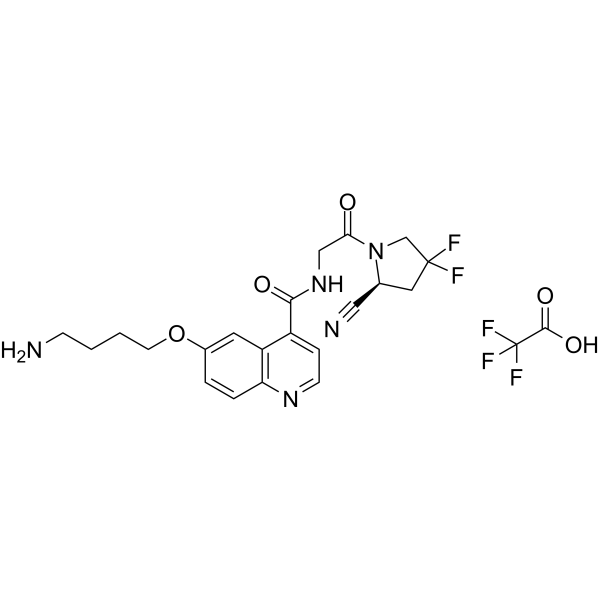
NH2-UAMC1110 TFA is an aminobutoxy derivative of the fibroblast activation protein (FAP) inhibitor UAMC1110 (HY-100684), and is a precursor compound for the synthesis of FAP inhibitor probes, not directly used in bioactivity experiments. For example, NH2-UAMC1110 TFA is involved in the synthesis of the radiotracer FAPI-QS, which exhibits high tumor selectivity and high dose effect, and has been used in tumor diagnosis. NH2-UAMC1110 TFA structurally incorporates an active amino group, allowing it to form covalent bonds with various molecules (such as DOTA, DATA5m, radionuclide chelators, etc.) to synthesize molecular imaging probes or targeted compounds with the ability to target FAP. NH2-UAMC1110 TFA specifically binds to the FAP active site, inhibiting its proline-selective serineprotease activity (including dipeptidyl peptidase and endopeptidase activity), blocking FAP-mediated tissue remodeling-related processes. Its key activity is high targeting and high affinity, and its core function is to act as a targeting module coupled with bifunctional chelators (such as DOTA, DATA5m). NH2-UAMC1110 TFA can be applied to diagnostic imaging studies of tumors expressing FAP (such as colorectal cancer, pancreatic cancer, etc.), and also provides molecular tools for targeted research of FAP-related diseases with high FAP expression, such as fibrosis and arthritis .
Proteinase, Aspergillus oryzae is a serineprotease that hydrolyzes peptide bonds in protein substrates, preferring alkaline conditions (optimal pH 10.5). It efficiently degrades casein, poly-L-glutamic acid, and poly-L-lysine, with activity irreversibly inhibited by diisopropylfluorophosphate (DFP) and potato inhibitor. This enzyme catalyzes proteolysis via serine residues in its active site, finding applications in food processing (e.g., soy sauce fermentation), detergents, and leather industries due to its high yield in solid-state fermentation and cost-effective production.
Agkistrodon halys batroxobin is a thrombin-like serineprotease. Agkistrodon halys batroxobin reduces the expression of Sirt1 and extracellular signal-regulated kinase activation in brain tissue. Agkistrodon halys batroxobin reduces cleaved caspase-3 expression and inhibits neuronal apoptosis in rat .
Leupeptin is a broad-spectrum, membrane-permeable proteaseinhibitor. Leupeptin potently inhibitsserine, cysteine and threonine proteases. Leupeptin inhibitsM pro (the main protease of SARS-CoV-2) and also has anti-inflammatory activity .
Activated Protein C (390-404), human is a polypeptide fragment of vitamin K-dependent serineprotease activated protein C (APC), which inhibits the anticoagulant activity of APC. Activated Protein C (390-404), human inhibits APC-catalyzed inactivation of factor Va .
Z-GGF-CMK is an Antibacterial agent, an inhibitor of the ClpP1P2serineprotease complex (with an IC50 of 50 μM against intracellular ClpP1P2 protease activity in Mycobacterium bovis BCG), and a selective inhibitor of the mycobacterial Proteasome (with an IC50 of 50 μM against the proteasome in M. bovis BCG). Z-GGF-CMK inhibits the growth of mycobacteria. Z-GGF-CMK exhibits cytotoxic activity against liver cancer cells. Z-GGF-CMK can be used in the research of tuberculosis .
DEC-RVRK-CMK (Decanoyl-Arg-Val-Arg-Lys-chloromethylketone) TFA is a peptide-based CMK (chloromethylketone) inhibitor that targets and inactivates the secreted soluble kexin (Kex2) (Ki=8.45 μM). The yeast enzyme Kex2 (kexin, EC 3.4.21.61) is a calcium-dependent transmembrane protease and belongs to the mammalian protease family of the serineprotease subtilisin family. The binding mechanism of Kex2 with different CMK inhibitors depends on substrate selectivity, particularly the selective differences between lysine and arginine at the P1 position .
Dansyl-Glu-Gly-Arg-Chloromethylketone TFA is a proteaseinhibitor, and inhibitsserine/threonine proteases. Dansyl-Glu-Gly-Arg-Chloromethylketone TFA inhibits activated porcine factor IX .
DEC-RVRK-CMK (Decanoyl-Arg-Val-Arg-Lys-chloromethylketone) is a peptide-based CMK (chloromethylketone) inhibitor that targets and inactivates the secreted soluble kexin (Kex2) (Ki=8.45 μM). The yeast enzyme Kex2 (kexin, EC 3.4.21.61) is a calcium-dependent transmembrane protease and belongs to the mammalian protease family of the serineprotease subtilisin family. The binding mechanism of Kex2 with different CMK inhibitors depends on substrate selectivity, particularly the selective differences between lysine and arginine at the P1 position .
Dansyl-Glu-Gly-Arg-Chloromethylketone is a proteaseinhibitor, and inhibitsserine/threonine proteases. Dansyl-Glu-Gly-Arg-Chloromethylketone inhibits activated porcine factor IX .
Activated Protein C (390-404), human TFA, a peptide of the activated protein C (a vitamin K-dependent serineprotease), potently inhibits APC anticoagulant activity .
Retrocyclin-101 (RC-101) TFA is an artificially synthesized, cyclic-structured θ-defensin, a broad-spectrum agent with antimicrobial (covering viruses, bacteria, and fungi) activity and anti-inflammatory activity. Retrocyclin-101 TFA can inhibit the serineprotease activity of ZIKV NS2B-NS3, with an IC50 of 7.20 μM. Retrocyclin-101 TFA has significant inhibitory activity against HIV, SARS-CoV-2, flaviviruses, influenza viruses, HSV-1/2, Staphylococcus aureus, etc. Retrocyclin-101 TFA inhibits the signal transduction mediated by TLR4 and TLR2, reducing the expression of pro-inflammatory cytokines .
RLYB331 (KY1066) is a is a monoclonal antibody targeting Matriptase-2 (TMPRSS6) . RLYB331 binds to the serineprotease active site of matriptase-2, blocking protease activity to increase hepcidin expression. RLYB331 reduces iron overload, inhibits α-aggregates, reduces ROS, inhibitsapoptosis, and enhances erythroid differentiation. RLYB331 ameliorates ineffective erythropoiesis in β-thalassemic mouse models. RLYB331 can be used for the research of β-thalassemia .
Leupeptin hemisulfate is a broad-spectrum, membrane-permeable proteaseinhibitor. Leupeptin hemisulfate potently inhibitsserine, cysteine and threonine proteases. Leupeptin hemisulfate inhibitsM pro (the main protease of SARS-CoV-2) and also has anti-inflammatory activity .
Camostat mesylate (Camostat mesilate) is an orally active, synthetic serineproteaseinhibitor for chronic pancreatitis. Camostat mesylate, an inhibitor of TMPRSS2, shows antiviral activity against SARS-CoV-2. Camostat mesylate also inhibits the activity of prostasin, trypsin, and matriptase .
6-(Dimethylamino) purine (6-Dimethylaminopurine) is a serine threonine protein kinaseinhibitor. 6-(Dimethylamino) purine can inhibit prolactin induced expression of lactoprotein genes in rabbit mammary gland cells. 6-(Dimethylamino) purine can affect the maturation of mammalian oocytes. 6-(Dimethylamino) purine can lead to downregulation of genes related to cell proliferation and cell cycle progression, such as proliferating cell nuclear antigen, insulin-like gene 1, and serineproteaseinhibitor 2 genes, and induce apoptosis in lymphoma cells (apoptosis) .
3,4-Dichloroisocoumarin is a potent serine-protease and SrLipinhibitor (Ki for SrLip: 26.6 μM). 3,4-Dichloroisocoumarin is opened by serineproteases and then undergoes acylation with the enzyme, thereby inhibitingprotease activity. 3,4-Dichloroisocoumarin can induce DNA fragmentation and Apoptosis. 3,4-Dichloroisocoumarin can be used in the research of multiple fields such as tumors, cardiovascular disease and enzyme catalytic mechanisms .
Camostat (mesylate) (Standard) is the analytical standard of Camostat (mesylate). This product is intended for research and analytical applications. Camostat mesylate (Camostat mesilate) is an orally active, synthetic serineproteaseinhibitor for chronic pancreatitis. Camostat mesylate, an inhibitor of TMPRSS2, shows antiviral activity against SARS-CoV-2. Camostat mesylate also inhibits the activity of prostasin, trypsin, and matriptase .
Leupeptin (hemisulfate) (Standard) is the analytical standard of Leupeptin (hemisulfate). This product is intended for research and analytical applications. Leupeptin hemisulfate is a broad-spectrum, membrane-permeable proteaseinhibitor. Leupeptin hemisulfate potently inhibitsserine, cysteine and threonine proteases. Leupeptin hemisulfate inhibits Mpro (the main protease of SARS-CoV-2) and also has anti-inflammatory activity[1][2][3].
Cyclothiazomycin selectively inhibits renin activity and does not inhibit pepsin, aspartic acid, serine, mercaptan protease and metalloproteinases. Cyclothiazomycin has weak antifungal activity .
Rivulariapeptolides 1155 is a potent serineproteaseinhibitor with IC50s of 41.84, 4.94, 56.54 nM for chymotrypsin, elastase, prpteinase K, respectively .
Rivulariapeptolides 988 is a high potent and selective serineproteaseinhibitor with IC50 values of 95.46 nM, 15.29 nM and 85.50 nM for chymotrypsin, elastase and proteinase K, respectively .
Rivulariapeptolides 1121 is a high potent and selective serineproteaseinhibitor with IC50 values of 35.52 nM, 13.24 nM and 48.05 nM for chymotrypsin, elastase and proteinase K, respectively .
Rivulariapeptolides 1185 is a high potent and selective serineproteaseinhibitor with IC50 values of 13.17 nM, 23.59 nM and 55.26 nM for chymotrypsin, elastase and proteinase K, respectively .
Kynapcin-13 can non-competitively inhibit the activity of prolyl endopeptidase (PEP) with an IC50 of 76.80 μM. Kynapcin-13 has a little inhibitory effect on other serineproteases .
Kynapcin-28 can non-competitively inhibit the activity of prolyl endopeptidase (PEP) with an IC50 of 76.80 μM. Kynapcin-28 has a little inhibitory effect on other serineproteases .
The Serpin A1c protein is a skilled guardian of cellular regulation, specifically acting as an inhibitor of serine proteases, specifically trypsin and chymotrypsin. Its efficacy in blocking enzymatic activity contrasts with its relative ineffectiveness against elastase. Serpin A1c Protein, Mouse (HEK293, His) is the recombinant mouse-derived Serpin A1c protein, expressed by HEK293 , with C-6*His labeled tag.
Plasma serine protease inhibitor (SERPINA5) is a glycoproteins that inhibit serine proteases. SERPINA5 is involved in the regulation of intravascular and extravascular proteolytic activities, controls the sperm motility and fertilization and protect components of the genital tract. SERPINA5 also inhibits urinary-type plasminogen activator-dependent tumor cell invasion and metastasis. Serpin A5 Protein, Human (HEK293, His) is the recombinant human-derived Serpin A5 protein, expressed by HEK293 , with C-6*His labeled tag.
Serpin E2, a serine protease inhibitor, inhibits thrombin, trypsin, and urokinase, with a notable role in promoting neurite extension by specifically inhibiting thrombin.Its ability to bind heparin underscores interactions with glycosaminoglycans.The multifaceted inhibitory functions of Serpin E2 highlight its significance in regulating serine protease activities and potential impact on cellular processes, particularly in neurodevelopment.Serpin E2 Protein, Mouse (HEK293, His) is the recombinant mouse-derived Serpin E2 protein, expressed by HEK293 , with C-10*His labeled tag.
SPINK2, a robust acrosin inhibitor, is vital for normal spermiogenesis, preventing premature activation of proacrosin and other proteases to avoid spermiogenesis defects. It likely regulates germ cell apoptosis mediated by serine proteases and displays inhibitory activity against trypsin, indicating involvement in diverse serine protease-dependent processes. SPINK2 Protein, Human (HEK293, Fc) is the recombinant human-derived SPINK2 protein, expressed by HEK293 , with C-hFc labeled tag.
Serpin B12 Protein inhibits trypsin and plasmin, excluding thrombin, coagulation factor Xa, or urokinase-type plasminogen activator. It may have a role in cell differentiation, interacting with SLFN12 in a pathway regulating differentiation, and potentially interacting with USP14. Serpin B12 Protein, Human (HEK293, His) is the recombinant human-derived Serpin B12 protein, expressed by HEK293 , with C-6*His labeled tag.
Serpin B12 inhibits trypsin and plasmin but not thrombin, coagulation factor Xa, and urokinase-type plasminogen activator. Additionally, it interacts with SLFN12, contributing to cellular differentiation pathways, showcasing its multifunctional nature beyond classical protease inhibition. Serpin B12 Protein, Mouse (sf9, His) is the recombinant mouse-derived Serpin B12 protein, expressed by Sf9 insect cells , with C-His labeled tag.
The SPINK1 protein is a serine protease inhibitor that significantly inhibits trypsin, especially in the pancreas, preventing premature activation of the zymogen. This critical role maintains the integrity of pancreatic cellular processes. SPINK1 Protein, Human (HEK293, His) is the recombinant human-derived SPINK1 protein, expressed by HEK293 , with C-6*His labeled tag.
SPINK1 is a serine protease inhibitor that significantly inhibits trypsin, especially in the pancreas, preventing premature activation of the zymogen. In the male reproductive tract, SPINK1 binds to sperm heads and regulates sperm volume by inhibiting calcium absorption and nitrogen oxide (NO) production. SPINK1 Protein, Mouse (P.pastoris, His) is the recombinant mouse-derived SPINK1 protein, expressed by P. pastoris , with N-6*His labeled tag.
Serpin A3C Protein, with its reactive center loop (RCL), guides interactions with target proteases.Binding leads to protease cleavage at the RCL, forming a stable serpin-protease complex, inactivating the protease.Variability in Serpin A3C's RCL sequences among Serpina3 paralogs may influence the specificity of target protease interactions, showcasing the protein's adaptability.Serpin A3C Protein, Mouse (HEK293, His) is the recombinant mouse-derived Serpin A3C protein, expressed by HEK293 , with C-His labeled tag.
Serpin A5 protein is a heparin-dependent serine protease inhibitor that controls proteolytic activity in body fluids. It binds irreversibly to the serine activation site, inactivating serine proteases and regulating intravascular and extravascular proteolysis. Serpin A5 Protein, Mouse (sf9, His) is the recombinant mouse-derived Serpin A5 protein, expressed by sf9 insect cells , with N-10*His labeled tag.
SPINK4 Protein is a member of the serine protease inhibitors family named Kazal type (SPINK) in humans. SPINK4 is known as a gastrointestinal peptide in the gastrointestinal tract and is abundantly expressed in human goblet cells. SPINK4 can serve as a prognostic marker for colorectal cancer (CRC), bladder cancer (BCa) and Barrett's esophagus. The reduced expression of SPINK4 relates to poor survival in colorectal cancer (CRC). SPINK4 Protein, Human (HEK293, His) is the recombinant human-derived SPINK4 protein, expressed by HEK293 , with C-6*His labeled tag.
The SPINK4 protein acts as a serine-type endopeptidase inhibitor, regulating peptidase activity.It is located in the extracellular region, suggesting that it has inhibitory functions outside the cell.SPINK4 Protein, Mouse (HEK293, His) is the recombinant mouse-derived SPINK4 protein, expressed by HEK293 , with C-6*His labeled tag.
The SPINK4 protein is specifically expressed in the intestine, suggesting a potential role in gastrointestinal physiology.Its local expression implies involvement in digestive system processes, regulation of protease activity, or other functions critical to intestinal homeostasis.SPINK4 Protein, Mouse (HEK293, Fc) is the recombinant mouse-derived SPINK4 protein, expressed by HEK293 , with C-hFc labeled tag.
Vaspin is an adipokine that regulates adipogenesis, metabolism, and inflammation by binding to the chemokine receptors CMKLR1 and CMKLR2. It mainly regulates adipocyte differentiation and affects lipid and glucose metabolism genes. Vaspin Protein, Human (GST) is the recombinant human-derived Vaspin protein, expressed by E. coli , with N-GST labeled tag.
The serpin A3N protein is ubiquitously found in a variety of tissues, showing elevated expression in the brain, heart, liver, lung, spleen, testis, and thymus, implying a variety of physiological functions.In contrast, it shows lower expression in bone marrow, kidney, and skeletal muscle, suggesting a tissue-specific pattern of regulation.Serpin A3N Protein, Mouse (HEK293, His) is the recombinant mouse-derived Serpin A3N protein, expressed by HEK293 , with C-6*His labeled tag.
The serpin A3N protein is ubiquitously found in a variety of tissues, showing elevated expression in the brain, heart, liver, lung, spleen, testis, and thymus, implying a variety of physiological functions.In contrast, it shows lower expression in bone marrow, kidney, and skeletal muscle, suggesting a tissue-specific pattern of regulation.Serpin A3N Protein, Mouse (P.pastoris, His) is the recombinant mouse-derived Serpin A3N protein, expressed by P.pastoris , with N-6*His labeled tag.
The Serpin A3N Protein, belonging to the serpin family, is predominantly expressed in the liver, where it regulates protease activity.As a serine protease inhibitor, Serpin A3N plays a crucial role in modulating enzymatic processes within the liver, highlighting its significance in hepatic functions and maintaining the balance of proteolytic activities in this vital organ.Serpin A3N Protein, Rat (HEK293, His) is the recombinant rat-derived Serpin A3N protein, expressed by HEK293 , with C-His labeled tag.
Serpin I2 Protein, is a member of the serpin (serine protease inhibitor) superfamily. Serpin I2 (pancpin) is an inhibitory serpin targeting pancreatic elastase and chymotrypsin. Serpin I2 is downregulated in pancreatic and breast cancer, and associated with acinar cell apoptosis and pancreatic insufficiency when absent in mice. Serpin I2 is associated with refractive error and has the potential for further investigations of the genetic susceptibility to myopia research. Serpin I2 Protein, Human (HEK293, His) is the recombinant human-derived Serpin I2 protein, expressed by HEK293 , with C-6*His labeled tag.
Vaspin is an adipokine that regulates adipogenesis, metabolism, and inflammation by binding to the chemokine receptors CMKLR1 and CMKLR2. It mainly regulates adipocyte differentiation and affects lipid and glucose metabolism genes. Vaspin Protein, Human (HEK293, His) is the recombinant human-derived Vaspin protein, expressed by HEK293 , with C-10*His labeled tag.
The Serpina1d protein is a vigilant sentinel in cellular regulation, acting specifically as an inhibitor of serine proteases, particularly trypsin and chymotrypsin. It effectively blocks their enzymatic activity but appears relatively ineffective against elastase. Serpina1d Protein, Mouse (HEK293) is the recombinant mouse-derived Serpina1d protein, expressed by HEK293 , with tag free.
The Serpina1d protein is a vigilant sentinel in cellular regulation, acting specifically as an inhibitor of serine proteases, particularly trypsin and chymotrypsin. It effectively blocks their enzymatic activity but appears relatively ineffective against elastase. Serpina1d Protein, Mouse (HEK293, Fc) is the recombinant mouse-derived Serpina1d protein, expressed by HEK293 , with C-hFc labeled tag.
The Serpina1d protein is a vigilant sentinel in cellular regulation, acting specifically as an inhibitor of serine proteases, particularly trypsin and chymotrypsin. It effectively blocks their enzymatic activity but appears relatively ineffective against elastase. Serpina1d Protein, Mouse (HEK293, His) is the recombinant mouse-derived Serpina1d protein, expressed by HEK293 , with C-His labeled tag.
SPINK7 Protein, a probable serine protease inhibitor, suggests a role in modulating serine protease activity, crucial in diverse biological processes. Its participation likely regulates proteolytic activities, influencing cellular homeostasis and signaling pathways. SPINK7 Protein, Human (HEK293, His) is the recombinant human-derived SPINK7 protein, expressed by HEK293 , with C-6*His labeled tag.
Nafamostat formate salt- 13C6 is the 13C labeled Nafamostat. Nafamostat, a synthetic serineproteaseinhibitor, is an anticoagulant. Nafamostat supresses T cell auto-reactivity by decreasing granzyme activity and CTL cytolysis. Nafamostat blocks activation of SARS-CoV-2 .
(E)-Upamostat-d5 ((E)-WX-671-d5) is the deuterium labeled (E)-Upamostat (HY-16511A). (E)-Upamostat ((E)-WX-671) is an E-isomer of Upamostat (HY-16511). Upamostat (WX-671), a prodrug of WX-UK1, is an orally active serineproteaseinhibitor .
UKI-1-d8 acetate (WX-UK1-d8 acetate) is the deuterium labeled UKI-1 acetate. UKI-1 (WX-UK1) is a potent urokinase-type plasminogen activator (uPA)inhibitor with a Ki of 0.41 μM. UKI-1 is also a low molecular weight serineproteaseinhibitor. UKI-1 is a potent antimetastatic agent and inhibits the invasive capacity of carcinoma cells .
ISD sodium is an interferon-stimulatory DNA, a 45 bp non-CpG double-stranded oligonucleotide derived from the genome of Listeria monocytogenes. ISD sodium potently induces type I interferon production via the cGAS‑STING‑TBK1‑IRF3 pathway .
Human SERPINA1 mRNA encodes the human serpin family A member 1 (SERPINA1) protein, a serineproteaseinhibitor belonging to the serpin superfamily. SERPINA1’s major physiological function is the protection of the lower respiratory tract against proteolytic destruction by human leukocyte elastase (HLE).
Online-Anfrage
Your information is safe with us. * Required Fields.
Western blot analysis of extracts from THP-1(lane 2(20μg), Jurkat (lane 3(20μg) and NIH3T3(lane 4(20μg) using FOXO1A (HY-P80132) Rabbit mAb. Proteins were transferred
to a PVDF membrane and blocked with 5% non-fat milk in TBST for 2 hour at room temperature. The primary antibody (1/1000) and Loading control antibody (Beta Actin, HY-P80438, 1/10000) was
used in 5% non-fat milk in TBST at 4°C overnight. Goat Anti-Mouse/Rabbit IgG-HRP Secondary Antibody (1/10000) was used for 1 hour at room temperature.
Western blot analysis of extracts from THP-1(lane 2(20μg), Jurkat (lane 3(20μg) and NIH3T3(lane 4(20μg) using FOXO1A (HY-P80132) Rabbit mAb. Proteins were transferred
to a PVDF membrane and blocked with 5% non-fat milk in TBST for 2 hour at room temperature. The primary antibody (1/1000) and Loading control antibody (Beta Actin, HY-P80438, 1/10000) was
used in 5% non-fat milk in TBST at 4°C overnight. Goat Anti-Mouse/Rabbit IgG-HRP Secondary Antibody (1/10000) was used for 1 hour at room temperature.
Western blot analysis of extracts from THP-1(lane 2(20μg), Jurkat (lane 3(20μg) and NIH3T3(lane 4(20μg) using FOXO1A (HY-P80132) Rabbit mAb. Proteins were transferred
to a PVDF membrane and blocked with 5% non-fat milk in TBST for 2 hour at room temperature. The primary antibody (1/1000) and Loading control antibody (Beta Actin, HY-P80438, 1/10000) was
used in 5% non-fat milk in TBST at 4°C overnight. Goat Anti-Mouse/Rabbit IgG-HRP Secondary Antibody (1/10000) was used for 1 hour at room temperature.
Western blot analysis of extracts from THP-1(lane 2(20μg), Jurkat (lane 3(20μg) and NIH3T3(lane 4(20μg) using FOXO1A (HY-P80132) Rabbit mAb. Proteins were transferred
to a PVDF membrane and blocked with 5% non-fat milk in TBST for 2 hour at room temperature. The primary antibody (1/1000) and Loading control antibody (Beta Actin, HY-P80438, 1/10000) was
MedchemExpress Validation 03
Western blot analysis of extracts from THP-1(lane 2(20μg), Jurkat (lane 3(20μg) and NIH3T3(lane 4(20μg) using FOXO1A (HY-P80132) Rabbit mAb. Proteins were transferred
MedchemExpress Validation 04
Western blot analysis of extracts from THP-1(lane 2(20μg), Jurkat (lane 3(20μg) and NIH3T3(lane 4(20μg) using FOXO1A (HY-P80132) Rabbit mAb. Proteins were transferred
to a PVDF membrane and blocked with 5% non-fat milk in TBST for 2 hour at room temperature. The primary antibody (1/1000) and Loading control antibody (Beta Actin, HY-P80438, 1/10000) was
used in 5% non-fat milk in TBST at 4°C overnight. Goat Anti-Mouse/Rabbit IgG-HRP Secondary Antibody (1/10000) was used for 1 hour at room temperature.
MedchemExpress Validation
Western blot analysis of extracts from THP-1(lane 2(20μg), Jurkat (lane 3(20μg) and NIH3T3(lane 4(20μg) using FOXO1A (HY-P80132) Rabbit mAb. Proteins were transferred
to a PVDF membrane and blocked with 5% non-fat milk in TBST for 2 hour at room temperature. The primary antibody (1/1000) and Loading control antibody (Beta Actin, HY-P80438, 1/10000) was
used in 5% non-fat milk in TBST at 4°C overnight. Goat Anti-Mouse/Rabbit IgG-HRP Secondary Antibody (1/10000) was used for 1 hour at room temperature.
Western blot analysis of extracts from THP-1(lane 2(20μg), Jurkat (lane 3(20μg) and NIH3T3(lane 4(20μg) using FOXO1A (HY-P80132) Rabbit mAb. Proteins were transferred
to a PVDF membrane and blocked with 5% non-fat milk in TBST for 2 hour at room temperature. The primary antibody (1/1000) and Loading control antibody (Beta Actin, HY-P80438, 1/10000) was
used in 5% non-fat milk in TBST at 4°C overnight. Goat Anti-Mouse/Rabbit IgG-HRP Secondary Antibody (1/10000) was used for 1 hour at room temperature.
MedchemExpress Validation
Western blot analysis of extracts from THP-1(lane 2(20μg), Jurkat (lane 3(20μg) and NIH3T3(lane 4(20μg) using FOXO1A (HY-P80132) Rabbit mAb. Proteins were transferred
to a PVDF membrane and blocked with 5% non-fat milk in TBST for 2 hour at room temperature. The primary antibody (1/1000) and Loading control antibody (Beta Actin, HY-P80438, 1/10000) was
used in 5% non-fat milk in TBST at 4°C overnight. Goat Anti-Mouse/Rabbit IgG-HRP Secondary Antibody (1/10000) was used for 1 hour at room temperature.
MedchemExpress Validation
Western blot analysis of extracts from THP-1(lane 2(20μg), Jurkat (lane 3(20μg) and NIH3T3(lane 4(20μg) using FOXO1A (HY-P80132) Rabbit mAb. Proteins were transferred
to a PVDF membrane and blocked with 5% non-fat milk in TBST for 2 hour at room temperature. The primary antibody (1/1000) and Loading control antibody (Beta Actin, HY-P80438, 1/10000) was
used in 5% non-fat milk in TBST at 4°C overnight. Goat Anti-Mouse/Rabbit IgG-HRP Secondary Antibody (1/10000) was used for 1 hour at room temperature.
MedchemExpress Validation
Western blot analysis of extracts from THP-1(lane 2(20μg), Jurkat (lane 3(20μg) and NIH3T3(lane 4(20μg) using FOXO1A (HY-P80132) Rabbit mAb. Proteins were transferred
to a PVDF membrane and blocked with 5% non-fat milk in TBST for 2 hour at room temperature. The primary antibody (1/1000) and Loading control antibody (Beta Actin, HY-P80438, 1/10000) was
used in 5% non-fat milk in TBST at 4°C overnight. Goat Anti-Mouse/Rabbit IgG-HRP Secondary Antibody (1/10000) was used for 1 hour at room temperature.
MedchemExpress Validation
Western blot analysis of extracts from THP-1(lane 2(20μg), Jurkat (lane 3(20μg) and NIH3T3(lane 4(20μg) using FOXO1A (HY-P80132) Rabbit mAb. Proteins were transferred
to a PVDF membrane and blocked with 5% non-fat milk in TBST for 2 hour at room temperature. The primary antibody (1/1000) and Loading control antibody (Beta Actin, HY-P80438, 1/10000) was
used in 5% non-fat milk in TBST at 4°C overnight. Goat Anti-Mouse/Rabbit IgG-HRP Secondary Antibody (1/10000) was used for 1 hour at room temperature.
MedchemExpress Validation
Western blot analysis of extracts from THP-1(lane 2(20μg), Jurkat (lane 3(20μg) and NIH3T3(lane 4(20μg) using FOXO1A (HY-P80132) Rabbit mAb. Proteins were transferred
to a PVDF membrane and blocked with 5% non-fat milk in TBST for 2 hour at room temperature. The primary antibody (1/1000) and Loading control antibody (Beta Actin, HY-P80438, 1/10000) was
used in 5% non-fat milk in TBST at 4°C overnight. Goat Anti-Mouse/Rabbit IgG-HRP Secondary Antibody (1/10000) was used for 1 hour at room temperature.
MedchemExpress Validation
Western blot analysis of extracts from THP-1(lane 2(20μg), Jurkat (lane 3(20μg) and NIH3T3(lane 4(20μg) using FOXO1A (HY-P80132) Rabbit mAb. Proteins were transferred
to a PVDF membrane and blocked with 5% non-fat milk in TBST for 2 hour at room temperature. The primary antibody (1/1000) and Loading control antibody (Beta Actin, HY-P80438, 1/10000) was
used in 5% non-fat milk in TBST at 4°C overnight. Goat Anti-Mouse/Rabbit IgG-HRP Secondary Antibody (1/10000) was used for 1 hour at room temperature.
Thanks, your subscription has been confirmed. You will hear from us soon.
Submission failed, please try again later.
Produkte sind chemische Reagenzien, die nur für Forschungszwecke bestimmt sind und nicht für den menschlichen Gebrauch. Wir verkaufen nicht an Patienten.
MedChemExpress values your privacy and your trust is important to us. We use cookies to enhance your website experience. Some cookies are necessary to run the website.
Privacy and Cookie Policy