1. Search Result
Search Result
Results for "

Ca2 antagonist

" in MedChemExpress (MCE) Product Catalog:

175

Inhibitors & Agonists

1

Screening Libraries

2

Biochemical Assay Reagents

12

Peptides

12

Natural
Products

15

Isotope-Labeled Compounds

3

Oligonucleotides

Cat. No. Product Name Target Research Areas Chemical Structure
  • HY-15084B
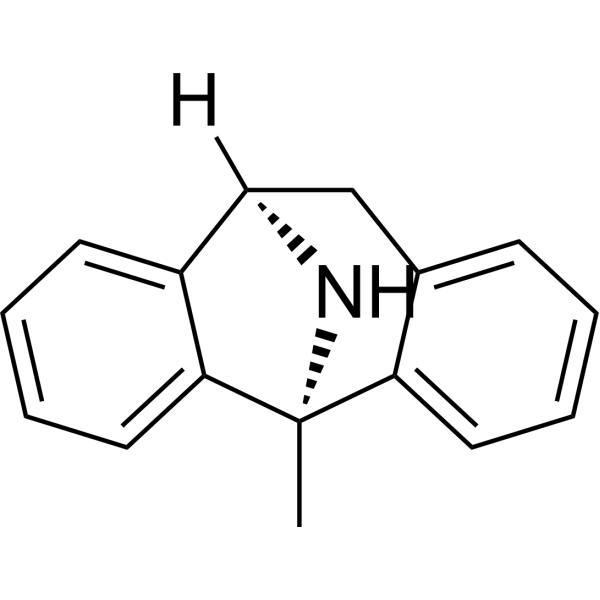
    Dizocilpine
    Maximum Cited Publications
    44 Publications Verification

    MK-801

    iGluR Neurological Disease
    Dizocilpine (MK-801), a potent anticonvulsant, is a selective and non-competitive NMDA receptor antagonist, with a Kd of 37.2 nM in rat brain membranes. Dizocilpine acts by binding to a site located within the NMDA associated ion channel and thus prevents Ca 2+ flux .
    Dizocilpine
  • HY-14656
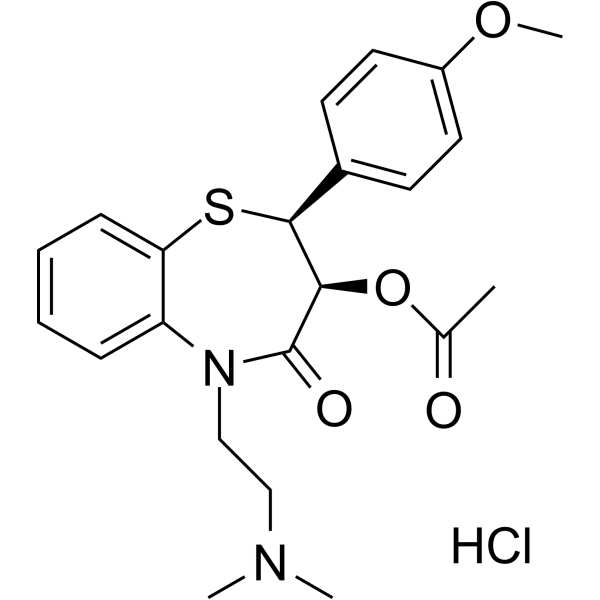
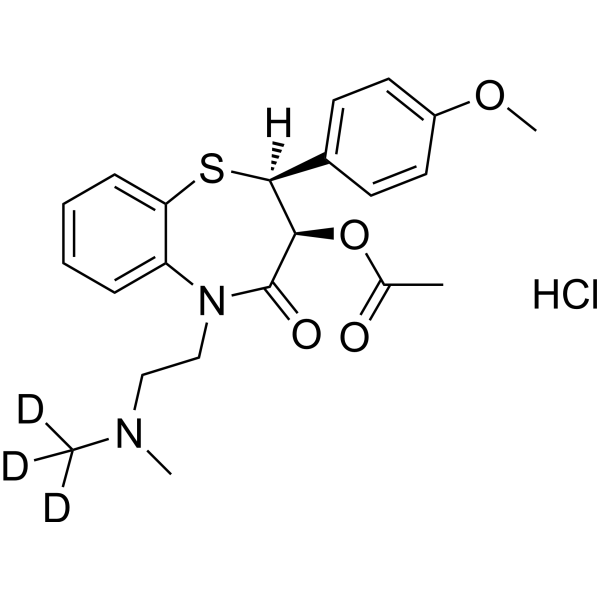
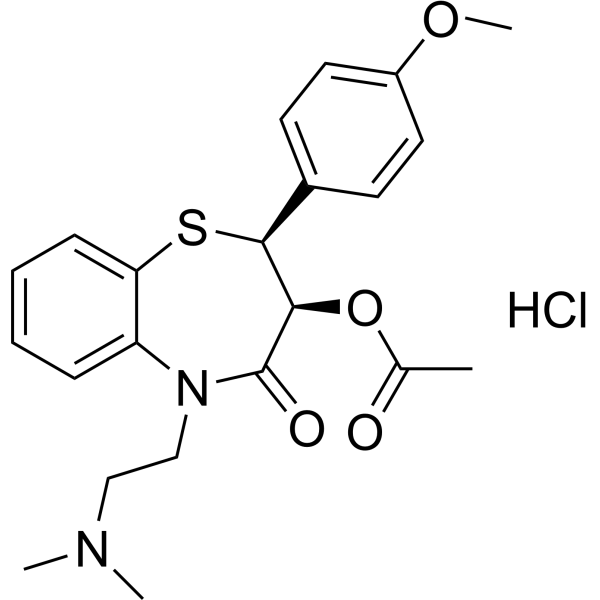
    Diltiazem hydrochloride
    5+ Cited Publications

    CRD-401

    Calcium Channel Cardiovascular Disease Cancer
    Diltiazem hydrochloride is a Ca 2+ influx inhibitor (slow channel blocker or calcium antagonist).
    Diltiazem hydrochloride
  • HY-103319
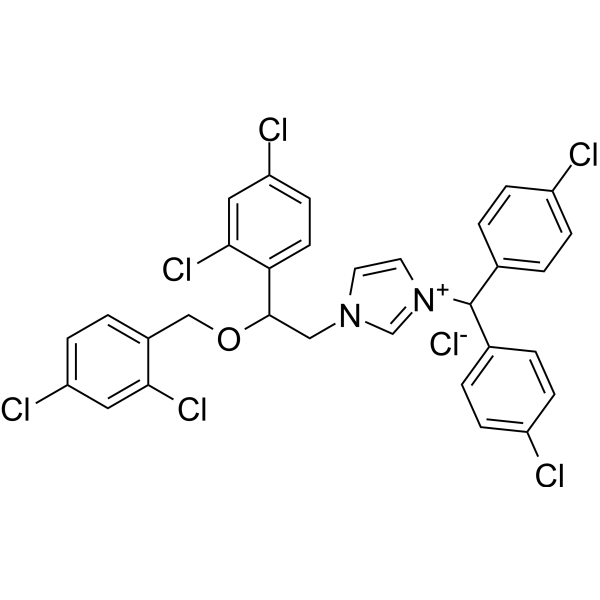
    Calmidazolium chloride
    4 Publications Verification

    R 24571

    Autophagy Calmodulin Neurological Disease Cancer
    Calmidazolium chloride (R 24571) is a calmodulin antagonist, antagonizing CaM-dependent phosphodiesterase and calmodulin-induced activation of erythrocyte Ca2+-transporting ATPase with IC50s of 0.15 and 0.35 μM, respectively . Also in anti-cancer research . Calmidazolium binds to calmodulin with a Kd of 3 nM.
    Calmidazolium chloride
  • HY-10007
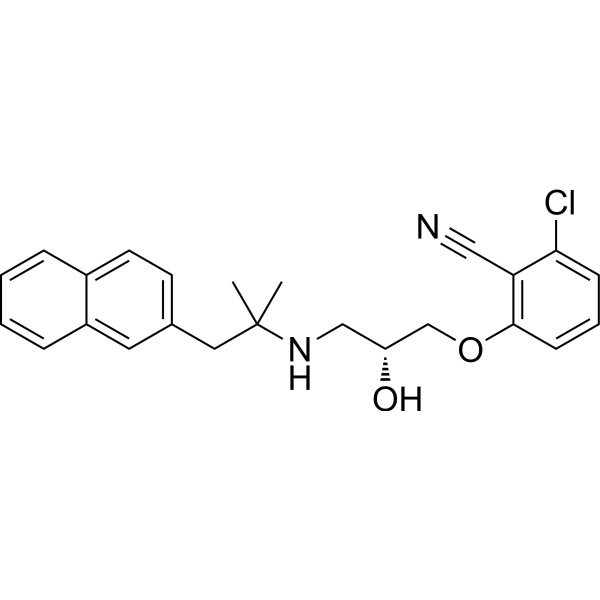
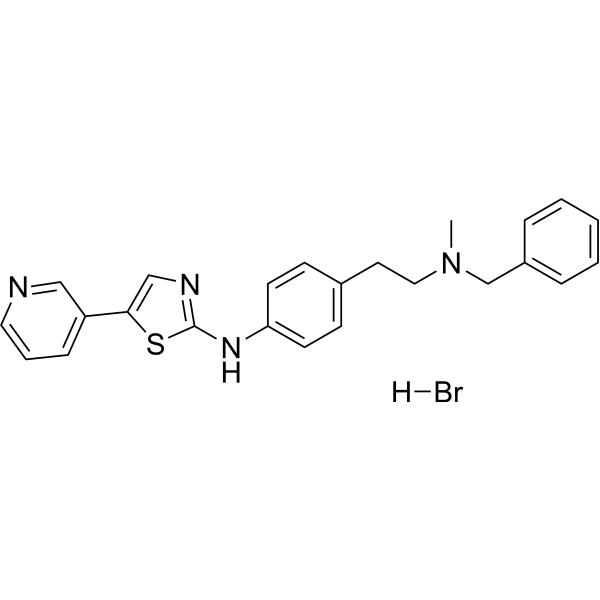
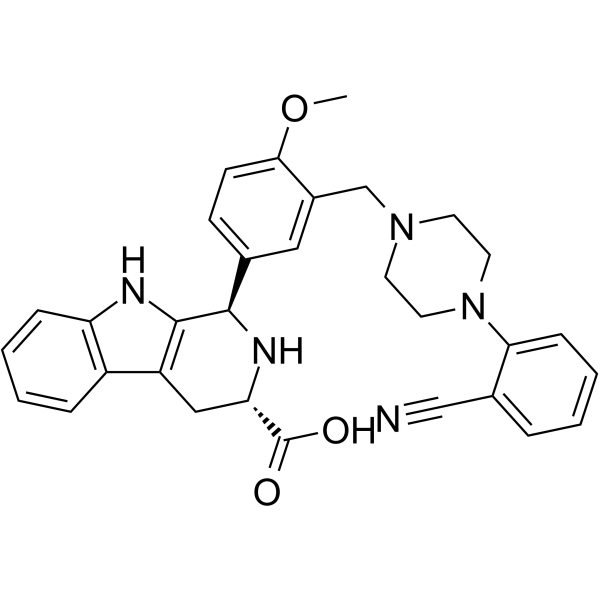
    NPS-2143
    25+ Cited Publications

    SB-262470A

    CaSR Metabolic Disease
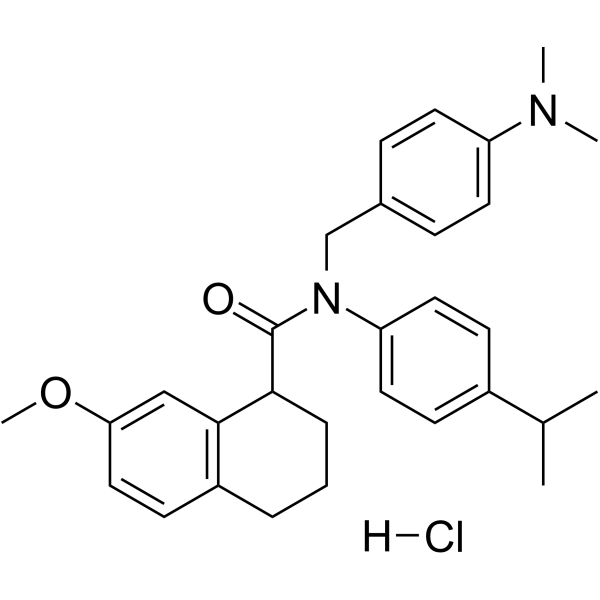
    NPS-2143 (SB-262470A), an orally active calcilytic agent, is a selective and potent calcium ion-sensing receptor (CaSR) antagonist. NPS-2143 (SB-262470A) blocks increases in cytoplasmic Ca 2+ concentrations (IC50=43 nM) elicited by activating the Ca 2+ receptor in HEK 293 cells expressing the human Ca 2+ receptor .
    NPS-2143
  • HY-120691A
    GSK205
    10+ Cited Publications

    TRP Channel Metabolic Disease Inflammation/Immunology
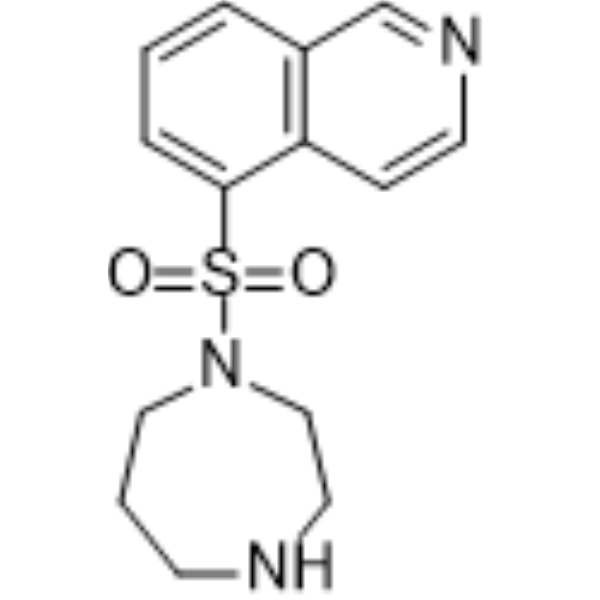
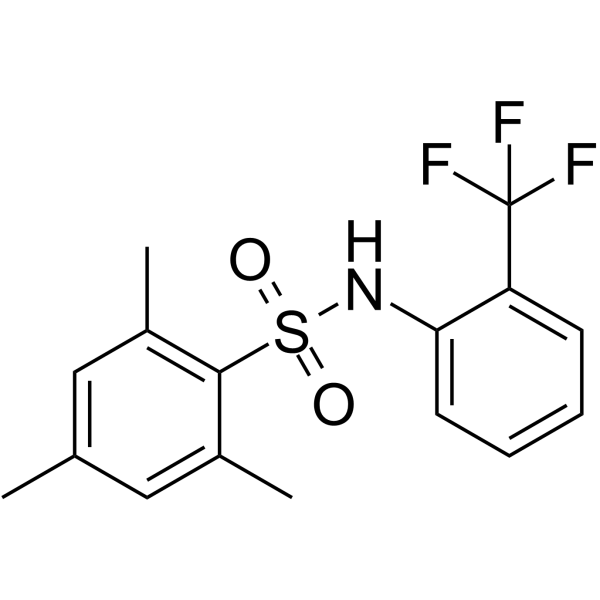
    GSK205 is a potent, selective TRPV4 antagonist with an IC50 of 4.19  μM for inhibiting TRPV4-mediated Ca 2+ influx .
    GSK205
  • HY-N0607
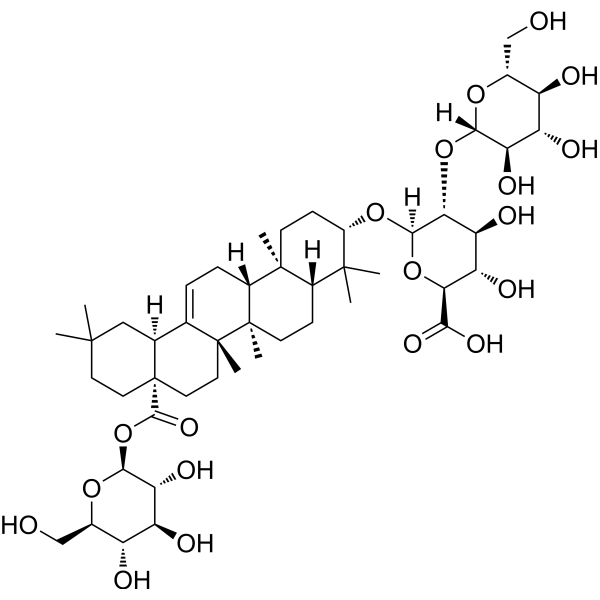
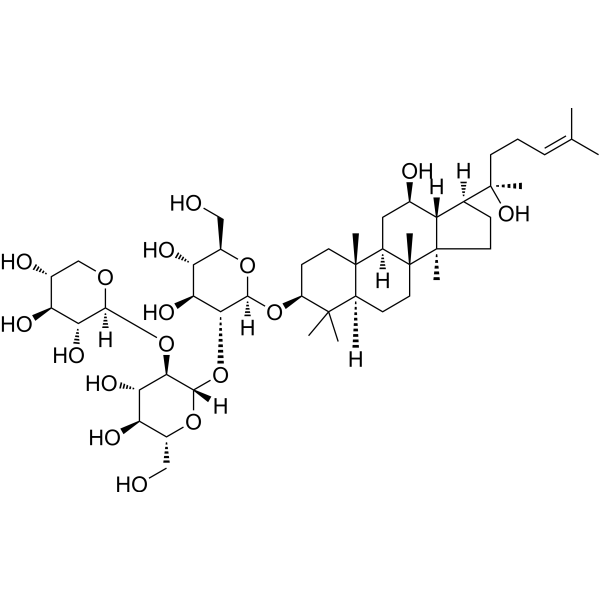
    Ginsenoside Ro
    1 Publications Verification

    Polysciasaponin P3; Chikusetsusaponin 5; Chikusetsusaponin V

    Calcium Channel Prostaglandin Receptor Cardiovascular Disease Endocrinology
    Ginsenoside Ro (Polysciasaponin P3; Chikusetsusaponin 5; Chikusetsusaponin V) exhibits a Ca 2+-antagonistic antiplatelet effect with an IC50 of 155 μM. Ginsenoside Ro reduces the production of TXA2 more than it reduces the activities of COX-1 and TXAS.
    Ginsenoside Ro
  • HY-B0358
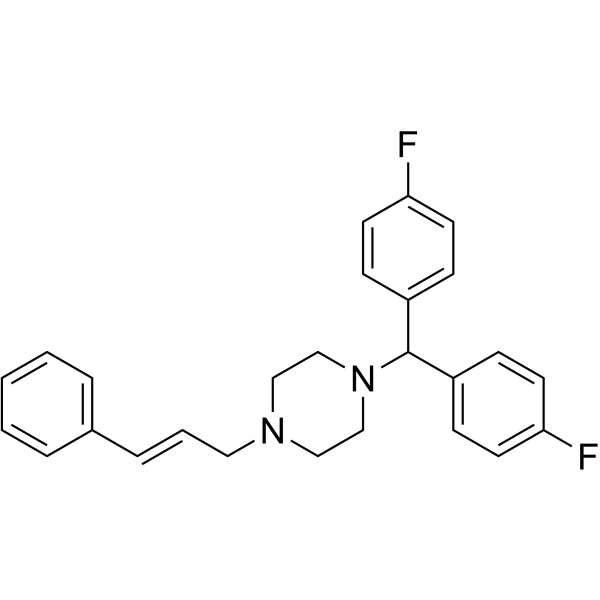
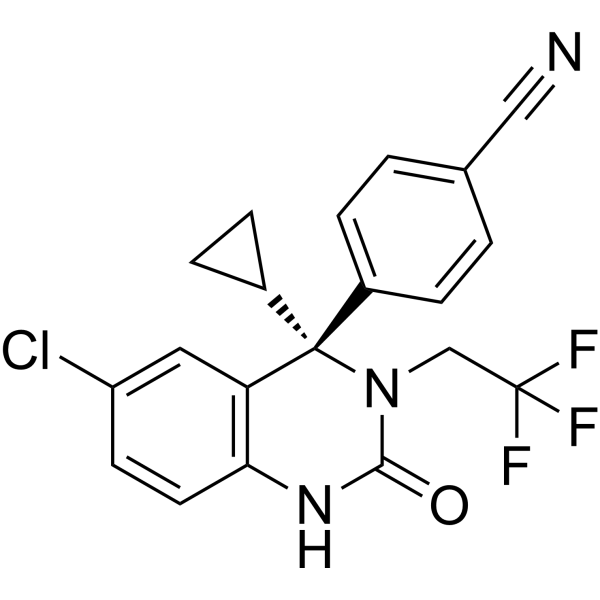
    Flunarizine
    5+ Cited Publications

    Calcium Channel Sodium Channel Dopamine Receptor Cardiovascular Disease Neurological Disease
    Flunarizine is a potent dual Na +/Ca 2+ channel (T-type) blocker. Flunarizine is a D2 dopamine receptor antagonist. Flunarizine shows anticonvulsive and antimigraine activity, and peripheral vasodilator effects .
    Flunarizine
  • HY-123071
    Box5
    Maximum Cited Publications
    11 Publications Verification

    Wnt Cancer
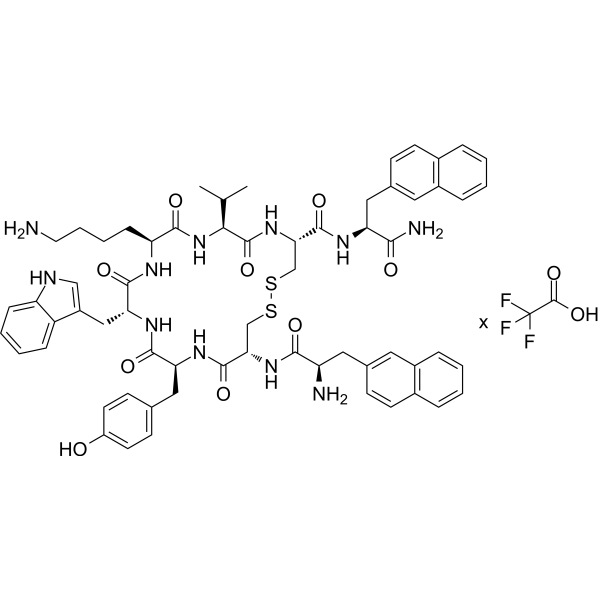
    Box5 is a potent Wnt5a antagonist. Box5 inhibits Wnt5a signaling and inhibits Wnt5a-mediated Ca 2+ release. Box5 inhibits cell migration. Box5 has the potential for the research of melanoma .
    Box5
  • HY-B0358A
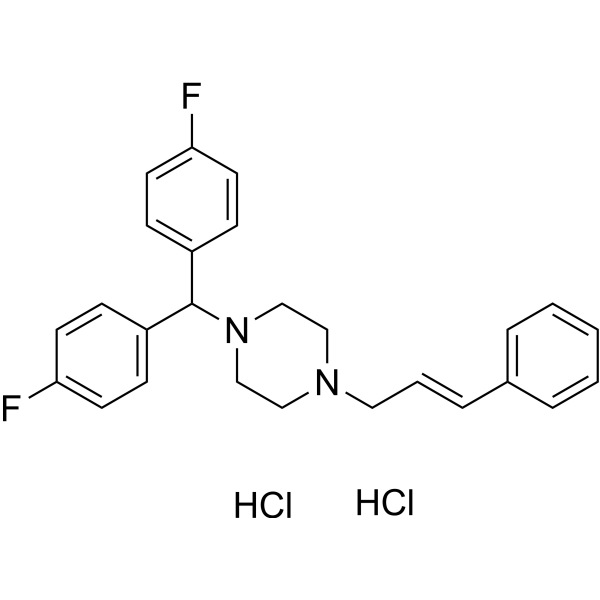
    Flunarizine dihydrochloride
    5+ Cited Publications

    Calcium Channel Sodium Channel Dopamine Receptor Cardiovascular Disease Neurological Disease
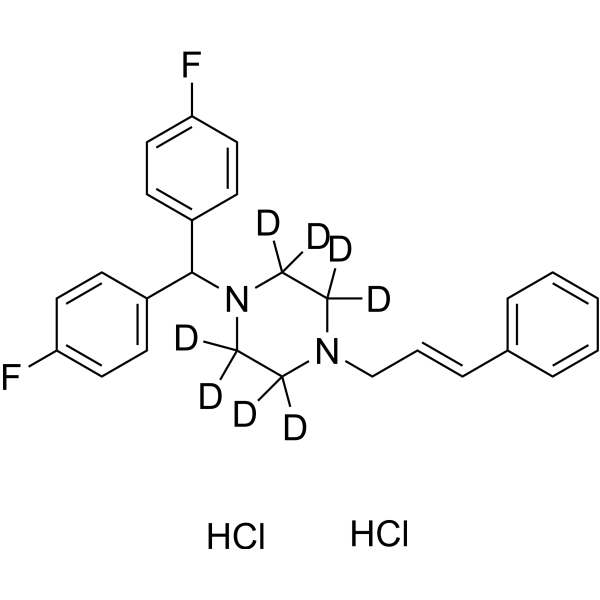
    Flunarizine dihydrochloride is a potent dual Na +/Ca 2+ channel (T-type) blocker. Flunarizine dihydrochloride is a D2 dopamine receptor antagonist. Flunarizine dihydrochloride shows anticonvulsive and antimigraine activity, and peripheral vasodilator effects .
    Flunarizine dihydrochloride
  • HY-119401
    CAY10444
    4 Publications Verification

    BML-241

    LPL Receptor Cancer
    CAY10444 (BML-241) is a sphingosine-1-phosphate 3 (S1P3) antagonist. CAY10444 inhibits by 37% S1P-induced increases in Ca2+ in HeLa cells expressing S1P3 receptors .
    CAY10444
  • HY-10171
    NPS-2143 hydrochloride
    25+ Cited Publications

    SB-262470A hydrochloride

    CaSR Metabolic Disease
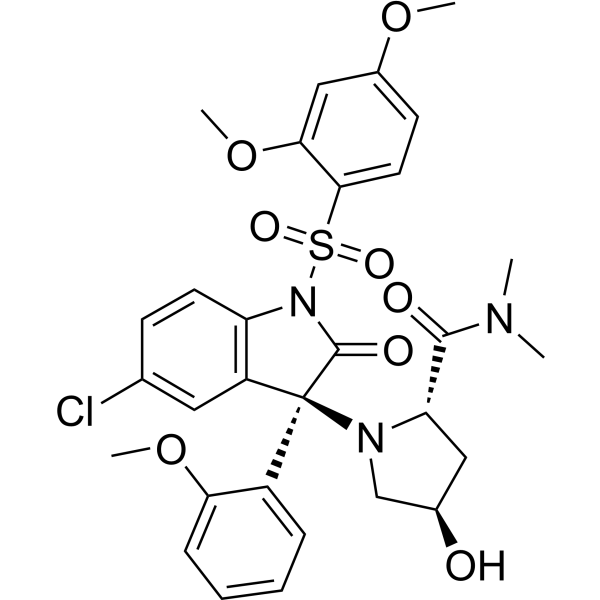
    NPS-2143 hydrochloride (SB-262470A hydrochloride), an orally active calcilytic agent, is a selective and potent calcium ion-sensing receptor (CaSR) antagonist. NPS-2143 hydrochloride (SB-262470A hydrochloride) blocks increases in cytoplasmic Ca 2+ concentrations (IC50=43 nM) elicited by activating the Ca 2+ receptor in HEK 293 cells expressing the human Ca 2+ receptor .
    NPS-2143 hydrochloride
  • HY-120261
    GB-88
    2 Publications Verification

    Protease Activated Receptor (PAR) Inflammation/Immunology
    GB-88 is an oral, selective non-peptide antagonist of PAR2, inhibits PAR2 activated Ca 2+ release with an IC50 of 2 μM .
    GB-88
  • HY-B1693
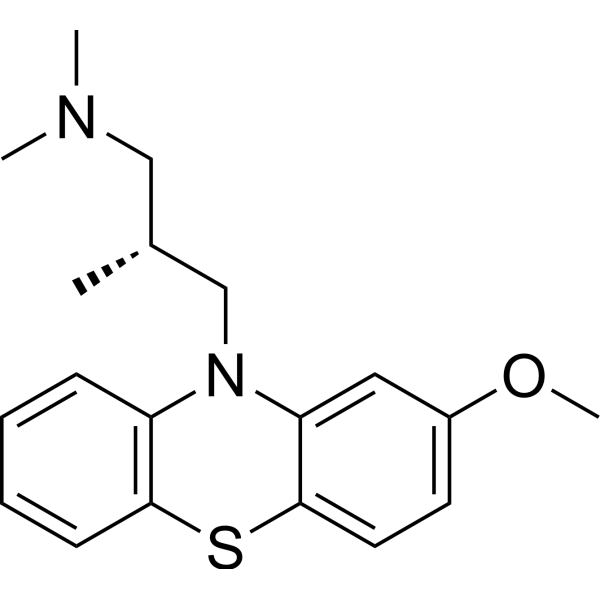
    Levomepromazine
    1 Publications Verification

    Methotrimeprazine

    5-HT Receptor Dopamine Receptor Histamine Receptor Autophagy Enterovirus Calcium Channel Infection Neurological Disease Inflammation/Immunology
    Levomepromazine (Methotrimeprazine) is an orally active antipsychotic compound and Ca 2+ release inducer. Levomepromazine inhibits SERCA pump and induces an increase in cytoplasmic Ca 2+ levels. Levomepromazine has antagonistic effects on a variety of neurotransmitter receptors, including dopamine, cholinergic, serotonin, and histamine receptors. Levomepromazine can induce adaptive ER stress and autophagy. In addition, Levomepromazine has antiviral, anti-inflammatory, neuroprotective and analgesic, sedative and anti-injurious activities. Levomepromazine can be used in the study psychiatric disorders and relieving nausea and vomiting .
    Levomepromazine
  • HY-16935

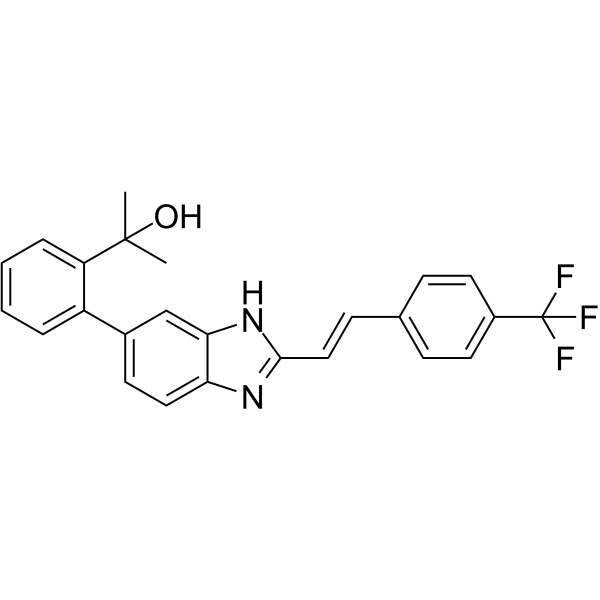
    JNJ-39439335

    TRP Channel Neurological Disease
    Mavatrep (JNJ-39439335) is an orally active, selective and potent TRPV1 antagonist with high affinity for hTRPV1 channels (Ki=6.5 nM). Mavatrep antagonizes capsaicin-induced Ca 2+ influx with an IC50 value of 4.6 nM. Mavatrep can be used in some studies of neuropathic pain .
    Mavatrep
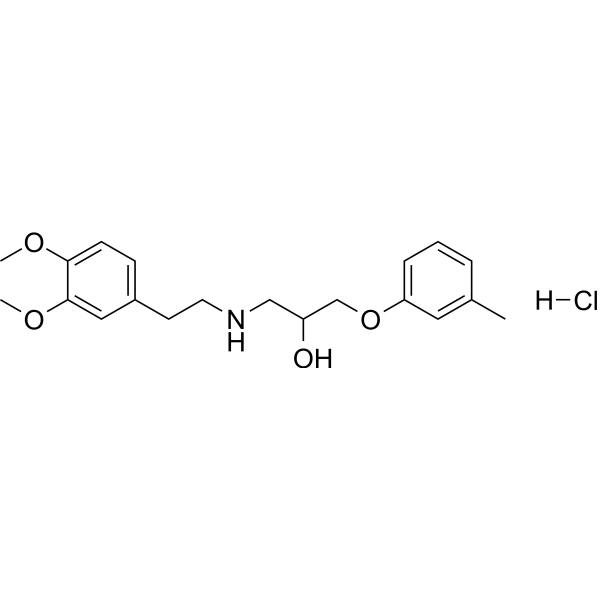
  • HY-121186

    Adrenergic Receptor Calcium Channel Cardiovascular Disease Neurological Disease Metabolic Disease
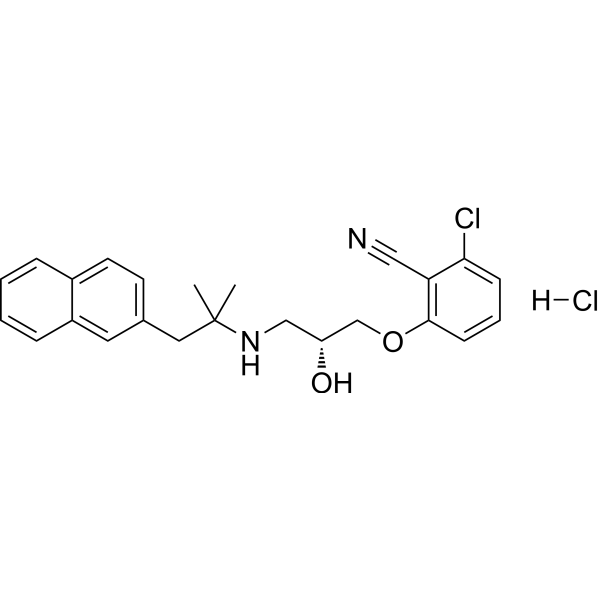
    Bevantolol hydrochloride is a selective β1 and α1-adrenergic receptor antagonist with pKi values of 7.83, 6.9 in rat cerebral cortex, respectively. Bevantolol hydrochloride is a potent Ca 2+ antagonist .
    Bevantolol hydrochloride
  • HY-16639

    GPR35 Neurotensin Receptor Neurological Disease Endocrinology
    ML314 is a potent, BBB-penetrant and β-arrestin biased molecule agonist of NTR1 (EC50 = 1.9 μM). ML314 shows good selectivity against NTR2 and GPR35, but does not stimulate Ca2+ mobilization. ML314 can attenuate amphetamine-like hyperlocomotion in dopamine transporter knockout mice. ML314 attenuates methamphetamine-associated hyperlocomotion and potentiates the psychostimulant inhibitory effects of a ghrelin antagonist in wild type mouse model. ML314 also acts as an allosteric enhancer of endogenous neurotensin. ML314 antagonizes G protein signaling. ML314 can be studied in research for methamphetamine abuse conditions .
    ML314
  • HY-120588
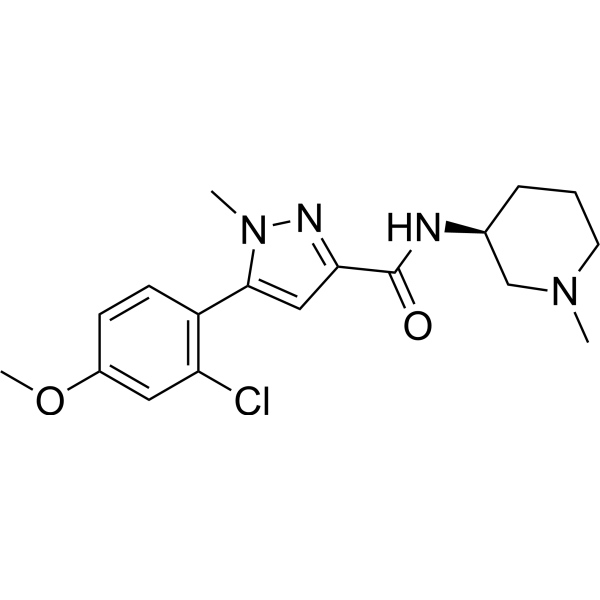
    BI 639667
    1 Publications Verification

    CCR1 antagonist 8

    CCR Inflammation/Immunology Endocrinology
    BI 639667 (compound 19n), a chemical probe, is a CCR1 antagonist, with an IC50 of 1.8 nM in Ca 2+ flux assay .
    BI 639667
  • HY-16952A
    Bepridil hydrochloride hydrate
    5+ Cited Publications

    (±)-Bepridil hydrochloride hydrate; Org 5730 hydrochloride hydrate

    Calcium Channel Cardiovascular Disease
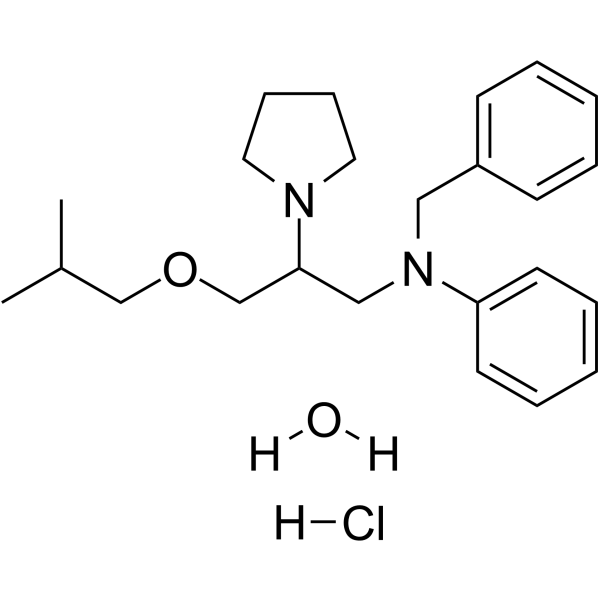
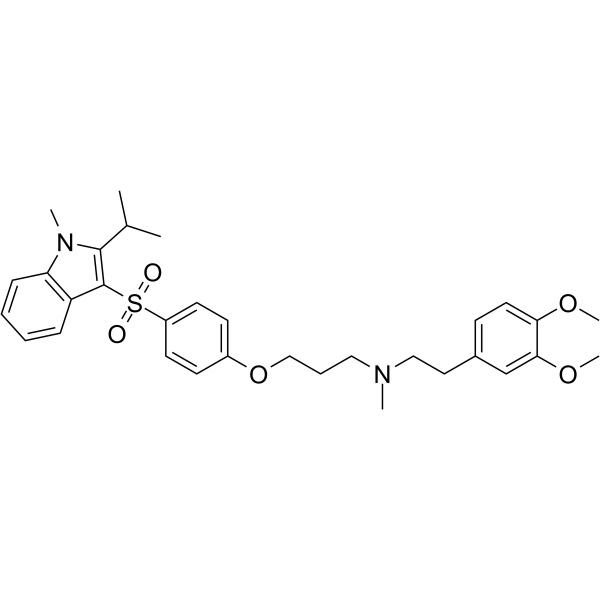
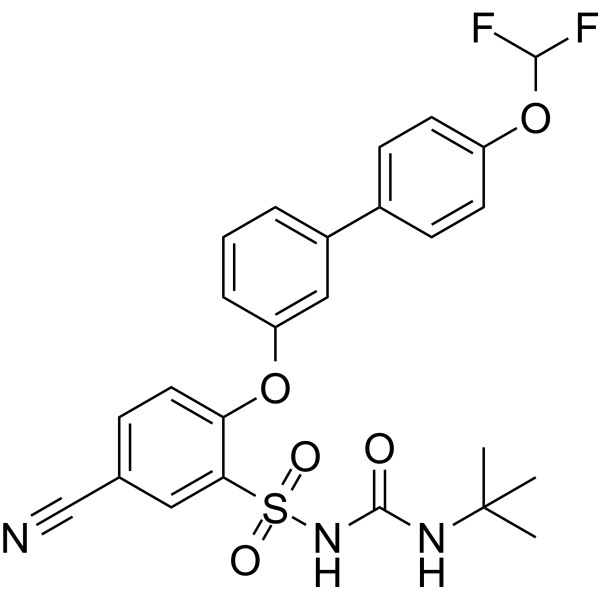
    Bepridil hydrochloride hydrate ((±)-Bepridil hydrochloride hydrate) is a non-selective, long-acting Ca + channel antagonist and Na +, K + channel inhibitor, with antianginal and type I antiarrhythmic effects. Bepridil hydrochloride hydrate also acts as a cardiac Na +/Ca2 + exchange (NCX1) inhibitor. Bepridil hydrochloride hydrate can be used for the research of cardiovascular disorders .
    Bepridil hydrochloride hydrate
  • HY-U00212

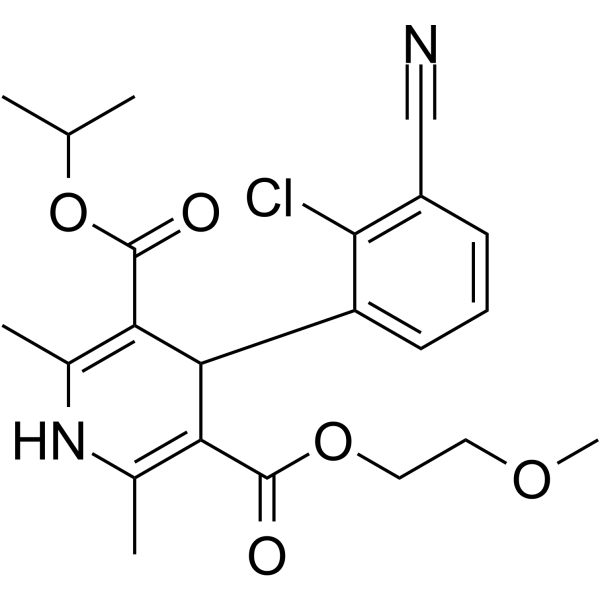
    MPC1304

    Calcium Channel Cardiovascular Disease
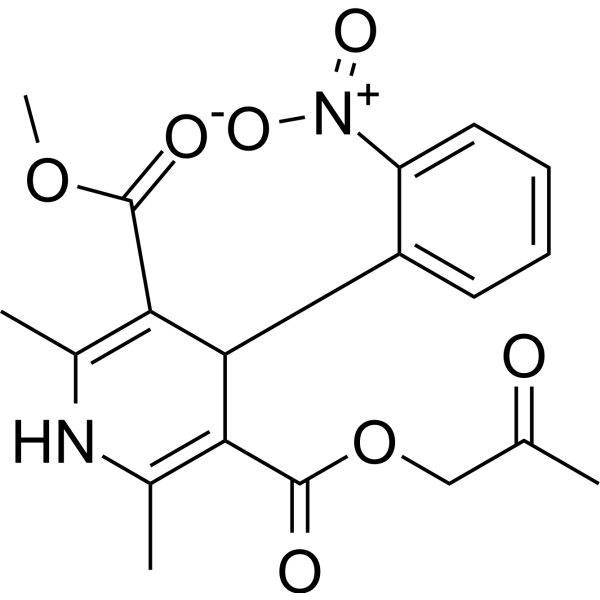
    Aranidipine (MPC1304) is a Ca 2+ channel antagonist with potent and long-lasting antihypertensive effects.
    Aranidipine
  • HY-137175

    mTOR Cancer
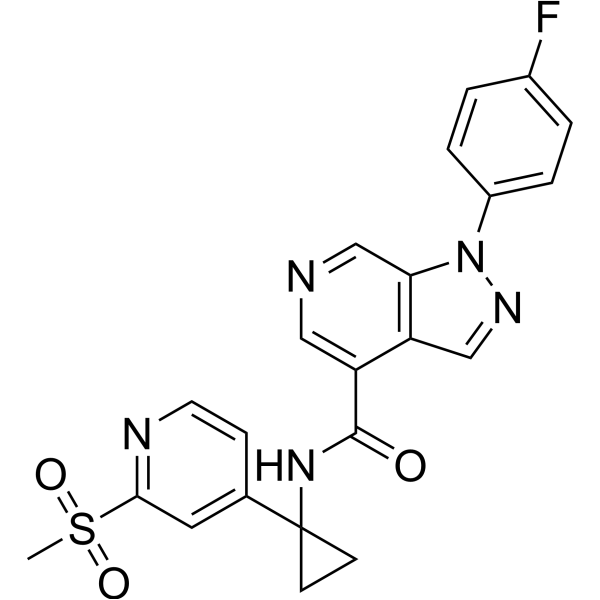
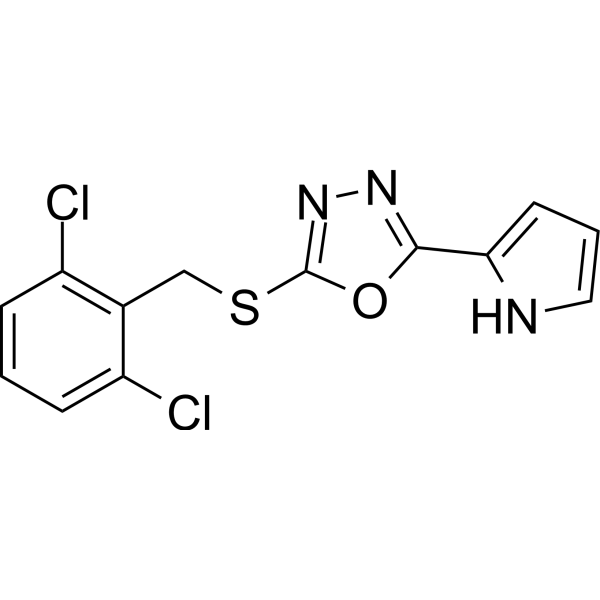
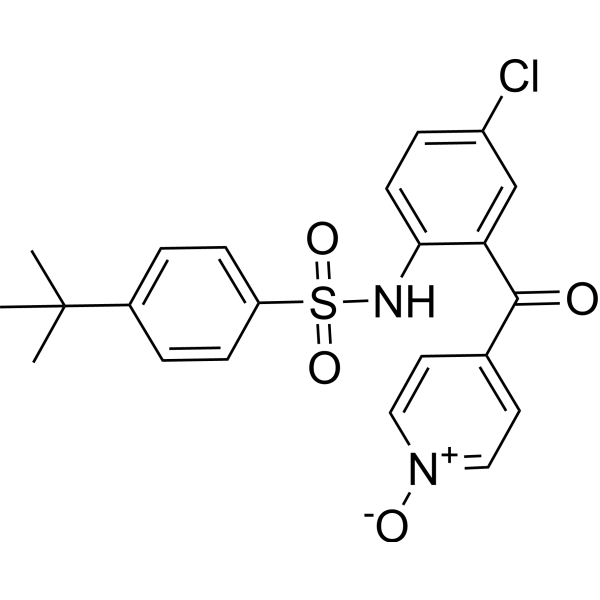
    TMBIM6 antagonist-1, a potential TMBIM6 antagonist, prevents TMBIM6 binding to mTORC2, decreases mTORC2 activity, and also regulates TMBIM6-leaky Ca 2+ .
    TMBIM6 antagonist-1
  • HY-136909

    Calcium Channel Cardiovascular Disease
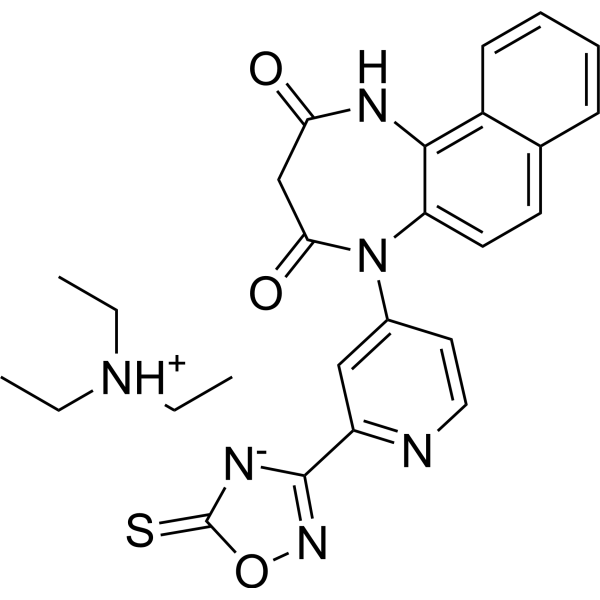
    SR33805 is a potent Ca 2+ channel antagonist, with EC50s of 4.1 nM and 33 nM in depolarized and polarized conditions, respectively. SR33805 blocks L-type but not T-type Ca 2+ channels. SR33805 can be used for the research of acute or chronic failing hearts .
    SR33805
  • HY-157453
    CCR4 antagonist 4
    1 Publications Verification

    CCR Inflammation/Immunology
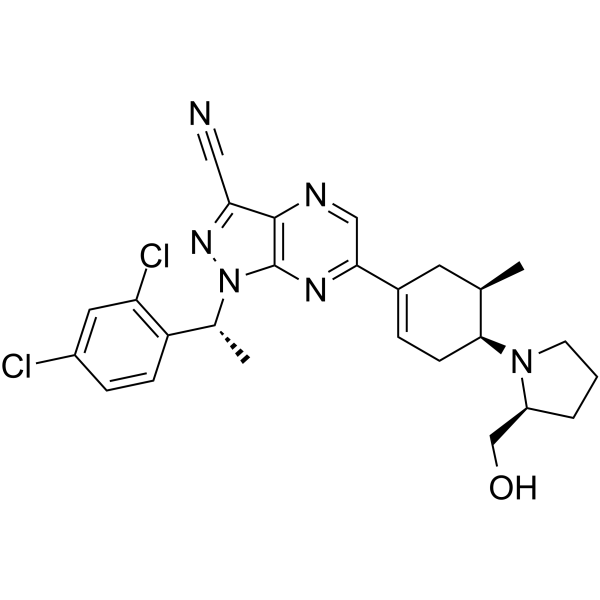
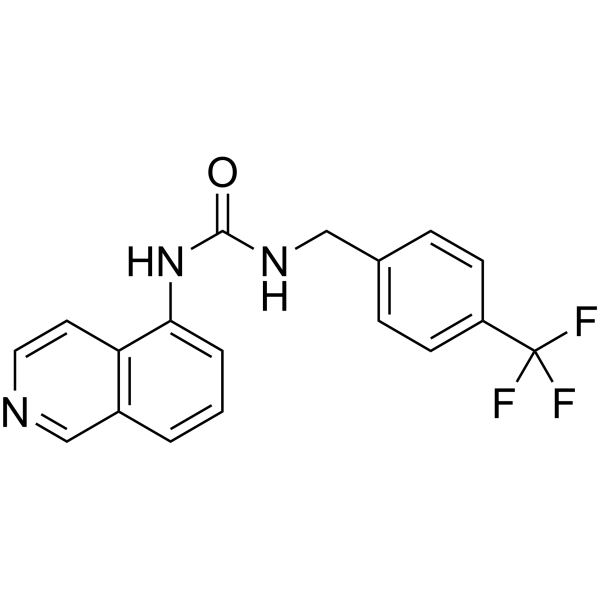
    CCR4 antagonist 4 (compound 22) is a selective and potent antagonist of the CC chemokine receptor-4 (CCR4), with an IC50 of 0.02 μM. CCR4 antagonist 4 also blocks MDC-mediated chemotaxis (IC50: 0.007 μM) and Ca 2+ mobilization (IC50: 0.003 μM). CCR4 antagonist 4 can be used for allergic inflammation research .
    CCR4 antagonist 4
  • HY-103316A
    Ned 19
    3 Publications Verification

    Calcium Channel Cardiovascular Disease Cancer
    Ned 19 is a selective membrane-permeant non competitive NAADP antagonist and inhibits NAADP-mediated Ca 2+ signaling, with an IC50 of 65 nM . Ned 19 strongly inhibits tumor growth and vascularization as well as lung metastases in mice .
    Ned 19
  • HY-123071A
    Box5 TFA
    Maximum Cited Publications
    11 Publications Verification

    Wnt Cancer
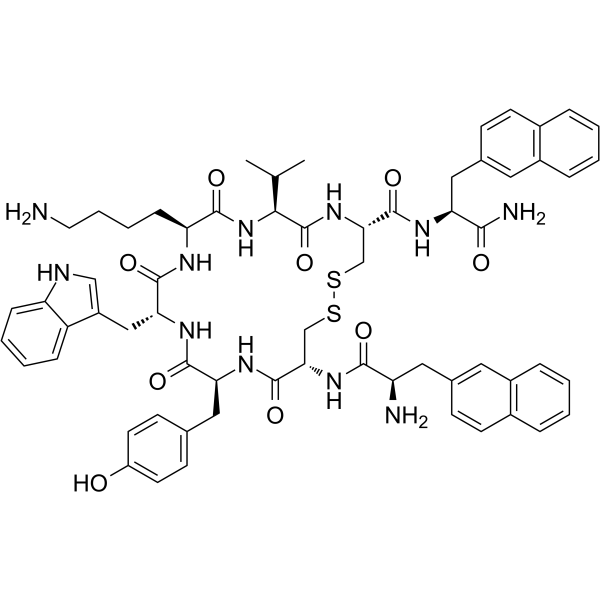
    Box5 TFA is a potent Wnt5a antagonist. Box5 TFA inhibits Wnt5a signaling and inhibits Wnt5a-mediated Ca 2+ release. Box5 TFA inhibits cell migration. Box5 TFA has the potential for the research of melanoma .
    Box5 TFA
  • HY-B1193R

    (±)-Terfenadine (Standard); MDL-991 (Standard)

    Reference Standards Potassium Channel Histamine Receptor Na+/Ca2+ Exchanger Caspase Apoptosis Inflammation/Immunology Endocrinology Cancer
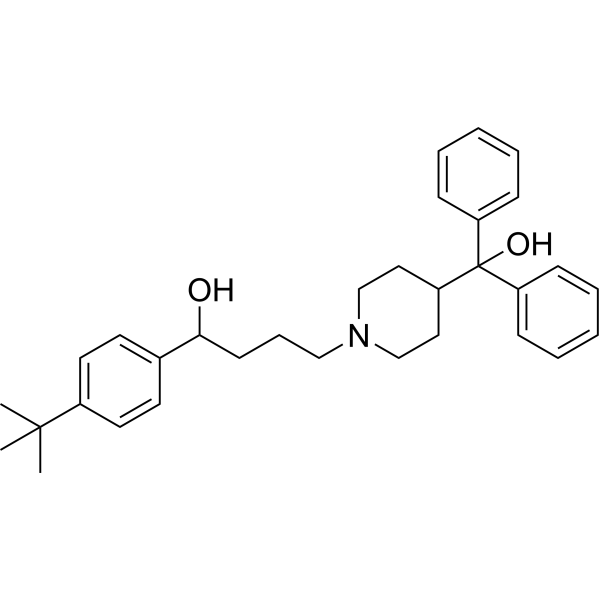
    Terfenadine (Standard) is the analytical standard of Terfenadine. This product is intended for research and analytical applications. Terfenadine ((±)-Terfenadine) is a potent open-channel blocker of hERG with an IC50 of 204 nM . Terfenadine, an H1 histamine receptor antagonist, acts as a potent apoptosis inducer in melanoma cells through modulation of Ca2+ homeostasis. Terfenadine induces ROS-dependent apoptosis, simultaneously activates Caspase-4, -2, -9 .
    Terfenadine (Standard)
  • HY-14656S

    Calcium Channel Cardiovascular Disease
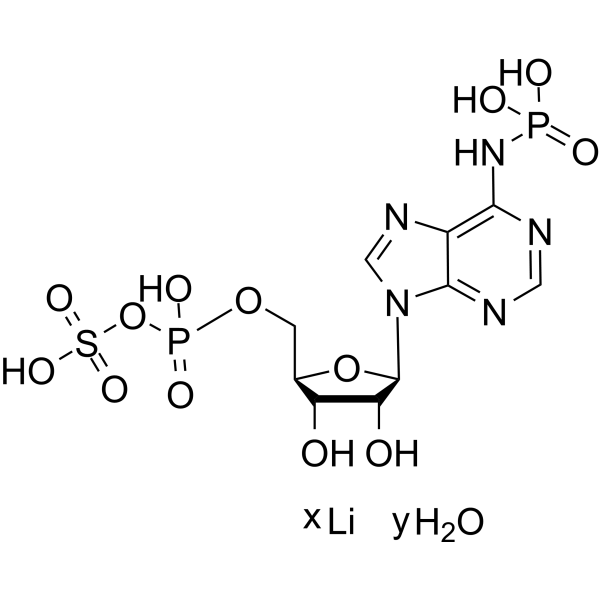
    Diltiazem-d3 (hydrochloride) is the deuterium labeled Diltiazem hydrochloride. Diltiazem hydrochloride is a Ca2+ influx inhibitor (slow channel blocker or calcium antagonist)[1][2].
    Diltiazem-d3 hydrochloride
  • HY-149483

    nAChR Neurological Disease
    CVN417 is an orally active α6 subunit-containing nAChR antagonist, modulating phasic dopaminergic neurotransmission in an impulse-dependent manner. CVN417 inhibits Ca(2+) effluents mediated by nAChR subunits with IC50s of 0.086 μM (α6), 2.56 μM (α3) and 0.657 μM (α4), respectively. CVN417 attenuates resting tremor in Rodent models, displays the potential to improve movement dysfunction, in conditions such as Parkinson's disease .
    CVN417
  • HY-100928

    Calcium Channel Neurological Disease
    YS 035 hydrochloride is a Ca 2+ antagonist on cellular uptake and mitochondrial efflux of calcium ions. YS 035 hydrochloride inhibits Ca 2+ uptake by muscle cells and inhibits Na +/Ca 2+ exchange (Ki=28 µM). YS 035 hydrochloride is a useful tool for research on the mitochondrial Ca 2+ transport .
    YS 035 hydrochloride
  • HY-P1076A

    Calmodulin Inflammation/Immunology
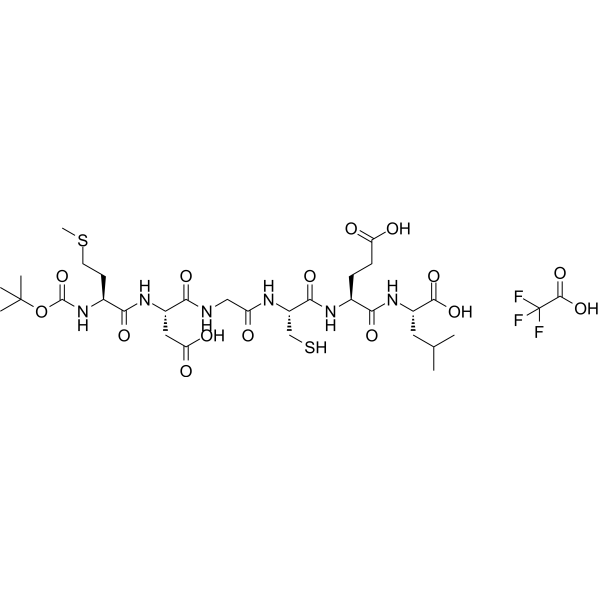
    CALP2 TFA is a calmodulin (CaM) antagonist (Kd of 7.9 µM) with high affinity for binding to the CaM EF-hand/Ca 2+-binding site. CALP2 TFA inhibits CaM-dependent phosphodiesterase activity and increases intracellular Ca 2+ concentrations. CALP2 TFA potently inhibits of adhesion and degranulation. CALP2 TFA is also a strong activator of alveolar macrophages .
    CALP2 TFA
  • HY-100783B

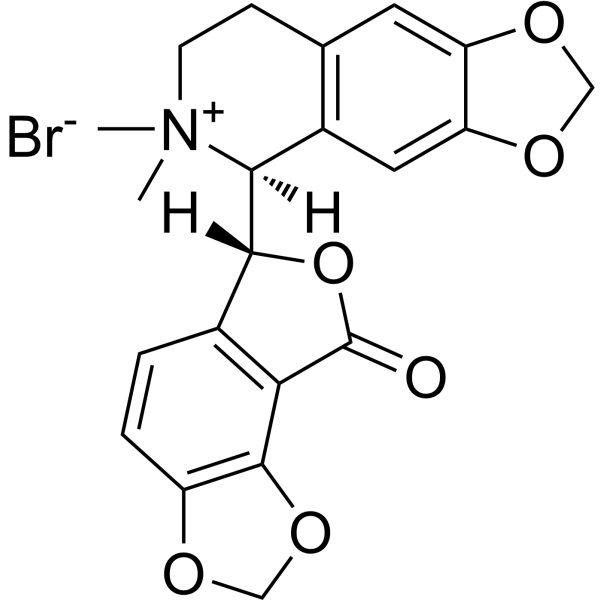
    (+)-Bicuculline methobromide

    GABA Receptor Neurological Disease
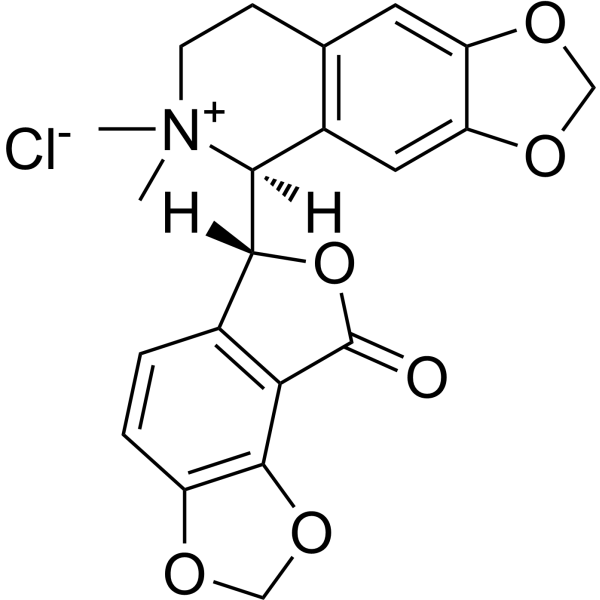
    Bicuculline methobromide is a selective GABAA Receptor antagonist with an IC50 value of 3 μM. Bicuculline methobromide induces clonic tonic convulsions in mammals and can also be used to block Ca 2+ activated potassium channels. Bicuculline methobromide can be used in studies of epilepsy and other related psychiatric disorders .
    Bicuculline methobromide
  • HY-12962

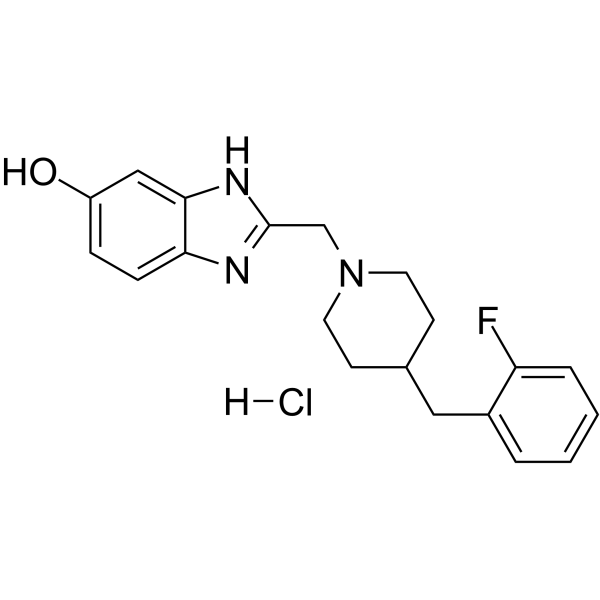
    iGluR Neurological Disease
    NMDA-IN-1 is a potent and NR2B-selective NMDA antagonist with Ki of 0.85 nM; NR2B Ca2+ influx IC50 is 9.7 nM; no activities on NR2A, NR2C, NR2D, hERG-channel and α1-adrenergic receptor.
    NMDA-IN-1
  • HY-N0215S14

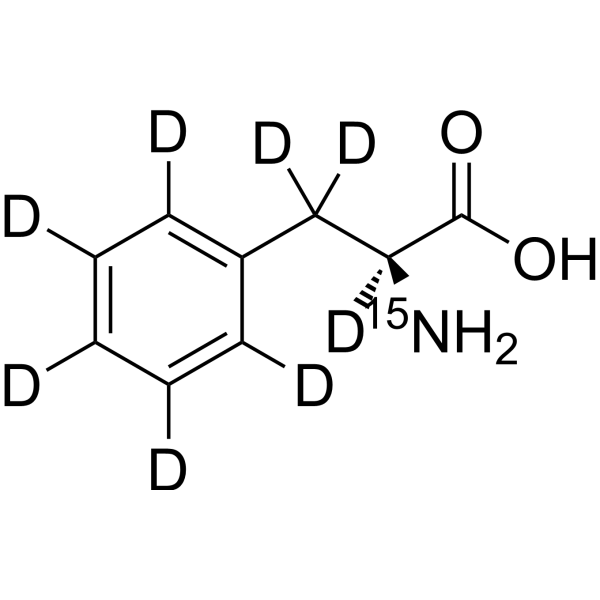
    (S)-2-Amino-3-phenylpropionic acid-15N,d8

    Isotope-Labeled Compounds Calcium Channel iGluR Endogenous Metabolite Metabolic Disease
    L-Phenylalanine- 15N,d8 is the deuterium and 15N-labeled L-Phenylalanine. L-Phenylalanine ((S)-2-Amino-3-phenylpropionic acid) is an essential amino acid isolated from Escherichia coli. L-Phenylalanine is a α2δ subunit of voltage-dependent Ca2+ channels antagonist with a Ki of 980 nM. L-phenylalanine is a competitive antagonist for the glycine- and glutamate-binding sites of N-methyl-D-aspartate receptors (NMDARs) (KB of 573 μM ) and non-NMDARs, respectively. L-Phenylalanine is widely used in the production of food flavors and pharmaceuticals .
    L-Phenylalanine-15N,d8
  • HY-U00354

    Calcium Channel Cardiovascular Disease
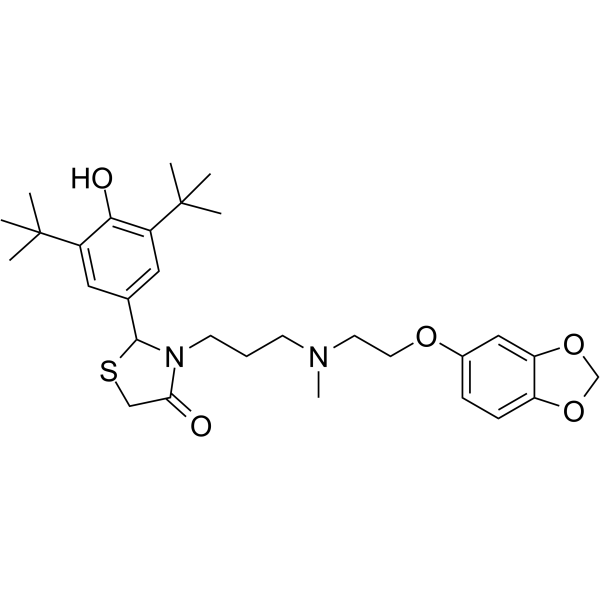
    CP-​060 is a potent Ca 2+ antagonist, inhibits Ca 2+ overload and possesses antioxidant and cardioprotective activities.
    CP-060
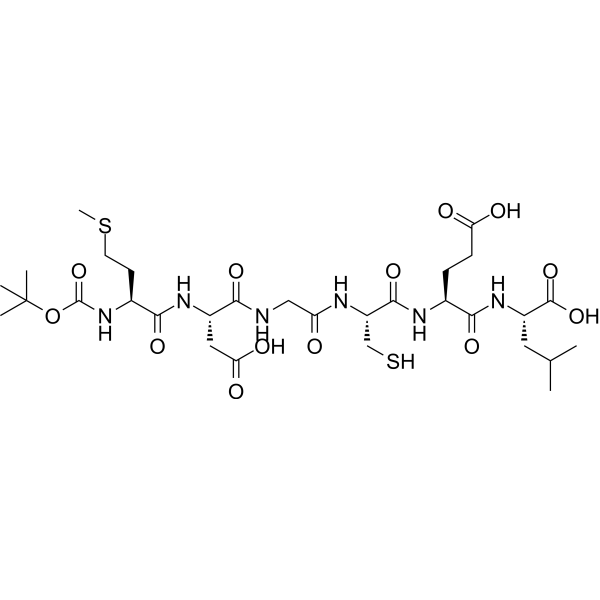
  • HY-P1479

    Autophagy CaMK Neurological Disease
    Calmodulin-Dependent Protein Kinase II (290-309) is a potent CaMK antagonist with an IC50 of 52 nM for inhibition of Ca2+/calmodulin-dependent protein kinase II .
    Calmodulin-Dependent Protein Kinase II (290-309)
  • HY-10388A

    Calcium Channel Others
    TTA-Q6(isomer) is an isomer of TTA-Q6. TTA-Q6 is a selective T-type Ca 2+ channel antagonist.
    TTA-Q6(isomer)
  • HY-Z8176

    Sodium Channel Neurological Disease
    (Z)-Flunarizine is the (Z)-isomer of Flunarizine (HY-B0358). Flunarizine is a potent dual Na +/Ca 2+ channel (T-type) blocker. Flunarizine is a D2 dopamine receptor antagonist. Flunarizine shows anticonvulsive and antimigraine activity, and peripheral vasodilator effects .
    (Z)-Flunarizine
  • HY-N0219R

    (+)-Bicuculline (Standard)

    Reference Standards GABA Receptor Neurological Disease
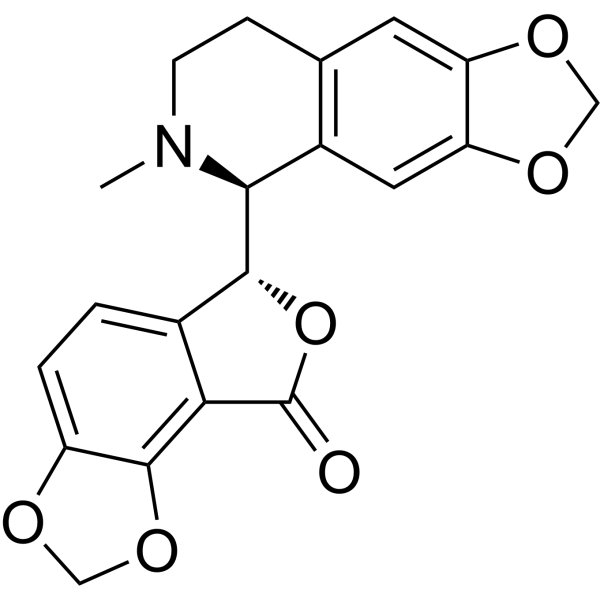
    Bicuculline (Standard) is the analytical standard of Bicuculline. This product is intended for research and analytical applications. Bicuculline ((+)-Bicuculline) is A competing neurotransmitter GABAA receptor antagonist (IC50=2 μM). Bicuculline also blocks Ca2+ activating potassium (SK) channels and subsequently blocks slow post-hyperpolarization (slow AHP). Bicuculline has anticonvulsant activity. Bicuculline can be used to induce seizures in mice .
    Bicuculline (Standard)
  • HY-N3945R

    O,O-Dimethylisoboldine (Standard); S-(+)-Glaucine (Standard); NSC 34396 (Standard)

    Reference Standards Phosphodiesterase (PDE) Calcium Channel Adrenergic Receptor Dopamine Receptor Influenza Virus Infection Inflammation/Immunology
    Glaucine (Standard) is the analytical standard of Glaucine. This product is intended for research and analytical applications. Glaucine (O,O-Dimethylisoboldine) is an alkaloid isolated from Glaucium flavum with antitussive, bronchodilation and anti-inflammatory properties. Glaucine is a selective and orally active phosphodiesterase 4 (PDE4) inhibitor with Kis of 3.4 μM in human bronchus and polymorphonuclear leukocytes. Glaucine is also a non-selective α-adrenoceptor antagonist, a Ca2+ entry blocker, and a weak dopamine D1 and D2 receptor antagonist. Glaucine has antioxidative and antiviral activities .
    Glaucine (Standard)
  • HY-120985

    Calcium Channel Neurological Disease
    Xestospongins and araguspongins are marine natural products first isolated from Pacific basin sponges, and noted to have vasodilatory properties.1 Inositol phosphates (IP) are important signal transduction messengers acting via IP3 receptors to promote the mobilization of Ca2+ from intracellular stores.2 Araguspongin B antagonizes the calcium-releasing action of inositol 1,4,5-trisphosphate at the receptor level in cerebral microsomes, with an IC50 of 0.6 μM. It is nearly as potent as xestospongin C as an antagonist of the IP3 receptor.
    Araguspongin B
  • HY-101685

    Calcium Channel Cardiovascular Disease
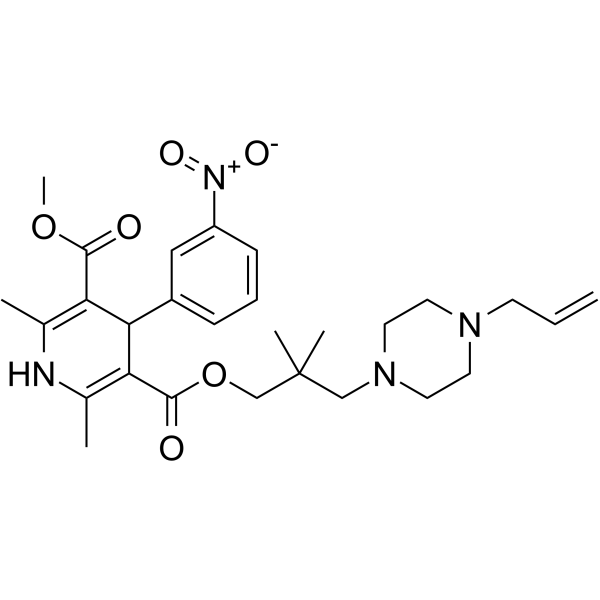
    Iganidipine is a Ca 2+ antagonist.
    Iganidipine
  • HY-115745

    Calmodulin Cardiovascular Disease
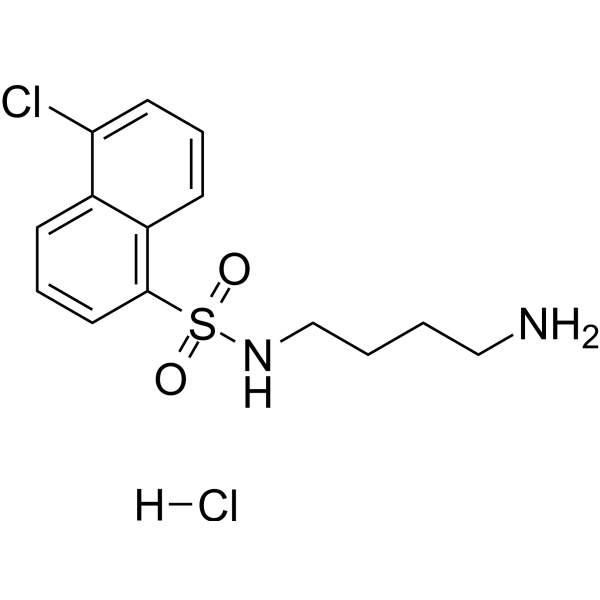
    Calmodulin antagonist-1 (A-5) is a calmodulin (CaM) antagonist. Calmodulin antagonist-1 inhibits calmodulin-activated Ca 2+-phosphodiesterase (PDE) (IC50=66 μM). Calmodulin antagonist-1 also inhibits trypsin-treated Ca 2+-PDE (IC50=560 μM) in a competitive fashion with respect to cyclic GMP .
    Calmodulin antagonist-1
  • HY-P1479A

    Autophagy CaMK Neurological Disease
    Calmodulin-Dependent Protein Kinase II (290-309) acetate is a potent CaMK antagonist with an IC50 of 52 nM for inhibition of Ca2+/calmodulin-dependent protein kinase II .
    Calmodulin-Dependent Protein Kinase II(290-309) acetate
  • HY-117099

    Calcium Channel Neurological Disease
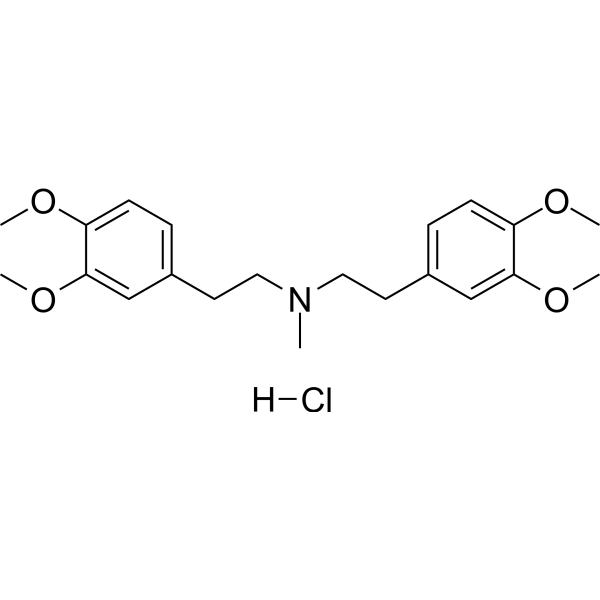
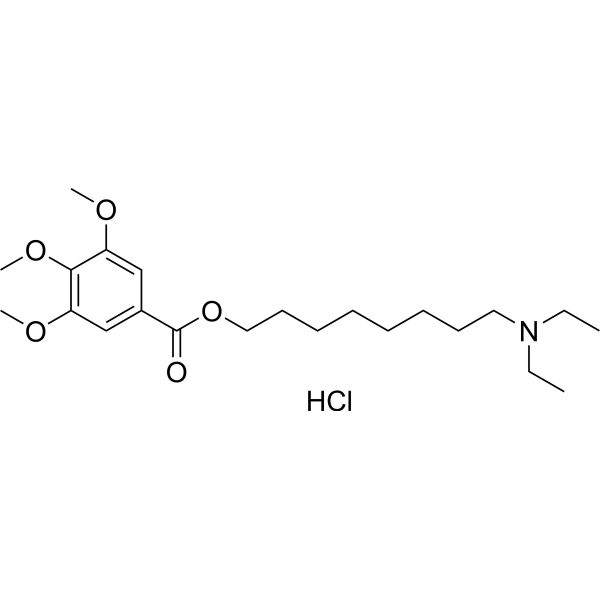
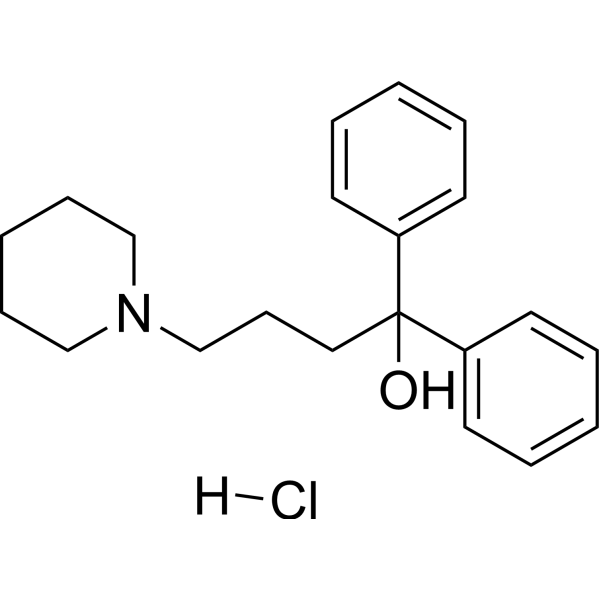
    TMB-8 is a novel Ca 2+ antagonist. TMB-8 may exert inhibitory effects in smooth muscle by blocking Ca 2+ release from intracellular bound stores.
    TMB-8
  • HY-U00026

    Calcium Channel Cardiovascular Disease
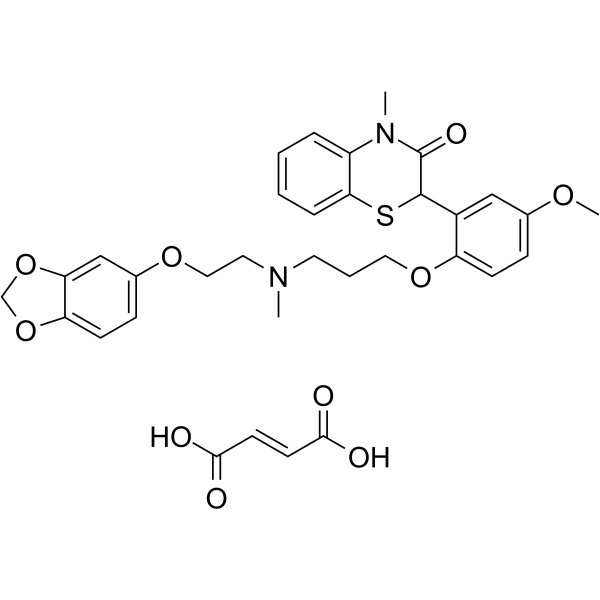
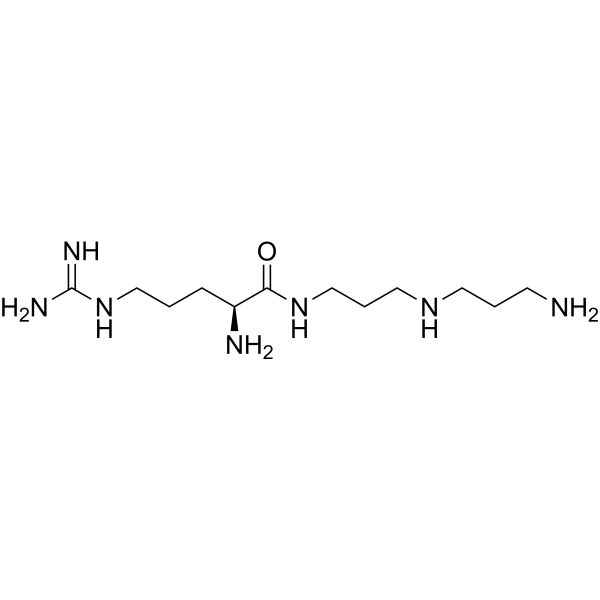
    Semotiadil recemate fumarate is the recemate of Semotiadil fumarate. Semotiadil fumarate is a novel vasoselective Ca 2+ channel antagonist.
    Semotiadil recemate fumarate
  • HY-14656S1

    Isotope-Labeled Compounds Calcium Channel Cardiovascular Disease
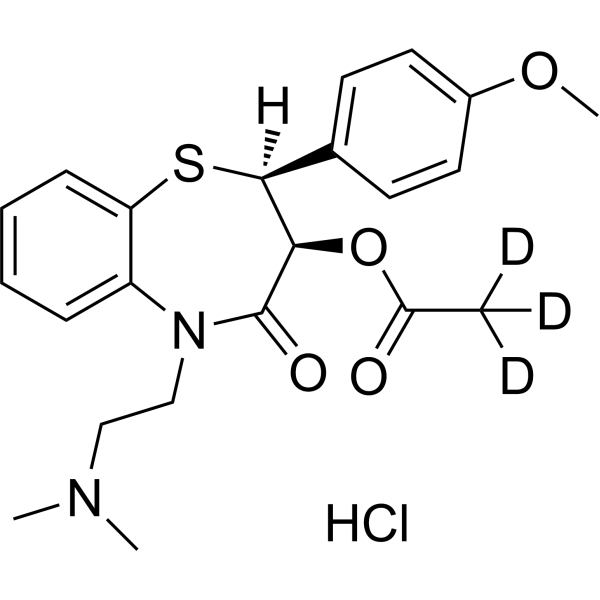
    Diltiazem-(acetoxy-d3) (hydrochloride) is the deuterium labeled Diltiazem hydrochloride. Diltiazem hydrochloride is a Ca2+ influx inhibitor (slow channel blocker or calcium antagonist)[1][2].
    Diltiazem-(acetoxy-d3) hydrochloride
  • HY-19025

    Calmodulin Inflammation/Immunology
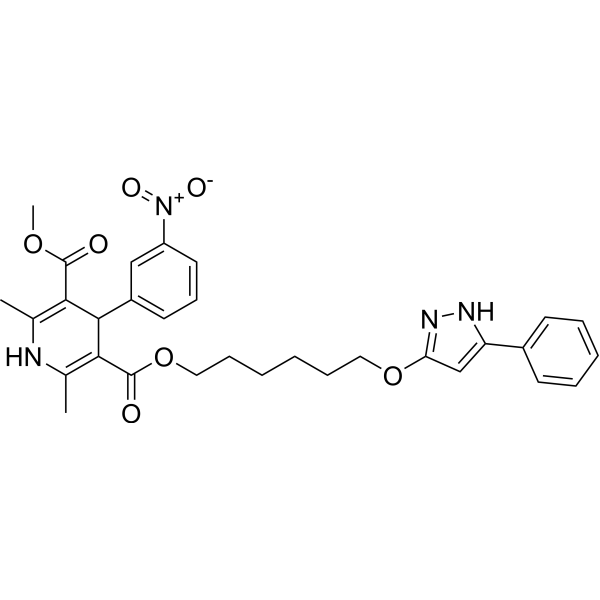
    CV-159 is a unique dihydropyridine Ca 2+ antagonist with an anti-calmodulin (CaM) action, and has antiinflammatory activities.
    CV-159
  • HY-121720

    Prostaglandin Receptor Cardiovascular Disease
    L 657925 is a potent thromboxane A2 (TXA2) antagonist. L 657925 selectively abolishes ONO 11113-evoked transient increment in [Ca2 2+] .
    L 657925
  • HY-19062

    Calcium Channel Na+/Ca2+ Exchanger Cardiovascular Disease
    SM-6586 is a calcium channel antagonist and inhibitor of Na +/H + and Na +/Ca 2+ exchange transport, potentially for the treatment of cerebrovasular diseases and hypertension.
    SM-6586
  • HY-125836

    CCR Endocrinology Cancer
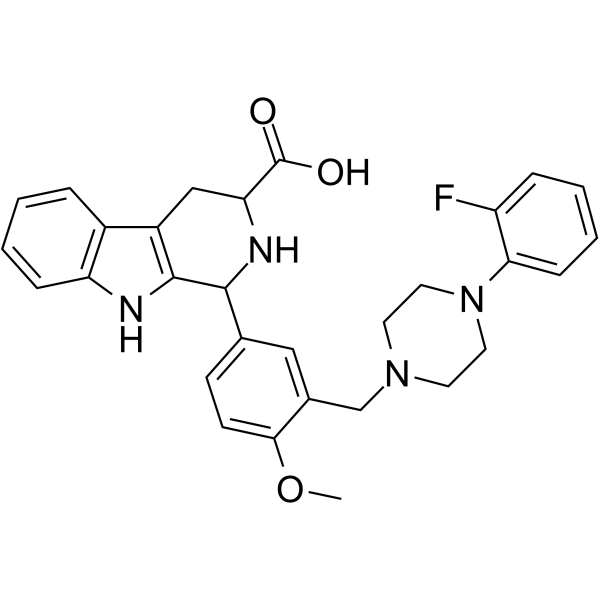
    CCR4 antagonist 2 (Compound 31) is a novel potent, orally bioavailable small molecule antagonists of CC chemokine receptor 4 (CCR4) that inhibits Treg trafficking into the Tumor Microenvironment without suppressing the number of Treg in healthy tissues. CCR4 antagonist 2 (Compound 31) exhibits IC50 values of Ca 2+flux and (chemotaxis) CTX are 40 nM and 70 nM, respectively .
    CCR4 antagonist 2
  • HY-115493

    CXCR Others
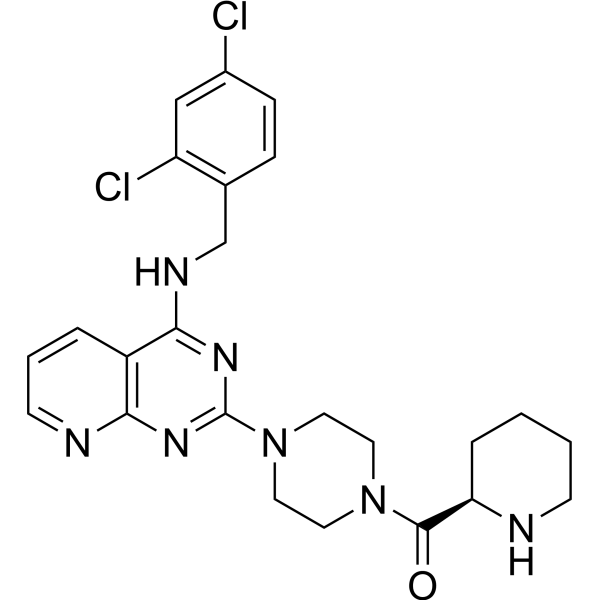
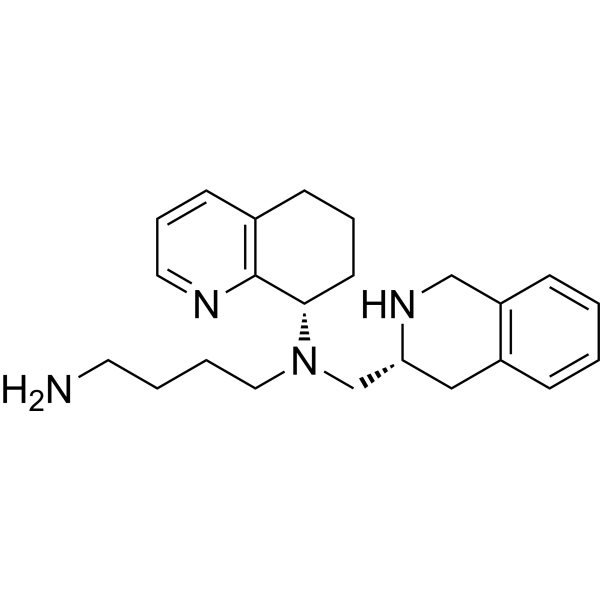
    TIQ-15 is a potent CXCR4 antagonist with an IC50 value of 6 nM for CXCR4 Ca 2+ flux. TIQ-15 inhibits CYP450 2D6 with an IC50 value of 0.32 μM .
    TIQ-15

Inquiry Online

Your information is safe with us. * Required Fields.

Salutation


Country or Region *

Applicant Name *


Organization Name *

Department *


Email Address *


Product Name *

Cat. No.


Requested quantity *

Phone Number *


Remarks

Inquiry Online

Inquiry Information

Product Name:
Cat. No.:
Quantity:
MCE Japan Authorized Agent: