1. Search Result
Search Result
Results for "

Mlkl-/- L929

" in MedChemExpress (MCE) Product Catalog:

132

Inhibitors & Agonists

1

Screening Libraries

7

Biochemical Assay Reagents

3

Peptides

1

Inhibitory Antibodies

22

Natural
Products

2

Recombinant Proteins

1

Isotope-Labeled Compounds

6

Antibodies

4

Oligonucleotides

Cat. No. Product Name Target Research Areas Chemical Structure
  • HY-100573
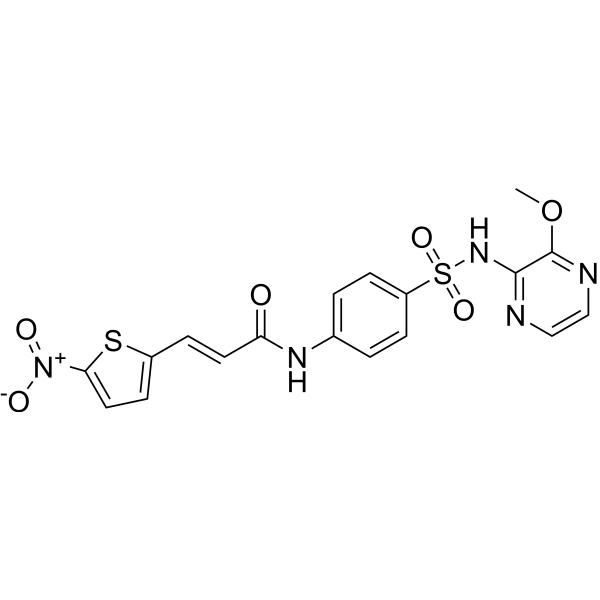
    Necrosulfonamide
    Maximum Cited Publications
    139 Publications Verification

    Mixed Lineage Kinase Necroptosis Pyroptosis Caspase NOD-like Receptor (NLR) Keap1-Nrf2 TNF Receptor Interleukin Related NO Synthase Heme Oxygenase (HO) Cardiovascular Disease Neurological Disease Metabolic Disease Inflammation/Immunology Endocrinology
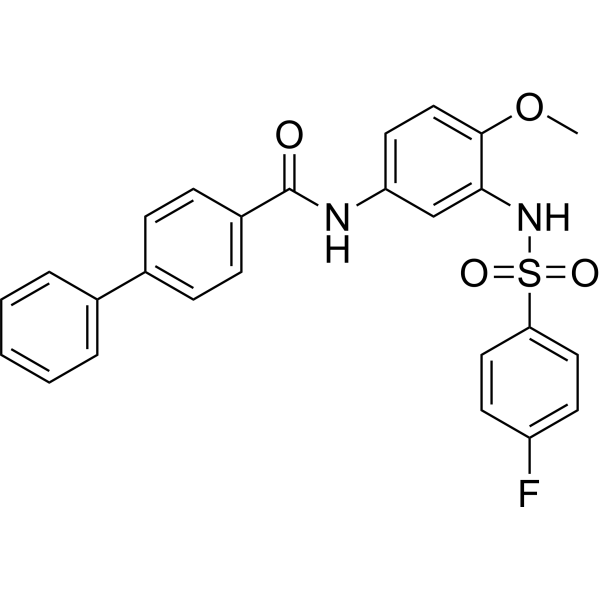
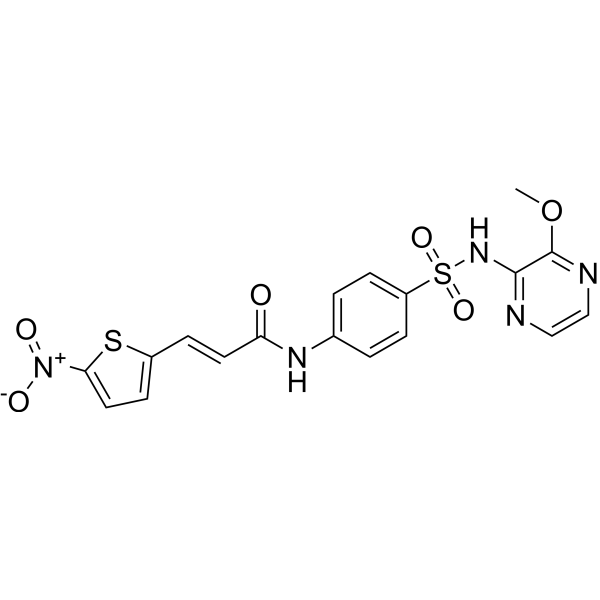
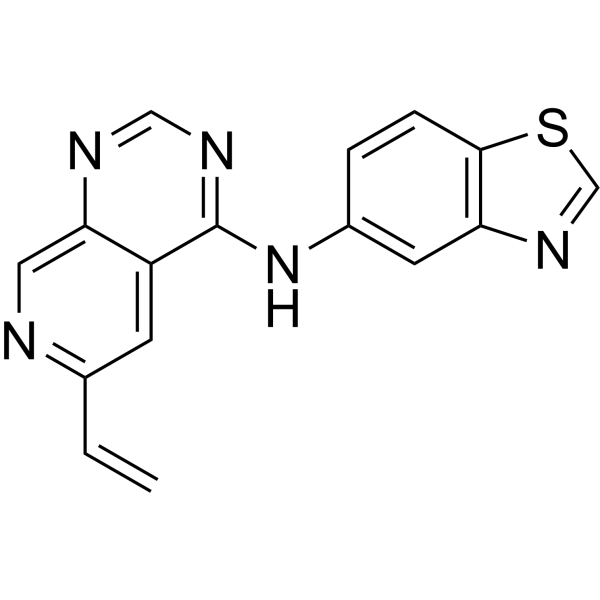
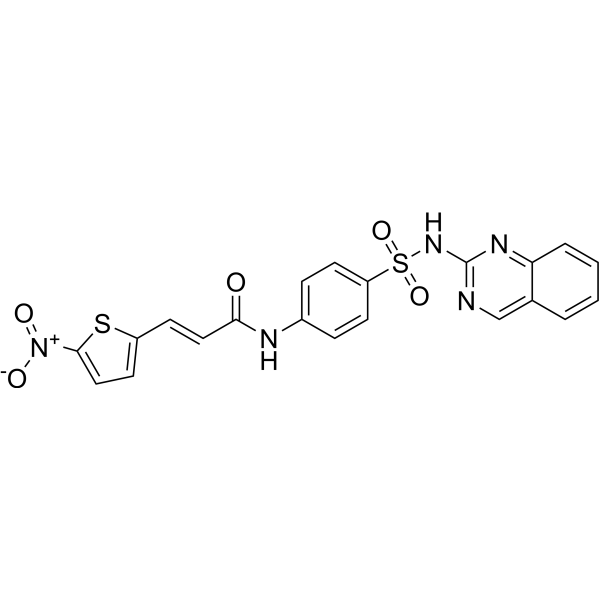
    Necrosulfonamide is a MLKL and Gasdermin D (GSDMD) inhibitor, capable of separately inhibiting necroptosis and pyroptosis of cells. Necrosulfonamide does not affect the activation of upstream signals, but specifically inhibits the downstream executor oligomerization step. Necrosulfonamide reduces the expression of the key kinases NLRP3 and caspase-1 involved in necroptosis and pyroptosis, activate the Nrf2 pathway and the downstream antioxidant enzymes, and also downregulates a variety of inflammatory factors. Necrosulfonamide plays significant roles in various diseases such as neurodegenerative diseases (such as Parkinson’s disease), tissue damage and ischemia-reperfusion injury, inflammatory bowel disease, osteoarthritis and fracture repair, and hair loss by regulating two important programmed necrosis pathways .
    Necrosulfonamide
  • HY-Y0850

    Environmental Pollutants Biochemical Assay Reagents Neurological Disease
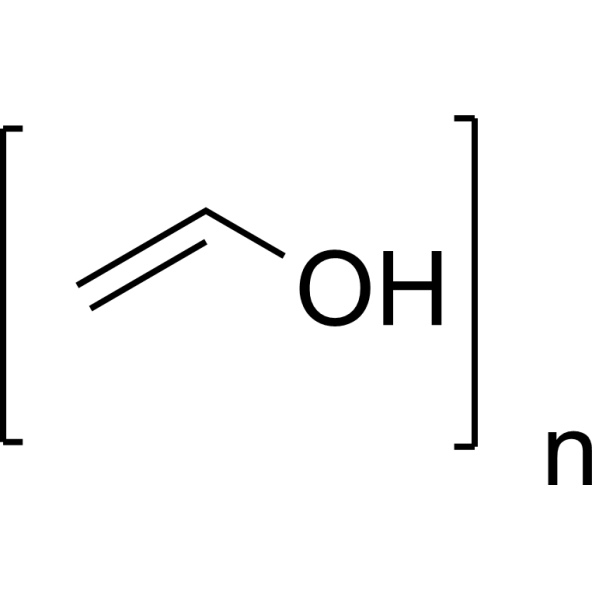
    Polyvinyl alcohol (Mw 146000-186000, 99+% hydrolyzed) is a non-biodegradable, hydrophilic, odorless biomedical polymer with cell adhesion/proliferation inhibition, peripheral nerve regeneration induction, dissolution enhancement, and non-toxic, biocompatible properties .
    Polyvinyl alcohol (Mw 146000-186000, 99+% hydrolyzed)
  • HY-P99796

    ATN-103; PF-5230896

    TNF Receptor Inflammation/Immunology
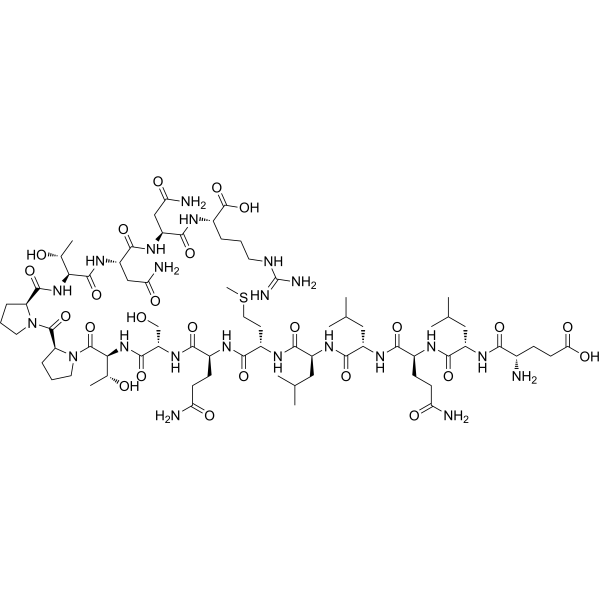
    Ozoralizumab (ATN-103) is an anti-TNFα humanized antibody. Ozoralizumab is a humanized trivalent nanobody compound that consists of two anti-human TNFα nanobodies and an anti-human serum albumin (HSA) nanobody. Ozoralizumab can be used in research of arthritis .
    Ozoralizumab
  • HY-128067
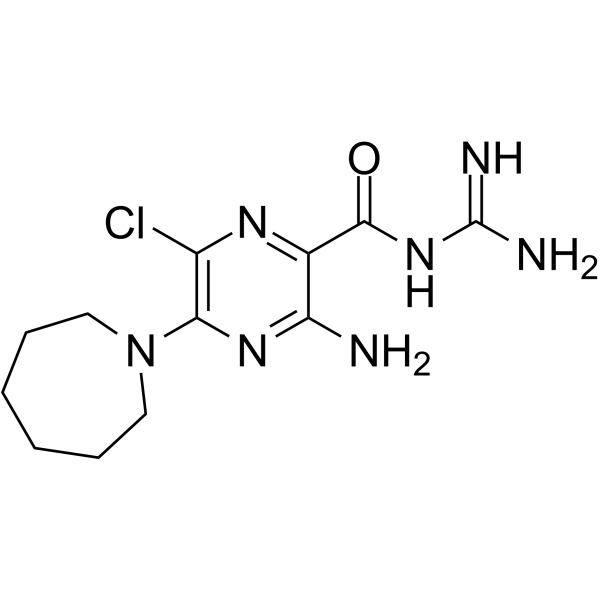
    5-(N,N-Hexamethylene)-amiloride
    2 Publications Verification

    Hexamethylene amiloride; HMA

    Sodium Channel HIV Apoptosis Infection Cancer
    5-(N,N-Hexamethylene)-amiloride (Hexamethylene amiloride) derives from an amiloride and is a potent Na +/H + exchanger inhibitor, which decreases the intracellular pH (pHi) and induces apoptosis in leukemic cells. 5-(N,N-Hexamethylene)-amiloride (Hexamethylene amiloride) is also an inhibitor of the HIV-1 Vpu virus ion channel and inhibits mouse hepatitis virus (MHV) replication and human coronavirus 229E (HCoV229E) replication in cultured L929 cells with EC50s of 3.91 μM and 1.34 μM, respectively .
    5-(N,N-Hexamethylene)-amiloride
  • HY-112292
    GW806742X
    20+ Cited Publications

    Mixed Lineage Kinase VEGFR Others
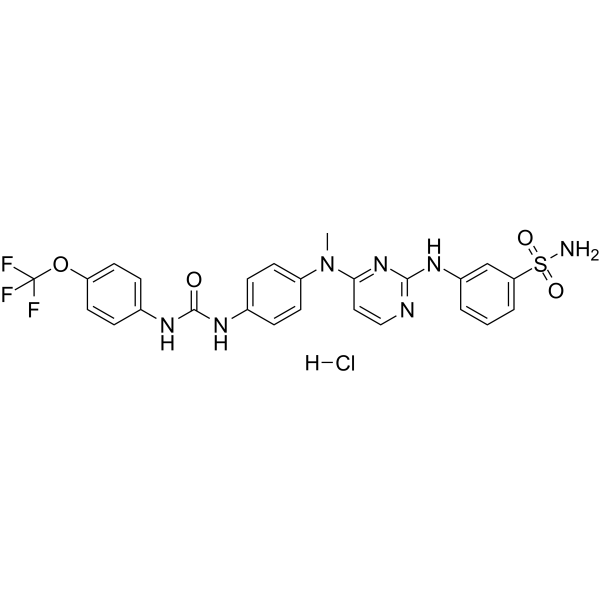
    GW806742X, an ATP mimetic and a potent MLKL (Mixed Lineage Kinase Domain-Like protein) inhibitor, binds the MLKL pseudokinase domain with a Kd of 9.3 μM. GW806742X has activity against VEGFR2 (IC50=2 nM). GW806742X retards MLKL membrane translocation and inhibits necroptosis .
    GW806742X
  • HY-101524
    TC13172
    3 Publications Verification

    Mixed Lineage Kinase Cancer
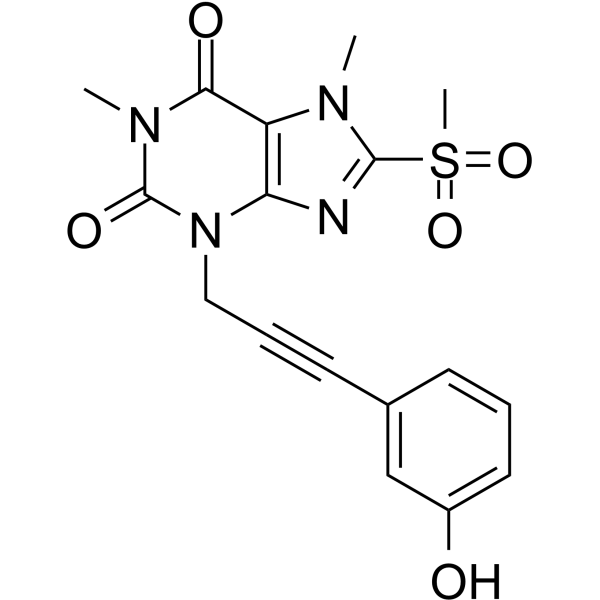
    TC13172 is a mixed lineage kinase domain-like protein (MLKL) inhibitor with an EC50 value of 2 nM for HT-29 cells .
    TC13172
  • HY-N2909

    NF-κB RIP kinase Mixed Lineage Kinase Cardiovascular Disease Neurological Disease Inflammation/Immunology
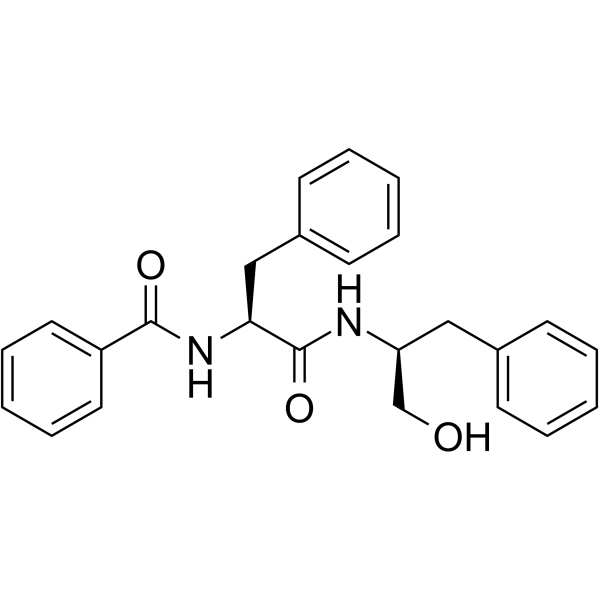
    Aurantiamide is a non-covalent, orally active, blood-brain-permeable GRPR selective antagonist with anti-inflammatory and neuroprotective effects. Aurantiamide reduces inflammation and oxidative stress in renal tissue by inhibiting GRPR-mediated renal necrosis pathways (such as RIPK3/MLKL signaling) and NF-κB inflammatory pathways, exerting anti-acute kidney injury and endothelial function activities. Aurantiamide also inhibits the M1 polarization of microglia and inhibits NLRP3 activation, thereby improving AD mouse models. Aurantiamide has in vivo inhibitory efficacy in acute kidney injury models such as ischemia/reperfusion, sepsis, and hypertension models .
    Aurantiamide
  • HY-125402
    GSK-843
    5+ Cited Publications

    GSK'843

    RIP kinase Apoptosis Inflammation/Immunology
    GSK-843 (GSK'843) is a receptor-interacting protein kinase 3 (RIP3 or RIPK3) inhibitor, which binds RIP3 kinase domain with an IC50 of 8.6 nM, and inhibits kinase activity with an IC50 of 6.5 nM. GSK-843 can be used for the research of inflammation .
    GSK-843
  • HY-144828
    RIP1/RIP3/MLKL activator 1
    5+ Cited Publications

    RIP kinase Mixed Lineage Kinase Necroptosis Cancer
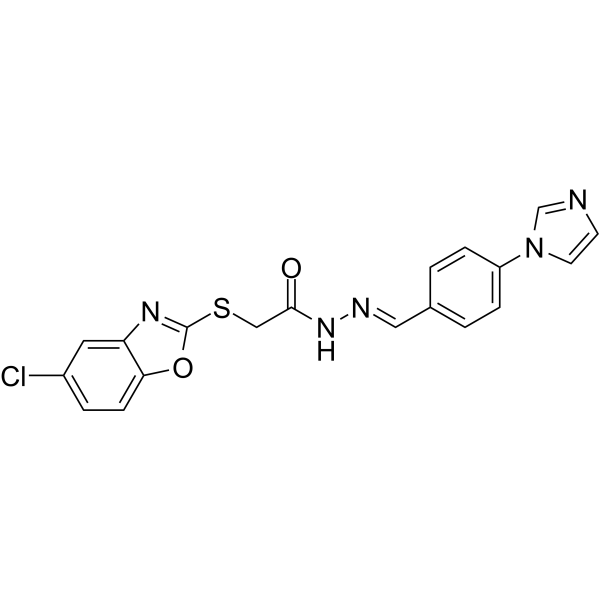
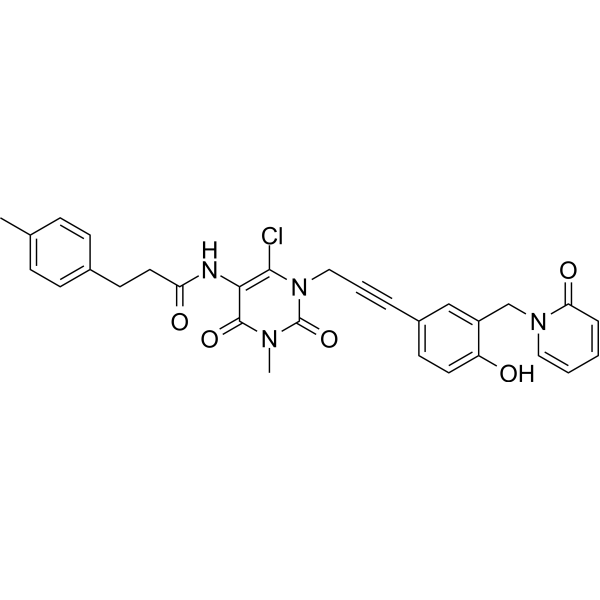
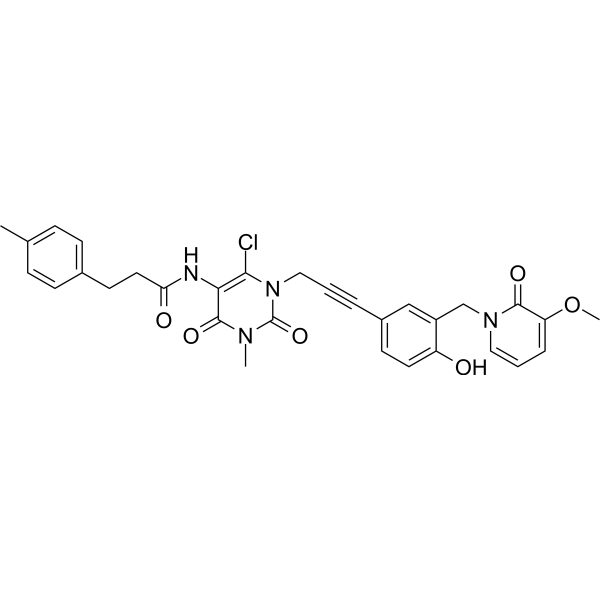
    RIP1/RIP3/MLKL activator 1 (Compound 6i) is a potent anti-glioma agent. RIP1/RIP3/MLKL activator 1 induces necroptosis through RIP1/RIP3/MLKL pathway. RIP1/RIP3/MLKL activator 1 exerts acceptable BBB permeability .
    RIP1/RIP3/MLKL activator 1
  • HY-N0546
    Ligustroflavone
    2 Publications Verification

    Nuezhenoside

    CaSR RIP kinase Mixed Lineage Kinase TGF-beta/Smad Cardiovascular Disease Neurological Disease Metabolic Disease Endocrinology
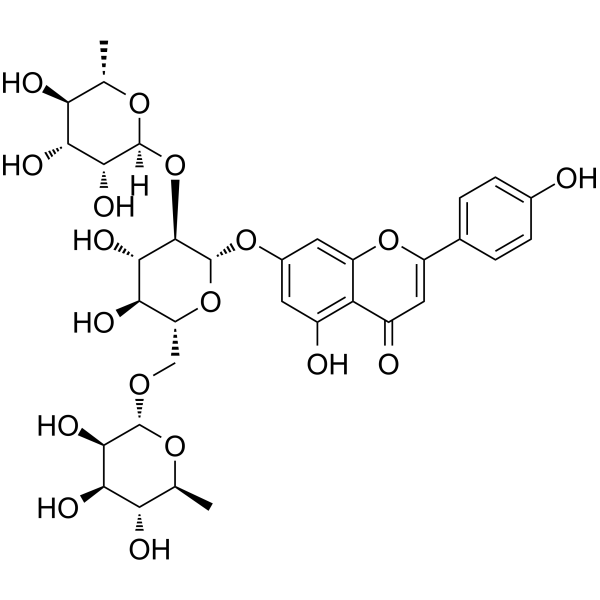
    Ligustroflavone is an orally active flavonoid compound. Ligustroflavone can be extracted from Ligustrum lucidum. Ligustroflavone antagonizes the calcium-sensing receptor (CaSR), inhibits the RIPK1/RIPK3/MLKL pathway, and downregulates TGF-β/Smad signaling. Ligustroflavone regulates calcium metabolism, protects bone tissue, reduces cerebral ischemic injury, and inhibits liver fibrosis. Ligustroflavone can be used in the study of diabetic osteoporosis, ischemic stroke, and liver fibrosis .
    Ligustroflavone
  • HY-W140974
    SN-001
    1 Publications Verification

    STING Cancer
    SN-001 is a STING inhibitor with an IC50 of 3.82 μM .
    SN-001
  • HY-156591

    PROTACs Mixed Lineage Kinase Necroptosis Others
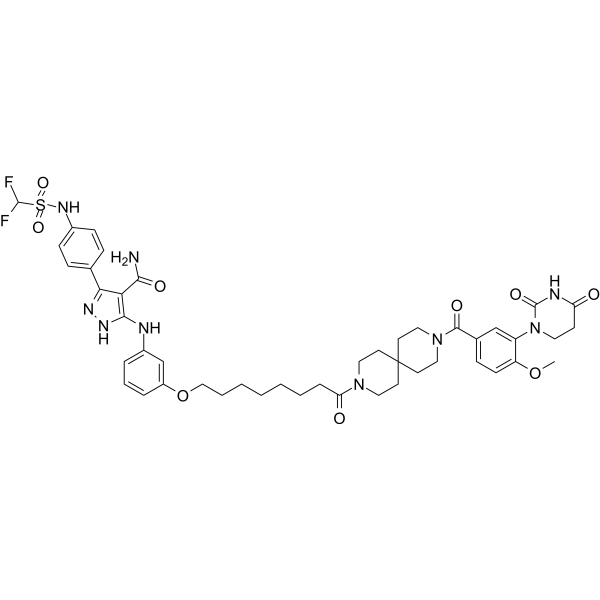
    PROTAC MLKL Degrader-1 is a selective MLKL PROTAC degrader with a DC50 of 2.4 μM. PROTAC MLKL Degrader-1 blocks necroptosis without modulating the phosphorylation of RIPK1 or RIPK3, and exhibits a linear correlation between MLKL levels and necroptotic cell death .
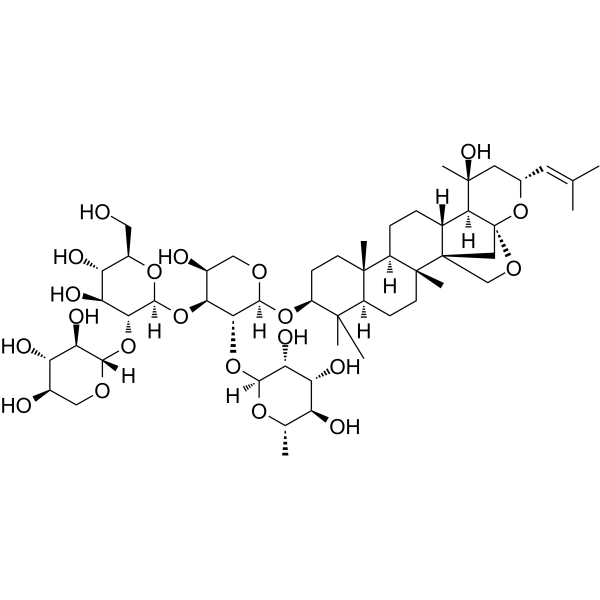
    PROTAC MLKL Degrader-1
  • HY-161247

    5-HT Receptor Metabolic Disease
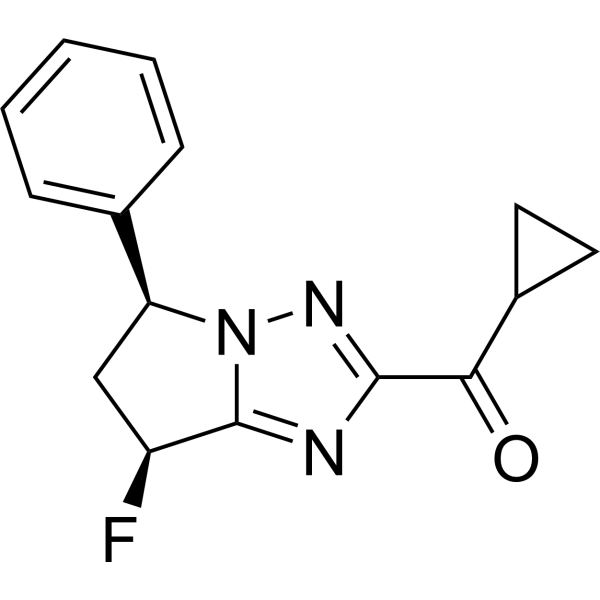
    5HT2A antagonist 2 is an orally active, selective antagonist for 5HT2A with IC50 of 14 nM. 5-HT2A antagonist 2 exhibits good chemical, hepatocyte, and plasma stability, without significant cytotoxicity in cell lines VERO, HFL-1, L929, NIH3T3, CHO-K1 .
    5-HT2A antagonist 2
  • HY-108636

    MDM-2/p53 RIP kinase Mixed Lineage Kinase Reactive Oxygen Species (ROS) Necroptosis Cancer
    RETRA is a RIPK1/RIPK3/MLKL and p73 activator. RETRA mediates plasma membrane disruption, induces ROS accumulation, triggers early mitochondrial hyperpolarization, and synergistically drives necroptosis. RETRA inhibits cancer cells carrying mutant p53 via a p73-dependent salvage pathway. RETRA can be used in research related to cervical cancer and cancers with mutant p53 .
    RETRA
  • HY-134467

    Parasite NO Synthase Infection
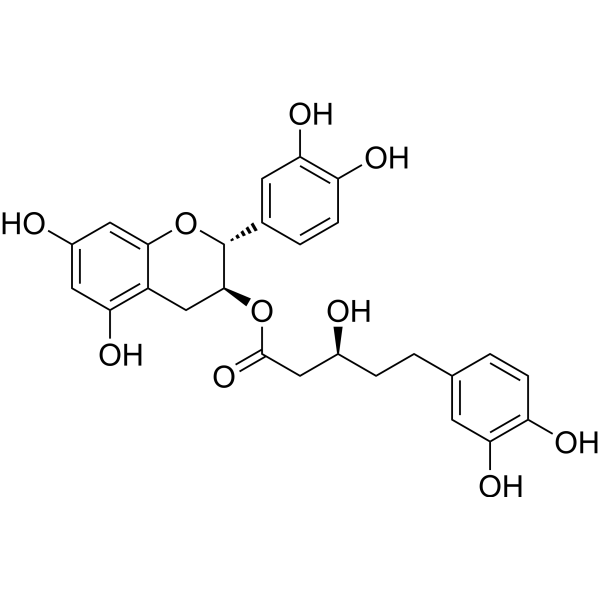
    Phylloflavan is an antileishmanial (Antileishmanial) agent with an EC50 of 3.2 nM against intracellular amastigotes of Leishmania donovani. Phylloflavan is isolated from Phyllocldus plants. Phylloflavan induces moderate levels of NO release. Phylloflavan also inhibits the cytopathic effect of encephalomyocarditis virus on L929 fibroblasts (38 U/mL) .
    Phylloflavan
  • HY-156119

    Mixed Lineage Kinase Necroptosis Metabolic Disease Cancer
    MLKL-IN-6 (compound P28) is a mixed lineage kinase inhibitor targeting Mixed Lineage Kinase domain-like (MLKL). MLKL-IN-6 inhibits cell necrosis. MLKL-IN-6 inhibits MLKL phosphorylation and oligomerization during cell necrosis, inhibits immune cell death, and reduces the expression of adhesion factors. MLKL-IN-6 has low cytotoxicity, and it inhibits hepatic stellate cell activation, reduces liver fibrosis marker levels, and has anti-fibrotic effects .
    MLKL-IN-6
  • HY-100573A
    (E/Z)-Necrosulfonamide
    1 Publications Verification

    Mixed Lineage Kinase Necroptosis Pyroptosis Caspase NOD-like Receptor (NLR) Keap1-Nrf2 TNF Receptor Interleukin Related NO Synthase Heme Oxygenase (HO) Cardiovascular Disease Neurological Disease Metabolic Disease Inflammation/Immunology Endocrinology
    (E/Z)-Necrosulfonamide is a racemic compound of Necrosulfonamide (HY-100573). Necrosulfonamide is a MLKL and Gasdermin D (GSDMD) inhibitor, capable of separately inhibiting necroptosis and pyroptosis of cells. Necrosulfonamide does not affect the activation of upstream signals, but specifically inhibits the downstream executor oligomerization step. Necrosulfonamide reduces the expression of the key kinases NLRP3 and caspase-1 involved in necroptosis and pyroptosis, activate the Nrf2 pathway and the downstream antioxidant enzymes, and also downregulates a variety of inflammatory factors. Necrosulfonamide plays significant roles in various diseases such as neurodegenerative diseases (such as Parkinson’s disease), tissue damage and ischemia-reperfusion injury, inflammatory bowel disease, osteoarthritis and fracture repair, and hair loss by regulating two important programmed necrosis pathways.
    (E/Z)-Necrosulfonamide
  • HY-177119

    PROTACs RIP kinase Mixed Lineage Kinase Infection Inflammation/Immunology
    ZBP1 Covalent PROTAC-1 is a covalent Z-DNA binding protein 1 ZBP1 PROTAC degrader, with its DC50 being 25.69 nM. ZBP1 Covalent PROTAC-1 integrates the ligand that recruits the VHL E3 ubiquitin ligase and the DNA aptamer (Aptamer Z3) with the specific Zα domain that can bind to ZBP1, which has a high affinity (KD = 2.71 nM) with ZBP1. After degrading ZBP1, the phosphorylation levels of downstream signaling molecules RIPK3 and MLKL significantly decrease. ZBP1 Covalent PROTAC-1, encapsulated by nano-liposomes, significantly improves the survival rate of mice infected with influenza A virus (IAV) after administration via the trachea .
    ZBP1 Covalent PROTAC-1
  • HY-141889

    Mixed Lineage Kinase Inflammation/Immunology
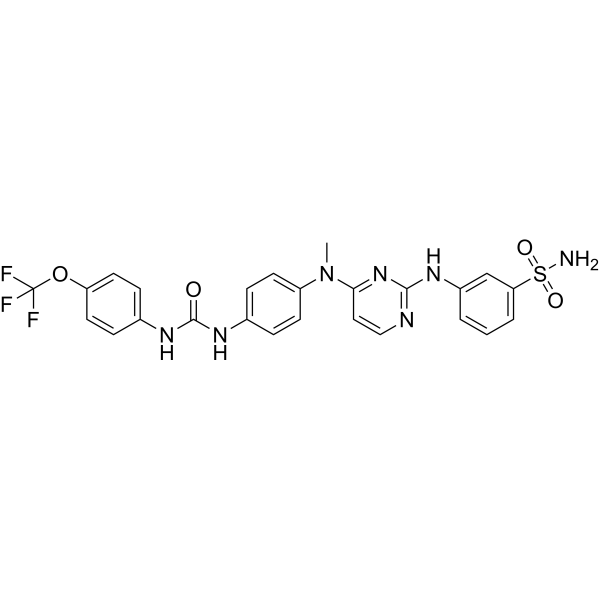
    MLKL-IN-2 is a MLKL inhibitor extracted from patent WO2021224505A1, compound (i) .
    MLKL-IN-2
  • HY-162424

    RIP kinase Mixed Lineage Kinase Necroptosis Cancer
    ZBP1/RIP3/MLKL activator 1 (compound 3a) is a synthetically derived quinoline compound. ZBP1/RIP3/MLKL Activator 1 induces DNA damage, enhances intracellular levels of reactive oxygen species (ROS), and triggers apoptosis via the caspase pathway. Furthermore, when apoptosis is inhibited, ZBP1/RIP3/MLKL Activator 1 promotes necroptotic cell death through the ZBP1-RIP3-MLKL pathway. ZBP1/RIP3/MLKL Activator 1 is utilized in oncological research, particularly in the selective targeting of cells with impaired apoptotic function .
    ZBP1/RIP3/MLKL activator 1
  • HY-24504

    Mixed Lineage Kinase Inflammation/Immunology Cancer
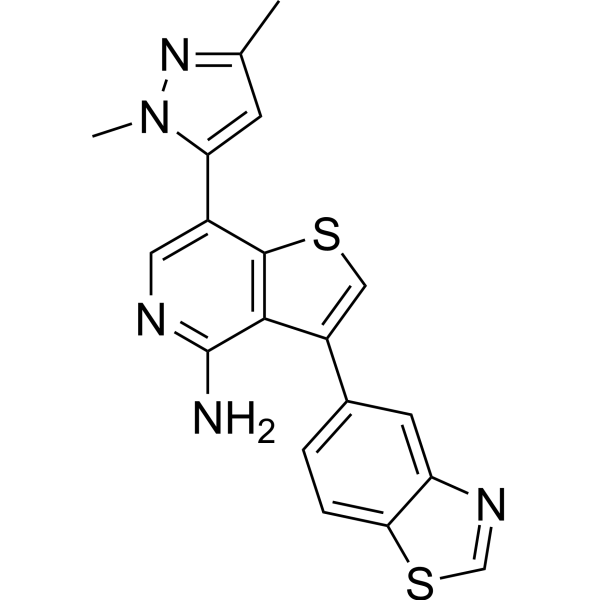
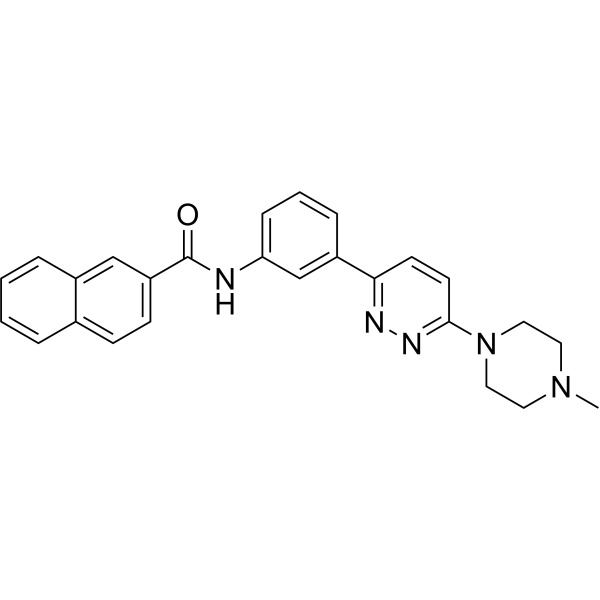
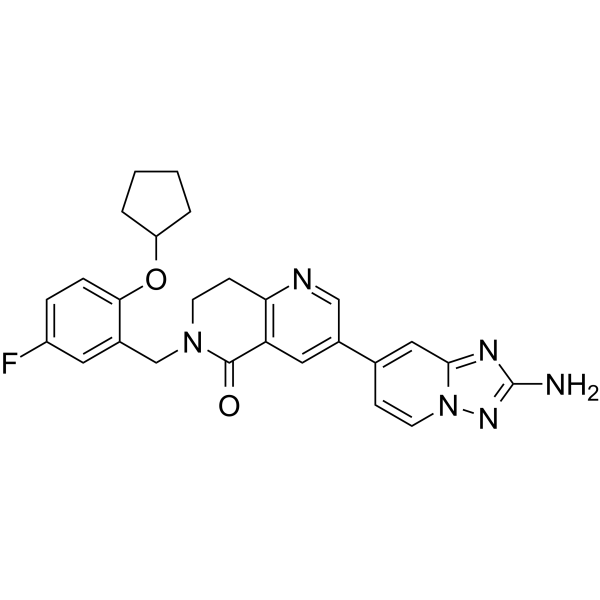
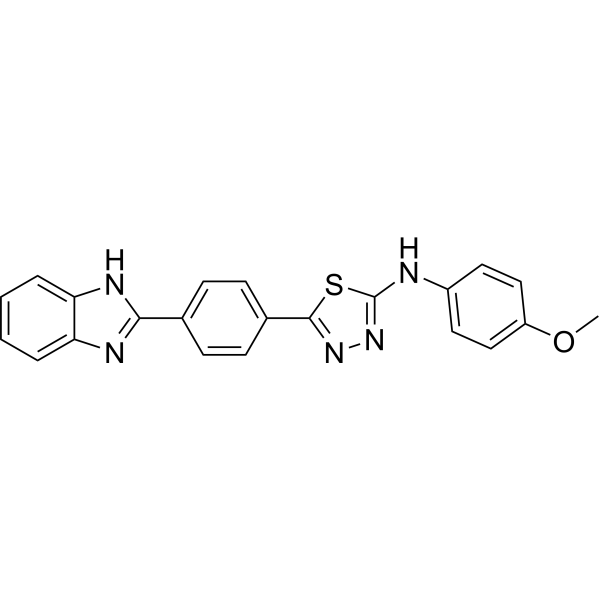
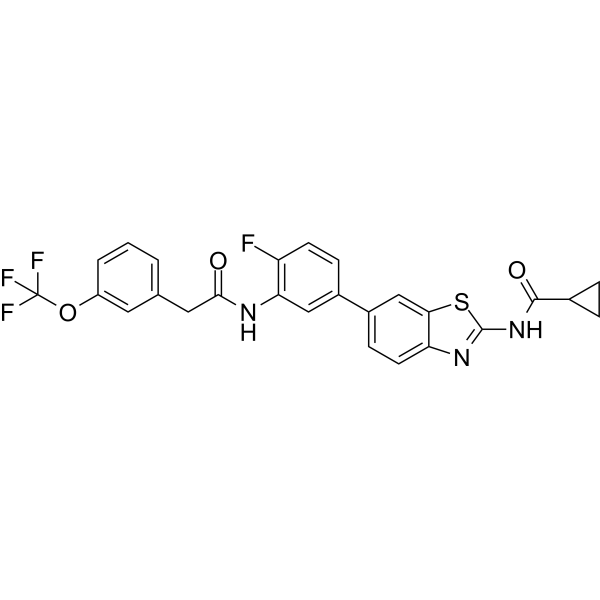
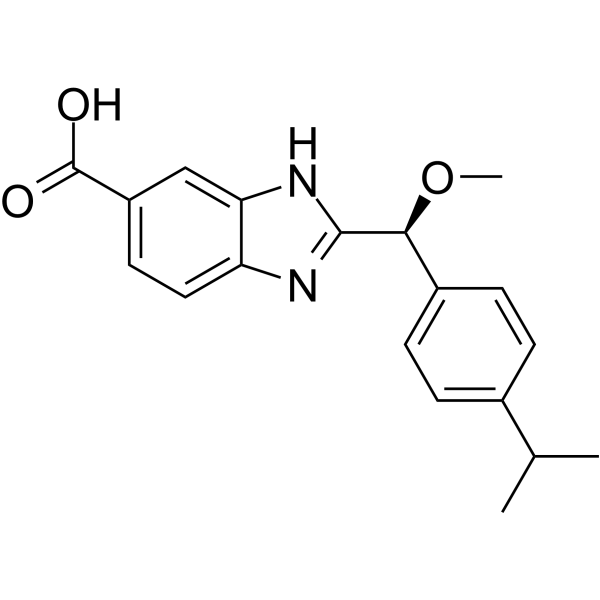
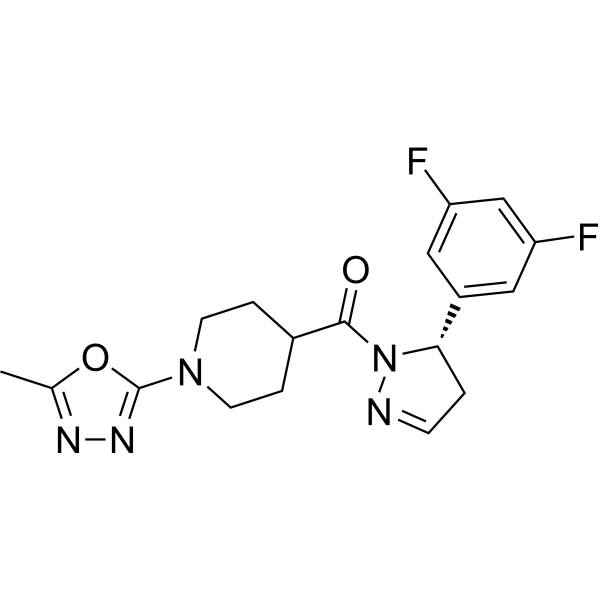
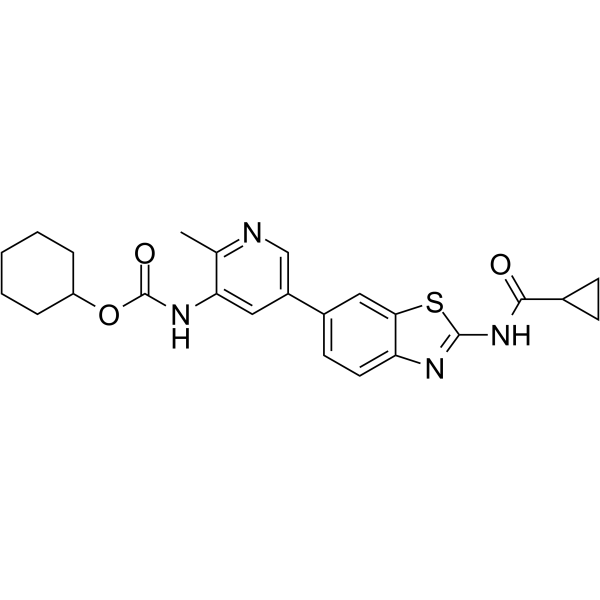
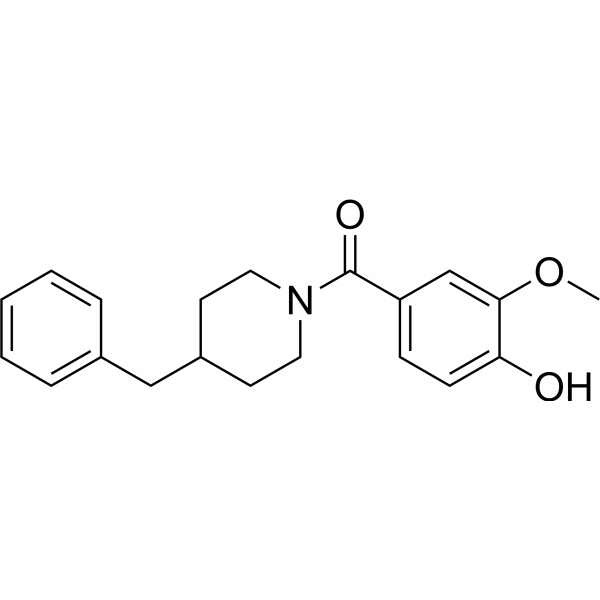
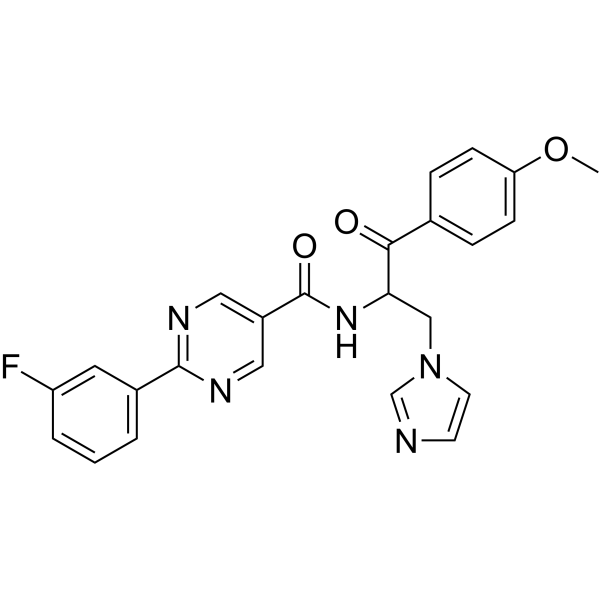
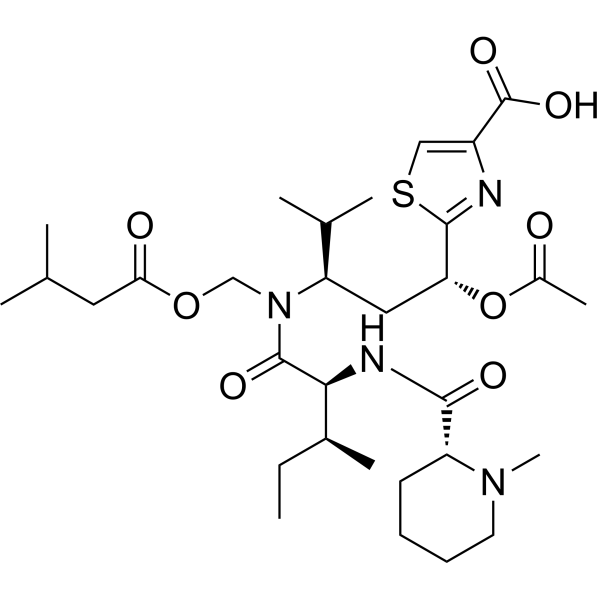
    MBA-m1 is a MLKL inhibitor. MBA-m1 inhibits necroptosis in Mlkl −/− NIH-3T3 cells. MBA-m1 ameliorates disease in MLKL-induced dermatitis and abdominal aortic aneurysm mouse model .
    MBA-m1
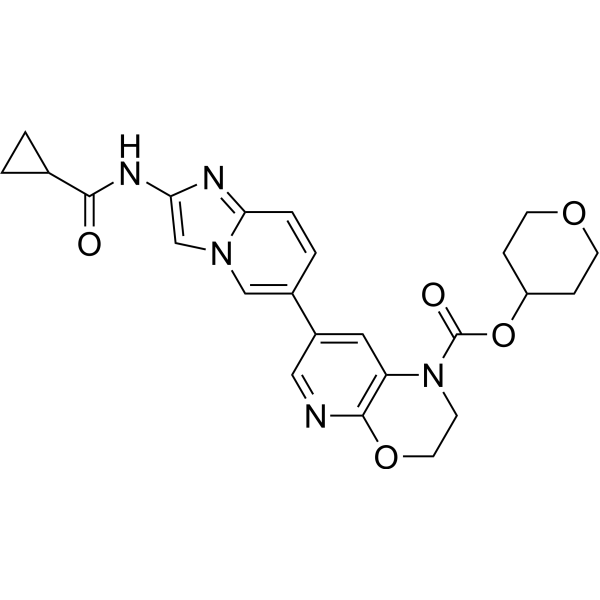
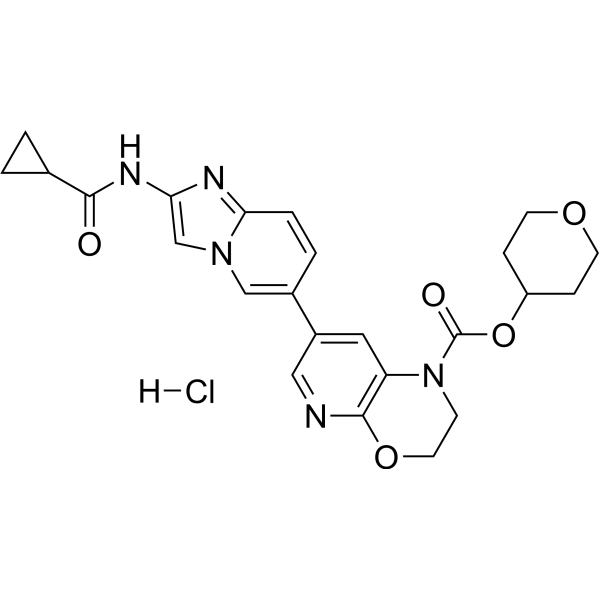
  • HY-112292A
    GW806742X hydrochloride
    20+ Cited Publications

    Mixed Lineage Kinase VEGFR Cancer
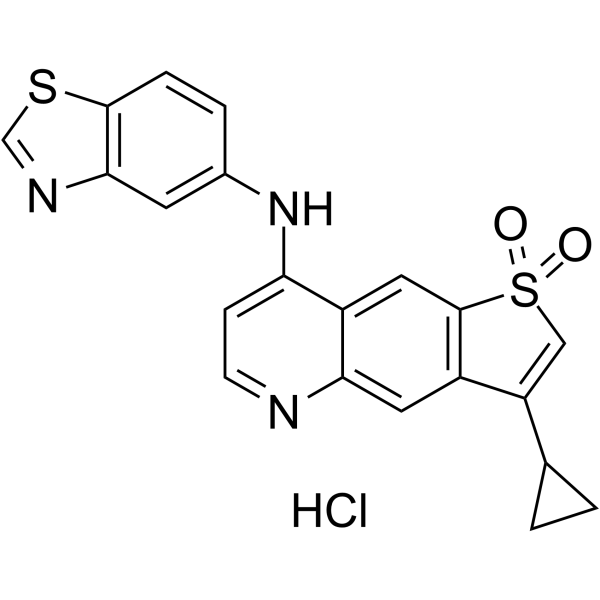
    GW806742X hydrochloride, an ATP mimetic and a potent MLKL (Mixed Lineage Kinase Domain-Like protein) inhibitor, binds the MLKL pseudokinase domain with a Kd of 9.3 μM. GW806742X hydrochloride has activity against VEGFR2 (IC50=2 nM). GW806742X hydrochloride retards MLKL membrane translocation and inhibits necroptosis .
    GW806742X hydrochloride
  • HY-137709A
    2'2'-cGAMP disodium
    1 Publications Verification

    STING IFNAR Endogenous Metabolite Metabolic Disease
    2'2'-cGAMP disodium, a synthetic CDN, binds STING in the immune response, inducing IFN-β. 2'2'-cGAMP disodium binds weaker binding to STING than 2'3'-cGAMP (HY-100564) but stronger than other CDNs .
    2'2'-cGAMP disodium
  • HY-170949

    STING Interleukin Related Inflammation/Immunology
    STING-IN-11 (Compound 42) is an orally active STING inhibitor with an IC50 of 37.8 nM. STING-IN-11 can block the palmitoylation of the STING protein and STING downstream signaling, and inhibit STING-mediated inflammation. STING-IN-11 has good in vivo safety and can be used for the research of STING-related inflammatory and autoimmune diseases .
    STING-IN-11
  • HY-W749867

    Calcium disodium EDTA dihydrate

    Bacterial Infection Others
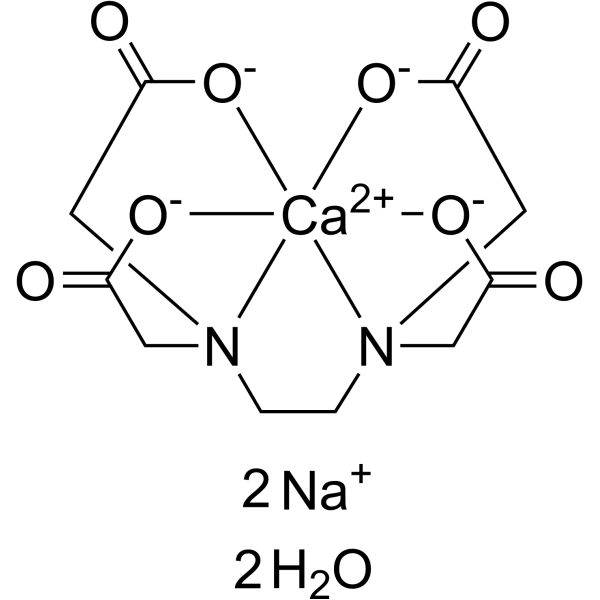
    CaⅡ-EDTA disodium dihydrate (Calcium disodium EDTA dihydrate) is an orally active metal chelating reagent, exhibits bactericidal activities against periodontal pathogens Aggregatibacter actinomycetemcomitans, Prevotella intermedia and Porphyromonas gingivalis . CaⅡ-EDTA disodium dihydrate is effective chelating antidotes for lead- and cadmium poisoning .
    Ca(II)-EDTA disodium dihydrate
  • HY-148767

    Mixed Lineage Kinase Others
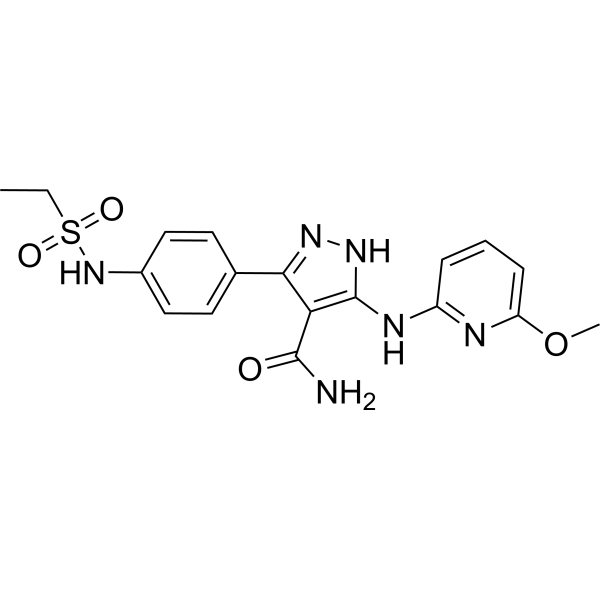
    MLKL-IN-5 is a potent MLKL inhibitor that mediates necroptosis .
    MLKL-IN-5
  • HY-W001939

    Biochemical Assay Reagents Cancer
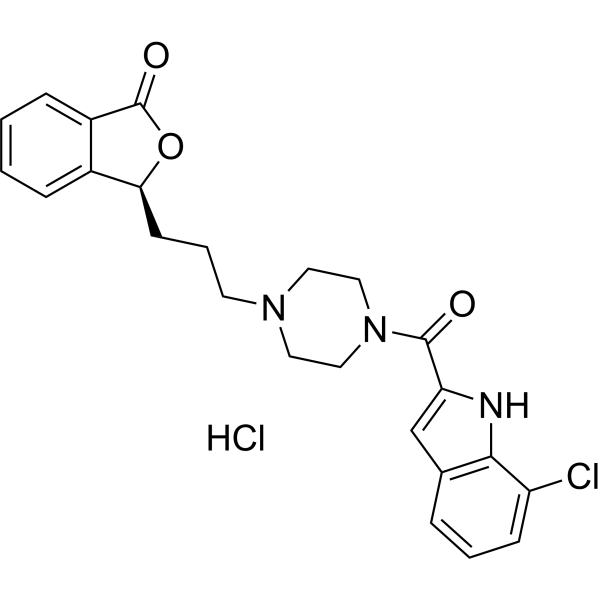
    4-Acetylbenzoic acid is a Zn(II) complex. 4-Acetylbenzoic acid is a derivative of benzoic acid that is commonly used in chemical synthesis. 4-Acetylbenzoic acid has an IC50 of 331.3 μM in murine L929 fibroblasts and an IC50 of 176 μM in metastatic melanoma B16 F10 cell lines .
    4-Acetylbenzoic acid
  • HY-149393

    Mixed Lineage Kinase RIP kinase Cancer
    RIPK3-IN-3 (compound 20) is a selective inhibitor of RIP kinase RIPK3 (IC50=10 nM). RIPK3 mediates the phosphorylation of Mixed Lineage Kinase (MLKL) and causes necroptosis, while RIPK3-IN-3 inhibits p-MLKL oligomerization and thereby inhibits necroptosis. RIPK3-IN-3 also downregulates CXCL5 secretion and inhibits AsPC-1 cell migration and invasion .
    RIPK3-IN-3
  • HY-150286

    Prion Protein Neurological Disease
    SM875 is a cellular prion protein (PrP) degrader (IC50: 7.87 μM). SM875 targets PrP folding intermediates and promotes its degradation through the autophagy-lysosomal pathway. SM875 only acts on nascent, immature PrP molecules and has no effect on mature PrP before synthesis. SM875 can inhibit prion replication and has potential in the study of neurodegenerative diseases (i.e., prion diseases) .
    SM875
  • HY-148365

    Mixed Lineage Kinase RIP kinase CDK Cancer
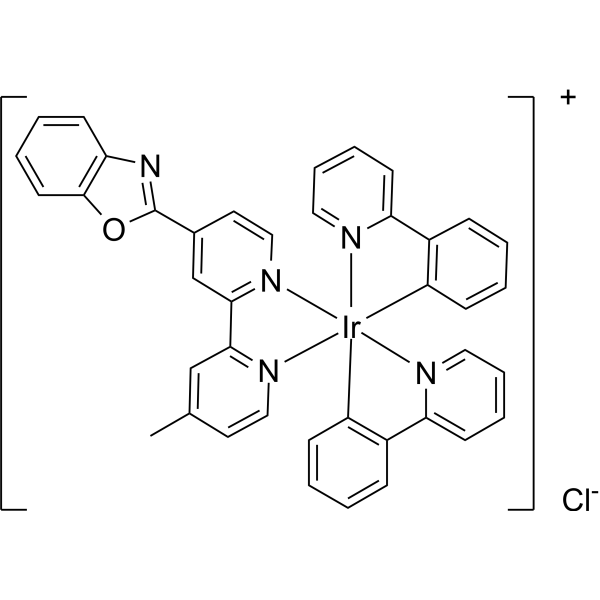
    NecroIr1 is an iridium(III) complex, serves as necroptosis inducers in Cisplatin (HY-17394)-resistant lung cancer cells (A549R). NecroIr1 selectively accumulates in mitochondria, leading to oxidative stress and loss of mitochondrial membrane potential (MMP). NecroIr1 activates receptor-interacting serine-threonine kinase 3 (RIPK3) and Mixed Lineage Kinase (MLKL), and regulates CDK4 expression .
    NecroIr1
  • HY-148366

    Mixed Lineage Kinase RIP kinase CDK Cancer
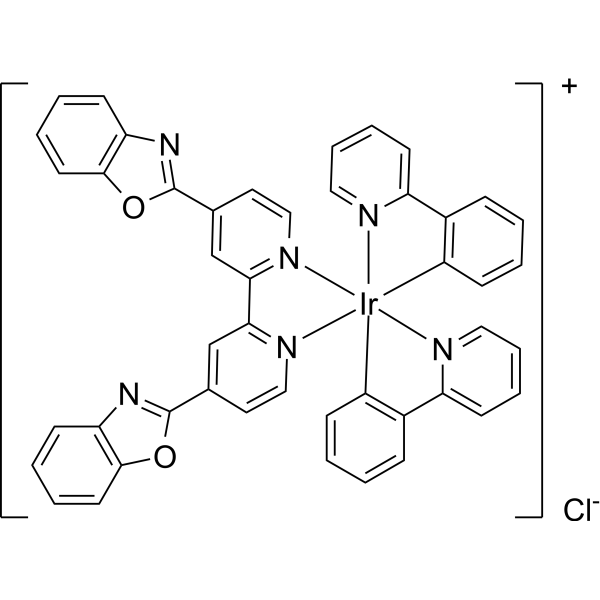
    NecroIr2 is an iridium(III) complex, serves as necroptosis inducers in Cisplatin (HY-17394)-resistant lung cancer cells (A549R). NecroIr2 selectively accumulates in mitochondria, leading to oxidative stress and loss of mitochondrial membrane potential (MMP). NecroIr2 activates receptor-interacting serine-threonine kinase 3 (RIPK3) and mixed lineage kinase domain-like pseudokinase (MLKL), and regulates CDK4 expression .
    NecroIr2
  • HY-100573S

    Isotope-Labeled Compounds Mixed Lineage Kinase Necroptosis Pyroptosis Caspase NOD-like Receptor (NLR) Keap1-Nrf2 TNF Receptor Integrin NO Synthase Heme Oxygenase (HO) Cardiovascular Disease Neurological Disease Metabolic Disease Inflammation/Immunology Endocrinology
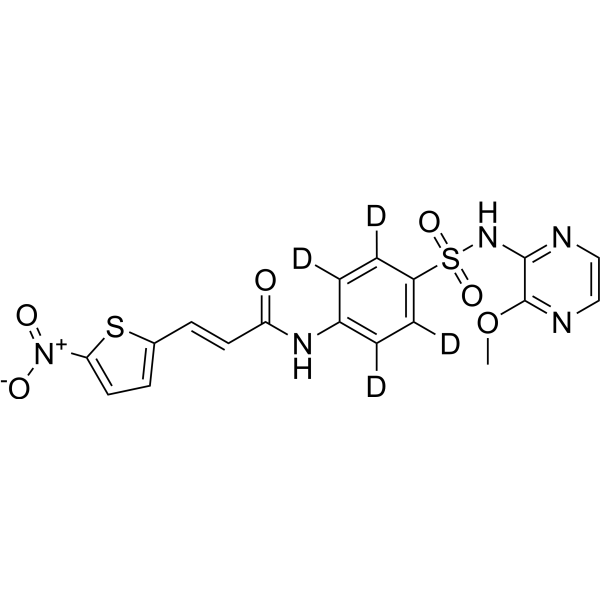
    Necrosulfonamide-d4 is the deuterium labeled Necrosulfonamide (HY-100573). Necrosulfonamide is a MLKL and Gasdermin D (GSDMD) inhibitor, capable of separately inhibiting necroptosis and pyroptosis of cells. Necrosulfonamide does not affect the activation of upstream signals, but specifically inhibits the downstream executor oligomerization step. Necrosulfonamide reduces the expression of the key kinases NLRP3 and caspase-1 involved in necroptosis and pyroptosis, activate the Nrf2 pathway and the downstream antioxidant enzymes, and also downregulates a variety of inflammatory factors. Necrosulfonamide plays significant roles in various diseases such as neurodegenerative diseases (such as Parkinson’s disease), tissue damage and ischemia-reperfusion injury, inflammatory bowel disease, osteoarthritis and fracture repair, and hair loss by regulating two important programmed necrosis pathways.
    Necrosulfonamide-d4
  • HY-175250

    TNF Receptor Inflammation/Immunology
    TNF-α-IN-25 is an orally active TNF-α inhibitor. TNF-α-IN-25 shows Fluorescence Polarization (FP) assay IC50 of 103 nM in FP binding assays and L929 assay IC50 of 505 nM in cell-based assays. TNF-α-IN-25 inhibits paw swelling in the glucose-6-phosphate isomerase (GPI) arthritis model. TNF-α-IN-25 can be used for the study of arthritis .
    TNF-α-IN-25
  • HY-162599

    TNF Receptor Infection Cancer
    Spirohypertone B is a potent Tumor necrosis factor-α (TNF-α) inhibitor. Spirohypertone B protects L929 cells from death induced by co-incubation with TNF-α and Actinomycin D (HY-17559) .
    Spirohypertone B
  • HY-137709

    STING IFNAR Endogenous Metabolite Metabolic Disease
    2'2'-cGAMP, a synthetic CDN, binds STING in the immune response, inducing IFN-β. 2'2'-cGAMP binds weaker binding to STING than 2'3'-cGAMP (HY-100564) but stronger than other CDNs .
    2'2'-cGAMP
  • HY-173185

    RIP kinase Necroptosis Inflammation/Immunology
    RIP1-IN-1 is an orally active RIP1 inhibitor with strong RIP1 binding affinity (Kd: 110 nM). RIP1-IN-1 exhibits strong anti-necroptosis activity. RIP1-IN-1 effectively inhibits the formation of necrosomes by blocking the phosphorylation of RIP1, RIP3 and MLKL signaling pathways. RIP1-IN-1 inhibits necroptosis and can be used in the study of acute liver injury .
    RIP1-IN-1
  • HY-149842

    Akt Apoptosis Cancer
    AKT-IN-18, an inhibitor of Akt, inhibits Akt with an IC50 of 69.45 μΜ in A549 cells. AKT-IN-18 induces apoptosis and can be used in non-small cell lung cancer study .
    AKT-IN-18
  • HY-151542

    Mixed Lineage Kinase Necroptosis RIP kinase Neurological Disease
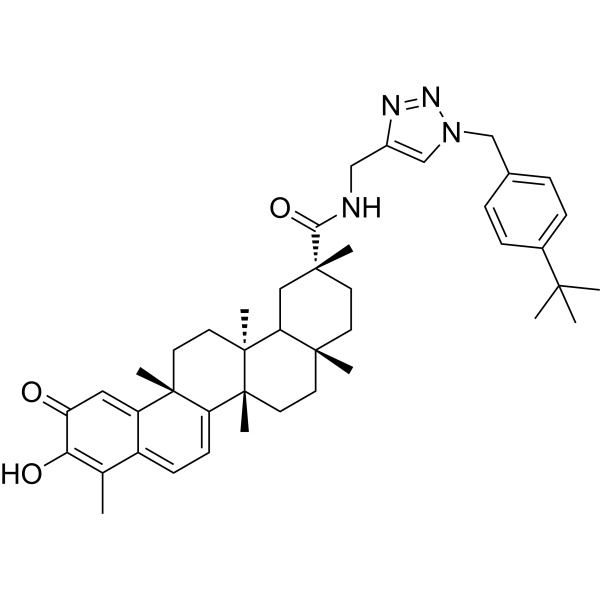
    MLKL-IN-4 (compound 56) is a potent MLKL (Mixed lineage kinase domain-like protein) inhibitor. MLKL-IN-4 inhibits necroptosis in HT-29 cells and acts downstream of MLKL phosphorylation, with EC50 of 82 nM . MLKL-IN-4 is a click chemistry reagent, it contains an Alkyne group and can undergo copper-catalyzed azide-alkyne cycloaddition (CuAAc) with molecules containing Azide groups.
    MLKL-IN-4
  • HY-151541

    Mixed Lineage Kinase Necroptosis Neurological Disease
    MLKL-IN-3 (compound 66) is a potent MLKL (Mixed lineage kinase domain-like protein) inhibitor. MLKL-IN-3 inhibits necroptosis in HT-29 cells and acts downstream of MLKL phosphorylation, with EC50 of 31 nM . MLKL-IN-3 is a click chemistry reagent, it contains an Alkyne group and can undergo copper-catalyzed azide-alkyne cycloaddition (CuAAc) with molecules containing Azide groups.
    MLKL-IN-3
  • HY-169072

    PROTACs Mixed Lineage Kinase Cancer
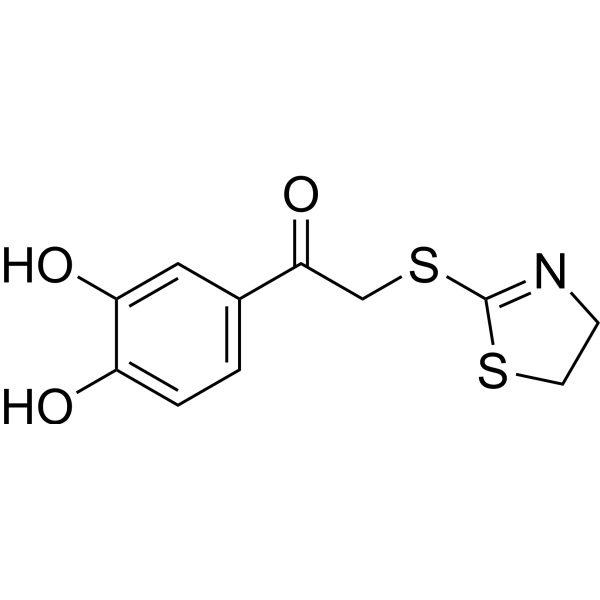
    PROTAC MLKL Degrader-2 (compound MP-1) is a PROTAC targeting MLKL (Mixed Lineage Kinase). PROTAC MLKL Degrader-2 is composed of PROTAC target protein ligand PROTAC MLKL Degrader-2 (HY-169072) (red part), E3 ligase ligand Thalidomide (HY-14658) (blue part) and PROTAC Linker N-Methylpiperazine (HY-78871) (black part), among which the conjugate of E3 ubiquitin ligase ligand + Linker is Thalidomide-N-methylpiperazine (HY-169074) [1] .
    PROTAC MLKL Degrader-2
  • HY-143727

    RIP kinase Inflammation/Immunology
    RIPK1-IN-9 (example 45), a dihydronaphthyridone compound, is a potent and selective RIPK1 inhibitor. RIPK1-IN-9 inhibits U937 cell (IC50=2 nM) and L929 cell (IC50=1.3 nM) .
    RIPK1-IN-9
  • HY-176412

    MMP Cancer
    MMP-9-IN-11 (compound 77) is a potent MMP-9 inhibitor. MMP-9-IN-11 exhibits significant cytotoxic activity against A549 and L929 with IC50s of 4.04 and 13.97 μg/mL, respectively .
    MMP-9-IN-11
  • HY-N15595

    Bacterial Fungal Infection
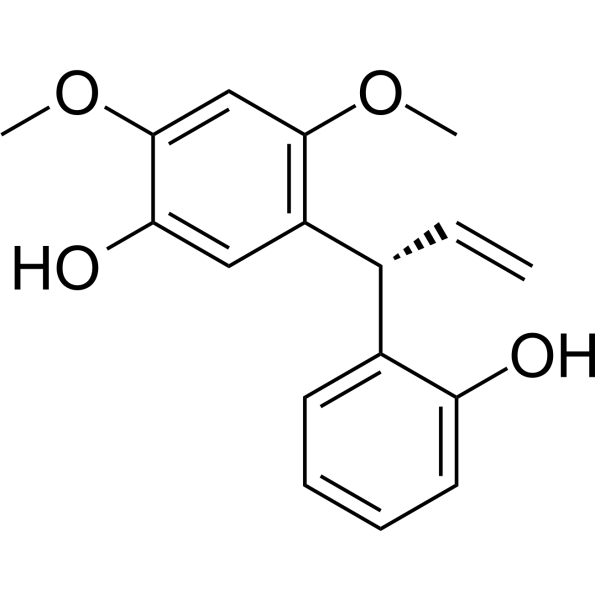
    Curvulol is an antimicrobial agent with a polyketide structure. Curvulol can be isolated from Taxus baccata ( Chaetosphaeronema achilleae). Curvulol has a significant cytotoxicity against L929 and KB-3-1 cells, and strongly inhibits Staphylococcus aureus biofilm formation with a MIC of 64 μg/mL .
    Curvulol
  • HY-162418

    Bacterial Fungal Infection
    Antibacterial agent 203 (Compound 5h) has antibacterial and antifungal activity. Antibacterial agent 203 has potent antifungal activity against C. albicans, with a MIC of 3.90 μg/mL. Antibacterial agent 203 has antimicrobial activity on healthy mouse fibroblast cells (L929), with an IC50 of 75.96 μM .
    Antibacterial agent 203
  • HY-172792

    PPAR Metabolic Disease
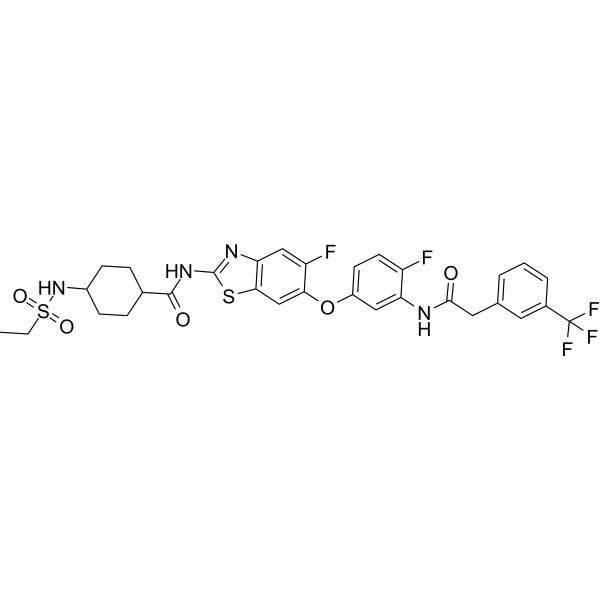
    PPAR agonist 6 (compound 5a) is an agonist of PPAR with EC50 values of 3.6 μM, 2.6 μM, and 2.7 μM for PPARα, PPARβ/δ, and PPARγ, respectively. PPAR agonist 6 represses the transactivation of the TNFα-dependent NF-κB-driven reporter in L929 cells .
    PPAR agonist 6
  • HY-N0546R

    Nuezhenoside (Standard)

    Reference Standards CaSR RIP kinase Mixed Lineage Kinase TGF-beta/Smad Cardiovascular Disease Neurological Disease Metabolic Disease Endocrinology
    Ligustroflavone (Standard) is the analytical standard of Ligustroflavone (HY-N0546). This product is intended for research and analytical applications. Ligustroflavone is an orally active flavonoid compound. Ligustroflavone can be extracted from Ligustrum lucidum. Ligustroflavone antagonizes the calcium-sensing receptor (CaSR), inhibits the RIPK1/RIPK3/MLKL pathway, and downregulates TGF-β/Smad signaling. Ligustroflavone regulates calcium metabolism, protects bone tissue, reduces cerebral ischemic injury, and inhibits liver fibrosis. Ligustroflavone can be used in the study of diabetic osteoporosis, ischemic stroke, and liver fibrosis .
    Ligustroflavone (Standard)
  • HY-157039

    RIP kinase Necroptosis Mixed Lineage Kinase Inflammation/Immunology
    RIPK1-IN-17 is an orally active, selective RIPK1 inhibitor (Kd = 17 nM) and shows no significant inhibition to RIPK3. RIPK1-IN-17 specifically inhibits necroptosis rather than apoptosis by inhibiting RIPK1, RIPK3, and MLKL phosphorylation. RIPK1-IN-17 protects mice from hypothermia and death. RIPK1-IN-17 can be used for the study of necroptosis-related diseases such as inflammatory response syndrome (SIRS) .
    RIPK1-IN-17
  • HY-168640

    Autophagy Necroptosis RIP kinase Cancer
    RIP3 activator 1 (compound C8) is a potent RIP3 activator. RIP3 activator 1 inhibits cell growth. RIP3 activator 1 induces necroptosis through the RIP3/p62/Keap1 signaling pathway. RIP3 activator 1 increases the protein expression of p-MLKL. RIP3 activator 1 induces autophagy. RIP3 activator 1 increases accumulation of LC3-II and p62 protein expression .
    RIP3 activator 1
  • HY-178342

    Xanthine Oxidase Reactive Oxygen Species (ROS) SOD Metabolic Disease Inflammation/Immunology Cancer
    Xanthine oxidase-IN-18 is a potent orally activeXanthine oxidase (XO) inhibitor (IC50 = 0.263 μM). Xanthine oxidase-IN-18 exerts inhibition by directly and stably binding to the xanthine oxidase Mo-co active site. Xanthine oxidase-IN-18 exhibits reactive oxygen species (ROS) scavenging activity. Xanthine oxidase-IN-18 shows anti-hyperuricemia effects in a Potassium oxonate (HY-17511)-induced hyperuricemic rat model. Xanthine oxidase-IN-18 can be used for hyperuricemia, breast and lung cancer research .
    Xanthine oxidase-IN-18
  • HY-178464

    RIP kinase Mixed Lineage Kinase Necroptosis Neurological Disease Inflammation/Immunology
    RIPK1-IN-34 is a selective, brain-penetrant RIPK1 inhibitor (IC50 = 126.70 nM) with almost no inhibitory effect on RIPK3 (IC50 > 10, 000 nM). RIPK1-IN-34 offers substantial neuroprotection by inhibiting the phosphorylation of RIPK1, RIPK3, and mixed lineage kinase domain-like pseudokinase (MLKL) within the necroptosis pathway. RIPK1-IN-34 shows the neuroprotective effect in a rat middle cerebral artery occlusion (MCAO) model. RIPK1-IN-34 can be used for the study of anti-acute ischemic stroke (AIS) .
    RIPK1-IN-34

Inquiry Online

Your information is safe with us. * Required Fields.

Salutation


Country or Region *

Applicant Name *


Organization Name *

Department *


Email Address *


Product Name *

Cat. No.


Requested quantity *

Phone Number *


Remarks

Inquiry Online

Inquiry Information

Product Name:
Cat. No.:
Quantity:
MCE Japan Authorized Agent: