Search Result
Results for "
plant+growth
" in MedChemExpress (MCE) Product Catalog:
35
Biochemical Assay Reagents
24
Isotope-Labeled Compounds
| Cat. No. |
Product Name |
Target |
Research Areas |
Chemical Structure |
-
- HY-16563
-
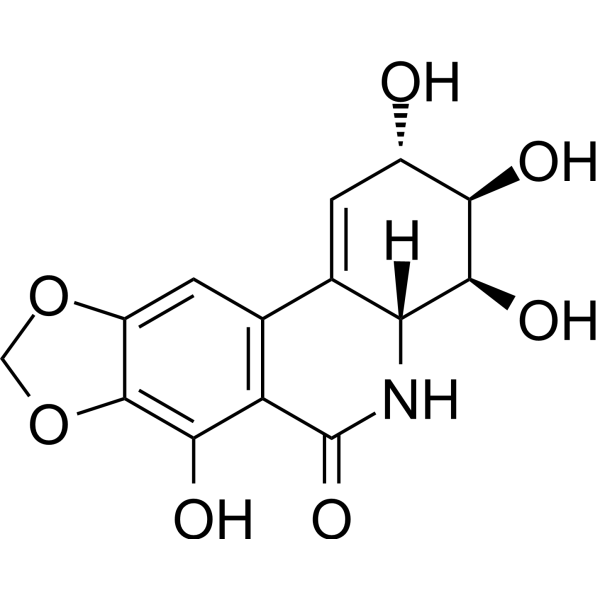
Narciclasine
Maximum Cited Publications
22 Publications Verification
Lycoricidinol
|
ROCK
|
Cancer
|
|
Narciclasine is a plant growth modulator. Narciclasine modulates the Rho/Rho kinase/LIM kinase/cofilin signaling pathway, greatly increasing GTPase RhoA activity as well as inducing actin stress fiber formation in a RhoA-dependent manner.
|
-
-
- HY-N1964
-
|
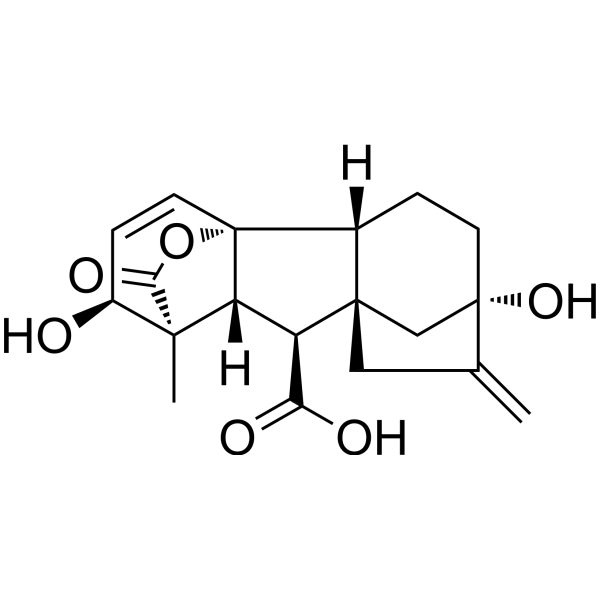
Gibberellin A3
|
Environmental Pollutants
Drug Derivative
|
Metabolic Disease
|
|
Gibberellic acid (GA3) is a natural plant growth regulator with oral bioactivity. Gibberellic acid governs multiple plant developmental events, including seed germination, cell elongation, floral organ formation, and rice spikelet fertility. Gibberellic acid optimizes root morphology and secondary metabolite production in Echinacea purpurea hairy roots, and serves as a bioactive seed priming agent to improve chilling stress tolerance in chickpea. Gibberellic acid mediates modulation of enzyme activity and secondary metabolism in plants and exerts tissue-specific regulatory effects on antioxidant systems and lipid peroxidation in rats. Gibberellic acid can be used in studies of plant growth, metabolism, and abiotic stress responses .
|
-
-
- HY-N0273
-
|
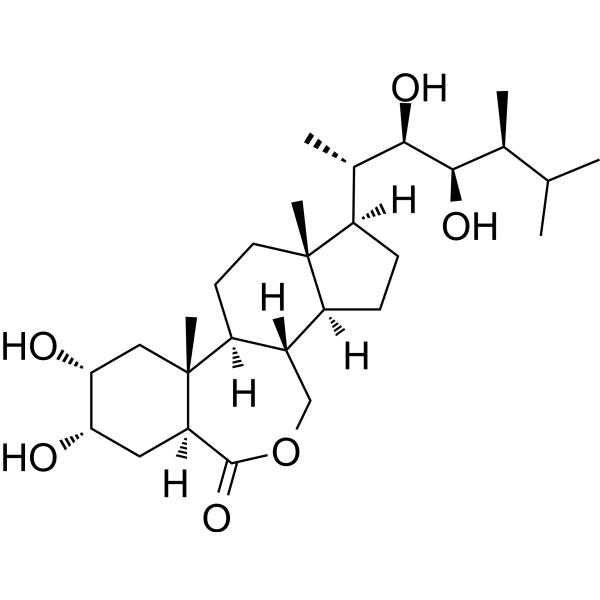
Brassin lactone
|
Apoptosis
|
Cancer
|
|
Brassinolide is a predominant plant growth modulator that regulate plant cell elongation.
|
-
-
- HY-50730
-
|
|
Parasite
Endogenous Metabolite
|
Infection
|
|
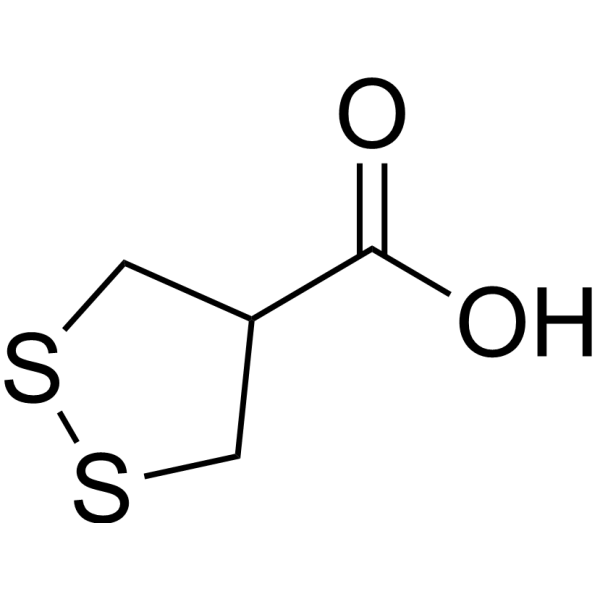
Asparagusic acid is a sulfur-containing flavor component produced by Asparagus officinalis Linn., with anti-parasitic effect. Asparagusic acid is a plant growth inhibitor .
|
-
-
- HY-B1008
-
-
-
- HY-121161A
-
|
|
Cytochrome P450
|
Others
|
|
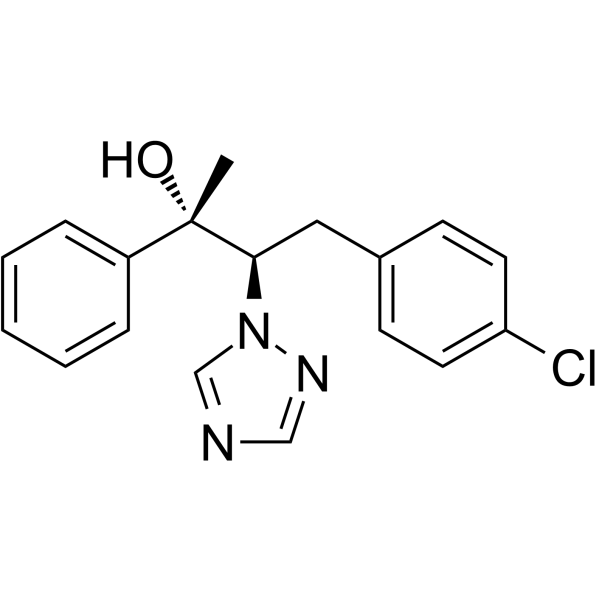
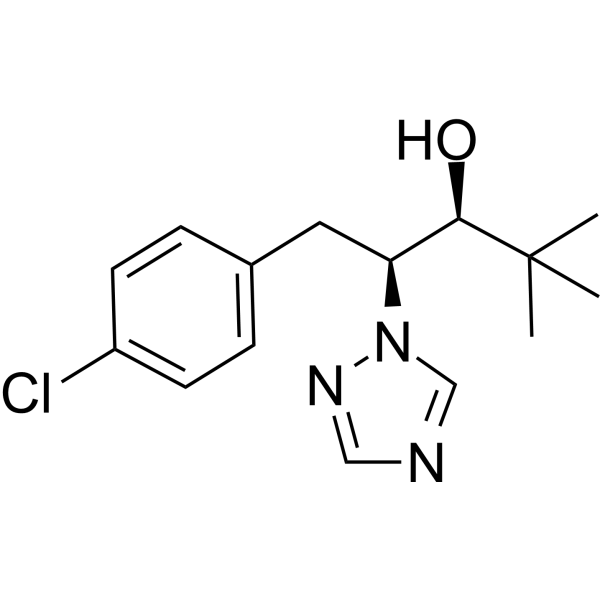
Brassinazole is a selective triazole-type brassinosteroid (BR) biosynthesis inhibitor. Brassinazole is used for regulating plant growth and development .
|
-
-
- HY-N6933
-
|
Triacontan-1-ol
|
Environmental Pollutants
|
Cancer
|
|
1-Triacontanol is a naturally occurring plant growth regulator. 1-Triacontanol is a saturated long-chain alcohol that has growth-promoting activities on a number of plants. 1-Triacontanol has anticancer activity .
|
-

-
- HY-W131845
-
-
-
- HY-112103
-
|
N6-(2-lsopentenyl)adenine; Isopentenyladenine
|
Others
|
Others
|
|
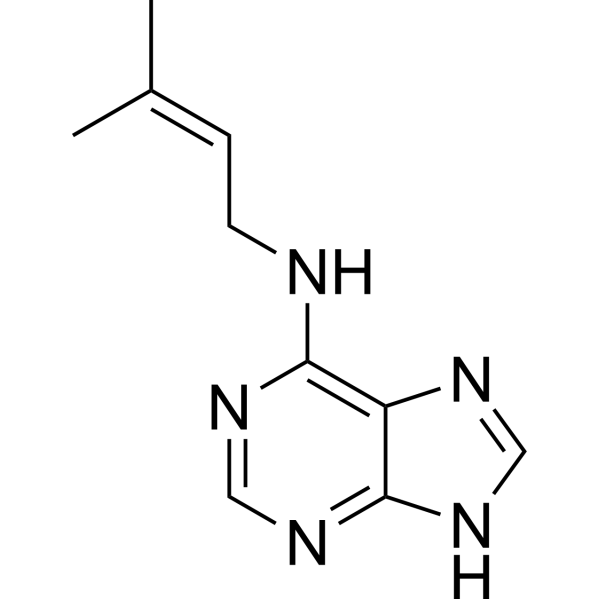
6-(γ,γ-Dimethylallylamino)purine is a plant growth substance.
|
-
-
- HY-18569B
-
|
IAA
|
Endogenous Metabolite
|
Infection
|
|
3-Indoleacetic acid, suitable for plant cell culture (IAA), is a naturally occurring plant growth hormone that is widely present in plants, bacteria, and fungi. 3-Indoleacetic acid, suitable for plant cell culture, is a plant growth-promoting hormone that not only promotes plant growth but also protects bacteria from the toxic damage to cell membrane potential caused by other indole intermediate products (such as I3P) produced during their own metabolic processes. 3-Indoleacetic acid, suitable for plant cell culture, can be used in plant cell culture .
|
-

-
- HY-B0941
-
|
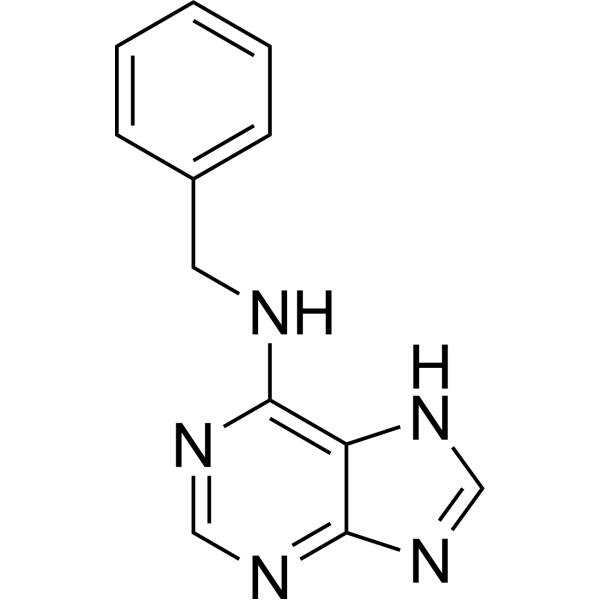
Benzyladenine; 6-BAP; N6-Benzyladenine
|
Environmental Pollutants
Endogenous Metabolite
|
Others
|
|
6-Benzylaminopurine (Benzyladenine) is a cytokinin that causes plant growth and development by stimulating cell division and inhibiting respiratory kinases, thereby prolonging the preservation of green vegetables .
|
-
-
- HY-134094
-
-
-
- HY-18570
-
|
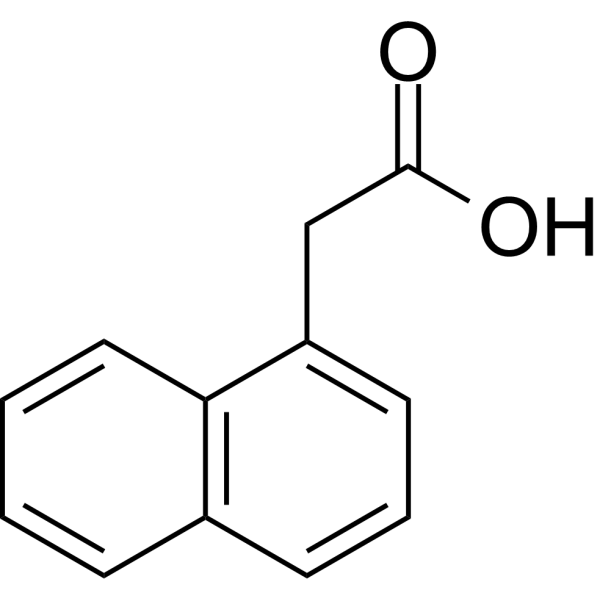
1-Naphthylacetic acid
|
Environmental Pollutants
Phospholipase
|
Others
|
|
1-Naphthaleneacetic acid (1-Naphthylacetic acid), a auxin, can promote plant growth. 1-Naphthaleneacetic acid is also an inhibitor of PLA2, with an IC50 of 13.16 μM .
|
-
-
- HY-18570B
-
|
NAA
|
Biochemical Assay Reagents
|
Others
|
|
1-Naphthaleneacetic acid,suitable for plant cell culture (NAA) is a plant growth hormone. 1-Naphthaleneacetic acid,suitable for plant cell culture promotes plant growth and induces root cluster formation. Naphthaleneacetic acid,suitable for plant cell culture is applicable for plant cell culture .
|
-

-
- HY-B1841
-
-
-
- HY-B1886
-
|
|
Phytohormone
|
Others
|
|
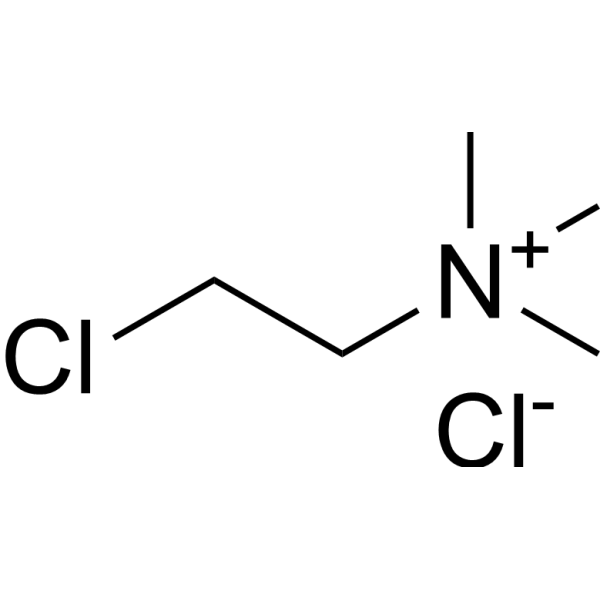
Chlorocholine chloride is an effective plant growth regulator. Chlorocholine chloride can inhibit gibberellin (GA) biosynthesis. Chlorocholine chloride can be used for the research of the mechanisms and effects of GA on plant cell growth and differentiation .
|
-
-
- HY-W016784
-
|
|
Endogenous Metabolite
|
Others
|
|
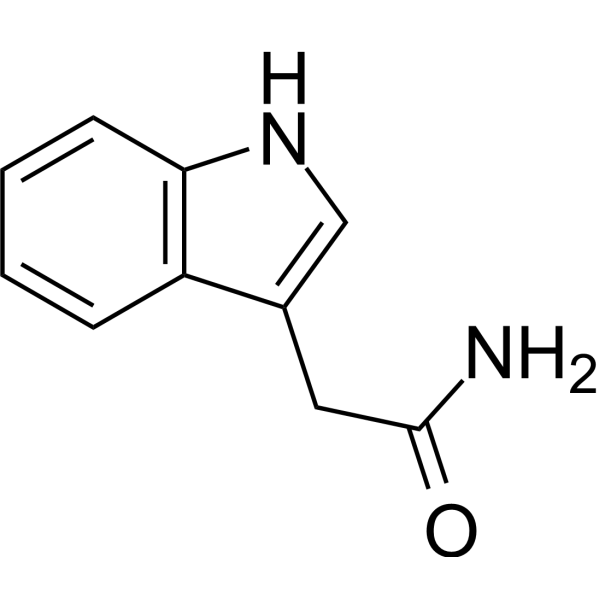
Indole-3-acetamide is a biosynthesis intermediate of 3-Indoleacetic acid (HY-18569). Indole-3-acetic acid is the most common natural plant growth hormone of the auxin class .
|
-
-
- HY-112106A
-
|
DA-6 citrate; 2-Diethylaminoethyl hexanoate citrate
|
Phytohormone
|
Others
|
|
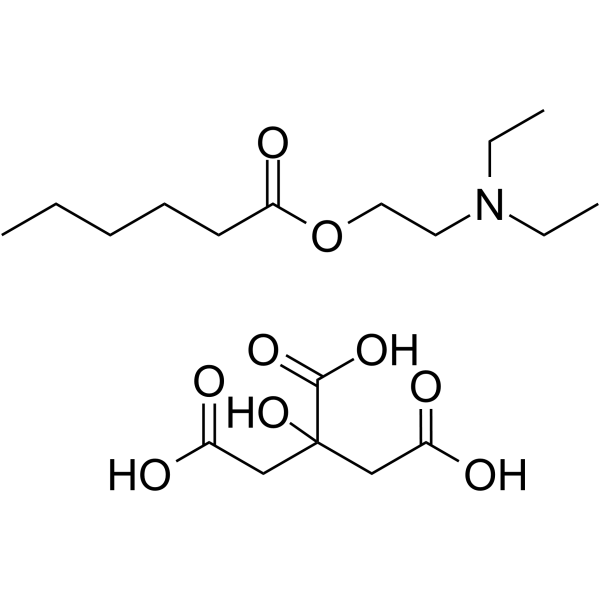
Diethyl aminoethyl hexanoate citrate is a compound that is widely used as a plant growth regulator.
|
-
-
- HY-112105
-
-
-
- HY-107805
-
|
|
Cholinesterase (ChE)
Bacterial
|
Infection
Neurological Disease
Cancer
|
|
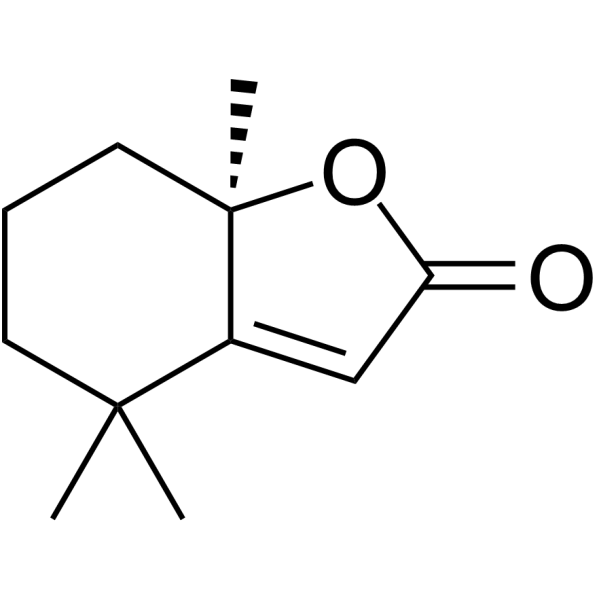
Dihydroactinidiolide, existing in plant leaves and fruits, is a potent plant growth inhibitor, a regulator of gene expression and is responsible for photo acclimation in Arabidopsis. Dihydroactinidiolide has antioxidant activity, antibacterial activity, anticancer activity and neuroprotective effect . Dihydroactinidiolide is also an inhibitor of AChE (IC50=34.03 nM) and has scavenging activities for DPPH and (.NO). Dihydroactinidiolide is present in plant leaves and fruits and is a potent plant growth inhibitor, regulator of gene expression, and responsible for light adaptation in Arabidopsis.
|
-
-
- HY-N10568
-
|
|
Phytohormone
|
Others
|
|
Gibberellin A9 is a plant hormone that targets gibberellin receptor GID1. Gibberellin A9 binds to GID1 to form a GA-GID1-DELLA protein complex, which promotes the degradation of DELLA proteins. This relieves the inhibitory effect of DELLA proteins on plant growth, thereby promoting plant cell elongation and division, and increasing seed germination rate. Gibberellin A9 is promising for use in studies on plant growth and development, such as stem elongation and flowering induction .
|
-

-
- HY-122464S2
-
|
|
Isotope-Labeled Compounds
|
Others
|
|
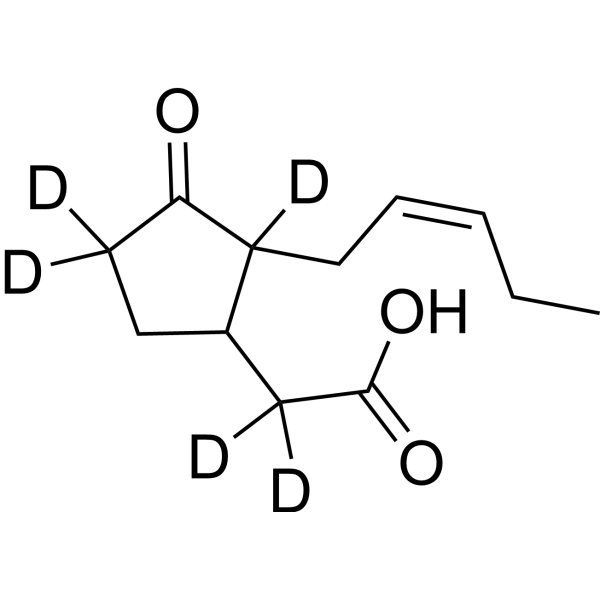
(±)-Jasmonic acid-d5 is the deuterium labeled (±)-Jasmonic acid. (±)-Jasmonic acid is a plant growth regulator and a derivative of α-linolenic acid. (±)-Jasmonic acid decreases chlorophyll levels in green and etiolated barley leaf segments and inhibits elongation of rice seedlings.
|
-
-
- HY-100427
-
|
CL29926; (±)-Imazamox
|
Environmental Pollutants
Acetolactate Synthase (ALS)
|
Others
|
|
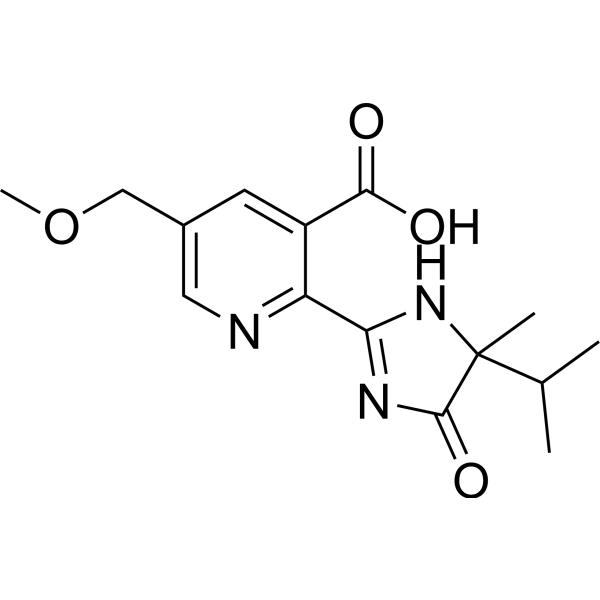
Imazamox (CL29926) is a systemic herbicide that inhibits the production of acetolactate synthase (ALS) in plants with high selectivity, high activity, safety and broadspectrum activity, which would then inhibit plant growth and ultimately lead to plant death .
|
-
-
- HY-Y1031
-
-
-
- HY-Y1031A
-
-
-
- HY-18570A
-
|
Potassium 1-Naphthaleneacetate
|
Environmental Pollutants
Phospholipase
|
Others
|
|
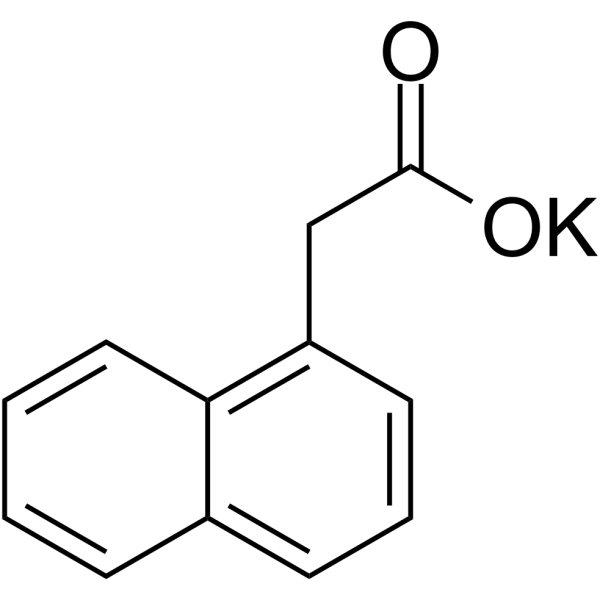
1-Naphthaleneacetic acid potassium salt (Potassium 1-Naphthaleneacetate), a synthetic auxin, can promote plant growth. 1-Naphthaleneacetic acid potassium salt is also an inhibitor of PLA2, with an IC50 of 13.16 μM .
|
-
-
- HY-131116
-
-
-
- HY-122464A
-
|
(-)-Jasmonic acid
|
Drug Derivative
|
Others
|
|
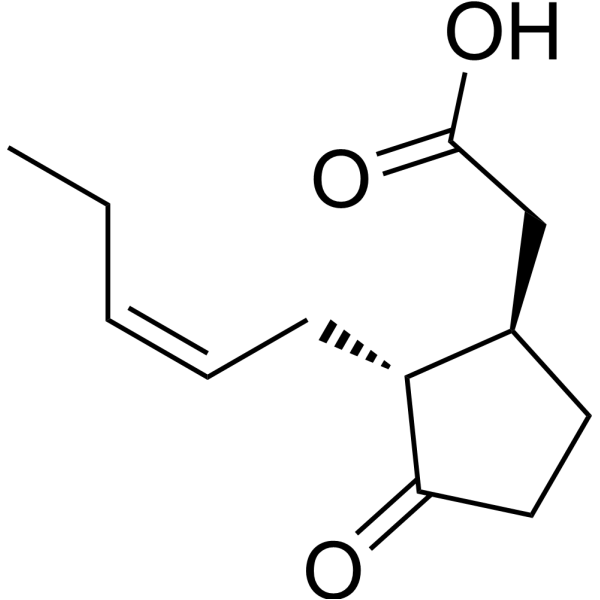
Jasmonic acid ((-)-Jasmonic acid) is a plant growth regulator and a derivative of Linolenic acid (HY-N0728). Jasmonic acid enhances plant resistance and is widely used as a stress protectant. Jasmonic acid is an endogenous plant hormone and a plant growth inhibitor .
|
-
-
- HY-17527
-
|
|
Insecticide
|
Others
|
|
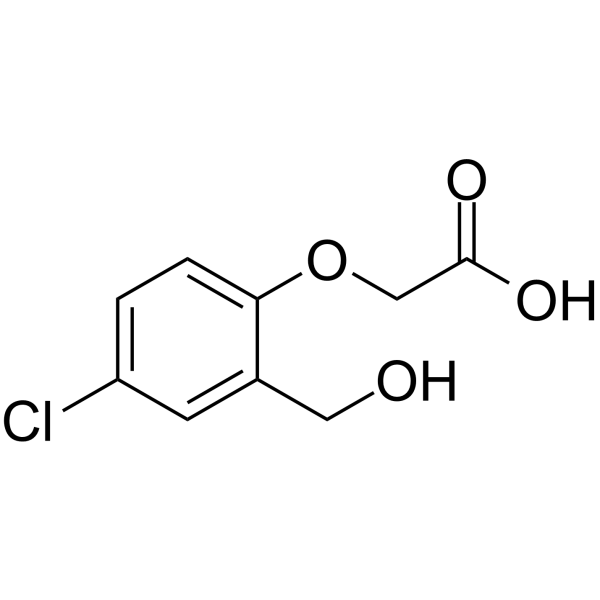
Cloxyfonac is a plant growth regulator and a chemical transformation product pesticide.
|
-
-
- HY-N3045
-
|
|
Drug Isomer
|
Others
|
|
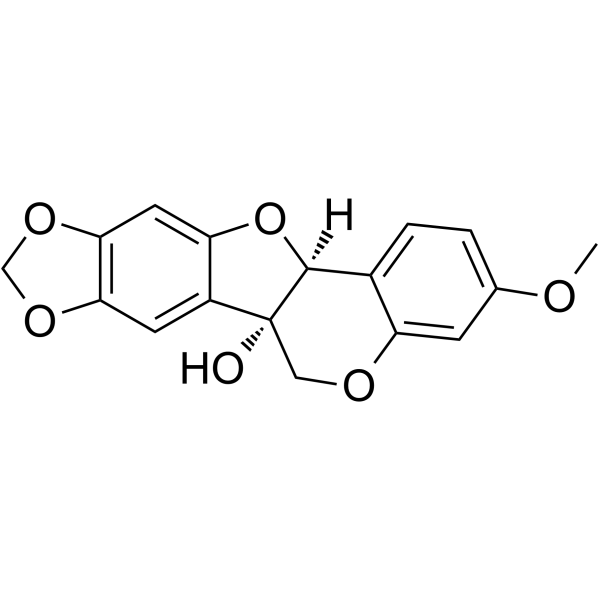
(S,S)-Pisatin is a dimeric pterocarpan derivative. (S,S)-Pisatin can inhibit plant growth .
|
-
-
- HY-B0941A
-
|
Benzyladenine, suitable for plant cell culture; 6-BAP, suitable for plant cell culture; N6-Benzyladenine, suitable for plant cell culture
|
Biochemical Assay Reagents
|
Others
|
|
6-Benzylaminopurine,suitable for plant cell culture is a cytokinin that induces plant growth and development by stimulating cell division, and prolongs the freshness of green vegetables through inhibiting respiratory kinases .
|
-

-
- HY-112107
-
|
3-Acetylthiazolidine-4-carboxylic acid
|
Phytohormone
|
Others
|
|
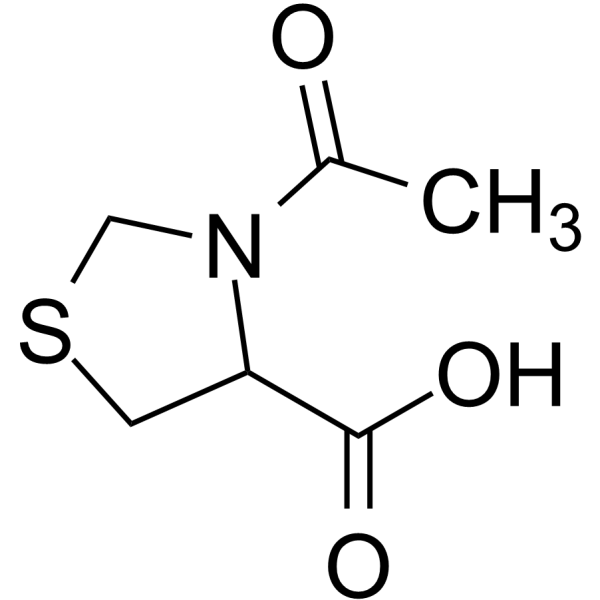
Folcisteine is a plant growth regulator.
|
-
-
- HY-W746984
-
|
|
Phytohormone
|
Others
|
|
(±)-Tuberonic acid is a derivative of the plant growth regulator jasmonic acid that has been found in M. oleifera.
|
-

-
- HY-112101
-
|
n-Propyl dihydrojasmonate
|
Environmental Pollutants
Drug Isomer
|
Others
|
|
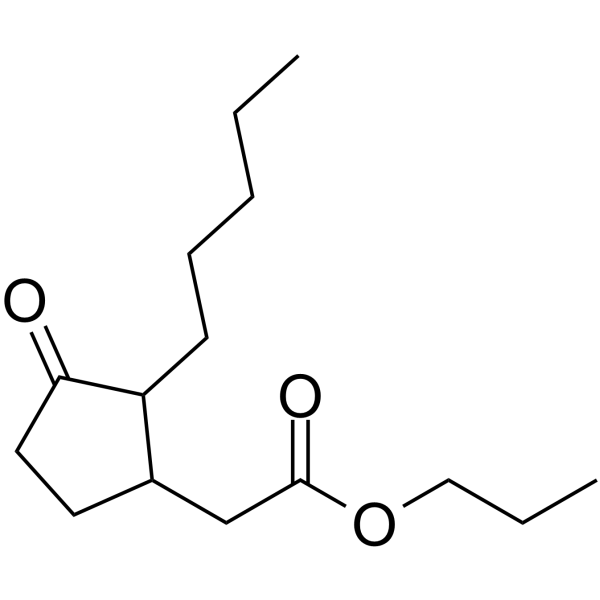
Prohydrojasmon racemate (n-Propyl dihydrojasmonate) is the racemate of Prohydrojasmon. Prohydrojasmon is a synthesized plant growth regulator .
|
-
-
- HY-W014240
-
|
|
Environmental Pollutants
Herbicide
|
Others
|
|
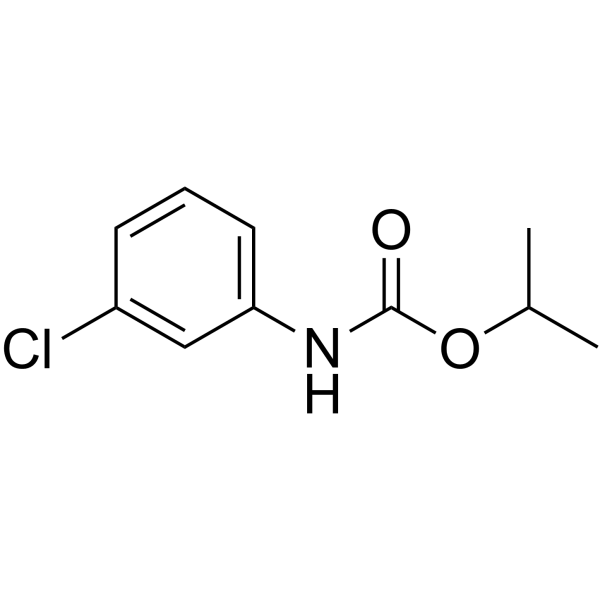
Chlorpropham is a carbamate herbicide and plant growth regulator. Chlorpropham inhibits mitosis and cell division by interfering with the organisation of the spindle microtubules .
|
-
-
- HY-59354
-
-
-
- HY-N0273R
-
|
Brassin lactone (Standard)
|
Apoptosis
Reference Standards
|
Cancer
|
|
Brassinolide (Standard) is the analytical standard of Brassinolide. This product is intended for research and analytical applications. Brassinolide is a predominant plant growth modulator that regulate plant cell elongation.
|
-

-
- HY-W010169
-
|
|
Endogenous Metabolite
Bacterial
|
Infection
|
|
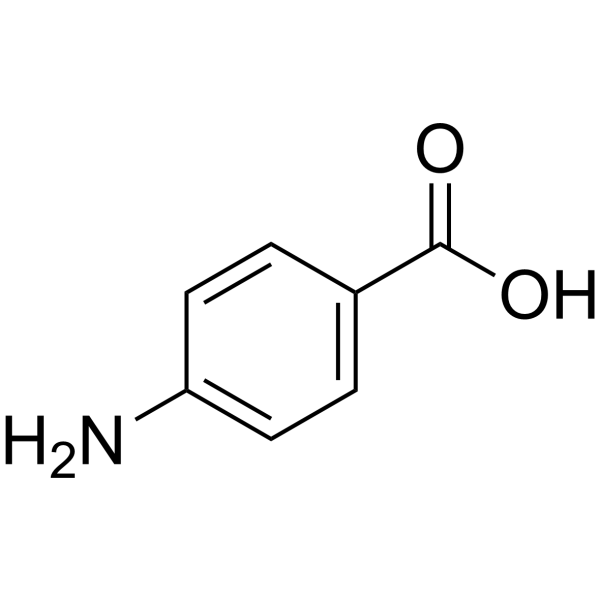
Sodium 4-aminobenzoate is an intermediate in the synthesis of folic acid by bacteria, plants and fungi. Sodium 4-aminobenzoate has antibacterial and plant growth regulating properties .
|
-

-
- HY-122464S1
-
|
|
Isotope-Labeled Compounds
|
Others
|
|
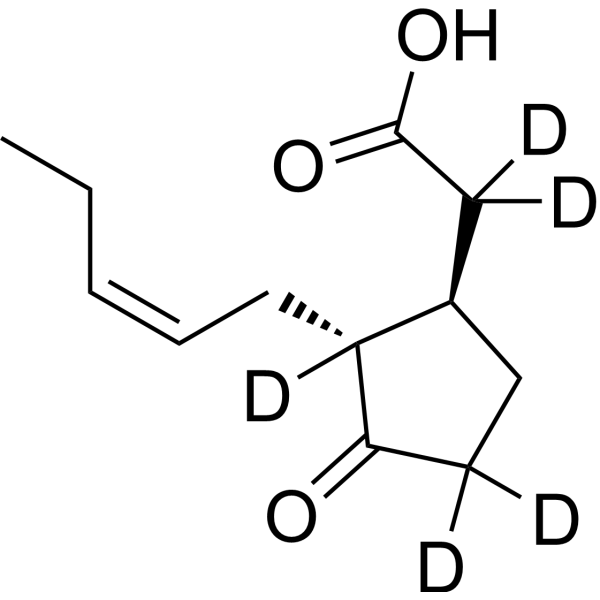
Jasmonic acid-d5 is deuterium labeled (±)-Jasmonic acid. (±)-Jasmonic acid is a plant growth regulator and a derivative of α-linolenic acid. (±)-Jasmonic acid decreases chlorophyll levels in green and etiolated barley leaf segments and inhibits elongation of rice seedlings.
|
-
-
- HY-W022973
-
|
|
SOD
|
Endocrinology
|
|
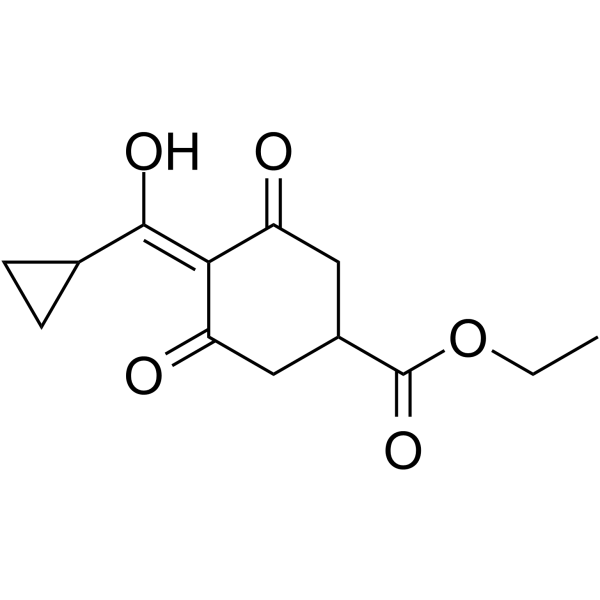
Trinexapac-ethyl (TE) is well-known as an anti-gibberellin plant growth regulator .
|
-
-
- HY-W131845R
-
-

-
- HY-W749242
-
|
|
Fungal
|
Infection
|
|
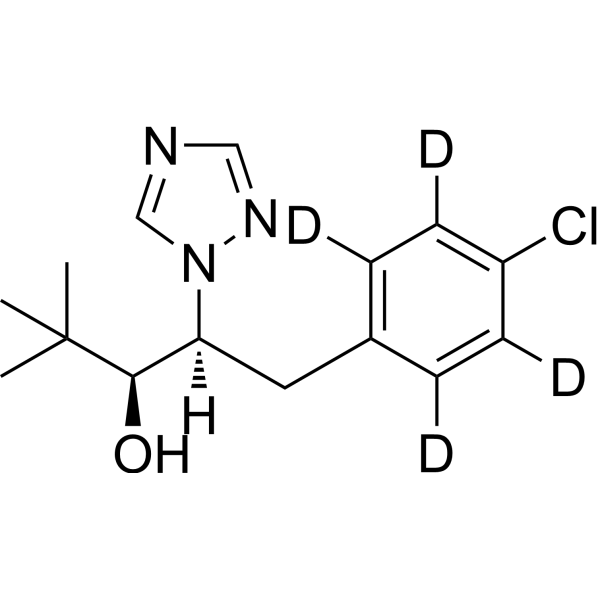
Paclobutrazol-d4 is the deuterium labeled Paclobutrazol. Paclobutrazol is a triazole-containing plant growth retardant that is known to inhibit the biosynthesis of gibberellins .
|
-
-
- HY-W014240S1
-
|
|
Isotope-Labeled Compounds
Mitosis
|
Others
|
|
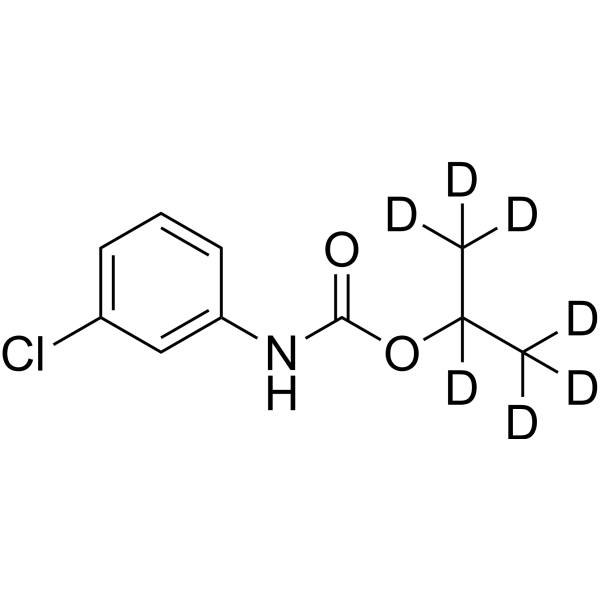
Chlorpropham-d7 is the deuterium labeled Chlorpropham . Chlorpropham is a carbamate herbicide and plant growth regulator. Chlorpropham inhibits mitosis and cell division by interfering with the organisation of the spindle microtubules .
|
-
-
- HY-59354S
-
|
|
DNA/RNA Synthesis
|
Cancer
|
|
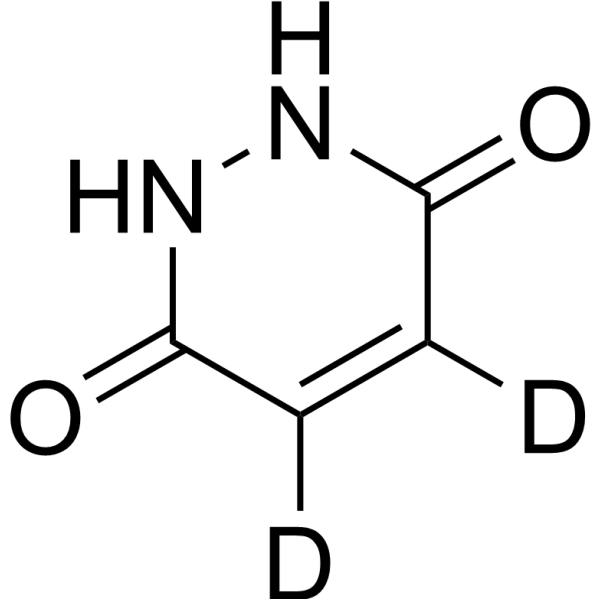
Maleic hydrazide-d2 is the deuterium labeled Maleic hydrazide . Maleic hydrazide is extensively used as a systemic plant growth regulator and as a herbicide. Maleic hydrazide acts as an inhibitor of the synthesis of nucleic acids and proteins .
|
-
-
- HY-W539799
-
|
2,6-Dimethylpyridine N-oxide
|
Biochemical Assay Reagents
|
Others
|
|
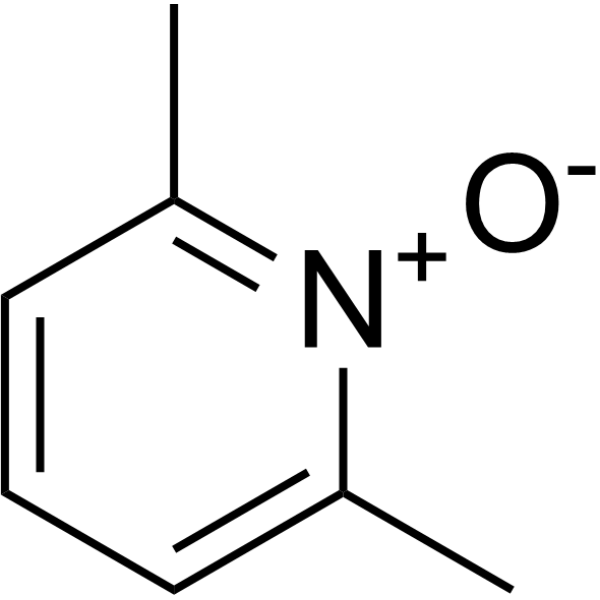
2,6-Lutidine N-oxide (2,6-Dimethylpyridine N-oxide) is a plant growth regulator that can improve the initial growth of plants and increase early yield and total yield. Lutidine is the dimethyl derivative of pyridine .
|
-
-
- HY-N9442
-
-
-
- HY-P2120
-
|
|
Bacterial
|
Others
|
|
Pseudobactin A is a non-fluorescent extracellular iron carrier produced by the plant growth-promoting bacterium Pseudomonas B10 .
|
-

-
- HY-W317836
-
|
|
Biochemical Assay Reagents
|
Others
|
|
(Rac)-Jasmonic acid is the racemate of Jasmonic acid (HY-122464A). Jasmonic acid ((-)-Jasmonic acid) is a plant growth regulator and a derivative of Linolenic acid (HY-N0728) .
|
-

-
- HY-123135
-
|
|
Fungal
|
Infection
Cancer
|
|
Scirpusin B (compound 5) is a dimeric antioxidant isolated from Scirpus maritimus L.. Scirpusin B exhibits antitumor, antifungal, insecticidal, and plant growth inhibitory activities.
|
-

-
- HY-118115
-
|
|
Proton Pump
|
Others
|
|
Pyrabactin is a seed-selective abscisic acid (ABA) agonist that acts through Pyrabactin Resistance 1 (PYR1) and PYL1. Pyrabactin is used as a synthetic plant growth inhibitor .
|
-
- HY-W587952
-
|
|
NAMPT
|
Others
|
|
Gibberellin A34 is a Hypoxanthine guanine phosphoribosyltransferase 1 (HPRT1) inhibitor that can be isolated from immature seeds of Calonyction aculeatum. Gibberellin A34 can be used for studies on plant growth and development regulation .
|
-

- HY-50730R
-
|
|
Parasite
Endogenous Metabolite
Reference Standards
|
Infection
|
|
Asparagusic acid (Standard) is the analytical standard of Asparagusic acid. This product is intended for research and analytical applications. Asparagusic acid is a sulfur-containing flavor component produced by Asparagus officinalis Linn., with anti-parasitic effect. Asparagusic acid is a plant growth inhibitor .
|
-

- HY-N14971
-
|
|
Others
|
Others
|
|
Hexylitaconic acid is a plant growth regulator. Hexylitaconic acid has the effect of stimulating plant growth .
|
-

- HY-N14742
-
|
|
Others
|
Others
|
|
Pteridic acid A is a plant growth promoter. Pteridic acid A has Auxin-like plant growth hormone activity, and 1 nM can promote the growth of legumes and other plant roots .
|
-

- HY-W008769
-
-
- HY-N1068
-
|
|
Others
|
Others
|
|
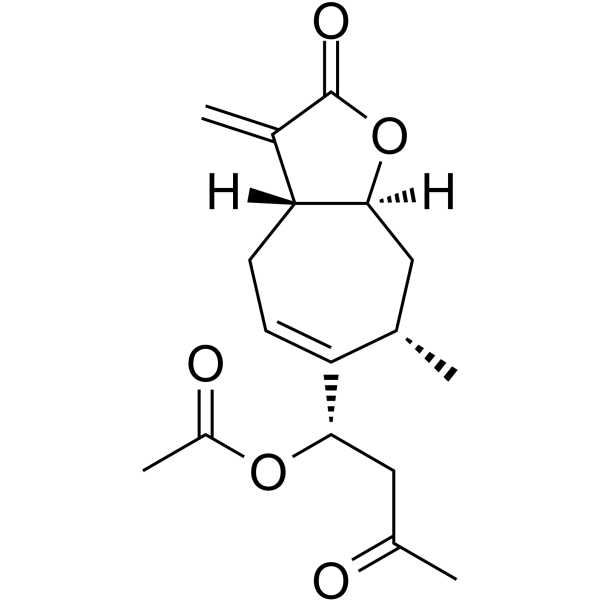
Xanthinin is a plant growth-regulating compound from Xanthium pennsylvanicum. I .
|
-
- HY-19698AR
-
|
4-CPA sodium (Standard); p-Chlorophenoxyacetic acid sodium (Standard)
|
Biochemical Assay Reagents
Reference Standards
|
Others
|
|
4-Chlorophenoxyacetic acid (sodium) (Standard) is the analytical standard of 4-Chlorophenoxyacetic acid (sodium). This product is intended for research and analytical applications. 4-Chlorophenoxyacetic acid (sodium) (4-CPA (sodium); p-Chlorophenoxyacetic acid (sodium)) is a chlorophenol compound that can act as a plant growth regulator and herbicide. At low concentrations, 4-Chlorophenoxyacetic acid sodium promotes plant growth, while at high concentrations, it inhibits plant growth (especially in dicotyledonous plants). 4-Chlorophenoxyacetic acid (sodium) is a kind of biological materials or organic compounds that are widely used in life science research .
|
-

- HY-118217
-
-

- HY-W768398
-
-

- HY-112105A
-
|
BX-112 free acid
|
Phytohormone
|
Others
|
|
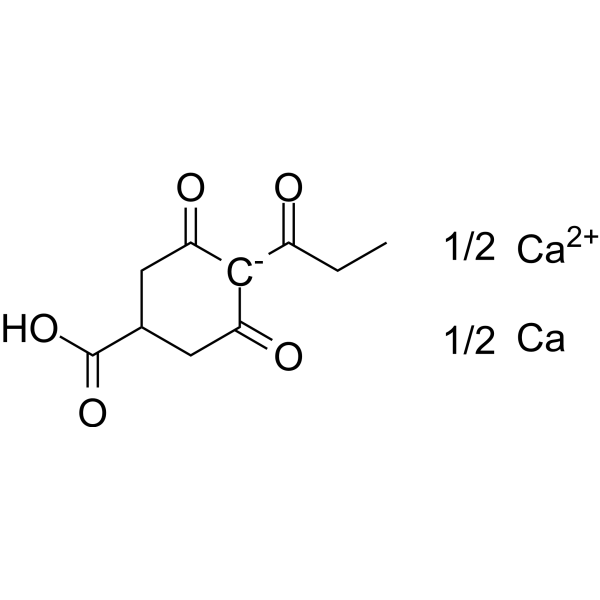
Prohexadione (BX-112 free acid) is a plant growth regulator. Prohexadione inhibits gibberellin biosynthesis of plants .
|
-
- HY-N13295
-
|
Ethyl α-(β-D-glucopyranosyloxy)-1H-indole-3-propanoate
|
Endogenous Metabolite
|
Others
|
|
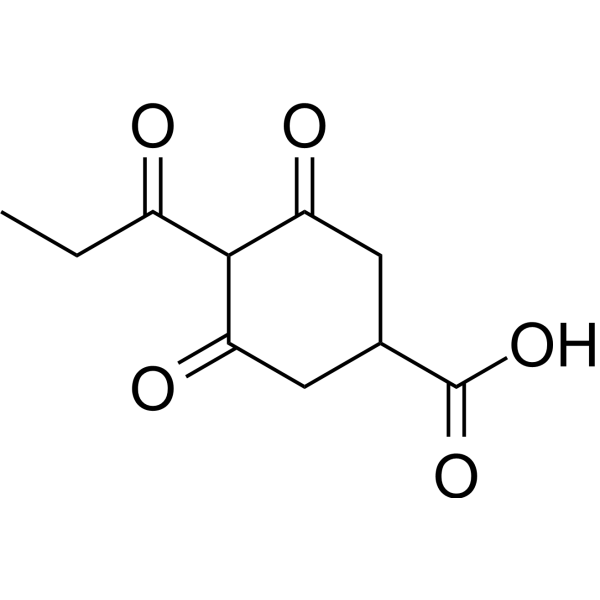
Indole-3-lactate-O-β-D-glucopyranoside is an endogenous metabolite that acts as a plant growth regulator .
|
-

- HY-117760
-
-
- HY-128455
-
|
|
Phytohormone
|
Others
|
|
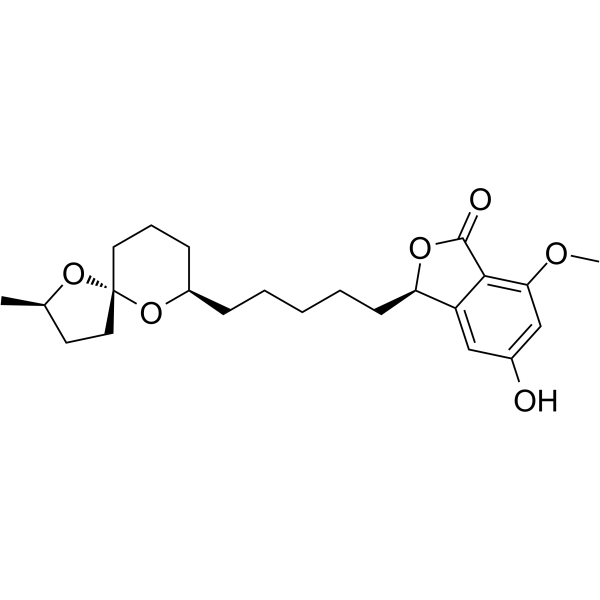
Plant growth regulator 1 (Compound 2) is a Brassinolide (HY-N0273) antagonist. Plant growth regulator 1 can significantly inhibit the rice leaf tilting response induced by Brassinolide. Plant growth regulator 1 can be used for the research of plant growth regulator .
|
-

- HY-129613
-
|
|
Phytohormone
|
Others
|
|
Rhizonin A is a cyclic heptapeptide that can be isolated from Rhizopus micro-sporus van Tieghem and can promote plant growth .
|
-

- HY-W414724
-
|
|
Herbicide
|
Others
|
|
Methabenzthiazuron is a herbicide, which inhibits the plants' growth through inhibition of photosynthesis. Methabenzthiazuron can be used for weed control in cereal crops .
|
-

- HY-131478
-
|
|
Bacterial
Fungal
|
Infection
Cancer
|
|
Pyruvic acid semicarbazone is an inhibitor of bacterial and fungal. Pyruvic acid semicarbazone is promising for research of anti-infective agents, cancers, and plant growth regulation .
|
-

- HY-N9442R
-
|
|
Biochemical Assay Reagents
Reference Standards
|
Others
|
|
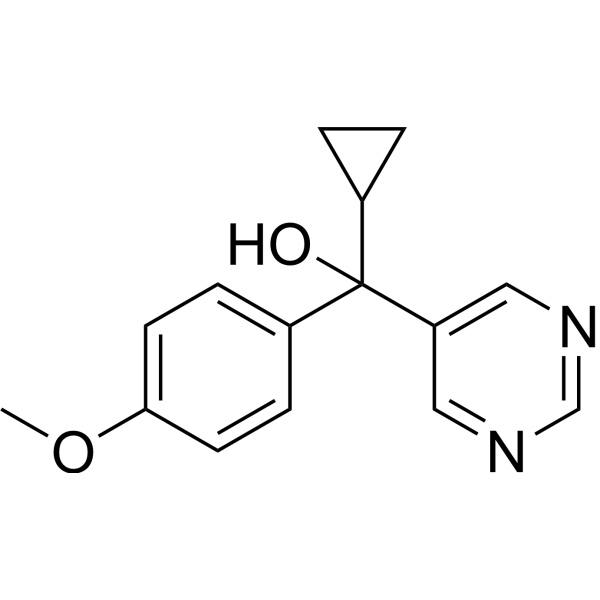
Ancymidol (Standard) is the analytical standard of Ancymidol. This product is intended for research and analytical applications. Ancymidol is a biochemical reagent. Ancymidol is a plant growth regulator .
|
-

- HY-N11619
-
|
|
Others
|
Others
|
|
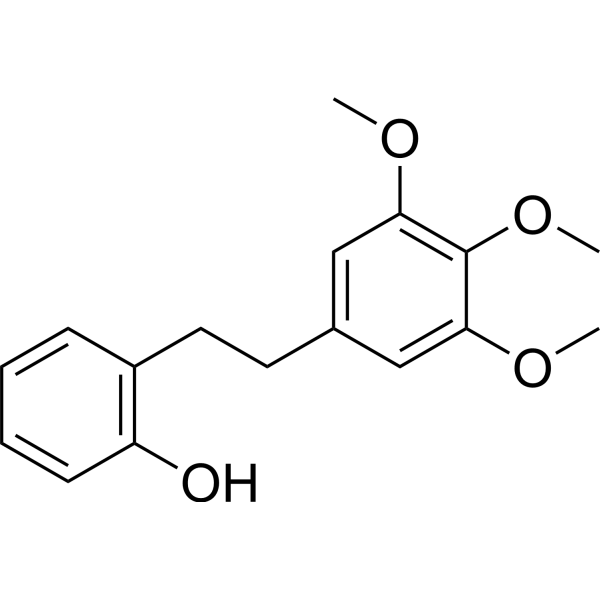
Batatasin V is a natural product that could be isolated from dormant bulbils of Chinese yam (Dioscorea batatus). Batatasin V has the effect of inhibiting plant growth .
|
-
- HY-16637B
-
|
|
Amino Acid Derivatives
|
Others
|
|
Folcysteine is an amino acid derivative containing sulfur. As a biostimulant, folcysteine can promote plant growth and improve plant resistance to adversity. Folcysteine can be used in agricultural research .
|
-

- HY-N3254
-
|
Murpanidin; (+)-Murpanidin
|
HSV
EBV
|
Infection
|
|
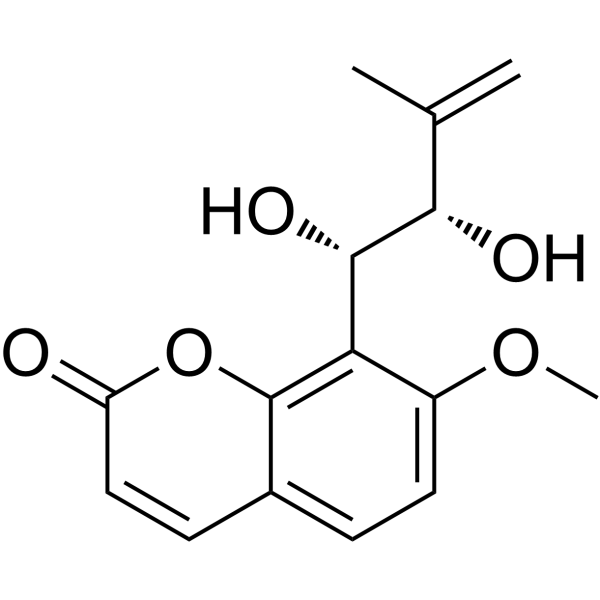
Minumicrolin is a plant growth inhibitor. Minumicrolin can be isolated from Murraya paniculata. Minumicrolin inhibits Epstein-Barr virus early antigen (EBV-EA) activation .
|
-
- HY-118217R
-
|
RPA90946 (Standard)
|
Endogenous Metabolite
Reference Standards
|
Others
|
|
Cyclanilide (Standard) is the analytical standard of Cyclanilide. This product is intended for research and analytical applications. Cyclanilide (RPA90946) serves as a plant growth regulator that is applied to cotton during various growth stages.
|
-

- HY-W022973R
-
|
|
Endogenous Metabolite
Reference Standards
|
Endocrinology
|
|
Trinexapac-ethyl (Standard) is the analytical standard of Trinexapac-ethyl. This product is intended for research and analytical applications. Trinexapac-ethyl (TE) is well-known as an anti-gibberellin plant growth regulator .
|
-

- HY-B1841R
-
|
|
Reference Standards
Others
|
Cancer
|
|
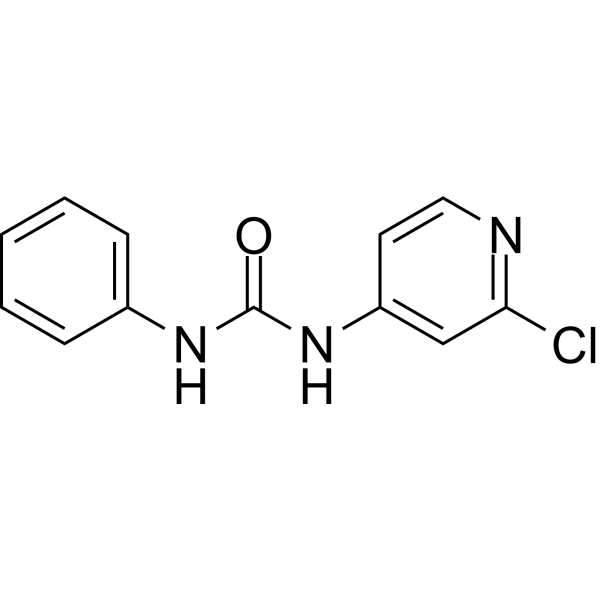
Forchlorfenuron (Standard) is the analytical standard of Forchlorfenuron. This product is intended for research and analytical applications. Forchlorfenuron is plant growth regulator and cytokinin; can be used to increase fruit size of fruits, such as kiwi fruit and grapes.
|
-

- HY-W017448R
-
|
N,N-Dimethylpiperidinium chloride (Standard); PIX (Standard)
|
Reference Standards
Biochemical Assay Reagents
|
Others
|
|
Mepiquat chloride (Standard) is the analytical standard of Mepiquat chloride. This product is intended for research and analytical applications. Mepiquat chloride (N,N-Dimethylpiperidinium chloride; PIX) is a potent plant growth regulator. Mepiquat chloride decreases plant height .
|
-

- HY-W014240R
-
|
|
Herbicide
Mitosis
Reference Standards
|
Others
|
|
Chlorpropham (Standard) is the analytical standard of Chlorpropham. This product is intended for research and analytical applications. Chlorpropham is a carbamate herbicide and plant growth regulator. Chlorpropham inhibits mitosis and cell division by interfering with the organisation of the spindle microtubules .
|
-

- HY-W414724R
-
|
|
Herbicide
Reference Standards
|
Others
|
|
Methabenzthiazuron (Standard) is the analytical standard of Methabenzthiazuron. This product is intended for research and analytical applications. Methabenzthiazuron is a herbicide, which inhibits the plants' growth through inhibition of photosynthesis. Methabenzthiazuron can be used for weed control in cereal crops .
|
-

- HY-112105R
-
|
BX-112 (Standard)
|
Biochemical Assay Reagents
Reference Standards
|
Others
|
|
Prohexadione (calcium) (Standard) is the analytical standard of Prohexadione (calcium). This product is intended for research and analytical applications. Prohexadione (BX-112) calcium is a plant growth regulator. Prohexadione inhibits gibberellin biosynthesis of plants .
|
-

- HY-N15579
-
|
|
Phytohormone
|
Cancer
|
|
Fujenal is a kaurene-type diterpenoid found in Gibberella fujikuroi. Fujenal shows moderate inhibition against HeLa tumor cells and acts as a gibberellin biosynthesis inhibitor. Fujenal is promising for research of plant growth regulators and antitumor agents .
|
-

- HY-164125
-
|
|
Ser/Thr Protease
SnRK
|
Others
|
|
6-O-Bis[1-(2-nitrophenyl)-ethoxyphosphoryl]-D-trehalose is an important signaling molecule that regulates carbon utilization and growth in plants. 6-O-Bis[1-(2-nitrophenyl)-ethoxyphosphoryl]-D-trehalose releases T6P through light activation, which can stimulate starch synthesis and promote plant growth by inhibiting SnRK1, a protein kinase involved in energy conservation and survival. 6-O-Bis[1-(2-nitrophenyl)-ethoxyphosphoryl]-D-trehalose can be used to study plant growth and metabolism .
|
-
![6-O-Bis[1-(2-nitrophenyl)-ethoxyphosphoryl]-D-trehalose](//file.medchemexpress.com/product_pic/hy-164125.gif)
- HY-165255
-
|
|
Biochemical Assay Reagents
NO Synthase
|
Others
|
|
N-Isobutyl decanamide is a plant growth regulator. N-Isobutyl decanamide promotes the development of adventitious roots in hypocotyl explants of A. thaliana and lateral roots in taproot explants. N-Isobutyl decanamide induces the accumulation of NO in the proliferative sites of adventitious roots .
|
-

- HY-122464B
-
|
2-iso Jasmonic acid; 7-iso Jasmonic acid
|
Herbicide
|
Others
|
|
7-epi Jasmonic acid is the isomer of (±)-Jasmonic acid (HY-122464). (±)-Jasmonic acid is a plant growth regulator and a derivative of α-linolenic acid. (±)-Jasmonic acid decreases chlorophyll levels in green and etiolated barley leaf segments and inhibits elongation of rice seedlings.
|
-

- HY-W043791
-
|
|
Fungal
|
Infection
|
|
4-Dodecyl-2,6-dimethylmorpholine is a morpholine fungicide and plant-growth regulator. 4-Dodecyl-2,6-dimethylmorpholine targets phytopathogenic fungi including Oomycetes, Ascomycetes and Basidiomycetes. 4-Dodecyl-2,6-dimethylmorpholine acts synergistically with acylalanine fungicides to enhance antifungal efficacy and regulate plant growth. 4-Dodecyl-2,6-dimethylmorpholine can be applied to the study of plant fungal diseases and phytopathogenic fungal infections .
|
-

- HY-N14751
-
|
|
Others
|
Others
|
|
Pteridic acid B is a plant growth promoter. Pteridic acid B has Auxin-like plant growth hormone activity, and 1 nM can promote the growth of legumes and other plant roots .
|
-

- HY-180638
-
-

- HY-131116R
-
|
|
Drug Derivative
|
Others
|
|
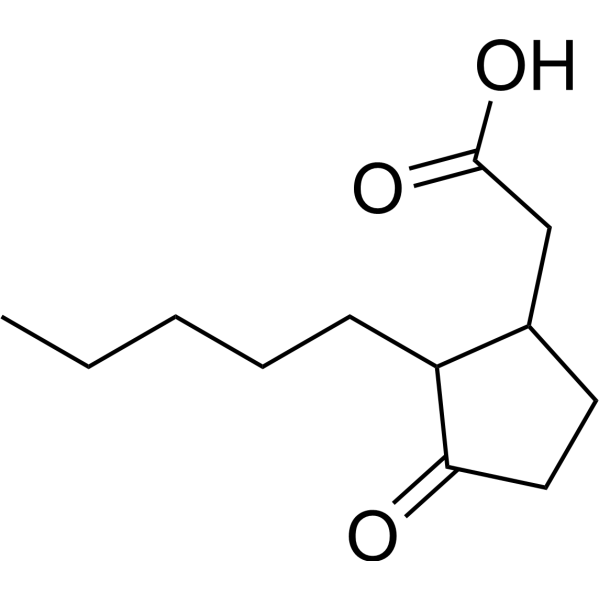
Dihydrojasmonic acid (Standard) is the analytical standard of Dihydrojasmonic acid. This product is intended for research and analytical applications. Dihydrojasmonic acid is a plant growth regulator .
|
-

- HY-N14493
-
|
|
Others
|
Others
|
|
Kitamycin A is originally isolated from Strptomyces sp. K385. Kitamycin A can inhibit the activity of plant growth .
|
-

- HY-W012454
-
-

- HY-W753416
-
|
|
Phytohormone
|
Inflammation/Immunology
|
|
14-Hydroxylated brassinosteroid is a plant growth regulator. 14-Hydroxylated brassinosteroid enhances winter wheat resistance to heat stress, delays heat-induced leaf senescence, maintains leaf water content, promotes grain filling, and mitigates yield loss. 14-Hydroxylated brassinosteroid shows antioxidant activity. 14-Hydroxylated brassinosteroid can be used for the research of plant growth .
|
-

- HY-29160
-
|
|
Drug Derivative
|
Metabolic Disease
|
|
4-Hydroxyisophorone is a derivative of Abscisic acid (HY-100560). 4-Hydroxyisophorone a weak inhibitory effect on plant growth .
|
-

- HY-182737
-
|
|
Biochemical Assay Reagents
|
Others
|
|
Hoagland's nutrient solution (1×) is a plant nutrient solution that meets the growth needs of plants in a soilless environment and allows for the monitoring of plant growth rates.
|
-

- HY-125306
-
|
|
Others
|
Others
|
|
Rotihibin A is a novel plant growth regulator isolated from Streptomyces spp., which has the activity of inhibiting the growth of various plants without lethal activity.
|
-

- HY-18569C
-
|
3-IAA Sterile Solution (1 mg/ml)
|
Biochemical Assay Reagents
|
Others
|
|
3-Indoleacetic acid Sterile Solution (1 mg/mL) is a ready-to-use plant growth regulator stock solution, the main component of which is 3-Indoleacetic acid.
|
-

- HY-B1841S
-
|
|
Isotope-Labeled Compounds
|
Cancer
|
|
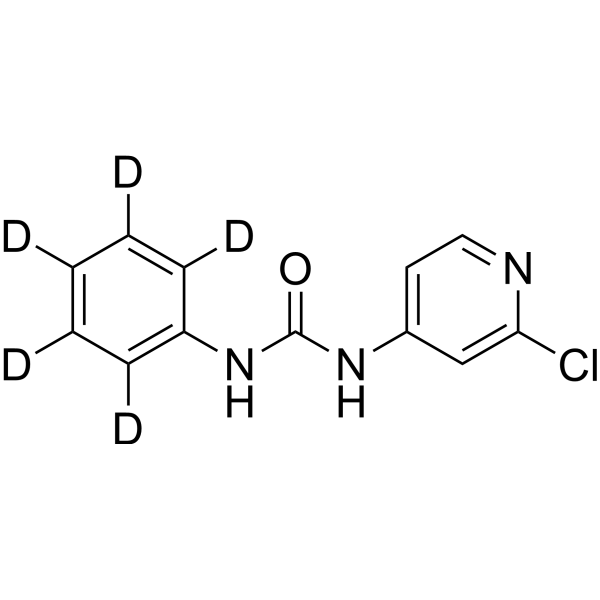
Forchlorfenuron-d5 is the deuterium labeled Forchlorfenuron. Forchlorfenuron is plant growth regulator and cytokinin; can be used to increase fruit size of fruits, such as kiwi fruit and grapes.
|
-
- HY-182737A
-
|
|
Biochemical Assay Reagents
|
Others
|
|
Hoagland's nutrient solution (100×) is a highly concentrated plant nutrient solution stock solution that meets the growth needs of plants in soilless environments and allows for the monitoring of plant growth rates.
|
-

- HY-133010R
-
|
|
Reference Standards
Drug Metabolite
|
Cancer
|
|
Cyclanilide (Standard) is the analytical standard of Cyclanilide. This product is intended for research and analytical applications. Cyclanilide (RPA90946) serves as a plant growth regulator that is applied to cotton during various growth stages.
|
-

- HY-124033
-
|
|
Biochemical Assay Reagents
|
|
|
Aspinonene is a bioactive compound that has the function of regulating plant growth and defense mechanisms. It can participate in biochemical signaling pathways in plants and affect various physiological responses such as growth, defense and adaptation to environmental stress.
|
-

- HY-18570C
-
|
1-NAA Sterile Solution (1 mg/ml)
|
Biochemical Assay Reagents
|
Others
|
|
1-Naphthaleneacetic acid Sterile Solution (1 mg/mL) is a ready-to-use synthetic plant growth regulator (Auxin) stock solution, a core reagent for regulating cell division, differentiation and growth in plant tissue culture.
|
-

- HY-B1948A
-
|
(E/Z)-S-3308
|
Drug Isomer
|
Infection
|
|
(E/Z)-Diniconazole ((E/Z)-S-3308) is an isomer of Diniconazole (HY-B1948). Diniconazole (S-3308) is a fungicide that can be used in research on the control of plant fungal diseases and plant growth regulation.
|
-

- HY-112103R
-
|
N6-(2-lsopentenyl)adenine (Standard); Isopentenyladenine (Standard)
|
Reference Standards
Others
|
Others
|
|
6-(γ,γ-Dimethylallylamino)purine (Standard) is the analytical standard of 6-(γ,γ-Dimethylallylamino)purine. This product is intended for research and analytical applications. 6-(γ,γ-Dimethylallylamino)purine is a plant growth substance.
|
-

- HY-N20618
-
|
|
Endogenous Metabolite
|
Infection
|
|
Spicifernin is a plant growth regulator produced by the fermentation of Cochliobolus sativus. Spicifernin promotes the elongation of roots, stems and the second leaf sheath of rice seedlings at low concentrations; while it inhibits the elongation of roots and stems of rice seedlings at high concentrations .
|
-

- HY-115770
-
|
|
Bacterial
|
Inflammation/Immunology
|
|
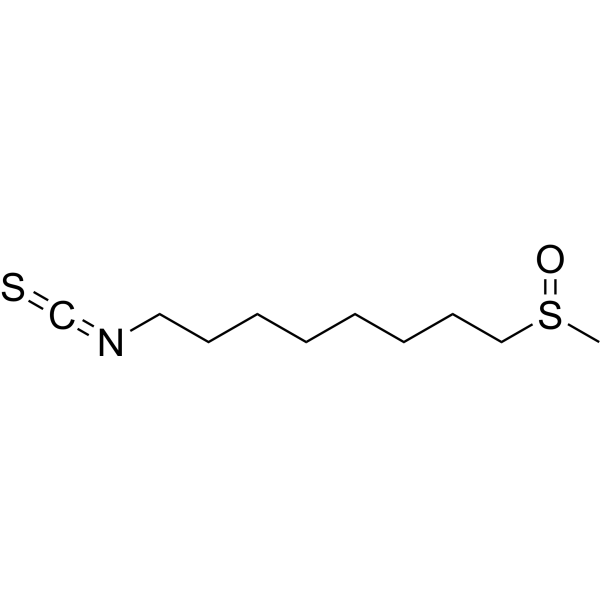
8-Methylsulfinyloctyl isothiocyanate, an isothiocyanate, has antimicrobial activity and remarkable inhibitory activity against plant growth . 8-Methylsulfinyloctyl isothiocyanate impair COX-2 mediated inflammatory responses in LPS stimulated raw macrophages .
|
-
- HY-112103S
-
|
N6-(2-lsopentenyl)adenine-d6; Isopentenyladenine-d6
|
Isotope-Labeled Compounds
|
Others
|
|
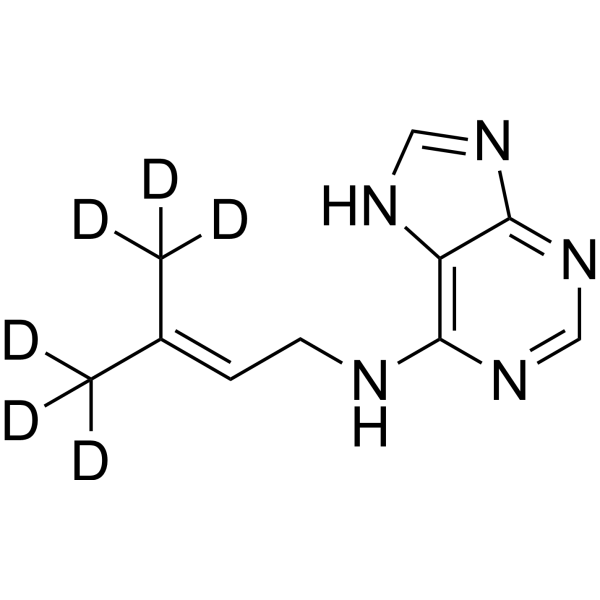
6-(γ,γ-Dimethylallylamino)purine-d6 is the deuterium labeled 6-(γ,γ-Dimethylallylamino)purine (HY-112103). 6-(γ,γ-Dimethylallylamino)purine is a plant growth substance .
|
-
- HY-N15411
-
|
|
Acyltransferase
Phytohormone
|
Metabolic Disease
|
|
Helminthosporol is a natural plant growth-regulator that can promote the growth of rice and lettuce seedlings. Helminthosporol can also inhibit the activity of acyl-CoA: cholesterol acyltransferase (ACAT) in rat liver microsomes and the synthesis of cholesterol esters in macrophages .
|
-

- HY-59354R
-
|
|
Reference Standards
DNA/RNA Synthesis
|
Cancer
|
|
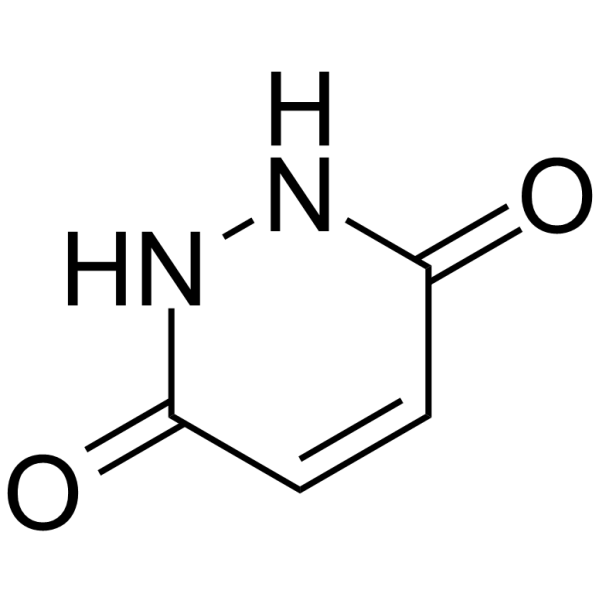
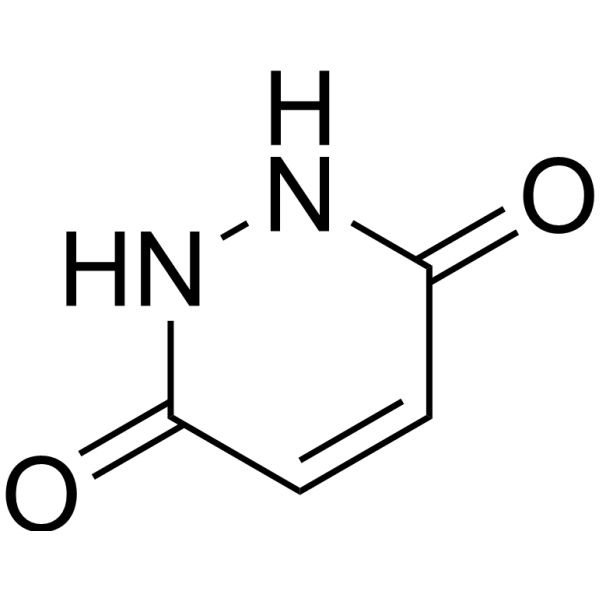
Maleic hydrazide (Standard) is the analytical standard of Maleic hydrazide. This product is intended for research and analytical applications. Maleic hydrazide is extensively used as a systemic plant growth regulator and as a herbicide. Maleic hydrazide acts as an inhibitor of the synthesis of nucleic acids and proteins .
|
-
- HY-169485
-
|
|
Endogenous Metabolite
|
Others
|
|
Aspinolide B is a pentaketide and a 10-membered lactone with plant growth regulatory activity, which can be extracted from Aspergillus ochraceus. Aspinolide B promotes the growth of lateral roots in S. lycopersicum and can be utilized in related research .
|
-

- HY-178424S
-
|
|
Isotope-Labeled Compounds
Biochemical Assay Reagents
|
Others
|
|
(Rac)-Jasmonic acid-d4 is the deuterium labeled (Rac)-Jasmonic acid (HY-W317836). (Rac)-Jasmonic acid is the racemate of Jasmonic acid (HY-122464A). Jasmonic acid ((-)-Jasmonic acid) is a plant growth regulator and a derivative of Linolenic acid (HY-N0728) .
|
-

- HY-W698895
-
|
|
Isotope-Labeled Compounds
Biochemical Assay Reagents
|
Others
|
|
4-Nitrobenzaldehyde-d4 is the deuterium labeled 4-Nitrobenzaldehyde (HY-W007577). 4-Nitrobenzaldehyde is a photodegradation product of chloramphenicol. 4-Nitrobenzaldehyde inhibits plant growth and induces damage of photosynthetic apparatus .
|
-

- HY-B1886S1
-
|
|
Isotope-Labeled Compounds
|
Others
|
|
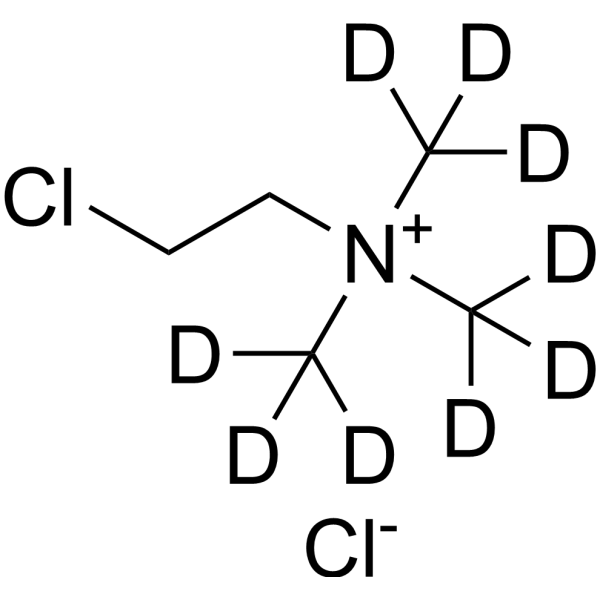
Chlorocholine-d9 (chloride) is the deuterium labeled Chlorocholine chloride . Chlorocholine chloride is an effective plant growth regulator. Chlorocholine chloride can inhibit gibberellin (GA) biosynthesis. Chlorocholine chloride can be used for the research of the mechanisms and effects of GA on plant cell growth and differentiation .
|
-
- HY-W045071
-
|
|
Bacterial
|
Infection
|
|
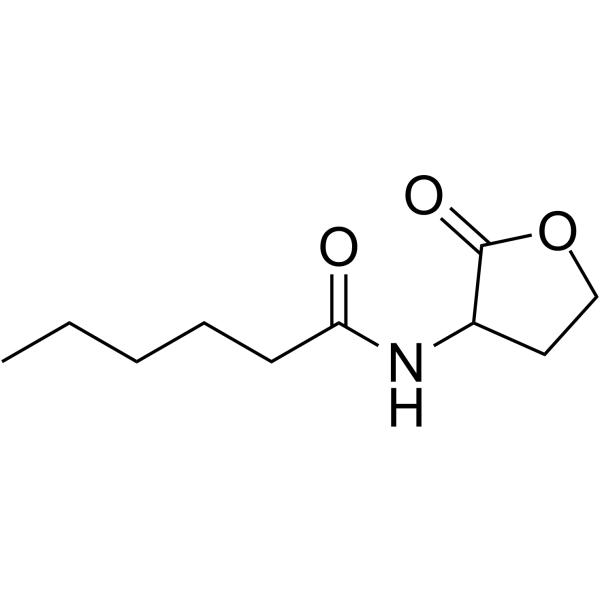
N-Hexanoyl-DL-homoserine lactone is a bacterial quorum sensing molecule produced in the rhizosphere. N-Hexanoyl-DL-homoserine lactone, a bacterial quorum sensing signal, induces transcriptional changes in Arabidopsis and may contribute to tuning plant growth to the microbial composition of the rhizosphere .
|
-
- HY-134094R
-
|
|
Herbicide
Reference Standards
|
Inflammation/Immunology
|
|
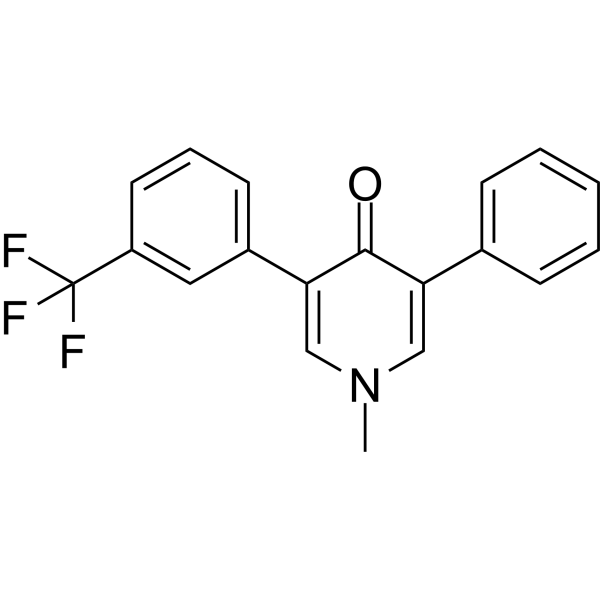
Fluridone (Standard) is the analytical standard of Fluridone. This product is intended for research and analytical applications. Fluridone is a herbicide, particularly to eliminate aquatic plant growth in water reservoirs and irrigation channels. Fluridone is a potent Abscisic acid (ABA) biosynthesis inhibitor, and has anti-inflammatory effects .
|
-

- HY-N0160A
-
|
|
Biochemical Assay Reagents
|
Others
|
|
6-KT Sterile Solution (1 mg/mL) is a ready-to-use plant growth regulator stock solution, the main component of which is kinetin. Kinetin is a purine plant hormone belonging to the cytokinin class, which can effectively promote the division and differentiation of plant cells.
|
-

- HY-W041831
-
|
Ethanedioic acid ammonium
|
Environmental Pollutants
Biochemical Assay Reagents
|
Others
|
|
Oxalic acid (ammonium) is a oxalic acid bound to ammonium. Oxalic acid has high acidity, reducibility, and chelation ability. Oxalic acid plays important roles in the regulation of plant growth and development, the response to both biotic and abiotic stresses such as plant defense and heavy metals detoxification, and food quality .
|
-

- HY-W250182
-
|
|
Biochemical Assay Reagents
|
Others
|
|
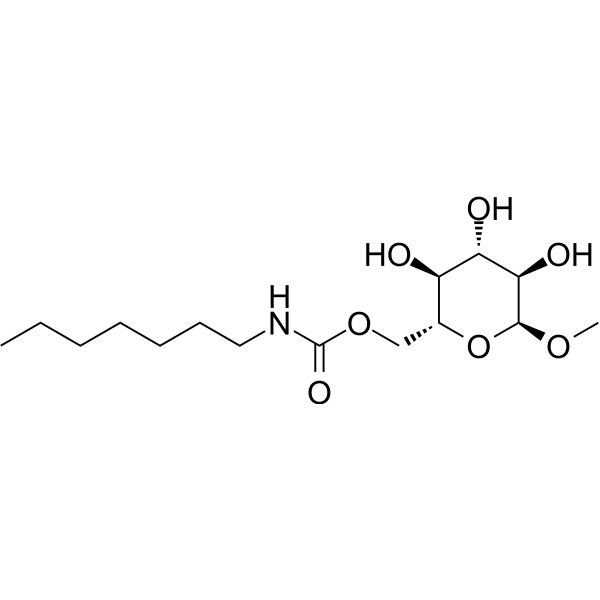
Hecameg is a natural product commonly used as a raw material for plant growth regulators and agricultural fertilizers. It can be used to improve the absorption and utilization efficiency of nutrients by plants, and to promote the growth and development of plants. In addition, this natural product is used as a growth factor for some microorganisms and animals
|
-
- HY-N0848
-
|
24-Epibrassinolide; B1105; BP55
|
Environmental Pollutants
Apoptosis
|
Cancer
|
|
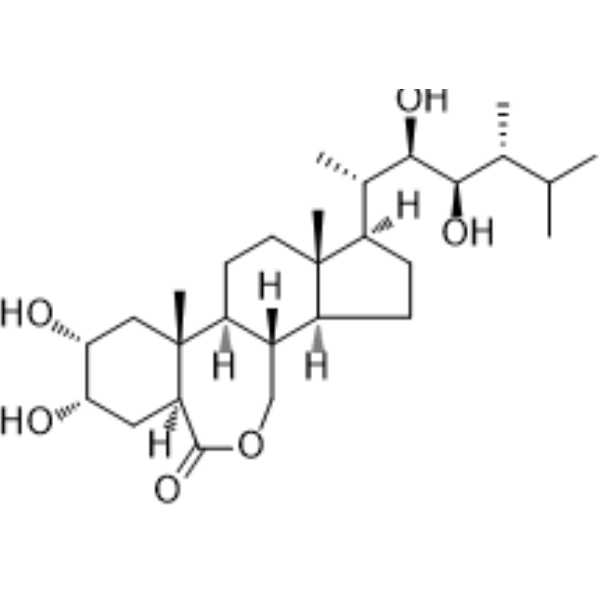
Epibrassinolide (24-Epibrassinolide) is a ubiquitously occurring plant growth hormone which shows great potential to alleviate heavy metals and pesticide stress in plants . Epibrassinolide is a potential apoptotic inducer in various cancer cells without affecting the non-tumor cell growth .
|
-
- HY-B1886R
-
|
|
Phytohormone
Reference Standards
|
Others
|
|
Chlorocholine (chloride) (Standard) is the analytical standard of Chlorocholine (chloride). This product is intended for research and analytical applications. Chlorocholine chloride is an effective plant growth regulator. Chlorocholine chloride can inhibit gibberellin (GA) biosynthesis. Chlorocholine chloride can be used for the research of the mechanisms and effects of GA on plant cell growth and differentiation .
|
-

- HY-B2062
-
|
Dimethyl tetrachloroterephthalate
|
Environmental Pollutants
Biochemical Assay Reagents
|
Others
|
|
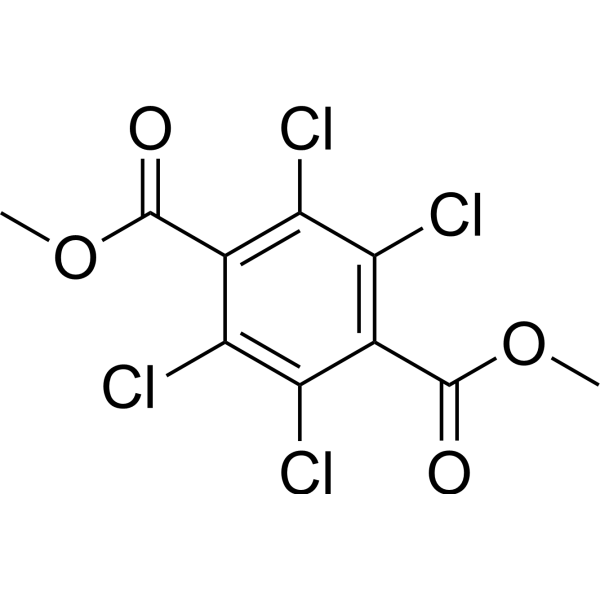
Chlorthal-dimethyl (Dimethyl tetrachloroterephthalate) is a plant growth regulator. Chlorthal-dimethyl affects cell division and differentiation, interfering with the normal development of vascular tissue. Chlorthal-dimethyl causes localized swelling of tomato hypocotyls and disrupts normal mitosis in germinating millet seedlings .
|
-
- HY-E70425
-
|
|
Glycosyltransferase
|
Metabolic Disease
|
|
Sucrose synthase belongs to glycosyltransferases and is a reversible catalyst present in plants, which catalyzes the conversion of sucrose into fructose and UDP-G or ADP-G. Sucrose synthase localizes to the cytoplasm, plasma membrane, cell wall, vacuole and mitochondria of plants. Sucrose synthase regulates sugar metabolism, supports the development of taproots, fruits, seeds and vascular tissues, drives the synthesis of starch, cellulose and callose, and enhances nitrogen fixation capacity. Sucrose synthase mediates signal transduction in plant meristems. Sucrose synthase is associated with plant growth, anaerobic stress tolerance, as well as shoot apical meristem and leaf morphology; overexpression of this enzyme promotes plant growth, increases xylem size, and elevates cellulose and starch contents .
|
-

- HY-W758396
-
|
N,N-Dimethylpiperidinium-d16 chloride; PIX-d16
|
Isotope-Labeled Compounds
Biochemical Assay Reagents
|
Others
|
|
Mepiquat-d16 chloride (N,N-Dimethylpiperidinium-d16 chloride; PIX-d16) is the deuterium labeled Mepiquat chloride (HY-W017448). Mepiquat chloride (N,N-Dimethylpiperidinium chloride; PIX) is a potent plant growth regulator. Mepiquat chloride decreases plant height .
|
-

- HY-B0941R
-
|
Benzyladenine (Standard); 6-BAP (Standard); N6-Benzyladenine (Standard)
|
Reference Standards
Endogenous Metabolite
|
Others
|
|
6-Benzylaminopurine (Standard) is the analytical standard of 6-Benzylaminopurine. This product is intended for research and analytical applications. 6-Benzylaminopurine (Benzyladenine) is a cytokinin that causes plant growth and development by stimulating cell division and inhibiting respiratory kinases, thereby prolonging the preservation of green vegetables .
|
-

- HY-19698A
-
|
4-CPA sodium; p-Chlorophenoxyacetic acid sodium
|
Biochemical Assay Reagents
Herbicide
|
Others
|
|
4-Chlorophenoxyacetic acid sodium is a widely used herbicide and plant growth regulator. 4-Chlorophenoxyacetic acid sodium mimics endogenous auxin and regulates plant cell division, differentiation and gene expression. 4-Chlorophenoxyacetic acid sodium is used to control weeds and promote fruit growth .
|
-

- HY-181407
-
|
|
Herbicide
Glutathione S-transferase
Cytochrome P450
SOD
|
Others
|
|
Herbicide safener-5 is a herbicide (Herbicide) safener. Herbicide safener-5 promotes plant growth recovery, enhances the activities of detoxifying enzymes (ALS, GST, CYP450, POD), and reduces SOD activity. Herbicide safener-5 is applicable to herbicide-related research .
|
-

- HY-N1964R
-
|
Gibberellin A3 (Standard)
|
Reference Standards
Drug Derivative
|
Metabolic Disease
|
|
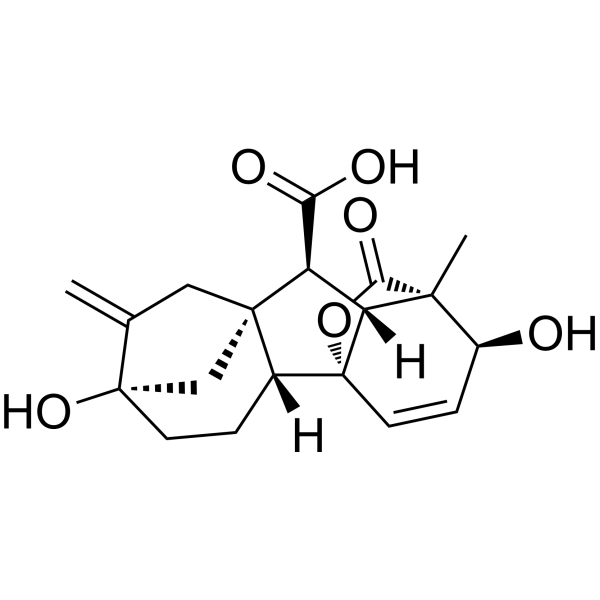
Gibberellic acid (Standard) is the analytical standard of Gibberellic acid (GA3) (HY-N1964). This product is intended for research and analytical applications. Gibberellic acidis a natural plant growth regulator with oral bioactivity. Gibberellic acid governs multiple plant developmental events, including seed germination, cell elongation, floral organ formation, and rice spikelet fertility. Gibberellic acid optimizes root morphology and secondary metabolite production in Echinacea purpurea hairy roots, and serves as a bioactive seed priming agent to improve chilling stress tolerance in chickpea. Gibberellic acid mediates modulation of enzyme activity and secondary metabolism in plants and exerts tissue-specific regulatory effects on antioxidant systems and lipid peroxidation in rats. Gibberellic acid can be used in studies of plant growth, metabolism, and abiotic stress responses .
|
-
- HY-B0873
-
|
|
Environmental Pollutants
Cytochrome P450
ROS Kinase
|
Others
|
|
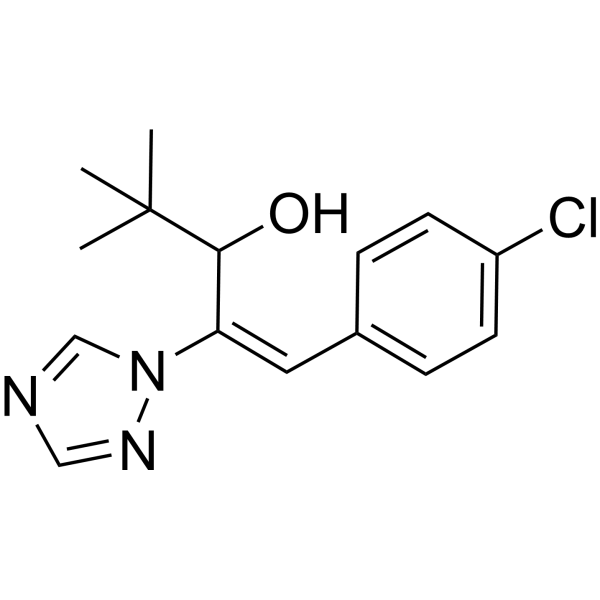
Uniconazole, a plant growth retardant, is a potent inhibitor of abscisic acid (ABA) catabolism with an IC50 of 68 nM against ABA 8’-hydroxylase. Uniconazole is a potent competitive inhibitor of CYP707A3 activity with a Ki of 8 nM. Uniconazole evidently inhibits gibberellin biosynthesis, and brassinosteroid biosynthesis is also inhibited to some extent .
|
-
- HY-179179
-
|
|
Biochemical Assay Reagents
|
Others
|
|
1/2 MS Medium has a similar composition to standard MS medium, including inorganic salts, sucrose, vitamins, etc. Unlike MS medium, 1/2 MS Medium contains a lower concentration of plant growth hormones (such as indoleacetic acid and adenosine), typically half the concentration of standard MS medium.
|
-

- HY-18570R
-
|
1-Naphthylacetic acid (Standard)
|
Reference Standards
Phospholipase
|
Others
|
|
1-Naphthaleneacetic acid (Standard) is the analytical standard of 1-Naphthaleneacetic acid. This product is intended for research and analytical applications. 1-Naphthaleneacetic acid (1-Naphthylacetic acid), a auxin, can promote plant growth. 1-Naphthaleneacetic acid is also an inhibitor of PLA2, with an IC50 of 13.16 μM .
|
-

- HY-124008
-
|
|
Cytochrome P450
|
Others
|
|
Uniconazole-P is a potent competitive inhibitor of Arabidopsis CYP707A3 with an IC50 of 68 nM and a Ki of 8.0 nM. Uniconazole-P inhibits ent-kaurene oxidase, blocking gibberellin biosynthesis via reduced ent-kaurene to ent-kaurenoic acid oxidation. Uniconazole-P inhibits plant growth .
|
-

- HY-100427R
-
|
CL29926 (Standard); (±)-Imazamox (Standard)
|
Reference Standards
Acetolactate Synthase (ALS)
|
Others
|
|
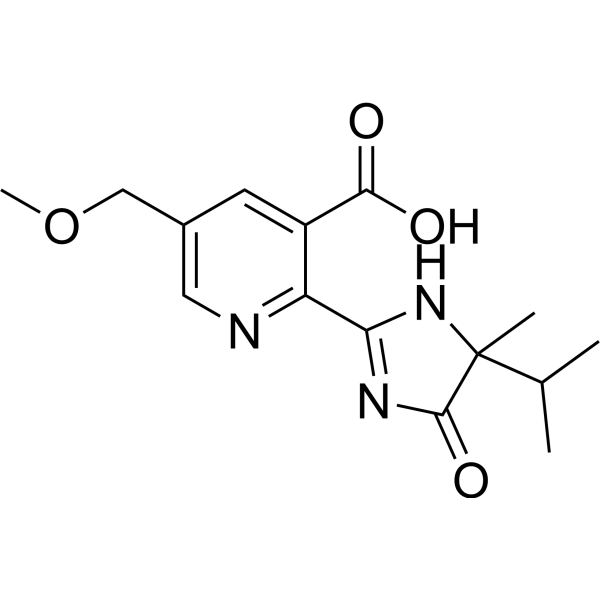
Imazamox (Standard) is the analytical standard of Imazamox. This product is intended for research and analytical applications. Imazamox (CL29926) is a systemic herbicide that inhibits the production of acetolactate synthase (ALS) in plants with high selectivity, high activity, safety and broadspectrum activity, which would then inhibit plant growth and ultimately lead to plant death .
|
-
- HY-16563R
-
|
Lycoricidinol (Standard)
|
Reference Standards
ROCK
|
Cancer
|
|
Narciclasine (Standard) is the analytical standard of Narciclasine. This product is intended for research and analytical applications. Narciclasine is a plant growth modulator. Narciclasine modulates the Rho/Rho kinase/LIM kinase/cofilin signaling pathway, greatly increasing GTPase RhoA activity as well as inducing actin stress fiber formation in a RhoA-dependent manner.
|
-

- HY-B0853
-
|
|
Environmental Pollutants
Fungal
|
Infection
|
|
Paclobutrazol is a triazole-containing plant growth retardant that is known to inhibit the biosynthesis of gibberellins. Paclobutrazol also has antifungal activities. Paclobutrazol, transported acropetally in plants, can also suppress the synthesis of abscisic acid and induce chilling tolerance in plants. Paclobutrazol is typically used to support research on the role of gibberellins in plant biology .
|
-
- HY-112102
-
-
- HY-W011209R
-
|
Riboprine (Standard)
|
Reference Standards
Autophagy
Endogenous Metabolite
|
Cancer
|
|
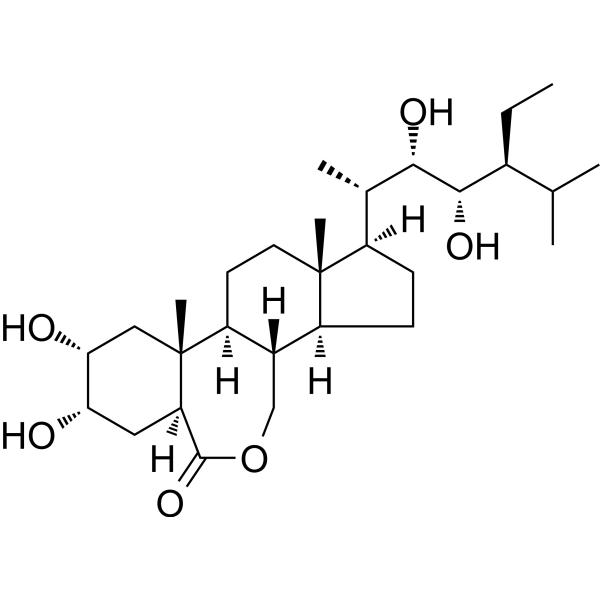
N6-Isopentenyladenosine (Riboprine), an RNA modification found in cytokinins, which regulate plant growth/differentiation, and a subset of tRNAs, where it improves the efficiency and accuracy of translation. N6-Isopentenyladenosine, an end product of the mevalonate pathway, is an autophagy inhibitor with an interesting anti-melanoma activity .
|
-

- HY-18572A
-
|
2,4-Dichlorophenoxyacetic acid sodium
|
Environmental Pollutants
Apoptosis
Herbicide
DNA/RNA Synthesis
|
Cancer
|
|
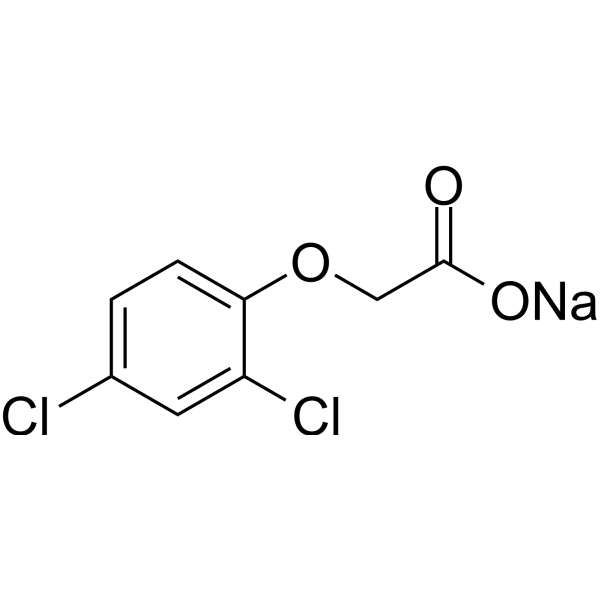
2,4-D (2,4-Dichlorophenoxyacetate) sodium is a selective herbicide that can be used for the control of broad-leaved weeds. 2,4-D sodium salt can induce < b>apoptosis. 2,4-D sodium salt inhibits DNA and protein synthesis, thereby preventing normal plant growth and development .
|
-
- HY-N0186A
-
|
Indolebutyric acid potassium
|
Endogenous Metabolite
|
Others
|
|
Indole-3-butyric acid (Indolebutyric acid) potassium is a plant growth auxin and a good rooting agent. It can promote herbs and woody ornamental plant rooting and used for improving fruit rate. Indole 3-butyric acid potassium is an auxin precursor, and is converted to indole 3-acetic acid (IAA) in a peroxisomal β-oxidation process .
|
-

- HY-100427S
-
|
CL29926-13C,d3; (±)-Imazamox-13C,d3
|
Acetolactate Synthase (ALS)
Isotope-Labeled Compounds
|
Others
|
|
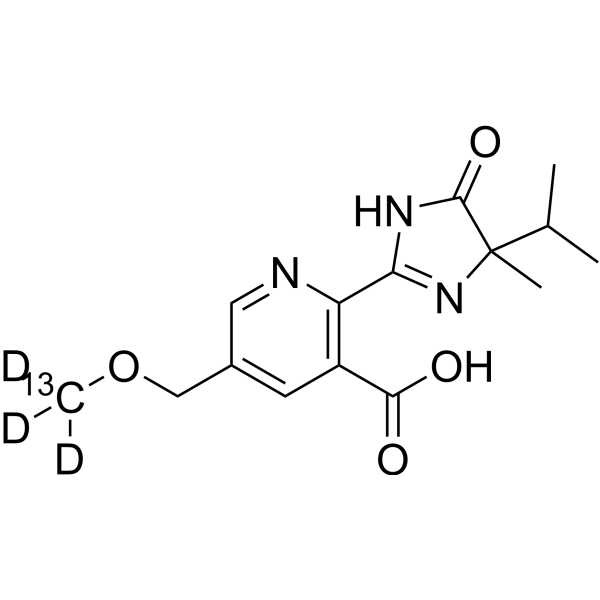
Imazamox- 13C,d3 is the 13C- and deuterium labeled Imazamox. Imazamox (CL29926) is a systemic herbicide that inhibits the production of acetolactate synthase (ALS) in plants with high selectivity, high activity, safety and broadspectrum activity, which would then inhibit plant growth and ultimately lead to plant death .
|
-
- HY-E71288
-
|
|
Biochemical Assay Reagents
|
Others
|
|
β-D-Glucopyranosyl abscisate β-glucosidase (EC 3.2.1.175) hydrolzes the biologically inactive β-D-Glucopyranosyl ester of abscisic acid to produce active abscisate. Abscisate is a phytohormone critical for plant growth, development and adaption to various stress conditions. The enzyme does not hydrolyse β-D-Glucopyranosyl zeatin.
|
-

- HY-18570AR
-
|
Potassium 1-Naphthaleneacetate (Standard)
|
Reference Standards
Phospholipase
|
Others
|
|
1-Naphthaleneacetic acid (potassium salt) (Standard) is the analytical standard of 1-Naphthaleneacetic acid (potassium salt). This product is intended for research and analytical applications. 1-Naphthaleneacetic acid potassium salt (Potassium 1-Naphthaleneacetate), a synthetic auxin, can promote plant growth. 1-Naphthaleneacetic acid potassium salt is also an inhibitor of PLA2, with an IC50 of 13.16 μM[1][2].
|
-

- HY-18572
-
2,4-D
1 Publications Verification
2,4-Dichlorophenoxyacetic acid
|
Environmental Pollutants
Herbicide
Apoptosis
DNA/RNA Synthesis
|
Cancer
|
|
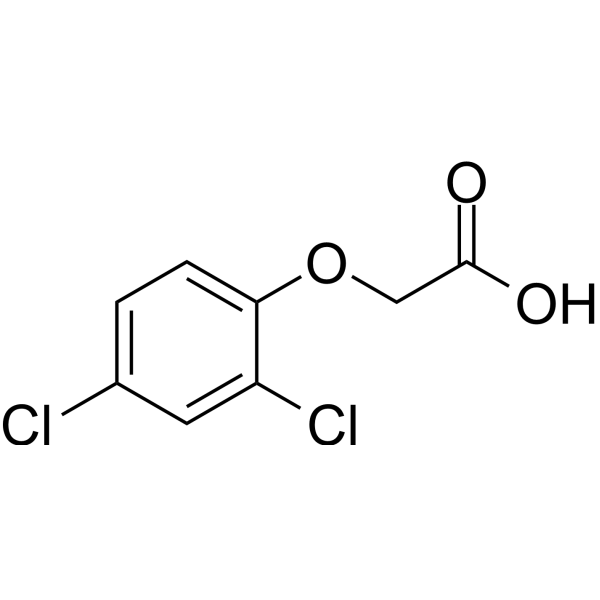
2,4-D (2, 4-dichlorophenoxyacetic acid) is a selective herbicide that can be used for the control of broad-leaved weeds. 2,4-D can induce apoptosis. 2,4-D inhibits DNA and protein synthesis, thereby preventing normal plant growth and development .
|
-
- HY-W011209
-
|
Riboprine
|
Autophagy
Endogenous Metabolite
|
Cancer
|
|
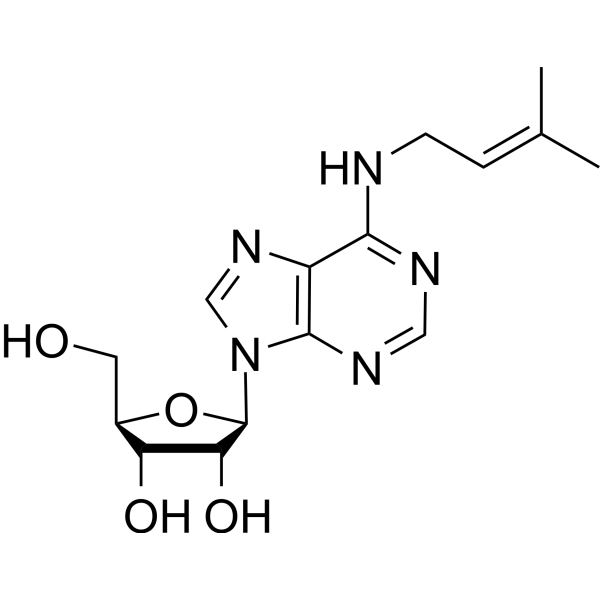
N6-Isopentenyladenosine (Riboprine), an RNA modification found in cytokinins, which regulate plant growth/differentiation, and a subset of tRNAs, where it improves the efficiency and accuracy of translation. N6-Isopentenyladenosine, an end product of the mevalonate pathway, is an autophagy inhibitor with an interesting anti-melanoma activity .
|
-
- HY-N9599
-
|
|
Fungal
Endogenous Metabolite
Parasite
Insecticide
|
Infection
|
|
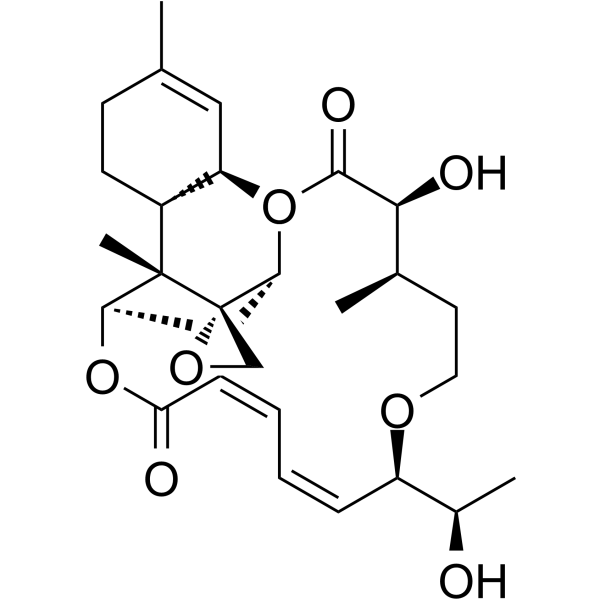
Roridin A acts as an inhibitor of pollen development in Arabidopsis thaliana and nematicide. Roridin A is isolated from the fungus Cylindrocarpon sp. Roridin A delays the flowering time of Arabidopsis thaliana, inhibits pollen development and stem elongation, and blocks plant growth. Roridin A induces larval death of the southern root-knot nematode (Meloidogyne incognita) .
|
-
- HY-N10335
-
|
|
FAK
|
Inflammation/Immunology
Cancer
|
|
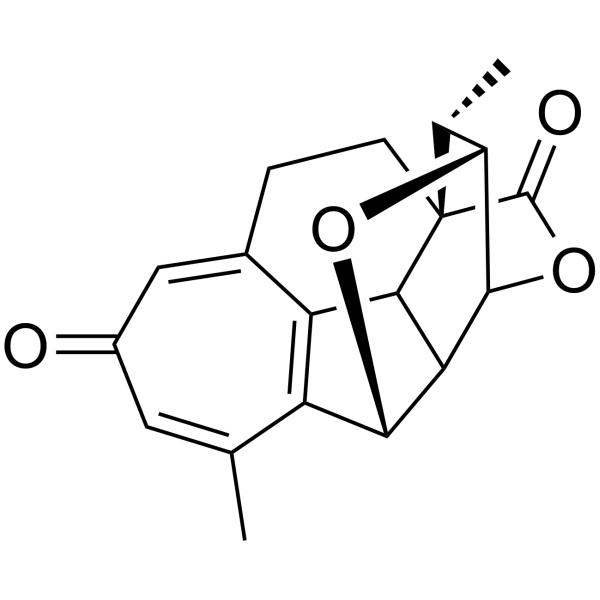
Harringtonolide is a potent RACK1 inhibitor (IC50=39.66 μM in A375 cells). Harringtonolide inhibits the epithelial-mesenchymal transition (EMT) process and cell proliferation by affecting the interaction between FAK and RACK1. Harringtonolide has plant growth inhibitory, antiviral, anti-inflammatory, and antiproliferation activities .
|
-
- HY-N1964B
-
|
GA3 Sterile Solution (1 mg/ml)
|
Drug Derivative
|
Metabolic Disease
|
|
Gibberellic acid Sterile Solution (1 mg/mL) (GA3 Sterile Solution (1 mg/mL)) is a natural plant growth regulator with oral bioactivity. Gibberellic acid Sterile Solution (1 mg/mL) governs multiple plant developmental events, including seed germination, cell elongation, floral organ formation, and rice spikelet fertility. Gibberellic acid Sterile Solution (1 mg/mL) optimizes root morphology and secondary metabolite production in Echinacea purpurea hairy roots, and serves as a bioactive seed priming agent to improve chilling stress tolerance in chickpea. Gibberellic acid Sterile Solution (1 mg/mL) mediates modulation of enzyme activity and secondary metabolism in plants and exerts tissue-specific regulatory effects on antioxidant systems and lipid peroxidation in rats. Gibberellic acid Sterile Solution (1 mg/mL) can be used in studies of plant growth, metabolism, and abiotic stress responses .
|
-

- HY-N1964A
-
|
|
Drug Derivative
|
Metabolic Disease
|
|
Gibberellic acid, suitable for plant cell culture (GA3, suitable for plant cell culture) is a natural plant growth regulator with oral bioactivity. Gibberellic acid, suitable for plant cell culture governs multiple plant developmental events, including seed germination, cell elongation, floral organ formation, and rice spikelet fertility. Gibberellic acid, suitable for plant cell culture optimizes root morphology and secondary metabolite production in Echinacea purpurea hairy roots, and serves as a bioactive seed priming agent to improve chilling stress tolerance in chickpea. Gibberellic acid, suitable for plant cell culture mediates modulation of enzyme activity and secondary metabolism in plants and exerts tissue-specific regulatory effects on antioxidant systems and lipid peroxidation in rats. Gibberellic acid, suitable for plant cell culture can be used in studies of plant growth, metabolism, and abiotic stress responses .
|
-

- HY-18569S3
-
|
Indole-3-acetic acid-d7; 3-IAA-d7
|
Isotope-Labeled Compounds
Endogenous Metabolite
|
Metabolic Disease
|
|
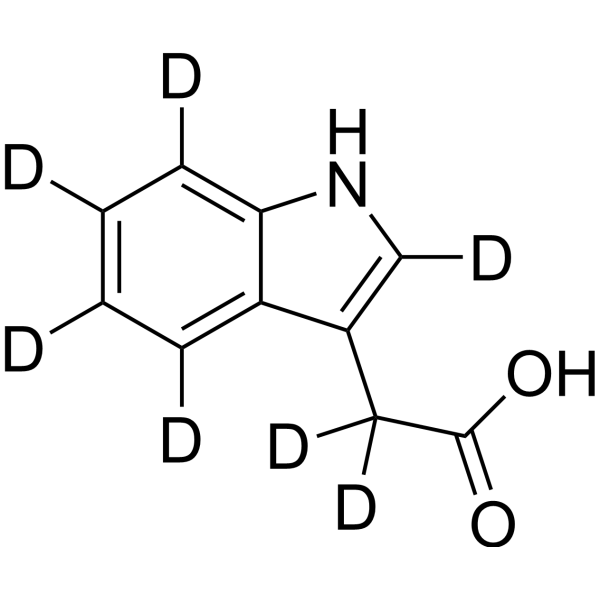
3-Indoleacetic acid-d7 is the deuterium labeled 3-Indoleacetic acid (HY-18569). 3-Indoleacetic acid (Indole-3-acetic acid) is the most common natural plant growth hormone of the auxin class. It can be added to cell culture medium to induce plant cell elongation and division .
|
-
- HY-N13014
-
|
|
Others
|
Others
|
|
Indole-3-acetyl β-D-glucopyranose is a glucose esterified derivative of the plant hormone indole-3-acetic acid (IAA). Indole-3-acetyl β-D-glucopyranose is involved in regulating plant growth and can be used to study the metabolism and regulatory mechanisms of plant hormones .
|
-

- HY-Y1031R
-
|
|
Reference Standards
Endogenous Metabolite
|
Metabolic Disease
|
|
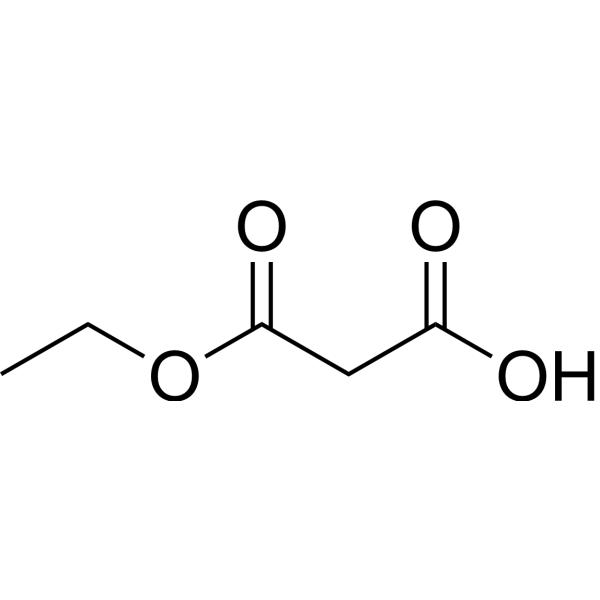
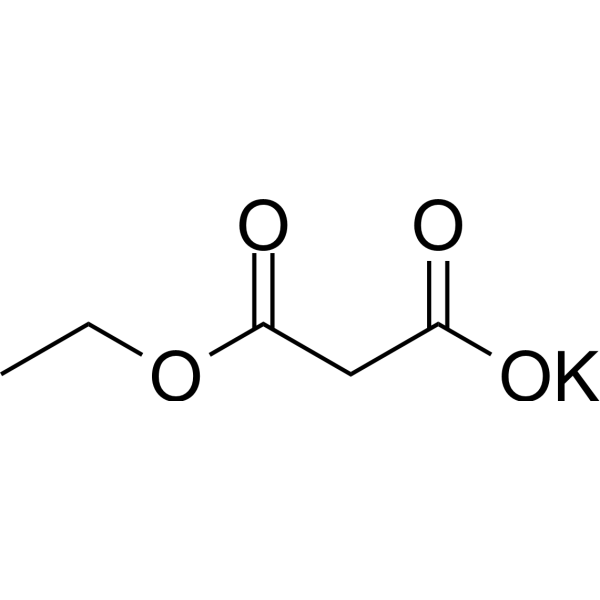
3-Ethoxy-3-oxopropanoic acid (Standard) is the analytical standard of 3-Ethoxy-3-oxopropanoic acid. This product is intended for research and analytical applications. 3-Ethoxy-3-oxopropanoic acid is an endogenous metabolite. 3-Ethoxy-3-oxopropanoic acid promotes plant growth[1].
|
-

- HY-18569S4
-
|
Indole-3-acetic acid-13C6; 3-IAA-13C6
|
Isotope-Labeled Compounds
Endogenous Metabolite
|
Metabolic Disease
|
|
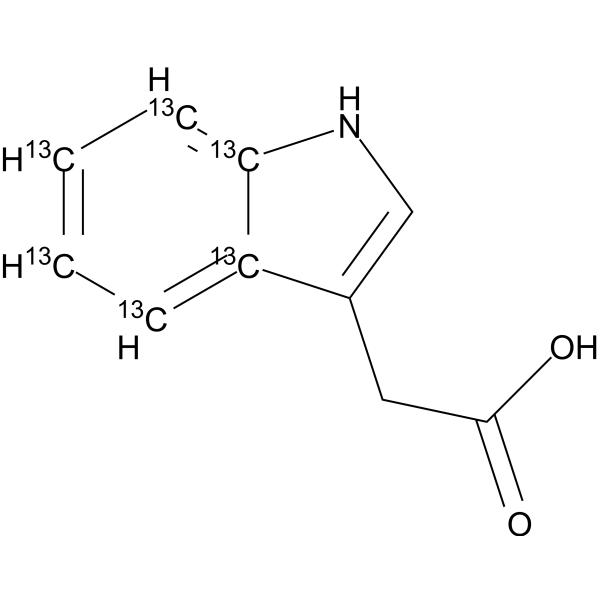
3-Indoleacetic acid- 13C6 is the 13C labeled 3-Indoleacetic acid (HY-18569). 3-Indoleacetic acid (Indole-3-acetic acid) is the most common natural plant growth hormone of the auxin class. It can be added to cell culture medium to induce plant cell elongation and division .
|
-
- HY-W547534
-
|
2,4-Dichlorophenoxyacetic acid ammonium
|
Herbicide
DNA/RNA Synthesis
Apoptosis
|
Cancer
|
|
2,4-D (2, 4-dichlorophenoxyacetic acid) ammonium is a selective herbicide that can be used for the control of broad-leaved weeds. 2,4-D ammonium can induce apoptosis. 2,4-D ammonium inhibits DNA and protein synthesis, thereby preventing normal plant growth and development .
|
-

- HY-N0186
-
|
Indolebutyric acid
|
Environmental Pollutants
Endogenous Metabolite
|
Others
|
|
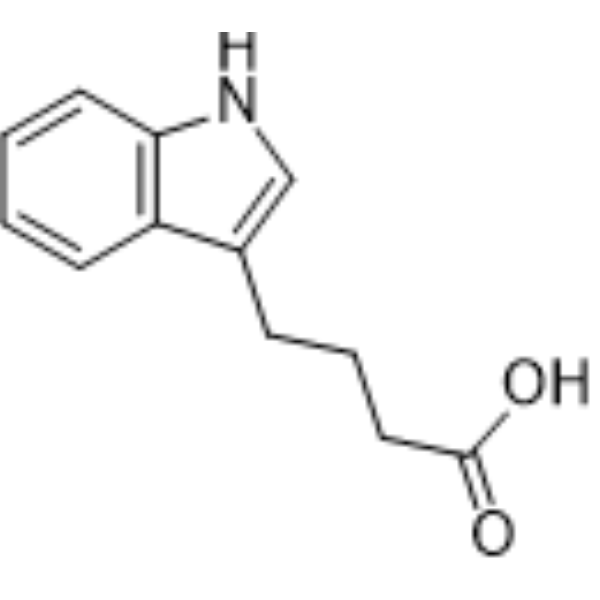
Indole-3-butyric acid (3-indolebutyric acid) is a plant growth auxin and a good rooting agent. It can promote herbs and woody ornamental plant rooting and used for improving fruit rate. Indole 3-butyric acid is an auxin precursor, and is converted to indole 3-acetic acid (IAA) in a peroxisomal β-oxidation process .
|
-
- HY-W016187
-
|
2-Naphthylacetic acid
|
Biochemical Assay Reagents
|
Metabolic Disease
|
|
2-(Naphthalen-2-yl)acetic acid (2-Naphthylacetic acid) is a plant growth regulator that can improve the quality and yield of crops such as bean sprouts. In addition, 2-(Naphthalen-2-yl)acetic acid can be used as a probe to study the distribution of amino acid conjugation mechanisms in different species .
|
-

- HY-158986
-
|
|
Phytohormone
|
Others
|
|
(E,E)-2,4-Undecadien-8,10-diynoic acid isobutylamide is a natural compound found in Acmella oleracea and is a plant growth inhibitor. (E,E)-2,4-Undecadien-8,10-diynoic acid isobutylamide inhibits the growth of cress roots and shoots and barnyard grass roots .
|
-

- HY-121497
-
|
3-MBA
|
PARP
Bacterial
|
Cancer
|
|
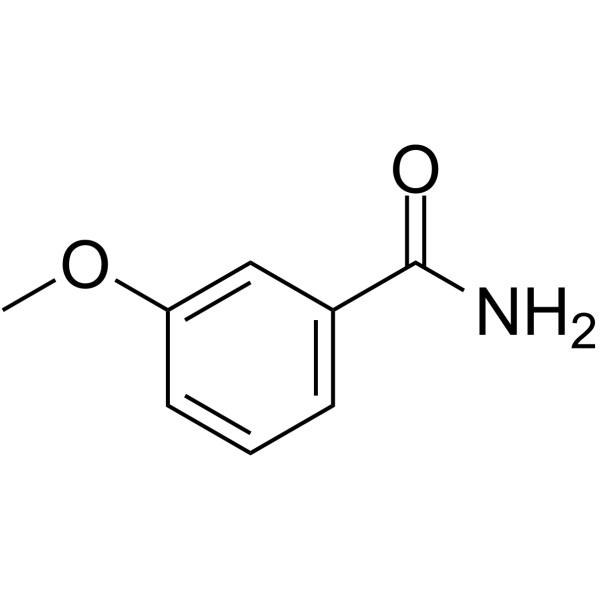
3-Methoxybenzamide (3-MBA), an inhibitor of ADP-ribosyltransferase (ADPRTs) and PARP, inhibits cell division in Bacillus subtilis, leading to filamentation and eventually lysis of cells . 3-Methoxybenzamide (3-MBA) enhances in vitro plant growth, microtuberization, and transformation efficiency of blue potato (Solanum tuberosum L. subsp. andigenum) .
|
-
- HY-136403
-
|
|
Phytohormone
|
Others
|
|
TIS108 is a triazole-type strigolactone biosynthesis inhibitor. TIS108 inhibits Arabidopsis embryogenesis and root hair growth, and promotes shoot branching. TIS108 can also increase the gibberellin content in Gastrodia elata. TIS108 can be used in the research of plant growth and development as well as plant responses to the environment .
|
-
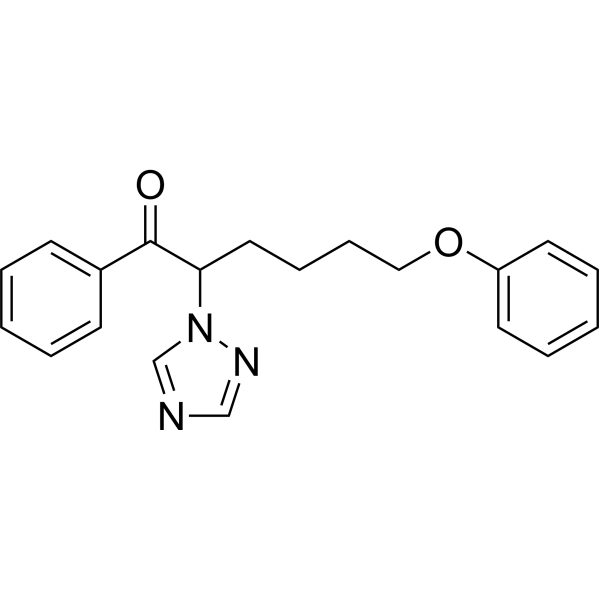
- HY-B0167E
-
|
|
Biochemical Assay Reagents
|
Others
|
|
Salicylic acid Sterile Solution (1 mg/mL) is a sterile solution suitable for plant culture. Salicylic acid (HY-B0167) is a weak acid that, once inside the plant, can activate growth regulators such as nitric oxide, thereby influencing plant growth and development. Salicylic acid can also regulate plant cell metabolism and membrane permeability, improving the plant's resistance to adverse conditions.
|
-

- HY-19698
-
|
4-CPA; p-Chlorophenoxyacetic acid
|
Environmental Pollutants
Biochemical Assay Reagents
Herbicide
|
Others
|
|
4-Chlorophenoxyacetic acid (4-CPA) is a widely used herbicide and plant growth regulator. 4-Chlorophenoxyacetic acid (4-CPA) mimics endogenous auxin and regulates plant cell division, differentiation and gene expression. 4-Chlorophenoxyacetic acid (4-CPA) is used to control weeds and promote fruit growth .
|
-

- HY-W017448
-
|
N,N-Dimethylpiperidinium chloride; PIX
|
Environmental Pollutants
Biochemical Assay Reagents
|
Others
|
|
Mepiquat chloride (N,N-Dimethylpiperidinium chloride) is a systemic plant growth regulator. Mepiquat chloride reduces the activity of RuBP carboxylase. Mepiquat chloride decreases plant height, total length of vegetative and fruiting branches, and total leaf area of cotton. Mepiquat chloride reduces the net photosynthetic rate of cotton leaves. Mepiquat chloride promotes starch accumulation in cotton leaves without altering sucrose content .
|
-

- HY-W054259
-
|
N,N'-Difurfuryloxamide; N1,N2-Bis(furan-2-ylmethyl)oxalamide
|
Biochemical Assay Reagents
|
Others
|
|
BFMO (N,N'-Difurfuryloxamide) is an oxamide derivative and a bidentate ligand. BFMO exhibits plant growth regulatory activity and root growth inhibitory activity. BFMO can promote the copper-catalyzed N-arylation reaction between aniline compounds and cyclic secondary amines, realizing the coupling of (hetero) aryl bromides with (hetero) aryl amines and cyclic secondary amines .
|
-

- HY-179179A
-
|
|
Biochemical Assay Reagents
|
Others
|
|
1/2 MS Medium (Agar-Free, Sucrose-Free) has a similar composition to standard MS medium, including inorganic salts, sucrose, vitamins, etc. Unlike MS medium, 1/2 MS Medium (Agar-Free, Sucrose-Free) contains a lower concentration of plant growth hormones (such as indoleacetic acid and adenosine), typically half the concentration of standard MS medium.
|
-

- HY-W016784S
-
|
|
Endogenous Metabolite
|
Others
|
|
Indole-3-acetamide-d5 is the deuterium labeled Indole-3-acetamide . Indole-3-acetamide is a biosynthesis intermediate of indole-3-acetic acid (HY-18569). Indole-3-acetic acid is the most common natural plant growth hormone of the auxin class .
|
-
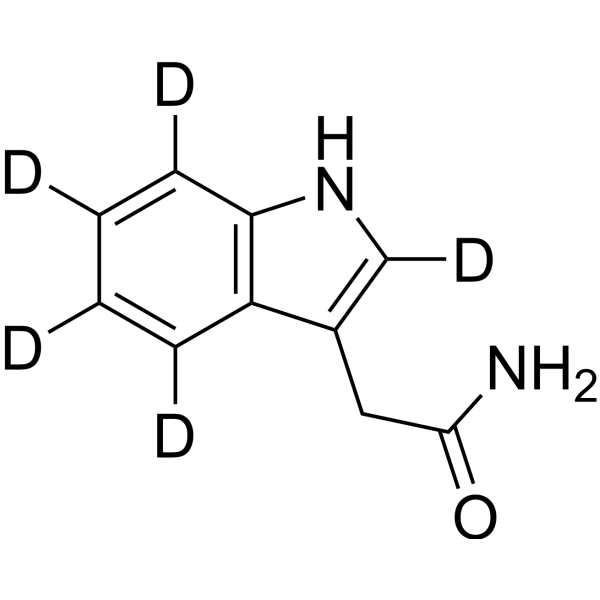
- HY-N7255
-
|
|
p38 MAPK
Apoptosis
|
Cancer
|
|
Cycloartenol, a phytosterol compound, is one of the key precusor substances for biosynthesis of numerous sterol compounds. Cycloartenol inhibits the migration of glioma cells and suppresses the phosphorylation of the p38 MAP kinase. Cycloartenol has a variety of pharmacological activities such as anti-inflammatory, anti-tumor, antioxidant, antibiosis and anti-alzheimer's disease. Cycloartenol also plays an important role in the process of plant growth and development .
|
-
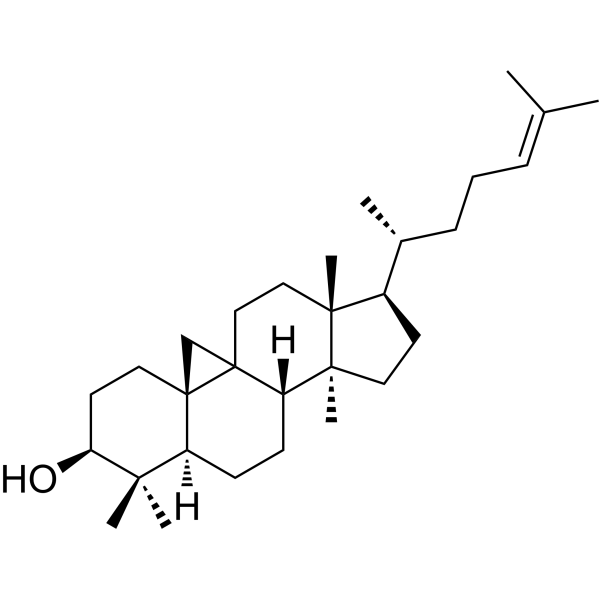
- HY-176140
-
|
|
Fungal
Succinate Dehydrogenase
|
Infection
|
|
Succinate dehydrogenase-IN-9 (Compound Iik) is a succinate dehydrogenase inhibitor (IC50: 3.6 μM). Succinate dehydrogenase-IN-9 exhibits potent inhibitory activity against various fungal species (eg: inhibits S. sclerotiorum with an EC50 value of 1.14 μg/mL. Succinate dehydrogenase-IN-9 enhances the nitrate reductase activity, thereby facilitating plant growth .
|
-

- HY-Y1031AR
-
|
|
Endogenous Metabolite
Reference Standards
|
Metabolic Disease
|
|
3-Ethoxy-3-oxopropanoic acid (potassium) (Standard) is the analytical standard of 3-Ethoxy-3-oxopropanoic acid (potassium) (HY-Y1031A). This product is intended for research and analytical applications. 3-Ethoxy-3-oxopropanoic acid potassium is an endogenous metabolite. 3-Ethoxy-3-oxopropanoic acid potassium promotes plant growth .
|
-

- HY-B2062R
-
|
Dimethyl tetrachloroterephthalate (Standard)
|
Drug Intermediate
Mitosis
Reference Standards
|
Others
|
|
Chlorthal-dimethyl (Standard) is the analytical standard of Chlorthal-dimethyl. This product is intended for research and analytical applications. Chlorthal-dimethyl (Dimethyl tetrachloroterephthalate) is a plant growth regulator. Chlorthal-dimethyl affects cell division and differentiation, interfering with the normal development of vascular tissue. Chlorthal-dimethyl causes localized swelling of tomato hypocotyls and disrupts normal mitosis in germinating millet seedlings .
|
-
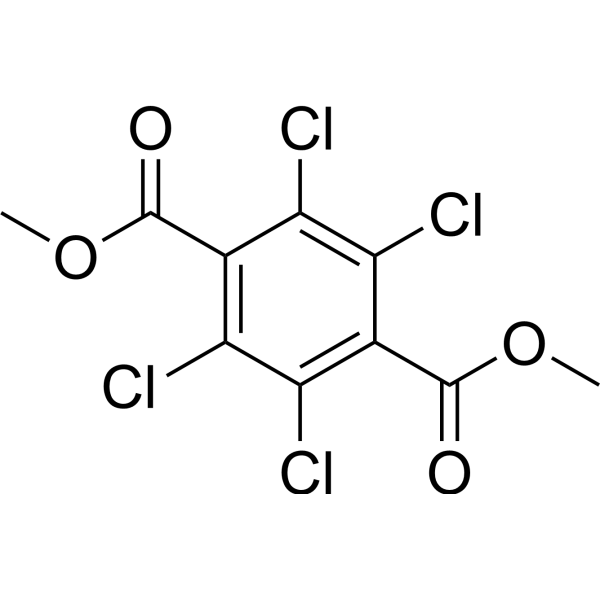
- HY-18569S2
-
|
Indole-3-acetic acid-2,2-d2; 3-IAA-2,2-d2
|
Isotope-Labeled Compounds
Endogenous Metabolite
|
Metabolic Disease
|
|
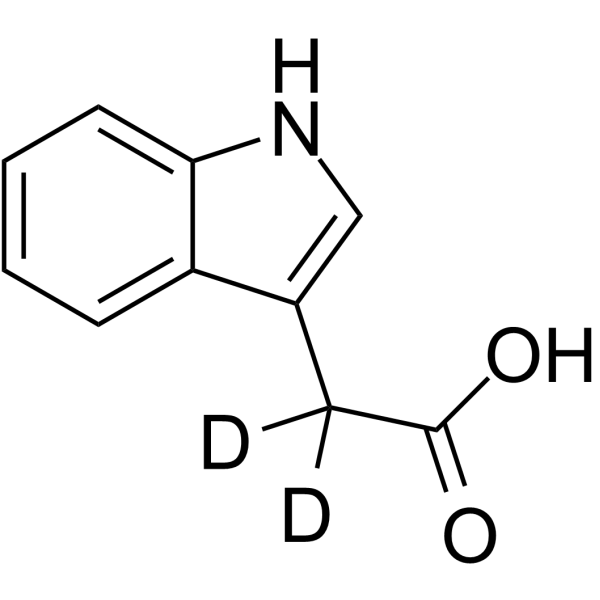
3-Indoleacetic acid-2,2-d2 is the deuterium labeled 3-Indoleacetic acid (HY-18569). 3-Indoleacetic acid (Indole-3-acetic acid) is the most common natural plant growth hormone of the auxin class. It can be added to cell culture medium to induce plant cell elongation and division .
|
-
- HY-W721611
-
|
|
Herbicide
|
Others
|
|
Terbucarb is a phenylcarbamate herbicide. Terbucarb disrupts the mitotic microtubule organizing centers in plant cells, leading to the formation of multipolar spindles and branched phragmoplasts, thereby inhibiting plant growth. An "anaphase star" pattern induced by Terbucarb is observed in onion root tips. Terbucarb is cytotoxic to isolated rat hepatocytes, inducing cell death accompanied by depletion of intracellular ATP, protein thiols and glutathione .
|
-

- HY-B0873R
-
|
|
Reference Standards
Cytochrome P450
ROS Kinase
|
Others
|
|
Uniconazole (Standard) is the analytical standard of Uniconazole. This product is intended for research and analytical applications. Uniconazole, a plant growth retardant, is a potent inhibitor of abscisic acid (ABA) catabolism with an IC50 of 68 nM against ABA 8’-hydroxylase. Uniconazole is a potent competitive inhibitor of CYP707A3 activity with a Ki of 8 nM. Uniconazole evidently inhibits gibberellin biosynthesis, and brassinosteroid biosynthesis is also inhibited to some extent .
|
-

- HY-N0848R
-
|
24-Epibrassinolide (Standard); B1105 (Standard); BP55 (Standard)
|
Reference Standards
Apoptosis
|
Cancer
|
|
Epibrassinolide (Standard) is the analytical standard of Epibrassinolide. This product is intended for research and analytical applications. Epibrassinolide (24-Epibrassinolide) is a ubiquitously occurring plant growth hormone which shows great potential to alleviate heavy metals and pesticide stress in plants[1]. Epibrassinolide is a potential apoptotic inducer in various cancer cells without affecting the non-tumor cell growth[2].
|
-

- HY-B0853R
-
|
|
Reference Standards
Fungal
|
Infection
|
|
Paclobutrazol (Standard) is the analytical standard of Paclobutrazol. This product is intended for research and analytical applications. Paclobutrazol is a triazole-containing plant growth retardant that is known to inhibit the biosynthesis of gibberellins. Paclobutrazol also has antifungal activities. Paclobutrazol, transported acropetally in plants, can also suppress the synthesis of abscisic acid and induce chilling tolerance in plants. Paclobutrazol is typically used to support research on the role of gibberellins in plant biology .
|
-

- HY-W016784R
-
|
|
Reference Standards
Endogenous Metabolite
|
Others
|
|
Indole-3-acetamide (Standard) is the analytical standard of Indole-3-acetamide. This product is intended for research and analytical applications. Indole-3-acetamide is a biosynthesis intermediate of indole-3-acetic acid (HY-18569). Indole-3-acetic acid is the most common natural plant growth hormone of the auxin class[1].
|
-

- HY-P2742B
-
|
|
Endogenous Metabolite
|
Metabolic Disease
|
Ascorbate oxidase, acremonium sp is a member of the multicopper blue oxidase family and primarily exists in plants as a free enzyme in the cytoplasm or bound to the cell wall. Ascorbate oxidase, acremonium sp has a high activity in catalyzing the oxidation of ascorbic acid to dehydroascorbic acid, regulating various cellular processes related to plant growth, protection, and development. Ascorbate oxidase, acremonium sp can be used to detect hydrogen peroxide .
|
-

- HY-182659
-
|
|
Biochemical Assay Reagents
|
Others
|
|
3/4 MS Medium (Agar-Free, Sucrose-Free) has a similar composition to standard MS medium, including inorganic salts, sucrose, and vitamins. However, unlike standard MS medium, 3/4 MS Medium (Agar-Free, Sucrose-Free) contains lower concentrations of plant growth hormones (such as indoleacetic acid and adenosine), typically three-quarters the concentration found in standard MS medium.
|
-

- HY-13643
-
|
|
Environmental Pollutants
Histone Demethylase
|
Cancer
|
|
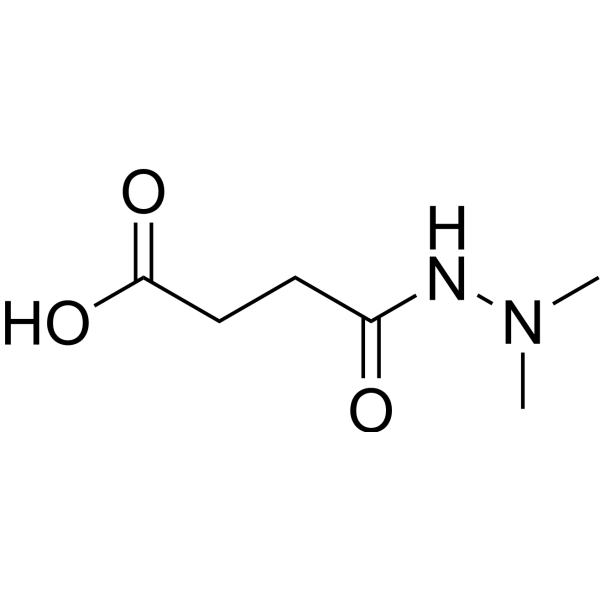
Daminozide, a plant growth regulator, is a selective inhibitor of the human KDM2/7 histone demethylases, with IC50s of 0.55, 1.5 and 2.1 μM for PHF8, KDM2A, and KIAA1718, respectively. Daminozide has >100-fold selectivity for KDM2/7 subfamily versus other demethylase subfamily members tested .
|
-
- HY-N11420
-
|
|
Bacterial
Phytohormone
|
Others
|
|
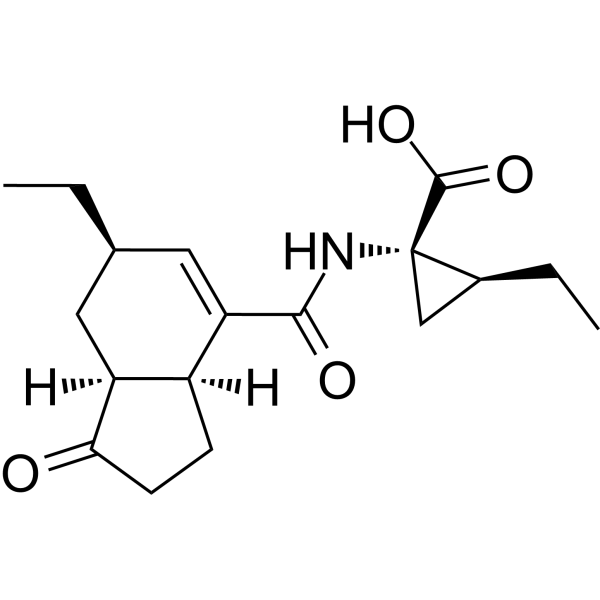
Coronatine is a plant growth regulator that mimicks the jasmonic acid-isoleucine conjugate (JA-Ile), targets the jasmonic acid receptor COI1, activates the jasmonic acid signaling pathway, thereby inhibiting salicylic acid (SA)-dependent defense responses. Coronatine antagonizes the stomatal closure, induces plant cell necrosis and chlorosis, interfers with plant hormone balance, thereby promoting pathogen infection .
|
-
- HY-N16818
-
|
|
Herbicide
|
Others
|
|
9-epi-Blumenol C is a C13-norisoprenoid (carotenoid derivative) compound with allelopathic and antifungal activities, and can regulate plant growth. The IC50 values ??of 9-epi-Blumenol C for watercress roots and hypocotyls are 2780 μM and 2240 μM, respectively, and for perennial ryegrass roots and coleoptiles are 3290 μM and 2950 μM, respectively. 9-epi-Blumenol C exhibits allelopathic activity through a mechanism involving direct inhibition of plant growth and degradation of arbuscular mycorrhizal fungi (AMF) colonization, thereby weakening nutrient uptake and stress resistance in neighboring plants. 9-epi-Blumenol C can be used in herbicide development and research related to plant competition mechanisms. 9-epi-Blumenol C can be obtained from the dried fallen leaves of Metasequoia glyptostroboides (a plant of the cypress family, genus Metasequoia) through extraction with 70% methanol and purification by ethyl acetate extraction .
|
-

- HY-B1948
-
|
S-3308
|
Fungal
|
Infection
|
|
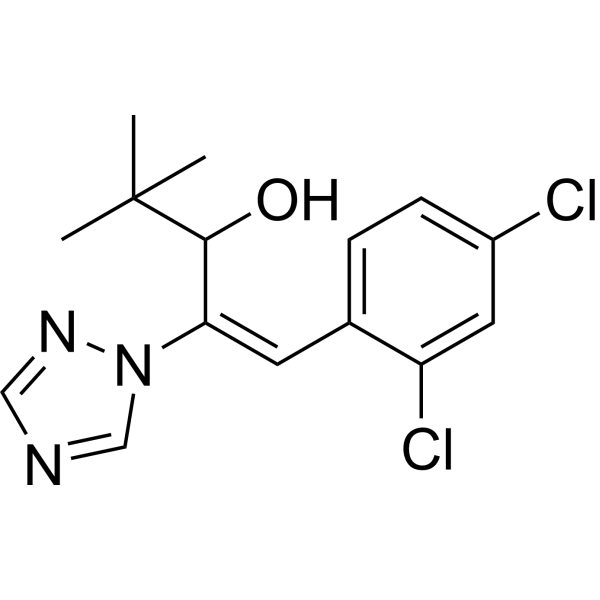
Diniconazole (S-3308) is a newly developed fungicide. Diniconazole exhibits fungicidal activity against Bolrytis cintrca, Sordaria fumicola, Fusarium graminearum, Sclerotium cepivornm, and Bipolaris sorokiniana with IC50 values of 0.012, <0.001, 0.008, 0.02, and 0.06 mg/L, respectively. Diniconazole can be used in research related to the prevention and control of plant fungal diseases and plant growth regulation .
|
-
- HY-W653739
-
|
Abscisic aldehyde
|
Drug Intermediate
|
Others
|
|
(+)-Abscisic Aldehyde (ABAld) is an intermediate in the biosynthesis of the plant hormone abscisic acid (ABA). (+)-Abscisic Aldehyde is produced by the dehydrogenation of xanthoxin by xanthoxin dehydrogenases, followed by selective oxidation by abscisic aldehyde oxygenase. (+)-Abscisic Aldehyde has an oxidizing PsAOγ activity and it correlates with ABA accumulation in the old leaves of pea plants with long exposure of salinity, ammonium or nitrogen deficiency. (+)-Abscisic Aldehyde can be used for plant growth and development research .
|
-

- HY-162883
-
|
|
SHMT
|
Others
|
|
SHMT-IN-4 (Compound 9ay) is a herbicide that targets and inhibits serine hydroxymethyltransferase (SHMT1) with an IC50 value of 193.8 g a.i./ha (active ingredient content per hectare). SHMT-IN-4 interferes with amino acid synthesis and metabolism in plants by binding to SHMT1, thereby inhibiting plant growth. Additionally, SHMT-IN-4 shows no significant toxicity to maize and honeybees .
|
-

- HY-119633
-
|
|
Herbicide
|
Others
|
|
Perfluidone is a selective 3-ketoacyl-CoA synthase (KCS) inhibitor with IC50s of 0.21 and 7.60 μM for CER6 (KCS6) and FAE1 (KCS18), respectively. Perfluidone significantly inhibits very-long-chain fatty acid (VLCFA) synthesis. Perfluidone has phytotoxic activity and inhibits Lemna paucicostata growth. Perfluidone can be uses as a plant growth regulator and herbicide for agriculture research .
|
-

- HY-N7719
-
-
- HY-18572AR
-
|
2,4-Dichlorophenoxyacetic acid sodium (Standard)
|
Reference Standards
Herbicide
DNA/RNA Synthesis
Apoptosis
|
Cancer
|
|
2,4-D sodium (Standard) is the analytical standard of 2,4-D sodium (HY-18572A). This product is intended for research and analytical applications. 2,4-D sodium is a selective herbicide that can be used for the control of broad-leaved weeds. 2,4-D sodium can induce < b>apoptosis. 2,4-D sodium inhibits DNA and protein synthesis, thereby preventing normal plant growth and development .
|
-

- HY-N6933R
-
|
Triacontan-1-ol (Standard)
|
Others
Reference Standards
|
Cancer
|
|
1-Triacontanol (Standard) (Triacontan-1-ol (Standard)) is the analytical standard of 1-Triacontanol (HY-N6933). This product is intended for research and analytical applications. 1-Triacontanol is a naturally occurring plant growth regulator. 1-Triacontanol is a saturated long-chain alcohol that has growth-promoting activities on a number of plants. 1-Triacontanol has anticancer activity .
|
-

- HY-133813AR
-
|
|
Reference Standards
Drug Metabolite
|
Neurological Disease
|
|
2,4-D Butyl ester (Standard) is the analytical standard of 2,4-D Butyl ester. This product is intended for research and analytical applications. 2,4-D Butyl ester is an organic phenoxy herbicide and used to control woody broad-leaf weeds. 2,4-D butyl ester produces its herbicidal effect by mimicking natural plant growth hormones causing plants to grow too rapidly to survive .
|
-

- HY-W681749
-
|
Morphactin
|
Biochemical Assay Reagents
|
Others
|
|
Morphactin Chlorflurenol methyl (Morphactin) is a plant growth regulator. Morphactin Chlorflurenol methyl preserves chlorophyll and suppresses senescence. Morphactin Chlorflurenol methyl regulates chlorophyll metabolic enzymes and alleviates heat-induced leaf senescence by enhancing chlorophyll content and reducing electrolyte leakage. Morphactin Chlorflurenol methyl promotes shoot redifferentiation and tracheary element development in tobacco calluses. Morphactin Chlorflurenol methyl can be applied to the investigation of heat-induced leaf senescence .
|
-

- HY-18569S1
-
|
Indole-3-acetic acid-d4; 3-IAA-d4
|
Isotope-Labeled Compounds
Molecular Glues
Endogenous Metabolite
|
Metabolic Disease
|
|
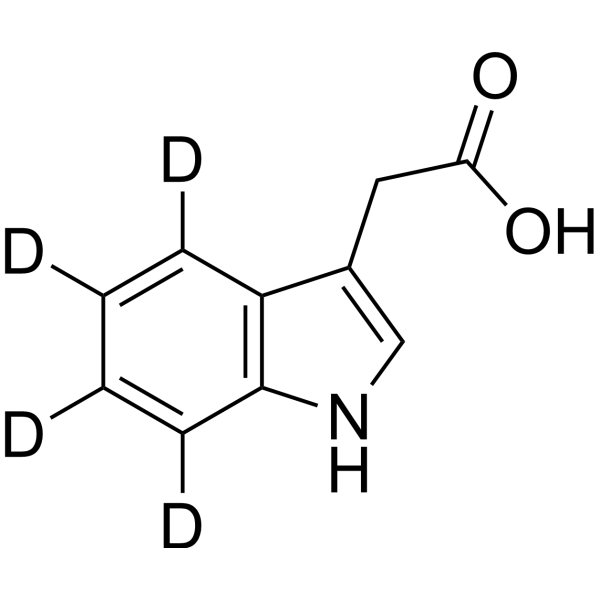
3-Indoleacetic acid-d4 (Indole-3-acetic acid-d4; 3-IAA-d4) is the deuterium labeled 3-Indoleacetic acid (HY-18569) . 3-Indoleacetic acid (Indole-3-acetic acid) is the most common natural plant growth hormone of the auxin class. It can be added to cell culture medium to induce plant cell elongation and division .
|
-
- HY-100560
-
|
(S)-(+)-Abscisic acid; ABA
|
Environmental Pollutants
Endogenous Metabolite
ABA Receptor
Proton Pump
|
Metabolic Disease
|
|
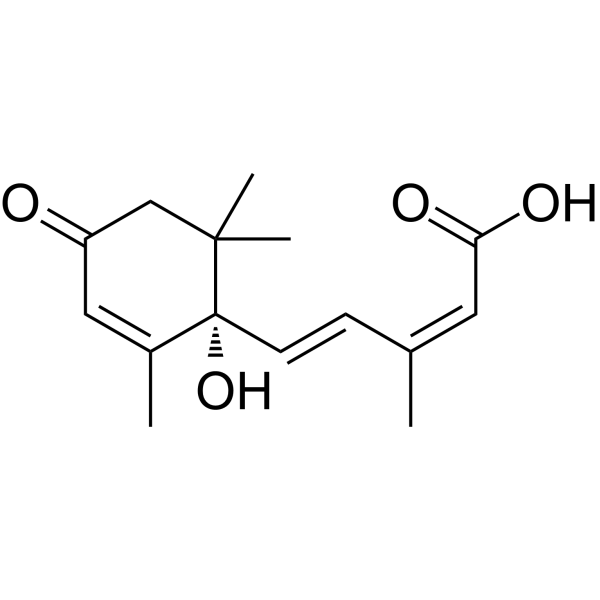
Abscisic acid ((S)-(+)-Abscisic acid), an orally active phytohormone in fruits and vegetables, is an endogenously produced mammalian hormone. Abscisic acid is a growth inhibitor and can regulate many aspects of plant growth and development. Abscisic acid inhibits proton pump (H +-ATPase) and leads to the plasma membrane depolarization in a Ca 2+-dependent manner. Abscisic acid, a LANCL2 natural ligand, is a potent insulin-sensitizing compound and has the potential for pre-diabetes, type 2 diabetes and metabolic syndrome .
|
-
- HY-W016393
-
|
|
Endogenous Metabolite
|
Others
|
|
Dihydroconiferyl alcohol is a cell division factor. Dihydroconiferyl alcohol can be isolated from the American sycamore (Acer pseudoplatanus L.). Dihydroconiferyl alcohol inhibits the degradation of Indole-3-acetic acid (HY-18569). Dihydroconiferyl alcohol can stimulate the growth of soybean and tobacco callus tissue and synergistically enhance Indole-3-acetic acid-induced hypocotyl elongation in cucumber. Dihydroconiferyl alcohol can be used in the research of plant growth regulation .
|
-
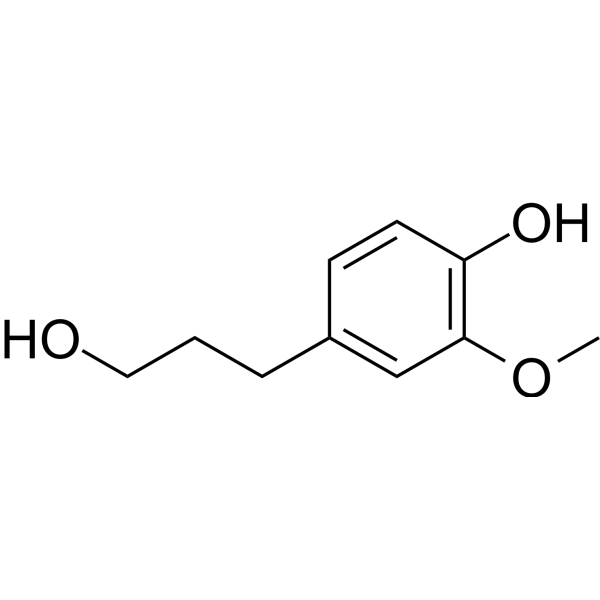
- HY-121497R
-
|
3-MBA (Standard)
|
PARP
Bacterial
Reference Standards
|
Cancer
|
|
3-Methoxybenzamide (Standard) is the analytical standard of 3-Methoxybenzamide. This product is intended for research and analytical applications. 3-Methoxybenzamide (3-MBA), an inhibitor of ADP-ribosyltransferase (ADPRTs) and PARP, inhibits cell division in Bacillus subtilis, leading to filamentation and eventually lysis of cells . 3-Methoxybenzamide (3-MBA) enhances in vitro plant growth, microtuberization, and transformation efficiency of blue potato (Solanum tuberosum L. subsp. andigenum) .
|
-

- HY-N7255R
-
|
|
Reference Standards
p38 MAPK
Apoptosis
|
Cancer
|
|
Cycloartenol (Standard) is the analytical standard of Cycloartenol. This product is intended for research and analytical applications. Cycloartenol, a phytosterol compound, is one of the key precusor substances for biosynthesis of numerous sterol compounds. Cycloartenol inhibits the migration of glioma cells and suppresses the phosphorylation of the p38 MAP kinase. Cycloartenol has a variety of pharmacological activities such as anti-inflammatory, anti-tumor, antioxidant, antibiosis and anti-alzheimer's disease. Cycloartenol also plays an important role in the process of plant growth and development .
|
-

- HY-18572S1
-
|
|
Isotope-Labeled Compounds
Herbicide
DNA/RNA Synthesis
Apoptosis
|
Cancer
|
|
2,4-D-d3 is the deuterium labeled 2,4-D (HY-18572) . 2,4-D (2,4-Dichlorophenoxyacetic acid) is a selective systemic herbicide for the control of broad-leaved weeds. 2,4-D acts as a plant hormone, causing uncontrolled growth in the meristematic tissues. 2,4-D inhibits DNA and protein synthesis and thereby prevents normal plant growth and development .
|
-
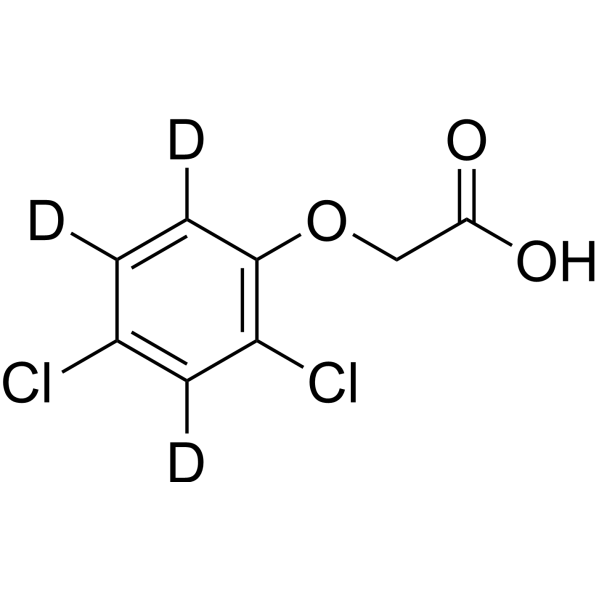
- HY-59354S1
-
|
1,2-Dihydro-3,6-pyridazine-13C4-dione; 3,6-Dihydroxypyridazine-13C4; 3,6-Pyridazine-13C4-diol; Maleic hydrazide-13C4
|
Isotope-Labeled Compounds
DNA/RNA Synthesis
|
Cancer
|
|
1,2-Dihydropyridazine-3,6-dione-3,4,5,6- 13C4 (1,2-Dihydro-3,6-pyridazine- 13C4-dione) is 13C labeled Maleic hydrazide. Maleic hydrazide is extensively used as a systemic plant growth regulator and as a herbicide. Maleic hydrazide acts as an inhibitor of the synthesis of nucleic acids and proteins .
|
-
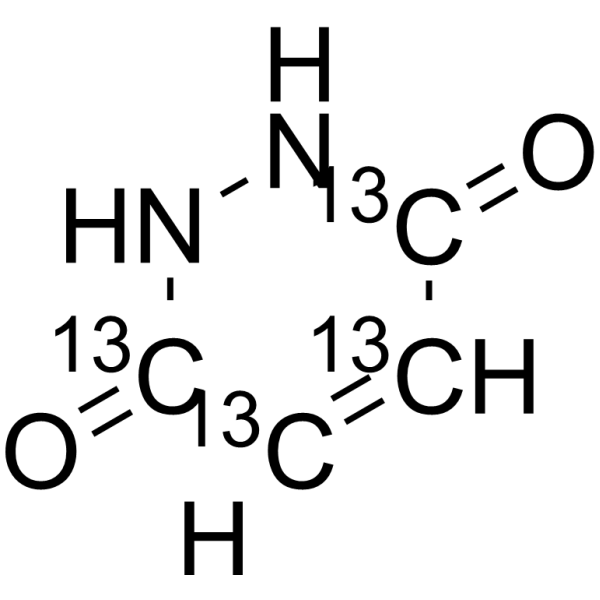
- HY-13643R
-
|
|
Reference Standards
Histone Demethylase
|
Cancer
|
|
Daminozide (Standard) is the analytical standard of Daminozide. This product is intended for research and analytical applications. Daminozide, a plant growth regulator, is a selective inhibitor of the human KDM2/7 histone demethylases, with IC50s of 0.55, 1.5 and 2.1 μM for PHF8, KDM2A, and KIAA1718, respectively. Daminozide has >100-fold selectivity for KDM2/7 subfamily versus other demethylase subfamily members tested .
|
-

- HY-18572R
-
|
2,4-Dichlorophenoxyacetic acid (Standard)
|
Reference Standards
Herbicide
DNA/RNA Synthesis
Apoptosis
|
Cancer
|
|
2,4-D (Standard) is the analytical standard of 2,4-D (HY-18572). This product is intended for research and analytical applications. 2,4-D (2, 4-dichlorophenoxyacetic acid) is a selective herbicide that can be used for the control of broad-leaved weeds. 2,4-D can induce apoptosis. 2,4-D inhibits DNA and protein synthesis, thereby preventing normal plant growth and development .
|
-

- HY-N0186R
-
|
Indolebutyric acid (Standard)
|
Reference Standards
Endogenous Metabolite
|
Others
|
|
Indole-3-butyric acid (Standard) is the analytical standard of Indole-3-butyric acid. This product is intended for research and analytical applications. Indole-3-butyric acid (3-indolebutyric acid) is a plant growth auxin and a good rooting agent. It can promote herbs and woody ornamental plant rooting and used for improving fruit rate. Indole 3-butyric acid is an auxin precursor, and is converted to indole 3-acetic acid (IAA) in a peroxisomal β-oxidation process .
|
-

- HY-W011151
-
|
|
Phytohormone
|
Others
|
|
trans-Zeatinriboside is a zeatin-type cytokinin and plant growth regulator. trans-Zeatinriboside is produced by the terrestrial filamentous cyanobacterium Nostoc sp. HK-01 and Agrobacterium tumefaciens (including Ti plasmid-dependent and Ti plasmid-independent strains). trans-Zeatinriboside is detectable as a cytokinin component in growing crown galls, and accumulates in large amounts in CHRK1-silenced transgenic tobacco accompanied by pleiotropic developmental abnormalities. trans-Zeatinriboside can be used in studies related to crown galls .
|
-
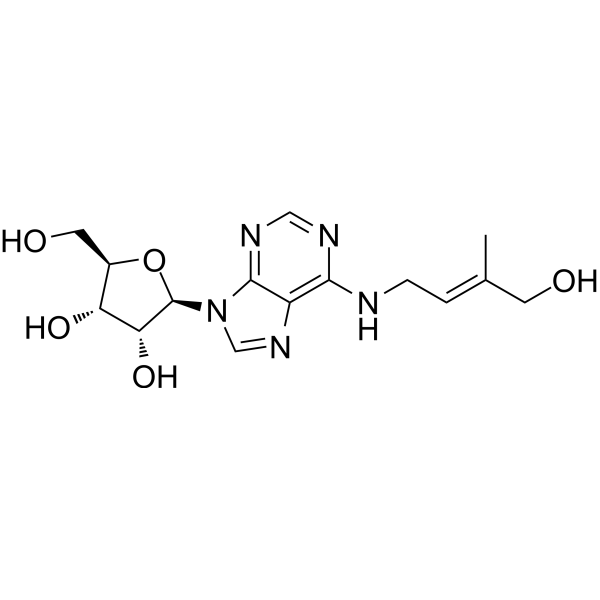
- HY-121935
-
|
|
Environmental Pollutants
Fungal
|
Infection
|
|
Tecnazene is a dinitroaromatic fungicide and plant growth regulator. Tecnazene binds irreversibly to human skin tissues and exhibits acute toxicity in Rattus norvegicus (brown rat). Tecnazene exerts sprouting-inhibiting and antifungal activities by inhibiting the sprouting of potato tuber buds and blocking the growth and reproduction of fungi that cause dry rot. Tecnazene has significant antifungal and sprouting-inhibiting activities, and shows high toxicity to aquatic organisms such as freshwater fish and crustaceans. Tecnazene is used for sprouting inhibition and dry rot control during potato storage .
|
-
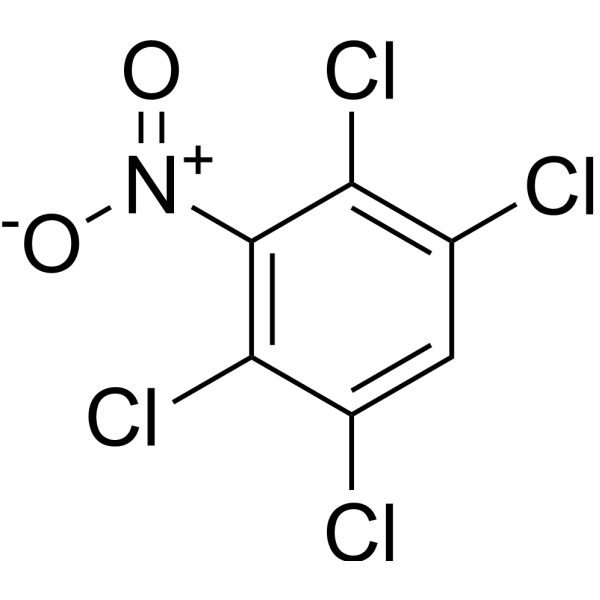
- HY-N7659A
-
|
|
Phytohormone
Microtubule/Tubulin
Apoptosis
|
Others
|
|
Glucobrassicin potassium is an indole-based anticancer agent and plant growth-regulating hormone. Glucobrassicin potassium exerts its biological activity by disrupting the integrity of microtubule networks in both plant and mammalian cells. At high concentrations, Glucobrassicin potassium inhibits seed germination and root growth; it can also specifically induce apoptosis in mammalian cancer cells and interfere with the intercellular transmission of viruses that rely on microtubules. In plants, Glucobrassicin potassium can be catalyzed by myrosinase to release growth-regulating substances, exhibiting a concentration-dependent growth-regulating effect .
|
-
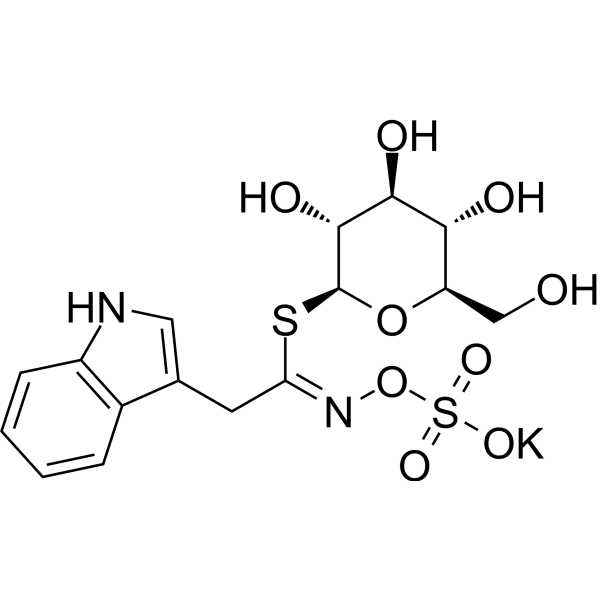
- HY-N2021AR
-
-

- HY-18572S
-
|
2,4-Dichlorophenoxyacetic acid-13C6
|
Isotope-Labeled Compounds
Herbicide
DNA/RNA Synthesis
Apoptosis
|
Cancer
|
|
2,4-D- 13C6 is the 13C-labeled 2,4-D (HY-18572). 2,4-D (2,4-Dichlorophenoxyacetic acid) is a selective systemic herbicide for the control of broad-leaved weeds. 2,4-D acts as a plant hormone, causing uncontrolled growth in the meristematic tissues. 2,4-D inhibits DNA and protein synthesis and thereby prevents normal plant growth and development .
|
-
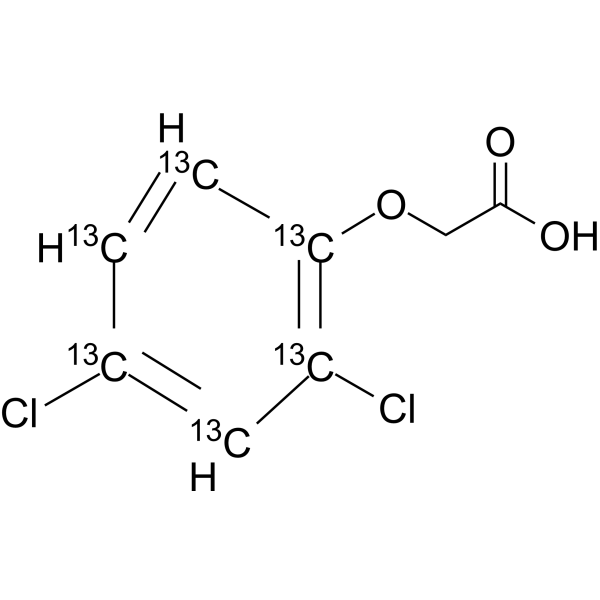
- HY-122308
-
|
|
NF-κB
Apoptosis
Interleukin Related
COX
Reactive Oxygen Species (ROS)
|
Inflammation/Immunology
|
|
Militarine is a plant growth inhibitor and anti-inflammatory agent. Militarine inhibits the elongation of radicles and hypocotyls in seedlings of lettuce, Italian ryegrass and timothy grass. Militarine alleviates PM2.5-induced inflammatory injury and inhibits cell migration in human alveolar epithelial A549 cells by inhibiting the NF-κB signaling pathway, reducing oxidative stress and the release of inflammatory factors. Militarine can be used in studies related to PM2.5-induced pulmonary diseases .
|
-
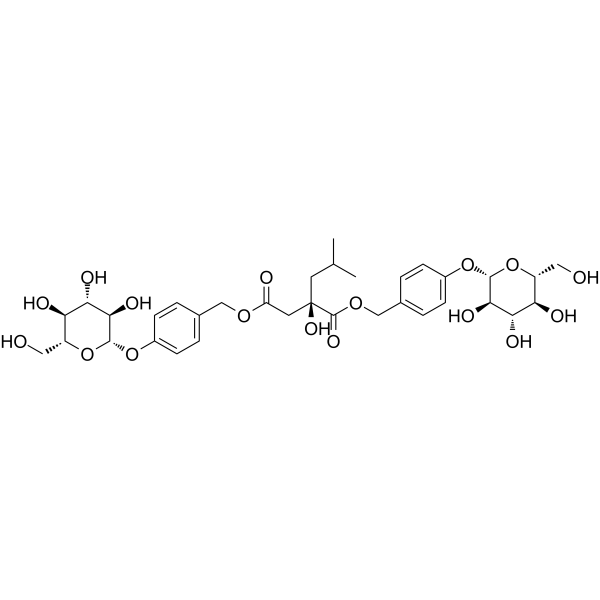
- HY-N7659
-
|
|
Phytohormone
Apoptosis
Microtubule/Tubulin
|
Cancer
|
|
Glucobrassicin is an indole-based anticancer agent and plant growth-regulating hormone. Glucobrassicin exerts its biological activity by disrupting the integrity of microtubule networks in both plant and mammalian cells. At high concentrations, Glucobrassicin inhibits seed germination and root growth; it can also specifically induce apoptosis in mammalian cancer cells and interfere with the intercellular transmission of viruses that rely on microtubules. In plants, Glucobrassicin can be catalyzed by myrosinase to release growth-regulating substances, exhibiting a concentration-dependent growth-regulating effect .
|
-

- HY-112102R
-
|
SSHB (Standard)
|
Akt
PI3K
Endogenous Metabolite
Reference Standards
|
Metabolic Disease
|
|
(22S,23S)-Homobrassinolide (Standard) is the analytical standard of (22S,23S)-Homobrassinolide. This product is intended for research and analytical applications. (22S,23S)-Homobrassinolide is one of the most active brassinosteroids in inducing plant growth in various plant bioassay systems. (22S,23S)-Homobrassinolide shows Akt-dependent anabolic activity in rat skeletal muscle cells. Orally active[1].
|
-

- HY-B1948R
-
|
S 3308 (Standard)
|
Reference Standards
Fungal
|
Infection
|
|
Diniconazole (Standard) is the analytical standard of Diniconazole (HY-B1948). This product is intended for research and analytical applications. Diniconazole (S-3308) is a newly developed fungicide. Diniconazole exhibits fungicidal activity against Bolrytis cintrca, Sordaria fumicola, Fusarium graminearum, Sclerotium cepivornm, and Bipolaris sorokiniana with IC50 values of 0.012, <0.001, 0.008, 0.02, and 0.06 mg/L, respectively. Diniconazole can be used in research related to the prevention and control of plant fungal diseases and plant growth regulation .
|
-

- HY-N13014S2
-
|
|
Isotope-Labeled Compounds
|
Others
|
|
Indole-3-acetyl β-D-glucopyranose-d4 is deuterium labeled Indole-3-acetyl β-D-glucopyranose. Indole-3-acetyl β-D-glucopyranose is a glucose esterified derivative of the plant hormone indole-3-acetic acid (IAA). Indole-3-acetyl β-D-glucopyranose is involved in regulating plant growth and can be used to study the metabolism and regulatory mechanisms of plant hormones .
|
-

- HY-N7719R
-
|
|
Endogenous Metabolite
Reference Standards
Bacterial
Fungal
Parasite
Apoptosis
Reactive Oxygen Species (ROS)
Caspase
HSV
|
Infection
Inflammation/Immunology
Cancer
|
|
Oosporein (Standard) is the analytical standard of Oosporein (HY-N7719). This product is intended for research and analytical applications. Oosporein is a microbial metabolite and a red crystalline toxin produced by various fungi. Oosporein can promote the reproduction of fungi in host bodies by inhibiting insect immunity, and possesses multiple activities such as antibacterial, antiviral (HSV), and insecticidal effects. Oosporein can inhibit plant growth. In addition, Oosporein can also induce apoptosis, cell membrane damage, oxidative stress, and mitochondrial damage. Oosporein has certain antitumor activity .
|
-

- HY-B0868
-
|
|
Herbicide
|
Others
|
|
2,4-D isooctyl ester, a synthetic auxin herbicide, is a TIR1 protein transport inhibitor. 2,4-D isooctyl ester interacts with TIR1 to facilitate auxin signal transduction, activating auxin-mediated growth responses. 2,4-D isooctyl ester functions as a pro-herbicide bio-transformed into phytotoxic 2,4-D post-plant absorption, disrupting normal plant growth. 2,4-D isooctyl ester can be used to control broadleaf weeds .
|
-
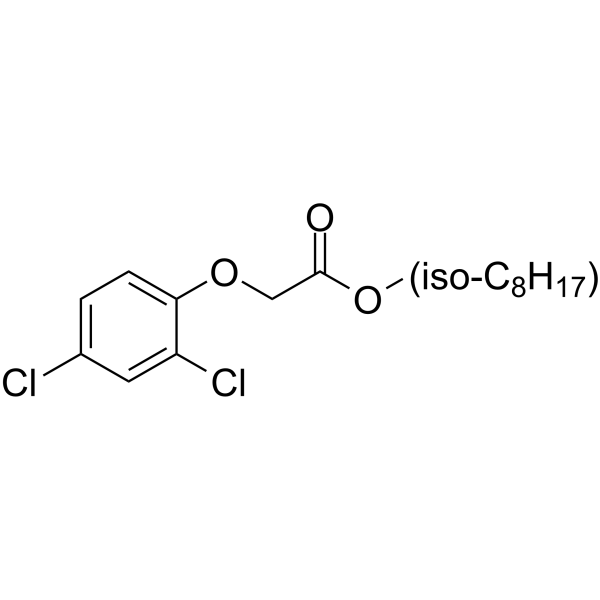
- HY-18572S2
-
|
|
Isotope-Labeled Compounds
Herbicide
DNA/RNA Synthesis
Apoptosis
|
Cancer
|
|
2,4-D-d5 (2,4-Dichlorophenoxyacetic acid-d5) is the deuterium labeled 2,4-D (HY-18572) . 2,4-D (2,4-Dichlorophenoxyacetic acid) is a selective systemic herbicide for the control of broad-leaved weeds. 2,4-D acts as a plant hormone, causing uncontrolled growth in the meristematic tissues. 2,4-D inhibits DNA and protein synthesis and thereby prevents normal plant growth and development .
|
-
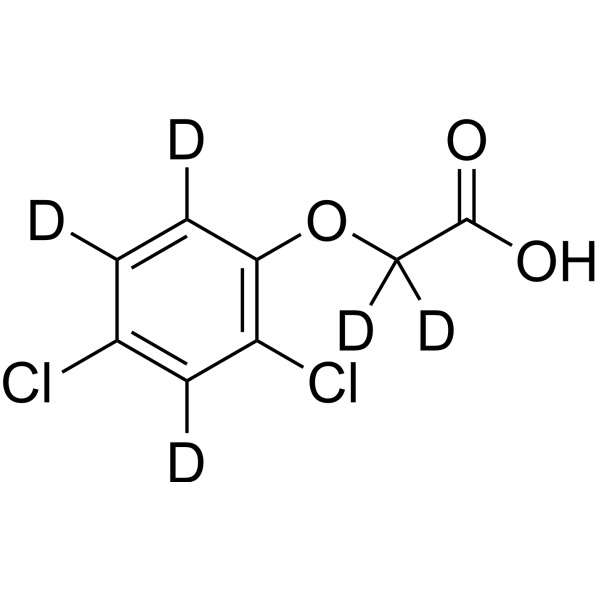
- HY-N13800
-
|
|
Phytohormone
|
Infection
Cancer
|
|
3-O-Debenzoylzeylenone is a polyoxygenated cyclohexene plant growth hormone that exists in the leaves of Uvaria purpurea and the aerial parts of Uvaria grandiflora. 3-O-Debenzoylzeylenone is an auxin analog that inhibits root growth and promotes shoot growth of Lactuca sativa seedlings. 3-O-Debenzoylzeylenone exhibits cytotoxicity against various cancer cells and can be used in studies related to lung cancer, melanoma, epidermoid carcinoma, liver cancer, gastric cancer, colon adenocarcinoma, acute leukemia, breast cancer, and prostate cancer .
|
-

- HY-100560R
-
|
(S)-(+)-Abscisic acid (Standard); ABA (Standard)
|
Reference Standards
Endogenous Metabolite
Proton Pump
ABA Receptor
|
Metabolic Disease
|
|
Abscisic acid (Standard) is the analytical standard of Abscisic acid. This product is intended for research and analytical applications. Abscisic acid ((S)-(+)-Abscisic acid), an orally active phytohormone in fruits and vegetables, is an endogenously produced mammalian hormone. Abscisic acid is a growth inhibitor and can regulate many aspects of plant growth and development. Abscisic acid inhibits proton pump (H+-ATPase) and leads to the plasma membrane depolarization in a Ca2+-dependent manner. Abscisic acid, a LANCL2 natural ligand, is a potent insulin-sensitizing compound and has the potential for pre-diabetes, type 2 diabetes and metabolic syndrome .
|
-

- HY-P10229
-
|
|
Phytohormone
|
Others
|
|
RALF1 peptide, a polypeptide found in plant kingdom (as well as in fungi and bacteria), is a FERONIA (FER) modulator. RALF1 peptide mediates rapid net H + influx across the plasma membrane, apoplast alkalinization, rapid reversible root growth inhibition, and non-transcriptional regulation.RALF1 peptide up-regulates auxin biosynthesis genes, activates canonical TIR1/AFB auxin signaling, and mediates sustained root growth inhibition. RALF1 peptide can be used for research on the regulation of plant growth and development .
|
-

- HY-N0186S3
-
|
Indolebutyric acid-d2
|
Isotope-Labeled Compounds
Endogenous Metabolite
|
Others
|
|
Indole-3-butyric acid-d2 (Indolebutyric acid-d2) is the deuterium labeled Indole-3-butyric acid (HY-N0186). Indole-3-butyric acid (3-indolebutyric acid) is a plant growth auxin and a good rooting agent. It can promote herbs and woody ornamental plant rooting and used for improving fruit rate. Indole 3-butyric acid is an auxin precursor, and is converted to indole 3-acetic acid (IAA) in a peroxisomal β-oxidation process .
|
-

- HY-121935R
-
|
|
Reference Standards
Fungal
|
Infection
|
|
Tecnazene (Standard) is the analytical standard of Tecnazene. This product is intended for research and analytical applications. Tecnazene is a dinitroaromatic fungicide and plant growth regulator. Tecnazene binds irreversibly to human skin tissues and exhibits acute toxicity in Rattus norvegicus (brown rat). Tecnazene exerts sprouting-inhibiting and antifungal activities by inhibiting the sprouting of potato tuber buds and blocking the growth and reproduction of fungi that cause dry rot. Tecnazene has significant antifungal and sprouting-inhibiting activities, and shows high toxicity to aquatic organisms such as freshwater fish and crustaceans. Tecnazene is used for sprouting inhibition and dry rot control during potato storage .
|
-

- HY-N12990
-
|
MyA
|
Herbicide
Fungal
|
Others
|
|
Myrigalone A (MyA) is a plant ethylene biosynthesis inhibitor and natural herbicide . Myrigalone A possesses antioxidant, antifungal, and antimicrobial activities. Myrigalone A interferes with auxin homeostasis during seed germination. Myrigalone A delays seed germination, inhibits the formation of roots, hypocotyls, and root hairs, and causes developmental delay in specific organisms. Myrigalone A triggers the induction of detoxification programs, alters the metabolism of gibberellins, cis-(+)-12-oxophytodienoic acid, and jasmonic acid, disrupts the antioxidant system and oxidative signaling, and impairs the function of aquaporins and water uptake in imbibed seeds. Myrigalone A can be used in studies related to herbicides and plant growth regulators .
|
-

- HY-W016393R
-
|
|
Reference Standards
Endogenous Metabolite
|
Others
|
|
Dihydroconiferyl alcohol (Standard) is an analytical standard of Dihydroconiferyl alcohol (HY-W016393). This product is intended for research and analytical applications. Dihydroconiferyl alcohol is a cell division factor. Dihydroconiferyl alcohol can be isolated from the American sycamore (Acer pseudoplatanus L.). Dihydroconiferyl alcohol inhibits the degradation of Indole-3-acetic acid (HY-18569). Dihydroconiferyl alcohol can stimulate the growth of soybean and tobacco callus tissue and synergistically enhance Indole-3-acetic acid-induced hypocotyl elongation in cucumber. Dihydroconiferyl alcohol can be used in the research of plant growth regulation .
|
-

- HY-122308R
-
|
|
Reference Standards
Others
|
Inflammation/Immunology
|
|
Militarine (Standard) is the analytical standard of Militarine (HY-122308). This product is intended for research and analytical applications. Militarine is a plant growth inhibitor and anti-inflammatory agent. Militarine inhibits the elongation of radicles and hypocotyls in seedlings of lettuce, Italian ryegrass and timothy grass. Militarine alleviates PM2.5-induced inflammatory injury and inhibits cell migration in human alveolar epithelial A549 cells by inhibiting the NF-κB signaling pathway, reducing oxidative stress and the release of inflammatory factors. Militarine can be used in studies related to PM2.5-induced pulmonary diseases .
|
-

- HY-19699
-
|
NAAM; 1-Naphthaleneacetamide; α-Naphthylacetamide
|
Environmental Pollutants
Phytohormone
|
Neurological Disease
Endocrinology
|
|
1-Naphthylacetamide is an orally active nonsteroidal anti-inflammatory agent (NAIA) and also an indole-type auxin plant growth regulator. 1-Naphthylacetamide inhibits inflammatory response-related pathways and modulates plant hormone signaling, exhibiting anti-inflammatory, local anesthetic, antispasmodic, analgesic, and diuretic activities. 1-Naphthylacetamide promotes plant cell expansion, differentiation, and fruit enlargement. Additionally, 1-Naphthylacetamide induces central nervous system (CNS) depression in mice, characterized by reduced spontaneous activity, decreased irritability, decreased muscle tone, and attenuated ear-cuff reflex, ipsilateral flexor reflex, and corneal reflex [1][2].
|
-

- HY-NP0147
-
|
WGA (Fluorescein)
|
Fluorescent Dye
|
Infection
Neurological Disease
|
|
Wheat Germ Agglutinin (WGA) Fluorescein is a classic fluorescent label that specifically binds to sugar residues such as N-acetylglucosamine, N-acetylneuraminic acid and sialic acid. Wheat Germ Agglutinin Fluorescein performs regionally differential fluorescent staining of the ocular surface epithelial glycocalyx to assess its integrity, and causes no damage to the eye at safe concentrations. Wheat Germ Agglutinin Fluorescein is also used for staining structures including red blood cells, cultured cells, bacteria and pine wood nematodes, and facilitates the isolation of wheat-associated plant-growth-promoting rhizobacterial strains. Wheat Germ Agglutinin Fluorescein can be applied to the detection of ocular glycocalyx integrity and the research of related diseases such as pine wilt disease .
|
-

- HY-121139
-
|
2,2,3,3-Tetrafluoropropionic acid; 3H-Tetrafluoropropionic acid
|
Herbicide
|
Others
|
|
Flupropanate (2,2,3,3-Tetrafluoropropionic acid; 3H-Tetrafluoropropionic acid) is a soil-active selective herbicide and plant growth inhibitor that acts by inhibiting radicle growth and lipid biosynthesis in sensitive plants. Flupropanate exhibits high-efficiency control of Stipa weeds (such as Nassella neesiana and N. trichotoma) in pastures, and reduces the coverage of the invasive species Eragrostis curvula. Meanwhile, Flupropanate is sensitive to gramineous plants like ryegrass, but shows good selective tolerance to plantain, chicory and some leguminous plants. Studies show that in the protected area with Mediterranean climate in southwestern Australia, Flupropanate produces no significant non-target effects on native plant communities, functional groups or the endangered species Grevillea curviloba, indicating high ecological safety .
|
-

- HY-Y0070
-
|
|
Phytohormone
Aldehyde Dehydrogenase (ALDH)
|
Cancer
|
|
Cyanamide is a cell division and plant growth inhibitor, as well as an allelochemical derived from Vicia villosa. Cyanamide inhibits root growth and biomass accumulation in a dose-dependent manner by disrupting the formation of mitotic spindles and phragmoplast complexes, reducing the number of mitotic cells and blocking the cell cycle. The effects of Cyanamide are partially reversible after removal from low-concentration environments. Cyanamide is also a specific inhibitor of aldehyde dehydrogenase (ALDH). Although Cyanamide has no direct effect on tumor growth, it can significantly enhance the anti-tumor efficacy of Cyclophosphamide (HY-17420) at non-toxic doses by inhibiting the inactivation of Cyclophosphamide. Cyanamide enables Cyclophosphamide to exert equivalent therapeutic effects at lower doses, effectively inhibiting the growth of primary and metastatic tumors and prolonging the lifespan of tumor-bearing mice. Cyanamide is commonly used in studies related to ha-1 hepatoma and rls lymphosarcoma .
|
-

- HY-W720629
-
|
|
Isotope-Labeled Compounds
Phytohormone
Aldehyde Dehydrogenase (ALDH)
|
Others
|
|
Cyanamide- 15N2 is the 15N-labeled Cyanamide (HY-Y0070). Cyanamide is a cell division and plant growth inhibitor, as well as an allelochemical derived from Vicia villosa. Cyanamide inhibits root growth and biomass accumulation in a dose-dependent manner by disrupting the formation of mitotic spindles and phragmoplast complexes, reducing the number of mitotic cells and blocking the cell cycle. The effects of Cyanamide are partially reversible after removal from low-concentration environments. Cyanamide is also a specific inhibitor of aldehyde dehydrogenase (ALDH). Although Cyanamide has no direct effect on tumor growth, it can significantly enhance the anti-tumor efficacy of Cyclophosphamide (HY-17420) at non-toxic doses by inhibiting the inactivation of Cyclophosphamide. Cyanamide enables Cyclophosphamide to exert equivalent therapeutic effects at lower doses, effectively inhibiting the growth of primary and metastatic tumors and prolonging the lifespan of tumor-bearing mice. Cyanamide is commonly used in studies related to ha-1 hepatoma and rls lymphosarcoma .
|
-

-
-
HY-L198
-
|
|
134 compounds
|
|
Unlike the 20 natural amino acids commonly found within living organisms, non-natural amino acids are synthesized through chemical or biosynthetic methods, thereby being endowed with unique chemical properties or biological activities. In drug development, these amino acids can be utilized to design novel pharmaceutical molecules that may exhibit superior pharmacological characteristics, such as increased selectivity, improved pharmacokinetic profiles, or reduced toxicity. In biomedical research, uon-natural amino acids can act as biological markers or probes for investigating biological processes like cell signaling, protein conformation, and protein-protein interactions. In addition, non-natural amino acids can also be used in the field of agriculture to develop new pesticides, plant growth regulators and so on.
|
| Cat. No. |
Product Name |
Type |
-
- HY-N0186
-
|
Indolebutyric acid
|
Biochemical Assay Reagents
|
|
Indole-3-butyric acid (3-indolebutyric acid) is a plant growth auxin and a good rooting agent. It can promote herbs and woody ornamental plant rooting and used for improving fruit rate. Indole 3-butyric acid is an auxin precursor, and is converted to indole 3-acetic acid (IAA) in a peroxisomal β-oxidation process .
|
-
- HY-W131845
-
-
- HY-18569B
-
|
IAA
|
Biochemical Assay Reagents
|
|
3-Indoleacetic acid, suitable for plant cell culture (IAA), is a naturally occurring plant growth hormone that is widely present in plants, bacteria, and fungi. 3-Indoleacetic acid, suitable for plant cell culture, is a plant growth-promoting hormone that not only promotes plant growth but also protects bacteria from the toxic damage to cell membrane potential caused by other indole intermediate products (such as I3P) produced during their own metabolic processes. 3-Indoleacetic acid, suitable for plant cell culture, can be used in plant cell culture .
|
-
- HY-18570
-
|
1-Naphthylacetic acid
|
Biochemical Assay Reagents
|
|
1-Naphthaleneacetic acid (1-Naphthylacetic acid), a auxin, can promote plant growth. 1-Naphthaleneacetic acid is also an inhibitor of PLA2, with an IC50 of 13.16 μM .
|
-
- HY-18570B
-
|
NAA
|
Biochemical Assay Reagents
|
|
1-Naphthaleneacetic acid,suitable for plant cell culture (NAA) is a plant growth hormone. 1-Naphthaleneacetic acid,suitable for plant cell culture promotes plant growth and induces root cluster formation. Naphthaleneacetic acid,suitable for plant cell culture is applicable for plant cell culture .
|
-
- HY-NP0147
-
|
WGA (Fluorescein)
|
Biochemical Assay Reagents
|
|
Wheat Germ Agglutinin (WGA) Fluorescein is a classic fluorescent label that specifically binds to sugar residues such as N-acetylglucosamine, N-acetylneuraminic acid and sialic acid. Wheat Germ Agglutinin Fluorescein performs regionally differential fluorescent staining of the ocular surface epithelial glycocalyx to assess its integrity, and causes no damage to the eye at safe concentrations. Wheat Germ Agglutinin Fluorescein is also used for staining structures including red blood cells, cultured cells, bacteria and pine wood nematodes, and facilitates the isolation of wheat-associated plant-growth-promoting rhizobacterial strains. Wheat Germ Agglutinin Fluorescein can be applied to the detection of ocular glycocalyx integrity and the research of related diseases such as pine wilt disease .
|
-
- HY-B0941A
-
|
Benzyladenine, suitable for plant cell culture; 6-BAP, suitable for plant cell culture; N6-Benzyladenine, suitable for plant cell culture
|
Biochemical Assay Reagents
|
|
6-Benzylaminopurine,suitable for plant cell culture is a cytokinin that induces plant growth and development by stimulating cell division, and prolongs the freshness of green vegetables through inhibiting respiratory kinases .
|
-
- HY-19698
-
|
4-CPA; p-Chlorophenoxyacetic acid
|
Biochemical Assay Reagents
|
|
4-Chlorophenoxyacetic acid (4-CPA) is a widely used herbicide and plant growth regulator. 4-Chlorophenoxyacetic acid (4-CPA) mimics endogenous auxin and regulates plant cell division, differentiation and gene expression. 4-Chlorophenoxyacetic acid (4-CPA) is used to control weeds and promote fruit growth .
|
-
- HY-W017448
-
|
N,N-Dimethylpiperidinium chloride; PIX
|
Biochemical Assay Reagents
|
|
Mepiquat chloride (N,N-Dimethylpiperidinium chloride) is a systemic plant growth regulator. Mepiquat chloride reduces the activity of RuBP carboxylase. Mepiquat chloride decreases plant height, total length of vegetative and fruiting branches, and total leaf area of cotton. Mepiquat chloride reduces the net photosynthetic rate of cotton leaves. Mepiquat chloride promotes starch accumulation in cotton leaves without altering sucrose content .
|
-
- HY-W054259
-
|
N,N'-Difurfuryloxamide; N1,N2-Bis(furan-2-ylmethyl)oxalamide
|
Biochemical Assay Reagents
|
|
BFMO (N,N'-Difurfuryloxamide) is an oxamide derivative and a bidentate ligand. BFMO exhibits plant growth regulatory activity and root growth inhibitory activity. BFMO can promote the copper-catalyzed N-arylation reaction between aniline compounds and cyclic secondary amines, realizing the coupling of (hetero) aryl bromides with (hetero) aryl amines and cyclic secondary amines .
|
-
- HY-N0186R
-
|
Indolebutyric acid (Standard)
|
Biochemical Assay Reagents
|
|
Indole-3-butyric acid (Standard) is the analytical standard of Indole-3-butyric acid. This product is intended for research and analytical applications. Indole-3-butyric acid (3-indolebutyric acid) is a plant growth auxin and a good rooting agent. It can promote herbs and woody ornamental plant rooting and used for improving fruit rate. Indole 3-butyric acid is an auxin precursor, and is converted to indole 3-acetic acid (IAA) in a peroxisomal β-oxidation process .
|
-
- HY-W010169
-
|
|
Biochemical Assay Reagents
|
|
Sodium 4-aminobenzoate is an intermediate in the synthesis of folic acid by bacteria, plants and fungi. Sodium 4-aminobenzoate has antibacterial and plant growth regulating properties .
|
-
- HY-19698A
-
|
4-CPA sodium; p-Chlorophenoxyacetic acid sodium
|
Biochemical Assay Reagents
|
|
4-Chlorophenoxyacetic acid sodium is a widely used herbicide and plant growth regulator. 4-Chlorophenoxyacetic acid sodium mimics endogenous auxin and regulates plant cell division, differentiation and gene expression. 4-Chlorophenoxyacetic acid sodium is used to control weeds and promote fruit growth .
|
-
- HY-N1964A
-
|
|
Biochemical Assay Reagents
|
|
Gibberellic acid, suitable for plant cell culture (GA3, suitable for plant cell culture) is a natural plant growth regulator with oral bioactivity. Gibberellic acid, suitable for plant cell culture governs multiple plant developmental events, including seed germination, cell elongation, floral organ formation, and rice spikelet fertility. Gibberellic acid, suitable for plant cell culture optimizes root morphology and secondary metabolite production in Echinacea purpurea hairy roots, and serves as a bioactive seed priming agent to improve chilling stress tolerance in chickpea. Gibberellic acid, suitable for plant cell culture mediates modulation of enzyme activity and secondary metabolism in plants and exerts tissue-specific regulatory effects on antioxidant systems and lipid peroxidation in rats. Gibberellic acid, suitable for plant cell culture can be used in studies of plant growth, metabolism, and abiotic stress responses .
|
-
- HY-W016187
-
|
2-Naphthylacetic acid
|
Biochemical Assay Reagents
|
|
2-(Naphthalen-2-yl)acetic acid (2-Naphthylacetic acid) is a plant growth regulator that can improve the quality and yield of crops such as bean sprouts. In addition, 2-(Naphthalen-2-yl)acetic acid can be used as a probe to study the distribution of amino acid conjugation mechanisms in different species .
|
-
- HY-W131845R
-
|
|
Biochemical Assay Reagents
|
|
Ethephon (Standard) is the analytical standard of Ethephon. This product is intended for research and analytical applications. Ethephon is a plant growth regulator .
|
-
- HY-N9442
-
-
- HY-W317836
-
|
|
Biochemical Assay Reagents
|
|
(Rac)-Jasmonic acid is the racemate of Jasmonic acid (HY-122464A). Jasmonic acid ((-)-Jasmonic acid) is a plant growth regulator and a derivative of Linolenic acid (HY-N0728) .
|
-
- HY-179179
-
|
|
Biochemical Assay Reagents
|
|
1/2 MS Medium has a similar composition to standard MS medium, including inorganic salts, sucrose, vitamins, etc. Unlike MS medium, 1/2 MS Medium contains a lower concentration of plant growth hormones (such as indoleacetic acid and adenosine), typically half the concentration of standard MS medium.
|
-
- HY-19698AR
-
|
4-CPA sodium (Standard); p-Chlorophenoxyacetic acid sodium (Standard)
|
Biochemical Assay Reagents
|
|
4-Chlorophenoxyacetic acid (sodium) (Standard) is the analytical standard of 4-Chlorophenoxyacetic acid (sodium). This product is intended for research and analytical applications. 4-Chlorophenoxyacetic acid (sodium) (4-CPA (sodium); p-Chlorophenoxyacetic acid (sodium)) is a chlorophenol compound that can act as a plant growth regulator and herbicide. At low concentrations, 4-Chlorophenoxyacetic acid sodium promotes plant growth, while at high concentrations, it inhibits plant growth (especially in dicotyledonous plants). 4-Chlorophenoxyacetic acid (sodium) is a kind of biological materials or organic compounds that are widely used in life science research .
|
-
- HY-N9442R
-
|
|
Biochemical Assay Reagents
|
|
Ancymidol (Standard) is the analytical standard of Ancymidol. This product is intended for research and analytical applications. Ancymidol is a biochemical reagent. Ancymidol is a plant growth regulator .
|
-
- HY-W017448R
-
|
N,N-Dimethylpiperidinium chloride (Standard); PIX (Standard)
|
Biochemical Assay Reagents
|
|
Mepiquat chloride (Standard) is the analytical standard of Mepiquat chloride. This product is intended for research and analytical applications. Mepiquat chloride (N,N-Dimethylpiperidinium chloride; PIX) is a potent plant growth regulator. Mepiquat chloride decreases plant height .
|
-
- HY-W250182
-
|
|
Biochemical Assay Reagents
|
|
Hecameg is a natural product commonly used as a raw material for plant growth regulators and agricultural fertilizers. It can be used to improve the absorption and utilization efficiency of nutrients by plants, and to promote the growth and development of plants. In addition, this natural product is used as a growth factor for some microorganisms and animals
|
-
- HY-18570R
-
|
1-Naphthylacetic acid (Standard)
|
Biochemical Assay Reagents
|
|
1-Naphthaleneacetic acid (Standard) is the analytical standard of 1-Naphthaleneacetic acid. This product is intended for research and analytical applications. 1-Naphthaleneacetic acid (1-Naphthylacetic acid), a auxin, can promote plant growth. 1-Naphthaleneacetic acid is also an inhibitor of PLA2, with an IC50 of 13.16 μM .
|
-
- HY-182737
-
|
|
Biochemical Assay Reagents
|
|
Hoagland's nutrient solution (1×) is a plant nutrient solution that meets the growth needs of plants in a soilless environment and allows for the monitoring of plant growth rates.
|
-
- HY-18569C
-
|
3-IAA Sterile Solution (1 mg/ml)
|
Biochemical Assay Reagents
|
|
3-Indoleacetic acid Sterile Solution (1 mg/mL) is a ready-to-use plant growth regulator stock solution, the main component of which is 3-Indoleacetic acid.
|
-
- HY-182737A
-
|
|
Biochemical Assay Reagents
|
|
Hoagland's nutrient solution (100×) is a highly concentrated plant nutrient solution stock solution that meets the growth needs of plants in soilless environments and allows for the monitoring of plant growth rates.
|
-
- HY-124033
-
|
|
Biochemical Assay Reagents
|
|
Aspinonene is a bioactive compound that has the function of regulating plant growth and defense mechanisms. It can participate in biochemical signaling pathways in plants and affect various physiological responses such as growth, defense and adaptation to environmental stress.
|
-
- HY-18570C
-
|
1-NAA Sterile Solution (1 mg/ml)
|
Biochemical Assay Reagents
|
|
1-Naphthaleneacetic acid Sterile Solution (1 mg/mL) is a ready-to-use synthetic plant growth regulator (Auxin) stock solution, a core reagent for regulating cell division, differentiation and growth in plant tissue culture.
|
-
- HY-N0160A
-
|
|
Biochemical Assay Reagents
|
|
6-KT Sterile Solution (1 mg/mL) is a ready-to-use plant growth regulator stock solution, the main component of which is kinetin. Kinetin is a purine plant hormone belonging to the cytokinin class, which can effectively promote the division and differentiation of plant cells.
|
-
- HY-N1964B
-
|
GA3 Sterile Solution (1 mg/ml)
|
Biochemical Assay Reagents
|
|
Gibberellic acid Sterile Solution (1 mg/mL) (GA3 Sterile Solution (1 mg/mL)) is a natural plant growth regulator with oral bioactivity. Gibberellic acid Sterile Solution (1 mg/mL) governs multiple plant developmental events, including seed germination, cell elongation, floral organ formation, and rice spikelet fertility. Gibberellic acid Sterile Solution (1 mg/mL) optimizes root morphology and secondary metabolite production in Echinacea purpurea hairy roots, and serves as a bioactive seed priming agent to improve chilling stress tolerance in chickpea. Gibberellic acid Sterile Solution (1 mg/mL) mediates modulation of enzyme activity and secondary metabolism in plants and exerts tissue-specific regulatory effects on antioxidant systems and lipid peroxidation in rats. Gibberellic acid Sterile Solution (1 mg/mL) can be used in studies of plant growth, metabolism, and abiotic stress responses .
|
-
- HY-B0167E
-
|
|
Biochemical Assay Reagents
|
|
Salicylic acid Sterile Solution (1 mg/mL) is a sterile solution suitable for plant culture. Salicylic acid (HY-B0167) is a weak acid that, once inside the plant, can activate growth regulators such as nitric oxide, thereby influencing plant growth and development. Salicylic acid can also regulate plant cell metabolism and membrane permeability, improving the plant's resistance to adverse conditions.
|
-
- HY-179179A
-
|
|
Biochemical Assay Reagents
|
|
1/2 MS Medium (Agar-Free, Sucrose-Free) has a similar composition to standard MS medium, including inorganic salts, sucrose, vitamins, etc. Unlike MS medium, 1/2 MS Medium (Agar-Free, Sucrose-Free) contains a lower concentration of plant growth hormones (such as indoleacetic acid and adenosine), typically half the concentration of standard MS medium.
|
-
- HY-182659
-
|
|
Biochemical Assay Reagents
|
|
3/4 MS Medium (Agar-Free, Sucrose-Free) has a similar composition to standard MS medium, including inorganic salts, sucrose, and vitamins. However, unlike standard MS medium, 3/4 MS Medium (Agar-Free, Sucrose-Free) contains lower concentrations of plant growth hormones (such as indoleacetic acid and adenosine), typically three-quarters the concentration found in standard MS medium.
|
-
- HY-Y0070
-
|
|
Biochemical Assay Reagents
|
|
Cyanamide is a cell division and plant growth inhibitor, as well as an allelochemical derived from Vicia villosa. Cyanamide inhibits root growth and biomass accumulation in a dose-dependent manner by disrupting the formation of mitotic spindles and phragmoplast complexes, reducing the number of mitotic cells and blocking the cell cycle. The effects of Cyanamide are partially reversible after removal from low-concentration environments. Cyanamide is also a specific inhibitor of aldehyde dehydrogenase (ALDH). Although Cyanamide has no direct effect on tumor growth, it can significantly enhance the anti-tumor efficacy of Cyclophosphamide (HY-17420) at non-toxic doses by inhibiting the inactivation of Cyclophosphamide. Cyanamide enables Cyclophosphamide to exert equivalent therapeutic effects at lower doses, effectively inhibiting the growth of primary and metastatic tumors and prolonging the lifespan of tumor-bearing mice. Cyanamide is commonly used in studies related to ha-1 hepatoma and rls lymphosarcoma .
|
| Cat. No. |
Product Name |
Target |
Research Area |
-
- HY-P2120
-
|
|
Bacterial
|
Others
|
|
Pseudobactin A is a non-fluorescent extracellular iron carrier produced by the plant growth-promoting bacterium Pseudomonas B10 .
|
-
- HY-P10229
-
|
|
Phytohormone
|
Others
|
|
RALF1 peptide, a polypeptide found in plant kingdom (as well as in fungi and bacteria), is a FERONIA (FER) modulator. RALF1 peptide mediates rapid net H + influx across the plasma membrane, apoplast alkalinization, rapid reversible root growth inhibition, and non-transcriptional regulation.RALF1 peptide up-regulates auxin biosynthesis genes, activates canonical TIR1/AFB auxin signaling, and mediates sustained root growth inhibition. RALF1 peptide can be used for research on the regulation of plant growth and development .
|
-
- HY-P10504
-
|
CEP1
|
Peptides
|
Others
|
|
C-Terminally encoded peptide 1 (CEP1) is a small secreted peptide hormone. C-Terminally encoded peptide 1 is involved in regulating plant growth and abiotic stresses through cellular communication. C-Terminally encoded peptide 1 can be used in the study of plant growth and development .
|
-
- HY-129613
-
|
|
Phytohormone
|
Others
|
|
Rhizonin A is a cyclic heptapeptide that can be isolated from Rhizopus micro-sporus van Tieghem and can promote plant growth .
|
| Cat. No. |
Product Name |
Category |
Target |
Chemical Structure |
-
- HY-16563
-
-
-
- HY-100560
-
-
-
- HY-N1964
-
-
-
- HY-13643
-
-
-
- HY-N0273
-
-
-
- HY-50730
-
-
-
- HY-B1008
-
-
-
- HY-N0848
-
-
-
- HY-18572
-
-
-
- HY-N11420
-
-
-
- HY-N6933
-
-
-
- HY-N0186
-
-
-
- HY-112103
-
-
-
- HY-B0941
-
-
-
- HY-W011209
-
-
-
- HY-N7255
-
-
-
- HY-B1841
-
-
-
- HY-W016784
-
-
-
- HY-N10335
-
-
-
- HY-N9599
-
-
-
- HY-107805
-
-
-
- HY-N10568
-
-
-
- HY-N7719
-
-
-
- HY-122308
-
-
-
- HY-Y1031
-
-
-
- HY-Y1031A
-
-
-
- HY-W016393
-
-
-
- HY-W011151
-
-
-
- HY-131116
-
-
-
- HY-122464A
-
-
-
- HY-N3045
-
-
-
- HY-100560R
-
-
-
- HY-N0273R
-
-
-
- HY-N0186R
-
-
-
- HY-N7659
-
|
|
Structural Classification
Isatis tinctoria L.
Glucosinolates
Plants
Brassicaceae
Source Classification
|
Phytohormone
Apoptosis
Microtubule/Tubulin
|
|
Glucobrassicin is an indole-based anticancer agent and plant growth-regulating hormone. Glucobrassicin exerts its biological activity by disrupting the integrity of microtubule networks in both plant and mammalian cells. At high concentrations, Glucobrassicin inhibits seed germination and root growth; it can also specifically induce apoptosis in mammalian cancer cells and interfere with the intercellular transmission of viruses that rely on microtubules. In plants, Glucobrassicin can be catalyzed by myrosinase to release growth-regulating substances, exhibiting a concentration-dependent growth-regulating effect .
|
-
-
- HY-115770
-
-
-
- HY-N0848R
-
-
-
- HY-W016784R
-
-
-
- HY-18572R
-
|
2,4-Dichlorophenoxyacetic acid (Standard)
|
Ketones, Aldehydes, Acids
Endogenous metabolite
Source Classification
|
Reference Standards
Herbicide
DNA/RNA Synthesis
Apoptosis
|
|
2,4-D (Standard) is the analytical standard of 2,4-D (HY-18572). This product is intended for research and analytical applications. 2,4-D (2, 4-dichlorophenoxyacetic acid) is a selective herbicide that can be used for the control of broad-leaved weeds. 2,4-D can induce apoptosis. 2,4-D inhibits DNA and protein synthesis, thereby preventing normal plant growth and development .
|
-
-
- HY-N7719R
-
-
-
- HY-B0941R
-
|
Benzyladenine (Standard); 6-BAP (Standard); N6-Benzyladenine (Standard)
|
Structural Classification
Natural Products
Animals
Source Classification
|
Reference Standards
Endogenous Metabolite
|
|
6-Benzylaminopurine (Standard) is the analytical standard of 6-Benzylaminopurine. This product is intended for research and analytical applications. 6-Benzylaminopurine (Benzyladenine) is a cytokinin that causes plant growth and development by stimulating cell division and inhibiting respiratory kinases, thereby prolonging the preservation of green vegetables .
|
-
-
- HY-16563R
-
-
-
- HY-N13014
-
-
-
- HY-Y1031R
-
-
-
- HY-123135
-
-
-
- HY-W587952
-
-
-
- HY-50730R
-
-
-
- HY-N1964R
-
-
-
- HY-W011209R
-
-
-
- HY-13643R
-
-
- HY-W016393R
-
|
|
Monophenols
other families
Phenols
Plants
Source Classification
|
Reference Standards
Endogenous Metabolite
|
|
Dihydroconiferyl alcohol (Standard) is an analytical standard of Dihydroconiferyl alcohol (HY-W016393). This product is intended for research and analytical applications. Dihydroconiferyl alcohol is a cell division factor. Dihydroconiferyl alcohol can be isolated from the American sycamore (Acer pseudoplatanus L.). Dihydroconiferyl alcohol inhibits the degradation of Indole-3-acetic acid (HY-18569). Dihydroconiferyl alcohol can stimulate the growth of soybean and tobacco callus tissue and synergistically enhance Indole-3-acetic acid-induced hypocotyl elongation in cucumber. Dihydroconiferyl alcohol can be used in the research of plant growth regulation .
|
-
- HY-N14971
-
-
- HY-N14742
-
-
- HY-N1068
-
-
- HY-N13295
-
-
- HY-117760
-
-
- HY-N11619
-
-
- HY-N3254
-
-
- HY-B1841R
-
-
- HY-N15579
-
-
- HY-N15411
-
-
- HY-N7255R
-
|
|
Structural Classification
Microorganisms
other families
Plants
Steroids
Source Classification
|
Reference Standards
p38 MAPK
Apoptosis
|
|
Cycloartenol (Standard) is the analytical standard of Cycloartenol. This product is intended for research and analytical applications. Cycloartenol, a phytosterol compound, is one of the key precusor substances for biosynthesis of numerous sterol compounds. Cycloartenol inhibits the migration of glioma cells and suppresses the phosphorylation of the p38 MAP kinase. Cycloartenol has a variety of pharmacological activities such as anti-inflammatory, anti-tumor, antioxidant, antibiosis and anti-alzheimer's disease. Cycloartenol also plays an important role in the process of plant growth and development .
|
-
- HY-N2021AR
-
-
- HY-122308R
-
|
|
Bletilla striata (Thunb. ex Murray) Rchb. f.
Structural Classification
Orchidaceae
Phenols
Plants
Source Classification
|
Reference Standards
Others
|
|
Militarine (Standard) is the analytical standard of Militarine (HY-122308). This product is intended for research and analytical applications. Militarine is a plant growth inhibitor and anti-inflammatory agent. Militarine inhibits the elongation of radicles and hypocotyls in seedlings of lettuce, Italian ryegrass and timothy grass. Militarine alleviates PM2.5-induced inflammatory injury and inhibits cell migration in human alveolar epithelial A549 cells by inhibiting the NF-κB signaling pathway, reducing oxidative stress and the release of inflammatory factors. Militarine can be used in studies related to PM2.5-induced pulmonary diseases .
|
-
- HY-N14751
-
-
- HY-180638
-
-
- HY-131116R
-
-
- HY-N14493
-
-
- HY-29160
-
-
- HY-125306
-
-
- HY-112103R
-
-
- HY-N20618
-
-
- HY-Y1031AR
-
-
- HY-N16818
-
|
|
Structural Classification
Terpenoids
Sesquiterpenes
Plants
Anacardiaceae
Source Classification
|
Herbicide
|
|
9-epi-Blumenol C is a C13-norisoprenoid (carotenoid derivative) compound with allelopathic and antifungal activities, and can regulate plant growth. The IC50 values ??of 9-epi-Blumenol C for watercress roots and hypocotyls are 2780 μM and 2240 μM, respectively, and for perennial ryegrass roots and coleoptiles are 3290 μM and 2950 μM, respectively. 9-epi-Blumenol C exhibits allelopathic activity through a mechanism involving direct inhibition of plant growth and degradation of arbuscular mycorrhizal fungi (AMF) colonization, thereby weakening nutrient uptake and stress resistance in neighboring plants. 9-epi-Blumenol C can be used in herbicide development and research related to plant competition mechanisms. 9-epi-Blumenol C can be obtained from the dried fallen leaves of Metasequoia glyptostroboides (a plant of the cypress family, genus Metasequoia) through extraction with 70% methanol and purification by ethyl acetate extraction .
|
-
- HY-N6933R
-
-
- HY-N13800
-
|
|
Structural Classification
Uvaria grandiflora Roxb.
Other Phenylpropanoids
Phenylpropanoids
Plants
Annonaceae
Source Classification
|
Phytohormone
|
|
3-O-Debenzoylzeylenone is a polyoxygenated cyclohexene plant growth hormone that exists in the leaves of Uvaria purpurea and the aerial parts of Uvaria grandiflora. 3-O-Debenzoylzeylenone is an auxin analog that inhibits root growth and promotes shoot growth of Lactuca sativa seedlings. 3-O-Debenzoylzeylenone exhibits cytotoxicity against various cancer cells and can be used in studies related to lung cancer, melanoma, epidermoid carcinoma, liver cancer, gastric cancer, colon adenocarcinoma, acute leukemia, breast cancer, and prostate cancer .
|
-
- HY-N12990
-
|
MyA
|
Structural Classification
Flavonoids
Ketones, Aldehydes, Acids
Plants
Dihydrochalcones
Myrica gale L.
Source Classification
Myricaceae
|
Herbicide
Fungal
|
|
Myrigalone A (MyA) is a plant ethylene biosynthesis inhibitor and natural herbicide . Myrigalone A possesses antioxidant, antifungal, and antimicrobial activities. Myrigalone A interferes with auxin homeostasis during seed germination. Myrigalone A delays seed germination, inhibits the formation of roots, hypocotyls, and root hairs, and causes developmental delay in specific organisms. Myrigalone A triggers the induction of detoxification programs, alters the metabolism of gibberellins, cis-(+)-12-oxophytodienoic acid, and jasmonic acid, disrupts the antioxidant system and oxidative signaling, and impairs the function of aquaporins and water uptake in imbibed seeds. Myrigalone A can be used in studies related to herbicides and plant growth regulators .
|
-
| Cat. No. |
Product Name |
Chemical Structure |
-
- HY-122464S2
-
|
|
|
(±)-Jasmonic acid-d5 is the deuterium labeled (±)-Jasmonic acid. (±)-Jasmonic acid is a plant growth regulator and a derivative of α-linolenic acid. (±)-Jasmonic acid decreases chlorophyll levels in green and etiolated barley leaf segments and inhibits elongation of rice seedlings.
|
-
-
- HY-18569S3
-
|
|
|
3-Indoleacetic acid-d7 is the deuterium labeled 3-Indoleacetic acid (HY-18569). 3-Indoleacetic acid (Indole-3-acetic acid) is the most common natural plant growth hormone of the auxin class. It can be added to cell culture medium to induce plant cell elongation and division .
|
-
-
- HY-18569S4
-
|
|
|
3-Indoleacetic acid- 13C6 is the 13C labeled 3-Indoleacetic acid (HY-18569). 3-Indoleacetic acid (Indole-3-acetic acid) is the most common natural plant growth hormone of the auxin class. It can be added to cell culture medium to induce plant cell elongation and division .
|
-
-
- HY-18569S2
-
|
|
|
3-Indoleacetic acid-2,2-d2 is the deuterium labeled 3-Indoleacetic acid (HY-18569). 3-Indoleacetic acid (Indole-3-acetic acid) is the most common natural plant growth hormone of the auxin class. It can be added to cell culture medium to induce plant cell elongation and division .
|
-
-
- HY-18572S2
-
|
|
|
2,4-D-d5 (2,4-Dichlorophenoxyacetic acid-d5) is the deuterium labeled 2,4-D (HY-18572) . 2,4-D (2,4-Dichlorophenoxyacetic acid) is a selective systemic herbicide for the control of broad-leaved weeds. 2,4-D acts as a plant hormone, causing uncontrolled growth in the meristematic tissues. 2,4-D inhibits DNA and protein synthesis and thereby prevents normal plant growth and development .
|
-
-
- HY-W016784S
-
|
|
|
Indole-3-acetamide-d5 is the deuterium labeled Indole-3-acetamide . Indole-3-acetamide is a biosynthesis intermediate of indole-3-acetic acid (HY-18569). Indole-3-acetic acid is the most common natural plant growth hormone of the auxin class .
|
-
-
- HY-18569S1
-
|
|
|
3-Indoleacetic acid-d4 (Indole-3-acetic acid-d4; 3-IAA-d4) is the deuterium labeled 3-Indoleacetic acid (HY-18569) . 3-Indoleacetic acid (Indole-3-acetic acid) is the most common natural plant growth hormone of the auxin class. It can be added to cell culture medium to induce plant cell elongation and division .
|
-
-
- HY-18572S
-
|
|
|
2,4-D- 13C6 is the 13C-labeled 2,4-D (HY-18572). 2,4-D (2,4-Dichlorophenoxyacetic acid) is a selective systemic herbicide for the control of broad-leaved weeds. 2,4-D acts as a plant hormone, causing uncontrolled growth in the meristematic tissues. 2,4-D inhibits DNA and protein synthesis and thereby prevents normal plant growth and development .
|
-
-
- HY-W749242
-
|
|
|
Paclobutrazol-d4 is the deuterium labeled Paclobutrazol. Paclobutrazol is a triazole-containing plant growth retardant that is known to inhibit the biosynthesis of gibberellins .
|
-
-
- HY-W014240S1
-
|
|
|
Chlorpropham-d7 is the deuterium labeled Chlorpropham . Chlorpropham is a carbamate herbicide and plant growth regulator. Chlorpropham inhibits mitosis and cell division by interfering with the organisation of the spindle microtubules .
|
-
-
- HY-59354S
-
|
|
|
Maleic hydrazide-d2 is the deuterium labeled Maleic hydrazide . Maleic hydrazide is extensively used as a systemic plant growth regulator and as a herbicide. Maleic hydrazide acts as an inhibitor of the synthesis of nucleic acids and proteins .
|
-
-
- HY-W768398
-
|
|
|
Ethephon- 13C2 is 13C labeled Ethephon. Ethephon is a plant growth regulator .
|
-
-
- HY-112103S
-
|
|
|
6-(γ,γ-Dimethylallylamino)purine-d6 is the deuterium labeled 6-(γ,γ-Dimethylallylamino)purine (HY-112103). 6-(γ,γ-Dimethylallylamino)purine is a plant growth substance .
|
-
-
- HY-W698895
-
|
|
|
4-Nitrobenzaldehyde-d4 is the deuterium labeled 4-Nitrobenzaldehyde (HY-W007577). 4-Nitrobenzaldehyde is a photodegradation product of chloramphenicol. 4-Nitrobenzaldehyde inhibits plant growth and induces damage of photosynthetic apparatus .
|
-
-
- HY-W758396
-
|
|
|
Mepiquat-d16 chloride (N,N-Dimethylpiperidinium-d16 chloride; PIX-d16) is the deuterium labeled Mepiquat chloride (HY-W017448). Mepiquat chloride (N,N-Dimethylpiperidinium chloride; PIX) is a potent plant growth regulator. Mepiquat chloride decreases plant height .
|
-
-
- HY-100427S
-
|
|
|
Imazamox- 13C,d3 is the 13C- and deuterium labeled Imazamox. Imazamox (CL29926) is a systemic herbicide that inhibits the production of acetolactate synthase (ALS) in plants with high selectivity, high activity, safety and broadspectrum activity, which would then inhibit plant growth and ultimately lead to plant death .
|
-
-
- HY-18572S1
-
|
|
|
2,4-D-d3 is the deuterium labeled 2,4-D (HY-18572) . 2,4-D (2,4-Dichlorophenoxyacetic acid) is a selective systemic herbicide for the control of broad-leaved weeds. 2,4-D acts as a plant hormone, causing uncontrolled growth in the meristematic tissues. 2,4-D inhibits DNA and protein synthesis and thereby prevents normal plant growth and development .
|
-
-
- HY-59354S1
-
|
|
|
1,2-Dihydropyridazine-3,6-dione-3,4,5,6- 13C4 (1,2-Dihydro-3,6-pyridazine- 13C4-dione) is 13C labeled Maleic hydrazide. Maleic hydrazide is extensively used as a systemic plant growth regulator and as a herbicide. Maleic hydrazide acts as an inhibitor of the synthesis of nucleic acids and proteins .
|
-
-
- HY-W720629
-
|
|
|
Cyanamide- 15N2 is the 15N-labeled Cyanamide (HY-Y0070). Cyanamide is a cell division and plant growth inhibitor, as well as an allelochemical derived from Vicia villosa. Cyanamide inhibits root growth and biomass accumulation in a dose-dependent manner by disrupting the formation of mitotic spindles and phragmoplast complexes, reducing the number of mitotic cells and blocking the cell cycle. The effects of Cyanamide are partially reversible after removal from low-concentration environments. Cyanamide is also a specific inhibitor of aldehyde dehydrogenase (ALDH). Although Cyanamide has no direct effect on tumor growth, it can significantly enhance the anti-tumor efficacy of Cyclophosphamide (HY-17420) at non-toxic doses by inhibiting the inactivation of Cyclophosphamide. Cyanamide enables Cyclophosphamide to exert equivalent therapeutic effects at lower doses, effectively inhibiting the growth of primary and metastatic tumors and prolonging the lifespan of tumor-bearing mice. Cyanamide is commonly used in studies related to ha-1 hepatoma and rls lymphosarcoma .
|
-
-
- HY-B1841S
-
|
|
|
Forchlorfenuron-d5 is the deuterium labeled Forchlorfenuron. Forchlorfenuron is plant growth regulator and cytokinin; can be used to increase fruit size of fruits, such as kiwi fruit and grapes.
|
-
-
- HY-178424S
-
|
|
|
(Rac)-Jasmonic acid-d4 is the deuterium labeled (Rac)-Jasmonic acid (HY-W317836). (Rac)-Jasmonic acid is the racemate of Jasmonic acid (HY-122464A). Jasmonic acid ((-)-Jasmonic acid) is a plant growth regulator and a derivative of Linolenic acid (HY-N0728) .
|
-
-
- HY-B1886S1
-
|
|
|
Chlorocholine-d9 (chloride) is the deuterium labeled Chlorocholine chloride . Chlorocholine chloride is an effective plant growth regulator. Chlorocholine chloride can inhibit gibberellin (GA) biosynthesis. Chlorocholine chloride can be used for the research of the mechanisms and effects of GA on plant cell growth and differentiation .
|
-
-
- HY-N13014S2
-
|
|
|
Indole-3-acetyl β-D-glucopyranose-d4 is deuterium labeled Indole-3-acetyl β-D-glucopyranose. Indole-3-acetyl β-D-glucopyranose is a glucose esterified derivative of the plant hormone indole-3-acetic acid (IAA). Indole-3-acetyl β-D-glucopyranose is involved in regulating plant growth and can be used to study the metabolism and regulatory mechanisms of plant hormones .
|
-
-
- HY-N0186S3
-
|
|
|
Indole-3-butyric acid-d2 (Indolebutyric acid-d2) is the deuterium labeled Indole-3-butyric acid (HY-N0186). Indole-3-butyric acid (3-indolebutyric acid) is a plant growth auxin and a good rooting agent. It can promote herbs and woody ornamental plant rooting and used for improving fruit rate. Indole 3-butyric acid is an auxin precursor, and is converted to indole 3-acetic acid (IAA) in a peroxisomal β-oxidation process .
|
-
| Cat. No. |
Product Name |
|
Classification |
-
- HY-158986
-
|
|
|
Alkynes
|
|
(E,E)-2,4-Undecadien-8,10-diynoic acid isobutylamide is a natural compound found in Acmella oleracea and is a plant growth inhibitor. (E,E)-2,4-Undecadien-8,10-diynoic acid isobutylamide inhibits the growth of cress roots and shoots and barnyard grass roots .
|
Your information is safe with us. * Required Fields.
Inquiry Information
- Product Name:
- Cat. No.:
- Quantity:
- MCE Japan Authorized Agent:





![6-O-Bis[1-(2-nitrophenyl)-ethoxyphosphoryl]-D-trehalose](http://file.medchemexpress.com/product_pic/hy-164125.gif)





