Search Result
Results for "
Pemetrexed tromethamine (dihydrochloric) dihydrate
" in MedChemExpress (MCE) Product Catalog:
41
Biochemical Assay Reagents
11
Isotope-Labeled Compounds
| Cat. No. |
Product Name |
Target |
Research Areas |
Chemical Structure |
-
- HY-10820
-
|
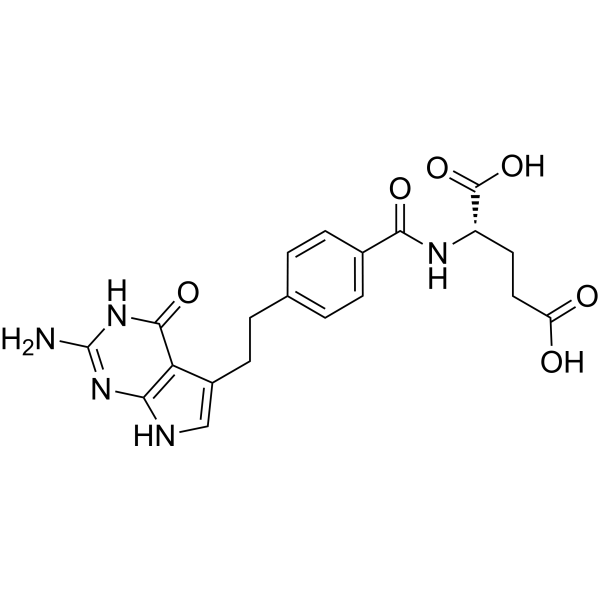
LY231514
|
Antifolate
Autophagy
|
Cancer
|
|
Pemetrexed (LY231514) is an antifolate, the Ki values of the pentaglutamate of Pemetrexed (LY231514) are 1.3, 7.2, and 65 nM for inhibits thymidylate synthase (TS), dihydrofolate reductase (DHFR), and glycinamide ribonucleotide formyltransferase (GARFT), respectively .
|
-
-
- HY-10820A
-
|
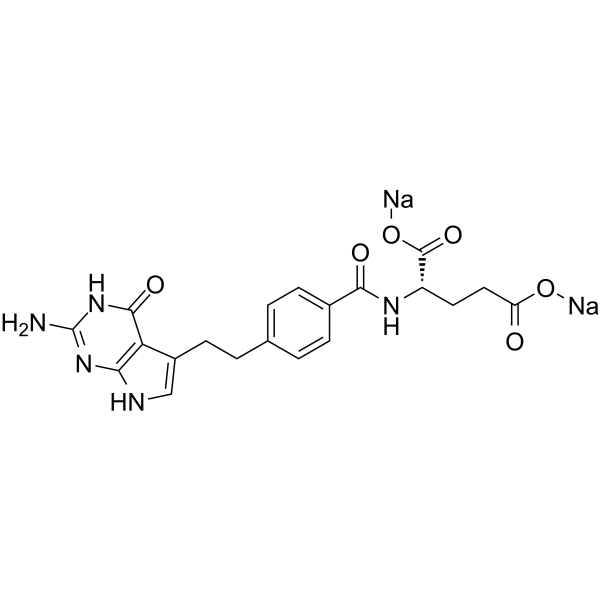
LY231514 disodium
|
Antifolate
Autophagy
Apoptosis
|
Cancer
|
|
Pemetrexed disodium (LY231514 disodium) is an antifolate, the Kis of the pentaglutamate of Pemetrexed disodium are 1.3, 7.2, and 65 nM for inhibits thymidylate synthase (TS), dihydrofolate reductase (DHFR), and glycinamide ribonucleotide formyltransferase (GARFT), respectively .
|
-
-
- HY-B1322
-
-
-
- HY-13781
-
-
-
- HY-B0138
-
|
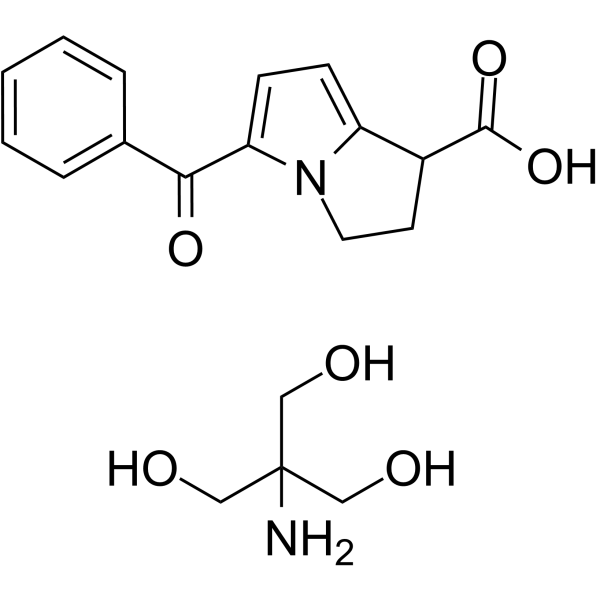
Ketorolac tromethamine; Ketorolac tris salt; RS37619 tromethamine salt
|
COX
|
Inflammation/Immunology
Cancer
|
|
Ketorolac tromethamine salt (RS37619 tromethamine salt) is a non-steroidal anti-inflammatory agent, acting as a nonselective COX inhibitor, with IC50s of 20 nM for COX-1 and 120 nM for COX-2.
|
-
-
- HY-B0812
-
|
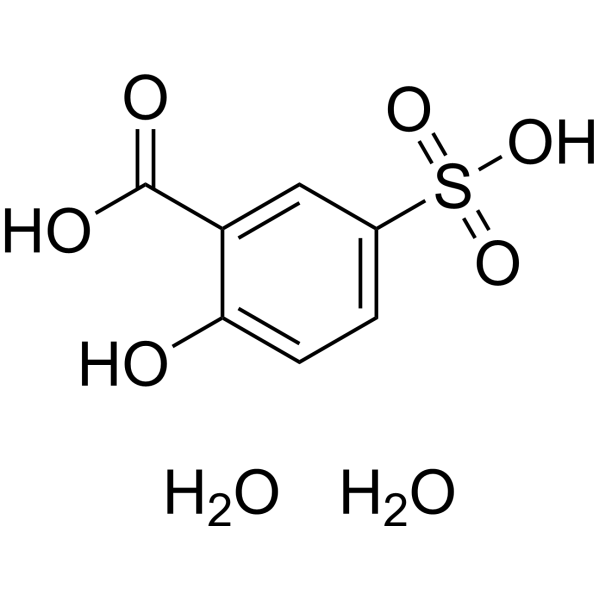
SSA dihydrate
|
Biochemical Assay Reagents
|
Cancer
|
|
5-Sulfosalicylic acid dihydrate is a sulfonated salicylic acid derivative. 5-Sulfosalicylic acid dihydrate is effective against the breast cancer cell line, MCF-7, with less toxicity . 5-Sulfosalicylic acid dihydrate has antioxidant activities .
|
-
-
- HY-18206A
-
-
-
- HY-10820B
-
|
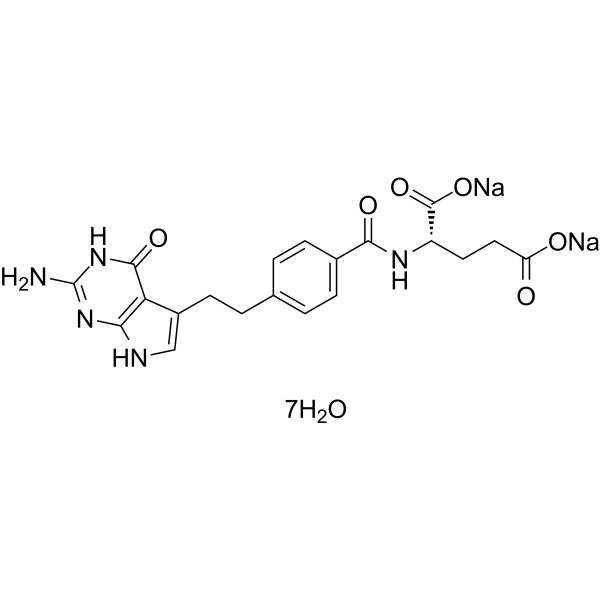
LY231514 disodium heptahydrate
|
Antifolate
Autophagy
|
Cancer
|
|
Pemetrexed disodium heptahydrate is a novel antifolate, the Ki values of the pentaglutamate of LY231514 are 1.3, 7.2, and 65 nM for inhibits thymidylate synthase (TS), dihydrofolate reductase (DHFR), and glycinamide ribonucleotide formyltransferase (GARFT), respectively.
|
-
-
- HY-A0195
-
|
|
Prostaglandin Receptor
|
Endocrinology
|
|
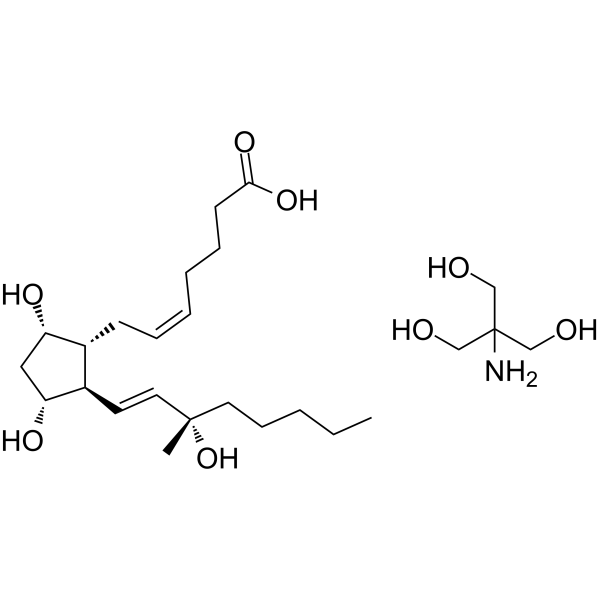
Carboprost tromethamine is the synthetic 15-methyl analogue of prostaglandin F2α. Carboprost tromethamine can effectively promote law contraction of the uterus and significantly reduce the amount of bleeding during and after delivery .
|
-
-
- HY-Y0481A
-
|
Stannous chloride dihydrate; Tin dichloride dihydrate
|
Biochemical Assay Reagents
Reactive Oxygen Species (ROS)
|
Others
|
|
Tin(II) chloride dihydrate (Stannous chloride dihydrate) is a biochemical reagent with genotoxicity, mutagenicity, mitotic recombinogenicity, and reactive oxygen species-inducing activity .
|
-

-
- HY-B0285B
-
|
MK-870 hydrochloride dihydrate
|
Sodium Channel
Apoptosis
TRP Channel
|
Cardiovascular Disease
Metabolic Disease
|
|
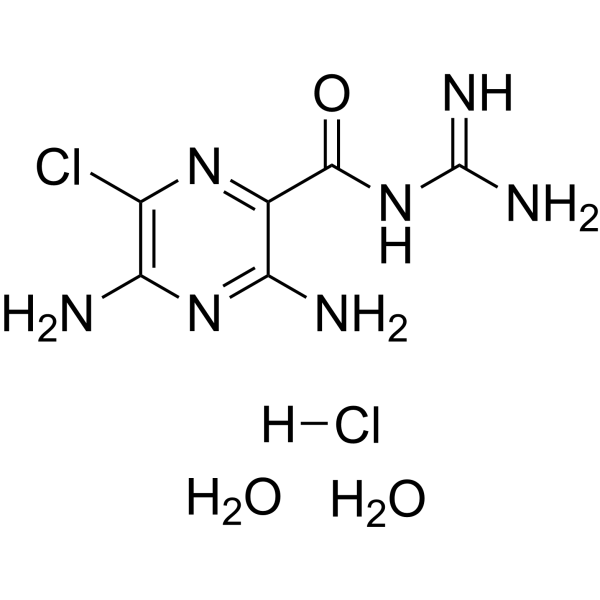
Amiloride hydrochloride dihydrate (MK-870 hydrochloride dihydrate) is an inhibitor of both epithelial sodium channel (ENaC ) and urokinase-type plasminogen activator receptor (uTPA ). Amiloride hydrochloride dihydrate is a blocker of polycystin-2 (PC2; TRPP2 ) channel.
|
-
-
- HY-128742
-
|
|
Endogenous Metabolite
Drug Derivative
|
Metabolic Disease
|
|
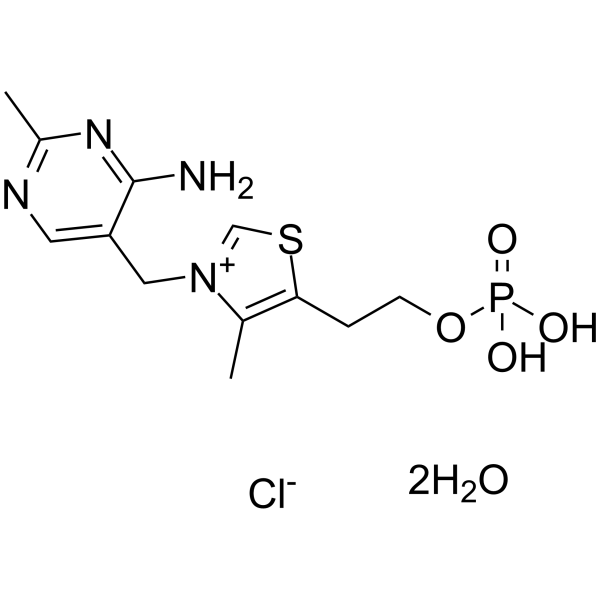
Thiamine monophosphate chloride dihydrate is a vitamin B1 (HY-A0100) metabolite and thiamine precursor. Thiamine monophosphate chloride dihydrate is absorbable in vivo and can be converted into thiamine. Thiamine monophosphate chloride dihydrate can be used as a food additive .
|
-
-
- HY-153192A
-
|
BI 1015550 dihydrate
|
Phosphodiesterase (PDE)
|
Inflammation/Immunology
|
|
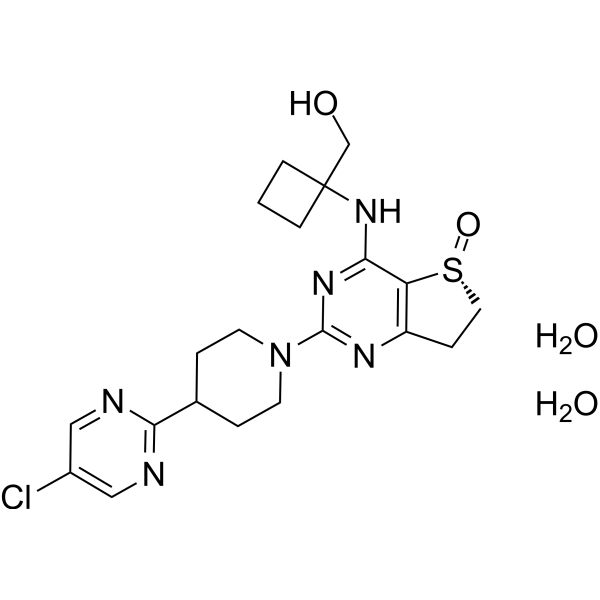
Nerandomilast (BI 1015550) dihydrate is an orally active inhibitor of PDE4B with an IC50 value of 7.2 nM. Nerandomilast (dihydrate) has good safety and potential applications in inflammation, allergic diseases, pulmonary fibrosis, and chronic obstructive pulmonary disease (COPD) .
|
-
-
- HY-10820R
-
|
LY231514 (Standard)
|
Reference Standards
Antifolate
Autophagy
|
Cancer
|
|
Pemetrexed (Standard) is the analytical standard of Pemetrexed. This product is intended for research and analytical applications. Pemetrexed (LY231514) is an antifolate, the Ki values of the pentaglutamate of Pemetrexed (LY231514) are 1.3, 7.2, and 65 nM for inhibits thymidylate synthase (TS), dihydrofolate reductase (DHFR), and glycinamide ribonucleotide formyltransferase (GARFT), respectively .
|
-

-
- HY-B0609
-
|
MK-0955 tromethamine
|
Bacterial
Antibiotic
|
Infection
Cancer
|
|
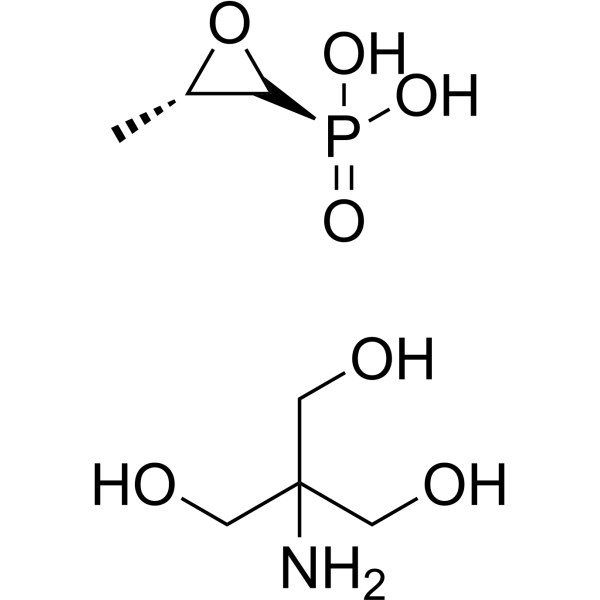
Fosfomycin (MK-0955) tromethamine is a blood-brain barrier penetrating, broad-spectrum antibiotic by irreversibly inhibiting an early stage in cell wall synthesis. Fosfomycin tromethamine shows both in vivo and in vitro activity against a wide range of bacteria, including multidrug-resistant (MDR), extensively drug-resistant (XDR), and pan-drug-resistant (PDR) bacteria .
|
-
-
- HY-12956A
-
|
Prostaglandin F2α tromethamine salt; PGF2α THAM; Prostaglandin F2α THAM
|
Prostaglandin Receptor
Endogenous Metabolite
Autophagy
Apoptosis
|
Endocrinology
|
|
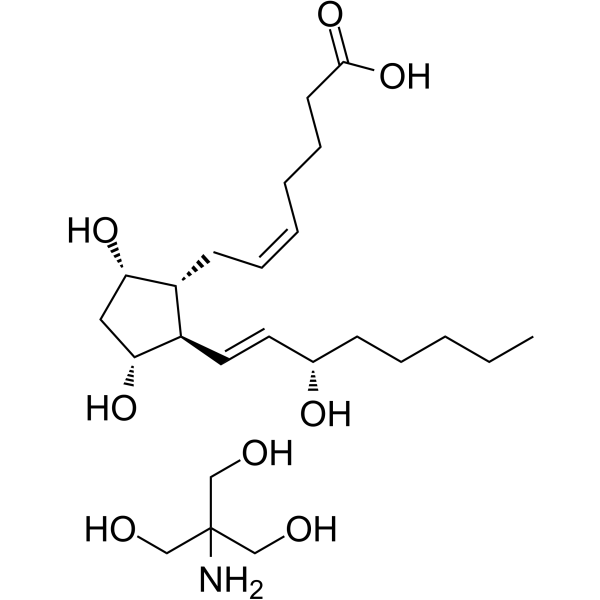
Dinoprost tromethamine salt (Prostaglandin F2α tromethamine salt) is an orally active, potent prostaglandin F (PGF) receptor (FP receptor) agonist. Dinoprost tromethamine salt is a luteolytic hormone produced locally in the endometrial luminal epithelium and corpus luteum (CL). Dinoprost tromethamine salt plays a key role in the onset and progression of labour .
|
-
-
- HY-I0447A
-
|
4-Aminosalicylic acid sodium salt dihydrate
|
Antibiotic
Bacterial
|
Infection
Inflammation/Immunology
|
|
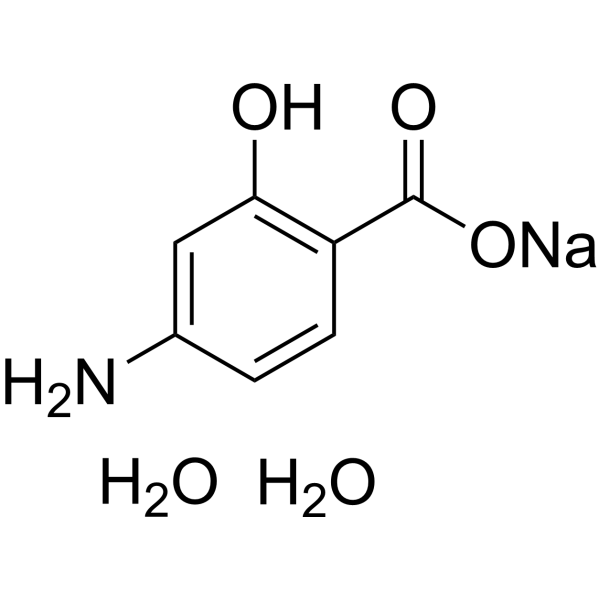
Sodium 4-aminosalicylate dihydrate (4-Aminosalicylic acid sodium salt dihydrate) is an inhibitor for dihydrofolate reductase (DHFR) and an antituberculous agent. Sodium 4-aminosalicylate dihydrate exhibits anti-inflammatory activity and can be used in research of inflammatory bowel disease (IBD). Sodium 4-aminosalicylate dihydrate is orally active .
|
-
-
- HY-B0275B
-
|
|
Bacterial
HSV
Antibiotic
Endogenous Metabolite
|
Infection
|
|
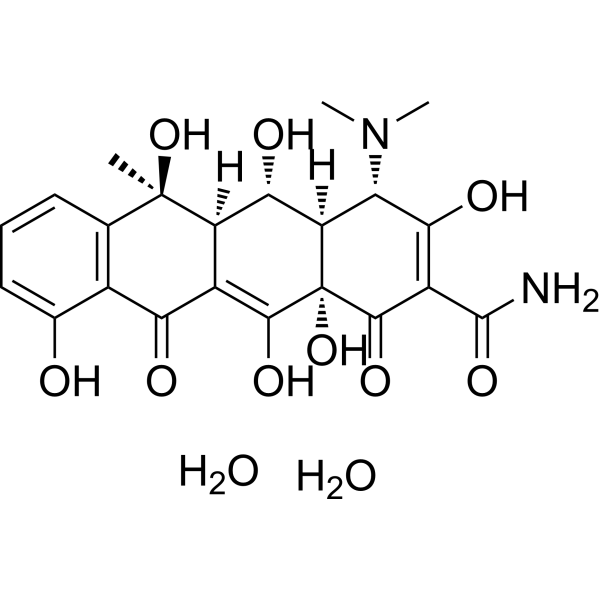
Oxytetracycline dihydrate is an antibiotic belonging to the tetracycline class. Oxytetracycline dihydrate potent inhibits Gram-negative and Gram-positive bacteria. Oxytetracycline dihydrate is a protein synthesis inhibitor and prevents the binding from aminoacil-tRNA to the complex m-ribosomal RNA. Oxytetracycline dihydrate also possesses anti-HSV-1 activity .
|
-
-
- HY-B0371A
-
|
|
Adrenergic Receptor
|
Cardiovascular Disease
Metabolic Disease
Endocrinology
|
|
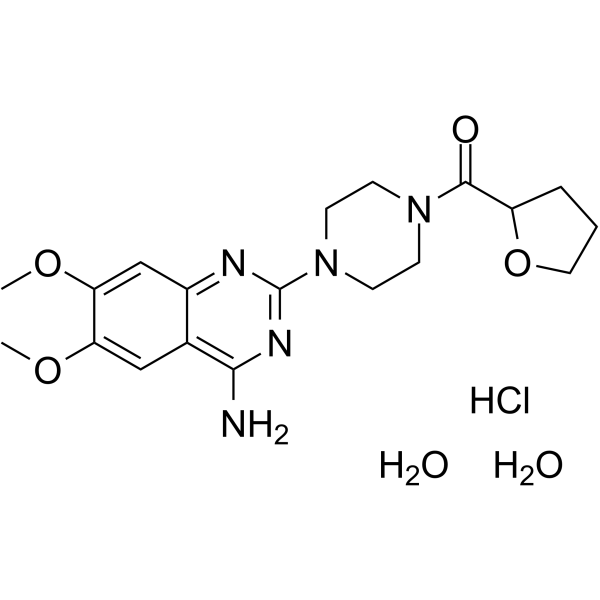
Terazosin hydrochloride dihydrate is a quinazoline derivative and a competitive and orally active α1-adrenoceptor antagonist. Terazosin hydrochloride dihydrate works by relaxing blood vessels and the opening of the bladder. Terazosin hydrochloride dihydrate has the potential for benign prostatic hyperplasia (BPH) and high blood pressure treatment .
|
-
-
- HY-Y0994A
-
|
|
Biochemical Assay Reagents
|
Others
|
|
Potassium osmate (VI) dihydrate,99% is a catalyst capable of catalyzing the oxygen transfer reaction between selenides and selenoxides. Potassium osmate (VI) dihydrate,99% can catalyze the conversion of unsaturated selenoxides into dihydroxyalkyl selenides via the reduction reaction of selenoxides to selenides and the dihydroxylation reaction of CNC double bonds. Potassium osmate (VI) dihydrate,99% can serve as a pre-oxidant component of AD-mix-β (HY-W089458) for oxygen transfer and unsaturated selenoxide conversion reactions under aqueous conditions .
|
-

-
- HY-B0714
-
|
Dexketoprofen tromethamine salt
|
COX
|
Neurological Disease
Inflammation/Immunology
Cancer
|
|
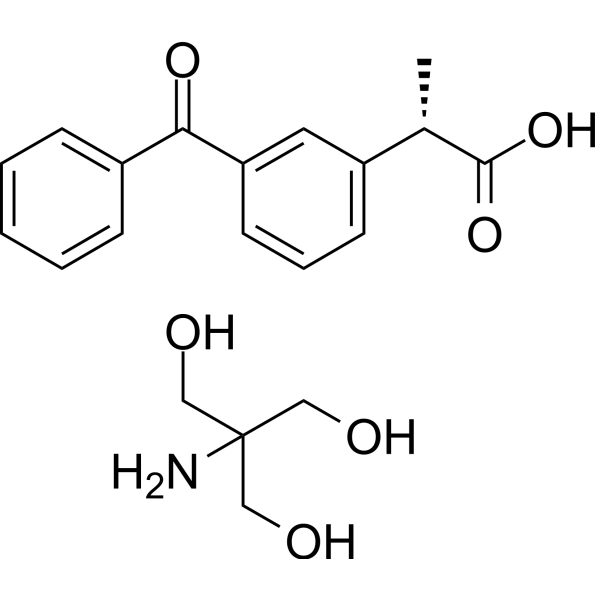
Dexketoprofen trometamol (Dexketoprofen tromethamine salt) is an orally active non-selective COX inhibitor. Dexketoprofen trometamol has a pain-relieving effect, anti-inflammatory effect and anti-cancer effect .
|
-
-
- HY-Y0332C
-
|
Sodium phosphate dihydrate,≥99.0%
|
Environmental Pollutants
Biochemical Assay Reagents
|
Others
|
|
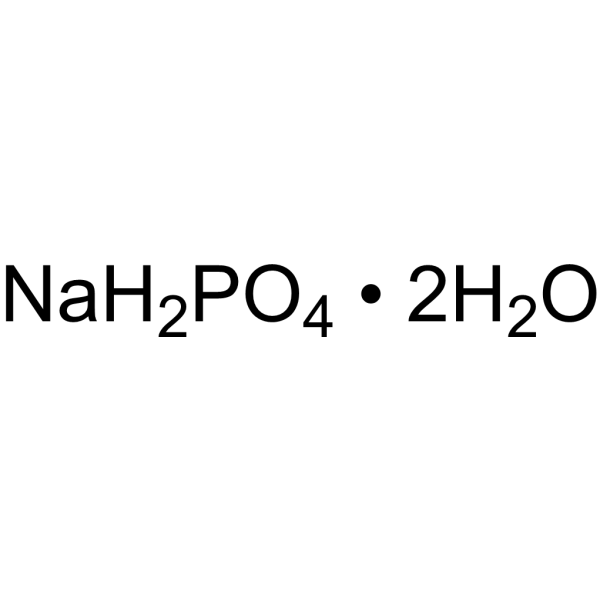
Sodium dihydrogen phosphate dihydrate,≥99.0% (Sodium phosphate dihydrate,≥99.0%) is used as a buffer capacity reagent in molecular biology, biochemistry, and chromatography. Sodium dihydrogen phosphate dihydrate,≥99.0% is also used as a laxative and pH buffer when combined with other sodium phosphates and also used as fuel and detergent additives .
|
-
-
- HY-107372A
-
|
UTP trisodium dihydrate; Uridine 5'-triphosphate trisodium dihydrate
|
Biochemical Assay Reagents
|
Others
|
|
Uridine triphosphate (trisodium dihydrate) (UTP (trisodium dihydrate); Uridine 5'-triphosphate (trisodium dihydrate)) is a biochemical reagent.
|
-

-
- HY-B1836A
-
|
MET-88 dihydrate; Quaterin dihydrate
|
Mitochondrial Metabolism
|
Cardiovascular Disease
Neurological Disease
Metabolic Disease
|
|
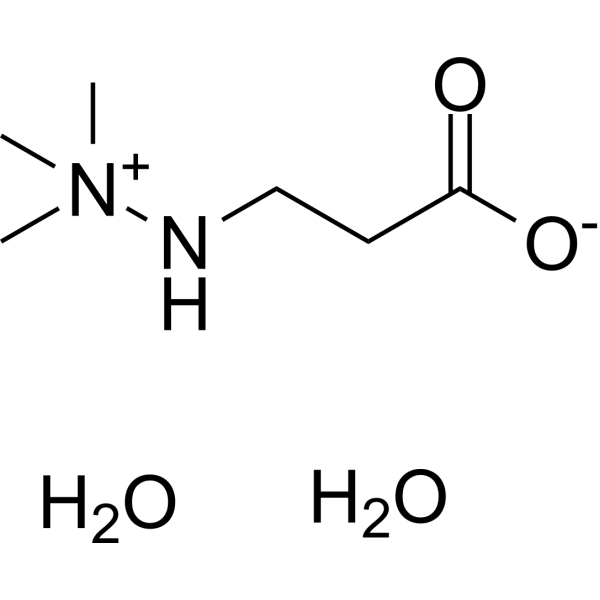
Meldonium (MET-88) dihydrate functions as a cardioprotective agent by cpmpetetively inhibiting γ-butyrobetaine hydroxylase (BBOX) and carnitine/organic cation transporter type 2 (OCTN2). Mildronate dihydrate exhibits IC50 values of 34-62 μM for human recombinant BBOX and an EC50 of 21 μM for human OCTN2. Meldonium dihydrate is a fatty acid oxidation inhibitor .
|
-
-
- HY-N1132AR
-
|
D-Trehalose dihydrate (Standard); α,α-Trehalose dihydrate (Standard)
|
Reference Standards
Endogenous Metabolite
|
Others
|
|
D-(+)-Trehalose dihydrate (Standard) is the analytical standard of D-(+)-Trehalose dihydrate. This product is intended for research and analytical applications. D-(+)-Trehalose dihydrate, isolated from Saccharomyces cerevisiae, can be used as a food ingredient and pharmaceutical excipient.
|
-

-
- HY-W013707
-
|
Cytidine triphosphate disodium dihydrate; 5'-CTP disodium dihydrate
|
Endogenous Metabolite
|
Metabolic Disease
|
|
Cytidine-5'-triphosphate disodium dihydrate (5'-CTP disodium dihydrate) is a molecule of high energy, and acts as a coenzyme in glycerophospholipid biosynthesis and protein glycosylation .
|
-

-
- HY-Y1297
-
-
-
- HY-Y0708
-
|
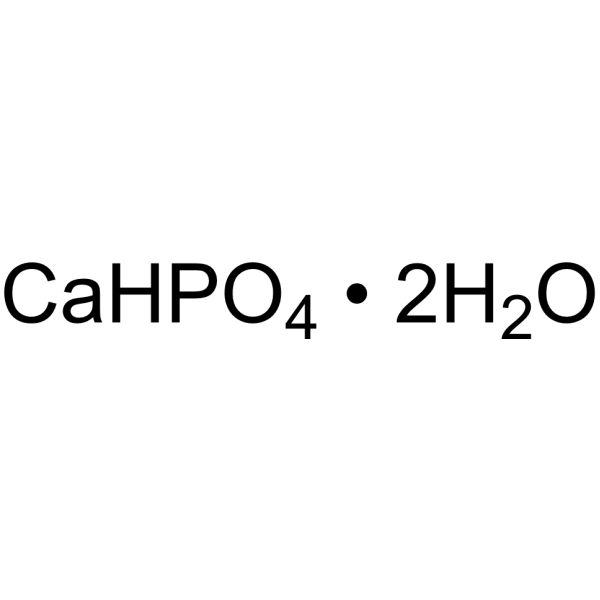
Calcium phosphate dihydrate
|
Biochemical Assay Reagents
|
Others
|
|
Calcium hydrogen phosphate dihydrate (Calcium phosphate dihydrate) can be found quite frequently in urinary calculi stones. Calcium hydrogen phosphate dihydrate can be used as an excipient, such as diluent, adsorbent. Pharmaceutical excipients, or pharmaceutical auxiliaries, refer to other chemical substances used in the pharmaceutical process other than pharmaceutical ingredients. Pharmaceutical excipients generally refer to inactive ingredients in pharmaceutical preparations, which can improve the stability, solubility and processability of pharmaceutical preparations. Pharmaceutical excipients also affect the absorption, distribution, metabolism, and elimination (ADME) processes of co-administered drugs .
|
-
-
- HY-W094471
-
|
|
Biochemical Assay Reagents
|
Others
|
|
Lithium acetate dihydrate is a compound with a one-dimensional structure that has various applications in industries such as pharmaceuticals, ceramics, and research laboratories. Lithium acetate dihydrate is often used as a source of lithium ions in chemical reactions and as a precursor in the synthesis of other lithium compounds .
|
-

-
- HY-15345
-
|
THU dihydrate; NSC-112907 dihydrate
|
DNA/RNA Synthesis
|
Cancer
|
|
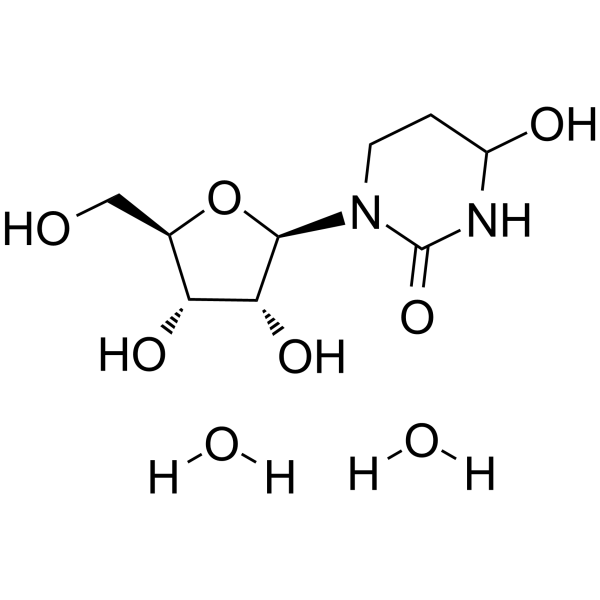
Tetrahydrouridine dihydrate (THU dihydrate) is potent inhibitor of cytidine deaminase (CDA), which competitively blocks the enzyme's active site more effectively than intrinsic cytidine.
|
-
-
- HY-16289
-
-
-
- HY-N0143A
-
|
Floridzin dihydrate
|
SGLT
PI3K
Akt
GLUT
NF-κB
JAK
STAT
Caspase
Apoptosis
DNA/RNA Synthesis
mTOR
Bacterial
|
Infection
Neurological Disease
Metabolic Disease
Cancer
|
|
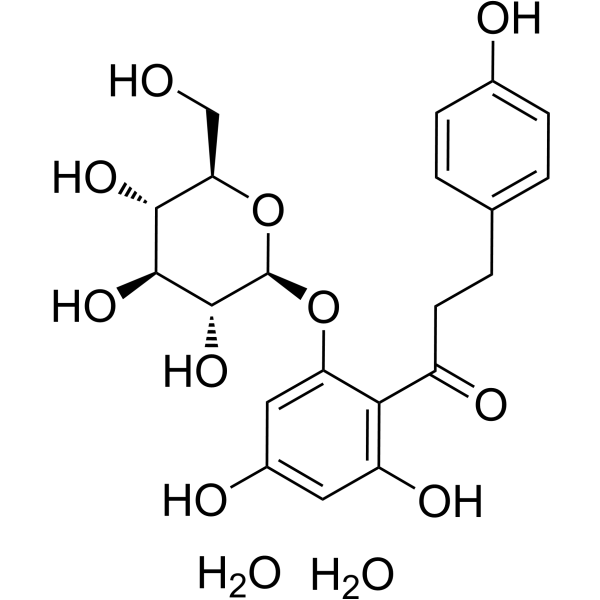
Phlorizin (Floridzin) dihydrate is an orally active non-selective sodium-glucose cotransporter (SGLT) inhibitor, with an IC50 of 0.04 μM and a Ki of 39 nM against hSGLT2, and an IC50 of 0.17 μM and a Ki of 0.31 μM against hSGLT1. Phlorizin dihydrate promotes GLUT4 translocation, inhibits gluconeogenesis and promotes glycogen synthesis by activating the PI3K/Akt/mTOR pathway. Phlorizin dihydrate reduces DNA damage and apoptosis (apoptosis) by inhibiting the NF-κB inflammatory pathway. Phlorizin dihydrate induces apoptosis via activating the Caspase pathway by antagonizing the JAK/STAT3 and PCK pathways. Phlorizin dihydrate also exhibits antibacterial, anti-inflammatory and neuroprotective activities .
|
-
-
- HY-B0658A
-
|
Zinc(II) acetate dihydrate, ACS, 98%
|
Biochemical Assay Reagents
|
Others
|
|
Zinc acetate dihydrate, ACS, 98% (Zinc (II) acetate dihydrate, ACS, 98%) acts as a metal chelator and an intestinal metallothionein inducer. Zinc acetate dihydrate, ACS, 98% induces intestinal metallothionein synthesis and shortens the course of the common cold. Zinc acetate dihydrate, ACS, 98% is applicable to the research of copper metabolism disorder-related diseases, the common cold and Wilson's disease, as well as protein experiments .
|
-

-
- HY-W009592A
-
|
Glycyltyrosine dihydrate; Gly-Tyr dihydrate; H-Gly-Tyr-OH dihydrate
|
Amino Acid Derivatives
|
Others
|
|
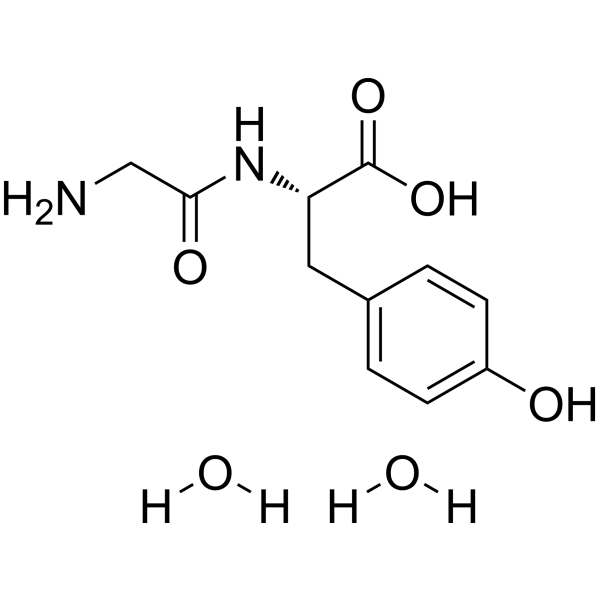
Glycyl-L-tyrosine dihydrate is a synthetic dipeptide that can be used as a food additive for tyrosine supplementation .
|
-
-
- HY-W749867
-
|
Calcium disodium EDTA dihydrate
|
Bacterial
|
Infection
Others
|
|
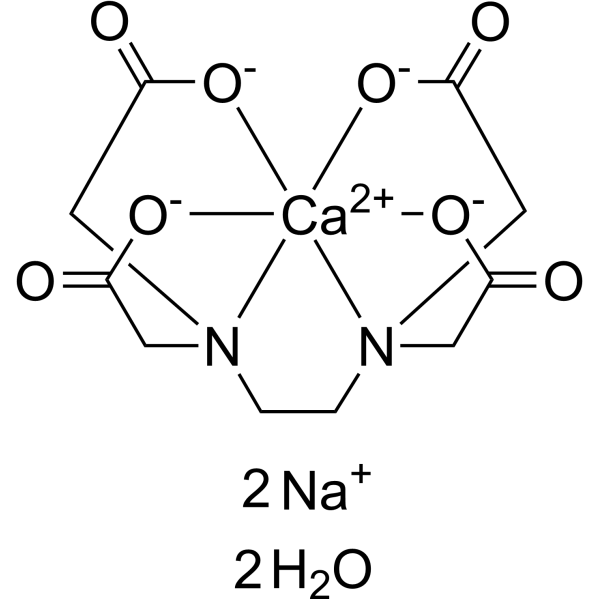
CaⅡ-EDTA disodium dihydrate (Calcium disodium EDTA dihydrate) is an orally active metal chelating reagent, exhibits bactericidal activities against periodontal pathogens Aggregatibacter actinomycetemcomitans, Prevotella intermedia and Porphyromonas gingivalis . CaⅡ-EDTA disodium dihydrate is effective chelating antidotes for lead- and cadmium poisoning .
|
-
-
- HY-W094708C
-
|
Disodium hydrogen phosphate dihydrate, for molecular biology
|
Biochemical Assay Reagents
|
Others
|
|
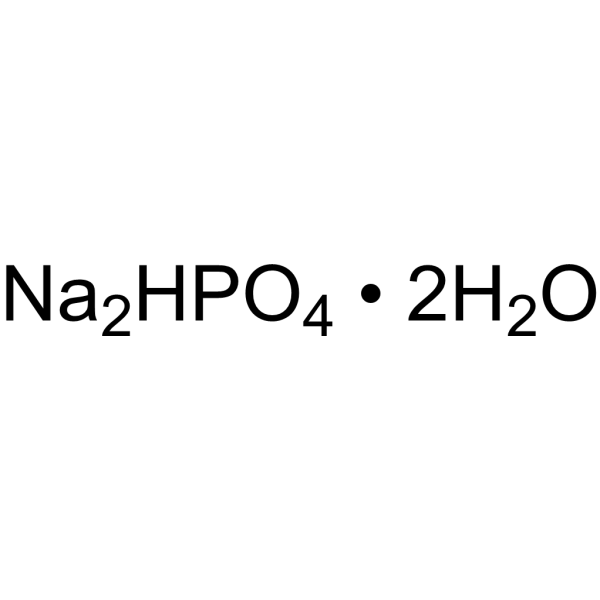
Sodium phosphate dibasic dihydrate, for molecular biology is an inorganic salt compound. Sodium phosphate dibasic dihydrate, for molecular biology is commonly used in molecular biology experiments and can be used as a buffer, nutritional supplement, and detergent.
|
-
-
- HY-114577
-
|
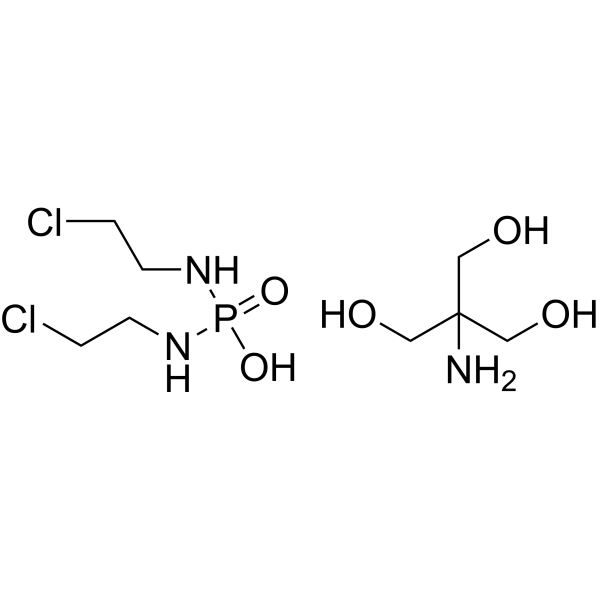
Isophosphoramide mustard tromethamine; IPM tromethamine; ZIO-201 tromethamine
|
DNA Alkylator/Crosslinker
|
Cancer
|
|
Palifosfamide (tromethamine) is a synthetic alkylating agent with potential antineoplastic activity. As the stabilized active metabolite of ifosfamide, palifosfamide (tromethamine) irreversibly alkylates and crosslinks DNA through GC base pairs. This leads to an inhibition of DNA replication and ultimately cell death. Compared to ifosfamide, palifosfamide (tromethamine) is less toxic.
|
-
-
- HY-17438A
-
|
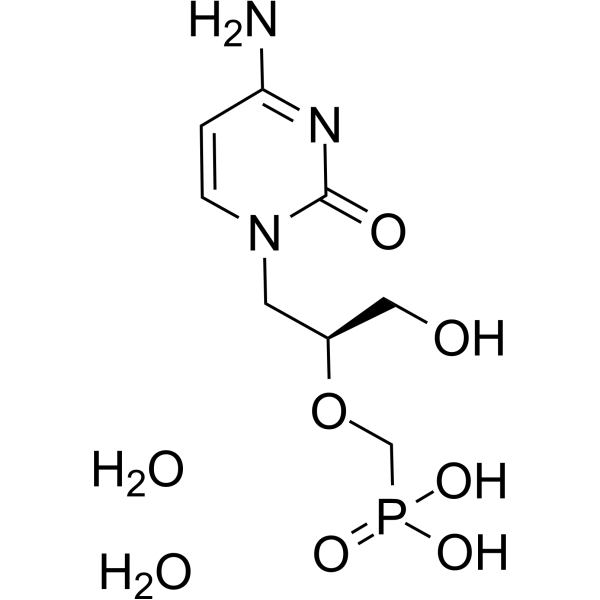
GS 0504 dihydrate; HPMPC dihydrate; (S)-HPMPC dihydrate
|
CMV
DNA/RNA Synthesis
Orthopoxvirus
Apoptosis
Endogenous Metabolite
|
Infection
Cancer
|
|
Cidofovir (GS 0504; HPMPC; (S)-HPMPC) dihydrate is an acyclic monophosphate nucleotide analogue and CMV inhibitor with antiviral activity. Cidofovir dihydrate inhibits cytomegalovirus (CMV) replication by selectively inhibiting viral DNA polymerase. Cidofovir dihydrate induces apoptosis and can be used in studies of AIDS cytomegalovirus retinitis, herpes, and cancer . Cidofovir dihydrate also has anti-orthopoxvirus and anti-variola activities .
|
-
-
- HY-B1322R
-
|
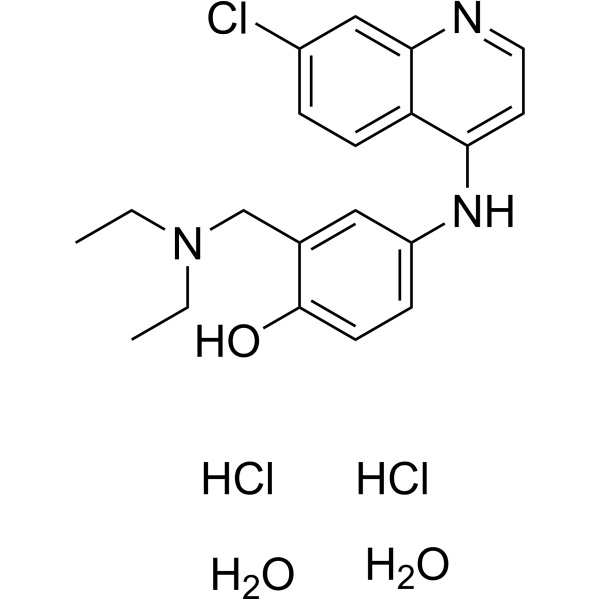
Amodiaquin dihydrochloride dihydrate (Standard)
|
Nuclear Hormone Receptor 4A/NR4A
Reference Standards
Parasite
Histone Methyltransferase
|
Infection
Neurological Disease
Inflammation/Immunology
|
|
Amodiaquine (dihydrochloride dihydrate) (Standard) is the analytical standard of Amodiaquine (dihydrochloride dihydrate). This product is intended for research and analytical applications. Amodiaquine dihydrochloride dihydrate (Amodiaquin dihydrochloride dihydrate), a 4-aminoquinoline class of antimalarial agent, is a potent and orally active histamine N-methyltransferase inhibitor. Amodiaquine dihydrochloride dihydrate is also a Nurr1 agonist and specifically binds to Nurr1-LBD (ligand binding domain) with an EC50 of ~20 μM. Anti-inflammatory effect .
|
-

-
- HY-W087947
-
|
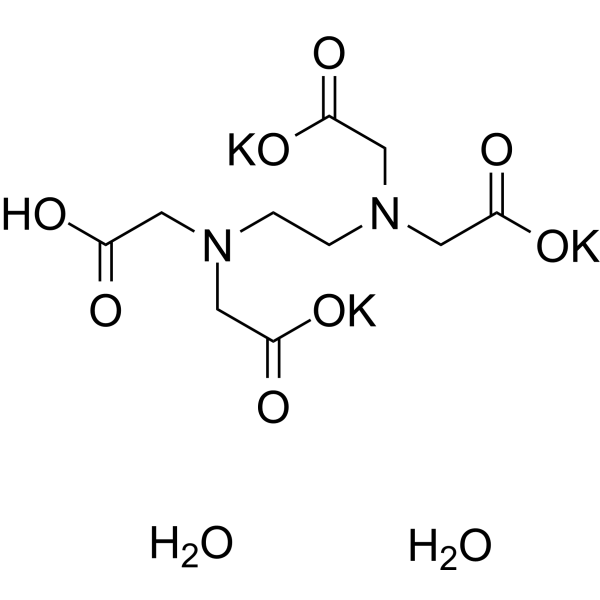
Ethylenediaminetetraacetic acid dihydrate tripotassium
|
Bacterial
SOD
|
Cardiovascular Disease
Neurological Disease
Cancer
|
|
EDTA dihydrate tripotassium (Ethylenediaminetetraacetic acid dihydrate tripotassium) is a kind of metal chelating agent (binds to bivalent and trivalent metal cations, including calcium). EDTA dihydrate tripotassium has antibacterial, anti-inflammatory, antioxidant, anti-hypercalcemia and anticoagulant activities. EDTA dihydrate tripotassium decreases the metal ion-catalyzed oxidative damage to proteins, and allows maintenance of reducing environment during protein purification. EDTA dihydrate tripotassium can alleviate the liver fibrosis. EDTA dihydrate tripotassium can be used for coronary artery disease and neural system disease research .
|
-
-
- HY-W094511
-
|
Gold chloride sodium dihydrate
|
Biochemical Assay Reagents
|
Others
|
|
Tetrachloroaurate III sodium dihydrate (Gold chloride sodium dihydrate) is utilized as catalyst in reactions like nucleophilic addition to multiple bonds, nucleophilic substitution of propargylic alcohols, and nonsymmetrical etherization .
|
-

-
- HY-76657A
-
|
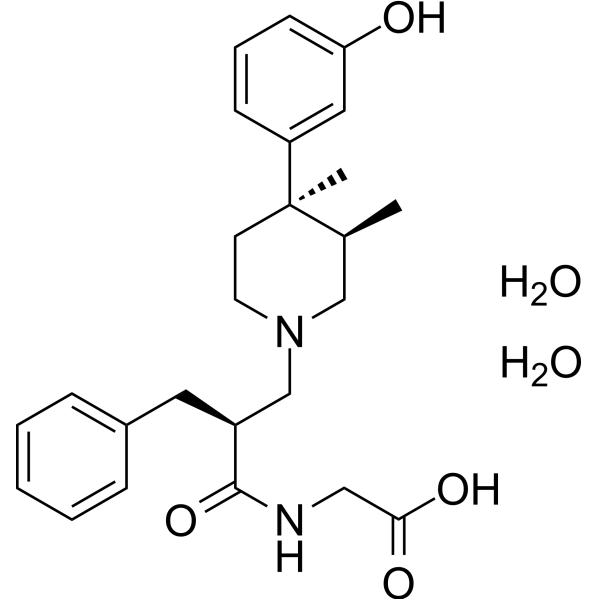
ADL 8-2698 dihydrate; LY 246736 dihydrate
|
Opioid Receptor
|
Neurological Disease
Cancer
|
|
Alvimopan dihydrate (ADL 8-2698 dihydrate) is a potent, selective, orally active and reversible μ-opioid receptor antagonist, with an IC50 of 1.7 nM. Alvimopan dihydrate has selectivity for μ-opioid receptor (Ki=0.47 nM) over κ- and δ-opioid receptors (Kis=100, 12 nM, respectively). Alvimopan dihydrate can be used for the research of postoperative ileus .
|
-
-
- HY-W013803
-
|
|
Endogenous Metabolite
Akt
AMPK
FOXO
|
Metabolic Disease
|
|
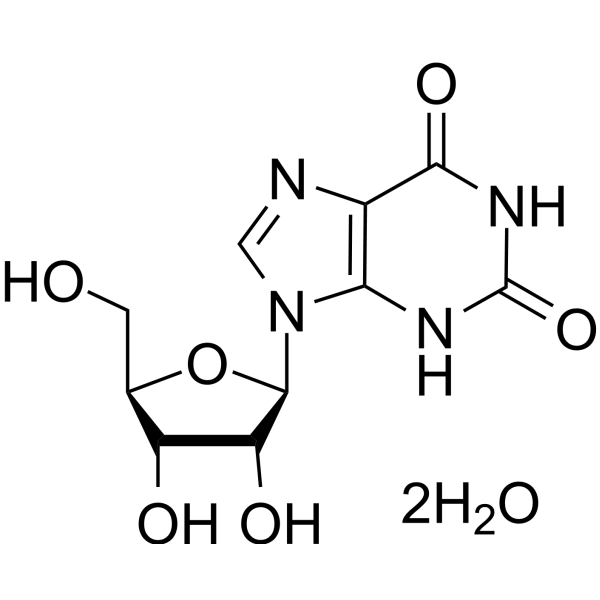
Xanthosine dihydrate is a nucleoside derived from xanthine and ribose. Xanthosine dihydrate activates the AMPK/FoxO1/AKT/GSK3β signaling cascade. Xanthosine dihydrate promotes cell proliferation and regulates blood glucose metabolism. Xanthosine dihydrate increases milk production in cows and goats. Xanthosine dihydrate is used in mammary stem cell and type 2 diabetes research .
|
-
-
- HY-19522C
-
|
MBX-8025 (lysine dihydrate); RWJ-800025 (lysine dihydrate)
|
PPAR
Interleukin Related
|
Cardiovascular Disease
Metabolic Disease
Inflammation/Immunology
|
|
Seladelpar Lysine dihydrate (MBX-8025 lysine dihydrate) is an orally active, selective PPAR-δ agonist with an EC50 of 2 nM against hPPAR-δ. Seladelpar Lysine dihydrate reduces serum IL-31 and bile acid levels. It alleviates pruritus symptoms. Seladelpar Lysine dihydrate enhances insulin sensitivity, normalizes levels of hyperglycemia, hyperinsulinemia, glucose disposal capacity, serum lipids and hepatic free cholesterol. It reduces steatosis, hepatic inflammation and improves liver fibrosis. Seladelpar Lysine dihydrate reverses the pathological changes of non-alcoholic steatohepatitis (NASH). It is applicable to research related to primary biliary cholangitis and non-alcoholic steatohepatitis (NASH) .
|
-

-
- HY-113416AS
-
|
DHEA sulfate-d6 sodium dihydrate; Prasterone sulfate-d6 sodium dihydrate
|
Isotope-Labeled Compounds
GABA Receptor
Sigma Receptor
iGluR
PPAR
NF-κB
|
Neurological Disease
Metabolic Disease
Inflammation/Immunology
|
|
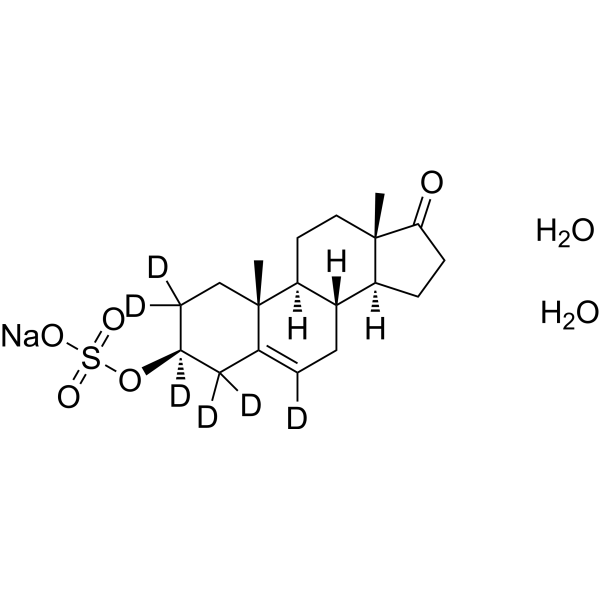
Dehydroepiandrosterone sulfate sodium dihydrate-d6 sodium dihydrate is the deuterium labeled Dehydroepiandrosterone sulfate sodium dihydrate. Dehydroepiandrosterone sulfate (DHEA sulfate; Prasterone sulfate) sodium dihydrate is a neurosteroid and the main secretion product of the adrenal gland. Dehydroepiandrosterone sulfate sodium dihydrate has both non-competitive antagonist activity of GABAA receptor and agonist activity of σ1 receptor. Dehydroepiandrosterone sulfate sodium dihydrate can partially penetrate the blood-brain barrier, inhibit GABAA receptor-mediated chloride influx, enhance NMDA receptor activity through σ1 receptors, exert anti-inflammatory, anti-glucocorticoid and antidepressant effects, and increase convulsive sensitivity. Dehydroepiandrosterone sulfate sodium dihydrate participates in neuroprotection, neurite growth regulation and catecholamine secretion regulation, and can be used in the study of depression, post-traumatic stress disorder (PTSD), Alzheimer's disease, etc. Dehydroepiandrosterone sulfate sodium dihydrate may also be a biomarker for cardiovascular disease mortality, and its concentration is independently and negatively correlated with mortality .
|
-
-
- HY-15855
-
|
|
Microtubule/Tubulin
|
Cancer
|
|
Fosbretabulin (tromethamine), also known as combretastatin A4 phosphate (CA4P), is a vascular disrupting agent evaluated for its efficacy against anaplastic thyroid carcinoma (ATC). It targets tumor neovasculature, causing acute and reversible reductions in tumor blood flow and central necrosis .
|
-

-
- HY-B1751D
-
-
-
- HY-Y0332H
-
|
Sodium phosphate monobasic dihydrate, for molecular biology
|
Biochemical Assay Reagents
|
Others
|
|
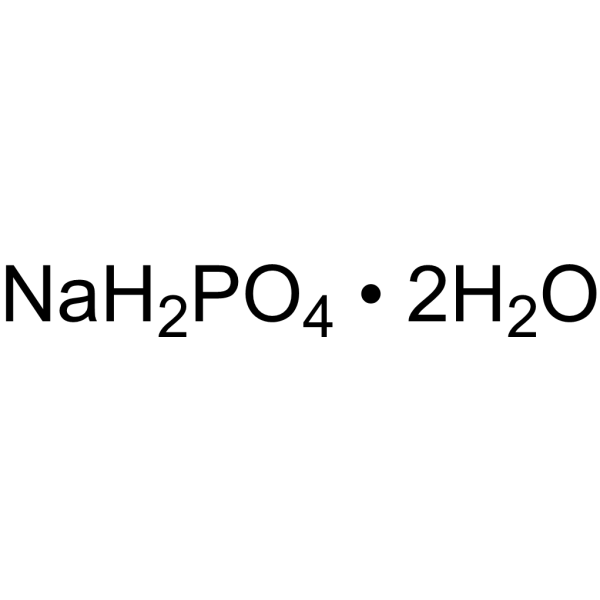
Sodium dihydrogen phosphate dihydrate (Sodium phosphate monobasic dihydrate), for molecular biology is a phosphate compound and nucleating agent. At a content of 1.2%, Sodium dihydrogen phosphate dihydrate, for molecular biology eliminates the supercooling degree of sodium acetate trihydrate to 0°C while maintaining or slightly enhancing its latent heat storage capacity. Sodium dihydrogen phosphate dihydrate, for molecular biology can serve as a starting material for the synthesis of degradable sodium phosphate glasses, which are applied in craniomaxillofacial bone repair. Sodium dihydrogen phosphate dihydrate, for molecular biology is widely used in research on craniomaxillofacial bone repair and related fields .
|
-
-
- HY-B0578B
-
|
|
COX
|
Cardiovascular Disease
Inflammation/Immunology
Cancer
|
|
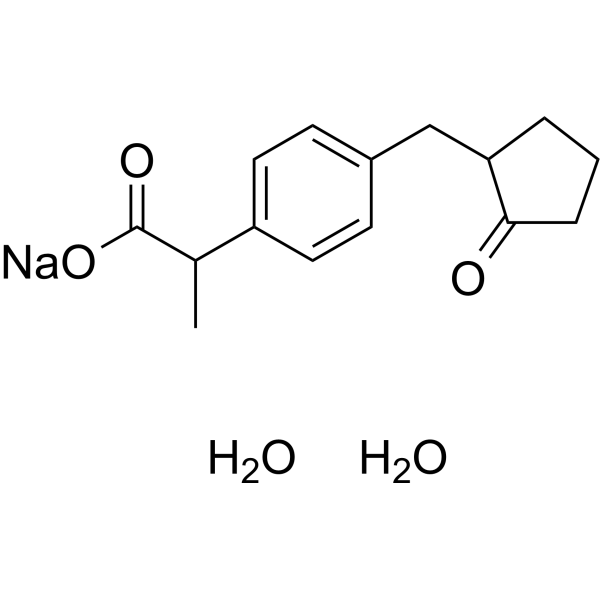
Loxoprofen sodium dihydrate is a non-steroidal, orally active anti-inflammatory agent with analgesic and anti-pyretic properties. Loxoprofen sodium dihydrate is a nonselective COX inhibitor with IC50s of 6.5 and 13.5 μM for COX-1 and COX-2, respectively. Loxoprofen sodium dihydrate can reduce atherosclerosis and shows antitumor activity .
|
-
-
- HY-137773
-
|
|
Drug Metabolite
|
Cancer
|
|
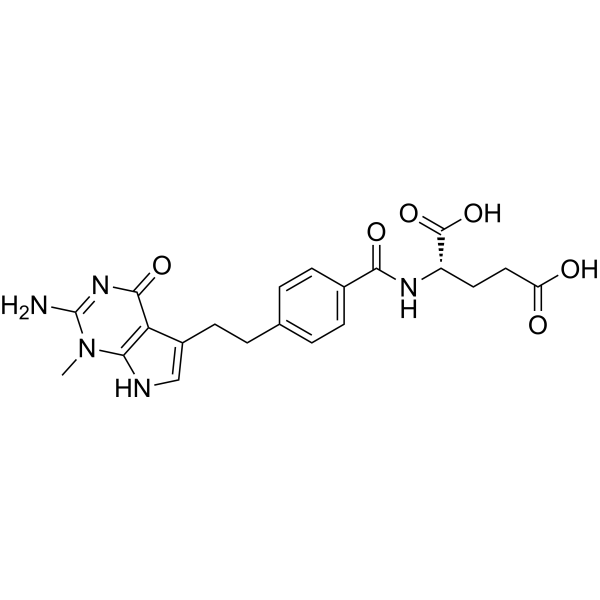
N-Methyl pemetrexed is an impurity of Pemetrexed. Pemetrexed is an antifolate cytotoxic agent that can be used for the research of cancer .
|
-
- HY-B0138R
-
|
Ketorolac tromethamine (Standard); Ketorolac tris salt (Standard); RS37619 tromethamine salt (Standard)
|
Reference Standards
COX
|
Inflammation/Immunology
Cancer
|
|
Ketorolac (tromethamine salt) (Standard) is the analytical standard of Ketorolac (tromethamine salt). This product is intended for research and analytical applications. Ketorolac tromethamine salt (RS37619 tromethamine salt) is a non-steroidal anti-inflammatory agent, acting as a nonselective COX inhibitor, with IC50s of 20 nM for COX-1 and 120 nM for COX-2.
|
-

- HY-125824A
-
|
PF-06882961 tromethamine
|
GCGR
|
Metabolic Disease
|
|
Danuglipron (PF-06882961) tromethamine is an orally active glucagon-like peptide-1 receptor (GLP-1R) agonist. Danuglipron tromethamine has the potential for type 2 diabetes research .
|
-

- HY-B0147B
-
|
Pefloxacinium mesylate dihydrate
|
Topoisomerase
DNA/RNA Synthesis
Antibiotic
Bacterial
Parasite
|
Infection
Inflammation/Immunology
|
|
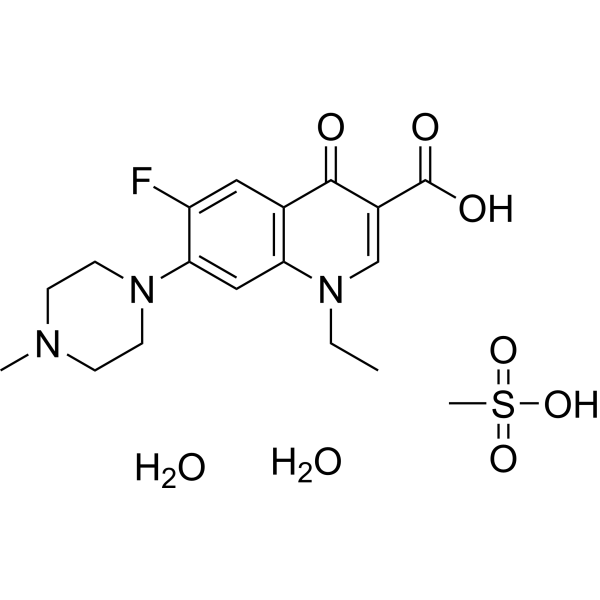
Pefloxacin (Pefloxacinium) mesylate dihydrate is a broad spectrum antibiotic. Pefloxacin mesylate dihydrate blocks DNA replication by inhibiting DNA gyrase. Pefloxacin mesylate dihydrate inhibits DNA relaxation catalyzed by topoisomerase I with an IC50 of 45 μg/mL. Pefloxacin mesylate dihydrate exhibits antibacterial activity against Escherichia coli, Pseudomonas aeruginosa, and Bacteroides fragilis with MIC90s of 0.12, 4, and 16 mg/L, respectively. Pefloxacin mesylate dihydrate has anti-Plasmodium yoelii infection activity. Pefloxacin mesylate dihydrate increase UVA-induced edema and immunesuppression. Pefloxacin mesylate dihydrate can be used for infection studies .
|
-
- HY-B0159A
-
|
Q-35 dihydrate
|
Bacterial
Antibiotic
|
Infection
|
|
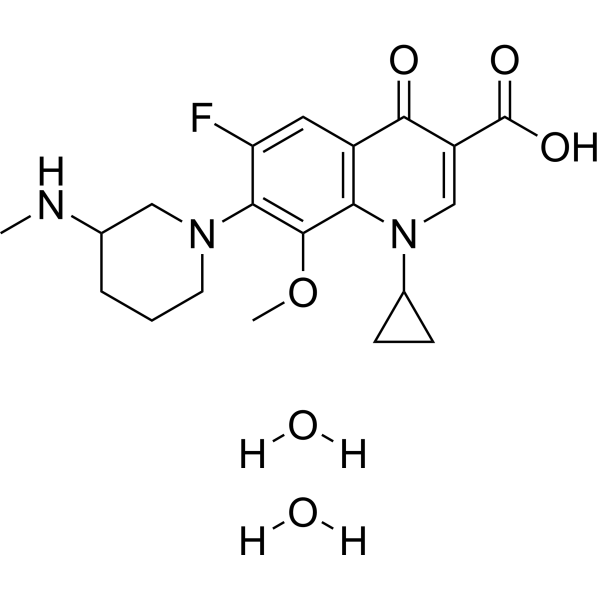
Balofloxacin dihydrate (Q-35 dihydrate) is an orally active fluoroquinolone antibiotic with broad-spectrum antibacterial activity against gram-negative, gram-positive, and anaerobic bacteria. Balofloxacin dihydrate can be used for the research of respiratory, intestinal, and urinary tract infections .
|
-
- HY-141653
-
-

- HY-125691
-
|
Pemetrexed 6-oxo diacid impurity
|
Drug Metabolite
|
Cancer
|
|
LY-338979 (Pemetrexed 6-oxo diacid impurity) is a metabolite of LY231514 (Pemetrexed; HY-10820) .
|
-
- HY-129976
-
|
|
Endogenous Metabolite
|
Cancer
|
|
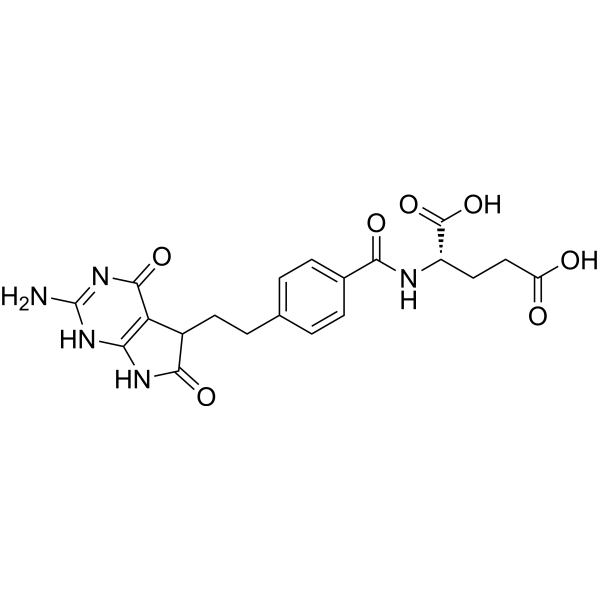
Pemetrexed tromethamine dihydrate is a chemotherapy drug used to treat pleural mesothelioma and non-small cell lung cancer, exhibiting potent anti-cancer activity.
|
-

- HY-10820BR
-
|
LY231514 disodium heptahydrate (Standard)
|
Reference Standards
Antifolate
Autophagy
|
Cancer
|
|
Pemetrexed (disodium heptahydrate) (Standard) is the analytical standard of Pemetrexed (disodium heptahydrate). This product is intended for research and analytical applications. Pemetrexed disodium heptahydrate is a novel antifolate, the Ki values of the pentaglutamate of LY231514 are 1.3, 7.2, and 65 nM for inhibits thymidylate synthase (TS), dihydrofolate reductase (DHFR), and glycinamide ribonucleotide formyltransferase (GARFT), respectively.
|
-

- HY-B1836AR
-
|
MET-88 dihydrate (Standard); Quaterin dihydrate (Standard)
|
Reference Standards
Mitochondrial Metabolism
|
Cardiovascular Disease
Neurological Disease
Metabolic Disease
|
|
Meldonium (dihydrate) (Standard) is the analytical standard of Meldonium (dihydrate). This product is intended for research and analytical applications. Meldonium (MET-88) dihydrate functions as a cardioprotective agent by cpmpetetively inhibiting γ-butyrobetaine hydroxylase (BBOX) and carnitine/organic cation transporter type 2 (OCTN2). Mildronate dihydrate exhibits IC50 values of 34-62 μM for human recombinant BBOX and an EC50 of 21 μM for human OCTN2. Meldonium dihydrate is a fatty acid oxidation inhibitor .
|
-

- HY-B0166C
-
-
- HY-Y1297R
-
-

- HY-14291A
-
|
LAF237 dihydrate; NVP-LAF 237 dihydrate
|
Dipeptidyl Peptidase
Ferroptosis
Apoptosis
|
Metabolic Disease
Cancer
|
|
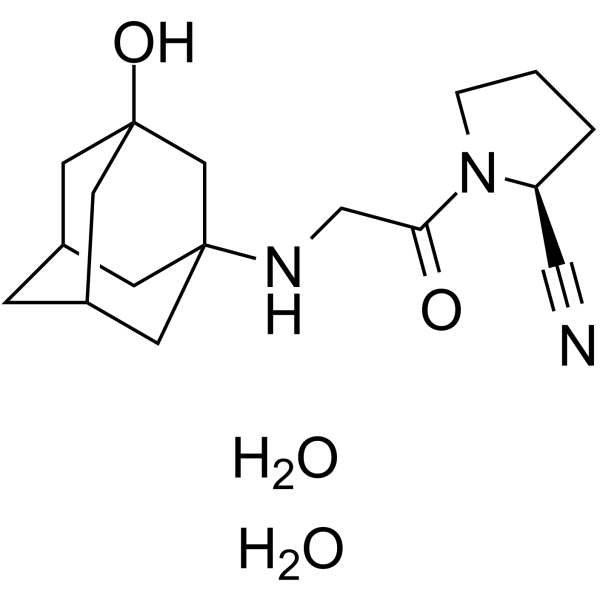
Vildagliptin dihydrate (LAF237 dihydrate) is a potent, stable, selective dipeptidyl peptidase IV (DPP-IV) inhibitor with an IC50 of 3.5 nM in human Caco-2 cells. Vildagliptin dihydrate possesses excellent oral bioavailability and potent antihyperglycemic activity .
|
-
- HY-B1610R
-
|
Trisodium citrate dihydrate (Standard); Citric acid trisodium salt dihydrate (Standard)
|
Reference Standards
Bacterial
Endogenous Metabolite
Apoptosis
|
Infection
Cardiovascular Disease
Cancer
|
|
Sodium citrate (dihydrate) (Standard) is the analytical standard of Sodium citrate (dihydrate). This product is intended for research and analytical applications. Sodium citrate dehydrate (Trisodium citrate dihydrate) is a natural product with oral activity that can be found in citrus fruits. Sodium citrate dehydrate can inhibit the proliferation of tumor cells and induce apoptosis. Sodium citrate dehydrate has antibacterial, anti-tumor and antioxidant activities. Sodium citrate dehydrate can be prepared as a cosolvent or buffer .
|
-

- HY-N0420A
-
|
Wormwood acid tromethamine
|
Endogenous Metabolite
|
Neurological Disease
|
|
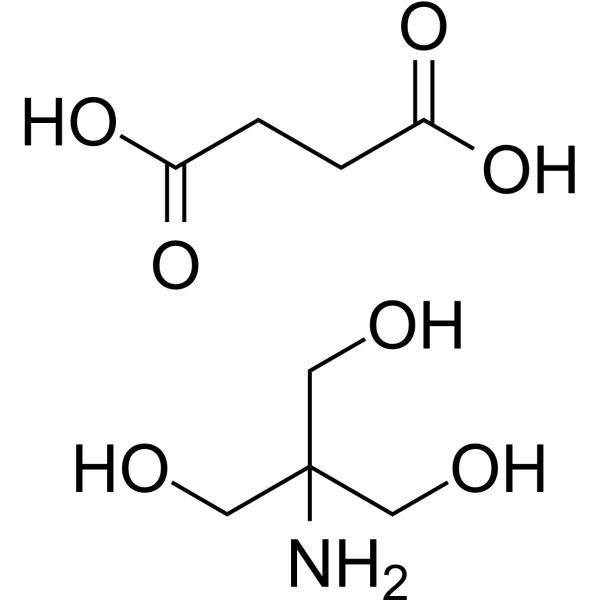
Succinic acid tromethamine is a potent and orally active anxiolytic agent. Succinic acid tromethamine is an intermediate product of the tricarboxylic acid cycle. Succinic acid tromethamine can be used as a precursor of many industrially important chemicals in food, chemical and pharmaceutical industries .
|
-
- HY-109083A
-
|
GS-9674 tromethamine
|
Autophagy
FXR
|
Metabolic Disease
|
|
Cilofexor tromethamine (GS-9674 tromethamine) is a nonsteroidal farnesene oxide receptor agonist with activity in improving markers of cholestasis and liver injury. Cilofexor tromethamine was shown to be well tolerated in patients without cirrhosis and resulted in significant improvements in liver biochemical parameters and cholestatic markers. Cilofexor tromethamine offers a potential inhibitory option for the management of primary sclerosing cholangitis .
|
-

- HY-114850A
-
|
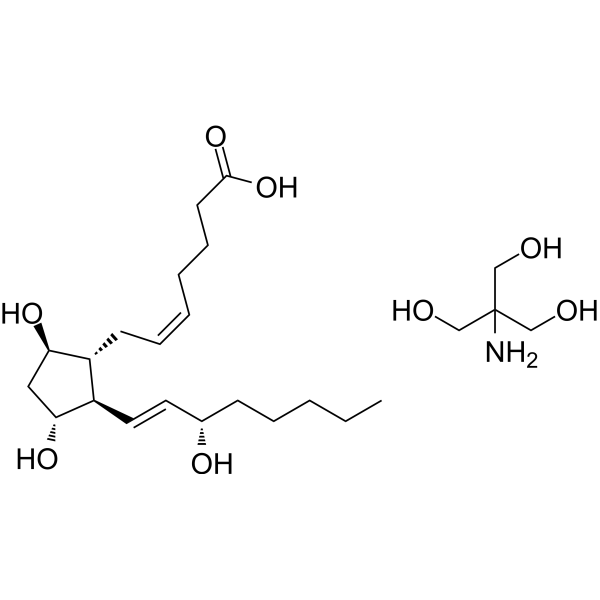
Prostaglandin F2β tromethamine; PGF2β tromethamine
|
Endogenous Metabolite
|
Others
|
|
(5R)-Dinoprost tromethamine (Prostaglandin F2β tromethamine) is a metabolite produced by the metabolism of arachidonic acid cyclooxygenase. (5R)-Dinoprost tromethamine induces dose-dependent release of hexosaccharide containing mucin .
|
-
- HY-19680
-
|
|
Others
|
Inflammation/Immunology
|
|
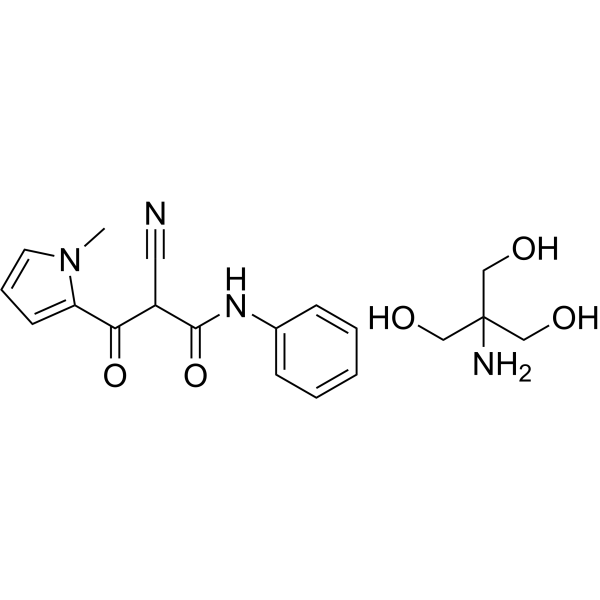
Prinomide tromethamine is an orally available nonsteroidal anti-inflammatory agent. Prinomide tromethamine can be used to study inflammation, such as rheumatoid arthritis .
|
-
- HY-A0195R
-
|
|
Reference Standards
Prostaglandin Receptor
|
Endocrinology
|
|
Carboprost (tromethamine) (Standard) is the analytical standard of Carboprost (tromethamine). This product is intended for research and analytical applications. Carboprost tromethamine is the synthetic 15-methyl analogue of prostaglandin F2α. Carboprost tromethamine can effectively promote law contraction of the uterus and significantly reduce the amount of bleeding during and after delivery .
|
-

- HY-10820S
-
|
LY231514-d5
|
Antifolate
Autophagy
|
Cancer
|
|
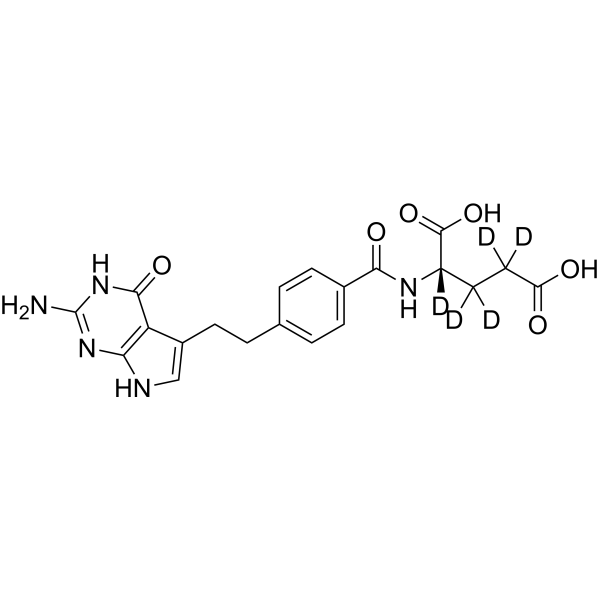
Pemetrexed-d5 is the deuterium labeled Pemetrexed . Pemetrexed (LY231514) is an antifolate, the Ki values of the pentaglutamate of Pemetrexed (LY231514) are 1.3, 7.2, and 65 nM for inhibits thymidylate synthase (TS), dihydrofolate reductase (DHFR), and glycinamide ribonucleotide formyltransferase (GARFT), respectively .
|
-
- HY-10820AS
-
|
LY231514-d5 disodium
|
Isotope-Labeled Compounds
Antifolate
Autophagy
Apoptosis
|
Cancer
|
|
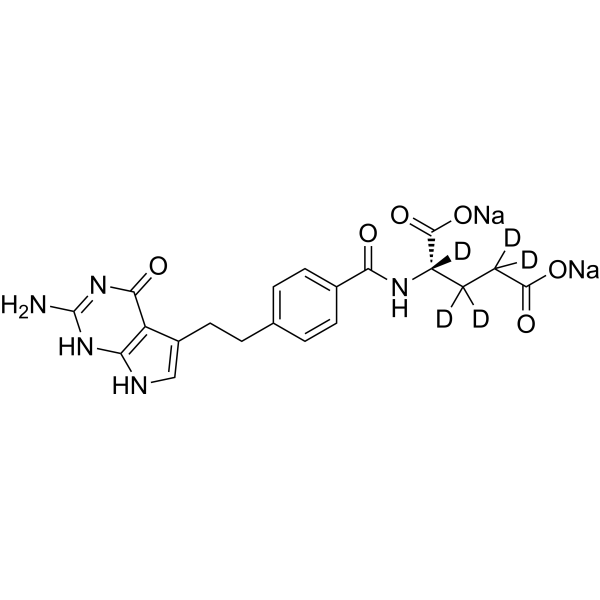
Pemetrexed-d5 disodium is the deuterium labeled Pemetrexed disodium. Pemetrexed disodium (LY231514 disodium) is an antifolate, the Kis of the pentaglutamate of Pemetrexed disodium are 1.3, 7.2, and 65 nM for inhibits thymidylate synthase (TS), dihydrofolate reductase (DHFR), and glycinamide ribonucleotide formyltransferase (GARFT), respectively .
|
-
- HY-12956AR
-
|
Prostaglandin F2α tromethamine salt (Standard); PGF2α THAM (Standard); Prostaglandin F2α THAM (Standard)
|
Reference Standards
Prostaglandin Receptor
Endogenous Metabolite
Autophagy
Apoptosis
|
Endocrinology
|
|
Dinoprost (tromethamine salt) (Standard) is the analytical standard of Dinoprost (tromethamine salt). This product is intended for research and analytical applications. Dinoprost tromethamine salt (Prostaglandin F2α tromethamine salt) is an orally active, potent prostaglandin F (PGF) receptor (FP receptor) agonist. Dinoprost tromethamine salt is a luteolytic hormone produced locally in the endometrial luminal epithelium and corpus luteum (CL). Dinoprost tromethamine salt plays a key role in the onset and progression of labour .
|
-

- HY-16289R
-
|
U-42585E (Standard)
|
Histamine Receptor
Reference Standards
|
Inflammation/Immunology
Endocrinology
|
|
Lodoxamide (tromethamine) (Standard) is the analytical standard of Lodoxamide (tromethamine). This product is intended for research and analytical applications. Lodoxamide tromethamine (U-42585E) is a medication for the treatment of prophylaxis of mast cell-mediated allergic disease.
|
-

- HY-13781R
-
|
LY231514 disodium hemipenta hydrate (Standard)
|
Antifolate
Autophagy
Apoptosis
Reference Standards
|
Cancer
|
|
Pemetrexed (disodium hemipenta hydrate) (Standard) is the analytical standard of Pemetrexed (disodium hemipenta hydrate). This product is intended for research and analytical applications. Pemetrexed disodium hemipenta hydrate is a novel antifolate, the Ki values of the pentaglutamate of LY231514 are 1.3, 7.2, and 65 nM for inhibits thymidylate synthase (TS), dihydrofolate reductase (DHFR), and glycinamide ribonucleotide formyltransferase (GARFT), respectively.
|
-

- HY-W769288
-
|
LY231514 disodium-13C5
|
Isotope-Labeled Compounds
Apoptosis
Antifolate
Autophagy
|
Cancer
|
|
Pemetrexed disodium- 13C5 (LY231514 disodium- 13C5) is the 13C-labeled Pemetrexed disodium (HY-10820A). Pemetrexed disodium (LY231514 disodium) is an antifolate, the Kis of the pentaglutamate of Pemetrexed disodium are 1.3, 7.2, and 65 nM for inhibits thymidylate synthase (TS), dihydrofolate reductase (DHFR), and glycinamide ribonucleotide formyltransferase (GARFT), respectively .
|
-

- HY-B0147BR
-
|
Pefloxacinium mesylate dihydrate (Standard)
|
Reference Standards
Topoisomerase
DNA/RNA Synthesis
Antibiotic
Bacterial
Parasite
|
Infection
Inflammation/Immunology
|
|
Pefloxacin (Pefloxacinium) mesylate dihydrate (Standard) is the analytical standard of Pefloxacin mesylate dihydrate (HY-B0147B). This product is intended for research and analytical applications. Pefloxacin (Pefloxacinium) mesylate dihydrate is a broad spectrum antibiotic. Pefloxacin mesylate dihydrate blocks DNA replication by inhibiting DNA gyrase. Pefloxacin mesylate dihydrate inhibits DNA relaxation catalyzed by topoisomerase I with an IC50 of 45 μg/mL. Pefloxacin mesylate dihydrate exhibits antibacterial activity against Escherichia coli, Pseudomonas aeruginosa, and Bacteroides fragilis with MIC90s of 0.12, 4, and 16 mg/L, respectively. Pefloxacin mesylate dihydrate has anti-Plasmodium yoelii infection activity. Pefloxacin mesylate dihydrate increase UVA-induced edema and immunesuppression. Pefloxacin mesylate dihydrate can be used for infection studies .
|
-

- HY-18206AR
-
|
MK-521 dihydrate (Standard)
|
Reference Standards
Angiotensin-converting Enzyme (ACE)
|
Cardiovascular Disease
Cancer
|
|
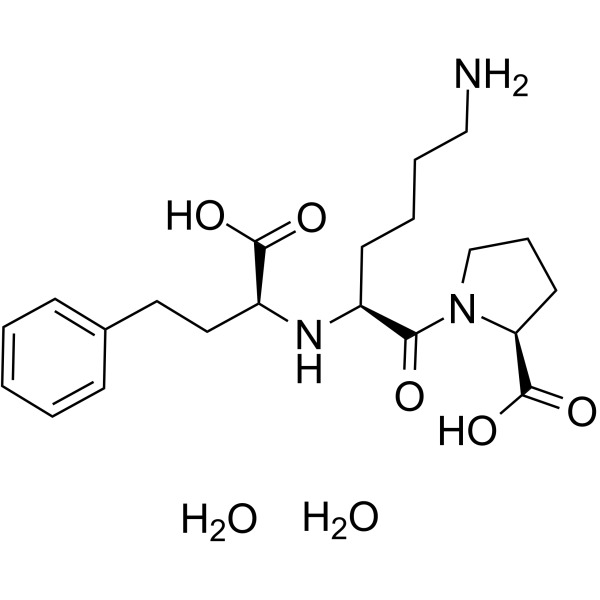
Lisinopril (dihydrate) (Standard) is the analytical standard of Lisinopril (dihydrate). This product is intended for research and analytical applications. Lisinopri dihydrate (MK-521 dihydrate) is angiotensin-converting enzyme inhibitor, used in treatment of hypertension, congestive heart failure, and heart attacks.
|
-

- HY-B0285BR
-
|
MK-870 hydrochloride dihydrate (Standard)
|
Reference Standards
Sodium Channel
Apoptosis
TRP Channel
|
Cardiovascular Disease
Metabolic Disease
|
|
Amiloride hydrochloride dihydrate (Standard) is the analytical standard of Amiloride hydrochloride dihydrate. This product is intended for research and analytical applications. Amiloride hydrochloride dihydrate (MK-870 hydrochloride dihydrate) is an inhibitor of both epithelial sodium channel (ENaC ) and urokinase-type plasminogen activator receptor (uTPA ). Amiloride hydrochloride dihydrate is a blocker of polycystin-2 (PC2; TRPP2 ) channel.
|
-

- HY-B1252B
-
-

- HY-I0447AR
-
|
4-Aminosalicylic acid sodium salt dihydrate (Standard)
|
Reference Standards
Antibiotic
Bacterial
|
Infection
Inflammation/Immunology
|
|
Sodium 4-aminosalicylate (dihydrate) (Standard) is the analytical standard of Sodium 4-aminosalicylate (dihydrate). This product is intended for research and analytical applications. Sodium 4-aminosalicylate dihydrate (4-Aminosalicylic acid sodium salt dihydrate) is an inhibitor for dihydrofolate reductase (DHFR) and an antituberculous agent. Sodium 4-aminosalicylate dihydrate exhibits anti-inflammatory activity and can be used in research of inflammatory bowel disease (IBD). Sodium 4-aminosalicylate dihydrate is orally active .
|
-

- HY-B1252BR
-
|
|
Reference Standards
Antibiotic
Bacterial
|
Infection
Inflammation/Immunology
|
|
Cefalonium (dihydrate) (Standard) is the analytical standard of Cefalonium (dihydrate). This product is intended for research and analytical applications. Cefalonium dihydrate is a cephalosporin antibiotic. Cefalonium (dihydrate) is effective against Staphylococcus aureus. Cefalonium (dihydrate) has anti-inflammatory and antibacterial activities .
|
-

- HY-B0166CR
-
|
L-Ascorbate calcium dihydrate (Standard); Vitamin C calcium dihydrate (Standard)
|
Biochemical Assay Reagents
Reference Standards
|
Others
Cancer
|
|
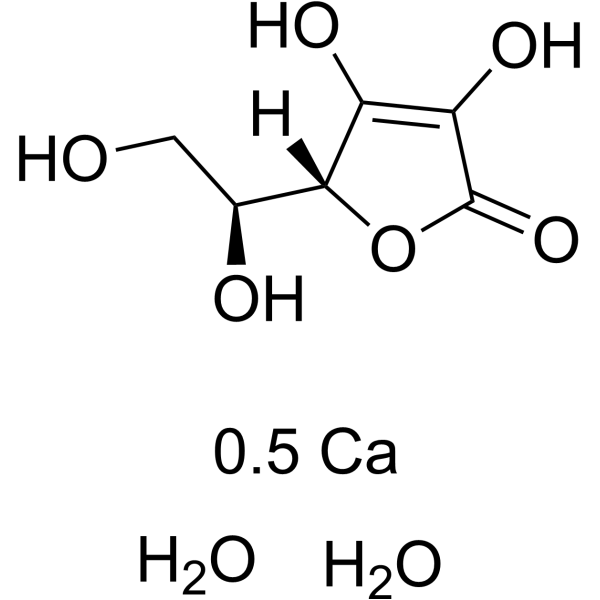
L-Ascorbic acid (calcium dihydrate) (Standard) is the analytical standard of L-Ascorbic acid (calcium dihydrate). This product is intended for research and analytical applications. L-Ascorbic acid (calcium dihydrate) (L-Ascorbate (calcium dihydrate); Vitamin C (calcium dihydrate)) is a biochemical reagent that can be used as a biological material or organic compound for life science related research.
|
-

- HY-125374A
-
|
XRP9881 dihydrate
|
Microtubule/Tubulin
|
Cancer
|
|
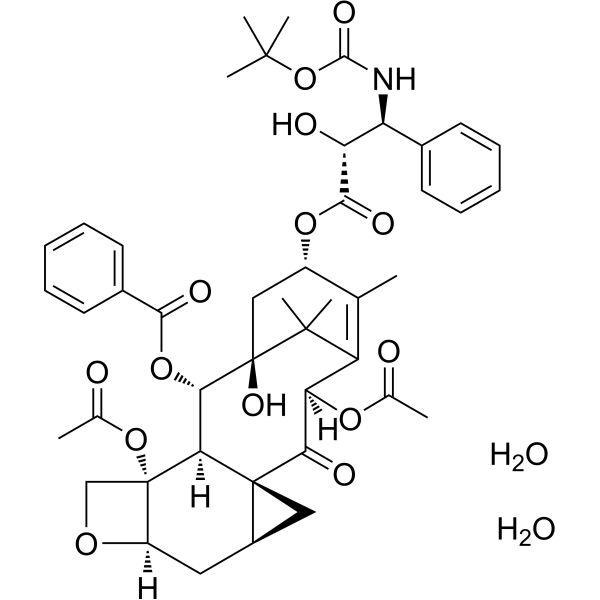
Larotaxel (dihydrate) (XRP9881 (dihydrate)), a new taxane compound prepared by partial synthesis from 10-deacetyl baccatin III, is active against tumors .
|
-
- HY-76657AR
-
|
ADL 8-2698 dihydrate (Standard); LY 246736 dihydrate (Standard)
|
Reference Standards
Opioid Receptor
|
Neurological Disease
Cancer
|
|
Alvimopan (dihydrate) (Standard) is the analytical standard of Alvimopan (dihydrate). This product is intended for research and analytical applications. Alvimopan dihydrate (ADL 8-2698 dihydrate) is a potent, selective, orally active and reversible μ-opioid receptor antagonist, with an IC50 of 1.7 nM. Alvimopan dihydrate has selectivity for μ-opioid receptor (Ki=0.47 nM) over κ- and δ-opioid receptors (Kis=100, 12 nM, respectively). Alvimopan dihydrate can be used for the research of postoperative ileus .
|
-

- HY-168427
-
|
Abivertinib maleate dihydrate; AC0010 maleate dihydrate
|
EGFR
Btk
Apoptosis
|
Cancer
|
|
Avitinib (Abivertinib) maleate dihydrate is a third-generation, irreversible and orally active selective EGFR inhibitor, with IC50 values of 0.18 nM, 0.18 nM, 7.68 nM and against EGFR L858R, EGFR T790M and wild-type EGFR. Avitinib maleate dihydrate is also a BTK inhibitor that induces apoptosis and inhibits phosphorylation of BTK in mantle cell lymphoma. Avitinib maleate dihydrate shows anticancer effects .
|
-

- HY-12594A
-
|
ABT-450 dihydrate; Veruprevir dihydrate
|
HCV Protease
HCV
SARS-CoV
|
Infection
|
|
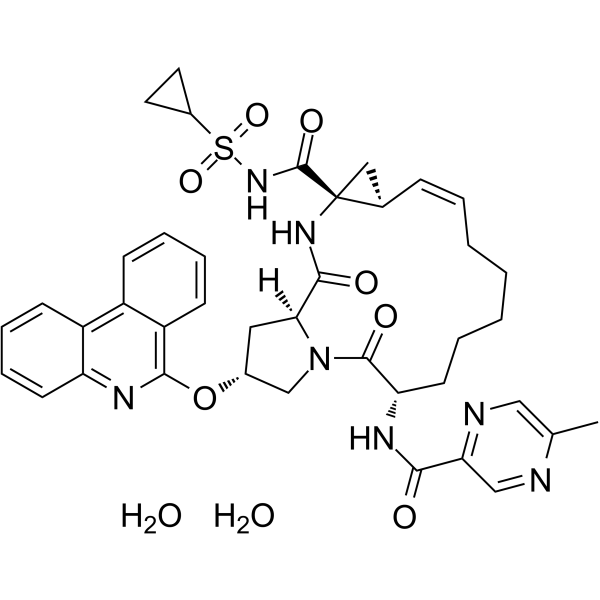
Paritaprevir (ABT-450) dihydrate is a potent, orally active and antiviral non-structural protein 3/4A (NS3/4A) protease inhibitor with EC50s of 1 and 0.21 nM against HCV 1a and 1b, respectively. Paritaprevir dihydrate is also a SARS-CoV 3CL pro inhibitor with an IC50 of 1.31 μM. Paritaprevir dihydrate is metabolized primarily by cytochrome P450 (CYP) 3A. The plasma concentration and half-life of Paritaprevir dihydrate can be enhanced by Ritonavir (a CYP450 inhibitor) .
|
-
- HY-19696BR
-
|
Tauroursodeoxycholic acid dihydrate (Standard); TUDCA dihydrate (Standard); UR 906 dihydrate (Standard)
|
ERK
Caspase
Apoptosis
Endogenous Metabolite
Reference Standards
|
Cancer
|
|
Tauroursodeoxycholate (dihydrate) (Standard) is the analytical standard of Tauroursodeoxycholate (dihydrate). This product is intended for research and analytical applications. Tauroursodeoxycholate (Tauroursodeoxycholic acid; TDUCA) dihydrate is an endoplasmic reticulum (ER) stress inhibitor. Tauroursodeoxycholate significantly reduces expression of apoptosis molecules, such as caspase-3 and caspase-12. Tauroursodeoxycholate also inhibits ERK .
|
-

- HY-B0275BR
-
|
|
Reference Standards
Bacterial
HSV
Antibiotic
Endogenous Metabolite
|
Infection
|
|
Oxytetracycline (dihydrate) (Standard) is the analytical standard of Oxytetracycline (dihydrate). This product is intended for research and analytical applications. Oxytetracycline dihydrate is an antibiotic belonging to the tetracycline class. Oxytetracycline dihydrate potent inhibits Gram-negative and Gram-positive bacteria. Oxytetracycline dihydrate is a protein synthesis inhibitor and prevents the binding from aminoacil-tRNA to the complex m-ribosomal RNA. Oxytetracycline dihydrate also possesses anti-HSV-1 activity .
|
-

- HY-B0371AR
-
|
|
Reference Standards
Adrenergic Receptor
|
Metabolic Disease
Endocrinology
|
|
Terazosin (hydrochloride dihydrate) (Standard) is the analytical standard of Terazosin (hydrochloride dihydrate). This product is intended for research and analytical applications. Terazosin hydrochloride dihydrate is a quinazoline derivative and a competitive and orally active α1-adrenoceptor antagonist. Terazosin hydrochloride dihydrate works by relaxing blood vessels and the opening of the bladder. Terazosin hydrochloride dihydrate has the potential for benign prostatic hyperplasia (BPH) and high blood pressure treatment .
|
-

- HY-Z0290AR
-
|
|
Reference Standards
|
|
|
Sodium phenyl phosphate (dihydrate) (Standard) is the analytical standard of Sodium phenyl phosphate (dihydrate). This product is intended for research and analytical applications.
|
-

- HY-128742R
-
|
|
Reference Standards
Endogenous Metabolite
Drug Derivative
|
Metabolic Disease
|
|
Thiamine monophosphate chloride dihydrate (Standard) is an analytical standard for Thiamine monophosphate chloride dihydrate (HY-128742). This product is intended for use in research and analytical applications. Thiamine monophosphate chloride dihydrate is a vitamin B1 (HY-A0100) metabolite and thiamine precursor. Thiamine monophosphate chloride dihydrate is absorbable in vivo and can be converted into thiamine. Thiamine monophosphate chloride dihydrate can be used as a food additive .
|
-

- HY-120111B
-
|
MW01-18-150SRM dihydrochloride dihydrate
|
p38 MAPK
Autophagy
|
Neurological Disease
Inflammation/Immunology
|
|
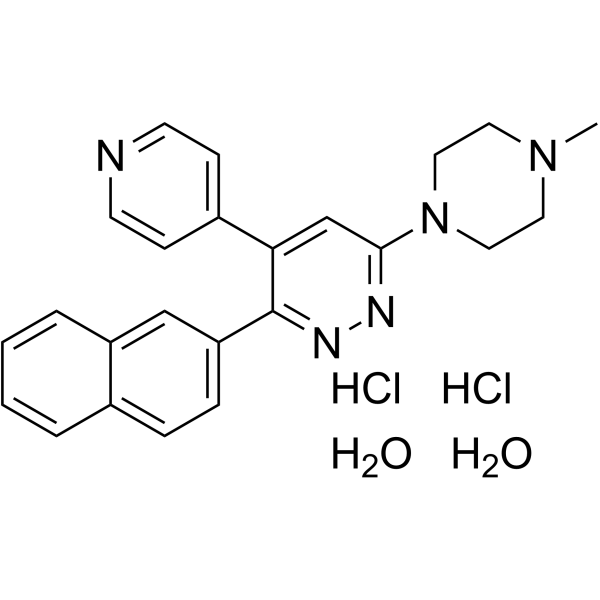
MW-150 dihydrochloride dihydrate (MW01-18-150SRM dihydrochloride dihydrate) is a selective, CNS penetrant, and orally active inhibitor of p38α MAPK with a Ki of 101 nM. MW-150 dihydrochloride dihydrate (MW01-18-150SRM dihydrochloride dihydrate) inhibits the ability of the endogenous p38α MAPK to phosphorylate an endogenous substrate MK2 in activated glia .
|
-
- HY-B1489R
-
|
|
Reference Standards
COX
|
Inflammation/Immunology
Cancer
|
|
Tolmetin (sodium dihydrate) (Standard) is the analytical standard of Tolmetin (sodium dihydrate). This product is intended for research and analytical applications. Tolmetin sodium dihydrate is an orally active and potent COX inhibitor with IC50s of 0.35 μM and 0.82 μM human COX-1 and COX-2, respectively. Tolmetin sodium dihydrate is a non-steroidal anti-inflammatory drug (NSAID) .
|
-

- HY-B0433AR
-
|
|
Dengue Virus
Flavivirus
Reference Standards
Parasite
Potassium Channel
|
Infection
|
|
Quinine (hydrochloride dihydrate) (Standard) is the analytical standard of Quinine (hydrochloride dihydrate). This product is intended for research and analytical applications. Quinine hydrochloride dihydrate (Qualaquin) is an orally active and can be used in anti-malarial studies. Quinine hydrochloride dihydrate is a potassium channel inhibitor that inhibits WT mouse Slo3 (KCa5.1) channel currents evoked by voltage pulses to +100?mV with an IC50 of 169 μM .
|
-

- HY-N7059A
-
|
|
Biochemical Assay Reagents
Bacterial
Reactive Oxygen Species (ROS)
|
Infection
|
|
Lactobionic acid calcium dihydrate is a biomimetic acid found in Caspian yogurt, chemically composed of gluconic acid bonded to galactose. Lactobionic acid calcium dihydrate has antioxidant, antimicrobial, chelating, stabilizer, acidulant and humectant properties. Lactobionic acid calcium dihydrate can be obtained by electrolytic methods, microbial fermentation or biocatalytic approaches. Lactobionic acid calcium dihydrate can be used in foodstuffs, to produce new functional products and against food-borne pathogens. Lactobionic acid calcium dihydrate inhibits DNA repair and protein synthesis, induction of oxidative stress and inhibition of metabolic pathways against MRSA .
|
-

- HY-W766603
-
-

- HY-144773A
-
|
HR1405–01
|
COX
|
Inflammation/Immunology
|
|
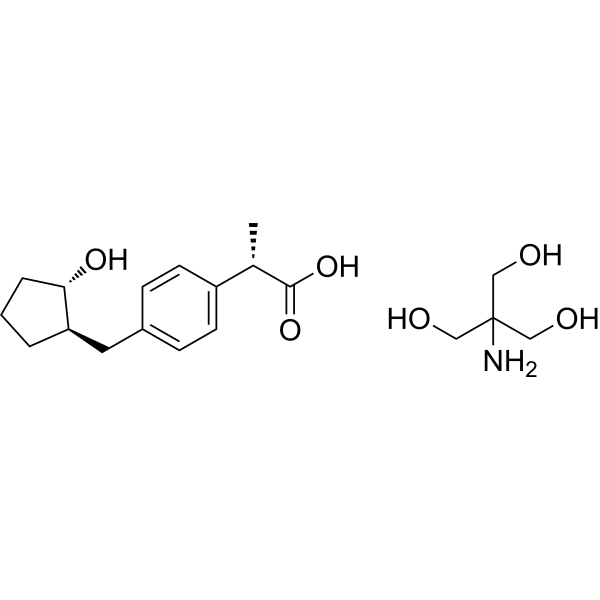
Loxoprofenol-SRS tromethamine (HR1405-01), an active metabolite of Loxoprofen, is a Safe intravenous non-steroidal anti-inflammatory drug (NSAID) with superior anti-inflammatory and analgesic activities .
|
-
- HY-CE01275
-
-

- HY-Z3384
-
-

- HY-137846A
-
|
|
Acetyl-CoA Carboxylase
OAT
|
Metabolic Disease
Inflammation/Immunology
|
|
PF-05221304 tromethamine is an orally active, liver-directed and dual ACC1/ACC2 inhibitor with IC50s of 7.5 nM for rat ACC1, 8.2 nM for rat ACC2. PF-05221304 tromethamine is a substrate for organic anion transport polypeptides. PF-05221304 tromethamine directly improves a variety of non-alcoholic fatty liver (NAFL) and non-alcoholic steatohepatitis (NASH) pathogenic factors .
|
-

- HY-Z3384R
-
|
|
Reference Standards
|
|
|
(S)-4-amino-5-ethoxy-5-oxopentanoic acid (Pemetrexed Disodium Impurity) (Standard) is the analytical standard of (S)-4-amino-5-ethoxy-5-oxopentanoic acid (Pemetrexed Disodium Impurity). This product is intended for research and analytical applications.
|
-

- HY-W015406R
-
|
Phloroglucinol dihydrate (Standard)
|
Reference Standards
|
|
|
Benzene-1,3,5-triol dihydrate (Standard) is the analytical standard of Benzene-1,3,5-triol dihydrate. This product is intended for research and analytical applications.
|
-

- HY-W687132
-
-

- HY-N1132A
-
|
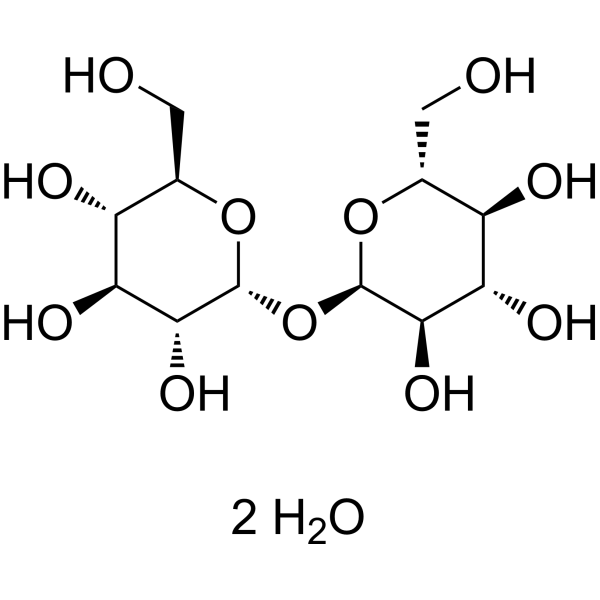
D-Trehalose dihydrate; α,α-Trehalose dihydrate
|
Endogenous Metabolite
|
Others
|
|
D-(+)-Trehalose dihydrate, isolated from Saccharomyces cerevisiae, can be used as a food ingredient and pharmaceutical excipient.
|
-
- HY-128384
-
|
|
Bacterial
|
Infection
|
|
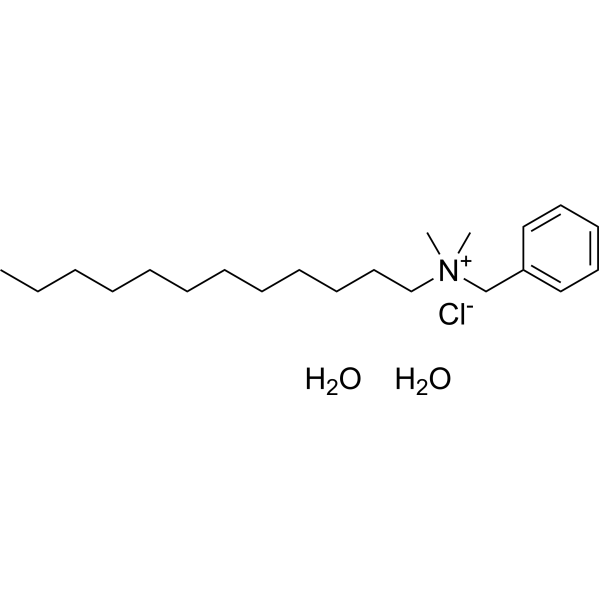
Benzyldodecyldimethylammonium chloride dihydrate is a quaternary ammonium compound (QAC) and can be used as a biocide to target antibiotic-resistant bacteria, such as methicillin-resistant Staphylococcus aureus (MRSA), multidrug-resistant (MDR) P. aeruginosa et. al. Benzyldodecyldimethylammonium chloride dihydrate, an antimicrobial agent, bacteriostatic or bactericidal properties depending on the concentration.
|
-
- HY-B1489
-
|
|
COX
|
Inflammation/Immunology
Cancer
|
|
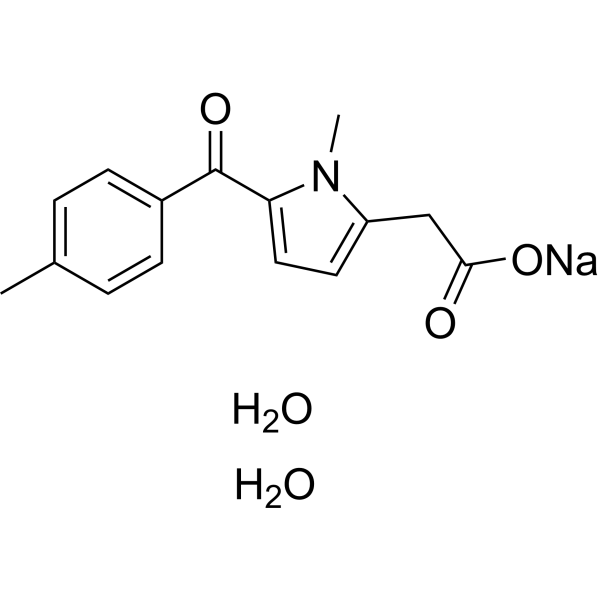
Tolmetin sodium dihydrate is an orally active and potent COX inhibitor with IC50s of 0.35 μM and 0.82 μM human COX-1 and COX-2, respectively. Tolmetin sodium dihydrate is a non-steroidal anti-inflammatory drug (NSAID) .
|
-
- HY-B0220E
-
|
|
Bacterial
Antibiotic
DNA/RNA Synthesis
|
Infection
Cancer
|
|
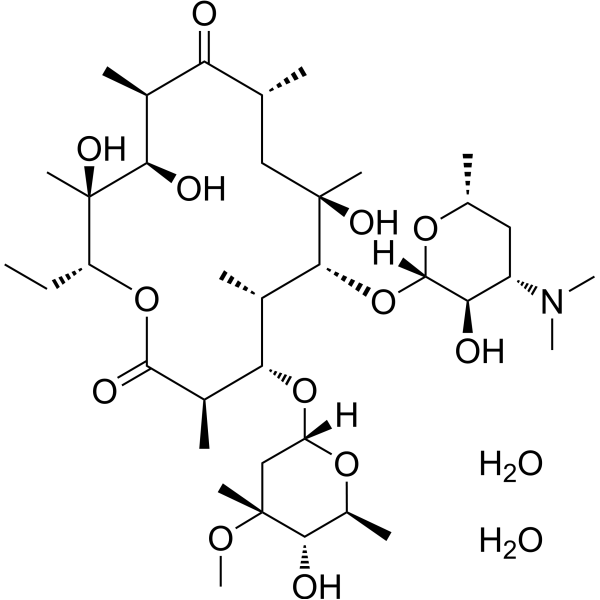
Erythromycin A dihydrate is a macrolide antibiotic produced by actinomycete Streptomyces erythreus with a broad spectrum of antimicrobial activity. Erythromycin A dihydrate binds to bacterial 50S ribosomal subunits and inhibits RNA-dependent protein synthesis by blockage of transpeptidation and/or translocation reactions, without affecting synthesis of nucleic acid [1][2]. Erythromycin A dihydrate also exhibits antitumor and neuroprotective effect in different fields of research [3][4].
|
-
- HY-B0210C
-
-
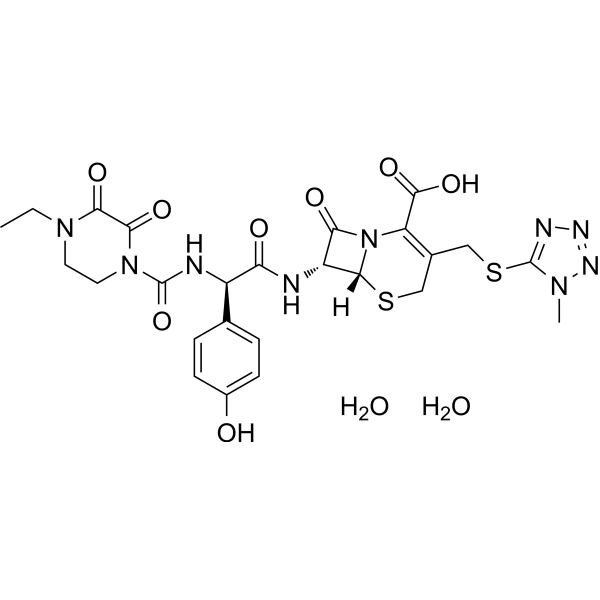
- HY-108915R
-
-

- HY-B0433A
-
|
|
Flavivirus
Dengue Virus
Parasite
Potassium Channel
|
Infection
|
|
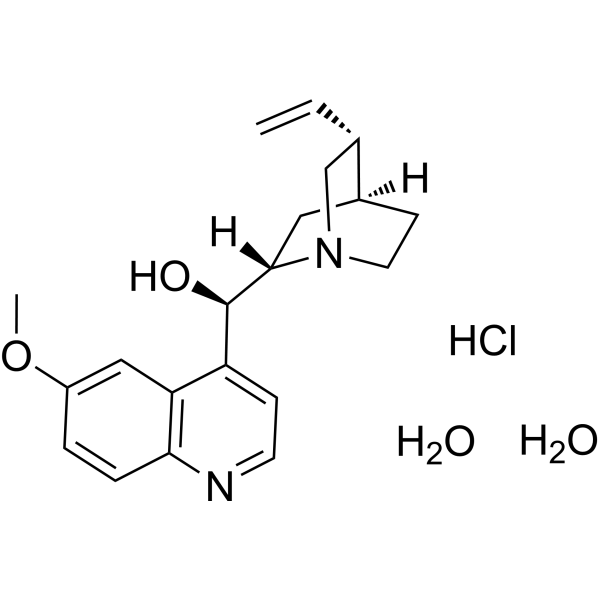
Quinine hydrochloride dihydrate (Qualaquin) is an orally active and can be used in anti-malarial studies. Quinine hydrochloride dihydrate is a potassium channel inhibitor that inhibits WT mouse Slo3 (KCa5.1) channel currents evoked by voltage pulses to +100 mV with an IC50 of 169 μM .
|
-
- HY-W014130A
-
-
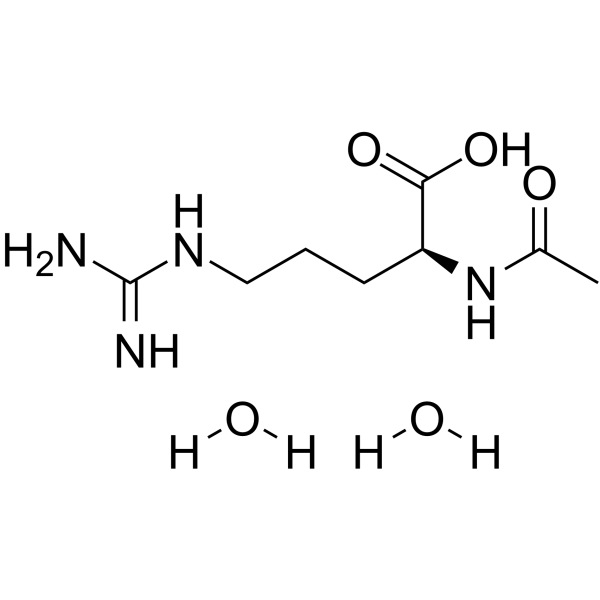
- HY-129953C
-
|
5-trans PGF2α tromethamine
|
Drug Derivative
|
Cardiovascular Disease
|
|
5-trans Prostaglandin F2α tromethamine is a derivative of 5-trans Prostaglandin F2α (HY-129953A). 5-trans Prostaglandin F2α is an endogenous metabolite present in blood that can be used for the research of myocardial infarction .
|
-

- HY-B0231R
-
|
MK-422 (Standard)
|
Reference Standards
Angiotensin-converting Enzyme (ACE)
|
Cardiovascular Disease
|
|
Enalaprilat (dihydrate) (Standard) is the analytical standard of Enalaprilat (dihydrate). This product is intended for research and analytical applications. Enalaprilat dihydrate (MK-422), the active metabolite of the oral proagent Enalapril, is a potent, competitive and long-acting angiotensin-converting enzyme (ACE) inhibitor, with an IC50 of 1.94 nM. Enalaprilat dihydrate can be used for the research of hypertension .
|
-

- HY-112390B
-
|
|
Syk
5-HT Receptor
|
Inflammation/Immunology
|
|
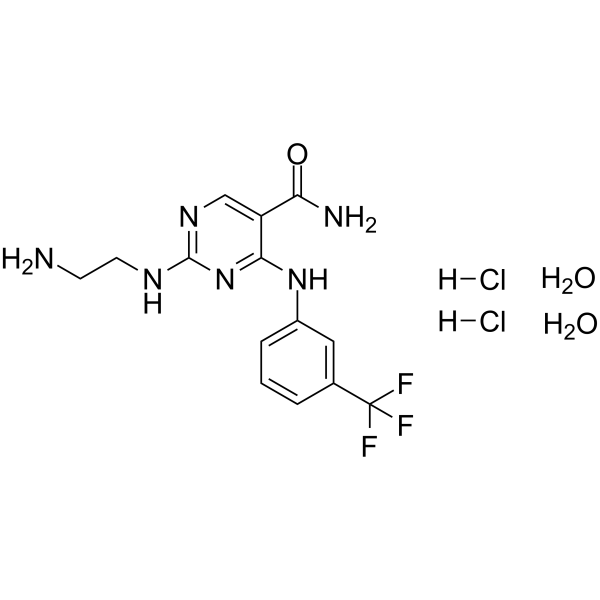
Syk Inhibitor II dihydrochloride dihydrate is a potent, high selective and ATP-competitive Syk inhibitor with an IC50 of 41 nM. Syk Inhibitor II dihydrochloride dihydrate inhibits 5-HT release from RBL-cells with an IC50 of 460 nM. Syk Inhibitor II dihydrochloride dihydrate shows less potent against other kinases and has anti-allergic effect .
|
-
- HY-135258
-
|
|
Galectin
Fungal
|
Others
|
|
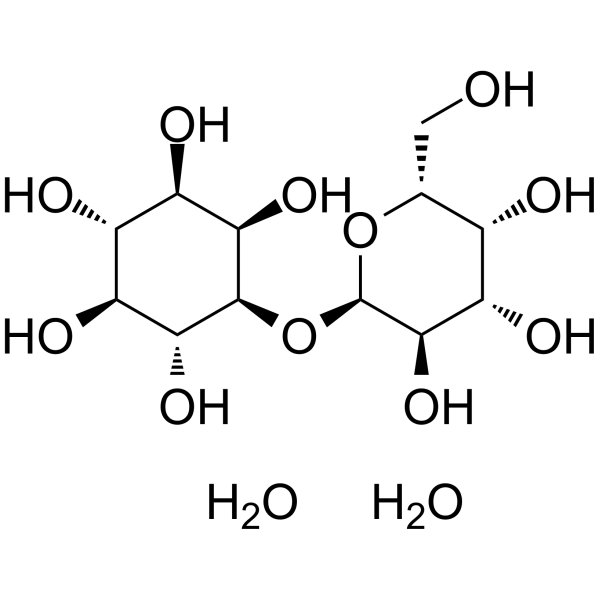
Galactinol dihydrate is a disaccharide carbohydrate serving as a galactosyl donor, which belongs to the raffinose family oligosaccharide pathway and acts as an important osmoprotectant. Galactinol dihydrate not only induces disease resistance in plants against fungal and bacterial pathogens, but also significantly enhances plant tolerance to abiotic stresses such as drought, high salinity, low temperature and oxidative damage. In addition, Galactinol dihydrate has the ability to scavenge hydroxyl radicals, can act as a signaling component for root colonization-induced systemic resistance, and is positively correlated with seed longevity in various crops, making it a potential biomarker for evaluating seed vigor. Therefore, Galactinol dihydrate can be used in the research of various plant diseases including fungal leaf spot, bacterial angular leaf spot, gray mold and soft rot .
|
-
- HY-B0714R
-
|
Dexketoprofen tromethamine salt (Standard)
|
Reference Standards
COX
|
Neurological Disease
|
|
Dexketoprofen (trometamol) (Standard) is the analytical standard of Dexketoprofen (trometamol). This product is intended for research and analytical applications. Dexketoprofen trometamol (Dexketoprofen tromethamine salt) is an orally active non-selective COX inhibitor. Dexketoprofen trometamol has a pain-relieving effect .
|
-

- HY-113955A
-
-
- HY-B1610ER
-
|
Trisodium citrate dihydrate, meets USP testing specifications (Standard)
|
Reference Standards
Biochemical Assay Reagents
|
Cardiovascular Disease
|
|
Sodium citrate dihydrate, meets USP testing specifications (Standard) is the analytical standard of Sodium citrate dihydrate, meets USP testing specifications. This product is intended for research and analytical applications. Sodium citrate dihydrate, meets USP testing specifications is an anticoagulant and also used as a buffer and food preservatives .
|
-

- HY-N0146R
-
|
|
Reference Standards
PI3K
Apoptosis
|
Inflammation/Immunology
Cancer
|
|
Quercetin (dihydrate) (Standard) is the analytical standard of Quercetin (dihydrate). This product is intended for research and analytical applications. Quercetin dihydrate, a natural flavonoid, is a stimulator of recombinant SIRT1 and a PI3K inhibitor with IC50s of 2.4 μM, 3.0 μM and 5.4 μM for PI3K γ, PI3K δ and PI3K β, respectively .
|
-

- HY-123065
-
-

- HY-108915
-
-
- HY-10159C
-
|
AMN107 hydrochloride dihydrate
|
Autophagy
Bcr-Abl
|
Cancer
|
|
Nilotinib (AMN107) hydrochloride dihydrate is an orally active Bcr-Abl tyrosine kinase inhibitor with antineoplastic activity and can be used in studies of chronic myelogenous leukaemia .
|
-

- HY-B0183B
-
|
|
Biochemical Assay Reagents
|
Others
|
|
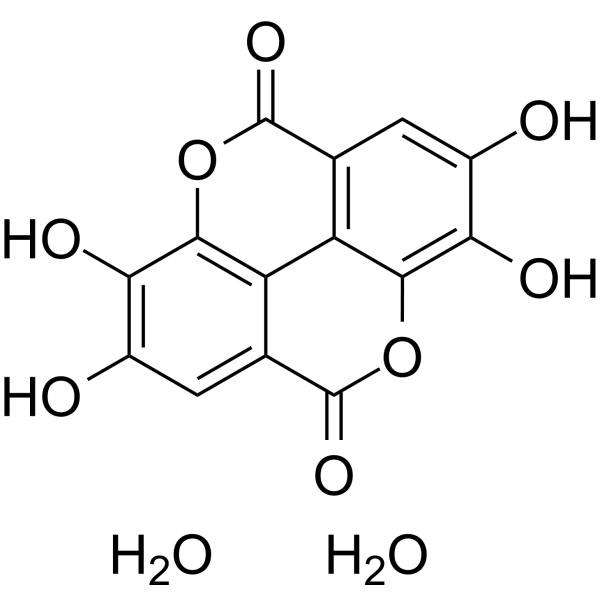
Ellagic acid (dihydrate) is a biochemical reagent that can be used as a biological material or organic compound for life science related research.
|
-
- HY-108536D
-
|
|
Biochemical Assay Reagents
|
Others
|
|
Calcium chloride dihydrate, for cell culture, 99% is a biochemical reagent. Calcium chloride dihydrate, for cell culture, 99% enhances the dentinogenic differentiation potential of WMTA on cells. Calcium chloride dihydrate, for cell culture, 99% can be used as a biological material or organic compound for life science related research [2.
|
-

- HY-W088413A
-
|
|
Biochemical Assay Reagents
|
Cancer
|
|
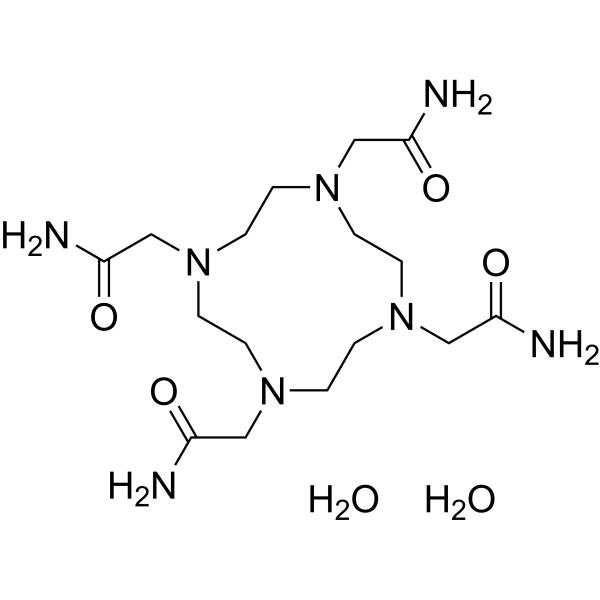
DOTA-amide (dihydrate) is a Bifunctional Chelators (BFCs). DOTA-amide (dihydrate) binds to the Affibody molecule ZHER2:S1. Its complex binds specifically to HER2 and can be used to detect bone metastases, which are common in prostate cancer .
|
-
- HY-13631P
-
|
DX-8951 mesylate dihydrate
|
ADC Payload
Topoisomerase
|
Cancer
|
|
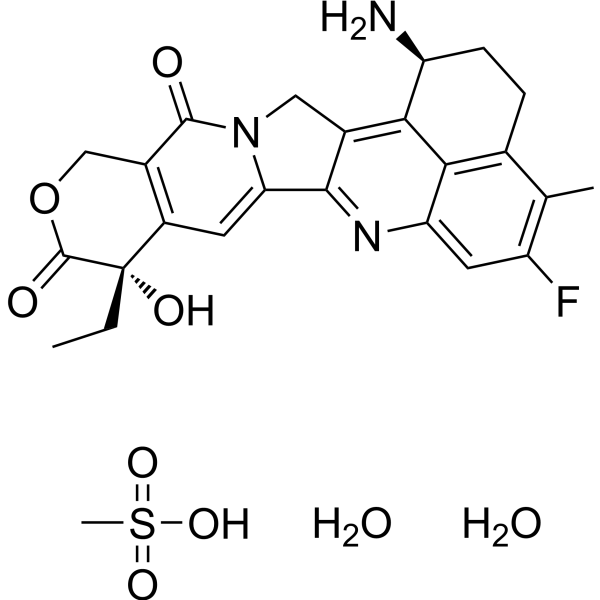
Exatecan (DX-8951) mesylate dihydrate is a DNA topoisomerase I inhibitor, with an IC50 of 2.2 μM (0.975 μg/mL), and can be used in cancer research .
|
-
- HY-W007369A
-
|
|
Biochemical Assay Reagents
|
Others
|
|
BARF (sodium dihydrate) is a biochemical reagent that can be used as a biological material or organic compound for life science related research .
|
-

- HY-D0850R
-
|
Sodium tartrate dibasic dihydrate (Standard); Sodium tartrate dihydrate (Standard)
|
Reference Standards
Phosphatase
Endogenous Metabolite
|
Cardiovascular Disease
|
|
Tartaric acid (disodium dihydrate) (Standard) is the analytical standard of Tartaric acid (disodium dihydrate). This product is intended for research and analytical applications. Tartaric acid disodium dehydrate (L-(+) -tartaric acid) is an orally active weak organic acid that can be isolated from grapes. Tartaric acid disodium dehydrate has vasodilatory and antihypertensive effects. Tartaric acid disodium dehydrate can be used as flavorings and antioxidants in a range of foods and beverages. Tartaric acid disodium dehydrate can be used in laser frequency doubling and optical limiting applications [4].
|
-

- HY-B0698A
-
|
Sch-39720 dihydrate
|
Beta-lactamase
Bacterial
Antibiotic
|
Infection
|
|
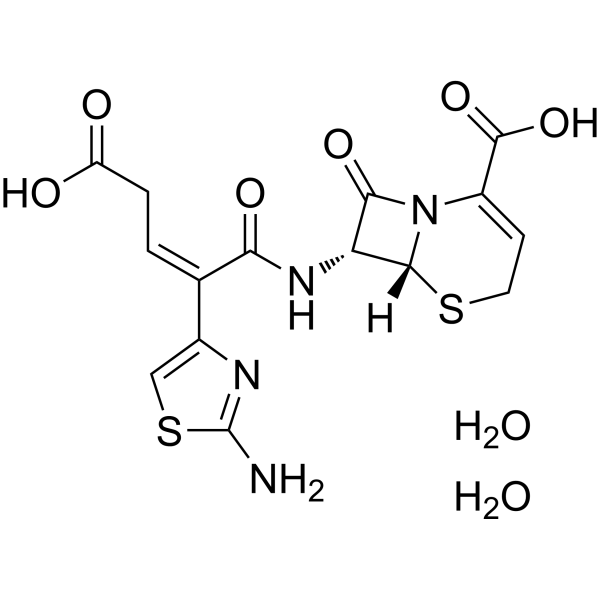
Ceftibuten (Sch-39720) dihydrate, an antibiotic, is an orally active cephalosporin, possesses potent activity in vitro against a wide range of gram-negative and certain gram-positive pathogens .
|
-
- HY-B0231
-
|
MK-422
|
Angiotensin-converting Enzyme (ACE)
|
Cardiovascular Disease
|
|
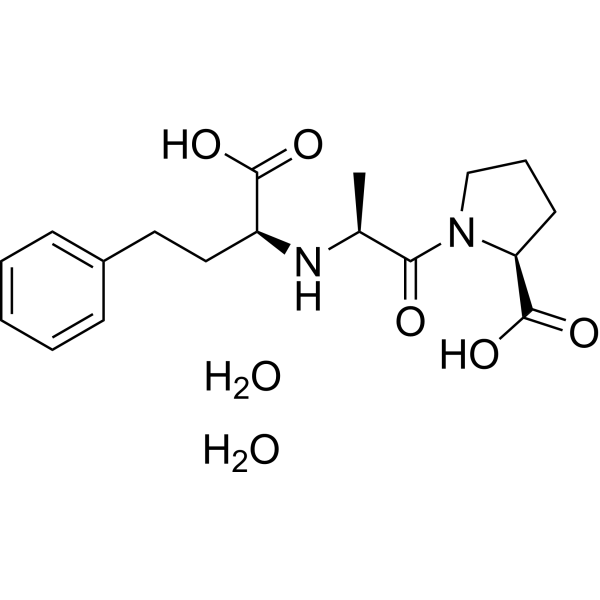
Enalaprilat dihydrate (MK-422), the active metabolite of the oral proagent Enalapril, is a potent, competitive and long-acting angiotensin-converting enzyme (ACE) inhibitor, with an IC50 of 1.94 nM. Enalaprilat dihydrate can be used for the research of hypertension .
|
-
- HY-W105875
-
-

- HY-Z0290A
-
|
|
Biochemical Assay Reagents
|
Others
|
|
Sodium phenyl phosphate dihydrate can be used as a buffering agent in biochemical and pharmaceutical formulations. Sodium phenyl phosphate dehydrate also acts as a substrate for evaluating phosphataseactivity .
|
-

- HY-B0002AR
-
|
GR 38032 hydrochloride dihydrate (Standard); SN 307 hydrochloride dihydrate (Standard)
|
Reference Standards
5-HT Receptor
|
Neurological Disease
|
|
Ondansetron (hydrochloride dihydrate) (Standard) is the analytical standard of Ondansetron (hydrochloride dihydrate). This product is intended for research and analytical applications. Ondansetron (GR 38032) hydrochloride dehydrate is an orally active, highly selective and competitive 5-HT3 receptor antagonist (crosses the blood-brain barrier). Ondansetron hydrochloride dehydrate can be used in studies of preventing nausea and vomiting associated with cancer chemotherapy, radiation therapy and surgery .
|
-

- HY-W105855
-
|
|
Biochemical Assay Reagents
|
Others
|
|
Potassium trihydrogendioxalate dihydrate is a biochemical reagent that can be used as a biological material or organic compound for life science related research.
|
-

- HY-157917
-
|
|
Biochemical Assay Reagents
|
Others
|
|
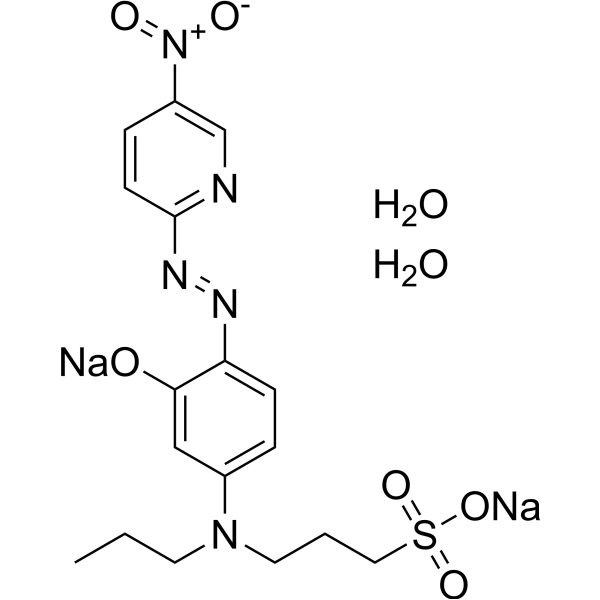
Nitro-PAPS disodium dihydrate is a highly sensitive colometric reagent for Fe(II) detection with a maximal absorption wavelength of 592 nm. Nitro-PAPS disodium dihydrate is suitable for the determination of Fe(II) in serum and also be used to determine micro molar levels of Cu, Zn, Ni, Co and V .
|
-
- HY-14949D
-
|
TTI-237 fumarate dihydrate
|
Microtubule/Tubulin
|
Cancer
|
|
Cevipabulin (TTI-237) fumarate dihydrate) is an oral, microtubule-active, antitumor compound and inhibits the binding of [ 3H]NSC 49842 to tubulin, with an IC50 of 18-40 nM for cytotoxicity in human tumor cell line .
|
-

- HY-W094350
-
|
Gypsum fibrosum (99%)
|
Environmental Pollutants
Biochemical Assay Reagents
|
Others
|
|
Calcium sulfate dihydrate (99%) (Gypsum fibrosum (99%)) is a desiccant. Calcium sulfate dihydrate (99%) is a kind of biological materials or organic compounds that are widely used in life science research .
|
-

- HY-W076042
-
|
Sodium tetrakis(4-fluorophenyl)borate dihydrate
|
Biochemical Assay Reagents
|
Others
|
|
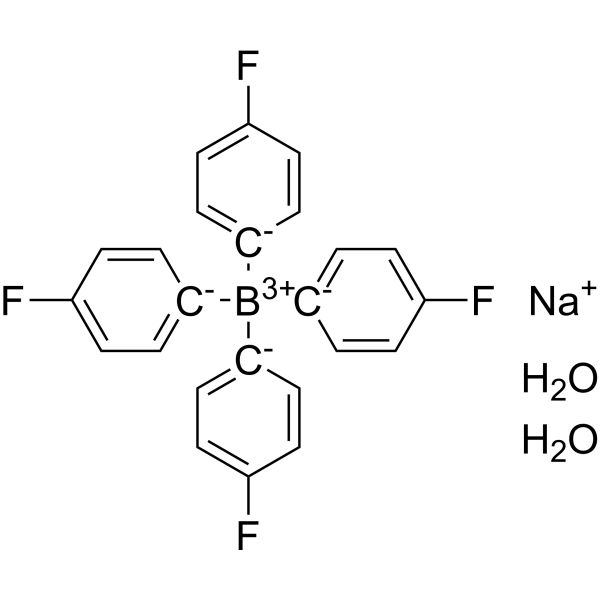
Cesibor dihydrate is an additive salt used in ion-selective electrodes (ISEs) and micro ion-selective field effect transistors (μ-ISFETs) to enhance or modulate their selective responses to specific ions .
|
-
- HY-A0119
-
|
Sodium nitroprusside dihydrate; Sodium Nitroferricyanide(III) dihydrate
|
Autophagy
|
Cardiovascular Disease
Cancer
|
|
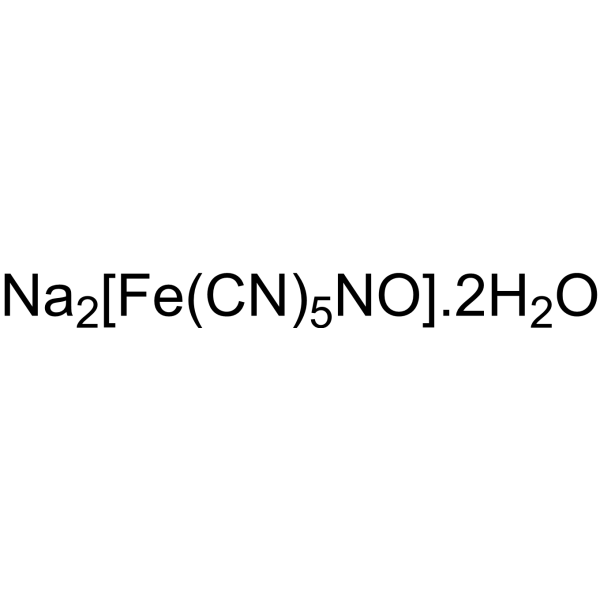
Nitroprusside disodium dehydrate (Sodium nitroprusside dihydrate) is a vasodilator that available for the research of acute hypertension, heart failure. Nitroprusside disodium dehydrate induces autophagy in glutathione-depleted osteoblasts. Nitroprusside disodium dehydrate acts as a nitric oxide (NO) donor in a rat intestinal ischemia reperfusion model .
|
-
- HY-W009371CR
-
|
|
Endogenous Metabolite
Reference Standards
|
Metabolic Disease
|
|
D-Ribose 5-phosphate (disodium dihydrate) (Standard) is the analytical standard of D-Ribose 5-phosphate (disodium dihydrate) (HY-W009371C). This product is intended for research and analytical applications. D-Ribose 5-phosphate disodium dihydrate is an intermediate of the oxidative branch of the pentose phosphate pathway (PPP) and an end product of the nonoxidative branch of the PPP. D-Ribose 5-phosphate is used in the synthesis of nucleotides and nucleic acids .
|
-

- HY-14879C
-
|
NXL-104 dihydrate
|
Beta-lactamase
Bacterial
Antibiotic
|
Infection
|
|
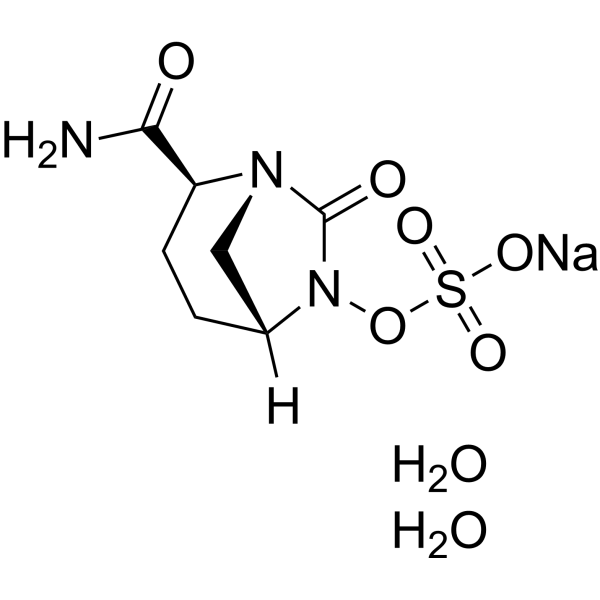
Avibactam sodium (NXL-104) dihydrate is a covalent and reversible non-β-lactam β-lactamase inhibitor which inhibits β-lactamase TEM-1 and CTX-M-15 with IC50s of 8 nM and 5 nM, respectively .
|
-
- HY-B1610E
-
-
- HY-W040019
-
|
|
Biochemical Assay Reagents
|
Others
|
|
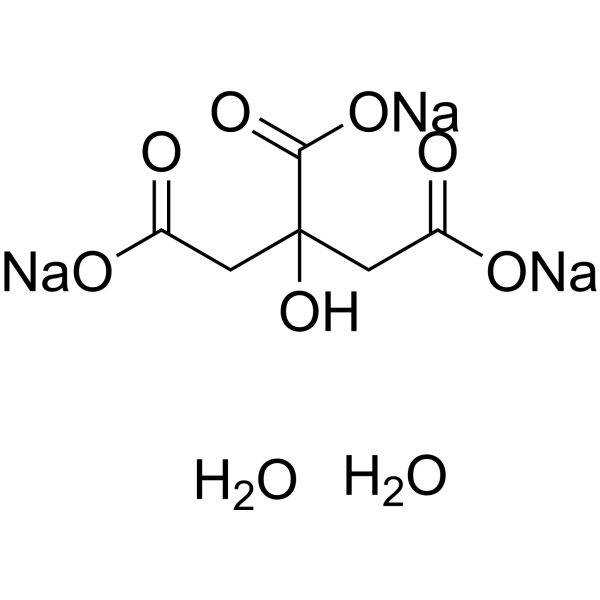
Dipotassium oxodioxalatotitanate(IV) dihydrate is a kind of biological materials or organic compounds that are widely used in life science research .
|
-

- HY-B1610
-
|
Trisodium citrate dihydrate; Citric acid trisodium salt dihydrate
|
Environmental Pollutants
Endogenous Metabolite
Apoptosis
Bacterial
|
Infection
Cardiovascular Disease
Cancer
|
|
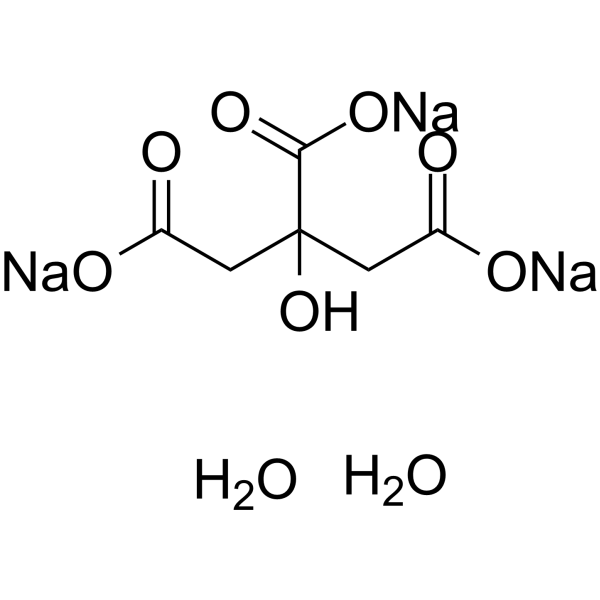
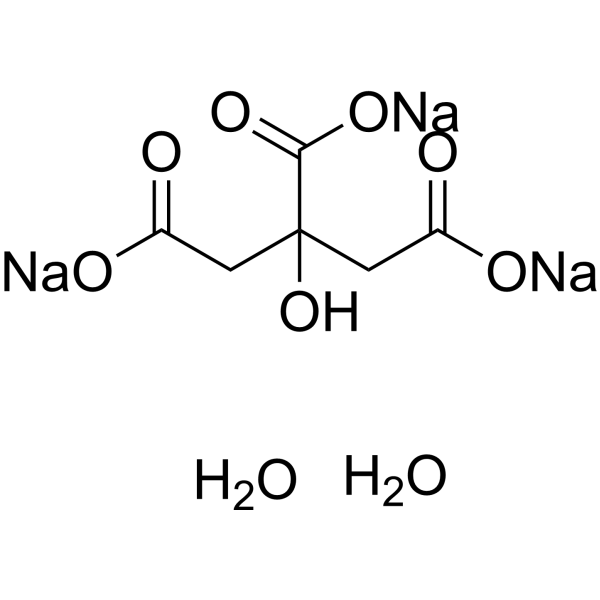
Sodium citrate dehydrate (Trisodium citrate dihydrate) is a natural product with oral activity that can be found in citrus fruits. Sodium citrate dehydrate can inhibit the proliferation of tumor cells and induce apoptosis. Sodium citrate dehydrate has antibacterial, anti-tumor and antioxidant activities. Sodium citrate dehydrate can be prepared as a cosolvent or buffer .
|
-
- HY-W802699
-
|
|
Biochemical Assay Reagents
|
Others
|
|
α-Ketoglutaric acid disodium dihydrate, an important dicarboxylic acid, is an intermediate in the tricarboxylic acid cycle (TCC) and amino acid metabolism. α-Ketoglutaric acid disodium dihydrate can be used as building block chemical for the chemical synthesis of heterocycles, dietary supplement, component of infusion solutions and wound healing compounds, or as main component of new elastomers with a wide range of interesting mechanical and chemical properties .
|
-

- HY-114301A
-
|
|
Sodium Channel
|
Neurological Disease
|
|
PF-06305591 dihydrate is a potent and highly selective voltage gated sodium channel NaV1.8 blocker, with an IC50 of 15 nM. An excellent preclinical in vitro ADME and safety profile .
|
-
- HY-B1610I
-
|
Trisodium citrate dihydrate, for molecular biology
|
Biochemical Assay Reagents
|
Others
|
|
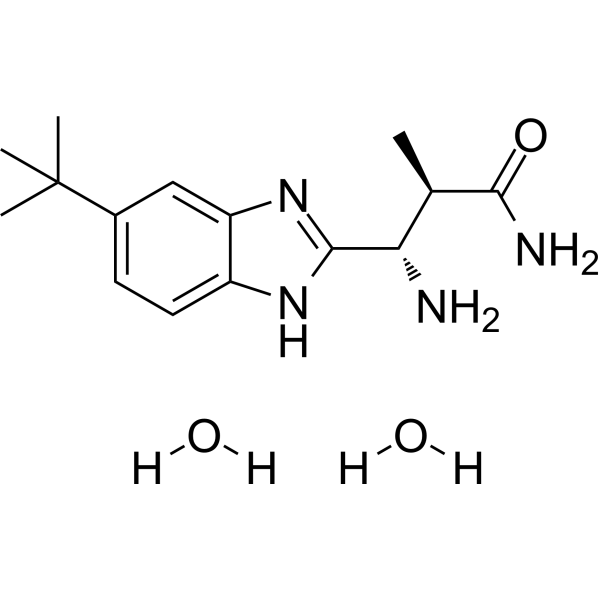
Sodium citrate dihydrate, for molecular biology is an antacid used in studies to neutralize gastric acid. Sodium citrate dehydrate is often used to prepare biological buffers and can be used in molecular biology research .
|
-
- HY-W098697S
-
|
|
Isotope-Labeled Compounds
|
Others
|
|
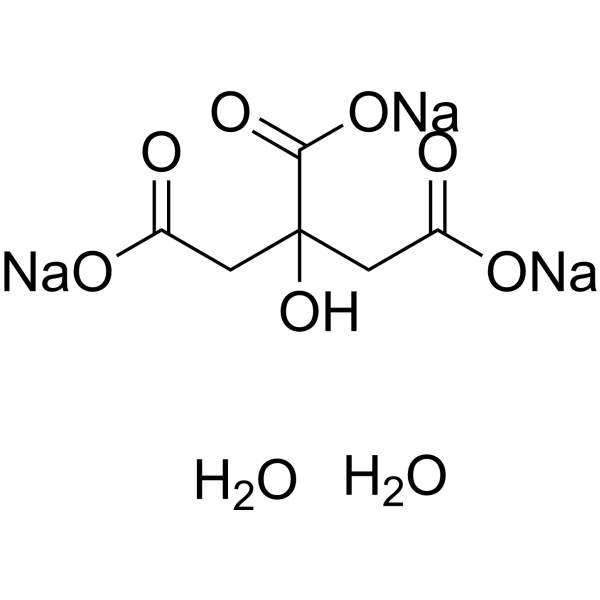
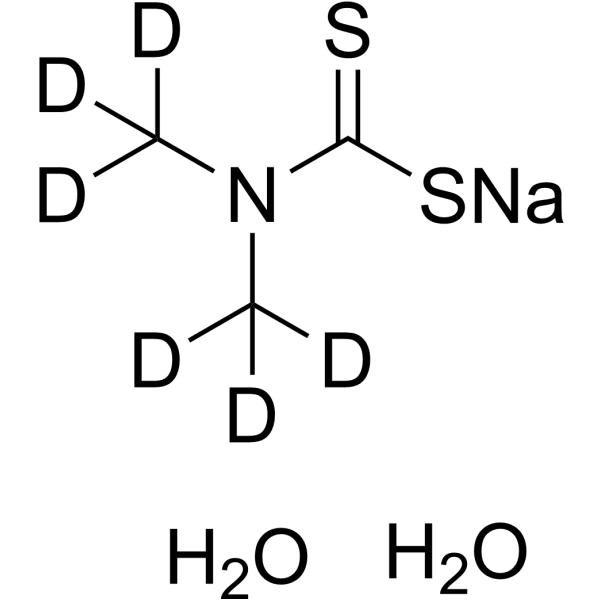
Dimethyldithiocarbamate-d6 sodium dihydrate is the deuterium-labeled Dimethyldithiocarbamate (HY-W098697) . Ferric dimethyl‐dithiocarbamate (ferbam) exhibits oral toxicity in rodents .
|
-
- HY-Y0682AR
-
|
EDTA disodium dihydrate (Standard)
|
Biochemical Assay Reagents
Reference Standards
Bacterial
SOD
|
Cardiovascular Disease
Neurological Disease
Cancer
|
|
Ethylenediaminetetraacetic acid (disodium dihydrate) (Standard) is the analytical standard of Ethylenediaminetetraacetic acid (disodium dihydrate). This product is intended for research and analytical applications. Ethylenediaminetetraacetic acid (EDTA) disodium dehydrate is a kind of metal chelating agent (binds to bivalent and trivalent metal cations, including calcium). Ethylenediaminetetraacetic acid disodium dehydrate has antibacterial, anti-inflammatory, antioxidant, anti-hypercalcemia and anticoagulant activities. Ethylenediaminetetraacetic acid disodium dehydrate decreases the metal ion-catalyzed oxidative damage to proteins, and allows maintenance of reducing environment during protein purification. Ethylenediaminetetraacetic acid disodium dehydrate can alleviate the liver fibrosis. Ethylenediaminetetraacetic acid disodium dehydrate can be used for coronary artery disease and neural system disease research [4] .
|
-

- HY-143876S
-
|
|
Isotope-Labeled Compounds
|
Others
|
|
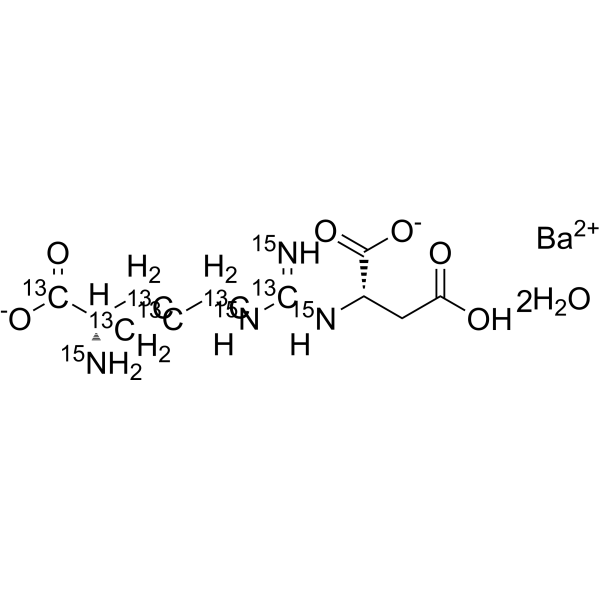
L-Argininosuccinic acid- 13C6, 15N4 (barium, dihydrate) is a 15N-labeled and 13C-labled labeled L-Argininosuccinic acid (barium, dihydrate) .
|
-
- HY-W103371R
-
|
o-Sulfobenzimide sodium salt dihydrate (Standard)
|
Reference Standards
|
|
|
Sodium 3-oxo-3H-benzo[d]isothiazol-2-ide 1,1-dioxide dihydrate (Standard) is the analytical standard of Sodium 3-oxo-3H-benzo[d]isothiazol-2-ide 1,1-dioxide dihydrate. This product is intended for research and analytical applications.
|
-
![Sodium 3-oxo-3H-benzo[d]isothiazol-2-ide 1,1-dioxide dihydrate (Standard)](//file.medchemexpress.com/product_pic/hy-w103371r.gif)
- HY-B0189B
-
|
TAK-370 citrate dihydrate; AS-4370 citrate dihydrate
|
5-HT Receptor
Potassium Channel
Cytochrome P450
|
Metabolic Disease
Cancer
|
|
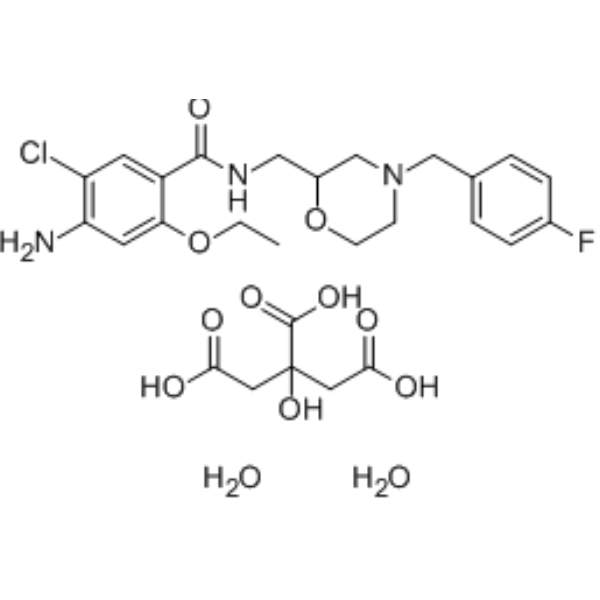
Mosapride (TAK-370) citrate dehydrate is a gastroprokinetic agent with 5-hydroxytryptamine4 receptor agonist activity and has been widely used in the research of a variety of gastrointestinal disorders. Mosapride citrate dihydrate potently inhibits Kv4.3 in a concentration-dependent manner with IC50 values of 15.2 μM . Mosapride citrate dihydrateselectively stimulates upper GI motility in vivo .
|
-
- HY-D0836
-
|
Ethylenediaminetetraacetic acid dipotassium dihydrate
|
DNA/RNA Synthesis
|
Others
|
|
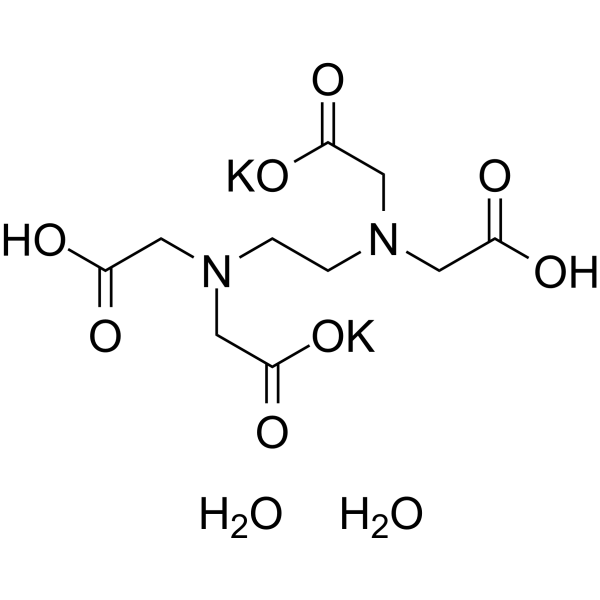
EDTA dipotassium dihydrate is a metal ion chelator that forms stable and water-soluble chelates with a variety of metal ions. EDTA dipotassium is commonly used as a blood anticoagulant, which can effectively prevent blood coagulation and maintain the morphology and function of cells in blood samples. In the industrial field, EDTA dipotassium can be used to remove the adverse effects of metal ions and prevent oxidation and deterioration caused by metal ions .
|
-
- HY-W102047
-
|
|
PROTAC Linkers
|
Cancer
|
|
Boc-2-(piperazin-1-yl)acetic acid (dihydrate) is a PROTAC linker that can be used in the synthesis of PROTACs.
|
-

- HY-W094708D
-
|
Disodium hydrogen phosphate dihydrate, meets analytical specification of Ph. Eur. BP
|
Biochemical Assay Reagents
|
Others
|
|
Sodium phosphate dibasic dihydrate, meets analytical specification of Ph. Eur. BP is an inorganic salt that can be used for life science related research .
|
-
- HY-N0146
-
|
|
PI3K
Apoptosis
|
Inflammation/Immunology
Cancer
|
|
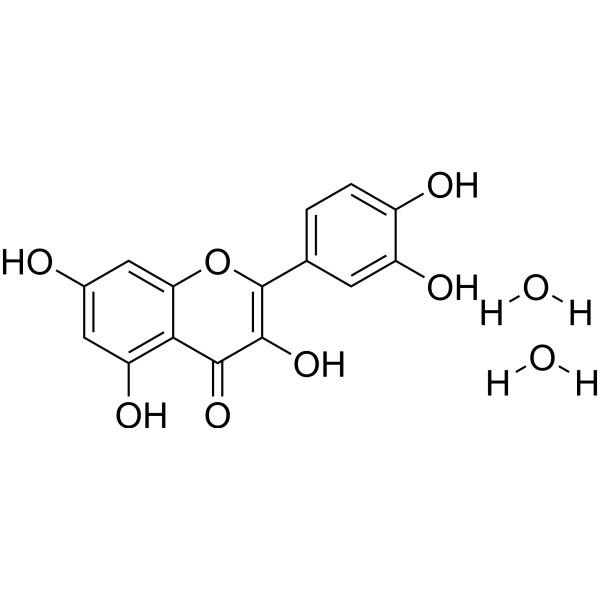
Quercetin dihydrate, a natural flavonoid, is a stimulator of recombinant SIRT1 and a PI3K inhibitor with IC50s of 2.4 μM, 3.0 μM and 5.4 μM for PI3K γ, PI3K δ and PI3K β, respectively .
|
-
- HY-Y0262D
-
|
Calcium oxalate dihydrate
|
Biochemical Assay Reagents
|
Others
|
|
Oxalic acid (calcium monohydrate),99% (Calcium oxalate dihydrate) is a kind of biological materials or organic compounds that are widely used in life science research .
|
-

- HY-W009371C
-
|
|
Endogenous Metabolite
|
Metabolic Disease
|
|
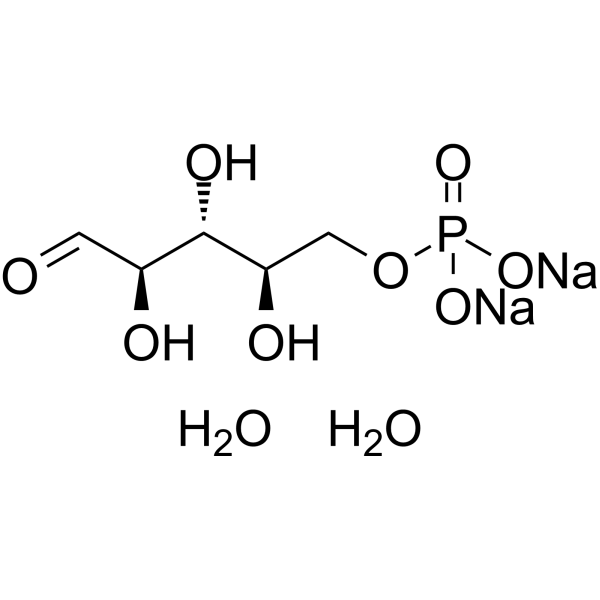
D-Ribose 5-phosphate disodium dihydrate is an intermediate of the oxidative branch of the pentose phosphate pathway (PPP) and an end product of the nonoxidative branch of the PPP. D-Ribose 5-phosphate is used in the synthesis of nucleotides and nucleic acids .
|
-
- HY-W008437R
-
|
|
Endogenous Metabolite
Reference Standards
|
Metabolic Disease
|
|
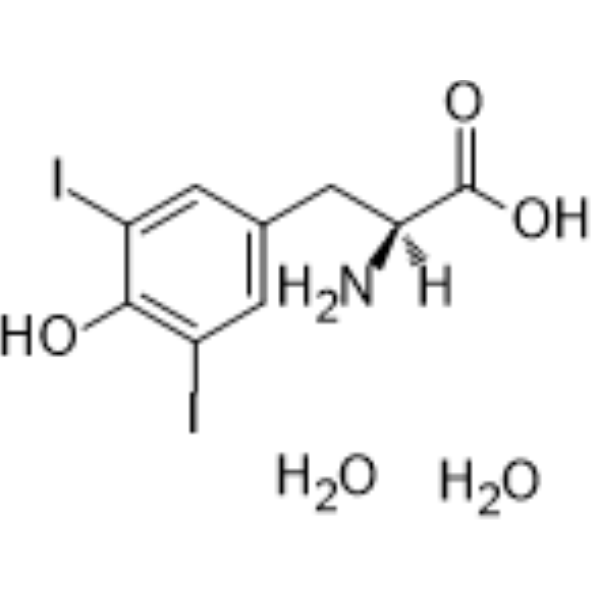
(S)-2-Amino-3-(4-hydroxy-3,5-diiodophenyl)propanoic acid dihydrate (Standard) is the analytical standard of (S)-2-Amino-3-(4-hydroxy-3,5-diiodophenyl)propanoic acid dihydrate (HY-W008437). This product is intended for research and analytical applications. (S)-2-Amino-3-(4-hydroxy-3,5-diiodophenyl)propanoic acid dihydrate is an endogenous metabolite.
|
-

- HY-B1610H
-
|
Trisodium citrate dihydrate (Pharmaceutical primary standard, USP)
|
Biochemical Assay Reagents
|
Others
|
|
Sodium citrate dihydrate, United States Pharmacopeia (USP) Reference Standard is an antacid used in studies to neutralize gastric acid. Sodium citrate dehydrate can also be used to prepare biological buffers. Sodium citrate dehydrate is a reference standard grade of the United States Pharmacopeia (USP) and a first-class pharmaceutical standard .
|
-
- HY-W008437
-
-
- HY-W320523
-
|
|
Fluorescent Dye
Reverse Transcriptase
HIV
RSV
|
Infection
Metabolic Disease
Cancer
|
|
ALizarin complexone dihydrate is the dehydrate of Alizarin complexone (HY-121075). Alizarin complexone is a calcium-binding fluorescent dye. Alizarin complexone stains mineralized areas of bone by binding to calcium crystals. Alizarin complexone inhibits the reverse transcriptase activity of RAV-2, HIV-1, and RSV with IC50 values of 3.8 μg/mL, 45 μg/mL, and 100 μg/mL, respectively. Alizarin complexone exhibits antiviral activity against HIV-1 and RSV. Alizarin complexone delays RSV-induced tumor induction in chickens .
|
-

- HY-W748418
-
|
|
Isotope-Labeled Compounds
Liposome
|
Others
|
|
1-Thio-β-D-glucose Sodium Salt Dihydrate- 13C6 is the 13C-labeled 1-Thio-β-D-glucose sodium (HY-115419). 1-Thio-β-D-glucose sodium is the sodium salt form of 1-Thio-β-D-glucose. 1-Thio-β-D-glucose forms hydrophilic self-assembled monolayer with metal, stablizes the lipid bilayer and protects the proteins from denaturation .
|
-

- HY-103251R
-
|
LpxC-4 (Standard)
|
Reference Standards
Antibiotic
Bacterial
|
Infection
|
|
Cefalonium (dihydrate) (Standard) is the analytical standard of Cefalonium (dihydrate). This product is intended for research and analytical applications. Cefalonium dihydrate is a cephalosporin antibiotic. Cefalonium (dihydrate) is effective against Staphylococcus aureus. Cefalonium (dihydrate) has anti-inflammatory and antibacterial activities .
|
-

- HY-19696B
-
|
Tauroursodeoxycholic acid dihydrate; TUDCA dihydrate; UR 906 dihydrate
|
Caspase
Apoptosis
Endogenous Metabolite
IRE1
NF-κB
JNK
Reactive Oxygen Species (ROS)
Akt
|
Neurological Disease
Metabolic Disease
Inflammation/Immunology
|
|
Tauroursodeoxycholate dehydrate is an orally active taurine conjugate of Ursodeoxycholic acid (HY-13771). Tauroursodeoxycholate dehydrate inhibits caspase-3/7, Apoptosis, IRE1α/TRAF2/NF-κB, prevents JNK phosphorylation, inhibits ROS generation, and activates Akt signaling. Tauroursodeoxycholate dehydrate prevents cataract formation, reduces renal tubular damage in type 2 diabetic mice, reduces I/R injury in liver, and inhibits intestinal inflammation and barrier disruption in nonalcoholic fatty liver disease .
|
-
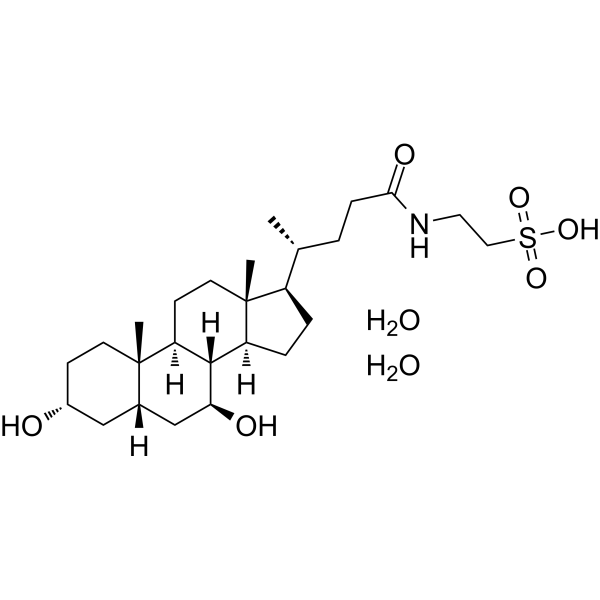
- HY-D0850
-
|
Sodium tartrate dibasic dihydrate; Sodium tartrate dihydrate
|
Phosphatase
Endogenous Metabolite
|
Cardiovascular Disease
|
|
Tartaric acid disodium dehydrate (L-(+) -tartaric acid) is an orally active weak organic acid that can be isolated from grapes. Tartaric acid disodium dehydrate has vasodilatory and antihypertensive effects. Tartaric acid disodium dehydrate can be used as flavorings and antioxidants in a range of foods and beverages. Tartaric acid disodium dehydrate can be used in laser frequency doubling and optical limiting applications .
|
-
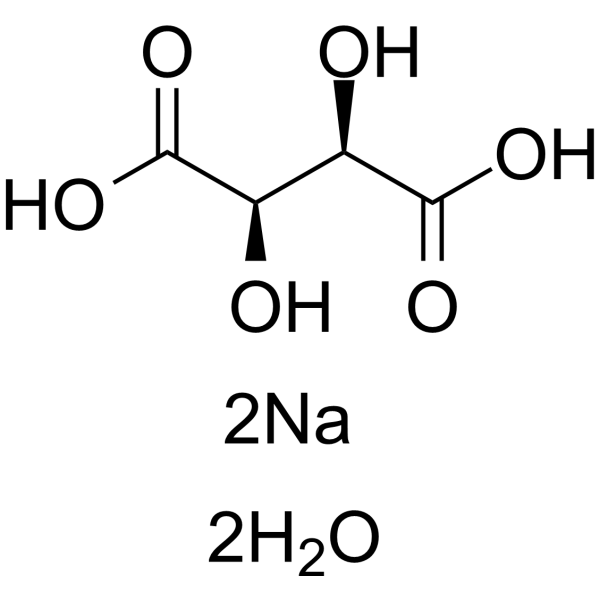
- HY-103712B
-
|
CT7001 hydrochloride dihydrate; ICEC0942 hydrochloride dihydrate
|
CDK
Apoptosis
|
Cancer
|
|
Samuraciclib (CT7001) hydrochloride hydrate is a potent, selective, ATP-competitive and orally active CDK7 inhibitor, with an IC50 of 41 nM. Samuraciclib hydrochloride hydrate displays 45-, 15-, 230- and 30-fold selectivity over CDK1, CDK2 (IC50 of 578 nM), CDK5 and CDK9, respectively. Samuraciclib hydrochloride hydrate inhibits the growth of breast cancer cell lines with GI50 values between 0.2-0.3 μM. Samuraciclib hydrochloride hydrate has anti-tumor effects .
|
-
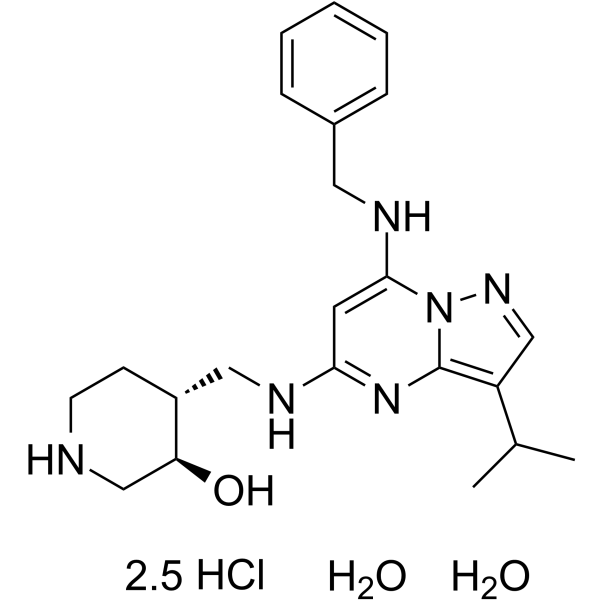
- HY-A0115R
-
|
HOE 498 diacid (Standard); Ramipril diacid (Standard)
|
Drug Metabolite
Reference Standards
Angiotensin-converting Enzyme (ACE)
Endogenous Metabolite
|
Cardiovascular Disease
|
|
Alvimopan (dihydrate) (Standard) is the analytical standard of Alvimopan (dihydrate). This product is intended for research and analytical applications. Alvimopan dihydrate (ADL 8-2698 dihydrate) is a potent, selective, orally active and reversible μ-opioid receptor antagonist, with an IC50 of 1.7 nM. Alvimopan dihydrate has selectivity for μ-opioid receptor (Ki=0.47 nM) over κ- and δ-opioid receptors (Kis=100, 12 nM, respectively). Alvimopan dihydrate can be used for the research of postoperative ileus .
|
-

- HY-Y0682A
-
|
EDTA disodium dihydrate
|
Environmental Pollutants
Biochemical Assay Reagents
Bacterial
SOD
|
Cardiovascular Disease
Neurological Disease
Cancer
|
|
Ethylenediaminetetraacetic acid (EDTA) disodium dehydrate is a kind of metal chelating agent (binds to bivalent and trivalent metal cations, including calcium). Ethylenediaminetetraacetic acid disodium dehydrate has antibacterial, anti-inflammatory, antioxidant, anti-hypercalcemia and anticoagulant activities. Ethylenediaminetetraacetic acid disodium dehydrate decreases the metal ion-catalyzed oxidative damage to proteins, and allows maintenance of reducing environment during protein purification. Ethylenediaminetetraacetic acid disodium dehydrate can alleviate the liver fibrosis. Ethylenediaminetetraacetic acid disodium dehydrate can be used for coronary artery disease and neural system disease research .
|
-
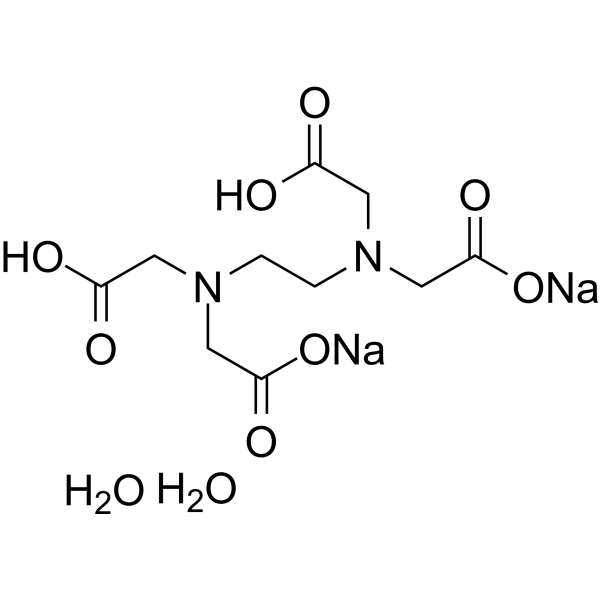
- HY-B0002A
-
|
GR 38032 hydrochloride dihydrate; SN 307 hydrochloride dihydrate
|
5-HT Receptor
|
Neurological Disease
|
|
Ondansetron (GR 38032; SN 307) hydrochloride dehydrate is a highly selective 5-HT3 receptor antagonist with an IC50 value of 103 pM. Ondansetron hydrochloride dehydrate exerts its antiemetic effect by antagonizing 5-HT receptors located in localized neurons in the peripheral and central nervous systems. Ondansetron hydrochloride dehydrate can inhibit nausea and vomiting induced by chemotherapy and radiotherapy .
|
-
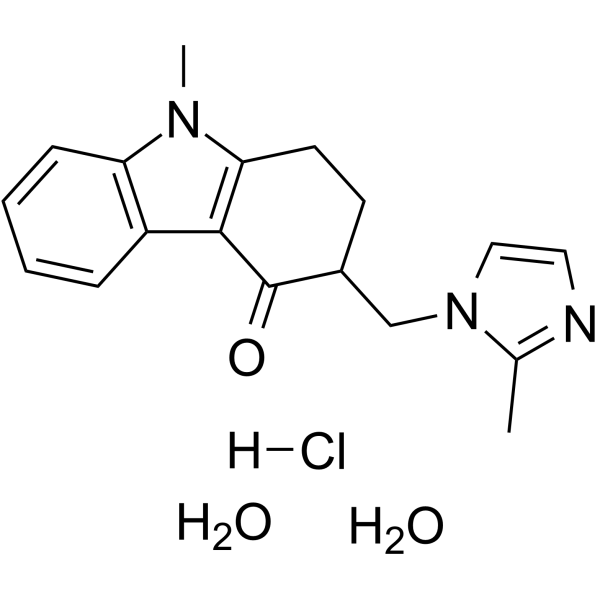
- HY-A0235
-
|
Stakane
|
Drug Derivative
Influenza Virus
|
Infection
Neurological Disease
Metabolic Disease
Inflammation/Immunology
|
|
Antrafenine (Stakane) is a derivative of 2-(quinolin-4-ylamino) benzoate, and is an orally active anti-inflammatory and analgesic agent. Antrafenine protects mammalian epithelial cells from cell death upon exposure to influenza A virus A/WSN/33 (H1N1). Antrafenine inhibits carrageenan-induced paw swelling in rats, and reduces exudate volume and total leukocyte infiltration in carrageenan- and calcium pyrophosphate dihydrate crystal-induced pleurisy in rats. Antrafenine can be used in studies related to influenza and pseudogout .
|
-

- HY-B0580
-
|
RS37619
|
COX
Apoptosis
|
Inflammation/Immunology
Cancer
|
|
Ketorolac (RS37619) is a non-steroidal anti-inflammatory drug (NSAID), acting as a nonselective COX inhibitor, with IC50s of 20 nM for COX-1 and 120 nM for COX-2. Ketorolac tromethamine is used as 0.5% ophthalmic solution for the research of allergic conjunctivitis, cystoid macular edema, intraoperative miosis, and postoperative ocular inflammation and pain. Ketorolac tromethamine is also a DDX3 inhibitor that can be used for cancer research .
|
-
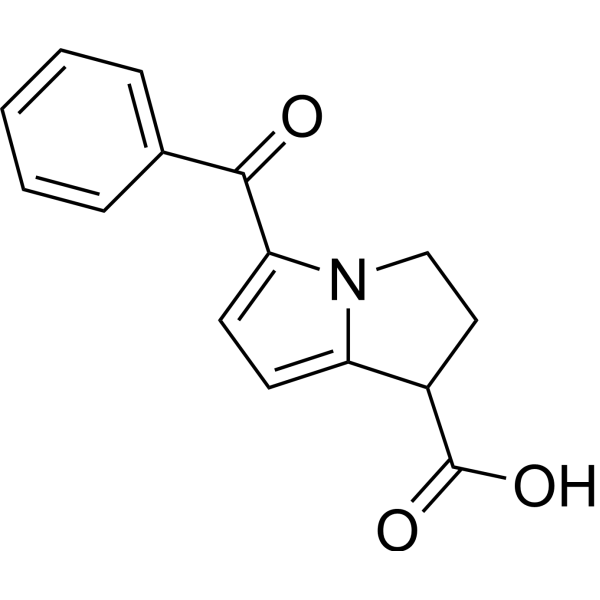
- HY-B0580D
-
|
RS37619 hydrochloride
|
COX
Apoptosis
|
Inflammation/Immunology
Cancer
|
|
Ketorolac (RS37619) hydrochloride is a non-steroidal anti-inflammatory drug (NSAID), acting as a nonselective COX inhibitor, with IC50s of 20 nM for COX-1 and 120 nM for COX-2. Ketorolac hydrochloride tromethamine is used as 0.5% ophthalmic solution for the research of allergic conjunctivitis, cystoid macular edema, intraoperative miosis, and postoperative ocular inflammation and pain. Ketorolac hydrochloride tromethamine is also a DDX3 inhibitor that can be used for cancer research .
|
-

- HY-N1132AS2
-
|
|
Isotope-Labeled Compounds
Endogenous Metabolite
|
Others
|
|
Alpha,Beta-Trehalose- 13C12 is the 13C-labeled D-(+)-Trehalose dihydrate (HY-N1132A). D-(+)-Trehalose dihydrate, isolated from Saccharomyces cerevisiae, can be used as a food ingredient and pharmaceutical excipient.
|
-

- HY-B0580R
-
|
RS37619 (Standard)
|
Reference Standards
COX
Apoptosis
|
Inflammation/Immunology
Cancer
|
|
Ketorolac (Standard) is the analytical standard of Ketorolac. This product is intended for research and analytical applications. Ketorolac (RS37619) is a non-steroidal anti-inflammatory drug (NSAID), acting as a nonselective COX inhibitor, with IC50s of 20 nM for COX-1 and 120 nM for COX-2. Ketorolac tromethamine is used as 0.5% ophthalmic solution for the research of allergic conjunctivitis, cystoid macular edema, intraoperative miosis, and postoperative ocular inflammation and pain. Ketorolac tromethamine is also a DDX3 inhibitor that can be used for cancer research .
|
-

- HY-126830
-
|
|
Antifolate
Apoptosis
|
Cancer
|
|
Antifolate C2 is an anti-folate compound that has inhibitory effects on the proliferation of non-squamous non-small cell lung cancer (NS-NSCLC). Antifolate C2 achieves tumor selectivity by targeting proton-coupled folate transporter (PCFT), which is more selective to PCFT than the commonly used anti-folate drug Pemetrexed (HY-10820). Antifolate C2 blocks the biosynthesis of deoxypurine nucleotides by inhibiting glycinamide ribonucleotide formyltransferase (GARFTase), ultimately inhibiting the proliferation of tumor cells. Antifolate C2 can be used in studies of NS-NSCLC, especially in patients who do not respond well to Pemetrexed .
|
-

- HY-B0580S2
-
|
RS37619-13C6
|
Isotope-Labeled Compounds
Apoptosis
COX
|
Inflammation/Immunology
Cancer
|
|
Ketorolac- 13C6 (RS37619- 13C6) is 13C labeled Ketorolac. Ketorolac (RS37619) is a non-steroidal anti-inflammatory drug (NSAID), acting as a nonselective COX inhibitor, with IC50s of 20 nM for COX-1 and 120 nM for COX-2. Ketorolac tromethamine is used as 0.5% ophthalmic solution for the research of allergic conjunctivitis, cystoid macular edema, intraoperative miosis, and postoperative ocular inflammation and pain. Ketorolac tromethamine is also a DDX3 inhibitor that can be used for cancer research .
|
-

- HY-17506A
-
-
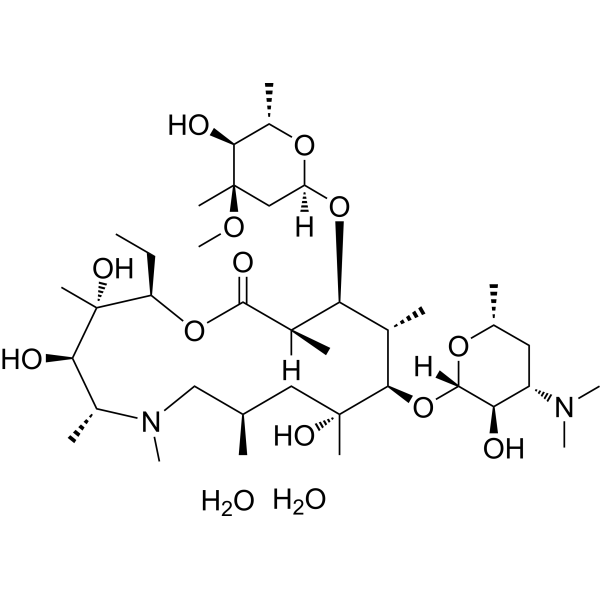
- HY-B0667A
-
|
Balsalazide disodium dihydrate
|
Interleukin Related
STAT
|
Inflammation/Immunology
Cancer
|
|
Balsalazide sodium hydrate is a prodrug of amino salicylic acid that releases mesalamine (HY-15027) in the colon, offering various anti-inflammatory effects in areas of colitis, and it also exerts related anticancer effects by regulating the IL-6/STAT3 pathway .
|
-
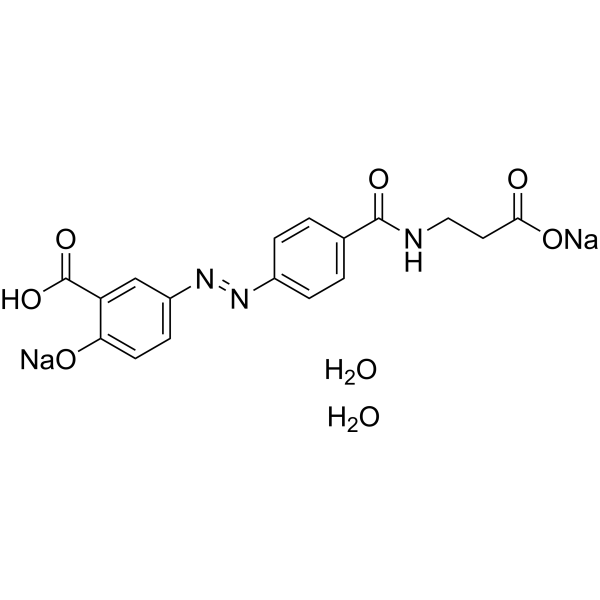
- HY-B1661
-
|
Hexone chloride
|
Biochemical Assay Reagents
|
Cardiovascular Disease
Others
|
|
Hexamethonium Chloride Dihydrate is a synthetic organic compound commonly used as a ganglion blocking agent, which means it blocks the transmission of nerve impulses between ganglion cells in the autonomic nervous system. Hexamethonium Chloride Dihydrate is used in various medical applications such as lowering blood pressure or inhibiting certain types of neuropathic pain. It works by inhibiting the release of acetylcholine, a neurotransmitter that plays a key role in regulating many bodily functions.
|
-
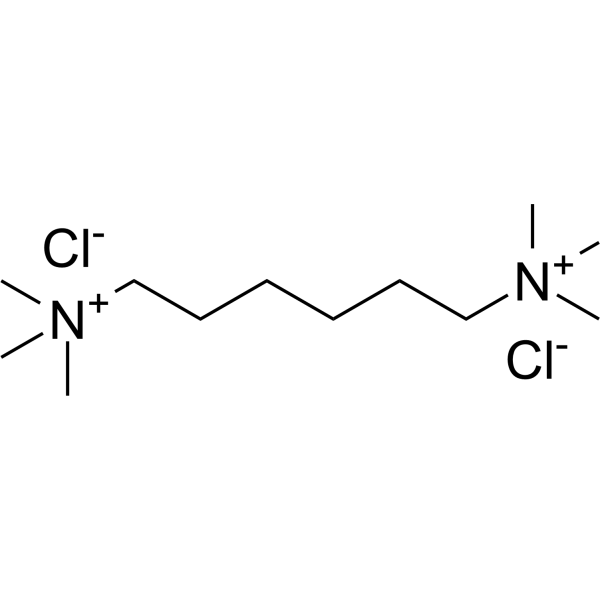
- HY-17506AR
-
|
CP-62993 dihydrate (Standard)
|
Reference Standards
Bacterial
Autophagy
Antibiotic
Parasite
|
Infection
Cancer
|
|
Azithromycin (hydrate) (Standard) is the analytical standard of Azithromycin (hydrate). This product is intended for research and analytical applications. Azithromycin hydrate is a macrolide antibiotic useful for the treatment of a number of bacterial infections.
|
-

- HY-15345A
-
|
THU; NSC-112907
|
DNA/RNA Synthesis
|
Cancer
|
|
Tetrahydrouridine dihydrate is potent inhibitor of cytidine deaminase (CDA), which competitively blocks the enzyme's active site more effectively than intrinsic cytidine .
|
-
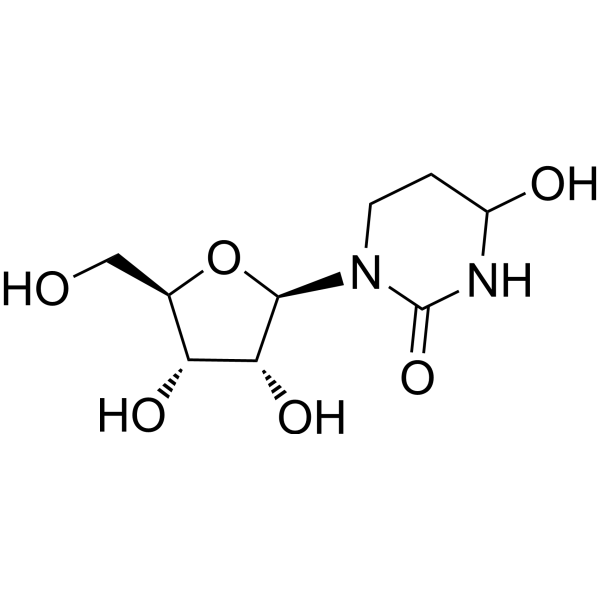
- HY-W750220
-
-

- HY-15345AS
-
|
THU-d3; NSC-112907-d3
|
Isotope-Labeled Compounds
|
Cancer
|
|
Tetrahydrouridine-d3 is the deuterium labeled Tetrahydrouridine . Tetrahydrouridine dihydrate is potent inhibitor of cytidine deaminase (CDA), which competitively blocks the enzyme's active site more effectively than intrinsic cytidine .
|
-
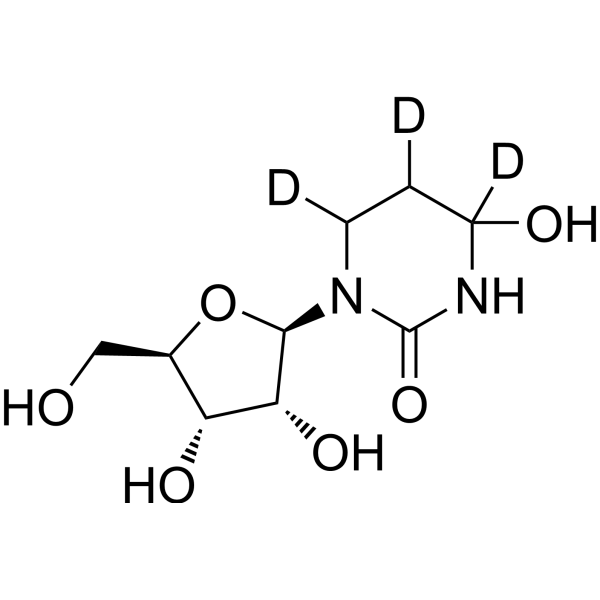
- HY-15345AR
-
|
THU (Standard); NSC-112907 (Standard)
|
DNA/RNA Synthesis
Reference Standards
|
Cancer
|
|
Tetrahydrouridine (Standard) is the analytical standard of Tetrahydrouridine. This product is intended for research and analytical applications. Tetrahydrouridine dihydrate is potent inhibitor of cytidine deaminase (CDA), which competitively blocks the enzyme's active site more effectively than intrinsic cytidine .
|
-

- HY-172626A
-
|
|
Ras
|
Cancer
|
|
(R)-KRAS G12D inhibitor 28 hydrochloride dehydrate is the hydrochloride dehydrate of (R)-KRAS G12D inhibitor 28 (HY-172626). KRAS G12D inhibitor 28 (Compound 2) is a KRAS G12D inhibitor. KRAS G12D inhibitor 28 (Compound 2) can be used in the cancer research .
|
-

- HY-B0580C
-
|
RS37619 hemicalcium
|
COX
Apoptosis
|
Inflammation/Immunology
Cancer
|
|
Ketorolac (RS37619) hemicalcium is a non-steroidal anti-inflammatory drug (NSAID), acting as a nonselective COX inhibitor, with IC50s of 20 nM for COX-1 and 120 nM for COX-2. Ketorolac tromethamine is used as 0.5% ophthalmic solution for the research of allergic conjunctivitis, cystoid macular edema, intraoperative miosis, and postoperative ocular inflammation and pain. Ketorola chemicalcium is also a DDX3 inhibitor that can be used for cancer research .
|
-
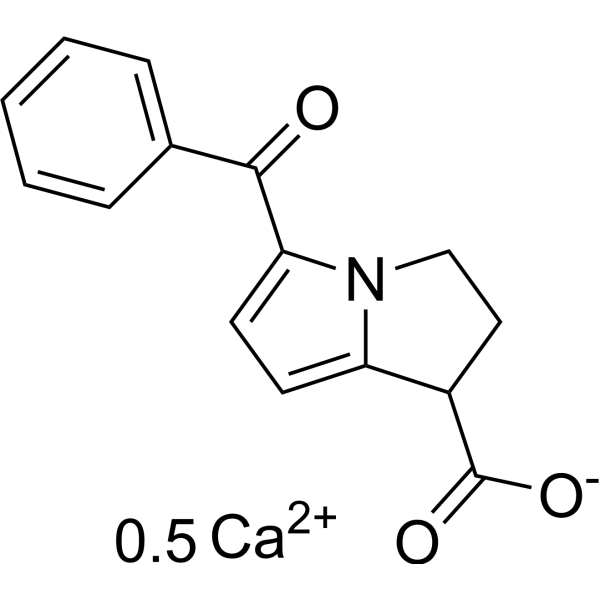
| Cat. No. |
Product Name |
Type |
| Cat. No. |
Product Name |
Type |
-
- HY-Y0682A
-
|
EDTA disodium dihydrate
|
Biochemical Assay Reagents
|
|
Ethylenediaminetetraacetic acid (EDTA) disodium dehydrate is a kind of metal chelating agent (binds to bivalent and trivalent metal cations, including calcium). Ethylenediaminetetraacetic acid disodium dehydrate has antibacterial, anti-inflammatory, antioxidant, anti-hypercalcemia and anticoagulant activities. Ethylenediaminetetraacetic acid disodium dehydrate decreases the metal ion-catalyzed oxidative damage to proteins, and allows maintenance of reducing environment during protein purification. Ethylenediaminetetraacetic acid disodium dehydrate can alleviate the liver fibrosis. Ethylenediaminetetraacetic acid disodium dehydrate can be used for coronary artery disease and neural system disease research .
|
-
- HY-B0812
-
|
SSA dihydrate
|
Biochemical Assay Reagents
|
|
5-Sulfosalicylic acid dihydrate is a sulfonated salicylic acid derivative. 5-Sulfosalicylic acid dihydrate is effective against the breast cancer cell line, MCF-7, with less toxicity . 5-Sulfosalicylic acid dihydrate has antioxidant activities .
|
-
- HY-108536D
-
|
|
Biochemical Assay Reagents
|
|
Calcium chloride dihydrate, for cell culture, 99% is a biochemical reagent. Calcium chloride dihydrate, for cell culture, 99% enhances the dentinogenic differentiation potential of WMTA on cells. Calcium chloride dihydrate, for cell culture, 99% can be used as a biological material or organic compound for life science related research [2.
|
-
- HY-B1610E
-
|
Trisodium citrate dihydrate, meets USP testing specifications
|
Biochemical Assay Reagents
|
|
Sodium citrate dihydrate, meets USP testing specifications is an anticoagulant and also used as a buffer and food preservatives .
|
-
- HY-D0850
-
|
Sodium tartrate dibasic dihydrate; Sodium tartrate dihydrate
|
Biochemical Assay Reagents
|
|
Tartaric acid disodium dehydrate (L-(+) -tartaric acid) is an orally active weak organic acid that can be isolated from grapes. Tartaric acid disodium dehydrate has vasodilatory and antihypertensive effects. Tartaric acid disodium dehydrate can be used as flavorings and antioxidants in a range of foods and beverages. Tartaric acid disodium dehydrate can be used in laser frequency doubling and optical limiting applications .
|
-
- HY-Y0481A
-
|
Stannous chloride dihydrate; Tin dichloride dihydrate
|
Biochemical Assay Reagents
|
|
Tin(II) chloride dihydrate (Stannous chloride dihydrate) is a biochemical reagent with genotoxicity, mutagenicity, mitotic recombinogenicity, and reactive oxygen species-inducing activity .
|
-
- HY-D0836
-
|
Ethylenediaminetetraacetic acid dipotassium dihydrate
|
Biochemical Assay Reagents
|
|
EDTA dipotassium dihydrate is a metal ion chelator that forms stable and water-soluble chelates with a variety of metal ions. EDTA dipotassium is commonly used as a blood anticoagulant, which can effectively prevent blood coagulation and maintain the morphology and function of cells in blood samples. In the industrial field, EDTA dipotassium can be used to remove the adverse effects of metal ions and prevent oxidation and deterioration caused by metal ions .
|
-
- HY-B0183B
-
|
|
Biochemical Assay Reagents
|
|
Ellagic acid (dihydrate) is a biochemical reagent that can be used as a biological material or organic compound for life science related research.
|
-
- HY-Y0332C
-
|
Sodium phosphate dihydrate,≥99.0%
|
Biochemical Assay Reagents
|
|
Sodium dihydrogen phosphate dihydrate,≥99.0% (Sodium phosphate dihydrate,≥99.0%) is used as a buffer capacity reagent in molecular biology, biochemistry, and chromatography. Sodium dihydrogen phosphate dihydrate,≥99.0% is also used as a laxative and pH buffer when combined with other sodium phosphates and also used as fuel and detergent additives .
|
-
- HY-107372A
-
|
UTP trisodium dihydrate; Uridine 5'-triphosphate trisodium dihydrate
|
Biochemical Assay Reagents
|
|
Uridine triphosphate (trisodium dihydrate) (UTP (trisodium dihydrate); Uridine 5'-triphosphate (trisodium dihydrate)) is a biochemical reagent.
|
-
- HY-W094471
-
|
|
Biochemical Assay Reagents
|
|
Lithium acetate dihydrate is a compound with a one-dimensional structure that has various applications in industries such as pharmaceuticals, ceramics, and research laboratories. Lithium acetate dihydrate is often used as a source of lithium ions in chemical reactions and as a precursor in the synthesis of other lithium compounds .
|
-
- HY-N0143A
-
|
Floridzin dihydrate
|
Biochemical Assay Reagents
|
|
Phlorizin (Floridzin) dihydrate is an orally active non-selective sodium-glucose cotransporter (SGLT) inhibitor, with an IC50 of 0.04 μM and a Ki of 39 nM against hSGLT2, and an IC50 of 0.17 μM and a Ki of 0.31 μM against hSGLT1. Phlorizin dihydrate promotes GLUT4 translocation, inhibits gluconeogenesis and promotes glycogen synthesis by activating the PI3K/Akt/mTOR pathway. Phlorizin dihydrate reduces DNA damage and apoptosis (apoptosis) by inhibiting the NF-κB inflammatory pathway. Phlorizin dihydrate induces apoptosis via activating the Caspase pathway by antagonizing the JAK/STAT3 and PCK pathways. Phlorizin dihydrate also exhibits antibacterial, anti-inflammatory and neuroprotective activities .
|
-
- HY-B0658A
-
|
Zinc(II) acetate dihydrate, ACS, 98%
|
Biochemical Assay Reagents
|
|
Zinc acetate dihydrate, ACS, 98% (Zinc (II) acetate dihydrate, ACS, 98%) acts as a metal chelator and an intestinal metallothionein inducer. Zinc acetate dihydrate, ACS, 98% induces intestinal metallothionein synthesis and shortens the course of the common cold. Zinc acetate dihydrate, ACS, 98% is applicable to the research of copper metabolism disorder-related diseases, the common cold and Wilson's disease, as well as protein experiments .
|
-
- HY-B1610I
-
|
Trisodium citrate dihydrate, for molecular biology
|
Biochemical Assay Reagents
|
|
Sodium citrate dihydrate, for molecular biology is an antacid used in studies to neutralize gastric acid. Sodium citrate dehydrate is often used to prepare biological buffers and can be used in molecular biology research .
|
-
- HY-W749867
-
|
Calcium disodium EDTA dihydrate
|
Biochemical Assay Reagents
|
|
CaⅡ-EDTA disodium dihydrate (Calcium disodium EDTA dihydrate) is an orally active metal chelating reagent, exhibits bactericidal activities against periodontal pathogens Aggregatibacter actinomycetemcomitans, Prevotella intermedia and Porphyromonas gingivalis . CaⅡ-EDTA disodium dihydrate is effective chelating antidotes for lead- and cadmium poisoning .
|
-
- HY-W094708C
-
|
Disodium hydrogen phosphate dihydrate, for molecular biology
|
Biochemical Assay Reagents
|
|
Sodium phosphate dibasic dihydrate, for molecular biology is an inorganic salt compound. Sodium phosphate dibasic dihydrate, for molecular biology is commonly used in molecular biology experiments and can be used as a buffer, nutritional supplement, and detergent.
|
-
- HY-W105875
-
|
D-Gluconic acid iron(II) salt dihydrate, 98%
|
Biochemical Assay Reagents
|
|
Iron(II) D-gluconate dihydrate, 98% is used for blood coagulation.
|
-
- HY-W094350
-
|
Gypsum fibrosum (99%)
|
Biochemical Assay Reagents
|
|
Calcium sulfate dihydrate (99%) (Gypsum fibrosum (99%)) is a desiccant. Calcium sulfate dihydrate (99%) is a kind of biological materials or organic compounds that are widely used in life science research .
|
-
- HY-W087947
-
|
Ethylenediaminetetraacetic acid dihydrate tripotassium
|
Biochemical Assay Reagents
|
|
EDTA dihydrate tripotassium (Ethylenediaminetetraacetic acid dihydrate tripotassium) is a kind of metal chelating agent (binds to bivalent and trivalent metal cations, including calcium). EDTA dihydrate tripotassium has antibacterial, anti-inflammatory, antioxidant, anti-hypercalcemia and anticoagulant activities. EDTA dihydrate tripotassium decreases the metal ion-catalyzed oxidative damage to proteins, and allows maintenance of reducing environment during protein purification. EDTA dihydrate tripotassium can alleviate the liver fibrosis. EDTA dihydrate tripotassium can be used for coronary artery disease and neural system disease research .
|
-
- HY-W094511
-
|
Gold chloride sodium dihydrate
|
Biochemical Assay Reagents
|
|
Tetrachloroaurate III sodium dihydrate (Gold chloride sodium dihydrate) is utilized as catalyst in reactions like nucleophilic addition to multiple bonds, nucleophilic substitution of propargylic alcohols, and nonsymmetrical etherization .
|
-
- HY-Y0332H
-
|
Sodium phosphate monobasic dihydrate, for molecular biology
|
Biochemical Assay Reagents
|
|
Sodium dihydrogen phosphate dihydrate (Sodium phosphate monobasic dihydrate), for molecular biology is a phosphate compound and nucleating agent. At a content of 1.2%, Sodium dihydrogen phosphate dihydrate, for molecular biology eliminates the supercooling degree of sodium acetate trihydrate to 0°C while maintaining or slightly enhancing its latent heat storage capacity. Sodium dihydrogen phosphate dihydrate, for molecular biology can serve as a starting material for the synthesis of degradable sodium phosphate glasses, which are applied in craniomaxillofacial bone repair. Sodium dihydrogen phosphate dihydrate, for molecular biology is widely used in research on craniomaxillofacial bone repair and related fields .
|
-
- HY-Y0262D
-
|
Calcium oxalate dihydrate
|
Biochemical Assay Reagents
|
|
Oxalic acid (calcium monohydrate),99% (Calcium oxalate dihydrate) is a kind of biological materials or organic compounds that are widely used in life science research .
|
-
- HY-123065
-
-
- HY-W802699
-
|
|
Biochemical Assay Reagents
|
|
α-Ketoglutaric acid disodium dihydrate, an important dicarboxylic acid, is an intermediate in the tricarboxylic acid cycle (TCC) and amino acid metabolism. α-Ketoglutaric acid disodium dihydrate can be used as building block chemical for the chemical synthesis of heterocycles, dietary supplement, component of infusion solutions and wound healing compounds, or as main component of new elastomers with a wide range of interesting mechanical and chemical properties .
|
-
- HY-B0166C
-
|
L-Ascorbate calcium dihydrate; Vitamin C calcium dihydrate
|
Biochemical Assay Reagents
|
|
L-Ascorbic acid (calcium dihydrate) (L-Ascorbate (calcium dihydrate); Vitamin C (calcium dihydrate)) is a biochemical reagent that can be used as a biological material or organic compound for life science related research.
|
-
- HY-W105855
-
|
|
Biochemical Assay Reagents
|
|
Potassium trihydrogendioxalate dihydrate is a biochemical reagent that can be used as a biological material or organic compound for life science related research.
|
-
- HY-W040019
-
|
|
Biochemical Assay Reagents
|
|
Dipotassium oxodioxalatotitanate(IV) dihydrate is a kind of biological materials or organic compounds that are widely used in life science research .
|
-
- HY-W094708D
-
|
Disodium hydrogen phosphate dihydrate, meets analytical specification of Ph. Eur. BP
|
Biochemical Assay Reagents
|
|
Sodium phosphate dibasic dihydrate, meets analytical specification of Ph. Eur. BP is an inorganic salt that can be used for life science related research .
|
-
- HY-B1610H
-
|
Trisodium citrate dihydrate (Pharmaceutical primary standard, USP)
|
Biochemical Assay Reagents
|
|
Sodium citrate dihydrate, United States Pharmacopeia (USP) Reference Standard is an antacid used in studies to neutralize gastric acid. Sodium citrate dehydrate can also be used to prepare biological buffers. Sodium citrate dehydrate is a reference standard grade of the United States Pharmacopeia (USP) and a first-class pharmaceutical standard .
|
-
- HY-B0166CR
-
|
L-Ascorbate calcium dihydrate (Standard); Vitamin C calcium dihydrate (Standard)
|
Biochemical Assay Reagents
|
|
L-Ascorbic acid (calcium dihydrate) (Standard) is the analytical standard of L-Ascorbic acid (calcium dihydrate). This product is intended for research and analytical applications. L-Ascorbic acid (calcium dihydrate) (L-Ascorbate (calcium dihydrate); Vitamin C (calcium dihydrate)) is a biochemical reagent that can be used as a biological material or organic compound for life science related research.
|
-
- HY-N7059A
-
|
|
Biochemical Assay Reagents
|
|
Lactobionic acid calcium dihydrate is a biomimetic acid found in Caspian yogurt, chemically composed of gluconic acid bonded to galactose. Lactobionic acid calcium dihydrate has antioxidant, antimicrobial, chelating, stabilizer, acidulant and humectant properties. Lactobionic acid calcium dihydrate can be obtained by electrolytic methods, microbial fermentation or biocatalytic approaches. Lactobionic acid calcium dihydrate can be used in foodstuffs, to produce new functional products and against food-borne pathogens. Lactobionic acid calcium dihydrate inhibits DNA repair and protein synthesis, induction of oxidative stress and inhibition of metabolic pathways against MRSA .
|
-
- HY-W687132
-
-
- HY-B1610ER
-
|
Trisodium citrate dihydrate, meets USP testing specifications (Standard)
|
Biochemical Assay Reagents
|
|
Sodium citrate dihydrate, meets USP testing specifications (Standard) is the analytical standard of Sodium citrate dihydrate, meets USP testing specifications. This product is intended for research and analytical applications. Sodium citrate dihydrate, meets USP testing specifications is an anticoagulant and also used as a buffer and food preservatives .
|
-
- HY-W088413A
-
|
|
Biochemical Assay Reagents
|
|
DOTA-amide (dihydrate) is a Bifunctional Chelators (BFCs). DOTA-amide (dihydrate) binds to the Affibody molecule ZHER2:S1. Its complex binds specifically to HER2 and can be used to detect bone metastases, which are common in prostate cancer .
|
-
- HY-W007369A
-
|
|
Biochemical Assay Reagents
|
|
BARF (sodium dihydrate) is a biochemical reagent that can be used as a biological material or organic compound for life science related research .
|
-
- HY-D0850R
-
|
Sodium tartrate dibasic dihydrate (Standard); Sodium tartrate dihydrate (Standard)
|
Biochemical Assay Reagents
|
|
Tartaric acid (disodium dihydrate) (Standard) is the analytical standard of Tartaric acid (disodium dihydrate). This product is intended for research and analytical applications. Tartaric acid disodium dehydrate (L-(+) -tartaric acid) is an orally active weak organic acid that can be isolated from grapes. Tartaric acid disodium dehydrate has vasodilatory and antihypertensive effects. Tartaric acid disodium dehydrate can be used as flavorings and antioxidants in a range of foods and beverages. Tartaric acid disodium dehydrate can be used in laser frequency doubling and optical limiting applications [4].
|
-
- HY-157917
-
|
|
Biochemical Assay Reagents
|
|
Nitro-PAPS disodium dihydrate is a highly sensitive colometric reagent for Fe(II) detection with a maximal absorption wavelength of 592 nm. Nitro-PAPS disodium dihydrate is suitable for the determination of Fe(II) in serum and also be used to determine micro molar levels of Cu, Zn, Ni, Co and V .
|
-
- HY-W076042
-
|
Sodium tetrakis(4-fluorophenyl)borate dihydrate
|
Biochemical Assay Reagents
|
|
Cesibor dihydrate is an additive salt used in ion-selective electrodes (ISEs) and micro ion-selective field effect transistors (μ-ISFETs) to enhance or modulate their selective responses to specific ions .
|
-
- HY-Y0682AR
-
|
EDTA disodium dihydrate (Standard)
|
Biochemical Assay Reagents
|
|
Ethylenediaminetetraacetic acid (disodium dihydrate) (Standard) is the analytical standard of Ethylenediaminetetraacetic acid (disodium dihydrate). This product is intended for research and analytical applications. Ethylenediaminetetraacetic acid (EDTA) disodium dehydrate is a kind of metal chelating agent (binds to bivalent and trivalent metal cations, including calcium). Ethylenediaminetetraacetic acid disodium dehydrate has antibacterial, anti-inflammatory, antioxidant, anti-hypercalcemia and anticoagulant activities. Ethylenediaminetetraacetic acid disodium dehydrate decreases the metal ion-catalyzed oxidative damage to proteins, and allows maintenance of reducing environment during protein purification. Ethylenediaminetetraacetic acid disodium dehydrate can alleviate the liver fibrosis. Ethylenediaminetetraacetic acid disodium dehydrate can be used for coronary artery disease and neural system disease research [4] .
|
-
- HY-W320523
-
|
|
Biochemical Assay Reagents
|
|
ALizarin complexone dihydrate is the dehydrate of Alizarin complexone (HY-121075). Alizarin complexone is a calcium-binding fluorescent dye. Alizarin complexone stains mineralized areas of bone by binding to calcium crystals. Alizarin complexone inhibits the reverse transcriptase activity of RAV-2, HIV-1, and RSV with IC50 values of 3.8 μg/mL, 45 μg/mL, and 100 μg/mL, respectively. Alizarin complexone exhibits antiviral activity against HIV-1 and RSV. Alizarin complexone delays RSV-induced tumor induction in chickens .
|
-
- HY-B1661
-
|
Hexone chloride
|
Biochemical Assay Reagents
|
|
Hexamethonium Chloride Dihydrate is a synthetic organic compound commonly used as a ganglion blocking agent, which means it blocks the transmission of nerve impulses between ganglion cells in the autonomic nervous system. Hexamethonium Chloride Dihydrate is used in various medical applications such as lowering blood pressure or inhibiting certain types of neuropathic pain. It works by inhibiting the release of acetylcholine, a neurotransmitter that plays a key role in regulating many bodily functions.
|
| Cat. No. |
Product Name |
Target |
Research Area |
-
- HY-W009592A
-
|
Glycyltyrosine dihydrate; Gly-Tyr dihydrate; H-Gly-Tyr-OH dihydrate
|
Amino Acid Derivatives
|
Others
|
|
Glycyl-L-tyrosine dihydrate is a synthetic dipeptide that can be used as a food additive for tyrosine supplementation .
|
| Cat. No. |
Product Name |
Category |
Target |
Chemical Structure |
| Cat. No. |
Product Name |
Chemical Structure |
-
- HY-143876S
-
1 Publications Verification
|
|
L-Argininosuccinic acid- 13C6, 15N4 (barium, dihydrate) is a 15N-labeled and 13C-labled labeled L-Argininosuccinic acid (barium, dihydrate) .
|
-
-
- HY-113416AS
-
|
|
|
Dehydroepiandrosterone sulfate sodium dihydrate-d6 sodium dihydrate is the deuterium labeled Dehydroepiandrosterone sulfate sodium dihydrate. Dehydroepiandrosterone sulfate (DHEA sulfate; Prasterone sulfate) sodium dihydrate is a neurosteroid and the main secretion product of the adrenal gland. Dehydroepiandrosterone sulfate sodium dihydrate has both non-competitive antagonist activity of GABAA receptor and agonist activity of σ1 receptor. Dehydroepiandrosterone sulfate sodium dihydrate can partially penetrate the blood-brain barrier, inhibit GABAA receptor-mediated chloride influx, enhance NMDA receptor activity through σ1 receptors, exert anti-inflammatory, anti-glucocorticoid and antidepressant effects, and increase convulsive sensitivity. Dehydroepiandrosterone sulfate sodium dihydrate participates in neuroprotection, neurite growth regulation and catecholamine secretion regulation, and can be used in the study of depression, post-traumatic stress disorder (PTSD), Alzheimer's disease, etc. Dehydroepiandrosterone sulfate sodium dihydrate may also be a biomarker for cardiovascular disease mortality, and its concentration is independently and negatively correlated with mortality .
|
-
-
- HY-10820S
-
|
|
|
Pemetrexed-d5 is the deuterium labeled Pemetrexed . Pemetrexed (LY231514) is an antifolate, the Ki values of the pentaglutamate of Pemetrexed (LY231514) are 1.3, 7.2, and 65 nM for inhibits thymidylate synthase (TS), dihydrofolate reductase (DHFR), and glycinamide ribonucleotide formyltransferase (GARFT), respectively .
|
-
-
- HY-10820AS
-
|
|
|
Pemetrexed-d5 disodium is the deuterium labeled Pemetrexed disodium. Pemetrexed disodium (LY231514 disodium) is an antifolate, the Kis of the pentaglutamate of Pemetrexed disodium are 1.3, 7.2, and 65 nM for inhibits thymidylate synthase (TS), dihydrofolate reductase (DHFR), and glycinamide ribonucleotide formyltransferase (GARFT), respectively .
|
-
-
- HY-W769288
-
|
|
|
Pemetrexed disodium- 13C5 (LY231514 disodium- 13C5) is the 13C-labeled Pemetrexed disodium (HY-10820A). Pemetrexed disodium (LY231514 disodium) is an antifolate, the Kis of the pentaglutamate of Pemetrexed disodium are 1.3, 7.2, and 65 nM for inhibits thymidylate synthase (TS), dihydrofolate reductase (DHFR), and glycinamide ribonucleotide formyltransferase (GARFT), respectively .
|
-
-
- HY-W766603
-
|
|
|
Thiouric Acid Sodium Salt Dihydrate- 13C3 is the 13C-labeled Thiouric Acid Sodium Salt Dihydrate.
|
-
-
- HY-W748418
-
|
|
|
1-Thio-β-D-glucose Sodium Salt Dihydrate- 13C6 is the 13C-labeled 1-Thio-β-D-glucose sodium (HY-115419). 1-Thio-β-D-glucose sodium is the sodium salt form of 1-Thio-β-D-glucose. 1-Thio-β-D-glucose forms hydrophilic self-assembled monolayer with metal, stablizes the lipid bilayer and protects the proteins from denaturation .
|
-
-
- HY-N1132AS2
-
|
|
|
Alpha,Beta-Trehalose- 13C12 is the 13C-labeled D-(+)-Trehalose dihydrate (HY-N1132A). D-(+)-Trehalose dihydrate, isolated from Saccharomyces cerevisiae, can be used as a food ingredient and pharmaceutical excipient.
|
-
-
- HY-B0580S2
-
|
|
|
Ketorolac- 13C6 (RS37619- 13C6) is 13C labeled Ketorolac. Ketorolac (RS37619) is a non-steroidal anti-inflammatory drug (NSAID), acting as a nonselective COX inhibitor, with IC50s of 20 nM for COX-1 and 120 nM for COX-2. Ketorolac tromethamine is used as 0.5% ophthalmic solution for the research of allergic conjunctivitis, cystoid macular edema, intraoperative miosis, and postoperative ocular inflammation and pain. Ketorolac tromethamine is also a DDX3 inhibitor that can be used for cancer research .
|
-
-
- HY-15345AS
-
|
|
|
Tetrahydrouridine-d3 is the deuterium labeled Tetrahydrouridine . Tetrahydrouridine dihydrate is potent inhibitor of cytidine deaminase (CDA), which competitively blocks the enzyme's active site more effectively than intrinsic cytidine .
|
-
-
- HY-W098697S
-
|
|
|
Dimethyldithiocarbamate-d6 sodium dihydrate is the deuterium-labeled Dimethyldithiocarbamate (HY-W098697) . Ferric dimethyl‐dithiocarbamate (ferbam) exhibits oral toxicity in rodents .
|
-
| Cat. No. |
Product Name |
|
Classification |
-
- HY-Y0682A
-
|
EDTA disodium dihydrate
|
|
Antioxidants
Chelating Agents
|
|
Ethylenediaminetetraacetic acid (EDTA) disodium dehydrate is a kind of metal chelating agent (binds to bivalent and trivalent metal cations, including calcium). Ethylenediaminetetraacetic acid disodium dehydrate has antibacterial, anti-inflammatory, antioxidant, anti-hypercalcemia and anticoagulant activities. Ethylenediaminetetraacetic acid disodium dehydrate decreases the metal ion-catalyzed oxidative damage to proteins, and allows maintenance of reducing environment during protein purification. Ethylenediaminetetraacetic acid disodium dehydrate can alleviate the liver fibrosis. Ethylenediaminetetraacetic acid disodium dehydrate can be used for coronary artery disease and neural system disease research .
|
-
- HY-15345A
-
|
THU; NSC-112907
|
|
Nucleoside Analogs
Uridine
|
|
Tetrahydrouridine dihydrate is potent inhibitor of cytidine deaminase (CDA), which competitively blocks the enzyme's active site more effectively than intrinsic cytidine .
|
-
- HY-D0850
-
|
Sodium tartrate dibasic dihydrate; Sodium tartrate dihydrate
|
|
Chelating Agents
|
|
Tartaric acid disodium dehydrate (L-(+) -tartaric acid) is an orally active weak organic acid that can be isolated from grapes. Tartaric acid disodium dehydrate has vasodilatory and antihypertensive effects. Tartaric acid disodium dehydrate can be used as flavorings and antioxidants in a range of foods and beverages. Tartaric acid disodium dehydrate can be used in laser frequency doubling and optical limiting applications .
|
-
- HY-W013707
-
|
Cytidine triphosphate disodium dihydrate; 5'-CTP disodium dihydrate
|
|
Nucleotide Analogs
Cytidine Nucleotide
|
|
Cytidine-5'-triphosphate disodium dihydrate (5'-CTP disodium dihydrate) is a molecule of high energy, and acts as a coenzyme in glycerophospholipid biosynthesis and protein glycosylation .
|
-
- HY-Y0708
-
|
Calcium phosphate dihydrate
|
|
Others
|
|
Calcium hydrogen phosphate dihydrate (Calcium phosphate dihydrate) can be found quite frequently in urinary calculi stones. Calcium hydrogen phosphate dihydrate can be used as an excipient, such as diluent, adsorbent. Pharmaceutical excipients, or pharmaceutical auxiliaries, refer to other chemical substances used in the pharmaceutical process other than pharmaceutical ingredients. Pharmaceutical excipients generally refer to inactive ingredients in pharmaceutical preparations, which can improve the stability, solubility and processability of pharmaceutical preparations. Pharmaceutical excipients also affect the absorption, distribution, metabolism, and elimination (ADME) processes of co-administered drugs .
|
-
- HY-15345
-
|
THU dihydrate; NSC-112907 dihydrate
|
|
Nucleoside Analogs
Uridine
|
|
Tetrahydrouridine dihydrate (THU dihydrate) is potent inhibitor of cytidine deaminase (CDA), which competitively blocks the enzyme's active site more effectively than intrinsic cytidine.
|
-
- HY-W013803
-
|
|
|
Nucleoside Analogs
|
|
Xanthosine dihydrate is a nucleoside derived from xanthine and ribose. Xanthosine dihydrate activates the AMPK/FoxO1/AKT/GSK3β signaling cascade. Xanthosine dihydrate promotes cell proliferation and regulates blood glucose metabolism. Xanthosine dihydrate increases milk production in cows and goats. Xanthosine dihydrate is used in mammary stem cell and type 2 diabetes research .
|
Your information is safe with us. * Required Fields.
Inquiry Information
- Product Name:
- Cat. No.:
- Quantity:
- MCE Japan Authorized Agent:





![Sodium 3-oxo-3H-benzo[d]isothiazol-2-ide 1,1-dioxide dihydrate (Standard)](http://file.medchemexpress.com/product_pic/hy-w103371r.gif)





