
From 11:00 pm to 12:00 pm EST ( 8:00 pm to 9:00 pm PST ) on January 6th, the website will be under maintenance. We are sorry for the inconvenience. Please arrange your schedule properly.
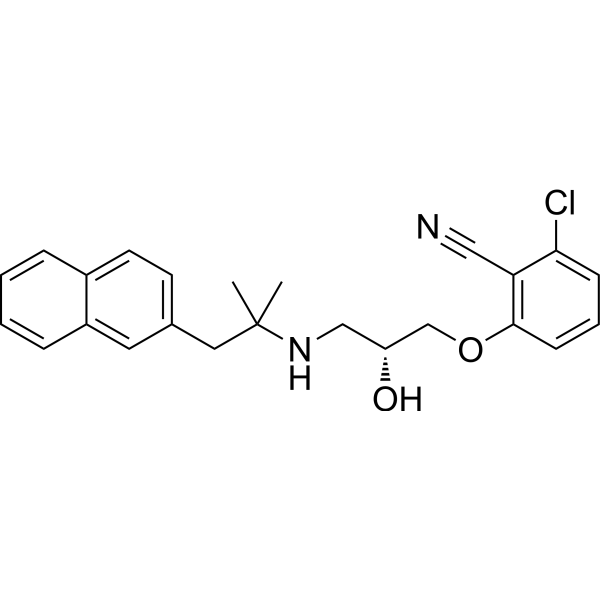
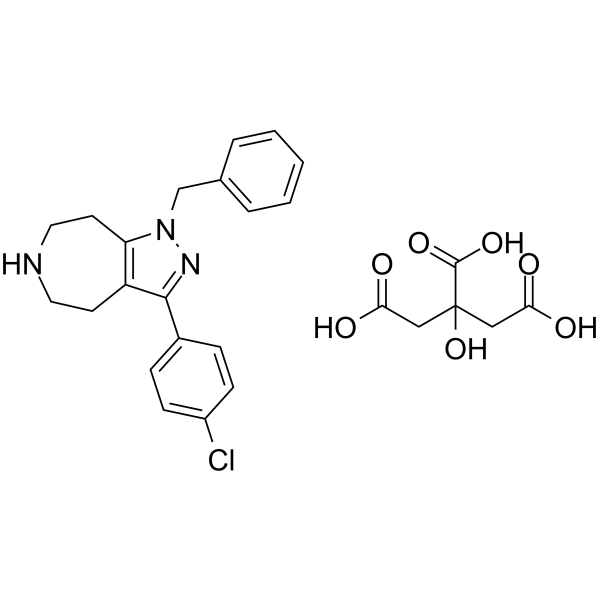
NPS-2143 (SB-262470A), an orally active calcilytic agent, is a selective and potent calcium ion-sensing receptor (CaSR) antagonist. NPS-2143 (SB-262470A) blocks increases in cytoplasmic Ca 2+ concentrations (IC50=43 nM) elicited by activating the Ca 2+ receptor in HEK 293cells expressing the human Ca 2+ receptor .
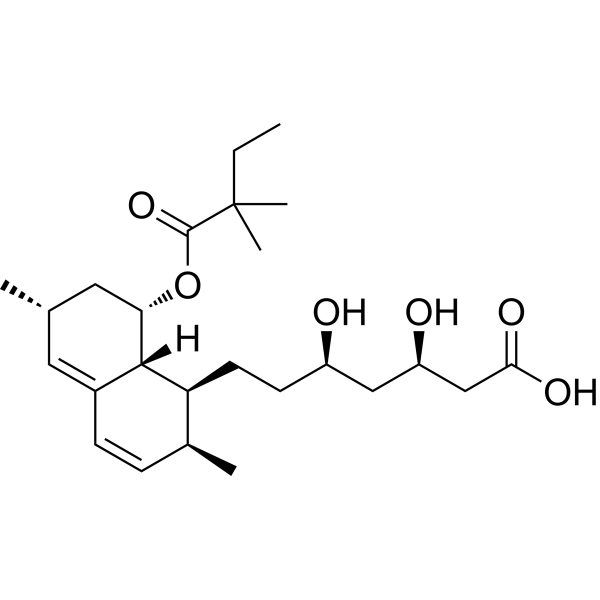
Simvastatin acid (Tenivastatin), a hydrolysate of Simvastatin (HY-17502), is a HMG-CoA reductase (HMGCR) inhibitor. Simvastatin acid reduces Indoxyl sulfate-mediated reactive oxygen species (ROS) production in human cardiomyocytes. Simvastatin acid can also modulates OATP3A1 expression in cardiomyocytes and HEK293cells transfected with the OATP3A1 gene .
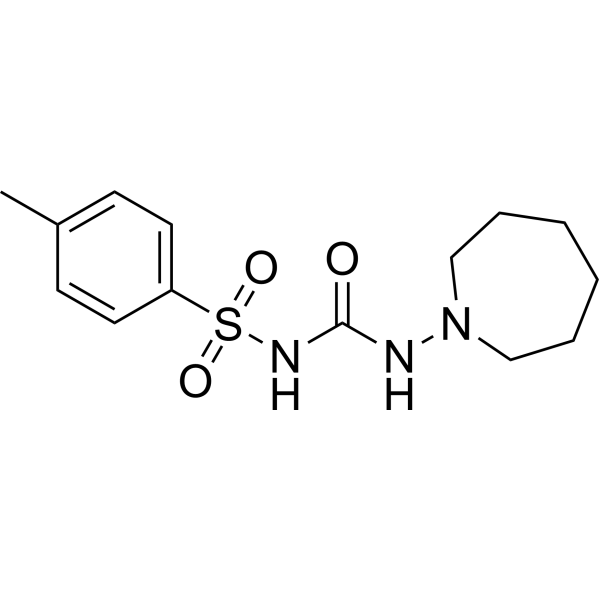
Tolazamide (U-17835) is an orally active sulfonylurea agent that inhibits sulfonylurea receptor 1 (SUR1) linked to the inwardly rectifying potassium channel (IC50 = 4.2 µM in HEK293cells transfected with the human receptor). Tolazamide has anti-diabetic properties. Tolazamide can lower blood glucose in sulfonylurea class. Tolazamide decreases insulin dose while continuing to maintain adequate metabolic control. Tolazamide is able to improve or normalize hyperglycemia and HbA .
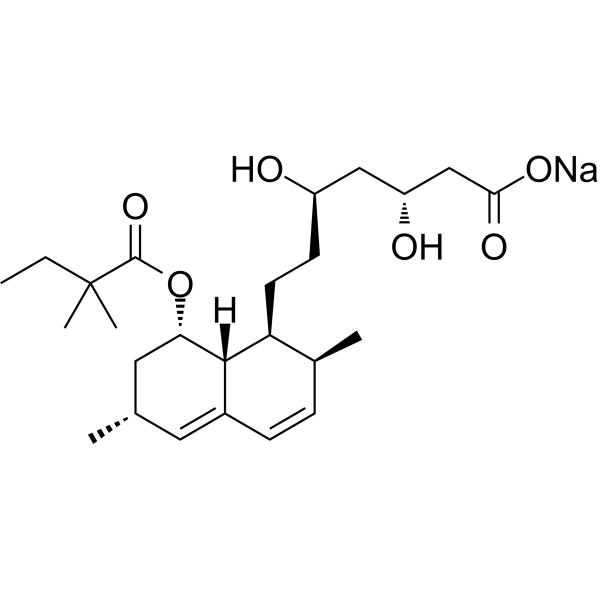
Simvastatin hydroxy acid (Tenivastatin) sodium is a potent HMG-CoA reductase (HMGCR) inhibitor. Simvastatin hydroxy acid sodium reduces Indoxyl sulfate-mediated reactive oxygen species (ROS) production in human cardiomyocytes. Simvastatin hydroxy acid sodium can also modulates OATP3A1 expression in cardiomyocytes and HEK293cells transfected with the OATP3A1 gene .
PACAP (1-38) free acid is a desamido-PACAP (1-38), human, ovine, rat (HY-P0221). PACAP (1-38) free acid can activate the human PAC1 receptor. PACAP (1-38) free acid induces cyclic AMP (cAMP) generation in both NS-1 neuroendocrine cells and non-neuroendocrine HEK293cells .
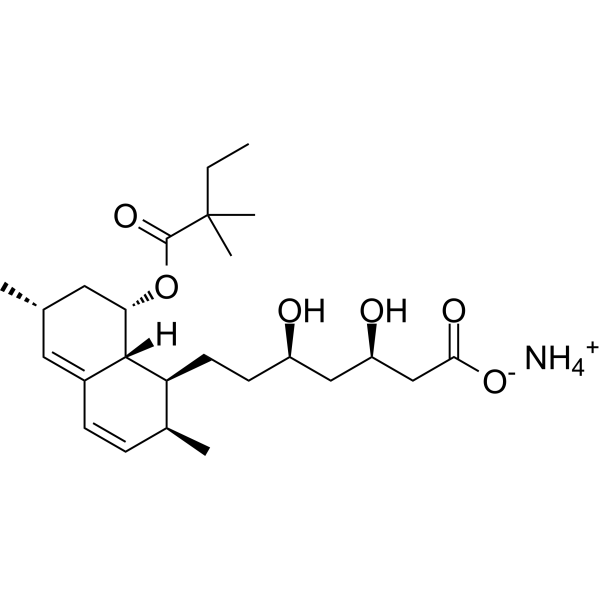
Simvastatin acid (Tenivastatin) ammonium is a potent HMG-CoA reductase (HMGCR) inhibitor. Simvastatin acid ammonium reduces Indoxyl sulfate-mediated reactive oxygen species (ROS) production in human cardiomyocytes. Simvastatin acid ammonium can also modulates OATP3A1 expression in cardiomyocytes and HEK293cells transfected with the OATP3A1 gene .
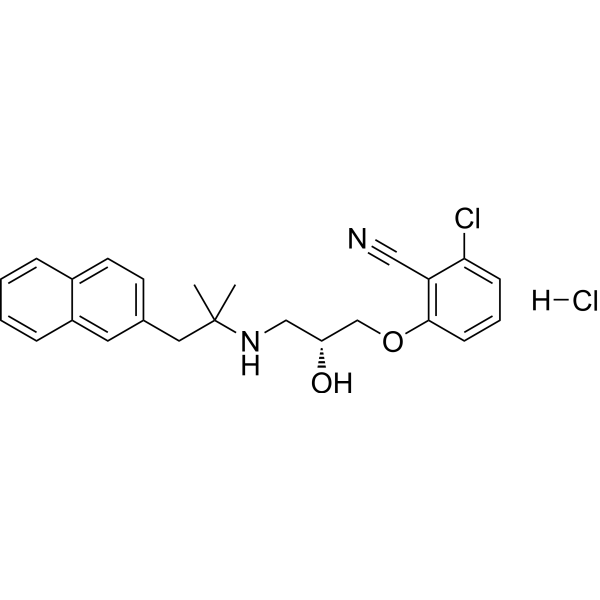
NPS-2143 hydrochloride (SB-262470A hydrochloride), an orally active calcilytic agent, is a selective and potent calcium ion-sensing receptor (CaSR) antagonist. NPS-2143 hydrochloride (SB-262470A hydrochloride) blocks increases in cytoplasmic Ca 2+ concentrations (IC50=43 nM) elicited by activating the Ca 2+ receptor in HEK 293cells expressing the human Ca 2+ receptor .
PF-915275 is a potent, selective and orally active human 11β-hydroxysteroid dehydrogenase type 1 (11βHSD1) inhibitor with a Ki of 2.3 nM and an EC50 of 15 nM (in HEK293cells). The dose-dependent effect of PF-915275 on conversion of cortisone to cortisol in primary human and monkey hepatocytes, with an EC50 of 20 and 100 nM, respectively .
Galegine hydrochloride, a guanidine derivative, contributes to weight loss in mice. Guanidine hydrochloride is the compound derived from G. officinalis, which gave rise to the biguanides, metformin and phenformin. Galegine hydrochloride activates AMPK in 3T3-L1 adipocytes and L6 myotubes, as well as in the H4IIE rat hepatoma and HEK293human kidney cell lines. Galegine hydrochloride has antibacterial activity, with minimum inhibitory concentration of 4 mg/L against Staphylococcus aureus strains .
Cetrelimab (JNJ 63723283; JNJ 3283) is a human IgG4κ mAb targeting PD-1. Cetrelimab binds PD-1 (Kd=1.72 nM, HEK293) to block the interaction of PD-1 with PD-L1 and PD-L2 (IC50s=111.7 ng/mL and 138.6 ng/mL, respectively). Cetrelimab stimulates peripheral T cells, increases IFN-γ, IL-2, TNF-α level and inhibits tumor growth in vivo .
JNJ-18038683 is a 5-Hydroxytryptamine Type 7 (5-HT7) receptor antagonist, with pKis of 8.19, 8.20 for rat and human 5-HT7 in HEK293cells, respectively.
AMZ30 is selective protein phosphatase methylesterase-1(PME-1) inhibitor with IC50s of 600 nM and 3.5 µM in humancell lysates and in HEK 293T cells, respectively. AMZ30 shows >100-fold selectivity relative to other serine hydrolases. AMZ30 reduces the demethylated form of PP2A in living cells. AMZ30 attenuates muscle cell differentiation. AMZ30 increases the resistance of U87MG and U251MG glioblastoma cells to t-BHP-induced oxidative stress. AMZ30can be used for the study of glioblastoma .
Galegine hemisulfate, a guanidine derivative, contributes to weight loss in mice. Galegine hemisulfate activates AMPK in 3T3-L1 adipocytes and L6 myotubes, as well as in the H4IIE rat hepatoma and HEK293human kidney cell lines. Galegine hemisulfate has antibacterial activity, with minimum inhibitory concentration of 4 mg/L against Staphylococcus aureus strains .
Apelin-17(human, bovine) is an endogenous orphan G protein-coupled receptor APJ agonist. Apelin-17(human, bovine) binds to human APJ receptors expressed in HEK 293cells (pIC50=9.02). Apelin-17(human, bovine) inhibits the entry of some HIV-1 and HIV-2 into the NP2/CD4 cells expressing APJ .
DETQ is a selective, allosteric and orally active dopamine D1 receptor (Dopamine Receptor) potentiator. In HEK293cells expressing the human D1 receptor, DETQ increases cAMP with an EC50 of 5.8 nM and a Kb of 26 nM. DETQ shows ~30-fold less potent at rat and mouse D1 receptors and is inactive at the human D5 receptor .
BayCysLT2, an isophthalic acid derivative, is a selective and potent cysteinyl leukotriene 2 (CysLT2) receptor antagonist with an IC50 value of 53 nM. BayCysLT2 inhibits calcium mobilization induced by leukotriene D4 in HEK293cells expressing human CysLT2 receptors. BayCysLT2 reverses LTC4-induced increases in coronary artery perfusion pressure and decreases in contractility in isolated perfused guinea pig hearts .
RJW103 is an acid-stable SF-1 (NR5A1) and LRH-1 agonist with pEC50 values of 6.5 and 5.9, respectively. RJW103 activates SF-1- and LRH-1-mediated transcription of endogenous target genes. RJW103 can be used in research on cancer, endocrinology and metabolic diseases, such as adrenocortical tumors .
SAR441255 is a GLP-1R/GCGR/GIPR agonist, with human EC50 values of 1.03 pM, 1.01 pM, and 0.73 pM, respectively. SAR441255 stimulates receptor activity and drives cAMP accumulation. SAR441255 can be used for the research of type 2 diabetes, obesity .
Perenostobart (SRF617) is a human IgG4 antibody with inhibitory activity against CD39 ATPase. Perenostobart inhibits CD39-mediated hydrolysis of extracellular ATP to AMP, with IC50 values of 1.9 nM (HEK293 OE cells), 0.7 nM (MOLP-8 cells), and 1.2 nM (RBC-lysed whole blood). Perenostobart enhances CD4 + T-cell proliferation, promotes dendritic cell maturation, and boosts inflammasome activation in macrophages in the presence of ATP. Perenostobart demonstrates significant single-agent anti-tumor efficacy in MOLP-8 and H520 xenograft models. Perenostobart can be used for the study of cancer .
ML352 is a noncompetitive inhibitor of the presynaptic choline transporter (CHT) with Ki
values of 92 and 166 nM for HEK293cells expressing human CHT and mouse forebrain synaptosomes, respectively .
Apelin-36(human) is an endogenous orphan G protein-coupled receptor APJ agonist, with an EC50 of 20 nM. Apelin-36(human) shows high affinity to human APJ receptors expressed in HEK 293cells (pIC50=8.61). Apelin-36 has been linked to two major types of biological activities: cardiovascular and metabolic. Apelin-36(human) inhibits the entry of some HIV-1 and HIV-2 into the NP2/CD4 cells expressing APJ .
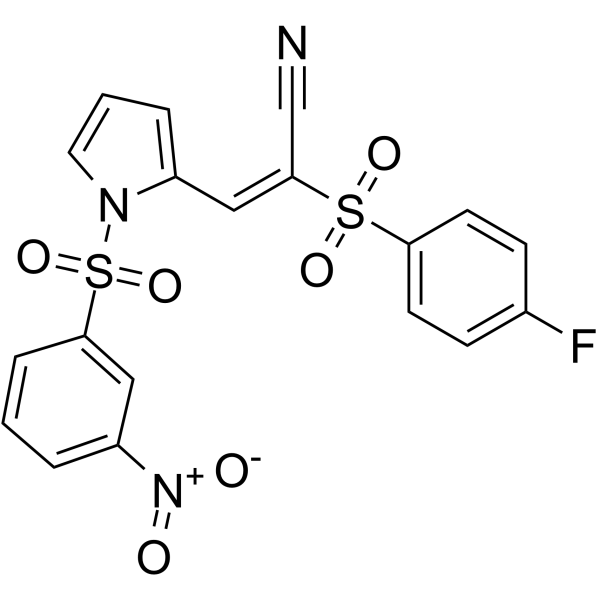
Cyano-myracrylamide is an inhibitor of zinc finger DHHC domain-containing palmitoyltransferase 20 (zDHHC20) with an IC50 value of 1.35 µM. Cyano-myracrylamide also inhibits the S-Acylation of EGFR and CD36. Cyano-myracrylamide also inhibits S-acylation of Legionella E3 ligase GobX, MyD88, and Ras, which are substrates of zDHHC20, zDHHC9, and zDHHC6, respectively, in HEK293T cells expressing recombinant Legionella GobX, recombinant human MyD88, or endogenous Ras .
VU0546110 is a selective inhibitor of the sperm-specific potassium channel SLO3, with IC50s of 1.287 μM (SLO3) and 59.80 μM (SLO1) in HEK293cells, respectively. VU0546110 blocks heterologous SLO3 currents and endogenous K + currents in human sperm. VU0546110 halts sperm hyperpolarization, induced acrosome reaction, and hyper-activated motility. VU0546110 has contraceptive potential .
SB 206553 is a 5-HT2C inverse agonist. SB 206553 can attenuate methamphetamine-seeking in rats. SB 206553 has activity for 5-HT2 receptor ligands in HEK-293 or CHO-K1 cells expressing human recombinant 5-HT2 receptors with pKi values of 5.6 nM (5-HT2A), 7.7 nM (5-HT2B) and 7.8 nM (5-HT2C), respectively. SB 206553 can be used for the research of psychostimulant abuse disorders .
NNMT-IN-3 (Compound 14) is a potent and selective nicotinamide N-methyltransferase (NNMT) inhibitor, with IC50 values of 1.1 nM and 0.4 μM in cell-free and cell-based assays, respectively. NNMT-IN-3 can be used in the research of diseases such as obesity, type 2 diabetes and cancer .
2-Chloro-ATP sodium (2-Chloro ATP) is an adenine nucleotide and an analog of ATP. It is an antagonist of the purinergic P2Y1 receptor and inhibits intracellular calcium mobilization induced by ADP (HY-W010918) in Jurkat cells expressing the human receptor (Ki=2.3 μM). 2-Chloro-ATP sodium is an agonist of the purinergic P2X receptor and induces inward currents in HEK293cells expressing human bladder smooth muscle or rat PC12 forms of the receptor (EC50=0.5 and 2.5 μM). 2-Chloro-ATP sodium induces relaxation of precontracted guinea pig cecal strips in a concentration-dependent manner. 2-Chloro-ATP sodium has been used to study the substrate specificity of cyclic nucleotide-dependent protein kinases such as protein kinase A (PKA) and PKG.
(S)-CE-123 is a potent, selective, and novel atypical dopamine transporter (DAT) inhibitor with an EC50 of 2.76 μM in uptake inhibition assays conducted in HEK293cells stably expressing human isoforms of DAT. (S)-CE-123, a Modafinil analogue, is able to penetrate the blood–brain barrier. (S)-CE-123 improves cognitive and motivational processes in experimental animals .
O4I1 is an Oct3/4 modulator with activity toward induced-pluripotent stem cell generation.O4I1 enhances Oct3/4 expression, increases Oct3/4 protein levels, and promotes Oct3/4-mediated transcriptional activity.O4I1 can be used for the research of regenerative medicine .
TLR9 antagonist 1 is a selective hTLR9 antagonist with an IC50 of 0.1 nM against hTLR9. TLR9 antagonist 1 exhibits favorable pharmacokinetic and pharmacodynamic properties. TLR9 antagonist 1 can be used in the research of systemic lupus erythematosus .
Apelin-36(human) TFA is an endogenous orphan G protein-coupled receptor APJ agonist, with an EC50 of 20 nM. Apelin-36(human) TFA shows high affinity to human APJ receptors expressed in HEK 293cells (pIC550=8.61). Apelin-36(human) TFA has been linked to two major types of biological activities: cardiovascular and metabolic. Apelin-36(human) TFA inhibits the entry of some HIV-1 and HIV-2 into the NP2/CD4 cells expressing APJ .
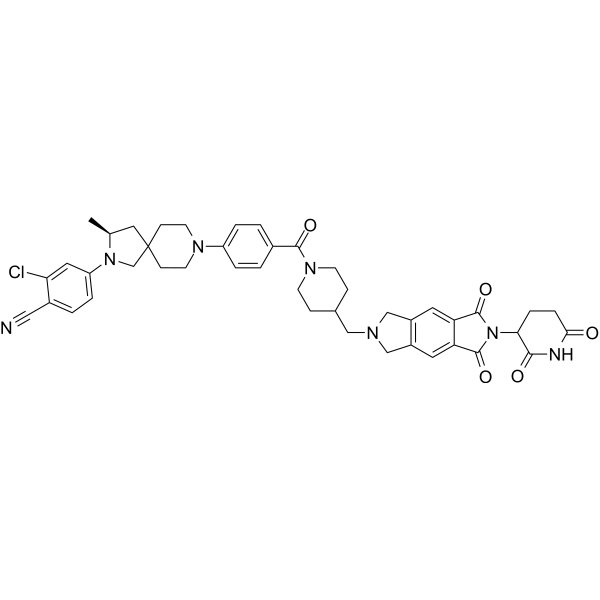
PROTAC STAT6 degrader-2 is a highly efficient PROTAC degrader targeting STAT6. PROTAC STAT6 degrader-2 has a DC50 value of 1-10 nM for STAT6 in human PBMC cells and a DC50 value of less than 100 nM for STAT6 in HEK293-HIBiT-STAT6cells. PROTAC STAT6 degrader-2 can be used for STAT6-mediated diseases .
Simvastatin acid (Tenivastatin) calcium hydrate is a potent HMG-CoA reductase (HMGCR) inhibitor. Simvastatin acid calcium hydrate reduces Indoxyl sulfate-mediated reactive oxygen species (ROS) production in human cardiomyocytes. Simvastatin acid calcium hydrate can also modulates OATP3A1 expression in cardiomyocytes and HEK293cells transfected with the OATP3A1 gene .
PU02, a derivative of 6-MP (HY-13677), is a negative allosteric modulator (NAM) of 5-HT3 receptor, with IC50 values of 0.36 and 0.73 μM in HEK293cells transfected with human 5-HT3A and 5-HT3AB receptors respectively .
AS1269574 is a potent, orally available GPR119 agonist, with an EC50 of 2.5 μM in HEK293cells expressing human GPR119. AS1269574 activates TRPA1 cation channels to stimulate glucagon-like peptide-1 (GLP-1) secretion. AS1269574 specifically induces glucose-dependent insulin secretion from pancreatic β-cells only under high-glucose conditions. AS1269574 has the potential for the research of type 2 diabetes .
PROTAC VEGFR-2 degrader-2 is a VEGFR-2 (KDR)PROTAC degrader with weak inhibitory activity against VEGFR-2 (IC50 > 1 μM). It is applicable to the research of cancer-related pathological angiogenesis .
U-101958 (PNU-101958) maleate is a highly selective ligand and antagonist for dopamine D4 receptor, with an IC50 of 2.7 nM. U-101958 maleate behaves as an agonist in HEK-293cells expressing the human recombinant D4.4 receptor. U-101958 maleate is an antipsychotic .
AZ513 is a reversible FAAH inhibitor with an IC50s of 551 nM and 27 nM for human FAAH and rat FAAH, respectively. AZ513 inhibits Anandamide (HY-10863) hydrolysis in human FAAH-transfected HEK293cells (IC50 of 360 nM) .
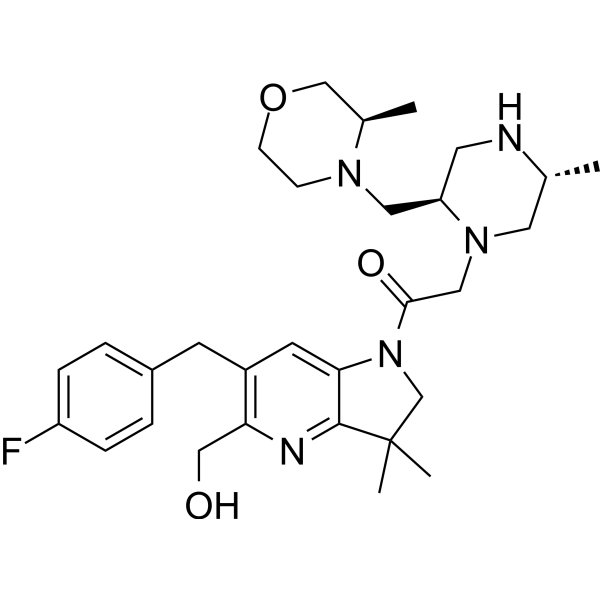
RXFP1 receptor agonist-1 (Example 2 peak2) is a RXFP1 receptor agonist. RXFP1 receptor agonist-1 stimulates cAMP production in HEK293cells stably expressing human RXFP1, with an EC50 value of 300 nM .
E197 is the inhibitor for DOCK5 that destroys the podosome belt structure of osteoclasts, thereby inhibiting the bone resorption (IC50=3.44 μM in human osteoclast). E197 inhibits the Rac in DOCK5 expressing HEK293cell with an IC50 of 36 μM. E197 prevents the bone loss in mouse ovariectomized models .
IKE16 is a fungi-selective eukaryotic topoisomerase II inhibitor, with an IC50 value of 13.68 μM. IKE16 suppresses both the DNA relaxation activity and the decatenation activity of yTOPOII selectively. IKE16 shows moderate activity against standard fungal strains (Candida albicans ATCC 10231, Saccharomyces cerevisiae ATCC 89763) with a minimum inhibitory concentration (MIC) of 2 μg/mL against S. cerevisiae ATCC 89763. IKE16 exhibits high cytotoxicity against humancells, with an EC50 of 0.07 μM in HepG2 and 0.045 μM in HEK-293. IKE16 can be used for the study of antifungal infection .
NFE2L1 activator-1 (Compound 5b) is a potent nuclear factor erythroid 2-related factor 1 (NFE2L1) activator (EC50 = 2.4 µM). NFE2L1 activator-1 effectively resists ferroptosis (Ferroptosis). NFE2L1 activator-1 can specifically activate the NFE2L1 signaling pathway to upregulate GPX4, PSMB7, PSMC4. NFE2L1 activator-1 can be used in cancer research .
SAR441255 TFA is a GLP-1R/GCGR/GIPR agonist, with human EC50 values of 1.03 pM, 1.01 pM, and 0.73 pM, respectively. SAR441255 TFA stimulates receptor activity and drives cAMP accumulation. SAR441255 TFA can be used for the research of type 2 diabetes, obesity .
Akuammine is an indole alkaloid that has been found in Picralima nitida and has analgesic activity. It selectively binds to the μ- and κ-opioid receptors over the δ-opioid receptor (Kis=0.3, 1.68, and 10.4 μM for the human receptors, respectively). Akuammine inhibits forskolin-induced cAMP production in HEK293cells expressing human μ- or κ-opioid receptors (IC50s=2.6 and 0.073 μM, respectively). It increases the latency to withdrawal in the tail-flick or hot plate test in mice when administered at a dose of 60 mg/kg.
TNP-ATP is an antagonist of purinergic P2Y1, P2X3, and P2X2/3 receptors (IC50 = 6, 0.9, and 7 nM, respectively, in HEK293cells expressing human receptors). TNP-ATP reduces acetate-induced calcium flux in 1321N1 cells expressing P2X3 and P2X2/3 receptors (IC50 = 100 and 62 nM, respectively). TNP-ATP dose-dependently attenuates acetate-induced abdominal contractions in a mouse visceral pain model (ED50 = 6.35 µmol/kg) [1][2].
WYJ-2 is a selective agonist for toll-like receptor 2/1 (TLR2/1) with EC50 of 18.57 nM in human TLR2 and TLR1 transient-cotransfected HEK 293T cells. WYJ-2 induces pyroptosis and exhibits anticancer activity against non-small cell lung cancer (NSCLC) .
JNJ-18038683 free base is a 5-Hydroxytryptamine Type 7 (5-HT7) receptor antagonist, with pKis of 8.19, 8.20 for rat and human 5-HT7 in HEK293cells, respectively.
RXFP1 receptor agonist-6 (Example 7) is a RXFP1 receptor agonist. RXFP1 receptor agonist-6 stimulates cAMP production in HEK293cells stably expressing human RXFP1, with an EC50 value of 12 nM .
RXFP1 receptor agonist-3 (Example 223) is a RXFP1 receptor agonist. RXFP1 receptor agonist-3 stimulates cAMP production in HEK293cells stably expressing human RXFP1, with an EC50 value of 2 nM .
RXFP1 receptor agonist-2 (Example 124) is a RXFP1 receptor agonist. RXFP1 receptor agonist-2 stimulates cAMP production in HEK293cells stably expressing human RXFP1, with an EC50 value of 1 nM .
Apelin-17(human, bovine) TFA is an endogenous orphan G protein-coupled receptor APJ agonist. Apelin-17(human, bovine) TFA binds to human APJ receptors expressed in HEK 293cells (pIC50=9.02). Apelin-17(human, bovine) TFA inhibits the entry of some HIV-1 and HIV-2 into the NP2/CD4 cells expressing APJ .
RXFP1 receptor agonist-8 (Example 2) is a RXFP1 receptor agonist. RXFP1 receptor agonist-8 stimulates cAMP production in HEK293cells stably expressing human RXFP1, with an EC50 value of 1.8 nM .
RXFP1 receptor agonist-4 (Example 268) is a RXFP1 receptor agonist. RXFP1 receptor agonist-4 stimulates cAMP production in HEK293cells stably expressing human RXFP1, with an EC50 value of 4.9 nM .
RXFP1 receptor agonist-5 (Example 98) is a RXFP1 receptor agonist. RXFP1 receptor agonist-5 stimulates cAMP production in HEK293cells stably expressing human RXFP1, with an EC50 value of 1.3 nM .
Tembetarine chloride is a alkaloid that can be isolated from Tinospora cordifolia that exhibits antibacterial activity. Tembetarine chloride exhibits weak cytotoxicity against mouse fibroblasts (L929) and human embryonic kidney cells (HEK293) with IC50 of 1245.33 μg/mL and 1642.81 μg/mL, respectively .
RXFP1 receptor agonist-7 (Example 2) is a RXFP1 receptor agonist. RXFP1 receptor agonist-7 stimulates cAMP production in HEK293cells stably expressing human RXFP1, with an EC50 value of 4.2 nM .
Analgesic agent-2 is a selective and orally active NaV1.8 Channel inhibitor, with an IC50 of 50.18 nM in HEK293cells stably expressing human NaV1.8 channel. Analgesic agent-2 has analgesic activity .
KPC-2-IN-1, boronic acid derivative, is a potent KPC-2 inhibitor with Ki of 0.032 μM. KPC-2-IN-1 enhances the activity of cefotaxime in KPC-2 expressing E. coli. KPC-2-IN-1 exhibits well tolerated in humanHEK-293cells, which can be used for the study of E. coli resistance to β-lactam antibiotics .
BRL-32872 is a potent human ether-a-go-go-related gene (hERG) potassium channel blocker (IC50=241 nM in isolated cardiomyocytes; 19.8 nM in HEK293cells). BRL-32872 is promising for research of cardiac arrhythmias (e.g., atrial/ventricular rhythms) .
11β-HSD1-IN-14 (Compound 17) is a selective inhibitor for 11β-Hydroxysteroid Dehydrogenase Type 1 (11β-HSD1), with IC50 of 74 nM for human HSD1, and 603 nM for HSD1 expressed HEK293cell .
Simvastatin acid (ammonium) (Standard) is the analytical standard of Simvastatin acid (ammonium). This product is intended for research and analytical applications. Simvastatin acid (Tenivastatin) ammonium is a potent HMG-CoA reductase (HMGCR) inhibitor. Simvastatin acid ammonium reduces Indoxyl sulfate-mediated reactive oxygen species (ROS) production in human cardiomyocytes. Simvastatin acid ammonium can also modulates OATP3A1 expression in cardiomyocytes and HEK293cells transfected with the OATP3A1 gene .
RO5323441 (TB-403) is a human IgG1 monoclonal antibody (mAb) targeting PlGF. RO5323441 inhibits the binding of human PlGF-1 or PlGF-2 to VEGFR-1 (IC50 values are 0.1 and 0.2 nM, respectively). RO5323441 blocks PlGF-induced VEGFR-1 phosphorylation in Flt-1-transfected HEK293cells. RO5323441 has antitumor activity .
Simvastatin acid-d6 (Tenivastatin-d6) is deuterium labeled Simvastatin acid. Simvastatin acid (Tenivastatin), a hydrolysate of Simvastatin (HY-17502), is a HMG-CoA reductase (HMGCR) inhibitor. Simvastatin acid reduces Indoxyl sulfate-mediated reactive oxygen species (ROS) production in human cardiomyocytes. Simvastatin acid can also modulates OATP3A1 expression in cardiomyocytes and HEK293cells transfected with the OATP3A1 gene .
Simvastatin acid-d9 ammonium is deuterated labeled Simvastatin acid ammonium (HY-119695A). Simvastatin acid (Tenivastatin) ammonium is a potent HMG-CoA reductase (HMGCR) inhibitor. Simvastatin acid ammonium reduces Indoxyl sulfate-mediated reactive oxygen species (ROS) production in human cardiomyocytes. Simvastatin acid ammonium can also modulates OATP3A1 expression in cardiomyocytes and HEK293cells transfected with the OATP3A1 gene .
PF-915275 (Standard) is the analytical standard of PF-915275. This product is intended for research and analytical applications. PF-915275 is a potent, selective and orally active human 11β-hydroxysteroid dehydrogenase type 1 (11βHSD1) inhibitor with a Ki of 2.3 nM and an EC50 of 15 nM (in HEK293cells). The dose-dependent effect of PF-915275 on conversion of cortisone to cortisol in primary human and monkey hepatocytes, with an EC50 of 20 and 100 nM, respectively .
(E/Z)-DMU2105 (Compound 7k) is a potent and highly selective CYP1B1 inhibitor. (E/Z)-DMU2105 inhibits human CYP1B1 enzyme bound to yeast-derived microsomes with an IC50 value of 10 nM. (E/Z)-DMU2105 also potently inhibits CYP1B1 expressed within ‘live’ recombinant yeast and humanHEK293 kidney cells with an IC50 value of 63.65 nM. (E/Z)-DMU2105 can be used for the research of cancer, glaucoma, ischemia and obesity .
Tolazamide (U-17835) (Standard) is the analytical standard of Tolazamide. This product is intended for research and analytical applications. Tolazamide is an orally active sulfonylurea agent that inhibits sulfonylurea receptor 1 (SUR1) linked to the inwardly rectifying potassium channel (IC50 = 4.2 µM in HEK293cells transfected with the human receptor). Tolazamide has anti-diabetic properties. Tolazamide can lower blood glucose in sulfonylurea class. Tolazamide decreases insulin dose while continuing to maintain adequate metabolic control. Tolazamide is able to improve or normalize hyperglycemia and HbA .
γ-glutamyltransferase, Human (HEK293) is a γ-glutamyltransferase expressed in HEK293cells. γ-glutamyltransferase participates in glutathione metabolism. Serum γ-glutamyltransferase activity is identified as a predictor of atherosclerotic complications, and has prognostic value for cardiovascular diseases and stroke. γ-glutamyltransferase also serves as a biomarker for carcinogenesis and tumor progression .
RQ-00311651 is a T-type calcium channel blocker that specifically targets the Cav3.2 isoform with a role in neuropathic and visceral pain. RQ-00311651 significantly inhibits T currents in HEK293cells expressing human Cav3.1 or Cav3.2. RQ-00311651 also inhibited high potassium-induced calcium signaling. RQ-00311651 also inhibits antiallergic properties in rats and mice with neuropathic pain induced by spinal nerve injury or Paclitaxel (HY-B0015). Oral and intraperitoneal injection (10-20 mg/kg) inhibits Cerulein (HY-A0190)-induced acute pancreatitis and cyclophosphamide-induced cystitis in mice .
Val-CDCA is a chenodeoxycholate (CDCA) and C-24 L-Valine (HY-N0717) conjugate. Val-CDCA inhibits taurocholate uptake in human NTCP-stably transfected HEK293cells. Val-CDCA can be used for HBV infection .
PROTAC hCAII degrader-1 is a potent PROTAC human carbonic anhydrase II (hCAII) degrader with an DC50 of 0.5 nM in HEK293cells. PROTAC hCAII degrader-1 recruits cereblon (CRBN) E3 ubiquitin ligase to form a ternary complex. PROTAC hCAII degrader-1 enables ubiquitination and subsequent proteasomal degradation of hCAII .
Dopamine D4 receptor ligand 3 (Compound 16) is a dopamine D4 receptor (D4R) antagonist (pKi: 8.86). Dopamine D4 receptor ligand 3 has pIC50 values of 5.78, 5.55, and 6.17 for Go, Gi, and βArr2 sensors in HEK-293Tcells, respectively. Dopamine D4 receptor ligand 3 inhibits the viability of three human glioma cell lines, U87 MG, T98G, and U251 MG. Dopamine D4 receptor ligand 3 induces ROS production and mitochondrial dysfunction in glioma cells .
LN6023 (hydrochloride) (Compound 27) is a CXCR7 agonist. LN6023 (hydrochloride) induces the recruitment of β-arrestin in HEK293T cells expressing human CXCR7 (EC50 = 3.5 µM). LN6023 (hydrochloride) reduces the surface level of P-selectin in isolated and washed human platelets. LN6023 (hydrochloride) can be used to study platelet-mediated thrombosis .
M04 is an agonist of STING. It induces the expression of the IFN reporter gene in HEK293T cells expressing wild-type humanSTING, but does not induce this expression in HEK293T cells expressing the R71H-G230A-R293Q (HAQ) STING variant or in mouse RAW 264.7 cells, indicating that its activity is dependent on allelic and species variations. M04 induces the production of TNF-α, IL-10, IL-1β, and IL-12p70 in human peripheral blood mononuclear cells (PBMCs). At a concentration of 50 µM, M04 stimulates dendritic cells isolated from PBMCs to express the MHC class II cell surface receptor HLA-DR and co-stimulatory molecules CD40, CD80, and CD86, and also enhances their ability to activate T cells in an ex vivo assay. M04 can be used in research on inflammatory immune diseases .
YSY01A is a proteasome inhibitor that can suppress cancer cell survival by inducing apoptosis (Apoptosis). Its IC50 values are 51.0 nM for HEK293T, 9.2 nM for A549, 5.2 nM for MCF-7, 8.9 nM for MGC-803, and 35.4 nM for PC-3M cells. Additionally, YSY01A eliminates constitutive STAT3 signaling by downregulating gp130 and JAK2 in human A549 lung cancer cells. YSY01A holds promise for research in the field of cancer therapy .
BCFTP is a potent, orally active and selective human Mas-related G protein-coupled receptor X1 (MrgprX1)-positive allosteric modulator. BCFTP selectively potentiates MrgprX1 signaling in HEK293cells. BCFTP alleviates specific neuropathic pain-related behaviors in a humanized MrgprX1 mouse model of chronic constrictive injury (CCI) in a MrgprX1-dependent manner. BCFTP synergistically enhances psychoactive substances analgesia in CCI MrgprX1 mice. BCFTP can be used for neuropathic pain research .
4″-C18 EGCG is a potent inhibitor of α-amylase and α-glucosidase with IC50 values of 3.74 and 0.81 μM, respectively. 4″-C18 EGCG inhibits carbohydrate hydrolases, reduces oxidative stress and inflammation, and exhibits antidiabetic activity. 4″-C18 EGCG also downregulates proinflammatory cytokines and is cytotoxic to primary human peripheral blood mononuclear cells (PBMCs), non-cancer cell lines 3T3-L1, and HEK 293 at 50 μM .
2'-Deoxyadenosine-5'-O-diphosphoribose sodium is a TRPM2 agonist. 2'-Deoxyadenosine-5'-O-diphosphoribose sodium enhances calcium-induced currents in inside-out patch-clamp experiments using HEK293cells expressing human TRPM2. 2'-Deoxyadenosine-5'-O-diphosphoribose sodium is a substrate for Nucleoside Triphosphate Diphosphatase 9 (NUDT9) .
URAT1-IN-14 is a potent and orally active Urate transporter 1 (URAT1) inhibitor. URAT1-IN-14 inhibits the human URAT1 in HEK293cells with an IC50 of 0.72 μM. URAT1-IN-14 exhibits low cytotoxic in Hep-G2 cells. URAT1-IN-14 shows urate-lowering effect in hyperuricemia mouse models. URAT1-IN-14 can be used for the study of hyperuricemia and gout .
AS1269574 (Standard) is the analytical standard of AS1269574 (HY-107535). This product is intended for research and analytical applications. AS1269574 is a potent, orally available GPR119 agonist, with an EC50 of 2.5 μM in HEK293cells expressing human GPR119. AS1269574 activates TRPA1 cation channels to stimulate glucagon-like peptide-1 (GLP-1) secretion. AS1269574 specifically induces glucose-dependent insulin secretion from pancreatic β-cells only under high-glucose conditions. AS1269574 has the potential for the research of type 2 diabetes .
ADAMTS-5-IN-4 (Compound 4b) is a selective ADAMTS5 inhibitor with an IC₅₀ of 9.4 μM. ADAMTS-5-IN-4 significantly inhibits the degradation of Aggrecan in the implants of the osteoarthritis model. ADAMTS-5-IN-4 effectively inhibits the pseudopod elongation and directional migration of ovarian cancer cells. ADAMTS-5-IN-4 shows significant cytotoxicity to HEK293T cells, human chondrocytes, and porcine chondrocyte implants. ADAMTS-5-IN-4 can be used for the study of osteoarthritis and ovarian cancer .
NPS-2143 (Standard) is the analytical standard of NPS-2143 (HY-10007). This product is intended for research and analytical applications. NPS-2143 (SB-262470A), an orally active calcilytic agent, is a selective and potent calcium ion-sensing receptor (CaSR) antagonist. NPS-2143 (SB-262470A) blocks increases in cytoplasmic Ca2+ concentrations (IC50=43 nM) elicited by activating the Ca2+ receptor in HEK 293cells expressing the human Ca2+ receptor .
Creatine transporter-IN-1 is a synthetic creatine transporter (CT1/SLC6A8) inhibitor. Creatine transporter-IN-1 inhibits creatine uptake and shows anticancer activity against cancer cells .
Dimethyloctadecyl[3-(trimethoxysilyl) propyl]ammonium chloride is a quaternary ammonium silane monomer-based disinfectant/antimicrobial agent. Dimethyloctadecylammonium chloride exhibits bactericidal activity against Gram-positive and Gram-negative bacteria, as well as fungicidal activity against Candida albicans in solution; it can form a hydrophobic glass coating that displays bactericidal activity against Gram-positive and Gram-negative bacteria but has limited fungicidal activity against Candida albicans .
TLC-2716 is an orally available, gut- and liver-restricted inhibitor against LXRα and LXRβ, with EC50 values of 7 nM and 15 nM, respectively. TLC-2716 represses LXRα/β transcriptional activity, downregulates genes involved in lipogenesis, lipid absorption and lipoprotein metabolism, and preserves peripheral reverse cholesterol transport. TLC-2716 reduces lipid accumulation, suppresses inflammation and fibrotic gene expression, enhances triglyceride-rich lipoprotein clearance, and improves glucose homeostasis and insulin sensitivity. TLC-2716 lowers serum and hepatic triglycerides, plasma cholesterol and other atherogenic lipid profiles in experimental models and humanized liver mice. TLC-2716 can be used for the research of dyslipidemia and related cardiometabolic disorders .
CP-432 (CP-734432) is a EP4 receptor agonist with an IC50 of 2 nM for human sources, 8 nM for canine sources, and an EC50 of 1 nM for human sources. CP-432 stimulates cAMP production and activates β-lactamase (β-lactamase) activity via the cAMP response element signaling pathway. CP-432 is applicable to research related to glaucoma .
A3AR antagonist-7 is a conjugable human A3 adenosine receptor (A3AR) antagonist with a Ki value of 31.8 nM. A3AR antagonist-7 is applicable to the research of melanoma, breast cancer and colorectal cancer .
SRA-36 is a CLC-K chloride channel inhibitor with selectivity over CLC-5 and CLC-1 chloride channels. SRA-36 blocks CLC-Ka currents with an IC50 of 6.6 μM and a Kd of 3.8 μM. SRA-36 blocks chloride currents mediated by targeted channels, and inhibits currents from hypertension-associated CLC-Ka A447T and CLC-Ka Y315F polymorphisms. SRA-36 can be used for the research of hypertension .
P2X3 antagonist 40 is a P2X3 antagonist with a human P2X3 receptor pIC50 < 4.52. P2X3 antagonist 40 can be used for research on ATP-mediated proinflammatory fingerprint, including overactive bladder, pain, and chronic cough .
MT16-001 is a cell-permeable UCHL1 inhibitor with an IC50 value of 580 nM. MT16-001 also exhibits considerable inhibitory activity against USP30, and shows selectivity for other UCH family deubiquitinases (DUBs) as well as the broader proteome. MT16-001 binds covalently to the cysteine residue at the active site of UCHL1, and forms covalent interactions with ALDH2, ALDH9A1 and GATD3A in intact cells. Meanwhile, as a cytotoxic agent, it displays a steep dose-response curve in human embryonic kidney cells. MT16-001 can be used for research on various cancers, liver fibrosis and pulmonary fibrosis .
GLP-1 receptor agonist 22 is an orally active GLP-1 receptor agonist. GLP-1 receptor agonist 22 promotes the accumulation of cAMP. GLP-1 receptor agonist 22 reduces blood glucose levels and inhibits feeding behavior in human glucagon-like peptide-1 receptor knock-in mice. GLP-1 receptor agonist 22 can be used in the research of type 2 diabetes and obesity .
CPI-644 is a selective EP300/CBP bromodomain inhibitor, with an IC50 of 0.18 µM against the CBP bromodomain. CPI-644 reduces the proportion of FOXP3+ cells and downregulates the expression of LAG-3, CTLA-4 and PD-1. CPI-644 can be used in cancer-related research .
Rehmaglupentasaccharide A is a pentasaccharide found in air-dried roots of Rehmannia glutinosa. Rehmaglupentasaccharide A promotes proliferation of Lactobacillus reuteri .
LSPN959 is a slow-acting indole peptidomimetic antiplasmodial agent with submicromolar activity against the Plasmodium falciparum 3D7 strain. LSPN959 does not inhibit plastid-dependent isoprenoid biosynthesis. The combination of LSPN959 with Artesunate (HY-N0193) exhibits an additive effect against Plasmodium falciparum. LSPN959 can be used in malaria research .
dTAG-TRIMTAC is a PROTAC-like degrader targeting TRIM21. dTAG-TRIMTAC forms a ternary complex with TRIM21 and target proteins to drive degradation of oligomeric/assembled substrates via TRIM21 clustering-based activation, with degradation dependent on endogenous TRIM21. dTAG-TRIMTAC can be used for the research of neurodegenerative disease and inflammatory disease .
VEGFR-2-IN-80 is a VEGFR-2 inhibitor with an IC50 of 2.206 μM. VEGFR-2-IN-80 interacts with ATP-binding residues of VEGFR-2 to inhibit its kinase activity. VEGFR-2-IN-80 suppresses formation of capillary-like networks, exerts cytotoxic effects against various human cancer cells, and suppresses growth of HCT116 xenografts. VEGFR-2-IN-80 can be used for the research of colorectal cancer .
HBC-12551 is an orally active BTK inhibitor (IC50 in HEK293 cells: 1.31 nM for BTK; 2.18 nM for BTK C481S). HBC-12551 has antitumor activity against diffuse large B-cell lymphoma .
Rehmaglupentasaccharide B is a pentasaccharide which can be found in the roots of dried Rehmannia glutinosa. Rehmaglupentasaccharide B promotes the proliferation of Lactobacillus reuteri .
GPR17 agonist 2 (compound 10) is a human GPR17 agonist and selective P2Y receptor non-activator.GPR17 agonist 2 modulates intracellular cAMP levels through functional activation of its target receptor.GPR17 agonist 2 can be used for the research of multiple sclerosis, cerebral ischemia, traumatic brain injury, spinal cord injury .
Wheat germ agglutinin-AF488 (WGA-AF488) is a cell membrane-specific staining agent prepared by conjugating wheat germ agglutinin with the Alexa Fluor 488 (HY-D1304) fluorescent dye, and it binds to cell surface glycoproteins with high affinity. Wheat germ agglutinin-AF488 is applied in fluorescence microscopy and confocal imaging techniques, and it can clearly label the membrane structures of various cells including breast cancer cells, enabling high-resolution visual observation. Wheat germ agglutinin-AF488 is used in studies of breast cancer and triple-negative breast cancer to observe cell morphology and membrane dynamic changes .
TRPC3-IN-1 is a human transient receptor potential canonical 3 (hTRPC3) inhibitor with an IC50 of 0.09 μM. TRPC3-IN-1 inhibits hTRPC3-mediated currents. TRPC3-IN-1 is applicable to research related to diseases such as epilepsy .
NPA101.3 is an orally active RET receptor tyrosine kinase and VEGFR2 inhibitor (RET IC50 = 0.001 μM, RET V804MIC50 = 0.008 μM, VEGFR2 IC50 = 0.003 μM). NPA101.3 inhibits purified TRKA (IC50 = 32 nM) and CSF1R (IC50 = 46 nM). NPA101.3 completely suppresses tumor formation in RET/C634Y-transformed cells and also attenuates tumor formation in HRAS/G12V-transformed cells. NPA101.3 can be used in the research of RET-driven cancers .
GLP-1R/GIPR agonist-2 is a GIPR agonist. GLP-1R/GIPR agonist-2 potentiates GIP(1-42)-induced intracellular cAMP production in cells expressing human GIPR. GLP-1R/GIPR agonist-2 can be used for the research of type II diabetes mellitus .
GLP-1 receptor agonist 21 is an orally active glucagon-like peptide-1 receptor (GLP-1R) agonist with an EC50 of 0.64 nM. GLP-1 receptor agonist 21 reduces blood glucose levels and suppresses cumulative food consumption in diabetic mice. GLP-1 receptor agonist 21 can be used for the researches of type 2 diabetes and obesity .
LSPN954 (compound 4i) is an indole-based peptidomimetic antiplasmodial agent that exhibits submicromolar activity against both sensitive and multidrug-resistant *Plasmodium falciparum* strains, with low cytotoxicity to human cells and a high selectivity index. LSPN954 shows slow-acting inhibitory activity, allowing the initial development of *Plasmodium* followed by morphological changes, and its activity is independent of the inhibition of plastid-dependent isoprenoid biosynthesis. LSPN954 can be used in malaria research .
VDR agonist 5 is an oral active VDR agonist. VDR agonist 5 activates VDR-mediated signaling to reduce liver fibrosis progression. VDR agonist 5 does not induce hypercalcemia. VDR agonist 5 can be used for the research of hepatic fibrosis .
TTBK1/2-IN-3 (Compound 10) is a potent inhibitor of tau tubulin kinase 1 (TTBK1) and TTBK2, with IC50 values of 579 nM and 258 nM, respectively. TTBK1/2-IN-3 inhibits the phosphorylation of TDP-43. TTBK1/2-IN-3 reduces the expression of primary cilia on the surface of iPSCs .
CC-410 is a selective Nicotinamide N-methyltransferase (NNMT) inhibitor with a human IC50 value of 1.6 µM. CC-410 impairs terminal adipocyte differentiation via glucocorticoid signaling network deregulation, inhibits adipogenesis and lipid accumulation with time-sensitive activity limited to early adipogenesis stages. CC-410 can be used for the researches of early-onset obesity, glucocorticoid-induced obesity .
A6CDQ is a human organic cation transporter (hOCT) inhibitor with antidepressant-like activity that can cross the blood-brain barrier. A6CDQ potently inhibits the transport activities mediated by hOCT1, hOCT2 and hOCT3. A6CDQ exhibits significant antidepressant-like effects in the mouse tail suspension test. A6CDQ can be used in studies related to depression .
7-Hydroxy-5,3',4'-trimethoxyflavanone (Compound AG2) is a key flavanone derivative obtained from the hydrolysis of Methyl-Hesperidin (HY-N0165). 7-Hydroxy-5,3',4'-trimethoxyflavanone exhibits only weak Nrf2-ARE activation activity and is insufficient to initiate the cellular antioxidant defense system .
ADX88178 TFA is an orally active, blood-brain barrier-penetrant, selective positive allosteric modulator of mGluR4, with an EC50 of 3.5 nM against hmGluR4. ADX88178 TFA modulates mGlu4 activity, enhances glutamate-mediated receptor activation, and increases the apparent affinity of glutamate for the receptor. ADX88178 TFA reverses haloperidol-induced catalepsy, potentiates the effects of levodopa (L-DOPA) and quinpirole, but fails to alleviate established abnormal involuntary movements, does not exacerbate L-DOPA-induced dyskinesia, and does not affect forelimb akinesia when administered alone. ADX88178 TFA can be used in research related to L-DOPA-induced dyskinesia and Parkinson's disease .
6-Bnz-cAMP sodium, a derivative of cyclic adenosine monophosphate (cAMP), is a selective PKA activator with inhibitory activity against the bTREK-1 K + channel. 6-Bnz-cAMP sodium does not activate the Epac signaling pathway. It inhibits the bTREK-1 K + channel via a voltage-independent, ATP-dependent mechanism that is independent of the PKA/Epac/calmodulin kinase/MAP kinase pathway. 6-Bnz-cAMP sodium activates CREB phosphorylation to regulate osteoblast-specific gene expression, induces osteoblast differentiation, promotes extracellular matrix mineralization, supports osteoblast proliferation, and shows no cytotoxicity toward osteoblasts. It can be used in studies related to bone tissue repair and regeneration .
TNF-α-IN-29 is an orally active and selective TNF-α inhibitor, with IC50 values of 123.0 nM against human targets, and a human Kd of 45.9 nM. TNF-α-IN-29 blocks TNF-α-TNFR1 protein-protein interactions and inhibits TNF-α-mediated inflammatory signaling pathways. TNF-α-IN-29 exhibits anti-inflammatory effects in a mouse model of collagen-induced arthritis and promotes articular cartilage repair. TNF-α-IN-29 can be used for the research of rheumatoid arthritis .
CCK2R agonist-1 (Compound 2S) is a CCK2R agonist, with an IC50 of 48 nM against wild-type CCK-2R and an IC50 of 450 nM against mutant CCK-2R (N353L). CCK2R agonist-1 stimulates the production of inositol phosphate. The changes in pH and HDC induced by CCK2R agonist-1 in mice are comparable to those induced by the full-length peptide agonist Gastrin. CCK2R agonist-1 can be used in studies of gastric diseases and pain .
PROTAC SARS-CoV-2 Mpro degrader-5 is a SARS-CoV-2 main protease (Mpro) PROTAC. PROTAC SARS-CoV-2 Mpro degrader-5 engages CRBN E3 ubiquitin ligase to form a ternary complex with SARS-CoV-2 Mpro, induces K48-linked polyubiquitination of SARS-CoV-2 Mpro, and drives proteasome-dependent turnover of SARS-CoV-2 Mpro with a high selectivity index (CC50/DC50 > 10) in human embryonic kidney cells.PROTAC SARS-CoV-2 Mpro degrader-5 can be used for the research of COVID-19 .
S1R agonist 3 is a potent, selective and brain-penetrant sigma-1 receptor (S1R) agonist with a Ki of 1.5 nM. S1R agonist 3 reduces hyperlocomotion in wfs1abKO zebrafish larvae without affecting locomotion in wildtype wfs1abWT zebrafish larvae. S1R agonist 3 reverses Aβ25-35 (HY-P0128)-induced learning and memory impairments. S1R ligand 1 can be used for the research of Alzheimer’s disease .
FOXM1-IN-4 hydrochloride is a selective 5-HT7 receptor inhibitor with a Ki of 92 nM. FOXM1-IN-4 hydrochloride blocks 5-HT7 receptor signaling to reduce FOXM1, p-FOXM1, cyclin B1, and cdc25B levels. FOXM1-IN-4 hydrochloride acts as an antiproliferative, clonogenic inhibitor, and cell cycle inhibitor that induces G2/M arrest, reduces G0/G1 population. FOXM1-IN-4 hydrochloride can be used for the research of triple-negative breast cancer .
TMEM175 modulator 1 (compound 47) is a TMEM175 modulator.TMEM175 modulator 1 modulates activity of the lysosomal potassium ion channel TMEM175.TMEM175 modulator 1 can be used for the research of parkinson’s disease, dementia, alzheimer’s disease, l-dopa induced dyskinesia .
Dopamine D3 receptor agonist-2 is a selective dopamineD3 receptor partial agonist with a Ki of 0.268 nM. Dopamine D3 receptor agonist-2 exhibits 29-fold selectivity over dopamineD2 receptor (Ki= 7.67nM) .
TGF-β1/Smad3-IN-2 is an orally active antifibrotic agent. TGF-β1/Smad3-IN-2 has high affinity for VDR and can inhibit the TGFβ/SMAD3 signaling pathway. TGF-β1/Smad3-IN-2 inhibits hepatic stellate cell activation, reduces extracellular matrix deposition, and alleviates liver fibrosis in a bile duct ligation mouse model. TGF-β1/Smad3-IN-2 can be used for the research of liver fibrosis .
KZR-8445, a cyclic depsipeptide, is a client-selective Sec61 inhibitor. KZR-8445 binds to the fully opened Sec61 lateral gate, blocks lumenal plug domain access, stabilizes lateral gate helices, traps select signal peptides, and disrupts secretory and membrane protein biogenesis. KZR-8445 inhibits pro-inflammatory cytokine secretion in primary immune cells. KZR-8445 inhibits SARS-CoV-2 replication, virus-induced cytotoxicity, and spike protein biogenesis. KZR-8445 blocks disease progression in a mouse model of rheumatoid arthritis. KZR-8445 can be used for the researches of rheumatoid arthritis and SARS-CoV-2 infection .
TAK-756 is a selective transforming growth factor β-activated kinase 1 (TAK1) inhibitor with a target pIC50 of 8.6. TAK-756 can inhibit TAK1 autophosphorylation and downstream NF-κB phosphorylation, suppress the production of inflammatory and catabolic factors such as MMP-3 and IL-6. TAK-756 exhibits anti-inflammatory effects in a rat joint inflammation model. TAK-756 can be used for the research of inflammatory joint disease, osteoarthritis .
Armanezumab is a pathological tau protein inhibitor that specifically binds to the N-terminal domain exposed by pathological tau protein (epitope covering amino acids 4-8: PRQEF). Armanezumab is applicable to research related to Alzheimer's disease, frontotemporal dementia, and Pick's disease .
ADX71441 is an orally active, blood-brain barrier penetrant positive allosteric modulator of GABABreceptor. ADX71441 potentiates the activity of endogenous GABA at GABAB receptor, with an EC50 of 96 nM. ADX71441 functionally inhibits adenosine transporters and 5-HT2Breceptor. ADX71441 produces anxiolytic-like, analgesic, muscle relaxant, hypothermic and overactive bladder inhibitory effects, reduces acute locomotor activity levels, decreases voluntary intake of alcohol and saccharin, attenuates stress-induced neuronal activation, and exhibits anti-hyperalgesic activity .
O-GlcNAcase-IN-6 is an orally active, blood-brain barrier-permeable O-GlcNAcase (OGA) inhibitor with an IC50 of 5.4 nM. O-GlcNAcase-IN-6 inhibits OGA activity, thereby increasing the level of O-GlcNAc glycosylation in brain tissues. O-GlcNAcase-IN-6 can be used for the research of Alzheimer's disease .
MK-8825 is an orally active, selective CGRP receptor antagonist with a Ki value of 47 pM for human CGRP receptors and 17 nM for rat CGRP receptors. MK-8825 blocks CGRP-stimulated cAMP responses and exhibits competitive-like antagonism. MK-8825 can be used in the research of migraine and temporomandibular joint disorders .
IMP-Zn is a pyrazole-hydrazone Schiff base zinc (II) complex. IMP-Zn exhibits significant antiproliferative activity against human colorectal cancer cells and induces cell cycle arrest. IMP-Zn shows stronger binding affinity than its free ligand IMP towards three cancer-related protein targets: EGFR kinase 1M17, cytochrome P450 3RUK, and CDK inhibitor 6GUE. IMP-Zn can be used in studies related to colorectal cancer .
CYP11B1-IN-1 (Compound 25) is a selective, orally active hCYP11B1 inhibitor, with an IC50 of 2 nM against hCYP11B1 and an IC50 of 1.8 μM against rat CYP11B1. CYP11B1-IN-1 can be used for the research of Cushing's disease .
DA-0218 is a Nav1.7 inhibitor. DA-0218 exerts state-dependent inhibitory effects. DA-0218 alleviates formalin-induced inflammatory pain behavior and Paclitaxel-induced mechanical hyperalgesia in mice. DA-0218 inhibits Histamine-induced acute pruritus and lymphoma-induced chronic pruritus in mice. DA-0218 can be used in research related to inflammatory pain, neuropathic pain, acute pruritus and chronic pruritus .
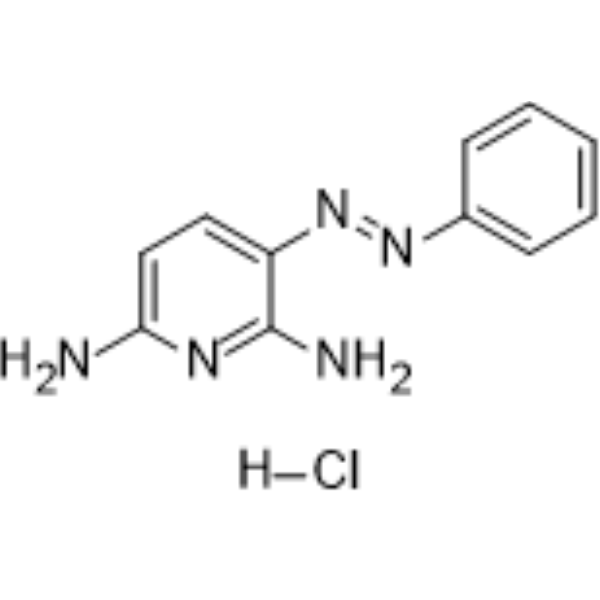
Phenazopyridine hydrochlorideis a competitive SARM1 inhibitor, with IC50 145 μM. Phenazopyridine hydrochlorideis a TRPM8 antagonist. Phenazopyridine hydrochloride has a local anesthetic/analgesic effect. Phenazopyridine hydrochlorideis used to relieve painful symptoms of conditions such as cystitis and urethritis. Phenazopyridine hydrochloridecan promote neuronal differentiation and can also be used in the study of traumatic brain injury, peripheral neuropathy and neurodegenerative diseases .
Phenazopyridine (hydrochloride) (Standard) is the analytical standard of Phenazopyridine (hydrochloride). This product is intended for research and analytical applications. Phenazopyridine hydrochlorideis a competitive SARM1 inhibitor, with IC50 145 μM. Phenazopyridine hydrochlorideis a TRPM8 antagonist. Phenazopyridine hydrochloride has a local anesthetic/analgesic effect. Phenazopyridine hydrochlorideis used to relieve painful symptoms of conditions such as cystitis and urethritis. Phenazopyridine hydrochloridecan promote neuronal differentiation and can also be used in the study of traumatic brain injury, peripheral neuropathy and neurodegenerative diseases .
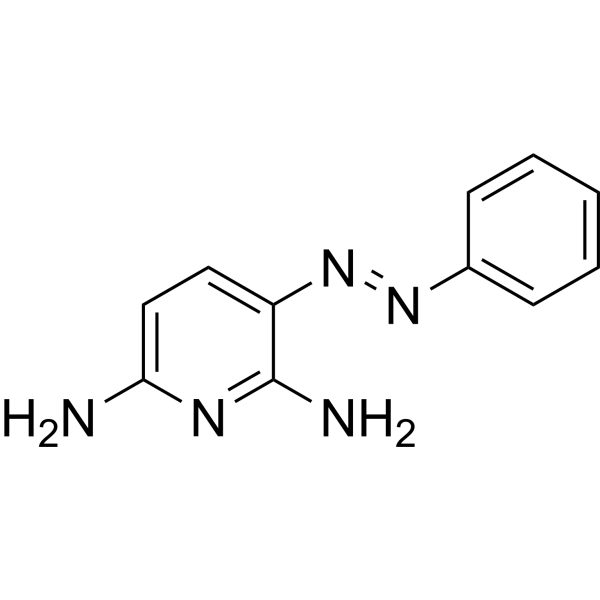
Phenazopyridine is a competitive SARM1 inhibitor, with IC50 145 μM. Phenazopyridine is a TRPM8 antagonist. Phenazopyridine has a local anesthetic/analgesic effect. Phenazopyridine is used to relieve painful symptoms of conditions such as cystitis and urethritis. Phenazopyridine can promote neuronal differentiation and can also be used in the study of traumatic brain injury, peripheral neuropathy and neurodegenerative diseases .
SHK1112218 is an orally active mitochondrial proton carrier with an EC50 of 0.48 μM. SHK1112218 restores proton transport and increases oxygen consumption rate. SHK1112218 can be used for the research of diabetes, obesity, and metabolic dysfunction-associated steatotic liver disease .
Wheat germ agglutinin-AF488 (WGA-AF488) is a cell membrane-specific staining agent prepared by conjugating wheat germ agglutinin with the Alexa Fluor 488 (HY-D1304) fluorescent dye, and it binds to cell surface glycoproteins with high affinity. Wheat germ agglutinin-AF488 is applied in fluorescence microscopy and confocal imaging techniques, and it can clearly label the membrane structures of various cells including breast cancer cells, enabling high-resolution visual observation. Wheat germ agglutinin-AF488 is used in studies of breast cancer and triple-negative breast cancer to observe cell morphology and membrane dynamic changes .
PACAP (1-38) free acid is a desamido-PACAP (1-38), human, ovine, rat (HY-P0221). PACAP (1-38) free acid can activate the human PAC1 receptor. PACAP (1-38) free acid induces cyclic AMP (cAMP) generation in both NS-1 neuroendocrine cells and non-neuroendocrine HEK293cells .
Apelin-17(human, bovine) is an endogenous orphan G protein-coupled receptor APJ agonist. Apelin-17(human, bovine) binds to human APJ receptors expressed in HEK 293cells (pIC50=9.02). Apelin-17(human, bovine) inhibits the entry of some HIV-1 and HIV-2 into the NP2/CD4 cells expressing APJ .
SAR441255 is a GLP-1R/GCGR/GIPR agonist, with human EC50 values of 1.03 pM, 1.01 pM, and 0.73 pM, respectively. SAR441255 stimulates receptor activity and drives cAMP accumulation. SAR441255 can be used for the research of type 2 diabetes, obesity .
Apelin-36(human) is an endogenous orphan G protein-coupled receptor APJ agonist, with an EC50 of 20 nM. Apelin-36(human) shows high affinity to human APJ receptors expressed in HEK 293cells (pIC50=8.61). Apelin-36 has been linked to two major types of biological activities: cardiovascular and metabolic. Apelin-36(human) inhibits the entry of some HIV-1 and HIV-2 into the NP2/CD4 cells expressing APJ .
Apelin-36(human) TFA is an endogenous orphan G protein-coupled receptor APJ agonist, with an EC50 of 20 nM. Apelin-36(human) TFA shows high affinity to human APJ receptors expressed in HEK 293cells (pIC550=8.61). Apelin-36(human) TFA has been linked to two major types of biological activities: cardiovascular and metabolic. Apelin-36(human) TFA inhibits the entry of some HIV-1 and HIV-2 into the NP2/CD4 cells expressing APJ .
SAR441255 TFA is a GLP-1R/GCGR/GIPR agonist, with human EC50 values of 1.03 pM, 1.01 pM, and 0.73 pM, respectively. SAR441255 TFA stimulates receptor activity and drives cAMP accumulation. SAR441255 TFA can be used for the research of type 2 diabetes, obesity .
Apelin-17(human, bovine) TFA is an endogenous orphan G protein-coupled receptor APJ agonist. Apelin-17(human, bovine) TFA binds to human APJ receptors expressed in HEK 293cells (pIC50=9.02). Apelin-17(human, bovine) TFA inhibits the entry of some HIV-1 and HIV-2 into the NP2/CD4 cells expressing APJ .
KZR-8445, a cyclic depsipeptide, is a client-selective Sec61 inhibitor. KZR-8445 binds to the fully opened Sec61 lateral gate, blocks lumenal plug domain access, stabilizes lateral gate helices, traps select signal peptides, and disrupts secretory and membrane protein biogenesis. KZR-8445 inhibits pro-inflammatory cytokine secretion in primary immune cells. KZR-8445 inhibits SARS-CoV-2 replication, virus-induced cytotoxicity, and spike protein biogenesis. KZR-8445 blocks disease progression in a mouse model of rheumatoid arthritis. KZR-8445 can be used for the researches of rheumatoid arthritis and SARS-CoV-2 infection .
Cetrelimab (JNJ 63723283; JNJ 3283) is a human IgG4κ mAb targeting PD-1. Cetrelimab binds PD-1 (Kd=1.72 nM, HEK293) to block the interaction of PD-1 with PD-L1 and PD-L2 (IC50s=111.7 ng/mL and 138.6 ng/mL, respectively). Cetrelimab stimulates peripheral T cells, increases IFN-γ, IL-2, TNF-α level and inhibits tumor growth in vivo .
Perenostobart (SRF617) is a human IgG4 antibody with inhibitory activity against CD39 ATPase. Perenostobart inhibits CD39-mediated hydrolysis of extracellular ATP to AMP, with IC50 values of 1.9 nM (HEK293 OE cells), 0.7 nM (MOLP-8 cells), and 1.2 nM (RBC-lysed whole blood). Perenostobart enhances CD4 + T-cell proliferation, promotes dendritic cell maturation, and boosts inflammasome activation in macrophages in the presence of ATP. Perenostobart demonstrates significant single-agent anti-tumor efficacy in MOLP-8 and H520 xenograft models. Perenostobart can be used for the study of cancer .
RO5323441 (TB-403) is a human IgG1 monoclonal antibody (mAb) targeting PlGF. RO5323441 inhibits the binding of human PlGF-1 or PlGF-2 to VEGFR-1 (IC50 values are 0.1 and 0.2 nM, respectively). RO5323441 blocks PlGF-induced VEGFR-1 phosphorylation in Flt-1-transfected HEK293cells. RO5323441 has antitumor activity .
Armanezumab is a pathological tau protein inhibitor that specifically binds to the N-terminal domain exposed by pathological tau protein (epitope covering amino acids 4-8: PRQEF). Armanezumab is applicable to research related to Alzheimer's disease, frontotemporal dementia, and Pick's disease .
Simvastatin acid (Tenivastatin) ammonium is a potent HMG-CoA reductase (HMGCR) inhibitor. Simvastatin acid ammonium reduces Indoxyl sulfate-mediated reactive oxygen species (ROS) production in human cardiomyocytes. Simvastatin acid ammonium can also modulates OATP3A1 expression in cardiomyocytes and HEK293cells transfected with the OATP3A1 gene .
Galegine hydrochloride, a guanidine derivative, contributes to weight loss in mice. Guanidine hydrochloride is the compound derived from G. officinalis, which gave rise to the biguanides, metformin and phenformin. Galegine hydrochloride activates AMPK in 3T3-L1 adipocytes and L6 myotubes, as well as in the H4IIE rat hepatoma and HEK293human kidney cell lines. Galegine hydrochloride has antibacterial activity, with minimum inhibitory concentration of 4 mg/L against Staphylococcus aureus strains .
Tembetarine chloride is a alkaloid that can be isolated from Tinospora cordifolia that exhibits antibacterial activity. Tembetarine chloride exhibits weak cytotoxicity against mouse fibroblasts (L929) and human embryonic kidney cells (HEK293) with IC50 of 1245.33 μg/mL and 1642.81 μg/mL, respectively .
Simvastatin acid (ammonium) (Standard) is the analytical standard of Simvastatin acid (ammonium). This product is intended for research and analytical applications. Simvastatin acid (Tenivastatin) ammonium is a potent HMG-CoA reductase (HMGCR) inhibitor. Simvastatin acid ammonium reduces Indoxyl sulfate-mediated reactive oxygen species (ROS) production in human cardiomyocytes. Simvastatin acid ammonium can also modulates OATP3A1 expression in cardiomyocytes and HEK293cells transfected with the OATP3A1 gene .
Rehmaglupentasaccharide A is a pentasaccharide found in air-dried roots of Rehmannia glutinosa. Rehmaglupentasaccharide A promotes proliferation of Lactobacillus reuteri .
Rehmaglupentasaccharide B is a pentasaccharide which can be found in the roots of dried Rehmannia glutinosa. Rehmaglupentasaccharide B promotes the proliferation of Lactobacillus reuteri .
7-Hydroxy-5,3',4'-trimethoxyflavanone (Compound AG2) is a key flavanone derivative obtained from the hydrolysis of Methyl-Hesperidin (HY-N0165). 7-Hydroxy-5,3',4'-trimethoxyflavanone exhibits only weak Nrf2-ARE activation activity and is insufficient to initiate the cellular antioxidant defense system .
CD94 protein is a key immune receptor for self-non-self discrimination. It forms a complex with KLRC1 or KLRC2 on lymphocyte subsets and recognizes HLA-E loaded with self-peptides. It allows cytotoxic cells to monitor MHC class I expression and promote self-tolerance. CD94 Protein, Human (HEK293, His) is the recombinant human-derived CD94 protein, expressed by HEK293 , with N-6*His labeled tag.
The FOLR1 protein is an important mediator of folate uptake, binding to folate and promoting the delivery of 5-methyltetrahydrofolate into cells. Studies show high affinity at neutral pH. FOLR1 Protein, Human (HEK293, His-Avi) is the recombinant human-derived FOLR1 protein, expressed by HEK293 , with C-Avi, C-His labeled tag.
TREM-2 Protein is a receptor for amyloid beta protein 42, lipoprotein particles, and apolipoprotein. TREM-2 Protein is involved in cell proliferation and apoptosis through Wnt/β, MTOR, PI3K and NF-kappa-B signaling pathways. TREM-2 Protein is expressed by macrophages, immature monocyte-derived dendritic cells, osteoclasts, and microglia to activate the immune response. TREM-2 Protein, Human (HEK293, His) is the recombinant human-derived TREM-2 protein, expressed by HEK293 , with C-6*His labeled tag.
The TREM-1 protein is a cell surface receptor that critically regulates innate and adaptive immunity by enhancing inflammatory responses. TREM-1 plays a crucial role in acute and chronic inflammatory diseases, acting as a decoy receptor to balance its pro-inflammatory effects. TREM-1 Protein, Human (HEK293, His) is the recombinant human-derived TREM-1 protein, expressed by HEK293 , with C-6*His labeled tag.
Spondin-2 protein is a matricellular protein with antigen binding, lipopolysaccharide binding and metal ion binding activity. Spondin-2 is essential for recruiting lymphocytes and initiating immune responses while being involved in cell adhesion, defense response to other organism; opsonization; and positive regulation of cytokine production. Spondin-2 is found to promote infiltration of M1-like macrophages and inhibits tumor metastasis in cancer research. Spondin-2/SPON2 Protein, Human (HEK293, His) is the recombinant human-derived Spondin-2/SPON2 protein, expressed by HEK293 , with C-6*His labeled tag.
Spondin-2/SPON2 protein, as a cell adhesion molecule, plays a key role in promoting the adhesion and growth of hippocampal embryonic neurons.In addition to its role in neurodevelopment, SPON2 acts as a direct binder of bacteria and their components, functioning as an opsonin to promote phagocytosis of bacteria by macrophages.Spondin-2/SPON2 Protein, Human (Q9BUD6, HEK293, His) is the recombinant human-derived Spondin-2/SPON2 protein, expressed by HEK293 , with His labeled tag.
SREC-I/SCARF1 Protein acts as a multifunctional mediator, facilitating Ac-LDL binding and degradation, suggesting a role in lipid metabolism and adhesion. Involved in neurite-like outgrowth, it interacts with SREC2 and AVIL, forming a complex molecular network. The protein's diverse roles underscore its significance in various cellular processes beyond lipid metabolism. SREC-I/SCARF1 Protein, Human (HEK293, His) is the recombinant human-derived SREC-I/SCARF1 protein, expressed by HEK293 , with C-6*His labeled tag.
TREML1 (triggering receptor expressed on myeloid cells, like 1) is a cell surface receptor that may play a role in innate and adaptive immune responses. When phosphorylated, TREML1 interacts with the proteins PTPN6 and PTPN11, suggesting that it may be involved in regulating signaling pathways related to immune processes. TREML1 Protein, Human (HEK293, His) is the recombinant human-derived TREML1 protein, expressed by HEK293 , with C-6*His labeled tag.
TREML2 protein acts as a cell surface receptor, interacting with CD276 on T-cells to enhance T-cell activation and modulate immune responses, particularly in regulating T-cell activation during immune reactions. TREML2 Protein, Human (HEK293, Fc) is the recombinant human-derived TREML2 protein, expressed by HEK293 , with C-hFc labeled tag.
Linker for Activation of T-cells Family Member 2; Linker for Activation of B-cells; Membrane-Associated Adapter Molecule; Non-T-Cell Activation Linker; Williams-Beuren Syndrome Chromosomal Region 15 Protein; Williams-Beuren Syndrome Chromosomal Region 5 Protei
NTAL protein is critical for FCER1 downstream signaling in mast cells and is involved in BCR-mediated signaling in B cells and FCGR1-mediated signaling in myeloid cells. It acts as a molecular bridge, recruiting GRB2 upon phosphorylation, linking receptor activation to intracellular responses. NTAL Protein, Human (HEK293, His) is the recombinant human-derived NTAL protein, expressed by HEK293 , with C-6*His labeled tag.
Uteroglobin; Clara cell phospholipid-binding protein; CCPBP; Clara cells 10 kDa secretory protein; CC10; Secretoglobin family 1A member 1; Urinary protein 1; UP-1; UP1; Urine protein 1; SCGB1A1; CCSP; UGB
Uteroglobin/SCGB1A1 Protein displays diverse binding, including phosphatidylcholine, phosphatidylinositol, polychlorinated biphenyls (PCB), and weakly binds progesterone. It acts as a robust inhibitor of phospholipase A2, structurally forming a disulfide-linked antiparallel homodimer. Controversy surrounds its interaction with LMBR1L, necessitating further investigation. Uteroglobin/SCGB1A1 Protein, Human (HEK293, His) is the recombinant human-derived Uteroglobin/SCGB1A1 protein, expressed by HEK293 , with C-6*His labeled tag.
REG1A Protein inhibits spontaneous calcium carbonate precipitation and is linked to neuronal sprouting in the brain. Additionally, it contributes to the regeneration of brain and pancreas tissues. REG-1 alpha/REG1A Protein, Human (HEK293, His) is the recombinant human-derived REG-1 alpha/REG1A protein, expressed by HEK293 , with C-6*His labeled tag.
Simvastatin acid-d6 (Tenivastatin-d6) is deuterium labeled Simvastatin acid. Simvastatin acid (Tenivastatin), a hydrolysate of Simvastatin (HY-17502), is a HMG-CoA reductase (HMGCR) inhibitor. Simvastatin acid reduces Indoxyl sulfate-mediated reactive oxygen species (ROS) production in human cardiomyocytes. Simvastatin acid can also modulates OATP3A1 expression in cardiomyocytes and HEK293cells transfected with the OATP3A1 gene .
Simvastatin acid-d9 ammonium is deuterated labeled Simvastatin acid ammonium (HY-119695A). Simvastatin acid (Tenivastatin) ammonium is a potent HMG-CoA reductase (HMGCR) inhibitor. Simvastatin acid ammonium reduces Indoxyl sulfate-mediated reactive oxygen species (ROS) production in human cardiomyocytes. Simvastatin acid ammonium can also modulates OATP3A1 expression in cardiomyocytes and HEK293cells transfected with the OATP3A1 gene .
Inquiry Online
Your information is safe with us. * Required Fields.
Western blot analysis of extracts from THP-1(lane 2(20μg), Jurkat (lane 3(20μg) and NIH3T3(lane 4(20μg) using FOXO1A (HY-P80132) Rabbit mAb. Proteins were transferred
to a PVDF membrane and blocked with 5% non-fat milk in TBST for 2 hour at room temperature. The primary antibody (1/1000) and Loading control antibody (Beta Actin, HY-P80438, 1/10000) was
used in 5% non-fat milk in TBST at 4°C overnight. Goat Anti-Mouse/Rabbit IgG-HRP Secondary Antibody (1/10000) was used for 1 hour at room temperature.
Western blot analysis of extracts from THP-1(lane 2(20μg), Jurkat (lane 3(20μg) and NIH3T3(lane 4(20μg) using FOXO1A (HY-P80132) Rabbit mAb. Proteins were transferred
to a PVDF membrane and blocked with 5% non-fat milk in TBST for 2 hour at room temperature. The primary antibody (1/1000) and Loading control antibody (Beta Actin, HY-P80438, 1/10000) was
used in 5% non-fat milk in TBST at 4°C overnight. Goat Anti-Mouse/Rabbit IgG-HRP Secondary Antibody (1/10000) was used for 1 hour at room temperature.
Western blot analysis of extracts from THP-1(lane 2(20μg), Jurkat (lane 3(20μg) and NIH3T3(lane 4(20μg) using FOXO1A (HY-P80132) Rabbit mAb. Proteins were transferred
to a PVDF membrane and blocked with 5% non-fat milk in TBST for 2 hour at room temperature. The primary antibody (1/1000) and Loading control antibody (Beta Actin, HY-P80438, 1/10000) was
used in 5% non-fat milk in TBST at 4°C overnight. Goat Anti-Mouse/Rabbit IgG-HRP Secondary Antibody (1/10000) was used for 1 hour at room temperature.
Western blot analysis of extracts from THP-1(lane 2(20μg), Jurkat (lane 3(20μg) and NIH3T3(lane 4(20μg) using FOXO1A (HY-P80132) Rabbit mAb. Proteins were transferred
to a PVDF membrane and blocked with 5% non-fat milk in TBST for 2 hour at room temperature. The primary antibody (1/1000) and Loading control antibody (Beta Actin, HY-P80438, 1/10000) was
MedchemExpress Validation 03
Western blot analysis of extracts from THP-1(lane 2(20μg), Jurkat (lane 3(20μg) and NIH3T3(lane 4(20μg) using FOXO1A (HY-P80132) Rabbit mAb. Proteins were transferred
MedchemExpress Validation 04
Western blot analysis of extracts from THP-1(lane 2(20μg), Jurkat (lane 3(20μg) and NIH3T3(lane 4(20μg) using FOXO1A (HY-P80132) Rabbit mAb. Proteins were transferred
to a PVDF membrane and blocked with 5% non-fat milk in TBST for 2 hour at room temperature. The primary antibody (1/1000) and Loading control antibody (Beta Actin, HY-P80438, 1/10000) was
used in 5% non-fat milk in TBST at 4°C overnight. Goat Anti-Mouse/Rabbit IgG-HRP Secondary Antibody (1/10000) was used for 1 hour at room temperature.
MedchemExpress Validation
Western blot analysis of extracts from THP-1(lane 2(20μg), Jurkat (lane 3(20μg) and NIH3T3(lane 4(20μg) using FOXO1A (HY-P80132) Rabbit mAb. Proteins were transferred
to a PVDF membrane and blocked with 5% non-fat milk in TBST for 2 hour at room temperature. The primary antibody (1/1000) and Loading control antibody (Beta Actin, HY-P80438, 1/10000) was
used in 5% non-fat milk in TBST at 4°C overnight. Goat Anti-Mouse/Rabbit IgG-HRP Secondary Antibody (1/10000) was used for 1 hour at room temperature.
Western blot analysis of extracts from THP-1(lane 2(20μg), Jurkat (lane 3(20μg) and NIH3T3(lane 4(20μg) using FOXO1A (HY-P80132) Rabbit mAb. Proteins were transferred
to a PVDF membrane and blocked with 5% non-fat milk in TBST for 2 hour at room temperature. The primary antibody (1/1000) and Loading control antibody (Beta Actin, HY-P80438, 1/10000) was
used in 5% non-fat milk in TBST at 4°C overnight. Goat Anti-Mouse/Rabbit IgG-HRP Secondary Antibody (1/10000) was used for 1 hour at room temperature.
MedchemExpress Validation
Western blot analysis of extracts from THP-1(lane 2(20μg), Jurkat (lane 3(20μg) and NIH3T3(lane 4(20μg) using FOXO1A (HY-P80132) Rabbit mAb. Proteins were transferred
to a PVDF membrane and blocked with 5% non-fat milk in TBST for 2 hour at room temperature. The primary antibody (1/1000) and Loading control antibody (Beta Actin, HY-P80438, 1/10000) was
used in 5% non-fat milk in TBST at 4°C overnight. Goat Anti-Mouse/Rabbit IgG-HRP Secondary Antibody (1/10000) was used for 1 hour at room temperature.
MedchemExpress Validation
Western blot analysis of extracts from THP-1(lane 2(20μg), Jurkat (lane 3(20μg) and NIH3T3(lane 4(20μg) using FOXO1A (HY-P80132) Rabbit mAb. Proteins were transferred
to a PVDF membrane and blocked with 5% non-fat milk in TBST for 2 hour at room temperature. The primary antibody (1/1000) and Loading control antibody (Beta Actin, HY-P80438, 1/10000) was
used in 5% non-fat milk in TBST at 4°C overnight. Goat Anti-Mouse/Rabbit IgG-HRP Secondary Antibody (1/10000) was used for 1 hour at room temperature.
MedchemExpress Validation
Western blot analysis of extracts from THP-1(lane 2(20μg), Jurkat (lane 3(20μg) and NIH3T3(lane 4(20μg) using FOXO1A (HY-P80132) Rabbit mAb. Proteins were transferred
to a PVDF membrane and blocked with 5% non-fat milk in TBST for 2 hour at room temperature. The primary antibody (1/1000) and Loading control antibody (Beta Actin, HY-P80438, 1/10000) was
used in 5% non-fat milk in TBST at 4°C overnight. Goat Anti-Mouse/Rabbit IgG-HRP Secondary Antibody (1/10000) was used for 1 hour at room temperature.
MedchemExpress Validation
Western blot analysis of extracts from THP-1(lane 2(20μg), Jurkat (lane 3(20μg) and NIH3T3(lane 4(20μg) using FOXO1A (HY-P80132) Rabbit mAb. Proteins were transferred
to a PVDF membrane and blocked with 5% non-fat milk in TBST for 2 hour at room temperature. The primary antibody (1/1000) and Loading control antibody (Beta Actin, HY-P80438, 1/10000) was
used in 5% non-fat milk in TBST at 4°C overnight. Goat Anti-Mouse/Rabbit IgG-HRP Secondary Antibody (1/10000) was used for 1 hour at room temperature.
MedchemExpress Validation
Western blot analysis of extracts from THP-1(lane 2(20μg), Jurkat (lane 3(20μg) and NIH3T3(lane 4(20μg) using FOXO1A (HY-P80132) Rabbit mAb. Proteins were transferred
to a PVDF membrane and blocked with 5% non-fat milk in TBST for 2 hour at room temperature. The primary antibody (1/1000) and Loading control antibody (Beta Actin, HY-P80438, 1/10000) was
used in 5% non-fat milk in TBST at 4°C overnight. Goat Anti-Mouse/Rabbit IgG-HRP Secondary Antibody (1/10000) was used for 1 hour at room temperature.
MedchemExpress Validation
Western blot analysis of extracts from THP-1(lane 2(20μg), Jurkat (lane 3(20μg) and NIH3T3(lane 4(20μg) using FOXO1A (HY-P80132) Rabbit mAb. Proteins were transferred
to a PVDF membrane and blocked with 5% non-fat milk in TBST for 2 hour at room temperature. The primary antibody (1/1000) and Loading control antibody (Beta Actin, HY-P80438, 1/10000) was
used in 5% non-fat milk in TBST at 4°C overnight. Goat Anti-Mouse/Rabbit IgG-HRP Secondary Antibody (1/10000) was used for 1 hour at room temperature.
MedChemExpress values your privacy and your trust is important to us. We use cookies to enhance your website experience. Some cookies are necessary to run the website.
Privacy and Cookie Policy

