


1. Search Result
Search Result
Pathways Recommended: Metabolic Enzyme/Protease
Results for "

metabolic liver diseases

" in MedChemExpress (MCE) Product Catalog:

193

Inhibitors & Agonists

4

Screening Libraries

1

Fluorescent Dyes

4

Biochemical Assay Reagents

14

Peptides

30

Natural
Products

16

Isotope-Labeled Compounds

2

Oligonucleotides

Targets Recommended:
Cat. No. Product Name Target Research Areas Chemical Structure
  • HY-114118
    Semaglutide
    Maximum Cited Publications
    35 Publications Verification

    GLP Receptor Insulin Receptor α-synuclein Apoptosis p38 MAPK Autophagy Bcl-2 Family Neurological Disease Metabolic Disease Cancer
    Semaglutide is a long-acting, selective, competitive GLP-1R agonist that can penetrate the blood-brain barrier. After activating GLP-1R, Semaglutide promotes insulin secretion, inhibits gastric emptying and appetite, and at the same time enhances autophagy, inhibits oxidative stress and apoptosis. Semaglutide also regulates mitochondrial function and lipid metabolism (such as reducing de novo lipogenesis in the liver). Semaglutide has activities such as lowering blood sugar, reducing weight, neuroprotection (such as improving motor function in Parkinson's disease models, reducing α-synuclein aggregation) and improving hepatic steatosis. Semaglutide can be used for the study of neurodegenerative diseases and liver diseases such as type 2 diabetes, obesity, Parkinson's disease, metabolic associated fatty liver disease (MASLD), and cancer .
    Semaglutide
  • HY-W014787
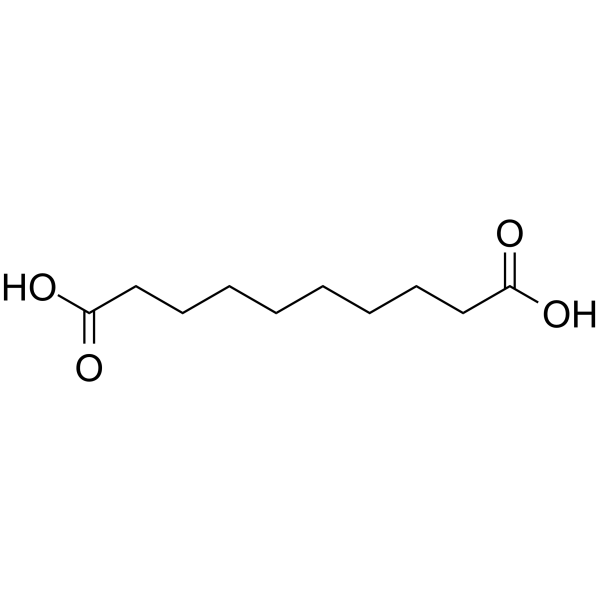
    Decanedioic acid
    1 Publications Verification

    Sebacic acid

    Environmental Pollutants Endogenous Metabolite Metabolic Disease
    Decanedioic acid is a straight-chain dicarboxylic acid. Dodecanedioic acid overcomes metabolic inflexibility in type 2 diabetes. Decanedioic acid prevents and reverses metabolic-associated liver disease and obesity. Decanedioic acid is associated with carnitine-acylcarnitine translocase deficiency and medium chain acyl-CoA dehydrogenase deficiency .
    Decanedioic acid
  • HY-114118B
    Semaglutide acetate
    Maximum Cited Publications
    35 Publications Verification

    GLP Receptor Insulin Receptor α-synuclein Apoptosis p38 MAPK Autophagy Bcl-2 Family Neurological Disease Metabolic Disease Cancer
    Semaglutide acetate is a long-acting, selective, competitive GLP-1R agonist that can penetrate the blood-brain barrier. After activating GLP-1R, Semaglutide acetate promotes insulin secretion, inhibits gastric emptying and appetite, and at the same time enhances autophagy, inhibits oxidative stress and apoptosis. Semaglutide acetate also regulates mitochondrial function and lipid metabolism (such as reducing de novo lipogenesis in the liver). Semaglutide acetate has activities such as lowering blood sugar, reducing weight, neuroprotection (such as improving motor function in Parkinson's disease models, reducing α-synuclein aggregation) and improving hepatic steatosis. Semaglutide acetate can be used for the study of neurodegenerative diseases and liver diseases such as type 2 diabetes, obesity, Parkinson's disease, metabolic associated fatty liver disease (MASLD), and cancer .
    Semaglutide acetate
  • HY-114118A
    Semaglutide TFA
    Maximum Cited Publications
    35 Publications Verification

    GLP Receptor Insulin Receptor α-synuclein Apoptosis p38 MAPK Autophagy Bcl-2 Family Neurological Disease Metabolic Disease Cancer
    Semaglutide TFA is a long-acting, selective, competitive GLP-1R agonist that can penetrate the blood-brain barrier. After activating GLP-1R, Semaglutide TFA promotes insulin secretion, inhibits gastric emptying and appetite, and at the same time enhances autophagy, inhibits oxidative stress and apoptosis. Semaglutide TFA also regulates mitochondrial function and lipid metabolism (such as reducing de novo lipogenesis in the liver). Semaglutide TFA has activities such as lowering blood sugar, reducing weight, neuroprotection (such as improving motor function in Parkinson's disease models, reducing α-synuclein aggregation) and improving hepatic steatosis. Semaglutide TFA can be used for the study of neurodegenerative diseases and liver diseases such as type 2 diabetes, obesity, Parkinson's disease, metabolic associated fatty liver disease (MASLD), and cancer .
    Semaglutide TFA
  • HY-N0010
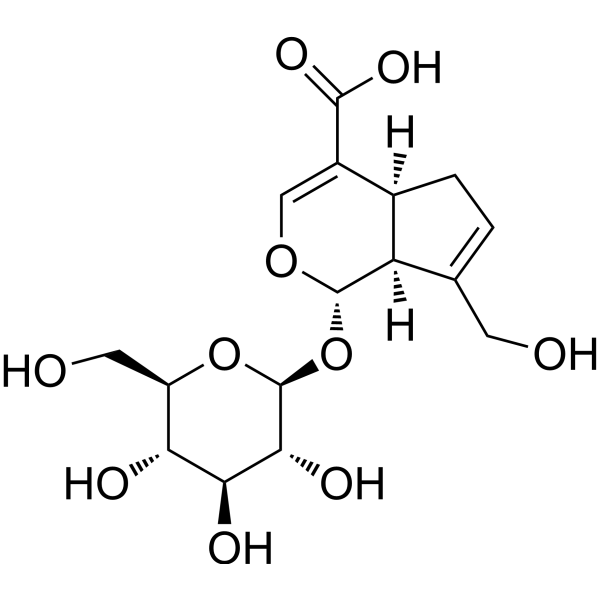
    Geniposidic acid
    Maximum Cited Publications
    7 Publications Verification

    FXR Sirtuin TNF Receptor Interleukin Related Metabolic Disease
    Geniposidic acid is an orally active FXR modulator and SIRT6 activator. Geniposidic acid binds to the Ser332 and His447 sites on the FXR ligand-binding domain, thereby driving nuclear translocation, coactivator recruitment, and transcription of downstream bile acid and cholesterol metabolism-related genes. Geniposidic acid improves metabolic dysfunction-related fatty liver disease by activating the SIRT6 signaling pathway. Geniposidic acid inhibits inflammation and modulates gut microbiota to alleviate colitis. Geniposidic acid can be used in research on drug-induced liver injury, inflammatory bowel disease, metabolic dysfunction-related fatty liver disease, and metabolic dysfunction-related steatohepatitis .
    Geniposidic acid
  • HY-P11274A

    Amycretin sodium; NN 9487 sodium

    Amylin Receptor Insulin Receptor GCGR Metabolic Disease
    Zenagamtide (Amycretin; NN 9487) sodium is an orally active, blood-brain barrier permeable triple agonist that targets GLP-1, amylin (Amylin Receptor) and calcitonin receptor (Calcitonin Receptor). Zenagamtide sodium is a single peptide consisting of 68 amino acids that can target brain regions regulating food intake, significantly suppress appetite and reduce energy intake. Therefore, Zenagamtide sodium improves body weight, waist circumference, glycated hemoglobin and lipid profile, and also alleviates the histological features of metabolic dysfunction-associated steatotic liver disease (MASLD) and enhances insulin sensitivity. Zenagamtide sodium may cause transient increases in heart rate and fluctuations in serum calcium levels, but it is an important compound for the study of overweight, obesity, insulin resistance and related metabolic diseases .
    Zenagamtide sodium
  • HY-101036
    Choline bitartrate
    4 Publications Verification

    mAChR Endogenous Metabolite Neurological Disease Cancer
    Choline bitartrate is a vitamin-like essential nutrient, can affect diseases such as liver disease, atherosclerosis and neurological disorders . Choline bitartrate is a precursor for the neurotransmitter acetylcholine, as a methyl donor in various metabolic processes, and in lipid metabolism .
    Choline bitartrate
  • HY-113114

    Endogenous Metabolite Glucocorticoid Receptor Metabolic Disease Inflammation/Immunology
    Tetrahydrocortisone is a corticosteroid catalyzed from endogenous glucocorticoids by AKR1D1 (5β-reductase). Its formation is mediated by AKR1D1 and regulated by the glucocorticoid receptor (GR). As one of the final products of glucocorticoid inactivation metabolism, Tetrahydrocortisone participates in the maintenance of glucocorticoid metabolic homeostasis in vivo. Tetrahydrocortisone can be used for mechanistic studies of metabolic diseases such as non-alcoholic fatty liver disease (NAFLD) and type 2 diabetes, and also serves as a biomarker for in vivo AKR1D1 activity and glucocorticoid metabolic status .
    Tetrahydrocortisone
  • HY-143712
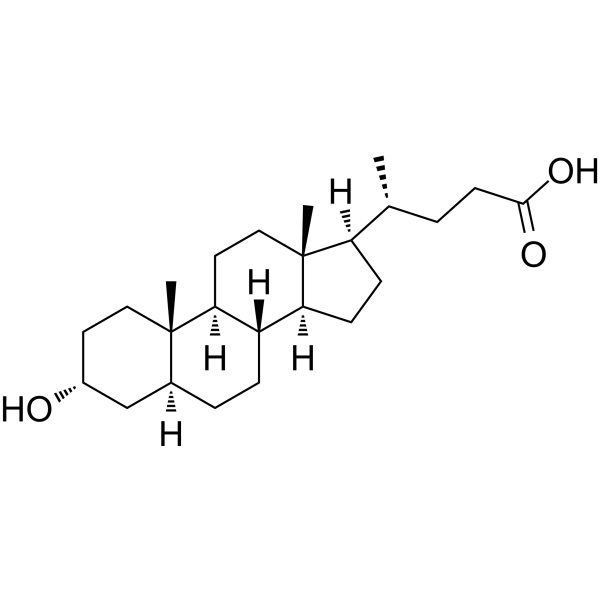
    Allolithocholic acid
    1 Publications Verification

    Drug Metabolite G protein-coupled Bile Acid Receptor 1 ROR Metabolic Disease Inflammation/Immunology Cancer
    Allolithocholic acid is an orally active metabolite of Lithocholic acid (HY-B0172). Allolithocholic acid is a dual GPBAR1 agonist (EC50 = 2.7 μM) and RORγt inverse agonist (IC50 = 3.4 μM). Allolithocholic acid modulates immune and metabolic pathways, regulates immune cell polarization, prevents M1 macrophage and Th17 CD4 cell polarization. Allolithocholic acid improves insulin sensitivity, reduces liver lipid accumulation, reverses liver immunological, inflammatory and metabolic signaling dysregulation, restores bile acid homeostasis, adipose tissue histopathology/function, and intestinal microbiota composition, modulates intestinal immunity. Allolithocholic acid can be used for the researches of cancer, inflammayion, immunology and metabolic disease .
    Allolithocholic acid
  • HY-114118CP

    GLP Receptor Insulin Receptor α-synuclein Apoptosis p38 MAPK Autophagy Bcl-2 Family Neurological Disease Metabolic Disease Cancer
    Semaglutide (crude) is the crude form of Semaglutide (HY-114118). Semaglutide is a long-acting, selective, competitive GLP-1R agonist that can penetrate the blood-brain barrier. After activating GLP-1R, Semaglutide promotes insulin secretion, inhibits gastric emptying and appetite, and at the same time enhances Autophagy, inhibits oxidative stress and Apoptosis. Semaglutide also regulates mitochondrial function and lipid metabolism (such as reducing de novo lipogenesis in the liver). Semaglutide has activities such as lowering blood sugar, reducing weight, neuroprotection (such as improving motor function in Parkinson's disease models, reducing α-synuclein aggregation) and improving hepatic steatosis. Semaglutide can be used for the study of neurodegenerative diseases and liver diseases such as type 2 diabetes, obesity, Parkinson's disease, metabolic associated fatty liver disease (MASLD), and cancer .
    Semaglutide (crude)
  • HY-W587530

    6-Ketolithocholic acid

    Endogenous Metabolite Apoptosis Endocrinology
    6-Oxolithocholic acid is a bile acid metabolite derived from Lithocholic acid (HY-B0172). 6-Oxolithocholic acid has high cytotoxicity and can induce apoptosis, especially in hepatocytes. 6-Oxolithocholic acid can participate in the regulation of bile acid metabolism and synthesis and affect the metabolic pathway of cholesterol. 6-Oxolithocholic acid can be used to study the role of bile acids in health and disease, especially in the context of digestive and liver diseases .
    6-Oxolithocholic acid
  • HY-164774

    GLP Receptor Metabolic Disease Inflammation/Immunology
    (4S)-GLP-1 receptor agonist 14 is a potent and orally active GLP-1 receptor agonist with an EC50 ≤ 20 nM. (4S)-GLP-1 receptor agonist 14 can be used for research on diabetes, obesity, metabolic diseases, cardiovascular diseases, liver diseases, nonalcoholic steatohepatitis (NASH), and other diseases associated with GLP-1 receptor .
    (4S)-GLP-1 receptor agonist 14
  • HY-W073080

    MOFs Others
    Coproporphyrin I dihydrochlorideIt is an organic compound belonging to the class of porphyrins. It is a derivative of heme, an iron-containing molecule found in hemoglobin and other proteins. Coproporphyrin I dihydrochlorideOften used as a biomarker in the assessment of certain liver and metabolic diseases, especially those related to bile synthesis and transport. It can also be used as a reference standard for analytical chemistry and pharmacological research.
    Coproporphyrin I dihydrochloride
  • HY-114118S1

    Isotope-Labeled Compounds GLP Receptor Insulin Receptor α-synuclein Apoptosis p38 MAPK Autophagy Bcl-2 Family Neurological Disease Metabolic Disease Cancer
    Semaglutide-d8 tetraTFA is the deuterium labeled Semaglutide (HY-114118). Semaglutide is a long-acting, selective, competitive GLP-1R agonist that can penetrate the blood-brain barrier. After activating GLP-1R, Semaglutide promotes insulin secretion, inhibits gastric emptying and appetite, and at the same time enhances autophagy, inhibits oxidative stress and apoptosis. Semaglutide also regulates mitochondrial function and lipid metabolism (such as reducing de novo lipogenesis in the liver). Semaglutide has activities such as lowering blood sugar, reducing weight, neuroprotection (such as improving motor function in Parkinson's disease models, reducing α-synuclein aggregation) and improving hepatic steatosis. Semaglutide can be used for the study of neurodegenerative diseases and liver diseases such as type 2 diabetes, obesity, Parkinson's disease, metabolic associated fatty liver disease (MASLD), and cancer .
    Semaglutide-d8 tetraTFA
  • HY-114118S

    Isotope-Labeled Compounds GLP Receptor Insulin Receptor α-synuclein Apoptosis p38 MAPK Autophagy Bcl-2 Family Neurological Disease Metabolic Disease Cancer
    Semaglutide-d8 is the deuterium labeled Semaglutide (HY-114118). Semaglutide is a long-acting, selective, competitive GLP-1R agonist that can penetrate the blood-brain barrier. After activating GLP-1R, Semaglutide promotes insulin secretion, inhibits gastric emptying and appetite, and at the same time enhances autophagy, inhibits oxidative stress and apoptosis. Semaglutide also regulates mitochondrial function and lipid metabolism (such as reducing de novo lipogenesis in the liver). Semaglutide has activities such as lowering blood sugar, reducing weight, neuroprotection (such as improving motor function in Parkinson's disease models, reducing α-synuclein aggregation) and improving hepatic steatosis. Semaglutide can be used for the study of neurodegenerative diseases and liver diseases such as type 2 diabetes, obesity, Parkinson's disease, metabolic associated fatty liver disease (MASLD), and cancer .
    Semaglutide-d8
  • HY-177704

    ACSL Family Drug Derivative Metabolic Disease Cancer
    ACSL5-IN-1 (Compound A) is an ACSL5 inhibitor with body weight-reducing activity. ACSL5-IN-1 inhibits ACSL5, an enzyme linked to fatty acid metabolism. ACSL5-IN-1 reduces body weight in diet-induced obesity mice. ACSL5-IN-1 can be used for the research of obesity, metabolic dysfunction-associated steatohepatitis, metabolic syndrome, non-alcoholic fatty liver disease, type 2 diabetes, acute myeloid leukemia, colorectal cancer, and breast cancer .
    ACSL5-IN-1
  • HY-W082785A
    L6H21
    1 Publications Verification

    TNF Receptor Interleukin Related Toll-like Receptor (TLR) NF-κB NOD-like Receptor (NLR) Apoptosis Caspase Bcl-2 Family Reactive Oxygen Species (ROS) Neurological Disease Metabolic Disease Inflammation/Immunology
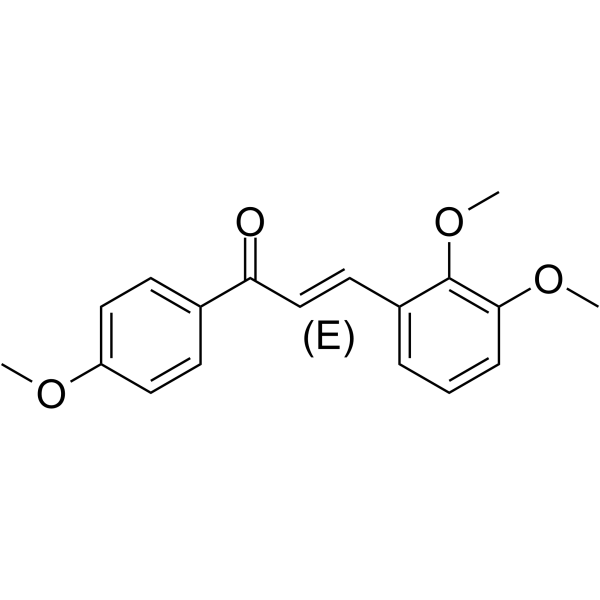
    L6H21, a Chalcone (HY-121054) derivative, is an orally active, potent and specific myeloid differentiation 2 (MD-2) inhibitor. L6H21 directly binds to MD-2 protein with a high affinity and low KD value of 33.3 μM, blocking the formation of the LPS-TLR4/MD-2 complex. L6H21 inhibits LPS-induced expression of TNF-α and IL-6 in RAW264.7 macrophages, with IC50 values of 6.58 and 8.59 μM, respectively. L6H21 can be used for alcoholic liver disease, metabolic disturbance and neuroinflammation research .
    L6H21
  • HY-147296

    MET409

    FXR Inflammation/Immunology Cancer
    Omesdafexor (MET409) is an orally active FXR agonist with a unique non-bile acid structure. Omesdafexor can be used for the study of non-alcoholic steatohepatitis (NASH) .
    Omesdafexor
  • HY-161247

    5-HT Receptor Metabolic Disease
    5HT2A antagonist 2 is an orally active, selective antagonist for 5HT2A with IC50 of 14 nM. 5-HT2A antagonist 2 exhibits good chemical, hepatocyte, and plasma stability, without significant cytotoxicity in cell lines VERO, HFL-1, L929, NIH3T3, CHO-K1 .
    5-HT2A antagonist 2
  • HY-153476A

    GLP Receptor GCGR Inflammation/Immunology
    GIP/GLP-1 dual receptor agonist-1 sodium is a GIP/GLP-1 dual receptor agonist. GIP/GLP-1 dual receptor agonist-1 sodium is used in the research of metabolic disorders and fatty liver diseases, including non-alcoholic steatohepatitis (NASH) and non-alcoholic fatty liver disease (NAFLD) .
    GIP/GLP-1 dual receptor agonist-1 sodium
  • HY-153476

    GCGR GLP Receptor Inflammation/Immunology
    GIP/GLP-1 dual receptor agonist-1 is a GIP/GLP-1 dual receptor agonist. GIP/GLP-1 dual receptor agonist-1 is used in the research of metabolic disorders and fatty liver diseases, including non-alcoholic steatohepatitis (NASH) and non-alcoholic fatty liver disease (NAFLD) .
    GIP/GLP-1 dual receptor agonist-1
  • HY-103479

    Acyltransferase Cardiovascular Disease Neurological Disease Metabolic Disease Cancer
    GOAT-IN-1 is an inhibitor of ghrelin O-acyltransferase (GOAT), which could be useful for the prophylaxis or treatment of obesity, diabetes, hyperlipidemia, metabolic, non-alcoholic fatty liver, steatohepatitis, sarcopenia, appetite control, alcohol/narcotic dependence, Alzheimer’s disease, Parkinson’s disease, cerebrovascular dementia, cerebral apoplexy, cerebral infarction, cardic disease, some kind of tumors.
    GOAT-IN-1
  • HY-128421

    Brassylic Acid

    Endogenous Metabolite Parasite Infection Metabolic Disease
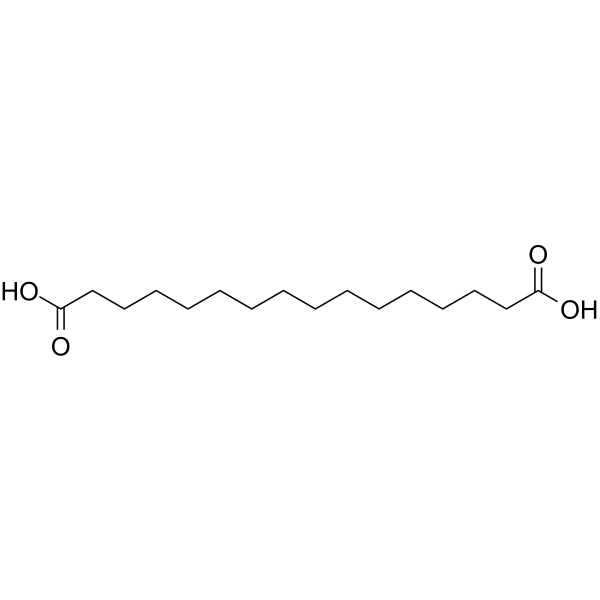
    Tridecanedioic acid is an endogenous metabolite. Tridecanedioic acid is an endogenous metabolite. Tridecanedioic acid is related to the metabolic regulation of non-alcoholic fatty liver disease (NASH) and may be an important node molecule in the intestinal microbiota-host metabolism interaction network. Tridecanedioic acid is significantly accumulated in tolerant cabbage-type rapeseed varieties and has a lower content in sensitive varieties. It plays an important role in the defense response against the infection of the small cabbage moth (Plutella xylostella). Tridecanedioic acid can be used as a biomarker for plant insect resistance or a diagnostic marker for metabolic diseases .
    Tridecanedioic acid
  • HY-131445B
    RR-RJW100
    1 Publications Verification

    Orphan Nuclear Receptor Metabolic Disease
    RR-RJW100, the enantiomer of RJW100, is an nuclear receptor liver receptor homolog 1 (LRH-1) and steroidogenic factor 1 (SF-1) agonist. RJW100 can be synthesized as two enantiomers, RR-RJW100 and SS-RJW100, with RR-RJW100 shown to be the more potent LRH-1 agonist. RR-RJW100 is involved in the regulation of metabolic homeostasis and is used in studies of diabetes, liver disease and inflammatory bowel disease .
    RR-RJW100
  • HY-106281

    PPD 10558

    HMG-CoA Reductase (HMGCR) Metabolic Disease
    Bemfivastatin (PPD 10558) is an orally active HMG-CoA Reductase (HMGCR) inhibitor. Bemfivastatin enhances the activity of liver extraction and reduces blood lipid levels. Bemfivastatin can be used for research of metabolic disease, such as hypercholesterolemia .
    Bemfivastatin
  • HY-156065

    Keap1-Nrf2 Reactive Oxygen Species (ROS) Interleukin Related Metabolic Disease
    S217879 is an orally active and selective NRF2 activator. S217879 activates the NRF2 pathway by specifically disrupting the KEAP1 (Kd: 4.15 nM)-NRF2 interaction, and upregulates the antioxidant response. S217879 also ameliorates steatohepatitis and reduces the degree of liver fibrosis. S217879 can be used in the research of metabolic dysfunction-associated steatotic liver disease and nonalcoholic steatohepatitis .
    S217879
  • HY-101036R

    Reference Standards mAChR Endogenous Metabolite Neurological Disease Cancer
    Choline (bitartrate) (Standard) is the analytical standard of Choline (bitartrate). This product is intended for research and analytical applications. Choline bitartrate is a vitamin-like essential nutrient, can affect diseases such as liver disease, atherosclerosis and neurological disorders . Choline bitartrate is a precursor for the neurotransmitter acetylcholine, as a methyl donor in various metabolic processes, and in lipid metabolism .
    Choline bitartrate (Standard)
  • HY-113376

    Etio-G

    Endogenous Metabolite Drug Metabolite Metabolic Disease
    Etiocholanolone glucuronide (Etio-G) is the metabolite of Etiocholanolone (HY-113320) that is generated in the liver by UDP glucuonyltransferase. Etiocholanolone glucuronide is promising for research of metabolic-related diseases .
    Etiocholanolone glucuronide
  • HY-173599

    PNPLA3 Cancer
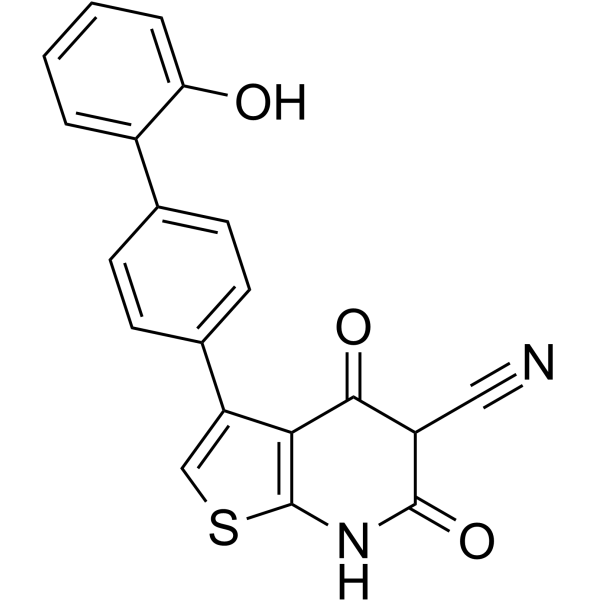
    NUV-244 is a PNPLA3 I148M degrader. NUV-244 reduces PNPLA3 I148M levels on lipid droplets via BFAR-mediated ubiquitin-proteasome degradation .
    NUV-244
  • HY-128421R

    Brassylic Acid (Standard)

    Reference Standards Endogenous Metabolite Parasite Infection Metabolic Disease
    Tridecanedioic acid (Standard) is the analytical standard of Tridecanedioic acid (HY-128421). This product is intended for research and analytical applications. Tridecanedioic acid is an endogenous metabolite. Tridecanedioic acid is an endogenous metabolite. Tridecanedioic acid is related to the metabolic regulation of non-alcoholic fatty liver disease (NASH) and may be an important node molecule in the intestinal microbiota-host metabolism interaction network. Tridecanedioic acid is significantly accumulated in tolerant cabbage-type rapeseed varieties and has a lower content in sensitive varieties. It plays an important role in the defense response against the infection of the small cabbage moth (Plutella xylostella). Tridecanedioic acid can be used as a biomarker for plant insect resistance or a diagnostic marker for metabolic diseases.
    Tridecanedioic acid (Standard)
  • HY-P3016B

    EC 2.6.1.1, Human liver; GOT, Human liver; AST, Human liver

    Aminotransferases (Transaminases) Cardiovascular Disease
    Aspartate aminotransferase (EC 2.6.1.1), Human liver is a metabolic regulator with the highest activity in the heart, liver and skeletal muscle. Aspartate aminotransferase, Human liver comprises two isozymes: the cytoplasmic form (AST1) and the mitochondrial form (AST2). By catalyzing reversible transamination reactions between oxaloacetate, L-glutamate and other substances, it is deeply involved in key physiological processes such as amino acid metabolism, the tricarboxylic acid cycle and neurotransmitter synthesis. Aspartate aminotransferase, Human liver also provides substrate support for the synthesis of urea and purines/pyrimidines. Aspartate aminotransferase, Human liver is a serum marker reflecting cardiac and hepatic injury, and its abnormal levels are also closely associated with myocardial infarction, cardiovascular diseases and various cancers .
    Aspartate aminotransferase, Human liver
  • HY-179278

    LXR Cardiovascular Disease Metabolic Disease Endocrinology
    LXR agonist 4 is a selective LXR inverse agonist with IC50 values of 7.6 (LXRα) and 2.9 μM (LXRβ), respectively. LXR agonist 4 exhibits selectivity over RORα and FXR. LXR agonist 4 robustly suppresses SREBP1c expression without altering ABCA1 or APOE. LXR agonist 4 displays antilipogenic properties and resolves fatty acid-induced steatosis. LXR agonist 4 can be used for the research of atherosclerosis and metabolic dysfunction-associated steatotic liver disease (MASLD) .
    LXR agonist 4
  • HY-128145

    17β-HSD Metabolic Disease
    HSD17B13-IN-41 (Compound C) is an inhibitor of hydroxysteroid 17β-dehydrogenase 13 (HSD17B13). HSD17B13-IN-41 can be used for research on liver diseases, metabolic diseases, or cardiovascular diseases, such as NAFLD or NASH .
    HSD17B13-IN-41
  • HY-106281A

    PPD 10558 hemicalcium

    HMG-CoA Reductase (HMGCR) Metabolic Disease
    Bemfivastatin (PPD 10558) hemicalcium is an orally active HMG-CoA Reductase (HMGCR) inhibitor. Bemfivastatin hemicalcium enhances the activity of liver extraction and reduces blood lipid levels. Bemfivastatin hemicalcium can be used for research of metabolic disease, such as hypercholesterolemia .
    Bemfivastatin hemicalcium
  • HY-163752

    MAP3K Metabolic Disease
    CS17919 is a potent, selective and orally active ASK1 inhibitor with an IC50 of 22.52 nM. CS17919 shows anti-inflammatory and antifibrotic effects. CS17919 can be used for the study of metabolic-related kidney and liver diseases .
    CS17919
  • HY-176873

    Amino acid Transporter Metabolic Disease
    SLC6A19-IN-2 (Example 4) is a potent SLC6A19 inhibitor with an IC50 of 14 nM. SLC6A19-IN-2 can be used for the study of metabolic diseases such as nonalcoholic steatohepatitis (NASH), nonalcoholic fatty liver disease (NAFLD) and phenylketonuria (PKU) .
    SLC6A19-IN-2
  • HY-W587771

    MECPTP

    Drug Metabolite Metabolic Disease
    Mono-2-ethyl-5-carboxypentyl terephthalate (MECPTP) is a major metabolite of Di-2-ethylhexyl terephthalate (DEHTP). Mono-2-ethyl-5-carboxypentyl terephthalate is promising for research of metabolic liver diseases, such as nonalcoholic fatty liver disease (NAFLD) .
    Mono-2-ethyl-5-carboxypentyl terephthalate
  • HY-162122

    PPAR Inflammation/Immunology
    PPARα/γ agonist 3 (Compound 4) is a dual agonist of PPARα/γ. PPARα/γ agonist 3 has anti-inflammatory activity, significantly reducing inflammatory markers such as IL-6 and MCP-1 on THP-1 macrophages through NF-κB activation. PPARα/γ agonist 3 can be used in the study of metabolic syndrome and metabolic dysfunction-related fatty liver disease (MAFLD) .
    PPARα/γ agonist 3
  • HY-146398

    AMPK Metabolic Disease
    AMPK activator 6 (Compound GC) reduces lipid content and activates the AMPK pathway in HepG2 and 3T3-L1 cells. AMPK activator 6 significantly suppresses the increase in triglyceride (TG) , total cholesterol (TC), low-density lipoprotein-C (LDL-C), and other biochemical indices in blood serum. AMPK activator 6 can be used for the research of non-alcoholic fatty liver disease (NAFLD) and metabolic syndrome .
    AMPK activator 6
  • HY-170571

    Mitochondrial Metabolism Metabolic Disease Inflammation/Immunology
    BE2647 is a selective inhibitor for mitochondrial pyruvate carrier (MPC) with an EC50 of 70 nM. BE2647 exhibits good metabolic stability in mouse liver microsomes. BE2647 can be used in research of metabolic diseases, non-alcoholic fatty liver disease (MASLD), or non-alcoholic steatohepatitis (MASH) .
    BE2647
  • HY-108061

    Glucocorticoid Receptor Metabolic Disease
    A-348441 is a liver selective glucocorticoid receptor antagonist. A-348441 can reduce the glucose level in the liver. A-348441 can be used for the research of metabolic disease, such as type 2 diabetes .
    A-348441
  • HY-121390

    Endogenous Metabolite Cancer
    Lasiocarpine, a hepatotoxic pyrrolizidine alkaloid (PA), causes fatal liver veno-occlusive disease in vivo. Lasiocarpine is toxic only after its metabolic conversion to the toxic intermediate, including dehydrolasiocarpine and N-oxide .
    Lasiocarpine
  • HY-163243

    17β-HSD Metabolic Disease
    HSD17B13-IN-29 (Compound 53) is an inhibitor of hydroxysteroid 17β-dehydrogenase 13 (HSD17B13) with an IC50 value of ≤ 0.1 μM for estradiol. HSD17B13-IN-29 can be used for research on liver diseases, metabolic diseases, or cardiovascular diseases, such as NAFLD or NASH, as well as drug-induced liver injury (DILI) .
    HSD17B13-IN-29
  • HY-163249

    17β-HSD Metabolic Disease
    HSD17B13-IN-49 (Compound 81) is an inhibitor of hydroxysteroid 17β-dehydrogenase 13 (HSD17B13) with an IC50 value of ≤ 0.1 μM for estradiol. HSD17B13-IN-49 can be used for research on liver diseases, metabolic diseases, or cardiovascular diseases, such as NAFLD or NASH, as well as drug-induced liver injury (DILI) .
    HSD17B13-IN-49
  • HY-161229

    17β-HSD Metabolic Disease
    HSD17B13-IN-69 (Compound 11) is an inhibitor of hydroxysteroid 17β-dehydrogenase 13 (HSD17B13) with an IC50 value of ≤ 0.1 μM for estradiol. HSD17B13-IN-69 can be used for research on liver diseases, metabolic diseases, or cardiovascular diseases, such as NAFLD or NASH, as well as drug-induced liver injury (DILI) .
    HSD17B13-IN-69
  • HY-162209

    17β-HSD Metabolic Disease
    HSD17B13-IN-63 (Compound 160) is an inhibitor of hydroxysteroid 17β-dehydrogenase 13 (HSD17B13) with an IC50 value of ≤ 0.1 μM for estradiol. HSD17B13-IN-63 can be used for research on liver diseases, metabolic diseases, or cardiovascular diseases, such as NAFLD or NASH, as well as drug-induced liver injury (DILI) .
    HSD17B13-IN-63
  • HY-163254

    17β-HSD Metabolic Disease
    HSD17B13-IN-57 (Compound 93) is an inhibitor of hydroxysteroid 17β-dehydrogenase 13 (HSD17B13) with an IC50 value of ≤ 0.1 μM for estradiol. HSD17B13-IN-57 can be used for research on liver diseases, metabolic diseases, or cardiovascular diseases, such as NAFLD or NASH, as well as drug-induced liver injury (DILI) .
    HSD17B13-IN-57
  • HY-163263

    17β-HSD Metabolic Disease
    HSD17B13-IN-80 (Compound 151) is an inhibitor of hydroxysteroid 17β-dehydrogenase 13 (HSD17B13) with an IC50 value of ≤ 0.1 μM for estradiol. HSD17B13-IN-80 can be used for research on liver diseases, metabolic diseases, or cardiovascular diseases, such as NAFLD or NASH, as well as drug-induced liver injury (DILI) .
    HSD17B13-IN-80
  • HY-163264

    17β-HSD Metabolic Disease
    HSD17B13-IN-81 (Compound 154) is an inhibitor of hydroxysteroid 17β-dehydrogenase 13 (HSD17B13) with an IC50 value of ≤ 0.1 μM for estradiol. HSD17B13-IN-81 can be used for research on liver diseases, metabolic diseases, or cardiovascular diseases, such as NAFLD or NASH, as well as drug-induced liver injury (DILI) .
    HSD17B13-IN-81
  • HY-161230

    17β-HSD Metabolic Disease
    HSD17B13-IN-75 (Compound 21) is an inhibitor of hydroxysteroid 17β-dehydrogenase 13 (HSD17B13) with an IC50 value of ≤ 0.1 μM for estradiol. HSD17B13-IN-75 can be used for research on liver diseases, metabolic diseases, or cardiovascular diseases, such as NAFLD or NASH, as well as drug-induced liver injury (DILI) .
    HSD17B13-IN-75

Inquiry Online

Your information is safe with us. * Required Fields.

Salutation


Country or Region *

Applicant Name *


Organization Name *

Department *


Email Address *


Product Name *

Cat. No.


Requested quantity *

Phone Number *


Remarks

Inquiry Online

Inquiry Information

Product Name:
Cat. No.:
Quantity:
MCE Japan Authorized Agent:

