1. Search Result
Search Result
Pathways Recommended: Vitamin D Related/Nuclear Receptor
Results for "

nuclear factors

" in MedChemExpress (MCE) Product Catalog:

135

Inhibitors & Agonists

2

Screening Libraries

1

Biochemical Assay Reagents

12

Peptides

3

Inhibitory Antibodies

41

Natural
Products

6

Isotope-Labeled Compounds

5

Oligonucleotides

Cat. No. 상품명 Target 연구분야 Chemical Structure
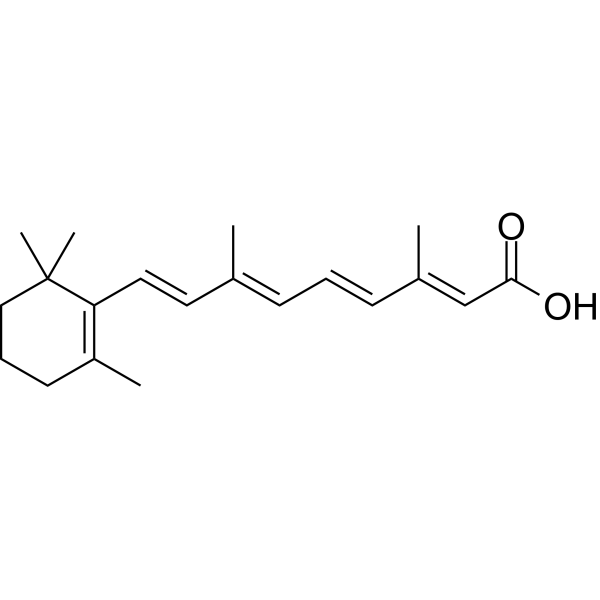
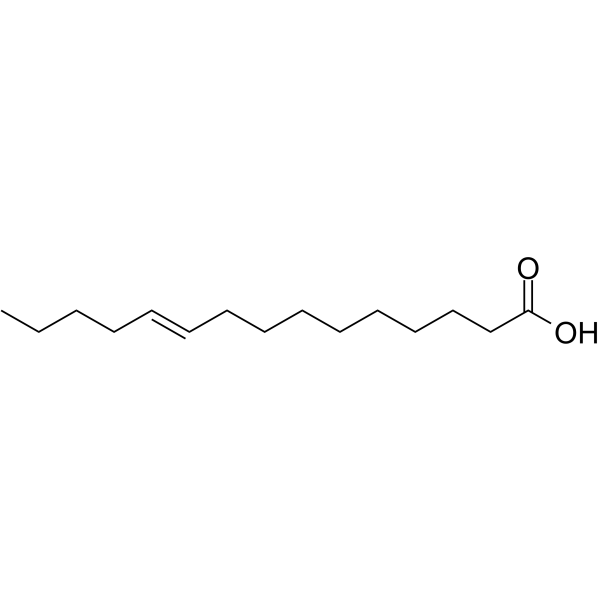
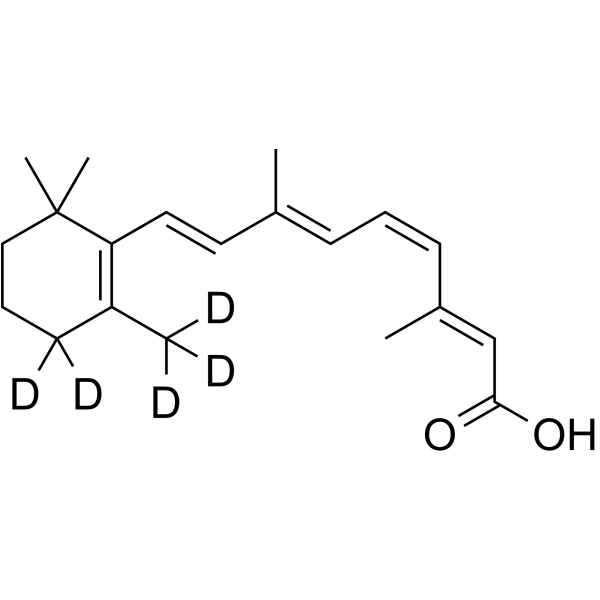
  • HY-14649
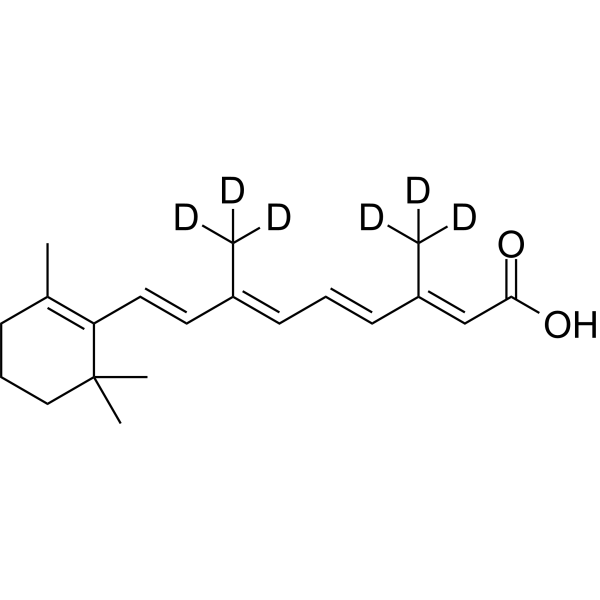
    Retinoic acid
    Maximum Cited Publications
    127 Publications Verification

    Vitamin A acid; all-trans-Retinoic acid; ATRA

    Organoid RAR/RXR PPAR Endogenous Metabolite Autophagy Neurological Disease Metabolic Disease Inflammation/Immunology Cancer
    Retinoic acid is a metabolite of vitamin A that plays important roles in cell growth, differentiation, and organogenesis. Retinoic acid is a natural agonist of RAR nuclear receptors, with IC50s of 14 nM for RARα/β/γ. Retinoic acid bind to PPARβ/δ with Kd of 17 nM. Retinoic acid acts as an inhibitor of transcription factor Nrf2 through activation of retinoic acid receptor alpha.
    Retinoic acid
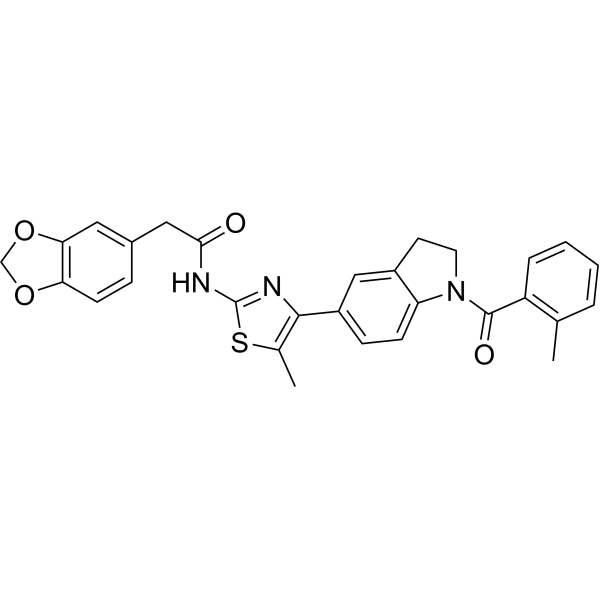
  • HY-100523
    ML385
    Maximum Cited Publications
    576 Publications Verification

    Keap1-Nrf2 Ferroptosis Cancer
    ML385 is a specific nuclear factor erythroid 2-related factor 2 (NRF2) inhibitor with an IC50 of 1.9 μM.
    ML385
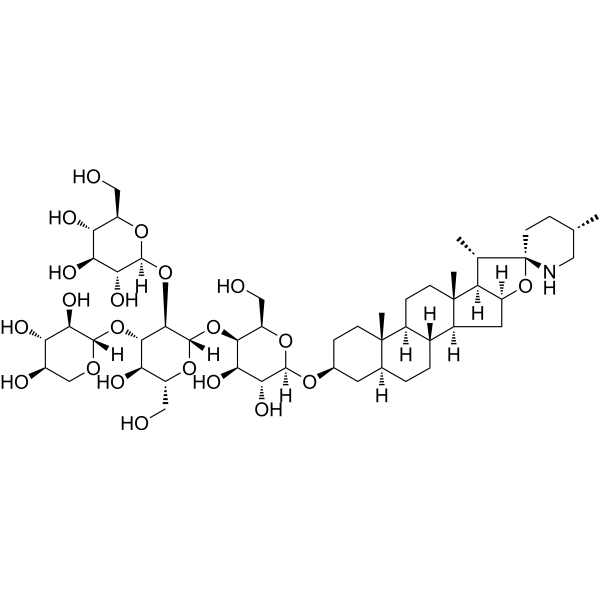
  • HY-N2166
    Tomatine
    2 Publications Verification

    α-Tomatine; Lycopersicin; Tomatin

    Proteasome Apoptosis Neurological Disease
    Tomatine is a glycoalkaloid, found in the tomato plant (Lycopersicon esculentum Mill.). Tomatine elicits neurotoxicity in RIP1 kinase and caspase-independent manner. Tomatine promotes the upregulation of nuclear apoptosis inducing factor (AIF) in neuroblastoma cells. Tomatine also inhibits 20S proteasome activity .
    Tomatine
  • HY-P9958
    Denosumab
    2 Publications Verification

    AMG-162

    NF-κB Caspase Apoptosis RANKL/RANK Endocrinology Cancer
    Denosumab is a human monoclonal antibody that targets the protein RANKL. Denosumab binds to the receptor activator of nuclear factor kappa-B ligand (RANKL) and prevents its binding to the RANK receptor (KD of 0.003 nM for human RANKL). Denosumab promotes proliferation and spermatogenesis. Denosumab prevents bone resorption through inhibition of the NF-κB pathway. Denosumab can be used in bone-related studies .
    Denosumab
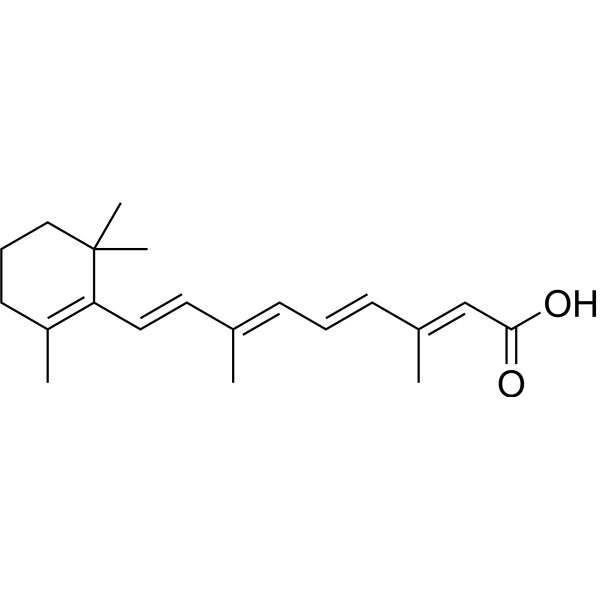
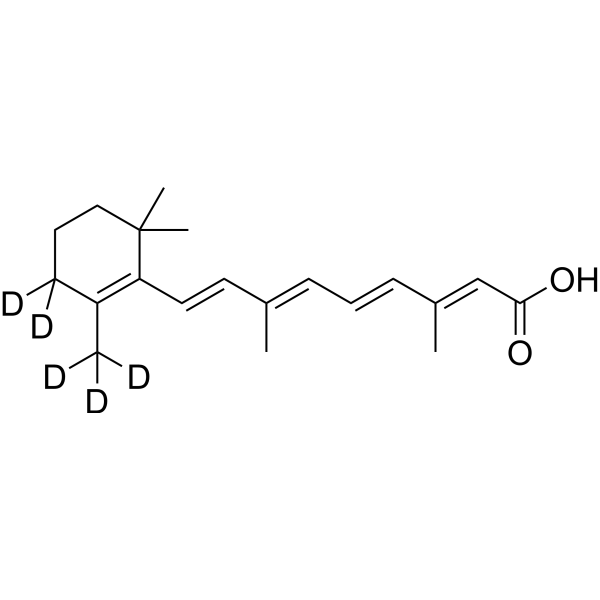
  • HY-14649R
    Retinoic acid (Standard)
    Maximum Cited Publications
    127 Publications Verification

    Vitamin A acid (Standard); all-trans-Retinoic acid (Standard); ATRA (Standard)

    Reference Standards RAR/RXR PPAR Endogenous Metabolite Autophagy Cancer
    Retinoic acid (Standard) is the analytical standard of Retinoic acid. This product is intended for research and analytical applications. Retinoic acid is a metabolite of vitamin A that plays important roles in cell growth, differentiation, and organogenesis. Retinoic acid is a natural agonist of RAR nuclear receptors, with IC50s of 14 nM for RARα/β/γ. Retinoic acid bind to PPARβ/δ with Kd of 17 nM. Retinoic acid acts as an inhibitor of transcription factor Nrf2 through activation of retinoic acid receptor alpha.
    Retinoic acid (Standard)
  • HY-B1058
    Benfluorex hydrochloride
    5 Publications Verification

    JP-992 hydrochloride

    Orphan Nuclear Receptor Cardiovascular Disease Metabolic Disease
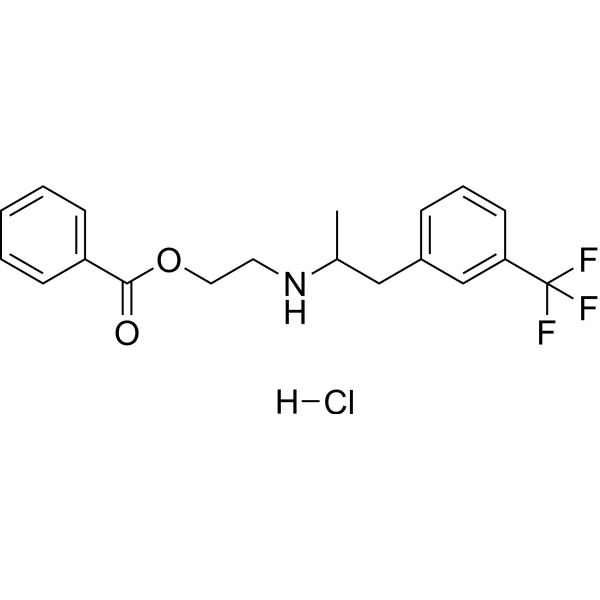
    Benfluorex hydrochloride (JP-992 hydrochloride) is a hepatic nuclear factor 4 alpha (HNF4α) activator.
    Benfluorex hydrochloride
  • HY-P1026
    NFAT Inhibitor-1
    Maximum Cited Publications
    14 Publications Verification

    VIVIT peptide

    Nuclear Factor of activated T Cells (NFAT) Inflammation/Immunology
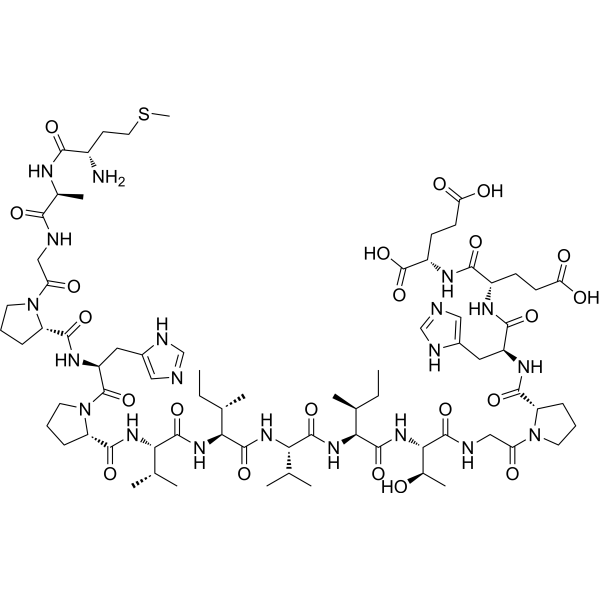
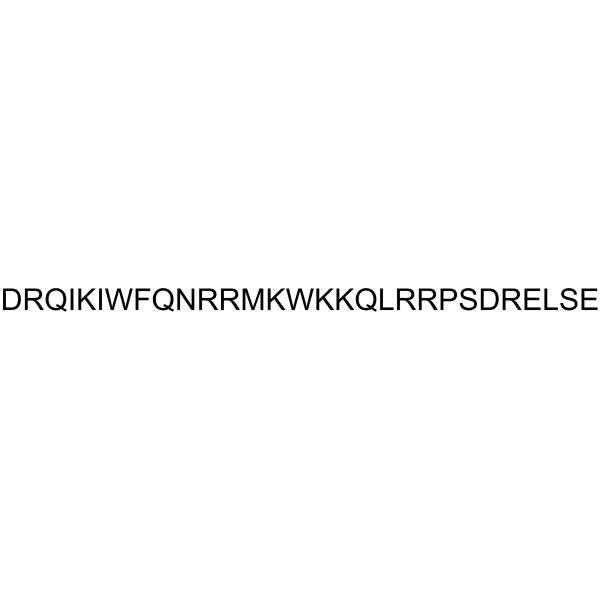
    NFAT Inhibitor (VIVIT peptide) is an inhibitor of nuclear factor of activated Tcells (NFAT) that selectively inhibits calcineurin-mediated dephosphorylation of NFAT .
    NFAT Inhibitor-1
  • HY-10496
    SC75741
    30+ Cited Publications

    NF-κB Influenza Virus Infection Cancer
    SC75741 is a broad and efficient NF-κB inhibitor with an IC50 of 200 nM for p65 . SC75741 blocks influenza viruses (IV) replication. SC75741 impairs DNA binding of the NF-κB subunit p65, resulting in reduced expression of cytokines, chemokines, and pro-apoptotic factors. SC75741 subsequently inhibits caspase activation and blocks caspase-mediated nuclear export of viral ribonucleoproteins .
    SC75741
  • HY-108469
    BI-6015
    5 Publications Verification

    Orphan Nuclear Receptor Metabolic Disease Cancer
    BI-6015 is a hepatocyte nuclear factor 4α (HNF4α) antagonist that can inhibit the expression of known HNF4α target genes. BI6015 represses insulin promoter activity through HNF4α antagonism. BI-6015 can be used for the research of cancer and diabetes .
    BI-6015
  • HY-129492
    GNF4877
    1 Publications Verification

    DYRK GSK-3 Metabolic Disease
    GNF4877 is a potent DYRK1A and GSK3β inhibitor with IC50s of 6 nM and 16 nM, respectively, which leads to blockade of nuclear factor of activated T-cells (NFATc) nuclear export and increased β-cell proliferation (EC50 of 0.66 μM for mouse β (R7T1) cells) .
    GNF4877
  • HY-N0277
    Aconine
    2 Publications Verification

    Jesaconine

    NF-κB Inflammation/Immunology Cancer
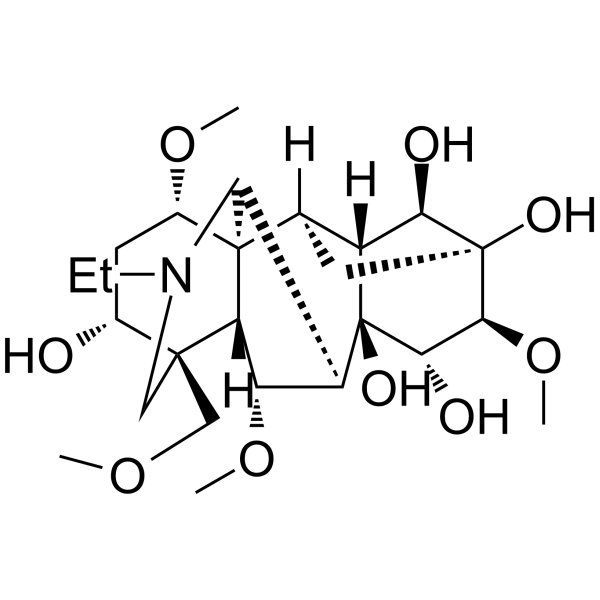
    Aconine inhibits receptor activator of nuclear factor (NF)-κB ligand (RANKL)-induced NF-κB activation.
    Aconine
  • HY-138280
    DTHIB
    5+ Cited Publications

    HSP Cancer
    DTHIB is a direct and selective heat shock factor 1 (HSF1) inhibitor with a Kd of 160 nM for DTHIB binding to the HSF1 DNA binding domain (DBD). DTHIB inhibits HSF1 cancer gene signature (HSF1 CaSig) and selectively stimulates degradation of nuclear HSF1. DTHIB has potently anticancer activities and can be used for prostate cancer research .
    DTHIB
  • HY-N0866
    20-Deoxyingenol
    5 Publications Verification

    Autophagy Inflammation/Immunology
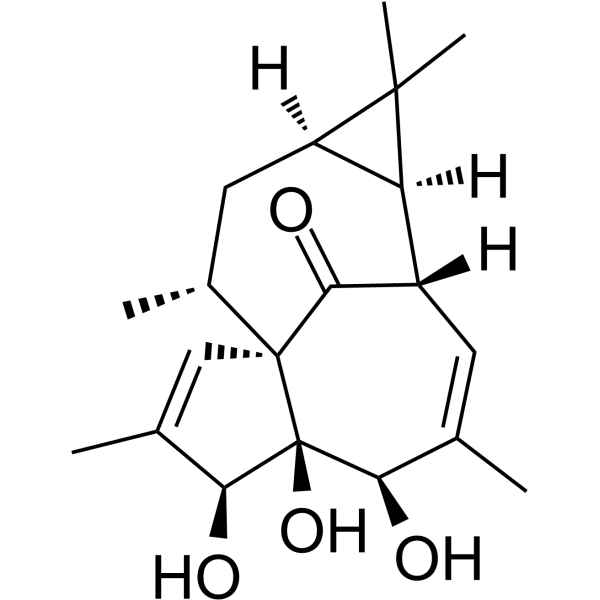
    20-Deoxyingenol, a diterpene, is isolated from the roots of Euphorbia kansui. 20-Deoxyingenol can promote autophagy and lysosomal biogenesis by promoting the nuclear translocation of transcription factor EB (TFEB) in vitro. 20-Deoxyingenol can be used for the research of osteoarthritis (OA) .
    20-Deoxyingenol
  • HY-101025
    Nrf2-IN-1
    5+ Cited Publications

    Keap1-Nrf2 Cancer
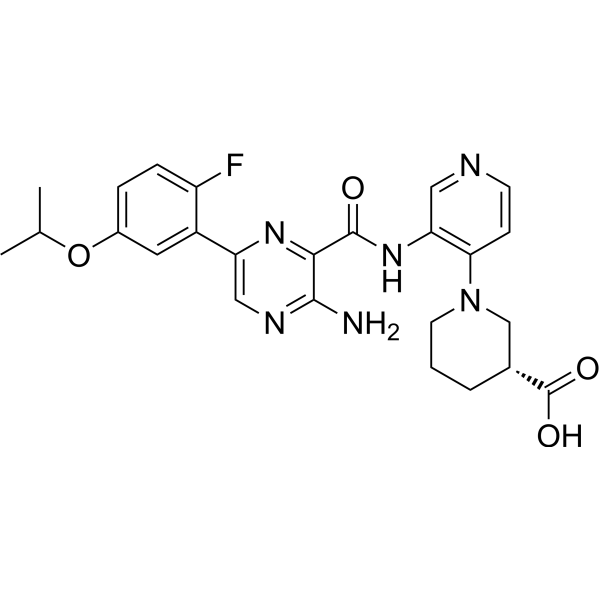
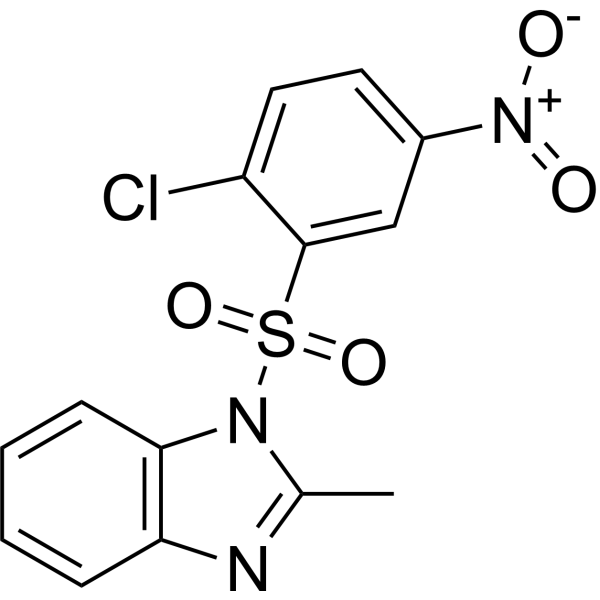
    Nrf2-IN-1 is an inhibitor of nuclear factor-erythroid 2-related factor 2 (Nrf2). Nrf2-IN-1 is developed for the research of acute myeloid leukemia (AML) .
    Nrf2-IN-1
  • HY-N6747

    c-Myc Autophagy Cancer
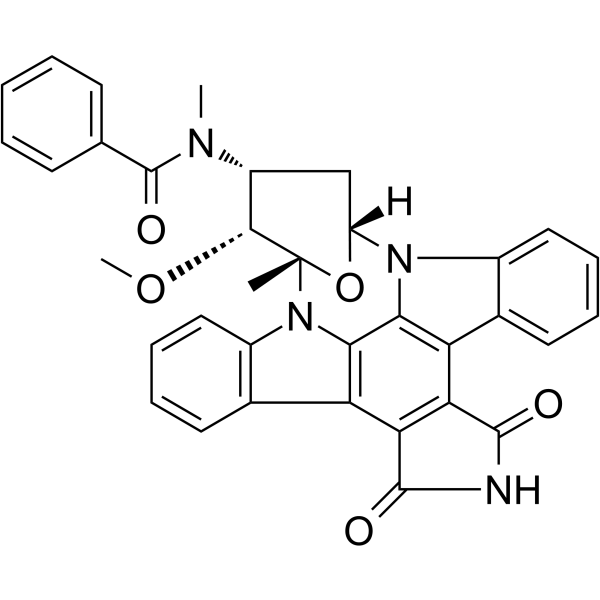
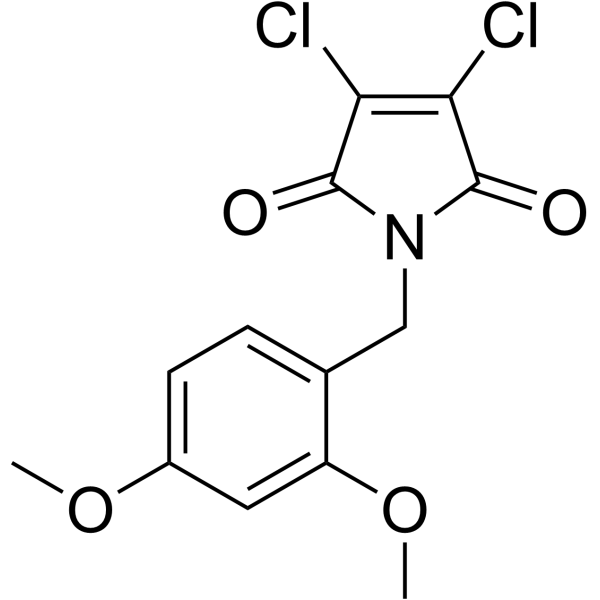
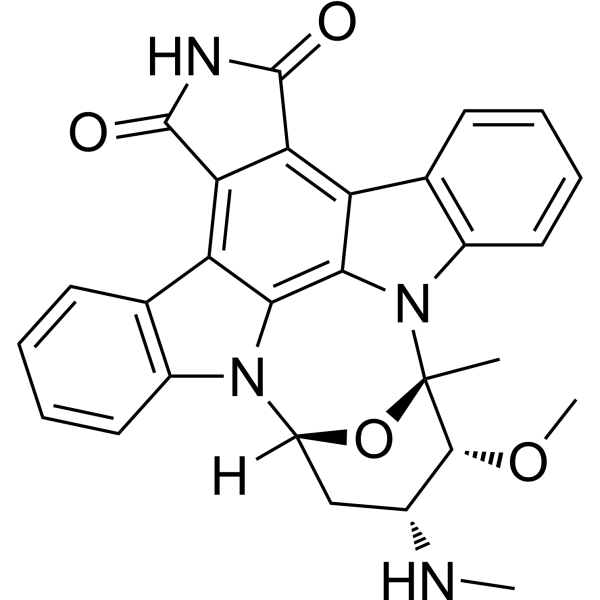
    Stauprimide is a staurosporine analog that promotes embryonic stem cell (ESC) differentiation. Stauprimide is a non-broad spectrum inhibitor that binds to the MYC transcription factor NME2 and blocks its nuclear localization in ESCs, which results in down-regulation of MYC transcription .
    Stauprimide
  • HY-115613
    ML-180
    5 Publications Verification

    SR1848

    Orphan Nuclear Receptor Cancer
    ML-180 (SR1848) is a potent orphan nuclear receptor liver receptor homolog 1 (LRH-1; NR5A2) inverse agonist with an IC50 of 3.7 μM. ML-180 is inactive for steroidogenic factor-1 (SF-1; NR5A1; IC50>10 μM). ML-180 has the potential for LRH-1-dependent cancers .
    ML-180
  • HY-30267
    4-Hydroxyphenyl acetate
    2 Publications Verification

    4-HPA; 4-Acetoxyphenol

    Quinone Reductase Endogenous Metabolite Others
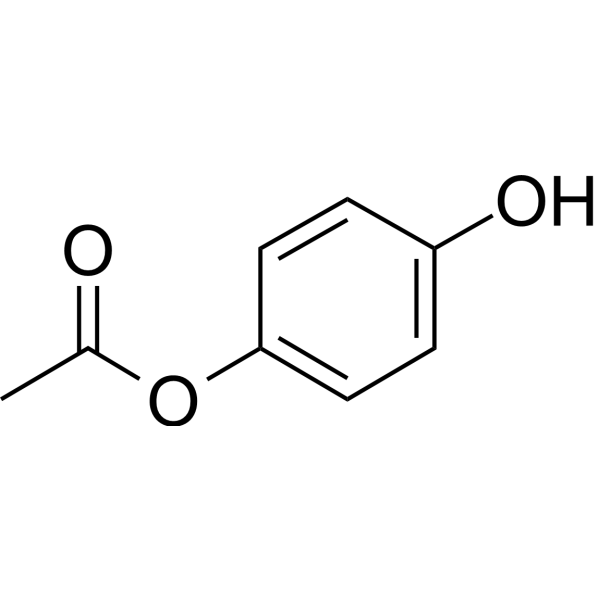
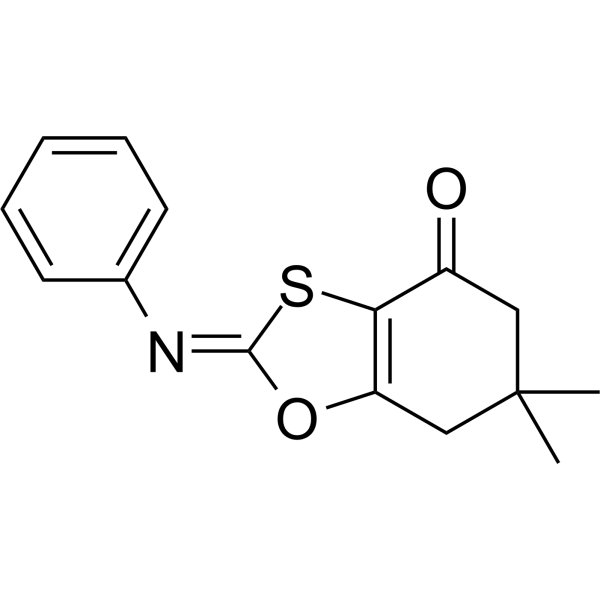
    4-Hydroxyphenyl acetate (4-HPA) is a natural antioxidant and protects cells from oxidative stress-induced necrosis. 4-Hydroxyphenyl acetate blocks the increase of cellular ROS induced by oxidative stress, and up-regulates NQO1 and HO-1 genes by stabilizing and inducing the nuclear translocation of NRF2 transcription factor .
    4-Hydroxyphenyl acetate
  • HY-120072
    PF-3450074
    5 Publications Verification

    PF-74

    HIV Infection
    PF-3450074 (PF-74) is a specifical inhibitor of HIV-1 capsid protein (CA) and displays a broad-spectrum inhibition of HIV isolates with submicromolar potency (EC50=8-640 nM). PF-3450074 (PF-74) acts at an early stage of HIV-1 infection, inhibits viral replication by directly competing with the binding of CPSF6 and NUP153, and blocks the uncoating, assembly, and the reverse transcription steps of the viral life cycle . CPSF6: nuclear host factors cleavage and polyadenylation specific factor 6; NUP153: nucleoporin 153.
    PF-3450074
  • HY-14942A

    RTA 744; WP 744; WP 769 hydrochloride

    NF-κB Apoptosis Caspase Drug Derivative Neurological Disease Cancer
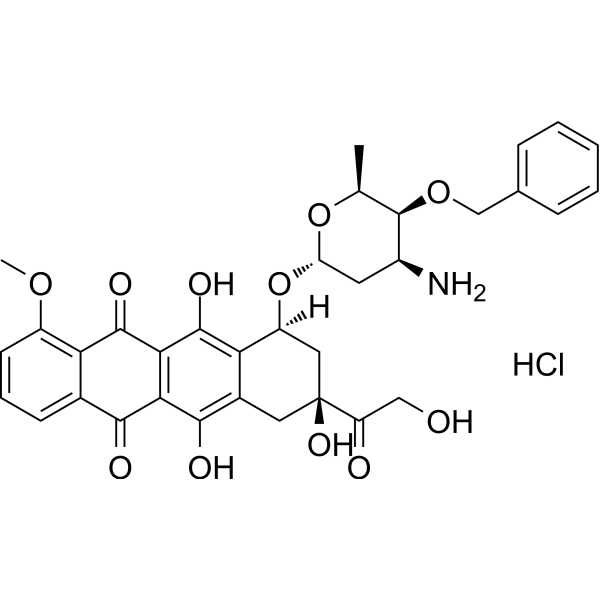
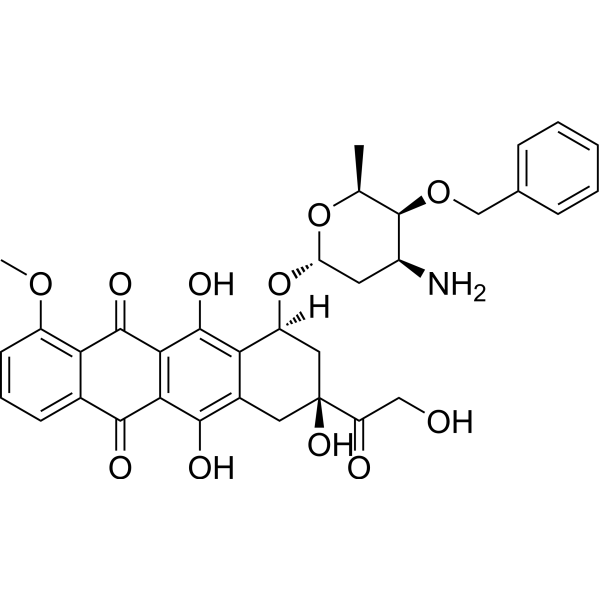
    Berubicin (RTA 744) hydrochloride is a Doxorubicin (HY-15142A) analog that can cross the blood-brain barrier. Berubicin hydrochloride inhibits P-gp and MRP1-mediated efflux and suppresses glioblastoma multiforme (GBM). Berubicin hydrochloride exerts toxic effects on leukemia cells by activating nuclear factor κB (NF-κB) and induces apoptosis in neuroblastoma cells. Berubicin hydrochloride can be used in the study of tumors related to the nervous system .
    Berubicin hydrochloride
  • HY-120855
    CCG-100602
    2 Publications Verification

    Ras Cardiovascular Disease
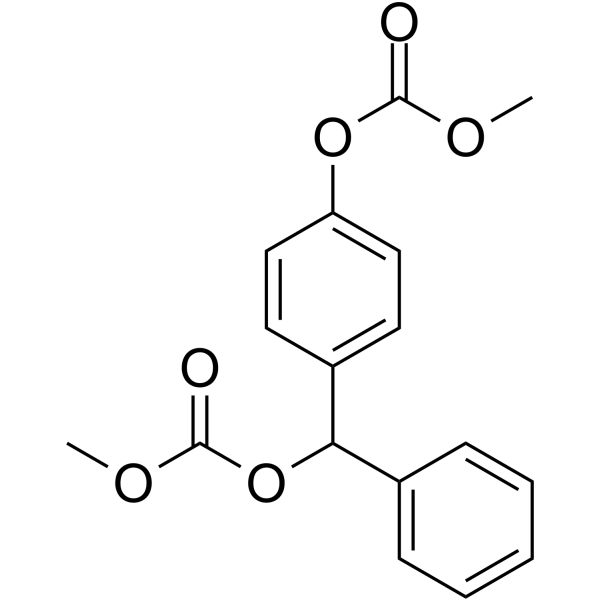
    CCG-100602 is a specific inhibitor of myocardin-related transcription factor A/serum response factor (MRTF-A/SRF) signaling. CCG-100602 specifically block MRTF-A nuclear localization and thus inhibit the fibrogenic transcription factor SRF .
    CCG-100602
  • HY-111492
    DIM-C-pPhOCH3
    1 Publications Verification

    Nuclear Hormone Receptor 4A/NR4A Cancer
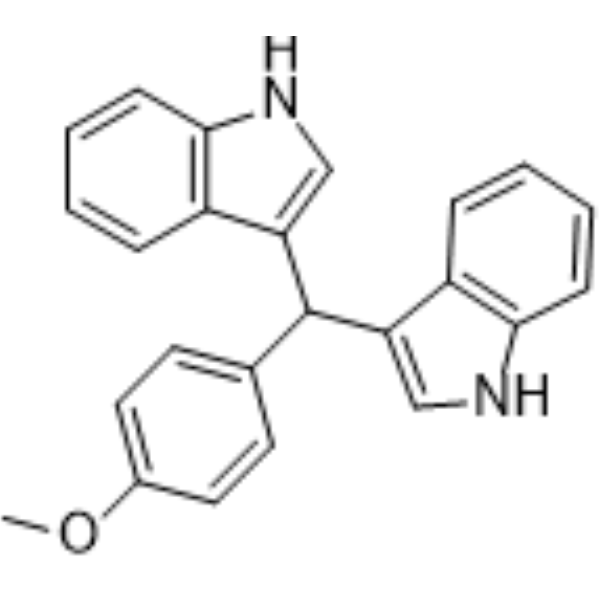
    DIM-C-pPhOCH3 is a Nur77 agonist. Nerve growth factor-induced Bα (NGFI-Bα, Nur77) is an orphan nuclear receptor.
    DIM-C-pPhOCH3
  • HY-W019721

    Nuclear Factor of activated T Cells (NFAT) Inflammation/Immunology
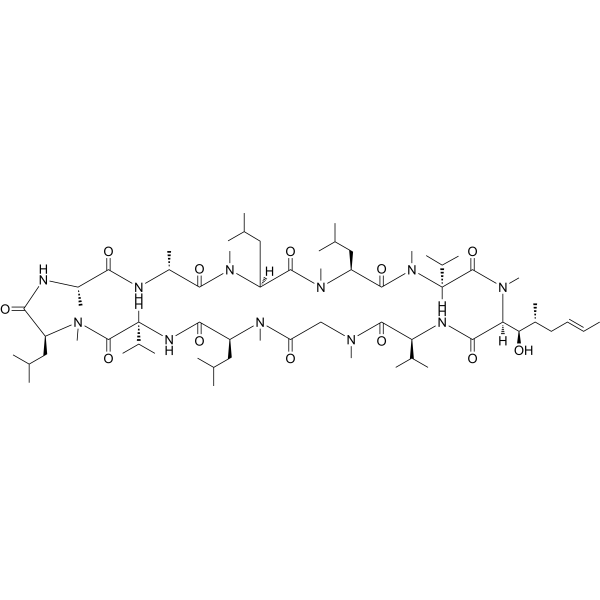
    Cyclosporin D, a metabolite of Cyclosporin A, is a weak immunosuppressant. Cyclosporin D is used as internal standard for quantification of Cyclosporin A . Cyclosporin A is a potent immunosuppressant agent, suppress T cell activation by inhibiting calcineurin and the calcineurin-dependent transcription factors nuclear factor of activated T cells (NFAc) .
    Cyclosporin D
  • HY-P1430
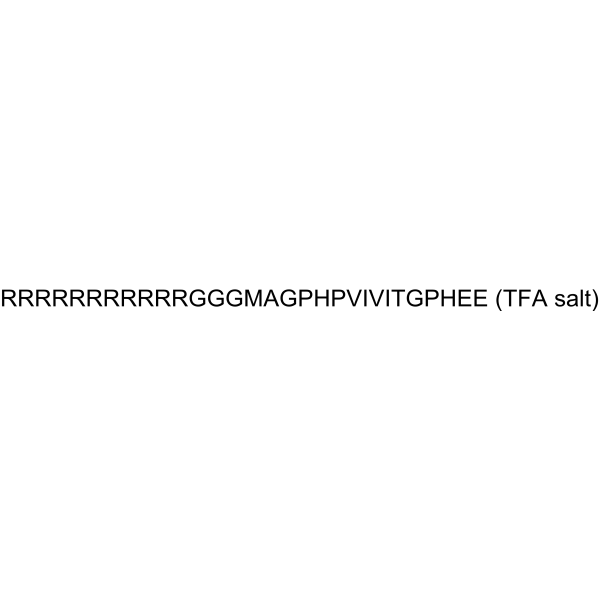
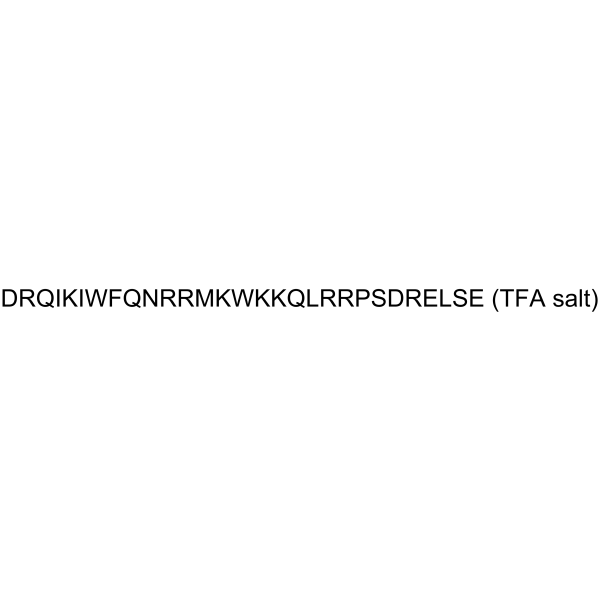
    11R-VIVIT
    5+ Cited Publications

    Cell permeable NFAT inhibitor

    Nuclear Factor of activated T Cells (NFAT) Metabolic Disease
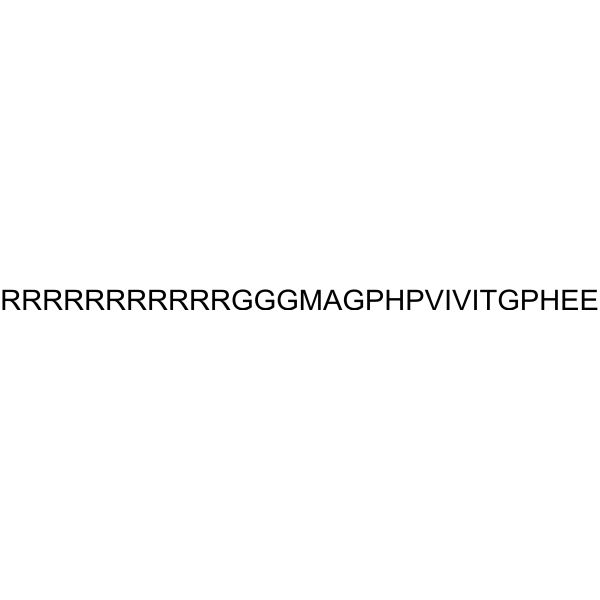
    11R-VIVIT is a cell-permeable nuclear factor of activated T cells (NFAT) inhibitor. 11R-VIVIT can be used for the research of podocyte and diabetic nephropathy .
    11R-VIVIT
  • HY-N2056

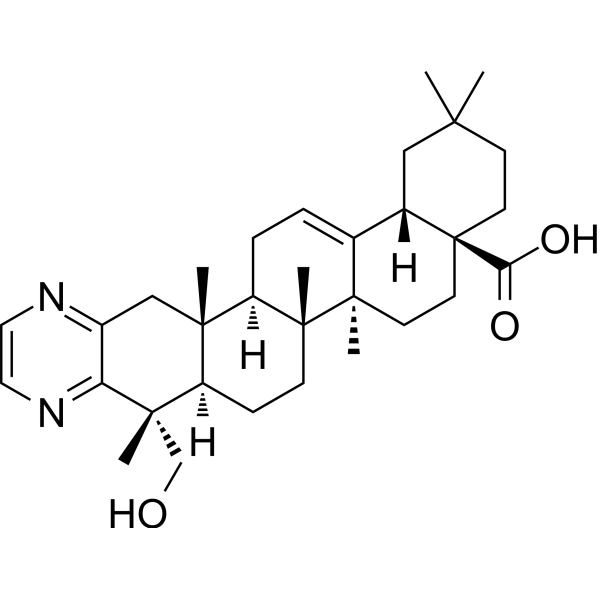
    11-Keto-β-boswellic acid

    Lipoxygenase Leukotriene Receptor NF-κB Metabolic Disease Cancer
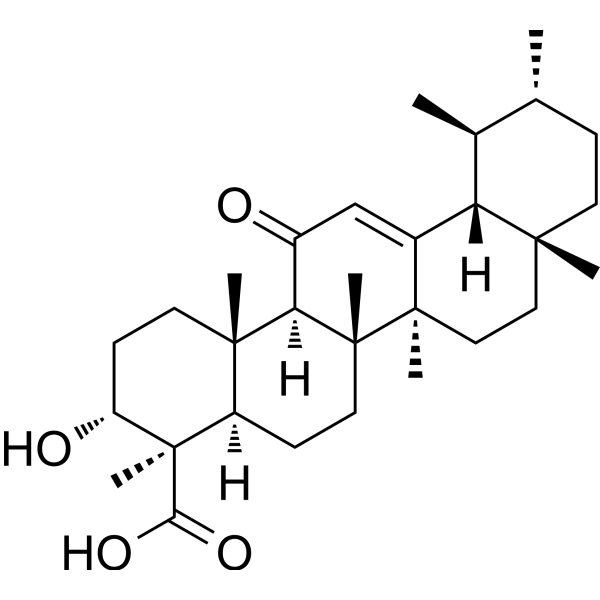
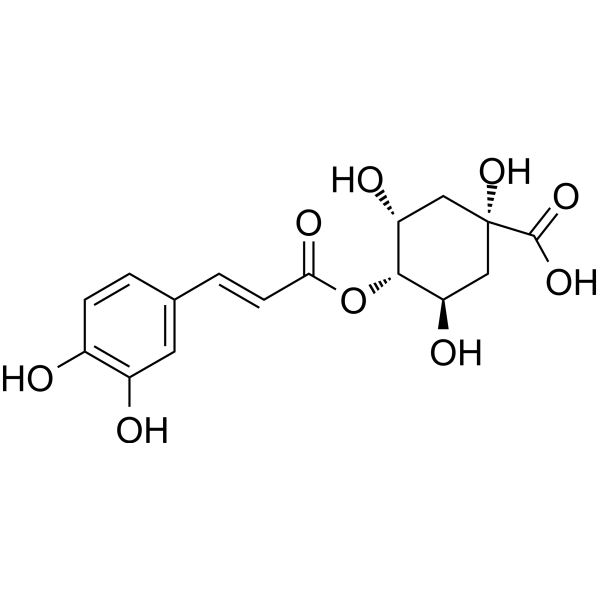
    11-Keto-beta-boswellic acid (11-Keto-β-boswellic acid) is a pentacyclic triterpenic acid of the oleogum resin from the bark of the Boswellia serrate tree, popularly known as Indian Frankincense. 11-Keto-beta-boswellic acid has the anti-inflammatory activity is primarily due to inhibit 5-lipoxygenase (5-LOX) and subsequent leukotriene and nuclear factor-kappa B (NF-κB) activation and tumor necrosis factor alpha generation production .
    11-​Keto-​beta-​boswellic acid
  • HY-N0381
    Maackiain
    1 Publications Verification

    DL-​Maackiain

    Keap1-Nrf2 p38 MAPK NOD-like Receptor (NLR) NF-κB mTOR Monoamine Oxidase Nuclear Factor of activated T Cells (NFAT) PKC Apoptosis Pyroptosis Autophagy Dengue Virus Infection Neurological Disease Metabolic Disease
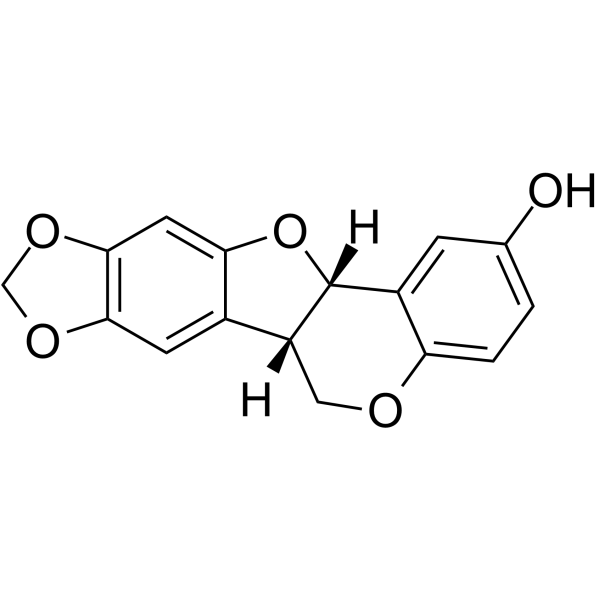
    Maackiain (DL-Maackiain) is an orally active multi-target inhibitor with anti-tumor activity and neuroprotective effects. Maackiain activates the AMPK, NLRP3 and Nrf2/HO-1 pathways, and inhibits key targets such as NF-κB, mTOR, MAO-B, NFATc1 and PKCδ, thereby precisely regulating processes including apoptosis, autophagy and pyroptosis. Maackiain also effectively inhibits microglial activation, osteoclast formation, and proliferation and invasion of tumor cells, and protects dopaminergic neurons from damage. Maackiain is applicable to the research of various diseases such as Alzheimer's disease, osteoporosis, sepsis and dengue fever 。
    Maackiain
  • HY-P9958A
    Denosumab (anti-TNFSF11)
    2 Publications Verification

    RANKL/RANK Apoptosis NF-κB Neurological Disease Endocrinology Cancer
    Denosumab (anti-TNFSF11) is a human monoclonal antibody that targets the protein RANKL. Denosumab binds to the receptor activator of nuclear factor kappa-B ligand (RANKL) and prevents its binding to the RANK receptor (KD of 0.003 nM for human RANKL). Denosumab promotes proliferation and spermatogenesis. Denosumab prevents bone resorption through inhibition of the NF-κB pathway. Denosumab can be used in bone-related studies .
    Denosumab (anti-TNFSF11)
  • HY-136741
    BOT-64
    2 Publications Verification

    IKK Inflammation/Immunology
    BOT-64 is an inhibitory κB (IκB) kinase β (IKKβ) inhibitor with an IC50 of 1 µM. BOT-64 blocks lipopolysaccharide-induced nuclear factor-κB activation and nuclear factor-κB-regulated inflammatory gene transcription .
    BOT-64
  • HY-P10953

    PSP 29-mer, anti-inflammatory peptide

    ERK STAT Inflammation/Immunology
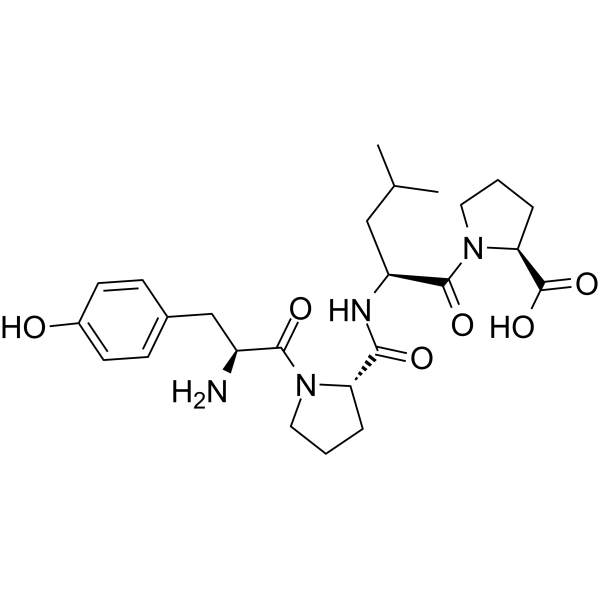
    Fulipiftide is a short peptide derived from pigment epithelium-derived factor (PEDF). Fulipiftide induces the expansion of nuclear stem cell factor +TSPC by activating ERK2 and STAT3 signaling pathways. Fulipiftide has anti-inflammatory activity and can be used in the study of acute tendon injury .
    Fulipiftide
  • HY-112126
    KRN5
    2 Publications Verification

    Nuclear Factor of activated T Cells (NFAT) Inflammation/Immunology
    KRN5, a derivative of KRN2, is an oral active Nuclear factor of activated T cells 5 (NFAT5) suppressor, with an IC50 of 750 nM. KRN5 has potential to treat NFAT5-mediated Chronic Arthritis .
    KRN5
  • HY-147855
    ACA-28
    1 Publications Verification

    ERK Apoptosis Reactive Oxygen Species (ROS) Keap1-Nrf2 Cancer
    ACA-28 is a potent ERK MAPK signaling modulator. ACA-28 selectively inhibits cancer cell growth and induces apoptosis. ACA-28 can activate nuclear factor erythroid 2-related factor 2 (Nrf2) signaling via inducing ROS production. ACA-28 can be used for the research of cancer, such as melanoma .
    ACA-28
  • HY-151970

    STING Inflammation/Immunology
    STING-IN-4 (Compound 1) is a STING inhibitor that inhibits STING expression and hence reducing activation of STING and nuclear factor-κB (NF-κB) signaling. STING-IN-4 shows anti-inflammatory activity and can be used for the research of sepsis .
    STING-IN-4
  • HY-N2106
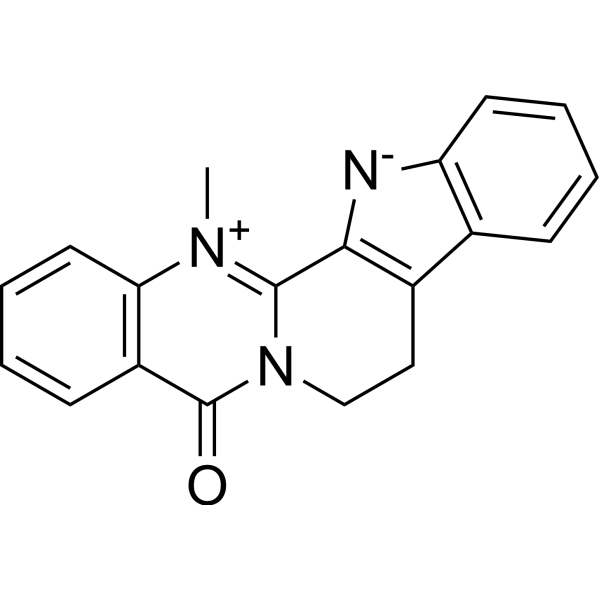
    Dehydroevodiamine
    2 Publications Verification

    NF-κB COX PGE synthase NO Synthase Inflammation/Immunology
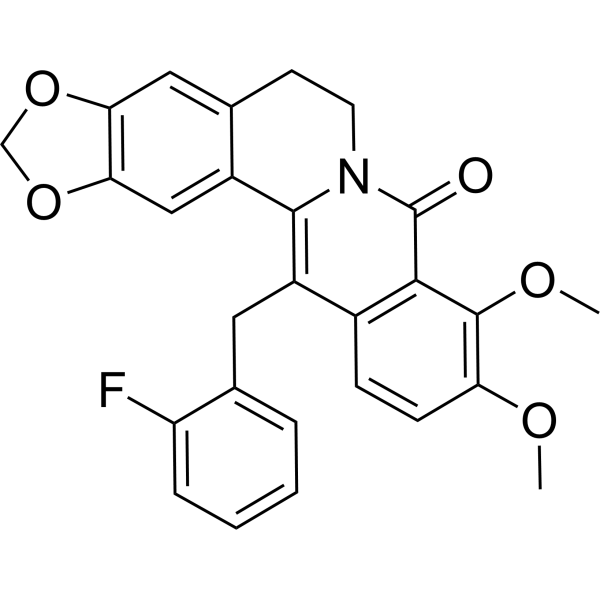
    Dehydroevodiamine is a major bioactive quinazoline alkaloid isolated from Evodiae Fructus, has an antiarrhythmic effect in guinea-pig ventricular myocytes . Dehydroevodiamine inhibits LPS-induced iNOS, COX-2, prostaglandin E2 (PGE2) and nuclear factor-kappa B (NF-κB) expression in murine macrophage cells .
    Dehydroevodiamine
  • HY-W011220
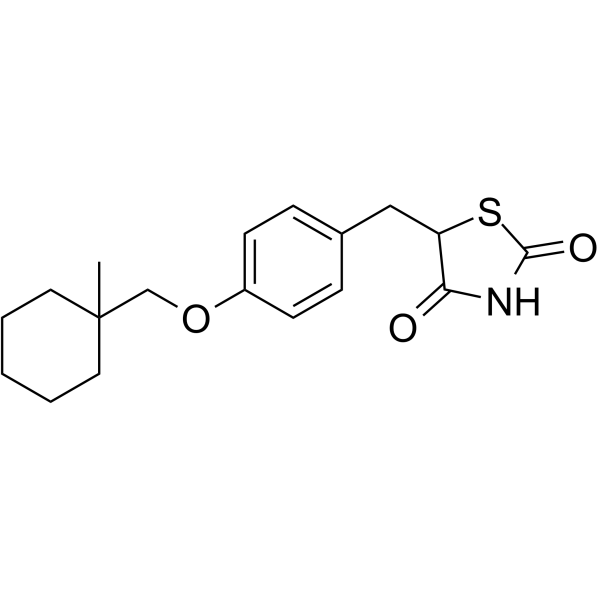
    Ciglitazone
    1 Publications Verification

    ADD-3878; U-63287

    PPAR Cardiovascular Disease Cancer
    Ciglitazone is a potent and selective PPARγ agonist (EC50=3 μM). Ciglitazone inhibits proliferation and differentiation of th17 cells. Ciglitazone is a hypoglycemic agent orally active in the obese-hyperglycemic animal models. Ciglitazone induces apoptosis accompanied by activation of p38 MAPK and nuclear translocation of apoptosis inducing factor (AIF) in opossum kidney (OK) renal epithelial cells .
    Ciglitazone
  • HY-112125A
    KRN2 bromide
    4 Publications Verification

    Nuclear Factor of activated T Cells (NFAT) Inflammation/Immunology
    KRN2 (bromide) is a selective inhibitor of nuclear factor of activated T cells (NFAT5), with an IC50 of 0.1 μM.
    KRN2 bromide
  • HY-107404

    Orphan Nuclear Receptor Endocrinology
    SID 7969543 is a selective SF-1 (steroidogenic factor 1, NR5A1) inhibitor with an IC50 of 760 nM. SID 7969543 inhibits SF-1-triggered luciferase expression with IC50 of 30 nM. SF-1 is a transcription factor belonging to the nuclear receptor superfamily .
    SID 7969543
  • HY-N4053

    Nuclear Factor of activated T Cells (NFAT) Inflammation/Immunology
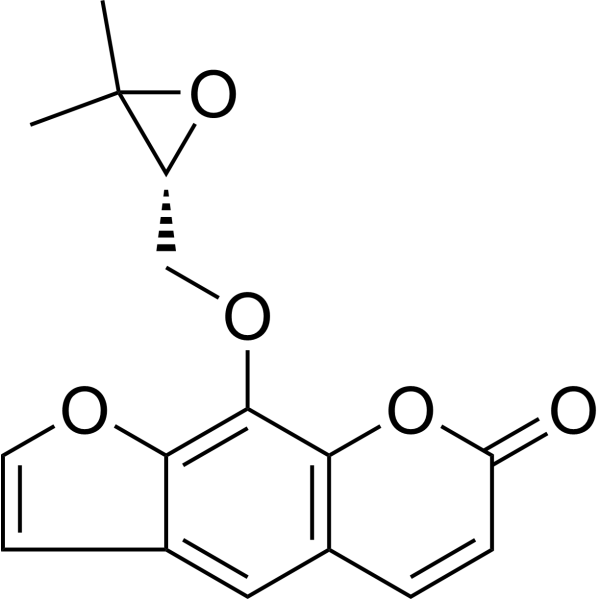
    Heraclenin, a natural furanocoumarin, significantly inhibits T cell receptor-mediated proliferation in human primary T cells in a concentration-dependent manner by targeting nuclear factor of activated T-cells (NFAT) .
    Heraclenin
  • HY-P1430A
    11R-VIVIT TFA
    5+ Cited Publications

    Cell permeable NFAT inhibitor TFA

    Nuclear Factor of activated T Cells (NFAT) Metabolic Disease
    11R-VIVIT TFA is a cell-permeable nuclear factor of activated T cells (NFAT) inhibitor. 11R-VIVIT TFA can be used for the research of podocyte and diabetic nephropathy .
    11R-VIVIT TFA
  • HY-112125
    KRN2
    4 Publications Verification

    Nuclear Factor of activated T Cells (NFAT) Inflammation/Immunology
    KRN2 is a selective inhibitor of nuclear factor of activated T cells (NFAT5), with an IC50 of 100 nM. KRN2 has potential to treat NFAT5-mediated Chronic Arthritis .
    KRN2
  • HY-139464

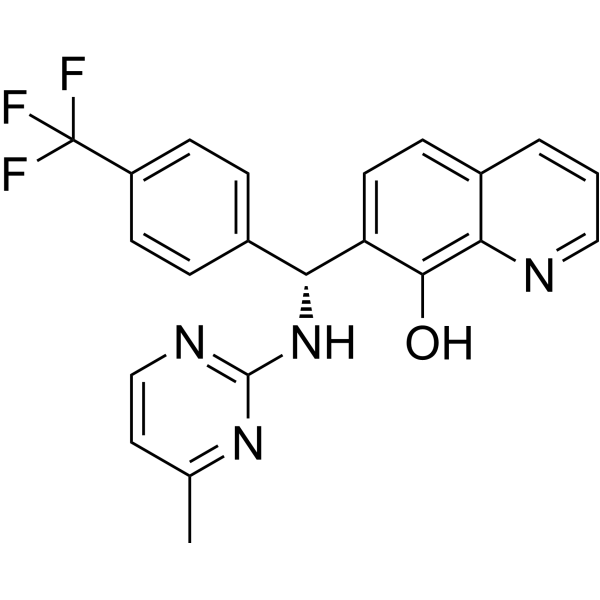
    Nuclear Factor of activated T Cells (NFAT) Neurological Disease
    Q134R, a neuroprotective hydroxyquinoline derivative that suppresses nuclear factor of activated T cell (NFAT) signaling. Q134R can across blood-brain barrier. Q134R has the potential for Alzheimer's disease (AD) and aging-related disorders research .
    Q134R
  • HY-136427

    Nuclear Factor of activated T Cells (NFAT) Inflammation/Immunology
    KRM-III is a potent and orally active T-cell antigen receptor (TCR) inhibitor. KRM-III inhibits TCR- and phorbol myristate acetate/ionomycin-induced activation of nuclear factor of activated T cells (NFAT) and T-cell proliferation with an IC50 of ~5 μM. Anti-inflammatory activity .
    KRM-III
  • HY-P1832A
    PTD-p65-P1 Peptide TFA
    3 Publications Verification

    NF-κB Apoptosis Inflammation/Immunology Cancer
    PTD-p65-P1 Peptide TFA is a potent, selective nuclear transcription factor NF-κB inhibitor and derives from the p65 subunit of NF-κB amino acid residues 271-282, which selectively inhibits NF-κB activation induced by various inflammatory stimulation, down-regulate NF-κB-mediated gene expression and up-regulate apoptosis .
    PTD-p65-P1 Peptide TFA
  • HY-14942

    RTA 744 free base; WP 744 free base; WP 769

    NF-κB Apoptosis Caspase Drug Derivative Neurological Disease Cancer
    Berubicin (RTA 744 free base) is a Doxorubicin (HY-15142A) analog that can cross the blood-brain barrier. Berubicin inhibits P-gp and MRP1-mediated efflux and suppresses glioblastoma multiforme (GBM). Berubicin exerts toxic effects on leukemia cells by activating nuclear factor κB (NF-κB) and induces apoptosis in neuroblastoma cells. Berubicin can be used in the study of tumors related to the nervous system .
    Berubicin
  • HY-124811

    c-Myc Cancer
    IRES-C11 is a spectfic c-MYC internal ribosome entry site (IRES) translation inhibitor. IRES-C11 blocks the interaction of a requisite c-MYC IRES trans-acting factor, heterogeneous nuclear ribonucleoprotein A1, with its IRES. IRES-C11 does not inhibits BAG-1, XIAP and p53 IRESes .
    IRES-C11
  • HY-162866

    Autophagy Metabolic Disease
    CXM102 is an autophagy activator. CXM102 can induce autophagy in aged BMSCs, leading to the rejuvenation of BMSCs and preferential differentiation into osteoblasts. CXM102 promotes the nuclear translocation of transcription factor EB (TFEB) and the formation of osteoblasts. CXM102 can stimulate bone synthesis metabolism in middle-aged male mice, reduce bone marrow adipocytes, delay bone loss, lower serum inflammation levels, decrease organ fibrosis, and extend the lifespan of the mice .
    CXM102
  • HY-152037

    Cholinesterase (ChE) Keap1-Nrf2 Neurological Disease
    AChE/Nrf2 modulator 1 is an orally active acetylcholinesterase (AChE)/nuclear factor erythroid 2-related factor 2 (Nrf2) modulator. AChE/Nrf2 modulator 1 has Nrf2 inductive activity and AChE inhibitory activity for eeAChE and hAChE with IC50 values of 0.07 μM and 0.38 μM, respectively. AChE/Nrf2 modulator 1 can be used for the research of Alzheimer's disease .
    AChE/Nrf2 modulator 1
  • HY-19486

    Nuclear Factor of activated T Cells (NFAT) CD3 CD28 Interleukin Related Inflammation/Immunology
    UR-1505 is a nuclear factor of activated T cells (NF-AT) inhibitor. UR-1505 can suppress CD3/CD28 induced T cell proliferation, increase p27 KIP levels, and induce G1/S cell cycle arrest. UR-1505 can also inhibit the production of IL-5 and IFN-γ in activated T cells. UR-1505 has immunomodulatory properties and can be used in the study of atopic dermatitis .
    UR-1505
  • HY-B1058A

    JP-992

    Orphan Nuclear Receptor Cardiovascular Disease Metabolic Disease
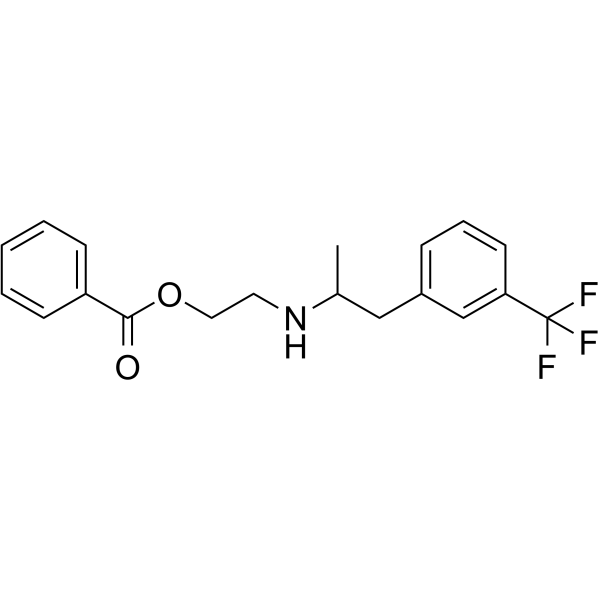
    Benfluorex (JP-992) is a hepatic nuclear factor 4 alpha (HNF4α) activator.
    Benfluorex
  • HY-W002299

    Boc-D-Leu-OH hydrate

    Amino Acid Derivatives Neurological Disease
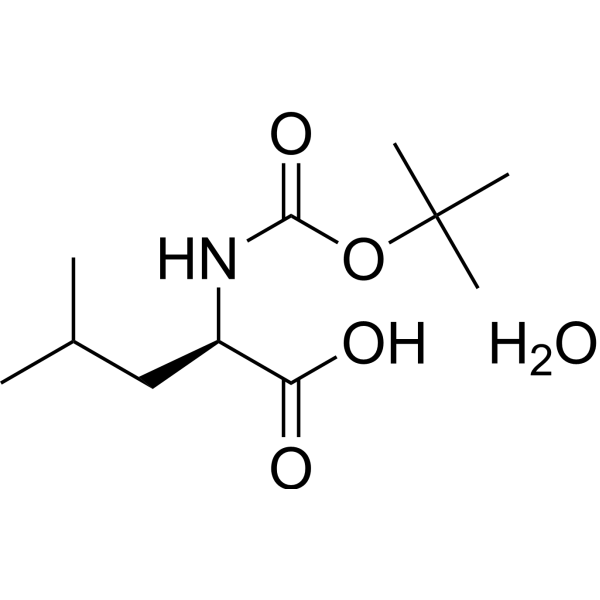
    Boc-D-Leucine monohydrate (Boc-D-Leu-OH hydrate) is an N-Boc-protected form of D-Leucine. D-Leucine is an unnatural isomer of L-Leucine that acts as an auto-inhibitor of lactic streptococci. D-Leucine shows potent anti-seizure effect .
    Boc-D-Leucine monohydrate
  • HY-N4171

    Apoptosis Inflammation/Immunology
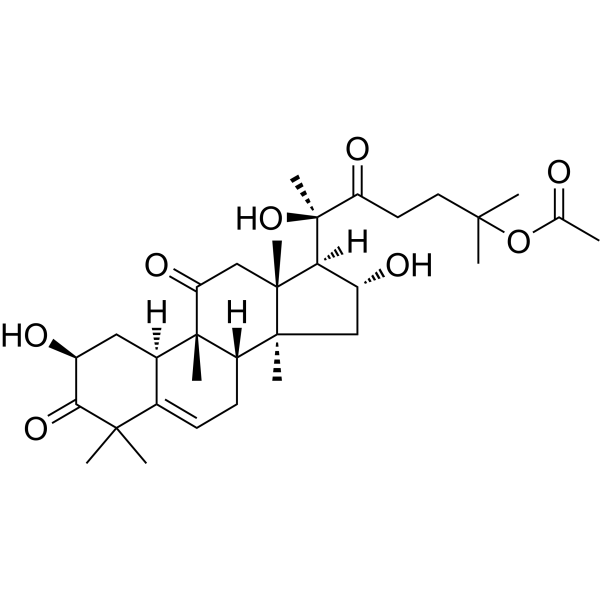
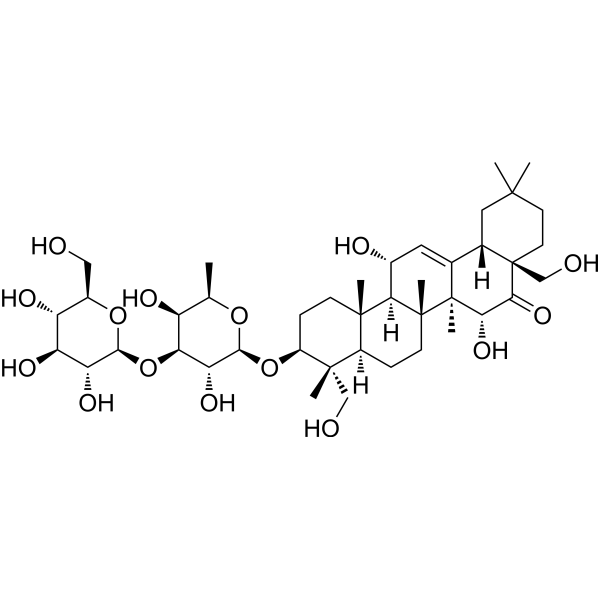
    Dihydrocucurbitacin B, a triterpene isolated from Cayaponia tayuya roots, inhibits nuclear factor of activated T cells (NFAT), induces cell cycle arrested in the G0 phase, and inhibits delayed type hypersensitivity .
    Dihydrocucurbitacin B
  • HY-120515

    PKC Cancer
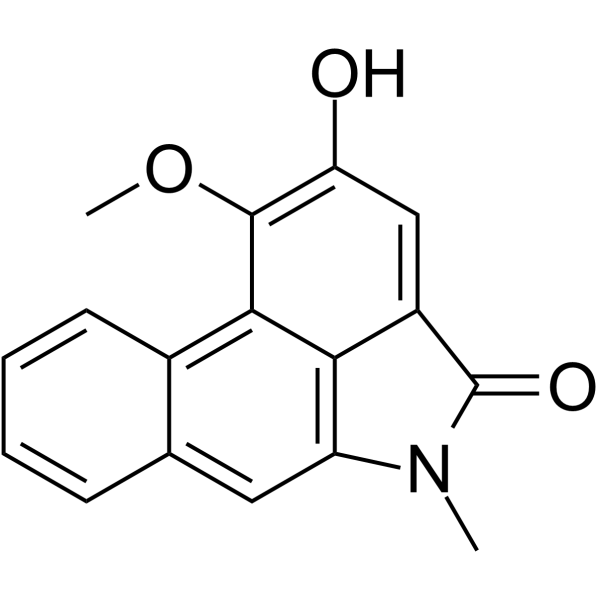
    7-Oxostaurosporine is a potent protein kinase C (PKC) inhibitor that effectively inhibits tumor growth by inducing apoptosis and inhibiting the nuclear factor (NF)-κB/p-p65 pathway .
    7-Oxostaurosporine

온라인 문의

Your information is safe with us. * Required Fields.

호칭


Country or Region *

고객명 *


회사명 *

Department *


메일주소 *


상품명 *

Cat. No.


Requested quantity *

전화번호 *


비고

온라인 문의

Inquiry Information

상품명:
Cat. No.:
수량:
MCE Japan Authorized Agent: