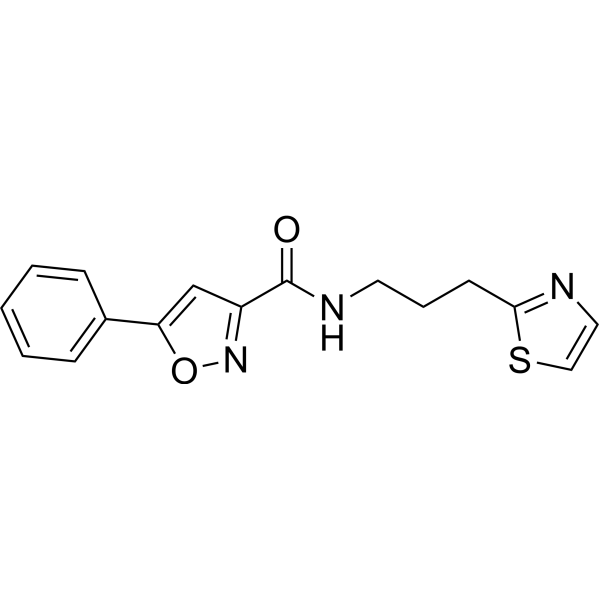
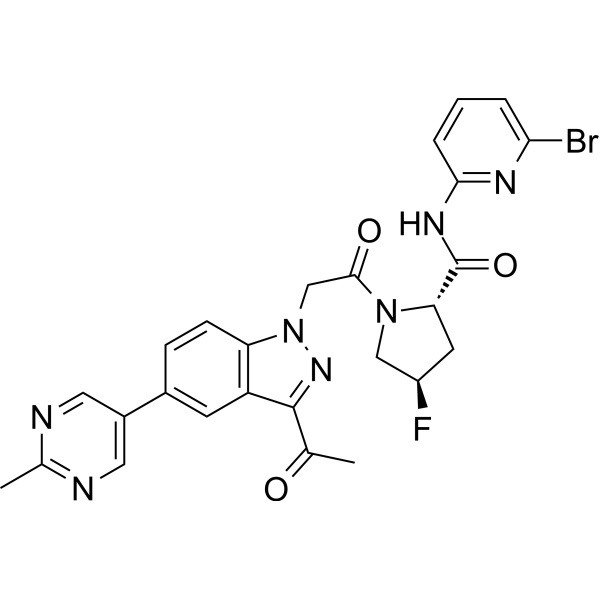
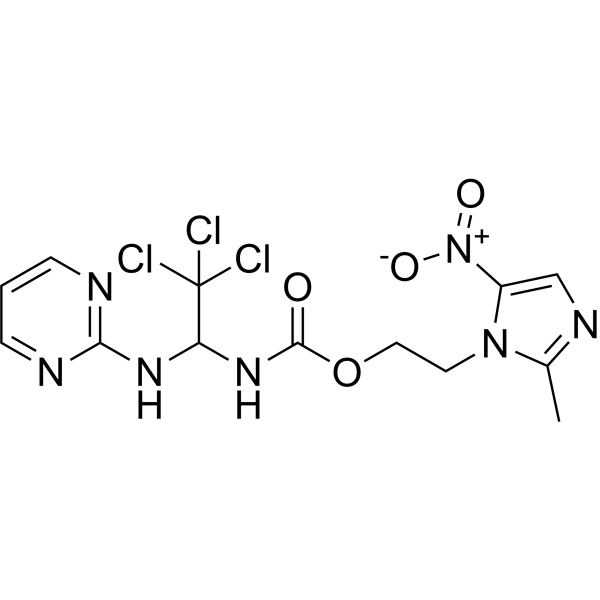
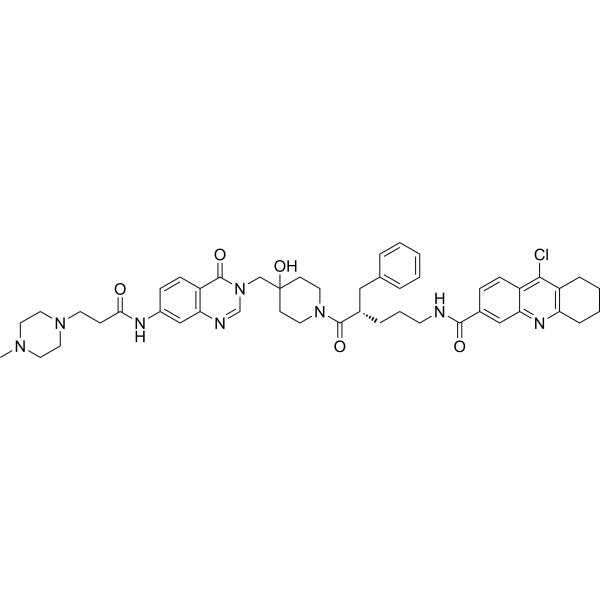
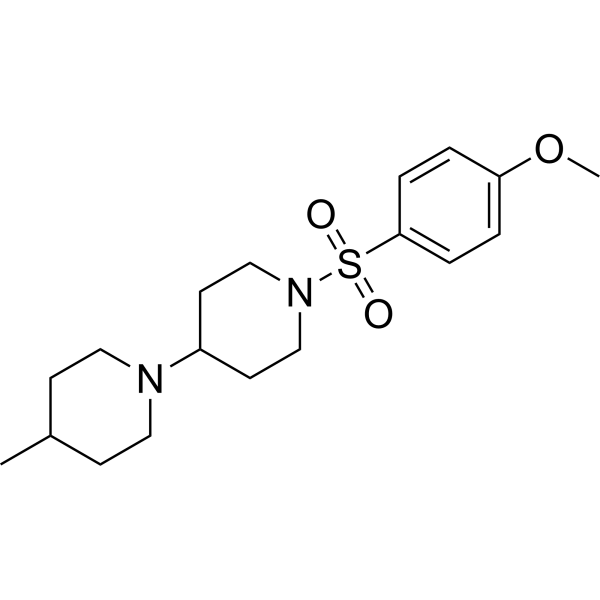
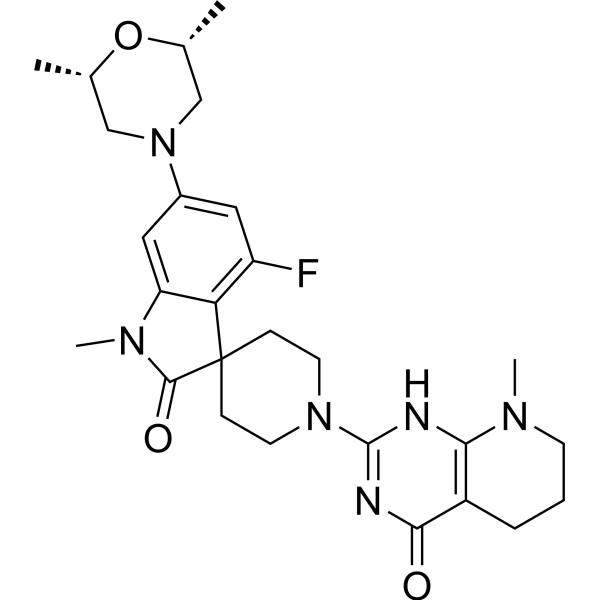
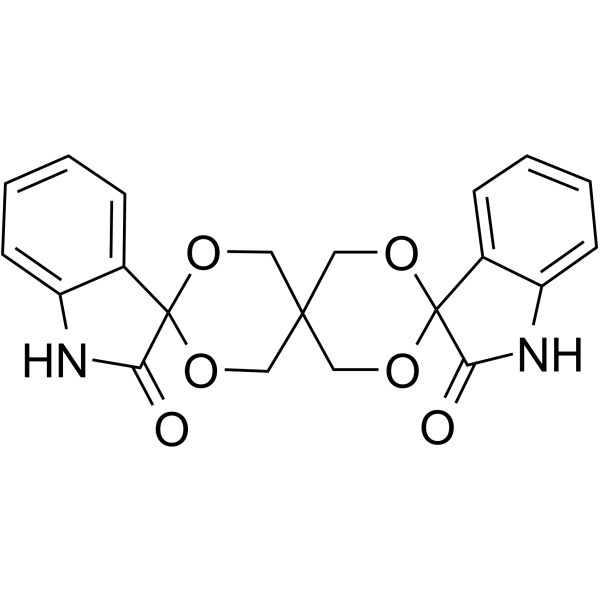
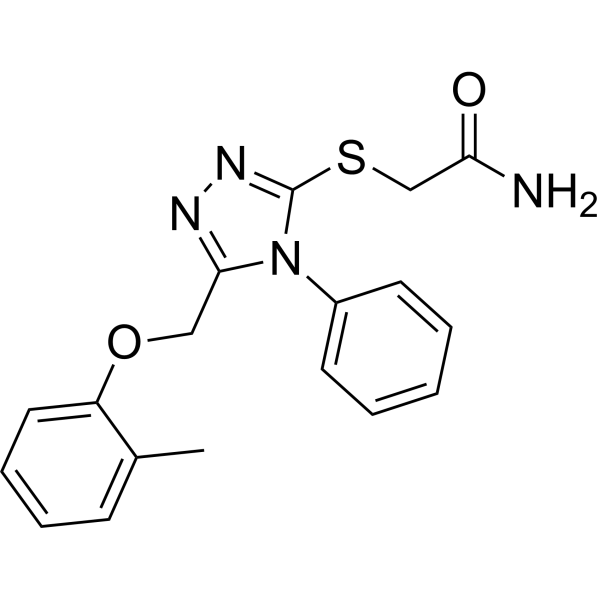
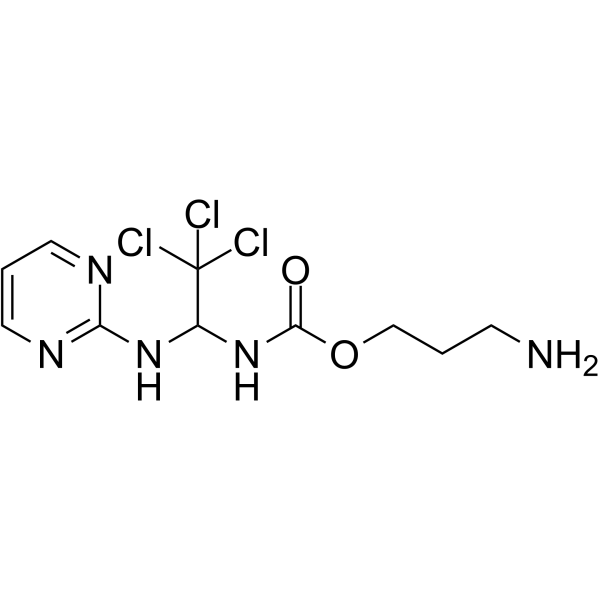
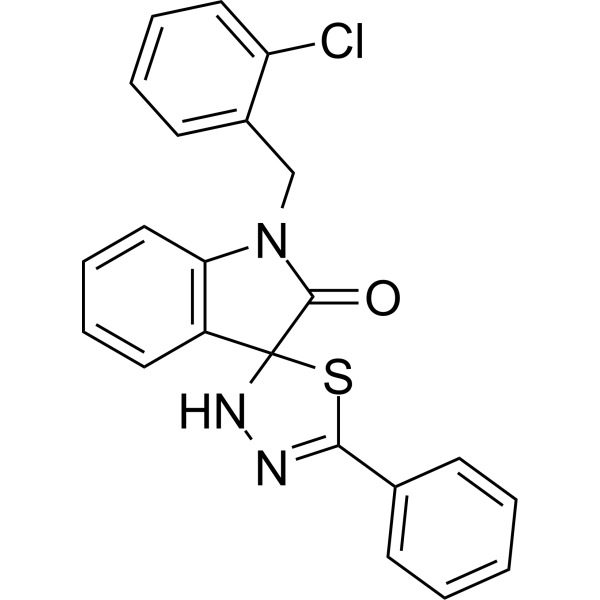
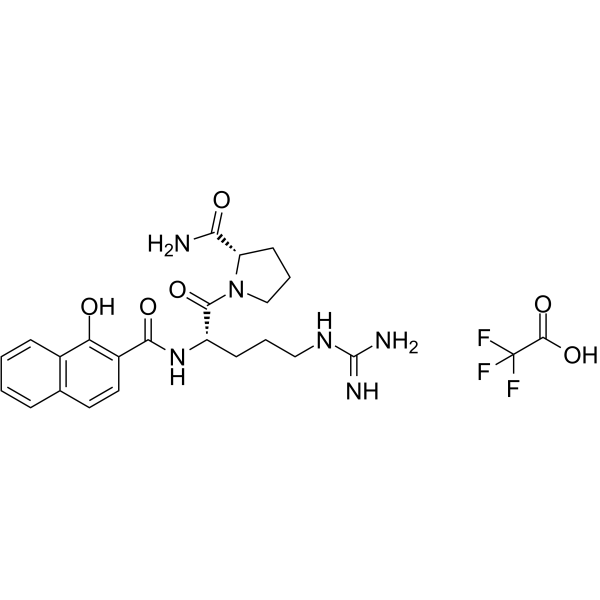
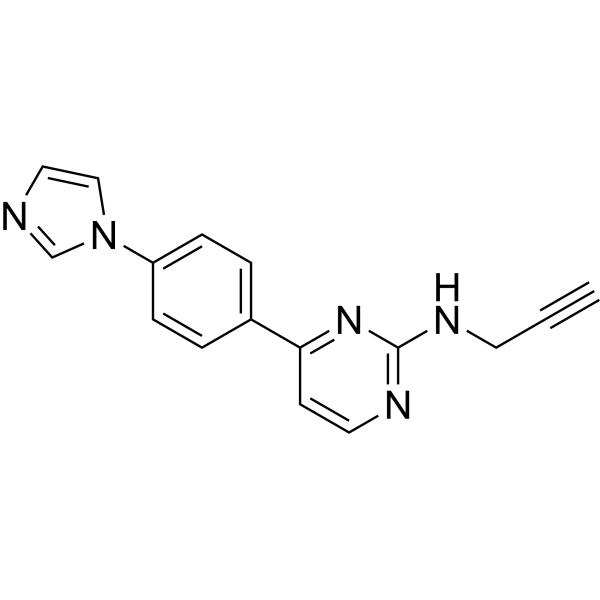
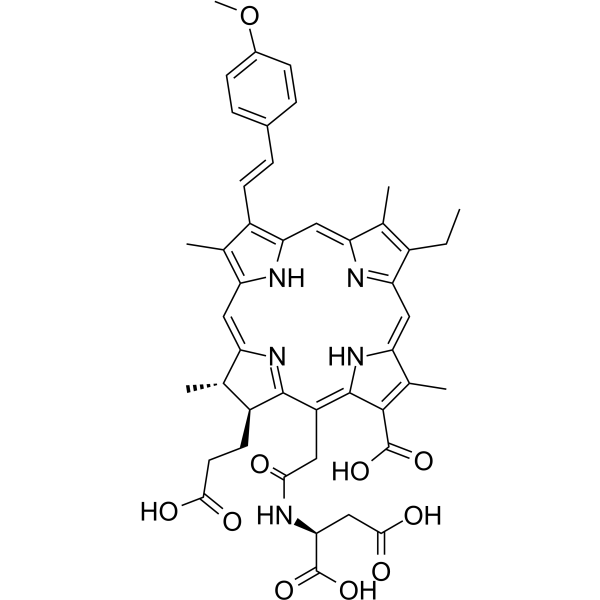
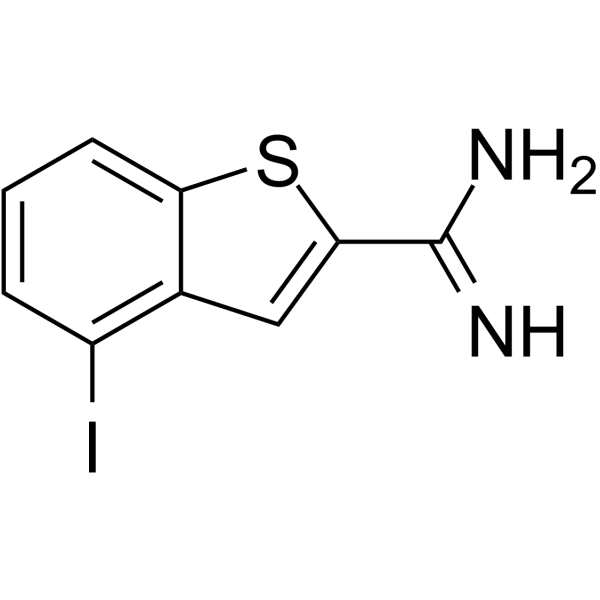
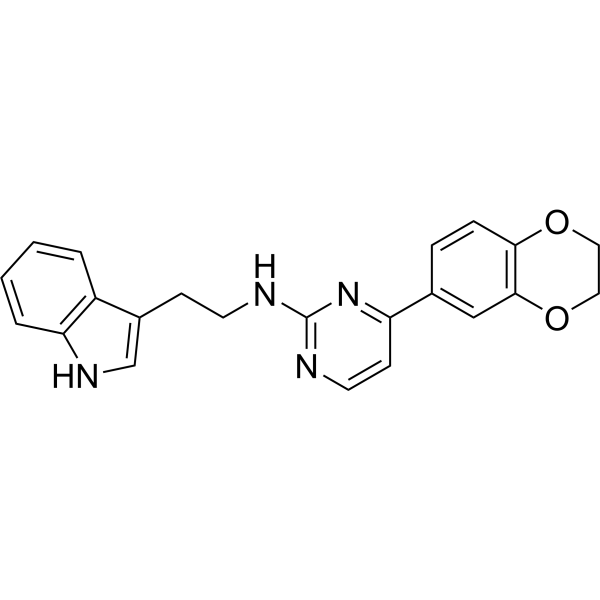
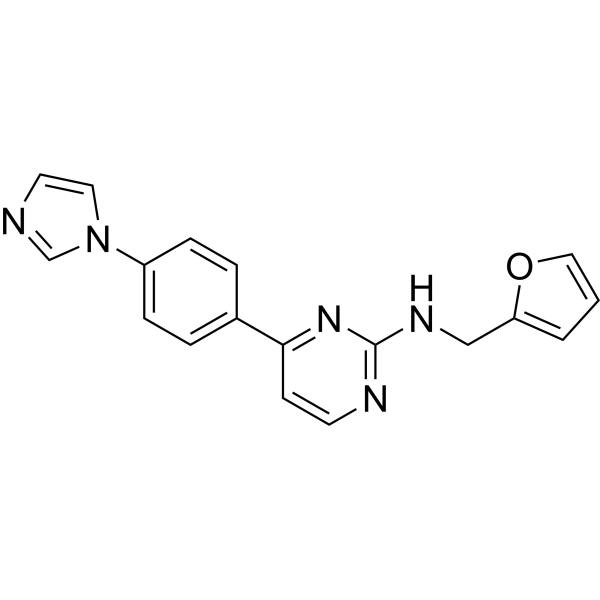
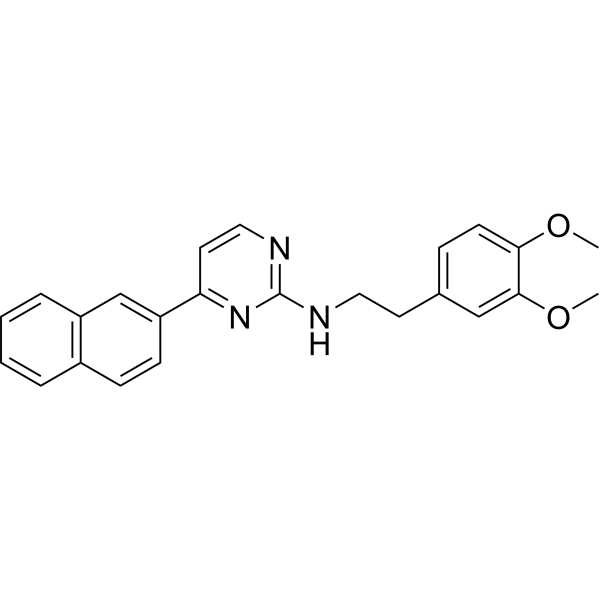
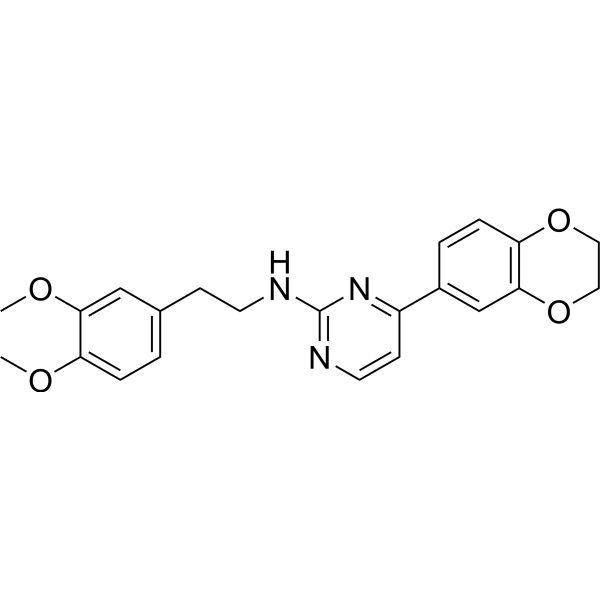
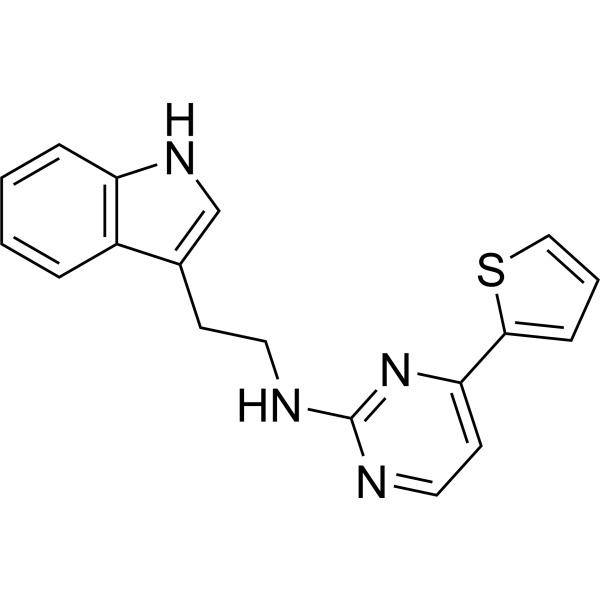
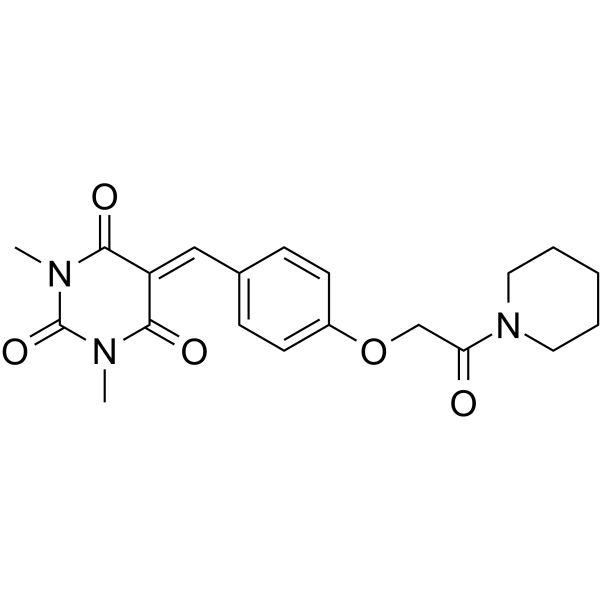
PY-60 is a robust and specific activator of YAP transcriptional activity that targets annexin A2 (ANXA2) with a Kd of 1.4 µM. PY-60 directly binds to ANXA2 and antagonizes its normal cellular function of repressing YAP activity .
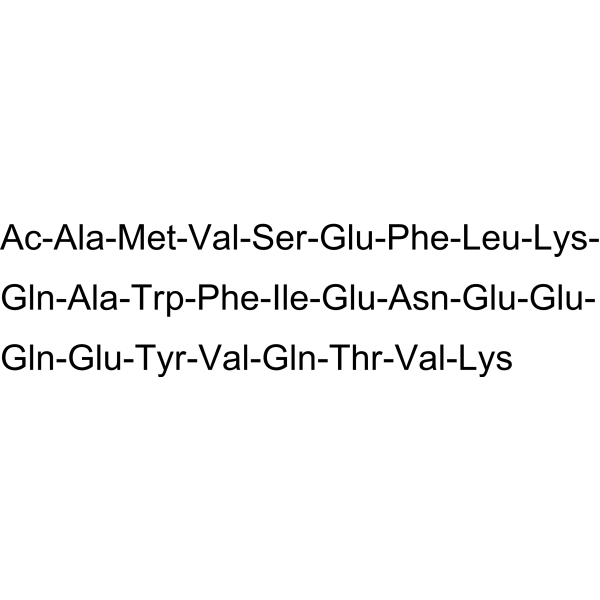
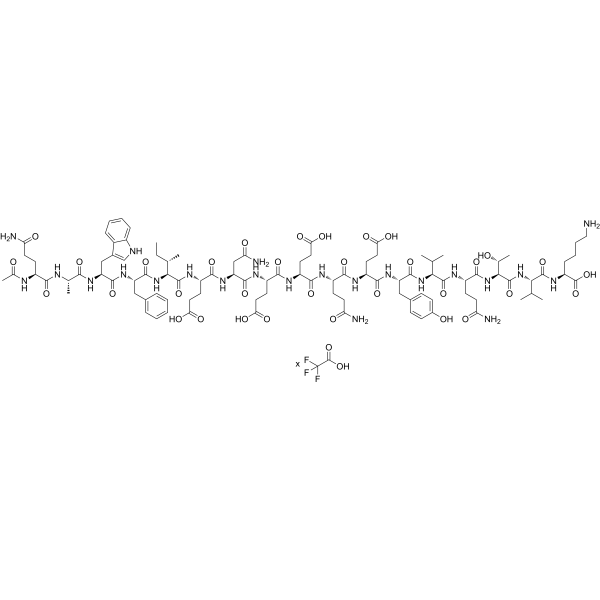
Ac2-26 is the N-terminal peptide of annexin 1, and has anti-inflammatory activity. Ac2-26 induces a decrease in IKKβ protein in lysosomes by chaperone-mediated autophagy (CMA). Ac2-26 ameliorates lung ischemia-reperfusion injury. Ac2-26 also inhibits airway inflammation and hyperresponsiveness in an asthma rat model .
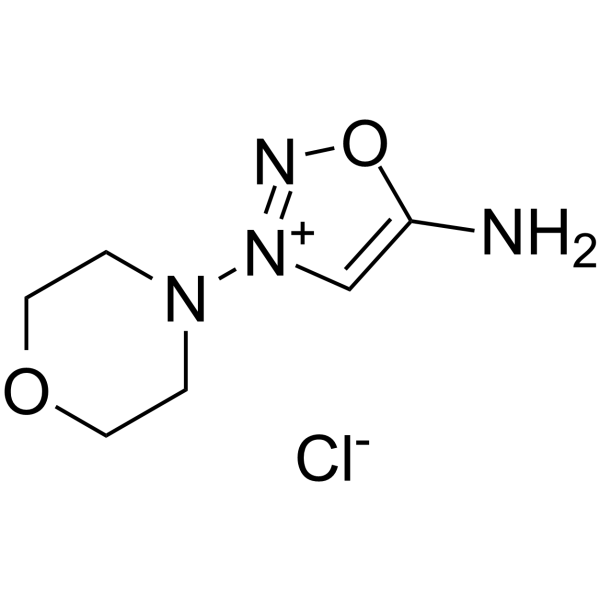
Linsidomine hydrochloride (SIN-1 chloride) is a spontaneous ROS/RNS generator and peroxynitrite donor. Linsidomine hydrochloride is a vasodilator and platelet aggregation inhibitor. Linsidomine hydrochloride induces oxidative stress-induced chondrocyte apoptosis and necrosis. Linsidomine hydrochloride inhibits the migration, proliferation and neointima formation of vascular smooth muscle cells by inhibiting the expression of annexin A2. In addition, low doses of Linsidomine hydrochloride shows protective effects on Zn 2+ treated nerve cells .
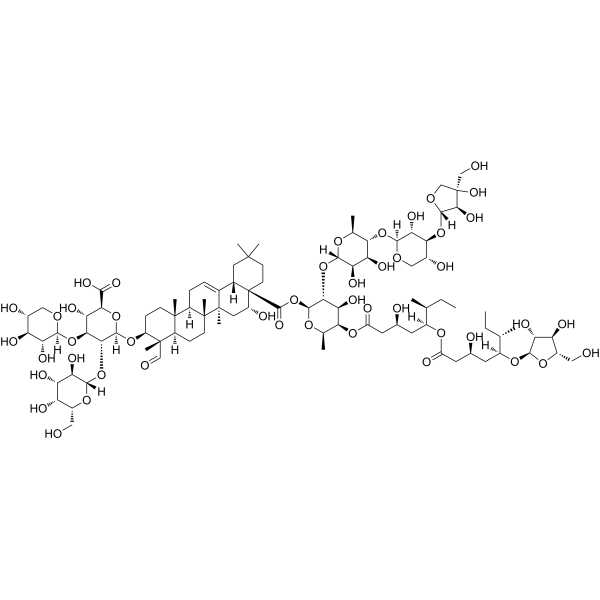
QS-21-Api, an immunostimulatory saponin, could be used as a potent vaccine adjuvant. QS-21-Api stimulates Th2 humoral and Th1 cell-mediated immune responses through action on antigen presenting cells (APCs) and T cells. QS-21-Api can activate the NLRP3 inflammasome with subsequent release of caspase-1 dependent cytokines, IL-1β and IL-18 .
Zolucatetide (FOG-001;I-66) is a potent β-catenin inhibitor with an IC50 of <50 nM. Zolucatetide can inhibits β-catenin and T-cell factor (TCF) transcription factor interaction. Zolucatetide inhibits cell proliferation and induces cell cycle arrest in target cells. Zolucatetide exhibits anti-tumor efficacy in mice bearing COLO320DM colon cancer cell (with APC, TP53 mutations) xenografts. Zolucatetide can be used for the study of colon cancer .
Danicopan (ACH-4471), a selective and orally active small-molecule factor D inhibitor, shows high binding affinity to human Factor D with Kd value of 0.54 nM. Danicopan (ACH-4471) inhibits alternative pathway of complement (APC) activity, has potential to block the alternative pathway of complement in paroxysmal nocturnal hemoglobinuria (PNH) and atypical hemolytic uremic syndrome (aHUS) .
Apcin, a ligand of Cdc20, is a potent and competitive anaphase-promoting complex/cyclosome (APC/C(Cdc20)) E3 ligase activity inhibitor. Apcin competitively inhibits APC/C-dependent ubiquitylation by binding to Cdc20 and preventing substrate recognition. Apcin occupes the D-box-binding pocket on the side face of the WD40-domain and can prolong mitosis .
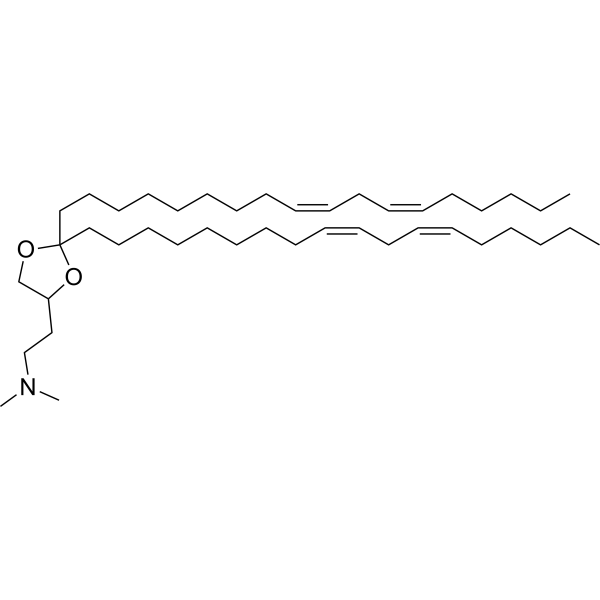
DLin-KC2-DMA is an ionisable cationic lipid (pKa≈6) that is virtually non-toxic to antigen presenting cells (APCs). DLin-KC2-DMA produces significant siRNA-mediated gene silencing of GAPDH, when binds to lipid nanoparticles (LNP). DLin-KC2-DMA can be used in siRNA delivery studies .
XL177A is a covalent USP7 inhibitor that blocks the deubiquitinase activity of USP7. XL177A destabilizes non-canonical PRC1 complexes or KDM6A and reduces chromatin deposition of H2AK119Ub, thereby relieving the repression of neuronal differentiation programs. Meanwhile, XL177A also regulates the ELOF1-UVSSA-USP7-nuclear β-catenin axis, decreasing the transcription levels of related proteins and the accumulation of nuclear β-catenin. XL177A exerts antiviral effects by reducing the expression levels of coronavirus receptors, and exhibits inhibitory activity against APC-mutated colorectal cancer cells, neuroblastoma, and coronaviruses including SARS-CoV-2 variants. XL177A is mainly used in studies related to colorectal cancer, neuroblastoma, and coronavirus infections .
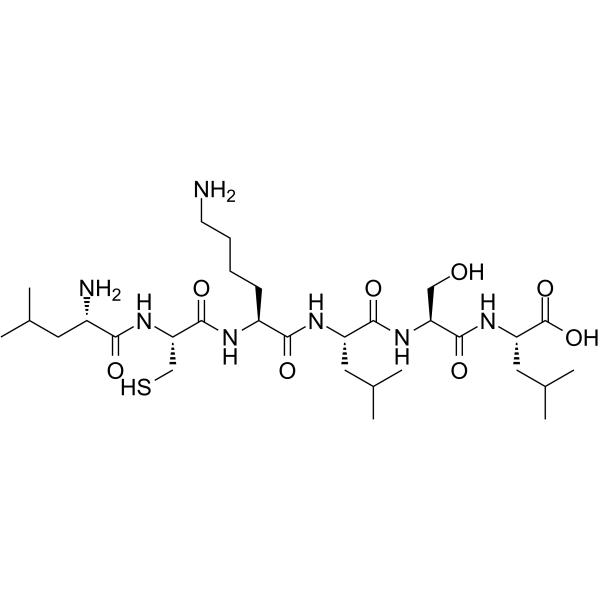
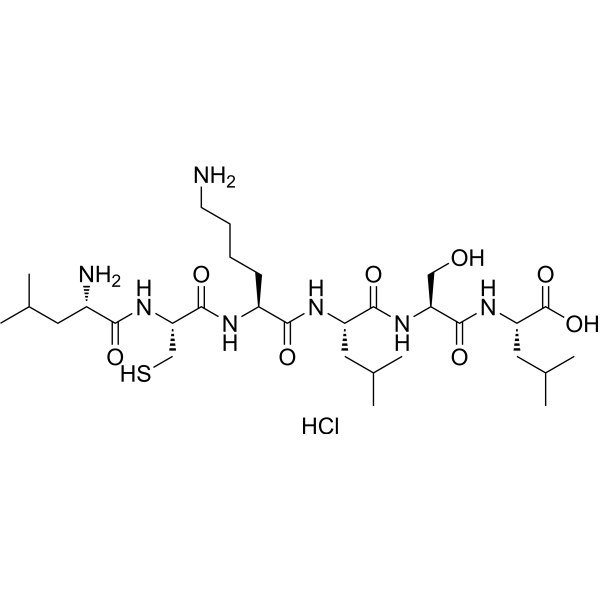
LCKLSL is a N-terminal hexapeptide and a competitive annexin A2 (AnxA2) inhibitor. LCKLSL potently inhibits the binding of tissue plasminogen activator (tPA) to AnxA2. LCKLSL also inhibits the generation of plasmin and has anti-angiogenic roles .
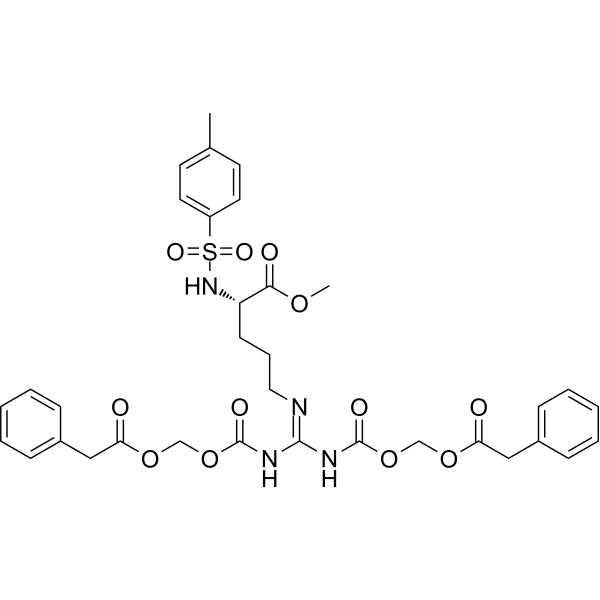
proTAME, a cell-permeable proagent form of TAME, is an anaphase promoting complex/cyclosome (APC/C) inhibitor. proTAME causes cell cycle arrest in metaphase .
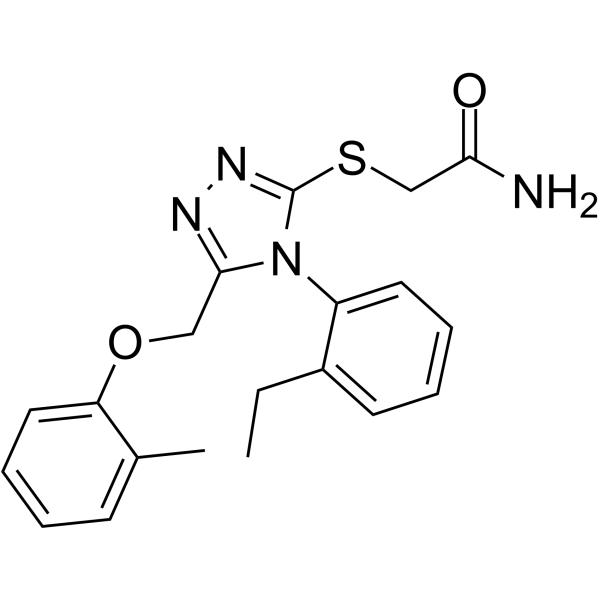
A2ti-1 is a selective and high-affinity annexin A2/S100A10 heterotetramer (A2t) inhibitor with an IC50 of 24 μM . A2ti-1 specifically disrupts the protein-protein interaction (PPI) between A2 and S100A10. A2ti-1 prevents human papillomavirus type 16 (HPV16) infection .
TASIN-1 is a selective inhibitor of truncated APCTR (adenomatous polyposis coli gene) that exerts cytotoxic effects by inhibiting cholesterol biosynthesis. TASIN-1 specifically targets colorectal cancer (CRC) cells carrying APC truncated mutations, while having no significant toxicity to wild-type APC cells. TASIN-1 exerts cytotoxic effects by targeting Emopamil binding protein (EBP) to inhibit cholesterol biosynthesis, triggering endoplasmic reticulum (ER) stress, reactive oxygen species (ROS) generation, and JNK-mediated apoptosis, and inhibiting Akt survival signaling. TASIN-1 can be used to prevent and intervene in APC mutant colorectal cancer .
RK-582 is a tankyrase inhibitor, antitumor agent, and orally bioavailable growth inhibitor, with an IC50 of 36.1 nM against human tankyrase-1 and an IC50 of 39.2 nM against human tankyrase-2. In APC-mutated colorectal cancer cells, the sensitivity to RK-582 correlates with the level of active β-catenin, while drug resistance associates with PIK3CA mutation. RK-582 can be used for the research of colorectal cancer .
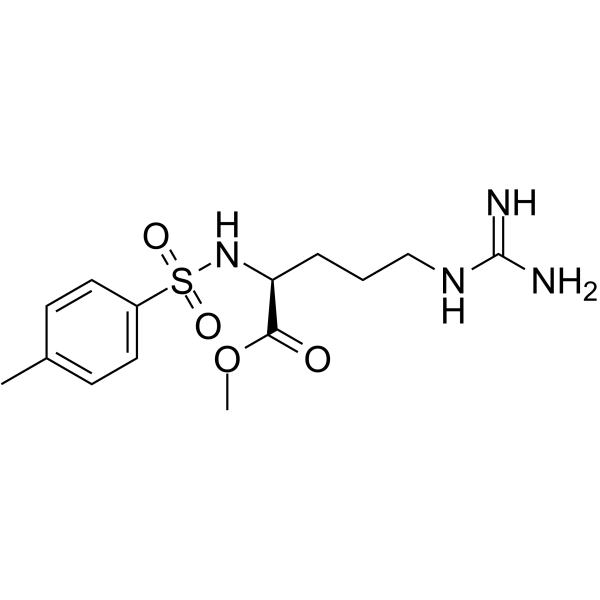
TAME is an inhibitor of anaphase-promoting complex/cyclosome (APC/C or APC), which binds to APC/C and prevents its activation by Cdc20 and Cdh1, produces mitotic arrest. TAME is not cell permeable .
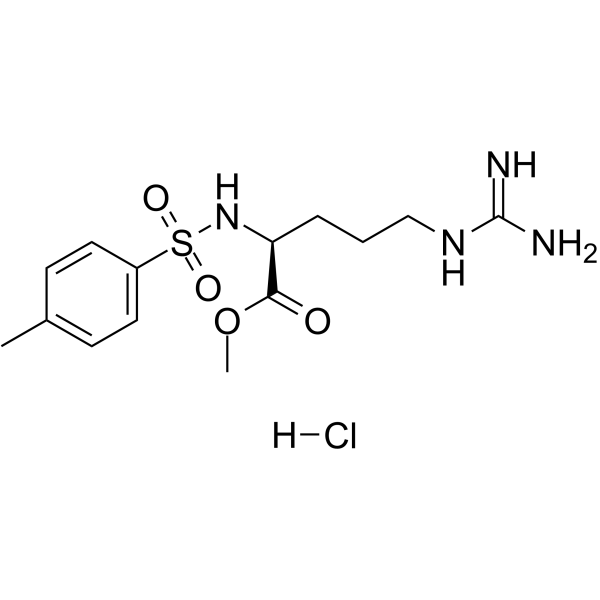
TAME hydrochloride is an inhibitor of anaphase-promoting complex/cyclosome (APC/C or APC), which binds to APC/C and prevents its activation by Cdc20 and Cdh1, produces mitotic arrest. TAME hydrochloride is not cell permeable .
LCKLSL hydrochloride is a N-terminal hexapeptide and a competitive annexin A2 (AnxA2) inhibitor. LCKLSL hydrochloride potently inhibits the binding of tissue plasminogen activator (tPA) to AnxA2. LCKLSL hydrochloride also inhibits the generation of plasmin and has anti-angiogenic roles .
Allophycocyanin (APC Dye) is a light-harvesting protein, containing strongly coupled dimers of chromophores. Allophycocyanin serve as a minimal system to examine photosynthetic energy transfer. Allophycocyanin strongly absorbs far-red light (FRL), and expresses during acclimation to low light, likely associates with chlorophyll a-containing photosystem I .
Ac2-26 TFA is the N-terminal peptide of annexin 1, and has anti-inflammatory activity. Ac2-26 induces a decrease in IKKβ protein in lysosomes by chaperone-mediated autophagy (CMA). Ac2-26 ameliorates lung ischemia-reperfusion injury. Ac2-26 also inhibits airway inflammation and hyperresponsiveness in an asthma rat model .
JW67 inhibits the canonical Wnt signaling with an IC50 of 1.17μM . JW67 affects the multiprotein complex consisting of β-catenin/GSK-3β/AXIN/APC/CK1 that rapidly reduces active β-catenin with a subsequent downregulation of Wnt target genes. JW67 also inhibits colorectal cancer cell growth .
A2ti-2 is a selective and low-affinity annexin A2/S100A10 heterotetramer (A2t) inhibitor with an IC50 of 230 μM . A2ti-2 specifically disrupts the protein-protein interaction (PPI) between A2 and S100A10. A2ti-2 prevents human papillomavirus type 16 (HPV16) infection .
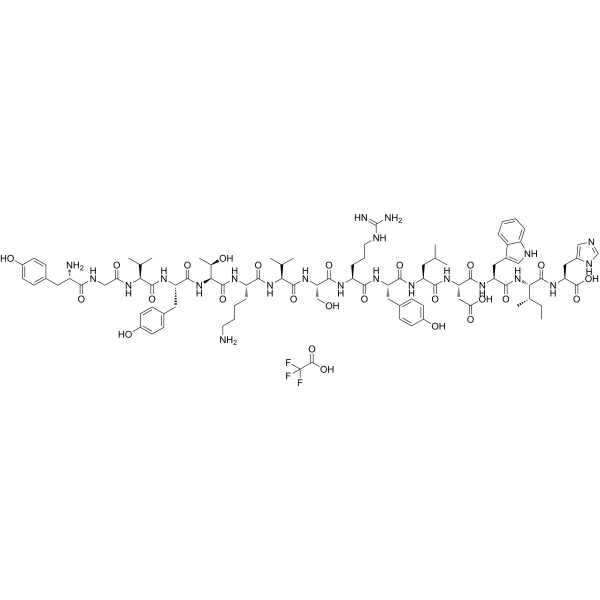
Activated Protein C (390-404), human is a polypeptide fragment of vitamin K-dependent serine protease activated protein C (APC), which inhibits the anticoagulant activity of APC. Activated Protein C (390-404), human inhibits APC-catalyzed inactivation of factor Va .
Cy5-bifunctional dye is a bifunctional dye used for covalent labeling of primary amines on proteins or oligonucleotides (Ex/Em = 649 nm/670 nm). Cy5-bifunctional dye can label recombinant annexin-V to assess phosphatidylserine exposure on the cell surface via flow cytometry. Cy5-bifunctional dye can label anti-human IgG (H + L) secondary antibodies. Cy5-bifunctional dye is applicable to studies of glanders and melioidosis .
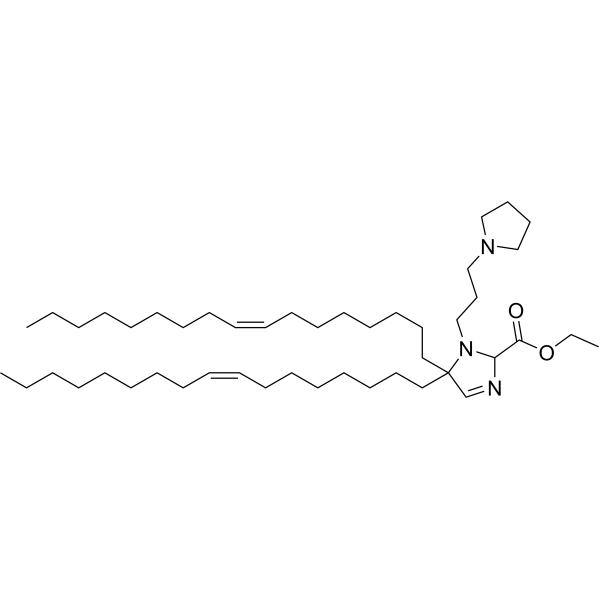
A2-Iso5-2DC18 is a dihydroimidazole-linked lipid, served as potent mRNA delivery vehicle. A2-Iso5-2DC18 can be used for antitumor research, including B16F10 melanoma. .
Apcin-A is a small molecule inhibitor that selectively targets the cell division cycle protein Cdc20 and is a derivative of Apcin (HY-110287). Apcin-A competitively binds to the D-box binding pocket of Cdc20 and inhibits substrate ubiquitination mediated by the anaphase promoting complex APC/C-Cdc20. Apcin-A also blocks the binding of Cdc20 to substrates (such as securin and cyclin B1), inhibiting anaphase initiation and cell cycle exit. Apcin-A can promote or prolong mitotic slippage in coordination with p31 comet under conditions of high spindle assembly checkpoint (SAC) activity. Apcin-A can be used to develop anti-mitotic drugs and overcome tumor chemotherapy resistance. Apcin-A can be used to synthesize PROTAC CP5V (HY-130257)[1][2][3].
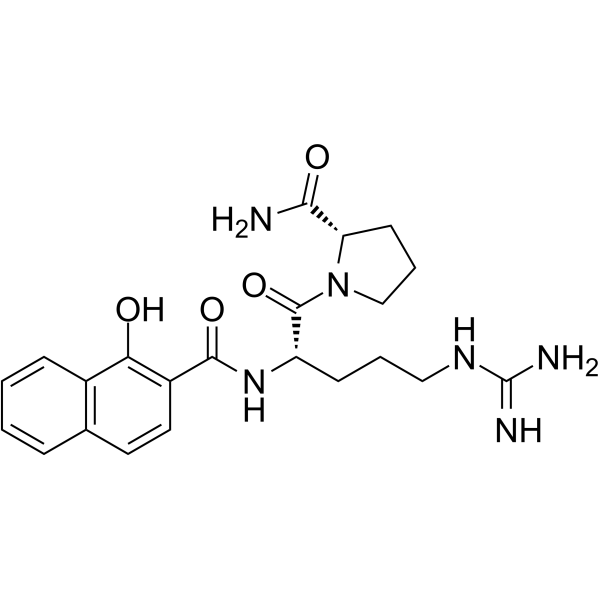
APC 366 is a selective inhibitor of mast cell tryptase (Ki=7.1 μM). APC 366 inhibits antigen-induced early asthmatic response (EAR), late asthmatic response (LAR), and bronchial hyperresponsiveness (BHR) in a sheep model of allergic asthma .
Endosidine 5 (ES5) inhibits EPS (extracellular polymeric substance) secretion and cell wall expansion. Endosidine 5 alters secretion of ECM (extracellular matrix) material in Penium margaritaceum by affecting the Golgi apparatus. Endosidine 5 interferes with recycling endosomes through Annexin A6, thereby promoting the release and expression of mRNA into the cytoplasm .
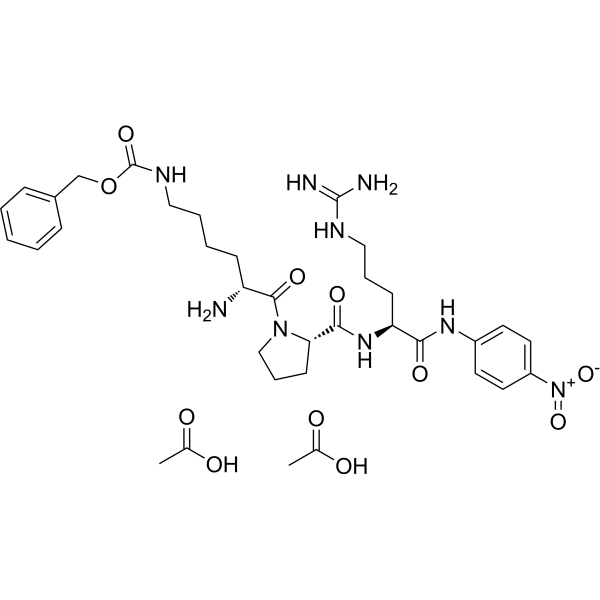
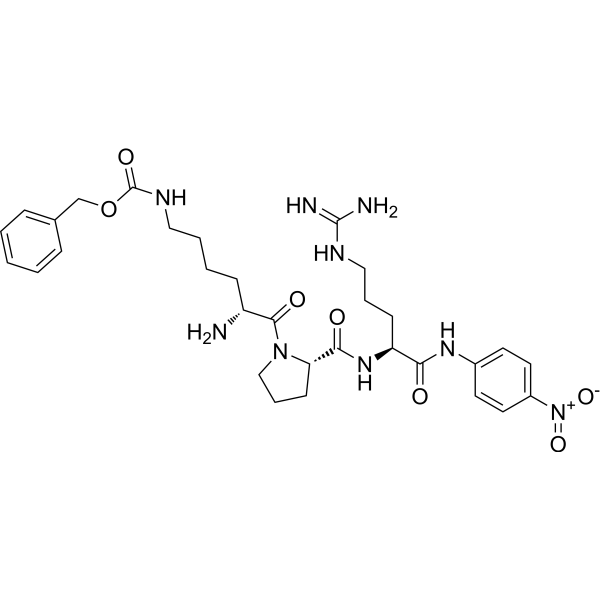
Pyr-Pro-Arg-pNA (S-2366) hydrochloride is a chromogenic peptidyl substrate, and a noncompetitive inhibitor that occupies the active sites of FXIa and FXIa-LC to block factor IX activation. Pyr-Pro-Arg-pNA hydrochloride functions as a hydrolyzable substrate for FXIa’s catalytic domain, human APC, murine APC, and purified plasma kallikrein .
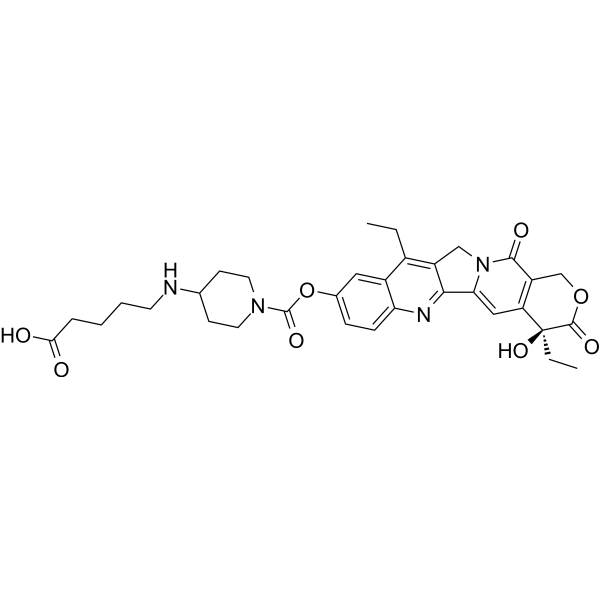
RPR121056 (APC) is a metabolite of Irinotecan (CPT-11), which is generated by CYP3A4. Irinotecan (CPT-11) is an antineoplastic agent that inhibits topoisomerase type I, causing cell death, and is widely used in the treatment of colorectal cancer. Irinotecan also directly inhibits AChE .
Ac2-26 ammonium is the N-terminal peptide of annexin 1, and has anti-inflammatory activity. Ac2-26 ammonium induces a decrease in IKKβ protein in lysosomes by chaperone-mediated autophagy (CMA). Ac2-26 ammonium ameliorates lung ischemia-reperfusion injury. Ac2-26 ammonium also inhibits airway inflammation and hyperresponsiveness in an asthma rat model .
Human Protein C is activated by α-thrombin or α-thrombin/thrombomodulin complex to a serine protease, namely activated protein C (APC). Human Protein C can selectively inactivate factors Va and VIIIa and is a potent anticoagulant .
Bovine Serum Albumin-APC (BSA-APC) is a biochemical reagent that can be used as a biological material or organic compound for life science related research .
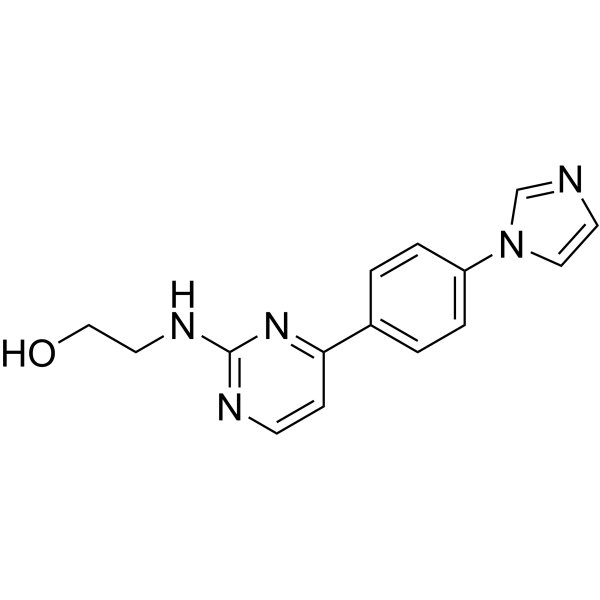
PY-PAP is a photoactivatable affinity probe and a derivative of PY-60 (HY-141644). PY-PAP retains the cellular function of activating YAP transcriptional activity. In 293A cells, PY-PAP can label cathepsin D (CTSD) and annexin A2 (ANXA2) through ultraviolet crosslinking and click reactions. PY-PAP plays a key role in identifying ANXA2 as the specific target of PY-60 .
CFM-4 is a potent small molecular antagonist of CARP-1/APC-2 binding. CFM-4 prevents CARP-1 binding with APC-2, causes G2M cell cycle arrest, and induces apoptosis with an IC50 range of 10-15 μM. CFM-4 also suppresses growth of drug-resistant human breast cancer cells .
ML-10 is a small molecule apoptosis probe. Due to the presence of fluorine atoms, ML-10 can be radiolabeled with 18F isotopes and can be used for apoptosis positron emission tomography imaging studies. ML-10 is selectively taken up and accumulated in apoptotic cells, while being excluded from live or necrotic cells. In addition, the uptake of ML-10 is associated with apoptotic features such as caspase activation, Annexin-V binding, and disruption of mitochondrial membrane potential .
CFM-5 inhibits CARP-1/CCAR1-APC-2 interaction with an IC50 value of 0.75 μM. CFM-5 inhibits medulloblastoma (MB) cell proliferation and induces apoptosis .
AN02 is a derivative of Curcumin (HY-N0005). AN02 inhibits the proliferation and clonogenicity, migration and invasion of ovarian cancer cells. AN02 dose-dependently upregulates the expression of APC and mediates the degradation of CTLA-4 through SMAD4. In the small xenograft model, AN02 significantly inhibits tumor growth and reverses the tumor immune-suppressive microenvironment. AN02, when combined with Ipilimumab (HY-P9901), can enhance efficacy and inhibit epithelial-mesenchymal transition. AN02 can be used for the study of ovarian cancer .
(Rac)-XL177A is the racemic isomer of XL177A (HY-138794). XL177A is a covalent USP7 inhibitor that blocks the deubiquitinase activity of USP7. XL177A destabilizes non-canonical PRC1 complexes or KDM6A and reduces chromatin deposition of H2AK119Ub, thereby relieving the repression of neuronal differentiation programs. Meanwhile, XL177A also regulates the ELOF1-UVSSA-USP7-nuclear β-catenin axis, decreasing the transcription levels of related proteins and the accumulation of nuclear β-catenin. XL177A exerts antiviral effects by reducing the expression levels of coronavirus receptors, and exhibits inhibitory activity against APC-mutated colorectal cancer cells, neuroblastoma, and coronaviruses including SARS-CoV-2 variants. XL177A is mainly used in studies related to colorectal cancer, neuroblastoma, and coronavirus infections .
Preactivated APC-Cy5.5 Maleimide is a sulfhydryl reactive dye that reacts with free sulfhydryl groups on proteins. Preactivated APC-Cy5.5 Maleimide binds easily to proteins or antibodies, and does not change the spectral characteristics of APC-Cy/YF after activation.
Pyr-Pro-Arg-pNA (S-2366) is a chromogenic peptidyl substrate, and a noncompetitive inhibitor that occupies the active sites of FXIa and FXIa-LC to block factor IX activation. Pyr-Pro-Arg-pNA functions as a hydrolyzable substrate for FXIa’s catalytic domain, human APC, murine APC, and purified plasma kallikrein .
Ac2-26 (mouse) is the N-terminal active peptide of Annexin A1 (AnxA1). Ac2-26 (mouse) regulates the inflammatory response by modulating the formyl peptide receptor (FPR) signaling pathway. Ac2-26 (mouse) can promote the release of chemokines and inhibit the production of ROS. Ac2-26 (mouse) can be used for the research of inflammation, such as rheumatoid arthritis .
Preactivated PE-Cy5 Maleimide is a sulfhydryl reactive dye that reacts with free sulfhydryl groups on proteins. Preactivated APC-Cy5.5 Maleimide binds easily to proteins or antibodies, and does not change the spectral characteristics of APC-Cy/YF after activation.
TASIN-1 hydrochloride is a selective inhibitor of truncated APCTR (adenomatous polyposis coli gene) that exerts cytotoxic effects by inhibiting cholesterol biosynthesis. TASIN-1 hydrochloride specifically targets colorectal cancer (CRC) cells carrying APC truncated mutations, while having no significant toxicity to wild-type APC cells. TASIN-1 hydrochloride exerts cytotoxic effects by targeting Emopamil binding protein (EBP) to inhibit cholesterol biosynthesis, triggering endoplasmic reticulum (ER) stress, reactive oxygen species (ROS) generation, and JNK-mediated apoptosis, and inhibiting Akt survival signaling. TASIN-1 hydrochloride can be used to prevent and intervene in APC mutant colorectal cancer .
(all-E)-UAB30 (UAB30) is an retinoid X receptor (RXR) selective agonist.(all-E)-UAB30 shows anti-proliferation activity for MyLa, HuT 78, and HH cells with the IC50 of 34.7, 5.1, and 22.4 μM respectively .
AP-C5 displays selective inhibition of guanosine 3′,5′-cyclic monophosphate (cGMP)-dependent protein kinase II (cGKII) with a pIC50 of 7.2, which can be used for the research of diarrheal disease . AP-C5 is a click chemistry reagent, it contains an Alkyne group and can undergo copper-catalyzed azide-alkyne cycloaddition (CuAAc) with molecules containing Azide groups.
TNKS-IN-4 (compound 49) is an orally active tankyrase (TNKS) inhibitor with IC50 values of 0.1 nM and 7.6nM for TNKS1 and TNKS2, respectively. TNKS-IN-4 can be used for study of APC-mutant colorectal cancer .
SNAP-549 is a DY-549P1-labeled SNAP tag fluorescent probe, specifically designed for single-molecule imaging and dynamic tracking of proteins in living cells. SNAP-549 only labels SNAP-tag fusion proteins, with low background signals and forming irreversible connections, making it suitable for long-term observation .
DYSP-C34 is a potent, biocompatible, and ultrasound (US)-triggered multifunctional molecular machine. DYSP-C34 has multiple favorable properties, such as improved lipophilic/hydrophilic balance, intensified US-induced ROS production capacity, and better cellular permeability, resulting in the excellent tumor target efficiency and notable sonodynamic therapy (SDT)-mediated tumor regression. DYSP-C34 exhibits mild immunogenicity by stimulating APCs directly .
APC-6860 is a trypsin-like serine proteases inhibitor with ki values of 0.21 and 0.44 μM for uPA and trypsin, respectively. APC-6860 has a selectivity ratio for tPA versus uPA of 80. APC-6860 has ki values of 0.1 and 0.082 μM for human and murine urokinases, respectively. APC-6860 can be used for the research of cancer .
APC 366 hydrochloride is a selective inhibitor of mast cell trypsin activity. APC 366 hydrochloride is able to inhibit trypsin-induced histamine release in human tonsil and lung cells. APC 366 hydrochloride may have important applications in regulating allergic reactions and inflammation .
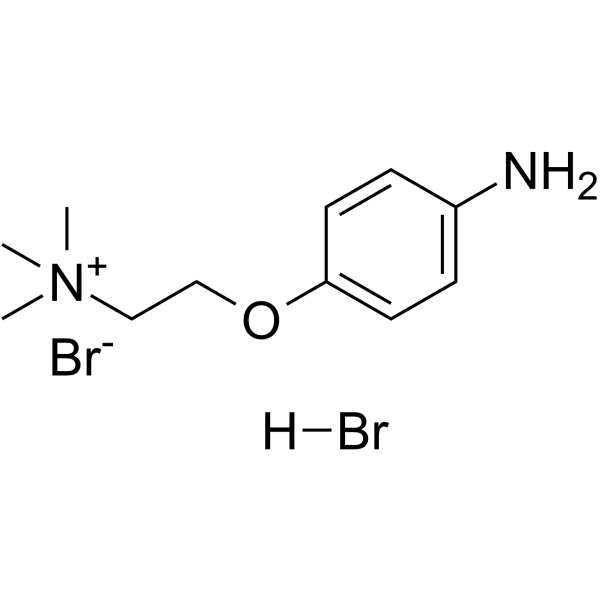
4-APC hydrobromide is a highly sensitive and selective derivatization agent for aldehydes. 4-APC hydrobromide possesses an aniline moiety for a fast selective reaction with aliphatic aldehydes as well as a quaternary ammonium group for improved MS sensitivity. 4-APC hydrobromide allows highly sensitive and selective MS detection of aldehydes .
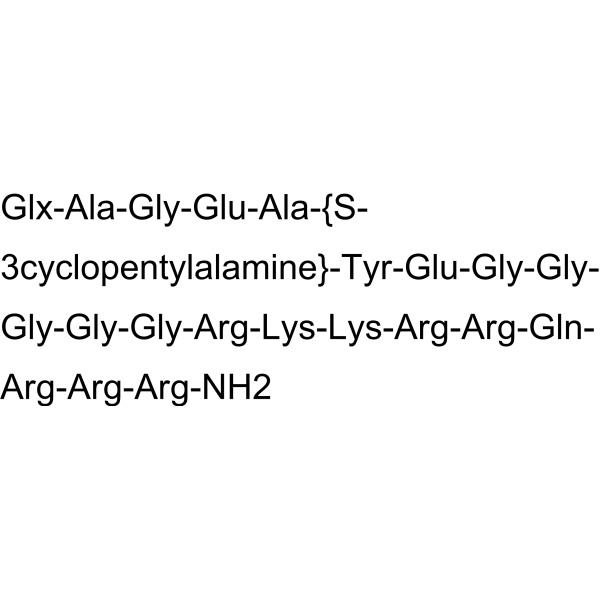
MAIT-203 acetate is a cyclopentyalanin-derived peptidomimetic, potently inhibits the interaction of adenomatous polyposis coli (APC) and Asef (RhoGEF4), but not APC-Sam68 or APC-striatin interactions. MAIT-203 acetate binds APC-ARM with a Ki value of 0.015 μM and aKd value of 0.036 μM. MAIT-203 acetate significantly represses the migration and invasion of colorectal cancer cells .
APC0576 is an inhibitor for the activation of NF-κB signaling pathway, and inhibits the activation of NF-κB depedent gene (IC50 is 1.0 μM for β-gal). APC0576 inhibits IL-1-induced chemokines release, and can be used in research about pathological endothelial cell activation releted diseases .
APC Human Pre-designed siRNA Set A contains three designed siRNAs for APC gene (Human), as well as a negative control, a positive control, and a FAM-labeled negative control.
Apc Mouse Pre-designed siRNA Set A contains three designed siRNAs for Apc gene (Mouse), as well as a negative control, a positive control, and a FAM-labeled negative control.
Apc Rat Pre-designed siRNA Set A contains three designed siRNAs for Apc gene (Rat), as well as a negative control, a positive control, and a FAM-labeled negative control.
APC2 Human Pre-designed siRNA Set A contains three designed siRNAs for APC2 gene (Human), as well as a negative control, a positive control, and a FAM-labeled negative control.
MAIT-203, a cyclopentyalanin-derived peptidomimetic, potently inhibits the interaction of adenomatous polyposis coli (APC) and Asef (RhoGEF4), but not APC-Sam68 or APC-striatin interactions. MAIT-203 binds APC-ARM with a Ki of 0.015 μM and a Kd of 0.036 μM. MAIT-203 significantly represses the migration and invasion of colorectal cancer cells.
Apcin-A monohydrochloride, an Apcin derivative, is an anaphase-promoting complex (APC) inhibitor. Apcin-A monohydrochloride interacts strongly with Cdc20, and inhibits the ubiquitination of Cdc20 substrates. Apcin-A monohydrochloride can be used to synthesize the PROTAC CP5V (HY-130257) .
RPR121056 (Standard) is the analytical standard of RPR121056. This product is intended for research and analytical applications. RPR121056 (APC) is a metabolite of Irinotecan (CPT-11), which is generated by CYP3A4. Irinotecan (CPT-11) is an antineoplastic agent that inhibits topoisomerase type I, causing cell death, and is widely used in the treatment of colorectal cancer. Irinotecan also directly inhibits AChE[1].
AP-C6 is a potent inhibitor of guanosine 3′,5′-cyclic monophosphate (cGMP)-dependent protein kinase II (cGKII) with a pIC50 of 6.5. AP-C6 concentration-dependently inhibits human cGKII activity in vitro. AP-C6 potentiate cAMP signaling by PDE inhibition .
AP-C4 is an inhibitor of guanosine 3′,5′-cyclic monophosphate (cGMP)-dependent protein kinase II (cGKII) with a pIC50 of 5.2. AP-C3 does not inhibit cGKII-dependent anion secretion .
AP-C7 is an inhibitor of guanosine 3′,5′-cyclic monophosphate (cGMP)-dependent protein kinase II (cGKII) with a pIC50 of 5.0. AP-C7 only weakly inhibits cGKII-dependent anion secretion .
AP-C1 is a potent inhibitor of guanosine 3′,5′-cyclic monophosphate (cGMP)-dependent protein kinase II (cGKII) with a pIC50 of 6.5. AP-C1 only weakly inhibits cGKII-dependent anion secretion .
AP-C3 is a potent inhibitor of guanosine 3′,5′-cyclic monophosphate (cGMP)-dependent protein kinase II (cGKII) with a pIC50 of 6.3. AP-C3 only weakly inhibits cGKII-dependent anion secretion .
CFM-1 is a small molecule antagonist of CARP-1/APC-2 binding with an EC50 value of 4.1 μM. CFM-1 induces G2M cell cycle arrest and suppresses viabilities of human breast cancer cells .
Ac9-25 TFA, a N-terminal peptide of Annexin I, acts as a formyl peptide receptor (FPR) agonist and activates the neutrophil NADPH oxidase through FPR .
Activated Protein C (390-404), human TFA, a peptide of the activated protein C (a vitamin K-dependent serine protease), potently inhibits APC anticoagulant activity .
Bovine Protein C is activated by α-thrombin or α-thrombin/thrombomodulin complex to a serine protease, namely activated protein C (APC). Bovine Protein C can selectively inactivate factors Va and VIIIa and is a potent anticoagulant .
RPR121056-d3 is the deuterium labeled RPR121056. RPR121056 is a metabolite of Irinotecan (HY-16562), which is generated by CYP3A4. Irinotecan (CPT-11) is an antineoplastic agent that inhibits topoisomerase type I, causing cell death, and is widely used in the study of colorectal cancer. Irinotecan also directly inhibits AChE .
HS105 is a vaccine adjuvant and a key component in vaccines. Adjuvants can be divided into immunostimulants and delivery systems. Adjuvants can not only enhance the intensity and durability of immune responses, but also affect the type of immune responses. On the one hand, immunostimulants promote the production of antigen signals and co-stimulatory signals by targeting Toll-like receptors (TLRs) and other pattern recognition receptors (PRRs), leading to the maturation and activation of antigen presenting cells (APCs), thereby enhancing adaptive immune responses; on the other hand, delivery systems are carrier materials that promote antigen delivery by prolonging the bioavailability of loaded antigens and targeting antigens to lymph nodes or APCs. Several common adjuvants include: saponins, TLRs agonists, polysaccharides, nanoparticles, cytokines, and mucosal adjuvants .
Linsidomine (hydrochloride) (Standard) is the analytical standard of Linsidomine (hydrochloride). This product is intended for research and analytical applications. Linsidomine hydrochloride (SIN-1 chloride) is a spontaneous ROS/RNS generator and peroxynitrite donor. Linsidomine hydrochloride is a vasodilator and platelet aggregation inhibitor. Linsidomine hydrochloride induces oxidative stress-induced chondrocyte apoptosis and necrosis. Linsidomine hydrochloride inhibits the migration, proliferation and neointima formation of vascular smooth muscle cells by inhibiting the expression of annexin A2. In addition, low doses of Linsidomine hydrochloride shows protective effects on Zn 2+ treated nerve cells .
PARP1-IN-10 (compound 12c) is a no-cytotoxicity and potent PARP1 inhibitor with an IC50 value of 50.62 nM in vitro. PARP1-IN-10 causes cell cycle arrest at G2/M phase and apoptosis, and enhances the cytotoxicity of temozolomide (TMZ) .
APC-6860 hydrochloride is a competitive, selective arylamidine Serine protease inhibitor, with a Ki of 0.44 μM for trypsin, 0.10 μM for h-uPA, and 0.082 μM for mouse uPA. APC-6860 hydrochloride inhibits urokinase-activated plasminogen-mediated degradation of Fibronectin in cancer cells. APC-6860 hydrochloride is applicable to research related to breast cancer and prostate cancer .
NP-APC (Allophycocyanin) is a conjugate that links NP (a hapten) and APC (fluorescent protein) together. NP-APC (Allophycocyanin) is used in immunological research as a tool for specifically labeling cells and antibodies (Ex/Em = 650/660 nm).
APC-Cy7 is an APC-tandem fluorochrome (allophycocyanin-cyanine 7) and degradable fluorochrome, with maximum absorption at ~650 nm, peak emission at 767 nm when excited by a 633 nm red laser, and cell-dependent degradation. APC-Cy7 undergoes time-dependent degradation (decoupling) when bound to peripheral blood leukocytes, leading to nonspecific APC channel signal, with degradation cell type-dependent. APC-Cy7 shows reduced degradation when immunolabeled cells have inhibited metabolic activity or are incubated with vitamin C. APC-Cy7 serves as a tandem fluorochrome in multiparametric flow cytometry for detection of leukocyte surface proteins when conjugated to specific antibodies (Ex/Em = 650 nm/778 nm) .
SMCC Activatrd APC is a pre-activated fluorescent labeling reagent (Ex/Em = 652/662 nm) that has been pre-modified with the heterodially crosslinking agent SMCC (HY-42360) using alloxanthin protein (Allophycocyanin, APC).
APC-AF700 is a tandem fluorochrome conjugate for flow cytometry. APC-AF700 can be incorporated into 10-color and 12-color flow cytometry antibody panels (Ex/Em = 633/715 nm) .
APC-Cy5.5 is a tandem dye widely used in flow cytometry. It consists of the energy donor allophycocyanin (APC) and the energy acceptor Cy5.5, and operates via the fluorescence resonance energy transfer mechanism (Ex/Em = 650 nm/690 nm) .
Activated APC-AF750 is a pre-activated dual-color tandem dye for simple and efficient labeling of antibodies or other thiol-containing proteins. It can be used in experiments such as flow cytometry (Ex/Em = 565/780 nm).
JW67 (Standard) is the analytical standard of JW67 (HY-108442). This product is intended for research and analytical applications. JW67 inhibits the canonical Wnt signaling with an IC50 of 1.17μM . JW67 affects the multiprotein complex consisting of β-catenin/GSK-3β/AXIN/APC/CK1 that rapidly reduces active β-catenin with a subsequent downregulation of Wnt target genes. JW67 also inhibits colorectal cancer cell growth .
APCS Human Pre-designed siRNA Set A contains three designed siRNAs for APCS gene (Human), as well as a negative control, a positive control, and a FAM-labeled negative control.
Apcs Mouse Pre-designed siRNA Set A contains three designed siRNAs for Apcs gene (Mouse), as well as a negative control, a positive control, and a FAM-labeled negative control.
Apcs Rat Pre-designed siRNA Set A contains three designed siRNAs for Apcs gene (Rat), as well as a negative control, a positive control, and a FAM-labeled negative control.
Nur77 modulator 5 is a Nur77 modulator. Nur77 modulator 5 induces lysosomal dysfunction, impaired autophagic flux, and apoptosis with increased PARP cleavage, TUNEL positivity, and Annexin V/PI staining. Nur77 modulator 5 can be used for the research of gastric cancer .
Anti-VISTA Antibody (GG8) reacts with human VISTA. Endogenous VISTA has inhibitory effects both as a ligand on APCs and as a receptor on T cells. Recommend Isotype Controls: Mouse IgG1 kappa, Isotype Control (HY-P99977) .
Mel56 is a melanogenin analogue. Mel56 can promote the melanin production in human melanoma cells. Mel56 is cytotoxic to cancer cells and induces apoptosis in melanoma cells. Mel56 can be used for the study of melanoma .
HS101 is a vaccine adjuvant and a key component in vaccines. Adjuvants can be divided into immunostimulants and delivery systems. Adjuvants can not only enhance the intensity and durability of immune responses, but also affect the type of immune responses. On the one hand, immunostimulants promote the production of antigen signals and co-stimulatory signals by targeting Toll-like receptors (TLRs) and other pattern recognition receptors (PRRs), leading to the maturation and activation of antigen presenting cells (APCs), thereby enhancing adaptive immune responses; on the other hand, delivery systems are carrier materials that promote antigen delivery by prolonging the bioavailability of loaded antigens and targeting antigens to lymph nodes or APCs. Several common adjuvants include: saponins, TLRs agonists, polysaccharides, nanoparticles, cytokines, and mucosal adjuvants .
Hydrocortamate hydrochloride is a broad-spectrum immunosuppressant. Hydrocortamate hydrochloride has been identified as a potential inhibitor of T cell proliferation in ischemia-reperfusion injury (IRI), specifically targeting the ANXA1 gene. Hydrocortamate hydrochloride can be used in inflammation research .
XL177A GMP is XL177A (HY-138794) produced by using GMP guidelines. GMP small molecules works appropriately as an auxiliary reagent for cell therapy manufacture. XL177A is a covalent USP7 inhibitor that blocks the deubiquitinase activity of USP7. XL177A destabilizes non-canonical PRC1 complexes or KDM6A and reduces chromatin deposition of H2AK119Ub, thereby relieving the repression of neuronal differentiation programs. Meanwhile, XL177A also regulates the ELOF1-UVSSA-USP7-nuclear β-catenin axis, decreasing the transcription levels of related proteins and the accumulation of nuclear β-catenin. XL177A exerts antiviral effects by reducing the expression levels of coronavirus receptors, and exhibits inhibitory activity against APC-mutated colorectal cancer cells, neuroblastoma, and coronaviruses including SARS-CoV-2 variants. XL177A is mainly used in studies related to colorectal cancer, neuroblastoma, and coronavirus infections .
TASIN-30 is a selective EBP inhibitor with an EC50 of 0.097 μM. TASIN-30 blocks the production of 7-dehydrocholesterol (7-DHC) and downstream cholesterol biosynthesis processes. TASIN-30 depletes downstream sterols, disrupts the integrity of lipid rafts in tumor cells, accelerates intracellular cholesterol consumption, and inhibits tumor cell proliferation. TASIN-30 induces ferroptosis and apoptosis by reducing 7-DHC levels and increasing phospholipid peroxidation. TASIN-30 achieves tumor suppression in nude mice with osteosarcoma. TASIN-30 can be used in cancer-related research such as colorectal cancer and osteosarcoma .
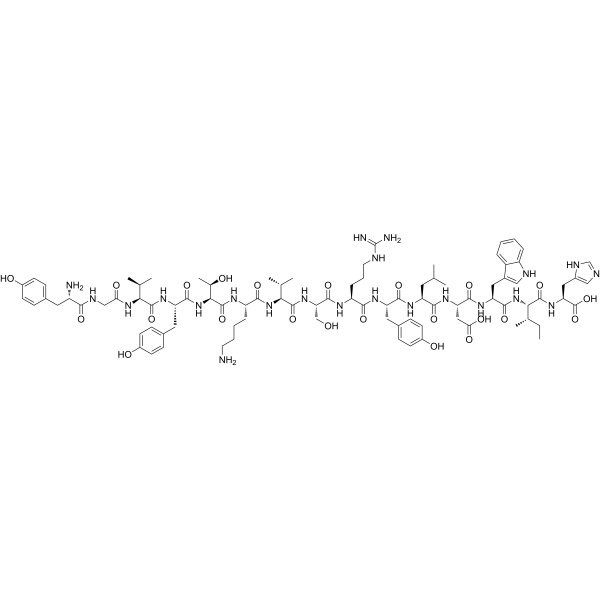
InsB (9-23) (Insulin B chain (9-23)) is an HLA-DQ8-restricted insulin B-chain peptide composed of amino acid residues 9-23. InsB (9-23) serves as a major MHC II class-restricted antigen. InsB (9-23) supports the recognition and activation of T cells, stimulates the secretion of IFN-γ and cytokines, and induces cross-reactive immune responses. InsB (9-23)-specific CD4 T cells can initiate diabetes . InsB (9-23) can be used in research related to type 1 diabetes and autoimmune diabetes .
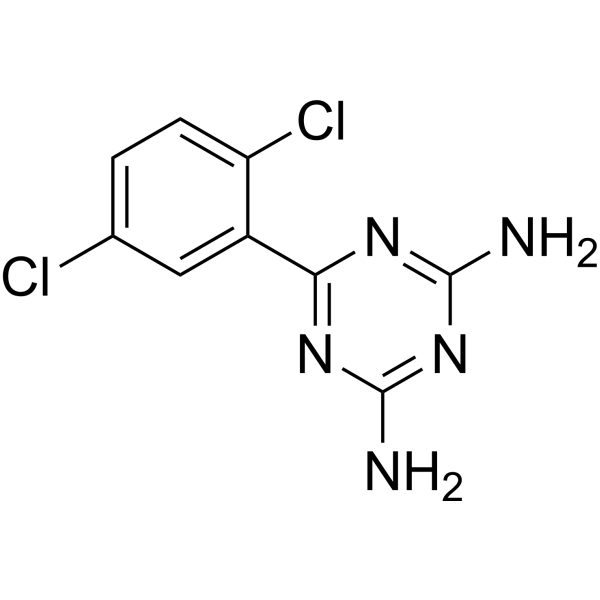
Irsogladine (Dicloguamine) is an orally active gastric mucosal protective agent. Irsogladine inhibits breast cancer recurrence and lung metastasis in nude mice . Irsogladine inhibits the transcriptional activities of NF-κB and AP-1, suppresses the activities of PDE and PDE4 to elevate intracellular cAMP levels, and activates TRPV1 and KATP channels. Irsogladine enhances iNOS expression, NO production, and the activation of cAMP-responsive elements. Irsogladine inhibits the development and progression of intestinal polyps in Apc-mutant mice. Irsogladine alleviates oxidative stress, increases gastric mucosal blood flow, and stimulates the production of endogenous prostaglandins. Irsogladine promotes insulin secretion in MIN6 cells. Irsogladine inhibits tumor angiogenesis, cancer cell proliferation, and the production of proinflammatory cytokines. Irsogladine exerts protective effects on astrocytes in ethanol/hydrochloric acid-induced gastric ulcers in mice. Irsogladine prevents colitis in IL-10 gene-deficient mice by reducing the production of IL-12 and IL-23. Irsogladine upregulates gap junction intercellular communication in pancreatic cancer cells via the PKA pathway. Irsogladine is applicable to research related to breast cancer, intestinal polyposis, gastric ulcer, spontaneous colitis, glioma, liver cancer, and pancreatic cancer [5][6] .
Allophycocyanin (APC Dye) is a light-harvesting protein, containing strongly coupled dimers of chromophores. Allophycocyanin serve as a minimal system to examine photosynthetic energy transfer. Allophycocyanin strongly absorbs far-red light (FRL), and expresses during acclimation to low light, likely associates with chlorophyll a-containing photosystem I .
Cy5-bifunctional dye is a bifunctional dye used for covalent labeling of primary amines on proteins or oligonucleotides (Ex/Em = 649 nm/670 nm). Cy5-bifunctional dye can label recombinant annexin-V to assess phosphatidylserine exposure on the cell surface via flow cytometry. Cy5-bifunctional dye can label anti-human IgG (H + L) secondary antibodies. Cy5-bifunctional dye is applicable to studies of glanders and melioidosis .
Preactivated APC-Cy5.5 Maleimide is a sulfhydryl reactive dye that reacts with free sulfhydryl groups on proteins. Preactivated APC-Cy5.5 Maleimide binds easily to proteins or antibodies, and does not change the spectral characteristics of APC-Cy/YF after activation.
Preactivated PE-Cy5 Maleimide is a sulfhydryl reactive dye that reacts with free sulfhydryl groups on proteins. Preactivated APC-Cy5.5 Maleimide binds easily to proteins or antibodies, and does not change the spectral characteristics of APC-Cy/YF after activation.
SNAP-549 is a DY-549P1-labeled SNAP tag fluorescent probe, specifically designed for single-molecule imaging and dynamic tracking of proteins in living cells. SNAP-549 only labels SNAP-tag fusion proteins, with low background signals and forming irreversible connections, making it suitable for long-term observation .
APC-Cy7 is an APC-tandem fluorochrome (allophycocyanin-cyanine 7) and degradable fluorochrome, with maximum absorption at ~650 nm, peak emission at 767 nm when excited by a 633 nm red laser, and cell-dependent degradation. APC-Cy7 undergoes time-dependent degradation (decoupling) when bound to peripheral blood leukocytes, leading to nonspecific APC channel signal, with degradation cell type-dependent. APC-Cy7 shows reduced degradation when immunolabeled cells have inhibited metabolic activity or are incubated with vitamin C. APC-Cy7 serves as a tandem fluorochrome in multiparametric flow cytometry for detection of leukocyte surface proteins when conjugated to specific antibodies (Ex/Em = 650 nm/778 nm) .
SMCC Activatrd APC is a pre-activated fluorescent labeling reagent (Ex/Em = 652/662 nm) that has been pre-modified with the heterodially crosslinking agent SMCC (HY-42360) using alloxanthin protein (Allophycocyanin, APC).
APC-AF700 is a tandem fluorochrome conjugate for flow cytometry. APC-AF700 can be incorporated into 10-color and 12-color flow cytometry antibody panels (Ex/Em = 633/715 nm) .
APC-Cy5.5 is a tandem dye widely used in flow cytometry. It consists of the energy donor allophycocyanin (APC) and the energy acceptor Cy5.5, and operates via the fluorescence resonance energy transfer mechanism (Ex/Em = 650 nm/690 nm) .
Activated APC-AF750 is a pre-activated dual-color tandem dye for simple and efficient labeling of antibodies or other thiol-containing proteins. It can be used in experiments such as flow cytometry (Ex/Em = 565/780 nm).
XL177A GMP is XL177A (HY-138794) produced by using GMP guidelines. GMP small molecules works appropriately as an auxiliary reagent for cell therapy manufacture. XL177A is a covalent USP7 inhibitor that blocks the deubiquitinase activity of USP7. XL177A destabilizes non-canonical PRC1 complexes or KDM6A and reduces chromatin deposition of H2AK119Ub, thereby relieving the repression of neuronal differentiation programs. Meanwhile, XL177A also regulates the ELOF1-UVSSA-USP7-nuclear β-catenin axis, decreasing the transcription levels of related proteins and the accumulation of nuclear β-catenin. XL177A exerts antiviral effects by reducing the expression levels of coronavirus receptors, and exhibits inhibitory activity against APC-mutated colorectal cancer cells, neuroblastoma, and coronaviruses including SARS-CoV-2 variants. XL177A is mainly used in studies related to colorectal cancer, neuroblastoma, and coronavirus infections .
DLin-KC2-DMA is an ionisable cationic lipid (pKa≈6) that is virtually non-toxic to antigen presenting cells (APCs). DLin-KC2-DMA produces significant siRNA-mediated gene silencing of GAPDH, when binds to lipid nanoparticles (LNP). DLin-KC2-DMA can be used in siRNA delivery studies .
Bovine Serum Albumin-APC (BSA-APC) is a biochemical reagent that can be used as a biological material or organic compound for life science related research .
NP-APC (Allophycocyanin) is a conjugate that links NP (a hapten) and APC (fluorescent protein) together. NP-APC (Allophycocyanin) is used in immunological research as a tool for specifically labeling cells and antibodies (Ex/Em = 650/660 nm).
XL177A GMP is XL177A (HY-138794) produced by using GMP guidelines. GMP small molecules works appropriately as an auxiliary reagent for cell therapy manufacture. XL177A is a covalent USP7 inhibitor that blocks the deubiquitinase activity of USP7. XL177A destabilizes non-canonical PRC1 complexes or KDM6A and reduces chromatin deposition of H2AK119Ub, thereby relieving the repression of neuronal differentiation programs. Meanwhile, XL177A also regulates the ELOF1-UVSSA-USP7-nuclear β-catenin axis, decreasing the transcription levels of related proteins and the accumulation of nuclear β-catenin. XL177A exerts antiviral effects by reducing the expression levels of coronavirus receptors, and exhibits inhibitory activity against APC-mutated colorectal cancer cells, neuroblastoma, and coronaviruses including SARS-CoV-2 variants. XL177A is mainly used in studies related to colorectal cancer, neuroblastoma, and coronavirus infections .
Ac2-26 is the N-terminal peptide of annexin 1, and has anti-inflammatory activity. Ac2-26 induces a decrease in IKKβ protein in lysosomes by chaperone-mediated autophagy (CMA). Ac2-26 ameliorates lung ischemia-reperfusion injury. Ac2-26 also inhibits airway inflammation and hyperresponsiveness in an asthma rat model .
Zolucatetide (FOG-001;I-66) is a potent β-catenin inhibitor with an IC50 of <50 nM. Zolucatetide can inhibits β-catenin and T-cell factor (TCF) transcription factor interaction. Zolucatetide inhibits cell proliferation and induces cell cycle arrest in target cells. Zolucatetide exhibits anti-tumor efficacy in mice bearing COLO320DM colon cancer cell (with APC, TP53 mutations) xenografts. Zolucatetide can be used for the study of colon cancer .
LCKLSL is a N-terminal hexapeptide and a competitive annexin A2 (AnxA2) inhibitor. LCKLSL potently inhibits the binding of tissue plasminogen activator (tPA) to AnxA2. LCKLSL also inhibits the generation of plasmin and has anti-angiogenic roles .
InsB (9-23) (Insulin B chain (9-23)) is an HLA-DQ8-restricted insulin B-chain peptide composed of amino acid residues 9-23. InsB (9-23) serves as a major MHC II class-restricted antigen. InsB (9-23) supports the recognition and activation of T cells, stimulates the secretion of IFN-γ and cytokines, and induces cross-reactive immune responses. InsB (9-23)-specific CD4 T cells can initiate diabetes . InsB (9-23) can be used in research related to type 1 diabetes and autoimmune diabetes .
LCKLSL hydrochloride is a N-terminal hexapeptide and a competitive annexin A2 (AnxA2) inhibitor. LCKLSL hydrochloride potently inhibits the binding of tissue plasminogen activator (tPA) to AnxA2. LCKLSL hydrochloride also inhibits the generation of plasmin and has anti-angiogenic roles .
Ac2-26 TFA is the N-terminal peptide of annexin 1, and has anti-inflammatory activity. Ac2-26 induces a decrease in IKKβ protein in lysosomes by chaperone-mediated autophagy (CMA). Ac2-26 ameliorates lung ischemia-reperfusion injury. Ac2-26 also inhibits airway inflammation and hyperresponsiveness in an asthma rat model .
Activated Protein C (390-404), human is a polypeptide fragment of vitamin K-dependent serine protease activated protein C (APC), which inhibits the anticoagulant activity of APC. Activated Protein C (390-404), human inhibits APC-catalyzed inactivation of factor Va .
Ac2-26 ammonium is the N-terminal peptide of annexin 1, and has anti-inflammatory activity. Ac2-26 ammonium induces a decrease in IKKβ protein in lysosomes by chaperone-mediated autophagy (CMA). Ac2-26 ammonium ameliorates lung ischemia-reperfusion injury. Ac2-26 ammonium also inhibits airway inflammation and hyperresponsiveness in an asthma rat model .
Ac2-26 (mouse) is the N-terminal active peptide of Annexin A1 (AnxA1). Ac2-26 (mouse) regulates the inflammatory response by modulating the formyl peptide receptor (FPR) signaling pathway. Ac2-26 (mouse) can promote the release of chemokines and inhibit the production of ROS. Ac2-26 (mouse) can be used for the research of inflammation, such as rheumatoid arthritis .
MAIT-203 acetate is a cyclopentyalanin-derived peptidomimetic, potently inhibits the interaction of adenomatous polyposis coli (APC) and Asef (RhoGEF4), but not APC-Sam68 or APC-striatin interactions. MAIT-203 acetate binds APC-ARM with a Ki value of 0.015 μM and aKd value of 0.036 μM. MAIT-203 acetate significantly represses the migration and invasion of colorectal cancer cells .
MAIT-203, a cyclopentyalanin-derived peptidomimetic, potently inhibits the interaction of adenomatous polyposis coli (APC) and Asef (RhoGEF4), but not APC-Sam68 or APC-striatin interactions. MAIT-203 binds APC-ARM with a Ki of 0.015 μM and a Kd of 0.036 μM. MAIT-203 significantly represses the migration and invasion of colorectal cancer cells.
Ac9-25 TFA, a N-terminal peptide of Annexin I, acts as a formyl peptide receptor (FPR) agonist and activates the neutrophil NADPH oxidase through FPR .
Ac2-12, an annexin/lipocortin 1 (LC1)-mimetic peptide, inhibit neutrophil extravasation. Ac2-12 has antimigratory action and inhibits recruitment of neutrophils in experimental inflammation models .
Ac2-12 TFA, an annexin/lipocortin 1 (LC1)-mimetic peptide, inhibit neutrophil extravasation. Ac2-12 TFA has antimigratory action and inhibits recruitment of neutrophils in experimental inflammation models .
Activated Protein C (390-404), human TFA, a peptide of the activated protein C (a vitamin K-dependent serine protease), potently inhibits APC anticoagulant activity .
MCE Annexin V-FITC/PI Apoptosis Detection Kit provides a rapid and convenient method to detect cell apoptosis and necrosis. After staining, live cells show little or no fluorescence (Annexin V-/PI-), early apoptosis cells show green fluorescence(Annexin V+/PI-), late apoptosis cells and necrosis cells show red and green fluorescence (Annexin V+/PI+).
MCE Annexin V-iFluor 488/PI Apoptosis Detection Kit provides a rapid and convenient method to detect cell apoptosis and necrosis. After staining, live cells show little or no fluorescence (Annexin V-/PI-),, early apoptosis cells show green fluorescence (Annexin V+/PI-), late apoptosis cells and necrosis cells show red and green fluorescence (Annexin V+/PI+).
Annexin V-mCherry Apoptosis Detection Kit provides a rapid and convenient method to detect cell apoptosis and necrosis. After staining, live cells show little or no fluorescence, apoptosis cells and necrosis cells show red fluorescence.
MCE Annexin V-PE Apoptosis Detection Kit provides a rapid and convenient method to detect cell apoptosis and necrosis. After staining, live cells show little or no fluorescence, apoptosis cells and necrosis cells show red fluorescence.
Annexin V-mCherry/SYTOX Green Apoptosis Detection Kit provides a rapid and convenient method to detect cell apoptosis and necrosis. After staining, live cells show little or no fluorescence, apoptosis cells show red fluorescence, necrosis cells show red and green fluorescence.
Cifurtilimab (SEA-CD40) is an agonistic nonfucosylated, human IgG1 monoclonal antibody directed against CD40. Cifurtilimab shows antitumor activities .
Anti-VISTA Antibody (GG8) reacts with human VISTA. Endogenous VISTA has inhibitory effects both as a ligand on APCs and as a receptor on T cells. Recommend Isotype Controls: Mouse IgG1 kappa, Isotype Control (HY-P99977) .
QS-21-Api, an immunostimulatory saponin, could be used as a potent vaccine adjuvant. QS-21-Api stimulates Th2 humoral and Th1 cell-mediated immune responses through action on antigen presenting cells (APCs) and T cells. QS-21-Api can activate the NLRP3 inflammasome with subsequent release of caspase-1 dependent cytokines, IL-1β and IL-18 .
Annexin A13/ANXA13 protein has a high affinity for folic acid and can bind to reduced folic acid derivatives to promote the transport of 5-methyltetrahydrofolate and folic acid analogs into cells. After endocytosis, the FOLR1 protein undergoes conformational changes when exposed to slightly acidic pH, resulting in a significant reduction in its affinity for folate and subsequent release. Annexin A13/ANXA13 Protein, Dog (P.pastoris, His) is the recombinant dog-derived Annexin A13/ANXA13 protein, expressed by P. pastoris , with N-His labeled tag.
The Annexin A4/ANXA4 protein is a calcium/phospholipid-binding protein that plays a key role in membrane dynamics by promoting membrane fusion and exocytosis. This protein exhibits specific affinity for calcium ions and phospholipids, allowing it to participate in cellular processes involving membrane interactions. Annexin A4/ANXA4 Protein, Mouse (His-Myc) is the recombinant mouse-derived Annexin A4/ANXA4 protein, expressed by E. coli , with N-10*His, C-Myc labeled tag.
The annexin A8 (ANXA8) protein acts as an anticoagulant, indirectly inhibiting the thromboplastin-specific complex in the coagulation cascade. Its regulatory role underscores its importance in regulating key components of the coagulation pathway, highlighting its potential to influence the delicate balance between pro- and anticoagulant factors. Annexin A8/ANXA8 Protein, Human (His) is the recombinant human-derived Annexin A8/ANXA8 protein, expressed by E. coli , with N-6*His labeled tag.
The APC protein is a multifaceted tumor suppressor that rapidly degrades CTNNB1 and acts as a negative regulator in the Wnt pathway. Its phosphorylation status intricately affects activity. APC Protein, Human (His) is the recombinant human-derived APC protein, expressed by E. coli , with N-6*His labeled tag.
Annexin A1 (ANXA1) plays multifaceted roles in innate and adaptive immune responses. It acts as an effector of glucocorticoid-mediated responses, downregulating early inflammation. Annexin A1/ANXA1 Protein, Cynomolgus (His) is the recombinant cynomolgus-derived Annexin A1/ANXA1 protein, expressed by E. coli , with C-His labeled tag.
The annexin A5 (ANXA5) protein acts as an anticoagulant, indirectly inhibiting the thromboplastin-specific complex, which is critical in the coagulation cascade. As a monomer, ANXA5 plays a key role in regulating the coagulation pathway, affecting the delicate balance between pro- and anti-coagulant factors. Annexin A5/ANXA5 Protein, Mouse (His, Myc) is the recombinant mouse-derived Annexin A5/ANXA5 protein, expressed by E. coli , with N-10*His, C-Myc labeled tag.
Annexin A2/ANXA2 Protein, Human is a 38kDa multifunctional protein which belongs to the annexin family. Annexin A2 is important for the regulation in the cellular growth and in signal transduction pathways. Annexin A2 also can be used as an autocrine factor that can heighten osteoclast formation and bone resorption.
Annexin A1 Protein, Human is an approximately 34.0 kDa Annexin A1 protein expressed by the E. coli system. Annexin A1 is a Ca2+-dependent phospholipid binding protein and has inhibitory effects on phospholipase A2 (PLA2).
Annexin A13 Protein, Human is a 35-kDa multifunctional protein which belongs to the annexin family. Annexin A13 is highly expressed in the digestive system and may plays a role in apoptotic cell-mediated immunosuppression, hypertension, and cell death recognition. Annexin A13 can be used as biomarker in CRC biomarker in colorectal cancer (CRC).
Annexin A3 Protein, Human is a 37 kDa endogenous and secretory multifunctional protein which belongs to the annexin family. Annexin A13 is highly expressed in various carcinomas cells. Human Annexin A3 can promote aggressive cancer and stem cell-like properties and can be used as a useful predictive biomarker in HCC.
Annexin A7 Protein, Human is a 51 kDa multifunctional protein which belongs to the the group A annexin family and contains an extraordinarily long amino terminus. Annexin A7 is a membrane binding protein with diverse properties including voltage sensitive calcium channel activity, ion selectivity and membrane fusion.
Annexin A10/ANXA10 Protein, Human is a 28-35 kDa Annexin A10 protein expressed by E. coli system. Annexin A10 is a Ca2+-dependent phospholipid binding protein ad plays a role in the regulation of cellular growth and in signal transduction pathways.
Annexin A1 (ANXA1) plays multifaceted roles in innate and adaptive immune responses.It acts as an effector of glucocorticoid-mediated responses, downregulating early inflammation.Annexin A1/ANXA1 Protein, Mouse (His) is the recombinant mouse-derived Annexin A1/ANXA1 protein, expressed by E.coli , with N-6*His labeled tag.
Annexin A6 Protein, Human (His) is a Annexin A6 protein fused to His-tag at N-terminus. Annexin A6 is an endogenous and secretory multifunctional protein and locates on the cell surface. Annexin A6 can be used for the study in mediating the endosome aggregation and vesicle fusion during exocytosis.
Annexin A1 (ANXA1) plays multifaceted roles in innate and adaptive immune responses.It acts as an effector of glucocorticoid-mediated responses, downregulating early inflammation.Annexin A1/ANXA1 Protein, Mouse (P.pastoris, His) is the recombinant mouse-derived Annexin A1/ANXA1 protein, expressed by P.pastoris , with N-His labeled tag.
Annexin A5 Protein, Human is a 35 kDa multifunctional protein which belongs to the annexin family. Annexin A5 induces in vitro fusion and aggregation of vesicles in a Ca2+- and acidic-pH-dependent manner.Annexin A5 is accepted as an early marker of apoptosis. Annexin A5 has anti-thrombotic and anti-microbial properties.
Annexin A5 Protein, Human is a 35 kDa multifunctional protein which belongs to the annexin family. Annexin A5 induces in vitro fusion and aggregation of vesicles in a Ca2+- and acidic-pH-dependent manner.Annexin A5 is accepted as an early marker of apoptosis. Annexin A5 has anti-thrombotic and anti-microbial properties.
Annexin A5 Protein, Human is a 35 kDa multifunctional protein which belongs to the annexin family. Annexin A5 induces in vitro fusion and aggregation of vesicles in a Ca2+- and acidic-pH-dependent manner. Annexin A5 is accepted as an early marker of apoptosis. Annexin A5 has anti-thrombotic and anti-microbial properties. Annexin A5/ANXA5 Protein, Human (Biotinylated, His-Avi) is a recombinant biotinylated Annexin A5 protein expressed by E.coli and tagged with His-Avi.
Annexin A2/ANXA2 protein is a calcium-regulated membrane-binding protein that binds two calcium ions. Annexin A2/ANXA2 Protein, Mouse (His) is the recombinant mouse-derived Annexin A2/ANXA2 protein, expressed by E. coli , with N-His labeled tag.
Factor XIV/PROC protein (or protein C) is an important vitamin K-dependent serine protease that regulates blood clotting.Protein C plays a crucial role in inactivating factors Va and VIIIa and regulating the coagulation cascade in the presence of calcium ions and phospholipids.Coagulation Factor XIV/PROC Protein, Mouse (HEK293, His) is the recombinant mouse-derived Coagulation Factor XIV/PROC protein, expressed by HEK293 , with C-His labeled tag.
Coagulation Factor XIV/PROC is a vital vitamin K-dependent serine protease regulating blood coagulation. Active Protein C inactivates factors Va and VIIIa in the presence of calcium ions and phospholipids, maintaining the intricate balance of coagulation pathways. Its protective effect on endothelial cell barrier function underscores a broader impact on vascular integrity. Coagulation Factor XIV/PROC Protein, Human (HEK293, His) is the recombinant human-derived Coagulation Factor XIV/PROC protein, expressed by HEK293 , with C-His labeled tag. The total length of Coagulation Factor XIV/PROC Protein, Human (HEK293, His) is 443 a.a., with molecular weight of 56-64 & 45 kDa, respectively.
Annexin A5 (ANXA5) protein acts as an anticoagulant, indirectly inhibiting the thromboplastin-specific complex in the coagulation cascade. ANXA5 exists as a monomer and its role is not limited to coagulation regulation, but also has binding interactions involving ATRX and EIF5B, suggesting its involvement in a variety of cells. Animal-Free Annexin A5/ANXA5 Protein, Human (His) is the recombinant human-derived animal-FreeAnnexin A5/ANXA5 protein, expressed by E. coli , with C-His labeled tag. This product is for cell culture use only.
EPCR Protein binds activated protein C, enhancing its activation by the thrombin-thrombomodulin complex, and is pivotal in the protein C pathway, regulating blood coagulation. EPCR Protein, Human (HEK293, His) is the recombinant human-derived EPCR protein, expressed by HEK293 , with C-6*His labeled tag.
EPCR Protein plays a pivotal role in blood coagulation by binding to and enhancing the activation of protein C through interaction with the thrombin-thrombomodulin complex. Its significance lies in regulating coagulation processes and modulating protein C activation, a crucial factor in anticoagulant mechanisms. EPCR Protein, Cynomolgus (HEK293, His) is the recombinant cynomolgus-derived EPCR protein, expressed by HEK293 , with C-His labeled tag.
EPCR Protein plays a pivotal role in blood coagulation by binding to and enhancing the activation of protein C through interaction with the thrombin-thrombomodulin complex. Its significance lies in regulating coagulation processes and modulating protein C activation, a crucial factor in anticoagulant mechanisms. EPCR Protein, Cynomolgus (HEK293, Fc) is the recombinant cynomolgus-derived EPCR protein, expressed by HEK293 , with C-hFc labeled tag.
TNF-α/TNFSF2 protein is a cytokine that binds to TNFRSF1A/TNFR1 and TNFRSF1B/TNFBR. It is mainly secreted by macrophages and has multiple biological functions. It has the ability to induce cell death in specific tumor cell lines, serves as a potent pyrogen, can cause fever through direct action or stimulation of interleukin-1 secretion, and is involved in the induction of cachexia. Animal-Free TNF-alpha/TNFSF2 Protein, Pig (His) is the recombinant pig-derived animal-FreeTNF-alpha/TNFSF2 protein, expressed by E. coli , with C-His labeled tag. This product is for cell culture use only.
Tumour Necrosis Factor alpha (TNF alpha) is a potent pro-inflammatory cytokine. TNF alpha binds to its receptors, mainly TNFR1 and TNFR2, and then transmits molecular signals for biological functions such as inflammation and cell death. TNF alpha stimulates NF-κB pathway via TNFR2 promotes cancer growth, invasion, and metastasis. Anti-TNF-α MAb significantly suppresses the tumor development in colitis-associated cancer (CAC) mouse. TNF alpha as a proneurogenic factor activates the SAPK/JNK Pathway and can facilitate neuronal replacement and brain repair in response to brain injury. TNF-alpha/TNFSF2 Protein, Human (HEK293, His-Avi) is a recombinant protein with a C-Terminal Avi and a His label, It consists of 157 amino acids (V77-L233) and is produced in HEK293 cells.
The hemagglutinin (HA) protein attaches viral particles to host cells by binding to sialic acid-containing receptors and induces viral particle internalization through clathrin-dependent endocytosis.HA also promotes an alternative clathrin- and caveolin-independent pathway for some virions.HA/Hemagglutinin Protein, H1N1 (APC57869, sf9, His) is the recombinant Virus-derived HA/Hemagglutinin protein, expressed by Sf9 insect cells , with C-His labeled tag.
The hemagglutinin (HA) protein attaches viral particles to host cells by binding to sialic acid-containing receptors and induces viral particle internalization through clathrin-dependent endocytosis.HA also promotes an alternative clathrin- and caveolin-independent pathway for some virions.HA/Hemagglutinin Protein, H1N1 (APC57869, HEK293, His) is the recombinant Virus-derived HA/Hemagglutinin protein, expressed by HEK293 , with C-His labeled tag.
Tumour Necrosis Factor alpha (TNF alpha) is a potent pro-inflammatory cytokine. TNF alpha binds to its receptors, mainly TNFR1 and TNFR2, and then transmits molecular signals for biological functions such as inflammation and cell death. TNF alpha stimulates NF-κB pathway via TNFR2 promotes cancer growth, invasion, and metastasis. Anti-TNF-α MAb significantly suppresses the tumor development in colitis-associated cancer (CAC) mouse. TNF alpha as a proneurogenic factor activates the SAPK/JNK Pathway and can facilitate neuronal replacement and brain repair in response to brain injury. TNF-alpha/TNFSF2 Protein, Human (Biotinylated, HEK293, His-Avi) is a biotinylated recombinant protein with C-Terminal Avi and His label, It consists of 157 amino acids (V77-L233) and is produced in HEK293 cells.
RPR121056-d3 is the deuterium labeled RPR121056. RPR121056 is a metabolite of Irinotecan (HY-16562), which is generated by CYP3A4. Irinotecan (CPT-11) is an antineoplastic agent that inhibits topoisomerase type I, causing cell death, and is widely used in the study of colorectal cancer. Irinotecan also directly inhibits AChE .
Annexin A2; Annexin II; Annexin-2; Calpactin I heavy chain; Calpactin-1 heavy chain; Chromobindin-8; Lipocortin II; Placental anticoagulant protein IV; PAP-IV; Protein I; p36;
WB, ICC/IF, ELISA
Human, Mouse, Rat
Annexin-2/ANXA2 Antibody (YA5571) is a Mouse-derived and non-conjugated IgG3 monoclonal antibody, targeting to Annexin-2/ANXA2.
Normal Chicken IgY Isotype Control Antibody (APC) is a APC conjugated and Chicken origined monoclonal antibody, It can be used as an Chicken IgY isotype control.
Normal Goat IgG Isotype Control Antibody (APC) is a APC conjugated and Goat origined monoclonal antibody, It can be used as an Goat IgG isotype control.
Normal Mouse IgG Isotype Control Antibody (APC) is a APC conjugated and Mouse origined monoclonal antibody, It can be used as an Mouse IgG isotype control.
Normal Rabbit IgG Isotype Control Antibody (APC) is a APC conjugated and Rabbit origined monoclonal antibody, It can be used as an Rabbit IgG isotype control.
APC-conjugated Goat Anti-Rabbit IgG H&L is an APC-conjugated, Goat-derived anti-Rabbit antibody. APC-conjugated Goat Anti-Rabbit IgG H&L conjugates the light and heavy chains of mouse IgG antibodies.
APC-conjugated Goat Anti-Mouse IgG H&L is an APC-conjugated, Goat-derived anti-Mouse antibody. APC-conjugated Goat Anti-Mouse IgG H&L conjugates the light and heavy chains of mouse IgG antibodies.
APC-conjugated Goat Anti-Human IgG H&L is an APC-conjugated, Goat-derived anti-Human antibody. APC-conjugated Goat Anti-Human IgG H&L conjugates the light and heavy chains of mouse IgG antibodies.
APC-conjugated Donkey Anti-Rabbit IgG H&L is an APC-conjugated, Donkey-derived anti-RabbitIgG antibody. APC-conjugated Donkey Anti-Rabbit IgG H&L conjugates the light and heavy chains of mouse IgG antibodies.
APC-conjugated Goat Anti-Rat IgG H&L is an APC-conjugated, Goat-derived anti-RatIgG antibody. APC-conjugated Goat Anti-Rat IgG H&L conjugates the light and heavy chains of mouse IgG antibodies.
APC-conjugated Rabbit Anti-Rat IgG H&L is an APC-conjugated, Rabbit-derived anti-RatIgG antibody. APC-conjugated Rabbit Anti-Rat IgG H&L conjugates the light and heavy chains of mouse IgG antibodies.
APC-conjugated Goat Anti-Chicken IgY H&L is an APC-conjugated, Goat-derived anti-ChickenIgG antibody. APC-conjugated Goat Anti-Chicken IgY H&L conjugates the light and heavy chains of mouse IgG antibodies.
APC-conjugated Donkey Anti-Goat IgG H&L is an APC-conjugated, Donkey-derived anti-Goat antibody. APC-conjugated Donkey Anti-Goat IgG H&L conjugates the light and heavy chains of mouse IgG antibodies.
APC-conjugated Rabbit Anti-Goat IgG H&L is an APC-conjugated, Rabbit-derived anti-Goat antibody. APC-conjugated Rabbit Anti-Goat IgG H&L conjugates the light and heavy chains of mouse IgG antibodies.
APC-conjugated Mouse Anti-Human IgG H&L is an APC-conjugated, Mouse-derived anti-HumanIgG antibody. APC-conjugated Mouse Anti-Human IgG H&L conjugates the light and heavy chains of mouse IgG antibodies.
Mouse IgA Isotype Control Antibody (APC) (YA8863) is a APC conjugated and Mouse origined monoclonal antibody, It can be used as an Mouse IgA isotype control.
Normal Guinea pig IgG Isotype Control Antibody (APC) is a APC conjugated and Guinea pig origined monoclonal antibody, It can be used as an Guinea pig IgG isotype control.
Rabbit IgG Isotype Control Antibody (APC) (YA8865) is a APC conjugated and Rabbit origined monoclonal antibody, It can be used as an Rabbit IgG isotype control.
Mouse IgG1 Isotype Control Antibody (APC) (YA8865) is a APC conjugated and Mouse origined monoclonal antibody, It can be used as an Mouse IgG1 isotype control.
Rat IgG1 Isotype Control Antibody (APC) (YA8865) is a APC conjugated and Rat origined monoclonal antibody, It can be used as an Rat IgG1 isotype control.
Rat IgM, kappa Isotype Control Antibody (APC) (YA8875) is a APC conjugated and Rat origined monoclonal antibody, It can be used as an Rat IgM, kappa isotype control.
Mouse IgG1, kappa Isotype Control Antibody (APC) (YA8866) is a APC conjugated and Mouse origined monoclonal antibody, It can be used as an Mouse IgG1, kappa isotype control.
Mouse IgG2a Isotype Control Antibody (APC) (YA8867) is a APC conjugated and Mouse origined monoclonal antibody, It can be used as an Mouse IgG2A isotype control.
Mouse IgG2C Isotype Control Antibody (APC) (YA8865) is a APC conjugated and Mouse origined monoclonal antibody, It can be used as an Mouse IgG2C isotype control.
Mouse IgG3, kappa Isotype Control Antibody (APC) (YA8870) is a APC conjugated and Mouse origined monoclonal antibody, It can be used as an Mouse IgG3, kappa isotype control.
Rat IgG1, kappa Isotype Control Antibody (APC) (YA8872) is a APC conjugated and Rat origined monoclonal antibody, It can be used as an Rat IgG1, kappa isotype control.
Rat IgG2a Isotype Control Antibody (APC) (YA8871) is a APC conjugated and Rat origined monoclonal antibody, It can be used as an Rat IgG2a isotype control.
Mouse IgG2b, kappa Isotype Control Antibody (APC) (YA8868) is a APC conjugated and Mouse origined monoclonal antibody, It can be used as an Mouse IgG2b, kappa isotype control.
Rat IgG2a, kappa Isotype Control Antibody (APC) (YA8873) is a APC conjugated and Rat origined monoclonal antibody, It can be used as an Rat IgG2a, kappa isotype control.
Rat IgG2b, kappa Isotype Control Antibody (APC) (YA8874) is a APC conjugated and Rat origined monoclonal antibody, It can be used as an Rat IgG2b, kappa isotype control.
PY-PAP is a photoactivatable affinity probe and a derivative of PY-60 (HY-141644). PY-PAP retains the cellular function of activating YAP transcriptional activity. In 293A cells, PY-PAP can label cathepsin D (CTSD) and annexin A2 (ANXA2) through ultraviolet crosslinking and click reactions. PY-PAP plays a key role in identifying ANXA2 as the specific target of PY-60 .
AP-C5 displays selective inhibition of guanosine 3′,5′-cyclic monophosphate (cGMP)-dependent protein kinase II (cGKII) with a pIC50 of 7.2, which can be used for the research of diarrheal disease . AP-C5 is a click chemistry reagent, it contains an Alkyne group and can undergo copper-catalyzed azide-alkyne cycloaddition (CuAAc) with molecules containing Azide groups.
DLin-KC2-DMA is an ionisable cationic lipid (pKa≈6) that is virtually non-toxic to antigen presenting cells (APCs). DLin-KC2-DMA produces significant siRNA-mediated gene silencing of GAPDH, when binds to lipid nanoparticles (LNP). DLin-KC2-DMA can be used in siRNA delivery studies .
A2-Iso5-2DC18 is a dihydroimidazole-linked lipid, served as potent mRNA delivery vehicle. A2-Iso5-2DC18 can be used for antitumor research, including B16F10 melanoma. .
APC Human Pre-designed siRNA Set A contains three designed siRNAs for APC gene (Human), as well as a negative control, a positive control, and a FAM-labeled negative control.
Apc Mouse Pre-designed siRNA Set A contains three designed siRNAs for Apc gene (Mouse), as well as a negative control, a positive control, and a FAM-labeled negative control.
Apc Rat Pre-designed siRNA Set A contains three designed siRNAs for Apc gene (Rat), as well as a negative control, a positive control, and a FAM-labeled negative control.
APC2 Human Pre-designed siRNA Set A contains three designed siRNAs for APC2 gene (Human), as well as a negative control, a positive control, and a FAM-labeled negative control.
Protein C aptamer sodium is a 44mer-DNA aptamer that the anticoagulant functions of activated protein C. Activated protein C (APC) is a serine protease with anticoagulant, anti-inflammatory, and cytoprotective properties.
HS105 is a vaccine adjuvant and a key component in vaccines. Adjuvants can be divided into immunostimulants and delivery systems. Adjuvants can not only enhance the intensity and durability of immune responses, but also affect the type of immune responses. On the one hand, immunostimulants promote the production of antigen signals and co-stimulatory signals by targeting Toll-like receptors (TLRs) and other pattern recognition receptors (PRRs), leading to the maturation and activation of antigen presenting cells (APCs), thereby enhancing adaptive immune responses; on the other hand, delivery systems are carrier materials that promote antigen delivery by prolonging the bioavailability of loaded antigens and targeting antigens to lymph nodes or APCs. Several common adjuvants include: saponins, TLRs agonists, polysaccharides, nanoparticles, cytokines, and mucosal adjuvants .
APCS Human Pre-designed siRNA Set A contains three designed siRNAs for APCS gene (Human), as well as a negative control, a positive control, and a FAM-labeled negative control.
Apcs Mouse Pre-designed siRNA Set A contains three designed siRNAs for Apcs gene (Mouse), as well as a negative control, a positive control, and a FAM-labeled negative control.
Apcs Rat Pre-designed siRNA Set A contains three designed siRNAs for Apcs gene (Rat), as well as a negative control, a positive control, and a FAM-labeled negative control.
HS101 is a vaccine adjuvant and a key component in vaccines. Adjuvants can be divided into immunostimulants and delivery systems. Adjuvants can not only enhance the intensity and durability of immune responses, but also affect the type of immune responses. On the one hand, immunostimulants promote the production of antigen signals and co-stimulatory signals by targeting Toll-like receptors (TLRs) and other pattern recognition receptors (PRRs), leading to the maturation and activation of antigen presenting cells (APCs), thereby enhancing adaptive immune responses; on the other hand, delivery systems are carrier materials that promote antigen delivery by prolonging the bioavailability of loaded antigens and targeting antigens to lymph nodes or APCs. Several common adjuvants include: saponins, TLRs agonists, polysaccharides, nanoparticles, cytokines, and mucosal adjuvants .
HS103 is a vaccine adjuvant and a key component in vaccines. Adjuvants can be divided into immunostimulants and delivery systems. Adjuvants can not only enhance the intensity and durability of immune responses, but also affect the type of immune responses. On the one hand, immunostimulants promote the production of antigen signals and co-stimulatory signals by targeting Toll-like receptors (TLRs) and other pattern recognition receptors (PRRs), leading to the maturation and activation of antigen presenting cells (APCs), thereby enhancing adaptive immune responses; on the other hand, delivery systems are carrier materials that promote antigen delivery by prolonging the bioavailability of loaded antigens and targeting antigens to lymph nodes or APCs. Several common adjuvants include: saponins, TLRs agonists, polysaccharides, nanoparticles, cytokines, and mucosal adjuvants .
XL177A GMP is XL177A (HY-138794) produced by using GMP guidelines. GMP small molecules works appropriately as an auxiliary reagent for cell therapy manufacture. XL177A is a covalent USP7 inhibitor that blocks the deubiquitinase activity of USP7. XL177A destabilizes non-canonical PRC1 complexes or KDM6A and reduces chromatin deposition of H2AK119Ub, thereby relieving the repression of neuronal differentiation programs. Meanwhile, XL177A also regulates the ELOF1-UVSSA-USP7-nuclear β-catenin axis, decreasing the transcription levels of related proteins and the accumulation of nuclear β-catenin. XL177A exerts antiviral effects by reducing the expression levels of coronavirus receptors, and exhibits inhibitory activity against APC-mutated colorectal cancer cells, neuroblastoma, and coronaviruses including SARS-CoV-2 variants. XL177A is mainly used in studies related to colorectal cancer, neuroblastoma, and coronavirus infections .
Inquiry Online
Your information is safe with us. * Required Fields.
Western blot analysis of extracts from THP-1(lane 2(20μg), Jurkat (lane 3(20μg) and NIH3T3(lane 4(20μg) using FOXO1A (HY-P80132) Rabbit mAb. Proteins were transferred
to a PVDF membrane and blocked with 5% non-fat milk in TBST for 2 hour at room temperature. The primary antibody (1/1000) and Loading control antibody (Beta Actin, HY-P80438, 1/10000) was
used in 5% non-fat milk in TBST at 4°C overnight. Goat Anti-Mouse/Rabbit IgG-HRP Secondary Antibody (1/10000) was used for 1 hour at room temperature.
Western blot analysis of extracts from THP-1(lane 2(20μg), Jurkat (lane 3(20μg) and NIH3T3(lane 4(20μg) using FOXO1A (HY-P80132) Rabbit mAb. Proteins were transferred
to a PVDF membrane and blocked with 5% non-fat milk in TBST for 2 hour at room temperature. The primary antibody (1/1000) and Loading control antibody (Beta Actin, HY-P80438, 1/10000) was
used in 5% non-fat milk in TBST at 4°C overnight. Goat Anti-Mouse/Rabbit IgG-HRP Secondary Antibody (1/10000) was used for 1 hour at room temperature.
Western blot analysis of extracts from THP-1(lane 2(20μg), Jurkat (lane 3(20μg) and NIH3T3(lane 4(20μg) using FOXO1A (HY-P80132) Rabbit mAb. Proteins were transferred
to a PVDF membrane and blocked with 5% non-fat milk in TBST for 2 hour at room temperature. The primary antibody (1/1000) and Loading control antibody (Beta Actin, HY-P80438, 1/10000) was
used in 5% non-fat milk in TBST at 4°C overnight. Goat Anti-Mouse/Rabbit IgG-HRP Secondary Antibody (1/10000) was used for 1 hour at room temperature.
Western blot analysis of extracts from THP-1(lane 2(20μg), Jurkat (lane 3(20μg) and NIH3T3(lane 4(20μg) using FOXO1A (HY-P80132) Rabbit mAb. Proteins were transferred
to a PVDF membrane and blocked with 5% non-fat milk in TBST for 2 hour at room temperature. The primary antibody (1/1000) and Loading control antibody (Beta Actin, HY-P80438, 1/10000) was
MedchemExpress Validation 03
Western blot analysis of extracts from THP-1(lane 2(20μg), Jurkat (lane 3(20μg) and NIH3T3(lane 4(20μg) using FOXO1A (HY-P80132) Rabbit mAb. Proteins were transferred
MedchemExpress Validation 04
Western blot analysis of extracts from THP-1(lane 2(20μg), Jurkat (lane 3(20μg) and NIH3T3(lane 4(20μg) using FOXO1A (HY-P80132) Rabbit mAb. Proteins were transferred
to a PVDF membrane and blocked with 5% non-fat milk in TBST for 2 hour at room temperature. The primary antibody (1/1000) and Loading control antibody (Beta Actin, HY-P80438, 1/10000) was
used in 5% non-fat milk in TBST at 4°C overnight. Goat Anti-Mouse/Rabbit IgG-HRP Secondary Antibody (1/10000) was used for 1 hour at room temperature.
MedchemExpress Validation
Western blot analysis of extracts from THP-1(lane 2(20μg), Jurkat (lane 3(20μg) and NIH3T3(lane 4(20μg) using FOXO1A (HY-P80132) Rabbit mAb. Proteins were transferred
to a PVDF membrane and blocked with 5% non-fat milk in TBST for 2 hour at room temperature. The primary antibody (1/1000) and Loading control antibody (Beta Actin, HY-P80438, 1/10000) was
used in 5% non-fat milk in TBST at 4°C overnight. Goat Anti-Mouse/Rabbit IgG-HRP Secondary Antibody (1/10000) was used for 1 hour at room temperature.
Western blot analysis of extracts from THP-1(lane 2(20μg), Jurkat (lane 3(20μg) and NIH3T3(lane 4(20μg) using FOXO1A (HY-P80132) Rabbit mAb. Proteins were transferred
to a PVDF membrane and blocked with 5% non-fat milk in TBST for 2 hour at room temperature. The primary antibody (1/1000) and Loading control antibody (Beta Actin, HY-P80438, 1/10000) was
used in 5% non-fat milk in TBST at 4°C overnight. Goat Anti-Mouse/Rabbit IgG-HRP Secondary Antibody (1/10000) was used for 1 hour at room temperature.
MedchemExpress Validation
Western blot analysis of extracts from THP-1(lane 2(20μg), Jurkat (lane 3(20μg) and NIH3T3(lane 4(20μg) using FOXO1A (HY-P80132) Rabbit mAb. Proteins were transferred
to a PVDF membrane and blocked with 5% non-fat milk in TBST for 2 hour at room temperature. The primary antibody (1/1000) and Loading control antibody (Beta Actin, HY-P80438, 1/10000) was
used in 5% non-fat milk in TBST at 4°C overnight. Goat Anti-Mouse/Rabbit IgG-HRP Secondary Antibody (1/10000) was used for 1 hour at room temperature.
MedchemExpress Validation
Western blot analysis of extracts from THP-1(lane 2(20μg), Jurkat (lane 3(20μg) and NIH3T3(lane 4(20μg) using FOXO1A (HY-P80132) Rabbit mAb. Proteins were transferred
to a PVDF membrane and blocked with 5% non-fat milk in TBST for 2 hour at room temperature. The primary antibody (1/1000) and Loading control antibody (Beta Actin, HY-P80438, 1/10000) was
used in 5% non-fat milk in TBST at 4°C overnight. Goat Anti-Mouse/Rabbit IgG-HRP Secondary Antibody (1/10000) was used for 1 hour at room temperature.
MedchemExpress Validation
Western blot analysis of extracts from THP-1(lane 2(20μg), Jurkat (lane 3(20μg) and NIH3T3(lane 4(20μg) using FOXO1A (HY-P80132) Rabbit mAb. Proteins were transferred
to a PVDF membrane and blocked with 5% non-fat milk in TBST for 2 hour at room temperature. The primary antibody (1/1000) and Loading control antibody (Beta Actin, HY-P80438, 1/10000) was
used in 5% non-fat milk in TBST at 4°C overnight. Goat Anti-Mouse/Rabbit IgG-HRP Secondary Antibody (1/10000) was used for 1 hour at room temperature.
MedchemExpress Validation
Western blot analysis of extracts from THP-1(lane 2(20μg), Jurkat (lane 3(20μg) and NIH3T3(lane 4(20μg) using FOXO1A (HY-P80132) Rabbit mAb. Proteins were transferred
to a PVDF membrane and blocked with 5% non-fat milk in TBST for 2 hour at room temperature. The primary antibody (1/1000) and Loading control antibody (Beta Actin, HY-P80438, 1/10000) was
used in 5% non-fat milk in TBST at 4°C overnight. Goat Anti-Mouse/Rabbit IgG-HRP Secondary Antibody (1/10000) was used for 1 hour at room temperature.
MedchemExpress Validation
Western blot analysis of extracts from THP-1(lane 2(20μg), Jurkat (lane 3(20μg) and NIH3T3(lane 4(20μg) using FOXO1A (HY-P80132) Rabbit mAb. Proteins were transferred
to a PVDF membrane and blocked with 5% non-fat milk in TBST for 2 hour at room temperature. The primary antibody (1/1000) and Loading control antibody (Beta Actin, HY-P80438, 1/10000) was
used in 5% non-fat milk in TBST at 4°C overnight. Goat Anti-Mouse/Rabbit IgG-HRP Secondary Antibody (1/10000) was used for 1 hour at room temperature.
MedchemExpress Validation
Western blot analysis of extracts from THP-1(lane 2(20μg), Jurkat (lane 3(20μg) and NIH3T3(lane 4(20μg) using FOXO1A (HY-P80132) Rabbit mAb. Proteins were transferred
to a PVDF membrane and blocked with 5% non-fat milk in TBST for 2 hour at room temperature. The primary antibody (1/1000) and Loading control antibody (Beta Actin, HY-P80438, 1/10000) was
used in 5% non-fat milk in TBST at 4°C overnight. Goat Anti-Mouse/Rabbit IgG-HRP Secondary Antibody (1/10000) was used for 1 hour at room temperature.
MedChemExpress values your privacy and your trust is important to us. We use cookies to enhance your website experience. Some cookies are necessary to run the website.
Privacy and Cookie Policy