



proTAME
Based on 10 publication(s) in Google Scholar
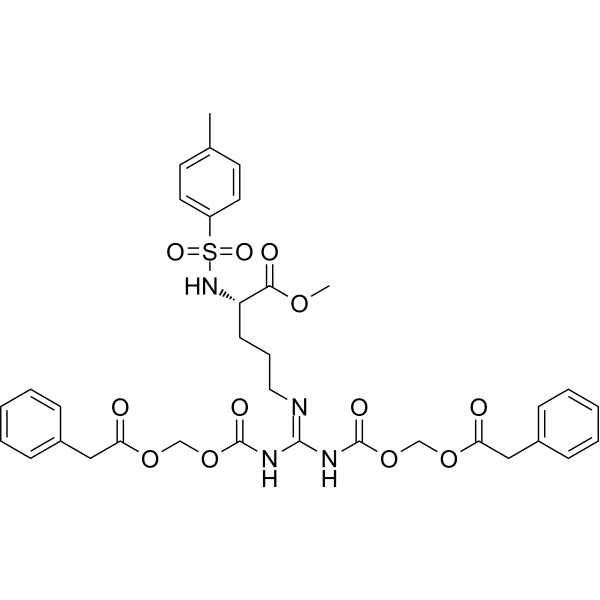
proTAME, a cell-permeable proagent form of TAME, is an anaphase promoting complex/cyclosome (APC/C) inhibitor. proTAME causes cell cycle arrest in metaphase.
For research use only. We do not sell to patients.
- Purity : 98.33%
- CAS No.: 1362911-19-0
- Formula: C34H38N4O12S
- Molecular Weight:726.75
-
Storage:Pure form -20°C, 3 years ; In solvent -80°C, 6 months , -20°C, 1 month

To place orders, for customer services and technical support, please contact: MedChemExpress USA
Tel: 609-228-6898 E-mail: [email protected] [email protected]


-
 Biological Activity
-
Chemical Information
-
Solvent & Solubility
- Protocols
- Purity & Documentation
- References
-
 Help & FAQs


-
HY-110287
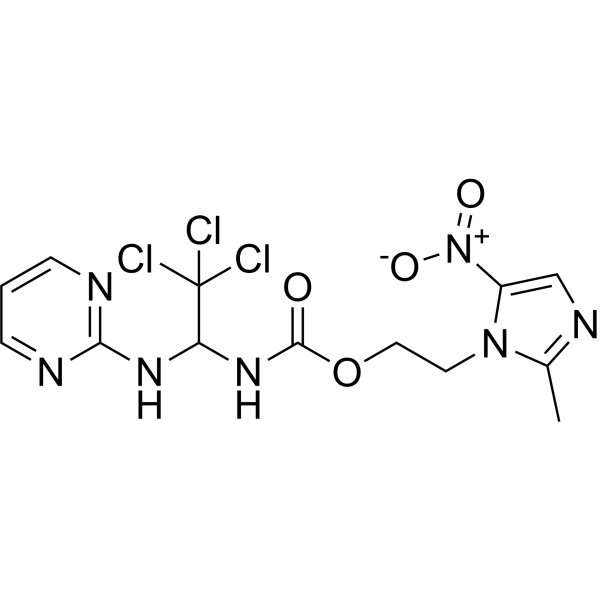
ApcinAPC/C Inhibitor -
HY-13259
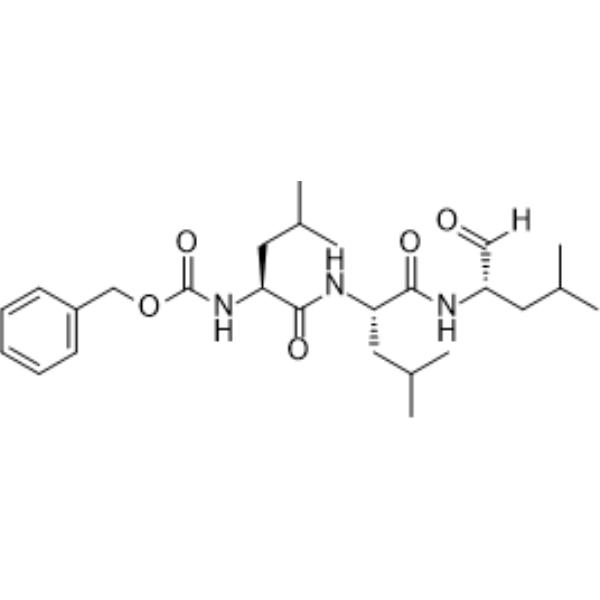
MG-132Proteasome Inhibitor -
HY-B0015
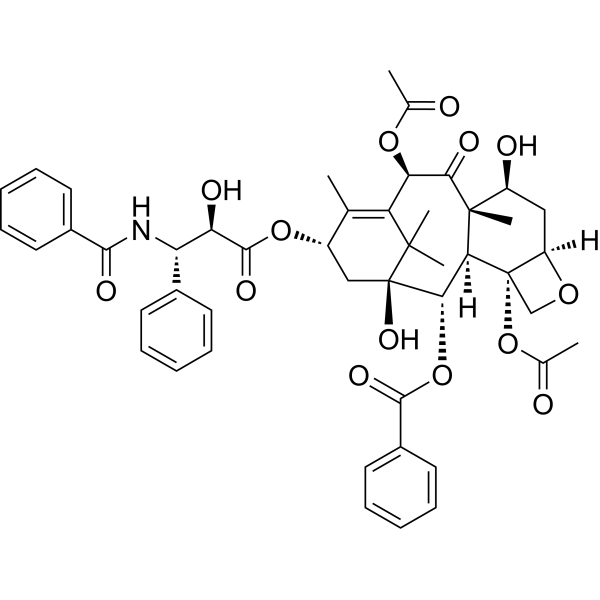
PaclitaxelAntitumor Agent -
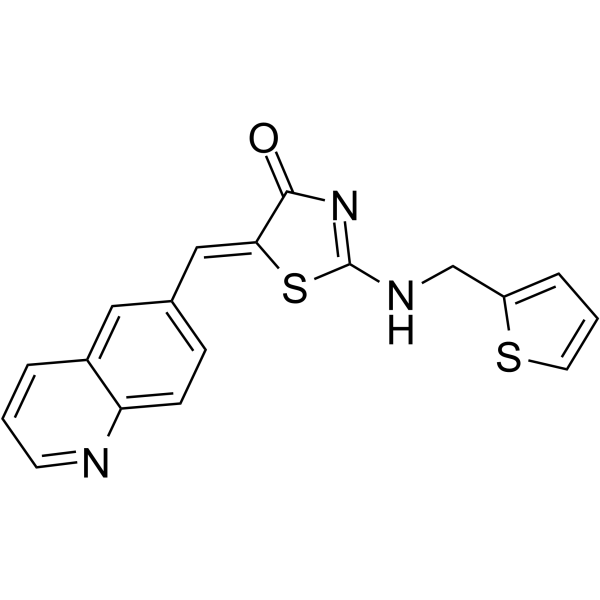
HY-12529
Ro-3306CDK1 Inhibitor -
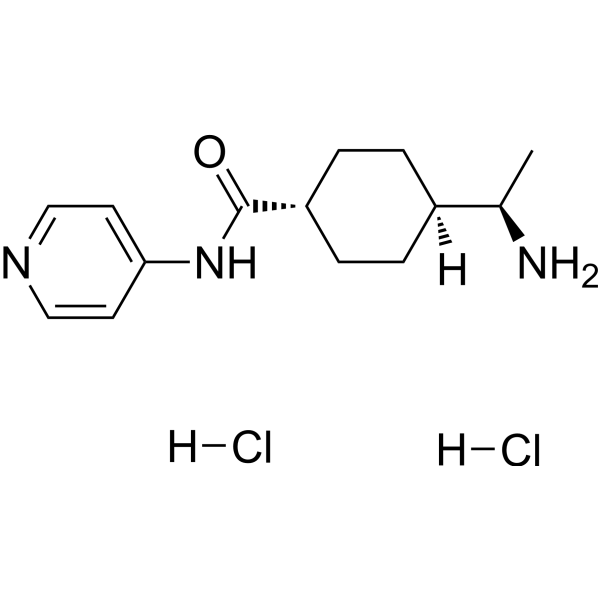
HY-10583
Y-27632 dihydrochlorideROCK Inhibitor -
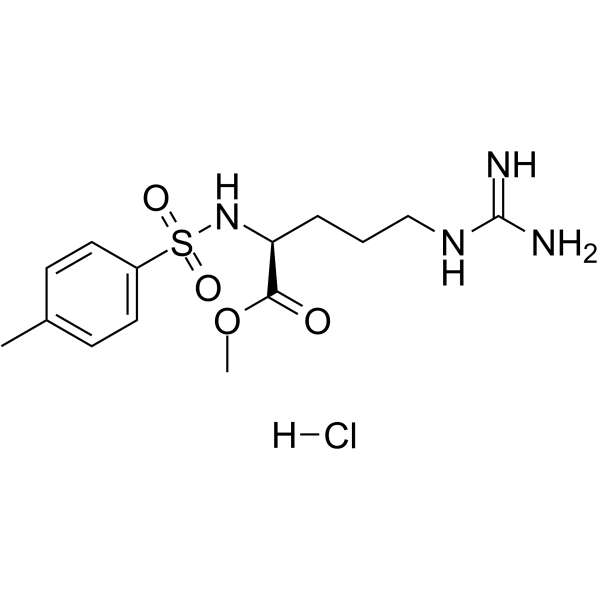
HY-13255A
TAME hydrochlorideAPC/C Inhibitor -
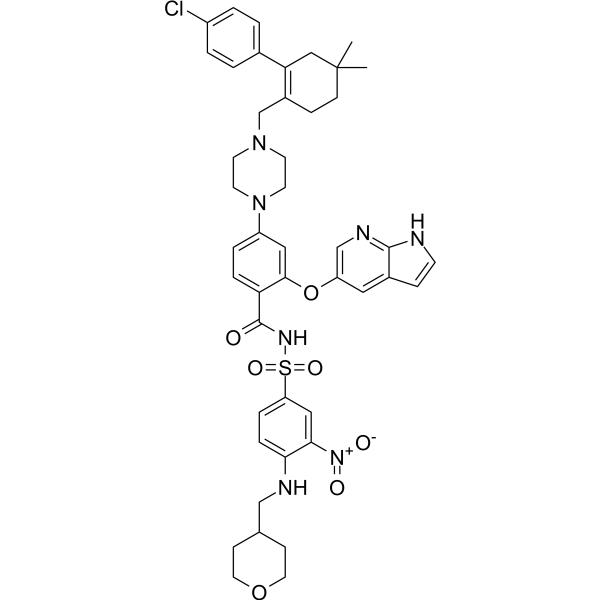
HY-15531
VenetoclaxBCL-2 Inhibitor -
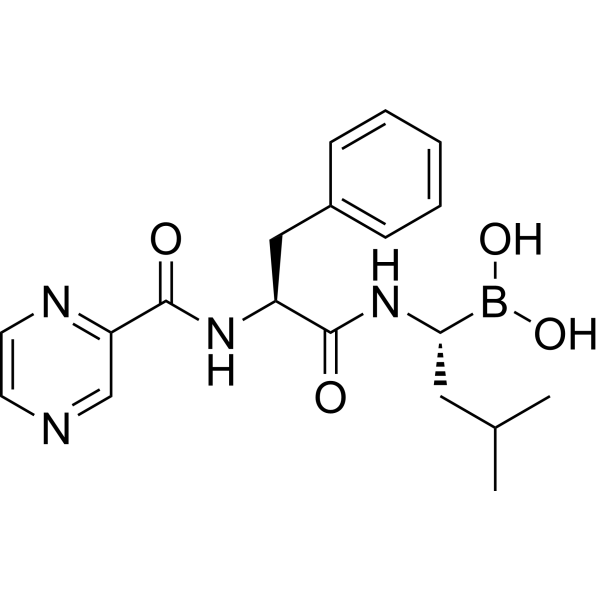
HY-10227
BortezomibProteasome Inhibitor -

HY-13443
Exendin-4GLP-1 Receptor Agonist -
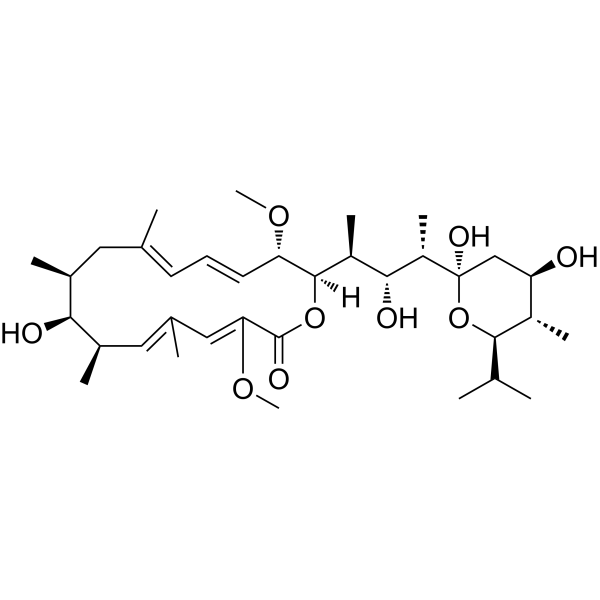
HY-100558
Bafilomycin A1V-ATPase Inhibitor -
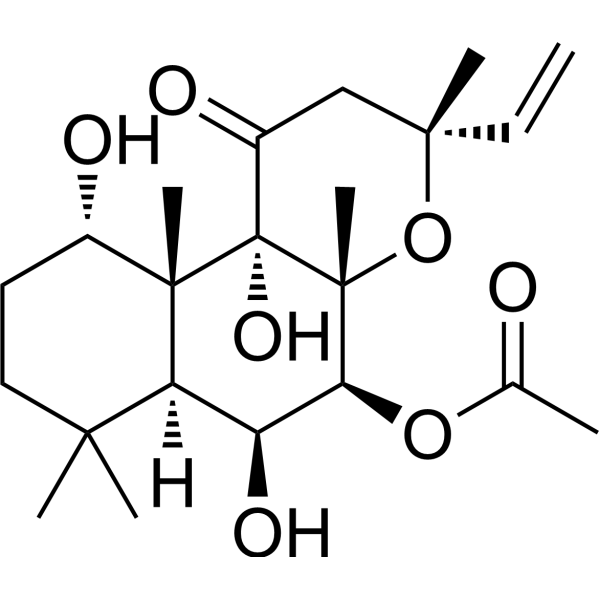
HY-15371
ForskolinAdenylate Cyclase Activator -
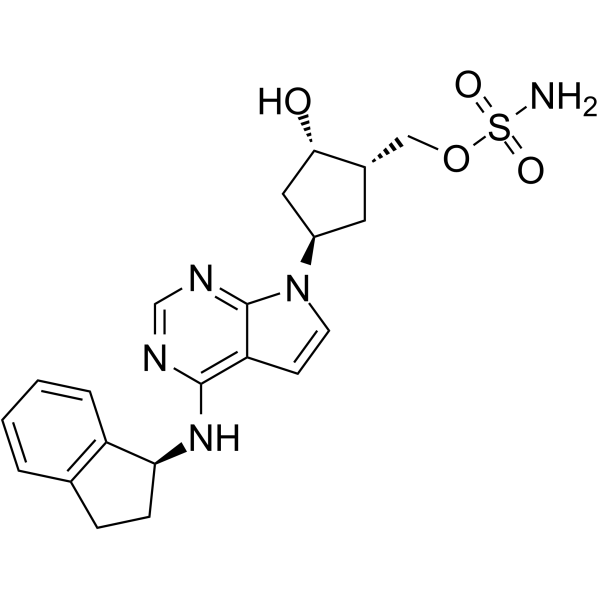
HY-70062
PevonedistatNAE Inhibitor
Publications Citing Use of MedChemExpress (MCE) proTAME
More- Nature. 2024 Sep;633(8031):932-940. [Abstract]
- Science. 2024 Jul 19;385(6706):eadn5529. [Abstract]
- Science. 2024 Jun 7;384(6700):eadk0775. [Abstract]
- Nat Commun. 2022 Dec 13;13(1):7732. [Abstract]
- Cell Death Dis. 2026 Jun 9. [Abstract]
- Sci China Life Sci. 2025 Aug;68(8):2348-2362. [Abstract]
- FASEB J. 2024 Dec 13;38(24):e70261. [Abstract]
- Hematol Oncol. 2026 Sep;44(5):e70238. [Abstract]
- bioRxiv. 2026 Aug 10.
- bioRxiv. 2026 Jun 30.
 Customer Validation & Images

-
WB
-
IF
-
WB
-
Cell Imaging/Staining
-
Cell Proliferation/Viability Assay


Biological Activity
Description
In Vitro
ProTAME prevents anaphase entry in mouse and bovine oocytes and also in mouse 2-cell embryos. proTAME (0-100 μM ) treatment shows dose-dependent metaphase arrest in mammalian oocytes and early cleavage embryos. And the metaphase arrest induced by this drug does not require spindle assembly checkpoint (SAC) activity[1].
ProTAME arrest of meiosis I in mouse oocytes is due to the inhibition of APC/C. In contrast to the somatic cells, the arrest in oocytes and embryos is not reversible[1].
proTAME (0-20 μM) dose-dependently affects morphological parameters of the spindle in oocytes and in embryos[1].
proTAME is efficient in overcoming resistance caused by the hyperphosphorylation of CDH1 in glioblastoma cells, polo-like kinase 1 (PLK1)-based drug resistance in ovarian cancer cells and CDC20-based resistance in diffuse large B-cell lymphoma[1].
proTAME inhibits OVCAR-3 cells growth with an IC50 of 12.5 μM[2].
MedChemExpress (MCE) has not independently confirmed the accuracy of these methods. They are for reference only. Further protocols information, click here.


Chemical Information
-
CAS No. 1362911-19-0
-
Appearance Solid-Liquid Mixture
-
Molecular Weight 726.75
-
Formula C34H38N4O12S
-
Color White to off-white
-
SMILES
O=C(CC1=CC=CC=C1)OCOC(N/C(NC(OCOC(CC2=CC=CC=C2)=O)=O)=N/CCC[C@@H](C(OC)=O)NS(=O)(C3=CC=C(C=C3)C)=O)=O
-
Shipping
Room temperature in continental US; may vary elsewhere.
-
Storage
Pure form -20°C 3 years In solvent -80°C 6 months -20°C 1 month


Publications (10)
-
Journal Impact Factor
-
Most Recent
-
Nature
2024 Sep;633(8031):932-940. PMID: 39232161
proTAME purchased from MedChemExpress. Usage Cited in: Nature. 2024 Sep;633(8031):932-940. [Abstract]
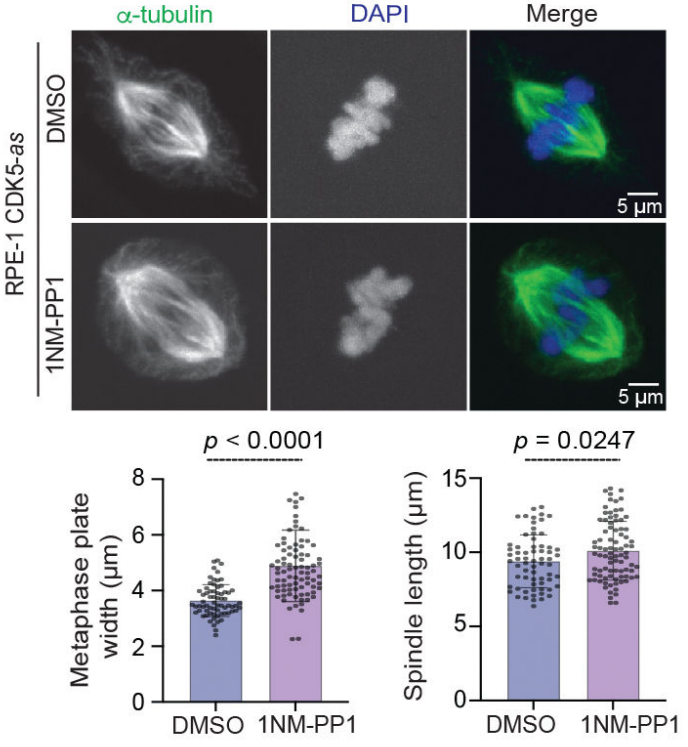
Representative images of RPE-1 CDK5-as cells treated as indicated, released from RO-3306 into media containing 20μM proTAME for 2 hours and stained with α-tubulin and DAPI (upper panel). Metaphase plate width and spindle length measurements for these representative cells are shown in the table on the right. Quantification of metaphase plate width and spindle length following indicated treatments (lower panel).
-
Science
Live chromosome identifying and tracking reveals size-based spatial pathway of meiotic errors in oocytes. [Abstract]2024 Jul 19;385(6706):eadn5529. PMID: 39024439
proTAME purchased from MedChemExpress. Usage Cited in: Science. 2024 Jul 19;385(6706):eadn5529. [Abstract]
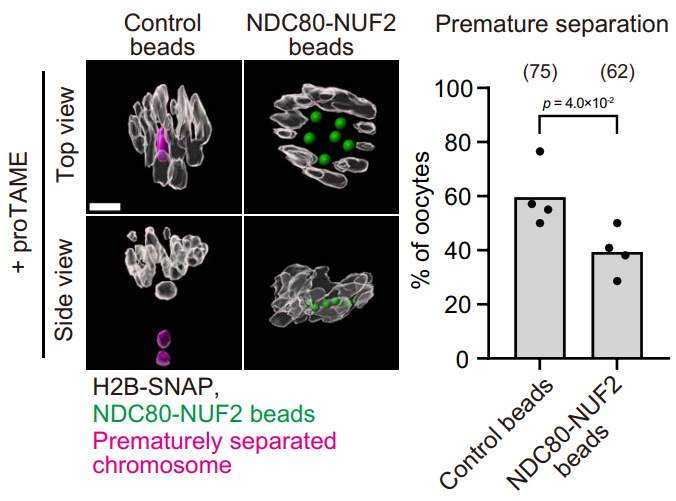
Preventing internal positioning reduces the risk of premature chromosome separation. 3D-reconstructed images of chromosomes (H2B-SNAP, white), NDC80-NUF2 beads (NDC80-sfGFP, green), and prematurely separated chromosomes (magenta) in proTAME (2.5 μM)-treated aged oocytes. Oocytes were monitored for premature chromosome separation by live imaging for 37 hours. In the plot, each spot corresponds to the data from one experiment. Bars indicate the percentage of oocytes that exhibited premature chromosome separation in four independent experiments. The number of oocytes is shown in parentheses. scale bars, 5 μm (for magnified images, 1.5 μm).
-
Science
2024 Jun 7;384(6700):eadk0775. PMID: 38843331
proTAME purchased from MedChemExpress. Usage Cited in: Science. 2024 Jun 7;384(6700):eadk0775. [Abstract]
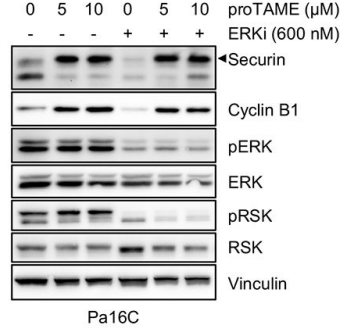
Immunoblot analysis of APC/C target proteins securin and cyclin B1 as well as ERK activity readouts pERK and pRSK following treatment with proTAME (APC/Ci) (5-10 μM; 24 h) and/or ERKi in Pa16C cells. The results showed that proTAME was verified to prevent the reduction in protein levels of securin and cyclin B1 caused by 24-hour treatment with ERKi.
-
Nat Commun
2022 Dec 13;13(1):7732. PMID: 36513638 -
Cell Death Dis
Metabolomic profiling delineates the role of adenosine in oocyte quality and embryonic development. [Abstract]2026 Jun 9. PMID: 42265076 -
Sci China Life Sci
2025 Aug;68(8):2348-2362. PMID: 40410652
proTAME purchased from MedChemExpress. Usage Cited in: Sci China Life Sci. 2025 Aug;68(8):2348-2362. [Abstract]
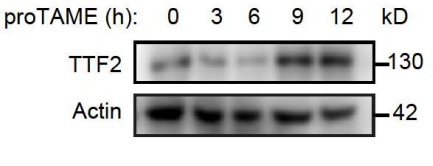
Cells treated with proTAME (10 μM; 3-12 h) were collected at the indicated times and detected with immunoblotting.
-
FASEB J
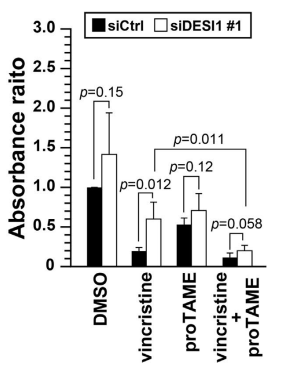
DeSUMOylating isopeptidase 1 participates in the faithful chromosome segregation and vincristine sensitivity. [Abstract]2024 Dec 13;38(24):e70261. PMID: 39698932
proTAME purchased from MedChemExpress. Usage Cited in: FASEB J. 2024 Dec 13;38(24):e70261. [Abstract]
HeLa S3 cells were treated with siDESI1 #1. After 24 h, cells were incubated with 1.5 nM VCR, 5 μM proTAME, or their combination for a duration of 3 days, and a CCK‐8 assay was performed. The absorbance ratio is expressed relative to control cells (siCtrl, DMSO).
-
Hematol Oncol
Targeting a CDH1-TK1-dependent DNA Synthesis Pathway Overcomes Chemoresistance in Acute Myeloid Leukemia. [Abstract]2026 Sep;44(5):e70238. PMID: 42570285 -
-


Solvent & Solubility
In Vitro:
DMSO : 100 mg/mL (137.60 mM; Need ultrasonic; Hygroscopic DMSO has a significant impact on the solubility of product, please use newly opened DMSO)
Please refer to the solubility information to select the appropriate solvent. Once prepared, please aliquot and store the solution to prevent product inactivation from repeated freeze-thaw cycles.
Storage method and period of stock solution: -80°C, 6 months; -20°C, 1 month. When stored at -80°C, please use it within 6 months. When stored at -20°C, please use it within 1 month.
Please refer to the solubility information to select the appropriate solvent. Once prepared, please aliquot and store the solution to prevent product inactivation from repeated freeze-thaw cycles.
Storage method and period of stock solution: -80°C, 6 months; -20°C, 1 month. When stored at -80°C, please use it within 6 months. When stored at -20°C, please use it within 1 month.
Concentration (start) × Volume (start) = Concentration (final) × Volume (final)
In Vivo:
Select the appropriate dissolution method based on your experimental animal and administration route.
- For the following dissolution methods, please ensure to first prepare a clear stock solution using an In Vitro approach and then sequentially add co-solvents:
- To ensure reliable experimental results, the clarified stock solution can be appropriately stored based on storage conditions. As for the working solution for In Vivo experiments, it is recommended to prepare freshly and use it on the same day.
- The percentages shown for the solvents indicate their volumetric ratio in the final prepared solution. If precipitation or phase separation occurs during preparation, heat and/or sonication can be used to aid dissolution.
Add each solvent one by one: 10% DMSO 90% (20% SBE-β-CD in Saline)
Solubility: 2.5 mg/mL (3.44 mM); Suspended solution; Need ultrasonic
This protocol yields a suspended solution of 2.5 mg/mL. Suspended solution can be used for oral and intraperitoneal injection.
Taking 1 mL working solution as an example, add 100 μL DMSO stock solution (25.0 mg/mL) to 900 μL 20% SBE-β-CD in Saline, and mix evenly.
Preparation of 20% SBE-β-CD in Saline (4°C, storage for one week): 2 g SBE-β-CD powder is dissolved in 10 mL Saline, completely dissolve until clear.
In Vivo Dissolution Calculator
Please enter the basic information of animal experiments:
-
-
-
-
Recommended: Prepare an additional quantity of animals to account for potential losses during experiments.
Please enter your animal formula composition:
-
%DMSO +
Recommended: Keep the proportion of DMSO in working solution below 2% if your animal is weak.
-
%+
-
+%Tween-80 + +
-
%Saline +
The co-solvents required include: DMSO, . All of co-solvents are available by MedChemExpress (MCE). , Tween 80. All of co-solvents are available by MedChemExpress (MCE).
Working solution concentration: 0.22 mg/mL
Method for preparing stock solution: mg drug dissolved in μL DMSO. Stock solution concentration: mg/mL.
1. Take μL DMSO stock solution;
2. Add μL .
μL , mix evenly;
3. Then add μL Tween 80, mix evenly;
4. Then add μL
Please ensure that the stock solution in the first step is dissolved to a clear state, and add co-solvents in sequence. You can use ultrasonic heating (ultrasonic cleaner, recommended frequency 20-40 kHz), vortexing, etc. to assist dissolution.

Protocols
-
Flow cytometric DNA-content cell-cycle staining
Flow cytometric DNA-content cell-cycle staining measures the fluorescence intensity of DNA-bound fluorochromes in single cells or nuclei to estimate DNA content distributions, allowing assignment of populations to G0/G1, S, and G2/M phases by DNA histogram deconvolution. Propidium iodide (PI) intercalates into DNA, and PI fluorescence is proportional to cellular DNA content when staining is performed under conditions that make DNA accessible and minimize non-DNA signal. Cells with G2/M DNA content are expected to show approximately twice the fluorescence intensity of G0/G1 cells, while S-phase cells occupy intermediate fluorescence values. PI-based DNA-content analysis can also detect cells with fractional DNA content, often reported as sub-G1, when DNA fragmentation and extraction during staining reduce retained DNA signal in apoptotic cells. DAPI is an alternative DNA fluorochrome for univariate DNA-content analysis, while bivariate approaches combining DNA content with proliferation
-
BrdU Incorporation Assay
Bromodeoxyuridine (BrdU) incorporation assay is based on the principle that BrdU, a thymidine analog, is incorporated into newly synthesized DNA during the S phase of the cell cycle, thereby serving as a marker of DNA replication and cellular proliferation. Incorporated BrdU can be detected using anti-BrdU antibodies following DNA denaturation, enabling visualization or quantification of proliferating cells through immunochemical detection methods such as immunofluorescence or immunohistochemistry.
-
Protocol for Cell Cycle
Cell-cycle analysis by flow cytometry measures DNA content in single cells to estimate the fraction of cells in G0/G1, S, and G2/M phases. Propidium iodide intercalates into DNA, and after RNA removal with RNase, fluorescence intensity reflects cellular DNA content: 2N cells are assigned to G0/G1, cells between 2N and 4N to S phase, and 4N cells to G2/M. DNA-content analysis alone cannot reliably separate G0 from G1 or G2 from M. Ki-67 can distinguish quiescent G0 cells from cycling cells, EdU or BrdU incorporation marks active DNA synthesis in S phase, and phospho-histone H3 staining identifies mitotic cells within the 4N population.


Purity & Documentation
-
Data Sheet (274 KB)
-
SDS (252 KB)
- English - EN (252 KB)
- Français - FR (252 KB)
- Deutsch - DE (252 KB)
- Norwegian - NO (252 KB)
- Español - ES (252 KB)
- Swedish - SV (252 KB)
- Italian - IT (252 KB)
- Korean - KR (252 KB)
- Portuguese - PT (252 KB)
-
Handling Instructions (2659 KB)
References
[1]. Lenka Radonova, et al. ProTAME Arrest in Mammalian Oocytes and Embryos Does Not Require Spindle Assembly Checkpoint Activity. Int J Mol Sci. 2019 Sep 13;20(18):4537. [Content Brief]
[2]. Monika Raab, et al. Blocking Mitotic Exit of Ovarian Cancer Cells by Pharmaceutical Inhibition of the Anaphase-Promoting Complex Reduces Chromosomal Instability. Neoplasia. 2019 Apr;21(4):363-375. [Content Brief]


Complete Stock Solution Preparation Table
Please refer to the solubility information to select the appropriate solvent. Once prepared, please aliquot and store the solution to prevent product inactivation from repeated freeze-thaw cycles.
Storage method and period of stock solution: -80°C, 6 months; -20°C, 1 month. When stored at -80°C, please use it within 6 months. When stored at -20°C, please use it within 1 month.
| Optional Solvent | Concentration Solvent Mass | 1 mg | 5 mg | 10 mg | 25 mg |
|---|---|---|---|---|---|
| DMSO | 1 mM | 1.3760 mL | 6.8799 mL | 13.7599 mL | 34.3997 mL |
| 5 mM | 0.2752 mL | 1.3760 mL | 2.7520 mL | 6.8799 mL | |
| 10 mM | 0.1376 mL | 0.6880 mL | 1.3760 mL | 3.4400 mL | |
| 15 mM | 0.0917 mL | 0.4587 mL | 0.9173 mL | 2.2933 mL | |
| 20 mM | 0.0688 mL | 0.3440 mL | 0.6880 mL | 1.7200 mL | |
| 25 mM | 0.0550 mL | 0.2752 mL | 0.5504 mL | 1.3760 mL | |
| 30 mM | 0.0459 mL | 0.2293 mL | 0.4587 mL | 1.1467 mL | |
| 40 mM | 0.0344 mL | 0.1720 mL | 0.3440 mL | 0.8600 mL | |
| 50 mM | 0.0275 mL | 0.1376 mL | 0.2752 mL | 0.6880 mL | |
| 60 mM | 0.0229 mL | 0.1147 mL | 0.2293 mL | 0.5733 mL | |
| 80 mM | 0.0172 mL | 0.0860 mL | 0.1720 mL | 0.4300 mL | |
| 100 mM | 0.0138 mL | 0.0688 mL | 0.1376 mL | 0.3440 mL |


proTAME Related Classifications
HY-124955 Related Classifications
 Powered by Bioz