




Delivery of temperature sensitive items including proteins and kits will be paused on 6/19 for the Juneteenth holiday. For urgent orders please contact customer service.
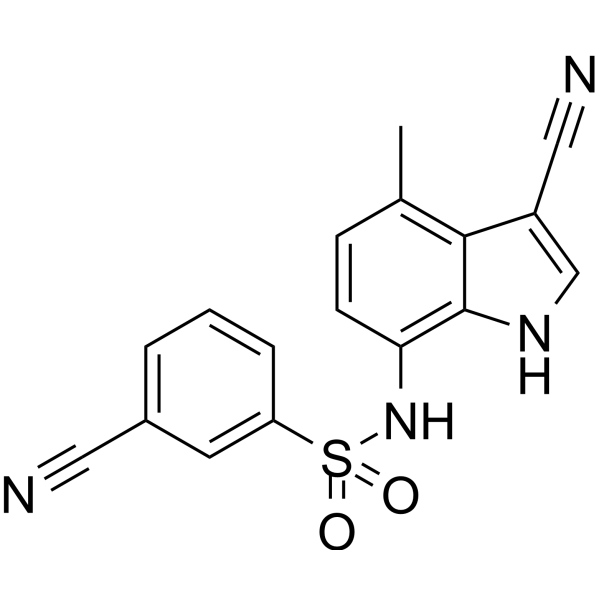
E7820 (ER68203-00), an orally active aromatic sulfonamide derivative, is a molecular glue that induces the targeted degradation of splicing factor RBM39 by recruiting the E3 ubiquitin ligase CUL4-RBX1-DDB1-DCAF15 (CRL4 DCAF15). E7820 is an angiogenesis inhibitor suppressing an expression of integrinalpha2 subunit on endothelium. E7820 inhibits rat aorta angiogenesis with an IC50 of 0.11 μg/ml. E7820 modulates α-1, α-2, α-3, and α-5 integrin mRNA expression. E7820 can be used for the study of acute myeloid leukemia (AML) .
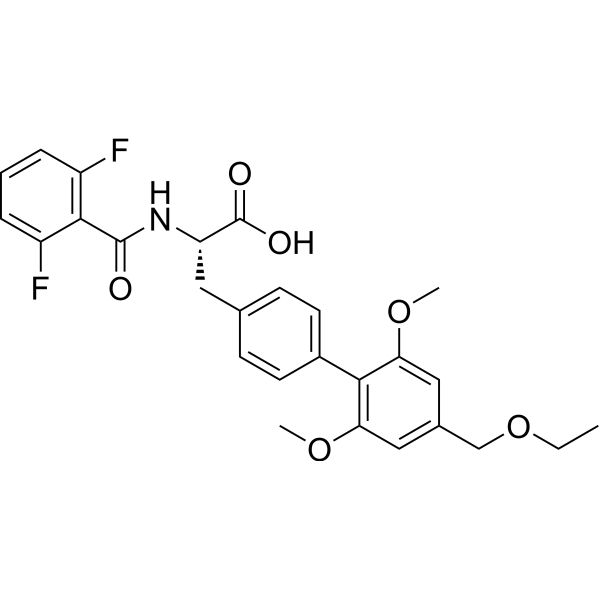
Emvistegrast (GS-1427) is a quinolone derivative. Emvistegrast is also an inhibitor of α4β7integrin. Emvistegrast can be used to investigate diseases mediated by α4β7 integrin, such as inflammatory bowel disease .
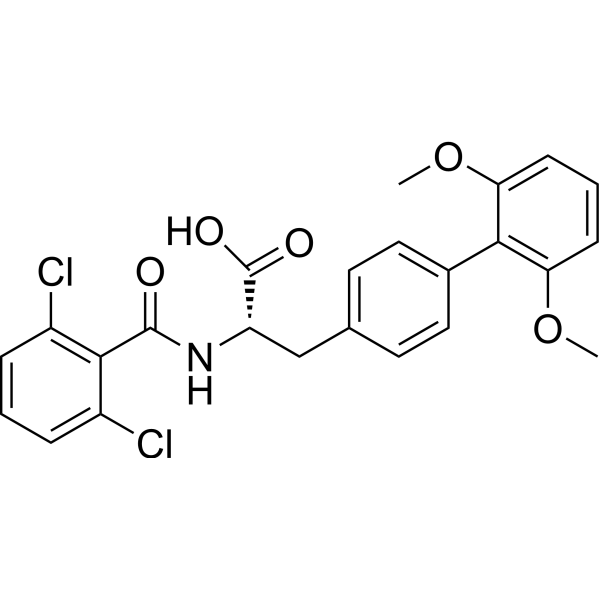
BIO5192 is a selective and potent integrinα4β1 (VLA-4) inhibitor (Kd<10 pM). BIO5192 selectively binds to α4β1 (IC50=1.8 nM) over a range of other integrins. BIO5192 results in a 30-fold increase in mobilization of murine hematopoietic stem and progenitors (HSPCs) over basal levels .
TC-I 15 (TC-I-15) is a type of allosteric collagen-binding integrinα2β1 inhibitor, and it also inhibits α1β1 and α11β1. TC-I 15 inhibits platelet adhesion to collagen and thrombus deposition. TC-I 15 prevents the formation of a pre-metastatic microenvironment by inhibiting the uptake of cancer-associated fibroblast (CAF) extracellular vesicles (EVs) by lung fibroblasts, which reduces the metastasis of salivary gland adenocystic carcinoma (SACC) to the lungs in mouse models, .
Vedolizumab (anti-α4β7-integrin) is a humanized IgG1 monoclonal antibody that targets the α4β7 integrin for the treatment of ulcerative colitis and Crohn's disease .
Integrin modulator 1 is a potent and selective α4β1 integrin agonist, with an IC50 of 9.8 nM for RGD-binding α4β1. Integrin modulator 1 increases cell adhesion mediated by α4β1 integrin, with an EC50 of 12.9 nM .
Etrolizumab (rhuMAb Beta7) is a gut-selective, anti-β7 integrin monoclonal antibody. Etrolizumab is specific targeting of the β7 subunit of α4β7 and αEβ7 integrins with Ki values of 18 nM and 1800 pM for Human α4β7 and Human αEβ7-293, respectively. Etrolizumab can be used in research of inflammatory bowel disease (IBD) .
Carotegrast (HCA2969) is an orally active α4 integrininhibitor with anti-inflammatory activity. Carotegrast can be used in the research of inflammation-related diseases, such as ulcerative colitis .
Volociximab (M200) is a chimeric human/murine IgG4 antibody IIA1 targeting integrinα5β1 (EC50=0.2 nM). Integrinα5β1 is a major fibronectin receptor involved in angiogenesis. Volociximab has antiangiogenic and antitumor activities and inhibits the proliferation of human umbilical vein vascular endothelial cells (HUVECs) .
Firategrast (SB 683699) is an orally active and specific α4β1/α4β7integrin antagonist. Firategrast reduces trafficking of lymphocytes into the central nervous system (CNS) and decreases multiple sclerosis (MS) activity .
TR-14035 is a orally active dual α4β7/α4β1integrin antagonist, with IC50 s of 7 nM and 87 nM for α4β7 and α4β1, respectively. TR-14035 can be used for the research of inflammation and autoimmune diseases .
Anti-Mouse LPAM-1/Integrinα4β7 Antibody (DATK32) is a rat-derived anti-LPAM-1/Integrinα4β7 IgG2a, κ type antibody inhibitor. Anti-Mouse LPAM-1/Integrinα4β7 Antibody (DATK32) specifically reacts with both chains of the α4β7 heterodimer and blocks the adhesion to immobilized mucosal addressin cell adhesion molecule-1 (MAdCAM-1). Anti-Mouse LPAM-1/Integrinα4β7 Antibody (DATK32) suppresses the proliferation and cytokine secretion of CD8+ T cells. Anti-Mouse LPAM-1/Integrinα4β7 Antibody (DATK32) decreases Peyer’s patches and follicular B cells in mice. Anti-Mouse LPAM-1/Integrinα4β7 Antibody (DATK32) can be used for the researches of inflammation, such as ulcerative colitis .
Carotegrast methyl (AJM300) is an orally active and selective α4 integrin antagonist. HCA2969, an active metabolite of Carotegrast methyl, is a specific and dual α4β1/α4β7integrin antagonist. Carotegrast methyl prevents the development of colitis in mice .
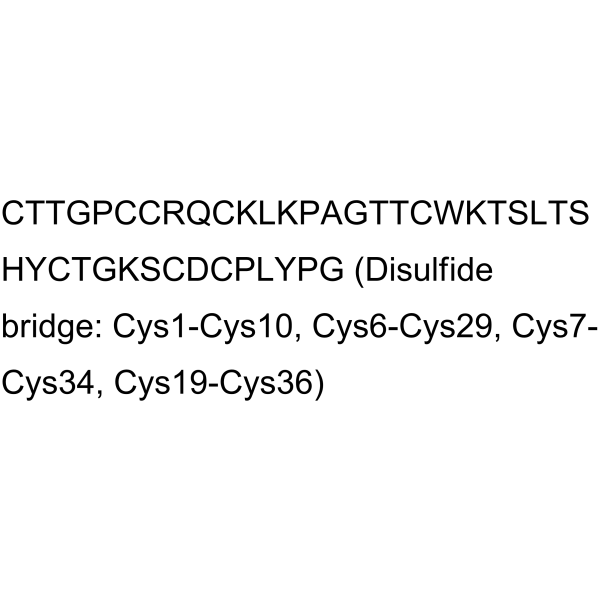
Obtustatin is a non-RGD disintegrin consisting of 41 residues. Obtustatin inhibits the adhesion of α1β1 integrin to type IV Collagen (HY-NP003), blocks α1β1 integrin signaling in endothelial cells, and suppresses FGF2-induced angiogenesis. Obtustatin inhibits tumor progression in mouse models and upregulates VEGF expression in sarcoma-bearing mice. Obtustatin can be used in research related to Lewis lung carcinoma and S-180 sarcoma .
REDV is the minimal active sequence within the CS5 site of the alternatively spliced type III connecting segment (IIICS) region of fibronectin. REDV can mediate adhesion to the IIICS region of plasma fibronectin by binding the integrinalpha 4 beta 1(α4β1). REDV can be used for the research of cell adhesion. REDV is used to study the effects of gene vectors containing REDV on cells .
Irigenin is a is a lead compound, and mediates its anti-metastatic effect by specifically and selectively blocking α9β1 and α4β1integrins binding sites on C-C loop of Extra Domain A (EDA). Irigenin shows anti-cancer properties. It sensitizes TRAIL-induced apoptosis via enhancing pro-apoptotic molecules in gastric cancer cells .
α5β1 integrin agonist-2 (Compound 2) is a selective α5β1integrin agonist (EC50 = 45.98 nM). α5β1 integrin agonist-2 induces integrin activation. α5β1 integrin agonist-2 is applicable to the research of leukemia .
GFOGER peptide is an artificially synthesized collagen-mimetic sequence. GFOGER peptide acts as a ligand for α2β1, α11β1 and α1β1integrins, thereby supporting integrin-mediated cell adhesion to collagen. GFOGER peptide triggers signaling pathways mediated by the α2β1integrin receptor and upregulates osteoblast differentiation. GFOGER peptide accelerates and enhances bone formation at sites of refractory femoral defects. GFOGER peptide can be passively adsorbed onto polymer scaffolds for cell-free/growth factor-free bone formation. GFOGER peptide is used in biomaterials such as hydrogels and 3D bioinks for tissue engineering research including bone formation .
Zaurategrast ethyl ester (CDP323), the ethyl ester proagent of CT7758 , is a α4β1/α4β7integrin antagonist used for the treatment of inflammatory and autoimmune disorders .
Natalizumab (AN100226; BG00002) is a humanized monoclonal IgG4 antibody inhibitor that selectively targets α4integrin (CD49d). It blocks the interaction of integrins such as α4β1 (VLA-4) with vascular cell adhesion molecule VCAM-1, intercellular adhesion molecule ICAM-1, and fibronectin by competitively binding to the α4 subunit. Natalizumab inhibits the adhesion, retention, and transendothelial migration of immune cells (such as CD4 + T cells), reducing the infiltration of inflammatory cells into the central nervous system or lesion sites, thus exerting anti-inflammatory and immunomodulatory activity. Natalizumab is used in the study of relapsing-remitting multiple sclerosis (RRMS) and also has applications in the study of autoimmune or inflammation-related diseases such as Crohn's disease, B-cell lymphoma, and non-infectious uveitis. Natalizumab can also prevent lymphocytes from entering the central nervous system, thereby preventing acute demyelinating relapses .
α2β1 Integrin Ligand Peptide interacts with the α2β1 integrin receptor on the cell membrane and mediates extracellular signals into cells. It is a potential antagonist of collagen receptors .
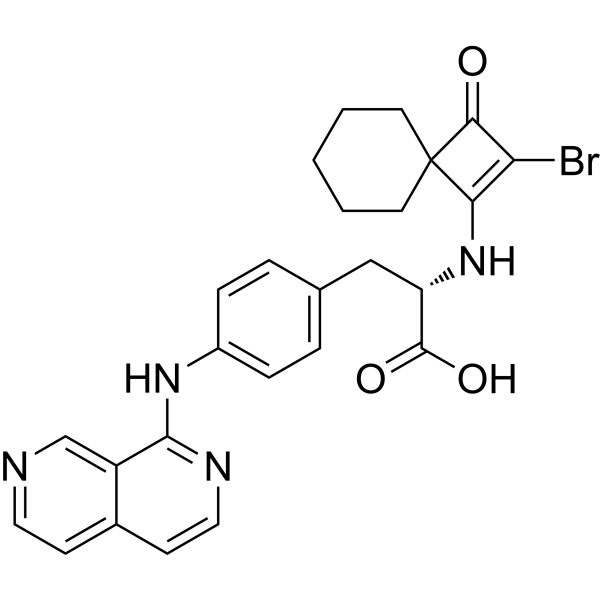
ER-464195-01 is an orally active calreticulin (CRT) and integrinα subunits (ITGAs) binding inhibitor. ER-464195-01 inhibits leukocyte infiltration and subsequent inflammatory cascade reactions by dissociating the binding between CRT and ITGA. ER-464195-01 down-regulates the expression of pro-inflammatory genes (such as TNF-α, IL-1β, IL-6, IL-17f) induced by DSS (HY-116282C), and inhibit the phosphorylation of STAT3 and the production of serum amyloid A (SAA). ER-464195-01 can be used for the study of inflammatory bowel disease (IBD) .
K34c is a potent and selective α5β1 integrin antagonist. By inhibiting α5β1 integrin, K34c reduces chemotherapy-induced premature senescence and promotes apoptosis. K34c can be used in glioblastoma research .
Fibrin is an insoluble protein found in blood that is produced in response to bleeding. As the main component of blood clots, fibrin functions in blood coagulation. Fibrin binds to the integrinsICAM-1, VE-cadherin, αIIbβ3, αMβ2, αvβ3 and α5β1. Fibrin is used in research related to chronic wounds .
α5β1 integrin agonist-1 is an α5β1 integrin agonist, with an EC50 of 1.5 nM. α5β1 integrin agonist-1 inhabits α4β1 integrin (IC50 = 2.99 μM) in Jurkat/VCAM-1 adhesion assayα5β1 integrin agonist-1 induces concentration-dependent apoptosis and activates the caspase 3/7 pathway in α5β1 integrin-expressing K562 cancer cells. α5β1 integrin agonist-1 can be used for the study of cancer .
α2β1 Integrin Ligand Peptide TFA interacts with the α2β1 integrin receptor on the cell membrane and mediates extracellular signals into cells. It is a potential antagonist of collagen receptors .
BOP sodium is a potent and selective dual α9β1/α4β1integrin inhibitor with Kd values in the picomolar range. BOP sodium shows the rapid and preferential mobilization of hematopoietic stem cell (HSC) and progenitors. BOP sodium has little inhibitory activity on α4β7, α1β1, α2β1, and α5β1, αIIBβ3 integrins .
BIO5192 hydrate is a selective and potent integrinα4β1 (VLA-4) inhibitor (Kd<10 pM). BIO5192 hydrate selectively binds to α4β1 (IC50=1.8 nM) over a range of other integrins. BIO5192 hydrate results in a 30-fold increase in mobilization of murine hematopoietic stem and progenitors (HSPCs) over basal levels .
Valategrast (R-411 free base) is a potent and orally active integrinα4β1 (VLA-4) and α4β7 dual antagonist. Valategrast has the potential for Chronic obstructive pulmonary disease (COPD) and asthma treatment .
LDV-FITC, a fluorescent peptide, is a FITC-conjugated LDV peptide (HY-P2267). LDV-FITC binds to the α4β1 integrin with high affinity (Kd: 0.3 nM and 12 nM for binding to U937 cells in the presence and absence of Mn 2+ respectively). LDV-FITC can be used to detect α4β1 integrin affinity .
Abrilumab is a fully human monoclonal antibody directed against α4β7. Abrilumab selectively binds the α4β7 integrin heterodimer. Abrilumab can be used for the research of inflammatory bowel disease (IBD) .
SPP-037 is an orally active and selective inhibitor of ST6GAL1 (IC50 = 3.59 μM). SPP-037 inhibits integrinα2,6-sialylation and integrin-FAK-paxillin pathway. SPP-037 inhibits cancer cell proliferation, migration and exhibits antiangiogenic activity. SPP-037 has anti-tumor activity in MDA-MB-231 xenograft mouse model. SPP-037 can be used for the research of triple-negative breast cancer .
VSLRGDTRG acetate is a synthetic peptide containing the RGD motif from cadherin 17 (CDH17), which binds to α2β1 integrin and activates its signaling pathway. VSLRGDTRG acetate promotes the high-affinity conformational change of β1 integrin through the RGD motif, enhancing cell adhesion and phosphorylation of FAK and ERK1/2, thereby driving tumor proliferation and metastasis. VSLRGDTRG acetate can be used in research on cancers expressing CDH17, such as colon cancer and pancreatic cancer .
AFP464 (NSC710464) free base is a prodrug of Aminoflavone (HY-132974) and an agonist of the aryl hydrocarbon receptor (AhR). AFP464 free base downregulates the expression of α6-integrin(α6-integrin), inhibits breast tumor growth, reduces the population of tumor-initiating cells, disrupts mammosphere structure, induces the formation of mucin lake clusters, triggers DNA damage, and exerts antiproliferative activity. AFP464 free base is rapidly converted to Aminoflavone by nonspecific esterases in plasma and cell culture media. AFP464 free base is applicable to research related to breast cancer .
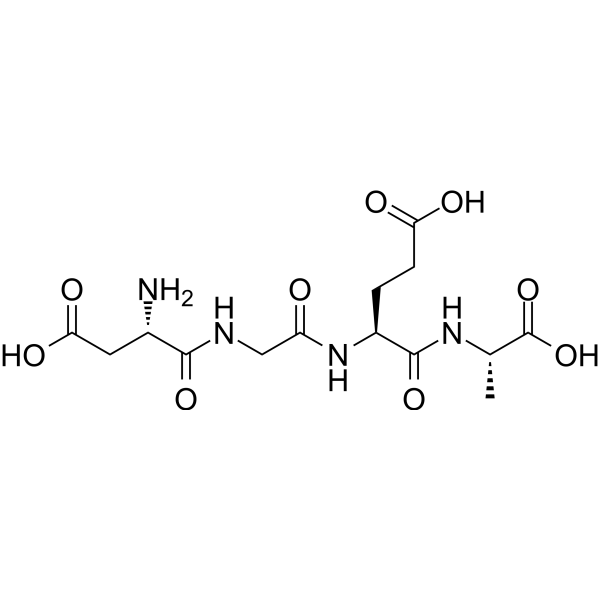
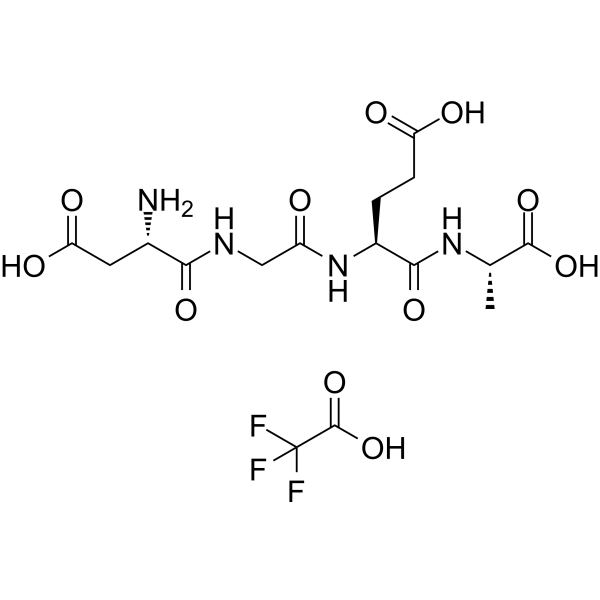
mP6 (Myr-FEEERA-OH) TFA is a myristoylated peptide. mP6 TFA inhibits the interaction of Gα13 with integrin β3 without disrupting talin-dependent integrin function. mP6 TFA can block the GTP usage of Rac1, Rap1, and Rab7, effectively inhibiting the infection of CHO-A24 cells .
VSLRGDTRG is a synthetic peptide containing the RGD motif from cadherin 17 (CDH17), which binds to α2β1 integrin and activates its signaling pathway. VSLRGDTRG promotes the high-affinity conformational change of β1 integrin through the RGD motif, enhancing cell adhesion and phosphorylation of FAK and ERK1/2, thereby driving tumor proliferation and metastasis. VSLRGDTRG can be used in research on cancers expressing CDH17, such as colon cancer and pancreatic cancer .
Obtustatin triacetate is a 41-residue non-RGD disintegrin. Obtustatin triacetate can be isolated from the venom of Vipera lebetina obtusa. Obtustatin triacetate is a potent and selective inhibitor of integrinα1β1 adhesion to type IV collagen. Obtustatin triacetate inhibits angiogenesis and may be used in cancer research .
2-Methylbutyrylcarnitine (chloride) is a gut microbial metabolite which binds to integrinα2β1 in platelets, potentiating cytosolic phospholipase A2 (cPLA2) activation and platelet hyperresponsiveness. 2-Methylbutyrylcarnitine (chloride) enhances platelet hyperreactivity and thrombus formation in mice. 2-Methylbutyrylcarnitine (chloride) is a branched-chain acylcarnitine .
M6766 is a selective endoplasmic reticulum oxidoreductase 1α(ERO1α) inhibitor with an IC50 of 1.4 μM and a KD of 1.1 μM. M6766 also inhibits ERO1β with an IC50 of 7.2 μM. M6766 binds to the flavin adenine dinucleotide-binding pocket in ERO1α. M6766 inhibits granule secretion, αIIbβ3 integrin activation, Ca 2+ mobilization, and platelet aggregation. M6766 can be used for the research of neurological disease, such as ischemic stroke .
Anti-LFA-1α/CD11a Antibody (TS-1/22.1.1.13) is a kind of mouse IgG1 chimeric antibody inhibitor, targeting to human LFA-1α/CD11a. Anti-LFA-1α/CD11a Antibody (TS-1/22.1.1.13) reacts with human LFA-1α (lymphocyte function-associated antigen 1 alpha) also known as integrinalpha L chain and CD11a. Anti-LFA-1α/CD11a Antibody (TS-1/22.1.1.13) can be used for the researches of immunology and infection, such as human immunodeficiency virus (HIV) .
AFP464 (NSC710464) dihydrochloride is a prodrug of Aminoflavone (HY-132974) and an agonist of the aryl hydrocarbon receptor (AhR). AFP464 dihydrochloride downregulates the expression of α6-integrin(α6-integrin), inhibits breast tumor growth, reduces the population of tumor-initiating cells, disrupts mammosphere structure, induces the formation of mucin lake clusters, triggers DNA damage, and exerts antiproliferative activity. AFP464 dihydrochloride is rapidly converted to Aminoflavone by nonspecific esterases in plasma and cell culture media. AFP464 dihydrochloride is applicable to research related to breast cancer .
CLT-28643 is an integrinα5β1 inhibitor. CLT-28643 can inhibit the high expression of integrinα5β1 in the bleb at early time-points after surgery and promote wound healing process .
K34c hydrochloride is a potent and selective α5β1 integrin antagonist. By inhibiting α5β1 integrin, K34c hydrochloride reduces chemotherapy-induced premature senescence and promotes apoptosis. K34c hydrochloride can be used in glioblastoma research .
BTT-3034, a sulfonamide derivative, is an α2β1 integrin inhibitor. BTT-3034 inhibits cell adhesion to rat tail collagen I with an EC50 of 160 nM and a corresponding Emaxof 86%. BTT-3034 inhibits collagen binding by an α2 variant carrying the conformationally activating E318W mutation .
α4 integrin receptor antagonist 3 (Compound 11) is an orally active α4integrin receptor antagonist. α4 integrin receptor antagonist 3 can inhibit the adhesion of K562 cells mediated by the interaction between α4β1/VCAM-1 and α4β7/MAdCAM-1, with IC50 values of 130 nM and 2 nM, respectively. α4 integrin receptor antagonist 3 has the potential to be used in the study of dextran sulfate sodium (DSS) colitis mouse model .
Cyclo(Gly-Arg-Gly-Asp-Ser-Pro) (c(GRGDSP)) is an RGD-containing inhibitory peptide. Cyclo(Gly-Arg-Gly-Asp-Ser-Pro) is a synthetic α5β1 integrin ligand that competitively inhibits the binding of invasin (Inv) to α5β1 integrin expressed on Caco-2 cells .
ASP5094 is a humanized monoclonal antibody against integrinalpha-9. ASP5094 has good safety and tolerability. ASP5094 can be used in the research of diseases such as rheumatoid arthritis .
Zaurategrast ethyl ester sulfate (CDP323 sulfate), the ethyl ester proagent of CT7758 , is a α4β1/α4β7integrin antagonist used for the treatment of inflammatory and autoimmune disorders .
JNJ-26076713 is a potent and orally active alpha V integrin antagonist with IC50 values of 2.3 nM and 6.3 nM for alpha(V)beta(3) and alpha(V)beta(5), respectively. JNJ-26076713 inhibits retinal neovascularization .
Galacto-RGD is an RGD analogue that can be coupled with the radioactive isotope 18F and used as an integrinα β selective tracer . Galacto-RGD can be used for the synthesis/research of Radionuclide-Drug Conjugates (RDCs).
C16Y is a short peptide and an inhibitor of integrinsαvβ3 and α5β1. C16Y acts on the cell membrane and exerts its anticancer activity by inhibiting angiogenesis .
RTDLDSLRTYTL is an Alpha (v) beta (6) integrin (avb6) inhibitor with high affinity and specificity. RTDLDSLRTYTL binds to avb6 integrin, a peptide sequence that activates cytotoxicity and cytokine production in T cells, such as interferon-gamma. RTDLDSLRTYTL is designed through a chimeric T cell antigen receptor (CAR) so that T cells can be redirected to specifically recognize and attack tumor cells. RTDLDSLRTYTL can be used in the research of cancer immunotherapy and targeted drug development .
MINT1526A (RG-7594) is a humanized IgG1 monoclonal antibody inhibitor targeting α5β1 integrin. MINT1526A has significant anti-angiogenic activity. MINT1526A can be used for cancers research .
IVL 745 (XRP 1745A) is a very late antigen 4 (VLA-4, integrinα4β1) antagonist. IVL 745 reduces the airway inflammatory response of sensitized rats and sheep. IVL 745 can be used for airway inflammation and asthma research .
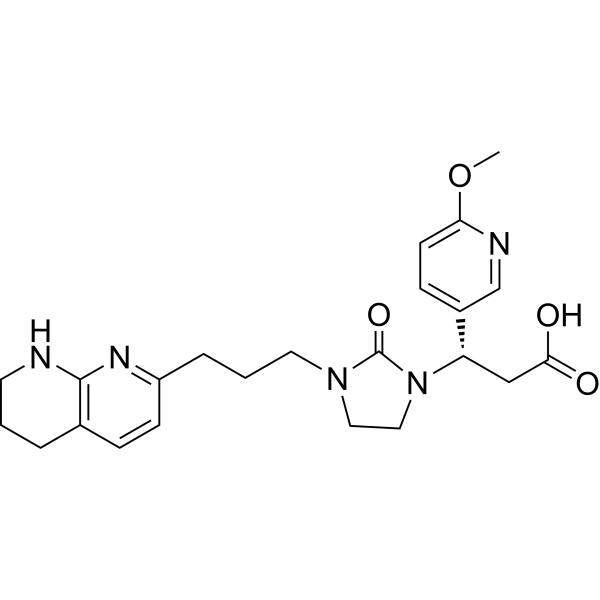
α4β7 Integrin-IN-1 (Example 356) is a potent inhibitor of α4β7integrin(integrin). Its ability to block the interaction between α4β7 integrin and MadCAM-1 (EC50) is 0.05 nM. α4β7 Integrin-IN-1 can be used for the study of inflammatory bowel disease .
R-BC154 acetate is a selective fluorescent α9β1integrin antagonist. R-BC154 acetate acts as a useful high affinity, activation dependent integrin probe, which can be used to investigate α9β1 and α4β1 integrin binding activity .
Carotegrast methyl (AJM300) hydrochloride is an orally active and selective α4 integrin antagonist. HCA2969, an active metabolite of Carotegrast methyl hydrochloride, is a specific and dual α4β1/α4β7integrin antagonist. Carotegrast methyl hydrochloride prevents the development of colitis in mice .
αvβ1 integrin-IN-2 (compound 32) is a potent inhibitor of integrins ανβ1 and α5β1 with IC50s of 0.9 nM,and 33 nM,respectively. αvβ1 integrin-IN-2 also inhibits other integrins with ,,IC50s of 380 nM (ανβ3),280 nM (ανβ5),230 nM (ανβ6),87 nM (ανβ8),respectively,in SPRA assay .
Arg-Gly-Asp (RGD) is a synthetic peptide corresponding to the cell adhesion sequence for the integrins αVβ1, αVβ3, αVβ5, αVβ6, αVβ8, α8β1, and α5β1. It is a component of radioligands and peptidomimetics that have been used in the study of integrin expression and activity in vivo.
LDV-FITC TFA, a fluorescent peptide, is a FITC-conjugated LDV peptide (HY-P2267). LDV-FITC TFA binds to the α4β1 integrin with high affinity (Kd: 0.3 nM and 12 nM for binding to U937 cells in the presence and absence of Mn 2+ respectively). LDV-FITC TFA can be used to detect α4β1 integrin affinity .
Valategrast hydrochloride (R-411) is a potent integrinα4β1 (VLA-4) and α4β7 dual antagonist. Valategrast hydrochloride has the potential for Chronic obstructive pulmonary disease (COPD) and asthma treatment .
mP6 (Myr-FEEERA-OH) is a myristoylated peptide. mP6 inhibits the interaction of Gα13 with integrin β3 without disrupting talin-dependent integrin function. mP6 can block the GTP usage of Rac1, Rap1, and Rab7, effectively inhibiting the infection of CHO-A24 cells .
EILEVPST is a recombinant human fibronectinderived low-molecular-weight peptide fragment. EILEVPST can promote cell type-specific α4 integrin-mediated adhesion. EILEVPST can be used for the research of thrombogenesis .
REDV TFA is the minimal active sequence within the CS5 site of the alternatively spliced type III connecting segment (IIICS) region of fibronectin. REDV TFA can mediate adhesion to the IIICS region of plasma fibronectin by binding the integrinalpha 4 beta 1(α4β1). REDV TFA can be used for the research of cell adhesion .
Anti-CD11a/LFA-1α Antibody (R7-1) is a kind of mouse IgG1 chimeric antibody inhibitor, targeting to human CD11a/LFA-1α. Anti-CD11a/LFA-1α Antibody (R7-1) can neutralize LFA-1α (lymphocyte function-associated antigen 1 alpha) also known as integrinalpha L chain and CD11a. Anti-CD11a/LFA-1α Antibody (R7-1) can be used for the research of inflammation .
CP-664511 is an orally active and potent α4β1 integrin antagonist with anti-inflammatory effects (IC50=0.52 nM). CP-664511 inhibits the interaction between α4β1 and vascular cell adhesion molecule-1 (VCAM-1), significantly reducing eosinophil infiltration into lung tissue. CP-664511 is promising for research of asthma and allergic airway diseases .
Irigenin (Standard) is the analytical standard of Irigenin. This product is intended for research and analytical applications. Irigenin is a is a lead compound, and mediates its anti-metastatic effect by specifically and selectively blocking α9β1 and α4β1 integrins binding sites on C-C loop of Extra Domain A (EDA). Irigenin shows anti-cancer properties. It sensitizes TRAIL-induced apoptosis via enhancing pro-apoptotic molecules in gastric cancer cells .
α4β7 Integrin-IN-2 is an inhibitor of human α4β7 integrinwith an IC50 <5 nM. α4β7 Integrin-IN-2 modulates α4β7 integrin-mediated biological pathways. α4β7 Integrin-IN-2 can be used for the research of inflammatory dieases .
α5β1 integrin-IN-1 (compound 65) is a potent and selective α5β1 integrin inhibitor with a pIC50 of 9.4. α5β1 integrin-IN-1 displays >10000-fold selectivity for α5β1 over αVβ3 (pIC50 = 5.5). α5β1 integrin-IN-1 reduces airway smooth muscle (ASM) tension through the disruption of cellular tethering. α5β1 integrin-IN-1 exhibits excellent inhalation pharmacokinetics in rodent. α5β1 integrin-IN-1 can be used for asthma research .
AFP464 (NSC710464) is a prodrug of Aminoflavone (HY-132974) and an agonist of the aryl hydrocarbon receptor (AhR). AFP464 downregulates the expression of α6-integrin(α6-integrin), inhibits breast tumor growth, reduces the population of tumor-initiating cells, disrupts mammosphere structure, induces the formation of mucin lake clusters, triggers DNA damage, and exerts antiproliferative activity. AFP464 is rapidly converted to Aminoflavone by nonspecific esterases in plasma and cell culture media. AFP464 is applicable to research related to breast cancer .
TBC3486 is a highly selective integrinα4β1 inhibitor. TBC3486 acts as a chemosensitizer to enhance the sensitivity of leukemia cells to chemotherapy. TBC3486 exhibits efficacy in preclinical models of integrinα4-dependent inflammatory and autoimmune diseases, including a mouse model of autoimmune encephalomyelitis. TBC3486 can be used for the research of precursor B-cell acute lymphoblastic leukemia .
Tri-SM6.1 is a tridentate small-molecule ligand targeting integrinαvβ6. Tri-SM6.1 binds to integrin αvβ6 on epithelial cells to deliver conjugated α-ENaC RNAi agents .
Grp94-IN-3 (Compound 47) is a selective ATP competitive inhibitor of Grp94, with a Kd value of 76 nM. Grp94-IN-3 has a much lower affinity for Hsp90α, with a Kd value of 9.17 μM. Grp94-IN-3 induces the degradation of integrinα2 (Integrinα2) in MDA-MB-231 cells and reduces the intracellular accumulation of mutant cardiac proteins in human trabecular meshwork cells. Grp94-IN-3 can be used for the study of metastatic cancer and open-angle glaucoma .
BIO5192 (Standard) is the analytical standard of BIO5192 (HY-107589). This product is intended for research and analytical applications. BIO5192 is a selective and potent integrinα4β1 (VLA-4) inhibitor (Kd<10 pM). BIO5192 selectively binds to α4β1 (IC50=1.8 nM) over a range of other integrins. BIO5192 results in a 30-fold increase in mobilization of murine hematopoietic stem and progenitors (HSPCs) over basal levels .
C16Y acetate is a short peptide and an inhibitor of integrinsαvβ3 and α5β1. C16Y acetate acts on the cell membrane and exerts its anticancer activity by inhibiting angiogenesis .
(rac)-Valategrast ((rac)-R-411 free base) is a racemic compound of Valategrast (HY-14190). Valategrast is a potent, orally active dual antagonist of integrinα4β1 (VLA-4) and α4β7. Valategrast may be used in research on chronic obstructive pulmonary disease (COPD) and asthma.
RTDLDSLRTYTL TFA is an Alpha (v) beta (6) integrin (avb6) inhibitor with high affinity and specificity. RTDLDSLRTYTL TFA binds to avb6 integrin, a peptide sequence that activates cytotoxicity and cytokine production in T cells, such as interferon-gamma. RTDLDSLRTYTL TFA is designed through a chimeric T cell antigen receptor (CAR) so that T cells can be redirected to specifically recognize and attack tumor cells. RTDLDSLRTYTL TFA can be used in the research of cancer immunotherapy and targeted drug development .
Deethyl-emvistegrast is a quinoline derivative and also a α4β7integrin inhibitor. Deethyl-emvistegrast is the hydrolytic product of Emvistegrast (HY-177080). Deethyl-emvistegrast modulates inflammatory pathways. Deethyl-emvistegrast can be used in research related to inflammatory bowel disease (Crohn's disease and ulcerative colitis) .
PAS-003 is a humanized monoclonal antibody targerting α5β1 integrin. PAS-003 modulates immune cell migration, immune cell adhesion, improves behavior, and improves survival in ALS mouse models. PAS-003 can be used for the research of amyotrophic lateral sclerosis .
(S)-Deethyl-emvistegrast is the S-enantiomer of Deethyl-emvistegrast (HY-186079). Deethyl-emvistegrast is a quinoline derivative and also a α4β7integrin inhibitor. It acts as the hydrolysis product of Emvistegrast (HY-177080). Deethyl-emvistegrast modulates inflammatory pathways and can be used in research related to inflammatory bowel diseases (Crohn's disease and ulcerative colitis) .
GW559090 is a selective, competitive, and high-affinity α4 integrin antagonist with a Kd of 0.19 nM for α4β1. GW559090 can effectively block the binding of α4β1 to vascular cell adhesion molecule 1 (VCAM-1) and fibronectin with IC50 values of 7.72 and 8.04 nM. GW559090 also inhibits the interaction between α4β7 and mucosal addressin cell adhesion molecule 1 (MAdCAM-1) (IC50 = 23 nM). GW559090 can inhibit inflammatory infiltration in the eyes, repair the corneal barrier and restore the function of goblet cells. GW559090 can be used for research of Sjögren's syndrome associated dry eye .
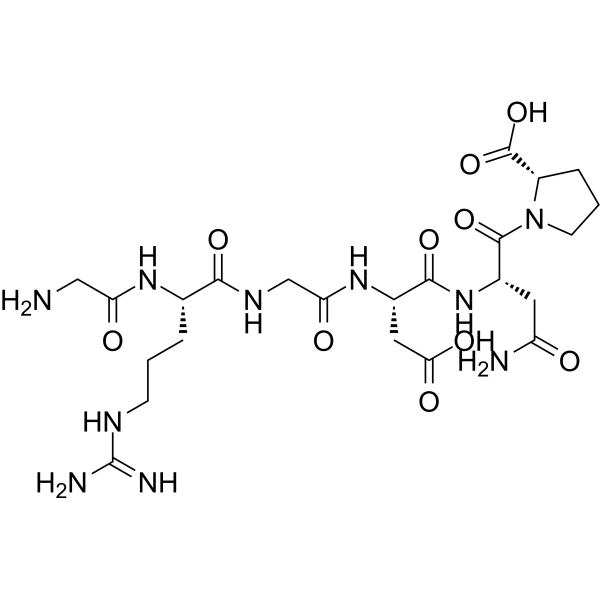
RGD peptide (GRGDNP) is an inhibitor of integrin-ligand interactions. RGD peptide (GRGDNP) competitively inhibits α5β1 binding with extracellular matrice (ECM). RGD peptide (GRGDNP) promotes apoptosis through activation of conformation changes that enhance pro-caspase-3 activation and autoprocessing. RGD peptide (GRGDNP) plays an important role in cell adhesion, migration, growth, and differentiation .
Natalizumab (Anti-CD49d) (AN100226; BG00002) Solution is a humanized monoclonal IgG4 antibody inhibitor that selectively targets α4integrin (CD49d), blocking the interaction of integrins such as α4β1 (VLA-4) with vascular cell adhesion molecule VCAM-1, intercellular adhesion molecule ICAM-1, and fibronectin by competitively binding to the α4 subunit. Natalizumab solution inhibits the adhesion, retention, and transendothelial migration of immune cells (such as CD4 + T cells), reducing the infiltration of inflammatory cells into the central nervous system or lesion sites, thereby exerting anti-inflammatory and immunomodulatory activity. Natalizumab (Anti-CD49d) solution is used in the study of relapsing-remitting multiple sclerosis (RRMS) and is also applied in the research of autoimmune or inflammation-related diseases such as Crohn's disease, B-cell lymphoma, and non-infectious uveitis. Natalizumab (Anti-CD49d) can also prevent lymphocytes from entering the central nervous system, thus preventing acute demyelinating relapses .
Lys-Gln-Ala-Gly-Asp-Val (KQAGDV) is the six most carboxyl-terminal amino acids in the fibrinogen γ-chain sequence. Lys-Gln-Ala-Gly-Asp-Val is a cell adhesion peptide which is mediated through the α2bβ3integrin. Lys-Gln-Ala-Gly-Asp-Val is a potent adhesion ligand for smooth muscle cells (SMCs) .
Suciraslimab (SM03) is an anti-human CD22 monoclonal antibody. Suciraslimab inhibits NLRP3 and ASC signaling. Suciraslimab suppresses cytokine (IL-1β, IL-12, IL-23) secretion and α4 integrin expression. Suciraslimab improves working memory and neuroinflammation . Suciraslimab isotype control product: Human IgG1 kappa, Isotype Control (HY-P99001).
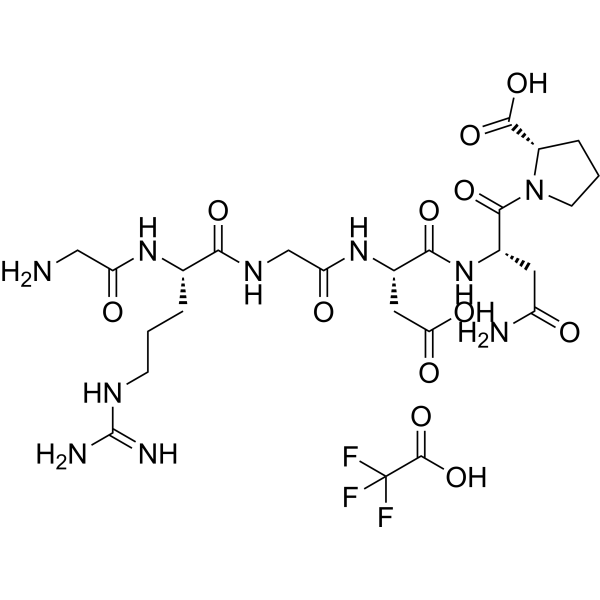
RGD peptide (GRGDNP) TFA is an inhibitor of integrin-ligand interactions. RGD peptide (GRGDNP) TFA competitively inhibits α5β1 binding with extracellular matrice (ECM). RGD peptide (GRGDNP) TFA promotes apoptosis through activation of conformation changes that enhance pro-caspase-3 activation and autoprocessing. RGD peptide (GRGDNP) TFA plays an important role in cell adhesion, migration, growth, and differentiation .
TC-I 15 (Standard) is the analytical standard of TC-I 15 (HY-107588). This product is intended for research and analytical applications. TC-I 15 (TC-I-15) is a type of allosteric collagen-binding integrinα2β1 inhibitor, and it also inhibits α1β1 and α11β1. TC-I 15 inhibits platelet adhesion to collagen and thrombus deposition. TC-I 15 prevents the formation of a pre-metastatic microenvironment by inhibiting the uptake of cancer-associated fibroblast (CAF) extracellular vesicles (EVs) by lung fibroblasts, which reduces the metastasis of salivary gland adenocystic carcinoma (SACC) to the lungs in mouse models, .
HMR 1031 is a very late antigen-4 (VLA4, i.e., integrinα4β1) inhibitor, with IC50 values of 0.7 nM and 0.3 nM against VLA-4/VCAM-1 and VLA-4/fibronectin, respectively. HMR 1031 blocks allergen-induced airway responses and airway inflammation in mouse and sheep models. HMR 1031 can be used in asthma-related research .
MK-0429 (L-000845704) is an orally active, potent, selective and nonpeptide pan-integrin antagonist with IC50 values of 1.6 nM, 2.8 nM, 0.1 nM, 0.7 nM, 0.5 nM and 12.2 nM for αvβ1, αvβ3, αvβ5, αvβ6, αvβ8 and α5β1, respectively .
SB-267268 is a selective and nonpeptidic alpha(v)beta3 (αvβ3) and alpha(v)beta5 (αvβ5)integrins antagonist, with Kis of 0.9, 0.5 and 0.7 nM for human αvβ3, monkey αvβ3 and human αvβ5, respectively. SB-267268 inhibits human and mouse αvβ3 with IC50s of 0.68 and 0.29 nM, respectively. SB-267268 reduces angiogenesis and VEGF expression .
CT20p is an anticancer peptide based on the C hydrophobic terminus of Bax. CT20p has a unique cytotoxic effect independent of full-length Bax, and can act on mitochondria, leading to fusion-like aggregation and mitochondrial membrane hyperpolarization. CT20p can reduce α5β1integrin levels and inhibit F-actin polymerization, thereby destroying the cytoskeleton and preventing cell attachment. CT20p can be used in the study of breast cancer .
LXY3 (LXY2) is a VLA-3-blocking peptide that inhibits the interaction between integrinα3β1 (VLA-3) on neutrophil surfaces and laminin in the basement membrane, thereby preventing neutrophil migration across the tumor vascular basement membrane barrier. LXY3 is used to block neutrophil-mediated nanoparticle release from perivascular pools into the tumor interstitium. LXY3 is commonly employed for targeted imaging of breast cancer .
N-Acetylgalactosaminyltransferase 1 (GALNT1) is a glycosyltransferase that initiates mucin-type O-glycosylation by transferring α-GalNAc from UDP-GalNAc to serine (Ser) or threonine (Thr) residues in proteins. Overexpression of N-Acetylgalactosaminyltransferase 1 in gastric cancer can promote abnormal O-glycosylation of CD44, thereby activating the Wnt/β-catenin signaling pathway and regulating the malignant behavior of gastric cancer cells. Additionally, N-Acetylgalactosaminyltransferase 1 plays a crucial role in cancer growth and metastasis by modifying the O-glycosylation of various glycoproteins, such as mucin (MUC1), osteopontin (OPN), matrix metalloproteinase-14 (MMP14), and integrinα3 .
Cilengitide (EMD 121974) is a BBB-permeable integrins antagonist with IC50s of 0.61 nM (ανβ3), 8.4 nM (ανβ5) and 14.9 nM (α5β1), respectively. Cilengitide inhibits the binding of ανβ3 and ανβ5 to Vitronectin with IC50s of 4 nM and 79 nM, respectively. Cilengitide inhibits TGF-β/Smad signaling, mediates PD-L1 expression. Cilengitide also induces apoptosis, shows antiangiogenic effect in the research against glioblastoma and other cancers .
Collagen (bovine skin) is a three-dimensional cell culture matrix and morphoregulator extracted from bovine skin, which binds to integrins (such as α1β1, α2β1, α11β1) and discoidin domain receptors (DDR1 and DDR2). Collagen (bovine skin) can be reconstituted into a three-dimensional fibrous network to mimic the in vivo tissue environment. It can not only be modified through cross-linking or concentration adjustment, but also interact with fibronectin to enhance matrix-associated cellular activities. Collagen (bovine skin) mediates the proliferation, aggregation, durotactic migration and differentiation of fibroblasts, regulates the synthesis, remodeling and contraction of extracellular matrix, and modulates the expression, activation of MMP as well as cell apoptosis, etc. Collagen (bovine skin) can be used in studies related to the mechanisms of cancer occurrence and development .
Cilengitide (Standard) is the analytical standard of Cilengitide. This product is intended for research and analytical applications. Cilengitide (EMD 121974) is a BBB-permeable integrins antagonist with IC50s of 0.61 nM (ανβ3), 8.4 nM (ανβ5) and 14.9 nM (α5β1), respectively. Cilengitide inhibits the binding of ανβ3 and ανβ5 to Vitronectin with IC50s of 4 nM and 79 nM, respectively. Cilengitide inhibits TGF-β/Smad signaling, mediates PD-L1 expression. Cilengitide also induces apoptosis, shows antiangiogenic effect in the research against glioblastoma and other cancers .
proMMP-9 inhibitor-3c (compound 3c) is a potent proMMP-9 inhibitor. proMMP-9 inhibitor-3c is specific for binding to the proMMP-9 hemopexin-like domain (Kd=320 nM). proMMP-9 inhibitor-3c disruption of MMP-9 homodimerization prevents association of proMMP-9 with both α4β1 integrin and CD44 and results in the dissociation of EGFR. This disruption results in decreased phosphorylation of Src and its downstream target proteins focal adhesion kinase (FAK) and paxillin (PAX) .
Cyclo (phg-isoDGR-k)-PEG4-non-cleavable-SAR405838 is a dual MDM2 and α5β1 integrin modulator. Cyclo (phg-isoDGR-k)-PEG4-non-cleavable-SAR405838 acts as an antiproliferative agent, apoptosis inducer and cell cycle regulator, induces reactivation of p53 and upregulation of p21, redistributes glioblastoma cells from the G0/G1 phase to the G2/M phase, and enhances apoptosis. Cyclo (phg-isoDGR-k)-PEG4-non-cleavable-SAR405838 is applicable to the research of glioblastoma .
Collagen (bovine skin) is a three-dimensional cell culture matrix and morphoregulator extracted from bovine skin, which binds to integrins (such as α1β1, α2β1, α11β1) and discoidin domain receptors (DDR1 and DDR2). Collagen (bovine skin) can be reconstituted into a three-dimensional fibrous network to mimic the in vivo tissue environment. It can not only be modified through cross-linking or concentration adjustment, but also interact with fibronectin to enhance matrix-associated cellular activities. Collagen (bovine skin) mediates the proliferation, aggregation, durotactic migration and differentiation of fibroblasts, regulates the synthesis, remodeling and contraction of extracellular matrix, and modulates the expression, activation of MMP as well as cell apoptosis, etc. Collagen (bovine skin) can be used in studies related to the mechanisms of cancer occurrence and development .
RGD peptide (GRGDNP) is an inhibitor of integrin-ligand interactions. RGD peptide (GRGDNP) competitively inhibits α5β1 binding with extracellular matrice (ECM). RGD peptide (GRGDNP) promotes apoptosis through activation of conformation changes that enhance pro-caspase-3 activation and autoprocessing. RGD peptide (GRGDNP) plays an important role in cell adhesion, migration, growth, and differentiation .
Obtustatin is a non-RGD disintegrin consisting of 41 residues. Obtustatin inhibits the adhesion of α1β1 integrin to type IV Collagen (HY-NP003), blocks α1β1 integrin signaling in endothelial cells, and suppresses FGF2-induced angiogenesis. Obtustatin inhibits tumor progression in mouse models and upregulates VEGF expression in sarcoma-bearing mice. Obtustatin can be used in research related to Lewis lung carcinoma and S-180 sarcoma .
REDV is the minimal active sequence within the CS5 site of the alternatively spliced type III connecting segment (IIICS) region of fibronectin. REDV can mediate adhesion to the IIICS region of plasma fibronectin by binding the integrinalpha 4 beta 1(α4β1). REDV can be used for the research of cell adhesion. REDV is used to study the effects of gene vectors containing REDV on cells .
GFOGER peptide is an artificially synthesized collagen-mimetic sequence. GFOGER peptide acts as a ligand for α2β1, α11β1 and α1β1integrins, thereby supporting integrin-mediated cell adhesion to collagen. GFOGER peptide triggers signaling pathways mediated by the α2β1integrin receptor and upregulates osteoblast differentiation. GFOGER peptide accelerates and enhances bone formation at sites of refractory femoral defects. GFOGER peptide can be passively adsorbed onto polymer scaffolds for cell-free/growth factor-free bone formation. GFOGER peptide is used in biomaterials such as hydrogels and 3D bioinks for tissue engineering research including bone formation .
α2β1 Integrin Ligand Peptide interacts with the α2β1 integrin receptor on the cell membrane and mediates extracellular signals into cells. It is a potential antagonist of collagen receptors .
RGD peptide (GRGDNP) TFA is an inhibitor of integrin-ligand interactions. RGD peptide (GRGDNP) TFA competitively inhibits α5β1 binding with extracellular matrice (ECM). RGD peptide (GRGDNP) TFA promotes apoptosis through activation of conformation changes that enhance pro-caspase-3 activation and autoprocessing. RGD peptide (GRGDNP) TFA plays an important role in cell adhesion, migration, growth, and differentiation .
α2β1 Integrin Ligand Peptide TFA interacts with the α2β1 integrin receptor on the cell membrane and mediates extracellular signals into cells. It is a potential antagonist of collagen receptors .
LDV-FITC, a fluorescent peptide, is a FITC-conjugated LDV peptide (HY-P2267). LDV-FITC binds to the α4β1 integrin with high affinity (Kd: 0.3 nM and 12 nM for binding to U937 cells in the presence and absence of Mn 2+ respectively). LDV-FITC can be used to detect α4β1 integrin affinity .
VSLRGDTRG acetate is a synthetic peptide containing the RGD motif from cadherin 17 (CDH17), which binds to α2β1 integrin and activates its signaling pathway. VSLRGDTRG acetate promotes the high-affinity conformational change of β1 integrin through the RGD motif, enhancing cell adhesion and phosphorylation of FAK and ERK1/2, thereby driving tumor proliferation and metastasis. VSLRGDTRG acetate can be used in research on cancers expressing CDH17, such as colon cancer and pancreatic cancer .
Lys-Gln-Ala-Gly-Asp-Val (KQAGDV) is the six most carboxyl-terminal amino acids in the fibrinogen γ-chain sequence. Lys-Gln-Ala-Gly-Asp-Val is a cell adhesion peptide which is mediated through the α2bβ3integrin. Lys-Gln-Ala-Gly-Asp-Val is a potent adhesion ligand for smooth muscle cells (SMCs) .
LXY3 (LXY2) is a VLA-3-blocking peptide that inhibits the interaction between integrinα3β1 (VLA-3) on neutrophil surfaces and laminin in the basement membrane, thereby preventing neutrophil migration across the tumor vascular basement membrane barrier. LXY3 is used to block neutrophil-mediated nanoparticle release from perivascular pools into the tumor interstitium. LXY3 is commonly employed for targeted imaging of breast cancer .
mP6 (Myr-FEEERA-OH) TFA is a myristoylated peptide. mP6 TFA inhibits the interaction of Gα13 with integrin β3 without disrupting talin-dependent integrin function. mP6 TFA can block the GTP usage of Rac1, Rap1, and Rab7, effectively inhibiting the infection of CHO-A24 cells .
VSLRGDTRG is a synthetic peptide containing the RGD motif from cadherin 17 (CDH17), which binds to α2β1 integrin and activates its signaling pathway. VSLRGDTRG promotes the high-affinity conformational change of β1 integrin through the RGD motif, enhancing cell adhesion and phosphorylation of FAK and ERK1/2, thereby driving tumor proliferation and metastasis. VSLRGDTRG can be used in research on cancers expressing CDH17, such as colon cancer and pancreatic cancer .
Obtustatin triacetate is a 41-residue non-RGD disintegrin. Obtustatin triacetate can be isolated from the venom of Vipera lebetina obtusa. Obtustatin triacetate is a potent and selective inhibitor of integrinα1β1 adhesion to type IV collagen. Obtustatin triacetate inhibits angiogenesis and may be used in cancer research .
Cyclo(Gly-Arg-Gly-Asp-Ser-Pro) (c(GRGDSP)) is an RGD-containing inhibitory peptide. Cyclo(Gly-Arg-Gly-Asp-Ser-Pro) is a synthetic α5β1 integrin ligand that competitively inhibits the binding of invasin (Inv) to α5β1 integrin expressed on Caco-2 cells .
Galacto-RGD is an RGD analogue that can be coupled with the radioactive isotope 18F and used as an integrinα β selective tracer . Galacto-RGD can be used for the synthesis/research of Radionuclide-Drug Conjugates (RDCs).
C16Y is a short peptide and an inhibitor of integrinsαvβ3 and α5β1. C16Y acts on the cell membrane and exerts its anticancer activity by inhibiting angiogenesis .
RTDLDSLRTYTL is an Alpha (v) beta (6) integrin (avb6) inhibitor with high affinity and specificity. RTDLDSLRTYTL binds to avb6 integrin, a peptide sequence that activates cytotoxicity and cytokine production in T cells, such as interferon-gamma. RTDLDSLRTYTL is designed through a chimeric T cell antigen receptor (CAR) so that T cells can be redirected to specifically recognize and attack tumor cells. RTDLDSLRTYTL can be used in the research of cancer immunotherapy and targeted drug development .
CT20p is an anticancer peptide based on the C hydrophobic terminus of Bax. CT20p has a unique cytotoxic effect independent of full-length Bax, and can act on mitochondria, leading to fusion-like aggregation and mitochondrial membrane hyperpolarization. CT20p can reduce α5β1integrin levels and inhibit F-actin polymerization, thereby destroying the cytoskeleton and preventing cell attachment. CT20p can be used in the study of breast cancer .
LDV-FITC TFA, a fluorescent peptide, is a FITC-conjugated LDV peptide (HY-P2267). LDV-FITC TFA binds to the α4β1 integrin with high affinity (Kd: 0.3 nM and 12 nM for binding to U937 cells in the presence and absence of Mn 2+ respectively). LDV-FITC TFA can be used to detect α4β1 integrin affinity .
mP6 (Myr-FEEERA-OH) is a myristoylated peptide. mP6 inhibits the interaction of Gα13 with integrin β3 without disrupting talin-dependent integrin function. mP6 can block the GTP usage of Rac1, Rap1, and Rab7, effectively inhibiting the infection of CHO-A24 cells .
EILEVPST is a recombinant human fibronectinderived low-molecular-weight peptide fragment. EILEVPST can promote cell type-specific α4 integrin-mediated adhesion. EILEVPST can be used for the research of thrombogenesis .
REDV TFA is the minimal active sequence within the CS5 site of the alternatively spliced type III connecting segment (IIICS) region of fibronectin. REDV TFA can mediate adhesion to the IIICS region of plasma fibronectin by binding the integrinalpha 4 beta 1(α4β1). REDV TFA can be used for the research of cell adhesion .
C16Y acetate is a short peptide and an inhibitor of integrinsαvβ3 and α5β1. C16Y acetate acts on the cell membrane and exerts its anticancer activity by inhibiting angiogenesis .
RTDLDSLRTYTL TFA is an Alpha (v) beta (6) integrin (avb6) inhibitor with high affinity and specificity. RTDLDSLRTYTL TFA binds to avb6 integrin, a peptide sequence that activates cytotoxicity and cytokine production in T cells, such as interferon-gamma. RTDLDSLRTYTL TFA is designed through a chimeric T cell antigen receptor (CAR) so that T cells can be redirected to specifically recognize and attack tumor cells. RTDLDSLRTYTL TFA can be used in the research of cancer immunotherapy and targeted drug development .
Natalizumab (Anti-CD49d) (AN100226; BG00002) Solution is a humanized monoclonal IgG4 antibody inhibitor that selectively targets α4integrin (CD49d), blocking the interaction of integrins such as α4β1 (VLA-4) with vascular cell adhesion molecule VCAM-1, intercellular adhesion molecule ICAM-1, and fibronectin by competitively binding to the α4 subunit. Natalizumab solution inhibits the adhesion, retention, and transendothelial migration of immune cells (such as CD4 + T cells), reducing the infiltration of inflammatory cells into the central nervous system or lesion sites, thereby exerting anti-inflammatory and immunomodulatory activity. Natalizumab (Anti-CD49d) solution is used in the study of relapsing-remitting multiple sclerosis (RRMS) and is also applied in the research of autoimmune or inflammation-related diseases such as Crohn's disease, B-cell lymphoma, and non-infectious uveitis. Natalizumab (Anti-CD49d) can also prevent lymphocytes from entering the central nervous system, thus preventing acute demyelinating relapses .
Vedolizumab (anti-α4β7-integrin) is a humanized IgG1 monoclonal antibody that targets the α4β7 integrin for the treatment of ulcerative colitis and Crohn's disease .
Etrolizumab (rhuMAb Beta7) is a gut-selective, anti-β7 integrin monoclonal antibody. Etrolizumab is specific targeting of the β7 subunit of α4β7 and αEβ7 integrins with Ki values of 18 nM and 1800 pM for Human α4β7 and Human αEβ7-293, respectively. Etrolizumab can be used in research of inflammatory bowel disease (IBD) .
Volociximab (M200) is a chimeric human/murine IgG4 antibody IIA1 targeting integrinα5β1 (EC50=0.2 nM). Integrinα5β1 is a major fibronectin receptor involved in angiogenesis. Volociximab has antiangiogenic and antitumor activities and inhibits the proliferation of human umbilical vein vascular endothelial cells (HUVECs) .
Anti-Mouse LPAM-1/Integrinα4β7 Antibody (DATK32) is a rat-derived anti-LPAM-1/Integrinα4β7 IgG2a, κ type antibody inhibitor. Anti-Mouse LPAM-1/Integrinα4β7 Antibody (DATK32) specifically reacts with both chains of the α4β7 heterodimer and blocks the adhesion to immobilized mucosal addressin cell adhesion molecule-1 (MAdCAM-1). Anti-Mouse LPAM-1/Integrinα4β7 Antibody (DATK32) suppresses the proliferation and cytokine secretion of CD8+ T cells. Anti-Mouse LPAM-1/Integrinα4β7 Antibody (DATK32) decreases Peyer’s patches and follicular B cells in mice. Anti-Mouse LPAM-1/Integrinα4β7 Antibody (DATK32) can be used for the researches of inflammation, such as ulcerative colitis .
Natalizumab (AN100226; BG00002) is a humanized monoclonal IgG4 antibody inhibitor that selectively targets α4integrin (CD49d). It blocks the interaction of integrins such as α4β1 (VLA-4) with vascular cell adhesion molecule VCAM-1, intercellular adhesion molecule ICAM-1, and fibronectin by competitively binding to the α4 subunit. Natalizumab inhibits the adhesion, retention, and transendothelial migration of immune cells (such as CD4 + T cells), reducing the infiltration of inflammatory cells into the central nervous system or lesion sites, thus exerting anti-inflammatory and immunomodulatory activity. Natalizumab is used in the study of relapsing-remitting multiple sclerosis (RRMS) and also has applications in the study of autoimmune or inflammation-related diseases such as Crohn's disease, B-cell lymphoma, and non-infectious uveitis. Natalizumab can also prevent lymphocytes from entering the central nervous system, thereby preventing acute demyelinating relapses .
Abrilumab is a fully human monoclonal antibody directed against α4β7. Abrilumab selectively binds the α4β7 integrin heterodimer. Abrilumab can be used for the research of inflammatory bowel disease (IBD) .
Suciraslimab (SM03) is an anti-human CD22 monoclonal antibody. Suciraslimab inhibits NLRP3 and ASC signaling. Suciraslimab suppresses cytokine (IL-1β, IL-12, IL-23) secretion and α4 integrin expression. Suciraslimab improves working memory and neuroinflammation . Suciraslimab isotype control product: Human IgG1 kappa, Isotype Control (HY-P99001).
Anti-LFA-1α/CD11a Antibody (TS-1/22.1.1.13) is a kind of mouse IgG1 chimeric antibody inhibitor, targeting to human LFA-1α/CD11a. Anti-LFA-1α/CD11a Antibody (TS-1/22.1.1.13) reacts with human LFA-1α (lymphocyte function-associated antigen 1 alpha) also known as integrinalpha L chain and CD11a. Anti-LFA-1α/CD11a Antibody (TS-1/22.1.1.13) can be used for the researches of immunology and infection, such as human immunodeficiency virus (HIV) .
ASP5094 is a humanized monoclonal antibody against integrinalpha-9. ASP5094 has good safety and tolerability. ASP5094 can be used in the research of diseases such as rheumatoid arthritis .
MINT1526A (RG-7594) is a humanized IgG1 monoclonal antibody inhibitor targeting α5β1 integrin. MINT1526A has significant anti-angiogenic activity. MINT1526A can be used for cancers research .
Anti-CD11a/LFA-1α Antibody (R7-1) is a kind of mouse IgG1 chimeric antibody inhibitor, targeting to human CD11a/LFA-1α. Anti-CD11a/LFA-1α Antibody (R7-1) can neutralize LFA-1α (lymphocyte function-associated antigen 1 alpha) also known as integrinalpha L chain and CD11a. Anti-CD11a/LFA-1α Antibody (R7-1) can be used for the research of inflammation .
PAS-003 is a humanized monoclonal antibody targerting α5β1 integrin. PAS-003 modulates immune cell migration, immune cell adhesion, improves behavior, and improves survival in ALS mouse models. PAS-003 can be used for the research of amyotrophic lateral sclerosis .
Irigenin is a is a lead compound, and mediates its anti-metastatic effect by specifically and selectively blocking α9β1 and α4β1integrins binding sites on C-C loop of Extra Domain A (EDA). Irigenin shows anti-cancer properties. It sensitizes TRAIL-induced apoptosis via enhancing pro-apoptotic molecules in gastric cancer cells .
Fibrin is an insoluble protein found in blood that is produced in response to bleeding. As the main component of blood clots, fibrin functions in blood coagulation. Fibrin binds to the integrinsICAM-1, VE-cadherin, αIIbβ3, αMβ2, αvβ3 and α5β1. Fibrin is used in research related to chronic wounds .
2-Methylbutyrylcarnitine (chloride) is a gut microbial metabolite which binds to integrinα2β1 in platelets, potentiating cytosolic phospholipase A2 (cPLA2) activation and platelet hyperresponsiveness. 2-Methylbutyrylcarnitine (chloride) enhances platelet hyperreactivity and thrombus formation in mice. 2-Methylbutyrylcarnitine (chloride) is a branched-chain acylcarnitine .
Irigenin (Standard) is the analytical standard of Irigenin. This product is intended for research and analytical applications. Irigenin is a is a lead compound, and mediates its anti-metastatic effect by specifically and selectively blocking α9β1 and α4β1 integrins binding sites on C-C loop of Extra Domain A (EDA). Irigenin shows anti-cancer properties. It sensitizes TRAIL-induced apoptosis via enhancing pro-apoptotic molecules in gastric cancer cells .
Integrin α V beta 3 proteins, specifically the α-V (ITGAV) subunit, are multifunctional receptors for ligands such as vitronectin and fibronectin and recognize RGD sequences. ITGAV: ITGB3 binds fractalkine and acts as a coreceptor in CX3CR1-dependent signaling. Integrin alpha V beta 3 Protein, Human (HEK293, His, solution) is a recombinant protein dimer complex containing human-derived Integrin alpha V beta 3 protein, expressed by HEK293 , with C-His labeled tag. Integrin alpha V beta 3 Protein, Human (HEK293, His, solution), has molecular weight of ~193.32 kDa.
Integrin α V beta 5 proteins, specifically the α-V (ITGAV) subunit, are multifunctional receptors for ligands such as vitronectin and fibronectin and recognize RGD sequences. ITGAV: ITGB3 binds fractalkine and acts as a coreceptor in CX3CR1-dependent signaling. Integrin alpha V beta 8 Protein, Human (HEK293, His) is a recombinant protein dimer complex containing human-derived Integrin alpha V beta 8 protein, expressed by HEK293 , with C-6*His labeled tag. Integrin alpha V beta 8 Protein, Human (HEK293, His), has molecular weight of 125-160 & 80-100 kDa, respectively.
Integrin alpha V beta 6 Protein, Human (HEK293, His) is a recombinant protein dimer complex containing human-derived Integrin alpha V beta 6 protein, expressed by HEK293 , with C-His labeled tag. Integrin alpha V beta 6 Protein, Human (HEK293, His), has molecular weight of ~130 & 95 KDa, respectively.
Integrin α V beta 5 proteins, specifically the α-V (ITGAV) subunit, are multifunctional receptors for ligands such as vitronectin and fibronectin and recognize RGD sequences. ITGAV: ITGB3 binds fractalkine and acts as a coreceptor in CX3CR1-dependent signaling. Integrin alpha V beta 6 Protein, Human (HEK293, Flag-His) is a recombinant protein dimer complex containing human-derived Integrin alpha V beta 6 protein, expressed by HEK293 , with C-His, C-Flag labeled tag. Integrin alpha V beta 6 Protein, Human (HEK293, Flag-His), has molecular weight of ~190.4 kDa.
Integrin alpha V beta 3 (ITGAV:ITGB3) functions as a receptor for CD40LG, enhancing Lilrb4a inhibitory effects on mast cell activation. It suppresses marginal zone B cell antibody production through Lilrb4a interaction. ITGAV:ITGB3, forming a heterodimer with ITGAV, interacts with ligands such as RAB25, CIB1, FBLN5, and more. It also forms a complex with PTPRZ1 and PTN, stimulating endothelial cell migration. Integrin alpha V beta 8 Protein, Mouse (HEK293, His) is a recombinant protein dimer complex containing mouse-derived Integrin alpha V beta 8 protein, expressed by HEK293 , with C-His labeled tag. Integrin alpha V beta 8 Protein, Mouse (HEK293, His), has molecular weight of 80-140 kDa.
ITGA5 is a multifunctional receptor that interacts with multiple ligands such as fibronectin, fibrinogen, PLA2G2A, fibrillin-1 (FBN1), IL1B, human metapneumovirus, and soluble CD40LG. ITGA5 recognizes RGD sequences and mediates cell adhesion through different binding sites. Integrin alpha 5 beta 1 Protein, Human (HEK293, Flag-His) is a recombinant protein dimer complex containing human-derived Integrin alpha 5 beta 1 protein, expressed by HEK293 , with C-Flag, C-10*His labeled tag. Integrin alpha 5 beta 1 Protein, Human (HEK293, Flag-His), has molecular weight of ~101.35 kDa.
Integrin alpha 6 beta 1 Protein, Human (HEK293, His-Avi) is the recombinant human-derived Integrin alpha 6 beta 1 protein, expressed by HEK293, with C-Avi, C-His labeled tag., has molecular weight of 110-130 kDa.
Integrin α V beta 5 proteins, specifically the α-V (ITGAV) subunit, are multifunctional receptors for ligands such as vitronectin and fibronectin and recognize RGD sequences. ITGAV: ITGB3 binds fractalkine and acts as a coreceptor in CX3CR1-dependent signaling. Integrin alpha V beta 6 Protein, Human (Biotinylated, HEK293, His-Avi) is a recombinant protein dimer complex containing human-derived Integrin alpha V beta 6 protein, expressed by HEK293 , with C-Avi, C-His labeled tag. Integrin alpha V beta 6 Protein, Human (Biotinylated, HEK293, His-Avi), has molecular weight of 90-150 kDa.
Integrin α V beta 5 proteins, specifically the α-V (ITGAV) subunit, are multifunctional receptors for ligands such as vitronectin and fibronectin and recognize RGD sequences. ITGAV: ITGB3 binds fractalkine and acts as a coreceptor in CX3CR1-dependent signaling. Integrin alpha V beta 8 Protein, Human (Biotinylated, HEK293, His-Avi) is a recombinant protein dimer complex containing human-derived Integrin alpha V beta 8 protein, expressed by HEK293 , with C-Avi, C-His labeled tag. Integrin alpha V beta 8 Protein, Human (Biotinylated, HEK293, His-Avi), has molecular weight of 85-145 kDa.
ITGA5 is a multifunctional receptor that interacts with multiple ligands such as fibronectin, fibrinogen, PLA2G2A, fibrillin-1 (FBN1), IL1B, human metapneumovirus, and soluble CD40LG. ITGA5 recognizes RGD sequences and mediates cell adhesion through different binding sites. Integrin alpha 5 beta 1 Protein, Human (Biotinylated, HEK293, His-Avi) is a recombinant protein dimer complex containing human-derived Integrin alpha 5 beta 1 protein, expressed by HEK293 , with C-Avi, C-His labeled tag. Integrin alpha 5 beta 1 Protein, Human (Biotinylated, HEK293, His-Avi), has molecular weight of 110-140 kDa.
ITGA5 is a multifunctional receptor that interacts with multiple ligands such as fibronectin, fibrinogen, PLA2G2A, fibrillin-1 (FBN1), IL1B, human metapneumovirus, and soluble CD40LG. ITGA5 recognizes RGD sequences and mediates cell adhesion through different binding sites. ITGA5 Protein, Human (HEK293, His) is the recombinant human-derived ITGA5 protein, expressed by HEK293 , with C-6*His labeled tag.
Integrin α-8/β-1 coordinates the recruitment of mesenchymal cells during renal organogenesis and recognizes RGD sequences in ligands such as TNC, FN1, SPP1, TGFB1, TGFB3, and VTN. It plays a role in multiple cellular interactions critical for organogenesis, including NPNT as a functional ligand in nephrogenesis. Integrin alpha 8 beta 1 Protein, Human (HEK293, His) is a recombinant protein dimer complex containing human-derived Integrin alpha 8 beta 1 protein, expressed by HEK293 , with C-His labeled tag. Integrin alpha 8 beta 1 Protein, Human (HEK293, His), has molecular weight of 120-140 kDa & 100-120 kDa, respectively.
Integrin alpha V beta 3 (ITGAV:ITGB3) functions as a receptor for CD40LG, enhancing Lilrb4a inhibitory effects on mast cell activation. It suppresses marginal zone B cell antibody production through Lilrb4a interaction. ITGAV:ITGB3, forming a heterodimer with ITGAV, interacts with ligands such as RAB25, CIB1, FBLN5, and more. It also forms a complex with PTPRZ1 and PTN, stimulating endothelial cell migration. Integrin alpha V beta 6 Protein, Mouse (HEK293, His) is a recombinant protein dimer complex containing mouse-derived Integrin alpha V beta 6 protein, expressed by HEK293 , with C-His labeled tag. Integrin alpha V beta 6 Protein, Mouse (HEK293, His), has molecular weight of 90-140 kDa.
Integrin alpha 6 beta 4 Protein, Human (HEK293, Flag-His) is the recombinant human-derived Integrin alpha 6 beta 4 protein, expressed by HEK293, with C-His, C-Flag labeled tag., has molecular weight of ~196 kDa.
Integrin α-8/β-1 coordinates the recruitment of mesenchymal cells during renal organogenesis and recognizes RGD sequences in ligands such as TNC, FN1, SPP1, TGFB1, TGFB3, and VTN. It plays a role in multiple cellular interactions critical for organogenesis, including NPNT as a functional ligand in nephrogenesis. Integrin alpha 8 beta 1 Protein, Human (HEK293, Flag, His) is a recombinant protein dimer complex containing human-derived Integrin alpha 8 beta 1 protein, expressed by HEK293 , with C-10*His, C-Flag labeled tag. Integrin alpha 8 beta 1 Protein, Human (HEK293, Flag, His), has molecular weight of ~85-140 kDa.
Integrin α-10/β-1 is a collagen-specific receptor that plays a crucial role in mediating cell interactions with the extracellular matrix. It consists of alpha-10 and beta-1 subunits, which stably associate to form a heterodimeric complex. Integrin alpha 10 beta 1 Protein, Human (HEK293, His) is a recombinant protein dimer complex containing human-derived Integrin alpha 10 beta 1 protein, expressed by HEK293 , with C-His labeled tag. Integrin alpha 10 beta 1 Protein, Human (HEK293, His), has molecular weight of 140-160 kDa (ITGA10) & 100-130 kDa (ITGB), respectively.
Integrin alpha V beta 6 Protein, Human (HEK293, His-Avi) is a recombinant protein dimer complex containing human-derived Integrin alpha V beta 6 protein, expressed by HEK293 , with C-His, C-Avi labeled tag. Integrin alpha V beta 6 Protein, Human (HEK293, His-Avi), has molecular weight of 90-150 kDa.
Integrin alpha V beta 6 Protein, part of the integrin alpha chain family, is featured. Integrin alpha V beta 6 Protein, Rhesus Macaque (HEK293, His) is a recombinant protein dimer complex containing Rhesus Macaque-derived Integrin alpha V beta 6 protein, expressed by HEK293 , with C-His labeled tag. Integrin alpha V beta 6 Protein, Rhesus Macaque (HEK293, His), has molecular weight of 90-140 kDa.
Integrin α V beta 5 proteins, specifically the α-V (ITGAV) subunit, are multifunctional receptors for ligands such as vitronectin and fibronectin and recognize RGD sequences. ITGAV: ITGB3 binds fractalkine and acts as a coreceptor in CX3CR1-dependent signaling. Integrin alpha V beta 8 Protein, Human (HEK293, His-Avi) is a recombinant protein dimer complex containing human-derived Integrin alpha V beta 8 protein, expressed by HEK293 , with C-Avi, C-His labeled tag. Integrin alpha V beta 8 Protein, Human (HEK293, His-Avi), has molecular weight of 90-150 kDa.
Integrin alpha V beta 6 Protein, part of the integrin alpha chain family, is featured. Integrin alpha V beta 8 Protein, Rhesus Macaque (HEK293, His) is a recombinant protein dimer complex containing Rhesus Macaque-derived Integrin alpha V beta 8 protein, expressed by HEK293 , with C-His labeled tag. Integrin alpha V beta 8 Protein, Rhesus Macaque (HEK293, His), has molecular weight of 90-140 kDa.
Integrin alpha V beta 3 (ITGAV:ITGB3) functions as a receptor for CD40LG, enhancing Lilrb4a inhibitory effects on mast cell activation. It suppresses marginal zone B cell antibody production through Lilrb4a interaction. ITGAV:ITGB3, forming a heterodimer with ITGAV, interacts with ligands such as RAB25, CIB1, FBLN5, and more. It also forms a complex with PTPRZ1 and PTN, stimulating endothelial cell migration. Integrin alpha V beta 3 Protein, Mouse (HEK293, hFc) is a recombinant protein dimer complex containing mouse-derived Integrin alpha V beta 3 protein, expressed by HEK293 , with C-hFc labeled tag. Integrin alpha V beta 3 Protein, Mouse (HEK293, hFc), has molecular weight of 110-135 kDa & 50-60 kDa, respectively.
Integrin alpha V beta 3 (ITGAV:ITGB3) functions as a receptor for CD40LG, enhancing Lilrb4a inhibitory effects on mast cell activation. It suppresses marginal zone B cell antibody production through Lilrb4a interaction. ITGAV:ITGB3, forming a heterodimer with ITGAV, interacts with ligands such as RAB25, CIB1, FBLN5, and more. It also forms a complex with PTPRZ1 and PTN, stimulating endothelial cell migration. Integrin alpha V beta 3 Protein, Mouse (HEK293, His) is a recombinant protein dimer complex containing mouse-derived Integrin alpha V beta 3 protein, expressed by HEK293 , with C-His labeled tag. Integrin alpha V beta 3 Protein, Mouse (HEK293, His), has molecular weight of 90-130 kDa.
Integrin alpha V beta 3 Protein, part of the integrin alpha chain family, is highlighted. Integrin alpha V beta 3 Protein, Cynomolgus (HEK293, His) is a recombinant protein dimer complex containing cynomolgus-derived Integrin alpha V beta 3 protein, expressed by HEK293 , with C-His labeled tag. Integrin alpha V beta 3 Protein, Cynomolgus (HEK293, His), has molecular weight of 95-140 kDa.
ITGA5 is a multifunctional receptor that interacts with multiple ligands such as fibronectin, fibrinogen, PLA2G2A, fibrillin-1 (FBN1), IL1B, human metapneumovirus, and soluble CD40LG. ITGA5 recognizes RGD sequences and mediates cell adhesion through different binding sites. Integrin alpha 5 beta 1 Protein, Human (HEK293, His-Avi) is a recombinant protein dimer complex containing human-derived Integrin alpha 5 beta 1 protein, expressed by HEK293 , with C-Avi, C-His labeled tag. Integrin alpha 5 beta 1 Protein, Human (HEK293, His-Avi), has molecular weight of 100-140 kDa.
Integrin alpha-V/beta-3 (ITGAV:ITGB3) is a receptor for cytotactin, fibronectin, laminin, matrix metalloproteinase-2, osteopontin, osteomodulin, prothrombin, thrombospondin, vitronectin and von Willebrand factor. Integrin alpha V beta 3 Protein, Human (Biotinylated, HEK293, His-Avi) is a recombinant protein dimer complex containing human-derived Integrin alpha V beta 3 protein, expressed by HEK293 , with C-Avi, C-His labeled tag. Integrin alpha V beta 3 Protein, Human (Biotinylated, HEK293, His-Avi), has molecular weight of 90-160 kDa.
Integrin α V beta 5 proteins, specifically the α-V (ITGAV) subunit, are multifunctional receptors for ligands such as vitronectin and fibronectin and recognize RGD sequences. ITGAV: ITGB3 binds fractalkine and acts as a coreceptor in CX3CR1-dependent signaling. Integrin alpha V beta 5 Protein, Human (Biotinylated, HEK293, His-Avi) is a recombinant protein dimer complex containing human-derived Integrin alpha V beta 5 protein, expressed by HEK293 , with C-Avi, C-His labeled tag. Integrin alpha V beta 5 Protein, Human (Biotinylated, HEK293, His-Avi), has molecular weight of 85-140 kDa.
Integrin alpha V beta 3 (ITGAV:ITGB3) functions as a receptor for CD40LG, enhancing Lilrb4a inhibitory effects on mast cell activation. It suppresses marginal zone B cell antibody production through Lilrb4a interaction. ITGAV:ITGB3, forming a heterodimer with ITGAV, interacts with ligands such as RAB25, CIB1, FBLN5, and more. It also forms a complex with PTPRZ1 and PTN, stimulating endothelial cell migration. Integrin alpha V beta 3 Protein, Mouse (Biotinylated, HEK293, His-Avi) is a recombinant protein dimer complex containing mouse-derived Integrin alpha V beta 3 protein, expressed by HEK293 , with C-Avi, C-His labeled tag. Integrin alpha V beta 3 Protein, Mouse (Biotinylated, HEK293, His-Avi), has molecular weight of 90-130 kDa.
Integrin α V beta 5 proteins, specifically the α-V (ITGAV) subunit, are multifunctional receptors for ligands such as vitronectin and fibronectin and recognize RGD sequences. ITGAV: ITGB3 binds fractalkine and acts as a coreceptor in CX3CR1-dependent signaling. Integrin alpha V beta 8 Protein, Human (HEK293, His, solution) is a recombinant protein dimer complex containing human-derived Integrin alpha V beta 8 protein, expressed by HEK293 , with C-His labeled tag. Integrin alpha V beta 8 Protein, Human (HEK293, His, solution), has molecular weight of ~187.95 kDa.
Integrin alpha-V/beta-3 (ITGAV:ITGB3) is a receptor for cytotactin, fibronectin, laminin, matrix metalloproteinase-2, osteopontin, osteomodulin, prothrombin, thrombospondin, vitronectin and von Willebrand factor. Integrin alpha V beta 3 Protein, Human (HEK293, His-Avi) is a recombinant protein dimer complex containing human-derived Integrin alpha V beta 3 protein, expressed by HEK293, with C-His, C-Avi labeled tag. Integrin alpha V beta 3 Protein, Human (HEK293, His-Avi), has molecular weight of 85-140 kDa.
Integrin α V beta 5 proteins, specifically the α-V (ITGAV) subunit, are multifunctional receptors for ligands such as vitronectin and fibronectin and recognize RGD sequences. ITGAV: ITGB3 binds fractalkine and acts as a coreceptor in CX3CR1-dependent signaling. Integrin alpha V beta 5 Protein, Human (HEK293, His-Avi) is a recombinant protein dimer complex containing human-derived Integrin alpha V beta 5 protein, expressed by HEK293 , with C-Avi, C-His labeled tag. Integrin alpha V beta 5 Protein, Human (HEK293, His-Avi), has molecular weight of 85-160 kDa.
Integrin α-X/β-2 is a receptor for fibrinogen that recognizes GPR sequences. It plays a key role in inflammatory responses, particularly in monocyte adhesion and chemotaxis. Integrin alpha X beta 2 Protein, Human (HEK293, His) is a recombinant protein dimer complex containing human-derived Integrin alpha X beta 2 protein, expressed by HEK293 , with C-His labeled tag. Integrin alpha X beta 2 Protein, Human (HEK293, His), has molecular weight of 130-150 kDa (ITGAX) & 85-96 kDa (ITGB2), respectively.
Integrin α-X/β-2 is a receptor for fibrinogen that recognizes GPR sequences. It plays a key role in inflammatory responses, particularly in monocyte adhesion and chemotaxis. Integrin alpha X beta 2 Protein, Human (HEK293, Flag, His) is a recombinant protein dimer complex containing human-derived Integrin alpha X beta 2 protein, expressed by HEK293 , with C-His, C-Flag labeled tag.
ITGA1 Protein, a cell surface receptor, plays a crucial role in cell adhesion, migration, and tissue development. Dysregulation of ITGA1 Protein has been linked to various diseases, including cancer and fibrosis. Targeting ITGA1 Protein may provide potential therapeutic interventions in these conditions by modulating cell adhesion, inhibiting tumor growth, and preventing tissue fibrosis. Integrin alpha A1 beta 1 Protein, Human (HEK293, His) is a recombinant protein dimer complex containing human-derived Integrin alpha A1 beta 1 protein, expressed by HEK293 , with C-His labeled tag. Integrin alpha A1 beta 1 Protein, Human (HEK293, His), has molecular weight of 160-200 kDa.
Integrin α-1/β-1 is a receptor for laminin and collagen that recognizes the proline hydroxylation sequence GFPGER within collagen. This integrin negatively regulates EGF-stimulated cell growth and forms a heterodimeric complex with beta-1 that interacts with the small GTPase RAB21. Integrin alpha A1 beta 1 Protein, Mouse (HEK293, His) is a recombinant protein dimer complex containing mouse-derived Integrin alpha A1 beta 1 protein, expressed by HEK293 , with C-His labeled tag. Integrin alpha A1 beta 1 Protein, Mouse (HEK293, His), has molecular weight of 140-200 kDa (ITGA1) & 100-115 kDa (ITGB1), respectively.
Integrin α V beta 3 proteins, specifically the α-V (ITGAV) subunit, are multifunctional receptors for ligands such as vitronectin and fibronectin and recognize RGD sequences. ITGAV: ITGB3 binds fractalkine and acts as a coreceptor in CX3CR1-dependent signaling. Integrin alpha V beta 3 Protein, Human (HEK293, C-His) is a recombinant protein dimer complex containing human-derived Integrin alpha V beta 3 protein, expressed by HEK293 , with C-10*His labeled tag. Integrin alpha V beta 3 Protein, Human (HEK293, C-His), has molecular weight of ~90.31 & 110-150 kDa, respectively.
ITGA1 Protein, a cell surface receptor, plays a crucial role in cell adhesion, migration, and tissue development. Dysregulation of ITGA1 Protein has been linked to various diseases, including cancer and fibrosis. Targeting ITGA1 Protein may provide potential therapeutic interventions in these conditions by modulating cell adhesion, inhibiting tumor growth, and preventing tissue fibrosis. ITGA1 Protein, Human (HEK293, His) is the recombinant human-derived ITGA1 protein, expressed by HEK293, with C-His labeled tag.
ITGA2 Protein, a transmembrane receptor, is involved in cell adhesion, platelet aggregation, and tumor metastasis. Dysregulation of ITGA2 Protein has been associated with various disorders, including thrombosis and cancer. Targeting ITGA2 Protein may offer potential therapeutic interventions in these conditions by modulating cell adhesion, inhibiting blood clot formation, and preventing tumor metastasis. Integrin alpha 2 beta 1 Protein, Human (HEK293, His) is a recombinant protein dimer complex containing human-derived Integrin alpha 2 beta 1 protein, expressed by HEK293 , with C-His labeled tag. Integrin alpha 2 beta 1 Protein, Human (HEK293, His), has molecular weight of 110-140 kDa.
Integrin α V beta 5 proteins, specifically the α-V (ITGAV) subunit, are multifunctional receptors for ligands such as vitronectin and fibronectin and recognize RGD sequences. ITGAV: ITGB3 binds fractalkine and acts as a coreceptor in CX3CR1-dependent signaling. Integrin alpha V beta 1 Protein, Human (HEK293, His, Avi) is the recombinant human-derived Integrin alpha V beta 1, expressed by HEK293, with C-Avi, C-His labeled tag.
Integrin α-2/β-1 is a key collagen receptor that focuses platelet and cell adhesion to collagen and regulates collagen and collagenase gene expression.In addition to its collagen-related functions, it contributes to force generation, extracellular matrix organization, and recognition of laminin, collagen C propeptide, and E-cadherin.Integrin alpha 2 beta 1 Protein, Mouse (HEK293, His) is a recombinant protein dimer complex containing mouse-derived Integrin alpha 2 beta 1 protein, expressed by HEK293 , with C-His labeled tag.Integrin alpha 2 beta 1 Protein.
The integrin alpha L beta 2 protein is a receptor for ICAM1, ICAM2, ICAM3, ICAM4, and F11R and is involved in immune phenomena, including leukocyte-endothelial cell interactions, cytotoxic T cell killing, and antibody-dependent killing. It contributes to natural killer cell cytotoxicity and leukocyte adhesion and migration. Integrin alpha L beta 2 Protein, Mouse (HEK293, His) is a recombinant protein dimer complex containing mouse-derived Integrin alpha L beta 2 protein, expressed by HEK293 , with C-His labeled tag. Integrin alpha L beta 2 Protein, Mouse (HEK293, His), has molecular weight of 160-180 kDa (ITGAL) & 90-105 kDa (ITGB2), respectively.
Integrin α-IIb/β-3 is a multifunctional receptor that recognizes multiple ligands and plays a key role in platelet function and hemostasis. It binds fibronectin, fibrinogen, plasminogen, prothrombin, thrombospondin and vitronectin via the RGD sequence, specifically recognizing the HHLGGGAKQAGDV sequence in fibrinogen. Integrin alpha 2B beta 3 Protein, Mouse (HEK293, His) is a recombinant protein dimer complex containing mouse-derived Integrin alpha 2B beta 3 protein, expressed by HEK293 , with C-His labeled tag. Integrin alpha 2B beta 3 Protein, Mouse (HEK293, His), has molecular weight of 90-113 kDa.
Integrin alpha 2B beta 3 Protein, found on platelets, plays a crucial role in blood clotting. It binds to fibrinogen, facilitating platelet aggregation and forming stable clots. Understanding the functions of Integrin alpha 2B beta 3 Protein can help in developing therapies for clotting disorders and improving hemostasis. Integrin alpha 2B beta 3 Protein, Human (HEK293, His) is a recombinant protein dimer complex containing human-derived Integrin alpha 2B beta 3 protein, expressed by HEK293 , with C-His labeled tag. Integrin alpha 2B beta 3 Protein, Human (HEK293, His), has molecular weight of 95-115 kDa.
Integrin α M β 2 (ITGAM/ITGB2) mediates adhesion of monocytes and granulocytes and promotes uptake of complement-coated particles and pathogens. As a receptor for iC3b and fibrinogen, it regulates neutrophil migration, contributes to CD177-PRTN3-mediated activation, and may influence phagocytosis-induced apoptosis. Integrin alpha M beta 2 Protein, Human (HEK293, His) is a recombinant protein dimer complex containing human-derived Integrin alpha M beta 2 protein, expressed by HEK293 , with C-His labeled tag. Integrin alpha M beta 2 Protein, Human (HEK293, His), has molecular weight of 140-160 kDa (ITGAM) & 90-100 kDa (ITGB2), respectively.
Western blot analysis of extracts from THP-1(lane 2(20μg), Jurkat (lane 3(20μg) and NIH3T3(lane 4(20μg) using FOXO1A (HY-P80132) Rabbit mAb. Proteins were transferred
to a PVDF membrane and blocked with 5% non-fat milk in TBST for 2 hour at room temperature. The primary antibody (1/1000) and Loading control antibody (Beta Actin, HY-P80438, 1/10000) was
used in 5% non-fat milk in TBST at 4°C overnight. Goat Anti-Mouse/Rabbit IgG-HRP Secondary Antibody (1/10000) was used for 1 hour at room temperature.
Western blot analysis of extracts from THP-1(lane 2(20μg), Jurkat (lane 3(20μg) and NIH3T3(lane 4(20μg) using FOXO1A (HY-P80132) Rabbit mAb. Proteins were transferred
to a PVDF membrane and blocked with 5% non-fat milk in TBST for 2 hour at room temperature. The primary antibody (1/1000) and Loading control antibody (Beta Actin, HY-P80438, 1/10000) was
used in 5% non-fat milk in TBST at 4°C overnight. Goat Anti-Mouse/Rabbit IgG-HRP Secondary Antibody (1/10000) was used for 1 hour at room temperature.
Western blot analysis of extracts from THP-1(lane 2(20μg), Jurkat (lane 3(20μg) and NIH3T3(lane 4(20μg) using FOXO1A (HY-P80132) Rabbit mAb. Proteins were transferred
to a PVDF membrane and blocked with 5% non-fat milk in TBST for 2 hour at room temperature. The primary antibody (1/1000) and Loading control antibody (Beta Actin, HY-P80438, 1/10000) was
used in 5% non-fat milk in TBST at 4°C overnight. Goat Anti-Mouse/Rabbit IgG-HRP Secondary Antibody (1/10000) was used for 1 hour at room temperature.
Western blot analysis of extracts from THP-1(lane 2(20μg), Jurkat (lane 3(20μg) and NIH3T3(lane 4(20μg) using FOXO1A (HY-P80132) Rabbit mAb. Proteins were transferred
to a PVDF membrane and blocked with 5% non-fat milk in TBST for 2 hour at room temperature. The primary antibody (1/1000) and Loading control antibody (Beta Actin, HY-P80438, 1/10000) was
MedchemExpress Validation 03
Western blot analysis of extracts from THP-1(lane 2(20μg), Jurkat (lane 3(20μg) and NIH3T3(lane 4(20μg) using FOXO1A (HY-P80132) Rabbit mAb. Proteins were transferred
MedchemExpress Validation 04
Western blot analysis of extracts from THP-1(lane 2(20μg), Jurkat (lane 3(20μg) and NIH3T3(lane 4(20μg) using FOXO1A (HY-P80132) Rabbit mAb. Proteins were transferred
to a PVDF membrane and blocked with 5% non-fat milk in TBST for 2 hour at room temperature. The primary antibody (1/1000) and Loading control antibody (Beta Actin, HY-P80438, 1/10000) was
used in 5% non-fat milk in TBST at 4°C overnight. Goat Anti-Mouse/Rabbit IgG-HRP Secondary Antibody (1/10000) was used for 1 hour at room temperature.
MedchemExpress Validation
Western blot analysis of extracts from THP-1(lane 2(20μg), Jurkat (lane 3(20μg) and NIH3T3(lane 4(20μg) using FOXO1A (HY-P80132) Rabbit mAb. Proteins were transferred
to a PVDF membrane and blocked with 5% non-fat milk in TBST for 2 hour at room temperature. The primary antibody (1/1000) and Loading control antibody (Beta Actin, HY-P80438, 1/10000) was
used in 5% non-fat milk in TBST at 4°C overnight. Goat Anti-Mouse/Rabbit IgG-HRP Secondary Antibody (1/10000) was used for 1 hour at room temperature.
Western blot analysis of extracts from THP-1(lane 2(20μg), Jurkat (lane 3(20μg) and NIH3T3(lane 4(20μg) using FOXO1A (HY-P80132) Rabbit mAb. Proteins were transferred
to a PVDF membrane and blocked with 5% non-fat milk in TBST for 2 hour at room temperature. The primary antibody (1/1000) and Loading control antibody (Beta Actin, HY-P80438, 1/10000) was
used in 5% non-fat milk in TBST at 4°C overnight. Goat Anti-Mouse/Rabbit IgG-HRP Secondary Antibody (1/10000) was used for 1 hour at room temperature.
MedchemExpress Validation
Western blot analysis of extracts from THP-1(lane 2(20μg), Jurkat (lane 3(20μg) and NIH3T3(lane 4(20μg) using FOXO1A (HY-P80132) Rabbit mAb. Proteins were transferred
to a PVDF membrane and blocked with 5% non-fat milk in TBST for 2 hour at room temperature. The primary antibody (1/1000) and Loading control antibody (Beta Actin, HY-P80438, 1/10000) was
used in 5% non-fat milk in TBST at 4°C overnight. Goat Anti-Mouse/Rabbit IgG-HRP Secondary Antibody (1/10000) was used for 1 hour at room temperature.
MedchemExpress Validation
Western blot analysis of extracts from THP-1(lane 2(20μg), Jurkat (lane 3(20μg) and NIH3T3(lane 4(20μg) using FOXO1A (HY-P80132) Rabbit mAb. Proteins were transferred
to a PVDF membrane and blocked with 5% non-fat milk in TBST for 2 hour at room temperature. The primary antibody (1/1000) and Loading control antibody (Beta Actin, HY-P80438, 1/10000) was
used in 5% non-fat milk in TBST at 4°C overnight. Goat Anti-Mouse/Rabbit IgG-HRP Secondary Antibody (1/10000) was used for 1 hour at room temperature.
MedchemExpress Validation
Western blot analysis of extracts from THP-1(lane 2(20μg), Jurkat (lane 3(20μg) and NIH3T3(lane 4(20μg) using FOXO1A (HY-P80132) Rabbit mAb. Proteins were transferred
to a PVDF membrane and blocked with 5% non-fat milk in TBST for 2 hour at room temperature. The primary antibody (1/1000) and Loading control antibody (Beta Actin, HY-P80438, 1/10000) was
used in 5% non-fat milk in TBST at 4°C overnight. Goat Anti-Mouse/Rabbit IgG-HRP Secondary Antibody (1/10000) was used for 1 hour at room temperature.
MedchemExpress Validation
Western blot analysis of extracts from THP-1(lane 2(20μg), Jurkat (lane 3(20μg) and NIH3T3(lane 4(20μg) using FOXO1A (HY-P80132) Rabbit mAb. Proteins were transferred
to a PVDF membrane and blocked with 5% non-fat milk in TBST for 2 hour at room temperature. The primary antibody (1/1000) and Loading control antibody (Beta Actin, HY-P80438, 1/10000) was
used in 5% non-fat milk in TBST at 4°C overnight. Goat Anti-Mouse/Rabbit IgG-HRP Secondary Antibody (1/10000) was used for 1 hour at room temperature.
MedchemExpress Validation
Western blot analysis of extracts from THP-1(lane 2(20μg), Jurkat (lane 3(20μg) and NIH3T3(lane 4(20μg) using FOXO1A (HY-P80132) Rabbit mAb. Proteins were transferred
to a PVDF membrane and blocked with 5% non-fat milk in TBST for 2 hour at room temperature. The primary antibody (1/1000) and Loading control antibody (Beta Actin, HY-P80438, 1/10000) was
used in 5% non-fat milk in TBST at 4°C overnight. Goat Anti-Mouse/Rabbit IgG-HRP Secondary Antibody (1/10000) was used for 1 hour at room temperature.
MedchemExpress Validation
Western blot analysis of extracts from THP-1(lane 2(20μg), Jurkat (lane 3(20μg) and NIH3T3(lane 4(20μg) using FOXO1A (HY-P80132) Rabbit mAb. Proteins were transferred
to a PVDF membrane and blocked with 5% non-fat milk in TBST for 2 hour at room temperature. The primary antibody (1/1000) and Loading control antibody (Beta Actin, HY-P80438, 1/10000) was
used in 5% non-fat milk in TBST at 4°C overnight. Goat Anti-Mouse/Rabbit IgG-HRP Secondary Antibody (1/10000) was used for 1 hour at room temperature.
MedChemExpress values your privacy and your trust is important to us. We use cookies to enhance your website experience. Some cookies are necessary to run the website.
Privacy and Cookie Policy

