Search Result
Results for "
allosteric+inhibitor
" in MedChemExpress (MCE) Product Catalog:
2
Biochemical Assay Reagents
6
Isotope-Labeled Compounds
| Cat. No. |
상품명 |
Target |
연구분야 |
Chemical Structure |
-
- HY-10219
-
-
-
- HY-101068
-
-
-
- HY-15251
-
-
-
- HY-136173
-
|
TNO155
|
SHP2
Phosphatase
|
Cancer
|
|
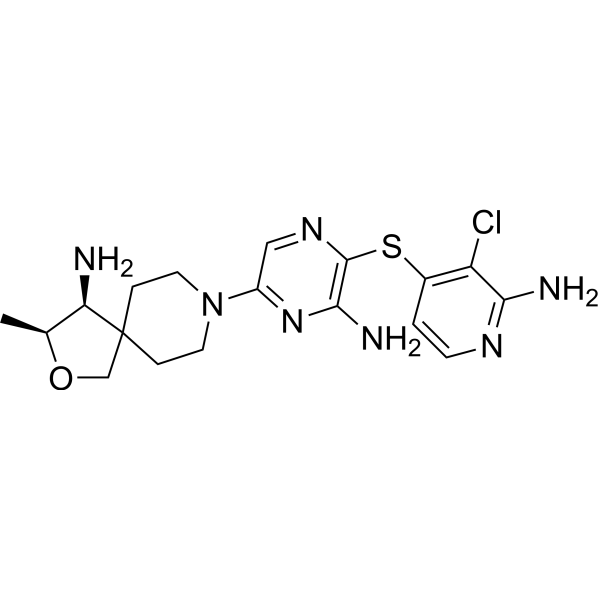
Batoprotafib (TNO155) is a potent selective and orally active allosteric inhibitor of wild-type SHP2 (IC50=0.011 µM). Batoprotafib has the potential for the study of RTK-dependent malignancies, especially advanced solid tumors .
|
-
-
- HY-12682
-
|
Compound 968
|
Glutaminase
|
Cancer
|
|
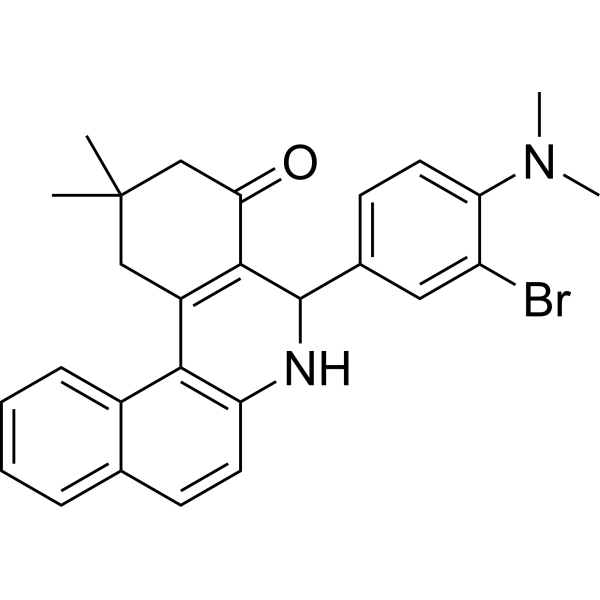
Glutaminase C-IN-1 (Compound 968) is an allosteric inhibitor of Glutaminase C that inhibits cancer cell growth without affecting their normal cellular counterparts .
|
-
-
- HY-18652
-
|
Ro 5126766; CH5126766
|
MEK
Raf
|
Cancer
|
|
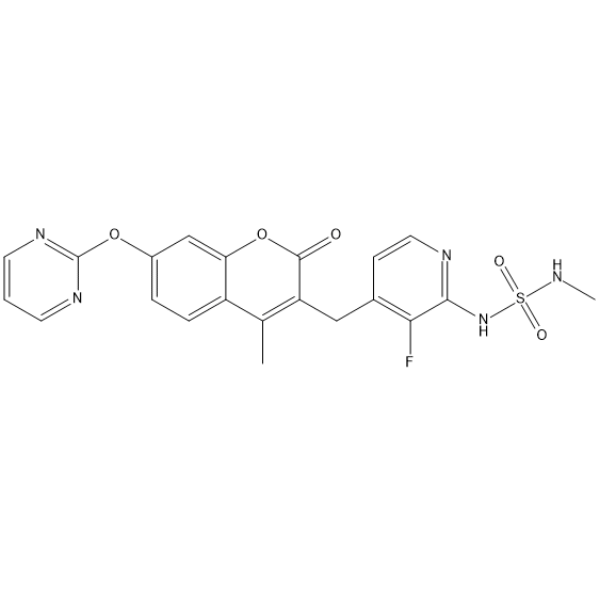
Avutometinib (Ro 5126766) is a first-in-class dual MEK/RAF inhibitor that allosterically inhibits BRAF V600E, CRAF, MEK, and BRAF (IC50: 8.2, 56, 160 nM, and 190 nM, respectively).
|
-
-
- HY-112942A
-
|
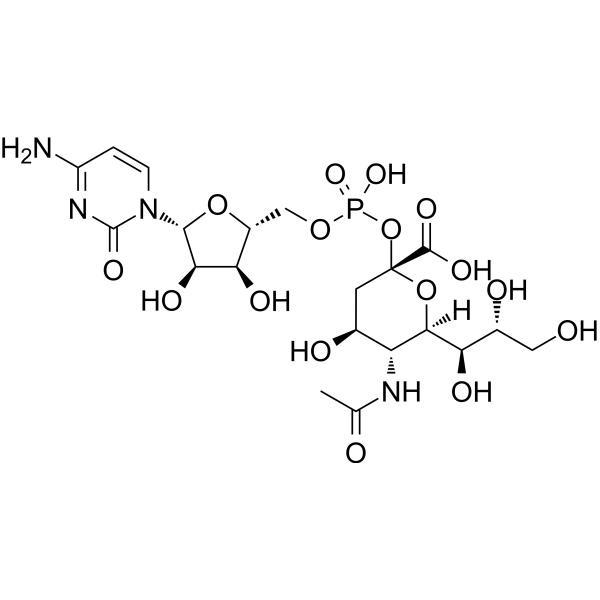
CMP-Neu5Ac sodium salt
|
Endogenous Metabolite
|
Metabolic Disease
|
|
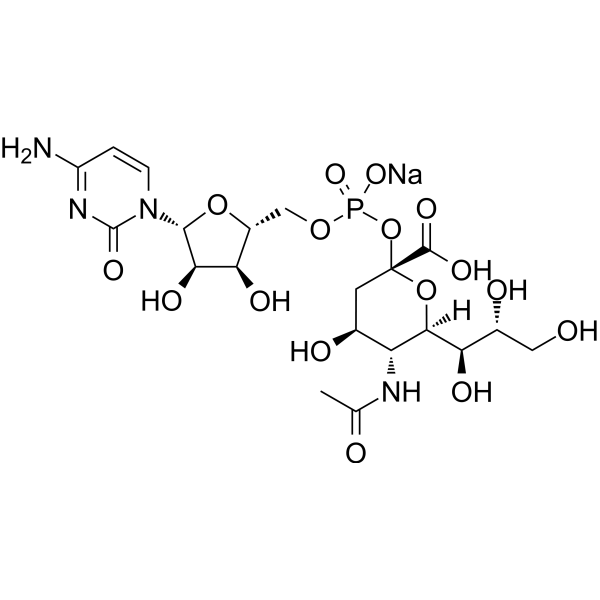
CMP-Sialic acid (CMP-Neu5Ac) sodium salt is an allosteric inhibitor of UDP-GlcNAc 2-epimerase. CMP-Sialic acid sodium salt provides a substrate for Golgi sialyltransferases. CMP-Sialic acid sodium salt is an important sugar nucleotide for biosynthesis of sialic acid and its conjugates .
|
-
-
- HY-137067
-
|
LDC203974
|
DNA/RNA Synthesis
|
Cancer
|
|
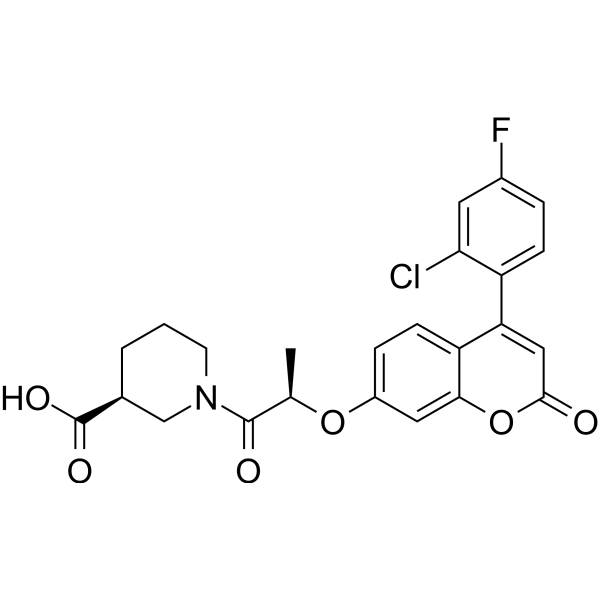
IMT1B (LDC203974) is an orally active, noncompetitive and specific allosteric inhibitor of mitochondrial RNA polymerase (POLRMT) and inhibits mitochondrial DNA (mtDNA) expression. IMT1B has anti-tumour effects .
|
-
-
- HY-158102
-
|
ORIC-944
|
Histone Methyltransferase
|
Cancer
|
|
Rinzimetostat (ORIC-944) is a selective, orally active, allosteric inhibitor targeting the EED subunit of polycomb repressive complex 2 (PRC2). Rinzimetostat is synergistic with androgen receptor pathway inhibitors (ARPIs) for the study of metastatic prostate cancer.
|
-
-
- HY-119339
-
|
|
CXCR
|
Inflammation/Immunology
Endocrinology
Cancer
|
|
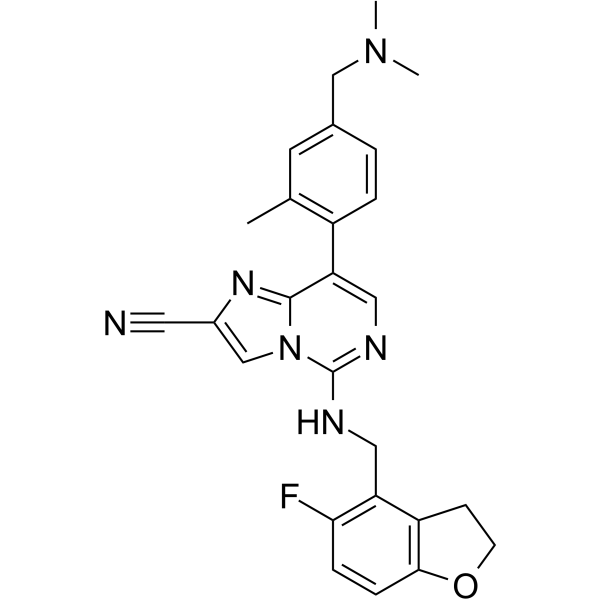
SX-682 is an orally bioavailable, potent allosteric inhibitor of CXCR1 and CXCR2. SX-682 can block tumor myeloid-derived suppressor cells (MDSCs) recruitment and enhance T cell activation and antitumor immunity .
|
-
-
- HY-148799
-
|
EDG-5506
|
Myosin
|
Others
|
|
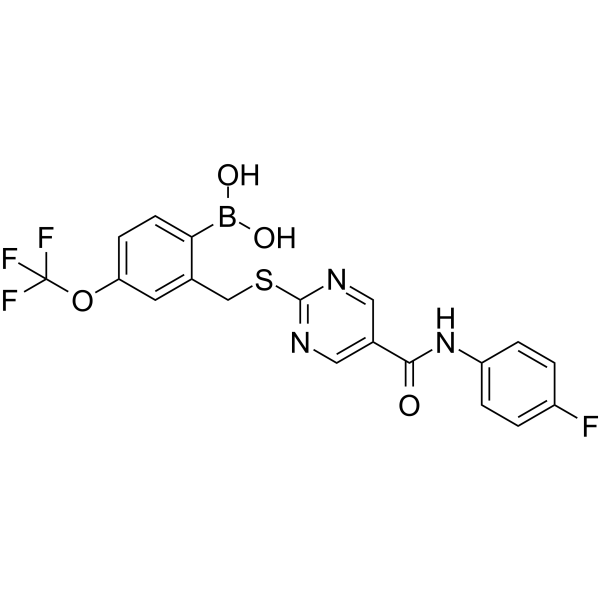
Sevasemten is an orally active, selective allosteric inhibitor of skeletal muscle myosin that protects skeletal muscle from contraction-induced injury. Sevasemten decreases muscle damage biomarkers and fibrosis while increasing muscle strength and activity in in Duchenne muscular dystrophy disease models .
|
-
-
- HY-103269
-
|
|
Bcl-2 Family
Apoptosis
|
Cancer
|
|
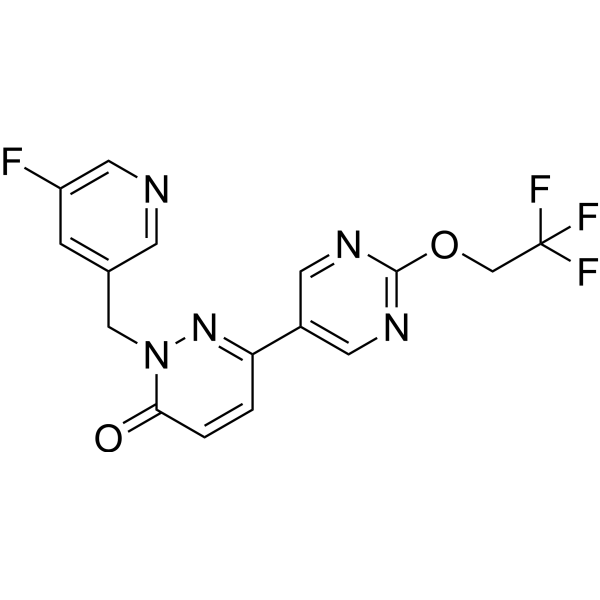
BAI1 is a selective and allosteric inhibitor of BAX, an apoptosis regulator. BAI1 directly binds to BAX and allosterically inhibits BAX activation. BAI1 has the potential for the research of diseases mediated by BAX-dependent cell death .
|
-
-
- HY-116009
-
|
|
SHP2
Phosphatase
|
Cancer
|
|
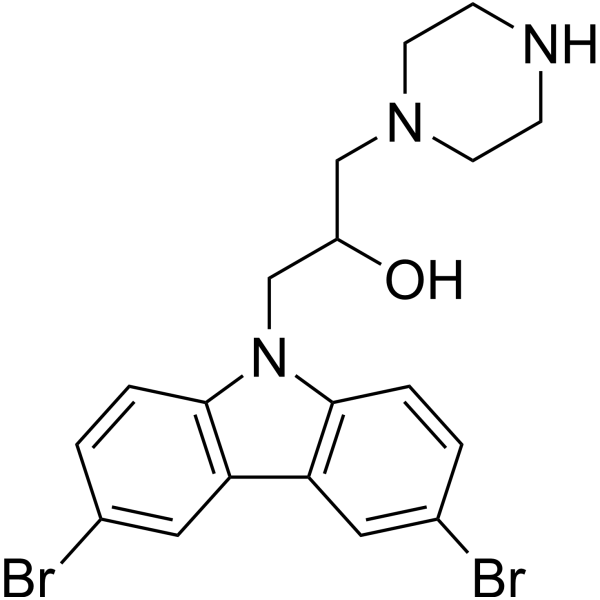
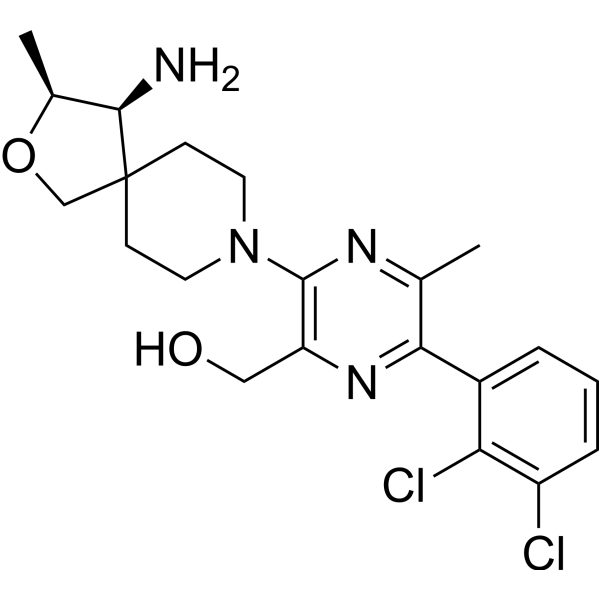
RMC-4550 is a potent, selective and allosteric inhibitor of SHP2, with an IC50 of 0.583 nM.
|
-
-
- HY-117571
-
-
-
- HY-142618
-
-
-
- HY-156682
-
|
|
Amino acid Transporter
|
Metabolic Disease
|
|
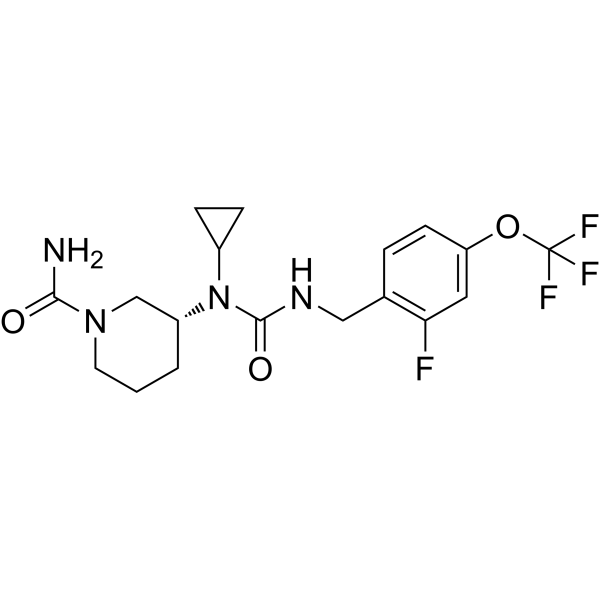
JNT-517 is an orally active, selective SLC6A19 allosteric inhibitor with an IC50 of 47 nM for human SLC6A19. JNT-517 can be used for the study of phenylketonuria (PKU) .
|
-
-
- HY-10299
-
|
|
Kinesin
Apoptosis
|
Cancer
|
|
GSK-923295 is a special, allosteric inhibitor of centromere-associated protein-E (CENP-E) kinesin motor ATPase activity, with Ki of 3.2±0.2 nM and 1.6± 0.1 nM for human and canine, respectively.
|
-
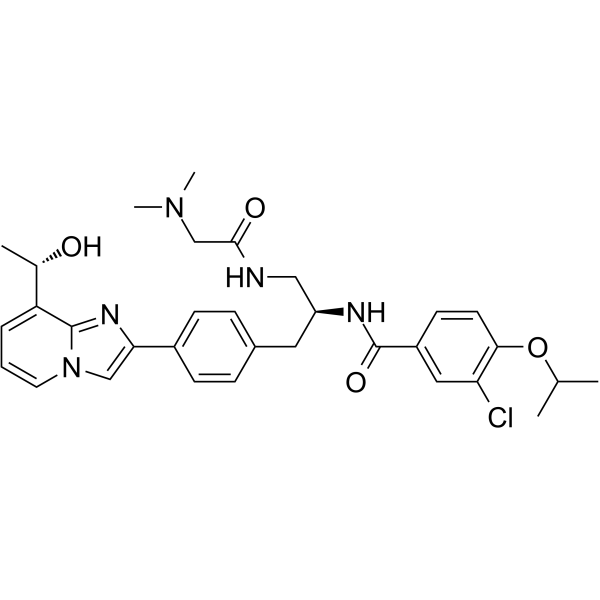
-
- HY-15252
-
-
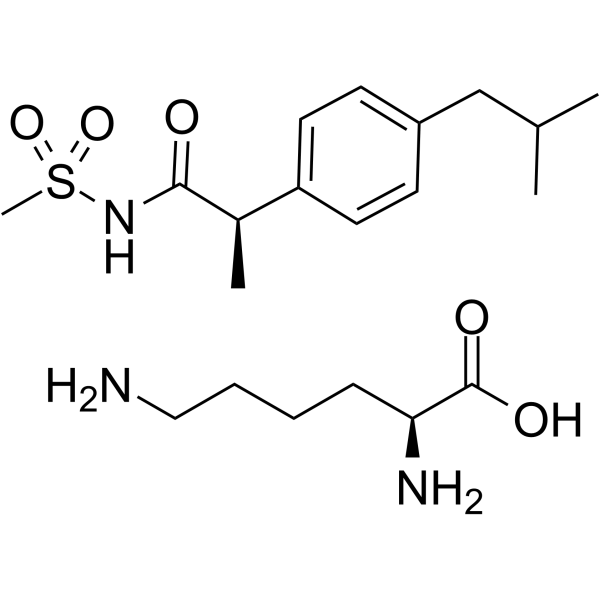
-
- HY-100524
-
-
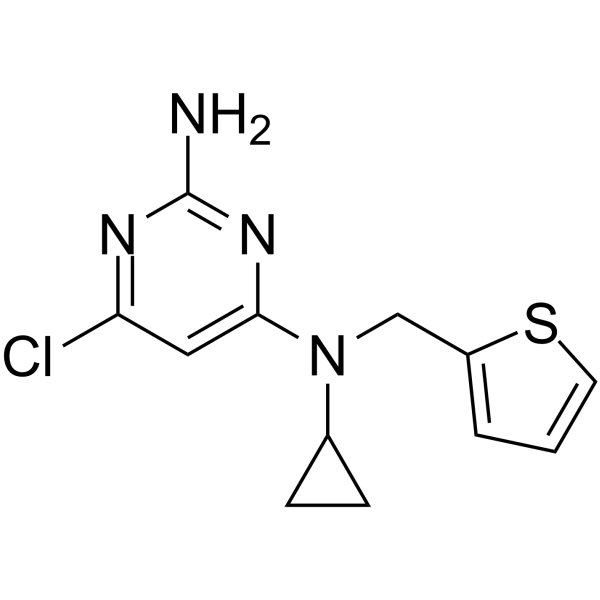
-
- HY-136311
-
|
|
PI5P4K
|
Neurological Disease
|
|
NCT-504 is a selective allosteric inhibitor of PIP4Kγ, with an IC50 of 15.8 μM. NCT-504 is potential for the research of Huntington's disease .
|
-
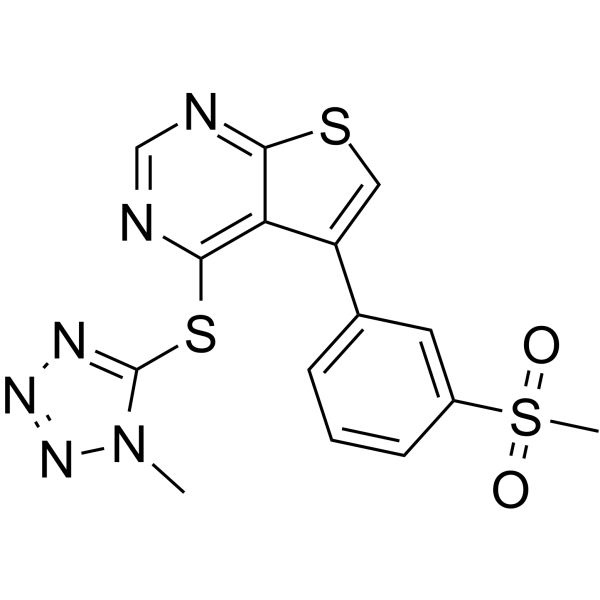
-
- HY-150621
-
|
|
β-catenin
Wnt
|
Cancer
|
|
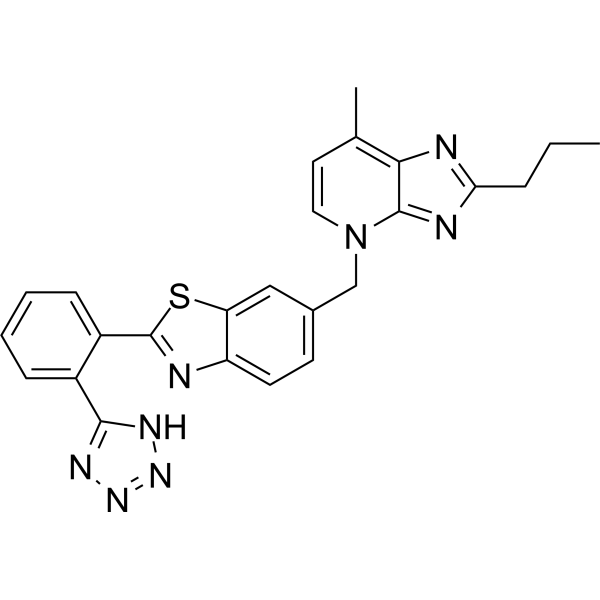
AS1134900 is a highly selective uncompetitive allosteric inhibitor of NADP +-dependent malic enzyme 1 (ME1) with an IC50 of 0.73 μM. AS1134900 can be used in the study of cancer .
|
-
-
- HY-15857
-
CW-069
1 Publications Verification
|
Kinesin
|
Cancer
|
|
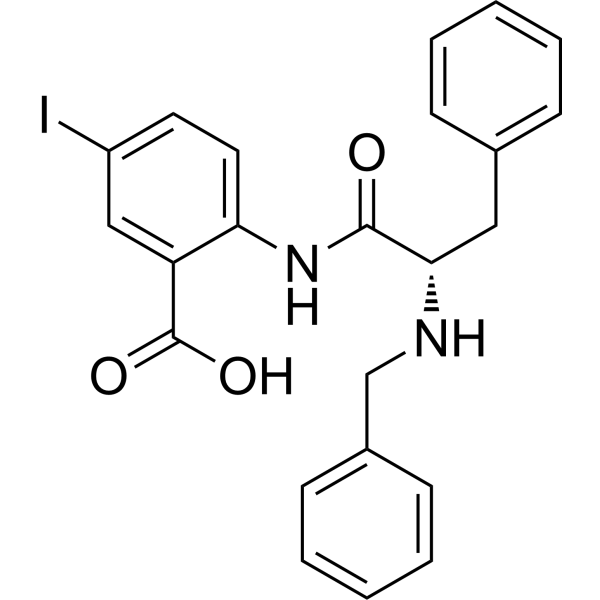
CW-069 is an allosteric inhibitor of microtubule motor protein HSET with an IC50 of 75 μM.
|
-
-
- HY-17601
-
|
RPT835
|
FGFR
Apoptosis
|
Cardiovascular Disease
Cancer
|
|
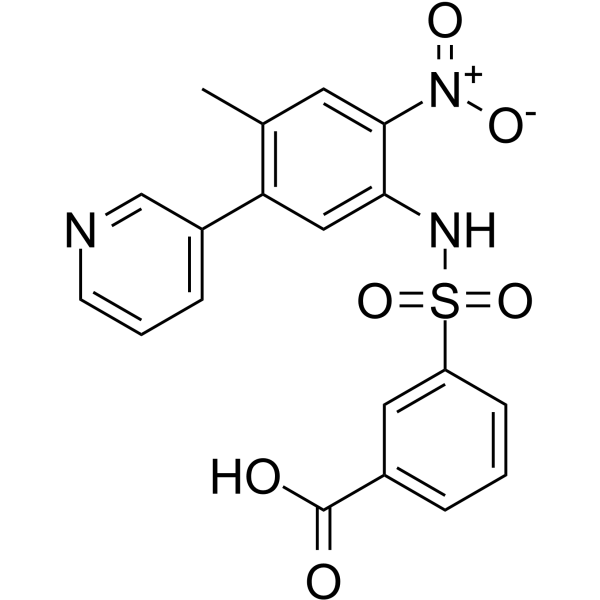
Alofanib (RPT835) is a potent and selective allosteric inhibitor of fibroblast growth factor receptor 2 (FGFR2). Anticancer and antiangiogenic activity .
|
-
-
- HY-110286
-
|
|
DNA/RNA Synthesis
|
Cancer
|
|
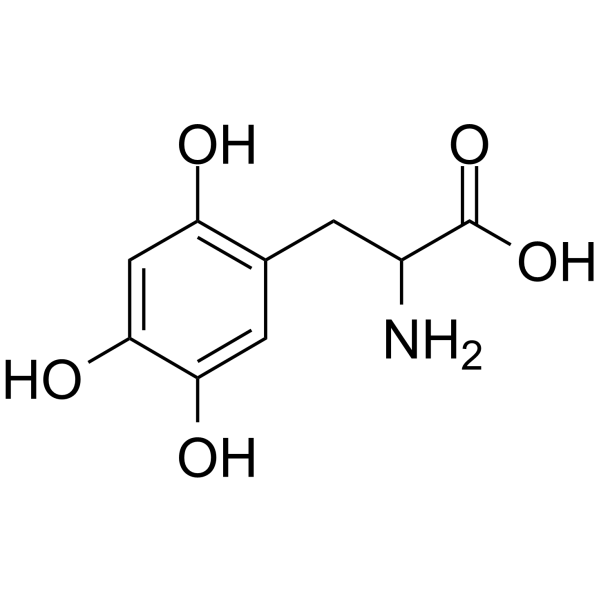
6-Hydroxy-DOPA is a selective and effective allosteric inhibitor of the RAD52 ssDNA binding domain. 6-Hydroxy-DOPA can be used for the research of cancer .
|
-
-
- HY-112942
-
|
CMP-Neu5Ac
|
Endogenous Metabolite
|
Metabolic Disease
|
|
CMP-Sialic acid (CMP-Neu5Ac) is an allosteric inhibitor of UDP-GlcNAc 2-epimerase. CMP-Sialic acid provides a substrate for Golgi sialyltransferases. CMP-Sialic acid is an important sugar nucleotide for biosynthesis of sialic acid and its conjugates .
|
-
-
- HY-10219S
-
|
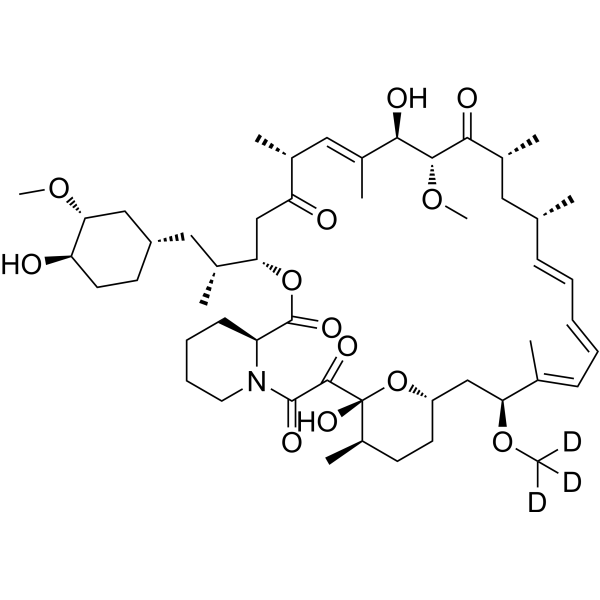
Sirolimus-d3; AY-22989-d3; NSC 226080-d3
|
Isotope-Labeled Compounds
mTOR
FKBP
Autophagy
|
Cancer
|
|
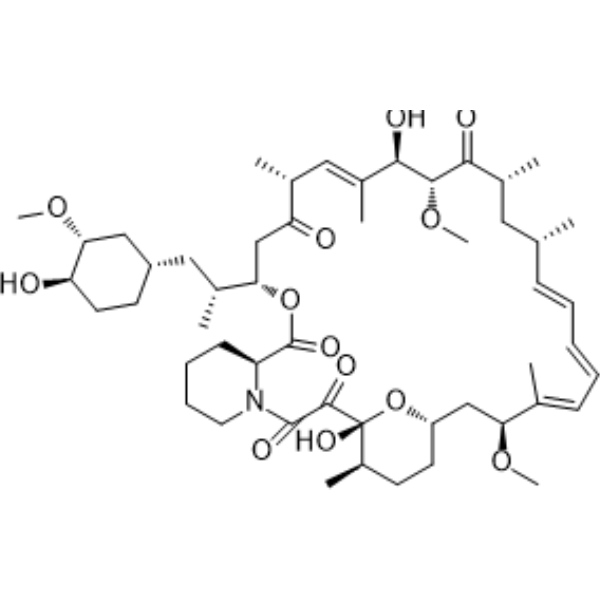
Rapamycin-d3 is the deuterium labeled Rapamycin. Rapamycin is a potent and specific mTOR inhibitor with an IC50 of 0.1 nM in HEK293 cells. Rapamycin binds to FKBP12 and specifically acts as an allosteric inhibitor of mTORC1. Rapamycin is an autophagy activator, an immunosuppressant .
|
-
-
- HY-115466
-
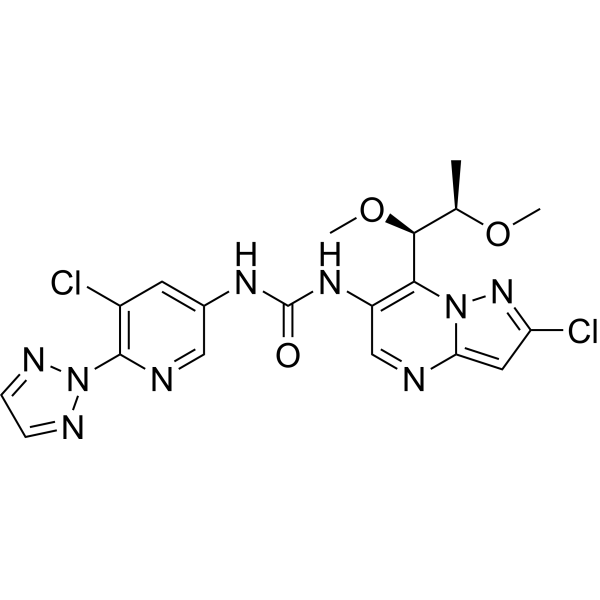
MLT-748
5 Publications Verification
|
MALT1
|
Inflammation/Immunology
|
|
MLT-748 is a potent, selective and allosteric inhibitor of MALT1, binds MALT1 in the allosteric Trp580 pocket, with an IC50 of 5 nM .
|
-
-
- HY-124646
-
|
|
IRE1
|
Inflammation/Immunology
|
|
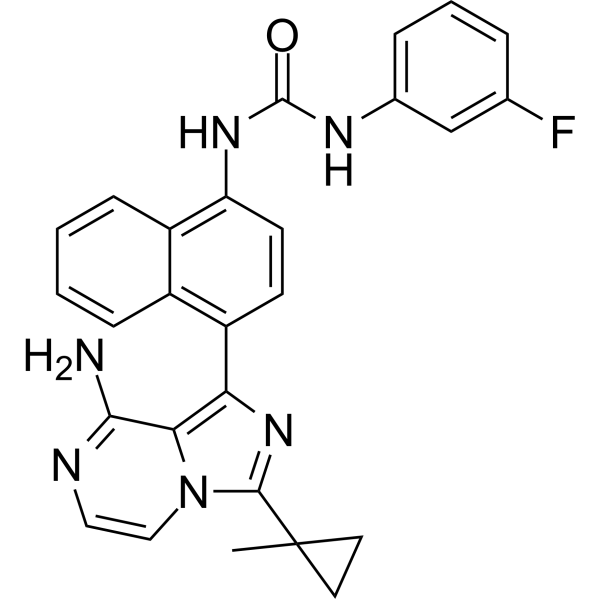
KIRA-7, an imidazopyrazine compound, binds the IRE1α kinase (IC50 of 110 nM) to allosterically inhibit its RNase activity. KIRA-7 has an anti-fibrotic effect .
|
-
-
- HY-15301
-
|
|
E1/E2/E3 Enzyme
|
Cancer
|
|
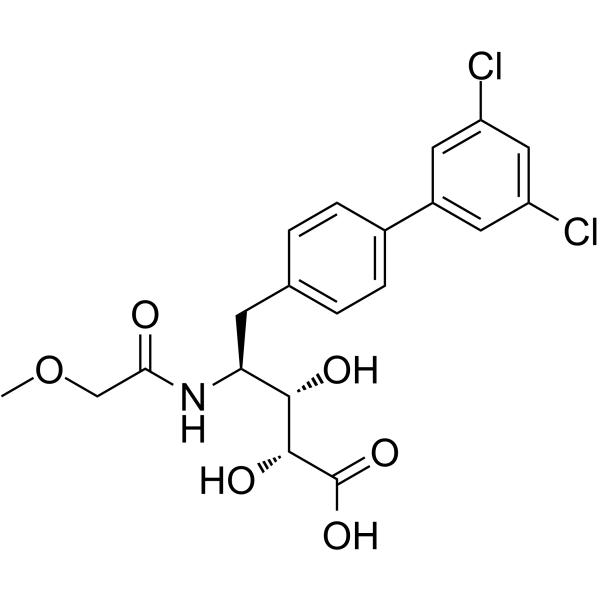
CC0651 is an allosteric inhibitor of the human Cdc34 ubiquitin-conjugating enzyme. CC0651 potently (IC50=1.72 μM) inhibits the ubiquitination of p27 Kip1, as confirmed by dose-response analysis.
|
-
-
- HY-50862
-
|
|
Akt
|
Cancer
|
|
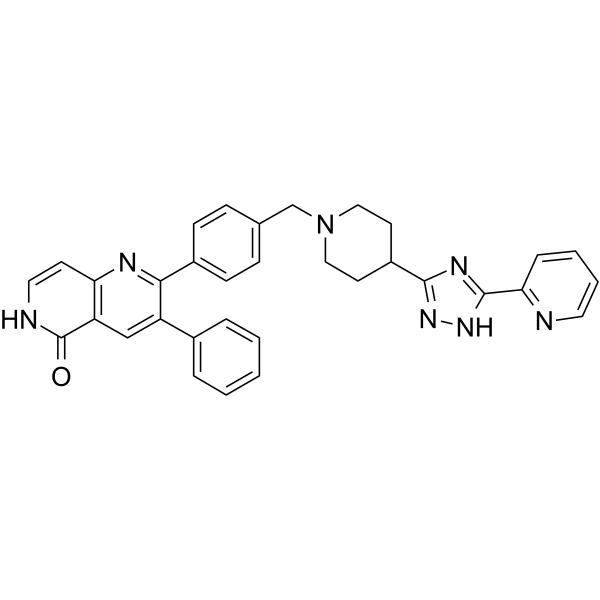
Akt1/Akt2-IN-1 (Compound 17) is an allosteric inhibitor of Akt1 (IC50=3.5 nM) and Akt2 (IC50=42 nM), with potent and balanced activity .
|
-
-
- HY-15756
-
|
|
Phosphatase
|
Metabolic Disease
|
|
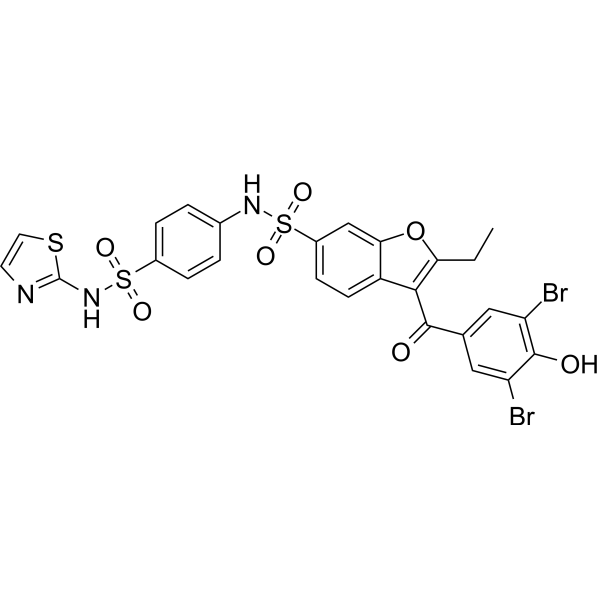
PTP1B-IN-4 is a non-competitive allosteric inhibitor of the protein tyrosine phosphatase PTP1B, with an IC50 of 8 μM. PTP1B-IN-4 is potentail for the research of obesity and diabetes .
|
-
-
- HY-12429
-
|
BMS-791325
|
DNA/RNA Synthesis
HCV
|
Infection
|
|
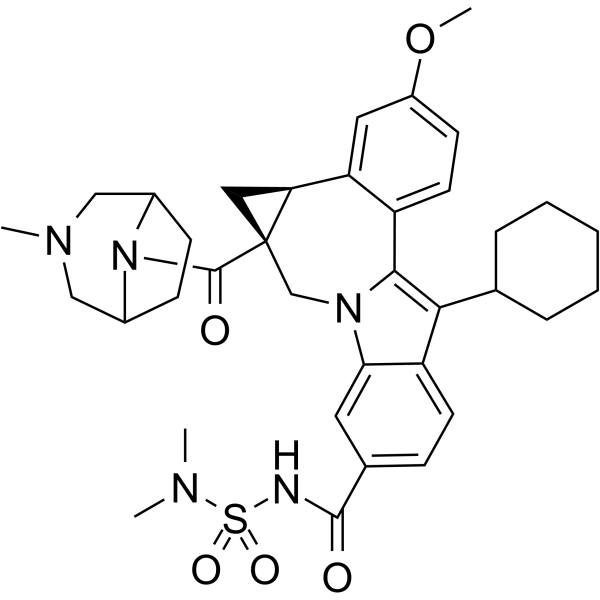
Beclabuvir is an allosteric inhibitor that binds to thumb site 1 of the hepatitis C virus (HCV) NS5B RNA-dependent RNA polymerase, and inhibits recombinant NS5B proteins from HCV genotypes 1, 3, 4, and 5 with IC50 of < 28 nM .
|
-
-
- HY-114334
-
|
CB839 derivative
|
Glutaminase
|
Cancer
|
|
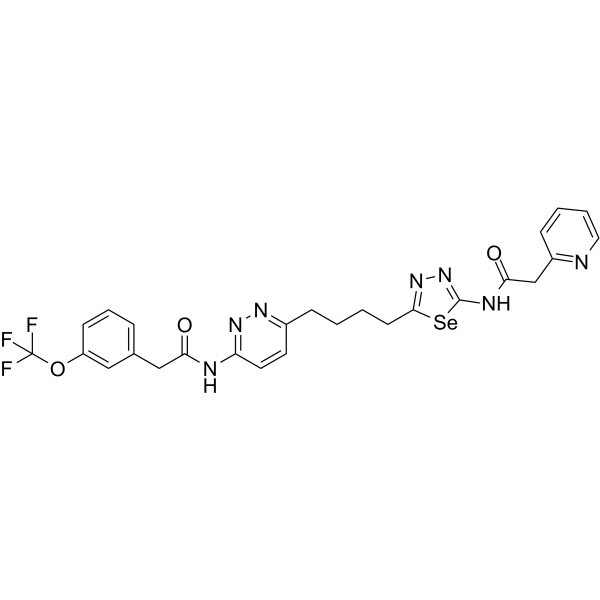
Glutaminase-IN-1 (CB839 derivative), a CB839 derivative, is an allosteric inhibitor of 1,3,4-selenadiazole-containing kidney-type glutaminase (KGA), with an IC50 of 1 nM. Glutaminase-IN-1 (CB839 derivative) shows improved cellular uptake and antitumor activity.
|
-
-
- HY-124805
-
|
|
HSP
|
Cancer
|
|
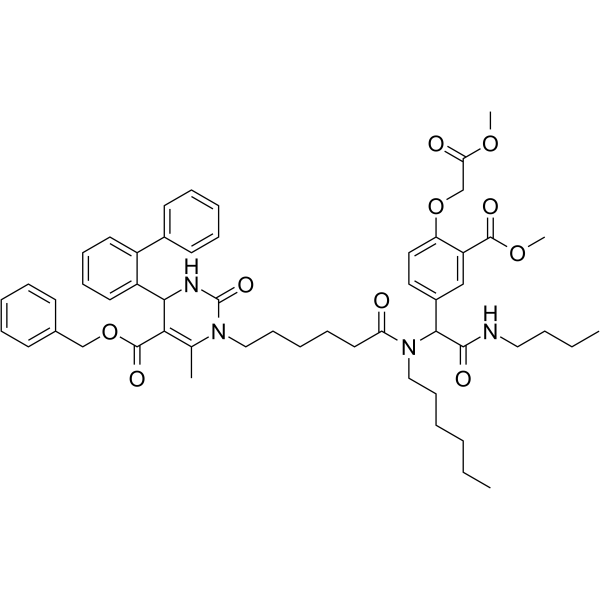
MAL3-101 is a potent HSP70 allosteric inhibitor. MAL3-101 inhibits HSP70 ATPase activity by blocking Hsp40 co-chaperone interaction. MAL3-101 can be used for researching muscle invasive bladder cancer (MIBC) .
|
-
-
- HY-114397
-
SHP394
1 Publications Verification
|
SHP2
Phosphatase
|
Cancer
|
|
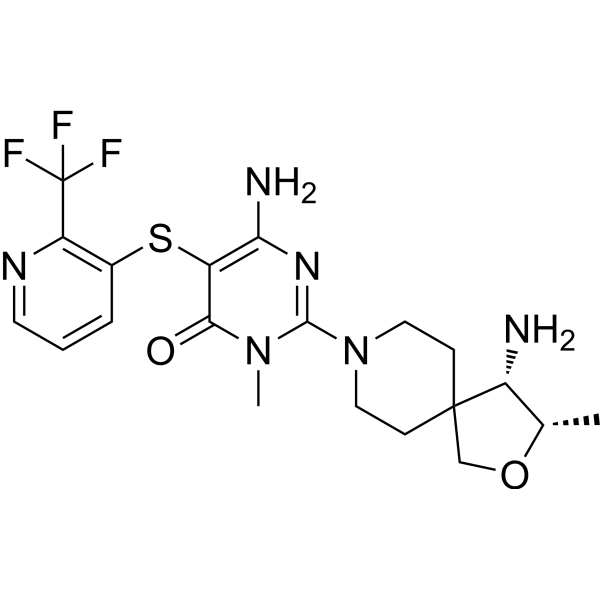
SHP394 is an orally active, selective and allosteric inhibitor of SHP2, with an IC50 of 23 nM .
|
-
-
- HY-143899
-
|
|
Fructose-1,6-bisphosphate aldolase
Fungal
|
Infection
|
|
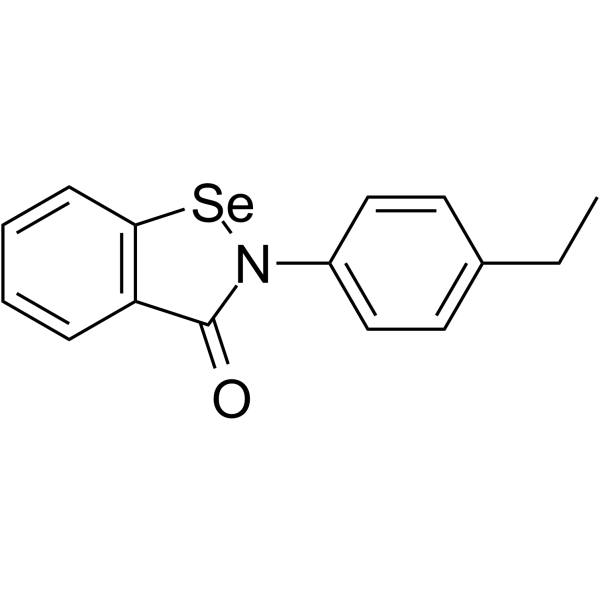
FBA-IN-1 (compound 2a11) is a first-in-class, covalent and allosteric inhibitor of fructose-1,6-bisphosphate aldolase from Candida albicans (CaFBA). FBA-IN-1 inhibits the growth of Azole-resistant strains 103 with the MIC80 of 1 μg/mL .
|
-
-
- HY-W101299
-
|
|
Amino Acid Derivatives
|
Metabolic Disease
|
|
N-Acetyl-D-allo-isoleucine is an amino acid derivative. N-Acetyl-D-allo-isoleucine is promising for research of amino acid metabolism, such as abnormal isoleucine metabolism .
|
-

-
- HY-110031
-
|
|
Apoptosis
Bcl-2 Family
|
Cancer
|
|
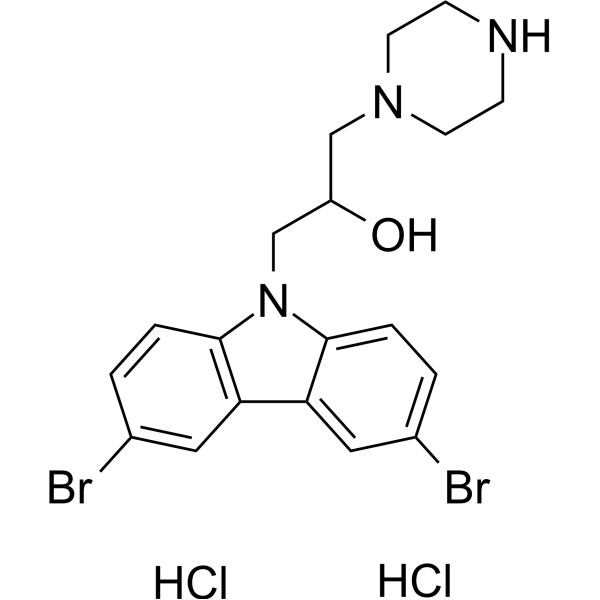
BAI1 hydrochloride is a selective apoptosis factor BAX allosteric inhibitors. BAI1 hydrochloride binds BAX and allosterically inhibits its activation. BAI1 hydrochloride has the potential to be used in the study of BAX dependent cell death-mediated diseases .
|
-
-
- HY-121879
-
SHP836
1 Publications Verification
|
SHP2
Phosphatase
|
Cancer
|
|
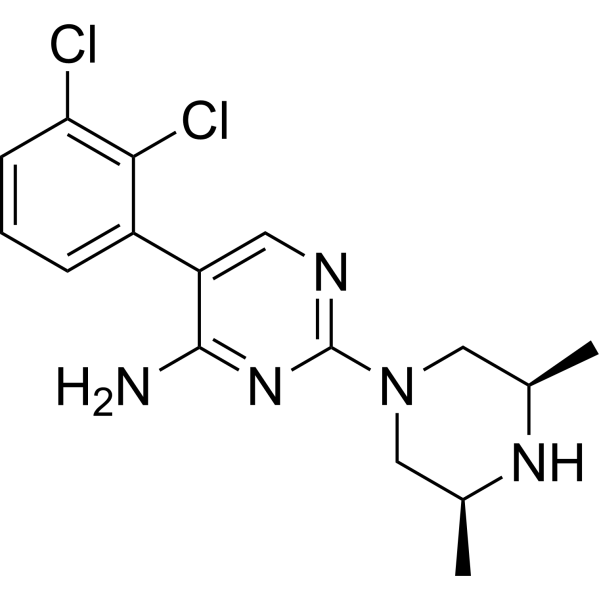
SHP836 is a SHP2 allosteric inhibitor, with an IC50 of 12 μM for the full length SHP2 .
|
-
-
- HY-126300
-
-
-
- HY-12446
-
|
|
Ras
|
Cancer
|
|
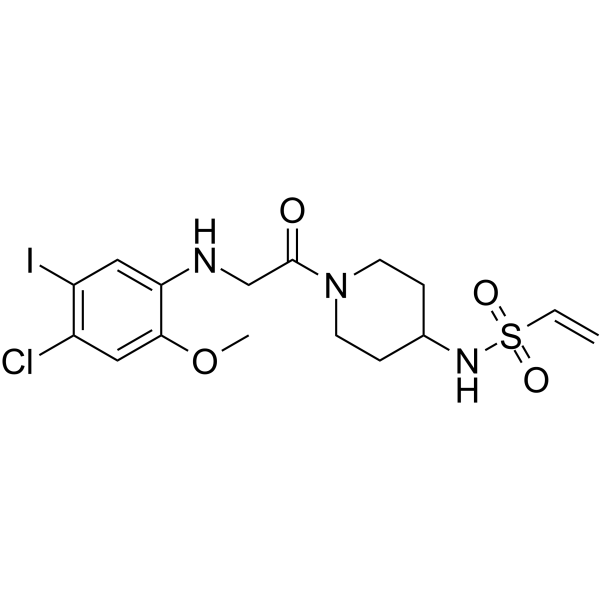
K-Ras (G12C) inhibitor 9 is an allosteric inhibitor of the K-Ras (G12C) .
|
-
-
- HY-148231
-
|
|
DNA/RNA Synthesis
ADC Payload
|
Cancer
|
|
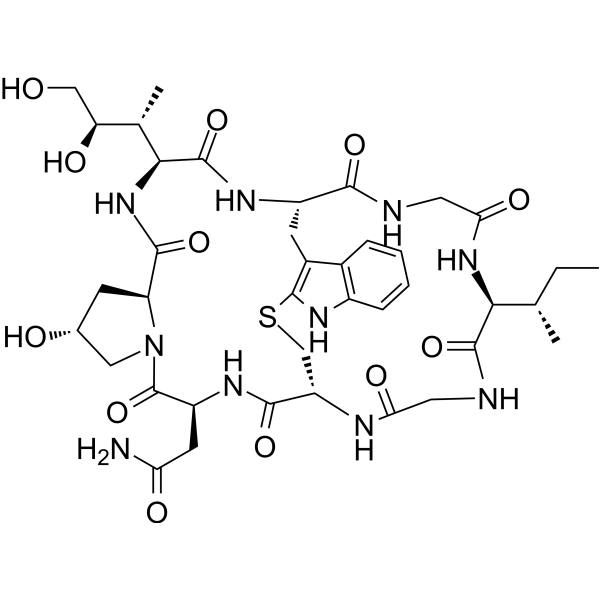
Dideoxy-amanitin (compound 2), an α-Amanitin (HY-19610) derivative, is a potent and selective RNA polymerase II allosteric inhibitor with an IC50 value of 74.2 nM .
|
-
-
- HY-15251A
-
|
(Rac)-Repertaxin; (Rac)-DF 1681Y
|
CXCR
|
Inflammation/Immunology
Endocrinology
Cancer
|
|
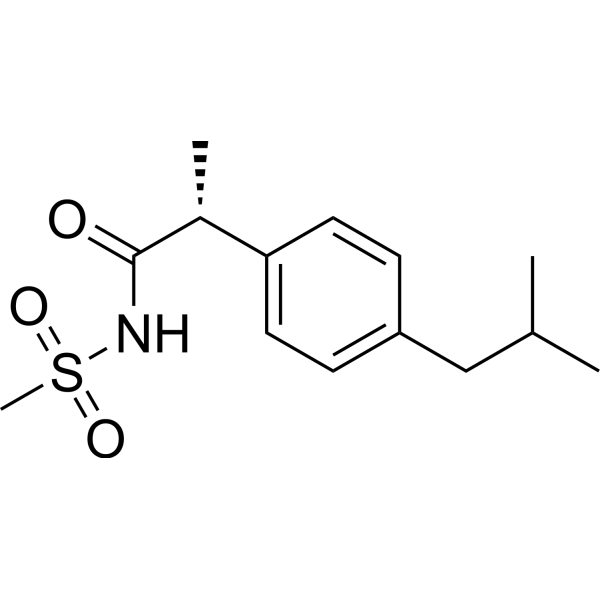
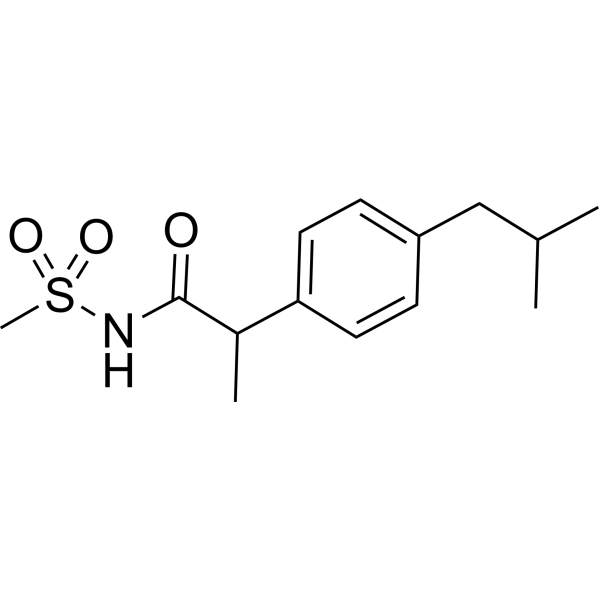
(Rac)-Reparixin is the isomer of Reparixin (HY-15251), and can be used as an experimental control. Reparixin is a non-competitive allosteric inhibitor of the chemokine receptors CXCR1 and CXCR2 activation with IC50s of 1 and 100 nM, respectively.
|
-
-
- HY-137820
-
|
|
DNA/RNA Synthesis
|
Others
|
|
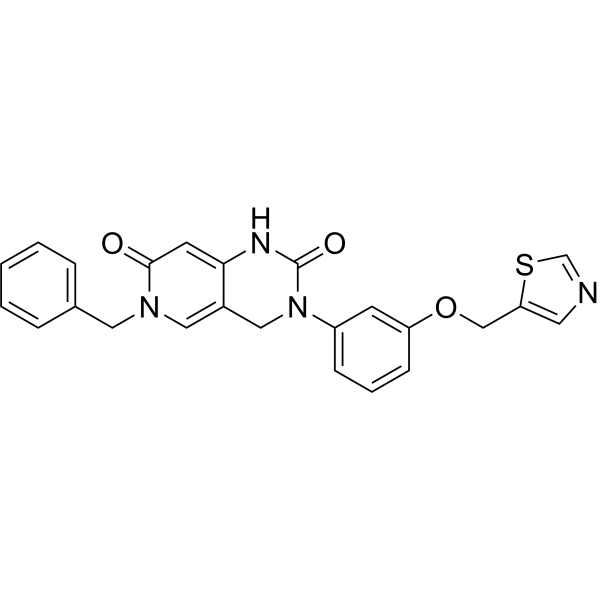
Brr2-IN-3 is a potent and selective Brr2 helicase allosteric Inhibitor. Brr2-IN-3 inhibits helicase activity in dose-dependent manner with an IC50 value of 1.3 μM .
|
-
-
- HY-100214
-
|
|
EGFR
|
Cancer
|
|
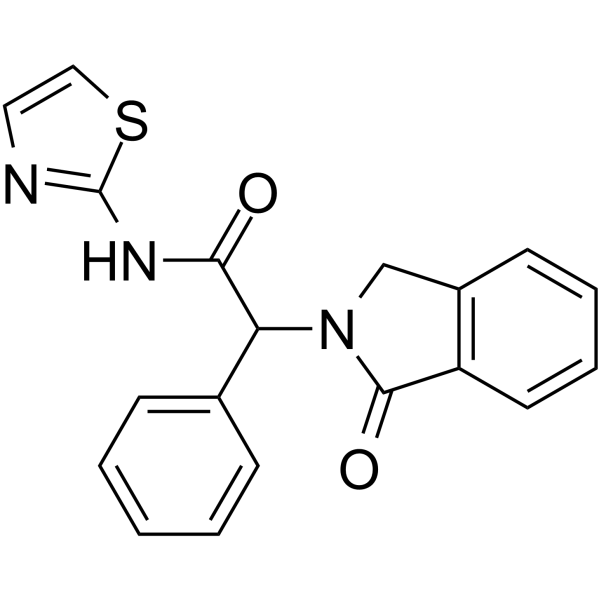
EAI001 is a potent, selective mutant epidermal growth factor receptor (EGFR) allosteric inhibitor with an IC50 value of 24 nM for EGFR L858R/T790M. EAI001 can be used for research of cancer .
|
-
-
- HY-145159
-
|
|
SHP2
PROTACs
Phosphatase
Apoptosis
|
Cancer
|
|
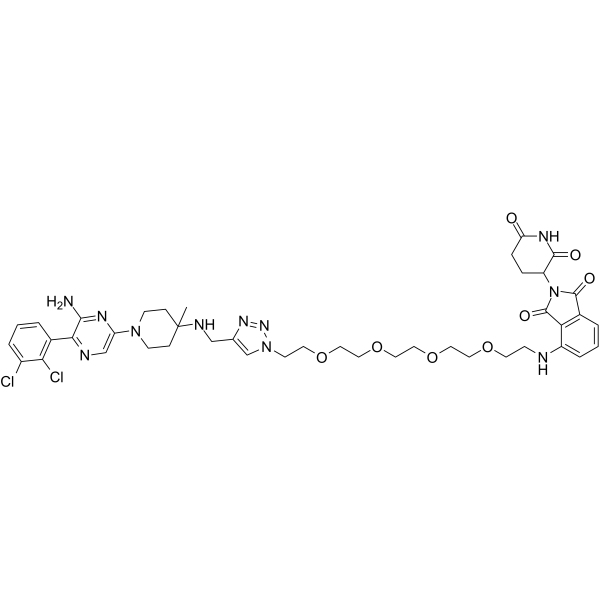
SHP2 protein degrader-1 is a potent allosteric inhibitor of SHP2. SHP2 protein degrader-1 induces SHP2 degradation and cell apoptosis. SHP2 protein degrader-1 has the potential for researching SHP2 related diseases .
|
-
-
- HY-161288
-
|
|
PARP
|
Cancer
|
|
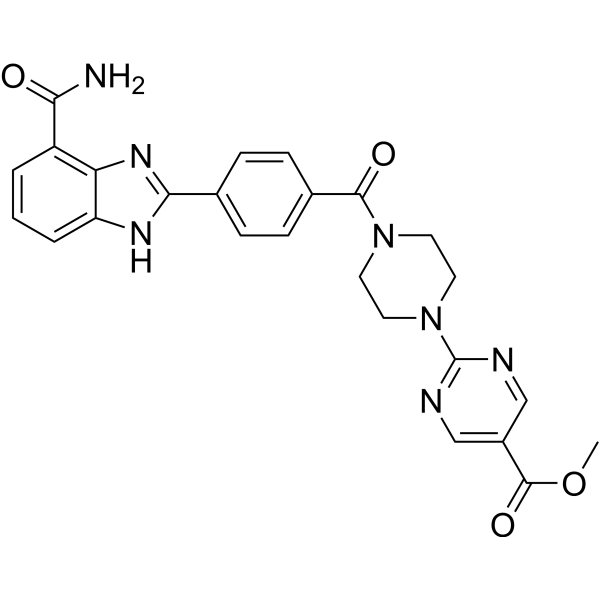
UKTT15 (compound 6) is an allosteric inhibitor of PARP1 .
|
-
-
- HY-124587
-
|
|
MALT1
|
Inflammation/Immunology
|
|
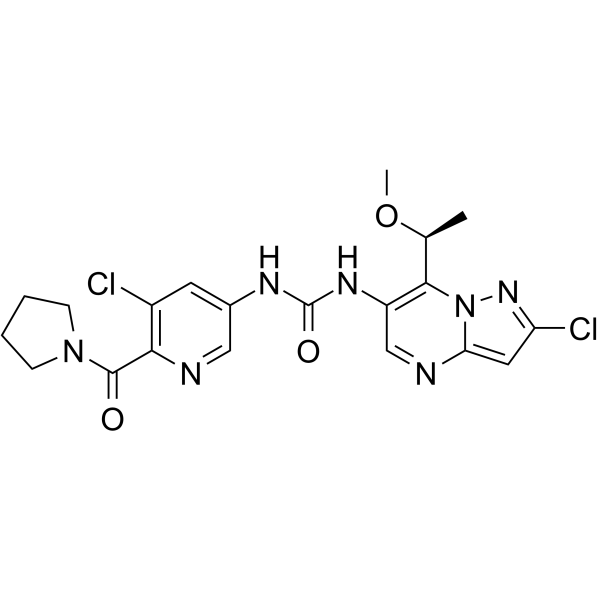
MLT-747 is a potent, selective, allosteric inhibitor of MALT1, binds MALT1 in the allosteric Trp580 pocket, with an IC50 of 14 nM .
|
-
-
- HY-163540
-
|
|
Aminoacyl-tRNA Synthetase
Fungal
|
Infection
|
|
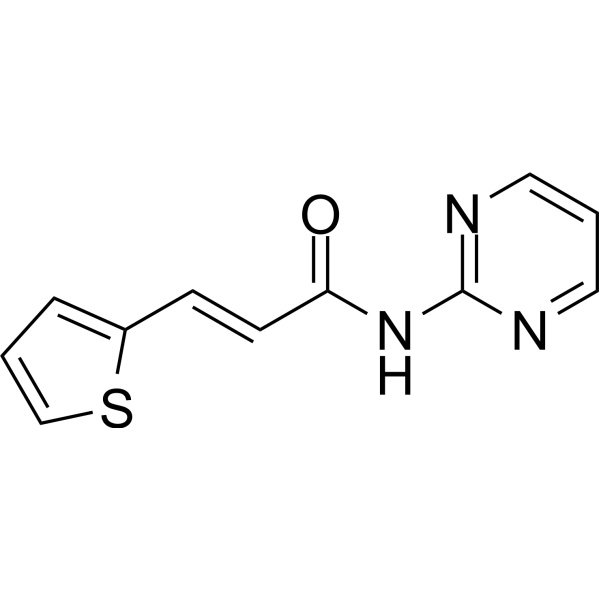
NP-BTA is an allosteric inhibitor for glutaminyl-tRNA synthetase (GlnRS). NP-BTA exhibits antifungal efficacy against Candida albicans, with MIC50 of 6.25 μM .
|
-
-
- HY-112128
-
|
|
Deubiquitinase
MDM-2/p53
|
Cancer
|
|
USP7-IN-3 (Compound 5) is an effective and selective allosteric inhibitor of ubiquitin-specific protease 7 (USP7). USP7-IN-3 can be used for research on acute lymphoblastic leukemia .
|
-
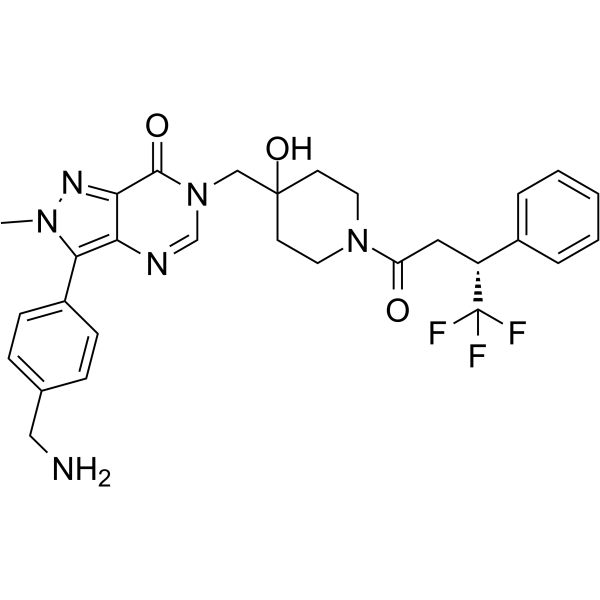
- HY-149241
-
|
|
SHP2
|
Cancer
|
|
SHP2-IN-13 is a highly selective and orally active SHP2 “tunnel site” allosteric inhibitor with an IC50 of 83.0 nM. SHP2-IN-13 has the potential for cancers bearing RTK oncogenic drivers and SHP2-related diseases research.
|
-
- HY-155036
-
-
- HY-15198
-
|
|
Raf
PDGFR
FLT3
c-Kit
|
Cancer
|
|
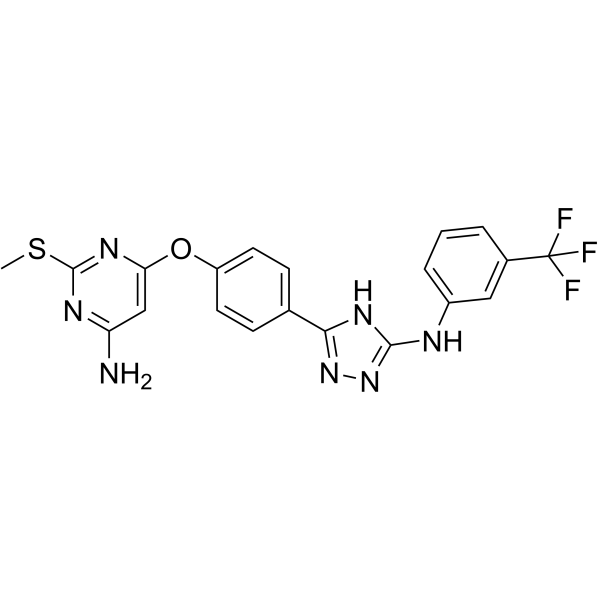
KG5 is an orally active dual PDGFRβ and B-Raf allosteric inhibitor. KG5 also inhibits Flt3, KIT and c-Raf. KG5 has anticancer, antiangiogenic activities .
|
-
- HY-120634
-
|
|
HCV
|
Infection
|
|
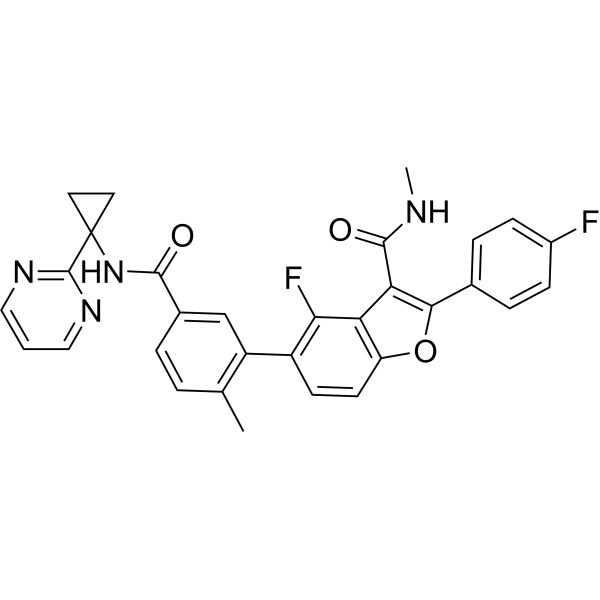
BMS-929075 is a potent and orally active HCV NS5B replicase palm site allosteric inhibitor. BMS-929075 shows high oral bioavailability. BMS-929075 shows cytotoxicity .
|
-
- HY-18370
-
|
|
HIF/HIF Prolyl-Hydroxylase
|
Cancer
|
|
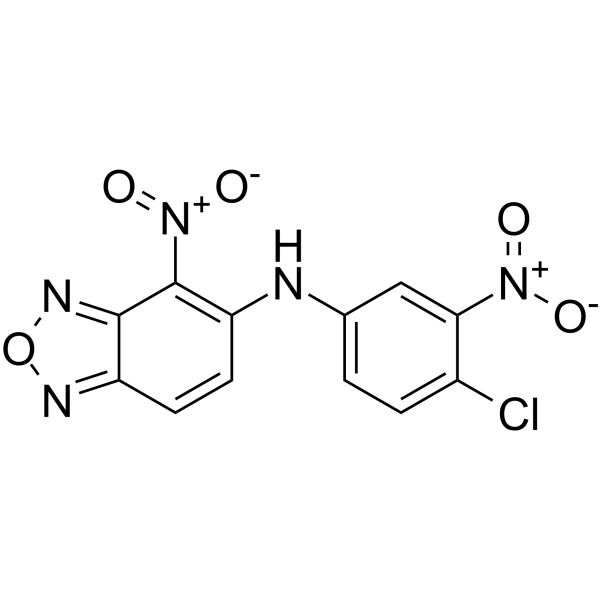
HIF-2α-IN-3, an allosteric inhibitor of hypoxia inducible factor-2α (HIF-2α), exhibits an IC50 of 0.4 µM and a KD of 1.1 µM. Anticancer agent .
|
-
- HY-159130
-
|
|
DNA/RNA Synthesis
|
Cancer
|
|
AO-022 is a potent TALDO1 allosteric inhibitor. AO-022 decreases the expression of vimentin and snail. AO-022 shows antiproliferative activity and antitumor activity. AO-022 has the potential for the research of breast cancer .
|
-

- HY-139289S
-
|
|
DNA/RNA Synthesis
|
Cancer
|
|
ART899 is a highly specific allosteric inhibitor of the Polθ DNA polymerase domain. ART899 can effectively enhance the radiosensitivity of tumor cells, shows good tolerance when combined with fractionated radiation, and significantly reduces tumor growth compared to radiation alone .
|
-

- HY-147653
-
|
|
HIV Integrase
|
Infection
|
|
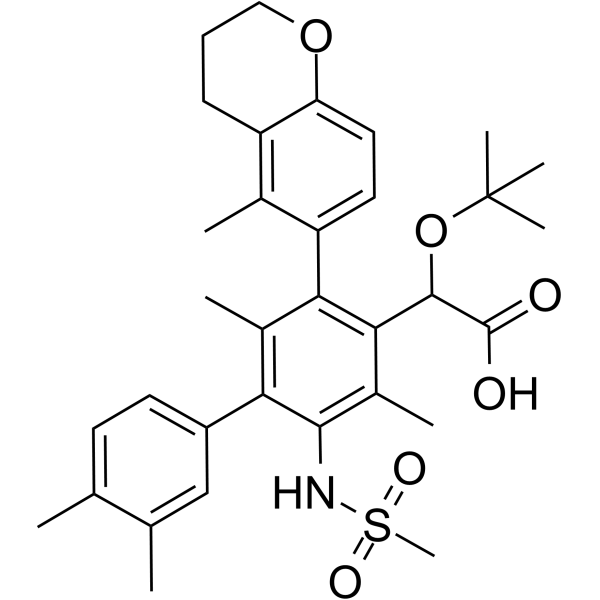
Integrase-LEDGF/p75 allosteric inhibitor 1 (Compound 31h) is an orally active integrase-LEDGF/p75 (IN-LEDGF/p75) allosteric inhibitor. Integrase-LEDGF/p75 allosteric inhibitor 1 inhibits HIV-1 DNA integration and shows antiviral activity with an EC50 of 3.9 nM against HIV-1 recombinant molecular clone NL432 .
|
-
- HY-12408A
-
|
|
Ras
|
Cancer
|
|
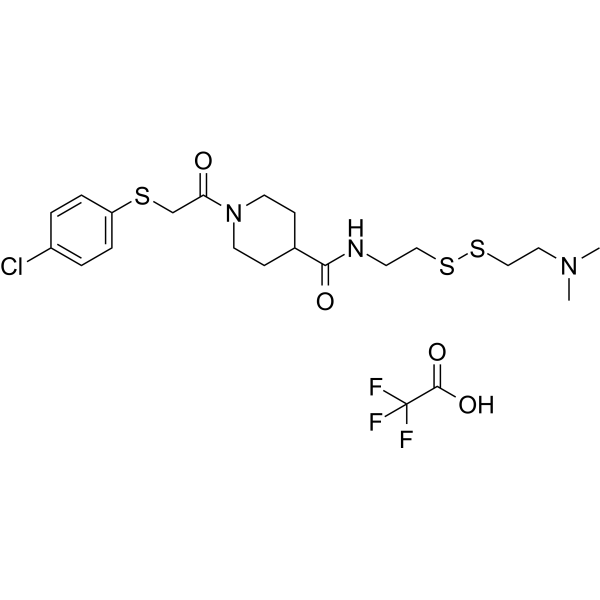
6H05 TFA is a selective, and allosteric inhibitor of oncogenic mutant K-Ras(G12C).
|
-
- HY-155026
-
|
|
p97
|
Cancer
|
|
UPCDC30766 is a potent allosteric inhibitor of p97 (IC50 of 12 nM; EC50 of 0.23 μM in cells). UPCDC30766 can be used for the research of colon cancer .
|
-
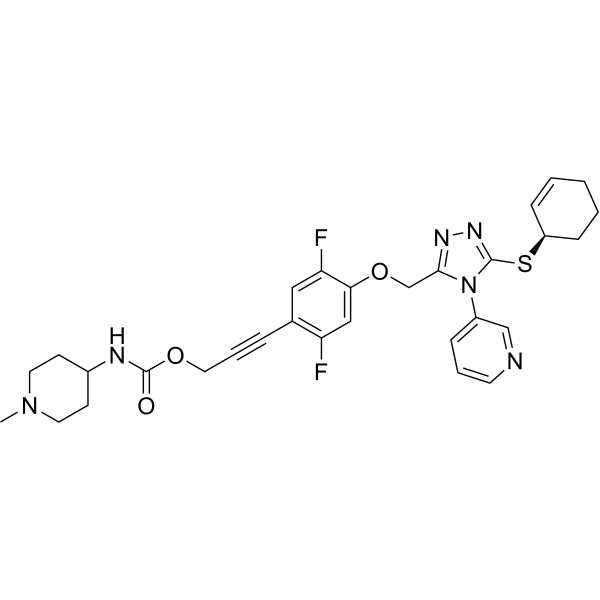
- HY-P4910
-
|
|
Proteasome
Apoptosis
|
Cancer
|
|
Baceridin is a proteasome inhibitor and a cyclic hexapeptide. Baceridin can be isolated from the culture medium of Epiphytic Bacillus. Baceridin can inhibit cell cycle progression and induce tumor cell apoptosis through a p53-independent pathway. Baceridin can be used in cancer research .
|
-
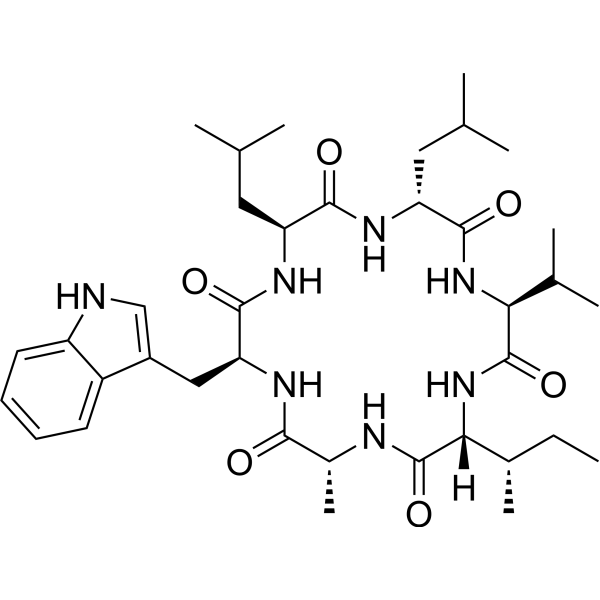
- HY-125966
-
|
|
RUNX
|
Cancer
|
|
AI-4-57 is an allosteric inhibitor for CBFβ SMMHC-RUNX1 (core binding factor β and the smooth-muscle myosin heavy chain) interaction with an IC50 of 22 μM .
|
-

- HY-101071
-
|
(+)-Monastrol
|
Kinesin
Mitosis
|
Cancer
|
|
(S)-Monastrol ((+)-Monastrol) is an allosteric inhibitor of the mitotic kinesin Eg5 that exhibits an antiproliferative effect against several cancer cell lines. (S)-Monastrol arrests mammalian cells in mitosis with monopolar spindles .
|
-
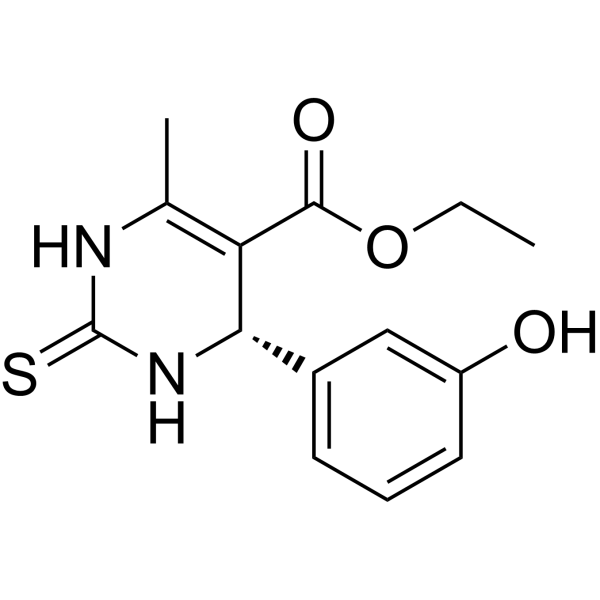
- HY-162506
-
|
|
IGF-1R
|
Cancer
|
|
IGF-1R inhibitor-3 (Compound C11) is an allosteric inhibitor for insulin-like growth factor receptor 1 kinase (IGF-1R), with an IC50 of 0.2 μM .
|
-

- HY-173565
-
|
|
Acetyl-CoA Carboxylase
|
Inflammation/Immunology
|
|
ACC-IN-1 (Compound B1) is an allosteric inhibitor of acetyl-CoA carboxylase (ACC). ACC-IN-1 targets ACC to regulate lipid metabolism, which can improve liver steatosis, inflammation related to non-alcoholic steatohepatitis (NASH) .
|
-

- HY-122016A
-
|
|
Bacterial
|
Infection
Inflammation/Immunology
|
BRD-4592 is an allosteric inhibitor targeting Mycobacterium tuberculosis tryptophan synthase (TrpAB). BRD-4592 binds at the α-β-subunit interface of TrpAB, with an IC50 of 70.9 nM for the α-subunit and 22.6 nM for the β-subunit .
|
-

- HY-152207
-
|
|
Glutaminase
Apoptosis
|
Cancer
|
|
LWG-301 is an allosteric inhibitor of Glutaminase 1 (GLS1) with an IC50 value of 7 nM. LWG-301 significantly block glutamine metabolism, increases intracellular ROS, thus induces apoptosis. LWG-301 exhibits moderate antitumor effects in HCT116 xenograft model .
|
-
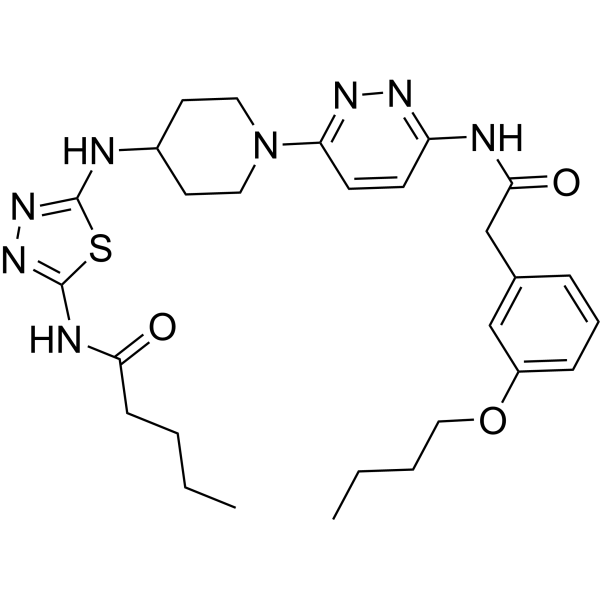
- HY-162595
-
|
|
Bacterial
|
Infection
|
|
BDM88855 is an allosteric inhibitor for the homolog AcrB protein. BDM88855 can boost the antibacterial effect of a panel of antibiotics (eg: Oxacillin (HY-B0925A), Linezolid (HY-10394), Novobiocin (HY-B0425), etc.) on wild-type E. coli .
|
-

- HY-155149
-
|
|
Methionine Adenosyltransferase (MAT)
|
Cancer
|
|
MAT2A Allosteric inhibitor 2 is a potent and selective MAT2A allosteric inhibitor with an IC50 of 5 nM. MAT2A Allosteric inhibitor 2 shows nanomolar activity (IC50=5 μM) in the the proliferation assay (MTAP -/- cell line) .
|
-
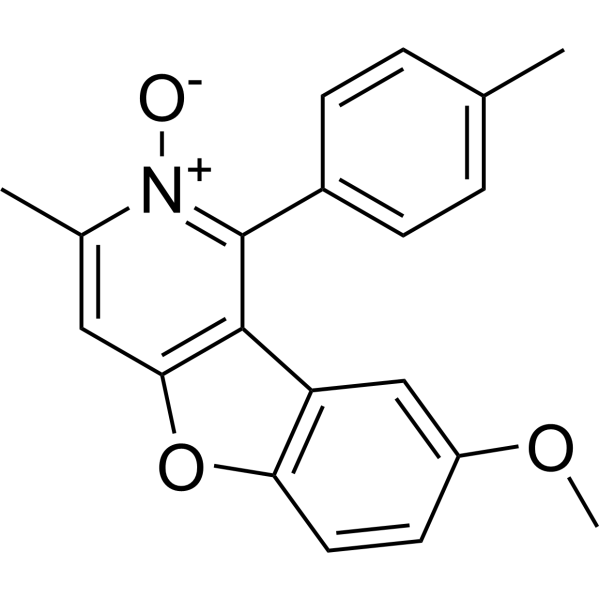
- HY-110158
-
-
- HY-148249
-
|
|
MALT1
|
Cancer
|
|
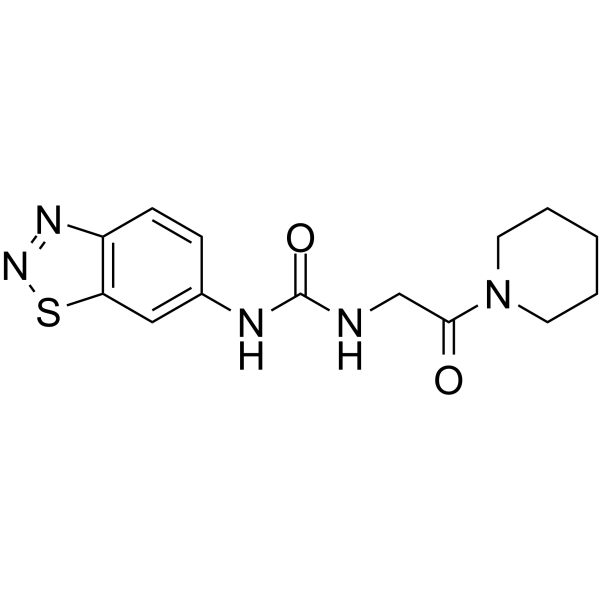
NVS-MALT1, a chemical probe, is a MALT1 allosteric inhibitor .
|
-
- HY-139871
-
-
- HY-158001
-
-
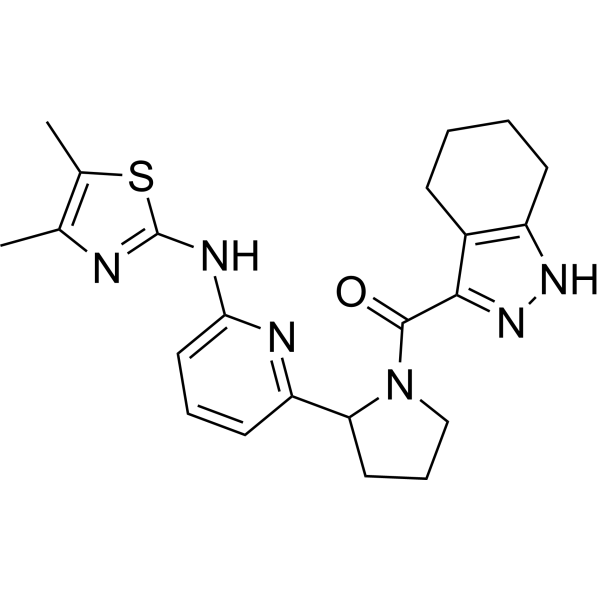
- HY-142296
-
-
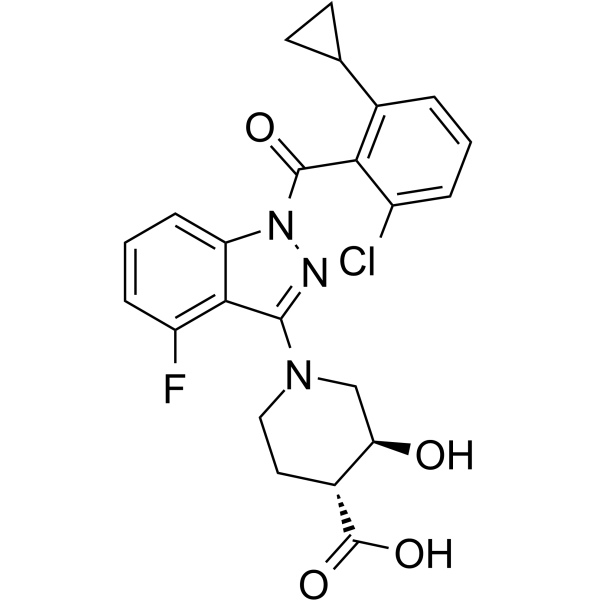
- HY-14846A
-
|
LY2523355 Racemate
|
Kinesin
|
Others
|
|
Litronesib Racemate (LY2523355 Racemate) is the racemate of litronesib. Litronesib is a selective, allosteric inhibitor of kinesin Eg5 .
|
-
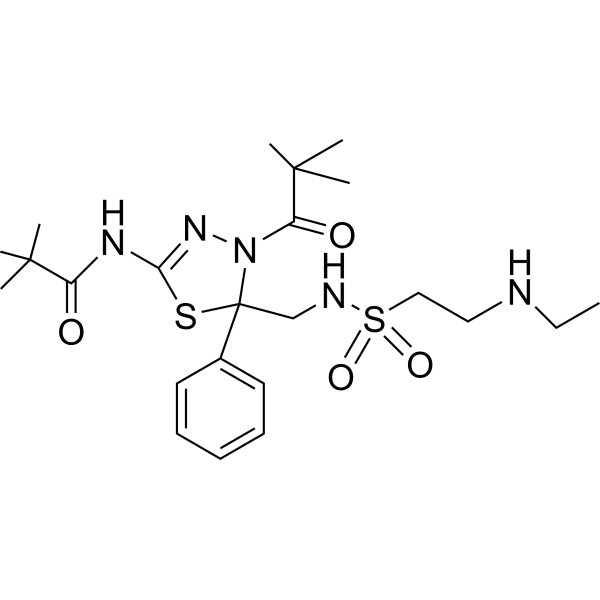
- HY-162355
-
|
|
SHP2
|
Cancer
|
|
SHP2-IN-27 (compound 28) is an allosteric inhibitor of tyrosine phosphatase SH2 .
|
-
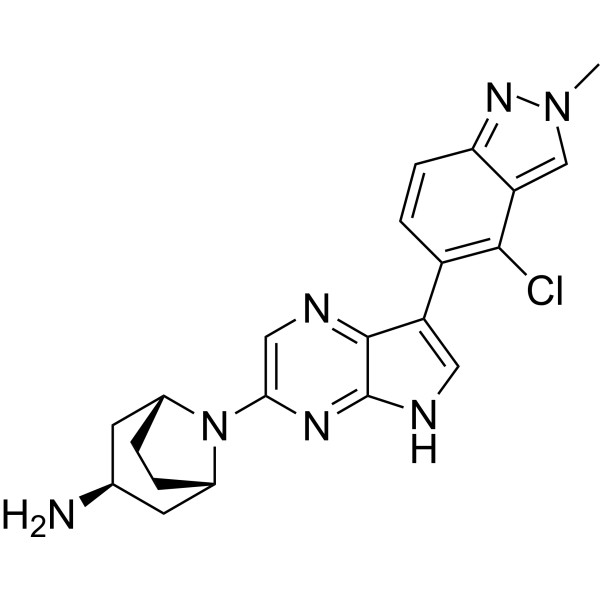
- HY-163180
-
|
|
Akt
|
Cancer
|
|
AKT-IN-22 (compound 0R4) is a potent AKT allosteric inhibitor with anticancer effects .
|
-
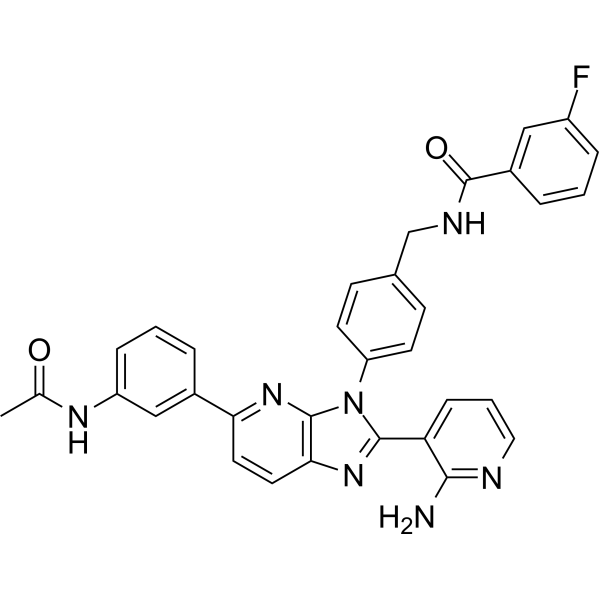
- HY-12408
-
|
|
Ras
|
Cancer
|
|
6H05 is a selective, and allosteric inhibitor of oncogenic mutant K-Ras(G12C).
|
-
- HY-162474
-
-

- HY-155148
-
-
- HY-162233
-
|
|
SHP2
Phosphatase
|
Cancer
|
|
SHP2-IN-25 (Compound 6) is a SHP2 allosteric inhibitor, with an IC50 of 225 nM. SHP2-IN-25 can be used for the research of cancer .
|
-
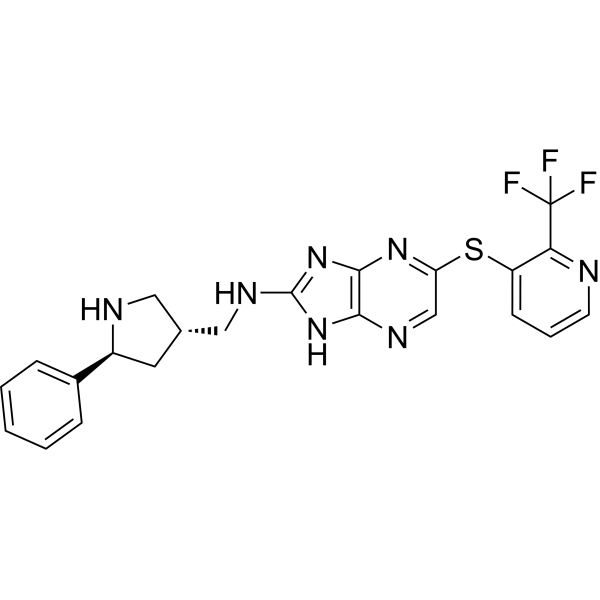
- HY-157439
-
|
|
SARS-CoV
|
Infection
|
|
SARS-CoV-2-IN-72 (compound 12) is a potent allosteric inhibitor of the SARS-COV-2 papain-like protease domain that can trigger the degradation of NSP3 .
|
-
- HY-157507
-
|
|
SHP2
Apoptosis
|
Cancer
|
|
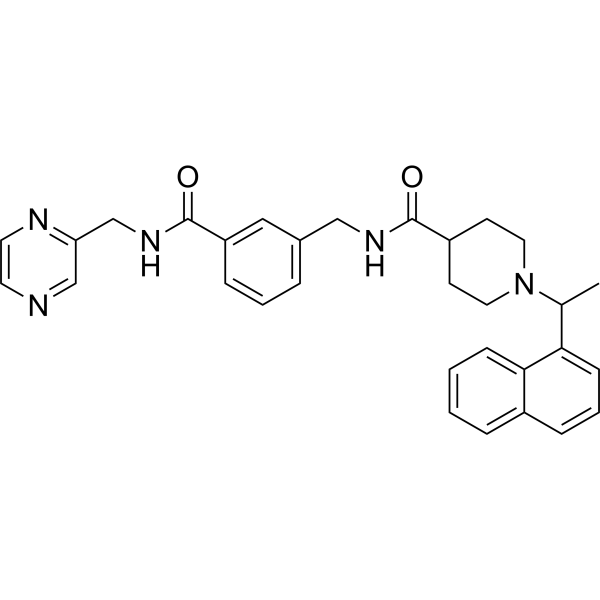
JC-010a is a selective SHP2 allosteric inhibitor. JC-010a inhibits cancer cells proliferation. JC-010a can be used for the research of cancer .
|
-
- HY-15251R
-
|
Repertaxin (Standard); DF 1681Y (Standard)
|
CXCR
Reference Standards
|
Inflammation/Immunology
Endocrinology
Cancer
|
|
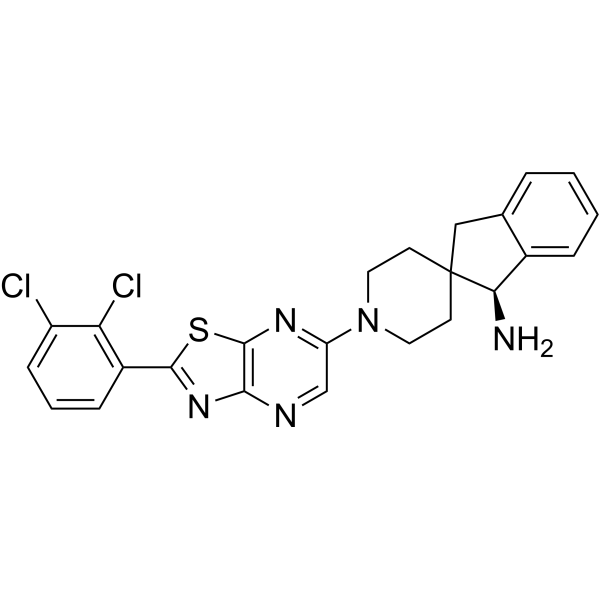
Reparixin (Standard) is the analytical standard of Reparixin. This product is intended for research and analytical applications. Reparixin is a non-competitive allosteric inhibitor of the chemokine receptors CXCR1 and CXCR2 activation with IC50s of 1 and 100 nM, respectively.
|
-

- HY-157318
-
|
|
SHP2
|
Cancer
|
|
PB17-026-01 is a potent SHP2 allosteric inhibitor and shows the highest inhibitory activity with an IC50 value of 38.9?nM. PB17-026-01 can be used for the research of tumor .
|
-
- HY-19481
-
|
|
HCV
|
Infection
|
|
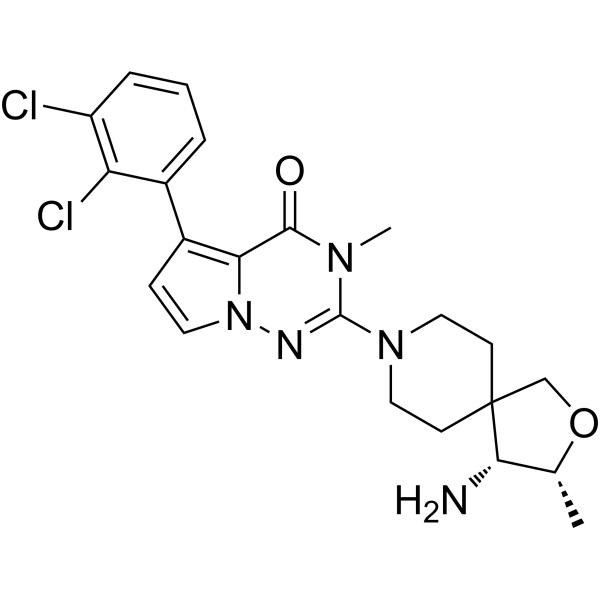
HCV-371 is a highly selective, potent, and low cytotoxicity HCV NSSB (EC50 = 4.8-6.1 μM) polymerase allosteric inhibitor. HCV-371 can be used for research on hepatitis C virus infection .
|
-

- HY-161031
-
|
|
EGFR
|
Cancer
|
|
EGFR-IN-93 (compound 18) is an allosteric inhibitor of T790M/L858R double mutant EGFR. EGFR-IN-93 can be used for non-small lung cancer (NSCLC) research .
|
-
- HY-10084
-
|
|
Kinesin
|
Cancer
|
|
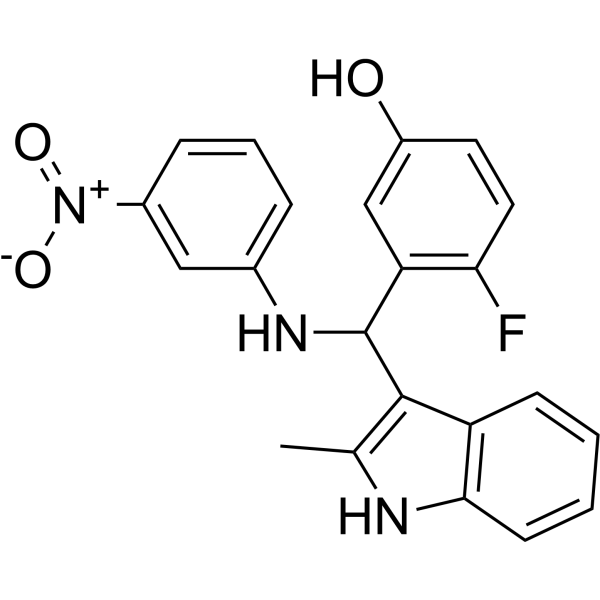
CK0106023 is a potent and specific allosteric inhibitor of KSP with a Ki value of 12 nM, showing antitumor activity. CK0106023 causes mitotic arrest and growth inhibition in several tumor cell lines. CK0106023 exhibits antitumor activity in tumor-bearing mice .
|
-

- HY-162595A
-
|
|
Bacterial
|
Infection
|
|
BDM88855 hydrochloride is an allosteric inhibitor for the homolog AcrB protein. BDM88855 hydrochloride can boost the antibacterial effect of a panel of antibiotics (eg: Oxacillin (HY-B0925A), Linezolid (HY-10394), Novobiocin (HY-B0425), etc.) on wild-type E. coli .
|
-

- HY-110286R
-
|
|
DNA/RNA Synthesis
|
Cancer
|
|
6-Hydroxy-DOPA (Standard) is the analytical standard of 6-Hydroxy-DOPA. This product is intended for research and analytical applications. 6-Hydroxy-DOPA is a selective and effective allosteric inhibitor of the RAD52 ssDNA binding domain. 6-Hydroxy-DOPA can be used for the research of cancer .
|
-

- HY-P4613
-
|
|
Drug Derivative
Drug Intermediate
|
Others
|
|
Fmoc-D-allo-Thr-OH is a derivative of D-allothreonine (HY-W001959), which is commonly used as a building block in solid-phase peptide synthesis (SPPS) .
|
-

- HY-103269R
-
|
|
Reference Standards
Bcl-2 Family
Apoptosis
|
Cancer
|
|
BAI1 (Standard) is the analytical standard of BAI1 (HY-103269). This product is intended for research and analytical applications. BAI1 is a selective and allosteric inhibitor of BAX, an apoptosis regulator. BAI1 directly binds to BAX and allosterically inhibits BAX activation. BAI1 has the potential for the research of diseases mediated by BAX-dependent cell death .
|
-

- HY-182792
-
|
TERN-701
|
Bcr-Abl
|
Cancer
|
|
Embibatinib (TERN-701) (Compound 1) is a highly selective, orally effective BCR-ABL allosteric inhibitor. Embibatinib is applicable for cancer research, particularly leukemia .
|
-

- HY-179652
-
-

- HY-186166
-
|
(S)-TERN-701
|
Bcr-Abl
|
Cancer
|
|
(S)-Embibatinib ((S)-TERN-701), an isomer of TERN-701 (HY-182792), is a selective BCR-ABL allosteric inhibitor. (S)-Embibatinib can be usd for the research of cancer .
|
-

- HY-128009
-
-

- HY-P11022
-
|
A-3302-B
|
Endogenous Metabolite
HSV
TRP Channel
|
Infection
Cancer
|
|
TL-119 (A-3302-B) is a polypeptide. TL-119 can be isolated from the bacteria Micromonospora sp. MAG 9-7 and Saccharomonospora sp. CNQ-490. TL-119 inhibits TRPV-1. TL-119 exhibits antiviral activity against HSV-2. TL-119 possesses anticancer activity against gastric cancer and colorectal cancer .
|
-

- HY-101068R
-
|
RMI14514 (Standard); MDL14514 (Standard)
|
Acetyl-CoA Carboxylase
Reference Standards
|
Cancer
|
|
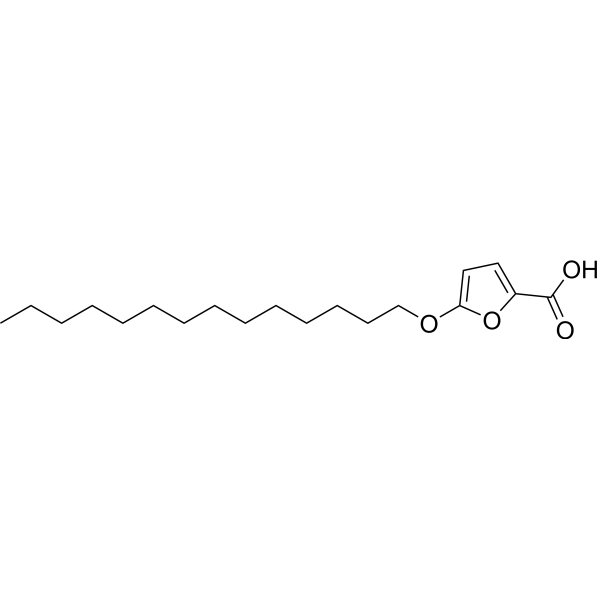
TOFA (Standard) is the analytical standard of TOFA (HY-101068). This product is intended for research and analytical applications. TOFA (RMI14514;MDL14514) is an allosteric inhibitor of acetyl-CoA carboxylase-α (ACCA ).
|
-

- HY-179714
-
|
Z236004662
|
Dopamine Transporter
|
Neurological Disease
|
|
DAM-001 (Z236004662) is a potent, non-competitive allosteric inhibitor for human dopamine transporter (hDAT) with an IC50 of 24.70 μM and 1.026 μM in the absence and presence of orthosteric inhibitor Nomifensine (HY-B1110) .
|
-

- HY-112942B
-
|
CMP-Neu5Ac disodium
|
Endogenous Metabolite
|
Metabolic Disease
|
|
CMP-Sialic acid (CMP-Neu5Ac) sodium is an allosteric inhibitor of UDP-GlcNAc 2-epimerase. CMP-Sialic acid sodium provides a substrate for Golgi sialyltransferases. CMP-Sialic acid sodium is an important sugar nucleotide for biosynthesis of sialic acid and its conjugates .
|
-

- HY-12429A
-
|
BMS-791325 hydrochloride
|
DNA/RNA Synthesis
HCV
|
Infection
|
|
Beclabuvir (BMS-791325) hydrochloride is an allosteric inhibitor that binds to thumb site 1 of the hepatitis C virus (HCV) NS5B RNA-dependent RNA polymerase, and inhibits recombinant NS5B proteins from HCV genotypes 1, 3, 4, and 5 with IC50 of < 28 nM .
|
-

- HY-13965
-
|
ML161
|
Protease Activated Receptor (PAR)
|
Cardiovascular Disease
|
|
Parmodulin 2 (ML161) is an allosteric inhibitor of protease-activated receptor 1 (PAR1) with an IC50 of 0.26 μM . Parmodulin 2 is a potent and non-competitive inhibitor of SFLLRN-induced P-selectin expression leading to inhibition of platelet aggregation in vitro and platelet thrombus formation in vivo .
|
-
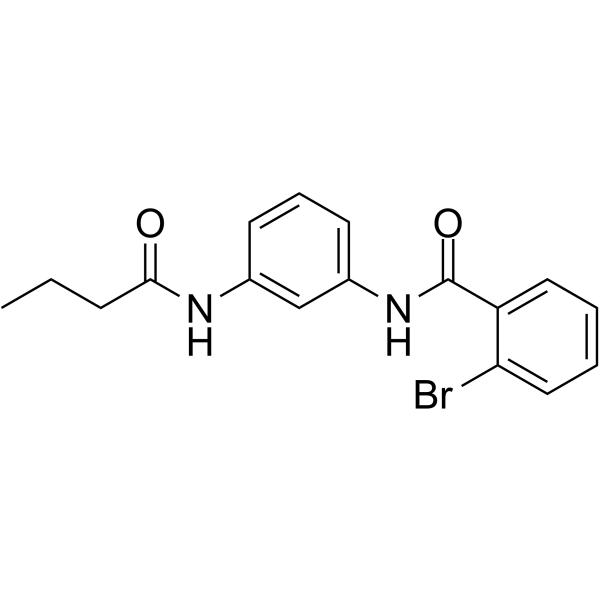
- HY-149602
-
|
|
Glutaminase
Reactive Oxygen Species (ROS)
|
Cancer
|
|
Glutaminase C-IN-2 (compound 11) is glutaminase C (GAC) allosteric inhibitor with an IC50 of 10.64 nM. Glutaminase C-IN-2 regulates the cellular metabolite, thereby increasing reactive oxygen species (ROS) by blocking glutamine metabolism. Glutaminase C-IN-2 has anticancer effects .
|
-
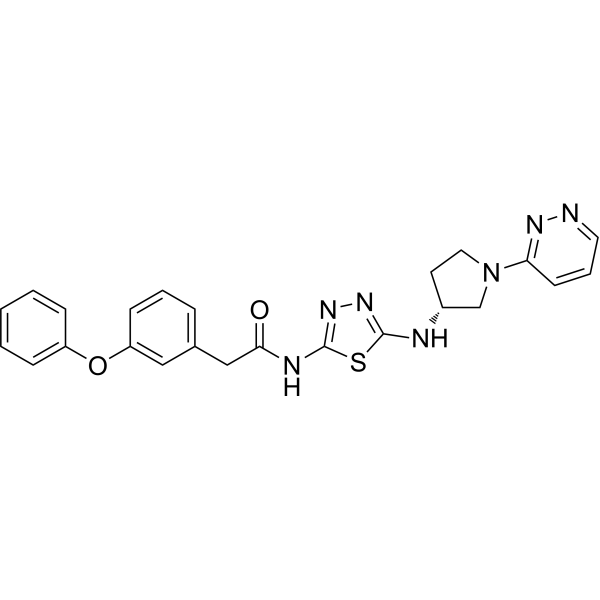
- HY-155533
-
|
|
SHP2
|
Cancer
|
|
YF704 (compound 4w) is a selective allosteric inhibitor of SHP2 (IC50=0.25 μM). YF704 shows antiproliferative activity and induces apoptosis in cancer cells. YF704 also downregulates Erk1/2 and Akt phosphorylation levels in cancer cells .
|
-
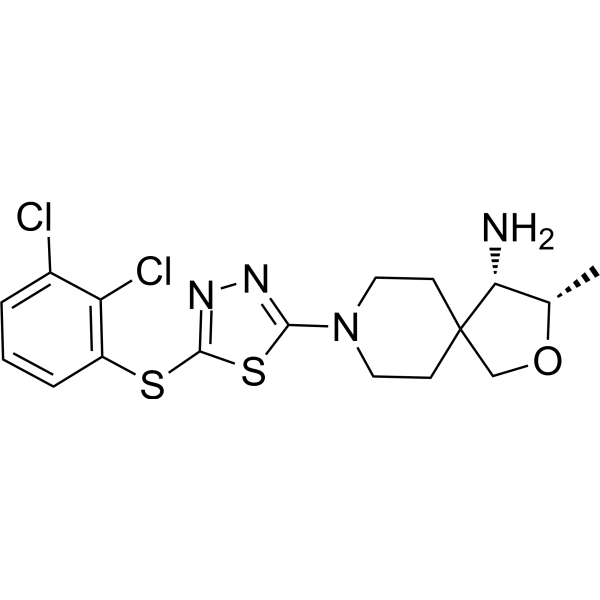
- HY-P10010
-
|
|
Galectin
|
Cancer
|
|
DB21, Galectin-1 Antagonist is a dibenzofuran conjugated peptidomimetic that acts as an allosteric inhibitor of galectin-1 (GAL1)binding to cell surface glycans. DB21, Galectin-1 Antagonis increases inhibition of angiogenesis and tumour growth in melanoma, lung adenocarcinoma and ovarian cancer models .
|
-

- HY-15251AR
-
|
(Rac)-Repertaxin (Standard); (Rac)-DF 1681Y (Standard)
|
CXCR
Reference Standards
|
Inflammation/Immunology
Endocrinology
Cancer
|
|
(Rac)-Reparixin (Standard) is the analytical standard of (Rac)-Reparixin. This product is intended for research and analytical applications. (Rac)-Reparixin is the isomer of Reparixin (HY-15251), and can be used as an experimental control. Reparixin is a non-competitive allosteric inhibitor of the chemokine receptors CXCR1 and CXCR2 activation with IC50s of 1 and 100 nM, respectively.
|
-

- HY-176973
-
-

- HY-158102A
-
|
ORIC-944 TFA
|
Histone Methyltransferase
|
Cancer
|
|
Rinzimetostat (ORIC-944) TFA is the TFA salt form of ORIC (HY-158102). Rinzimetostat TFA is a selective, orally active, allosteric inhibitor targeting the EED subunit of polycomb repressive complex 2 (PRC2). Rinzimetostat TFA is synergistic with androgen receptor pathway inhibitors (ARPIs) for the study of metastatic prostate cancer .
|
-

- HY-157888
-
|
|
SHP2
Phosphatase
|
Cancer
|
|
SHP2-IN-26 (Compound 4b) is a highly selective SHP2 allosteric inhibitor with a IC50 value of 3.2 nM. SHP2-IN-26 inhibits the phosphorylation of ERK and AKT in NCI-H358 cells. SHP2-IN-26 has antitumor activity .
|
-
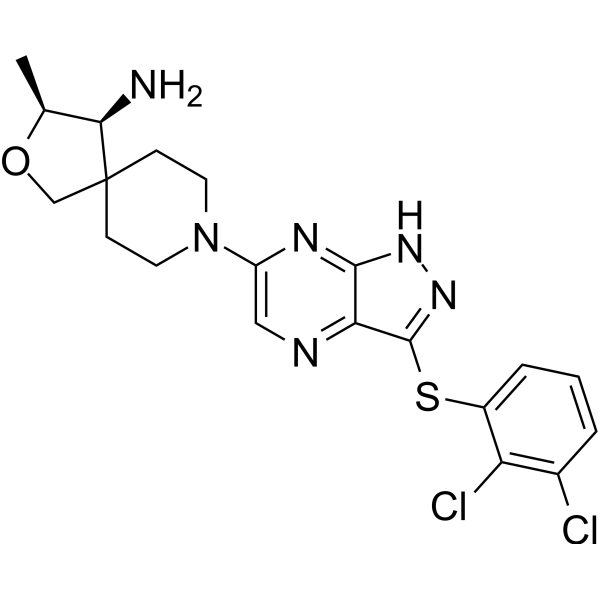
- HY-159489
-
|
|
SHP2
|
Cancer
|
|
SDUY038 is a SHP2 allosteric inhibitor, with an IC50 of 1.2 μM and KD of 0.29 μM, respectively. SDUY038 exhibits pan-antitumor activity (IC50 = 7-24 μM) by suppressing pERK expression. SDUY038 exhibits t1/2 of 3.95 h by oral administration .
|
-

- HY-P2120
-
|
|
Bacterial
|
Others
|
|
Pseudobactin A is a non-fluorescent extracellular iron carrier produced by the plant growth-promoting bacterium Pseudomonas B10 .
|
-

- HY-172911
-
|
|
SHP2
|
Cancer
|
|
SHP2-IN-37 (compound C5) is a potent and selective SHP2 allosteric inhibitor with an IC50 of 0.023 μM. SHP2-IN-37 exhibits antiproliferative effect on KYSE-520 and MV-411 cells with IC50s of 6.97 and 0.67 μM, respectively
|
-

- HY-176975
-
-

- HY-176974
-
-

- HY-N0240
-
|
|
Ornithine decarboxylase (ODC)
|
Cancer
|
|
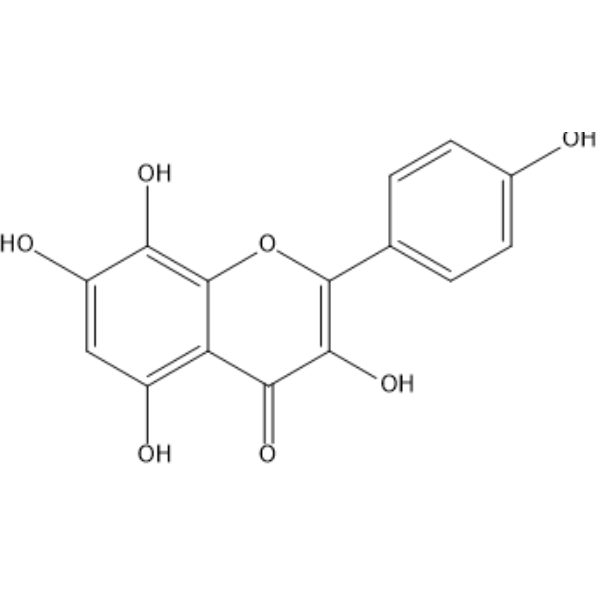
Herbacetin is a natural flavonoid from flaxseed, exerts various pharmacological activities, including antioxidant, anti-inflammatory and anticancer effects . Herbacetin is an Ornithine decarboxylase (ODC) allosteric inhibitor, directly binds to Asp44, Asp243, and Glu384 on ODC. Ornithine decarboxylase (ODC) is a rate-limiting enzyme in the first step of polyamine biosynthesis .
|
-
- HY-125956
-
|
|
Aurora Kinase
Apoptosis
|
Cancer
|
|
Aurkin A is an allosteric inhibitor for the interaction between Aurora A Kinase (also known also Aurka) and TPX2, through targeting the TPX2 binding sites with Kd of 3.77 μM. Aurkin A can disrupt polyploidy induced by Alisertib (HY-10971) and increase apoptosis of tumor cells. Aurkin A can be used in research on mitosis and cancer .
|
-

- HY-153699
-
|
|
SHP2
|
Cancer
|
|
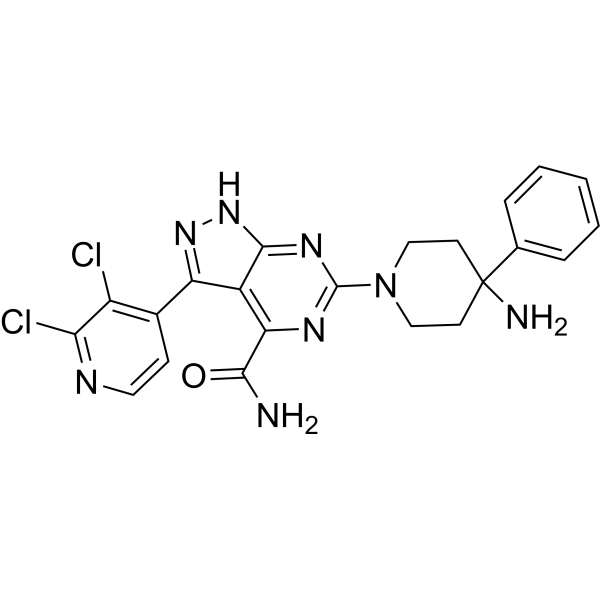
SHP2-IN-14 (compound 27) is an orally active and potent SHP2 allosteric inhibitor (IC50=7 nM) with anti-tumor activity. SHP2-IN-14 inhibits tumor progression in NCI-H358 tumor bearing mice, exhibits good pharmacokinetic characteristics and safty .
|
-
- HY-183672
-
|
|
c-Met/HGFR
|
Cancer
|
|
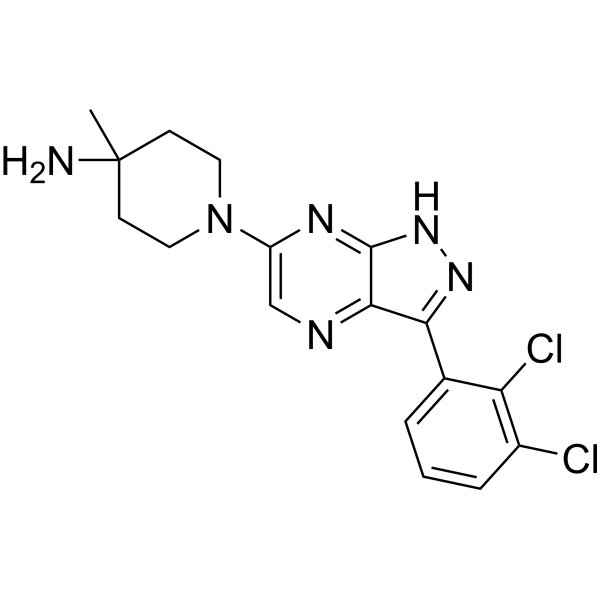
c-Met-IN-28 is a type III allosteric inhibitor of c-MET, with pKi values of 7.4 (WT) and 7.1 (D1228V), and IC50 values of 37 nM (WT) and 72 nM (D1228V) against human c-MET. c-Met-IN-28 can be used for research on c-MET-driven cancers .
|
-

- HY-10219R
-
|
Sirolimus (Standard); AY-22989 (Standard); NSC 226080 (Standard)
|
Reference Standards
mTOR
FKBP
Fungal
Autophagy
Endogenous Metabolite
Antibiotic
Bacterial
|
Cancer
|
|
Rapamycin (Standard) is the analytical standard of Rapamycin (HY-10219). This product is intended for research and analytical applications. Rapamycin (Sirolimus; AY 22989) is a potent and specific mTOR inhibitor with an IC50 of 0.1 nM in HEK293 cells. Rapamycin binds to FKBP12 and specifically acts as an allosteric inhibitor of mTORC1 . Rapamycin is an autophagy activator, an immunosuppressant .
|
-

- HY-137092
-
|
|
SHP2
Phosphatase
|
Cancer
|
|
IACS-13909 is a selective, potent and orally active SHP2 allosteric inhibitor with an IC50 of 15.7 nM and a Kd of 32 nM. IACS-13909 is more selective for SHP2 than other phosphatases (including SHP1). IACS-13909 has antitumor activities and suppresses MAPK pathway signaling in receptor tyrosine kinases (RTK)-dependent cancers .
|
-
- HY-113604
-
|
|
TGF-β Receptor
|
Cancer
|
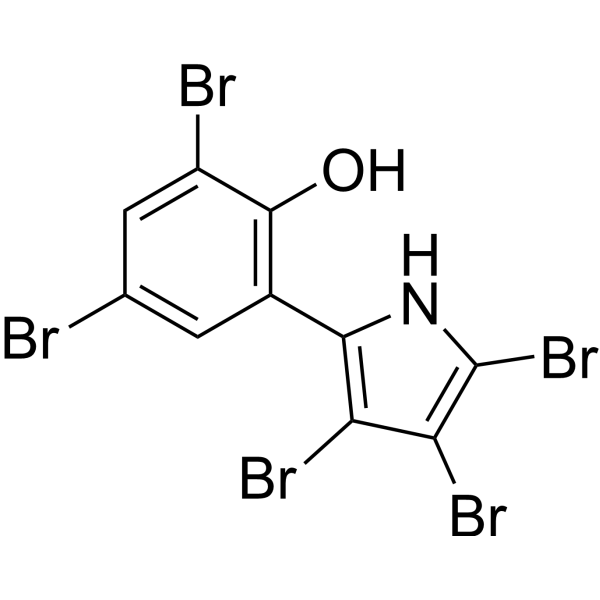
Pentabromopseudilin (PBrP) is a marine antibiotic isolated from the marine bacteria Pseudomonas bromoutilis and Alteromonas luteoviolaceus. PBrP exhibits antimicrobial, anti-tumour and phytotoxic activities. PBrP is a reversible and allosteric inhibitor of myosin Va (MyoVa). PBrP also is a potent inhibitor of transforming growth factor-β (TGF-β) activity. PBrP can be used for the research of fibrotic diseases and cancer .
|
-
- HY-108708
-
|
|
PARP
|
Cancer
|
|
GeA-69 is a selective, allosteric inhibitor of poly-adenosine-diphosphate-ribose polymerase 14 (PARP14) targeting macrodomain 2 (MD2), with a Kd value of 2.1 μM. GeA-69 involves in DNA damage repair mechanisms and prevents recruitment of PARP14 MD2 to sites of laser-induced DNA damage .
|
-
- HY-102071
-
|
5'-O-Tritylinosine; 5'-O-Trityl-inosine
|
Nucleoside Antimetabolite/Analog
|
Cancer
|
|
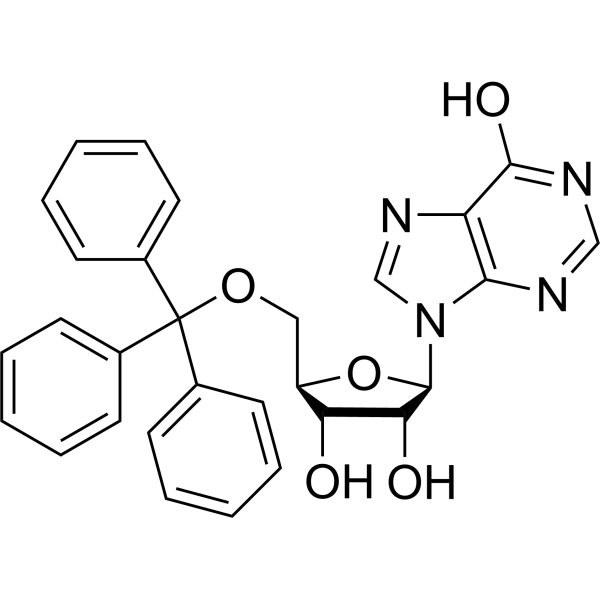
KIN59 (5’-O-Tritylinosine) is a potent thymidine phosphorylase allosteric inhibitor. KIN59 inhibits FGF2-stimulated cell growth. KIN59 inhibits the expression of p-FGFR1, P-Akt in FGF2 (10 ng/mL) stimulated cells. KIN59 shows anti-tumor activity .
|
-
- HY-179428
-
|
|
JAK
|
Cancer
|
|
JAK2-IN-17 (compound 20) is a potent JAK2 allosteric inhibitor. JAK2-IN-17 inhibits full-length JAK2 and JAK2 V617F with IC50s of 160 and 130 nM, respectively. JAK2-IN-17 covalently modifies Lys677 in the pseudokinase domain .
|
-

- HY-149607
-
|
|
SHP2
|
Cancer
|
|
SHP2-IN-22 is SHP2 allosteric inhibitor with an IC50 value of 17.7 nM. SHP2-IN-22 inhibits the proliferation, migration, and invasion of MIA PaCa-2 pancreatic cancer cells. SHP2-IN-22 can be used for Kirsten rat sarcoma viral oncogene (KRAS) mutant cancer research .
|
-
- HY-158116
-
|
RO7589831; VVD-133214
|
DNA/RNA Synthesis
|
Cancer
|
|
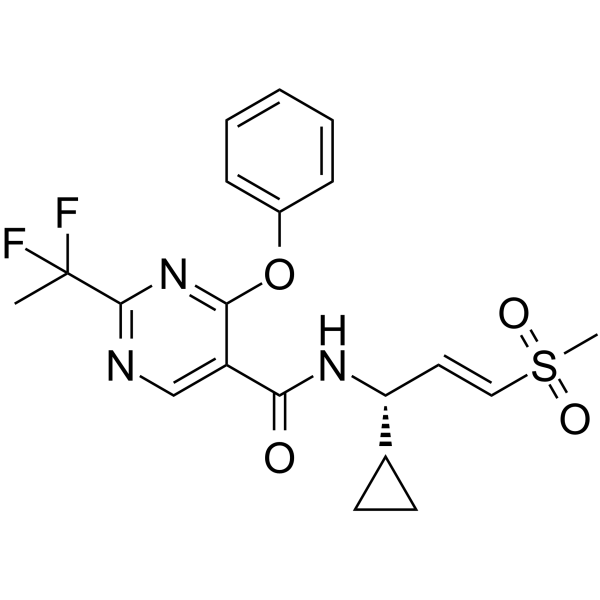
VVD-214 is a synthetic lethal allosteric inhibitor of WRN helicase with an IC50 of 0.1316 µM. VVD-214 covalently binds to cysteine 727 of WRN and inhibits ATP hydrolysis and helicase activity. VVD-214 is potent in causing double-stranded DNA breaks, nuclear swelling, and cell death in high microsatellite instability (MSI) cancers .
|
-
- HY-114169S
-
|
|
Isotope-Labeled Compounds
|
Cancer
|
|
WRG-28-d5 is the deuterium labeled WRG-28(HY-114169).WRG-28 is a selective, extracellularly acting DDR2 allosteric inhibitor, with an IC50 of 230 nM. WRG-28 inhibits tumor invasion, migration and tumor-supporting effects of cancer-associated fibroblasts (CAFs). WRG-28 inhibits metastatic
|
-

- HY-148510
-
|
|
Phosphatase
Apoptosis
Akt
ERK
Reactive Oxygen Species (ROS)
|
Cancer
|
|
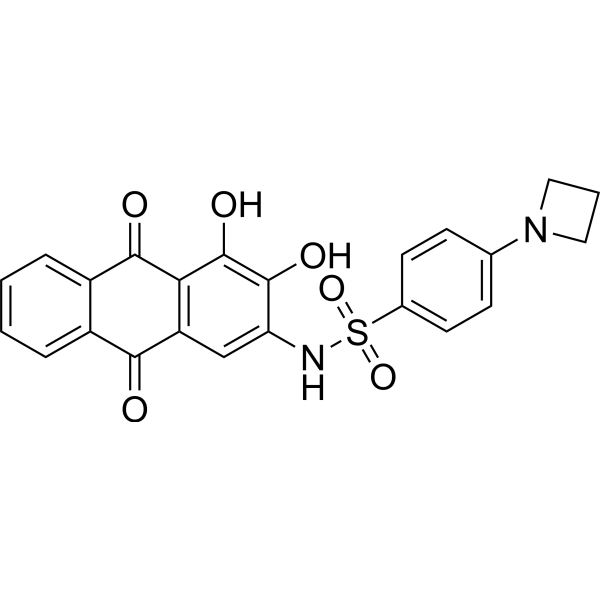
HKB99 is an allosteric inhibitor of phosphoglycerate mutase 1 (PGAM1). HKB99 induces apoptosis. HKB99 inhibits the formation of invasive pseudopodia and inhibits migration. HKB99 increases the oxidative stress, activates JNK/c-Jun and suppresses AKT and ERK. HKB99 can be used for the research of non-small-cell lung cancer (NSCLC) .
|
-
- HY-170318
-
|
|
Myosin
|
Cancer
|
|
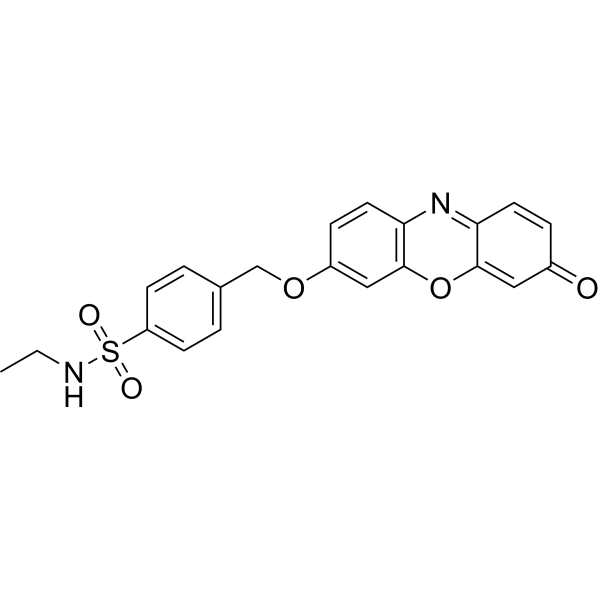
Adhibin is an allosteric inhibitor for RhoGAP class IX myosin, that inhibits Myo9 ATPase in mammalian and invertebrate with IC50 of 2.5 µM and 2.6 µM. Adhibin binds to the ATPase of myosin, interfers with its motor function, blocks the RhoGTPase related signaling pathway, and affects the cell migration, adhesion and cell division. Adhibin can be used in research about cancer metastasis .
|
-

- HY-124611
-
|
|
HSP
Apoptosis
|
Cancer
|
|
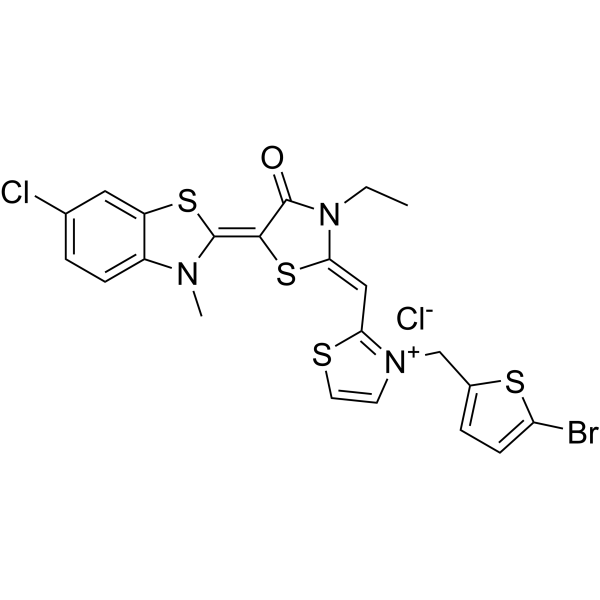
JG-231 is an allosteric inhibitor of heat shock protein 70 (Hsp70). JG - 231 inhibits the binding of Hsp70 and BAG family proteins, including inhibition of Hsp70 and BAG1 with a Ki of 0.11 μM. JG-231 inhibits proliferation of tumor cells and induces apoptosis. JG-231 has antitumor activity .
|
-
- HY-117440
-
|
|
Kinesin
|
Cancer
|
|
4'-Methoxy-S-trityl-L-cysteinol is an allosteric inhibitor of vertebrate Kinesin Spindle Protein (KSP). 4'-Methoxy-S-trityl-L-cysteinol significantly enhances its inhibitory activity against NCI60 tumor cells by modifying the trityl and cysteine groups. Its EC50 for bipolar spindle formation is 28 μM, showing stronger inhibitory potency than the parent molecule and monastrol.
|
-

- HY-100214R
-
|
|
EGFR
Reference Standards
|
Cancer
|
|
EAI001 (Standard) is the analytical standard of EAI001 (HY-100214). This product is intended for research and analytical applications. EAI001 is a potent, selective mutant epidermal growth factor receptor (EGFR) allosteric inhibitor with an IC50 value of 24 nM for EGFRL858R/T790M. EAI001 can be used for research of cancer .
|
-

- HY-169407
-
|
|
Akt
mTOR
MEK
ERK
Apoptosis
|
Cancer
|
|
KT-IN-24 (Compound M17) is a AKT allosteric inhibitor with anti-tumor activity. KT-IN-24 can target the AKT/mTOR and MEK/ERK signaling pathways and inhibit epithelial-mesenchymal transition, which has a synergistic suppressive effect on TNBC, promoting cell apoptosis while inhibiting proliferation and migration when used in combination with Trametinib (HY-10999) .
|
-

- HY-172454
-
|
|
SHP2
|
Cancer
|
|
SHP2-IN-36 (Compound B8) is an allosteric inhibitor of SHP2, with an IC50 value of 9.0 nM. In addition, its IC50 for p-ERK is 40 nM. SHP2-IN-36 also exhibited significant antitumor activity in the KYSE520 xenograft mouse model. SHP2-IN-36 can be used for research in the field of anti-tumor .
|
-

- HY-114169
-
WRG-28
2 Publications Verification
|
Discoidin Domain Receptor
|
Inflammation/Immunology
Cancer
|
|
WRG-28 is a selective, extracellularly acting DDR2 allosteric inhibitor, with an IC50 of 230 nM. WRG-28 inhibits tumor invasion, migration and tumor-supporting effects of cancer-associated fibroblasts (CAFs). WRG-28 inhibits metastatic breast tumor cell colonization in the lungs. WRG-28 also shows good activity of relieving rheumatoid arthritis in CAIA model of mice .
|
-
- HY-183358
-
|
|
Anaplastic lymphoma kinase (ALK)
Apoptosis
|
Cancer
|
|
ALK-IN-37 is an orally active type I1/2 allosteric inhibitor of anaplastic lymphoma kinase (ALK) with an IC50 of 9.58 nM. ALK-IN-37 induces cell apoptosis, inhibits colony formation, suppresses cell migration, and exerts antiproliferative effects in cancer cells overexpressing ALK. ALK-IN-37 can be used in research related to non-small cell lung cancer .
|
-

- HY-10219S1
-
|
Sirolimus-13C,d3; AY-22989-13C,d3 NSC 226080-13C,d3
|
Isotope-Labeled Compounds
mTOR
FKBP
Fungal
Autophagy
Endogenous Metabolite
Antibiotic
Bacterial
|
Cancer
|
|
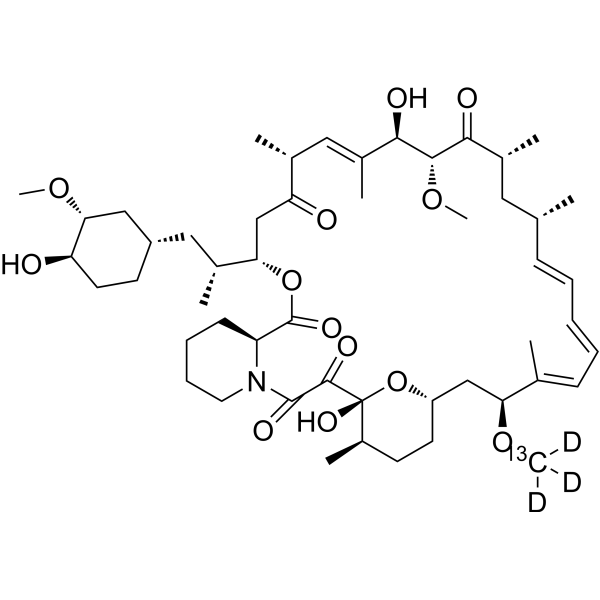
Rapamycin- 13C,d3 (Sirolimus- 13C,d3) is the 13C and deuterium labeled Rapamycin (HY-10219) . Rapamycin is a potent and specific mTOR inhibitor with an IC50 of 0.1 nM in HEK293 cells. Rapamycin binds to FKBP12 and specifically acts as an allosteric inhibitor of mTORC1. Rapamycin is an autophagy activator, an immunosuppressant .
|
-
- HY-W096171
-
|
3-Hydroxy-D-tyrosine
|
Carboxypeptidase
|
Infection
Neurological Disease
|
|
D-Dopa (3-Hydroxy-D-tyrosine) is a potent, orally active, non-competitive and allosteric inhibitor of glutamate carboxypeptidase II (GCPII) with an IC50 of 200 nM. D-Dopa elevates brain dopamine and produce turning behavior in rats. D-Dopa inhibit severe fever with thrombocytopenia syndrome (SFTS) virus infection. D-Dopa can be used for neurological disease and virus infection research .
|
-

- HY-10219G
-
|
Sirolimus; AY-22989; NSC 226080
|
mTOR
FKBP
Fungal
Autophagy
Endogenous Metabolite
Antibiotic
Bacterial
|
Infection
Cancer
|
|
Rapamycin (Sirolimus) (GMP) is Rapamycin (HY-10219) produced by using GMP guidelines. GMP small molecules works appropriately as an auxiliary reagent for cell therapy manufacture. Rapamycin (Sirolimus; AY 22989) is a potent and specific mTOR inhibitor with an IC50 of 0.1 nM in HEK293 cells. Rapamycin binds to FKBP12 and specifically acts as an allosteric inhibitor of mTORC1 . Rapamycin is an autophagy activator, an immunosuppressant .
|
-

- HY-160700
-
|
|
Deubiquitinase
JNK
|
Cancer
|
|
TNG348 is an orally available allosteric inhibitor of the ubiquitin-specific protease USP1. TNG348 specifically and efficiently inhibits the activity of USP1, inhibiting its deubiquitination of proliferative PCNA and FANCD2, thereby disrupting the DNA repair process. TNG348 has inhibitory activity against breast and ovarian cancers carrying BRCA1/2 mutations and other homologous recombination defects (HRD) .
|
-

- HY-N0240R
-
|
|
Reference Standards
Others
|
Cancer
|
|
Herbacetin (Standard) is the analytical standard of Herbacetin. This product is intended for research and analytical applications. Herbacetin is a natural flavonoid from flaxseed, exerts various pharmacological activities, including antioxidant, anti-inflammatory and anticancer effects . Herbacetin is an Ornithine decarboxylase (ODC) allosteric inhibitor, directly binds to Asp44, Asp243, and Glu384 on ODC. Ornithine decarboxylase (ODC) is a rate-limiting enzyme in the first step of polyamine biosynthesis .
|
-

- HY-117902
-
|
|
Dopamine Transporter
|
Neurological Disease
|
|
SRI-31142 is a putative, brain-penetrant allosteric inhibitor of the dopamine transporter (DAT). In behavioral studies using intracranial self-stimulation (ICSS), SRI-31142 did not produce the abuse-related effects seen with cocaine and GBR-12935, but instead reduced ICSS responses and dopamine levels in the nucleus accumbens (NAc) at effective doses. SRI-31142 also blocked cocaine-induced increases in ICSS and NAc dopamine .
|
-

- HY-10219GL
-
|
Sirolimus (GMP Like); AY-22989 (GMP Like); NSC 226080 (GMP Like)
|
mTOR
FKBP
Fungal
Autophagy
Endogenous Metabolite
Antibiotic
Bacterial
|
Cancer
|
|
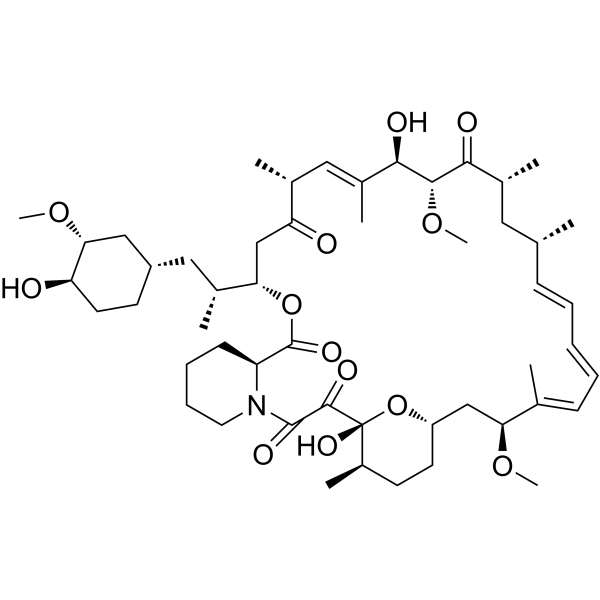
Rapamycin (Sirolimus) GMP Like is Rapamycin (HY-10219) produced by using GMP like guidelines. GMP Like small molecules works appropriately as an auxiliary reagent for cell therapy manufacture. Rapamycin (Sirolimus; AY 22989) is a potent and specific mTOR inhibitor with an IC50 of 0.1 nM in HEK293 cells. Rapamycin binds to FKBP12 and specifically acts as an allosteric inhibitor of mTORC1 . Rapamycin is an autophagy activator, an immunosuppressant .
|
-
- HY-180241
-
|
|
Glutaminase
Reactive Oxygen Species (ROS)
|
Cancer
|
|
Glutaminase C-IN-3 is a potent allosteric inhibitor of Glutaminase C (GAC) with an EC50 of 116 nM. Glutaminase C-IN-3 regulates cellular metabolites and increases reactive oxygen species (ROS) production by blocking glutamine metabolism. Glutaminase C-IN-3 exhibits strong antitumor activity in an A549 xenograft mouse model. Glutaminase C-IN-3 can be used for the research of non-small cell lung cancer (NSCLC) .
|
-

- HY-125269
-
|
|
YAP
|
Cancer
|
|
TED-347 is a potent, irreversible, covalent and allosteric inhibitor at YAP-TEAD protein-protein interaction with an EC50 of 5.9 μM for TEAD4⋅Yap1 protein-protein interaction. TED-347 specifically and covalently bonds with Cys-367 within the central pocket of TEAD4 with a Ki of 10.3 μM. TED-347 blocks TEAD transcriptional activity and has antitumor activity .
|
-
- HY-123872
-
|
|
p97
|
Cancer
|
|
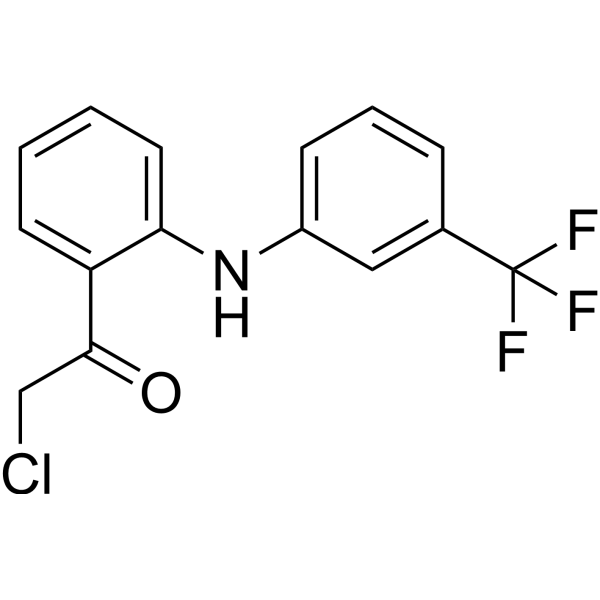
MSC1094308 is a non-competitive and reversible VPS4B/p97 (VCP) (I/II type AAA ATPase) allosteric inhibitor, with IC50 values of 0.71 μM and 7.2 μM for VPS4B and p97, respectively . MSC1094308 inhibits the D2 ATPase activity by binding to a agentable hotspot of p97. MSC1094308 can be used in study of cancer .
|
-
- HY-123418
-
|
|
Phosphoglycerate Dehydrogenase (PHGDH)
|
Cancer
|
|
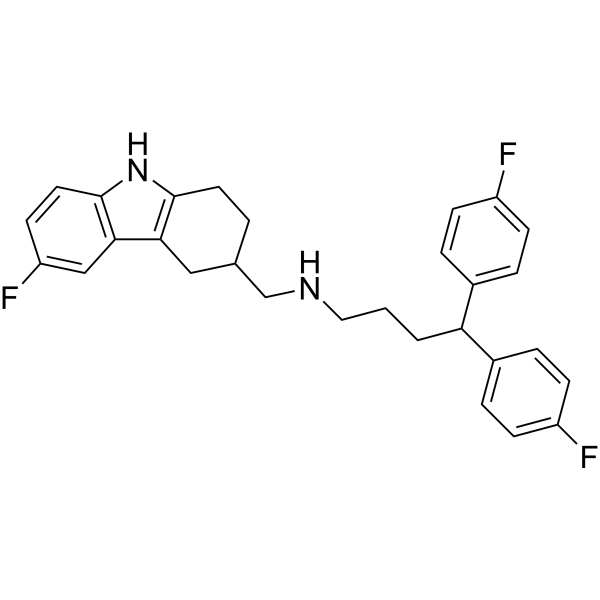
PKUMDL-WQ-2201 is a PHGDH non-NAD+-competing allosteric inhibitor (IC50=35.7 μM). PKUMDL-WQ-2201 also inhibits PHGDH mutants with IC50s of 69 μM (T59A) and >300 μM (T56AK57A), respectively. PKUMDL-WQ-2201 inhibits de novo serine synthesis in cancer cells, and reduces tumor growth .
|
-
- HY-168152
-
|
|
SARS-CoV
Virus Protease
|
Infection
|
|
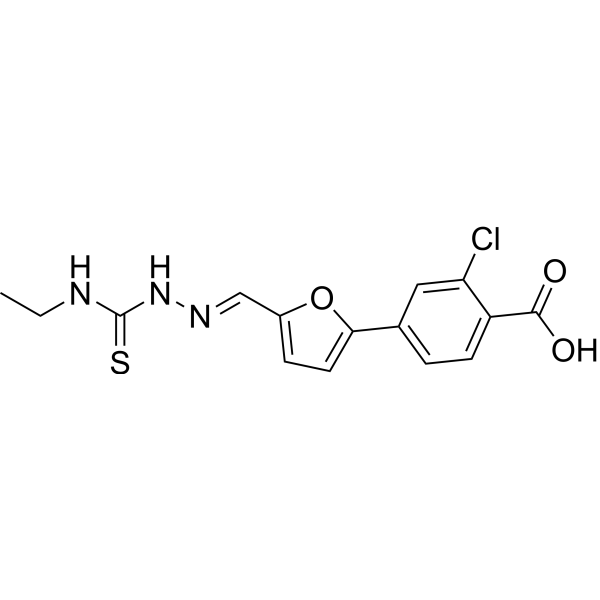
SARS-CoV-2 3CLpro-IN-26 (Compound (S,R)-4y) is an allosteric inhibitor for SARS-CoV-2 3CLpro with an IC50 of 0.43 μM. SARS-CoV-2 3CLpro-IN-26 exhibits good cell permeability and is able to effectively cross the cell membrane, after co-incubation with Vero-E6 cells .
|
-

- HY-178714
-
|
|
Interleukin Related
|
Inflammation/Immunology
|
|
JNJ627 is a small molecule allosteric inhibitor of IL-17A with a KD of 92 nM. JNJ627 effectively inhibits the binding of IL-17A and IL-17RA, with an IC50 value of 16 nM. JNJ627 is capable of inhibiting the secretion of G-CSF (granulocyte colony-stimulating factor) caused by IL-17A stimulation. JNJ627 can be used for the study of autoimmune diseases (such as psoriasis) .
|
-

- HY-174254
-
|
|
Akt
Apoptosis
Caspase
PARP
β-catenin
|
Cancer
|
|
AKT-IN-28 is an Akt allosteric inhibitor, a derivative of Shikonin (HY-N0822). AKT-IN-28 effectively binds to the allosteric site of Akt through hydrophobic and hydrogen interactions with Kd of 2.07 μM. AKT-IN-28 significantly inhibits Akt activity, induces cell apoptosis, arrests cell cycle in G2/M phase, and suppresses proliferation, migration and metabolism of KRAS mutant colorectal cancer cells .
|
-

- HY-122630
-
TH-257
1 Publications Verification
|
LIM Kinase (LIMK)
|
Cancer
|
|
TH-257 is a potent inhibitor of LIMK1 and LIMK2 with IC50 values of 84 nM and 39 nM for LIMK1 and LIMK2, respectively, and it can be used as a chemical probe for LIMK1 and LIMK2. TH-257 is an allosteric inhibitor targeting a binding pocket induced by an αC and DFG-out conformation. TH257 is exquisitely selective and no significant activity against the wider kinome has been observed in the KINOMEscan assay at 1 μM .
|
-
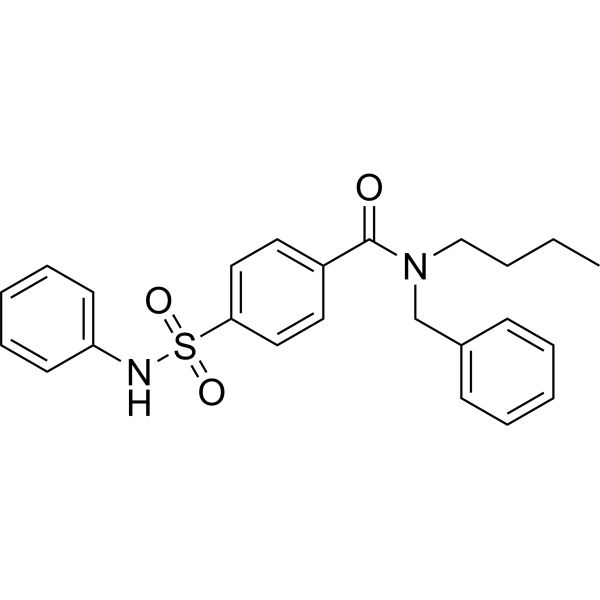
- HY-100476
-
|
|
Isocitrate Dehydrogenase (IDH)
|
Cancer
|
|
Mutant IDH1-IN-3 (Compound 1) is a selective allosteric inhibitor of mutant isocitrate dehydrogenase 1 (IDH1). Mutant IDH1-IN-3 has an IC50 of 13 nM for R132H IDH1. Mutant IDH1-IN-3 inhibits the production of D-2-hydroxyglutaric acid (2HG) in cells. Mutant IDH1-IN-3 can be used in the study of cancer .
|
-

- HY-175735
-
|
|
Factor XI
|
Cardiovascular Disease
|
|
Factor XI-IN-2 is a Factor XI activation inhibitor with an IC50 of 20 nM. Factor XI-IN-2 does not directly inhibit the enzymatic activity of FXIa, but specifically binds to the FXI enzyme precursor and allosterically inhibits the process by which it is activated by FXIIa. Factor XI-IN-2 inhibits thrombosis in the rabbit arteriovenous (AV) shunt thrombosis model. Factor XI-IN-2 can be used for the study of antithrombus .
|
-

- HY-P10436
-
|
|
Raf
|
Cancer
|
|
Braftide is an allosteric inhibitor for BRAF kinase by targeting the dimer interface of BRAF kinase and inhibiting the formation of BRAF dimers. Braftide inhibits wild-type BRAF and oncogenic BRAF G469A with IC50 of 364 nM and 172 nM, respectively. Braftide inhibits MAPK signaling pathway, inhibits proliferation of KRAS mutant tumor cells (EC50 is 7.1 and 6.6 μM, for HCT116 and HCT-15), in combination of TAT sequence. Braftide can be used for cancer research .
|
-

- HY-170649
-
|
|
SARS-CoV
|
Infection
|
|
RdRP-IN-9 (Compound 6b) is a reversible covalent allosteric inhibitor of RdRp. RdRP-IN-9 demonstrates high anti-coronavirus activity, with an EC50 value of 0.68 μM against HCoV-OC43 RdRP-IN-9 exerts a more prolonged antiviral effect by reversibly acylating Cys12 in the NiRAN domain of non-structural protein 12 (nsp 12) and exhibits synergistic anti-coronavirus activity with Molnupiravir (HY-135853) .
|
-

- HY-W765245
-
|
Sirolimus-13C,d3-1; AY-22989-13C,d3-1
|
Isotope-Labeled Compounds
Fungal
mTOR
Bacterial
Autophagy
Endogenous Metabolite
FKBP
Antibiotic
|
Cancer
|
|
Rapamycin- 13C,d3-1 (Sirolimus- 13C,d3-1) is the deuterium labeled and 13C-labeled Rapamycin (HY-10219). Rapamycin (Sirolimus; AY 22989) is a potent and specific mTOR inhibitor with an IC50 of 0.1 nM in HEK293 cells. Rapamycin binds to FKBP12 and specifically acts as an allosteric inhibitor of mTORC1 . Rapamycin is an autophagy activator, an immunosuppressant .
|
-

- HY-182538
-
|
|
MEK
|
Cancer
|
|
G-963 is an allosteric inhibitor of mitogen-activated protein kinase kinase (MEK) with a MEK1 IC50 of 0.012 μM. G-963 interacts with Ser212 of MEK and exhibits potent antiproliferative activity against HCT116 colon cancer cells (EC50 = 0.120 μM) and A375 melanoma cells (EC50 = 0.025 μM). G-963 can be used for the research of colon cancer, melanoma .
|
-

- HY-102071R
-
|
5'-O-Tritylinosine (Standard); 5'-O-Trityl-inosine (Standard)
|
Reference Standards
Nucleoside Antimetabolite/Analog
|
Cancer
|
|
KIN59 (Standard) is the analytical standard of KIN59 (HY-102071). This product is intended for research and analytical applications. KIN59 (5’-O-Tritylinosine) is a potent thymidine phosphorylase allosteric inhibitor. KIN59 inhibits FGF2-stimulated cell growth. KIN59 inhibits the expression of p-FGFR1, P-Akt in FGF2 (10 ng/mL) stimulated cells. KIN59 shows anti-tumor activity .
|
-

- HY-144896
-
|
|
Epigenetic Reader Domain
|
Cancer
|
|
FHT-1015 is a selective SMARCA4 (IC50 = 4 nM) and SMARCA2 (IC50 = 5 nM) (also known as BRG1 and BRM) inhibitor. FH-1015 is an allosteric inhibitor that causes conformation change in the BRG1/BRM protein upon interaction with an allosteric site, inhibiting ATPase activity. FH-1015 interferes with tumor cell growth and migration. FH-1015 can be studied in research for uveal melanoma and hematologic cancer .
|
-
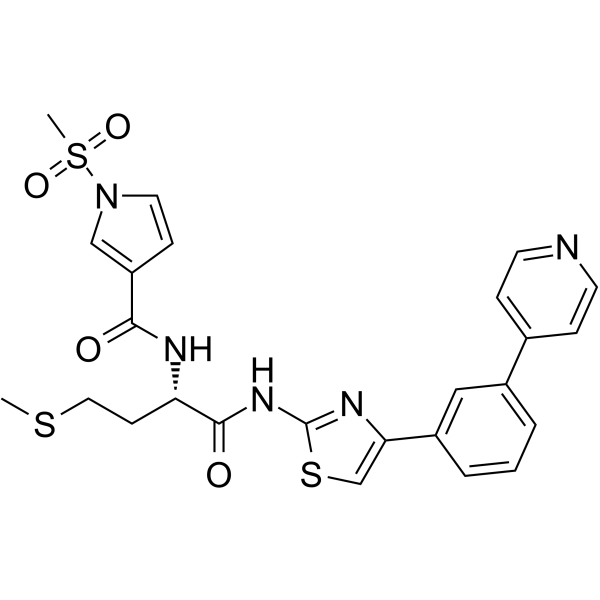
- HY-124305
-
|
|
Endogenous Metabolite
|
Infection
|
|
ML395 is a potent and selective allosteric inhibitor of phospholipase D2 with antiviral activity. The cellular PLD1 IC50 value of ML395 exceeds 30,000 nM, while its cellular PLD2 IC50 value is 360 nM. ML395 shows excellent pharmacokinetic characteristics in vitro and physiochemical properties superior to other reported phospholipase inhibitors. ML395 shows interesting antiviral activity in cell-based assays against multiple influenza virus strains (H1, H3, H5, and H7) .
|
-

- HY-153094
-
|
|
HIV
HIV Integrase
|
Infection
|
|
BDM-2 is an IN-LEDGF allosteric inhibitor (INLAI) of HIV-1 integrase (IN refers to integrase) (IC50=47 nM) with potent anti-Retroviral (ARV) activity. BDM-2 shows IN multimerization activation effect with an AC50 value of 20 nM. BDM-2 blocks the interaction between the catalytic core domain of IN (IN-CCD) and the Integrase binding domain of LEDGF/p75 (IBD), with an IC50 value of 0.15 μM. BDM-2 exhibits highly selective and favorable cytotoxicity .
|
-
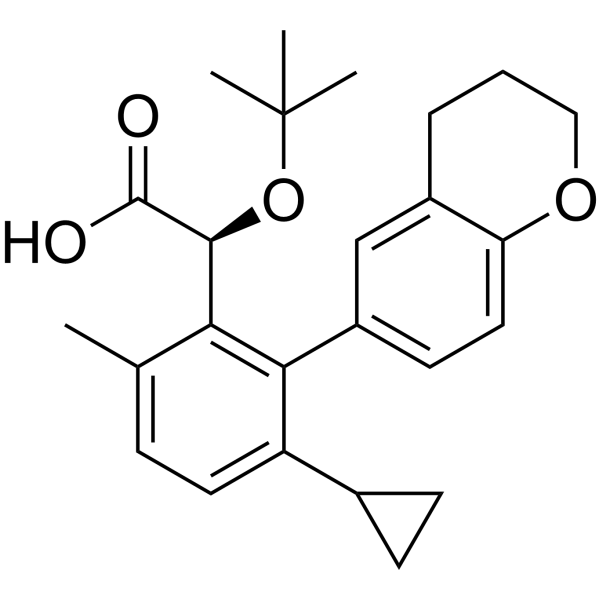
- HY-150025
-
|
|
DNA Methyltransferase
Apoptosis
|
Cancer
|
|
(4aS,8aR)-NPD-001 is a potent and allosteric inhibitor of DNMT3A. (4aS,8aR)-NPD-001 inhibits DNMT3A activity by disrupting protein-protein interactions. (4aS,8aR)-NPD-001 induces apoptosis of acute myeloid leukemia (AML) cell lines. (4aS,8aR)-NPD-001 induces differentiation of distinct AML cell lines including cells with mutated DNMT3A R882 .
|
-
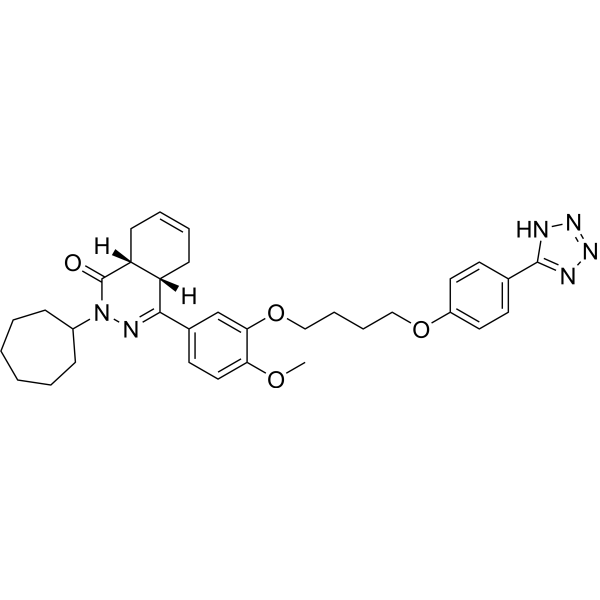
- HY-177898
-
|
|
Kinesin
|
Cancer
|
|
DHTP is a kinesin-13 family of microtubule depolymerases selective allosteric inhibitor that inhibits kinesin-13 ATPase activity and microtubule depolymerization activity. DHTP inhibits Kif2a and MCAK with IC50 values of 1.2 μM and 4.6 μM, respectively, and does not inhibit other kinesin families. DHTP modulates microtubule dynamics in cells, leading to less dynamic microtubules. DHTP links kinesin-13 overexpression to cancer and Paclitaxel (HY-B0015) resistance. DHTP can be used for the research of cancer .
|
-

- HY-180913
-
|
|
Connective Peptide
|
Cancer
|
|
FQI2-34 is an orally active TFCP2 (LSF) small molecule allosteric inhibitor. FQI2-34 directly binds to the LSF protein (Ki = 63 nM), inhibits the oligomerization of LSF, efficiently suppresses the transcriptional activity of LSF (IC₅₀ = 48 nM), and interferes with the SF-DNA interaction. FQI2-34 exhibits significant anti-proliferative activity against Huh7 cells and induces tumor regression in mouse models. FQI2-34 can be used for research on liver cancer .
|
-

- HY-181526
-
|
|
IFNAR
STING
|
Inflammation/Immunology
|
|
Sim-9 is a covalent allosteric inhibitor of interferon regulatory factor 3 (IRF3). Sim-9 binds covalently to the Cys222 residue of IRF3, induces its conformational change, blocks its interactions with TRIF, MAVS and STING, and inhibits IRF3 homodimerization and type I interferon response. Sim-9 exhibits significant anti-inflammatory, organ-protective and survival benefits in mouse models of sepsis and acute pancreatitis. Sim-9 can be used for research related to inflammatory diseases .
|
-

- HY-178983
-
|
|
SHP2
Interleukin Related
NO Synthase
NF-κB
TNF Receptor
|
Inflammation/Immunology
|
|
SHP2-IN-45 (Compound 6) is a potent, highly selective, and orally active SHP2 allosteric inhibitor. SHP2-IN-45 significantly reduces the expressions of IL-6, TNF-α, IL-1β, and iNOS. SHP2-IN-45 inhibits the polarization of M1-type macrophages. SHP2-IN-45 can inhibit the NF-κB pathway. SHP2-IN-45 can be used in the research of sepsis and acute lung injury .
|
-

- HY-179371
-
|
|
Pyruvate Kinase
Interleukin Related
|
Inflammation/Immunology
|
|
LIQ1, a flavonoid derivative, is a potent Pyruvate kinase M2 (PKM2) allosteric inhibitor (IC50 = 0.39 μM; Kd = 4.5 μM) targeting Arg43 within the polyarginine pocket. LIQ1 exhibits efficacy in a mouse model of LPS (HY-D1056)-induced endotoxemia, preventing the nuclear translocation of PKM2 and inhibiting its binding to HIF-1α, thereby suppressing IL-1β transcription. LIQ1 can be used for the research of endotoxemia [1].
|
-

- HY-181977
-
|
|
GlyT
5-HT Receptor
Serotonin Transporter
|
Neurological Disease
|
|
RPI-GLYT2-82 is a reversible, blood-brain barrier-permeable allosteric inhibitor of GlyT2 with an IC50 value of 554 nM. RPI-GLYT2-82 also exhibits inhibitory activity against 5-HT2AR and SERT, with IC50 values of 1.9 μM and 4.7 μM, respectively. RPI-GLYT2-82 inhibits pain signals and alleviates allodynia, shows no target-related side effects at the maximum analgesic dose, and has no addictive potential. RPI-GLYT2-82 can be used for the research of neuropathic pain .
|
-

- HY-117287A
-
|
BMS-986165 (hydrochloride)
|
IFNAR
STAT
Interleukin Related
JAK
|
Inflammation/Immunology
|
|
Deucravacitinib (BMS-986165) hydrochloride is an orally active allosteric inhibitor of tyrosine kinase 2 (TYK2), with an IC50 of 0.2 nM and a Ki of 0.02 nM against the JH2 domain of TYK2, and it exhibits selectivity over other JAK subtypes and most of the kinome. Deucravacitinib hydrochloride blocks IL-23, IL-12, p-STAT1/3 and Type I IFN signaling, and inhibits Th17/Th1-mediated psoriasis inflammation . Deucravacitinib hydrochloride can be used in research related to moderate-to-severe plaque psoriasis, inflammatory bowel disease and systemic lupus erythematosus .
|
-

- HY-179568
-
|
|
Monoamine Transporter
|
Neurological Disease
|
|
F3288-0031 is a brain-penetrant norepinephrine transporter (NET) allosteric inhibitor with inhibitory rates of 73.5% at 20 μM. F3288-0031 binds within the inner vestibule of NET, stabilizing the inward-open state and has a preferential NET/SERT inhibition with pIC50 = 5.9. F3288-0031 shows no detectable off-target functional activity in vitro. F3288-0031 demonstrates robust antidepressant-like efficacy in vivo without confounding locomotor effects, F3288-0031 can be used for depressive disorder and related neuropsychiatric conditions .
|
-

- HY-117287
-
|
BMS-986165
|
JAK
STAT
Interleukin Related
IFNAR
|
Inflammation/Immunology
|
|
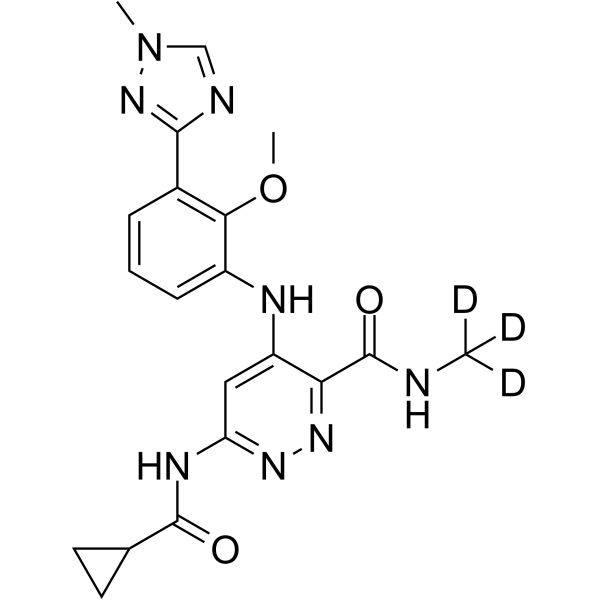
Deucravacitinib (BMS-986165) is an orally active allosteric inhibitor of tyrosine kinase 2 (TYK2), with an IC50 of 0.2 nM and a Ki of 0.02 nM against the JH2 domain of TYK2, and it exhibits selectivity over other JAK subtypes and most of the kinome. Deucravacitinib blocks IL-23, IL-12, p-STAT1/3 and Type I IFN signaling, and inhibits Th17/Th1-mediated psoriasis inflammation . Deucravacitinib can be used in research related to moderate-to-severe plaque psoriasis, inflammatory bowel disease and systemic lupus erythematosus .
|
-
- HY-163735
-
|
|
Potassium Channel
|
Cardiovascular Disease
|
|
BA6b9 is an allosteric inhibitor of SK4 channels that targets the CaM–PIP2-binding domain with a IC50 value of 8.6 µM (WT SK4). BA6b9 inhibits SK4 channels by interacting with two specific residues, Arg191 and His192 in the S4–S5 linker. BA6b9 significantly prolongs atrial and atrioventricular effective refractory period (ERP) and reduces atrial fibrillation (AF) induction in rat isolated hearts, which has the potential to be used for the research of arrhythmia .
|
-

- HY-168715
-
|
|
SHP2
Apoptosis
MAPKAPK2 (MK2)
|
Cancer
|
|
SHP2-IN-33 (Compound D13) is an allosteric inhibitor of SHP2 with an IC50 of 1.2 μM. In cellular studies, SHP2-IN-33 demonstrates antiproliferative activity with an IC50 of 38 μM against Huh7 cells by arresting the G0/G1 cell cycle, promoting apoptosis (Apoptosis), and suppressing the MAPK signaling pathway. In an in vivo Huh7 xenograft mouse model, SHP2-IN-33 exhibits significant antitumor activity and favorable pharmacokinetics, including 54% oral bioavailability and a half-life of 10.57 hours. SHP2-IN-33 is a promising compound for studying tumor diseases associated with SHP2 .
|
-

- HY-156193
-
|
|
PDHK
|
Cardiovascular Disease
Metabolic Disease
|
|
PF-07208254 is a selective, orally active allosteric inhibitor of branched-chain ketoacid dehydrogenase kinase (BDK) (IC50=110 nM, Ki=54 nM, KD=84 nM). PF-07208254 inhibits BDK-mediated BCKDH phosphorylation and enhances the catabolism of branched-chain amino acids (BCAAs) and branched-chain keto acids (BCKAs) by binding to the allosteric pocket of BDK, reducing BDK binding to BCKDH-E2 and promoting BDK degradation. PF-07208254 inhibits BDK activity in human skeletal muscle cells (IC50=540 nM) and has activity to improve cardiac function and metabolism. PF-07208254 can be used in the study of cardiometabolic diseases (e.g., heart failure, type 2 diabetes) .
|
-
- HY-151829
-
|
|
ADC Linker
|
Others
|
|
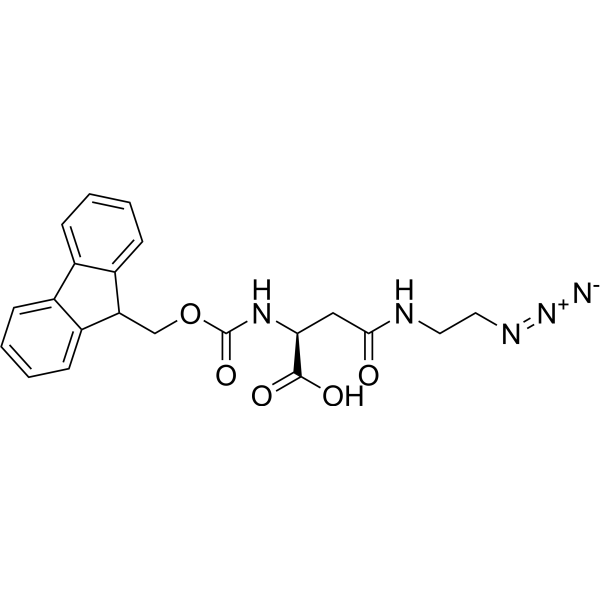
Fmoc-L-Asn(EDA-N3)-OH is a click chemistry reagent containing an azide group. This building block is reported in literature for the modification of Amanitin via Click Chemistry. Alpha-Amanitin is the deadliest member of the amatoxin peptide family produced by the death-cap mushroom A. phalloides. It is an orally available, rigid, bicyclic octapeptide and one of the most lethal known natural products (LD50 = 50-100 μg/kg) acting as highly selective allosteric inhibitor of the RNA polymerase II . It contains an azide group and can undergo copper-catalyzed azide-alkyne cycloaddition (CuAAc) with molecules containing alkyne groups. It can also undergo ring strain-promoted alkyne-azide cycloaddition (SPAAC) with molecules containing DBCO or BCN groups.
|
-
- HY-128342
-
|
|
Complement System
|
Inflammation/Immunology
|
|
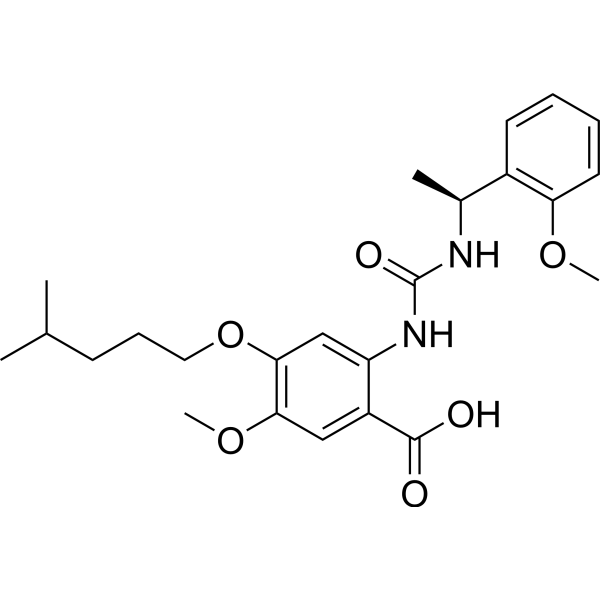
Compound C5-IN-1 (Compound 7) is a selective allosteric inhibitor of complement component protein C5. Compound C5-IN-1 prevents C5 from being cleaved by C5 convertase, inhibits the cleavage of C5 into C5a and C5b, and thus blocks the formation of membrane attack complex (MAC). Compound C5-IN-1 has an IC50 of 0.77 μM and 5 nM in 50% human whole blood and 2% human serum to block MAC deposition induced by zymosan, respectively. Compound C5-IN-1 can be used to study diseases related to complement overactivation, such as paroxysmal nocturnal hemoglobinuria (PNH) and atypical hemolytic uremic syndrome (aHUS) .
|
-
- HY-174984
-
|
|
p97
Caspase
p62
|
Cancer
|
|
VCP/p97 IN-3 is a VCP/p97 allosteric inhibitor. VCP/p97 IN-3 shows the inhibitory activity against the VCP proteins with an IC50 of 9 nM and the mutant VCP proteins with IC50 of 12 nM (N660K) and 19 nM (V474A/D649A). VCP/p97 IN-3 increases K48-linked ubiquitination and the level of cleaved caspase-3. VCP/p97 IN-3 activates ER-stress and the UPR. VCP/p97 IN-3 inhibits tumor growth in RPMI-8226 cell subcutaneous xenograft mouse models. VCP/p97 IN-3 can be used for the study of multiple myeloma .
|
-

- HY-109056
-
|
R-1206
|
Drug Intermediate
HIV
Reverse Transcriptase
Carbonic Anhydrase
|
Infection
Cancer
|
|
Elsulfavirine (R-1206) is an orally active human carbonic anhydrase (carbonic anhydrase, CA) inhibitor and an allosteric inhibitor of HIV-1 non-nucleoside reverse transcriptase (NNRT). Elsulfavirine also targets and blocks the interaction between adenylosuccinate lyase (ADSL) and insulin-induced gene proteins INSIG1/2, blocks SREBP-1-mediated de novo lipid synthesis, and inhibits the proliferation of liver cancer cells. The combination of Elsulfavirine and Lenvatinib (HY-10981) produces a synergistic anti-tumor effect. Elsulfavirine is converted into the active metabolite VM1500A in vivo, blocks the DNA polymerase activity of reverse transcriptase, and inhibits HIV-1 replication. Elsulfavirine exhibits a Ki of 1960 nM-52400 nM against human carbonic anhydrase isoforms including I, VII, VI, VA, VB, IX, XIII, XIV. Elsulfavirine is used in studies related to HIV-1 infection and liver cancer .
|
-
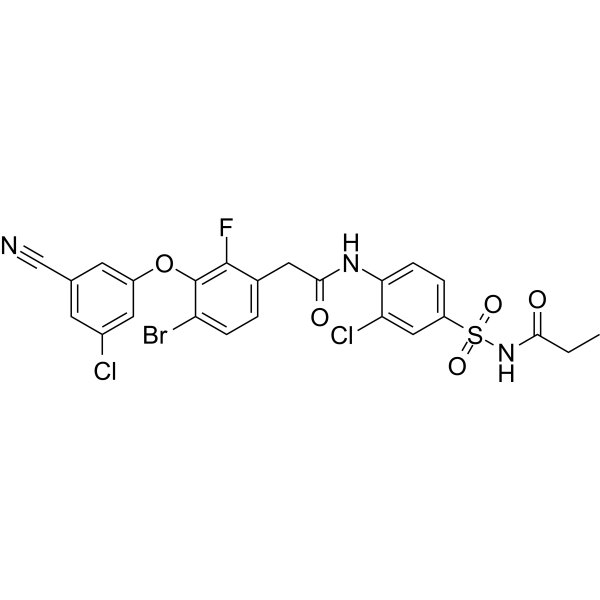
- HY-109056A
-
|
R-1206 sodium
|
HIV
Drug Intermediate
Reverse Transcriptase
Carbonic Anhydrase
|
Infection
Cancer
|
|
Elsulfavirine sodium (R-1206) is an orally active human carbonic anhydrase (carbonic anhydrase, CA) inhibitor and an allosteric inhibitor of HIV-1 non-nucleoside reverse transcriptase (NNRT). Elsulfavirine sodium also targets and blocks the interaction between adenylosuccinate lyase (ADSL) and insulin-induced gene proteins INSIG1/2, blocks SREBP-1-mediated de novo lipid synthesis, and inhibits the proliferation of liver cancer cells. The combination of Elsulfavirine sodium and Lenvatinib (HY-10981) produces a synergistic anti-tumor effect. Elsulfavirine sodium is converted into the active metabolite VM1500A in vivo, blocks the DNA polymerase activity of reverse transcriptase, and inhibits HIV-1 replication. Elsulfavirine sodium exhibits a Ki of 1960 nM-52400 nM against human carbonic anhydrase isoforms including I, VII, VI, VA, VB, IX, XIII, XIV. Elsulfavirine sodium is used in studies related to HIV-1 infection and liver cancer .
|
-

- HY-109056R
-
|
R-1206 (Standard)
|
Reference Standards
Drug Intermediate
HIV
Reverse Transcriptase
Carbonic Anhydrase
|
Infection
Cancer
|
|
Elsulfavirine (Standard) is the analytical standard of Elsulfavirine (HY-109056). This product is intended for research and analytical applications. Elsulfavirine (R-1206) is an orally active human carbonic anhydrase (carbonic anhydrase, CA) inhibitor and an allosteric inhibitor of HIV-1 non-nucleoside reverse transcriptase (NNRT). Elsulfavirine also targets and blocks the interaction between adenylosuccinate lyase (ADSL) and insulin-induced gene proteins INSIG1/2, blocks SREBP-1-mediated de novo lipid synthesis, and inhibits the proliferation of liver cancer cells. The combination of Elsulfavirine and Lenvatinib (HY-10981) produces a synergistic anti-tumor effect. Elsulfavirine is converted into the active metabolite VM1500A in vivo, blocks the DNA polymerase activity of reverse transcriptase, and inhibits HIV-1 replication. Elsulfavirine exhibits a Ki of 1960 nM-52400 nM against human carbonic anhydrase isoforms including I, VII, VI, VA, VB, IX, XIII, XIV. Elsulfavirine is used in studies related to HIV-1 infection and liver cancer .
|
-

- HY-156466
-
|
|
STAT
Interleukin Related
IFNAR
|
Inflammation/Immunology
|
|
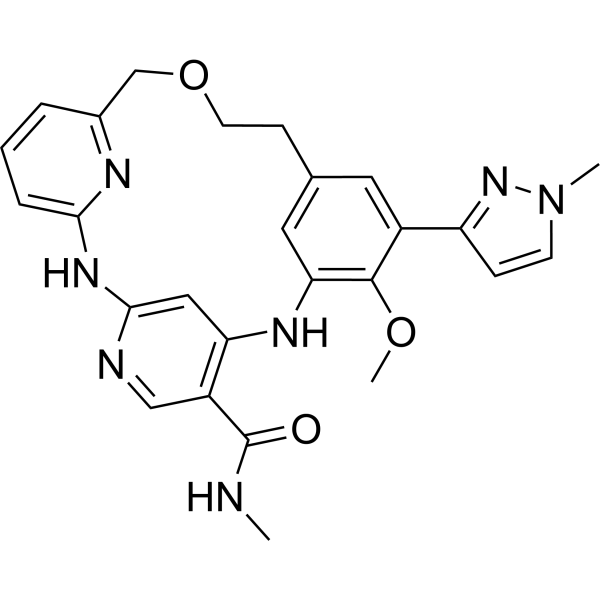
QL-1200186 is a selective, orally active, allosteric inhibitor targeting the tyrosine kinase TYK2 pseudokinase domain JH2 (IC50=0.06 nM, TYK2 JH2), with 164-fold selectivity over TYK1 JH2 (IC50=9.85 nM,TYK1 JH2). QL-1200186 first stabilizes the TYK2 JH2 conformation, inhibits the activity of the JH1 catalytic domain, and blocks the IFNα, IL-12/IL-23-mediated JAK-STAT signaling pathway. QL-1200186 can inhibit the production of Th1/Th17 cell-related cytokines (such as IFNγ, IL-23), reduce immune cell activation, and has no significant effect on JAK1/2/3 kinase activity. QL-1200186 can significantly improve skin inflammation in the Imiquimod (HY-B0180)-induced psoriasis mouse model and reduce the Psoriasis Area and Severity Index (PASI) score. QL-1200186 can be used in the study of autoimmune diseases such as psoriasis and systemic lupus erythematosus (SLE) .
|
-
-
- HY-10219G
-
|
Sirolimus; AY-22989; NSC 226080
|
Fluorescent Dyes
|
|
Rapamycin (Sirolimus) (GMP) is Rapamycin (HY-10219) produced by using GMP guidelines. GMP small molecules works appropriately as an auxiliary reagent for cell therapy manufacture. Rapamycin (Sirolimus; AY 22989) is a potent and specific mTOR inhibitor with an IC50 of 0.1 nM in HEK293 cells. Rapamycin binds to FKBP12 and specifically acts as an allosteric inhibitor of mTORC1 . Rapamycin is an autophagy activator, an immunosuppressant .
|
-
- HY-10219GL
-
|
Sirolimus (GMP Like); AY-22989 (GMP Like); NSC 226080 (GMP Like)
|
Fluorescent Dyes
|
|
Rapamycin (Sirolimus) GMP Like is Rapamycin (HY-10219) produced by using GMP like guidelines. GMP Like small molecules works appropriately as an auxiliary reagent for cell therapy manufacture. Rapamycin (Sirolimus; AY 22989) is a potent and specific mTOR inhibitor with an IC50 of 0.1 nM in HEK293 cells. Rapamycin binds to FKBP12 and specifically acts as an allosteric inhibitor of mTORC1 . Rapamycin is an autophagy activator, an immunosuppressant .
|
-
- HY-10219G
-
|
Sirolimus; AY-22989; NSC 226080
|
Biochemical Assay Reagents
|
|
Rapamycin (Sirolimus) (GMP) is Rapamycin (HY-10219) produced by using GMP guidelines. GMP small molecules works appropriately as an auxiliary reagent for cell therapy manufacture. Rapamycin (Sirolimus; AY 22989) is a potent and specific mTOR inhibitor with an IC50 of 0.1 nM in HEK293 cells. Rapamycin binds to FKBP12 and specifically acts as an allosteric inhibitor of mTORC1 . Rapamycin is an autophagy activator, an immunosuppressant .
|
-
- HY-10219GL
-
|
Sirolimus (GMP Like); AY-22989 (GMP Like); NSC 226080 (GMP Like)
|
Biochemical Assay Reagents
|
|
Rapamycin (Sirolimus) GMP Like is Rapamycin (HY-10219) produced by using GMP like guidelines. GMP Like small molecules works appropriately as an auxiliary reagent for cell therapy manufacture. Rapamycin (Sirolimus; AY 22989) is a potent and specific mTOR inhibitor with an IC50 of 0.1 nM in HEK293 cells. Rapamycin binds to FKBP12 and specifically acts as an allosteric inhibitor of mTORC1 . Rapamycin is an autophagy activator, an immunosuppressant .
|
| Cat. No. |
상품명 |
Target |
Research Area |
-
- HY-W096171
-
|
3-Hydroxy-D-tyrosine
|
Carboxypeptidase
|
Infection
Neurological Disease
|
|
D-Dopa (3-Hydroxy-D-tyrosine) is a potent, orally active, non-competitive and allosteric inhibitor of glutamate carboxypeptidase II (GCPII) with an IC50 of 200 nM. D-Dopa elevates brain dopamine and produce turning behavior in rats. D-Dopa inhibit severe fever with thrombocytopenia syndrome (SFTS) virus infection. D-Dopa can be used for neurological disease and virus infection research .
|
-
- HY-W101299
-
|
|
Amino Acid Derivatives
|
Metabolic Disease
|
|
N-Acetyl-D-allo-isoleucine is an amino acid derivative. N-Acetyl-D-allo-isoleucine is promising for research of amino acid metabolism, such as abnormal isoleucine metabolism .
|
-
- HY-P10436
-
|
|
Raf
|
Cancer
|
|
Braftide is an allosteric inhibitor for BRAF kinase by targeting the dimer interface of BRAF kinase and inhibiting the formation of BRAF dimers. Braftide inhibits wild-type BRAF and oncogenic BRAF G469A with IC50 of 364 nM and 172 nM, respectively. Braftide inhibits MAPK signaling pathway, inhibits proliferation of KRAS mutant tumor cells (EC50 is 7.1 and 6.6 μM, for HCT116 and HCT-15), in combination of TAT sequence. Braftide can be used for cancer research .
|
-
- HY-P4910
-
|
|
Proteasome
Apoptosis
|
Cancer
|
|
Baceridin is a proteasome inhibitor and a cyclic hexapeptide. Baceridin can be isolated from the culture medium of Epiphytic Bacillus. Baceridin can inhibit cell cycle progression and induce tumor cell apoptosis through a p53-independent pathway. Baceridin can be used in cancer research .
|
-
- HY-P2120
-
|
|
Bacterial
|
Others
|
|
Pseudobactin A is a non-fluorescent extracellular iron carrier produced by the plant growth-promoting bacterium Pseudomonas B10 .
|
-
- HY-P10010
-
|
|
Galectin
|
Cancer
|
|
DB21, Galectin-1 Antagonist is a dibenzofuran conjugated peptidomimetic that acts as an allosteric inhibitor of galectin-1 (GAL1)binding to cell surface glycans. DB21, Galectin-1 Antagonis increases inhibition of angiogenesis and tumour growth in melanoma, lung adenocarcinoma and ovarian cancer models .
|
-
- HY-P4613
-
|
|
Drug Derivative
Drug Intermediate
|
Others
|
|
Fmoc-D-allo-Thr-OH is a derivative of D-allothreonine (HY-W001959), which is commonly used as a building block in solid-phase peptide synthesis (SPPS) .
|
-
- HY-P11022
-
|
A-3302-B
|
Endogenous Metabolite
HSV
TRP Channel
|
Infection
Cancer
|
|
TL-119 (A-3302-B) is a polypeptide. TL-119 can be isolated from the bacteria Micromonospora sp. MAG 9-7 and Saccharomonospora sp. CNQ-490. TL-119 inhibits TRPV-1. TL-119 exhibits antiviral activity against HSV-2. TL-119 possesses anticancer activity against gastric cancer and colorectal cancer .
|
| Cat. No. |
상품명 |
Category |
Target |
Chemical Structure |
| Cat. No. |
상품명 |
Chemical Structure |
-
- HY-117287
-
|
|
|
Deucravacitinib (BMS-986165) is an orally active allosteric inhibitor of tyrosine kinase 2 (TYK2), with an IC50 of 0.2 nM and a Ki of 0.02 nM against the JH2 domain of TYK2, and it exhibits selectivity over other JAK subtypes and most of the kinome. Deucravacitinib blocks IL-23, IL-12, p-STAT1/3 and Type I IFN signaling, and inhibits Th17/Th1-mediated psoriasis inflammation . Deucravacitinib can be used in research related to moderate-to-severe plaque psoriasis, inflammatory bowel disease and systemic lupus erythematosus .
|
-
-
- HY-10219S
-
1 Publications Verification
|
|
Rapamycin-d3 is the deuterium labeled Rapamycin. Rapamycin is a potent and specific mTOR inhibitor with an IC50 of 0.1 nM in HEK293 cells. Rapamycin binds to FKBP12 and specifically acts as an allosteric inhibitor of mTORC1. Rapamycin is an autophagy activator, an immunosuppressant .
|
-
-
- HY-10219S1
-
|
|
|
Rapamycin- 13C,d3 (Sirolimus- 13C,d3) is the 13C and deuterium labeled Rapamycin (HY-10219) . Rapamycin is a potent and specific mTOR inhibitor with an IC50 of 0.1 nM in HEK293 cells. Rapamycin binds to FKBP12 and specifically acts as an allosteric inhibitor of mTORC1. Rapamycin is an autophagy activator, an immunosuppressant .
|
-
-
- HY-139289S
-
|
|
|
ART899 is a highly specific allosteric inhibitor of the Polθ DNA polymerase domain. ART899 can effectively enhance the radiosensitivity of tumor cells, shows good tolerance when combined with fractionated radiation, and significantly reduces tumor growth compared to radiation alone .
|
-
-
- HY-114169S
-
|
|
|
WRG-28-d5 is the deuterium labeled WRG-28(HY-114169).WRG-28 is a selective, extracellularly acting DDR2 allosteric inhibitor, with an IC50 of 230 nM. WRG-28 inhibits tumor invasion, migration and tumor-supporting effects of cancer-associated fibroblasts (CAFs). WRG-28 inhibits metastatic
|
-
-
- HY-W765245
-
|
|
|
Rapamycin- 13C,d3-1 (Sirolimus- 13C,d3-1) is the deuterium labeled and 13C-labeled Rapamycin (HY-10219). Rapamycin (Sirolimus; AY 22989) is a potent and specific mTOR inhibitor with an IC50 of 0.1 nM in HEK293 cells. Rapamycin binds to FKBP12 and specifically acts as an allosteric inhibitor of mTORC1 . Rapamycin is an autophagy activator, an immunosuppressant .
|
-
| Cat. No. |
상품명 |
|
Classification |
-
- HY-151829
-
|
|
|
Azide
|
|
Fmoc-L-Asn(EDA-N3)-OH is a click chemistry reagent containing an azide group. This building block is reported in literature for the modification of Amanitin via Click Chemistry. Alpha-Amanitin is the deadliest member of the amatoxin peptide family produced by the death-cap mushroom A. phalloides. It is an orally available, rigid, bicyclic octapeptide and one of the most lethal known natural products (LD50 = 50-100 μg/kg) acting as highly selective allosteric inhibitor of the RNA polymerase II . It contains an azide group and can undergo copper-catalyzed azide-alkyne cycloaddition (CuAAc) with molecules containing alkyne groups. It can also undergo ring strain-promoted alkyne-azide cycloaddition (SPAAC) with molecules containing DBCO or BCN groups.
|
-
- HY-168152
-
|
|
|
Alkynes
|
|
SARS-CoV-2 3CLpro-IN-26 (Compound (S,R)-4y) is an allosteric inhibitor for SARS-CoV-2 3CLpro with an IC50 of 0.43 μM. SARS-CoV-2 3CLpro-IN-26 exhibits good cell permeability and is able to effectively cross the cell membrane, after co-incubation with Vero-E6 cells .
|
| Cat. No. |
상품명 |
Target |
연구분야 |
Chemical Structure |
-
- HY-10219G
-
|
Sirolimus; AY-22989; NSC 226080
|
mTOR
FKBP
Fungal
Autophagy
Endogenous Metabolite
Antibiotic
Bacterial
|
Infection
Cancer
|
|
Rapamycin (Sirolimus) (GMP) is Rapamycin (HY-10219) produced by using GMP guidelines. GMP small molecules works appropriately as an auxiliary reagent for cell therapy manufacture. Rapamycin (Sirolimus; AY 22989) is a potent and specific mTOR inhibitor with an IC50 of 0.1 nM in HEK293 cells. Rapamycin binds to FKBP12 and specifically acts as an allosteric inhibitor of mTORC1 . Rapamycin is an autophagy activator, an immunosuppressant .
|
-
Your information is safe with us. * Required Fields.
Inquiry Information
- 상품명:
- Cat. No.:
- 수량:
- MCE Japan Authorized Agent:








