



Reparixin (Standard)
Reparixin (Standard) is the analytical standard of Reparixin. This product is intended for research and analytical applications. Reparixin is a non-competitive allosteric inhibitor of the chemokine receptors CXCR1 and CXCR2 activation with IC50s of 1 and 100 nM, respectively.
Nos produits utilisent uniquement pour la recherche. Nous ne vendons pas aux patients.
- Pureté : 98%
- CAS No.: 266359-83-5
- Formule: C14H21NO3S
- Masse moléculaire:283.39
-
Stockage:
Please store the product under the recommended conditions in the Certificate of Analysis.


To place orders, for customer services and technical support, please contact: MedChemExpress USA
Tel: 609-228-6898 E-mail: [email protected] [email protected]


-
 Product Information
-
Chemical Information
- Pureté et documentation
-
 Help & FAQs


-
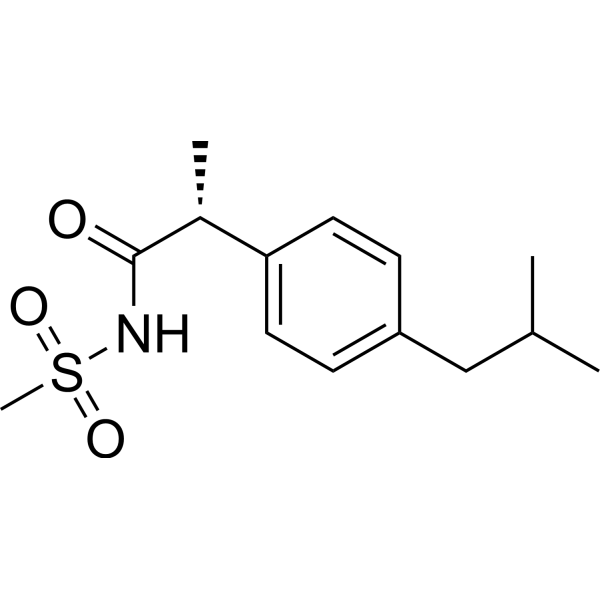
HY-15251
ReparixinCXCR1/2 Inhibitor -
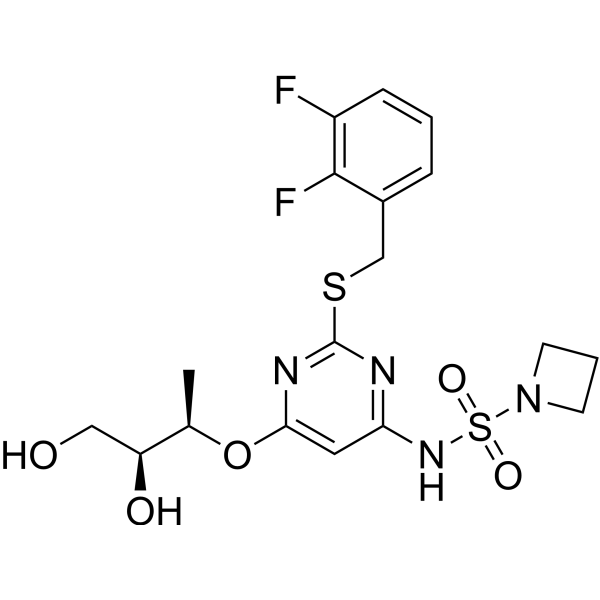
HY-19855
AZD-5069CXCR2 Antagonist -
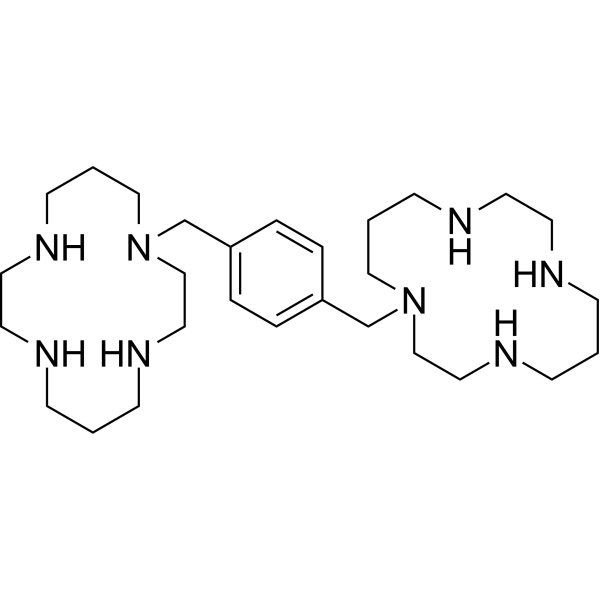
HY-10046
PlerixaforCXCR4 Antagonist -
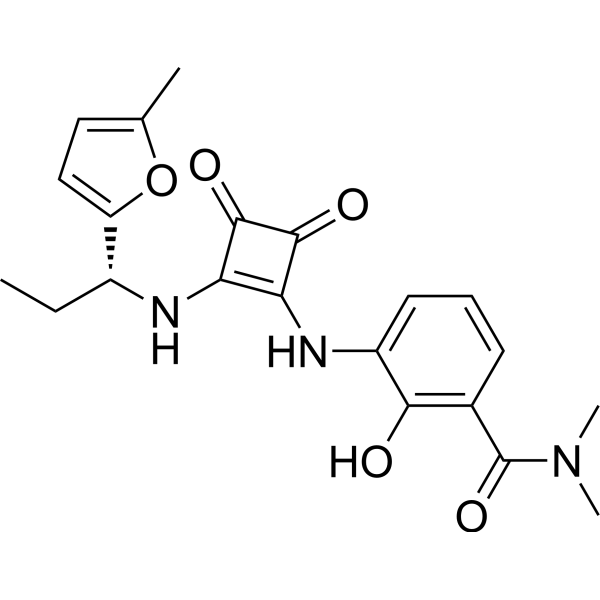
HY-10198
NavarixinCXCR1/2 Antagonist -
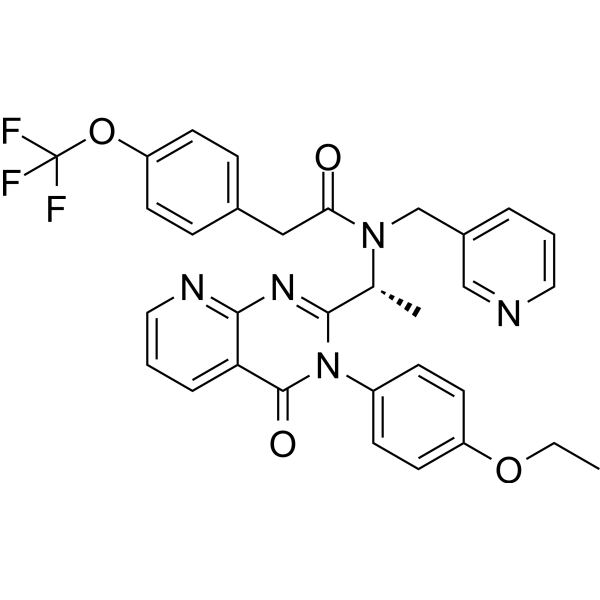
HY-15319
AMG 487CXCR3 Antagonist -
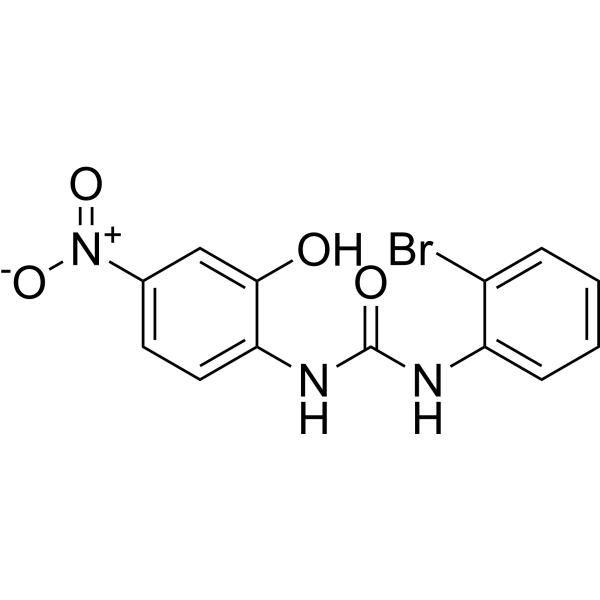
HY-16711
SB225002CXCR2 Antagonist -
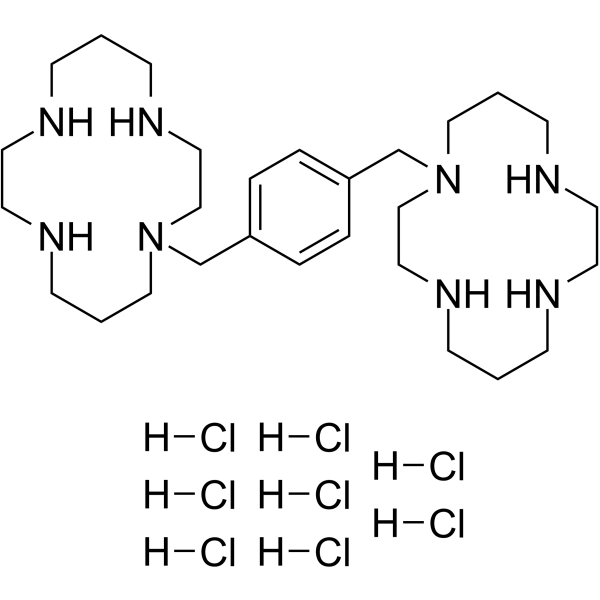
HY-50912
Plerixafor octahydrochlorideCXCR4 Antagonist -
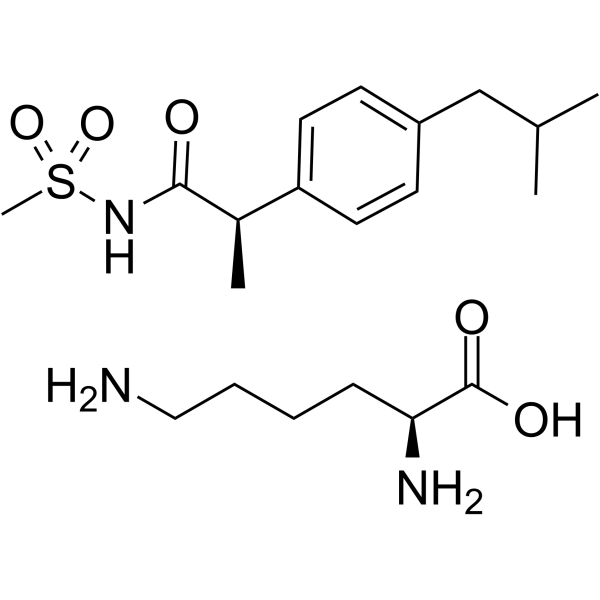
HY-15252
Reparixin L-lysine saltCXCR Inhibitor -
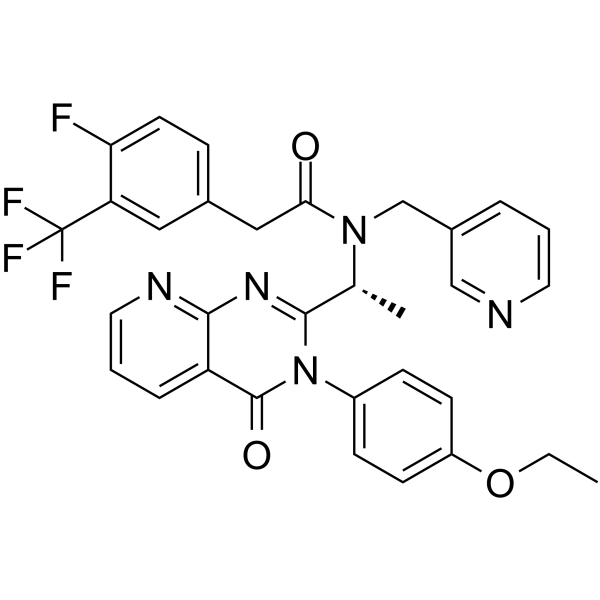
HY-15320
NBI-74330CXCR Antagonist -
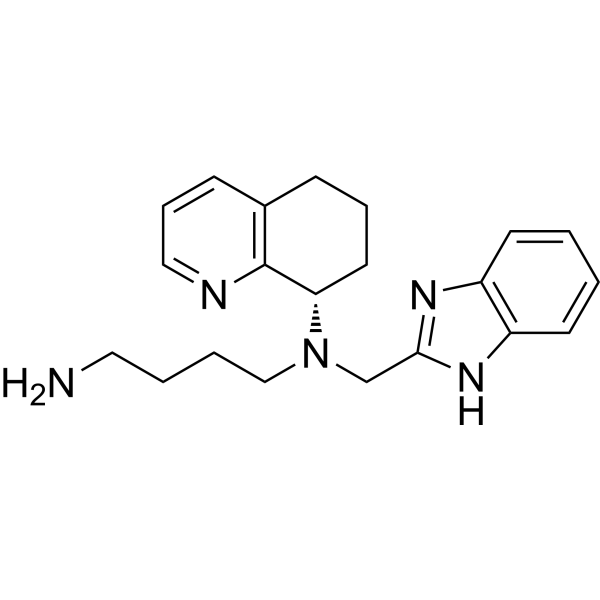
HY-50101
MavorixaforCXCR4 Antagonist -
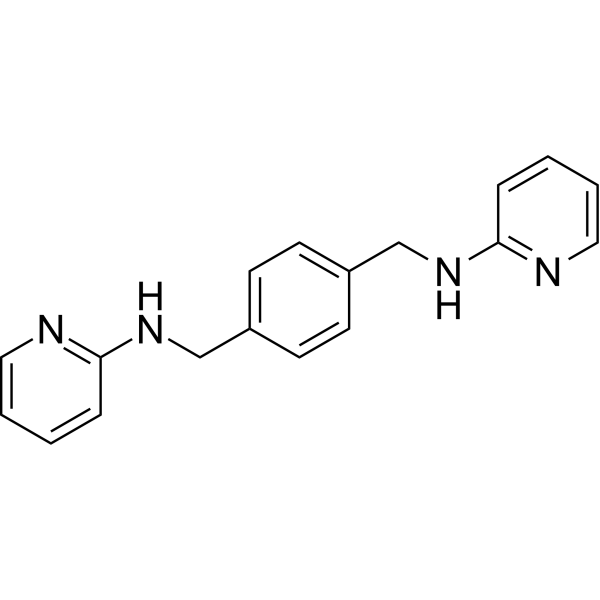
HY-15478
WZ811CXCR4 Antagonist -
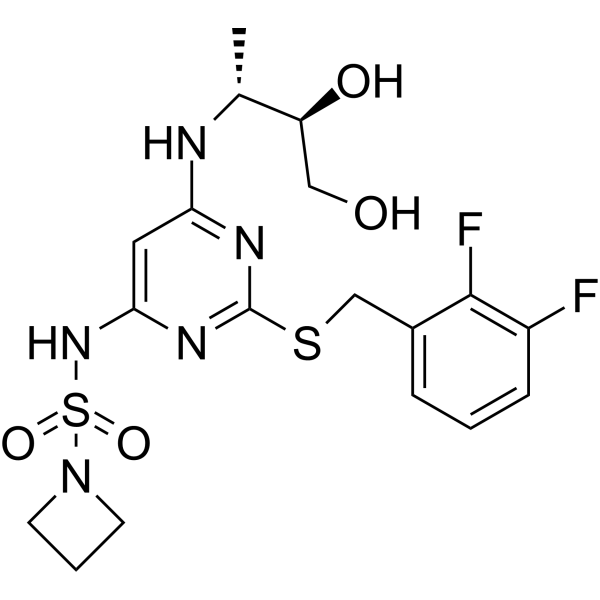
HY-15462
SRT3109CXCR2 Antagonist


Product Information
Information
Application
The compound is the grade of analytical standard, which is the reference standard supplied assay. It is commonly used in qualitative, quantitative and methodological research experiments in HPLC, GC and MS.


Chemical Information
-
CAS No. 266359-83-5
-
Masse moléculaire 283.39
-
Formule C14H21NO3S
-
SMILES
CS(=O)(NC([C@@H](C1=CC=C(CC(C)C)C=C1)C)=O)=O
-
Synonyms
Repertaxin (Standard); DF 1681Y (Standard)
-
Livraison
Room temperature in continental US; may vary elsewhere.
-
Stockage
Please store the product under the recommended conditions in the Certificate of Analysis.


Pureté et documentation
Références
[1]. Moriconi A, et al. Design of noncompetitive interleukin-8 inhibitors acting on CXCR1 and CXCR2. J Med Chem. 2007 Aug 23;50(17):3984-4002. [Content Brief]
[2]. Bertini R, et al. Receptor binding mode and pharmacological characterization of a potent and selective dual CXCR1/CXCR2non-competitive allosteric inhibitor. Br J Pharmacol. 2012 Jan;165(2):436-54. [Content Brief]
[3]. Kim HY, et al. Reparixin, an inhibitor of CXCR1 and CXCR2 receptor activation, attenuates blood pressure and hypertension-related mediators expression in spontaneously hypertensive rats. Biol Pharm Bull. 2011;34(1):120-7. [Content Brief]
[4]. Sousa LF, et al. Blockade of CXCR1/2 chemokine receptors protects against brain damage in ischemic stroke in mice. Clinics (Sao Paulo). 2013;68(3):391-4. [Content Brief]
[5]. Bertini R, et al. Noncompetitive allosteric inhibitors of the inflammatory chemokine receptors CXCR1 and CXCR2: prevention of reperfusion injury. Proc Natl Acad Sci U S A. 2004 Aug 10;101(32):11791-6. [Content Brief]
[6]. Krishnamurthy A, et al. Identification of a novel chemokine-dependent molecular mechanism underlying rheumatoid arthritis-associated autoantibody-mediated bone loss. Ann Rheum Dis. 2016 Apr;75(4):721-9. [Content Brief]
[7]. Crespo J, et al. Human Naive T Cells Express Functional CXCL8 and Promote Tumorigenesis. J Immunol. 2018 Jul 15;201(2):814-820. [Content Brief]

Calculators
Concentration (start) × Volume (start) = Concentration (final) × Volume (final)


Reparixin (Standard) Related Classifications
HY-15251R Related Classifications
 Powered by Bioz