1. Search Result
Search Result
Results for "

intracellular+calcium

" in MedChemExpress (MCE) Product Catalog:

147

Inhibitors & Agonists

12

Fluorescent Dyes

7

Biochemical Assay Reagents

17

Peptides

17

Natural
Products

3

Isotope-Labeled Compounds

4

Oligonucleotides

Cat. No. Product Name Target Research Areas Chemical Structure
  • HY-N6687
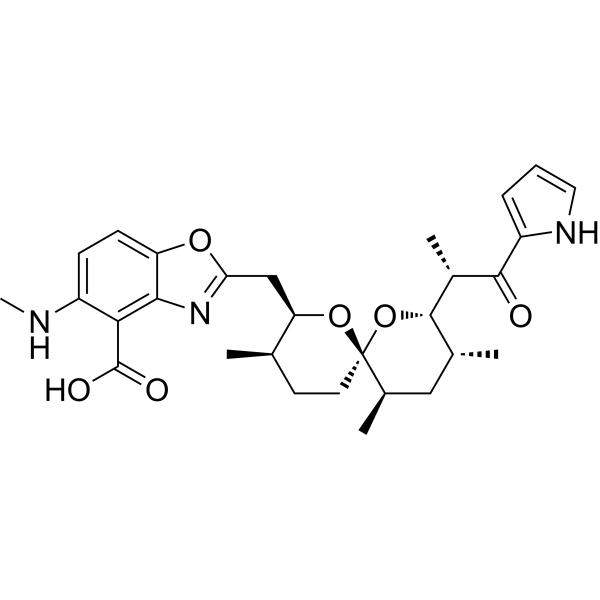
    Calcimycin
    20+ Cited Publications

    A-23187; Antibiotic A-23187

    Oxidative Phosphorylation Bacterial Fungal Apoptosis Autophagy Antibiotic Infection Inflammation/Immunology Cancer
    Calcimycin (A-23187) is an antibiotic and a unique divalent cation ionophore (like calcium and magnesium). Calcimycin induces Ca 2+-dependent cell death by increasing intracellular calcium concentration. Calcimycin inhibits the growth of Gram-positive bacteria and some fungi. Calcimycin also inhibits the activity of ATPase and uncouples oxidative phosphorylation (OXPHOS) of mammalian cells. Calcimycin induces apoptosis and autophagy .
    Calcimycin
  • HY-B1272
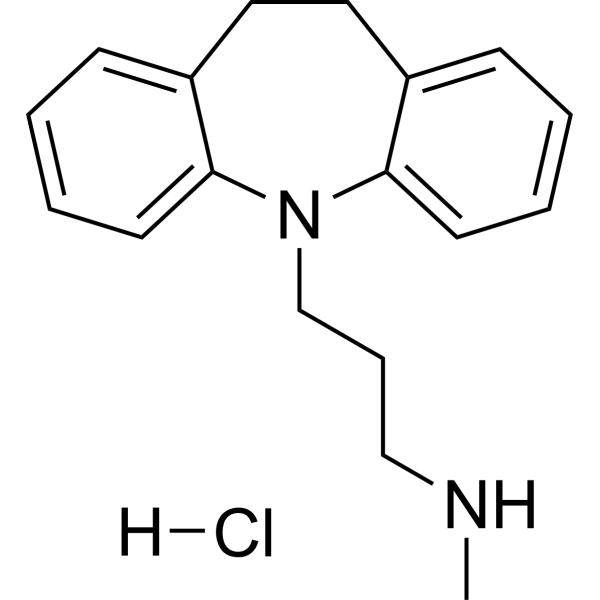
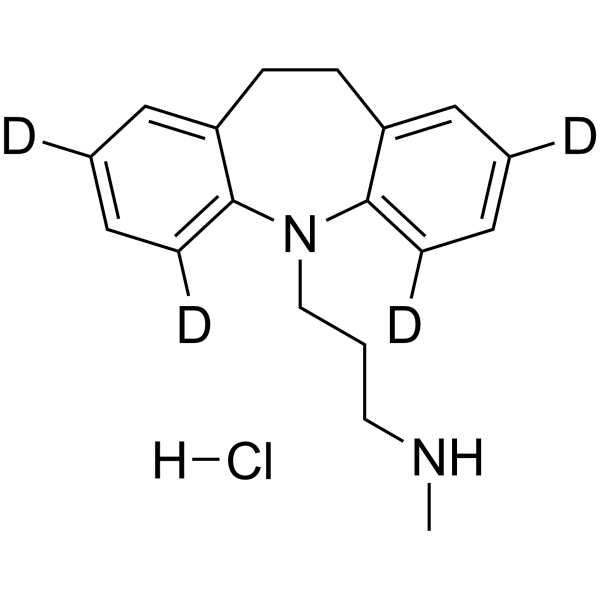
    Desipramine hydrochloride
    10+ Cited Publications

    Adrenergic Receptor ERK JNK p38 MAPK NF-κB AP-1 Apoptosis Reactive Oxygen Species (ROS) Mitochondrial Metabolism TNF Receptor Neurological Disease Inflammation/Immunology Cancer
    Desipramine hydrochloride is a first-generation tricyclic antidepressant. Desipramine hydrochloride selectively binds to norepinephrine transporter and blocks neuronal norepinephrine reuptake. Desipramine hydrochloride activates MAPK signaling via ERK1/2, JNK, and p38, represses NF-κB and AP-1 activity, and induces apoptosis via ROS elevation, mitochondrial membrane potential reduction, and intracellular calcium increase. Desipramine hydrochloride also shows anyi-inflammatory activity, inhibiting TNF-α production. Desipramine hydrochloride can be used for the research of hepatocellular cancer, inflammation, and neurological diseases .
    Desipramine hydrochloride
  • HY-Y0537E
    Potassium chloride, for cell culture
    1 Publications Verification

    Environmental Pollutants Calcium Channel Potassium Channel Biochemical Assay Reagents Neurological Disease
    Potassium chloride, for cell culture is potassium chloride that can be used for cell culture. Potassium chloride, for cell culture increases extracellular potassium ion concentration to induce cellular depolarization, thereby activating voltage-gated calcium channels and regulating intracellular calcium signaling. Potassium chloride, for cell culture upregulates Brn-5. Potassium chloride, for cell culture inhibits the proliferation of neurons and some plant cells .
    Potassium chloride, for cell culture
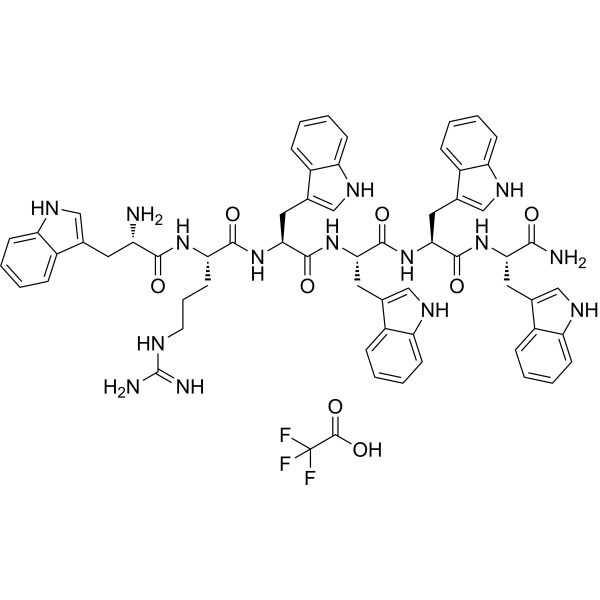
  • HY-P1119
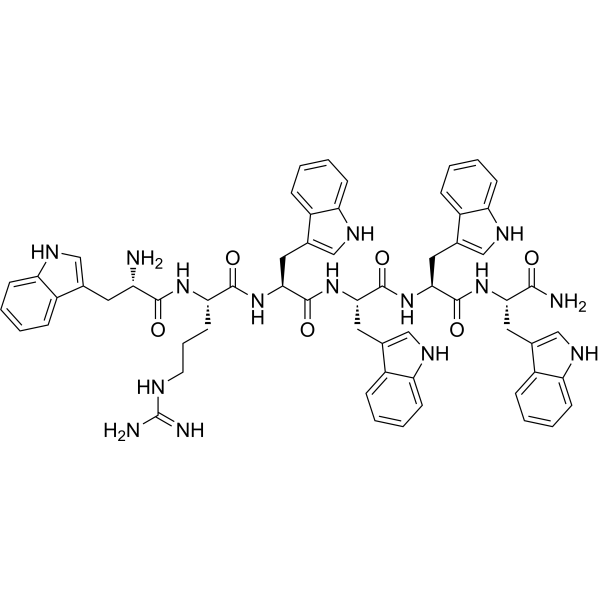
    WRW4
    10+ Cited Publications

    Formyl Peptide Receptor (FPR) Neurological Disease
    WRW4, a specific formyl peptide receptor-like 1 (FPRL1) antagonist, inhibits WKYMVm binding to FPRL1 with an IC50 of 0.23 μM. WRW4 specifically inhibits the increase in intracellular calcium by the FPRL1 agonists MMK-1, amyloid beta42 (Abeta42) peptide, and F peptide .
    WRW4
  • HY-19619
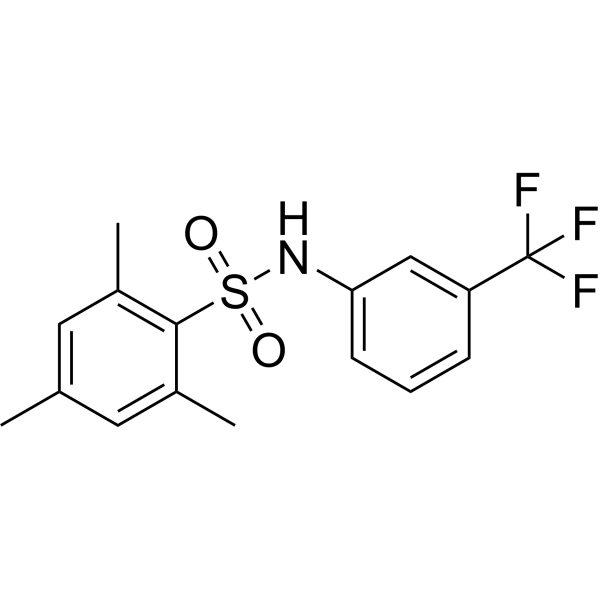
    m-3M3FBS
    5+ Cited Publications

    Phospholipase Apoptosis Cancer
    m-3M3FBS is a potent phospholipase C (PLC) activator. m-3M3FBS stimulates superoxide generation in human neutrophils, upregulates intracellular calcium concentration, and stimulates inositol phosphate generation in various cell lines. m-3M3FBS induces monocytic leukemia cell apoptosis .
    m-3M3FBS
  • HY-D0716
    Fluo-3AM
    Maximum Cited Publications
    12 Publications Verification

    Fluo-3-pentaacetoxymethyl ester

    Fluorescent Dye Others
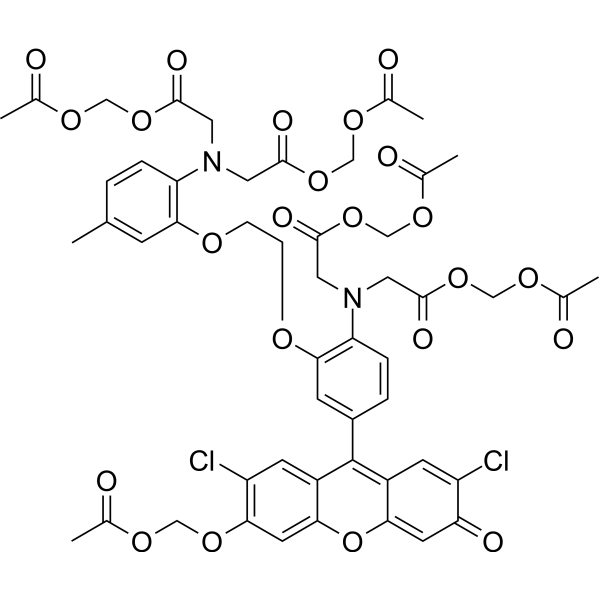
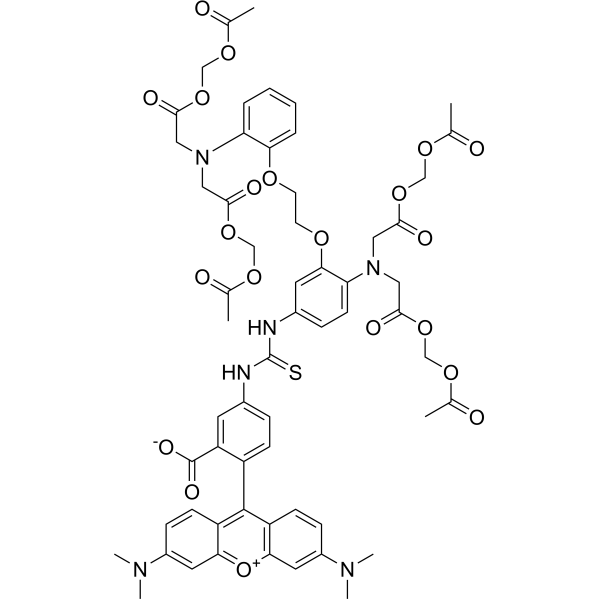
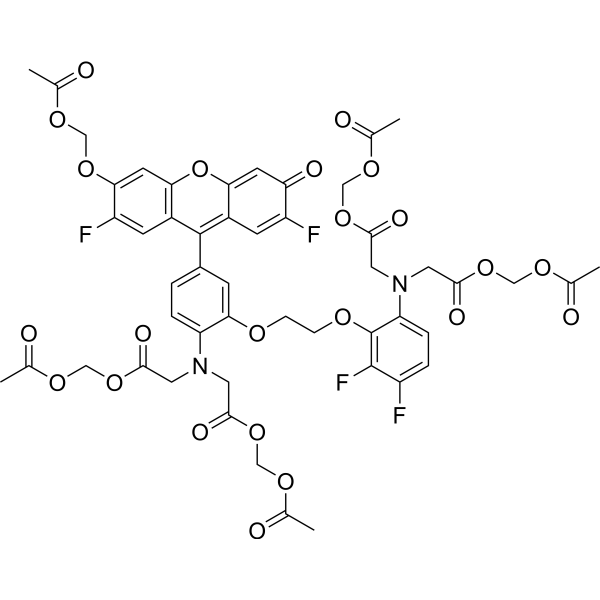
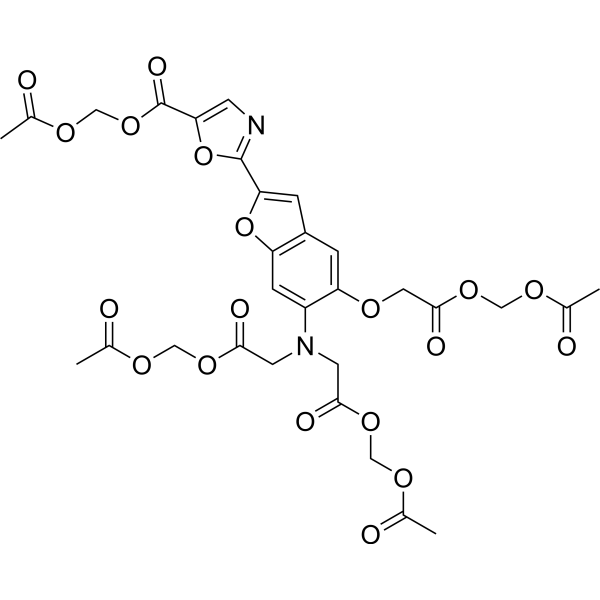
    Fluo-3 AM is a fluorecent Ca 2+ chelator, with high affinity for calcium. Fluo-3 AM can specifically identify intracellular calcium ions, with high sensitivity, low cytotoxicity, increased AM acetylmethyl ester can enter the cell well, after being sheared by the intracellular esterase stay in the cell to bind to calcium ions, produce strong fluorescence .
    Fluo-3AM
  • HY-15277
    AM966
    15+ Cited Publications

    LPL Receptor Inflammation/Immunology
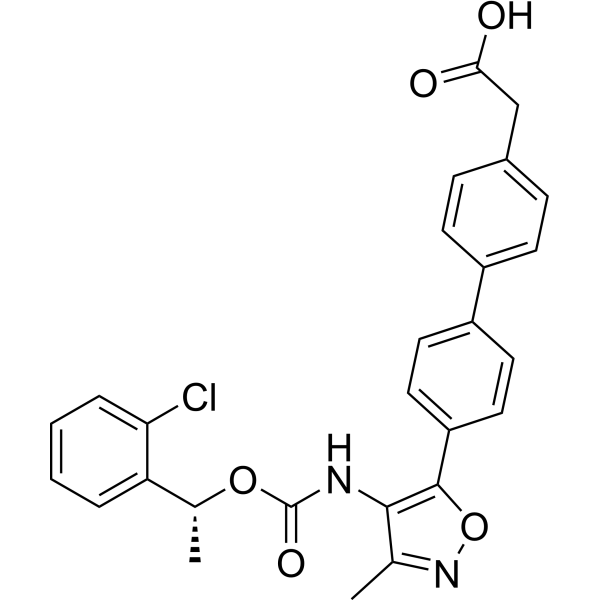
    AM966 is a high affinity, selective, oral LPA1-antagonist, inhibits LPA-stimulated intracellular calcium release (IC50=17 nM).
    AM966
  • HY-B1371
    Spiperone
    2 Publications Verification

    Spiroperidol

    Dopamine Receptor 5-HT Receptor Wnt Neurological Disease
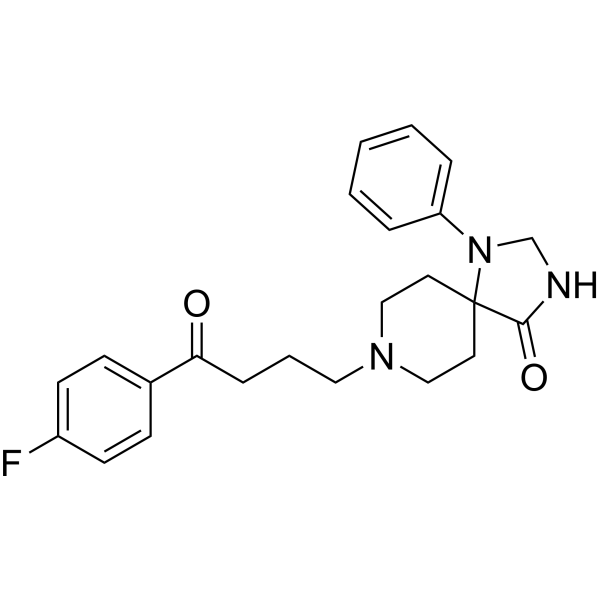
    Spiperone (Spiroperidol) is a potent dopamine D2, serotonin 5-HT1A, and serotonin 5-HT2A antagonist. Spiperone is also a labelled ligand for neuroleptic receptors. Spiperone enhances intracellular calcium level and inhibits the Wnt signaling pathway. Spiperone has the potential for the research of neurology diseases .
    Spiperone
  • HY-D1498
    Mag-Fluo-4 AM
    3 Publications Verification

    Fluorescent Dye Others
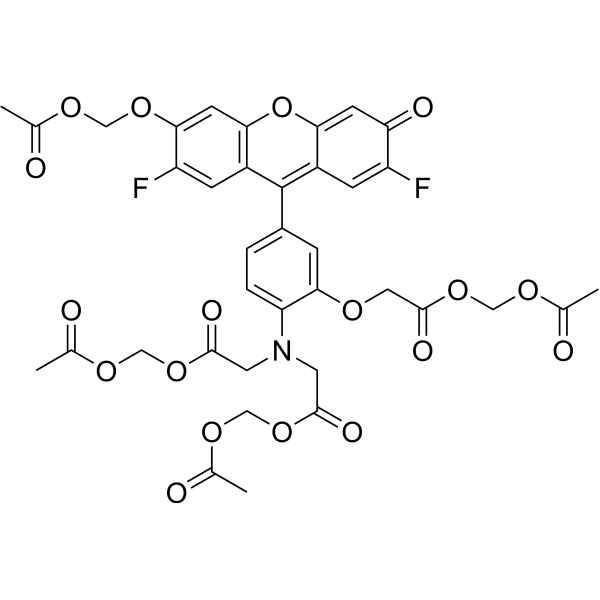
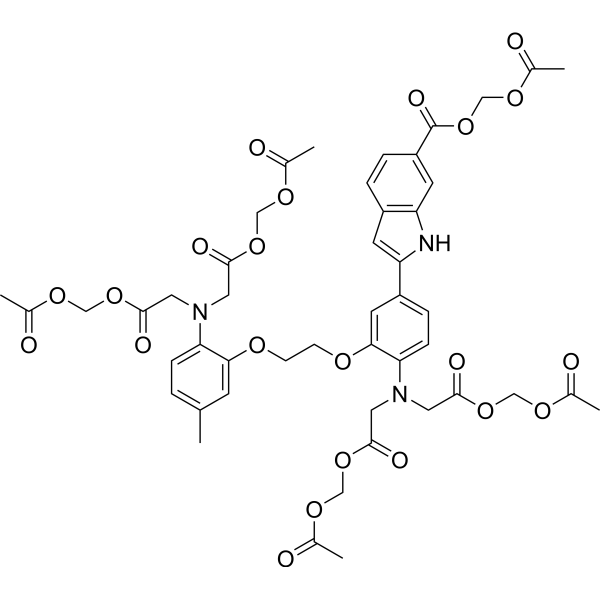
    Mag-Fluo-4 AM is a fluorecent Ca 2+ chelator, with high affinity for calcium. Mag-Fluo-4 AM can specifically identify intracellular calcium ions, with high sensitivity, low cytotoxicity, increased AM acetylmethyl ester can enter the cell well, after being sheared by the intracellular esterase stay in the cell to bind to calcium ions, produce strong fluorescence .
    Mag-Fluo-4 AM
  • HY-P1852
    TIP 39, Tuberoinfundibular Neuropeptide
    1 Publications Verification

    Adenylate Cyclase PTHR Neurological Disease
    TIP 39, Tuberoinfundibular Neuropeptide is an endogenous PTH2 receptor agonist and antihypertensive agent. TIP 39, Tuberoinfundibular Neuropeptide selectively activates the PTH2 receptor with no activity on the PTH1 receptor, stimulates cAMP production, activates adenylate cyclase, and elevates intracellular calcium levels via mobilization from intracellular stores. TIP 39, Tuberoinfundibular Neuropeptide is highly conserved in humans, mice, and rats. TIP 39, Tuberoinfundibular Neuropeptide is applicable to research related to nociception and inflammation-induced pain .
    TIP 39, Tuberoinfundibular Neuropeptide
  • HY-137255

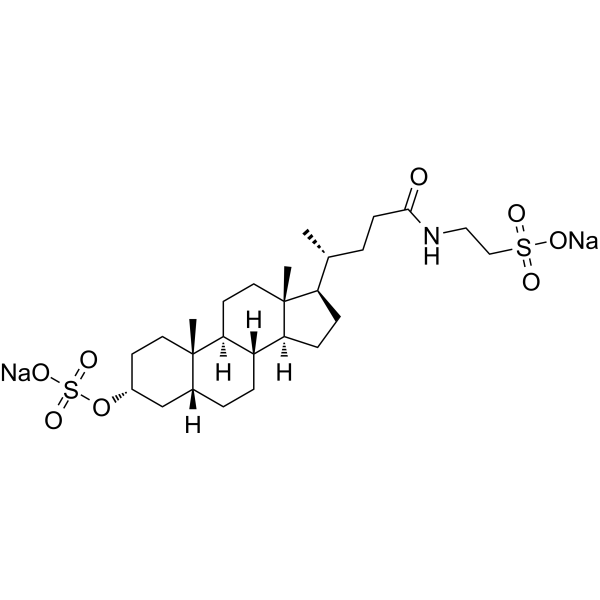
    3-Sulfotaurolithocholic acid disodium

    GPR39 Inflammation/Immunology
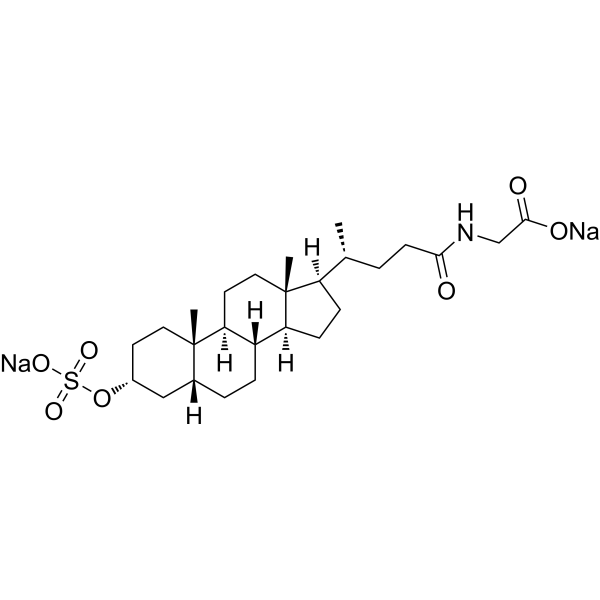
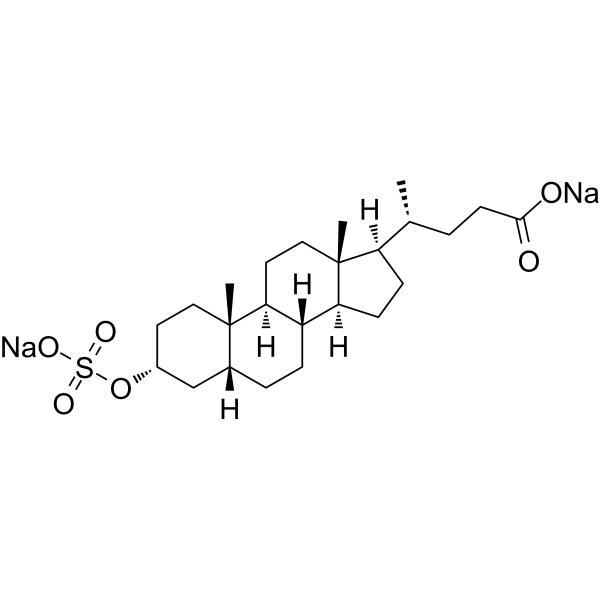
    Taurolithocholic acid 3-sulfate disodium is a GPR39 agonist with EC50s of 71.6  and 69.4 (absence of Zn 2+) and 9 and 9.6 μM (presence of Zn 2+) in M39-20 and hGPR39-2 cells, respectively. Taurolithocholic acid 3-sulfate disodium stimulates GPR39 receptors to initiate intracellular calcium signaling, independent of Zn 2+ binding sites H17 and H19. Taurolithocholic acid 3-sulfate disodium can be used for the research of gallbladder disease .
    Taurolithocholic acid 3-sulfate disodium
  • HY-W039315

    Biochemical Assay Reagents Metabolic Disease
    2,5-Anhydro-D-mannitol, 97% is an antimetabolic fructose analogue. 2,5-Anhydro-D-mannitol, 97% depletes intracellular ATP, reduces oxygen consumption, regulates substrate oxidation, increases phosphomonoester levels, decreases inorganic phosphate levels, and promotes the release of intracellular calcium from intracellular calcium stores via phospholipase C-dependent activity in hepatocytes .
    2,5-Anhydro-D-mannitol, 97%
  • HY-B0023
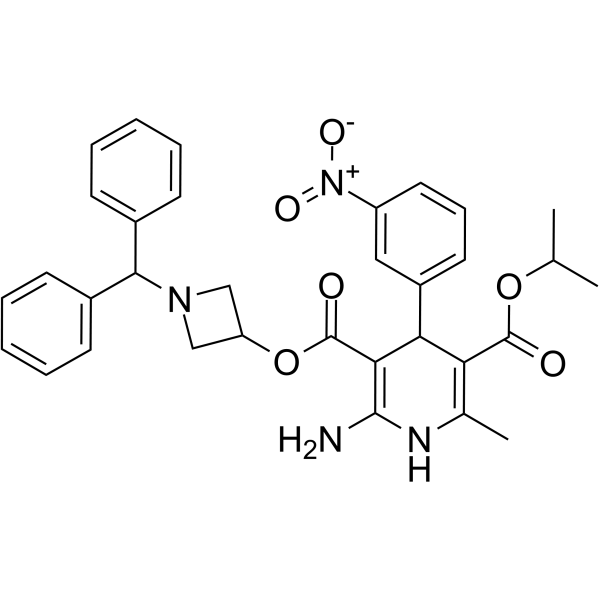
    Azelnidipine
    3 Publications Verification

    CS 905

    Calcium Channel MEK Cardiovascular Disease Neurological Disease Inflammation/Immunology Cancer
    Azelnidipine (CS 905) is a dihydropyridine calcium channel blocker that is effective orally. Azelnidipine inhibits the intracellular calcium ion flow and lower blood pressure by selectively blocking L-type calcium channel on the membrane of vascular smooth muscle. Azelnidipine inhibits esophageal squamous cell carcinoma proliferation by targeting MEK1/2. Azelnidipine also has anti-inflammatory, antioxidant and neuroprotective effects .
    Azelnidipine
  • HY-153468

    TEQ103; Sera2

    Sodium Channel TRP Channel Cancer
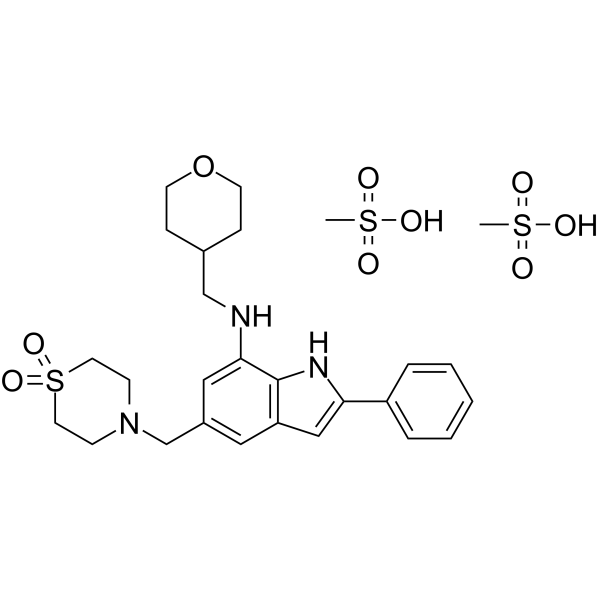
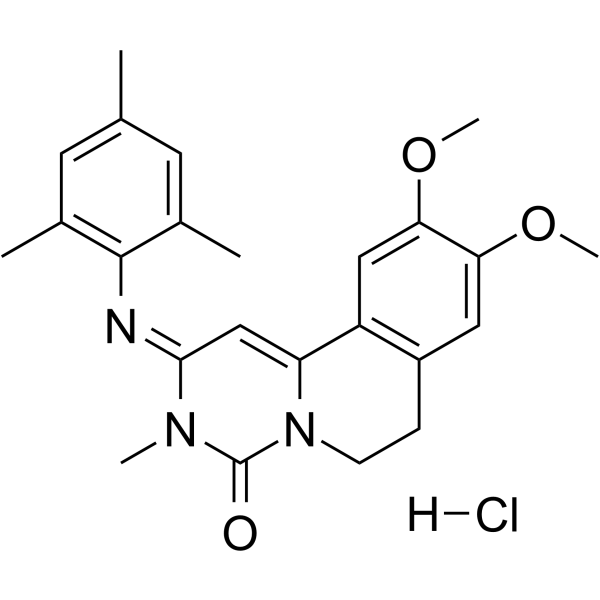
    ErSO-TFPy (TEQ103) is an ERα+ tumor cell inhibitor with low nanomolar cytotoxic activity against ERα+ breast cancer cells. ErSO-TFPy activates the sodium channel TRPM4, causes an imbalance of intracellular calcium and sodium ions. ErSO-TFPy dysregulates calcium homeostasis in ERα+ tumor cells, triggers the anticipatory unfolded protein response, and induces rapid immune cell-independent necrotic cell death. ErSO-TFPy can be used for the research of estrogen receptor alpha positive breast cancer .
    ErSO-TFPy
  • HY-B1194

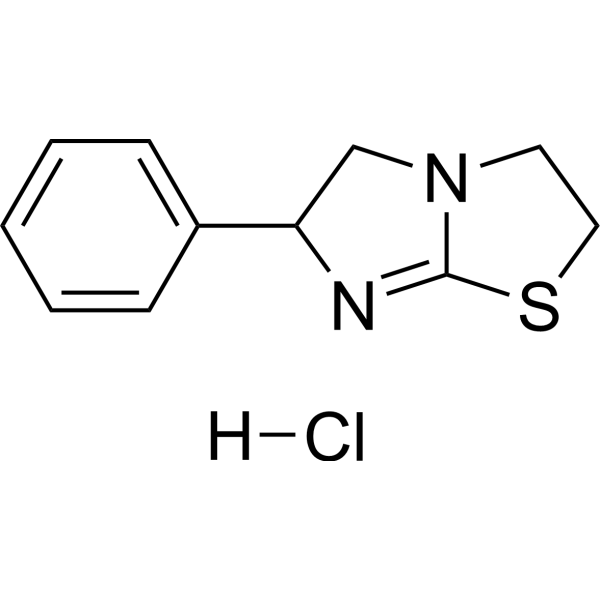
    (±)-Tetramisole hydrochloride; DL-Tetramisole hydrochloride; R-829

    Potassium Channel Parasite PKA Infection Cardiovascular Disease
    Tetramisole hydrochloride is an orally active, selective inward rectifier potassium channel agonist with an EC50 of approximately 30 μM for the Kir2.1 subunit. Tetramisole hydrochloride is also an anti-nematode agent that blocks neuromuscular transmission by non-competitive depolarization. Tetramisole hydrochloride promotes the forward transport of Kir2.1 channels, hyperpolarizes the resting potential (RP), shortens the action potential duration (APD), inhibits intracellular calcium overload and the PKA signaling pathway, and exerts anti-arrhythmic and anti-myocardial remodeling activities. Tetramisole hydrochloride can be used in cardiac electrophysiology research and research related to myocardial ischemia and heart failure .
    Tetramisole hydrochloride
  • HY-104015
    NecroX-5
    3 Publications Verification

    Calcium Channel Inflammation/Immunology Cancer
    NecroX-5 is a derivative of the NecroX, reduces intracellular calcium concentration, and possesses anti-inflammatory and anti-cancer activity.
    NecroX-5
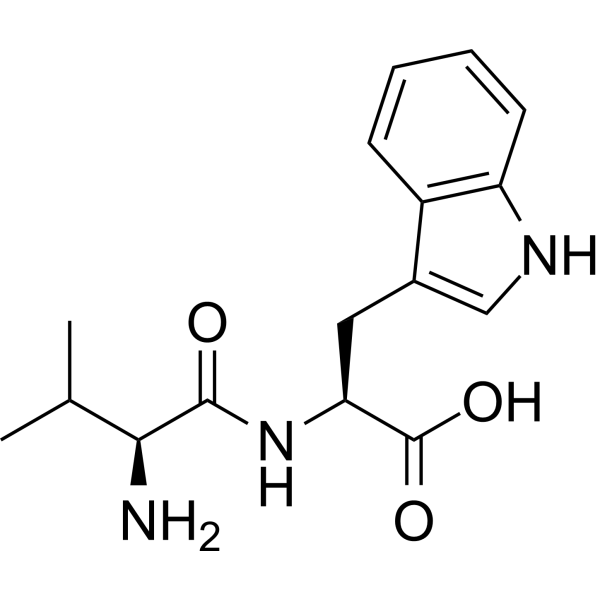
  • HY-118060

    N-Valyltryptophan; Val-Trp

    Angiotensin-converting Enzyme (ACE) Calcium Channel NO Synthase Cardiovascular Disease
    Dipeptide 2 (N-Valyltryptophan) is an orally active, competitive angiotensin-converting enzyme (ACE) inhibitory peptide with an IC50 of 10.50 μM. Dipeptide 2 reduces intracellular Calcium ions. Dipeptide 2 significantly increases the content of NO, inhibits the production of ET-1, and induces the phosphorylation of eNOS. Dipeptide 2 decreases the systolic and diastolic blood pressure of spontaneously hypertensive rats .
    Dipeptide 2
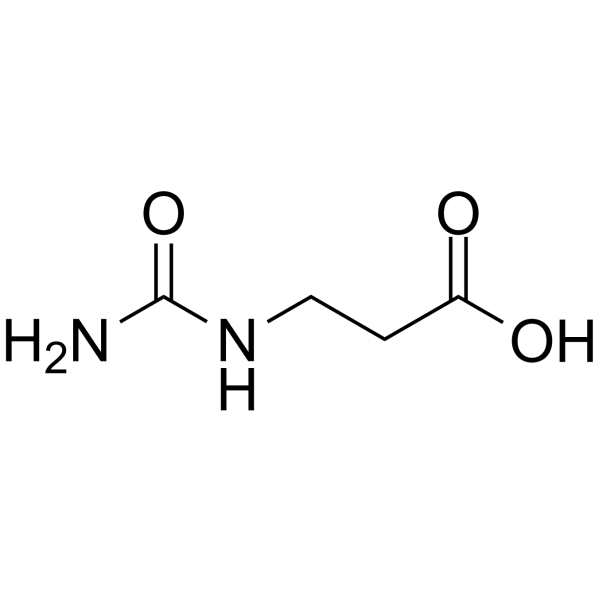
  • HY-113285

    3-Ureidopropionic acid

    Oxidative Phosphorylation Reactive Oxygen Species (ROS) Metabolic Disease
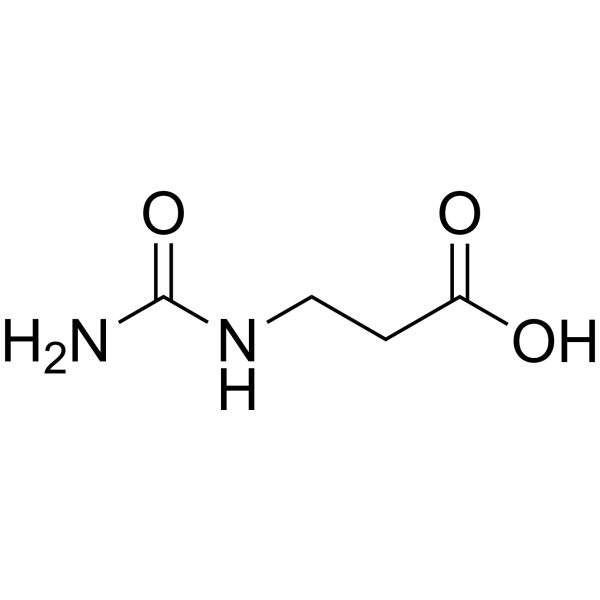
    Ureidopropionic acid (3-Ureidopropionic acid) is a selective mitochondrial respiratory chain complex V inhibitor. Ureidopropionic acid induces the production of reactive oxygen species, delayed elevation of intracellular calcium concentration, secondary energy-dependent excitotoxicity and neurodegeneration in neurons. Ureidopropionic acid promotes neuropathological changes by impairing mitochondrial energy metabolism, oxidative stress and excitotoxicity pathways. Ureidopropionic acid can be used in studies related to 3-ureidopropionase deficiency and severe propionic aciduria .
    Ureidopropionic acid
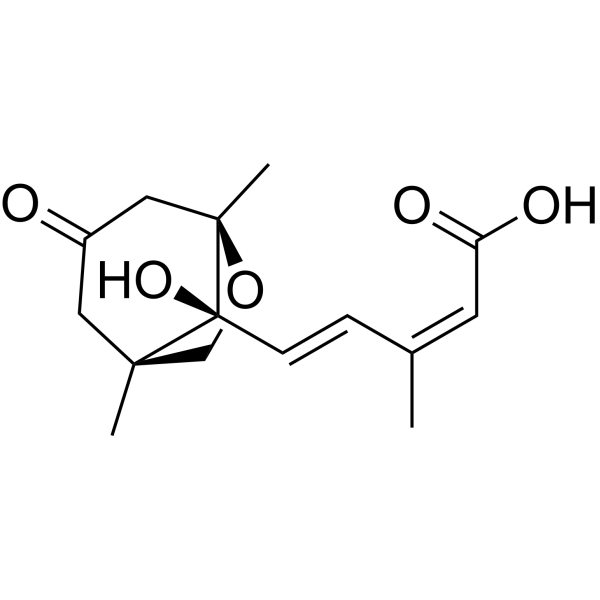
  • HY-111973

    Phytohormone iGluR Neurological Disease
    Phaseic acid is a Abscisic acid terpenoid catabolite that can able to activate a subset of Abscisic acid repectors. Phaseic acid is a plant hormone associated with photosynthesis arrest and abscission. Phaseic acid is the antagonist for NMDA-type glutamate receptor (NMDAR) that inhibits NMDAR currents with an IC50 of 34.37 μM. Phaseic acid reduces intracellular calcium influx, and exhibits neuroprotective effect .
    Phaseic acid
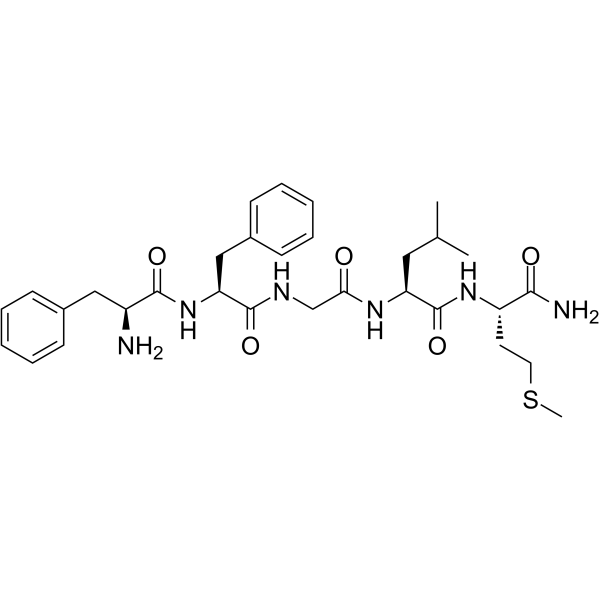
  • HY-P1492

    Neurokinin Receptor Neurological Disease Endocrinology
    Substance P (7-11) is a C-terminal fragment of Substance P which can cause an increase in the intracellular calcium concentration.
    Substance P (7-11)
  • HY-121018

    BM-13505; SKF 96148

    Prostaglandin Receptor Cardiovascular Disease
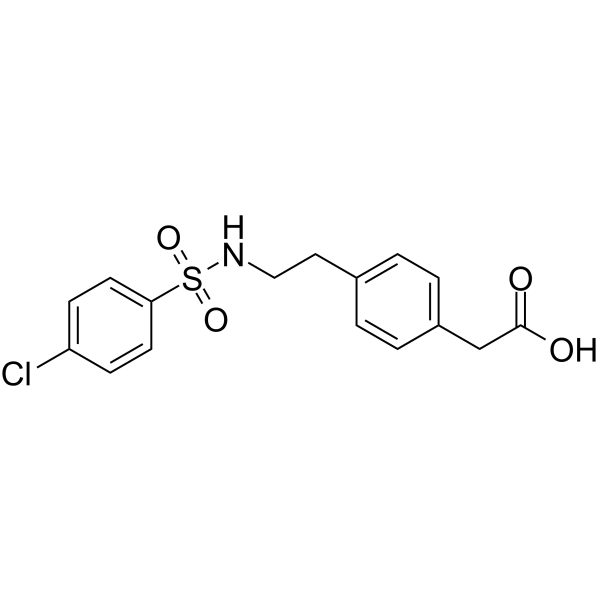
    Daltroban (BM-13505) is a selective and specific thromboxane A2 (TXA2) receptor antagonist. Daltroban increase intracellular calcium in vascular smooth muscle cells. Daltroban shows protective effect in reperfusion injury .
    Daltroban
  • HY-D1629

    Fluorescent Dye Others
    Calcium Orange AM is an intracellular calcium reporter. Specific fluorescence can be detected when free calcium binds to Calcium Orange AM (Ex/Em=549/576 nm). Calcium Orange AM does not enter the vacuoles and does not compartmentalize into acidic vesicles .
    Calcium Orange AM
  • HY-148129

    TRPC6-IN-3

    TRP Channel Cardiovascular Disease
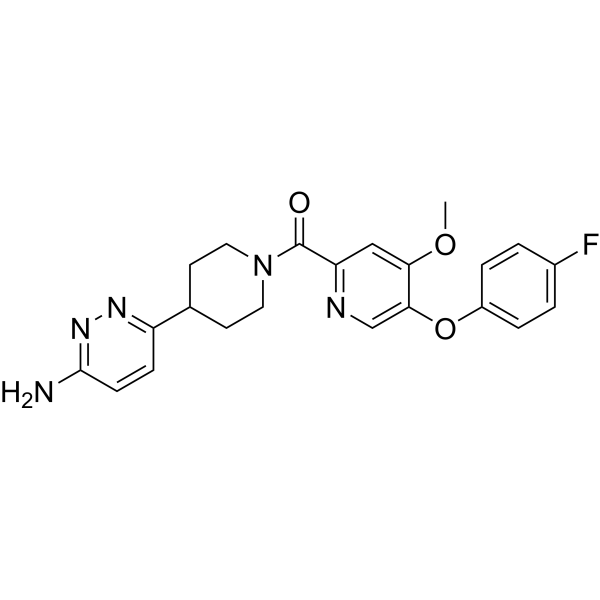
    Apecotrep (TRPC6-IN-3) (compound 17) is a potent, orally active transient receptor potential C6 ion channel (TRPC6) inhibitor. Apecotrep modulates not only intracellular calcium concentration, but also membrane potential by modulating the flux of cations including calcium and sodium ions. Apecotrep can be used in research of respiratory system .
    Apecotrep
  • HY-124042
    K6PC-5
    4 Publications Verification

    SphK Filovirus Infection Neurological Disease Inflammation/Immunology
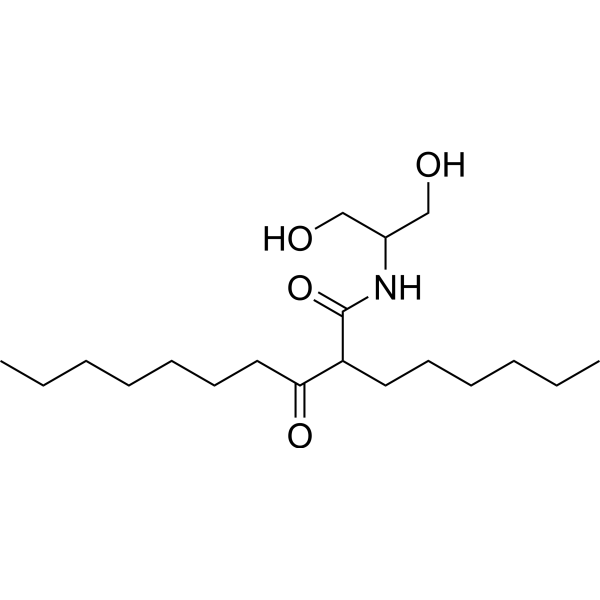
    K6PC-5, a ceramide derivative, is a sphingosine kinase 1(SPHK1) activator and elicites a rapid transient increase in intracellular calcium levels. K6PC-5 has the potential for skin diseases involving abnormal keratinocyte, and neurodegeneration and virus infection research .
    K6PC-5
  • HY-138875

    p38 MAPK Apoptosis Cardiovascular Disease Cancer
    Tetraacetylphytosphingosine is a sphingolipid metabolite produced by phytosphingosine acetylation. Tetraacetylphytosphingosine exerts its inhibitory action on angiogenesis through the inhibition of MAPK activation and intracellular calcium increase . Tetraacetylphytosphingosine induces apoptosis in HaCaT cells .
    Tetraacetylphytosphingosine
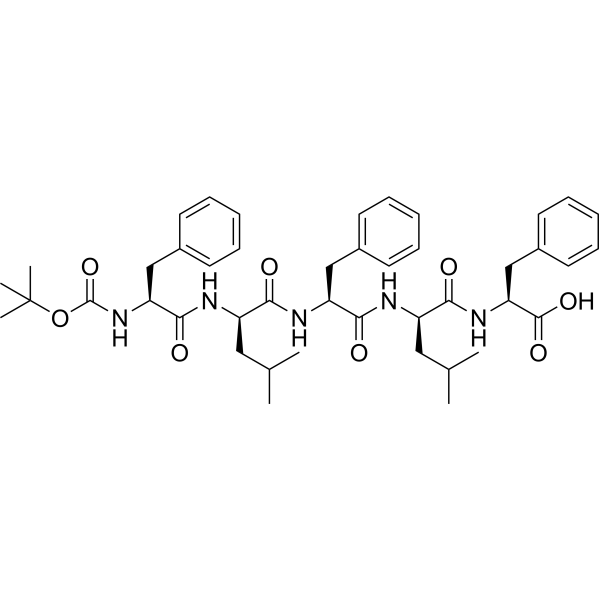
  • HY-P2355

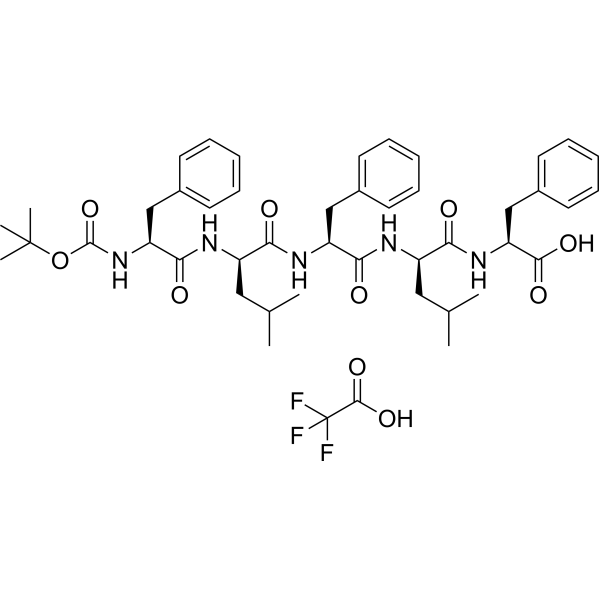
    BOC2; Boc-Phe-dLeu-Phe-dLeu-Phe

    Formyl Peptide Receptor (FPR) Inflammation/Immunology
    BOC-FlFlF (Boc-Phe-dLeu-Phe-dLeu-Phe) is a selective FPR1 antagonist. Boc-FlFlF has an apparent dissociation constant (KD) of 230 nM as determined by the intracellular calcium mobilization assay. Boc-FlFlF can be used for the study of inflammation .
    BOC-FlFlF
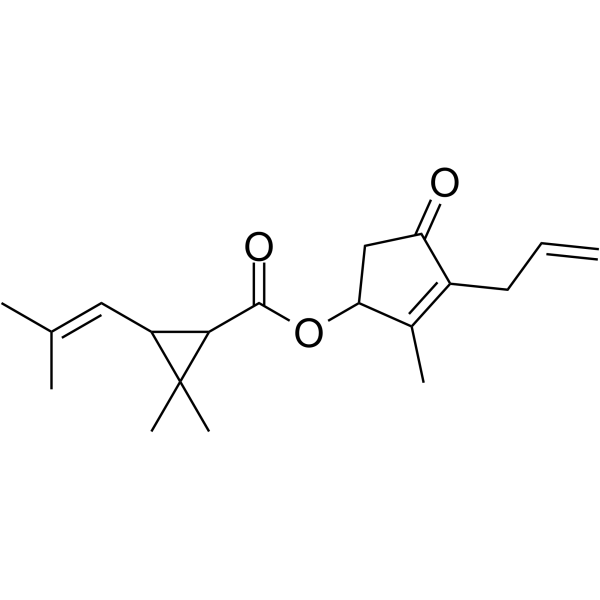
  • HY-B1559

    Environmental Pollutants Apoptosis Infection Cancer
    Allethrin, a pyrethroid insecticide is a major mosquito repellent agent. Allethrin induces oxidative stress, apoptosis and calcium release in rat testicular carcinoma cells (LC540). Allethrin induces BCL-2, caspase-3 activation and release of intracellular calcium .
    Allethrin
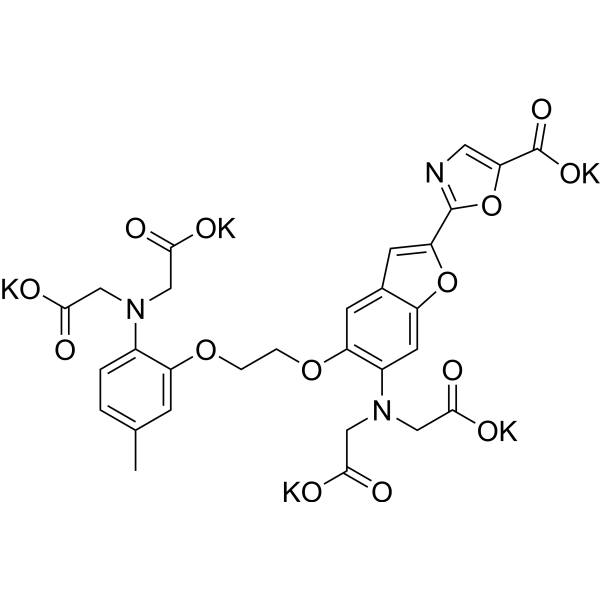
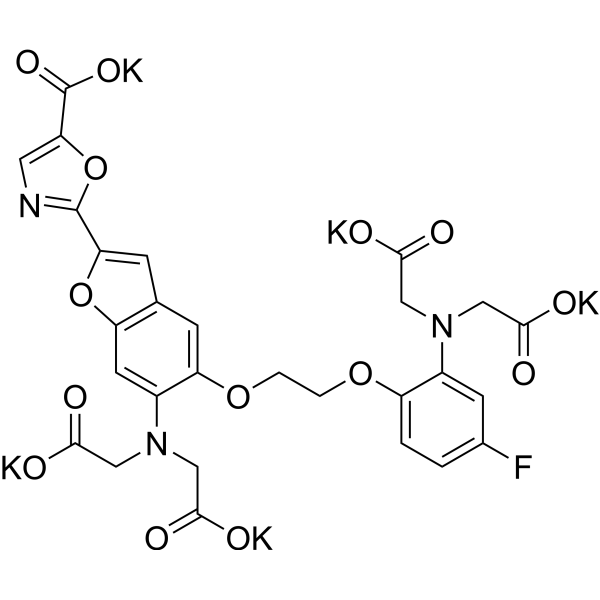
  • HY-D0110A

    Fluorescent Dye Others
    Fura-2 pentapotassium is a cell-impermeable scaled fluorescent dye that can be used for intracellular calcium imaging. Fura-2 pentapotassium has an emission wavelength of 510 nm and excitation wavelengths of 340 nm or 380 nm and the ratio of 340/380 fluorescence intensity is proportional to the intracellular Ca 2+ level .
    Fura-2 pentapotassium
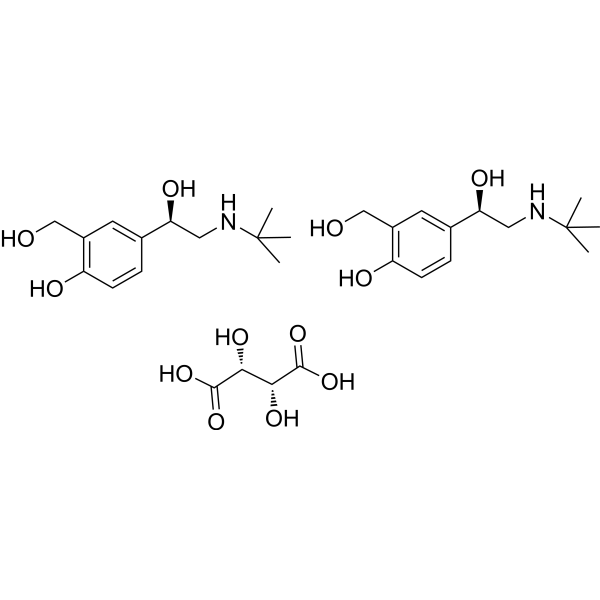
  • HY-17457

    Levosalbutamol hemitartrate

    Adrenergic Receptor PI3K Inflammation/Immunology
    Levalbuterol (Levosalbutamol) hemitartrate is a β2-adrenergic receptor agonist and PI3K inhibitor. Levalbuterol hemitartrate inhibits PI3K activity, reduces NF-κB and Rb protein expression, activates the cAMP/PKA pathway, and stimulates cAMP release. Levalbuterol hemitartrate relaxes airway smooth muscle, reduces intracellular calcium levels, and inhibits spasmogen-induced contractions. Levalbuterol hemitartrate can be used for the research of moderate-to-severe asthma .
    Levalbuterol hemitartrate
  • HY-134299

    8-(4-Chlorophenylthio)-cAMP-AM

    Ras PKA Cardiovascular Disease Metabolic Disease Cancer
    8-CPT-cAMP-AM (8-(4-Chlorophenylthio)-cAMP-AM) is an Epac/PKA activator. 8-CPT-cAMP-AM potentiates glucose-dependent first- and second-phase insulin secretion, induces β-cell depolarization, modulates intracellular calcium via influx and ryanodine-sensitive store mobilization, and facilitates calcium-induced calcium release resistant to PKA inhibition. 8-CPT-cAMP-AM can be used for the research of cardiac hypertrophy, diabetic cardiomyopathy, and melanoma .
    8-CPT-cAMP-AM
  • HY-B1272A

    Adrenergic Receptor ERK JNK p38 MAPK NF-κB AP-1 Apoptosis Reactive Oxygen Species (ROS) Mitochondrial Metabolism TNF Receptor Neurological Disease Inflammation/Immunology Cancer
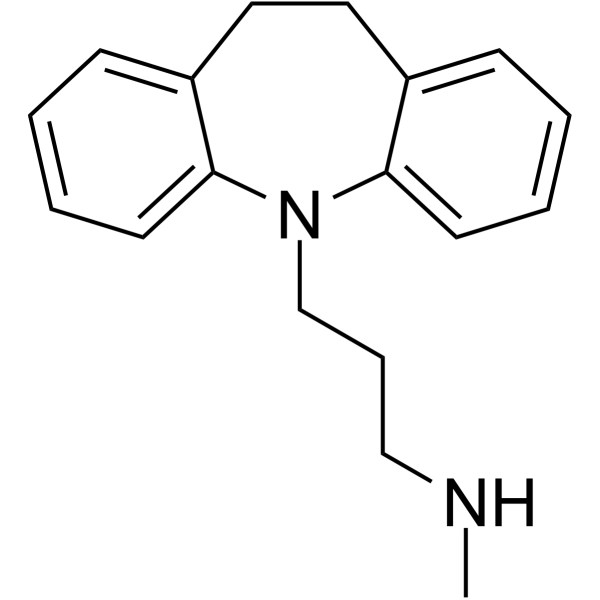
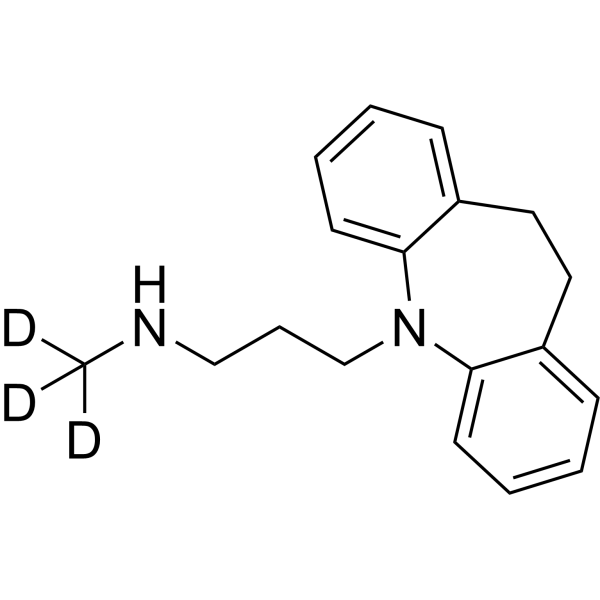
    Desipramine is a first-generation tricyclic antidepressant. Desipramine selectively binds to norepinephrine transporter and blocks neuronal norepinephrine reuptake. Desipramine activates MAPK signaling via ERK1/2, JNK, and p38, represses NF-κB and AP-1 activity, and induces apoptosis via ROS elevation, mitochondrial membrane potential reduction, and intracellular calcium increase. Desipramine also shows anyi-inflammatory activity, inhibiting TNF-α production. Desipramine can be used for the research of hepatocellular cancer, inflammation, and neurological diseases .
    Desipramine
  • HY-A0236

    Sodium Channel Potassium Channel Calcium Channel Calmodulin Cardiovascular Disease
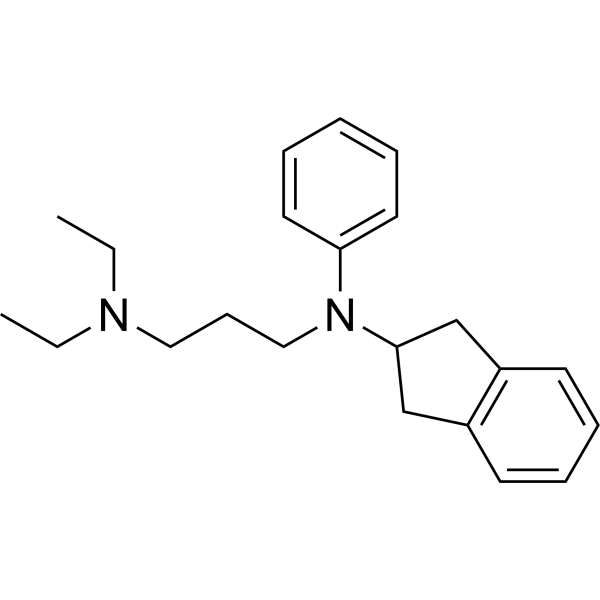
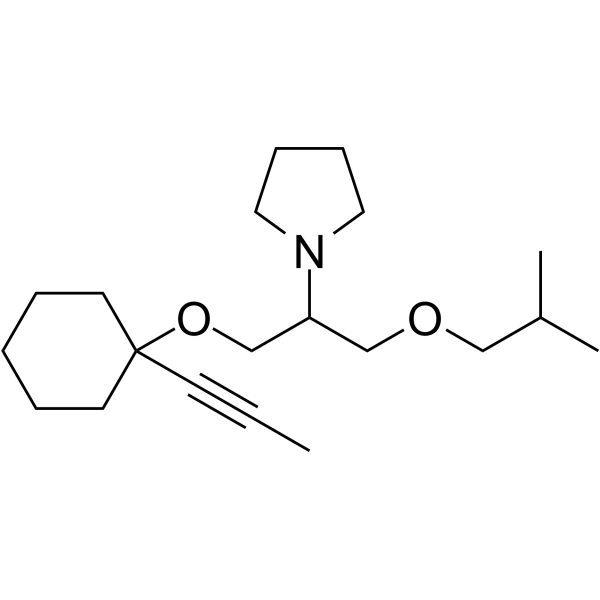
    Aprindine is an Ib-class anti-arrhythmic agent. Aprindine mainly exerts its effect by blocking sodium channels (INa), thereby reducing the excitability and conduction velocity of cardiac muscle cells. Aprindine significantly inhibits delayed potassium currents, which helps to prolong the atrial effective refractory period (AERP) and inhibit the occurrence of atrial fibrillation. Aprindine can also regulate intracellular calcium ion concentration by inhibiting Na +/Ca 2+ exchange current (INCX), thereby further stabilizing cardiac electrical activity. Aprindine can be used for the study of atrial fibrillation (AF) and ventricular arrhythmias .
    Aprindine
  • HY-P1427A

    Potassium Channel Neurological Disease
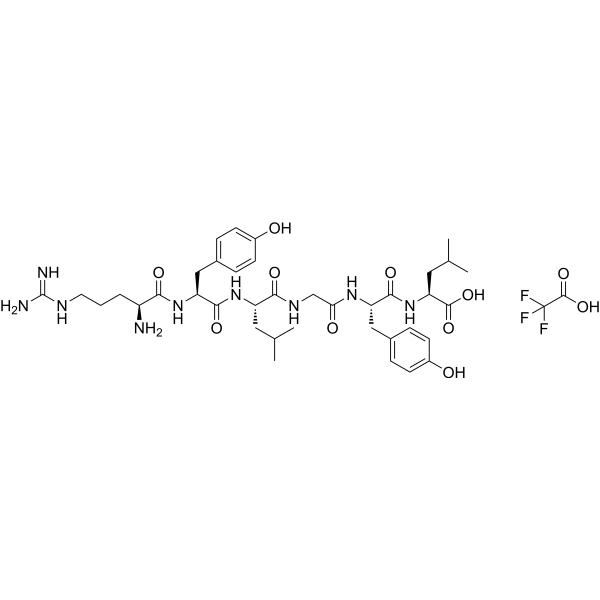
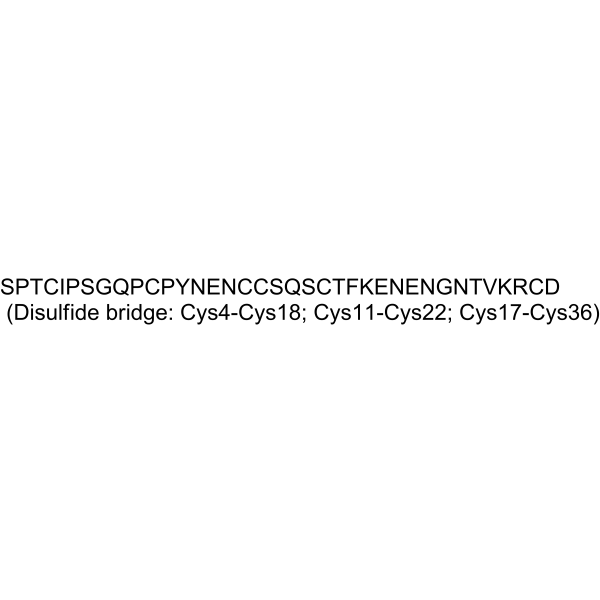
    Guangxitoxin 1E TFA is the TFA salt form of Guangxitoxin 1E (HY-P1427). Guangxitoxin 1E TFA is a peptide toxin and a selective inhibitor for voltage-gated potassium channel KV2.1 and KV2.2 with IC50 of 1-3 nM. Guangxitoxin 1E TFA enhances glucose-stimulated intracellular calcium ion oscillations and increases insulin secretion in a glucose-dependent manner .
    Guangxitoxin 1E TFA
  • HY-A0236A

    Sodium Channel Potassium Channel Calcium Channel Calmodulin Cardiovascular Disease
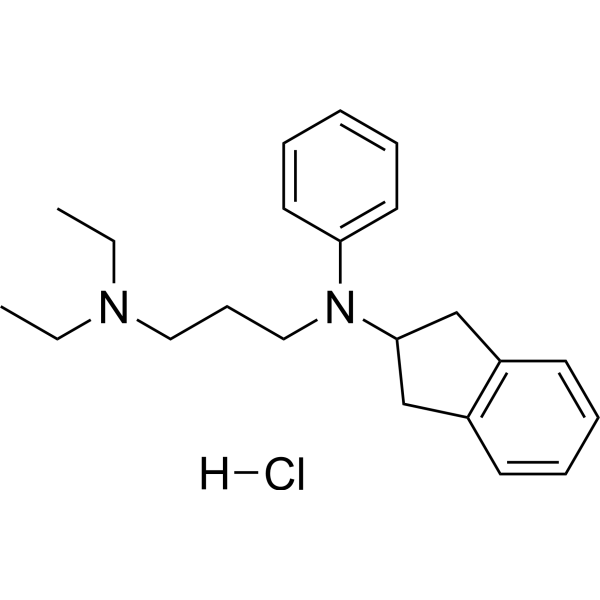
    Aprindine hydrochloride is an Ib-class anti-arrhythmic agent. Aprindine hydrochloride mainly exerts its effect by blocking sodium channels (INa), thereby reducing the excitability and conduction velocity of cardiac muscle cells. Aprindine hydrochloride significantly inhibits delayed potassium currents, which helps to prolong the atrial effective refractory period (AERP) and inhibit the occurrence of atrial fibrillation. Aprindine hydrochloride can also regulate intracellular calcium ion concentration by inhibiting Na +/Ca 2+ exchange current (INCX), thereby further stabilizing cardiac electrical activity. Aprindine hydrochloride can be used for the study of atrial fibrillation (AF) and ventricular arrhythmias .
    Aprindine hydrochloride
  • HY-A0100R

    Vitamin B1 (Standard)

    Reference Standards Endogenous Metabolite Bacterial Neurological Disease Metabolic Disease
    Mebeverine (hydrochloride) (Standard) is the analytical standard of Mebeverine (hydrochloride). This product is intended for research and analytical applications. Mebeverine hydrochloride, a β-phenylethylamine derivative, is a musculotropic agent that potently blocks intestinal peristalsis. Mebeverine directly blocks voltage-operated sodium channels and inhibits intracellular calcium accumulation .
    Thiamine monochloride (Standard)
  • HY-176252

    Apoptosis Cancer
    CALR ligand 1 (Compound 2a) is a calreticulin (CALR) ligand. CALR ligand 1 shows antitumor activity against triple-negative breast cancer (TNBC) cells (IC50=0.1 μM). CALR ligand 1 induces intracellular calcium overloading and triggers apoptosis in TNBC cells. CALR ligand 1 is promising for research of TNBC .
    CALR ligand 1
  • HY-113285R

    3-Ureidopropionic acid (Standard)

    Reference Standards Oxidative Phosphorylation Reactive Oxygen Species (ROS) Others
    Ureidopropionic acid (Standard) is the analytical standard of Ureidopropionic acid. This product is intended for research and analytical applications. Ureidopropionic acid (3-Ureidopropionic acid) is a selective mitochondrial respiratory chain complex V inhibitor. Ureidopropionic acid induces the production of reactive oxygen species, delayed elevation of intracellular calcium concentration, secondary energy-dependent excitotoxicity and neurodegeneration in neurons. Ureidopropionic acid promotes neuropathological changes by impairing mitochondrial energy metabolism, oxidative stress and excitotoxicity pathways. Ureidopropionic acid can be used in studies related to 3-ureidopropionase deficiency and severe propionic aciduria .
    Ureidopropionic acid (Standard)
  • HY-175515

    5-HT Receptor Neurological Disease
    5-HT2C agonist-11 (Compound 1) is an orally active, brain-penetrant and selective 5-HT2C receptor agonist (EC50=15 nM). 5-HT2C agonist-11 activates the Gq protein signaling pathway, promoting intracellular calcium release. 5-HT2C agonist-11 is promising for research of depression, post-traumatic stress disorder (PTSD) and neuropathic pain .
    5-HT2C agonist-11
  • HY-137325

    Guanylate Cyclase Others
    2-Chloro-ATP is a soluble guanylate cyclase inhibitor that increases intracellular calcium concentration at low concentrations through a mechanism independent of inositol phosphate production .
    2-Chloro-ATP
  • HY-A0078

    Sodium Channel Endocrinology
    Mebeverine hydrochloride, a β-phenylethylamine derivative, is a musculotropic agent that potently blocks intestinal peristalsis. Mebeverine directly blocks voltage-operated sodium channels and inhibits intracellular calcium accumulation .
    Mebeverine hydrochloride
  • HY-165436

    Phosphodiesterase (PDE) Cardiovascular Disease
    Toborinone is an inotropic agent. Toborinone increases cAMP and intracellular calcium levels through inhibiting PDE. Toborinone inhibits thrombin-induced platelet aggregation with an IC50 of 9.7 μM .
    Toborinone
  • HY-D1768

    Fluorescent Dye Others
    Fluo-4FF AM is a cell-permeant fluorescent calcium indicator. Fluo-4FF is an analog of Fluo-4 with a lower affinity for calcium, which is suitable for investigation of relatively high level of intracellular calcium.
    Fluo-4FF AM
  • HY-129094

    CXCR Cancer
    ICT5040 is a small molecule CXCR4 antagonist (IC50=3.8 μM). ICT5040 inhibits CXCL12-mediated proliferation and migration, and suppresses CXCL12-induced intracellular calcium mobilisation in U87 glioma cells .
    ICT5040
  • HY-16741

    OBE001

    Oxytocin Receptor Endocrinology
    Erlosiban (OBE001) is an orally active non-peptide type oxytocin receptor antagonist. Erlosiban inhibits the increase of intracellular calcium concentration, thereby reducing uterine smooth muscle contraction. Erlosiban can be used for research on premature birth and to improve embryo implantation and pregnancy rate in assisted reproductive technology (AR).
    Erlosiban
  • HY-N13747

    Myosin PKC Calcium Channel Cardiovascular Disease
    Chrysosplenol C is a type of flavonoid compound. Chrysosplenol C selectively activates cardiac myosin ATPase, with its EC50 being 45 µM. Chrysosplenol C enhances the release of intracellular calcium ions by activating protein kinase C (PKC), thereby increasing the contractility of rat ventricular muscle cells. Chrysosplenol C can be used in the research of heart failure .
    Chrysosplenol C
  • HY-B0155

    SCH 417690; SCH-D; MK-7690 free base

    CCR HIV Infection Cancer
    Vicriviroc (SCH 417690) is an orally active CCR5 antagonist with the IC50 of 10 nM, and also inhibts MIP-1α and intracellular calcium release induced by the ligand RANTES (10 nM) with the IC50 values of 0.91 nM and 16 nM,,respectively. Vicriviroc can inhibits human immunodeficiency virus type 1 (HIV-1) infection, and can also used for study of cancer .
    Vicriviroc
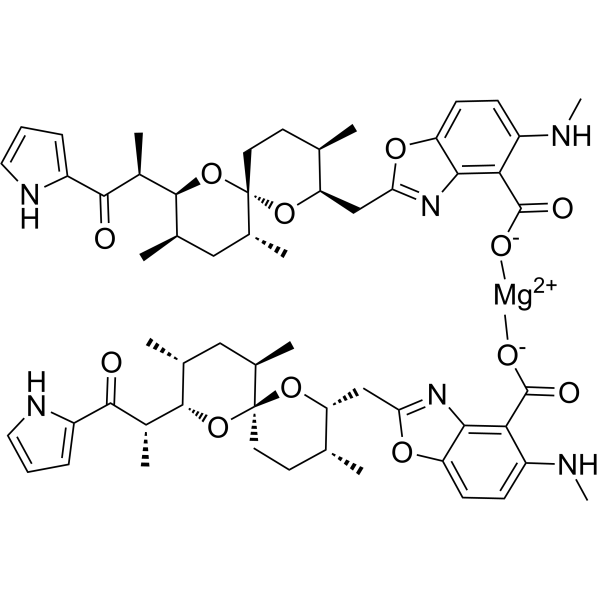
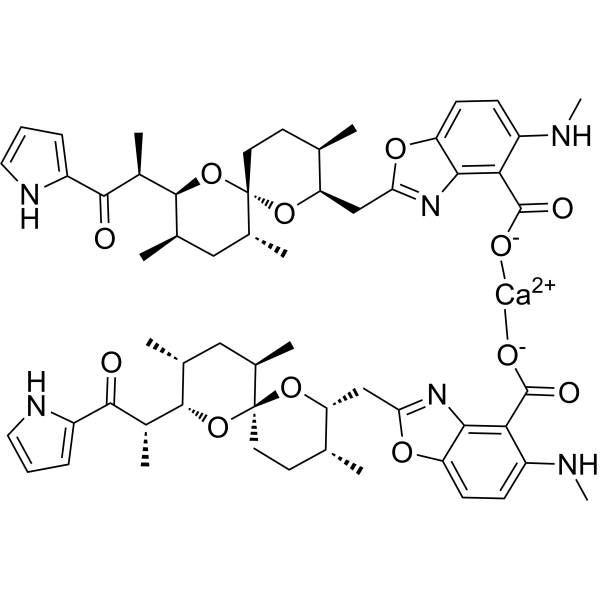
  • HY-N6687B

    A-23187 hemimagnesium; Antibiotic A-23187 hemimagnesium

    Oxidative Phosphorylation Antibiotic Bacterial Fungal Apoptosis Autophagy Infection Cancer
    Calcimycin (A-23187) hemimagnesium is an antibiotic and a unique divalent cation ionophore (like calcium and magnesium). Calcimycin hemimagnesium induces Ca 2+-dependent cell death by increasing intracellular calcium concentration. Calcimycin hemimagnesium inhibits the growth of Gram-positive bacteria and some fungi. Calcimycin hemimagnesium also inhibits the activity of ATPase and uncouples oxidative phosphorylation (OXPHOS) of mammalian cells. Calcimycin hemimagnesium induces apoptosis and autophagy .
    Calcimycin hemimagnesium
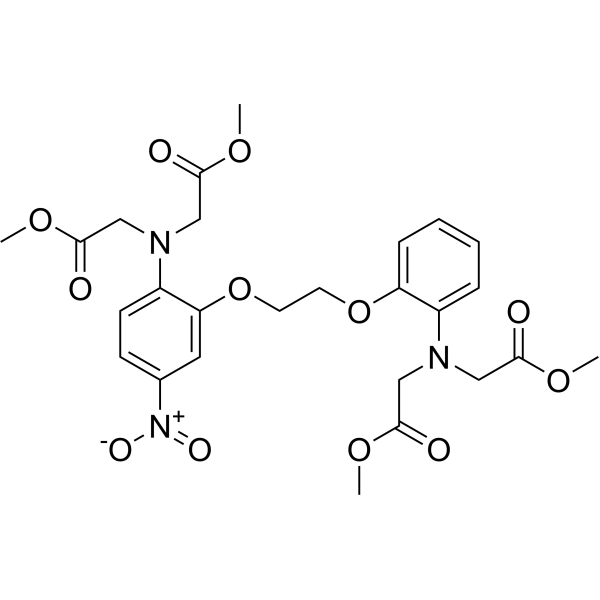
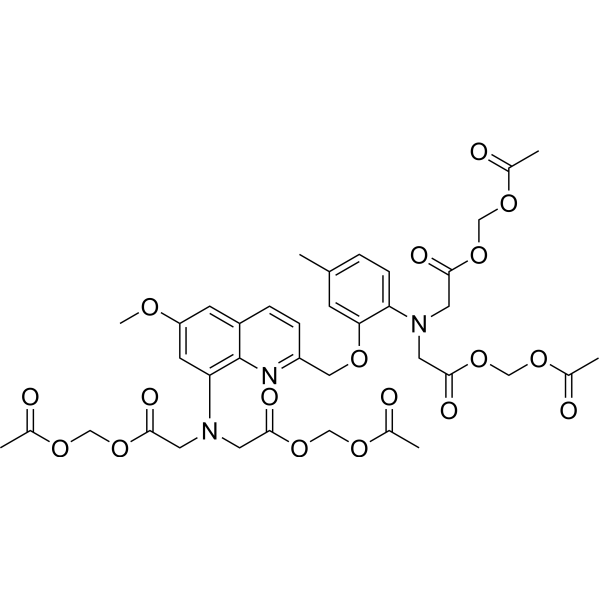
  • HY-D1637

    Fluorescent Dye Others
    5-Nitro BAPTA tetramethyl ester is a calcium chelator. 5-Nitro BAPTA tetramethyl ester involves in the two-photon probe synthesis, and is used for real-time imaging of intracellular calcium ions, calcium waves monitoring at a depth of 100-300 μm in liver tissues for 1100-4000 s. 5-Nitro BAPTA tetramethyl ester, together with fluorescent compound 2-Me-substituted TM, can be used to form a red fluorescent probe (CaTM-2 AM) .
    5-Nitro BAPTA tetramethyl ester
  • HY-101607A

    Calcium Channel Cardiovascular Disease
    KT-362 free acid is an intracellular calcium antagonist with antiarrhythmic and vasodilatory effects. KT-362 free acid shows an antagonistic effect against norepinephrine (NE) induced vasoconstriction response, achieved by reducing inositol phospholipid hydrolysis, thereby reducing intracellular calcium mobilization. KT-362 free acid can be used to study the contraction and relaxation mechanisms of vascular smooth muscle, especially in exploring the role of intracellular calcium mobilization and inositol phospholipid hydrolysis in vascular contraction .
    KT-362 free acid
  • HY-D1761

    Fluorescent Dye Others
    Fura-4F pentapotassium is a cell-impermeant fluorescent indicator for intracellular calcium ion measurement.
    Fura-4F pentapotassium

Inquiry Online

Your information is safe with us. * Required Fields.

Salutation


Country or Region *

Applicant Name *


Organization Name *

Department *


Email Address *


Product Name *

Cat. No.


Requested quantity *

Phone Number *


Remarks

Inquiry Online

Inquiry Information

Product Name:
Cat. No.:
Quantity:
MCE Japan Authorized Agent: