1. Search Result
Search Result
Results for "

melanoma+cell

" in MedChemExpress (MCE) Product Catalog:

161

Inhibitors & Agonists

2

Fluorescent Dyes

1

Biochemical Assay Reagents

12

Peptides

5

Inhibitory Antibodies

46

Natural
Products

2

Isotope-Labeled Compounds

4

Antibodies

1

Click Chemistry

2

Oligonucleotides

Cat. No. Product Name Target Research Areas Chemical Structure
  • HY-15816
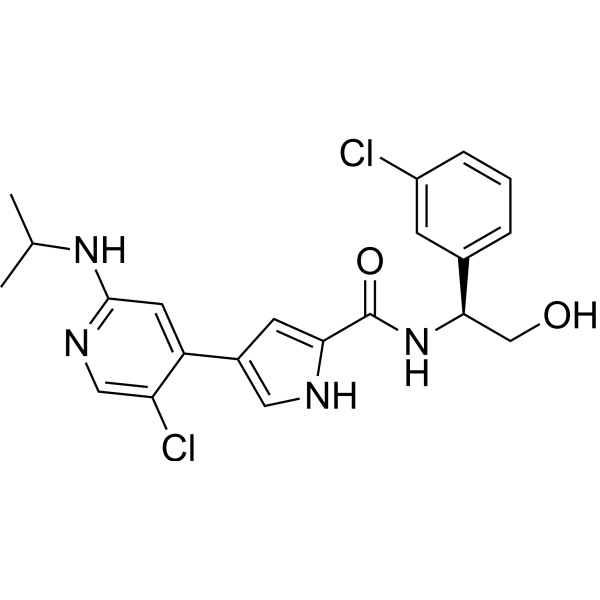
    Ulixertinib
    Maximum Cited Publications
    47 Publications Verification

    BVD-523; VRT752271

    ERK Cancer
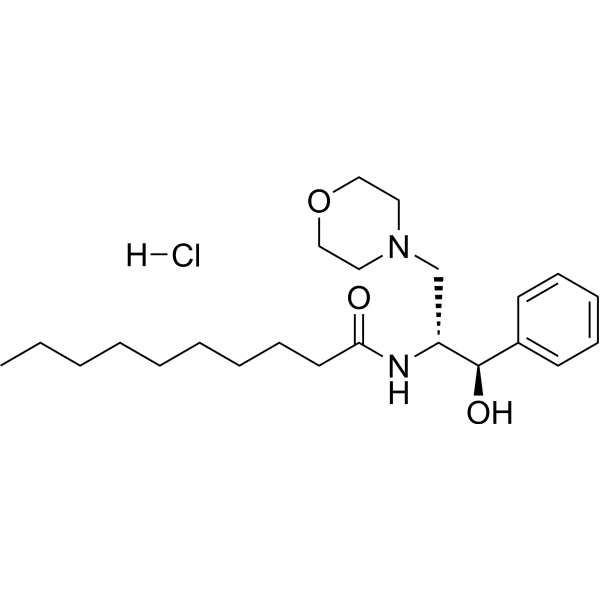
    Ulixertinib (BVD-523; VRT752271) is a potent, orally active, highly selective, ATP-competitive and reversible covalent inhibitor of ERK1/2 kinases, with an IC50 of <0.3 nM against ERK2. Ulixertinib (BVD-523; VRT752271) inhibits the phosphorylated ERK2 (pERK) and downstream kinase RSK (pRSK) in an A375 melanoma cell line .
    Ulixertinib
  • HY-B1193
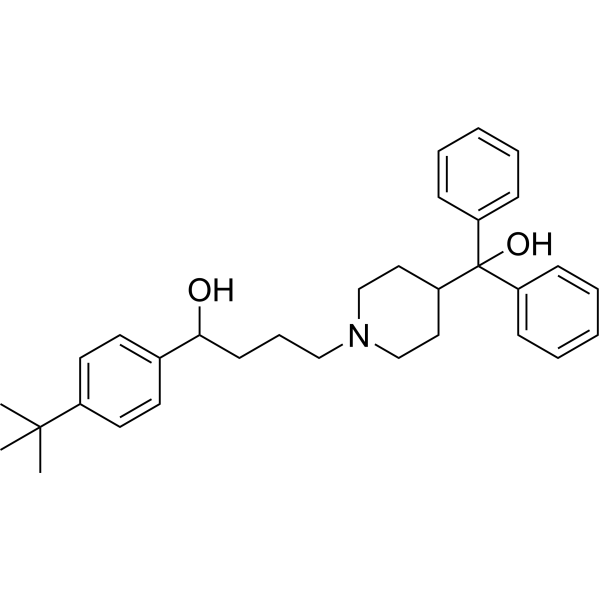
    Terfenadine
    4 Publications Verification

    (±)-Terfenadine; MDL-991

    Potassium Channel Histamine Receptor Na+/Ca2+ Exchanger Caspase Apoptosis Inflammation/Immunology Endocrinology Cancer
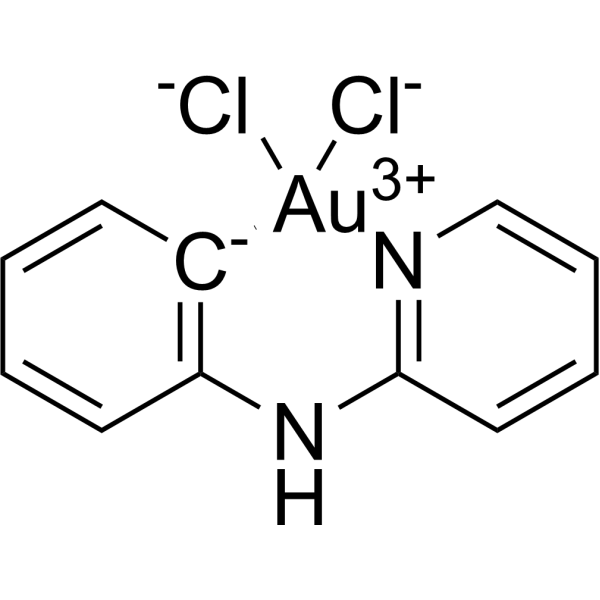
    Terfenadine ((±)-Terfenadine) is a potent open-channel blocker of hERG with an IC50 of 204 nM . Terfenadine, an H1 histamine receptor antagonist, acts as a potent apoptosis inducer in melanoma cells through modulation of Ca 2+ homeostasis. Terfenadine induces ROS-dependent apoptosis, simultaneously activates Caspase-4, -2, -9 .
    Terfenadine
  • HY-16661
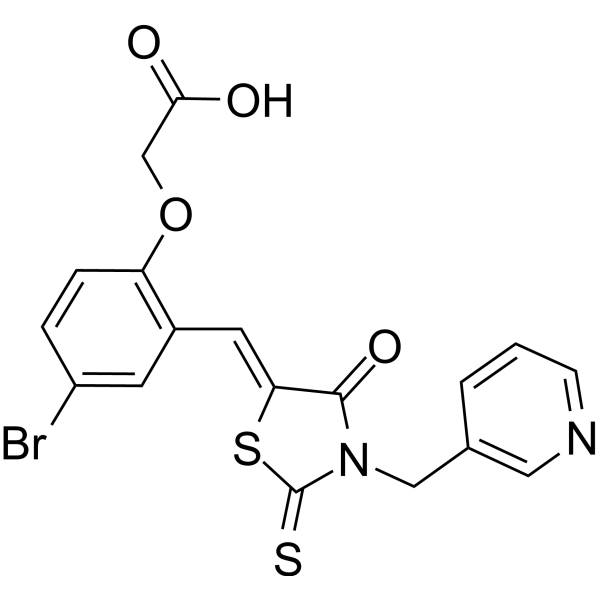
    Skp2 Inhibitor C1
    5+ Cited Publications

    SKPin C1

    E1/E2/E3 Enzyme Cancer
    Skp2 Inhibitor C1 (SKPin C1) is an S-phase kinase-related protein 2 (Skp2) inhibitor with an inhibitory effect on metastatic melanoma cells. Skp2 Inhibitor C1 slows the cell cycle, inhibits cell proliferation, and triggers apoptosis .
    Skp2 Inhibitor C1
  • HY-147268

    RAF/KIN_2787

    Raf p38 MAPK Cancer
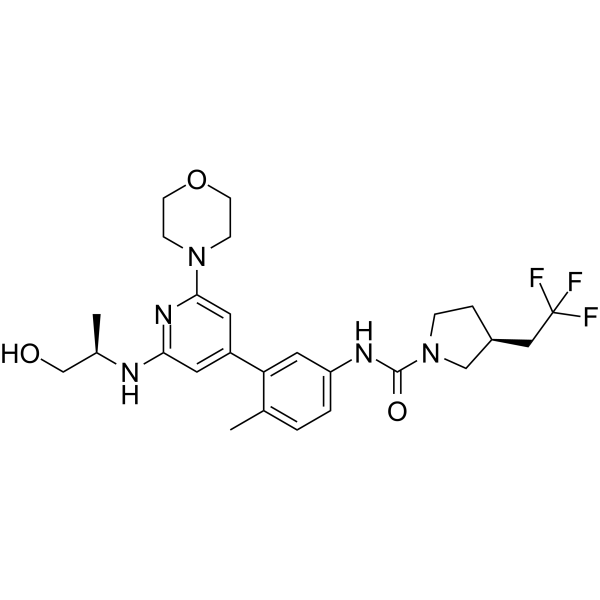
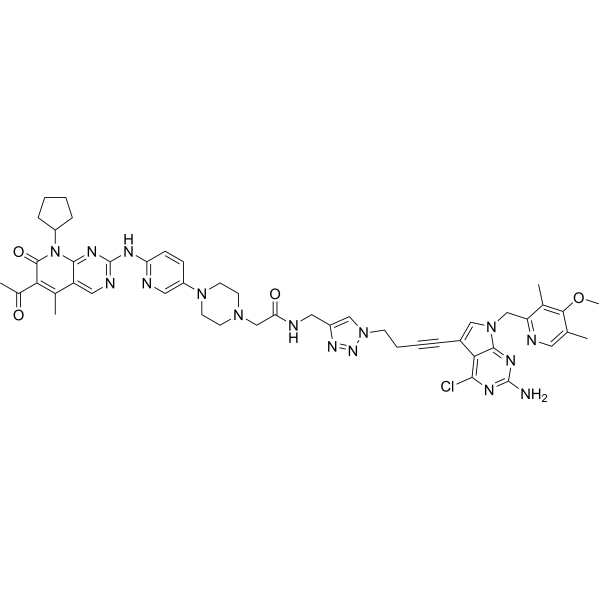
    Exarafenib (RAF/KIN_2787) is an orally-available, selective pan-RAF inhibitor. Exarafenib is effective in RAF-dependent cancers, including all classes of BRAF alterations. Exarafenib suppresses MAPK signaling in RAF-dependent melanoma cell lines. Exarafenib has anticancer activity .
    Exarafenib
  • HY-15816A
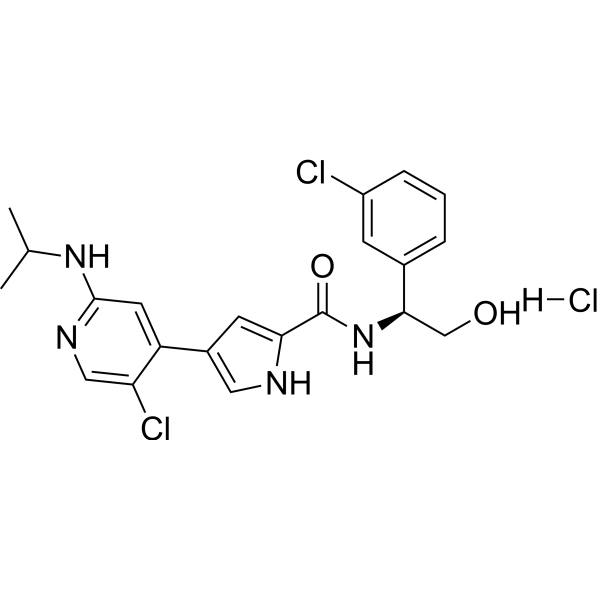
    Ulixertinib hydrochloride
    Maximum Cited Publications
    47 Publications Verification

    BVD-523 hydrochloride; VRT752271 hydrochloride

    ERK Cancer
    Ulixertinib hydrochloride (BVD-523 hydrochloride) is a potent, orally active, highly selective, ATP-competitive and reversible covalent inhibitor of ERK1/2 kinases, with an IC50 of <0.3 nM against ERK2. Ulixertinib hydrochloride inhibits the phosphorylated ERK2 (pERK) and downstream kinase RSK (pRSK) in an A375 melanoma cell line .
    Ulixertinib hydrochloride
  • HY-N0202
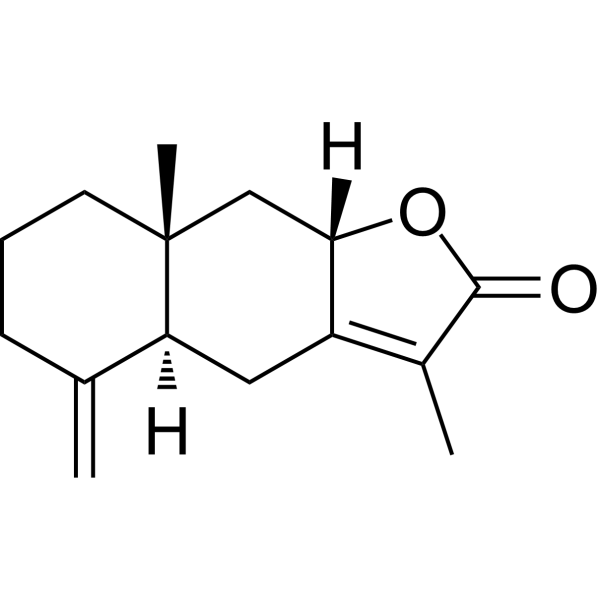
    Atractylenolide II
    3 Publications Verification

    Asterolide

    ERK Apoptosis p38 MAPK Akt Src STAT Cardiovascular Disease Neurological Disease Inflammation/Immunology Cancer
    Atractylenolide II (Asterolide) is a sesquiterpenoid compound. Atractylenolide II can induce G1 phase cell cycle arrest and apoptosis in B16 melanoma cells. Atractylenolide II is an orally effective anticancer agent that can exert anti-melanoma effects by inhibiting the STAT3 signaling pathway. In addition, Atractylenolide II has been shown to ameliorate myocardial fibrosis, oxidative stress, and neuroprotective activity .
    Atractylenolide II
  • HY-N4114

    Apoptosis Cancer
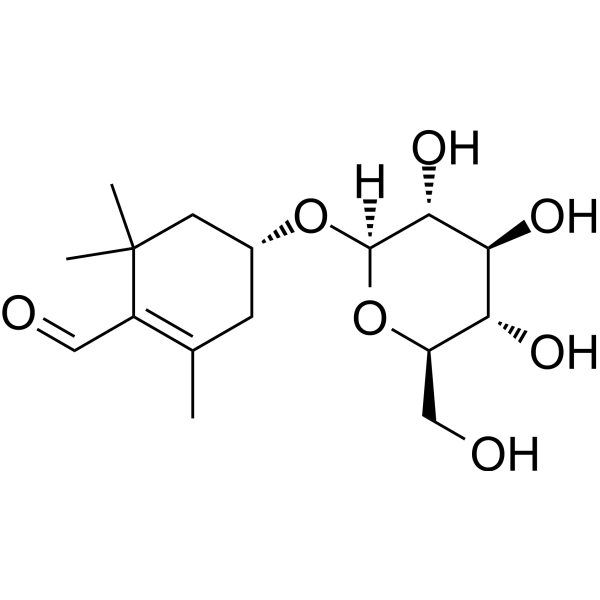
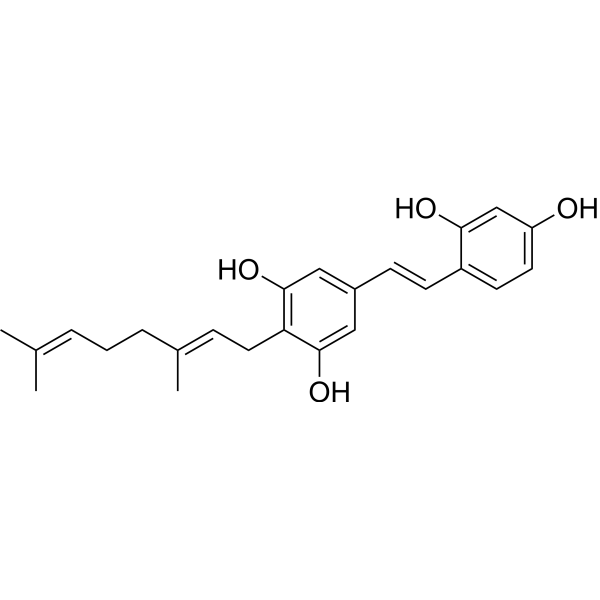
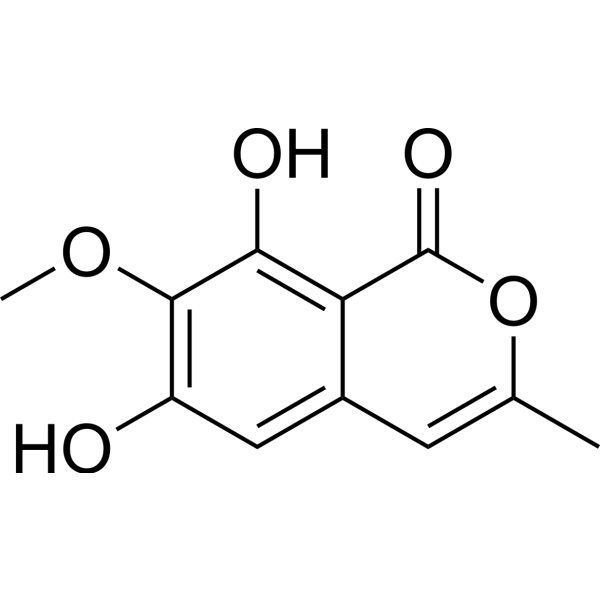
    Picrocrocin, an apocarotenoid found in Saffron. Picrocrocin shows anticancer effect. Picrocrocin exhibits growth inhibitory effects against SKMEL-2 human malignant melanoma cells .
    Picrocrocin
  • HY-122506

    STAT Cancer
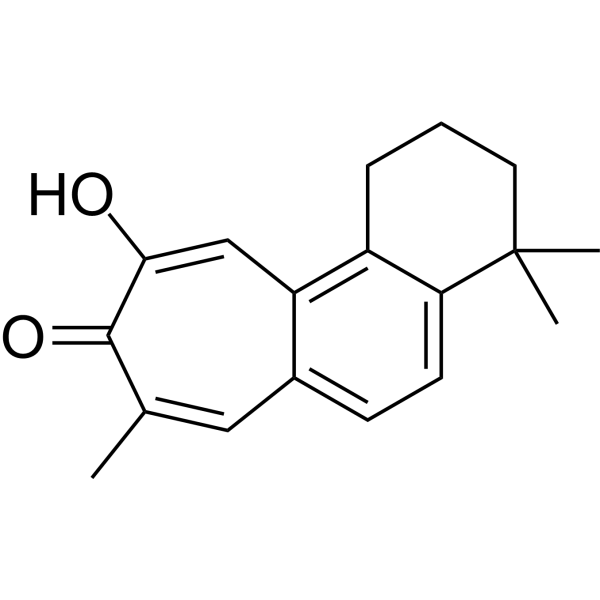
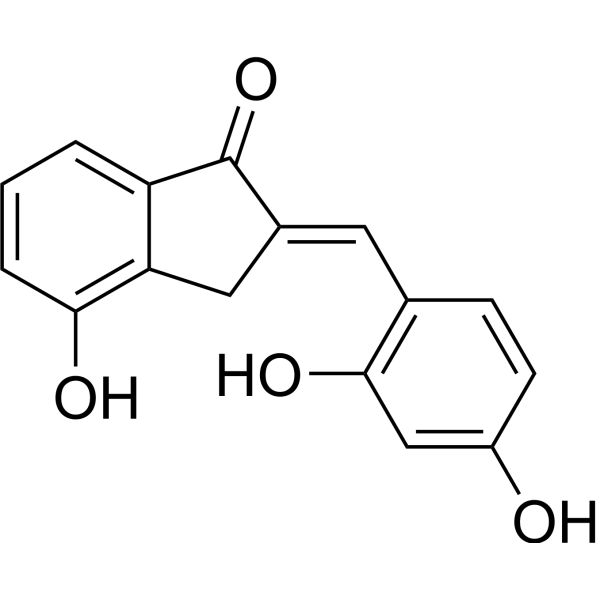
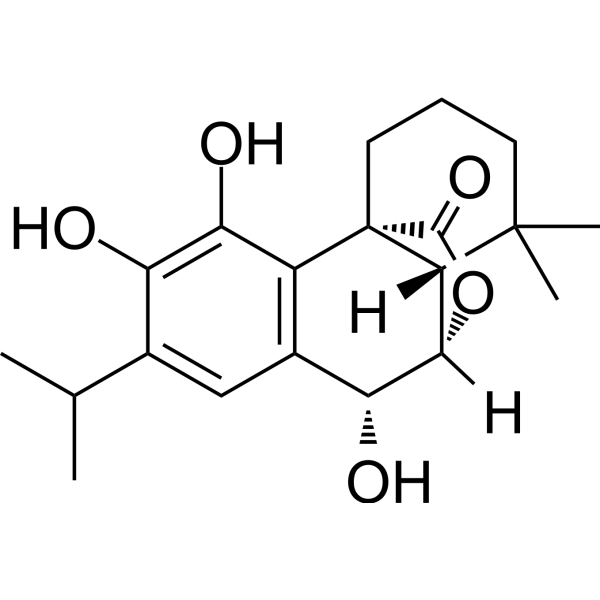
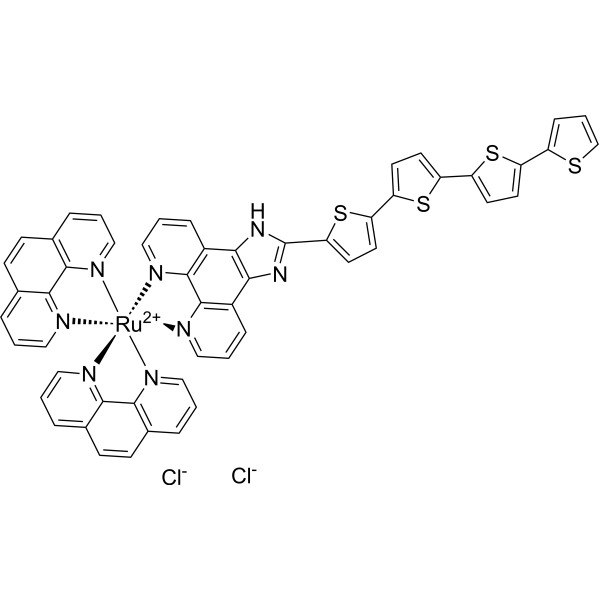
    Salviolone is a natural diterpenoid derivative that can against melanoma cells. Salviolone exhibits a pleiotropic effect against melanoma by hampering cell cycle progression, STAT3 signaling, and malignant phenotype of A375 melanoma cells .
    Salviolone
  • HY-154954
    Ogremorphin
    2 Publications Verification

    OGM; GPR68-IN-1; OGM-8345

    GPR68 Ferroptosis Inflammation/Immunology Cancer
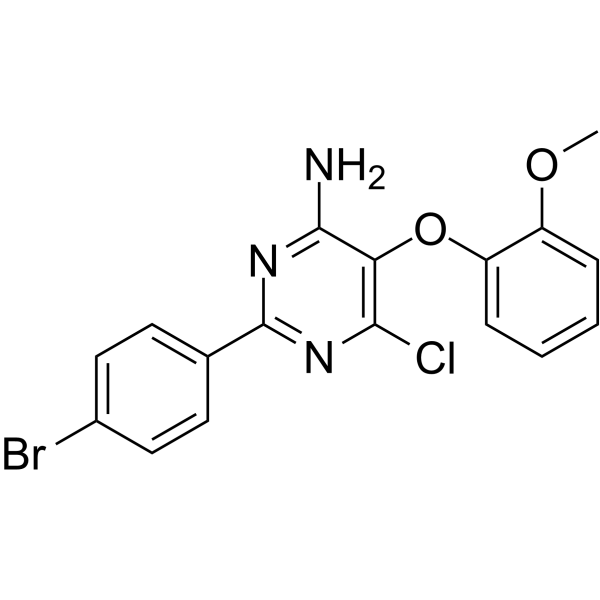
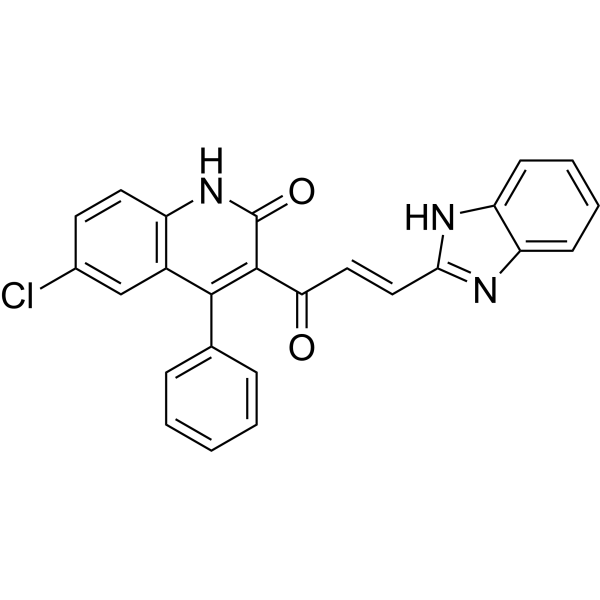
    Ogremorphin (OGM) is a G protein coupled sensor GPR68 inhibitor with anti-inflammatory and anti-tumor activities. Ogremorphin can inhibit the migration of human melanoma cells and induce ferroptosis in glioblastoma cells .
    Ogremorphin
  • HY-B0963
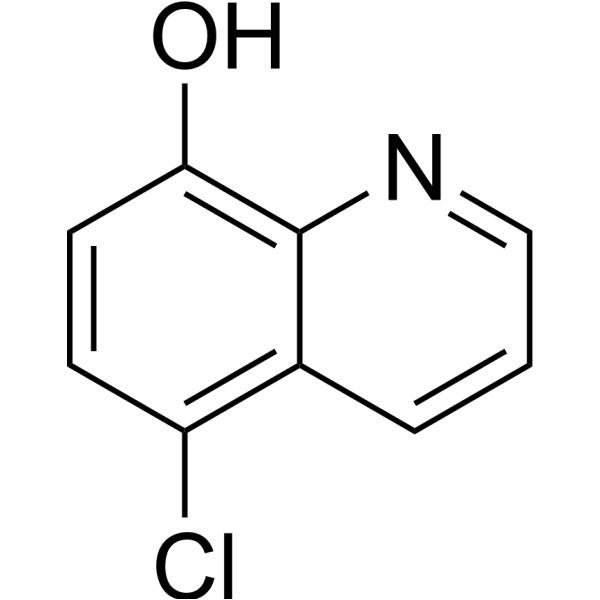
    Cloxiquine
    1 Publications Verification

    5-Chloro-8-quinolinol

    Bacterial Fungal Parasite PPAR Infection Cancer
    Cloxiquine (5-Chloro-8-quinolinol) is an antibacterial, antifungal and antiamoebic agent. Cloxiquine can be used for the research of tuberculosis and dermatoses. Cloxiquine suppresses the growth and metastasis of melanoma cells through activation of PPARγ .
    Cloxiquine
  • HY-123979
    ζ-Stat
    3 Publications Verification

    NSC37044

    PKC Apoptosis Cancer
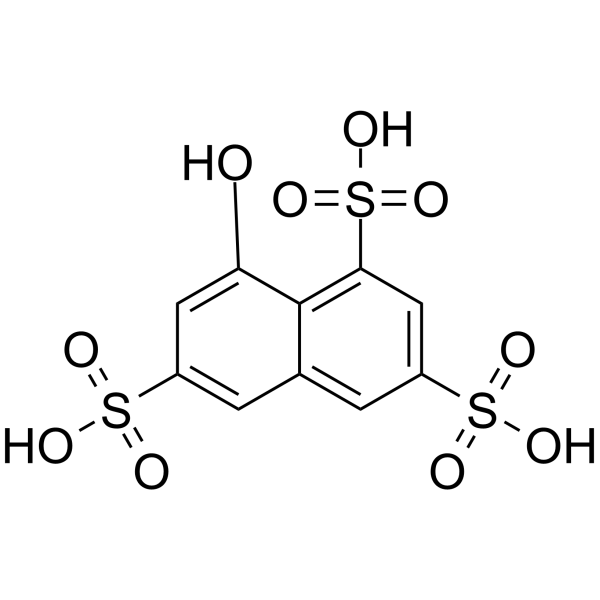
    ζ-Stat (NSC37044) is a specific and atypical PKC-ζ inhibitor, with an IC50 of 5 μM. ζ-Stat can reduce melanoma cell lines proliferation and induce apoptosis, and has antitumor activity in vitro .
    ζ-Stat
  • HY-N2369
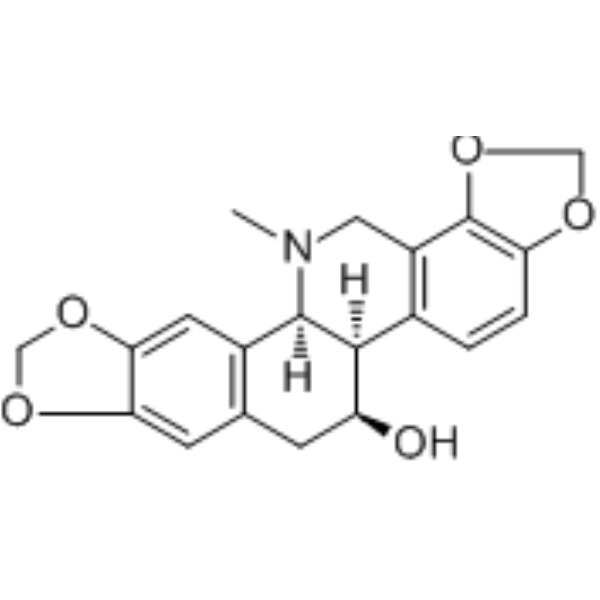
    Chelidonine
    2 Publications Verification

    Apoptosis Influenza Virus Infection Neurological Disease Inflammation/Immunology Cancer
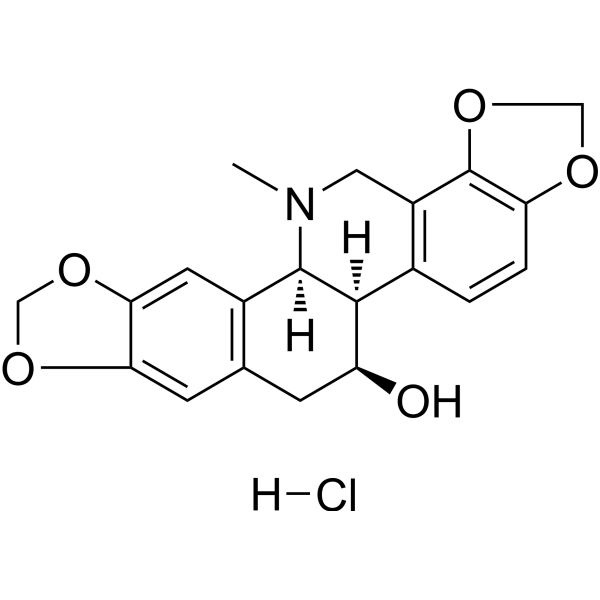
    Chelidonine, an isoquinoline alkaloid, can be isolated from Chelidonium majus L.. Chelidonine causes G2/M arrest and induces caspase-dependent and caspase-independent apoptosis, and prevents cell cycle progression of stem cells in Dugesia japonica. Chelidonine has cytotoxic activity against melanoma cell lines. with anticancer and antiviral activity .
    Chelidonine
  • HY-N3023
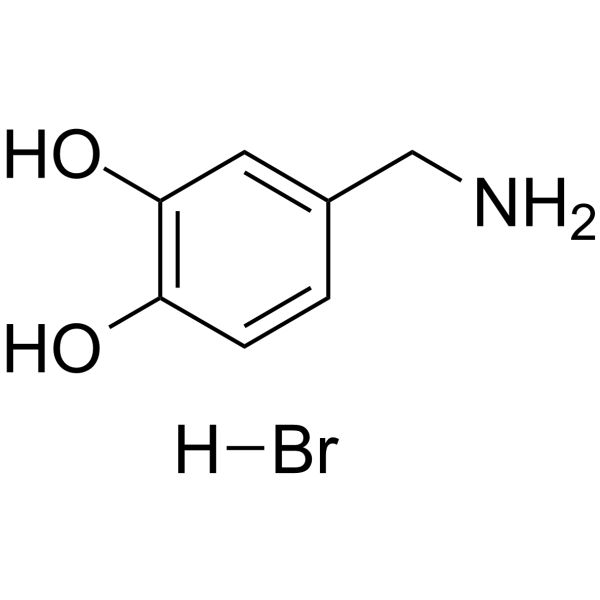
    3,4-Dihydroxybenzylamine hydrobromide
    1 Publications Verification

    NSC 263475 hydrobromide

    DNA/RNA Synthesis Cancer
    3,4-Dihydroxybenzylamine hydrobromide (NSC 263475 hydrobromide) is an improved dopamine analog cytotoxic and inhibits DNA polymerase activity in melanoma cells . 3,4-Dihydroxybenzylamine hydrobromide (NSC 263475 hydrobromide) displays growth inhibitory activity in melanoma cell lines with varying degrees of tyrosinase activity .
    3,4-Dihydroxybenzylamine hydrobromide
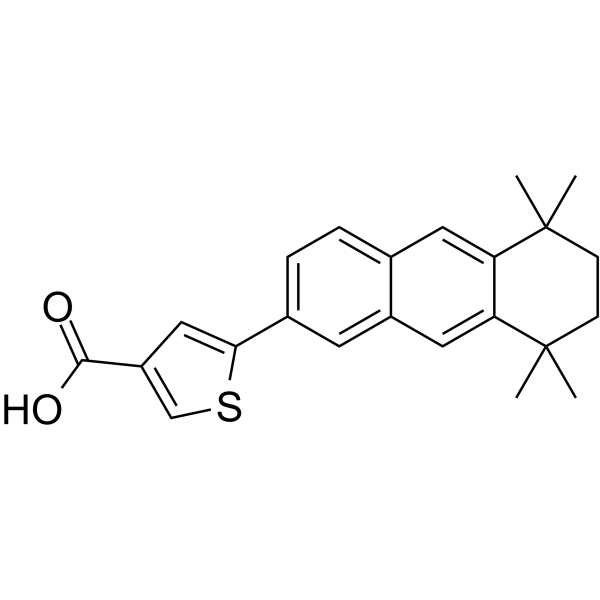
  • HY-108533

    RAR/RXR Cancer
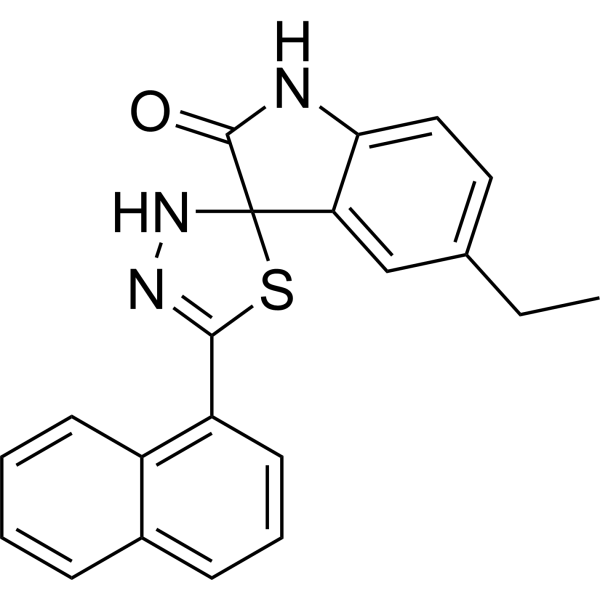
    CD2314 is a potent and selective RARβ receptor agonist with a Kd of 195 nM in S91 melanoma cells .
    CD2314
  • HY-100948

    Myosin Cancer
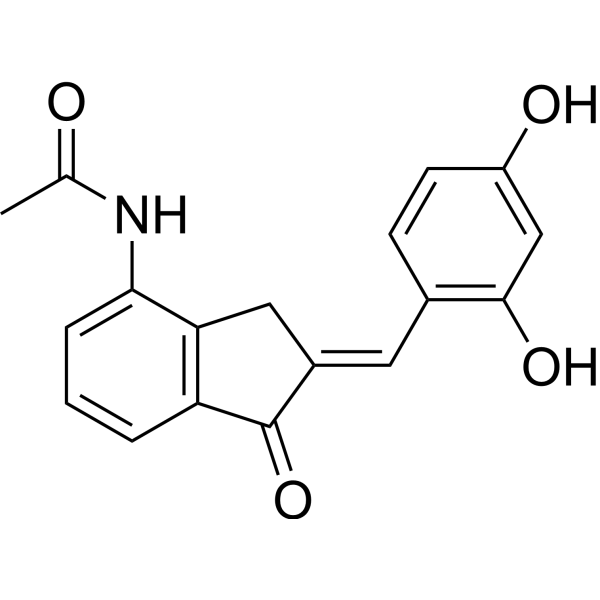
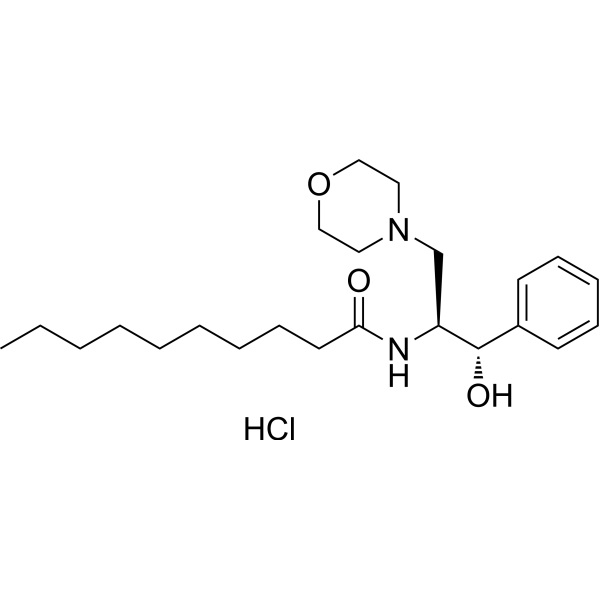
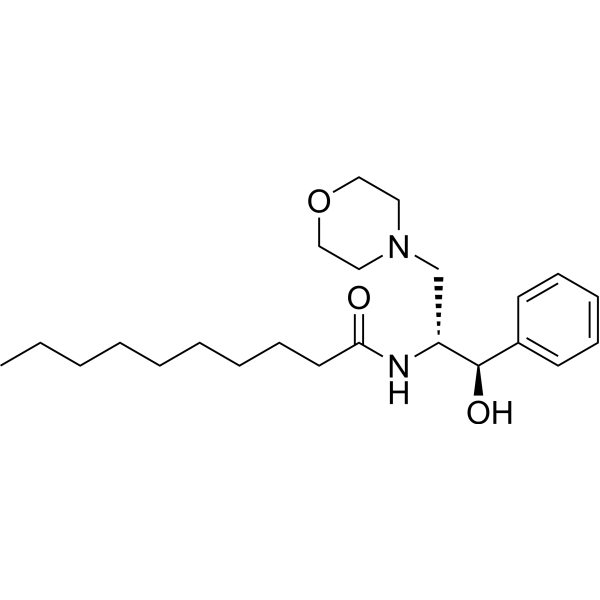
    ATM-3507 is a potent tropomyosin inhibitor with IC50s from 3.83-6.84 μM in human melanoma cell lines.
    ATM-3507
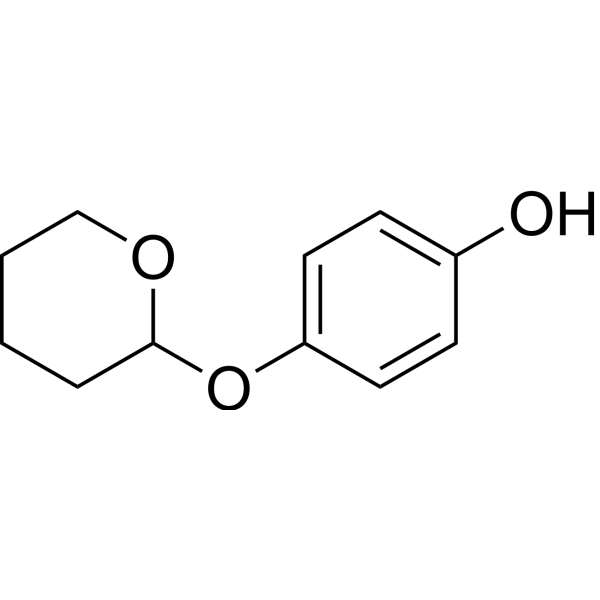
  • HY-B1461

    Tyrosinase Apoptosis Cancer
    Deoxyarbutin is an orally active tyrosinase inhibitor that can promote apoptosis of melanoma cells, enhance the vitality of mouse acinar cells, and has skin whitening and anti-tumor activity [1][2][3].
    Deoxyarbutin
  • HY-N3200

    Tyrosinase Cancer
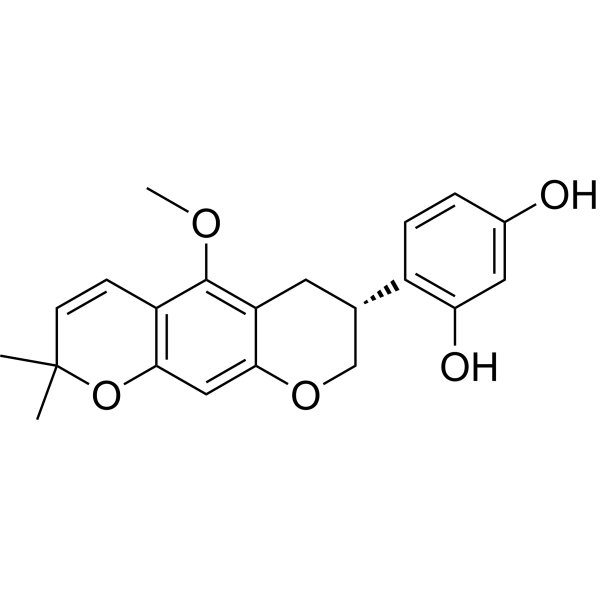
    Neorauflavane is a potent tyrosinase inhibitor derived from Campylotropis hirtella, with an IC50 value of 30 nM for tyrosinase monophenolase activity and an IC50 value of 500 nM for diphenolase activity. Neorauflavane can effectively reduce the melanin content of B16 melanoma cells .
    Neorauflavane
  • HY-W009276

    Methyl GLA

    Apoptosis Cancer
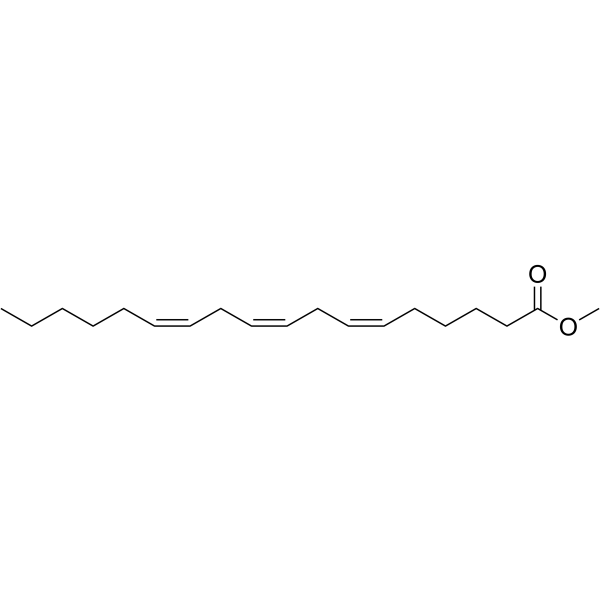
    γ-Linolenic Acid methyl ester (Methyl GLA) is an esterified version of γ-Linolenic Acid (GLA), which is an ω-6 fatty acid, serves as melanoma cell proliferation inhibitors. γ-Linolenic Acid methyl ester inhibits ADP-induced blood platelet aggregation and induces apoptosis .
    γ-Linolenic Acid methyl ester
  • HY-P2336A
    CCZ01048 TFA
    3 Publications Verification

    Melanocortin Receptor Cancer
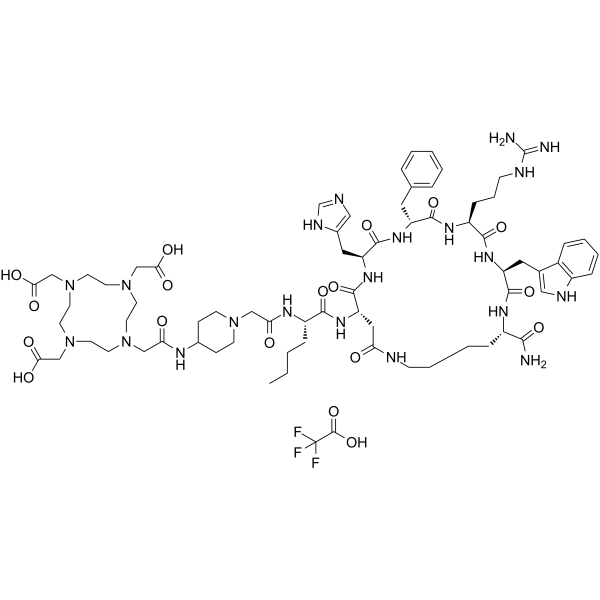
    CCZ01048 TFA, a α-MSH analogue, exhibits high binding affinity to melanocortin 1 receptor (MC1R) with a Ki of 0.31 nM. CCZ01048 TFA shows rapid internalization into B16F10 melanoma cells and high in vivo stability. CCZ01048 TFA is a promising candidate for PET imaging of malignant melanoma .
    CCZ01048 TFA
  • HY-N1434

    Methyl 4-hydroxycinnamate

    Fungal Infection Cancer
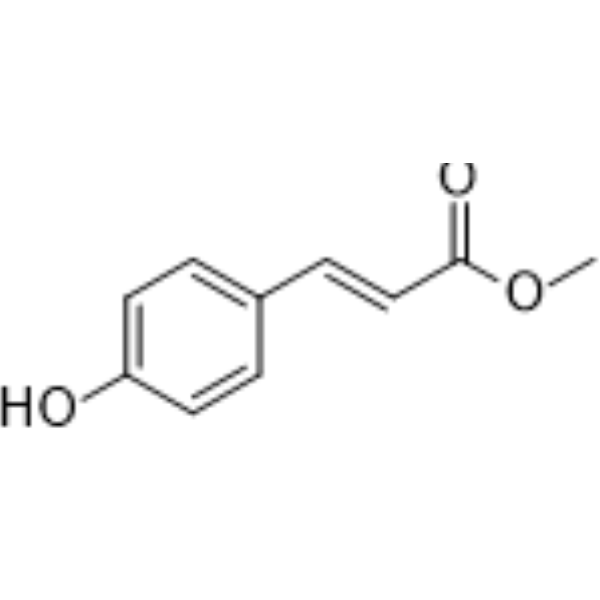
    Methyl p-coumarate (Methyl 4-hydroxycinnamate), an orally active esterified derivative of p-Coumaric acid (pCA), can be isolated from the flower of Trixis michuacana var longifolia. Methyl p-coumarate could inhibit the melanin formation in B16 mouse melanoma cells. Methyl p-coumarate also has strong in vitro inhibitory effect on A. alternata and other pathogens .
    Methyl p-coumarate
  • HY-111163

    Apoptosis Cancer
    NSC49652 is a reversible, orally active p75 neurotrophin receptor (p75 NTR, also known as NGFR, TNFRSF16, and CD271) agonist. NSC49652 targets the transmembrane domain of p75 NTR. NSC49652 induces apoptosis and affects the viability of melanoma cells .
    NSC49652
  • HY-100517
    TP-472
    2 Publications Verification

    Epigenetic Reader Domain Apoptosis Cancer
    TP-472, a chemical probe, is a selective BRD9/7 inhibitor, with Kds of 33 nM and 340 nM for BRD9 and BRD7, respectively. TP-472 exhibits >30-fold selectivity for BRD9 over other bromodomain family members except BRD7 . TP-472 induces apoptosis of melanoma cells .
    TP-472
  • HY-134963

    PKC Cancer
    SBI-0087702 promots the cytoplasmic localization of ATF2 in melanoma cells. SBI-0087702-induced translocation of ATF2 to the mitochondria results in increased apoptosis due to loss of mitochondrial membrane integrity. SBI-0087702 also inhibits growth and motility of melanoma cells. SBI-0087702 was shown to inhibit ATF2 phosphorylation on Thr52 by PKCε .
    SBI-0087702
  • HY-115712
    DHPS-IN-1
    1 Publications Verification

    DNA/RNA Synthesis Cancer
    DHPS-IN-1, with the best DHPS inhibitory potency (IC50 = 0.014 μM), exhibits excellent inhibition against melanoma cells.
    DHPS-IN-1
  • HY-123979A
    ζ-Stat trisodium
    3 Publications Verification

    NSC37044 trisodium

    PKC Apoptosis Cancer
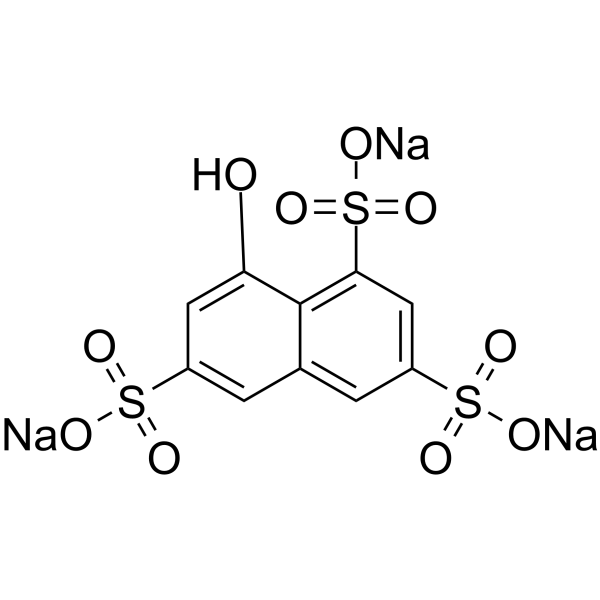
    ζ-Stat trisodium (NSC37044 trisodium) is a specific and atypical PKC-ζ inhibitor, with an IC50 of 5 μM. ζ-Stat trisodium can reduce melanoma cell lines proliferation and induce apoptosis, and has antitumor activity in vitro .
    ζ-Stat trisodium
  • HY-P99622

    IMC-20D7S

    Tyrosinase Cancer
    Flanvotumab (IMC-20D7S) is a human monoclonal antibody targeting to tyrosinase-related protein (TYRP1), specifically expressed in melanocytes and melanoma cells. Flanvotumab acts function via natural killing-mediated antibody-dependent cell-mediated cytotoxicity (ADCC). Flanvotumab has potent anti-tumor activity and good tolerance .
    Flanvotumab
  • HY-B1193R

    (±)-Terfenadine (Standard); MDL-991 (Standard)

    Reference Standards Potassium Channel Histamine Receptor Na+/Ca2+ Exchanger Caspase Apoptosis Inflammation/Immunology Endocrinology Cancer
    Terfenadine (Standard) is the analytical standard of Terfenadine. This product is intended for research and analytical applications. Terfenadine ((±)-Terfenadine) is a potent open-channel blocker of hERG with an IC50 of 204 nM . Terfenadine, an H1 histamine receptor antagonist, acts as a potent apoptosis inducer in melanoma cells through modulation of Ca2+ homeostasis. Terfenadine induces ROS-dependent apoptosis, simultaneously activates Caspase-4, -2, -9 .
    Terfenadine (Standard)
  • HY-152194

    Tyrosinase Cancer
    Tyrosinase-IN-10 (Compound 23) is a partially competitive tyrosinase inhibitor with an IC50 of 1.6 μM against tyrosinase activity from human melanoma cell lysates .
    Tyrosinase-IN-10
  • HY-102010

    (+)-Pancratistatin

    Apoptosis Cancer
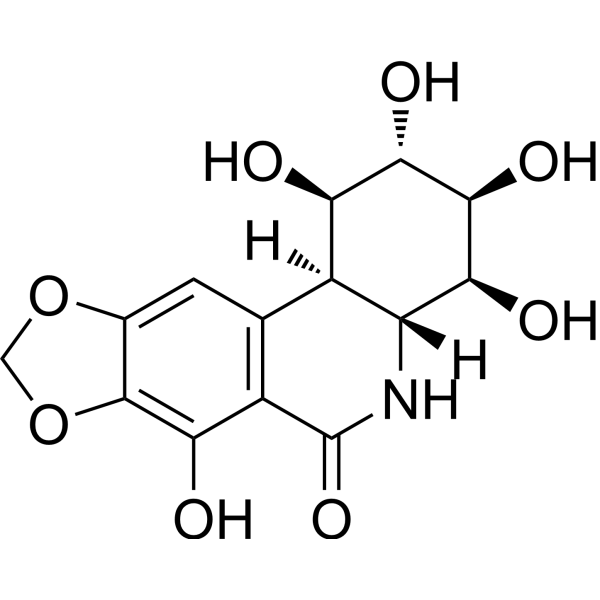
    Pancratistatin is an isoquinoline alkaloid that can be isolated from Hymenocallis littoralis. Pancratistatin induces apoptosis of human melanoma cells. Pancratistatin can be used for the research of neuroblastoma, leukemia and breast cancer .
    Pancratistatin
  • HY-139067

    LXR Cardiovascular Disease
    25(S)-27-Hydroxy cholesterol is a metabolite of CYP27A1 mediated cholesterol hydroxylation. 25(S)-27-Hydroxy cholesterol inhibits melanoma cell proliferation .
    25(S)-27-Hydroxy cholesterol
  • HY-N7717

    (–)-(1R)-N-methylcoclaurine

    Drug Derivative Metabolic Disease
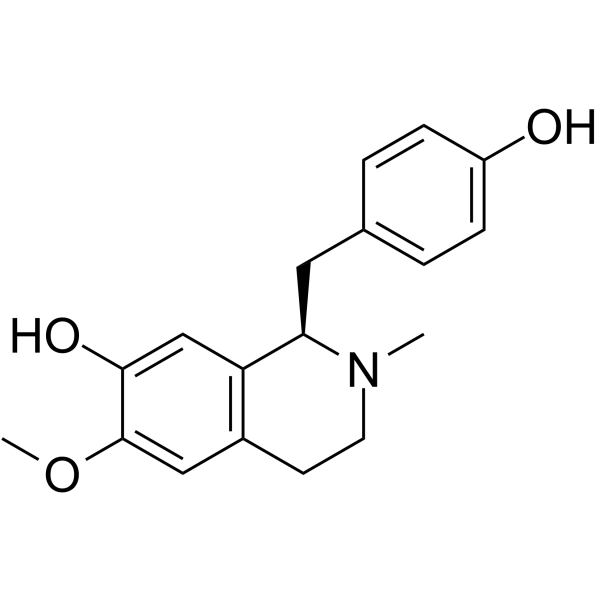
    (-)-N-methylcoclaurine ((-)-(1R)-N-methylcoclaurine) is a benzylisoquinoline alkaloid and melanogenesis inhibitor with an IC50 of 6.5 μM that can be found in the flower buds of Nelumbo nucifera. (-)-N-methylcoclaurine inhibits theophylline-stimulated melanogenesis in melanoma cells. (-)-N-methylcoclaurine can be used for the research of skin hyperpigmentation disorders .
    (-)-N-methylcoclaurine
  • HY-16918A

    SBi4211 dimethanesulfonate

    Calmodulin Inflammation/Immunology Cancer
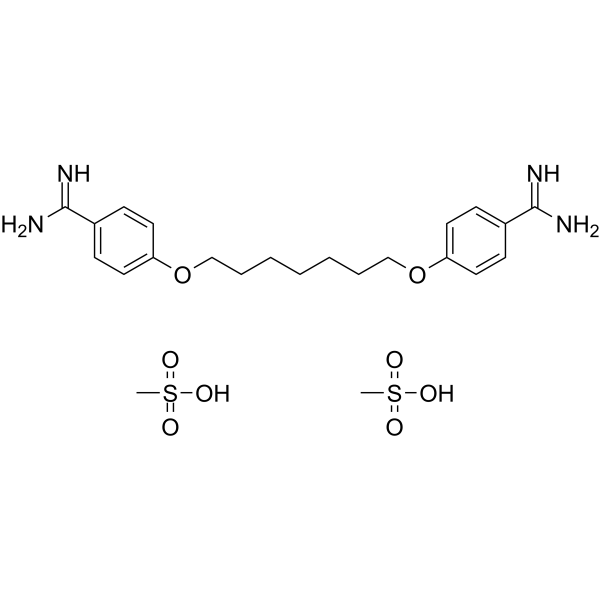
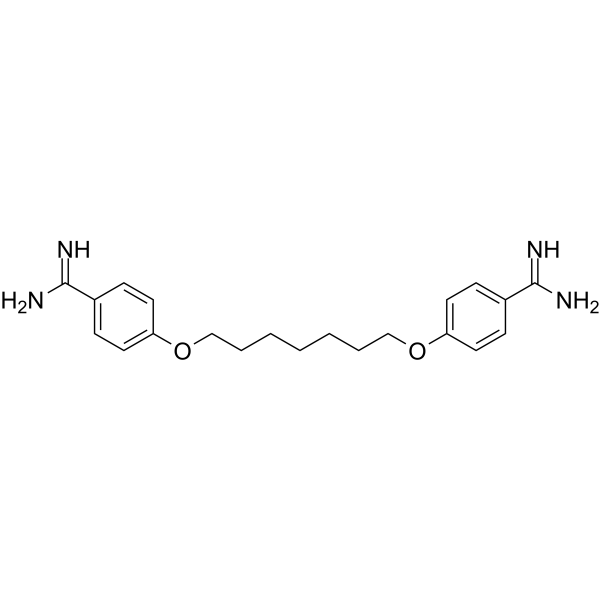
    Heptamidine dimethanesulfonate (SBi4211 dimethanesulfonate) is a potent Pentamidine-related inhibitor of the calcium-binding protein S100B (Kd=6.9 μM), selectively kills melanoma cells with S100B over those without S100B . Heptamidine is a useful tool for the investigation of Myotonic dystrophy (DM) .
    Heptamidine dimethanesulfonate
  • HY-179717

    PROTACs Microphthalmia Associated Transcription Factor (MITF) Cancer
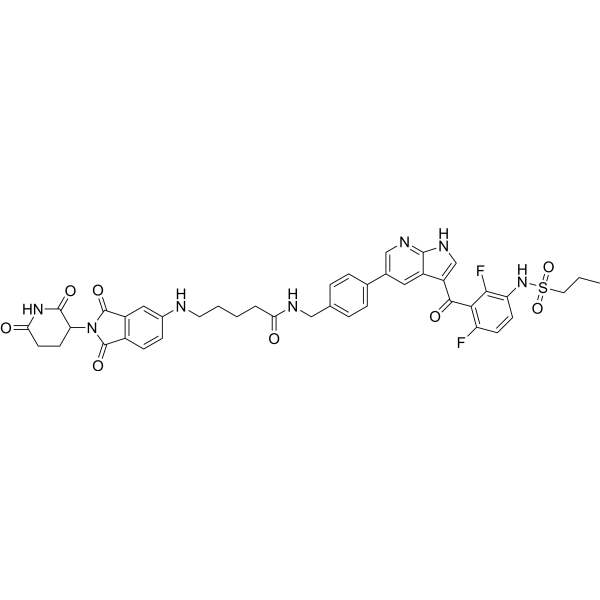
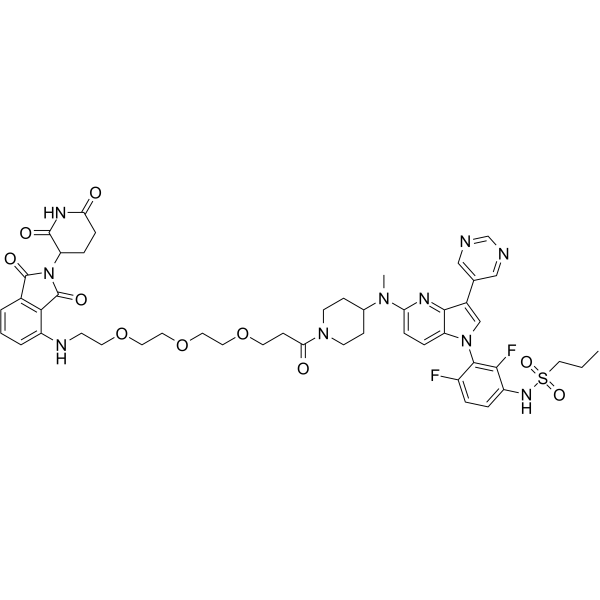
    WZS0347 is a MITF PROTAC degrader. WZS0347 effectively reduces the MITF protein levels in several melanoma cell lines, including B16F10, A375, and GAK. WZS0347 significantly inhibits the proliferation, migration, and invasion of melanoma cells. WZS0347 can be used for research on melanoma (Pink: MITF ligand: (HY-179718); Blue: CRBN ligand: (HY-131717); Black: linker: (HY-22391)) .
    WZS0347
  • HY-122534

    Mitochondrial Metabolism ADC Payload Apoptosis Cancer
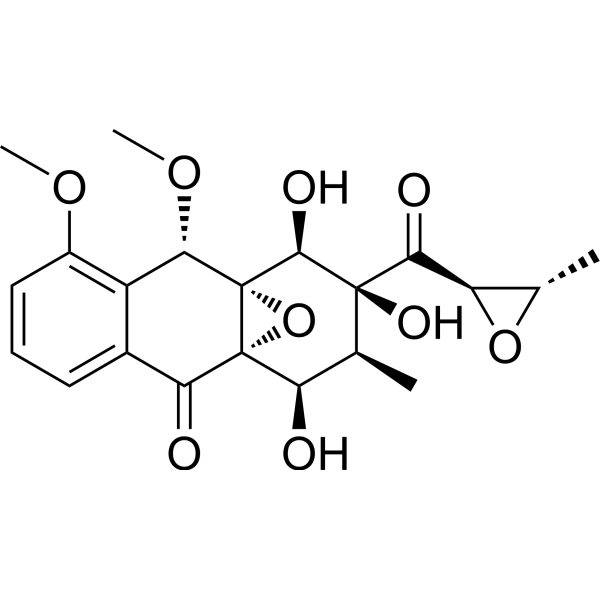
    Mensacarcin, a highly complex polyketide, strongly inhibits cell growth universally in cancer cell lines and potently induces apoptosis in melanoma cells. Mensacarcin targets to mitochondria, affects energy metabolism in mitochondria, and activates caspase-dependent apoptotic pathways. Mensacarcin, an antibiotic, can be used as a cytotoxic component of antibody-drug conjugates (ADCs) .
    Mensacarcin
  • HY-P2336

    Melanocortin Receptor Cancer
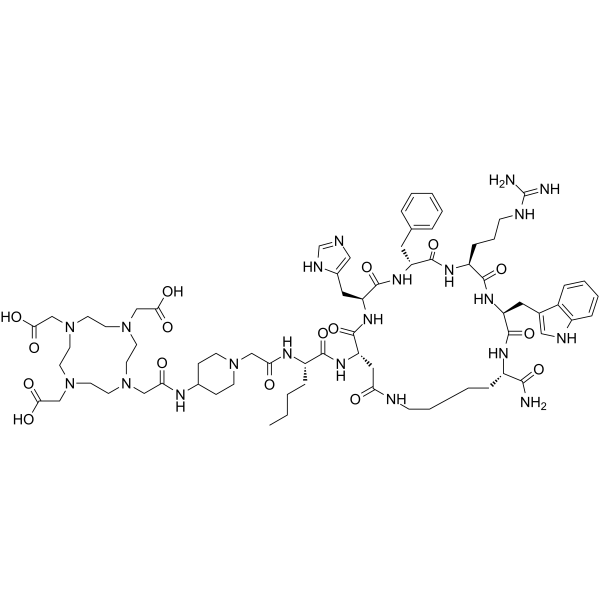
    CCZ01048, a α-melanocyte-stimulating hormone (α-MSH) analogue, exhibits high binding affinity to melanocortin 1 receptor (MC1R) with a Ki of 0.31 nM. CCZ01048 shows rapid internalization into B16F10 melanoma cells and high in vivo stability. CCZ01048 is a promising candidate for PET imaging of malignant melanoma .
    CCZ01048
  • HY-113612

    Phosphatase Apoptosis Cancer
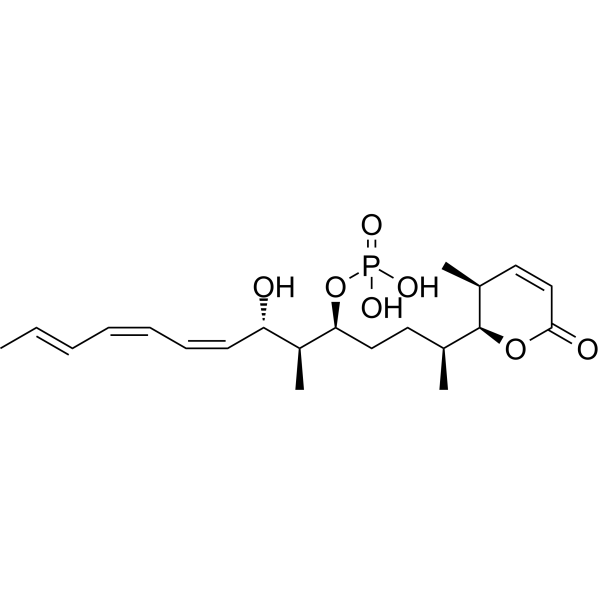
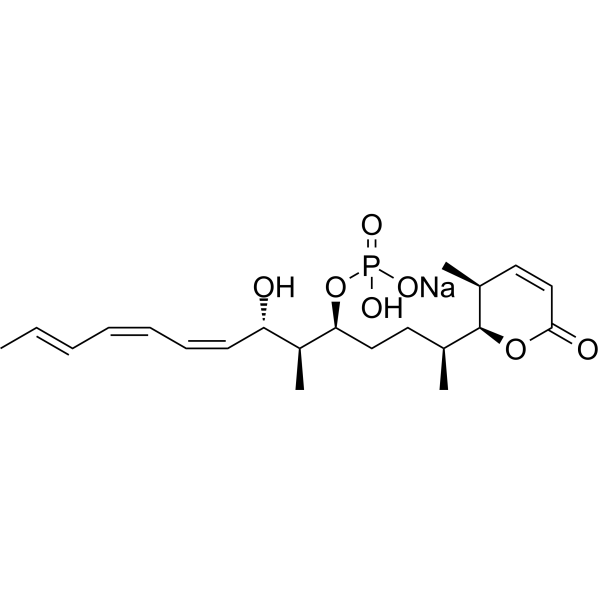
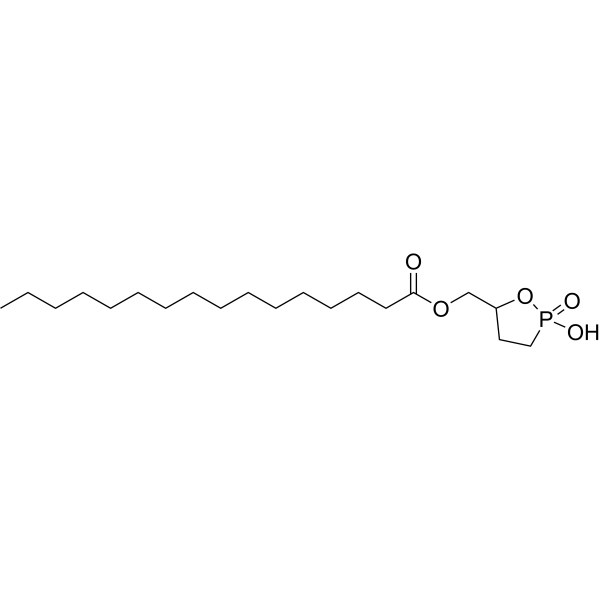
    Cytostatin is an effective and selective protein phosphatase 2A (PP2A) inhibitor with an IC50 value of 210 nM. Cytostatin exhibits anti-metastatic properties, good antitumor activity, and can induce apoptosis. Cytostatin can also prevent the adhesion of B16 melanoma cells to components of the extracellular matrix (laminin and collagen). Cytostatin belongs to the family of natural product fosriecin .
    Cytostatin
  • HY-100948B

    Myosin Cancer
    ATM-3507 trihydrochloride is a potent tropomyosin inhibitor with IC50s from 3.83-6.84 μM in human melanoma cell lines.
    ATM-3507 trihydrochloride
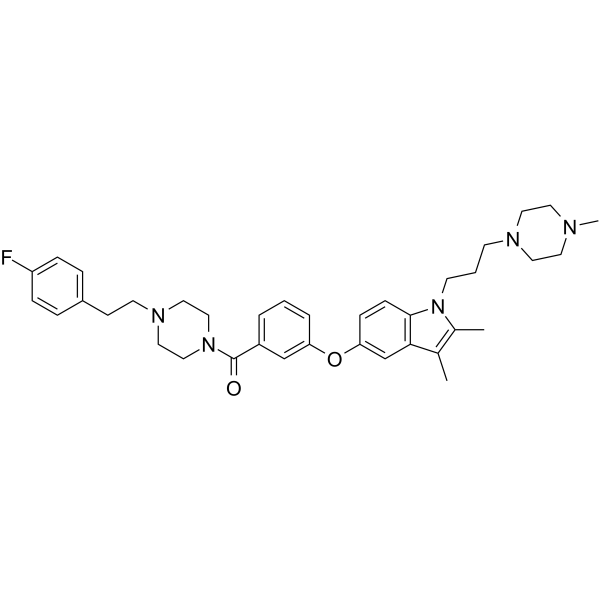
  • HY-136295

    Antibiotic Bacterial Infection Inflammation/Immunology
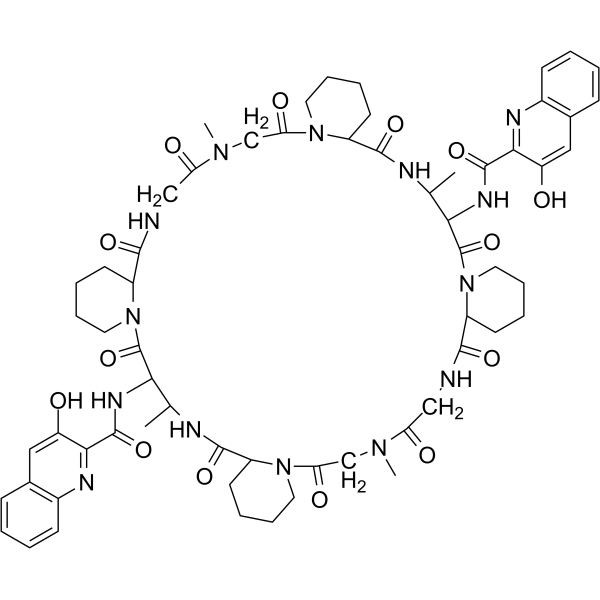
    Quinaldopeptin, a quinomycin antibiotic isolated from the culture of Streptoverticillium album strain, is highly active against Gram-positive bacteria and anaerobes and strongly cytotoxic against cultured B16 melanoma cells .
    Quinaldopeptin
  • HY-157979

    Aquaporin Cancer
    AQP3-IN-1 (compounds 3) is an AQP3 inhibitor with a IC50 value of 8.91 μM. AQP3-IN-1 inhibits cell proliferation of melanoma cells .
    AQP3-IN-1
  • HY-N3643

    Platelet-activating Factor Receptor (PAFR) Cancer
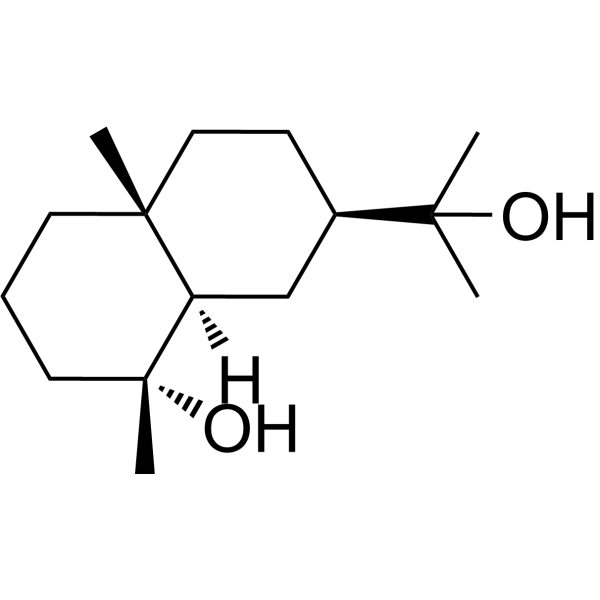
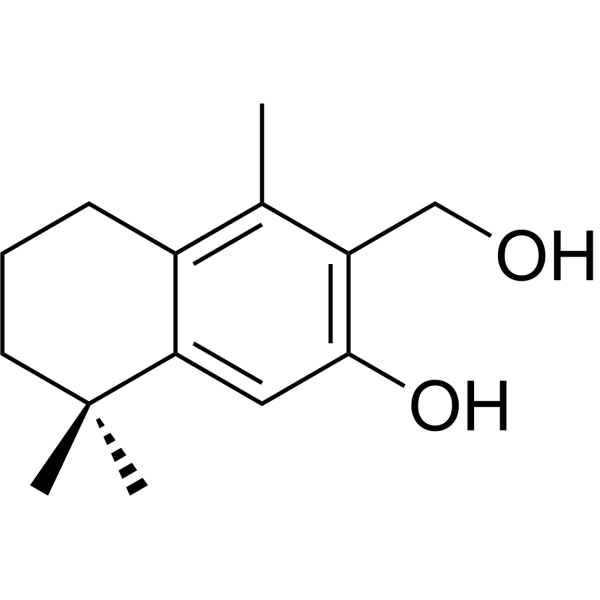
    Cryptomeridiol is a platelet-activating factor (PAF) receptor binding inhibitor. Cryptomeridiol has melanogenesis inhibitory activity in the α-MSH (HY-P0252)-stimulated B16 melanoma cells .
    Cryptomeridiol
  • HY-111604

    Others Cancer
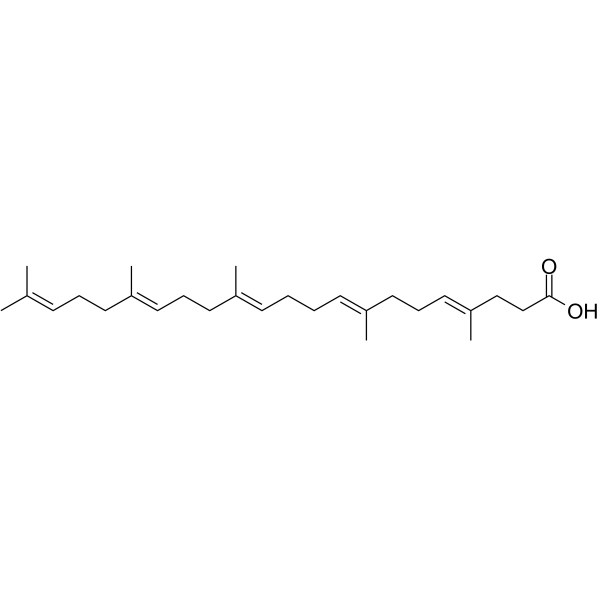
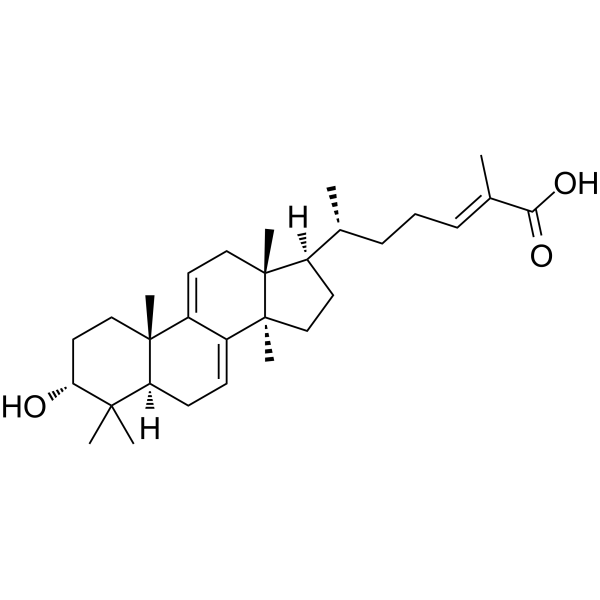
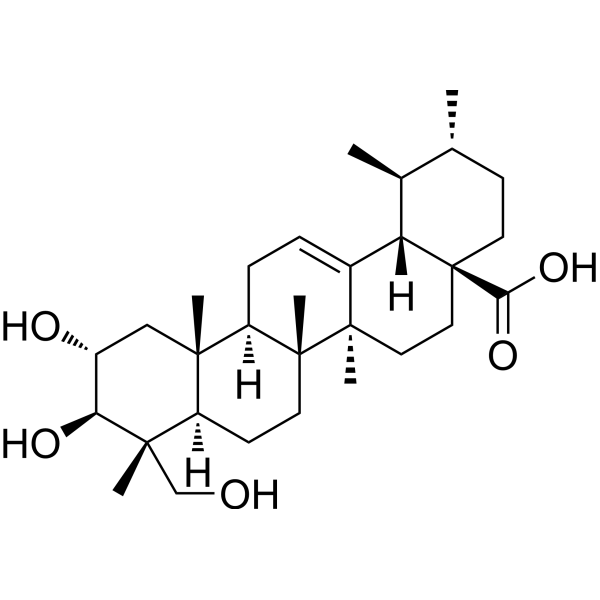
    Turbinaric acid is a kind of secosqualene carboxylic acid. Turbinaric acid exhibits cytotoxicity against mouse melanoma cells and human colon cancer cells. Turbinaric acid can be used as a chemical marker for T. conoides. Turbinaric acid can be used for research on melanoma and colon cancer .
    Turbinaric acid
  • HY-139430

    4-IPC

    Tyrosinase Inflammation/Immunology
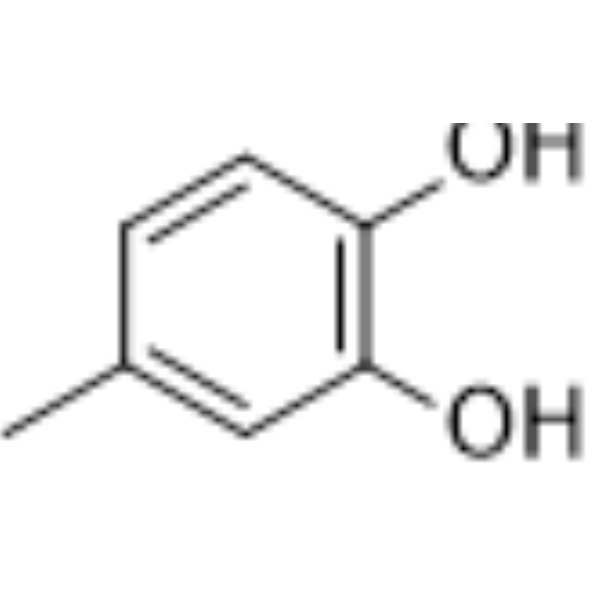
    4-Isopropylcatechol is a potent and irreversible cutaneous depigmenting agent. 4-Isopropylcatechol significantly inhibits protein biosynthesis in mouse melanoma cells containing high levels of tyrosinase. 4-Isopropylcatechol can be use to study hyperpigmentation of skins .
    4-Isopropylcatechol
  • HY-N4114R

    Reference Standards Apoptosis Cancer
    Picrocrocin (Standard) is the analytical standard of Picrocrocin. This product is intended for research and analytical applications. Picrocrocin, an apocarotenoid found in Saffron. Picrocrocin shows anticancer effect. Picrocrocin exhibits growth inhibitory effects against SKMEL-2 human malignant melanoma cells .
    Picrocrocin (Standard)
  • HY-P2939

    Apoptosis Biochemical Assay Reagents Cancer
    Chondroitinase AC is a hydrolytic enzyme. Chondroitinase AC degrades chondroitin sulfate A and chondroitin sulfate C. Chondroitinase AC inhibits the invasion and proliferation of melanoma cells and endothelial cells, and increases apoptosis. Chondroitinase AC can be used in research on melanoma and other cancers .
    Chondroitinase AC
  • HY-P11424

    Integrin Cancer
    Cyclo(GRGDSPA) is a cyclic RGD peptide targeting αvβ3 integrin. Cyclo(GRGDSPA) reduces the formation of colonies in mice injected with B16-FE7 melanoma cells. Cyclo(GRGDSPA) can be used for melanoma research .
    Cyclo(GRGDSPA)
  • HY-150639

    Raf Cancer
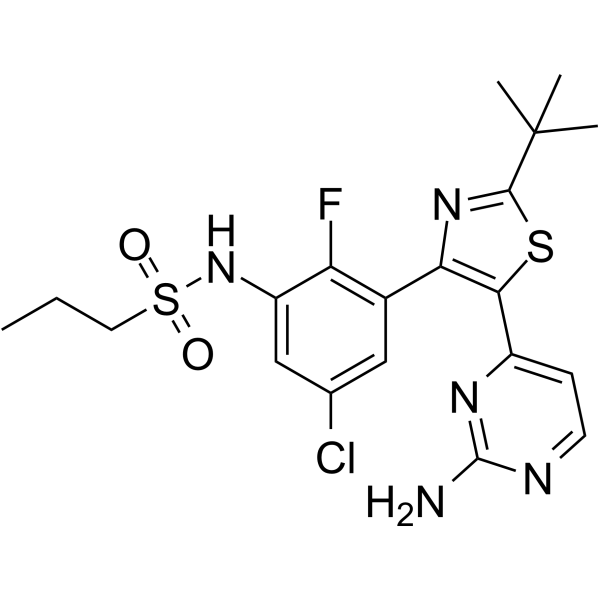
    Everafenib is a potent and blood-brain barrier (BBB) penetrant BRAF inhibitor, also inhibits MAPK signaling. Everafenib has inhibitory activity against a panel of V600EBRAF melanoma cell lines with IC50 values of 2-10 nM, which is better than Dabrafenib (HY-14660) and Vemurafenib (HY-12057). Everafenib has efficacy in an intracranial mouse model of metastatic melanoma .
    Everafenib
  • HY-163326

    Tyrosinase Cancer
    Tyrosinase-IN-25 (compound 1l) is an inhibitor of tyrosinase and melanin biosynthesis in human melanoma cells .
    Tyrosinase-IN-25
  • HY-164414

    AT 11854

    Akt Cancer
    CCT129254 is a potent Akt inhibitor. CCT129254 reduces the motility of melanoma cells in vivo .
    CCT129254
  • HY-N13879

    Melanocortin Receptor Cancer
    Amphistin is a melanogenesis inhibitor found in actinomycete. Amphistin inhibits the melanogenesis of B16 melanoma cells without affecting the growth of the cell .
    Amphistin
  • HY-10424A

    PHA-848125 maleate

    Ser/Thr Kinase Cancer
    Milciclib (PHA-848125) maleate is a cyclin-dependent kinase inhibitor that impairs melanoma cell growth and modulates gene expression involved in cell cycle regulation. Milciclib maleate has been shown to significantly affect the expression of various genes, including down-regulating PTTG1, contributing to its antiproliferative activity. Milciclib maleate enhances sensitivity to treatment in p53 mutated melanoma cells when combined with PTTG1 silencing.
    Milciclib maleate

Inquiry Online

Your information is safe with us. * Required Fields.

Salutation


Country or Region *

Applicant Name *


Organization Name *

Department *


Email Address *


Product Name *

Cat. No.


Requested quantity *

Phone Number *


Remarks

Inquiry Online

Inquiry Information

Product Name:
Cat. No.:
Quantity:
MCE Japan Authorized Agent: