Delivery of temperature sensitive items including proteins and kits will be paused on 6/19 for the Juneteenth holiday. For urgent orders please contact customer service.
Arctiin is an orally active inhibitor of NF-κB. Arctiin suppresses cyclin D1 protein expression in human tumor cells. Arctiin also reduces malondialdehyde and pro-in ammatory cytokines levels. Arctiin can used in study glomerulonephritis .
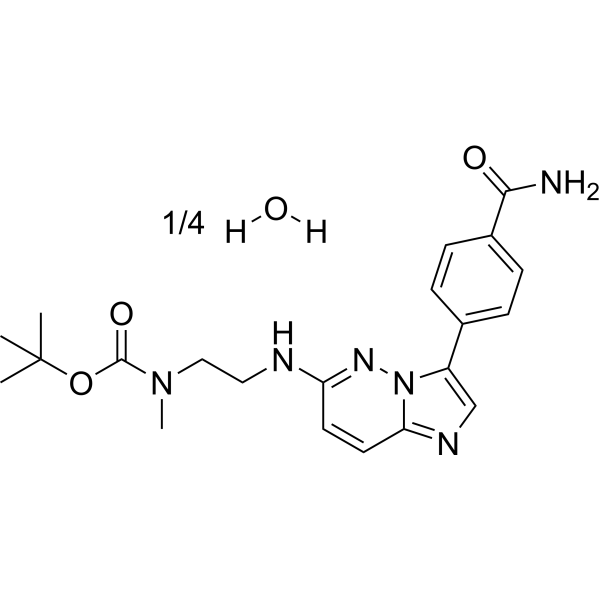
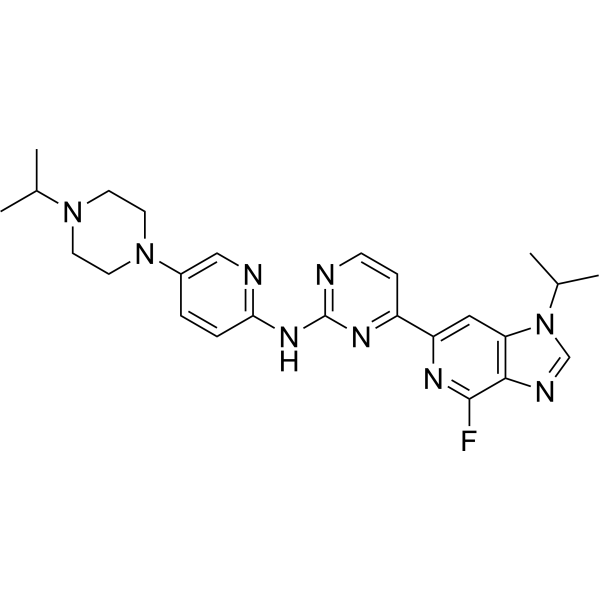
SH514 is an orally active IRF4 inhibitor (IC50= 2.63 μM). SH514 binds to the IRF4-DBD domain, thereby inhibiting the interaction of IRF4 protein with DNA (KD = 1.28 μM). SH514 can inhibit the proliferation of IRF4-high-expressing NCI-H929 and MM.1R cells, and displays no cytotoxicity for normal cells. SH514 significantly downregulates the expression of IRF4 downstream target genes concentration-dependently. SH514 inhibits the expression of cell cycle-related proteins CDC2, Cyclin B1, Cyclin D1, Cyclin E1, and CMYC in Multiple Myeloma cells. SH514 can induce DNA damage and increase the expression of γH2AX. SH514 effectively inhibits the proliferation of multiple myeloma tumors .
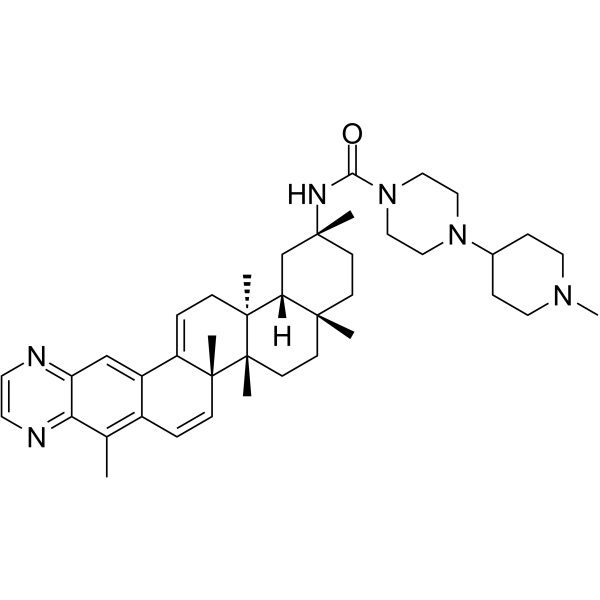
OTS964 hydrochloride is an orally active, high affinity and selective TOPK (T-lymphokine-activated killer cell-originated protein kinase) inhibitor with an IC50 of 28 nM . OTS964 hydrochloride is also a potent inhibitor of the cyclin-dependent kinase CDK11, which binds to CDK11B with a Kd of 40 nM .
Obatoclax Mesylate (GX15-070 Mesylate), a BH3 mimetic, is a pan-BCL-2 family proteins inhibitor with a Ki of 220 nM for BCL-2 . Obatoclax Mesylate induces autophagy-dependent cell death and targets cyclin D1 for proteasomal degradation. Obatoclax Mesylate has anti-cancer and broad-spectrum antiparasitic activity .
Decursin ((+)-Decursin) is a potent anti-tumor agent. Decursin also is a cytotoxic agent and a potent protein kinase C activator. Decursin induces apoptosis and cell cycle arrest at G1 phase. Decursin decreases the expression of CDK2, CDK4, CDK6, cyclin D1 protein at 48 h. Decursin inhibits cell proliferation and migration. Decursin shows anti-tumor, anti-inflammatory and analgesic activities .
Flavone is an anti-tumor compound that targets cell cycle regulatory proteins (such as cyclin B1) and apoptosis-related factors (such as p21waf1, PIG3). Flavone selectively induces mitochondrial-mediated apoptosis pathways in tumor cells, inhibits cyclin B1 protein expression, upregulates p21waf1, and activates p63/p73 proteins. Flavone has immunomodulatory functions that enhance natural killer cell (NK cell) activity and lymphocyte proliferation. Flavone is used in cancer research, especially for its inhibitory potential in solid tumor models such as esophageal cancer and liver cancer .
Epmedin C (Epimedin-C; Baohuoside-VI) is an orally active anti-inflammatory agent and immunomodulator that binds to multiple key proteins including UCP1, Caspase-1, CDK2 and Keap1. Epmedin C inhibits epithelial cell proliferation by disrupting the complex function of CDK2/Cyclin E. Epmedin C also upregulates Nrf2 expression, reduces ROS levels and inhibits pro-inflammatory cytokine secretion, thereby effectively restoring antibody production and alleviating tissue damage. Epmedin C has good safety with no hepatotoxicity or skin sensitization, and it has been used in studies on diseases such as obesity, Deoxynivalenol (HY-N6684)-induced immunotoxicity and mammary hyperplasia .
BMS-265246 is a potent and selective cyclin-dependent kinaseCDK1 and CDK2 inhibitor, with IC50 values of 6 and 9 nM, respectively. BMS-265246 inhibits CHI3L1 (chitinase 3-like-1) stimulation of ACE2 (angiotensin converting enzyme 2) and SPP (viral spike protein priming proteases). BMS-265246 can be used for ovarian cancer and COVID-19 research .
Lacto-N-fucopentaose I (LNFPI) is a human milk oligosaccharide (HMO), possessing antiviral and antibacterial activity. Lacto-N-fucopentaose I can reduce capsid protein VP1 to block virus adsorption, promote CDK2 and reduce cyclin E to recover cell cycle S phase block. Lacto-N-fucopentaose I inhibits ROS production and apoptosis in virus-infected cells. Lacto-N-fucopentaose I can also regulate intestinal microbiota to affect immune system development .
DIF-3 is an orally active anticancer agent. DIF-3 reduces the expression levels of cyclin D1 and c-Myc by facilitating their degradation via activation of GSK-3β. DIF-3 inhibits Wnt/β-catenin signaling pathway-related proteins in cells. DIF-3 induces reactive oxygen species (ROS) and autophagy. DIF suppresses the growth of Trypanosoma. cruzi in HT1080 cells. DIF-3 exerts antitumor effects both in vitro and in vivo .
Eurycomalactone is an active quassinoid could be isolated from Eurycoma longifolia Jack. Eurycomalactone is a potent NF-κB inhibitor with an IC50 value of 0.5 μM. Eurycomalactone inhibits protein synthesis and depletes cyclin D1. Eurycomalactone enhances radiosensitivity through arrest cell cycle at G2/M phase and delayed DNA double-strand break repair. Eurycomalactone inhibits the activation of AKT/NF-κB signaling, induces apoptosis and enhances chemosensitivity to Cisplatin (HY-17394) .
Purvalanol B (NG 95) is a potent, selective, reversible and ATP-competitive inhibitor CDK, with IC50s of 6 nM, 6 nM, 9 nM, 6 nM for cdc2-cyclin B, CDK2-cyclin A, CDK2-cyclin E and CDK5-p35, respectively. Purvalanol B shows selectivity for CDK over a range of other protein kinases (IC50>1000 nM). Purvalanol B inhibits the growth a chloroquine-resistant strain of P. falciparum .
Briciclib (ON 014185) is a eukaryotic translation initiation factor 4E (eIF4E) inhibitor. Briciclib exhibits broad-spectrum anti-cancer activity, including in mantle cell leukemia, breast cancer, gastric cancer, and esophageal cancer cells. Briciclib reduces the expression of cyclin D1 and c-Myc, and enhances the expression of P53 and Cleaved Caspase 3 pro-apoptoticproteins. Briciclib can be used for the study of hematological system tumors and solid tumors .
BSJ-5-63 is a potent CDK12, CDK7, CDK9 PROTAC degrader. BSJ-5-63 BSJ-5-63 decreases the protein expression of CDK12, CDK7, CDK9, RNAPII, Cyclin K. BSJ-5-63 decreases the mRNA expression of BRCA1, BRCA2. BSJ-5-63 shows anticancer activity and has the potential for the research of prostate cancer (Pink: ligand for target protein (HY-150948); black: linker (HY-W140827); Blue: E3 ligase ligand (HY-112078)) .
Isosilybin B is a flavonolignan. Isosilybin B can be isolated from Silybum marianum. Isosilybin B can regulate cell cycle-related proteins (e.g., reduce cyclins (D3, D1, A, E), Cdk4, Cdk2, Cdc25A), and activate Caspases (Caspase-9 and Caspase-3). Isosilybin B can promote Apoptosis, reduce androgen receptor (AR) and PSA. Isosilybin B has anticancer activity against prostate cancer .
LL-K8-22 is a potent, selective and durable PROTAC CDK8-cyclin C dual degrader, with DC50 values of 2.52 and 2.64 μM, respectively. LL-K8-22 also suppresses STAT1 Ser 727 phosphorylation. LL-K8-22 inhibits E2F- and MYC-driven carcinogenic transcriptional programs. LL-K8-22 can be used for triplenegative breast cancer (TNBC) research. (Pink: Ligand for target protein (HY-168683); Black: Linker (HY-Y0340); Blue: Ligand for E3 ligase (HY-N2427)) .
BMT-090605 hydrochloride is a potent, selective the adapter protein-2 associated kinase 1 (AAK1) inhibitor with an IC50 value of 0.6 nM. BMT-090605 hydrochloride shows antinociceptive activity. BMT-090605 hydrochloride inhibits BMP-2-inducible protein kinase (BIKE) and Cyclin G-associated kinase (GAK) with IC50 values of 45 nM and 60 nM, respectively. BMT-090605 hydrochloride can be used for the research of neuropathic pain .
DK419 is a potent and orally active Wnt/β-catenin signaling inhibitor, with an IC50 of 0.19 μM. DK419 reduces protein lelvels of Axin2, β-catenin, c-Myc, Cyclin D1 and Survivin and induces production of pAMPK .
LP-922761 is a potent, selective and orally active adapter protein-2 associated kinase 1 (AAK1) inhibitor with IC50s of 4.8 nM and 7.6 nM in enzyme and cell assays, respectively. LP-922761 also inhibits BMP-2-inducible protein kinase (BIKE) with an IC50 of 24 nM. LP-922761 exhibits no significant activity at cyclin G-associated kinase (GAK), opioid, adrenergic α2 or GABAa receptors .
BMT-124110 is a potent, selective AAK1 inhibitor with an IC50 of 0.9 nM. BMT-124110 shows antinociceptive activity. BMT-090605 inhibits BMP-2-inducible protein kinase (BIKE) and Cyclin G-associated kinase (GAK) with IC50s of 17 and 99 nM, respectively .
Obatoclax (GX15-070), a BH3 mimetic, is a pan-BCL-2 family proteins inhibitor with a Ki of 220 nM for BCL-2 . Obatoclax induces autophagy-dependent cell death and targets cyclin D1 for proteasomal degradation. Obatoclax has anti-cancer and broad-spectrum antiparasitic activity .
Vanicoside B is a phenylpropanoyl sucrose derivative, can be isolated from the herb Persicaria dissitiflora. Vanicoside B targets cyclin-dependent kinase 8 (CDK8) and exhibits anti-tumor activity. The potential mechanism is Vanicoside B blocks CDK8-mediated signaling pathways and decreases the expression of epithelial-mesenchymal transition proteins, so that it leads to cell cycle arrest and apoptosis .
Metralindole hydrochloride is an inhibitor of human cyclin-dependent kinase CDK2 and human protein kinase CK2 holoenzyme. Metralindole hydrochloride shows good potential as a non-small cell lung cancer inhibitor .
[Ala92]-p16 (84-103) is a peptide derived from the p16CDKN2/INK4a (p16) tumor suppressor protein. [Ala92]-p16 (84-103) binds to both cdk4 and cdk6 and inhibits cdk4-cyclin D1 kinase activity in vitro (IC50: 1.5 μM). [Ala92]-p16 (84-103) blocks cell cycle progression through the G1 phase .
PKN3-IN-1 (compound 16) inhibits PKN3 (serine/threonine protein kinase 3) and GAK (cyclin G-associated kinase) with IC50 of 0.014 μM and Ki of 0.0044 μM respectively. PKN3-IN-1 is a potential tool compound to study the cell biology of PKN3 and its role in pancreatic and prostate cancer and T-cell acute lymphoblastic leukemia .
β-catenin-IN-4 (Compound 39) is a β-catenin inhibitor with a Ki of 0.64 μM. β-catenin-IN-4 reduces the protein expression levels of cyclin D1 and c-Myc .
ZSNI-21 is a ADAM17/HDAC2 inhibitor with ADAM17IC50 0.939 μM and HDAC2IC50 0.844 μM. ZSNI-21 regulates the expression of apoptosis-related proteins (Bax, Bcl-2) and Cyclin D1, and induces apoptosis.. ZSNI-21 can be used for the research of hepatocellular carcinoma, breast cancer, and non-small cell lung cancer .
LLL3 (CLT-005) is a STAT3 inhibitor. LLL3 inhibits dimerization and phosphorylation of STAT3, thereby preventing intraconuclear transfer of STAT3 and inhibits the expression of STAT3 dependent genes, which encode proteins such as Bcl-xL and cyclin D1. In addition, LLL3 can induce cell growth inhibition and apoptosis in human breast cancer and rhabdomyosarcoma cells via the caspase pathway. LLL3 can be used in the study of STAT3 persistent activation types of cancer .
BMT-090605 is a potent, selective the adapter protein-2 associated kinase 1 (AAK1) inhibitor with an IC50 value of 0.6 nM. BMT-090605 shows antinociceptive activity. BMT-090605 inhibits BMP-2-inducible protein kinase (BIKE) and Cyclin G-associated kinase (GAK) with IC50 values of 45 nM and 60 nM, respectively. BMT-090605 can be used for the research of neuropathic pain .
CDK1 is a cyclin-dependent kinase that functions as a serine/threonine protein kinase, and is a key player in cell cycle regulation. CDK1/CycB1 Recombinant Human Active Protein Kinase is an ortholog of CDK1. CDK1/cyclin B1 complexes initiates mitotic entry by phosphorylating a multitude of proteins to condense chromosomes, disrupt the nuclear envelope, and enable microtubules polymerization to attach and to segregate the chromosomes .
Cyclin K degrader 2 is a molecular glucose degrading agent that targets the cyclin Kprotein. Cyclin K degrader 2 has inhibitory activity against CDK1 and CDK9. Cyclin K degrader 2 causes a decrease in RNA polymerase II Ser2 phosphorylation levels, downregulation of DNA damage response gene expression, accumulation of DNA damage, G1 phase arrest of the cell cycle, and apoptosis. Cyclin K degrader 2 can be used for cancer research .
CDK-IN-9 (compound 24) is a potent CDK inhibitor, also as a molecular glue inducing an interaction between CDK12 and DDB1, with an IC50 values of 4 nM for CDK2/E. CDK-IN-9 leads to polyubiquitination of cyclin K and its subsequent degradation. CDK-IN-9 induce apoptosis through dephosphorylation of retinoblastoma protein and RNA polymerase II .
Tubulin polymerization-IN-11 is a potent tubulin polymerization inhibitor with an IC50 value of 3.4 μM. Tubulin polymerization-IN-11 shows antiproliferative activity. Tubulin polymerization-IN-11 induces Apoptosis and cell cycle arrest at G2/M phase. Tubulin polymerization-IN-11 decreases the expression of cyclin B1, p-cdc2, and Bcl-2 protein levels and increases the expression of cleaved PARP .
XSJ151 is a topoisomerase I inhibitor, stabilizing the DNA-Topo I covalent complex and inducing DNA double-strand breaks. XSJ151-induces DNA damage activates the p53-p21 signaling pathway, specifically regulating the expression of cyclins, leading to G2/M phase cell cycle arrest and disrupting the dynamic homeostasis of Bcl-2 family proteins, thereby triggering apoptosis in gastric cancer cells. XSJ151 can be used for the study of gastric cancer .
CDK12-Cyclin K Ligand-Linker Conjugates 1 is an Target Protein Ligand-Linker Conjugate that incorporates a ligand for CDK12-Cyclin K (HY-176790) and a PROTAC linker (HY-W244922), which recruits E3 ligases. CDK12-Cyclin K Ligand-Linker Conjugates 1 can be used for synthesis of PROTAC PP-C8 (HY-144691) .
PLK1-IN-10 (Compound 4Bb) is an orally active PLK1 PBD (polo-box domain) inhibitor. PLK1-IN-10 blocks the interaction of PLK1 with the cell division regulator protein 1 (PRC1) and decreases the protein expression of the CDK1-Cyclin B1 complex. PLK1-IN-10 reacts with glutathione (GSH) to increase cellular oxidative stress, ultimately leading to cell death .
CDK2 is a cyclin-dependent kinase involved in the control of the cell cycle. CDK2/CycE1 Recombinant Human Active Protein Kinase is an ortholog of CDK2 .
CDK20 is a major controller of cell cycle checkpoints, which regulate cell growth and proliferation and perform a role in the development of many malignancies. CDK20 is thought to have Cyclin-dependent activating kinase (CAK) activity for CDK2 when it is complexed with Cyclin H. CDK20/CycH Recombinant Human Active Protein Kinase can be used to study the function of CDK20/CycH .
CDK12 R722C/CycK Recombinant Human Active Protein Kinase is a cyclin-dependent kinase and regulates the expression of genes involved in DNA repair and is required for the maintenance of genomic stability .
CDK9-IN-44 (Compound 7) is a selective CDK9 inhibitor (IC50=7.6 μM). CDK9-IN-44 inhibits CDK9/cyclin T1 kinase activity, blocking transcriptional elongation, reducing the expression of pro-cancer proteins (such as MCL1, c-MYC), and inducing tumor cell apoptosis. CDK9-IN-44 is promising for research of glioblastoma (GBM) and central nervous system (CNS) disorders .
CDK12/CycK Recombinant Human Active Protein Kinase is a cyclin-dependent kinase that phosphorylates the C-terminal domain (CTD) of RNA polymerase II (Pol II), thereby regulating different phases of the transcription cycle from transcription initiation to elongation and termination .
PROTAC CDK2 Degrader-1 (Compound 41) is a PROTAC degrader for cyclin-dependent kinase 2 (CDK2). PROTAC CDK2 Degrader-1 inhibits the phosphorylation of RB protein in CDK2 dependent cell line OVCAR3 with an IC50 of 100-500 nM .
CDK9 autophagic degrader 1 (Compound 28) is a ATTEC degrader that can be used to degrade CDK9 and also affects the levels of the associated Cyclin T1. CDK9 autophagic degrader 1 shows over 80% CDK9 inhibition rate at 100 nM . ( Pink: LC3B ligand (HY-168897); Black: linker (HY-W017758); Blue: target protein ligand (HY-10008); linker + target protein ligand (HY-168898))
Fluacrypyrim, a Miticide, is a STAT3 inhibitor. Fluacrypyrim significantly increases the protein tyrosine phosphatases(PTPs) activity. Fluacrypyrim inhibits the growth of leukemia cells by a predominant G1 arrest with significant decrease of the protein and mRNA levels of cyclin D1. Fluacrypyrim selectively inhibits STAT3 signaling, inducing growth arrest and apoptosis in STAT3-dependent cancer cells. Fluacrypyrim mitigates IR-induced hematopoietic system injury mainly by preventing apoptosis in the HSCs. Fluacrypyrim demonstrates significant analgesic and anti-inflammatory effects by inhibiting uterine smooth muscle contraction and inflammatory responses .
ZM484 is a potent dual p53-MDM2/TOP1 inhibitor that exhibits antiproliferative and antitumor activity both in vitro and in vivo. ZM484 effectively upregulates p53 and MDM2 proteins and maintains TOP1 inhibitory activity by the release of camptothecin (CPT) and a potent p53-MDM2 inhibitor. ZM484 induces cell cycle arrest and apoptosis by regulating the expression of key apoptosis- and cycle-related proteins, including caspase-3, Bcl-2, and Cyclin B1. ZM484 can be used for colorectal cancer research .
CDK12 ligand-3 is a molecular glucose degrading agent that targets the CDK12protein (DC50 = 35 nM). CDK12 ligand-3 degrades CDK12, CDK13 and their regulatory subunit Cyclin K in a concentration dependent manner, and inhibits RNA polymerase II CTD (Ser2) phosphorylation. CDK12 ligand-3 exhibits potent anti proliferative activity against Jurkat cells. CDK12 ligand-3 can be used for research on cancers such as leukemia .
MPT0L145 is a PIK3C3/FGFR inhibitor, with a Kd value of 0.53 nM for PIK3C3. MPT0L145 decreases the phosphorylation of FGFR1, FGFR3 and their downstream proteins (FRS2, ERK and Akt). MPT0L145 induces G0/G1 cell cycle arrest and decreased protein levels of cyclin E. MPT0L145 promotes mitochondrial dysfunction, ROS production, and DNA damage. MPT0L145 is an autophagy inhibitor. MPT0L145 significantly sensitizes cancer cells to targeted or chemotherapeutic agents. MPT0L145 can be used for cancer research, such as bladder cancer and NSCLC .
Arctiin (Standard) is the analytical standard of Arctiin. This product is intended for research and analytical applications. Arctiin is an orally active inhibitor of NF-κB. Arctiin suppresses cyclin D1 protein expression in human tumor cells. Arctiin also reduces malondialdehyde and pro-in?ammatory cytokines levels. Arctiin can used in study glomerulonephritis .
DCB-3503 is an allosteric modulator of heat shock cognate proteinHSC70 and an inhibitor of Cyclin D1. DCB-3503 inhibits Cyclin D1 translation by allosterically modulating the ATPase and chaperone activities of HSC70. DCB-3503 may inhibit malignancies such as hepatocellular carcinoma or breast cancer with elevated expression of cyclin D1 .
CDK4 has a well-established role in cell-cycle controland CDK4-cyclin complexes are commonly deregulated in tumorigenesis. CDK4/CycD1 Recombinant Human Active Protein Kinase is an ortholog of CDK4 .
CDK4 has a well-established role in cell-cycle controland CDK4-cyclin complexes are commonly deregulated in tumorigenesis. CDK4/CycD3 Recombinant Human Active Protein Kinase is an ortholog of CDK4 .
CDK4 has a well-established role in cell-cycle controland CDK4-cyclin complexes are commonly deregulated in tumorigenesis. CDK4/CycD2 Recombinant Human Active Protein Kinase is an ortholog of CDK4 .
Cdc2 kinase substrate is a biological active peptide. (The native peptide HATPPKKKRK is a substrate for cyclin-dependent protein kinase 1 (CDC2; CDK1).)
CDK1 is a cyclin-dependent kinase that functions as a serine/threonine protein kinase, and is a key player in cell cycle regulation. CDK1/CycO Recombinant Human Active Protein Kinase is an ortholog of CDK1 .
CDK10/CycQ Recombinant Human Active Protein Kinase is a cyclin-dependent kinase, which is important for neural development and can act as a tumour suppressor .
CDK1 is a cyclin-dependent kinase that functions as a serine/threonine protein kinase, and is a key player in cell cycle regulation. CDK1/CycE2 Recombinant Human Active Protein Kinase is an ortholog of CDK1 .
CDK1 is a cyclin-dependent kinase that functions as a serine/threonine protein kinase, and is a key player in cell cycle regulation. CDK1/CycA1 Recombinant Human Active Protein Kinase is an ortholog of CDK1 .
CDK1 is a cyclin-dependent kinase that functions as a serine/threonine protein kinase, and is a key player in cell cycle regulation. CDK1/CycA1 Recombinant Human Active Protein Kinase is an ortholog of CDK1 .
CDK2 is a cyclin-dependent kinase involved in the control of the cell cycle. CDK2/CycO Recombinant Human Active Protein Kinase is an ortholog of CDK2 .
CDK20 is a major controller of cell cycle checkpoints, which regulate cell growth and proliferation and perform a role in the development of many malignancies. CDK20 is thought to have Cyclin-dependent activating kinase (CAK) activity for CDK2 when it is complexed with Cyclin H. CDK20/CycT1 Recombinant Human Active Protein Kinase is an ortholog of CDK20 .
CDK2 is a cyclin-dependent kinase involved in the control of the cell cycle. CDK2/CycE2 Recombinant Human Active Protein Kinase is an ortholog of CDK2 .
CDK2 is a cyclin-dependent kinase involved in the control of the cell cycle. CDK2/CycD1 Recombinant Human Active Protein Kinase is an ortholog of CDK2 .
Metralindole is an inhibitor of human cyclin-dependent kinase CDK2 and human protein kinase CK2 holoenzyme. Metralindole shows good potential as a non-small cell lung cancer inhibitor .
CDK2 is a cyclin-dependent kinase involved in the control of the cell cycle. CDK2/CycA1 Recombinant Human Active Protein Kinase is an ortholog of CDK2 .
CDK2 is a cyclin-dependent kinase involved in the control of the cell cycle. CDK2/CycA2 Recombinant Human Active Protein Kinase is an ortholog of CDK2 .
CDK7/CycH/MAT1 Recombinant Human Active Protein Kinase acts as a cyclin-dependent kinase activating kinase. CDK7 exists in several forms including a core tri-partite CDK7/CycH/MAT1 complex known as CAK (cyclin-dependent kinase activating kinase), as a component in the general transcription factor TFIIH and as a component of larger complexes containing pol II and other transcription factors .
Tubulin inhibitor 25 is a potent tubulin inhibitor with an IC50 value of 0.98 μM. Tubulin inhibitor 25 exhibits remarkable activity against cancer cell line HT29. Tubulin inhibitor 25 displays the potent inhibition on cell migration and tube formation that contributes to the anti-angiogenesis .
Lenoremycin (Ro 21-6150) is a microbial metabolite. Lenoremycin decreases β-catenin and cyclin D1proteins levels. Lenoremycin decreases cancer stem cells (CSCs) populations via inducing reactive oxygen species production .
Antitumor agent-174 (Compound 10) directly engages the N-terminal site of Hsp90 and promotes the degradation of β-catenin, thereby suppressing the Wnt/β-catenin signaling. Antitumor agent-174 effectively inhibits proliferation, induce S and G2/M phases arrest and block the clonogenic ability in CRC cells. Antitumor agent-174 down-regulates CDK1, Cyclin D1, c-Myc, Cyclin B1, and Cyclin A2, and upregulaties P21 proteins. Antitumor agent-174 has significant anti-tumor efficacy against colorectal cancer (CRC) with excellent pharmacokinetics and low toxicity .
Aurora kinase-IN-1 (Compound 9) is a potent inhibitor of aurora kinase. Aurora kinase-IN-1 upregulates the expression of G1 cell cycle inhibitory proteins including p21 and p27, and G1 progressive cyclin D1, and downregulates G1-to-S progressive cyclins, resulting in cell cycle arrest at the G1/S boundary. Aurora kinase-IN-1 also induces apoptosis. Aurora kinase-IN-1 is a lead compound for chemotherapeutic agents .
Cdc25A (80-93) (human) is a polypeptide that controls the cell proliferation and tumorigenesis by a change in expression of proteins involved in cyclin D1 regulation and G1/S transition. Cdc25A (80-93) (human) can be used in cancer research .
[pSer2, pSer5, pSer7]-CTD (TFA), a substrate for CDK7 (cyclin dependent protein kinase), is a phosphorylated polypeptide at ser2, ser5 and ser7 sites of RNA polymerase II carboxy-terminal domain (CTD) .
LP-922761 hydrate is a potent, selective and orally active adapter protein-2 associated kinase 1 (AAK1) inhibitor with IC50s of 4.8 nM and 7.6 nM in enzyme and cell assays, respectively. LP-922761 hydrate also inhibits BMP-2-inducible protein kinase (BIKE) with an IC50 of 24 nM. LP-922761 hydrate shows less activity at cyclin G-associated kinase (GAK), opioid, adrenergic α2 or GABAa receptors .
BMT-124110 formic is a potent, selective AAK1 inhibitor, with an IC50 of 0.9 nM. BMT-124110 shows antinociceptive activity. BMT-124110 formic inhibits BMP-2-inducible protein kinase (BIKE) and Cyclin G-associated kinase (GAK) with IC50s of 17 and 99 nM, respectively .
HJC0416 is a potent and orally active STAT3 inhibitor. HJC0416 shows antiprolifeative activity and induces Apoptosis. HJC0416 decreases the expression of p-STAT3 (Tyr-705), Cyclin D1 and increases the expression of cleaved caspase-3 protein. HJC0416 shows anti-tumor activity .
MAPK-IN-3 (Compound 4a) is an anti-proliferative agent that shows particularly strong inhibitory effects on KYSE 30, HCT 116, and HGC 27, with IC50 values of 0.57 μM, 3.27 μM, and 2.28 μM, respectively. MAPK-IN-3 blocks the cell cycle via a p53-dependent mechanism and induces cell apoptosis through a p53-independent mechanism. MAPK-IN-3 downregulates the expression of cell cycle-related proteins like Cyclin D1 and cyclin B1, upregulates pro-apoptotic proteins such as cleaved PARP, cleaved caspase-7, and cleaved caspase-9, and reduces the expression of anti-apoptotic proteins like Bcl-2. Additionally, MAPK-IN-3 increases the intracellular level of ROS in KYSE 30 cells and upregulates the expression of members of the MAPK signaling pathway associated with ROS, such as p-ERK, p-p38 and p-JNK .
CDK8 modulates the transcriptional output from distinct transcription factors involved in oncogenic control, including the Wnt/β-catenin pathway, Notch, p53, and transforming growth factor β. Abnormal activity ofCDK8 along with its partner proteincyclin C (CycC) is a common feature of many diseases including colorectal cancer. CDK8/CycC Recombinant Human Active Protein Kinase can be used to study the function of CDK8/CycC .
XH161-180 is a potent and orally active ubiquitin carboxyl-terminal hydrolase 2 (USP2) inhibitor. XH161-180 decreases the protein of cyclin D and ACE2. XH161-180 shows antiproliferative activity. XH161-180 has the potential for the research of cancer and virus infection depending on ACE2 .
Decursin (Standard) is the analytical standard of Decursin. This product is intended for research and analytical applications. Decursin ((+)-Decursin) is a potent anti-tumor agent. Decursin also is a cytotoxic agent and a potent protein kinase C activator. Decursin induces apoptosis and cell cycle arrest at G1 phase. Decursin decreases the expression of CDK2, CDK4, CDK6, cyclin D1 protein at 48 h. Decursin inhibits cell proliferation and migration. Decursin shows anti-tumor, anti-inflammatory and analgesic activities [4].
OBHSA is a selective estrogen receptor (ERα) degrader. OBHSA blocks the cell cycle by degrading cyclin D1, thereby overcoming Tamoxifen (HY-13757A) resistance. OBHSA also triggers excessive activation of the unfolded protein response (UPR) by inducing an increase in intracellular reactive oxygen species, ultimately leading to cell apoptosis. In addition, OBHSA can also be used as an ERα ligand to synthesize PROTAC degraders .
Zotiraciclib hydrochloride is a novel small molecule multi-target enzyme inhibitor with activity in inhibiting tumor growth. Zotiraciclib hydrochloride exerts its anti-tumor effect by reducing the level of Myc through inhibiting cyclin-dependent kinase 9 (CDK9). Zotiraciclib hydrochloride may be useful for inhibiting cancers that cross the blood-brain barrier. The high protein level of MCL-1 of Zotiraciclib hydrochloride is associated with survival, suggesting that it may serve as a prognostic factor and inhibitory target in further studies .
Ubiquitin Conjugating enzyme E2C (EC 2.3.2.24) is a member of the E2 ubiquitin-conjugating enzyme family, and it is the principal regulator of pathways for protein degradation in eukaryotes. Ubiquitin Conjugating enzyme E2C is involved in the tumorigenesis of various malignancies. Ubiquitin Conjugating enzyme E2C is also involved in mitotic cyclin disruption, affecting cell cycle progression. Ubiquitin Conjugating enzyme E2C is a prognostic indicator for cholangiocarcinoma .
Akt/mTOR-IN-1 (Compound 8r) is an AKT/mTOR signaling pathway inhibitor exhibiting an IC50 value of 0.8 µM with anticancer activity. Akt/mTOR-IN-1 can decrease the expression of Caspase 3 and increase the expression of the autophagic proteinCyclin B1, thereby inducing cell autophagy and apoptosis. Akt/mTOR-IN-1 can be used in research related to non-small cell lung cancer (NSCLC) .
Anticancer agent 264 (Compound 5w) is an anticancer agent that exhibits significant antiproliferative activity across tumor cell lines, with an IC50 range of 7.5-33.67 μM.
Anticancer agent 264 significantly induces G2/M phase arrest in MDA-MB-231, MIA PaCa-2, and DU-145 cell lines.
Anticancer agent 264 reduces the expression of key cell cycle proteins, including CDK1, CDK2, and Cyclin B1, in a dose-dependent manner, and shows strong binding affinity with inhibitor of differentiation (ID) proteins and DNA-binding proteins.
Anticancer agent 264 can be used for research in the field of cancer-related diseases .
Epmedin C (Standard) is the analytical standard of Epmedin C. This product is intended for research and analytical applications. Epmedin C (Epimedin-C; Baohuoside-VI) is an orally active anti-inflammatory agent and immunomodulator that binds to multiple key proteins including UCP1, Caspase-1, CDK2 and Keap1. Epmedin C inhibits epithelial cell proliferation by disrupting the complex function of CDK2/Cyclin E. Epmedin C also upregulates Nrf2 expression, reduces ROS levels and inhibits pro-inflammatory cytokine secretion, thereby effectively restoring antibody production and alleviating tissue damage. Epmedin C has good safety with no hepatotoxicity or skin sensitization, and it has been used in studies on diseases such as obesity, Deoxynivalenol (HY-N6684)-induced immunotoxicity and mammary hyperplasia .
PP5-IN-2 is an orally active and selective protein phosphatase 5 (PP5) inhibitor with an IC50 value of 0.9 μM. PP5-IN-2 activates p53 and downregulates cyclin D1 and MGMT, which shows potency in cell cycle arrest and reverses Temozolomide (TMZ) (HY-17364) resistance in the U87 MG cell line. PP5-IN-2 effectively inhibits tumor growth in the xenograft mouse model .
FLT3/CDKs ligand-1 (Compound 14) is a ligand for target protein, which promotes the degradation of cyclin-dependent kinase (CDK) and the FMS-like tyrosine kinase 3 (FLT3), inhibits FLT3/CDK related proliferations and survivals of leukemia cells. LT3/CDKs ligand-1 can be used for synthesis of PROTAC FLT3/CDKs degrader-1 (HY-161708) .
Autophagy inducer 2 (Compound 11i) is a potent autophagy inducer. Autophagy inducer 2 exhibits apparent antiproliferative activity against the MCF-7 cell line with an IC50 value of 1.31 μM and remarkably inhibits the colony formation of the MCF-7 cells. Autophagy inducer 2 arrests the MCF-7 cells in the G2/M phase by regulating the cell-cycle-related proteins Cdk-1 and Cyclin B1. Autophagy inducer 2 has the potential for the research of breast cancer .
BMT-090605 (hydrochloride) (Standard) is the analytical standard of BMT-090605 (hydrochloride) (HY-101290A). This product is intended for research and analytical applications. BMT-090605 hydrochloride is a potent, selective the adapter protein-2 associated kinase 1 (AAK1) inhibitor with an IC50 value of 0.6 nM. BMT-090605 hydrochloride shows antinociceptive activity. BMT-090605 hydrochloride inhibits BMP-2-inducible protein kinase (BIKE) and Cyclin G-associated kinase (GAK) with IC50 values of 45 nM and 60 nM, respectively. BMT-090605 hydrochloride can be used for the research of neuropathic pain .
Contragestazol (DL111-IT) is a non-hormonal antifertility agent. Contragestazol reduces the expression of Cyclin D1 and CDK4, increases the expression of total retinoblastoma protein (pRb), and decreases the level of hyperphosphorylated pRb. Contragestazol induces G0/G1 phase cell cycle arrest. Contragestazol inhibits embryonic development by inducing luteal cell apoptosis and reducing intrauterine polyamine levels. Contragestazol exhibits antitumor activity against prostate cancer, S180 tumor and H22 tumor. Contragestazol shows extremely potent activity in terminating early pregnancy in animals .
CDK1 is a cyclin-dependent kinase that functions as a serine/threonine protein kinase, and is a key player in cell cycle regulation. CDK4/CycD2 Recombinant Human Active Protein Kinase is an ortholog of CDK1 .
CDK16/CycY Recombinant Human Active Protein Kinase is a PCTAIRE kinase and its activity is dependent on the Cyclin Y (CCNY) family. CCNY is an oncoprotein in various cancers .
Dimethyl bisphenolate (Compound DMB) is a natural neolignan derivative with orally active anti-tumor activity. Dimethyl bisphenolate can inhibit cancer cells proliferation, invasion and migration. Dimethyl bisphenolate can activate the p53 signaling pathway, upregulate the expression of p21protein, inhibit the activity of the CDK1-cyclin B1 complex, and cause cells to stall at the G2/M phase. Dimethyl bisphenolate can induce ROS production, upregulate pro-apoptotic proteinsNoxa and Bim, downregulate anti-apoptotic proteinBcl-2, activate caspase-9 and caspase-3, and ultimately induce cell apoptosis. Dimethyl bisphenolate can be used for research of glioblastoma .
GIT1-IN-1 is an inhibitor of ARF GTPase-activating protein 1 (GIT1) with a KD of 6.2 μM. GIT1-IN-1 induces apoptosis (apoptosis) in liver and colon cancer cells, arrests the cell cycle at the G2/M phase, and inhibits cell proliferation, colony formation and migration. GIT1-IN-1 inhibits the activities of MEK and ERK, reduces the expression level of cyclin D1, and stabilizes cyclin B1protein in liver and colon cancer cells. GIT1-IN-1 can be used in the research of liver cancer and colon cancer .
CKD-712 is an orally active multi-target tetrahydroisoquinoline derivatived and a potent inhibitor of the NF-κB pathway . CKD-712 selectively inhibits MMP-9 with no effect on MMP-2, downregulates the expression of TNF-α, IL-6, cyclin A, cyclin B, CDK-1 and other proteins, and activates the PI3K/Akt signaling pathway . CKD-712 blocks the activation and nuclear translocation of NF-κB, downregulates inflammatory factors and pro-tumor metastatic proteins, and induces G2/M phase arrest in tumor cells and thereby inhibits the invasion of cancer cells . CKD-712 can be used for the research of sepsis, myocardial ischemia-reperfusion injury and non-small cell lung cancer .
Decursin-d6 ((+)-Decursin-d6) is the deuterium labeled Decursin (HY-18981). Decursin ((+)-Decursin) is a potent anti-tumor agent. Decursin also is a cytotoxic agent and a potent protein kinase C activator. Decursin induces apoptosis and cell cycle arrest at G1 phase. Decursin decreases the expression of CDK2, CDK4, CDK6, cyclin D1 protein at 48 h. Decursin inhibits cell proliferation and migration. Decursin shows anti-tumor, anti-inflammatory and analgesic activities .
IHMT-15137 is a BMX inhibitor with an IC50 of 26.97 nM. IHMT-15137 covalently binds to BMX Cys496 within the ATP-binding pocket, inhibits BMX phosphorylation at Tyr566, and disrupts the BMX-ERK1/2-Cyclin D1/CDK4/6-E2F1 signaling axis. IHMT-15137 reduces E2F1 protein stability via decreased Ser332/337 phosphorylation, increased ubiquitination, and ubiquitin-proteasome pathway degradation. IHMT-15137 induces cell cycle arrest, apoptosis, DNA damage, and suppresses cell migration and invasion. IHMT-15137 can be used for the research of small cell lung cancer .
Briciclib (ON 014185) sodium is a eukaryotic translation initiation factor 4E (eIF4E) inhibitor. Briciclib sodium exhibits broad-spectrum anti-cancer activity, including in mantle cell leukemia, breast cancer, gastric cancer, and esophageal cancer cells. Briciclib sodium reduces the expression of cyclin D1 and c-Myc, and enhances the expression of P53 and Cleaved Caspase 3 pro-apoptoticproteins. Briciclib sodium can be used for the study of hematological system tumors and solid tumors .
MG-002 is an orally active eIF4A inhibitor. MG-002 non-productively traps the eukaryotic translation initiation factor 4A (eIF4A) onto RNA, hindering the recruitment and scanning of ribosomes, thereby inhibiting mRNA translation. MG-002 selectively inhibits the growth and metastasis formation of triple-negative breast cancer (TNBC) tumors and induces cell apoptosis. MG-002 significantly inhibits the protein expression of c-MYC and cyclin D1. MG-002 can be used for research on TNBC .
GDC-4198 (RGT-419B) is an orally active CDK4/2 inhibitor with desired degrees of selectivity against kinases such as CDK6, CDK9 and GSK3β. GDC-4198 inhibits the activity of cyclin-CDK complexes, blocks phosphorylation of the retinoblastoma protein (pRb), arresting the cell cycle transition from G1 to S phase. GDC-4198 is promising for research of cancers, such as breast cancer (especially hormone receptor-positive, HER2-negative type), lung cancer, and colorectal cancer .
CDK9 degrader-1 (Compound AZ-9) is a selective CDK9 degrader (DC50: 0.4073 µM). CDK9 degrader-1 recruits ATG101 to initiate the autophagy-lysosome pathway and forms autophagosomes by recruiting LC3, which then fuses with lysosomes to degrade CDK9 and its partner proteinCyclin T1 (DC50: 1.215 µM). CDK9 degrader-1 induces caspase 3-mediated apoptosis. CDK9 degrader-1 has antitumor activity in a mouse HCT116 xenograft model .
Tubulin polymerization-IN-85 (Compound C21) is a tubulin polymerization inhibitor (IC50 = 1.59 μM) targeting the colchicine binding site. Tubulin polymerization-IN-85 can cause cancer cells G2/M phase arrest and induce apoptosis. Tubulin polymerization-IN-85 downregulates the expression of Bcl-2, Bcl-xl, Mcl-1, Cyclin B1, cdc25, cdc2 protein and upregulates P53, P21, Bad and Bax levels. Tubulin polymerization-IN-85 can be used for the research of cancer, such as cervical cancer .
Isosilybin B (Standard) is the analytical standard of Isosilybin B (HY-N7045). This product is intended for research and analytical applications. Isosilybin B is a flavonolignan. Isosilybin B can be isolated from Silybum marianum. Isosilybin B can regulate cell cycle-related proteins (e.g., reduce cyclins (D3, D1, A, E), Cdk4, Cdk2, Cdc25A), and activate Caspases (Caspase-9 and Caspase-3). Isosilybin B can promote Apoptosis, reduce androgen receptor (AR) and PSA. Isosilybin B has anticancer activity against prostate cancer .
AR/AR-V7 degrader-1 is an orally active AR and AR-V7 degrader. AR/AR-V7 degrader-1 disrupts the interaction between AR/AR-V7 and HSP90, leading to their ubiquitination and degradation in castration-resistant prostate cancer cells. AR/AR-V7 degrader-1 regulates the expression of cell cycle-related proteins in prostate cancer cells (downregulates CDK4, CDK6, Cyclin D1, Cyclin E1; upregulates P21) and induces G0/G1 phase arrest. AR/AR-V7 degrader-1 inhibits the proliferation and migration of prostate cancer cells. AR/AR-V7 degrader-1 suppresses the growth of castration-resistant prostate cancer tumors in nude mice and induces the degradation of AR and AR-V7 in tumor tissues. AR/AR-V7 degrader-1 is applicable to the research of castration-resistant prostate cancer .
Hsp90-Cdc37-IN-2 (Compound 41) is an inhibitor for the interaction between heat shock protein 90 (Hsp90) and cyclin 37 (Cdc37). Hsp90-Cdc37-IN-2 inhibits the proliferation of cancer cell A549, MCF-7, HOS and HepG2 with IC50 of 0.41-0.94 μM. Hsp90-Cdc37-IN-2 decreases the mitochondrial membrane potential, induces apoptosis, and arrest cell cycle at G0/G1 phase in A549 .
SC-60 is a derivative of Sorafenib (HY-10201). SC-60 exerts its anti-tumor effect by activating the phosphatase activity of SHP-1, thereby inhibiting the STAT3 signaling pathway. SC-60 exhibits strong proliferation inhibitory activity in various hepatocellular carcinoma (HCC) cell lines. SC-60 downregulates the expression of downstream anti-apoptotic proteins (such as Bcl-2, Cyclin D1, Survivin), ultimately inducing caspase-dependent apoptosis. SC-60 significantly inhibits tumor growth in xenograft tumor models. SC-60 can be used for the study of HCC .
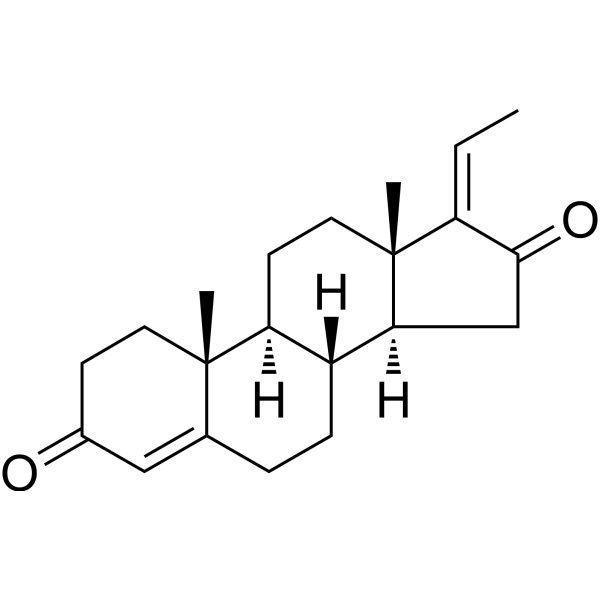
Guggulsterone is a plant sterol derived from the gum resin of the tree Commiphora wightii. Guggulsterone inhibits the growth of a wide variety of tumor cells and induces apoptosis through down regulation of antiapoptotic gene products (IAP1, xIAP, Bfl-1/A1, Bcl-2, cFLIP and survivin), modulation of cell cycle proteins(cyclin D1 and c-Myc), activation of caspases and JNK, inhibition of Akt . Guggulsterone, a farnesoid X receptor (FXR) antagonist, with IC50s of 24.06 μM and 39.05 μM for (-)-(E)-Guggulsterone (HY-N7781) and (Z)-Guggulsterone (HY-110066), respectively .
Apoptosis inducer 50 (Compound 5e) is an apoptosis inducer as well as an autophagy inducer agent. Apoptosis inducer 50 exhibits potent and selective anti-cancer activity against triple-negative breast cancer cells and metastatic colon cancer cells. Apoptosis inducer 50 upregulates the expression of pro-apoptotic proteins (Bax, Bim, cleaved Caspase-9) and downregulates the expression of the anti-apoptotic protein (BCL-XL). Apoptosis inducer 50 upregulates key autophagy markers such as Beclin-1 and ATG5, and enhances the conversion of LC3-I to LC3-II., Apoptosis inducer 50 arrests cancer cells in the G1/S phase by upregulating the expression of p21 and p27 while downregulating Cyclin D1. Apoptosis inducer 50 increases the level of ROS .
STAT3-IN-53 (Compound L20) is a STAT3 inhibitor with a Kd value of 6.16 μM. STAT3-IN-53 binds directly to the SH2 domain of STAT3, inhibits phosphorylation at the Y705 site without affecting the total STAT3protein level, and suppresses the IL-6/JAK/STAT3 pathway. STAT3-IN-53 downregulates the transcription and expression of cyclin-D1 and c-Myc. STAT3-IN-53 induces cell cycle arrest and promotes Apoptosis. STAT3-IN-53 exhibits anticancer activity against colorectal cancer .
P1D-34 is a Pin1PROTAC degrader with a DC50 value of 177 nM. P1D-34 also down-regulates Pin1 client proteins such as Cyclin D1, Rb, Mcl-1, Akt, and c-Myc. P1D-34 shows anti-proliferative activities in a panel of acute myeloid leukemia (AML) cell lines. P1D-34 induces cell DNA damage and apoptosis by releasing ROS generation. Pink: PIN1 ligand (HY-171442A), Blue: CRBN ligand (HY-14658), Black: Linker (HY-W014883) .
Guggulsterone (Standard) is the analytical standard of Guggulsterone (HY-107738). This product is intended for research and analytical applications. Guggulsterone is a plant sterol derived from the gum resin of the tree Commiphora wightii. Guggulsterone inhibits the growth of a wide variety of tumor cells and induces apoptosis through down regulation of antiapoptotic gene products (IAP1, xIAP, Bfl-1/A1, Bcl-2, cFLIP and survivin), modulation of cell cycle proteins(cyclin D1 and c-Myc), activation of caspases and JNK, inhibition of Akt. Guggulsterone, a farnesoid X receptor (FXR) antagonist, with IC50s of 24.06 μM and 39.05 μM for (-)-(E)-Guggulsterone (HY-N7781) and (Z)-Guggulsterone (HY-110066), respectively.
PROTAC CDK2-pRb degrader-1 is an orally active PROTAC-class degrader of CDK2. PROTAC CDK2-pRb degrader-1 effectively inhibits the phosphorylation of retinoblastoma protein (Rb) at serine residues 807/811 by inducing ubiquitination and proteasomal degradation of CDK2. PROTAC CDK2-pRb degrader-1 exhibits significant activity against human cells (with EC50 values of 12 nM and 125 nM, respectively). In xenograft models, PROTAC CDK2-pRb degrader-1 effectively inhibits tumor growth and induces tumor stasis, making it suitable for research related to CCNE1-amplified cancers (such as ovarian cancer, gastric cancer, and breast cancer) .
WR-S-462 is a STAT3 inhibitor. WR-S-462 effectively suppresses STAT3 phosphorylation and biological functions in vitro. WR-S-462 inhibits MDA-MB-231 cells with an IC50 of 0.03 μM. WR-S-462 displays a strong binding affinity towards the STAT3protein with a Kd of 58 nM. WR-S-462 inhibits the nuclear translocation of p-STAT3, selectively inhibits the expression of p-STAT3 Tyr705 and downstream target genes regulated by STAT3 in MDA-MB-231 cells such as Cyclin D1, Bcl-2, and Bcl-xl. WR-S-462 inhibits TNBC (triple-negative breast cancer) growth and metastasis .
p53 Activator 2 (compound 10ah) intercalats into DNA and results in significant DNA double-strand break.p53 Activator 2 increases the expression of p53, p-p53, CDK4, p21 to cause cell cycle arrest at G2/M phase.p53 Activator 2 induce apoptosis and significantly down-regulates the anti-apoptosis proteins Bcl-2, Bcl-xL and the levels of cyclin B1.p53 Activator 2 has anti-proliferation activity against MGC-803 cells, with an IC50 of 1.73 µM. p53 Activator 2 displays potent anticancer efficiency against MGC-803 xenograft tumors models .
Apcin-A is a small molecule inhibitor that selectively targets the cell division cycle protein Cdc20 and is a derivative of Apcin (HY-110287). Apcin-A competitively binds to the D-box binding pocket of Cdc20 and inhibits substrate ubiquitination mediated by the anaphase promoting complex APC/C-Cdc20. Apcin-A also blocks the binding of Cdc20 to substrates (such as securin and cyclin B1), inhibiting anaphase initiation and cell cycle exit. Apcin-A can promote or prolong mitotic slippage in coordination with p31 comet under conditions of high spindle assembly checkpoint (SAC) activity. Apcin-A can be used to develop anti-mitotic drugs and overcome tumor chemotherapy resistance. Apcin-A can be used to synthesize PROTAC CP5V (HY-130257)[1][2][3].
HER4/HER2-IN-1 (Compound 4b) is a HER4/HER2 inhibitor. HER4/HER2-IN-1 inhibits the proliferation of HER2-positive cells. HER4/HER2-IN-1 reduces the total expression level of HER2 in A431 cells, while the phosphorylated HER2 (p-HER2) does not decrease. HER4/HER2-IN-1 lowers the level of cell cycle protein D1 (cyclin D1) and stimulates the cleavage of PARP. HER4/HER2-IN-1 can be used for the study of cancer, such as breast cancer .
Rafutrombopag (tautomerism) (Hetrombopag) is an orally active nonpeptide thrombopoietin receptor (TPOR/MPL) agonist. Rafutrombopag can chelate iron and alleviate iron overload while promoting haematopoiesis. Rafutrombopag specifically stimulates proliferation and differentiation of human TPOR‐expressing cells, including 32D‐ MPL and human hematopoietic stem cells through stimulation of STAT, PI3K and ERK signalling pathways. Rafutrombopag effectively up-regulates G1-phase-related proteins, including p-RB, Cyclin D1 and CDK4/6, normalizes progression of the cell cycle, and prevents apoptosis by modulating BCL-XL/BAK expression in 32D-MPL cells. Rafutrombopag protects cardiomyocyte survival from oxidative stress damage as an enhancer of stem cells. Rafutrombopag can be used for the study of immune thrombocytopenia and oxidative stress-related cardiovascular disease .
Rafutrombopag (Hetrombopag) is an orally active nonpeptide thrombopoietin receptor (TPOR/MPL) agonist. Rafutrombopag can chelate iron and alleviate iron overload while promoting haematopoiesis. Rafutrombopag specifically stimulates proliferation and differentiation of human TPOR-expressing cells, including 32D-MPL and human hematopoietic stem cells through stimulation of STAT, PI3K and ERK signalling pathways. Rafutrombopag effectively up-regulates G1-phase-related proteins, including p-RB, Cyclin D1 and CDK4/6, normalizes progression of the cell cycle, and prevents apoptosis by modulating BCL-XL/BAK expression in 32D-MPL cells. Rafutrombopag protects cardiomyocyte survival from oxidative stress damage as an enhancer of stem cells. Rafutrombopag can be used for the study of immune thrombocytopenia and oxidative stress-related cardiovascular disease .
PROTAC FLT3/CDKs degrader-1 (Compound C3) is a degrader for cyclin-dependent kinases (DC50 is 18.73 nM for CDK2) and the FMS-like tyrosine kinase 3 (FLT3). PROTAC FLT3/CDKs degrader-1 induces differentation of HL-60 (72.77% differentation at 6.25 nM), inhibits proliferation of AML cells, with IC50s of 2.9-37 nM. PROTAC FLT3/CDKs degrader-1 is potential for ameliorating acute myeloid leukemia. (Pink: ligand for target protein FLT3/CDKs ligand-1 (HY-161709); Black: linker (HY-W012935); Black: ligand for E3 ligase Thalidomide 5-fluoride (HY-W087383))
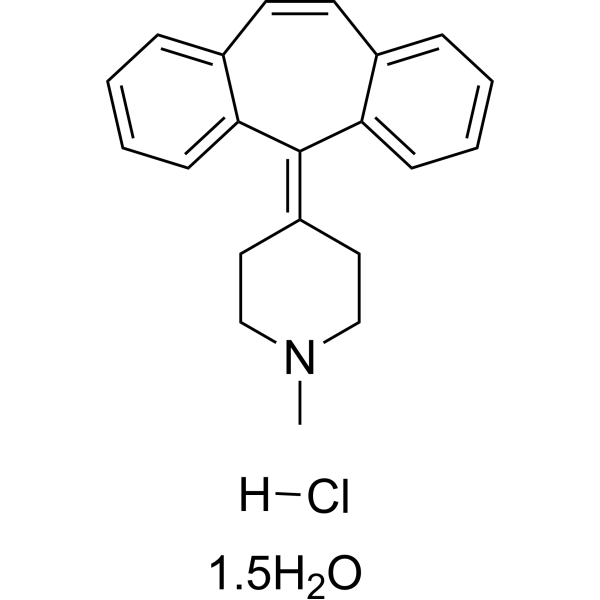
Cyproheptadine hydrochloride sesquihydrate acts as a p38 MAP kinase activator, CHK2 activator, histamine H1 receptor inhibitor and serotonin receptor inhibitor. Cyproheptadine hydrochloride sesquihydrate mediates cell cycle arrest via G1 phase arrest, G1/S transition arrest, G0/G1 phase arrest, reduced expression of cyclinsD1/D2/D3, upregulated expression of HBP1, p16, p21, p27, and decreased phosphorylation of retinoblastoma protein. Cyproheptadine hydrochloride sesquihydrate induces Apoptosis by increasing PARP and cleaved PARP, as well as activating the mitochondrial caspase pathway. Cyproheptadine hydrochloride sesquihydrate inhibits tumor growth with extremely low toxicity to normal cells. Cyproheptadine hydrochloride sesquihydrate can be used in research related to hepatocellular carcinoma, multiple myeloma and acute myeloid leukemia .
CDK2/4/6-IN-2 is a selective CDK2/4/6 inhibitor with IC50 values <1 μM. CDK2/4/6-IN-2 inhibits cells proliferation and phosphorylation of retinoblastoma protein at Ser807/811 in breast cancer cells. CDK2/4/6-IN-2 can be used for the research of cancer, such as breast cancer .
S-Petasin is a phosphodiesterase (PDE) inhibitor with IC50 values of 25.5 μM and 17.5 μM for PDE3 and PDE4, respectively. S-Petasin inhibits cholesterol side-chain cleavage enzyme, 11β-hydroxylase, PPAR-γ, and iNOS induction at RNA and protein levels. S-Petasin induces apoptosis, activates caspases, cleaves PARP, modulates mitochondrial membrane permeability, and regulates BCL2/BAX, p53, Bcl-XL, MMP-2, MMP-9, p21, CDK4, and cyclin D1 expression. S-Petasin reduces inflammatory cell accumulation, cytokine and IgE levels, and enhances serum IgG2a levels. S-Petasin relaxes isolated sensitized guinea pig trachealis and exhibits gastrointestinal anti-spasmodic activity. S-Petasin reduces tonsillitis severity and asthmatic attack frequency. S-Petasin can be used for the research of prostate cancer, obesity, melanoma, allergic asthma, asthma, and peritonitis .
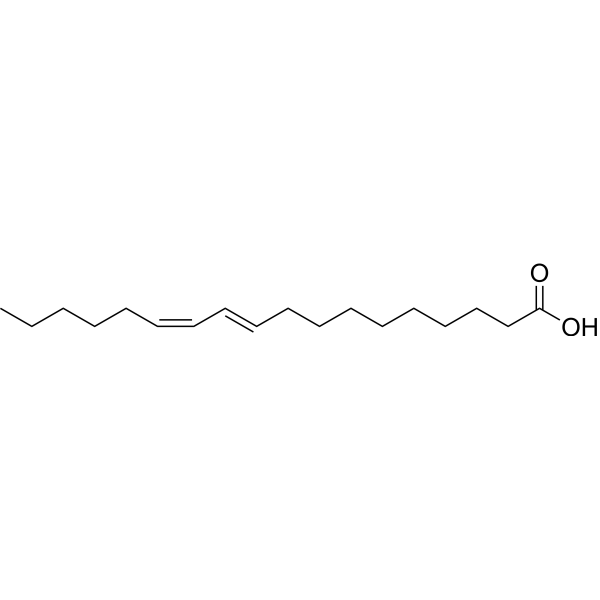
(10E,12Z)-Octadeca-10,12-dienoic acid (trans-10,cis-12 CLA2) is an orally active PPARα activator and inhibits adipocyte differentiation. (10E,12Z)-Octadeca-10,12-dienoic acid and its downstream metabolites have various antioxidant and antitumor activities. (10E,12Z)-Octadeca-10,12-dienoic acid can induce proinflammatory cytokines and chemokines, which would lead to decreased adipogenesis and insulin resistance in adipose tissue. (10E,12Z)-Octadeca-10,12-dienoic acid can affect many aspects of milk fat synthesis. (10E,12Z)-Octadeca-10,12-dienoic acid reduces expression of lipogenic enzymes and inhibits the desaturation of fatty acids. (10E,12Z)-Octadeca-10,12-dienoic acid can reduce lipoprotein lipase (LPL) activity in cultured 3T3-L1 adipocytes and enhance triacylglycerol release from these cells. (10E,12Z)-Octadeca-10,12-dienoic acid decreases the expression of hepatic stearoyl-CoA desatyrase mRNA in mice. (10E,12Z)-Octadeca-10,12-dienoic acid is associated with changes in mucosal NF-κB and Cyclin D1protein levels in mice .
[Ala92]-p16 (84-103) is a peptide derived from the p16CDKN2/INK4a (p16) tumor suppressor protein. [Ala92]-p16 (84-103) binds to both cdk4 and cdk6 and inhibits cdk4-cyclin D1 kinase activity in vitro (IC50: 1.5 μM). [Ala92]-p16 (84-103) blocks cell cycle progression through the G1 phase .
Cdc2 kinase substrate is a biological active peptide. (The native peptide HATPPKKKRK is a substrate for cyclin-dependent protein kinase 1 (CDC2; CDK1).)
[pSer2, pSer5, pSer7]-CTD, a substrate for CDK7 (cyclin dependent protein kinase), is a phosphorylated polypeptide at ser2, ser5 and ser7 sites of RNA polymerase II carboxy-terminal domain (CTD) .
Cdc25A (80-93) (human) is a polypeptide that controls the cell proliferation and tumorigenesis by a change in expression of proteins involved in cyclin D1 regulation and G1/S transition. Cdc25A (80-93) (human) can be used in cancer research .
[pSer2, pSer5, pSer7]-CTD (TFA), a substrate for CDK7 (cyclin dependent protein kinase), is a phosphorylated polypeptide at ser2, ser5 and ser7 sites of RNA polymerase II carboxy-terminal domain (CTD) .
Guggulsterone is a plant sterol derived from the gum resin of the tree Commiphora wightii. Guggulsterone inhibits the growth of a wide variety of tumor cells and induces apoptosis through down regulation of antiapoptotic gene products (IAP1, xIAP, Bfl-1/A1, Bcl-2, cFLIP and survivin), modulation of cell cycle proteins(cyclin D1 and c-Myc), activation of caspases and JNK, inhibition of Akt . Guggulsterone, a farnesoid X receptor (FXR) antagonist, with IC50s of 24.06 μM and 39.05 μM for (-)-(E)-Guggulsterone (HY-N7781) and (Z)-Guggulsterone (HY-110066), respectively .
Arctiin is an orally active inhibitor of NF-κB. Arctiin suppresses cyclin D1 protein expression in human tumor cells. Arctiin also reduces malondialdehyde and pro-in ammatory cytokines levels. Arctiin can used in study glomerulonephritis .
Decursin ((+)-Decursin) is a potent anti-tumor agent. Decursin also is a cytotoxic agent and a potent protein kinase C activator. Decursin induces apoptosis and cell cycle arrest at G1 phase. Decursin decreases the expression of CDK2, CDK4, CDK6, cyclin D1 protein at 48 h. Decursin inhibits cell proliferation and migration. Decursin shows anti-tumor, anti-inflammatory and analgesic activities .
Flavone is an anti-tumor compound that targets cell cycle regulatory proteins (such as cyclin B1) and apoptosis-related factors (such as p21waf1, PIG3). Flavone selectively induces mitochondrial-mediated apoptosis pathways in tumor cells, inhibits cyclin B1 protein expression, upregulates p21waf1, and activates p63/p73 proteins. Flavone has immunomodulatory functions that enhance natural killer cell (NK cell) activity and lymphocyte proliferation. Flavone is used in cancer research, especially for its inhibitory potential in solid tumor models such as esophageal cancer and liver cancer .
Epmedin C (Epimedin-C; Baohuoside-VI) is an orally active anti-inflammatory agent and immunomodulator that binds to multiple key proteins including UCP1, Caspase-1, CDK2 and Keap1. Epmedin C inhibits epithelial cell proliferation by disrupting the complex function of CDK2/Cyclin E. Epmedin C also upregulates Nrf2 expression, reduces ROS levels and inhibits pro-inflammatory cytokine secretion, thereby effectively restoring antibody production and alleviating tissue damage. Epmedin C has good safety with no hepatotoxicity or skin sensitization, and it has been used in studies on diseases such as obesity, Deoxynivalenol (HY-N6684)-induced immunotoxicity and mammary hyperplasia .
Lacto-N-fucopentaose I (LNFPI) is a human milk oligosaccharide (HMO), possessing antiviral and antibacterial activity. Lacto-N-fucopentaose I can reduce capsid protein VP1 to block virus adsorption, promote CDK2 and reduce cyclin E to recover cell cycle S phase block. Lacto-N-fucopentaose I inhibits ROS production and apoptosis in virus-infected cells. Lacto-N-fucopentaose I can also regulate intestinal microbiota to affect immune system development .
Eurycomalactone is an active quassinoid could be isolated from Eurycoma longifolia Jack. Eurycomalactone is a potent NF-κB inhibitor with an IC50 value of 0.5 μM. Eurycomalactone inhibits protein synthesis and depletes cyclin D1. Eurycomalactone enhances radiosensitivity through arrest cell cycle at G2/M phase and delayed DNA double-strand break repair. Eurycomalactone inhibits the activation of AKT/NF-κB signaling, induces apoptosis and enhances chemosensitivity to Cisplatin (HY-17394) .
Isosilybin B is a flavonolignan. Isosilybin B can be isolated from Silybum marianum. Isosilybin B can regulate cell cycle-related proteins (e.g., reduce cyclins (D3, D1, A, E), Cdk4, Cdk2, Cdc25A), and activate Caspases (Caspase-9 and Caspase-3). Isosilybin B can promote Apoptosis, reduce androgen receptor (AR) and PSA. Isosilybin B has anticancer activity against prostate cancer .
Vanicoside B is a phenylpropanoyl sucrose derivative, can be isolated from the herb Persicaria dissitiflora. Vanicoside B targets cyclin-dependent kinase 8 (CDK8) and exhibits anti-tumor activity. The potential mechanism is Vanicoside B blocks CDK8-mediated signaling pathways and decreases the expression of epithelial-mesenchymal transition proteins, so that it leads to cell cycle arrest and apoptosis .
Guggulsterone (Standard) is the analytical standard of Guggulsterone (HY-107738). This product is intended for research and analytical applications. Guggulsterone is a plant sterol derived from the gum resin of the tree Commiphora wightii. Guggulsterone inhibits the growth of a wide variety of tumor cells and induces apoptosis through down regulation of antiapoptotic gene products (IAP1, xIAP, Bfl-1/A1, Bcl-2, cFLIP and survivin), modulation of cell cycle proteins(cyclin D1 and c-Myc), activation of caspases and JNK, inhibition of Akt. Guggulsterone, a farnesoid X receptor (FXR) antagonist, with IC50s of 24.06 μM and 39.05 μM for (-)-(E)-Guggulsterone (HY-N7781) and (Z)-Guggulsterone (HY-110066), respectively.
Arctiin (Standard) is the analytical standard of Arctiin. This product is intended for research and analytical applications. Arctiin is an orally active inhibitor of NF-κB. Arctiin suppresses cyclin D1 protein expression in human tumor cells. Arctiin also reduces malondialdehyde and pro-in?ammatory cytokines levels. Arctiin can used in study glomerulonephritis .
Lenoremycin (Ro 21-6150) is a microbial metabolite. Lenoremycin decreases β-catenin and cyclin D1proteins levels. Lenoremycin decreases cancer stem cells (CSCs) populations via inducing reactive oxygen species production .
Decursin (Standard) is the analytical standard of Decursin. This product is intended for research and analytical applications. Decursin ((+)-Decursin) is a potent anti-tumor agent. Decursin also is a cytotoxic agent and a potent protein kinase C activator. Decursin induces apoptosis and cell cycle arrest at G1 phase. Decursin decreases the expression of CDK2, CDK4, CDK6, cyclin D1 protein at 48 h. Decursin inhibits cell proliferation and migration. Decursin shows anti-tumor, anti-inflammatory and analgesic activities [4].
Epmedin C (Standard) is the analytical standard of Epmedin C. This product is intended for research and analytical applications. Epmedin C (Epimedin-C; Baohuoside-VI) is an orally active anti-inflammatory agent and immunomodulator that binds to multiple key proteins including UCP1, Caspase-1, CDK2 and Keap1. Epmedin C inhibits epithelial cell proliferation by disrupting the complex function of CDK2/Cyclin E. Epmedin C also upregulates Nrf2 expression, reduces ROS levels and inhibits pro-inflammatory cytokine secretion, thereby effectively restoring antibody production and alleviating tissue damage. Epmedin C has good safety with no hepatotoxicity or skin sensitization, and it has been used in studies on diseases such as obesity, Deoxynivalenol (HY-N6684)-induced immunotoxicity and mammary hyperplasia .
Isosilybin B (Standard) is the analytical standard of Isosilybin B (HY-N7045). This product is intended for research and analytical applications. Isosilybin B is a flavonolignan. Isosilybin B can be isolated from Silybum marianum. Isosilybin B can regulate cell cycle-related proteins (e.g., reduce cyclins (D3, D1, A, E), Cdk4, Cdk2, Cdc25A), and activate Caspases (Caspase-9 and Caspase-3). Isosilybin B can promote Apoptosis, reduce androgen receptor (AR) and PSA. Isosilybin B has anticancer activity against prostate cancer .
S-Petasin is a phosphodiesterase (PDE) inhibitor with IC50 values of 25.5 μM and 17.5 μM for PDE3 and PDE4, respectively. S-Petasin inhibits cholesterol side-chain cleavage enzyme, 11β-hydroxylase, PPAR-γ, and iNOS induction at RNA and protein levels. S-Petasin induces apoptosis, activates caspases, cleaves PARP, modulates mitochondrial membrane permeability, and regulates BCL2/BAX, p53, Bcl-XL, MMP-2, MMP-9, p21, CDK4, and cyclin D1 expression. S-Petasin reduces inflammatory cell accumulation, cytokine and IgE levels, and enhances serum IgG2a levels. S-Petasin relaxes isolated sensitized guinea pig trachealis and exhibits gastrointestinal anti-spasmodic activity. S-Petasin reduces tonsillitis severity and asthmatic attack frequency. S-Petasin can be used for the research of prostate cancer, obesity, melanoma, allergic asthma, asthma, and peritonitis .
Cyclin A1 protein is a key regulator in the cell cycle, affecting G1/S and G2/M transitions and playing a major role in the germline meiotic cell cycle. It interacts with CDK2 and CDC2 kinase to form a holoenzyme complex that participates in the regulatory pathways of E2F-1 and RB proteins. Cyclin A1 Protein, Human (sf9, His) is the recombinant human-derived Cyclin A1 protein, expressed by Sf9 insect cells , with N-His labeled tag.
Cyclin E controls the G1/S transition of the cell cycle. Cyclin E Protein, Human (sf9) is the recombinant human-derived Cyclin E, expressed by Sf9 insect cells , with tag Free labeled tag.
Cyclin E controls the G1/S transition of the cell cycle. Cyclin E Protein, Human (SF9, His-GST) is the recombinant human-derived Cyclin E protein, expressed by Sf9 insect cells , with N-His, N-GST labeled tag.
Cyclin E, a vital regulator in cell cycle control, governs the G1/S transition by forming a potent serine/threonine kinase complex with CDK2. This complex, featuring UHRF2, CDK2, and CCNE1, involves Cyclin E's direct interaction with UHRF2, leading to CCNE1 ubiquitination independently of phosphorylation. Cyclin E's intricate dance with CDK2, CABLES1, and CCNA1 highlights its crucial role in tightly regulated cell cycle progression. Cyclin E Protein, Mouse (sf9, His-GST) is the recombinant mouse-derived Cyclin E protein, expressed by Sf9 insect cells , with N-His, N-GST labeled tag.
The CDK15ic protein, functioning as an antiapoptotic kinase, counteracts TRAIL/TNFSF10-induced apoptosis by phosphorylating BIRC5 at 'Thr-34'. This regulatory role crucially inhibits programmed cell death triggered by TRAIL/TNFSF10, highlighting the heterodimer's active contribution to antiapoptotic signaling. CDK15-CCNY Heterodimer Protein, Human (sf9) is a recombinant protein dimer complex containing human-derived CDK15-CCNY Heterodimer protein, expressed by sf9 insect cells , with tag free.
PCNA, an atypical member of the sulfotransferase family, displays notably low affinity for 3'-phospho-5'-adenylyl sulfate (PAPS) and minimal catalytic activity towards substrates like L-triiodothyronine, thyroxine, estrone, p-nitrophenol, 2-naphthylamine, and 2-beta-naphthol. Its precise function remains elusive, but PCNA is suggested to participate in drug and neurotransmitter metabolism within the central nervous system (CNS). PCNA Protein, Human (sf9, His) is the recombinant human-derived PCNA protein, expressed by Sf9 insect cells , with N-His labeled tag.
The CDK9 protein plays a central role in transcriptional regulation, promoting the transition from ineffective to efficient elongation by phosphorylating POLR2A, SUPT5H, and RDBP. As part of the CDK9/cyclin-T complex, it participates in phosphorylation events affecting EP300, MYOD1, RPB1/POLR2A, AR, DSIF, and NELFE. CDK9-CCNT1 Heterodimer Protein, Human (sf9) is a recombinant protein dimer complex containing human-derived CDK9-CCNT1 Heterodimer protein, expressed by sf9 insect cells , with tag free.
CDK3 protein is a serine/threonine protein kinase that plays a key role in regulating the eukaryotic cell cycle, especially affecting the G0-G1 and G1-S transitions. It interacts with CCNC/cyclin-C during interphase and phosphorylates substrates such as histone H1, ATF1, RB1, and CABLES1. CDK3-CCNE1 Heterodimer Protein, Human (sf9) is a recombinant protein dimer complex containing human-derived CDK3-CCNE1 Heterodimer protein, expressed by sf9 insect cells , with tag free.
The CDK6ic complex is an important serine/threonine protein kinase that regulates cell cycle progression and differentiation, promoting the G1/S transition by phosphorylating substrates such as pRB/RB1 and NPM1. It interacts with D-type G1 cyclins during interphase to form active pRB/RB1 kinase, which controls cell cycle entry. CDK6-CCND3 Heterodimer Protein, Human (sf9) is a recombinant protein dimer complex containing human-derived CDK6-CCND3 Heterodimer protein, expressed by sf9 insect cells , with tag free.
CDK3 protein is a serine/threonine protein kinase that plays a key role in regulating the eukaryotic cell cycle, especially affecting the G0-G1 and G1-S transitions. It interacts with CCNC/cyclin-C during interphase and phosphorylates substrates such as histone H1, ATF1, RB1, and CABLES1. CDK3-CCNC Protein, Human (Active, sf9, GST, Flag, His) is the recombinant human-derived CDK3-CCNC, expressed by Sf9 insect cells, with N-Flag, N-His, N-GST labeled tag.
CDK3 protein is a serine/threonine protein kinase that plays a key role in regulating the eukaryotic cell cycle, especially affecting the G0-G1 and G1-S transitions. It interacts with CCNC/cyclin-C during interphase and phosphorylates substrates such as histone H1, ATF1, RB1, and CABLES1. CDK3-CCNE2 Protein, Human (sf9, GST, Flag, His) is the recombinant human-derived CDK3-CCNE2, expressed by Sf9 insect cells, with N-His, N-GST, N-Flag labeled tag.
The CDK6ic complex is an important serine/threonine protein kinase that regulates cell cycle progression and differentiation, promoting the G1/S transition by phosphorylating substrates such as pRB/RB1 and NPM1. It interacts with D-type G1 cyclins during interphase to form active pRB/RB1 kinase, which controls cell cycle entry. CDK6-CCND3 Heterodimer Protein, Human (sf9, GST, His) is a recombinant protein dimer complex containing human-derived CDK6-CCND3 Heterodimer protein, expressed by sf9 insect cells , with N-10*His, N-GST labeled tag.
Together with its regulatory partners CCNH and MNAT1, CDK7 functions as an important serine/threonine kinase in cell cycle regulation and RNA polymerase II-mediated transcription. As the catalytic subunit of the CDK-activated kinase (CAK) complex, CDK7 plays a key role in activating CDK1/cyclin-B and CDK2/cyclin during cell cycle transitions. CDK7-CCNH-MNAT1 Protein, Human (sf9) is the recombinant human-derived CDK7-CCNH-MNAT1 protein, expressed by sf9 insect cells , with tag free.
CDK3 protein is a serine/threonine protein kinase that plays a key role in regulating the eukaryotic cell cycle, especially affecting the G0-G1 and G1-S transitions. It interacts with CCNC/cyclin-C during interphase and phosphorylates substrates such as histone H1, ATF1, RB1, and CABLES1. CDK3-CCNE1 Heterodimer Protein, Human (sf9, GST, FLAG, His) is a recombinant protein dimer complex containing human-derived CDK3-CCNE1 Heterodimer protein, expressed by sf9 insect cells , with N-6*His, N-Flag, N-GST labeled tag.
The FGF-9 protein undergoes autoproteolysis and cholesterol attachment in the endoplasmic reticulum. It acts as a morphogen during development, inducing ventral cell fate, participating in limb bud patterning, and aiding in axon guidance. FGF-9 binds to the PTCH1 receptor and activates target gene transcription when in association with SMO, while PTCH1 represses SMO signaling in the absence of FGF-9. CDK1-CCNE1 Heterodimer Protein, Human (sf9, His-GST) is a recombinant protein dimer complex containing human-derived CDK1-CCNE1 Heterodimer protein, expressed by Sf9 insect cells , with N-10*His, N-GST labeled tag. CDK1-CCNE1 Heterodimer Protein, Human (sf9, His-GST), has molecular weight of ~109.7 (60.4+49.3) kDa.
CKS2 protein intricately binds to TEK/TIE2 to regulate ANGPT1 signaling. Its binding induces receptor tyrosine phosphorylation, affecting downstream cellular responses. CKS2 Protein, Human is the recombinant human-derived CKS2 protein, expressed by E. coli , with tag free.
The CDK6ic complex is an important serine/threonine protein kinase that regulates cell cycle progression and differentiation, promoting the G1/S transition by phosphorylating substrates such as pRB/RB1 and NPM1. It interacts with D-type G1 cyclins during interphase to form active pRB/RB1 kinase, which controls cell cycle entry. CDK6-CCND1 Heterodimer Protein, Human (sf9, GST, Flag, His) is the recombinant human-derived CDK6-CCND1 Heterodimer, expressed by Sf9 insect cells, with N-Flag, N-His, N-GST labeled tag.
The CDK6ic complex is an important serine/threonine protein kinase that regulates cell cycle progression and differentiation, promoting the G1/S transition by phosphorylating substrates such as pRB/RB1 and NPM1. It interacts with D-type G1 cyclins during interphase to form active pRB/RB1 kinase, which controls cell cycle entry. CDK6-CCND2 Heterodimer Protein, Human (sf9, GST, FLAG, His) is a recombinant protein dimer complex containing human-derived CDK6-CCND2 Heterodimer protein, expressed by sf9 insect cells , with N-Flag, N-8*His, N-GST labeled tag.
CKS1 Protein is vital, binding to the catalytic subunit of cyclin-dependent kinases and serving as an essential factor for their biological function. Forming a homohexamer, CKS1's potential to bind six kinase subunits underscores intricate regulatory mechanisms. This highlights CKS1's importance in modulating cyclin-dependent kinase activity, emphasizing its crucial role in facilitating the proper functioning of these key cellular regulators. CKS1 Protein, Human is the recombinant human-derived CKS1 protein, expressed by E. coli , with tag free.
CDK19 plays a key role in cellular homeostasis and developmental programming. CDK19 can interact with p53 to inhibit p53-mediated transcription of p21, and regulates the proliferation of hematopoietic stem cells and acute myeloid leukemia cells. Besides, CDK19 is the paralog of CDK8. CDK8 and CDK19 can cooperate with each other in stimulating NFκB-induced transcription and Dengue virus replication. CDK19-CCNC-MED12 Protein, Human (sf9, GST, Flag, His) is the recombinant human-derived CDK19-CCNC-MED12, expressed by Sf9 insect cells, with N-6*His, N-GST, N-Flag labeled tag.
Cyclin-dependent kinase-like 2 (CDKL2), is a member of the CDC2-related serine/threonine protein kinase family. CDKL2 is tightly associated with tumor progression and is a regulator of epithelial-mesenchymal transition (EMT). CDKL2 also plays a role in cognitive functions, emotion, and neurological disorders. CDKL2 Protein, Human (sf9, His) is the recombinant human-derived CDKL2 protein, expressed by Sf9 insect cells , with N-His labeled tag.
The CDK9 protein plays a central role in transcriptional regulation, promoting the transition from ineffective to efficient elongation by phosphorylating POLR2A, SUPT5H, and RDBP. As part of the CDK9/cyclin-T complex, it participates in phosphorylation events affecting EP300, MYOD1, RPB1/POLR2A, AR, DSIF, and NELFE. CDK9-CCNK Heterodimer Protein, Human (sf9) is a recombinant protein dimer complex containing human-derived CDK9-CCNK Heterodimer protein, expressed by sf9 insect cells , with tag free.
The CDK8-CCNC-MED12 protein is an important component of the mediator complex, acting as a bridge for gene transcription regulation, transmitting information from gene-specific regulatory factors to RNA polymerase II. It is recruited to the promoter, assembles a preinitiation complex, and promotes transcription. CDK8 Protein, Human ( Unactive, sf9, GST) is the recombinant human-derived CDK8, expressed by Sf9 insect cells, with GST labeled tag. The total length of CDK8 Protein, Human ( Unactive, sf9, GST) is 464 a.a..
The CDK6ic complex is an important serine/threonine protein kinase that regulates cell cycle progression and differentiation, promoting the G1/S transition by phosphorylating substrates such as pRB/RB1 and NPM1. It interacts with D-type G1 cyclins during interphase to form active pRB/RB1 kinase, which controls cell cycle entry. CDK6-CCND1 Heterodimer Protein, Human (sf9) is a recombinant protein dimer complex containing human-derived CDK6-CCND1 Heterodimer protein, expressed by sf9 insect cells , with tag free.
The CDK9 protein plays a central role in transcriptional regulation, promoting the transition from ineffective to efficient elongation by phosphorylating POLR2A, SUPT5H, and RDBP. As part of the CDK9/cyclin-T complex, it participates in phosphorylation events affecting EP300, MYOD1, RPB1/POLR2A, AR, DSIF, and NELFE. CDK9-CCNK Heterodimer Protein, Human (sf9, GST, FLAG) is a recombinant protein dimer complex containing human-derived CDK9-CCNK Heterodimer protein, expressed by sf9 insect cells , with N-Flag, N-GST labeled tag.
The CDKN1B protein is a key cell cycle regulator that inhibits CDK2 when bound to cyclin A, thereby inhibiting G1 phase progression. It exhibits significant inhibitory effects on cyclin E- and cyclin A-CDK2 complexes. CDKN1B Protein, Human (His) is the recombinant human-derived CDKN1B protein, expressed by E. coli , with N-6*His labeled tag.
The CDK12 protein is a cyclin-dependent kinase that critically phosphorylates the C-terminal domain of POLR2A, thereby regulating transcription elongation. It selectively targets "Ser-5" phosphorylated at "Ser-7" in the CTD repeat and can also target "Ser-2". CDK12-CCNK Heterodimer Protein, Human (sf9) is a recombinant protein dimer complex containing human-derived CDK12-CCNK Heterodimer protein, expressed by sf9 insect cells , with tag free.
The CDK9 protein plays a central role in transcriptional regulation, promoting the transition from ineffective to efficient elongation by phosphorylating POLR2A, SUPT5H, and RDBP. As part of the CDK9/cyclin-T complex, it participates in phosphorylation events affecting EP300, MYOD1, RPB1/POLR2A, AR, DSIF, and NELFE. CDK9-CCNT2 Heterodimer Protein, Human (sf9) is a recombinant protein dimer complex containing human-derived CDK9-CCNT2 Heterodimer protein, expressed by sf9 insect cells , with tag free.
The CDK9 protein plays a central role in transcriptional regulation, promoting the transition from ineffective to efficient elongation by phosphorylating POLR2A, SUPT5H, and RDBP. As part of the CDK9/cyclin-T complex, it participates in phosphorylation events affecting EP300, MYOD1, RPB1/POLR2A, AR, DSIF, and NELFE. CDK9-CCNT1 Heterodimer Protein, Human (sf9, GST, His) is the recombinant human-derived CDK9-CCNT1, expressed by Sf9 insect cells, with N-His, N-GST labeled tag.
The CDK9 protein plays a central role in transcriptional regulation, promoting the transition from ineffective to efficient elongation by phosphorylating POLR2A, SUPT5H, and RDBP. As part of the CDK9/cyclin-T complex, it participates in phosphorylation events affecting EP300, MYOD1, RPB1/POLR2A, AR, DSIF, and NELFE. CDK9-CCNT2 Heterodimer Protein, Human (sf9, GST, Flag, His) is the recombinant human-derived CDK9-CCNT2, expressed by Sf9 insect cells, with N-His, N-GST, N-Flag labeled tag.
The CDK8-CCNC-MED12 protein is an important component of the mediator complex, acting as a bridge for gene transcription regulation, transmitting information from gene-specific regulatory factors to RNA polymerase II. It is recruited to the promoter, assembles a preinitiation complex, and promotes transcription. CDK8-CCNC Protein, Human (Active, sf9, His-GST) is the recombinant human-derived CDK8-CCNK, expressed by Sf9 insect cells, with N-6*His and N-GST labeled tag.
The CDK12 protein is a cyclin-dependent kinase that critically phosphorylates the C-terminal domain of POLR2A, thereby regulating transcription elongation. It selectively targets "Ser-5" phosphorylated at "Ser-7" in the CTD repeat and can also target "Ser-2". CDK12-CCNK Heterodimer Protein, Human (sf9, GST, FLAG) is a recombinant protein dimer complex containing human-derived CDK12-CCNK Heterodimer protein, expressed by sf9 insect cells , with N-Flag, N-GST labeled tag.
The CDK12 protein is a cyclin-dependent kinase that critically phosphorylates the C-terminal domain of POLR2A, thereby regulating transcription elongation. It selectively targets "Ser-5" phosphorylated at "Ser-7" in the CTD repeat and can also target "Ser-2". CDK12-CCNT1 Protein, Human (sf9, GST, Flag, His) is the recombinant human-derived CDK12-CCNT1, expressed by Sf9 insect cells, with N-His, N-GST, N-Flag labeled tag.
The CDK12 protein is a cyclin-dependent kinase that critically phosphorylates the C-terminal domain of POLR2A, thereby regulating transcription elongation. It selectively targets "Ser-5" phosphorylated at "Ser-7" in the CTD repeat and can also target "Ser-2". CDK12-CCNK Heterodimer Protein, Human (sf9) is a recombinant protein dimer complex containing human-derived CDK12-CCNK Heterodimer protein, expressed by sf9 insect cells , with tag free.
CDKN2A Protein, a potent negative regulator of cell proliferation, forms strong interactions with CDK4 and CDK6, hindering their association with cyclins D and retinoblastoma protein phosphorylation. Acting in a heterodimeric manner, predominantly with CDK6, CDKN2A inhibits cyclin D-CDK4 kinase activity and interacts with ISCO2, contributing to its cell cycle regulatory role. CDKN2A Protein, Human is the recombinant human-derived CDKN2A protein, expressed by E. coli , with tag free.
PCTAIRE1 protein is a multifunctional kinase that plays a key role in vesicle-mediated transport and regulation of GH1 release, emphasizing neuroendocrine function. Its involvement includes NSF phosphorylation, influencing vesicle dynamics, and important contributions to spermatogenesis and reproductive processes. PCTAIRE1 Protein, Human (sf9, GST) is the recombinant human-derived PCTAIRE1 protein, expressed by Sf9 insect cells , with N-GST labeled tag.
The CDK6ic complex is an important serine/threonine protein kinase that regulates cell cycle progression and differentiation, promoting the G1/S transition by phosphorylating substrates such as pRB/RB1 and NPM1. It interacts with D-type G1 cyclins during interphase to form active pRB/RB1 kinase, which controls cell cycle entry. CDK6 Protein, Human (Sf9, His-Avi) is the recombinant human-derived CDK6, expressed by Sf9 insect cells, with N-His, N-Avi labeled tag. The total length of CDK6 Protein, Human (Sf9, His-Avi) is 326 a.a..
CDK2 is an important serine/threonine protein kinase that plays a critical regulatory role in the cell cycle, especially during meiosis. It phosphorylates various substrates (CTNNB1, USP37, p53/TP53, NPM1, CDK7, RB1, BRCA2, MYC, NPAT, EZH2) and coordinates centrosome duplication and initiation of DNA synthesis at the G1-S transition. CDK2 Protein, Human (His) is the recombinant human-derived CDK2 protein, expressed by E. coli , with N-6*His labeled tag.
The p19INK4d protein, a potent inhibitor, strongly interacts with CDK4 and CDK6, effectively impeding their activity. Specifically interacting with CDK6, p19INK4d reinforces its role as a regulator of cyclin-dependent kinase activity. This crucial role in cell cycle regulation involves restraining CDK4 and CDK6 functions, contributing to the modulation of key cellular processes. p19INK4d Protein, Human (GST) is the recombinant human-derived p19INK4d protein, expressed by E. coli , with N-GST labeled tag.
Together with its regulatory partners CCNH and MNAT1, CDK7 functions as an important serine/threonine kinase in cell cycle regulation and RNA polymerase II-mediated transcription. As the catalytic subunit of the CDK-activated kinase (CAK) complex, CDK7 plays a key role in activating CDK1/cyclin-B and CDK2/cyclin during cell cycle transitions. CDK7-CCNH-MNAT1 Protein, Human (sf9, GST, His, Flag) is the recombinant human-derived CDK7-CCNH-MNAT1, expressed by Sf9 insect cells, with N-His, N-GST, N-Flag labeled tag.
CDK19 plays a key role in cellular homeostasis and developmental programming. CDK19 can interact with p53 to inhibit p53-mediated transcription of p21, and regulates the proliferation of hematopoietic stem cells and acute myeloid leukemia cells. Besides, CDK19 is the paralog of CDK8. CDK8 and CDK19 can cooperate with each other in stimulating NFκB-induced transcription and Dengue virus replication. CDK19-CCNC-MED12 Protein, Human (sf9) is the recombinant human-derived CDK19-CCNC-MED12 protein, expressed by sf9 insect cells , with tag free. ,
The CDK1/CDC2-cyclin-B complex is a key regulator in the cell cycle. It plays an important role in cell division and development and regulates a variety of cellular activities, including chromosome segregation, nuclear membrane rupture, cytokinesis, etc. The activity of CDK1 is regulated by a variety of phosphorylation and dephosphorylation, thereby controlling the progression of the cell cycle and the DNA repair process. CDK1 Protein, Human (sf9) is the recombinant human-derived CDK1, expressed by Sf9 insect cells, with tag-free. The total length of CDK1 Protein, Human (sf9) is 297 a.a..
The CDKN2C protein (also known as p18) interacts strongly with CDK6 and weakly with CDK4. Its functional effects inhibit cell growth and proliferation and are significantly related to the presence of endogenous retinoblastoma protein RB. CDKN2C Protein, Human (His) is the recombinant human-derived CDKN2C protein, expressed by E. coli , with N-6*His labeled tag.
ZNHIT1 is a key chromatin remodeling protein that regulates gene expression by promoting the incorporation of histone variants H2AZ1/H2A.Z. In muscle differentiation, ZNHIT1 is recruited to the MYOG promoter, mediating H2AZ1 binding and inducing muscle-specific gene expression. ZNHIT1 Protein, Human (His) is the recombinant human-derived ZNHIT1 protein, expressed by E. coli , with N-6*His labeled tag.
The CDK1/CDC2-cyclin-B complex is a key regulator in the cell cycle. It plays an important role in cell division and development and regulates a variety of cellular activities, including chromosome segregation, nuclear membrane rupture, cytokinesis, etc. The activity of CDK1 is regulated by a variety of phosphorylation and dephosphorylation, thereby controlling the progression of the cell cycle and the DNA repair process. CDK1 Protein, Human (sf9, GST) is the recombinant human-derived CDK1 protein, expressed by Sf9 insect cells , with N-GST labeled tag.
The CDK1 protein centrally controls the eukaryotic cell cycle, coordinating the G2-M transition and mitotic events. It interacts with a variety of cell cycle proteins, phosphorylates a variety of substrates, and affects cell cycle regulation, DNA repair, and apoptosis. CDK1 Protein, Mouse (sf9, His-GST) is the recombinant mouse-derived CDK1 protein, expressed by Sf9 insect cells , with N-His, N-GST labeled tag.
The CDK2AP2 protein is an important component of the NuRD complex and actively participates in chromatin remodeling. It inhibits the G1/S phase transition by inhibiting CDK2 and preventing the interaction of CDK2 with cyclin E or A. CDK2AP2 Protein, Human (HEK293, His) is the recombinant human-derived CDK2AP2 protein, expressed by HEK293 , with C-6*His labeled tag.
CDK5 is a proline-directed serine/threonine protein kinase that critically regulates neuronal cell cycle, differentiation and potential apoptosis in neuronal diseases by preventing cell cycle re-entry. It interacts with numerous proteins involved in neuronal development and coordinates processes such as survival, migration, differentiation, axonal growth, synaptogenesis, and neurotransmission. CDK5-p25 Protein, Human (sf9, GST, His, Flag) is the recombinant human-derived CDK5-p25, expressed by Sf9 insect cells, with N-GST, N-His, N-Flag labeled tag.
CDK5 is a proline-directed serine/threonine protein kinase that critically regulates neuronal cell cycle, differentiation and potential apoptosis in neuronal diseases by preventing cell cycle re-entry. It interacts with numerous proteins involved in neuronal development and coordinates processes such as survival, migration, differentiation, axonal growth, synaptogenesis, and neurotransmission. CDK5-p35 Protein, Human (sf9, GST, His, Flag) is the recombinant human-derived CDK5-p35, expressed by Sf9 insect cells, with N-His, N-GST, N-Flag labeled tag.
CDK2 is an important serine/threonine protein kinase that plays a critical regulatory role in the cell cycle, especially during meiosis. It phosphorylates various substrates (CTNNB1, USP37, p53/TP53, NPM1, CDK7, RB1, BRCA2, MYC, NPAT, EZH2) and coordinates centrosome duplication and initiation of DNA synthesis at the G1-S transition. CDK2-CCNA2 Protein, Human (sf9, GST, His) is the recombinant human-derived CDK2-CCNA2, expressed by Sf9 insect cells, with N-6*His, N-GST labeled tag.
CDK2 is an important serine/threonine protein kinase that plays a critical regulatory role in the cell cycle, especially during meiosis. It phosphorylates various substrates (CTNNB1, USP37, p53/TP53, NPM1, CDK7, RB1, BRCA2, MYC, NPAT, EZH2) and coordinates centrosome duplication and initiation of DNA synthesis at the G1-S transition. CDK2-CCNO Protein, Human (sf9, GST, Flag, His) is the recombinant human-derived CDK2-CCNO, expressed by Sf9 insect cells, with N-GST, N-Flag, N-His labeled tag.
CDK4 protein, acting as a Ser/Thr kinase in the cyclin D-CDK4 complex, critically regulates the G(1)/S transition by phosphorylating and inhibiting RB family members. This activity, specifically hypophosphorylation of RB1 during early G(1) phase, releases E2F and promotes transcription of genes that drive G(1) progression. CDK4-CCND3 Protein, Human (sf9, GST, His) is the recombinant human-derived CDK4-CCND3, expressed by Sf9 insect cells, with N-His, N-GST labeled tag.
CDK4 protein, acting as a Ser/Thr kinase in the cyclin D-CDK4 complex, critically regulates the G(1)/S transition by phosphorylating and inhibiting RB family members. This activity, specifically hypophosphorylation of RB1 during early G(1) phase, releases E2F and promotes transcription of genes that drive G(1) progression. CDK4-CCND1 Protein, Human (sf9, GST, Flag, His) is the recombinant human-derived CDK4-CCND1, expressed by Sf9 insect cells, with N-His, N-GST, N-Flag labeled tag.
CDK4 protein, acting as a Ser/Thr kinase in the cyclin D-CDK4 complex, critically regulates the G(1)/S transition by phosphorylating and inhibiting RB family members. This activity, specifically hypophosphorylation of RB1 during early G(1) phase, releases E2F and promotes transcription of genes that drive G(1) progression. CDK4-CCND2 Protein, Human (sf9, GST, Flag, His) is the recombinant human-derived CDK4-CCND2, expressed by Sf9 insect cells, with N-His, N-GST, N-Flag labeled tag.
CDK2 is an important serine/threonine protein kinase that plays a critical regulatory role in the cell cycle, especially during meiosis. It phosphorylates various substrates (CTNNB1, USP37, p53/TP53, NPM1, CDK7, RB1, BRCA2, MYC, NPAT, EZH2) and coordinates centrosome duplication and initiation of DNA synthesis at the G1-S transition. CDK2-CCND1 Protein, Human (sf9, GST, Flag, His) is the recombinant human-derived CDK2-CCND1, expressed by Sf9 insect cells, with N-His, N-GST, N-Flag labeled tag.
CDK2 is an important serine/threonine protein kinase that plays a critical regulatory role in the cell cycle, especially during meiosis. It phosphorylates various substrates (CTNNB1, USP37, p53/TP53, NPM1, CDK7, RB1, BRCA2, MYC, NPAT, EZH2) and coordinates centrosome duplication and initiation of DNA synthesis at the G1-S transition. CDK2-CCNE1 Protein, Human (sf9, GST, His, Flag) is the recombinant human-derived CDK2-CCNE1, expressed by Sf9 insect cells, with N-His, N-GST, N-Flag labeled tag.
CDK2 is an important serine/threonine protein kinase that plays a critical regulatory role in the cell cycle, especially during meiosis. It phosphorylates various substrates (CTNNB1, USP37, p53/TP53, NPM1, CDK7, RB1, BRCA2, MYC, NPAT, EZH2) and coordinates centrosome duplication and initiation of DNA synthesis at the G1-S transition. CDK2-CCNE2 Protein, Human (sf9, GST, Flag, His) is the recombinant human-derived CDK2-CCNE2, expressed by Sf9 insect cells, with N-His, N-GST, N-Flag labeled tag.
PCTAIRE1 protein is a multifunctional kinase that plays a key role in vesicle-mediated transport and regulation of GH1 release, emphasizing neuroendocrine function. Its involvement includes NSF phosphorylation, influencing vesicle dynamics, and important contributions to spermatogenesis and reproductive processes. CDK16-CCNY Protein, Human (sf9, GST, Flag) is the recombinant human-derived CDK16-CCNY, expressed by Sf9 insect cells, with N-GST, N-Flag labeled tag.
CDK18-CCNY Protein, Human (Active, sf9, GST, Flag) is the recombinant human-derived CDK18-CCNY, expressed by Sf9 insect cells , with GST, Flag labeled tag.
The CDK8-CCNC-MED12 protein is an important component of the mediator complex, acting as a bridge for gene transcription regulation, transmitting information from gene-specific regulatory factors to RNA polymerase II. It is recruited to the promoter, assembles a preinitiation complex, and promotes transcription. CDK8-CCNC-MED12 Protein, Human (sf9, GST, FLAG, His) is the recombinant human-derived CDK8-CCNC-MED12 protein, expressed by sf9 insect cells , with N-6*His, N-Flag, N-GST labeled tag.
The CDK8-CCNC-MED12 protein is an important component of the mediator complex, acting as a bridge for gene transcription regulation, transmitting information from gene-specific regulatory factors to RNA polymerase II. It is recruited to the promoter, assembles a preinitiation complex, and promotes transcription. CDK8 Protein, Human (Sf9) is the recombinant human-derived CDK8, expressed by Sf9 insect cells, with tag-free. The total length of CDK8 Protein, Human (Sf9) is 464 a.a..
The CCND1 protein is a regulatory component of the cyclin D1-CDK4 complex that coordinates phosphorylation and RB family inhibition to regulate the G(1)/S transition. This promotes the dissociation of E2F from the RB/E2F complex and promotes the transcription of E2F target genes critical for G(1) phase progression. CCND1 Protein, Human (His) is the recombinant human-derived CCND1 protein, expressed by E. coli , with N-6*His labeled tag.
CDK1; Cyclin-dependent kinase 1; CDC2, cell division cycle 2, G1 to S and G2 to M; CDC28A; p34 protein kinase; cell cycle controller CDC2; cell division protein kinase 1; cell division control protein 2 homolog; cell division cycle 2, G1 to S and G2 to M; CDC2; P34CDC2; MGC111195; DKFZp686L20222
The CDK1/CDC2-cyclin-B complex is a key regulator in the cell cycle. It plays an important role in cell division and development and regulates a variety of cellular activities, including chromosome segregation, nuclear membrane rupture, cytokinesis, etc. The activity of CDK1 is regulated by a variety of phosphorylation and dephosphorylation, thereby controlling the progression of the cell cycle and the DNA repair process. CDK1-CCNB1 Protein, Human (sf9, GST, Flag, His) is the recombinant human-derived CDK1-CCNB1, expressed by Sf9 insect cells, with N-GST, N-Flag, N-His labeled tag.
CDK1; Cyclin-dependent kinase 1; CDC2, cell division cycle 2, G1 to S and G2 to M; CDC28A; p34 protein kinase; cell cycle controller CDC2; cell division protein kinase 1; cell division control protein 2 homolog; cell division cycle 2, G1 to S and G2 to M; CDC2; P34CDC2; MGC111195; DKFZp686L20222
The CDK1/CDC2-cyclin-B complex is a key regulator in the cell cycle. It plays an important role in cell division and development and regulates a variety of cellular activities, including chromosome segregation, nuclear membrane rupture, cytokinesis, etc. The activity of CDK1 is regulated by a variety of phosphorylation and dephosphorylation, thereby controlling the progression of the cell cycle and the DNA repair process. CDK1-CCNA2 Protein, Human (sf9, GST, His) is the recombinant human-derived CDK1-CCNA2, expressed by Sf9 insect cells, with N-His, N-GST labeled tag.
CDK1; Cyclin-dependent kinase 1; CDC2, cell division cycle 2, G1 to S and G2 to M; CDC28A; p34 protein kinase; cell cycle controller CDC2; cell division protein kinase 1; cell division control protein 2 homolog; cell division cycle 2, G1 to S and G2 to M; CDC2; P34CDC2; MGC111195; DKFZp686L20222
The CDK1/CDC2-cyclin-B complex is a key regulator in the cell cycle. It plays an important role in cell division and development and regulates a variety of cellular activities, including chromosome segregation, nuclear membrane rupture, cytokinesis, etc. The activity of CDK1 is regulated by a variety of phosphorylation and dephosphorylation, thereby controlling the progression of the cell cycle and the DNA repair process. CDK1-CCNE2 Protein, Human (sf9, GST, His, Flag) is the recombinant human-derived CDK1-CCNE2, expressed by Sf9 insect cells, with N-His, N-GST, N-Flag labeled tag.
CDK1; Cyclin-dependent kinase 1; CDC2, cell division cycle 2, G1 to S and G2 to M; CDC28A; p34 protein kinase; cell cycle controller CDC2; cell division protein kinase 1; cell division control protein 2 homolog; cell division cycle 2, G1 to S and G2 to M; CDC2; P34CDC2; MGC111195; DKFZp686L20222
The CDK1/CDC2-cyclin-B complex is a key regulator in the cell cycle. It plays an important role in cell division and development and regulates a variety of cellular activities, including chromosome segregation, nuclear membrane rupture, cytokinesis, etc. The activity of CDK1 is regulated by a variety of phosphorylation and dephosphorylation, thereby controlling the progression of the cell cycle and the DNA repair process. CDK1-CCNE1 Heterodimer Protein, Human (sf9, GST, His, Flag) is the recombinant human-derived CDK1-CCNE1, expressed by Sf9 insect cells, with N-GST, N-Flag, N-His labeled tag.
CDK13-CCNK Protein, Human (sf9, GST, Flag) is the recombinant human-derived CDK13-CCNK, expressed by Sf9 insect cells , with N-GST, N-Flag labeled tag. ,
The CDK15ic protein, functioning as an antiapoptotic kinase, counteracts TRAIL/TNFSF10-induced apoptosis by phosphorylating BIRC5 at 'Thr-34'. This regulatory role crucially inhibits programmed cell death triggered by TRAIL/TNFSF10, highlighting the heterodimer's active contribution to antiapoptotic signaling. CDK15-CCNY Heterodimer Protein, Human (sf9, GST, Flag) is the recombinant human-derived CDK15-CCNY, expressed by Sf9 insect cells, with GST, Flag labeled tag.
CDK13-CCNT1 Protein, Human (sf9, GST, Flag, His) is the recombinant human-derived CDK13-CCNT1, expressed by Sf9 insect cells , with N-His, N-Flag, N-GST labeled tag. ,
Decursin-d6 ((+)-Decursin-d6) is the deuterium labeled Decursin (HY-18981). Decursin ((+)-Decursin) is a potent anti-tumor agent. Decursin also is a cytotoxic agent and a potent protein kinase C activator. Decursin induces apoptosis and cell cycle arrest at G1 phase. Decursin decreases the expression of CDK2, CDK4, CDK6, cyclin D1 protein at 48 h. Decursin inhibits cell proliferation and migration. Decursin shows anti-tumor, anti-inflammatory and analgesic activities .
Cyclin-dependent kinase 5; Cell division protein kinase 5; Serine/threonine-protein kinase PSSALRE; Tau protein kinase II catalytic subunit; TPKII catalytic subunit;
IHC-P, WB
Human, Mouse, Rat
CDK5 Antibody (YA5385) is a Mouse-derived and non-conjugated monoclonal antibody, targeting to CDK5.
SKP1; EMC19; OCP2; SKP1A; TCEB1L; S-phase kinase-associated protein 1; Cyclin-A/CDK2-associated protein p19; Organ of Corti protein 2; OCP-2; Organ of Corti protein II; OCP-II; RNA polymerase II elongation factor-like protein; SIII; Transcr
WB, ICC/IF
Human, Mouse, Rat
SKP1 Antibody (YA1974) is a Rabbit-derived and non-conjugated IgG monoclonal antibody, targeting to SKP1.
CDK1; CDC2; CDC28A; CDKN1; P34CDC2; Cyclin-dependent kinase 1; CDK1; Cell division control protein 2 homolog; Cell division protein kinase 1; p34 protein kinase
WB, ICC/IF, IHC-P, FC
Human, Mouse, Rat
Phospho-CDK1 (Thr161) Antibody (YA9905) is a Rabbit-derived and non-conjugated IgG Recombinant, Monoclonal antibody, targeting to Phospho-CDK1 (Thr161).
CDK1; CDC2; CDC28A; CDKN1; P34CDC2; Cyclin-dependent kinase 1; CDK1; Cell division control protein 2 homolog; Cell division protein kinase 1; p34 protein kinase
WB, IHC-P
Human, Mouse, Rat
Phospho-CDK/2/3 (Thr14) Antibody (YA9906) is a Rabbit-derived and non-conjugated IgG Recombinant, Monoclonal antibody, targeting to Phospho-Cdk1/2/3 (Thr14).
SKP1; EMC19; OCP2; SKP1A; TCEB1L; S-phase kinase-associated protein 1; Cyclin-A/CDK2-associated protein p19; Organ of Corti protein 2; OCP-2; Organ of Corti protein II; OCP-II; RNA polymerase II elongation factor-like protein; SIII; Transcr
WB, ICC/IF
Human, Mouse, Rat
SKP1 Antibody (YA1974) is a Rabbit-derived and non-conjugated IgG monoclonal antibody, targeting to SKP1.
Western blot analysis of extracts from THP-1(lane 2(20μg), Jurkat (lane 3(20μg) and NIH3T3(lane 4(20μg) using FOXO1A (HY-P80132) Rabbit mAb. Proteins were transferred
to a PVDF membrane and blocked with 5% non-fat milk in TBST for 2 hour at room temperature. The primary antibody (1/1000) and Loading control antibody (Beta Actin, HY-P80438, 1/10000) was
used in 5% non-fat milk in TBST at 4°C overnight. Goat Anti-Mouse/Rabbit IgG-HRP Secondary Antibody (1/10000) was used for 1 hour at room temperature.
Western blot analysis of extracts from THP-1(lane 2(20μg), Jurkat (lane 3(20μg) and NIH3T3(lane 4(20μg) using FOXO1A (HY-P80132) Rabbit mAb. Proteins were transferred
to a PVDF membrane and blocked with 5% non-fat milk in TBST for 2 hour at room temperature. The primary antibody (1/1000) and Loading control antibody (Beta Actin, HY-P80438, 1/10000) was
used in 5% non-fat milk in TBST at 4°C overnight. Goat Anti-Mouse/Rabbit IgG-HRP Secondary Antibody (1/10000) was used for 1 hour at room temperature.
Western blot analysis of extracts from THP-1(lane 2(20μg), Jurkat (lane 3(20μg) and NIH3T3(lane 4(20μg) using FOXO1A (HY-P80132) Rabbit mAb. Proteins were transferred
to a PVDF membrane and blocked with 5% non-fat milk in TBST for 2 hour at room temperature. The primary antibody (1/1000) and Loading control antibody (Beta Actin, HY-P80438, 1/10000) was
used in 5% non-fat milk in TBST at 4°C overnight. Goat Anti-Mouse/Rabbit IgG-HRP Secondary Antibody (1/10000) was used for 1 hour at room temperature.
Western blot analysis of extracts from THP-1(lane 2(20μg), Jurkat (lane 3(20μg) and NIH3T3(lane 4(20μg) using FOXO1A (HY-P80132) Rabbit mAb. Proteins were transferred
to a PVDF membrane and blocked with 5% non-fat milk in TBST for 2 hour at room temperature. The primary antibody (1/1000) and Loading control antibody (Beta Actin, HY-P80438, 1/10000) was
MedchemExpress Validation 03
Western blot analysis of extracts from THP-1(lane 2(20μg), Jurkat (lane 3(20μg) and NIH3T3(lane 4(20μg) using FOXO1A (HY-P80132) Rabbit mAb. Proteins were transferred
MedchemExpress Validation 04
Western blot analysis of extracts from THP-1(lane 2(20μg), Jurkat (lane 3(20μg) and NIH3T3(lane 4(20μg) using FOXO1A (HY-P80132) Rabbit mAb. Proteins were transferred
to a PVDF membrane and blocked with 5% non-fat milk in TBST for 2 hour at room temperature. The primary antibody (1/1000) and Loading control antibody (Beta Actin, HY-P80438, 1/10000) was
used in 5% non-fat milk in TBST at 4°C overnight. Goat Anti-Mouse/Rabbit IgG-HRP Secondary Antibody (1/10000) was used for 1 hour at room temperature.
MedchemExpress Validation
Western blot analysis of extracts from THP-1(lane 2(20μg), Jurkat (lane 3(20μg) and NIH3T3(lane 4(20μg) using FOXO1A (HY-P80132) Rabbit mAb. Proteins were transferred
to a PVDF membrane and blocked with 5% non-fat milk in TBST for 2 hour at room temperature. The primary antibody (1/1000) and Loading control antibody (Beta Actin, HY-P80438, 1/10000) was
used in 5% non-fat milk in TBST at 4°C overnight. Goat Anti-Mouse/Rabbit IgG-HRP Secondary Antibody (1/10000) was used for 1 hour at room temperature.
Western blot analysis of extracts from THP-1(lane 2(20μg), Jurkat (lane 3(20μg) and NIH3T3(lane 4(20μg) using FOXO1A (HY-P80132) Rabbit mAb. Proteins were transferred
to a PVDF membrane and blocked with 5% non-fat milk in TBST for 2 hour at room temperature. The primary antibody (1/1000) and Loading control antibody (Beta Actin, HY-P80438, 1/10000) was
used in 5% non-fat milk in TBST at 4°C overnight. Goat Anti-Mouse/Rabbit IgG-HRP Secondary Antibody (1/10000) was used for 1 hour at room temperature.
MedchemExpress Validation
Western blot analysis of extracts from THP-1(lane 2(20μg), Jurkat (lane 3(20μg) and NIH3T3(lane 4(20μg) using FOXO1A (HY-P80132) Rabbit mAb. Proteins were transferred
to a PVDF membrane and blocked with 5% non-fat milk in TBST for 2 hour at room temperature. The primary antibody (1/1000) and Loading control antibody (Beta Actin, HY-P80438, 1/10000) was
used in 5% non-fat milk in TBST at 4°C overnight. Goat Anti-Mouse/Rabbit IgG-HRP Secondary Antibody (1/10000) was used for 1 hour at room temperature.
MedchemExpress Validation
Western blot analysis of extracts from THP-1(lane 2(20μg), Jurkat (lane 3(20μg) and NIH3T3(lane 4(20μg) using FOXO1A (HY-P80132) Rabbit mAb. Proteins were transferred
to a PVDF membrane and blocked with 5% non-fat milk in TBST for 2 hour at room temperature. The primary antibody (1/1000) and Loading control antibody (Beta Actin, HY-P80438, 1/10000) was
used in 5% non-fat milk in TBST at 4°C overnight. Goat Anti-Mouse/Rabbit IgG-HRP Secondary Antibody (1/10000) was used for 1 hour at room temperature.
MedchemExpress Validation
Western blot analysis of extracts from THP-1(lane 2(20μg), Jurkat (lane 3(20μg) and NIH3T3(lane 4(20μg) using FOXO1A (HY-P80132) Rabbit mAb. Proteins were transferred
to a PVDF membrane and blocked with 5% non-fat milk in TBST for 2 hour at room temperature. The primary antibody (1/1000) and Loading control antibody (Beta Actin, HY-P80438, 1/10000) was
used in 5% non-fat milk in TBST at 4°C overnight. Goat Anti-Mouse/Rabbit IgG-HRP Secondary Antibody (1/10000) was used for 1 hour at room temperature.
MedchemExpress Validation
Western blot analysis of extracts from THP-1(lane 2(20μg), Jurkat (lane 3(20μg) and NIH3T3(lane 4(20μg) using FOXO1A (HY-P80132) Rabbit mAb. Proteins were transferred
to a PVDF membrane and blocked with 5% non-fat milk in TBST for 2 hour at room temperature. The primary antibody (1/1000) and Loading control antibody (Beta Actin, HY-P80438, 1/10000) was
used in 5% non-fat milk in TBST at 4°C overnight. Goat Anti-Mouse/Rabbit IgG-HRP Secondary Antibody (1/10000) was used for 1 hour at room temperature.
MedchemExpress Validation
Western blot analysis of extracts from THP-1(lane 2(20μg), Jurkat (lane 3(20μg) and NIH3T3(lane 4(20μg) using FOXO1A (HY-P80132) Rabbit mAb. Proteins were transferred
to a PVDF membrane and blocked with 5% non-fat milk in TBST for 2 hour at room temperature. The primary antibody (1/1000) and Loading control antibody (Beta Actin, HY-P80438, 1/10000) was
used in 5% non-fat milk in TBST at 4°C overnight. Goat Anti-Mouse/Rabbit IgG-HRP Secondary Antibody (1/10000) was used for 1 hour at room temperature.
MedchemExpress Validation
Western blot analysis of extracts from THP-1(lane 2(20μg), Jurkat (lane 3(20μg) and NIH3T3(lane 4(20μg) using FOXO1A (HY-P80132) Rabbit mAb. Proteins were transferred
to a PVDF membrane and blocked with 5% non-fat milk in TBST for 2 hour at room temperature. The primary antibody (1/1000) and Loading control antibody (Beta Actin, HY-P80438, 1/10000) was
used in 5% non-fat milk in TBST at 4°C overnight. Goat Anti-Mouse/Rabbit IgG-HRP Secondary Antibody (1/10000) was used for 1 hour at room temperature.
MedChemExpress values your privacy and your trust is important to us. We use cookies to enhance your website experience. Some cookies are necessary to run the website.
Privacy and Cookie Policy





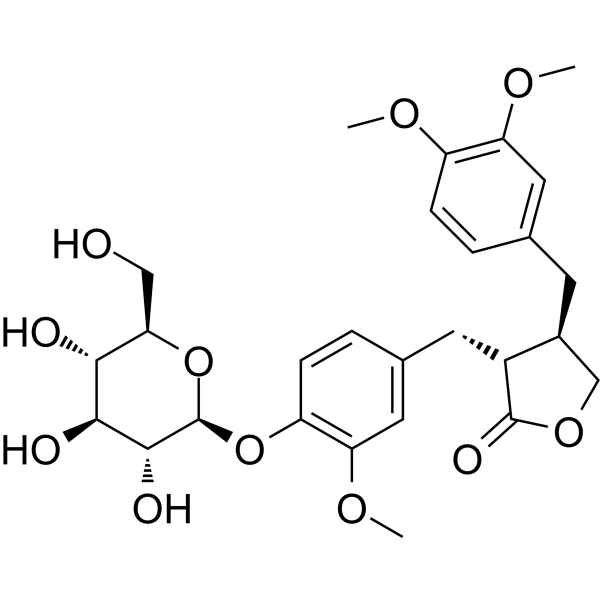

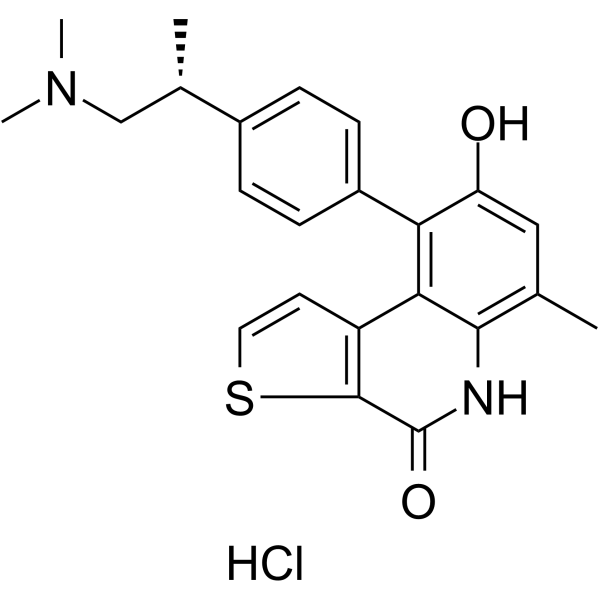
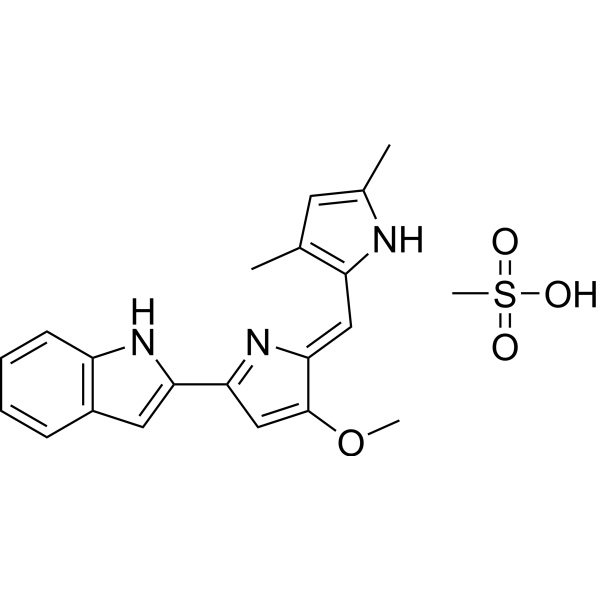
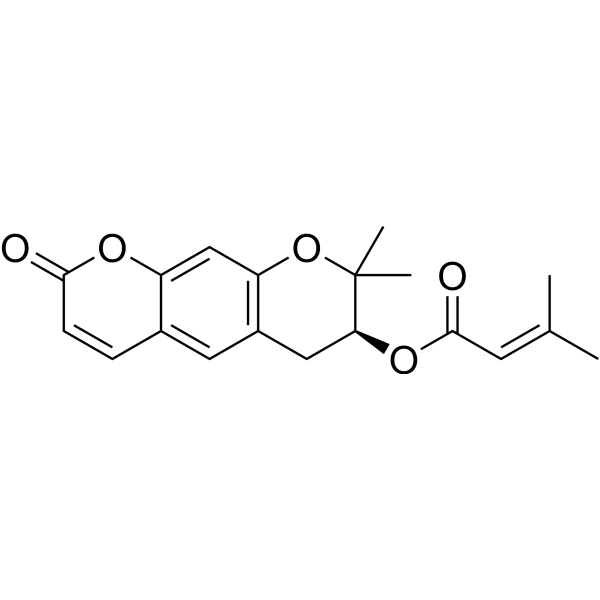
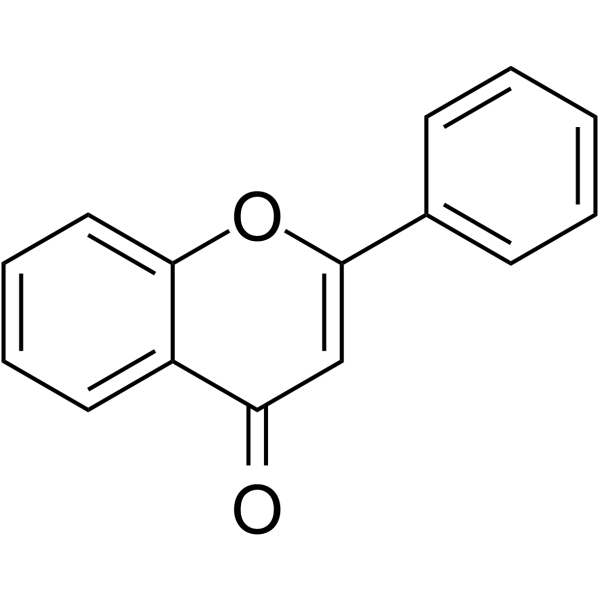
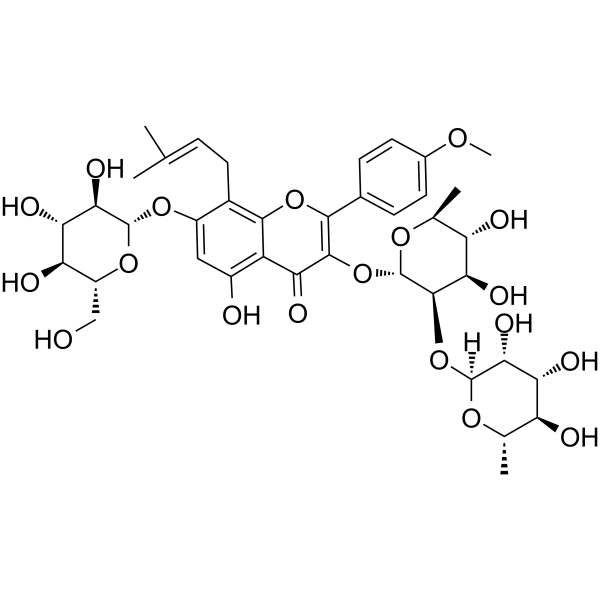
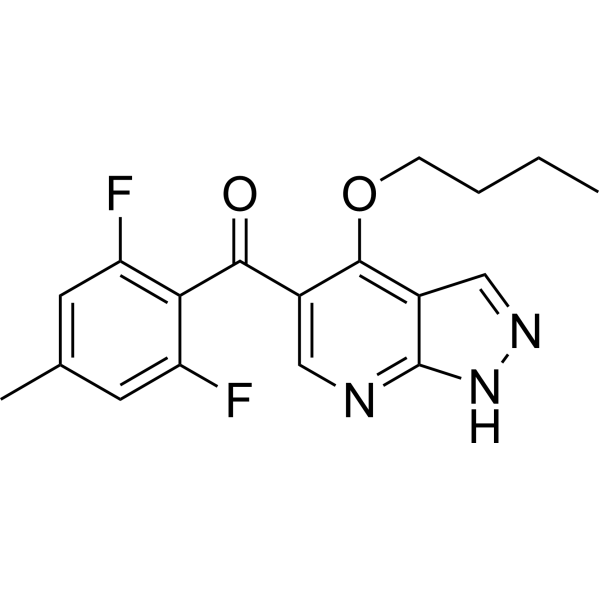
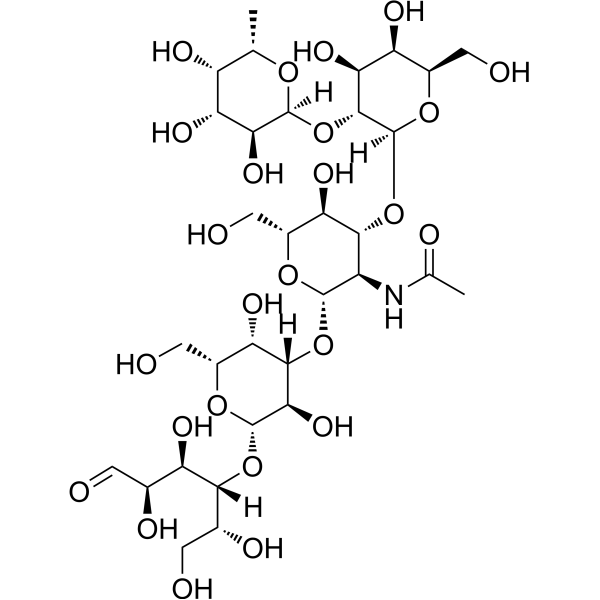
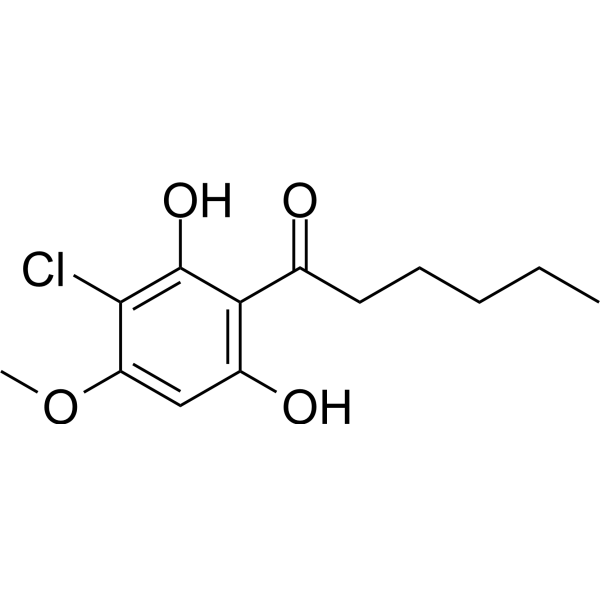
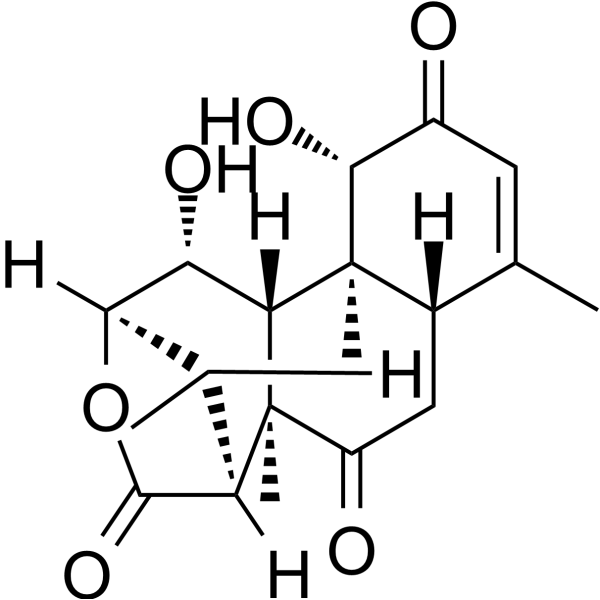
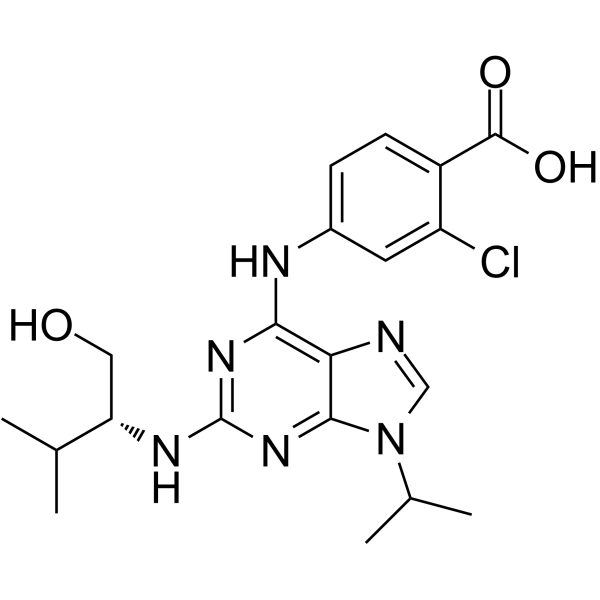
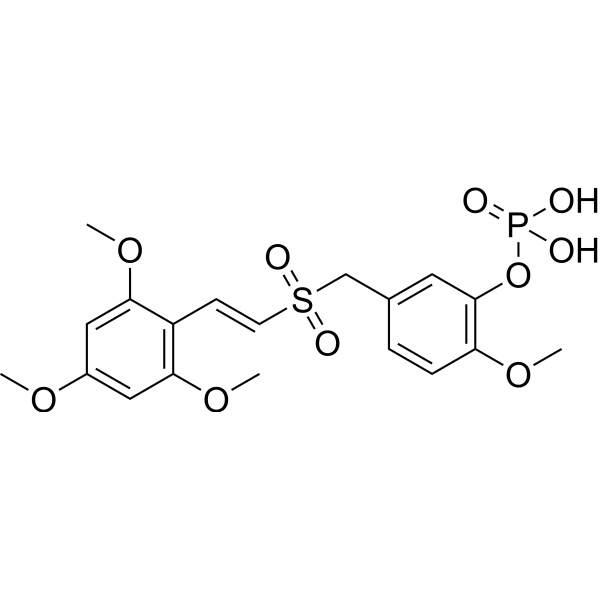

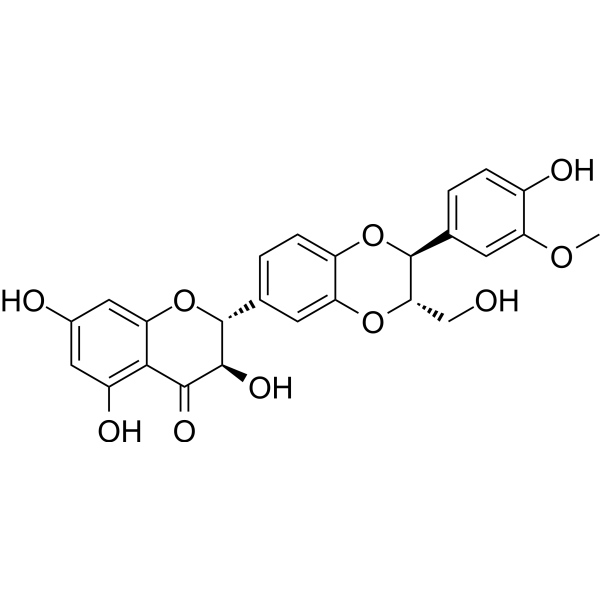
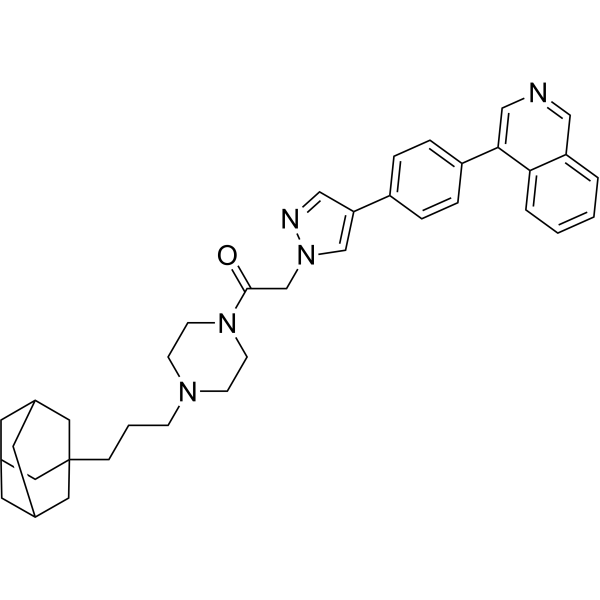
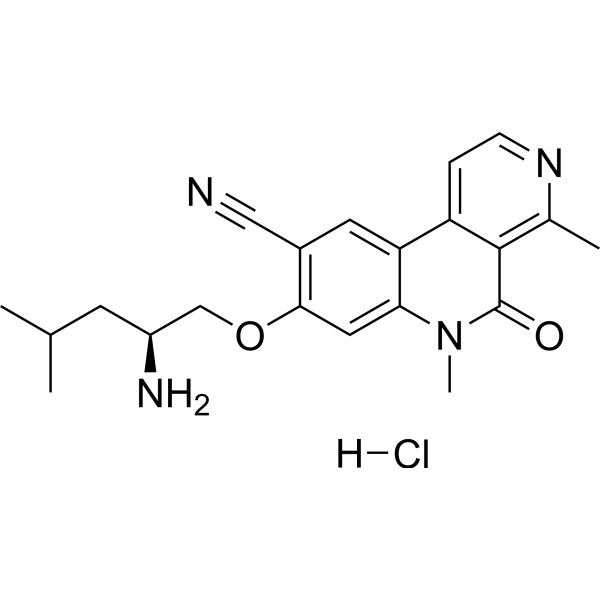
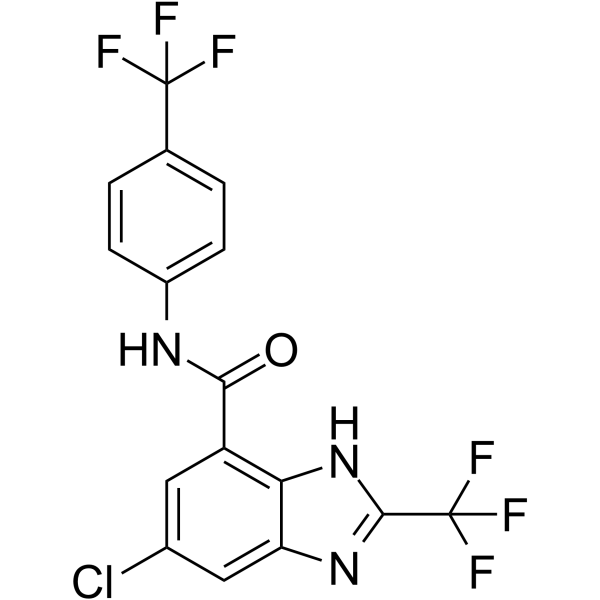
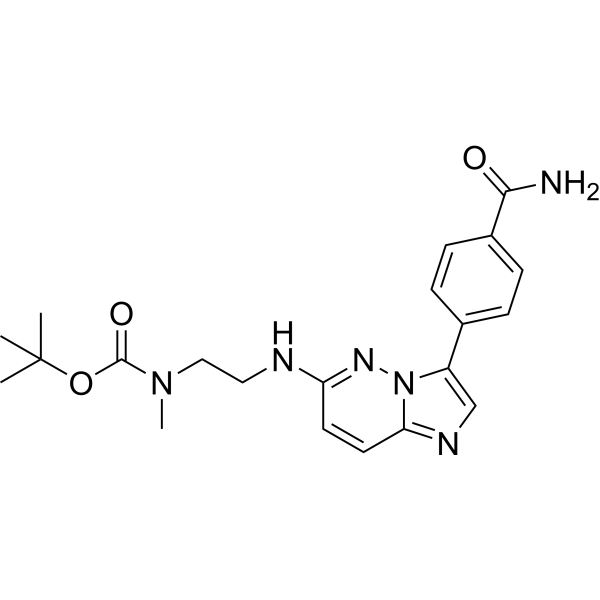
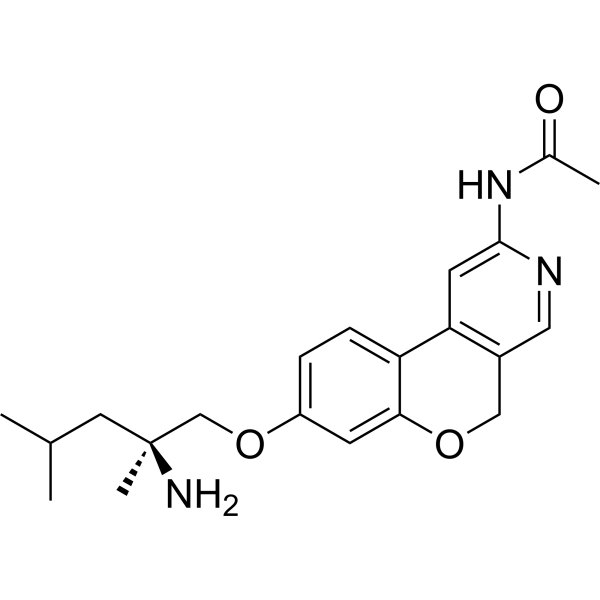
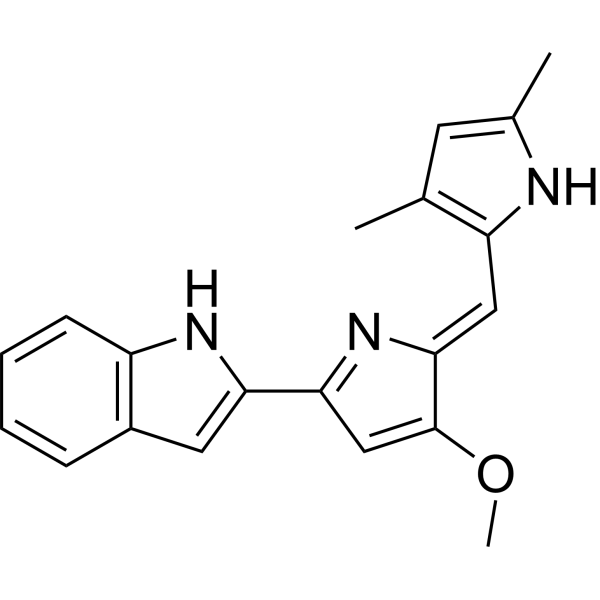
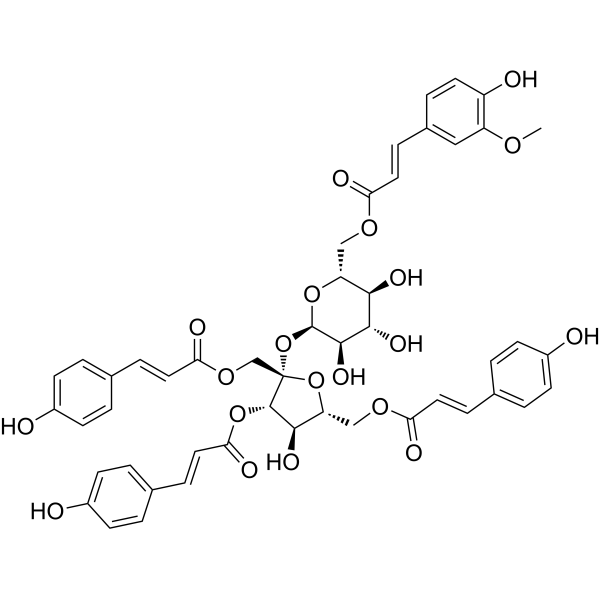

![[Ala92]-p16 (84-103)](http://file.medchemexpress.com/product_pic/hy-p1109.gif)

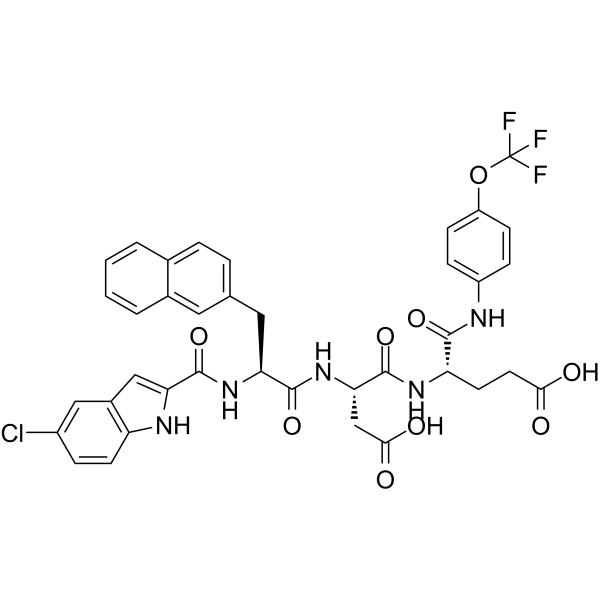


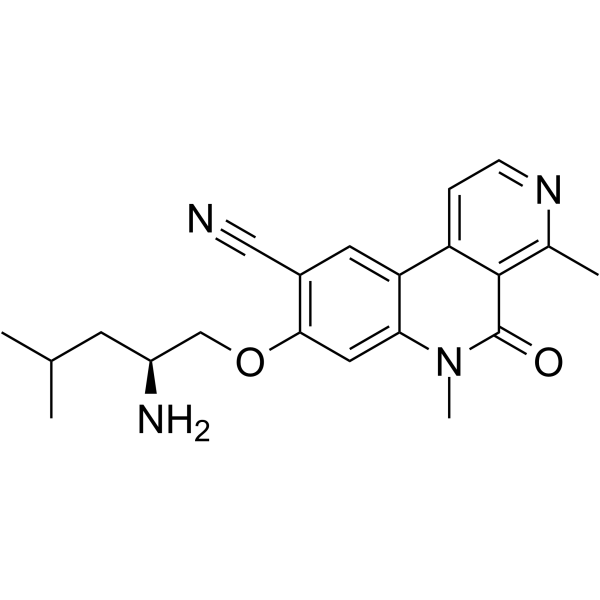


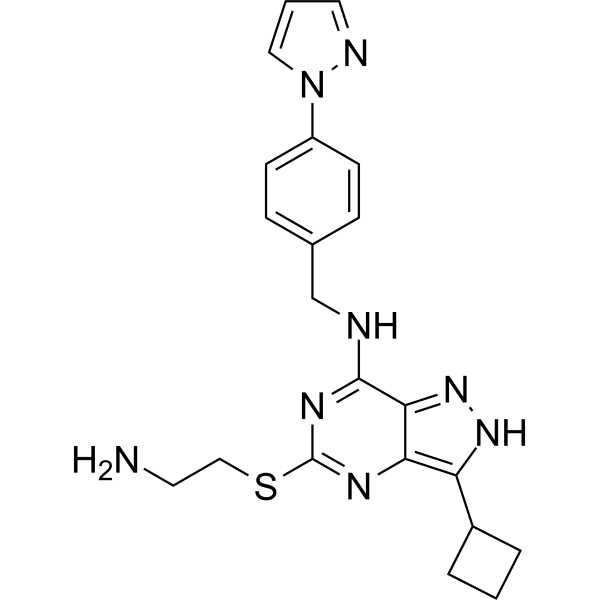
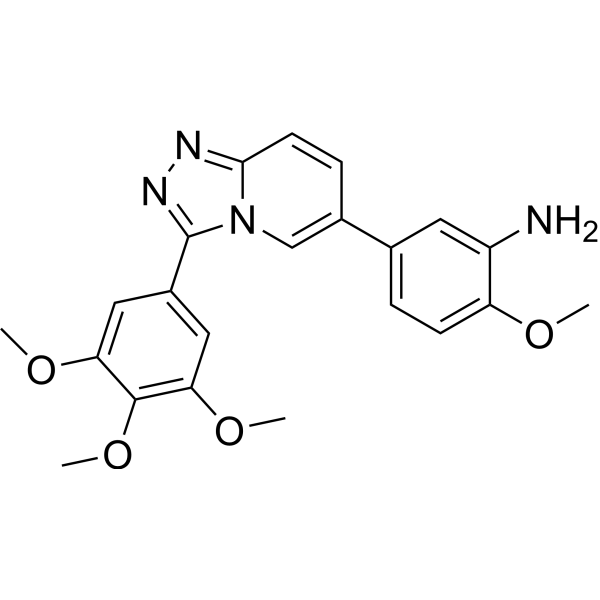

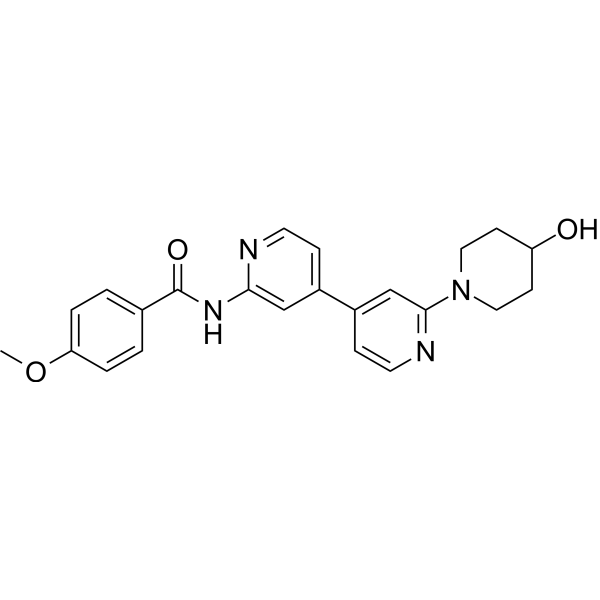


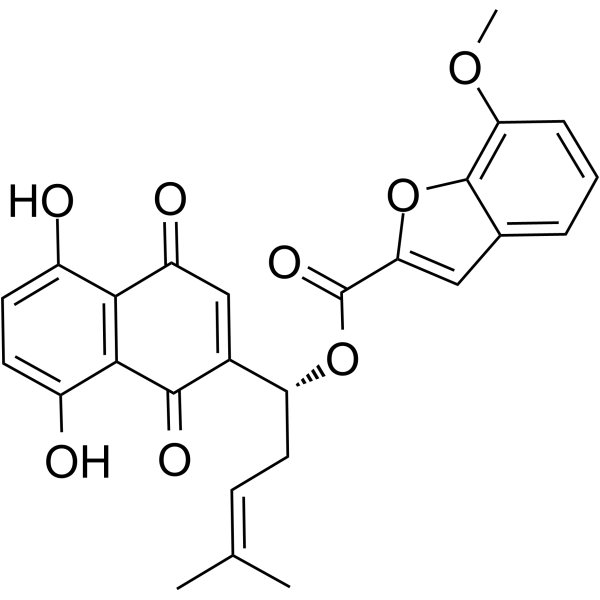


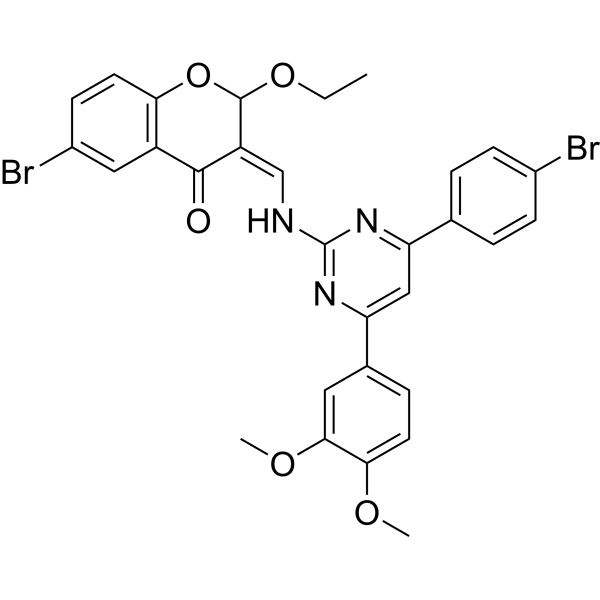
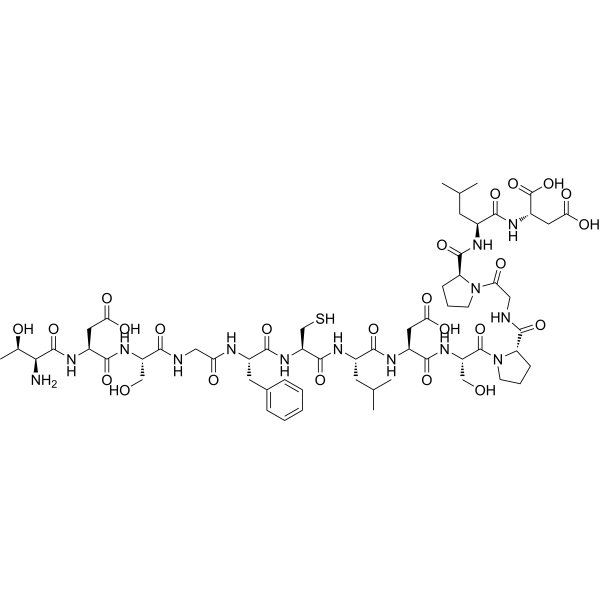
![[pSer2, pSer5, pSer7]-CTD TFA](http://file.medchemexpress.com/product_pic/hy-p1933a.gif)