1. Search Result
Search Result
Results for "

Murine macrophages

" in MedChemExpress (MCE) Product Catalog:

111

Inhibitors & Agonists

1

Fluorescent Dyes

3

Biochemical Assay Reagents

15

Peptides

8

Inhibitory Antibodies

36

Natural
Products

2

Isotope-Labeled Compounds

1

Click Chemistry

Targets Recommended:
Cat. No. Product Name Target Research Areas Chemical Structure
  • HY-113402
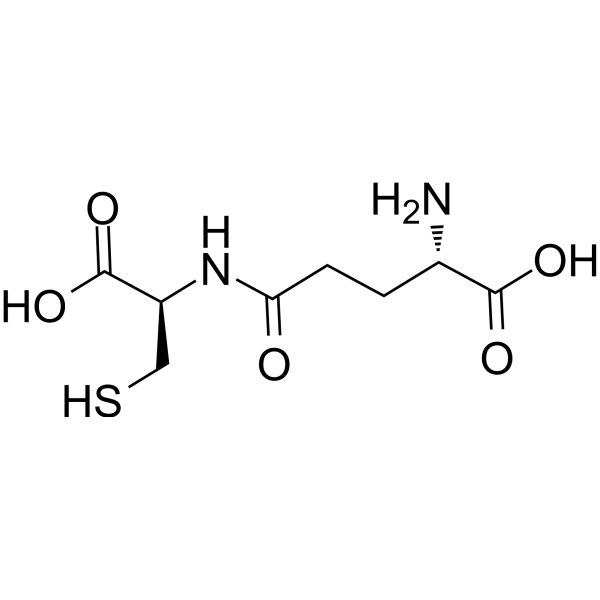
    Gamma-glutamylcysteine
    4 Publications Verification

    γ-Glu-Cys

    Endogenous Metabolite Interleukin Related TNF Receptor AMPK Sirtuin STAT PI3K NF-κB JAK p38 MAPK JNK Akt Apoptosis Ferroptosis Cardiovascular Disease Neurological Disease Inflammation/Immunology
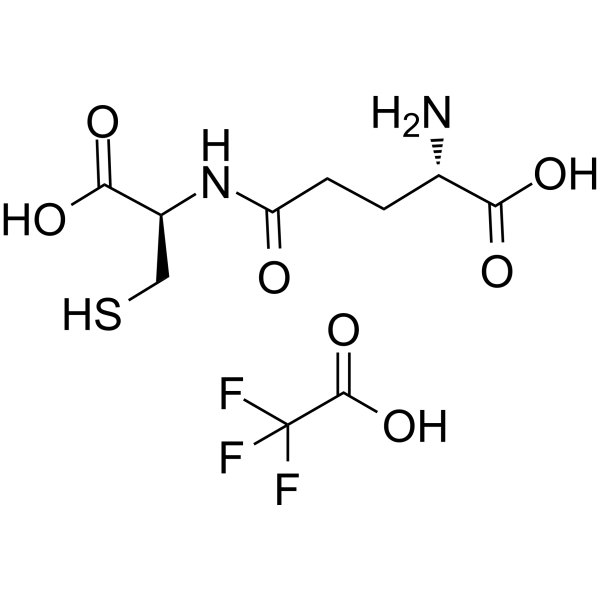
    Gamma-glutamylcysteine (γ-Glu-Cys) is an orally active, blood-brain barrier permeable dipeptide . Gamma-glutamylcysteine activates AMPK, SIRT1, IL-4/STAT6, AC/cAMP/PI3K, IGF-1R/IRS1/PI3K, and Nrf2 signaling pathways; it inhibits NF-κB, JAK1/STAT1/3, MAPKs, cadmium-induced p38 MAPK, JNK, and PI3K/Akt signaling pathways. Gamma-glutamylcysteine regulates macrophage polarization, modulates the trafficking of CD36 and GLUT4, induces glutathione synthesis, improves metabolic dysfunction, reduces lipid deposition, ameliorates glucose homeostasis, inhibits apoptosis (Apoptosis), stabilizes mitochondria, suppresses lipid peroxidation, iron accumulation and ferroptosis (Ferroptosis), reduces ds-HMGB1 levels, reverses mechanical hyperalgesia, and alleviates hepatic lipid droplet formation. Gamma-glutamylcysteine is applicable to research related to inflammatory bowel disease, type 2 diabetes, cadmium-induced neurotoxicity, Alzheimer's disease, cerebral ischemia/reperfusion injury, neuropathy, and alcoholic liver disease .
    Gamma-glutamylcysteine
  • HY-139413
    β-D-Glucan
    1 Publications Verification

    Toll-like Receptor (TLR) Cancer
    β-D-glucan is a natural non-digestible polysaccharide and high biocompatibility that can be selectively recognized by recognition receptors such as Dectin-1 and Toll-like receptors as well as being easily internalized by murine or human macrophages, which is likely to attribute to a target delivery . β-d-glucan is an enteric delivery vehicle for probiotics .
    β-D-Glucan
  • HY-N0577
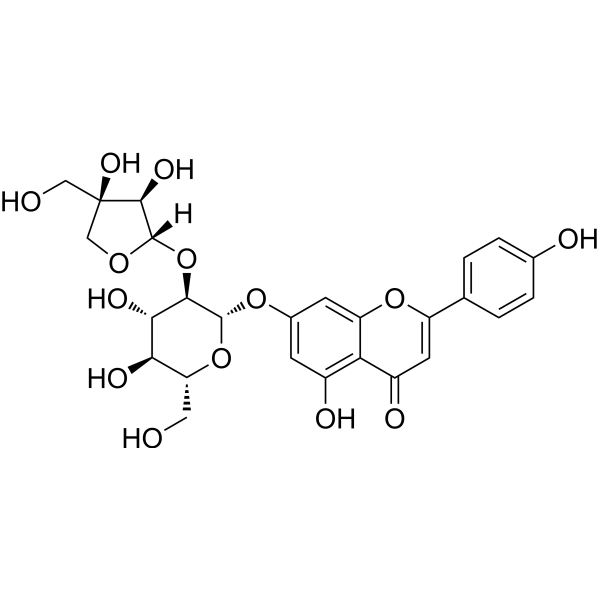
    Apiin
    1 Publications Verification

    Apigenin 7-O-apiosylglucoside; Apigenin 7-(2-O-apiosylglucoside)

    NO Synthase Inflammation/Immunology
    Apiin is a flavonoid glycoside-based iNOS inhibitor. Apiin inhibits the expression of inducible nitric oxide synthase in activated macrophages. Apiin exhibits anti-inflammatory activity .
    Apiin
  • HY-P4855
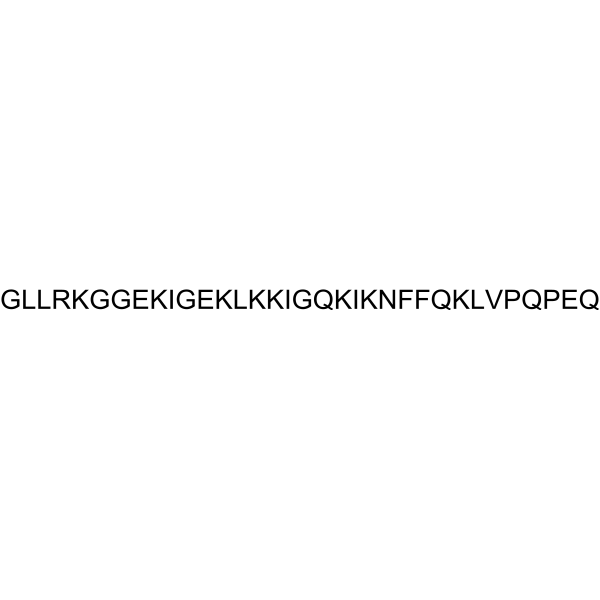
    CRAMP (mouse)
    1 Publications Verification

    Bacterial TNF Receptor Infection Inflammation/Immunology
    CRAMP (mouse) is an antibacterial peptide and a functional homolog of LL-37 . CRAMP (mouse) exhibits potent antibacterial activity against Gram-negative bacteria . The complex formed by CRAMP (mouse) and CpG can activate macrophages to secrete TNF-α . CRAMP (mouse) plays a key role in wound healing, immune regulation and maintenance of intestinal homeostasis .
    CRAMP (mouse)
  • HY-17015A
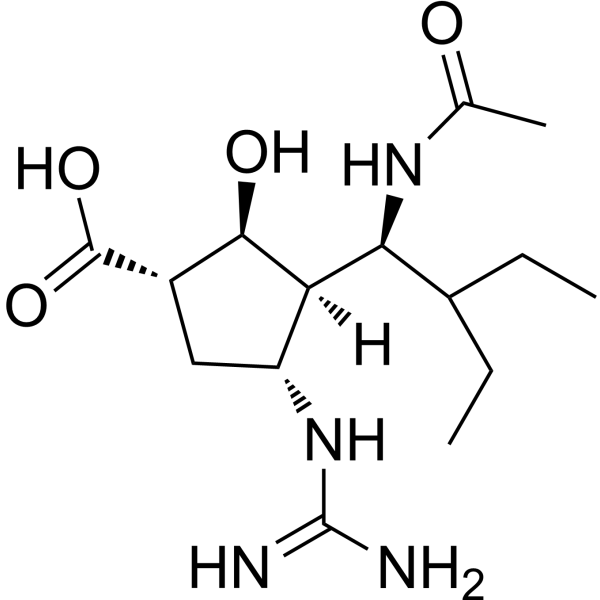
    Peramivir
    Maximum Cited Publications
    13 Publications Verification

    RWJ-270201; BCX-1812

    IKK JNK STAT p38 MAPK ERK Infection Inflammation/Immunology
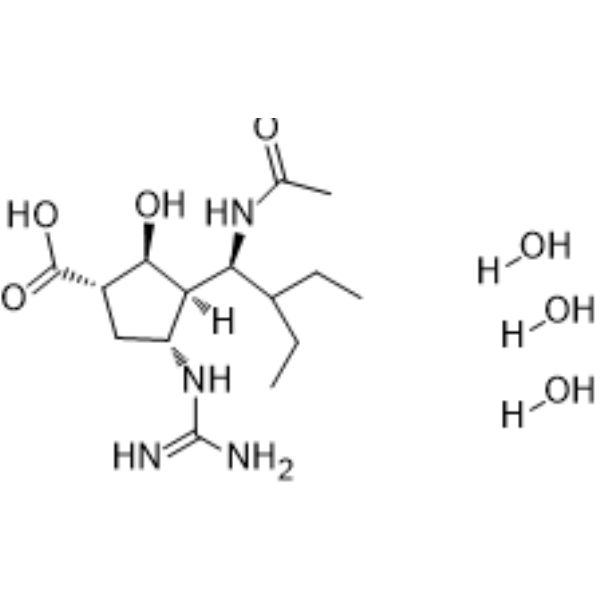
    Peramivir is an novel cyclopentane neuraminidase inhibitor of influenza virus. Peramivir has antiviral activity and anti-cytokines stom effects. Peramivir can be used for the research of COVID-19 .
    Peramivir
  • HY-168034

    STING Integrin NF-κB SARS-CoV Infection Inflammation/Immunology
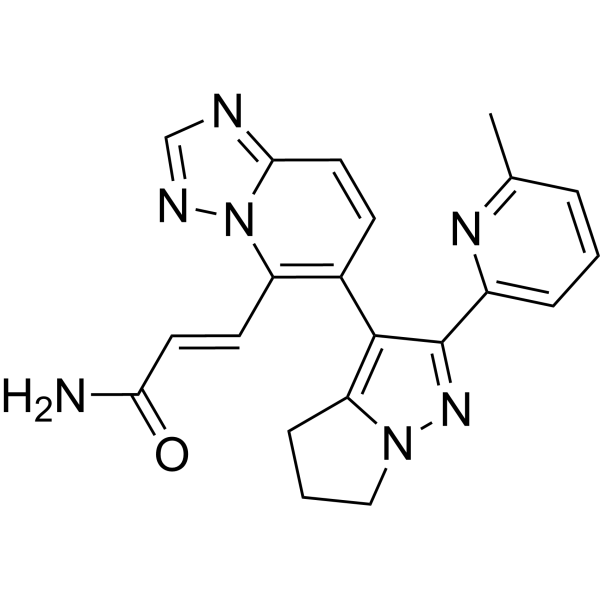
    diABZI-4 is a STING activator and broad-spectrum antiviral agent with immunostimulatory activity. diABZI-4 triggers the TBK1-IRF3 and NF-κB signaling cascades by inducing STING oligomerization, thereby promoting the production of type I/III interferons and various proinflammatory cytokines. diABZI-4 exhibits broad-spectrum antiviral activity and effectively inhibits the replication of influenza A virus, SARS-CoV-2, herpes simplex virus, and other viruses. diABZI-4 also activates lymphocytes and macrophages to provide significant pre- and post-exposure protection in viral disease models. diABZI-4 can be used to study COVID-19, respiratory viral infections, and related immunopathological mechanisms .
    diABZI-4
  • HY-114164G

    Thrombin Protease Activated Receptor (PAR) MMP VEGFR Epigenetic Reader Domain Cardiovascular Disease Neurological Disease Inflammation/Immunology
    Murine Thrombin is a murine serine protease that plays a central role in blood coagulation. Murine Thrombin stimulates macrophages to polarize into a unique phenotype characterized by anti-inflammatory and pro-repair properties. Murine Thrombin activates PAR1, induces the production of MCP-1, MMP3 and VEGF in mouse intervertebral discs, and causes degradation of the cartilage matrix and destruction of intervertebral disc structure. Murine Thrombin activity increases significantly in paraoxon-induced status epilepticus .
    Murine Thrombin
  • HY-N12586

    ERK Reactive Oxygen Species (ROS) COX PGE synthase STAT HCV HCV Protease Infection Neurological Disease Cancer
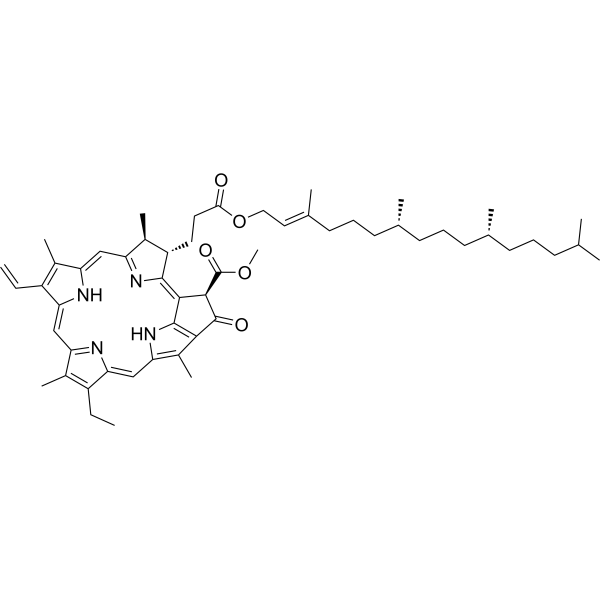
    Pheophytin a is a multi-target inhibitor, anticancer agent, antioxidant and antiviral agent. Pheophytin a directly binds to and inhibits HCV-NS3/4A protease (IC50=0.89 μM) to block viral replication. Pheophytin a also scavenges free radicals, reduces ferric ions, and exhibits cytotoxic activity against breast cancer cells. Pheophytin a effectively inhibits LPS-induced production of nitric oxide, prostaglandin E2, NOS2 and COX-2, as well as various pro-inflammatory cytokines, by downregulating the transcription levels of inflammatory mediators and blocking the ERK1/2 and STAT-1 pathways. In a low nerve growth factor environment, Pheophytin a also enhances ERK1/2 phosphorylation and synergistically promotes neurite outgrowth through MAPK pathway. Pheophytin a can be used to investigate the pathogenic mechanisms of diseases including chronic hepatitis C, sepsis, breast cancer and Alzheimer's disease .
    Pheophytin a
  • HY-N2350

    MMP NF-κB TNF Receptor Cancer
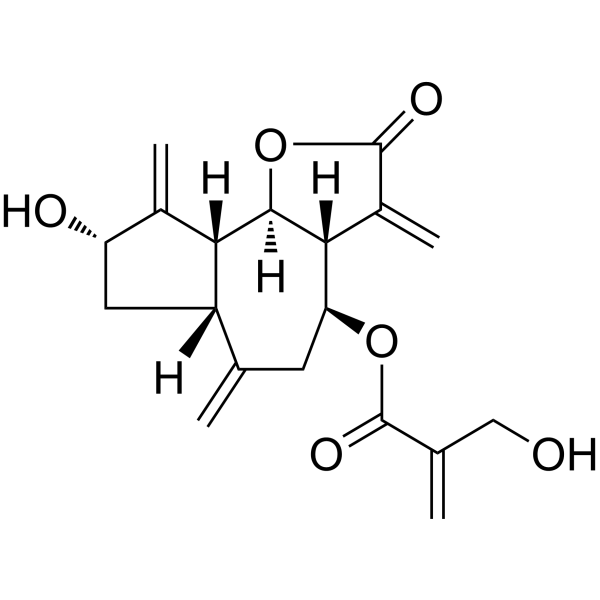
    Cynaropicrin is a sesquiterpene lactone which can inhibit tumor necrosis factor (TNF-α) release with IC50s of 8.24 and 3.18 μM for murine and human macrophage cells, respectively. Cynaropicrin also inhibits the increase of cartilage degradation factor (MMP13) and suppresses NF-κB signaling.
    Cynaropicrin
  • HY-15652

    ONO-6818; ONO-PO-736

    Elastase Inflammation/Immunology
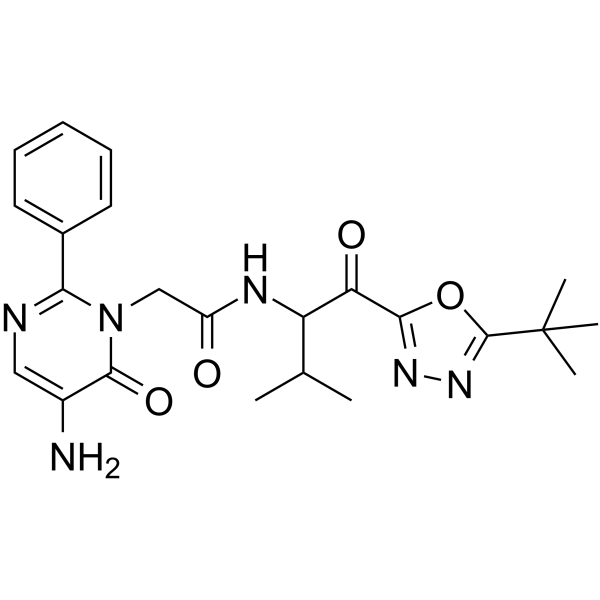
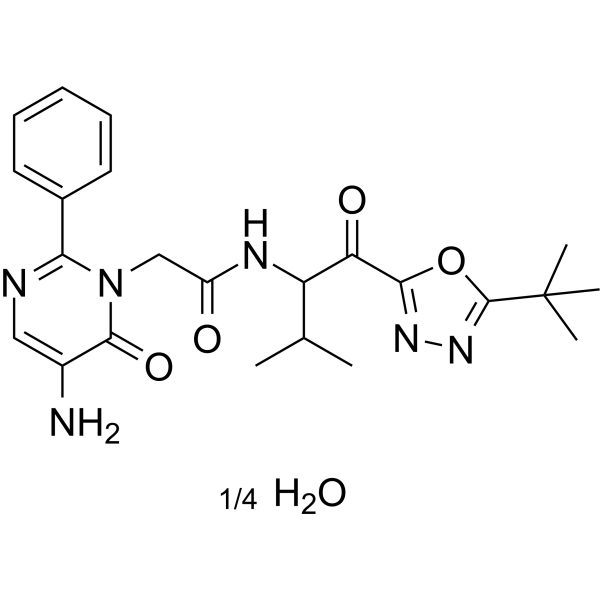
    Freselestat (ONO-6818) is a potent and orally active neutrophil elastase inhibitor with a Ki of 12.2 nM. Freselestat is >100-fold less-active against other proteases such as trypsin, protein-ase 3, pancreatic elastase, plasmin, thrombin, collagenase, cathepsin G, and murine macrophage elastase. Freselestat has a potent anti-inflammatory activity .
    Freselestat
  • HY-B0386

    COX Inflammation/Immunology
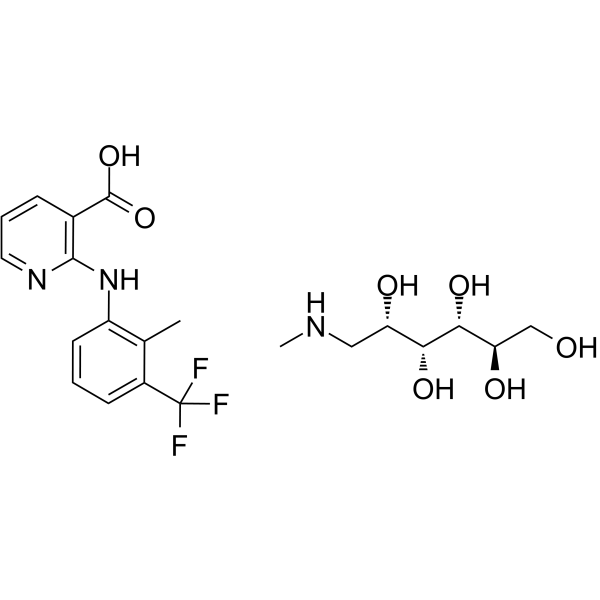
    Flunixin meglumine is a cyclooxygenase (COX) inhibitor with IC50 values of 0.55 and 3.24 μM for COX-1 and COX-2, respectively. Flunixin meglumine shows anti-inflammatory effects .
    Flunixin meglumine
  • HY-159069

    Toll-like Receptor (TLR) TNF Receptor Connexin Infection Cancer
    Zymosan (ZM), 95% is a yeast cell wall-derived carbohydrate-rich preparation and immunomodulator. Zymosan (ZM), 95% binds to and activates TLR-2, TLR-4, and Dectin-1 receptor to trigger downstream signaling pathways. Zymosan (ZM), 95% upregulates TLR-2, TLR-4, and TNF-α mRNA expression, increases serum TNF-α levels, and stimulates splenocyte number and viability in mice. Zymosan (ZM), 95% attenuates melanoma growth progression, modulates macrophage marker gene expression, and mediates phagocytosis, ROS generation, and cytokine production. Zymosan (ZM), 95% reduces Connexin 43 protein and mRNA levels, inhibits gap junctional intercellular communication, and induces proinflammatory factor production in human corneal cells. Zymosan (ZM), 95% induces peritoneal inflammation in mice, functions as a drug carrier, and supports fibroblast cell attachment in hydrogel formulations. Zymosan (ZM), 95% can be used for the research of melanoma, tumors, fungal keratitis, ocular surface inflammatory disorders, and peritoneal inflammation .
    Zymosan (ZM), 95%
  • HY-17015
    Peramivir trihydrate
    Maximum Cited Publications
    13 Publications Verification

    RWJ 270201 trihydrate; BCX 1812 trihydrate

    Influenza Virus IKK JNK STAT p38 MAPK ERK Infection Inflammation/Immunology
    Peramivir trihydrate (RWJ-270201 trihydrate) is a highly potent, selective and orally active influenza virus neuraminidase (NA) inhibitor, with IC50 values ranging from 0.9 to 4.3 nM for nine NA subtypes .
    Peramivir trihydrate
  • HY-P99358

    GSK 2398852; Anti-Serum Amyloid P/SAP Reference Antibody (dezamizumab)

    Complement System Inflammation/Immunology
    Dezamizumab (GSK 2398852) is a fully humanized clonal IgG1 antibody against serum amyloid P component (SAP) with complement activation and amyloid clearance-inducing activities. Dezamizumab binds to SAP associated with amyloid deposits to form complexes that activate complement and mediate phagocytic clearance, triggering activation of the classical complement pathway. Dezamizumab can be used for the research of systemic amyloidosis .
    Dezamizumab
  • HY-N2110

    Akt Sirtuin Integrin STAT PI3K Apoptosis ERK PPAR PKC Toll-like Receptor (TLR) HIV Inflammation/Immunology
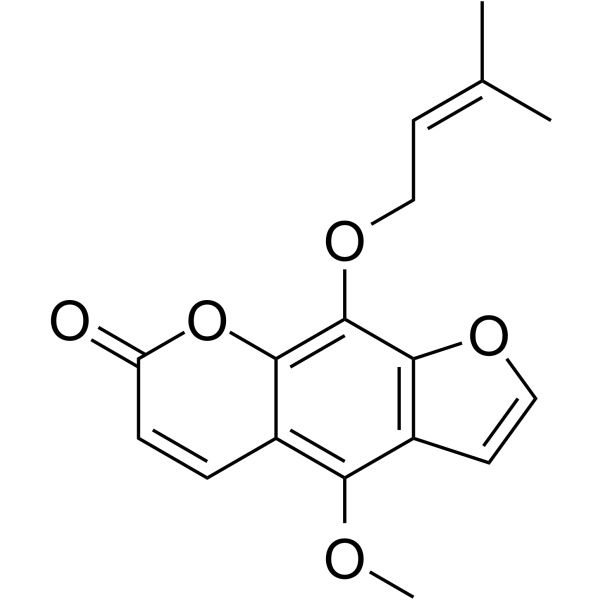
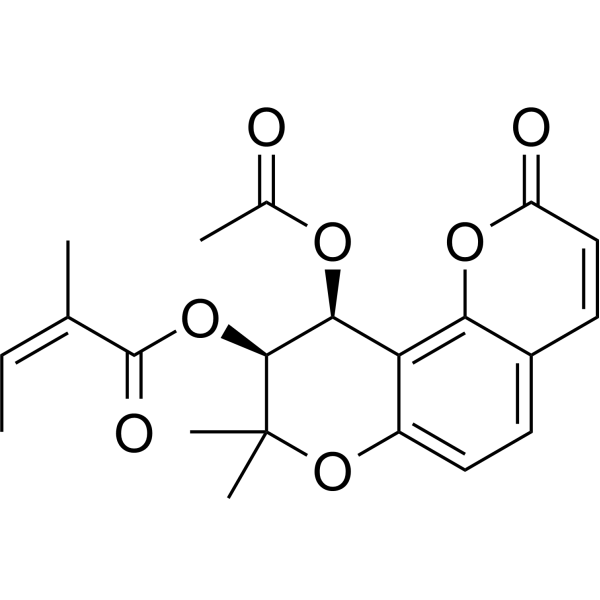
    Phellopterin, an orally active furocoumarin with multiple biological activities. Phellopterin is a partial agonist of the central benzodiazepine receptors. Phellopterin exerts anti-inflammatory effects by upregulating SIRT1, downregulating ICAM-1 (reducing chronic inflammation, aiding diabetic ulcer healing), inhibiting STAT3 phosphorylation (easing atopic dermatitis inflammation), regulating Akt/PKC pathways (lowering TNF-α-induced VCAM-1 to block monocyte adhesion), and inhibiting TLR4/NF-κB pathway and macrophage M2 polarization (alleviating colitis-related cancers). Phellopterin suppresses ovarian cancer progression via inhibiting the PU.1/CLEC5A/PI3K-AKT loop (inducing cell cycle arrest, apoptosis, DNA damage). Phellopterin alleviates murine diabetes by promoting adipocyte differentiation and increasing PPARγ. Phellopterin also has anti-HSV-1 activity. Phellopterin can be used for studying anti-inflammation, anti-cancer (e.g., ovarian cancer, colitis cancer), blood glucose lowering, anti-diabetes, and anti-virus .
    Phellopterin
  • HY-N6801

    Caspase Apoptosis Bcl-2 Family Infection Inflammation/Immunology Cancer
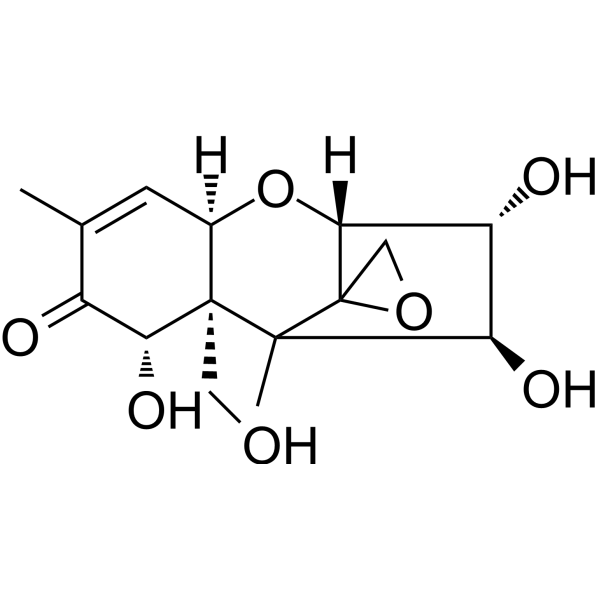
    Nivalenol, a trichothecene mycotoxin that can be produced by Fusarium graminearum, is a fungal metabolite present in agricultural product. Nivalenol modulates apoptotic pathway, cell cycle regulation, Bax, ERK, caspase-3, and poly-ADP-ribose synthase activity in macrophages. Nivalenol inhibits ribosomal peptidyltransferase site, protein synthesis, DNA synthesis, and cell proliferation. Nivalenol induces late-stage apoptotic morphological changes, reduces cellular metabolism, and decreases cell proliferation in erythroleukemia cells. Nivalenol induces lymphocyte apoptosis in murine thymus, spleen, and Peyer's patches. Nivalenol can be used for the research of erythroleukemia .
    Nivalenol
  • HY-N0608
    Myrislignan
    1 Publications Verification

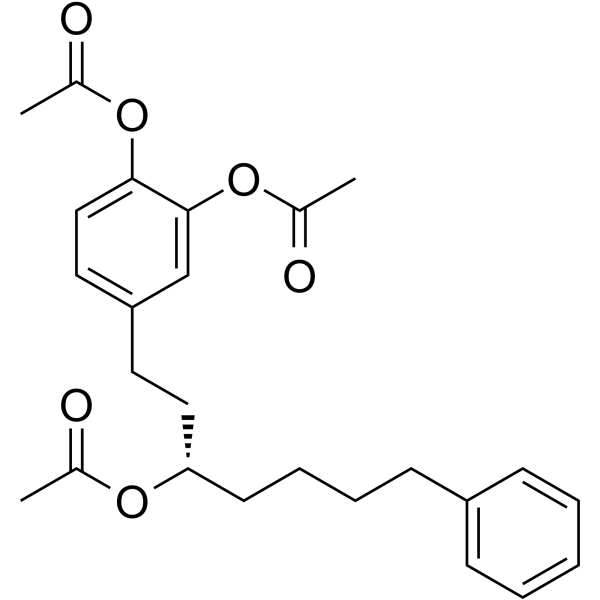
    NF-κB Inflammation/Immunology
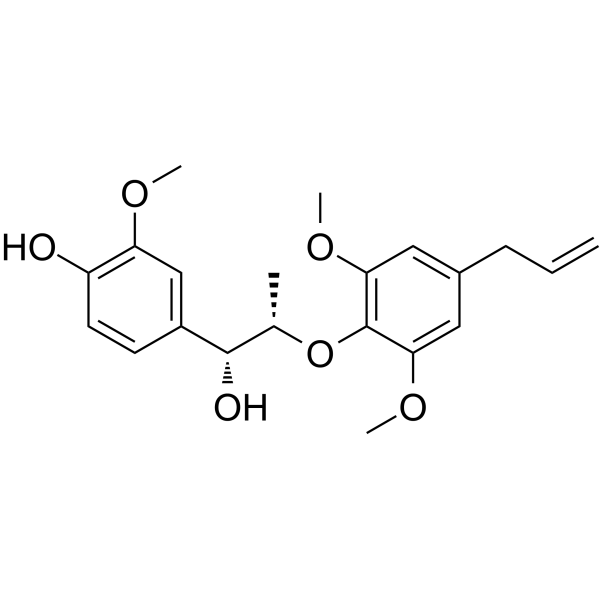
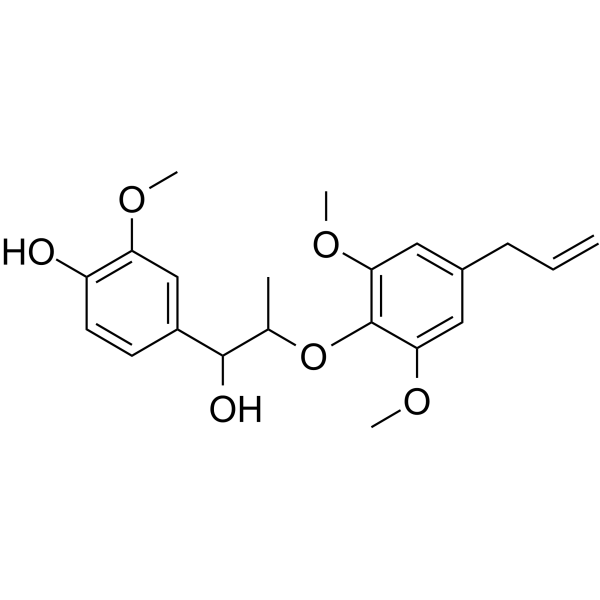
    Myrislignan, a lignan isolated from Myristica fragrans Houtt, possesses anti-inflammatory activities. Myrislignan attenuates LPS-induced inflammation reaction in murine macrophage cells through inhibition of NF-kB signalling pathway activation .
    Myrislignan
  • HY-N2106
    Dehydroevodiamine
    2 Publications Verification

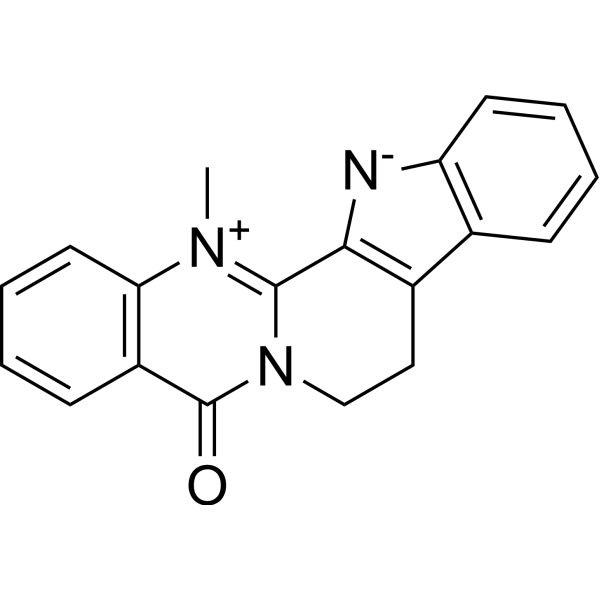
    NF-κB COX PGE synthase NO Synthase Inflammation/Immunology
    Dehydroevodiamine is a major bioactive quinazoline alkaloid isolated from Evodiae Fructus, has an antiarrhythmic effect in guinea-pig ventricular myocytes . Dehydroevodiamine inhibits LPS-induced iNOS, COX-2, prostaglandin E2 (PGE2) and nuclear factor-kappa B (NF-κB) expression in murine macrophage cells .
    Dehydroevodiamine
  • HY-159838

    EI‐1071

    c-Fms Amyloid-β Neurological Disease Cancer
    Enrupatinib (EI‐1071) is a potent, orally active, CNS-penetrant and selective CSF1R inhibitor. Enrupatinib inhibits macrophage proliferation and osteoclast differentiation in vitro. Enrupatinib preserves microglia distal to plaques. Enrupatinib mitigates Alzheimer's disease (AD)-related pathologies by reducing neuroinflammation, preserving neuronal integrity, lowering disease-associated microglia gene expression, and enhancing cognitive function in 5xFAD and J20 mouse models. Enrupatinib reduces tumor-associated macrophage infiltration and enhances antitumor activity of anti-PD-1 antibody in murine colorectal cancer and breast cancer models. Enrupatinib can be used for the research of AD, colorectal cancer, and breast cancer .
    Enrupatinib
  • HY-P10710

    IFNAR Interleukin Related COX NO Synthase Inflammation/Immunology
    BMP-4 (15-24) is a cell-penetrating heparin-binding peptide with the sequence RKKNPNCRRH. BMP-4 (15-24) exhibits anti-inflammatory and anti-chondrogenic activities. BMP-4 (15-24) can be used in the research of arthritis .
    BMP-4 (15-24)
  • HY-146066

    nAChR JAK STAT NO Synthase Interleukin Related Inflammation/Immunology
    α7 nAchR-JAK2-STAT3 agonist 1 is a potent α7 nAchR-JAK2-STAT3 agonist, with an IC50 value of 0.32 μM for nitric oxide (NO). α7 nAchR-JAK2-STAT3 agonist 1 effectively suppresses the expression of iNOS, IL-1β, and IL-6 in murine RAW264.7 macrophages. α7 nAchR-JAK2-STAT3 agonist 1 can inhibit LPS-induced NO release, NF-κB activation and cytokine production. α7 nAchR-JAK2-STAT3 can be used for researching sepsis .
    α7 nAchR-JAK2-STAT3 agonist 1
  • HY-160222

    HSV STING IFNAR NF-κB Infection
    HSV-60mer sodium is a 60 bp double-stranded DNA oligonucleotide derived from the HSV-1 genome, and also an IFNβ inducer. HSV-60mer sodium colocalizes with endogenous cytoplasmic IFI16 in immune cells. HSV-60mer sodium activates the transcription factors IRF3 and NF-κB, induces the production of proinflammatory cytokines, and inhibits HSV-1 replication in immune cells. HSV-60mer sodium can be used in studies related to herpes simplex virus type 1 infection .
    HSV-60mer sodium
  • HY-P10086
    TREM-1 inhibitory peptide GF9
    1 Publications Verification

    Human TREM-1(213-221)

    TREM receptor TNF Receptor Interleukin Related c-Fms Neurological Disease Inflammation/Immunology Cancer
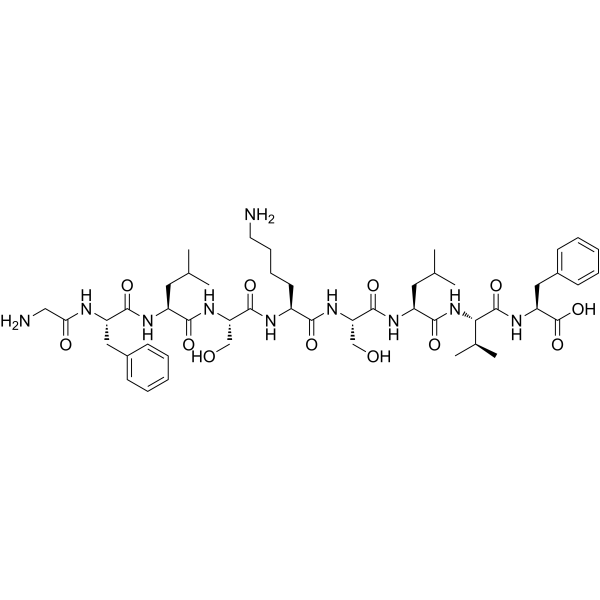
    TREM-1 inhibitory peptide GF9 (Human TREM-1 (213-221)) is a TREM-1 inhibitor. TREM-1 inhibitory peptide GF9 blocks the TREM-1 signaling pathway via a ligand-independent mechanism, spontaneously inserts into the cell membrane to dissociate TREM-1 from DAP-12, and functions through the Signaling Chain Homooligomerization (SCHOOL) model. TREM-1 inhibitory peptide GF9 reduces the levels of TNFα, IL-1β, IL-6, and M-CSF. TREM-1 inhibitory peptide GF9 inhibits tumor growth, prolongs the survival of mice with pancreatic cancer models, ameliorates collagen-induced arthritis, and exerts protective effects on bone and cartilage simultaneously. TREM-1 inhibitory peptide GF9 can be used in research related to arthritis, pancreatic cancer, retinopathy, alcoholic liver disease, and liver cancer .
    TREM-1 inhibitory peptide GF9
  • HY-P99529

    BAX1810; TAK-752; SM101

    Fc Receptor (FcR) Inflammation/Immunology
    Valziflocept (BAX1810) is a recombinant soluble human FcγRIIb receptor that targets Fc and FcγR. FcγRs bind to and neutralize pathogenic IgG, thereby acting as a "decoy" or "scavenger" receptor that reduces the severity of autoimmune diseases. Valziflocept is used in research on autoimmune diseases such as systemic lupus erythematosus (SLE) .
    Valziflocept
  • HY-P10710A
    BMP-4 (15-24) acetate
    1 Publications Verification

    IFNAR Interleukin Related COX NO Synthase Inflammation/Immunology
    BMP-4 (15-24) acetate is a cell-penetrating heparin-binding peptide with the sequence RKKNPNCRRH. BMP-4 (15-24) acetate exhibits anti-inflammatory and anti-chondrogenic activities. BMP-4 (15-24) acetate can be used in the research of arthritis .
    BMP-4 (15-24) acetate
  • HY-N7700

    G2013

    MMP COX VEGFR Toll-like Receptor (TLR) NF-κB NO Synthase Inflammation/Immunology Cancer
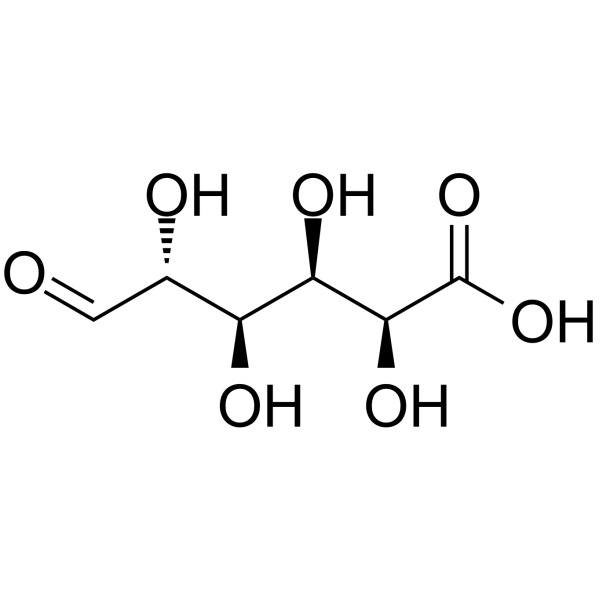
    Guluronic acid (G2013) is an orally active oxidative stress regulator and anti-inflammatory agent that exerts pharmacological effects by down-regulating various pro-inflammatory and oxidative stress-related genes (such as TLR4, NF-κB, iNOS, etc.) and inhibiting the activities of COX-2, MMPs and VEGF. Low-dose Guluronic acid up-regulates the expression of immunoregulatory genes SHIP1 and SOCS1, thereby effectively inhibiting cancer-related inflammation, tumor angiogenesis, cell adhesion and metastasis, while reducing the accumulation of immunosuppressive cells. Guluronic acid significantly prolongs the survival time of tumor-bearing hosts within a concentration range without direct cytotoxicity, demonstrating favorable safety. Guluronic acid has involved in the research of multiple sclerosis, ankylosing spondylitis, breast cancer and other inflammatory diseases .
    Guluronic acid
  • HY-N16039

    β-glucuronidase Inflammation/Immunology
    TAN-1030A is an indolocarbazole alkaloid with macrophage-activating properties. TAN-1030A induces spreading of a murine macrophage cell line, Mm 1, and augmentes the phagocytic activity, Fc gamma receptor expression and β-glucuronidase activity of murine macrophage cell lines, Mm 1 and J774A.1. TAN-1030A can activate macrophage functions in mice .
    TAN-1030A
  • HY-138869

    Endogenous Metabolite Cancer
    AubipyOMe serves as a potent inhibitor of tartrate-resistant acid phosphatase (TRAP/ACP5), a metalloenzyme found in activated osteoclasts and macrophages, demonstrating IC50 values of 1.3 μM for TRAP5a and 1.8 μM for TRAP5b, while effectively inhibiting TRAP activity in extracts from murine macrophages and human lung tissue.
    AubipyOMe
  • HY-N8435

    TNF Receptor COX NO Synthase PGE synthase Infection Inflammation/Immunology
    Desoxo-narchinol A is an orally active and potent anti-inflammatory agent. Desoxo-narchinol A can be isolated from the roots and rhizomes of Nardostachys jatamansi. Desoxo-narchinol A can be used for septic shock and inflammatory diseases research .
    Desoxo-narchinol A
  • HY-W1000105

    (E)-3,7-Dimethylocta-2,6-dienal

    TNF Receptor Interleukin Related ERK JNK IKK COX NO Synthase Reactive Oxygen Species (ROS) Inflammation/Immunology
    Geranial is an aromatic compound. It can be isolated from the fruits of Litsea cubeba Lour and the rhizomes of ginger (Zingiber officinale). Geranial inhibits LPS-induced phosphorylation of ERK1/2, JNK1/3 and IκB in macrophages. It suppresses the secretion of IL-1β, TNF-α and IL-6, as well as the expression of pro-IL-1β, iNOS and COX-2. Geranial increases ROS. It can be used in the research of inflammatory diseases .
    Geranial
  • HY-13743

    Linomide; FCF89; ABR212616

    TNF Receptor Interleukin Related IFNAR Neurological Disease Inflammation/Immunology Cancer
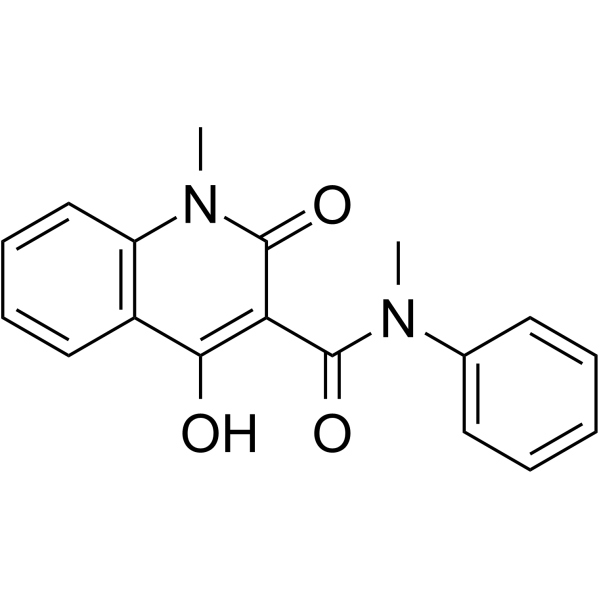
    Roquinimex (Linomide) is an orally active immunomodulator with antineoplastic, anti-inflammatory, and antiangiogenic activity. Roquinimex suppresses TH1 lymphocyte cytokines (IL-2, IFN-γ), promotes TH2 lymphocyte cytokines (IL-4, IL-10), increases NK cell, activated monocyte, and T cell activity. Roquinimex blocks macrophage TNF-α production and suppresses IL-1/IL-6 secretion. Roquinimex exhibits in vivo antitumour activity, suppresses rodent autoimmune disease signs, and ameliorates murine colitis and psoriasis. Roquinimex can be used for the research of leukemia, inflammatory bowel disease, multiple sclerosis, and psoriasis .
    Roquinimex
  • HY-P11060

    Adpgk peptide

    MHC Cancer
    MC38 SLP Adpgk (Adpgk peptide) is an H-2 K b-restricted colorectal cancer neoantigen peptide. MC38 SLP Adpgk is formulated into PCNP nanocomplexes together with CpG ODN. PCNP vaccines significantly enhance the co-delivery efficiency of neoantigens and adjuvants to lymphoid organs, and activate cytotoxic T cells. PCNP vaccines not only protect mice from MC-38 colorectal tumor invasion, but also exhibit anti-tumor efficacy in established colorectal tumor models and significantly prolong the survival of tumor-bearing mice .
    MC38 SLP Adpgk
  • HY-156850

    HDAC NF-κB Cancer
    ITF 3756 is a selective, orally active HDAC6 inhibitor. ITF 3756 antagonizes TNF-α-induced activation of the NF-κB pathway. ITF 3756 reduces PD-L1 expression on human monocytes and CD8 + T cells, and exhibits antitumor activity. ITF 3756 can be used in colon cancer-related research .
    ITF 3756
  • HY-161612

    Tyrosinase SOD COX NO Synthase Keap1-Nrf2 Inflammation/Immunology
    Mycosporine 2 glycine is an anti-inflammatory agent and TYRP1 inhibitor. Mycosporine 2 glycine inhibits the expression of inflammatory genes and reduces nitric oxide production. Mycosporine 2 glycine binds tightly to the active pocket of TYRP1 and inhibits the activity of melanogenesis-related enzymes. Mycosporine 2 glycine can be used in the research of hyperpigmentation and inflammation-related diseases .
    Mycosporine 2 glycine
  • HY-W014989

    Biochemical Assay Reagents Cancer
    Thioglucose is a thiosugar with antioxidant properties. Thioglucose acts as an H2S/polysulfide donor to elevate intracellular sulfane sulfur levels and promote hydropersulfide formation. Thioglucose reduces the endocytosis of gold nanoparticles by phagocytes, enhances cytotoxicity and improves biocompatibility by increasing their adsorption on the surface of cancer cells. Thioglucose can be engineered into a stimulus-responsive prodrug or functional reagent for the development of targeted nanocarriers, and is used in studies related to human breast adenocarcinoma and cervical cancer .
    Thioglucose
  • HY-134467

    Parasite NO Synthase Infection
    Phylloflavan is an antileishmanial (Antileishmanial) agent with an EC50 of 3.2 nM against intracellular amastigotes of Leishmania donovani. Phylloflavan is isolated from Phyllocldus plants. Phylloflavan induces moderate levels of NO release. Phylloflavan also inhibits the cytopathic effect of encephalomyocarditis virus on L929 fibroblasts (38 U/mL) .
    Phylloflavan
  • HY-122357

    γ-Glu-Trp

    Adenylate Cyclase Inflammation/Immunology
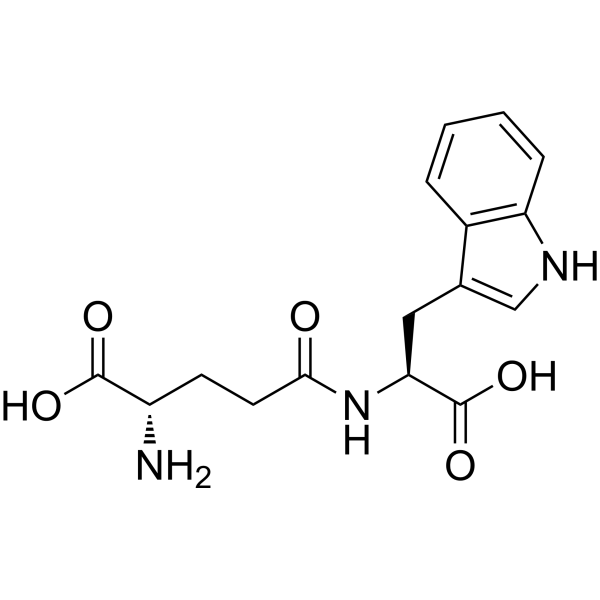
    Bestim (γ-Glu-Trp) is a dipeptide, which exhibits high affinity to murine peritoneal macrophages, thymocytes, and plasma membranes isolated from these cells, with Kds of 3.1, 2.1, 18.6 and 16.7 nM, respectively. Bestim inhibits adenylate cyclase in the membranes of murine macrophages and thymocytes. Bestim exhibits immunomodulatory efficacy .
    Bestim
  • HY-168539

    HuR Inflammation/Immunology
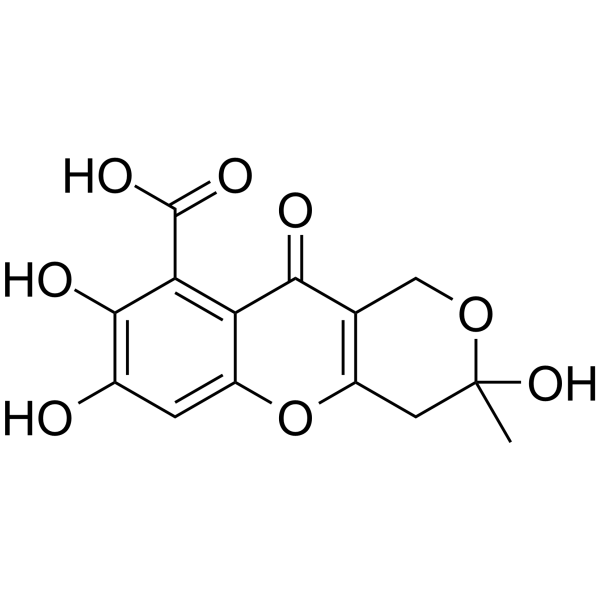
    TM11, a Tanshinone mimic, is a potent HuR inhibitor that can inhibit HuR-RNA complex formation. TM11 reduces LPS-induced inflammatory response in murine macrophages .
    TM11
  • HY-N6801S

    Isotope-Labeled Compounds Caspase Apoptosis Bcl-2 Family Infection Inflammation/Immunology Cancer
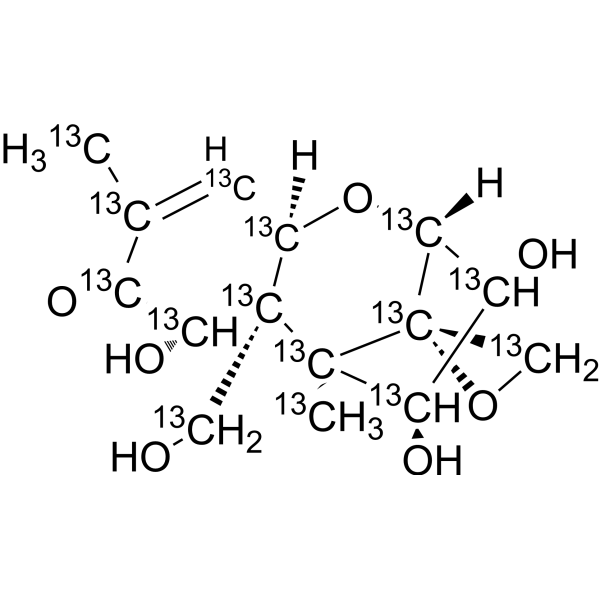
    Nivalenol- 13C15 is the 13C labeled Nivalenol (HY-N6801) . Nivalenol, a trichothecene mycotoxin that can be produced by Fusarium graminearum, is a fungal metabolite present in agricultural product. Nivalenol modulates apoptotic pathway, cell cycle regulation, Bax, ERK, caspase-3, and poly-ADP-ribose synthase activity in macrophages. Nivalenol inhibits ribosomal peptidyltransferase site, protein synthesis, DNA synthesis, and cell proliferation. Nivalenol induces late-stage apoptotic morphological changes, reduces cellular metabolism, and decreases cell proliferation in erythroleukemia cells. Nivalenol induces lymphocyte apoptosis in murine thymus, spleen, and Peyer's patches. Nivalenol can be used for the research of erythroleukemia.
    Nivalenol-13C15
  • HY-B0386R

    Reference Standards COX Inflammation/Immunology
    Flunixin (meglumine) (Standard) is the analytical standard of Flunixin (meglumine). This product is intended for research and analytical applications. Flunixin meglumine is a cyclooxygenase (COX) inhibitor with IC50 values of 0.55 and 3.24 μM for COX-1 and COX-2, respectively. Flunixin meglumine shows anti-inflammatory effects .
    Flunixin meglumine (Standard)
  • HY-P10383

    NO Synthase Infection
    SPSB2-iNOS inhibitory cyclic peptide-1 is an inhibitor for the interaction of SPRY domain and SOCS-box protein 2 (SPSB2) and iNOS, through binding SPSB2 on iNOS site with KD of 4.4 nM. SPSB2-iNOS inhibitory cyclic peptide-1 is resistant to the proteases pepsin, trypsin and α-chymotrypsin. SPSB2-iNOS inhibitory cyclic peptide-1 is stable in human plasma and in oxidative environment .
    SPSB2-iNOS inhibitory cyclic peptide-1
  • HY-169859

    Prostaglandin Receptor Interleukin Related Inflammation/Immunology Cancer
    EP4 receptor antagonist 7 (Compound 14) is an antagonist of the prostaglandin E2 (PGE2) receptor subtype EP4 with an IC50 value of 1.1 nM. EP4 receptor antagonist 7 inhibits PGE2-induced β-arrestin recruitment in HEK293 cells with an IC50 value of 0.9 nM. EP4 receptor antagonist 7 decreases PGE2-induced expression of mRNA encoding IL-4, macrophage mannose receptor 1 (Mrc1), chitinase-like protein 3 (Chil3), chemokine (C-X-C) motif ligand 1 (Cxcl1), triggering receptor expressed on myeloid cells 2 (Trem2), and arginase-1 (Arg1), in RAW 264.7 macrophages. EP4 receptor antagonist 7 combined with an anti-PD-1 antibody inhibits tumor growth and increases infiltration of CD 8+ T cells into tumors in a CT26 murine colon cancer model .
    EP4 receptor antagonist 7
  • HY-N7697C

    Toll-like Receptor (TLR) Interleukin Related Reactive Oxygen Species (ROS) Cardiovascular Disease Metabolic Disease Inflammation/Immunology
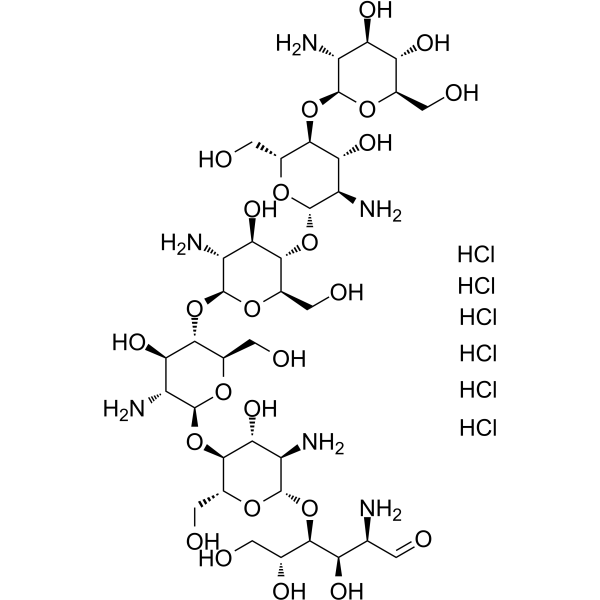
    Chitohexaose hexahydrochloride is a small molecular polysaccharide. Chitohexaose hexahydrochloride inhibits the binding of AgW to TLR4. Chitohexaose hexahydrochloride upregulates IL-10, inhibits LPS-induced upregulation of ROS, induces alternative activation of macrophages/monocytes, and suppresses LPS-induced production of TNF-α, IL-1β and IL-6. Chitohexaose hexahydrochloride reverses the mortality of mice challenged with APAP or LPS. Chitohexaose hexahydrochloride can be used in research related to Acetaminophen (HY-66005)-induced hepatotoxicity and endotoxemia .
    Chitohexaose hexahydrochloride
  • HY-146066A

    nAChR JAK STAT NO Synthase Others
    (R)-α7 nAchR-JAK2-STAT3 agonist 1 is the R-enantiomer of α7 nAchR-JAK2-STAT3 agonist 1 (HY-146066). α7 nAchR-JAK2-STAT3 agonist 1 is a potent α7 nAchR-JAK2-STAT3 agonist, with an IC50 value of 0.32 μM for nitric oxide (NO). α7 nAchR-JAK2-STAT3 agonist 1 effectively suppresses the expression of iNOS, IL-1β, and IL-6 in murine RAW264.7 macrophages. α7 nAchR-JAK2-STAT3 agonist 1 can inhibit LPS-induced NO release, NF-κB activation and cytokine production. α7 nAchR-JAK2-STAT3 can be used for researching sepsis .
    (R)-α7 nAchR-JAK2-STAT3 agonist 1
  • HY-N10133

    3′-Prenylnaringenin

    Bacterial mTOR Akt PI3K NF-κB Caspase JNK ERK COX NO Synthase Apoptosis Others
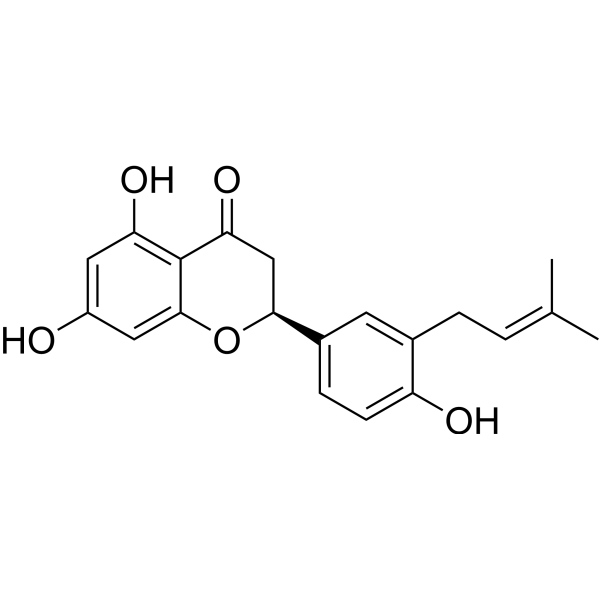
    Licoflavanone (3′-Prenylnaringenin) is a flavanone with antioxidant, anti-inflammatory and anticancer activities. Licoflavanone can be isolated from the leaf extract of Glycyrrhiza glabra. Licoflavanone downregulates the mTOR/PI3K/AKT signaling pathway to inhibit the proliferation, migration and invasion of cancer cells, while activates Bax, Bad and multiple caspase enzymes to induce apoptosis. Its anti-inflammatory effect is manifested by reducing the nuclear translocation of NF-κB, decreasing the phosphorylation levels of p38, JNK and ERK1/2, thereby inhibiting the expression of nitric oxide, proinflammatory cytokines, COX-2 and iNOS. Licoflavanone is used in studies on nasopharyngeal carcinoma and related mechanisms .
    Licoflavanone
  • HY-129151

    TNF Receptor Inflammation/Immunology
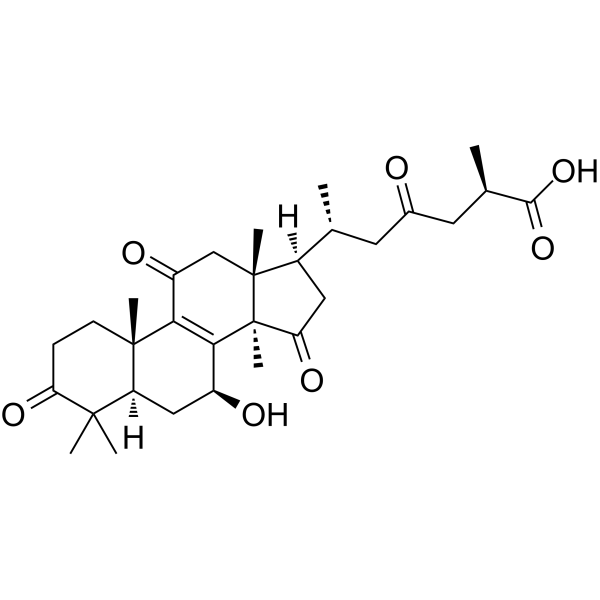
    Ganoderic acid C1, a natural compound that could be isolated from G. lucidum, suppresses TNF-α production by murine macrophages (RAW 264.7 cells) .
    Ganoderic acid C1
  • HY-N2838

    NO Synthase Inflammation/Immunology
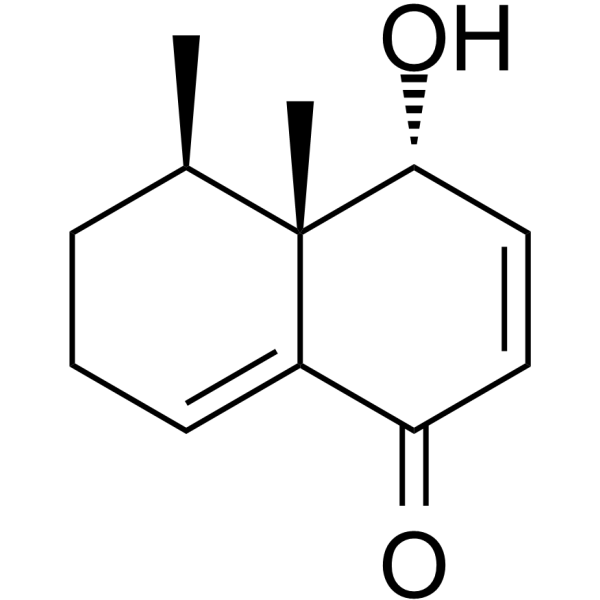
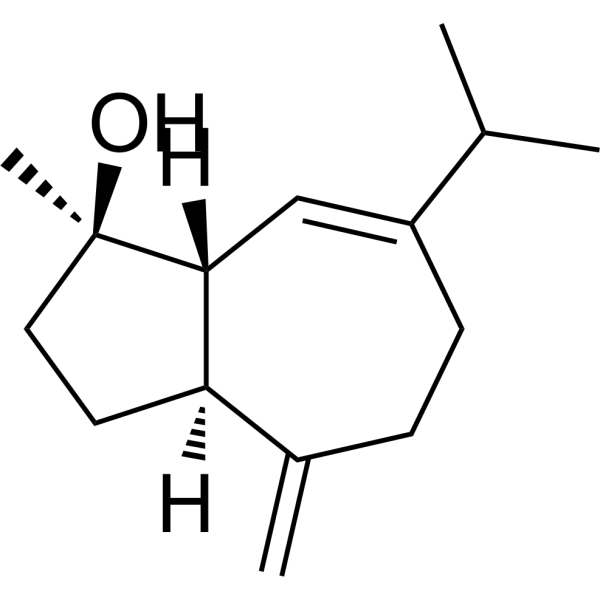
    Alismol is a natural sesquiterpene. Alismol shows promising inhibitory effects on INF-γ-induced nitric oxide production in murine macrophage RAW264.7 cells .
    Alismol
  • HY-N0608A

    NF-κB Inflammation/Immunology
    (Rac)-Myrislignan is the racemate of Myrislignan. Myrislignan, a lignan isolated from Myristica fragrans Houtt, possesses anti-inflammatory activities. Myrislignan attenuates LPS-induced inflammation reaction in murine macrophage cells through inhibition of NF-kB signalling pathway activation .
    (Rac)-Myrislignan
  • HY-15652A

    ONO-6818 quarterhydrate; ONO-PO-736 quarterhydrate

    Elastase Inflammation/Immunology
    Freselestat quarterhydrate (ONO-6818 quarterhydrate) is a potent and orally active neutrophil elastase inhibitor with a Ki of 12.2 nM. Freselestat quarterhydrate is >100-fold less-active against other proteases such as trypsin, protein-ase 3, pancreatic elastase, plasmin, thrombin, collagenase, cathepsin G, and murine macrophage elastase. Freselestat quarterhydrate has a potent anti-inflammatory activity .
    Freselestat quarterhydrate
  • HY-N6801R

    Reference Standards Caspase Apoptosis Bcl-2 Family Infection Inflammation/Immunology Cancer
    Nivalenol (Standard) is the analytical standard of Nivalenol (HY-N6801). This product is intended for research and analytical applications. Nivalenol, a trichothecene mycotoxin that can be produced by Fusarium graminearum, is a fungal metabolite present in agricultural product. Nivalenol modulates apoptotic pathway, cell cycle regulation, Bax, ERK, caspase-3, and poly-ADP-ribose synthase activity in macrophages. Nivalenol inhibits ribosomal peptidyltransferase site, protein synthesis, DNA synthesis, and cell proliferation. Nivalenol induces late-stage apoptotic morphological changes, reduces cellular metabolism, and decreases cell proliferation in erythroleukemia cells. Nivalenol induces lymphocyte apoptosis in murine thymus, spleen, and Peyer's patches. Nivalenol can be used for the research of erythroleukemia.
    Nivalenol (Standard)

Inquiry Online

Your information is safe with us. * Required Fields.

Salutation


Country or Region *

Applicant Name *


Organization Name *

Department *


Email Address *


Product Name *

Cat. No.


Requested quantity *

Phone Number *


Remarks

Inquiry Online

Inquiry Information

Product Name:
Cat. No.:
Quantity:
MCE Japan Authorized Agent: