1. Search Result
Search Result
Results for "

breast and ovarian cancers

" in MedChemExpress (MCE) Product Catalog:

167

Inhibitors & Agonists

1

Fluorescent Dyes

1

Biochemical Assay Reagents

10

Peptides

18

Inhibitory Antibodies

15

Natural
Products

10

Isotope-Labeled Compounds

1

Click Chemistry

3

Oligonucleotides

1

GMP Molecules

Targets Recommended:
Cat. No. Product Name Target Research Areas Chemical Structure
  • HY-16560
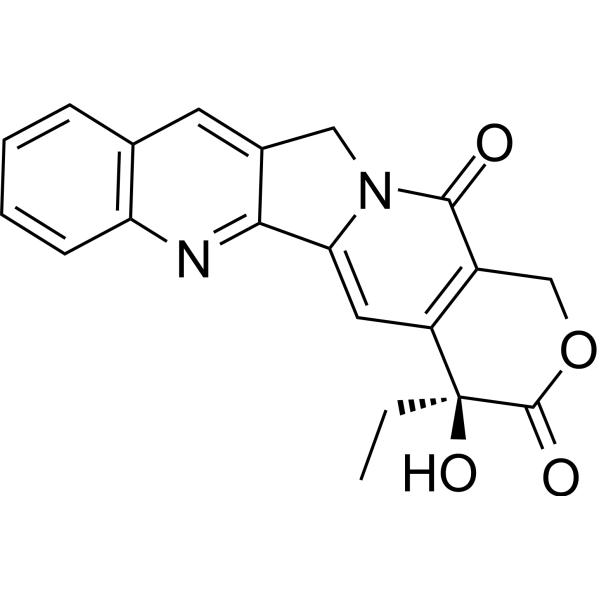
    Camptothecin
    Maximum Cited Publications
    68 Publications Verification

    Campathecin; (S)-(+)-Camptothecin; CPT

    Topoisomerase ADC Payload MicroRNA Influenza Virus Apoptosis Fungal Antibiotic Infection Cancer
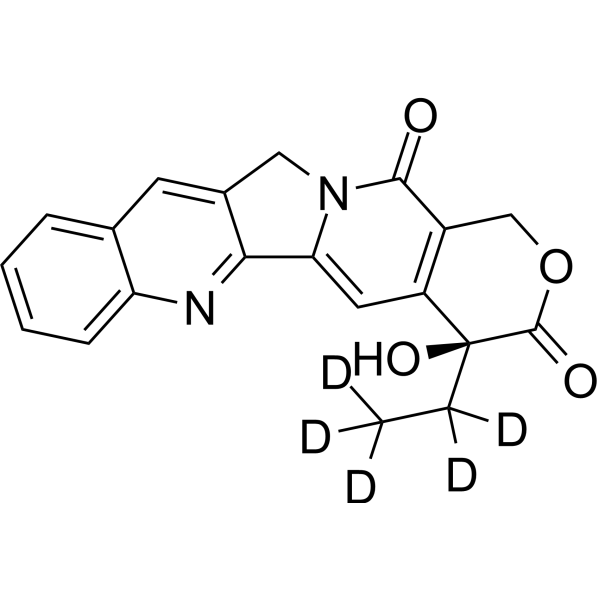
    Camptothecin (CPT), a kind of alkaloid, is a DNA topoisomerase I (Topo I) inhibitor with an IC50 of 679 nM . Camptothecin (CPT) exhibits powerful antineoplastic activity against colorectal, breast, lung and ovarian cancers, modulates hypoxia-inducible factor-1α (HIF-1α) activity by changing microRNAs (miRNA) expression patterns in human cancer cells .
    Camptothecin
  • HY-N0519
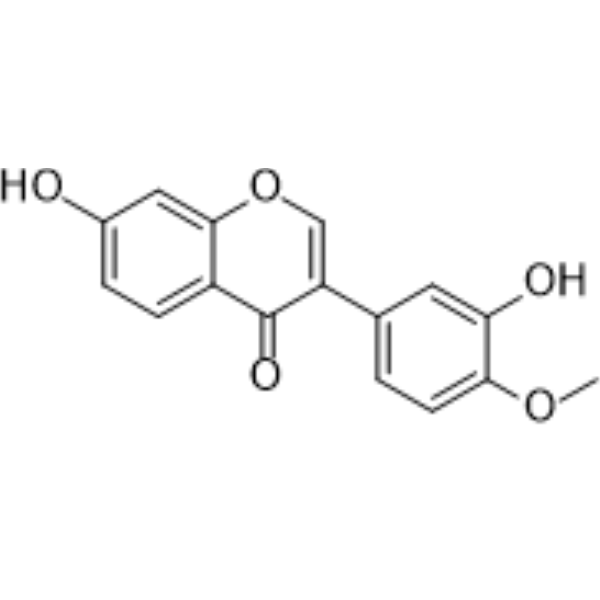
    Calycosin
    20+ Cited Publications

    Cyclosin

    Apoptosis Neurological Disease Cancer
    Calycosin is a compound that can be isolated from Radix Astragali. Calycosin has strong antioxidant, anti-inflammatory and apoptosis-modulating effects. Calycosin can be used for the research of ovarian cancer and breast cancer .
    Calycosin
  • HY-13632
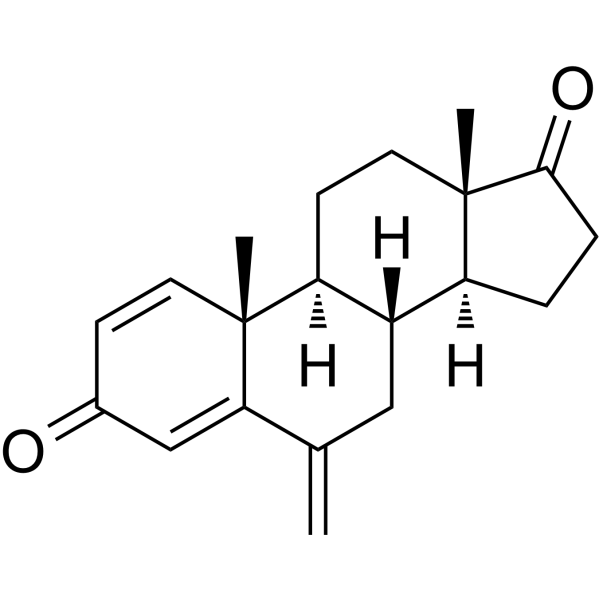
    Exemestane
    5+ Cited Publications

    FCE 24304; EXE

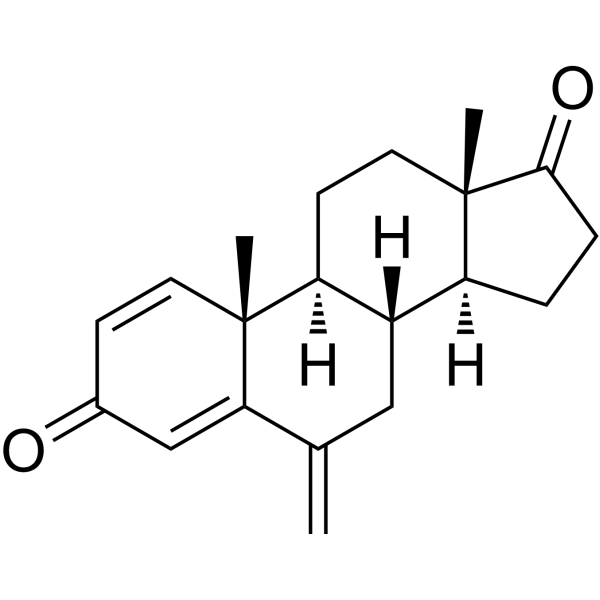
    Cytochrome P450 Endocrinology Cancer
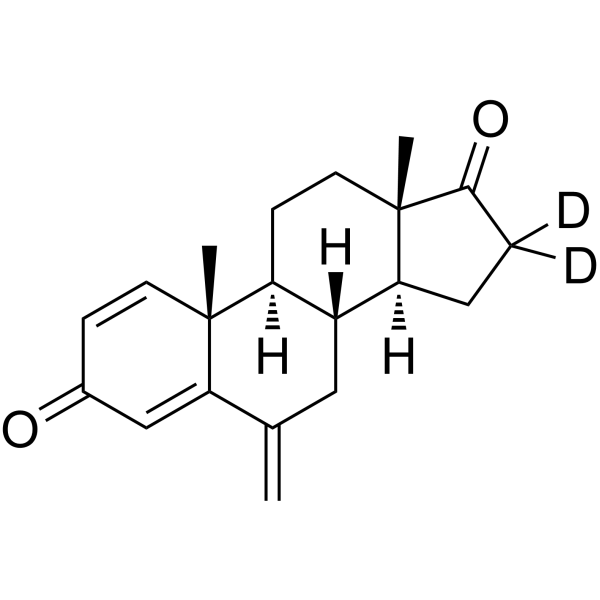
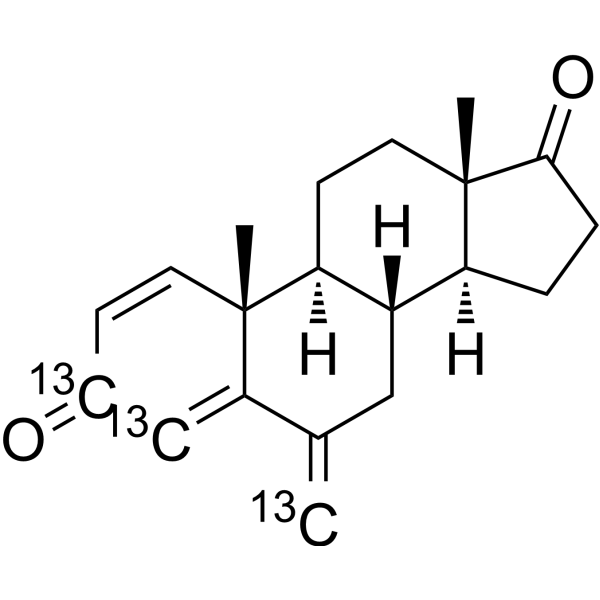
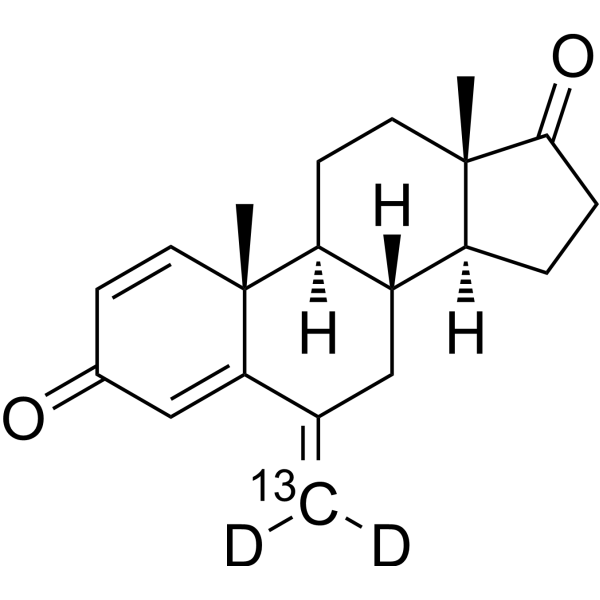
    Exemestane (FCE 24304) is a selective, irreversible and orally active steroidal aromatase inhibitor with IC50s of 30 nM and 40 nM for human placental and rat ovarian aromatase, respectively. Exemestane can be used for hormone-dependent breast cancer research .
    Exemestane
  • HY-13673A
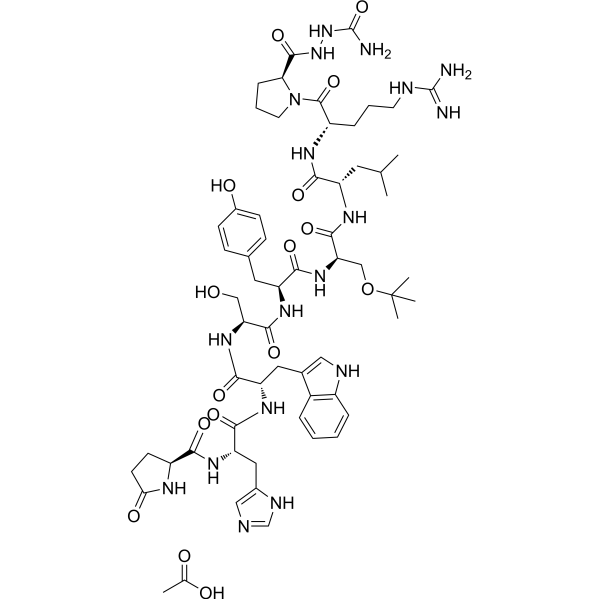
    Goserelin acetate
    1 Publications Verification

    ICI-118630 acetate

    GnRH Receptor Apoptosis Endocrinology Cancer
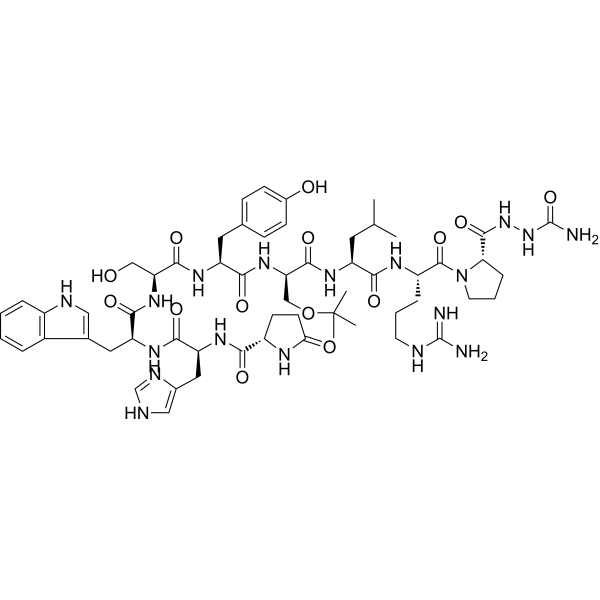
    Goserelin acetate (ICI-118630 acetate), a decapeptide analogue of gonadotropin-releasing hormone (GnRH/LHRH), functions as a GnRH agonist. Goserelin acetate can be used for the research of breast cancer, epithelial ovarian cancer and prostate cancer .
    Goserelin acetate
  • HY-175603

    Amine N-methyltransferase Cancer
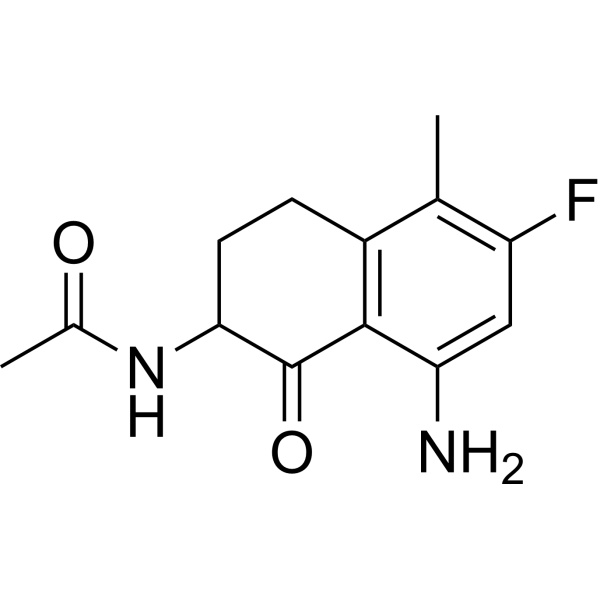
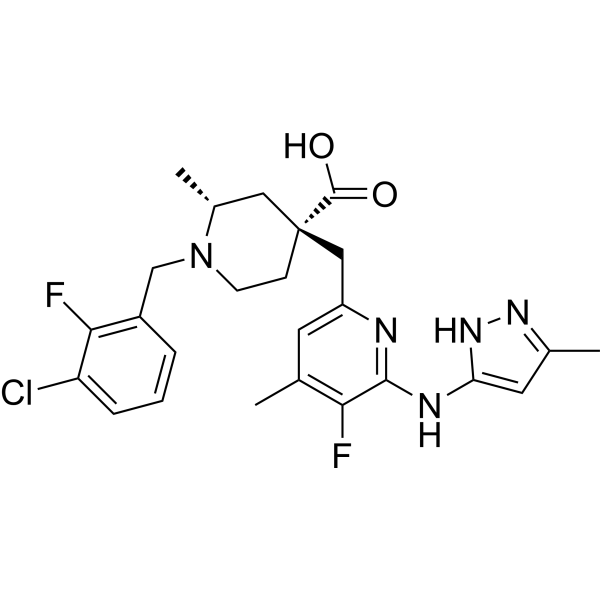
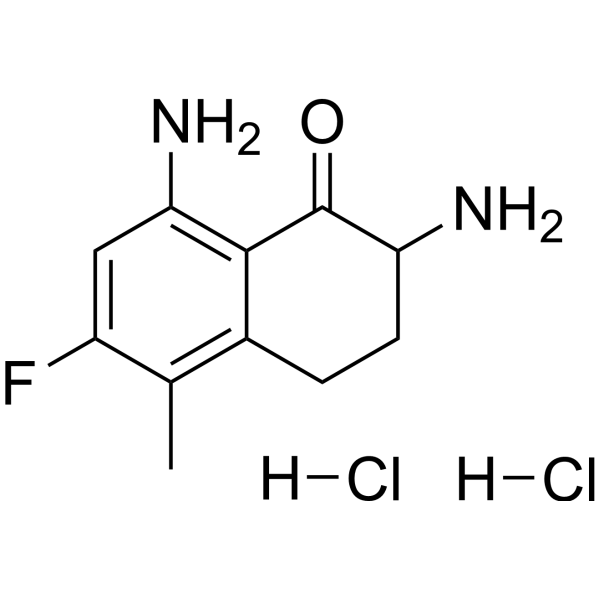
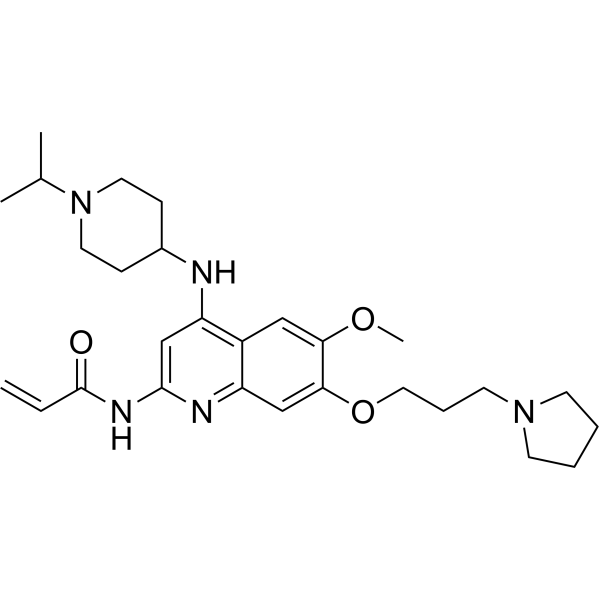
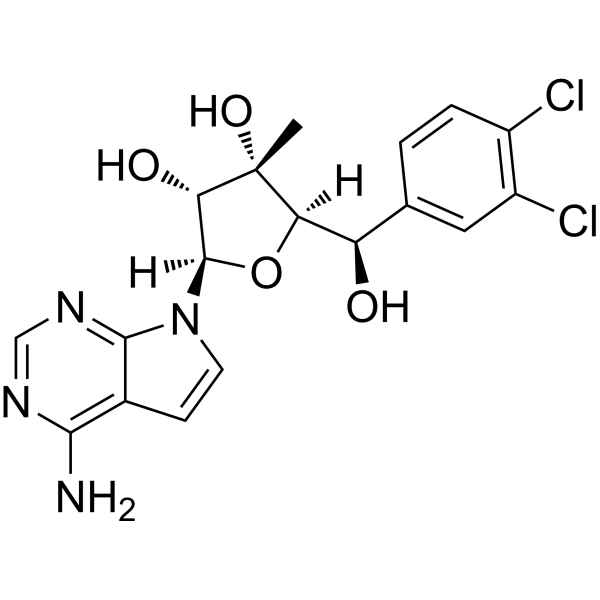
    NCGC00685960 is a Nicotinamide N-methyltransferase (NNMT) inhibitor with an IC50 <10  nM. NCGC00685960 has potent antitumor activity. NCGC00685960 increases H3K27 trimethylation levels in ovarian cancer cells and inhibits α-SMA expression in NNMT-expressing ovarian fibroblasts. NCGC00685960 reduces 1-MNA levels, reverses SAM and H3K27 hypomethylation and significantly impairs collagen contractility in cancer-associated fibroblasts (CAFs). NCGC00685960 can be used for cancers research, such as ovarian cancer, breast cancer, colon cancer .
    NCGC00685960
  • HY-W021377

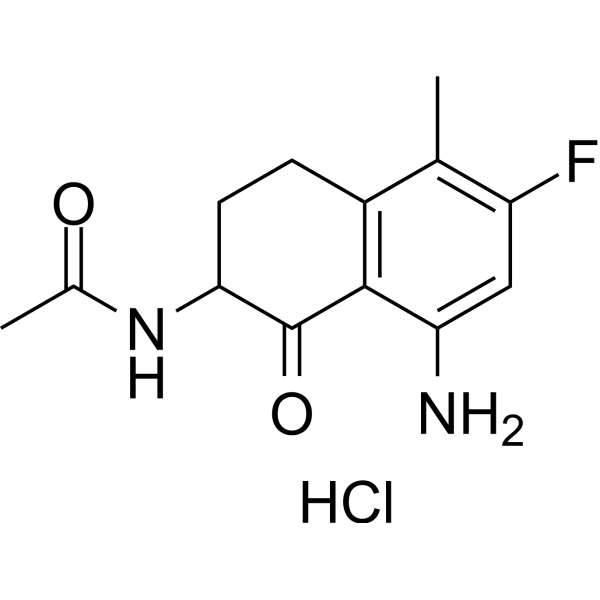
    ADC Payload Drug Intermediate Cancer
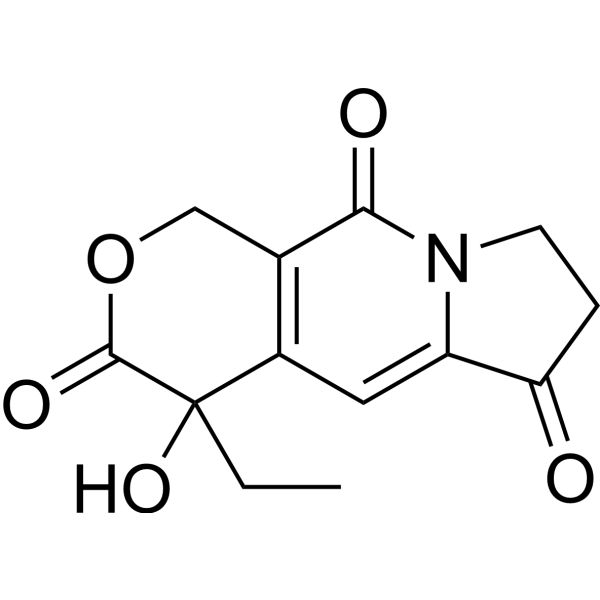
    Exatecan Intermediate 2 (Compound B) is an intermediate of Exatecan (DX-8951, HY-13631). Exatecan is an anticancer agent belonging to the class of camptothecin analogs. Exatecan interferes with the proliferation and division of tumor cells by interacting with DNA, thereby inhibiting tumor growth. Exatecan is primarily used for research of a variety of cancers including ovarian, lung and breast cancers .
    Exatecan Intermediate 2
  • HY-P990717

    IMC-F106C

    CD3 Cancer
    Brenetafusp is a TCR/anti-CD3 bispecific fusion protein, consisting of a TCR targeting the PRAME peptide and an anti-CD3 scFv effector domain. Brenetafusp redirects CD3 + T cells to kill PRAME + tumor cells. Brenetafusp can be used in research related to cutaneous melanoma, non-small cell lung cancer, ovarian cancer, endometrial cancer, triple-negative breast cancer, and small cell lung cancer .
    Brenetafusp
  • HY-P99268

    SAR 256212; MM 121

    EGFR Apoptosis Cancer
    Seribantumab (MM 121) is a fully human IgG2 monoclonal antibody that targets HER3. Seribantumab blocks the activation of epidermal growth factor receptor (ErbB) family members and its downstream signal. Seribantumab inhibits neuregulin 1 (NRG1) fusion-dependent tumorigenesis in vitro and in vivo in breast, lung and ovarian patient-derived cancer models .
    Seribantumab
  • HY-14907

    MPC 6827

    Microtubule/Tubulin Cancer
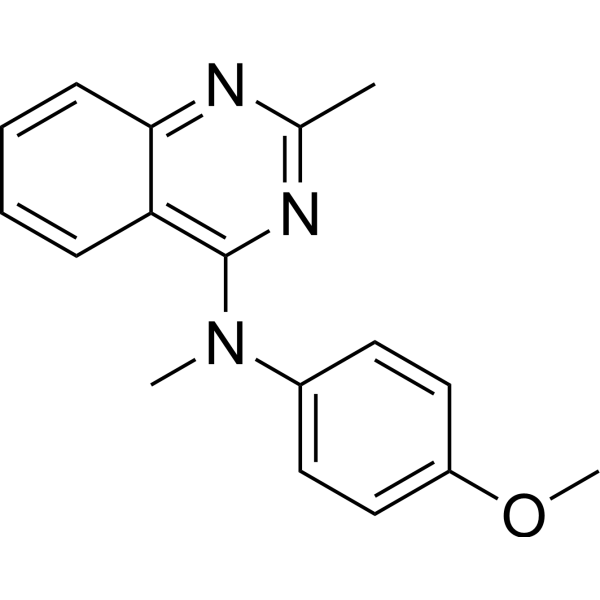
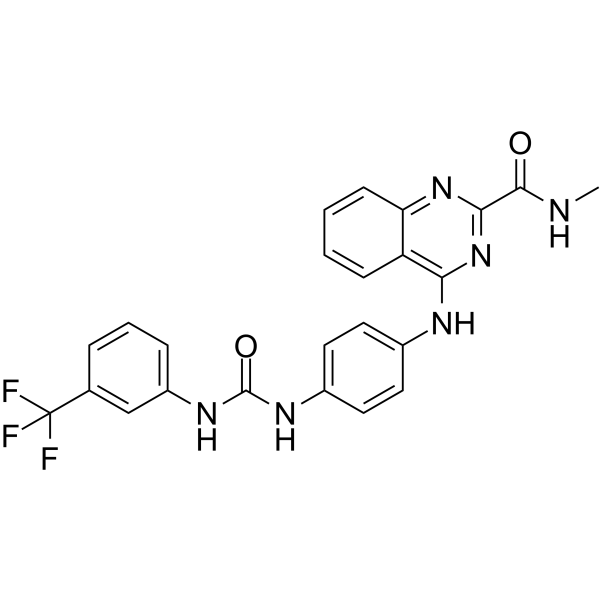
    Verubulin (MPC-6827) is a highly potent and broad-spectrum microtubule blocker. Verubulin has antitumor activity against breast cancer, melanoma, and ovarian cancer. Verubulin can be used in non-small cell lung cancer research .
    Verubulin
  • HY-145722
    Apatorsen sodium
    1 Publications Verification

    OGX-427 sodium

    HSP Cancer
    Apatorsen (OGX-427) sodium is a 2'-methoxyethyl-modified antisense oligonucleotide and also a Hsp27 inhibitor. Apatorsen sodium reduces Hsp27 mRNA and protein levels, impairs stress-induced cytoprotective functions, induces cell apoptosis, inhibits tumor growth and prevents metastasis. Apatorsen sodium is applicable to research related to non-small cell lung cancer, castration-resistant prostate cancer, breast cancer, ovarian cancer and bladder cancer .
    Apatorsen sodium
  • HY-N2877
    Annonacin
    1 Publications Verification

    Potassium Channel Sodium Channel Na+/K+ ATPase Calcium Channel Apoptosis Neurological Disease Cancer
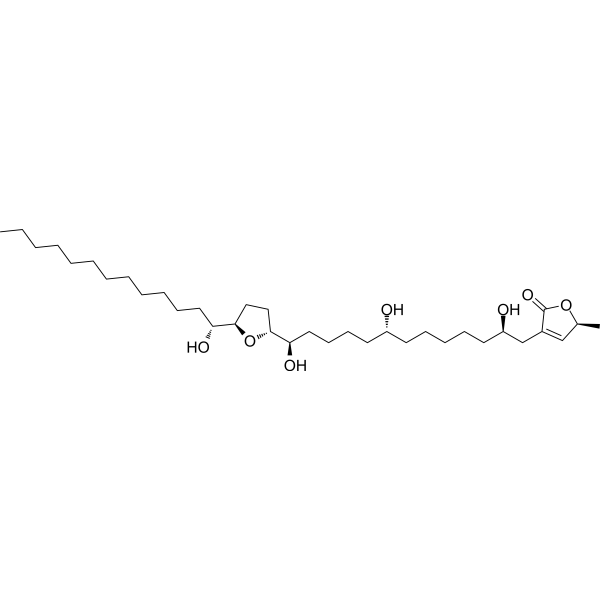
    Annonacin is an acetylgenin that is toxic by inhibiting the pathway of the mitochondrial complex. Annonacin increases tau phosphorylation in R406W +/+ mice. Annonacin acts as an inhibitor of the sodium/potassium and sarcoplasmic reticulum (SERCA) ATPase pumps. Annonacin has significant killing effect on ovarian cancer cell, cervical cancer cell, breast cancer cell, bladder cancer cell and skin cancer cell. Annonacin induces apoptosis through Bax and Caspase-3-related pathways .
    Annonacin
  • HY-N6579

    p38 MAPK Mitochondrial Metabolism Cancer
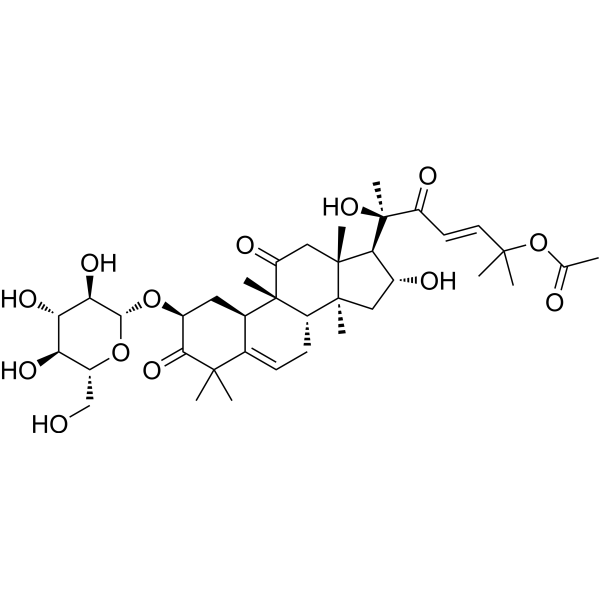
    Arvenin I is a natural cucurbitacin glucoside that activates T cells within the cancer-competitive environment. Arvenin I covalently reacts with and hyperactivates MKK3, thereby reviving the mitochondrial fitness of exhausted T cells through the activation of the p38MAPK pathway . Arvenin I exhibits broad-spectrum antiproliferative against cancer cells . Arvenin I enhances antitumor effects both as a monotherapy and in combination with immune checkpoint inhibitors in mice . Arvenin I can be used for cancer research, such as colon cancer, breast cancer, lung cancer, and ovarian cancer [1][2].
    Arvenin I
  • HY-P991372

    RN927C antibody

    TROP2 Cancer
    Anti-TROP2 Antibody (RN927C antibody) is a human monoclonal antibody targeting Trop-2. Anti-TROP2 Antibody exerts in vitro inhibitory effects on a variety of tumor cell lines. Anti-TROP2 Antibody exhibits anti-tumor activity in mouse pancreatic PDX, ovarian PDX, lung PDX and triple-negative breast cancer (TNB) PDX models. Anti-TROP2 Antibody can be used for research on pancreatic cancer, ovarian cancer, lung cancer and triple-negative breast cancer .
    Anti-TROP2 Antibody
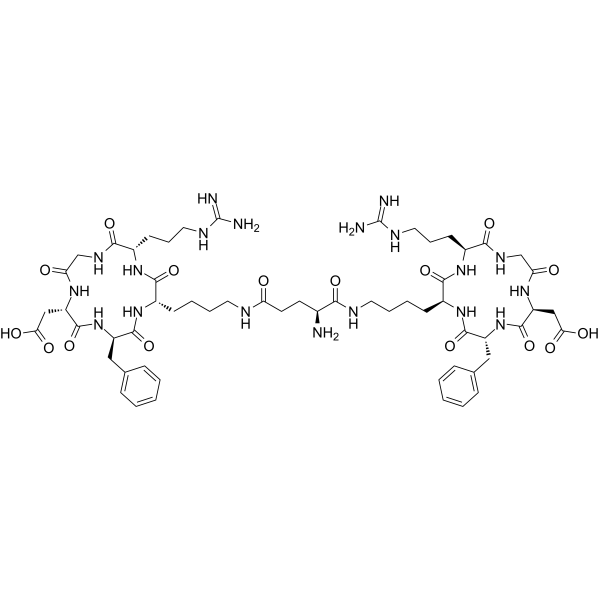
  • HY-P5098

    Integrin Neurological Disease Cancer
    E (c (RGDfK)) 2 is a αvβ3 integrin ligand and tumor-targeting agent. E (c (RGDfK)) 2 binds to αvβ3 integrin, mediates receptor-mediated endocytosis of conjugated payloads, and inhibits integrin-dependent cell adhesion to fibrinogen. E (c (RGDfK)) 2 inhibits the proliferation of cancer cells and endothelial cells. E (c (RGDfK)) 2 preferentially accumulates in orthotopic mouse breast tumors and human ovarian cancer xenograft tumors. E (c (RGDfK)) 2 can be used in research related to glioblastoma, lung cancer, breast adenocarcinoma and ovarian cancer .
    E(c(RGDfK))2
  • HY-124757
    FiVe1
    1 Publications Verification

    Proteasome Mitosis Cancer
    FiVe1 is a vimentin (VIM) inhibitor. FiVe1 binds to the rod domain of VIM, causing metaphase VIM disassembly and hyperphosphorylation at Ser56, ultimately leading to mitotic catastrophe, multinucleation, and loss of stemness. FiVe1 has anticancer activity against soft tissue sarcomas. FiVe1 increases the sensitivity of ovarian cancer to Cisplatin (HY-17394). FiVe1 can be used for researches of mesenchymal cancers (including breast cancer and soft tissue sarcoma) and ovarian cancers .
    FiVe1
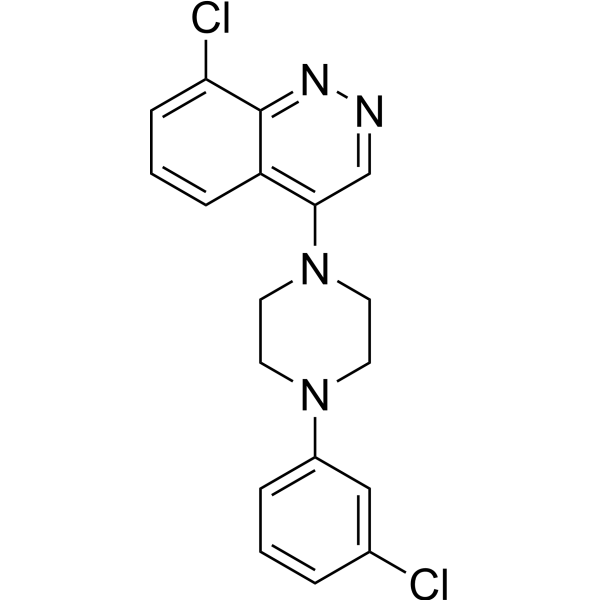
  • HY-115625

    Progesterone Receptor Apoptosis Glycosyltransferase Cancer
    AG-205 is a progesterone receptor membrane component 1 (PGRMC1) antagonist and CGT inhibitor, with an IC50 of 50 μM against rat CGT. AG-205 exhibits antimitotic, antimigratory and anti-invasive activities. AG-205 increases the expression of genes encoding cholesterol biosynthesis pathway or steroidogenic enzymes. AG-205 promotes the regulation of cell cycle by apoptosis and reduces the migratory and invasive capacities of ovarian and breast cancer cells. AG-205 can be used in research related to renal cancer and breast cancer .
    AG-205
  • HY-P10762

    CBP-1008; LDC 10B

    Peptide-Drug Conjugates (PDCs) Folate Receptor (FR) TRP Channel Cancer
    Ricorfotide vedotin (CBP-1008) is a dual-ligand peptide-drug conjugate (PDC) conjugated to MMAE (HY-15162), targeting Folate receptor α (FRα) and TRPV6. Ricorfotide vedotin binds to FRα with high affinity and TRPV6 with low affinity. Ricorfotide vedotin has antitumor activity, and can be used in advanced solid tumor research (eg: colorectal cancer, breast cancer, non-small cell lung cancer, ovarian cancer, adrenocortical carcinoma and follicular dendritic cell sarcoma) .
    Ricorfotide vedotin
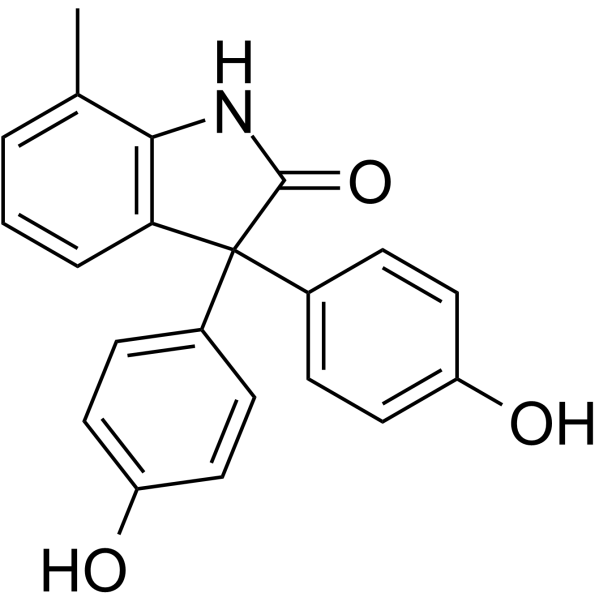
  • HY-12825

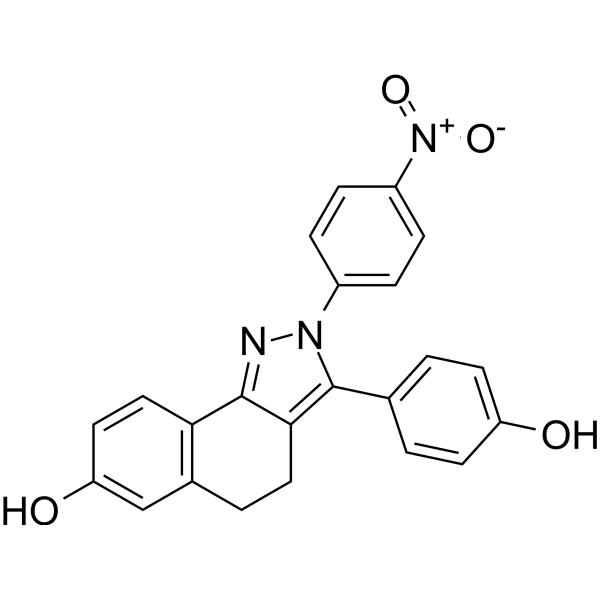
    Estrogen Receptor/ERR Phospholipase Cancer
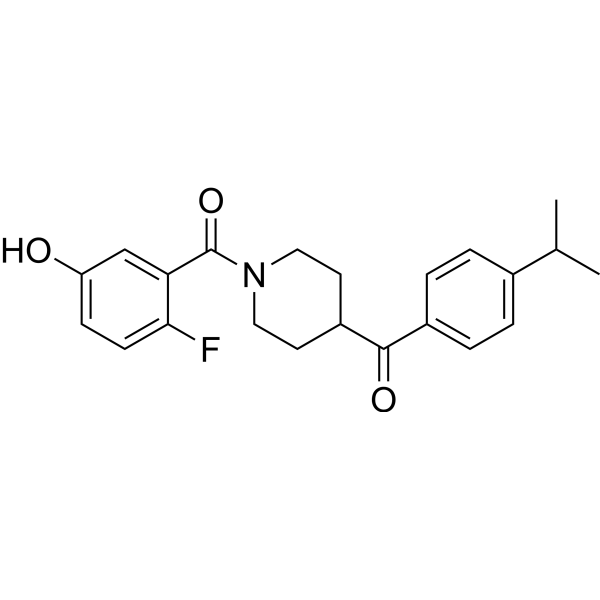
    BHPI is a nuclear receptor ERα inhibitor. BHPI activates PLCγ and UPR. BHPI has antitumor activity against breast, endometrial, and ovarian cancers .
    BHPI
  • HY-P991723

    CX-2051 antibody

    ADC Antibody Transmembrane Glycoprotein Cancer
    Varsetatug (CX-2051 antibody) is a humanized IgG1κ monoclonal antibody inhibitor targeting EpCAM/TROP1/CD326. Varsetatug serves as the antibody component of the ADC compound CX-2051. It can be used in research on cancers including breast cancer, prostate cancer and ovarian cancer .
    Varsetatug
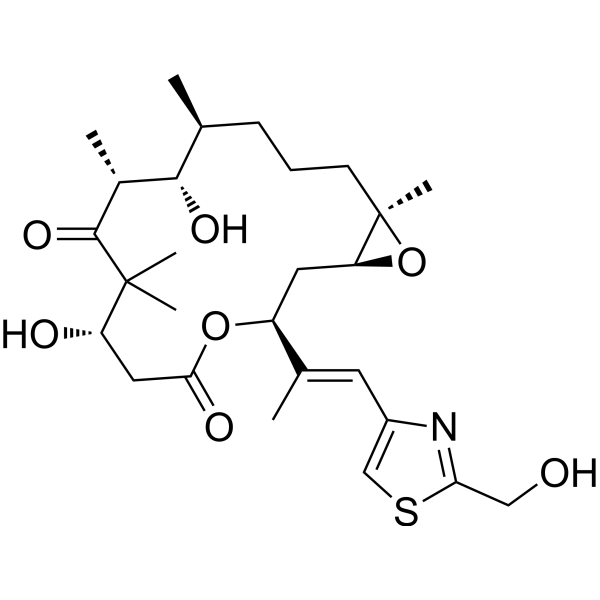
  • HY-127079

    Microtubule/Tubulin Cancer
    Epothilone F is a 16-membered macrolide microtubule-targeting agent. Epothilone F exhibits significant anticancer activity, and it particularly exerts effective inhibitory effects on paclitaxel-resistant cancer cells. Epothilone F inhibits the proliferation of breast cancer cells, non-small cell lung cancer cells and drug-resistant ovarian cancer cells, and it has been widely used in cancer-related research .
    Epothilone F
  • HY-157396

    Aurora Kinase Apoptosis Caspase Cancer
    JAB-2485 is an orally active and selective Aurora kinase A (AURKA) inhibitor with an IC50 value of 0.327 nM. JAB-2485 exhibits inhibitory activity against various tumor cell lines such as neuroblastoma, triple-negative breast cancer, small cell lung cancer, and epithelial ovarian cancer. JAB-2485 can induce cell cycle arrest and apoptosis in tumor cells. JAB-2485 has antitumor activity .
    JAB-2485
  • HY-116437
    Selatinib
    1 Publications Verification

    EGFR Cancer
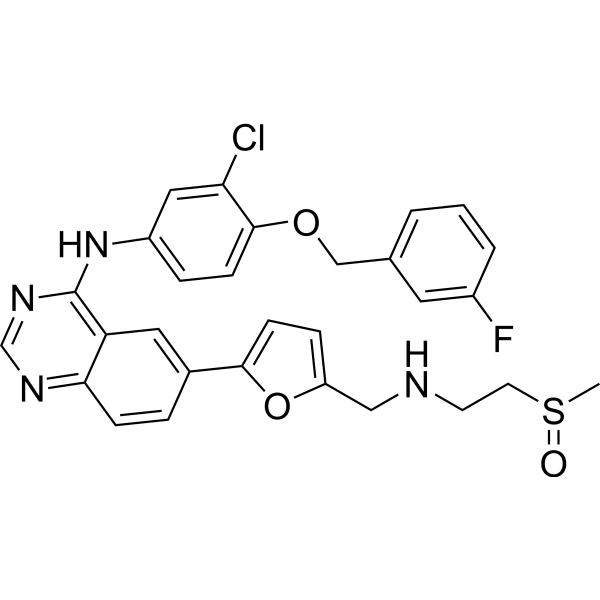
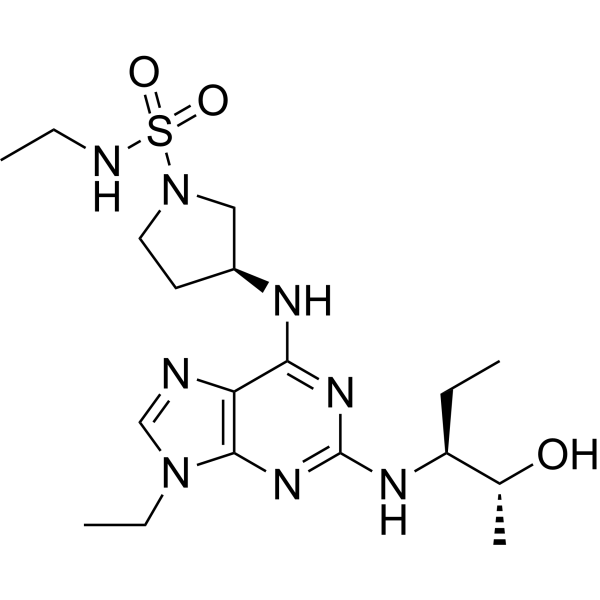
    Selatinib is an orally active EGFR and HER2 tyrosine kinase inhibitor with IC50 values of 13.0 nM and 8.5 nM, respectively. Selatinib undergoes oxidative metabolism in vivo to produce Lapatinib (HY-50898). Selatinib inhibits the growth of breast, gastric and ovarian tumors. Selatinib can be used in research related to gastric cancer, breast cancer and ovarian cancer .
    Selatinib
  • HY-145722A
    Apatorsen
    1 Publications Verification

    OGX-427

    HSP Cancer
    Apatorsen is a 2'-methoxyethyl-modified antisense oligonucleotide and also a Hsp27 inhibitor. Apatorsen reduces Hsp27 mRNA and protein levels, impairs stress-induced cytoprotective functions, induces cell apoptosis, inhibits tumor growth and prevents metastasis. Apatorsen is applicable to research related to non-small cell lung cancer, castration-resistant prostate cancer, breast cancer, ovarian cancer and bladder cancer .
    Apatorsen
  • HY-170859

    PROTACs Casein Kinase Cancer
    AH078 is a PROTAC-based CK1δ/ε degrader (DC50=0.55 μM, Dmax=70%) that lacks subtype selectivity between CK1δ and CK1ε. AH078 induces target protein degradation either by recruiting the CUL4-CRBN E3 ligase complex and proteasome, or via the VHL- and ubiquitin-dependent pathway. AH078 also exhibits selectivity for CK1α, and is widely applicable to research related to colon cancer, pancreatic cancer, breast cancer, ovarian cancer, chronic lymphocytic leukemia, acute myeloid leukemia, glioma, and metastatic breast adenocarcinoma .
    AH078
  • HY-13673

    ICI 118630

    GnRH Receptor Apoptosis Endocrinology Cancer
    Goserelin (ICI 118630), a decapeptide analogue of gonadotropin-releasing hormone (GnRH/LHRH), functions as a GnRH agonist. Goserelin can be used for the research of breast cancer, epithelial ovarian cancer and prostate cancer .
    Goserelin
  • HY-147526

    Apoptosis Cancer
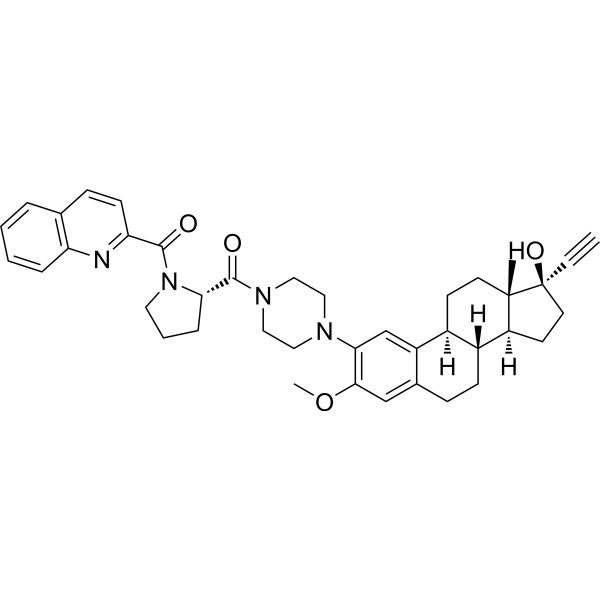
    RM-581, aminosteroid, is an orally active anticancer agent. RM-581 shows anticancer potency against pancreatic, breast, prostate, and ovarian cancers. RM-581 induces endoplasmic reticulum stress and apoptosis via disturbance of cancer cell cholesterol homeostasis. RM-581 can be used for the research of cancer, such as prostate cancer and breast cancer .
    RM-581
  • HY-111538
    MAGL-IN-1
    1 Publications Verification

    MAGL Cancer
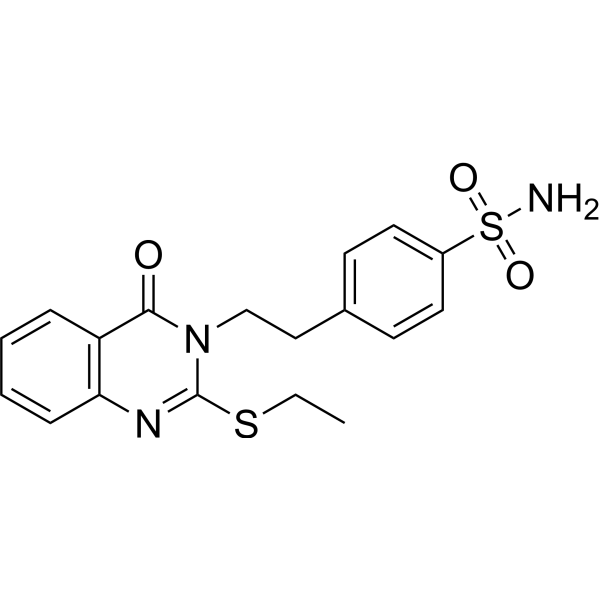
    MAGL-IN-1 is a potent, selective, reversible and competitive inhibitor of MAGL, with an IC50 of 80 nM. MAGL-IN-1 exhibits anti-proliferative effects against human breast, colorectal, and ovarian cancer cells. MAGL-IN-1 blocks MAGL in cell-based as well as in vivo assays .
    MAGL-IN-1
  • HY-W021377B

    ADC Payload Drug Intermediate Cancer
    Exatecan Intermediate 4 (Compound 14f) is an intermediate of Exatecan (DX-8951, HY-13631). Exatecan is an anticancer agent belonging to the class of camptothecin analogs. Exatecan interferes with the proliferation and division of tumor cells by interacting with DNA, thereby inhibiting tumor growth. Exatecan is primarily used for research of a variety of cancers including ovarian, lung and breast cancers .
    Exatecan Intermediate 4
  • HY-13636A

    ICI 182780 (S enantiomer); ZD 9238 (S enantiomer); ZM 182780 (S enantiomer)

    Drug Isomer Estrogen Receptor/ERR p38 MAPK Apoptosis Cancer
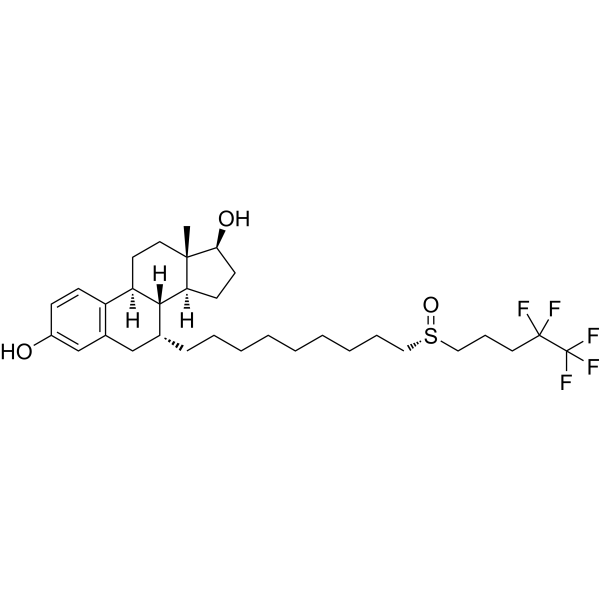
    Fulvestrant (ICI 182780; ZD 9238) S enantiomer is the S-enantiomer of Fulvestrant (HY-13636), a potent estrogen receptor inhibitor. Fulvestrant binds to and blocks the estrogen receptor, promotes its degradation, and thereby inhibits receptor dimerization, nucleocytoplasmic shuttling and transcriptional activity. Fulvestrant effectively blocks estrogen signaling, MAPK pathway activation and ER-regulated protein expression. Fulvestrant induces apoptosis, inhibits the proliferation of breast cancer and prolactinoma cells, and reduces the mineralization level, alkaline phosphatase activity and osteocalcin expression of preosteoblasts. Prenatal exposure to Fulvestrant impairs ovarian follicular development and causes ovarian structural damage. Fulvestrant has been widely used in studies related to breast cancer, prolactinoma and other conditions .
    Fulvestrant (S enantiomer)
  • HY-173066

    PROTACs Indoleamine 2,3-Dioxygenase (IDO) Cancer
    NU227326 is a blood-brain barrier penetrant IDO1 PROTAC degrader, with a DC50 of 4.5 nM in HiBiT degradation assays. NU227326 degrades IDO1 in U87 and GBM43 cells, with DC50 values of 7.1 nM and 11.8 nM, respectively (WB assays). NU227326 is applicable to research related to glioblastoma, prostate cancer, triple-negative breast cancer, pancreatic cancer, and ovarian cancer .
    NU227326
  • HY-19671

    SR-45023A; SR 9223i; SK&F-99085

    HMG-CoA Reductase (HMGCR) Apoptosis Cancer
    Apomine (SR-45023A) is an orally active antineoplastic agent that inhibits the mevalonate/isoprenoid pathway in cholesterol synthesis. Apomine can accelerate the degradation of 3-hydroxy-3-methylglutaryl-CoA reductase (HMGR). Apomine can also inhibit the growth of various types of cancer cells, including lung cancer, colon cancer, breast cancer, and skin cancer. Apomine is able to induce apoptosis in tumor cell lines derived from leukemia, colon cancer, liver cancer, ovarian cancer, and breast cancer .
    Apomine
  • HY-172664

    Drug Derivative Cancer
    Trabectedin derivative 2 (compound PL-12) is a trabectedin derivative that can be used in research on ovarian cancer, gastric cancer, and breast cancer .
    Trabectedin derivative 2
  • HY-169579

    Polo-like Kinase (PLK) Cancer
    PLK1-IN-11 (Cluster 4, 16953209) is a PLK1 inhibitor, with IC50 of 1 μM. PLK1-IN-11 can be used in research on a variety of cancers, including pancreatic, ovarian, breast, and non-small cell lung carcinoma .
    PLK1-IN-11
  • HY-150184

    DNA/RNA Synthesis Cancer
    And1-IN-1 is a potent And1 inhibitor with an IC50 of 2.08 μM. And1-IN-1 binds to the N-terminus of And-1 and induces a conformational change in And-1, which promotes the interaction of And-1 with E3 ligase CUL4B for ubiquitin-mediated degradation. And1-IN-1 suppresses the growth of a broad range of cancers and resensitizes platinum-resistant ovarian cancer cells to platinum agents. And1-IN-1 can be used for the studies of ovarian cancer and breast cancer .
    And1-IN-1
  • HY-16055

    AR-67; DB 67

    Topoisomerase Drug Derivative MDM-2/p53 Cancer
    Silatecan (AR-67) is a blood-brain barrier-permeable derivative of Camptothecin (HY-16560), DNA topoisomerase I inhibitor, an anticancer agent, and a radiosensitizer. Silatecan potently radiosensitizes wild-type p53 gliomas. Silatecan can be used in research related to glioma, leukemia, non-small cell lung cancer, colon cancer, ovarian cancer, renal cancer, prostate cancer, breast cancer, cervical cancer, gastric cancer, nasopharyngeal cancer, and uterine cancer .
    Silatecan
  • HY-W021377A

    ADC Payload Drug Intermediate Cancer
    Exatecan Intermediate 2 hydrochloride (Compound B) is an intermediate of Exatecan (DX-8951, HY-13631). Exatecan is an anticancer agent belonging to the class of camptothecin analogs. Exatecan interferes with the proliferation and division of tumor cells by interacting with DNA, thereby inhibiting tumor growth. Exatecan is primarily used for research of a variety of cancers including ovarian, lung and breast cancers .
    Exatecan Intermediate 2 hydrochloride
  • HY-13673S2

    ICI 118630-d7 TFA

    Isotope-Labeled Compounds Apoptosis GnRH Receptor Endocrinology Cancer
    Goserelin-d7 (TFA) is deuterium labeled Goserelin. Goserelin (ICI 118630), a decapeptide analogue of gonadotropin-releasing hormone (GnRH/LHRH), functions as a GnRH agonist. Goserelin can be used for the research of breast cancer, epithelial ovarian cancer and prostate cancer .
    Goserelin-d7 TFA
  • HY-P4144

    Phor18-LHRH (338613); EP-100

    GnRH Receptor Endocrinology Cancer
    Onvitrelin ucalontide ([Phor18-LHRH (338613)]) is an analogue of luteinizing hormone releasing hormone (LHRH) with antineoplastic activity. Onvitrelin ucalontide is a peptide with sequences of KFAKFAKKFAKFAKKFAKQHWSYGLRPG. Onvitrelin ucalontide effectively inhibits breast cancer, ovarian cancer and prostate cancer xenografts in mouse model .
    Onvitrelin ucalontide
  • HY-N11785

    Estrogen Receptor/ERR Metabolic Disease Cancer
    Glyceollin I is a selective estrogen receptor (ER) modulator with anticancer, antioxidant, and anti-inflammatory activities. Glyceollin I is promising for research of estrogen-related cancers (e.g., breast, ovarian) and metabolic disorders (e.g., hypercholesterolemia) .
    Glyceollin I
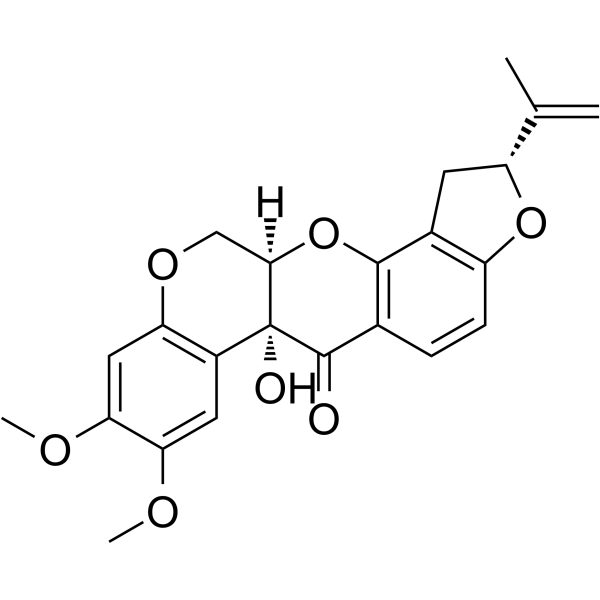
  • HY-178007

    CDK Cancer
    CDK2 degrader 8 (Compound1) is a CDK2 degrader. CDK2 degrader 8 shows potential anti-tumor activity by targeting CDK2. CDK2 degrader 8 can be used for the study of solid tumors (breast cancer, triple negative breast cancer, ovarian serous cystadenocarcinoma) and liquid tumors (diffuse large B-cell lymphoma, acute myelogenous leukemia) associated with abnormal CDK2 function .
    CDK2 degrader 8
  • HY-153338

    DNA/RNA Synthesis Apoptosis Cancer
    C791-0064 is a RAD52 inhibitor. C791-0064 specifically binds to RAD52 and disrupts its single-strand annealing activity. C791-0064 specifically inhibits the proliferation of cancer cells with BRCA2 deficiency, inducing DNA damage and apoptosis (apoptosis). C791-0064 can be used for the study of BRCA mutation-related cancers (such as breast cancer and ovarian cancer) .
    C791-0064
  • HY-122583

    RAD51 Cancer
    D-G23 is a selective RAD52 inhibitor. D-G23 disrupts RAD52-mediated DNA repair pathways and suppresses the growth of BRCA1- and BRCA2-deficient cancer cells. D-G23 is promising for research of homologous recombination-related cancers, such as hereditary breast cancer and ovarian cancer caused by BRCA1/2 mutations .
    D-G23
  • HY-13632R
    Exemestane (Standard)
    5+ Cited Publications

    FCE 24304(Standard); EXE (Standard)

    Cytochrome P450 Reference Standards Endocrinology Cancer
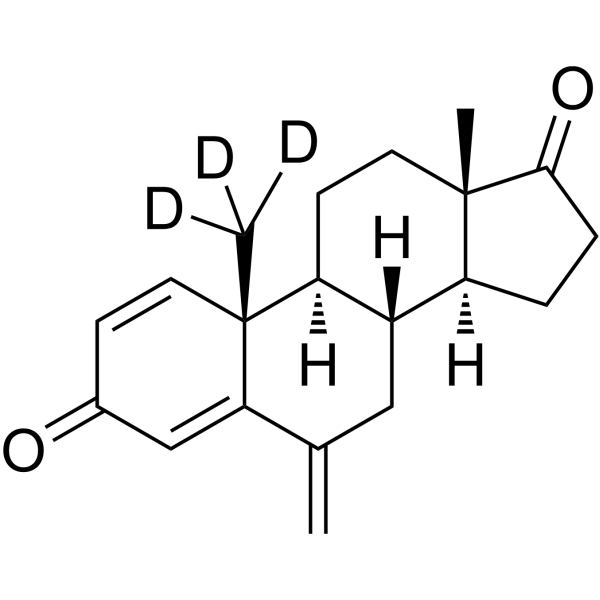
    Exemestane (Standard) is the analytical standard of Exemestane. This product is intended for research and analytical applications. Exemestane (FCE 24304) is a selective, irreversible and orally active steroidal aromatase inhibitor with IC50s of 30 nM and 40 nM for human placental and rat ovarian aromatase, respectively. Exemestane can be used for hormone-dependent breast cancer research .

    Exemestane (Standard)
  • HY-163938

    PROTACs Cancer
    PROTAC erf3a Degrader-1 (Compound C63) is an orally active PROTAC erf3a Degrader. PROTAC erf3a Degrader-1 inhibits cancer cell proliferation (eg: 22Rv1). PROTAC erf3a Degrader-1 can be used for research of prostate cancer, ovarian cancer, liver cancer, cervical cancer, leukemia, breast cancer. (Red: erf3a ligand (HY-13778); Black: linker (HY-163960); Blue: CRBN ligand (HY-41547)) .
    PROTAC erf3a Degrader-1
  • HY-177027

    Checkpoint Kinase (Chk) Cancer
    CHK1-IN-13 (Compound 38) is a checkpoint kinase 1 (Chk1) inhibitor with an IC50 of 10-50  nM. CHK1-IN-13 has anticancer activity, and can be used for the research of cancers, such as breast, ovarian and prostate cancer .
    CHK1-IN-13
  • HY-P991292

    ADC Antibody Cancer
    AB-3A4 is a human IgG1 monoclonal antibody (mAb) targeting KAAG1. AB-3A4 can be used in the study of ovarian cancer, triple-negative breast cancer, and prostate cancer. Recommended isotype control: Human IgG1 kappa, Isotype Control (HY-P99001) .
    AB-3A4
  • HY-178511

    Kinesin Cancer
    KIF18A-IN-17 (Example 37A) is a KIF18A inhibitor with racemic form with an IC50 of 48 nM. KIF18A-IN-17 exhibits anti-proliferative activity against HT29 cells. KIF18A-IN-17 can be used for the study of cancers such as breast cancer and ovarian cancer .
    KIF18A-IN-17
  • HY-P99881

    ABBV 176

    Antibody-Drug Conjugates (ADCs) Cancer
    Rolinsatamab talirine (ABBV 176) is a prolactin receptor (PRLR)-targeting antibody-drug conjugate (ADC), compoused of Rolinsatamab (HY-P99238) and SGD-1882 (HY-101127). Rolinsatamab talirine binds to PRLR to deliver a cytotoxin to tumor cells. Rolinsatamab talirine induces DNA damage, and exhibits cytotoxicity against multiple breast tumor models, including triple negative and low PRLR-expressing models. Rolinsatamab talirine demonstrates enhanced anti-tumor activity in several breast cancer models. Rolinsatamab talirine can be used for the research of breast cancer, hepatocellular carcinoma, ovarian cancer, endometrial cancer, prostate cancer, colorectal cancer, adrenocortical carcinoma, and solid tumors .
    Rolinsatamab talirine
  • HY-176780

    Others Cancer
    Gαi2-IN-1 (Compound 14) is a Gαi2 inhibitor. Gαi2-IN-1 significantly inhibits cancer cells migration induced by the chemotherapeutic drug, such as Vorinostat (HY-10221) and Docetaxel (HY-B0011). Gαi2-IN-1 can be used for cancers like prostate, breast and ovarian cancer research .
    Gαi2-IN-1
  • HY-119916

    DNA/RNA Synthesis Cancer
    Tauromustine is an orally active nitrosourea anticancer agent. Tauromustine has an alkylation effect and can damage the DNA function. Tauromustine has a high therapeutic index, especially in the study of Walker 256 rat sarcoma. It is also active against melanoma, breast cancer, pleural mesothelioma and ovarian cancer. Tauromustine is mainly metabolized in the liver, but some of its metabolites also have cytotoxicity .
    Tauromustine

Inquiry Online

Your information is safe with us. * Required Fields.

Salutation


Country or Region *

Applicant Name *


Organization Name *

Department *


Email Address *


Product Name *

Cat. No.


Requested quantity *

Phone Number *


Remarks

Inquiry Online

Inquiry Information

Product Name:
Cat. No.:
Quantity:
MCE Japan Authorized Agent: