Search Result
Results for "
degradation product
" in MedChemExpress (MCE) Product Catalog:
24
Biochemical Assay Reagents
23
Isotope-Labeled Compounds
| Cat. No. |
Product Name |
Target |
Research Areas |
Chemical Structure |
-
- HY-W017389
-
-
-
- HY-B1027
-
|
Nonoxynol; Nonoxinol
|
Environmental Pollutants
Biochemical Assay Reagents
|
Others
|
|
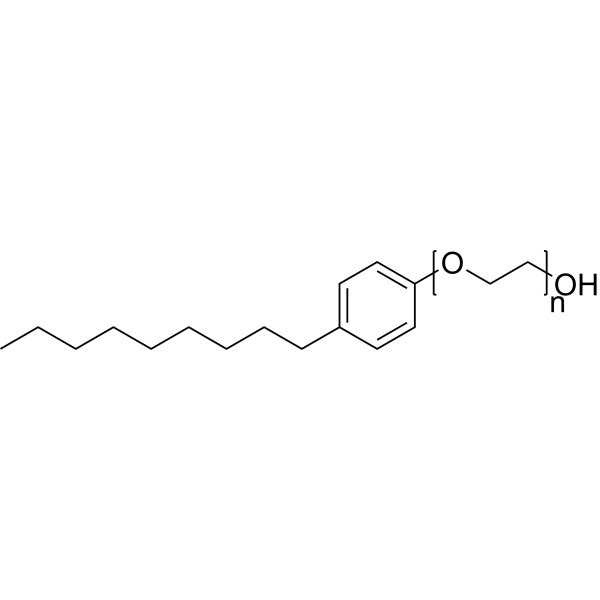
4-Nonylphenol polyethoxylate (Nonoxynol) is a non-ionic surfactant. 4-Nonylphenol polyethoxylate forms degradation products including 4-nonylphenol and short ethoxyl chain polyethoxylates. 4-Nonylphenol polyethoxylate generates degradation products that exhibit estrogenic activity, persist in aquatic environments, and bioaccumulate in the food chain .
|
-
-
- HY-113472
-
|
|
Drug Metabolite
|
Others
|
|
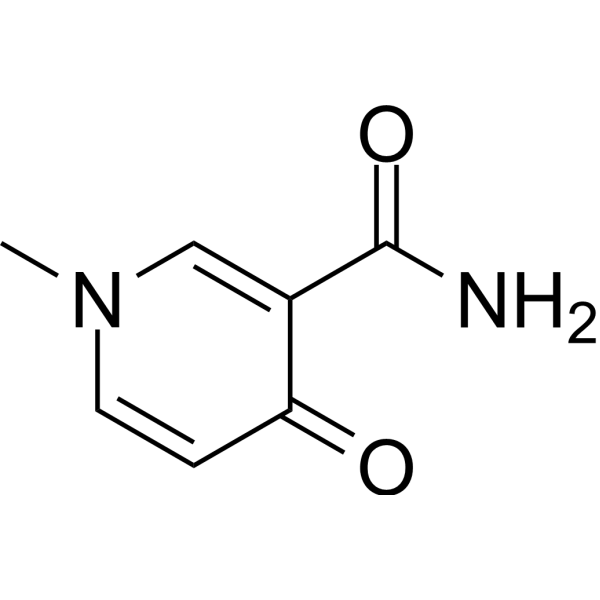
N-Methyl-4-pyridone-3-carboxamide (compound 4PY) is a final product of nicotinamide adenine dinucleotide (NAD) degradation .
|
-
-
- HY-113412A
-
|
|
Endogenous Metabolite
|
Inflammation/Immunology
|
|
3-Methylhistamine dihydrochloride is a degradation product of histamine. 3-Methylhistamine dihydrochloride, a methylated product of histamine, is associated with immune response and shows upregulation in the vaccinated mice .
|
-
-
- HY-113382
-
-
-
- HY-B1514
-
-
-
- HY-112811
-
|
|
PROTACs
CDK
|
Cancer
|
|
PROTAC CDK9 degrader-2 (compound 11c) is a potent and selective CDK9 degrader based on PROTAC, with an IC50 of 17 μM in MCF-7 cell lines. Natural product Wogonin (CDK ligand) binds ubiquitin E3 ligase Cereblon (CRBN) via a linker to form PROTAC .
|
-
-
- HY-129072
-
-
-
- HY-N7007
-
|
|
Drug Intermediate
|
Metabolic Disease
|
|
Sclareol glycol is the precursor of ambroxide. Hyphozyma roseonigra ATCC 20624 was the only reported strain capable of degrading sclareol to the main product of sclareol glycol .
|
-
-
- HY-138107
-
|
|
Endogenous Metabolite
|
Metabolic Disease
|
|
Arimistane is a metabolite of 7-oxo-DHEA and can be used as a diagnostic marker of 7-oxo-DHEA administration .Arimistane is a metabolite of 7-oxo-DHEA and can be used as a diagnostic marker of 7-oxo-DHEA administration .
|
-
-
- HY-121652
-
-
-
- HY-W010593
-
|
|
Environmental Pollutants
Drug Metabolite
|
Cancer
|
|
Ethylenethiourea is a degradation product of the ethylenebisthiocarbamate group of fungicides. Ethylenethiourea is tumorigenic and teratogenic. Ethylenethiourea is orally active .
|
-
-
- HY-125947
-
|
|
Drug Metabolite
|
Others
|
|
4-Epioxytetracycline, the degradation product of Oxytetracycline (OTC), can be found in swine manure compost and wastewater .
|
-
-
- HY-122207
-
|
|
Antibiotic
|
Infection
|
|
Erythromycin A enol ether is an acidic degradation product of Erythromycin A (macrolide antibiotic) and has no antibacterial effect .
|
-
-
- HY-W017389R
-
|
|
Reference Standards
Endogenous Metabolite
|
Inflammation/Immunology
|
|
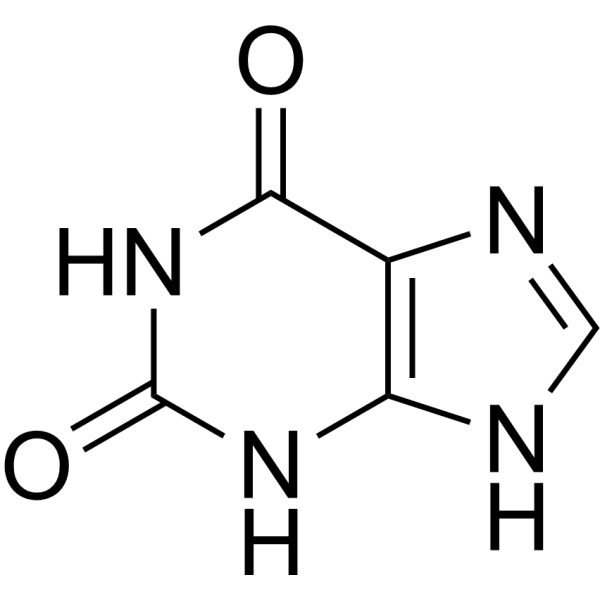
Xanthine (Standard) is the analytical standard of Xanthine. This product is intended for research and analytical applications. Xanthine, a plant alkaloid found in tea, coffee, and cocoa, is a mild stimulant of the central nervous system. Xanthine also acts as an intermediate product on the pathway of purine degradation .
In Vitro: A number of stimulants are derived from Xanthine including caffeine and theobromine. Xanthine is a product on the pathway of purine degradation. Xanthine is subsequently converted to uric acid by the action of the Xanthine oxidase enzyme.
|
-
-
- HY-132995
-
|
|
Drug Metabolite
|
Others
|
|
DP-1, a degradation product of SDC-TRAP-0063, is a fragment of Ganetespib. Ganetespib is a heat shock protein 90 (HSP90) inhibitor with anti-tumor activity .
|
-
-
- HY-121899
-
|
Ibuprofen EP impurity J
|
Drug Metabolite
|
Others
|
|
1-Oxo Ibuprofen (Ibuprofen EP impurity J) is a degradation product and a potential impurity in preparations of Ibuprofen. Ibuprofen is an anti-inflammatory inhibitor targeting COX-1 and COX-2 with IC50s of 13 μM and 370 μM, respectively .
|
-
-
- HY-125446
-
|
LY-290411; 2-OH-OLZ
|
Drug Metabolite
|
Others
|
|
2-Hydroxymethyl olanzapine is a metabolite and a degradation product of Olanzapine (HY-14541) [1][2].
|
-
-
- HY-113432R
-
|
2PY (Standard)
|
Reference Standards
Endogenous Metabolite
PARP
|
Metabolic Disease
|
|
Nudifloramide (Standard) is the analytical standard of Nudifloramide. This product is intended for research and analytical applications. Nudifloramide (2PY) is one of the end products of nicotinamide-adenine dinucleotide (NAD) degradation. Nudifloramide significantly inhibits poly(ADP-ribose) polymerase (PARP-1) activity in vitro .
|
-
-
- HY-W718316
-
|
|
Drug Metabolite
|
Others
|
|
5,6-Chrysenedione is the photochemical degradation product of 6-Aminochrysene (HY-108315) .
|
-
-
- HY-137196
-
|
|
Bacterial
|
Infection
|
|
Anhydrochlortetracycline hydrochloride is a degradation product of chlortetracycline (HY-B1327A). Anhydrochlortetracycline hydrochloride inhibits the growth of actinomycetes .
|
-
-
- HY-P4724
-
-
-
- HY-100096
-
|
Emtricitabine sulfoxide; Emtricitabine Degradant-III
|
HIV
Reverse Transcriptase
|
Infection
|
|
Emtricitabine S-oxide (Emtricitabine sulfoxide) is a major degradation product of Emtricitabine. Emtricitabine is a potent nucleoside reverse transcriptase inhibitor used for the treatment of HIV infection.
|
-
-
- HY-13938
-
Iretol
1 Publications Verification
|
Endogenous Metabolite
|
Metabolic Disease
|
|
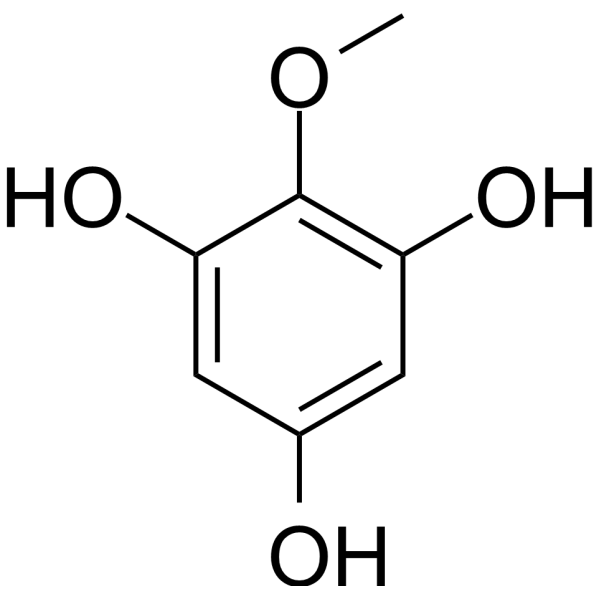
Iretol (2,4,6-trihydroxyanisole) is a a degradation product of a glucoside obtained from Iris Jorentina. Iretol is an intermediate in the synthesis of natural isoflavones, such as Tectorigenin, Irigenin and Caviunin .
|
-
-
- HY-133247
-
|
|
Drug Metabolite
|
Others
|
|
Daclatasvir Impurity B is the impurity of Daclatasvir. Daclatasvir is a potent HCV NS5A protein inhibitor .
|
-
-
- HY-136381
-
|
N-Nitroso-N-(phosphonoMethyl)glycine sodium; Glyphosate-N-nitroso sodium
|
Drug Metabolite
|
Others
|
|
N-Nitrosoglyphosate sodium is the nitrosamine degradation product and synthetic impurity of glyphosate herbicide .
|
-
-
- HY-111742
-
|
|
Drug Metabolite
|
Others
|
|
Bifenazate-diazene is a major degradation product of Bifenazate. Bifenazate is a selective carbazate acaricide and an insecticide .
|
-
-
- HY-W142446S
-
-
-
- HY-125947R
-
|
|
Reference Standards
Drug Metabolite
|
Others
|
|
4-Epioxytetracycline (Standard) is the analytical standard of 4-Epioxytetracycline. This product is intended for research and analytical applications. 4-Epioxytetracycline, the degradation product of Oxytetracycline (OTC), can be found in swine manure compost and wastewater .
|
-
-
- HY-W705140A
-
|
Hydroxymelphalan hydrochloride
|
Drug Metabolite
|
Cancer
|
|
Monohydroxy melphalan hydrochloride (Hydroxymelphalan hydrochloride) is a degradation product of Melphalan (HY-17575), obtained through the hydrolysis of Melphalan in aqueous solutions (including cell culture media and human plasma) .
|
-
-
- HY-B0300S
-
-
-
- HY-167867
-
-
-
- HY-133246
-
|
Daclatasvir Impurity A
|
HCV
|
Infection
|
|
Monodes(N-carboxymethyl)valine Daclatasvir (Daclatasvir Impurity A) is the main degradation product of Daclatasvir. Daclatasvir is a potent HCV NS5A protein inhibitor .
|
-
-
- HY-137324
-
|
|
Drug Metabolite
Antibiotic
|
Infection
|
|
α-Apooxytetracycline is a degradation product of Oxytetracycline (HY-B0275). Oxytetracycline is an antibiotic belonging to the tetracycline class .
|
-
-
- HY-W653762
-
-
-
- HY-W653762A
-
-
-
- HY-113412AR
-
|
|
Reference Standards
Endogenous Metabolite
|
Inflammation/Immunology
|
|
3-Methylhistamine (dihydrochloride) (Standard) is the analytical standard of 3-Methylhistamine (dihydrochloride). This product is intended for research and analytical applications. 3-Methylhistamine dihydrochloride is a degradation product of histamine. 3-Methylhistamine dihydrochloride, a methylated product of histamine, is associated with immune response and shows upregulation in the vaccinated mice .
|
-
-
- HY-121899R
-
|
Ibuprofen EP impurity J (Standard)
|
Drug Metabolite
Reference Standards
|
Others
|
|
1-Oxo Ibuprofen (Standard) is the analytical standard of 1-Oxo Ibuprofen. This product is intended for research and analytical applications. 1-Oxo Ibuprofen (Ibuprofen EP impurity J) is a degradation product and a potential impurity in preparations of Ibuprofen. Ibuprofen is an anti-inflammatory inhibitor targeting COX-1 and COX-2 with IC50s of 13 μM and 370 μM, respectively .
|
-
-
- HY-N16427
-
|
2,3-Dihydroxy-N-benzoylserine
|
Endogenous Metabolite
|
Others
|
|
2,3,-Dihydroxybenzoylserine (2,3-Dihydroxy-N-benzoylserine) is a conjugate of 2,3-dihydroxybenzoic acid and serine. 2,3,-Dihydroxybenzoylserine can be isolated from the culture of E.coli. 2,3,-Dihydroxybenzoylserine is a growth factor with growth-promoting activity in multiple aromatic auxotrophs such as E.coli KI2, strain AB2830. 2,3,-Dihydroxybenzoylserine is a degradation product of biological active compounds .
|
-
-
- HY-136185
-
|
|
Drug Metabolite
|
Others
|
|
Atorvastatin Epoxy Tetrahydrofuran Impurity is an impurity isolated oxidative degradation products of Atorvastatin (HY-B0589) . Atorvastatin is an orally active HMG-CoA reductase inhibitor, has the ability to effectively decrease blood lipids.
|
-
-
- HY-133248
-
|
|
Drug Metabolite
|
Others
|
|
Daclatasvir Impurity C is the impurity of Daclatasvir. Daclatasvir is a potent HCV NS5A protein inhibitor .
|
-
-
- HY-125374A
-
|
XRP9881 dihydrate
|
Microtubule/Tubulin
|
Cancer
|
|
Larotaxel (dihydrate) (XRP9881 (dihydrate)), a new taxane compound prepared by partial synthesis from 10-deacetyl baccatin III, is active against tumors .
|
-
-
- HY-158767
-
|
|
Drug Derivative
|
Others
|
|
Dehydro amlodipine fumarate is a derivative of Dehydro amlodipine and is one of the forced degradation products of Dehydro amlodipine during oxidation and acid degradation .
|
-
-
- HY-W518478
-
-
-
- HY-122035
-
|
|
Bacterial
|
Infection
|
|
Flambalactone is a degradation product formed by methanolysis of the antibiotic flambamycin.
|
-
-
- HY-135586
-
-
-
- HY-Z9082
-
-
-
- HY-119660
-
|
|
Antibiotic
Bacterial
|
Others
|
|
Surgumycin is a compound with antimicrobial activity, and its structure was determined by studying its degradation products.
|
-
-
- HY-N12842
-
-
-
- HY-W585893
-
|
|
Drug Metabolite
|
Cancer
|
|
Endrin ketone is an Endrin (HY-W585893) degradation product. Endrin is a carcinogen .
|
-
- HY-W585893R
-
|
|
Drug Derivative
Reference Standards
|
Cancer
|
|
Endrin ketone (Standard) is the analytical standard of Endrin ketone. This product is intended for research and analytical applications. Endrin ketone is an Endrin degradation product. Endrin is a carcinogen .
|
-
- HY-W038877R
-
|
(S)-Pregabalin lactam (Standard)
|
Drug Intermediate
Reference Standards
|
Others
|
|
Pregabalin lactam (Standard) is an analytical standard for Pregabalin lactam. This product is used for research and analytical applications. Pregabalin lactam is a degradation product and is a common impurity with no mutagenicity .
|
-
- HY-W104125
-
|
RP 29307
|
Drug Metabolite
|
Others
|
|
Zopiclone impurity-1 (RP 29307) is an impurity and degradation product in the production process of zopiclone .
|
-
- HY-136986
-
|
|
HIV Protease
|
Infection
|
|
Desthiazolylmethyl ritonavir is a base-catalyzed degradation product of the HIV protease inhibitor Ritonavir (HY-90001).
|
-
- HY-135586R
-
|
|
Reference Standards
Drug Metabolite
|
Metabolic Disease
|
|
Raloxifene N-Oxide (Standard) is the analytical standard of Raloxifene N-Oxide. This product is intended for research and analytical applications. Raloxifene N-Oxide is a Raloxifene oxidative degradation product .
|
-
- HY-135577
-
|
|
Drug Metabolite
|
Infection
|
|
β-Apooxytetracycline is a degradation product of Oxytetracycline (HY-B0275). Oxytetracycline is a widespread antibiotic .
|
-
- HY-126606
-
|
|
Antibiotic
|
Infection
|
|
Isochlortetracycline is an inactive alkaline degradation product of the Chlortetracycline (HY-B1327A) (broad-spectrum antibiotic) .
|
-
- HY-135372
-
|
|
Drug Metabolite
|
Infection
|
|
Descarbamoyl cefuroxime is a degradation product of Cefuroxime. Descarbamoyl cefuroxime is also an intermediate for the synthesis of Cephalosporin antibiotics .
|
-
- HY-165493
-
|
|
Drug Derivative
|
Others
|
|
Opc-15161 is a novel superoxide generation inhibitor and major degradation product of OPC-15160 .
|
-
- HY-W010593R
-
|
|
Drug Metabolite
Reference Standards
|
Cancer
|
|
Ethylenethiourea (Standard) is the analytical standard of Ethylenethiourea. This product is intended for research and analytical applications. Ethylenethiourea is a degradation product of the ethylenebisthiocarbamate group of fungicides. Ethylenethiourea is tumorigenic and teratogenic. Ethylenethiourea is orally active .
|
-
- HY-112057
-
|
LY267108
|
Drug Metabolite
|
Others
|
|
Pseudoerythromycin A enol ether (LY267108) is a degradation product of Erythromycin. Pseudoerythromycin A enol ether has no significant antimicrobial activity .
|
-
- HY-N12843
-
|
Nardosinone acid
|
Drug Metabolite
|
Others
|
|
2-Deoxokanshone M (Nardosinone acid) is a degradation product of Nardosinone (HY-N0380) and has potent vasodilatory activity .
|
-
- HY-164949
-
|
|
Drug Metabolite
|
Cancer
|
|
Ribociclib acetate is a degradation product of Ribociclib (HY-15777) under acid-base hydrolysis conditions. Ribociclib acetate has been predicted to be carcinogenic .
|
-
- HY-122207R
-
|
|
Antibiotic
Reference Standards
|
Infection
|
|
Erythromycin A enol ether (Standard) is the analytical standard of Erythromycin A enol ether. This product is intended for research and analytical applications. Erythromycin A enol ether is an acidic degradation product of Erythromycin A (macrolide antibiotic) and has no antibacterial effect .
|
-
- HY-135577R
-
|
|
Reference Standards
Drug Metabolite
|
Infection
|
|
β-Apooxytetracycline (Standard) is the analytical standard of β-Apooxytetracycline. This product is intended for research and analytical applications. β-Apooxytetracycline is a degradation product of Oxytetracycline (HY-B0275). Oxytetracycline is a widespread antibiotic .
|
-
- HY-147001
-
|
|
Drug Metabolite
|
Others
|
|
5-O-Demethyl-28-hydroxy-Avermectin A1a is a degradation product of Avermectin B1a (HY-15308).
|
-
- HY-19698R
-
|
4-CPA (Standard); p-Chlorophenoxyacetic acid (Standard)
|
Biochemical Assay Reagents
Reference Standards
|
Others
|
|
4-Chlorophenoxyacetic acid (4-CPA) (Standard) is the analytical standard of 4-Chlorophenoxyacetic acid (4-CPA). This product is intended for research and analytical applications. 4-Chlorophenoxyacetic acid (4-CPA) is a widely used herbicide for weed control in agriculture. 4-Chlorophenoxyacetic acid can be degraded in aqueous media through an electrochemical oxidation process. The end products of 4-Chlorophenoxyacetic acid degradation are harmless, such as carbon dioxide, water, and chloride ions .
|
-
- HY-122457
-
|
|
Antibiotic
|
Infection
|
|
Δ2,3-Doramectin is the primary pH degradation products of doramectin (HY-17035). Doramectin is a antiparasitic antibiotic .
|
-
- HY-W709047
-
|
|
Drug Metabolite
|
Metabolic Disease
|
|
Orlistat impurity-M3 is a Orlistat (HY-B0218) degradation product. Orlistat is a well-known irreversible inhibitor of pancreatic and gastric lipases .
|
-
- HY-W1048567E
-
|
|
Biochemical Assay Reagents
|
Others
|
|
mPEG40000-SCM is a high quality amine-reactive PEG product with a stable non-degradable functional group between the PEG polymer chain and the NHS ester .
|
-
- HY-W1048567A
-
|
|
Biochemical Assay Reagents
|
Others
|
|
mPEG2000-SCM is a high quality amine-reactive PEG product with a stable non-degradable functional group between the PEG polymer chain and the NHS ester .
|
-
- HY-W1048567H
-
|
|
Biochemical Assay Reagents
|
Others
|
|
mPEG3400-SCM is a high quality amine-reactive PEG product with a stable non-degradable functional group between the PEG polymer chain and the NHS ester .
|
-
- HY-132995A
-
|
|
Drug Metabolite
|
Cancer
|
|
DP-1 hydrochloride, a degradation product of SDC-TRAP-0063, is a fragment of Ganetespib. Ganetespib is a heat shock protein 90 (HSP90) inhibitor with anti-tumor activity .
|
-
- HY-177533
-
|
|
Insecticide
|
Others
|
|
3'-Ethoxy Spinosyn L 17-pseudoaglycone is an acid degradation product of 3'-ethoxy-5,6-dihydrospinosyn L, a component of the insecticide spinosyn L .
|
-
- HY-N13193
-
|
|
Others
|
Others
|
|
Pterosin A-2-O-glucoside is a sesquiterpene glucoside. Pterosin A-2-O-glucoside might be a degradation product of an illudanetype diglucoside .
|
-
- HY-N18965
-
|
|
Biochemical Assay Reagents
|
Others
|
|
Formyline (Compound 8) is a Maillard reaction product (glycated compound). Formyline is an advanced glycation end product formed by the reaction of lysine with 3-deoxypentosone, pentose, disaccharide degradation products or glucuronic acid. Formyline is commonly found in heat-processed foods such as milk, baked goods and beer, and can serve as a characteristic marker for food processing .
|
-
- HY-153505
-
|
|
ADAMTS
|
Inflammation/Immunology
|
|
ADAMTS-4/5-IN-1 is an orally active, and selective dual ADAMTS-4/5 inhibitor with IC50 values of 2 nM for human ADAMTS-4 and human ADAMTS-5, respectively. ADAMTS-4/5-IN-1 exhibits high selectivity against MMP enzymes. ADAMTS-4/5-IN-1 reduces aggrecan degradation products in synovial fluid. ADAMTS-4/5-IN-1 can be used for the research of osteoarthritis .
|
-
- HY-W142446
-
-
- HY-N7782
-
|
|
Others
|
Others
|
|
Arborinone is a diagenetic degradation product.
|
-
- HY-103628R
-
|
|
Reference Standards
PROTACs
CDK
|
Cancer
|
|
PROTAC CDK9 Degrader-1 (Standard) is the analytical standard of PROTAC CDK9 Degrader-1 (HY-103628). This product is intended for research and analytical applications. PROTAC CDK9 Degrader-1 is a PROTAC connected by ligands for Cereblon and CDK as a selective CDK9 degrader.
|
-
- HY-158767R
-
|
|
Drug Derivative
Reference Standards
|
Others
|
|
Dehydro amlodipine (fumarate) (Standard) is the analytical standard of Dehydro amlodipine (fumarate). This product is intended for research and analytical applications. Dehydro amlodipine fumarate is a derivative of Dehydro amlodipine and is one of the forced degradation products of Dehydro amlodipine during oxidation and acid degradation .
|
-
- HY-W653737
-
|
|
Drug Metabolite
|
Others
|
|
N-Nitrosoglyphosate is the nitrosamine degradation product of glyphosate herbicidee.
|
-
- HY-103633R
-
|
|
Reference Standards
PROTACs
Epigenetic Reader Domain
|
Cancer
|
|
PROTAC BET Degrader-1 (Standard) is the analytical standard of PROTAC BET Degrader-1 (HY-103633). This product is intended for research and analytical applications. PROTAC BET Degrader-1 is a PROTAC connected by ligands for Cereblon and BET, decreasing BRD2, BRD3, and BRD4 protein levels at low concentration.
|
-
- HY-129443
-
|
|
Drug Metabolite
|
Others
|
|
Deacetylcephaloglycin is the active metabolite of Cephaloglycin (HY-16137). Deacetylcephaloglycin is a degradation product of Cephaloglycin that eliminates the 3-acetyl group in acidic medium and can be further degraded to Deacetylcephaloglycin lactone. Deacetylation is the rate-determining step in the degradation of Cephaloglycin to lactone .
|
-
- HY-N17882
-
|
Bupleuroside III
|
Drug Derivative
|
Others
|
|
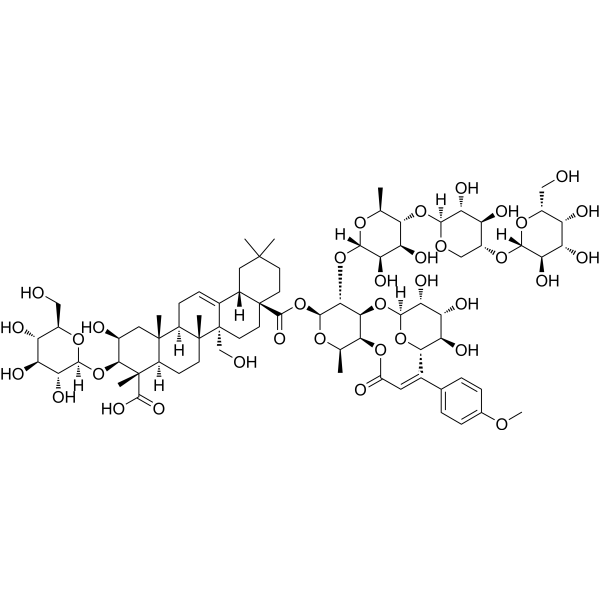
Hydroxysaikosaponin A (Bupleuroside III) is the acid hydrolysis degradation product of Saikosaponin A (HY-N0246) .
|
-
- HY-Z0833
-
-
- HY-W047339
-
-
- HY-179588
-
|
|
PROTACs
Epigenetic Reader Domain
c-Myc
|
Cancer
|
|
PROTAC BET Degrader-14 is a highly efficient PROTAC targeting BET (bromodomain and extra-terminal domain). PROTAC BET Degrader-14 can degrade all BET (BRD2, BRD3, BRD4) family proteins. PROTAC BET Degrader-14 potently degrades BET proteins in U2OS osteosarcoma cell lines (BRD4 DC50 = 130 nM) and KYSE180 esophageal squamous cell carcinoma cell lines (DC50 = 40 nM). PROTAC BET Degrader-14’s dependence on the ubiquitin-proteasome system. PROTAC BET Degrader-14 decreases levels of BET-regulated gene products c-Myc, RUNX2, and KRT14. PROTAC BET Degrader-14 can be used for the study of osteosarcoma .
|
-
- HY-103636R
-
|
|
Reference Standards
Sirtuin
PROTACs
|
Cancer
|
|
PROTAC Sirt2 Degrader-1 (Standard) is the analytical standard of PROTAC Sirt2 Degrader-1 (HY-103636). This product is intended for research and analytical applications. PROTAC Sirt2 Degrader-1 is a SirReal-based PROTAC, acts as a Sirt2 degrader, composed of a highly potent and isotype-selective Sirt2 inhibitor, a linker, and a bona fide Cereblon ligand for E3 ubiquitin ligase. PROTAC Sirt2 Degrader-1 shows an IC50 of 0.25 μM for Sirt2, with no effect on Sirt1/Sirt3 (IC50s>100 μM) .
|
-
- HY-10827R
-
|
|
Neprilysin
Reference Standards
|
Neurological Disease
|
|
Kelatorphan (Standard) is the analytical standard of Kelatorphan (HY-10827). This product is intended for research and analytical applications. Kelatorphan is a full inhibitor of enkephalin degrading enzymes.
|
-
- HY-W724128
-
|
|
Drug Derivative
|
Neurological Disease
|
|
Cariprazine N-oxide (Compound DP-3) is the mono-oxidative degradation product of Cariprazine hydrochloride (HY-14763A). Cariprazine hydrochloride exhibits antipsychotic activity .
|
-
- HY-N18055
-
|
|
Drug Derivative
|
Others
|
|
Derritol is a rotenone degradation product formed by the loss of C-6 and C-6a carbons from Rotenone (HY-B1756) .
|
-
- HY-132177K
-
|
|
Biochemical Assay Reagents
|
Metabolic Disease
|
|
α-L-Fucosidase, Bovine (EC 3.2.1.51) is a glycosidase that hydrolyzes O- and S-glycosides, participating in the degradation of N-glycans and the degradation of glycan structures. The two substrates of α-L-Fucosidase, Bovine (EC 3.2.1.51) are α-L-fucoside and water, while its two products are L-fucose and alcohol.
|
-
- HY-W010593S
-
|
|
Isotope-Labeled Compounds
|
Cancer
|
|
Ethylenethiourea-d4 is the deuterium labeled Ethylenethiourea . Ethylenethiourea is a degradation product of the ethylenebisthiocarbamate group of fungicides. Ethylenethiourea is tumorigenic and teratogenic. Ethylenethiourea is orally active .
|
-
- HY-W1048567
-
|
|
Biochemical Assay Reagents
|
Others
|
|
mPEG1000-SCM is a high quality amine-reactive PEG product with a stable non-degradable functional group between the PEG polymer chain and the NHS ester .
|
-
- HY-W1048567B
-
|
|
Biochemical Assay Reagents
|
Others
|
|
mPEG5000-SCM is a high quality amine-reactive PEG product with a stable non-degradable functional group between the PEG polymer chain and the NHS ester .
|
-
- HY-W1048567D
-
|
|
Biochemical Assay Reagents
|
Others
|
|
mPEG20000-SCM is a high quality amine-reactive PEG product with a stable non-degradable functional group between the PEG polymer chain and the NHS ester .
|
-
- HY-W1048567C
-
|
|
Biochemical Assay Reagents
|
Others
|
|
mPEG10000-SCM is a high quality amine-reactive PEG product with a stable non-degradable functional group between the PEG polymer chain and the NHS ester .
|
-
- HY-23331
-
|
4-Methylimidazolidine-2-thione
|
Drug Metabolite
|
Others
|
|
Propylene thiourea (4-Methylimidazolidine-2-thione) is one of the main degradation products of Propineb (HY-119630) in animals, plants and during processing .
|
-
- HY-180471
-
|
|
Drug Metabolite
|
Others
|
|
Desisopropyl-fesoterodine (compound 1), an oxidative Ndealkylation of the tertiary amine function of Fesoterodine (HY-70053), is a degradation product (compound PP-6) of Fesoterodine .
|
-
- HY-137252
-
|
Ivermectin Impurity G
|
Parasite
|
Infection
|
|
22,23-Dihydroavermectin B1a aglycon is an acid degradation product produced by hydrolysis of the disaccharide unit of ivermectin. It can inhibit nematode larval development, but does not cause paralytic activity.
|
-
- HY-135755
-
|
|
Drug Intermediate
|
Others
|
|
δ-Lactone, an A-ring degradation product, is also an important intermediate in the synthesis of Estrone (HY-B0234), Estradiol (HY-B0141), and their derivatives .
|
-
- HY-137389
-
|
|
Drug Metabolite
|
Cancer
|
|
Anhydro abiraterone is a degradation product of Abiraterone acetate (HY-75054). Abiraterone acetate (CB7630) is an oral, potent, selective, and irreversible inhibitor of CYP17A1 with antiandrogen activity .
|
-
- HY-N7449R
-
-
- HY-N7449
-
-
- HY-W087207
-
|
|
Drug Derivative
|
Inflammation/Immunology
|
|
Loxoprofen L-menthol ester is a degradation product Loxoprofen sodium (HY-B0578A). Loxoprofen sodium is a non-steroidal, orally active anti-inflammatory agent with analgesic and anti-pyretic properties .
|
-
- HY-W382038
-
|
|
Ligands for E3 Ligase
|
Cancer
|
|
E3 ligase Ligand 32 (First product in Example 3) is a ligand for E3 ubiquitin ligase. E3 ligase Ligand 32 can be connected to the ligand for protein by a linker to form PROTACs and can be used for the synthesis of PROTAC SMARCA2/4-degrader-29 (HY-162743) .
|
-
- HY-155252
-
|
(-)-Spinosyn A aglycon
|
Insecticide
|
Others
|
|
Spinosyn A aglycone ((-)-Spinosyn A aglycon) is an aglycone form of the insecticide Spinosyn A (HY-B0767). Spinosyn A aglycone is an acid degradation product produced by hydrolysis of both saccharide groups on spinosyn A .
|
-
- HY-W070554
-
|
|
Drug Metabolite
|
Others
|
|
1-(Hydroxymethyl)-5,5-dimethylhydantoin is a degradation product of 1,3-dimethylol-5,5-dimethylhydantoin, which is a formaldehyde-releasing antimicrobial preservative.
|
-
- HY-17412B
-
|
|
Drug Metabolite
|
Others
|
|
4-Epiminocycline is a Minocycline (HY-17412A) degradation product. Minocycline (HY-17412A) is an antibiotic that has anti-inflammatory, anticancer, antibacterial, immunomodulatory and neuroprotective effects .
|
-
- HY-113432
-
|
2PY
|
Endogenous Metabolite
PARP
|
Metabolic Disease
|
|
Nudifloramide (2PY) is one of the end products of nicotinamide-adenine dinucleotide (NAD) degradation. Nudifloramide significantly inhibits poly(ADP-ribose) polymerase (PARP-1) activity in vitro .
|
-
- HY-W749852
-
|
|
Biochemical Assay Reagents
|
Neurological Disease
|
|
Xanthine sodium, 98%, a plant alkaloid found in tea, coffee, and cocoa, is a mild stimulant of the central nervous system. Xanthine sodium, 98% also acts as an intermediate product on the pathway of purine degradation .
|
-
- HY-N2325
-
|
|
Endogenous Metabolite
|
Others
|
|
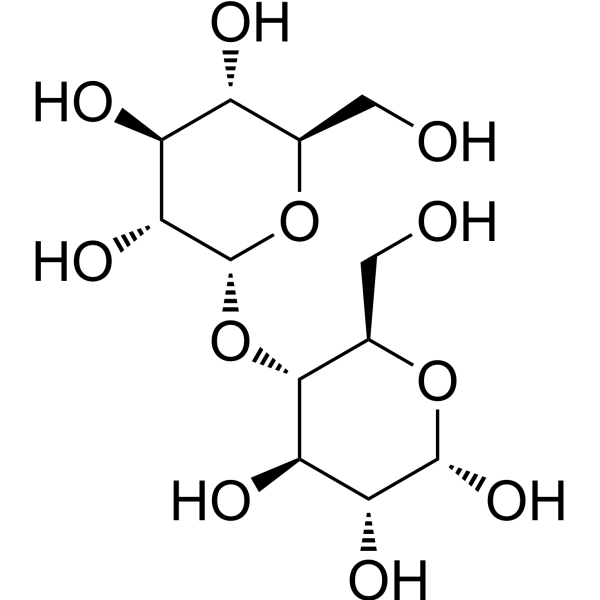
D-(+)-Cellobiose is a water-soluble disaccharide and an important intermediate product in the degradation process of cellulose and hemicellulose. D-(+)-cellobiose is used as a carbon source by microorganisms in fermentation processes, where it is converted into ethanol or other metabolic products. D-(+)-Cellobiose has significant application value in biofuel production, such as bioethanol .
|
-
- HY-E70418A
-
|
|
Endogenous Metabolite
|
Metabolic Disease
|
|
Epoxide Hydrolase, Rhodococcus rhodochrous (EC 3.3.2.3), converts epoxides to trans-dihydrodiols, which can combine with other substances and be excreted from the body. Epoxides are products of the degradation of aromatic compounds.
|
-
- HY-E71290
-
|
|
Biochemical Assay Reagents
|
Others
|
|
β-Diketone hydrolase (EC 3.7.1.7) acts on the product of the action of EC 1.1.3.18 secondary-alcohol oxidase, on polyvinyl alcohols; involved in the bacterial degradation of polyvinyl alcohol.
|
-
- HY-N15681
-
|
10'-Apo-β-carotenal
|
Drug Metabolite
|
Others
|
|
β-Apo-10'-carotenal is a degradation product of β,β-carotene. β-Apo-10'-carotenal can be used in flavor research .
|
-
- HY-129043
-
|
|
Drug Metabolite
|
Infection
|
|
3-Formyl rifamycin is an acid degradation product of the broad-spectrum antibiotic Rifampicin (HY-B0272). 3-Formyl rifamycin forms via acid hydrolysis of Rifampicin in an acidic environment .
|
-
- HY-P4386
-
|
|
GLP Receptor
|
Metabolic Disease
|
|
(Asp28)-Exenatide is a degradation product of exenatide (HY-13443). (Asp28)-Exenatide can be used as a GLP-1R agonist .
|
-
- HY-P11703
-
|
|
MHC
|
Others
|
|
TRVLNLGPI is an MHC motif-containing, MHC-independent nonapeptide. TRVLNLGPI is not a product of immune presentation, but a product of renal protein degradation, and its concentration is sufficiently high to be specifically recognized by vomeronasal neurons. The concentration of TRVLNLGPI in mouse urine can be six orders of magnitude higher than that of prototype MHC-dependent peptides .
|
-
- HY-134220
-
|
|
Parasite
|
Infection
|
|
Doramectin monosaccharide is an acid degradation product of Doramectin (HY-17035), a disaccharide-containing anthelmintic that potentiates glutamate- and GABA-gated chloride channel opening in nematodes. Doramectin undergoes acid-catalyzed hydrolysis to form doramectin monosaccharide.
|
-
- HY-115349
-
|
|
Antibiotic
Bacterial
|
Infection
Neurological Disease
Cancer
|
|
Neamine tetrahydrochloride, a degradation product of Neomycin, is a broad-spectrum aminoglycoside antibiotic. Neamine tetrahydrochloride is an anti-angiogenesis agent targeting angiogenin. Neamine tetrahydrochloride has potent antibacterial, antitumor and neuroprotective activities .
|
-
- HY-176747
-
|
DMPPD
|
Reactive Oxygen Species (ROS)
|
Others
|
|
7-PPD (DMPPD) is a rubber antioxidant that scavenges free radicals and inhibits the oxidative degradation of rubber chains. 7-PPD shows promise for research in tire manufacturing and rubber product processing .
|
-
- HY-N7387
-
|
3-Dehydrocholic acid
|
Endogenous Metabolite
|
Metabolic Disease
|
|
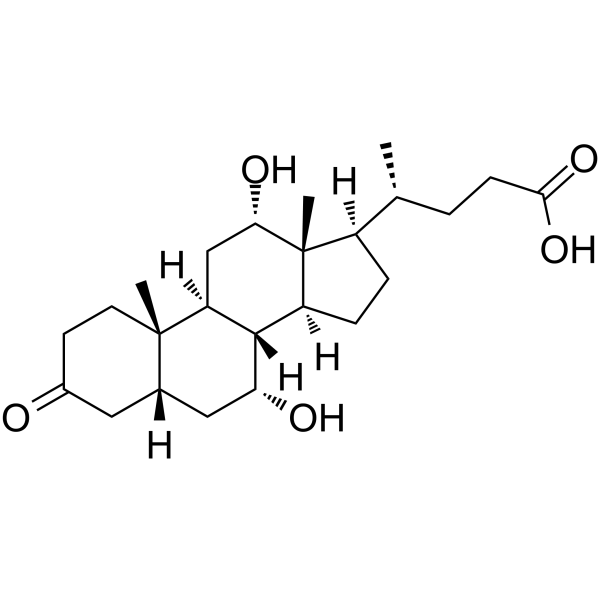
3-Oxocholic acid is an oxo-bile acid metabolite and also a major degradation product from cholic by C. perfringens in the intestine. 3-Oxocholic acid is steroid acid found predominantly in bile of mammals .
|
-
- HY-112108D
-
|
COS (MW 2000)
|
Biochemical Assay Reagents
|
Others
|
|
Chitosan oligosaccharide (MW 2000) (COS (MW 2000)) is a degradation product of chitosan. It is an oligosaccharide composed of 2-20 glucosamine groups linked by β-(1→4) glycosidic bonds .
|
-
- HY-W749852A
-
|
|
Biochemical Assay Reagents
|
Neurological Disease
|
|
Xanthine sodium, for cell culture, a plant alkaloid found in tea, coffee, and cocoa, is a mild stimulant of the central nervous system. Xanthine sodium, for cell culture also acts as an intermediate product on the pathway of purine degradation .
|
-
- HY-W439487
-
|
|
Nucleoside Antimetabolite/Analog
|
Metabolic Disease
|
|
7,9-Dimethylguanine is a modified nucleotide base that is a product of RNA degradation. The level of 7,9-Dimethylguanine in urine and serum can be used as a scoring indicator for the severity of alcoholic liver disease (ALD).
|
-
- HY-W450115
-
|
|
Reactive Oxygen Species (ROS)
|
Inflammation/Immunology
|
|
USF 2550A is a class of fungus-derived 2-pyran compound with DPPH free radical scavenging activity. USF 2550A binds to DPPH free radicals in organic solvents to form adducts, thereby achieving free radical scavenging; in acetate buffer, the formed adducts undergo degradation, and the degradation products can continuously scavenge free radicals. USF 2550A can be used in antioxidant-related research .
|
-
- HY-W778140
-
|
|
Isotope-Labeled Compounds
Bacterial
Parasite
|
Infection
|
|
Diethyl phosphate- 13C4 (sodium) is the 13C labeled isotope of Diethyl phosphate- 13C4 (sodium)(HY-101417).Diethylphosphate (DEP) is product of metabolism and of environmental degradation of a commonly used insecticide Chlorpyrifos .
|
-
- HY-W017386
-
|
|
Endogenous Metabolite
|
Metabolic Disease
|
|
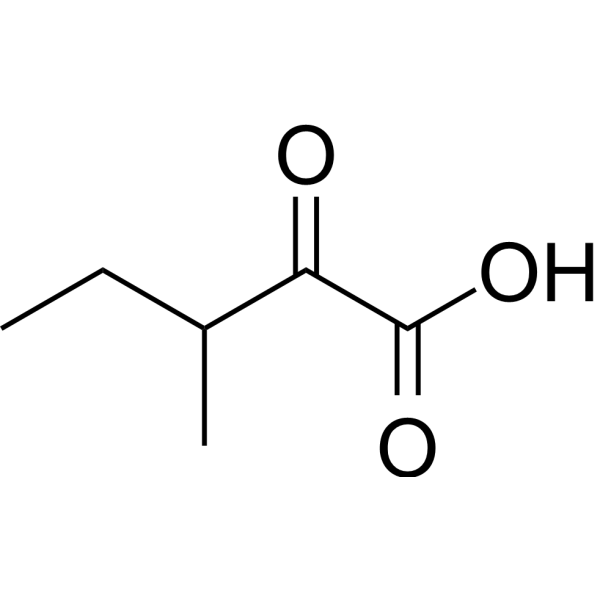
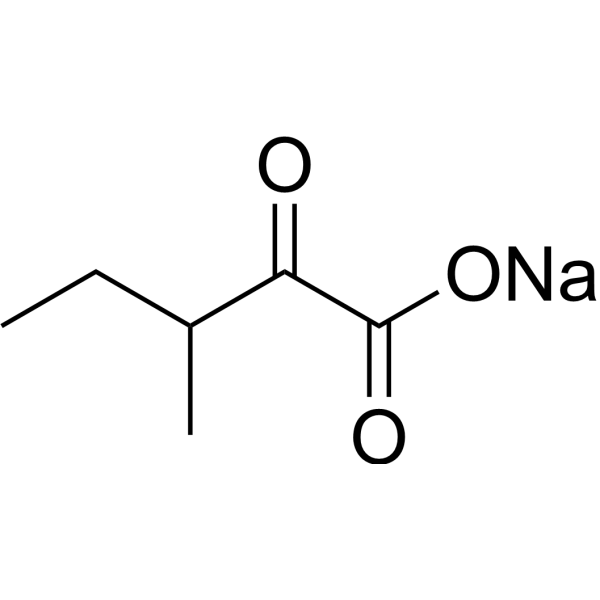
3-Methyl-2-oxovaleric acid sodium is a degradation product from Isoleucine. 3-Methyl-2-oxovaleric acid sodium is a biomarker of mustard airway diseases (MADs) and uric acid stone .
|
-
- HY-Z7429
-
|
|
Drug Metabolite
|
Infection
Cancer
|
|
3-Hydroxy-4-methyl-2(5H)-thiophenone (compound 18) is a pyrazine derivative and the major acidic degradation product of Cephalexin (HY-B0200) .
|
-
- HY-P3675
-
|
|
GnRH Receptor
|
Endocrinology
|
|
LH-RH (4-10) is a heptapeptide, one of major degradation products of luteinising-hormone releasing hormone (LHRH) via pituitary and hypothalamus. LH-RH (4-10) produced in macrophages and type II pneumocytes .
|
-
- HY-B1409R
-
|
ISDN (Standard)
|
Reference Standards
NO Synthase
|
Cardiovascular Disease
|
|
Isosorbide dinitrate (Standard) is the analytical standard of Isosorbide dinitrate. This product is intended for research and analytical applications. Isosorbide dinitrate (ISDN) is an NO donor that prevents LV remodeling and degradation of cardiac function following myocardial infarction (MI) .
|
-
- HY-113063
-
|
|
Endogenous Metabolite
|
Metabolic Disease
|
|
3-Methyl-2-oxovaleric acid is a degradation product from Isoleucine. 3-Methyl-2-oxovaleric acid is a biomarker of mustard airway diseases (MADs) and uric acid stone .
|
-
- HY-W724905
-
|
γ-Glu-Ile; H-γ-Glu-Ile-OH
|
Amino Acid Derivatives
|
Others
|
|
gamma-Glutamylisoleucine (γ-Glu-Ile; H-γ-Glu-Ile-OH) is a dipeptide composed of γ-glutamic acid and isoleucine, and it is also a degradation product of macromolecular proteins after proteolysis .
|
-
- HY-N0694R
-
|
Gomisin-C (Standard); Schizantherin-A (Standard); Wuweizi ester-A (Standard)
|
Reference Standards
NF-κB
|
Inflammation/Immunology
|
|
Schisantherin A (Standard) is the analytical standard of Schisantherin A. This product is intended for research and analytical applications. Schisantherin A is a dibenzocyclooctadiene lignan. Schisantherin A inhibits p65-NF-κB translocation into the nucleus by IκBα degradation.
|
-
- HY-113137R
-
|
|
Reference Standards
Endogenous Metabolite
|
Cancer
|
|
N2,N2-Dimethylguanosine (Standard) is the analytical standard of N2,N2-Dimethylguanosine. This product is intended for research and analytical applications. N2,N2-Dimethylguanosine is an urinary nucleoside, a primary degradation product of tRNA.
|
-
- HY-150251
-
|
STAT3 degrader-2
|
PROTACs
STAT
|
Cancer
|
|
SD-91 (STAT3 degrader-2), a product of the hydrolysis of SD-36 (HY-129602), is a selective PROTAC-based STAT3 degrader with a Ki of 5.5 nM. SD-91 displays >300-fold selectivity over other STAT family protein members. SD-91 potently induces degradation of STAT3 protein in cells. SD-91 has anticancer effects, such as myeloid leukemia, lymphoma (Pink: ligand for target protein (HY-150895); Black: linker; Blue: E3 ligase ligand; E3 ligase ligand+linker: HY-176506) .
|
-
- HY-15194R
-
|
ASC-J9 (Standard); GO-Y025 (Standard)
|
Androgen Receptor
Reference Standards
|
Cancer
|
|
Dimethylcurcumin (Standard) is the analytical standard of Dimethylcurcumin. This product is intended for research and analytical applications. Dimethylcurcumin (ASC-J9) is an androgen receptor degradation enhancer that effectively suppresses castration resistant prostate cancer cell proliferation and invasion.
|
-
- HY-79602
-
|
|
Biochemical Assay Reagents
Drug Derivative
Drug Intermediate
|
Others
|
|
p-Toluenesulfonamide is an intermediate and plasticizer. p-Toluenesulfonamide is also the main degradation product of the disinfectant Chloramine-T (HY-B0959) in water. p-Toluenesulfonamide facilitates the localization of fluorescent probes to the endoplasmic reticulum .
|
-
- HY-138149
-
|
epi-Avermectin B1a
|
Drug Metabolite
|
Infection
|
|
2-epi-Abamectin is a degradation product of Abamectin. It is toxic to the two-spotted spider mite in a contact assay with an LC50 value of 4 ppm, which is approximately 100-fold less potent than abamectin.
|
-
- HY-79602R
-
|
|
Biochemical Assay Reagents
Reference Standards
Drug Derivative
Drug Intermediate
|
Others
|
|
p-Toluenesulfonamide (Standard) is the analytical standard of p-Toluenesulfonamide (HY-79602). This product is intended for research and analytical applications. p-Toluenesulfonamide is an intermediate and plasticizer. p-Toluenesulfonamide is also the main degradation product of the disinfectant Chloramine-T (HY-B0959) in water. p-Toluenesulfonamide facilitates the localization of fluorescent probes to the endoplasmic reticulum .
|
-
- HY-125665
-
|
|
Apoptosis
|
Cardiovascular Disease
Cancer
|
|
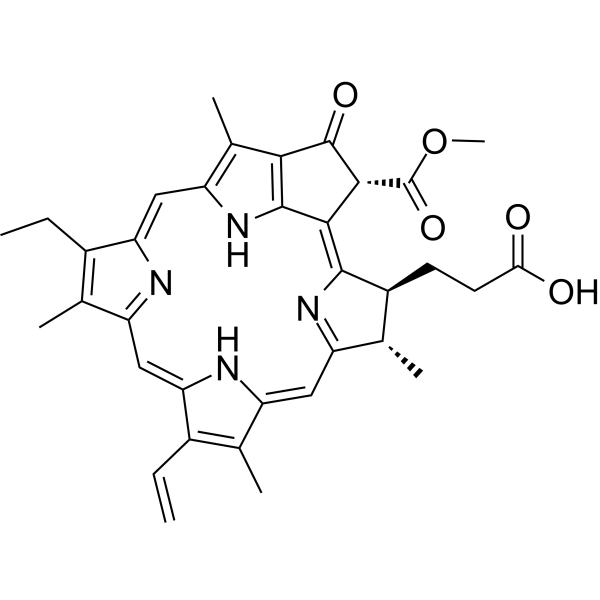
Pheophorbide A is an intermediate product in the chlorophyll degradation pathway. Pheophorbide A can be used as a photosensitizer. Pheophorbide A is a lymphatic vascular activator. Pheophorbide A has antitumor activity. Pheophorbide A can be used for human lymphatic vascular insufficiencies research .
|
-
- HY-113281
-
|
|
Endogenous Metabolite
|
Metabolic Disease
|
5-Hydroxyhexanoic acid is a normal monohydroxy carboxylic acid degradation product of fatty acids with medium chain lengths (particularly hexanoic acid). 5-Hydroxyhexanoic acid functions as a predictor of early renal functional decline in type 2 diabetes with microalbuminuria .
|
-
- HY-113136R
-
|
N1-Methylguanosine (Standard)
|
Endogenous Metabolite
Reference Standards
|
Cancer
|
|
1-Methylguanosine (Standard) is the analytical standard of 1-Methylguanosine. This product is intended for research and analytical applications. 1-Methylguanosine is a methylated nucleoside originating from RNA degradation. 1-Methylguanosine is a tumour marker .
|
-
- HY-N7454
-
|
|
Drug Metabolite
Bacterial
|
Infection
|
|
Anhydroerythromycin A is a degradation product of the macrolide antibiotic erythromycin. Anhydroerythromycin A is formed via degradation of erythromycin in acidic aqueous solutions in vitro as well as in vivo. Anhydroerythromycin A is active against S. aureus and B. cereus in vitro (MICs = 12.5 and 6.25 μg/ml, respectively). Anhydroerythromycin A also inhibits steroid 6β-hydroxylase activity associated with the cytochrome P450 (CYP) isoform CYP3A in human liver microsomes.
|
-
- HY-129043R
-
|
|
Reference Standards
Drug Metabolite
|
Infection
|
|
3-Formyl rifamycin (Standard) is the analytical standard of 3-Formyl rifamycin (HY-129043). This product is intended for research and analytical applications. 3-Formyl rifamycin is an acid degradation product of the broad-spectrum antibiotic Rifampicin (HY-B0272). 3-Formyl rifamycin forms via acid hydrolysis of Rifampicin in an acidic environment .
|
-
- HY-133597R
-
|
|
Drug Derivative
Reference Standards
|
Others
|
|
4-Chlorocatechol (Standard) is the analytical standard of 4-Chlorocatechol. This product is intended for research and analytical applications. 4-Chlorocatechol is a major degradation product of 4-chloro-2-aminophenol (4C2AP). 4-Chlorocatechol is also a substrate for catechol 1,2-dioxygenases and chlorocatechol dioxygenase .
|
-
- HY-W174556
-
|
3-mBSA
|
Drug Derivative
|
Others
|
|
2-(3-Methylbenzyl)succinic acid (3-mBSA) is a degradation product of anaerobic toluene and ethylbenzene/xylene. 2-(3-Methylbenzyl)succinic acid can serve as a qualitative in situ indicator of toluene and ethylbenzene/xylene in contaminated groundwater .
|
-
- HY-W717548
-
|
|
Drug Metabolite
|
Others
|
|
Safinamide acid (Compound Imp-E) is the metabolite of Safinamide (HY-70057). Safinamide acid can be formed by hydrolysis of Safinamide intermediate under alkaline or acidic conditions. Safinamide acid is utilized to monitor process-related impurities and degradation products in safinamide samples .
|
-
- HY-10984R
-
|
CC-4047 (Standard)
|
Reference Standards
Ligands for E3 Ligase
Molecular Glues
Apoptosis
|
Cancer
|
|
Pomalidomide (Standard) is the analytical standard of Pomalidomide. This product is intended for research and analytical applications. Pomalidomide, the third-generation immunomodulatory agent, acts as molecular glue. Pomalidomide interacts with the E3 ligase cereblon and induces degradation of essential Ikaros transcription factors.
|
-
- HY-P3674
-
|
|
GnRH Receptor
|
Endocrinology
|
|
LH-RH (7-10) is a tetrapeptide, one of major degradation products of luteinising-hormone releasing hormone (LHRH) via pituitary and hypothalamus. LH-RH (7-10) produced in macrophages, type I-like and type II pneumocytes .
|
-
- HY-N13110
-
|
|
Others
|
Others
|
|
23-Aldehyde-16-O-angeloybarringtogenol C (compound 7) is a tea seed saponin, an acid hydrolysis product obtained by oxidative alkaline degradation. Tea seed saponins have potential quinine oxidoreductase inducing activity .
|
-
- HY-W004292
-
|
Undecyl alcohol
|
Environmental Pollutants
Drug Derivative
Insecticide
|
Infection
|
|
1-Undecanol (Undecyl alcohol) is the main product generated from the degradation of 2-tridecanone by Pseudomonas bacteria isolated from the soil. 1-Undecanol can enhance the attraction of Grapholita molesta to sex pheromone traps .
|
-
- HY-N16643
-
|
Epirosmanol ethyl ether
|
Others
|
Others
|
|
7-O-Ethylepirosmanol (Epirosmanol ethyl ether) (Compound 6b) is the derivative of Epirosmanol (HY-111898). 7-O-Ethylepirosmanol is the degradation product of Carnosol (HY-N0643), the main antioxidant component in rosemary .
|
-
- HY-130340
-
|
Teichomycin A3 factor 1; Antibiotic L 17054
|
Antibiotic
|
Infection
|
|
Teicoplanin A3-1 is a degradation product of teicoplanins A2-1 to 5 (Item Nos. 20187, 20188, 20189, 20192). Teicoplanins are glycopeptide antibiotics produced by A. teichomyceticus that are broadly effective against Gram-positive bacteria in vitro.
|
-
- HY-W013767R
-
|
|
Insecticide
Reference Standards
|
Infection
|
|
Thiodicarb (Standard) is the analytical standard of Thiodicarb. This product is intended for research and analytical applications. Thiodicarb is a carbamate insecticide used to control flies in animal and poultry houses and dairies. Thiodicarb is metabolized into methomyl in animals and plants, and subsequently degraded into carbon dioxide and acetonitrile .
|
-
- HY-133597
-
|
|
Drug Derivative
|
Others
|
|
4-Chlorocatechol is a major degradation product of 4-chloro-2-aminophenol (4C2AP). 4-Chlorocatechol is also a substrate for catechol 1,2-dioxygenases and chlorocatechol dioxygenase .
|
-
- HY-W009160
-
|
UV-329
|
Environmental Pollutants
Estrogen Receptor/ERR
|
Others
|
|
Octrizole (UV-329) is a UV screener/stabilizer. Octrizole can prevent products from yellowing and degradation. Octrizole exhibits significant cytotoxicity to MVLN cells at concentrations higher than 50 μM and has no obvious estrogenic activity .
|
-
- HY-B1315R
-
-
- HY-W009160R
-
|
UV-329 (Standard)
|
Reference Standards
Estrogen Receptor/ERR
|
Others
|
|
Octrizole (Standard) (UV-329 (Standard)) is the analytical standard of Octrizole (HY-W009160). This product is intended for research and analytical applications. Octrizole (UV-329) is a UV screener/stabilizer. Octrizole can prevent products from yellowing and degradation. Octrizole exhibits significant cytotoxicity to MVLN cells at concentrations higher than 50 μM and has no obvious estrogenic activity.
|
-
- HY-B1855R
-
|
Epoxyheptachlor (Standard)
|
Biochemical Assay Reagents
Reference Standards
|
Others
|
|
cis-Heptachlor epoxide (Standard) is the analytical standard of cis-Heptachlor epoxide. This product is intended for research and analytical applications. (±)-cis-Heptachlor epoxides, are degradation products of heptachlor that can occur in or on soil and crops when treated with heptachlor, a pesticide. Heptachlor is readily formed upon exposure to air. Everett CJ, Thompson OM. Environmental Health Pastor. 2015;30(2):93-7.
|
-
- HY-B1855
-
|
Epoxyheptachlor
|
Biochemical Assay Reagents
|
Others
|
|
(±)-cis-Heptachlor epoxides, are degradation products of heptachlor that can occur in or on soil and crops when treated with heptachlor, a pesticide. Heptachlor is readily formed upon exposure to air. Everett CJ, Thompson OM. Environmental Health Pastor. 2015;30(2):93-7.
|
-
- HY-B1849R
-
|
|
Reference Standards
Environmental Pollutants
Herbicide
|
Others
|
|
Hexazinone (Standard) is the analytical standard of Hexazinone. This product is intended for research and analytical applications. Hexazinone is a triazinone herbicide with high mobility and persistence in soil. Hexazinone is mainly degraded by soil microorganisms, and its degradation and mineralization processes are significantly affected by soil texture (faster in clay loam) and application method (mixed application can improve its bioavailability and mineralization rate). Hexazinone exhibits mild to moderate acute oral toxicity and has significant eye irritation .
|
-
- HY-W653770
-
|
|
Antibiotic
|
Infection
|
|
Desmycosin is a macrolide antibiotic. Desmycosin exhibits biological activity against H. influenzae, S.aureus, S. pneumoniae, and S. pyogenes with MIC values of 4, 1, <0.125, and <0.125 µg/ml, respectively. Desmycosin is an acidic degradation product of tylosin .
|
-
- HY-W705486
-
|
|
HPPD
|
Infection
|
|
RPA 202248 is a p-hydroxy phenyl pyruvate dioxygenase (HPPD) inhibitor and degradation product of Isoxaflutole (HY-116139). RPA 202248 demonstrates environmental persistence and undergoes transport through soil matrix and macropores to subsurface drain flow in agricultural field settings .
|
-
- HY-113063R
-
|
|
Reference Standards
Endogenous Metabolite
|
Metabolic Disease
|
|
3-Methyl-2-oxovaleric acid (Standard) is the analytical standard of 3-Methyl-2-oxovaleric acid (HY-113063). This product is intended for research and analytical applications. 3-Methyl-2-oxovaleric acid is a degradation product from Isoleucine. 3-Methyl-2-oxovaleric acid is a biomarker of mustard airway diseases (MADs) and uric acid stone.
|
-
- HY-Y1771R
-
|
Phthalaldehydic acid (Standard)
|
Reference Standards
Drug Metabolite
Bacterial
|
Infection
|
|
2-Carboxybenzaldehyde (Standard) is the analytical standard of 2-Carboxybenzaldehyde (HY-Y1771). This product is intended for research and analytical applications. 2-Carboxybenzaldehyde is a key intermediate metabolite in the biodegradation of polycyclic aromatic hydrocarbons (PAHs) such as fluoranthene and phenanthrene. 2-Carboxybenzaldehyde can be produced by the degradation of fluoranthene by Pasteurella sp. IFA and Mycobacterium sp. PYR-1. 2-Carboxybenzaldehyde can also be produced by the degradation of phenanthrene by Pseudomonas sp. PPD .
|
-
- HY-W765152
-
|
22,23-Dihydro avermectin B1a; epi-Dihydro avermectin B1a
|
Parasite
|
Infection
|
|
epi-Ivermectin B1a is a key related substance of Ivermectin (HY-15310), primarily existing as a process-related impurity or potential degradation product in ivermectin-based antiparasitic formulations. epi-Ivermectin B1a can be used for the study of internal/external parasites in cattle .
|
-
- HY-W004292R
-
|
Undecyl alcohol (Standard)
|
Drug Derivative
Reference Standards
Insecticide
|
Infection
|
|
1-Undecanol (Standard) (Undecyl alcohol (Standard)) is an analytical reference standard for 1-Undecanol (HY-W004292). This product is used for research and analytical applications. 1-Undecanol (Undecyl alcohol) is the main product generated from the degradation of 2-tridecanone by Pseudomonas bacteria isolated from the soil. 1-Undecanol can enhance the attraction of Grapholita molesta to sex pheromone traps .
|
-
- HY-103087R
-
|
|
Reference Standards
Ferroptosis
|
Others
|
|
FIN56 (Standard) is the analytical standard of FIN56 (HY-103087). This product is intended for research and analytical applications. FIN56 is a specific inducer of ferroptosis. FIN56 induces ferroptosis by inducing degradation of GPX4. FIN56 also binds to and activates squalene synthase .
|
-
- HY-100096A
-
|
(Rac)-Emtricitabine sulfoxide; (Rac)-Emtricitabine Degradant-III
|
HIV
Reverse Transcriptase
|
Infection
|
|
(Rac)-Emtricitabine S-oxide ((Rac)-Emtricitabine sulfoxide; (Rac)-Emtricitabine Degradant-III) is Emtricitabine S-oxide (HY-100096) racemic modification. Emtricitabine S-oxide is a major degradation product of Emtricitabine. Emtricitabine is a potent nucleoside reverse transcriptase inhibitor used for the treatment of HIV infection.
|
-
- HY-N2419R
-
|
|
Reference Standards
Endogenous Metabolite
|
Metabolic Disease
|
|
Erythrodiol (Standard) is the analytical standard of Erythrodiol. This product is intended for research and analytical applications. Erythrodiol is an olive oil component. Erythrodiol promotes Cholesterol efflux (ChE) by selectively inhibiting the degradation of ABCA1 protein. Erythrodiol is a good candidate to be further explored for therapeutic or preventive application in the context of atherosclerosis .
|
-
- HY-136690R
-
|
|
Herbicide
Reference Standards
|
Others
|
|
Triasulfuron (Standard) is the analytical standard of Triasulfuron. This product is intended for research and analytical applications. Triasulfuron is a sulfonylurea herbicide. Triasulfuron degrades slowly, with most of the residues remaining in the first 20 cm of the soil surface, but small amounts have been observed to penetrate deeper into the soil (up to 1 m deep) .
|
-
- HY-113432S
-
|
|
Endogenous Metabolite
PARP
|
Metabolic Disease
|
|
Nudifloramide-d3 (2PY-d3) is the deuterium labeled Nudifloramide. Nudifloramide (2PY) is one of the end products of nicotinamide-adenine dinucleotide (NAD) degradation. Nudifloramide significantly inhibits poly(ADP-ribose) polymerase (PARP-1) activity in vitro .
|
-
- HY-W017389S1
-
|
|
Endogenous Metabolite
|
Neurological Disease
|
|
Xanthine- 15N2 is a 15N-labeled Xanthine (HY-W017389) . Xanthine, a plant alkaloid found in tea, coffee, and cocoa, is a mild stimulant of the central nervous system. Xanthine also acts as an intermediate product on the pathway of purine degradation .
|
-
- HY-B0300R
-
|
D-(-)-Penicillamine (Standard)
|
Cuproptosis
Reference Standards
Drug Metabolite
|
Inflammation/Immunology
Cancer
|
|
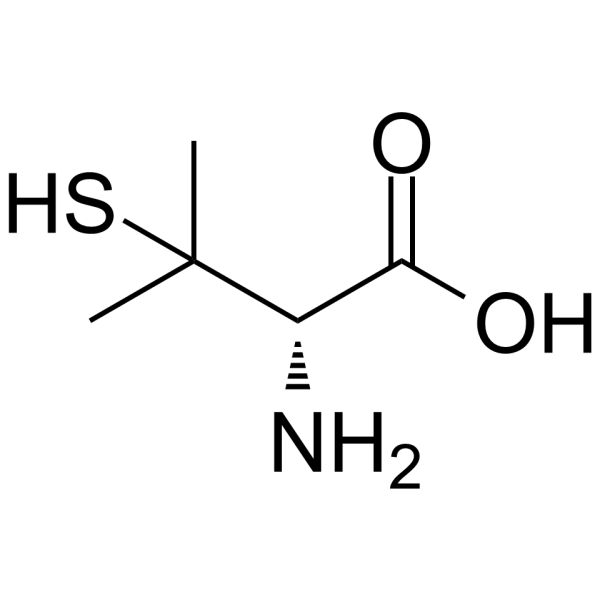
Penicillamine (Standard) is the analytical standard of Penicillamine. This product is intended for research and analytical applications. Penicillamine (D-(-)-Penicillamine) is a penicillin metabolic degradation product, can be used as a heavy metal chelator. Penicillamine increases free copper and increases oxidative stress. Penicillamine has effect of seizures through nitric oxide/NMDA pathways. Penicillamine is a potential immune modulator. Penicillamine can be used for the research of Wilson disease, rheumatoid arthritis, and cystinuria .
|
-
- HY-N9715
-
|
|
Herbicide
|
Others
|
|
4-Chloropinselin is a chlorine-containing xanthone herbicide that can be isolated from Alternaria sonchi. 4-Chloropinselin is a biosynthetic precursor or degradation product of chloromonilicin and exhibits phytotoxic and antimicrobial activity. 4-Chloropinselin can inhibit the growth of weeds such as field sowthistle and suppress the proliferation of certain microorganisms .
|
-
- HY-101488R
-
|
|
Molecular Glues
Ligands for E3 Ligase
Reference Standards
|
Cancer
|
|
CC-885 (Standard) is the analytical standard of CC-885 (HY-101488). This product is intended for research and analytical applications. CC-885 is a cereblon (CRBN) modulator with potent anti-tumour activity. CC-885 is also a known degrader of GSPT1, inhibiting protein translation.
|
-
- HY-W150695
-
|
N-(Naphthalen-1-yl)acetamide
|
Bacterial
|
Infection
|
|
1-Acetamidonaphthalene (N-(Naphthalen-1-yl)acetamide) is a degradation product of Digitoxigenin (HY-B2151). 1-Acetamidonaphthalene is weakly mutagenic to Salmonella typhimurium TA98 with metabolic activation. 1-Acetamidonaphthalene can be used for the research of bacterial infection .
|
-
- HY-180985
-
|
|
PROTACs
Bcr-Abl
|
Cancer
|
|
Azo-PROTAC-4C-cis is a BCR-ABL PROTAC degrader, and its degradation efficiency of BCR-ABL is much lower than that of its trans isomer Azo-PROTAC-4C-trans (HY-180983). Azo-PROTAC-4C-cis is the product of the conformational transformation of Azo-PROTAC-4C-trans under ultraviolet (UV) light irradiation. Azo-PROTAC-4C-cis can be converted into highly active Azo-PROTAC-4C-trans under visible light, thereby initiating protein degradation. Azo-PROTAC-4C-cis can be used for the study of myeloid leukemia .
|
-
- HY-W012575R
-
|
|
Reference Standards
Reactive Oxygen Species (ROS)
|
Inflammation/Immunology
|
|
2,4-Dihydroxybenzoic acid (Standard) is the analytical standard of 2,4-Dihydroxybenzoic acid (HY-W012575). This product is intended for research and analytical applications. 2,4-Dihydroxybenzoic acid is a degradation product of acid cherry anthocyanins during in vitro cell culture and an analogue of coenzyme Q precursor molecules. 2,4-Dihydroxybenzoic acid can improve the related symptoms of kidney diseases caused by ADCK4/Coq6 deficiency .
|
-
- HY-W017389S
-
|
|
Isotope-Labeled Compounds
|
Cancer
|
|
Xanthine- 13C, 15N2 is a 15N-labeled and 13C-labled Xanthine (HY-W017389). Xanthine is a plant alkaloid with mild stimulant activity of the central nervous system. Xanthine also acts as an intermediate product on the pathway of purine degradation .
|
-
- HY-128454R
-
|
|
Reference Standards
Endogenous Metabolite
|
Others
|
|
Dimethyl trisulfide (Standard) is the analytical standard of Dimethyl trisulfide. This product is intended for research and analytical applications. Dimethyl trisulfide is an organic chemical compound and the simplest organic trisulfide found in garlic, onion, broccoli, and similar plants. Dimethyl trisulfide is a cyanide antidote. Dimethyl trisulfide formation requires the thermal degradation of Met .
|
-
- HY-W012575
-
|
|
Reactive Oxygen Species (ROS)
|
Inflammation/Immunology
|
|
2,4-Dihydroxybenzoic acid is a degradation product of acid cherry anthocyanins during in vitro cell culture and an analogue of coenzyme Q precursor molecules. 2,4-Dihydroxybenzoic acid can improve the related symptoms of kidney diseases caused by ADCK4/Coq6 deficiency .
|
-
- HY-136933R
-
|
|
Reference Standards
Na+/K+ ATPase
|
Cardiovascular Disease
|
|
Gitoxin (Standard) is the analytical standard of Gitoxin. This product is intended for research and analytical applications. Gitoxin, a Na+/K+-ATPase inhibitor, usually appears as a result of metabolic degradation of Digitoxin, is just the hydroxyl (ZOH) group close to the C-17β position, which changes the pharmacokinetics and pharmacodynamics of these substances considerably .
|
-
- HY-W016103R
-
|
|
Reference Standards
Drug Intermediate
Bacterial
|
Infection
|
|
1-Hydroxy-2-naphthoic acid (Standard) is an analytical standard for 1-Hydroxy-2-naphthoic acid (HY-W016103). This product is intended for research and analytical applications. 1-Hydroxy-2-naphthoic acid is a ubiquitous bicyclic intermediate metabolite in the microbial degradation process of polycyclic aromatic hydrocarbons (PAHs). 1-Hydroxy-2-naphthoic acid can be converted into 1,2-naphthalenediol, which enters the naphthalene degradation pathway and participates in the tricarboxylic acid (TCA) cycle to achieve complete mineralization.
|
-
- HY-W338581
-
|
|
Estrogen Receptor/ERR
|
Others
|
|
4-tert-Octylphenol monoethoxylate is an alkylphenolethoxylate (APE) and a degradation product of non-ionic surfactants (such as 4-tert-octylphenol polyethoxylate). 4-tert-Octylphenol monoethoxylate also possesses non-steroidal estrogenic activity. Additionally, 4-tert-Octylphenol monoethoxylate has been found in wastewater effluent .
|
-
- HY-133246A
-
|
Daclatasvir Impurity A TFA
|
HCV
|
Infection
|
|
Monodes(N-carboxymethyl)valine Daclatasvir TFA (Daclatasvir Impurity A TFA) is the TFA salt form of Monodes(N-carboxymethyl)valine Daclatasvir (HY-133246). Monodes(N-carboxymethyl)valine Daclatasvir TFA is the main degradation product of Daclatasvir (HY-10466). Daclatasvir is a potent HCV NS5A protein inhibitor .
|
-
- HY-79602S1
-
-
- HY-W020033R
-
|
|
Reference Standards
Endogenous Metabolite
|
Neurological Disease
|
|
Lanosterol (Standard) is the analytical standard of Lanosterol. This product is intended for research and analytical applications. Lanosterol is an intermediate of cholesterol synthesis and use of lanosterol induces ubiquitination and degradation of a rate-controlling enzyme of cholesterol synthesis, i.e., HMG CoA reductase. Lanosterol suppresses the aggregation and cytotoxicity of misfolded proteins linked with neurodegenerative diseases[1][2].
|
-
- HY-N6929R
-
|
|
Reference Standards
Ferroptosis
Keap1-Nrf2
Reactive Oxygen Species (ROS)
|
Neurological Disease
Cancer
|
|
Angelic acid (Standard)) is the analytical standard of Angelic acid (HY-N6929). This product is intended for research and analytical applications. Angelic acid is a ferroptosis inducer, targeting NRF2 degradation. Angelic acid binds to NRF2 protein and promotes NRF2 degradation via ubiquitination-proteasome pathway, relieves the inhibitory effect of NRF2 on oxidative stress and lipid peroxidation. Then, Angelic acid induces ferroptosis in tumor cells. Angelic acid can enhance the accumulation of intracellular reactive oxygen species (ROS), upregulate ferroptosis-related markers CHAC1 and PTGS2, and synergize with ferroptosis inducers to enhance anti-tumor effects. Angelic acid also has the activity of scavenging UVA-induced ROS in vitro, inhibiting skin fibroblast senescence and extracellular matrix degradation. Angelic Acid helps wound healing with sedative activity .
|
-
- HY-W099580R
-
|
n-Hexadecane (Standard); Cetane (Standard)
|
Reference Standards
Biochemical Assay Reagents
|
Others
|
|
Hexadecane (Standard) (n-Hexadecane (Standard)) is the analytical standard of Hexadecane (HY-W099580). This product is intended for research and analytical applications. Hexadecane (n-Hexadecane) is a saturated hydrocarbon of alkanes or paraffins and can be used as an organic solvent. Hexadecane is a component of petroleum, belongs to hydrophobic substrates, and is a model substance for studying bacterial degradation of hydrophobic compounds .
|
-
- HY-W750682
-
|
|
Drug Derivative
|
Others
|
|
β-Carotene 5,6-epoxide, a carotenoid, is a degradation product of β-carotene. β-Carotene 5,6-epoxide can be found in isolated chloroplasts. Carotenoids are important biological active, and may regulate cellular differentiation, growth control, photooxidative protection, cell membrane stability, photosynthesis, vision process and nutrition .
|
-
- HY-108974R
-
|
|
Phosphodiesterase (PDE)
Calcium Channel
Reference Standards
|
Neurological Disease
|
|
Drotaverine (hydrochloride) (Standard) is the analytical standard of Drotaverine (hydrochloride). This product is intended for research and analytical applications. Drotaverine hydrochloride is a type 4 cyclic nucleotide phosphodiesterase (PDE4) inhibitor and an L-type voltage-dependent calcium channel (L-VDCC) blocker, blocks the degradation of 3',5'-cyclic adenosine monophosphate. Drotaverine (hydrochloride) exhibits in vivo antispasmodic efficacy without anticholinergic effects.
|
-
- HY-108882D
-
|
|
DNA/RNA Synthesis
|
Others
|
|
Recombinant DNase I (Protease & RNase free, animal free) is a recombinant deoxyribonuclease that degrades DNA. Recombinant DNase I (Protease & RNase free, animal free) is essential for limiting inflammatory responses and maintaining homeostasis. This product is recombinant bovine pancreatic DNase I, purified by chromatography, free of animal-derived components, RNase and protease, and contains glycine as a stabilizer .
|
-
- HY-B0300
-
|
D-(-)-Penicillamine
|
Cuproptosis
Drug Metabolite
|
Inflammation/Immunology
Cancer
|
|
Penicillamine (D-(-)-Penicillamine) is a penicillin metabolic degradation product, can be used as a heavy metal chelator. Penicillamine increases free copper and increases oxidative stress. Penicillamine has effect of seizures through nitric oxide/NMDA pathways. Penicillamine is a potential immune modulator. Penicillamine can be used for the research of Wilson disease, rheumatoid arthritis, and cystinuria .
|
-
- HY-105363
-
|
|
Others
|
Cardiovascular Disease
|
|
RGH-1962 is an orally active antithrombotic agent. RGH-1962 prevents endotoxin-induced decreases in fibrinogen level and platelet count, reduces the level of fibrin degradation products and inhibits the endotoxin-induced enhancement of fibrinolytic activity in a rabbit model of endotoxin-induced disseminated intravascular coagulation. RGH-1962 can be used for the study of thrombotic diseases .
|
-
- HY-113227R
-
|
|
Reference Standards
Endogenous Metabolite
|
Inflammation/Immunology
|
|
Oxoadipic acid (Standard) is the analytical standard of Oxoadipic acid. This product is intended for research and analytical applications. Oxoadipic acid is a key intermediate metabolite in the lysine degradation pathway. The level of Oxoadipic acid is significantly negatively correlated with the abundance of Staphylococcus. That is, the higher the abundance of Staphylococcus-a potential pathogenic bacterium that usually increases in ulcerative colitis-the lower the level of Oxoadipic acid. Oxoadipic acid can be used in the research of ulcerative colitis .
|
-
- HY-23331S
-
|
4-Methylimidazolidine-2-thione-d3
|
Isotope-Labeled Compounds
Drug Metabolite
|
Others
|
|
4-Methylimidazolidine-2-thione-d3 (4-Methylimidazolidine-2-thione-d3) is deuterium labeled 4-Methylimidazolidine-2-thione. Propylene thiourea is one of the main degradation products of Propineb (HY-119630) in animals, plants and during processing .
|
-
- HY-W743390
-
|
4-Methylimidazolidine-2-thione-d6
|
Isotope-Labeled Compounds
Drug Metabolite
|
Others
|
|
4-Methylimidazolidine-2-thione-d6 (4-Methylimidazolidine-2-thione-d6) is deuterium labeled 4-Methylimidazolidine-2-thione. Propylene thiourea is one of the main degradation products of Propineb (HY-119630) in animals, plants and during processing .
|
-
- HY-N2478R
-
|
|
Autophagy
Reference Standards
|
Inflammation/Immunology
|
|
Taraxasteryl acetate (Standard) is the analytical standard of Taraxasteryl acetate. This product is intended for research and analytical applications. Taraxasteryl acetate is isolated from P. sagittalis,and has a broad spectrum of anti-inflammatory activity. Taraxasterol acetate promotes RNF31 degradation by activating autophagy. Taraxasteryl acetate relieves dextran, zymosan and arachidonic acid induced rat hind-paw edema. Taraxasteryl acetate can be used for the topical inflammation treatment .
|
-
- HY-103210R
-
|
Neurotoxin DSP 4 hydrochloride (Standard)
|
Adrenergic Receptor
Reference Standards
|
Neurological Disease
|
|
DSP-4 hydrochloride (Standard) is the analytical standard of DSP-4 hydrochloride (HY-103210). This product is intended for research and analytical applications. DSP-4 hydrochloride is a highly and selective adrenergic neurotoxin. DSP-4 hydrochloride can cross the blood brain barrier. DSP-4 hydrochloride can be used for the temporary selective degradation of the central and peripheral noradrenergic neurons .
|
-
- HY-100898R
-
|
|
Glycosidase
Reference Standards
|
Cancer
|
|
OGT 2115 (Standard) is the analytical standard of OGT 2115 (HY-100898). This product is intended for research and analytical applications. OGT 2115 is a potent, cell-permeable and orally active heparanase inhibitor with an IC50 of 0.4 μM. OGT 2115 has anti-angiogenic properties (IC50 of 1 μM). OGT 2115 also inhibits heparan sulfate degradation activity .
|
-
- HY-N0191R
-
|
Andrographis (Standard)
|
Reference Standards
NF-κB
SARS-CoV
Influenza Virus
Autophagy
Parasite
|
Infection
Inflammation/Immunology
Cancer
|
|
Andrographolide (Standard) is the analytical standard of Andrographolide. This product is intended for research and analytical applications. Andrographolide is a NF-κB inhibitor, which inhibits NF-κB activation through covalent modification of a cysteine residue on p50 in endothelial cells without affecting IκBα degradation or p50/p65 nuclear translocation. Andrographolide has antiviral effects.
|
-
- HY-113432S2
-
|
2PY-13C,d3
|
Isotope-Labeled Compounds
Endogenous Metabolite
PARP
|
Metabolic Disease
|
|
Nudifloramide- 13C,d3 (2PY- 13C,d3) is the 13C- and deuterium labeled Nudifloramide (HY-113432). Nudifloramide (2PY) is one of the end products of nicotinamide-adenine dinucleotide (NAD) degradation. Nudifloramide significantly inhibits poly(ADP-ribose) polymerase (PARP-1) activity in vitro .
|
-
- HY-127026R
-
|
|
Reference Standards
Angiotensin-converting Enzyme (ACE)
|
Cardiovascular Disease
|
|
Quinaprilat (Standard) is the analytical standard of Quinaprilat (HY-127026) . This product is intended for research and analytical applications. Quinaprilat is an orally active non-mercapto Angiotensin Converting Enzyme (ACE) inhibitor, the active metabolite of Quinapril. Quinaprilat specifically blocks the conversion of angiotensin I to the vasoconstrictor angiotensin II and inhibits the degradation of bradykinin. Quinaprilat acts as anti-hypertensive agent and vasodilator .
|
-
- HY-W017386S
-
|
|
Isotope-Labeled Compounds
Endogenous Metabolite
|
Metabolic Disease
|
|
3-Methyl-2-oxovaleric acid-d8 sodium is the deuterium labeled 3-Methyl-2-oxovaleric acid. 3-Methyl-2-oxovaleric acid is a degradation product from Isoleucine. 3-Methyl-2-oxovaleric acid is a biomarker of mustard airway diseases (MADs) and uric acid stone .
|
-
- HY-W583729
-
|
|
Biochemical Assay Reagents
|
Others
|
|
DL-Poly (lactic acid) is a biodegradable poly (α-hydroxy acid) matrix and a coating material for controlled drug release. DL-Poly (lactic acid) is classified as a drug release retardant, which degrades into natural lactic acid monomers, an intermediate product of carbohydrate metabolism, enabling complete drug delivery that lasts for several weeks. Its drug release rate is affected by the pH of the surrounding environment .
|
-
- HY-N2350R
-
|
|
Reference Standards
MMP
NF-κB
TNF Receptor
|
Cancer
|
|
Cynaropicrin (Standard) is the analytical standard of Cynaropicrin. This product is intended for research and analytical applications. Cynaropicrin is a sesquiterpene lactone which can inhibit tumor necrosis factor (TNF-α) release with IC50s of 8.24 and 3.18 μM for murine and human macrophage cells, respectively. Cynaropicrin also inhibits the increase of cartilage degradation factor (MMP13) and suppresses NF-κB signaling.
|
-
- HY-W004874R
-
|
M-Xylohydroquinone (Standard)
|
Reference Standards
Endogenous Metabolite
|
Metabolic Disease
|
|
2,6-Dimethylhydroquinone (Standard) is an analytical standard for 2,6-Dimethylhydroquinone (HY-W004874). This product is intended for research and analytical applications. 2,6-Dimethylhydroquinone is a key metabolic intermediate in the degradation of 2,6-xylenol by Mycobacterium strain DM1. 2,6-Dimethylhydroquinone can be used as an early indicator of failure in biological treatment systems.
|
-
- HY-W009160S
-
|
UV-329-d4
|
Isotope-Labeled Compounds
Estrogen Receptor/ERR
|
Others
|
|
Octrizole-d4 (UV-329-d4) is deuterium labeled Octrizole (HY-W009160) . Octrizole (UV-329) is a UV screener/stabilizer. Octrizole can prevent products from yellowing and degradation. Octrizole exhibits significant cytotoxicity to MVLN cells at concentrations higher than 50 μM and has no obvious estrogenic activity.
|
-
- HY-16035A
-
|
|
DNA/RNA Synthesis
Antibiotic
|
Infection
|
|
Alatrofloxacin mesylate is an antibiotic with antibacterial activity. Alatrofloxacin mesylate exhibits significant hydrophilicity in the aqueous phase, forming a very stable suspension. The degradation products of Alatrofloxacin mesylate become hydrophobic upon exposure, causing aggregation of its particles. The long-term stability of Alatrofloxacin mesylate is closely related to its polar interaction. The changes in surface tension characteristics of Alatrofloxacin mesylate particles under different lighting conditions affect their physical and chemical properties .
|
-
- HY-W042337
-
|
|
Environmental Pollutants
Apoptosis
|
Others
|
|
3-Methyl-4-nitrophenol, an environmental contaminant, is a well-known constituent of diesel exhaust particles and degradation products of insecticide fenitrothion. 3-Methyl-4-nitrophenol can induce nasal epithelial cell apoptosis and increase the permeability of the nasal epithelial barrier. 3-Methyl-4-nitrophenol is also toxic to the female reproductive system.
|
-
- HY-W723152
-
|
|
Drug Intermediate
|
Inflammation/Immunology
|
|
Poly(D,L-lactide-co-glycolide) is a biodegradable polymer copolymer. Poly(D,L-lactide-co-glycolide) undergoes degradation through ester bond hydrolysis into lactic acid and glycolic acid. These two products can be naturally eliminated through metabolism in the body (such as the tricarboxylic acid cycle), without the risk of long-term accumulation. Poly(D,L-lactide-co-glycolide) can be used in medical sutures, implants, and drug delivery systems .
|
-
- HY-N2057R
-
|
|
Reference Standards
Aquaporin
CFTR
Chloride Channel
|
Metabolic Disease
|
|
Steviol (Standard) is the analytical standard of Steviol (HY-N2057). This product is intended for research and analytical applications. Steviol is the main metabolite of steviol glycosides and an inhibitor of AQP2/CFTR. Steviol slows down the growth of renal cysts by inhibiting the activity of CFTR, reducing the expression of AQP2, and promoting the degradation of AQP2 and CFTR. Steviol can be used in the research of polycystic kidney disease .
|
-
- HY-W004292S1
-
|
Undecyl alcohol-d4
|
Isotope-Labeled Compounds
Drug Derivative
Insecticide
|
Infection
|
|
1-Undecanol-d4 (Undecyl alcohol-d4) is the deuterium labeled 1-Undecanol (HY-W004292). 1-Undecanol (Undecyl alcohol) is the main product generated from the degradation of 2-tridecanone by Pseudomonas bacteria isolated from the soil. 1-Undecanol can enhance the attraction of Grapholita molesta to sex pheromone traps .
|
-
- HY-W004292S
-
|
Undecyl alcohol-d23
|
Isotope-Labeled Compounds
Drug Derivative
Insecticide
|
Infection
|
|
1-Undecanol-d23 (Undecyl alcohol-d23) is the deuterium labeled 1-Undecanol (HY-W004292). 1-Undecanol (Undecyl alcohol) is the main product generated from the degradation of 2-tridecanone by Pseudomonas bacteria isolated from the soil. 1-Undecanol can enhance the attraction of Grapholita molesta to sex pheromone traps .
|
-
- HY-17439R
-
|
Salinomycin sodium (Standard); Sodium salinomycin (Standard)
|
Reference Standards
Wnt
β-catenin
Bacterial
Autophagy
Apoptosis
Antibiotic
Parasite
|
Cancer
|
|
Salinomycin (sodium salt) (Standard) is the analytical standard of Salinomycin (sodium salt). This product is intended for research and analytical applications. Salinomycin sodium salt (Salinomycin sodium), an antibiotic potassium ionophore, is a potent inhibitor of Wnt/β-catenin signaling. Salinomycin sodium salt (Salinomycin sodium) acts on the Wnt/Fzd/LRP complex, blocks Wnt-induced LRP6 phosphorylation, and causes degradation of the LRP6 protein. Salinomycin sodium salt (Salinomycin sodium) shows selective activity against human cancer stem cells .
|
-
- HY-N2024AR
-
|
|
Reference Standards
Endogenous Metabolite
Glycosidase
|
Metabolic Disease
|
|
Maltose monohydrate (Standard) is the analytical standard of Maltose monohydrate. This product is intended for research and analytical applications. Maltose monohydrate is a disaccharide composed of two glucose molecules linked together. Maltose monohydrate is an endogenous metabolic product in plants, yeast, or bacteria, and it participates in carbon source storage and metabolism. Maltose monohydrate is a key core metabolite and main transport form in the temporary starch degradation, carbon output, and subsequent sucrose synthesis metabolism of the night chloroplast. In X. dendrorhous, maltose can act as a sugar donor and is converted into isomaltulose by α-glucosidase. Maltose monohydrate can act as a osmotic agent, supporting continuous capillary ultrafiltration and preventing severe metabolic disorders.
|
-
- HY-W007376R
-
|
3-Formylindole (Standard)
|
Reference Standards
Endogenous Metabolite
|
Others
|
|
Indole-3-carboxaldehyde (Standard) is the analytical standard of Indole-3-carboxaldehyde. This product is intended for research and analytical applications. Indole-3-carboxaldehyde (3-Formylindole), a banlangen extract, is the product of the oxidative degradation of indole-3-acetic acid (IAA) by crude enzyme preparations from etiolated pea seedlings. Indole-3-carboxaldehyde is a biochemical used to prepare analogs of the indole phytoalexin cyclobrassinin. Indole-3-carboxaldehyde also enhances the epithelial barrier and anti-inflammatory activity in the intestinal tract[1][2].
|
-
- HY-W105318
-
|
PBP
|
TGF-beta/Smad
Apoptosis
|
Cancer
|
|
Pentabromophenol (PBP) is a brominated flame retardant (BFR) widely used in various consumer products to reduce the flammability of materials used in different utility items. Pentabromophenol can accelerate the degradation of transforming growth factor-β (TGF-β) receptors by promoting clathrin-mediated endocytosis, thereby inhibiting the TGF-β signaling pathway. Additionally, Pentabromophenol can also induce apoptosis in peripheral blood mononuclear cells (PBMCs) .
|
-
- HY-100037R
-
|
Tyrphostin NT157 (Standard)
|
Insulin Receptor
Reference Standards
STAT
|
Endocrinology
Cancer
|
|
NT157 (Standard) is the analytical standard of NT157 (HY-100037). This product is intended for research and analytical applications. NT157 (Tyrphostin NT157) is a selective IRS-1/2 inhibitor that induces Ser-phosphorylation and consequently the degradation of IRS-1/2. NT157 (Tyrphostin NT157) is a first-in-class anti-cancer agent that also targets Stat3 signaling pathway .
|
-
- HY-W018171S2
-
|
TCPy-13C3
|
Isotope-Labeled Compounds
Herbicide
|
Others
|
|
3,5,6-Trichloro-2-pyridinol- 13C3 (TCPy- 13C3) is the 13C-labeled 3,5,6-Trichloro-2-pyridinol (HY-W018171). 3,5,6-Trichloro-2-pyridinol (TCPy) is the main degradation product of the herbicide Triclopyr and the insecticides Chlorpyrifos and Chlorpyrifos-methyl .
|
-
- HY-E70926
-
|
|
Endogenous Metabolite
|
Metabolic Disease
|
|
Lysine Oxidase, Trichoderma viride (EC 1.4.3.14), is an oxidoreductase that acts on the CH-NHsub>2 group in the donor molecule and uses oxygen as the acceptor. Lysine Oxidase participates in the degradation of lysine. The three substrates of lysine oxidase are L-lysine, O2, and H2O, while its three products are 6-amino-2-oxohexanoic acid, NH3, and H2O2.
|
-
- HY-N1442R
-
|
Orange II (Standard); D&C Orange NO. 4 (Standard)
|
Biochemical Assay Reagents
Reference Standards
|
Others
|
|
Acid orange 7 (Standard) is the analytical standard of Acid orange 7 (HY-1442). This product is intended for research and analytical applications. Acid Orange 7 (Orange II; D&C Orange NO. 4) is an azo dye widely used in the textile, food and cosmetic industries. Acid Orange 7 is mainly used as a colorant by combining with fibers and other substances through azo bonds. Acid Orange 7 has a maximum absorption wavelength at 484-485 nm, and the concentration is measured using a UV-visible spectrophotometer. Acid Orange 7 is difficult to degrade and has a certain degree of toxicity. Acid Orange 7 is often used to study various sewage treatment technologies and photocatalytic degradation reactions, and to evaluate the removal effects of different treatment methods on organic pollutants .
|
-
- HY-N2024R
-
|
|
Reference Standards
Endogenous Metabolite
Glycosidase
|
Metabolic Disease
|
|
Maltose (Standard) is the analytical standard of Maltose. This product is intended for research and analytical applications. Maltose is a disaccharide composed of two glucose molecules linked together. Maltose is an endogenous metabolic product in plants, yeast, or bacteria, and it participates in carbon source storage and metabolism. Maltose is a key core metabolite and main transport form in the temporary starch degradation, carbon output, and subsequent sucrose synthesis metabolism of the night chloroplast. In X. dendrorhous, maltose can act as a sugar donor and is converted into isomaltulose by α-glucosidase (α-Glucosidase). Maltose can act as a osmotic agent, supporting continuous capillary ultrafiltration and preventing severe metabolic disorders.
|
-
- HY-N7495R
-
|
Anhydrovitamin A (Standard)
|
Reference Standards
Drug Metabolite
|
Metabolic Disease
|
|
all-trans-Anhydro Retinol (Standard) (Anhydrovitamin A (Standard)) is the analytical standard of all-trans-Anhydro Retinol (HY-N7495). This product is intended for research and analytical applications. all-trans-Anhydro Retinol (Anhydrovitamin A) is an orally active degradation product formed by the dehydration of vitamin A alcohol and its esters under conditions such as acidic catalysis or hydroxylic solvents, with a biological activity only 0.4% of that of Vitamin A (HY-B1342). In rats, all-trans-Anhydro Retinol can be metabolized into hydroxy derivatives and their esters, but it cannot be converted into Vitamin A (HY-B1342) and has a low storage capacity in the body .
|
-
- HY-N7495
-
|
Anhydrovitamin A
|
Drug Metabolite
|
Metabolic Disease
|
|
all-trans-Anhydro Retinol (Anhydrovitamin A) is an orally active degradation product formed by the dehydration of vitamin A alcohol and its esters under conditions such as acidic catalysis or hydroxylic solvents, with a biological activity only 0.4% of that of Vitamin A (HY-B1342). In rats, all-trans-Anhydro Retinol can be metabolized into hydroxy derivatives and their esters, but it cannot be converted into Vitamin A (HY-B1342) and has a low storage capacity in the body .
|
-
- HY-13982R
-
|
|
NF-κB
|
Metabolic Disease
Inflammation/Immunology
Cancer
|
|
JSH-23 (Standard) is the analytical standard of JSH-23. This product is intended for research and analytical applications. JSH-23 is an NF-κB inhibitor which inhibits NF-κB transcriptional activity with an IC50 of 7.1 μM in lipopolysaccharide (LPS)-stimulated macrophages RAW 264.7. JSH-23 inhibits nuclear translocation of NF-κB p65 without affecting IκBα degradation .
|
-
- HY-129611
-
|
|
Apoptosis
|
Inflammation/Immunology
Cancer
|
|
Bromelain is an anti-inflammatory agent derived from pineapple stem that acts through down-regulation of plasma kininogen, inhibition of Prostaglandin E2 expression, degradation of advanced glycation end product receptors and regulation of angiogenic biomarkers as well as antioxidant action upstream in the COX-pathway . Bromelain exhibits various fibrinolytic, antiedematous, antithrombotic, and anti-inflammatory activities. Bromelain also possesses some anticancerous activities and promotes apoptotic cell death .
|
-
- HY-103710R
-
|
|
Reference Standards
RAD51
Apoptosis
|
Cancer
|
|
IBR2 (Standard) is the analytical standard of IBR2 (HY-103710). This product is intended for research and analytical applications. IBR2 is a potent and specific RAD51 inhibitor and inhibits RAD51-mediated DNA double-strand break repair. IBR2 disrupts RAD51 multimerization, accelerates proteasome-mediated RAD51 protein degradation, inhibits cancer cell growth and induces apoptosis .
|
-
- HY-N0242R
-
|
|
Reference Standards
PD-1/PD-L1
HIF/HIF Prolyl-Hydroxylase
STAT
|
Inflammation/Immunology
Cancer
|
|
Fraxinellone (Standard) is the analytical standard of Fraxinellone. This product is intended for research and analytical applications. Fraxinellone is isolated from the root bark of the Rutaceae plant, Dictamnus dasycarpus. Fraxinellone is a PD-L1 inhibitor and inhibits HIF-1α protein synthesis without affecting HIF-1α protein degradation. Fraxinellone has the potential to be a valuable candidate for cancer treatment by targeting PD-L1 .
|
-
- HY-105364
-
|
GYKI 39521 hydriodide
|
Others
|
Cardiovascular Disease
|
|
RGH-1875 (GYKI 39521) hydriodide is the hydriodide of RGH-1875. RGH-1875 is an orally active antithrombotic agent. RGH-1875 prevents endotoxin-induced decreases in fibrinogen level and platelet count, reduces the level of fibrin degradation products and inhibits the endotoxin-induced enhancement of fibrinolytic activity in a rabbit model of endotoxin-induced disseminated intravascular coagulation. RGH-1875 can be used for the study of thrombotic diseases .
|
-
- HY-W007376
-
|
3-Formylindole
|
Endogenous Metabolite
|
Others
|
|
Indole-3-carboxaldehyde (3-Formylindole), a banlangen extract, is the product of the oxidative degradation of indole-3-acetic acid (IAA) by crude enzyme preparations from etiolated pea seedlings. Indole-3-carboxaldehyde is a biochemical used to prepare analogs of the indole phytoalexin cyclobrassinin. Indole-3-carboxaldehyde also enhances the epithelial barrier and anti-inflammatory activity in the intestinal tract .
|
-
- HY-106263B
-
|
|
PTEN
PDK-1
MDM-2/p53
Apoptosis
Akt
|
Cancer
|
|
Tyroserleutide hydrochloride is a tripeptide isolated from the degradation products of porcine spleen with antitumor activity. Tyroserleutide hydrochloride can upregulate the expression of the tumor suppressor gene PTEN and inhibit the activity of AKT and PDK1. Tyroserleutide hydrochloride inhibits tumor cell proliferation and MDM2 phosphorylation by inhibiting the PI3K/AKT pathway, and also upregulates P21, P27, P53, and induces mitochondrial damage and cell apoptosis .
|
-
- HY-143203
-
|
1-Stearoyl-2-linoleoyl-sn-glycero-3-phosphoethanolamine
|
Liposome
|
Cancer
|
|
18:0-18:2 PE is an important component of phosphatidylethanolamine (PE), involved in phospholipid metabolism and associated with diseases such as ovarian cancer. 18:0-18:2 PE in the hot processing process, its unsaturated fatty acids will degrade to form a variety of odor active compounds. 18:0-18:2 PE is mainly used in the field of food science to improve the flavor of aquatic products, as well as medical research on diseases related to phospholipid metabolism .
|
-
- HY-B0399R
-
|
(R)-Carnitine (Standard); Levocarnitine (Standard)
|
Reference Standards
Endogenous Metabolite
|
Neurological Disease
Cancer
|
|
L-Carnitine (Standard) is the analytical standard of L-Carnitine. This product is intended for research and analytical applications. L-Carnitine ((R)-Carnitine), a highly polar, small zwitterion, is an essential co-factor for the mitochondrial β-oxidation pathway. L-Carnitine functions to transport long chain fatty acyl-CoAs into the mitochondria for degradation by β-oxidation. L-Carnitine is an antioxidant. L-Carnitine can ameliorate metabolic imbalances in many inborn errors of metabolism .
|
-
- HY-P0229A
-
|
Rnase T1 (animal free)
|
DNA/RNA Synthesis
|
Others
|
|
Ribonuclease T1 (animal free) (Rnase T1 (animal free)) (EC 4.6.1.24) is an endonuclease that specifically degrades single-stranded RNA. Ribonuclease T1 forms a nucleoside 2′, 3′-cyclic phosphate intermediate to cleave the phosphodiester bond between the 3′-guanosine residue and the 5′-OH group of the adjacent nucleoside to produce a 3′-GMP-terminated oligonucleotide. This product does not contain ingredients of animal origin .
|
-
- HY-B2246R
-
|
(R)-Carnitine hydrochloride (Standard); Levocarnitine hydrochloride (Standard)
|
Reference Standards
Endogenous Metabolite
|
Metabolic Disease
Cancer
|
|
L-Carnitine (hydrochloride) (Standard) is the analytical standard of L-Carnitine (hydrochloride). This product is intended for research and analytical applications. L-Carnitine hydrochloride ((R)-Carnitine hydrochloride), a highly polar, small zwitterion, is an essential co-factor for the mitochondrial β-oxidation pathway. L-Carnitine hydrochloride functions to transport long chain fatty acyl-CoAs into the mitochondria for degradation by β-oxidation. L-Carnitine hydrochloride is an antioxidant. L-Carnitine hydrochloride can ameliorate metabolic imbalances in many inborn errors of metabolism .
|
-
- HY-Y0543R
-
|
|
Biochemical Assay Reagents
Reference Standards
COX
|
Inflammation/Immunology
Cancer
|
|
5-Methylfurfural (Standard) is the analytical standard of 5-Methylfurfural. This product is intended for research and analytical applications. 5-Methylfurfural is a chemical that can be utilized as food additive, intermediate in the production of agrochemicals, and precursor of certain anti-cancer natural products. 5-Methylfurfural is formed during the photoexposition of ranitidine hydrochloride. 5-Methylfurfural is an organic compound. 5-Methylfurfural has a strong tendency to be further hydrogenated to 2,5-dimethylfuran (DMF). 5-Methylfurfural can predominantly evoke skin inflammation and barrier disintegration. 5-Methylfurfural degrades native DNA through the formation of single-strand breaks .
|
-
- HY-W406070
-
|
LNA-G
|
Nucleoside Antimetabolite/Analog
DNA/RNA Synthesis
|
Others
|
|
2′-O,4′-C-Methyleneguanosine (LNA-G) is a reverse guanine analog, where LNA (locked nucleic acid) is a nucleic acid analog. LNA modification can be widely used in various fields, such as effective binding affinity with complementary sequences and stronger nuclease resistance than natural nucleotides, providing great potential for application in disease diagnosis and research. 2'-O,4'-C-Methyleneguanosine is a substrate for KOD DNA polymerase, which incorporates LNA-G nucleotides into growing DNA strands, including consecutive incorporations , to generate full-length extension products .
|
-
- HY-W093282
-
|
Soybean oil epoxide
|
Environmental Pollutants
Biochemical Assay Reagents
|
Others
|
|
Epoxidized soya bean oil (ESBO) is a vegetable oil-derived organic compound used as a plasticizer and stabilizer in various applications. It is produced by epoxidation of soybean oil, which introduces epoxy groups into the fatty acid chains of the oil. ESBO is a viscous, pale yellow liquid that is soluble in many organic solvents, such as chloroform and ethanol, but insoluble in water. It is commonly used as a plasticizer in polyvinyl chloride (PVC) products, including toys, food packaging materials and medical devices. In addition to its plasticizing properties, ESBO acts as an antioxidant and UV stabilizer, helping to prevent degradation and discoloration of PVC products over time. ESBOs have been investigated for their potential use in biodegradable plastics and as bio-based alternatives to traditional petroleum-derived plasticizers.
|
-
- HY-D0856R
-
|
|
Biochemical Assay Reagents
Reference Standards
|
Others
|
|
Bis-Tris (Standard) is the analytical standard of Bis-Tris. This product is intended for research and analytical applications. Bis-Tris is an amine buffer suitable for protein and nucleic acid systems with a pH buffer range of 5.8-7.2. Bis-Tris can also be mixed with HEPES and cacodylic acid buffer to create a pH 8 environment and monitor fluorescence emission intensity at 305 nm. Gels formulated with Bis-Tris also avoid protein degradation in samples prepared at higher pH (pH 8.5) .
|
-
- HY-108468R
-
|
|
Cryptochrome
Reference Standards
|
Metabolic Disease
|
|
KL001 (Standard) is the analytical standard of KL001 (HY-108468). This product is intended for research and analytical applications. KL001 is a first-in-class cryptochrome (CRY, a flavoproteins that are sensitive to blue light, and is involved in the circadian rhythms of plants and animals) stabilizer which specifically interacts with CRY1 and CRY2. KL001 prevents ubiquitin-dependent degradation of CRY, resulting in lengthening of the circadian period. KL001 has the potential to control fasting hormone-induced gluconeogenesis .
|
-
- HY-177966
-
|
|
Drug Metabolite
Apoptosis
Reactive Oxygen Species (ROS)
|
Cancer
|
|
ETM-305 is a degradation product of the anticancer agent ET-743 (HY-50936). ET-743 (Ecteinascidin 743; Trabectedin) is a tetrahydroisoquinoline alkaloid that binds to the minor groove of DNA, blocks the transcription of stress-induced proteins, induces DNA backbone cleavage and cancer cell apoptosis, and increases ROS production in MCF-7 and MDA-MB-453 cells. Trabectedin is used in the research of soft tissue sarcoma and ovarian cancer .
|
-
- HY-G0006
-
|
Ufiprazole
|
Drug Metabolite
Aryl Hydrocarbon Receptor
Bacterial
|
Infection
Metabolic Disease
|
|
Omeprazole sulfide (Ufiprazole) is a metabolic degradation product of Omeprazole (HY-B0113). Omeprazole sulfide acts as a modulator of AhR. Omeprazole sulfide in cells with low CYP3A4 expression, functions as an AhR antagonist; however, in cells with high CYP3A4 expression, it is rapidly metabolized to Omeprazole, thereby acting as an AhR agonist. Omeprazole sulfide exhibits antibacterial activity when conjugated with silver nanoparticles (AgNPs). Omeprazole sulfide can be used in research on acid suppression and bacterial infections .
|
-
- HY-103238R
-
|
|
Reference Standards
AMPK
STAT
Autophagy
|
Neurological Disease
Metabolic Disease
Inflammation/Immunology
|
|
RSVA405 (Standard) is the analytical standard of RSVA405 (HY-103238). This product is intended for research and analytical applications. RSVA405 is a potent, orally active activator of AMPK, with an EC50 of 1 μM. RSVA405 facilitates CaMKKβ-dependent activation of AMPK, inhibits mTOR, and promotes autophagy to increase Aβ degradation. RSVA405 has anti-inflammatory effects through the inhibition of STAT3 function. RSVA405 can also be used for the research of obesity .
|
-
- HY-13650R
-
|
E 7070 (Standard)
|
Molecular Glues
Carbonic Anhydrase
Reference Standards
|
Cancer
|
|
Indisulam (Standard) is the analytical standard of Indisulam. This product is intended for research and analytical applications. Indisulam (E 7070) is a carbonic anhydrase inhibitor with anticancer activity. Indisulam (E 7070) is a sulfonamide agent that targets the G1 phase of the cell cycle. Indisulam (E 7070) causes a blockade in the G1/S transition through inhibition of the activation of both CDK2 and cyclin E. Indisulam (E 7070) targets splicing by inducing RBM39 degradation via recruitment to DCAF15 .
|
-
- HY-108705R
-
|
|
Molecular Glues
Reference Standards
Bcl-2 Family
|
Cancer
|
|
BI-3802 (Standard) is the analytical standard of BI-3802 (HY-108705). This product is intended for research and analytical applications. BI-3802, a chemical probe, is a highly potent BCL6 degrader and inhibits the Bric-à-brac (BTB) domain of BCL6 with an IC50 of ≤3 nM. BI-3802 induces the polymerization of BCL6 and promotes BCL6 degration depended on E3 ligase SIAH1. BI-3802 has antitumor activity .
|
-
- HY-W009690
-
|
Tetraacetylethylenediamine; TAED
|
|
Others
|
|
N,N,N',N'-Tetraacetylethylenediamine (Tetraacetylethylenediamine; TAED) is a disinfectant and bleach activator. N,N,N',N'-Tetraacetylethylenediamine is a common bleach activator in phosphorus-free laundry detergent formulations, which acts to activate sodium perborate and improve bleaching efficiency at low temperatures. N,N,N',N'-Tetraacetylethylenediamine reacts with sodium percarbonate in water to produce peracetic acid with strong oxidative bactericidal activity. This reaction is environmentally friendly, and the final degradation products are sodium carbonate, acetic acid, ammonia, carbon dioxide, oxygen and water .
|
-
- HY-W777582
-
|
|
Isotope-Labeled Compounds
|
Others
|
|
4-tert-Octylphenol monoethoxylate- 13C6 is the 13C labeled isotope of 4-tert-Octylphenol monoethoxylate (HY-W777582) . 4-tert-Octylphenol monoethoxylate is an alkylphenolethoxylate (APE) and a degradation product of non-ionic surfactants (such as 4-tert-octylphenol polyethoxylate). 4-tert-Octylphenol monoethoxylate also possesses non-steroidal estrogenic activity. Additionally, 4-tert-Octylphenol monoethoxylate has been found in wastewater effluent .
|
-
- HY-B2053R
-
|
|
Reference Standards
Bacterial
|
Infection
|
|
Tolclofos-methyl (Standard) is the analytical standard of Tolclofos-methyl (HY-B2053). This product is intended for research and analytical applications. Tolclofos-methyl is an organophosphorus fungicide. Tolclofos-methyl undergoes photoinduced oxidative degradation to form oxo-analog derivatives. Tolclofos-methyl inhibits spore division in fungi and oomycetes, induces cytoplasmic leakage, and interferes with flagellar movement. Tolclofos-methyl is rapidly metabolized and excreted in rodents. Tolclofos-methyl can be used in studies related to fungal infections .
|
-
- HY-W018171R
-
|
TCPy (Standard)
|
Herbicide
Reference Standards
|
Others
|
|
3,5,6-Trichloro-2-pyridinol (Standard) is the analytical standard of 3,5,6-Trichloro-2-pyridinol. This product is intended for research and analytical applications. 3,5,6-Trichloro-2-pyridinol (TCPy) is a chloride of 2-pyridone with oral activity. 3,5,6-Trichloro-2-pyridinol is the main degradation product of the herbicide Triclopyr and the insecticides Chlorpyrifos and chlorpyrifos-methyl. 3,5,6-Trichloro-2-pyridinol is associated with attention deficit hyperactivity disorder (ADHD) and decreased testosterone levels. 3,5,6-Trichloro-2-pyridinol causes hearing loss, hepatotoxicity and nephrotoxicity in mice.
|
-
- HY-N9362R
-
|
EmodAN (Standard)
|
Reference Standards
Antibiotic
Ferroptosis
|
Infection
|
|
Pro-xylane (Standard) is the analytical standard of Pro-xylane. This product is intended for research and analytical applications. Emodinanthrone (EmodAn) is a MARCH7 stabilizer that inhibits ferroptosis (EC50=70 nM). Emodinanthrone is also a precursor to Emodin (HY-14393) and possesses antibiotic activity. Emodinanthrone directly binds to MARCH7 and blocks its ubiquitination-mediated degradation at the K608 site; this action enhances MARCH7-mediated K48 ubiquitination and degradation of NCOA4, as well as its regulation of the intracellular localization of TFR1 via K63 ubiquitination, thereby reducing the intracellular labile iron pool and blocking ferroptosis. Emodinanthrone demonstrates in vivo cardioprotective effects and exhibits a favorable safety profile. Emodinanthrone is applicable to research on ferroptosis-related cardiovascular diseases, including Doxorubicin (HY-15142A)-induced cardiomyopathy and myocardial ischemia-reperfusion injury .
|
-
- HY-175062
-
|
iPF2α-III ethanolamide; 8-Isoprostane ethanolamide; 8-iso PGF2α ethanolamide
|
Drug Derivative
|
Others
|
|
8-isoprostaglandin F2α ethanolamide (iPF2α-III ethanolamide; 8-Isoprostane ethanolamide; 8-iso PGF2α ethanolamide) is an isoprostanol ethanolamide derivative derived from anandamide (AEA) via non-enzymatic free radical oxidation. 8-isoprostaglandin F2α ethanolamide is commonly used as a marker of oxidative stress, distinguishing non-enzymatic degradation products from "prostamides" generated by enzymatic pathways such as COX-2 .
|
-
- HY-107811R
-
|
|
Apoptosis
Monoamine Oxidase
Autophagy
α-synuclein
Mitosis
Reference Standards
|
Neurological Disease
Cancer
|
|
Harmol (Standard) is the analytical standard of Harmol (HY-107811). This product is intended for research and analytical applications. Harmol hydrochloride is an orally active β-carboline alkaloid. Harmol hydrochloride is a TFEB activator and monoamine oxidase inhibitor. Harmol can induce cell mitosis, Autophagy and Apoptosis. Harmol promotes the degradation of α-synuclein by regulating the autophagy-lysosomal pathway. Harmol has anti-tumor, anti-depressant and anti-aging activities. Harmol improves motor impairment in a mouse Parkinson's disease model .
|
-
- HY-100900R
-
|
|
Deubiquitinase
Reference Standards
|
Cancer
|
|
ML364 (Standard) is the analytical standard of ML364 (HY-100900). This product is intended for research and analytical applications. ML364 is a selective ubiquitin specific peptidase 2 (USP2) inhibitor (IC50=1.1 μM) with anti-proliferative activity, which direct binds to USP2 (Kd=5.2 μM), induces an increase in cellular cyclin D1 degradation and causes cell cycle arrest. ML364 increases the levels of mitochondrial ROS and decreases in the intracellular content of ATP .
|
-
- HY-N2024
-
Maltose
1 Publications Verification
|
Endogenous Metabolite
Glycosidase
|
Metabolic Disease
|
|
Maltose is a disaccharide composed of two glucose molecules linked together. Maltose is an endogenous metabolic product in plants, yeast, or bacteria, and it participates in carbon source storage and metabolism. Maltose is a key core metabolite and main transport form in the temporary starch degradation, carbon output, and subsequent sucrose synthesis metabolism of the night chloroplast. In X. dendrorhous, maltose can act as a sugar donor and is converted into isomaltulose by α-glucosidase). Maltose can act as a osmotic agent, supporting continuous capillary ultrafiltration and preventing severe metabolic disorders .
|
-
- HY-W105518R
-
|
|
Reference Standards
Endogenous Metabolite
|
Neurological Disease
|
|
L-Carnitine (tartrate) (Standard) is the analytical standard of L-Carnitine (tartrate). This product is intended for research and analytical applications. L-Carnitine tartrate is a highly polar, small zwitterion. L-Carnitine tartrate is an essential co-factor for the mitochondrial β-oxidation pathway. L-Carnitine tartrate functions to transport long chain fatty acyl-CoAs into the mitochondria for degradation by β-oxidation. L-Carnitine tartrate is an antioxidant. L-Carnitine tartrate can ameliorate metabolic imbalances in many inborn errors of metabolism [3] .
|
-
- HY-W007376S
-
|
3-Formylindole-13C3
|
Isotope-Labeled Compounds
Endogenous Metabolite
|
Others
|
|
Indole-3-carboxaldehyde- 13C (3-Formylindole- 13C) is a 13C labeled Indole-3-carboxaldehyde (HY-W007376). Indole-3-carboxaldehyde (3-Formylindole), a banlangen extract, is the product of the oxidative degradation of indole-3-acetic acid (IAA) by crude enzyme preparations from etiolated pea seedlings. Indole-3-carboxaldehyde (3-Formylindole) is a biochemical used to prepare analogs of the indole phytoalexin cyclobrassinin .
|
-
- HY-10585R
-
|
VPA (Standard); 2-Propylpentanoic acid (Standard); Dipropylacetic acid (Standard)
|
Reference Standards
Organoid
HDAC
Autophagy
Mitophagy
HIV
Notch
Apoptosis
Endogenous Metabolite
|
Infection
Neurological Disease
Metabolic Disease
Cancer
|
|
Valproic acid (Dipropylacetic Acid) (Standard) is an analytical standard for valproic acid. This product is intended for research and analytical applications. Valproic acid is an orally active HDAC inhibitor (IC50=0.5-2 mM), inhibits the activity of HDAC1 (IC50=400 μM), and induces the degradation of HDAC2. Valproic acid activates Notch1 signaling and inhibits the proliferation of small cell lung cancer (SCLC) cells. Valproic acid is used in the study of epilepsy, bipolar disorder, metabolic diseases, HIV infection, and migraine .
|
-
- HY-N2024A
-
|
|
Endogenous Metabolite
Glycosidase
|
Metabolic Disease
|
|
Maltose monohydrate is a disaccharide composed of two glucose molecules linked together. Maltose monohydrate is an endogenous metabolic product in plants, yeast, or bacteria, and it participates in carbon source storage and metabolism. Maltose monohydrate is a key core metabolite and main transport form in the temporary starch degradation, carbon output, and subsequent sucrose synthesis metabolism of the night chloroplast. In X. dendrorhous, maltose can act as a sugar donor and is converted into isomaltulose by α-glucosidase. Maltose monohydrate can act as a osmotic agent, supporting continuous capillary ultrafiltration and preventing severe metabolic disorders .
|
-
- HY-W040194R
-
|
|
Herbicide
Reference Standards
|
Metabolic Disease
|
|
Clomazone (Standard) is the analytical standard of Clomazone (HY-W040194). This product is intended for research and analytical applications. Clomazone is a broad spectrum herbicide, mainly used to control annual broadleaf weeds and grass weeds in various crops such as rice, soybeans, and peanuts. Clomazone inhibits carotenoid biosynthesis, and treated plants show typical "albinism" symptoms due to the destruction of chloroplast membrane structure leading to chlorophyll degradation. Clomazone exhibits multiple toxic effects on non-target organisms, including aquatic lethality, developmental malformations, liver damage, mitochondrial dysfunction, and hematotoxicity.
|
-
- HY-100932R
-
|
|
Myosin
Reference Standards
|
Cancer
|
|
ML-9 (Standard) is the analytical standard of ML-9 (HY-100932). This product is intended for research and analytical applications. ML-9 is a selective and potent inhibitor of Akt kinase, inhibits myosin light-chain kinase (MLCK) and stromal interaction molecule 1 (STIM1) activity . ML-9 inhibits inhibits MLCK, PKA and PKC activity with Ki values of 4, 32 and 54 μM, respectively . ML-9 induces autophagy by stimulating autophagosome formation and inhibiting their degradation .
|
-
- HY-10585AR
-
|
Sodium Valproate (Standard); VPA sodium (Standard); 2-Propylpentanoic acid sodium (Standard)
|
Organoid
Reference Standards
HDAC
Autophagy
Mitophagy
HIV
Notch
Apoptosis
Endogenous Metabolite
|
Infection
Neurological Disease
Metabolic Disease
Cancer
|
|
Valproic acid (sodium) (Standard) is the analytical standard of Valproic acid (sodium). This product is intended for research and analytical applications. Valproic acid (Sodium Valproate) sodium is an orally active HDAC inhibitor, with IC50 in the range of 0.5 and 2 mM, also inhibits HDAC1 (IC50, 400 μM), and induces proteasomal degradation of HDAC2. Valproic acid sodium activates Notch1 signaling and inhibits proliferation in small cell lung cancer (SCLC) cells. Valproic acid sodium is used in the treatment of epilepsy, bipolar disorder, metabolic disease, HIV infection and prevention of migraine headaches .
|
-
- HY-W018171
-
|
TCPy
|
Environmental Pollutants
Herbicide
|
Metabolic Disease
Inflammation/Immunology
|
|
3,5,6-Trichloro-2-pyridinol (TCPy) is a chloride of 2-pyridone with oral activity. 3,5,6-Trichloro-2-pyridinol is the main degradation product of the herbicide Triclopyr and the insecticides Chlorpyrifos and chlorpyrifos-methyl. 3,5,6-Trichloro-2-pyridinol is associated with attention deficit hyperactivity disorder (ADHD) and decreased testosterone levels. 3,5,6-Trichloro-2-pyridinol causes hearing loss, hepatotoxicity and nephrotoxicity in mice .
|
-
- HY-Y0543
-
|
|
Biochemical Assay Reagents
COX
|
Inflammation/Immunology
Cancer
|
|
5-Methylfurfural is a chemical that can be utilized as food additive, intermediate in the production of agrochemicals, and precursor of certain anti-cancer natural products. 5-Methylfurfural is formed during the photoexposition of ranitidine hydrochloride. 5-Methylfurfural is an organic compound. 5-Methylfurfural has a strong tendency to be further hydrogenated to 2,5-dimethylfuran (DMF). 5-Methylfurfural can predominantly evoke skin inflammation and barrier disintegration. 5-Methylfurfural degrades native DNA through the formation of single-strand breaks .
|
-
- HY-103352R
-
|
L-235 (Standard)
|
Reference Standards
Cathepsin
|
Metabolic Disease
|
|
L-006235 (Standard) is the analytical standard of L-006235. This product is intended for research and analytical applications. L-006235 (L-235) is a potent, selective, reversible and orally active inhibitor of cathepsin K, with an IC50 of 5 nM in bone resorption assay. L-006235 shows selectivity for cathepsin K (Ki=0.2 nM) over cathepsin B, cathepsin L, and cathepsin S (Ki=1, 6, and 47 μM, respectively). L-006235 can reduce collagen degradation and prevent bone loss .
|
-
- HY-N2024AS
-
|
|
Isotope-Labeled Compounds
Endogenous Metabolite
Glycosidase
|
Metabolic Disease
|
|
Maltose monohydrate-d14 is the deuterium labeled Maltose monohydrate. Maltose monohydrate is a disaccharide composed of two glucose molecules linked together. Maltose monohydrate is an endogenous metabolic product in plants, yeast, or bacteria, and it participates in carbon source storage and metabolism. Maltose monohydrate is a key core metabolite and main transport form in the temporary starch degradation, carbon output, and subsequent sucrose synthesis metabolism of the night chloroplast. In X. dendrorhous, maltose can act as a sugar donor and is converted into isomaltulose by α-glucosidase. Maltose monohydrate can act as a osmotic agent, supporting continuous capillary ultrafiltration and preventing severe metabolic disorders.
|
-
- HY-N2024AS2
-
|
|
Isotope-Labeled Compounds
Endogenous Metabolite
Glycosidase
|
Metabolic Disease
|
|
Maltose monohydrate- 13C is the 13C labeled isotope of Maltose monohydrate. Maltose monohydrate is a disaccharide composed of two glucose molecules linked together. Maltose monohydrate is an endogenous metabolic product in plants, yeast, or bacteria, and it participates in carbon source storage and metabolism. Maltose monohydrate is a key core metabolite and main transport form in the temporary starch degradation, carbon output, and subsequent sucrose synthesis metabolism of the night chloroplast. In X. dendrorhous, maltose can act as a sugar donor and is converted into isomaltulose by α-glucosidase. Maltose monohydrate can act as a osmotic agent, supporting continuous capillary ultrafiltration and preventing severe metabolic disorders.
|
-
- HY-W042337S
-
|
|
Isotope-Labeled Compounds
Environmental Pollutants
Apoptosis
|
Others
|
|
3-Methyl-4-nitrophenol-d3 is the deuterium labeled 3-Methyl-4-nitrophenol (HY-W042337). 3-Methyl-4-nitrophenol, an environmental contaminant, is a well-known constituent of diesel exhaust particles and degradation products of insecticide fenitrothion. 3-Methyl-4-nitrophenol can induce nasal epithelial cell apoptosis and increase the permeability of the nasal epithelial barrier. 3-Methyl-4-nitrophenol is also toxic to the female reproductive system.
|
-
- HY-W099538R
-
|
Dilauryl 3,3'-Thiodipropionate (Standard)
|
Biochemical Assay Reagents
Reference Standards
|
Others
|
|
Dilauryl thiodipropionate (Standard) is the analytical standard of Dilauryl thiodipropionate. This product is intended for research and analytical applications. Dilauryl thiodipropionate (DLTDP), which is a sulfur-containing antioxidant commonly used to stabilize polymers and plastics against degradation caused by heat, oxygen, and UV light, acts to scavenge free radicals and others that may cause polymer chain scission and cross-linked active substances, in addition, DLTDP has been used as an additive to lubricants, oils and other industrial fluids to improve their oxidation stability, the long hydrocarbon chain in DLTDP makes it low volatility and compatible with many materials and Good compatibility with substrates.
|
-
- HY-B0590R
-
|
Ro 1-9569 (Standard)
|
Reference Standards
Monoamine Transporter
Dopamine Receptor
|
Neurological Disease
|
|
Tetrabenazine (Standard) is the analytical standard of Tetrabenazine (HY-B0590). This product is intended for research and analytical applications. Tetrabenazine (Ro 1-9569) is a brain-penetrant and orally active VMAT2-selective ligand with human VMAT2 Ki 100 nM. Tetrabenazine binds VMAT2 to block monoamine uptake into synaptic vesicles, potentiates cytoplasmic monoamine degradation. Tetrabenazine weakly blocks dopamine D2 receptors, and increases dopamine turnover via elevated cerebrospinal fluid homovanillic acid. Tetrabenazine can be used for the research of Huntington’s disease, tardive dyskinesia, and Tourette’s syndrome .
|
-
- HY-126404
-
|
|
Environmental Pollutants
Interleukin Related
Angiotensin-converting Enzyme (ACE)
|
Cardiovascular Disease
|
|
Casein hydrolysate is an orally effective, multi-functional mixture of bioactive peptides, a hydrolysis product of casein (HY-125865), containing ACE inhibitors and immunomodulatory target regulators, among others. Casein hydrolysate releases short-chain bioactive peptides through enzymatic hydrolysis of casein, increasing cellular glutathione and catalase levels, enhancing ConA-induced IL-2 production, and exhibiting metal ion chelation, free radical scavenging, antibacterial, and mineral absorption-promoting effects. Casein hydrolysate lowers blood pressure by inhibiting angiotensin-converting enzyme (ACE) and reducing bradykinin degradation .
|
-
- HY-N2099
-
|
Senegin III
|
Autophagy
Amyloid-β
Caspase
NF-κB
Apoptosis
|
Neurological Disease
Metabolic Disease
Inflammation/Immunology
|
|
Onjisaponin B is an orally active natural product derived from Polygala tenuifolia. Onjisaponin B inhibits NF-κB p65. Onjisaponin B enhances autophagy and accelerates the degradation of mutant α-synuclein and huntingtin. Onjisaponin B reduces β-amyloid (Aβ) production. Onjisaponin B reduces radiation-induced cell apoptosis. Onjisaponin B has anti-oxidant and anti-inflammatory activities. Onjisaponin B can be used for neurological disease and radiation injury study, and its metabolite tenuifolin (TF) can enter the brain through the BBB .
|
-
- HY-W016647R
-
|
N-Formylmethionine (Standard)
|
Reference Standards
Endogenous Metabolite
Bacterial
|
Infection
Metabolic Disease
|
|
For-Met-OH (Standard) (N-Formylmethionine (Standard)) is the analytical standard of For-Met-OH (HY-W016647). This product is intended for research and analytical applications. For-Met-OH (N-Formylmethionine) can be involved in the translation process of bacteria, chloroplasts, and mitochondria. For-Met-OH plays different roles in different species and organelles, such as promoting the formation of protein complexes in mitochondria and acting as a degradation signal in bacteria and yeast. The level of For-Met-OH is closely related to certain diseases; for example, For-Met-OH is a potential biomarker for metabolic disorders and poor prognosis in critically ill patients.
|
-
- HY-N0060BR
-
|
(E)-Coniferic acid (Standard)
|
Reference Standards
β-catenin
Bcl-2 Family
Ferroptosis
Endogenous Metabolite
|
Cancer
|
|
(E)-Ferulic acid (Standard) is the analytical standard of (E)-Ferulic acid. This product is intended for research and analytical applications. (E)-Ferulic acid is an isomer of ferulic acid, an aromatic compound abundant in plant cell walls. (E)-Ferulic acid causes phosphorylation of β-catenin (β-catenin), leading to proteasome degradation, increasing the expression of pro-apoptotic factor Bax and reducing pro-apoptotic factor Expression of the survival factor survivin. (E)-Ferulic acid can effectively remove reactive oxygen species (ROS) and inhibit lipid peroxidation. (E)-Ferulic acid exerts antiproliferative and antimigratory effects in the human lung cancer cell line H1299.
|
-
- HY-N2024AS1
-
|
|
Isotope-Labeled Compounds
Endogenous Metabolite
Glycosidase
|
Metabolic Disease
|
|
Maltose monohydrate- 13C12 is the 13C labeled isotope of Maltose monohydrate. Maltose monohydrate is a disaccharide composed of two glucose molecules linked together. Maltose monohydrate is an endogenous metabolic product in plants, yeast, or bacteria, and it participates in carbon source storage and metabolism. Maltose monohydrate is a key core metabolite and main transport form in the temporary starch degradation, carbon output, and subsequent sucrose synthesis metabolism of the night chloroplast. In X. dendrorhous, maltose can act as a sugar donor and is converted into isomaltulose by α-glucosidase. Maltose monohydrate can act as a osmotic agent, supporting continuous capillary ultrafiltration and preventing severe metabolic disorders.
|
-
- HY-W016393R
-
|
|
Reference Standards
Endogenous Metabolite
|
Others
|
|
Dihydroconiferyl alcohol (Standard) is an analytical standard of Dihydroconiferyl alcohol (HY-W016393). This product is intended for research and analytical applications. Dihydroconiferyl alcohol is a cell division factor. Dihydroconiferyl alcohol can be isolated from the American sycamore (Acer pseudoplatanus L.). Dihydroconiferyl alcohol inhibits the degradation of Indole-3-acetic acid (HY-18569). Dihydroconiferyl alcohol can stimulate the growth of soybean and tobacco callus tissue and synergistically enhance Indole-3-acetic acid-induced hypocotyl elongation in cucumber. Dihydroconiferyl alcohol can be used in the research of plant growth regulation .
|
-
- HY-W750674
-
|
3-Formylindole-C13C8
|
Isotope-Labeled Compounds
|
Inflammation/Immunology
|
|
Indole-3-carboxaldehyde- 13C8 (3-Formylindole- 13C8) is the 13C-labeled Indole-3-carboxaldehyde (HY-W007376). Indole-3-carboxaldehyde, a banlangen extract, is the product of the oxidative degradation of indole-3-acetic acid (IAA) by crude enzyme preparations from etiolated pea seedlings. Indole-3-carboxaldehyde is a biochemical used to prepare analogs of the indole phytoalexin cyclobrassinin. Indole-3-carboxaldehyde also enhances the epithelial barrier and anti-inflammatory activity in the intestinal tract .
|
-
- HY-B0268AR
-
|
Enoxacin sesquihydrate (Standard); AT-2266 hydrate (Standard); CI-919 hydrate (Standard)
|
Reference Standards
Bacterial
DNA/RNA Synthesis
MicroRNA
Antibiotic
|
Infection
Cancer
|
|
Enoxacin (hydrate) (Standard) is the analytical standard of Enoxacin (hydrate). This product is intended for research and analytical applications. Enoxacin hydrate (Enoxacin sesquihydrate), a fluoroquinolone, interferes with DNA replication and inhibits bacterial DNA gyrase (IC50=126 μg/ml) and topoisomerase IV (IC50=26.5 μg/ml). Enoxacin hydrate is a miRNA processing activator and enhances siRNA-mediated mRNA degradation and promotes the biogenesis of endogenous miRNAs. Enoxacin hydrate has potent activities against gram-positive and -negative bacteria. Enoxacin hydrate is a cancer-specific growth inhibitor that acts by enhancing TAR RNA-binding protein 2 (TRBP)-mediated microRNA processing [4].
|
-
- HY-10865R
-
|
|
Reference Standards
FAAH
Autophagy
|
Neurological Disease
|
|
LY2183240 (Standard) is the analytical standard of LY2183240 (HY-10865). This product is intended for research and analytical applications. LY2183240 is a highly potent blocker of anandamide uptake (IC50= 270 pM; Ki=540 nM). LY2183240 is a potent, covalent inhibitor of the endocannabinoid-degrading enzyme fatty acid amide hydrolase (FAAH) with an IC50 of 12.4 nM. LY2183240 inactivates FAAH by carbamylation of the enzyme's serine nucleophile. LY2183240 also inhibits several other brain serine hydrolases with IC50s of 5.3, 0.09, 8.2 nM for MAG lipase, bh6 and KiAA1363, respectively .
|
-
- HY-A0003BR
-
|
CC-5013 hemihydrate (Standard)
|
Ligands for E3 Ligase
Molecular Glues
Apoptosis
Reference Standards
|
Cancer
|
|
Lenalidomide (hemihydrate) (Standard) is the analytical standard of Lenalidomide (hemihydrate). This product is intended for research and analytical applications. Lenalidomide hemihydrate (CC-5013 hemihydrate), a derivative of Thalidomide, acts as molecular glue. Lenalidomide hemihydrate is an orally active immunomodulator. Lenalidomide hemihydrate (CC-5013 hemihydrate) is a ligand of ubiquitin E3 ligase cereblon (CRBN), and it causes selective ubiquitination and degradation of two lymphoid transcription factors, IKZF1 and IKZF3, by the CRBN-CRL4 ubiquitin ligase. Lenalidomide hemihydrate (CC-5013 hemihydrate) specifically inhibits growth of mature B-cell lymphomas, including multiple myeloma, and induces IL-2 release from T cells .
|
-
- HY-100848R
-
|
|
EGFR
Reference Standards
|
Cancer
|
|
TX1-85-1 (Standard) is the analytical standard of TX1-85-1 (HY-100848). This product is intended for research and analytical applications. TX1-85-1 is an irreversible Her3 (ErbB3) inhibitor with an IC50 of 23 nM. TX1-85-1 is also the first selective Her3 ligand, which forms a covalent bond with Cys721 located in the ATP-binding site of Her3. TX1-85-1 induces partial degradation of Her3 protein and attenuates Her3-dependent signaling .
|
-
- HY-A0003R
-
|
CC-5013 (Standard)
|
Reference Standards
Ligands for E3 Ligase
Molecular Glues
Apoptosis
|
Inflammation/Immunology
Cancer
|
|
Lenalidomide (Standard) is the analytical standard of Lenalidomide. This product is intended for research and analytical applications. Lenalidomide (CC-5013), a derivative of Thalidomide, acts as molecular glue. Lenalidomide is an orally active immunomodulator. Lenalidomide (CC-5013) is a ligand of ubiquitin E3 ligase cereblon (CRBN), and it causes selective ubiquitination and degradation of two lymphoid transcription factors, IKZF1 and IKZF3, by the CRBN-CRL4 ubiquitin ligase. Lenalidomide (CC-5013) specifically inhibits growth of mature B-cell lymphomas, including multiple myeloma, and induces IL-2 release from T cells .
|
-
- HY-N2024B
-
|
|
Endogenous Metabolite
Glycosidase
|
Metabolic Disease
|
|
Maltose solution, 20% in H2O is a 20% aqueous maltose solution. Maltose is a disaccharide composed of two glucose molecules linked together. Maltose is an endogenous metabolic product in plants, yeast, or bacteria, and it participates in carbon source storage and metabolism. Maltose is a key core metabolite and main transport form in the temporary starch degradation, carbon output, and subsequent sucrose synthesis metabolism of the night chloroplast. In X. dendrorhous, maltose can act as a sugar donor and is converted into isomaltulose by α-glucosidase. Maltose can act as a osmotic agent, supporting continuous capillary ultrafiltration and preventing severe metabolic disorders .
|
-
- HY-113110R
-
|
L-Cysteinylglycine (Standard); Cys-Gly (Standard); H-Cys-Gly-OH (Standard)
|
Reference Standards
Endogenous Metabolite
Reactive Oxygen Species (ROS)
DNA/RNA Synthesis
|
Cardiovascular Disease
Cancer
|
|
Cysteinylglycine (Standard) is the analytical standard of Cysteinylglycine. This product is intended for research and analytical applications. Cysteinylglycine is a dipeptide formed by the peptide bond linkage between cysteine (Cysteine) and glycine (Glycine). Cysteinylglycine is an important metabolic intermediate in the human body, mainly derived from the degradation of glutathione (GSH). Cysteinylglycine reduces ferric iron to ferrous iron, drives the redox cycle of iron, generates reactive oxygen species (ROS), stimulates oxidative reactions, induces lipid peroxidation of human plasma LDL lipoproteins, and causes oxidative damage to DNA bases. Cysteinylglycine can be used as a biomarker to evaluate ischemic heart disease, breast cancer and other conditions .
|
-
- HY-108369R
-
|
|
Reference Standards
PROTAC Linkers
|
Cancer
|
|
Azido-PEG1-CH2CO2H (Standard) is the analytical standard of Azido-PEG1-CH2CO2H (HY-108369). This product is intended for research and analytical applications. Azido-PEG1-CH2CO2H is a PROTAC linker, which refers to the alkyl/ether composition. Azido-PEG1-CH2CO2H can be used in the synthesis of PROTAC BRD4 Degrader-1 . Azido-PEG1-CH2CO2H is a click chemistry reagent, it contains an Azide group and can undergo copper-catalyzed azide-alkyne cycloaddition reaction (CuAAc) with molecules containing Alkyne groups. It can also undergo strain-promoted alkyne-azide cycloaddition (SPAAC) reactions with molecules containing DBCO or BCN groups.
|
-
- HY-N6818R
-
|
TMF (Standard)
|
Reference Standards
Apoptosis
Caspase
PARP
Endogenous Metabolite
CFTR
|
Cancer
|
|
5,7,4'-Trimethoxyflavone (Standard) is the analytical standard of 5,7,4'-Trimethoxyflavone. This product is intended for research and analytical applications. 5,7,4’-Trimethoxyflavone can be isolated from the medicinal plant Kaempferia parviflora (KP). 5,7,4’-Trimethoxyflavone is a CFTR activator and EC50 is 64 μM. 5,7,4’-Trimethoxyflavone induces apoptosis, increases proteolytic activation of caspase-3, and degradation of ADP-ribose polymerase (PARP) protein. 5,7,4’-Trimethoxyflavone has antitumor activity. 5,7,4’-Trimethoxyflavone can be used to prevent skin aging and oxidative stress .
|
-
- HY-N2099A
-
|
(Z)-Senegin III
|
Drug Derivative
|
Neurological Disease
Metabolic Disease
Inflammation/Immunology
|
|
(Z)-Onjisaponin B ((Z)-Senegin III) is a derivative of Onjisaponin B (HY-N2099). Onjisaponin B is an orally active natural product derived from Polygala tenuifolia. Onjisaponin B inhibits NF-κB p65. Onjisaponin B enhances autophagy and accelerates the degradation of mutant α-synuclein and huntingtin. Onjisaponin B reduces β-amyloid (Aβ) production. Onjisaponin B reduces radiation-induced cell apoptosis. Onjisaponin B has anti-oxidant and anti-inflammatory activities. Onjisaponin B can be used for neurological disease and radiation injury study, and its metabolite tenuifolin (TF) can enter the brain through the BBB .
|
-
- HY-21286
-
|
|
Drug Intermediate
|
Others
|
|
N2-Isobutyryl-2'-O-methylguanosine is a nucleic acid synthesis intermediate (e.g., used in antisense oligonucleotides, mRNA modification), for example, it is a key monomer for the synthesis of 2'-O-methyl oligoribonucleotides. N2-Isobutyryl-2'-O-methylguanosine enables the final product to form stable double strands with complementary RNA and is not easily degraded by nucleases. N2-Isobutyryl-2'-O-methylguanosine is mainly used in molecular biology research, and can be used to prepare RNA hybridization probes or participate in related biochemical research such as pre-mRNA splicing mechanisms .
|
-
- HY-W012814R
-
|
|
Reference Standards
Endogenous Metabolite
Apoptosis
Reactive Oxygen Species (ROS)
|
Cardiovascular Disease
Inflammation/Immunology
Cancer
|
|
4-Methylcatechol (Standard) is the analytical standard of 4-Methylcatechol. This product is intended for research and analytical applications. 4-Methylcatechol is an intermediate in the degradation of some alkylbenzenes and an orally active suicide inhibitor of catechol 2,3-dioxygenase (C23O). 4-Methylcatechol induces apoptosis in melanoma cells through oxidative stress, but some studies have also shown that 4-Methylcatechol is carcinogenic. In addition, 4-Methylcatechol has antiplatelet and blood pressure-lowering activities. 4-Methylcatechol can also inhibit protein oxidation in beef but does not disulfide formation[1][2][3][4][5][6].
|
-
- HY-107442R
-
|
|
Reference Standards
Epigenetic Reader Domain
Ligands for Target Protein for PROTAC
|
Cancer
|
|
PROTAC BRD4-binding moiety 1 (Standard) is the analytical standard of PROTAC BRD4-binding moiety 1 (HY-107442). This product is intended for research and analytical applications. PROTAC BRD4-binding moiety 1 is a ligand for BRD4. PROTAC BRD4-binding moiety 1 binds to cereblon ligand via a linker to form PROTAC to degrade BRD4 (HY-133136) . PROTAC BRD4-binding moiety 1 is a click chemistry reagent, it contains an Alkyne group and can undergo copper-catalyzed azide-alkyne cycloaddition (CuAAc) with molecules containing Azide groups.
|
-
- HY-D0195R
-
|
|
Biochemical Assay Reagents
Reference Standards
|
Neurological Disease
Metabolic Disease
Inflammation/Immunology
Cancer
|
|
Acesulfame potassium (Standard) is the analytical standard of Acesulfame potassium (HY-D0195). This product is intended for research and analytical applications. Acesulfame potassium is a synthetic sweetener. Long-term use of Acesulfame potassium can affect cognitive function, possibly by altering the neurometabolic functions in mice. Acesulfame potassium can suppress autophagic degradation of PD-L1 in RIL-175 and SK-Hep1 cells through the ERK1/2-mTORC1-ULK1 pathway, which may be related to immune evasion in cancer cells. Acesulfame potassium can be used in research on neurological diseases, metabolic disorders, cancer, and immune evasion .
|
-
- HY-121779
-
|
2,4'-DDE; 2,4-Dichlorodiphenyldichloroethylene; 2,4'-DDE; o,p'-Dichlorodiphenyldichloroethylene
|
Insecticide
|
Endocrinology
|
|
o,p'-DDE (2,4-Dichlorodiphenyldichloroethylene) is a metabolite and degradation product of the organochlorine pesticide DDT. It accumulates in smallmouth buffalo, channel catfish, and largemouth bass, and in sediments from DDT manufacturing plants around the Huntsville Spring Branch-Indian Creek tributary system, where it is considered a persistent organic pollutant (POP). o,p'-DDE inhibits estrogen binding to the rainbow trout estrogen receptor (rtER) with an IC50 value of 3.2 μM. It induces concentration-dependent estradiol secretion in co-cultures of granulosa and theca cells isolated from porcine follicles. In ovo exposure to o,p'-DDE increases follicular degeneration and reduces testis size in Japanese medaka (O. latipes).
|
-
- HY-W075176R
-
|
|
Insecticide
Reference Standards
|
Others
|
|
Transfluthrin (Standard) is the analytical standard of Transfluthrin (HY-W075176). This product is intended for research and analytical applications. Transfluthrin is an insecticide with extremely low acute toxicity to vertebrates. Transfluthrin acts as a mosquito repellent, exerts mosquito control effects via electric heating fumigators, and is widely used in studies related to malaria, bancroftian filariasis and mosquito-borne infectious diseases. Transfluthrin may also induce adverse reactions such as pulmonary sensory irritation, sensitization, genotoxicity and respiratory depression, and can increase the concentrations and activities of CYP2E1 and CYP3A2 in rat brains. Transfluthrin can be removed from wastewater through biodegradation and activated sludge adsorption, and can be degraded by microorganisms such as Azovibrio and Tauera .
|
-
- HY-185351
-
|
Ampicillin/Sulbactam combination
|
Bacterial
Antibiotic
|
Infection
|
|
Ampicillin sodium and Sulbactam sodium are formed by mixing HY-B0522A Ampicillin sodium with HY-B0334A Sulbactam sodium (each 1.5 g of this product contains 1 g amoxicillin sodium and 0.5 g sulbactam sodium). Ampicillin is a β-lactam antimicrobial, whereas sulbactam is a β-lactamase inhibitor. Ampicillin has a broad spectrum of bactericidal activity against many gram-positive and gram-negative aerobic and anaerobic bacteria. However, ampicillin is degraded by beta-lactamases. The combination of ampicillin and sulbactam demonstrates synergy in addressing bacterial strains resistant to ampicillin, thus providing broader coverage. Bacteria susceptible to ampicillin/sulbactam include Haemophilus influenzae, Escherichia coli, Acinetobacter, Klebsiella, Staphylococcus aureus, Enterobacter, and anaerobes.
|
-
- HY-12723R
-
|
(-)-Apomorphine (Standard)
|
Reference Standards
Dopamine Receptor
Monoamine Oxidase
Reactive Oxygen Species (ROS)
JNK
ERK
Amyloid-β
Tau Protein
MMP
|
Neurological Disease
Inflammation/Immunology
Endocrinology
Cancer
|
|
Apomorphine ((-)-Apomorphine) (Standard) is the analytical standard of Apomorphine (HY-12723). This product is intended for research and analytical applications. Apomorphine is a potent dopamine receptor agonist. Apomorphine also inhibit MAO-A and MAO-B. Apomorphine exerts neuroprotective effect and can relax rat corpus cavernosum. Apomorphine can inhibit ROS production, DNA fragmentation and inibit JNK and ERK1/2 phosphorylation. Apomorphine can enhance degradation of intracellular Aβ40 and Aβ42, reduces tau protein levels and inhibit MMP-9 expression. Apomorphine is a highly potent radical scavenger and iron chelator. Apomorphine can be used for the researches of dementia, parkinson's disease, alzheimer disease, breast carcinoma, and erectile dysfunction .
|
-
- HY-W010066R
-
|
|
Reference Standards
NO Synthase
COX
IKK
|
Inflammation/Immunology
Endocrinology
|
|
3,4-Dihydroxyphenylglycol (Standard) is the analytical standard of 3,4-Dihydroxyphenylglycol (HY-W010066). This product is intended for research and analytical applications. 3,4-Dihydroxyphenylglycol is a phenolic compound and antioxidant. 3,4-Dihydroxyphenylglycol can be extracted from olive oil. 3,4-Dihydroxyphenylglycol downregulates the expression of proinflammatory enzymes (iNOS, COX-2) and prevents the degradation of IκBα. 3,4-Dihydroxyphenylglycol has antioxidant properties. 3,4-Dihydroxyphenylglycol has shown positive effects on frozen-thawed ram sperm. 3,4-Dihydroxyphenylglycol can be used in the study of inflammatory-related diseases (such as ulcerative colitis) and reproductive health (sperm cryopreservation) .
|
-
- HY-112624H
-
|
Dextran 2; Dextran D2; Dextran T2(MW 1600-2400)
|
Biochemical Assay Reagents
|
Others
|
|
Dextran T2 (Dextran 2; Dextran T2(MW 1600-2400)) is a natural high molecular weight polysaccharide, the glycosidic bonds in its structure can be recognized by endo-dextranase and exo-dextranase. Dextran T2 (MW 2,000) breaks the glycosidic bonds in the enzymatic hydrolysis mechanism, releasing products such as D-glucose, Isomaltose (IM2), and Isomaltotriose (IM3). Dextran T2 (MW 2,000) can be used as a model substrate to characterize the catalytic properties of dextranase (such as optimal pH, temperature and product specificity), and to study enzymatic mechanism research and polysaccharide degradation pathways in glycobiology. The Dextran series of compounds are also a natural polysaccharide drug carrier, which can be connected to drugs through covalent bonding methods such as ester bonds, amide bonds or click chemistry, or self-assembled to form carriers such as nanoparticles and hydrogels. Dextran is biodegradable and biocompatible, and can achieve targeted delivery and controlled release of drugs. Dextran derivatives can prolong drug half-life, increase local concentration and reduce immune clearance activity .
|
-
- HY-13749R
-
|
MK-0431 (Standard)
|
Reference Standards
Dipeptidyl Peptidase
GLP Receptor
Endogenous Metabolite
PKA
ERK
|
Metabolic Disease
|
|
Sitagliptin (Standard) is the analytical standard of Sitagliptin (HY-13749). This product is intended for research and analytical applications. Sitagliptin is an orally active and highly selective DPP4 inhibitor with an IC50 value of 19 nM. Sitagliptin blocks the degradation of glucagon-like peptide-1 (GLP-1) and glucose-dependent insulinotropic peptide (GIP) by competing inhibition mechanism (Kᵢ = 1 nM), thereby increasing the level of active incretin. Sitagliptin can also directly stimulate the secretion of GLP-1 by intestinal L cells by activating the cAMP/PKA and ERK1/2 pathways, and this effect is independent of DPP-4. Sitagliptin shows protective effects on pancreatic islet grafts in 1-type diabetes models. Sitagliptin can be used for the study of 1-type and 2-type diabetes.
|
-
- HY-13749AR
-
|
MK-0431 phosphate (Standard)
|
Reference Standards
Dipeptidyl Peptidase
GLP Receptor
Endogenous Metabolite
PKA
ERK
|
Metabolic Disease
|
|
Sitagliptin (MK-0431) phosphate (Standard) is the analytical standard of Sitagliptin phosphate (HY-13749A). This product is intended for research and analytical applications. Sitagliptin phosphate is an orally active and highly selective DPP4 inhibitor with an IC50 value of 19 nM. Sitagliptin phosphate blocks the degradation of glucagon-like peptide-1 (GLP-1) and glucose-dependent insulinotropic peptide (GIP) by competing inhibition mechanism (Kᵢ = 1 nM), thereby increasing the level of active incretin. Sitagliptin phosphate can also directly stimulate the secretion of GLP-1 by intestinal L cells by activating the cAMP/PKA and ERK1/2 pathways, and this effect is independent of DPP-4. Sitagliptin phosphate shows protective effects on pancreatic islet grafts in 1-type diabetes models. Sitagliptin phosphate can be used for the study of 1-type and 2-type diabetes.
|
-
- HY-W018781R
-
|
|
Reference Standards
Ser/Thr Protease
|
Cancer
|
|
Benzamidine hydrochloride (Standard) is the analytical standard of Benzamidine (hydrochloride). This product is intended for research and analytical applications. Benzamidine hydrochloride is a competitive protease inhibitor that blocks the hydrolytic cleavage of glucagon by plasmin, trypsin and thrombin. Benzamidine hydrochloride effectively inhibits the degradation of glucagon by relevant proteases during the collection, storage and analysis of human plasma and blood samples. During in vivo metabolism, Benzamidine hydrochloride undergoes N-hydroxylation and produces multiple metabolites, exhibiting characteristics of delayed excretion or biphasic elimination. Benzamidine hydrochloride only induces slight single-strand DNA breaks at high concentrations and shows no significant genotoxic potential overall. Benzamidine hydrochloride may interfere with the detection of some glucagon antisera, but does not affect key antigen-antibody affinity at specific concentrations. Benzamidine hydrochloride can be used as a stabilizer in glucagon radioimmunoassays to ensure the accuracy and recovery rate of detection results .
|
-
- HY-W014394R
-
|
|
TRP Channel
Reference Standards
Parasite
|
Cardiovascular Disease
|
|
Protoporphyrin IX (Standard) is the analytical standard of Protoporphyrin IX. This product is intended for research and analytical applications. Protoporphyrin IX is a final intermediate in the heme biosynthetic pathway, which acts as a radiation sensitizer enhancing ROS generation even in a hypoxic state and inducing DNA damage. Protoporphyrin IX also acts as a photo sensitizer undergoing photobleaching that occurs through direct degradation by light irradiation. Protoporphyrin IX is formed and accumulated following 5-aminolevulinic acid (5-ALA) (HY-W000450) administration in the tumor cells of rats. Protoporphyrin IX causes selective improvement of basal cell carcinoma when activated red fluorescence of a peak wavelength at 405 nm. Protoporphyrin IX is promising for research of sonodynamic and photodynamic agents for a wide range of cancers, such as bladder cancer and nodular basal cell carcinoma .
|
-
- HY-B1247R
-
|
PPIX (Standard)
|
Reference Standards
Endogenous Metabolite
|
Others
|
|
Protoporphyrin IX (Standard) is the analytical standard of Protoporphyrin IX. This product is intended for research and analytical applications. Protoporphyrin IX is a final intermediate in the heme biosynthetic pathway, which acts as a radiation sensitizer enhancing ROS generation even in a hypoxic state and inducing DNA damage. Protoporphyrin IX also acts as a photo sensitizer undergoing photobleaching that occurs through direct degradation by light irradiation. Protoporphyrin IX is formed and accumulated following 5-aminolevulinic acid (5-ALA) (HY-W000450) administration in the tumor cells of rats. Protoporphyrin IX causes selective improvement of basal cell carcinoma when activated red fluorescence of a peak wavelength at 405 nm. Protoporphyrin IX is promising for research of sonodynamic and photodynamic agents for a wide range of cancers, such as bladder cancer and nodular basal cell carcinoma .
|
-
- HY-10214R
-
|
PF-04928473 (Standard)
|
Reference Standards
HSP
Autophagy
|
Cancer
|
|
SNX-2112 (Standard) is the analytical standard of SNX-2112 (HY-10214). This product is intended for research and analytical applications. SNX-2112 (PF 04928473) is an orally active Hsp90 inhibitor, with a Kd of 16 nM for Hsp90 and IC50s of 30 nM, 30 nM for Hsp90 α and Hsp90 β, also induces Her-2 degradation, and inhibits Grp94 and Trap-1, with IC50s of 10 nM, 4.275 μM and 0.862 μM, respectively . SNX-2112 (PF 04928473) binds Hsp90 isoforms Hsp90α, Hsp90β and Hsp90b1/Grp94 with Kds of 4 nM, 6 nM and 484 nM, respectively .
|
-
- HY-13749BR
-
|
MK-0431 phosphate monohydrate (Standard)
|
Reference Standards
Dipeptidyl Peptidase
GLP Receptor
Endogenous Metabolite
PKA
ERK
|
Metabolic Disease
|
|
Sitagliptin (MK-0431) phosphate monohydrate (Standard) is the analytical standard of Sitagliptin phosphate monohydrate (HY-13749B). This product is intended for research and analytical applications. Sitagliptin phosphate monohydrate is an orally active and highly selective DPP4 inhibitor with an IC50 value of 19 nM. Sitagliptin phosphate monohydrate blocks the degradation of glucagon-like peptide-1 (GLP-1) and glucose-dependent insulinotropic peptide (GIP) by competing inhibition mechanism (Kᵢ = 1 nM), thereby increasing the level of active incretin. Sitagliptin phosphate monohydrate can also directly stimulate the secretion of GLP-1 by intestinal L cells by activating the cAMP/PKA and ERK1/2 pathways, and this effect is independent of DPP-4. Sitagliptin phosphate monohydrate shows protective effects on pancreatic islet grafts in 1-type diabetes models. Sitagliptin phosphate monohydrate can be used for the study of 1-type and 2-type diabetes.
|
-
- HY-108374R
-
|
|
Reference Standards
PROTAC Linkers
|
Cancer
|
|
4-Azidobutylamine (Standard) is the analytical standard of 4-Azidobutylamine (HY-108374). This product is intended for research and analytical applications. 4-Azidobutylamine is a PROTAC linker, which refers to the alkyl chain composition. 4-Azidobutylamine can be used in the synthesis of a series of PROTACs. PROTACs contain two different ligands connected by a linker; one is a ligand for an E3 ubiquitin ligase and the other is for the target protein. PROTACs exploit the intracellular ubiquitin-proteasome system to selectively degrade target proteins . 4-Azidobutylamine is a click chemistry reagent, it contains an Azide group and can undergo copper-catalyzed azide-alkyne cycloaddition reaction (CuAAc) with molecules containing Alkyne groups. It can also undergo strain-promoted alkyne-azide cycloaddition (SPAAC) reactions with molecules containing DBCO or BCN groups.
|
-
- HY-10358R
-
|
MK-2206 (2HCl) (Standard)
|
Organoid
Reference Standards
Akt
Autophagy
Apoptosis
|
Cardiovascular Disease
Inflammation/Immunology
Cancer
|
|
MK-2206 dihydrochloride (MK-2206 2HCl) (Standard) is the analytical standard of MK-2206 dihydrochloride (HY-10358). This product is intended for research and analytical applications. MK-2206 dihydrochloride is an orally active pan-AKT inhibitor, with IC50 values of 8 nM, 12 nM and 65 nM against AKT1, AKT2 and AKT3, respectively. MK-2206 dihydrochloride inhibits the Akt/mTOR signaling pathway and reduces the levels of downstream GSK3β and Mcl-1 via proteasomal degradation. MK-2206 dihydrochloride induces G1-phase cell cycle arrest, apoptosis, epithelial-mesenchymal transition, fibroblast activation and extracellular matrix deposition. MK-2206 dihydrochloride causes transient hyperglycemia and hyperinsulinemia in animals. MK-2206 dihydrochloride can be used in research related to solid tumors, renal fibrosis and hypercholesterolemia .
|
-
- HY-137910R
-
|
|
Reference Standards
Herbicide
HPPD
|
Others
|
|
Tembotrione (Standard) is the analytical standard of Tembotrione. This product is intended for research and analytical applications. Tembotrione is a drug that may reduce the
productivity of carrots. Tembotrione has the activity of reducing carrot stem
mass. Tembotrione can be used to study the total productivity of carrot
. Tembotrione is a herbicide belonging to the HPPD (dioxygenase) inhibitor class with crop selectivity. Tembotrione effectively controls a variety of weeds including broadleaf and gramineous species by disrupting carotenoid synthesis, which leads to chlorophyll degradation and leaf whitening. Mixing Tembotrione with isoxaflutole or adding surfactants optimizes its efficacy and reduces phytotoxicity, with no residual impact on subsequent cruciferous crops, thus helping to increase maize grain yield. The activity of Tembotrione decreases under drought conditions, and under specific conditions (such as double-dose treatment), it may cause reversible yellowing and even yield reduction in crops such as poppy .
|
-
- HY-103608R
-
|
VHL Ligand-Linker Conjugates 11 (Standard); E3 ligase Ligand-Linker Conjugates 11 (Standard)
|
Reference Standards
E3 Ligase Ligand-Linker Conjugates
|
Cancer
|
|
(S,R,S)-AHPC-(C3-PEG)2-C6-Cl (Standard) is the analytical standard of (S,R,S)-AHPC-(C3-PEG)2-C6-Cl (HY-103608). This product is intended for research and analytical applications. (S,R,S)-AHPC-(C3-PEG)2-C6-Cl is a small molecule HaloPROTAC that incorporates the (S,R,S)-AHPC based VHL ligand and 2-unit PEG linker. (S,R,S)-AHPC-(C3-PEG)2-C6-Cl is capable of inducing the degradation of GFP-HaloTag7 in cell-based assays .
|
-
- HY-W100287R
-
|
|
NF-κB
Reference Standards
p38 MAPK
Interleukin Related
IKK
JNK
β-catenin
Wnt
|
Neurological Disease
Inflammation/Immunology
Cancer
|
|
Murrayafoline A (Standard) is the analytical standard of Murrayafoline A (HY-W100287). This product is intended for research and analytical applications. Murrayafoline A is a carbazole alkaloid that can be extracted from Murraya tetramera. Murrayafoline A directly targets Specificity protein 1 (Sp1), thereby inhibiting NF-κB and MAPK signaling pathways. Murrayafoline a induces a G0/G1-phase arrest in platelet-derived growth factor (PDGF)-stimulated vascular smooth muscle cells. Murrayafoline A attenuates the Wnt/β-catenin pathway by promoting the degradation of intracellular β-catenin proteins. Murrayafoline A enhances the contraction of rat ventricular myocytes and L-type calcium current by activating protein kinase C. Murrayafoline A inhibits LPS (HY-D1056)-induced neuroinflammation in vivo. Murrayafoline A can be used for the study of inflammation, vascular complications and colon cancer .
|
-
- HY-103606R
-
|
VH032-PEG6-C4-Cl (Standard); VHL Ligand-Linker Conjugates 10 (Standard); E3 ligase Ligand-Linker Conjugates 9 (Standard)
|
Reference Standards
E3 Ligase Ligand-Linker Conjugates
|
Cancer
|
|
(S,R,S)-AHPC-PEG6-C4-Cl (Standard) is the analytical standard of (S,R,S)-AHPC-PEG6-C4-Cl (HY-103606). This product is intended for research and analytical applications. (S,R,S)-AHPC-PEG6-C4-Cl is a conjugate of ligands for E3 and 25-atom-length linker. The connector of linker is Halogen group. (S,R,S)-AHPC-PEG6-C4-Cl incorporates the (S,R,S)-AHPC based VHL ligand and 6-unit PEG linker. (S,R,S)-AHPC-PEG6-C4-Cl is capable of inducing the degradation of GFP-HaloTag7 in cell-based assays .
|
-
- HY-N0565AR
-
|
|
Reference Standards
MMP
Parasite
Bacterial
Antibiotic
Apoptosis
Akt
PI3K
|
Infection
Neurological Disease
Inflammation/Immunology
Cancer
|
|
Doxycycline hydrochloride (Standard) is the analytical standard of Doxycycline hydrochloride (HY-N0565A). This product is intended for research and analytical applications. Doxycycline hydrochloride is an orally active highly lipophilic, tissue-permeable MMP inhibitor with broad-spectrum antibacterial activity. Doxycycline hydrochloride is also a semi-synthetic antibiotic with chelating properties, which blocks bacterial protein synthesis and inhibits extracellular matrix degradation through interactions with zinc and calcium atoms. Doxycycline hydrochloride also inhibits mitochondrial biogenesis, translation, and the expression of respiratory chain proteins. Doxycycline hydrochloride induces apoptosis, inhibits autophagy and EMT, downregulates stem cell markers, and activates the PI3K-AKT pathway, thereby effectively inhibiting the viability and proliferation of cancer cells such as breast cancer cells. Doxycycline hydrochloride also promotes the survival and self-renewal of embryonic stem cells and neural stem cells, and reduces the frequency of medium changes in culture. Doxycycline hydrochloride has been applied in studies related to breast cancer, prostate cancer, bladder cancer, and other cancers .
|
-
- HY-N0565R
-
|
|
Reference Standards
MMP
Parasite
Bacterial
Antibiotic
Apoptosis
Akt
PI3K
|
Infection
Neurological Disease
Inflammation/Immunology
Cancer
|
|
Doxycycline (Standard) is the analytical standard of Doxycycline (HY-N0565). This product is intended for research and analytical applications. Doxycycline is an orally active highly lipophilic, tissue-permeable MMP inhibitor with broad-spectrum antibacterial activity. Doxycycline is also a semi-synthetic antibiotic with chelating properties, which blocks bacterial protein synthesis and inhibits extracellular matrix degradation through interactions with zinc and calcium atoms. Doxycycline also inhibits mitochondrial biogenesis, translation, and the expression of respiratory chain proteins. Doxycycline induces apoptosis, inhibits autophagy and EMT, downregulates stem cell markers, and activates the PI3K-AKT pathway, thereby effectively inhibiting the viability and proliferation of cancer cells such as breast cancer cells. Doxycycline also promotes the survival and self-renewal of embryonic stem cells and neural stem cells, and reduces the frequency of medium changes in culture. Doxycycline has been applied in studies related to breast cancer, prostate cancer, bladder cancer, and other cancers .
|
-
- HY-B1829R
-
|
Dexamethasone 21-phosphate (Standard)
|
Glucocorticoid Receptor
Reference Standards
TGF-β Receptor
Interleukin Related
|
Neurological Disease
Inflammation/Immunology
|
|
Dexamethasone phosphate (Standard) (Dexamethasone 21-phosphate (Standard)) is the analytical standard of Dexamethasone phosphate (HY-B1829). This product is intended for research and analytical applications. Dexamethasone phosphate (Dexamethasone 21-phosphate) is a prodrug form of the glucocorticoid Dexamethasone (HY-14648). Dexamethasone phosphate is prepared by introducing a phosphate ester group to the hydroxyl group at position 21 of the Dexamethasone molecule. Dexamethasone phosphate inhibits LPS (HY-D1056)-induced degradation of IRAK-1 and IRAK-4, and blocks LPS-induced activation of TRAF6, p-TAK1 and p-JNK. Dexamethasone phosphate inhibits the secretion of RANTES, TGF-β1 and NO, promotes the production of MIP-1α and IL-10, and blocks microglial migration. Dexamethasone phosphate is almost completely converted to Dexamethasone in rat blood, and supports transdermal delivery via iontophoresis. Dexamethasone phosphate can be used in research related to steroid-dependent ulcerative colitis, chemotherapy-induced vomiting, allergic asthma and acute colitis (inflammatory bowel disease).
|
-
- HY-103607R
-
|
VH032-PEG2-C4-Cl (Standard); VHL Ligand-Linker Conjugates 7 (Standard); E3 ligase Ligand-Linker Conjugates 10 (Standard)
|
Reference Standards
E3 Ligase Ligand-Linker Conjugates
|
Cancer
|
|
(S,R,S)-AHPC-PEG2-C4-Cl (Standard) is the analytical standard of (S,R,S)-AHPC-PEG2-C4-Cl (HY-103607). This product is intended for research and analytical applications. (S,R,S)-AHPC-PEG2-C4-Cl (VH032-PEG2-C4-Cl) is a conjugate of ligands for E3 and 13-atom-length linker. The connector of linker is Halogen group. (S,R,S)-AHPC-PEG2-C4-Cl incorporates the (S,R,S)-AHPC based VHL ligand and an alkyl/ether-based linker. (S,R,S)-AHPC-PEG2-C4-Cl is capable of inducing the degradation of GFP-HaloTag7 in cell-based assays .
|
-
- HY-B1829AR
-
|
Dexamethasone 21-phosphate disodium (Standard)
|
Glucocorticoid Receptor
Reference Standards
Interleukin Related
TGF-β Receptor
|
Neurological Disease
Metabolic Disease
Inflammation/Immunology
|
|
Dexamethasone phosphate (Dexamethasone 21-phosphate) disodium (Standard) is the analytical standard of Dexamethasone phosphate disodium (HY-B1829A). This product is intended for research and analytical applications. Dexamethasone phosphate (Dexamethasone 21-phosphate) disodium is a prodrug form of the glucocorticoid Dexamethasone (HY-14648). Dexamethasone phosphate disodium is produced by introducing a phosphate ester group at the 21-position of the Dexamethasone molecule, forming a salt with sodium ions, thereby significantly improving water solubility. Dexamethasone phosphate disodium inhibits LPS (HY-D1056)-induced degradation of IRAK-1 and IRAK-4, and blocks LPS-induced activation of TRAF6, p-TAK1 and p-JNK. Dexamethasone phosphate disodium inhibits the secretion of RANTES, TGF-β1 and NO, promotes the production of MIP-1α and IL-10, and blocks microglial migration. Dexamethasone phosphate disodium is almost completely converted to Dexamethasone in rat blood, and supports transdermal delivery via iontophoresis. Dexamethasone phosphate disodium can be used in research related to steroid-dependent ulcerative colitis, chemotherapy-induced vomiting, allergic asthma and acute colitis (inflammatory bowel disease).
|
-
- HY-125740R
-
|
Malvidin-3-O-glucoside chloride (Standard); Oenin chloride (Standard)
|
Reference Standards
Interleukin Related
NO Synthase
NF-κB
TNF Receptor
|
Metabolic Disease
Inflammation/Immunology
|
|
Malvidin-3-glucoside (Malvidin-3-O-glucoside; Oenin) chloride (Standard) is the analytical standard of Malvidin-3-glucoside chloride (HY-125740). This product is intended for research and analytical applications. Malvidin-3-glucoside chloride is an orally active inhibitor of the NF-κB pathway, which blocks inflammatory responses induced by TNF-α, reduces IκB-α degradation and p65 nuclear translocation, and upregulates endothelial nitric oxide synthase eNOS to increase NO production. Malvidin-3-glucoside chloride exerts anti-inflammatory and antioxidant effects by inhibiting pro-inflammatory molecules such as MCP-1, ICAM-1, and IL-6, and regulating intestinal microorganisms and metabolites, while protecting endothelial cells and improving intestinal microecological dysbiosis under inflammatory conditions. Malvidin-3-glucoside chloride can be used to study chronic inflammatory-related diseases such as atherosclerosis and inflammatory bowel disease, and has the potential to prevent vascular inflammation and improve intestinal health .
|
-
- HY-N0565BR
-
|
Doxycycline (hydrochloride hemiethanolate hemihydrate) (Standard); WC2031 (Standard)
|
Reference Standards
MMP
Parasite
Bacterial
Antibiotic
Apoptosis
Akt
PI3K
|
Infection
Neurological Disease
Inflammation/Immunology
Cancer
|
|
Doxycycline hyclate (Standard) is the analytical standard of Doxycycline hyclate (HY-N0565B). This product is intended for research and analytical applications. Doxycycline hyclate is an orally active highly lipophilic, tissue-permeable MMP inhibitor with broad-spectrum antibacterial activity. Doxycycline hyclate is also a semi-synthetic antibiotic with chelating properties, which blocks bacterial protein synthesis and inhibits extracellular matrix degradation through interactions with zinc and calcium atoms. Doxycycline hyclate also inhibits mitochondrial biogenesis, translation, and the expression of respiratory chain proteins. Doxycycline hyclate induces apoptosis, inhibits autophagy and EMT, downregulates stem cell markers, and activates the PI3K-AKT pathway, thereby effectively inhibiting the viability and proliferation of cancer cells such as breast cancer cells. Doxycycline hyclate also promotes the survival and self-renewal of embryonic stem cells and neural stem cells, and reduces the frequency of medium changes in culture. Doxycycline hyclate has been applied in studies related to breast cancer, prostate cancer, bladder cancer, and other cancers .
|
-
- HY-P4846
-
|
|
CXCR
Apoptosis
IFNAR
TNF Receptor
Interleukin Related
|
Infection
Inflammation/Immunology
|
|
Ac-Pro-Gly-Pro-OH is an endogenous degradation product of extracellular collagen and acts as a CXCR2 agonist . Ac-Pro-Gly-Pro-OH exerts bactericidal activity by generating hydrogen peroxide, inhibits pulmonary inflammation, and reduces immune cell apoptosis (apoptosis). Ac-Pro-Gly-Pro-OH promotes the production of IFN-γ and inhibits the production of TNF-α and IL-6 in leukocytes. Ac-Pro-Gly-Pro-OH increases the survival rate of mice in sepsis models, enhances the bactericidal activity of neutrophils, acts as a neutrophil chemoattractant, induces neutrophil polarization, and regulates inflammatory and repair processes. Ac-Pro-Gly-Pro-OH induces chronic inflammation and tissue remodeling through sustained action. Ac-Pro-Gly-Pro-OH is released via alkaline hydrolysis of corneal proteins in alkali-injured eyes, thereby driving the early infiltration of neutrophils into the cornea. Ac-Pro-Gly-Pro-OH is applicable to research related to sepsis, chronic obstructive pulmonary disease, cystic fibrosis, bronchiolitis obliterans syndrome, severe asthma, idiopathic pulmonary fibrosis, and corneal ulcer .
|
-
- HY-103605R
-
|
VH032-C6-PEG3-C4-Cl (Standard); VHL Ligand-Linker Conjugates 12 (Standard); E3 ligase Ligand-Linker Conjugates 8 (Standard)
|
Reference Standards
E3 Ligase Ligand-Linker Conjugates
|
Cancer
|
|
(S,R,S)-AHPC-C6-PEG3-C4-Cl (Standard) is the analytical standard of (S,R,S)-AHPC-C6-PEG3-C4-Cl (HY-103605). This product is intended for research and analytical applications. (S,R,S)-AHPC-C6-PEG3-C4-Cl (VH032-C6-PEG3-C4-Cl) is a conjugate of ligands for E3 and 20-atom-length linker. The connector of linker is Halogen group. (S,R,S)-AHPC-C6-PEG3-C4-Cl incorporates the (S,R,S)-AHPC based VHL ligand and an alkyl/ether-based linker. (S,R,S)-AHPC-C6-PEG3-C4-Cl is capable of inducing the degradation of GFP-HaloTag7 in cell-based assays .
|
-
- HY-N0086R
-
|
6-Methyladenosine (Standard); N-Methyladenosine (Standard)
|
Endogenous Metabolite
Influenza Virus
Reference Standards
|
Infection
|
|
N6-Methyladenosine (Standard) is the analytical standard of N6-Methyladenosine. This product is intended for research and analytical applications. N6-Methyladenosine is the most prevalent internal (non-cap) modification present in the messenger RNA (mRNA) of all higher eukaryotes. N6-Methyladenosine can modifies viral RNAs and has antiviral activities.
In Vitro: N6-methyladenosine (m6A) is selectively recognized by the human YTH domain family 2 (YTHDF2) protein to regulate mRNA degradation. N6-methyladenosine (m6A), a prevalent internal modification in the messenger RNA of all eukaryotes, is post-transcriptionally installed by m6A methyltransferase (e.g., MT-A70) within the consensus sequence of G(m6A)C (70%) or A(m6A)C (30%). N6-methyladenosine (m6A)-containing RNAs are greatly enriched in the YTHDF-bound portion and diminished in the flow-through portion . N6-methyladenosine (m6A), the most abundant internal RNA modification, functions in diverse biological processes, including regulation of embryonic stem cell self-renewal and differentiation. N6-methyladenosine (m6A) is a large protein complex, consisting in part of methyltransferase-like 3 (METTL3) and methyltransferase-like 14 (METTL14) catalytic subunits .
|
-
| Cat. No. |
Product Name |
Type |
-
- HY-N1442R
-
|
Orange II (Standard); D&C Orange NO. 4 (Standard)
|
Fluorescent Dyes
|
|
Acid orange 7 (Standard) is the analytical standard of Acid orange 7 (HY-1442). This product is intended for research and analytical applications. Acid Orange 7 (Orange II; D&C Orange NO. 4) is an azo dye widely used in the textile, food and cosmetic industries. Acid Orange 7 is mainly used as a colorant by combining with fibers and other substances through azo bonds. Acid Orange 7 has a maximum absorption wavelength at 484-485 nm, and the concentration is measured using a UV-visible spectrophotometer. Acid Orange 7 is difficult to degrade and has a certain degree of toxicity. Acid Orange 7 is often used to study various sewage treatment technologies and photocatalytic degradation reactions, and to evaluate the removal effects of different treatment methods on organic pollutants .
|
| Cat. No. |
Product Name |
Type |
-
- HY-W017386
-
|
|
Biochemical Assay Reagents
|
|
3-Methyl-2-oxovaleric acid sodium is a degradation product from Isoleucine. 3-Methyl-2-oxovaleric acid sodium is a biomarker of mustard airway diseases (MADs) and uric acid stone .
|
-
- HY-112624H
-
|
Dextran 2; Dextran D2; Dextran T2(MW 1600-2400)
|
Biochemical Assay Reagents
|
|
Dextran T2 (Dextran 2; Dextran T2(MW 1600-2400)) is a natural high molecular weight polysaccharide, the glycosidic bonds in its structure can be recognized by endo-dextranase and exo-dextranase. Dextran T2 (MW 2,000) breaks the glycosidic bonds in the enzymatic hydrolysis mechanism, releasing products such as D-glucose, Isomaltose (IM2), and Isomaltotriose (IM3). Dextran T2 (MW 2,000) can be used as a model substrate to characterize the catalytic properties of dextranase (such as optimal pH, temperature and product specificity), and to study enzymatic mechanism research and polysaccharide degradation pathways in glycobiology. The Dextran series of compounds are also a natural polysaccharide drug carrier, which can be connected to drugs through covalent bonding methods such as ester bonds, amide bonds or click chemistry, or self-assembled to form carriers such as nanoparticles and hydrogels. Dextran is biodegradable and biocompatible, and can achieve targeted delivery and controlled release of drugs. Dextran derivatives can prolong drug half-life, increase local concentration and reduce immune clearance activity .
|
-
- HY-W093282
-
|
Soybean oil epoxide
|
Biochemical Assay Reagents
|
|
Epoxidized soya bean oil (ESBO) is a vegetable oil-derived organic compound used as a plasticizer and stabilizer in various applications. It is produced by epoxidation of soybean oil, which introduces epoxy groups into the fatty acid chains of the oil. ESBO is a viscous, pale yellow liquid that is soluble in many organic solvents, such as chloroform and ethanol, but insoluble in water. It is commonly used as a plasticizer in polyvinyl chloride (PVC) products, including toys, food packaging materials and medical devices. In addition to its plasticizing properties, ESBO acts as an antioxidant and UV stabilizer, helping to prevent degradation and discoloration of PVC products over time. ESBOs have been investigated for their potential use in biodegradable plastics and as bio-based alternatives to traditional petroleum-derived plasticizers.
|
-
- HY-79602
-
|
|
Biochemical Assay Reagents
|
|
p-Toluenesulfonamide is an intermediate and plasticizer. p-Toluenesulfonamide is also the main degradation product of the disinfectant Chloramine-T (HY-B0959) in water. p-Toluenesulfonamide facilitates the localization of fluorescent probes to the endoplasmic reticulum .
|
-
- HY-143203
-
|
1-Stearoyl-2-linoleoyl-sn-glycero-3-phosphoethanolamine
|
Biochemical Assay Reagents
|
|
18:0-18:2 PE is an important component of phosphatidylethanolamine (PE), involved in phospholipid metabolism and associated with diseases such as ovarian cancer. 18:0-18:2 PE in the hot processing process, its unsaturated fatty acids will degrade to form a variety of odor active compounds. 18:0-18:2 PE is mainly used in the field of food science to improve the flavor of aquatic products, as well as medical research on diseases related to phospholipid metabolism .
|
-
- HY-N2024B
-
|
|
Biochemical Assay Reagents
|
|
Maltose solution, 20% in H2O is a 20% aqueous maltose solution. Maltose is a disaccharide composed of two glucose molecules linked together. Maltose is an endogenous metabolic product in plants, yeast, or bacteria, and it participates in carbon source storage and metabolism. Maltose is a key core metabolite and main transport form in the temporary starch degradation, carbon output, and subsequent sucrose synthesis metabolism of the night chloroplast. In X. dendrorhous, maltose can act as a sugar donor and is converted into isomaltulose by α-glucosidase. Maltose can act as a osmotic agent, supporting continuous capillary ultrafiltration and preventing severe metabolic disorders .
|
-
- HY-W749852
-
|
|
Biochemical Assay Reagents
|
|
Xanthine sodium, 98%, a plant alkaloid found in tea, coffee, and cocoa, is a mild stimulant of the central nervous system. Xanthine sodium, 98% also acts as an intermediate product on the pathway of purine degradation .
|
-
- HY-B1855
-
|
Epoxyheptachlor
|
Biochemical Assay Reagents
|
|
(±)-cis-Heptachlor epoxides, are degradation products of heptachlor that can occur in or on soil and crops when treated with heptachlor, a pesticide. Heptachlor is readily formed upon exposure to air. Everett CJ, Thompson OM. Environmental Health Pastor. 2015;30(2):93-7.
|
-
- HY-112108D
-
|
COS (MW 2000)
|
Biochemical Assay Reagents
|
|
Chitosan oligosaccharide (MW 2000) (COS (MW 2000)) is a degradation product of chitosan. It is an oligosaccharide composed of 2-20 glucosamine groups linked by β-(1→4) glycosidic bonds .
|
-
- HY-19698R
-
|
4-CPA (Standard); p-Chlorophenoxyacetic acid (Standard)
|
Biochemical Assay Reagents
|
|
4-Chlorophenoxyacetic acid (4-CPA) (Standard) is the analytical standard of 4-Chlorophenoxyacetic acid (4-CPA). This product is intended for research and analytical applications. 4-Chlorophenoxyacetic acid (4-CPA) is a widely used herbicide for weed control in agriculture. 4-Chlorophenoxyacetic acid can be degraded in aqueous media through an electrochemical oxidation process. The end products of 4-Chlorophenoxyacetic acid degradation are harmless, such as carbon dioxide, water, and chloride ions .
|
-
- HY-W1048567E
-
|
|
Biochemical Assay Reagents
|
|
mPEG40000-SCM is a high quality amine-reactive PEG product with a stable non-degradable functional group between the PEG polymer chain and the NHS ester .
|
-
- HY-W1048567A
-
|
|
Biochemical Assay Reagents
|
|
mPEG2000-SCM is a high quality amine-reactive PEG product with a stable non-degradable functional group between the PEG polymer chain and the NHS ester .
|
-
- HY-W1048567H
-
|
|
Biochemical Assay Reagents
|
|
mPEG3400-SCM is a high quality amine-reactive PEG product with a stable non-degradable functional group between the PEG polymer chain and the NHS ester .
|
-
- HY-W749852A
-
|
|
Biochemical Assay Reagents
|
|
Xanthine sodium, for cell culture, a plant alkaloid found in tea, coffee, and cocoa, is a mild stimulant of the central nervous system. Xanthine sodium, for cell culture also acts as an intermediate product on the pathway of purine degradation .
|
-
- HY-79602R
-
|
|
Biochemical Assay Reagents
|
|
p-Toluenesulfonamide (Standard) is the analytical standard of p-Toluenesulfonamide (HY-79602). This product is intended for research and analytical applications. p-Toluenesulfonamide is an intermediate and plasticizer. p-Toluenesulfonamide is also the main degradation product of the disinfectant Chloramine-T (HY-B0959) in water. p-Toluenesulfonamide facilitates the localization of fluorescent probes to the endoplasmic reticulum .
|
-
- HY-B1855R
-
|
Epoxyheptachlor (Standard)
|
Biochemical Assay Reagents
|
|
cis-Heptachlor epoxide (Standard) is the analytical standard of cis-Heptachlor epoxide. This product is intended for research and analytical applications. (±)-cis-Heptachlor epoxides, are degradation products of heptachlor that can occur in or on soil and crops when treated with heptachlor, a pesticide. Heptachlor is readily formed upon exposure to air. Everett CJ, Thompson OM. Environmental Health Pastor. 2015;30(2):93-7.
|
-
- HY-W099580R
-
|
n-Hexadecane (Standard); Cetane (Standard)
|
Biochemical Assay Reagents
|
|
Hexadecane (Standard) (n-Hexadecane (Standard)) is the analytical standard of Hexadecane (HY-W099580). This product is intended for research and analytical applications. Hexadecane (n-Hexadecane) is a saturated hydrocarbon of alkanes or paraffins and can be used as an organic solvent. Hexadecane is a component of petroleum, belongs to hydrophobic substrates, and is a model substance for studying bacterial degradation of hydrophobic compounds .
|
-
- HY-D0856R
-
|
|
Biochemical Assay Reagents
|
|
Bis-Tris (Standard) is the analytical standard of Bis-Tris. This product is intended for research and analytical applications. Bis-Tris is an amine buffer suitable for protein and nucleic acid systems with a pH buffer range of 5.8-7.2. Bis-Tris can also be mixed with HEPES and cacodylic acid buffer to create a pH 8 environment and monitor fluorescence emission intensity at 305 nm. Gels formulated with Bis-Tris also avoid protein degradation in samples prepared at higher pH (pH 8.5) .
|
-
- HY-W105518R
-
|
|
Biochemical Assay Reagents
|
|
L-Carnitine (tartrate) (Standard) is the analytical standard of L-Carnitine (tartrate). This product is intended for research and analytical applications. L-Carnitine tartrate is a highly polar, small zwitterion. L-Carnitine tartrate is an essential co-factor for the mitochondrial β-oxidation pathway. L-Carnitine tartrate functions to transport long chain fatty acyl-CoAs into the mitochondria for degradation by β-oxidation. L-Carnitine tartrate is an antioxidant. L-Carnitine tartrate can ameliorate metabolic imbalances in many inborn errors of metabolism [3] .
|
-
- HY-W099538R
-
|
Dilauryl 3,3'-Thiodipropionate (Standard)
|
Biochemical Assay Reagents
|
|
Dilauryl thiodipropionate (Standard) is the analytical standard of Dilauryl thiodipropionate. This product is intended for research and analytical applications. Dilauryl thiodipropionate (DLTDP), which is a sulfur-containing antioxidant commonly used to stabilize polymers and plastics against degradation caused by heat, oxygen, and UV light, acts to scavenge free radicals and others that may cause polymer chain scission and cross-linked active substances, in addition, DLTDP has been used as an additive to lubricants, oils and other industrial fluids to improve their oxidation stability, the long hydrocarbon chain in DLTDP makes it low volatility and compatible with many materials and Good compatibility with substrates.
|
-
- HY-W1048567
-
|
|
Biochemical Assay Reagents
|
|
mPEG1000-SCM is a high quality amine-reactive PEG product with a stable non-degradable functional group between the PEG polymer chain and the NHS ester .
|
-
- HY-W1048567B
-
|
|
Biochemical Assay Reagents
|
|
mPEG5000-SCM is a high quality amine-reactive PEG product with a stable non-degradable functional group between the PEG polymer chain and the NHS ester .
|
-
- HY-W1048567D
-
|
|
Biochemical Assay Reagents
|
|
mPEG20000-SCM is a high quality amine-reactive PEG product with a stable non-degradable functional group between the PEG polymer chain and the NHS ester .
|
-
- HY-W1048567C
-
|
|
Biochemical Assay Reagents
|
|
mPEG10000-SCM is a high quality amine-reactive PEG product with a stable non-degradable functional group between the PEG polymer chain and the NHS ester .
|
| Cat. No. |
Product Name |
Target |
Research Area |
-
- HY-W724905
-
|
γ-Glu-Ile; H-γ-Glu-Ile-OH
|
Amino Acid Derivatives
|
Others
|
|
gamma-Glutamylisoleucine (γ-Glu-Ile; H-γ-Glu-Ile-OH) is a dipeptide composed of γ-glutamic acid and isoleucine, and it is also a degradation product of macromolecular proteins after proteolysis .
|
-
- HY-P4846
-
|
|
CXCR
Apoptosis
IFNAR
TNF Receptor
Interleukin Related
|
Infection
Inflammation/Immunology
|
|
Ac-Pro-Gly-Pro-OH is an endogenous degradation product of extracellular collagen and acts as a CXCR2 agonist . Ac-Pro-Gly-Pro-OH exerts bactericidal activity by generating hydrogen peroxide, inhibits pulmonary inflammation, and reduces immune cell apoptosis (apoptosis). Ac-Pro-Gly-Pro-OH promotes the production of IFN-γ and inhibits the production of TNF-α and IL-6 in leukocytes. Ac-Pro-Gly-Pro-OH increases the survival rate of mice in sepsis models, enhances the bactericidal activity of neutrophils, acts as a neutrophil chemoattractant, induces neutrophil polarization, and regulates inflammatory and repair processes. Ac-Pro-Gly-Pro-OH induces chronic inflammation and tissue remodeling through sustained action. Ac-Pro-Gly-Pro-OH is released via alkaline hydrolysis of corneal proteins in alkali-injured eyes, thereby driving the early infiltration of neutrophils into the cornea. Ac-Pro-Gly-Pro-OH is applicable to research related to sepsis, chronic obstructive pulmonary disease, cystic fibrosis, bronchiolitis obliterans syndrome, severe asthma, idiopathic pulmonary fibrosis, and corneal ulcer .
|
-
- HY-106263B
-
|
|
PTEN
PDK-1
MDM-2/p53
Apoptosis
Akt
|
Cancer
|
|
Tyroserleutide hydrochloride is a tripeptide isolated from the degradation products of porcine spleen with antitumor activity. Tyroserleutide hydrochloride can upregulate the expression of the tumor suppressor gene PTEN and inhibit the activity of AKT and PDK1. Tyroserleutide hydrochloride inhibits tumor cell proliferation and MDM2 phosphorylation by inhibiting the PI3K/AKT pathway, and also upregulates P21, P27, P53, and induces mitochondrial damage and cell apoptosis .
|
-
- HY-P4724
-
-
- HY-P3675
-
|
|
GnRH Receptor
|
Endocrinology
|
|
LH-RH (4-10) is a heptapeptide, one of major degradation products of luteinising-hormone releasing hormone (LHRH) via pituitary and hypothalamus. LH-RH (4-10) produced in macrophages and type II pneumocytes .
|
-
- HY-P3674
-
|
|
GnRH Receptor
|
Endocrinology
|
|
LH-RH (7-10) is a tetrapeptide, one of major degradation products of luteinising-hormone releasing hormone (LHRH) via pituitary and hypothalamus. LH-RH (7-10) produced in macrophages, type I-like and type II pneumocytes .
|
-
- HY-P4372
-
|
|
Peptides
|
Others
|
|
Hepcidin-22 (human) is an inactive degradation product of hepcidin-25 that is present in the urine .
|
-
- HY-106263A
-
|
|
Peptides
|
Cancer
|
|
Tyroserleutide TFA, isolated from the degradation products of porcine spleen , is a small molecular tripeptide which inhibits tumor growth both in vitro and in vivo .
|
-
- HY-106263
-
|
|
Peptides
|
Cancer
|
|
Tyroserleutide (YSL), isolated from the degradation products of porcine spleen , is a small molecular tripeptide which inhibits tumor growth both in vitro and in vivo .
|
-
- HY-P4386
-
|
|
GLP Receptor
|
Metabolic Disease
|
|
(Asp28)-Exenatide is a degradation product of exenatide (HY-13443). (Asp28)-Exenatide can be used as a GLP-1R agonist .
|
-
- HY-P11703
-
|
|
MHC
|
Others
|
|
TRVLNLGPI is an MHC motif-containing, MHC-independent nonapeptide. TRVLNLGPI is not a product of immune presentation, but a product of renal protein degradation, and its concentration is sufficiently high to be specifically recognized by vomeronasal neurons. The concentration of TRVLNLGPI in mouse urine can be six orders of magnitude higher than that of prototype MHC-dependent peptides .
|
-
- HY-K6022
-
|
|
|
MCE ECM Gentle Dissociation Solution is a gentle ECM-degrading enzyme mixture derived from marine bacteria and Bacillus species, specifically formulated for efficient and low-damage digestion of in-vitro cell systems. It selectively degrades extracellular matrix components while minimizing disruption to the cell membrane and intercellular junctions, thereby significantly reducing mechanical stress during dissociation. This product is compatible with a wide range of cell types, including stem cell colonies, primary cells, neural cells, and organoids, and is particularly well suited for gentle yet effective dissociation of brain organoids and other complex 3D structures.
|
| Cat. No. |
Product Name |
Category |
Target |
Chemical Structure |
-
- HY-W017389
-
-
-
- HY-B0300
-
-
-
- HY-W007376
-
-
-
- HY-N2024
-
-
-
- HY-N2325
-
-
-
- HY-125665
-
|
|
Microorganisms
Ketones, Aldehydes, Acids
Source Classification
|
Apoptosis
|
|
Pheophorbide A is an intermediate product in the chlorophyll degradation pathway. Pheophorbide A can be used as a photosensitizer. Pheophorbide A is a lymphatic vascular activator. Pheophorbide A has antitumor activity. Pheophorbide A can be used for human lymphatic vascular insufficiencies research .
|
-
-
- HY-113432
-
-
-
- HY-N7387
-
-
-
- HY-N7495
-
-
-
- HY-N2024A
-
-
-
- HY-113063
-
-
-
- HY-N2099
-
-
-
- HY-N7449
-
-
-
- HY-W004292
-
-
-
- HY-W012575
-
-
-
- HY-N0191R
-
-
-
- HY-113412A
-
-
-
- HY-113382
-
-
-
- HY-B1514
-
-
-
- HY-N7007
-
-
-
- HY-113063R
-
-
-
- HY-W007376R
-
-
-
- HY-N2024R
-
|
|
Structural Classification
Polysaccharides
Endogenous metabolite
Saccharides
Source Classification
|
Reference Standards
Endogenous Metabolite
Glycosidase
|
|
Maltose (Standard) is the analytical standard of Maltose. This product is intended for research and analytical applications. Maltose is a disaccharide composed of two glucose molecules linked together. Maltose is an endogenous metabolic product in plants, yeast, or bacteria, and it participates in carbon source storage and metabolism. Maltose is a key core metabolite and main transport form in the temporary starch degradation, carbon output, and subsequent sucrose synthesis metabolism of the night chloroplast. In X. dendrorhous, maltose can act as a sugar donor and is converted into isomaltulose by α-glucosidase (α-Glucosidase). Maltose can act as a osmotic agent, supporting continuous capillary ultrafiltration and preventing severe metabolic disorders.
|
-
-
- HY-B0399R
-
-
-
- HY-Y0543
-
-
-
- HY-B1247R
-
|
PPIX (Standard)
|
Structural Classification
Human Gut Microbiota Metabolites
Microorganisms
Ketones, Aldehydes, Acids
Endogenous metabolite
Source Classification
|
Reference Standards
Endogenous Metabolite
|
|
Protoporphyrin IX (Standard) is the analytical standard of Protoporphyrin IX. This product is intended for research and analytical applications. Protoporphyrin IX is a final intermediate in the heme biosynthetic pathway, which acts as a radiation sensitizer enhancing ROS generation even in a hypoxic state and inducing DNA damage. Protoporphyrin IX also acts as a photo sensitizer undergoing photobleaching that occurs through direct degradation by light irradiation. Protoporphyrin IX is formed and accumulated following 5-aminolevulinic acid (5-ALA) (HY-W000450) administration in the tumor cells of rats. Protoporphyrin IX causes selective improvement of basal cell carcinoma when activated red fluorescence of a peak wavelength at 405 nm. Protoporphyrin IX is promising for research of sonodynamic and photodynamic agents for a wide range of cancers, such as bladder cancer and nodular basal cell carcinoma .
|
-
-
- HY-N0086R
-
|
6-Methyladenosine (Standard); N-Methyladenosine (Standard)
|
Structural Classification
Natural Products
Microorganisms
Endogenous metabolite
Source Classification
|
Endogenous Metabolite
Influenza Virus
Reference Standards
|
|
N6-Methyladenosine (Standard) is the analytical standard of N6-Methyladenosine. This product is intended for research and analytical applications. N6-Methyladenosine is the most prevalent internal (non-cap) modification present in the messenger RNA (mRNA) of all higher eukaryotes. N6-Methyladenosine can modifies viral RNAs and has antiviral activities.
In Vitro: N6-methyladenosine (m6A) is selectively recognized by the human YTH domain family 2 (YTHDF2) protein to regulate mRNA degradation. N6-methyladenosine (m6A), a prevalent internal modification in the messenger RNA of all eukaryotes, is post-transcriptionally installed by m6A methyltransferase (e.g., MT-A70) within the consensus sequence of G(m6A)C (70%) or A(m6A)C (30%). N6-methyladenosine (m6A)-containing RNAs are greatly enriched in the YTHDF-bound portion and diminished in the flow-through portion . N6-methyladenosine (m6A), the most abundant internal RNA modification, functions in diverse biological processes, including regulation of embryonic stem cell self-renewal and differentiation. N6-methyladenosine (m6A) is a large protein complex, consisting in part of methyltransferase-like 3 (METTL3) and methyltransferase-like 14 (METTL14) catalytic subunits .
|
-
-
- HY-W017389R
-
-
-
- HY-113432R
-
-
-
- HY-W020033R
-
-
-
- HY-113227R
-
-
-
- HY-10585AR
-
|
Sodium Valproate (Standard); VPA sodium (Standard); 2-Propylpentanoic acid sodium (Standard)
|
Structural Classification
Ketones, Aldehydes, Acids
Endogenous metabolite
Source Classification
|
Organoid
Reference Standards
HDAC
Autophagy
Mitophagy
HIV
Notch
Apoptosis
Endogenous Metabolite
|
|
Valproic acid (sodium) (Standard) is the analytical standard of Valproic acid (sodium). This product is intended for research and analytical applications. Valproic acid (Sodium Valproate) sodium is an orally active HDAC inhibitor, with IC50 in the range of 0.5 and 2 mM, also inhibits HDAC1 (IC50, 400 μM), and induces proteasomal degradation of HDAC2. Valproic acid sodium activates Notch1 signaling and inhibits proliferation in small cell lung cancer (SCLC) cells. Valproic acid sodium is used in the treatment of epilepsy, bipolar disorder, metabolic disease, HIV infection and prevention of migraine headaches .
|
-
-
- HY-13938
-
-
-
- HY-W012814R
-
-
-
- HY-125740R
-
|
Malvidin-3-O-glucoside chloride (Standard); Oenin chloride (Standard)
|
Structural Classification
Anthocyans
Flavonoids
Vitis vinifera cv. Zalema
Phenols
Polyphenols
Plants
Vitaceae
Source Classification
|
Reference Standards
Interleukin Related
NO Synthase
NF-κB
TNF Receptor
|
|
Malvidin-3-glucoside (Malvidin-3-O-glucoside; Oenin) chloride (Standard) is the analytical standard of Malvidin-3-glucoside chloride (HY-125740). This product is intended for research and analytical applications. Malvidin-3-glucoside chloride is an orally active inhibitor of the NF-κB pathway, which blocks inflammatory responses induced by TNF-α, reduces IκB-α degradation and p65 nuclear translocation, and upregulates endothelial nitric oxide synthase eNOS to increase NO production. Malvidin-3-glucoside chloride exerts anti-inflammatory and antioxidant effects by inhibiting pro-inflammatory molecules such as MCP-1, ICAM-1, and IL-6, and regulating intestinal microorganisms and metabolites, while protecting endothelial cells and improving intestinal microecological dysbiosis under inflammatory conditions. Malvidin-3-glucoside chloride can be used to study chronic inflammatory-related diseases such as atherosclerosis and inflammatory bowel disease, and has the potential to prevent vascular inflammation and improve intestinal health .
|
-
-
- HY-N15681
-
-
-
- HY-113136R
-
-
-
- HY-N7454
-
-
-
- HY-N6929R
-
|
|
Structural Classification
Ketones, Aldehydes, Acids
Umbelliferae
Plants
Echinacea angustifolia DC.
Source Classification
|
Reference Standards
Ferroptosis
Keap1-Nrf2
Reactive Oxygen Species (ROS)
|
|
Angelic acid (Standard)) is the analytical standard of Angelic acid (HY-N6929). This product is intended for research and analytical applications. Angelic acid is a ferroptosis inducer, targeting NRF2 degradation. Angelic acid binds to NRF2 protein and promotes NRF2 degradation via ubiquitination-proteasome pathway, relieves the inhibitory effect of NRF2 on oxidative stress and lipid peroxidation. Then, Angelic acid induces ferroptosis in tumor cells. Angelic acid can enhance the accumulation of intracellular reactive oxygen species (ROS), upregulate ferroptosis-related markers CHAC1 and PTGS2, and synergize with ferroptosis inducers to enhance anti-tumor effects. Angelic acid also has the activity of scavenging UVA-induced ROS in vitro, inhibiting skin fibroblast senescence and extracellular matrix degradation. Angelic Acid helps wound healing with sedative activity .
|
-
-
- HY-N2024AR
-
|
|
Structural Classification
Polysaccharides
other families
Plants
Endogenous metabolite
Saccharides
Source Classification
|
Reference Standards
Endogenous Metabolite
Glycosidase
|
|
Maltose monohydrate (Standard) is the analytical standard of Maltose monohydrate. This product is intended for research and analytical applications. Maltose monohydrate is a disaccharide composed of two glucose molecules linked together. Maltose monohydrate is an endogenous metabolic product in plants, yeast, or bacteria, and it participates in carbon source storage and metabolism. Maltose monohydrate is a key core metabolite and main transport form in the temporary starch degradation, carbon output, and subsequent sucrose synthesis metabolism of the night chloroplast. In X. dendrorhous, maltose can act as a sugar donor and is converted into isomaltulose by α-glucosidase. Maltose monohydrate can act as a osmotic agent, supporting continuous capillary ultrafiltration and preventing severe metabolic disorders.
|
-
-
- HY-N0060BR
-
-
-
- HY-W016393R
-
|
|
Monophenols
other families
Phenols
Plants
Source Classification
|
Reference Standards
Endogenous Metabolite
|
|
Dihydroconiferyl alcohol (Standard) is an analytical standard of Dihydroconiferyl alcohol (HY-W016393). This product is intended for research and analytical applications. Dihydroconiferyl alcohol is a cell division factor. Dihydroconiferyl alcohol can be isolated from the American sycamore (Acer pseudoplatanus L.). Dihydroconiferyl alcohol inhibits the degradation of Indole-3-acetic acid (HY-18569). Dihydroconiferyl alcohol can stimulate the growth of soybean and tobacco callus tissue and synergistically enhance Indole-3-acetic acid-induced hypocotyl elongation in cucumber. Dihydroconiferyl alcohol can be used in the research of plant growth regulation .
|
-
-
- HY-113110R
-
-
-
- HY-N2099A
-
|
(Z)-Senegin III
|
Triterpenes
Structural Classification
Polygala senega L.
Terpenoids
Polygalaceae
Plants
Pentacyclic Triterpenoids
Source Classification
|
Drug Derivative
|
|
(Z)-Onjisaponin B ((Z)-Senegin III) is a derivative of Onjisaponin B (HY-N2099). Onjisaponin B is an orally active natural product derived from Polygala tenuifolia. Onjisaponin B inhibits NF-κB p65. Onjisaponin B enhances autophagy and accelerates the degradation of mutant α-synuclein and huntingtin. Onjisaponin B reduces β-amyloid (Aβ) production. Onjisaponin B reduces radiation-induced cell apoptosis. Onjisaponin B has anti-oxidant and anti-inflammatory activities. Onjisaponin B can be used for neurological disease and radiation injury study, and its metabolite tenuifolin (TF) can enter the brain through the BBB .
|
-
-
- HY-113412AR
-
-
-
- HY-N16427
-
|
2,3-Dihydroxy-N-benzoylserine
|
Microorganisms
Ketones, Aldehydes, Acids
Source Classification
|
Endogenous Metabolite
|
|
2,3,-Dihydroxybenzoylserine (2,3-Dihydroxy-N-benzoylserine) is a conjugate of 2,3-dihydroxybenzoic acid and serine. 2,3,-Dihydroxybenzoylserine can be isolated from the culture of E.coli. 2,3,-Dihydroxybenzoylserine is a growth factor with growth-promoting activity in multiple aromatic auxotrophs such as E.coli KI2, strain AB2830. 2,3,-Dihydroxybenzoylserine is a degradation product of biological active compounds .
|
-
-
- HY-N12842
-
-
-
- HY-N12843
-
-
-
- HY-N0694R
-
-
-
- HY-113137R
-
-
- HY-15194R
-
-
- HY-Y1771R
-
|
Phthalaldehydic acid (Standard)
|
Microorganisms
Ketones, Aldehydes, Acids
Endogenous metabolite
Source Classification
|
Reference Standards
Drug Metabolite
Bacterial
|
|
2-Carboxybenzaldehyde (Standard) is the analytical standard of 2-Carboxybenzaldehyde (HY-Y1771). This product is intended for research and analytical applications. 2-Carboxybenzaldehyde is a key intermediate metabolite in the biodegradation of polycyclic aromatic hydrocarbons (PAHs) such as fluoranthene and phenanthrene. 2-Carboxybenzaldehyde can be produced by the degradation of fluoranthene by Pasteurella sp. IFA and Mycobacterium sp. PYR-1. 2-Carboxybenzaldehyde can also be produced by the degradation of phenanthrene by Pseudomonas sp. PPD .
|
-
- HY-W004292R
-
-
- HY-N2419R
-
-
- HY-B0300R
-
|
D-(-)-Penicillamine (Standard)
|
Structural Classification
Microorganisms
Ketones, Aldehydes, Acids
Source Classification
|
Cuproptosis
Reference Standards
Drug Metabolite
|
|
Penicillamine (Standard) is the analytical standard of Penicillamine. This product is intended for research and analytical applications. Penicillamine (D-(-)-Penicillamine) is a penicillin metabolic degradation product, can be used as a heavy metal chelator. Penicillamine increases free copper and increases oxidative stress. Penicillamine has effect of seizures through nitric oxide/NMDA pathways. Penicillamine is a potential immune modulator. Penicillamine can be used for the research of Wilson disease, rheumatoid arthritis, and cystinuria .
|
-
- HY-W012575R
-
-
- HY-128454R
-
-
- HY-136933R
-
-
- HY-W016103R
-
-
- HY-N2478R
-
-
- HY-N2350R
-
-
- HY-N2057R
-
-
- HY-N7495R
-
|
Anhydrovitamin A (Standard)
|
Structural Classification
Terpenoids
Diterpenoids
Endogenous metabolite
Source Classification
|
Reference Standards
Drug Metabolite
|
|
all-trans-Anhydro Retinol (Standard) (Anhydrovitamin A (Standard)) is the analytical standard of all-trans-Anhydro Retinol (HY-N7495). This product is intended for research and analytical applications. all-trans-Anhydro Retinol (Anhydrovitamin A) is an orally active degradation product formed by the dehydration of vitamin A alcohol and its esters under conditions such as acidic catalysis or hydroxylic solvents, with a biological activity only 0.4% of that of Vitamin A (HY-B1342). In rats, all-trans-Anhydro Retinol can be metabolized into hydroxy derivatives and their esters, but it cannot be converted into Vitamin A (HY-B1342) and has a low storage capacity in the body .
|
-
- HY-N0242R
-
-
- HY-B2246R
-
|
(R)-Carnitine hydrochloride (Standard); Levocarnitine hydrochloride (Standard)
|
Structural Classification
Ketones, Aldehydes, Acids
Endogenous metabolite
Source Classification
|
Reference Standards
Endogenous Metabolite
|
|
L-Carnitine (hydrochloride) (Standard) is the analytical standard of L-Carnitine (hydrochloride). This product is intended for research and analytical applications. L-Carnitine hydrochloride ((R)-Carnitine hydrochloride), a highly polar, small zwitterion, is an essential co-factor for the mitochondrial β-oxidation pathway. L-Carnitine hydrochloride functions to transport long chain fatty acyl-CoAs into the mitochondria for degradation by β-oxidation. L-Carnitine hydrochloride is an antioxidant. L-Carnitine hydrochloride can ameliorate metabolic imbalances in many inborn errors of metabolism .
|
-
- HY-Y0543R
-
-
- HY-N9362R
-
|
EmodAN (Standard)
|
Structural Classification
Phenols
Polyphenols
Plants
Rhamnaceae
Aconitum nagarum var. acaule (Finet & Gagnep.) Q. E. Yang
Source Classification
|
Reference Standards
Antibiotic
Ferroptosis
|
|
Pro-xylane (Standard) is the analytical standard of Pro-xylane. This product is intended for research and analytical applications. Emodinanthrone (EmodAn) is a MARCH7 stabilizer that inhibits ferroptosis (EC50=70 nM). Emodinanthrone is also a precursor to Emodin (HY-14393) and possesses antibiotic activity. Emodinanthrone directly binds to MARCH7 and blocks its ubiquitination-mediated degradation at the K608 site; this action enhances MARCH7-mediated K48 ubiquitination and degradation of NCOA4, as well as its regulation of the intracellular localization of TFR1 via K63 ubiquitination, thereby reducing the intracellular labile iron pool and blocking ferroptosis. Emodinanthrone demonstrates in vivo cardioprotective effects and exhibits a favorable safety profile. Emodinanthrone is applicable to research on ferroptosis-related cardiovascular diseases, including Doxorubicin (HY-15142A)-induced cardiomyopathy and myocardial ischemia-reperfusion injury .
|
-
- HY-107811R
-
-
- HY-W016647R
-
|
N-Formylmethionine (Standard)
|
Structural Classification
Ketones, Aldehydes, Acids
Endogenous metabolite
Source Classification
|
Reference Standards
Endogenous Metabolite
Bacterial
|
|
For-Met-OH (Standard) (N-Formylmethionine (Standard)) is the analytical standard of For-Met-OH (HY-W016647). This product is intended for research and analytical applications. For-Met-OH (N-Formylmethionine) can be involved in the translation process of bacteria, chloroplasts, and mitochondria. For-Met-OH plays different roles in different species and organelles, such as promoting the formation of protein complexes in mitochondria and acting as a degradation signal in bacteria and yeast. The level of For-Met-OH is closely related to certain diseases; for example, For-Met-OH is a potential biomarker for metabolic disorders and poor prognosis in critically ill patients.
|
-
- HY-N6818R
-
|
TMF (Standard)
|
Structural Classification
Flavonoids
Flavones
Kaempferia parviflora Wall. ex Baker
Plants
Source Classification
Zingiberaceae
|
Reference Standards
Apoptosis
Caspase
PARP
Endogenous Metabolite
CFTR
|
|
5,7,4'-Trimethoxyflavone (Standard) is the analytical standard of 5,7,4'-Trimethoxyflavone. This product is intended for research and analytical applications. 5,7,4’-Trimethoxyflavone can be isolated from the medicinal plant Kaempferia parviflora (KP). 5,7,4’-Trimethoxyflavone is a CFTR activator and EC50 is 64 μM. 5,7,4’-Trimethoxyflavone induces apoptosis, increases proteolytic activation of caspase-3, and degradation of ADP-ribose polymerase (PARP) protein. 5,7,4’-Trimethoxyflavone has antitumor activity. 5,7,4’-Trimethoxyflavone can be used to prevent skin aging and oxidative stress .
|
-
- HY-W010066R
-
-
- HY-W014394R
-
|
|
Structural Classification
Monophenols
other families
Phenols
Plants
Source Classification
|
TRP Channel
Reference Standards
Parasite
|
|
Protoporphyrin IX (Standard) is the analytical standard of Protoporphyrin IX. This product is intended for research and analytical applications. Protoporphyrin IX is a final intermediate in the heme biosynthetic pathway, which acts as a radiation sensitizer enhancing ROS generation even in a hypoxic state and inducing DNA damage. Protoporphyrin IX also acts as a photo sensitizer undergoing photobleaching that occurs through direct degradation by light irradiation. Protoporphyrin IX is formed and accumulated following 5-aminolevulinic acid (5-ALA) (HY-W000450) administration in the tumor cells of rats. Protoporphyrin IX causes selective improvement of basal cell carcinoma when activated red fluorescence of a peak wavelength at 405 nm. Protoporphyrin IX is promising for research of sonodynamic and photodynamic agents for a wide range of cancers, such as bladder cancer and nodular basal cell carcinoma .
|
-
- HY-N13193
-
-
- HY-N18965
-
-
- HY-N7782
-
-
- HY-N17882
-
-
- HY-N18055
-
-
- HY-W450115
-
-
- HY-113281
-
-
- HY-N13110
-
-
- HY-N16643
-
-
- HY-N9715
-
|
|
Structural Classification
Microorganisms
Ketones, Aldehydes, Acids
Source Classification
|
Herbicide
|
|
4-Chloropinselin is a chlorine-containing xanthone herbicide that can be isolated from Alternaria sonchi. 4-Chloropinselin is a biosynthetic precursor or degradation product of chloromonilicin and exhibits phytotoxic and antimicrobial activity. 4-Chloropinselin can inhibit the growth of weeds such as field sowthistle and suppress the proliferation of certain microorganisms .
|
-
- HY-W750682
-
|
|
Natural Products
Microorganisms
Source Classification
|
Drug Derivative
|
|
β-Carotene 5,6-epoxide, a carotenoid, is a degradation product of β-carotene. β-Carotene 5,6-epoxide can be found in isolated chloroplasts. Carotenoids are important biological active, and may regulate cellular differentiation, growth control, photooxidative protection, cell membrane stability, photosynthesis, vision process and nutrition .
|
-
- HY-W004874R
-
-
- HY-W100287R
-
|
|
Structural Classification
Alkaloids
Murraya tetramera C. C. Huang
Rutaceae
Carbazole Alkaloids
Plants
Source Classification
|
NF-κB
Reference Standards
p38 MAPK
Interleukin Related
IKK
JNK
β-catenin
Wnt
|
|
Murrayafoline A (Standard) is the analytical standard of Murrayafoline A (HY-W100287). This product is intended for research and analytical applications. Murrayafoline A is a carbazole alkaloid that can be extracted from Murraya tetramera. Murrayafoline A directly targets Specificity protein 1 (Sp1), thereby inhibiting NF-κB and MAPK signaling pathways. Murrayafoline a induces a G0/G1-phase arrest in platelet-derived growth factor (PDGF)-stimulated vascular smooth muscle cells. Murrayafoline A attenuates the Wnt/β-catenin pathway by promoting the degradation of intracellular β-catenin proteins. Murrayafoline A enhances the contraction of rat ventricular myocytes and L-type calcium current by activating protein kinase C. Murrayafoline A inhibits LPS (HY-D1056)-induced neuroinflammation in vivo. Murrayafoline A can be used for the study of inflammation, vascular complications and colon cancer .
|
-
| Cat. No. |
Product Name |
Chemical Structure |
-
- HY-N2024AS1
-
|
|
|
Maltose monohydrate- 13C12 is the 13C labeled isotope of Maltose monohydrate. Maltose monohydrate is a disaccharide composed of two glucose molecules linked together. Maltose monohydrate is an endogenous metabolic product in plants, yeast, or bacteria, and it participates in carbon source storage and metabolism. Maltose monohydrate is a key core metabolite and main transport form in the temporary starch degradation, carbon output, and subsequent sucrose synthesis metabolism of the night chloroplast. In X. dendrorhous, maltose can act as a sugar donor and is converted into isomaltulose by α-glucosidase. Maltose monohydrate can act as a osmotic agent, supporting continuous capillary ultrafiltration and preventing severe metabolic disorders.
|
-
-
- HY-W017389S
-
|
|
|
Xanthine- 13C, 15N2 is a 15N-labeled and 13C-labled Xanthine (HY-W017389). Xanthine is a plant alkaloid with mild stimulant activity of the central nervous system. Xanthine also acts as an intermediate product on the pathway of purine degradation .
|
-
-
- HY-113432S
-
|
|
|
Nudifloramide-d3 (2PY-d3) is the deuterium labeled Nudifloramide. Nudifloramide (2PY) is one of the end products of nicotinamide-adenine dinucleotide (NAD) degradation. Nudifloramide significantly inhibits poly(ADP-ribose) polymerase (PARP-1) activity in vitro .
|
-
-
- HY-W007376S
-
|
|
|
Indole-3-carboxaldehyde- 13C (3-Formylindole- 13C) is a 13C labeled Indole-3-carboxaldehyde (HY-W007376). Indole-3-carboxaldehyde (3-Formylindole), a banlangen extract, is the product of the oxidative degradation of indole-3-acetic acid (IAA) by crude enzyme preparations from etiolated pea seedlings. Indole-3-carboxaldehyde (3-Formylindole) is a biochemical used to prepare analogs of the indole phytoalexin cyclobrassinin .
|
-
-
- HY-W017389S1
-
|
|
|
Xanthine- 15N2 is a 15N-labeled Xanthine (HY-W017389) . Xanthine, a plant alkaloid found in tea, coffee, and cocoa, is a mild stimulant of the central nervous system. Xanthine also acts as an intermediate product on the pathway of purine degradation .
|
-
-
- HY-W017386S
-
|
|
|
3-Methyl-2-oxovaleric acid-d8 sodium is the deuterium labeled 3-Methyl-2-oxovaleric acid. 3-Methyl-2-oxovaleric acid is a degradation product from Isoleucine. 3-Methyl-2-oxovaleric acid is a biomarker of mustard airway diseases (MADs) and uric acid stone .
|
-
-
- HY-N2024AS
-
|
|
|
Maltose monohydrate-d14 is the deuterium labeled Maltose monohydrate. Maltose monohydrate is a disaccharide composed of two glucose molecules linked together. Maltose monohydrate is an endogenous metabolic product in plants, yeast, or bacteria, and it participates in carbon source storage and metabolism. Maltose monohydrate is a key core metabolite and main transport form in the temporary starch degradation, carbon output, and subsequent sucrose synthesis metabolism of the night chloroplast. In X. dendrorhous, maltose can act as a sugar donor and is converted into isomaltulose by α-glucosidase. Maltose monohydrate can act as a osmotic agent, supporting continuous capillary ultrafiltration and preventing severe metabolic disorders.
|
-
-
- HY-79602S1
-
|
|
|
p-Toluenesulfonamide- 15N is the 15N-labeled p-Toluenesulfonamide (HY-79602). p-Toluenesulfonamide is an intermediate and plasticizer. p-Toluenesulfonamide is also the main degradation product of the disinfectant Chloramine-T (HY-B0959) in water. p-Toluenesulfonamide facilitates the localization of fluorescent probes to the endoplasmic reticulum .
|
-
-
- HY-W004292S
-
|
|
|
1-Undecanol-d23 (Undecyl alcohol-d23) is the deuterium labeled 1-Undecanol (HY-W004292). 1-Undecanol (Undecyl alcohol) is the main product generated from the degradation of 2-tridecanone by Pseudomonas bacteria isolated from the soil. 1-Undecanol can enhance the attraction of Grapholita molesta to sex pheromone traps .
|
-
-
- HY-W142446S
-
|
|
|
2,6-Dichlorobenzamide-3,4,5-d3 is the deuterium labeled 2,6-Dichlorobenzamide (HY-W142446). 2,6-Dichlorobenzamide is a herbicide degradation product that is relatively difficult to degrade .
|
-
-
- HY-B0300S
-
|
|
|
Penicillamine-d3 is the deuterium labeled Penicillamine. Penicillamine (D-(-)-Penicillamine) is the most characteristic degradation product of the penicillin antibiotics. It is used as an antirheumatic and as a chelating agent in Wilson's disease.
|
-
-
- HY-W018171S2
-
|
|
|
3,5,6-Trichloro-2-pyridinol- 13C3 (TCPy- 13C3) is the 13C-labeled 3,5,6-Trichloro-2-pyridinol (HY-W018171). 3,5,6-Trichloro-2-pyridinol (TCPy) is the main degradation product of the herbicide Triclopyr and the insecticides Chlorpyrifos and Chlorpyrifos-methyl .
|
-
-
- HY-W750674
-
|
|
|
Indole-3-carboxaldehyde- 13C8 (3-Formylindole- 13C8) is the 13C-labeled Indole-3-carboxaldehyde (HY-W007376). Indole-3-carboxaldehyde, a banlangen extract, is the product of the oxidative degradation of indole-3-acetic acid (IAA) by crude enzyme preparations from etiolated pea seedlings. Indole-3-carboxaldehyde is a biochemical used to prepare analogs of the indole phytoalexin cyclobrassinin. Indole-3-carboxaldehyde also enhances the epithelial barrier and anti-inflammatory activity in the intestinal tract .
|
-
-
- HY-W778140
-
|
|
|
Diethyl phosphate- 13C4 (sodium) is the 13C labeled isotope of Diethyl phosphate- 13C4 (sodium)(HY-101417).Diethylphosphate (DEP) is product of metabolism and of environmental degradation of a commonly used insecticide Chlorpyrifos .
|
-
-
- HY-W743390
-
|
|
|
4-Methylimidazolidine-2-thione-d6 (4-Methylimidazolidine-2-thione-d6) is deuterium labeled 4-Methylimidazolidine-2-thione. Propylene thiourea is one of the main degradation products of Propineb (HY-119630) in animals, plants and during processing .
|
-
-
- HY-W009160S
-
|
|
|
Octrizole-d4 (UV-329-d4) is deuterium labeled Octrizole (HY-W009160) . Octrizole (UV-329) is a UV screener/stabilizer. Octrizole can prevent products from yellowing and degradation. Octrizole exhibits significant cytotoxicity to MVLN cells at concentrations higher than 50 μM and has no obvious estrogenic activity.
|
-
-
- HY-W004292S1
-
|
|
|
1-Undecanol-d4 (Undecyl alcohol-d4) is the deuterium labeled 1-Undecanol (HY-W004292). 1-Undecanol (Undecyl alcohol) is the main product generated from the degradation of 2-tridecanone by Pseudomonas bacteria isolated from the soil. 1-Undecanol can enhance the attraction of Grapholita molesta to sex pheromone traps .
|
-
-
- HY-W777582
-
|
|
|
4-tert-Octylphenol monoethoxylate- 13C6 is the 13C labeled isotope of 4-tert-Octylphenol monoethoxylate (HY-W777582) . 4-tert-Octylphenol monoethoxylate is an alkylphenolethoxylate (APE) and a degradation product of non-ionic surfactants (such as 4-tert-octylphenol polyethoxylate). 4-tert-Octylphenol monoethoxylate also possesses non-steroidal estrogenic activity. Additionally, 4-tert-Octylphenol monoethoxylate has been found in wastewater effluent .
|
-
-
- HY-N2024AS2
-
|
|
|
Maltose monohydrate- 13C is the 13C labeled isotope of Maltose monohydrate. Maltose monohydrate is a disaccharide composed of two glucose molecules linked together. Maltose monohydrate is an endogenous metabolic product in plants, yeast, or bacteria, and it participates in carbon source storage and metabolism. Maltose monohydrate is a key core metabolite and main transport form in the temporary starch degradation, carbon output, and subsequent sucrose synthesis metabolism of the night chloroplast. In X. dendrorhous, maltose can act as a sugar donor and is converted into isomaltulose by α-glucosidase. Maltose monohydrate can act as a osmotic agent, supporting continuous capillary ultrafiltration and preventing severe metabolic disorders.
|
-
-
- HY-W010593S
-
|
|
|
Ethylenethiourea-d4 is the deuterium labeled Ethylenethiourea . Ethylenethiourea is a degradation product of the ethylenebisthiocarbamate group of fungicides. Ethylenethiourea is tumorigenic and teratogenic. Ethylenethiourea is orally active .
|
-
-
- HY-23331S
-
|
|
|
4-Methylimidazolidine-2-thione-d3 (4-Methylimidazolidine-2-thione-d3) is deuterium labeled 4-Methylimidazolidine-2-thione. Propylene thiourea is one of the main degradation products of Propineb (HY-119630) in animals, plants and during processing .
|
-
-
- HY-113432S2
-
|
|
|
Nudifloramide- 13C,d3 (2PY- 13C,d3) is the 13C- and deuterium labeled Nudifloramide (HY-113432). Nudifloramide (2PY) is one of the end products of nicotinamide-adenine dinucleotide (NAD) degradation. Nudifloramide significantly inhibits poly(ADP-ribose) polymerase (PARP-1) activity in vitro .
|
-
-
- HY-W042337S
-
|
|
|
3-Methyl-4-nitrophenol-d3 is the deuterium labeled 3-Methyl-4-nitrophenol (HY-W042337). 3-Methyl-4-nitrophenol, an environmental contaminant, is a well-known constituent of diesel exhaust particles and degradation products of insecticide fenitrothion. 3-Methyl-4-nitrophenol can induce nasal epithelial cell apoptosis and increase the permeability of the nasal epithelial barrier. 3-Methyl-4-nitrophenol is also toxic to the female reproductive system.
|
-
| Cat. No. |
Product Name |
|
Classification |
-
- HY-150251
-
|
STAT3 degrader-2
|
|
PROTAC Synthesis
|
|
SD-91 (STAT3 degrader-2), a product of the hydrolysis of SD-36 (HY-129602), is a selective PROTAC-based STAT3 degrader with a Ki of 5.5 nM. SD-91 displays >300-fold selectivity over other STAT family protein members. SD-91 potently induces degradation of STAT3 protein in cells. SD-91 has anticancer effects, such as myeloid leukemia, lymphoma (Pink: ligand for target protein (HY-150895); Black: linker; Blue: E3 ligase ligand; E3 ligase ligand+linker: HY-176506) .
|
| Cat. No. |
Product Name |
|
Classification |
-
- HY-N2024
-
Maltose
1 Publications Verification
|
|
Sweetening Agents
|
|
Maltose is a disaccharide composed of two glucose molecules linked together. Maltose is an endogenous metabolic product in plants, yeast, or bacteria, and it participates in carbon source storage and metabolism. Maltose is a key core metabolite and main transport form in the temporary starch degradation, carbon output, and subsequent sucrose synthesis metabolism of the night chloroplast. In X. dendrorhous, maltose can act as a sugar donor and is converted into isomaltulose by α-glucosidase). Maltose can act as a osmotic agent, supporting continuous capillary ultrafiltration and preventing severe metabolic disorders .
|
-
- HY-W406070
-
|
LNA-G
|
|
Nucleoside Analogs
Guanosine
|
|
2′-O,4′-C-Methyleneguanosine (LNA-G) is a reverse guanine analog, where LNA (locked nucleic acid) is a nucleic acid analog. LNA modification can be widely used in various fields, such as effective binding affinity with complementary sequences and stronger nuclease resistance than natural nucleotides, providing great potential for application in disease diagnosis and research. 2'-O,4'-C-Methyleneguanosine is a substrate for KOD DNA polymerase, which incorporates LNA-G nucleotides into growing DNA strands, including consecutive incorporations , to generate full-length extension products .
|
-
- HY-143203
-
|
1-Stearoyl-2-linoleoyl-sn-glycero-3-phosphoethanolamine
|
|
Phospholipids
|
|
18:0-18:2 PE is an important component of phosphatidylethanolamine (PE), involved in phospholipid metabolism and associated with diseases such as ovarian cancer. 18:0-18:2 PE in the hot processing process, its unsaturated fatty acids will degrade to form a variety of odor active compounds. 18:0-18:2 PE is mainly used in the field of food science to improve the flavor of aquatic products, as well as medical research on diseases related to phospholipid metabolism .
|
-
- HY-21286
-
|
|
|
Nucleoside Analogs
Guanosine
|
|
N2-Isobutyryl-2'-O-methylguanosine is a nucleic acid synthesis intermediate (e.g., used in antisense oligonucleotides, mRNA modification), for example, it is a key monomer for the synthesis of 2'-O-methyl oligoribonucleotides. N2-Isobutyryl-2'-O-methylguanosine enables the final product to form stable double strands with complementary RNA and is not easily degraded by nucleases. N2-Isobutyryl-2'-O-methylguanosine is mainly used in molecular biology research, and can be used to prepare RNA hybridization probes or participate in related biochemical research such as pre-mRNA splicing mechanisms .
|
Your information is safe with us. * Required Fields.
Inquiry Information
- Product Name:
- Cat. No.:
- Quantity:
- MCE Japan Authorized Agent:

