1. Search Result
Search Result
Results for "

kidney+disease

" in MedChemExpress (MCE) Product Catalog:

201

Inhibitors & Agonists

2

Screening Libraries

4

Biochemical Assay Reagents

7

Peptides

5

Inhibitory Antibodies

26

Natural
Products

25

Isotope-Labeled Compounds

3

Antibodies

6

Oligonucleotides

Cat. No. Product Name Target Research Areas Chemical Structure
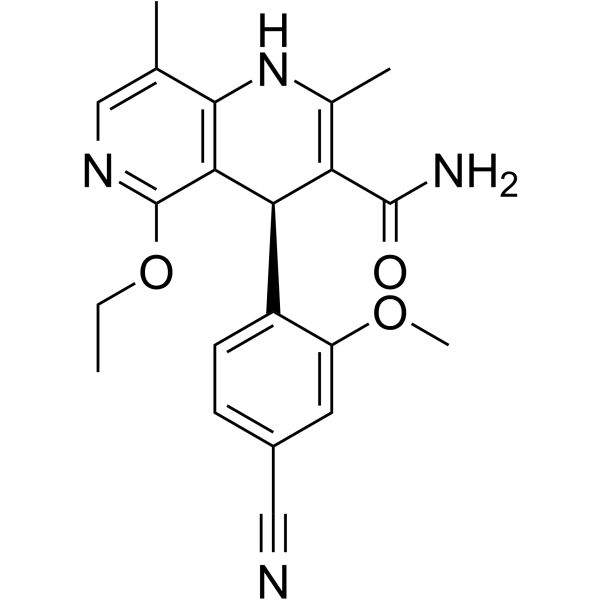
  • HY-111372
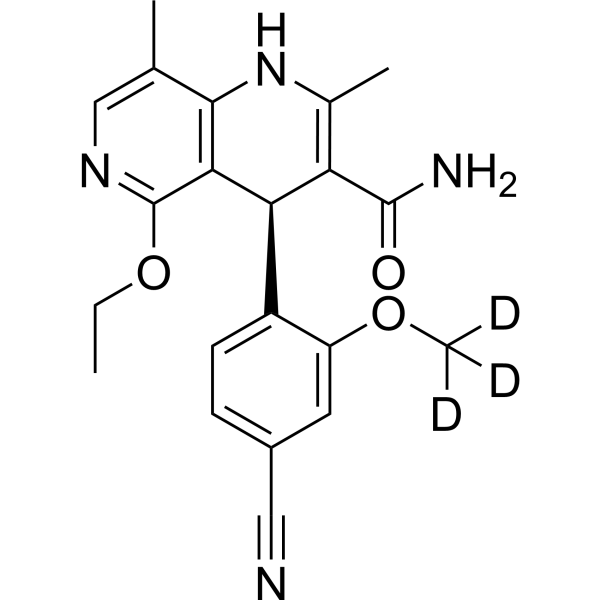
    Finerenone
    5+ Cited Publications

    BAY 94-8862

    Mineralocorticoid Receptor Cardiovascular Disease Metabolic Disease
    Finerenone (BAY 94-8862) is a third-generation, selective, and orally active nonsteroidal mineralocorticoid receptor (MR) antagonist (IC50 = 18 nM). Finerenone displays excellent selectivity versus glucocorticoid receptor (GR), androgen receptor (AR), and progesterone receptor (> 500-fold). Finerenone has the potential for cardiorenal diseases research, such as type 2 diabetes mellitus and chronic kidney disease .
    Finerenone
  • HY-17608
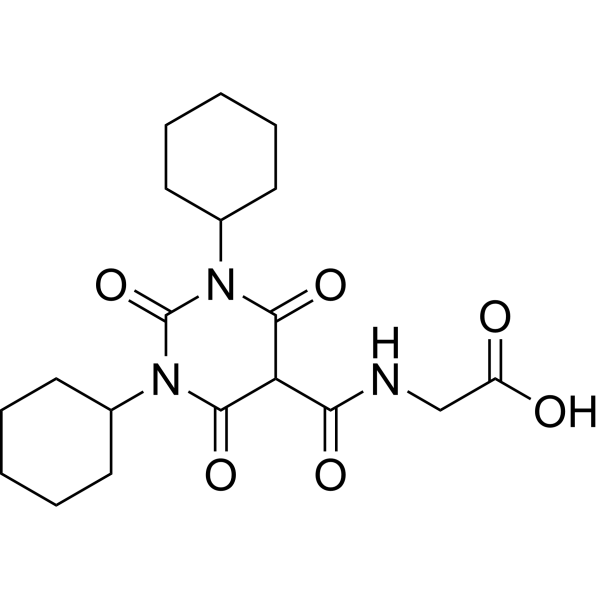
    Daprodustat
    15+ Cited Publications

    GSK1278863

    HIF/HIF Prolyl-Hydroxylase Cardiovascular Disease
    Daprodustat (GSK1278863) is an orally active hypoxia-inducible factor prolyl hydroxylase (HIF-PH) inhibitor being developed for the treatment of anemia associated with chronic kidney disease.
    Daprodustat
  • HY-18260
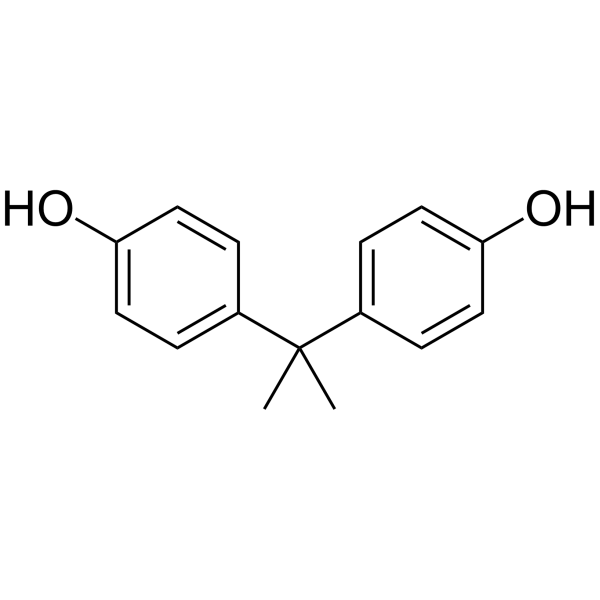
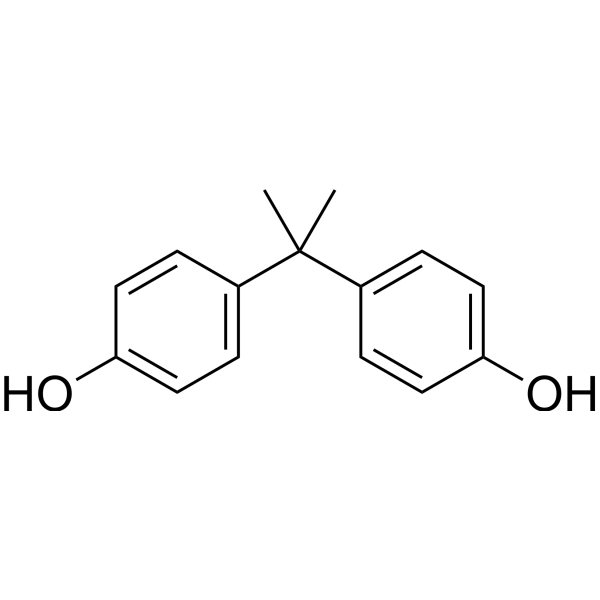
    Bisphenol A
    Maximum Cited Publications
    15 Publications Verification

    Environmental Pollutants Endogenous Metabolite Apoptosis Reactive Oxygen Species (ROS) p38 MAPK Akt Cardiovascular Disease Metabolic Disease Endocrinology Cancer
    Bisphenol A is a phenolic, organic synthetic compound widely used in the production of polycarbonate plastics and epoxy resins. Bisphenol A is a reproductive, developmental, and systemic toxicant, often classified as an endocrine-disrupting compound (EDC). Bisphenol A is associated with many diseases, including cancers, cardiovascular diseases, respiratory diseases, diabetes, kidney diseases, obesity, and reproductivedisorders .
    Bisphenol A
  • HY-N1428C
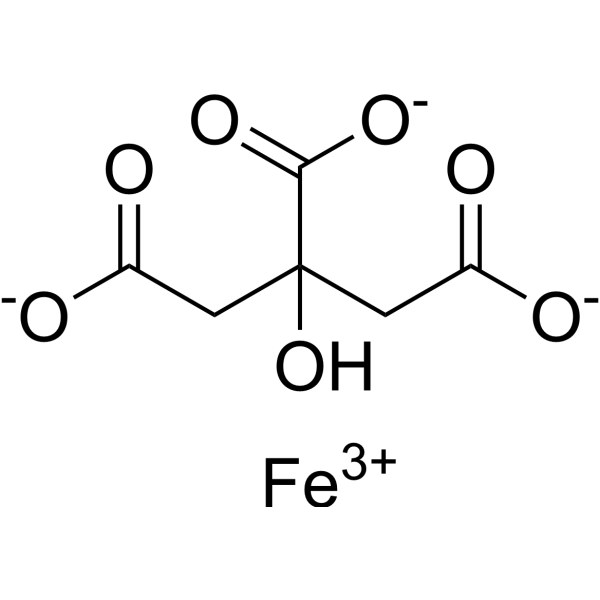
    Ferric citrate
    5 Publications Verification

    Iron(III) citrate; Zerenex

    Reactive Oxygen Species (ROS) Antibiotic Metabolic Disease
    Ferric citrate (Iron(III) citrate), an orally active iron supplement, is an efficacious phosphate binder. Ferric citratee can be used for iron deficiency anemia and chronic kidney disease (CKD) research .
    Ferric citrate
  • HY-16743
    Ibiglustat
    3 Publications Verification

    Venglustat; SAR402671; GZ402671

    Glucosylceramide Synthase (GCS) Metabolic Disease
    Ibiglustat (Venglustat) is an orally active, brain-penetrant glucosylceramide synthase (GCS) inhibitor. Ibiglustat can be used for the research of Gaucher disease type 3, Parkinson's disease associated with GBA mutations, Fabry disease, GM2 gangliosidosis, and autosomal dominant polycystic kidney disease .
    Ibiglustat
  • HY-B0202
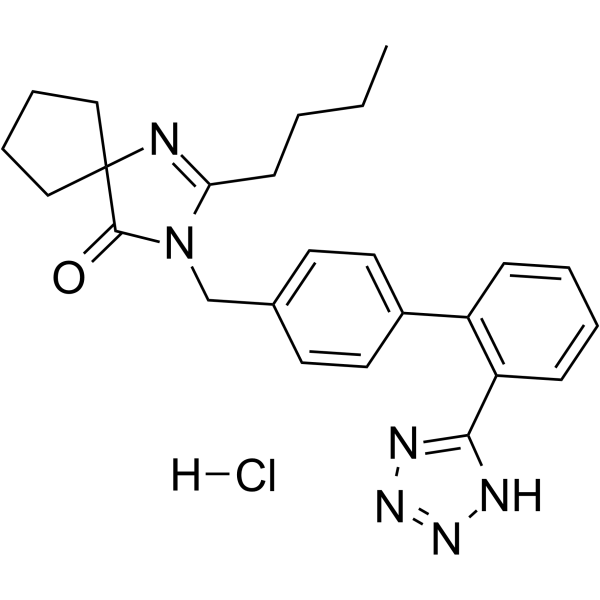
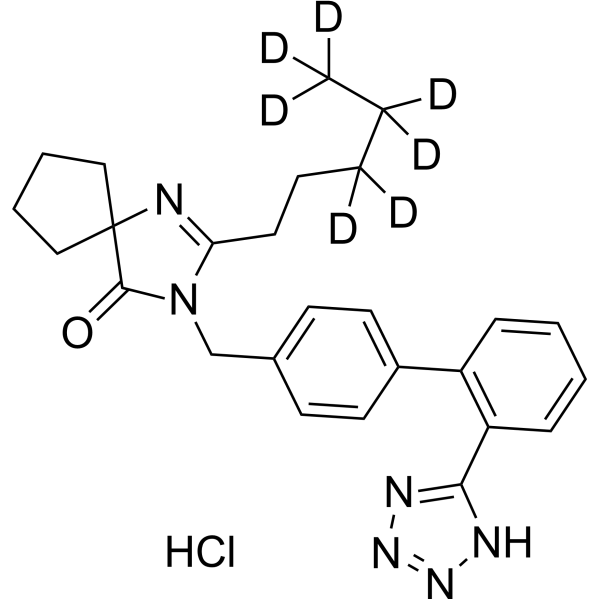
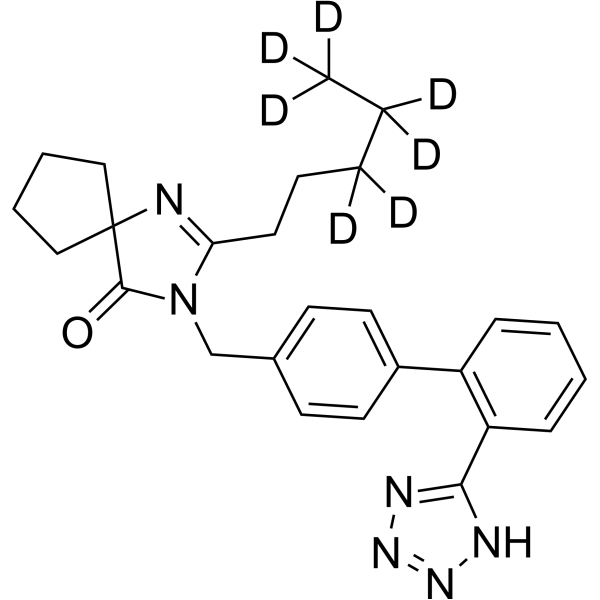
    Irbesartan
    5+ Cited Publications

    SR-47436; BMS-186295

    Angiotensin Receptor Apoptosis Cardiovascular Disease Endocrinology
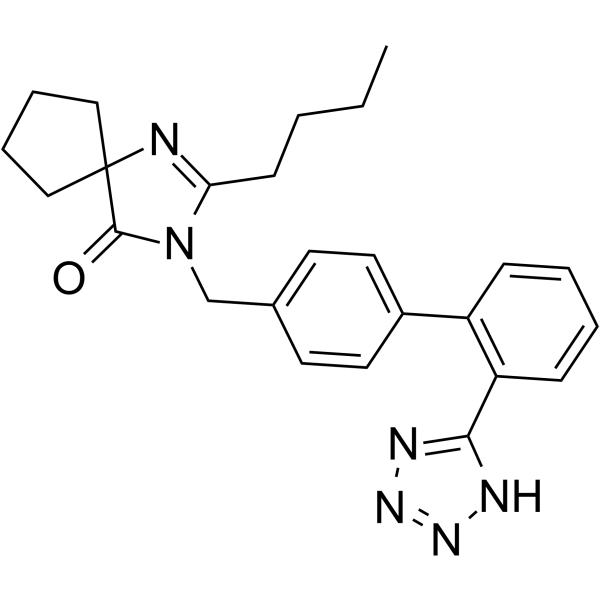
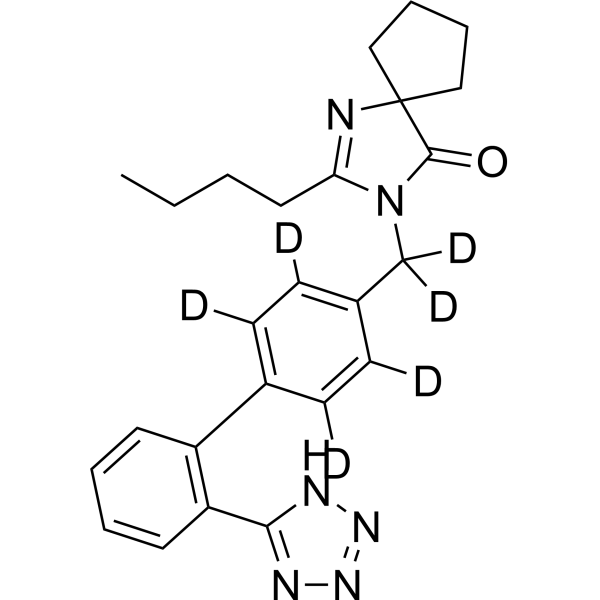
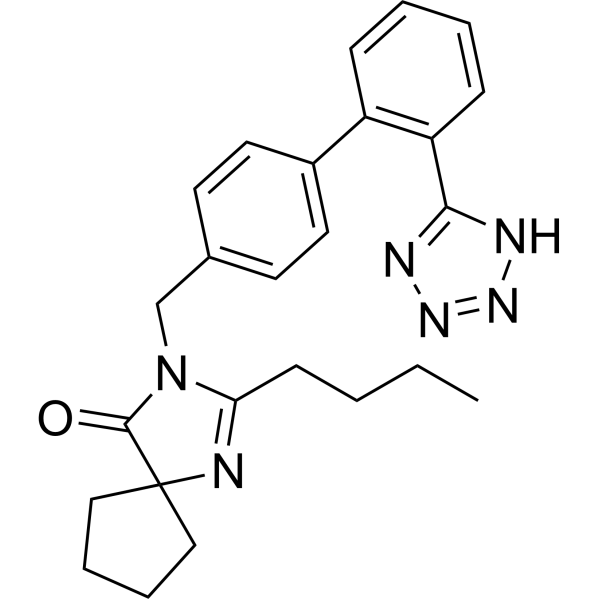
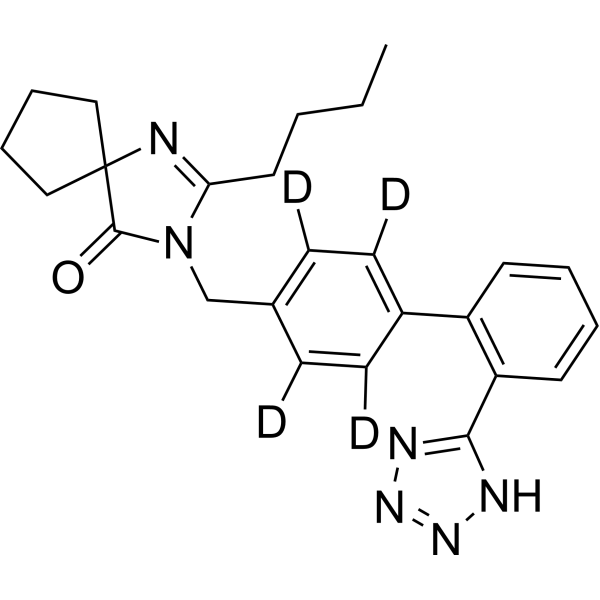
    Irbesartan (SR-47436) is an orally active Ang II type 1 (AT1) receptor blocker (ARB). Irbesartan can relax the blood vessels, low blood pressure and increase the supply of blood and oxygen to the heart. Irbesartan can be used for the research of high blood pressure, heart failure, and diabetic kidney disease .
    Irbesartan
  • HY-B0130
    Perindopril
    5+ Cited Publications

    S-9490

    Angiotensin-converting Enzyme (ACE) NF-κB STAT Sirtuin Cardiovascular Disease Neurological Disease Cancer
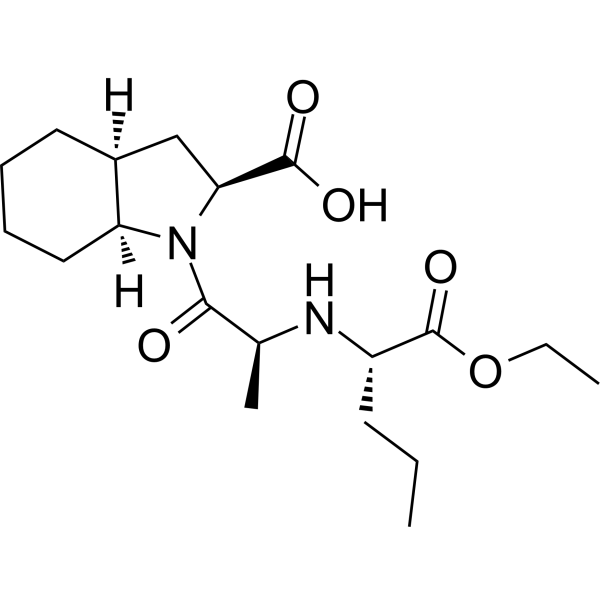
    Perindopril erbumine is an angiotensin-converting enzyme inhibitor. Perindopril erbumine modulates NFκB and STAT3 signaling and inhibits glial activation and neuroinflammation. Perindopril erbumine can be used for the research of Chronic Kidney Disease and high blood pressure .
    Perindopril
  • HY-101410
    SDMA
    3 Publications Verification

    Symmetric dimethylarginine; NG,NG'-Dimethyl-L-arginine

    Endogenous Metabolite NO Synthase NF-κB Inflammation/Immunology
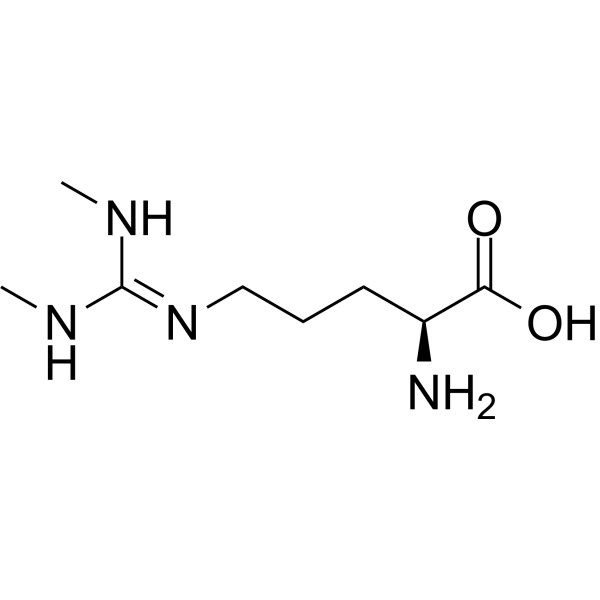
    SDMA (Symmetric dimethylarginine) is an endogenous inhibitor of nitric oxide (NO) synthase activity. SDMA, a novel kidney biomarker, permits earlier diagnosis of kidney disease than traditional creatinine testing.
    SDMA
  • HY-139290
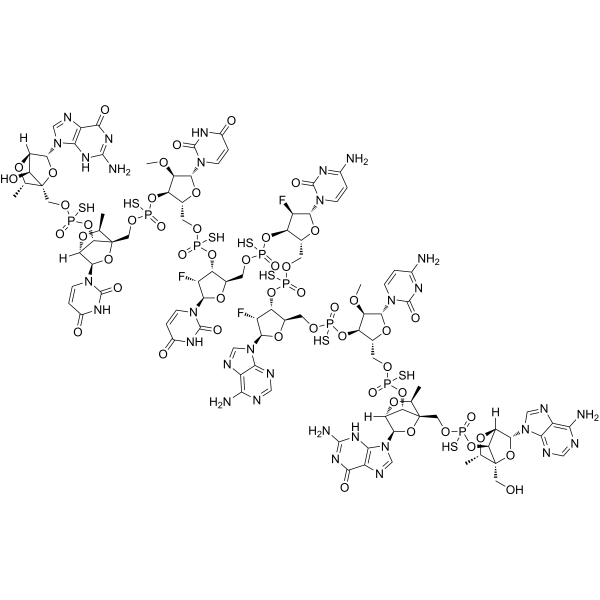
    RGLS4326
    2 Publications Verification

    RG4326

    MicroRNA Metabolic Disease Cancer
    RGLS4326 (RG4326) is a first-in-class, short oligonucleotide inhibitor of microRNA-17 (miR-17). RGLS4326 can be used for the research of autosomal dominant polycystic kidney disease (ADPKD). RGLS4326 inhibits miR-17 function in HeLa cells with an EC50 value of 28.3 nM .
    RGLS4326
  • HY-101277
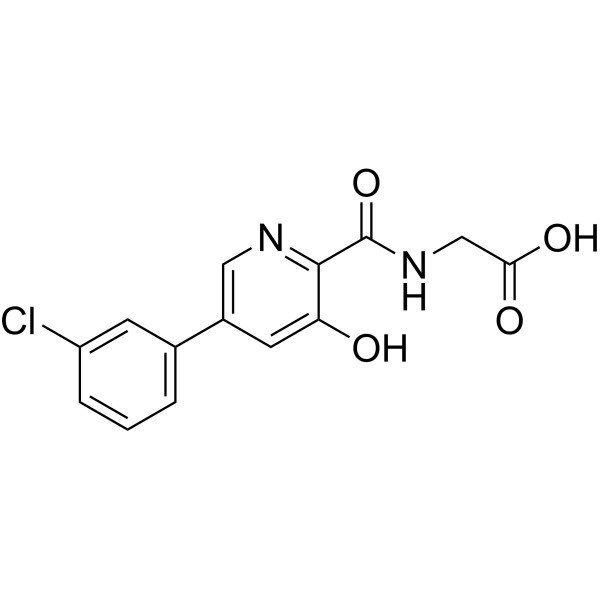
    Vadadustat
    5+ Cited Publications

    PG-1016548; AKB-6548

    HIF/HIF Prolyl-Hydroxylase Cardiovascular Disease
    Vadadustat (PG-1016548) is a titratable, oral hypoxia-inducible factor prolyl hydroxylase (HIF-PH) inhibitor . Vadadustat is an erythropoiesis-stimulating agent and has the potential for anemia treatment in chronic kidney disease in vivo .
    Vadadustat
  • HY-17609
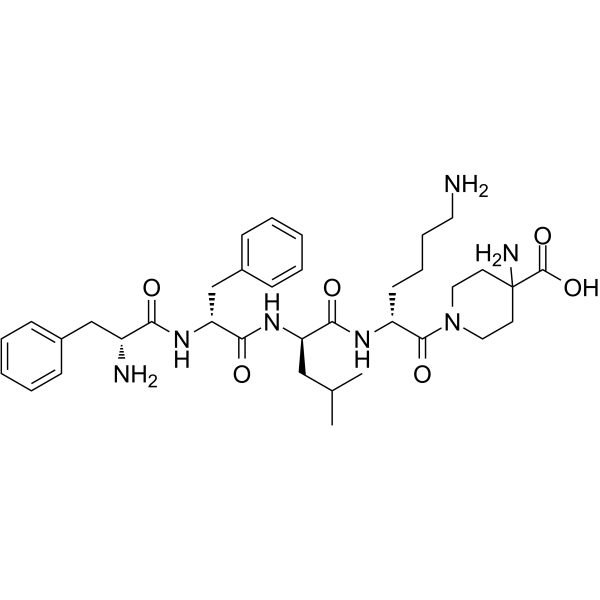
    Difelikefalin
    1 Publications Verification

    CR-845; FE-202845

    Opioid Receptor Neurological Disease Inflammation/Immunology
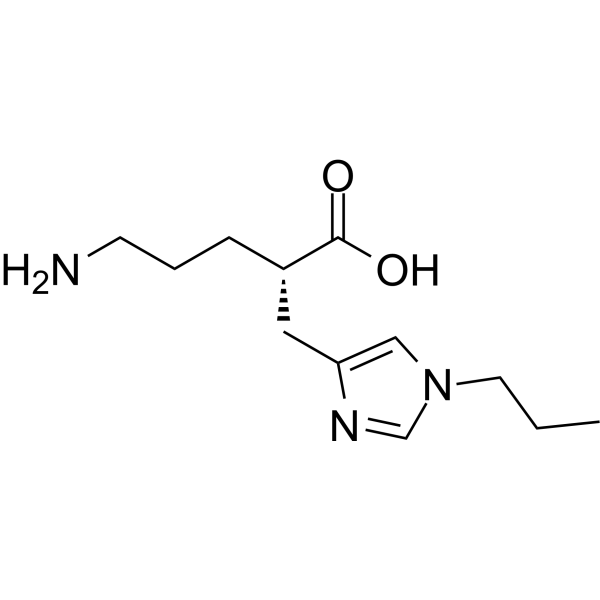
    Difelikefalin (CR-845) is a peripherally restricted and selective agonist of kappa opioid receptor (KOR). Difelikefalin produces anti-inflammatory effects and has the potential in modulating pruritus in conditions such as chronic kidney disease .
    Difelikefalin
  • HY-P1955A
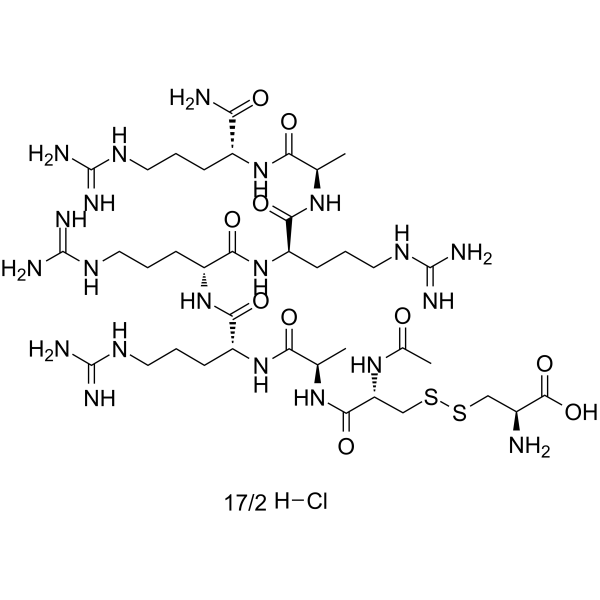
    Etelcalcetide hydrochloride
    2 Publications Verification

    Velcalcetide hydrochloride; AMG 416 hydrochloride; KAI-4169 hydrochloride

    CaSR Endocrinology
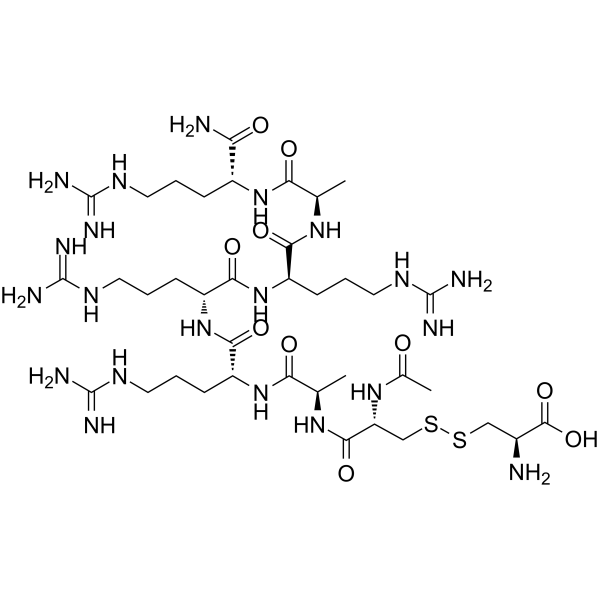
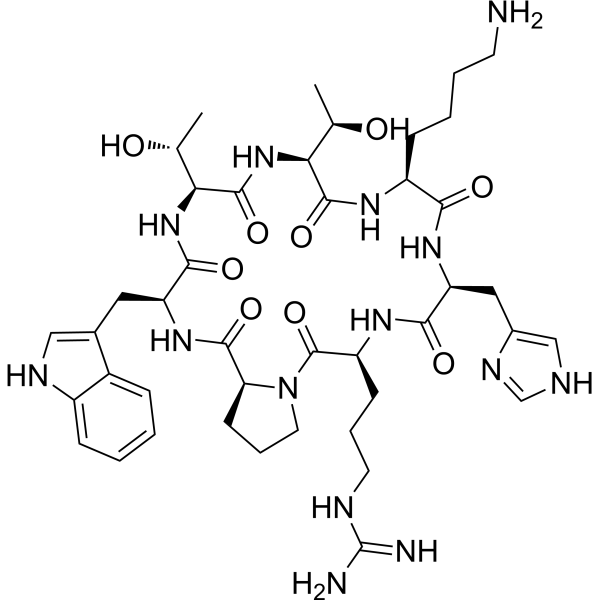
    Etelcalcetide hydrochloride (AMG 416 hydrochloride; KAI-4169 hydrochloride) is a synthetic calcimimetic as an activator of the calcium sensing receptor (CaSR). Etelcalcetide hydrochloride is effective in lowering parathyroid hormone (PTH) concentrations in patients receiving dialysis with secondary hyperparathyroidism receiving hemodialysis, which is promising for research in the field of secondary hyperparathyroidism and chronic kidney disease .
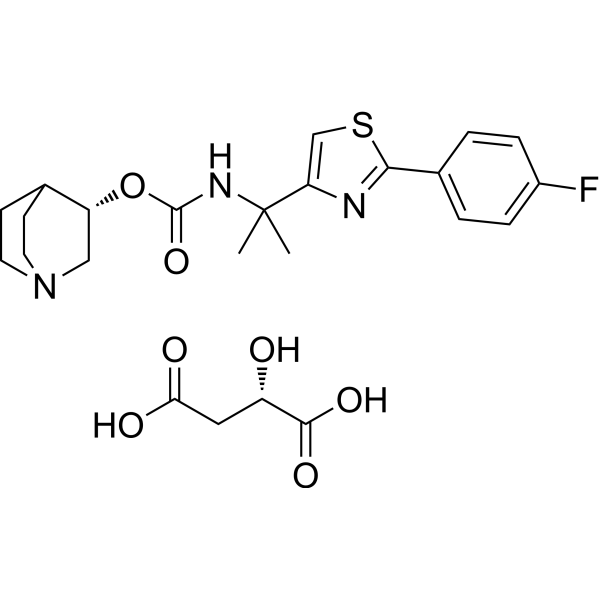
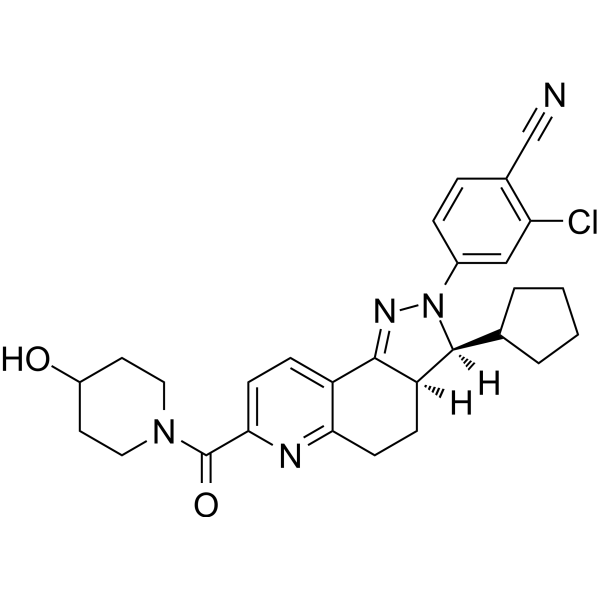
    Etelcalcetide hydrochloride
  • HY-126397
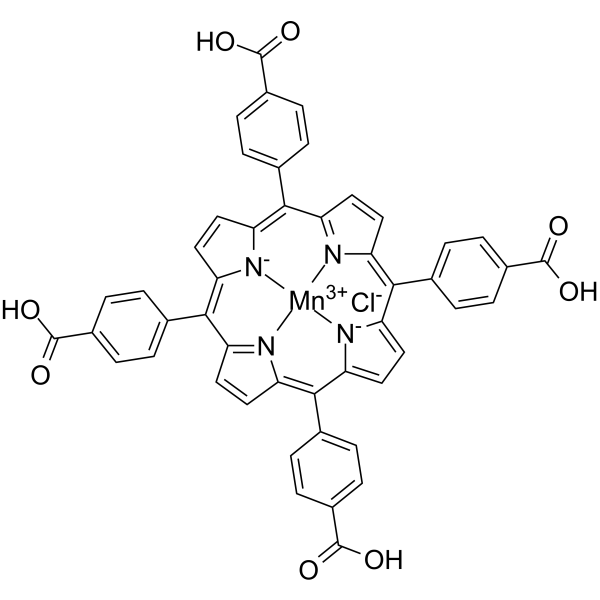
    MnTBAP chloride
    5+ Cited Publications

    NF-κB Inflammation/Immunology
    MnTBAP chloride is a superoxide dismutase (SOD) mimetic and peroxynitrite scavenger. MnTBAP chloride is a manganic porphyrin complex and has anti-oxidative property. MnTBAP chloride mediates anti-inflammatory effects through upregulation of BMPR-II and inhibition of the NFκB signaling. MnTBAP chloride has the potential for the fibrotic response in chronic kidney diseases (CKDs) research .
    MnTBAP chloride
  • HY-137322

    Neurotensin Receptor Neurological Disease Metabolic Disease
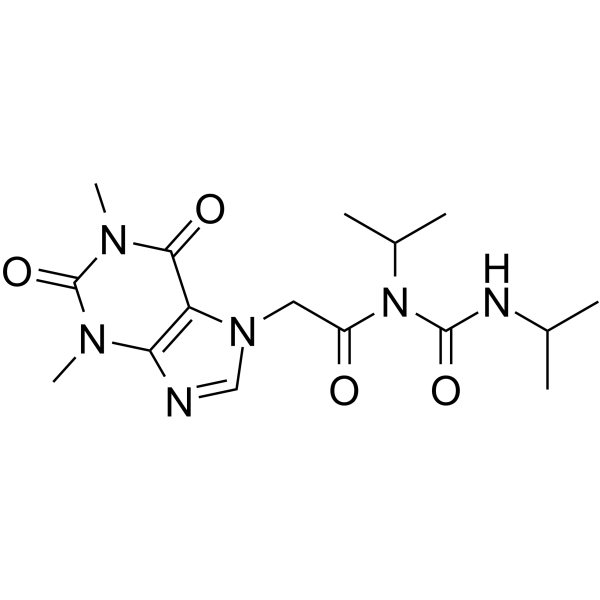
    THX-B is a potent and non-peptidic p75 NTR (neurotrophin receptor p75) antagonist. THX-B can be used in the research of diabetic kidney disease, neurodegenerative and inflammatory disorders .
    THX-B
  • HY-13102

    Procollagen C Proteinase Others
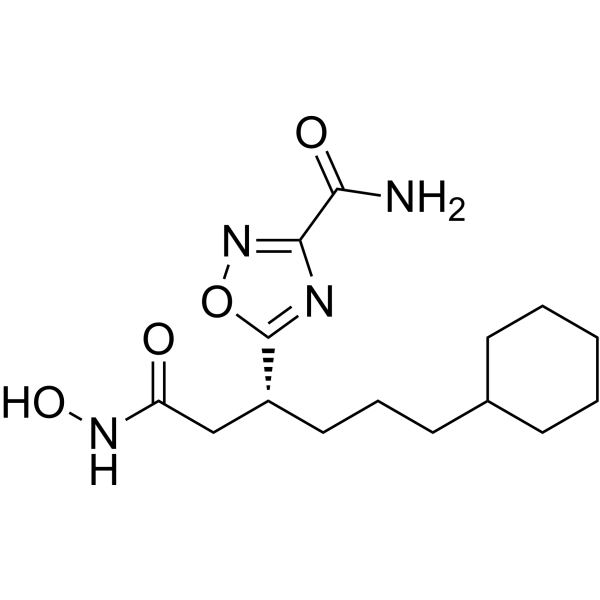
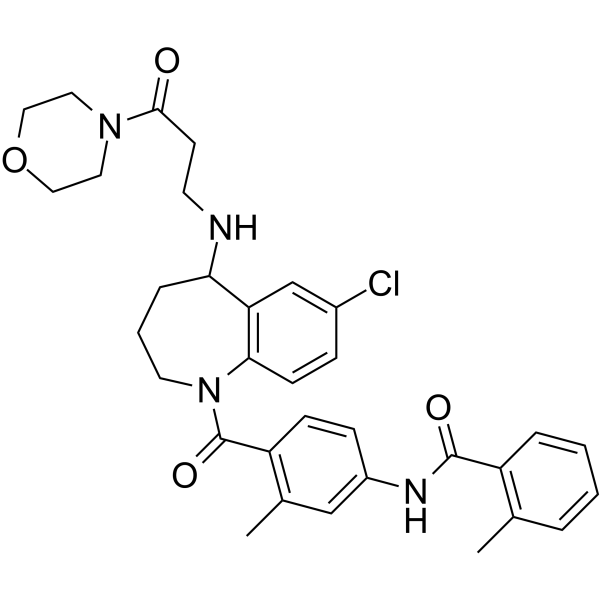
    UK-383367 is an orally available pro-collagen C-protease inhibitor (BMP-1) with an IC50 value of 44 nM. UK-383367 can reduce renal fibrosis and inflammation in chronic kidney disease (CKD) and may be used to study postoperative skin scarring .
    UK-383367
  • HY-P99505

    COR-001; MEDI-5117; MEDI-5117; NN-6018; WBP-216

    Interleukin Related LDLR Inflammation/Immunology Endocrinology
    Ziltivekimab (COR-001) is a fully human monoclonal antibody and also an IL-6 inhibitor. Ziltivekimab significantly reduces inflammatory biomarkers and Lipoprotein (a) in chronic kidney disease patients with systemic inflammation. Ziltivekimab does not increase pro-atherosclerotic lipid levels. Ziltivekimab is used in studies related to atherosclerotic thrombotic diseases and chronic kidney disease .
    Ziltivekimab
  • HY-120274

    AZD9977

    Mineralocorticoid Receptor Cardiovascular Disease Metabolic Disease
    Balcinrenone (AZD9977) is a potent, selective, and orally active mineralocorticoid receptor (MR) modulator. Balcinrenone is used for heart failure, and chronic kidney disease research .
    Balcinrenone
  • HY-132820

    VX-147

    Apolipoprotein Others
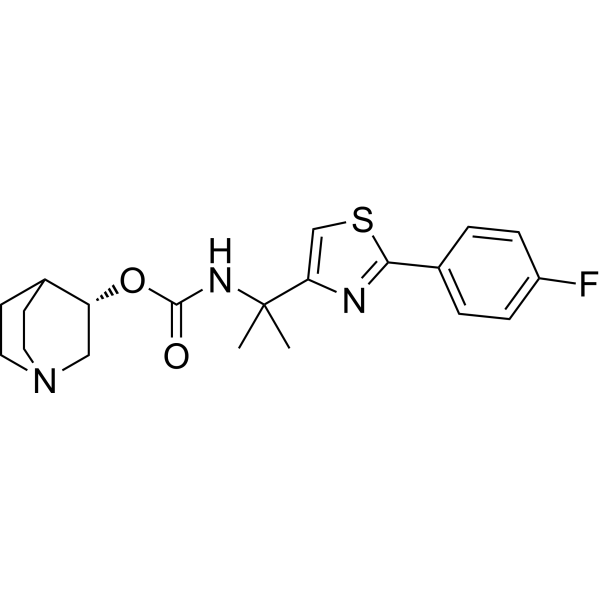
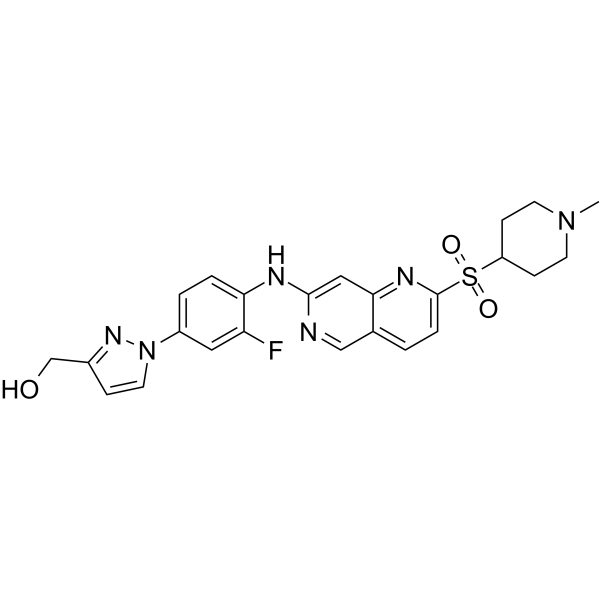
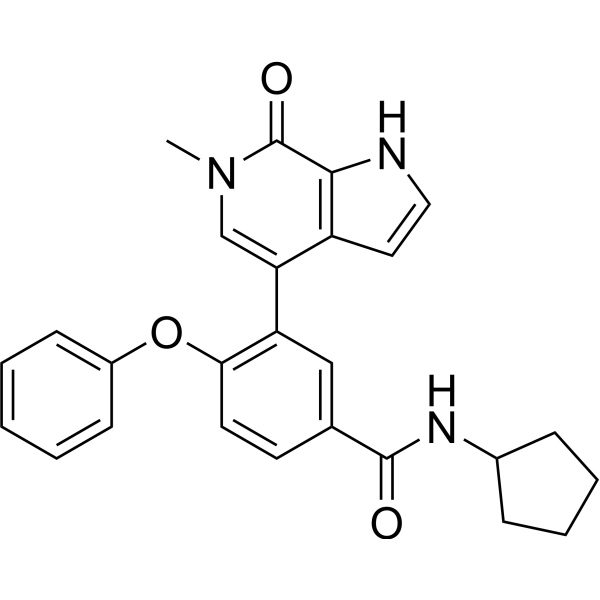
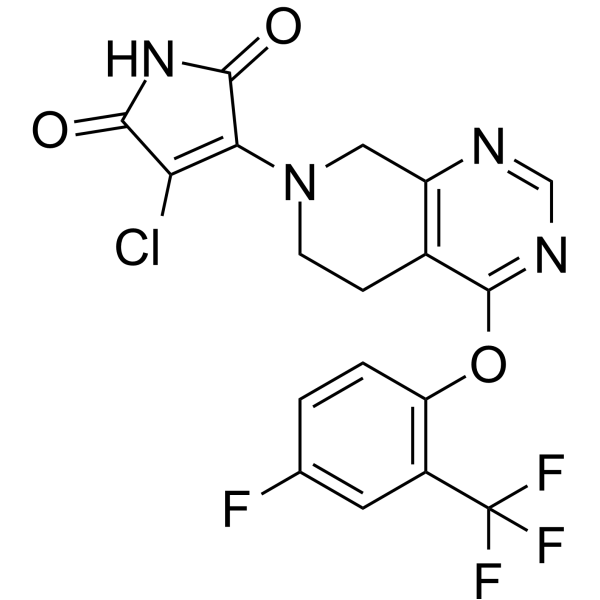
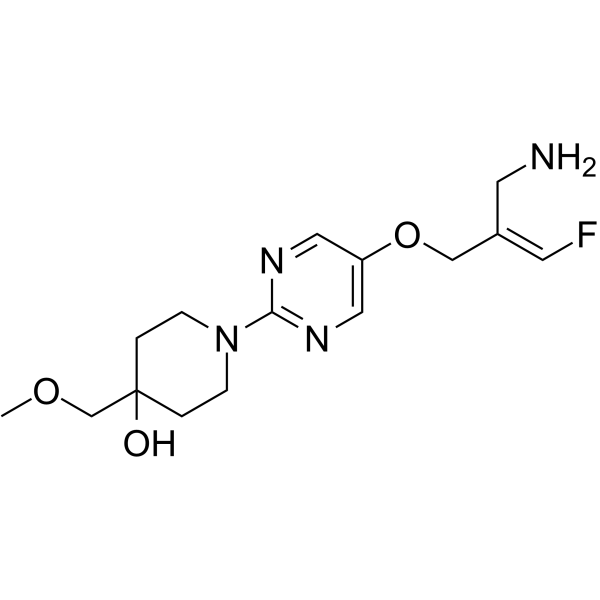
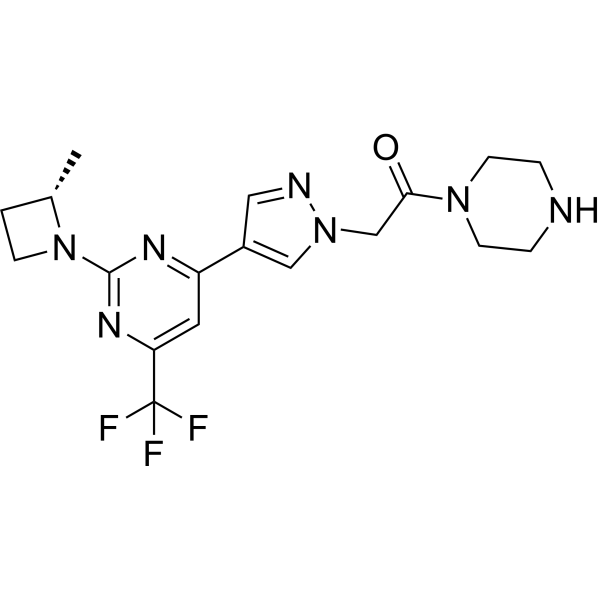
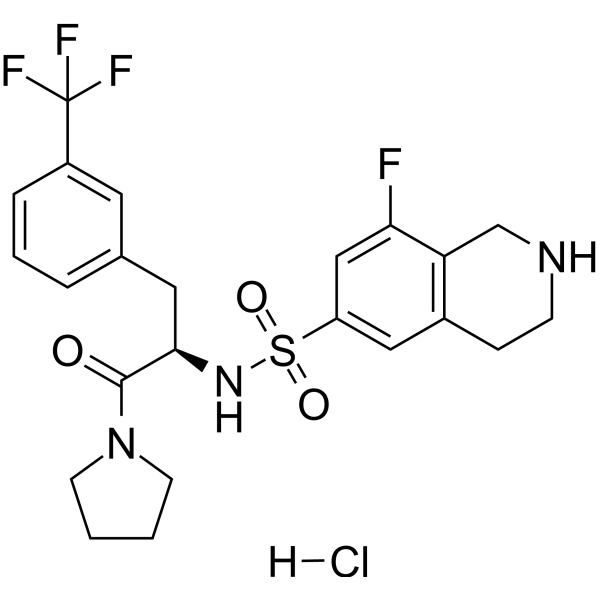
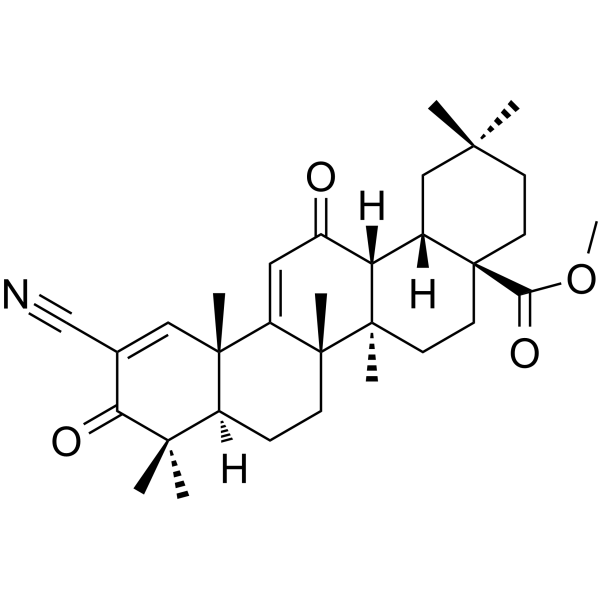
    Inaxaplin (VX-147) is an orally active apolipoprotein L1 (APOL1) function inhibitor (WO2020131807, compound 2). Inaxaplin can be used for the research of kidney disease .
    Inaxaplin
  • HY-107929

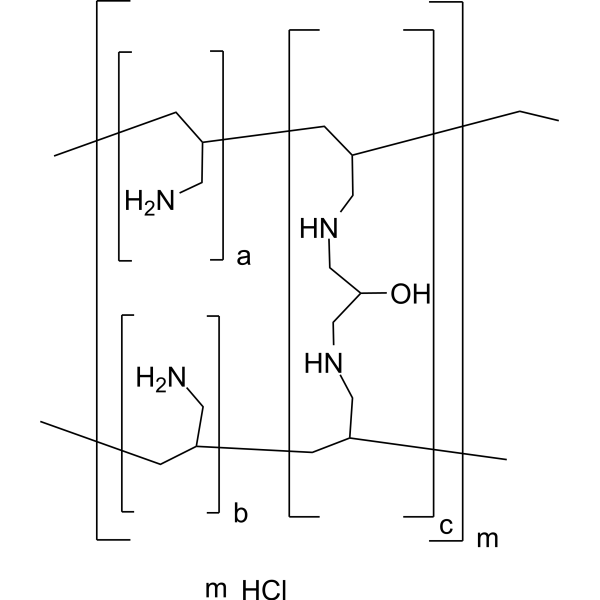
    Poly(styrenesulfonic acid) calcium salt

    Potassium Channel Metabolic Disease
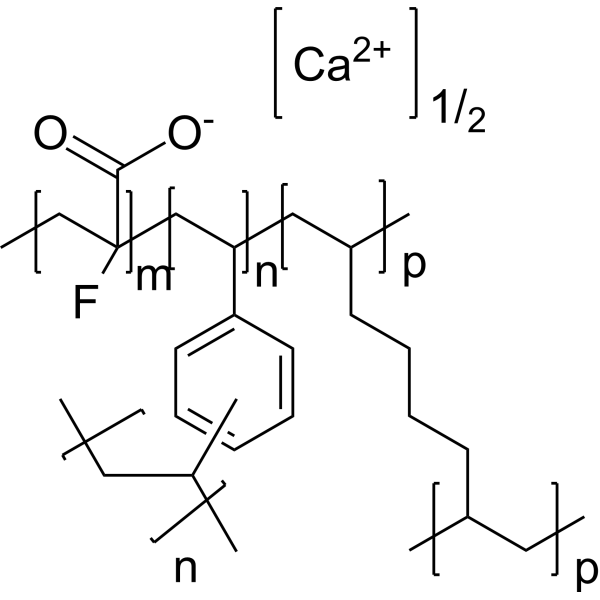
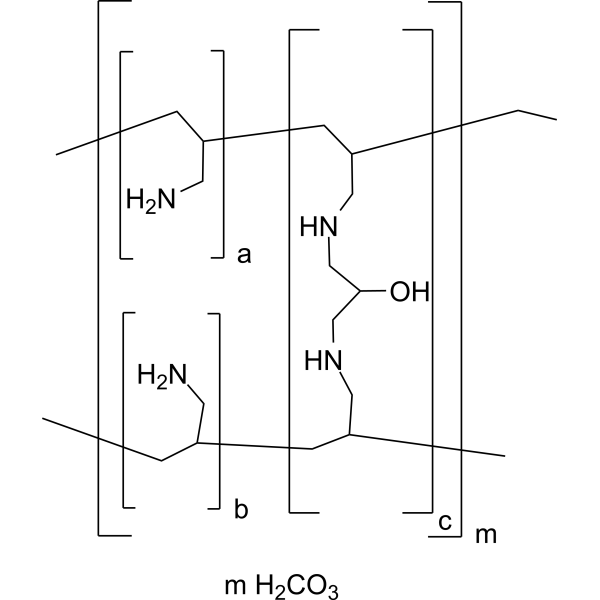
    Calcium polystyrene sulfonate (Poly(styrenesulfonic acid) calcium salt) is an orally active potassium-lowering agent. Calcium polystyrene sulfonate binds potassium in the distal colon in exchange for Ca 2+. Calcium polystyrene sulfonate can be used for the research of hyperkalemia in chronic kidney disease .
    Calcium polystyrene sulfonate
  • HY-B0130A
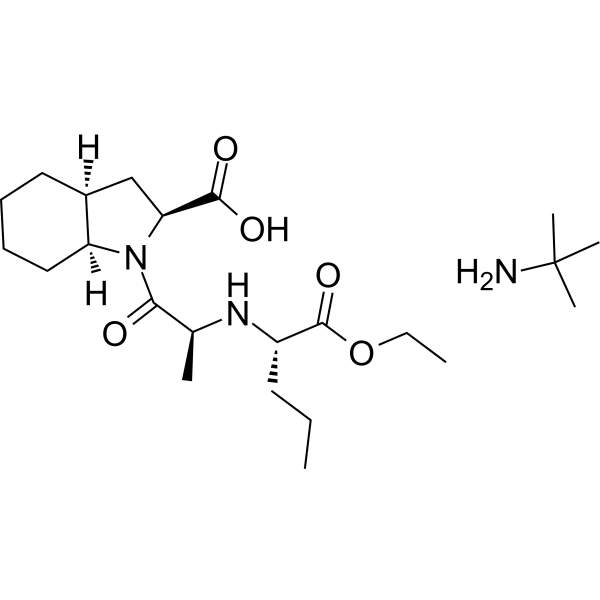
    Perindopril erbumine
    5+ Cited Publications

    Perindopril (tert-butylamine salt); S-9490 erbumine

    Sirtuin NF-κB STAT Angiotensin-converting Enzyme (ACE) Cardiovascular Disease Cancer
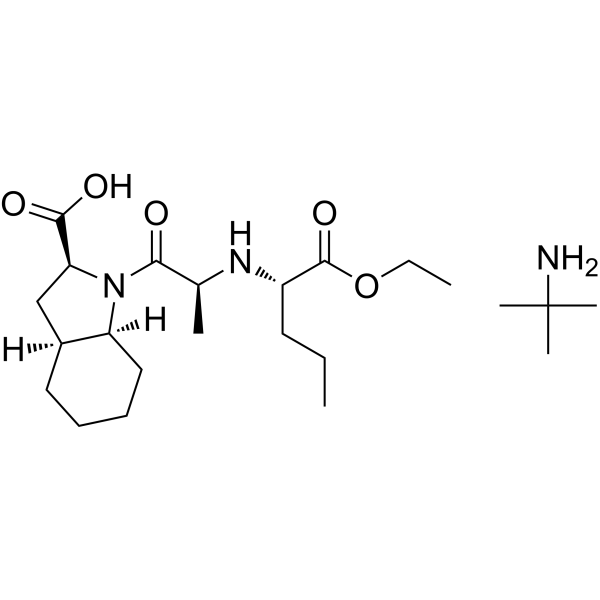
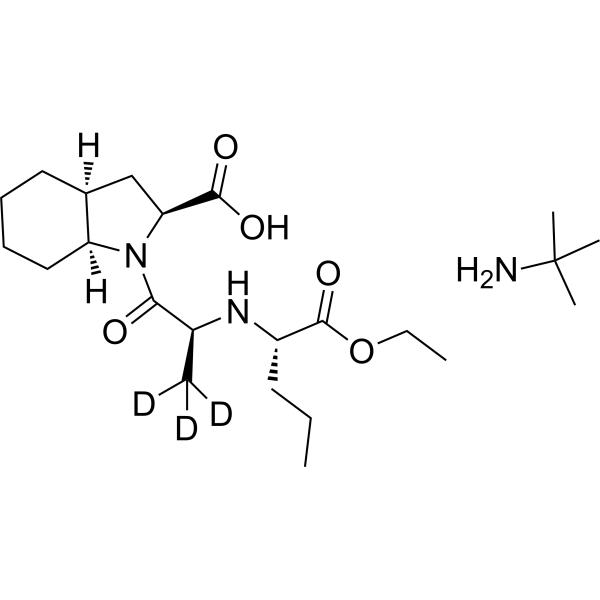
    Perindopril erbumine is an angiotensin-converting enzyme inhibitor. Perindopril erbumine modulates NF-κB and STAT3 signaling and inhibits glial activation and neuroinflammation. Perindopril erbumine can be used for the research of Chronic Kidney Disease and high blood pressure .
    Perindopril erbumine
  • HY-Y1324

    Disodium hydrogen phosphate dodecahydrate; Disodium phosphate dodecahydrate

    Environmental Pollutants Biochemical Assay Reagents Endocrinology
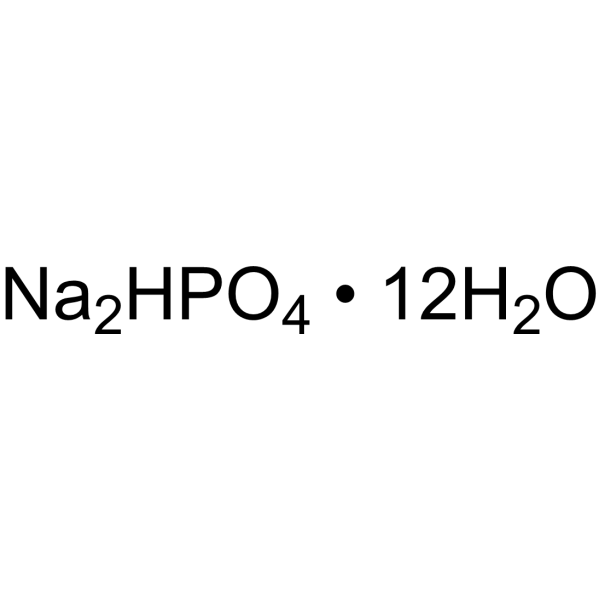
    Phosphoric acid disodium dodecahydrate is an inorganic compound and food additive. Phosphoric acid disodium dodecahydrate promotes gel formation, improves food texture and thermal properties of materials. Phosphoric acid disodium dodecahydrate induces glomerular calcification. Phosphoric acid disodium dodecahydrate can be used in kidney disease research .
    Sodium phosphate dibasic dodecahydrate
  • HY-N0249
    Saikosaponin C
    2 Publications Verification

    MMP Infection Inflammation/Immunology
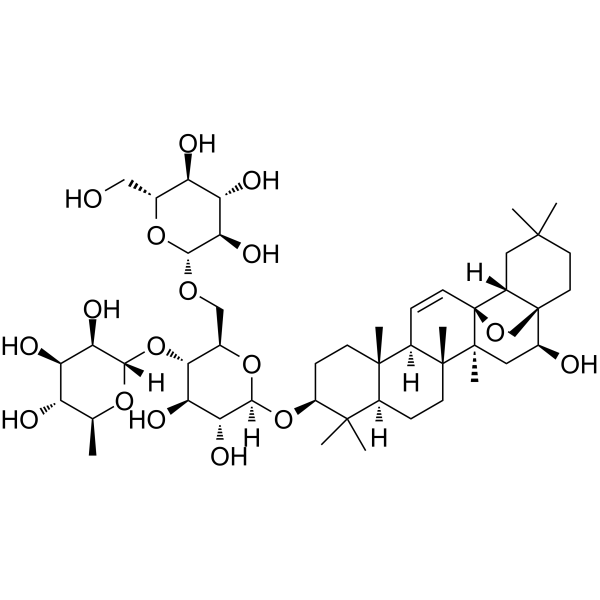
    Saikosaponin C is an orally active MMP-2 inducer. Saikosaponin C induces the survival, growth, migration and capillary tube formation of endothelial cells. Saikosaponin C inhibits the early stage of hepatitis C virus infection. Saikosaponin C can be used in research related to ischemic tissue diseases, chronic kidney diseases and hepatitis C virus infection .
    Saikosaponin C
  • HY-150076
    BLU2864
    2 Publications Verification

    PKA Metabolic Disease Cancer
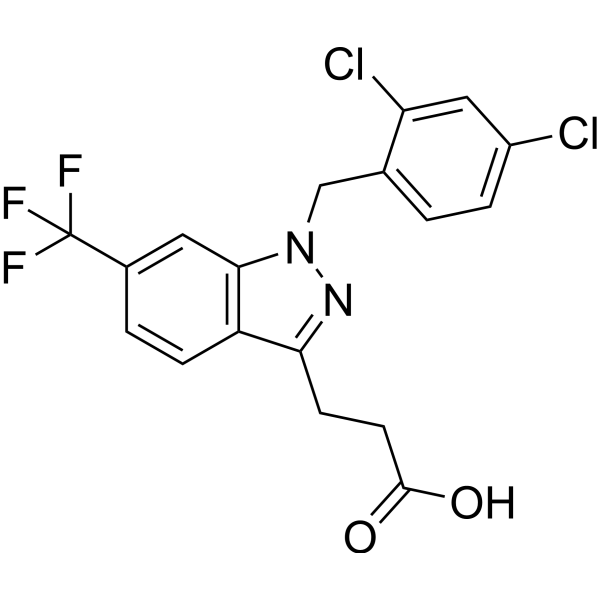
    BLU2864 is an orally active, highly selective, ATP-competitive PRKACA inhibitor (IC50=0.3 nM). BLU2864 shows anti-tumor activity. BLU2864 can be used in cancer and polycystic kidney disease research .
    BLU2864
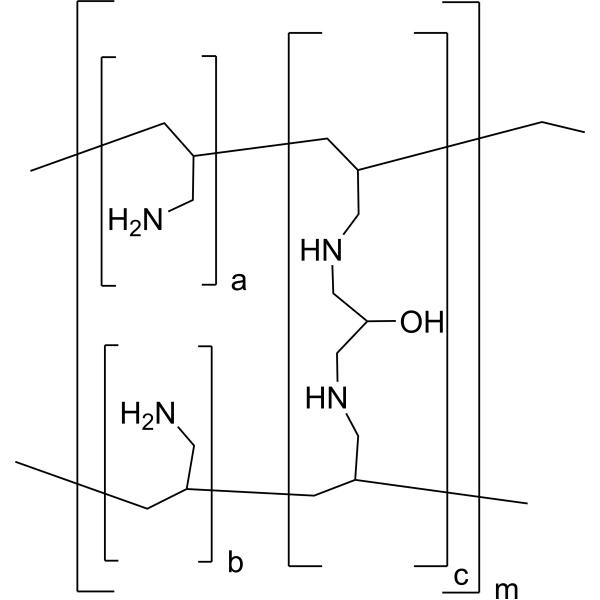
  • HY-119572

    Biochemical Assay Reagents Inflammation/Immunology
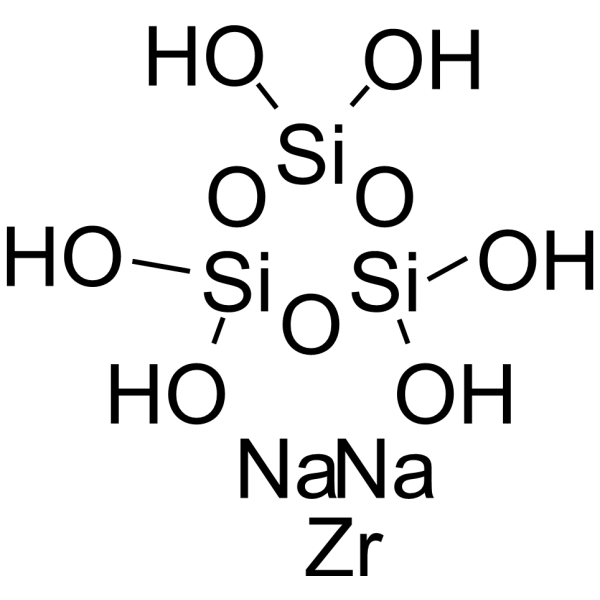
    Sodium zirconium cyclosilicate is an orally administered, non-absorbed, novel, inorganic microporous zirconium silicate compound, is a highly selective cation exchanger that selectively removes excess K + in vivo. Sodium zirconium cyclosilicate can be used in research of chronic kidney disease (CKD) .
    Sodium zirconium cyclosilicate
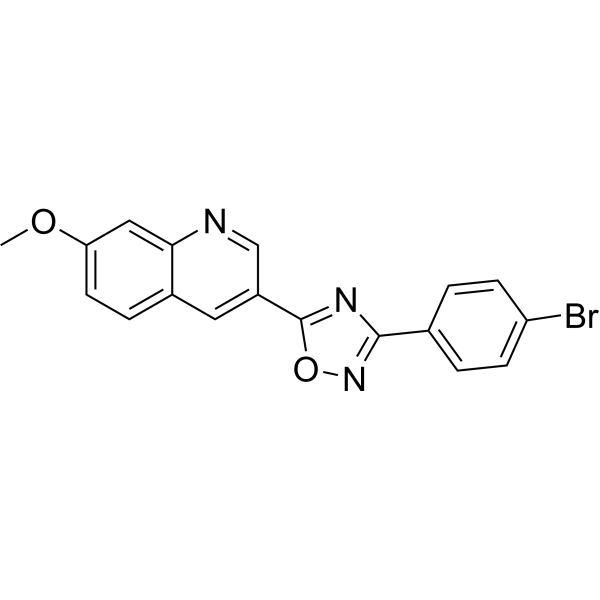
  • HY-120897

    Bcl-2 Family Apoptosis Inflammation/Immunology
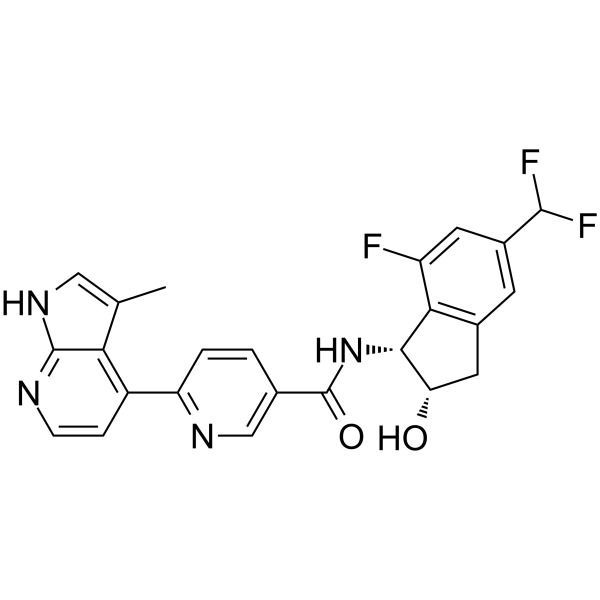
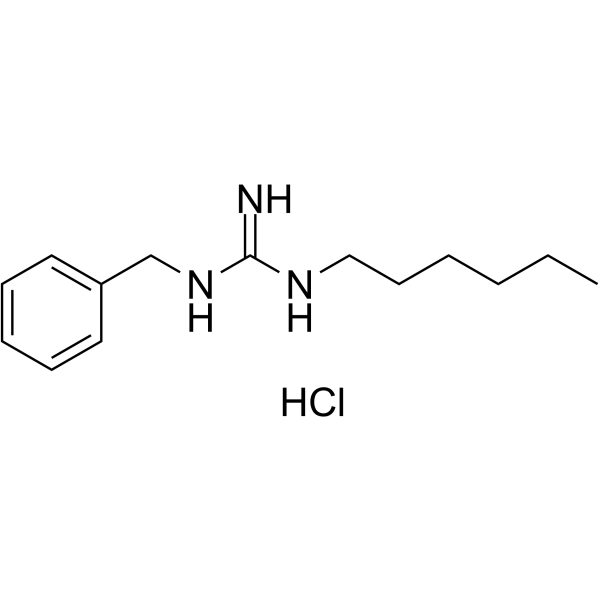
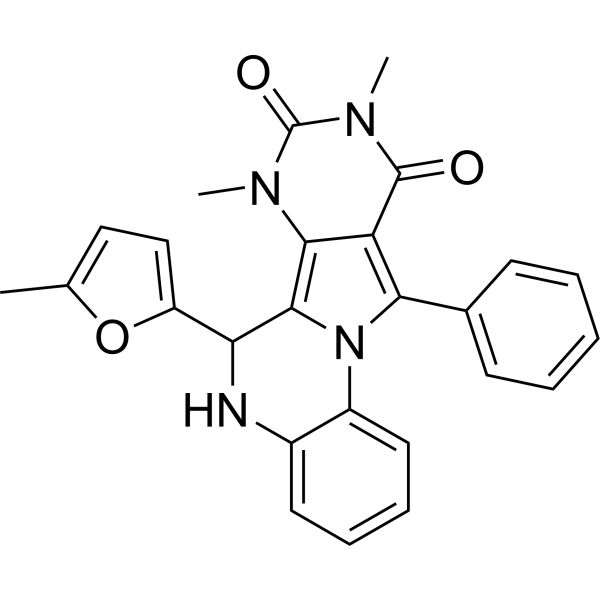
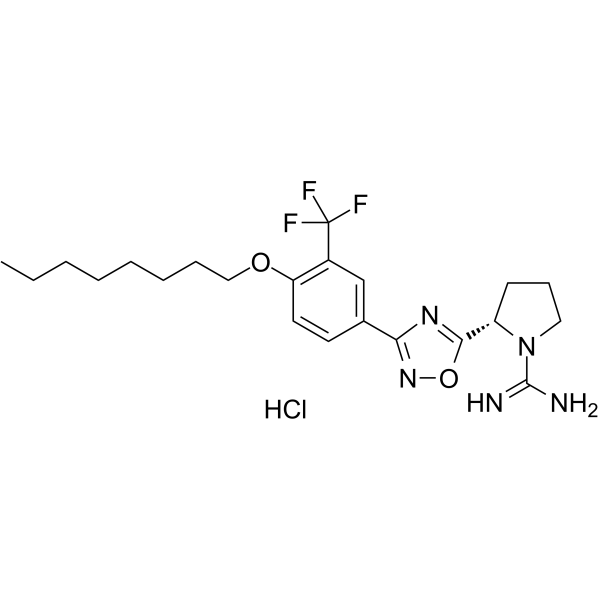
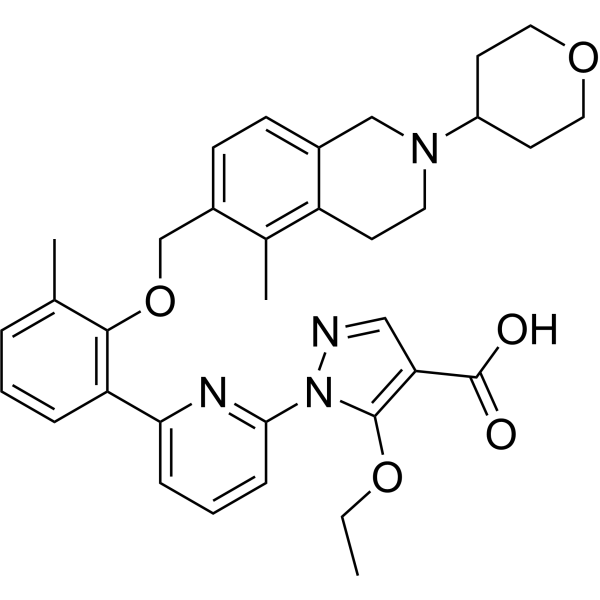
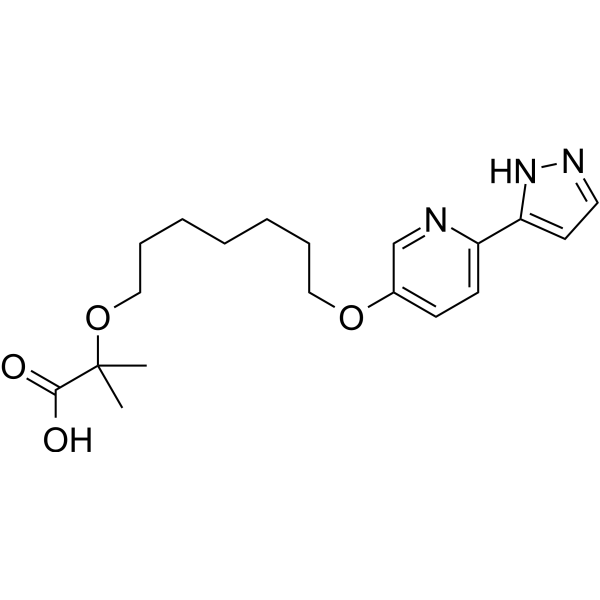
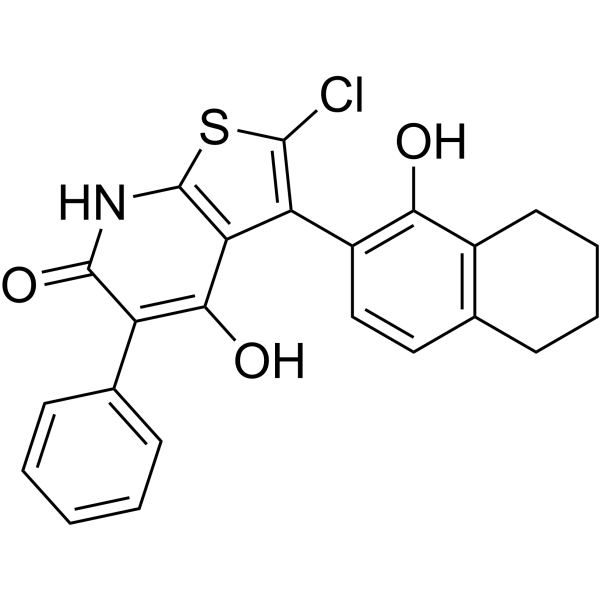
    NS-3-008 hydrochloride is an orally active transcriptional inhibitor of G0/G1 switch 2 (G0s2) with an IC50 of 2.25 μM. NS-3-008 hydrochloride can be used for chronic kidney disease .
    NS-3-008 hydrochloride
  • HY-P2921

    Uox, Microorganism

    Endogenous Metabolite Metabolic Disease Inflammation/Immunology
    Uricase, Microorganism (Uox, Microorganism) is a uricase (urate oxidase) derived from Microorganism. Uricase, Microorganism converts uric acid into allantoin. The absence of Uricase in mammals causes kidney diseases resulting from uric acid accumulation. Uricase, Microorganism can be used for research on chronic refractory gout and hyperuricemia .
    Uricase, Microorganism
  • HY-Y0262B

    Ethanedioic acid sodium,ACS, 99.5%

    Environmental Pollutants Biochemical Assay Reagents Mitochondrial Metabolism Metabolic Disease Cancer
    Sodium oxalate is an orally active dispersant and coordination agent. Sodium oxalate causes mitochondrial dysfunction. Sodium oxalate has catalytic enhancing activity. Sodium oxalate induces stable chronic kidney disease. Sodium oxalate induces highly malignant and undifferentiated breast tumors .
    Sodium oxalate,ACS,99.5%
  • HY-N2057

    Aquaporin CFTR Chloride Channel Metabolic Disease
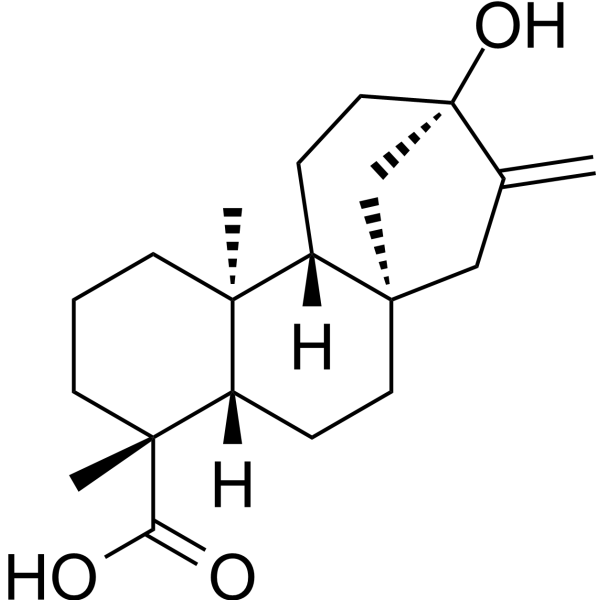
    Steviol is the main metabolite of steviol glycosides and an inhibitor of AQP2/CFTR. Steviol slows down the growth of renal cysts by inhibiting the activity of CFTR, reducing the expression of AQP2, and promoting the degradation of AQP2 and CFTR. Steviol can be used in the research of polycystic kidney disease .
    Steviol
  • HY-W012575

    Reactive Oxygen Species (ROS) Inflammation/Immunology
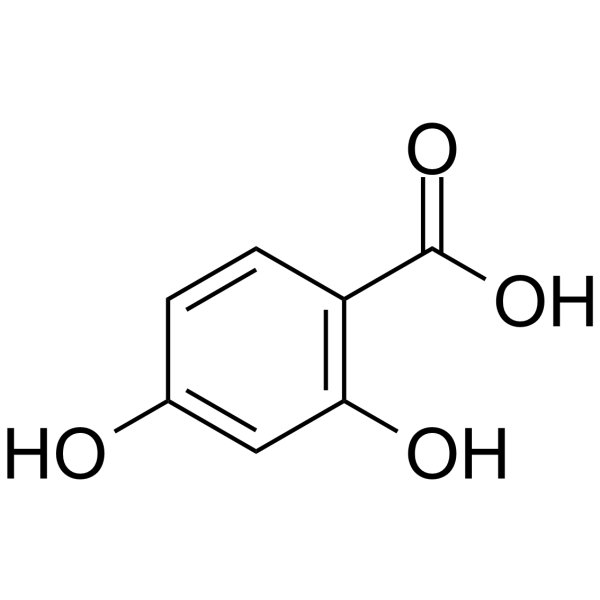
    2,4-Dihydroxybenzoic acid is a degradation product of acid cherry anthocyanins during in vitro cell culture and an analogue of coenzyme Q precursor molecules. 2,4-Dihydroxybenzoic acid can improve the related symptoms of kidney diseases caused by ADCK4/Coq6 deficiency .
    2,4-Dihydroxybenzoic acid
  • HY-144425

    NEKs Inflammation/Immunology
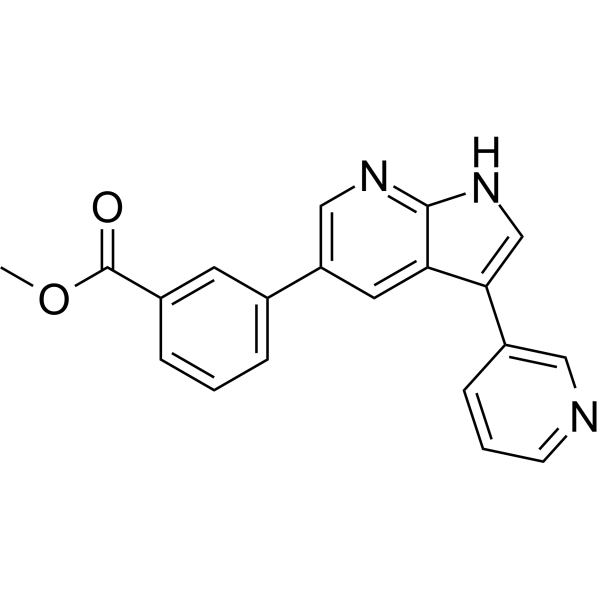
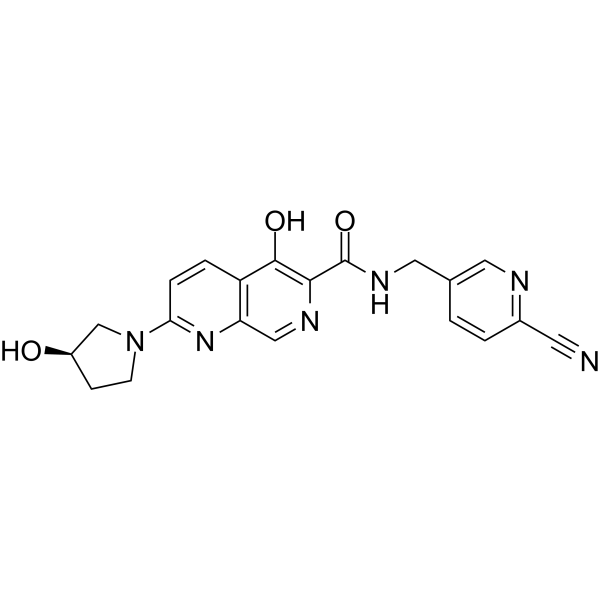
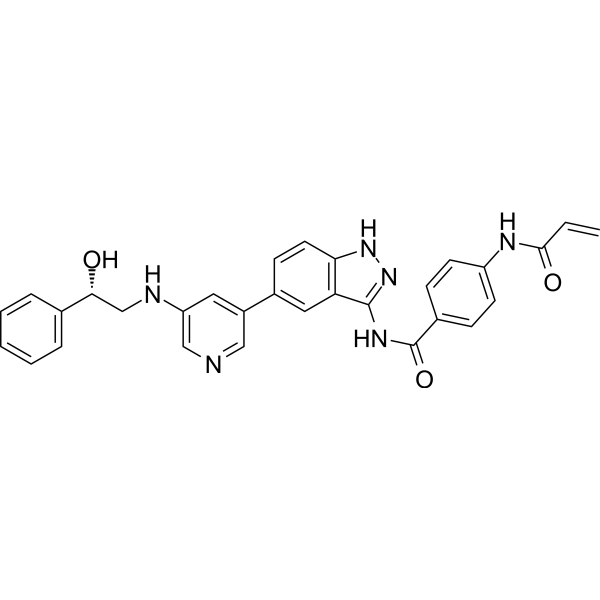
    BSc5367 is a potent Nek1 inhibitor with an IC50 of 11.5 nM. NIMA-related protein kinase Nek1 is crucially involved in cell cycle regulation, DNA repair and microtubule regulation and dysfunctions of Nek1 play key roles in amyotrophic lateral sclerosis (ALS), polycystic kidney disease (PKD) and several types of radiotherapy resistant cancer .
    BSc5367
  • HY-18260S

    Endogenous Metabolite Metabolic Disease
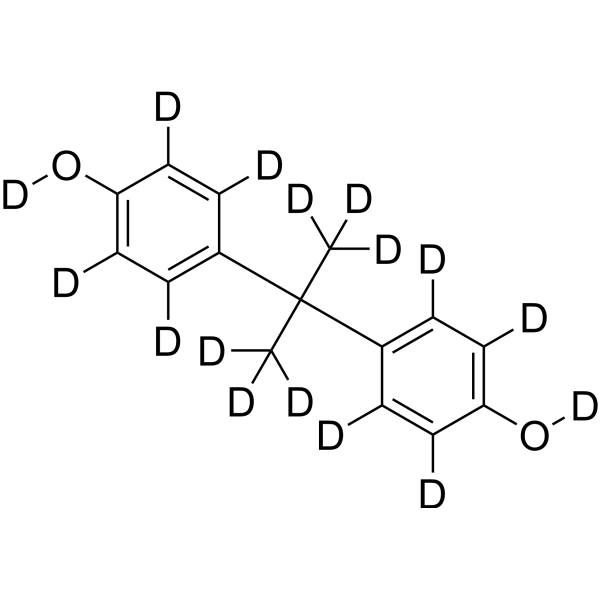
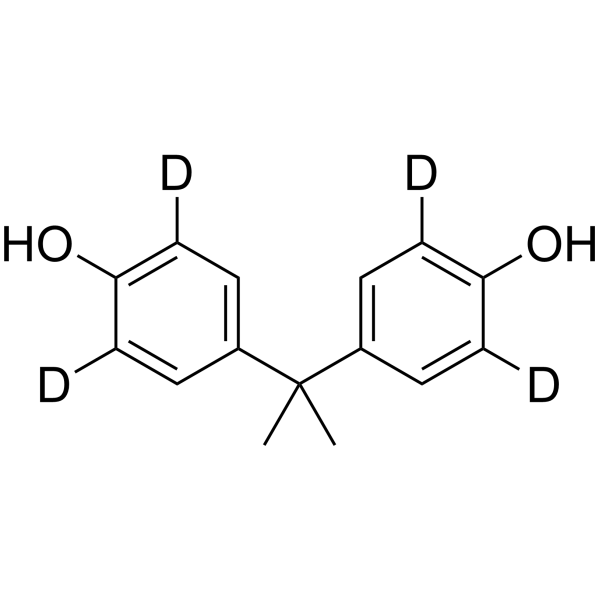
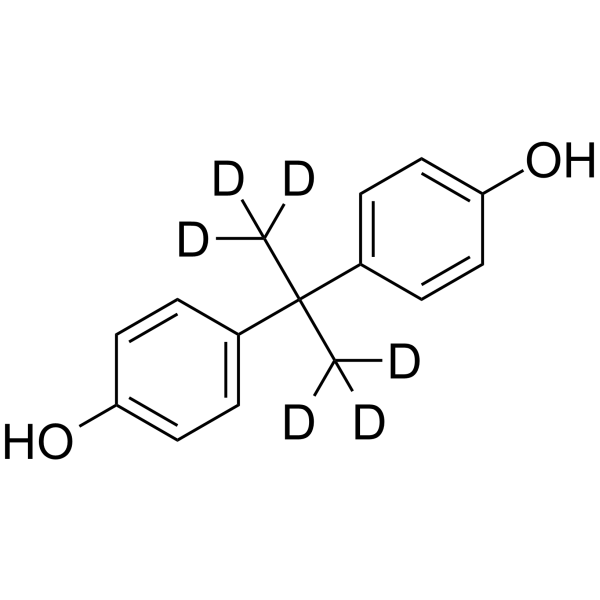
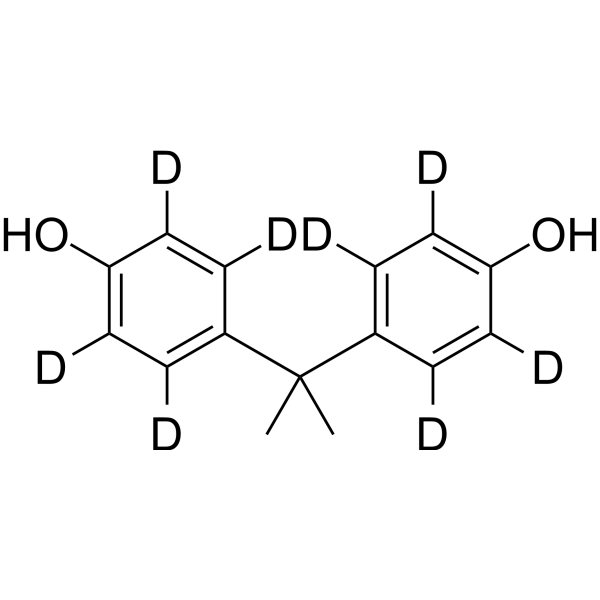
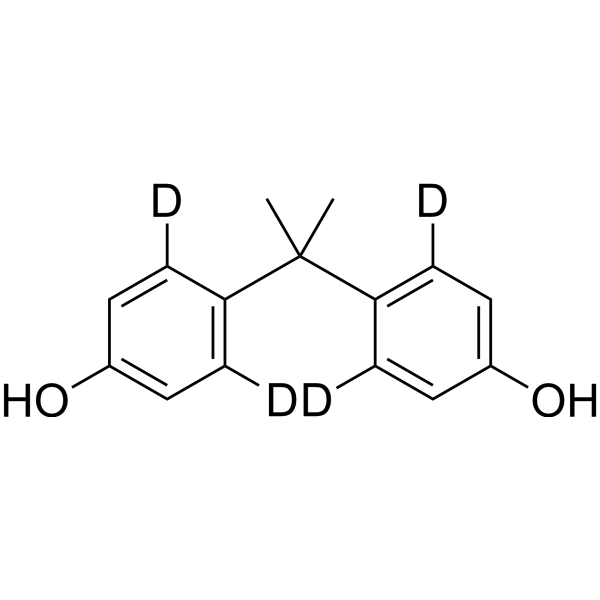
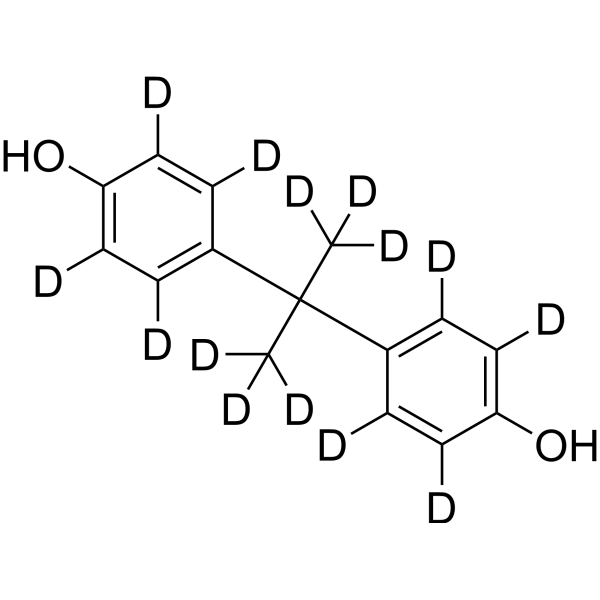
    Bisphenol A-d16 is the deuterium labeled Bisphenol A . Bisphenol A is a phenolic, organic synthetic compound widely used in the production of polycarbonate plastics and epoxy resins. Bisphenol A is a reproductive, developmental, and systemic toxicant, often classified as an endocrine-disrupting compound (EDC). Bisphenol A is associated with many diseases, including cardiovascular diseases, respiratory diseases, diabetes, kidney diseases, obesity, and reproductivedisorders .
    Bisphenol A-d16
  • HY-128442

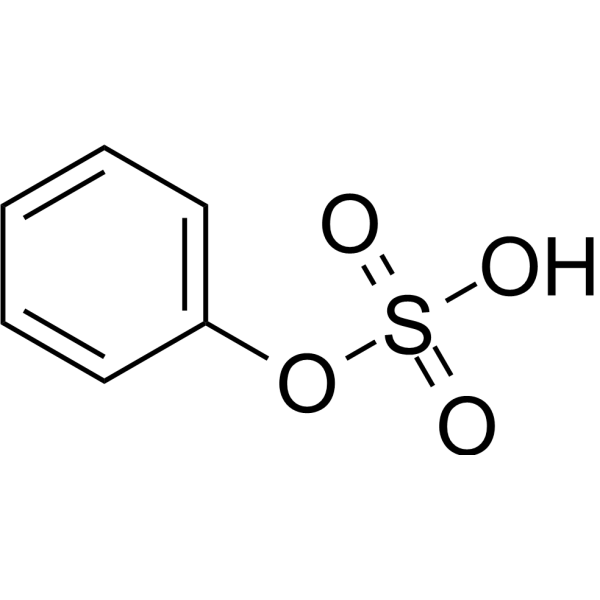
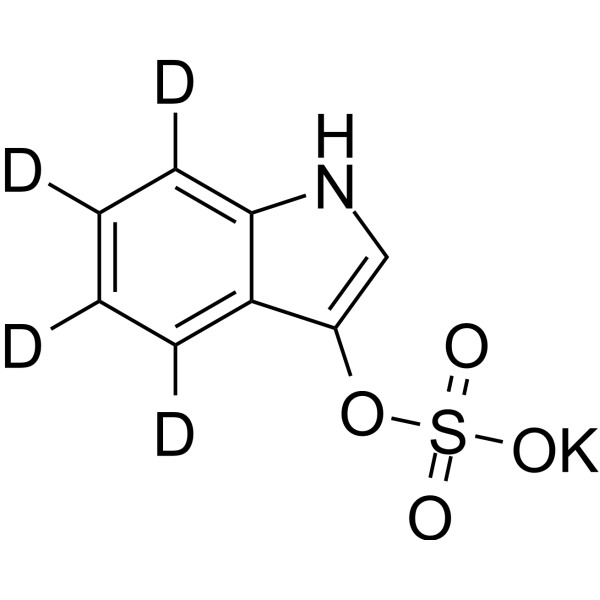
    Phenyl hydrogen sulfate

    Endogenous Metabolite Metabolic Disease
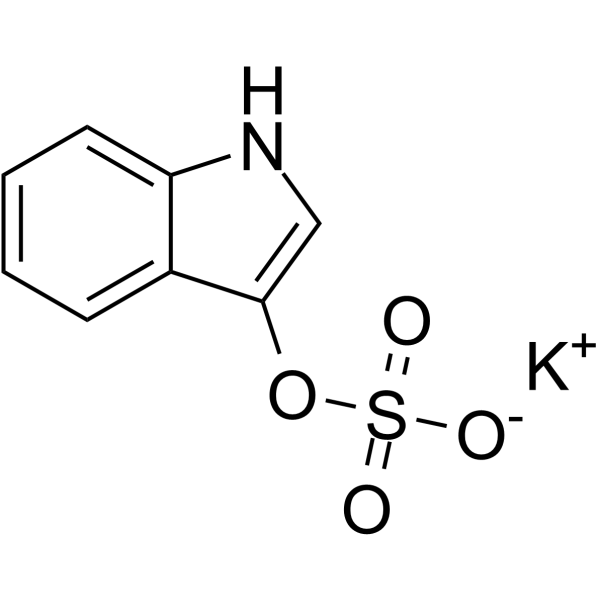
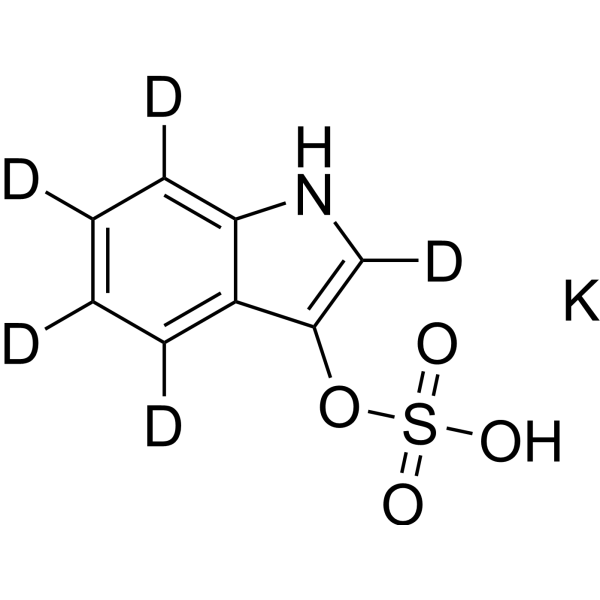
    Phenyl sulfate is an orally active gut microbiota-derived metabolite. Phenyl sulfate induces albuminuria and podocyte damage in experimental models of diabetes. Phenyl sulfate can be used as a disease marker in diabetic kidney disease .
    Phenyl sulfate
  • HY-14179
    PPQ-102
    4 Publications Verification

    CFTR Inhibitor

    CFTR Others
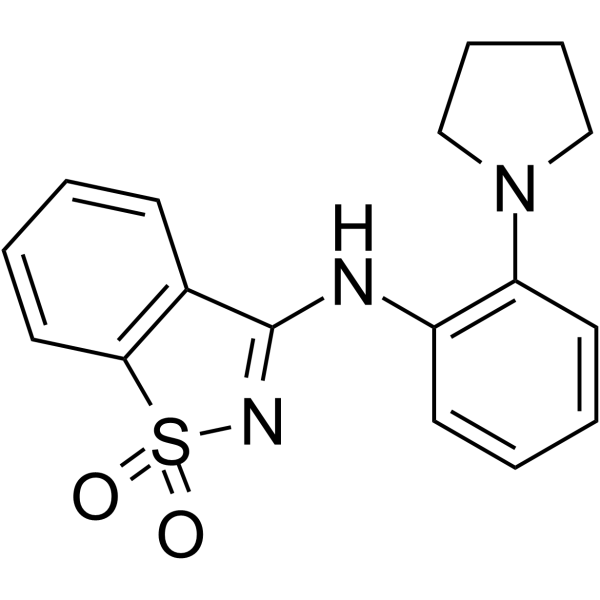
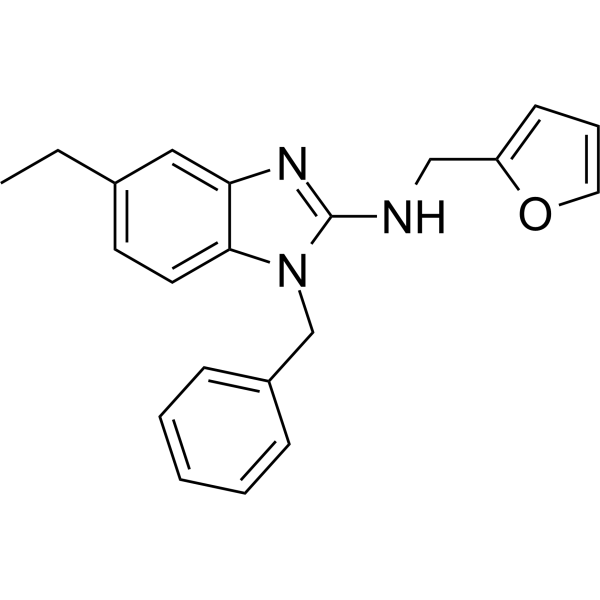
    PPQ-102 (CFTR Inhibitor) is a reversible CFTR inhibitor that completely inhibits CFTR chloride currents (IC50 ~90 nM). PPQ-102 is not affected by membrane potential-dependent cell allocation or blocking efficiency (uncharged at physiological pH) and effectively prevents cyst enlargement in polycystic kidney disease .
    PPQ-102
  • HY-123572

    AG1717

    Dynamin HIV Integrase Infection Metabolic Disease Inflammation/Immunology
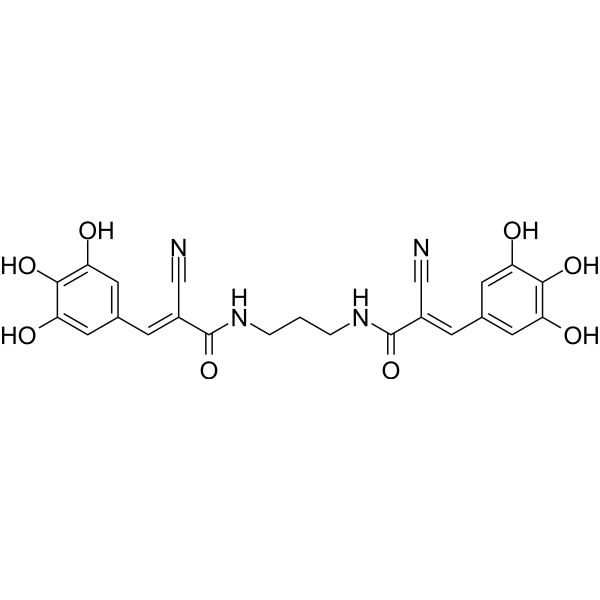
    Bis-T-23 (AG1717), tyrphostin derivative, is an HIV-I integrase inhibitor. Bis-T-23 can promote actin-dependent dynamin oligomerization. Bis-T-23 can be used for the research of HIV and chronic kidney diseases (CKD) .
    Bis-T-23
  • HY-111547

    HIF/HIF Prolyl-Hydroxylase Cancer
    M1001 is a weak hypoxia-inducible factor-2α (HIF-2α) agonist. M1001 can bind to the HIF-2α PAS-B domain, with a Kd of 667 nM. M1001 can be used in chronic kidney disease research .
    M1001
  • HY-16743A
    Ibiglustat (L-Malic acid)
    3 Publications Verification

    Venglustat (L-Malic acid); SAR402671 (L-Malic acid); GZ402671 (L-Malic acid)

    Glucosylceramide Synthase (GCS) Metabolic Disease
    Ibiglustat (Venglustat) L-Malic acid is an orally active, brain-penetrant glucosylceramide synthase (GCS) inhibitor. Ibiglustat L-Malic acid can be used for the research of Gaucher disease type 3, Parkinson's disease associated with GBA mutations, Fabry disease, GM2 gangliosidosis, and autosomal dominant polycystic kidney disease .
    Ibiglustat (L-Malic acid)
  • HY-132827

    KBP-5074

    Mineralocorticoid Receptor Endocrinology
    Ocedurenone is a corticosteroid receptor antagonist. Ocedurenone can be used for the research of kidney disease (WO2018054357, compound I) .
    Ocedurenone
  • HY-P2921C

    Uox (Recombinant)

    Endogenous Metabolite Metabolic Disease Inflammation/Immunology
    Uricase (Recombinant) (Uox (Recombinant)) is a uricase (urate oxidase). Uricase (Recombinant) converts uric acid into allantoin. The deficiency of Uricase in mammals causes kidney diseases resulting from uric acid accumulation. Uricase (Recombinant) can be used for research on chronic refractory gout and hyperuricemia .
    Uricase (Recombinant)
  • HY-P5314

    EGFR STAT Others
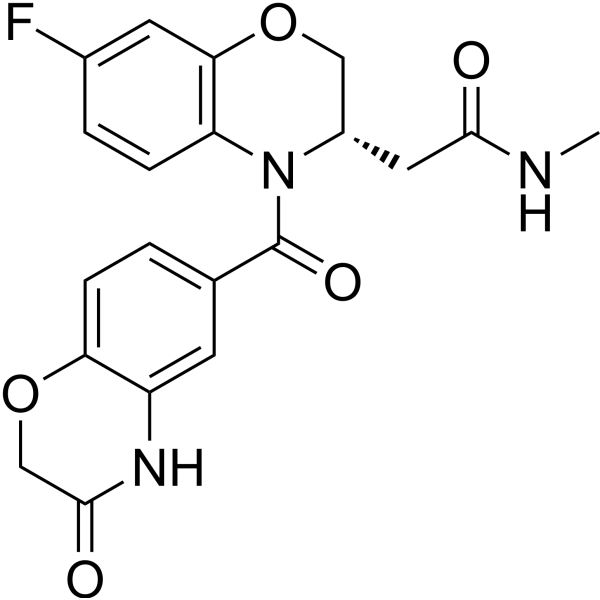
    OK2, a specific inhibitor of the CCN2/EGFR interaction, efficiently blocks CCN2/EGFR interaction through binding to the CT domain of CCN2. OK2 can be used for kidney fibrosis and chronic kidney disease research .
    OK2
  • HY-141885

    Apolipoprotein Metabolic Disease
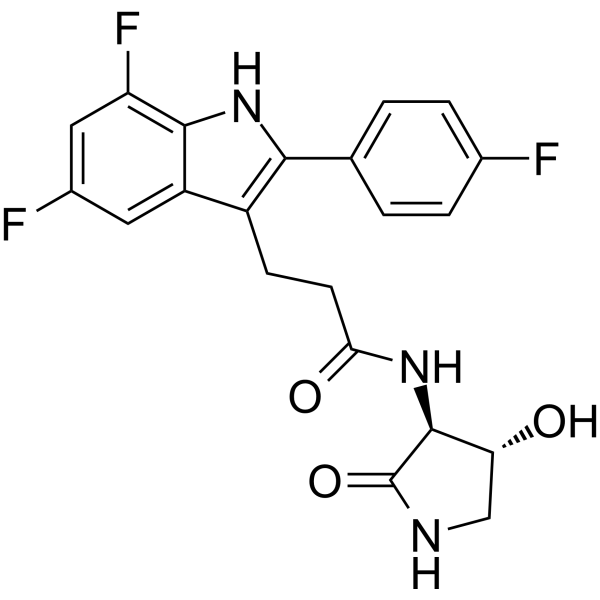
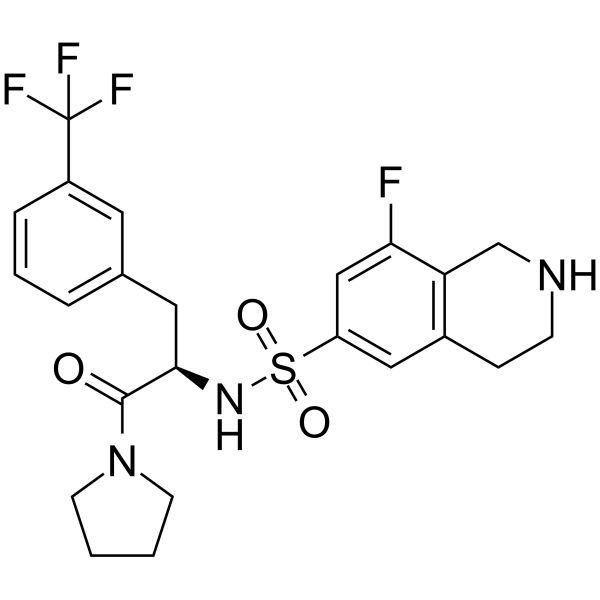
    APOL1-IN-1 is a apolipoprotein L1 (APOL1) inhibitor extracted from patent WO2020131807A1 compound 87. APOL1-IN-1 can be used for the research of focal segmental glomerulosclerosis (FSGS) and non-diabetic kidney disease (NDKD) .
    APOL1-IN-1
  • HY-145694

    CDK Others
    CDK5-IN-3 (compound 11) is a potent CDK5 inhibitor, with IC50s of 0.6 nM and 18 nM for CDK5/p25 and CDK2/CycA, respectively. CDK5-IN-3 can be used for the research of autosomal dominant polycystic kidney disease (ADPKD) .
    CDK5-IN-3
  • HY-120441

    GK115

    Phospholipase Prostaglandin Receptor Inflammation/Immunology
    CAY10590 (GK115) is an inhibitor of secreted phospholipase A2 (sPLA2) and can be used for the research of chronic inflammatory kidney diseases .
    CAY10590
  • HY-W416250

    Drug Metabolite Cardiovascular Disease
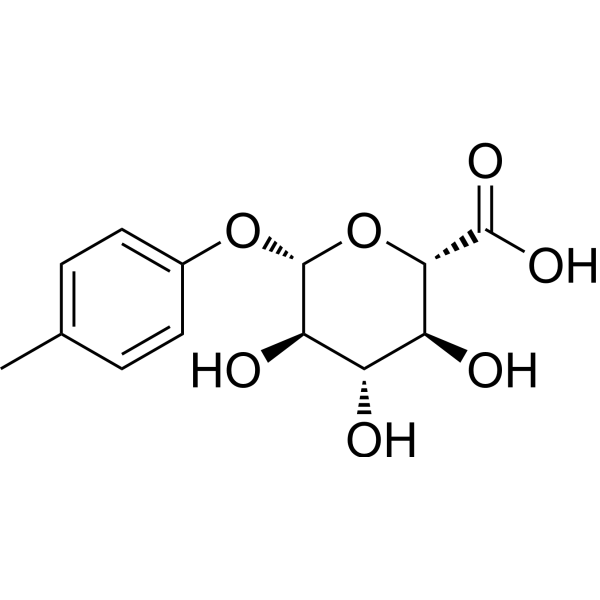
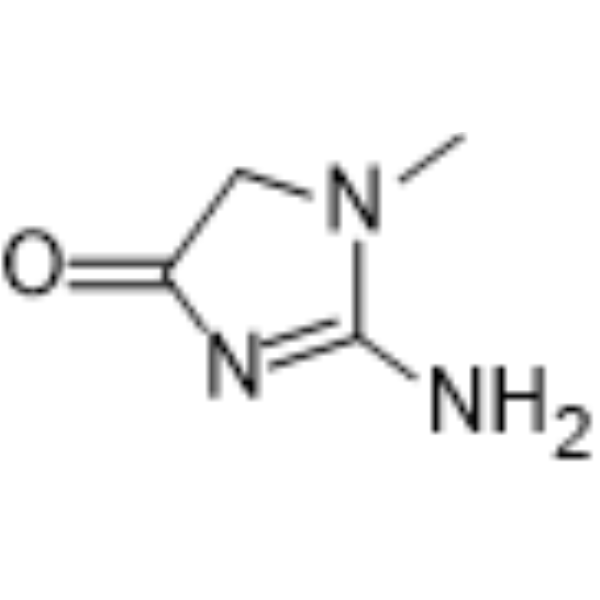
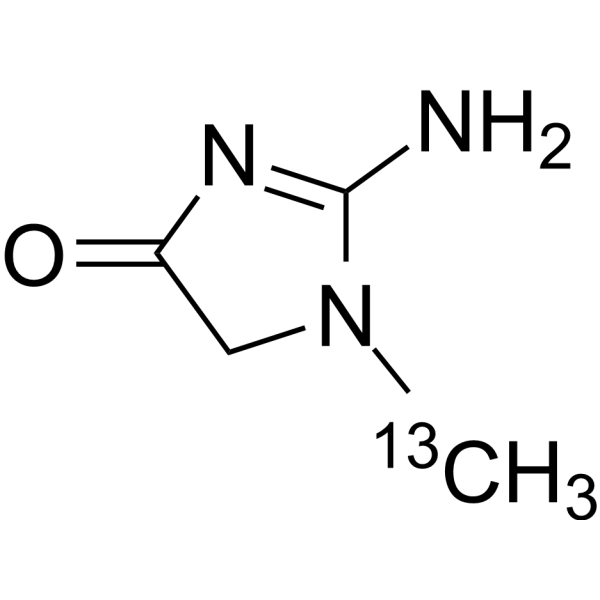
    p-Cresol glucuronide, a metabolite of p-cresol, is a prototype protein-bound uremic toxin. p-Cresol glucuronide is associated with chronic kidney disease (CKD) .
    p-Cresol glucuronide
  • HY-47030

    Environmental Pollutants Biochemical Assay Reagents Metabolic Disease
    Ferric citrate hydrate, an orally active iron supplement, is an efficacious phosphate binder. Ferric citrate hydrate can be used for iron deficiency anemia and chronic kidney disease (CKD) research .
    Ferric citrate hydrate
  • HY-120268A

    SphK Inflammation/Immunology
    SLM6031434 hydrochloride is the hydrochloride salt form of SLM6031434 (HY-120268). SLM6031434 is a highly selective sphingosine kinase 2 (SphK2) inhibitor with an IC50 value of 0.4 μM for SphK2. SLM6031434 exerts anti-fibrotic effects by increasing sphingosine accumulation and Smad7 expression. SLM6031434 demonstrates effective anti-fibrotic efficacy in a unilateral ureteral obstruction (UUO)-induced tubulointerstitial fibrosis mouse model. SLM6031434 can be used for the study of proteinuric kidney diseases or chronic kidney disease (CKD) .
    SLM6031434 hydrochloride
  • HY-141411A

    (S)-MRI-1867

    Cannabinoid Receptor NO Synthase Metabolic Disease
    Zevaquenabant ((S)-MRI-1867) is a peripherally restricted, orally bioavailable dual cannabinoid CB1 receptor and inducible NOS antagonist. Zevaquenabant ameliorates obesity-induced chronic kidney disease (CKD) .
    Zevaquenabant
  • HY-145150
    TRPC5-IN-1
    1 Publications Verification

    TRP Channel Metabolic Disease
    TRPC5-IN-1 (Compound 6j) is a selective TRPC5 inhibitor with 50.5 % Inhibition for TRPC5 at 3 μM. TRPC5-IN-1 can be used for the research of chronic kidney disease (CKD) .
    TRPC5-IN-1
  • HY-101410R

    Symmetric dimethylarginine (Standard); NG,NG'-Dimethyl-L-arginine (Standard)

    Reference Standards Endogenous Metabolite NO Synthase NF-κB Inflammation/Immunology
    SDMA (Standard) is the analytical standard of SDMA. This product is intended for research and analytical applications. SDMA (Symmetric dimethylarginine) is an endogenous inhibitor of nitric oxide (NO) synthase activity. SDMA, a novel kidney biomarker, permits earlier diagnosis of kidney disease than traditional creatinine testing.
    SDMA (Standard)
  • HY-16743B
    Ibiglustat succinate
    3 Publications Verification

    Venglustat succinate; SAR402671 succinate; GZ402671 succinate

    Glucosylceramide Synthase (GCS) Neurological Disease
    Ibiglustat (Venglustat) succinate is an orally active, brain-penetrant glucosylceramide synthase (GCS) inhibitor. Ibiglustat succinate can be used for the research of Gaucher disease type 3, Parkinson's disease associated with GBA mutations, Fabry disease, GM2 gangliosidosis, and autosomal dominant polycystic kidney disease .
    Ibiglustat succinate
  • HY-139290A
    RGLS4326 sodium
    2 Publications Verification

    RG4326 sodium

    MicroRNA Cancer
    RGLS4326 sodium is a first-in-class, short oligonucleotide inhibitor of microRNA-17 (miR-17). RGLS4326 sodium can be used for the research of autosomal dominant polycystic kidney disease (ADPKD). RGLS4326 sodium inhibits miR-17 function in HeLa cells with an EC50 value of 28.3 nM .
    RGLS4326 sodium

Inquiry Online

Your information is safe with us. * Required Fields.

Salutation


Country or Region *

Applicant Name *


Organization Name *

Department *


Email Address *


Product Name *

Cat. No.


Requested quantity *

Phone Number *


Remarks

Inquiry Online

Inquiry Information

Product Name:
Cat. No.:
Quantity:
MCE Japan Authorized Agent: