1. Search Result
Search Result
Results for "

microtubule polymerization

" in MedChemExpress (MCE) Product Catalog:

175

Inhibitors & Agonists

1

Screening Libraries

1

Biochemical Assay Reagents

2

Peptides

2

Inhibitory Antibodies

26

Natural
Products

7

Isotope-Labeled Compounds

Cat. No. Product Name Target Research Areas Chemical Structure
  • HY-10222
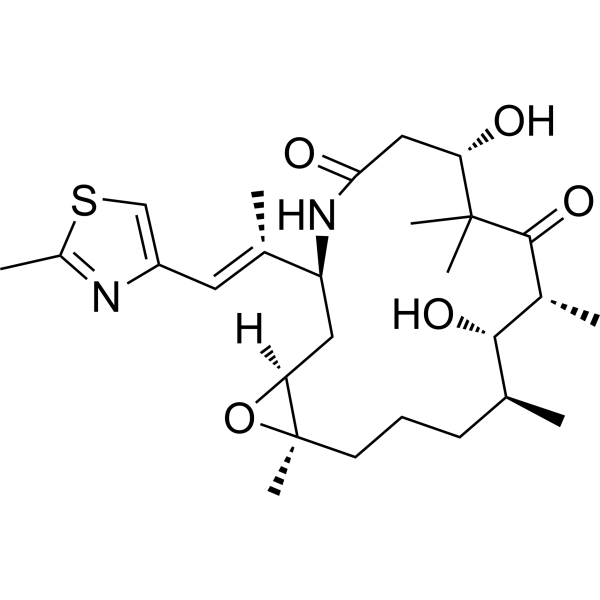
    Ixabepilone
    5+ Cited Publications

    BMS-247550; Aza-epothilone B

    Microtubule/Tubulin Apoptosis Bacterial Cancer
    Ixabepilone (BMS-247550) is an orally bioavailable microtubule inhibitor, which binds to tubulin and promotes tubulin polymerization and microtubule stabilization, thereby arrests cells in the G2-M phase of the cell cycle and induces tumor cell apoptosis.
    Ixabepilone
  • HY-B0294
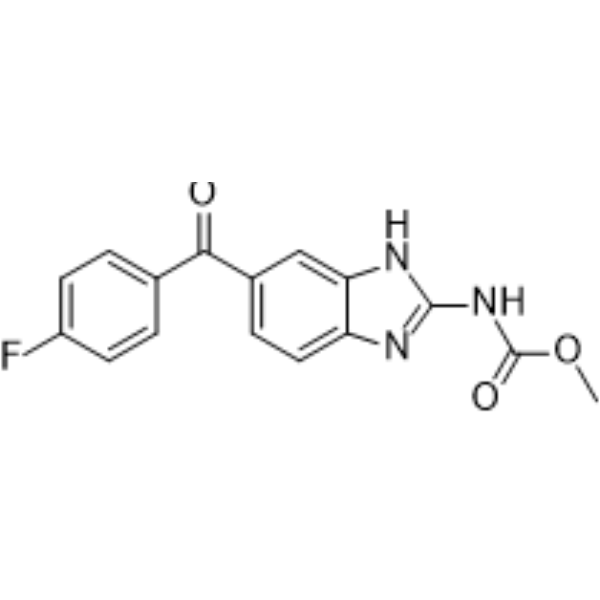
    Flubendazole
    5+ Cited Publications

    Parasite Microtubule/Tubulin STAT MDM-2/p53 Apoptosis Autophagy Infection Cancer
    Flubendazole is an anthelmintic drug based on altering microtubule structure, inhibition of tubulin polymerization and disruption of microtubule function. Flubendazole induces apoptosis in human colorectal cancer (CRC) by blocking the STAT3 signaling axis and activation of autophagy. Flubendazole induces P53 expression and reduced Cyclin B1 and p-cdc2 expression. Flubendazole is an antitumor agent. Flubendazole can be used for worm and intestinal parasites .
    Flubendazole
  • HY-147092
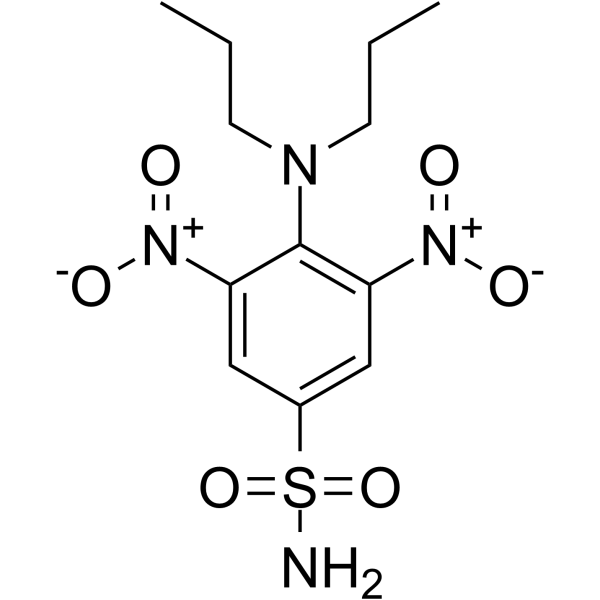
    Oryzalin
    1 Publications Verification

    Environmental Pollutants Microtubule/Tubulin Herbicide Infection
    Oryzalin is a dinitroaniline herbicide with antimitotic and antileishmanial activities. Oryzalin can bind to plant tubulin, inhibit the polymerization of microtubules in plant cells, and affect chromosome migration. Oryzalin can also be used to induce chromosome doubling .
    Oryzalin
  • HY-15584
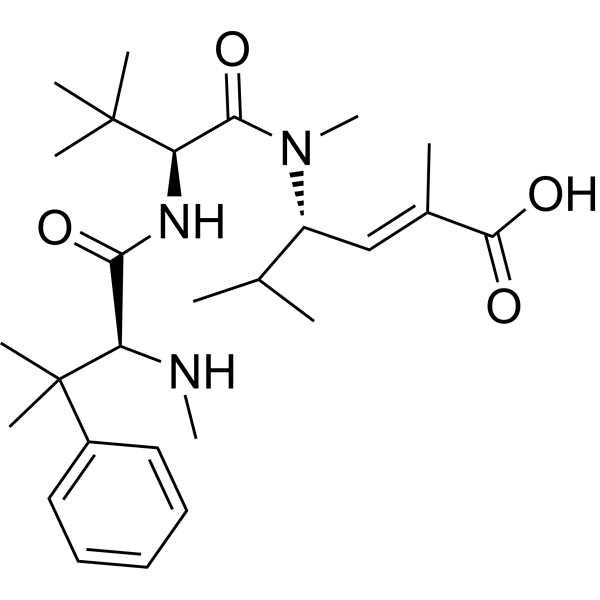
    Taltobulin
    3 Publications Verification

    HTI-286; SPA-110

    Microtubule/Tubulin ADC Payload Apoptosis Cancer
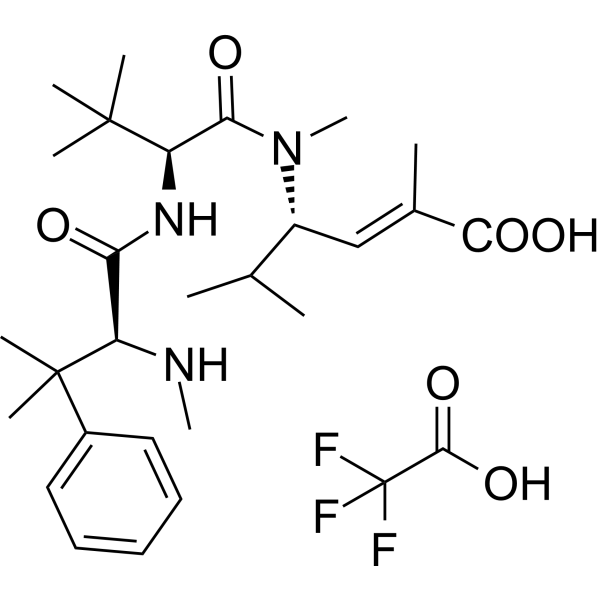
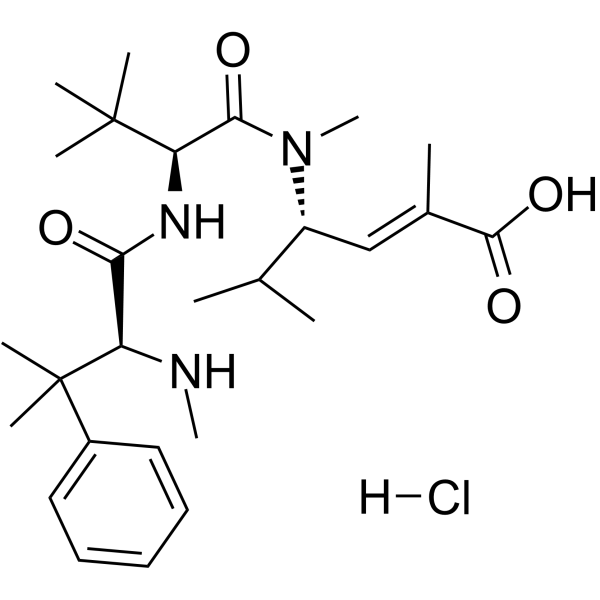
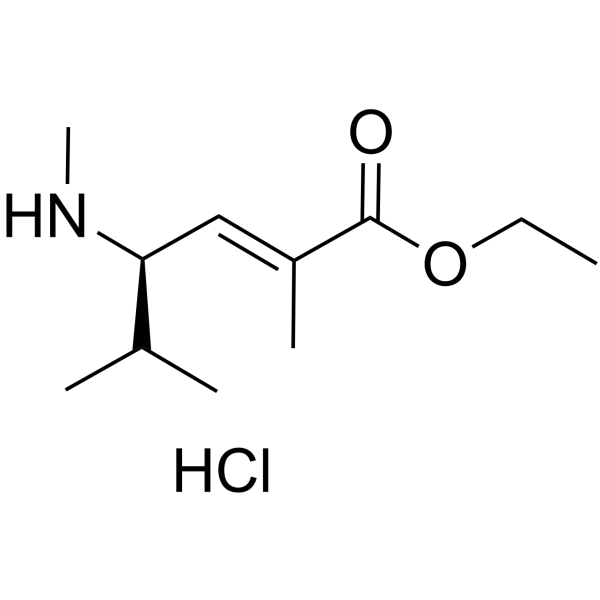
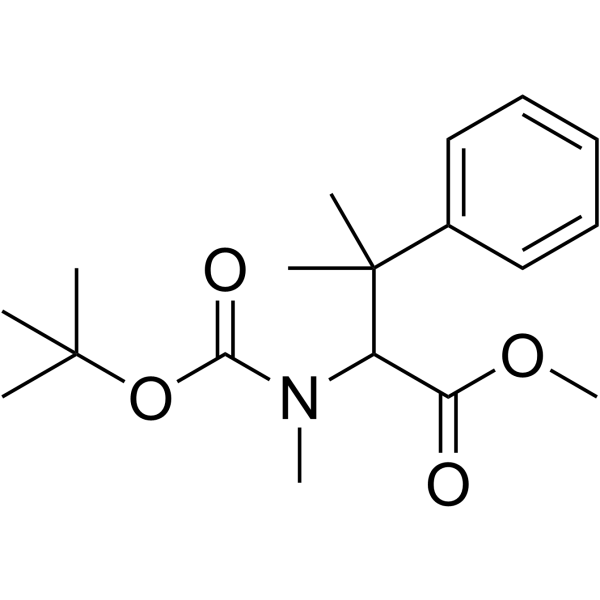
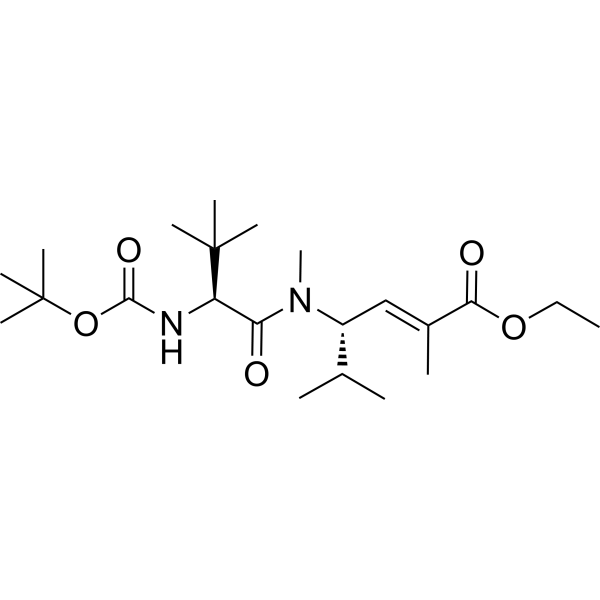
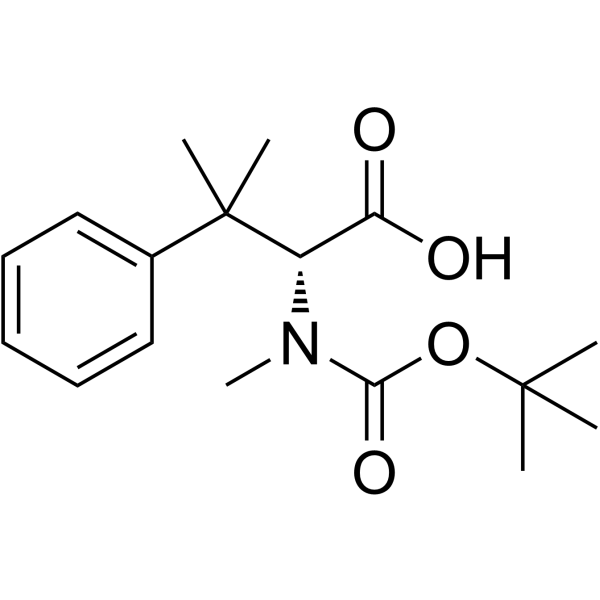
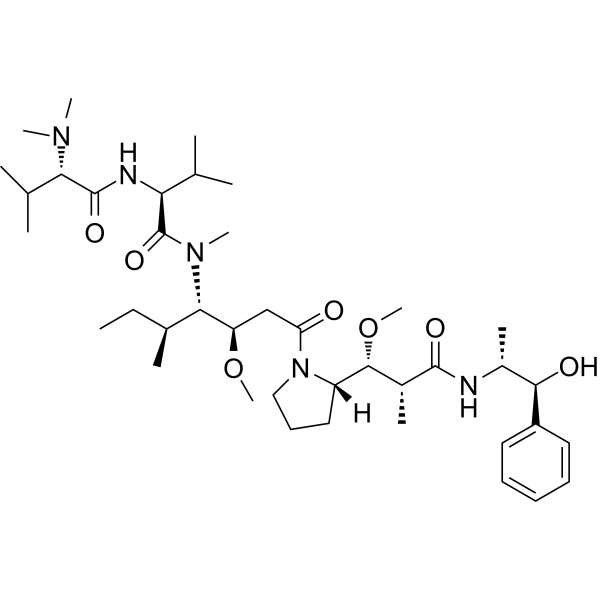
    Taltobulin (HTI-286), a synthetic analogue of the tripeptide hemiasterlin, is a potent antimicrotubule agent that circumvents P-glycoprotein-mediated resistance in vitro and in vivo. Taltobulin inhibits the polymerization of purified tubulin, disrupts microtubule organization in cells, and induces mitotic arrest, as well as apoptosis .
    Taltobulin
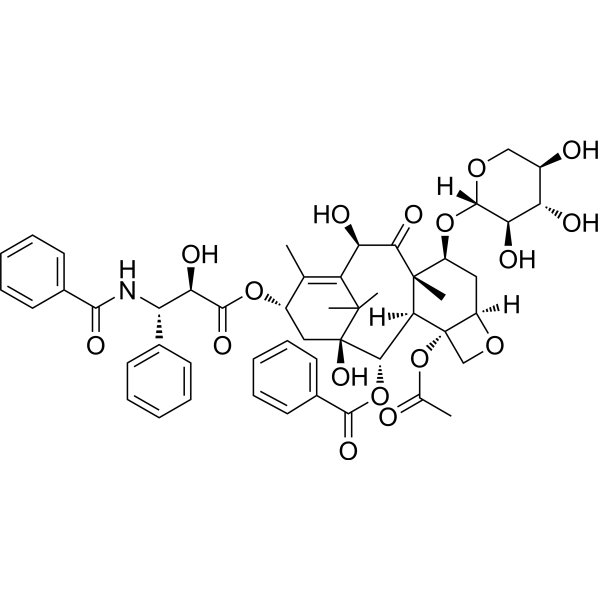
  • HY-20584

    10-Deacetyl-7-xylosyltaxol; 10-Deacetylpaclitaxel 7-Xyloside; 10-Deacetyltaxol 7-Xyloside

    Microtubule/Tubulin ADC Payload Cancer
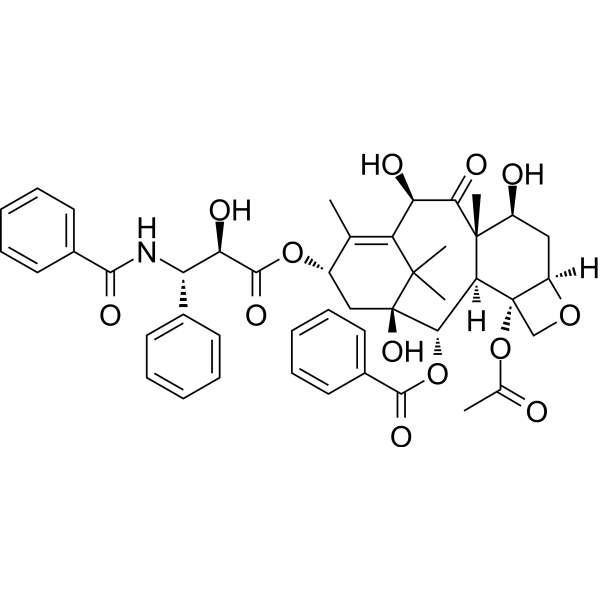
    10-Deacetyl-7-xylosyl paclitaxel is a Paclitaxel (a microtubule stabilizing agent; enhances tubulin polymerization) derivative with improved pharmacological features.
    10-Deacetyl-7-xylosyl paclitaxel
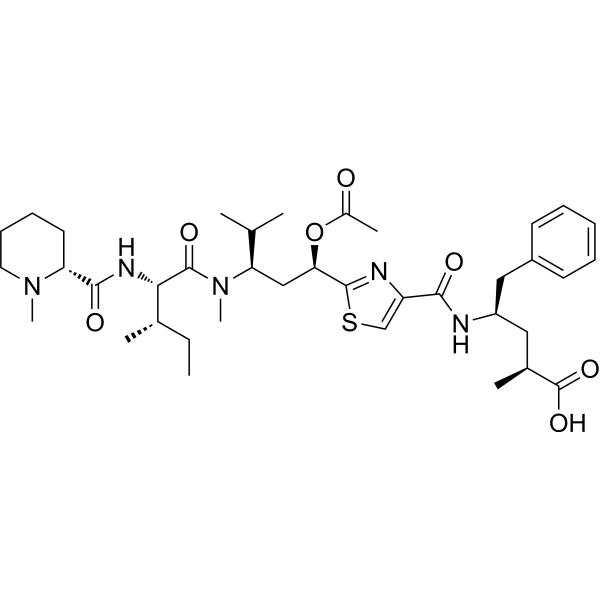
  • HY-N7053

    ADC Payload Microtubule/Tubulin Cancer
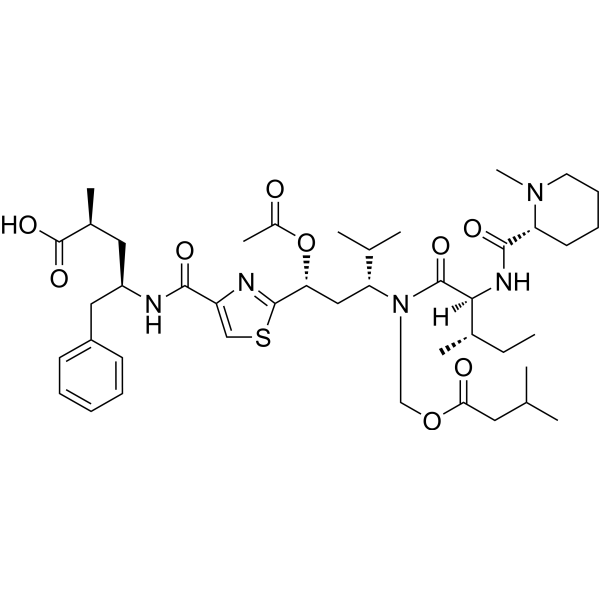
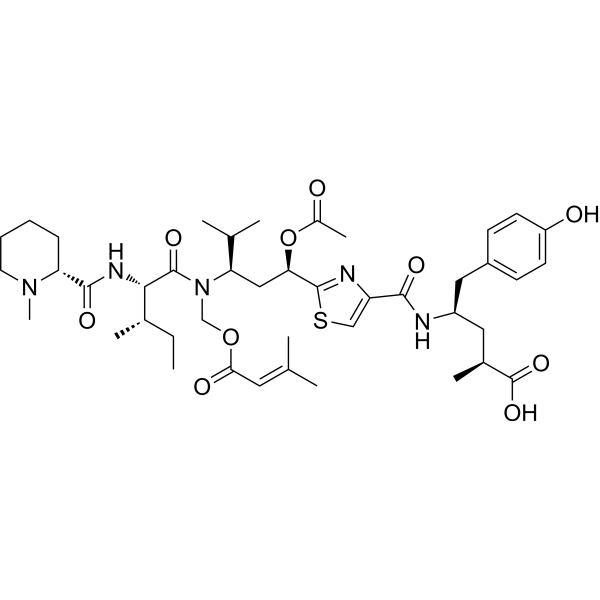
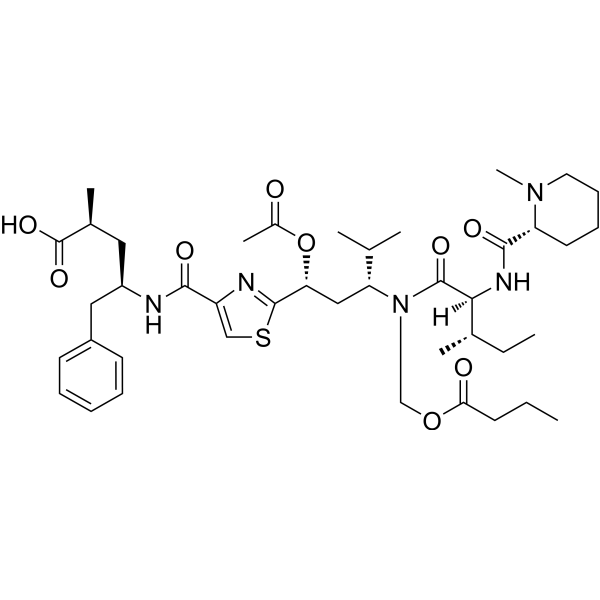
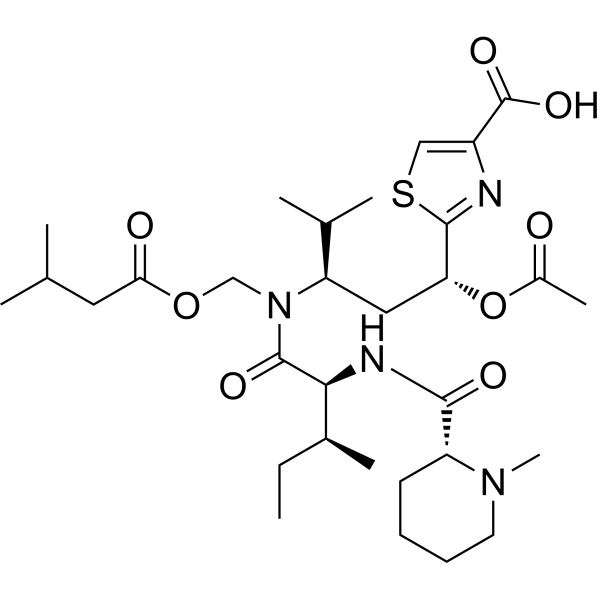
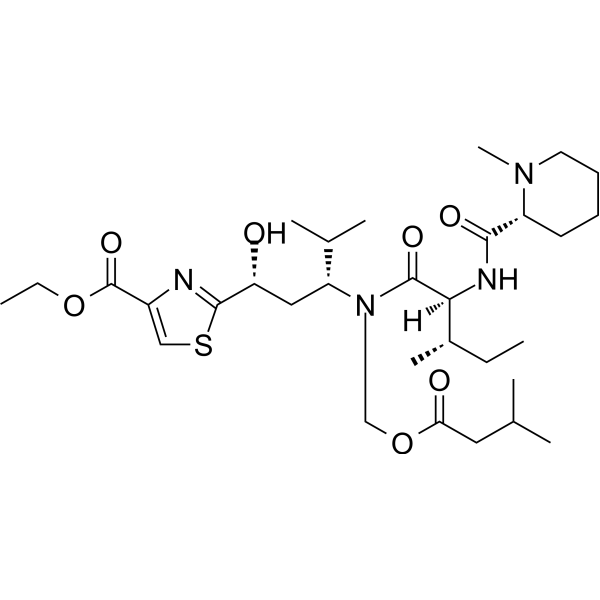
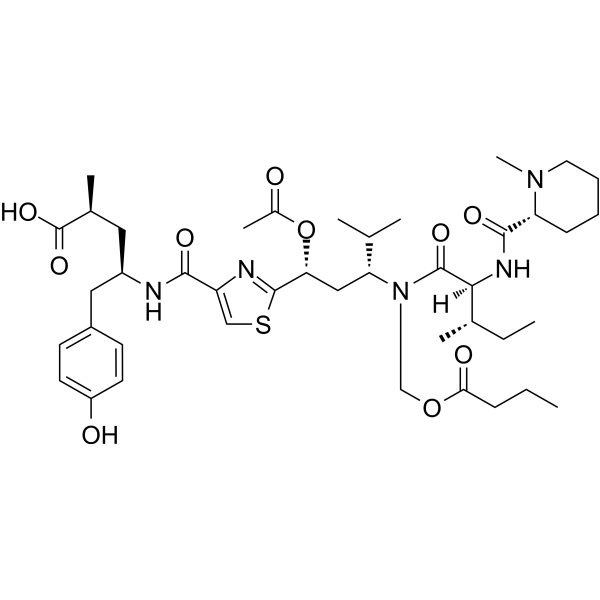
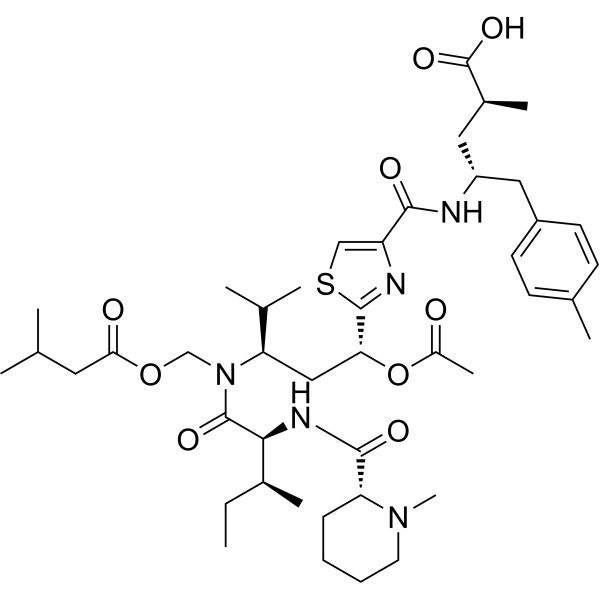
    Tubulysin M is a highly cytotoxic anti-microtubule toxin (anti-microtubule toxins) that is synthesized as an ADC cytotoxin (ADC Cytotoxin). Tubulysin M can be isolated from the myxobacteria Archangium geophyra and Angiococcus disciformis. Tubulysin M displays extremely potent cytotoxic activity in mammalian cells, including multidrug-resistant cell lines, with IC50 values in the low nanomolar range. Tubulysin M inhibits microtubule/tubulin polymerization and leads to cell cycle arrest and apoptosis .
    Tubulysin M
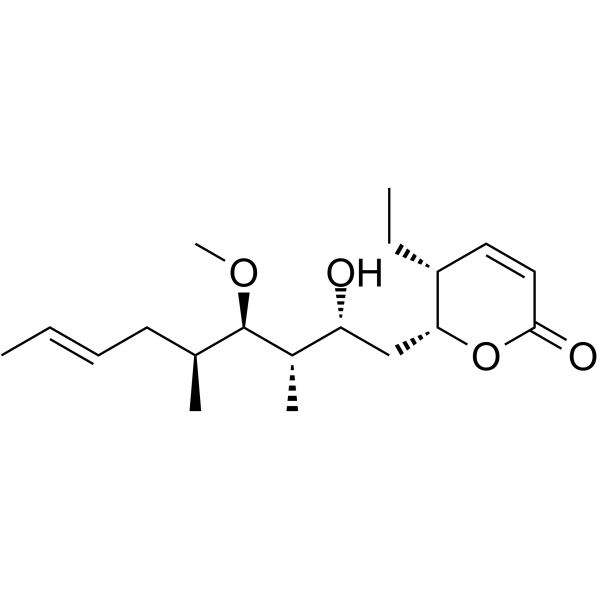
  • HY-116446

    Microtubule/Tubulin Cancer
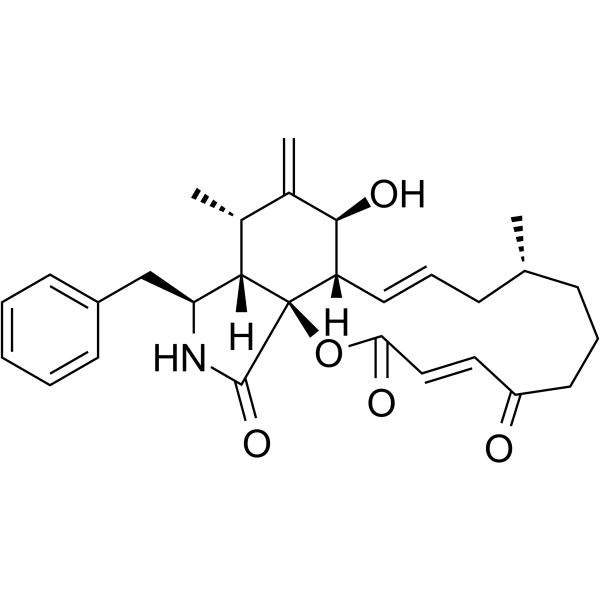
    Pironetin is an α/β unsaturated lactone isolated from Streptomyces species. Pironetin binds to α-tubulin and is a potent inhibitor of microtubule polymerization, and has cell cycle arrest and antitumor activity .
    Pironetin
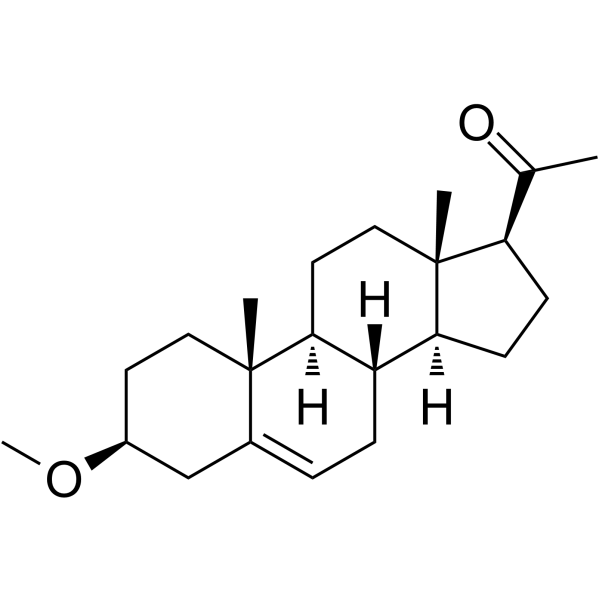
  • HY-107116

    Microtubule/Tubulin Neurological Disease
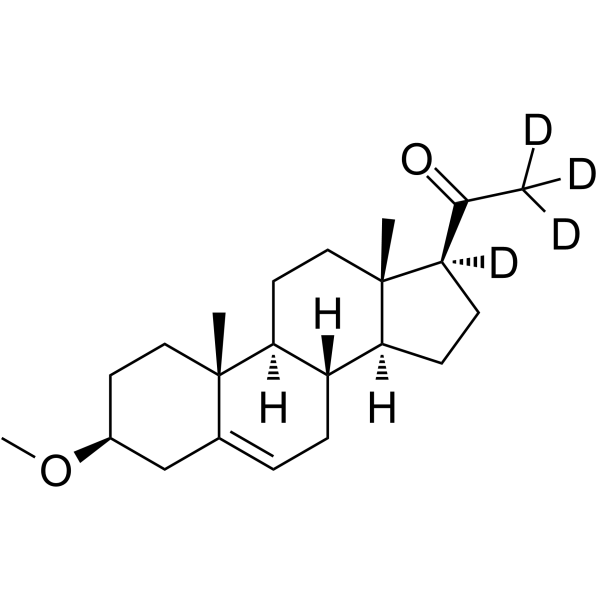
    MAP4343 is the 3-methylether derivative of Pregnenolone. MAP4343 binds in vitro to microtubule-associated protein 2 (MAP2), stimulates the polymerization of tubulin, enhances the extension of neurites and protects neurons against neurotoxic agents .
    MAP4343
  • HY-121993
    Combretastatin A-1
    1 Publications Verification

    Wnt Microtubule/Tubulin Cancer
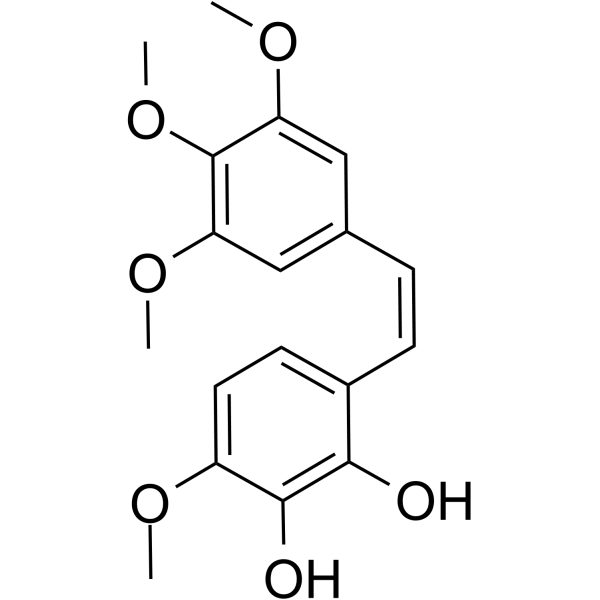
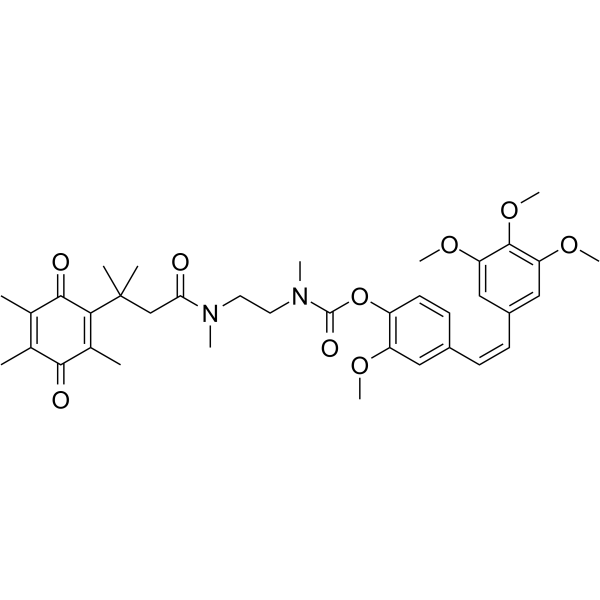
    Combretastatin A-1 is a microtubule polymerization inhibitor that binds to the colchicine-binding site of tubulin. Combretastatin A-1 inhibits the Wnt/β-catenin pathway through tubulin depolymerization mediated AKT deactivation. Combretastatin A-1 exhibits anti-tumor and anti-vascular effects .
    Combretastatin A-1
  • HY-145734

    Microtubule/Tubulin Cancer
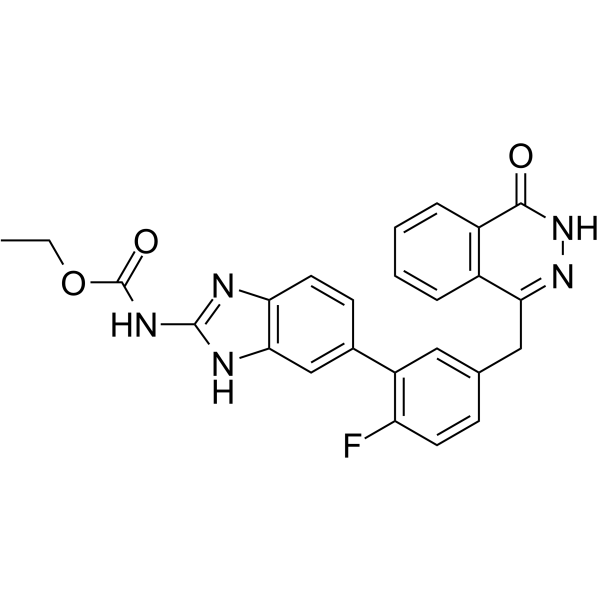
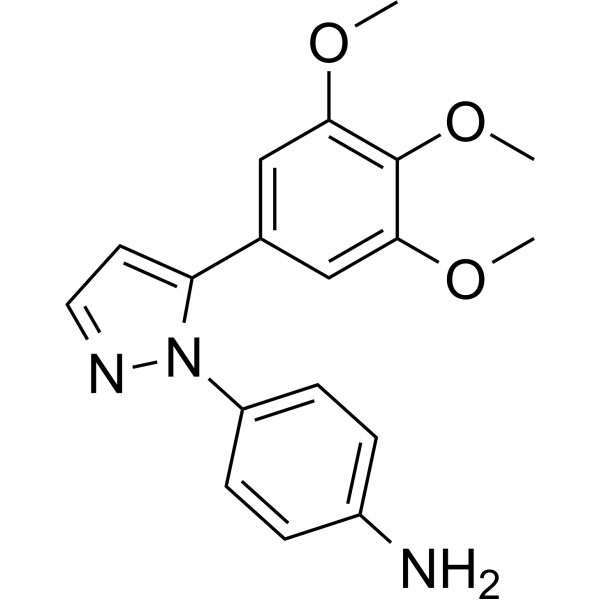
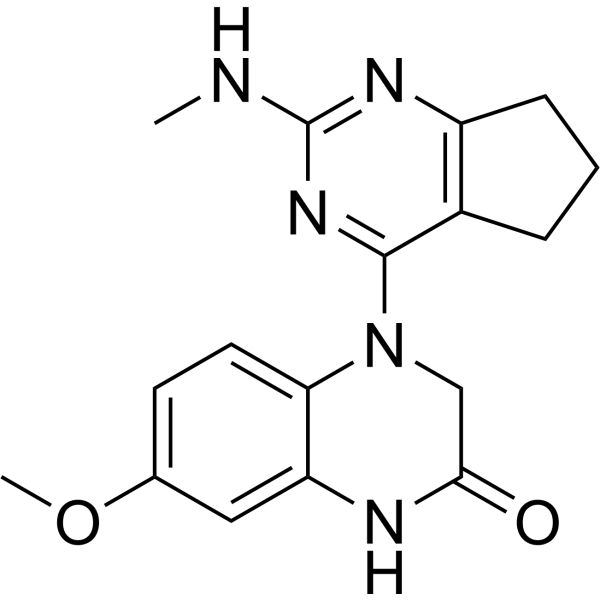
    AMXI-5001 is a potent, orally active, and dual parp1/2 and microtubule polymerization inhibitor. MXI-5001 exhibits selective antitumor cytotoxicity across a wide variety of human cancer cells with much lower IC50s than existing clinical PARP1/2 inhibitors. AMXI-5001 induces complete regression of established tumors, including exceedingly large tumors .
    AMXI-5001
  • HY-100504

    Microtubule/Tubulin ADC Payload Cancer
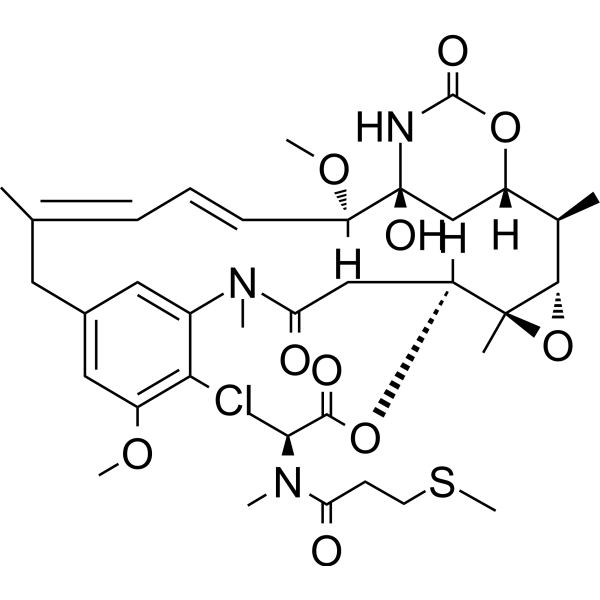
    S-methyl DM1 is a thiomethyl derivative of Maytansine. S-methyl DM1 binds to tubulin with a Kd of 0.93 μM and inhibts microtubule polymerization. S-methyl DM1 potently suppresses microtubule dynamic instability and has anticancer effects .
    S-methyl DM1
  • HY-13563

    T138067

    Microtubule/Tubulin Apoptosis Cancer
    Batabulin (T138067) is an antitumor agent, which binds covalently and selectively to a subset of the β-tubulin isotypes, thereby disrupting microtubule polymerization. Batabulin affects cell morphology and leads to cell-cycle arrest ultimately induces apoptotic cell death .
    Batabulin
  • HY-B1740

    Microtubule/Tubulin Neurological Disease
    Pregnenolone acetate (compound #43), a nonmetabolized Pregnenolone (HY-B0151) analog, can promote neurite extension and induce a change in growth cone morphology in primary cultures of cerebellar granule neurons. Pregnenolone acetate, a neurosteroid, increases microtubule polymerization. Pregnenolone acetate has the potential for neurodevelopmental diseases research .
    Pregnenolone acetate
  • HY-136313

    Drug-Linker Conjugates for ADC Microtubule/Tubulin Cancer
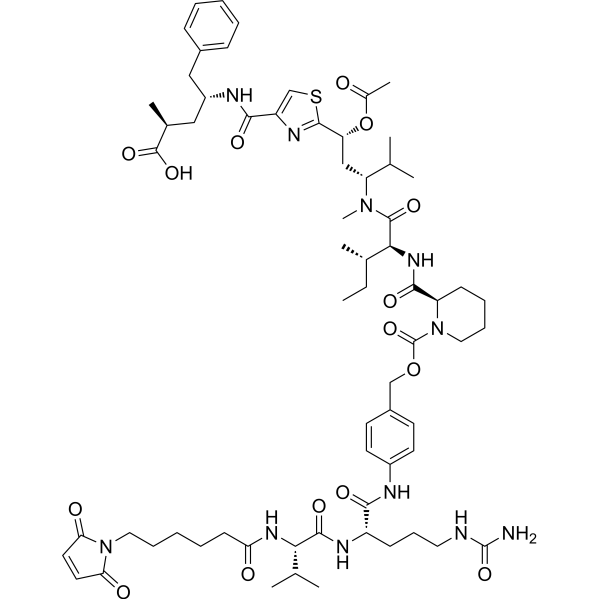
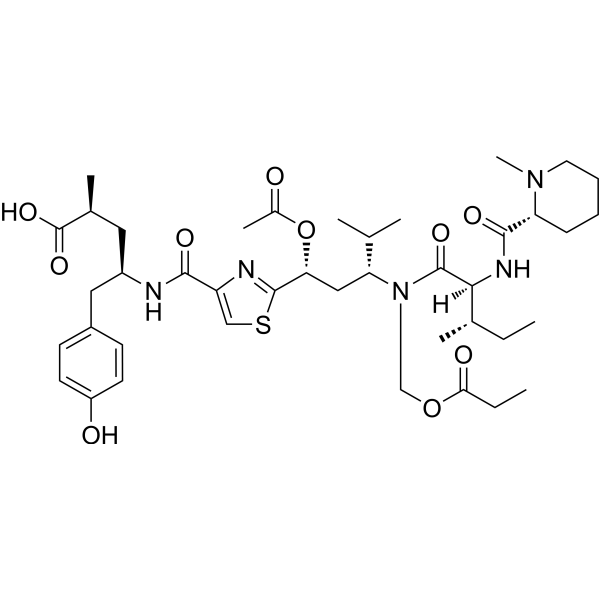
    MC-vc-PAB-Tubulysin M is a Drug-Linker Conjugates for ADC, consisting of a microtubule polymerization inhibitor Tubulysin M (an ADC cytotoxin) (HY-N7053) and MC-vc-PAB (a cleavable ADC linker) .
    MC-VC-PAB-Tubulysin M
  • HY-148128

    Microtubule/Tubulin ADC Payload Cancer
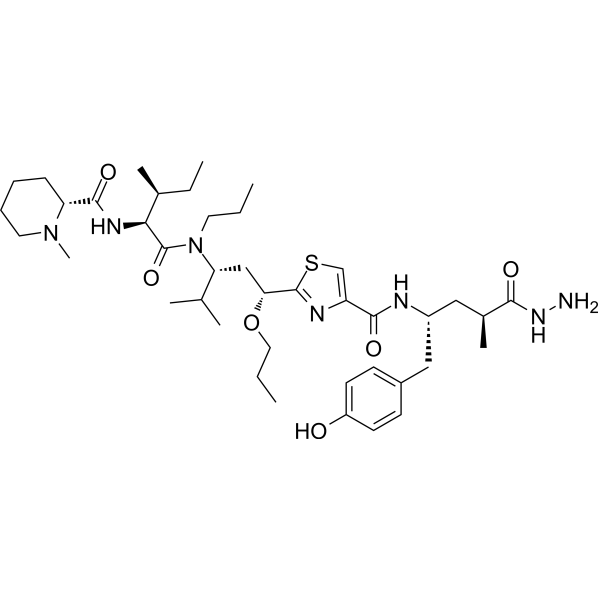
    TAM470 is a novel cytolysin, inhibiting tubulin polymerization and microtubule depolymerization. TAM470 can be used in the synthesis of OMTX705 as payload molecule, OMTX705 is a novel FAP-targeting antibody-drug conjugates (ADCs) with antitumor activity .
    TAM470
  • HY-13563A

    T138067 sodium

    Microtubule/Tubulin Apoptosis Cancer
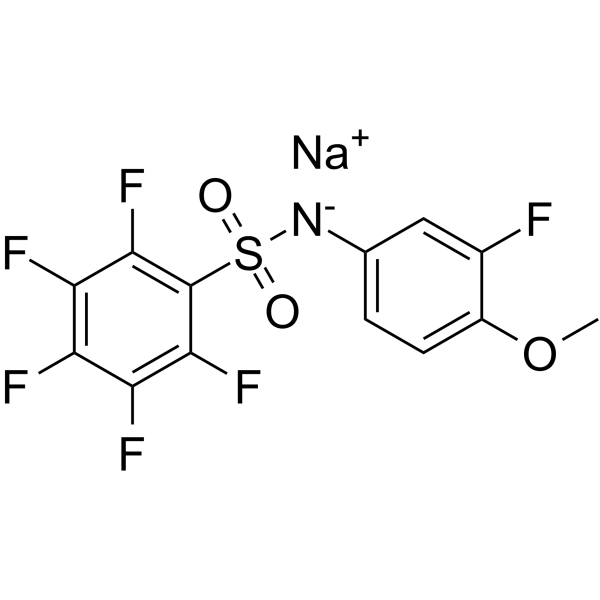
    Batabulin sodium (T138067 sodium) is an antitumor agent, which binds covalently and selectively to a subset of the β-tubulin isotypes, thereby disrupting microtubule polymerization. Batabulin sodium affects cell morphology and leads to cell-cycle arrest ultimately induces apoptotic cell death .
    Batabulin sodium
  • HY-162161

    Fluorescent Dye Microtubule/Tubulin Cancer
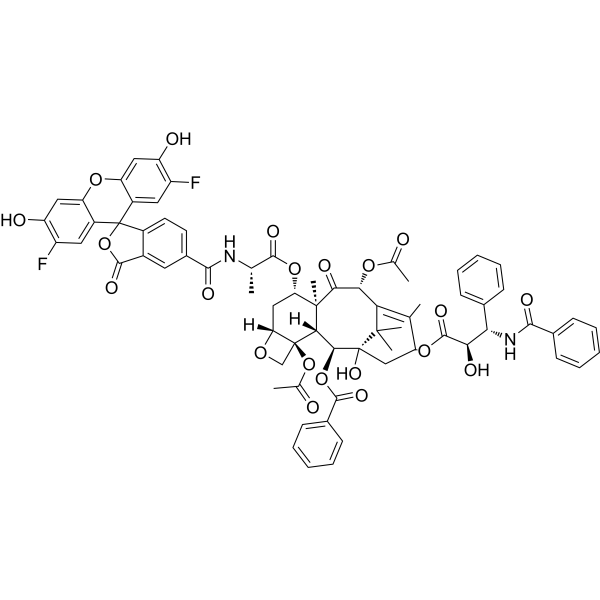
    Flutax-2 is an active fluorescent derivative of Paclitaxel (HY-B0015) that binds to polymerized αβ-tubulin dimers. Flutax-2 is applicable for imaging microtubules in live cells, isolated cytoskeletons and parasites (Ex/Em=496/526 nm) .
    Flutax-2
  • HY-118143

    Endogenous Metabolite Others
    AG-1801, a nitrobenzopyridine derivative, is a tyrosine phosphorylation inhibitor. AG-1801 can induce the disintegration of the microtubule network in living cells, and does not inhibit microtubule polymerization in vitro. AG-1801 can be used for the study of microtubule-related signaling pathways .
    AG-1801
  • HY-N2348

    ADC Payload Microtubule/Tubulin Cancer
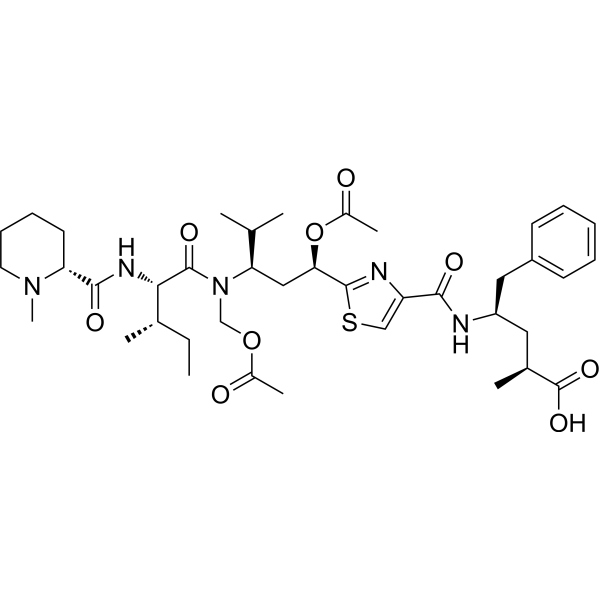
    Tubulysin D is a highly cytotoxic anti-microtubule toxin (anti-microtubule toxins) that is synthesized as an ADC cytotoxin (ADC Cytotoxin). Tubulysin D can be isolated from the myxobacteria Archangium geophyra and Angiococcus disciformis. Tubulysin D displays extremely potent cytotoxic activity in mammalian cells, including multidrug-resistant cell lines, with IC50 values in the low nanomolar range. Tubulysin D inhibits microtubule/Tubulin polymerization and leads to cell cycle arrest and apoptosis .
    Tubulysin D
  • HY-101909

    Drug-Linker Conjugates for ADC Cancer
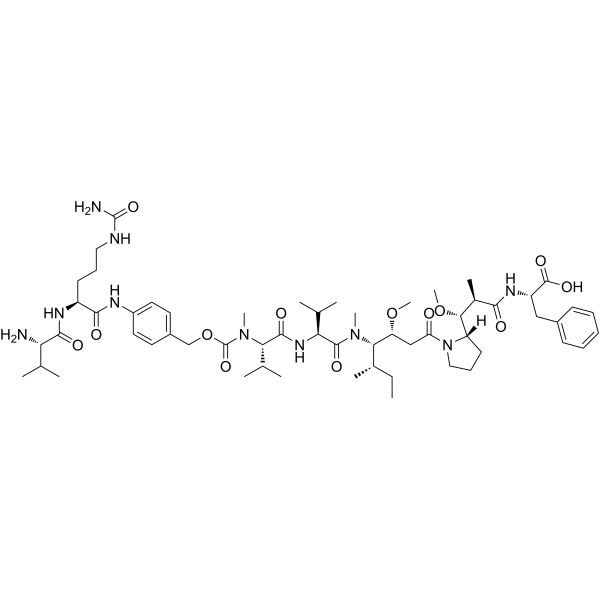
    Val-Cit-PAB-MMAF is a drug-Linker conjugate for ADC. Val-Cit-PAB-MMAF is composed of an ADC linker (peptide Val-Cit-PAB) and a potent microtubule polymerization inhibitor MMAF (HY-15579) .
    Val-Cit-PAB-MMAF
  • HY-41047

    Apoptosis Cancer
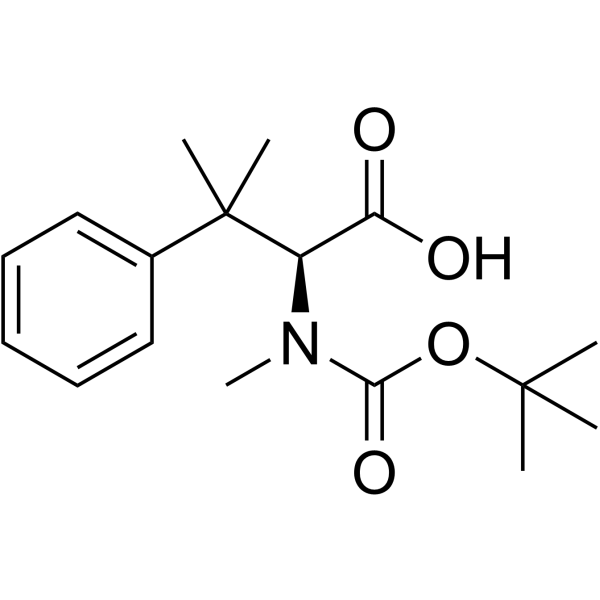
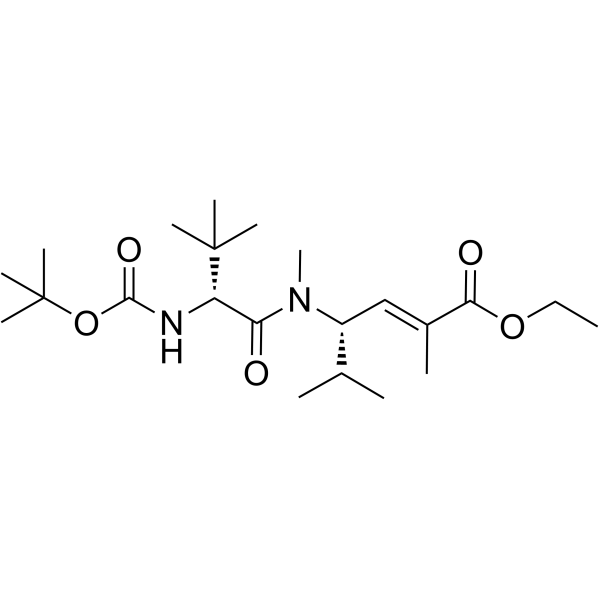
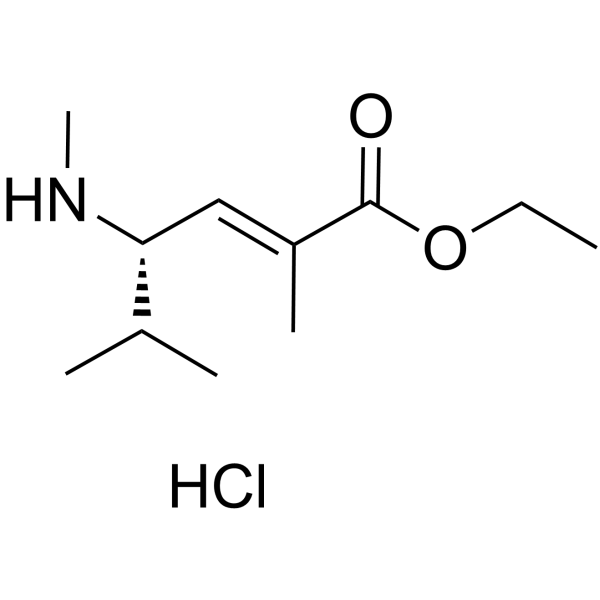
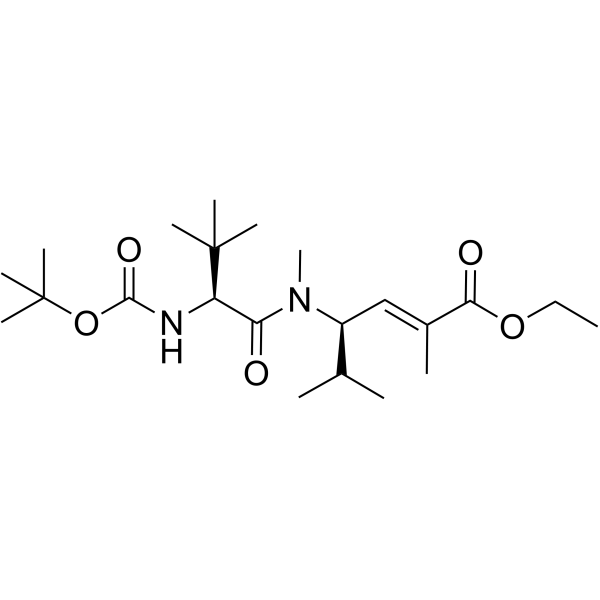
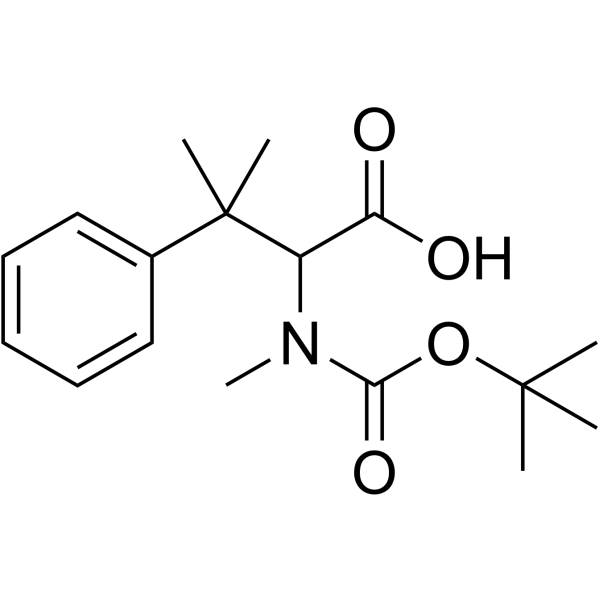
    Taltobulin intermediate-1 is an intermediate in the synthesis of Taltobulin (HY-15584). Taltobulin is a common toxin component in ADC preparation (ADC Cytotoxin), and it is also a powerful tubulin (Microtubule/Tubulin) inhibitor. Taltobulin disrupts tubulin polymerization, induces mitotic arrest, and induces apoptosis .
    Taltobulin intermediate-1
  • HY-B0294R

    Reference Standards Parasite Microtubule/Tubulin STAT MDM-2/p53 Apoptosis Autophagy Infection Cancer
    Flubendazole (Standard) is the analytical standard of Flubendazole. This product is intended for research and analytical applications. Flubendazole is an anthelmintic drug based on altering microtubule structure, inhibition of tubulin polymerization and disruption of microtubule function. Flubendazole induces apoptosis in human colorectal cancer (CRC) by blocking the STAT3 signaling axis and activation of autophagy. Flubendazole induces P53 expression and reduced Cyclin B1 and p-cdc2 expression. Flubendazole is an antitumor agent. Flubendazole can be used for worm and intestinal parasites .
    Flubendazole (Standard)
  • HY-N7052

    ADC Payload Microtubule/Tubulin Cancer
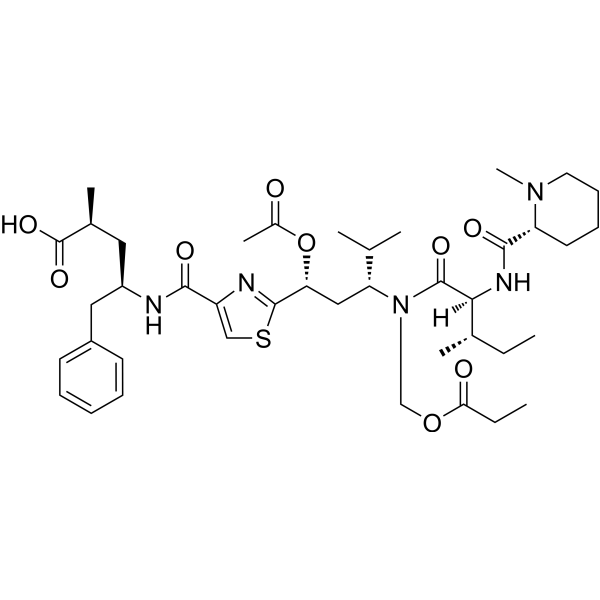
    Tubulysin I is a highly cytotoxic anti-microtubule toxin (anti-microtubule toxins) that is synthesized as an ADC cytotoxin (ADC Cytotoxin). Tubulysin I can be isolated from the myxobacteria Archangium geophyra and Angiococcus disciformis. Tubulysin I displays extremely potent cytotoxic activity in mammalian cells, including multidrug-resistant cell lines, with IC50 values in the low nanomolar range. Tubulysin I inhibits microtubule/tubulin polymerization and leads to cell cycle arrest and apoptosis .
    Tubulysin I
  • HY-N7050

    ADC Payload Microtubule/Tubulin Cancer
    Tubulysin G is a highly cytotoxic anti-microtubule toxin (anti-microtubule toxins) that is synthesized as an ADC cytotoxin (ADC Cytotoxin). Tubulysin G can be isolated from the myxobacteria Archangium geophyra and Angiococcus disciformis. Tubulysin G displays extremely potent cytotoxic activity in mammalian cells, including multidrug-resistant cell lines, with IC50 values in the low nanomolar range. Tubulysin G inhibits microtubule/tubulin polymerization and leads to cell cycle arrest and apoptosis .
    Tubulysin G
  • HY-N2347

    ADC Payload Microtubule/Tubulin Cancer
    Tubulysin C is a highly cytotoxic anti-microtubule toxin (anti-microtubule toxins) that is synthesized as an ADC cytotoxin (ADC Cytotoxin). Tubulysin C can be isolated from the myxobacteria Archangium geophyra and Angiococcus disciformis. Tubulysin C displays extremely potent cytotoxic activity in mammalian cells, including multidrug-resistant cell lines, with IC50 values in the low nanomolar range. Tubulysin C inhibits microtubule/Tubulin polymerization and leads to cell cycle arrest and apoptosis .
    Tubulysin C
  • HY-15584A
    Taltobulin trifluoroacetate
    3 Publications Verification

    HTI-286 trifluoroacetate; SPA-110 trifluoroacetate

    Microtubule/Tubulin ADC Payload Apoptosis Cancer
    Taltobulin trifluoroacetate (HTI-286 trifluoroacetate), a synthetic analogue of the tripeptide hemiasterlin, is a potent antimicrotubule agent that circumvents P-glycoprotein-mediated resistance in vitro and in vivo. Taltobulin trifluoroacetate inhibits the polymerization of purified tubulin, disrupts microtubule organization in cells, and induces mitotic arrest, as well as apoptosis .
    Taltobulin trifluoroacetate
  • HY-14815

    Combretastatin A4 phosphate

    Apoptosis Microtubule/Tubulin Cancer
    Fosbretabulin (Combretastatin A4 phosphate) is a vascular disruptor with antitumor activity against atypical thyroid carcinoma (ATC) cell lines and xenografts. Fosbretabulin inhibits tumor growth by inhibiting microtubule polymerization, inducing apoptosis, and suppressing angiogenesis in tumors .
    Fosbretabulin
  • HY-16569S

    Isotope-Labeled Compounds Microtubule/Tubulin NOD-like Receptor (NLR) Autophagy Apoptosis Cancer
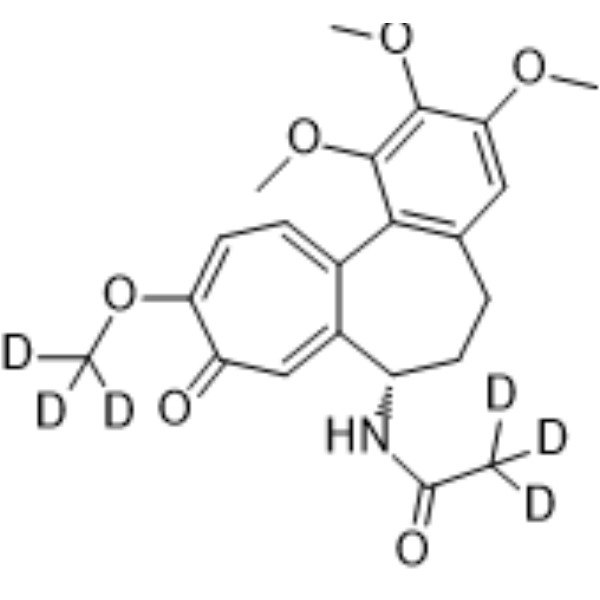
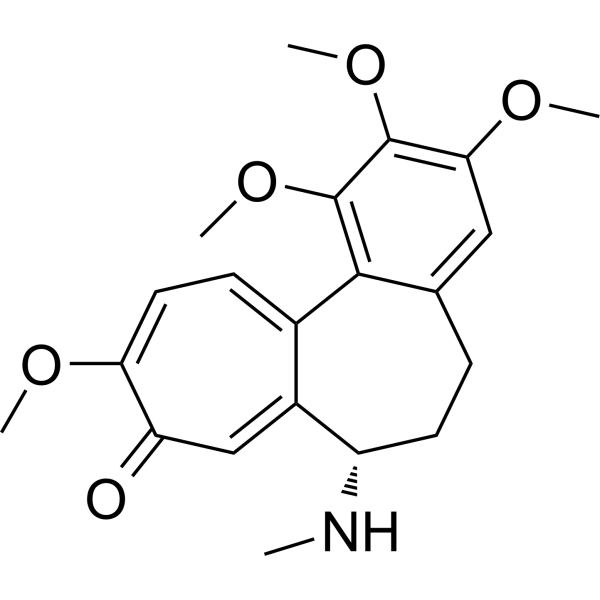
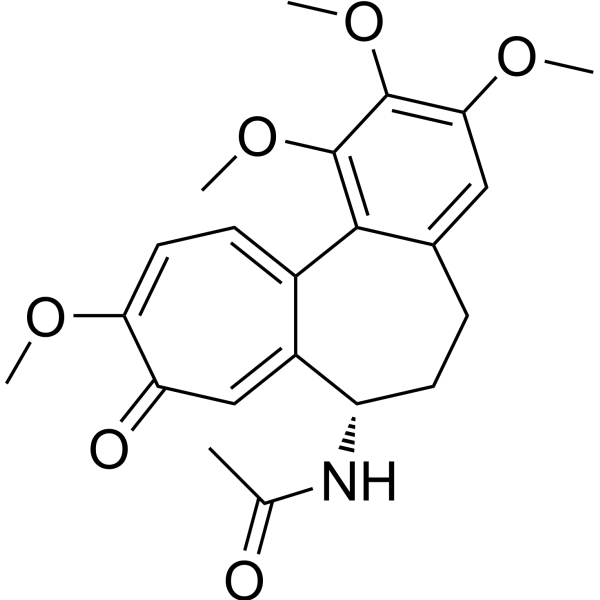
    Colchicine-d6 is the deuterium labeled Colchicine. Colchicine is a tubulin inhibitor and a microtubule disrupting agent. Colchicine inhibits microtubule polymerization with an IC50 of 3 nM . Colchicine is also a competitive antagonist of the α3 glycine receptors (GlyRs) .
    Colchicine-d6
  • HY-16569S1

    Isotope-Labeled Compounds Microtubule/Tubulin NOD-like Receptor (NLR) Autophagy Apoptosis Cancer
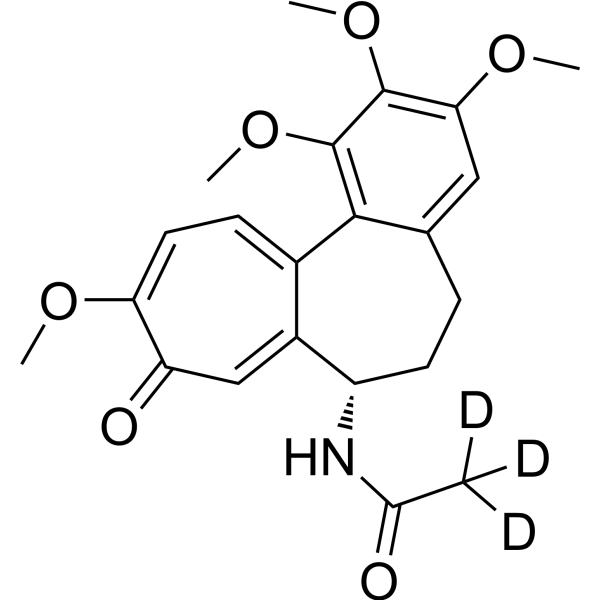
    Colchicine-d3 is the deuterium labeled Colchicine. Colchicine is a tubulin inhibitor and a microtubule disrupting agent. Colchicine inhibits microtubule polymerization with an IC50 of 3 nM . Colchicine is also a competitive antagonist of the α3 glycine receptors (GlyRs) .
    Colchicine-d3
  • HY-N7049

    ADC Payload Microtubule/Tubulin Cancer
    Tubulysin F is a highly cytotoxic anti-microtubule toxin (anti-microtubule toxins) that is synthesized as an ADC cytotoxin (ADC Cytotoxin). Tubulysin F can be isolated from the myxobacteria Archangium geophyra and Angiococcus disciformis. Tubulysin F displays extremely potent cytotoxic activity in mammalian cells, including multidrug-resistant cell lines, with IC50 values in the low nanomolar range. Tubulysin F inhibits microtubule/Tubulin polymerization and leads to cell cycle arrest and apoptosis .
    Tubulysin F
  • HY-N2346

    ADC Payload Microtubule/Tubulin Cancer
    Tubulysin E is a highly cytotoxic anti-microtubule toxin (anti-microtubule toxins) that is synthesized as an ADC cytotoxin (ADC Cytotoxin). Tubulysin E can be isolated from the myxobacteria Archangium geophyra and Angiococcus disciformis. Tubulysin E displays extremely potent cytotoxic activity in mammalian cells, including multidrug-resistant cell lines, with IC50 values in the low nanomolar range. Tubulysin E inhibits microtubule/Tubulin polymerization and leads to cell cycle arrest and apoptosis .
    Tubulysin E
  • HY-N7051

    ADC Payload Microtubule/Tubulin Cancer
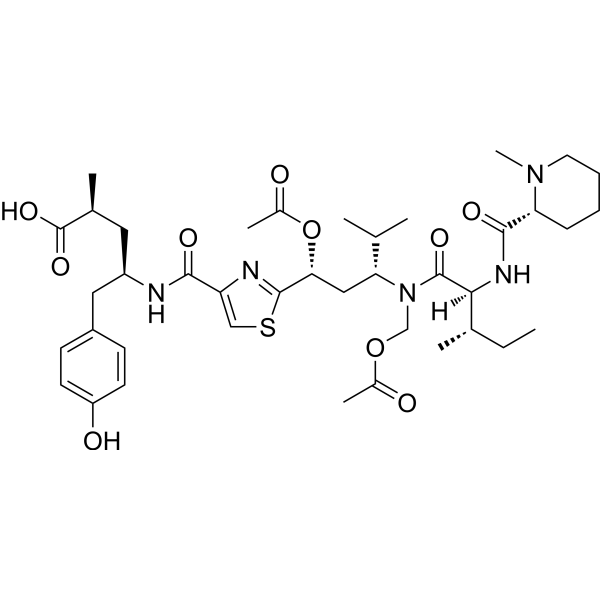
    Tubulysin H is a highly cytotoxic anti-microtubule toxin (anti-microtubule toxins) that is synthesized as an ADC cytotoxin (ADC Cytotoxin). Tubulysin H can be isolated from the myxobacteria Archangium geophyra and Angiococcus disciformis. Tubulysin H displays extremely potent cytotoxic activity in mammalian cells, including multidrug-resistant cell lines, with IC50 values in the low nanomolar range. Tubulysin H inhibits microtubule/tubulin polymerization and leads to cell cycle arrest and apoptosis .
    Tubulysin H
  • HY-106825

    Microtubule/Tubulin Cancer
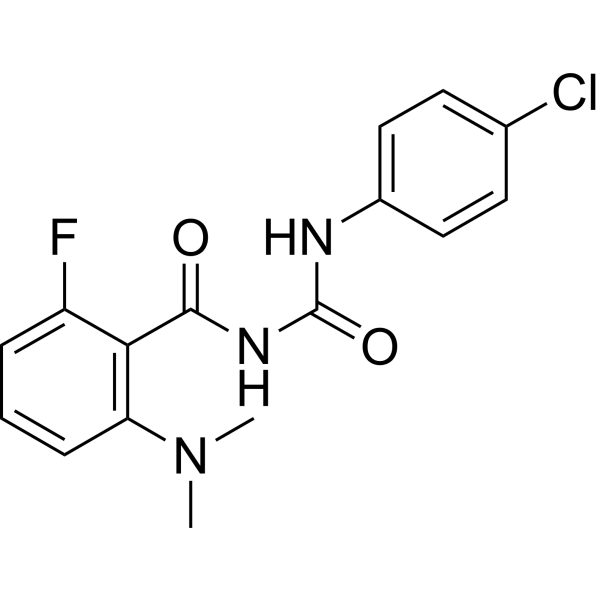
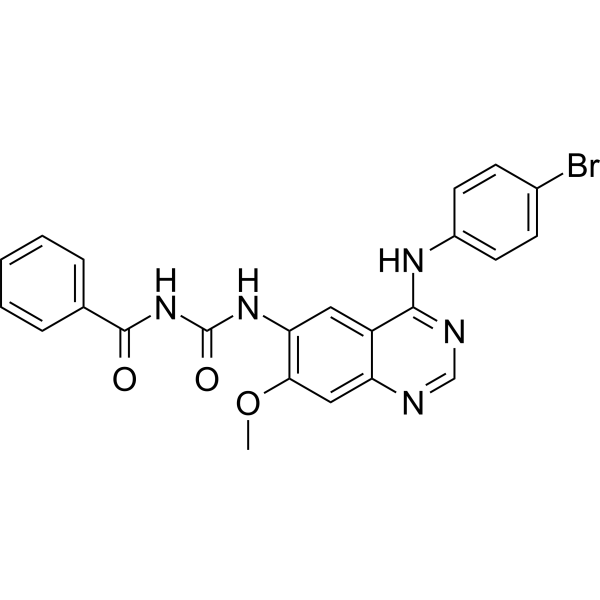
    Clanfenur is a substituted benzoylphenylurea, an analogue of the pesticide fenfluramide, with potential antineoplastic activity. Clanfenur can bind to the colchicine-binding site on β-tubulin, inhibit microtubule polymerization, and thus prevent tumor cell replication .
    Clanfenur
  • HY-111425

    Apoptosis Microtubule/Tubulin Mitosis Cancer
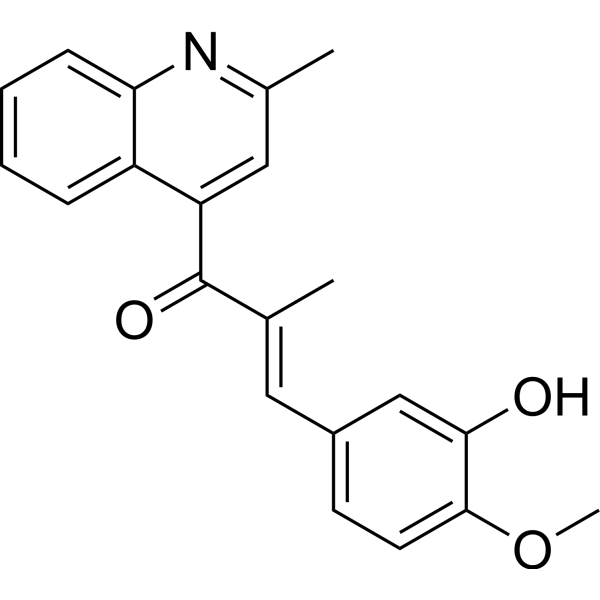
    SSE15206 is a microtubule polymerization inhibitor (GI50 = 197 nM in HCT116 cells) that overcomes multidrug resistance. Causes aberrant mitosis resulting in G2/M arrest due to incomplete spindle formation in cancer cells .
    SSE15206
  • HY-155647

    Microtubule/Tubulin Cancer
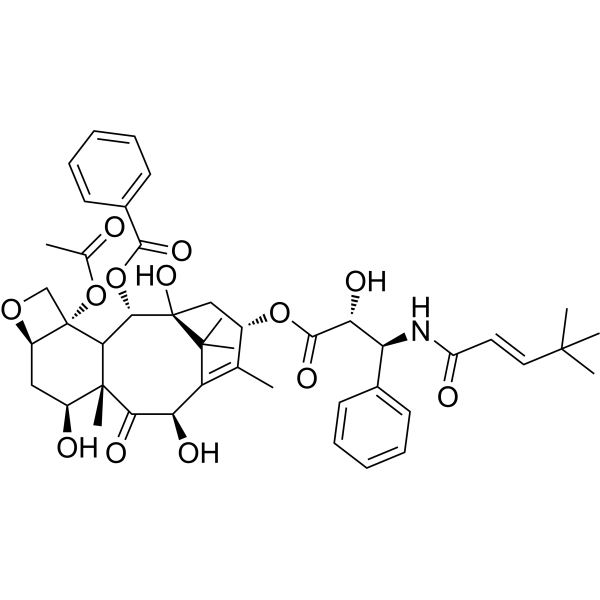
    Microtubule stabilizing agent-1 (compound 3l) is a Paclitaxel derivative that efficiently promotes tubulin polymerization. Microtubule stabilizing agent-1 shows antitumor efficacy .
    Microtubule stabilizing agent-1
  • HY-171165

    Microtubule/Tubulin Cancer
    JC168 is a phenyl analog of peloruside and serves as a microtubule inhibitor, demonstrating antiproliferative and anticancer activities. JC168 promotes tubulin polymerization, thereby interfering with microtubule dynamics, and can be utilized in research related to microtubule-associated disorders .
    JC168
  • HY-146311

    Microtubule/Tubulin Cancer
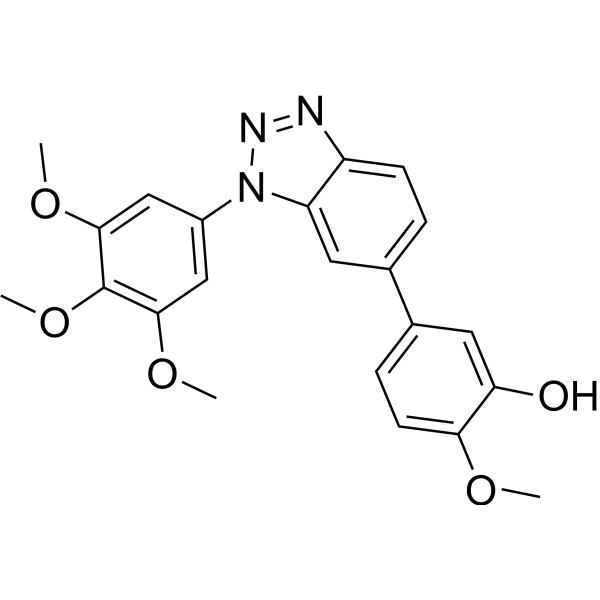
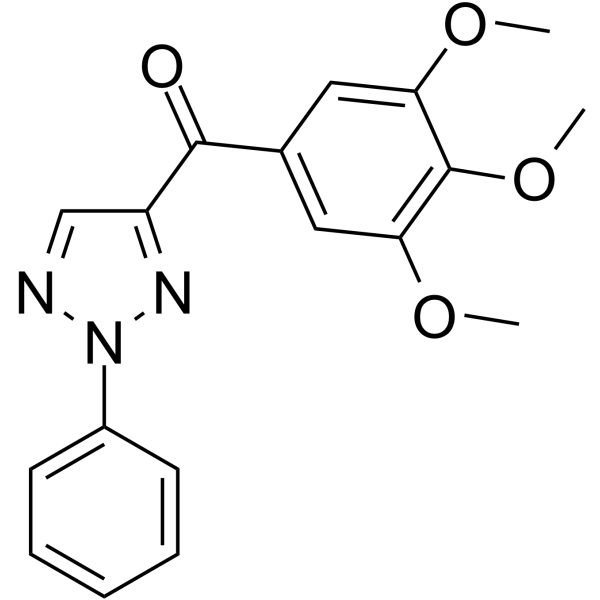
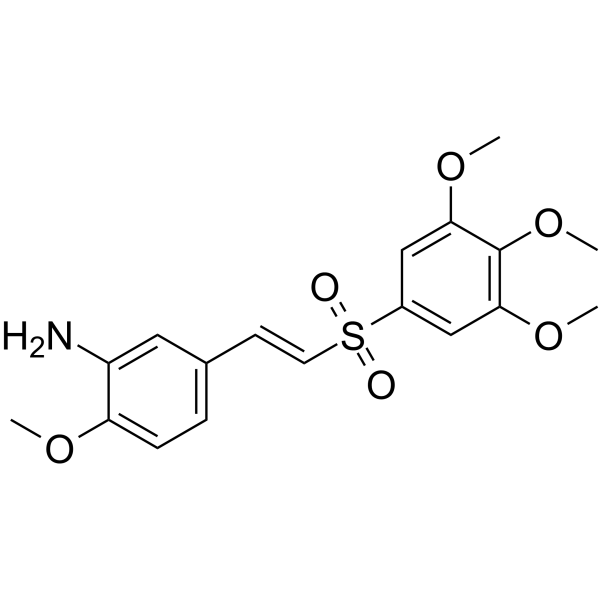
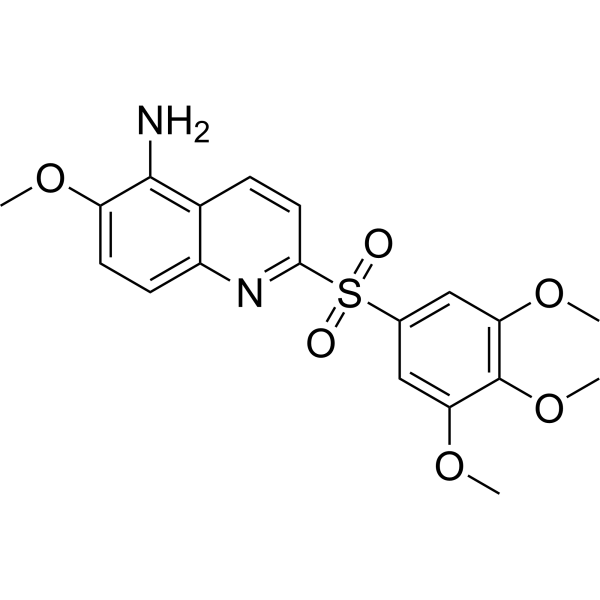
    Tubulin polymerization-IN-16 (compound 5g) is a potent inhibitor of tubulin polymerization. Tubulin polymerization-IN-16 shows most potent against cancer cells, with IC50 values of 0.084-0.221 μM. Tubulin polymerization-IN-16 potently disrupts microtubule/tubulin dynamics, induces cell cycle arrest at G2/M phase in SGC-7901 cells .
    Tubulin polymerization-IN-16
  • HY-119118

    Microtubule/Tubulin Cancer
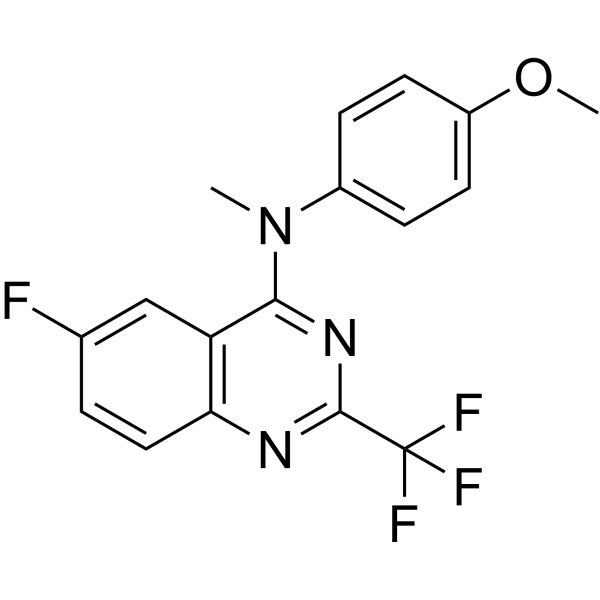
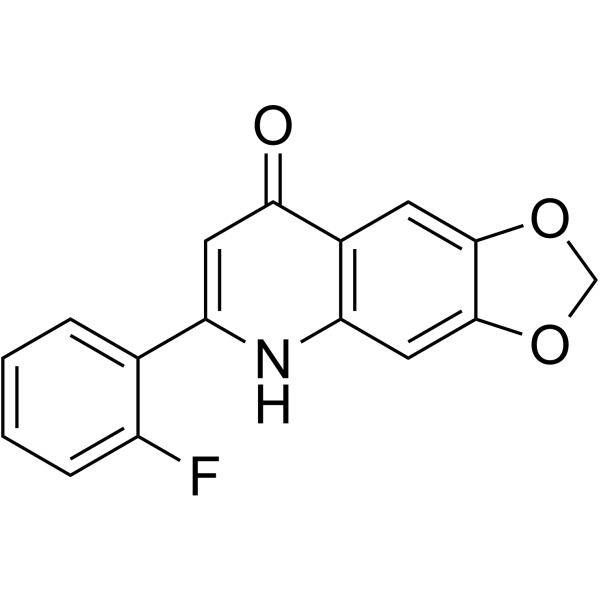
    J-30 is an orally active and potent tubulin inhibitor (IC50=15-20 nM). J-30 disrupts microtubule polymerization and induces G2/M phase arrest. J-30 is promising for research of solid tumors (e.g., gastric, oral) .
    J-30
  • HY-110090

    Microtubule/Tubulin Kinesin Apoptosis Cancer
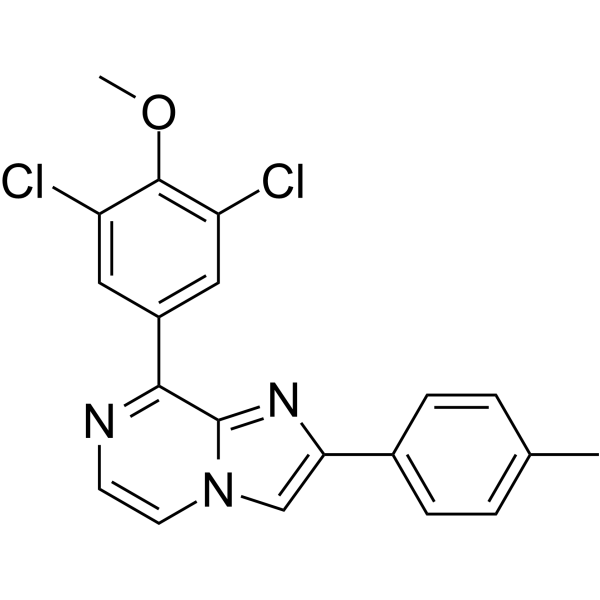
    UA62784 is a microtubule polymerization inhibitor that interacts with tubulin dimers. UA62784 is a novel specific inhibitor of centromere protein E (CENP-E) kinesin. UA62784 can be used for the study of pancreatic cancer .
    UA62784
  • HY-122151

    Microtubule/Tubulin Apoptosis Cancer
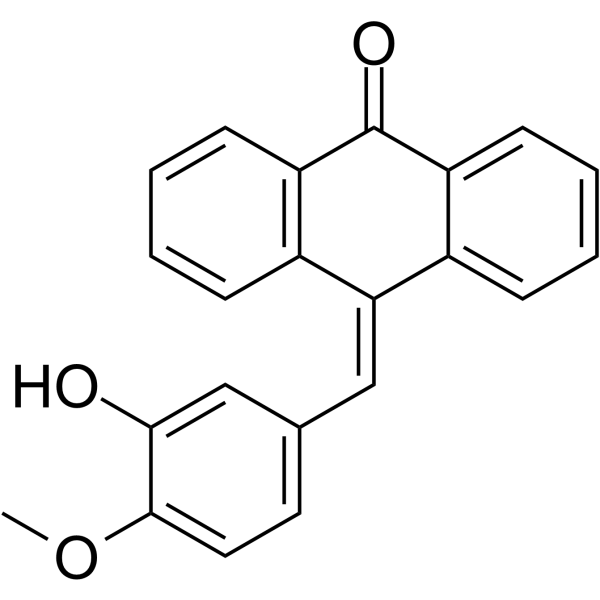
    MPT0B002 is a potent microtubule inhibitor with anticancer activities. MPT0B002 disrupts tubulin polymerization, induces apoptosis, and arrests cell cycle at the G2/M phase .
    MPT0B002
  • HY-149252

    Apoptosis Microtubule/Tubulin Cancer
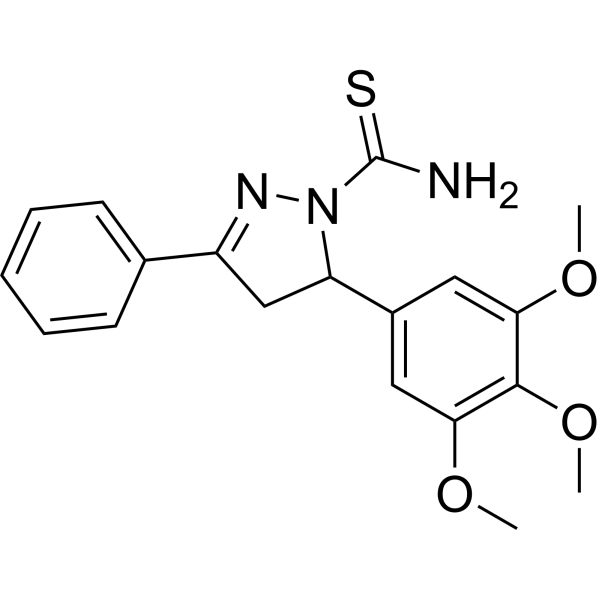
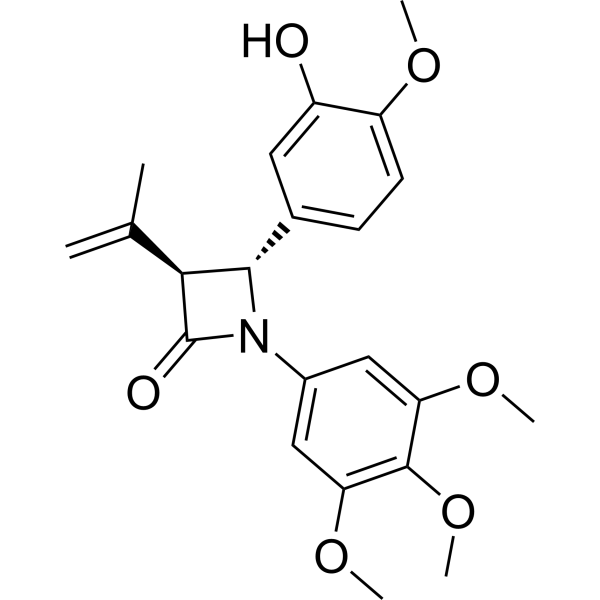
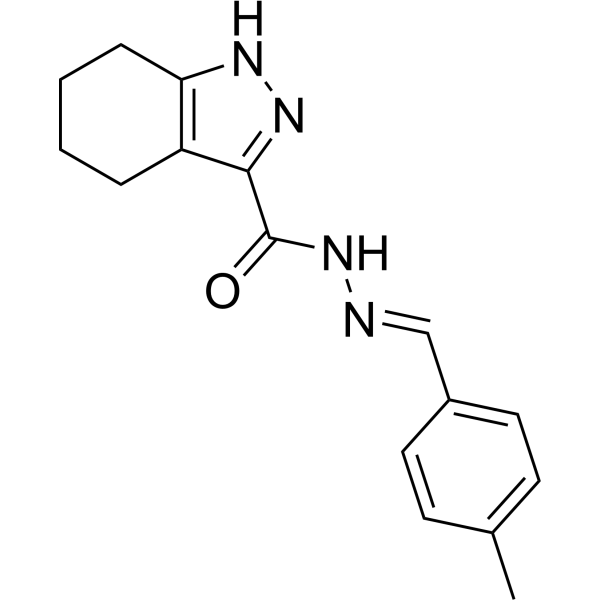
    Tubulin inhibitor 32 is a potent and orally active tubulin inhibitor. Tubulin inhibitor 32 shows anti-proliferative activity and inhibits microtubule polymerization. Tubulin inhibitor 32 induces Apoptosis and cell cycle arrest at G2/M phase. Tubulin inhibitor 32 shows anti-tumor activity .
    Tubulin inhibitor 32
  • HY-105409

    NVP-XAA-296; XAA 296

    Microtubule/Tubulin Apoptosis Cancer
    Discodermolide (NVP-XAA-296) is a potent microtubule-stabilizing agent with a Ki of 0.4 μM. Discodermolide stabilizes microtubules, induces G2 or M phase cell cycle arrest and apoptosis, leading to inhibition of cancer cell proliferation. Discodermolide competitively inhibits the binding of Paclitaxel (HY-B0015) to tubulin polymers, and inhibits the growth of Paclitaxel-resistant cells. Discodermolide can be used for breast and colon cancer research .
    Discodermolide
  • HY-16146

    OXi-4503 tetrasodium

    Wnt Microtubule/Tubulin Cancer
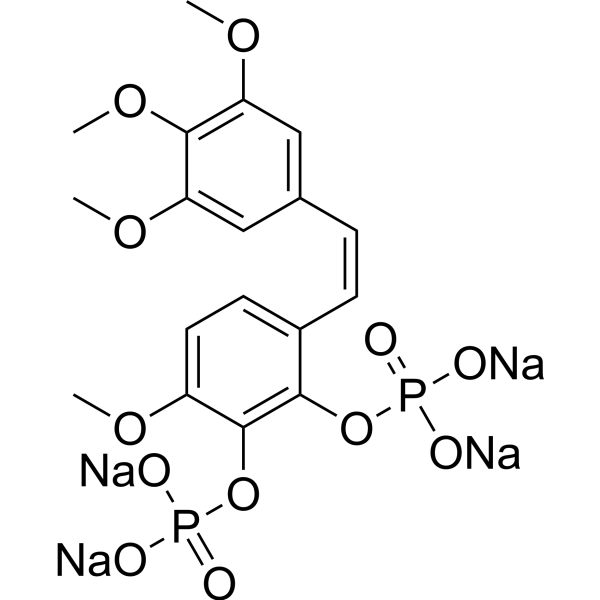
    Combretastatin A-1 phosphate (OXi-4503) tetrasodium, a proagent of Combretastatin A-1, is a microtubule polymerization inhibitor that binds to the colchicine-binding site of tubulin. Combretastatin A-1 phosphate tetrasodium inhibits the Wnt/β-catenin pathway through tubulin depolymerization mediated AKT deactivation. Combretastatin A-1 phosphate tetrasodium exhibits anti-tumor and anti-vascular effects .
    Combretastatin A-1 phosphate tetrasodium
  • HY-121993R

    Wnt Microtubule/Tubulin Reference Standards Cancer
    Combretastatin A-1 (Standard) is the analytical standard of Combretastatin A-1. This product is intended for research and analytical applications. Combretastatin A-1 is a microtubule polymerization inhibitor that binds to the colchicine-binding site of tubulin. Combretastatin A-1 inhibits the Wnt/β-catenin pathway through tubulin depolymerization mediated AKT deactivation. Combretastatin A-1 exhibits anti-tumor and anti-vascular effects .
    Combretastatin A-1 (Standard)
  • HY-145734A

    Microtubule/Tubulin Cancer
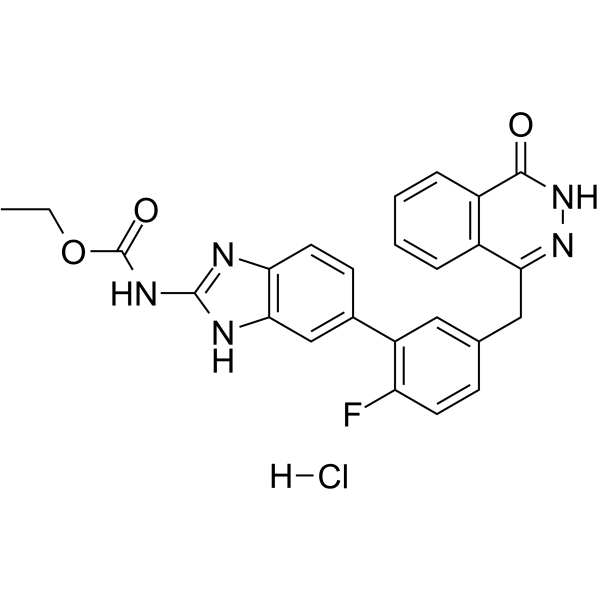
    AMXI-5001 hydrochloride is a potent, orally active, and dual parp1/2 and microtubule polymerization inhibitor. MXI-5001 hydrochloride exhibits selective antitumor cytotoxicity across a wide variety of human cancer cells with much lower IC50s than existing clinical PARP1/2 inhibitors. AMXI-5001 hydrochloride induces complete regression of established tumors, including exceedingly large tumors .
    AMXI-5001 hydrochloride
  • HY-114313

    Microtubule/Tubulin Cancer
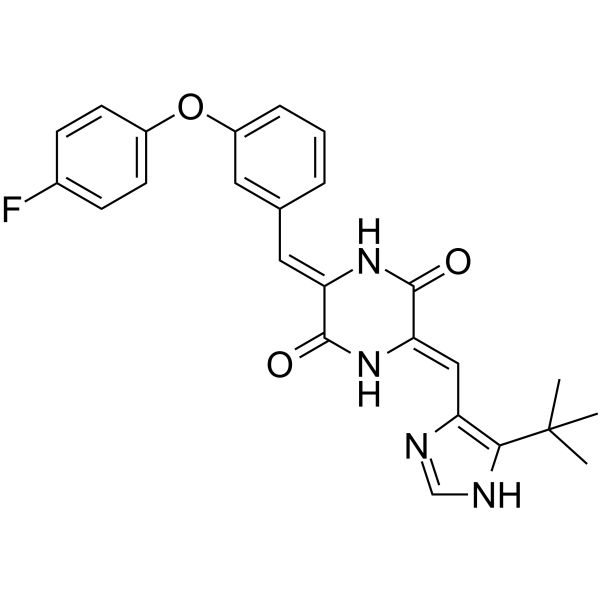
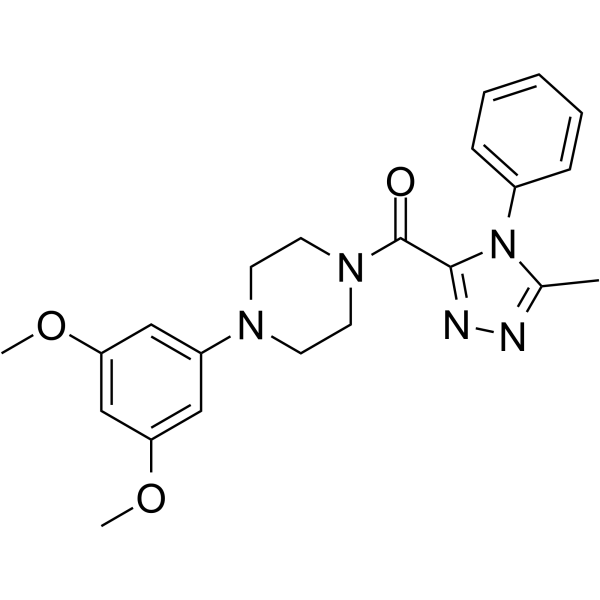
    Microtubule inhibitor 1 is an antitumor agent with microtubule polymerization inhibitory activity, with an IC50 value of 9-16 nM in cancer cells .
    Microtubule inhibitor 1
  • HY-117841

    Microtubule/Tubulin Cancer
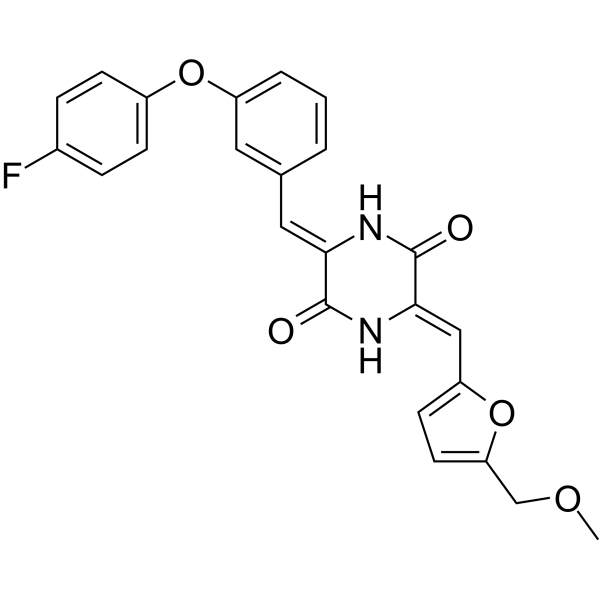
    T900607 is an anti-tumor agent and targets microtubule polymerization .
    T900607
  • HY-148193

    ADC Payload Microtubule/Tubulin Cancer
    Tubulin polymerization-IN-38 is an analogue of Tubulysin (HY-128914), a potent anticancer agent. Tubulin polymerization-IN-38 inhibits tubulin polymerization (tubulin polymerisation), thereby inducing apoptosis (apoptosis). Tubulysin series products are potent anti-microtubule toxins (anti-microtubule toxins) and can be used as ADC cytotoxins (ADC Cytotoxin) to synthesize ADCs .
    Tubulin polymerization-IN-38
  • HY-106399

    Microtubule/Tubulin Cancer
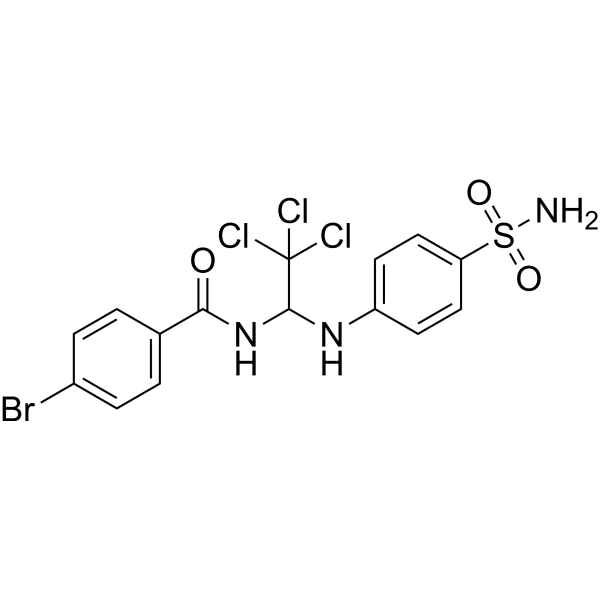
    Acodazole is an anticancer agent that exerts its anticancer activity by inhibiting microtubule polymerization .
    Acodazole
  • HY-147727

    Microtubule/Tubulin Cancer
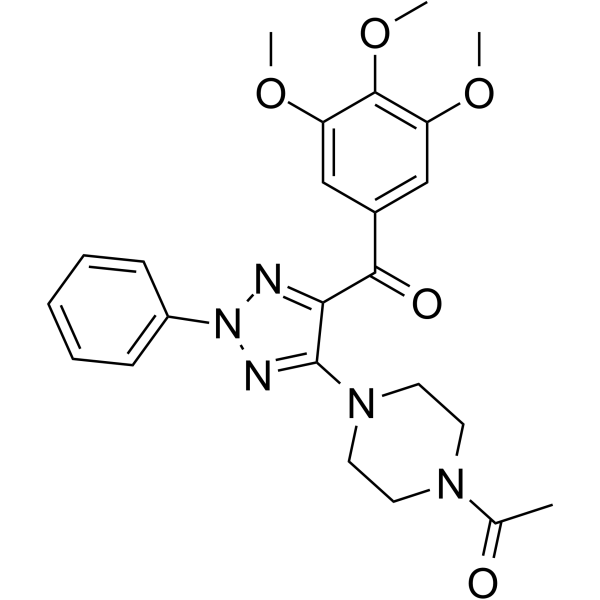
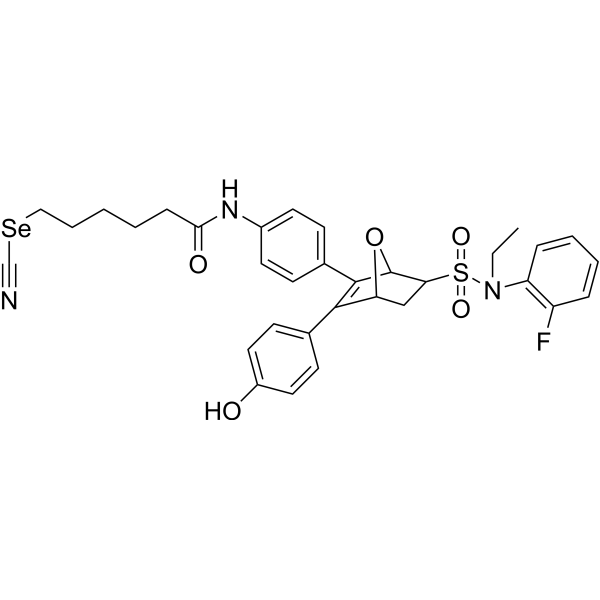
    Microtubule inhibitor 6 (compound 17o) is a potent microtubule inhibitor. Microtubule inhibitor 6 shows cytotoxicity with IC50s of 14.0, 6.6, 7.0 nM for NCI-H460, BxPC-3, HT-29 cells, respectively. Microtubule inhibitor 6 efficiently inhibits microtubule polymerization .
    Microtubule inhibitor 6

Inquiry Online

Your information is safe with us. * Required Fields.

Salutation


Country or Region *

Applicant Name *


Organization Name *

Department *


Email Address *


Product Name *

Cat. No.


Requested quantity *

Phone Number *


Remarks

Inquiry Online

Inquiry Information

Product Name:
Cat. No.:
Quantity:
MCE Japan Authorized Agent: