1. Search Result
Search Result
Results for "

prostate cancer and breast cancer

" in MedChemExpress (MCE) Product Catalog:

171

Inhibitors & Agonists

1

Screening Libraries

2

Fluorescent Dyes

2

Biochemical Assay Reagents

10

Peptides

11

Inhibitory Antibodies

26

Natural
Products

8

Isotope-Labeled Compounds

1

Click Chemistry

6

Oligonucleotides

1

GMP Molecules

Targets Recommended:
Cat. No. 상품명 Target 연구분야 Chemical Structure
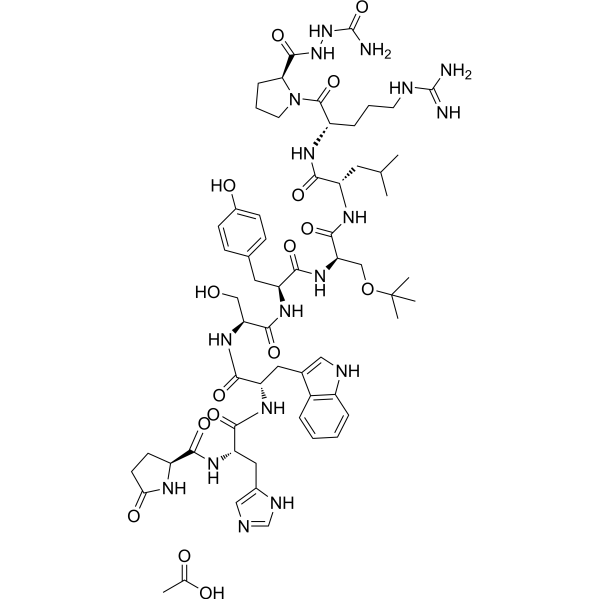
  • HY-13673A
    Goserelin acetate
    1 Publications Verification

    ICI-118630 acetate

    GnRH Receptor Apoptosis Endocrinology Cancer
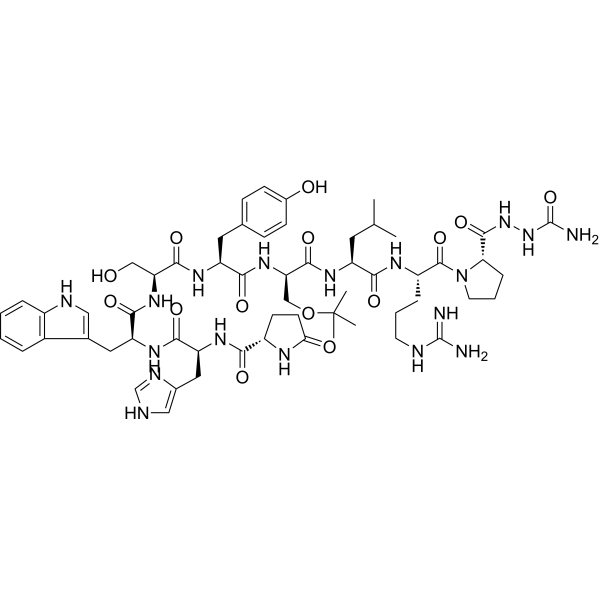
    Goserelin acetate (ICI-118630 acetate), a decapeptide analogue of gonadotropin-releasing hormone (GnRH/LHRH), functions as a GnRH agonist. Goserelin acetate can be used for the research of breast cancer, epithelial ovarian cancer and prostate cancer .
    Goserelin acetate
  • HY-142870

    Pyruvate Carboxylase (PC) Apoptosis β-catenin ERK Wnt Cancer
    ZY-444 is an anti-cancer agent, targeting pyruvate carboxylase (PC). ZY-444 suppresses the Wnt/β-catenin/Snail signaling pathway by blocking nuclear translocation of β-catenin. ZY-444 selectively inhibits proliferation, migration, and invasion and induces apoptosis in cancer cells. ZY-444 exhibits potent anti-tumor in cancer mouse models. ZY-444 can be used for the study of breast cancer, lung cancer (NSCLC), prostate cancer and iodine-refractory thyroid cancer .
    ZY-444
  • HY-147081
    AS 1411
    2 Publications Verification

    AGRO-100

    Histone Methyltransferase Bcl-2 Family Cancer
    AS 1411 (AGRO-100) is an oligonucleotide aptamer targeting nucleoproteins. AS 1411 inhibits tumor cell proliferation by affecting the activity of nucleoprotein-containing complexes and can be used as a carrier to precisely deliver nanoparticles, oligonucleotides and small molecules to cancer cells. AS 1411 reduces PRMT5 expression to inhibit tumor growth in DU145 prostate cancer cells. AS 1411 works by blocking the binding of nucleoproteins to bcl-2 mRNA in MCF-7 breast cancer cells. AS 1411-coupled Jin nanospheres can inhibit breast cancer cell proliferation in vitro and in mouse models, has the ability to cross the blood-brain barrier with low tissue toxicity .
    AS 1411
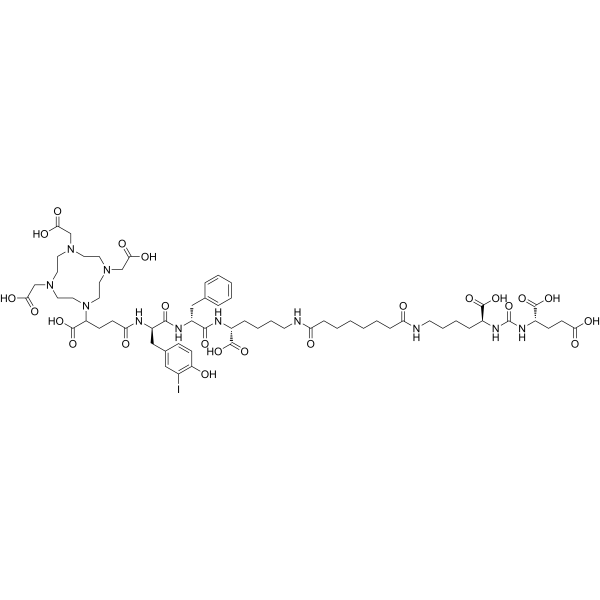
  • HY-148761
    Zadavotide guraxetan
    2 Publications Verification

    PSMA I&T; PNT-2002

    PSMA Cancer
    PSMA I&T is an effective inhibitor of prostate-specific membrane antigen (PSMA). PSMA I&T can be used for SPECT/CT imaging and radionuclide studies in triple-negative breast cancer and prostate cancer (PCa) .
    Zadavotide guraxetan
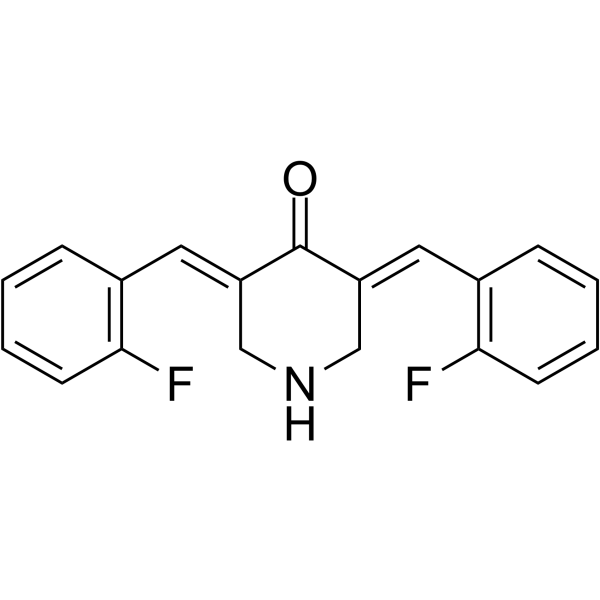
  • HY-119272
    EF24
    2 Publications Verification

    ERK Caspase NF-κB Apoptosis p38 MAPK Reactive Oxygen Species (ROS) Inflammation/Immunology Cancer
    EF24, a curcumin analogue, is an NF-kB inhibitor with great anti-tumor efficacy and oral bioavailability via deactivation of the MAPK/ERK signaling pathway in oral squamous cell carcinoma (OSCC). EF24 is active against melanoma and breast cancer cell lines with GI50 values of 0.7 μM and 0.8 μM, respectively. EF24 induces cell cycle arrest and apoptosis in MDA-MB-231 human breast cancer cells and DU-145 human prostate cancer cells. EF24 increases the levels of activated caspase 3 and 9, and decreases the phosphorylated forms of MEK1 and ERK .
    EF24
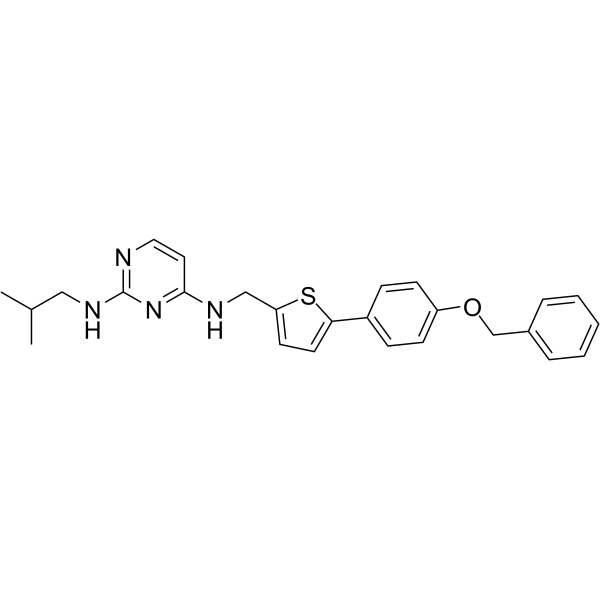
  • HY-153910

    Others Cancer
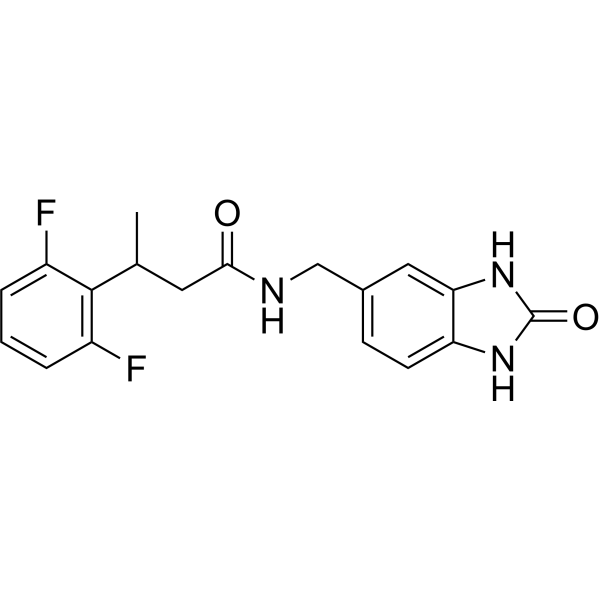
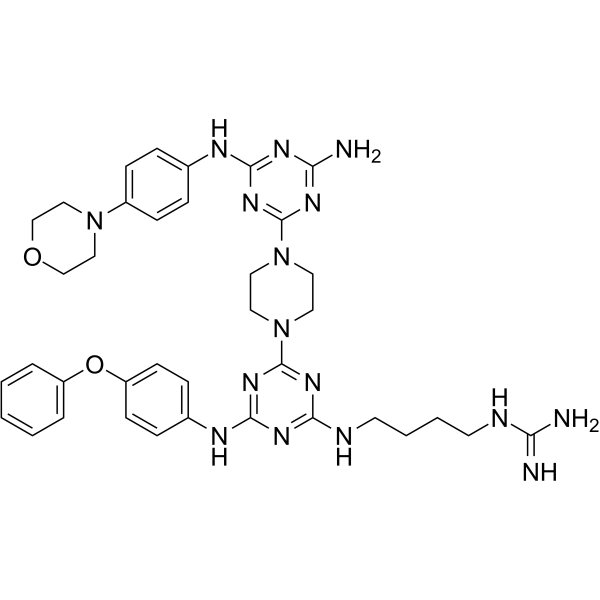
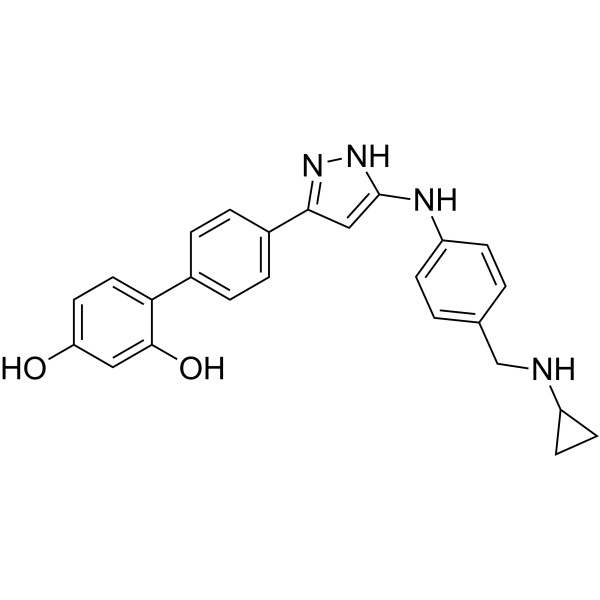
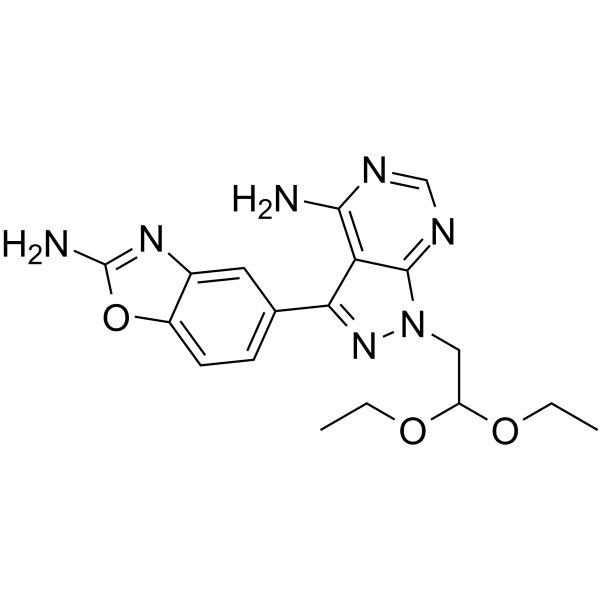
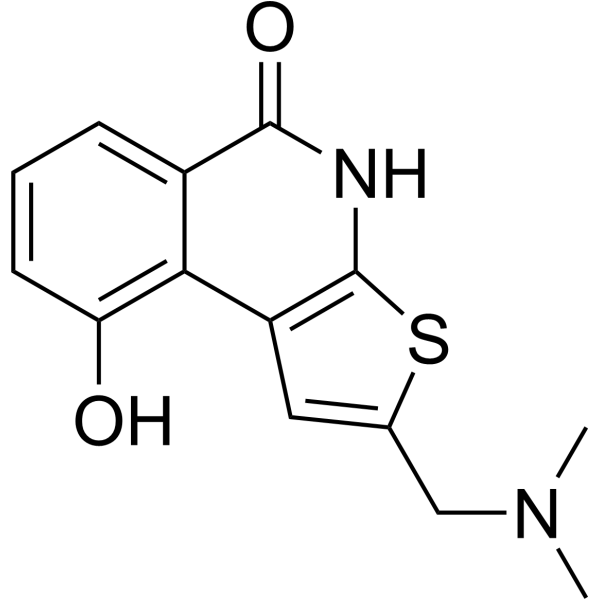
    AGPS-IN-1 (Compound 2i) is an effective AGPS binder. AGPS-IN-1 reduces ether lipids levels and cell migration rate. AGPS-IN-1 inhibits epithelial-mesenchymal transition (EMT) in prostate PC-3 and breast MDA-MB-231 cancer cells .
    AGPS-IN-1
  • HY-N2059
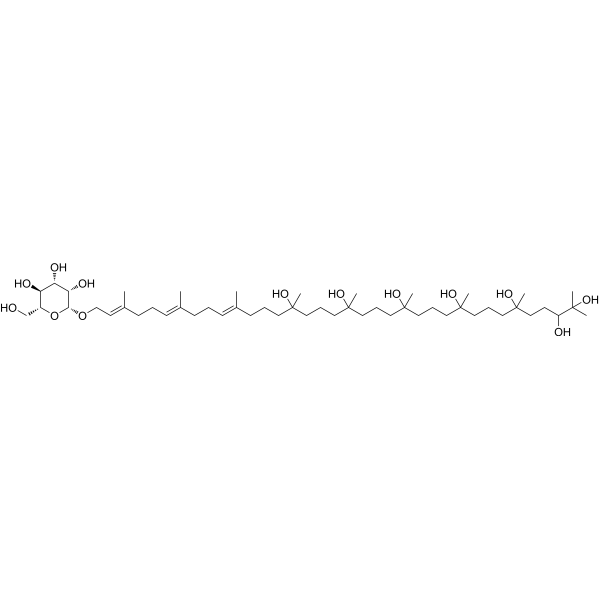
    Santalol
    1 Publications Verification

    Environmental Pollutants Apoptosis Neurological Disease Cancer
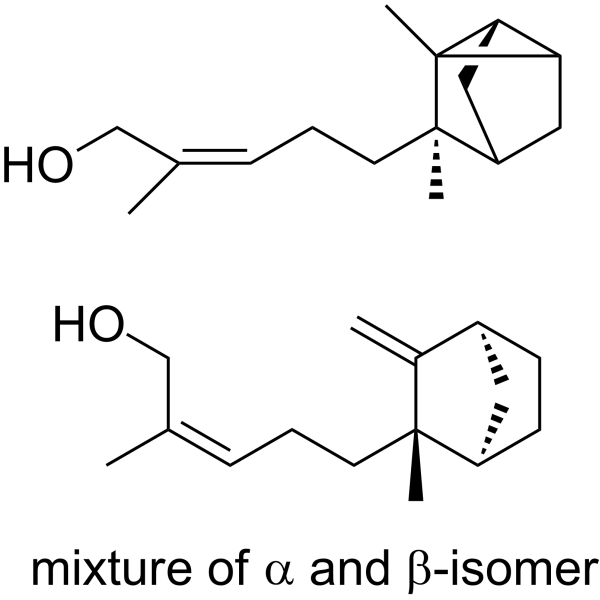
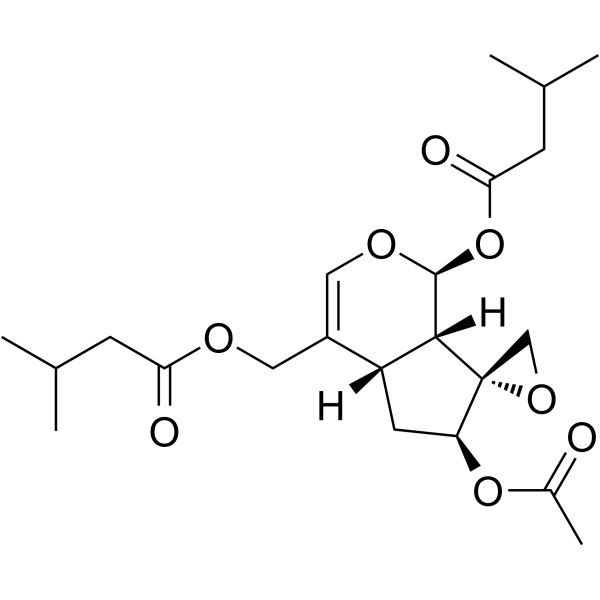
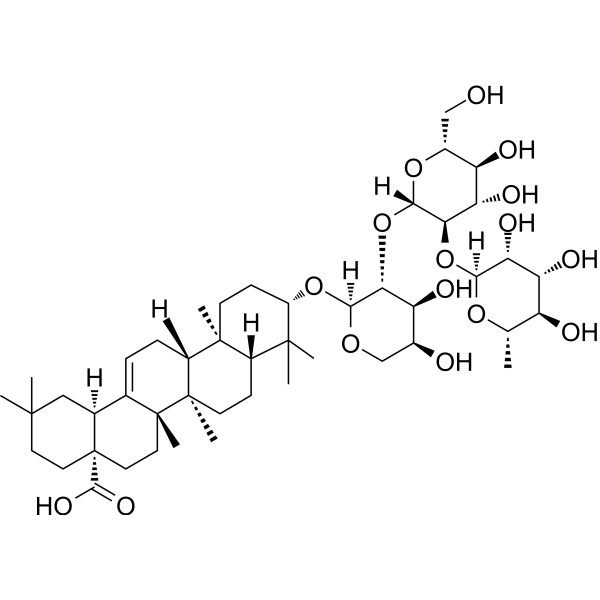
    Santalol is a mixture of α and β-isomer santalol. α-Santalol is found in sandalwood oil. α-Santalol is a promising anti-cancer agent against cancers such as oral, breast, prostate and skin cancer. Santalol has sedative activity .
    Santalol
  • HY-14281
    Trilostane
    2 Publications Verification

    Win 24540

    3β-HSD Endocrinology Cancer
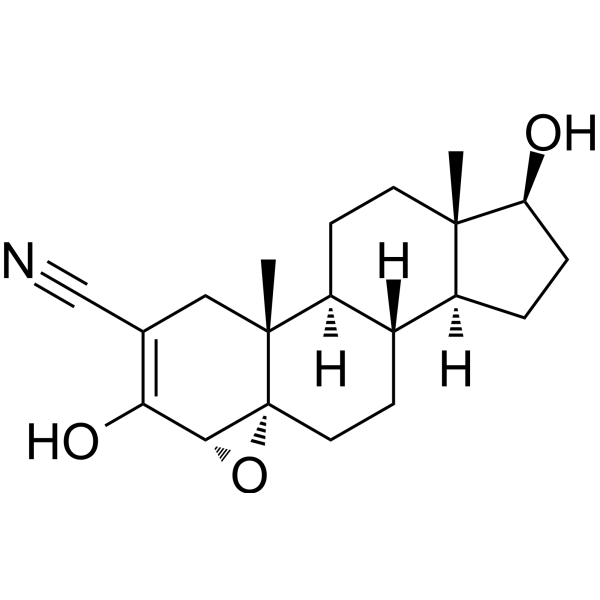
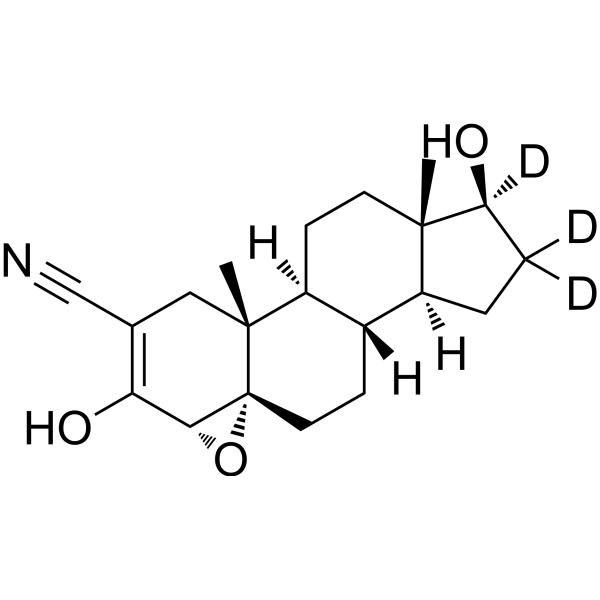
    Trilostane (Win 24540) is a competitive and orally active 3-β-hydroxysteroiddehydrogenase (3β-HSD) inhibitor. Trilostane is a synthetic nonhormonal steroid. Trilostane can be used for the research of breast cancer and prostate cancer .
    Trilostane
  • HY-145722
    Apatorsen sodium
    1 Publications Verification

    OGX-427 sodium

    HSP Cancer
    Apatorsen (OGX-427) sodium is a 2'-methoxyethyl-modified antisense oligonucleotide and also a Hsp27 inhibitor. Apatorsen sodium reduces Hsp27 mRNA and protein levels, impairs stress-induced cytoprotective functions, induces cell apoptosis, inhibits tumor growth and prevents metastasis. Apatorsen sodium is applicable to research related to non-small cell lung cancer, castration-resistant prostate cancer, breast cancer, ovarian cancer and bladder cancer .
    Apatorsen sodium
  • HY-W008923
    Doxycycline monohydrate
    Maximum Cited Publications
    173 Publications Verification

    MMP Parasite Bacterial Antibiotic Apoptosis Akt PI3K Infection Neurological Disease Inflammation/Immunology Cancer
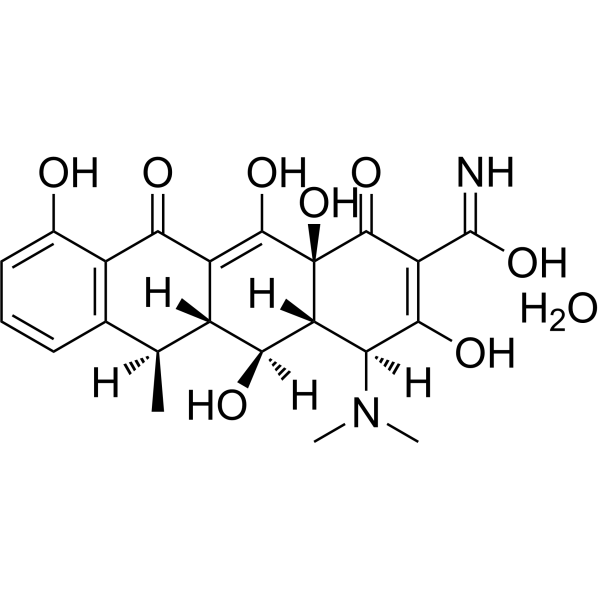
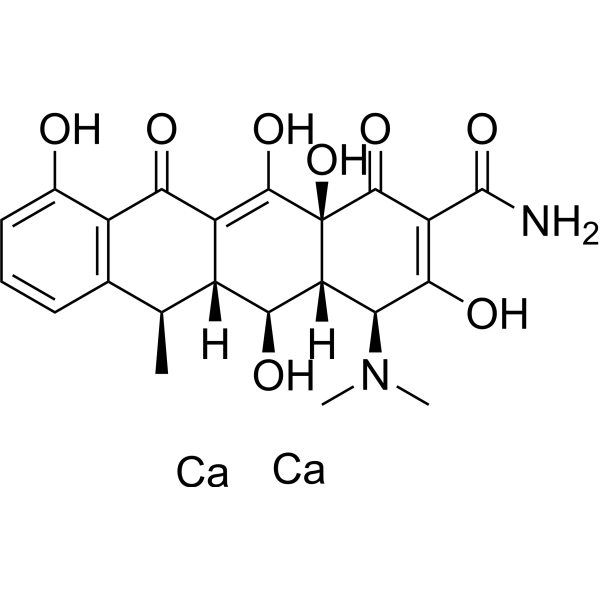
    Doxycycline monohydrate is an orally active highly lipophilic, tissue-permeable MMP inhibitor with broad-spectrum antibacterial activity. Doxycycline monohydrate is also a semi-synthetic antibiotic with chelating properties, which blocks bacterial protein synthesis and inhibits extracellular matrix degradation through interactions with zinc and calcium atoms. Doxycycline monohydrate also inhibits mitochondrial biogenesis, translation, and the expression of respiratory chain proteins. Doxycycline monohydrate induces apoptosis, inhibits autophagy and EMT, downregulates stem cell markers, and activates the PI3K-AKT pathway, thereby effectively inhibiting the viability and proliferation of cancer cells such as breast cancer cells. Doxycycline monohydrate also promotes the survival and self-renewal of embryonic stem cells and neural stem cells, and reduces the frequency of medium changes in culture. Doxycycline monohydrate has been applied in studies related to breast cancer, prostate cancer, bladder cancer, and other cancers .
    Doxycycline monohydrate
  • HY-N0726
    Dracorhodin perchlorate
    1 Publications Verification

    Dracohodin perochlorate

    Apoptosis Akt PI3K NF-κB MDM-2/p53 Caspase Reactive Oxygen Species (ROS) Toll-like Receptor (TLR) PARP Metabolic Disease Cancer
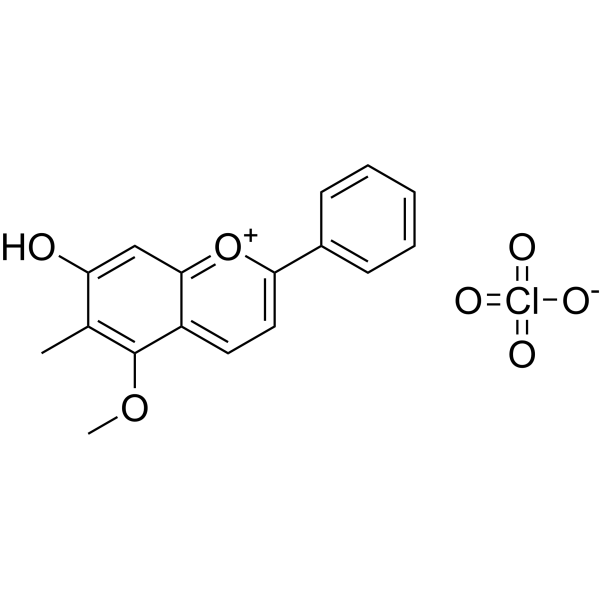
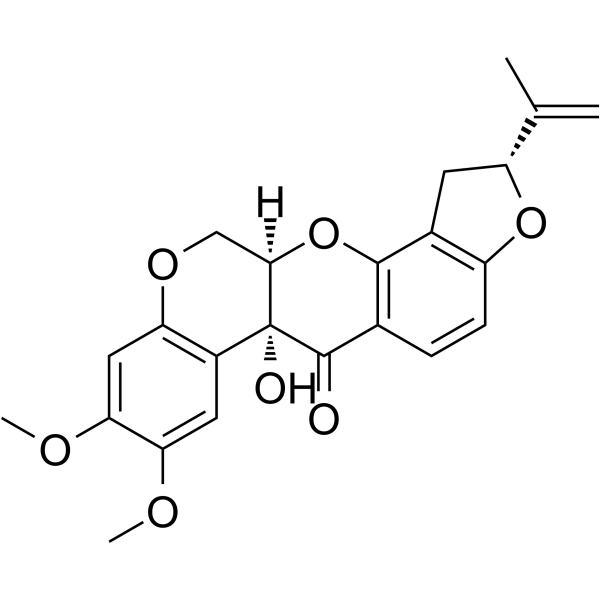
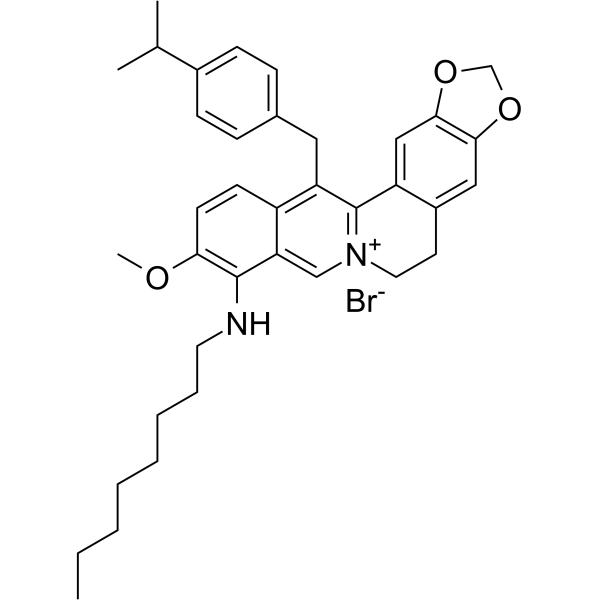
    Dracorhodin perchlorate (Dracohodin perochlorate) is a natural product that can be obtained from the natural active molecule Dragon's blood. Dracorhodin perchlorate inhibits PI3K/Akt and NF-κB activation, upregulates p53 expression, activates caspase, produces ROS, and promotes Apoptosis. Dracorhodin perchlorate regulates the TLR4. Dracorhodin perchlorate promotes wound healing, improves diabetes. Dracorhodin perchlorate has anti-tumor activity against prostate cancer, breast cancer, cervical cancer and other cancers .
    Dracorhodin perchlorate
  • HY-N10361

    RAR/RXR PPAR Aldose Reductase Cancer
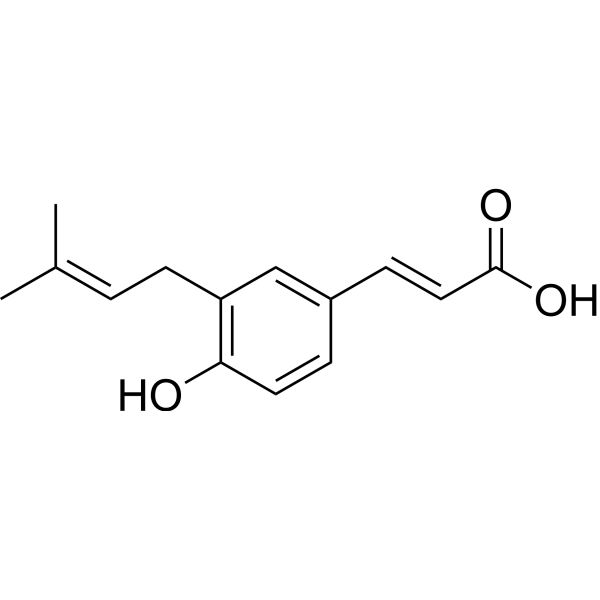
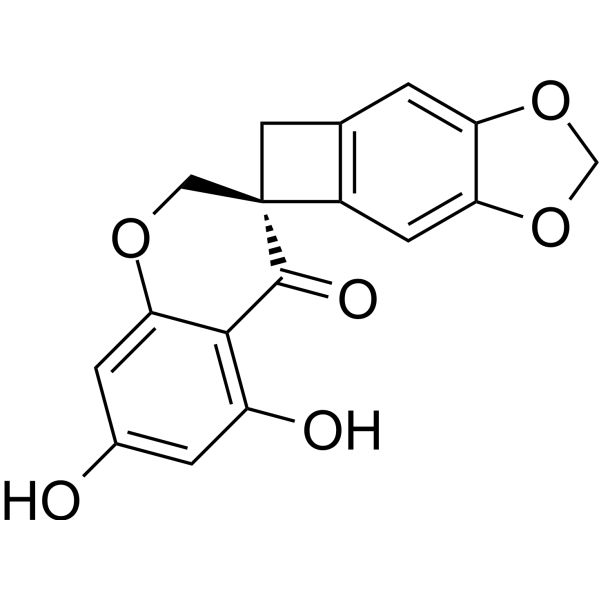
    Drupanin is an orally active and selective AKR1C3 enzyme inhibitor and an RXRα agonist with an EC50 value of 4.8 μM, which is found in green propolis. Drupanin also activates PPARγ moderately. Drupanin induces adipogenesis and elevates aP2 mRNA levels in 3T3-L1 fibroblasts Drupanin has the potential for the research of breast and prostate cancers .
    Drupanin
  • HY-N3755

    Estrogen Receptor/ERR Cancer
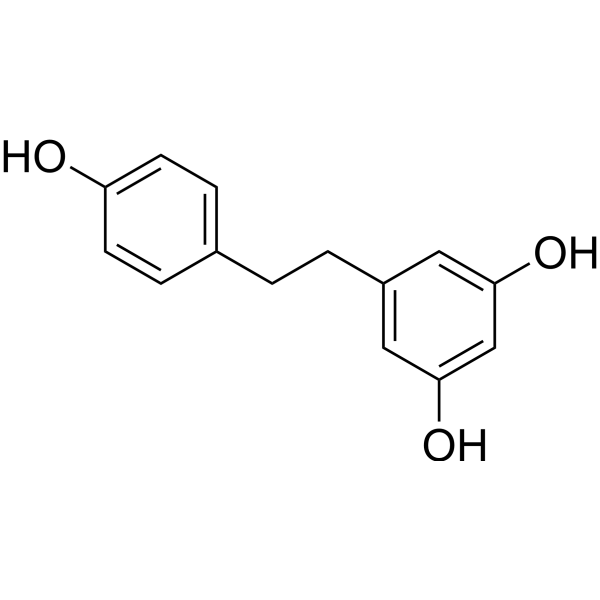
    Dihydroresveratrol, a potent phytoestrogen, is a hormone receptor modulator. Dihydroresveratrol exhibits proliferative effects in androgen-independent prostate and breast cancer cells at picomolar and nanomolar concentrations .
    Dihydroresveratrol
  • HY-45661

    NUV-422

    CDK Neurological Disease Cancer
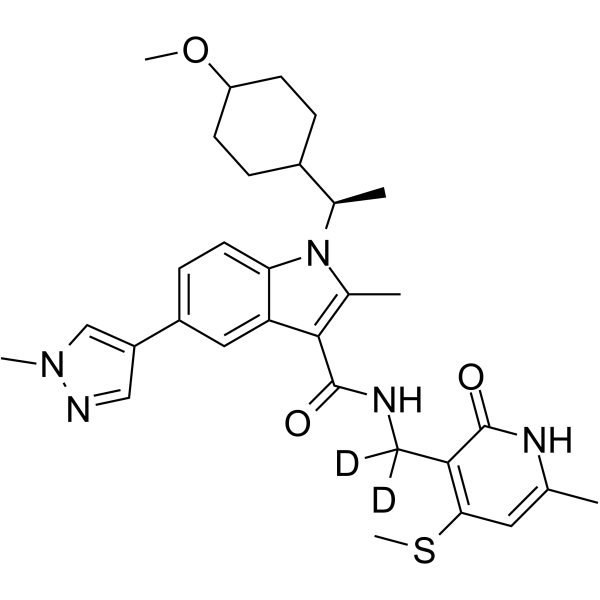
    Inixaciclib (NUV-422) is a blood-brain barrier-penetrant inhibitor of CDK2, CDK4 and CDK6. Inixaciclib inhibits cancer cell growth. Inixaciclib induces anti-tumor activity in xenograft models of glioblastoma, CDK4/CDK6 inhibitor-resistant HR + HER2 - metastatic breast cancer, and anti-androgen-resistant prostate cancer. Inixaciclib can be used for the research of relapsed or metastatic castration-resistant prostate cancer .
    Inixaciclib
  • HY-156418

    DNA/RNA Synthesis Ferroptosis Apoptosis Reactive Oxygen Species (ROS) Cancer
    KY386 is a DHX33 helicase inhibitor with an IC50 of 0.019 μM. KY386 inhibits the cell viability of various cancer cells. KY386 induces ferroptosis in cancer cells, and induces apoptosis in some cancer cell lines. KY386 increases the intracellular levels of ROS, LPO and Fe 2+, and decreases the level of GSH in cancer cells . KY386 inhibits the growth of gastric cancer and colon cancer xenografts in nude mice. KY386 is applicable to the related research on liver cancer, lung cancer, pancreatic cancer, colorectal cancer, gastric cancer, breast cancer, leukemia, renal cancer, prostate cancer, esophageal cancer, cervical cancer, brain cancer (glioblastoma) and melanoma .
    KY386
  • HY-153937

    E1/E2/E3 Enzyme Cancer
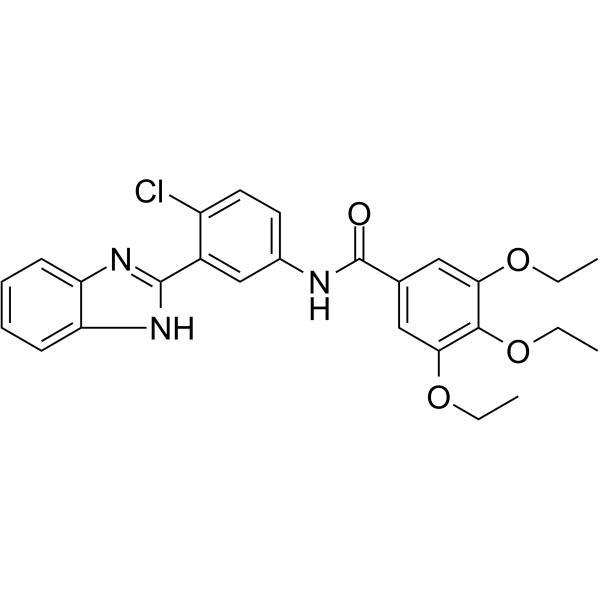
    Skp2 inhibitor 2 is a Skp2-Cks1 protein-protein interaction inhibitor with a human IC50 of 0.57 μM. Skp2 inhibitor 2 binds to Skp2 at the interaction interface to block Skp2-Cks1 complex formation. Skp2 inhibitor 2 can be used for the research of gastric cancer, non-small cell lung cancer, breast cancer, prostate cancer .
    Skp2 inhibitor 2
  • HY-139434

    Histone Demethylase Cancer
    JMJD6-IN-1 is a JMJD6 inhibitor, with an inhibition rate of 82% at 10 μM. JMJD6-IN-1 inhibits MCF-7 and HCC4006 cell proliferation with IC50 values of 19.2 μM and 25.2 μM. JMJD6-IN-1 inhibits JMJD6 demethylase activity. JMJD6-IN-1 can be used for the research of lung adenocarcinoma, prostate cancer, breast cancer, pancreatic cancer, colon cancer, oral squamous cell carcinoma, and glioblastoma .
    JMJD6-IN-1
  • HY-N0475

    Hypolide; (+)-Triptophenolide

    Androgen Receptor Pyroptosis Caspase Bcl-2 Family Apoptosis Inflammation/Immunology Cancer
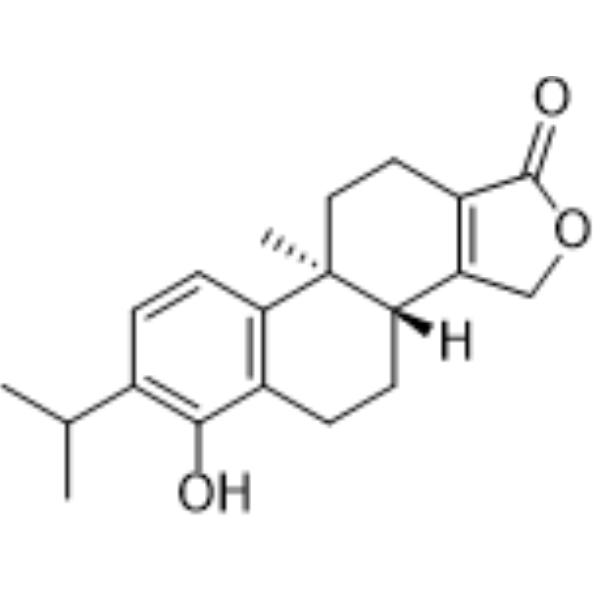
    Triptophenolide (Hypolide) is a colorless crystal isolated from the ethyl acetate extract of Tripterygium wilfordii. Triptophenolide is an orally active pan‑antagonist of the androgen receptor (AR) with an IC50 of 467 nM against human wild‑type AR. Triptophenolide reduces AR expression, inhibits AR nuclear translocation, downregulates prostate‑specific antigen mRNA levels, and suppresses the growth of AR‑positive prostate cancer cells. Triptophenolide shows anti-tumor effects against breast cancer by inhibiting cell proliferation and migration, inducing G1-phase arrest and apoptosis, repressing xenograft tumor growth. Triptophenolide inhibits pyroptosis, alleviates tissue inflammation, and ameliorates synovial injury. Triptophenolide can be used for the study of prostate cancer, rheumatoid arthritis and breast cancer .
    Triptophenolide
  • HY-P991723

    CX-2051 antibody

    ADC Antibody Transmembrane Glycoprotein Cancer
    Varsetatug (CX-2051 antibody) is a humanized IgG1κ monoclonal antibody inhibitor targeting EpCAM/TROP1/CD326. Varsetatug serves as the antibody component of the ADC compound CX-2051. It can be used in research on cancers including breast cancer, prostate cancer and ovarian cancer .
    Varsetatug
  • HY-113787

    Ack1 JAK Cancer
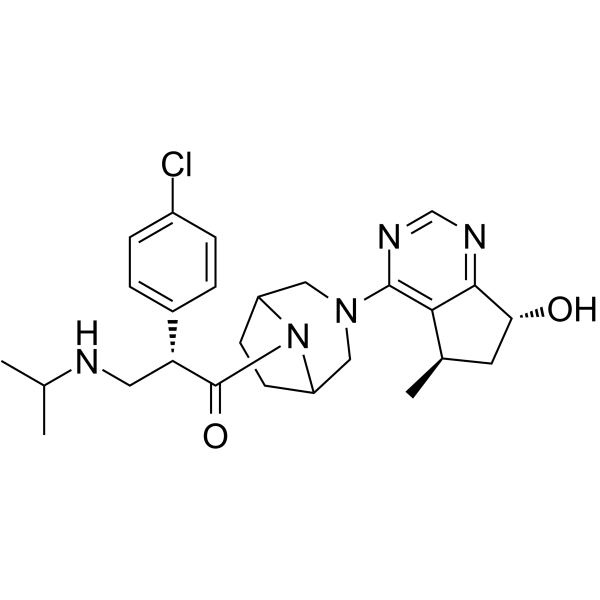
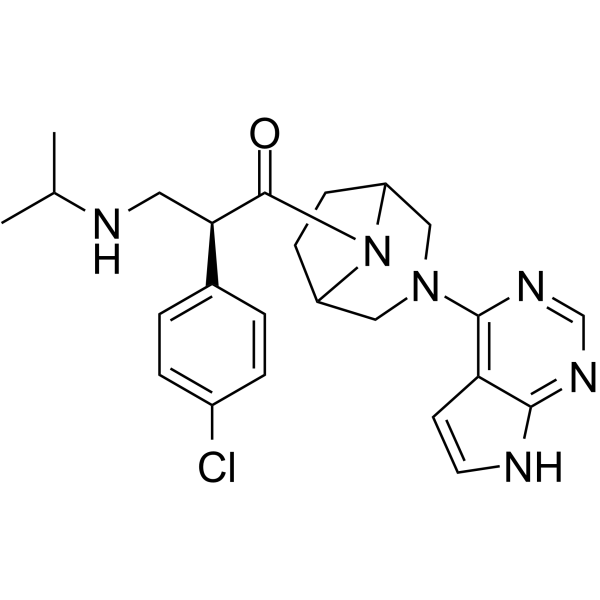
    (R)-9b is a potent inhibitor of ACK1 tyrosine kinase (IC50=56 nM) with anticancer activity. (R)-9b exhibits selectivity for ACK1 but has inhibitory effects on JAK family kinases JAK2 and Tyk2. (R)-9b can be used in the study of hormone-regulated cancers such as prostate and breast cancer .
    (R)-9b
  • HY-145722A
    Apatorsen
    1 Publications Verification

    OGX-427

    HSP Cancer
    Apatorsen is a 2'-methoxyethyl-modified antisense oligonucleotide and also a Hsp27 inhibitor. Apatorsen reduces Hsp27 mRNA and protein levels, impairs stress-induced cytoprotective functions, induces cell apoptosis, inhibits tumor growth and prevents metastasis. Apatorsen is applicable to research related to non-small cell lung cancer, castration-resistant prostate cancer, breast cancer, ovarian cancer and bladder cancer .
    Apatorsen
  • HY-149894

    c-Myc Cadherin Cancer
    MC-1-F2 is a FOXC2 inhibitor. MC-1-F2 shows a binding affinity (Kd) of 26 μM for full-length FOXC2. MC-1-F2 reduces epithelial-mesenchymal transition (EMT) markers in breast cancer cells, suppresses cancer stem cell (CSC) properties and reduces invasiveness in castration-resistant prostate cancer (CRPC) cells. MC-1-F2 can be used for the study of CRPC and breast cancer .
    MC-1-F2
  • HY-147081A
    AS 1411 sodium
    2 Publications Verification

    AGRO-100 sodium

    Histone Methyltransferase Bcl-2 Family Cancer
    AS 1411 (AGRO-100) sodium is an oligonucleotide aptamer targeting nucleoproteins. AS 1411 sodium inhibits tumor cell proliferation by affecting the activity of nucleoprotein-containing complexes and can be used as a carrier to precisely deliver nanoparticles, oligonucleotides and small molecules to cancer cells. AS 1411 sodium reduces PRMT5 expression to inhibit tumor growth in DU145 prostate cancer cells. S 1411 sodium works by blocking the binding of nucleoproteins to bcl-2 mRNA in MCF-7 breast cancer cells. S 1411 sodium-coupled Jin nanospheres can inhibit breast cancer cell proliferation in vitro and in mouse models, has the ability to cross the blood-brain barrier with low tissue toxicity
    AS 1411 sodium
  • HY-147526

    Apoptosis Cancer
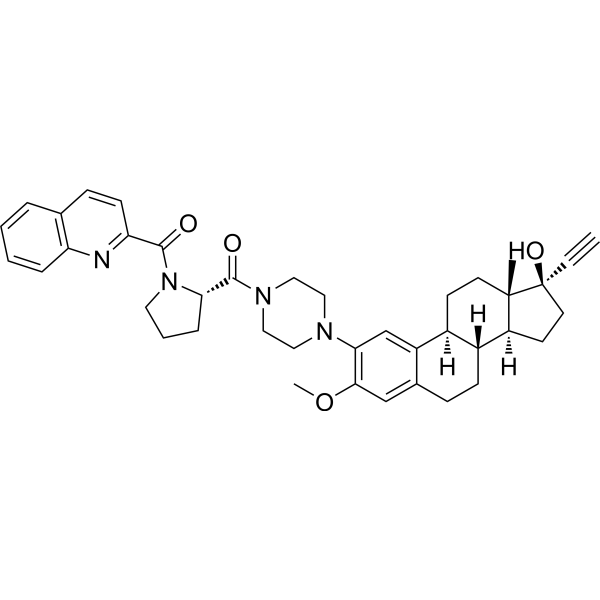
    RM-581, aminosteroid, is an orally active anticancer agent. RM-581 shows anticancer potency against pancreatic, breast, prostate, and ovarian cancers. RM-581 induces endoplasmic reticulum stress and apoptosis via disturbance of cancer cell cholesterol homeostasis. RM-581 can be used for the research of cancer, such as prostate cancer and breast cancer .
    RM-581
  • HY-121435

    RAR/RXR Akt Apoptosis Drug Derivative TNF Receptor Cancer
    K-8012 is a Sulindac (HY-B0008) analog and RXRα antagonist with an IC50 of 9.2 µM. K-8012 inhibits the activation of AKT. K-8012 induces Apoptosis, redirecting the TNFα signaling pathway from survival to death. K-8012 exerts anticancer activity against lung cancer, prostate cancer, and breast cancer. K-8012 can be used in research related to lung cancer, prostate cancer, breast cancer, and hepatocellular carcinoma .
    K-8012
  • HY-13673

    ICI 118630

    GnRH Receptor Apoptosis Endocrinology Cancer
    Goserelin (ICI 118630), a decapeptide analogue of gonadotropin-releasing hormone (GnRH/LHRH), functions as a GnRH agonist. Goserelin can be used for the research of breast cancer, epithelial ovarian cancer and prostate cancer .
    Goserelin
  • HY-173066

    PROTACs Indoleamine 2,3-Dioxygenase (IDO) Cancer
    NU227326 is a blood-brain barrier penetrant IDO1 PROTAC degrader, with a DC50 of 4.5 nM in HiBiT degradation assays. NU227326 degrades IDO1 in U87 and GBM43 cells, with DC50 values of 7.1 nM and 11.8 nM, respectively (WB assays). NU227326 is applicable to research related to glioblastoma, prostate cancer, triple-negative breast cancer, pancreatic cancer, and ovarian cancer .
    NU227326
  • HY-13787

    Akt Ribosomal S6 Kinase (RSK) GSK-3 Cancer
    XL-418 is an orally active dual Akt and p70S6K inhibitor with IC50s of 1 nM for Akt1 and 2 nM for p70S6K. XL-418 inhibits the phosphorylation of ribosomal protein S6 and GSK3β. XL-418 can be used for the study of prostate carcinoma and breast cancer .
    XL-418
  • HY-16055

    AR-67; DB 67

    Topoisomerase Drug Derivative MDM-2/p53 Cancer
    Silatecan (AR-67) is a blood-brain barrier-permeable derivative of Camptothecin (HY-16560), DNA topoisomerase I inhibitor, an anticancer agent, and a radiosensitizer. Silatecan potently radiosensitizes wild-type p53 gliomas. Silatecan can be used in research related to glioma, leukemia, non-small cell lung cancer, colon cancer, ovarian cancer, renal cancer, prostate cancer, breast cancer, cervical cancer, gastric cancer, nasopharyngeal cancer, and uterine cancer .
    Silatecan
  • HY-143230

    OGX-011

    Apoptosis Cancer
    Custirsen (OGX-011) is an antisense oligonucleotide that targets clusterin mRNA. Custirsen induces apoptosis by activating Bax, triggering mitochondrial translocation and cytochrome c release. Custirsen acts as a chemosensitizer, radiosensitizer and hormone sensitizer. Custirsen can be used in research related to prostate cancer, non-small cell lung cancer and metastatic breast cancer .
    Custirsen
  • HY-N0855

    Alisol-G; 25-Anhydroalisol A

    Carboxylesterase (CES) Bacterial HBV Infection Cancer
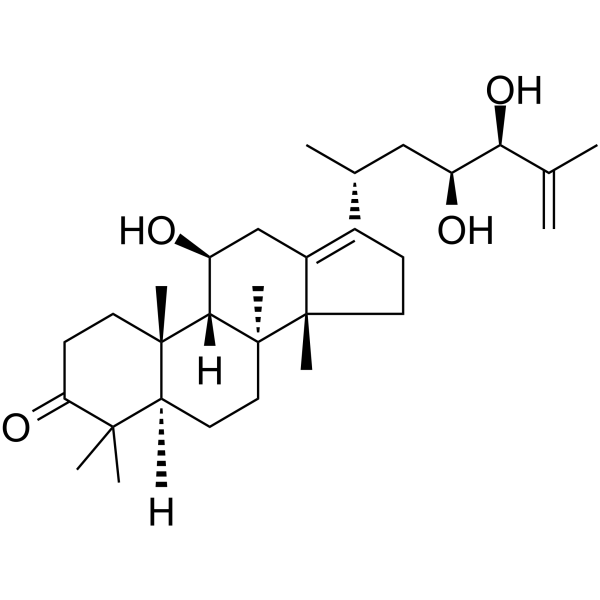
    Alisol G (25-Anhydroalisol A) is a human carboxylesterase 2 (hCES2) inhibitor with an IC50 of 3.85 μM. Alisol G exhibits cytotoxic activity against human cancer cells, antibacterial activity against Gram-positive strains, and anti-hepatitis B virus activity. Alisol G can be used in research related to lung cancer, breast cancer, prostate cancer, bacterial infections, and HBV infections .
    Alisol G
  • HY-13673S2

    ICI 118630-d7 TFA

    Isotope-Labeled Compounds Apoptosis GnRH Receptor Endocrinology Cancer
    Goserelin-d7 (TFA) is deuterium labeled Goserelin. Goserelin (ICI 118630), a decapeptide analogue of gonadotropin-releasing hormone (GnRH/LHRH), functions as a GnRH agonist. Goserelin can be used for the research of breast cancer, epithelial ovarian cancer and prostate cancer .
    Goserelin-d7 TFA
  • HY-P4144

    Phor18-LHRH (338613); EP-100

    GnRH Receptor Endocrinology Cancer
    Onvitrelin ucalontide ([Phor18-LHRH (338613)]) is an analogue of luteinizing hormone releasing hormone (LHRH) with antineoplastic activity. Onvitrelin ucalontide is a peptide with sequences of KFAKFAKKFAKFAKKFAKQHWSYGLRPG. Onvitrelin ucalontide effectively inhibits breast cancer, ovarian cancer and prostate cancer xenografts in mouse model .
    Onvitrelin ucalontide
  • HY-163938

    PROTACs Cancer
    PROTAC erf3a Degrader-1 (Compound C63) is an orally active PROTAC erf3a Degrader. PROTAC erf3a Degrader-1 inhibits cancer cell proliferation (eg: 22Rv1). PROTAC erf3a Degrader-1 can be used for research of prostate cancer, ovarian cancer, liver cancer, cervical cancer, leukemia, breast cancer. (Red: erf3a ligand (HY-13778); Black: linker (HY-163960); Blue: CRBN ligand (HY-41547)) .
    PROTAC erf3a Degrader-1
  • HY-103367

    Checkpoint Kinase (Chk) Cancer
    CHK1-IN-7 (Compound 10c) is a potent human CHK1 inhibitor. CHK1-IN-7 shows no single agent effect, potentiates the antiproliferative effect of Gemcitabine HY-17026 in both prostate and breast cancer cell lines. CHK1-IN-7 can be used for the research of cancer .
    CHK1-IN-7
  • HY-172562

    PROTACs Epigenetic Reader Domain Cancer
    BTR2004 is a selective BET family (BRD2/3/4) protein PROTAC degrader. BTR2004 forms a ternary complex with BRD proteins and KLHL20, inducing ubiquitination and proteasomal degradation through the UPS pathway. BTR2004 is promising for research of PC3 prostate cancer and MDA-MB-231 breast cancer cell lines. Pink: (+)-JQ1-OH (HY-161125); Blue: BTR2000 (HY-172563); Black: Linker (HY-W015236) .
    BTR2004
  • HY-P991332

    CD73 Cancer
    JAB-BX102 is a human monoclonal antibody (mAb) targeting NT5E/CD73. JAB-BX102 can be used in the study of cancers such as breast cancer, pancreatic cancer, and prostate cancer .
    JAB-BX102
  • HY-177027

    Checkpoint Kinase (Chk) Cancer
    CHK1-IN-13 (Compound 38) is a checkpoint kinase 1 (Chk1) inhibitor with an IC50 of 10-50  nM. CHK1-IN-13 has anticancer activity, and can be used for the research of cancers, such as breast, ovarian and prostate cancer .
    CHK1-IN-13
  • HY-178503

    Apoptosis Cancer
    dA-NHbenzylSCF 3 is a radiosensitizer. dA-NHbenzylSCF 3 has low toxicity to cancer cells and normal cells, but can significantly enhance cancer cell death in the presence of ionizing radiation (IR). dA-NHbenzylSCF 3 promotes cell apoptosis by capturing electrons and inducing DNA double strand breaks (DSBs). dA-NHbenzylSCF 3 is often used in the research of cancer, such as prostate cancer and breast cancer .
    dA-NHbenzylSCF 3
  • HY-P99881

    ABBV 176

    Antibody-Drug Conjugates (ADCs) Cancer
    Rolinsatamab talirine (ABBV 176) is a prolactin receptor (PRLR)-targeting antibody-drug conjugate (ADC), compoused of Rolinsatamab (HY-P99238) and SGD-1882 (HY-101127). Rolinsatamab talirine binds to PRLR to deliver a cytotoxin to tumor cells. Rolinsatamab talirine induces DNA damage, and exhibits cytotoxicity against multiple breast tumor models, including triple negative and low PRLR-expressing models. Rolinsatamab talirine demonstrates enhanced anti-tumor activity in several breast cancer models. Rolinsatamab talirine can be used for the research of breast cancer, hepatocellular carcinoma, ovarian cancer, endometrial cancer, prostate cancer, colorectal cancer, adrenocortical carcinoma, and solid tumors .
    Rolinsatamab talirine
  • HY-P991292

    ADC Antibody Cancer
    AB-3A4 is a human IgG1 monoclonal antibody (mAb) targeting KAAG1. AB-3A4 can be used in the study of ovarian cancer, triple-negative breast cancer, and prostate cancer. Recommended isotype control: Human IgG1 kappa, Isotype Control (HY-P99001) .
    AB-3A4
  • HY-178104

    HDAC Apoptosis Caspase Bcl-2 Family Cancer
    HDAC-IN-93 is a HDAC inhibitor with promising total pan-HDAC inhibitory activity. HDAC-IN-93 demonstrates significant broad-spectrum antiproliferative activity across various cancer cell lines. HDAC-IN-93 induces cell apoptosis along with necrosis. HDAC-IN-93 can be used for the studies of prostate cancer and breast cancer .
    HDAC-IN-93
  • HY-146433

    Apoptosis Cancer
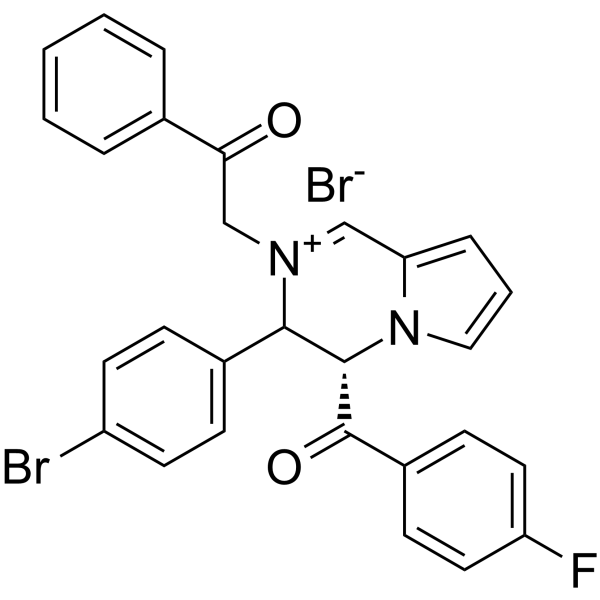
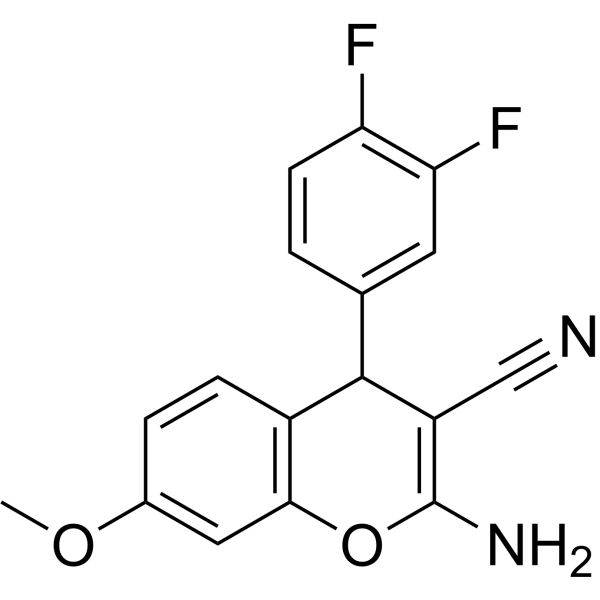
    Anticancer agent 55 is a potent anticancer agent. Anticancer agent 55 shows anticancer activity via reducing the cell viability and cell migration in a dose-dependent manner. Anticancer agent 55 induces apoptosis. Anticancer agent 55 has the potential for the research of prostate cancer and breast cancer .
    Anticancer agent 55
  • HY-125010

    DNA/RNA Synthesis Apoptosis Cancer
    Dicycloplatin is a DNA damage inducer. Dicycloplatin induces DNA damage by activating biphosphorylated checkpoint kinase 2 (CHK2), breast cancer 1 (BRCA1) and triphosphorylated p53. Dicycloplatin can induce cell cycle arrest, inhibit proliferation and lead to apoptosis in prostate cancer PC3 cells and lung cancer NCI/H446 cells. Dicycloplatin can be used in cancer researchr .
    Dicycloplatin
  • HY-178941

    Dihydroorotate Dehydrogenase Apoptosis Caspase Reactive Oxygen Species (ROS) Cancer
    DHODH-IN-32 (Compound A1) is a DHODH inhibitor. DHODH-IN-32 shows significant cytotoxicity against NCI-60 cell lines, especially being sensitive to breast cancer, prostate cancer and leukemia cell lines. DHODH-IN-32 can induce cell apoptosis by activating the Caspase pathway. DHODH-IN-32 causes G0/G1 phase cell cycle arrest and inhibits cellular metabolism by ROS. DHODH-IN-32 exhibits significant anti-tumor properties in mouse breast cancer models. DHODH-IN-32 can be used for the study of breast cancer .
    DHODH-IN-32
  • HY-156419

    PARP Cancer
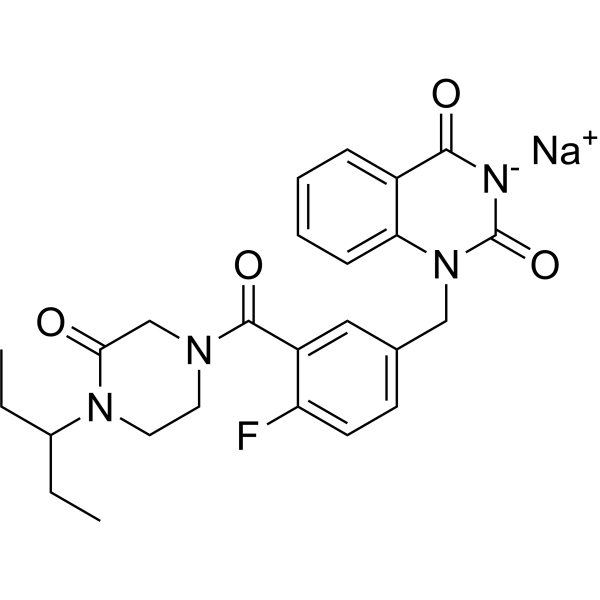
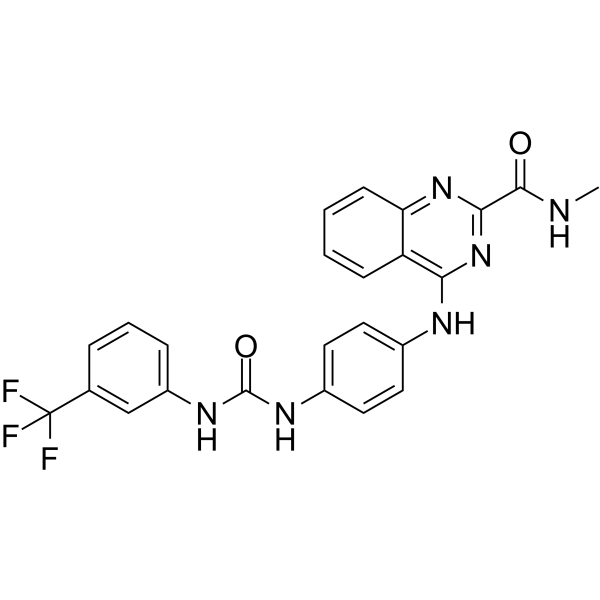
    PARP7-IN-16 (compound 36) is a potent, selective and orally active inhibitor of PARP-1/2/7, with IC50s of 0.94, 0.87 and 0.21 nM, respectively. PARP7-IN-16 can be used for the research of breast cancer and prostate cancer .
    PARP7-IN-16
  • HY-176780

    Others Cancer
    Gαi2-IN-1 (Compound 14) is a Gαi2 inhibitor. Gαi2-IN-1 significantly inhibits cancer cells migration induced by the chemotherapeutic drug, such as Vorinostat (HY-10221) and Docetaxel (HY-B0011). Gαi2-IN-1 can be used for cancers like prostate, breast and ovarian cancer research .
    Gαi2-IN-1
  • HY-P991576

    Transmembrane Glycoprotein Cancer
    Anti-CD326/EPCAM Antibody (3622W94) is a humanized antibody expressed in CHO cells, targeting EpCAM/TROP1/CD326. Anti-CD326/EPCAM Antibody (3622W94) can be used for epithelial cancers research, such as pancreatic, prostate and breast cancer.
    Anti-CD326/EPCAM Antibody (3622W94)
  • HY-177913

    PDK-1 Cancer
    OSU-02067 is a selective 3-phosphoinositide-dependent protein kinase-1 (PDK-1) inhibitor (IC50=9 μM). OSU-02067 is promising for research of solid tumors (e.g., prostate, breast, colorectal cancers) .
    OSU-02067
  • HY-111170

    Microtubule/Tubulin Cancer
    STA-9584 is a potent vascular disrupting agent (VDA) that targets tubulin. STA-9584 exhibits potent antitumor activity in mouse xenograft model by selectively targeting microvasculature at both the center and periphery of tumors. STA-9584 can be used for research in prostate and breast cancer .
    STA-9584

온라인 문의

Your information is safe with us. * Required Fields.

호칭


Country or Region *

고객명 *


회사명 *

Department *


메일주소 *


상품명 *

Cat. No.


Requested quantity *

전화번호 *


비고

온라인 문의

Inquiry Information

상품명:
Cat. No.:
수량:
MCE Japan Authorized Agent: