


1. Search Result
Search Result
Results for "

rat blood

" in MedChemExpress (MCE) Product Catalog:

207

Inhibitors & Agonists

2

Biochemical Assay Reagents

20

Peptides

14

Natural
Products

1

Recombinant Proteins

8

Isotope-Labeled Compounds

Cat. No. Product Name Target Research Areas Chemical Structure
  • HY-P0203
    α-CGRP (mouse, rat)
    5+ Cited Publications

    CGRP (83-119), mouse, rat

    CGRP Receptor Cardiovascular Disease Metabolic Disease Inflammation/Immunology
    α-CGRP (mouse, rat), a neuropeptide (calcitonin gene-related peptide (CGRP)) mainly expressed in neuromuscular junction, is a potent vasodilator. α-CGRP (mouse, rat) can lead to a fall in blood pressure and an increase in heart rate by peripheral administration, also relax colonie smooth muscle. α-CGRP (mouse, rat) has the potential in cardiovascular, pro-inflammatory, migraine and metabolic studies .
    α-CGRP (mouse, rat)
  • HY-109012
    Seltorexant
    3 Publications Verification

    JNJ-42847922

    Orexin Receptor (OX Receptor) Neurological Disease Endocrinology
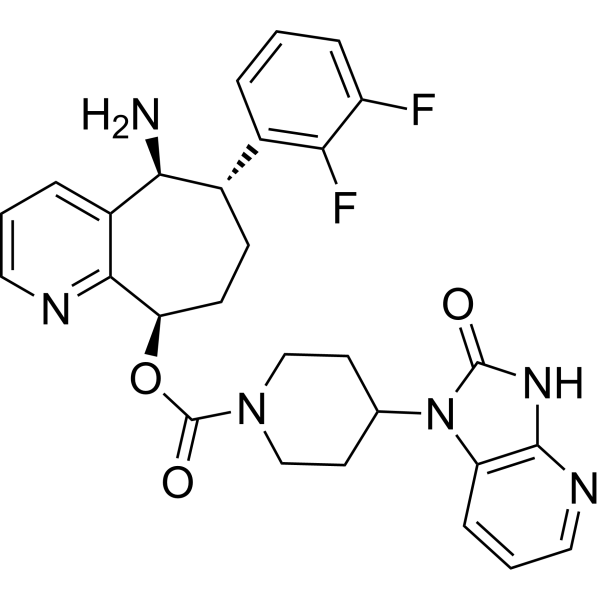
    Seltorexant (JNJ-42847922) is an orally active, high-affinity, and selective orexin-2 receptor (OX2R) antagonist (pKi values of 8.0 and 8.1 for human and rat OX2R). Seltorexant (JNJ-42847922) crosses the blood-brain barrier and quickly occupies OX2R binding sites in the rat brain .
    Seltorexant
  • HY-12378
    BQ-123
    3 Publications Verification

    Endothelin Receptor Cardiovascular Disease
    BQ-123 is a potent and selective endothelin A (ETA) receptor antagonist with an IC50 of 7.3 nM and a Ki of 25 nM. BQ-123 inhibits endothelin-1-mediated proliferation of human pulmonary artery smooth muscle cells and lowers blood pressure in different rat models of hypertension .
    BQ-123
  • HY-102064
    SR 57227A
    1 Publications Verification

    5-HT Receptor Neurological Disease
    SR 57227A is a potent, orally active and selective 5-HT3 receptor agonist, with ability to cross the blood brain barrier. SR 57227A has affinities (IC50) varying between 2.8 and 250 nM for 5-HT3 receptor binding sites in rat cortical membranes and on whole NG 108-15 cells or their membranes. Anti-depressant effects .
    SR 57227A
  • HY-108463
    A-967079
    Maximum Cited Publications
    16 Publications Verification

    TRP Channel Neurological Disease Inflammation/Immunology
    A-967079 is a selective TRPA1 receptor antagonist with IC50s of 67 nM and 289 nM at human and rat TRPA1 receptors, respectively, and has good penetration into the blood-brain barrier .
    A-967079
  • HY-106224B
    Orexin A (human, rat, mouse) acetate
    Maximum Cited Publications
    11 Publications Verification

    Hypocretin-1 (human, rat, mouse) acetate

    Orexin Receptor (OX Receptor) Neurological Disease
    Orexin A (Hypocretin-1) (human, rat, mouse) acetate is a hypothalamic neuropeptide with analgesic properties (crosses the blood-brain barrier). Orexin A (human, rat, mouse) acetate binds and activates two types of G protein-coupled receptors, the orexin-1 receptor (OX1R) and the orexin-2 receptor (OX2R). Orexin A (human, rat, mouse) acetate can be used in studies of appetite regulation, neurodegenerative diseases and modulation of injurious messaging .
    Orexin A (human, rat, mouse) acetate
  • HY-148195

    NNZ-2591

    Biochemical Assay Reagents Neurological Disease
    Ercanetide (NNZ 2591) is a synthetic analogue of a small peptide of cyclic glycine proline (cGP). Ercanetide shows orally active and cross the blood-brain barrier. Ercanetide shows neuroprotective after ischemic brain injury. NNZ 2591 improves motor function in a rat model of Parkinson's disease. Ercanetide has the potential for the research of ischemic brain injury and angelman syndrome .
    Ercanetide
  • HY-14806
    Teneligliptin
    5+ Cited Publications

    MP-513

    Dipeptidyl Peptidase Cardiovascular Disease Neurological Disease Metabolic Disease
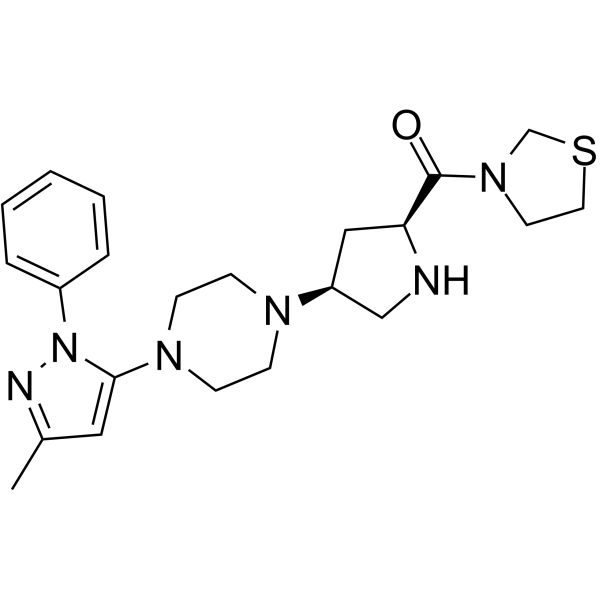
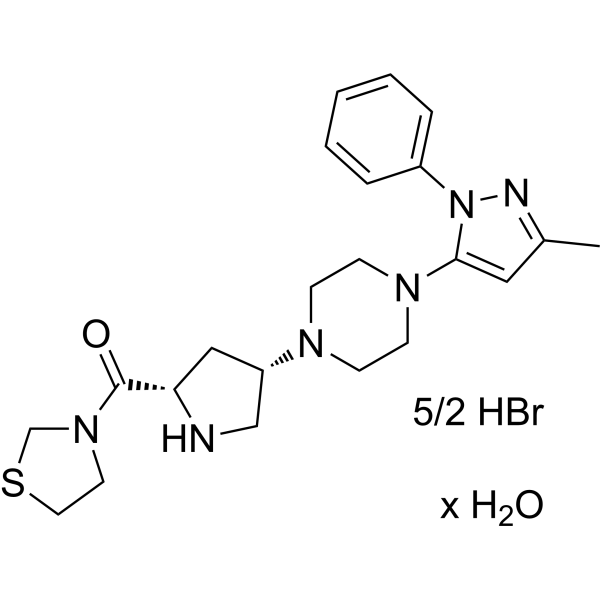
    Teneligliptin (MP-513) hydrobromide hydrate is an orally active and selective dipeptidyl peptidase 4 (DPP-4) inhibitor (IC50s: 0.37 and 0.29 nM for the human and rat DPP-4, respectively). Teneligliptin hydrobromide hydrate improves blood glucose levels and can be used in researches related to type 2 diabetes mellitus .
    Teneligliptin
  • HY-150508
    MK-0159
    1 Publications Verification

    CD38 Cardiovascular Disease Metabolic Disease Inflammation/Immunology
    MK-0159 is an orally active, potent and selective CD38 inhibitor, with IC50 values of 22, 3, and 70 nM for human, mouse and rat CD38, respectively. MK-0159 also shows good microsomal stability for human and rodent liver microsomes. MK-0159 increases NAD + (nicotinamide adenine dinucleotide) and reduces ADPR (adenosine diphosphate ribose) in whole blood and heart .
    MK-0159
  • HY-W010520

    Environmental Pollutants MMP Bacterial Fungal Apoptosis Infection Inflammation/Immunology
    Methylothiazolinone is a bacterial and fungal inhibitor and preservative, as well as a sensitizer. Methylisothiazolinone can activate matrix metalloproteinases (MMPs) in human bronchial epithelial cells to induce apoptosis and inflammatory response. Methylisothiazolinone can promote the development of atopic dermatitis in mice by disrupting Th2/Th17 related immune responses. Methylisothiazolinone can cause mitochondrial damage in the endothelium of rat cerebral blood vessels .
    Methylisothiazolinone
  • HY-109012A
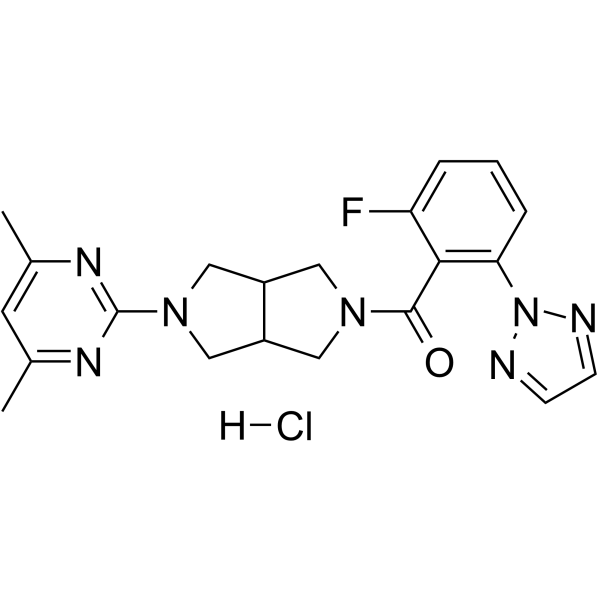
    Seltorexant hydrochloride
    3 Publications Verification

    JNJ-42847922 hydrochloride

    Orexin Receptor (OX Receptor) Neurological Disease Metabolic Disease
    Seltorexant hydrochloride (JNJ-42847922 hydrochloride) is an orally active, high-affinity, and selective OX2R antagonist (pKi values of 8.0 and 8.1 for human and rat OX2R). Seltorexant hydrochloride crosses the blood-brain barrier and quickly occupies OX2R binding sites in the rat brain .
    Seltorexant hydrochloride
  • HY-B2141

    NO Synthase HIF/HIF Prolyl-Hydroxylase Cardiovascular Disease Others Metabolic Disease
    Bendazol is an orally effective antihypertensive agent. Bendazol acts directly on vascular smooth muscle to dilate blood vessels and reduce peripheral resistance, thereby improving blood circulation. Bendazol significantly inhibits the development of myopia in rabbit models. Bendazol can regulate kidney function by increasing the activity of NO synthase in the rat model of nephrogenic hypertension. In addition, Bendazol has an effect on sexual behavior and spermatogenesis in male rats .
    Bendazol
  • HY-14806A
    Teneligliptin hydrobromide
    5+ Cited Publications

    MP-513 hydrobromide

    Dipeptidyl Peptidase NOD-like Receptor (NLR) Interleukin Related AMPK Reactive Oxygen Species (ROS) Apoptosis p38 MAPK NF-κB JNK Cardiovascular Disease Neurological Disease Metabolic Disease
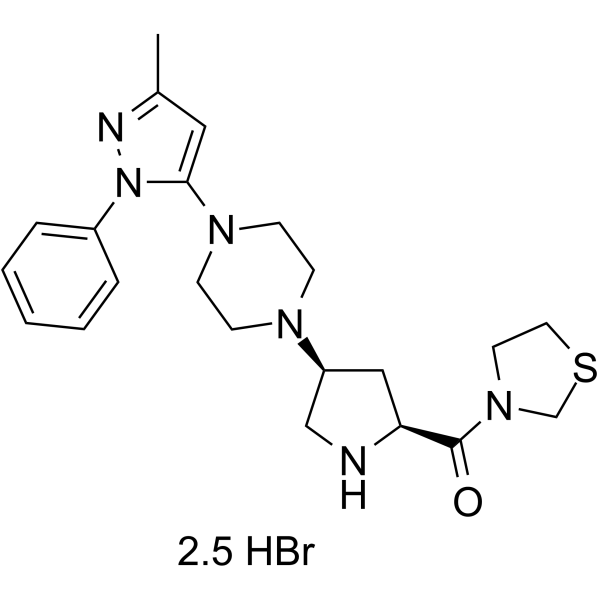
    Teneligliptin (MP-513) hydrobromide is an orally active and selective dipeptidyl peptidase 4 (DPP-4) inhibitor (IC50s: 0.37 and 0.29 nM for the human and rat DPP-4, respectively). Teneligliptin hydrobromide improves blood glucose levels and can be used in researches related to type 2 diabetes mellitus .
    Teneligliptin hydrobromide
  • HY-122542B
    PPACK TFA
    2 Publications Verification

    Ligands for E3 Ligase Molecular Glues IKZF Family Cardiovascular Disease
    PPACK TFA is an orally active, selective molecular glue degrader targeting IKZF2. Through a molecular glue mechanism, PPACK TFA binds to CRBN, recruits IKZF2 to form a ternary complex, and promotes its ubiquitination and proteasomal degradation. This further converts inhibitory regulatory T cells (Treg) into effector-like T cells, enhances CD8 + T cell responses, and modulates the Teff:Treg balance. PPACK TFA also increases the production of the inflammatory cytokine IL-2 and reduces the suppressive activity of Treg. PPACK TFA can be used in cancer immunotherapy research, and exhibits a synergistic effect when combined with immune checkpoint inhibitors such as anti-PD1 .
    PPACK TFA
  • HY-114782

    L-Tyrosyl-L-tyrosine

    Angiotensin-converting Enzyme (ACE) Cardiovascular Disease
    H-Tyr-Tyr-OH (L-Tyrosyl-L-tyrosine) is an antihypertensive peptide. H-Tyr-Tyr-OH inhibits angiotensin I-converting enzyme (ACE) with an IC50 value of 0.028 mg/mL. H-Tyr-Tyr-OH can be used for the research of high blood pressure .
    H-Tyr-Tyr-OH
  • HY-P0203A
    α-CGRP (mouse, rat) TFA
    5+ Cited Publications

    CGRP (83-119), mouse, rat TFA

    CGRP Receptor Cardiovascular Disease Metabolic Disease Inflammation/Immunology
    α-CGRP (mouse, rat) TFA, a neuropeptide (calcitonin gene-related peptide (CGRP)) mainly expressed in neuromuscular junction, is a potent vasodilator. α-CGRP (mouse, rat) TFA can lead to a fall in blood pressure and an increase in heart rate by peripheral administration, also relax colonie smooth muscle. α-CGRP (mouse, rat) TFA has the potential in cardiovascular, pro-inflammatory, migraine and metabolic studies .
    α-CGRP (mouse, rat) TFA
  • HY-109968

    CEP-26401

    Histamine Receptor Neurological Disease Metabolic Disease
    Irdabisant (CEP-26401) is a selective, orally active and blood-brain barrier (BBB) penetrant histamine H3 receptor (H3R) inverse agonist/inverse agonist with Ki values of 7.2 nM and 2.0 nM for rat H3R and human H3R, respectively. Irdabisant has relatively low inhibitory activity against hERG current with an IC50 of 13.8 μM. Irdabisant has cognition-enhancing and wake-promoting activities in the rat social recognition model. Irdabisant can be used to research schizophrenia or cognitive impairment .
    Irdabisant
  • HY-14806B

    MP-513 hydrobromide hydrate

    NOD-like Receptor (NLR) Interleukin Related AMPK Reactive Oxygen Species (ROS) Toll-like Receptor (TLR) NF-κB JNK p38 MAPK Apoptosis Cardiovascular Disease Neurological Disease Metabolic Disease
    Teneligliptin (MP-513) hydrobromide hydrate is an orally active and selective dipeptidyl peptidase 4 (DPP-4) inhibitor (IC50s: 0.37 and 0.29 nM for the human and rat DPP-4, respectively). Teneligliptin hydrobromide hydrate improves blood glucose levels and can be used in researches related to type 2 diabetes mellitus .
    Teneligliptin hydrobromide hydrate
  • HY-113854
    AZD2906
    1 Publications Verification

    Glucocorticoid Receptor Cardiovascular Disease Endocrinology
    AZD2906 is a selective glucocorticoid receptor (GR) agonist, increases micronucleated immature erythrocytes in the bone marrow of rats. AZD2906 shows IC50s of 2.2, 0.3, 41.6 and 7.5 nM at GR in human, rat PBMC and human, rat whole blood, respectively .
    AZD2906
  • HY-W145497

    Insulin Receptor Metabolic Disease
    D-(+)-Sorbose, an active enantiomer of D-Sorbose, which inhibits disaccharidase activity and demonstrates suppressive action on postprandial blood levels of glucose and insulin in the rat. D-sorbose acts as a sweetener may contribute to the prevention of lifestyle-related diseases, such as type 2 diabetes mellitus .
    D-(+)-Sorbose
  • HY-78086

    3-Methylbenzaldehyde

    Endogenous Metabolite Bacterial Cytochrome P450 Infection Inflammation/Immunology
    m-Tolualdehyde (3-Methylbenzaldehyde) is an aldehyde metabolite produced by m-xylene metabolism, and it bidirectionally regulates the CYP 2B1, CYP 2E1, and CYP 4B1 isoenzymes in the respiratory tract of rats. m-Tolualdehyde serves as an oxidation substrate and carbon source for Pseudomonas Pxy, and it can be oxidized to m-toluic acid in an NAD + -dependent manner. m-Tolualdehyde exerts a dose-dependent inhibitory effect on CYP 2B1 and CYP 2E1 in the nasal mucosa and lungs of rats, and a dose-dependent activating effect on pulmonary CYP 4B1. m-Tolualdehyde can form aldehyde-heme adducts with the heme group of cytochrome P450. m-Tolualdehyde can be used in studies related to metabolic enzymes in the respiratory tract of rats .
    m-Tolualdehyde
  • HY-N2160

    GABA Receptor Neurological Disease
    6'''-Feruloylspinosin is a flavonoid isolated from seeds of Ziziphus jujuba. 6'''-Feruloylspinosin can across the blood-brain barrier and enhance the expression of GABAAα1, GABAAα5, and GABABR1 mRNA in rat hippocampal neurons .
    6'''-Feruloylspinosin
  • HY-N7062

    Takeda-25

    FAAH Neurological Disease
    JNJ-1661010 (Takeda-25) a potent and selective fatty acid amide hydrolase (FAAH) inhibitor with IC50s of 34 and 33 nM for rat FAAH and human FAAH, respectively. JNJ-1661010 can cross the blood-brain barrier and used as broad-spectrum analgesics .
    JNJ-1661010
  • HY-122373

    Aldehyde Dehydrogenase (ALDH) Drug Derivative Metabolic Disease
    Coprine is an orally active disulfiram (HY-B0240)-like component and an inhibitor of aldehyde dehydrogenase. Coprine is isolated from Coprinus atranentarius. Coprine inhibits low Km aldehyde dehydrogenase in rat liver and increases blood acetaldehyde levels during in vivo ethanol metabolism. Coprine does not inhibit semi-purified low Km aldehyde dehydrogenase from rat liver in vitro. Coprine can be used in studies related to alcoholism .
    Coprine
  • HY-147403S

    JNJ-61393215

    Orexin Receptor (OX Receptor) Isotope-Labeled Compounds Neurological Disease
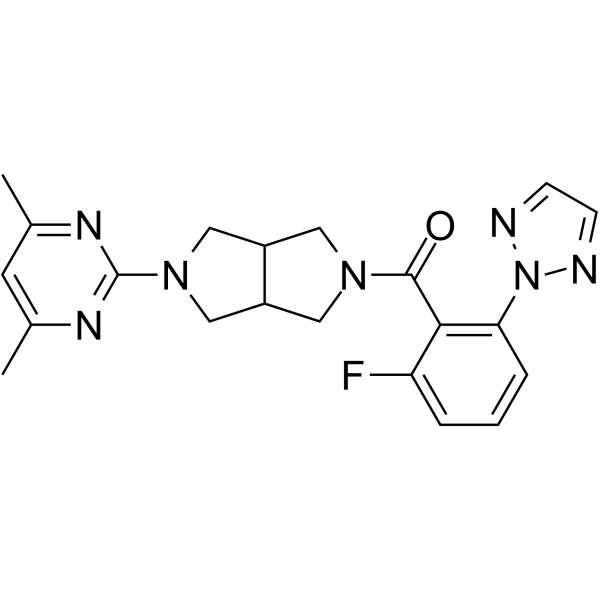
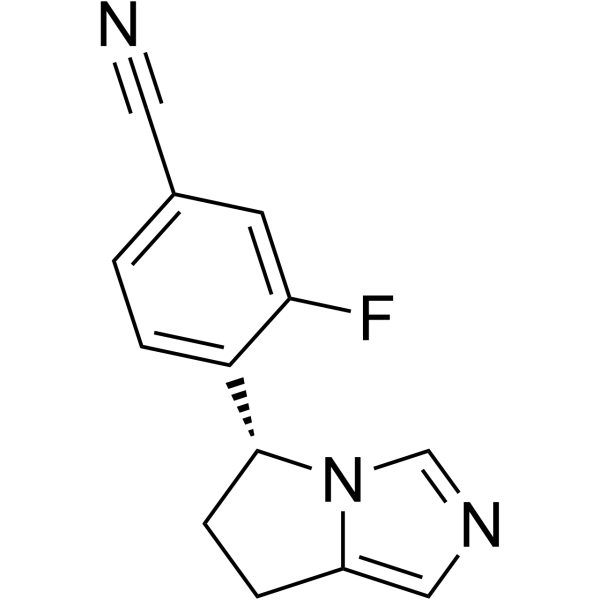
    Tebideutorexant is an OX1R-selective inhibitor with oral bioavailability and blood-brain barrier permeability, with human OX1R pKi 8.17 and rat OX1R pKi 8.13.Tebideutorexant selectively modulates OX1R, with no significant functional effect on OX2R. Tebideutorexant can be used for the research of panic and anxiety disorders .
    Tebideutorexant
  • HY-101478

    mGluR Apoptosis Neurological Disease Cancer
    Fenobam is a selective and orally active mGluR5 antagonist (IC50=84 nM) that can penetrate the blood-brain barrier. Fenobam shows the Kd values of 54 nM and 31 nM on rat and human recombinant mGlu5 receptors, respectively. Fenobam has anxiolytic activity, inhibits self-administration behavior in mice, and induces apoptosis in cancer cells. Fenobam can be used for research on neurological diseases, cancer and drug addiction .
    Fenobam
  • HY-W010243

    Bacterial MMP Apoptosis Fungal Infection Inflammation/Immunology
    Methylisothiazolinone hydrochloride is a bacterial and fungal inhibitor and preservative, as well as a sensitizer. Methylisothiazolinone hydrochloride can activate matrix metalloproteinases (MMPs) in human bronchial epithelial cells to induce apoptosis and inflammatory response. Methylisothiazolinone hydrochloride can promote the development of atopic dermatitis in mice by disrupting Th2/Th17 related immune responses. Methylisothiazolinone hydrochloride can cause mitochondrial damage in the endothelium of rat cerebral blood vessels .
    Methylisothiazolinone hydrochloride
  • HY-118941

    Prostaglandin Receptor Cardiovascular Disease
    BAY 73-1449 is a selective antagonist of prostacyclin receptor (IP), with high potency (IC50 of less than 0.1 nM) in cAMP assays in Human HEL cells and rat DRG. BAY 73-1449 can be used in the research of lowering blood pressure .
    BAY 73-1449
  • HY-W014134

    p-Amidinophenylmethylsulfonylfluoride hydrochloride

    Ser/Thr Protease Inflammation/Immunology
    p-APMSF (p-Amidinophenylmethylsulfonylfluoride) hydrochloride is a serine protease and trypsin inhibitor with the characteristic of rapid onset of action. p-APMSF hydrochloride reduces the enzymatic hydrolysis of recombinant human G-CSF in rat pulmonary mucosa. Combined intratracheal treatment with p-APMSF hydrochloride and Laureth-9 significantly enhances its absorption efficiency in rat lungs. Following intranasal administration, p-APMSF hydrochloride does not increase the concentration of recombinant human G-CSF in rat plasma, nor does it alter the effect of G-CSF on inducing an increase in total white blood cell count .
    p-APMSF hydrochloride
  • HY-121156A

    LF 16-0687 hydrochloride; XY-2405 hydrochloride

    Bradykinin Receptor Neurological Disease
    Anatibant (LF 16-0687; XY-2405) hydrochloride is a selective non-peptide bradykinin B2 receptor antagonist. Anatibant hydrochloride binds to the human, rat and guinea-pig recombinant B2 receptor with Ki values of 0.67 nM, 1.74 nM and 1.37 nM, respectively. Anatibant hydrochloride crosses the blood-brain barrier (BBB). Anatibant hydrochloride can be used in research on brain damage diseases .
    Anatibant hydrochloride
  • HY-114164D
    Rat Thrombin
    5+ Cited Publications

    Thrombin Cardiovascular Disease
    Rat Thrombin is a Na +-activated, allosteric serine protease that plays opposing functional roles in blood coagulation. Thrombin recognition sequence and can be used to digest GST-tagged proteins .
    Rat Thrombin
  • HY-W039898

    1,2,3,4,6-Penta-O-acetyl-α-D-mannopyranose

    Biochemical Assay Reagents Lactate Dehydrogenase Metabolic Disease
    α-D-Mannose pentaacetate (1,2,3,4,6-Penta-O-acetyl-α-D-mannopyranose) acts as a lactate promoter. It increases lactate production in rat red blood cells .
    α-D-Mannose pentaacetate
  • HY-U00037

    PLA 725

    Phospholipase Inflammation/Immunology
    Ecopladib is a sub-micromolar inhibitor of cytosolic phospholipase A2α (cPLA2α), with IC50s of 0.15 μM and 0.11 μM in the GLU micelle and rat whole blood assays, respectively.
    Ecopladib
  • HY-P1323A

    Neuropeptide Y Receptor Cardiovascular Disease Neurological Disease
    [Leu31,Pro34]-Neuropeptide Y(human,rat) TFA is a specific neuropeptide Y Y1 receptor agonist. [Leu31,Pro34]-Neuropeptide Y(human,rat) TFA slao activates Y4, Y5. [Leu31,Pro34]-Neuropeptide Y(human,rat) TFA can increase blood pressure in anesthetized rats and increases food intake .
    [Leu31,Pro34]-Neuropeptide Y(human,rat,mouse) TFA
  • HY-108295

    CXB-722

    GABA Receptor Neurological Disease
    Pivagabine (CXB 722) is a hydrophobic 4-aminobutyric acid derivative with neuromodulatory activity. Pivagabine penetrates the blood-brain barrier in rats. Pivagabine antagonizes the effects of foot shock on both GABAA receptor function and corticotropin-releasing factor (CRF) concentrations in rat brain .
    Pivagabine
  • HY-W004425

    3,7-Dimethyl-1-propargylxanthine

    Adenosine Receptor Neurological Disease
    DMPX (3,7-Dimethyl-1-propargylxanthine) is a selective A2A adenosine receptor (A2A AR) antagonist that crosses the blood-brain barrier, with a Ki of 11 μM for rat A2 adenosine receptor and a Ki of 45 μM for rat A1 adenosine receptor. By blocking A2A receptors in specific brain regions, DMPX protects dopaminergic and GABAergic neurons from mitochondrial dysfunction. DMPX is applicable to research related to depression, Parkinson's disease and Huntington's disease .
    DMPX
  • HY-155642

    Urea Transporter Metabolic Disease
    PU-48 is a blood-brain barrier-permeable urea transporter (UT) inhibitor with an IC50 of 0.32 μM against rat UT-A. By functionally inhibiting urea transporters (including UT-A subtypes) in the renal inner medullary collecting ducts, PU-48 induces urea-selective diuresis. PU-48 does not alter blood levels of sodium, potassium or chloride ions, nor does it affect the excretion of non-urea solutes. PU-48 shows no significant toxicity in cell or animal models and can be used in edema-related research .
    PU-48
  • HY-156331

    mGluR Neurological Disease
    VU6004909 is a blood-brain barrier penetrated mGlu1 positive allosteric modulator (PAM), with the EC50s of 25.7 nM and 31 nM for human mGlu1 and rat mGlu1, respectively. VU6004909 reduces dorsolateral striatal dopamine (DA) release in vivo and displays antipsychotic efficacy .
    VU6004909
  • HY-106934A
    Peldesine dihydrochloride
    1 Publications Verification

    BCX 34 dihydrochloride

    Nucleoside Antimetabolite/Analog HIV Infection Inflammation/Immunology Cancer
    Peldesine (BCX 34) dihydrochloride is a potent, competitive, reversible and orally active purine nucleoside phosphorylase (PNP) inhibitor with IC50s of 36 nM, 5 nM, and 32 nM for human, rat, and mouse red blood cell (RBC) PNP, respectively. Peldesine dihydrochloride is also a T-cell proliferation inhibitor with an IC50 of 800 nM. Peldesine dihydrochloride has the potential for cutaneous T-cell lymphoma, psoriasis and HIV infection research .
    Peldesine dihydrochloride
  • HY-123613

    Prostaglandin Receptor Cardiovascular Disease
    AGN192093 is a thromboxane A2 receptor (TP) agonist (EC50 = 1.3 nM). AGN192093 exhibits potent and selective thromboxane analog activity in rat blood vessels .
    AGN192093
  • HY-P1323

    Neuropeptide Y Receptor Cardiovascular Disease Neurological Disease
    [Leu31,Pro34]-Neuropeptide Y(human,rat) is a specific neuropeptide Y Y1 receptor agonist. [Leu31,Pro34]-Neuropeptide Y(human,rat) slao activates Y4, Y5. [Leu31,Pro34]-Neuropeptide Y(human,rat) can increase blood pressure in anesthetized rats and increases food intake .
    [Leu31,Pro34]-Neuropeptide Y (human,rat)
  • HY-164412

    Endogenous Metabolite Neurological Disease
    Phosphatidylcholine (C18:2,C20:4) is a phosphatidylcholine species containing linoleic acid (C18:2) and arachidonic acid (C20:4) as fatty acid components, that can be isolated from egg yolk, red blood cell membranes of rat, rabbit, human, and dog. Phosphatidylcholine (C18:2,C20:4) can be used as a biomarker for the research of Alzheimer's disease .
    Phosphatidylcholine (C18:2,C20:4)
  • HY-P3976

    Angiotensin-converting Enzyme (ACE) Cardiovascular Disease
    Lactalbumin B (50-53) Alpha [Lactorphin Alpha], bovine is a blood pressure lowering peptide containing 4 amino acids. Lactalbumin B (50-53) Alpha [Lactorphin Alpha], bovine is an angiotensin-converting Enzyme (ACE) inhibitor. Lactalbumin B (50-53) Alpha [Lactorphin Alpha], bovine can be used in research of high blood pressure .
    Lactalbumin B (50-53) Alpha [Lactorphin Alpha], bovine
  • HY-125301

    Endogenous Metabolite Inflammation/Immunology
    Thymoctonan (THF-γ2) is the immunomodulatory octapeptide, thymic humoral factor γ2. Thymoctonan has the half-life less than 6 min at 37 °C in blood from human, rat and mouse .
    Thymoctonan
  • HY-102043

    Phosphodiesterase (PDE) Neurological Disease
    PDM-631 is a selective and orally active PDE2A inhibitor with blood-brain barrier penetration. PDM-631 exhibits potent inhibitory activity against human and rat recombinant PDE2A with IC50 values of 1.5 nM and 4.2 nM, respectively. PDM-631 increases cGMP levels in the rat cerebral cortex. PDM-631 can be used for the study of schizophrenia and neurodegenerative disorders .
    PDM-631
  • HY-162663

    ML253

    mAChR Neurological Disease
    VU0448088 (ML253) is a potent and cross the blood-brain barrier tricyclic muscarinic acetylcholine receptor subtype 4 (M4) positive allosteric modulator with EC50 values of 56, 176 nM for human and rat, respectively. VU0448088 has the potential for the research of psychotic .
    VU0448088
  • HY-170409

    Trk Receptor Apoptosis Neurological Disease Inflammation/Immunology
    BNN27 is the agonist for TrkA receptor and p75NTR receptor, that exhibits neurotrophic and anti-apoptotic effects. BNN27 increases the levels of glutamate, GABA, and glutamine in the rat hippocampus and prefrontal cortex, improves glutamate turnover. BNN27 exhibits neuroprotective efficacy in mouse amyotrophic lateral sclerosis (ALS) model, exhibits anti-inflammatory efficacy in experimental autoimmune encephalomyelitis (EAE) model, exhibits retinal protective efficacy in rat diabete models. BNN27 is blood-brain barrier penetrable .
    BNN27
  • HY-19165

    Angiotensin Receptor Cardiovascular Disease
    CI-996 is a potent, selective, orally active angiotensin II (Ang II) type 1 (AT1) receptor antagonist. In rat liver membranes CI-996 displaces specifically bind [ 125I]Ang II with an IC50 of 0.8 nM. CI-996 has blood pressure-lowering activity .
    CI-996
  • HY-108973A

    CGP-15210G

    5-HT Receptor Neurological Disease
    Ifoxetine (CGP 15210G) is an inhibitor of 5-HT reuptake. Ifoxetine specifically and selectively blocks the 5-HT reuptake in the brain without affecting the 5-HT uptake processes in the periphery (blood platelets). Ifoxetine inhibits the uptake of radiolabelled 5-HT into rat brain synaptosomes in vitro or ex vivo. Ifoxetine has antidepressant properties .
    Ifoxetine
  • HY-15008

    Oxytocin Receptor Endocrinology
    L-368,899 is an orally active and selective OT (oxytocin ) receptor antagonist, with IC50s of 8.9 and 26 nM for uterus of rat and human, respectively. L-368,899 can cross the blood-brain barrier (BBB). L-368,899 inhibits oxytocin-stimulated uterine contractions in rats and can be used in study of preterm labor .
    L-368,899

Inquiry Online

Your information is safe with us. * Required Fields.

Salutation


Country or Region *

Applicant Name *


Organization Name *

Department *


Email Address *


Product Name *

Cat. No.


Requested quantity *

Phone Number *


Remarks

Inquiry Online

Inquiry Information

Product Name:
Cat. No.:
Quantity:
MCE Japan Authorized Agent: