1. Search Result
Search Result
Results for "

tool compound

" in MedChemExpress (MCE) Product Catalog:

81

Inhibitors & Agonists

245

Screening-Bibliotheken

5

Fluorescent Dyes

7

Biochemical Assay Reagents

2

Peptides

3

Natural
Products

1

Isotope-Labeled Compounds

3

Click Chemistry

Art. -Nr. Produktname Target Forschungsgebiete Chemical Structure
  • HY-W034953
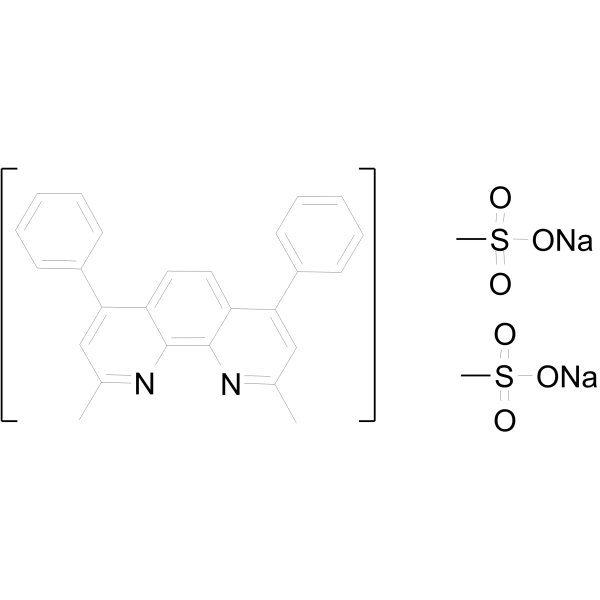
    Bathocuproine disulfonate disodium
    2 Publications Verification

    Biochemical Assay Reagents Others
    Bathocuproine disulfonate disodium (BCS) is an organic compound used as a highly sensitive colorimetric reagent for copper ions in biochemical and analytical applications. It has a bright yellow color and absorbs light at specific wavelengths, so it can be used to detect and quantify trace copper. In biochemical applications, BCS is commonly used to study the role of copper ions in various biological processes. Copper is an essential nutrient for many organisms, but it can also be toxic in high concentrations, so accurate measurement of copper levels is important to understand its impact on living systems. In terms of analysis, BCS is often used in environmental monitoring and water quality testing to detect copper pollution. It can detect copper even at very low concentrations, making it an invaluable tool for identifying potential sources of pollution and assessing the impact of industrial activities on aquatic ecosystems.
    Bathocuproine disulfonate disodium
  • HY-151719

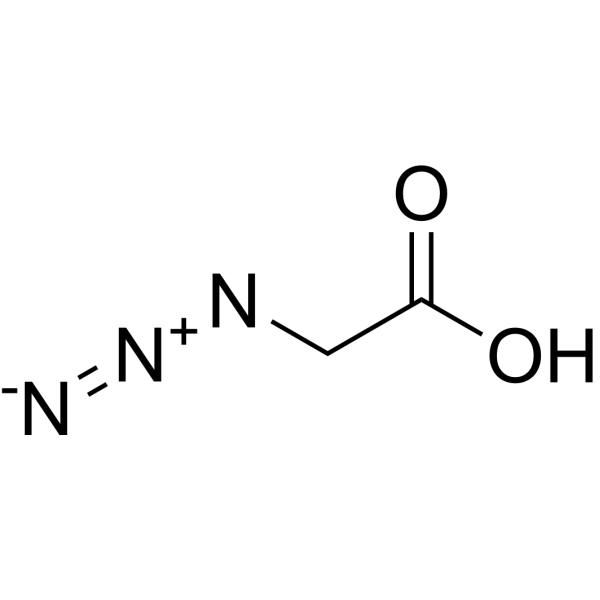
    2-Azidoacetic acid

    ADC Linker Others
    Azidoacetic Acid (2-Azidoacetic acid) (compound 92-1) is a click chemistry reagent containing an azide group. Azidoacetic Acid can be used as a small molecule tool for the synthesis of PROTAC . It contains an azide group and can undergo copper-catalyzed azide-alkyne cycloaddition (CuAAc) with molecules containing alkyne groups. It can also undergo ring strain-promoted alkyne-azide cycloaddition (SPAAC) with molecules containing DBCO or BCN groups.
    Azidoacetic Acid
  • HY-12970A
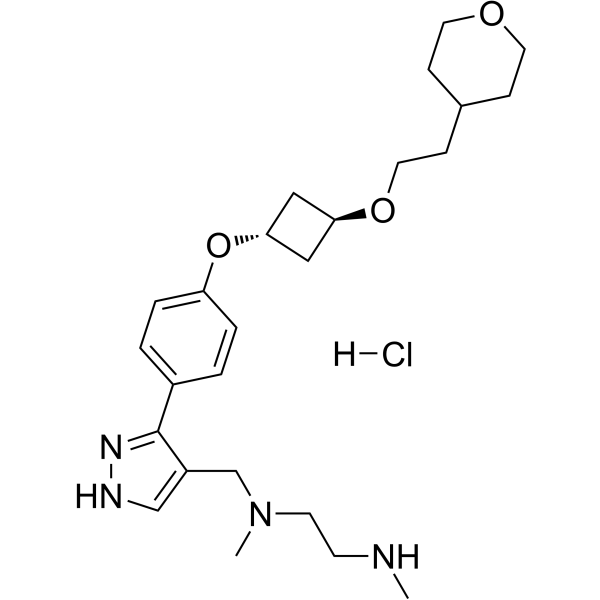
    EPZ020411 hydrochloride
    5+ Cited Publications

    Histone Methyltransferase Apoptosis Cancer
    EPZ020411 hydrochloride is a selective inhibitor of PRMT6 with an IC50 of 10 nM, it has >10 folds selectivity for PRMT6 over PRMT1 and PRMT8. EPZ020411 hydrochloride can be used for the research of cancer .
    EPZ020411 hydrochloride
  • HY-13991
    CCG-1423
    Maximum Cited Publications
    14 Publications Verification

    Ras Apoptosis Cancer
    CCG-1423 is an inhibitor of Rho/MRTF/SRF pathway. CCG-1423 shows activities in several cancer cells. CCG-1423 is a promising lead compound for the development of novel pharmacologic tools, and it can be used for the research of cancer and diabetes .
    CCG-1423
  • HY-113283

    Amyloid-β Natriuretic Peptide Receptor (NPR) α-synuclein Transthyretin (TTR) Claudin Neurological Disease Metabolic Disease Cancer
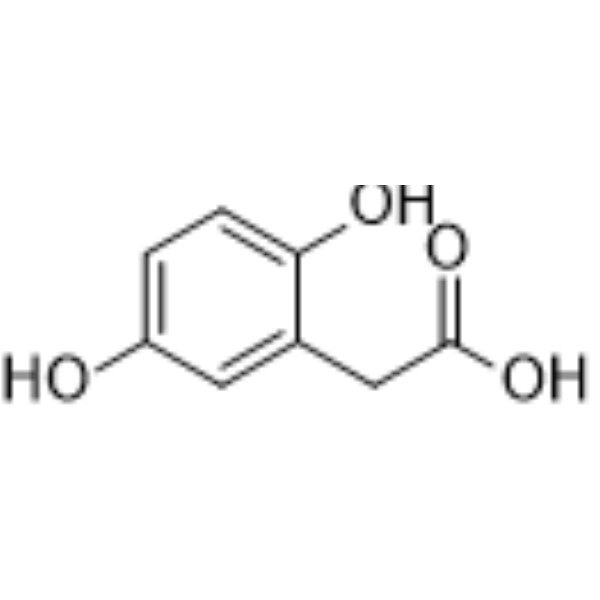
    Homogentisic acid is an orally active, blood-brain barrier-permeable amyloidogenic compound that functions as both an amyloid component and a pigment precursor. Accumulation of homogentisic acid downregulates tight junction proteins (such as claudin-5, occludin, ZO-1) and impairs blood-brain barrier integrity. Homogentisic acid and its oxidation product benzoquinone acetic acid not only induce the aggregation and fibrosis of multiple proteins (such as 1-42, α-synuclein, SAA, Transthyretin (TTR), atrial natriuretic peptide), but also trigger oxidative stress, damage to the Wnt/β-catenin pathway, and neurotoxicity, leading to ochronosis pigment deposition and synaptic dysfunction. At specific concentrations, homogentisic acid exerts no cytotoxicity or genotoxicity on human peripheral blood lymphocytes, and even counteracts the genotoxicity induced by Irinotecan (HY-16562). Homogentisic acid serves as an important tool molecule for investigating the mechanisms of diseases including ochronosis, secondary amyloidosis, Alzheimer's disease, and colorectal cancer .
    Homogentisic acid
  • HY-12970
    EPZ020411
    5+ Cited Publications

    Histone Methyltransferase Apoptosis Cancer
    EPZ020411 is a selective inhibitor of PRMT6 with an IC50 of 10 nM, has >10 folds selectivity for PRMT6 over PRMT1 and PRMT8. EPZ020411 can be used for the research of cancer .
    EPZ020411
  • HY-145272
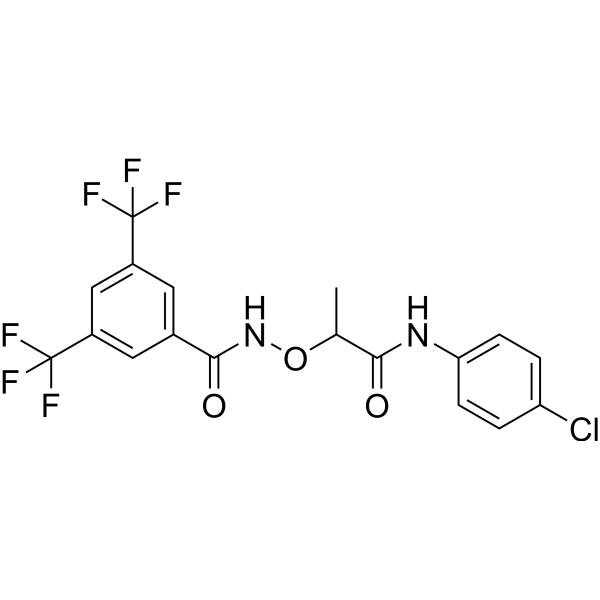
    ELOVL1-IN-3
    1 Publications Verification

    ELOVL Neurological Disease
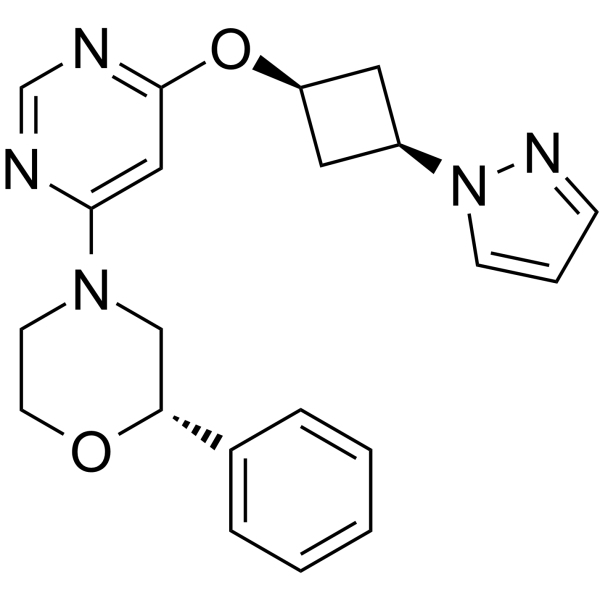
    ELOVL1-IN-3 (Compound 22) is a potent and orally active inhibitor of elongation of very long chain fatty acid 1 (ELOVL1) enzyme. ELOVL1-IN-3 serves as a useful tool for researching adrenoleukodystrophy (ALD) [1].
    ELOVL1-IN-3
  • HY-W035903
    Ethanolamine hydrochloride
    1 Publications Verification

    2-Aminoethanol hydrochloride

    Biochemical Assay Reagents Others
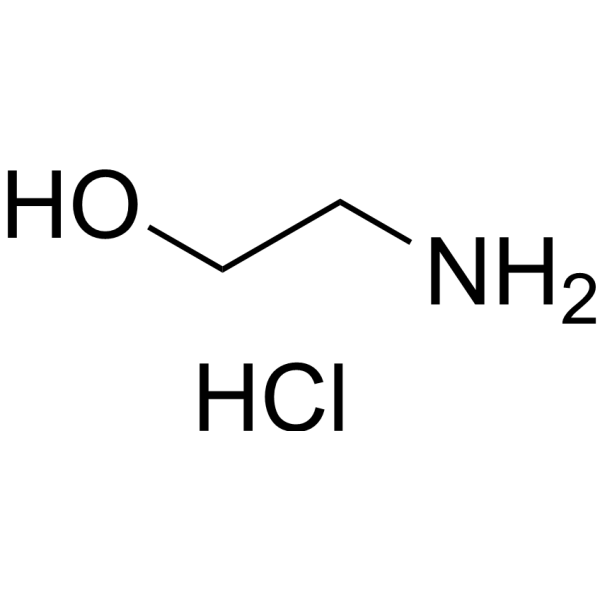
    Ethanolamine hydrochloride, is an organic compound used in various industrial applications. It is a white or colorless solid that is soluble in water and has a faint odor. One of the major uses of Ethanolamine hydrochloride is in the production of detergents and surfactants. Used as a raw material in the manufacture of compounds such as ethylenediaminetetraacetic acid (EDTA) and diethanolamine, which are commonly used in household and industrial cleaning products. Ethanolamine hydrochloride is also used in the synthesis of pharmaceuticals, agrochemicals and rubber processing agents. It acts as a buffer in certain chemical reactions, helping to adjust pH and maintain stability. Ethanolamine hydrochloride can be used for gas purification and metal corrosion inhibitor. Its ability to react with acid gases such as carbon dioxide and sulfur dioxide makes it useful for removing impurities from natural gas and other industrial gases. Overall, Ethanolamine hydrochloride is a multifunctional compound with many potential industrial applications. Its ability to act as a buffer, chelating agent, and corrosion inhibitor makes it an important tool in a variety of industries.
    Ethanolamine hydrochloride
  • HY-139838

    Herbicide Others Cancer
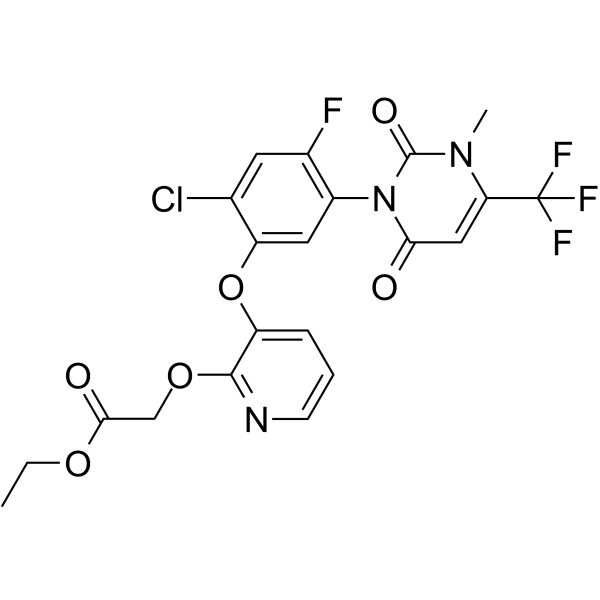
    Epyrifenacil is a protoporphyrinogen oxidase (PPO) inhibiting herbicide, potently targeting the PPO2 isoform from weeds such as Amaranthus palmeri with an IC50 of 0.637 nM. Epyrifenacil also inhibits liver mitochondrial PPO across species, with IC50 values of 2.2 nM (mouse), 2.6 nM (rat), 12.1 nM (rabbit), 7.6 nM (dog), and 10.2 nM (human). Epyrifenacil induces liver tumor development in mice. Epyrifenacil can be used for weed control, and also used as a tool compound in toxicological research to study the mechanism of PPO inhibition, chemical-induced hepatotoxicity, and the mode of action of non-genotoxic carcinogens in rodents [3].
    Epyrifenacil
  • HY-170316

    Ras Cancer
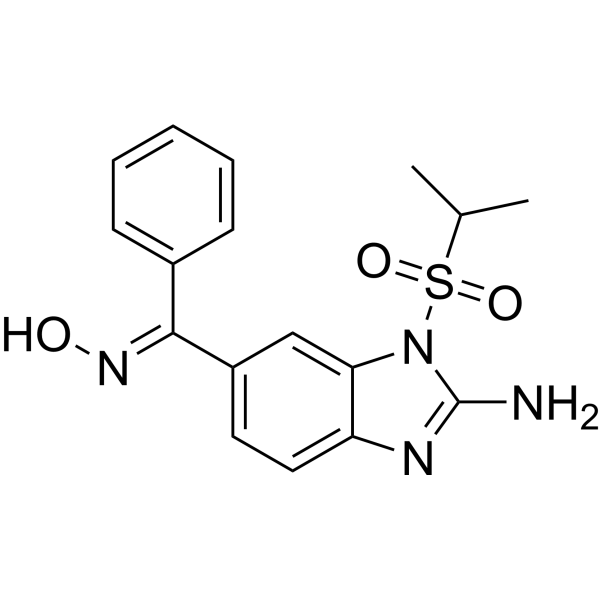
    Ibetazol is a Importin β1 (KPNB1) inhibitor and nucleocytoplasmic transport disruptor. Ibetazol binds covalently to Cys585 of Importin β1, blocks both Importin β1-mediated direct transport and Importin α-dependent nuclear import processes, without affecting transport mediated by other nucleocytoplasmic transport proteins. Ibetazol induces cytoplasmic accumulation of Importin α1, and inhibits nuclear import of substrates carrying nuclear localization signals (NLS), including the NLS-cMyc reporter gene, RelA/p65 and SREBP1. Ibetazol triggers spindle malformation and chromosome misalignment by disrupting the mitotic function of Importin β1. Ibetazol inhibits the proliferation of cells expressing wild-type Importin β1. Ibetazol has a high activity-cytotoxicity window, lacks intrinsic fluorescence, and acts rapidly on nucleocytoplasmic transport processes. Ibetazol serves as a tool compound for investigating nuclear import processes specifically mediated by Importin β1 .
    Ibetazol
  • HY-132298

    Adenylate Cyclase Others
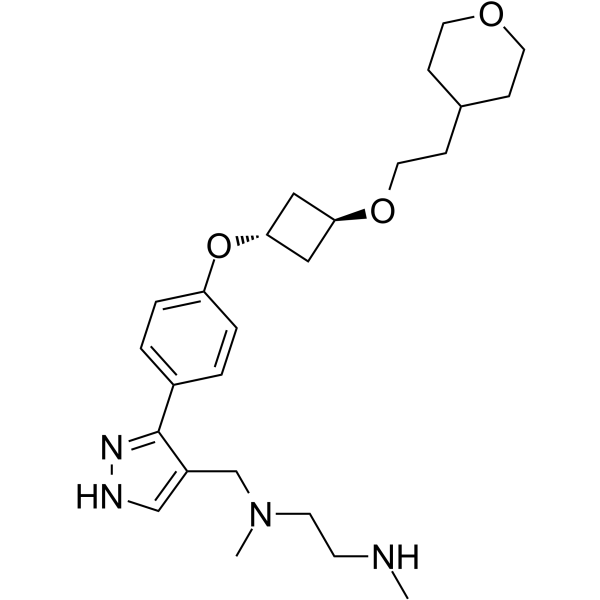
    TDI-10229 is a potent and orally bioavailable inhibitor of soluble adenylyl cyclase (sAC, ADCY10). TDI-10229 displays nanomolar inhibition of sAC in both biochemical and cellular assays (IC50 of 195 nM) and exhibits mouse pharmacokinetic properties sufficient to warrant its use as an in vivo tool compound .
    TDI-10229
  • HY-175188

    BPN-0027490

    Myosin Neurological Disease
    MT-110 (BPN-0027490) is a non-muscle myosin NMIIB-selective inhibitor with high brain penetration and favorable safety profile. MT-110 specifically disrupts NMIIB-dependent actin dynamics in dendritic spines, while it exerts no significant adverse effects on cardiac myosin II and cardiac functions (such as cardiac output and heart rate) at tested concentrations. A single administration of MT-110 produces long-lasting (sustained for several weeks) blockade of methamphetamine motivation associated with environmental cues. MT-110 exhibits extremely high specificity, with no interference with cocaine motivation, hippocampus-dependent memory, fear memory, or locomotor and anxiety-like behaviors. MT-110 serves as a valuable tool compound for investigating the mechanisms of methamphetamine use disorder .
    MT-110
  • HY-W099594

    Benzyldimethyldodecylammonium bromide

    Environmental Pollutants Biochemical Assay Reagents Others
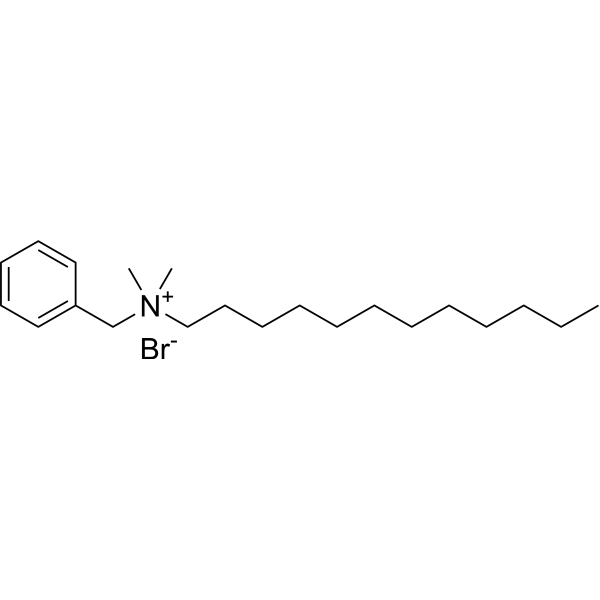
    N-Benzyl-N, N-dimethyldodecan-1-aminium bromide, also known as Benzalkonium Chloride (BAC), is a quaternary ammonium compound widely used as an antimicrobial and surfactant in various industries. BAC is commonly used as a disinfectant and antiseptic in a variety of products including hand sanitizers, disinfectant wipes and eye drops. Its ability to kill bacteria, viruses and fungi makes it an effective tool in preventing the spread of infection. BAC is also used as a preservative and disinfectant in the food industry. It is added to food packaging and processing equipment to prevent the growth of microorganisms and increase the shelf life of foods. Additionally, BACs are found in many household products such as cleaning solutions, fabric softeners and personal care products. Its surfactant properties allow it to be used to reduce surface tension and increase the effectiveness of cleaning agents. Although BAC has many uses, ingestion or exposure to high concentrations of BAC can cause skin irritation and other adverse effects.
    Benzalkonium bromide
  • HY-153552A

    FAP Cancer
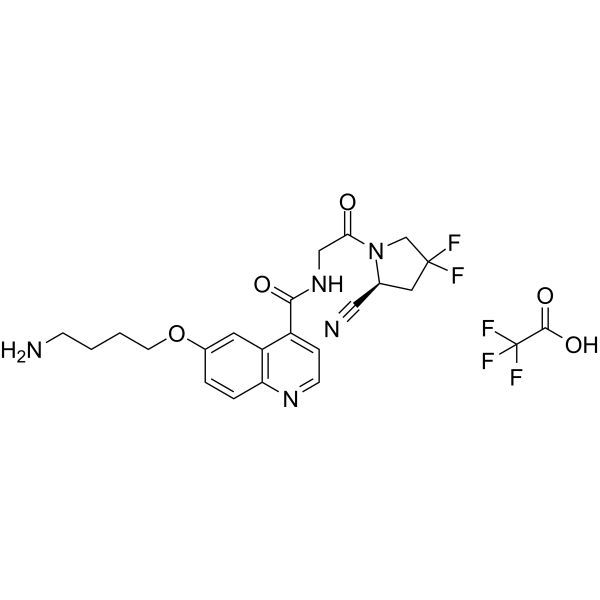
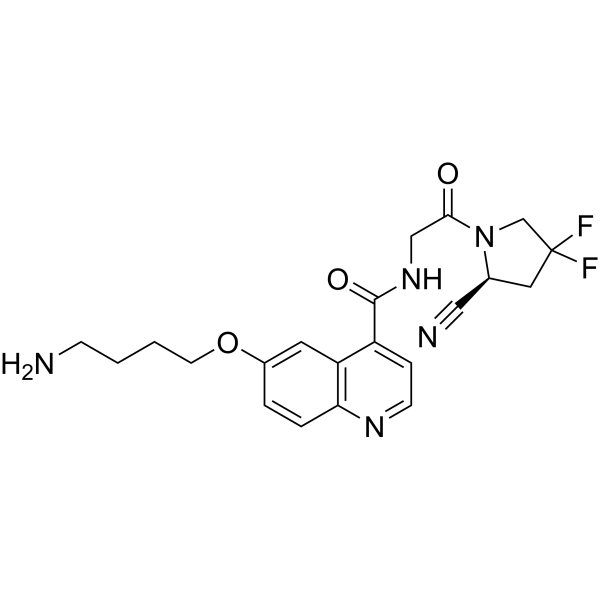
    NH2-UAMC1110 TFA is an aminobutoxy derivative of the fibroblast activation protein (FAP) inhibitor UAMC1110 (HY-100684), and is a precursor compound for the synthesis of FAP inhibitor probes, not directly used in bioactivity experiments. For example, NH2-UAMC1110 TFA is involved in the synthesis of the radiotracer FAPI-QS, which exhibits high tumor selectivity and high dose effect, and has been used in tumor diagnosis. NH2-UAMC1110 TFA structurally incorporates an active amino group, allowing it to form covalent bonds with various molecules (such as DOTA, DATA5m, radionuclide chelators, etc.) to synthesize molecular imaging probes or targeted compounds with the ability to target FAP. NH2-UAMC1110 TFA specifically binds to the FAP active site, inhibiting its proline-selective serine protease activity (including dipeptidyl peptidase and endopeptidase activity), blocking FAP-mediated tissue remodeling-related processes. Its key activity is high targeting and high affinity, and its core function is to act as a targeting module coupled with bifunctional chelators (such as DOTA, DATA5m). NH2-UAMC1110 TFA can be applied to diagnostic imaging studies of tumors expressing FAP (such as colorectal cancer, pancreatic cancer, etc.), and also provides molecular tools for targeted research of FAP-related diseases with high FAP expression, such as fibrosis and arthritis .
    NH2-UAMC1110 TFA
  • HY-14454
    TPh A
    2 Publications Verification

    Triphenyl compound A

    Biochemical Assay Reagents Cancer
    TPh A (Triphenyl Compound A) is a potent inhibitor of the nuclear protein pirin and binds specifically to pirin with a Ki of 0.6 uM. TPh A disrupts the formation of the bcl3–pirin complex. TPh A can be used as a novel small molecule tool to regulate pirin in cells .
    TPh A
  • HY-16100
    BI 99179
    3 Publications Verification

    Fatty Acid Synthase (FASN) Metabolic Disease Cancer
    BI 99179, a chemical probe, is a potent and selective type I fatty acid synthase (FAS) inhibitor with an IC50 of 79 nM. BI 99179 is a tool compound suitable for the in vivo validation of FAS as a target for lipid metabolism related diseases. BI 99179 exhibits significant exposure (both peripheral and central) upon oral administration in rats .
    BI 99179
  • HY-18257

    Antibiotic Bacterial Dengue Virus Amyloid-β HIV Integrase Infection Neurological Disease Inflammation/Immunology
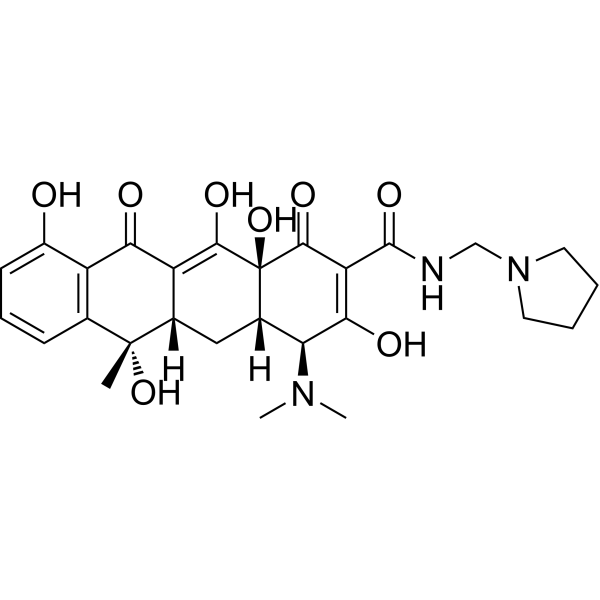
    Rolitetracycline is a highly soluble, broad-spectrum antibiotic derived from tetracycline. Rolitetracycline binds to and stabilizes bovine serum albumin, and also inhibits HIV-1 integrase, blocks Aβ fibril formation and suppresses dengue virus proliferation. Rolitetracycline mediates the inhibition of Aβ fibrils via a specific three-dimensional pharmacophore conformation, and exerts bacteriostatic and bactericidal activities. Rolitetracycline acts synergistically with Penicillin G (HY-N7139) or Cephalothin (HY-B1275A) to alter the effects on microbial growth. Rolitetracycline serves as an important tool compound for the study of bacterial infections (urinary tract infections, sepsis), HIV-1 and dengue virus infections, as well as Alzheimer's disease .
    Rolitetracycline
  • HY-141539
    SETDB1-TTD-IN-1
    5 Publications Verification

    Histone Methyltransferase Akt Cancer
    SETDB1-TTD-IN-1 is a SETDB1 methyltransferase activator and SETDB1-TTD competitive inhibitor (Kd of 88 nM), and selectivity for SETDB1-TTD over other tudor and bromodomain proteins. SETDB1-TTD-IN-1 stimulates methyltransferase activity via increased catalytic activity, promotes Akt1 Lys64 methylation, Akt1 Thr308 phosphorylation and activation. SETDB1-TTD-IN-1 prevents SETDB1-TTD-histone H3 peptide association, induces global gene expression changes, exhibits cellular target engagement, and acts as a tool compound for SETDB1-TTD function exploration. SETDB1-TTD-IN-1 can be used for the research of breast cancer .
    SETDB1-TTD-IN-1
  • HY-153552

    FAP Cancer
    NH2-UAMC1110 is an aminobutoxy derivative of the fibroblast activation protein (FAP) inhibitor UAMC1110 (HY-100684), and is a precursor compound for the synthesis of FAP inhibitor probes, not directly used in bioactivity experiments. For example, NH2-UAMC1110 is involved in the synthesis of the radiotracer FAPI-QS, which exhibits high tumor selectivity and high dose-response, and has been used for tumor diagnosis. NH2-UAMC1110 introduces an active amino group into its structure, enabling it to form covalent bonds with various molecules (such as DOTA, DATA5m, radionuclide chelators, etc.), thereby synthesizing molecular imaging probes or targeted compounds with the ability to target FAP. NH2-UAMC1110 specifically binds to the FAP active site, inhibiting its proline-selective serine protease activity (including dipeptidyl peptidase and endopeptidase activity), blocking FAP-mediated tissue remodeling processes. Its key activity is high targeting and high affinity, and its core function is to be coupled with bifunctional chelators (such as DOTA, DATA5m) as a targeting module. NH2-UAMC1110 can be applied to diagnostic imaging studies of tumors expressing FAP (such as colorectal cancer, pancreatic cancer, etc.), and also provides molecular tools for targeted research of FAP-related diseases with high FAP expression, such as fibrosis and arthritis .
    NH2-UAMC1110
  • HY-134885
    RMC-0331
    1 Publications Verification

    RM-023

    SHP2 SOS1 Ras Cancer
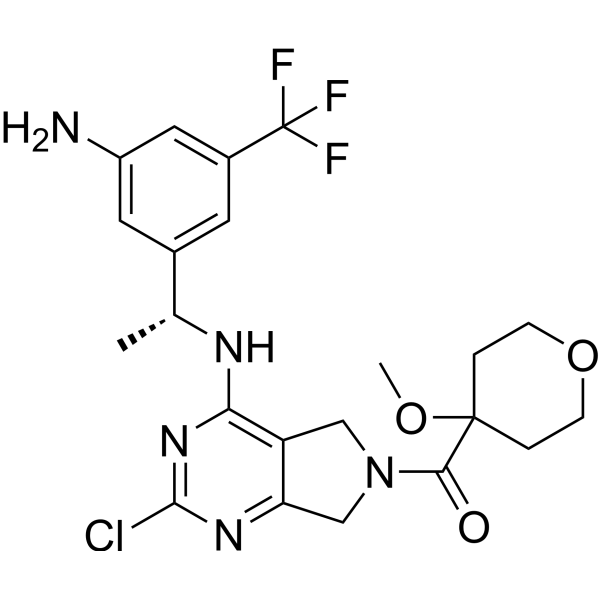
    RMC-0331 (RM-023) is a potent, selective and orally bioavailable SOS1 inhibitor. RMC-0331 is an in vivo tool compound that blocks RAS activation via disruption of the RAS-SOS1 interaction .
    RMC-0331
  • HY-18102
    GLPG0492
    5+ Cited Publications

    Androgen Receptor Neurological Disease
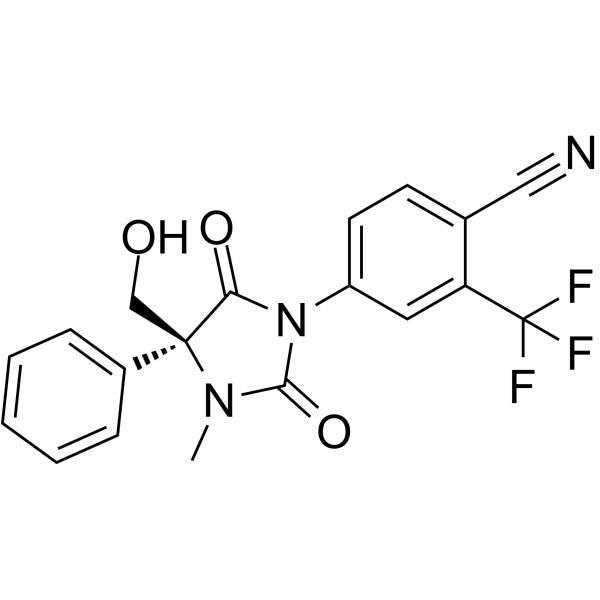
    GLPG0492 is an orally active, non-steroidal selective androgen receptor modulator. GLPG0492 exerts functional transactivation by binding to the ligand-binding domain of the receptor, exhibiting preferential partial agonist activity in muscle and bone tissues with low activity in reproductive tissues. GLPG0492 effectively counteracts muscle atrophy-related pathways, significantly enhances muscle strength, maintains motor ability, reduces fibrosis and improves electrophysiological parameters. GLPG0492 prevents immobilization-induced muscle atrophy and regulates muscle mass homeostasis, serving as a valuable tool compound for studies on Duchenne muscular dystrophy, muscle loss and various types of disuse musculoskeletal atrophy .
    GLPG0492
  • HY-129576

    P2Y Receptor Inflammation/Immunology
    PSB-16133 (sodium) is a tool compound specifically designed to block P2Y receptor subtypes .
    PSB-16133 sodium
  • HY-106312A

    LY122772

    Enterovirus Infection
    Enviroxime (LY122772) is an antiviral compound that inhibits the replication of rhinoviruses and enteroviruses. Enviroxime blocks the replication of plus-strand viral RNA by targeting the viral 3A coding region. Enviroxime can be a useful tool for investigating the natural function of the 3A protein .
    Enviroxime
  • HY-W045537

    Biochemical Assay Reagents Others
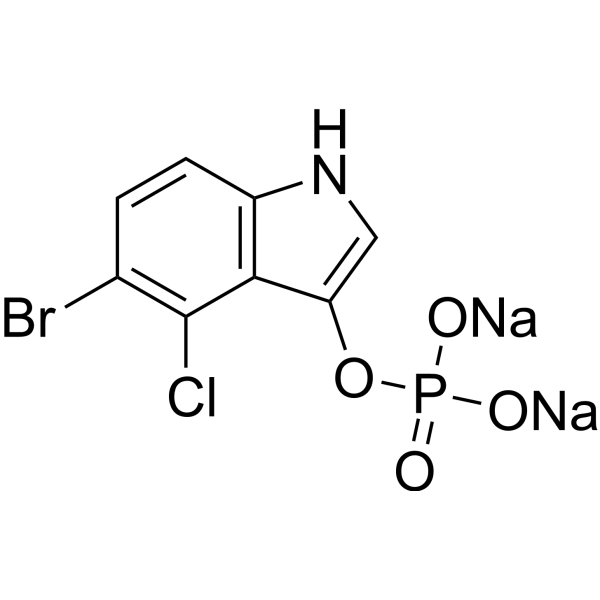
    Sodium 5-bromo-4-chloro-1H-indol-3-yl phosphate is commonly used as a substrate for phosphatase assays in biochemistry and molecular biology. This compound is converted by phosphatases to a yellow compound that can be easily measured spectrophotometrically or fluorometrically. Furthermore, it has been used as a useful reagent in enzyme-catalyzed reactions and a tool for studying signal transduction pathways.
    5-Bromo-4-chloro-1H-indol-3-yl phosphate sodium
  • HY-W414799

    Amino Acid Derivatives Endogenous Metabolite
    Nε,Nε-Dimethyl-L-lysine monohydrochloride is an unnatural amino acid with the activity of regulating protein post-translational modification. Nε,Nε-Dimethyl-L-lysine monohydrochloride can be used as a tool for epigenetic research to promote the research process of acetylation and methylation. Nε,Nε-Dimethyl-L-lysine monohydrochloride is also widely used in compound development and biochemical research.
    Nε,Nε-Dimethyl-L-lysine monohydrochloride
  • HY-163372

    PROTACs MAP4K Cancer
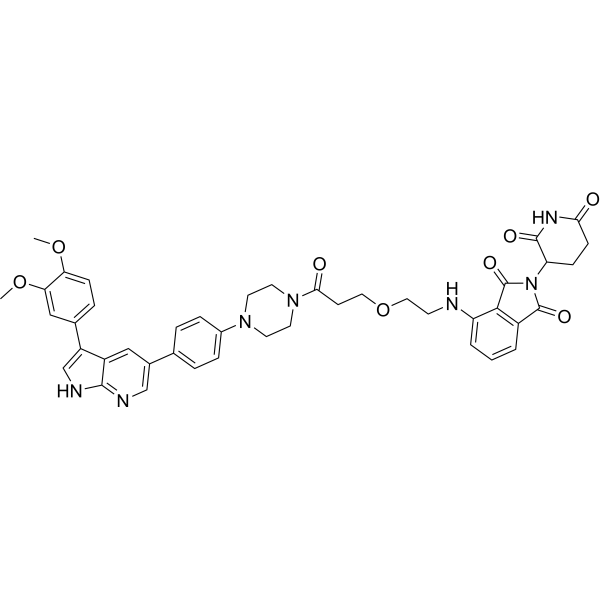
    PROTAC HPK1 Degrader-1 (Compound B1) is a potent HPK1 degrader with DC50 value of 1.8 nM. PROTAC HPK1 Degrader-1 inhibits phosphorylation of the SLP76 protein with IC50 value of 496.1 nM. PROTAC HPK1 Degrader-1 is a bona fide HPK1-PROTAC degrader, which provided a potential tool for further HPK1 investigation in TCR signaling .
    PROTAC HPK1 Degrader-1
  • HY-D2415

    Fluorescent Dye Others
    BODIPY-FL staurosporine (Compound 8a) is a fluorescence probe based on staurosporine, exhibiting high specificity towards tyrosine kinases (TK) and tyrosine kinase-like (TKL) family kinases. BODIPY-FL staurosporine has the potential to develop binding assays for kinases that are not recommended for use with Kinase Tracer 236, such as PIM3, CDC42BPG, MAP2K7, TXK, and SIK3. BODIPY-FL staurosporine can be a powerful tool for analyzing kinase selectivity in kinase drug discovery .
    BODIPY-FL staurosporine
  • HY-106432A

    SB-202026 hydrochloride; Memric hydrochloride

    mAChR Dopamine Receptor Neurological Disease
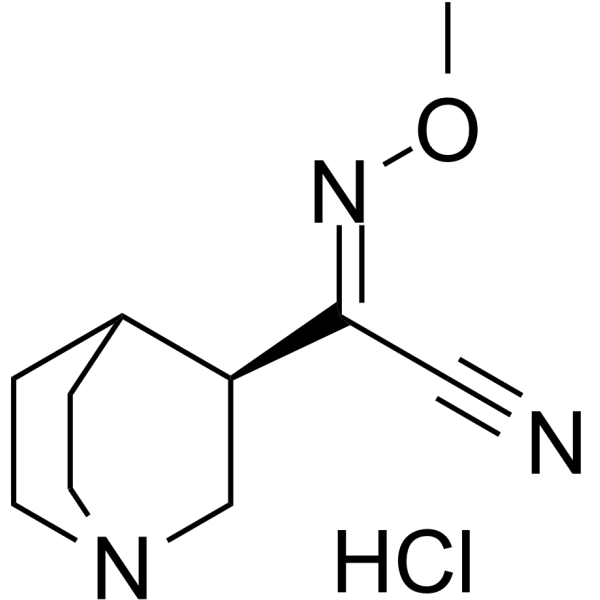
    Sabcomeline (SB-202026; Memric) hydrochloride is a muscarinic receptor agonist capable of crossing the blood-brain barrier. Sabcomeline hydrochloride exhibits affinity for all hM1 to hM5 subtypes (pKi=6.72-7.23), and shows near-full agonism at the hM3 receptor, inducing extracellular acidification. Sabcomeline hydrochloride alters the binding kinetics of dopamine D2 receptors through neural network regulation. Sabcomeline hydrochloride also causes minimal cardiovascular changes, effectively reverses spatial memory deficits in rodents and induces conditioned taste aversion. Sabcomeline hydrochloride is an important tool compound in studies of Alzheimer's disease and related neurodegenerative diseases .
    Sabcomeline hydrochloride
  • HY-153963

    Oxytocin Receptor Endocrinology
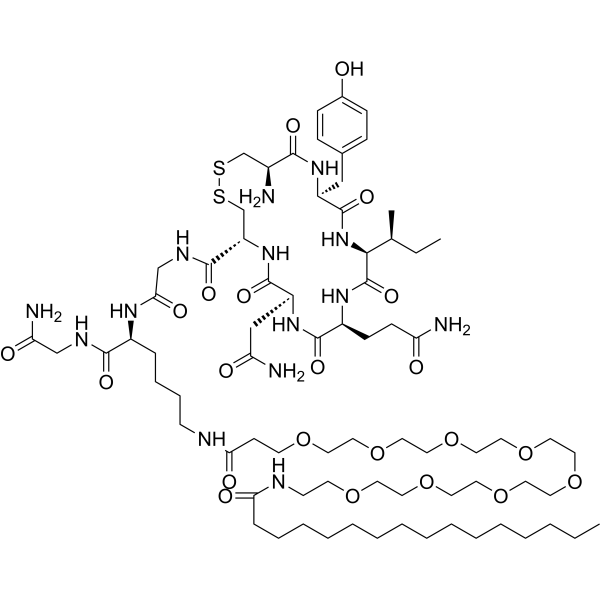
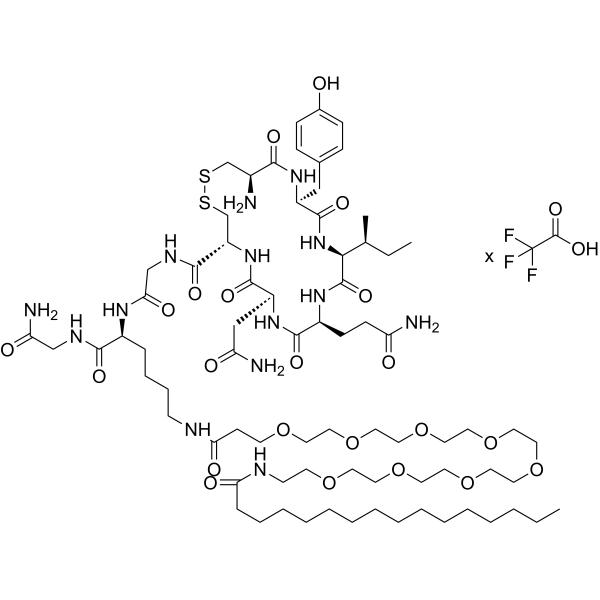
    PF-06655075 is a novel andnon–brain-penetrant oxytocin receptor agonist with increased selectivity for the oxytocin receptor and significantly increased pharmacokinetic stability. PF-06655075 can be used as a tool compound to further explore the role of peripheral oxytocin in behavioral response .
    PF-06655075
  • HY-169789

    PI3K Metabolic Disease Cancer
    PKN3-IN-1 (compound 16) inhibits PKN3 (serine/threonine protein kinase 3) and GAK (cyclin G-associated kinase) with IC50 of 0.014 μM and Ki of 0.0044 μM respectively. PKN3-IN-1 is a potential tool compound to study the cell biology of PKN3 and its role in pancreatic and prostate cancer and T-cell acute lymphoblastic leukemia .
    PKN3-IN-1
  • HY-W035133

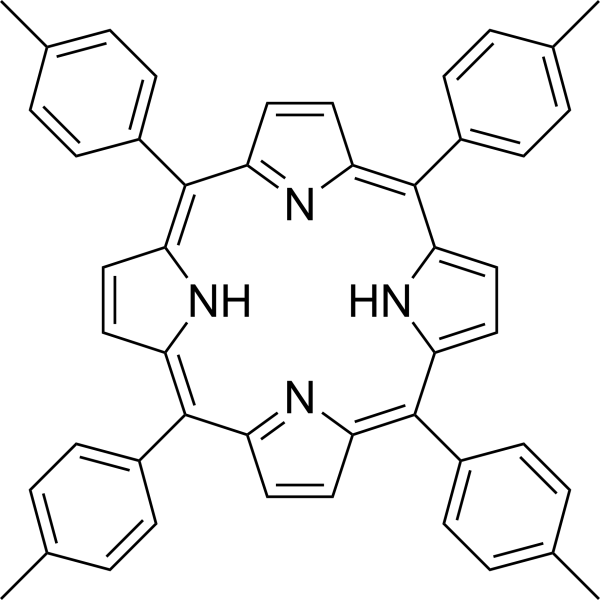
    5,10,15,20-Tetra-p-tolyl-21H,23H-porphine

    MOFs Others
    5,10,15,20-Tetrakis(p-tolyl)porphyrin (TTP) is an organic compound belonging to the class of porphyrins, a cyclic molecule composed of four pyrrole rings linked together. TTP is a synthetic porphyrin commonly used as a sensitizer for dye-sensitized solar cells and a catalyst for organic reactions. Due to its unique structure, TTP has a series of interesting properties, including at specific wavelengths and its potential as a catalyst for various chemical reactions. In dye-sensitized solar cells, TTPs help convert sunlight into electricity by absorbing photons and transferring electrons to the semiconductor layer of the device. In organic chemistry, TTP is often used as a catalyst for various organic compounds in reactions such as oxidation and reduction. Its ability to selectively bind certain substrates makes it a useful tool for synthesizing complex molecules and studying their properties.
    5,10,15,20-Tetrakis(p-tolyl)porphyrin
  • HY-177764

    Amino Acid Derivatives Others
    Tet-v2.0-ethyl is a tetrazine non-canonical amino acid. Tet-v2.0-ethyl can stably exist within living cells without being degraded, enabling in situ labeling of intracellular biomolecules. Tet-v2.0-ethyl is mainly used as a bioorthogonal labeling tool compound .
    Tet-v2.0-ethyl
  • HY-162653

    Others
    SGC-CDKL2/AAK1/BMP2K-1 (Compound 9) is a potent and selective CDKL2 (Cyclin-dependent kinase-like 2) inhibitor with an IC50 value of 460 nM. CDKL2 is involved in various biological processes such as tumorigenesis, development, and viral infections. SGC-CDKL2/AAK1/BMP2K-1 serves as a powerful tool for studying the biological functions of CDKL2 and holds promise for research in fields related to cancer, infections, and other diseases .
    SGC-CDKL2/AAK1/BMP2K-1
  • HY-W015966

    Drug Derivative Metabolic Disease
    3-Methylpyrrole is a pyrrole-type nitrogen-containing heterocyclic aromatic compound. 3-Methylpyrrole can be used as a negative control tool for hexosamine detection .
    3-Methylpyrrole
  • HY-146727

    JAK Inflammation/Immunology
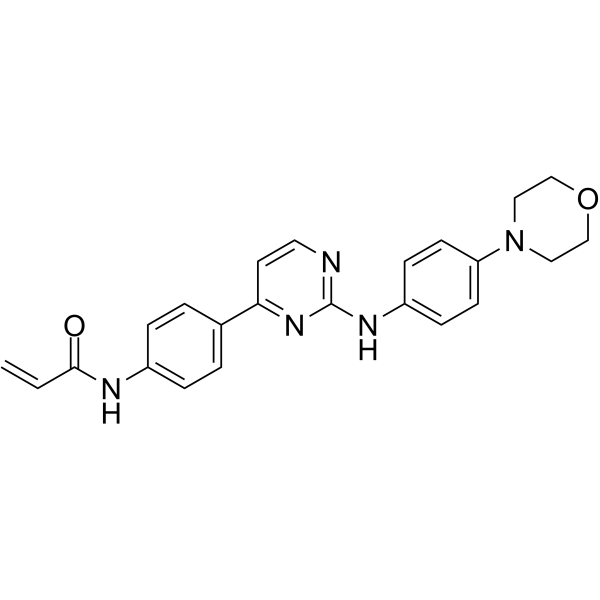
    JAK3-IN-11 (Compound 12), a potent, noncytotoxic, irreversible, orally active JAK3 inhibitor with IC50 value of 1.7 nM, has excellent selectivity (>588-fold compared to other JAK isoforms), covalently bind to the ATP-binding pocket in JAK3. JAK3-IN-11 strongly inhibits JAK3-dependent signaling and T cell proliferation, is a promising tool for study autoimmune diseases .
    JAK3-IN-11
  • HY-161943

    Influenza Virus Neurological Disease
    NEU3-IN-1 (compound 963) is a NEU3 inhibitor (Ki: 0.12 μM; IC50: 0.31 μM) based on the 2-deoxy-2,3-didehydro-N-acetylneuraminic acid (DANA) scaffold and is a C9 biphenylcarbamate derivative. NEU is a human neuraminidase with 4 isozymes; NEU3-IN-1 is an important tool for studying the function of NEU3 isozymes; its amide and triazole linker analogs are selective for NEU1 and NEU4 isozymes, respectively .
    NEU3-IN-1
  • HY-W020985

    Pd(DIPHOS)2

    Biochemical Assay Reagents Others
    Bis[1,2-bis(diphenylphosphino)ethane]palladium(0), often abbreviated as Pd(PPh3)2 or Pd(dppf), is an organometallic compound. This compound is widely used as a catalyst for organic chemical reactions, especially cross-coupling reactions such as Suzuki-Miyaura reaction and Heck reaction, and its high catalytic activity, selectivity and stability make it a versatile tool for the synthesis of complex organic compounds , in addition, the potential application of Pd(PPh3)2 in the production of electronic materials and in medical and biochemical research has also been investigated.
    Bis[1,2-bis(diphenylphosphino)ethane]palladium(0)
  • HY-178150

    Wee1 Cancer
    WEE1-IN-14 (Compound 14) is a selective WEE1 inhibitor (IC50: 0.5 nM in L-RB-FEP calculations, 1.0 nM in ADP-Glo kinase assay). Inhibition of Wee1 in cancer cells disrupts the G2-M checkpoint, removes the regulatory controls on the cell cycle, and leads to early onset of mitotic failure followed by apoptosis of tumor cells. Therefore, WEE1-IN-14 is a useful tool for studying cancer biology .
    WEE1-IN-14
  • HY-124984

    mGluR Neurological Disease
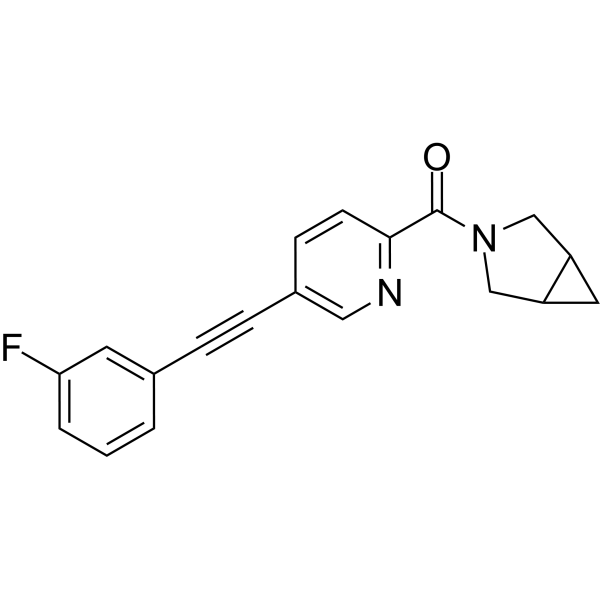
    ML353 is a selective ligand of mGlu5 silent allosteric modulator (SAM) with an Ki value of 18.2 nM. ML353 improves the affinity of common allosteric sites, 20-fold higher than the previous mGlu5 SAM tool compound 5mpep. ML353 has potential applications in solving the intrinsic activity of SAM in vivo or as a agent blocker . ML353 is a click chemistry reagent, it contains an Alkyne group and can undergo copper-catalyzed azide-alkyne cycloaddition (CuAAc) with molecules containing Azide groups.
    ML353
  • HY-153519

    Epigenetic Reader Domain Cancer
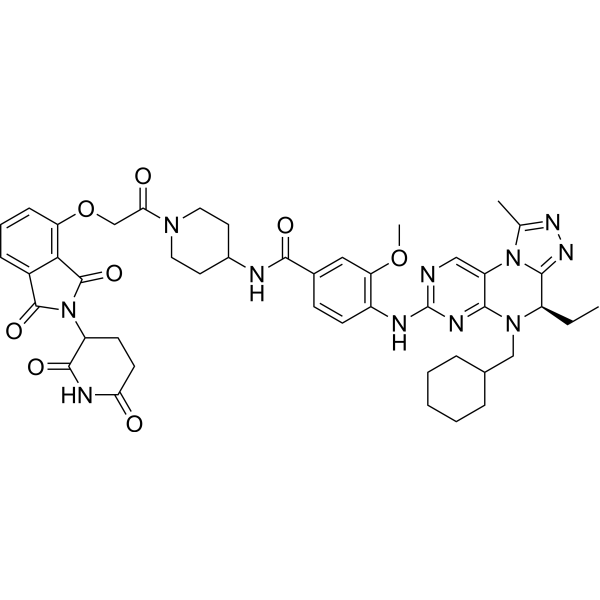
    WWL0245 is a potent and seletive BRD4 PROTAC. WWL0245 selectively degrades BRD4 with sub-nanomolar DC50 (<1 nM) than BRD2/3 and PLK1 ( DC50>1 μM). WWL0245 shows excellent selective cytotoxicity in the BETi sensitive cancer cell lines, including AR-positive prostate cancer cell lines. WWL0245 is a promising drug candidate for AR-positive prostate cancer research and a valuable tool compound to study the biological function of BRD4 .
    WWL0245
  • HY-121562

    5-HT Receptor Neurological Disease
    SB 714786 is a potent and selective 5-hydroxytryptamine 1D (5-HT1D) receptor antagonist. It was developed from the previously reported series of dual 5-HT1 selective 5-hydroxytryptamine reuptake inhibitors (5HT1-SSRIs). SB 714786 is the first reported highly potent and selective 5-HT1D receptor antagonist, providing an extremely useful pharmacological tool for further understanding the role of 5-HT1 receptor subtypes. It has no or very low intrinsic activity against all three receptors. SB 714786 has pKi values of 6.5, 6.7, 9.1 and 6.5 for 5-HT1A, 5-HT1B, 5-HT1D and SerT receptors, respectively, showing high selectivity for 5-HT1D receptors. These properties make SB 714786 a potential tool compound for studying the function of 5-HT1D receptors and the treatment of related diseases.
    SB 714786
  • HY-138569

    MAP4K Cancer
    HPK1-IN-4 (comp 22) is a HPK1 (MAPK41) inhibitor (IC50 of 0.061 nM) as preclinical immunoresearch tool compound .
    HPK1-IN-4
  • HY-10282

    Endothelin Receptor Others
    Daglutril is a compound with the potential to regulate cytokine-induced endothelin-1 production in astrocytes. In studies, it has an inhibitory effect on the production of endothelin-1 induced by some cytokines and can be used as a tool to screen compounds that inhibit endothelin-1 production in astrocytes.
    Daglutril
  • HY-138947

    Na+/Ca2+ Exchanger Cardiovascular Disease
    KB-R7943 (compound 1) is an inhibitor of sodium-calcium exchanger with an IC50 value of 5.1 μM. KB-R7943 can be used as a tool in heart and renal failure models .
    KB-R7943
  • HY-134370

    P2X Receptor Cardiovascular Disease
    Ap4G is a dinucleoside polyphosphate compound with vasoconstrictor activity. Ap4G regulates vasoconstriction through P2 receptors, especially P2X receptors, and is an important tool for studying vascular physiology and pathology .
    Ap4G
  • HY-W221508

    Biochemical Assay Reagents
    4-Azidoaniline hydrochloride is a chemical reagent with important activities in biomarkers and compound discovery. 4-Azidoaniline hydrochloride is often used as an efficient tool for synthesizing diverse compounds in click chemistry reactions. 4-Azidoaniline hydrochloride also plays a key role in bioimaging and research, as it can react specifically with biomolecules through its properties.
    4-Azidoaniline hydrochloride
  • HY-119327

    Autophagy AMPK Others
    Butylate is a compound involved in platelet research. Platelet activation can cause autophagy, which is partly mediated by the AMPK-MTOR pathway and is related to sphingolipid metabolism. Butylate mentioned in the study may be a tool or control substance for studying related metabolic processes.
    Butylate
  • HY-D1402

    Fluorescent Dye Others
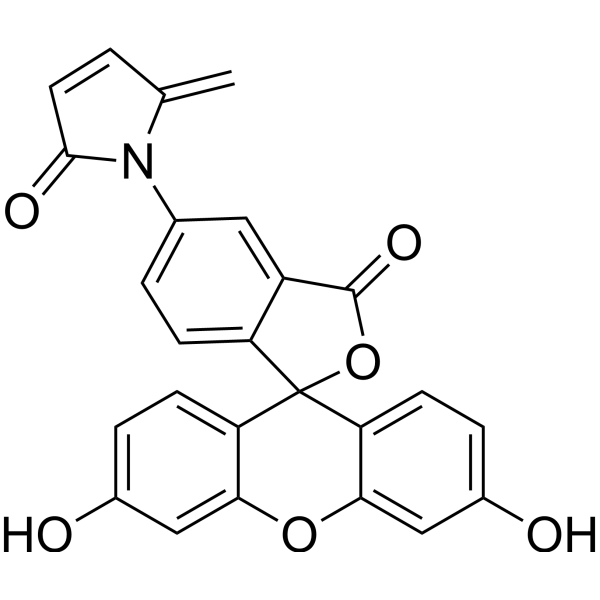
    5MP-Fluorescein (compound 3e) is a fluorescein dye base on 5-Methylene pyrrolone (5MP).5-Methylene pyrrolones are highly thiol-specific and tracelessly removable bioconjugation tools .
    5MP-Fluorescein
  • HY-B1558

    MCI-2016 free base

    Calcium Channel Neurological Disease
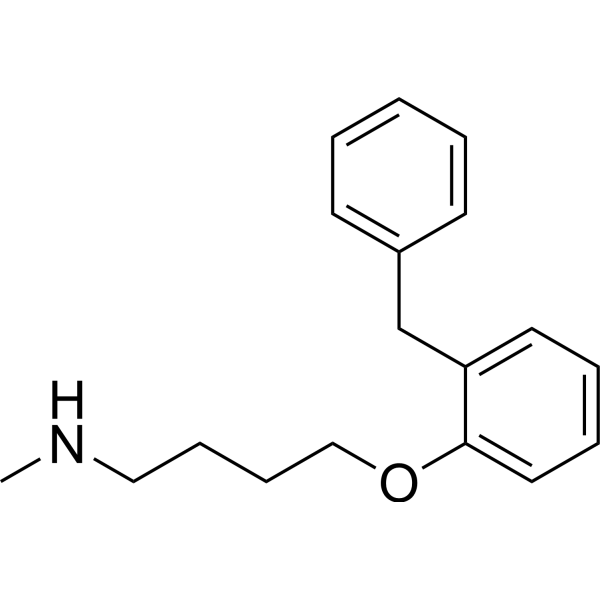
    Bifemelane is a nootropic compound. Bifemelan causes the first peak by stimulating release from intracellular Ca 2+ stores and the second by capacitive entry through store–operated Ca 2+ channels. Bifemelane will be provided as a pharmacological tool for basic studies on astrocytes .
    Bifemelane
  • HY-117072

    Fluorescent Dye Others
    (E)-2-Hexadecenal alkyne (compound 2) is a chemical probe used to explore the cellular targets of 2-trans-Hexadecenal. It can covalently modify multiple proteins in cells and provide a tool for studying lipid metabolism-related diseases.
    (E)-2-Hexadecenal alkyne

Online-Anfrage

Your information is safe with us. * Required Fields.

Anrede


Country or Region *

Name des Antragstellers *


Name der Organisation *

Department *


E-Mail-Addresse *


Produktname *

Art. -Nr.


Requested quantity *

Telefonnummer *


Bemerkungen

Online-Anfrage

Inquiry Information

Produktname:
Art. -Nr.:
Menge:
MCE Japan Authorized Agent: