



EPZ020411
Based on 13 publication(s) in Google Scholar
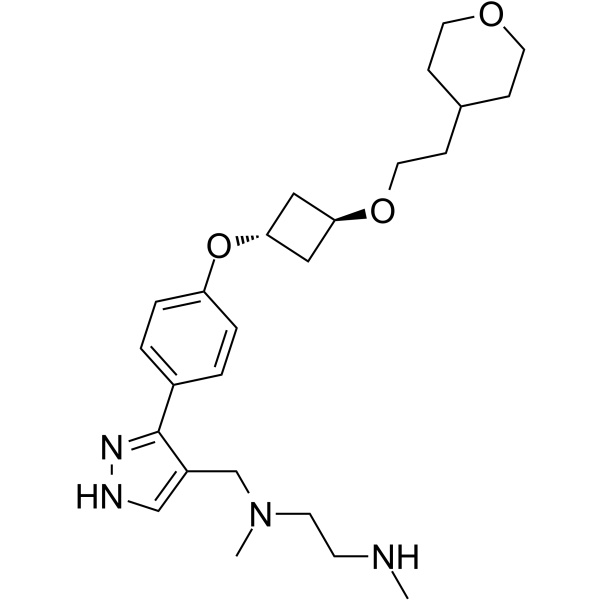
EPZ020411 is a selective, blood-brain barrier-permeable PRMT6 inhibitor with an IC50 of 0.010 μM. EPZ020411 blocks PRMT6-mediated histone H3R2 methylation, reduces ROS production, and inhibits Apoptosis. EPZ020411 is applicable to research related to neuropathic pain, colorectal cancer, ototoxicity, hearing loss and glioblastoma.
For research use only. We do not sell to patients.
- Purity : 98.07%
- CAS No.: 1700663-41-7
- Formula: C25H38N4O3
- Molecular Weight:442.59
-
Storage:
4°C, protect from light, stored under nitrogen
* In solvent : -80°C, 6 months; -20°C, 1 month (protect from light, stored under nitrogen)

To place orders, for customer services and technical support, please contact: MedChemExpress USA
Tel: 609-228-6898 E-mail: [email protected] [email protected]


-
 Biological Activity
-
Chemical Information
-
Solvent & Solubility
- Protocols
- Purity & Documentation
- References
-
 Help & FAQs


-
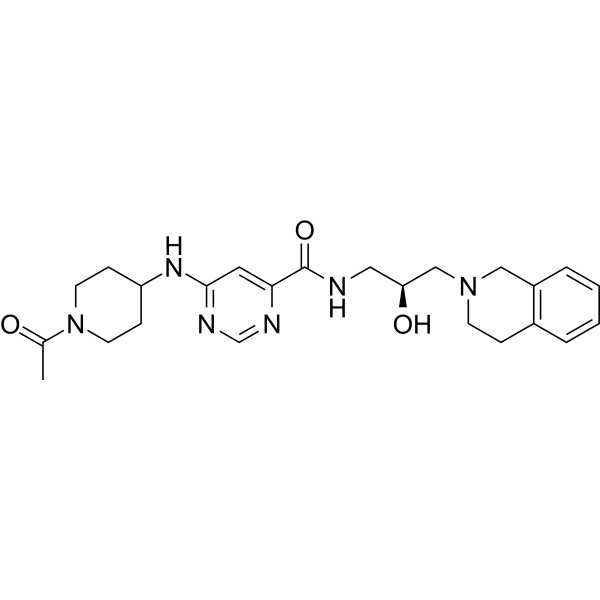
HY-101563
PemrametostatPRMT5 Inhibitor -
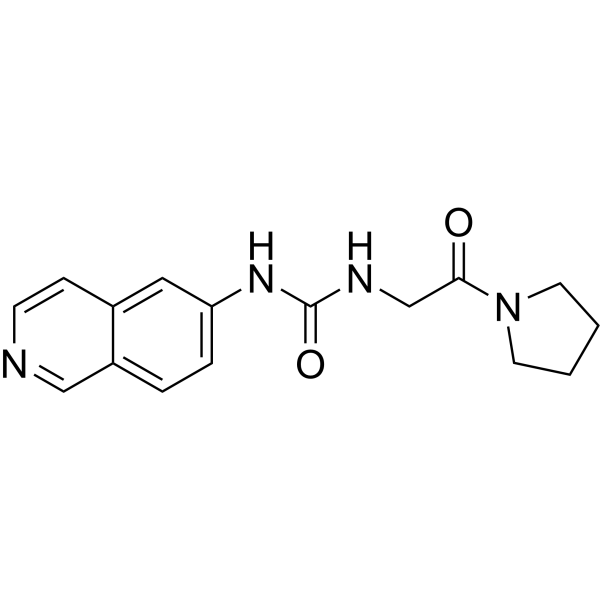
HY-19715
SGC707PRMT3 Inhibitor -
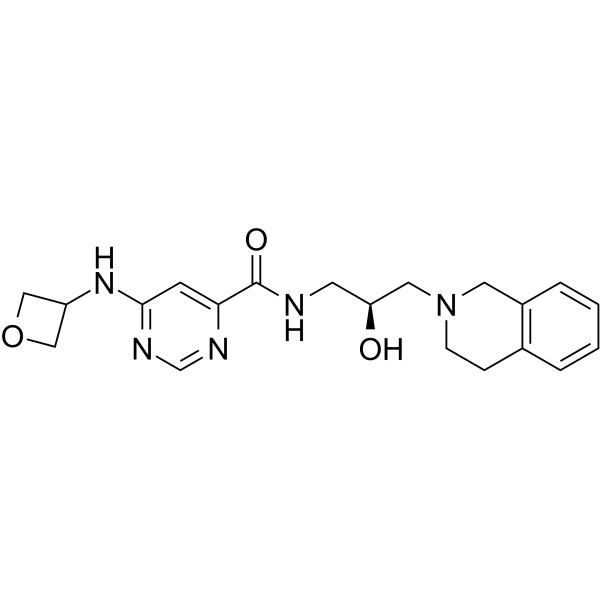
HY-12727
EPZ015666PRMT5 Inhibitor -
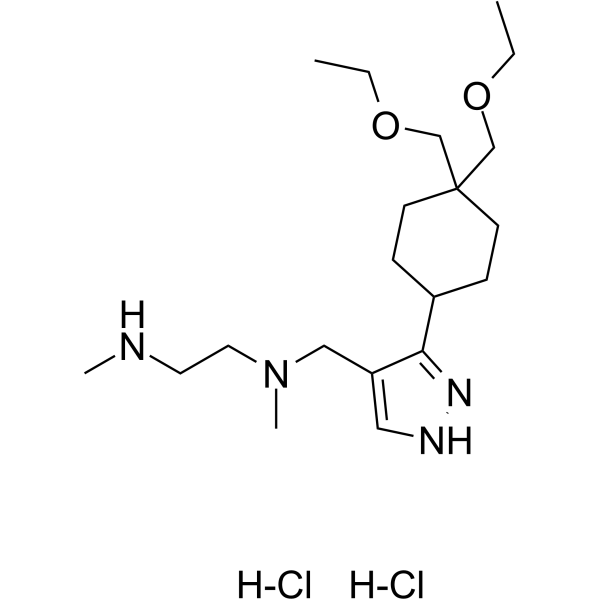
HY-128717A
GSK3368715 dihydrochloridePRMT Inhibitor -
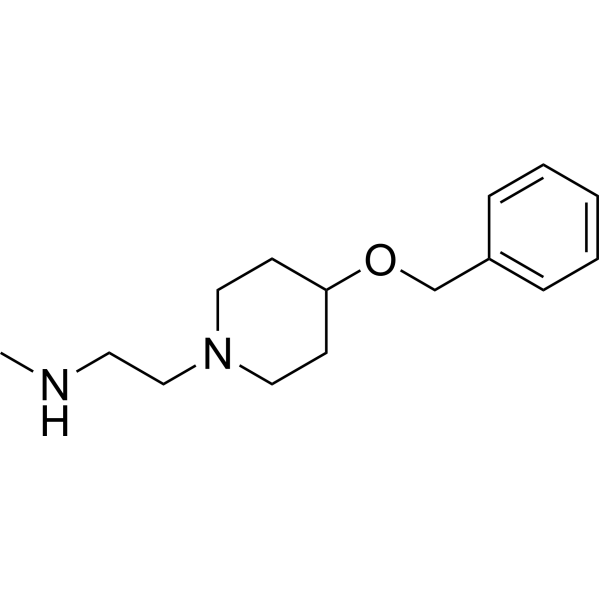
HY-100360
MS049PRMT4/PRMT6 Inhibitor -
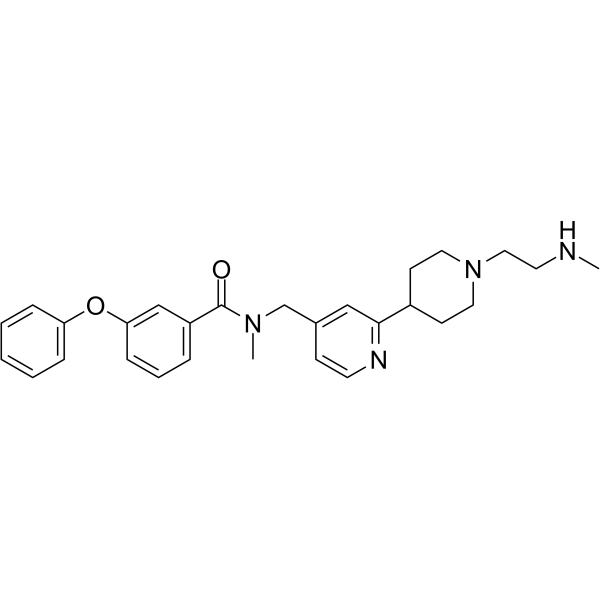
HY-114965
TP-064PRMT4 Inhibitor -
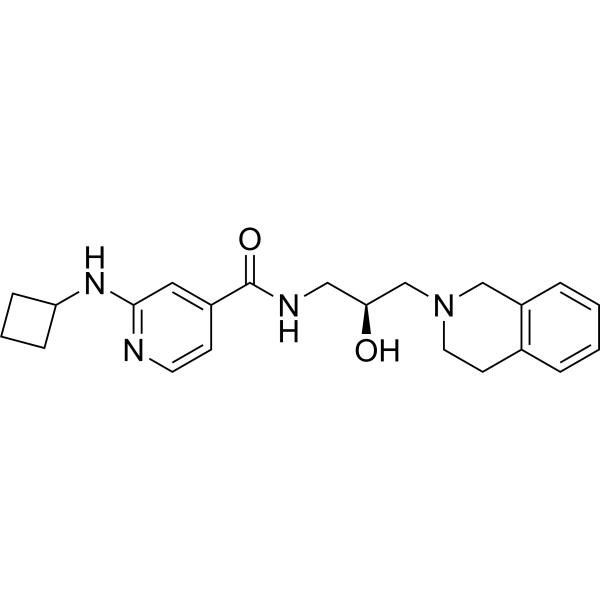
HY-100235
GSK591PRMT5 Inhibitor -
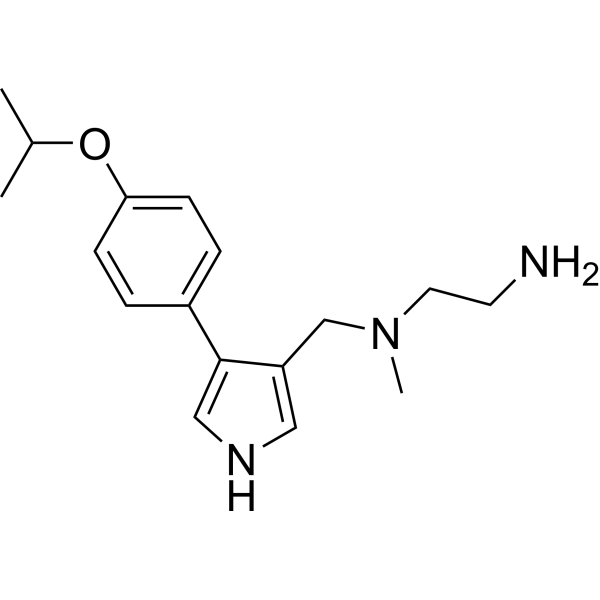
HY-19615
MS023Type I PRMT Inhibitor -
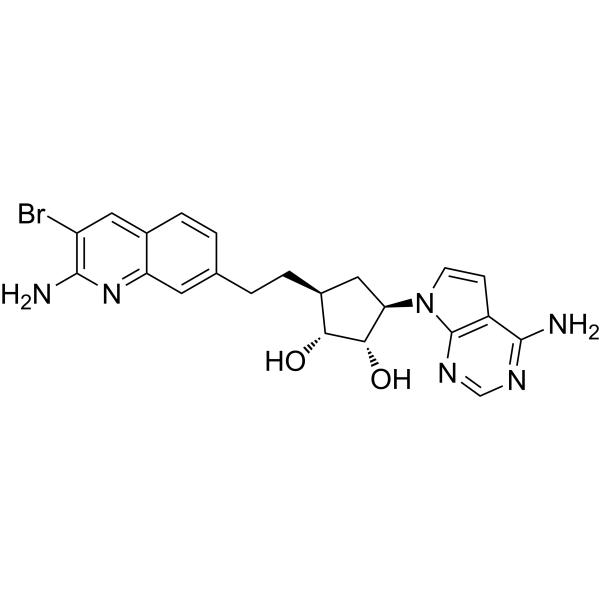
HY-101564
OnametostatPRMT5 Inhibitor -
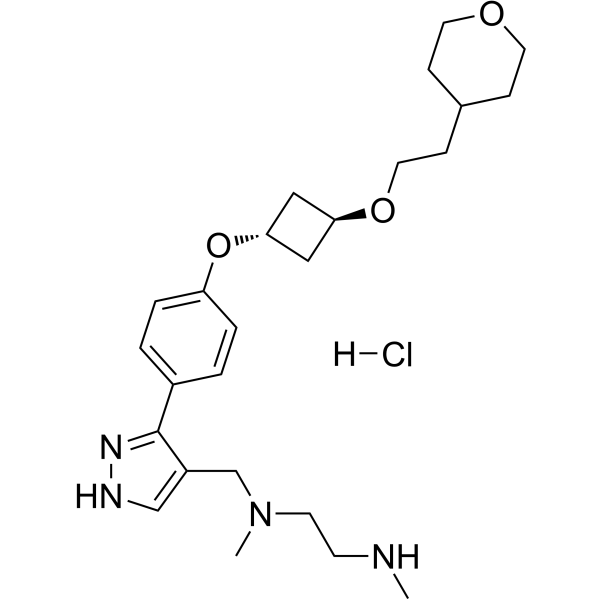
HY-12970A
EPZ020411 hydrochloridePRMT6 Inhibitor -

HY-P7071
IFN-gamma Protein, Mouse -

HY-Y0320
Dimethyl sulfoxide, meets analytical specification of Ch.P.Aprotic Solvent
Publications Citing Use of MedChemExpress (MCE) EPZ020411
More- Nat Commun. 2026 Feb 12;17(1):1214. [Abstract]
- Acta Pharm Sin B. 2026 Aug 6.
- Brain. 2024 Jul 5;147(7):2552-2565. [Abstract]
- Cell Death Dis. 2023 Oct 9;14(10):655. [Abstract]
- J Immunother Cancer. 2025 Mar 13;13(3):e010639. [Abstract]
- Cell Death Discov. 2026 Jul 11.
- Acta Pharmacol Sin. 2022 Feb;43(2):457-469. [Abstract]
- J Transl Med. 2025 Jan 16;23(1):74. [Abstract]
- J Transl Med. 2024 Oct 10;22(1):922. [Abstract]
- EMBO Rep. 2018 Dec;19(12):e46377. [Abstract]
- Exp Gerontol. 2026 Oct 1:223:113278.
- Bioorg Chem. 2024 Jul:148:107439. [Abstract]
- Exp Cell Res. 2022 Nov 16;422(1):113413. [Abstract]
 Customer Validation & Images

-
In Vivo Efficacy Study

-
In Vivo Imaging

-
WB

-
RT-PCR

-
In Vivo Imaging

All Histone Methyltransferase Isoforms
More

Biological Activity
Description
IC50 & Target
|
PRMT6 0.010 μM (IC50) |
Cellular Effect
|
Cell Line

|
Type | Value | Description | References |
|---|---|---|---|---|
| A-375 | IC50 |
0.637 μM
Compound: EPZ020411
|
Inhibition of his-tagged PRMT6 (unknown origin) expressed in human A375 cells assessed as reduction in H3R2 methylation at 0.01 to 20 uM incubated for 48 hrs by Western blot method
Inhibition of his-tagged PRMT6 (unknown origin) expressed in human A375 cells assessed as reduction in H3R2 methylation at 0.01 to 20 uM incubated for 48 hrs by Western blot method
|
[PMID: 26101569] |
| A-375 | IC50 |
7.1 μM
Compound: EPZ020411
|
Inhibition of PRMT1 in human A375 cells assessed as effect on monomethyl R*GG motif methylation at 0.01 to 20 uM incubated for 48 hrs by Western blot method
Inhibition of PRMT1 in human A375 cells assessed as effect on monomethyl R*GG motif methylation at 0.01 to 20 uM incubated for 48 hrs by Western blot method
|
[PMID: 26101569] |
| HCC827 | IC50 |
>100 μM
Compound: EPZ020411
|
Antiproliferative activity against human HCC827 cells for 3 days by MTT assay
Antiproliferative activity against human HCC827 cells for 3 days by MTT assay
|
[PMID: 36566712] |
| HCC827 | IC50 |
4.15 μM
Compound: EPZ020411
|
Antiproliferative activity against human HCC827 cells for 7 days by MTT assay
Antiproliferative activity against human HCC827 cells for 7 days by MTT assay
|
[PMID: 36566712] |
| HCC827 | IC50 |
8.57 μM
Compound: EPZ020411
|
Antiproliferative activity against human HCC827 cells for 5 days by MTT assay
Antiproliferative activity against human HCC827 cells for 5 days by MTT assay
|
[PMID: 36566712] |
| MDA-MB-435 | IC50 |
1.1 μM
Compound: EPZ020411
|
Antiproliferative activity against human MDA-MB-435 cells for 7 days by MTT assay
Antiproliferative activity against human MDA-MB-435 cells for 7 days by MTT assay
|
[PMID: 36566712] |
| MDA-MB-435 | IC50 |
90.43 μM
Compound: EPZ020411
|
Antiproliferative activity against human MDA-MB-435 cells for 5 days by MTT assay
Antiproliferative activity against human MDA-MB-435 cells for 5 days by MTT assay
|
[PMID: 36566712] |
| MDA-MB-435 | IC50 |
94.65 μM
Compound: EPZ020411
|
Antiproliferative activity against human MDA-MB-435 cells for 3 days by MTT assay
Antiproliferative activity against human MDA-MB-435 cells for 3 days by MTT assay
|
[PMID: 36566712] |
In Vitro
EPZ020411 potently inhibits purified PRMT6 enzyme with an IC50 of 0.010 μM, and exhibits over 100-fold selectivity against a variety of other arginine methyltransferases[1].
EPZ020411(at concentrations greater than 0.01 μM for 48 h) inhibits PRMT6-mediated H3R2me2a modification in PRMT6-overexpressing A375 cells, with an IC50 of 0.637 ± 0.241 μM[1].
EPZ020411 (1-1000 μM; 24 h) reduces the viability of BV2 microglial cells at concentrations of 50, 100 and 1000 μM, while concentrations of 1, 10 and 20 μM do not alter cell viability[2].
EPZ020411 (2-4 μM; 14 days) reduces the cell viability of HCT116, HT29, SW480, MC38 and CT26 colorectal cancer (CRC) cell lines, with the maximal effect observed at 4 μM[3].
EPZ020411 (40 μM) protects hair cells in postnatal day 2 mouse cochlear explants from cisplatin-induced death and significantly increases hair cell survival rates across all cochlear turns[4].
EPZ020411 (20-40 μM; 48 h) potently inhibits the invasive ability of human glioblastoma U87 and LN229 cells in a concentration-dependent manner[5].
MedChemExpress (MCE) has not independently confirmed the accuracy of these methods. They are for reference only.
-
Cell Line:SW480 human CRC cells
-
Concentration:2, 4 μM (48 h incubation)
-
Incubation Time:48 h
-
Result:Stimulated phosphorylation of STAT1 and IRF3 in SW480 cells.
-
Cell Line:human glioblastoma U87, human glioblastoma LN229
-
Concentration:20 μM, 40 μM
-
Incubation Time:48 h (pretreatment prior to assay)
-
Result:Reduced invasive cell numbers in U87 and LN229 cells at 20 μM.
Further reduced invasive cell numbers in both cell lines at 40 μM, with statistical significance relative to untreated cells (****p < 0.0001 for U87; ***p < 0.001 for LN229).
-
Cell Line:human glioblastoma U87, human glioblastoma LN229
-
Concentration:20 μM, 40 μM
-
Incubation Time:48 h
-
Result:Reduced global H3R2me2a levels in both U87 and LN229 cells relative to untreated cells.
Increased TRAF6 protein expression in both U87 and LN229 cells relative to untreated cells.
In Vivo
EPZ020411 (10 mg/kg; i.p.; once daily; for 3 consecutive weeks) significantly inhibits the growth of subcutaneous CT26 MSS colorectal cancer xenografts in BALB/c mice[3].
EPZ020411 (10 mg/kg; i.p.; daily; for 5 consecutive weeks) slightly reduces the tumor burden of microsatellite-stable colorectal cancer induced by AOM/DSS in C57BL/6 mice[3].
EPZ020411 (administered via transtympanic route; single dose) significantly attenuates neomycin-induced chronic hearing loss in 5-day-old C57BL/6 mice and protects the survival of hair cells in the middle and basal turns of the cochlea[4]
EPZ020411 (10 mg/kg; i.p.; single administration) significantly attenuates acute hearing loss induced by neomycin combined with furosemide in 28-day-old C57BL/6 mice, maintains hair cell survival, and inhibits cochlear cell apoptosis and reactive oxygen species production[4].
MedChemExpress (MCE) has not independently confirmed the accuracy of these methods. They are for reference only.
-
Animal Model:C57BL/6 (5 days old, neomycin-induced chronic ototoxicity model)[4]
-
Dosage:10 mM (1 μl)
-
Administration:trans-tympanic; single dose
-
Result:Showed significantly reduced ABR and DPOAE threshold elevation at all tested frequencies (4, 8, 16, 24, 32 kHz) compared to saline-pretreated ears.
Increased myosin 7a-positive hair cell survival significantly in the middle and basal cochlear turns relative to neomycin-only controls.
-
Animal Model:C57BL/6 (postnatal day 28, cisplatin-induced ototoxicity model)[4]
-
Dosage:10 mM (5 μl)
-
Administration:trans-tympanic; single dose
-
Result:Showed significantly reduced ABR and DPOAE threshold elevation at all tested frequencies (4, 8, 16, 24, 32 kHz) at days 4, 7, and 14 post-cisplatin compared to saline-pretreated ears.
Increased myosin 7a-positive hair cell survival significantly in the middle and basal cochlear turns relative to cisplatin-only controls.
Reduced caspase 3/7-positive cells in the middle turn from 22.01 ± 4.435 to 4.018 ± 3.684 per 200 μm.
Reduced MitoSox-Red-positive cells in the middle turn from 43.62 ± 6.740 to 0.9616 ± 0.9760 per 200 μm.


Chemical Information
-
CAS No. 1700663-41-7
-
Appearance Solid
-
Molecular Weight 442.59
-
Formula C25H38N4O3
-
Color Off-white to light yellow
-
SMILES
CNCCN(C)CC1=CNN=C1C2=CC=C(O[C@H]3C[C@H](OCCC4CCOCC4)C3)C=C2
-
Shipping
Room temperature in continental US; may vary elsewhere.
-
Storage
4°C, protect from light, stored under nitrogen
* In solvent : -80°C, 6 months; -20°C, 1 month (protect from light, stored under nitrogen)


Publications (13)
-
Journal Impact Factor
-
Most Recent
-
Nat Commun
Human iPSC-based Modeling of Pulmonary Fibrosis Reveals p300/CBP Inhibition Suppresses Alveolar Transitional Cell State. [Abstract]2026 Feb 12;17(1):1214. PMID: 41680175 -
-
Brain
HSV-1 reactivation results in post-herpetic neuralgia by upregulating Prmt6 and inhibiting cGAS-STING. [Abstract]2024 Jul 5;147(7):2552-2565. PMID: 38366606
EPZ020411 purchased from MedChemExpress. Usage Cited in: Brain. 2024 Jul 5;147(7):2552-2565. [Abstract]
Expression of thymidine kinase (TK) DNA of HSV-1 in spinal dorsal horn after EPZ020411 intrathecally and intraperitoneally in HSV-1-infected mice.
EPZ020411 purchased from MedChemExpress. Usage Cited in: Brain. 2024 Jul 5;147(7):2552-2565. [Abstract]
Transmission electron microscopy showing myelin sheath with red arrows and mitochondria with blue arrows in spinal dorsal horn after EPZ020411 intrathecally and intraperitoneally in HSV-1-infected mice.
-
Cell Death Dis
2023 Oct 9;14(10):655. PMID: 37813837
EPZ020411 purchased from MedChemExpress. Usage Cited in: Cell Death Dis. 2023 Oct 9;14(10):655. [Abstract]
Immunoblotting assay to detect the targeting proteins expression level in cancer cells with or without EPZ (EPZ020411, 20 μM) application.
EPZ020411 purchased from MedChemExpress. Usage Cited in: Cell Death Dis. 2023 Oct 9;14(10):655. [Abstract]
RT-PCR assays to detect the mRNA expression level of marks of epithelial-mesenchymal transition of cancer cells with or without EPZ (EPZ020411, 20 µM).
EPZ020411 purchased from MedChemExpress. Usage Cited in: Cell Death Dis. 2023 Oct 9;14(10):655. [Abstract]
The administration of EPZ (EPZ020411) at a dose of 10 mg/kg, through daily subcutaneous administration, led to a substantial reduction in lung metastasis nodules and an extension in overall survival among the mice subjected to MDA-MB-468 cancer cell xenografts.
-
J Immunother Cancer
Protein arginine methyltransferase 6 enhances immune checkpoint blockade efficacy via the STING pathway in MMR-proficient colorectal cancer. [Abstract]2025 Mar 13;13(3):e010639. PMID: 40086819 -
-
Acta Pharmacol Sin
2022 Feb;43(2):457-469. PMID: 33850273 -
J Transl Med
2025 Jan 16;23(1):74. PMID: 39819457 -
J Transl Med
KLF4 regulates trophoblast function and associates with unexplained recurrent spontaneous abortion. [Abstract]2024 Oct 10;22(1):922. PMID: 39390495 -
EMBO Rep
2018 Dec;19(12):e46377. PMID: 30420520 -
-
Bioorg Chem
Discovery of a first-in-class degrader for the protein arginine methyltransferase 6 (PRMT6). [Abstract]2024 Jul:148:107439. PMID: 38754310 -
Exp Cell Res
PRMT6 functionally associates with PRMT5 to promote colorectal cancer progression through epigenetically repressing the expression of CDKN2B and CCNG1. [Abstract]2022 Nov 16;422(1):113413. PMID: 36400182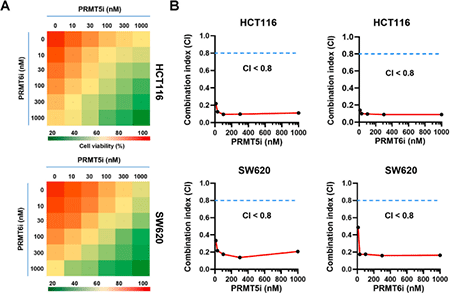
EPZ020411 purchased from MedChemExpress. Usage Cited in: Exp Cell Res. 2022 Nov 16;422(1):113413. [Abstract]
EPZ020411(PRMT6i; 200-1000 nM) in combination with GSK591(PRMT5i; 200-1000 nM) exhibits a synergistic anti-proliferative effect on HCT116 and SW620 cells.


Solvent & Solubility
In Vitro:
DMSO : 4.76 mg/mL (10.75 mM; ultrasonic and adjust pH to 7 with 1 M HCl; Hygroscopic DMSO has a significant impact on the solubility of product, please use newly opened DMSO)
Please refer to the solubility information to select the appropriate solvent. Once prepared, please aliquot and store the solution to prevent product inactivation from repeated freeze-thaw cycles.
Storage method and period of stock solution: -80°C, 6 months; -20°C, 1 month (protect from light, stored under nitrogen). When stored at -80°C, please use it within 6 months. When stored at -20°C, please use it within 1 month.
Please refer to the solubility information to select the appropriate solvent. Once prepared, please aliquot and store the solution to prevent product inactivation from repeated freeze-thaw cycles.
Storage method and period of stock solution: -80°C, 6 months; -20°C, 1 month (protect from light, stored under nitrogen). When stored at -80°C, please use it within 6 months. When stored at -20°C, please use it within 1 month.
Concentration (start) × Volume (start) = Concentration (final) × Volume (final)
In Vivo:
Select the appropriate dissolution method based on your experimental animal and administration route.
- For the following dissolution methods, please ensure to first prepare a clear stock solution using an In Vitro approach and then sequentially add co-solvents:
- To ensure reliable experimental results, the clarified stock solution can be appropriately stored based on storage conditions. As for the working solution for In Vivo experiments, it is recommended to prepare freshly and use it on the same day.
- The percentages shown for the solvents indicate their volumetric ratio in the final prepared solution. If precipitation or phase separation occurs during preparation, heat and/or sonication can be used to aid dissolution.
Add each solvent one by one: 10% DMSO 40% PEG300 5% Tween-80 45% Saline
Solubility: ≥ 2.5 mg/mL (5.65 mM); Clear solution
This protocol yields a clear solution of ≥ 2.5 mg/mL (saturation unknown).
Taking 1 mL working solution as an example, add 100 μL DMSO stock solution (25.0 mg/mL) to 400 μL PEG300, and mix evenly; then add 50 μL Tween-80 and mix evenly; then add 450 μL Saline to adjust the volume to 1 mL.
Preparation of Saline: Dissolve 0.9 g sodium chloride in ddH₂O and dilute to 100 mL to obtain a clear Saline solution.
Add each solvent one by one: 10% DMSO 90% (20% SBE-β-CD in Saline)
Solubility: ≥ 2.5 mg/mL (5.65 mM); Clear solution
This protocol yields a clear solution of ≥ 2.5 mg/mL (saturation unknown).
Taking 1 mL working solution as an example, add 100 μL DMSO stock solution (25.0 mg/mL) to 900 μL 20% SBE-β-CD in Saline, and mix evenly.
Preparation of 20% SBE-β-CD in Saline (4°C, storage for one week): 2 g SBE-β-CD powder is dissolved in 10 mL Saline, completely dissolve until clear.
For the following dissolution methods, please prepare the working solution directly:
It is recommended to prepare fresh solutions and use them promptly within a short period of time.
The percentages shown for the solvents indicate their volumetric ratio in the final prepared solution. If precipitation or phase separation occurs during preparation, heat and/or sonication can be used to aid dissolution.
Add each solvent one by one: Saline
Solubility: 4.5 mg/mL (10.17 mM); Clear solution; Need ultrasonic
In Vivo Dissolution Calculator
Please enter the basic information of animal experiments:
-
-
-
-
Recommended: Prepare an additional quantity of animals to account for potential losses during experiments.
Please enter your animal formula composition:
-
%DMSO +
Recommended: Keep the proportion of DMSO in working solution below 2% if your animal is weak.
-
%+
-
+%Tween-80 + +
-
%Saline +
The co-solvents required include: DMSO, . All of co-solvents are available by MedChemExpress (MCE). , Tween 80. All of co-solvents are available by MedChemExpress (MCE).
Working solution concentration: 0.22 mg/mL
Method for preparing stock solution: mg drug dissolved in μL DMSO. Stock solution concentration: mg/mL. * In solvent : -80°C, 6 months; -20°C, 1 month (protect from light, stored under nitrogen)
1. Take μL DMSO stock solution;
2. Add μL .
μL , mix evenly;
3. Then add μL Tween 80, mix evenly;
4. Then add μL
Please ensure that the stock solution in the first step is dissolved to a clear state, and add co-solvents in sequence. You can use ultrasonic heating (ultrasonic cleaner, recommended frequency 20-40 kHz), vortexing, etc. to assist dissolution.


Purity & Documentation
-
Data Sheet (285 KB)
-
SDS (394 KB)
- English - EN (394 KB)
- Français - FR (394 KB)
- Deutsch - DE (394 KB)
- Norwegian - NO (394 KB)
- Español - ES (394 KB)
- Swedish - SV (394 KB)
- Italian - IT (394 KB)
- Korean - KR (394 KB)
- Portuguese - PT (394 KB)
-
Handling Instructions (2659 KB)
References
[1]. Mitchell LH, et al. Aryl Pyrazoles as Potent Inhibitors of Arginine Methyltransferases: Identification of the First PRMT6 Tool Compound. ACS Med Chem Lett. 2015;6(6):655-659. Published 2015 Apr 6. [Content Brief]
[2]. Hua T, et al. PRMT6 deficiency or inhibition alleviates neuropathic pain by decreasing glycolysis and inflammation in microglia. Brain Behav Immun. 2024;118:101-114. [Content Brief]
[3]. Duan J, et al. Protein arginine methyltransferase 6 enhances immune checkpoint blockade efficacy via the STING pathway in MMR-proficient colorectal cancer. J Immunother Cancer. 2025;13(3):e010639. Published 2025 Mar 13. [Content Brief]
[4]. He Y, et al. Inhibition of Protein arginine methyltransferase 6 reduces reactive oxygen species production and attenuates aminoglycoside- and cisplatin-induced hair cell death. Theranostics. 2020;10(1):133-150. Published 2020 Jan 1. [Content Brief]
[5]. Wang J, et al. PRMT6 facilitates EZH2 protein stability by inhibiting TRAF6-mediated ubiquitination degradation to promote glioblastoma cell invasion and migration. Cell Death Dis. 2024;15(7):524. Published 2024 Jul 23. [Content Brief]


Complete Stock Solution Preparation Table
Please refer to the solubility information to select the appropriate solvent. Once prepared, please aliquot and store the solution to prevent product inactivation from repeated freeze-thaw cycles.
Storage method and period of stock solution: -80°C, 6 months; -20°C, 1 month (protect from light, stored under nitrogen). When stored at -80°C, please use it within 6 months. When stored at -20°C, please use it within 1 month.
| Optional Solvent | Concentration Solvent Mass | 1 mg | 5 mg | 10 mg | 25 mg |
|---|---|---|---|---|---|
| DMSO | 1 mM | 2.2594 mL | 11.2971 mL | 22.5943 mL | 56.4857 mL |
| 5 mM | 0.4519 mL | 2.2594 mL | 4.5189 mL | 11.2971 mL | |
| 10 mM | 0.2259 mL | 1.1297 mL | 2.2594 mL | 5.6486 mL |


EPZ020411 Related Classifications
HY-12970 Related Classifications
 Powered by Bioz