

1. Search Result
Search Result
Results for "

Fatty acid oxidation

" in MedChemExpress (MCE) Product Catalog:

211

Inhibitors & Agonists

3

Screening Libraries

1

Fluorescent Dyes

12

Biochemical Assay Reagents

9

Peptides

1

Inhibitory Antibodies

61

Natural
Products

28

Isotope-Labeled Compounds

4

Oligonucleotides

1

GMP Molecules

Cat. No. Product Name Target Research Areas Chemical Structure
  • HY-50202
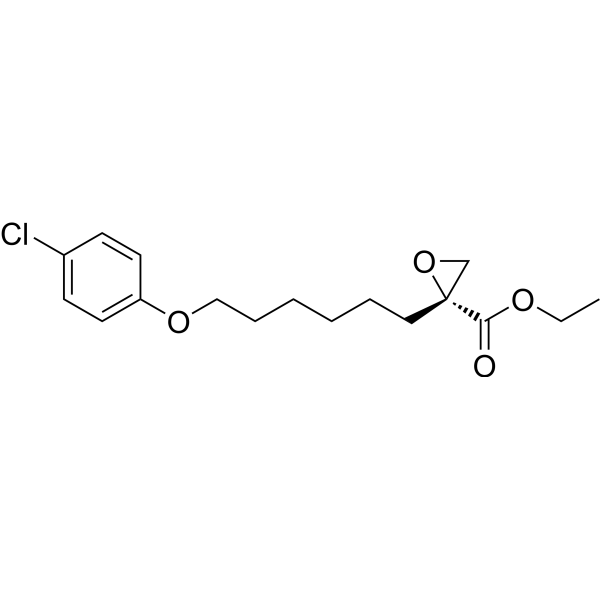
    Etomoxir
    Maximum Cited Publications
    128 Publications Verification

    (R)-(+)-Etomoxir

    Carnitine Palmitoyltransferase (CPT) Apoptosis Metabolic Disease Cancer
    Etomoxir ((R)-(+)-Etomoxir) is an irreversible inhibitor of carnitine palmitoyltransferase 1a (CPT-1a), inhibits fatty acid oxidation (FAO) through CPT-1a and inhibits palmitate β-oxidation in human, rat and guinea pig.
    Etomoxir
  • HY-B0399
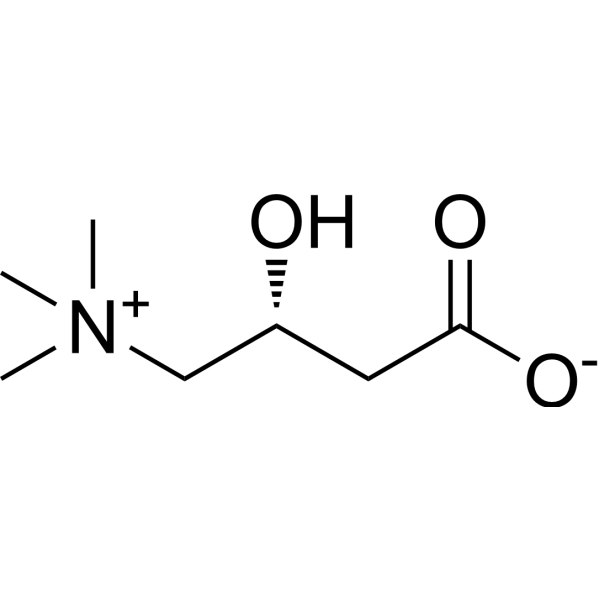
    L-Carnitine
    Maximum Cited Publications
    20 Publications Verification

    (R)-Carnitine; Levocarnitine

    Endogenous Metabolite Neurological Disease Cancer
    L-Carnitine ((R)-Carnitine), a highly polar, small zwitterion, is an essential co-factor for the mitochondrial β-oxidation pathway. L-Carnitine functions to transport long chain fatty acyl-CoAs into the mitochondria for degradation by β-oxidation. L-Carnitine is an antioxidant. L-Carnitine can ameliorate metabolic imbalances in many inborn errors of metabolism .
    L-Carnitine
  • HY-128851
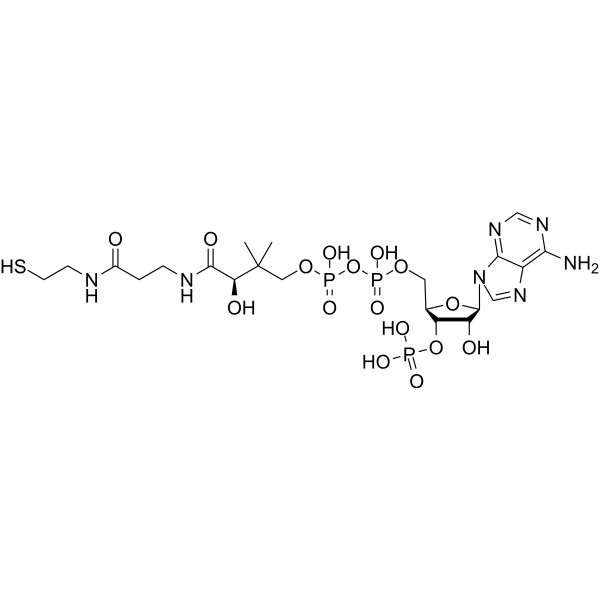
    Coenzyme A
    2 Publications Verification

    Endogenous Metabolite Fatty Acid Synthase (FASN) Metabolic Disease Cancer
    Coenzyme A (CoASH) is a ubiquitous and essential cofactor, which is an acyl group carrier and carbonyl-activating group for the citric acid cycle and fatty acid metabolism. Coenzyme A plays a central role in the oxidation of pyruvate in the citric acid cycle and the metabolism of carboxylic acids, including short- and long-chain fatty acids .
    Coenzyme A
  • HY-50202A
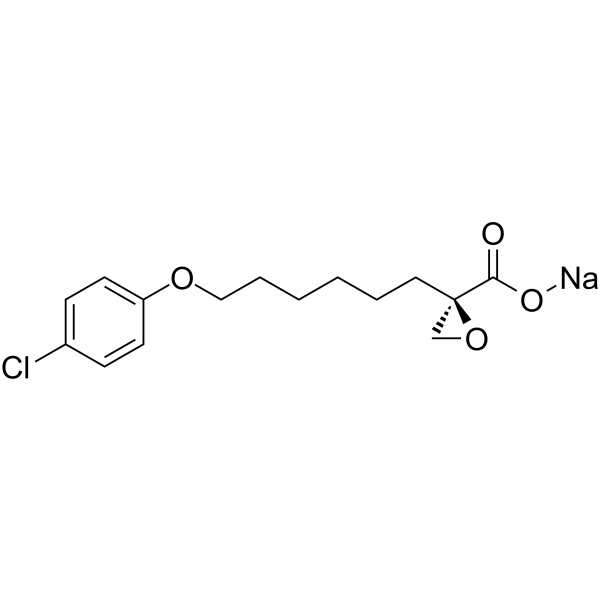
    Etomoxir sodium salt
    Maximum Cited Publications
    128 Publications Verification

    (R)-(+)-Etomoxir sodium salt

    Carnitine Palmitoyltransferase (CPT) Apoptosis Metabolic Disease Cancer
    Etomoxir((R)-(+)-Etomoxir) sodium salt is an irreversible inhibitor of carnitine palmitoyltransferase 1a (CPT-1a), inhibits fatty acid oxidation (FAO) through CPT-1a and inhibits palmitate β-oxidation in human, rat and guinea pig .
    Etomoxir sodium salt
  • HY-136408

    Malonyl coenzyme A lithium

    Carnitine Palmitoyltransferase (CPT) Mitochondrial Metabolism Metabolic Disease
    Malonyl CoA (Malonyl Coenzyme A) lithium is an inhibitor of carnitine palmitoyl transferase 1 (CPT1). High Malonyl CoA lithium concentrations suppress fatty acid oxidation, while low Malonyl CoA lithium concentrations are permissive for fat oxidation .
    Malonyl CoA lithium
  • HY-135425
    10,12-Tricosadiynoic acid
    5+ Cited Publications

    Acyltransferase Metabolic Disease
    10,12-Tricosadiynoic acid is a highly specific, selective, high affinity and orally active acyl-CoA oxidase-1 (ACOX1) inhibitor. 10,12-Tricosadiynoic acid can treat high fat diet- or obesity-induced metabolic diseases by improving mitochondrial lipid and ROS metabolism . 10,12-Tricosadiynoic acid is a click chemistry reagent, it contains an Alkyne group and can undergo copper-catalyzed azide-alkyne cycloaddition (CuAAc) with molecules containing Azide groups.
    10,12-Tricosadiynoic acid
  • HY-113261

    Endogenous Metabolite Metabolic Disease Cancer
    Oleoylcarnitine, the metabolite which accumulates through suppression of fatty acid β-oxidation, can enhance hepatocarcinogenesis via STAT3 activation .
    Oleoylcarnitine
  • HY-101559

    CXA-10; 10-Nitrooleate

    Endogenous Metabolite Inflammation/Immunology
    10-Nitrooleic acid (CXA-10), a nitro fatty acid, has potential effects in disease states in which oxidative stress, inflammation, fibrosis, and/or direct tissue toxicity play significant roles .
    10-Nitrooleic acid
  • HY-128851B
    Coenzyme A sodium
    2 Publications Verification

    Endogenous Metabolite Fatty Acid Synthase (FASN) Metabolic Disease Cancer
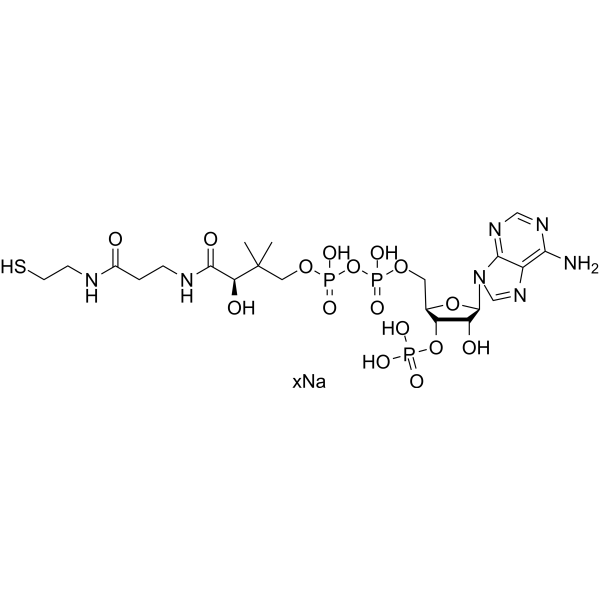
    Coenzyme A (CoASH) sodium is a ubiquitous and essential cofactor, which is an acyl group carrier and carbonyl-activating group for the citric acid cycle and fatty acid metabolism. Coenzyme A plays a central role in the oxidation of pyruvate in the citric acid cycle and the metabolism of carboxylic acids, including short- and long-chain fatty acids .
    Coenzyme A sodium
  • HY-N0458
    Pedunculoside
    3 Publications Verification

    Fatty Acid Synthase (FASN) Metabolic Disease
    Pedunculoside exerts lipid-lowering effects partly through the regulation of?lipogenesis?and?fatty acid β-oxidation .
    Pedunculoside
  • HY-113166
    Dodecanoylcarnitine
    1 Publications Verification

    (-)-Lauroylcarnitine

    Endogenous Metabolite Metabolic Disease Inflammation/Immunology
    Dodecanoylcarnitine ((-)-Lauroylcarnitine) is a medium long-chain acylcarnitine, an intermediate product in key energy metabolic pathways of fatty acid β-oxidation and amino acids catabolism. The abnormal decrease in the Dodecanoylcarnitine levels indicats that mitochondrial fuel metabolism, including fatty acid oxidation is significantly disturbed. Changes in plasma concentrations of Dodecanoylcarnitine are not only associated with type II diabetes, but also with pre-diabetes status. Dodecanoylcarnitine is present in fatty acid oxidation disorders such as long-chain acyl CoA dehydrogenase deficiency, carnitine palmitoyltransferase I/II deficiency, and is also associated with celiac disease. Dodecanoylcarnitine deomonstrates high sensitivities and specificities in predicting asthma. Combined model of Decanoylcarnitine (HY-113069), Dodecanoylcarnitine, PC (16:0/0:0), and Asp Arg Pro can be used as a potential biomarker for the diagnosis of Yin-deficiency-heat syndrome .
    Dodecanoylcarnitine
  • HY-E70009

    ACO

    Glutathione Peroxidase Others
    Acyl-CoA oxidase (ACO) is a peroxisomal catalyst. Acyl-CoA oxidase acts as a key rate-limiting enzyme in the process of peroxisomal fatty acid β-oxidation. Acyl-CoA oxidase participates in lipid catabolism and phytohormone biosynthesis pathways .
    Acyl-CoA oxidase
  • HY-21268
    Methyl linolenate
    1 Publications Verification

    Linolenic acid methyl ester

    Environmental Pollutants Melatonin Receptor Metabolic Disease
    Methyl linolenate is a polyunsaturated fattly acid (PUFA). Methyl linolenate has an anti-melanogenesis activity with an IC50 of 60 μM. Methyl linolenate can also be used for studies of the mechanisms and prevention of oxidation/peroxidation of unsaturated fatty acids .
    Methyl linolenate
  • HY-W006405

    Estrogen Receptor/ERR Cardiovascular Disease Cancer
    Isoflavone is an orally available bioactive component of soy phytoestrogen with lipid-lowering and antioxidant activities. Isoflavone prevents a variety of chronic diseases by regulating fatty acid oxidation in the liver and gene expression in adipose tissue. In addition, isoflavone has important value in the research of cancer and cardiovascular diseases .
    Isoflavone
  • HY-15259
    CP-640186
    5+ Cited Publications

    Acetyl-CoA Carboxylase Metabolic Disease
    CP-640186 is an orally active and cell-permeable Acetyl-CoA carboxylase (ACC) inhibitor with IC50s of 53 nM and 61 nM for rat liver ACC1 and rat skeletal muscle ACC2 respectively. Acetyl-CoA carboxylase (ACC) is a key enzyme of fatty acid metabolism that enables the synthesis of malonyl-CoA. CP-640186 can also stimulate muscle fatty acid oxidation .
    CP-640186
  • HY-B2246
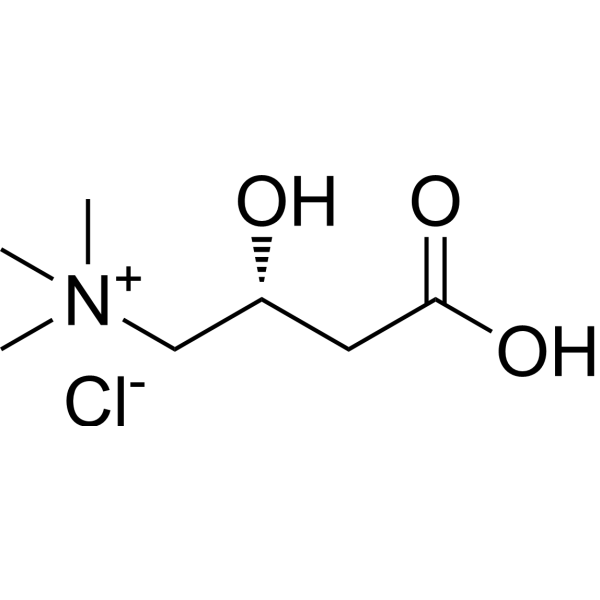
    L-Carnitine hydrochloride
    Maximum Cited Publications
    20 Publications Verification

    (R)-Carnitine hydrochloride; Levocarnitine hydrochloride

    Endogenous Metabolite Metabolic Disease Cancer
    L-Carnitine hydrochloride ((R)-Carnitine hydrochloride), a highly polar, small zwitterion, is an essential co-factor for the mitochondrial β-oxidation pathway. L-Carnitine hydrochloride functions to transport long chain fatty acyl-CoAs into the mitochondria for degradation by β-oxidation. L-Carnitine hydrochloride is an antioxidant. L-Carnitine hydrochloride can ameliorate metabolic imbalances in many inborn errors of metabolism .
    L-Carnitine hydrochloride
  • HY-W749411

    Biochemical Assay Reagents Endogenous Metabolite Others
    Malondialdehyde tetrabutylammonium is a quaternary ammonium salt formed by the decomposition of polyunsaturated fatty acids in plant cell membranes. Malondialdehyde tetrabutylammonium can be used for the quantification of malondialdehyde, a biomarker of lipid peroxidation .
    Malondialdehyde tetrabutylammonium
  • HY-17401
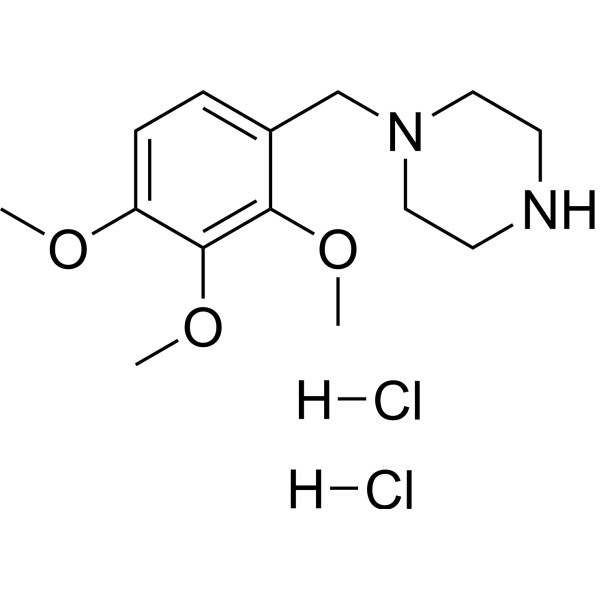
    Ranolazine dihydrochloride
    4 Publications Verification

    CVT 303 dihydrochloride; RS 43285

    Calcium Channel Sodium Channel Autophagy Cardiovascular Disease Cancer
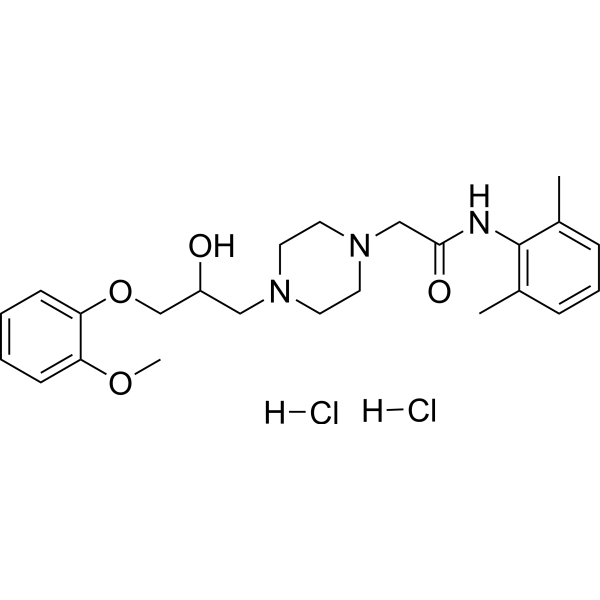
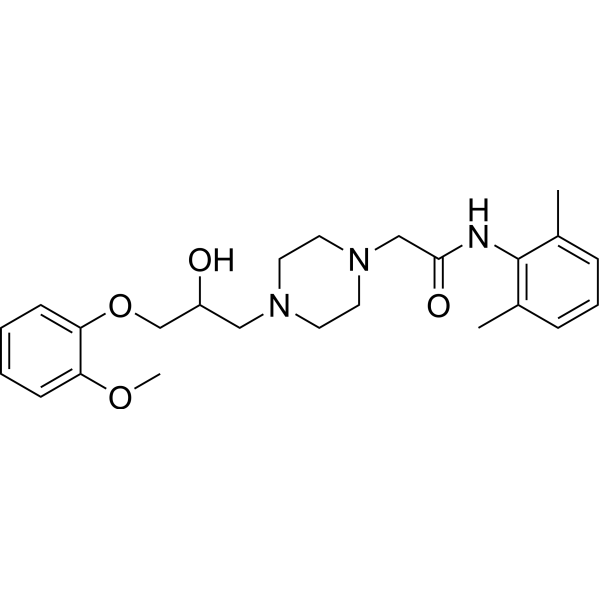
    Ranolazine dihydrochloride (CVT 303 dihydrochloride) is an anti-angina agent that achieves its effects by inhibiting the late phase of inward sodium current (INa and IKr with IC50 values of 6 μM and 12 μM, respectively) without affecting heart rate or blood pressure (BP) . Ranolazine dihydrochloride is also a partial fatty acid oxidation inhibitor .
    Ranolazine dihydrochloride
  • HY-121457

    Drug Derivative Cardiovascular Disease
    9-Nitrooleate, a nitro fatty acid, is a nitro derivative of Oleic acid (HY-N1446). 9-Nitrooleate has potential for use in vascular disease research.
    9-Nitrooleate
  • HY-128851A
    Coenzyme A trilithium
    2 Publications Verification

    Endogenous Metabolite Fatty Acid Synthase (FASN) Metabolic Disease Cancer
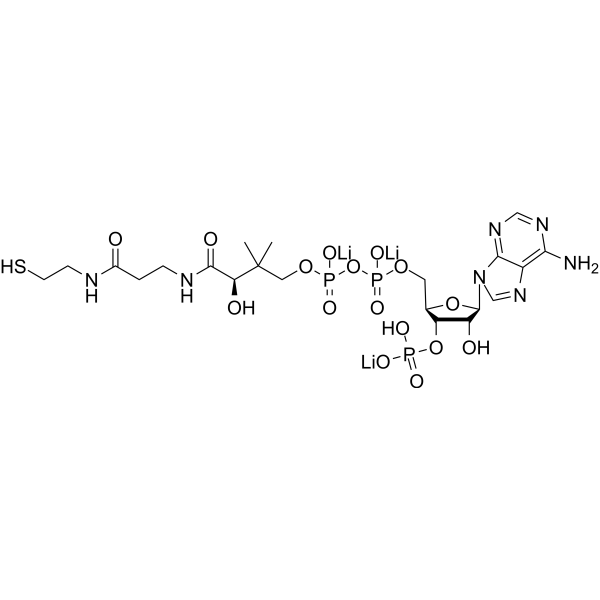
    Coenzyme A (CoASH) is a ubiquitous and essential cofactor, which is an acyl group carrier and carbonyl-activating group for the citric acid cycle and fatty acid metabolism. Coenzyme A plays a central role in the oxidation of pyruvate in the citric acid cycle and the metabolism of carboxylic acids, including short- and long-chain fatty acids .
    Coenzyme A trilithium
  • HY-N8469

    COX Inflammation/Immunology
    cis-5-Dodecenoic acid is an inhibitor of COX-I and COX-II with anti-inflammatory activity. cis-5-Dodecenoic acid reduces prostaglandin synthesis by inhibiting COX enzyme activity and is involved in the fatty acid -β oxidative metabolic pathway. The metabolic rate of cis-5-Dodecenoic acid is significantly lower than that of saturated fatty acids. cis-5-Dodecenoic acid can be used in the research of anti-inflammation, fatty acid metabolism mechanisms and related physiological and pathological processes .
    cis-5-Dodecenoic acid
  • HY-P2994

    3-HBDH

    Endogenous Metabolite Metabolic Disease
    3-Hydroxybutyrate dehydrogenase (3-HBDH), a mitochondrial enzyme, is a key enzyme in the ketone body metabolism pathway. 3-Hydroxybutyrate dehydrogenase is the last enzyme for ketone synthesis in the liver and the first enzyme for ketone breakdown in extracellular tissues. The absence of 3-Hydroxybutyrate dehydrogenase leads to the inhibition of fatty acid oxidation in the liver during fasting in mice, resulting in lipid accumulation and the development of fatty liver .
    3-Hydroxybutyrate dehydrogenase
  • HY-W105518
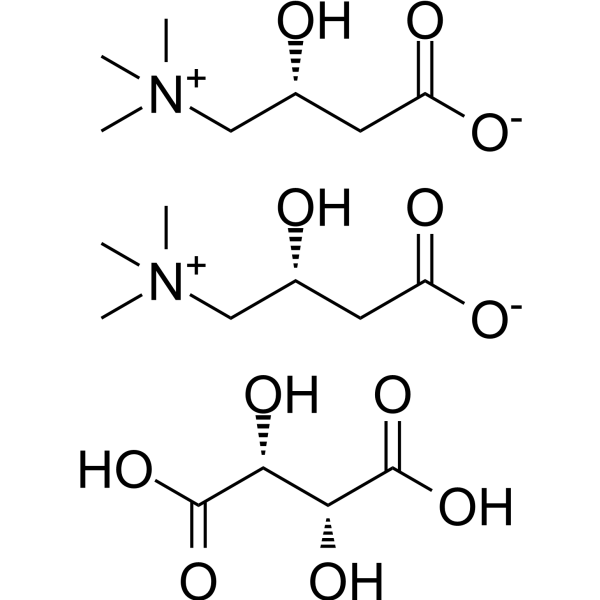
    L-Carnitine tartrate
    Maximum Cited Publications
    20 Publications Verification

    Endogenous Metabolite Neurological Disease
    L-Carnitine tartrate is a highly polar, small zwitterion. L-Carnitine tartrate is an essential co-factor for the mitochondrial β-oxidation pathway. L-Carnitine tartrate functions to transport long chain fatty acyl-CoAs into the mitochondria for degradation by β-oxidation. L-Carnitine tartrate is an antioxidant. L-Carnitine tartrate can ameliorate metabolic imbalances in many inborn errors of metabolism [3] .
    L-Carnitine tartrate
  • HY-N7005

    EGFR Cytochrome P450 Fatty Acid Synthase (FASN) Acetyl-CoA Carboxylase HMG-CoA Reductase (HMGCR) PPAR AMPK Metabolic Disease Inflammation/Immunology Cancer
    Clitorin is an orally active flavonoid compound that can be isolated from Carica papaya. Clitorin is an inhibitor of EGFR (IC50: 89.58 nM) and aromatase (IC50: 77.41 nM). Clitorin has antioxidant and anti-tumor activities. In the DPPH and ABTS radical scavenging assays, Clitorin has IC50 values of 91.96 ppm and 250.45 ppm, respectively. In addition, Clitorin can regulate lipogenesis and fatty acid oxidation and can be used in the research of non-alcoholic fatty liver disease .
    Clitorin
  • HY-113201

    Endogenous Metabolite Neurological Disease
    Tetradecanoylcarnitine is an acylcarnitine involved in mitochondrial β-oxidation of long-chain saturated fatty acids and fatty acid metabolism. Tetradecanoylcarnitine serves as a biomarker for very long-chain acyl-CoA dehydrogenase deficiency and MPTP (HY-15608)-induced Parkinson's disease. Tetradecanoylcarnitine exhibits a characteristic significant elevation in plasma levels in patients with sarcopenia, including those complicated with hypertension, and this elevation is closely associated with an increased risk of death. Tetradecanoylcarnitine is widely used in research on the pathological mechanisms of diseases such as Parkinson's disease and sarcopenia .
    Tetradecanoylcarnitine
  • HY-126015
    P053
    1 Publications Verification

    Acyltransferase Metabolic Disease
    P053 is a potent, non-competitive and selective ceramide synthase 1 (CerS1) inhibitor wirh an IC50 of 0.5 μM. P053 acts as an endogenous inhibitor of mitochondrial fatty acid oxidation in muscle. Whole-body adiposity regulator .
    P053
  • HY-15259A
    CP-640186 hydrochloride
    5+ Cited Publications

    Acetyl-CoA Carboxylase Metabolic Disease
    CP-640186 hydrochloride is an orally active and cell-permeable Acetyl-CoA carboxylase (ACC) inhibitor with IC50s of 53 nM and 61 nM for rat liver ACC1 and rat skeletal muscle ACC2 respectively. Acetyl-CoA carboxylase (ACC) is a key enzyme of fatty acid metabolism that enables the synthesis of malonyl-CoA. CP-640186 hydrochloride can also stimulate muscle fatty acid oxidation .
    CP-640186 hydrochloride
  • HY-Y0624

    Endogenous Metabolite Mitochondrial Metabolism Metabolic Disease
    4-Pentenoic acid is a medium-chain unsaturated fatty acid. 4-Pentenoic acid has hypoglycemic and fatty acid oxidation inhibitory activities. 4-Pentenoic acid can affect blood glucose metabolism and energy metabolism through mechanisms such as inhibiting long-chain fatty acid oxidation, reducing gluconeogenesis, and promoting glucose utilization .
    4-Pentenoic acid
  • HY-B1453
    (±)-Carnitine chloride
    2 Publications Verification

    DL-Carnitine chloride; DL-Levocarnitine chloride

    Reactive Oxygen Species (ROS) Metabolic Disease
    (±)-Carnitine chloride exists in two isomers, known as D and L. L-carnitine plays an essential role in the β-oxidation of fatty acids and also shows antioxidant, and anti-inflammatory activities.
    (±)-Carnitine chloride
  • HY-153392

    Oxidative Phosphorylation HDAC Cardiovascular Disease
    TYA-018 is an orally active, potent and highly selective HDAC6 inhibitor. TYA-018 can protect heart function in mice. TYA-018 also enhances energetics in mice by increasing expression of targets associated with fatty acid metabolism, protein metabolism, and oxidative phosphorylation .
    TYA-018
  • HY-P2914

    Biochemical Assay Reagents Metabolic Disease Inflammation/Immunology
    Carnitine acetyltransferase is a mitochondrial matrix enzyme that catalyzes the interconversion of Acetyl-CoA and Acetylcarnitine (HY-126358). Carnitine acetyltransferase functions as a positive regulator of total body glucose tolerance and muscle activity of pyruvate dehydrogenase. Carnitine acetyltransferase is responsible for mitochondrial acetyl-CoA balance and regulation of fatty acid oxidation by utilizing short- and medium- chain fatty acids and their corresponding acylcarnitines as substrates. Carnitine acetyltransferase plays a crucial role in regulating glucose homeostasis. Carnitine acetyltransferase can be utilized in the research of aging, obesity, and diabetes .
    Carnitine acetyltransferase
  • HY-139577

    IMB-1018972; IMB-101

    Mitochondrial Metabolism Cardiovascular Disease Metabolic Disease
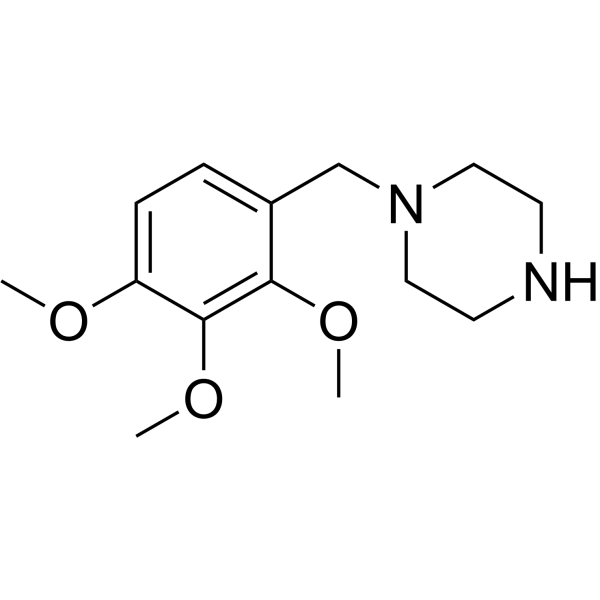
    Ninerafaxstat (IMB-1018972) is a novel orally active cardiac mitochondrial drug that restores myocardial energy homeostasis. Ninerafaxstat competitively inhibits 3-ketoacyl-CoA thiolase (3-KAT) to partially suppress fatty acid oxidation, and shifts cardiac energy metabolism from free fatty acid oxidation to glucose oxidation, regulating myocardial substrate utilization and thereby improving cardiac efficiency. Ninerafaxstat can be used for research on cardiovascular diseases .
    Ninerafaxstat
  • HY-115899

    Malonyl coenzyme A

    Carnitine Palmitoyltransferase (CPT) Endogenous Metabolite Mitochondrial Metabolism Metabolic Disease
    Malonyl CoA is a substrate for fatty acid biosynthesis and an inhibitor of fatty acid oxidation. Malonyl CoA is also a reversible inhibitor of mitochondrial carnitine palmitoyltransferase (CPT) 1 .
    Malonyl CoA
  • HY-B0399S
    L-Carnitine-d9
    1 Publications Verification

    (R)-Carnitine-d9; Levocarnitine-d9

    Isotope-Labeled Compounds Endogenous Metabolite Neurological Disease Metabolic Disease
    L-Carnitine-d9 is the deuterium labeled L-Carnitine. L-Carnitine (Levocarnitine) is an endogenous molecule involved in fatty acid metabolism, biosynthesized within the human body using amino acids: L-lysine and L-methionine, as substrates. L-Carnitine functions to transport long chain fatty acyl-CoAs into the mitochondria for degradation by β-oxidation. L-carnitine can ameliorate metabolic imbalances in many inborn errors of metabolism .
    L-Carnitine-d9
  • HY-B2246S
    L-Carnitine-d9 chloride
    1 Publications Verification

    (R)-Carnitine-d9 chloride; Levocarnitine-d9 chloride

    Isotope-Labeled Compounds Endogenous Metabolite Metabolic Disease
    L-Carnitine-d9 (chloride)e is the deuterium labeled L-Carnitine chloride. L-Carnitine chloride, a highly polar, small zwitterion, is an essential co-factor for the mitochondrial β-oxidation pathway. L-Carnitine chloride functions to transport long chain fatty acyl-CoAs into the mitochondria for degradation by β-oxidation. L-Carnitine chloride is an antioxidant. L-Carnitine chloride can ameliorate metabolic imbalances in many inborn errors of metabolism .
    L-Carnitine-d9 chloride
  • HY-139285

    Endogenous Metabolite Metabolic Disease
    Arachidonic acid-alkyne is aω‑alkynyl lipid surrogates for polyunsaturated fatty acid. Arachidonic acid-alkyne has low rates of oxidation. Arachidonic acid-alkyne can be used for tracking the polyunsaturated fatty acids .
    Arachidonic acid-alkyne
  • HY-W012550

    Parasite Infection
    D-Carnitine is an orally available isomer of the essential nutrient L-carnitine that promotes long-chain fatty acid transport into the mitochondrial matrix for beta-oxidation. D-Carnitine has antiparasitic activity .
    D-Carnitine
  • HY-B0399R

    (R)-Carnitine (Standard); Levocarnitine (Standard)

    Reference Standards Endogenous Metabolite Neurological Disease Cancer
    L-Carnitine (Standard) is the analytical standard of L-Carnitine. This product is intended for research and analytical applications. L-Carnitine ((R)-Carnitine), a highly polar, small zwitterion, is an essential co-factor for the mitochondrial β-oxidation pathway. L-Carnitine functions to transport long chain fatty acyl-CoAs into the mitochondria for degradation by β-oxidation. L-Carnitine is an antioxidant. L-Carnitine can ameliorate metabolic imbalances in many inborn errors of metabolism .
    L-Carnitine (Standard)
  • HY-139040

    PPAR Metabolic Disease
    2-Tetradecylthio acetic acid is a pan-peroxisome proliferator activated receptor (pan-PPAR) activator. 2-Tetradecylthio acetic acid induces hypolipidemia. 2-Tetradecylthio acetic acid reduces plasma lipids and enhances hepatic fatty acid oxidation in rodents. 2-Tetradecylthio acetic acid increases the expression of genes involved in fatty acid uptake, activation, accumulation, and oxidation .
    2-(Tetradecylthio)acetic acid
  • HY-139577A

    MB-1018972 trihydrochloride; IMB-101 trihydrochloride

    Mitochondrial Metabolism Cardiovascular Disease Metabolic Disease
    Ninerafaxstat trihydrochloride (IMB-1018972 trihydrochloride) is the trihydrochloride salt form of Ninerafaxstat (HY-139577). Ninerafaxstat trihydrochloride is a novel orally active cardiac mitochondrial drug that restores myocardial energy homeostasis. Ninerafaxstat trihydrochloride competitively inhibits 3-ketoacyl-CoA thiolase (3-KAT) to partially suppress fatty acid oxidation, and shifts cardiac energy metabolism from free fatty acid oxidation to glucose oxidation, regulating myocardial substrate utilization and thereby improving cardiac efficiency. Ninerafaxstat trihydrochloride can be used for research on cardiovascular diseases .
    Ninerafaxstat trihydrochloride
  • HY-113434B

    (±)-5-HETE

    Endogenous Metabolite Inflammation/Immunology
    5-HETE ((±)-5-HETE), a fatty acid, is a oxidative derivative of Arachidonic acid. 5-HETE is a mixture of 5(S)-HETE and 5(R)-HETE. 5-HETE is a potent aggregating agent that induces the aggregation of neutrophils with an IC50 value of 200 nM .
    5-HETE
  • HY-172157

    HDAC AMPK Metabolic Disease
    HDAC11-IN-2 (compound B6) is a high selective Histone Deacetylase 11 (HDAC11) inhibitor. HDAC11-IN-2 inhibits HDAC11 and HDAC8 with IC50s of 51.1 ×10 -3 μM and 5 μM, respectively. HDAC11-IN-2 inhibits denovolipogenesis (DNL) and promotes fatty acid oxidation, thus mitigating hepaticlipid accumulation and pathological symptoms in MASLD mice. HDAC11-IN-2 enhances the phosphorylation of AMPKα1 at Thr172 through the inhibition of HDAC11, consequently modulating DNL and fatty acid oxidation in the liver .
    HDAC11-IN-2
  • HY-115704

    Amino acid Transporter Others
    Butyryl-L-carnitine chloride is an acylcarnitine that can be isolated from Plasma/Serum .
    Butyryl-L-carnitine chloride
  • HY-113884A

    (±)-13-HODE

    Endogenous Metabolite Metabolic Disease
    (±)13-HODE is one of the two racemic monohydroxy fatty acids resulting from the non-enzymatic oxidation of linoleic acid. It is the principle hydroxylated fatty acid in human psoriatic skin scales, with a mean concentration of 17 ng/mg.
    (±)-Coriolic acid
  • HY-163649

    AMPK Metabolic Disease
    A17 is a bile acid analog with anti-non-alcoholic steatohepatitis (NASH) and anti-inflammatory activities. A17 reduces fatty acid (FA) uptake and promotes FA oxidation though inhibiting fatty acid translocase (Cd36) expression and activating AMPKα. A17 can be used for NASH research .
    A17
  • HY-128851R

    Reference Standards Fatty Acid Synthase (FASN) Endogenous Metabolite Metabolic Disease Cancer
    Coenzyme A (Standard) is the analytical standard of Coenzyme A. This product is intended for research and analytical applications. Coenzyme A (CoASH) is a ubiquitous and essential cofactor, which is an acyl group carrier and carbonyl-activating group for the citric acid cycle and fatty acid metabolism. Coenzyme A plays a central role in the oxidation of pyruvate in the citric acid cycle and the metabolism of carboxylic acids, including short- and long-chain fatty acids[1].
    Coenzyme A (Standard)
  • HY-B1453S1

    DL-Carnitine-d9 chloride; DL-Levocarnitine-d9 chloride

    Reactive Oxygen Species (ROS) Metabolic Disease
    (±)-Carnitine-d9 (chloride) is the deuterium labeled (±)-Carnitine chloride. (±)-Carnitine chloride exists in two isomers, known as D and L. L-carnitine plays an essential role in the β-oxidation of fatty acids and also shows antioxidant, and anti-inflammatory activities.
    (±)-Carnitine-d9 chloride
  • HY-175673

    Carnitine Palmitoyltransferase (CPT) Apoptosis Oxidative Phosphorylation Mitochondrial Metabolism Reactive Oxygen Species (ROS) Cancer
    LCB-2151 (Compound 2), a nucleoside analogue, is an anticancer agent. LCB-2151 disrupts the two primary sources of ATP production (glycolysis and mitochondrial oxidative phosphorylation), reducing the bioenergetic capacity of KRAS-mutated pancreatic cancer cells and inducing ROS formation. LCB-2151 effectively inhibits key enzymes (such as CACT and CPT2) in glycolysis, the TCA cycle and fatty acid β-oxidation. LCB-2151 has significant cytotoxicity and induces cells apoptosis. LCB-2151 can be used for radiation therapy of cancers research .
    LCB-2151
  • HY-W104819

    4-Hydroxyphenylglyoxylic acid; 4-HPGA

    Acyltransferase Carnitine Palmitoyltransferase (CPT) Metabolic Disease
    4-Hydroxyphenylglyoxylate (4-Hydroxyphenylglyoxylic acid) is an inhibitor of carnitine palmitoyltransferase I (CPT I). 4-Hydroxyphenylglyoxylate can be used to study sensitivity changes in CPT I of liver mitochondria and fatty acid oxidation by isolated hepatocytes. 4-Hydroxyphenylglyoxylate can inhibits fatty acid oxidation .
    4-Hydroxyphenylglyoxylate
  • HY-W420033

    Acyltransferase Carnitine Palmitoyltransferase (CPT) Others
    (S)-(+)-Etomoxir is the S enantiomer of Etomoxir (HY-50202). Etomoxir is an irreversible inhibitor of carnitine palmitoyltransferase 1a (CPT-1a), inhibits fatty acid oxidation (FAO) through CPT-1a and inhibits palmitate β-oxidation in human, rat and guinea pig .
    (S)-(+)-Etomoxir

Inquiry Online

Your information is safe with us. * Required Fields.

Salutation


Country or Region *

Applicant Name *


Organization Name *

Department *


Email Address *


Product Name *

Cat. No.


Requested quantity *

Phone Number *


Remarks

Inquiry Online

Inquiry Information

Product Name:
Cat. No.:
Quantity:
MCE Japan Authorized Agent:

