Search Result
Results for "
Reversible+Inhibitors
" in MedChemExpress (MCE) Product Catalog:
2
Biochemical Assay Reagents
10
Isotope-Labeled Compounds
| Cat. No. |
Product Name |
Target |
Research Areas |
Chemical Structure |
-
- HY-13520
-
|
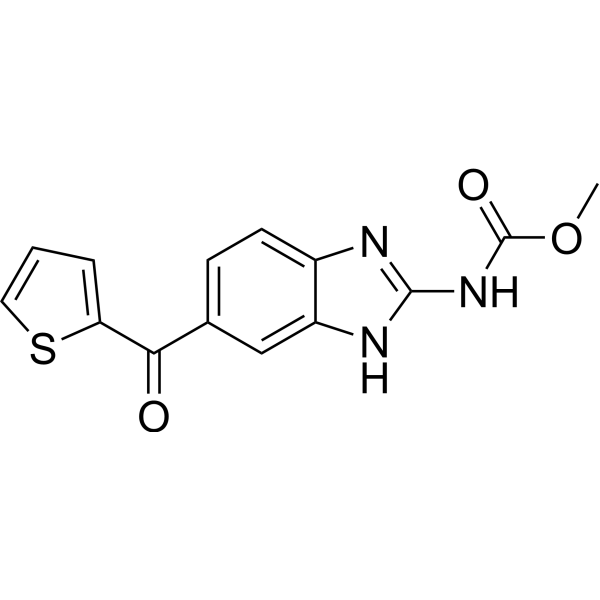
Oncodazole; R17934
|
Bcr-Abl
Autophagy
Microtubule/Tubulin
Apoptosis
Mitosis
|
Cancer
|
|
Nocodazole (Oncodazole) is a rapidly-reversible inhibitor of microtubule. Nocodazole binds to β-tubulin and disrupts microtubule assembly/disassembly dynamics, which prevents mitosis and induces apoptosis in tumor cells. Nocodazole inhibits Bcr-Abl.
|
-
-
- HY-W013636
-
|
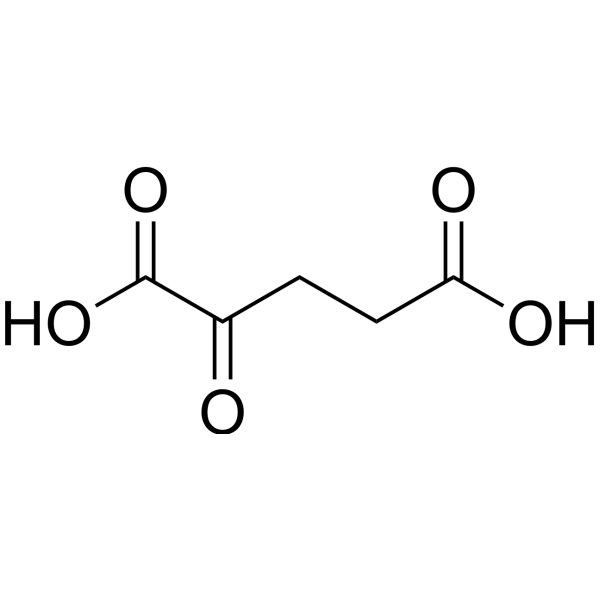
Alpha-Ketoglutaric acid; 2-Oxoglutaric acid
|
Tyrosinase
Endogenous Metabolite
|
Neurological Disease
Metabolic Disease
|
|
2-Ketoglutaric acid (Alpha-Ketoglutaric acid) is an intermediate in the production of ATP or GTP in the Krebs cycle. 2-Ketoglutaric acid also acts as the major carbon skeleton for nitrogen-assimilatory reactions. 2-Ketoglutaric acid is a reversible inhibitor of tyrosinase (IC50=15 mM) .
|
-
-
- HY-126388
-
-
-
- HY-15695
-
-
-
- HY-13917
-
|
VS-4718; SR-2516
|
FAK
Apoptosis
|
Cancer
|
|
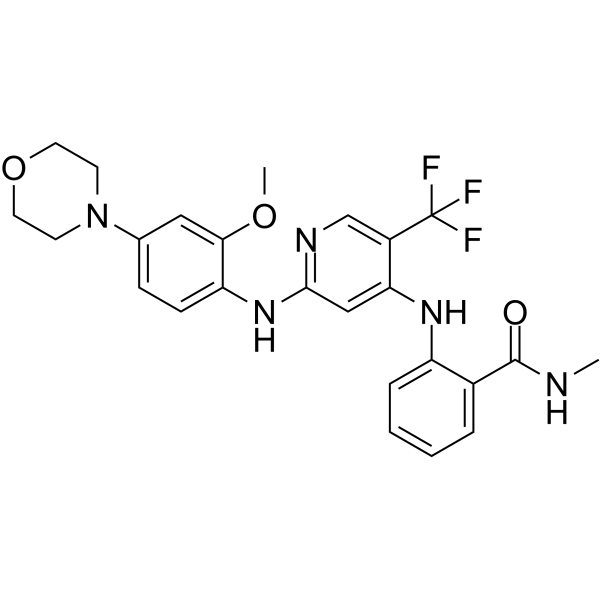
PND-1186 (VS-4718) is a potent, highly-specific and reversible inhibitor of FAK with an IC50 of 1.5 nM. PND-1186 selectively promotes tumor cell apoptosis .
|
-
-
- HY-118628
-
|
N-(p-Amylcinnamoyl) anthranilic acid; ACA
|
Phospholipase
TRP Channel
|
Cardiovascular Disease
|
|
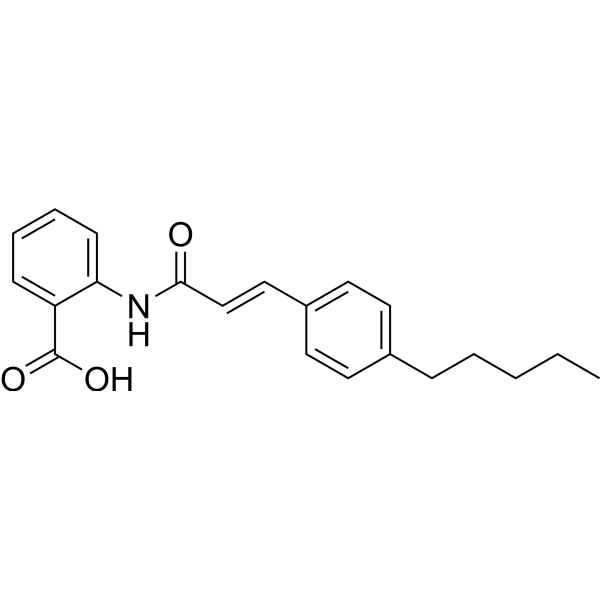
(E/Z)-BML264 (N-(p-amylcinnamoyl) Anthranilic Acid) is a broad spectrum Phospholipase A2 (PLA2) inhibitor and TRP channel blocker . (E/Z)-BML264 (N-(p-amylcinnamoyl) Anthranilic Acid) is also an effective reversible inhibitor of calcium-activated chloride channels, has potential to treat arrhythmia .
|
-
-
- HY-B0555A
-
|
|
Beta-lactamase
Bacterial
Antibiotic
|
Infection
|
|
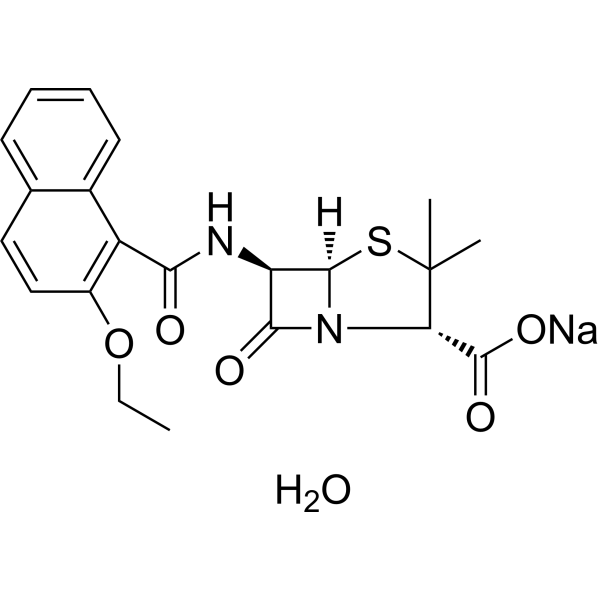
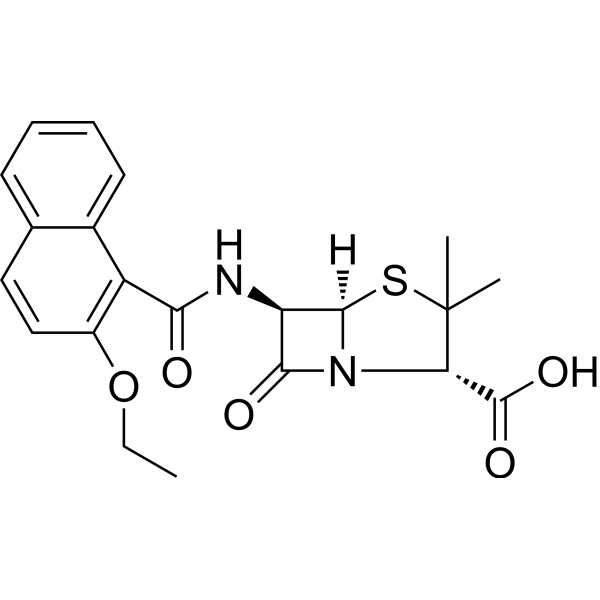
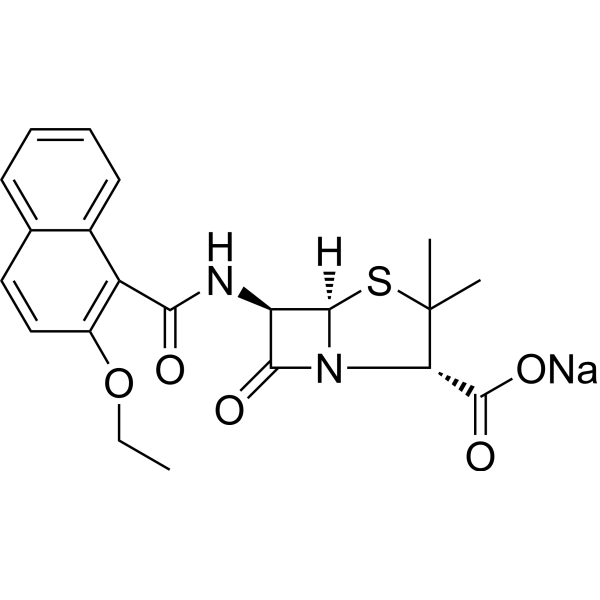
Nafcillin sodium monohydrate, an antibiotic, is a reversible inhibitor of β-lactamase. Nafcillin sodium monohydrate can be used for the research of staphylococcal infections .
|
-
-
- HY-100540
-
|
GCA
|
Enterovirus
|
Infection
Cancer
|
|
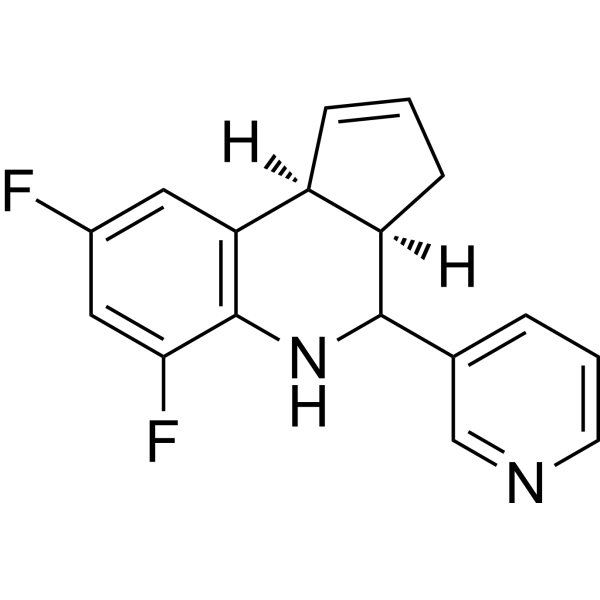
Golgicide A (GCA) is a potent, highly specific, and reversible inhibitor of the cis-Golgi ADP-ribosylation factor guanine nucleotide exchange factors (ArfGEF) GBF1 . Golgicide A drastically reduced replication of coxsackievirus B3 (CVB3) and other human enterovirus species .
|
-
-
- HY-18682
-
|
LCR-263
|
Polo-like Kinase (PLK)
|
Cancer
|
|
Centrinone (LCR-263) is a selective and reversible inhibitor of polo-like kinase 4 (PLK4) with a Ki of 0.16 nM.
|
-
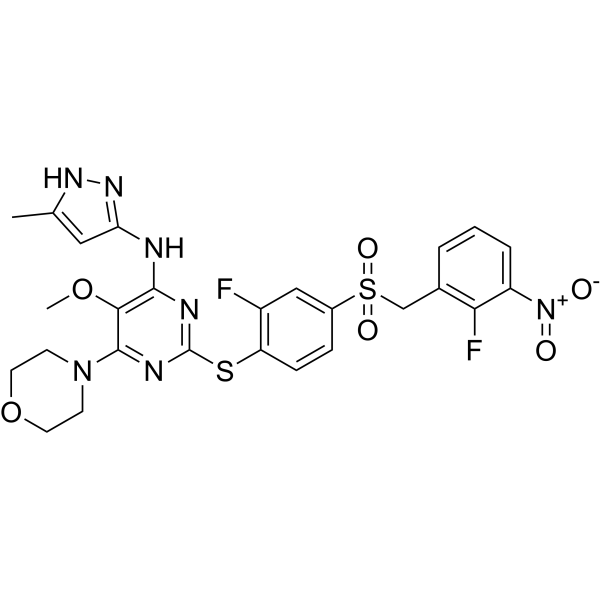
-
- HY-101856
-
|
|
Btk
|
Inflammation/Immunology
|
|
BMS-986142 is a potent and highly selective reversible inhibitor of Bruton's tyrosine kinase (BTK) with an IC50 of 0.5 nM.
|
-
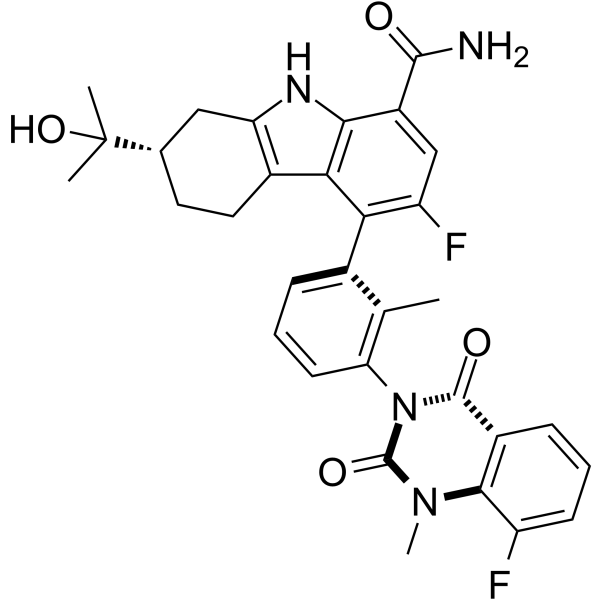
-
- HY-18962
-
|
|
Histone Methyltransferase
|
Cancer
|
|
AMI-1 is a potent, cell-permeable and reversible inhibitor of protein arginine N-methyltransferases (PRMTs), with IC50s of 8.8 μM and 3.0 μM for human PRMT1 and yeast-Hmt1p, respectively. AMI-1 exerts PRMTs inhibitory effects by blocking peptide-substrate binding .
|
-
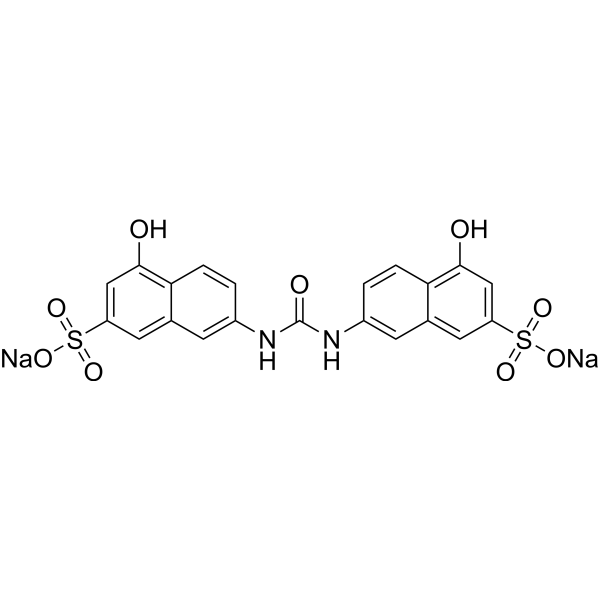
-
- HY-114086
-
|
|
PDI
|
Cardiovascular Disease
|
|
ML359 is a potent, selctive and reversible inhibitor of protein disulfide isomerase (PDI), with an IC50 of 250 nM. ML359 can prevent thrombus formation in vivo .
|
-
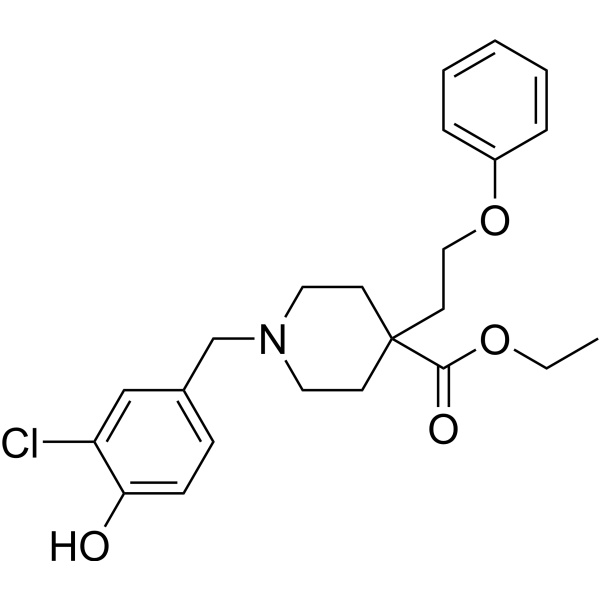
-
- HY-18336
-
|
|
CFTR
|
Cardiovascular Disease
|
|
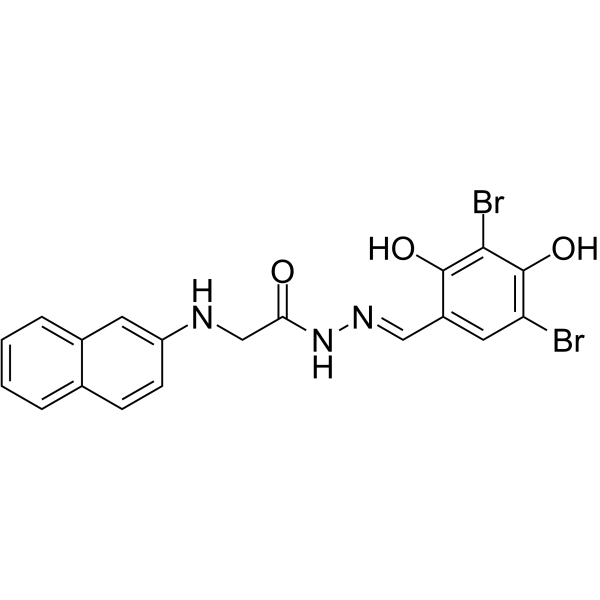
GlyH-101 is a potent CFTR inhibitor. GlyH-101 also is a potent and reversible inhibitor of the VSORC conductance. GlyH-101 shows antiproliferative activity. GlyH-101 inhibits CFTR-like current and VSORC current .
|
-
-
- HY-W013636A
-
|
Alpha-Ketoglutaric acid Sodium
|
Tyrosinase
Endogenous Metabolite
|
Neurological Disease
Metabolic Disease
|
|
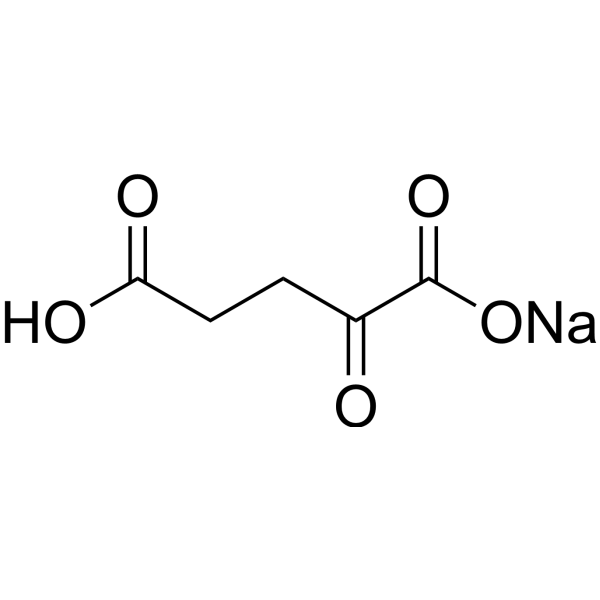
2-Ketoglutaric acid Sodium (Alpha-Ketoglutaric acid Sodium) is an intermediate in the production of ATP or GTP in the Krebs cycle. 2-Ketoglutaric acid Sodium also acts as the major carbon skeleton for nitrogen-assimilatory reactions. 2-Ketoglutaric acid Sodium is a reversible inhibitor of tyrosinase (IC50=15 mM) .
|
-
-
- HY-10458
-
|
VS-6062 besylate
|
FAK
Pyk2
|
Cancer
|
|
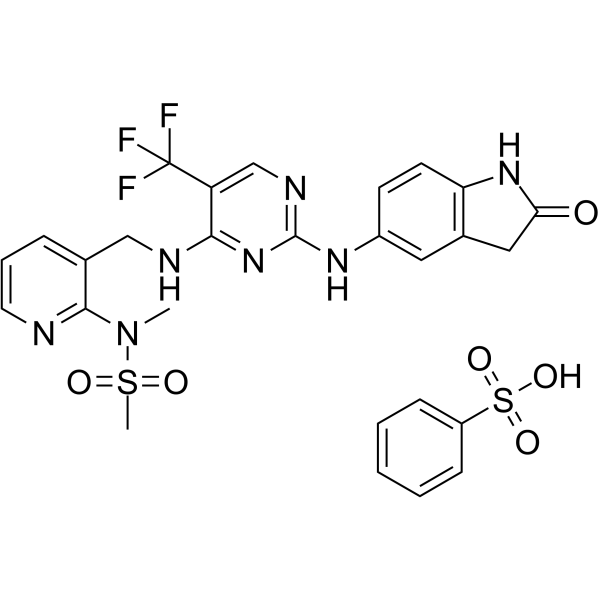
PF-562271 (VS-6062) besylate is a potent ATP-competitive, reversible inhibitor of FAK and Pyk2 kinase, with an IC50 of 1.5 nM and 13 nM, respectively .
|
-
-
- HY-100919
-
|
WIN 8077 chloride
|
Cholinesterase (ChE)
|
Others
|
|
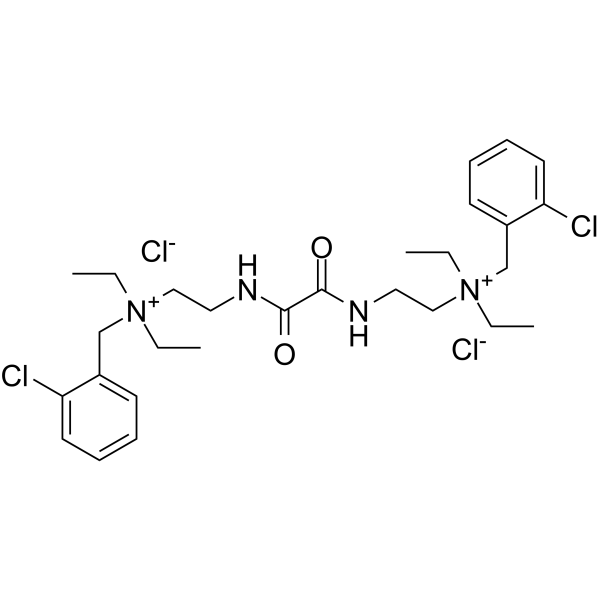
Ambenonium (WIN 8077) chloride is an orally active and reversible inhibitor of Acetyicholinesterase (AChE) with high affinity. Ambenonium chloride inhibits human AChE with an IC50 value of 0.7 nM (hAChE) .
|
-
-
- HY-12853
-
|
|
Environmental Pollutants
Reactive Oxygen Species (ROS)
|
Others
|
|
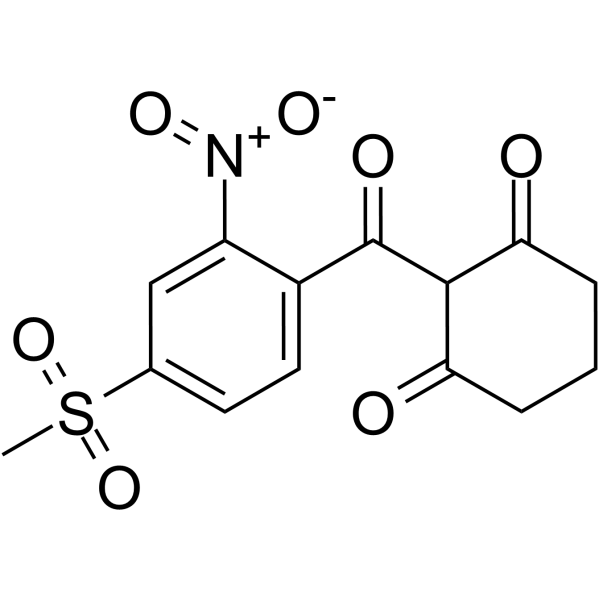
Mesotrione is a herbicide belongs to the benzoylcyclohexanedione family. Mesotrione is a potent and competitive and reversible inhibitor of HPPD enzyme. Mesotrione is selective to maize due to rapid metabolism and relative high tolerance by the susceptible crop plant .
|
-
-
- HY-11002
-
|
|
ATM/ATR
|
Cancer
|
|
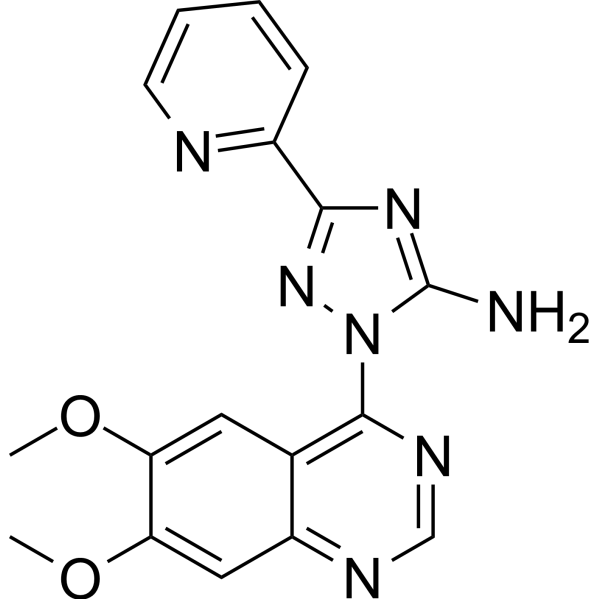
CP-466722 is a rapidly reversible inhibitor of ATM, with an IC50 of 0.41 μM, and has no effects on PI3K or closely related PI3K-like protein kinase (PIKK) family members.
|
-
-
- HY-16420
-
|
|
Syk
|
Inflammation/Immunology
|
|
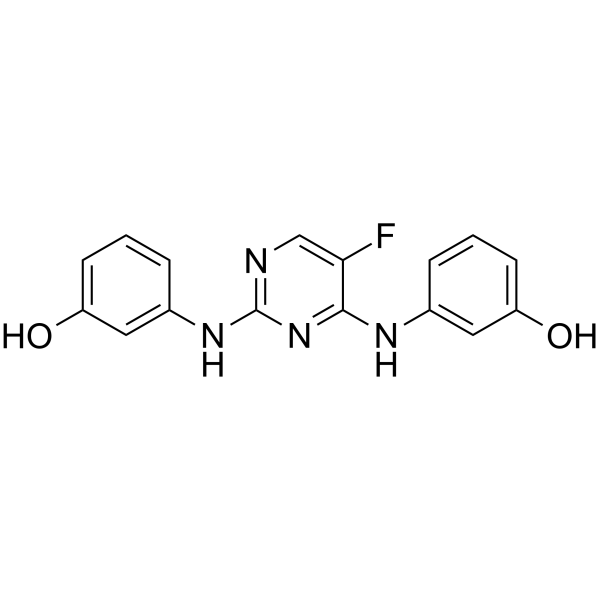
R112 is a fast and reversible inhibitor of spleen tyrosine kinase (Syk) kinase. R112 inhibits Syk kinase activity with an IC50 value of 226 nM and a Ki value of 96 nM. R112 inhibits IgE-FcεRI signaling pathway. R112 can be used for the research of allergic rhinitis .
|
-
-
- HY-155945
-
-
-
- HY-114991
-
|
|
HPPD
|
Others
|
|
Leptospermone is a competitive, reversible inhibitor for p-Hydroxyphenylpyruvate dioxygenase (HPPD), with an IC50 of 12.1 μM. Leptospermone exhibits herbicidal activity for its bleaching effect .
|
-

-
- HY-115899
-
-
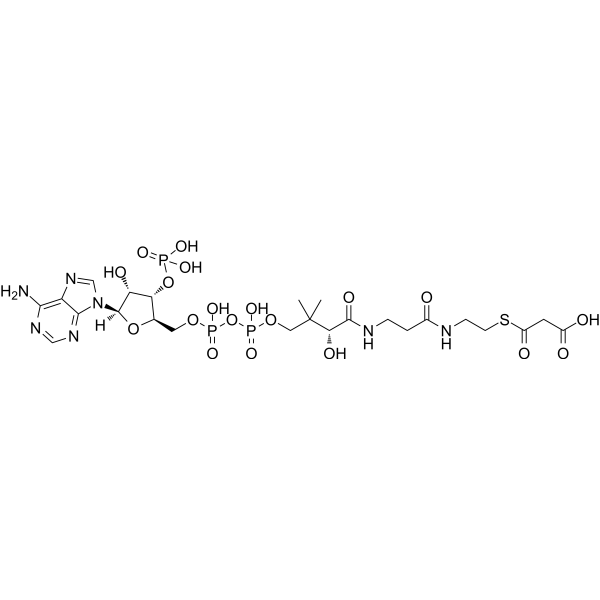
-
- HY-16709
-
|
|
Deubiquitinase
|
Cancer
|
|
USP7-IN-1 is a selective and reversible inhibitor of ubiquitin-specific protease 7 (USP7), with an IC50 of 77 μM, and can be used for the research of cancer.
|
-
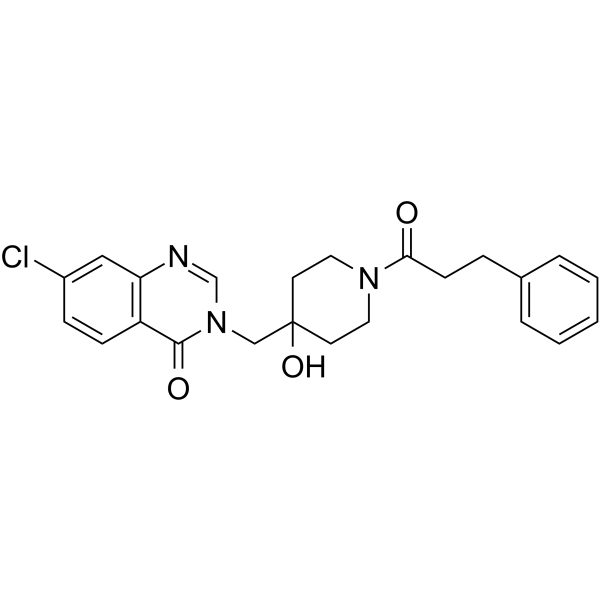
-
- HY-13917A
-
|
VS-4718 hydrochloride; SR-2516 hydrochloride
|
FAK
Apoptosis
|
Cancer
|
|
PND-1186 hydrochloride (VS-4718 hydrochloride) is a potent, highly-specific and reversible inhibitor of FAK with an IC50 of 1.5 nM. PND-1186 hydrochloride selectively promotes tumor cell apoptosis .
|
-
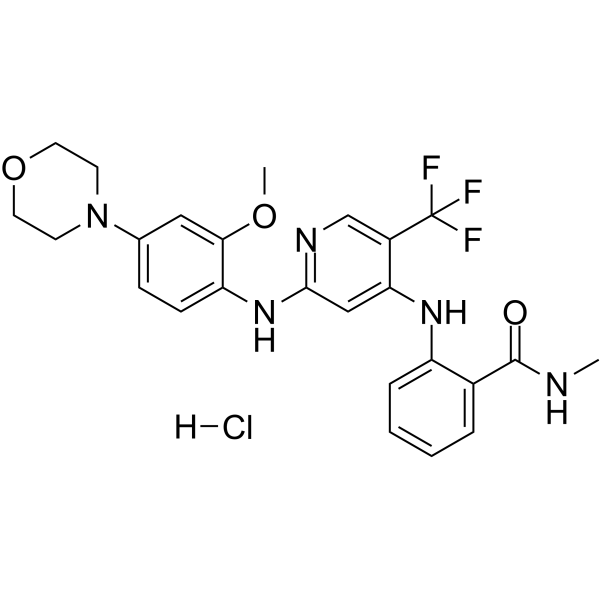
-
- HY-N8533
-
|
|
DNA/RNA Synthesis
|
Infection
Cancer
|
|
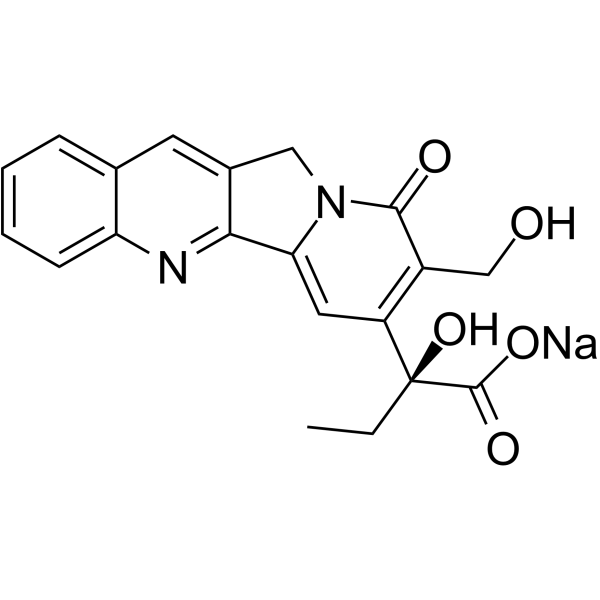
Sodium Camptothecin is a plant alkaloid, with antitumor activity. Sodium Camptothecin is a reversible inhibitor of RNA synthesis. Sodium Camptothecin is an effective inhibitor of adenovirus replication. Sodium Camptothecin inhibits DNA synthesis and causes breaks in intracellular preformed viral DNA .
|
-
-
- HY-148787
-
|
SAR443820; DNL788
|
RIP kinase
|
Neurological Disease
Inflammation/Immunology
|
|
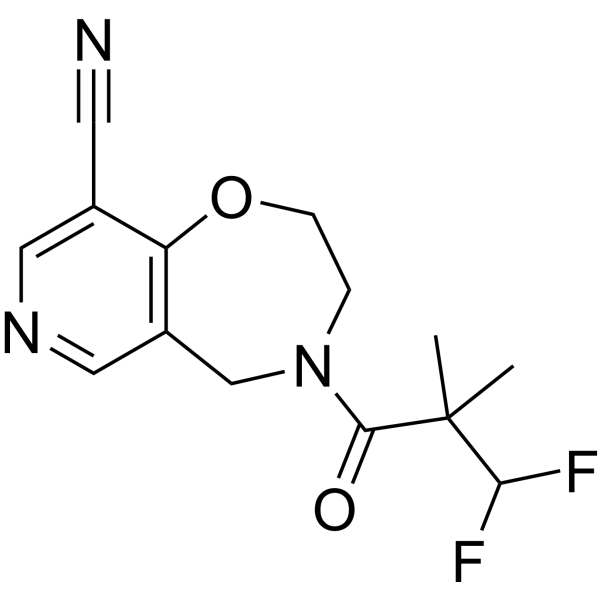
Oditrasertib (SAR443820) is an orally active, BBB-penetrable and selective reversible inhibitor of RIPK1. Oditrasertib can be used in the research of chronic inflammatory central nervous system diseases, such as amyotrophic lateral sclerosis and multiple sclerosis .
|
-
-
- HY-120017
-
|
MD-370503
|
Monoamine Oxidase
|
Neurological Disease
|
|
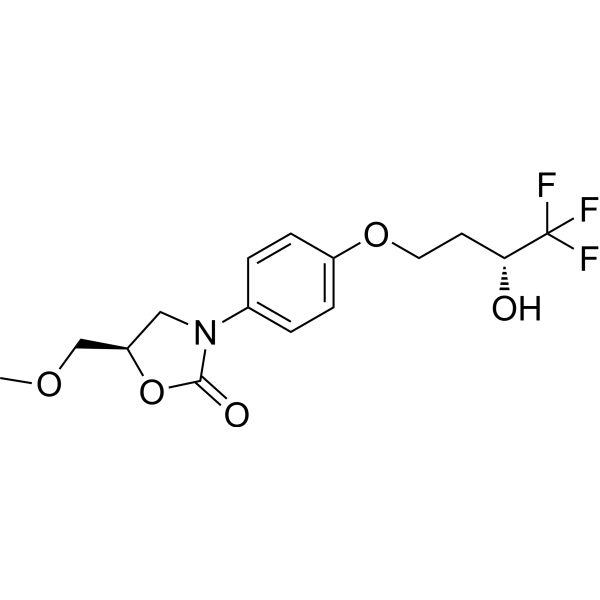
Befloxatone (MD-370503) is an orally active, selective and reversible inhibitor of Monoamine Oxidase A (MAO-A) (IC50=4 nM). Befloxatone increases the tissue level of monoamine, striatal dopamine and cortical norepinephrine. Befloxatone has antidepressant potential .
|
-
-
- HY-W013636B
-
|
|
Tyrosinase
Endogenous Metabolite
|
Metabolic Disease
|
|
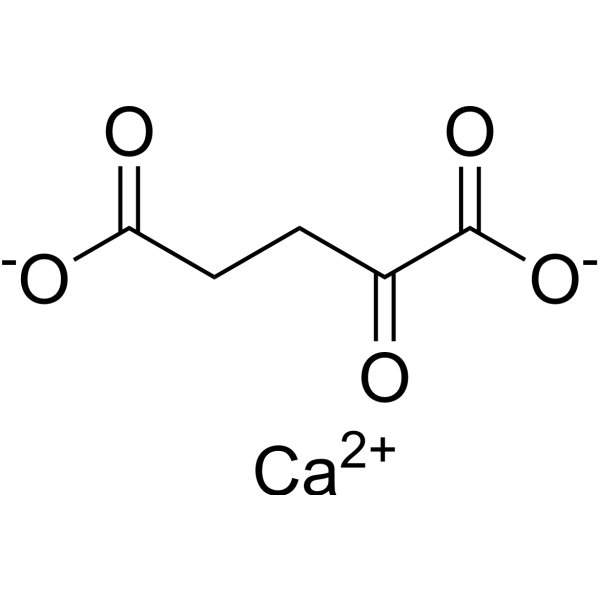
Calcium 2-oxoglutarate is an intermediate in the production of ATP or GTP in the Krebs cycle. Calcium 2-oxoglutarate also acts as the major carbon skeleton for nitrogen-assimilatory reactions. Calcium 2-oxoglutarate is a reversible inhibitor of tyrosinase (IC50=15 mM) .
|
-
-
- HY-102046
-
FM-381
2 Publications Verification
|
JAK
|
Inflammation/Immunology
|
|
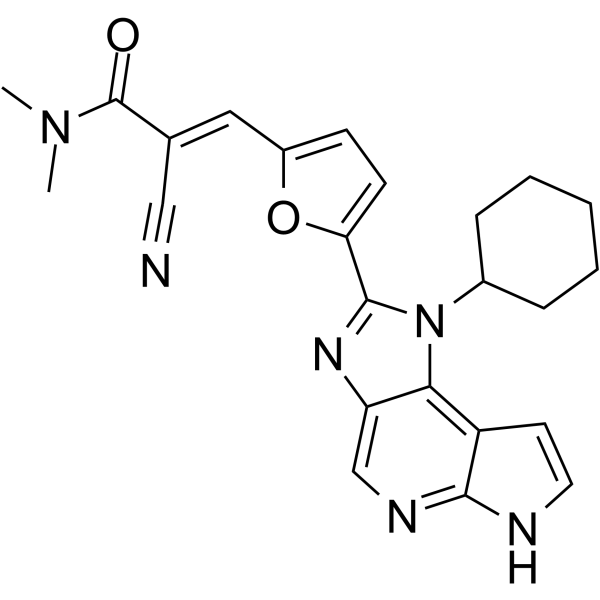
FM-381, a chemical probe, is a potent covalent reversible inhibitor of JAK3 targeting the unique Cys909. FM-381 has an IC50 of 127 pM for JAK3, with 410, 2700 and 3600-fold selectivity over JAK1, JAK2 and TYK2, respectively .
|
-
-
- HY-162333
-
-
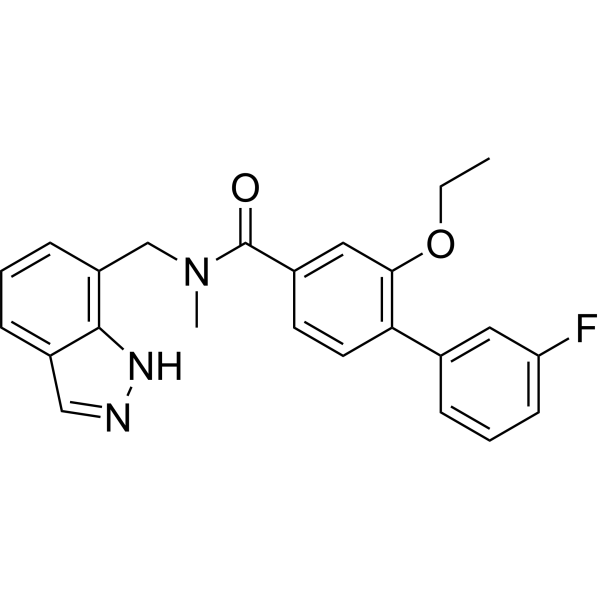
-
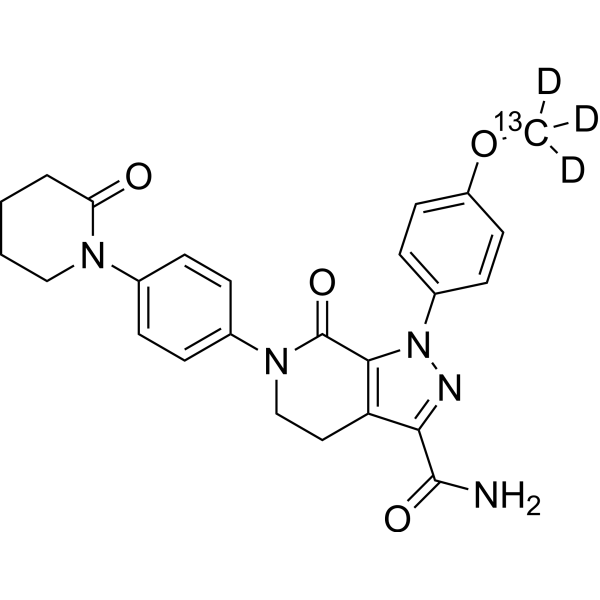
- HY-50667S
-
|
BMS-562247-01-13C,d3
|
Factor Xa
|
Cardiovascular Disease
|
|
Apixaban- 13C,d3 (BMS-562247-01- 13C,d3) is a deuterium and 13C labeled Apixaban (HY-50667). Apixaban is a highly selective, reversible inhibitor of Factor Xa with Ki of 0.08 nM and 0.17 nM in human and rabbit, respectively .
|
-
-
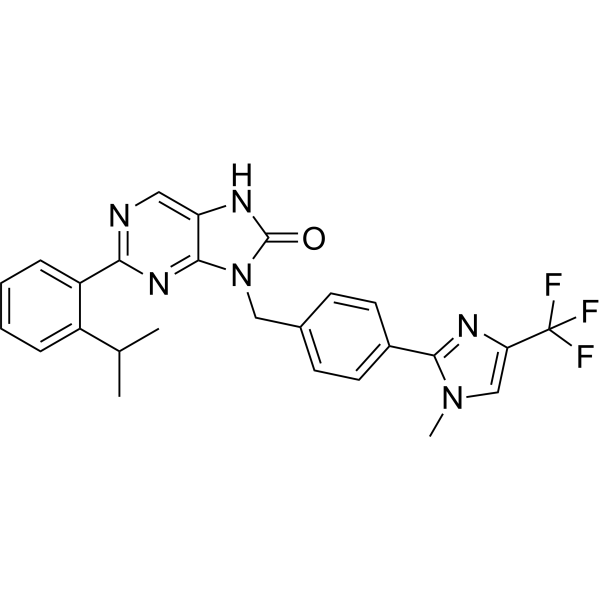
- HY-153365
-
|
|
Deubiquitinase
|
Cancer
|
|
I-138 is an orally active, reversible inhibitor of USP1-UAF1 (IC50: 4.1 nM; Ki: 5.4 nM), structurally related to ML323 (HY-17543). I-138 induces monoubiquitination of FANCD2 and PCNA in cells and eliminates USP1 autocleavage in cells .
|
-
-
- HY-119721
-
-
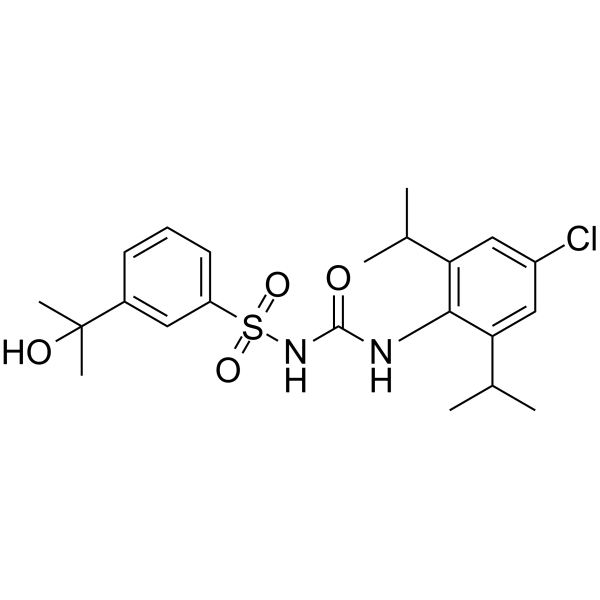
-
- HY-100655
-
|
|
Drug Metabolite
|
Cardiovascular Disease
|
|
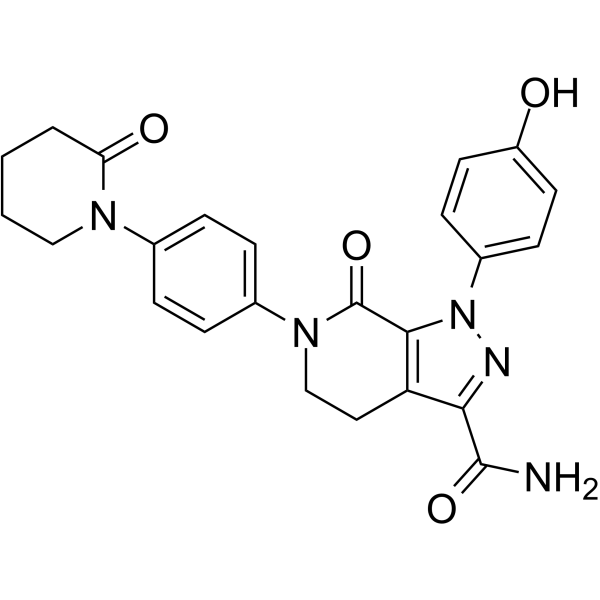
O-Desmethyl apixaban is a metabolite of Apixaban (BMS-562247-01) . Apixaban is a highly selective, reversible inhibitor of Factor Xa with Ki of 0.08 nM and 0.17 nM in human and rabbit, respectively .
|
-
-
- HY-10716A
-
|
|
GlyT
|
Neurological Disease
|
|
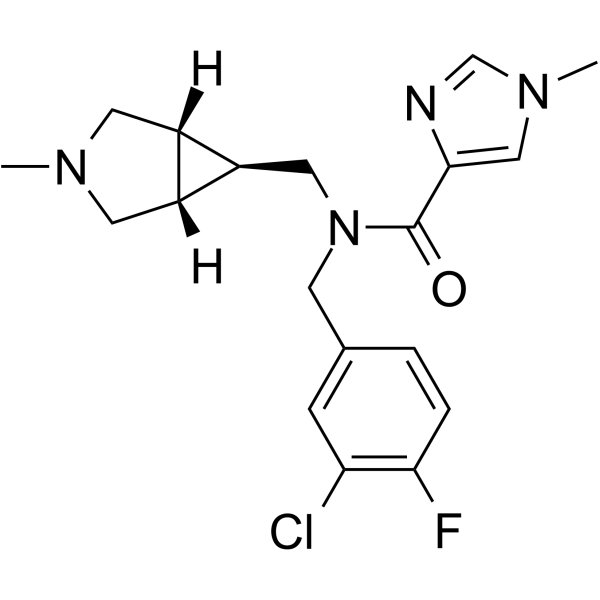
PF-03463275 is a centrally penetrant, orally available, selective, and competitive GlyT1 (glycine transporter-1) reversible inhibitor, with a Ki of 11.6 nM. PF-03463275 has the potential for Schizophrenia research .
|
-
-
- HY-126075A
-
|
|
E1/E2/E3 Enzyme
|
Cancer
|
|
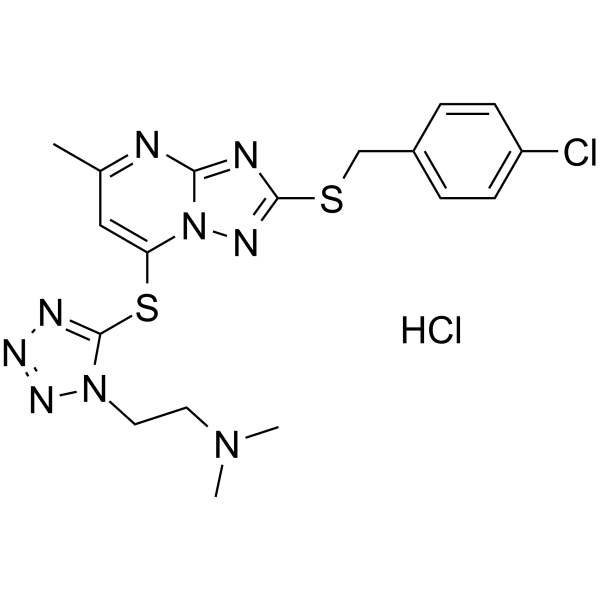
WS-383 is a potent, selective and reversible inhibitor of DCN1-UBC12 interaction, with an IC50 of 11 nM. WS-383 inhibits Cul3/1 neddylation, induces accumulation of p21, p27 and NRF2 .
|
-
-
- HY-155612A
-
|
|
Caspase
|
Neurological Disease
|
|
(Rac)-M826 is the racemate of M826 (HY-155612). M826 is a selective and reversible inhibitor for caspase-3 with an IC50 of 0.005 μM. M826 inhibits apoptosis in cell NT2. M826 can be used for nervous system diseases research .
|
-

-
- HY-101793
-
|
|
Btk
|
Inflammation/Immunology
|
|
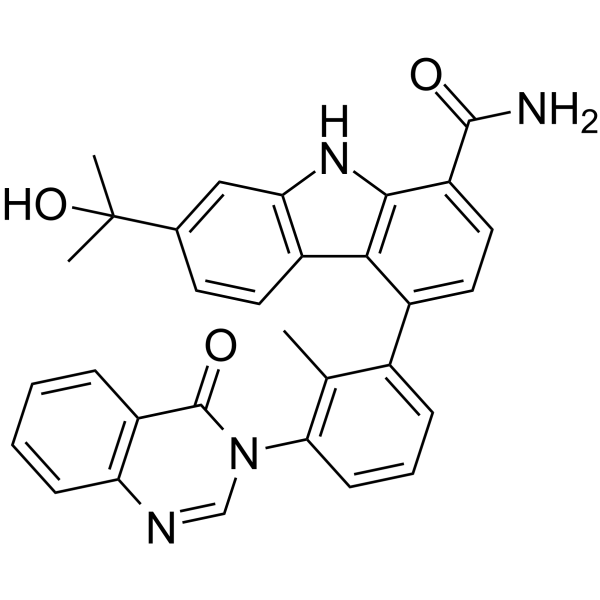
BMS-935177 is a potent and selective reversible inhibitor of Bruton’s tyrosine kinase (Btk) with an IC50 of 3 nM.
|
-
-
- HY-B0555
-
|
|
Beta-lactamase
Antibiotic
Bacterial
|
Infection
|
|
Nafcillin, an antibiotic, is a reversible inhibitor of β-lactamase. Nafcillin exhibits bactericidal activity, and can be used for the research of staphylococcal infections .
|
-
-
- HY-132808
-
|
SAR 444727; PRN473
|
Btk
|
Inflammation/Immunology
|
|
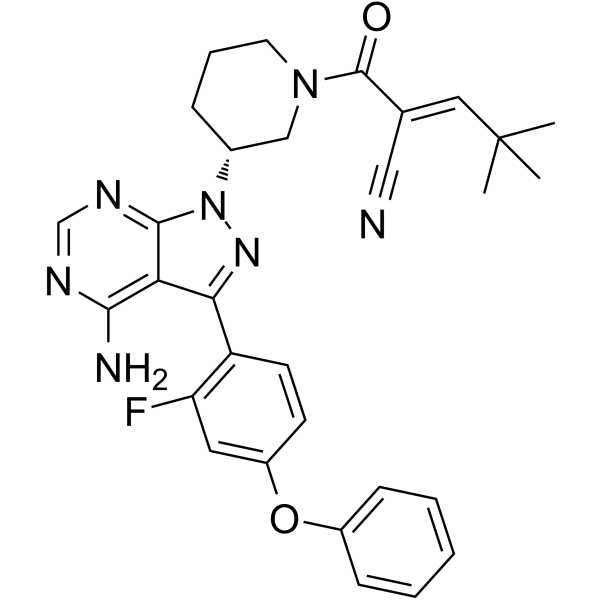
Atuzabrutinib (SAR 444727) is a potent, selective reversible inhibitor of Btk (Bruton's tyrosine kinase) inhibitor. Atuzabrutinib inhibits neutrophil recruitment via inhibition of macrophage antigen-1 signalling .
|
-
-
- HY-113963
-
|
|
Apoptosis
|
Cancer
|
|
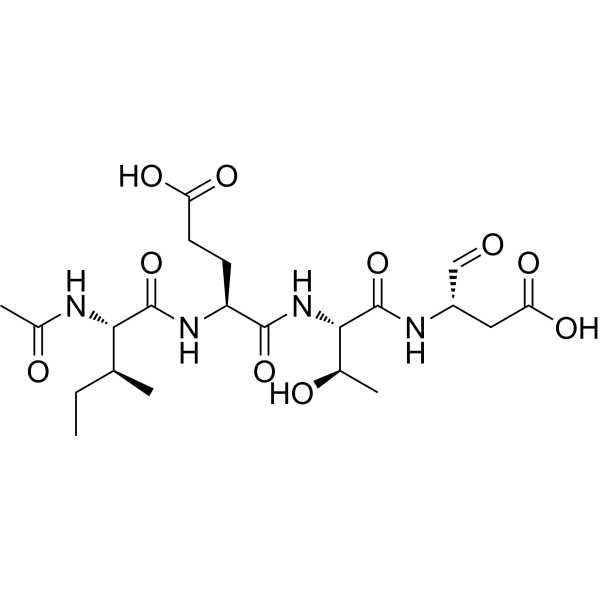
Ac- IETD- CHO is a potent, reversible inhibitor of granzyme B and caspase-8. Ac- IETD- CHO inhibits Fas-mediated apoptotic cell death, hemorrhage, and liver failure. Ac- IETD- CHO also inhibits cytotoxic T lymphocytes induced cell death .
|
-
-
- HY-B0590B
-
|
(+)-TBZ; (3R,11bR)-TBZ; (3R,11bR)-Tetrabenazine
|
Monoamine Transporter
|
Cancer
|
|
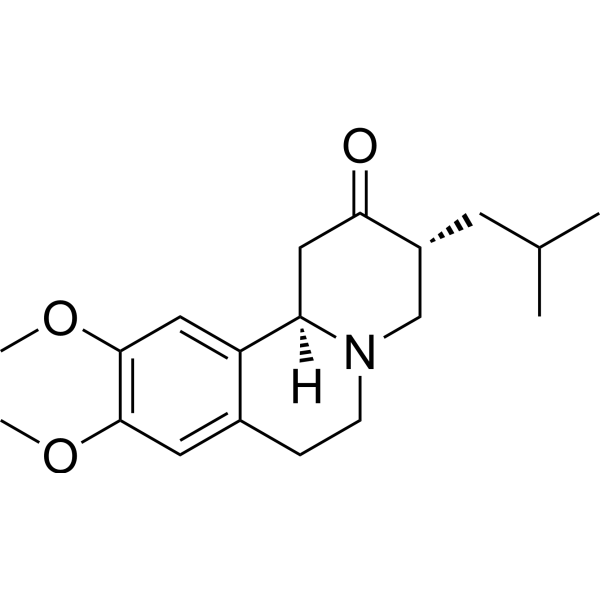
(+)-Tetrabenazine ((+)-TBZ; (3R,11bR)-TBZ; (3R,11bR)-Tetrabenazine) is a reversible inhibitor of vesicular monoamine transporter 2 (VMAT-2), inhibits transport by VMAT2 with 10-fold greater potency than transport by VMAT1.
|
-
-
- HY-B1413
-
-
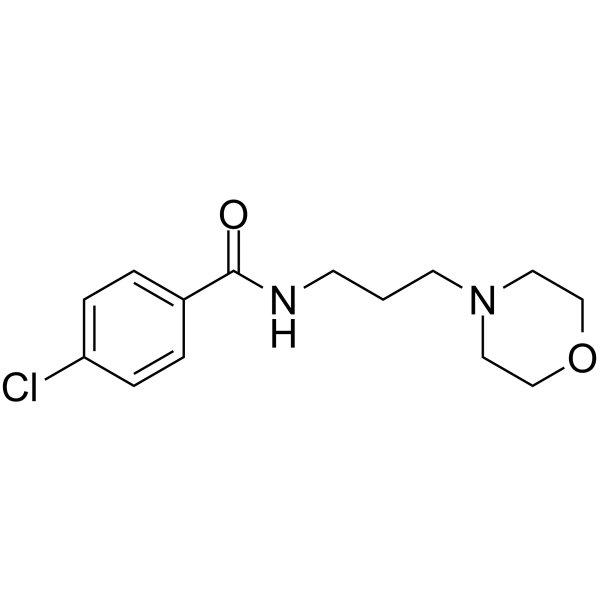
-
- HY-70075
-
|
|
RGS Protein
|
Cancer
|
|
CCG-63808 is a reversible inhibitor of regulator of G-protein signaling (RGS) proteins.
|
-
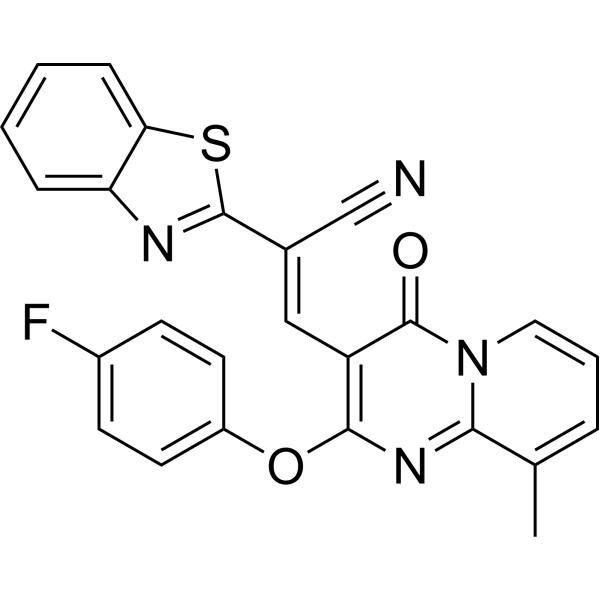
-
- HY-10715
-
|
|
GlyT
|
Neurological Disease
|
|
SSR504734 is an orally active, selective and reversible inhibitor of human, rat, and mouse GlyT1 (IC50=18, 15, and 38 nM, respectively). SSR504734 shows anti-schizophrenia, anti-anxiety and anti-depression activities .
|
-
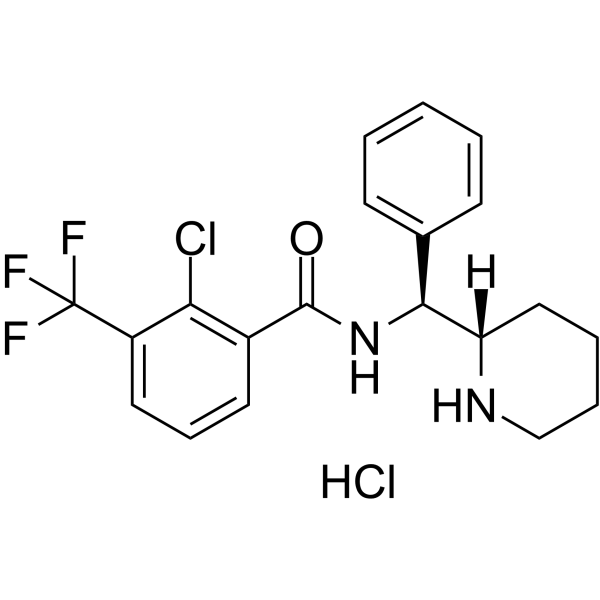
-
- HY-W033813
-
|
|
Caspase
Apoptosis
|
Cancer
|
|
Caspase-3/7 inhibitor I is a potent and reversible inhibitor of caspase-3 and caspase-7, with Kis of 60 and 170 nM, respectively. Caspase-3/7 inhibitor I can inhibit apoptosis in Camptothecin (HY-16560)-treated Jurkat cells and in chondrocytes .
|
-

-
- HY-115537
-
|
|
Apoptosis
|
Cancer
|
|
NAE-IN-M22 is a potent, selective and reversible inhibitor of NEDD8 activating enzyme (NAE), with potency in micromolar range. NAE-IN-M22 inhibits multiple cancer cell lines and induces apoptosis in A549 cells. NAE-IN-M22 also can inhibit tumor growth in vivo .
|
-
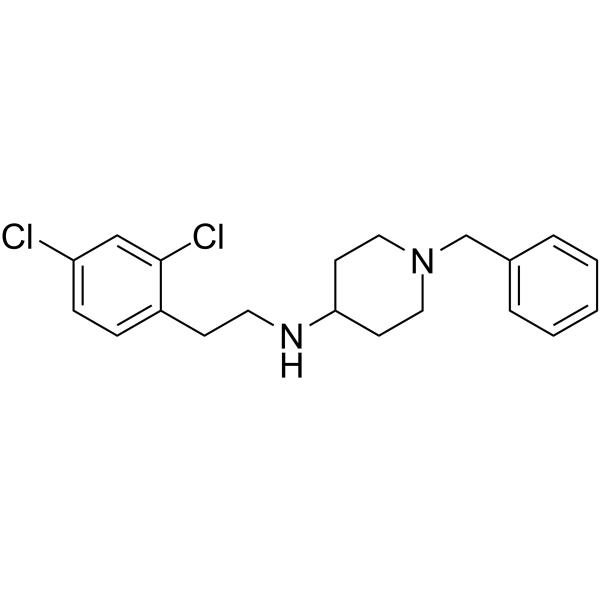
-
- HY-N4037
-
|
(-)-Homopterocarpin; 3,9-Dimethoxypterocarpan
|
Monoamine Oxidase
Parasite
|
Inflammation/Immunology
|
|
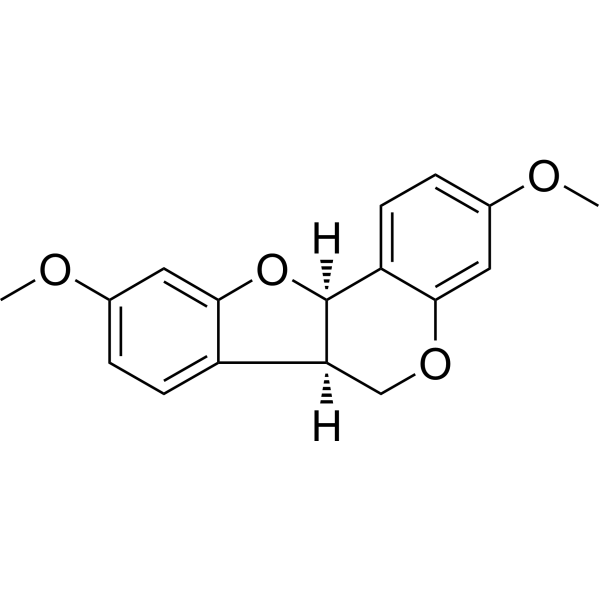
Homopterocarpin is an isoflavonoid that can be isolated from Pterocarpus erinaceus. Homopterocarpin has hepatoprotective, antioxidant and antiplasmodial activity. Homopterocarpin is a competitive reversible inhibitor of human monoamine oxidase-B with an IC50 and a Ki of 0.72 and 0.21 μM for hMAO-B, respectively. Homopterocarpin can be used for the research of liver injury and oxidative stress .
|
-
-
- HY-101276
-
-

-
- HY-100975
-
-
- HY-117226A
-
|
|
Histone Demethylase
|
Others
|
|
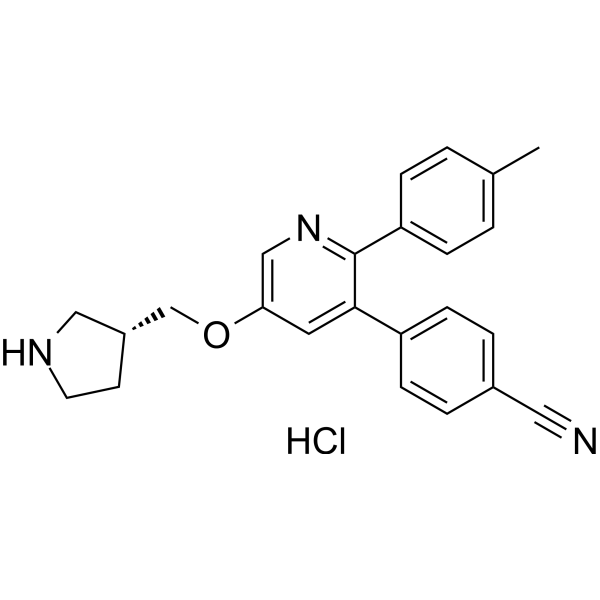
GSK 690 (Hydrochloride) is a reversible inhibitor of lysine specific demethylase 1 (LSD1), with a Kd value of 9 nM and a biochemical IC50 of 37 nM.
|
-
- HY-B0555B
-
-
- HY-155613
-
|
|
Caspase
|
Cancer
|
|
M867 is a selective and reversible inhibitor of caspase-3 with an IC50 of 1.4 nM and Ki of 0.7 nM. M867 has anti apoptotic activity .
|
-
- HY-B0555BS
-
-
- HY-141473
-
-
- HY-139007
-
|
|
LXR
|
Metabolic Disease
|
|
BLT-4 is a specific, reversible inhibitor of scavenger receptor, class B, type I (SR-BI). BLT-4 inhibits the transfer of lipids between high-density lipoproteins (HDL) and cells mediated by SR-BI. .
|
-

- HY-100859
-
|
|
Histone Demethylase
|
Cancer
|
|
LSD1-IN-5 (Compound 4e) is a potent and reversible inhibitor of lysine-specific demethylase 1 (LSD1), with an IC50 of 121 nM. LSD1-IN-5 increases dimethylated Lys4 of histone H3, shows no effect on expression of LSD1 .
|
-
- HY-U00042
-
-
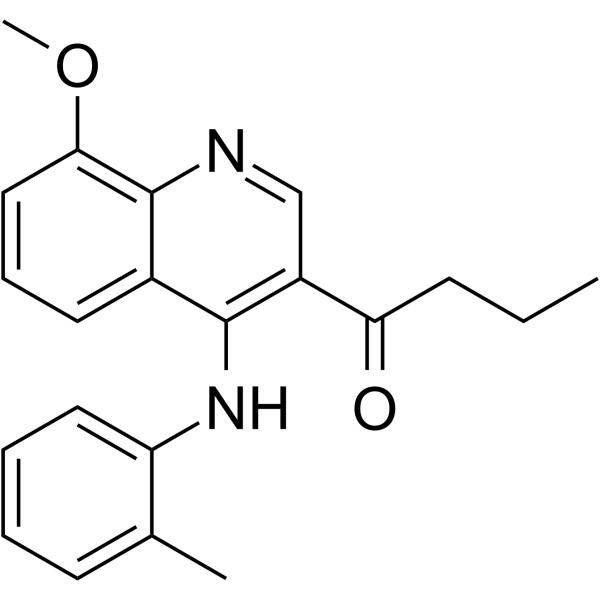
- HY-100178
-
-
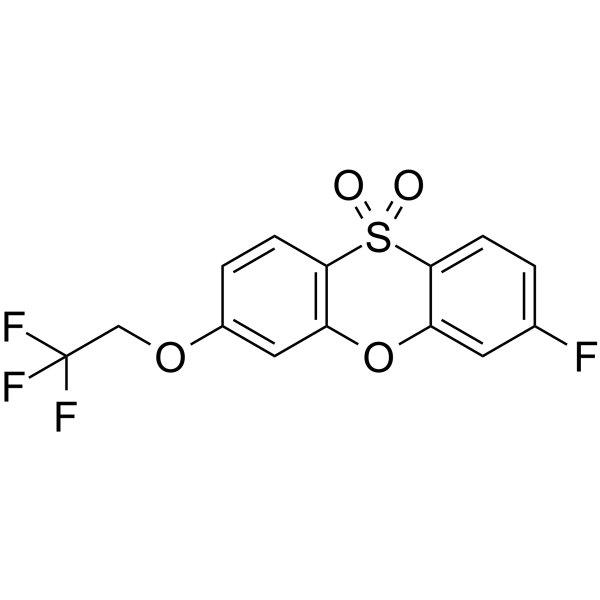
- HY-112423
-
-
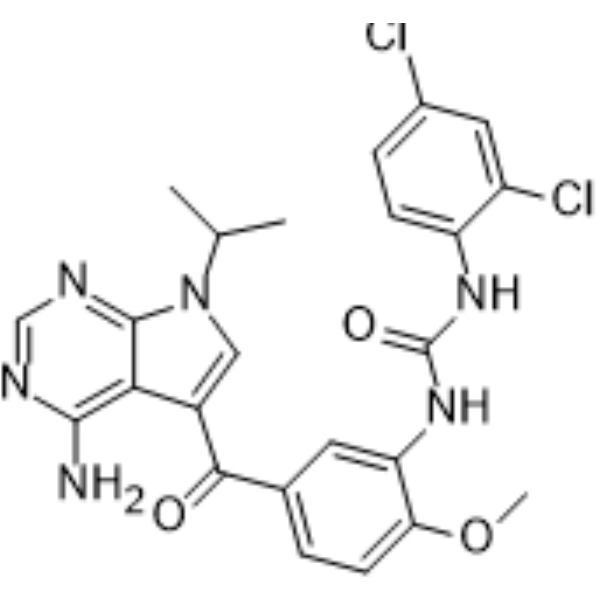
- HY-12631
-
|
|
Factor Xa
|
Cardiovascular Disease
|
|
BMS-654457 is a small-molecule, reversible inhibitor of factor XIa (FXIa), binding with human and rabbit FXIa with Kis of 0.2 and 0.42 nM, respectively.
|
-
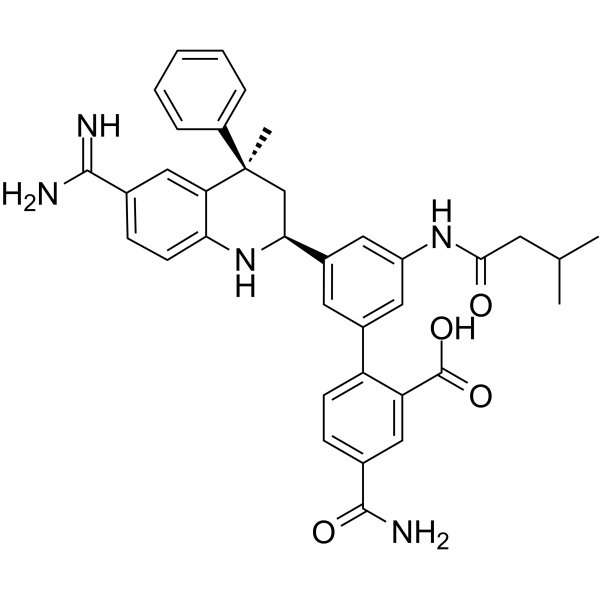
- HY-153662
-
|
|
Ras
|
Cancer
|
|
TH-Z816 is a reversible inhibitor againstKRAS(G12D)mutation with an IC50 value of 14 μM, which can be used in cancer research .
|
-
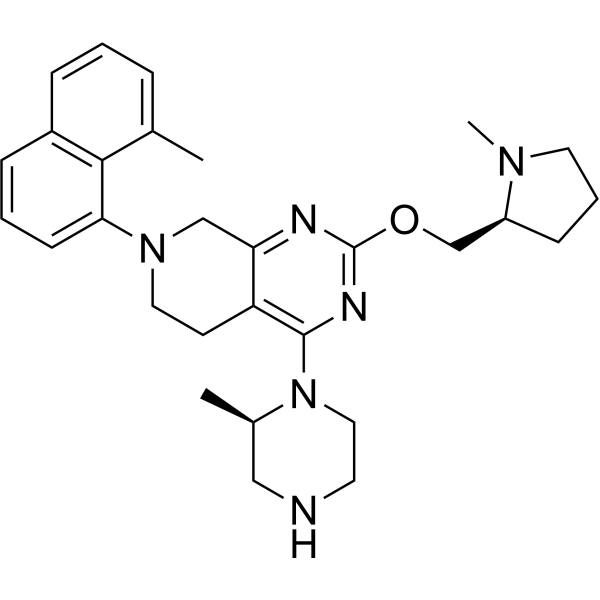
- HY-B0555AR
-
|
|
Beta-lactamase
Reference Standards
Bacterial
Antibiotic
|
Infection
|
|
Nafcillin (sodium monohydrate) (Standard) is the analytical standard of Nafcillin (sodium monohydrate). This product is intended for research and analytical applications. Nafcillin sodium monohydrate, an antibiotic, is a reversible inhibitor of β-lactamase. Nafcillin sodium monohydrate can be used for the research of staphylococcal infections .
|
-

- HY-N1102
-
|
6-Hydroxypeganine
|
Angiotensin-converting Enzyme (ACE)
|
Cardiovascular Disease
|
|
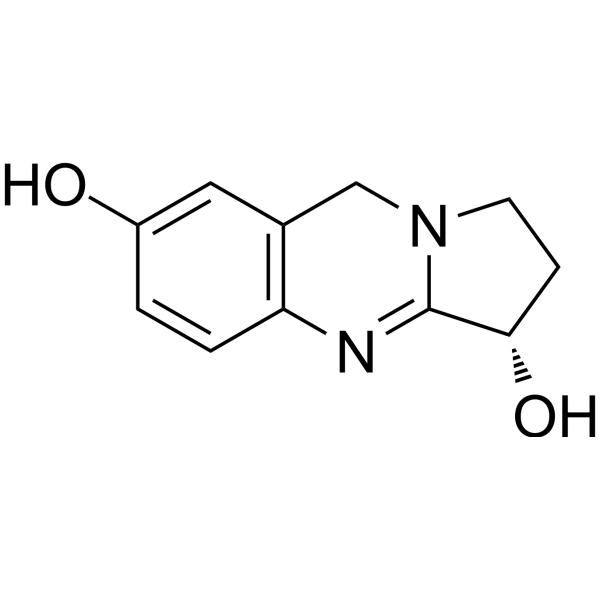
Vasicinol is a reversible inhibitor of sucrase (IC50: 250 μM). Vasicinol is a HbF inducer. Vasicinol also inhibits Angiotensin-converting Enzyme (ACE). Vasicinol is apyrroquinazoline alkaloid that can be isolated from Adhatoda vasica .
|
-
- HY-126125
-
|
|
GSK-3
|
Neurological Disease
Metabolic Disease
|
|
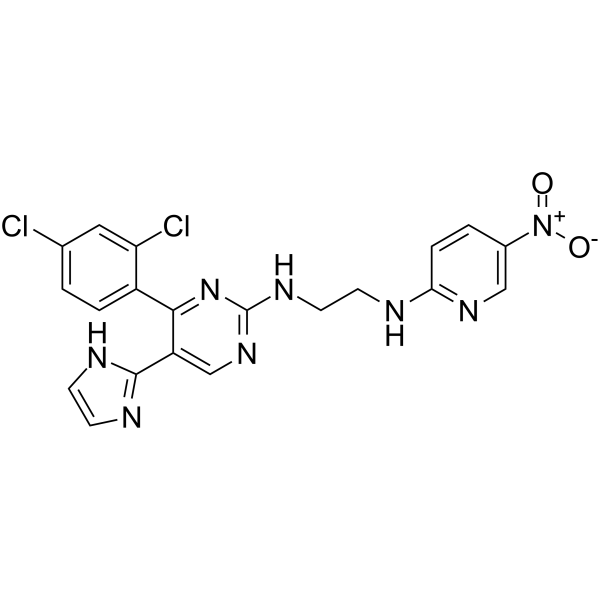
CHIR-98023 is a potent, selective and reversible inhibitor of GSK3, with IC50s of 10 nM and 6.7 nM for GSK3α and GSK3β, respectively. CHIR-98023 can improve insulin action and glucose metabolism .
|
-
- HY-13520R
-
|
Oncodazole (Standard); R17934 (Standard)
|
Bcr-Abl
Autophagy
Microtubule/Tubulin
Apoptosis
Mitosis
Reference Standards
|
Cancer
|
|
Nocodazole (Standard) is the analytical standard of Nocodazole. This product is intended for research and analytical applications. Nocodazole (Oncodazole) is a rapidly-reversible inhibitor of microtubule. Nocodazole binds to β-tubulin and disrupts microtubule assembly/disassembly dynamics, which prevents mitosis and induces apoptosis in tumor cells. Nocodazole inhibits Bcr-Abl.
|
-

- HY-100860
-
|
|
Histone Demethylase
|
Cancer
|
|
LSD1-IN-6 (Compound 4m) is a potent and reversible inhibitor of lysine-specific demethylase 1 (LSD1), with an IC50 of 123 nM. LSD1-IN-6 increases dimethylated Lys4 of histone H3, shows no effect on expression of LSD1 .
|
-
- HY-119774
-
-

- HY-117226
-
|
|
Histone Demethylase
|
Cancer
|
|
GSK 690 is a reversible inhibitor of lysine specific demethylase 1 (LSD1), with a Kd value of 9 nM and a biochemical IC50 of 37 nM.
|
-
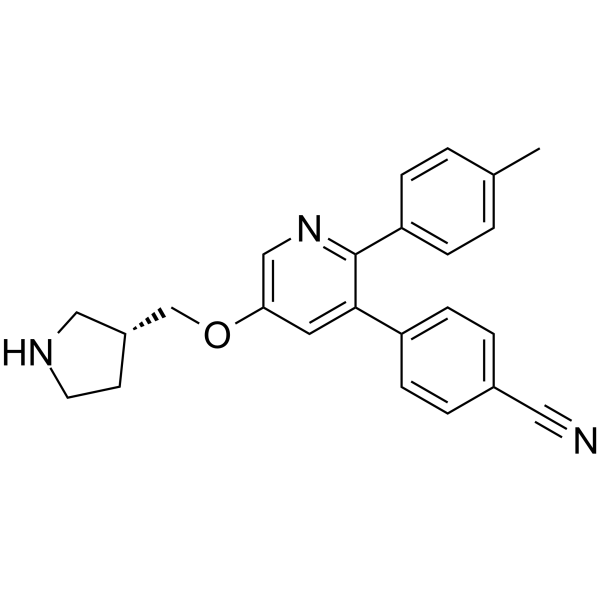
- HY-B0590S1
-
-
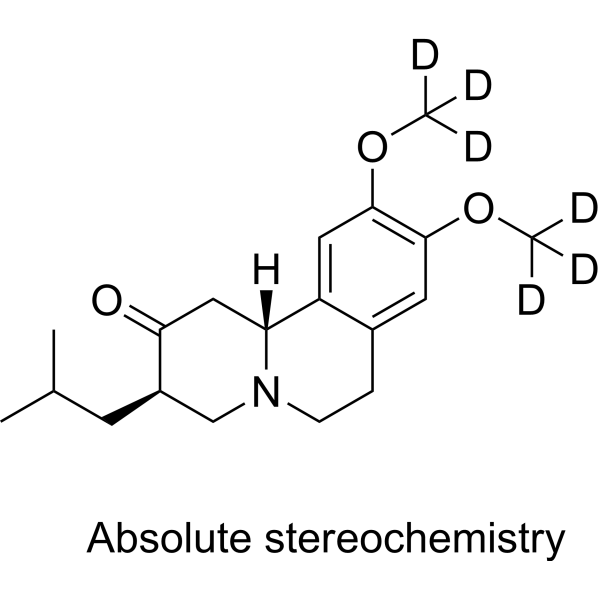
- HY-129314
-
-

- HY-124235
-
|
|
Na+/K+ ATPase
|
Others
|
|
SK&F 97574 hydrochloride is a reversible inhibitor for H+/K+ ATPase, that reduces gastric acid secretion and promotes the healing of acid-related upper gastrointestinal ulcers .
|
-

- HY-169782
-
|
|
P-glycoprotein
|
Neurological Disease
|
|
CJZ3 is an reversible inhibitor for P-glycoprotein (P-gp), that accumulates the drug (Rh123) in cells, and improve the permeability of the blood-brain barrier (BBB) .
|
-

- HY-155836
-
|
|
Lipase
|
Metabolic Disease
|
|
hPL-IN-1 (compound 2t) is a reversible inhibitor of pancreatic lipase (PL) (IC50=1.86 μM) for anti-obesity research .
|
-
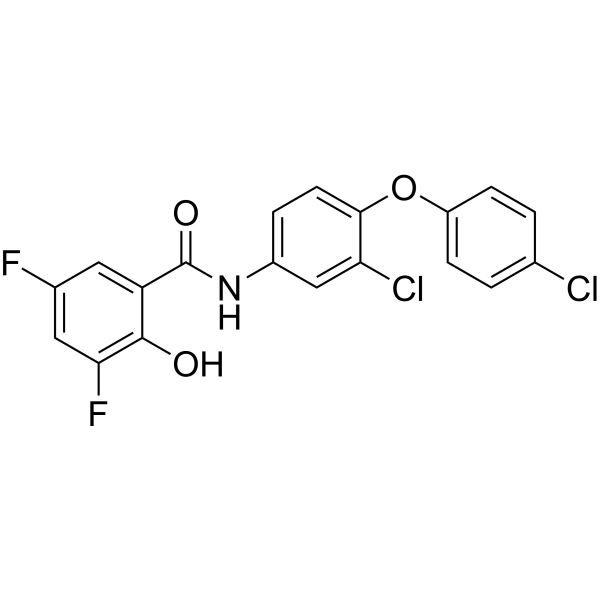
- HY-19219A
-
|
|
Thrombin
|
Cardiovascular Disease
|
|
BMS-189664 hydrochloride is a potent, selective, and orally active reversible inhibitor of a-thrombin, with an IC50 of 0.046 μM. BMS-189664 hydrochloride can be used for arterial and venous thrombosis research .
|
-

- HY-19219
-
|
|
Thrombin
|
Cardiovascular Disease
|
|
BMS-189664 is a potent, selective, and orally active reversible inhibitor of a-thrombin, with an IC50 of 0.046 μM. BMS-189664 can be used for arterial and venous thrombosis research .
|
-

- HY-118533A
-
|
WIN 8077 dichloride tetrahydrate
|
Cholinesterase (ChE)
|
Neurological Disease
|
|
Ambenonium (WIN 8077) dichloride tetrahydrate is an orally active and reversible inhibitor of Acetyicholinesterase (AChE) with high affinity. Ambenonium dichloride tetrahydrate inhibits human AChE with an IC50 value of 0.7 nM (hAChE) .
|
-
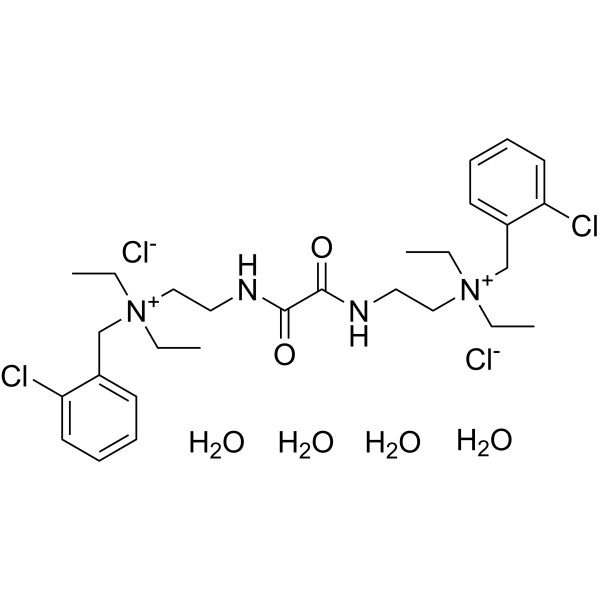
- HY-118795
-
|
|
Aminopeptidase
|
Inflammation/Immunology
|
|
SC-22716 is a potent, competitive, reversible inhibitor of human LTA4 hydrolase, with an IC50 of 0.20 µM. SC-22716 has potential for the research of inflammatory bowel disease (IBD) and psoriasis .
|
-
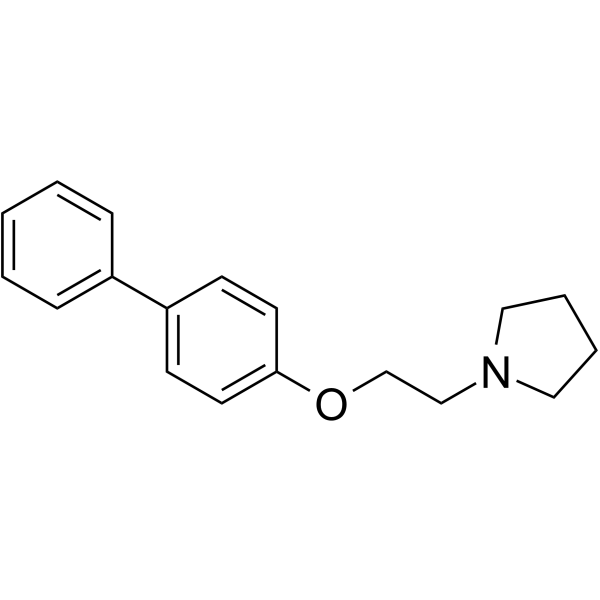
- HY-10716
-
|
|
GlyT
|
Neurological Disease
|
|
PF-03463275 hydrochloride is a centrally penetrant, orally available, selective, and competitive GlyT1 (glycine transporter-1) reversible inhibitor, with a Ki of 11.6 nM. PF-03463275 hydrochloride has the potential for Schizophrenia research .
|
-

- HY-15958A
-
|
|
Ser/Thr Protease
|
Cancer
|
|
(S,R,R)-VBY-825 is the isomer of VBY-825 (HY-15958), and can be used as an experimental control. VBY-825 is a novel reversible inhibitor of cathepsin with high inhibition of cathepsin B, L, S and V.
|
-
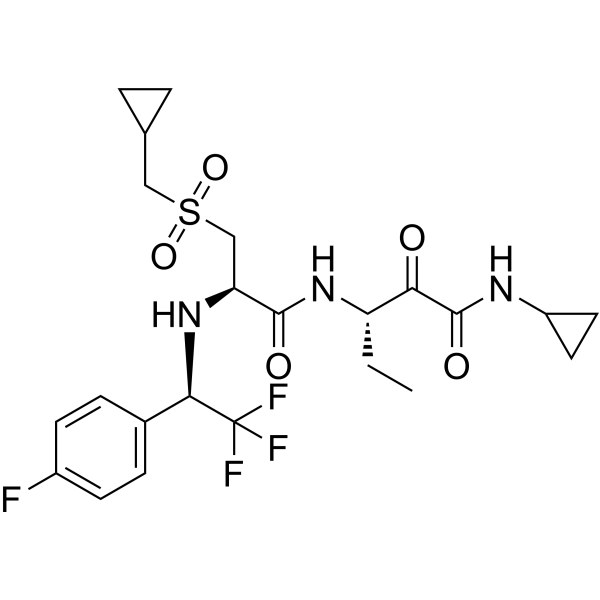
- HY-170485
-
|
|
Thrombin
|
Cardiovascular Disease
|
|
Thrombin inhibitor 13 (Compound 13a) is a covalent and reversible inhibitor for thrombin (FIIa) with an IC50 of 0.7 nM. Thrombin inhibitor 13 prolongs the activated partial thromboplastin time (aPTT) and prothrombin time (PT), exhibits antithrombotic and anticoagulant activities .
|
-

- HY-100919R
-
|
WIN 8077 chloride (Standard)
|
Reference Standards
Cholinesterase (ChE)
|
Others
|
|
Ambenonium (chloride) (Standard) is the analytical standard of Ambenonium (chloride). This product is intended for research and analytical applications. Ambenonium (WIN 8077) chloride is an orally active and reversible inhibitor of Acetyicholinesterase (AChE) with high affinity. Ambenonium chloride inhibits human AChE with an IC50 value of 0.7 nM (hAChE) .
|
-

- HY-114895
-
|
|
GlyT
|
Neurological Disease
|
|
SSR504734 free base is an orally active, selective and reversible inhibitor of human, rat, and mouse GlyT1 (IC50=18, 15, and 38 nM, respectively). SSR504734 free base shows anti-schizophrenia, anti-anxiety and anti-depression activities .
|
-

- HY-12853R
-
|
|
Reference Standards
Reactive Oxygen Species (ROS)
|
Others
|
|
Mesotrione (Standard) is the analytical standard of Mesotrione. This product is intended for research and analytical applications. Mesotrione is a herbicide belongs to the benzoylcyclohexanedione family. Mesotrione is a potent and competitive and reversible inhibitor of HPPD enzyme. Mesotrione is selective to maize due to rapid metabolism and relative high tolerance by the susceptible crop plant .
|
-

- HY-119185
-
|
|
Endogenous Metabolite
|
Cancer
|
|
AZD-6605 is a potent, reversible inhibitor of MMP2, MMP9, MMP12 and MMP13 with excellent selectivity. During drug development, AZD-6605 was optimized for activity, solubility and DMPK properties against MMP13 by replacing the zinc hydroxide binding group associated with historical inhibitors .
|
-

- HY-100655R
-
|
|
Reference Standards
Drug Metabolite
|
Cardiovascular Disease
|
|
O-Desmethyl apixaban (Standard) is the analytical standard of O-Desmethyl apixaban. This product is intended for research and analytical applications. O-Desmethyl apixaban is a metabolite of Apixaban (BMS-562247-01) . Apixaban is a highly selective, reversible inhibitor of Factor Xa with Ki of 0.08 nM and 0.17 nM in human and rabbit, respectively .
|
-

- HY-114737
-
|
|
Bacterial
|
Infection
|
|
L-573655 is a reversible inhibitor of UDP-3-O-[R-3-hydroxymyristoyl]-GlcNAc deacetylase with an IC50 value of 8.5 μM. L-573655 possesses antibacterial activity against a wild-type strain of E. coli. with MIC values of 200-400 μg/mL .
|
-

- HY-115750
-
|
|
NO Synthase
|
Neurological Disease
|
|
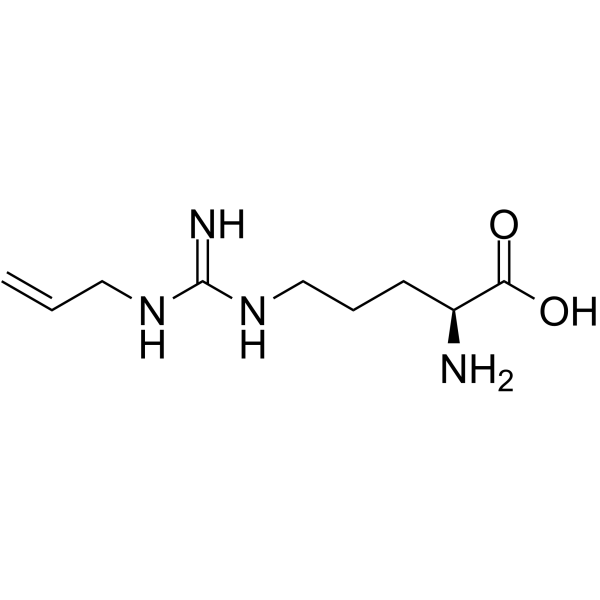
Nω-allyl-L-arginine is a competitive and reversible inhibitor of bovine brain nitric oxide synthase (nNOS). Nω-allyl-L-arginine can inactivate nNOS in a time-dependent manner. Nω-allyl-L-arginine also is a substrate, producing L-arginine, acrolein, and H2O .
|
-
- HY-100540A
-
|
(Rac)-GCA
|
Enterovirus
|
Infection
|
|
(Rac)-Golgicide A ((Rac)-GCA) is a racemate of Golgicide A. Golgicide A (GCA) is a potent, highly specific, and reversible inhibitor of the cis-Golgi ADP-ribosylation factor guanine nucleotide exchange factors (ArfGEF) GBF1 .Golgicide A drastically reduced replication of coxsackievirus B3 (CVB3) and other human enterovirus species .
|
-
- HY-126075
-
|
|
E1/E2/E3 Enzyme
|
Cancer
|
|
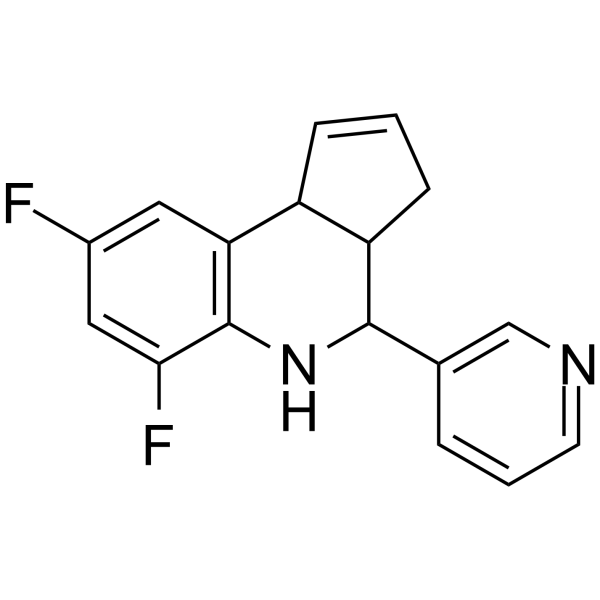
WS-383 free base is a potent, selective and reversible inhibitor of DCN1-UBC12 interaction, with an IC50 of 11 nM. WS-383 free base inhibits Cul3/1 neddylation, induces accumulation of p21, p27 and NRF2 .
|
-
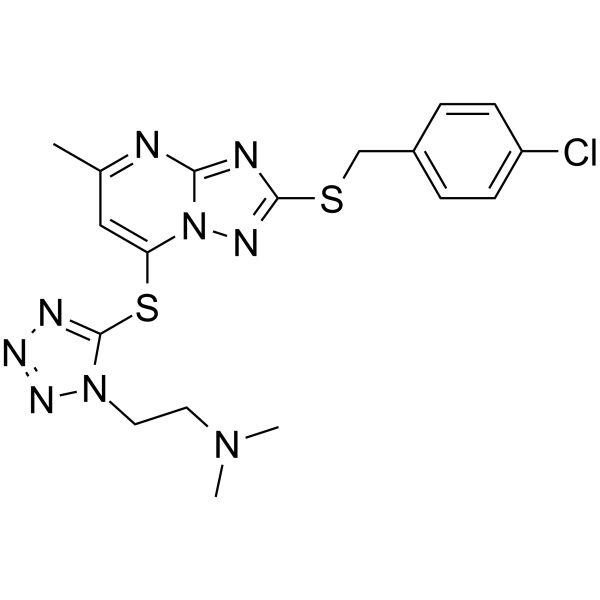
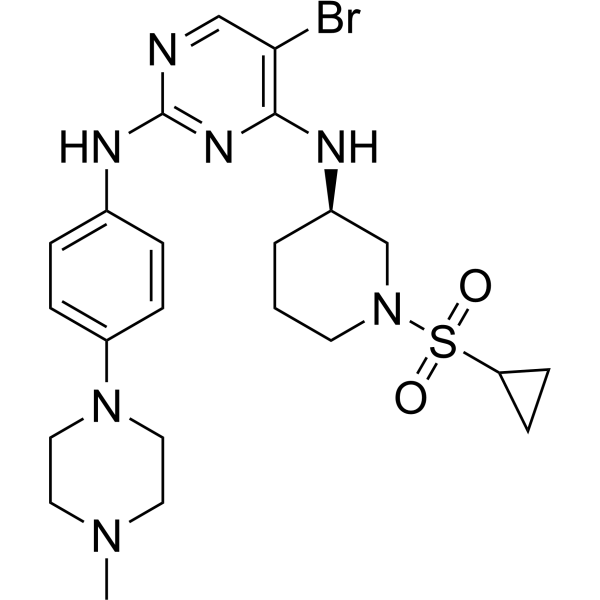
- HY-149889
-
|
|
Apoptosis
EGFR
|
Cancer
|
|
EGFR-IN-78 (compound A5),a 2-aminopyrimidine derivative,is a reversible inhibitor of EGFR C797S-TK,and also an inducer of apoptosis. EGFR-IN-78 shows anti-proliferative activity,inhibits EGFR phosphorylation and arrests cell cycle at G2/M phase .
|
-
- HY-165132
-
|
(S)-Floramultine; (S)-Bechuanine; Merenderine
|
Cholinesterase (ChE)
|
Others
|
|
Floramultine ((S)-Floramultine) is a compound isolated from plants with cholinergic activity. It is a moderately potent reversible inhibitor of cholinesterase and has a certain specificity for different cholinesterases.
|
-

- HY-100975R
-
|
|
Monoamine Oxidase
Reference Standards
|
Neurological Disease
|
|
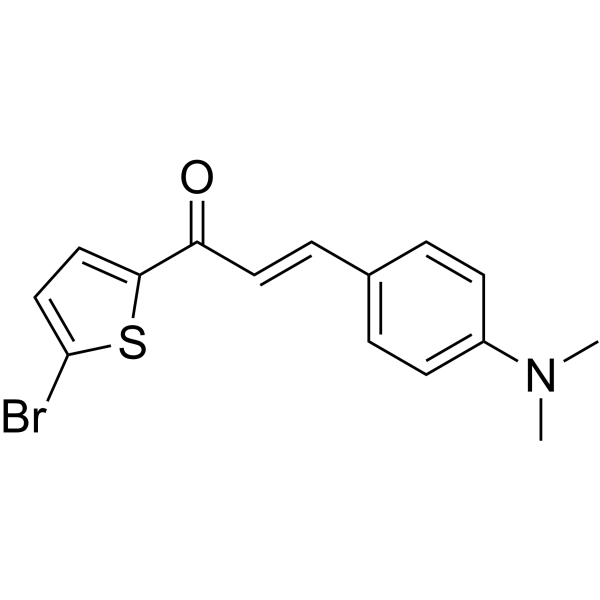
TB5 (Standard) is the analytical standard of TB5 (HY-100975). This product is intended for research and analytical applications. TB5 is a potent, selective and reversible inhibitor of hMAO-B with a Ki value of 0.11±0.01 μM.
|
-

- HY-101793R
-
|
|
Reference Standards
Btk
|
Inflammation/Immunology
|
|
BMS-935177 (Standard) is the analytical standard of BMS-935177 (HY-101793). This product is intended for research and analytical applications. BMS-935177 is a potent and selective reversible inhibitor of Bruton’s tyrosine kinase (Btk) with an IC50 of 3 nM.
|
-

- HY-101856R
-
|
|
Reference Standards
Btk
|
Inflammation/Immunology
|
|
BMS-986142 (Standard) is the analytical standard of BMS-986142 (HY-101856). This product is intended for research and analytical applications. BMS-986142 is a potent and highly selective reversible inhibitor of Bruton's tyrosine kinase (BTK) with an IC50 of 0.5 nM.
|
-

- HY-181110
-
-

- HY-175057
-
|
|
Apoptosis
|
Inflammation/Immunology
Cancer
|
|
Ac-IETD-CHO TFA is a potent, reversible inhibitor of granzyme B and caspase-8. Ac-IETD-CHO TFA inhibits Fas-mediated apoptotic cell death, hemorrhage, and liver failure. Ac-IETD-CHO TFA also inhibits cytotoxic T lymphocytes induced cell death .
|
-

- HY-10458R
-
|
VS-6062 besylate (Standard)
|
Reference Standards
FAK
Pyk2
|
Cancer
|
|
PF-562271 besylate (Standard) is the analytical standard of PF-562271 besylate (HY-10458). This product is intended for research and analytical applications. PF-562271 (VS-6062) besylate is a potent ATP-competitive, reversible inhibitor of FAK and Pyk2 kinase, with an IC50 of 1.5 nM and 13 nM, respectively .
|
-

- HY-10715R
-
|
|
Reference Standards
GlyT
|
Neurological Disease
|
|
SSR504734 (Standard) is the analytical standard of SSR504734 (HY-10715). This product is intended for research and analytical applications. SSR504734 is an orally active, selective and reversible inhibitor of human, rat, and mouse GlyT1 (IC50=18, 15, and 38 nM, respectively). SSR504734 shows anti-schizophrenia, anti-anxiety and anti-depression activities .
|
-

- HY-10716AR
-
|
|
Reference Standards
GlyT
|
Neurological Disease
|
|
PF-03463275 (Standard) is the analytical standard of PF-03463275 (HY-10716A). This product is intended for research and analytical applications. PF-03463275 is a centrally penetrant, orally available, selective, and competitive GlyT1 (glycine transporter-1) reversible inhibitor, with a Ki of 11.6 nM. PF-03463275 has the potential for Schizophrenia research .
|
-

- HY-130173
-
|
|
Bacterial
Fungal
Na+/K+ ATPase
Apoptosis
Antibiotic
|
Infection
Cancer
|
|
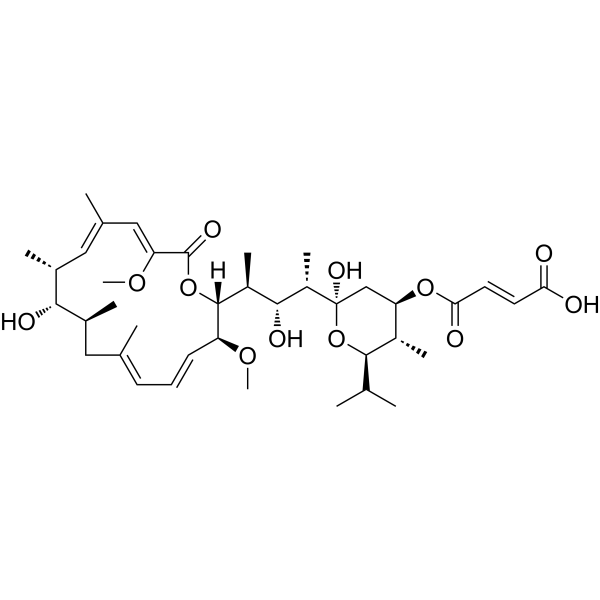
Bafilomycin C1 is a macrolide antibiotic isolated from Streptomyces sp. Bafilomycin C1 is a potent, specific and reversible inhibitor of vacuolar-type H +-ATPases (V-ATPases). Bafilomycin C1 inhibits growth of gram-positive bacteria and fungi . Bafilomycin C1 induces cell apoptosis and can be used for the study of hepatocellular carcinoma (HCC) .
|
-
- HY-173336
-
|
|
Monoamine Oxidase
|
Neurological Disease
|
|
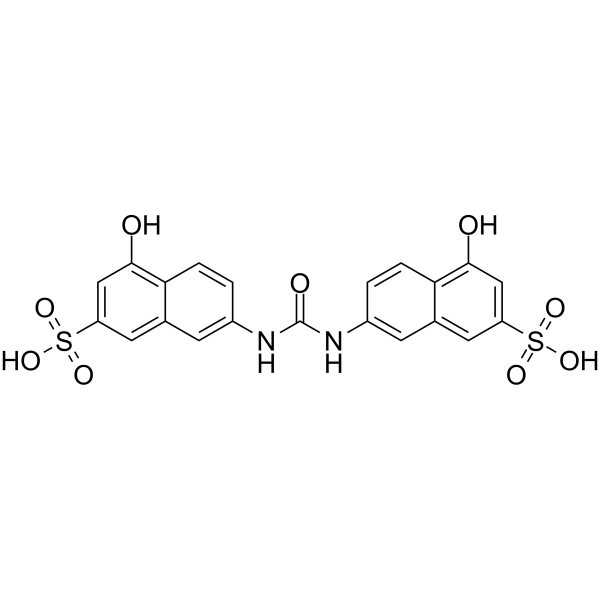
MAO-B-IN-42 (Compound 4f) is a selective and reversible inhibitor of monoamine oxidase-B (MAO-B) with an IC50 value of 0.184 μM. MAO-B-IN-42 helps maintain the levels of neurotransmitters by blocking the oxidative deamination of monoamines catalyzed by MAO-B. MAO-B-IN-42 is promising for research of Parkinson's disease .
|
-

- HY-18962A
-
|
|
Histone Methyltransferase
|
Cancer
|
|
AMI-1 free acid is a potent, cell-permeable and reversible inhibitor of protein arginine N-methyltransferases (PRMTs), with IC50s of 8.8 μM and 3.0 μM for human PRMT1 and yeast-Hmt1p, respectively. AMI-1 free acid exerts PRMTs inhibitory effects by blocking peptide-substrate binding .
|
-
- HY-D0004
-
|
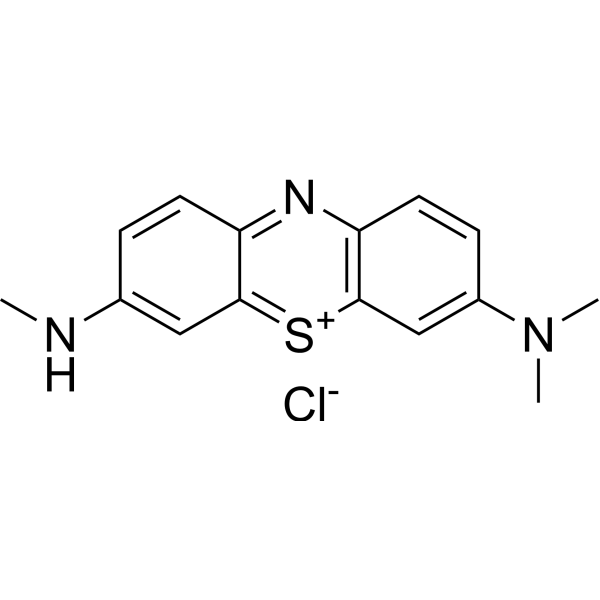
Azure B chloride
|
Monoamine Oxidase
|
Neurological Disease
|
|
Azure B is a cationic dye and the major metabolite of Methylene blue. Azure B is used in making Azure eosin stains for blood smear staining. Azure B is a high-potency, selective and reversible inhibitor of monoamine oxidases (MAO)-A, with IC50s of 11 and 968 nM for recombinant human MAO-A and MAO-B, respectively. Azure B possesses significant antidepressant-like effects .
|
-
- HY-13290
-
|
|
CaMK
P2X Receptor
|
Metabolic Disease
Cancer
|
|
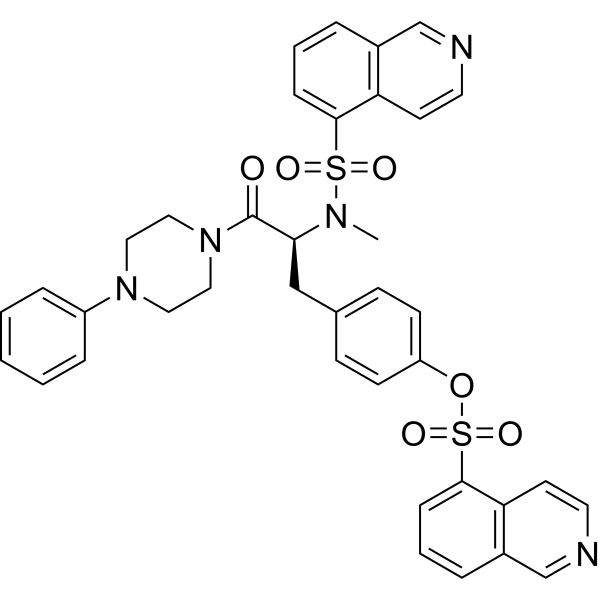
KN-62 is a selective and reversible inhibitor of calmodulin-dependent protein kinase II (CaMK-II) with a Ki of 0.9 μM for rat brain CaMK-II. KN-62 directly binds to the calmodulin binding site of CaMK-II. KN-62 displays noncompetitive antagonism at P2X7 receptors in HEK293 cells, with an IC50 value of approximately 15 nM.
|
-
- HY-172780
-
|
|
EGFR
Apoptosis
|
Cancer
|
|
EGFR-IN-161 (Compound DD-8) is a potent and reversible inhibitor of L858R/T790M/C797S mutant EGFR kinases, with an IC50 of 0.87 nM. EGFR-IN-161 can induce apoptosis process, G1-phase arrestation, and migration inhibition in tumor cells .
|
-

- HY-16718A
-
|
PF-00251802 hydrochloride
|
Glucocorticoid Receptor
Cytochrome P450
|
Inflammation/Immunology
Endocrinology
|
|
Dagrocorat (PF-00251802) hydrochloride is an orally active and selective high-affinity partial agonist of the glucocorticoid receptor. Dagrocorat hydrochloride is also a time-dependent reversible inhibitor of CYP3A (IC50=1.3 μM in human liver microsomes) and CYP2D6 (Ki=0.57 μM in human liver microsomes). Dagrocorat hydrochloride can be used for the research of rheumatoid arthritis .
|
-
- HY-172170
-
|
|
Histone Demethylase
|
Cancer
|
|
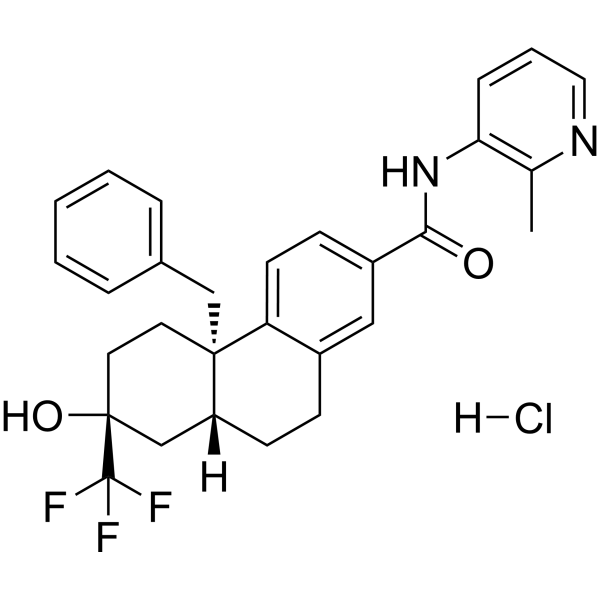
LSD1-IN-39 (Compound 14) is a reversible inhibitor for LSD1 with an IC50 of 0.18 μM. LSD1-IN-39 exhibits broad-spectrum anti-proliferative activity against cancer cells, inhibits the cell migration of HepG2 and inhibits the epithelial-mesenchymal transition. LSD1-IN-39 exhibits antitumor activity in mouse models .
|
-

- HY-16718
-
|
PF-00251802
|
Glucocorticoid Receptor
Cytochrome P450
|
Inflammation/Immunology
Endocrinology
|
|
Dagrocorat (PF-00251802) is an orally active and selective high-affinity partial agonist of the glucocorticoid receptor. Dagrocorat is also a time-dependent reversible inhibitor of CYP3A (IC50=1.3 μM in human liver microsomes) and CYP2D6 (Ki=0.57 μM in human liver microsomes). Dagrocorat can be used for the research of rheumatoid arthritis .
|
-
- HY-B0532
-
|
|
Dopamine Receptor
Adrenergic Receptor
P-glycoprotein
CaMK
Influenza Virus
Autophagy
|
Neurological Disease
|
|
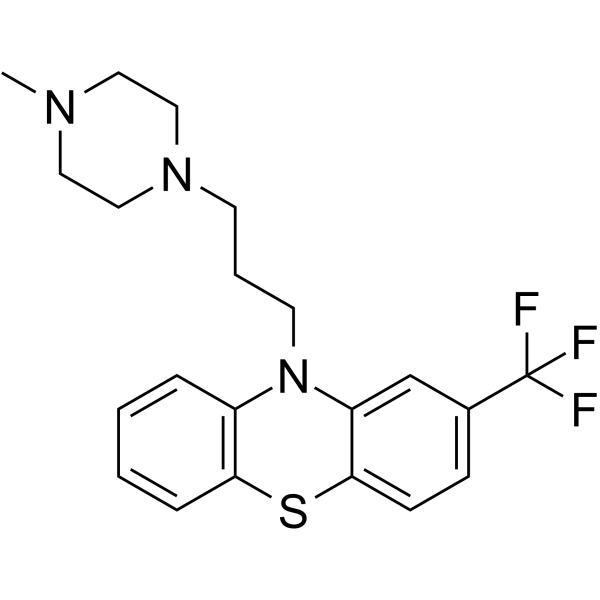
Trifluoperazine, an antipsychotic agent, acts by blocking central dopamine receptors. Trifluoperazine is a potent α1-adrenergic receptor antagonist. Trifluoperazine is a potent NUPR1 inhibitor exerting anticancer activity. Trifluoperazine is a calmodulin inhibitor, and also inhibits P-glycoprotein. Trifluoperazine can be used for the research of schizophrenia. Trifluoperazine acts as a reversible inhibitor of influenza virus morphogenesis .
|
-
- HY-16903
-
|
|
PKC
|
Inflammation/Immunology
|
|
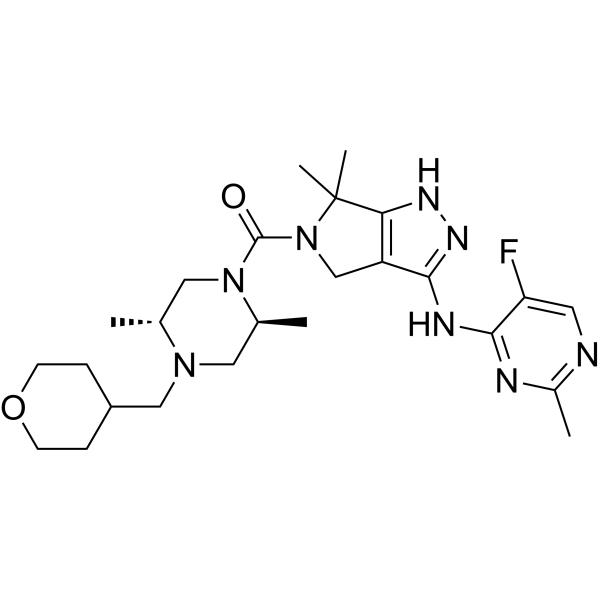
MS-553 is a potent, ATP-competitive and reversible inhibitor of conventional PKC enzymes with Kis of 5.3 and 10.4 nM for human PKCβ and PKCα, and IC50s of 2.3, 8.1, 7.6, 25.6, 57.5, 314, 808 nM for PKCα, PKCβI, PKCβII, PKCθ, PKCγ, PKC mu and PKCε, respectively.
|
-
- HY-100558
-
Bafilomycin A1
Maximum Cited Publications
802 Publications Verification
BafA1
|
Proton Pump
Autophagy
Antibiotic
Bacterial
Apoptosis
|
Infection
Cancer
|
|
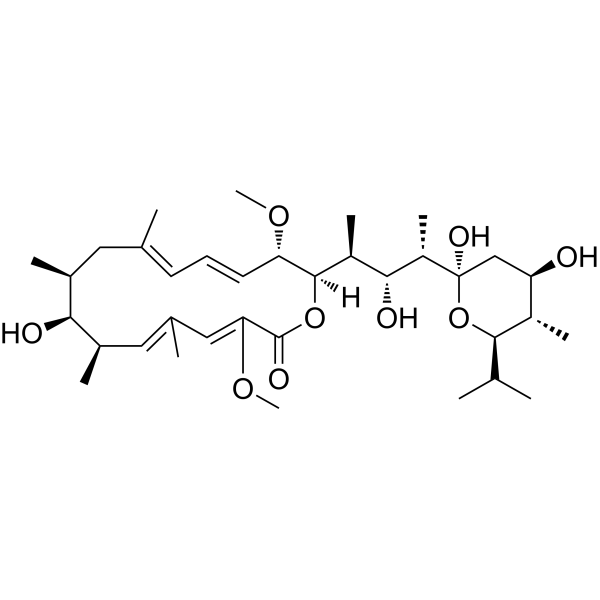
Bafilomycin A1 (BafA1) is a specific and reversible inhibitor of vacuolar H +-ATPase (V-ATPase) with IC50 values of 4-400 nmol/mg. Bafilomycin A1, a macrolide antibiotic, is also used as an autophagy inhibitor at the late stage. Bafilomycin A1 blocks autophagosome-lysosome fusion and inhibits acidification and protein degradation in lysosomes of cultured cells. Bafilomycin A1 induces apoptosis .
|
-
- HY-123319A
-
|
|
Bacterial
Antibiotic
|
Infection
|
|
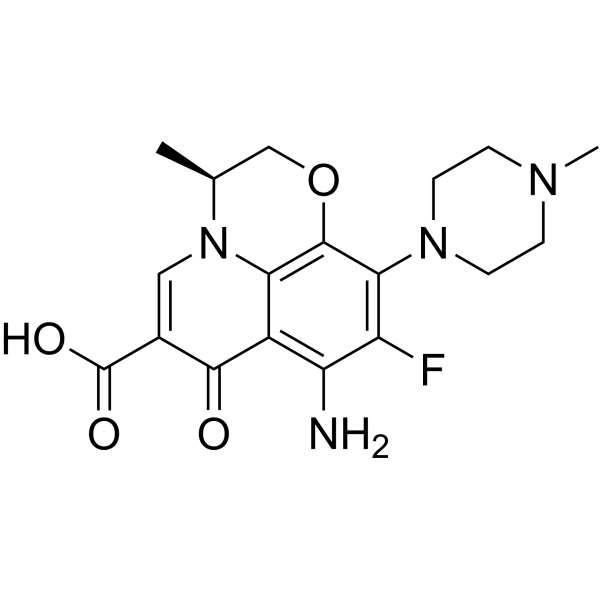
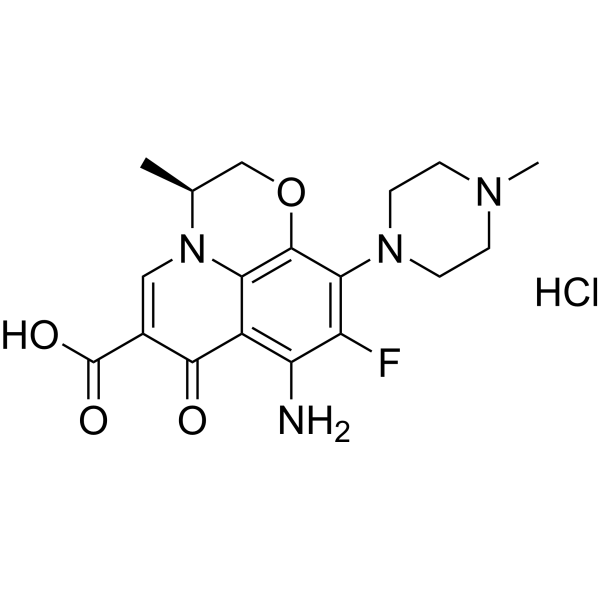
Antofloxacin is a well tolerate, orally active and broad-spectrum 8-amino-fluoroquinolone with potent antibacterial activities. Antofloxacin shows superior antibacterial activity against gyrA mutation-positive H. pylori strains, especially in Asn87- mutated strains, compared to levofloxacin. Antofloxacin is a weak, reversible inhibitor of CYP1A2 for the research of infections caused by a diverse group of bacterial species .
|
-
- HY-120039A
-
|
|
Elastase
|
Inflammation/Immunology
|
|
(S)-MDL-101146 is the S-isomer of MDL-101146. MDL-101146 is an orally active, competitive and reversible inhibitor against human neutrophil elastase (HNE) with a Ki value of 25 nM. MDL-101146 inhibits HNE-induced hemorrhage in hamsters. MDL-101146 is promising for research of emphysema, rheumatoid arthritis, chronic bronchitis, cystic fibrosis, adult respiratory distress syndrome and glomerulonephritis .
|
-

- HY-123319
-
|
|
Bacterial
Antibiotic
|
Infection
|
|
Antofloxacin hydrochloride is a well tolerate, orally active and broad-spectrum 8-amino-fluoroquinolone with potent antibacterial activities. Antofloxacin hydrochloride shows superior antibacterial activity against gyrA mutation-positive H. pylori strains, especially in Asn87- mutated strains, compared to levofloxacin. Antofloxacin hydrochloride is a weak, reversible inhibitor of CYP1A2 for the research of infections caused by a diverse group of bacterial species .
|
-
- HY-120039
-
|
|
Elastase
|
Inflammation/Immunology
|
|
(R)-MDL-101146 is the R-isomer of MDL-101146. MDL-101146 is an orally active, competitive and reversible inhibitor against human neutrophil elastase (HNE) with a Ki value of 25 nM. MDL-101146 inhibits HNE-induced hemorrhage in hamsters. MDL-101146 is promising for research of emphysema, rheumatoid arthritis, chronic bronchitis, cystic fibrosis, adult respiratory distress syndrome and glomerulonephritis .
|
-

- HY-153508
-
|
|
Chloride Channel
|
Others
|
|
ANO1-IN-4 (Compound 10bm) is a reversible inhibitor for calcium-activated chloride channel transmembrane protein 16A (TMEM16A, also known as ANO1) with an IC50 of 0.030 µM. ANO1-IN-4 exhibits good metabolic stability in rat liver microsomes. ANO1-IN-4 inhibits spontaneous contraction in mouse isolated ileum .
|
-

- HY-B0532A
-
|
|
Dopamine Receptor
Adrenergic Receptor
CaMK
P-glycoprotein
Influenza Virus
Autophagy
|
Neurological Disease
Cancer
|
|
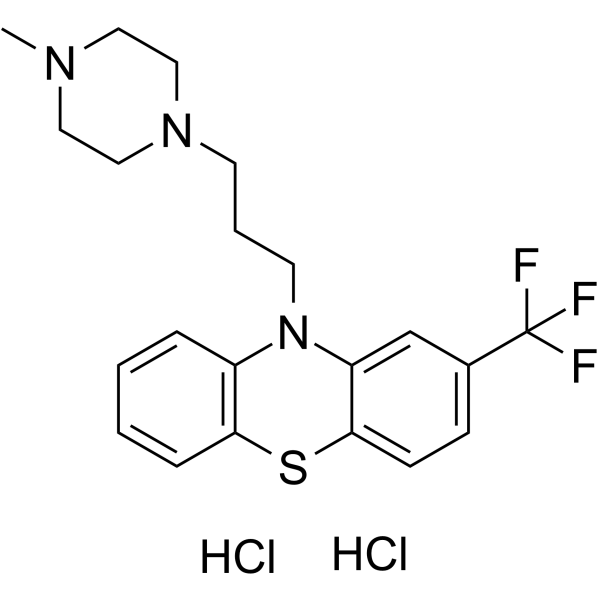
Trifluoperazine dihydrochloride, an antipsychotic agent, acts by blocking central dopamine receptors. Trifluoperazine dihydrochloride is a potent α1-adrenergic receptor antagonist. Trifluoperazine dihydrochloride is a potent NUPR1 inhibitor exerting anticancer activity. Trifluoperazine dihydrochloride is a calmodulin inhibitor, and also inhibits P-glycoprotein. Trifluoperazine dihydrochloride can be used for the research of schizophrenia. Trifluoperazine dihydrochloride acts as a reversible inhibitor of influenza virus morphogenesis .
|
-
- HY-19840
-
|
GS-9857
|
HCV Protease
|
Infection
Cancer
|
|
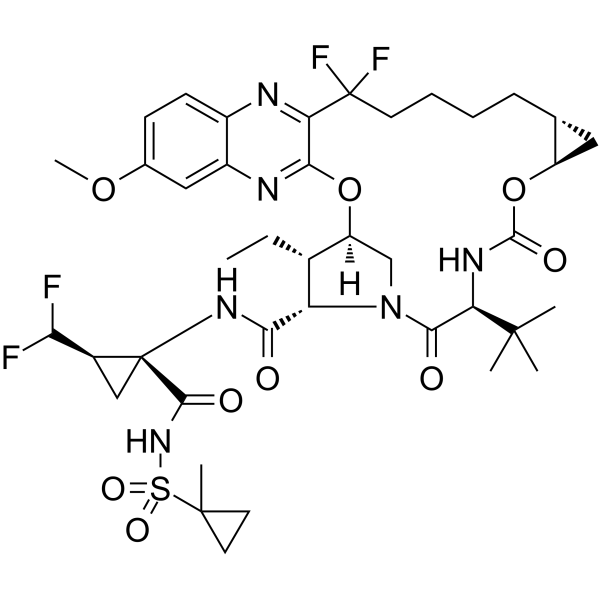
Voxilaprevir (GS-9857) is a noncovalent, reversible inhibitor of HCV NS3/4A protease inhibitor (PI) with pangenotypic antiviral activity . Voxilaprevir inhibits genotype 1b and 3a wild-type NS3 proteases with Ki values of 0.038 nM and 0.066 nM, respectively . Voxilaprevir is an orally active direct-acting antiviral agent (DAA) and can be used for HCV infection research .
|
-
- HY-180387
-
|
|
SARS-CoV
Virus Protease
|
Infection
|
|
UAWJ246 is a covalent reversible inhibitor of the SARS-CoV-2 main protease (Mpro), with an IC50 of 0.045 μM and a Ki of 0.036 μM. UAWJ246 exhibits potent antiviral activity by inhibiting SARS-CoV-2 viral replication and shows low cytotoxicity. UAWJ246 can be used in research related to SARS-CoV-2 infection, such as studies on COVID-19 [1][2].
|
-

- HY-15695R
-
|
NSC 3056 (Standard)
|
Reference Standards
Bacterial
Apoptosis
Dipeptidyl Peptidase
Aminopeptidase
Antibiotic
|
Cancer
|
|
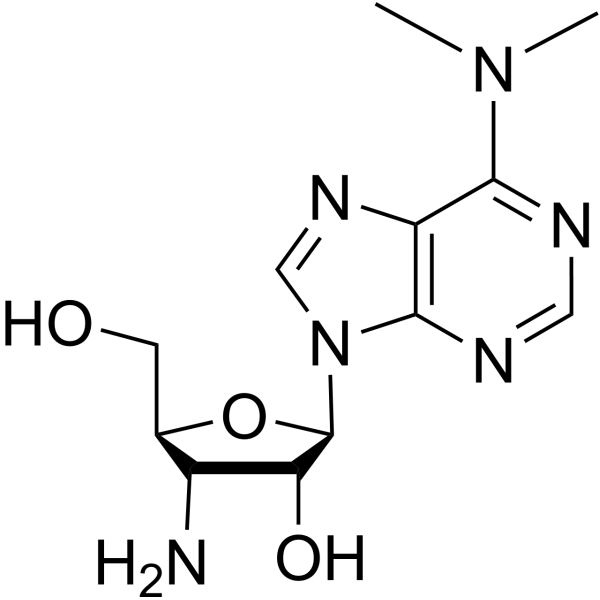
Puromycin aminonucleoside (Standard) is the analytical standard of Puromycin aminonucleoside. This product is intended for research and analytical applications. Puromycin aminonucleoside (NSC 3056) is the aminonucleoside portion of the antibiotic puromycin, and used in nephrosis animal models[1]. Puromycin aminonucleoside induces apoptosis[2]. Puromycin aminonucleoside is a reversible inhibitor of dipeptidyl peptidase II and cytosol alanyl aminopeptidase[3]. Puromycin aminonucleoside induces secretion of cell migrasome[4].
|
-

- HY-W013636AR
-
|
Alpha-Ketoglutaric acid Sodium (Standard)
|
Reference Standards
Tyrosinase
Endogenous Metabolite
|
Neurological Disease
Metabolic Disease
|
|
2-Ketoglutaric acid (Sodium) (Standard) is the analytical standard of 2-Ketoglutaric acid Sodium (HY-W013636A). This product is intended for research and analytical applications. 2-Ketoglutaric acid (Alpha-Ketoglutaric acid) Sodium (Standard) is an intermediate in the production of ATP or GTP in the Krebs cycle. 2-Ketoglutaric acid Sodium also acts as the major carbon skeleton for nitrogen-assimilatory reactions. 2-Ketoglutaric acid Sodium is a reversible inhibitor of tyrosinase (IC50=15 mM) .
|
-

- HY-W013636S1
-
|
Alpha-Ketoglutaric acid-d4
|
Isotope-Labeled Compounds
Tyrosinase
Endogenous Metabolite
|
Neurological Disease
Metabolic Disease
|
|
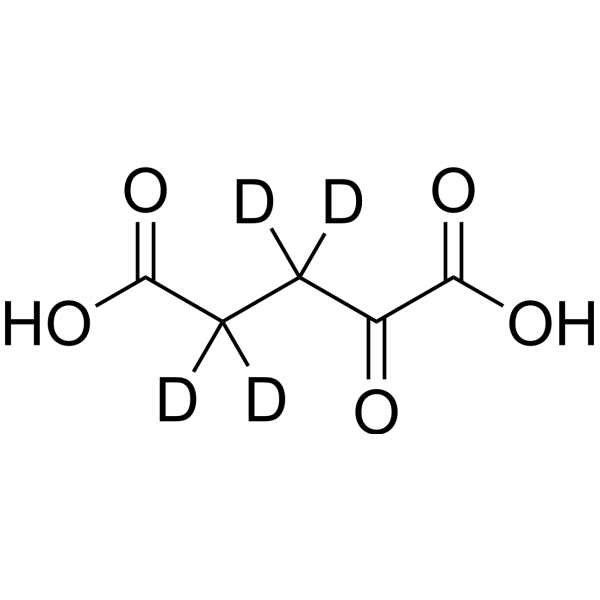
2-Ketoglutaric acid-d4 (Alpha-Ketoglutaric acid-d4) is the deuterium labeled 2-Ketoglutaric acid (HY-W013636) . 2-Ketoglutaric acid Sodium is an intermediate in the production of ATP or GTP in the Krebs cycle. 2-Ketoglutaric acid Sodium also acts as the major carbon skeleton for nitrogen-assimilatory reactions. 2-Ketoglutaric acid Sodium is a reversible inhibitor of tyrosinase (IC50=15 mM) .
|
-
- HY-14202
-
|
Ro 19-6327 hydrochloride
|
Monoamine Oxidase
|
Neurological Disease
|
|
Lazabemide hydrochloride (Ro 19-6327 hydrochloride) is a selective, reversible inhibitor of monoamine oxidase B (MAO-B) (IC50=0.03 μM) but less active for MAO-A (IC50>100 μM). Lazabemide inhibits monoamine uptake at high concentrations, the IC50 values are 86 μM, 123 μM and >500 μM for noradrenalin, serotonin and dopamine uptake, respectively. Lazabemide can be used for the research of parkinson and alzheimer′s disease .
|
-
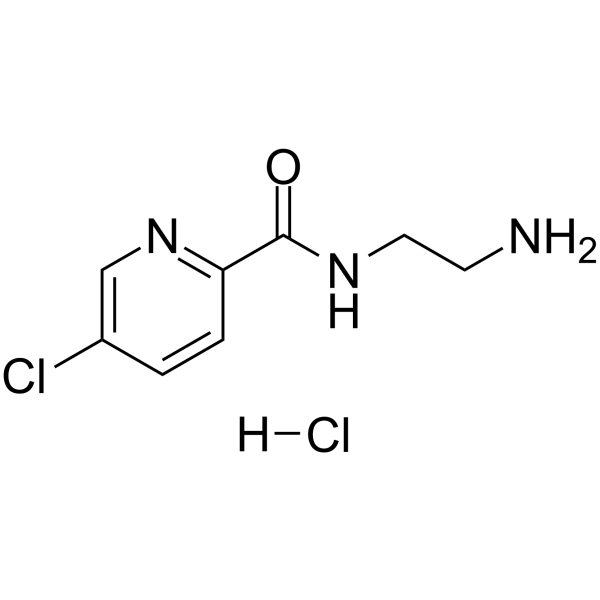
- HY-120868
-
TP-004
1 Publications Verification
|
MetAP
|
Metabolic Disease
Cancer
|
|
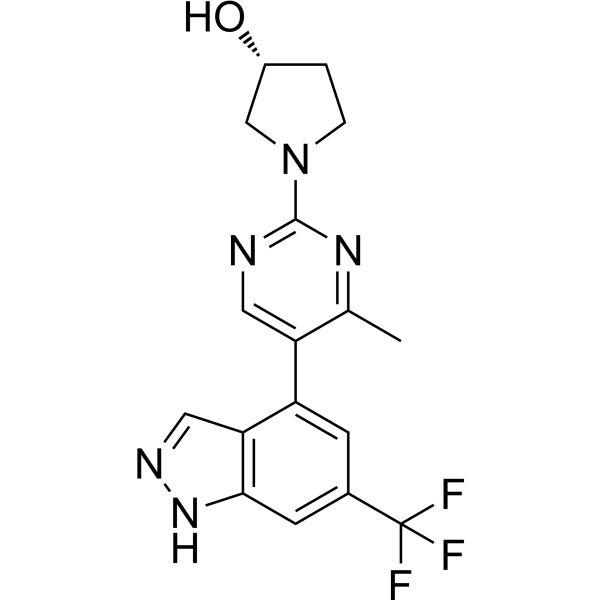
TP-004 is a potent and reversible inhibitor of methionine aminopeptidase 2 (MetAP2), with an IC50 of 6 nM against MetAP2. TP-004 is a chemical probe. TP-004 suppresses MetAP2 enzymatic activity, blocks N-terminal methionine cleavage, impairs protein maturation and stability, and thereby inhibits cell proliferation and angiogenesis. TP-004 can be used for the study of tumors and diseases associated with excessive angiogenesis .
|
-
- HY-W013636S2
-
|
Alpha-Ketoglutaric acid-d6
|
Tyrosinase
Endogenous Metabolite
Isotope-Labeled Compounds
|
Neurological Disease
Metabolic Disease
|
|
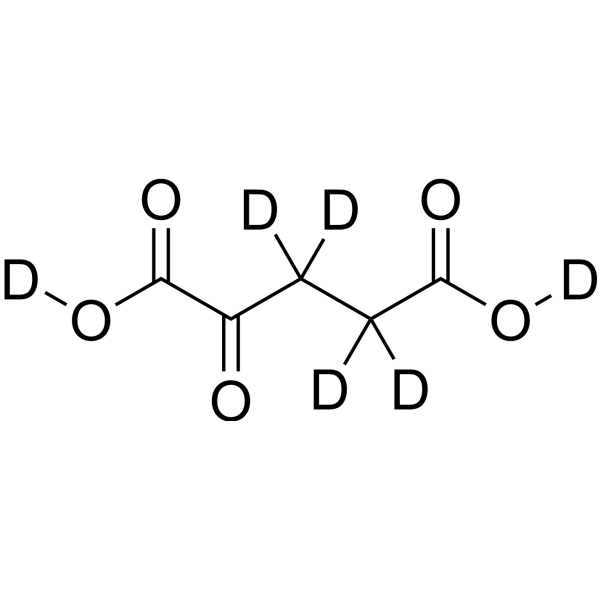
2-Ketoglutaric acid-d6 (Alpha-Ketoglutaric acid-d6) is the deuterium labeled 2-Ketoglutaric acid (HY-W013636) . 2-Ketoglutaric acid is an intermediate in the production of ATP or GTP in the Krebs cycle. 2-Ketoglutaric acid also acts as the major carbon skeleton for nitrogen-assimilatory reactions. 2-Ketoglutaric acid is a reversible inhibitor of tyrosinase (IC50=15 mM) .
|
-
- HY-14201
-
|
Ro 19-6327
|
Monoamine Oxidase
|
Neurological Disease
|
|
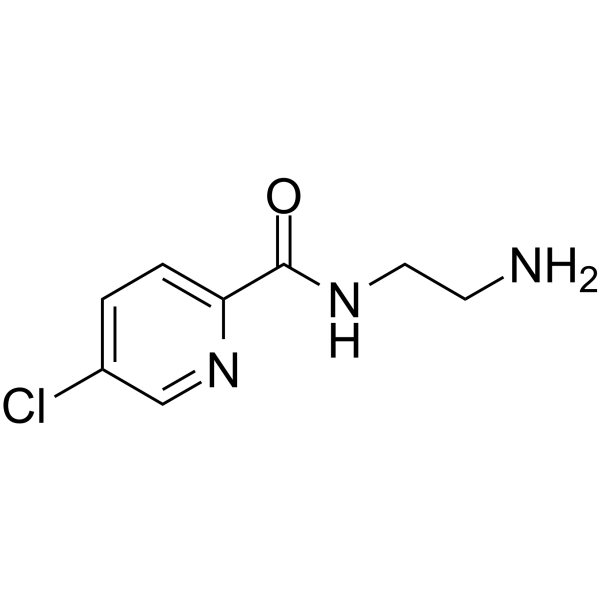
Lazabemide (Ro 19-6327) is a selective, reversible inhibitor of monoamine oxidase B (MAO-B) (IC50=0.03 μM) but less active for MAO-A (IC50>100 μM). Lazabemide ?inhibits monoamine uptake at high concentrations, the IC50 values are 86 μM, 123 μM and >500 μM for noradrenalin, serotonin and dopamine uptake, respectively. Lazabemide can be used for the research of parkinson and?alzheimer′s disease .
|
-
- HY-14404
-
|
|
HBV
HCV Protease
|
Infection
|
|
MK-1220 is a covalently reversible inhibitor of the hepatitis C virus (HCV) NS3/4A protease (NS3/4A protease) with a Ki of 0.02 nM. MK-1220 in cell models simulating viral replication exhibits EC50s of 4 (with 10% fetal bovine serum) and 11 nM (50% normal human serum). MK-1220 can be used for the study of chronic hepatitis C virus infection .
|
-

- HY-131014
-
|
|
JAK
|
Inflammation/Immunology
|
|
FM-479 is the negative control of FM-381 (HY-102046) and has no activity on JAK3 or other kinases . FM-381 is a potent covalent reversible inhibitor of JAK3 targeting the unique Cys909. FM-381 has an IC50 of 127 pM for JAK3, with 410, 2700 and 3600-fold selectivity over JAK1, JAK2 and TYK2, respectively.
|
-
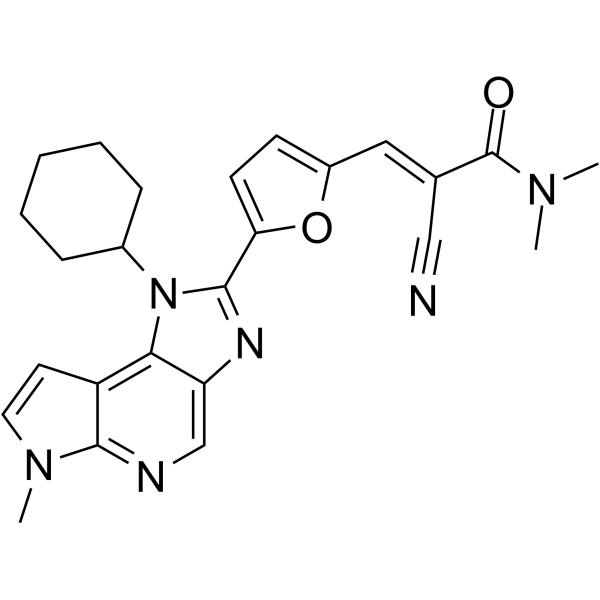
- HY-W013636S3
-
|
Alpha-Ketoglutaric acid-13C
|
Isotope-Labeled Compounds
Endogenous Metabolite
Tyrosinase
|
Neurological Disease
Metabolic Disease
|
|
2-Ketoglutaric acid- 13C (Alpha-Ketoglutaric acid- 13C) is a 13C labeled 2-Ketoglutaric acid (HY-W013636) . 2-Ketoglutaric acid (Alpha-Ketoglutaric acid) is an intermediate in the production of ATP or GTP in the Krebs cycle. 2-Ketoglutaric acid also acts as the major carbon skeleton for nitrogen-assimilatory reactions. 2-Ketoglutaric acid is a reversible inhibitor of tyrosinase (IC50=15 mM) .
|
-
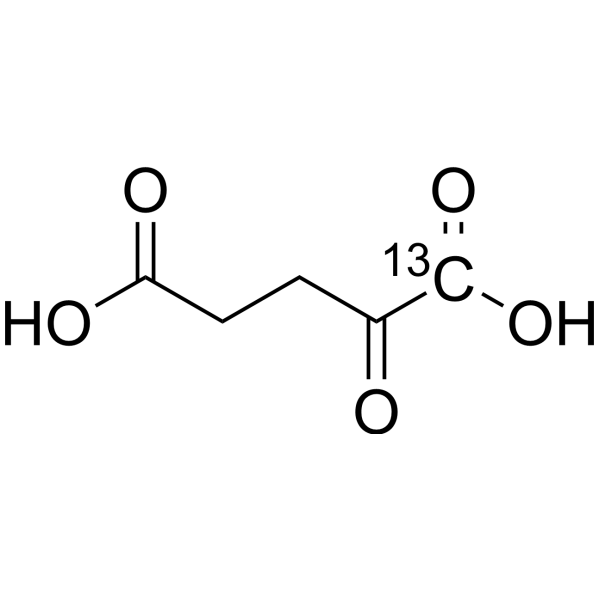
- HY-W013636S4
-
|
Alpha-Ketoglutaric acid-13C2
|
Isotope-Labeled Compounds
Tyrosinase
Endogenous Metabolite
|
Neurological Disease
Metabolic Disease
|
|
2-Ketoglutaric acid- 13C2 (Alpha-Ketoglutaric acid- 13C2) is a 13C labeled 2-Ketoglutaric acid (HY-W013636) . 2-Ketoglutaric acid (Alpha-Ketoglutaric acid) is an intermediate in the production of ATP or GTP in the Krebs cycle. 2-Ketoglutaric acid also acts as the major carbon skeleton for nitrogen-assimilatory reactions. 2-Ketoglutaric acid is a reversible inhibitor of tyrosinase (IC50=15 mM) .
|
-

- HY-W013636BR
-
|
|
Tyrosinase
Reference Standards
Endogenous Metabolite
|
Metabolic Disease
|
|
Calcium 2-oxoglutarate (Standard) is the analytical standard of Calcium 2-oxoglutarate (HY-W013636B). This product is intended for research and analytical applications. Calcium 2-oxoglutarate is an intermediate in the production of ATP or GTP in the Krebs cycle. Calcium 2-oxoglutarate also acts as the major carbon skeleton for nitrogen-assimilatory reactions. Calcium 2-oxoglutarate is a reversible inhibitor of tyrosinase (IC50=15 mM) .
|
-

- HY-W013636AG
-
|
Alpha-Ketoglutaric acid Sodium
|
Tyrosinase
Endogenous Metabolite
|
Neurological Disease
Metabolic Disease
|
|
2-Ketoglutaric acid (Alpha-Ketoglutaric acid) Sodium (GMP) is 2-Ketoglutaric acid Sodium (HY-W013636A) produced by using GMP guidelines. GMP small molecules work appropriately as an auxiliary reagent for cell therapy manufacture. 2-Ketoglutaric acid Sodium is an intermediate in the production of ATP or GTP in the Krebs cycle. 2-Ketoglutaric acid Sodium also acts as the major carbon skeleton for nitrogen-assimilatory reactions. 2-Ketoglutaric acid Sodium is a reversible inhibitor of tyrosinase (IC50=15 mM) .
|
-

- HY-W013636R
-
|
Alpha-Ketoglutaric acid (Standard); 2-Oxoglutaric acid (Standard)
|
Reference Standards
Tyrosinase
Endogenous Metabolite
|
Neurological Disease
Metabolic Disease
|
|
2-Ketoglutaric acid (Standard) (Alpha-Ketoglutaric acid (Standard)) is the analytical standard of 2-Ketoglutaric acid (HY-W013636). This product is intended for research and analytical applications. 2-Ketoglutaric acid (Alpha-Ketoglutaric acid) is an intermediate in the production of ATP or GTP in the Krebs cycle. 2-Ketoglutaric acid also acts as the major carbon skeleton for nitrogen-assimilatory reactions. 2-Ketoglutaric acid is a reversible inhibitor of tyrosinase (IC50=15 mM) .
|
-

- HY-W013636S
-
|
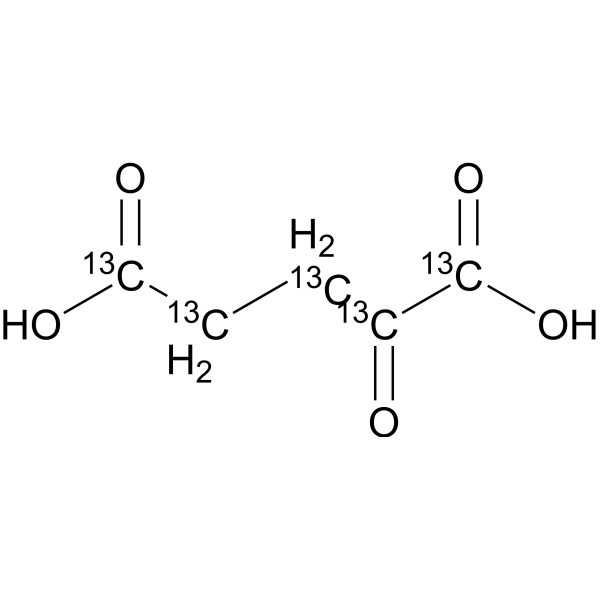
Alpha-Ketoglutaric acid-13C5
|
Isotope-Labeled Compounds
Tyrosinase
Endogenous Metabolite
|
Neurological Disease
Metabolic Disease
|
|
2-Ketoglutaric acid- 13C5 (Alpha-Ketoglutaric acid- 13C5) is a 13C labeled 2-Ketoglutaric acid (HY-W013636) . 2-Ketoglutaric acid (Alpha-Ketoglutaric acid) is an intermediate in the production of ATP or GTP in the Krebs cycle. 2-Ketoglutaric acid also acts as the major carbon skeleton for nitrogen-assimilatory reactions. 2-Ketoglutaric acid is a reversible inhibitor of tyrosinase (IC50=15 mM) .
|
-
- HY-138143
-
|
Chromozym-TH
|
Fluorescent Dye
|
Others
|
|
N-(p-Tosyl)-GPR-pNA acetate (Chromozym-TH) is a chromogenic substrate targeting the synthetic peptides Hirunorm IV and Hirunorm V and can be used to detect the dissociation constants (KI) of both peptides. Hirunorm IV and Hirunorm V are reversible inhibitors of amidolytic thrombin activity. By varying the peptide concentration at a fixed concentration of the chromogenic substrate N-(p-Tosyl)-GPR-pNA acetate, the dissociation constants determined were 0.134 nM (Hirunorm IV) and 0.245 nM (Hirunorm V) .
|
-

- HY-B0532AS
-
|
|
Isotope-Labeled Compounds
Dopamine Receptor
Adrenergic Receptor
CaMK
P-glycoprotein
Influenza Virus
Autophagy
|
Neurological Disease
Cancer
|
|
Trifluoperazine-d3 (dihydrochloride) is deuterium labeled Trifluoperazine (dihydrochloride). Trifluoperazine dihydrochloride, an antipsychotic agent, acts by blocking central dopamine receptors. Trifluoperazine dihydrochloride is a potent α1-adrenergic receptor antagonist. Trifluoperazine dihydrochloride is a potent NUPR1 inhibitor exerting anticancer activity. Trifluoperazine dihydrochloride is a calmodulin inhibitor, and also inhibits P-glycoprotein. Trifluoperazine dihydrochloride can be used for the research of schizophrenia. Trifluoperazine dihydrochloride acts as a reversible inhibitor of influenza virus morphogenesis .
|
-

- HY-18962R
-
|
|
Histone Methyltransferase
|
Cancer
|
|
AMI-1 (Standard) is the analytical standard of AMI-1. This product is intended for research and analytical applications. AMI-1 is a potent, cell-permeable and reversible inhibitor of protein arginine N-methyltransferases (PRMTs), with IC50s of 8.8 μM and 3.0 μM for human PRMT1 and yeast-Hmt1p, respectively. AMI-1 exerts PRMTs inhibitory effects by blocking peptide-substrate binding .
|
-

- HY-B0532B
-
|
|
Dopamine Receptor
Adrenergic Receptor
P-glycoprotein
CaMK
Influenza Virus
Autophagy
|
Infection
Neurological Disease
Cancer
|
|
Trifluoperazine dimaleate, an antipsychotic agent, acts by blocking central dopamine receptors. Trifluoperazine dimaleate is a potent α1-adrenergic receptor antagonist. Trifluoperazine dimaleate is a potent NUPR1 inhibitor exerting anticancer activity. Trifluoperazine dimaleate is a calmodulin inhibitor, and also inhibits P-glycoprotein. Trifluoperazine dimaleate can be used for the research of schizophrenia. Trifluoperazine dimaleate acts as a reversible inhibitor of influenza virus morphogenesis .
|
-

- HY-W269511
-
|
|
Drug Derivative
|
Neurological Disease
|
|
NW-1689 is a process-related impurity of safinamide mesilate (SAFM). SAFM can be used for the study of Parkinson's disease (PD). It is a highly selective and reversible inhibitor of monoamine oxidase-B (MAO-B) and also blocks sodium channels and N-type calcium channels. These effects of SAFM help reduce the breakdown of dopamine and inhibit the release of glutamate. NW-1689 has a similar chemical structure to SAFM and has some similar pharmacological effects as SAFM, and can be used in Parkinson's disease research .
|
-

- HY-D0004R
-
|
Azure B chloride (Standard)
|
Reference Standards
Monoamine Oxidase
|
Neurological Disease
|
|
Azure B (Standard) is the analytical standard of Azure B. This product is intended for research and analytical applications. Azure B is a cationic dye and the major metabolite of Methylene blue. Azure B is used in making Azure eosin stains for blood smear staining. Azure B is a high-potency, selective and reversible inhibitor of monoamine oxidases (MAO)-A, with IC50s of 11 and 968 nM for recombinant human MAO-A and MAO-B, respectively. Azure B possesses significant antidepressant-like effects .
|
-

- HY-120502
-
|
|
Lipoxygenase
Leukotriene Receptor
|
Inflammation/Immunology
|
|
5-LOX-IN-6 (compound 11a) is a direct and reversible inhibitor of 5-lipoxygenase (5-LO). 5-LOX-IN-6 inhibits 5-LO activity in human neutrophils and recombinant human 5-LO with IC50 values of 0.23 and 0.086 µM, respectively. 5-LOX-IN-6 prevents leukotriene biosynthesis. 5-LOX-IN-6 can be used for inflammatory and allergic disorders research .
|
-
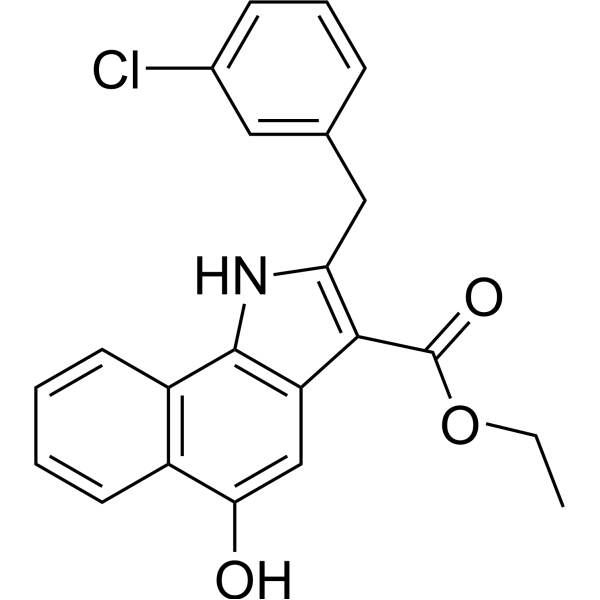
- HY-W030796R
-
|
|
Taste Receptor
Reference Standards
|
Metabolic Disease
|
|
Trifluoperazine (dihydrochloride) (Standard) is the analytical standard of Trifluoperazine (dihydrochloride). This product is intended for research and analytical applications. Trifluoperazine dihydrochloride, an antipsychotic agent, acts by blocking central dopamine receptors. Trifluoperazine dihydrochloride is a potent α1-adrenergic receptor antagonist. Trifluoperazine dihydrochloride is a potent NUPR1 inhibitor exerting anticancer activity. Trifluoperazine dihydrochloride is a calmodulin inhibitor, and also inhibits P-glycoprotein. Trifluoperazine dihydrochloride can be used for the research of schizophrenia. Trifluoperazine dihydrochloride acts as a reversible inhibitor of influenza virus morphogenesis .
|
-

- HY-162573
-
|
|
Monoamine Oxidase
|
Neurological Disease
|
|
Monoamine Oxidase B inhibitor 5 (Compound 16d) is a selective and reversible inhibitor for monoamine oxidase B (hMAO-B) with an IC50 of 67.3 nM and a Ki of 82.5 nM. Monoamine Oxidase B inhibitor 5 exhibits good pharmacokinetic characters and weak toxicity in rats model. Monoamine Oxidase B inhibitor 5 alleviates MPTP-induced (HY-15608) motor impairment in Parkinson’s mouse model. Monoamine Oxidase B inhibitor 5 is blood-brain barrier (BBB) penetrate .
|
-

- HY-18962AR
-
|
|
Histone Methyltransferase
|
Cancer
|
|
AMI-1 (free acid) (Standard) is the analytical standard of AMI-1 (free acid). This product is intended for research and analytical applications. AMI-1 free acid is a potent, cell-permeable and reversible inhibitor of protein arginine N-methyltransferases (PRMTs), with IC50s of 8.8 μM and 3.0 μM for human PRMT1 and yeast-Hmt1p, respectively. AMI-1 free acid exerts PRMTs inhibitory effects by blocking peptide-substrate binding .
|
-

- HY-12798B
-
|
AR-13324 hydrochloride
|
ROCK
|
Cardiovascular Disease
Neurological Disease
|
|
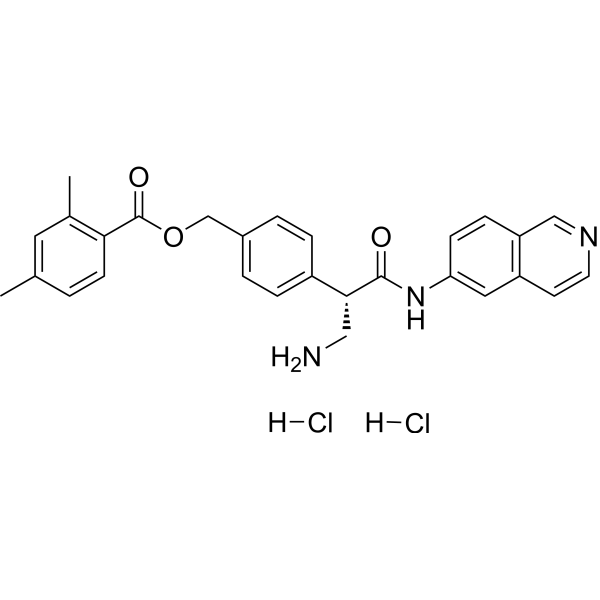
Netarsudil (AR-13324) hydrochloride is a competitive inhibitor of Rho-associated protein kinases (ROCK I and ROCK II) and a reversible inhibitor of the norepinephrine transporter (NET). Netarsudil hydrochloride reduces intraocular pressure by inhibiting ROCK, causing relaxation of trabecular meshwork cells and dilation of episcleral veins, thereby increasing the ease of aqueous humor outflow, while inhibiting NET to reduce aqueous humor production. Netarsudil hydrochloride is mainly used in the study of ocular hypertension and primary open-angle glaucoma .
|
-
- HY-12798
-
|
AR-13324
|
Monoamine Transporter
ROCK
|
Cardiovascular Disease
Neurological Disease
|
|
Netarsudil (AR-13324) is a competitive inhibitor of Rho-associated protein kinases (ROCK I and ROCK II) and a reversible inhibitor of the norepinephrine transporter (NET). Netarsudil reduces intraocular pressure by inhibiting ROCK, causing relaxation of trabecular meshwork cells and dilation of episcleral veins, thereby increasing the ease of aqueous humor outflow, while inhibiting NET to reduce aqueous humor production. Netarsudil is mainly used in the study of ocular hypertension and primary open-angle glaucoma .
|
-

- HY-B0532AR
-
|
|
Reference Standards
Dopamine Receptor
Adrenergic Receptor
CaMK
P-glycoprotein
Influenza Virus
Autophagy
|
Neurological Disease
Cancer
|
|
Trifluoperazine (dihydrochloride) (Standard) is the analytical standard of Trifluoperazine (dihydrochloride). This product is intended for research and analytical applications. Trifluoperazine dihydrochloride, an antipsychotic agent, acts by blocking central dopamine receptors. Trifluoperazine dihydrochloride is a potent α1-adrenergic receptor antagonist. Trifluoperazine dihydrochloride is a potent NUPR1 inhibitor exerting anticancer activity. Trifluoperazine dihydrochloride is a calmodulin inhibitor, and also inhibits P-glycoprotein. Trifluoperazine dihydrochloride can be used for the research of schizophrenia. Trifluoperazine dihydrochloride acts as a reversible inhibitor of influenza virus morphogenesis .
|
-

- HY-139002
-
|
|
Cytochrome P450
|
Cancer
|
|
CYP4Z1-IN-2 (compound 7) is a reversible inhibitor of CYP4Z1 (Ki=2.2 μM), which inhibits the production of 14,15-EET in breast cancer cells. CYP4Z1-IN-2 inhibits the CYP4Z1-mediated Luc-BE O-debenzylation reaction with an IC50 of 5.9 μM .
|
-

- HY-106901B
-
|
HI-6 dimesylate
|
Cholinesterase (ChE)
nAChR
|
Neurological Disease
|
|
Asoxime dimesylate (HI-6 dimesylate) is an orally active thiosemicarbazone-based antidote. Asoxime dimesylate is a reversible inhibitor of AChE, and its core mechanism of action is to re-activate AChE inhibited by nerve toxins, thereby restoring the cholinergic nerve function. Asoxime dimesylate significantly restores the function of poisoned muscles without reactivating AChE. Asoxime dimesylate is an antagonist of acetylcholine receptors (AChRs), including nicotinic receptor and α7 nAChR. Asoxime dimesylate can serve as an effective immunomodulator, improving the immune effect of the nervous system .
|
-

- HY-131667
-
|
|
MDM-2/p53
E1/E2/E3 Enzyme
|
Cancer
|
|
Hdm2 E3 ligase inhibitor 1 (Compound 1) is a reversible inhibitor for Hdm2 (an E3 ubiquitin ligase)-mediated ubiquitination of the p53 protein with an IC50 of 12.7 μM. Hdm2 E3 ligase inhibitor 1 binds Hdm2, blocks Hdm2-catalyzed ubiquitin transfer from preligated Ub-Ubc4 to p53, inhibits p53 ubiquitination, stabilizes p53 protein in tumor cell and exhibits antitumor efficacy .
|
-

- HY-N3103
-
|
Ethyl (E)-p-hydroxycinnamate; Ethyl trans-4-hydroxycinnamate
|
Tyrosinase
|
Inflammation/Immunology
|
|
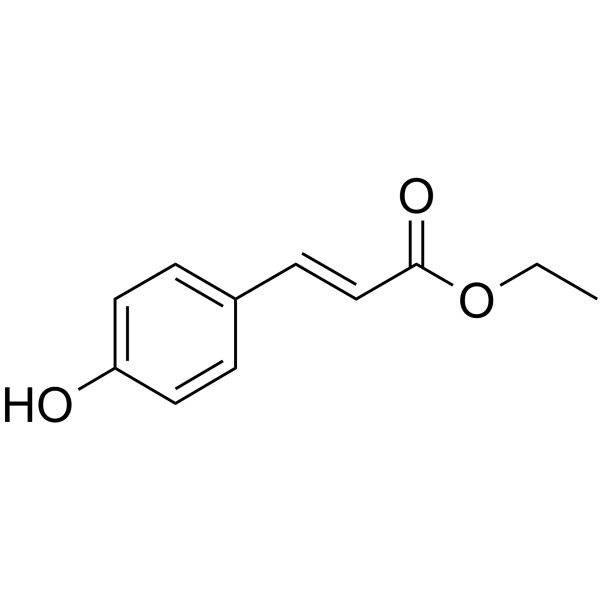
p-Coumaric Acid Ethyl Ester (Ethyl (E)-p-hydroxycinnamate; Ethyl trans-4-hydroxycinnamate) is a non-competitive, reversible inhibitor of tyrosinase (IC50=4.89 μg/mL, Ki=1.83 μg/mL), which can quench the intrinsic fluorescence of the enzyme. p-Coumaric Acid Ethyl Ester changes the binding affinity of L-tyrosine by inducing conformational changes in the catalytic domain of tyrosinase, and does not bind to the copper ion of the enzyme. p-Coumaric Acid Ethyl Ester is used in the development of medicines, cosmetics and fruit preservation products using pollen .
|
-
- HY-12798A
-
|
AR-13324 dimesylate
|
ROCK
|
Cardiovascular Disease
Neurological Disease
|
|
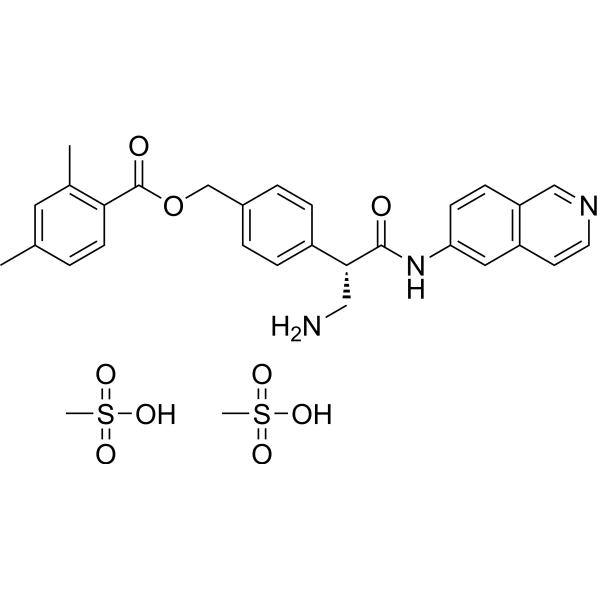
Netarsudil (AR-13324) dimesylate is a competitive inhibitor of Rho-associated protein kinases (ROCK I and ROCK II) and a reversible inhibitor of the norepinephrine transporter (NET). Netarsudil dimesylate reduces intraocular pressure by inhibiting ROCK, causing relaxation of trabecular meshwork cells and dilation of episcleral veins, thereby increasing the ease of aqueous humor outflow, while inhibiting NET to reduce aqueous humor production. Netarsudil dimesylate is mainly used in the study of ocular hypertension and primary open-angle glaucoma .
|
-
- HY-175341
-
|
|
Acyltransferase
Ras
Akt
|
Cancer
|
|
Rac1-IN-5 is a specific, reversible inhibitor of RAC1 (KD = 30 nM). Rac1-IN-5 competes with guanine nucleotides for specific binding to RAC proteins, effectively blocking RAC1 activity and RAC1-dependent cellular functions. Rac1-IN-5 exhibits anti-tumor metastasis effects in vivo and can improve survival. Rac1-IN-5 can be used to study invasive cancers such as triple-negative breast cancer and colon cancer .
|
-

- HY-148825
-
-
- HY-106901A
-
|
HI-6
|
Cholinesterase (ChE)
nAChR
|
Neurological Disease
|
|
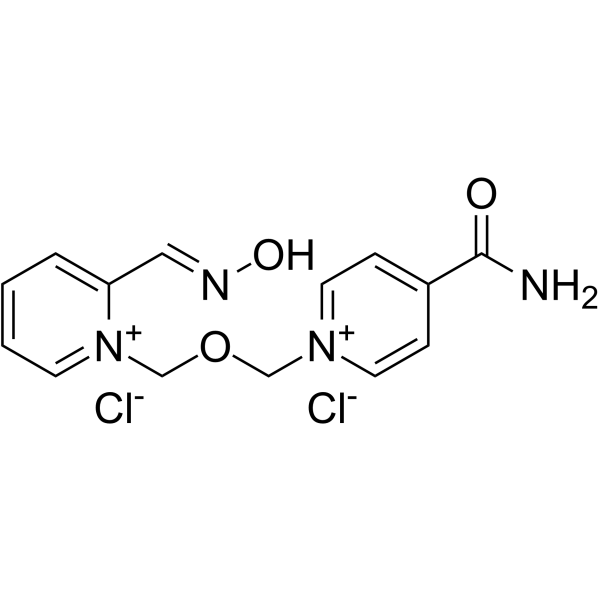
Asoxime dichloride (HI-6) is an orally active thiosemicarbazone-based antidote. Asoxime dichloride is a reversible inhibitor of AChE, and its core mechanism of action is to re-activate AChE inhibited by nerve toxins, thereby restoring the cholinergic nerve function. Asoxime dichloride significantly restores the function of poisoned muscles without reactivating AChE. Asoxime dichloride is an antagonist of acetylcholine receptors (AChRs), including nicotinic receptor and α7 nAChR. Asoxime dichloride can serve as an effective immunomodulator, improving the immune effect of the nervous system .
|
-
- HY-173334
-
|
|
Monoamine Oxidase
Interleukin Related
TNF Receptor
|
Neurological Disease
|
|
hMAO-B-IN-11 (Compound 12) is a selective and reversible inhibitor of human monoamine oxidase B (hMAO-B) with an IC50 of 0.11 µM. hMAO-B-IN-11 acts through competitive binding to the hMAO-B active site, preventing oxidative deamination of monoamines and reducing hydrogen peroxide production. hMAO-B-IN-11 also inhibits pro-inflammatory mediators (NO, TNF-α, IL-1β) in activated microglia, hMAO-B-IN-11 is promising for research of neurodegenerative diseases like Parkinson’s and Alzheimer’s .
|
-

- HY-135081
-
|
N-4AIA
|
COX
|
Others
|
|
N-(4-acetamidophenyl)-indomethacin amide (N-4-AIA) is one of several aromatic amides of indomethacin reported to be potent and selective reversible inhibitors of COX-2.1 N-4-AIA inhibits human recombinant and ovine COX-2 with IC50 values of 0.12 and 0.625 μM, respectively. It is about 400 times less potent as an inhibitor of human recombinant COX-1 and 80 times less potent as an inhibitor of ovine COX-1 than ovine COX-2.
|
-

- HY-126751
-
|
|
Na+/K+ ATPase
|
Metabolic Disease
|
|
DBM-819 is a reversible inhibitor of H⁺/K⁺-ATPase (H +/K +-ATPase), with an IC50 value of 5 μM. DBM-819 can reversibly block gastric acid secretion by inhibiting the proton pump in the gastric mucosa. It shows significant protective effects against duodenal ulcers induced by Cysteamine (HY-77591), gastric ulcers induced by Indomethacin (HY-14397), and gastric ulcers induced by Aspirin (HY-14654), with EC50 values of 6, 3.1, and 4 mg/kg respectively. DBM-819 can be used in ulcer prevention research .
|
-

- HY-165498
-
|
|
Na+/K+ ATPase
|
Metabolic Disease
|
|
AU-461 is an orally active and reversible inhibitor of the gastric H⁺/K⁺ ATPase with IC₅₀ values for rabbit-derived and pig-derived enzymes are 12.15 μM and 4.20 μM respectively. AU-461 competes with activated cationic K⁺ (Kᵢ = 1.64 μM). AU-461 reduces both histamine-stimulated gastric acid secretion and basal gastric acid secretion in rats. AU-461 inhibits ulcer formation caused by ethanol or sodium hydroxide, and restores the plasma gastrin level to normal. AU-461 can be used for the study of peptic ulcers .
|
-

- HY-13438
-
|
|
Beta-secretase
|
Neurological Disease
|
|
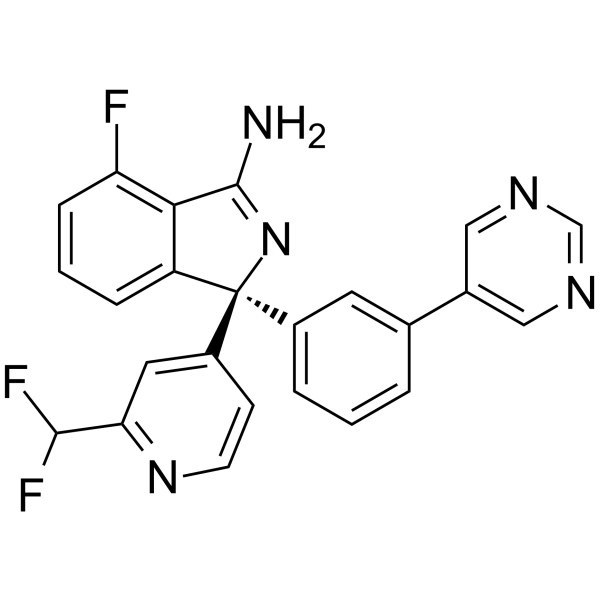
AZD3839 is an orally available, selective, reversible inhibitor of the β-site amyloid precursor protein cleaving enzyme BACE1 that can cross the blood-brain barrier. AZD3839 inhibits recombinant human BACE1 with a Ki=26.1 nM. AZD3839 inhibits A40 production in SH-SY5Y cells with an IC50 of 4.8 nM. AZD3839 binds to BACE1 and reduces the Aβ amyloid produced by the cleavage of amyloid precursor protein (APP) by BACE1 and γ-secretase. AZD3839 can be used in the field of Alzheimer's disease research .
|
-
- HY-13438A
-
|
|
Beta-secretase
|
Cancer
|
|
AZD3839 fumarate is an orally available, selective, reversible inhibitor of the β-site amyloid precursor protein cleaving enzyme BACE1 that can cross the blood-brain barrier. AZD3839 fumarate inhibits recombinant human BACE1 with a Ki=26.1 nM. AZD3839 fumarate inhibits A40 production in SH-SY5Y cells with an IC50 of 4.8 nM. AZD3839 fumarate binds to BACE1 and reduces the Aβ amyloid produced by the cleavage of amyloid precursor protein (APP) by BACE1 and γ-secretase. AZD3839 fumarate can be used in the field of Alzheimer's disease research .
|
-

- HY-180114
-
|
|
Cholinesterase (ChE)
Monoamine Oxidase
Amyloid-β
Reactive Oxygen Species (ROS)
|
Neurological Disease
|
|
NSS-18 is a potent and reversible inhibitor of AChE and MAO-B, with IC50 values of 1.53 and 1.51 μM respectively. NSS-18 can inhibit the self-aggregation of Aβ. NSS-18 inhibits the intracellular generation of ROS induced by Aβ. NSS-18 shows a moderate neuroprotective effect against 6-OHDA (HY-B1081)-induced neurotoxicity. NSS-18 can form chelates with metal ions such as Cu²⁺, Fe³⁺, and Zn²⁺, with the strongest chelation being with Cu²⁺. NSS-18 can be used for the study of Alzheimer's disease .
|
-

- HY-106901AS
-
|
HI-6-d4
|
Isotope-Labeled Compounds
Cholinesterase (ChE)
nAChR
|
Neurological Disease
|
|
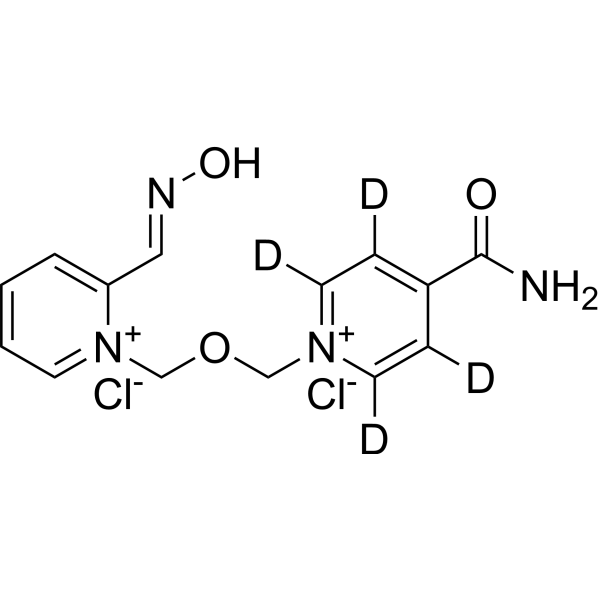
Asoxime-d4 dichloride (HI-6-d4) is the deuterium labeled Asoxime dichloride. Asoxime dichloride is an orally active thiosemicarbazone-based antidote. Asoxime dichloride is a reversible inhibitor of AChE, and its core mechanism of action is to re-activate AChE inhibited by nerve toxins, thereby restoring the cholinergic nerve function. Asoxime dichloride significantly restores the function of poisoned muscles without reactivating AChE. Asoxime dichloride is an antagonist of acetylcholine receptors (AChRs), including nicotinic receptor and α7 nAChR. Asoxime dichloride can serve as an effective immunomodulator, improving the immune effect of the nervous system.
|
-
- HY-185011
-
|
|
Ceramidase
PPAR
TRP Channel
Interleukin Related
NEDD8-activating Enzyme
|
Inflammation/Immunology
Cancer
|
|
AM9053 is a selective, effective and slowly reversible inhibitor of N-acyl ethanolamine acid amidease (NAAA) (IC50 = 30 nM). The effect of AM9053 on FAAH activity is limited (IC50 > 100 nM). AM9053 inhibits the proliferation of colorectal cancer cells by activating the PPAR-α and TRPV1 dependent mechanisms and induces S-phase cell cycle arrest. AM9053 alleviates intestinal fibrosis by regulating macrophage activity and inhibiting the IL-23 signaling pathway. AM9053 leads to an increase in NAE levels, especially PEA and OEA. AM9053 can be used for the study of colorectal cancer and intestinal fibrosis .
|
-

- HY-W205529
-
|
|
Fluorescent Dye
|
Neurological Disease
|
|
RO 16-6491 Free base is a selective, reversible inhibitor of monoamine oxidase type B (MAO-B), exhibiting high affinity and specificity for binding sites in human frontal cortex mitochondria and platelet membranes. RO 16-6491 demonstrates a fast dissociation of bound radioactivity at 20 degrees C, indicating its dynamic binding properties. RO 16-6491 also acts as a substrate for MAO-B, suggesting that its oxidation may produce a stable intermediate responsible for its potent inhibitory effects. RO 16-6491 serves as an excellent radioligand probe for investigating the regional tissue distribution of MAO-B in various physiological and pathological states.
|
-

- HY-116973
-
|
|
HIV
|
Infection
|
|
L-738372 is a non-competitive reversible inhibitor of HIV-1 reverse transcriptase (RT) with an inhibition constant (Ki) of 140 nM against dTTP. When combined with any nucleoside analogs (such as azidothymidine triphosphate, didexoyinosine triphosphate, or didexoycytidine triphosphate), L-738372 exhibits synergistic inhibition of RT activity. L-738372 has 2-3 times more inhibitory potency against the azidothymidine-resistant RT (D67N, K70R, T215Y, K219Q) compared to the wild-type RT. L-738372 holds promise for research in the field of HIV virus treatment .
|
-

- HY-133233
-
|
1-Palmitylthio-2-palmitoylamido-1,2-dideoxy-sn-glycero-3-phosphorylcholine
|
Endogenous Metabolite
Phospholipase
|
Metabolic Disease
|
|
Thioetheramide-PC (1-Palmitylthio-2-palmitoylamido-1,2-dideoxy-sn-glycero-3-phosphorylcholine) is a structurally modified phospholipid that acts as a competitive, reversible inhibitor of secretory phospholipase A2 (sPLA2). Thioetheramide-PC has an IC50 value of 2 μM at a substrate concentration of 0.5 mM. In addition to binding to the catalytic site of sPLA2, Thioetheramide-PC also binds to the activation site of the enzyme. Thioetheramide-PC binds more tightly to the activation site than to the catalytic site. As a result of this dual interaction, at low concentrations, Thioetheramide-PC may activate phospholipase activity rather than inhibit it.
|
-

- HY-161066
-
|
|
Ras
|
Cancer
|
|
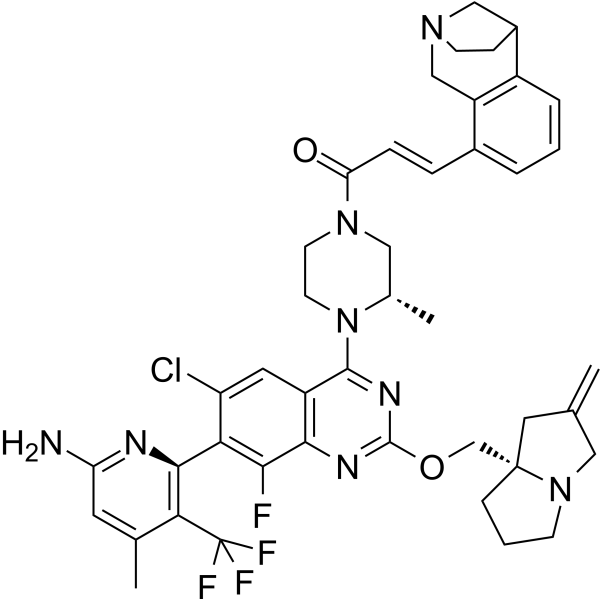
KRAS G13D-IN-1 (Compound 41) is a selective and covalently reversible inhibitor of KRAS G13D (IC50: 0.41 nM). The selectivity for KRAS G13D is 29-fold against KRAS wild type. KRAS G13D-IN-1 is an inhibitor of the GDP state and targets the SWII binding pocket of KRAS G13D. KRAS G13D-IN-1 inhibits KRAS binding to GDP and turns on/off downstream signaling cascades. KRAS G13D-IN-1 can be used in the research of colon cancer .
|
-
- HY-108548
-
|
Rp-8-Bromo-PET-cGMPS
|
PKG
|
Inflammation/Immunology
|
|
Rp-8-Br-PET-cGMPS sodium (Rp-8-Bromo-PET-cGMPS) is an analog of cyclic GMP (cGMP). It is a cell permeable, competitive, and reversible inhibitor of cGMP-dependent protein kinases (cGKs) that blocks activation of cGKI and cGKII by cGMP (Kis=35 and 30 nM). It less potently inhibits protein kinase A (Ki=11 μM) and cGMP-induced activation of cyclic nucleotide-gated channels (IC50=25 μM). In the absence of cGMP stimulation, Rp-8-bromo-PET-cGMPS can act as a partial agonist of cGKI (Ki=1 μM). Rp-8-bromo-PET-cGMPS is resistant to hydrolysis by phosphodiesterase 11.
|
-

- HY-110079
-
|
|
IPK Superfamily
|
Cancer
|
|
TNP is a competitive, reversible inhibitor of IP6K1 and IP3K, with IC50s of 0.55 μM and 10.2 μM for IP6K1 and IP3K, respectively. TNP competitively binds to the ATP binding site of IP6K, inhibits the generation of 5-IP7, and thus relieves the inhibition of 5-IP7 on the AKT signaling pathway. TNP can enhance insulin sensitivity and promote thermogenesis in adipose tissue. TNP cannot effectively pass through the blood-brain barrier and is mainly used in the study of obesity, type 2 diabetes, and metabolic syndrome. However, TNP also inhibits CYP3A4 and may need further optimization[1][2][3].
|
-
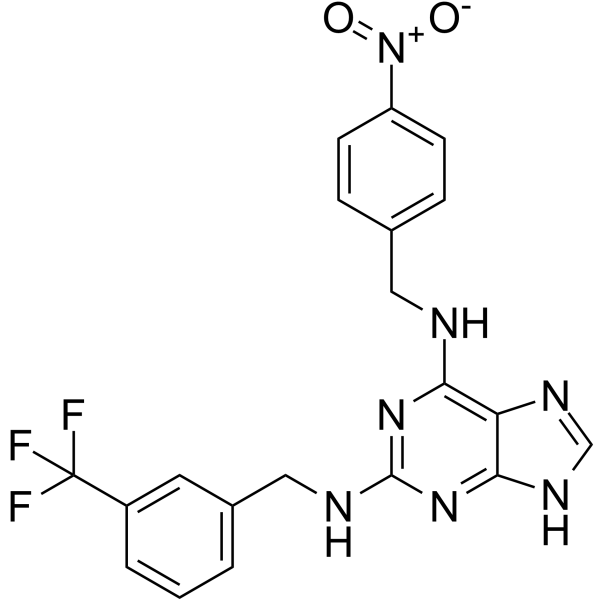
| Cat. No. |
Product Name |
Type |
-
- HY-D0004
-
|
Azure B chloride
|
Fluorescent Dye
|
|
Azure B is a cationic dye and the major metabolite of Methylene blue. Azure B is used in making Azure eosin stains for blood smear staining. Azure B is a high-potency, selective and reversible inhibitor of monoamine oxidases (MAO)-A, with IC50s of 11 and 968 nM for recombinant human MAO-A and MAO-B, respectively. Azure B possesses significant antidepressant-like effects .
|
-
- HY-D0004R
-
|
Azure B chloride (Standard)
|
Fluorescent Dye
|
|
Azure B (Standard) is the analytical standard of Azure B. This product is intended for research and analytical applications. Azure B is a cationic dye and the major metabolite of Methylene blue. Azure B is used in making Azure eosin stains for blood smear staining. Azure B is a high-potency, selective and reversible inhibitor of monoamine oxidases (MAO)-A, with IC50s of 11 and 968 nM for recombinant human MAO-A and MAO-B, respectively. Azure B possesses significant antidepressant-like effects .
|
-
- HY-W013636AG
-
|
Alpha-Ketoglutaric acid Sodium
|
Fluorescent Dye
|
|
2-Ketoglutaric acid (Alpha-Ketoglutaric acid) Sodium (GMP) is 2-Ketoglutaric acid Sodium (HY-W013636A) produced by using GMP guidelines. GMP small molecules work appropriately as an auxiliary reagent for cell therapy manufacture. 2-Ketoglutaric acid Sodium is an intermediate in the production of ATP or GTP in the Krebs cycle. 2-Ketoglutaric acid Sodium also acts as the major carbon skeleton for nitrogen-assimilatory reactions. 2-Ketoglutaric acid Sodium is a reversible inhibitor of tyrosinase (IC50=15 mM) .
|
| Cat. No. |
Product Name |
Type |
-
- HY-126388
-
-
- HY-W013636AG
-
|
Alpha-Ketoglutaric acid Sodium
|
Biochemical Assay Reagents
|
|
2-Ketoglutaric acid (Alpha-Ketoglutaric acid) Sodium (GMP) is 2-Ketoglutaric acid Sodium (HY-W013636A) produced by using GMP guidelines. GMP small molecules work appropriately as an auxiliary reagent for cell therapy manufacture. 2-Ketoglutaric acid Sodium is an intermediate in the production of ATP or GTP in the Krebs cycle. 2-Ketoglutaric acid Sodium also acts as the major carbon skeleton for nitrogen-assimilatory reactions. 2-Ketoglutaric acid Sodium is a reversible inhibitor of tyrosinase (IC50=15 mM) .
|
| Cat. No. |
Product Name |
Target |
Research Area |
-
- HY-113963
-
|
|
Apoptosis
|
Cancer
|
|
Ac- IETD- CHO is a potent, reversible inhibitor of granzyme B and caspase-8. Ac- IETD- CHO inhibits Fas-mediated apoptotic cell death, hemorrhage, and liver failure. Ac- IETD- CHO also inhibits cytotoxic T lymphocytes induced cell death .
|
-
- HY-175057
-
|
|
Apoptosis
|
Inflammation/Immunology
Cancer
|
|
Ac-IETD-CHO TFA is a potent, reversible inhibitor of granzyme B and caspase-8. Ac-IETD-CHO TFA inhibits Fas-mediated apoptotic cell death, hemorrhage, and liver failure. Ac-IETD-CHO TFA also inhibits cytotoxic T lymphocytes induced cell death .
|
| Cat. No. |
Product Name |
Category |
Target |
Chemical Structure |
| Cat. No. |
Product Name |
Chemical Structure |
-
- HY-W013636S
-
|
|
|
2-Ketoglutaric acid- 13C5 (Alpha-Ketoglutaric acid- 13C5) is a 13C labeled 2-Ketoglutaric acid (HY-W013636) . 2-Ketoglutaric acid (Alpha-Ketoglutaric acid) is an intermediate in the production of ATP or GTP in the Krebs cycle. 2-Ketoglutaric acid also acts as the major carbon skeleton for nitrogen-assimilatory reactions. 2-Ketoglutaric acid is a reversible inhibitor of tyrosinase (IC50=15 mM) .
|
-
-
- HY-50667S
-
|
|
|
Apixaban- 13C,d3 (BMS-562247-01- 13C,d3) is a deuterium and 13C labeled Apixaban (HY-50667). Apixaban is a highly selective, reversible inhibitor of Factor Xa with Ki of 0.08 nM and 0.17 nM in human and rabbit, respectively .
|
-
-
- HY-W013636S1
-
|
|
|
2-Ketoglutaric acid-d4 (Alpha-Ketoglutaric acid-d4) is the deuterium labeled 2-Ketoglutaric acid (HY-W013636) . 2-Ketoglutaric acid Sodium is an intermediate in the production of ATP or GTP in the Krebs cycle. 2-Ketoglutaric acid Sodium also acts as the major carbon skeleton for nitrogen-assimilatory reactions. 2-Ketoglutaric acid Sodium is a reversible inhibitor of tyrosinase (IC50=15 mM) .
|
-
-
- HY-W013636S2
-
|
|
|
2-Ketoglutaric acid-d6 (Alpha-Ketoglutaric acid-d6) is the deuterium labeled 2-Ketoglutaric acid (HY-W013636) . 2-Ketoglutaric acid is an intermediate in the production of ATP or GTP in the Krebs cycle. 2-Ketoglutaric acid also acts as the major carbon skeleton for nitrogen-assimilatory reactions. 2-Ketoglutaric acid is a reversible inhibitor of tyrosinase (IC50=15 mM) .
|
-
-
- HY-W013636S3
-
|
|
|
2-Ketoglutaric acid- 13C (Alpha-Ketoglutaric acid- 13C) is a 13C labeled 2-Ketoglutaric acid (HY-W013636) . 2-Ketoglutaric acid (Alpha-Ketoglutaric acid) is an intermediate in the production of ATP or GTP in the Krebs cycle. 2-Ketoglutaric acid also acts as the major carbon skeleton for nitrogen-assimilatory reactions. 2-Ketoglutaric acid is a reversible inhibitor of tyrosinase (IC50=15 mM) .
|
-
-
- HY-B0555BS
-
|
|
|
Nafcillin-d5 (sodium) is the deuterium labeled Nafcillin sodium. Nafcillin sodium, an antibiotic, is a reversible inhibitor of β-lactamase. Nafcillin sodium can be used for the research of staphylococcal infections .
|
-
-
- HY-W013636S4
-
|
|
|
2-Ketoglutaric acid- 13C2 (Alpha-Ketoglutaric acid- 13C2) is a 13C labeled 2-Ketoglutaric acid (HY-W013636) . 2-Ketoglutaric acid (Alpha-Ketoglutaric acid) is an intermediate in the production of ATP or GTP in the Krebs cycle. 2-Ketoglutaric acid also acts as the major carbon skeleton for nitrogen-assimilatory reactions. 2-Ketoglutaric acid is a reversible inhibitor of tyrosinase (IC50=15 mM) .
|
-
-
- HY-106901AS
-
1 Publications Verification
|
|
Asoxime-d4 dichloride (HI-6-d4) is the deuterium labeled Asoxime dichloride. Asoxime dichloride is an orally active thiosemicarbazone-based antidote. Asoxime dichloride is a reversible inhibitor of AChE, and its core mechanism of action is to re-activate AChE inhibited by nerve toxins, thereby restoring the cholinergic nerve function. Asoxime dichloride significantly restores the function of poisoned muscles without reactivating AChE. Asoxime dichloride is an antagonist of acetylcholine receptors (AChRs), including nicotinic receptor and α7 nAChR. Asoxime dichloride can serve as an effective immunomodulator, improving the immune effect of the nervous system.
|
-
-
- HY-B0590S1
-
|
|
|
(+)-Tetrabenazine-d6 is the deuterium labeled (+)-Tetrabenazine. (+)-Tetrabenazine is a reversible inhibitor of vesicular monoamine transporter 2 (VMAT-2).
|
-
-
- HY-B0532AS
-
|
|
|
Trifluoperazine-d3 (dihydrochloride) is deuterium labeled Trifluoperazine (dihydrochloride). Trifluoperazine dihydrochloride, an antipsychotic agent, acts by blocking central dopamine receptors. Trifluoperazine dihydrochloride is a potent α1-adrenergic receptor antagonist. Trifluoperazine dihydrochloride is a potent NUPR1 inhibitor exerting anticancer activity. Trifluoperazine dihydrochloride is a calmodulin inhibitor, and also inhibits P-glycoprotein. Trifluoperazine dihydrochloride can be used for the research of schizophrenia. Trifluoperazine dihydrochloride acts as a reversible inhibitor of influenza virus morphogenesis .
|
-
| Cat. No. |
Product Name |
|
Classification |
-
- HY-180114
-
|
|
|
Alkynes
|
|
NSS-18 is a potent and reversible inhibitor of AChE and MAO-B, with IC50 values of 1.53 and 1.51 μM respectively. NSS-18 can inhibit the self-aggregation of Aβ. NSS-18 inhibits the intracellular generation of ROS induced by Aβ. NSS-18 shows a moderate neuroprotective effect against 6-OHDA (HY-B1081)-induced neurotoxicity. NSS-18 can form chelates with metal ions such as Cu²⁺, Fe³⁺, and Zn²⁺, with the strongest chelation being with Cu²⁺. NSS-18 can be used for the study of Alzheimer's disease .
|
| Cat. No. |
Product Name |
Target |
Research Areas |
Chemical Structure |
-
- HY-W013636AG
-
|
Alpha-Ketoglutaric acid Sodium
|
Tyrosinase
Endogenous Metabolite
|
Neurological Disease
Metabolic Disease
|
|
2-Ketoglutaric acid (Alpha-Ketoglutaric acid) Sodium (GMP) is 2-Ketoglutaric acid Sodium (HY-W013636A) produced by using GMP guidelines. GMP small molecules work appropriately as an auxiliary reagent for cell therapy manufacture. 2-Ketoglutaric acid Sodium is an intermediate in the production of ATP or GTP in the Krebs cycle. 2-Ketoglutaric acid Sodium also acts as the major carbon skeleton for nitrogen-assimilatory reactions. 2-Ketoglutaric acid Sodium is a reversible inhibitor of tyrosinase (IC50=15 mM) .
|
-
Your information is safe with us. * Required Fields.
Inquiry Information
- Product Name:
- Cat. No.:
- Quantity:
- MCE Japan Authorized Agent:








