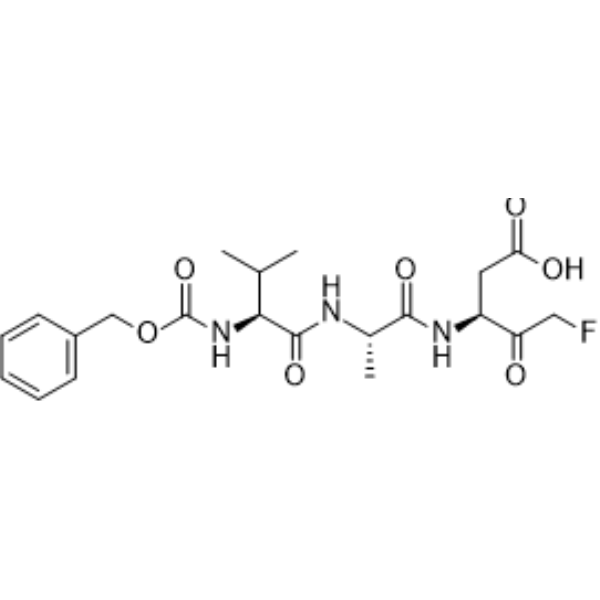
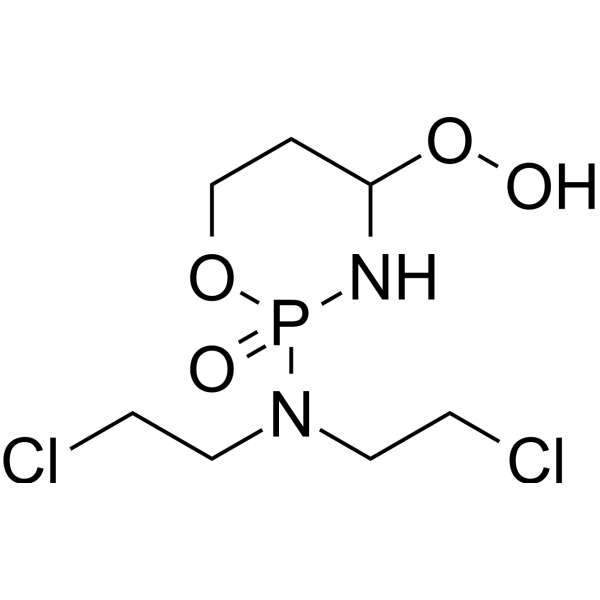

1. Search Result
Search Result
Results for "

T-cell receptors

" in MedChemExpress (MCE) Product Catalog:

202

Inhibitors & Agonists

2

Fluorescent Dyes

3

Biochemical Assay Reagents

29

Peptides

59

Inhibitory Antibodies

14

Natural
Products

11

Isotope-Labeled Compounds

13

Oligonucleotides

2

GMP Molecules

Targets Recommended:
Cat. No. Product Name Target Research Areas Chemical Structure
  • HY-14171
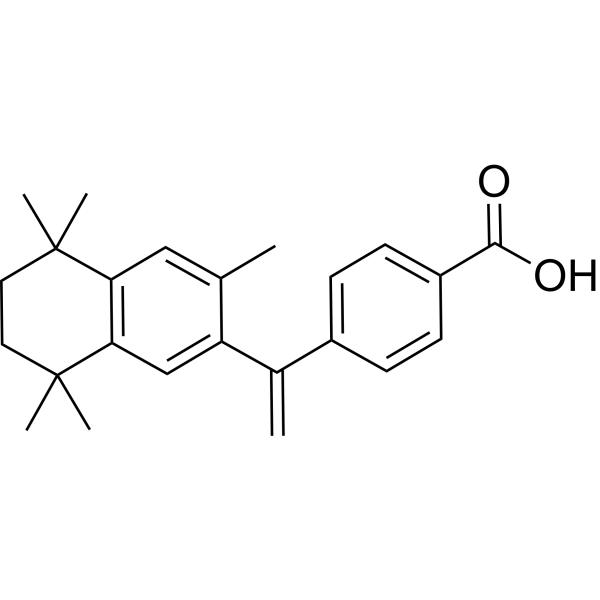
    Bexarotene
    20+ Cited Publications

    LGD1069

    RAR/RXR Autophagy Cancer
    Bexarotene (LGD1069) is a high-affinity and selective retinoid X receptors (RXR) agonist with EC50s of 33, 24, 25 nM for RXRα, RXRβ, and RXRγ, respectively. Bexarotene shows limited affinity for RAR receptors (EC50 >10000 nM) . Bexarotene can be used for the research of cutaneous T-cell lymphoma.
    Bexarotene
  • HY-P9901
    Ipilimumab
    4 Publications Verification

    MDX-010; BMS-734016

    CTLA-4 Cancer
    Ipilimumab is a fully human monoclonal antibody IgG1κ that blocks the inhibitory receptor cytotoxic T lymphocyte antigen 4 (CTLA-4) on T cells. Ipilimumab can be used in unresectable or metastatic melanoma (MM) studies .
    Ipilimumab
  • HY-11062
    Icilin
    1 Publications Verification

    AG-3-5

    TRP Channel Neurological Disease Inflammation/Immunology
    Icilin (AG-3-5) is a super-agonist of the transient receptor potential M8 (TRPM8) ion channel. Icilin activates TRPM8 in EGTA in a dose-dependent manner (EC50=1.4 μM). Icilin is a "super-cooling agent" . Icilin attenuates autoimmune neuroinflammation through modulation of the T-cell response .
    Icilin
  • HY-P991015

    JNJ-78278343; KLCB-245

    CD3 Cancer
    Pasritamig (JNJ-78278343; KLCB-245) is a bispecific T-cell engager (BiTE) that targets the complex of human kallikrein KLK2 and CD3 receptor. Pasritamig redirects the cytotoxicity of T cells to KLK2-expressing tumor cells and induces T cell-mediated lysis of KLK2-expressing prostate cancer cells. Administered via subcutaneous injection, subcutaneous infusion or intravenous infusion, Pasritamig exhibits antitumor activity against metastatic castration-resistant prostate cancer. Pasritamig has a safety profile with an extremely low incidence of cytokine release syndrome and can be safely administered in an outpatient setting. Pasritamig is applicable to the research of metastatic castration-resistant prostate cancer .
    Pasritamig
  • HY-P99394
    Talquetamab
    1 Publications Verification

    JNJ-64407564

    CD3 Cancer
    Talquetamab (JNJ-64407564) is a humanized bispecific antibody that binds to GPRC5D (member of G protein-coupled receptor family C5 group D) and CD3 to induce T cell-mediated killing of GPRC5D-expressing MM cells through T cell recruitment and activation. Talquetamab (JNJ-64407564) has antitumor activity .
    Talquetamab
  • HY-P99339

    IMCgp100

    Interleukin Related TNF Receptor Cancer
    Tebentafusp (IMCgp100) is a bispecific fusion protein to target gp100 peptide-HLA-A*02:01 (a melanoma-associated antigen). Tebentafusp guides T cells to kill gp100-expressing tumor cells via a high affinity T-cell receptor (TCR) binding domain and an anti-CD3 T-cell engaging domain. Tebentafusp leads to inflammatory cytokines and cytolytic proteins production, resulting in the direct lysis of tumour cells .
    Tebentafusp
  • HY-P991155

    JNJ-79635322; JNJ-5322

    CD3 TNF Receptor Cancer
    Ramantamig (JNJ-79635322) is a humanized monoclonal antibody targeting human CD3ε, GPRC5D, and TNFRSF17 (BCMA). Ramantamig binds to BCMA and GPRC5D on multiple myeloma cells, binds to CD3ε on T cells, forms immunological synapses, and enables T-cell-mediated cytotoxicity. Ramantamig activates T cells concomitantly with inducing myeloma cell cytotoxicity, with no nonspecific T-cell activation in the absence of target myeloma cells. Ramantamig carries mutations to reduce interaction with Fc receptors and disrupt protein A binding of monomeric and homodimerized chains. Ramantamig can be used for the research of multiple myeloma .
    Ramantamig
  • HY-P99166

    XMAB-20717

    PD-1/PD-L1 CTLA-4 Inflammation/Immunology Cancer
    Vudalimab is a potent dual PD-1 and CTLA-4 inhibitor as a fully humanized bispecific monoclonal antibody. Vudalimab targets immune checkpoint receptors PD-1 and CTLA-4 and promotes tumor-selective T-cell activation .
    Vudalimab
  • HY-108738

    Ro 24-7375

    Interleukin Related Apoptosis Inflammation/Immunology Cancer
    Daclizumab (Ro 24-7375) is a humanized, monoclonal antibody that blocks CD25 (α-subunit of the high-affinity interleukin-2 receptor (IL-2R-HA)). Daclizumab inhibits effector T cell activation, regulatory T cell (Treg) expansion and survival, and activation-induced T-cell apoptosis. Daclizumab increases IL-2 bioavailability to bind to the intermediate-affinity IL-2R (IL-2R-IA), driving the expansion of anti-inflammatory CD56bright natural killer (NK) cells. Daclizumab can be used for multiple sclerosis and cancer research .
    Daclizumab
  • HY-130254
    CSK-IN-1
    3 Publications Verification

    Src Inflammation/Immunology Cancer
    CSK-IN-1 (compound 13) is a potent, orally active c-terminal Src kinase (CSK) with IC50 values below 3 nM and 4 nM in CSK HTRF and Caliper assay, respectively. CSK-IN-1 shows the ability to increase T cell proliferation induced by T cell receptor signaling .
    CSK-IN-1
  • HY-P99617

    REGN3767

    LAG-3 Inflammation/Immunology Cancer
    Fianlimab (REGN3767) is a human monoclonal antibody that targets the immune checkpoint receptor LAG-3 on T cells and has anti-tumour activity .
    Fianlimab
  • HY-P99152

    Muromanab-CD3

    CD3 Interleukin Related IFNAR Inflammation/Immunology Cancer
    Muromonab (Muromonab-CD3; OKT3) is a mouse monoclonal antibody targeting the CD3 antigen. Muromonab specifically binds to the CD3 antigen on the surface of human and higher primate T cells. Muromonab blocks the function of T cell receptors to recognize foreign antigens and inhibits T cell-mediated immune responses, including cell-mediated lymphocyte lysis and T cell proliferation responses. Muromonab can be used to study acute kidney, liver, heart and combined kidney-pancreas transplant rejection, and can also be used to study graft-versus-host disease in bone marrow transplant patients .
    Muromonab
  • HY-P990026

    ABC-008

    C-type Lectin-like Receptors (CTLRs) Inflammation/Immunology
    Ulviprubart (ABC-008) is a monoclonal antibody targeting the KLRG1 receptor that selectively depletes highly differentiated cytotoxic T cells. Ulviprubart can be used in the study of inclusion body myositis (IBM) .
    Ulviprubart
  • HY-156659

    Phosphatase ERK Inflammation/Immunology
    NC1 is a selective non-competitive and allosteric lymphoid-specific tyrosine phosphatase (LYP) inhibitor, with a Ki value 4.3 μM. NC1 allosterically regulates LYP/PTPN22 activity by restricting WPD loop movement. NC1 inhibits LYP activity in lymphoid T cells and enhances T-cell receptor signaling. NC1 can be used for the research of autoimmune diseases .
    NC1
  • HY-P99605

    PRS 343

    EGFR TNF Receptor Cancer
    Cinrebafusp alfa (PRS 343) is a high affinity CD137/HER2 bispecfic anticalin-based drug. Cinrebafusp alfa binds to recombinant human HER2 (Kd=0.3 nM) and human monomeric CD137 (4-1BB; Kd=5 nM). Cinrebafusp alfa facilitates T-cell costimulation by tumor-localized, HER2-dependent 4-1BB clustering and activation, further enhancing T-cell receptor-mediated activity and leading to tumor destruction. Cinrebafusp alfa has the potential for HER2+ solid tumors research .
    Cinrebafusp alfa
  • HY-P99203

    REGN-2810; SAR-439684

    PD-1/PD-L1 Cancer
    Cemiplimab (Anti-Human PD-1) is a high-affinity programmed death receptor-1 (PD-1) monoclonal IgG4 antibody that blocks PD-1/PD-L1-mediated T-cell suppression. Cemiplimab is commonly used in squamous cell skin cancer research .
    Cemiplimab
  • HY-P5005

    CMV PD-1/PD-L1 Infection Inflammation/Immunology Cancer
    VIPhyb is a vasoactive intestinal polypeptide (VIP) receptor antagonist. VIPhyb can inhibit VIP signaling, increase T-cell immunity and downregulate PD1. VIPhyb can inhibit cancer cell proliferation. VIPhyb can reduce inflammatory cytokine expression. VIPhyb can enhance viral clearance. VIPhyb can be used for the researches of cancer, infection and inflammation and immunology, such as non-small cell lung cancer (NSCLC), cytomegalovirus infection and colitis .
    VIPhyb
  • HY-P99159

    Interleukin Related Cancer
    Ivuxolimab is a fully human IgG2 agonist targeting OX40 (CD134), which selectively binds to the OX40 receptor on the surface of activated CD4 + and CD8 + T cells without inducing antibody-dependent cytotoxicity. Ivuxolimab can promote T cell proliferation, survival and cytokine (such as IFN-γ, IL-2) secretion, inhibit regulatory T cell function, and enhance anti-tumor immune response. Ivuxolimab can be used in the study of melanoma, hepatocellular carcinoma, head and neck squamous cell carcinoma, etc .
    Ivuxolimab
  • HY-126037
    (±)-ML 209
    1 Publications Verification

    ROR Inflammation/Immunology
    (±)-ML 209 (compound 4n), a diphenylpropanamide, is a retinoic acid-related orphan receptor RORγ antagonist with an IC50 of 1.1 μM. (±)-ML 209 inhibits RORγt transcriptional activity with an IC50 of 300 nM in HEK293t cells. (±)-ML 209 inhibits the transcriptional activity of RORγt, but not RORα in cells. (±)-ML 209 selectively inhibits murine Th17 cell differentiation without affecting the differentiation of naïve CD4 + T cells into other lineages, including Th1 and regulatory T cells .
    (±)-ML 209
  • HY-136427

    Nuclear Factor of activated T Cells (NFAT) Inflammation/Immunology
    KRM-III is a potent and orally active T-cell antigen receptor (TCR) inhibitor. KRM-III inhibits TCR- and phorbol myristate acetate/ionomycin-induced activation of nuclear factor of activated T cells (NFAT) and T-cell proliferation with an IC50 of ~5 μM. Anti-inflammatory activity .
    KRM-III
  • HY-N4053

    Nuclear Factor of activated T Cells (NFAT) Inflammation/Immunology
    Heraclenin, a natural furanocoumarin, significantly inhibits T cell receptor-mediated proliferation in human primary T cells in a concentration-dependent manner by targeting nuclear factor of activated T-cells (NFAT) .
    Heraclenin
  • HY-P99266

    Anti-Human CD4 Recombinant Antibody

    Transmembrane Glycoprotein Inflammation/Immunology Cancer
    Zanolimumab (Anti-Human CD4 Recombinant Antibody) is a fully human monoclonal antibody targets CD4. Zanolimumab effectively inhibits T-cell receptor (TCR) signal transduction. Zanolimumab can be used for the research of heumatoid arthritis, psoriasis, melanoma, cutaneous and peripheral T-cell lymphoma .
    Zanolimumab
  • HY-P99431

    Alomfilimab; SAR 445256

    CD28 Inflammation/Immunology Cancer
    KY-1044 (Alomfilimab; SAR 445256) is a fully human IgG1 antibody targeting inducible costimulatory receptor (ICOS). KY-1044 depletes ICOS high cells via antibody-dependent cellular cytotoxicity (ADCC) through the engagement of FcgRIIIa. KY-1044 act as a costimulatory molecule on cells expressing lower ICOS levels, such as CD8 + TEff cells (through FcgR-dependent clustering). KY-1044 exploit the differential expression of ICOS on T-cell subtypes to improve the intratumoral immune contexture and restore an antitumor immune response .
    KY-1044
  • HY-W585876

    FXR Metabolic Disease
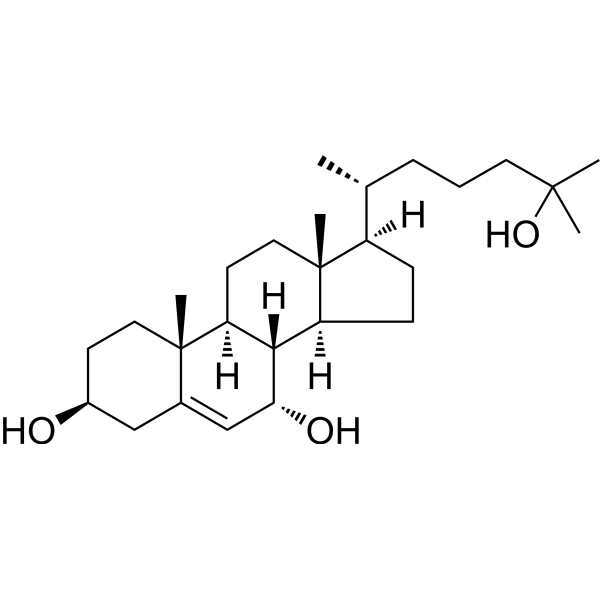
    Chenodeoxycholic acid 3-glucuronide is a metabolite of Chenodeoxycholic acid that can activate the key nuclear receptor (FXR), with an EC50 of 8 μM, and in HEK293T cells, the EC50 for activating FXR is 11 μM .
    Chenodeoxycholic acid 3-glucuronide
  • HY-113618B

    CRAC Channel Interleukin Related Cardiovascular Disease
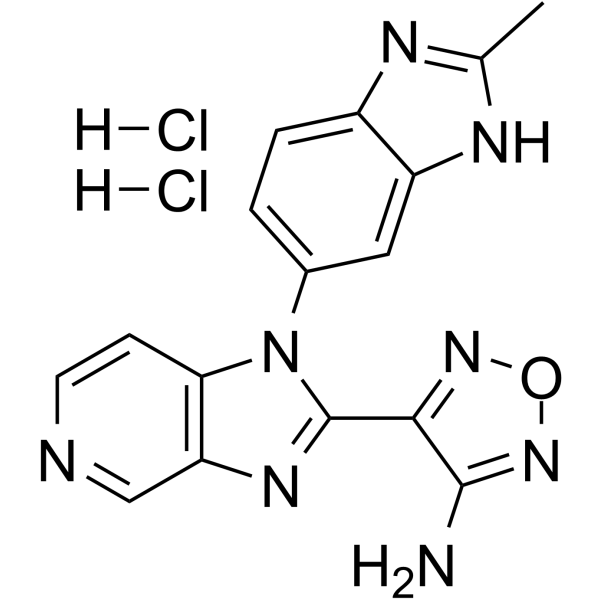
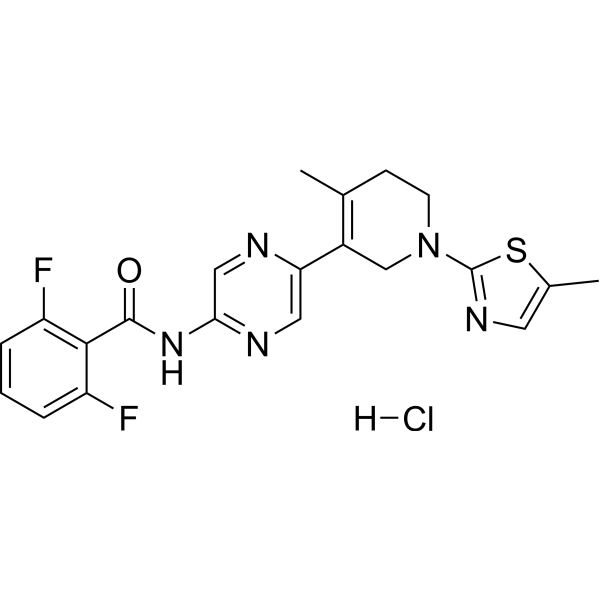
    RO2959 monohydrochloride is a potent and selective CRAC channel inhibitor with an IC50 of 402 nM. RO2959 monohydrochloride is a potent blocker of store operated calcium entry (SOCE) mediated by Orai1/Stim1 channels with an IC50 of 25 nM. RO2959 monohydrochloride is also a potent inhibitor of human IL-2 production, and potently blocks T cell receptor triggered gene expression and T cell functional pathways .
    RO2959 monohydrochloride
  • HY-P99242
    Alsevalimab
    1 Publications Verification

    CD276/B7-H3 Cancer
    Alsevalimab is a humanized, afucosylated IgG1 monoclonal antibody against B7-H4. Alsevalimab blocks the binding of the B7-H4 protein to the receptors on the surface of T cells, reversing the immunosuppressive state in the tumor microenvironment, thereby activating the killing effect of T cells on cancer cells. Alsevalimab can be used in combination with Pembrolizumab (HY-P9902), and shows good safety profiles .
    Alsevalimab
  • HY-135892
    GNE-1858
    3 Publications Verification

    MAP4K Inflammation/Immunology
    GNE-1858 is a potent and ATP-competitive hematopoietic progenitor kinase-1 (HPK1) inhibitor, with IC50s of 1.9 nM, 1.9 nM, and 4.5 nM for wild-type and the active mimetic mutants HPK1-TSEE and HPK1-SA, respectively .
    GNE-1858
  • HY-149056

    MAP4K Interleukin Related Cancer
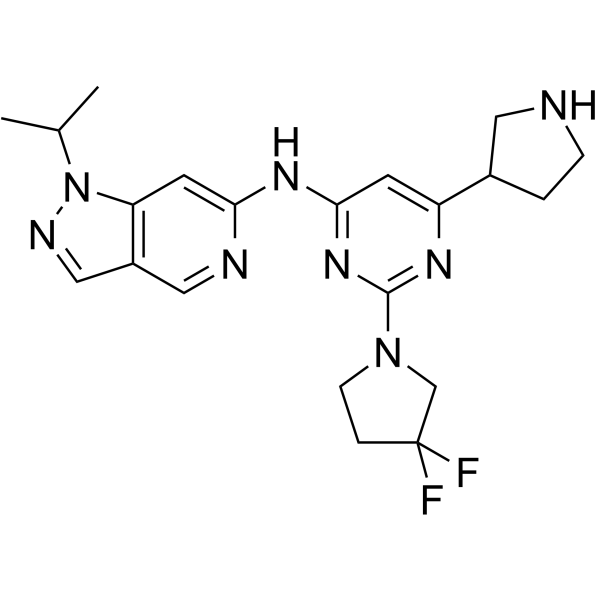
    GNE-6893 is an orally active, selective HPK1 inhibitor with a Ki < 0.02 nM. GNE-6893 enhances T cell receptor signaling in primary human T cells. GNE-6893 increases IL2 production in stimulated primary human T cells. GNE-6893 can be used for the research of chronic refractory cancers .
    GNE-6893
  • HY-P11107

    Apoptosis TNF Receptor Inflammation/Immunology Cancer
    RP-832c is a synthetic analogue of host defense peptides (HDP), targeting the mannose receptor CD206 on the surface of M2 polarized macrophages (Kd = 3.5 μM). RP-832c binding to CD206 induces a significant conformational change in the receptor, activating signaling pathways that lead to rapid apoptosis and repolarization of CD206-positive M2 macrophages to an M1 phenotype. RP-832c treatment significantly reduces CD206 gene expression in M2 macrophages while transiently increasing expression of TNF-α, a marker for M1 macrophages. RP-832c is used for the studies of T-cell lymphoma (CTCL) and idiopathic pulmonary fibrosis (IPF) .
    RP-832c
  • HY-P99945

    ABBV-368

    Orexin Receptor (OX Receptor) Inflammation/Immunology Cancer
    Revdofilimab (ABBV-368) is a human IgG1 agonist monoclonal antibody against OX40. Among them, OX40 is a member of the TNF receptor superfamily expressed on activated and memory T cell subsets and T regulatory cells .
    Revdofilimab
  • HY-158417

    LPL Receptor Inflammation/Immunology
    KSI-6666 is an orally active, competitive antagonist for sphingosine 1-phosphate receptor 1 (S1PR1), with an IC50 of 6.4 nM. KSI-6666 exhibits anti-inflammatory efficacy in autoimmune encephalomyelitis model and T cell transfer colitis model .
    KSI-6666
  • HY-14171S

    LGD1069 d4

    RAR/RXR Autophagy Cancer
    Bexarotene-d4 is a deuterium labeled Bexarotene (LGD1069). Bexarotene (LGD1069) is a selective retinoid X receptors (RXR) agonist for the treatment of cutaneous T-cell lymphoma .
    Bexarotene-d4
  • HY-155847

    Phosphatase PD-1/PD-L1 Inflammation/Immunology Cancer
    LYP-IN-3 is a selective, orally active and reversible lymphoid-tyrosine phosphatase (LYP) inhibitor (IC50 = 2.55 μM, Ki = 0.93 μM). D34 exhibits high selectivity of PTP1B, PTPN12, PTPN5 and SSH2. LYP-IN-3 regulates the T-cell receptor (TCR) signaling by specifically inhibiting LYP. LYP-IN-3 does not significantly inhibit MC38 cell viability; its anti-tumor effect stems from immune regulation. LYP-IN-3 can significantly upregulate PD-L1 or PD-1 expression in different immune cells. LYP-IN-3 facilitates T-cell infiltration and enhances T-cell functions. LYP-IN-3 synergizes with PD-L1 blockade can significantly improve colorectal tumor regression. LYP-IN-3 can be used for the study of colorectal cancer .
    LYP-IN-3
  • HY-P10582A

    MHC Inflammation/Immunology
    SIYNFEKL TFA is a variant of major MHC class I-restricted epitope SIINFEKL. SIYNFEKL TFA is an antigenic peptide, that can stimulate specific T cells in experimental settings to study the competitive interaction between T cell. SIYNFEKL TFA exhibits low affinity for the OT-I T cell receptor (TCR), and can be used for detection of CD8+ T cells .
    SIYNFEKL TFA
  • HY-P10581A

    MHC Inflammation/Immunology
    SIIVFEKL TFA is a variant of the major MHC class I-restricted epitope SIINFEKL. SIIVFEKL TFA is an antigenic peptide, that can stimulate specific T cells in experimental settings to study the competitive interaction between T cells. SIIVFEKL TFA exhibits low affinity for the OT-I T cell receptor (TCR), and can be used for detection of CD8+ T cells .
    SIIVFEKL TFA
  • HY-108601A

    PKC Neurological Disease Inflammation/Immunology
    (S)-Ro 32-0432 is a potent, selective, ATP-competitive and orally active PKC inhibitor. The IC50 values of (S)-Ro 32-0432 for PKCα, PKCβI, PKCβII, PKCγ and PKCε are 9.3 nM, 28 nM, 30 nM, 36.5 nM and 108.3 nM, respectively. (S)-Ro 32-0432 is also a selective G protein-coupled receptor kinase 5 (GRK5) inhibitor. (S)-Ro 32-0432 prevents T-cell activation and has the potential for chronic inflammatory and autoimmune diseases research .
    (S)-Ro 32-0432
  • HY-113618A
    RO2959 hydrochloride
    5 Publications Verification

    CRAC Channel Interleukin Related Cardiovascular Disease
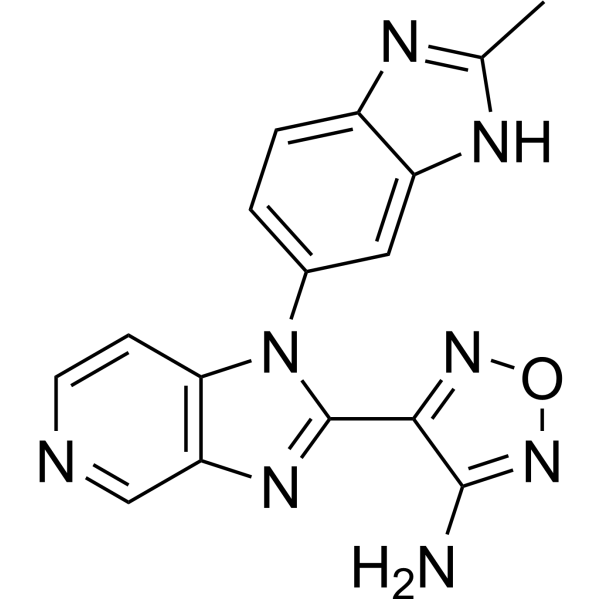
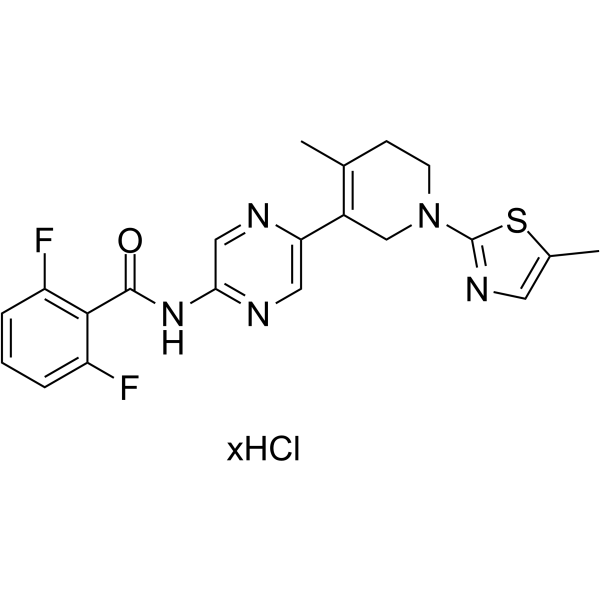
    RO2959 hydrochloride is a potent and selective CRAC channel inhibitor with an IC50 of 402 nM. RO2959 hydrochloride is a potent blocker of store operated calcium entry (SOCE) mediated by Orai1/Stim1 channels with an IC50 of 25 nM. RO2959 hydrochloride is also a potent inhibitor of human IL-2 production, and potently blocks T cell receptor triggered gene expression and T cell functional pathways .
    RO2959 hydrochloride
  • HY-151096

    CXCR Inflammation/Immunology
    ACT-660602 is an orally active antagonist of chemokine receptor (CXCR3) with an IC50 value of 204 nM. ACT-660602 inhibits T-cell migration and shows efficacy in acute lung ingury model. ACT-660602 can be used for autoimmune diseases research .
    ACT-660602
  • HY-P3444

    PECAM-1

    SHP2 Bacterial Metabolic Disease Inflammation/Immunology
    CD31 (PECAM-1) is platelet endothelial cell adhesion molecule-1, serves as the endothelial cell-specific receptor of clostridium perfringens b-Toxin (CPB). CD31 is also an ER-MP12 antigen, acts as a linker between mechanical stress, metabolism and inflammation. CD31 peptide is able to sustain phosphorylation of the CD31 ITIM686 and of SHP2 and to inhibit TCR-induced T-cell activation - .
    CD31
  • HY-P991000

    AU-007; BD-8; BDG8

    Interleukin Related Cardiovascular Disease Inflammation/Immunology Cancer
    Imneskibart (AU-007) is a human monoclonal antibody that binds to the CD25-binding epitope of interleukin-2 (IL-2), blocking the binding of IL-2 to the trimeric IL-2 receptor while retaining the ability to bind to the dimeric IL-2 receptor. Imneskibart expands effector T cell and NK cell populations, reduces regulatory T cells, increases the effector T cell/regulatory T cell ratio, and alleviates vascular leakage. Imneskibart can be used in research related to melanoma and non-small cell lung cancer. The corresponding isotype control is: Human IgG1 kappa, Isotype Control (HY-P99001) .
    Imneskibart
  • HY-104026B

    Endogenous Metabolite Aryl Hydrocarbon Receptor Inflammation/Immunology
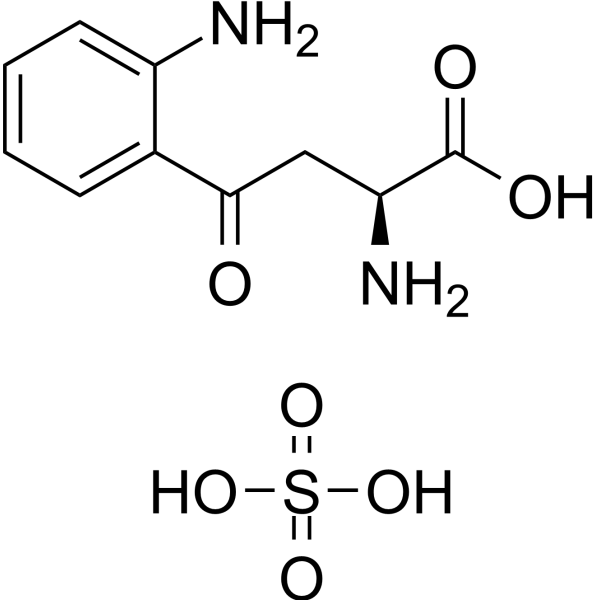
    L-Kynurenine sulfate, an aryl hydrocarbon receptor (AHR) agonist that activates AHR-directed, naive T cell polarization to the anti-inflammatory Treg phenotype .
    L-Kynurenine sulfate
  • HY-135432
    Etrasimod arginine
    1 Publications Verification

    APD334 arginine

    LPL Receptor Inflammation/Immunology
    Etrasimod arginine is an orally available S1P receptor modulator that is a potent full agonist of the S1P1 receptor and has partial agonist activity at S1P4. Etrasimod arginine reduces inflammation in a CD4 +CD45RB high T cell-transferred mouse colitis model .
    Etrasimod arginine
  • HY-141864

    Itk Inflammation/Immunology
    ITK/TRKA-IN-1 is a dual inhibitor of IL-2-inducible T-cell kinase (ITK) and tropomyosin receptor kinase A (TRKA) with an IC50 value of 1.0 nM and 96 % inhibition, respectively.
    ITK/TRKA-IN-1
  • HY-P990757

    ABL503, TJ-L14B

    PD-1/PD-L1 Inflammation/Immunology
    Ragistomig can simultaneously target programmed death-ligand 1 (PD-L1) and the 4-1BB receptor. Ragistomig elicits potent anti-tumor T-cell responses without inducing significant toxicity. Ragistomig is applicable for tumor research .
    Ragistomig
  • HY-13232

    Itk Inflammation/Immunology
    ITK antagonist (compound 10 n) is a potent, orally active and selective ITK (Interleukin-2 inducible T-cell kinase) antagonist (IC50=1 and 20 nM in different assays). ITK antagonist inhibits insulin receptor kinase (IRK) with an IC50 of 160 nM .
    ITK antagonist
  • HY-151506

    Liposome Cancer
    Phospholipid PL1 is a phospholipid-derived nanoparticle, can deliver costimulatory receptor mRNA (CD137 or OX40) to T cells. Phospholipid PL1 could induce the activation of various immune cells, including T cells and dendritic cells (DCs) in order to boost antitumor immunity .
    Phospholipid PL1
  • HY-P10417

    Integrin IFNAR Cancer
    RTDLDSLRTYTL is an Alpha (v) beta (6) integrin (avb6) inhibitor with high affinity and specificity. RTDLDSLRTYTL binds to avb6 integrin, a peptide sequence that activates cytotoxicity and cytokine production in T cells, such as interferon-gamma. RTDLDSLRTYTL is designed through a chimeric T cell antigen receptor (CAR) so that T cells can be redirected to specifically recognize and attack tumor cells. RTDLDSLRTYTL can be used in the research of cancer immunotherapy and targeted drug development .
    RTDLDSLRTYTL
  • HY-108161

    Interleukin Related Others
    LF 1695 is an immunomodulator. LF 1695 enhances the proliferative response of T cells by increasing the production of IL2 (interleukin-2) or the expression of the IL2 receptor. LF 1695 also increases CONA-induced inhibitory activity in human lymphocytes. LF 1695 can be used to study the proliferative and inhibitory activity of T cell subpopulations, as well as their role in immune regulation .
    LF 1695
  • HY-146671

    Itk Cancer
    ITK inhibitor 5 (compound 27) is a potent and selective ITK inhibitor with IC50s of 5.6, 25 nM for ITK, BTK, respectively .
    ITK inhibitor 5
  • HY-P990031

    M-6223

    Transmembrane Glycoprotein Inflammation/Immunology Cancer
    Dargistotug (M-6223) is a fully human IgG1 monoclonal antibody targeting TIGIT (T cell immune receptor with Ig domain and ITIM). TIGIT is an inhibitory immune checkpoint that promotes NK cell depletion and reduces the secretion of cytokines by binding to CD155 and other antibodies. It can also directly or indirectly inhibit effector T cells and upregulate Tregs cells, thereby exerting immunosuppression. Function .
    Dargistotug

Inquiry Online

Your information is safe with us. * Required Fields.

Salutation


Country or Region *

Applicant Name *


Organization Name *

Department *


Email Address *


Product Name *

Cat. No.


Requested quantity *

Phone Number *


Remarks

Inquiry Online

Inquiry Information

Product Name:
Cat. No.:
Quantity:
MCE Japan Authorized Agent:

