



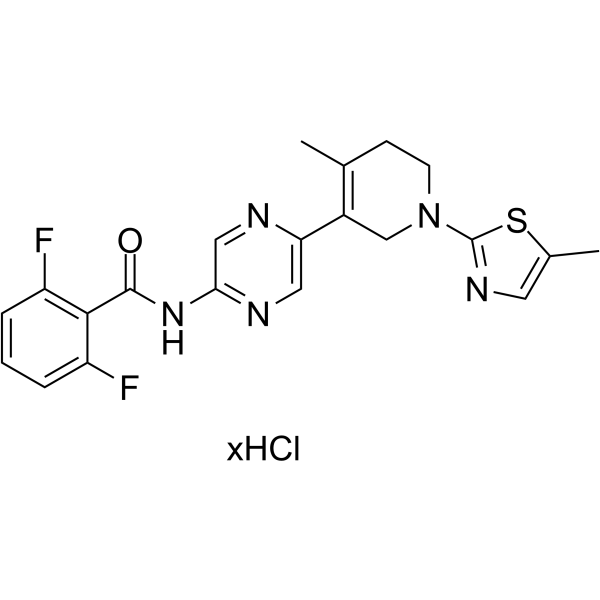
RO2959 hydrochloride
Based on 5 publication(s) in Google Scholar
RO2959 hydrochloride is a potent and selective CRAC channel inhibitor with an IC50 of 402 nM. RO2959 hydrochloride is a potent blocker of store operated calcium entry (SOCE) mediated by Orai1/Stim1 channels with an IC50 of 25 nM. RO2959 hydrochloride is also a potent inhibitor of human IL-2 production, and potently blocks T cell receptor triggered gene expression and T cell functional pathways.
For research use only. We do not sell to patients.
- Purity : 99.12%
- CAS No.: 1219927-22-6
- Formula: C21H19F2N5OS.xHCl
-
Storage:
4°C, sealed storage, away from moisture
* In solvent : -80°C, 6 months; -20°C, 1 month (sealed storage, away from moisture)

To place orders, for customer services and technical support, please contact: MedChemExpress USA
Tel: 609-228-6898 E-mail: [email protected] [email protected]


-
 Biological Activity
-
Chemical Information
- Protocols
- Purity & Documentation
- References
-
 Help & FAQs


-
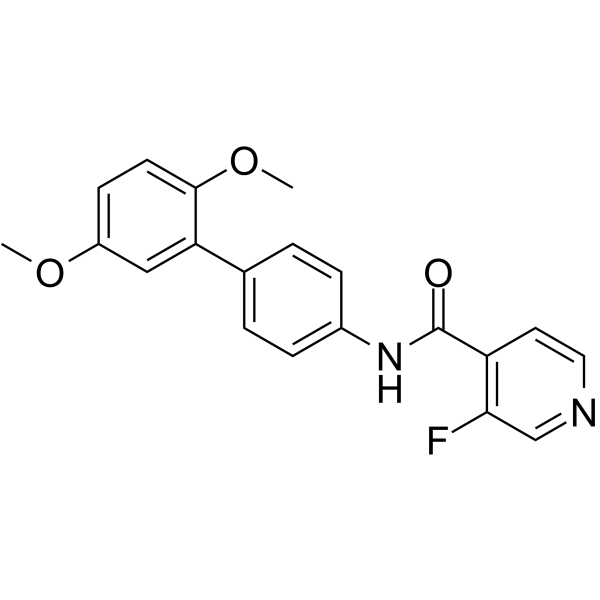
HY-111325
Synta66CRAC Channel Inhibitor -
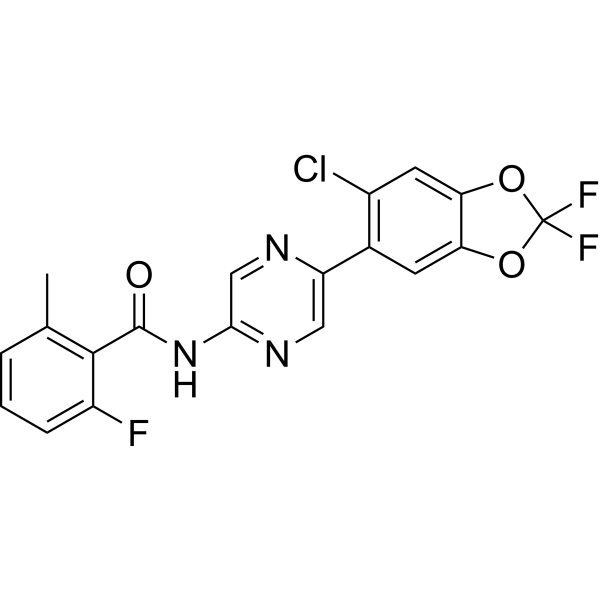
HY-101942
ZegocractinSOCE Inhibitor -
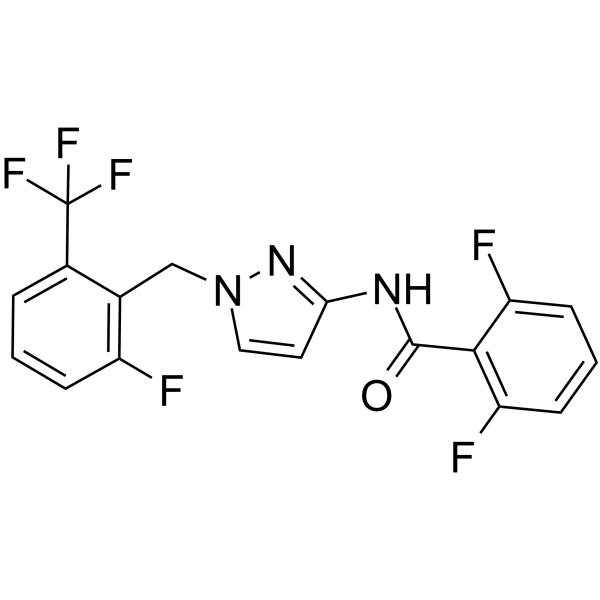
HY-12521
GSK-5498ACARC Inhibitor -
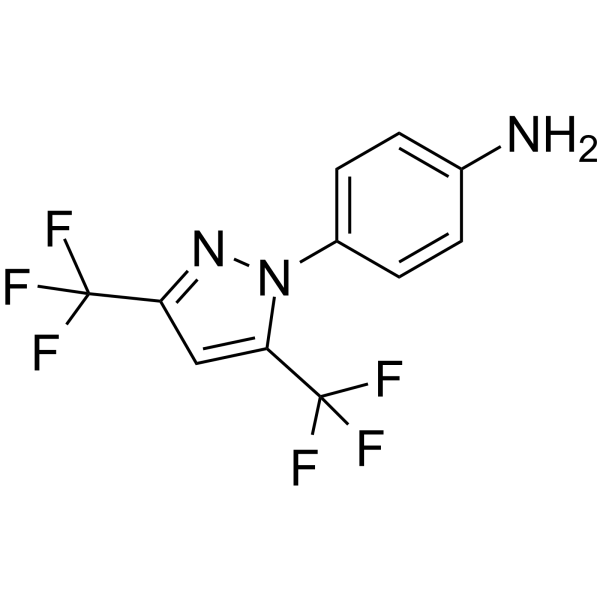
HY-20588
CRAC intermediate 2CRAC Inhibitor Synthesis Intermediate -
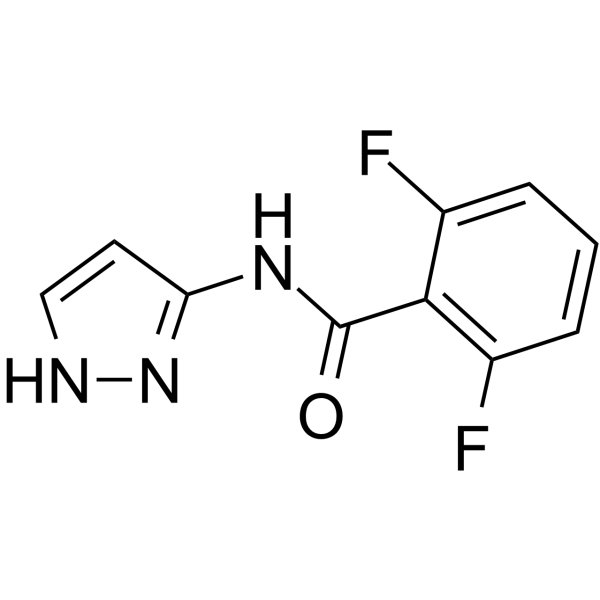
HY-20587
CRAC intermediate 1Synthetic Intermediate -
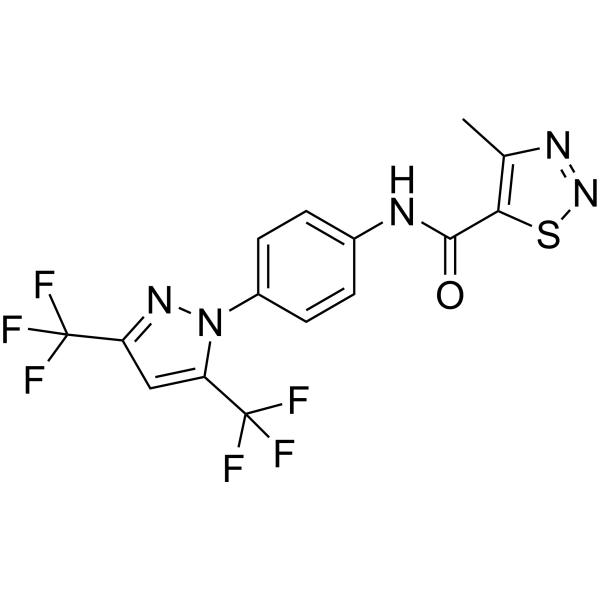
HY-100831
YM-58483CRAC Channel/SOCE Blocker -
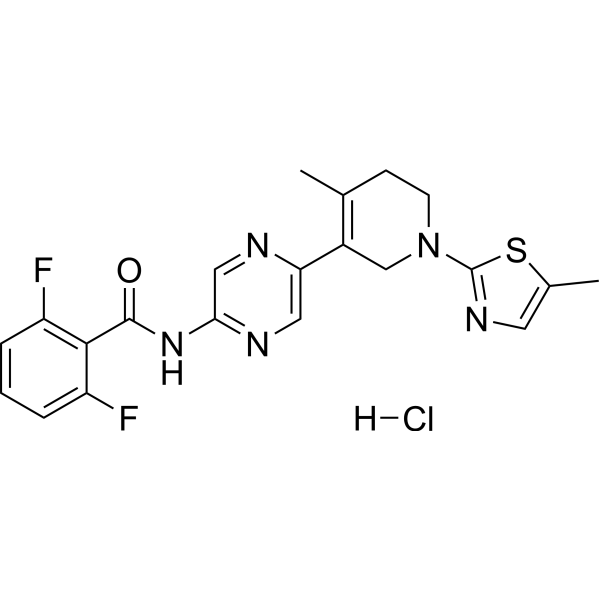
HY-113618B
RO2959 monohydrochlorideCRAC Channel Inhibitor -
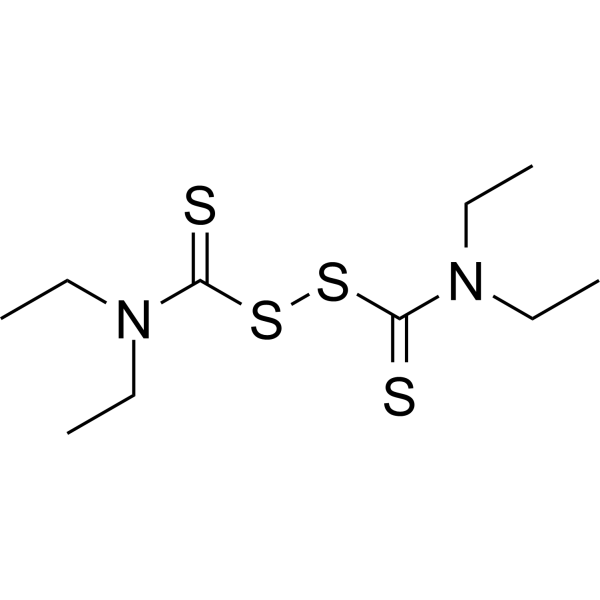
HY-B0240
DisulfiramALDH1 Inhibitor -
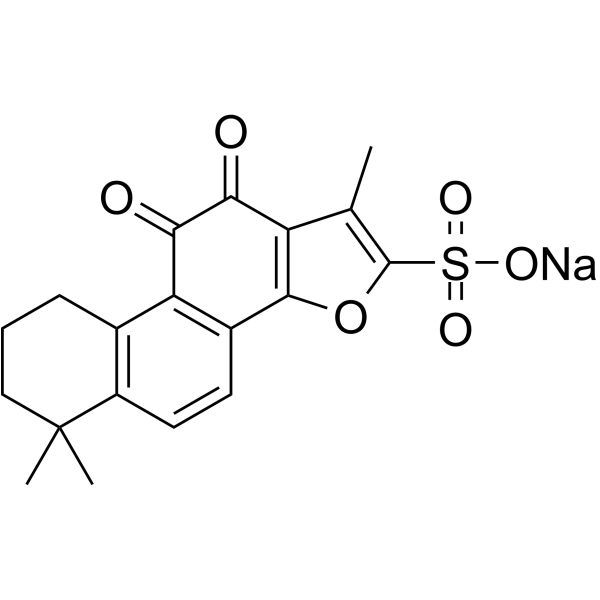
HY-N1370
Tanshinone IIA sulfonate sodiumSOCE Inhibitor -

HY-101942R
Zegocractin (Standard)Reference Standard -

HY-B0240R
Disulfiram (Standard)ALDH1 Inhibitor -
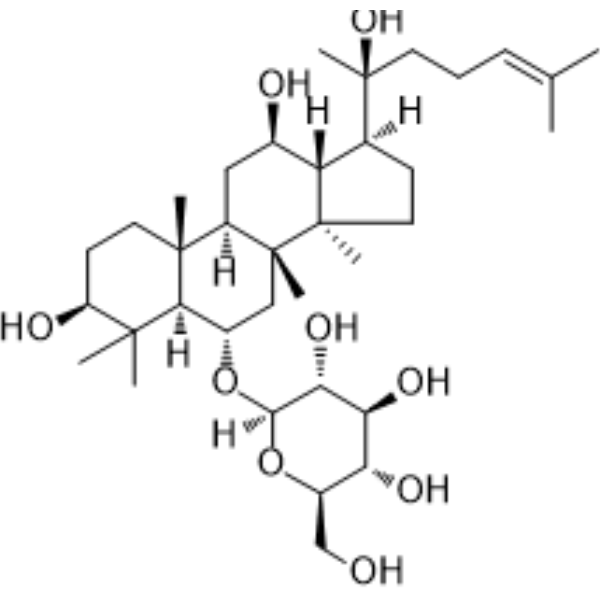
HY-N0604
Ginsenoside Rh1Endogenous Metabolite
Publications Citing Use of MedChemExpress (MCE) RO2959 hydrochloride
More

Biological Activity
Description
IC50 & Target
[1]|
CRAC channel 402 nM (IC50) |
Orai1/Stim1 channels 25 nM (IC50) |
IL-2 |
In Vitro
RO2959 inhibits Orai1 and Orai3 with IC50 values of 25 nM and 530 nM, respectively. RO2959 blocks store operated calcium entry (SOCE) in activated CD4+T lymphocytes with an IC50 value of 265 nM[1].
RO2959 is a potent SOCE inhibitor that blocks an IP3-dependent current in CRAC-expressing RBL-2H3 cells and CHO cells stably expressing human Orai1 and Stim1, as well as SOCE in human primary CD4+ T cells triggered by either T cell receptor (TCR) stimulation or thapsigargin treatment. RO2959 completely inhibits cytokine production as well as T cell proliferation mediated by TCR stimulation or MLR (mixed lymphocyte reaction)[1].
MedChemExpress (MCE) has not independently confirmed the accuracy of these methods. They are for reference only. Further protocols information, click here.


Chemical Information
-
CAS No. 1219927-22-6
-
Appearance Solid
-
Formula C21H19F2N5OS.xHCl
-
Color Light yellow to yellow
-
SMILES
O=C(NC1=NC=C(C2=C(C)CCN(C3=NC=C(C)S3)C2)N=C1)C4=C(F)C=CC=C4F.[xHCl]
-
Shipping
Room temperature in continental US; may vary elsewhere.
-
Storage
4°C, sealed storage, away from moisture
* In solvent : -80°C, 6 months; -20°C, 1 month (sealed storage, away from moisture)


Publications (5)
-
Journal Impact Factor
-
Most Recent
-
Nature
2024 Jul;631(8022):826-834. PMID: 38987597 -
J Virol
BTP2 restricts Tulane virus and human norovirus replication independent of store-operated calcium entry. [Abstract]2025 Jun 17;99(6):e0044425. PMID: 40439405 -
Exp Lung Res
2025;51(1):23-37. PMID: 40205756 -
-
bioRxiv
The CRAC channel inhibitor BTP2 restricts Tulane virus and human norovirus replication independent of store-operated calcium entry. [Abstract]2025 Feb 24:2025.02.23.639787. PMID: 40060697

Protocols
-
RT-PCR
Reverse transcription technology uses RNA as a template to synthesize DNA. RT-PCR is simple, specific and sensitive, and can be used to detect gene expression levels and expression differences in cells; detect RNA virus content; clone cDNA sequences of specific genes.
-
RNA extraction experimental
By lysing cells, releasing RNA, and removing impurities such as proteins and DNA, high-purity RNA products are finally obtained. The commonly used traditional method is the guanidine isothiocyanate/phenol/chloroform method (Trizol), which is suitable for a variety of animal materials including animal tissues, microorganisms, cultured cells, etc., and most plant materials.
-
Research Protocol for Cancer Immunology
Cancer immunology studies how the immune system recognizes, suppresses, edits, or fails to eliminate malignant cells through tumor antigen release, antigen presentation, T-cell priming, immune trafficking, tumor-cell killing, and feedback inhibition in the tumor microenvironment. The cancer-immunity cycle links tumor antigenicity, dendritic-cell priming, CD8+ T-cell infiltration, cytotoxic function, and immune-checkpoint regulation to tumor rejection or immune escape. Immune-checkpoint pathways such as PD-1/PD-L1 and CTLA-4 suppress antitumor T-cell activity and can be therapeutically blocked, but many tumors remain resistant because of poor antigen presentation, weak T-cell infiltration, suppressive myeloid cells, regulatory T cells, and tumor-intrinsic immune-exclusion programs. Unresolved questions include which immune-cell states predict response, how tumor-intrinsic pathways exclude immune cells, how myeloid suppression limits checkpoint blockade, and which combination strategies
-
Real Time qPCR (Q-PCR)
Real-time quantitative PCR (qPCR) quantifies an amplifiable nucleic-acid target by monitoring fluorescence during PCR cycling rather than measuring product only after amplification. The increase in fluorescence tracks accumulation of PCR product, and the quantification cycle (Cq; historically also Ct/CP) is related to the initial amount of target: samples containing more starting target generally reach the defined fluorescence threshold in fewer cycles.


Purity & Documentation
-
Data Sheet (272 KB)
-
SDS (252 KB)
- English - EN (252 KB)
- Français - FR (252 KB)
- Deutsch - DE (252 KB)
- Norwegian - NO (252 KB)
- Español - ES (252 KB)
- Swedish - SV (252 KB)
- Italian - IT (252 KB)
- Korean - KR (252 KB)
- Portuguese - PT (252 KB)
-
Handling Instructions (2659 KB)
References
[1]. Gang Chen, et al. Characterization of a Novel CRAC Inhibitor That Potently Blocks Human T Cell Activation and Effector Functions. Mol Immunol. 2013 Jul;54(3-4):355-67. [Content Brief]
[2]. Changbo Zheng, et al. Gastrodin Inhibits Store-Operated Ca 2+ Entry and Alleviates Cardiac Hypertrophy. Front Pharmacol. 2017 Apr 25;8:222. [Content Brief]

Calculators
Concentration (start) × Volume (start) = Concentration (final) × Volume (final)


RO2959 hydrochloride Related Classifications
HY-113618A Related Classifications
 Powered by Bioz