1. Search Result
Search Result
Results for "

ischemic+stroke

" in MedChemExpress (MCE) Product Catalog:

144

Inhibitors & Agonists

2

Biochemical Assay Reagents

11

Peptides

3

Inhibitory Antibodies

24

Natural
Products

13

Isotope-Labeled Compounds

1

Oligonucleotides

Cat. No. Product Name Target Research Areas Chemical Structure
  • HY-108841
    Raleukin
    50+ Cited Publications

    Kineret; Anakinra

    Interleukin Related Inflammation/Immunology Cancer
    Raleukin (AMG-719) is a recombinant, nonglycosylated human interleukin-1 receptor (IL-1R) antagonist. Raleukin significantly reduces neutrophil accumulation in blood vessels and brain infarct volume as well as improves motor coordination performance in ischemic stroke mice model. Anakinra can be used to study chronic inflammatory disorders like rheumatoid arthritis and cardiovascular recurrence post-myocardial infarction .
    Raleukin
  • HY-110281

    Endogenous Metabolite Cardiovascular Disease Neurological Disease
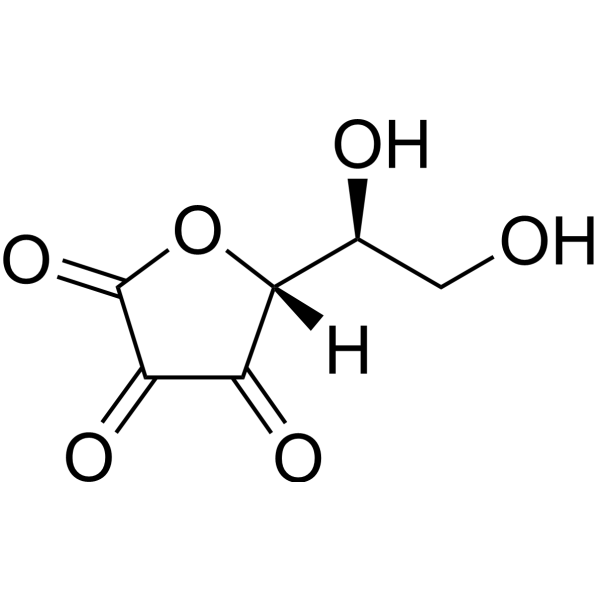
    Dehydroascorbic acid is an oxidized form of vitamin C that can cross the blood-brain barrier (BBB). Dehydroascorbic acid clears cytotoxic reactive oxygen species (ROS) produced after ischemic stroke by converting to ascorbic acid (AA), thereby reducing neuronal and glial cell damage and stabilizing cerebral microvascular NO signaling to maintain perfusion in the ischemic area. Dehydroascorbic acid can be used in research on ischemic stroke .
    Dehydroascorbic acid
  • HY-108865

    Actilyse; Activase

    Ser/Thr Protease Cardiovascular Disease Cancer
    Alteplase (Actilyse; Activase), a tissue plasminogen activator prepared by recombination, is a thrombolytic agent that play important roles in acute ischemic stroke, pulmonary embolism, acute myocardial infarction, and occluded catheters .
    The product size below only indicate the effective content of Alteplase. The ratio of Alteplase effective content : total content = 1:46-1:50. The actual ratio depends on the batch.)
    Alteplase
  • HY-12807
    FIPI
    5 Publications Verification

    5-Fluoro-2-indolyl deschlorohalopemide

    Phospholipase Cardiovascular Disease Neurological Disease Inflammation/Immunology Cancer
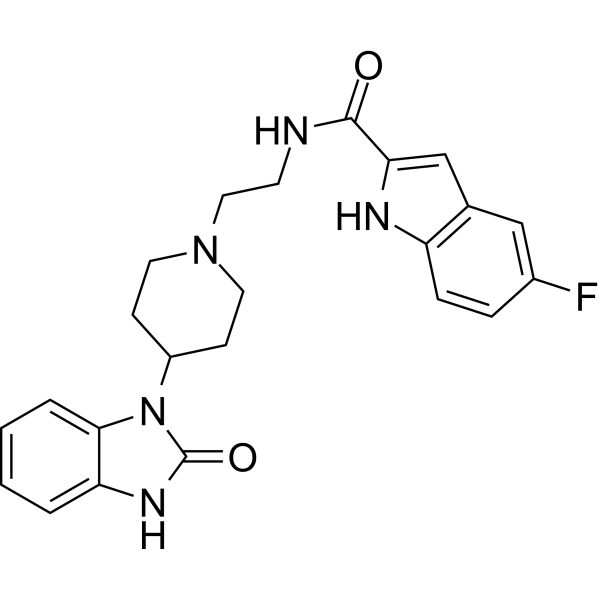
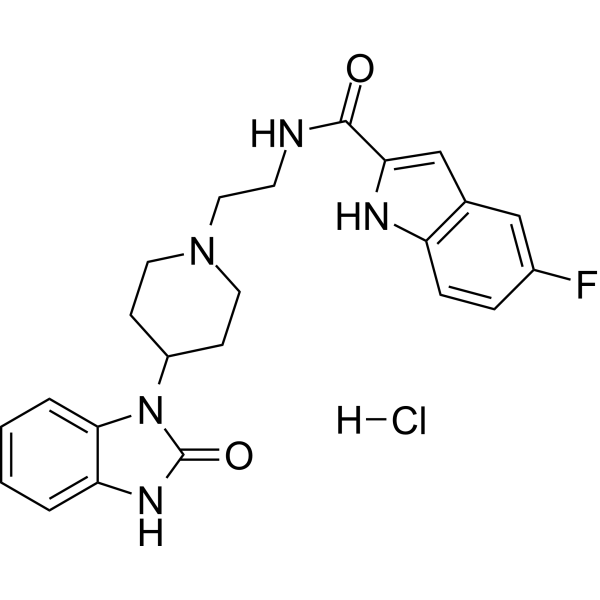
    FIPI is a phospholipase D (PLD) inhibitor with an IC50 for PLD1 and PLD2 of about 25 nM. FIPI regulates cytoskeletal recombination, cell diffusion and chemotaxis. FIPI can be used in cancer research. In addition, FIPI can enhance the secretion and aggregation of platelet dense particles, inhibit thrombosis, reduce ischemic stroke infarct volume and improve nerve function .
    FIPI
  • HY-N0361
    Dihydrocapsaicin
    4 Publications Verification

    Environmental Pollutants Caspase Akt Apoptosis Reactive Oxygen Species (ROS) TRP Channel Bcl-2 Family PI3K Cardiovascular Disease Neurological Disease
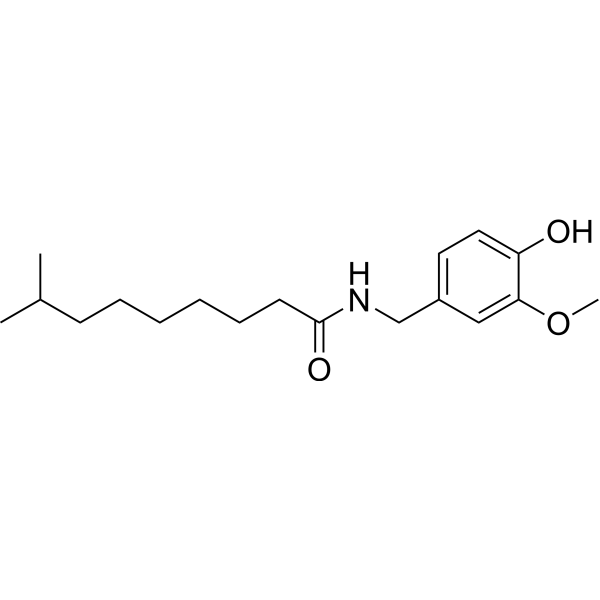
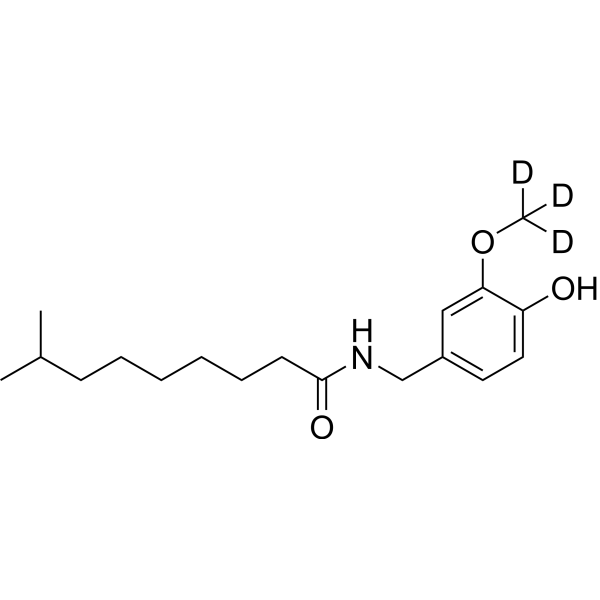
    Dihydrocapsaicin, a capsaicin, is a potent and selective TRPV1 (transient receptor potential vanilloid channel 1) agonist. Dihydrocapsaicin reduces AIF, Bax, and Caspase-3 expressions, and increased Bcl-2, Bcl-xL and p-Akt levels. Dihydrocapsaicin enhances the hypothermia-induced neuroprotection following ischemic stroke via PI3K/Akt regulation in rat .
    Dihydrocapsaicin
  • HY-106950

    Diphosphofructose; Esafosfan; FDP

    Toll-like Receptor (TLR) COX Cardiovascular Disease Neurological Disease Metabolic Disease
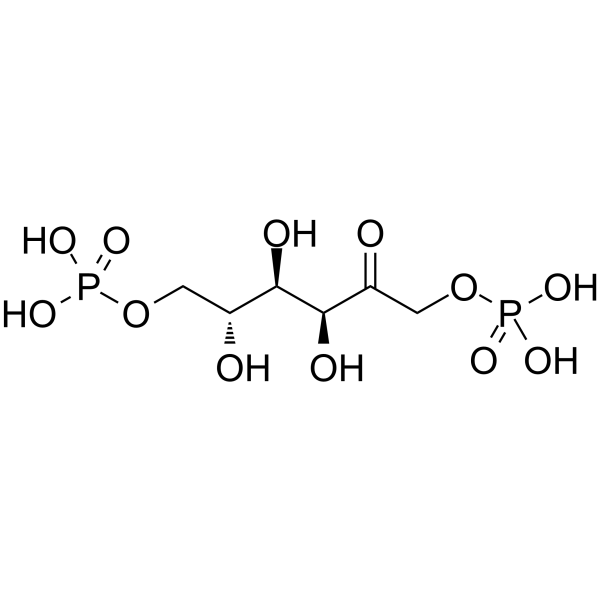
    Fosfructose is an orally active cyclooxygenase-2 inhibitor and Toll-like receptor 4 modulator. Fosfructose reduces the expression of cyclooxygenase-2, thereby decreasing prostaglandin production. By inhibiting the Toll-like receptor 4 signaling pathway, Fosfructose downregulates LPS-induced adhesion molecule expression. Fosfructose is applicable to research related to ischemic stroke, epilepsy, sepsis, myocardial injury, osteoporosis, and ultraviolet B-induced skin damage .
    Fosfructose
  • HY-139598
    LFHP-1c
    3 Publications Verification

    Phospholipase Cardiovascular Disease
    LFHP-1c is an PGAM5 inhibitor with neuroprotective activity in brain ischemic stroke. LFHP-1c protects blood-brain barrier integrity from ischemia-induced injury. LFHP-1c binds to endothelial PGAM5 to inhibit the activity of PGAM5 phosphatase and the interaction of PGAM5 with NRF2. LFHP-1c exhibits in vitro and in vivo protection .
    LFHP-1c
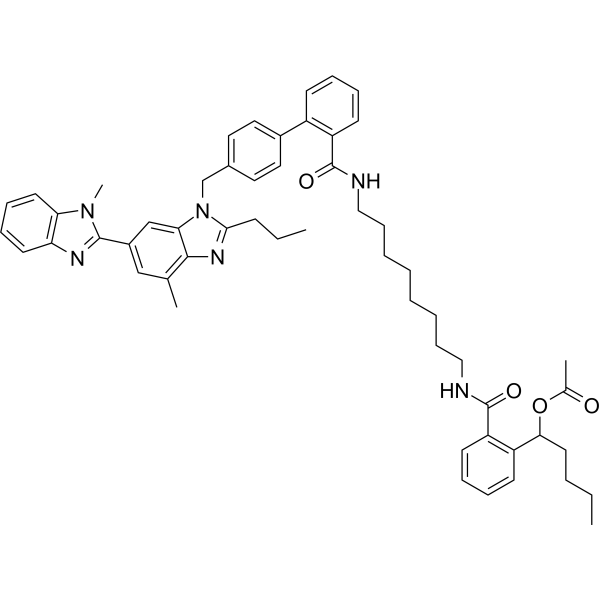
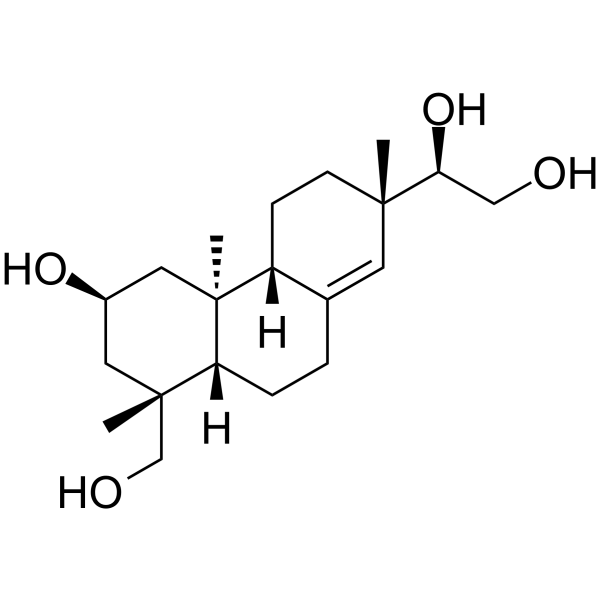
  • HY-175032

    Ferroptosis Epigenetic Reader Domain Reactive Oxygen Species (ROS) Glutathione Peroxidase Cardiovascular Disease Neurological Disease
    ATF3-IN-1 is a ferroptosis and ATF3 inhibitor. ATF3-IN-1 inhibits oxidative stress and ferroptosis through the ATF3/SLC7A11/GPX4 pathway, exerting anti-ischemic stroke effects. ATF3-IN-1 can attenuate ischemia/reperfusion (I/R) injury and improve neuronal survival. ATF3-IN-1 has neuroprotective effects and can be used to study ischemic stroke .
    ATF3-IN-1
  • HY-101712
    TRC051384
    5+ Cited Publications

    HSP Neurological Disease
    TRC051384 is a potent inducer of heat shock protein 70 (HSP70). TRC051384 exhibits protective effects against neuronal trauma via inhibition of necroptosis. TRC051384 can be used for the research of ischemic stroke .
    TRC051384
  • HY-P99644
    ACT017
    1 Publications Verification

    Glycoprotein VI Cardiovascular Disease
    ACT017 is a Fab fragment of humanized anti-GPVI monoclonal antibody. ACT017 inhibits collagen-induced platelet aggregation. ACT017 has the potential for the research of acute ischemic stroke .
    ACT017
  • HY-P10275

    Apoptosis Neurological Disease
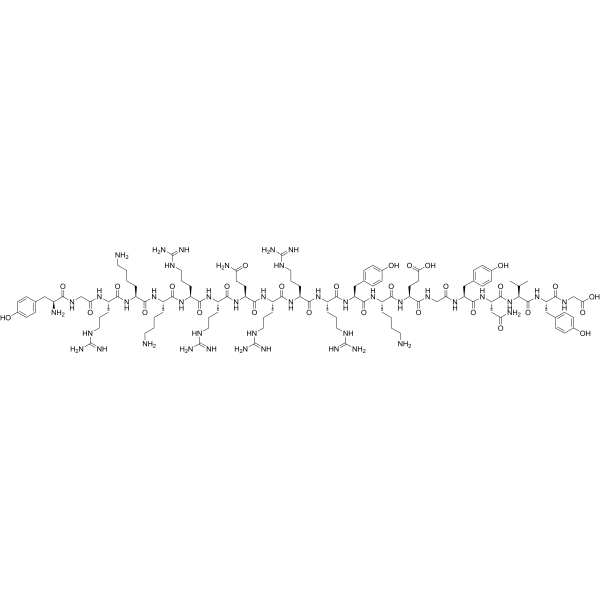
    Tat-NTS peptide is a cell-penetrating peptide with neuroprotective effects. Tat-NTS peptide can specifically inhibit the nuclear translocation of ANXA1 and reduce neuronal apoptosis in ischemic areas. Moreover, Tat-NTS peptide can reduce the volume of cerebral ischemic infarction and can be used in the research of ischemic stroke .
    Tat-NTS peptide
  • HY-N0546
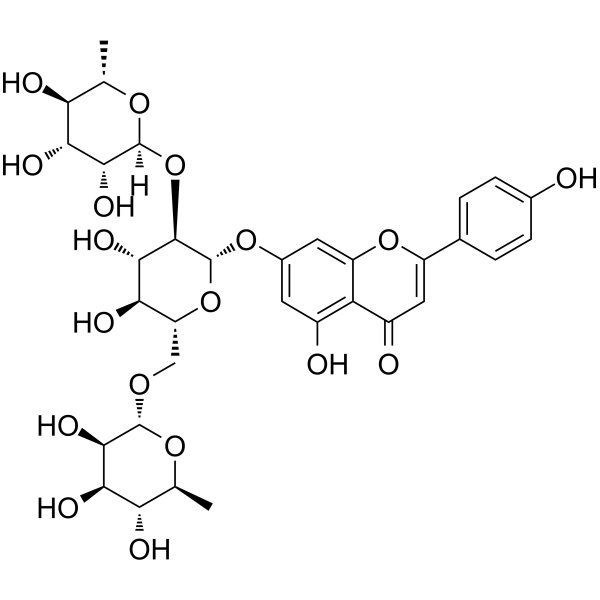
    Ligustroflavone
    2 Publications Verification

    Nuezhenoside

    CaSR RIP kinase Mixed Lineage Kinase TGF-beta/Smad Cardiovascular Disease Neurological Disease Metabolic Disease Endocrinology
    Ligustroflavone is an orally active flavonoid compound. Ligustroflavone can be extracted from Ligustrum lucidum. Ligustroflavone antagonizes the calcium-sensing receptor (CaSR), inhibits the RIPK1/RIPK3/MLKL pathway, and downregulates TGF-β/Smad signaling. Ligustroflavone regulates calcium metabolism, protects bone tissue, reduces cerebral ischemic injury, and inhibits liver fibrosis. Ligustroflavone can be used in the study of diabetic osteoporosis, ischemic stroke, and liver fibrosis .
    Ligustroflavone
  • HY-162596

    BA-1049 free base

    ROCK Neurological Disease
    NRL-1049 (BA-1049 (free base)) is an orally available and selective ROCK2 inhibitor with IC50 values of 0.59 µM for ROCK2 and 26 µM for ROCK1, respectively. NRL-1049 modulates ROCK signaling, preserves blood-brain barrier integrity, reduces edema, seizures and hemorrhage, and alleviates cerebral cavernous malformation lesion burden. NRL-1049 can be used for the study of acute brain injury, ischemic stroke, and cerebral cavernous malformations .
    NRL-1049
  • HY-115460
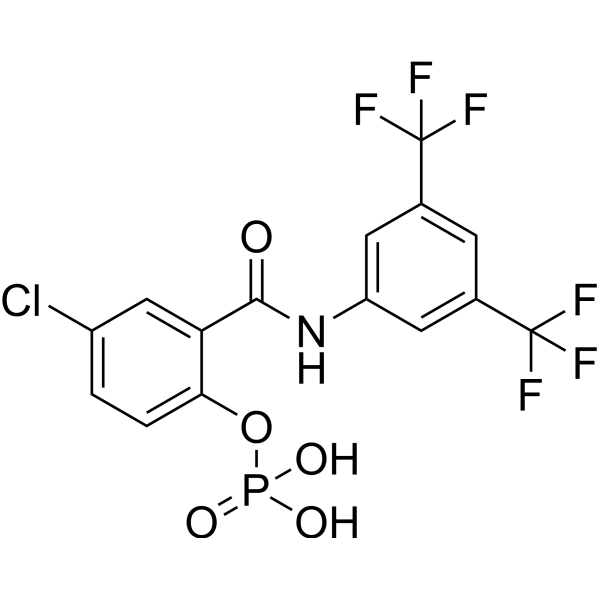
    AER-271
    1 Publications Verification

    Aquaporin Cardiovascular Disease Neurological Disease
    AER-271, a phosphonate proagent derivative of AER-270, is an aquaporin-4 (AQP4) inhibitor for the research of acute ischemic stroke .
    AER-271
  • HY-P5883

    tatM2NX

    TRP Channel Cardiovascular Disease Neurological Disease
    TAT-M2NX (tatM2NX) is a selective inhibitor targeting human TRPM2 channels and exerts inhibitory effects on ischemic stroke. TAT-M2NX reduces H2O2-induced calcium influx via TRPM2 channels. After traumatic brain injury in mice, TAT-M2NX preserves hippocampal long-term potentiation, improves memory function, and reduces infarct volume after middle cerebral artery occlusion, but it shows no effect on female mice. TAT-M2NX can be used in studies related to traumatic brain injury and ischemic stroke .
    TAT-M2NX
  • HY-B0428
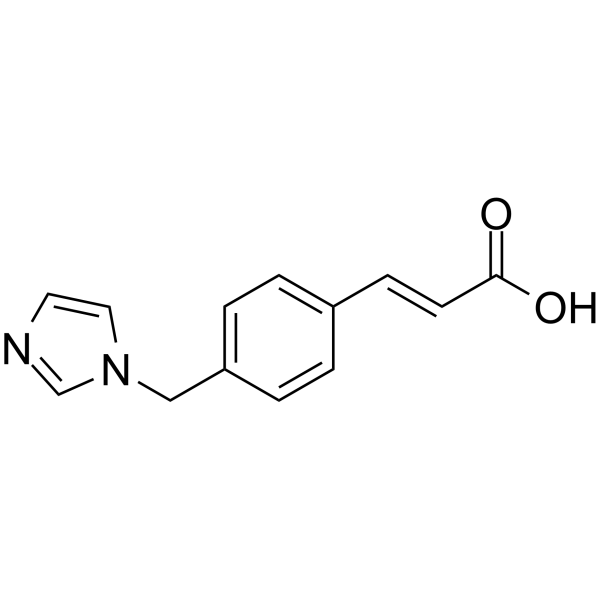
    Ozagrel
    1 Publications Verification

    OKY-046

    Prostaglandin Receptor Cardiovascular Disease Neurological Disease Inflammation/Immunology
    Ozagrel (OKY-046) is a high selective and orally active thromboxane A2 (TXA2) synthase inhibitor with an IC50 of 11 nM. Ozagrel exerts anti-platelet aggregation, vasodilation and anti-inflammatory effects by inhibiting the production of TXA2 and increasing the production of prostacyclin (PGI2). Ozagrel can be used for the study of ischemic stroke, asthma and thromboembolic diseases .
    Ozagrel
  • HY-137500
    NT1-014B
    1 Publications Verification

    Liposome Biochemical Assay Reagents Cardiovascular Disease Neurological Disease
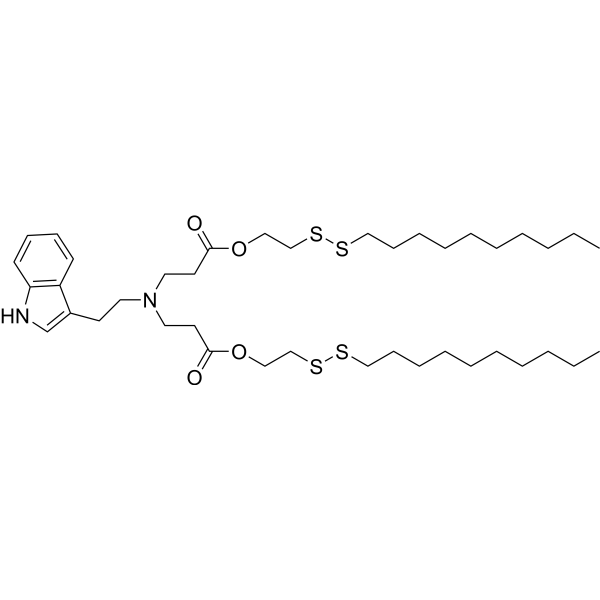
    NT1-014B is a tryptamine-derived lipidoid. NT1-014B incorporates NT-lipidoid into BBB-impermeable lipid nanoparticles (LNPs), enabling the LNPs to cross the BBB. NT1-014B enhances brain delivery via intravenous injection. NT1-014B can be used in ischemic stroke research .
    NT1-014B
  • HY-P11117

    TRP Channel iGluR Calcium Channel Neurological Disease
    TAT-EE3 is a neuroprotective peptide which can uncouple TRPM2-NMDARs interaction. TAT-EE3 inhibits TRPM2-induced enhancement of NMDAR surface expression and current amplitude.TAT-EE3 protects neurons against ischemic injury in vitro and in vivo. TAT-EE3can be used for the study of ischemic stroke .
    TAT-EE3
  • HY-NP001
    Cationic Bovine Serum Albumin
    1 Publications Verification

    CBSA

    Biochemical Assay Reagents Neurological Disease
    Cationic Bovine Serum Albumin is a bovine serum albumin (BSA) modified with excess ethylenediamine, which has enhanced immunogenicity compared to native BSA. Positively charged primary amines block all negatively charged carboxyl groups, making Cationic Bovine Serum Albumin a cationic protein. Cationic Bovine Serum Albumin has remarkable neuroprotective effects on ischemic stroke when in combination with Tanshinone IIA (HY-N0135) .
    Cationic Bovine Serum Albumin
  • HY-W158030

    2GBI

    NOD-like Receptor (NLR) Vasopressin Receptor Cardiovascular Disease Neurological Disease Cancer
    2-Guanidinobezimidazole (2GBI) is a NLRP3 agonist with a KD of 1.29 μM and a selective state-dependent HVCN1 blocker. 2-Guanidinobezimidazole directly binds NLRP3’s LRR domain, enhances NLRP3-ASC and NLRP3-NEK7 interactions, and drives NLRP3 inflammasome activation. 2-Guanidinobezimidazole can be used for the research of LLC lung carcinoma, B16F10 melanoma and ischemic stroke .
    2-Guanidinobezimidazole
  • HY-N2484
    Methylnissolin
    2 Publications Verification

    Astrapterocarpan

    PDGFR ERK Cardiovascular Disease Neurological Disease Metabolic Disease Inflammation/Immunology
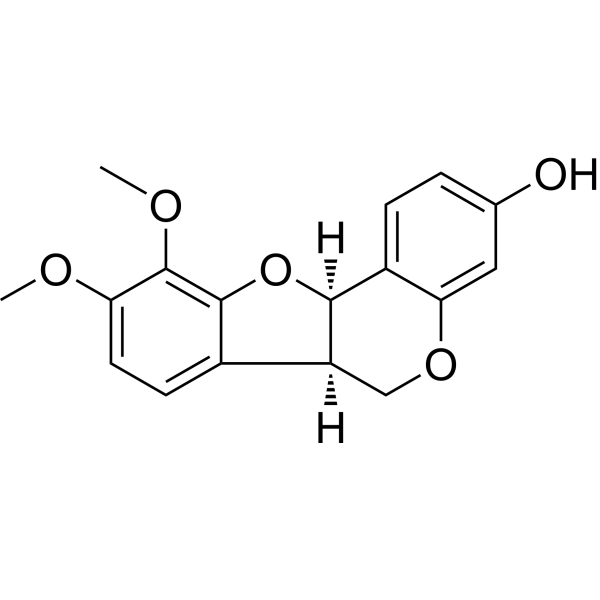
    Methylnissolin (Astrapterocarpan) is an osteoclast inhibitor with anti-inflammatory, neuroprotective and antioxidant activities. Methylnissolin downregulates the activation of the MAPK and PI3K/AKT pathways, inhibits the phosphorylation of MAPK1 and AKT1, and blocks PDGF-BB-induced phosphorylation of ERK1/2. Methylnissolin reduces the expression and secretion of proinflammatory mediators, decreases intracellular ROS levels, upregulates antioxidant enzymes, and downregulates osteoclastogenesis markers. Methylnissolin is applicable to research related to ischemic stroke, osteoporosis, cardiovascular diseases, skin aging, etc.
    Methylnissolin
  • HY-P2159

    Opioid Receptor Endogenous Metabolite Neurological Disease
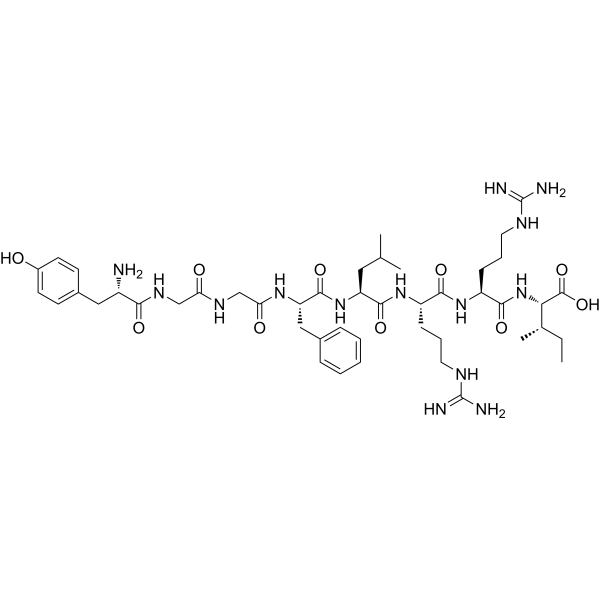
    Dynorphin A (1-8) is a ligand with preference for the κ-opioid receptor, and its IC50 value against human placental κ-opioid receptor is 330 nM. Dynorphin A (1-8) mediates neuroprotective effects by inhibiting oxidative stress, suppressing apoptosis, and competitively displacing the binding of κ partial agonists. Dynorphin A (1-8) is the dominant opioid peptide in human placental villi and tissue extracts; it undergoes rapid hydrolysis and can enter the central nervous system via intranasal administration. Dynorphin A (1-8) can be used in studies related to ischemic stroke .
    Dynorphin A (1-8)
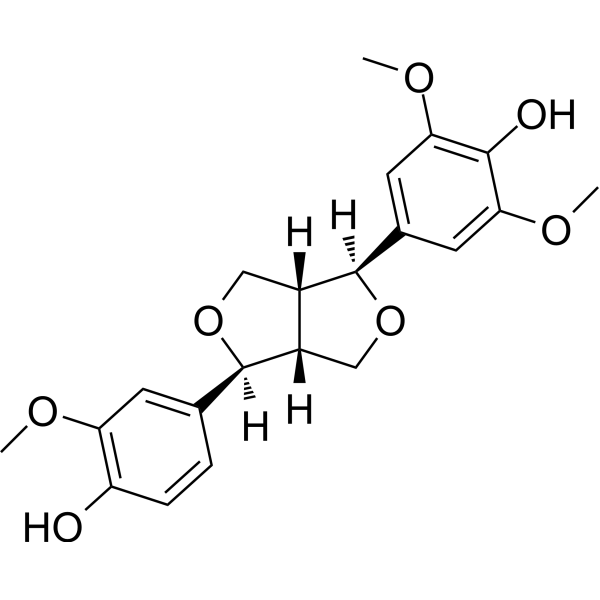
  • HY-N3307
    (+)-Medioresinol
    1 Publications Verification

    Bacterial Fungal Reactive Oxygen Species (ROS) Apoptosis MMP Interleukin Related PI3K Akt mTOR PPAR PGC-1α Pyroptosis Infection Neurological Disease Inflammation/Immunology
    (+)-Medioresinol is a furofuran-type lignan with antifungal and antibacterial properties. (+)-Medioresinol synergizes with antibiotics to exert antimicrobial and antibiofilm effects. (+)-Medioresinol induces intracellular ROS accumulation and mitochondrial-mediated apoptosis in Candida albicans. (+)-Medioresinol inhibits LPS (HY-D1056)-stimulated IL-12p40 production. (+)-Medioresinol is a PGC-1α activator that protects against endothelial cell pyroptosis in ischemic stroke via the PPARα-GOT1 axis. (+)-Medioresinol can be used in research on fungal and bacterial infection, inflammation, and ischemic stroke .
    (+)-Medioresinol
  • HY-108845

    TNK-tPA

    Ser/Thr Protease Cardiovascular Disease
    Tenecteplase (TNK-tPA) is a modified tissue plasminogen activator. Tenecteplase is a recombinant human tissue plasminogen activator (rt-PA) that has been bioengineered to produce mutations in three gene loci. Tenecteplase (TNK-tPA) can be used in the study of acute ischemic stroke .
    Tenecteplase
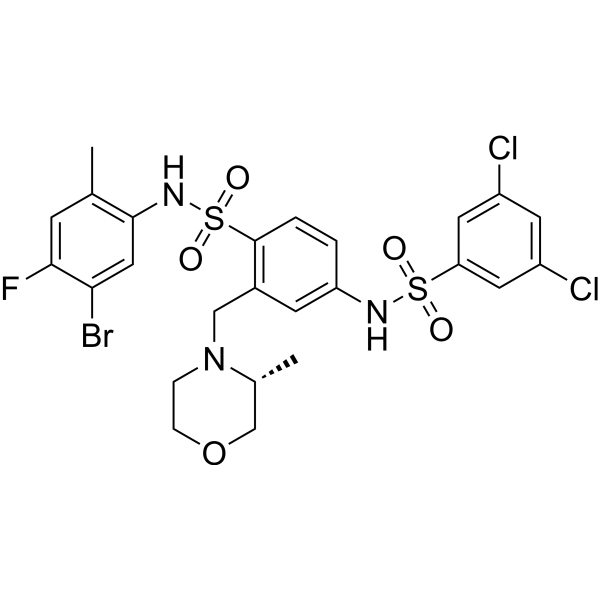
  • HY-156757

    Sirtuin Interleukin Related Cytochrome P450 Neurological Disease Inflammation/Immunology Cancer
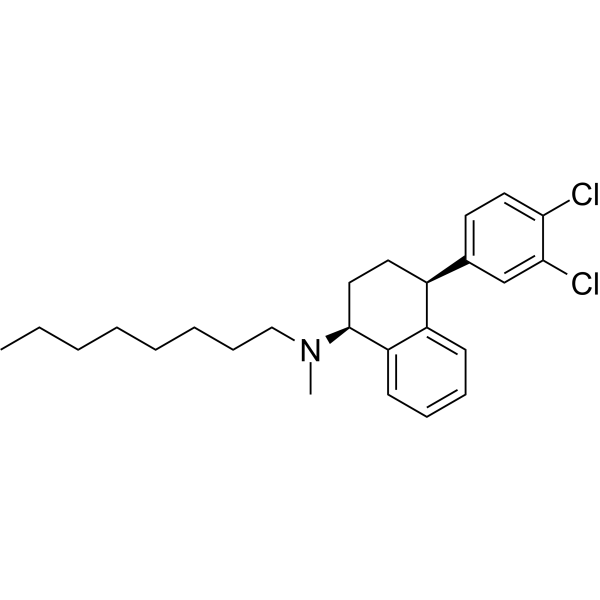
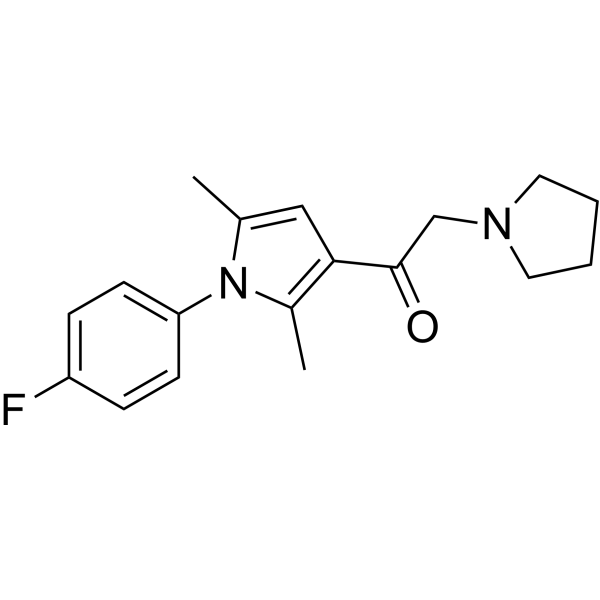
    MDL-811 is a selective allosteric activator of SIRT6 with an EC50 of 5.7 μM. MDL-811 possesses anti-inflammatory, antitumor, and neuroprotective activities. MDL-811 can be used for the research of diseases such as colorectal cancer and ischemic stroke .
    MDL-811
  • HY-164284

    Sodium Channel Neurological Disease
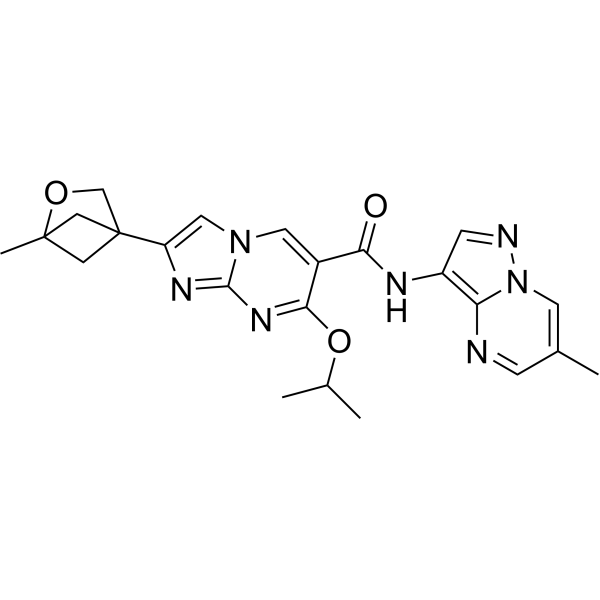
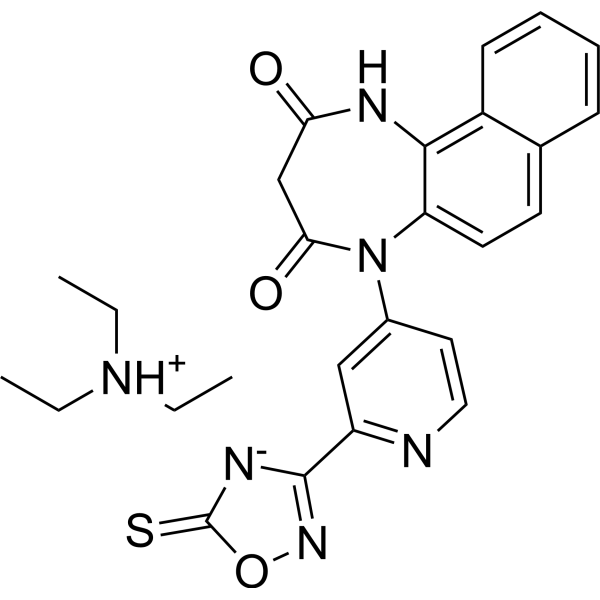
    LK-2 is an antagonist for ASIC1a with a Kd of 1.9 μM. LK-2 reduces glutamate-induced ASIC1a current-enhancement with an IC50 of 6.6 μM. LK-2 exhibits neuroprotective efficacy in mouse ischemic stroke model, with improved motor and coordination skills. LK-2 is blood-brain barrier (BBB) penetrable .
    LK-2
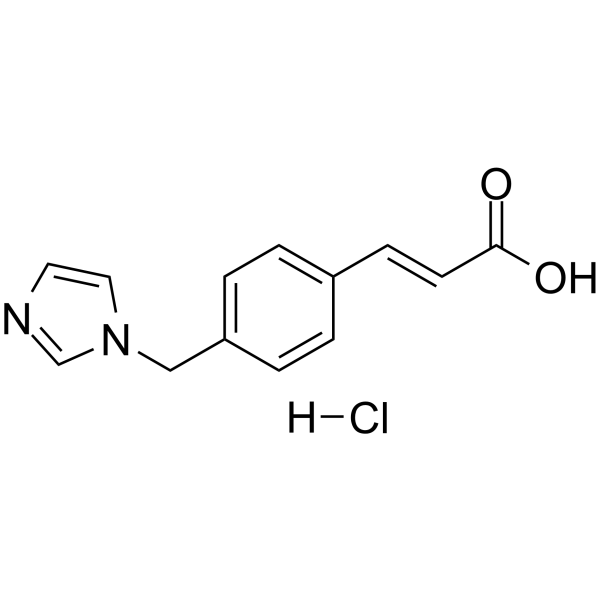
  • HY-B0428B
    Ozagrel hydrochloride
    1 Publications Verification

    OKY-046 hydrochloride

    Prostaglandin Receptor Cardiovascular Disease Neurological Disease Inflammation/Immunology
    Ozagrel hydrochloride (OKY-046 hydrochloride) is a high selective and orally active thromboxane A2 (TXA2) synthase inhibitor with an IC50 of 11 nM. Ozagrel hydrochloride exerts anti-platelet aggregation, vasodilation and anti-inflammatory effects by inhibiting the production of TXA2 and increasing the production of prostacyclin (PGI2). Ozagrel hydrochloride can be used for the study of ischemic stroke, asthma and thromboembolic diseases .
    Ozagrel hydrochloride
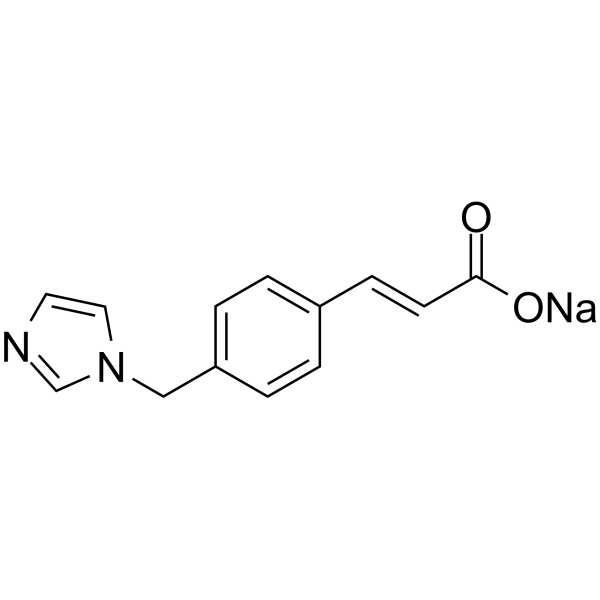
  • HY-B0428A
    Ozagrel sodium
    1 Publications Verification

    OKY-046 sodium

    Prostaglandin Receptor Cardiovascular Disease Neurological Disease Inflammation/Immunology
    Ozagrel sodium (OKY-046 sodium) is a high selective and orally active thromboxane A2 (TXA2) synthase inhibitor with an IC50 of 11 nM. Ozagrel sodium exerts anti-platelet aggregation, vasodilation and anti-inflammatory effects by inhibiting the production of TXA2 and increasing the production of prostacyclin (PGI2). Ozagrel sodium can be used for the study of ischemic stroke, asthma and thromboembolic diseases .
    Ozagrel sodium
  • HY-162359

    IRAK Neurological Disease Inflammation/Immunology
    BIO-7488 is an orally active, selective and blood-brain barrier permeable IRAK4 inhibitor, with an IC50 value of 0.5 nM. BIO-7488 inhibits the production of pro-inflammatory cytokines (IL-1β, TNFα, IL-6) and demonstrates anti-inflammatory effects in both LPS (HY-D1056) and distal hypoxic-middle cerebral artery occlusion (DH-MCAO) ischemic stroke model. BIO-7488 can be used for the study of neuroinflammatory-related diseases, particularly ischemic stroke .
    BIO-7488
  • HY-107700

    GV 150526A

    iGluR Cardiovascular Disease
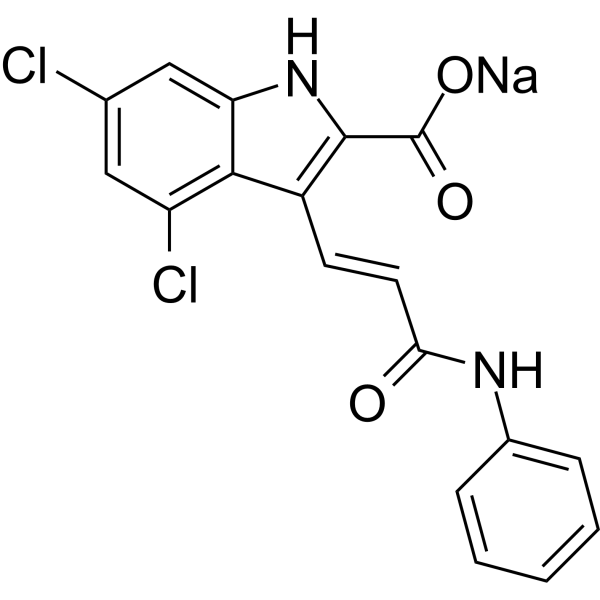
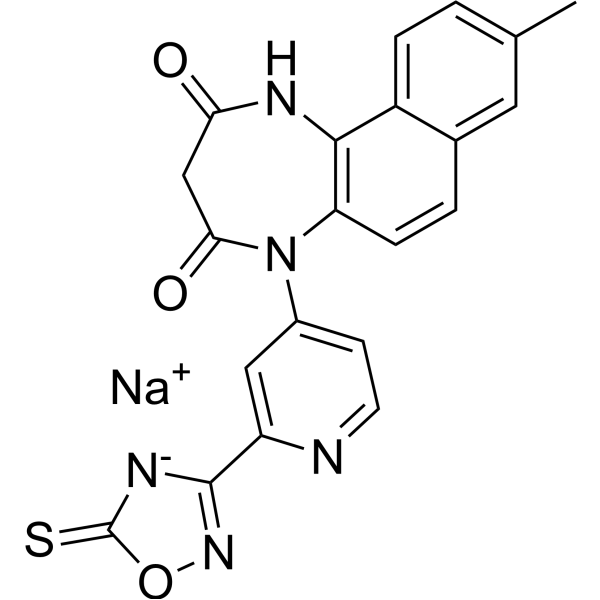
    Gavestinel (GV 150526A) is a potent, selective, orally active and non-competitive antagonist of NMDA receptor. Gavestinel binds to the glycine site of the NMDA receptor, with a pKi of 8.5. Gavestinel can be used for the research of acute ischemic stroke .
    Gavestinel sodium salt
  • HY-P2933

    Factor Xa Protease Activated Receptor (PAR) Cardiovascular Disease
    Activated protein C is an anticoagulant targeting coagulation factors Va and VIIIa. Activated protein C demonstrates cytoprotective effects through binding to endothelial cell protein C receptor (EPCR) and protease-activated receptor-1 (PAR-1), regulating gene expression, anti-inflammation, anti-apoptosis, and stabilizing endothelial barriers. Activated protein C is promising for research of diseases such as severe sepsis and ischemic stroke .
    Activated protein C
  • HY-132280

    U 74006F free base

    Reactive Oxygen Species (ROS) SARS-CoV Virus Protease Neurological Disease Inflammation/Immunology
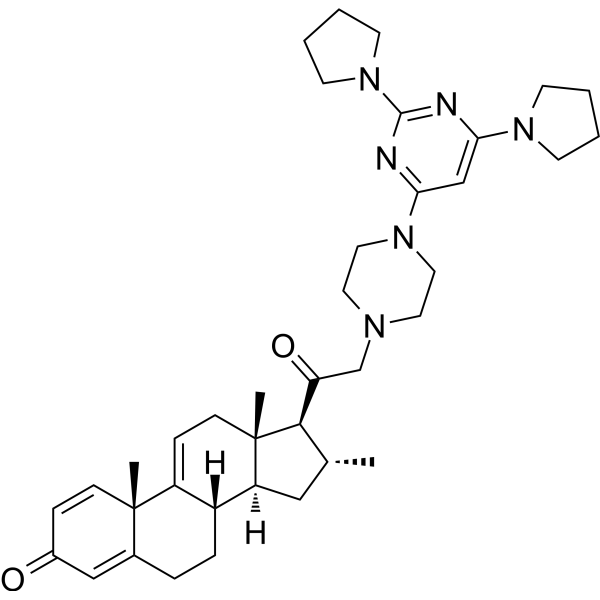
    Tirilazad (U 74006F free base) is a neuroprotective agent. Tirilazad can also bind tightly to the main protease of the COVID-19 virus and exert anti-SARS-CoV-2 activity. Tirilazad scavenges hydroxyl and lipid peroxyl free radicals and maintains the levels of endogenous antioxidants. Tirilazad reduces cerebral infarct volume and improves neurobehavioral scores in animal models of focal ischemia. Tirilazad can be used in research related to ischemic stroke and subarachnoid hemorrhage .
    Tirilazad
  • HY-113898

    Angiotensin-converting Enzyme (ACE) Toll-like Receptor (TLR) Interleukin Related Cardiovascular Disease Neurological Disease
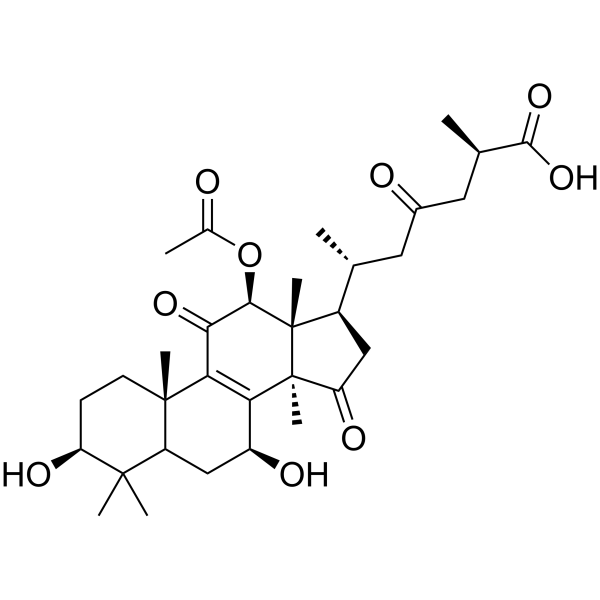
    Ganoderic acid K is a triterpenoid compound. Ganoderic acid K can be isolated from Ganoderma lucidum. Ganoderic acid K inhibits ACE activity with an IC50 of 2.6×10 -5 M. Ganoderic acid K exhibits direct, high-affinity binding to recombinant MD2 protein, with a Kd value of 0.47 μM. It potently inhibits LPS-induced release of TNF-α and IL-6. It reduces cerebral infarction volume and ameliorates neurological dysfunction in mice with ischemic stroke in the tMCAO model. Ganoderic acid K can be used in studies related to hypertension and ischemic stroke .
    Ganoderic acid K
  • HY-P11315

    Biochemical Assay Reagents Cardiovascular Disease Neurological Disease
    MG1 peptide is an M1 microglia-targeting peptide with blood-brain barrier permeability. MG1 peptide can be used in studies related to ischemic stroke and cerebral ischemia-reperfusion injury .
    MG1 peptide
  • HY-P11048

    Thrombin Cardiovascular Disease Neurological Disease
    Thrombin-cleavable peptide is a type of peptide that can be recognized and cleaved by thrombin. After cleavage, Thrombin-cleavable peptide releases thrombolytic peptides to initiate thrombolysis. Thrombin-cleavable peptide can be used in the research of diseases such as ischemic stroke .
    Thrombin-cleavable peptide
  • HY-160604

    FPL 12924; PR 934-423; FPL 13592

    iGluR Neurological Disease
    Remacemide (FPL 12924) is an orally active, non-competitive, low-affinity NMDA receptor antagonist. Remacemide shows neuroprotection activity in animal models of hypoxia and ischemic stroke. Remacemide is also an anticonvulsant, and can be used in Parkinson's disease and Huntington's disease research .
    Remacemide
  • HY-101317
    TAN-67 dihydrobromide
    1 Publications Verification

    SB-205607 dihydrobromide

    Opioid Receptor Neurological Disease
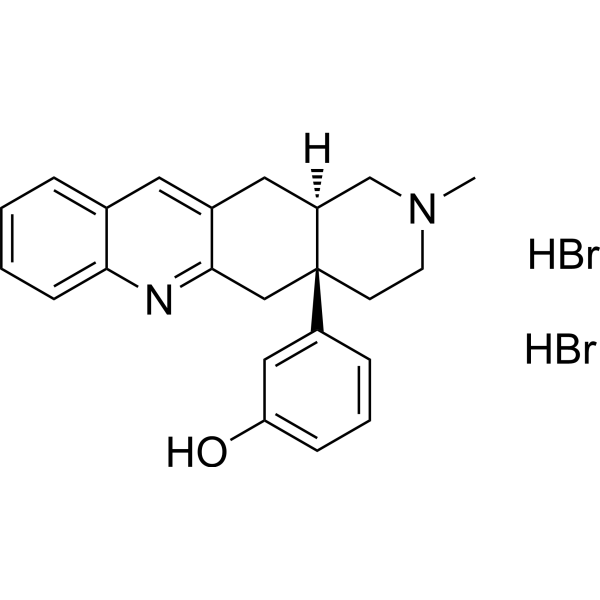
    TAN-67 (SB-205607) dihydrobromide is a potent and selective nonpeptidic δ-opioid receptor agonist with a Ki value of 0.647 nM. TAN-67 dihydrobromide has neuroprotective effect. TAN-67 dihydrobromide can be used in research of ischemic stroke .
    TAN-67 dihydrobromide
  • HY-170790

    TRP Channel Neurological Disease
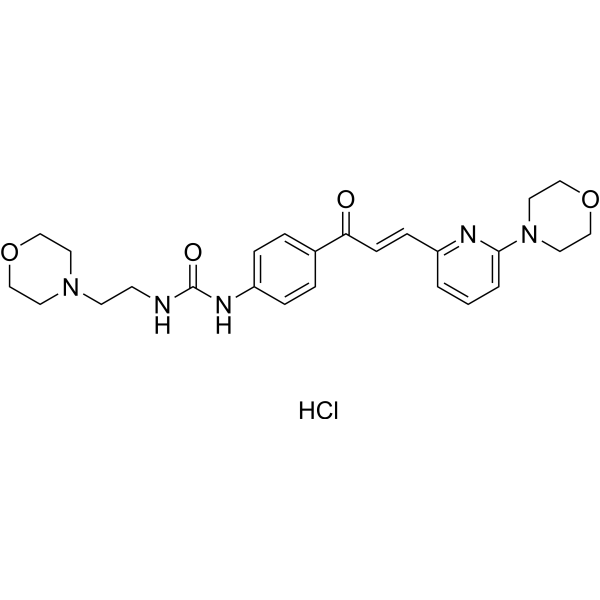
    HZS60 is a NMDAR/TRPM4 inhibitor with brain permeability that can improve cerebral ischemia. HZS60 has significant neuroprotective effects on primary neuronal ischemic damage caused by NMDA and oxygen-glucose deprivation/reoxygenation. HZS60 exhibits good pharmacokinetic characteristics and can inhibit cerebral ischemia-reperfusion injury. HZS60 can be used as a potential inhibitor of ischemic stroke .
    HZS60
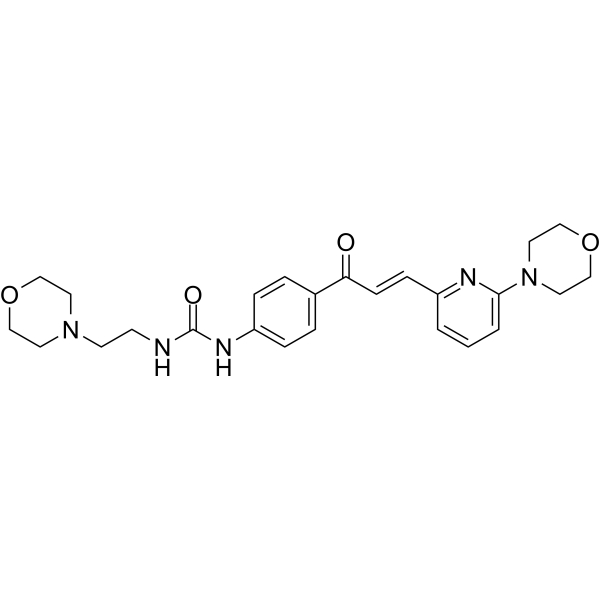
  • HY-175593

    Endoplasmic Reticulum Oxidoreductase 1 (ERO1) Reactive Oxygen Species (ROS) Cardiovascular Disease Neurological Disease
    M6766 is a selective endoplasmic reticulum oxidoreductase 1α (ERO1α) inhibitor with an IC50 of 1.4 μM and a KD of 1.1 μM. M6766 also inhibits ERO1β with an IC50 of 7.2 μM. M6766 binds to the flavin adenine dinucleotide-binding pocket in ERO1α. M6766 inhibits granule secretion, αIIbβ3 integrin activation, Ca 2+ mobilization, and platelet aggregation. M6766 can be used for the research of neurological disease, such as ischemic stroke .
    M6766
  • HY-126049

    (S)-(-)-Oxiracetam; (S)-ISF2522

    Apoptosis Neurological Disease
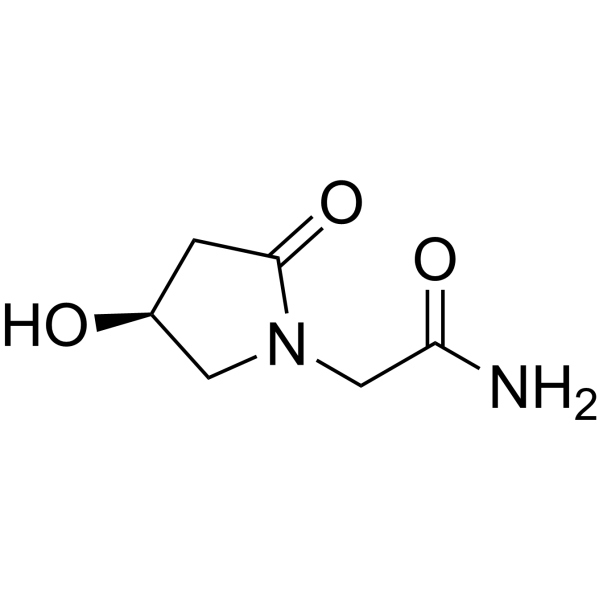
    (S)-oxiracetam (S-ORC) is an inhibitor targeting apoptosis. S-ORC reduces brain infarct size and lessens neurological dysfunction in middle cerebral artery occlusion/reperfusion (MCAO/R) models. S-ORC prevents neuronal apoptosis via activating PI3K/Akt/GSK3β signaling pathway via α7 nAChR after ischemic stroke. S-ORC can prevent neuronal death after ischemic stroke .
    (S)-Oxiracetam
  • HY-66010

    MD-67350

    Calcium Channel Cardiovascular Disease
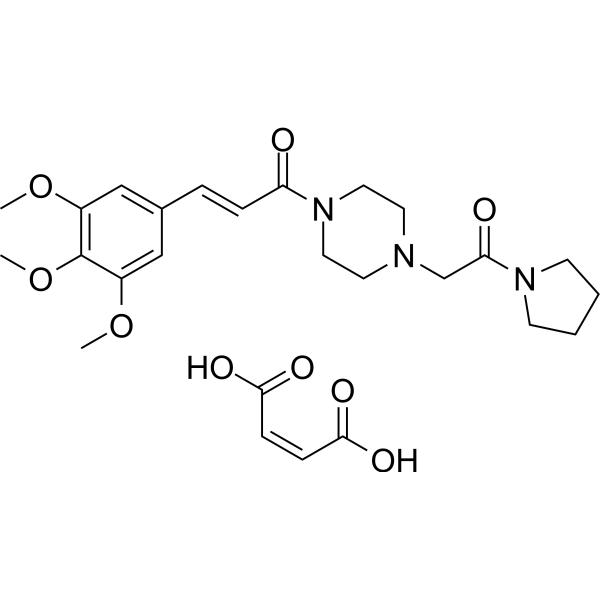
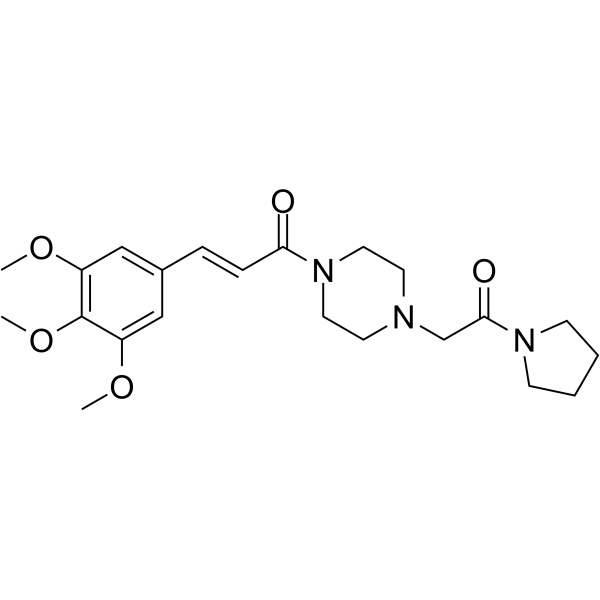
    Cinepazide Maleate (MD-67350) is a piperazine derivative and acts as a weak calcium channel blocker. Cinepazide Maleate is a potent vasodilator and can be used for the research of cerebrovascular diseases, including ischemic stroke, brain?infarct et. al .
    Cinepazide Maleate
  • HY-19382

    SOD ERK Reactive Oxygen Species (ROS) Neurological Disease
    EUK-189 is a synthetic superoxide dismutase (SOD) and catalase mimetic. EUK-189 can block oxygen/glucose deprivation (OGD)-induced ERK1/2 dephosphorylation, ATP depletion and eliminate ROS production. EUK-189 exhibits neuroprotective effect and can inhibit delayed radiation injury. EUK-189 can be used for the research of neurological disease, such as ischemic stroke .
    EUK-189
  • HY-106969A

    Glycine Receptor (GlyR) iGluR Cardiovascular Disease Neurological Disease
    ZD 9379 sodium is a competitive glycine/NMDA receptor antagonist, with an IC50 value of 75 nM (glutamate site). ZD 9379 sodium selectively antagonizes the glycine binding site (GlyB site) on the NMDA receptor, inhibiting the binding of glycine to the NMDA receptor and alleviating excitotoxicity. ZD 9379 sodium reduces the frequency of cortical spreading depression (SDs), alleviates energy depletion in the ischemic penumbra, and delays the expansion of infarction. ZD 9379 sodium reduces the infarct volume and improves neurological function in mouse models. ZD 9379 sodium can be used in studies of acute ischemic stroke, etc .
    ZD 9379 sodium
  • HY-19274

    Endothelin Receptor Cardiovascular Disease Endocrinology
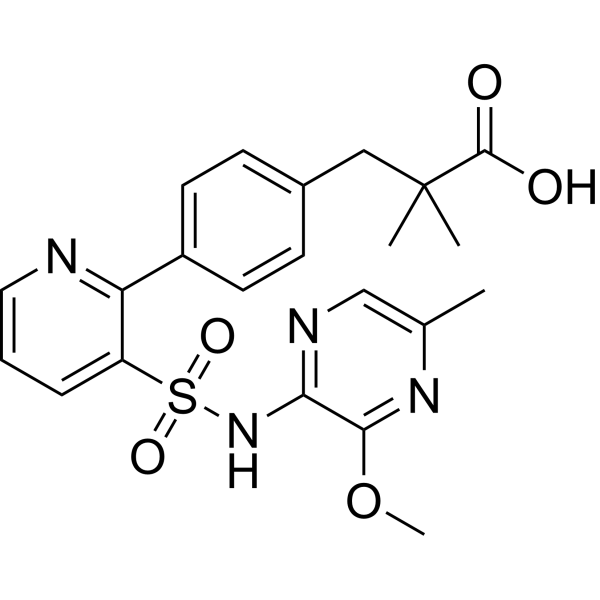
    ZD-1611 is a potent, orally active, selective ETA receptor antagonist, used for the research of ischemic stroke.
    ZD-1611
  • HY-151547

    P2X Receptor Neurological Disease
    MRS4719 is a potent P2X4 receptor antagonist with an IC50 value of 0.503 μM for human P2X4 receptor. MRS4719 can reduce infarct volume and reduce brain atrophy, showing neuroprotective and neuro-rehabilitative activities in ischemic stroke model. MRS4719 also reduces ATP-induced [Ca 2+]i influx in primary human monocyte-derived macrophages. MRS4719 can be used to research ischemic stroke .
    MRS4719
  • HY-176275

    GSNOR Neurological Disease
    GSNOR-IN-2 (Compound 45) is a S-nitrosoglutathione reductase (GSNOR) inhibitor with an IC50 of 44.12 nM. GSNOR-IN-2 has neuroprotective activity, promising for ischemic stroke research .
    GSNOR-IN-2
  • HY-124109

    HSP Cardiovascular Disease Neurological Disease
    TRC051384 hydrochloride is a potent inducer of heat shock protein 70 (HSP70). TRC051384 hydrochloride exhibits protective effects against neuronal trauma via inhibition of necroptosis. TRC051384 hydrochloride can be used for the research of ischemic stroke .
    TRC051384 hydrochloride
  • HY-N0361R

    Reference Standards TRP Channel Reactive Oxygen Species (ROS) Apoptosis Caspase Bcl-2 Family Akt PI3K Cardiovascular Disease Neurological Disease
    Dihydrocapsaicin (Standard) is the analytical standard of Dihydrocapsaicin. This product is intended for research and analytical applications. Dihydrocapsaicin, a capsaicin, is a potent and selective TRPV1 (transient receptor potential vanilloid channel 1) agonist. Dihydrocapsaicin reduces AIF, Bax, and Caspase-3 expressions, and increased Bcl-2, Bcl-xL and p-Akt levels. Dihydrocapsaicin enhances the hypothermia-induced neuroprotection following ischemic stroke via PI3K/Akt regulation in rat .
    Dihydrocapsaicin (Standard)
  • HY-178393

    TRP Channel Neurological Disease Metabolic Disease
    TRPM2-IN-2 is a potent and selective TRPM2 inhibitor (IC50 = 0.66 μM) with minimal activity against TRPM8 and TRPV1 (IC50 >10 μM). TRPM2-IN-2 exhibits robust neuroprotective effects in both in vitro oxygen-glucose deprivation/reperfusion (OGD/R) model and in vivo transient middle cerebral artery occlusion (tMCAO) mouse model. TRPM2-IN-2 can be used for ischemic stroke research .
    TRPM2-IN-2
  • HY-N8931

    Lithospermic acid monomethyl ester

    Akt Neurological Disease
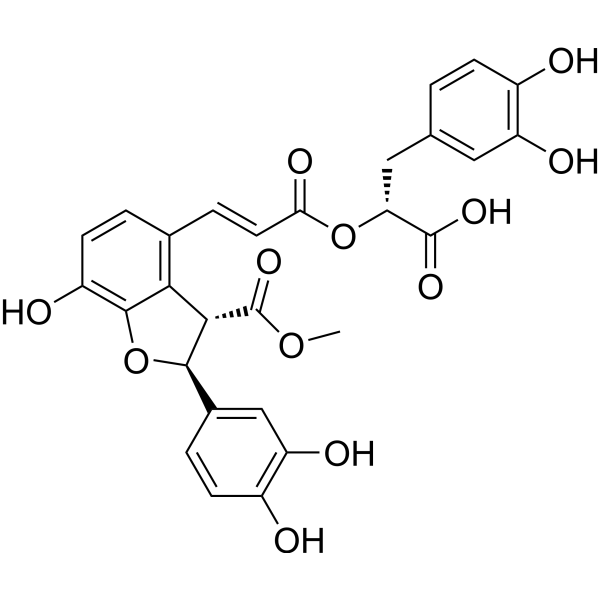
    Monomethyl lithospermate activates the PI3K/AKT pathway, which plays a protective role in nerve injury. Monomethyl lithospermate can improve the survival ability of SHSY-5Y cells, inhibit the breakdown of mitochondrial membrane potential (MMOP) and inhibit cell apoptosis. Monomethyl lithospermate also reduced the level of oxidative stress in the brain tissue of rats with middle artery occlusion (MCAO) and improved nerve damage in rats with ischemic stroke (IS) .
    Monomethyl lithospermate

Inquiry Online

Your information is safe with us. * Required Fields.

Salutation


Country or Region *

Applicant Name *


Organization Name *

Department *


Email Address *


Product Name *

Cat. No.


Requested quantity *

Phone Number *


Remarks

Inquiry Online

Inquiry Information

Product Name:
Cat. No.:
Quantity:
MCE Japan Authorized Agent: