1. Search Result
Search Result
Results for "

dm-

" in MedChemExpress (MCE) Product Catalog:

224

Inhibitors & Agonists

3

Fluorescent Dye

5

Biochemical Assay Reagents

5

Peptides

11

Inhibitory Antibodies

12

Natural
Products

2

Recombinant Proteins

16

Isotope-Labeled Compounds

9

Antibodies

2

Click Chemistry

4

Oligonucleotides

1

GMP Molecules

Cat. No. Product Name Target Research Areas Chemical Structure
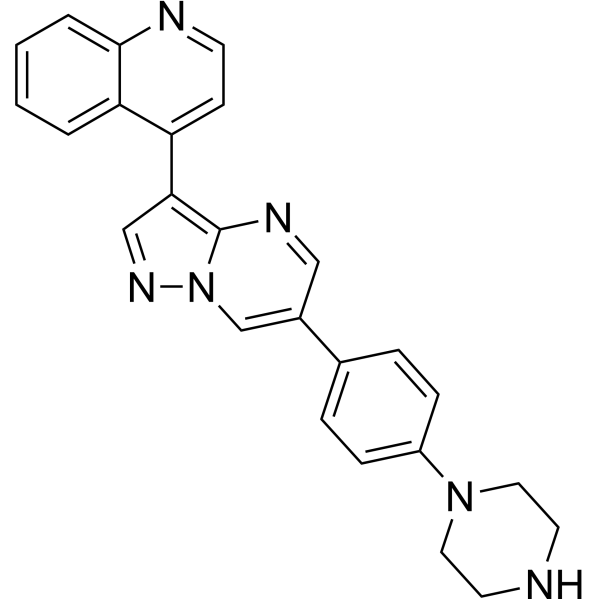
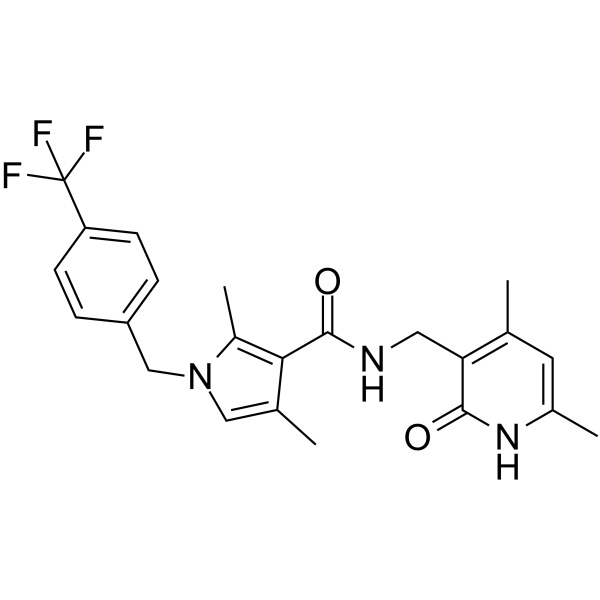
  • HY-12071
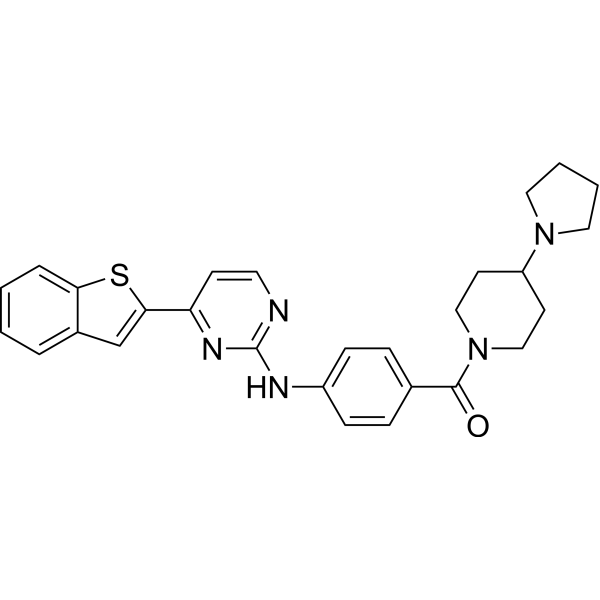
    LDN193189
    Maximum Cited Publications
    83 Publications Verification

    dm-3189

    Organoid TGF-β Receptor Cancer
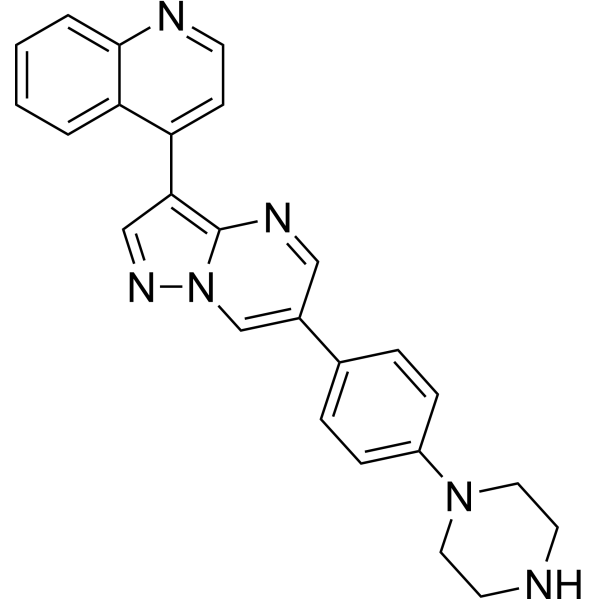
    LDN193189 (DM-3189) is a potent selective BMP type I receptor (BMP I) inhibitor. LDN193189 efficiently inhibits transcriptional activity of the BMP type I receptors ALK2 and ALK3 with IC50 values of 5 nM and 30 nM, respectively. LDN193189 can be used for the research of bone morphogenetic protein signalling, such as fibrodysplasia ossificans progressiva .
    LDN193189
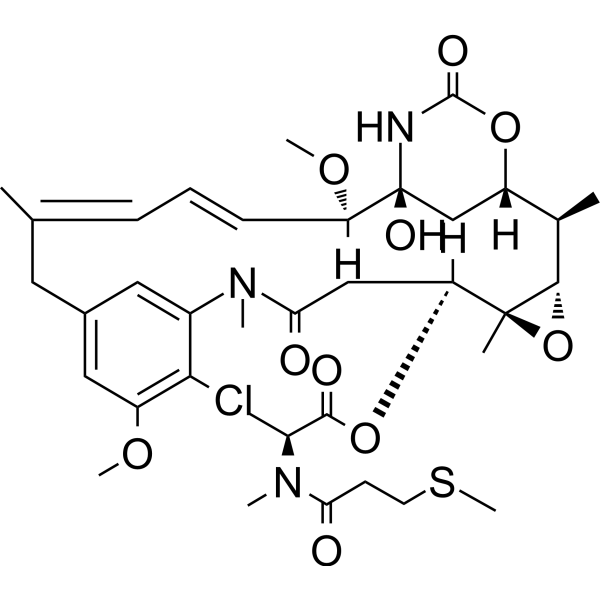
  • HY-19792
    Mertansine
    25+ Cited Publications

    dm1; Maytansinoid dm1

    Microtubule/Tubulin ADC Payload Cancer
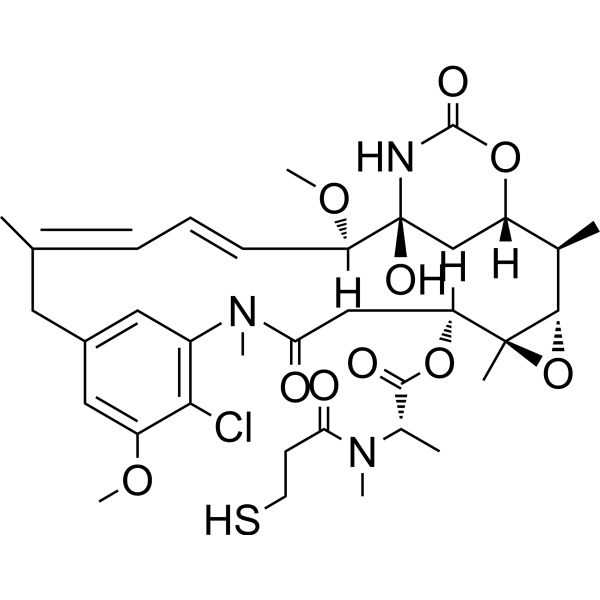
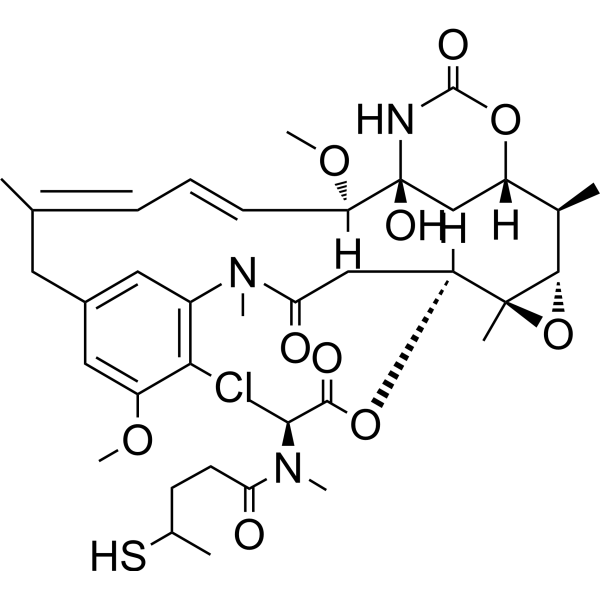
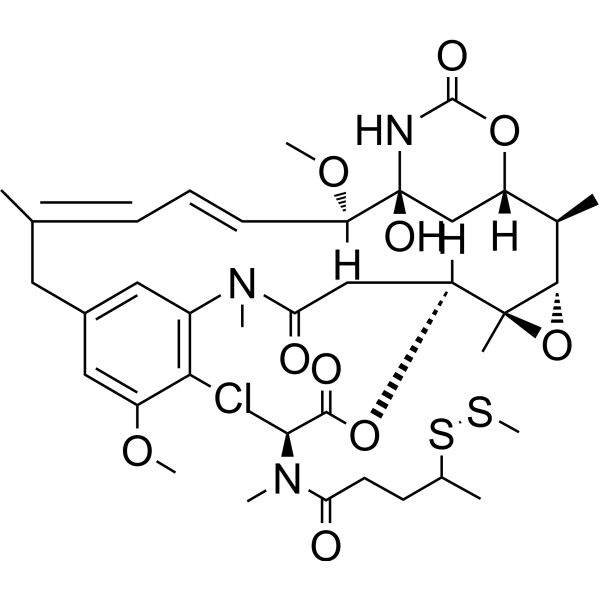
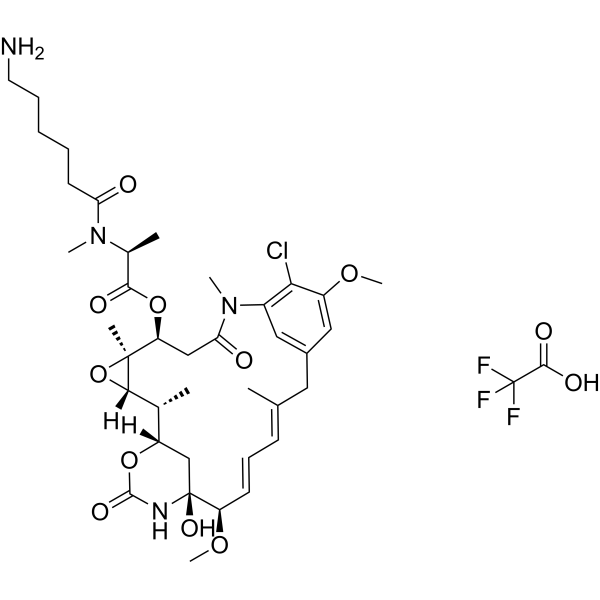
    Mertansine (DM1) is a microtubulin inhibitor and is an antibody-conjugatable maytansinoid that is developed to overcome systemic toxicity associated with maytansine and to enhance tumor-specific delivery. Mertansine can be attached to a monoclonal antibody with a linker to create an antibody-drug conjugate (ADC) .
    Mertansine
  • HY-12071B
    LDN193189 dihydrochloride
    Maximum Cited Publications
    83 Publications Verification

    dm-3189 dihydrochloride

    Organoid TGF-β Receptor Cancer
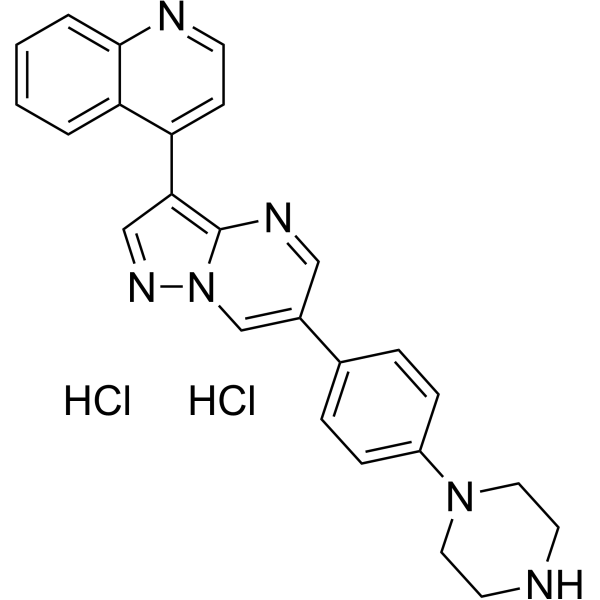
    LDN193189 (DM-3189) dihydrochloride is a potent selective BMP type I receptor (BMP I) inhibitor. LDN193189 efficiently inhibits transcriptional activity of the BMP type I receptors ALK2 and ALK3 with IC50 values of 5 nM and 30 nM, respectively. LDN193189 can be used for the research of bone morphogenetic protein signalling, such as fibrodysplasia ossificans progressiva .
    LDN193189 dihydrochloride
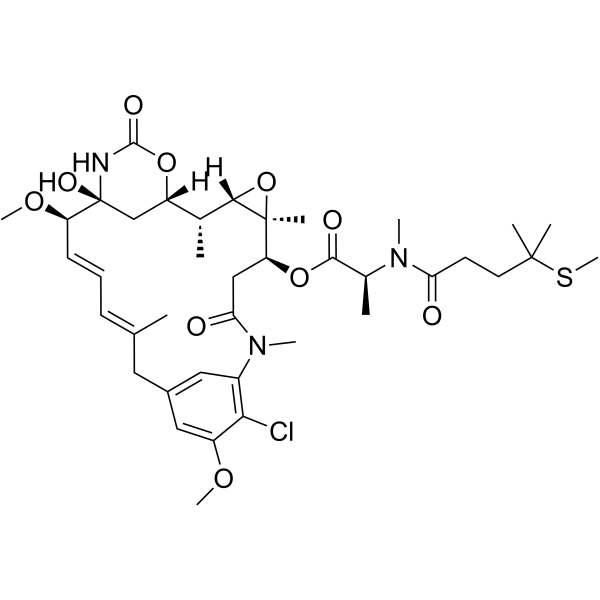
  • HY-12454
    DM4
    5 Publications Verification

    Ravtansine

    Microtubule/Tubulin ADC Payload Cancer
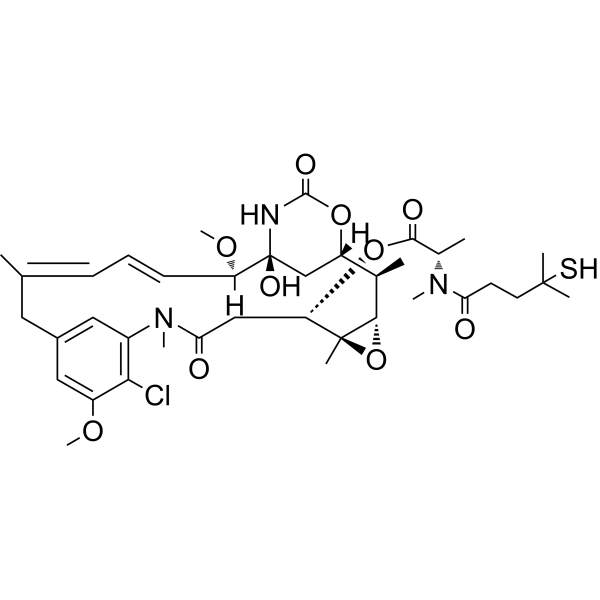
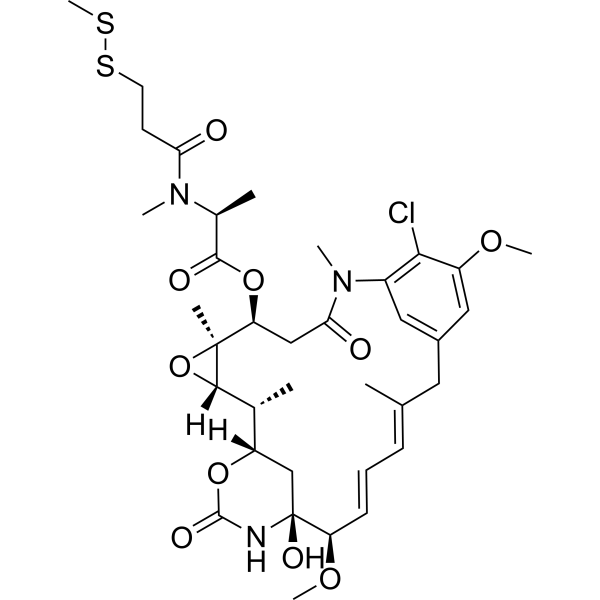
    DM4 is is an antitubulin agent that inhibit cell division. DM4 can be used in the preparation of antibody agent conjugate.
    DM4
  • HY-101070
    SMCC-DM1
    10+ Cited Publications

    dm1-SMCC

    Drug-Linker Conjugates for ADC Cancer
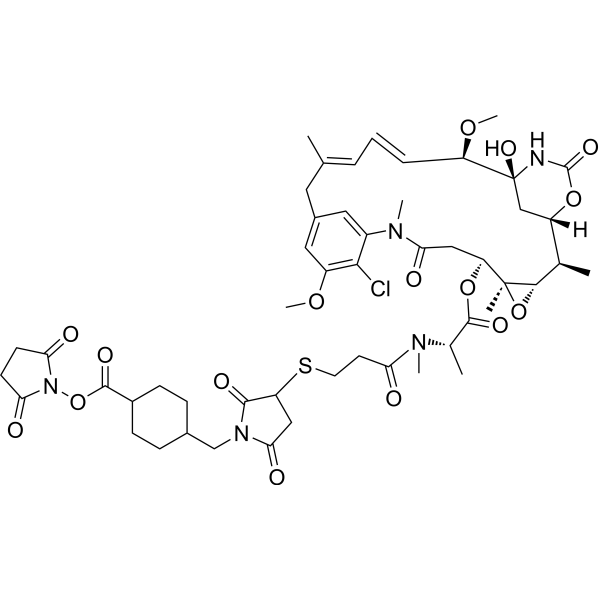
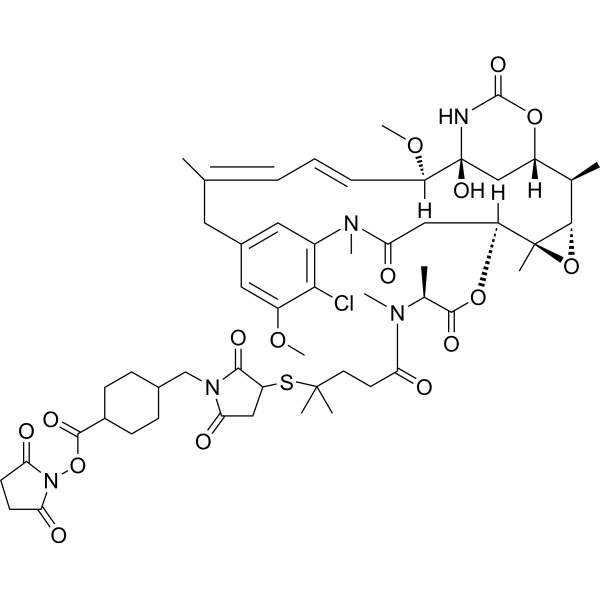
    SMCC-DM1 (DM1-SMCC) is a agent-linker conjugate composed of a potent microtubule-disrupting agent DM1 and a linker SMCC to make antibody agent conjugate (ADC) .
    SMCC-DM1
  • HY-128915

    DNA Alkylator/Crosslinker ADC Payload Cancer
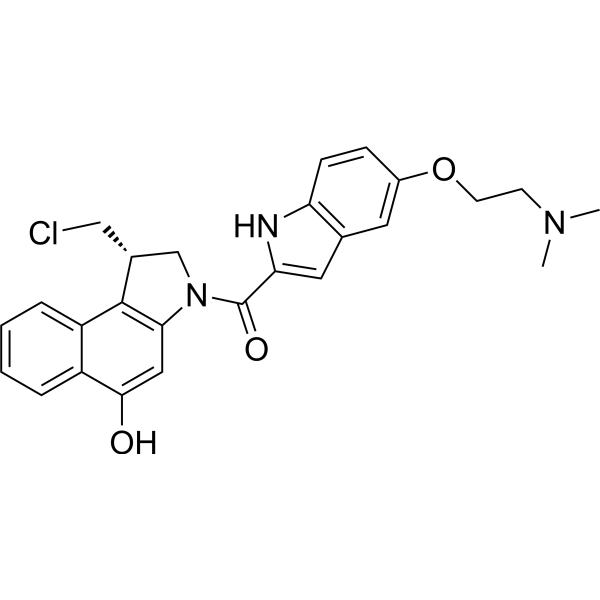
    Duocarmycin DM free base, a DNA minor-groove alkylator, is an antibody agent conjugates (ADCs) toxin. Duocarmycin DM free base is based on its characteristic curved indole structure and a spirocyclopropylcyclohexadienone electrophile to act anticancer activity .
    Duocarmycin DM free base
  • HY-12071A
    LDN193189 Tetrahydrochloride
    Maximum Cited Publications
    83 Publications Verification

    dm-3189 Tetrahydrochloride

    Organoid TGF-β Receptor Cancer
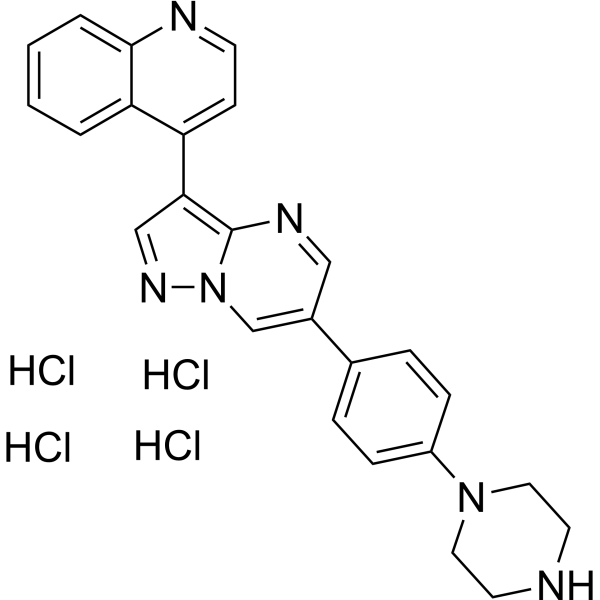
    LDN193189 (DM-3189) Tetrahydrochloride is a potent selective BMP type I receptor (BMP I) inhibitor. LDN193189 efficiently inhibits transcriptional activity of the BMP type I receptors ALK2 and ALK3 with IC50 values of 5 nM and 30 nM, respectively. LDN193189 can be used for the research of bone morphogenetic protein signalling, such as fibrodysplasia ossificans progressiva .
    LDN193189 Tetrahydrochloride
  • HY-137234

    2,6-Di-O-methyl-β-cyclodextrin

    Biochemical Assay Reagents Others
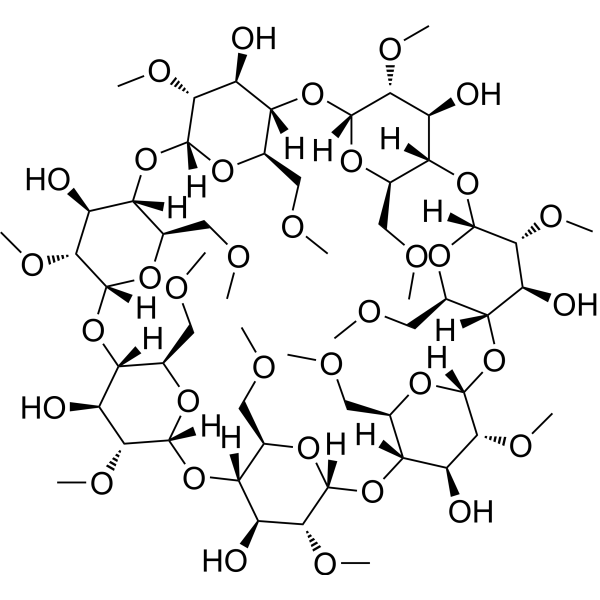
    DM-β-CD (2,6-Di-O-methyl-β-cyclodextrin) is a cyclic molecule consisting of seven glucose units modified with two methyl groups at the 2- and 6-positions. It is usually used as a solubilizer and carrier for poorly soluble drugs in pharmaceutical preparations. Furthermore, it has applications in analytical chemistry, food science, and environmental remediation due to its ability to form clathrates with various guest molecules, such as aromatic compounds, pesticides, and heavy metals.
    DM-β-CD
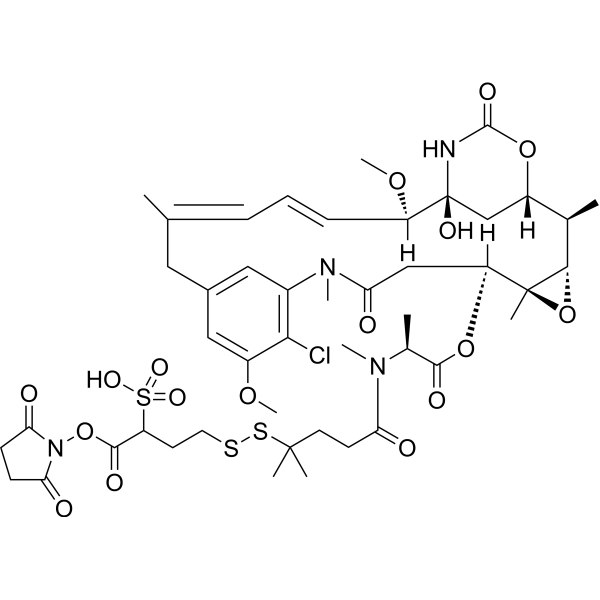
  • HY-101141

    Drug-Linker Conjugates for ADC Cancer
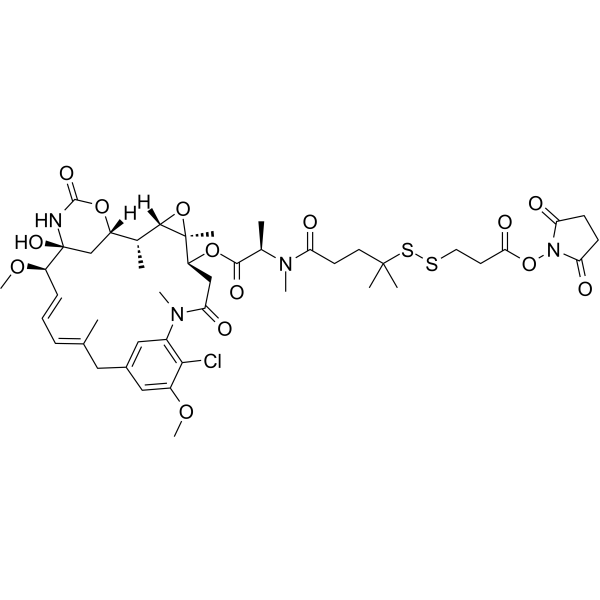
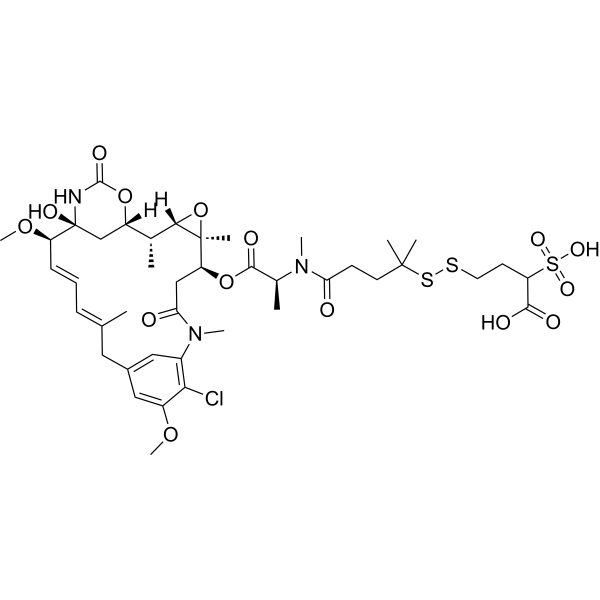
    sulfo-SPDB-DM4 is a agent-linker conjugate for ADC by using the maytansinebased payload (DM4, an antitubulin agent) via the sulfo-SPDB linker.
    sulfo-SPDB-DM4
  • HY-101982
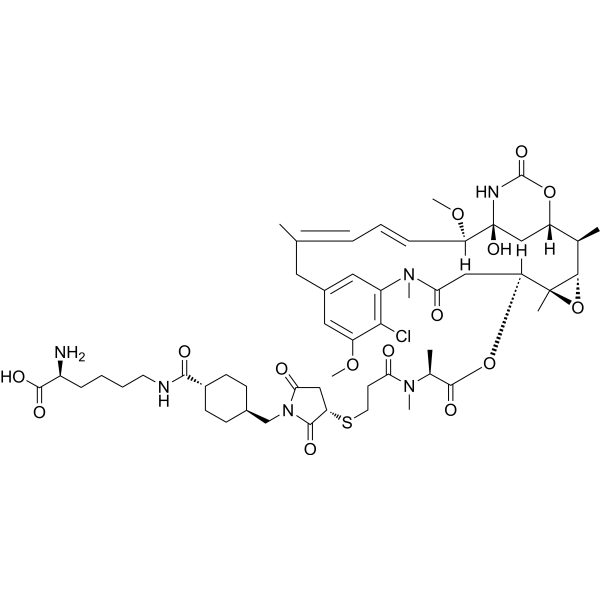
    Lys-SMCC-DM1
    1 Publications Verification

    Lys-Nε-MCC-dm1

    Drug-Linker Conjugates for ADC Cancer
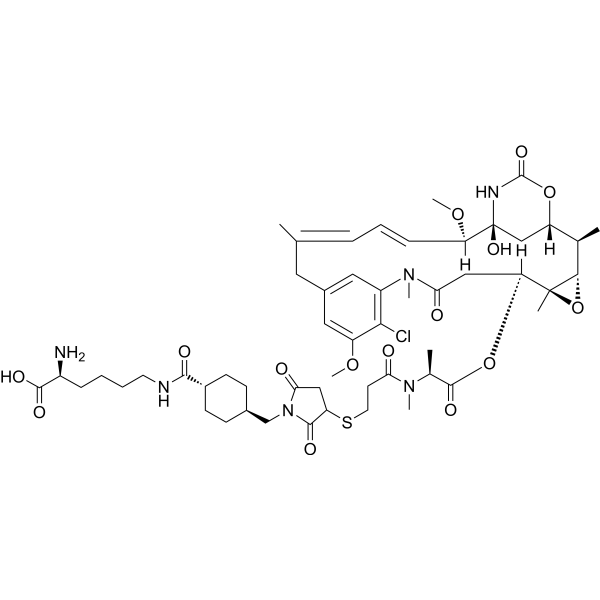
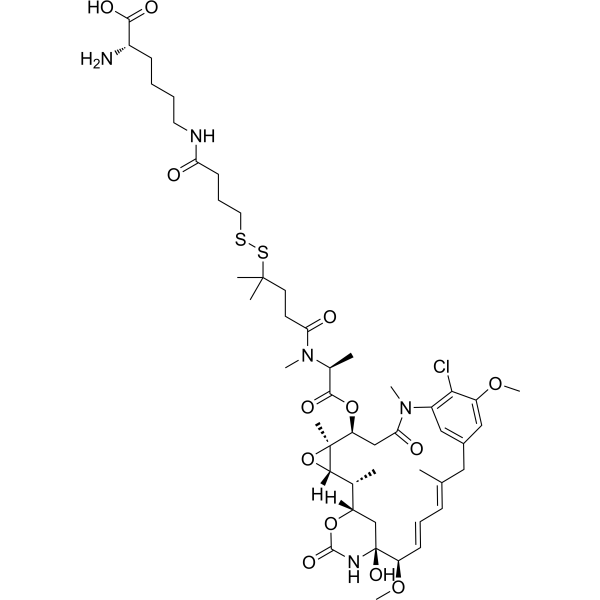
    Lys-SMCC-DM1 (Lys-Nε-MCC-DM1) is a agent-linker conjugates for ADC that can inhibit tubulin polymerization. Lys-SMCC-DM1 is the active metabolite of T-DM1. T-DM1 is a HER2-targeting ADC with a tubulin polymerization inhibitor DM1. Lys-SMCC-DM1 can be used in the research of breast cancer .
    Lys-SMCC-DM1
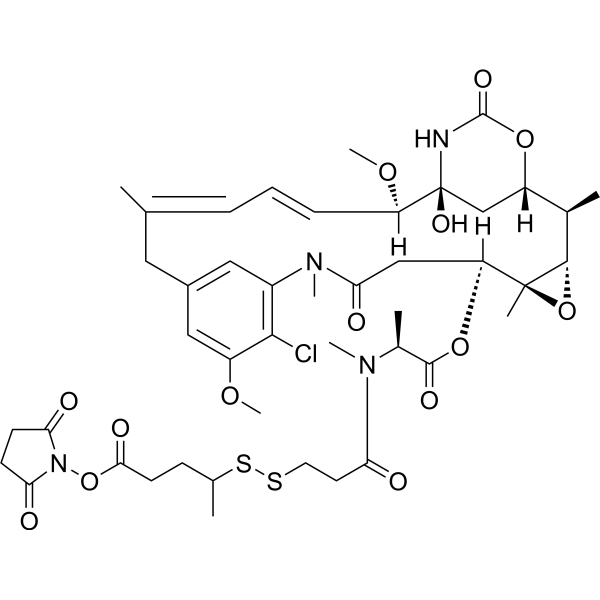
  • HY-126491

    Drug-Linker Conjugates for ADC Cancer
    SPP-DM1 is a agent-linker conjugate for ADC with potent antitumor activity by using DM1 (a potent microtubule-disrupting agent), linked via the ADC linker SPP .
    SPP-DM1
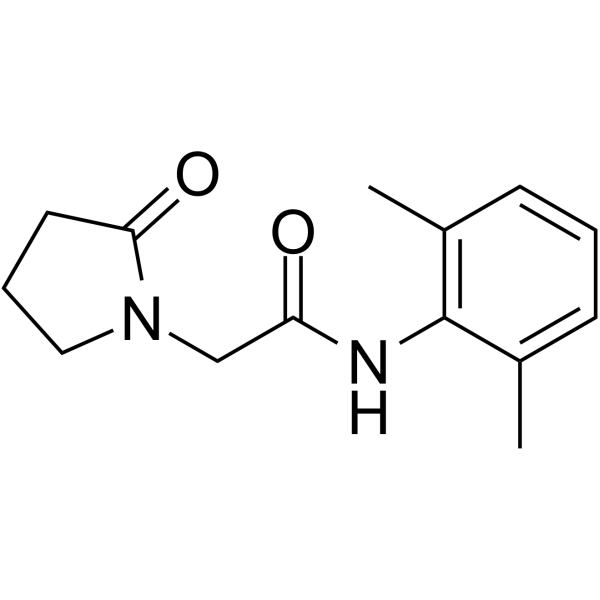
  • HY-B0340

    dm9384; DZL-221

    nAChR iGluR mGluR PKC GABA Receptor Calcium Channel Neurological Disease
    Nefiracetam is a cognition-enhancing agent. Nefiracetam is an activator of nAChR, N-methyl-D-aspartate receptor (NMDAR), mGluR5, PKC, gamma-aminobutyric acid (GABA), and N/L-type Ca 2+ channels. Nefiracetam promotes neuroplasticity and enhances neuroprotection. Nefiracetam can be used in Alzheimer's disease, epilepsy, and cerebral ischemia research .

    Nefiracetam
  • HY-136286

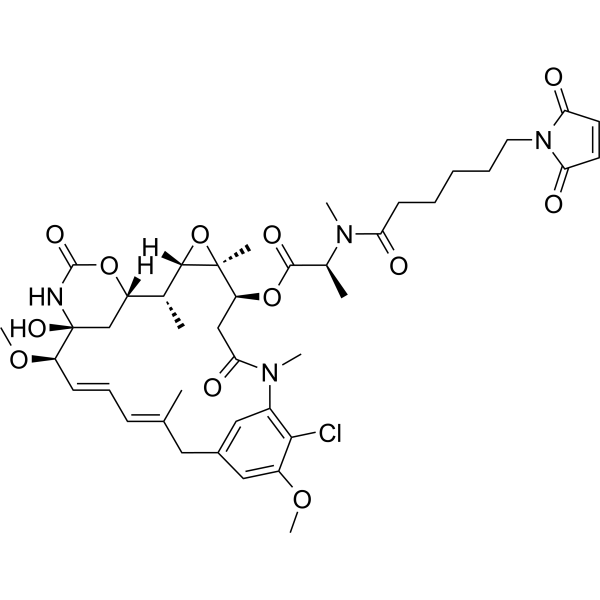
    Drug-Linker Conjugates for ADC Cancer
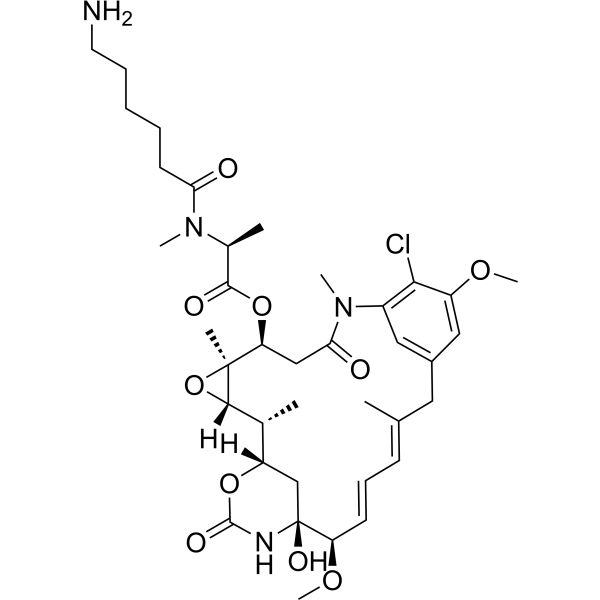
    MC-DM1 is a agent-linker conjugate composed of a potent microtubule-disrupting agent DM1 and a linker MC to make antibody agent conjugate (ADC) .
    MC-DM1
  • HY-126682
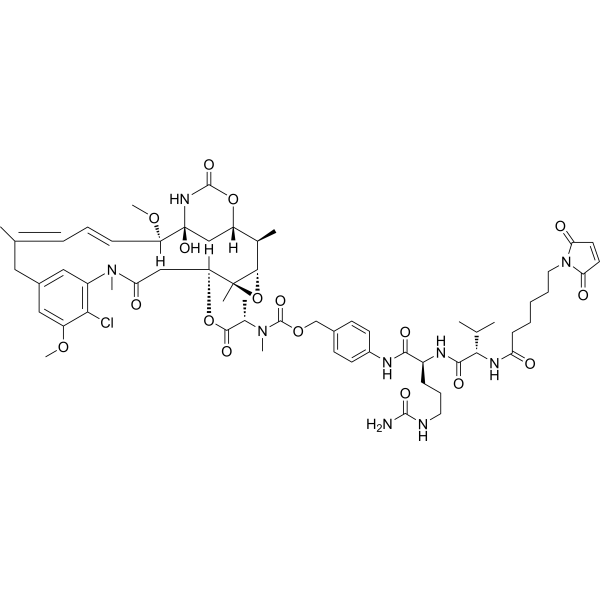
    Mal-VC-PAB-DM1
    3 Publications Verification

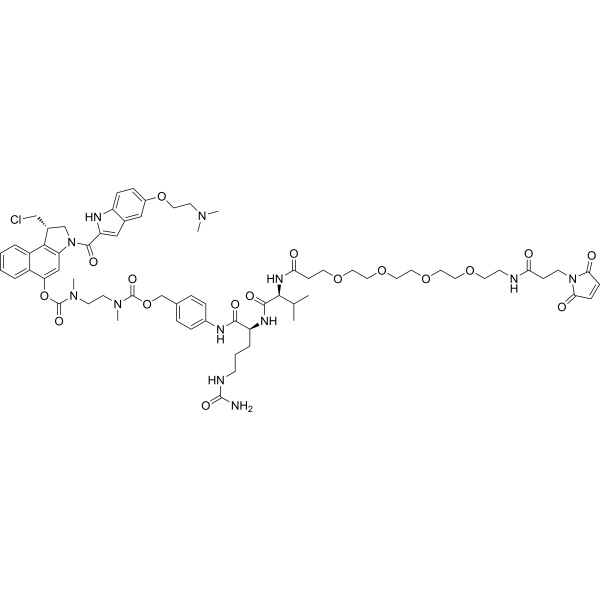
    Drug-Linker Conjugates for ADC Cancer
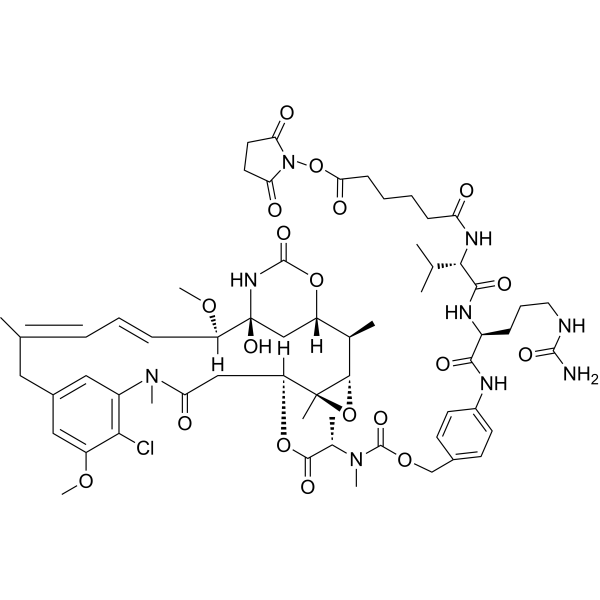
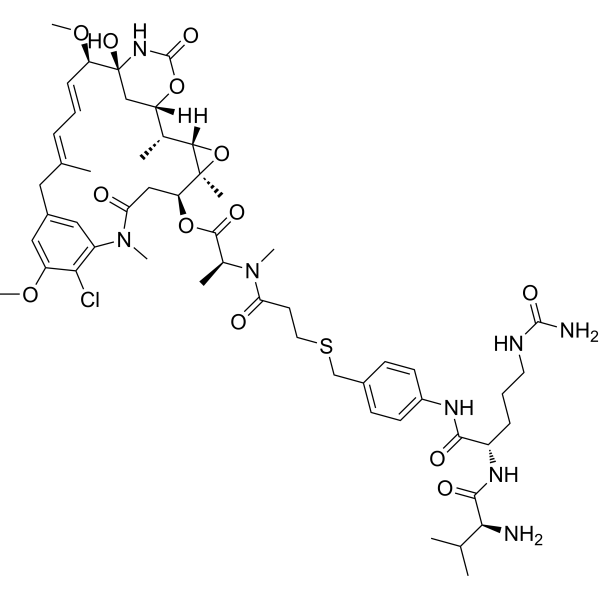
    Mal-VC-PAB-DM1 is a agent-linker conjugate for ADC with potent antitumor activity by using DM1 (a potent microtubule-disrupting agent), linked via the ADC linker Mal-VC-PAB .
    Mal-VC-PAB-DM1
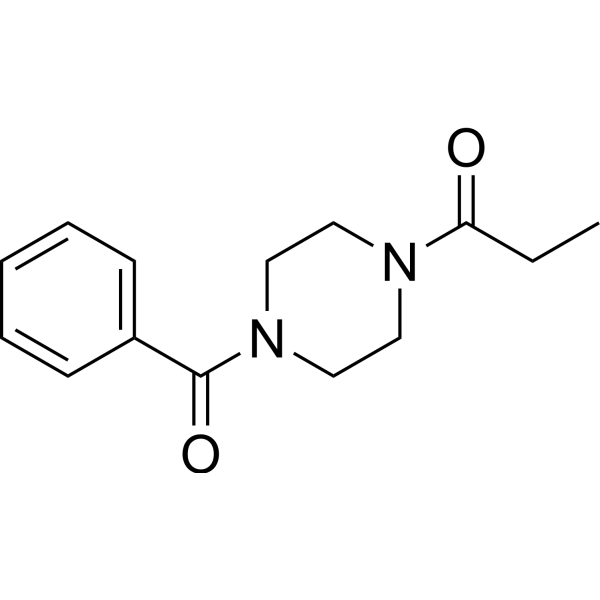
  • HY-17550

    dm-235

    iGluR Neurological Disease
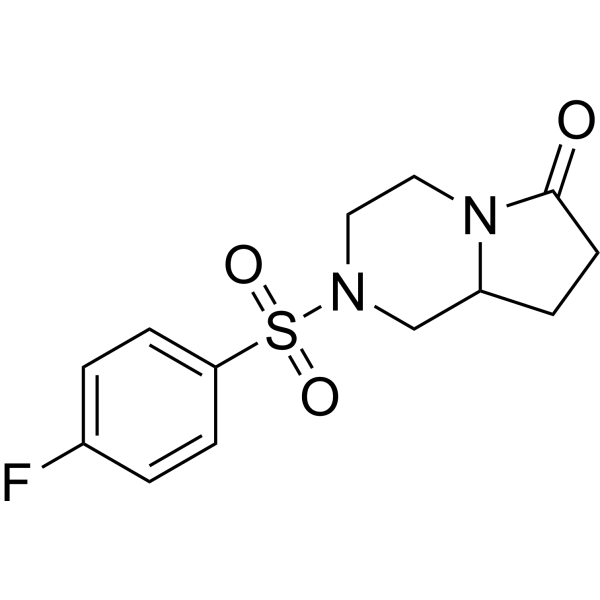
    Sunifiram (DM-235) is an ampakine-like compound and an agonist of AMPA receptor with oral activity. Sunifiram can increase the release of acetylcholine in the rat cerebral cortex and exhibits potent cognitive enhancement effects with better nootropic activity compared to piracetam (HY-B0585). Sunifiram is promising for research in neurodegenerative diseases such as mild cognitive impairment (MCI) and Alzheimer's disease (AD) .
    Sunifiram
  • HY-12071G

    dm-3189

    Organoid TGF-β Receptor Cancer
    LDN193189 GMP is LDN193189 (HY-12071) produced by using GMP guidelines. GMP small molecules works appropriately as an auxiliary reagent for cell therapy manufacture. LDN193189 (DM-3189) is a potent selective BMP type I receptor (BMP I) inhibitor. LDN193189 efficiently inhibits transcriptional activity of the BMP type I receptors ALK2 and ALK3 with IC50 values of 5 nM and 30 nM, respectively. LDN193189 can be used for the research of bone morphogenetic protein signalling, such as fibrodysplasia ossificans progressiva .
    LDN193189
  • HY-126494

    Drug-Linker Conjugates for ADC Cancer
    DM4-SMCC is a agent-linker conjugate for ADC with antitumor activity by using DM4 (an antitubulin agent), linked via the non-cleavable SMCC linker .
    DM4-SMCC
  • HY-132250

    Drug-Linker Conjugates for ADC Cancer
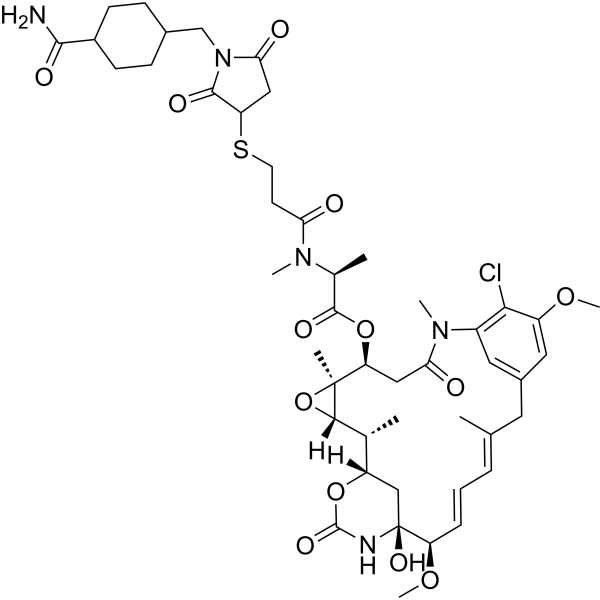
    MCC-DM1 is a agent-Linker Conjugates for ADC such as Anti-CD22-MCC-DM1. MCC-DM1 can be detected in rat and human plasma, feces, and other tissues .
    MCC-DM1
  • HY-139441

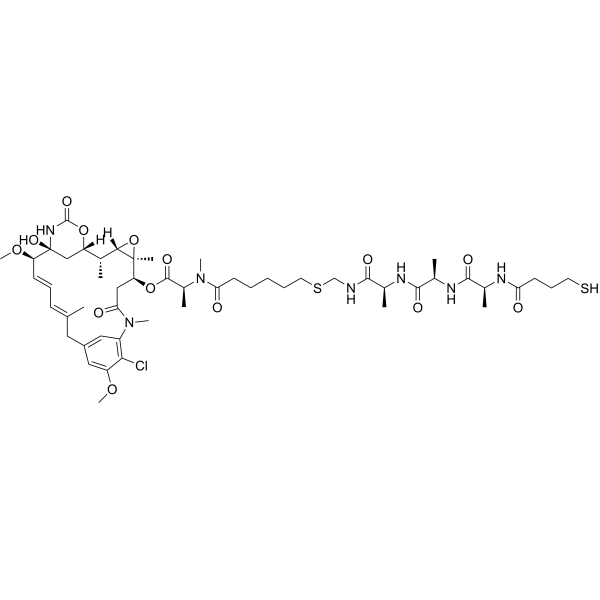
    Drug-Linker Conjugates for ADC Microtubule/Tubulin Cancer
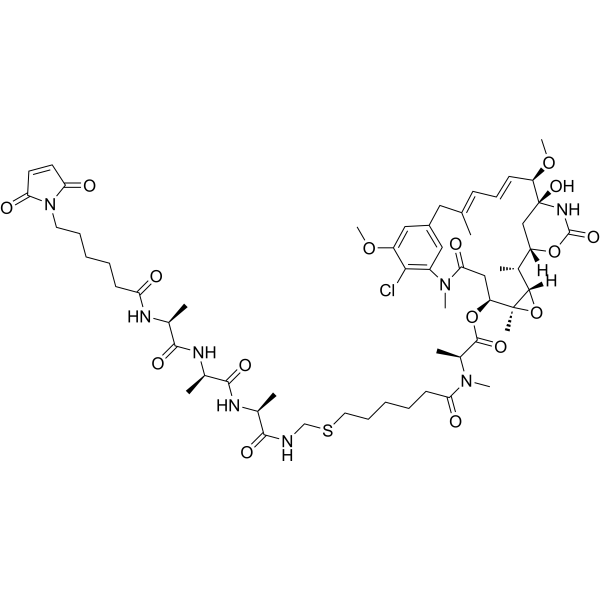
    DM21 is a next-generation linker-payload that combines a maytansinoid microtubule-disrupting payload with a stable tripeptide linker. DM21 is conjugated with a humanized antibody against ADAM9 to obtain IMGC936 .
    DM21
  • HY-12460
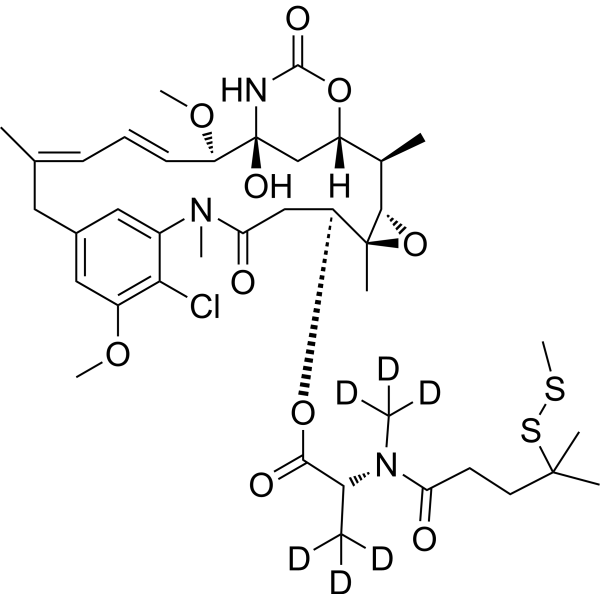
    SPDB-DM4
    3 Publications Verification

    Drug-Linker Conjugates for ADC Cancer
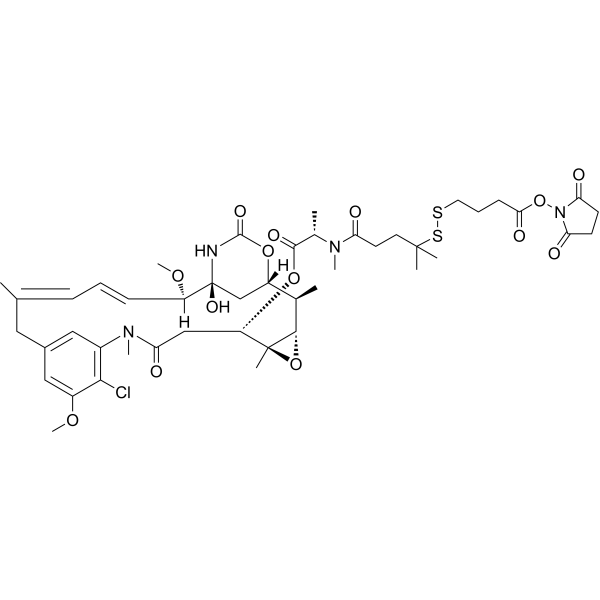
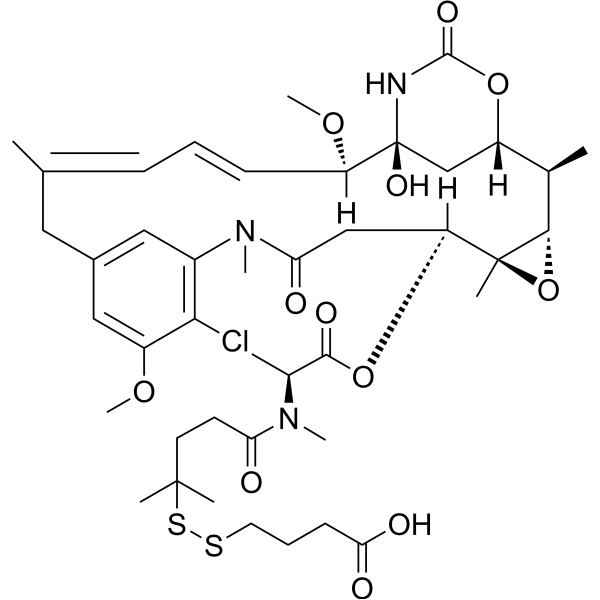
    SPDB-DM4 is a agent-linker conjugate for ADC by using the maytansinebased payload (DM4, a tubulin inhibitor) via a SPDB linker, exhibiting potent anti-tumor activity.
    SPDB-DM4
  • HY-130080

    Maytansinoid dm3

    ADC Payload Microtubule/Tubulin Cancer
    DM3 (Maytansinoid DM3), a Maytansine (HY-13674) analog bearing disulfide or thiol groups, and is a tubulin inhibitor. DM3 a cytotoxic moiety of antibody-drug conjugates (ADCs) .
    DM3
  • HY-100128

    Microtubule/Tubulin ADC Payload Cancer
    DM1-SMe is an unconjugated form of the Maytansinoid in IMGN901. DM1-SMe is the microtubule inhibitor and can be used as the ADC cytotoxin .
    DM1-SMe
  • HY-120140
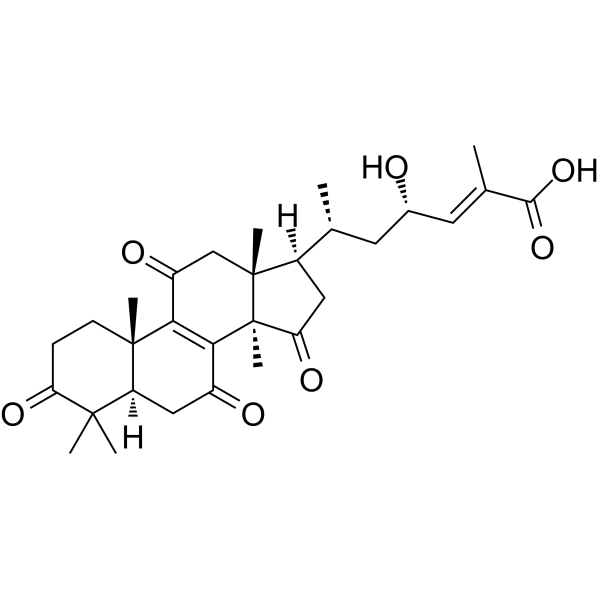
    Ganoderic acid DM
    1 Publications Verification

    Apoptosis PI3K Metabolic Disease Inflammation/Immunology Cancer
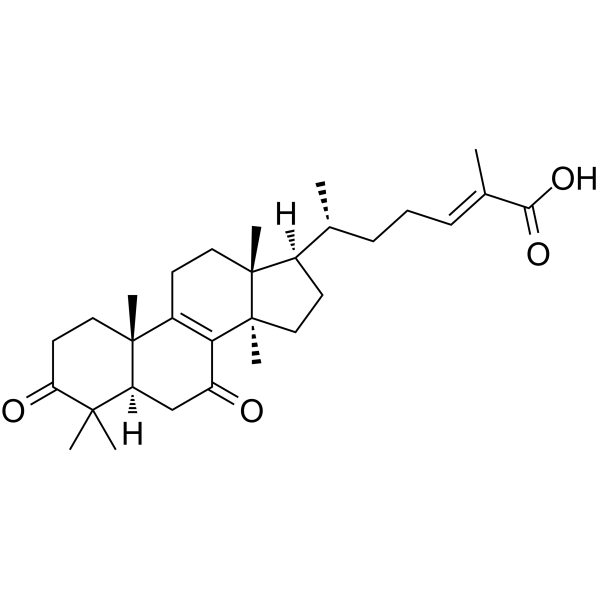
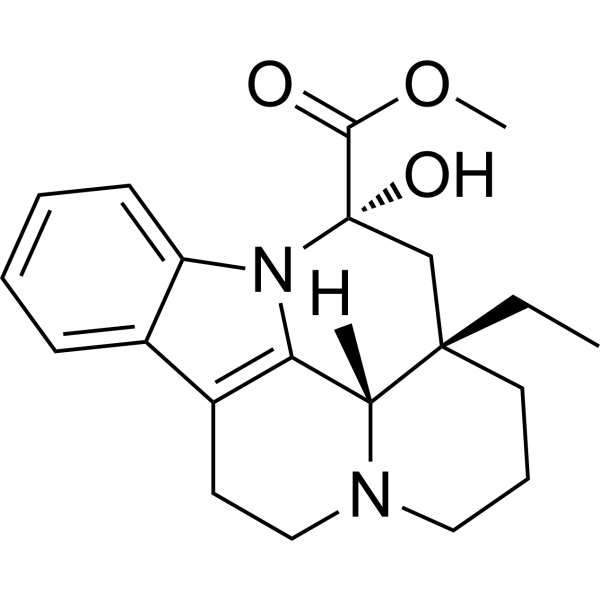
    Ganoderic acid DM, a natural triterpenoid isolated from Ganoderma lucidum, induces DNA damage, G1 cell cycle arrest and apoptosis in human breast cancer cells. Ganoderic acid DM as a specific inhibitor of osteoclastogenesis .
    Ganoderic acid DM
  • HY-136261

    Drug-Linker Conjugates for ADC Cancer
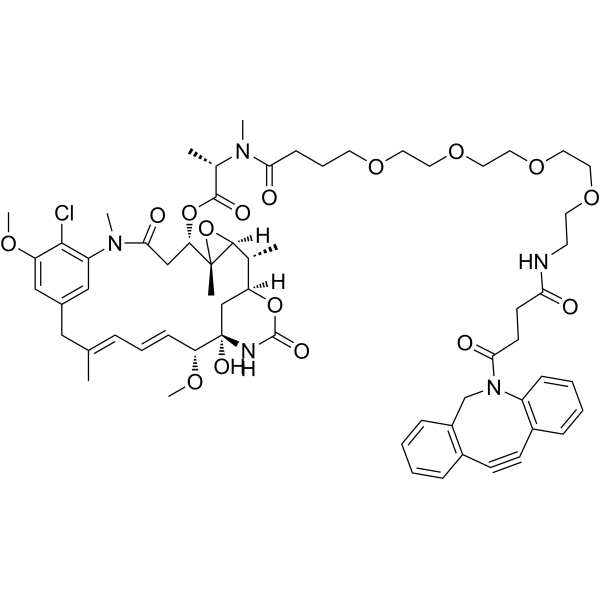
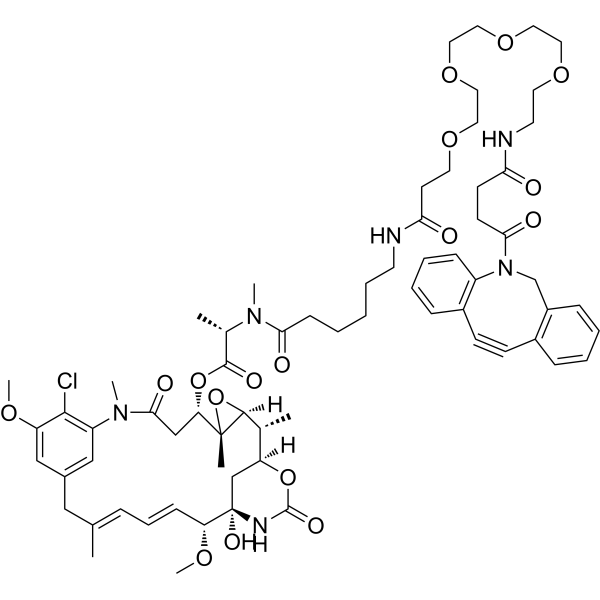
    DM1-(PEG)4-DBCO is a agent-linker conjugate composed of a potent microtubulin inhibitor DM1 and a linker DBCO-PEG4-Ahx to make antibody agent conjugate (ADC). Mertansine (DM1) is a microtubulin inhibitor and is an antibody-conjugatable maytansinoid that is developed to overcome systemic toxicity associated with maytansine and to enhance tumor-specific delivery. DM1-PEG4-DBCO is a click chemistry reagent, it contains a DBCO group that can undergo strain-promoted alkyne-azide cycloaddition (SPAAC) with molecules containing Azide groups.
    DM1-PEG4-DBCO
  • HY-126693

    Drug-Linker Conjugates for ADC Cancer
    SC-VC-PAB-DM1 is a agent-linker conjugate for ADC with with potent antitumor activity by using DM1 (Mertansine, a tubulin inhibitor) , linked via the ADC linker SC-VC-PAB .
    SC-VC-PAB-DM1
  • HY-12071C
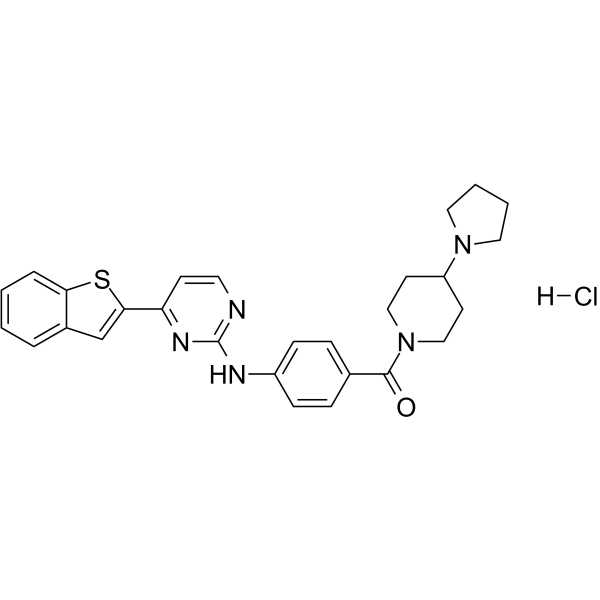
    LDN193189 hydrochloride
    70+ Cited Publications

    dm-3189 hydrochloride

    Organoid TGF-β Receptor Cancer
    LDN193189 (DM-3189) hydrochloride is a potent selective BMP type I receptor (BMP I) inhibitor. LDN193189 efficiently inhibits transcriptional activity of the BMP type I receptors ALK2 and ALK3 with IC50 values of 5 nM and 30 nM, respectively. LDN193189 can be used for the research of bone morphogenetic protein signalling, such as fibrodysplasia ossificans progressiva .
    LDN193189 hydrochloride
  • HY-P99492

    SB-408075; huC242-dm1

    Antibody-Drug Conjugates (ADCs) Microtubule/Tubulin Cancer
    Cantuzumab mertansine (SB-408075; huC242-DM1), an ADC, is an immunoconjugate of the potent maytansine derivative (DM1 (HY-19792)) and the humanized monoclonal antibody (huC242) directed to CanAg. Cantuzumab mertansine has cytotoxic toward colon cancer cells and has broad antitumor efficacy against a range of CanAg-positive human tumor xenografts .
    Cantuzumab mertansine
  • HY-125931

    dm232

    iGluR Neurological Disease Inflammation/Immunology
    Unifiram (DM232) is a AMPA receptor activator and cognitive enhancer. Unifiram activates the AMPA-mediated neurotransmission system. Unifiram reverses NBQX-induced amnesia in the passive avoidance test in mice. Unifiram reverses the antagonistic effect of kynurenic acid on NMDA-mediated [ 3H]NA release in rat hippocampal slices. Unifiram enhances excitatory synaptic transmission in the rat hippocampus in vitro. Unifiram can be used in studies related to amnesia and cognitive dysfunction, including age-related memory decline, neurodegenerative diseases such as Alzheimer's disease or Parkinson's disease, multiple sclerosis, schizophrenia, and attention deficit hyperactivity disorder .
    Unifiram
  • HY-100665
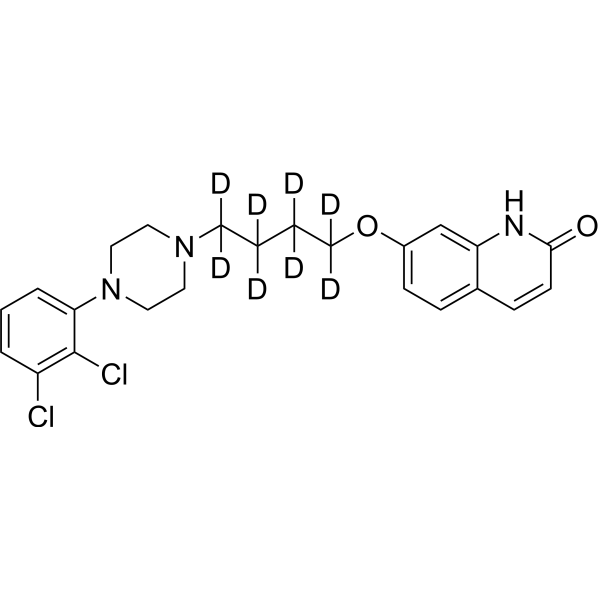
    Dehydroaripiprazole
    1 Publications Verification

    OPC-14857; dm-14857

    5-HT Receptor Dopamine Receptor Neurological Disease
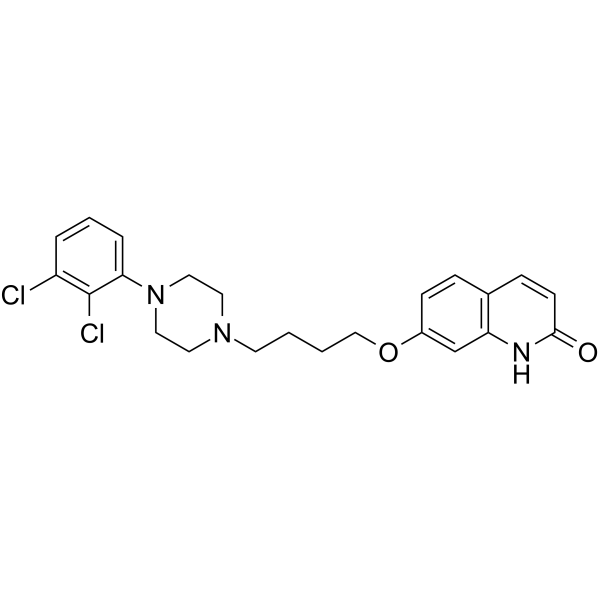
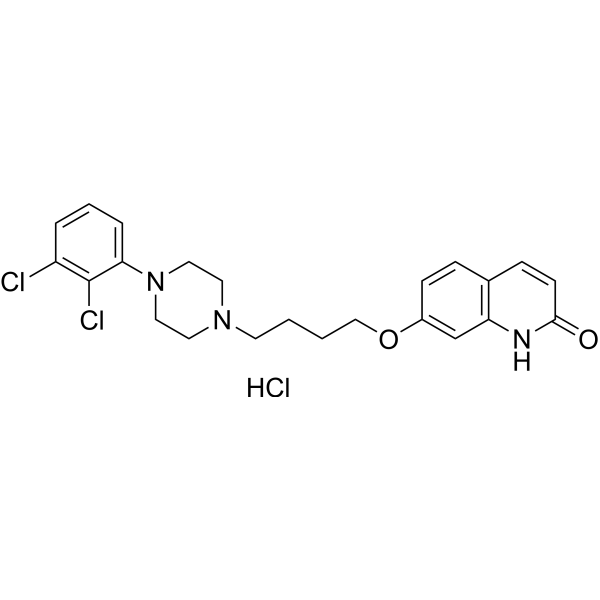
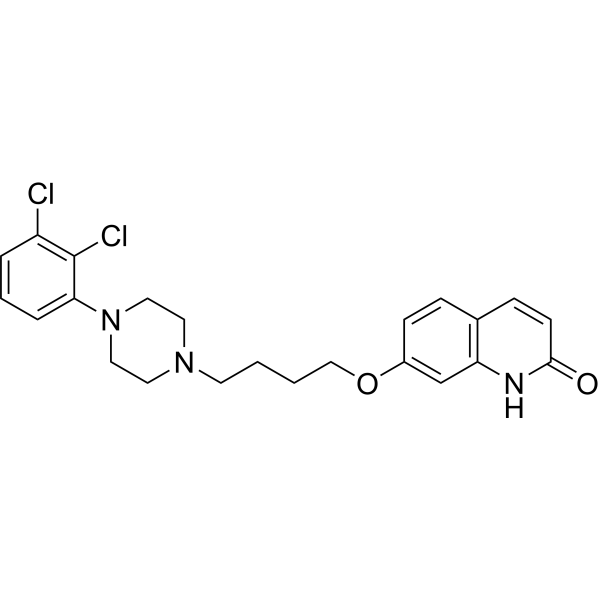
    Dehydroaripiprazole (OPC-14857) is an active metabolite of Aripiprazole (HY-14546) and dopamine D2/D3 receptor partial agonist. Dehydroaripiprazole also has certain affinity for serotonin 5-HT1A, 5-HT2A and 5-HT2B receptors. Dehydroaripiprazole has antipsychotic activity equivalent to Aripiprazole .
    Dehydroaripiprazole
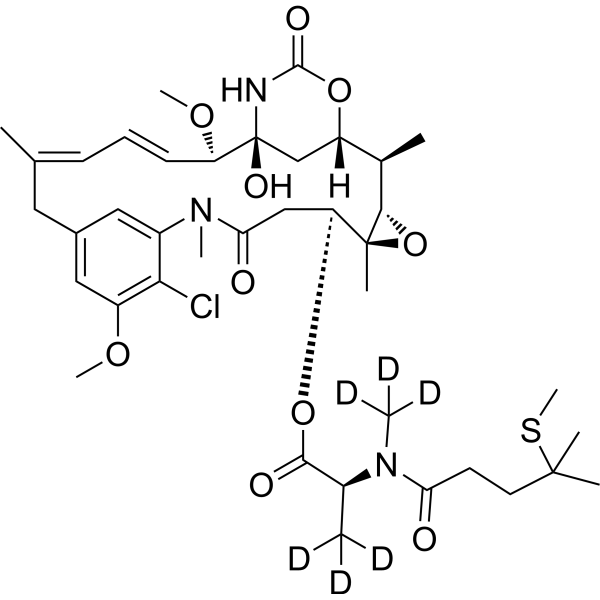
  • HY-130082

    ADC Payload Microtubule/Tubulin Cancer
    DM4-SMe is a metabolite of antibody-maytansin conjugates (AMCs) and a tubulin inhibitor, and also a cytotoxic moiety of antibody-drug conjugates (ADCs), which can be linked to antibody through disulfide bond or stable thioether bond. DM4-SMe inhibits KB cells with an IC50 of 0.026 nM. DM4-SMe is a highly toxic metabolite that can be oxidized and detoxified by human liver microsomes .
    DM4-SMe
  • HY-148818
    S-Me-DM4
    1 Publications Verification

    ADC Payload Others
    S-Me-DM4 is a metabolite of DM4 S-methylated by intracellular enzyme. DM4 (HY-100503) is a microtubule-depolymerizing maytansinoid with strong cytotoxicity. DM4 can be used as an ADC Cytotoxin molecule .
    S-Me-DM4
  • HY-100504

    Microtubule/Tubulin ADC Payload Cancer
    S-methyl DM1 is a thiomethyl derivative of Maytansine. S-methyl DM1 binds to tubulin with a Kd of 0.93 μM and inhibts microtubule polymerization. S-methyl DM1 potently suppresses microtubule dynamic instability and has anticancer effects .
    S-methyl DM1
  • HY-164669

    Antibody-Drug Conjugates (ADCs) Cancer
    ADC Control Human IgG1-DM4 is an isotype control of ADC Human IgG1-DM4. The antibody portion is Human IgG1 kappa, Isotype Control (HY-P99001), and the drug-linker conjugate for ADC is SPDB-DM4 (HY-12460).
    ADC Control Human IgG1-DM4
  • HY-131246

    Histone Methyltransferase Cancer
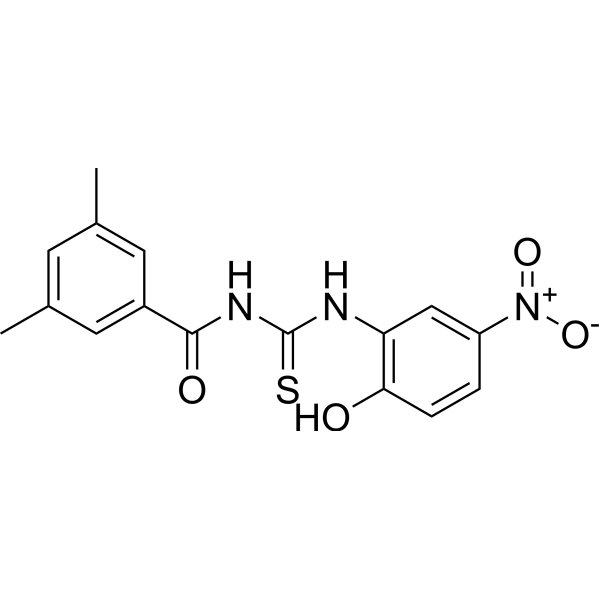
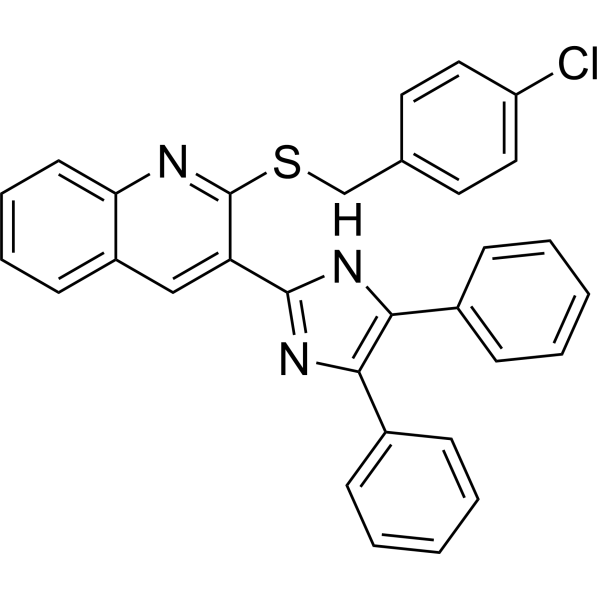
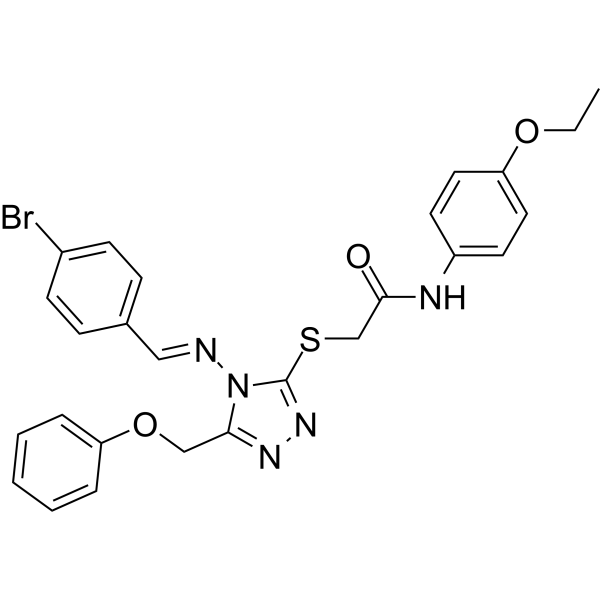
    DM-01 is a powerful and selective EZH2 inhibitor for the research of diffuse large B-cell lymphoma (DLBCL), follicular lymphoma (FL), and SNF5/INI-1/SMARCB1 genetically defined solid tumors .
    DM-01
  • HY-112068

    HIF/HIF Prolyl-Hydroxylase Cancer
    DM-NOFD is a cell penetrant, prodrug of NOFD a potent and selective inhibitor of an asparaginyl hydroxylase FIH (factor-inhibiting HIF) .
    DM-NOFD
  • HY-P99493
    Cantuzumab ravtansine
    1 Publications Verification

    IMGN242; huC242-dm4

    Antibody-Drug Conjugates (ADCs) Microtubule/Tubulin Cancer
    Cantuzumab ravtansine (IMGN242; huC242-DM4), an ADC, is a humanized monoclonal antibody, huC242, covalently linked via a disulfide bond to DM4 (HY-12454). Cantuzumab ravtansine has broad antitumor efficacy against a range of CanAg-positive human tumor xenografts .
    Cantuzumab ravtansine
  • HY-12454S

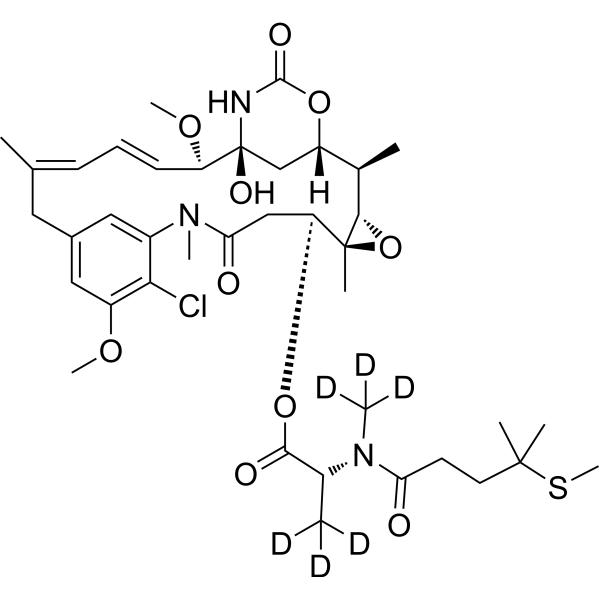
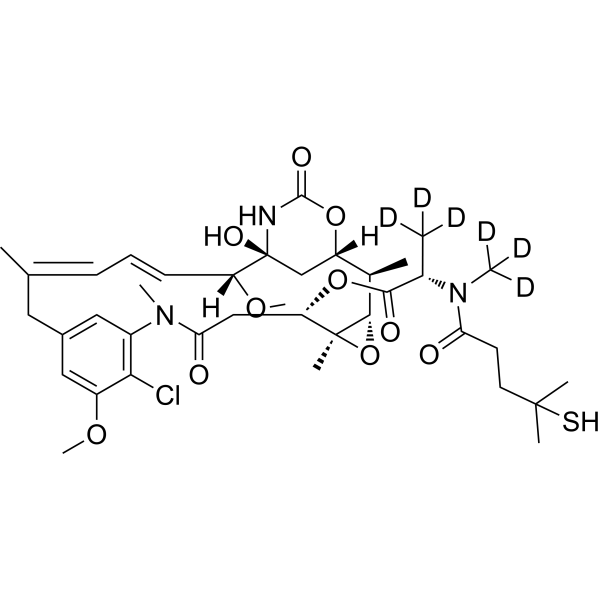
    Isotope-Labeled Compounds Microtubule/Tubulin ADC Payload Cancer
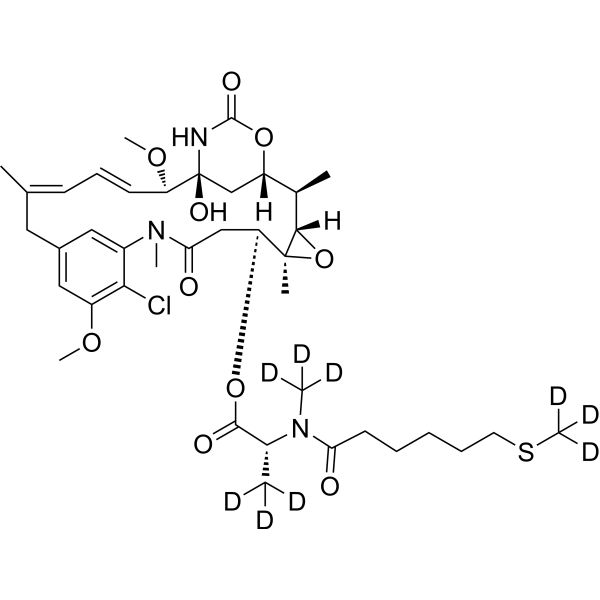
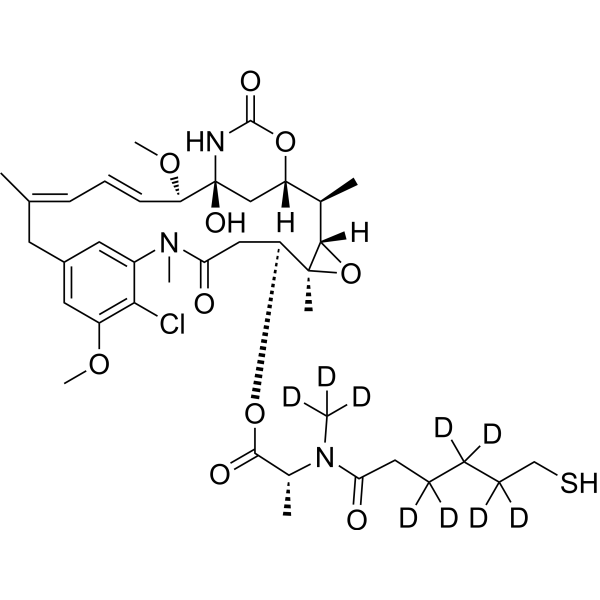
    DM4-d6 is deuterium labeled DM4. DM4 is is an antitubulin agent that inhibit cell division. DM4 can be used in the preparation of antibody agent conjugate.
    DM4-d6
  • HY-126789

    Biochemical Assay Reagents Metabolic Disease
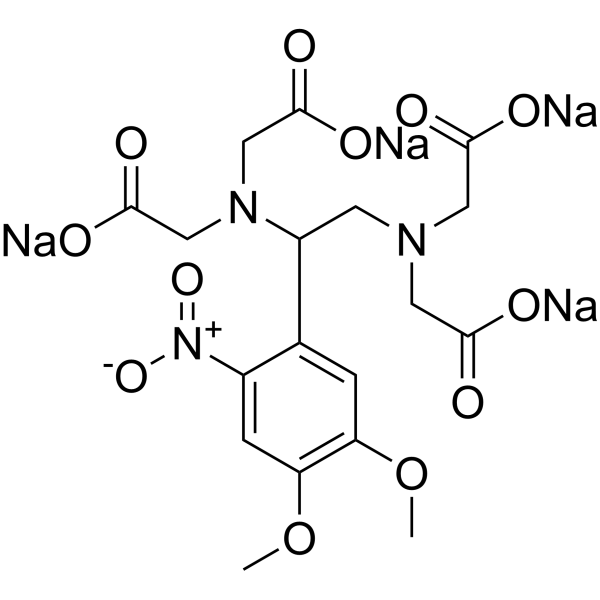
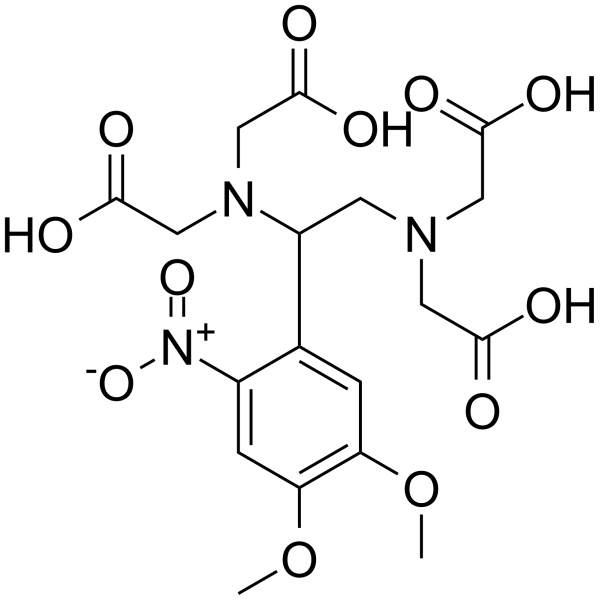
    DM-Nitrophen is a photolabile caged calcium compound that acts as a calcium releaser. DM-Nitrophen binds Ca 2+ with high affinity and Mg 2+ with considerable affinity before photolysis. DM-Nitrophen releases Ca 2+ into the cytosol upon ultraviolet light irradiation. DM-Nitrophen induces calcium concentration pulses, triggers cytosolic calcium transients, promotes calcium-dependent exocytosis. DM-Nitrophen can be used for the research of calcium-dependent cellular processes .
    DM-Nitrophen
  • HY-130978

    DNA Alkylator/Crosslinker ADC Payload Cancer
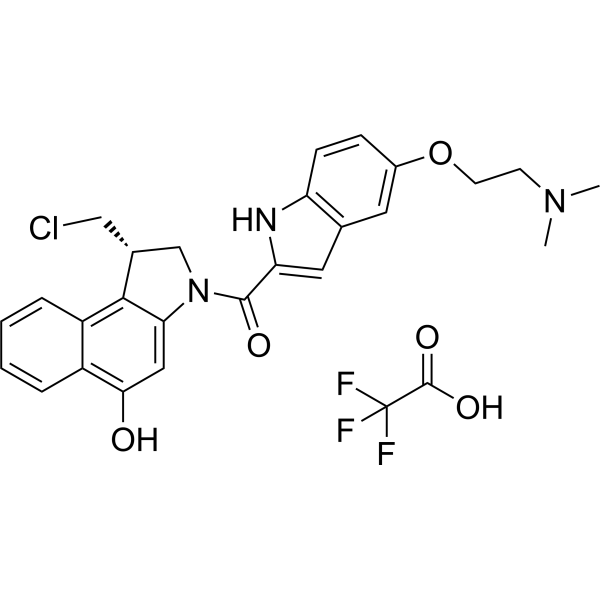
    Duocarmycin DM, a DNA minor-groove alkylator, is an antibody agent conjugates (ADCs) toxin. Duocarmycin DM is based on its characteristic curved indole structure and a spirocyclopropylcyclohexadienone electrophile to act anticancer activity .
    Duocarmycin DM
  • HY-159774

    Antibody-Drug Conjugates (ADCs) Cancer
    ADC Control human IgG1-DM1 is the ADC control, which is composed of Human IgG1 kappa, Isotype Control (HY-P99001) and the linker-payload conjugate SMCC-DM1 (HY-101070) .
    ADC Control human IgG1-DM1
  • HY-153043

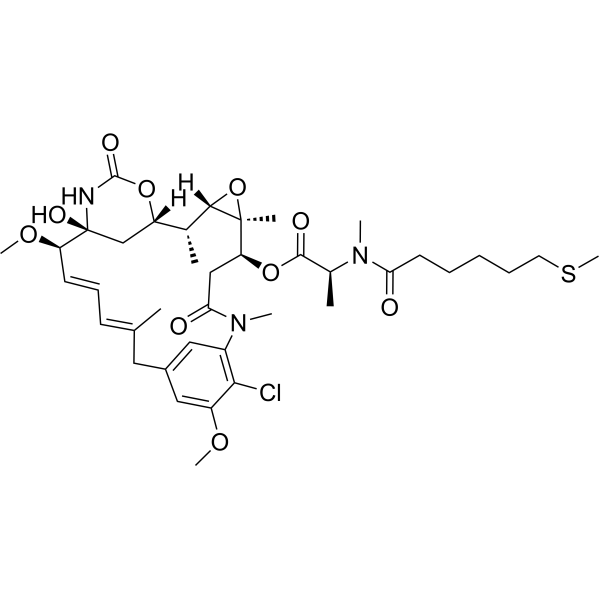
    Drug Metabolite Cancer
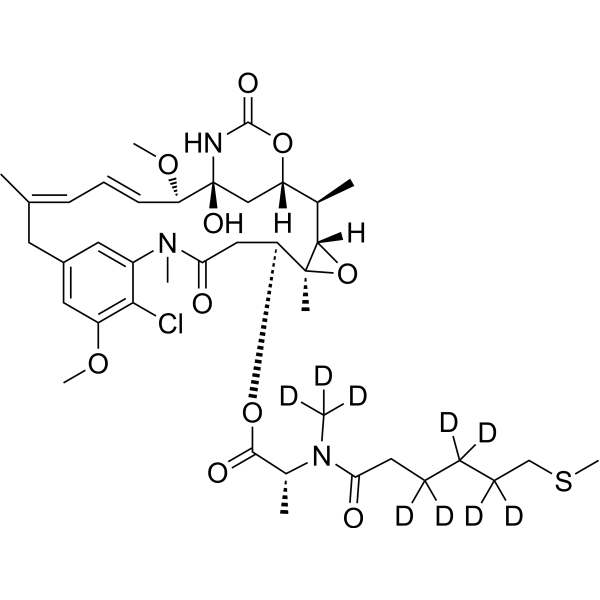
    DM-CO-(CH2)5-SMe is an anticancer agent derived from antibody-drug conjugates (ADC) metabolite with cytotoxicity to H1703, H1975, COLO704 and Colo720E cells .
    DM-CO-(CH2)5-SMe
  • HY-101982A

    (Rac)-Lys-Nε-MCC-dm1

    Drug-Linker Conjugates for ADC Cancer
    (Rac)-Lys-SMCC-DM1 ((Rac)-Lys-Nε-MCC-DM1) is the racemate of Lys-SMCC-DM1 (HY-101982). Lys-SMCC-DM1 is a linker-payload component that has the potential to inhibit tubulin polymerization. Lys-SMCC-DM1 is the active metabolite of T-DM1 .
    (Rac)-Lys-SMCC-DM1
  • HY-102001

    ADC Payload Cancer
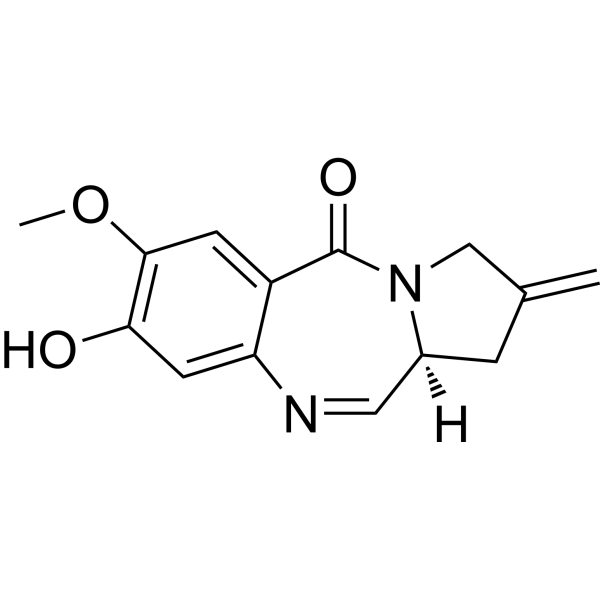
    Tomaymycin DM is a tomaymycin derivative, PBD monomer, and DNA alkylating agent. Tomaymycin DM can serve as a payload in tumor-targeting antibody-conjugated active molecules (ADCs).
    Tomaymycin DM
  • HY-100503

    ADC Payload Cancer
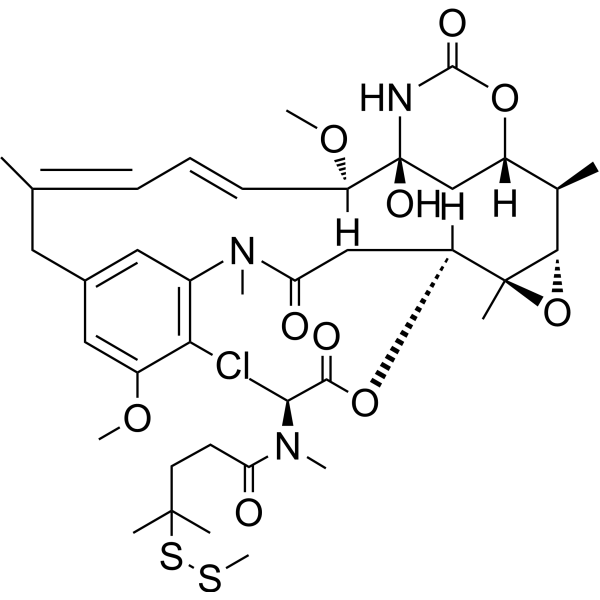
    Maytansinoid DM4 is a thiol-containing maytansine derivative with highly potent cytotoxicity. Maytansinoid DM4 can be used as a cytotoxic moiety of ADC .
    Maytansinoid DM4
  • HY-133152

    dm-3411

    5-HT Receptor Dopamine Receptor Neurological Disease
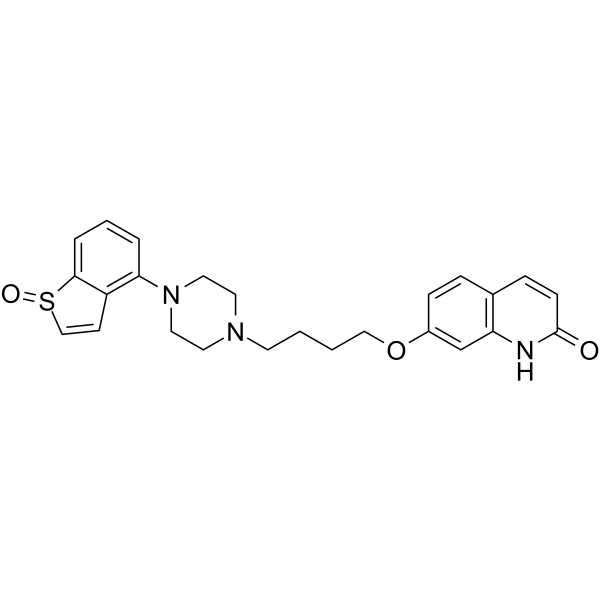
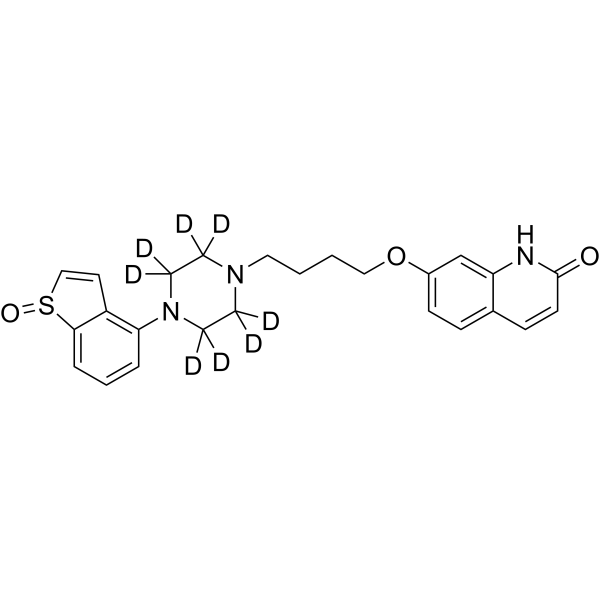
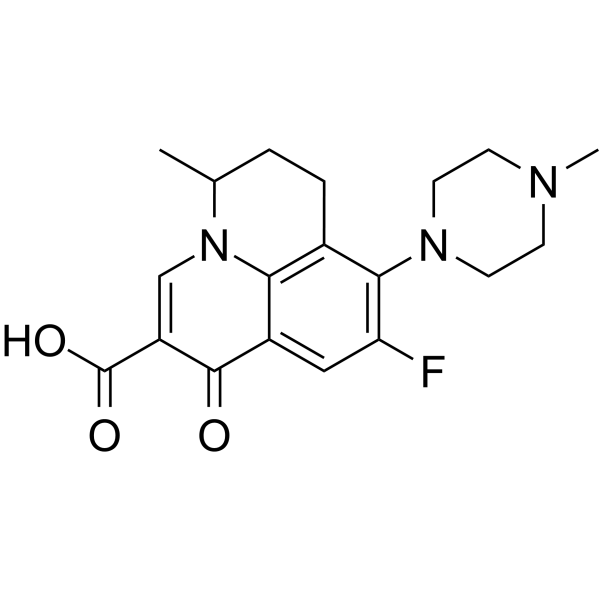
    Brexpiprazole S-oxide (DM-3411) is a main metabolite of Brexpiprazole and is metabolized by cytochrome P450 3A4 (CYP3A4). Brexpiprazole is an atypical antipsychotic agent and a partial agonist of human 5-HT1A and dopamine receptor with Kis of 0.12 nM and 0.3 nM, respectively. Brexpiprazole is also a 5-HT2A receptor antagonist with a Ki of 0.47 nM .
    Brexpiprazole S-oxide
  • HY-126493

    Drug-Linker Conjugates for ADC Microtubule/Tubulin Cancer
    DM4-SPDP is a Drug-Linker Conjugates for ADC. DM4-SPDP consists of the ADC cytotoxin DM4 (HY-12454) and a linker SPDP (HY-100216). DM4-SPDP can be used for synthesis of ADCs .
    DM4-SPDP
  • HY-126789A

    Biochemical Assay Reagents Metabolic Disease
    DM-Nitrophen tertasodium is a photolabile caged calcium compound that acts as a calcium releaser. DM-Nitrophen tertasodium binds Ca 2+ with high affinity and Mg 2+ with considerable affinity before photolysis. DM-Nitrophen tertasodium releases Ca 2+ into the cytosol upon ultraviolet light irradiation. DM-Nitrophen tertasodium induces calcium concentration pulses, triggers cytosolic calcium transients, promotes calcium-dependent exocytosis. DM-Nitrophen tertasodium can be used for the research of calcium-dependent cellular processes .
    DM-Nitrophen tertasodium
  • HY-164303

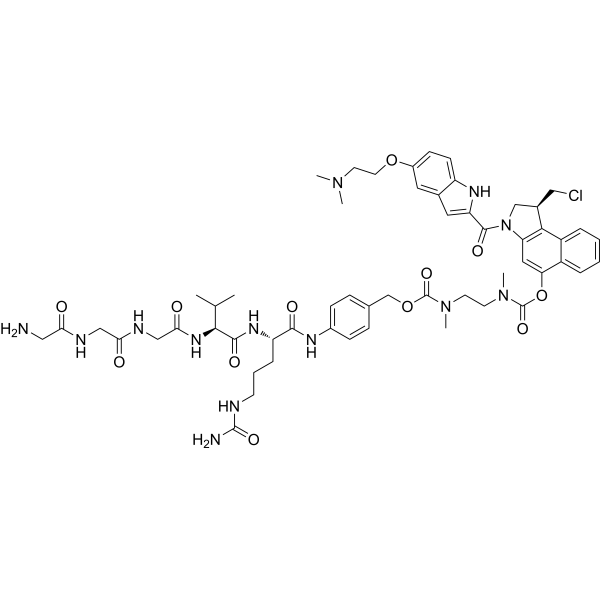
    Drug-Linker Conjugates for ADC DNA Alkylator/Crosslinker Cancer
    Val-Cit-PAB-DEA-Duo-DM is a drug-linker conjugate, which consists of the linker Val-Cit-PAB, the spacer DEA and the ADC toxin Duocarmycin DM (Duo-DM) (HY-130978). Val-Cit-PAB-DEA-Duo-DM can be used for the synthesis of ADC molecule .
    Val-Cit-PAB-DEA-Duo-DM
  • HY-147094

    ADC Linker Cancer
    vc-PABC-DM1 used to synthesize an ADC molecule based on utilize disulfide linker. vc-PABC-DM1 can be used to explore serum stability .
    vc-PABC-DM1
  • HY-143986S1

    Drug Metabolite Isotope-Labeled Compounds Others
    DM50 impurity 1-d9-1 is the deuterium labeled DM50 impurity 1 .
    DM50 impurity 1-d9-1

Inquiry Online

Your information is safe with us. * Required Fields.

Salutation


Country or Region *

Applicant Name *


Organization Name *

Department *


Email Address *


Product Name *

Cat. No.


Requested quantity *

Phone Number *


Remarks

Inquiry Online

Inquiry Information

Product Name:
Cat. No.:
Quantity:
MCE Japan Authorized Agent: