
1. Search Result
Search Result
Pathways Recommended: MAPK/ERK Pathway
Results for "

ERK kinase

" in MedChemExpress (MCE) Product Catalog:

167

Inhibitors & Agonists

2

Screening Libraries

1

Fluorescent Dyes

3

Biochemical Assay Reagents

10

Peptides

1

Inhibitory Antibodies

9

Natural
Products

28

Recombinant Proteins

57

Antibodies

2

Oligonucleotides

1

GMP Molecules

Targets Recommended:
Cat. No. Product Name Target Research Areas Chemical Structure
  • HY-15816
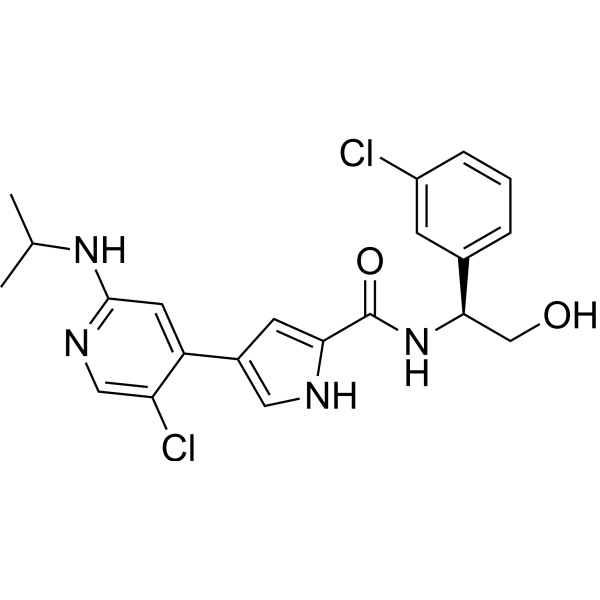
    Ulixertinib
    45+ Cited Publications

    BVD-523; VRT752271

    ERK Cancer
    Ulixertinib (BVD-523; VRT752271) is a potent, orally active, highly selective, ATP-competitive and reversible covalent inhibitor of ERK1/2 kinases, with an IC50 of <0.3 nM against ERK2. Ulixertinib (BVD-523; VRT752271) inhibits the phosphorylated ERK2 (pERK) and downstream kinase RSK (pRSK) in an A375 melanoma cell line .
    Ulixertinib
  • HY-12028
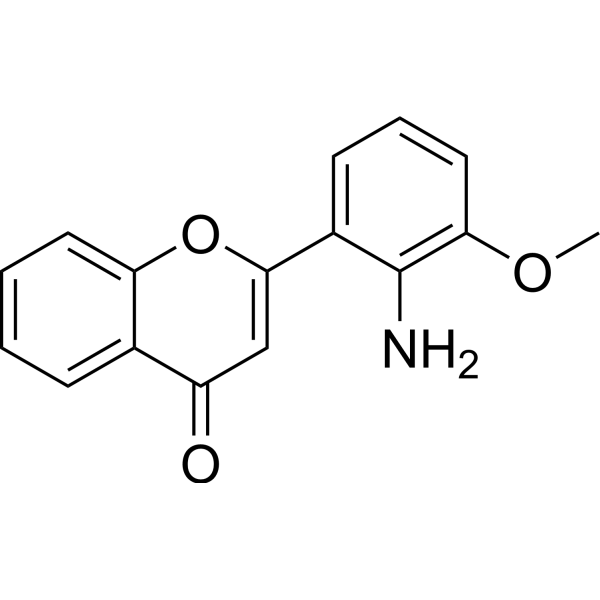
    PD98059
    Maximum Cited Publications
    391 Publications Verification

    MEK ERK Aryl Hydrocarbon Receptor Autophagy Cancer
    PD98059 is a potent and selective MEK inhibitor with an IC50 of 5 µM. PD98059 binds to the inactive form of MEK, thereby preventing the activation of MEK1 (IC50 of 2-7 µM) and MEK2 (IC50 of 50 µM) by upstream kinases. PD98059 is a ERK1/2 signaling inhibitor. PD98059 is a ligand for the aryl hydrocarbon receptor (AHR), and suppresses TCDD binding (IC50 of 4 μM) and AHR transformation (IC50 of 1 μM). PD98059 also inhibits Mycobacterium bovis Bacillus CalmetteGuerin (BCG)-induced autophagy .
    PD98059
  • HY-13404
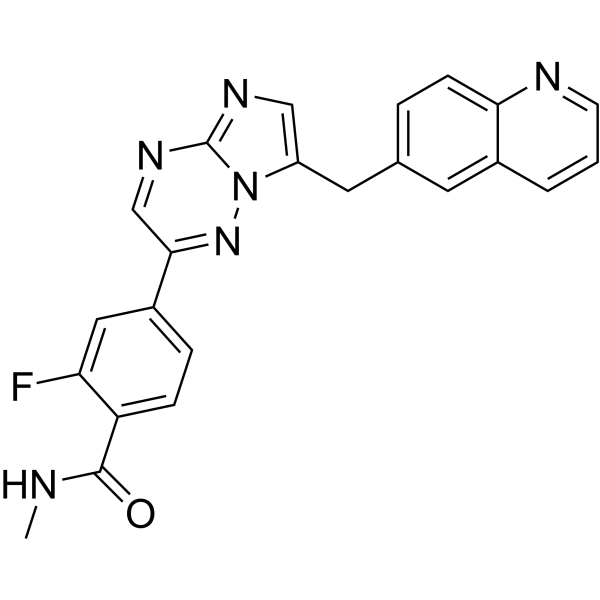
    Capmatinib
    20+ Cited Publications

    INC280; INCB28060

    c-Met/HGFR Apoptosis Cancer
    Capmatinib (INC280; INCB28060) is a potent, orally active, selective, and ATP competitive c-Met kinase inhibitor (IC50=0.13 nM). Capmatinib can inhibit phosphorylation of c-MET as well as c-MET pathway downstream effectors such as ERK1/2, AKT, FAK, GAB1, and STAT3/5. Capmatinib potently inhibits c-MET-dependent tumor cell proliferation and migration and effectively induces apoptosis. Antitumor activity. Capmatinib is largely metabolized by CYP3A4 and aldehyde oxidase .
    Capmatinib
  • HY-15947
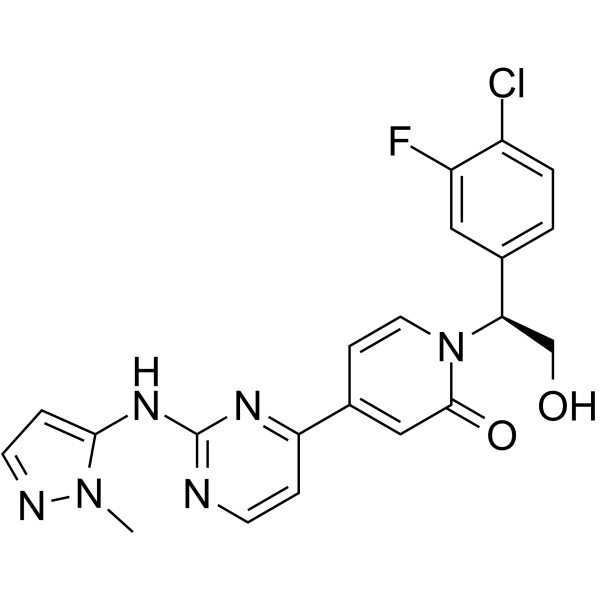
    Ravoxertinib
    50+ Cited Publications

    GDC-0994

    ERK Cancer
    Ravoxertinib (GDC-0994) is an orally active ERK kinase inhibitor with an IC50 of 6.1 nM and 3.1 nM for ERK1 and ERK2, respectively.
    Ravoxertinib
  • HY-15816A
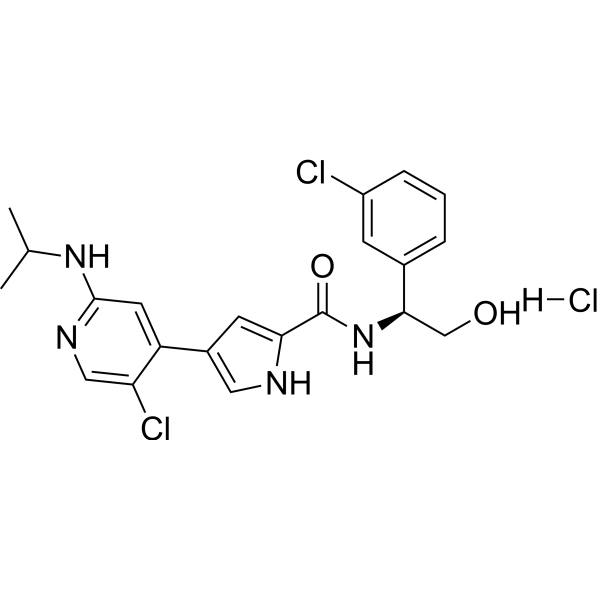
    Ulixertinib hydrochloride
    45+ Cited Publications

    BVD-523 hydrochloride; VRT752271 hydrochloride

    ERK Cancer
    Ulixertinib hydrochloride (BVD-523 hydrochloride) is a potent, orally active, highly selective, ATP-competitive and reversible covalent inhibitor of ERK1/2 kinases, with an IC50 of <0.3 nM against ERK2. Ulixertinib hydrochloride inhibits the phosphorylated ERK2 (pERK) and downstream kinase RSK (pRSK) in an A375 melanoma cell line .
    Ulixertinib hydrochloride
  • HY-108543
    NSC 95397
    5+ Cited Publications

    Phosphatase Apoptosis Cancer
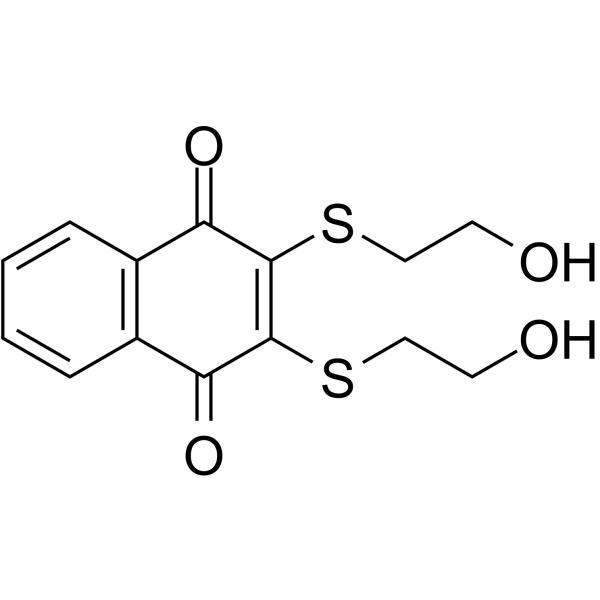
    NSC 95397 is a potent, selective Cdc25 dual specificity phosphatase inhibitor (Ki=32 nM (Cdc25A), 96 nM (Cdc25B), 40 nM (Cdc25C); IC50=22.3 nM (human Cdc25A), 56.9 nM (human Cdc25C), 125 nM (Cdc25B)) . NSC 95397 inhibits mitogen-activated protein kinase phosphatase-1 (MKP-1) and suppresses proliferation and induces apoptosis in colon cancer cells through MKP-1 and ERK1/2 pathway .
    NSC 95397
  • HY-P1752

    CRFR Bacterial Parasite NF-κB ERK Metabolic Disease
    Urocortin II, human is a selective endogenous peptide agonist of type-2 corticotropin-releasing factor (CRF2) receptor. Urocortin II, human has an effect of promoting satiet and neuroprotective effect. Urocortin II, human also has bactericidal, antiparasitic and pro-inflammation activity. Urocortin II, human can activate NF-κB pathway and ERK1/2 MAP kinase. Urocortin II, human can reduce pulmonary arterial hypertension and shows cardiac protection effect. Urocortin II, human can be used for the researches of infection, inflammation, metabolic, neurological and cardiovascular disease .
    Urocortin II, human
  • HY-145015

    HM43239

    FLT3 Apoptosis Cancer
    Tuspetinib (HM43239) is an orally active and selective FLT3 inhibitor with IC50s of 1.1 nM, 1.8 nM and 1.0 nM for FLT3 WT, FLT3 internal tandem duplication (ITD) and FLT3 D835Y kinases, respectively. Tuspetinib inhibits the kinase activity of FLT3 as a reversible type I inhibitor and modulates p-STAT5, p-ERK, SYK, JAK1/2, and TAK1. Tuspetinib inhibits the proliferation and induces the apoptosis of leukemic cells .
    Tuspetinib
  • HY-10520
    CGP 57380
    3 Publications Verification

    MNK Apoptosis Cancer
    CGP 57380 is a cell-permeable pyrazolo-pyrimidine compound that acts as a selective inhibitor of Mnk1 with IC50 of 2.2 μM, but has no inhibitory activity against p38, JNK1, ERK1/2, PKC, or Src-like kinases.
    CGP 57380
  • HY-N6670

    Antibiotic Raf ERK Ras MEK Bacterial Infection
    Cefotetan is a binding agent that targets human Raf1 kinase inhibitor protein (hRKIP). Cefotetan binds to hRKIP, reduces the binding space between hRKIP and Raf1 kinase, relieves hRKIP's inhibition of the Ras/Raf1/MEK/ERK signaling pathway, and enhances ERK phosphorylation. Cefotetan can be used to study diseases associated with dysregulated Ras/Raf1/MEK/ERK signaling pathways. Cefotetan is also a broad-spectrum antibacterial agent that disrupts cell wall synthesis by binding to bacterial penicillin-binding proteins (PBPs). It is used to study bacterial infections such as bone, skin, urinary tract, and lower respiratory tract .
    Cefotetan
  • HY-13404C

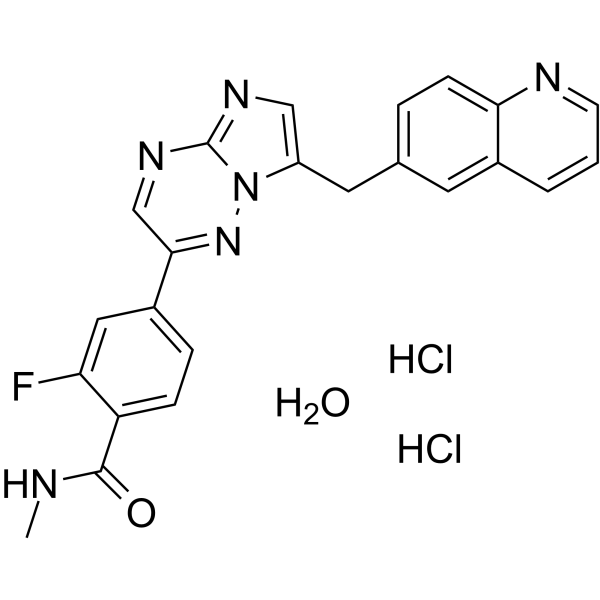
    INC280 dihydrochloride hydrate; INCB-28060 dihydrochloride hydrate

    c-Met/HGFR Apoptosis Cancer
    Capmatinib (INC280; INCB28060) dihydrochloride hydrate is a potent, orally active, selective, and ATP competitive c-Met kinase inhibitor (IC50=0.13 nM). Capmatinib dihydrochloride hydrate can inhibit phosphorylation of c-MET as well as c-MET pathway downstream effectors such as ERK1/2, AKT, FAK, GAB1, and STAT3/5. Capmatinib dihydrochloride hydrate potently inhibits c-MET-dependent tumor cell proliferation and migration and effectively induces apoptosis. Antitumor activity. Capmatinib dihydrochloride hydrate is largely metabolized by CYP3A4 and aldehyde oxidase .
    Capmatinib dihydrochloride hydrate
  • HY-109556

    Akt ERK Metabolic Disease
    Insulin Detemir is an artificial insulin, shows effect on controlling blood sugar levels. Insulin Detemir stimulates GLP-1 secretion as a consequence of enhanced Gcg expression by a mechanism involving activation of Akt- and/or extracellular signal-regulated kinase (ERK)-dependent-cat and CREB signaling pathways. Insulin Detemir can be used for type 2 diabetes research .
    Insulin Detemir
  • HY-108886
    JWG-071
    5 Publications Verification

    ERK Cancer
    JWG-071 is the kinase-selective chemical probe for ERK5. JWG-071 inhibits ERK5 and LRRK2 with IC50 values of 88nM and 109 nM, respectively .
    JWG-071
  • HY-108330
    AG126
    3 Publications Verification

    Tyrphostin AG126

    ERK Mitosis Inflammation/Immunology
    AG126 is a tyrosine kinase inhibitor, can inhibit the phosphorylation of ERK1 and ERK2 at 25-50 μM. AG126 can be used in meiosis, mitosis, and postmitotic research .
    AG126
  • HY-143212

    1-Stearoyl-2-docosahexaenoyl-sn-glycerol

    Ras p38 MAPK ERK PKC Metabolic Disease Inflammation/Immunology Cancer
    18:0-22:6 DG (1-Stearoyl-2-docosahexaenoyl-sn-glycerol) is a diacylglycerol (DG) that can interact with RasGRP (Ras guanine nucleotide-releasing protein) (Ki = 8.37 μM) and modulate the activation of MAP kinases (such as ERK1/ERK2), which play a crucial role in cellular signaling processes. 18:0-22:6 DG can also activate protein kinase C (PKC) isozyme. 18:0-22:6 DG can be used for research of cancer, immunology and metabolic disease .
    18:0-22:6 DG
  • HY-P6442

    Chemerin Receptor Syk ERK Src p38 MAPK P-selectin Cardiovascular Disease Neurological Disease Inflammation/Immunology
    Chemerin15 is an anti-inflammatory peptide derived from Chemerin. Chemerin15 binds to ChemR23. Chemerin15 inhibits TNFα-induced activation of Syk, ERK and Src kinases. Chemerin15 increases the expression of p-p38 mRNA and protein. Chemerin15 mediates phagocytosis, resolution of inflammation, CD62L shedding and downregulation of PSGL-1 expression in macrophages and microglia. Chemerin15 inhibits neutrophil-mediated vascular inflammation and myocardial ischemia-reperfusion injury via ChemR23. Chemerin15 enhances microglial phagocytosis, thereby alleviating cerebral ischemia-reperfusion injury .
    Chemerin15
  • HY-112181
    KO-947
    4 Publications Verification

    ERK Cancer
    KO-947 is a potent and selective inhibitor of ERK1/2 kinases with potential utility in MAPK pathway dysregulated tumors.
    KO-947
  • HY-14340
    WAY-181187
    2 Publications Verification

    SAX-187

    5-HT Receptor Neurological Disease
    WAY-181187 (SAX-187) is a potent and selective full 5-HT6 receptor agonist with a Ki of 2.2 nM and an EC50 of 6.6 nM . WAY181187 mediates 5-HT6 receptor-dependent signal pathways, such as cAMP, Fyn and ERK1/2 kinase, as specific agonist .
    WAY-181187
  • HY-W011428
    Olomoucine
    1 Publications Verification

    CDK Others Cancer
    Olomoucine is an ATP competitive inhibitor of CDKs. Olomoucine is a purine (HY-34431) derivative and inhibits CDC2/cyclin B, Cdk2/cyclin A, Cdk2/cyclin E (both IC50=7 μM), CDK/p35 kinase (IC50=3 μM) and ERK1/p44 MAP kinase (IC50=25 μM) . Olomoucine regulates cell cycle and shows anti-melanin tumor activity .
    Olomoucine
  • HY-107620

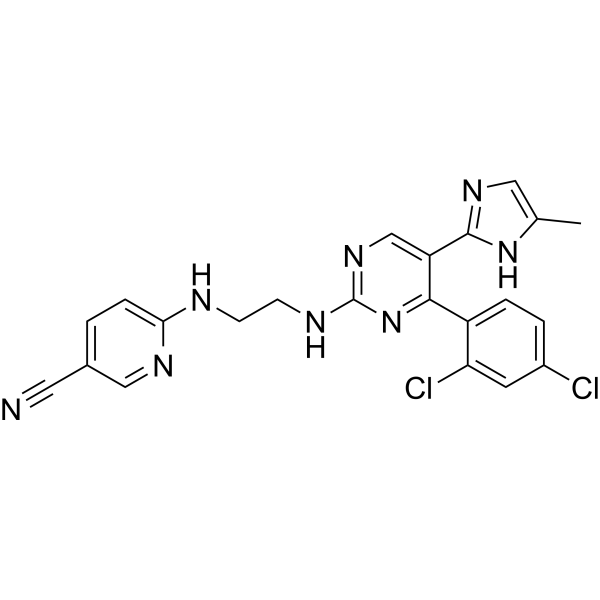
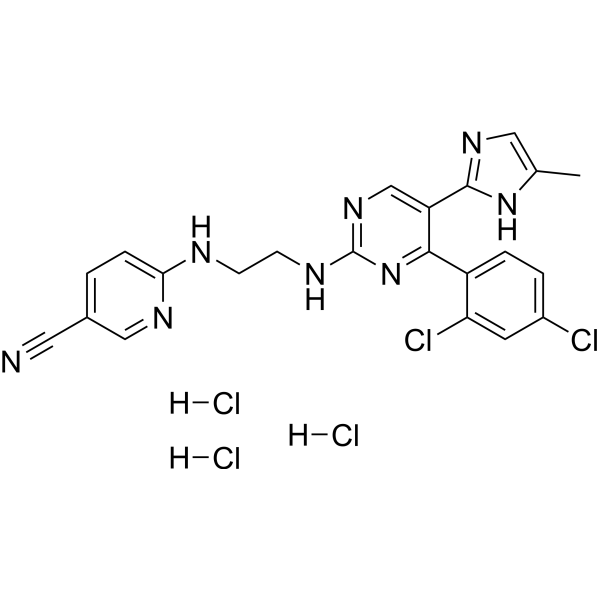
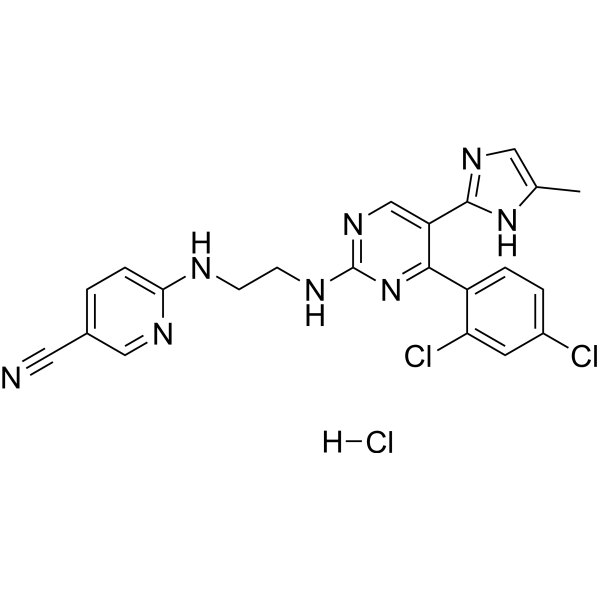
    MEK Neurological Disease
    PD 198306 is a selective MAPK/ERK-kinase (MEK) inhibitor. PD 198306 results in an observable reduction in the Streptozocin induced increase in the level of active ERK1 and 2. Antihyperalgesic effects .
    PD 198306
  • HY-15947A
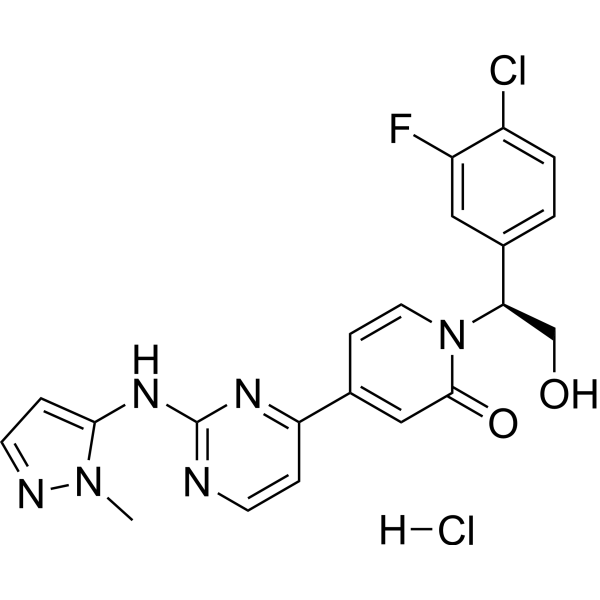
    Ravoxertinib hydrochloride
    50+ Cited Publications

    GDC-0994 hydrochloride

    ERK Cancer
    Ravoxertinib hydrochloride (GDC-0994 hydrochloride) is an orally bioavailable inhibitor selective for ERK kinase activity with IC50 of 6.1 nM and 3.1 nM for ERK1 and ERK2, respectively.
    Ravoxertinib hydrochloride
  • HY-112082
    BAY885
    1 Publications Verification

    ERK Cancer
    BAY885, a chemical probe, is a highly potent and selective ERK5 inhibitor with an IC50 of 35 nM. BAY885 shows weak inhibition on others kinases .
    BAY885
  • HY-N2902

    Reactive Oxygen Species (ROS) Cancer
    Artocarpin is an orally active apoptosis inducer. Artocarpin targets NF-κB, Erk1/2, p38 MAPK, AktS473, p53, Akt 1 kinase and Akt 2 kinase. Artocarpin induces reactive oxygen species (ROS) production, mediates p53-dependent and p53-independent apoptotic signaling pathways, induces G1-phase cell cycle arrest, and triggers autophagic cell death. Artocarpin exerts cytotoxic and bactericidal effects on cancer cells, reduces bacterial load, and exhibits anti-inflammatory, analgesic and anti-angiogenic activities .
    Artocarpin
  • HY-13404A
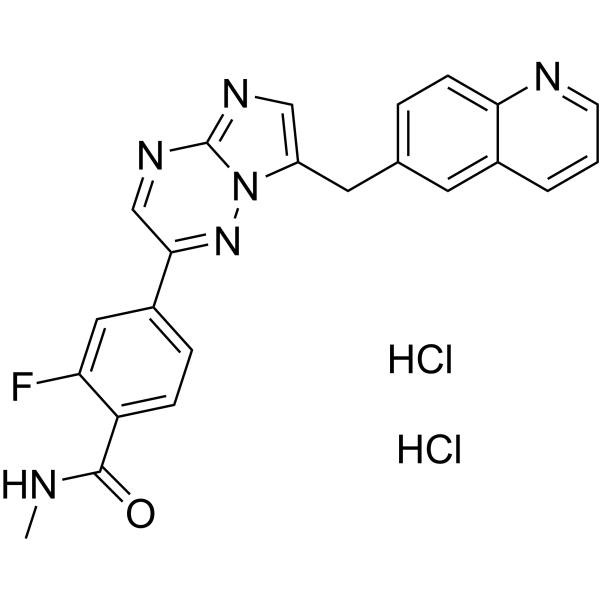
    Capmatinib dihydrochloride
    20+ Cited Publications

    INC280 dihydrochloride; INCB28060 dihydrochloride

    c-Met/HGFR Apoptosis Cancer
    Capmatinib (INC280; INCB28060) dihydrochloride is a potent, orally active, selective, and ATP competitive c-Met kinase inhibitor (IC50=0.13 nM). Capmatinib dihydrochloride can inhibit phosphorylation of c-MET as well as c-MET pathway downstream effectors such as ERK1/2, AKT, FAK, GAB1, and STAT3/5. Capmatinib dihydrochloride potently inhibits c-MET-dependent tumor cell proliferation and migration and effectively induces apoptosis. Antitumor activity. Capmatinib dihydrochloride is largely metabolized by CYP3A4 and aldehyde oxidase .
    Capmatinib dihydrochloride
  • HY-13404B
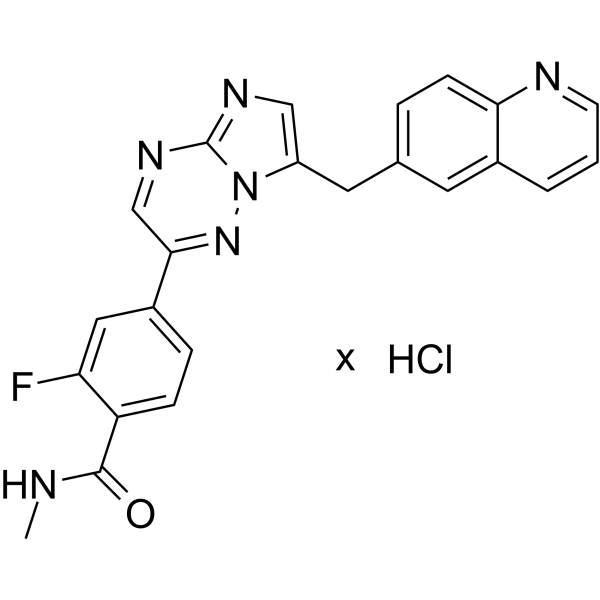
    Capmatinib hydrochloride
    20+ Cited Publications

    INC280 hydrochloride; INCB-28060 hydrochloride

    c-Met/HGFR Apoptosis Cancer
    Capmatinib (INC280; INCB28060) hydrochloride is a potent, orally active, selective, and ATP competitive c-Met kinase inhibitor (IC50=0.13 nM). Capmatinib hydrochloride can inhibit phosphorylation of c-MET as well as c-MET pathway downstream effectors such as ERK1/2, AKT, FAK, GAB1, and STAT3/5. Capmatinib hydrochloride potently inhibits c-MET-dependent tumor cell proliferation and migration and effectively induces apoptosis. Antitumor activity. Capmatinib hydrochloride is largely metabolized by CYP3A4 and aldehyde oxidase .
    Capmatinib hydrochloride
  • HY-112411

    EGFR ERK PDGFR FGFR Neurological Disease Inflammation/Immunology
    PD 174265 is a highly selective, reversible EGFR/ErbB2 tyrosine kinase inhibitor (IC50=0.45 nM) and cell differentiation inducer. By blocking receptor autophosphorylation and the downstream ERK signaling pathway (with an IC50 of 0.45 μM for full-length ERK), PD 174265 effectively inhibits tumor growth and exhibits antitumor activity without obvious toxicity in in vivo models. PD 174265 drives oligodendrocyte precursor cells to switch from a proliferative state to a differentiated state, significantly upregulates the expression of myelin proteins such as CNP, PLP and MBP, and induces neurite branching. PD 174265 shows no inhibitory effect on other kinases including insulin, PDGF and basic FGF receptors, and serves as a crucial tool molecule for investigating the treatment of human epidermoid carcinoma and the mechanism of myelin repair in multiple sclerosis .
    PD 174265
  • HY-101446

    Trk Receptor ERK Apoptosis Neurological Disease
    HIOC is a potent and selective activator of TrkB (tropomyosin related kinase B) receptor. HIOC can pass the blood-brain and blood-retinal barriers.HIOC activates TrkB/ERK pathway and decreases neuronal cell apoptosis. HIOC attenuates early brain injury after SAH (subarachnoid hemorrhage). HIOC shows protective activity in an animal model for light-induced retinal degeneration .
    HIOC
  • HY-134877

    EGFR ERK Akt Cancer
    BAY 2476568 is a potent and mutant-selective inhibitor targeting EGFR exon20 insertion variants. BAY 2476568 potently inhibits the kinase activity of EGFR exon20 insertion mutants (insASV, insSVD, insNPG) with IC50 values of 0.09 nM, 0.21 nM, and 0.11 nM, respectively. BAY 2476568 inhibits EGFR (Y1068) phosphorylation and reduces the phosphorylation of ERK1/2 and Akt (S473) in Ba/F3 cells expressing EGFR exon20 insertion mutants (insASV, insSVD). BAY 2476568 can be used for the study of non-small cell lung cancer (NSCLC) driven by EGFR exon20 insertion mutations .
    BAY 2476568
  • HY-135906
    CK2/ERK8-IN-1
    2 Publications Verification

    Casein Kinase ERK Pim DYRK Apoptosis Cancer
    CK2/ERK8-IN-1 is a dual casein kinase 2 (CK2) (Ki of 0.25 µM) and ERK8 (MAPK15, ERK7) inhibitor with IC50s of 0.50 μM. CK2/ERK8-IN-1 also binds to PIM1, HIPK2 (homeodomain-interacting protein kinase 2), and DYRK1A with Kis of 8.65 µM, 15.25 µM, and 11.9 µM, respectively. CK2/ERK8-IN-1 has pro-apoptotic efficacy .
    CK2/ERK8-IN-1
  • HY-101246

    RET Cancer
    RPI-1 is a specific, orally available 2-indolinone Ret tyrosine kinase inhibitor. RPI-1 inhibits proliferation, Ret tyrosine phosphorylation, Ret protein expression, and the activation of PLCgamma, ERKs and AKT in human medullary thyroid carcinoma TT cells. Antitumor activity .
    RPI-1
  • HY-12736A
    GSK143 dihydrochloride
    1 Publications Verification

    Syk ERK Inflammation/Immunology Cancer
    GSK143 dihydrochloride is an orally active and highly selective spleen tyrosine kinase (SYK) inhibitor with a pIC50 of 7.5. GSK143 dihydrochloride inhibits phosphorylated Erk (pErk: pIC50=7.1) . GSK143 dihydrochloride reduces inflammation and prevents recruitment of immune cells in the intestinal muscularis in mice .
    GSK143 dihydrochloride
  • HY-145702

    MEK ERK Cancer
    MAP855 is a highly potent, selective, ATP-competitive and orally active MEK1/2 kinase inhibitor (MEK1 ERK2 cascade IC50=3 nM, pERK EC50=5 nM). MAP855 shows equipotent inhibition of wild-type and mutant MEK1/2 .
    MAP855
  • HY-147259

    c-Met/HGFR Cancer
    Dalmelitinib is an orally active selective c-Met kinase inhibitor (IC50: 2.9 nM) that binds to the ATP-binding region of c-Met. Dalmelitinib induces the phosphorylation of MET, partially or completely inhibits the phosphorylation of AKT and ERK. Dalmelitinib potently inhibits cancer cell (c-Met oncogene amplification) proliferation, and is used for the research of cancers like human non-small cell lung cancer (NSCLC) .
    Dalmelitinib
  • HY-15816R

    BVD-523 (Standard); VRT752271 (Standard)

    ERK Reference Standards Cancer
    Ulixertinib (Standard) is the analytical standard of Ulixertinib. This product is intended for research and analytical applications. Ulixertinib (BVD-523; VRT752271) is a potent, orally active, highly selective, ATP-competitive and reversible covalent inhibitor of ERK1/2 kinases, with an IC50 of <0.3 nM against ERK2. Ulixertinib (BVD-523; VRT752271) inhibits the phosphorylated ERK2 (pERK) and downstream kinase RSK (pRSK) in an A375 melanoma cell line .
    Ulixertinib (Standard)
  • HY-50055

    ERK Cancer
    EtDO-P4 is a nanomolar inhibitor of glycosphingolipid (GSL) synthesis. EtDO-P4 suppresses activation of the EGFR-induced ERK pathway and various receptor tyrosine kinases (RTKs). EtDO-P4 can be used for various types of cancer, including Burkitt’s lymphoma .
    EtDO-P4
  • HY-P1752B

    CRFR Bacterial Parasite NF-κB ERK Metabolic Disease
    Urocortin II, human acetate is a selective endogenous peptide agonist of type-2 corticotropin-releasing factor (CRF2) receptor. Urocortin II, human acetate has an effect of promoting satiet and neuroprotective effect. Urocortin II, human acetate also has bactericidal, antiparasitic and pro-inflammation activity. Urocortin II, human acetate can activate NF-κB pathway and ERK1/2 MAP kinase. Urocortin II, human acetate can reduce pulmonary arterial hypertension and shows cardiac protection effect. Urocortin II, human acetate can be used for the researches of infection, inflammation, metabolic, neurological and cardiovascular disease .
    Urocortin II, human acetate
  • HY-12028R

    MEK ERK Aryl Hydrocarbon Receptor Autophagy Cancer
    PD98059 (Standard) is the analytical standard of PD98059. This product is intended for research and analytical applications. PD98059 is a potent and selective MEK inhibitor with an IC50 of 5 µM. PD98059 binds to the inactive form of MEK, thereby preventing the activation of MEK1 (IC50 of 2-7 µM) and MEK2 (IC50 of 50 µM) by upstream kinases. PD98059 is a ERK1/2 signaling inhibitor. PD98059 is a ligand for the aryl hydrocarbon receptor (AHR), and suppresses TCDD binding (IC50 of 4 μM) and AHR transformation (IC50 of 1 μM). PD98059 also inhibits Mycobacterium bovis Bacillus CalmetteGuerin (BCG)-induced autophagy .
    PD98059 (Standard)
  • HY-145025

    ERK Inflammation/Immunology Cancer
    ERK1/2 inhibitor 3 is a potent inhibitor of ERK1/2. Mitogen-activated protein kinase (MAPK) plays an extremely important role in the signal transduction pathway, and extracellular signal regulated kinase (ERK) is a member of the MAPK family. ERK1/2 inhibitor 3 has the potential for the research or prevention of cancer, inflammation or other proliferative diseases (extracted from patent WO2021218912A1, compound 1) .
    ERK1/2 inhibitor 3
  • HY-156450

    ERK Cancer
    ERK5-IN-5 (compound 4a) is an ERK5 kinase inhibitor with anticancer activity. ERK5-IN-5 exhibits good anti-proliferative activity with the IC50 value of 6.23 µg/mL for A549 cells .
    ERK5-IN-5
  • HY-177132

    WX001

    ERK Cancer
    Sonvuterkib (WX001) is a potent and orally active extracellular signal-regulated kinases (ERK) inhibitor with IC50 values of 1.4, 0.54 nM for ERK1, ERK2, respectively. Sonvuterkib inhibits cell proliferation. Sonvuterkib shows anticancer activity .
    Sonvuterkib
  • HY-12736

    Syk ERK Inflammation/Immunology Cancer
    GSK143 is an orally active and highly selective spleen tyrosine kinase (SYK) inhibitor with a pIC50 of 7.5. GSK143 inhibits phosphorylated Erk (pErk: pIC50=7.1) . GSK143 reduces inflammation and prevents recruitment of immune cells in the intestinal muscularis in mice .
    GSK143
  • HY-120505

    ERK p38 MAPK Inflammation/Immunology
    ITZ-1 is an orally active and selective extracellular signal-regulated kinase (ERK)-mitogen-activated protein kinase (MAPK) pathway inhibitor with an IC50 of 0.51 μM for inhibiting interleukin-1β (IL-1β)-induced matrix metalloproteinase-13 (MMP-13) production. ITZ-1 reduces MMP-13 expression and suppresses nitric oxide (NO)-induced chondrocyte apoptosi. ITZ-1 is promising for research of osteoarticular diseases .
    ITZ-1
  • HY-177802

    ERK Cancer
    C3 sodium is an aptamer that binds to Erk2. C3 binds to the MAP kinase insert domain, a unique site on Erk1/2. Due to this recognition profile C3 inhibits Erk2 activation by its upstream kinase MKK1.
    C3 sodium
  • HY-145026

    ERK Inflammation/Immunology Cancer
    ERK1/2 inhibitor 5 is a potent inhibitor of ERK1/2. Mitogen-activated protein kinase (MAPK) plays an extremely important role in the signal transduction pathway, and extracellular signal regulated kinase (ERK) is a member of the MAPK family. ERK1/2 inhibitor 5 has the potential for the research or prevention of cancer, inflammation or other proliferative diseases (extracted from patent WO2020238776A1) .
    ERK1/2 inhibitor 4
  • HY-145027

    ERK Cancer
    ERK1/2 inhibitor 5 is a potent inhibitor of ERK1/2. Mitogen-activated protein kinase (MAPK) plays an extremely important role in the signal transduction pathway, and extracellular signal regulated kinase (ERK) is a member of the MAPK family. ERK1/2 inhibitor 5 has the potential for the research or prevention of cancer, inflammation or other proliferative diseases (extracted from patent WO2020238776A1) .
    ERK1/2 inhibitor 5
  • HY-P5440

    ERK Others
    ERKtide is a biological active peptide. (ERKtide is a peptide substrate for ERK2. Extracellular regulated protein kinase 2 (ERK2) is a eukaryotic protein kinase whose activity is regulated by mitogenic stimuli.)
    ERKtide
  • HY-E70844

    MEK Cancer
    MAP2K2 (MEK2) is a dual specificity protein kinase that belongs to the MAP kinase kinase family. This kinase is known to play a critical role in mitogen growth factor signal transduction. MAP2K2 phosphorylates and thus activates MAPK1/ERK2 and MAPK3/ERK1. MAP2K2 Recombinant Human Active Protein Kinase is a recombinant MAP2K2 protein that can be used to study MAP2K2-related functions .
    MAP2K2 Recombinant Human Active Protein Kinase
  • HY-E70746

    MEK Cancer
    MEK1 is the MAP/ERK kinase. The MEK1 kinase directly phosphorylates ERK2, after the activation loop of MEK1 is itself phosphorylated by Raf. MEK1 SESE is a mutant of MEK1. MEK1 SESE Recombinant Human Active Protein Kinase is a recombinant MEK1 SESE protein that can be used to study MEK1 SESE-related functions .
    MEK1 SESE Recombinant Human Active Protein Kinase
  • HY-150026

    VEGFR PDGFR FGFR c-Kit Akt Src Apoptosis Cancer
    Multi-kinase-IN-2 (compound 7h) is an orally active and potent angiokinase inhibitor. Multi-kinase-IN-2 exhibits excellent inhibitory activity against angiokinases including VEGFR-1/2/3, PDGFRα/β, and FGFR-1, as well as LYN and c-KIT kinases. Multi-kinase-IN-2 significantly attenuates phosphorylation of AKT and ERK proteins. Multi-kinase-IN-2 induces cell apoptosis. Multi-kinase-IN-2 shows anticancer activity .
    Multi-kinase-IN-2
  • HY-W746031

    SAX-187 hydrochloride

    5-HT Receptor Neurological Disease
    WAY-181187 (SAX-187) hydrochloride is a potent and selective full 5-HT6 receptor agonist with a Ki of 2.2 nM and an EC50 of 6.6 nM . WAY-181187 hydrochloride mediates 5-HT6 receptor-dependent signal pathways, such as cAMP, Fyn and ERK1/2 kinase, as specific agonist .
    WAY-181187 hydrochloride

Inquiry Online

Your information is safe with us. * Required Fields.

Salutation


Country or Region *

Applicant Name *


Organization Name *

Department *


Email Address *


Product Name *

Cat. No.


Requested quantity *

Phone Number *


Remarks

Inquiry Online

Inquiry Information

Product Name:
Cat. No.:
Quantity:
MCE Japan Authorized Agent:

