


1. Search Result
Search Result
Results for "

Liver Metabolism

" in MedChemExpress (MCE) Product Catalog:

161

Inhibitors & Agonists

6

Screening Libraries

2

Biochemical Assay Reagents

9

Peptides

48

Natural
Products

11

Isotope-Labeled Compounds

4

Oligonucleotides

Cat. No. Product Name Target Research Areas Chemical Structure
  • HY-114118
    Semaglutide
    Maximum Cited Publications
    35 Publications Verification

    GLP Receptor Insulin Receptor α-synuclein Apoptosis p38 MAPK Autophagy Bcl-2 Family Neurological Disease Metabolic Disease Cancer
    Semaglutide is a long-acting, selective, competitive GLP-1R agonist that can penetrate the blood-brain barrier. After activating GLP-1R, Semaglutide promotes insulin secretion, inhibits gastric emptying and appetite, and at the same time enhances autophagy, inhibits oxidative stress and apoptosis. Semaglutide also regulates mitochondrial function and lipid metabolism (such as reducing de novo lipogenesis in the liver). Semaglutide has activities such as lowering blood sugar, reducing weight, neuroprotection (such as improving motor function in Parkinson's disease models, reducing α-synuclein aggregation) and improving hepatic steatosis. Semaglutide can be used for the study of neurodegenerative diseases and liver diseases such as type 2 diabetes, obesity, Parkinson's disease, metabolic associated fatty liver disease (MASLD), and cancer .
    Semaglutide
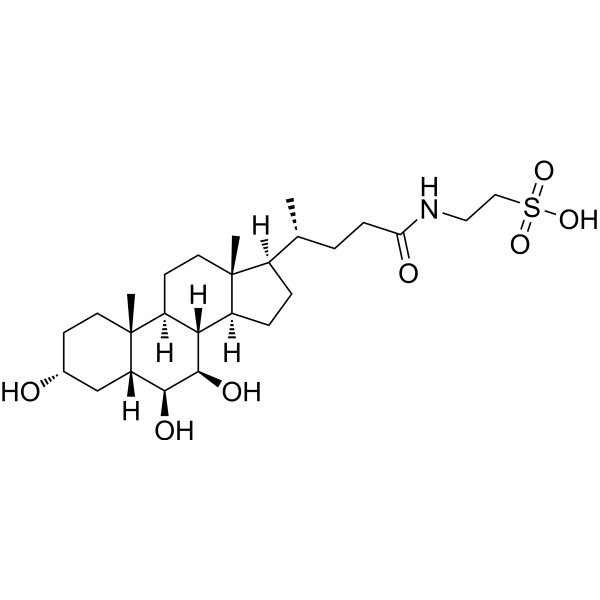
  • HY-N9933
    Tauro-β-muricholic acid
    4 Publications Verification

    TβMCA

    FXR Apoptosis Neurological Disease Metabolic Disease Inflammation/Immunology Cancer
    Tauro-β-muricholic acid (TβMCA) is an orally active trihydroxylated bile acid and a competitive, reversible FXR antagonist (IC50=40 μM). Tauro-β-muricholic acid inhibits bile acid-induced hepatocyte apoptosis by maintaining mitochondrial membrane potential, while simultaneously inhibiting intestinal FXR signaling, affecting bile acid synthesis, hepatic lipid metabolism, and insulin sensitivity. Accumulation of tauro-β-muricholic acid disrupts metabolic homeostasis, promoting cancer stem cell proliferation and tumor progression. The mechanisms of tauro-β-muricholic acid involve two aspects: first, inhibiting the translocation of the pro-apoptotic protein Bax to mitochondria and maintaining mitochondrial membrane potential (MMP); and second, blocking the FXR signaling pathway to regulate bile acid metabolism, reduce serum ceramide production, and downregulate the hepatic SREBP1C/CIDEA pathway. Tauro-β-muricholic acid possesses anti-hepatocyte apoptosis, bile acid homeostasis regulation, and liver fat accumulation reduction properties, and also functions as a biomarker, making it useful in the study of diseases such as bile acid metabolism disorders, non-alcoholic fatty liver disease, colorectal cancer, and liver fibrosis .
    Tauro-β-muricholic acid
  • HY-W040127
    Peonidin 3-O-glucoside chloride
    1 Publications Verification

    Insulin Receptor Metabolic Disease
    Peonidin 3-O-glucoside chloride is an agonist of the free fatty acid receptor FFAR1 and Glucokinase. Peonidin 3-O-glucoside chloride enhances insulin secretion of pancreatic beta cells and increases glucose uptake by liver cells. Peonidin 3-O-glucoside chloride activates FFAR1, promotes the phosphorylation of related proteins in the insulin secretion pathway, and increases the expression of FFAR1. In liver cells, Peonidin 3-O-glucoside chloride activates GK and regulates proteins associated with carbohydrate metabolism. Peonidin 3-O-glucoside chloride can be used in diabetes research .
    Peonidin 3-O-glucoside chloride
  • HY-114118B
    Semaglutide acetate
    Maximum Cited Publications
    35 Publications Verification

    GLP Receptor Insulin Receptor α-synuclein Apoptosis p38 MAPK Autophagy Bcl-2 Family Neurological Disease Metabolic Disease Cancer
    Semaglutide acetate is a long-acting, selective, competitive GLP-1R agonist that can penetrate the blood-brain barrier. After activating GLP-1R, Semaglutide acetate promotes insulin secretion, inhibits gastric emptying and appetite, and at the same time enhances autophagy, inhibits oxidative stress and apoptosis. Semaglutide acetate also regulates mitochondrial function and lipid metabolism (such as reducing de novo lipogenesis in the liver). Semaglutide acetate has activities such as lowering blood sugar, reducing weight, neuroprotection (such as improving motor function in Parkinson's disease models, reducing α-synuclein aggregation) and improving hepatic steatosis. Semaglutide acetate can be used for the study of neurodegenerative diseases and liver diseases such as type 2 diabetes, obesity, Parkinson's disease, metabolic associated fatty liver disease (MASLD), and cancer .
    Semaglutide acetate
  • HY-114118A
    Semaglutide TFA
    Maximum Cited Publications
    35 Publications Verification

    GLP Receptor Insulin Receptor α-synuclein Apoptosis p38 MAPK Autophagy Bcl-2 Family Neurological Disease Metabolic Disease Cancer
    Semaglutide TFA is a long-acting, selective, competitive GLP-1R agonist that can penetrate the blood-brain barrier. After activating GLP-1R, Semaglutide TFA promotes insulin secretion, inhibits gastric emptying and appetite, and at the same time enhances autophagy, inhibits oxidative stress and apoptosis. Semaglutide TFA also regulates mitochondrial function and lipid metabolism (such as reducing de novo lipogenesis in the liver). Semaglutide TFA has activities such as lowering blood sugar, reducing weight, neuroprotection (such as improving motor function in Parkinson's disease models, reducing α-synuclein aggregation) and improving hepatic steatosis. Semaglutide TFA can be used for the study of neurodegenerative diseases and liver diseases such as type 2 diabetes, obesity, Parkinson's disease, metabolic associated fatty liver disease (MASLD), and cancer .
    Semaglutide TFA
  • HY-N0010
    Geniposidic acid
    Maximum Cited Publications
    7 Publications Verification

    FXR Sirtuin TNF Receptor Interleukin Related Metabolic Disease
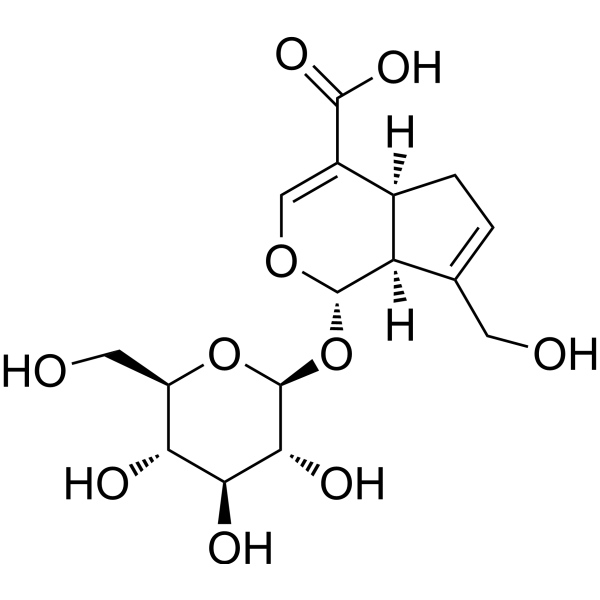
    Geniposidic acid is an orally active FXR modulator and SIRT6 activator. Geniposidic acid binds to the Ser332 and His447 sites on the FXR ligand-binding domain, thereby driving nuclear translocation, coactivator recruitment, and transcription of downstream bile acid and cholesterol metabolism-related genes. Geniposidic acid improves metabolic dysfunction-related fatty liver disease by activating the SIRT6 signaling pathway. Geniposidic acid inhibits inflammation and modulates gut microbiota to alleviate colitis. Geniposidic acid can be used in research on drug-induced liver injury, inflammatory bowel disease, metabolic dysfunction-related fatty liver disease, and metabolic dysfunction-related steatohepatitis .
    Geniposidic acid
  • HY-112885A
    nor-NOHA acetate
    5 Publications Verification

    Nω-Hydroxy-nor-L-arginine acetate

    Arginase Apoptosis Cardiovascular Disease Infection Metabolic Disease Inflammation/Immunology Cancer
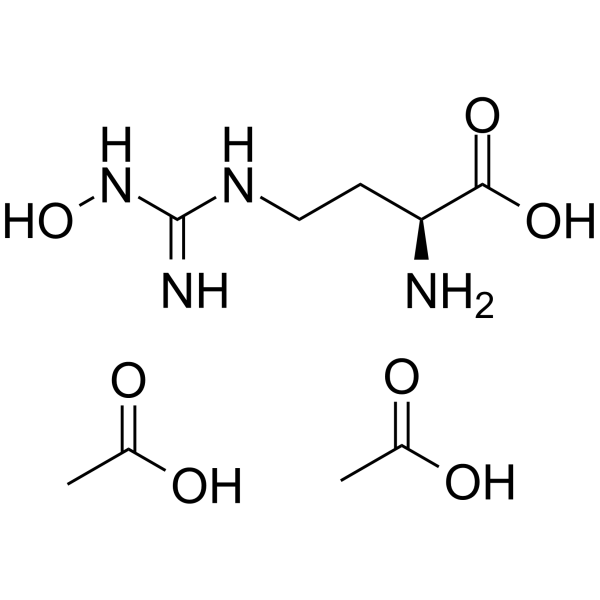
    nor-NOHA acetate is a selective and reversible Arginase inhibitor. nor-NOHA acetate induces Apoptosis in ARG2-expressing cells under hypoxia. nor-NOHA acetate has anti-leukemic activity. nor-NOHA acetate improves liver ischemia-reperfusion injury. nor-NOHA acetate can used in study of tuberculosis, endothelial dysfunction, immunosuppression and metabolism .
    nor-NOHA acetate
  • HY-101036
    Choline bitartrate
    4 Publications Verification

    mAChR Endogenous Metabolite Neurological Disease Cancer
    Choline bitartrate is a vitamin-like essential nutrient, can affect diseases such as liver disease, atherosclerosis and neurological disorders . Choline bitartrate is a precursor for the neurotransmitter acetylcholine, as a methyl donor in various metabolic processes, and in lipid metabolism .
    Choline bitartrate
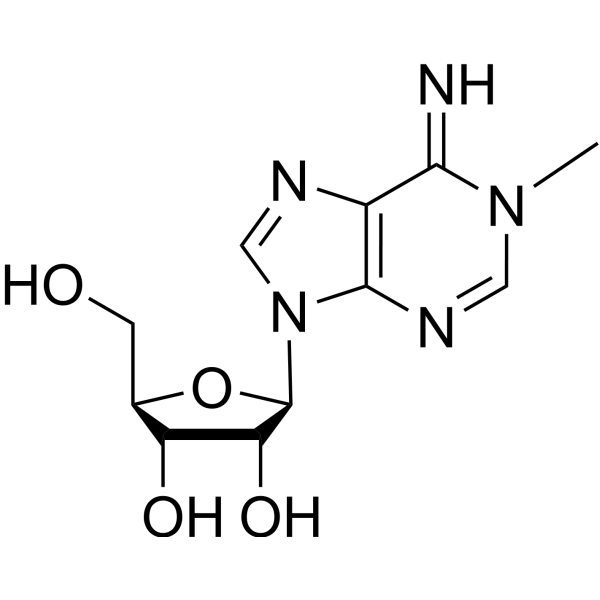
  • HY-113081
    1-Methyladenosine
    4 Publications Verification

    Endogenous Metabolite PPAR Hedgehog Cancer
    1-Methyladenosine is an RNA modification that can serve as a tumor marker, with elevated levels in the body associated with cancer development. Following 1-methyladenosine methylation, upregulation of PPARδ expression regulates cholesterol metabolism and activates Hedgehog signaling pathway, driving liver tumorigenesis .
    1-Methyladenosine
  • HY-B0998

    Dehydrocholate sodium

    Amylases Lipase Autophagy Metabolic Disease
    Dehydrocholic acid (Dehydrocholate) sodium is an orally active hydrocholeretic agent. Dehydrocholic acid sodium modulates Autophagy, reduces serum amylase and lipase levels. Dehydrocholic acid sodium has the effects of promoting choleretic function, protecting the liver, reducing pancreatic damage, and regulating cholesterol metabolism. Dehydrocholic acid sodium can be used in the study of acute biliary pancreatitis and obstructive jaundice .
    Dehydrocholic acid sodium
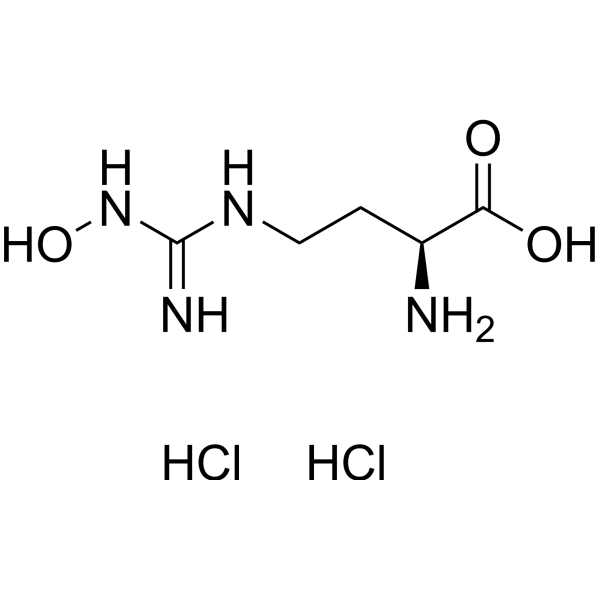
  • HY-112885C
    nor-NOHA dihydrochloride
    5 Publications Verification

    Nω-Hydroxy-nor-L-arginine dihydrochloride

    Apoptosis Arginase Cardiovascular Disease Infection Metabolic Disease Inflammation/Immunology Cancer
    nor-NOHA dihydrochloride is a selective and reversible Arginase inhibitor. nor-NOHA dihydrochloride induces Apoptosis in ARG2-expressing cells under hypoxia. nor-NOHA dihydrochloride has anti-leukemic activity. nor-NOHA dihydrochloride improves liver ischemia-reperfusion injury. nor-NOHA dihydrochloride can used in study of tuberculosis, endothelial dysfunction, immunosuppression and metabolism .
    nor-NOHA dihydrochloride
  • HY-114118CP

    GLP Receptor Insulin Receptor α-synuclein Apoptosis p38 MAPK Autophagy Bcl-2 Family Neurological Disease Metabolic Disease Cancer
    Semaglutide (crude) is the crude form of Semaglutide (HY-114118). Semaglutide is a long-acting, selective, competitive GLP-1R agonist that can penetrate the blood-brain barrier. After activating GLP-1R, Semaglutide promotes insulin secretion, inhibits gastric emptying and appetite, and at the same time enhances Autophagy, inhibits oxidative stress and Apoptosis. Semaglutide also regulates mitochondrial function and lipid metabolism (such as reducing de novo lipogenesis in the liver). Semaglutide has activities such as lowering blood sugar, reducing weight, neuroprotection (such as improving motor function in Parkinson's disease models, reducing α-synuclein aggregation) and improving hepatic steatosis. Semaglutide can be used for the study of neurodegenerative diseases and liver diseases such as type 2 diabetes, obesity, Parkinson's disease, metabolic associated fatty liver disease (MASLD), and cancer .
    Semaglutide (crude)
  • HY-114118S3

    Isotope-Labeled Compounds GLP Receptor Insulin Receptor α-synuclein Apoptosis p38 MAPK Autophagy Bcl-2 Family Metabolic Disease
    Semaglutide- 13C6, 15N TFA is the 13C- and 15N-labeled Semaglutide TFA (HY-114118A). Semaglutide TFA is a long-acting, selective, competitive GLP-1R agonist that can penetrate the blood-brain barrier. After activating GLP-1R, Semaglutide TFA promotes insulin secretion, inhibits gastric emptying and appetite, and at the same time enhances autophagy, inhibits oxidative stress and apoptosis. Semaglutide TFA also regulates mitochondrial function and lipid metabolism (such as reducing de novo lipogenesis in the liver). Semaglutide TFA has activities such as lowering blood sugar, reducing weight, neuroprotection (such as improving motor function in Parkinson's disease models, reducing α-synuclein aggregation) and improving hepatic steatosis. Semaglutide TFA can be used for the study of neurodegenerative diseases and liver diseases such as type 2 diabetes, obesity, Parkinson's disease, metabolic associated fatty liver disease (MASLD), and cancer .
    Semaglutide-13C6,15N TFA
  • HY-15259
    CP-640186
    5+ Cited Publications

    Acetyl-CoA Carboxylase Metabolic Disease
    CP-640186 is an orally active and cell-permeable Acetyl-CoA carboxylase (ACC) inhibitor with IC50s of 53 nM and 61 nM for rat liver ACC1 and rat skeletal muscle ACC2 respectively. Acetyl-CoA carboxylase (ACC) is a key enzyme of fatty acid metabolism that enables the synthesis of malonyl-CoA. CP-640186 can also stimulate muscle fatty acid oxidation .
    CP-640186
  • HY-W587530

    6-Ketolithocholic acid

    Endogenous Metabolite Apoptosis Endocrinology
    6-Oxolithocholic acid is a bile acid metabolite derived from Lithocholic acid (HY-B0172). 6-Oxolithocholic acid has high cytotoxicity and can induce apoptosis, especially in hepatocytes. 6-Oxolithocholic acid can participate in the regulation of bile acid metabolism and synthesis and affect the metabolic pathway of cholesterol. 6-Oxolithocholic acid can be used to study the role of bile acids in health and disease, especially in the context of digestive and liver diseases .
    6-Oxolithocholic acid
  • HY-W020012

    22-NBD Cholesterol

    Fluorescent Dye Metabolic Disease
    Fluoresterol (22-NBD Cholesterol) is a cholesterol-specific fluorescent probe with cholesterol-mimicking binding properties. Fluoresterol is ineffective orally and does not cross the blood-brain barrier. Fluoresterol specifically binds to cholesterol transport-related proteins (such as ABCA1 and ABCG1) and is primarily used in cholesterol metabolism research, particularly for the visualization and quantitative analysis of cholesterol absorption, efflux, intracellular transport efficiency, and reverse cholesterol transport (RCT) processes. The commonly used concentration of Fluoresterol in in vitro experiments is 0.1-10 μM, and the commonly used dose in in vivo experiments is 5-20 mg/kg (gavage or intraperitoneal injection), with excitation/emission wavelengths of 472/540 nm. Fluoresterol can be applied to the study of cholesterol metabolism mechanisms related to hyperlipidemia, atherosclerosis, and non-alcoholic fatty liver disease (NAFLD) .
    Fluoresterol
  • HY-P2994

    3-HBDH

    Endogenous Metabolite Metabolic Disease
    3-Hydroxybutyrate dehydrogenase (3-HBDH), a mitochondrial enzyme, is a key enzyme in the ketone body metabolism pathway. 3-Hydroxybutyrate dehydrogenase is the last enzyme for ketone synthesis in the liver and the first enzyme for ketone breakdown in extracellular tissues. The absence of 3-Hydroxybutyrate dehydrogenase leads to the inhibition of fatty acid oxidation in the liver during fasting in mice, resulting in lipid accumulation and the development of fatty liver .
    3-Hydroxybutyrate dehydrogenase
  • HY-W015608

    Endogenous Metabolite Metabolic Disease
    2-Phenylpropionic acid is an intermediate in the metabolism of alpha-Methylstyrene. 2-Phenylpropionic acid covalently binds to rat liver protein. 2-Phenylpropionic acid can be used in the research of nonsteroidal anti-inflammatory agents .
    2-Phenylpropionic acid
  • HY-N0546
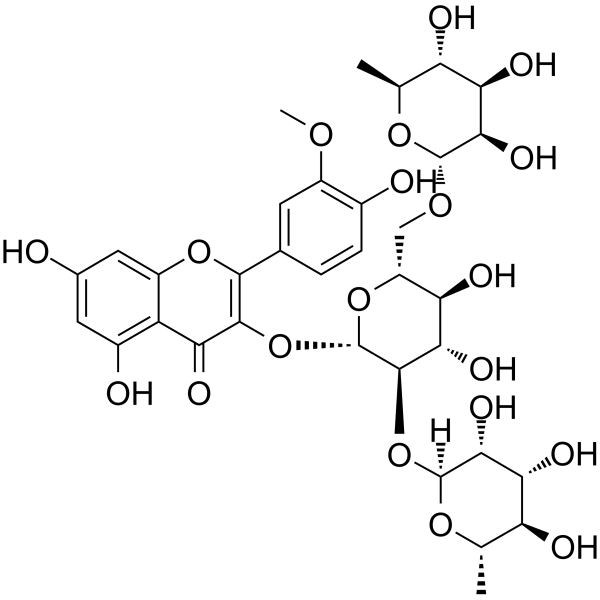
    Ligustroflavone
    2 Publications Verification

    Nuezhenoside

    CaSR RIP kinase Mixed Lineage Kinase TGF-beta/Smad Cardiovascular Disease Neurological Disease Metabolic Disease Endocrinology
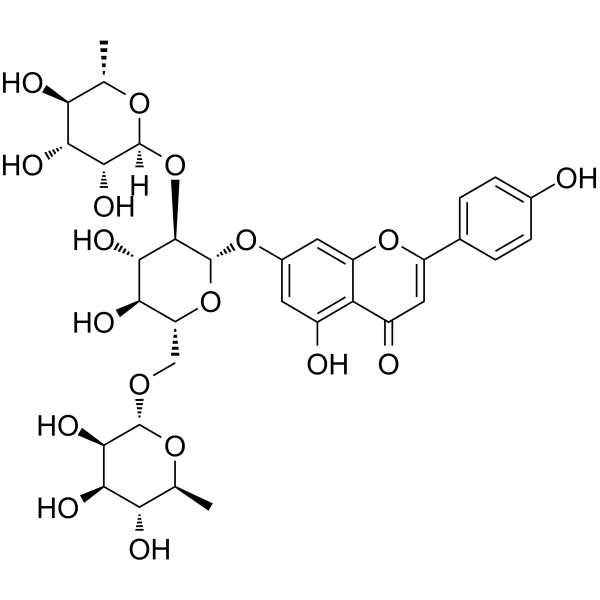
    Ligustroflavone is an orally active flavonoid compound. Ligustroflavone can be extracted from Ligustrum lucidum. Ligustroflavone antagonizes the calcium-sensing receptor (CaSR), inhibits the RIPK1/RIPK3/MLKL pathway, and downregulates TGF-β/Smad signaling. Ligustroflavone regulates calcium metabolism, protects bone tissue, reduces cerebral ischemic injury, and inhibits liver fibrosis. Ligustroflavone can be used in the study of diabetic osteoporosis, ischemic stroke, and liver fibrosis .
    Ligustroflavone
  • HY-N2181
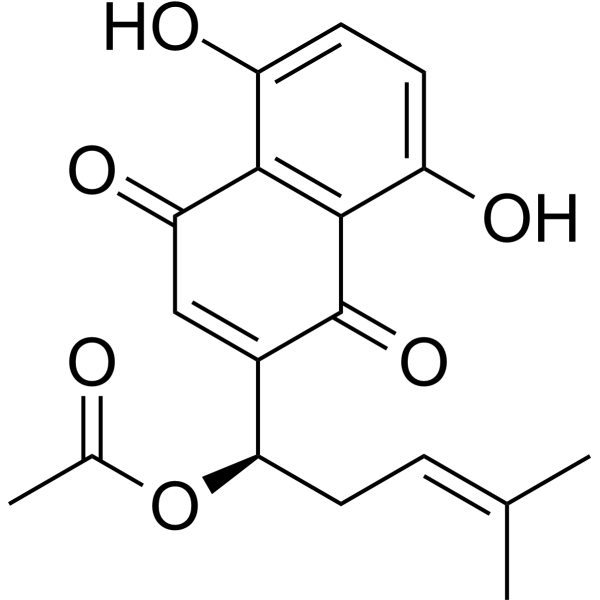
    Acetylshikonin
    3 Publications Verification

    Cytochrome P450 Apoptosis Bacterial Autophagy Infection Neurological Disease Metabolic Disease Inflammation/Immunology Cancer
    Acetylshikonin is an oral active anti-cancer, anti-inflammatory, antioxidant, anti-fertility, antibacterial, and neuroprotective agent. Acetylshikonin is a inhibitor of acetylcholinase (AChE) (IC50=34.6 μM) and nonselective cytochrome P450. Acetylshikonin can induce Apoptosis and Autophagy in cancer cells. Acetylshikonin regulates blood glucose, liver fat metabolism, and renal fibrosis, and is used in the study of diabetes, diabetic nephropathy (DN), obesity, and nonalcoholic fatty liver disease (NAFLD) .
    Acetylshikonin
  • HY-W018004

    Amino Acid Derivatives Endogenous Metabolite Inflammation/Immunology
    L-Homocitrulline is a carbamoylated derivative amino acid and a structural analog of L-citrulline. L-Homocitrulline serves not only as an intermediate in polypeptide synthesis but also converts into a variety of cyclic derivatives under enzymatic or acidic conditions. The level of L-Homocitrulline is significantly elevated in the serum of patients with non-alcoholic fatty liver disease (NAFLD), with high diagnostic accuracy. L-Homocitrulline also exists in patients with related diseases such as hypercitrullinemia. L-Homocitrulline is a key biomarker for monitoring abnormal liver metabolism and is widely used in NAFLD research .
    L-Homocitrulline
  • HY-W355700

    Drug Metabolite Infection
    1-oleoyl-sn-glycero-3-phosphoethanolamine (LysoPE 18:1) is a lysophosphatidylethanolamine molecule involved in phospholipid metabolism, targeting cell membrane receptors (such as G protein-coupled receptors) to regulate cell signaling pathways. 1-oleoyl-sn-glycero-3-phosphoethanolamine may activate mitogen-activated protein kinase (MAPK) signaling, promote cell migration, regulate inflammatory responses and lipid metabolism, and has both pro-inflammatory and anti-inflammatory activities. 1-oleoyl-sn-glycero-3-phosphoethanolamine is mainly used in the screening of biomarkers for metabolic diseases (such as non-alcoholic fatty liver disease and obesity), as well as the study of the mechanism of lysophospholipids in cell membrane homeostasis and signal transduction .
    1-Oleoyl-2-hydroxy-sn-glycero-3-phosphoethanolamine
  • HY-133971

    5α,6α-Epoxycholesterol

    Liposome Others
    Cholesterol-5α,6α-epoxide is an epoxide derivative of cholesterol formed by the enzymatic oxidation of cholesterol in the liver and other tissues. Cholesterol-5α,6α-epoxide has unique chemical properties that make it an important intermediate in the biosynthesis of bile acids, which play a key role in the digestion and absorption of dietary fats. It also has a potential physiological role in regulating cholesterol metabolism and transport, although its biological function is not fully understood.
    Cholesterol 5α,6α-epoxide
  • HY-B1311
    Proadifen hydrochloride
    1 Publications Verification

    SKF-525A; U-5446; RP-5171

    Cytochrome P450 Monoamine Oxidase Bcl-2 Family Survivin PARP Neurological Disease Inflammation/Immunology Cancer
    Proadifen (SKF-525A) hydrochloride is a non-competitive Cytochrome P450 inhibitor with an IC50 value of 19 μM. Proadifen hydrochloride reduces monoamine oxidase A (MAO-A) activity and reverses the antidepressantlike behavioral effect of Imipramine (HY-B1490A) and Desipramine (HY-B1272A) in rats. Proadifen hydrochloride also reduces N, N-dimethyltryptamine (DMT) metabolism in liver microsomes and inhibits N-demethylationand Acridone (HY-W007771) formation. Proadifen hydrochloride augments Lipopolysaccharide (LPS) (HY-D1056)-induced fever and exacerbates Prostaglandin E2 (PGE2) (HY-101952) levels in the rat. Proadifen hydrochloride is promising for research of metabolism-related deseases, ovarian carcinoma, inflammation and dopamine neurons-related deseases .
    Proadifen hydrochloride
  • HY-108022A
    Azemiglitazone potassium
    1 Publications Verification

    MSDC-0602K

    Insulin Receptor PPAR Metabolic Disease
    Azemiglitazone potassium (MSDC-0602K), a PPARγ-sparing thiazolidinedione (Ps-TZD), binds to PPARγ with the IC50 of 18.25 μM . Azemiglitazone potassium modulates the mitochondrial pyruvate carrier (MPC). Azemiglitazone potassium can be used for the research of fatty liver including dysfunctional lipid metabolism, inflammation, and insulin resistance . Azemiglitazone potassium, an insulin sensitizer, improves insulinemia and fatty liver disease in mice, alone and in combination with Liraglutide .
    Azemiglitazone potassium
  • HY-E70558

    5 alpha Reductase Metabolic Disease
    5α-reductase, Rat (Sprague-Dawley) Liver is an enzyme involved in steroid metabolism and participates in the androgen metabolic pathway. 5α-reductase, Rat (Sprague-Dawley) Liver catalyzes the conversion of testosterone to 5α-dihydrotestosterone (DHT). DHT plays important roles in the development of male sex organs, hair growth, prostate function, and other aspects .
    5α-reductase, Rat(Sprague-Dawley) Liver
  • HY-B1134
    Imazalil
    1 Publications Verification

    Enilconazole

    Environmental Pollutants Fungal Pregnane X Receptor (PXR) Infection
    Imazalil (Enilconazole) is a fungicide. Imazalil has oral activity and strongly activates mPXR but not mCAR in mouse liver. Imazalil is commonly used to protect various agricultural crops against fungal attack. Imazalil induces developmental abnormalities, gut microbiota dysbiosis, and hepatic metabolism disorder .
    Imazalil
  • HY-N0385
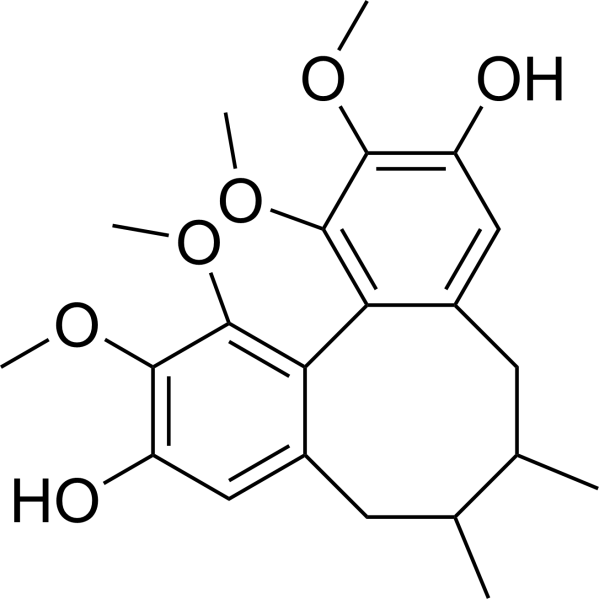
    Gomisin J
    3 Publications Verification

    NO Synthase AMPK CaMK NF-κB Keap1-Nrf2 Cardiovascular Disease Inflammation/Immunology
    Gomisin J is a Schisandra chinensis-derived lignan that can inhibit multiple targets such as eNOS, AMPK (LKB1, CaMKIIβ), fetuin-A, NF-κB, Nrf2/HO-1, and can pass through the blood-brain barrier. Gomisin J increases NO bioavailability by activating eNOS, regulates lipid metabolism by activating the AMPK pathway, inhibits fetuin-A and NF-κB to exert anti-inflammatory effects, and activates Nrf2/HO-1 to enhance antioxidant capacity. Gomisin J has the activities of anti-hypertension, regulating liver lipid metabolism, and reducing cerebral ischemia-reperfusion injury, and can be used for research on hypertension, non-alcoholic fatty liver disease, cerebral ischemia-reperfusion injury, etc .
    Gomisin J
  • HY-B1393

    Dehydrocholate

    Autophagy Amylases Lipase Metabolic Disease
    Dehydrocholic acid (Dehydrocholate) is an orally active hydrocholeretic agent. Dehydrocholic acid modulates Autophagy, reduces serum amylase and lipase levels. Dehydrocholic acid has the effects of promoting choleretic function, protecting the liver, reducing pancreatic damage, and regulating cholesterol metabolism. Dehydrocholic acid can be used in the study of acute biliary pancreatitis and obstructive jaundice .
    Dehydrocholic acid
  • HY-15259A
    CP-640186 hydrochloride
    5+ Cited Publications

    Acetyl-CoA Carboxylase Metabolic Disease
    CP-640186 hydrochloride is an orally active and cell-permeable Acetyl-CoA carboxylase (ACC) inhibitor with IC50s of 53 nM and 61 nM for rat liver ACC1 and rat skeletal muscle ACC2 respectively. Acetyl-CoA carboxylase (ACC) is a key enzyme of fatty acid metabolism that enables the synthesis of malonyl-CoA. CP-640186 hydrochloride can also stimulate muscle fatty acid oxidation .
    CP-640186 hydrochloride
  • HY-114118S1

    Isotope-Labeled Compounds GLP Receptor Insulin Receptor α-synuclein Apoptosis p38 MAPK Autophagy Bcl-2 Family Neurological Disease Metabolic Disease Cancer
    Semaglutide-d8 tetraTFA is the deuterium labeled Semaglutide (HY-114118). Semaglutide is a long-acting, selective, competitive GLP-1R agonist that can penetrate the blood-brain barrier. After activating GLP-1R, Semaglutide promotes insulin secretion, inhibits gastric emptying and appetite, and at the same time enhances autophagy, inhibits oxidative stress and apoptosis. Semaglutide also regulates mitochondrial function and lipid metabolism (such as reducing de novo lipogenesis in the liver). Semaglutide has activities such as lowering blood sugar, reducing weight, neuroprotection (such as improving motor function in Parkinson's disease models, reducing α-synuclein aggregation) and improving hepatic steatosis. Semaglutide can be used for the study of neurodegenerative diseases and liver diseases such as type 2 diabetes, obesity, Parkinson's disease, metabolic associated fatty liver disease (MASLD), and cancer .
    Semaglutide-d8 tetraTFA
  • HY-114118S

    Isotope-Labeled Compounds GLP Receptor Insulin Receptor α-synuclein Apoptosis p38 MAPK Autophagy Bcl-2 Family Neurological Disease Metabolic Disease Cancer
    Semaglutide-d8 is the deuterium labeled Semaglutide (HY-114118). Semaglutide is a long-acting, selective, competitive GLP-1R agonist that can penetrate the blood-brain barrier. After activating GLP-1R, Semaglutide promotes insulin secretion, inhibits gastric emptying and appetite, and at the same time enhances autophagy, inhibits oxidative stress and apoptosis. Semaglutide also regulates mitochondrial function and lipid metabolism (such as reducing de novo lipogenesis in the liver). Semaglutide has activities such as lowering blood sugar, reducing weight, neuroprotection (such as improving motor function in Parkinson's disease models, reducing α-synuclein aggregation) and improving hepatic steatosis. Semaglutide can be used for the study of neurodegenerative diseases and liver diseases such as type 2 diabetes, obesity, Parkinson's disease, metabolic associated fatty liver disease (MASLD), and cancer .
    Semaglutide-d8
  • HY-N10549
    Gigantol
    1 Publications Verification

    Ferroptosis c-Myc Glutathione Peroxidase JNK Reactive Oxygen Species (ROS) GSK-3 Infection Metabolic Disease Cancer
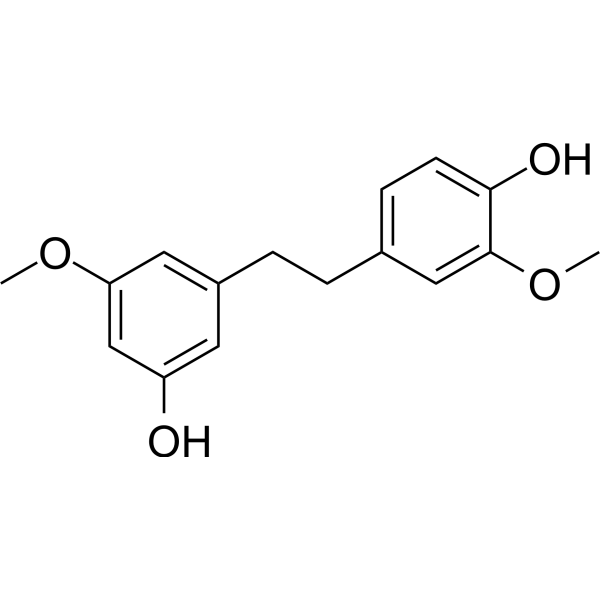
    Gigantol is an orally active bibenzyl compound. Gigantol targets MYC to promote its ubiquitin-proteasomal degradation and inhibit the growth of lung cancer cells. Gigantol exerts anti-lung cancer activity by inducing ferroptosis (Ferroptosis) via the SLC7A11-GPX4 axis. Gigantol restores the sensitivity of mcr-harboring multidrug-resistant bacteria to colistin. Gigantol ameliorates carbon tetrachloride-induced liver injury by inhibiting the activation of the JNK/cPLA2/12-LOX inflammatory pathway. Gigantol promotes cholesterol metabolism and progesterone biosynthesis in Leydig cells. Gigantol can be used in studies related to diseases such as lung cancer, multidrug-resistant Gram-negative bacterial infections, and acute liver injury .
    Gigantol
  • HY-177704

    ACSL Family Drug Derivative Metabolic Disease Cancer
    ACSL5-IN-1 (Compound A) is an ACSL5 inhibitor with body weight-reducing activity. ACSL5-IN-1 inhibits ACSL5, an enzyme linked to fatty acid metabolism. ACSL5-IN-1 reduces body weight in diet-induced obesity mice. ACSL5-IN-1 can be used for the research of obesity, metabolic dysfunction-associated steatohepatitis, metabolic syndrome, non-alcoholic fatty liver disease, type 2 diabetes, acute myeloid leukemia, colorectal cancer, and breast cancer .
    ACSL5-IN-1
  • HY-124098

    Lidocaine N-oxide

    Drug Metabolite Others
    Lignocaine N-oxide (Lidocaine N-oxide) is a compound derived from the metabolism of lidocaine. Lidocaine can be metabolized to its N-oxide in rat liver microsomes.
    Lignocaine N-oxide
  • HY-122373

    Aldehyde Dehydrogenase (ALDH) Drug Derivative Metabolic Disease
    Coprine is an orally active disulfiram (HY-B0240)-like component and an inhibitor of aldehyde dehydrogenase. Coprine is isolated from Coprinus atranentarius. Coprine inhibits low Km aldehyde dehydrogenase in rat liver and increases blood acetaldehyde levels during in vivo ethanol metabolism. Coprine does not inhibit semi-purified low Km aldehyde dehydrogenase from rat liver in vitro. Coprine can be used in studies related to alcoholism .
    Coprine
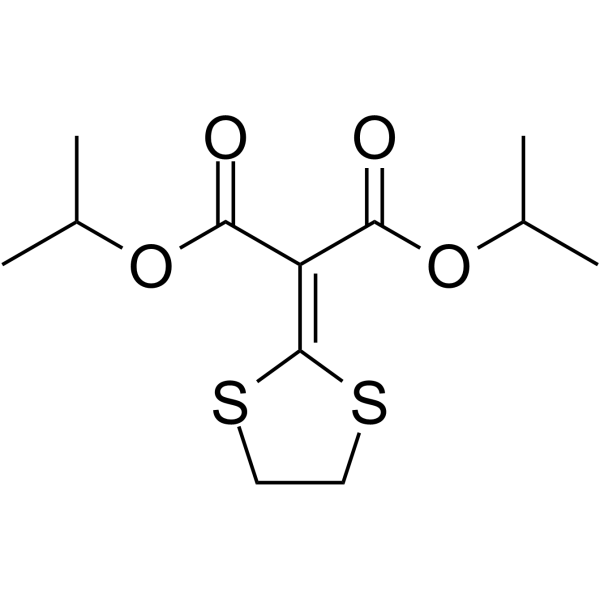
  • HY-B1858
    Isoprothiolane
    2 Publications Verification

    Environmental Pollutants Parasite Fungal Interleukin Related Infection Metabolic Disease Inflammation/Immunology
    Isoprothiolane is a blast fungicide with antifungal, anti-inflammatory and insecticidal activities. Isoprothiolane primarily acts on fungi during the penetration and growth stages of infecting hyphae. Isoprothiolane can be used as an insecticide, pesticide, etc. In addition, Isoprothiolane can reduce serum phospholipid and total lipid concentrations, regulating lipid metabolism. Isoprothiolane is also used in the research of fatty liver .
    Isoprothiolane
  • HY-B0854

    Environmental Pollutants Lactate Dehydrogenase Apoptosis Fungal Cytochrome P450 Keap1-Nrf2 Infection Metabolic Disease Cancer
    Mancozeb is a widely used fungicide that is effective against fungal diseases in most cereals, vegetables, fruits and ornamental plants. In addition, Mancozeb can cause liver damage in mice by activating the Keap1/Nrf2 signaling pathway. Mancozeb upregulates lactate dehydrogenase and cytochrome c to alter cell metabolism and induce cell death. Mancozeb has reproductive toxicity and can induce apoptosis in ovarian cells .
    Mancozeb
  • HY-117006
    E1231
    1 Publications Verification

    1-{4-[2-(5-Methylfuran-2-yl)quinoline-4-carbonyl]piperazin-1-yl}ethan-1-one

    Sirtuin Cardiovascular Disease
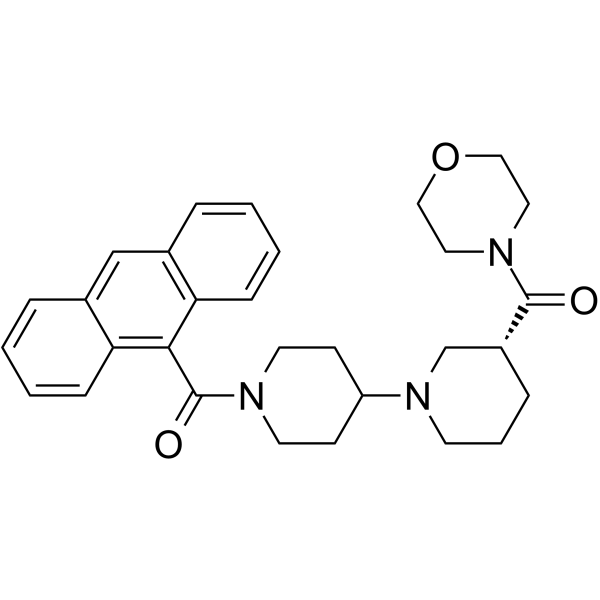
    E1231 is an orally active activator of Sirtuin 1 (SIRT1) (EC50=0.83 μM), to modulate cholesterol and lipid metabolism. E1231 interactes with SIRT1 (KD=9.61 μM) and deacetylated liver X receptor-alpha (LXRα), and increases ATP-binding cassette transporter A1 (ABCA1) expression. E1231 also reduces atherosclerotic plaque development in ApoE -/- mice model. E1231 can be used for research in cholesterol and lipid disorder-related diseases .
    E1231
  • HY-129491

    CGP62221; O-Desmethyl PKC412

    PKC Cancer
    O-Desmethyl Midostaurin (CGP62221; O-Desmethyl PKC412) is the active metabolite of Midostaurin (HY-10230) via cytochrome P450 liver enzyme metabolism. O-Desmethyl Midostaurin can be used as an indicator for Midostaurin metabolism in vivo . Midostaurin is a multi-targeted protein kinase inhibitor with IC50 ranging from 22-500 nM.
    O-Desmethyl Midostaurin
  • HY-113081R

    Reference Standards Endogenous Metabolite PPAR Hedgehog Cancer
    1-Methyladenosine (Standard) is the analytical standard of 1-Methyladenosine. This product is intended for research and analytical applications. 1-Methyladenosine is an RNA modification that can serve as a tumor marker, with elevated levels in the body associated with cancer development. Following 1-methyladenosine methylation, upregulation of PPARδ expression regulates cholesterol metabolism and activates Hedgehog signaling pathway, driving liver tumorigenesis . In Vitro:Compared to surrounding tumor tissues, 1-methyladenosine methylation in RNA is aberrantly elevated in hepatocellular carcinoma (HCC) cell lines and liver cancer stem cells (CSCs). Methylated 1-methyladenosine can promote cholesterol synthesis and activate the Hedgehog signaling pathway by enhancing the translation of PPARδ in liver CSCs, ultimately driving the self-renewal and tumorigenesis of liver cancer stem cells .
    1-Methyladenosine (Standard)
  • HY-145368B

    LYTACs Metabolic Disease
    Tri-GalNAc(OAc)3-Perfluorophenyl is a pentafluorophenyl modified Tri-GalNAc(OAc)3 (HY-148118), a tri-GalNAc ligand that can be used for the synthesis of GalNAc-LYTAC. GalNAc-LYTAC engages the asialoglycoprotein receptor for targeted protein degradation.Tri-GalNAc(OAc)3-Perfluorophenyl can be used for the study of liver metabolism .
    Tri-GalNAc(OAc)3-Perfluorophenyl
  • HY-116568

    JAU-6476

    Fungal Cytochrome P450 Microtubule/Tubulin Mitochondrial Metabolism DNA/RNA Synthesis Apoptosis Fatty Acid Synthase (FASN) Infection Metabolic Disease Endocrinology
    Prothioconazole is an orally active broad-spectrum fungicide. Prothioconazole weakly inhibits CaCYP51 activity in Candida albicans, with an apparent IC50 of approximately 120 μM. Prothioconazole disrupts Microtubule stability by reducing the acetylation level of α-tubulin. Prothioconazole induces Mitochondrial dysfunction, oxidative stress, DNA damage, and Apoptosis. Prothioconazole accumulates 14-methylated sterols and depletes ergosterol in cells, culture media, plants, and animals. Prothioconazole interferes with pyruvate metabolism and glycolysis/gluconeogenesis processes in mouse liver, downregulates Fasn mRNA expression, and induces hepatotoxicity and renal metabolic disorders. Prothioconazole reduces the fertility of female mice. Prothioconazole inhibits body weight gain and increases liver/kidney indices in mice. Prothioconazole can be used in studies related to candidiasis .
    Prothioconazole
  • HY-N4031

    Anaplastic lymphoma kinase (ALK) METTL3 Inflammation/Immunology
    Humantenine is a highly toxic indole alkaloid from Gelsemium elegans (Gardn. & Champ.) Benth. that binds to RNA m6A modification regulatory proteins (ALKBH5, METTL). Humantenine stably binds via hydrogen bonding and hydrophobic interactions and disrupts the m6A methylation level of target genes, thereby impairing the expression of intestinal epithelial cell tight junction and cytoskeleton-related genes, causing intestinal barrier dysfunction and significant intestinal cytotoxicity. The intraperitoneal injection LD50 values of Humantenine are <1 mg/kg in mice, 1.2 mg/kg in male rats and 1.5 mg/kg in female rats, respectively. Species differences exist in the metabolism of Humantenine in human, porcine, goat and rat liver microsomes, and demethylation, dehydrogenation and oxidation occur in liver microsomes .
    Humantenine
  • HY-168049

    PPAR Akt Metabolic Disease
    ZLY06 is an orally active dual agonist of peroxisome proliferator-activated receptor (PPAR) δ and γ (PPAR δ: EC50=341 nM; PPAR γ: EC50=237 nM). ZLY06 induces hepatic lipid accumulation by inhibiting the phosphorylation of AKT1, mediating the upregulation of CD36. In addition, ZLY06 significantly improves glucose and lipid metabolism without increasing body weight, and alleviates fatty liver by promoting β-oxidation of fatty acids and inhibiting hepatic lipogenesis .
    ZLY06
  • HY-W414823

    LXR HMG-CoA Reductase (HMGCR) Metabolic Disease
    24,25-Epoxycholesterol is an oxysterol agonist of the liver X receptor that can inhibit the activity of 3-hydroxy-3-methylglutaryl-CoA reductase (HMG-CoA reductase) in liver cells. 24,25-Epoxycholesterol regulates cholesterol metabolism in the liver .
    24,25-Epoxycholesterol
  • HY-W591838

    PFPeS

    Biochemical Assay Reagents Phosphatase Metabolic Disease
    Perfluoropentanesulfonic acid (PFPeS) is a per- and polyfluoroalkyl substance. Perfluoropentanesulfonic acid increases alkaline phosphatase (ALKP). Perfluoropentanesulfonic acid induces systemic toxicity in mouse models and alters the expression of genes related to fatty acid metabolism, inflammation and skin integrity in the liver and skin .
    Perfluoropentanesulfonic acid
  • HY-119669

    Bacterial Others
    Furylfuramide is a food preservative that exhibits mutagenic activity. Furylfuramide can be degraded through the aerobic metabolism by liver microsomes .
    Furylfuramide
  • HY-B1351

    Cytochrome P450 Metabolic Disease
    Bilberry Extract is a bilberry extract, and its components include: Anthocyanidins. Bilberry Extract has potential antioxidant activity and can regulate specific metabolic enzymes in the liver, such as cytochrome P450 (CYP) 2C11 and CYP2E1 involved in drug metabolism. .
    Bilberry Extract
  • HY-109690

    Endogenous Metabolite Cancer
    1-(2-Amino-3-hydroxyphenyl)ethanone is the kynuridine metabolite, which could be extracted from rat liver mitochondrium. 1-(2-Amino-3-hydroxyphenyl)ethanone is associated with tryptophan metabolism disturbances, and can be used in bladder cancer, leukemia and anemia researches .
    1-(2-Amino-3-hydroxyphenyl)ethanone

Inquiry Online

Your information is safe with us. * Required Fields.

Salutation


Country or Region *

Applicant Name *


Organization Name *

Department *


Email Address *


Product Name *

Cat. No.


Requested quantity *

Phone Number *


Remarks

Inquiry Online

Inquiry Information

Product Name:
Cat. No.:
Quantity:
MCE Japan Authorized Agent:

