1. Search Result
Search Result
Results for "

Spinal cord

" in MedChemExpress (MCE) Product Catalog:

154

Inhibitors & Agonists

3

Biochemical Assay Reagents

27

Peptides

6

Inhibitory Antibodies

19

Natural
Products

1

Recombinant Proteins

12

Isotope-Labeled Compounds

3

Oligonucleotides

Cat. No. Product Name Target Research Areas Chemical Structure
  • HY-15392
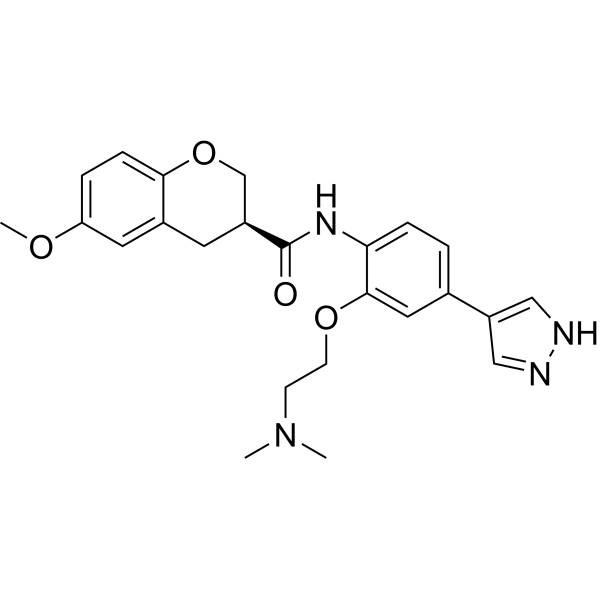
    Chroman 1
    Maximum Cited Publications
    63 Publications Verification

    ROCK Cardiovascular Disease
    Chroman 1 is a highly potent and selective ROCK inhibitor. Chroman 1 is more potent against ROCK2 (IC50=1 pM) than ROCK1 (IC50=52 pM). Chroman 1 also has inhibitory activity against MRCK, with an IC50 of 150 nM .
    Chroman 1
  • HY-W008574
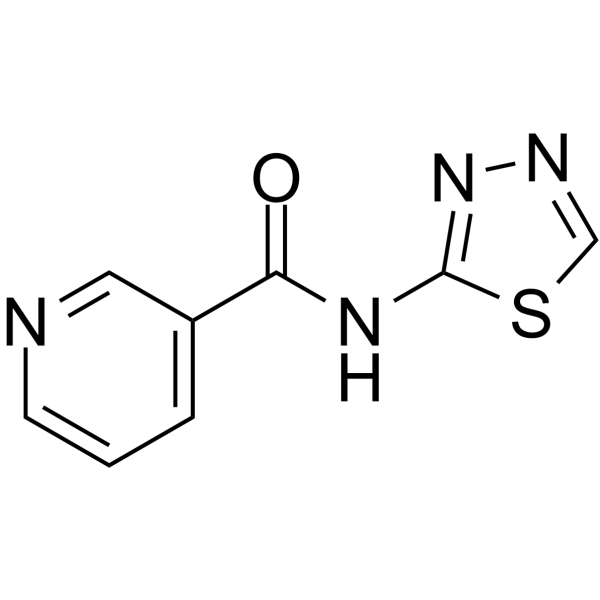
    TGN-020
    20+ Cited Publications

    PROTAC Linkers Inflammation/Immunology Cancer
    TGN-020 is a selective Aquaporin 4 (AQP4) inhibitor with an IC50 of 3.1 μM . TGN-020 is an alkyl chain-based PROTAC linker that can be used in the synthesis of PROTACs .TGN-020 alleviates edema and inhibits glial scar formation after spinal cord compression injury in rats .
    TGN-020
  • HY-B0464
    Hydralazine hydrochloride
    3 Publications Verification

    PGE synthase NO Synthase Reactive Oxygen Species (ROS) DNA Methyltransferase COX Cardiovascular Disease Inflammation/Immunology Cancer
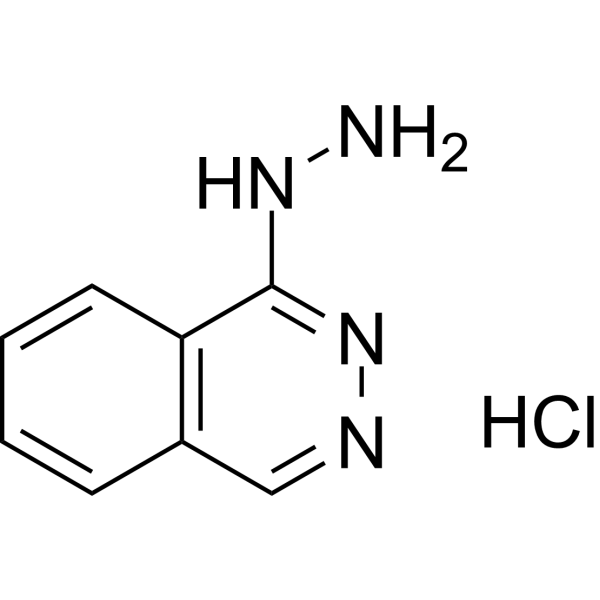
    Hydralazine hydrochloride is an orally active, blood-brain barrier-permeable DNA methyltransferase inhibitor with vasodilatory, arterial smooth muscle relaxant and hypotensive activities. Hydralazine hydrochloride reactivates silenced tumor suppressor genes via mediating DNA demethylation, while exerting neuroprotective and anti-inflammatory properties. Hydralazine hydrochloride inhibits NOS-2 (iNOS) and COX-2, and reduces the production of NO and PGEE2; meanwhile, Hydralazine hydrochloride scavenges reactive oxygen species and inhibits macrophage activation. Hydralazine hydrochloride alleviates motor dysfunction, neuropathic inflammatory pain, and formalin-induced somatic and emotional pain responses. In addition, Hydralazine hydrochloride directly induces DNA strand breaks and sister chromatid exchange, exhibiting certain mutagenic characteristics. Hydralazine hydrochloride has been widely used in studies on hypertension, various cancers (such as cervical cancer, leukemia), spinal cord injury and the mechanisms of inflammatory pain .
    Hydralazine hydrochloride
  • HY-N0512
    Loganin
    5 Publications Verification

    Loganoside

    Reactive Oxygen Species (ROS) TNF Receptor Interleukin Related Neurological Disease Inflammation/Immunology Cancer
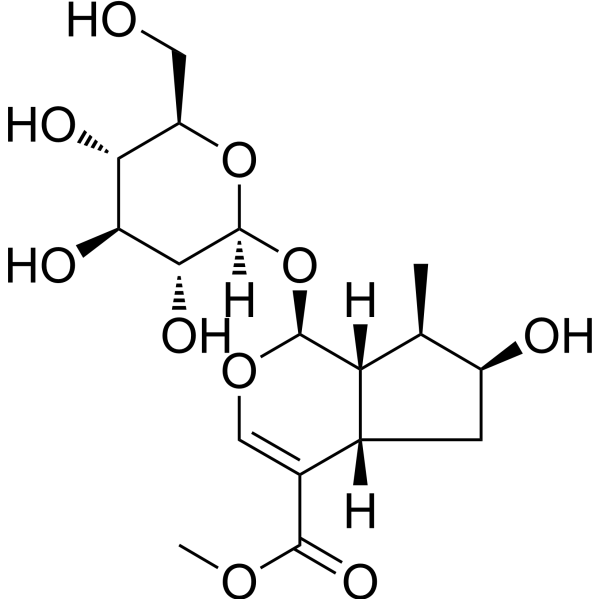
    Loganin is a type of iridoid glycoside compound that possesses anti-inflammatory, antioxidant, and antitumor properties, and offers protective effects against acute lung injury and pulmonary fibrosis. Loganin exerts its protective effects against LPS (HY-D1056)-mediated inflammation and oxidative stress by upregulating the Nrf2/HO-1 signaling pathway, and it reduces neuroinflammation caused by spinal cord injury (SCI) .
    Loganin
  • HY-P1120

    WKYMVm-amide; W-Peptide

    Formyl Peptide Receptor (FPR) PERK Apoptosis Neurological Disease Metabolic Disease Inflammation/Immunology Cancer
    WKYMVm is a selective formylpeptide receptor 2 (FPR2) agonist. WKYMVm has a powerful anti-inflammatory effect that can reduce lung injury and spinal cord injury. WKYMVm ameliorates obesity by regulating lipid metabolism and leptin signaling. WKYMVm is involved in the regulation of immune cells by activating FPRs. WKYMVm can promote the chemotactic migration of immune cells and inhibit the apoptosis of phagocytes. In addition, WKYMVm may play a favorable or unfavorable role in tumors, depending on the type of tumor .
    WKYMVm
  • HY-N0730

    Autophagy Apoptosis Neurological Disease Inflammation/Immunology
    Diosgenin glucoside, a saponin compound extracted from Trillium tschonoskii, provides neuroprotection by regulating microglial M1 polarization. Diosgenin glucoside protects against spinal cord injury by regulating autophagy and alleviating apoptosis .
    Diosgenin glucoside
  • HY-P1010
    Z-LEHD-FMK
    10+ Cited Publications

    Caspase Apoptosis Neurological Disease Cancer
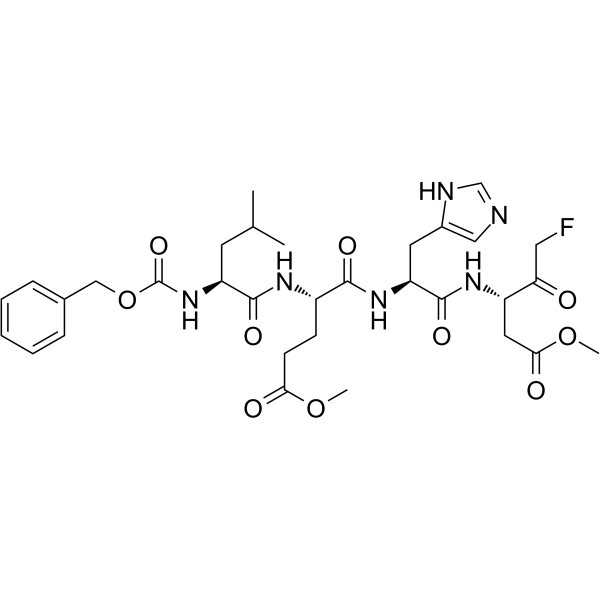
    Z-LEHD-FMK is a selective and irreversible inhibitor of caspase-9, protects against lethal reperfusion injury and attenuates apoptosis. Z-LEHD-FMK exhibits the neuroprotective effect in a rat model of spinal cord trauma .
    Z-LEHD-FMK
  • HY-12754
    ML228
    5+ Cited Publications

    CID-46742353

    HIF/HIF Prolyl-Hydroxylase Cancer
    ML228 (CID-46742353) is a potent the Hypoxia Inducible Factor (HIF) pathway activator with EC50 of 1 μM. ML228 potently activates HIF in vitro as well as its downstream target VEGF .
    ML228
  • HY-B0194A

    Adrenergic Receptor Apoptosis Akt Wnt β-catenin Neurological Disease Endocrinology Cancer
    Tizanidine hydrochloride, a skeletal muscle relaxant, is an orally effective central α2-adrenoceptor agonist (IC50 = 6.9 nmol). Tizanidine hydrochloride primarily exerts muscle relaxation effects by inhibiting the release of excitatory amino acids (glutamate and aspartate) from the presynaptic terminals of spinal cord interneurons. Tizanidine hydrochloride has anti-injury activity and can inhibit gastrointestinal (GI) transport. Tizanidine hydrochloride can inhibit the proliferation, migration, and invasion of lung cancer cells and induce cell apoptosis by upregulating Nischarin and inhibiting the AKT and Wnt3a/β-catenin signaling pathways. Tizanidine hydrochloride can be used to treat spasticity caused by diseases such as multiple sclerosis (MS), stroke, and spinal cord injury (SCI) .
    Tizanidine hydrochloride
  • HY-B0194

    Adrenergic Receptor Apoptosis Akt Wnt β-catenin Neurological Disease Endocrinology Cancer
    Tizanidine, a skeletal muscle relaxant, is an orally effective central α2-adrenoceptor agonist (IC50 = 6.9 nmol). Tizanidine primarily exerts muscle relaxation effects by inhibiting the release of excitatory amino acids (glutamate and aspartate) from the presynaptic terminals of spinal cord interneurons. Tizanidine has anti-injury activity and can inhibit gastrointestinal (GI) transport. Tizanidine can inhibit the proliferation, migration, and invasion of lung cancer cells and induce cell apoptosis by upregulating Nischarin and inhibiting the AKT and Wnt3a/β-catenin signaling pathways. Tizanidine can be used to treat spasticity caused by diseases such as multiple sclerosis (MS), stroke, and spinal cord injury (SCI) .
    Tizanidine
  • HY-W008574A
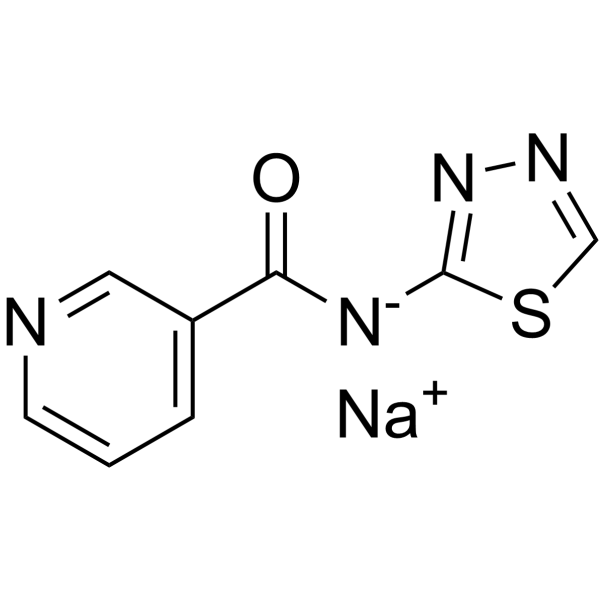
    TGN-020 sodium
    20+ Cited Publications

    PROTAC Linkers Inflammation/Immunology Cancer
    TGN-020 sodium is a selective Aquaporin 4 (AQP4) inhibitor with an IC50 of 3.1 μM . TGN-020 sodium is an alkyl chain-based PROTAC linker that can be used in the synthesis of PROTACs . TGN-020 sodium alleviates edema and inhibits glial scar formation after spinal cord compression injury in rats .
    TGN-020 sodium
  • HY-P1248

    NPFF

    Neuropeptide FF Receptor Cardiovascular Disease Neurological Disease
    Neuropeptide FF (NPFF), an octapeptide belonging to the RF-amide family of peptides, is a NPFF1 and NPFF2 receptors agonist with Ki values of 2.82 nM and 0.21 nM, respectively. Neuropeptide FF induces abstinence syndrome, exerts antiopioid and analgesic effects, releases via calcium-dependent mechanisms from rat spinal cord, regulates memory, autonomic function, and neuroendocrine function, modulates pain and opioid antinociception, reduces food intake, stimulates water intake, alters cardiovascular parameters, and shows differential activity in hypothalamic paraventricular nucleus neurons. Neuropeptide FF is present in mammalian central nervous system and periphery, with NPFF-immunoreactivity increases in rat cerebrospinal fluid during opiate tolerance, and its NPFF gene and NPFF-R2 gene are up-regulated in rat spinal cord and dorsal root ganglia during peripheral inflammation. Neuropeptide FF can be used for the research of opioid tolerance, morphine-induced analgesia, abstinence syndrome, pain, hypertension, nociception, inflammatory pain, and neuropathic pain .
    Neuropeptide FF
  • HY-18638
    TCID
    5+ Cited Publications

    4,5,6,7-Tetrachloroindan-1,3-dione

    Deubiquitinase Neurological Disease
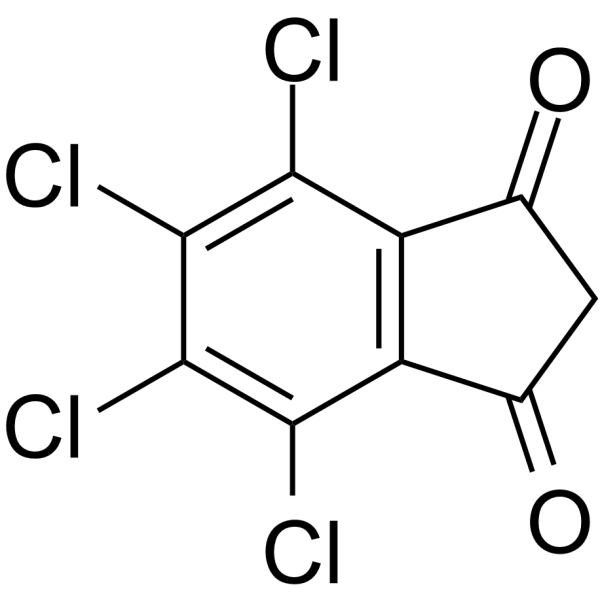
    TCID (4,5,6,7-Tetrachloroindan-1,3-dione) is a potent and selective neuronal ubiquitin C-terminal hydrolase (UCH-L3) inhibitor with an IC50 of 0.6 μM . TCID diminishes glycine transporter GlyT2 ubiquitination in brainstem and spinal cord primary neurons .
    TCID
  • HY-131697
    FeTPPS
    1 Publications Verification

    MOFs NO Synthase Apoptosis Inflammation/Immunology
    FeTPPS, a 5,10,15,20-tetrakis (4-sulfonatophenyl) porphyrin iron III chloride peroxynitrite decomposition catalyst, possesses evident neuroprotective effects in a experimental model of spinal cord damage . FeTPPS acts as a peroxynitrite scavenger and anti-nitrating agent in vivo. FeTPPS reduces nitric oxide (NO) production and apoptosis process .
    FeTPPS
  • HY-P10936A

    Aquaporin Neurological Disease Inflammation/Immunology
    AQP4 (201-220) TFA is an encephalitogenic epitope of AQP-4. AQP4 (201-220) TFA can induce experimental autoimmune encephalomyelitis (EAE) (characterized by midline lesions in the brain, retinal pathology, and lesions at the grey matter/white matter border zone in the spinal cord). AQP-4 is a target antigen in neuromyelitis optica .
    AQP4 (201-220) TFA
  • HY-147410
    Ulefnersen
    1 Publications Verification

    ION-363

    DNA/RNA Synthesis Neurological Disease
    Ulefnersen (ION363) is an Antisense Oligonucleotide (ASO) directed against the 6th intron of the fused-in sarcoma (FUS) transcript to silence FUS in a non-allele-specific manner. Ulefnersen can reduce postnatal levels of FUS protein in the brain and spinal cord in disease-relevant mouse model of ALS-FUS , delaying motor neuron degeneration. Ulefnersen can be used in the research of Amyotrophic Lateral Sclerosis (ALS) .
    Ulefnersen
  • HY-135430

    Ferroptosis Inflammation/Immunology
    SRS16-86 is a potent inhibitor of ferroptosis . SRS16-86 is more stable than more stable to metabolism and plasma than Ferrostatin-1 in vivo. SRS16-86 can be used for renal ischemia-reperfusion injury (IRI) and spinal cord injury (SCI) research .
    SRS16-86
  • HY-19667A
    BMS-561392 formate
    2 Publications Verification

    DPC 333 formate

    TNF Receptor NF-κB Apoptosis p38 MAPK Neurological Disease Inflammation/Immunology
    BMS-561392 formate (DPC 333 formate) is a selective ADAM17(TACE) inhibitor. BMS-561392 formate inhibits TNF-α secretion by regulating signaling pathways such as p44 MAPK and NF-κB. BMS-561392 formate also affects the survival of central nervous system-related cells including oligodendrocytes and microglia. BMS-561392 formate promotes microglial apoptosis, enlarges the injury area and exacerbates astrogliosis in a mouse spinal cord injury model. BMS-561392 formate can be used in research related to spinal cord injury and inflammatory diseases .
    BMS-561392 formate
  • HY-171844

    iGluR Neurological Disease Inflammation/Immunology
    CX1739 is an orally active, blood-brain barrier permeable, low-efficacy AMPA-glutamate receptor (AMPAR) potentiator. CX1739 enhances excitatory neurotransmission by potentiating glutamate-induced excitatory currents and promoting in vivo long-term potentiation. CX1739 eliminates amphetamine-induced locomotor activity, reverses opioid-, pentobarbital- and ethanol-induced respiratory depression, and exerts pro-cognitive effects in animals. CX1739 impairs motor function recovery and increases the risk of post-injury complications. CX1739 can be used in research related to attention-deficit/hyperactivity disorder, dementia, respiratory depression and spinal cord injury .
    CX1739
  • HY-B1808

    Histamine Receptor Infection
    Triprolidine is an orally active H1R Antagonist antagonist. Triprolidine has the function of spinal cord motor and sensory block. Triprolidine can be used for the research of allergic rhinitis .
    Triprolidine
  • HY-P1290
    PKA Inhibitor Fragment (6-22) amide
    5 Publications Verification

    PKI-(6-22)-amide

    PKA Neurological Disease
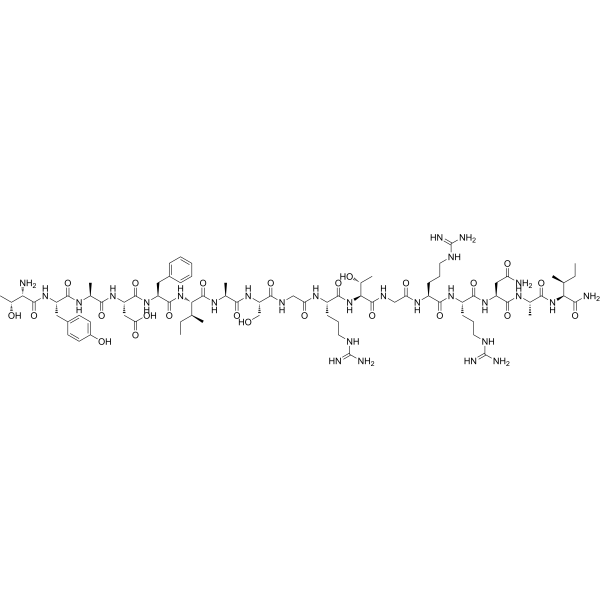
    PKA Inhibitor Fragment (6-22) amide is a highly potent and specific competitive inhibitor of PKA, with Ki values of 1.7 nM and 1.6 nM against human and bovine PKA catalytic subunits, respectively. The IC50 of PKA Inhibitor Fragment (6-22) amide targeting bovine PKA is 8.6 nM. PKA Inhibitor Fragment (6-22) amide effectively abolishes PKA activity in mouse brain and spinal cord, and exerts in vivo efficacy via intracerebroventricular administration. PKA Inhibitor Fragment (6-22) amide significantly reverses low-dose morphine analgesic tolerance in mice and blocks photoaffinity labeling of cAMP-dependent protein kinase. PKA Inhibitor Fragment (6-22) amide can be applied to research in fields related to the mechanism of morphine analgesic tolerance and skin wound healing .
    PKA Inhibitor Fragment (6-22) amide
  • HY-130118

    Mas-related G-protein-coupled Receptor (MRGPR) Neurological Disease
    MRGPRX1 agonist 1 is a highly potent MRGPRX1 agonist (EC50=50 nM) with greater than 50-fold selectivity for δ, μ, and κ opioid receptors. MRGPRX1 agonist 1 is inactive against MRGPRC11. MRGPRC11 inhibits high voltage-activated (HVA) Ca 2+ currents, reduces neurotransmitter release, and mitigates nociceptive transmission in the spinal cord. MRGPRX1 agonist 1 is useful for the study of chronic pain, especially neuropathic pain .
    MRGPRX1 agonist 1
  • HY-118355
    ALLM
    1 Publications Verification

    Calpain inhibitor II

    Proteasome Cathepsin Neurological Disease
    ALLM (Calpain inhibitor II) is a potent inhibitor of calpain and cathepsin proteases. ALLM inhibits neuronal cell death and improves chronic neurological function after spinal cord injury (SCI) .
    ALLM
  • HY-N10756
    Hyp9
    3 Publications Verification

    TRP Channel Neurological Disease
    Hyp9 is a transient receptor potential canonical 6 (TRPC6)-specific agonist. Hyp9 can be used for the research of spinal cord injury (SCI) .
    Hyp9
  • HY-130553
    β-Spaglumic acid
    1 Publications Verification

    β-NAAG; β-N-Acetylaspartylglutamic acid

    Aminopeptidase mGluR Neurological Disease
    β-Spaglumic acid (β-NAAG) is a competitive NAAG peptidase inhibitor (Ki=1 µM) that protects spinal cord neurons from excitotoxicity and hypoxic damage. β-Spaglumic acid is also a selective mGluR3 antagonist (mGluR3 receptor functions to regulate activity-dependent synaptic potentiation in the hippocampus). β-Spaglumic acid can be used in neuroprotection-related studies .
    β-Spaglumic acid
  • HY-W067716

    (S)-Spinacine

    GABA Receptor Neurological Disease
    Spinacine ((S)-Spinacine) is a GABA uptake inhibitor. Spinacine enhances synaptic GABA effects via inhibition of gamma-aminobutyric acid uptake in cerebral cortex slices. Spinacine inhibits reflex responses of ventral roots in isolated spinal cord. Spinacine inhibits motor activity and reduces approaches to water dispensers in conflict situations. Spinacine raises pain sensitivity threshold via subarachnoidal injection .
    Spinacine
  • HY-P2275

    Gap Junction Protein Neurological Disease
    Peptide5, a connexin 43 mimetic peptide, reduce animals swelling, astrogliosis, and neuronal cell death after spinal cord injury
    Peptide5
  • HY-B1808A

    Histamine Receptor Neurological Disease Inflammation/Immunology
    Triprolidine hydrochloride is an orally active histamine H1 antagonist. Triprolidine hydrochloride has the function of spinal cord motor and sensory block. Triprolidine hydrochloride can be used for the research of allergic rhinitis .
    Triprolidine hydrochloride
  • HY-P99959

    MT-3921; rH116A3

    TGF-β Receptor Neurological Disease
    Unasnemab (MT-3921) is a humanised IgG1 monoclonal antibody that binds to repulsive guidance molecule A (RGMa). Unasnemab improves locomotor function and promotes neuroregeneration. Unasnemab exerts ameliorative effects on hippocampal neurogenesis impairment and cognitive decline in db/db mice, Streptozotocin (STZ) (HY-13753)-induced type 1 diabetic and bilateral common carotid artery stenosis (BCAS)-induced mice. Unasnemab can be used for the research of spinal cord injury, diabetes-induced neurological impairments .
    Unasnemab
  • HY-19667

    DPC 333

    TNF Receptor NF-κB Apoptosis p38 MAPK Neurological Disease Inflammation/Immunology
    BMS-561392 (BMS-561392) is a selective ADAM17(TACE) inhibitor. BMS-561392 inhibits TNF-α secretion by regulating signaling pathways such as p44 MAPK and NF-κB. BMS-561392 also affects the survival of central nervous system-related cells including oligodendrocytes and microglia. BMS-561392 promotes microglial apoptosis, enlarges the injury area and exacerbates astrogliosis in a mouse spinal cord injury model. BMS-561392 can be used in research related to spinal cord injury and inflammatory diseases .
    BMS-561392
  • HY-105005

    AAD-2004

    Prostaglandin Receptor PGE synthase Reactive Oxygen Species (ROS) Apoptosis Neurological Disease Inflammation/Immunology
    Crisdesalazine (AAD-2004) is a microsomal prostaglandin E2 synthase-1 (mPGES-1) inhibitor. Crisdesalazine acts as a potent free radical scavenger that directly neutralizes reactive oxygen species (ROS) including hydrogen peroxide, exerting neuroprotective effects against apoptosis and axonal damage. Crisdesalazine inhibits PGE2 production, mediates inflammatory responses, and promotes the conversion of macrophages from the pro-inflammatory M1 phenotype to the anti-inflammatory M2 phenotype. Crisdesalazine is applicable to neuroprotection research in multiple sclerosis and spinal cord injury .
    Crisdesalazine
  • HY-108659

    P2Y Receptor Inflammation/Immunology
    NF340 is a P2Y11 receptor inhibitor with a pIC50 of 7.3-7.7 against human P2Y11 receptor, and it exhibits high selectivity over other P2Y family receptors. NF340 binds to the ATP-binding amino acid residues of the P2Y11 receptor to inhibit its activity, block nociceptive activity, and reduce spinal dorsal horn P2Y11 receptor upregulation induced by spinal cord injury. NF340 attenuates the NFκB signaling pathway activated by IL-1β by decreasing IκBα phosphorylation, nuclear p65 accumulation and NFκB promoter activity. NF340 inhibits IL-1β-induced pro-inflammatory cytokine expression, reduces intracellular ROS and 4-HNE levels, and suppresses IL-1β-induced matrix metalloproteinase expression in primary fibroblast-like synoviocytes. NF340 inhibits ATP-induced elevation of intracellular calcium 2+ concentration and cell migration in human hepatocellular carcinoma cells. NF340 is applicable to the research of neuropathic pain, myocardial ischemia/reperfusion injury, inflammatory pain, rheumatoid arthritis and hepatocellular carcinoma .
    NF340
  • HY-P5982

    Phosphatase Neurological Disease
    PTPσ Inhibitor, ISP can bind to recombinant human PTPs and inhibits PTPσ signaling. PTPσ Inhibitor, ISP can penetrate the membrane and relieves the chondroitin sulfate proteoglycan (CSPG)-mediated axonal sprouting inhibition in spinal cord injury model. PTPσ Inhibitor, ISP enhances remyelination in LPC-induced demyelinated spinal cord. PTPσ Inhibitor, ISP also promotes oligodendrocyte progenitor cells (OPCs) migration, maturation, remyelination, and functional recovery in animal models of Multiple Sclerosis (MS) .
    PTPσ Inhibitor, ISP
  • HY-15392A
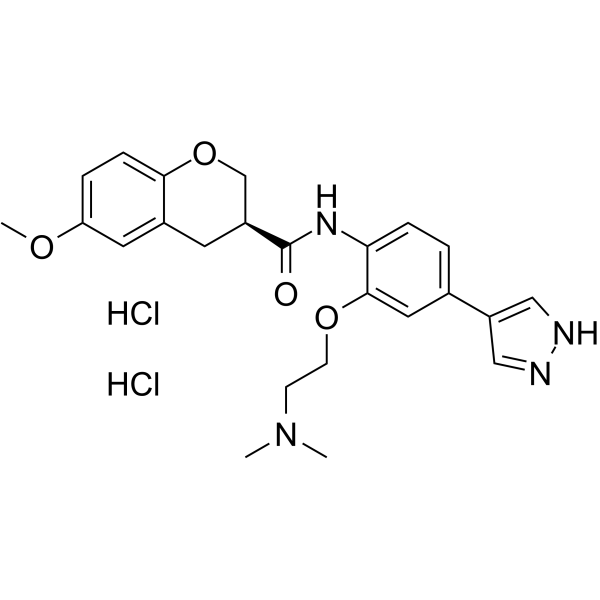
    Chroman 1 dihydrochloride
    Maximum Cited Publications
    63 Publications Verification

    ROCK Cardiovascular Disease
    Chroman 1 dihydrochloride is a highly potent and selective ROCK inhibitor. Chroman 1 dihydrochloride is more potent against ROCK2 (IC50=1 pM) than ROCK1 (IC50=52 pM). Chroman 1 dihydrochloride also has inhibitory activity against MRCK, with an IC50 of 150 nM .
    Chroman 1 dihydrochloride
  • HY-145313

    Tau Protein Neurological Disease
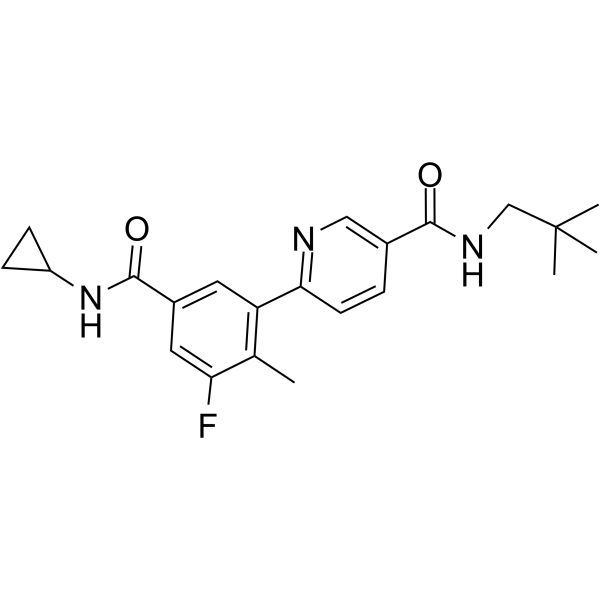
    TTBK1-IN-2 (compound 29) is a potent Tau-Tubulin kinase (TTBK1) inhibitor with IC50s of 0.24 and 4.22 µM, respectively. TTBK1-IN-2 reveals good brain penetration in vivo and is able to reduce TDP-43 phosphorylation not only in cell cultures but also in the spinal cord of transgenic TDP-43 mice .
    TTBK1-IN-2
  • HY-107565

    Histamine Receptor Inflammation/Immunology
    2-Pyridylethylamine is a histamine-1 (H1R) receptor agonist. 2-Pyridylethylamine can reduce the joint injury induced by formalin in rats. 2-Pyridylethylamine can be used to study the spinal cord release of neuropeptide (NPY) .
    2-Pyridylethylamine hydrochloride
  • HY-P10936

    Aquaporin Neurological Disease Inflammation/Immunology
    AQP4 (201-220) is an encephalitogenic epitope of AQP-4. AQP4 (201-220) can induce experimental autoimmune encephalomyelitis (EAE) (characterized by midline lesions in the brain, retinal pathology, and lesions at the grey matter/white matter border zone in the spinal cord). AQP-4 is a target antigen in neuromyelitis optica .
    AQP4 (201-220)
  • HY-147410A
    Ulefnersen sodium
    1 Publications Verification

    ION-363 sodium

    DNA/RNA Synthesis Neurological Disease
    Ulefnersen sodium (ION363) is an Antisense Oligonucleotide (ASO) directed against the 6th intron of the fused-in sarcoma (FUS) transcript to silence FUS in a non-allele-specific manner. Ulefnersen sodium can reduce postnatal levels of FUS protein in the brain and spinal cord in disease-relevant mouse model of ALS-FUS , delaying motor neuron degeneration. Ulefnersen sodium can be used in the research of Amyotrophic Lateral Sclerosis (ALS) .
    Ulefnersen sodium
  • HY-W021450A

    Biochemical Assay Reagents Neurological Disease
    DL-Fluorocitric acid barium is a glial cell metabolic inhibitor. DL-Fluorocitric acid barium inhibits mechanical hyperalgesia induced by subcutaneous injection of complete Freund's adjuvant in rats. DL-Fluorocitric acid barium inhibits nociceptive behaviors induced by Histamine (HY-B1204) in mice and blocks the phosphorylation of the NMDA receptor NR1 subunit in the lumbar spinal cord of mice. DL-Fluorocitric acid (barium) can be used in the research of mechanical hyperalgesia and nociceptive pain .
    DL-Fluorocitric acid barium
  • HY-12761

    Cannabinoid Receptor Cardiovascular Disease Others Neurological Disease Metabolic Disease Inflammation/Immunology Cancer
    A-836339 is a selective CB2 receptor agonist, with Ki values of 0.4 nM and 0.8 nM in humans and rats, respectively. A-836339 exhibits multiple effects such as analgesia, gastric protection, anti-inflammation, and antioxidant activity. A-836339 produces antinociceptive and analgesic activities by activating CB2 receptors in the dorsal root ganglia and spinal cord. A-836339 can also exert gastric protective effects through anti-inflammatory mechanisms (reducing TNF-α and IL-1β) and antioxidant mechanisms (enhancing the activities of CAT and SOD, and reducing H2O2). Radioactively labeled A-836339 can serve as a CB2-specific radioligand for autoradiography and PET imaging. A-836339 can be used in research on inflammatory pain, neuropathic pain, gastric ulcers, cerebral ischemia, etc .
    A-836339
  • HY-101241

    mGluR Neurological Disease
    MPPG is a potent and selective L-AP4-sensitive receptor antagonist with an kD value of 9.2 μM, being tested on the neonatal rat spinal cord .
    MPPG
  • HY-P2325

    Biochemical Assay Reagents ROCK Neurological Disease Metabolic Disease
    Exoenzyme C3, clostridium botulinum, is a mono-ADP-ribosylating enzyme. Exoenzyme C3, clostridium botulinum specifically modifies RhoA, B, and C by transferring ADP-ribose to them, thereby inactivating these GTPases. Exoenzyme C3, clostridium botulinum can induce neuronal axonal and dendritic growth, inhibit macrophage migration, and regulate cytoskeletal dynamics. Exoenzyme C3, clostridium botulinum can be used in the research of spinal cord injury and diabetic painful neuropathy .
    Exoenzyme C3, clostridium botulinum
  • HY-144874

    PARP Neurological Disease Cancer
    AZ3391 is a potent inhibitor of PARP. AZ3391 is a quinoxaline derivative. PARP family of enzymes play an important role in a number of cellular processes, such as replication, recombination, chromatin remodeling, and DNA damage repair. AZ3391 has the potential for the research of diseases and conditions occurring in tissues in the central nervous system, such as the brain and spinal cord (extracted from patent WO2021260092A1, compound 23) .
    AZ3391
  • HY-P5152

    Sodium Channel Neurological Disease
    Scorpion toxin Tf2 is a selective human voltage-gated sodium channel Nav1.3 (hNav1.3) activator. Scorpion toxin Tf2 selectively shifts the channel's activation voltage to more negative values, enabling channel opening at resting membrane potentials. Scorpion toxin Tf2 can be used for the research of epilepsy, nociception (after spinal cord injury) .
    Scorpion toxin Tf2
  • HY-118383

    Parasite Infection Neurological Disease Metabolic Disease Inflammation/Immunology Cancer
    Agathisflavone is a flavonoid with antioxidant, anti-inflammatory, antiviral, antiparasitic, cytotoxic, neuroprotective, and hepatoprotective activities. Agathisflavone can improve tissue repair in a spinal cord injury model in rats .
    Agathisflavone
  • HY-12791
    hPGDS-IN-1
    2 Publications Verification

    PGE synthase Neurological Disease Inflammation/Immunology
    hPGDS-IN-1 (Compound 2 ) is an hPGDS inhibitor with an IC50 of 12 nM (as measured by fluorescence polarization assay or EIA). hPGDS-IN-1 can be used in the research of allergic rhinitis and spinal cord neurons .
    hPGDS-IN-1
  • HY-165677

    Endogenous Metabolite Neurological Disease
    C22 Galactosylceramide is a sphingolipid present in the central nervous system, exhibiting elevated levels in the spinal cord of mice on a methionine-restricted diet, while not affecting the brain or liver; furthermore, it has been identified in the postmortem hippocampus of Alzheimer's disease patients.
    C22 Galactosylceramide
  • HY-B0194S

    Isotope-Labeled Compounds Adrenergic Receptor Apoptosis Akt Wnt β-catenin Neurological Disease Endocrinology Cancer
    Tizanidine-d4 is the deuterium labeled Tizanidine (HY-B0194). Tizanidine, a skeletal muscle relaxant, is an orally effective central α2-adrenoceptor agonist (IC50 = 6.9 nmol). Tizanidine primarily exerts muscle relaxation effects by inhibiting the release of excitatory amino acids (glutamate and aspartate) from the presynaptic terminals of spinal cord interneurons. Tizanidine has anti-injury activity and can inhibit gastrointestinal (GI) transport. Tizanidine can inhibit the proliferation, migration, and invasion of lung cancer cells and induce cell apoptosis by upregulating Nischarin and inhibiting the AKT and Wnt3a/β-catenin signaling pathways. Tizanidine can be used to treat spasticity caused by diseases such as multiple sclerosis (MS), stroke, and spinal cord injury (SCI).
    Tizanidine-d4
  • HY-B1462S

    Cytochrome P450 Inflammation/Immunology
    Chlorzoxazone-d3 is the deuterium labeled Chlorzoxazone. Chlorzoxazone is a centrally acting muscle relaxant used to treat muscle spasm and the resulting pain or discomfort. It acts on the spinal cord by depressing reflexes.Chlorzoxazone is currently being used as a marker substrate in vitro/vivo studies to quantify cytochrome P450 2E1 (CYP2E1) activity in humans.
    Chlorzoxazone-d3
  • HY-N2433

    Potassium Channel Neurological Disease
    Paederosidic acid methyl ester is a ATP‐sensitive K + channel activator, isolated from P. scandens. Paederosidic acid methyl ester exhibits significant central analgesic activity, and enhances the threshold of pain by activating ATP‐sensitive K + channel in the brain and spinal cord level .
    Paederosidic acid methyl ester

Inquiry Online

Your information is safe with us. * Required Fields.

Salutation


Country or Region *

Applicant Name *


Organization Name *

Department *


Email Address *


Product Name *

Cat. No.


Requested quantity *

Phone Number *


Remarks

Inquiry Online

Inquiry Information

Product Name:
Cat. No.:
Quantity:
MCE Japan Authorized Agent:

