1. Search Result
Search Result
Isoforms Recommended: Caspase 9
Results for "

caspase9

" in MedChemExpress (MCE) Product Catalog:

129

Inhibitors & Agonists

2

Fluorescent Dye

9

Biochemical Assay Reagents

9

Peptides

46

Natural
Products

7

Isotope-Labeled Compounds

5

Antibodies

3

Oligonucleotides

Targets Recommended:
Cat. No. Product Name Target Research Areas Chemical Structure
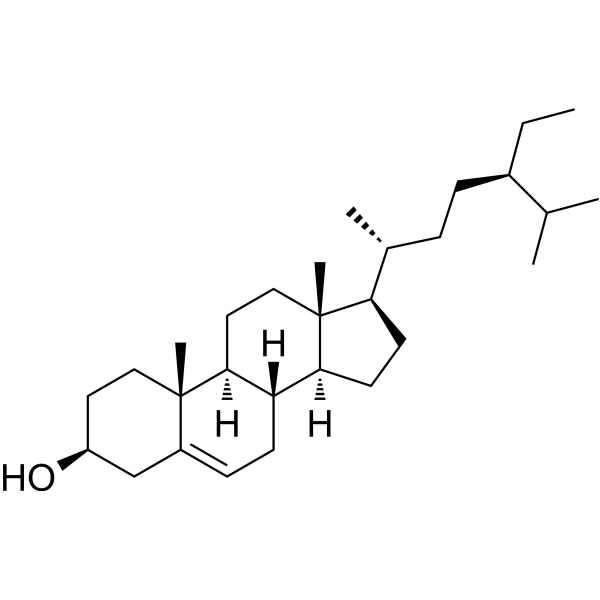
  • HY-N0171A
    Beta-Sitosterol (purity>98%)
    15+ Cited Publications

    β-Sitosterol (purity>98%); 22,23-Dihydrostigmasterol (purity>98%)

    Bacterial Apoptosis Reactive Oxygen Species (ROS) MDM-2/p53 Caspase PARP MMP Bcl-2 Family HIF/HIF Prolyl-Hydroxylase TNF Receptor Interleukin Related NF-κB mTOR Lactate Dehydrogenase CDK Glutathione Peroxidase SOD Infection Cardiovascular Disease Inflammation/Immunology Cancer
    Beta-Sitosterol (purity>98%) is orally active. Beta-Sitosterol exhibits multiple activities, including anti-inflammatory, anticancer, antioxidant, antimicrobial, antidiabetic, antioxidant enzyme, and analgesic. Beta-Sitosterol inhibits inflammation and impaired adipogenesis in bovine mammary epithelial cells by reducing levels of ROS, TNF-α, IL-1β, and NF-κB p65 and restoring the activity of the HIF-1α/mTOR signaling pathway. Beta-Sitosterol induces apoptosis in cancer cells through ROS-mediated mitochondrial dysregulation and p53 activation. Beta-Sitosterol exerts its anticancer effects in cancer cells by activating caspase-3, caspase-8, and caspase-9, mediating PARP inactivation, MMP loss, altered Bcl-2-Bax ratio, and cytochrome c release. Beta-Sitosterol modulates macrophage polarization and reduces rheumatoid inflammation in mice. Beta-Sitosterol inhibits tumor growth in multiple mouse cancer models. Beta-Sitosterol can be used in the research of arthritis, lung cancer, breast cancer and other cancers, diabetes, etc [9] .
    Beta-Sitosterol (purity>98%)
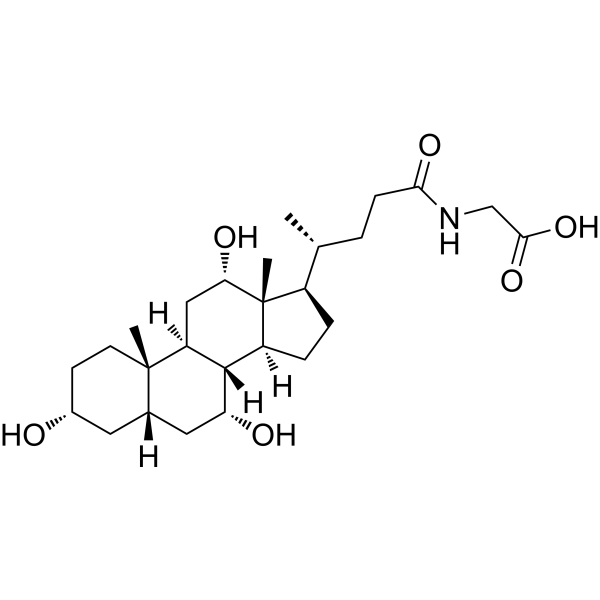
  • HY-N1423
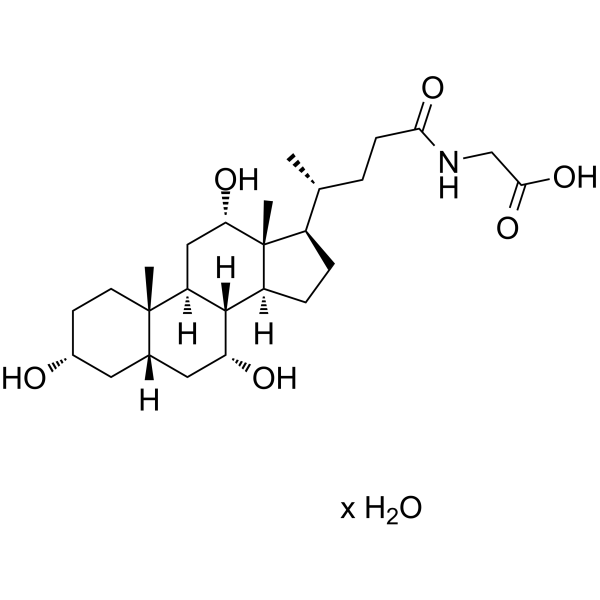
    Glycocholic acid
    3 Publications Verification

    P-glycoprotein Bcl-2 Family G protein-coupled Bile Acid Receptor 1 Endogenous Metabolite Bacterial Apoptosis FXR Caspase MDM-2/p53 LPL Receptor Metabolic Disease Inflammation/Immunology Cancer
    Glycocholic acid is a bile acid derivative. Glycocholic acid downregulates MDR1, Bcl-2, MRP1, MRP2 and FXR, upregulates Bax, p53, caspase-9, caspase-3, TGR5 and S1PR2. Glycocholic acid inhibits multidrug resistance and efflux pumps, induces mitochondrial apoptosis, and enhances chemosensitivity. Glycocholic acid modulates related bile acid receptor signaling. Glycocholic acid suppresses growth and conjugation of Enterobacteriaceae and increases their antibiotic susceptibility. Glycocholic acid can be used for the research of colon adenocarcinoma and cholangiocarcinoma (CCA) .
    Glycocholic acid
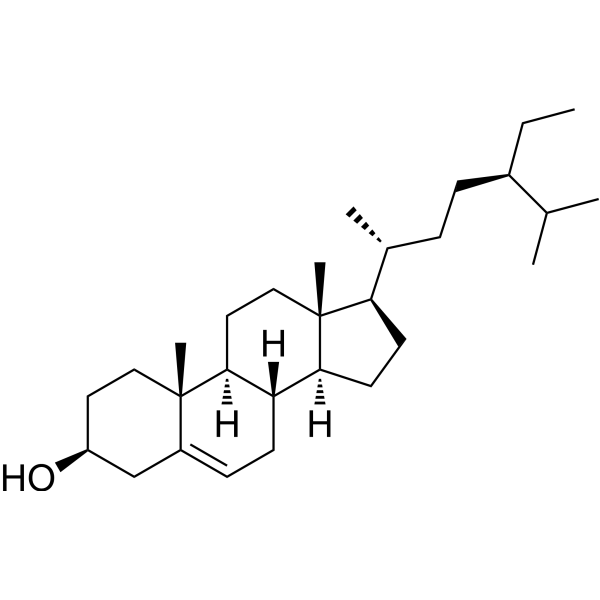
  • HY-N0171
    Beta-Sitosterol (purity>80%)
    20+ Cited Publications

    Apoptosis Endogenous Metabolite Cardiovascular Disease Inflammation/Immunology Cancer
    Beta-Sitosterol (purity≥80%) is orally active. Beta-Sitosterol exhibits multiple activities, including anti-inflammatory, anticancer, antioxidant, antimicrobial, antidiabetic, antioxidant enzyme, and analgesic. Beta-Sitosterol inhibits inflammation and impaired adipogenesis in bovine mammary epithelial cells by reducing levels of ROS, TNF-α, IL-1β, and NF-κB p65 and restoring the activity of the HIF-1α/mTOR signaling pathway. Beta-Sitosterol induces apoptosis in cancer cells through ROS-mediated mitochondrial dysregulation and p53 activation. Beta-Sitosterol exerts its anticancer effects in cancer cells by activating caspase-3, caspase-8, and caspase-9, mediating PARP inactivation, MMP loss, altered Bcl-2-Bax ratio, and cytochrome c release. Beta-Sitosterol modulates macrophage polarization and reduces rheumatoid inflammation in mice. Beta-Sitosterol inhibits tumor growth in multiple mouse cancer models. Beta-Sitosterol can be used in the research of arthritis, lung cancer, breast cancer and other cancers, diabetes, etc [9] .
    Beta-Sitosterol (purity>80%)
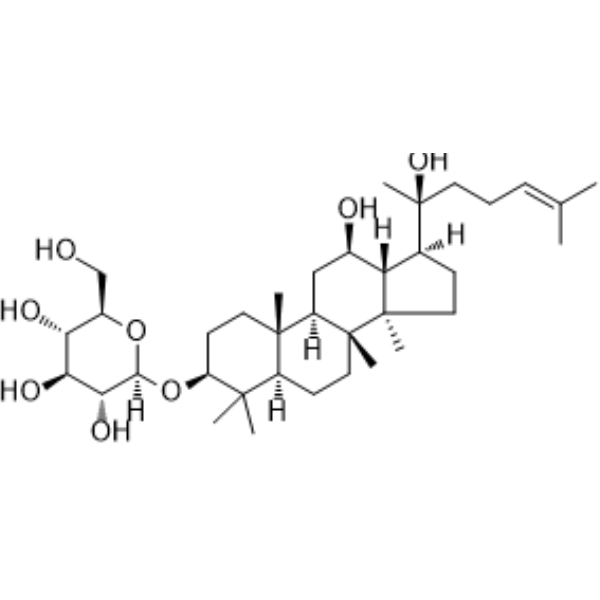
  • HY-N0605
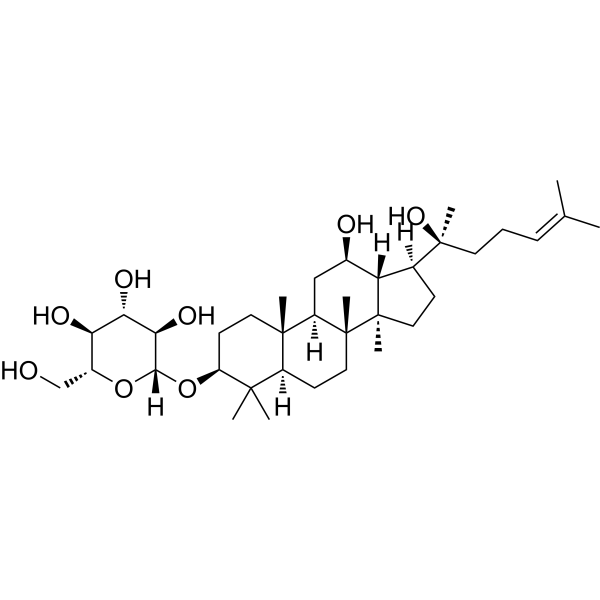
    Ginsenoside Rh2
    4 Publications Verification

    20(S)-Ginsenoside Rh2; 20(S)-Rh2

    Caspase Apoptosis Endogenous Metabolite Cancer
    Ginsenoside Rh2 (20(S)-Ginsenoside Rh2) induces the activation of caspase-8 and caspase-9. Ginsenoside Rh2 induces cancer cell apoptosis in a multi-path manner.
    Ginsenoside Rh2
  • HY-16046
    Rimiducid
    Maximum Cited Publications
    54 Publications Verification

    AP1903

    FKBP Apoptosis Cancer
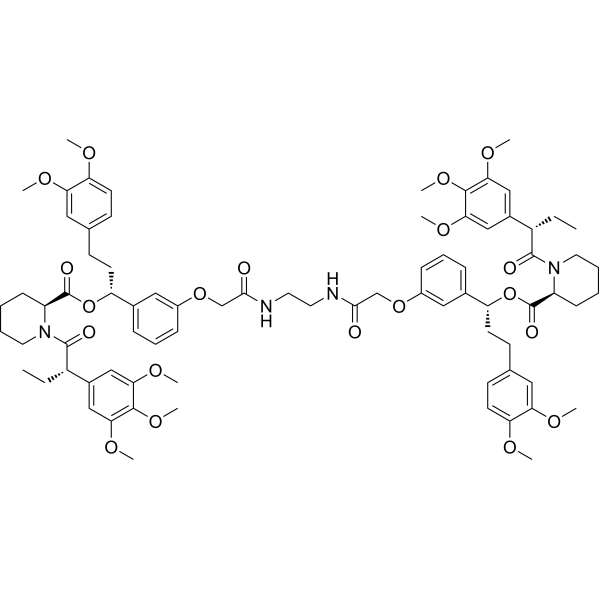
    Rimiducid (AP1903) is a dimerizer agent that acts by cross-linking the FKBP domains. Rimiducid (AP1903) dimerizes the Caspase 9 suicide switch and rapidly induces apoptosis.
    Rimiducid
  • HY-Y1881B

    Environmental Pollutants Biochemical Assay Reagents Reactive Oxygen Species (ROS) Caspase MyD88 SOD Others
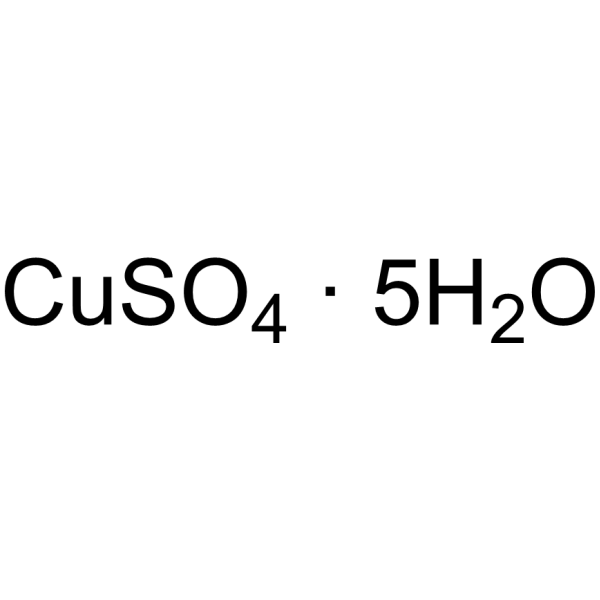
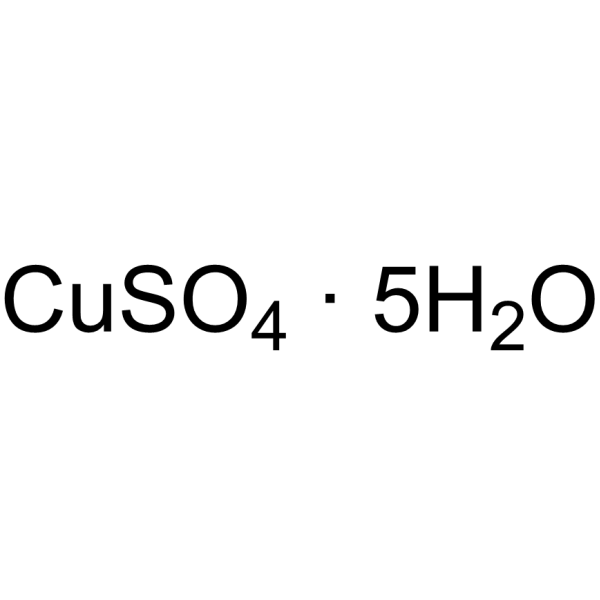
    Copper sulfate pentahydrate, for cell culture, 98% is a biochemical reagent. Copper sulfate pentahydrate, for cell culture, 98% reduces the production of ROS and the expression levels of MyD88 as well as c-Rel genes. Copper sulfate pentahydrate, for cell culture, 98% decreases the activities of T-SOD, CAT, and GSH, increases the activities of caspase-3, caspase-8, and caspase-9. Copper sulfate pentahydrate, for cell culture, 98% is cytotoxic to various cells .
    Copper sulfate pentahydrate, for cell culture, 98%
  • HY-121320
    Raptinal
    5+ Cited Publications

    Caspase Apoptosis Cancer
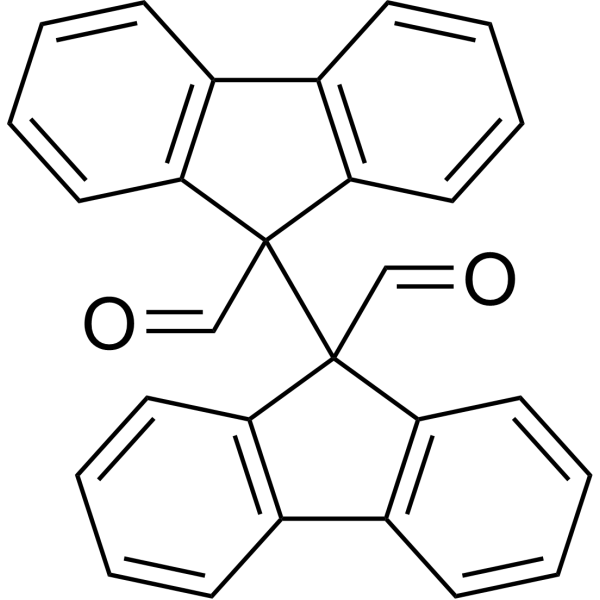
    Raptinal, a agent that directly activates caspase-3, initiates intrinsic pathway caspase-dependent apoptosis. Raptinal is able to rapidly induce cancer cell death by directly activating the effector caspase-3, bypassing the activation of initiator caspase-8 and caspase-9 .
    Raptinal
  • HY-P1010
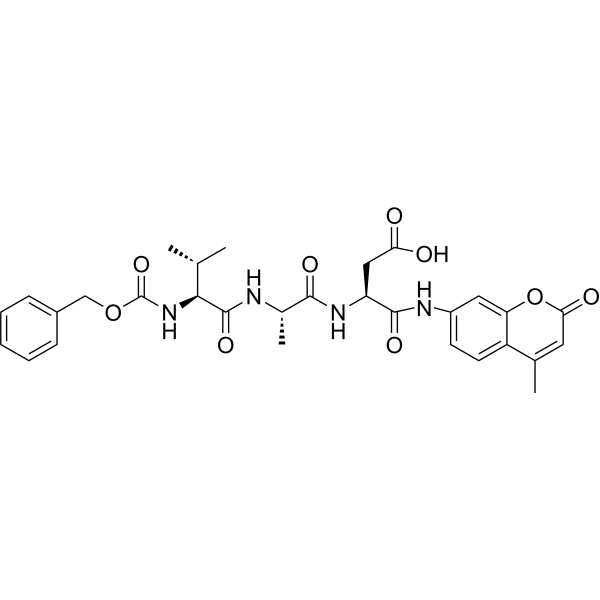
    Z-LEHD-FMK
    10+ Cited Publications

    Caspase Apoptosis Neurological Disease Cancer
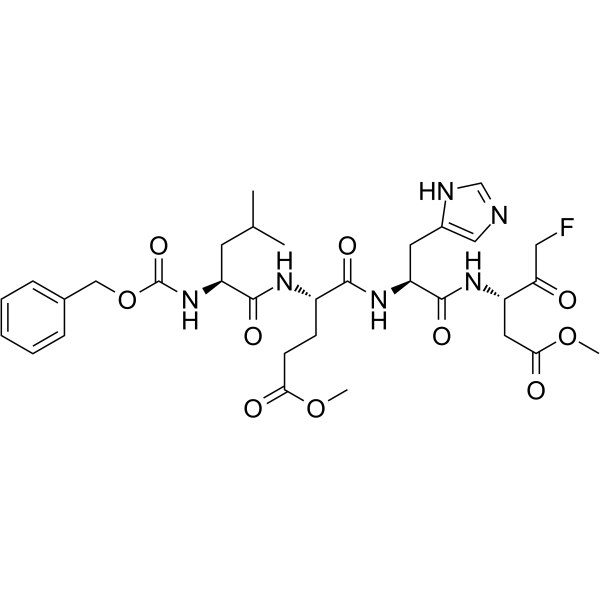
    Z-LEHD-FMK is a selective and irreversible inhibitor of caspase-9, protects against lethal reperfusion injury and attenuates apoptosis. Z-LEHD-FMK exhibits the neuroprotective effect in a rat model of spinal cord trauma .
    Z-LEHD-FMK
  • HY-17473
    Embelin
    5+ Cited Publications

    Embelic acid; Emberine; NSC 91874

    IAP NF-κB Apoptosis Autophagy Cancer
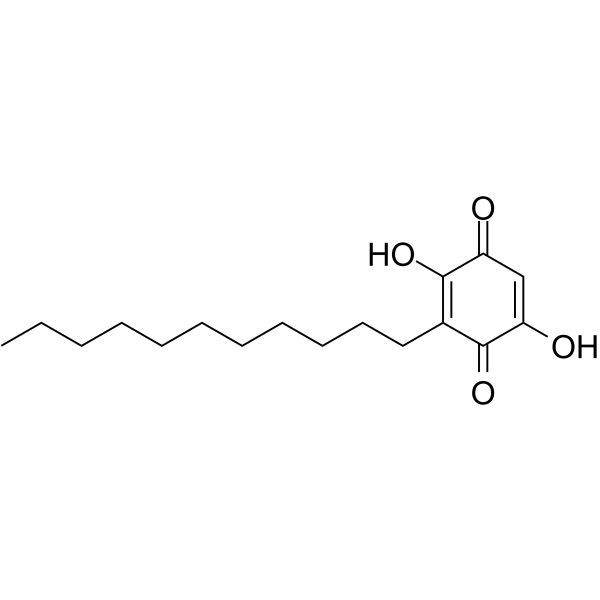
    Embelin (Embelic acid), a potent, nonpeptidic XIAP inhibitor (IC50=4.1 μM), inhibits cell growth, induces apoptosis, and activates caspase-9 in prostate cancer cells with high levels of XIAP. Embelin blocks NF-kappaB signaling pathway leading to suppression of NF-kappaB-regulated antiapoptotic and metastatic gene products. Embelin also induces autophagic and apoptotic cell death in human oral squamous cell carcinoma cells .
    Embelin
  • HY-N3584
    Paris saponin VII
    4 Publications Verification

    Chonglou Saponin VII

    Akt p38 MAPK P-glycoprotein Bcl-2 Family Caspase PARP Autophagy Apoptosis Cancer
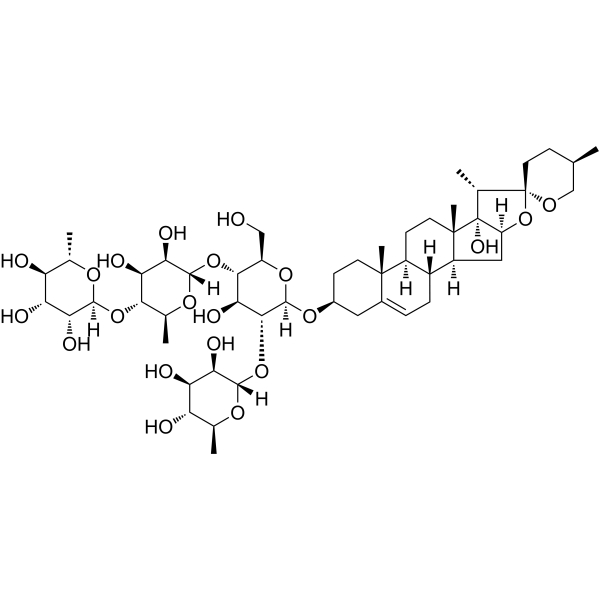
    Paris saponin VII (Chonglou Saponin VII) is a steroidal saponin isolated from the roots and rhizomes of Trillium tschonoskii. Paris saponin VII-induced apoptosis in K562/ADR cells is associated with Akt/MAPK and the inhibition of P-gp. Paris saponin VII attenuates mitochondrial membrane potential, increases the expression of apoptosis-related proteins, such as Bax and cytochrome c, and decreases the protein expression levels of Bcl-2, caspase-9, caspase-3, PARP-1, and p-Akt. Paris saponin VII induces a robust autophagy in K562/ADR cells and provides a biochemical basis in the treatment of leukemia .
    Paris saponin VII
  • HY-N0702

    Beta-secretase Cholinesterase (ChE) Neurological Disease
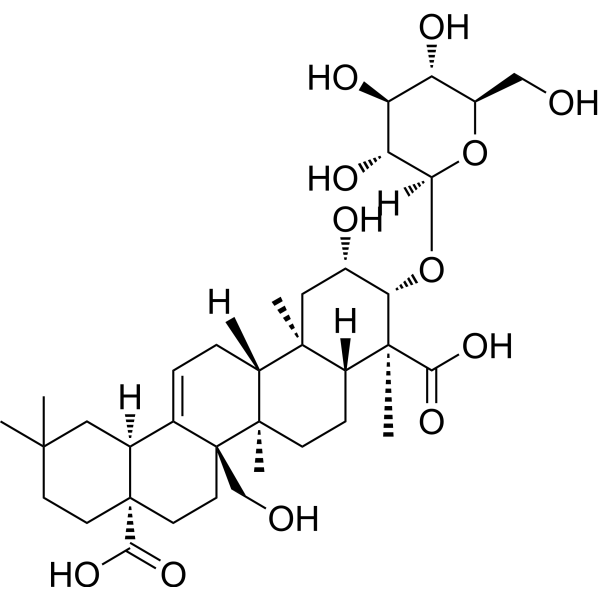
    Tenuifolin is effective and has a protective action. Tenuifolin inhibits β-secretase decreases Aβ protein secretion, suppresses Aβ25-35 secretion, and subsequently caspase-3 and caspase-9 become active. Tenuifolin's ability to lower AChE activity, increase at the same time, increase the ability of the upper glands, and improve the ability to read and remember. Research on tenuifolin's potential for use in urinary disease (AD).
    Tenuifolin
  • HY-N0763
    Angelicin
    10+ Cited Publications

    Isopsoralen

    Apoptosis Virus Protease NF-κB p38 MAPK JNK Caspase Infection Inflammation/Immunology Cancer
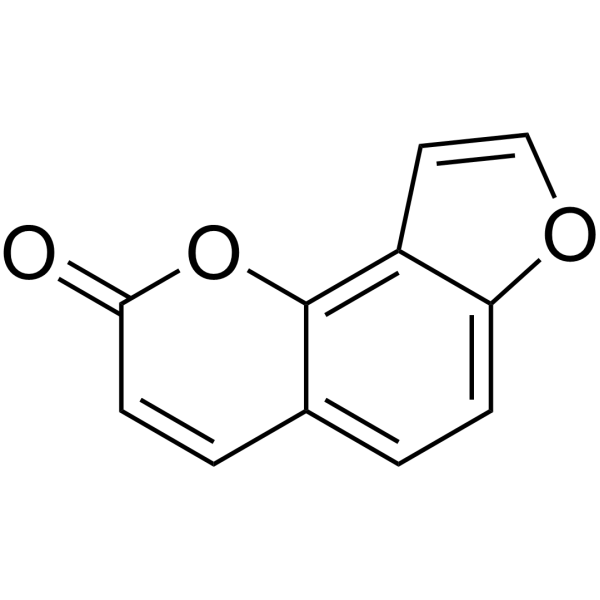
    Angelicin is a furanocoumarin compound that functions as an inhibitor of NF-κB and MAPK signaling pathways, exhibiting anti-inflammatory, antiviral, and antitumor activities. It suppresses the lytic replication of γ-herpesviruses, such as MHV-68, early during viral infection, potentially inhibiting RTA gene expression (IC50=28.95 μM). Angelicin also mitigates inflammation by inhibiting the phosphorylation and nuclear translocation of NF-κB, and the phosphorylation of p38 and JNK. Furthermore, it induces apoptosis in neuroblastoma cells by downregulating anti-apoptotic proteins like Bcl-2, Bcl-xL, and Mcl-1, while activating caspase-9 and caspase-3.
    Angelicin
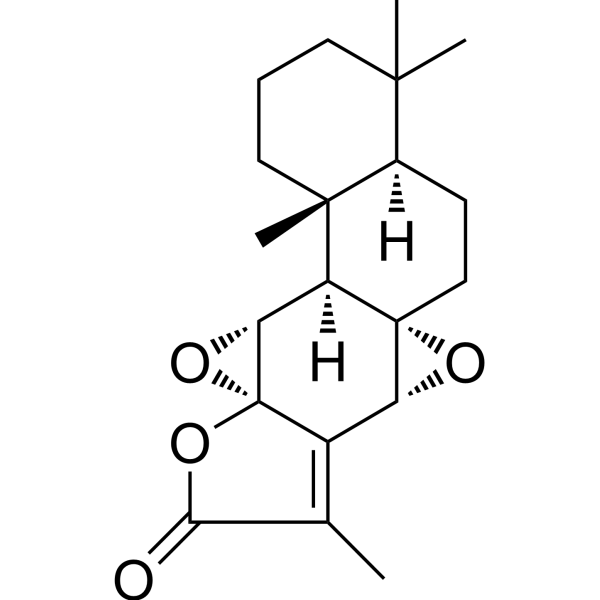
  • HY-N0732
    Jolkinolide B
    1 Publications Verification

    IAP Akt Caspase NF-κB TGF-beta/Smad JAK Bacterial Apoptosis Infection Metabolic Disease Inflammation/Immunology Cancer
    Jolkinolide B is a bioactive diterpene isolated from the roots of Euphorbia fischeriana Steud with oral activity. Jolkinolide B downregulates XIAP, cIAP1, cIAP2, and phosphorylated Akt, upregulates Smac, activates caspase-3 and caspase-9, and inhibits NF-κB, TGFβ/smad3 and JAK/STAT3 pathways. Jolkinolide B exerts comprehensive biological effects including inducing cancer cell apoptosis, suppressing inflammatory responses, improving lung function, alleviating hepatic steatosis and eliminating intracellular Mycobacterium tuberculosis. Jolkinolide B can be used for the research of leukemia, histiocytic lymphoma, asthma, metabolic dysfunction-associated steatotic liver disease and tuberculosis .
    Jolkinolide B
  • HY-13945
    NVP 231
    3 Publications Verification

    Apoptosis Cancer
    NVP 231 is a potent, specific, and reversible ceramide kinase (CerK) inhibitor(IC50=12 nM) that competitively inhibits binding of ceramide to CerK . NVP 231 induces cell apoptosis by increasing DNA fragmentation and caspase-3 and caspase-9 cleavage .
    NVP 231
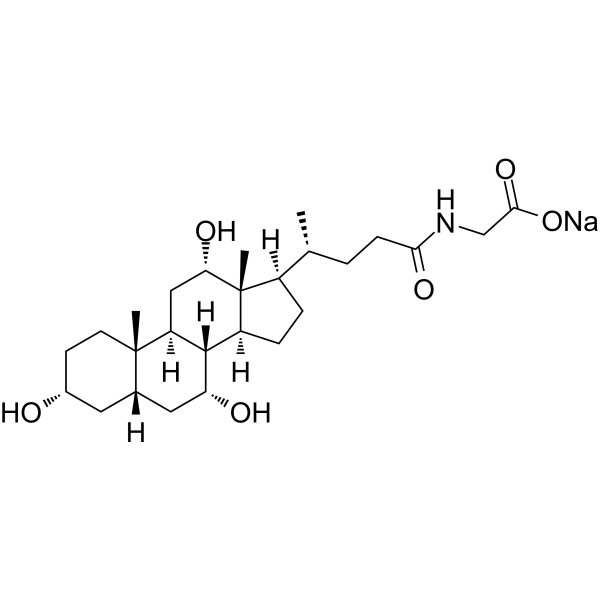
  • HY-N1423A
    Glycocholic acid sodium
    3 Publications Verification

    P-glycoprotein Bcl-2 Family G protein-coupled Bile Acid Receptor 1 Bacterial Apoptosis FXR Caspase MDM-2/p53 LPL Receptor Endogenous Metabolite Metabolic Disease Cancer
    Glycocholic acid sodium is a bile acid derivative. Glycocholic acid downregulates MDR1, Bcl-2, MRP1, MRP2 and FXR, upregulates Bax, p53, caspase-9, caspase-3, TGR5 and S1PR2. Glycocholic acid sodium inhibits multidrug resistance and efflux pumps, induces mitochondrial apoptosis, and enhances chemosensitivity. Glycocholic acid sodium modulates related bile acid receptor signaling. Glycocholic acid sodium suppresses growth and conjugation of Enterobacteriaceae and increases their antibiotic susceptibility. Glycocholic acid sodium can be used for the research of colon adenocarcinoma and cholangiocarcinoma (CCA) .
    Glycocholic acid sodium
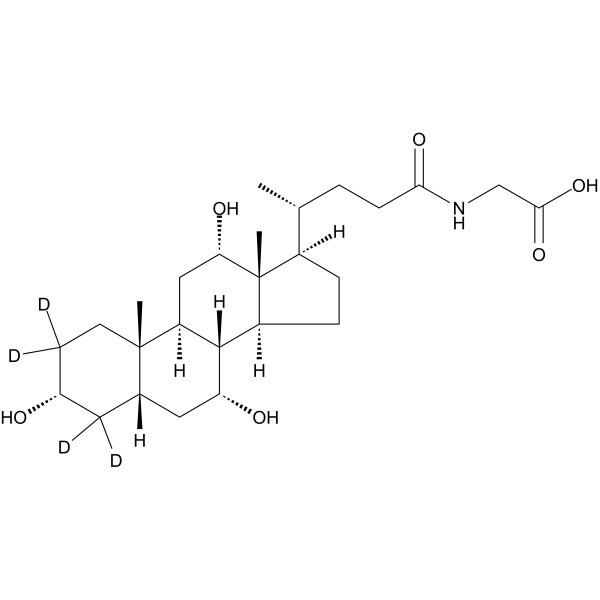
  • HY-N1423S

    Isotope-Labeled Compounds P-glycoprotein Bcl-2 Family G protein-coupled Bile Acid Receptor 1 Endogenous Metabolite Bacterial Apoptosis FXR Caspase MDM-2/p53 LPL Receptor Metabolic Disease Cancer
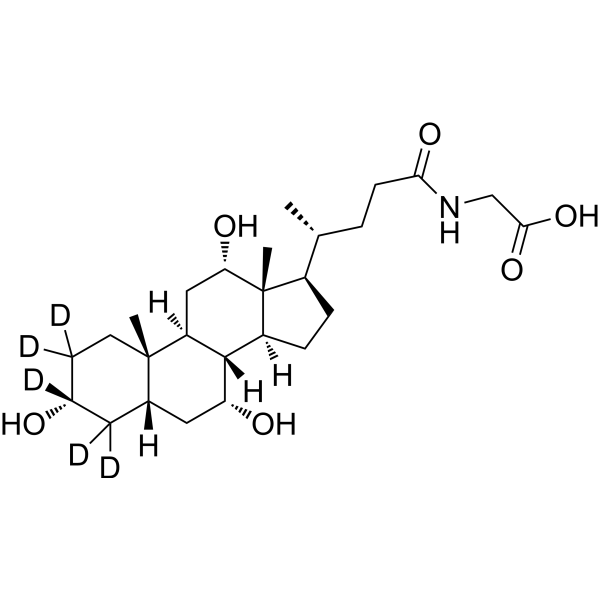
    Glycocholic acid-d4 is the deuterium labeled Glycocholic acid (HY-N1423). Glycocholic acid is a bile acid derivative. Glycocholic acid downregulates MDR1, Bcl-2, MRP1, MRP2 and FXR, upregulates Bax, p53, caspase-9, caspase-3, TGR5 and S1PR2. Glycocholic acid inhibits multidrug resistance and efflux pumps, induces mitochondrial apoptosis, and enhances chemosensitivity. Glycocholic acid modulates related bile acid receptor signaling. Glycocholic acid suppresses growth and conjugation of Enterobacteriaceae and increases their antibiotic susceptibility. Glycocholic acid can be used for the research of colon adenocarcinoma and cholangiocarcinoma (CCA).
    Glycocholic acid-d4
  • HY-136744
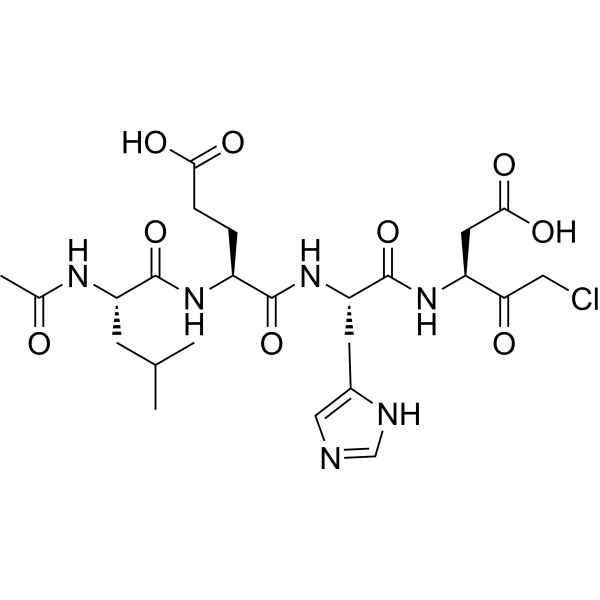
    Caspase-9 Inhibitor III
    1 Publications Verification

    Ac-LEHD-cmk

    Caspase Cardiovascular Disease
    Caspase-9 Inhibitor III (Ac-LEHD-cmk) is a caspase-9 inhibitor. Caspase-9 Inhibitor III exhibits protective effects on ischemia-reperfusion-induced myocardial injury .
    Caspase-9 Inhibitor III
  • HY-Y1881A

    Environmental Pollutants Biochemical Assay Reagents Reactive Oxygen Species (ROS) Caspase MyD88 SOD Neurological Disease Metabolic Disease Cancer
    Copper sulfate pentahydrate, 99% is a biochemical reagent. Copper sulfate pentahydrate, 99% reduces the production of ROS and the expression levels of MyD88 as well as c-Rel genes. Copper sulfate pentahydrate, 99% decreases the activities of T-SOD, CAT, and GSH, increases the activities of caspase-3, caspase-8, and caspase-9. Copper sulfate pentahydrate, 99% is cytotoxic to various cells. Copper sulfate pentahydrate, 99% has antioxidant activity. Copper sulfate pentahydrate, 99% can be used in the research of diabetes, Parkinson's disease and DMBA (HY-W011845)-induced tumors .
    Copper sulfate pentahydrate, 99.9%
  • HY-N3415
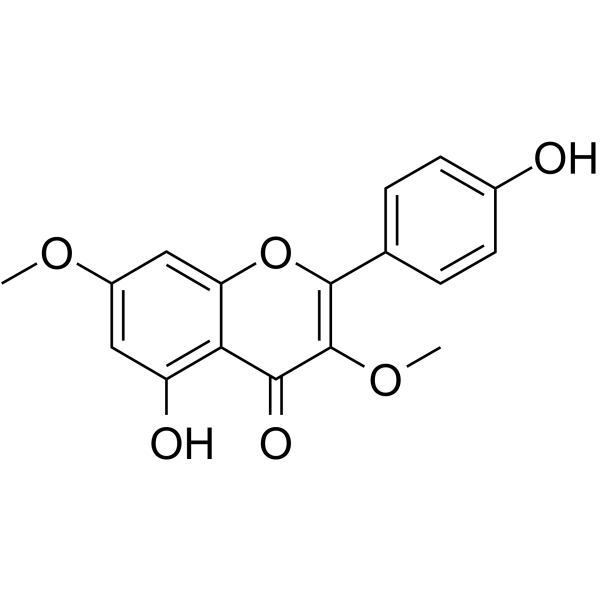
    Kumatakenin
    1 Publications Verification

    Apoptosis Autophagy Caspase Ferroptosis SARS-CoV Neurological Disease Inflammation/Immunology Cancer
    Kumatakenin is an orally active apoptosis inducer and autophagy inhibitor, with a Kd value of 2.94 μM for mouse ATG5. Kumatakenin increases the activities of caspase-3, caspase-8 and caspase-9, thereby inducing caspase-dependent apoptosis in ovarian cancer cells. Kumatakenin reduces the expression of chemokines and pro-oncogenic factors in ovarian cancer cells, and inhibits M2 macrophage polarization. Kumatakenin inactivates TRIM65 function, reduces the expression and stability of FASN, and thus inhibits the proliferation, migration, invasion and tumor progression of esophageal cancer cells. Kumatakenin interacts with ATG5 to reduce its protein level, decrease LC3 level, and reduce the number of autophagosomes in the hippocampus. Kumatakenin binds to Eno3 to upregulate its expression, reduce the stability and expression level of IRP1 mRNA, inhibit ferroptosis, alleviate intestinal inflammation, and restore epithelial barrier function. Kumatakenin enhances the efficacy of antibiotics against pathogenic bacteria, inhibits SARS-CoV-2 replication, and reduces cytokine production. Kumatakenin is applicable to research related to ovarian cancer, esophageal cancer, depression and colitis .
    Kumatakenin
  • HY-N0171R
    Beta-Sitosterol (Standard)
    5+ Cited Publications

    β-Sitosterol (Standard); 22,23-Dihydrostigmasterol (Standard))

    Reference Standards Apoptosis Endogenous Metabolite Cardiovascular Disease Inflammation/Immunology Cancer
    Beta-Sitosterol (Standard) is the analytical standard of Beta-Sitosterol. This product is intended for research and analytical applications. Beta-Sitosterol (purity≥80%) is orally active. Beta-Sitosterol exhibits multiple activities, including anti-inflammatory, anticancer, antioxidant, antimicrobial, antidiabetic, antioxidant enzyme, and analgesic. Beta-Sitosterol inhibits inflammation and impaired adipogenesis in bovine mammary epithelial cells by reducing levels of ROS, TNF-α, IL-1β, and NF-κB p65 and restoring the activity of the HIF-1α/mTOR signaling pathway. Beta-Sitosterol induces apoptosis in cancer cells through ROS-mediated mitochondrial dysregulation and p53 activation. Beta-Sitosterol exerts its anticancer effects in cancer cells by activating caspase-3, caspase-8, and caspase-9, mediating PARP inactivation, MMP loss, altered Bcl-2-Bax ratio, and cytochrome c release. Beta-Sitosterol modulates macrophage polarization and reduces rheumatoid inflammation in mice. Beta-Sitosterol inhibits tumor growth in multiple mouse cancer models. Beta-Sitosterol can be used in the research of arthritis, lung cancer, breast cancer and other cancers, diabetes, etc.
    Beta-Sitosterol (Standard)
  • HY-P1093
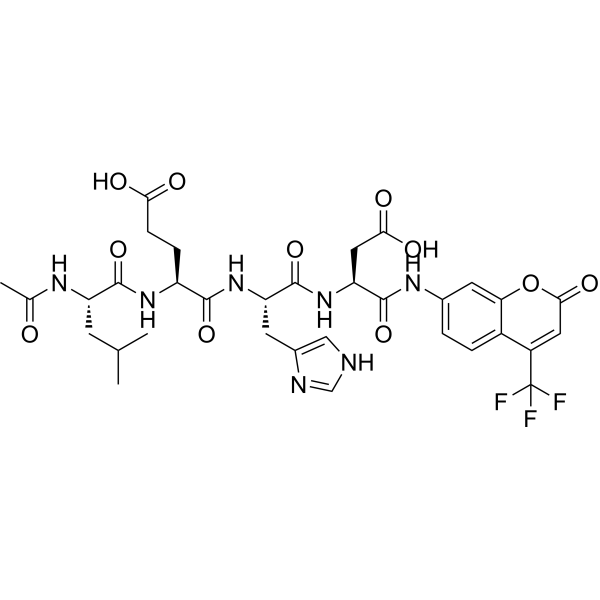
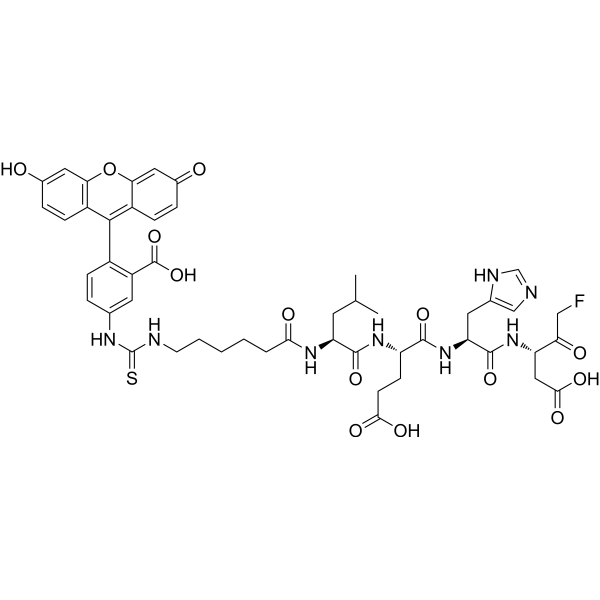
    Ac-LEHD-AFC
    3 Publications Verification

    Caspase Others
    Ac-LEHD-AFC is a fluorescent substrate for caspase-9, can be used to assess the activity of caspase .
    Ac-LEHD-AFC
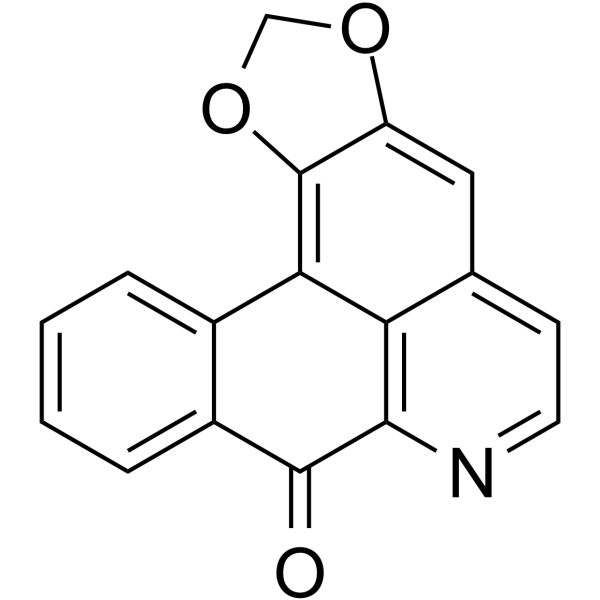
  • HY-N3376

    Spermatheridine; VLT045

    Apoptosis Cancer
    Liriodenine (Spermatheridine; VLT045) is an aporphine alkaloid isolated from the plant?Mitrephora sirikitiae?and has anti-cancer activities . Liriodenine induces cell apoptosis, activates the intrinsic pathway by induction of caspase-3 and caspase-9 .
    Liriodenine
  • HY-12842

    IAP Survivin Apoptosis Caspase Inflammation/Immunology Cancer
    UC-112 is a XIAP inhibitor with anticancer activity. UC-112 selectively downregulates and degrades survivin via the ubiquitin-mediated proteasomal degradation pathway. UC-112 reduces XIAP levels in in vivo tumor models. UC-112 activates caspase-3/7 and caspase-9, and induces cancer cell apoptosis. UC-112 is applicable to studies on melanoma, prostate cancer and cancer-related research .
    UC-112
  • HY-N7045
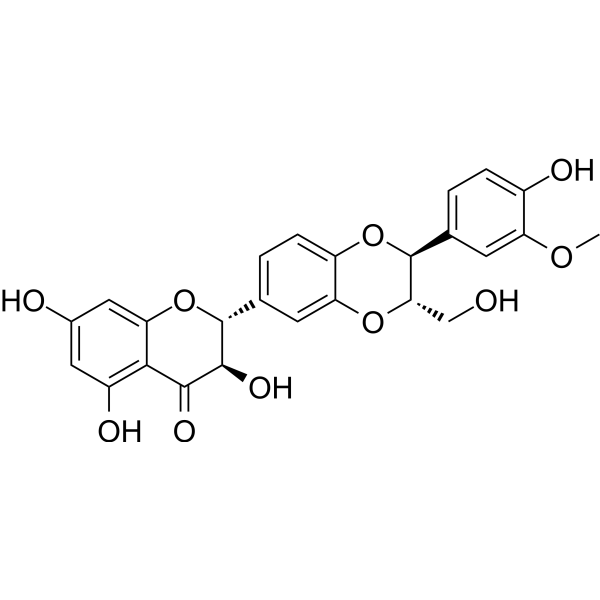
    Isosilybin B
    2 Publications Verification

    Androgen Receptor Apoptosis CDK Caspase PSMA Cancer
    Isosilybin B is a flavonolignan. Isosilybin B can be isolated from Silybum marianum. Isosilybin B can regulate cell cycle-related proteins (e.g., reduce cyclins (D3, D1, A, E), Cdk4, Cdk2, Cdc25A), and activate Caspases (Caspase-9 and Caspase-3). Isosilybin B can promote Apoptosis, reduce androgen receptor (AR) and PSA. Isosilybin B has anticancer activity against prostate cancer .
    Isosilybin B
  • HY-N2132
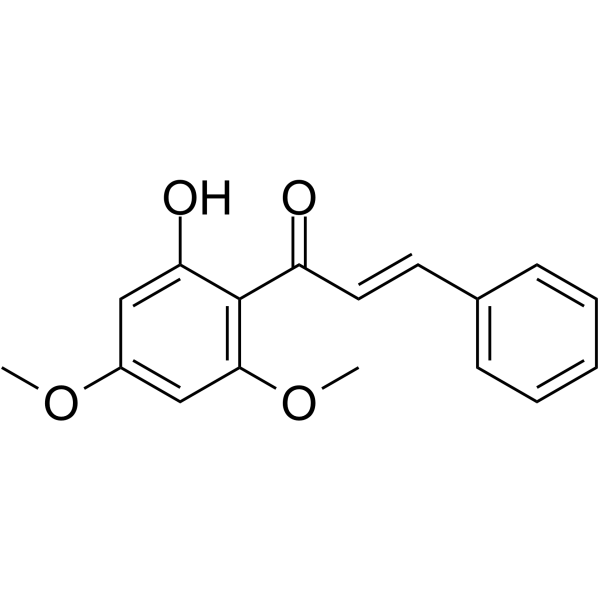
    Flavokawain B
    2 Publications Verification

    Flavokavain B

    Apoptosis Caspase PARP Bcl-2 Family NF-κB PI3K Akt p38 MAPK MMP Reactive Oxygen Species (ROS) Cardiovascular Disease Inflammation/Immunology Cancer
    Flavokawain B (Flavokavain B) is an orally active chalcone. Flavokawain B results in activation of caspase-9, -3 and -8, cleavage of PARP. Flavokawain B down-regulates Bcl-2 with concomitant increase in Bax level. Flavokawain B inhibits NF-κB, PI3K/Akt and MAPK signaling pathway. Flavokawain B exhibits Apoptotic effects. Flavokawain B inhibits MMP-9 and promotes ROS generation. Flavokawain B inhibits multiple tumors and inflammation [9] .
    Flavokawain B
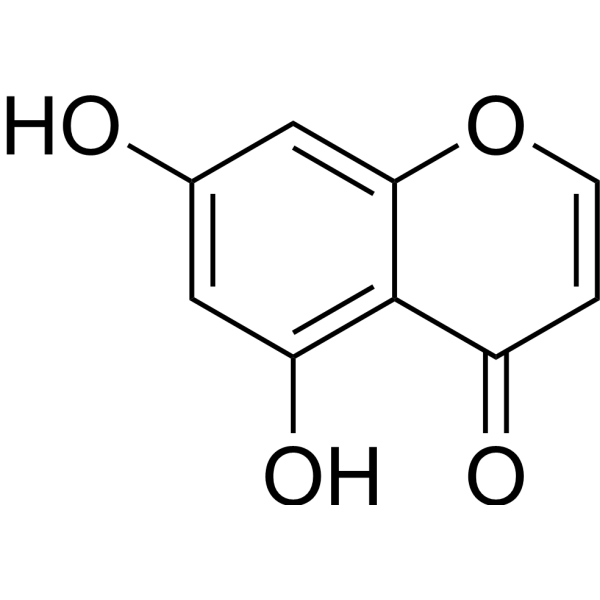
  • HY-N1970
    5,7-Dihydroxychromone
    2 Publications Verification

    Keap1-Nrf2 Caspase PARP Fungal Infection Neurological Disease Metabolic Disease Inflammation/Immunology Cancer
    5,7-Dihydroxychromone is a flavonoid compound with antioxidant properties. 5,7-Dihydroxychromone induces Nrf2 nuclear translocation, increases Nrf2/ARE binding activity, and up-regulates Nrf2-dependent antioxidant genes HO-1, NQO1, GCLc. 5,7-Dihydroxychromone attenuates excessive ROS generation, inhibits activated caspase-3, caspase-9, cleaved PARP expression, and prevents neuronal apoptosis and cell death. 5,7-Dihydroxychromone increases LXRα and PPARγ mRNA expression, induces preadipocyte differentiation, and regulates blood glucose levels. 5,7-Dihydroxychromone inhibits radial growth of soil pathogenic fungi, radicle elongation of select seedlings, and transiently inhibits Bradyrhizobium sp. growth in high mannitol medium. 5,7-Dihydroxychromone can be used for the research of Parkinson’s disease, type 2 diabetes mellitus and pathogenic fungal infection .
    5,7-Dihydroxychromone
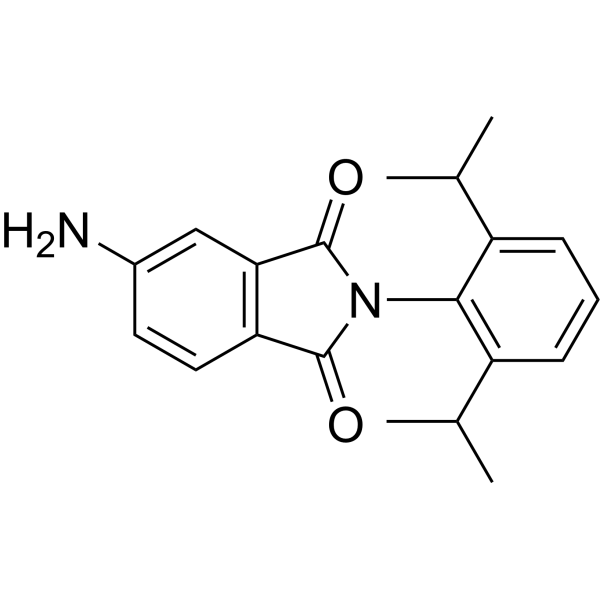
  • HY-129478
    TC11
    2 Publications Verification

    Caspase Bcl-2 Family CDK Cancer
    TC11 is a MCL1 degrader and Caspase-9 and CDK1 activator. TC11 functions as a phenylacetylamide derivative and is structurally related to immunomodulatory active molecules. TC11 induces degradation of MCL1 leading to apoptotic death during prolonged mitotic arrest.
    TC11
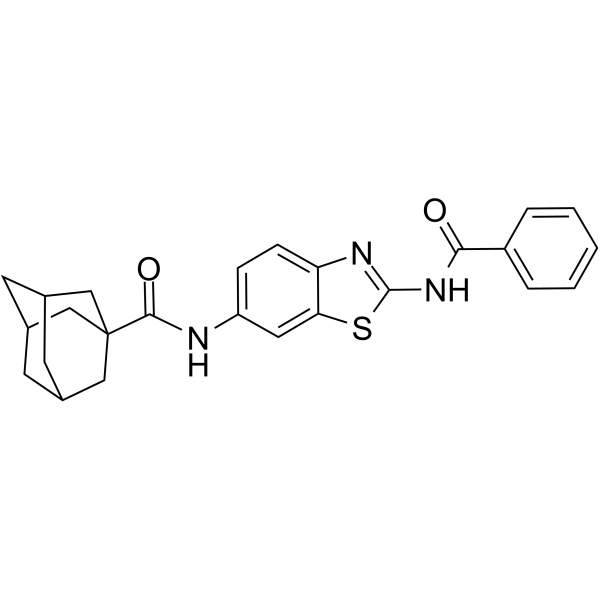
  • HY-N0905

    Bcl-2 Family Caspase Apoptosis Autophagy Endogenous Metabolite Cancer
    Ginsenoside Rh4 is a rare saponin obtained from Panax notoginseng. Ginsenoside Rh4 activates Bax, caspase 3, caspase 8, and caspase 9. Ginsenoside Rh4 also induces autophagy.
    Ginsenoside Rh4
  • HY-W013105

    N-Cholylglycine sodium salt, 98%

    Bcl-2 Family Caspase Endogenous Metabolite Bacterial MDM-2/p53 P-glycoprotein LPL Receptor FXR G protein-coupled Bile Acid Receptor 1 Apoptosis Others
    Sodium glycocholate hydrate, 98% is a bile acid derivative. Sodium glycocholate hydrate, 98% downregulates MDR1, Bcl-2, MRP1, MRP2 and FXR, upregulates Bax, p53, caspase-9, caspase-3, TGR5 and S1PR2. Sodium glycocholate hydrate, 98% inhibits multidrug resistance and efflux pumps, induces mitochondrial apoptosis, and enhances chemosensitivity. Sodium glycocholate hydrate, 98% modulates related bile acid receptor signaling. Sodium glycocholate hydrate, 98% suppresses growth and conjugation of Enterobacteriaceae and increases their antibiotic susceptibility. Sodium glycocholate hydrate, 98% can be used for the research of colon adenocarcinoma and cholangiocarcinoma (CCA) .
    Sodium glycocholate hydrate, 98%
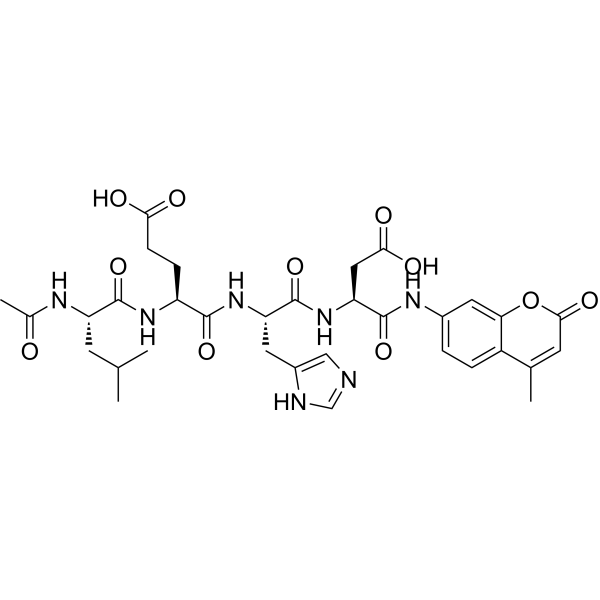
  • HY-D1652

    Caspase Others
    Ac-LEHD-AMC is a fluorogenic substrate for caspase-9 (Excitation: 341 nm; Emission: 441 nm). Caspase-9 can induce hydrolysis of Ac-LEHD-AMC, resulting in the release of AMC fluorophore and its fluorescence can be used to quantify caspase-9 activity .
    Ac-LEHD-AMC
  • HY-N0566

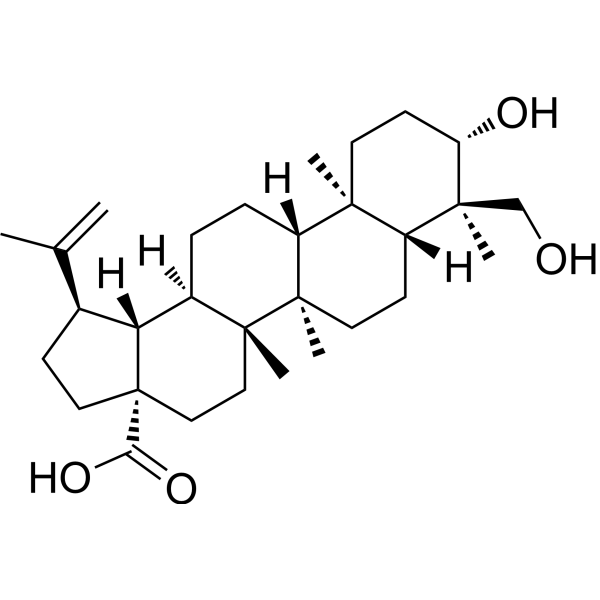
    Anemosapogenin

    Apoptosis Autophagy Bcl-2 Family Caspase Survivin p38 MAPK MMP Cancer
    23-Hydroxybetulinic acid (Anemosapogenin) is an orally active triterpenoid with broad-spectrum anticancer activity. 23-Hydroxybetulinic acid reduces the levels of Bcl-2 and survivin, elevates the level of Bax, promotes the cleavage/activation of caspase-3 and caspase-9, and induces apoptosis via the endogenous mitochondrial pathway involving cytochrome C release and mitochondrial membrane potential disruption. 23-Hydroxybetulinic acid arrests the cell cycle at S and G1 phases, inhibits cancer cell proliferation, blocks the MAPK signaling pathway, regulates MMP2, and induces autophagic apoptosis by upregulating beclin-1. 23-Hydroxybetulinic acid inhibits the activity and efflux function of P-gp, increases the intracellular accumulation of chemotherapeutic drugs, and synergistically enhances cytotoxicity with Doxorubicin (HY-15142). 23-Hydroxybetulinic acid inhibits the phosphorylation and nuclear translocation of STAT6, blocks M2 macrophage polarization, and reduces M2 macrophage-mediated apoptosis resistance of colon cancer cells. 23-Hydroxybetulinic acid can be used in related studies on chronic myeloid leukemia, hepatocellular carcinoma, sarcoma 180, multidrug-resistant breast cancer, leukemia, Doxorubicin-induced cardiotoxicity, and colorectal cancer .
    23-Hydroxybetulinic acid
  • HY-125018

    SVT016426

    Caspase Cancer
    QM31 (SVT016426), a cytoprotective agent, is a selective inhibitor of Apaf-1. QM31 inhibits the formation of the apoptosome (IC50=7.9μM), the caspase activation complex composed by Apaf-1, cytochrome c, dATP and caspase-9. QM31 exerts mitochondrioprotective functions and interferes with the intra-S-phase DNA damage checkpoint .
    QM31
  • HY-N1423B
    Glycocholic acid hydrate
    3 Publications Verification

    Endogenous Metabolite Caspase G protein-coupled Bile Acid Receptor 1 LPL Receptor MDM-2/p53 Bcl-2 Family P-glycoprotein FXR Bacterial Apoptosis Metabolic Disease Inflammation/Immunology Cancer
    Glycocholic acid hydrate is a bile acid derivative. Glycocholic acid hydrate downregulates MDR1, Bcl-2, MRP1, MRP2 and FXR, upregulates Bax, p53, caspase-9, caspase-3, TGR5 and S1PR2. Glycocholic acid hydrate inhibits multidrug resistance and efflux pumps, induces mitochondrial apoptosis, and enhances chemosensitivity. Glycocholic acid hydrate modulates related bile acid receptor signaling. Glycocholic acid hydrate suppresses growth and conjugation of Enterobacteriaceae and increases their antibiotic susceptibility. Glycocholic acid hydrate can be used for the research of colon adenocarcinoma and cholangiocarcinoma (CCA) .
    Glycocholic acid hydrate
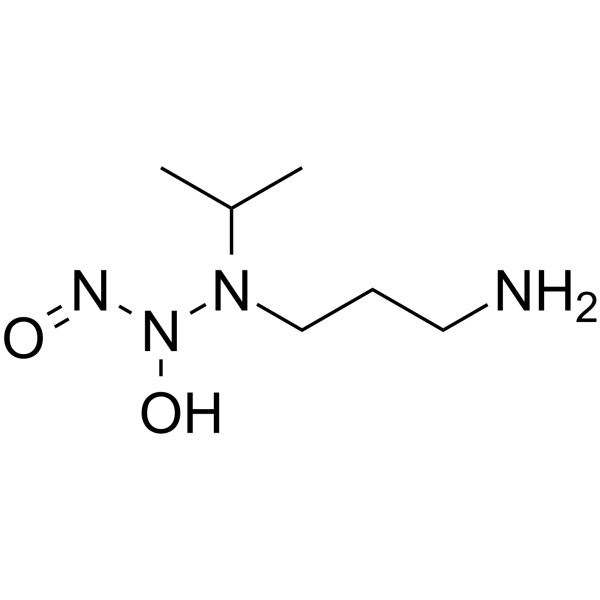
  • HY-126166

    IAP Cancer
    NOC-5 is a diazeniumdiolate compound that belongs to the same family of NO donors. NOC-5 is able to increase intracellular XIAP and Aven levels, potentially leading to the inhibition of caspase-9 activity following increased mitochondrial permeability .
    NOC-5
  • HY-N6861

    Apoptosis Cancer
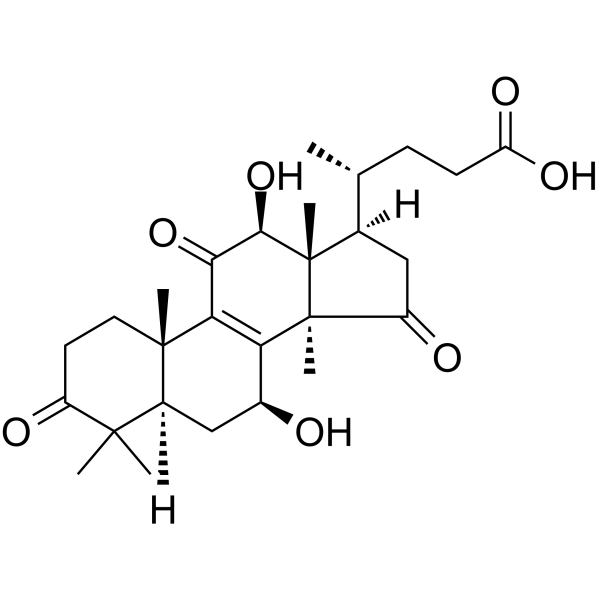
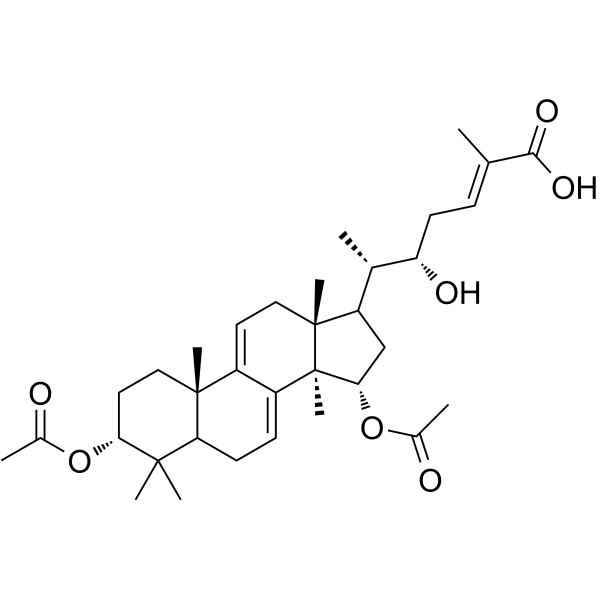
    Lucidenic acid B is a natural compound isolated from Ganoderma lucidum, induces apoptosis of cancer cells, and causes the activation of caspase-9 and caspase-3, and cleavage of PARP. Lucidenic acid B does not affect the cell cycle profile, or the number of necrotic cells .
    Lucidenic acid B
  • HY-155552

    Apoptosis CDK Caspase Cancer
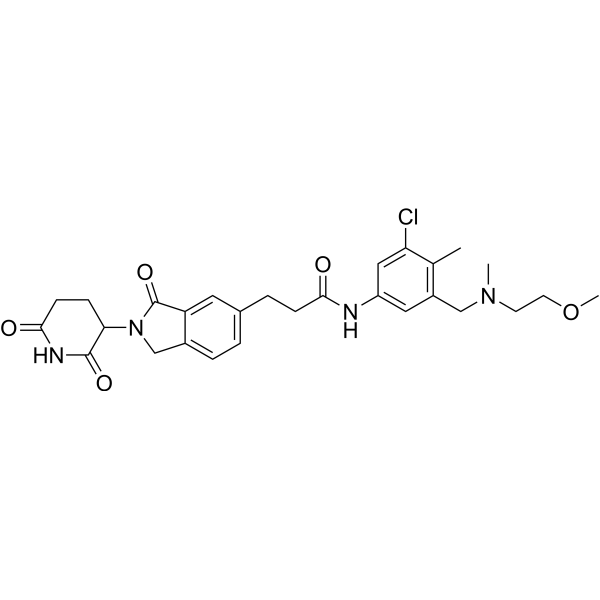
    GSPT1 degrader-1 is a highly selective degrader targeting GSPT1. GSPT1 degrader-1 induces degradation via the ubiquitin-proteasome system. GSPT1 degrader-1 induces G0/G1 phase arrest, apoptosis (apoptosis) and inhibits proliferation in leukemia cells. GSPT1 degrader-1 reduces the levels of CDK6 and Cyclin B1, while increases the levels of activated caspase-3 and caspase-9 in leukemia cells. GSPT1 degrader-1 can be used in leukemia research .
    GSPT1 degrader-1
  • HY-16232

    D 19575; Glucosylifosfamide mustard

    Apoptosis Caspase Bcl-2 Family Cancer
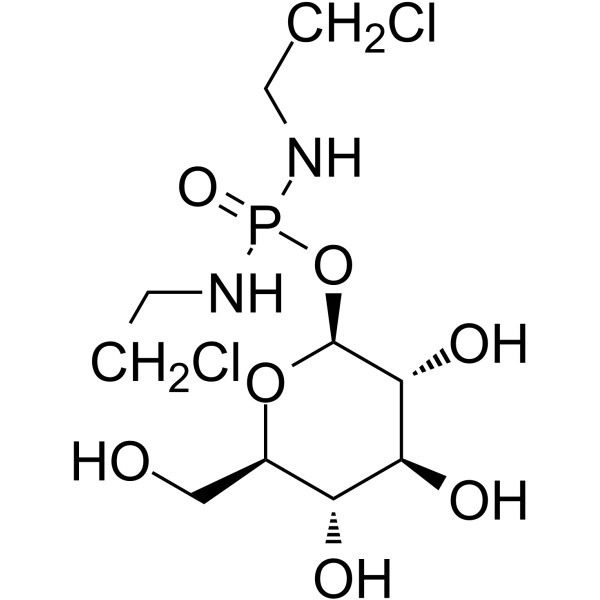
    Glufosfamide is a glucose-conjugated alkylating cytotoxic agent and a derivative of Ifosfamide (HY-17419). Glufosfamide induces apoptosis frequency and increase the expression of caspase-9 and caspase-3 in cancer cells. Glufosfamide shows great anti-tumor activity in MiaPaCa-2-RFP mouse model. Glufosfamide can be used for the study of hepatocellular carcinoma, prostate cancer and pancreatic carcinoma .
    Glufosfamide
  • HY-109583

    4-Oxo-4-HPR

    Apoptosis Reactive Oxygen Species (ROS) Drug Metabolite Cancer
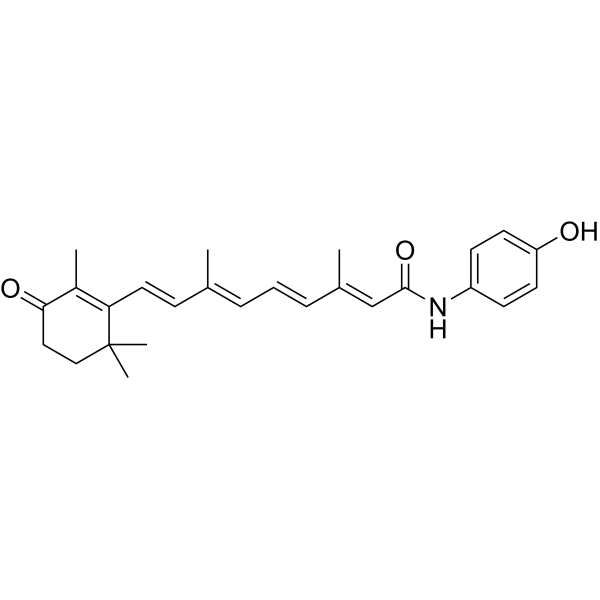
    4-Oxofenretinide (4-Oxo-4-HPR) is a metabolite of Fenretinide (HY-15373). 4-Oxofenretinide induces cell growth inhibition in ovarian, breast, and neuroblastoma tumor cell lines. 4-Oxofenretinide causes a marked accumulation of cells in G2-M. 4-Oxofenretinide induces cancer cell apoptosis through caspase-9 .
    4-Oxofenretinide
  • HY-N12999

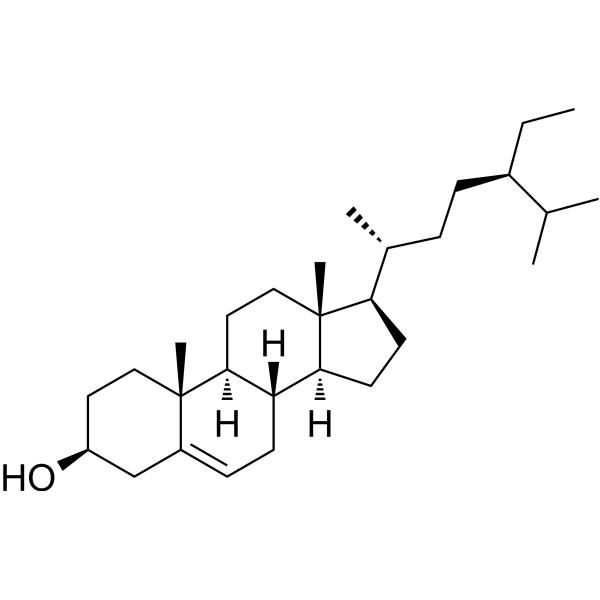
    Apoptosis Bcl-2 Family Caspase MDM-2/p53 PARP Amylases Metabolic Disease Endocrinology Cancer
    Stigmast-5-en-3-ol induces cancer cell apoptosis and inhibits proliferation by increasing the production of Bax, Caspase-9, p53, and PARP cleavage and reducing Bcl-xl expression. Stigmast-5-en-3-ol exhibits potent inhibitory activity against glucoamylase and α-amylase and possesses high antioxidant activity. Stigmast-5-en-3-ol can be used in the research of diseases such as leukemia, breast cancer, type 2 diabetes, and obesity .
    Stigmast-5-en-3-ol
  • HY-130326

    Ru(η6-p-cymene)Cl2(pta)

    Apoptosis Caspase Cardiovascular Disease Cancer
    RAPTA-C (Ru(η6-p-cymene)Cl2(pta)) acts as an anti-cancer and anti-angiogenic agent. RAPTA-C exhibits anti-metastatic, anti-angiogenic, and anti-tumoral activities through protein and histone-deoxyribonucleic acid alterations. RAPTA-C exhibits cell growth inhibition by triggering G(2)/M phase arrest in cancer cells. RAPTA-C also enhances the levels of p53 and triggers the mitochondrial Apoptotic pathway, resulting in cytochrome C release and caspase-9 activation. RAPTA-C reduces the growth of tumors with the inhibition of angiogenesis in a ovarian carcinoma model .
    RAPTA-C
  • HY-P1010A

    Caspase Apoptosis Neurological Disease Cancer
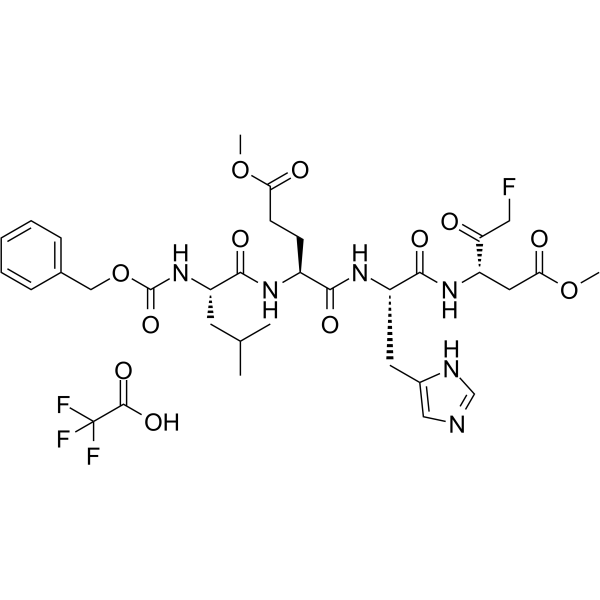
    Z-LEHD-FMK TFA is a selective and irreversible inhibitor of caspase-9, protects against lethal reperfusion injury and attenuates apoptosis. Z-LEHD-FMK TFA exhibits the neuroprotective effect in a rat model of spinal cord trauma .
    Z-LEHD-FMK TFA
  • HY-N16483

    Apoptosis Caspase Bcl-2 Family PARP Androgen Receptor Cancer
    Procyanidin B2-3'-O-gallate is a mono-gallate ester that can be isolated from grape seed extract. Procyanidin B2-3'-O-gallate has anti-cancer efficacy and reduces the viability of prostate carcinoma LNCaP cells. Furthermore, Procyanidin B2-3'-O-gallate induces apoptosis, and causes caspases-9 and -3 and PARP cleavage, and down-regulates Bcl-2, Bcl-Xl and androgen receptor levels .
    Procyanidin B2-3'-O-gallate
  • HY-157343A

    Apoptosis Mitochondrial Metabolism Caspase Neurological Disease Cancer
    GD3 Ganglioside sodium is an Apoptosis inducer and biomarker for mouse neural stem cells. GD3 Ganglioside sodium expresses in neural stem cells and the subventricular zone of the adult mouse brain. GD3 Ganglioside sodium targets the mitochondrial permeability transition pore complex, induces pore opening, dissipates mitochondrial transmembrane potential, triggers Mitochondrial swelling, releases pro-apoptotic factors, and activates Caspase-9. GD3 Ganglioside sodium is applicable to research related to glioblastoma .
    GD3 Ganglioside sodium
  • HY-157343

    Apoptosis Mitochondrial Metabolism Caspase Neurological Disease Cancer
    GD3 Ganglioside is an Apoptosis inducer and a biomarker for mouse neural stem cells. GD3 Ganglioside expresses in neural stem cells and the subventricular zone of the adult mouse brain. GD3 Ganglioside targets the mitochondrial permeability transition pore complex, induces pore opening, dissipates mitochondrial transmembrane potential, triggers Mitochondrial swelling, releases pro-apoptotic factors, and activates Caspase-9. GD3 Ganglioside is applicable to research related to glioblastoma .
    GD3 Ganglioside
  • HY-157343B

    Apoptosis Mitochondrial Metabolism Caspase Neurological Disease Cancer
    GD3 Ganglioside ammonium is an Apoptosis inducer and biomarker for mouse neural stem cells. GD3 Ganglioside ammonium expresses in neural stem cells and the subventricular zone of the adult mouse brain. GD3 Ganglioside ammonium targets the mitochondrial permeability transition pore complex, induces pore opening, dissipates mitochondrial transmembrane potential, triggers Mitochondrial swelling, releases pro-apoptotic factors, and activates Caspase-9. GD3 Ganglioside ammonium is applicable to research related to glioblastoma .
    GD3 Ganglioside ammonium
  • HY-178955

    EGFR HSP PI3K Caspase Apoptosis CDK ERK Akt Cancer
    EGFR-IN-182 (Compound 4) is an EGFR inhibitor with an IC50 value of 199 nM. EGFR-IN-182 inhibits HSP90 and PI3K, with IC50 values of 5.007 and 13.596 μM respectively. EGFR-IN-182 exhibits strong anti-proliferative activity against MCF-7 and MDA-MB-231 cells. EGFR-IN-182 downregulates Cyclin D1, inducing cell cycle arrest; it enhances the activity of caspase-9, inducing cell apoptosis. EGFR-IN-182 downregulates the expressions of ERK and AKT. EGFR-IN-182 can be used for research on breast cancer .
    EGFR-IN-182
  • HY-N2632

    Apoptosis Cancer
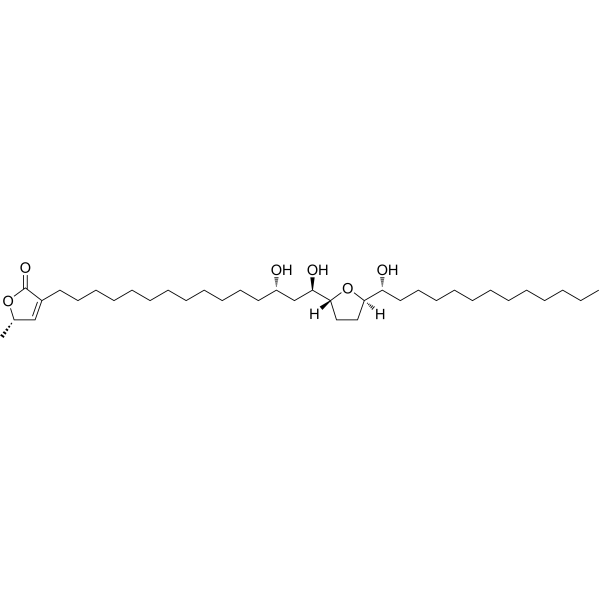
    Uvarigrin, isolated from the roots of Uvaria calamistrata, induces tumor multidrug resistance cell apoptosis and triggers Caspase-9 activation .
    Uvarigrin
  • HY-P10326

    Caspase Apoptosis Cancer
    Z-ATAD-FMK is an inhibitor of caspase-12. Z-ATAD-FMK is an inhibitor of caspase-12. Z-ATAD-FMK prevents endoplasmic reticulum stress-mediated apoptosis by inhibiting the activity of caspase-12 and reducing the activity of caspase-9 .
    Z-ATAD-FMK
  • HY-167825

    MMP Apoptosis Bcl-2 Family Reactive Oxygen Species (ROS) Neurological Disease Inflammation/Immunology Cancer
    Barakol is a major compound found in Cassia siamea. Barakol inhibits MMP-3 activity. Barakol potentiates the anti-metastatic effect of Doxorubicin (HY-15142). Barakol induces apoptosis, with ROS generation, increase in expression ratio of Bax/Bcl-2, and caspase-9 activation. Barakol has laxative, anxiolytic, CNS depressant, and antioxidant, anticancer effects .
    Barakol
  • HY-17473R

    Embelic acid (Standard); Emberine (Standard); NSC 91874 (Standard)

    Reference Standards IAP NF-κB Apoptosis Autophagy Cancer
    Embelin (Standard) is the analytical standard of Embelin. This product is intended for research and analytical applications. Embelin (Embelic acid), a potent, nonpeptidic XIAP inhibitor (IC50=4.1 μM), inhibits cell growth, induces apoptosis, and activates caspase-9 in prostate cancer cells with high levels of XIAP. Embelin blocks NF-kappaB signaling pathway leading to suppression of NF-kappaB-regulated antiapoptotic and metastatic gene products. Embelin also induces autophagic and apoptotic cell death in human oral squamous cell carcinoma cells .
    Embelin (Standard)

Inquiry Online

Your information is safe with us. * Required Fields.

Salutation


Country or Region *

Applicant Name *


Organization Name *

Department *


Email Address *


Product Name *

Cat. No.


Requested quantity *

Phone Number *


Remarks

Inquiry Online

Inquiry Information

Product Name:
Cat. No.:
Quantity:
MCE Japan Authorized Agent: