1. Search Result
Search Result
Results for "

human hepatocyte

" in MedChemExpress (MCE) Product Catalog:

141

Inhibitors & Agonists

1

Fluorescent Dyes

5

Biochemical Assay Reagents

4

Peptides

2

MCE Kits

6

Inhibitory Antibodies

17

Natural
Products

15

Recombinant Proteins

3

Antibodies

3

Oligonucleotides

Cat. No. Product Name Target Research Areas Chemical Structure
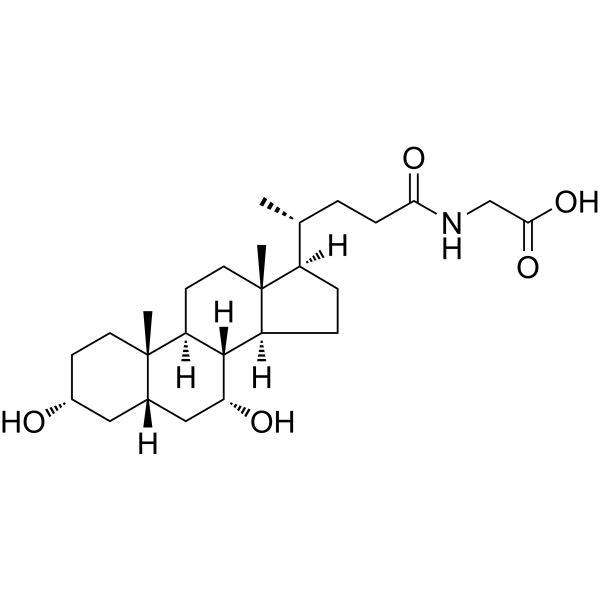
  • HY-N2334
    Glycochenodeoxycholic acid
    5 Publications Verification

    Chenodeoxycholylglycine

    Endogenous Metabolite Apoptosis STAT BCL6 Interleukin Related Caspase Metabolic Disease Cancer
    Glycochenodeoxycholic acid (Chenodeoxycholylglycine) is a relatively toxic bile salt generated in the liver from chenodeoxycholic acid and glycine. Glycochenodeoxycholic acid inhibits Autophagosome formation and impairs lysosomal function by inhibiting lysosomal proteolysis and increasing lysosomal pH in human normal liver cells, leading to the Apoptosis of human hepatocyte cells. Glycochenodeoxycholic acid induces stemness and chemoresistance via activating STAT3 signaling pathway in hepatocellular carcinoma cells (HCC). Glycochenodeoxycholic acid is promising for research in the field of cholestasis desease, hepatocellular carcinoma and primary sclerosing cholangitis (PSC) .
    Glycochenodeoxycholic acid
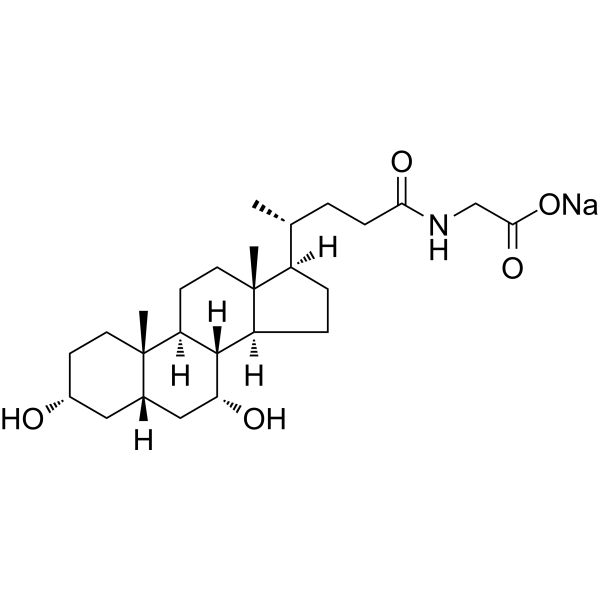
  • HY-N2334A
    Glycochenodeoxycholic acid sodium salt
    5 Publications Verification

    Chenodeoxycholylglycine sodium salt; Sodium glycochenodeoxycholate

    Endogenous Metabolite Apoptosis STAT BCL6 Interleukin Related Caspase Metabolic Disease Cancer
    Glycochenodeoxycholic acid sodium salt (Sodium glycochenodeoxycholate) is a relatively toxic bile salt generated in the liver from chenodeoxycholic acid and glycine. Glycochenodeoxycholic acid sodium salt inhibits Autophagosome formation and impairs lysosomal function by inhibiting lysosomal proteolysis and increasing lysosomal pH in human normal liver cells, leading to the Apoptosis of human hepatocyte cells. Glycochenodeoxycholic acid sodium salt induces stemness and chemoresistance via activating STAT3 signaling pathway in hepatocellular carcinoma cells (HCC). Glycochenodeoxycholic acid sodium salt is promising for research in the field of cholestasis desease, hepatocellular carcinoma and primary sclerosing cholangitis (PSC) .
    Glycochenodeoxycholic acid sodium salt
  • HY-B0766

    SY801

    Autophagy Apoptosis HBV HCV HSP Reactive Oxygen Species (ROS) Bcl-2 Family Glutathione S-transferase p38 MAPK NF-κB Microtubule/Tubulin ERK JNK TNF Receptor Interleukin Related CDK Cyclin G-associated Kinase (GAK) mTOR P-glycoprotein Ferroptosis Infection Inflammation/Immunology Cancer
    Bicyclol (SY801) is an orally active derivative of the traditional Chinese medicine Schisandra chinensis, which has antiviral, anti-inflammatory, immunomodulatory, antioxidant, anti-steatosis, anti-fibrotic and anti-tumor activities. Bicyclol regulates the expression of heat shock proteins and plays an anti-apoptosis role in hepatocytes. Bicyclol reduces the activation of NF-κB and the levels of inflammatory factors in hepatocytes infected with hepatitis C virus (HCV) by inhibiting the activation of the ROS-MAPK-NF-κB pathway, and prevents ferroptosis in acute liver injury. Bicyclol can change the expression of Mdr-1, GSH/GST and Bcl-2, increase the intracellular concentration of anticancer drugs, and sensitize drug-resistant cells to anticancer drugs. Bicyclol inhibits the proliferation of human malignant hepatoma cells by regulating the PI3K/AKT pathway and the Ras/Raf/MEK/ERK pathway. Bicyclol can be used in the study of chronic hepatitis, acute liver injury, nonalcoholic fatty liver disease, liver fibrosis and hepatocellular carcinoma .
    Bicyclol
  • HY-W286743
    Nε-(Carboxymethyl)-L-lysine
    1 Publications Verification

    CML; N6-(Carboxymethyl)-L-lysine; Nε-(1-Carboxymethyl)-L-lysine

    Polo-like Kinase (PLK) ERK NF-κB Cancer
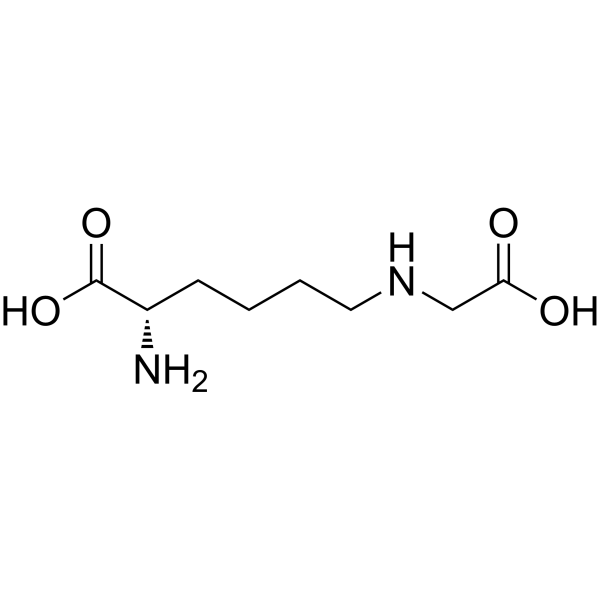
    Nε-(Carboxymethyl)-L-lysine (CML) is an orally active advanced glycation end product. Nε-(Carboxymethyl)-L-lysine upregulates the expression of PLK1 and CEP20, and induces the activation of RAGE and ERK/NFκB. Nε-(Carboxymethyl)-L-lysine drives centrosome amplification. Nε-(Carboxymethyl)-L-lysine induces malignant transformation of hepatocytes and promotes the development of hepatocellular carcinoma. Nε-(Carboxymethyl)-L-lysine induces epithelial-mesenchymal transition in osteosarcoma cells and enhances their migration and invasion properties .
    Nε-(Carboxymethyl)-L-lysine
  • HY-B0822

    Environmental Pollutants Cytochrome P450 GABA Receptor Apoptosis Neurological Disease
    Fipronil is a broad-spectrum insecticide effective against Lepidoptera species as well as thrips, locusts, ants, cockroaches, fleas and ticks. Fipronil selectively inhibits GABA receptor with IC50s of 30 nM and 1600 nM for cockroach and rat GABA receptors, respectively. Glutamate-gated chloride channels (GluCls), which are present in cockroaches but not in mammals, are sensitive to the blocking effect of Fipronil. Fipronil also induces apoptosis in HepG2 cells and promotes the expression of CYP1A1 and CYP3A4 mRNA in human hepatocytes .
    Fipronil
  • HY-Y0651

    Environmental Pollutants Biochemical Assay Reagents Infection Inflammation/Immunology
    Sodium sulfite is an inorganic salt used as an antioxidant and preservative. Sodium sulfite is also used in sulfonation and sulfomethylation reactions. Sodium sulfite can also be used as a bleaching agent, desulfurizer, and dechlorinator. Sodium sulfite inhibits hepatocyte proliferation, promotes hepatocyte apoptosis and necrosis, and impairs mitochondrial integrity. Sodium sulfite induces superoxide anion production, primes neutrophils for enhanced superoxide anion generation, and induces neutrophil gene expression. Sodium sulfite can be used in studies related to pulmonary inflammation and gastric tissue injury .
    Sodium sulfite
  • HY-177022

    HBV Infection
    ALG-001075, a capsid assembly modulator (CAM), is an orally active HBV inhibitor. ALG-001075 effectively blocks not only HBV DNA production but also extracellular HBsAg/HBeAg and intracellular HBV RNA in primary human hepatocytes. ALG-001075 shows pronounced reductions of circulating HBV DNA in the AAV-HBV mouse model. ALG-001075 can be used for the study of Chronic hepatitis B (CHB) .
    ALG-001075
  • HY-12281

    BRD-9424

    Mitochondrial Metabolism Metabolic Disease Cancer
    FPH2 induces of functional proliferation of primary human hepatocytes and may lead to the development of new therapeutics for liver diseases.
    FPH2
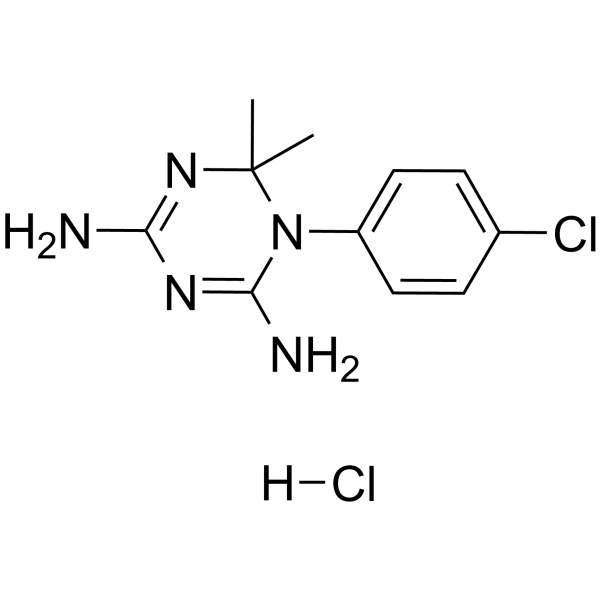
  • HY-12784A
    Cycloguanil hydrochloride
    3 Publications Verification

    Chlorguanide triazine hydrochloride

    Antifolate Parasite DNA/RNA Synthesis STAT Infection Cancer
    Cycloguanil (Chlorguanide triazine) hydrochloride is a dihydrofolate reductase (DHFR) inhibitor with an IC50 of 10.8 μM against human DHFR. Cycloguanil hydrochloride blocks the folate metabolic pathway, thereby affecting nucleotide synthesis and interfering with DNA replication. Cycloguanil inhibits DHFR in Plasmodium and is thus used in malaria research. Cycloguanil hydrochloride also potently inhibits DHFR in human cancer cells and blocks the transcriptional activity of STAT3, thereby exhibiting anticancer activity .
    Cycloguanil hydrochloride
  • HY-18056

    11β-HSD Metabolic Disease
    PF-915275 is a potent, selective and orally active human 11β-hydroxysteroid dehydrogenase type 1 (11βHSD1) inhibitor with a Ki of 2.3 nM and an EC50 of 15 nM (in HEK293 cells). The dose-dependent effect of PF-915275 on conversion of cortisone to cortisol in primary human and monkey hepatocytes, with an EC50 of 20 and 100 nM, respectively .
    PF-915275
  • HY-D1078

    Fluorescent Dye Reactive Oxygen Species (ROS) P-glycoprotein Others
    5 (6)-Carboxy-2',7'-dichlorofluorescein diacetate is a fluorescein-based reactive oxygen species (ROS) probe and also a MRP2 substrate. 5 (6)-Carboxy-2',7'-dichlorofluorescein diacetate serves as a substrate for intracellular esterases, which cleave its acetate groups to generate a fluorescent product capable of detecting intracellular ROS. 5 (6)-Carboxy-2',7'-dichlorofluorescein diacetate is ATP-dependent and is transported via a single MRP2 binding site; it competes with LTC4 for MRP2 binding sites and inhibits MRP2-mediated LTC4 transport (Ex/Em = 496/525 nm) .
    5(6)-Carboxy-2',7'-dichlorofluorescein diacetate
  • HY-155108B
    OATD-02 hydrochloride
    1 Publications Verification

    Arginase Cancer
    OATD-02 hydrochloride is the hydrochloride salt form of OATD-02 (HY-155108). OATD-02 hydrochloride an orally active, competitive, reversible, noncovalent dual inhibitor of Arginase1 and Arginase2. OATD-02 hydrochloride is a slow offset inhibitor, blocking intracellular arginases with IC50s of 20 nM (hARG1), 39 nM (hARG2), 39 nM (mARG1), and 28 nM (rARG1), respectively. OATD-02 hydrochloride bolishes tumor immunosuppression induced by both arginases. OATD-02 hydrochloride can be used for melanoma study .
    OATD-02 hydrochloride
  • HY-122616

    Trk Receptor Neurological Disease
    PF-06273340 is a peripherally restricted pan-Trk inhibitor with IC50 values of 6, 4, 3 nM for TrkA, TrkB, and TrkC receptors. PF-06273340 binds in a DFG-out conformation, targeting less conserved kinase ligand binding domain regions outside the ATP binding pocket. PF-06273340 exhibits anti-hyperalgesic and analgesic effects. PF-06273340 can be used for the research of pain .
    PF-06273340
  • HY-145154

    Na+/K+ ATPase Drug Metabolite Cardiovascular Disease Metabolic Disease
    Digoxigenin monodigitoxoside, a metabolite of Digoxin (HY-B1049), belongs to the class of cardenolides. Digoxigenin monodigitoxoside exerts its function by inhibiting Na,K-ATPase. Digoxigenin monodigitoxoside is used for the research of cardiovascular diseases such as congestive heart failure and cardiac arrhythmias .
    Digoxigenin monodigitoxoside
  • HY-G0007
    Omeprazole sulfone
    2 Publications Verification

    Omeprazole sulphone

    Drug Metabolite Cytochrome P450 Aryl Hydrocarbon Receptor Inflammation/Immunology
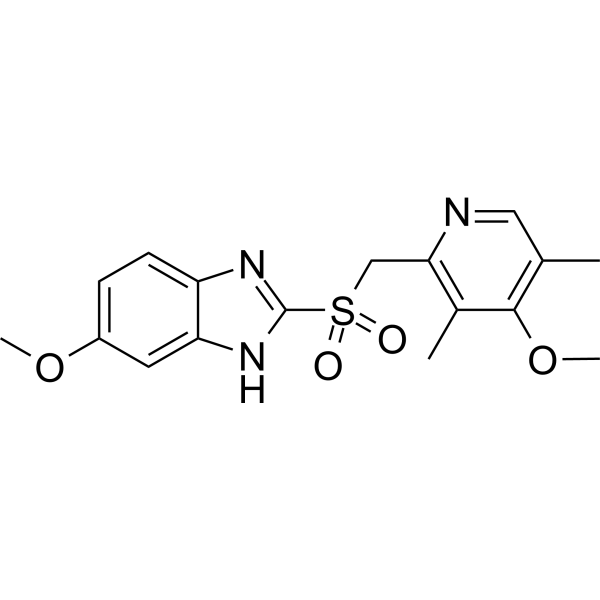
    Omeprazole sulfone (Omeprazole sulphone) is one of the major circulating metabolites of Omeprazole (HY-B0113) in vivo, and belongs to class 4 non-mutagenic impurities. Omeprazole sulfone does not bind to the aryl hydrocarbon receptor (AhR), nor does it induce the expression of CYP1A1 or CYP1A2. However, Omeprazole sulfone promotes the migration of gastric epithelial cells under basal conditions and reverses the inhibitory effect of Indomethacin (HY-14397) on cell migration. Omeprazole sulfone does not promote cell proliferation, nor does it upregulate COX-2 expression or activate signaling pathways such as ERK, P38 MAPK and PI3K. Omeprazole sulfone maintains basal ulcer healing under non-acid-dependent conditions and can be used in studies related to gastric ulcer repair .
    Omeprazole sulfone
  • HY-B1309

    AMAP

    Drug Derivative Mitochondrial Metabolism Infection Cancer
    Metacetamol (AMAP) is an analog of Acetaminophen (HY-66005). Metacetamol induces dose-dependent necrosis in primary hepatocytes via glutathione depletion, mitochondrial damage, and formation of mitochondrial protein adducts. Metacetamol derivatives act as anticancer and antibacterial agents. Metacetamol can be used in studies related to breast cancer, bacterial infections, and fungal infections (candidiasis) .
    Metacetamol
  • HY-P991200

    HCV Claudin Infection
    OM-7D3-B3 is an antibody-based antiviral agent targeting the tight junction protein CLDN1 (Kd=4 nM). By binding to the first extracellular domain of CLDN1, OM-7D3-B3 disrupts the formation of the CLDN1-CD81 co-receptor complex, thereby effectively inhibiting the entry of hepatitis C virus (HCV). OM-7D3-B3 not only prevents de novo and chronic HCV infections in humanized liver chimeric mice and uPA-SCID mice transplanted with human livers, but also exhibits favorable safety with no toxic effects observed. OM-7D3-B3 serves as a critical tool for research on HCV infection mechanisms and antiviral drug development .
    OM-7D3-B3
  • HY-137967

    Genistein 7-O-glucuronide

    Drug Metabolite Metabolic Disease
    Genistein 7-β-D-Glucuronide (Genistein 7-O-glucuronide) is the primary phase II metabolite of Genistein (HY-14596) in human and rat hepatocytes. Genistein 7-β-D-Glucuronide undergoes distinct deconjugation in different functional assays. Genistein 7-β-D-Glucuronide is produced via hepatic microsomal glucuronidation and shows a mild age-related increase in intrinsic clearance in male F344 rats. Genistein 7-β-D-Glucuronide can be used for research on metabolism .
    Genistein 7-β-D-Glucuronide
  • HY-P99196

    c-Met/HGFR Cancer
    Ficlatuzumab is a monoclonal antibody (McAb) targeting human hepatocyte growth factor (HGF). Ficlatuzumab blocks the activation of the HGF/c-Met signaling pathway, and inhibits c-Met receptor-mediated cancer cell proliferation, migration, and invasion .
    Ficlatuzumab
  • HY-120103
    PF-06649298
    1 Publications Verification

    Sodium Channel Metabolic Disease
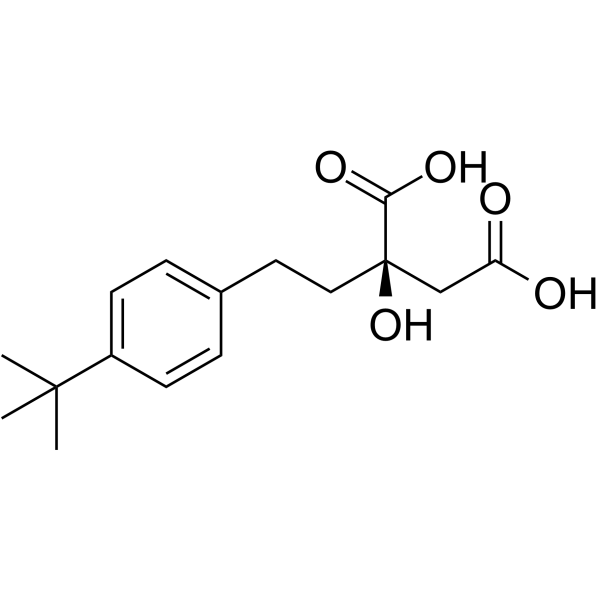
    PF-06649298 is a sodium-coupled citrate transporter (NaCT or SLC13A5) inhibitor. PF-06649298 specifically interacts with NaCT with an IC50 value of 16.2 μM to inhibits the transport of citrate in human hepatocytes. PF-06649298 can be used for the research of regulating glucose metabolism and lipid metabolism .
    PF-06649298
  • HY-P990937

    PF-04236921; TOUR-006

    Interleukin Related Inflammation/Immunology
    Pacibekitug (PF-04236921; TOUR-006) is a fully humanized IgG2 monoclonal antibody targeting IL-6. Pacibekitug binds to and neutralizes IL-6 signaling, thereby inhibiting the pathophysiological role of this pro-inflammatory cytokine in autoimmune diseases (such as rheumatoid arthritis, Crohn's disease, and systemic lupus erythematosus) [1][2].
    Pacibekitug
  • HY-P10031

    GLP Receptor GCGR Metabolic Disease
    SAR441255 is a GLP-1R/GCGR/GIPR agonist, with human EC50 values of 1.03 pM, 1.01 pM, and 0.73 pM, respectively. SAR441255 stimulates receptor activity and drives cAMP accumulation. SAR441255 can be used for the research of type 2 diabetes, obesity .
    SAR441255
  • HY-B1072

    Environmental Pollutants Parasite Insecticide Infection
    Phenothrin is a Type I pyrethroid insecticide. Phenothrin induces dose-dependent DNA damage in human peripheral blood lymphocytes and hepatocytes, and exhibits definite genotoxic potential. Phenothrin acts as an insecticide for pest control in agriculture, households and public health, as well as for the elimination of human head lice infestations .
    Phenothrin
  • HY-100590

    BRD6125

    Cytochrome P450 Others
    FPH1(BRD-6125) increases the number and activity of primary human hepatocytes in vitro and promotes the differentiation of iPS cells towards a hepatic lineage .
    FPH1
  • HY-155108

    Arginase Cancer
    OATD-02 is an orally active, competitive, reversible, noncovalent dual inhibitor of Arginase1 and 2. OATD-02 is a slow offset inhibitor, blocking intracellular arginases with IC50s of 20 nM (hARG1), 39 nM (hARG2), 39 nM (mARG1), and 28 nM (rARG1), respectively. OATD-02 abolishes tumor immunosuppression induced by both arginases. OATD-02 can be used for melanoma study .
    OATD-02
  • HY-156202

    Histone Demethylase PD-1/PD-L1 Apoptosis Cancer
    Geranylgeranoic acid (Compound 5) is inhibits lysine-specific demethylase 1 (LSD1) with an IC50 value of 46.97 µM. Geranylgeranoic acid induces apoptosis via loss of the mitochondrial membrane potential and activation of interleukin-1β-converting enzyme (ICE) and cysteine protease precursor 32 (CPP32) in Huh7 and PLC/PRF/5 human hepatoma cells and MLE-10 transformed mouse hepatocytes. Geranylgeranoic acid an isoprenoid with anticancer activity, which is found in S. chinensis .
    Geranylgeranoic acid
  • HY-B0822R

    Reference Standards GABA Receptor Cytochrome P450 Apoptosis Neurological Disease
    Fipronil (Standard) is the analytical standard of Fipronil. This product is intended for research and analytical applications. Fipronil is a broad-spectrum insecticide effective against Lepidoptera species as well as thrips, locusts, ants, cockroaches, fleas and ticks. Fipronil selectively inhibits GABA receptor with IC50s of 30 nM and 1600 nM for cockroach and rat GABA receptors, respectively. Glutamate-gated chloride channels (GluCls), which are present in cockroaches but not in mammals, are sensitive to the blocking effect of Fipronil. Fipronil also induces apoptosis in HepG2 cells and promotes the expression of CYP1A1 and CYP3A4 mRNA in human hepatocytes .
    Fipronil (Standard)
  • HY-137397

    8-OH-EFV

    Apoptosis JNK Cancer
    8-Hydroxyefavirenz (8-OH-EFV) is a primary metabolite of (HY-10572). 8-Hydroxyefavirenz induces apoptosis via a JNK- and BimEL-dependent mechanism in primary human hepatocytes. 8-Hydroxyefavirenz can be used in research of cancer . 8-Hydroxyefavirenz is a click chemistry reagent, it contains an Alkyne group and can undergo copper-catalyzed azide-alkyne cycloaddition (CuAAc) with molecules containing Azide groups.
    8-Hydroxyefavirenz
  • HY-N2334R

    Chenodeoxycholylglycine (Standard)

    Reference Standards Endogenous Metabolite Apoptosis STAT BCL6 Interleukin Related Caspase Metabolic Disease Cancer
    Glycochenodeoxycholic acid (Standard) is the analytical standard of Glycochenodeoxycholic acid. This product is intended for research and analytical applications. Glycochenodeoxycholic acid (Chenodeoxycholylglycine) is a relatively toxic bile salt generated in the liver from chenodeoxycholic acid and glycine. Glycochenodeoxycholic acid inhibits Autophagosome formation and impairs lysosomal function by inhibiting lysosomal proteolysis and increasing lysosomal pH in human normal liver cells, leading to the Apoptosis of human hepatocyte cells. Glycochenodeoxycholic acid induces stemness and chemoresistance via activating STAT3 signaling pathway in hepatocellular carcinoma cells (HCC). Glycochenodeoxycholic acid is promising for research in the field of cholestasis desease, hepatocellular carcinoma and primary sclerosing cholangitis (PSC)[1][2][3][4].
    Glycochenodeoxycholic acid (Standard)
  • HY-N2334AR

    Chenodeoxycholylglycine sodium salt (Standard); Sodium glycochenodeoxycholate (Standard)

    Reference Standards Endogenous Metabolite Apoptosis STAT BCL6 Interleukin Related Caspase Metabolic Disease Cancer
    Glycochenodeoxycholic acid sodium salt (Standard) is the analytical standard of Glycochenodeoxycholic acid sodium salt. This product is intended for research and analytical applications. Glycochenodeoxycholic acid sodium salt (Sodium glycochenodeoxycholate) is a relatively toxic bile salt generated in the liver from chenodeoxycholic acid and glycine. Glycochenodeoxycholic acid sodium salt inhibits Autophagosome formation and impairs lysosomal function by inhibiting lysosomal proteolysis and increasing lysosomal pH in human normal liver cells, leading to the Apoptosis of human hepatocyte cells. Glycochenodeoxycholic acid sodium salt induces stemness and chemoresistance via activating STAT3 signaling pathway in hepatocellular carcinoma cells (HCC). Glycochenodeoxycholic acid sodium salt is promising for research in the field of cholestasis desease, hepatocellular carcinoma and primary sclerosing cholangitis (PSC) .
    Glycochenodeoxycholic acid sodium salt (Standard)
  • HY-149056

    MAP4K Interleukin Related Cancer
    GNE-6893 is an orally active, selective HPK1 inhibitor with a Ki < 0.02 nM. GNE-6893 enhances T cell receptor signaling in primary human T cells. GNE-6893 increases IL2 production in stimulated primary human T cells. GNE-6893 can be used for the research of chronic refractory cancers .
    GNE-6893
  • HY-N7790

    Others Cancer
    Citrusinol is a natural product isolated from D. caudatum. Citrusinol has anticancer activity and inhibits the proliferation and migration of human hepatocytes HepG 2 .
    Citrusinol
  • HY-113820

    PPAR Metabolic Disease
    AZD4619 is an orally active, selective peroxisome proliferator-activated receptor α (PPARα) agonist. AZD4619 increases alanine aminotransferase 1 (ALT1) protein expression in a dose-dependent manner in human, but not in rat primary hepatocytes. AZD4619 is a lipid-lowering drug .
    AZD4619
  • HY-12564

    Aurora Kinase Apoptosis Mitosis Cancer
    Phthalazinone pyrazole is a potent, selective, and orally active inhibitor of Aurora-A kinase with an IC50 of 0.031 μM. Phthalazinone pyrazole can arrests mitosis and subsequently inhibit tumor growth via apoptosis of proliferating cells. Phthalazinone pyrazole suppresses the epithelial-mesenchymal transition (EMT) during the differentiation of hepatocyte-like cells (HLCs) from human embryonic stem cells .
    Phthalazinone pyrazole
  • HY-W100410

    p-Cresyl Acetate

    Environmental Pollutants Others
    p-Tolyl Acetate (p-Cresyl Acetate) is a synthetic fragrance chemical with high metabolic stability in trout and human hepatocytes .
    p-Tolyl Acetate
  • HY-N16513

    Others Metabolic Disease
    Muurol-4-ene-3,8-dione (Compound 2), a sesquiterpene, is one of the main hepatotoxic components in Eupatorium adenophorum. Muurol-4-ene-3,8-dione has an inhibitory effect on the growth of both the normal human hepatocyte cell L02 and the human hepatocellular carcinoma cell HepG2 with IC50 values of 87.52 and 104.48 μM .
    Muurol-4-ene-3,8-dione
  • HY-14391

    GS-558093

    HCV Infection
    PSI-353661 (GS-558093) is a purine nucleotide NS5B polymerase inhibitor against HCV infection. PSI-353661 shows EC90s of 8 nM and 11 nM for wild type and S282T resistant replicons of HCV. PSI-353661 can produce high concentrations of the active triphosphate in primary human hepatocytes .
    PSI-353661
  • HY-170973

    Opioid Receptor
    KOR agonist 4 (compound 39) is an agonist of Kappa Opioid Receptor. KOR agonist 4 is an activator of G-protein signaling. KOR agonist 4 binds with GTPγS with an EC50 of 14 nM and with an Emax of 83 %. KOR agonist 4 demonstrates moderate to high intrinsic clearance in human hepatocytes. KOR agonist 4 exhibits 60- and 810-fold selectivities versus the related mu (MOR) and delta (DOR) opioid receptors. KOR agonist 4 is potential for central nervous system (CNS) disorders research .
    KOR agonist 4
  • HY-P11334

    Aminopeptidase Phosphatase Angiotensin-converting Enzyme (ACE) DNA/RNA Synthesis Cancer
    Cyanostatin B, a cyanobacterial lipopeptide, is a leucine aminopeptidase M (LAP) inhibitor (IC50 = 12 ng/mL). Cyanostatin B is a weak inhibitor of protein phosphatase (PP2A) and also exhibits weak inhibitory activity against angiotensin-converting enzyme (ACE), with an IC50 value of 130 μg/mL. Cyanostatin B demonstrates both cytotoxic and genotoxic effects on human hepatocytes, although non-toxic to Artemia salina. Cyanostatin B inhibits the proliferation of HepG2 cells, induces DNA single-strand breaks, and causes genomic instability. .
    Cyanostatin B
  • HY-148781

    HBV Infection
    HBV-IN-30 (ex44), a flavone derivative, is a potent covalently closed circular DNA (cccDNA) inhibitor. cccDNA serves as the template for viral RNA transcription and subsequent viral DNA generation. HBV-IN-30 has the potential for the research of HBV infection .
    HBV-IN-30
  • HY-P10031A

    GLP Receptor GCGR Metabolic Disease
    SAR441255 TFA is a GLP-1R/GCGR/GIPR agonist, with human EC50 values of 1.03 pM, 1.01 pM, and 0.73 pM, respectively. SAR441255 TFA stimulates receptor activity and drives cAMP accumulation. SAR441255 TFA can be used for the research of type 2 diabetes, obesity .
    SAR441255 TFA
  • HY-N10426

    Glycosidase Metabolic Disease
    (+)-Cembrene A (Compound 5) is a α-glucosidase inhibitor with an IC50 of 30.31 μM. (+)-Cembrene A is nontoxic towards human normal hepatocyte (LO2) cells .
    (+)-Cembrene A
  • HY-173465

    Constitutive Androstane Receptor Metabolic Disease Cancer
    DL5055 (compound 6k) is a potent and selective hCAR activator with an EC50 of 0.35 μM. DL5055 induces CYP2B6 expression and hCAR nuclear translocation in human primary hepatocytes .
    DL5055
  • HY-12784

    Chlorguanide triazine

    Antifolate DNA/RNA Synthesis STAT Parasite Infection Cancer
    Cycloguanil (Chlorguanide triazine) is a dihydrofolate reductase (DHFR) inhibitor with an IC50 of 10.8 μM against human DHFR. Cycloguanil blocks the folate metabolic pathway, thereby affecting nucleotide synthesis and interfering with DNA replication. Cycloguanil inhibits DHFR in Plasmodium and is thus used in malaria research. Cycloguanil also potently inhibits DHFR in human cancer cells and blocks the transcriptional activity of STAT3, thereby exhibiting anticancer activity .
    Cycloguanil
  • HY-128029

    Phosphorylase Metabolic Disease
    Glycogen phosphorylase-IN-1 (Compound 42) is an inhibitor for human liver glycogen phosphorylase (hlGPa) and hepatocyte glycogen-derived glucose production with IC50s of 53 and 380 nM, respectively. Glycogen phosphorylase-IN-1 reveals efficacy towards type 2 diabetes .
    Glycogen phosphorylase-IN-1
  • HY-108614

    Phosphorylase Metabolic Disease
    GPi688 is a potent and orally active glycogen phosphorylase (GPa) inhibitor with IC50s of 19 nM, 61 nM and 12 nM for human liver GPa, rat liver GPa and human skeletal muscle GPa, respectively . GPi688 can inhibit glucagons-mediated glucose output in rat primary hepatocytes. GPi688 can be used for researching glucagon-mediated hyperglycaemia .
    GPi688
  • HY-173391

    4-HNE-GSH TFA

    Drug Metabolite Metabolic Disease
    4-Hydroxy nonenal glutathione (4-HNE-GSH) TFA is the primary metabolite of 4-Hydroxy-2-nonenal. 4-Hydroxy nonenal glutathionea TFA is a marker of oxidative stress in rat liver and hepatocytes. 4-Hydroxy nonenal glutathione TFA efficiently prevents formation of DNA adducts with 4-Hydroxy-2-nonenal in human cells .
    4-Hydroxy nonenal glutathione TFA
  • HY-174443

    PROTACs Epoxide Hydrolase Neurological Disease Inflammation/Immunology
    PROTAC sEH degrader-2 is a PROTAC targeting degradation agent for soluble epoxide hydrolase (sEH) with pIC50 values of the catalytic domain of 8.37 (human sEH-H) and 7.12 (mouce sEH-H). PROTAC sEH degrader-2 can be used for the research related to inflammation and neuroinflammation, such as Alzheimer's disease . (Structure Note: Pink: sEH-H ligand (HY-174225); Blue: CRBN Ligand (HY-103597); Black: linker; E3 + linker (HY-141011))
    PROTAC sEH degrader-2
  • HY-E70758

    c-Met/HGFR Cancer
    Mesenchymal-to-epithelial transition (MET) is a receptor tyrosine kinase for hepatocyte growth factor (HGF). MET overactivation is strongly associated with angiogenesis, cellular motility, growth, and invasion. Aberrant MET signaling can drive tumorigenesis in several cancer types through various molecular mechanisms, including MET amplification, MET exon 14 skipping mutation, MET overexpression, and MET fusions. MET Y1235D is a mutant of MET. MET Y1235D Recombinant Human Active Protein Kinase is a recombinant MET Y1235D protein that can be used to study MET Y1235D-related functions .
    MET Y1235D Recombinant Human Active Protein Kinase
  • HY-E70751

    c-Met/HGFR Cancer
    Mesenchymal-to-epithelial transition (MET) is a receptor tyrosine kinase for hepatocyte growth factor (HGF). MET overactivation is strongly associated with angiogenesis, cellular motility, growth, and invasion. Aberrant MET signaling can drive tumorigenesis in several cancer types through various molecular mechanisms, including MET amplification, MET exon 14 skipping mutation, MET overexpression, and MET fusions. MET G1163R is a mutant of MET. MET G1163R Recombinant Human Active Protein Kinase is a recombinant MET G1163R protein that can be used to study MET G1163R-related functions .
    MET G1163R Recombinant Human Active Protein Kinase

Inquiry Online

Your information is safe with us. * Required Fields.

Salutation


Country or Region *

Applicant Name *


Organization Name *

Department *


Email Address *


Product Name *

Cat. No.


Requested quantity *

Phone Number *


Remarks

Inquiry Online

Inquiry Information

Product Name:
Cat. No.:
Quantity:
MCE Japan Authorized Agent:

