Search Result
Results for "
P-glycoprotein inhibitor
" in MedChemExpress (MCE) Product Catalog:
1
Biochemical Assay Reagents
27
Isotope-Labeled Compounds
| Cat. No. |
Product Name |
Target |
Research Areas |
Chemical Structure |
-
- HY-14275
-
-
-
- HY-50879
-
|
GF120918; GW0918; GG918; GW120918
|
P-glycoprotein
BCRP
|
Cancer
|
|
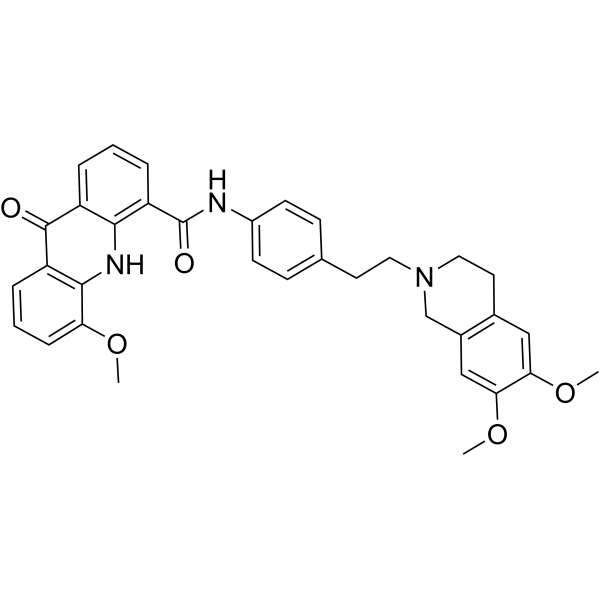
Elacridar is an orally active P-glycoprotein (Pgp) and breast cancer resistance protein (BCRP) inhibitor. Elacridar can be used to examine the influence of efflux transporters on agent distribution to brain and the research of cancer .
|
-
-
- HY-10550
-
|
XR9576
|
P-glycoprotein
|
Cancer
|
|
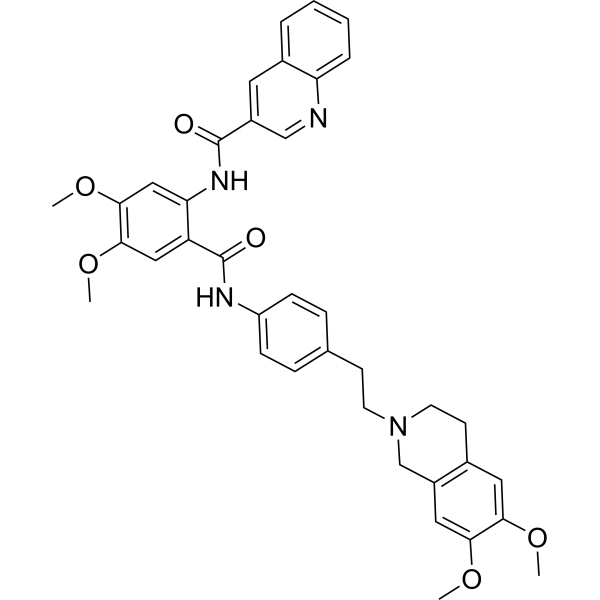
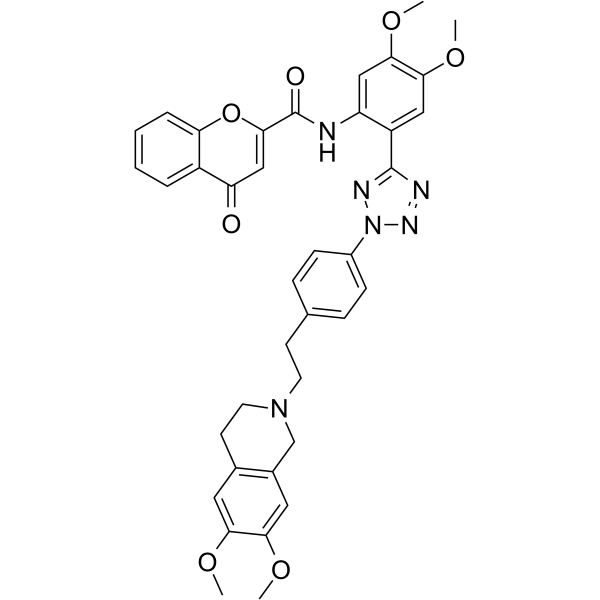
Tariquidar (XR9576) is a potent and specific inhibitor of P-glycoprotein (P-gp) with the high affinity (Kd=5.1 nM) .
|
-
-
- HY-A0064
-
|
(±)-Verapamil hydrochloride; CP-16533-1 hydrochloride
|
Calcium Channel
P-glycoprotein
Cytochrome P450
|
Cardiovascular Disease
Cancer
|
|
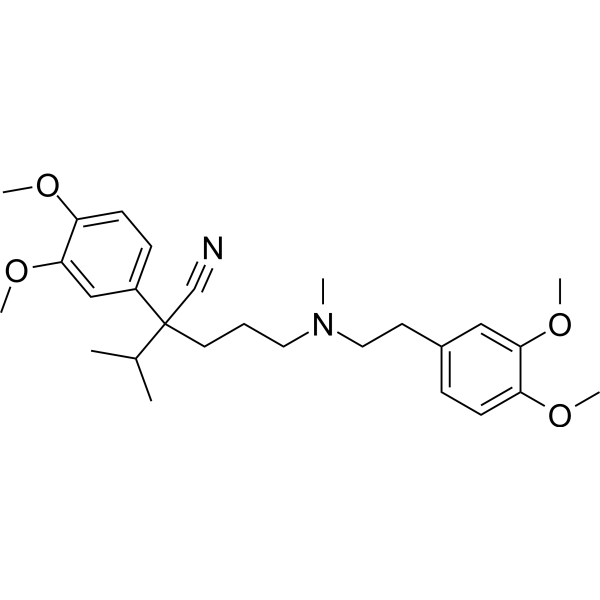
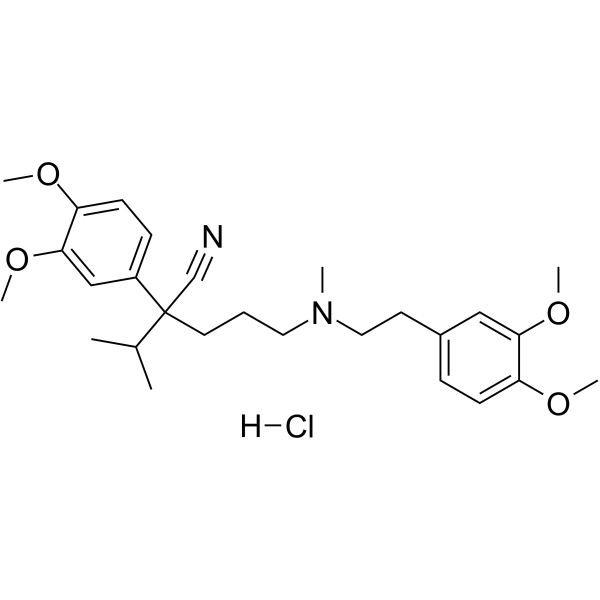
Verapamil hydrochloride ((±)-Verapamil hydrochloride) is a calcium channel blocker and a potent and orally active first-generation P-glycoprotein (P-gp) inhibitor. Verapamil hydrochloride also inhibits CYP3A4. Verapamil hydrochloride has the potential for high blood pressure, heart arrhythmias and angina research .
|
-
-
- HY-N6684
-
|
Vomitoxin
|
P-glycoprotein
|
Metabolic Disease
|
|
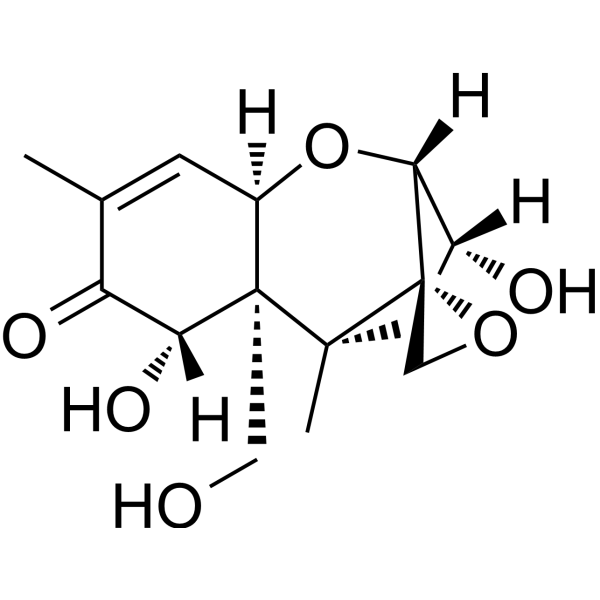
Deoxynivalenol, an orally active mycotoxin of the trichothecenes family, crosses the intestinal mucosa by a paracellular pathway through the tight junctions. The Deoxynivalenol transport is not affected by P-glycoprotein (PgP) or multidrug resistance-associated proteins (MRPs) inhibitors .
|
-
-
- HY-11018
-
-
-
- HY-17384
-
|
PSC 833
|
P-glycoprotein
|
Cancer
|
|
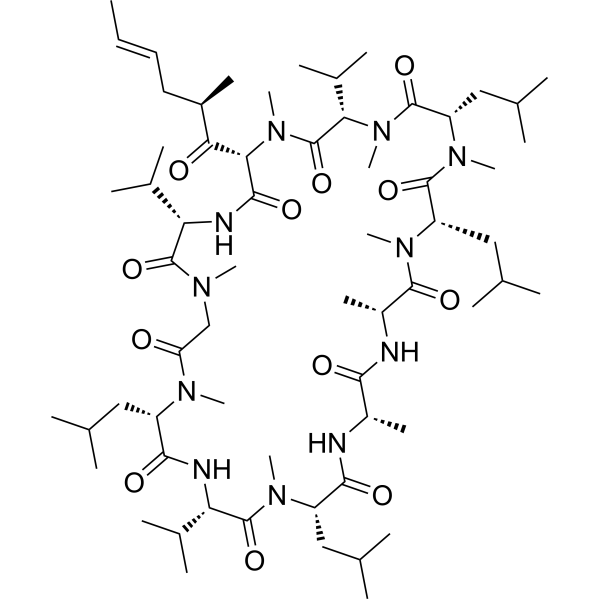
Valspodar (PSC 833) is a selective P-glycoprotein inhibitor that has been used as an experimental cancer treatment and chemosensitizer.
|
-
-
- HY-N0144
-
-
-
- HY-15255
-
|
RS 33295-198; LY-335979
|
P-glycoprotein
|
Cancer
|
|
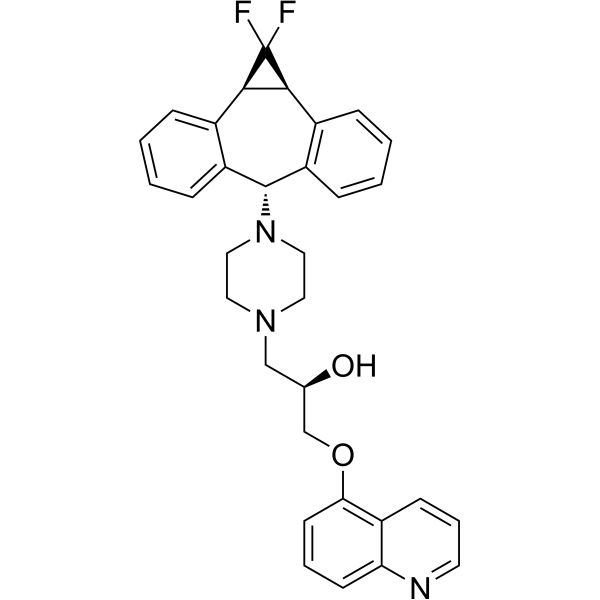
Zosuquidar (LY335979) is a P-glycoprotein (P-gp) inhibitor (Ki=59 nM). Zosuquidar shows anti-tumor activities, and can be used in acute myelogenous leukemia (AML) research .
|
-
-
- HY-13646
-
-
-
- HY-50880
-
|
GF120918A
|
P-glycoprotein
BCRP
|
Cancer
|
|
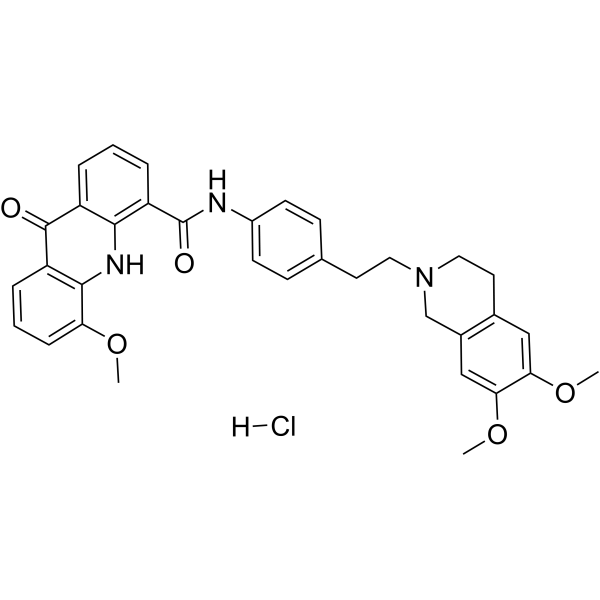
Elacridar hydrochloride (GF120918A) is an orally active P-glycoprotein (P-gp) and breast cancer resistance protein (BCRP) inhibitor. Elacridar hydrochloride can be used to examine the influence of efflux transporters on agent distribution to brain and it can be used for the research of cancer .
|
-
-
- HY-N0069
-
|
Solamargin; δ-Solanigrine
|
P-glycoprotein
Apoptosis
|
Cancer
|
|
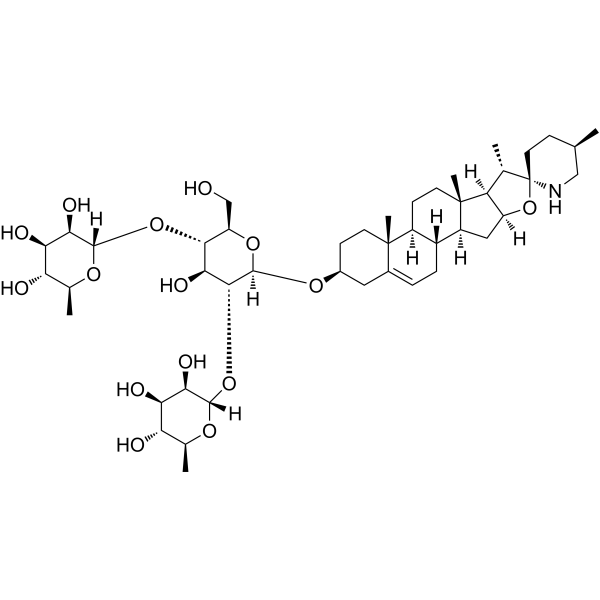
Solamargine, a derivative from the steroidal solasodine in Solanum species, exhibits anticancer activities in numerous types of cancer. Solamargine induces non-selective cytotoxicity and P-glycoprotein inhibition. Solamargine significantly inhibits migration and invasion of HepG2 cells by down-regulating MMP-2 and MMP-9 expression and activity .
|
-
-
- HY-107212
-
|
|
Parasite
Chloride Channel
P-glycoprotein
Bacterial
|
Infection
|
|
Selamectin, a semi-synthetic macrocyclic lactone, is a potent parasiticide and anthelminthic. Selamectin activates glutamate-gated chloride channels in neurons and pharyngeal muscles to prevent heartworm, Lymphatic filariae, and nematode infection. Selamectin is also a potent P-glycoprotein substrate and a P-glycoprotein inhibitor with an IC50 of 120 nM .
|
-
-
- HY-50671
-
|
RS 33295-198 trihydrochloride; LY-335979 trihydrochloride
|
P-glycoprotein
|
Cancer
|
|
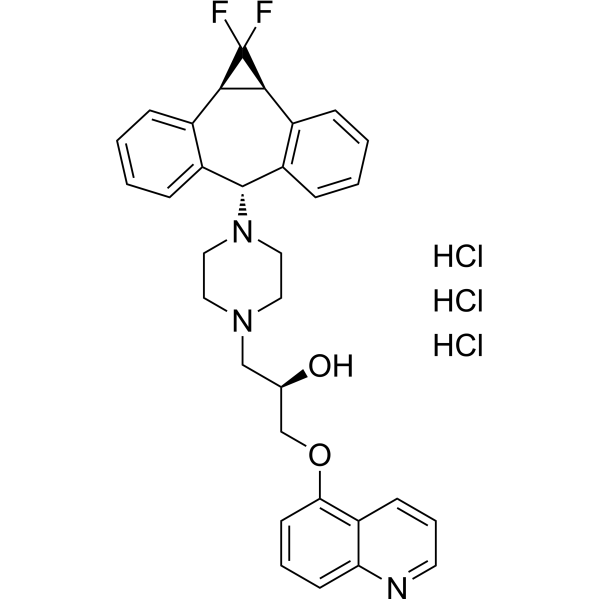
Zosuquidar (LY335979) trihydrochloride is a P-glycoprotein (P-gp) inhibitor (Ki=59 nM). Zosuquidar trihydrochloride shows anti-tumor activities, and can be used in acute myelogenous leukemia (AML) research .
|
-
-
- HY-10550A
-
|
XR9576 methanesulfonate, hydrate
|
P-glycoprotein
|
Cancer
|
|
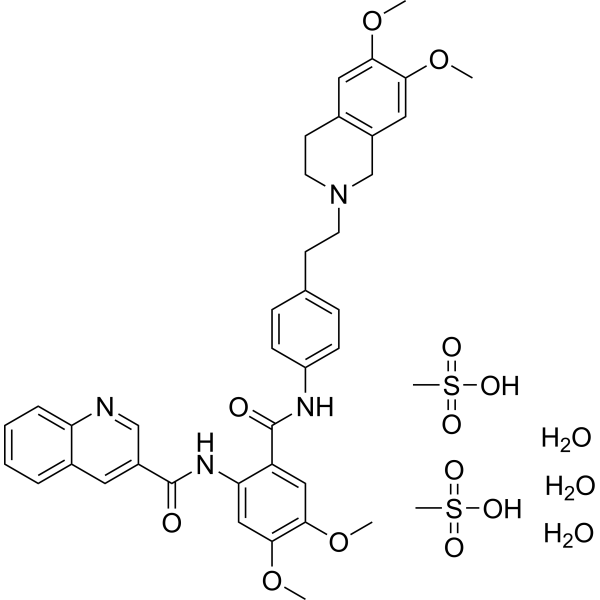
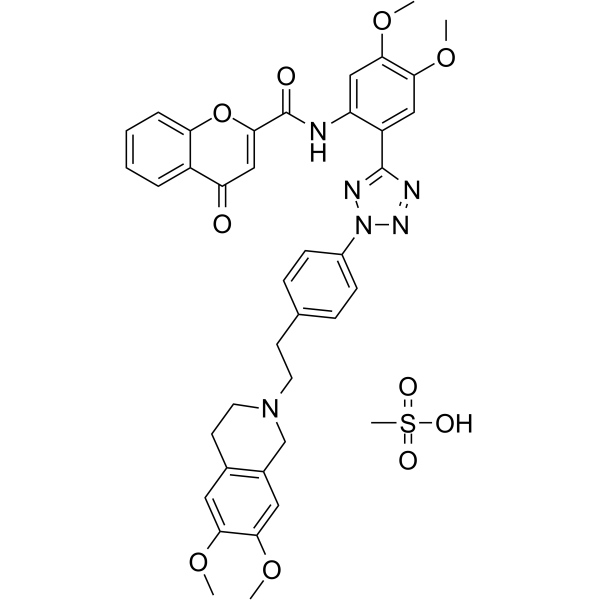
Tariquidar methanesulfonate, hydrate (XR9576 methanesulfonate, hydrate) is a potent and specific inhibitor of P-glycoprotein (P-gp) with a Kd of 5.1 nM.
|
-
-
- HY-N0692
-
|
Gomisin-A; TJN-101; Wuweizi alcohol-B
|
Reactive Oxygen Species (ROS)
Cytochrome P450
Autophagy
|
Cancer
|
|
Schisandrol B (Gomisin-A) is a major active constituent of Schisandra chinensis with hepato-protective effects. Schisandrol B inhibits reactive oxygen species (ROS) production. Schisandrol B inhibits the activity of P-glycoprotein and CYP3A and also has anti-inflammatory, anti-diabetic and antioxidant activities .
|
-
-
- HY-13646A
-
|
HM30181 mesylate; HM30181A mesylate
|
P-glycoprotein
|
Cancer
|
|
Encequidar mesylate (HM30181 mesylate; HM30181A mesylate) is a competitive and potent P-glycoprotein inhibitor.
|
-
-
- HY-107643
-
|
CBLC4H10
|
P-glycoprotein
|
Cancer
|
|
Reversan (CBLC4H10) inhibits drug efflux mediated by P-glycoprotein (Pgp) and multidrug resistance protein 1 (MRP1), and exhibits oral activity. Reversan shows activity against glioblastoma multiforme and neuroblastoma models .
|
-
-
- HY-100750
-
-
-
- HY-A0279A
-
|
Mikamycin B; Mikamycin IA
|
Bacterial
Antibiotic
|
Infection
|
|
Pristinamycin IA (Mikamycin B) is a cycle-peptidic macrolactone antibiotic. Pristinamycin IA is a substrate of P-glycoprotein and inhibits its function. Pristinamycin IA is active against StaphyloEoccus and Srreptococcus .
|
-
-
- HY-19642A
-
|
MGCD265 hydrochloride
|
TAM Receptor
c-Met/HGFR
|
Cancer
|
|
Glesatinib hydrochloride (MGCD265 hydrochloride) is an orally active, potent MET/SMO dual inhibitor. Glesatinib hydrochloride, a tyrosine kinase inhibitor, antagonizes P-glycoprotein (P-gp) mediated multidrug resistance (MDR) in non-small cell lung cancer (NSCLC) .
|
-
-
- HY-N0007A
-
|
Curcumin III; Didemethoxycurcumin
|
Ferroptosis
P-glycoprotein
DNA/RNA Synthesis
|
Inflammation/Immunology
Cancer
|
|
Bisdemethoxycucurmin (Curcumin III) is a curcuminoid compound and an inhibitor of P-glycoprotein and ferroptosis. Bisdemethoxycucurmin exhibits multiple activities such as anti-oxidation, anti-inflammation and anti-tumor. Bisdemethoxycucurmin can be used for the research of tumors and inflammatory diseases .
|
-
-
- HY-N2947
-
|
|
P-glycoprotein
|
Infection
Inflammation/Immunology
|
|
Boeravinone B, a dual inhibitor of NorA bacterial efflux pump of Staphylococcus aureus and human P-Glycoprotein, reduces the biofilm formation and intracellular invasion of bacteria. Boeravinone B act as anti-aging and anti-apoptosis phyto-molecules during oxidative stress .
|
-
-
- HY-125486
-
|
|
P-glycoprotein
|
Cancer
|
|
Reversin 121 is a P-glycoprotein inhibitor. Reversin 121 increases the ATPase activity of MDR1. Reversin 121 reverses P-glycoprotein-mediated multidrug resistance. Reversin 121 can be used in the research of cancers .
|
-
-
- HY-N3028
-
|
|
Microtubule/Tubulin
|
Cancer
|
|
Taccalonolide B is microtubule stabilizer isolated from Tacca plantaginea, with antitumor activity. Taccalonolide B is effective in vitro against cell lines that overexpress P-glycoprotein (Pgp) and multidrug-resistance protein (MRP7). Taccalonolide B inhibits growth of SK-OV-3 cells with an IC50 of 208 nM .
|
-
-
- HY-119823
-
|
|
P-glycoprotein
|
Cancer
|
|
PGP-4008 is a specific P-glycoprotein (Pgp) inhibitor. PGP-4008 inhibits tumor growth in a murine syngeneic Pgp-mediated multiple agent resistance (MDR) solid tumor model when given in combination with Doxorubicin .
|
-
-
- HY-126906
-
-
-
- HY-113805
-
|
|
P-glycoprotein
|
Cancer
|
|
MC70 is a potent and non-selective P-glycoprotein (P-gp) inhibitor with an EC50 of 0.69 µM. MC70 is an ABC transporters inhibitor and anticancer agent. MC70 interacts with ABCB1, ABCG2 and ABCC1 .
|
-
-
- HY-N0144R
-
|
Bioperine (Standard); 1-Piperoylpiperidine (Standard)
|
Reference Standards
P-glycoprotein
Autophagy
Endogenous Metabolite
|
Inflammation/Immunology
Cancer
|
|
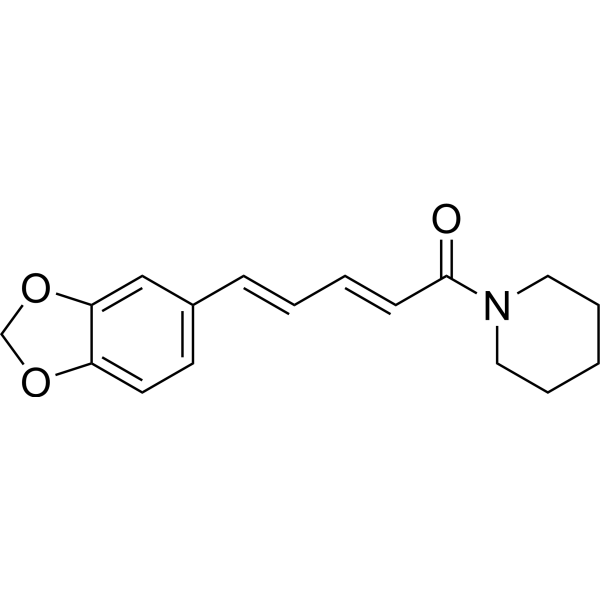
Piperine (Standard) is the analytical standard of Piperine. This product is intended for research and analytical applications. Piperine is an alkaloid, can be isolated from pepper. Piperine can inhibit the activity of P-glycoprotein and CYP3A4. Piperine inhibits HeLa cells with an IC50 of 61.94±0.054 μg/mL .
|
-
-
- HY-50879R
-
|
GF120918 (Standard); GW0918 (Standard); GG918 (Standard); GW120918 (Standard)
|
P-glycoprotein
BCRP
Reference Standards
|
Cancer
|
|
Elacridar (Standard) is the analytical standard of Elacridar. This product is intended for research and analytical applications. Elacridar is an orally active P-glycoprotein (Pgp) and breast cancer resistance protein (BCRP) inhibitor. Elacridar can be used to examine the influence of efflux transporters on agent distribution to brain and the research of cancer .
|
-
-
- HY-A0064S
-
|
(±)-Verapamil-d3 hydrochloride; CP-16533-1-d3 hydrochloride
|
Isotope-Labeled Compounds
Calcium Channel
P-glycoprotein
Cytochrome P450
|
Cardiovascular Disease
|
|
Verapamil-d3 (hydrochloride) is the deuterium labeled Verapamil hydrochloride. Verapamil hydrochloride ((±)-Verapamil hydrochloride) is a calcium channel blocker and a potent and orally active first-generation P-glycoprotein (P-gp) inhibitor. Verapamil hydrochloride also inhibits CYP3A4. Verapamil hydrochloride has the potential for high blood pressure, heart arrhythmias and angina research .
|
-
-
- HY-110232
-
|
R 64 766-d4
|
5-HT Receptor
Dopamine Receptor
P-glycoprotein
|
Neurological Disease
|
|
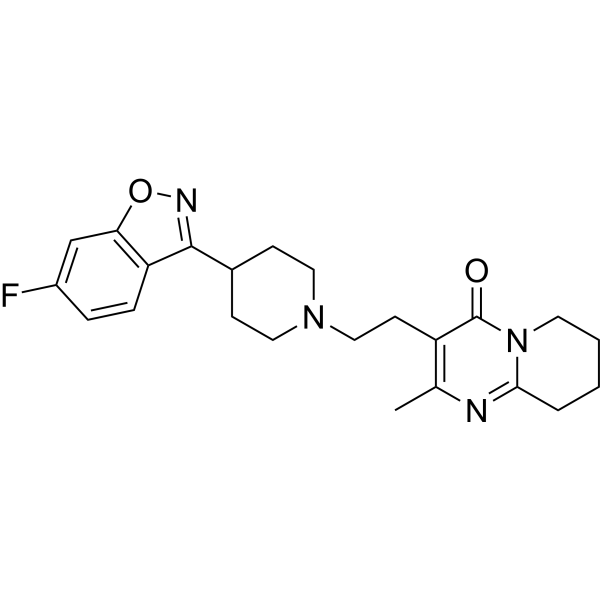
Risperidone-d4 is the deuterium labeled Risperidone. Risperidone is a serotonin 5-HT2 receptor blocker, P-Glycoprotein inhibitor and potent dopamine D2 receptor antagonist, with Kis of 4.8, 5.9 nM for 5-HT2A and dopamine D2 receptor, respectively.
|
-
-
- HY-A0064R
-
|
(±)-Verapamil hydrochloride (Standard); CP-16533-1 hydrochloride (Standard)
|
Reference Standards
Calcium Channel
P-glycoprotein
Cytochrome P450
|
Cardiovascular Disease
Cancer
|
|
Verapamil (hydrochloride) (Standard) is the analytical standard of Verapamil (hydrochloride). This product is intended for research and analytical applications. Verapamil hydrochloride ((±)-Verapamil hydrochloride) is a calcium channel blocker and a potent and orally active first-generation P-glycoprotein (P-gp) inhibitor. Verapamil hydrochloride also inhibits CYP3A4. Verapamil hydrochloride has the potential for high blood pressure, heart arrhythmias and angina research .
|
-
-
- HY-10550R
-
|
XR9576 (Standard)
|
Reference Standards
P-glycoprotein
|
Cancer
|
|
Tariquidar (Standard) is the analytical standard of Tariquidar. This product is intended for research and analytical applications. Tariquidar (XR9576) is a potent and specific inhibitor of P-glycoprotein (P-gp) with the high affinity (Kd=5.1 nM) .
|
-
-
- HY-N4108
-
|
|
P-glycoprotein
|
Inflammation/Immunology
Cancer
|
|
Hypophyllanthin is a major lignan in Phyllanthus spp, with strong anti-inflammatory activity. Hypophyllanthin directly inhibits P-glycoprotein (P-gp) activity and did not interfere with multidrug resistance protein 2 (MRP2) activity .
|
-
-
- HY-19642
-
|
MGCD265
|
TAM Receptor
c-Met/HGFR
|
Cancer
|
|
Glesatinib (MGCD265) is an orally active, potent MET/SMO dual inhibitor. Glesatinib, a tyrosine kinase inhibitor, antagonizes P-glycoprotein (P-gp) mediated multidrug resistance (MDR) in non-small cell lung cancer (NSCLC) .
|
-
-
- HY-19626
-
-
-
- HY-110377
-
|
XR9576 dihydrochloride
|
P-glycoprotein
|
Cancer
|
|
Tariquidar dihydrochloride (XR9576 dihydrochloride) is a potent and specific inhibitor of P-glycoprotein (P-gp) with the high affinity (Kd=5.1 nM) .
|
-
-
- HY-N3085
-
|
|
P-glycoprotein
Apoptosis
|
Metabolic Disease
Cancer
|
|
Phellamurin is a plant flavonone glycoside from the leaves of Phellodendron amurense and inhibits intestinal P-glycoprotein. Phellamurin also inhibits egg laying by Papilio protenor. Phellamurin induces cells apoptosis and has anti-tumor activity .
|
-
-
- HY-126906R
-
|
|
Reference Standards
Antibiotic
P-glycoprotein
|
Cancer
|
|
Milbemycin A4 (Standard) is the analytical standard of Milbemycin A4. This product is intended for research and analytical applications. Milbemycin A4 inhibits P-glycoprotein activity, and reverses multidrug resistance of tumor cells. Milbemycins are a family of macrolide antibiotics with insecticidal and acaricidal activity sup> .
|
-
-
- HY-11018B
-
-
-
- HY-N16577
-
|
|
P-glycoprotein
|
Cancer
|
|
(S)-Tenacissoside F (Compound P20) is a polyoxypregnane compound found in Marsdenia tenacissima. (S)-Tenacissoside F can inhibit the drug efflux activity mediated by P-glycoprotein (P-gp/ABCB1) and reverse multidrug resistance. (S)-Tenacissoside F can be used for the research of cancer, such as colon cancer .
|
-
-
- HY-14275R
-
|
(±)-Verapamil (Standard); CP-16533-1 (Standard)
|
Calcium Channel
P-glycoprotein
Cytochrome P450
Reference Standards
|
Cardiovascular Disease
Metabolic Disease
Cancer
|
|
Verapamil (Standard) is the analytical standard of Verapamil. This product is intended for research and analytical applications. Verapamil ((±)-Verapamil) is a calcium channel blocker and a potent and orally active first-generation P-glycoprotein (P-gp) inhibitor. Verapamil also inhibits CYP3A4. Verapamil has the potential for high blood pressure, heart arrhythmias and angina research .
|
-
-
- HY-10550B
-
|
XR9576 dimesylate
|
P-glycoprotein
|
Cardiovascular Disease
Others
|
|
Tariquidar dimesylate (XR9576 dimesylate) is a P-glycoprotein (P-gp) inhibitor. Tariquidar dimesylate increases the concentration of the drug in the brain by binding to P-glycoprotein, preventing it from transporting the drug from inside to outside the brain. Tariquidar dimesylate can be used in the study of blood-brain barrier penetration and multidrug resistance .
|
-
-
- HY-135328AS
-
|
(±)-Norverapamil-d7 hydrochloride; D591-d7 hydrochloride
|
Isotope-Labeled Compounds
Calcium Channel
|
Cardiovascular Disease
|
|
Norverapamil-d7 (hydrochloride) is a deuterium labeled Norverapamil. Norverapamil ((±)-Norverapamil), an N-demethylated metabolite of Verapamil, is a L-type calcium channel blocker and a P-glycoprotein (P-gp) function inhibitor .
|
-
-
- HY-123793
-
-
-
- HY-146391
-
|
|
P-glycoprotein
|
Cancer
|
|
P-gp inhibitor 4 (Compound 8b) is a selective P-glycoprotein modulator with an EC50 of 94 nM. P-gp inhibitor 4 increases agent transport across gastro-intestinal barrier and recovers doxorubicin toxicity in multidrug resistant cancer cells .
|
-
-
- HY-W654320
-
-
-
- HY-144366
-
|
|
P-glycoprotein
|
Cancer
|
|
P-gp inhibitor 3 is an effective P-glycoprotein (P-gp) inhibitor. P-gp inhibitor 3 inhibits the efflux function of P-gp by activating P-gp ATPase. P-gp inhibitor 3 has relatively stronger multidrug resistance (MDR) reversal ability and enhances the anti-tumor activity of Paclitaxel .
|
-
-
- HY-146096
-
|
|
P-glycoprotein
Apoptosis
|
Cancer
|
|
RMS3, a tetrandrine analogue, is a potent P-glycoprotein (P-gp) inhibitor. RMS3 has markedly antiproliferative and cytotoxic effects on cancer cells. RMS3 causes PARP cleavage, a marker for cells undergoing apoptosis. RMS3 has strong anticancer property .
|
-
- HY-11018A
-
-
- HY-123384
-
|
|
P-glycoprotein
|
Cardiovascular Disease
Cancer
|
|
KR30031, a Verapamil (HY-14275) analog, is an orally active P-glycoprotein (P-gp) inhibitor. KR30031 enhances the cytotoxicity of anticancer agents by inhibiting P-gp with fewer cardiovascular adverse effects. KR30031 can be used to study multidrug resistance (MDR) reversal in cancer .
|
-
- HY-N6684R
-
|
Vomitoxin (Standard)
|
P-glycoprotein
Reference Standards
|
Metabolic Disease
|
|
Deoxynivalenol (Standard) is the analytical standard of Deoxynivalenol. This product is intended for research and analytical applications. Deoxynivalenol, an orally active mycotoxin of the trichothecenes family, crosses the intestinal mucosa by a paracellular pathway through the tight junctions. The Deoxynivalenol transport is not affected by P-glycoprotein (PgP) or multidrug resistance-associated proteins (MRPs) inhibitors .
|
-
- HY-157330
-
|
|
P-glycoprotein
Apoptosis
|
Cancer
|
|
P-gp inhibitor 16 (compound 14) is a p-glycoprotein inhibitor. P-gp inhibitor 16 significantly increases Doxorubicin-induced apoptosis and shows anticancer effects .
|
-
- HY-162447
-
|
|
P-glycoprotein
Apoptosis
|
Cancer
|
|
P-gp inhibitor 22 is a P-glycoprotein (P-gp) inhibitor that effectively inhibits P-pg and efflux function. P-gp inhibitor 22 induces apoptosis and accumulation of MCF-7/ADR cells processed in the S phase .
|
-
- HY-109796
-
|
|
Bacterial
|
Infection
|
|
NIK250 is a potent multiple drug resistance (MDR) reversal agent that inhibits P-glycoprotein .
|
-
- HY-107212R
-
|
|
Reference Standards
Parasite
Chloride Channel
P-glycoprotein
Bacterial
|
Infection
|
|
Selamectin (Standard) is the analytical standard of Selamectin. This product is intended for research and analytical applications. Selamectin, a semi-synthetic macrocyclic lactone, is a potent parasiticide and anthelminthic. Selamectin activates glutamate-gated chloride channels in neurons and pharyngeal muscles to prevent heartworm, Lymphatic filariae, and nematode infection. Selamectin is also a potent P-glycoprotein substrate and a P-glycoprotein inhibitor with an IC50 of 120 nM .
|
-
- HY-158264
-
-
- HY-135328
-
-
- HY-N15297
-
|
|
P-glycoprotein
|
Cancer
|
|
Isotenulin inhibits the efflux function of P-glycoprotein by stimulation of P-glycoprotein ATPase, thereby overcoming the multidrug resistance (MDR) of cancer cells. Isotenulin exhibits cytotoxicity in multidrug-resistant cancer cell KB-vin and sensitive cancer cell HeLaS3. Isotenulin exhibits synergistic effect with Paclitaxel (HY-B0015), Vinblastine (HY-13780) and Doxorubicin (HY-15142) .
|
-
- HY-169782
-
|
|
P-glycoprotein
|
Neurological Disease
|
|
CJZ3 is an reversible inhibitor for P-glycoprotein (P-gp), that accumulates the drug (Rh123) in cells, and improve the permeability of the blood-brain barrier (BBB) .
|
-
- HY-13646R
-
|
HM30181 (Standard); HM30181A (Standard)
|
P-glycoprotein
Reference Standards
|
Metabolic Disease
Cancer
|
|
Encequidar (Standard) is the analytical standard of Encequidar. This product is intended for research and analytical applications. Encequidar (HM30181; HM30181A) is a potent and selective inhibitor of P-glycoprotein.
|
-
- HY-136934
-
|
[Boc-Glu(Obzl)]2-Lys-Ome
|
P-glycoprotein
|
Cancer
|
|
Reversin 205 ([Boc-Glu(Obzl)]2-Lys-Ome) is a P-glycoprotein (ABCB1) inhibitor. Reversin 205 is a peptide chemosensitizer .
|
-
- HY-N11084
-
|
|
P-glycoprotein
|
Others
|
|
Salviaplebeiaside is a phenolic substance can be isolated from the aerial part of Vitex negundo var. cannabifolia. Salviaplebeiaside is an inhibitor of class I p-glycoprotein .
|
-
- HY-19446
-
|
|
Phosphodiesterase (PDE)
|
Others
|
|
UK-371800 is a highly selective PDE5 inhibitor (IC50 = 4.2 nM). UK-371800 has good permeability and is not affected by the efflux of P-glycoprotein .
|
-
- HY-129841
-
|
|
Calcium Channel
P-glycoprotein
|
Cancer
|
|
Niguldipine monohydrochloride is a calcium channel blocker that inhibits P-glycoprotein and can be used in tumor research. Niguldipine monohydrochloride inhibits Cav 3.2, with an IC50 of 0.9 μM .
|
-
- HY-N13157
-
|
|
P-glycoprotein
|
Cancer
|
|
11α-O-Benzoyl-12β-O-acetyltenacigenin B is a P-glycoprotein (Pgp) inhibitor derived from Marsdenia tenacissima and belongs to the Tenacigenin B (HY-N1168) derivatives. 11α-O-Benzoyl-12β-O-acetyltenacigenin B can inhibit multidrug resistance (MDR) caused by P-glycoprotein (Pgp) overexpression in HepG2/Dox cells and holds potential for research in the field of cancer .
|
-
- HY-175206
-
|
|
P-glycoprotein
|
Cancer
|
|
P-gp-IN-30 (Compound 13) is a P-glycoprotein (P-gp) inhibitor by targeting YB-1. P-gp-IN-30 significantly enhances sensitivity to Paclitaxel by reducing total YB-1 and nucleus YB-1 protein expression, inhibiting the expression and function of downstream P-gp, further suppressing the efflux rate of Paclitaxel. P-gp-IN-30 potently inhibits tumor growth in A549/Taxol xenografts mice model with combination of Paclitaxel (HY-B0015). P-gp-IN-30 can be used for non-small cell lung cancer (NSCLC) research .
|
-
- HY-133948
-
|
Glyceryl palmitoleate
|
Biochemical Assay Reagents
|
Others
|
|
1-Palmitoleoyl glycerol is a biologically active monoacylglycerol. It increases daunomycin accumulation, shown to inhibit P-glycoprotein in Caco-2 cells. 1-Palmitoleoyl glycerol induces thymocyte apoptosis.
|
-
- HY-162396
-
|
|
P-glycoprotein
|
Cancer
|
|
P-gp inhibitor 21 (Compound 56) is an inhibitor for P-glycoprotein (P-gp) transport, which reverses P-gp-mediated multidrug resistance (MDR) and exhibits antitumor efficacy in mice without significant cytotoxicity .
|
-
- HY-13646C
-
|
HM30181 mesylate hydrochloride; HM30181A mesylate hydrochloride
|
P-glycoprotein
|
Cancer
|
|
Encequidar (HM30181) mesylate hydrochloride is a potent and selective inhibitor of P-glycoprotein (MDR1). Encequidar mesylate hydrochloride improves anti-tumor efficacy of Paclitaxel (HY-B0015) in mouse tumor models .
|
-
- HY-135328S
-
-
- HY-N10491
-
|
|
P-glycoprotein
|
Cancer
|
|
Spongionellol A is a MDR1 (p-glycoprotein) inhibitor. Spongionellol A has high cytotoxic activity and selectivity in prostate cancer cells by inducing caspase‑dependent apoptosis. Spongionellol A can be used in the research of cancers, such as prostate cancer .
|
-
- HY-100750R
-
|
(±)-Norverapamil hydrochloride (Standard); D591 hydrochloride (Standard)
|
Reference Standards
Calcium Channel
P-glycoprotein
Drug Metabolite
|
Cardiovascular Disease
|
|
Norverapamil (hydrochloride) (Standard) is the analytical standard of Norverapamil (hydrochloride). This product is intended for research and analytical applications. Norverapamil hydrochloride ((±)-Norverapamil hydrochloride), an N-demethylated metabolite of Verapamil, is a L-type calcium channel blocker and a P-glycoprotein (P-gp) function inhibitor[1][2].
|
-
- HY-W699430
-
|
(±)-Norverapamil-d6 hydrochloride; D591-d6 hydrochloride
|
Isotope-Labeled Compounds
P-glycoprotein
Calcium Channel
|
Cardiovascular Disease
|
|
Norverapamil-d6 ((±)-Norverapamil-d6) hydrochloride is deuterium labeled Norverapamil (hydrochloride). Norverapamil hydrochloride ((±)-Norverapamil hydrochloride), an N-demethylated metabolite of Verapamil, is a L-type calcium channel blocker and a P-glycoprotein (P-gp) function inhibitor .
|
-
- HY-162369
-
|
|
P-glycoprotein
|
Cancer
|
|
PID-9 is a P-glycoprotein inhibitor. PID-9 has multidrug resistance (MDR) reversal activity (IC50 = 0.1338 μM) and low toxicity. PID-9 inhibits the transport function of P-gp without downregulating P-gp expression .
|
-
- HY-135336S
-
|
(R)-(+)-Verapamil-d7 (hydrochloride)
|
P-glycoprotein
Isotope-Labeled Compounds
Apoptosis
|
Cancer
|
|
(R)-Verapamil-d7 (hydrochloride) is a deuterium labeled (R)-Verapamil hydrochloride. (R)-Verapamil hydrochloride ((R)-(+)-Verapamil hydrochloride) is a P-Glycoprotein inhibitor. (R)-Verapamil hydrochloride blocks MRP1 mediated transport, resulting in chemosensitization of MRP1-overexpressing cells to anticancer agents .
|
-
- HY-50671R
-
|
RS 33295-198 trihydrochloride (Standard); LY-335979 trihydrochloride (Standard)
|
Reference Standards
P-glycoprotein
|
Cancer
|
|
Zosuquidar (trihydrochloride) (Standard) is the analytical standard of Zosuquidar (trihydrochloride). This product is intended for research and analytical applications. Zosuquidar (LY335979) trihydrochloride is a P-glycoprotein (P-gp) inhibitor (Ki=59 nM). Zosuquidar trihydrochloride shows anti-tumor activities, and can be used in acute myelogenous leukemia (AML) research .
|
-
- HY-A0279AR
-
|
Mikamycin B (Standard); Mikamycin IA (Standard)
|
Reference Standards
Bacterial
Antibiotic
|
Infection
|
|
Pristinamycin IA (Standard) is the analytical standard of Pristinamycin IA. This product is intended for research and analytical applications. Pristinamycin IA (Mikamycin B) is a cycle-peptidic macrolactone antibiotic. Pristinamycin IA is a substrate of P-glycoprotein and inhibits its function. Pristinamycin IA is active against StaphyloEoccus and Srreptococcus[1].
|
-
- HY-W702292
-
|
|
Isotope-Labeled Compounds
Apoptosis
P-glycoprotein
|
Cancer
|
|
(R)-(+)-Verapamil-d6 (hydrochloride) is deuterium labeled (R)-Verapamil (hydrochloride). (R)-Verapamil hydrochloride ((R)-(+)-Verapamil hydrochloride) is a P-Glycoprotein inhibitor. (R)-Verapamil hydrochloride blocks MRP1 mediated transport, resulting in chemosensitization of MRP1-overexpressing cells to anticancer agents .
|
-
- HY-159085
-
|
|
P-glycoprotein
|
Cancer
|
|
P-gp inhibitor 24 (Compound 10) is an inhibitor for P-glycoprotein (P-gp)), that inhibits the P-gp mediated fluorescent dye efflux. P-gp inhibitor 24 exhibits multidrug resistance (MDR) reversal effect, enhances the cytotoxicity of Vincristine (HY-N0488) and Etoposide (HY-13629) in cancer cells .
|
-
- HY-N11422R
-
|
|
Reference Standards
Antibiotic
Bacterial
|
Infection
|
|
Deoxynivalenol (Standard) is the analytical standard of Deoxynivalenol. This product is intended for research and analytical applications. Deoxynivalenol, an orally active mycotoxin of the trichothecenes family, crosses the intestinal mucosa by a paracellular pathway through the tight junctions. The Deoxynivalenol transport is not affected by P-glycoprotein (PgP) or multidrug resistance-associated proteins (MRPs) inhibitors .
|
-
- HY-N4108R
-
|
|
Reference Standards
P-glycoprotein
|
Inflammation/Immunology
Cancer
|
|
Hypophyllanthin (Standard) is the analytical standard of Hypophyllanthin. This product is intended for research and analytical applications. Hypophyllanthin is a major lignan in Phyllanthus spp, with strong anti-inflammatory activity. Hypophyllanthin directly inhibits P-glycoprotein (P-gp) activity and did not interfere with multidrug resistance protein 2 (MRP2) activity .
|
-
- HY-W777317
-
|
|
Isotope-Labeled Compounds
P-glycoprotein
BCRP
|
Cancer
|
|
Elacridar-d4(Major) is the deuterium labeled Elacridar (HY-50879). Elacridar is an orally active P-glycoprotein (Pgp) and breast cancer resistance protein (BCRP) inhibitor. Elacridar can be used to examine the influence of efflux transporters on agent distribution to brain and the research of cancer .
|
-
- HY-N10492
-
|
|
P-glycoprotein
|
Cancer
|
|
Spongionellol A analog 1, an analog of Spongionellol A (HY-10491), is a MDR1 (p-glycoprotein) inhibitor. Spongionellol A analog 1 has high cytotoxic activity and selectivity in prostate cancer cells by inducing caspase?dependent apoptosis. Spongionellol A analog 1 can be used in the research of cancers, such as prostate cancer .
|
-
- HY-168711
-
|
|
P-glycoprotein
|
Cancer
|
|
P-gp inhibitor 27 (Compound D2) is an inhibitor for P-glycoprotein (P-gp), that downregulates the expression of P-gp and MRP1, increases the Rh123 accumulation in A2780/T cell, and reverses multidrug resistance to Paclitaxel (HY-B0015) (EC50 is 88 nM) and Cisplatin (HY-17394) .
|
-
- HY-13574
-
|
VX 710-3
|
P-glycoprotein
|
Cancer
|
|
Biricodar dicitrate (VX 710-3) is the dicitrate salt form of Biricodar (HY-13574A). Biricodar dicitrate is an inhibitor for P-glycoprotein and multidrug resistance-associated protein 1 (MRP-1), which increases the accumulation of chemotherapy drugs within cancer cells and shows effective chemosensitizing activity in multidrug resistant cells .
|
-
- HY-149053
-
|
|
P-glycoprotein
|
Cancer
|
|
OY-101 is an orally active, potent and specific P-glycoprotein (P-gp) inhibitor. OY-101 can sensitize drug-resistant tumors and effectively reverse tumor multidrug resistance. OY-101 is improvements in water-solubility, cytotoxicity, and reversal activity compared to Tetrandrine (HY-13764) .
|
-
- HY-170569
-
|
|
Dipeptidyl Peptidase
Cytochrome P450
P-glycoprotein
|
Metabolic Disease
|
|
Cetagliptin is an orally active inhibitor for dipeptidyl peptidase 4 (DPP-4) and CYP2D6 (IC50 of 6 µM). Cetagliptin is a substrate for P-glycoprotein. Cetagliptin reduces the GLP-1 degradation, maintains the level of postprandial blood sugar, and can be used in type 2 diabetes mellitus research .
|
-
- HY-161645
-
|
|
P-glycoprotein
|
Cancer
|
|
P-gp modulator-4 (compound 4c) inhibits the efflux function of P-glycoprotein (P-gp). P-gp modulator-4 shows multidrug resistance (MDR) in cancer reversal activity (IC50 of Paclitaxel (HY-B0015) = 8.80, reversal fold = 211.8) .
|
-
- HY-50880R
-
|
GF120918A (Standard)
|
P-glycoprotein
BCRP
Reference Standards
|
Cancer
|
|
Elacridar (hydrochloride) (Standard) is the analytical standard of Elacridar (hydrochloride). This product is intended for research and analytical applications. Elacridar hydrochloride (GF120918A) is an orally active P-glycoprotein (P-gp) and breast cancer resistance protein (BCRP) inhibitor. Elacridar hydrochloride can be used to examine the influence of efflux transporters on agent distribution to brain and it can be used for the research of cancer .
|
-
- HY-155032
-
|
|
P-glycoprotein
|
Cancer
|
|
P-gp inhibitor 15 (compound 7a) is a nonsubstrate inhibitor of P-glycoprotein (Pgp). P-gp inhibitor 15 inhibits Pgp-ATPase activity,and interfers Pgp-mediated Rhodamine123 efflux. P-gp inhibitor 15 also enhances the inhibitory efficacy of Paclitaxel (HY-B0015),inhibits tumor progress in nude mice KBV xenograft tumors model .
|
-
- HY-181804
-
|
|
BCRP
P-glycoprotein
|
Cancer
|
|
MRS8288 is a ABCG2 and P-glycoprotein inhibitor, with an IC50 of 0.96 μM against ABCG2 and an IC50 of 1.39 μM against P-glycoprotein. MRS8288 inhibits the ATPase activity of ABCG2 and P-glycoprotein, and suppresses ABCG2-mediated substrate transport. MRS8288 is applicable for cancer research .
|
-
- HY-129698
-
|
CP162398
|
P-glycoprotein
|
Cancer
|
|
MS-073 (CP162398) is a P-glycoprotein (P-gp) inhibitor. MS-073 reverses multidrug resistance in drug-resistant cells by competitively inhibiting drug binding to P-glycoprotein .
|
-
- HY-182633
-
|
|
P-glycoprotein
|
Cancer
|
|
Hapalosin is a multidrug resistance reversal agent and chemosensitizer with mild cytotoxicity against cancer cells. Hapalosin inhibits the ATP-dependent drug efflux pump function of P-glycoprotein and antagonizes multidrug resistance-associated proteins. Hapalosin reverses multidrug resistance mediated by P-glycoprotein and multidrug resistance-associated proteins, increases the intracellular accumulation of drugs transported by P-glycoprotein, and enhances the cytotoxicity of these drugs against cancer cells overexpressing P-glycoprotein. Hapalosin can be used in the research of multidrug-resistant cancers .
|
-
- HY-165491
-
|
|
P-glycoprotein
|
Cancer
|
|
R 101933 is a P-glycoprotein (P-gp) inhibitor. R 101933 can be used for the research of cancer .
|
-
- HY-13646AR
-
|
HM30181 mesylate (Standard); HM30181A mesylate (Standard)
|
P-glycoprotein
Reference Standards
|
Cancer
|
|
Encequidar (mesylate) (Standard) is the analytical standard of Encequidar (mesylate). This product is intended for research and analytical applications. Encequidar mesylate (HM30181 mesylate; HM30181A mesylate) is a competitive and potent P-glycoprotein inhibitor.
|
-
- HY-181773
-
|
|
P-glycoprotein
STAT
|
Cancer
|
|
P-gp-IN-36 is a potent P-glycoprotein (P-gp) inhibitor with an EC50 of approximately 1 μM. P-gp-IN-36 inhibits the efflux function of P-glycoprotein, overcoming P-gp-mediated multidrug resistance in cancer cells. P-gp-IN-36 inhibits STAT3 phosphorylation and reduces total STAT3 expression. P-gp-IN-36 sensitizes P-gp-expressing cancer cells to the cytostatic effects of conventional cytostatic drugs. P-gp-IN-36 can be used for the research of multidrug-resistant cancer .
|
-
- HY-10550AR
-
|
XR9576 methanesulfonate, hydrate (Standard)
|
Reference Standards
P-glycoprotein
|
Cancer
|
|
Tariquidar (methanesulfonate, hydrate) (Standard) is the analytical standard of Tariquidar (methanesulfonate, hydrate). This product is intended for research and analytical applications. Tariquidar methanesulfonate, hydrate (XR9576 methanesulfonate, hydrate) is a potent and specific inhibitor of P-glycoprotein (P-gp) with a Kd of 5.1 nM.
|
-
- HY-138176
-
|
7-RispOH
|
Drug Metabolite
|
Neurological Disease
|
|
7-Hydroxyrisperidone (7-RispOH) is a metabolite of Risperidone (HY-11018). Risperidone is a serotonin 5-HT2 receptor blocker, P-Glycoprotein inhibitor and potent dopamine D2 receptor antagonist .
|
-
- HY-14275S
-
-
- HY-135336
-
|
(R)-(+)-Verapamil hydrochloride
|
P-glycoprotein
Apoptosis
Calcium Channel
|
Infection
Metabolic Disease
|
|
(R)-Verapamil hydrochloride ((R)-(+)-Verapamil hydrochloride) is an orally active P-Glycoprotein inhibitor. (R)-Verapamil hydrochloride blocks MRP1 mediated transport. (R)-Verapamil hydrochloride induces Apoptosis and inhibits L-type calcium channels BZPcc, DHPcc and PLLcc. (R)-Verapamil hydrochloride has anti-septic shock and anti-diabetic effects .
|
-
- HY-14275S2
-
|
(±)-Verapamil-d6; CP-16533-1-d6
|
Isotope-Labeled Compounds
|
Cardiovascular Disease
Metabolic Disease
Cancer
|
|
Verapamil-d6 ((±)-Verapamil-d6) is deuterium labeled Verapamil. Verapamil ((±)-Verapamil) is a calcium channel blocker and a potent and orally active first-generation P-glycoprotein (P-gp) inhibitor. Verapamil also inhibits CYP3A4. Verapamil has the potential for high blood pressure, heart arrhythmias and angina research .
|
-
- HY-124130
-
|
|
Survivin
|
Cancer
|
|
MX106 is a survivin inhibitor and an analog of UC-112 (HY-12842). MX106 inhibits the expression of survivin both in vitro and in vivo. MX106 suppresses the proliferation of human melanoma cells, epidermoid carcinoma cells and colon cancer cells, and also exerts inhibitory effects on multidrug-resistant cell lines overexpressing P-glycoprotein .
|
-
- HY-14275S1
-
-
- HY-121247
-
|
5-Bromotetrandrine; BrTet; W198
|
P-glycoprotein
Drug Derivative
|
Cancer
|
|
Bromotetrandrine is a potent inhibitor of P-glycoprotein (P-gp)-mediated multidrug resistance (MDR). Bromotetrandrine shows significant MDR reversal activity in vitro and in vivo, which may be related to the inhibition of P-gp overexpression and the increase in intracellular accumulation of anticancer agents. Bromotetrandrine is a brominated derivative of tetrandrine, which is promising for MDR modulator for tumor assessment .
|
-
- HY-135194
-
|
|
Drug Metabolite
|
Others
|
|
Risperidone E-oxime is an impurity of Risperidone . Risperidone is a serotonin 5-HT2 receptor blocker, P-Glycoprotein inhibitor and potent dopamine D2 receptor antagonist, with Kis of 4.8, 5.9 nM for 5-HT2A and dopamine D2 receptor, respectively .
|
-
- HY-13646B
-
|
HM30181 hydrochloride; HM30181A hydrochloride
|
P-glycoprotein
|
Others
|
|
Encequidar hydrochloride (HM30181 hydrochloride) is an oral P-glycoprotein (P-gp) inhibitor with the activity of enhancing the oral bioavailability of P-gp substrate drugs. Encequidar shows the highest potency among various MDR1 inhibitors, with IC50=0.63nM. Encequidar effectively blocks the transepithelial transport of paclitaxel in MDCK monolayer cells, with IC50=35.4nM .
|
-
- HY-B0532
-
|
|
Dopamine Receptor
Adrenergic Receptor
P-glycoprotein
CaMK
Influenza Virus
Autophagy
|
Neurological Disease
|
|
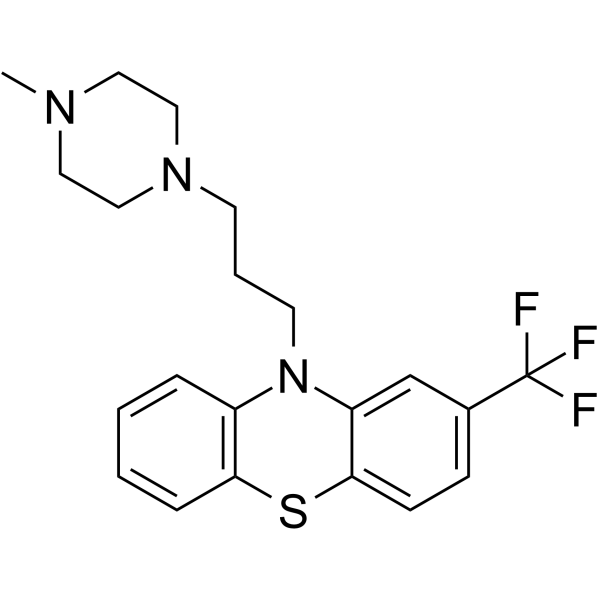
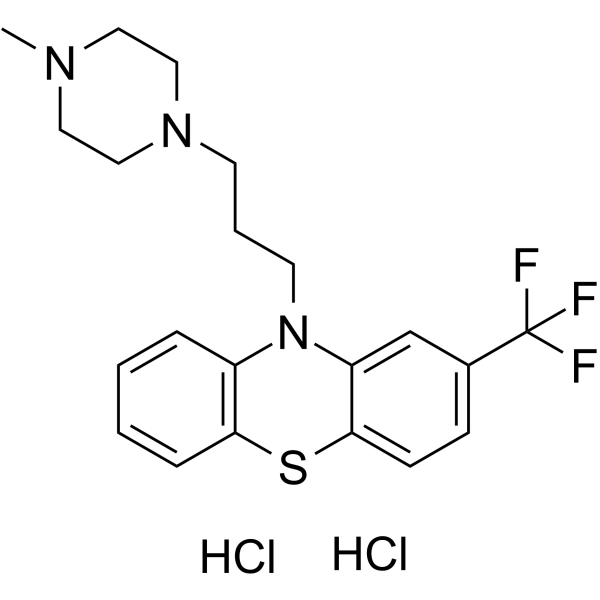
Trifluoperazine, an antipsychotic agent, acts by blocking central dopamine receptors. Trifluoperazine is a potent α1-adrenergic receptor antagonist. Trifluoperazine is a potent NUPR1 inhibitor exerting anticancer activity. Trifluoperazine is a calmodulin inhibitor, and also inhibits P-glycoprotein. Trifluoperazine can be used for the research of schizophrenia. Trifluoperazine acts as a reversible inhibitor of influenza virus morphogenesis .
|
-
- HY-B0532A
-
|
|
Dopamine Receptor
Adrenergic Receptor
CaMK
P-glycoprotein
Influenza Virus
Autophagy
|
Neurological Disease
Cancer
|
|
Trifluoperazine dihydrochloride, an antipsychotic agent, acts by blocking central dopamine receptors. Trifluoperazine dihydrochloride is a potent α1-adrenergic receptor antagonist. Trifluoperazine dihydrochloride is a potent NUPR1 inhibitor exerting anticancer activity. Trifluoperazine dihydrochloride is a calmodulin inhibitor, and also inhibits P-glycoprotein. Trifluoperazine dihydrochloride can be used for the research of schizophrenia. Trifluoperazine dihydrochloride acts as a reversible inhibitor of influenza virus morphogenesis .
|
-
- HY-79490
-
|
|
ADC Payload
Topoisomerase
|
Cancer
|
|
Ac-Exatecan is acetylation-modified Exatecan (HY-13631). Exatecan is a common toxin component in ADC preparation (ADC cytotoxin) and an inhibitor of DNA topoisomerase I (IC50 = 2.2 μM). Exatecan has antitumor activity. Exatecan can be used as a payload for ADC. Exatecan is effective against P-glycoprotein mediated multi-drug resistant cells .
|
-
- HY-107643R
-
|
CBLC4H10 (Standard)
|
Reference Standards
P-glycoprotein
|
Cancer
|
|
Reversan (Standard) is the analytical standard of Reversan (HY-107643). This product is intended for research and analytical applications. Reversan (CBLC4H10) inhibits drug efflux mediated by P-glycoprotein (Pgp) and multidrug resistance protein 1 (MRP1), and exhibits oral activity. Reversan shows activity against glioblastoma multiforme and neuroblastoma models .
|
-
- HY-142686
-
|
|
SGK
P-glycoprotein
CDK
|
Inflammation/Immunology
|
|
SGK1-IN-3 (Compound 3a) is an ATP-competitive SGK1 inhibitor with an IC50 of <1 nM against hSGK1. SGK1-IN-3 blocks the activity of CDK family members. SGK1-IN-3 is a P-glycoprotein substrate. SGK1-IN-3 can be used for research on osteoarthritis .
|
-
- HY-N2947R
-
|
|
Reference Standards
P-glycoprotein
|
Infection
Inflammation/Immunology
|
|
Boeravinone B (Standard) is the analytical standard of Boeravinone B. This product is intended for research and analytical applications. Boeravinone B, a dual inhibitor of NorA bacterial efflux pump of Staphylococcus aureus and human P-Glycoprotein, reduces the biofilm formation and intracellular invasion of bacteria. Boeravinone B act as anti-aging and anti-apoptosis phyto-molecules during oxidative stress .
|
-
- HY-11018R
-
|
R 64 766 (Standard)
|
Dopamine Receptor
5-HT Receptor
P-glycoprotein
Reference Standards
|
Neurological Disease
|
|
Risperidone (Standard) is the analytical standard of Risperidone. This product is intended for research and analytical applications. Risperidone is a serotonin 5-HT2 receptor blocker, P-Glycoprotein inhibitor and potent dopamine D2 receptor antagonist, with Kis of 4.8, 5.9 nM for 5-HT2A and dopamine D2 receptor, respectively.
|
-
- HY-N0007AR
-
|
Curcumin III (Standard); Didemethoxycurcumin (Standard)
|
Reference Standards
Ferroptosis
P-glycoprotein
DNA/RNA Synthesis
|
Inflammation/Immunology
Cancer
|
|
Bisdemethoxycucurmin (Standard) (Curcumin III (Standard)) is the analytical standard of Bisdemethoxycucurmin (HY-N0007A). This product is intended for research and analytical applications. Bisdemethoxycucurmin (Curcumin III) is a curcuminoid compound and an inhibitor of P-glycoprotein and ferroptosis. Bisdemethoxycucurmin exhibits multiple activities such as anti-oxidation, anti-inflammation and anti-tumor. Bisdemethoxycucurmin can be used for the research of tumors and inflammatory diseases .
|
-
- HY-171183
-
|
|
Microtubule/Tubulin
Apoptosis
|
Cancer
|
|
AB8939 is an effective small moleculeMicrotubule/Tubulin polymerization inhibitor with anti-tumor activity (it inhibits tumor cell proliferation with an IC50 of less than 10 nM). AB8939 can effectively evade resistance mechanisms mediated by things like P-glycoprotein and myeloperoxidase. AB8939 can induce G2/M phase cell cycle arrest and apoptosis in cells .
|
-
- HY-N1457
-
|
|
P-glycoprotein
Topoisomerase
Apoptosis
DNA/RNA Synthesis
Wnt
β-catenin
Parasite
|
Infection
Metabolic Disease
Cancer
|
|
Chrysosplenetin is an orally active polymethoxyflavone. Chrysosplenetin exerts anticancer effects by inhibiting topoisomerase, protecting DNA and inducing apoptosis. Chrysosplenetin acts as an antimalarial sensitizer, reverses Artemisinin (HY-B0094) resistance by inhibiting and downregulating P-glycoprotein, and enhances the efficacy of Artemisinin. Chrysosplenetin promotes bone formation by activating the Wnt/β-catenin pathway and exerts anti-osteoporotic effects .
|
-
- HY-157876
-
|
|
P-glycoprotein
BCRP
|
Cancer
|
|
Anticancer agent 191 (Compound 2) is a derivative of probenecid (HY-B0545). As a cancer cell efflux inhibitor, Anticancer agent 191 is designed to inhibit P-glycoprotein (P-gp), breast cancer resistance protein (BCRP), and/or multiple multidrug resistance proteins (MRPs). Anticancer agent 191 increases the accumulation of vinblastine in cancer cells, which is used for cancer research .
|
-
- HY-17367
-
-
- HY-14895
-
|
CM346
|
Parasite
Monoamine Oxidase
Sigma Receptor
P-glycoprotein
|
Infection
Cardiovascular Disease
Neurological Disease
|
|
Fabomotizole (CM346) is an insecticide with anxiolytic, antianxiety, and neuroprotective activities and a substrate of p-glycoprotein. Fabomotizole inhibits the ST-segment depression induced by isoproterenol in a rat model of acute subendocardial ischemia. Fabomotizole also inhibits Giardia lamblia and has the potential to inhibit giardiasis. Fabomotizole also targets Sigma1R, NRH:quinone reductase 2 (NQO2), and MAO-A to exert anxiolytic effects .
|
-
- HY-181252
-
|
|
P-glycoprotein
|
Cancer
|
|
P-gp-IN-35 is a P-glycoprotein (P-gp) inhibitor. P-gp-IN-35 exhibits cytotoxicity against sensitive breast cancer and colorectal cancer cells, and can reverse multidrug resistance in breast cancer cells with P-gp overexpression. P-gp-IN-35 can be used in research related to multidrug-resistant breast cancer and colon cancer .
|
-
- HY-N0007S
-
|
Curcumin III-d8; Didemethoxycurcumin-d8
|
Isotope-Labeled Compounds
Ferroptosis
P-glycoprotein
DNA/RNA Synthesis
|
Inflammation/Immunology
Cancer
|
|
Bisdemethoxycurcumin-d8 (Curcumin III-d8) is the deuterium labeled Bisdemethoxycurcumin (HY-N0007A). Bisdemethoxycucurmin (Curcumin III) is a curcuminoid compound and an inhibitor of P-glycoprotein and ferroptosis. Bisdemethoxycucurmin exhibits multiple activities such as anti-oxidation, anti-inflammation and anti-tumor.
Bisdemethoxycucurmin can be used for the research of tumors and inflammatory diseases .
|
-
- HY-142686A
-
|
|
SGK
CDK
P-glycoprotein
|
Inflammation/Immunology
|
|
SGK1-IN-3 hydrochloride (Compound 3a) is an ATP-competitive SGK1 inhibitor with an IC50 of <1 nM against hSGK1. SGK1-IN-3 hydrochloride blocks the activity of CDK family members. SGK1-IN-3 hydrochloride serves as a P-glycoprotein substrate. SGK1-IN-3 can be used for the research of osteoarthritis .
|
-
- HY-117593
-
|
|
P-glycoprotein
Cytochrome P450
Drug Isomer
|
Cancer
|
|
NSC 23925B is a P-glycoprotein (P-gp) inhibitor, as well as the most biologically active isomer of NSC23925 (HY-19626), which reverses and prevents P-glycoprotein-mediated multidrug resistance in cancer cells. NSC 23925B shows weak inhibition against most CYP450 enzymes (IC50 > 10 μM), and exhibits moderate inhibitory activity against CYP2B6 and CYP2D6 with IC50 values of 8.589 μM and 1.407 μM, respectively. NSC 23925B can be used for the research of multidrug-resistant cancers .
|
-
- HY-17367S4
-
-
- HY-17367S3
-
-
- HY-17367S2
-
-
- HY-161260
-
|
|
P-glycoprotein
|
Cancer
|
|
P-gp inhibitor 20 (compound H27) is a low cytotoxicity P-glycoprotein (P-gp) inhibitor. P-gp inhibitor 20 inhibits the efflux function of P-gp in a dose-dependent manner (without affecting the expression of P-gp), thereby reversing the multidrug resistance (MDR) of MCF-7/ADR cells, with an IC50 value of 46.6 nM. P-gp inhibitor 20 can be used for cancer research .
|
-
- HY-N0692R
-
|
Gomisin-A (Standard); TJN-101 (Standard); Wuweizi alcohol-B (Standard)
|
Reference Standards
Reactive Oxygen Species (ROS)
Cytochrome P450
Autophagy
|
Cancer
|
|
Schisandrol B (Standard) is the analytical standard of Schisandrol B. This product is intended for research and analytical applications. Schisandrol B (Gomisin-A) is a major active constituent of Schisandra chinensis with hepato-protective effects. Schisandrol B inhibits reactive oxygen species (ROS) production. Schisandrol B inhibits the activity of P-glycoprotein and CYP3A and also has anti-inflammatory, anti-diabetic and antioxidant activities .
|
-
- HY-15206
-
|
Glyburide
|
Potassium Channel
Mitochondrial Metabolism
Autophagy
CFTR
P-glycoprotein
|
Metabolic Disease
|
|
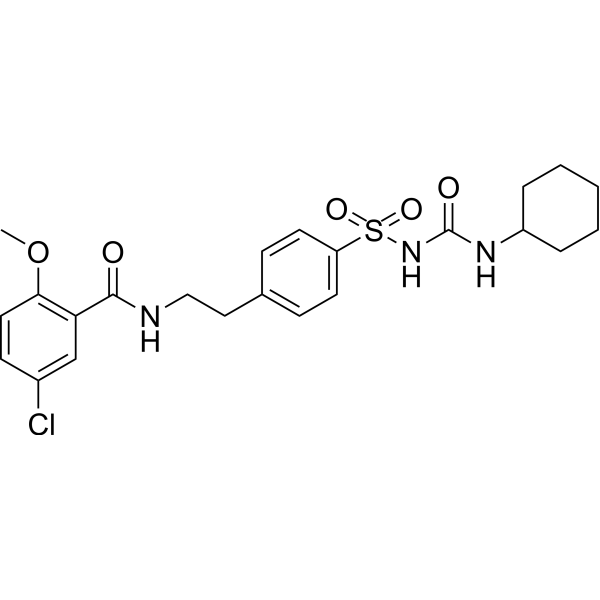
Glibenclamide (Glyburide) is an orally active ATP-sensitive K + channel (KATP) inhibitor and can be used for the research of diabetes and obesity . Glibenclamide inhibits P-glycoprotein. Glibenclamide directly binds and blocks the SUR1 subunits of KATP and inhibits the cystic fibrosis transmembrane conductance regulator protein (CFTR) . Glibenclamide interferes with mitochondrial bioenergetics by inducing changes on membrane ion permeability . Glibenclamide can induce autophagy .
|
-
- HY-150565
-
|
|
P-glycoprotein
|
Cancer
|
|
P-gp inhibitor 5 is a potent P-glycoprotein (P-gp) inhibitor. P-gp inhibitor 5 has antiproliferative activity against certain cancer cell lines. P-gp inhibitor 5 is effective in reversing the multidrug resistance (MDR) phenotype in ABCB1/Flp-In TM-293 and KBvin cells by restoring their sensitivity to Vincristine (HY-N0488A) and Paclitaxel (HY-B0015) .
|
-
- HY-181726
-
|
|
PERK
P-glycoprotein
Apoptosis
|
Cancer
|
|
BRAFV600E/ABL2-IN-2 is a dual BRAFV 600E and ABL2 kinase inhibitor, with an IC50 of 0.088 μM against human BRAFV 600E and an IC50 of 0.3 μM against human ABL2. BRAFV600E/ABL2-IN-2 reduces the phosphorylation levels of downstream ERK1/2 and CrkL in melanoma cells. BRAFV600E/ABL2-IN-2 decreases the expression of P-glycoprotein (P-glycoprotein) in melanoma cells. BRAFV600E/ABL2-IN-2 induces G1 cell cycle arrest and apoptosis (Apoptosis) in melanoma cells. BRAFV600E/ABL2-IN-2 is applicable to relevant research on melanoma .
|
-
- HY-17367AR
-
|
BMS-232632 sulfate (Standard)
|
Reference Standards
HIV
HIV Protease
SARS-CoV
Cytochrome P450
P-glycoprotein
Endogenous Metabolite
|
Infection
Cancer
|
|
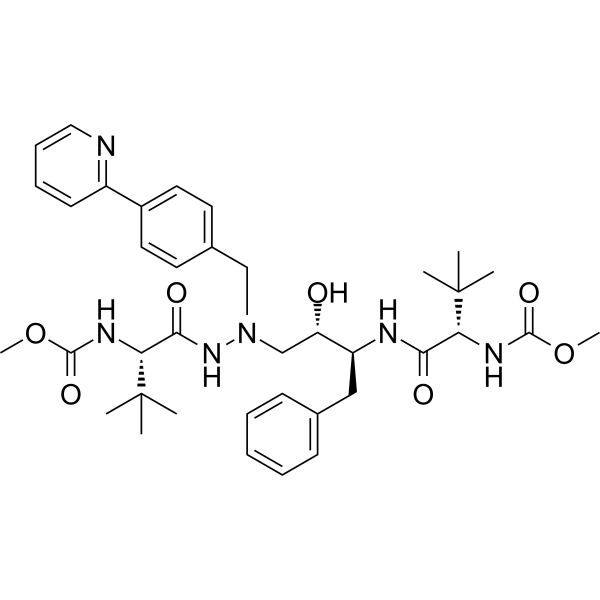
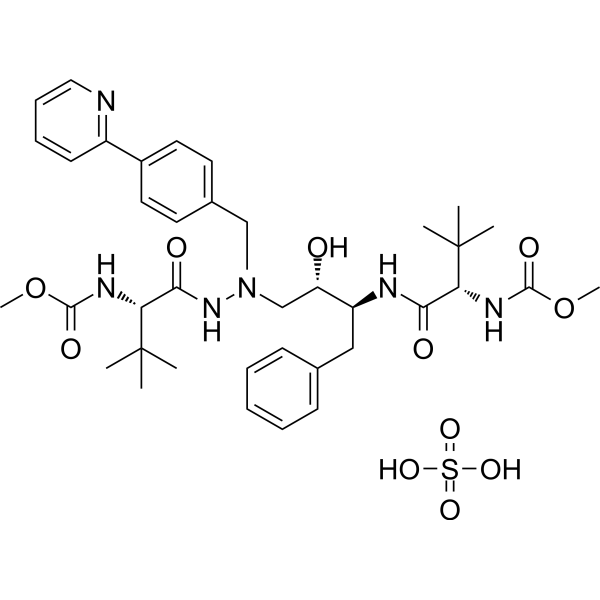
Atazanavir (sulfate) (Standard) is the analytical standard of Atazanavir (sulfate). This product is intended for research and analytical applications. Atazanavir (BMS-232632) sulfate, a highly selective HIV-1 protease inhibitor, is the first protease inhibitor approved for once-daily administration . Atazanavir sulfate is a substrate and inhibitor of CYP3A4, and an inhibitor and inducer of P-glycoprotein (P-gp) . Atazanavir sulfate is also a SARS-CoV 3CLpro inhibitor with an IC50 of
3.49 μM .
|
-
- HY-A0064S1
-
|
(±)-Verapamil-d6 hydrochloride; CP-16533-1-d6 hydrochloride
|
Isotope-Labeled Compounds
|
Cardiovascular Disease
|
|
Verapamil-d6 (CP-16533-1-d6) hydrochloride is the deuterium labled Verapamil (hydrochloride) (HY-A0064). Verapamil hydrochloride ((±)-Verapamil hydrochloride) is a calcium channel blocker and a potent and orally active first-generation P-glycoprotein (P-gp) inhibitor. Verapamil hydrochloride also inhibits CYP3A4. Verapamil hydrochloride has the potential for high blood pressure, heart arrhythmias and angina research .
|
-
- HY-168953
-
|
|
P-glycoprotein
Apoptosis
Bcl-2 Family
Reactive Oxygen Species (ROS)
Caspase
|
Cancer
|
|
Lysosomal P-gp targeted agent 1 (Compound 14) is an anti-tumor agent targeting lysosomal P-glycoprotein (Pgp). Lysosomal P-gp targeted agent 1 is selectively transported into lysosomes by overexpressed Pgp, release nitric oxide (NO) to generate reactive oxygen species (ROS), resulting in lysosomal membrane permeabilization (LMP) and inducing apoptosis. Lysosomal P-gp targeted agent 1 can overcome P-glycoprotein-mediated drug resistance and lead to cell cycle arrest, but relatively low toxicity to normal cells. Lysosomal P-gp targeted agent 1 has antitumor activity, significantly inhibits tumor volume .
|
-
- HY-B0532AS
-
|
|
Isotope-Labeled Compounds
Dopamine Receptor
Adrenergic Receptor
CaMK
P-glycoprotein
Influenza Virus
Autophagy
|
Neurological Disease
Cancer
|
|
Trifluoperazine-d3 (dihydrochloride) is deuterium labeled Trifluoperazine (dihydrochloride). Trifluoperazine dihydrochloride, an antipsychotic agent, acts by blocking central dopamine receptors. Trifluoperazine dihydrochloride is a potent α1-adrenergic receptor antagonist. Trifluoperazine dihydrochloride is a potent NUPR1 inhibitor exerting anticancer activity. Trifluoperazine dihydrochloride is a calmodulin inhibitor, and also inhibits P-glycoprotein. Trifluoperazine dihydrochloride can be used for the research of schizophrenia. Trifluoperazine dihydrochloride acts as a reversible inhibitor of influenza virus morphogenesis .
|
-
- HY-173222
-
|
|
P-glycoprotein
|
Cancer
|
|
P-gp inhibitor 28 (Compound 4h) is an inhibitor targeting P-glycoprotein (P-gp). It can inhibit the proliferation of cancer cells, and its IC50 value for MCF-7/ADR cells is between 15.88 and 21.96 μM. P-gp inhibitor 28 can increase the accumulation of Rho123 in MCF-7/ADR cells and can be used in research related to cancer and overcoming multidrug resistance in tumors .
|
-
- HY-B0532B
-
|
|
Dopamine Receptor
Adrenergic Receptor
P-glycoprotein
CaMK
Influenza Virus
Autophagy
|
Infection
Neurological Disease
Cancer
|
|
Trifluoperazine dimaleate, an antipsychotic agent, acts by blocking central dopamine receptors. Trifluoperazine dimaleate is a potent α1-adrenergic receptor antagonist. Trifluoperazine dimaleate is a potent NUPR1 inhibitor exerting anticancer activity. Trifluoperazine dimaleate is a calmodulin inhibitor, and also inhibits P-glycoprotein. Trifluoperazine dimaleate can be used for the research of schizophrenia. Trifluoperazine dimaleate acts as a reversible inhibitor of influenza virus morphogenesis .
|
-
- HY-N0069R
-
|
Solamargin (Standard); δ-Solanigrine (Standard)
|
P-glycoprotein
Reference Standards
Apoptosis
|
Cancer
|
|
Solamargine (Standard) is the analytical standard of Solamargine. This product is intended for research and analytical applications. Solamargine, a derivative from the steroidal solasodine in Solanum species, exhibits anticancer activities in numerous types of cancer. Solamargine induces non-selective cytotoxicity and P-glycoprotein inhibition. Solamargine significantly inhibits migration and invasion of HepG2 cells by down-regulating MMP-2 and MMP-9 expression and activity .
|
-
- HY-W017378R
-
|
|
Drug Intermediate
Reference Standards
|
Others
|
|
Solamargine (Standard) is the analytical standard of Solamargine. This product is intended for research and analytical applications. Solamargine, a derivative from the steroidal solasodine in Solanum species, exhibits anticancer activities in numerous types of cancer. Solamargine induces non-selective cytotoxicity and P-glycoprotein inhibition. Solamargine significantly inhibits migration and invasion of HepG2 cells by down-regulating MMP-2 and MMP-9 expression and activity .
|
-
- HY-15134
-
|
OC 144-093; OC 144093
|
P-glycoprotein
|
Infection
Cancer
|
|
ONT-093 (OC 144-093) is a potent and orally active inhibitor of P-glycoprotein pump. ONT-093 inhibits P-gp-mediated ATPase activity with an IC50 of 0.16 μM. ONT-093 can inhibit drug efflux and increase bioavailability. ONT-093 reverses cancer cells multidrug resistance to chemotherapeutic drugs. ONT-093 can be used for the researches of cancer and infection, such as colon cancer and malarial .
|
-
- HY-15206S
-
|
|
Isotope-Labeled Compounds
Potassium Channel
Mitochondrial Metabolism
Autophagy
CFTR
P-glycoprotein
|
Metabolic Disease
|
|
Glyburide-d11 is the deuterium labeled Glibenclamide. Glibenclamide (Glyburide) is an orally active ATP-sensitive K+ channel (KATP) inhibitor and can be used for the research of diabetes and obesity . Glibenclamide inhibits P-glycoprotein. Glibenclamide directly binds and blocks the SUR1 subunits of KATP and inhibits the cystic fibrosis transmembrane conductance regulator protein (CFTR) . Glibenclamide interferes with mitochondrial bioenergetics by inducing changes on membrane ion permeability . Glibenclamide can induce autophagy .
|
-
- HY-N7917
-
|
|
P-glycoprotein
Apoptosis
Bcl-2 Family
|
Cancer
|
|
Tenacigenoside A is a multidrug resistance reversal agent and apoptosis inducer that selectively acts on P-glycoprotein and apoptosis-related proteins (BCL2, BCL-XL, BID). Tenacigenoside A exerts its key activity by regulating the expression of apoptosis-related proteins and inhibiting P-gp function, thereby inhibiting tumor cell proliferation, inducing tumor cell apoptosis, and reversing multidrug resistance in tumors. Tenacigenoside A can be used in research on malignant tumors such as lymphoma .
|
-
- HY-17367R
-
|
BMS-232632 (Standard)
|
Reference Standards
HIV
HIV Protease
SARS-CoV
Cytochrome P450
P-glycoprotein
Endogenous Metabolite
|
Infection
Cancer
|
|
Atazanavir (Standard) is the analytical standard of Atazanavir. This product is intended for research and analytical applications. Atazanavir (BMS-232632) is a highly selective and orally active HIV-1 protease inhibitor . Atazanavir is a substrate and inhibitor of CYP3A4, and an inhibitor of P-glycoprotein (P-gp). Atazanavir is also a SARS-CoV 3CL pro inhibitor with an IC50 of 3.49 μM. Atazanavir inhibits cardiac fibrosis, hyperlipidemia and induces malignant glioma death .
|
-
- HY-17367A
-
-
- HY-11018S2
-
|
R 64 766-d6
|
5-HT Receptor
Dopamine Receptor
P-glycoprotein
|
Neurological Disease
|
|
Risperidone-d6 (R 64 766-d6) is the deuterium labeled Risperidone (HY-11018). Risperidone is a serotonin 5-HT2 receptor blocker, P-Glycoprotein inhibitor and potent dopamine D2 receptor antagonist, with Kis of 4.8, 5.9 nM for 5-HT2A and dopamine D2 receptor, respectively .
|
-
- HY-183746
-
|
|
P-glycoprotein
SARS-CoV
Virus Protease
|
Infection
|
|
Catechin-5-O-gallate is a bioactive substance. Catechin-5-O-gallate can be isolated from bioactive Himalayan plants. Catechin-5-O-gallate is predicted to be a P-glycoprotein inhibitor, and binds to SARS-CoV-2 3CLpro, PLpro and RdRp. Catechin-5-O-gallate can be used in studies related to COVID-19 .
|
-
- HY-146097
-
|
|
P-glycoprotein
Apoptosis
|
Cancer
|
|
RMS5, a tetrandrine analogue, is a potent P-glycoprotein (P-gp) inhibitor. RMS5 has markedly antiproliferative and cytotoxic effects on cancer cells. RMS5 slightly diminishes the expression of the anti-apoptotic Bcl-2 family proteins Bcl-XL and Mcl-1. RMS3 causes PARP cleavage, a marker for cells undergoing apoptosis. RMS5 has strong anticancer property .
|
-
- HY-11018S1
-
-
- HY-N1941
-
-
- HY-W030796R
-
|
|
Taste Receptor
Reference Standards
|
Metabolic Disease
|
|
Trifluoperazine (dihydrochloride) (Standard) is the analytical standard of Trifluoperazine (dihydrochloride). This product is intended for research and analytical applications. Trifluoperazine dihydrochloride, an antipsychotic agent, acts by blocking central dopamine receptors. Trifluoperazine dihydrochloride is a potent α1-adrenergic receptor antagonist. Trifluoperazine dihydrochloride is a potent NUPR1 inhibitor exerting anticancer activity. Trifluoperazine dihydrochloride is a calmodulin inhibitor, and also inhibits P-glycoprotein. Trifluoperazine dihydrochloride can be used for the research of schizophrenia. Trifluoperazine dihydrochloride acts as a reversible inhibitor of influenza virus morphogenesis .
|
-
- HY-B0532AR
-
|
|
Reference Standards
Dopamine Receptor
Adrenergic Receptor
CaMK
P-glycoprotein
Influenza Virus
Autophagy
|
Neurological Disease
Cancer
|
|
Trifluoperazine (dihydrochloride) (Standard) is the analytical standard of Trifluoperazine (dihydrochloride). This product is intended for research and analytical applications. Trifluoperazine dihydrochloride, an antipsychotic agent, acts by blocking central dopamine receptors. Trifluoperazine dihydrochloride is a potent α1-adrenergic receptor antagonist. Trifluoperazine dihydrochloride is a potent NUPR1 inhibitor exerting anticancer activity. Trifluoperazine dihydrochloride is a calmodulin inhibitor, and also inhibits P-glycoprotein. Trifluoperazine dihydrochloride can be used for the research of schizophrenia. Trifluoperazine dihydrochloride acts as a reversible inhibitor of influenza virus morphogenesis .
|
-
- HY-15206R
-
|
Glyburide (Standard)
|
Mitochondrial Metabolism
Autophagy
CFTR
P-glycoprotein
Potassium Channel
Reference Standards
|
Metabolic Disease
|
|
Glibenclamide (Standard) is the analytical standard of Glibenclamide. This product is intended for research and analytical applications. Glibenclamide (Glyburide) is an orally active ATP-sensitive K + channel (KATP) inhibitor and can be used for the research of diabetes and obesity . Glibenclamide inhibits P-glycoprotein. Glibenclamide directly binds and blocks the SUR1 subunits of KATP and inhibits the cystic fibrosis transmembrane conductance regulator protein (CFTR) . Glibenclamide interferes with mitochondrial bioenergetics by inducing changes on membrane ion permeability . Glibenclamide can induce autophagy .
|
-
- HY-N16684
-
|
|
P-glycoprotein
|
Cancer
|
|
Clausarin is a selective inhibitor of P-glycoprotein (P-gp), inhibiting P-gp-mediated drug efflux. Clausarin significantly inhibits Daunorubicin (HY-13062A) efflux in K562/R7 human leukemia cells overexpressing P-gp (with Cyclosporin A (HY-B0579) as a positive control). Clausarin can be naturally extracted from the roots of Citrus sinensis (sweet orange) and can be used in research related to overcoming multidrug resistance (MDR) in tumors .
|
-
- HY-15206S1
-
|
Glyburide-d3
|
Potassium Channel
Mitochondrial Metabolism
Autophagy
CFTR
P-glycoprotein
|
Metabolic Disease
|
|
Glyburide-d3 is the deuterium labeled Glibenclamide. Glibenclamide (Glyburide) is an orally active ATP-sensitive K+ channel (KATP) inhibitor and can be used for the research of diabetes and obesity[1]. Glibenclamide inhibits P-glycoprotein. Glibenclamide directly binds and blocks the SUR1 subunits of KATP and inhibits the cystic fibrosis transmembrane conductance regulator protein (CFTR)[3]. Glibenclamide interferes with mitochondrial bioenergetics by inducing changes on membrane ion permeability[4]. Glibenclamide can induce autophagy[5].
|
-
- HY-155152
-
|
|
P-glycoprotein
BCRP
|
Cancer
|
|
P-gp/BCRP-IN-2 (compound 15) is an oxadiazole derivative and a dual inhibitor of the ABC transporter P-glycoprotein (IC50: 1.6 nM) and BCRP (IC50: 600 nM). P-gp/BCRP-IN-2 also enhances the anti-proliferative effects of Doxorubicin (HY-15142A) in drug-resistant human adenocarcinoma colon cancer cell lines HT29/DX and MDCK-MDR1 cells .
|
-
- HY-17367S5
-
-
- HY-135194R
-
|
|
Drug Metabolite
Reference Standards
|
Others
|
|
Risperidone E-oxime (Standard) is the analytical standard of Risperidone E-oxime. This product is intended for research and analytical applications. Risperidone E-oxime is an impurity of Risperidone . Risperidone is a serotonin 5-HT2 receptor blocker, P-Glycoprotein inhibitor and potent dopamine D2 receptor antagonist, with Kis of 4.8, 5.9 nM for 5-HT2A and dopamine D2 receptor, respectively .
|
-
- HY-176193
-
|
|
P-glycoprotein
|
Cancer
|
|
P-gp modulator-7 (Compound 9e) is a P-glycoprotein (P-gp) inhibitor. P-gp modulator-7 occupies the channel entrance of P-gp with a unique T-shaped configuration, hindering the peristaltic extrusion mechanism of transmembrane domains TM12 and TM9, thereby inhibiting P-gp from pumping drugs out of cells and reversing the multidrug resistance (MDR) of tumor cells. P-gp modulator-7 is promising for research of cancers .
|
-
- HY-161776
-
|
|
P-glycoprotein
CDK
|
Cancer
|
|
P-gp/CDK2-IN-1 (Compound 4j) is an inhibitor for is inhibitor for P-glycoprotein (P-gp) and for cyclin-dependent kinase-2 (CDK2). P-gp/CDK2-IN-1 inhibits the proliferation of cancer cells SW-480 and MCF-7 wit IC50 of 38.6 μM and 26.6 μM. P-gp/CDK2-IN-1 exhibits antioxidant efficacy with EC50 of 580 μM in DPPH experiment .
|
-
- HY-15206S2
-
|
Glyburide-13C6
|
Isotope-Labeled Compounds
Autophagy
Mitochondrial Metabolism
Potassium Channel
CFTR
P-glycoprotein
|
Metabolic Disease
|
|
Glibenclamide- 13C6 (Glyburide- 13C6) is 13C labeled Glibenclamide. Glibenclamide (Glyburide) is an orally active ATP-sensitive K + channel (KATP) inhibitor and can be used for the research of diabetes and obesity . Glibenclamide inhibits P-glycoprotein. Glibenclamide directly binds and blocks the SUR1 subunits of KATP and inhibits the cystic fibrosis transmembrane conductance regulator protein (CFTR) . Glibenclamide interferes with mitochondrial bioenergetics by inducing changes on membrane ion permeability . Glibenclamide can induce autophagy .
|
-
- HY-17013A
-
|
MS-209
|
P-glycoprotein
|
Cancer
|
|
Dofequidar fumarate (MS-209) is an orally active quinoline compoundthat blocks P-glycoprotein (P-gp) and multidrug resistance-associated protein-1 (MDR-1). Dofequidar fumarate has highly potent reversing effect on multidrug-resistant tumor cells. Dofequidar fumarate competitively inhibits ABCB1/P-gp, ABCC1/MRP-1, blocks the efflux of chemotherapeutic agents, increases the drug concentration in cancer cells, and enhances the chemotherapeutic effect .
|
-
- HY-101791
-
|
|
P-glycoprotein
|
Cancer
|
|
P-gp inhibitor 1 is a novel inhibitor reversing P-glycoprotein-mediated multidrug resistance.
|
-
- HY-149360
-
|
|
P-glycoprotein
|
Cancer
|
|
P-gb-IN-1 (compound Ⅲ-8), a 2,5-disubstituted furan derivative, is a highly effective, broadspectrum P-glycoprotein (P-gp) inhibitor. P-gb-IN-1 displayed the reversal activity by inhibiting P-gp efflux. P-gb-IN-1 has a potent affinity to P-gp by forming H-bond interactions with residues Asn 721 and Met 986. P-gb-IN-1 possesses broad-spectrum reversal activity and low toxicity in MCF-7/ADR cells .
|
-
- HY-175838
-
|
|
P-glycoprotein
|
Cancer
|
|
P-gp-IN-32 is a P-glycoprotein (P-gp) inhibitor. P-gp-IN-32 exhibits low cytotoxicity and potent multidrug resistance (MDR) reversal activity against Doxorubicin (HY-15142A) in MCF7/ADR cells (IC50 = 0.11 μM, reversal fold (RF) = 215.9). P-gp-IN-32 can bind to P-gp directly, induce a conformation change of P-gp and inhibit the efflux function. P-gp-IN-32 can be used for the research of cancer, such as breast cancer .
|
-
- HY-10289A
-
|
RO-4876904 hydrochloride
|
Dipeptidyl Peptidase
GLP Receptor
P-glycoprotein
|
Metabolic Disease
|
|
Carmegliptin hydrochloride (RO-4876904 hydrochloride) is an orally active and potent DPP‑IV inhibitor with a human DPP‑IV IC50 of 6.8 nM. Carmegliptin hydrochloride binds to the S1 pocket of DPP‑IV, blocks the degradation of GLP‑1, potentiates endogenous GLP‑1, increases plasma insulin levels, alleviates hyperglycemia, improves glucose tolerance. Carmegliptin hydrochloride acts as a substrate for human P‑glycoprotein without inhibiting the transporter, shows low in vitro cell permeability. Carmegliptin hydrochloride can be used for the research of type 2 diabetes, non‑insulin‑dependent diabetes mellitus .
|
-
- HY-17013
-
|
MS-209 free base
|
P-glycoprotein
|
Cancer
|
|
Dofequidar (MS-209 free base) is an orally active quinoline compoundthat blocks P-glycoprotein (P-gp) and multidrug resistance-associated protein-1 (MDR-1). Dofequidar has highly potent reversing effect on multidrug-resistant tumor cells. Dofequidar competitively inhibits ABCB1/P-gp, ABCC1/MRP-1, blocks the efflux of chemotherapeutic agents, increases the drug concentration in cancer cells, and enhances the chemotherapeutic effect .
|
-
- HY-132866
-
|
|
P-glycoprotein
|
Cancer
|
|
YS-370 (compound 44) is a potent, high selective, and orally active inhibitor of P-glycoprotein (P-gp). YS-370 stimulates the P-gp ATPase activity and has moderate inhibition against CYP3A4. YS-370 effectively reverses multidrug resistance (MDR) to paclitaxel and colchicine in SW620/AD300 and HEK293T-ABCB1 cells. YS-370 in combination with paclitaxel achieves much stronger antitumor activity .
|
-
- HY-17013D
-
|
MS-209 sesquifumarate
|
P-glycoprotein
|
Cancer
|
|
Dofequidar (MS-209) sesquifumarate is an orally active quinoline compoundthat blocks P-glycoprotein (P-gp) and multidrug resistance-associated protein-1 (MDR-1). Dofequidar sesquifumarate has highly potent reversing effect on multidrug-resistant tumor cells. Dofequidar sesquifumarate competitively inhibits ABCB1/P-gp, ABCC1/MRP-1, blocks the efflux of chemotherapeutic agents, increases the drug concentration in cancer cells, and enhances the chemotherapeutic effect .
|
-
- HY-N6932
-
|
|
Cannabinoid Receptor
P-glycoprotein
PI3K
Akt
mTOR
Apoptosis
Autophagy
EGFR
|
Metabolic Disease
Cancer
|
|
Voacamine is an indole alkaloid with cannabinoid 1 (CB1) antagonistic activity. Voacamine can inhibit nuclear translocation. Voacamine is effective in enhancing the effect of Doxorubicin (HY-15142A) as it interferes with the P-glycoprotein (P-gp) function. Voacamine promotes apoptosis-independent autophagic cell death in human osteosarcoma cells. Voacamine activates mitochondrial-associated apoptosis signaling pathway and inhibition of PI3K/Akt/mTOR signaling pathway to suppress breast cancer progression. Voacamine inhibits EGFR to exert oncogenic activity against colorectal cancer .
|
-
- HY-175522
-
|
|
P-glycoprotein
Apoptosis
|
Cancer
|
|
P-gp-IN-31 is a P-glycoprotein (P-gp) inhibitor with IC50 values of 0.42 μM for KB cells and 0.43 μM for MDR KBvin cells. P-gp-IN-31 can pass P-gp-mediated drug efflux mechanisms and shows collateral sensitivity via P-gp downregulation. P-gp-IN-31 inhibits cell proliferation, induces apoptosis and arrests the cell cycle at G2/M phase. P-gp-IN-31 can be used for the research of cancer, such as multidrug-resistant (MDR) malignancies .
|
-
- HY-149277
-
|
|
P-glycoprotein
|
Cancer
|
|
FM04 is a potent P-glycoprotein (P-gp) inhibitor (EC50=83 nM). FM04 inhibits P-gp in 2 mechanism: (1)FM04 binds to Q1193, followed by interacting with the functionally critical residues H1195 and T1226; or (2)FM04 binds to I1115 (a functionally critical residue itself), disrupting the R262-Q1081-Q1118 interaction pocket and uncoupling ICL2-NBD2 interaction and thereby inhibiting P-gp .
|
-
- HY-149240
-
|
|
P-glycoprotein
|
Cancer
|
|
Anticancer agent 108 (Compound 3.10) is a potent P-gp inhibitor with significant antitumor activity and less toxicity to normal and pseudonormal cells. Anticancer agent 108 (Compound 3.10) had no acute toxic effect on С57BL/6 mice .
|
-
- HY-173162
-
|
|
P-glycoprotein
Potassium Channel
|
Cardiovascular Disease
Cancer
|
|
GPV0057 (Compound 5d) is a selective and potent P-glycoprotein (P-gp) inhibitor. GPV0057 is also a selective potassium channel Kir2.1 activator. GPV0057 competitively binds to the substrate-binding site of P-gp, inhibiting ATP-dependent drug efflux to reverse multidrug resistance in tumor cells. GPV0057 can also stabilizes the open state of Kir2.1 and promotes potassium ion influx. GPV0057 is promising for research of tumors with high P-gp expression, Kir2.1-deficient diseases such as heart failure and Andersen-Tawil Syndrome .
|
-
- HY-W009141
-
|
Glyceryl palmitate
|
P-glycoprotein
IAP
PI3K
Akt
Caspase
Apoptosis
|
Cancer
|
|
1-Monopalmitin (Glyceryl palmitate) is an activator of the PI3K/Akt pathway and an inhibitor of P-glycoprotein (P-gp). 1-Monopalmitin can induce G2/M arrest and caspase-dependent apoptosis in cancer cells, while inhibiting IAPs protein expression. 1-Monopalmitin can increase drug accumulation by inhibiting P-gp activity in intestinal Caco-2 cells. 1-Monopalmitin has the ability to induce protective autophagy and apoptosis of lung cancer cells (IC50=50-58 μg/mL), with low toxicity to normal cells .
|
-
- HY-17013AR
-
|
MS-209 (Standard)
|
P-glycoprotein
Reference Standards
|
Cancer
|
|
Dofequidar (fumarate) (Standard) is the analytical standard of Dofequidar (fumarate). This product is intended for research and analytical applications. Dofequidar fumarate (MS-209) is an orally active quinoline compoundthat blocks P-glycoprotein (P-gp) and multidrug resistance-associated protein-1 (MDR-1). Dofequidar fumarate has highly potent reversing effect on multidrug-resistant tumor cells. Dofequidar fumarate competitively inhibits ABCB1/P-gp, ABCC1/MRP-1, blocks the efflux of chemotherapeutic agents, increases the drug concentration in cancer cells, and enhances the chemotherapeutic effect .
|
-
- HY-G0017A
-
|
Norimatinib mesylate; Imatinib metabolite N-Desmethyl imatinib mesylate; CGP 74588 mesylate
|
Drug Metabolite
P-glycoprotein
Apoptosis
|
Neurological Disease
Cancer
|
|
N-Desmethyl imatinib mesylate (Norimatinib mesylate) is an active metabolite of Imatinib (HY-15463), a selective c‑Abl inhibitor, and a substrate of P‑glycoprotein. N-Desmethyl imatinib mesylate binds to the c-Abl catalytic domain to prevent substrate phosphorylation, inhibits c-Abl-mediated α-synuclein activation and downstream inflammatory signaling pathways. N-Desmethyl imatinib mesylate induces apoptosis in K562 human leukemia cells. N-Desmethyl imatinib mesylate exhibits significantly elevated plasma levels in gastrointestinal stromal tumor (GIST) settings following mild SARS CoV 2 infection. N-Desmethyl imatinib mesylate can be used for the research of Parkinson’s disease, gastrointestinal stromal tumor, and chronic myeloid leukemia .
|
-
- HY-G0017
-
|
Norimatinib; Imatinib metabolite N-Desmethyl imatinib; CGP 74588
|
Drug Metabolite
P-glycoprotein
Apoptosis
|
Neurological Disease
Cancer
|
|
N‑Desmethyl imatinib (Norimatinib) is an active metabolite of Imatinib (HY-15463), a selective c‑Abl inhibitor, and a substrate of P‑glycoprotein. N-Desmethyl imatinib binds to the c-Abl catalytic domain to prevent substrate phosphorylation, inhibits c-Abl-mediated α-synuclein activation and downstream inflammatory signaling pathways. N-Desmethyl imatinib induces apoptosis in K562 human leukemia cells. N-Desmethyl imatinib shows significantly elevated plasma levels in gastrointestinal stromal tumor (GIST) models with mild SARS-CoV-2 infection. N-Desmethyl imatinib can be used for the research of Parkinson’s disease, gastrointestinal stromal tumor, and chronic myeloid leukemia .
|
-
- HY-181675
-
|
|
Microtubule/Tubulin
Apoptosis
Bcl-2 Family
Caspase
|
Cancer
|
|
CHNQD-01522 is a microtubule inhibitor targeting the colchicine binding site on β-tubulin. CHNQD-01522 binds to the colchicine binding site on β-tubulin, inhibits microtubule polymerization, and evades P-glycoprotein transport in cancer cells. CHNQD-01522 inhibits proliferation, suppresses tumor cell colony formation, arrests cell cycle in G2/M phases, and induces apoptosis in cancer cells. CHNQD-01522 upregulates of Bax and activation of caspase-9 and caspase-3. CHNQD-01522 shows anti-tumor efficacy in subcutaneous and orthotopic hepatocellular carcinoma xenograft tumor models. CHNQD-01522 can be used for the research of hepatocellular carcinoma .
|
-
- HY-Z15823
-
|
Dexverapamil
|
Calcium Channel
Potassium Channel
Somatostatin Receptor
Arrestin
Apoptosis
P-glycoprotein
|
Metabolic Disease
Inflammation/Immunology
|
|
(R)-Verapamil (Dexverapamil) is an optically enantiomer of the oral-active Verapamil (HY-14275). (R)-Verapamil has a relatively low affinity for L-type calcium channels (Cav1.2) (IC50 > 300 μM), and its IC50 for sodium channels (sodium channel) is 3.19 μM. (R)-Verapamil exhibits SSTR2 agonistic activity, with an EC50 of 1.3 μM. (R)-Verapamil significantly downregulates the expression of TXNIP protein in diabetic mouse models and significantly inhibits β-cell apoptosis (apoptosis), effectively controlling blood sugar. (R)-Verapamil can be used as a PET tracer for the function of P-glycoprotein (P-gp) .
|
-
- HY-176287
-
|
|
Dopamine Receptor
GSK-3
PKA
P-glycoprotein
|
Neurological Disease
|
|
ARN25657 is a dual-acting D3R/GSK-3β modulator. ARN25657 has both partial D3R agonist activity (EC50 = 15.2 nM, Ki =1.5 nM) and potent GSK-3β inhibitor activity (IC50 = 19.3 nM). ARN25657 exhibits excellent GSK-3β selectivity over FYN, PKA, and CDK5/p35. ARN25657 inhibits P-glycoprotein (P-gP)-mediated acetoxymethyl calcein efflux and improves in vitro ADME properties while maintaining a balanced dual-target profile. ARN25657 is useful for studying bipolar disorder and related neuropsychiatric disorders .
|
-
- HY-P990196
-
|
|
P-glycoprotein
|
Cancer
|
|
Anti-Monkey/Human MDR-1/CD243 Antibody (UIC2) is an anti-monkey/human MDR-1/CD243 IgG2a monoclonal antibody. Anti-Monkey/Human MDR-1/CD243 Antibody (UIC2) can efficiently inhibit P-glycoprotein. Anti-Monkey/Human MDR-1/CD243 Antibody (UIC2) enhances the inhibitory effect on multidrug resistance (MDR) by suppressing drug efflux. Anti-Monkey/Human MDR-1/CD243 Antibody (UIC2) can be used for research on cancer .
|
-
- HY-W009141R
-
|
Glyceryl palmitate (Standard)
|
Reference Standards
Apoptosis
P-glycoprotein
PI3K
IAP
Caspase
Akt
|
Cancer
|
|
1-Monopalmitin (Glyceryl palmitate) (Standard) is the analytical standard of 1-Monopalmitin (HY-W009141). This product is intended for research and analytical applications. 1-Monopalmitin (Glyceryl palmitate) is an activator of the PI3K/Akt pathway and an inhibitor of P-glycoprotein (P-gp). 1-Monopalmitin can induce G2/M arrest and caspase-dependent apoptosis in cancer cells, while inhibiting IAPs protein expression. 1-Monopalmitin can increase drug accumulation by inhibiting P-gp activity in intestinal Caco-2 cells. 1-Monopalmitin has the ability to induce protective autophagy and apoptosis of lung cancer cells (IC50=50-58 μg/mL), with low toxicity to normal cells .
|
-
- HY-W009141S
-
|
Glyceryl palmitate-d31
|
Isotope-Labeled Compounds
P-glycoprotein
PI3K
Apoptosis
Caspase
IAP
Akt
|
Cancer
|
|
1-Monopalmitin-d31 (Glyceryl palmitate-d31) is the deuterium labeled 1-Monopalmitin (HY-W009141). 1-Monopalmitin (Glyceryl palmitate) is an activator of the PI3K/Akt pathway and an inhibitor of P-glycoprotein (P-gp). 1-Monopalmitin can induce G2/M arrest and caspase-dependent apoptosis in cancer cells, while inhibiting IAPs protein expression. 1-Monopalmitin can increase drug accumulation by inhibiting P-gp activity in intestinal Caco-2 cells. 1-Monopalmitin has the ability to induce protective autophagy and apoptosis of lung cancer cells (IC50=50-58 μg/mL), with low toxicity to normal cells .
|
-
- HY-101791R
-
|
|
Reference Standards
P-glycoprotein
|
Cancer
|
|
P-gp inhibitor 1 (Standard) is the analytical standard of P-gp inhibitor 1 (HY-101791). This product is intended for research and analytical applications. P-gp inhibitor 1 is a novel inhibitor reversing P-glycoprotein-mediated multidrug resistance.
|
-
- HY-173182
-
|
|
Microtubule/Tubulin
P-glycoprotein
|
Cancer
|
|
Antitumor agent-200 (Compound 2g) is a microtubule synthesis inhibitor. By binding to the colchicine site of tubulin, it causes G2/M cell cycle arrest and generates reactive oxygen species (ROS). Antitumor agent-200 exhibits significant inhibitory activity against MCF7/ADR and KBV200 cell lines with overexpression of P-glycoprotein (P-gp), with drug resistance indices (DRI) of 0.83 and 0.58 respectively. In the MCF-7 xenograft model, Antitumor agent-200 (25 mg/kg, intraperitoneal injection) can achieve a tumor growth inhibition rate of 57.2%. Antitumor agent-200 can be used in the research of the anti-cancer field .
|
-
- HY-W787758
-
|
4-yn-VPA
|
HDAC
P-glycoprotein
|
Neurological Disease
Cancer
|
|
2-Propylpent-4-ynoic acid (4-yn-VPA) is a HDAC inhibitor (with an IC50 of 0.5 mM against human HDAC). 2-Propylpent-4-ynoic acid also induces P-glycoprotein function, and exhibits teratogenicity, fetal growth inhibition and neurotoxicity. 2-Propylpent-4-ynoic acid shows significant stereospecific teratogenic effects, with the S-enantiomer being more teratogenic than the R-enantiomer and other analogs. The neurotoxicity of 2-Propylpent-4-ynoic acid is independent of its stereochemical structure. 2-Propylpent-4-ynoic acid has been used in studies related to the pathogenesis of colon cancer and neural tube defects such as exencephaly .
|
-
- HY-136589
-
-
- HY-G0017S1
-
|
Norimatinib-d4; Imatinib metabolite N-Desmethyl imatinib-d4; CGP 74588-d4
|
Isotope-Labeled Compounds
Drug Metabolite
P-glycoprotein
Apoptosis
|
Neurological Disease
Cancer
|
|
N-Desmethyl imatinib-d4 is the deuterium-labeled N-Desmethyl imatinib (HY-G0017). N‑Desmethyl imatinib (Norimatinib) is an active metabolite of Imatinib (HY-15463), a selective c‑Abl inhibitor, and a substrate of P‑glycoprotein. N-Desmethyl imatinib binds to the c-Abl catalytic domain to prevent substrate phosphorylation, inhibits c-Abl-mediated α-synuclein activation and downstream inflammatory signaling pathways. N-Desmethyl imatinib induces apoptosis in K562 human leukemia cells. N-Desmethyl imatinib exhibits significantly elevated plasma levels in gastrointestinal stromal tumor (GIST) settings following mild SARS CoV 2 infection. N-Desmethyl imatinib can be used for the research of Parkinson’s disease, gastrointestinal stromal tumor, and chronic myeloid leukemia .
|
-
- HY-181889
-
|
|
Ras
|
Cancer
|
|
KRAS G12C-IN-75 is an orally active, blood-brain barrier penetrant KRAS G12C inhibitor with an IC50 of 0.53 nM. KRAS G12C-IN-75 attenuates active transport mediated by P-glycoprotein (P-gp) and breast cancer resistance protein (BCRP). KRAS G12C-IN-75 inhibits tumor growth, regulates the expression of downstream MAPK target genes DUSP6 and SPRY4, and exhibits dose-dependent KRAS G12C alkylation in KRAS G12C-positive xenograft models. KRAS G12C-IN-75 can be used for research related to non-small cell lung cancer .
|
-
- HY-182383
-
|
|
CDK
Apoptosis
|
Cancer
|
|
VMY-1-101 is a fluorescent cyclin-dependent kinase (CDK) inhibitor, with an excitation of 410 nm and emission of 512 nm. VMY-1-101 competitively inhibits ATP binding to CDKs. VMY-1-101 induces G2/M cell cycle arrest in human breast cancer cells. VMY-1-101 induces modest apoptosis in human breast cancer cells. VMY-1-101 blocks proliferation of human breast cancer cells, including multidrug resistance-positive cells, and is not a substrate for p-glycoprotein. VMY-1-101 localizes to the cytoplasm of human breast cancer cells. VMY-1-101 shows increased binding to human breast cancer tissue compared to fluorophore alone. VMY-1-101 can be used for the research of breast cancer .
|
-
- HY-149981
-
|
|
P-glycoprotein
|
Cancer
|
P-gp inhibitor 13 is a P-gp inhibitor. P-gp inhibitor 13 can reverse P-glycoprotein-mediated paclitaxel resistance in A2780/T cell. P-gp inhibitor 13 can be used for the research of advanced acute myeloid leukemia .
|
-
- HY-11014
-
|
|
Beta-secretase
Cathepsin
|
Neurological Disease
|
|
NB-216 is an orally active and brain-penetrant BACE-1 inhibitor (IC50 = 17 nM). NB-216 has a strong inhibitory effect on cathepsin D (IC50 = 1 nM) and cathepsin E (IC50 = 0.4 nM). NB-216 can be used for the study of Alzheimer's disease .
|
-
- HY-G0017S
-
|
Norimatinib-d8; Imatinib metabolite N-Desmethyl imatinib-d8; CGP 74588-d8
|
Isotope-Labeled Compounds
Drug Metabolite
P-glycoprotein
Apoptosis
|
Neurological Disease
Cancer
|
|
N-Desmethyl imatinib-d8 is a deuterium labeled Imatinib metabolite N-Desmethyl Imatinib (HY-G0017). N‑Desmethyl imatinib (Norimatinib) is an active metabolite of Imatinib (HY-15463), a selective c‑Abl inhibitor, and a substrate of P‑glycoprotein. N-Desmethyl imatinib binds to the c-Abl catalytic domain to prevent substrate phosphorylation, inhibits c-Abl-mediated α-synuclein activation and downstream inflammatory signaling pathways. N-Desmethyl imatinib induces apoptosis in K562 human leukemia cells. N-Desmethyl imatinib exhibits significantly elevated plasma levels in gastrointestinal stromal tumor (GIST) settings following mild SARS CoV 2 infection. N-Desmethyl imatinib can be used for the research of Parkinson’s disease, gastrointestinal stromal tumor, and chronic myeloid leukemia .
|
-
- HY-118899
-
|
|
Endogenous Metabolite
|
Cancer
|
|
XR5944 is an anti-tumor compound with DNA-targeting activity. As a topoisomerase inhibitor, XR5944 can effectively inhibit the activities of topoisomerase I and II. XR5944 shows excellent anti-tumor activity against human and mouse tumor cells in vitro and in vivo. XR5944 exhibits significant potency in multiple cell lines, with IC50 values of 0.04-0.4 nM. XR5944 is not affected by atypical drug resistance in cells and remains significantly active even in cells overexpressing P-glycoprotein or multidrug resistance-related proteins. XR5944 showed anti-tumor efficacy in human tumor models of H69 small cell lung cancer and HT29 colon cancer, inducing tumor regression in most animals in the HT29 model. XR5944 can be used to study biological processes related to colon and lung cancer .
|
-
- HY-G0017R
-
|
Norimatinib (Standard); Imatinib metabolite N-Desmethyl imatinib (Standard); CGP 74588 (Standard)
|
Reference Standards
Drug Metabolite
P-glycoprotein
Apoptosis
|
Others
|
|
N‑Desmethyl imatinib (Standard) is the analytical standard of N‑Desmethyl imatinib (Norimatinib) (HY-G0017R). This product is intended for research and analytical applications. N‑Desmethyl imatinib (Norimatinib) is an active metabolite of Imatinib (HY-15463), a selective c‑Abl inhibitor, and a substrate of P‑glycoprotein. N-Desmethyl imatinib binds to the c-Abl catalytic domain to prevent substrate phosphorylation, inhibits c-Abl-mediated α-synuclein activation and downstream inflammatory signaling pathways. N-Desmethyl imatinib induces apoptosis in K562 human leukemia cells. N-Desmethyl imatinib exhibits significantly elevated plasma levels in gastrointestinal stromal tumor (GIST) settings following mild SARS CoV 2 infection. N-Desmethyl imatinib can be used for the research of Parkinson’s disease, gastrointestinal stromal tumor, and chronic myeloid leukemia .
|
-
- HY-15584A
-
|
HTI-286 trifluoroacetate; SPA-110 trifluoroacetate
|
Microtubule/Tubulin
ADC Payload
Apoptosis
|
Cancer
|
|
Taltobulin trifluoroacetate (HTI-286 trifluoroacetate), a synthetic analogue of the tripeptide hemiasterlin, is a potent antimicrotubule agent that circumvents P-glycoprotein-mediated resistance in vitro and in vivo. Taltobulin trifluoroacetate inhibits the polymerization of purified tubulin, disrupts microtubule organization in cells, and induces mitotic arrest, as well as apoptosis .
|
-
- HY-15584B
-
|
HTI-286 hydrochloride; SPA-110 hydrochloride
|
Microtubule/Tubulin
ADC Payload
Apoptosis
|
Cancer
|
|
Taltobulin hydrochloride (HTI-286 hydrochloride), a synthetic analogue of the tripeptide hemiasterlin, is a potent antimicrotubule agent that circumvents P-glycoprotein-mediated resistance in vitro and in vivo. Taltobulin hydrochloride inhibits the polymerization of purified tubulin, disrupts microtubule organization in cells, and induces mitotic arrest, as well as apoptosis .
|
-
- HY-15584
-
|
HTI-286; SPA-110
|
Microtubule/Tubulin
ADC Payload
Apoptosis
|
Cancer
|
|
Taltobulin (HTI-286), a synthetic analogue of the tripeptide hemiasterlin, is a potent antimicrotubule agent that circumvents P-glycoprotein-mediated resistance in vitro and in vivo. Taltobulin inhibits the polymerization of purified tubulin, disrupts microtubule organization in cells, and induces mitotic arrest, as well as apoptosis .
|
-
- HY-10982A
-
|
AS1413 dihydrochloride
|
Topoisomerase
|
Others
|
|
Amonafide dihydrochloride (AS1413 dihydrochloride) is a topoisomerase II (Topo II) inhibitor and DNA intercalator with activity in inducing apoptotic signaling. Amonafide dihydrochloride can inhibit the binding of Topo II to DNA, thereby preventing the synthesis of DNA and RNA. Amonafide dihydrochloride maintains cytotoxic activity in the presence of P-glycoprotein-mediated multidrug resistance (MDR) .
|
-
- HY-13774
-
|
|
P-glycoprotein
BCRP
|
Cancer
|
|
WK-X-34 is a low-toxicity, highly effective multidrug resistance reversal agent. By potently inhibiting the transport functions of P-glycoprotein (P-gp, ABCB1) and breast cancer resistance protein (BCRP), WK-X-34 significantly increases the intracellular accumulation of anticancer drugs and radiotracers in drug-resistant cells. WK-X-34 exerts no significant effect on MRP transporters. WK-X-34 not only restores the chemosensitivity of multidrug-resistant ovarian cancer cells, but also significantly enhances the uptake of 99mTc-Sestamibi in P-gp-positive xenograft tumors, brain and intestinal tissues. WK-X-34 exhibits extremely low toxicity and favorable safety profiles both in vitro and in mice (at doses up to 50 mg/kg), and can be used for research on overcoming multidrug resistance in ovarian cancer .
|
-
- HY-178382
-
|
|
Raf
Bcr-Abl
P-glycoprotein
PERK
Apoptosis
|
Cancer
|
|
BRAFV600E/ABL2-IN-1 is a BRAFV600E (IC50 = 0.088 μM)/ABL2 (IC50 = 0.3 μM) dual inhibitor. BRAFV600E/ABL2-IN-1 can diminish P-glycoprotein expression. BRAFV600E/ABL2-IN-1 effectively inhibits p-CrkL (Abl2 signaling) and p-ERK1/2 (BRAFV600E pathway) in A375-R melanoma cells. BRAFV600E/ABL2-IN-1 causes cell cycle arrest. BRAFV600E/ABL2-IN-1 significantly increases the percentage of late apoptotic cells. BRAFV600E/ABL2-IN-1 can be used for the study of melanoma .
|
-
- HY-138074
-
|
5-Ketomilbemycin A4 oxime; 5-Oxomilbemycin A4 5-oxime
|
Parasite
|
Infection
|
|
Milbemycin A4 oxime (5-Ketomilbemycin A4 oxime; 5-Oxomilbemycin A4 5-oxime) is a derivative of Milbemycin A4 (HY-126906) and a component of Milbemycin oxime (HY-B0778), both of which have insecticidal and nematicidal activities. Milbemycin A4 oxime (0.05 mg/kg) reduces the number of microfilariae in naturally infected dogs with D. immitis and inhibits the growth of clinical isolates of Candida glabrata (MIC80=16-32 μg/mL). Milbemycin A4 oxime (2.5 μg/mL) blocks the efflux of Fluconazole (HY-B0101) from clinical isolates of Candida glabrata. Milbemycin A4 oxime enhances doxorubicin-induced cell growth inhibition and increases the intracellular accumulation of doxorubicin and P-glycoprotein substrate Rhodamine 123 (HY-D0816) in doxorubicin-resistant but not sensitive MCF-7 breast cancer cells in a concentration-dependent manner.
|
-
- HY-16491
-
|
DJ-927
|
Microtubule/Tubulin
|
Cancer
|
|
Tesetaxel (DJ-927) is an orally active and brain-penetrant taxane tubulin inhibitor. Tesetaxel inhibits tubulin depolymerization with an IC50 of 0.44 μM. Tesetaxel inhibits cancer cells proliferation and shows potent antitumor activity against P-glycoprotein-positive cancer cells. Tesetaxel can be used for the research of cancer, such as solid tumors, liver metastasis, and advanced breast cancer .
|
-
- HY-155368
-
|
|
Cholinesterase (ChE)
|
Neurological Disease
|
|
BChE-IN-20 (compound 7c) is a highly potent BChE-selective inhibitor and exhibits IC50s of 105 and 2.3 nM for eqBChE and hBChE, respectively. BChE-IN-20 inhibits P glycoprotein with IC50 of 0.27 μM. BChE-IN-20 is a promising template to improve design and development of BChE-selective ligands of pharmaceutical interest, including inhibitors and fluorogenic probes.
|
-
- HY-168921
-
|
|
P-glycoprotein
Apoptosis
|
Cancer
|
|
ABCB1-IN-3 (Compound K27) is an orally active inhibitor of ABCB1, and induces apoptosis. ABCB1-IN-3 directly binds to ABCB1 to inhibit efflux function, ensuring stable intracellular concentration of Paclitaxel (PTX) (HY-B0015) without affecting ABCB1 normal expression. ABCB1-IN-3 significantly increases the sensitivity of ABCB1-mediated multidrug resistance (MDR) to Paclitaxel in vitro, enhances cell cycle arrest, and inhibits proliferation. BCB1-IN-3 combined with Paclitaxel exhibits potent tumor suppression in vivo without generating toxicity .
|
-
- HY-172771
-
|
|
PI3K
DNA-PK
P-glycoprotein
|
Cancer
|
|
Multi-target kinase inhibitor 4 (Compound 2) is a PI3K/DNA-PK inhibitor and potent chemosensitizer that can increase the amount of DNA double strand breaks induced by Doxorubicin (HY-15142A). Multi-target kinase inhibitor 4, is an efficient inhibitor of multidrug resistance (MDR) that exhibits inhibitory activity toward P-glycoprotein-mediated drug efflux. Multi-target kinase inhibitor 4 can be loaded into PEG-coated LNPs .
|
-
- HY-174469
-
|
|
PROTACs
P-glycoprotein
Apoptosis
Reactive Oxygen Species (ROS)
Akt
Bcl-2 Family
Na+/K+ ATPase
PI3K
|
Cancer
|
|
PROTAC PI3K/110β degrader-2 is a selective PI3K/p110β PROTAC degrader. PROTAC PI3K/110β degrader-2 can significantly degrade 110β protein and inhibit the expression of P-glycoprotein. PROTAC PI3K/110β degrader-2 can increase the level of reactive oxygen species (ROS). PROTAC PI3K/110β degrader-2 exerts anti-tumor effects by activating the endoplasmic reticulum stress (ERS)-mediated mitochondrial apoptosis pathway and inhibiting the AKT/Bcl-2 signaling pathway. PROTAC PI3K/110β degrader-2 can be used for research on cancer. (Pink: PI3K/110β Ligand (HY-75124); Blue: VHL Ligand (HY-125845); Black: Linker (HY-W002042)) .
|
-
- HY-151517
-
|
|
SOS1
Ras
|
Cancer
|
|
SOS1-IN-14 is a potent, selective and orally active SOS1 inhibitor with an IC50 value of 3.9 nM. SOS1-IN-14 can be absorbed in the intestine via a P-glycoprotein-mediated efflux mechanism. SOS1-IN-14 can be used to research KRAS-mutated cancers. SOS1-IN-14 has better potent tumor suppression than BI-3406 (HY-125817) .
|
-
- HY-10289
-
|
RO-4876904
|
Dipeptidyl Peptidase
GLP Receptor
P-glycoprotein
|
Metabolic Disease
|
|
Carmegliptin (RO-4876904) is an orally active and potent DPP IV inhibitor with a human DPP IV IC50 of 6.8 nM. Carmegliptin binds to the S1 pocket of DPP IV, blocks the degradation of GLP 1, potentiates endogenous GLP 1, increases plasma insulin levels, alleviates hyperglycemia, improves glucose tolerance. Carmegliptin acts as a substrate for human P glycoprotein without inhibiting the transporter, shows low in vitro cell permeability. Carmegliptin can be used for the research of type 2 diabetes, non insulin dependent diabetes mellitus .
|
-
- HY-183632
-
|
|
Microtubule/Tubulin
Apoptosis
|
Neurological Disease
Cancer
|
|
QW-5-70 is a potent colchicine‑site tubulin inhibitor that blocks tubulin polymerization. QW-5-70 induces mitotic and G2/M cell cycle arrest, triggers mitochondrial apoptosis, and suppresses cancer cell colony formation and migration. QW-5-70 overcomes P‑glycoprotein‑mediated multidrug resistance and inhibits drug‑resistant tumor growth. QW-5-70 demonstrates strong in vitro and in vivo antitumor efficacy in neuroblastoma and prostate cancer models. QW-5-70 can be used for the research of high-risk neuroblastoma and castration-resistant prostate cancer .
|
-
- HY-122616
-
|
|
Trk Receptor
|
Neurological Disease
|
|
PF-06273340 is a peripherally restricted pan-Trk inhibitor with IC50 values of 6, 4, 3 nM for TrkA, TrkB, and TrkC receptors. PF-06273340 binds in a DFG-out conformation, targeting less conserved kinase ligand binding domain regions outside the ATP binding pocket. PF-06273340 exhibits anti-hyperalgesic and analgesic effects. PF-06273340 can be used for the research of pain .
|
-
- HY-13631I
-
|
(1S,9R)-DX8951f
|
Drug Derivative
Topoisomerase
Apoptosis
|
Cancer
|
(1S,9R)-Exatecan mesylate ((1S,9R)-DX8951f) is a non-prodrug camptothecin derivative and a topoisomerase I inhibitor (IC50=0.975 μg/mL in mice and 0.82 μg/mL in humans). (1S,9R)-Exatecan mesylate blocks enzyme activity and induces apoptosis by stabilizing the enzyme-DNA cleavable complex. (1S,9R)-Exatecan mesylate not only effectively inhibits the proliferation of various malignant tumor cells and tumor growth, but also circumvents P-glycoprotein-mediated multidrug resistance. (1S,9R)-Exatecan mesylate is widely used in preclinical studies of various cancers such as pancreatic cancer, lung cancer, breast cancer, and leukemia . The chiral isomer of (1S,9R)-Exatecan mesylate is (1R,9R)-Exatecan mesylate (HY-13631J).
|
-
- HY-114243
-
|
|
NF-κB
JNK
Caspase
Apoptosis
|
Neurological Disease
Cancer
|
|
DpC is a selective, orally active iron chelator with anticancer activity. DpC acts on signaling pathway-related targets such as JNK, NF-κB, and its activity is competitively inhibited by another iron chelator Dp44mT (HY-18973). By chelating intracellular iron and copper ions in tumor cells to form redox-active complexes, DpC induces oxidative stress, activates the JNK, NF-κB pathways and downregulates IκBα, upregulates the expressions of neuroglobin and cytoglobin, activates caspase 3/9 to induce tumor cell apoptosis. It also overcomes P-glycoprotein-mediated multidrug resistance through a lysosome-targeting mechanism, and exhibits broad-spectrum synergistic effects when combined with various chemotherapeutic agents. DpC inhibits tumor metastasis and increases TNF-α levels in the tumor microenvironment to enhance endogenous immune responses. DpC is applicable to the research of various malignancies including neuroblastoma, pancreatic cancer, prostate cancer, lung cancer, and breast cancer .
|
-
- HY-13631J
-
|
(1R,9R)-DX8951f
|
Drug Derivative
Topoisomerase
Apoptosis
|
Cancer
|
(1R,9R)-Exatecan mesylate ((1R,9R)-DX8951f) is a non-prodrug camptothecin derivative and a potent topoisomerase I inhibitor (IC50=0.975 μg/mL in mice and 0.82 μg/mL in humans). (1R,9R)-Exatecan mesylate blocks enzyme activity and induces apoptosis by stabilizing the enzyme-DNA cleavable complex. (1R,9R)-Exatecan mesylate not only effectively inhibits the proliferation of various malignant tumor cells and tumor growth, but also circumvents P-glycoprotein-mediated multidrug resistance. (1R,9R)-Exatecan mesylate is widely used in preclinical studies of multiple cancers including pancreatic cancer, lung cancer, breast cancer, and leukemia . The low-activity isomer of (1R,9R)-Exatecan mesylate is (1S,9R)-Exatecan mesylate (HY-13631I).
|
-
| Cat. No. |
Product Name |
Type |
-
- HY-133948
-
|
Glyceryl palmitoleate
|
Biochemical Assay Reagents
|
|
1-Palmitoleoyl glycerol is a biologically active monoacylglycerol. It increases daunomycin accumulation, shown to inhibit P-glycoprotein in Caco-2 cells. 1-Palmitoleoyl glycerol induces thymocyte apoptosis.
|
| Cat. No. |
Product Name |
Target |
Research Area |
-
- HY-125486
-
|
|
P-glycoprotein
|
Cancer
|
|
Reversin 121 is a P-glycoprotein inhibitor. Reversin 121 increases the ATPase activity of MDR1. Reversin 121 reverses P-glycoprotein-mediated multidrug resistance. Reversin 121 can be used in the research of cancers .
|
-
- HY-136934
-
|
[Boc-Glu(Obzl)]2-Lys-Ome
|
P-glycoprotein
|
Cancer
|
|
Reversin 205 ([Boc-Glu(Obzl)]2-Lys-Ome) is a P-glycoprotein (ABCB1) inhibitor. Reversin 205 is a peptide chemosensitizer .
|
-
- HY-162396
-
|
|
P-glycoprotein
|
Cancer
|
|
P-gp inhibitor 21 (Compound 56) is an inhibitor for P-glycoprotein (P-gp) transport, which reverses P-gp-mediated multidrug resistance (MDR) and exhibits antitumor efficacy in mice without significant cytotoxicity .
|
| Cat. No. |
Product Name |
Target |
Research Area |
Image |
-
- HY-P990196
-
|
|
P-glycoprotein
|
Cancer
|
|
Anti-Monkey/Human MDR-1/CD243 Antibody (UIC2) is an anti-monkey/human MDR-1/CD243 IgG2a monoclonal antibody. Anti-Monkey/Human MDR-1/CD243 Antibody (UIC2) can efficiently inhibit P-glycoprotein. Anti-Monkey/Human MDR-1/CD243 Antibody (UIC2) enhances the inhibitory effect on multidrug resistance (MDR) by suppressing drug efflux. Anti-Monkey/Human MDR-1/CD243 Antibody (UIC2) can be used for research on cancer .
|
-
(5)
| Cat. No. |
Product Name |
Category |
Target |
Chemical Structure |
| Cat. No. |
Product Name |
Chemical Structure |
-
- HY-15206S1
-
|
|
|
Glyburide-d3 is the deuterium labeled Glibenclamide. Glibenclamide (Glyburide) is an orally active ATP-sensitive K+ channel (KATP) inhibitor and can be used for the research of diabetes and obesity[1]. Glibenclamide inhibits P-glycoprotein. Glibenclamide directly binds and blocks the SUR1 subunits of KATP and inhibits the cystic fibrosis transmembrane conductance regulator protein (CFTR)[3]. Glibenclamide interferes with mitochondrial bioenergetics by inducing changes on membrane ion permeability[4]. Glibenclamide can induce autophagy[5].
|
-
-
- HY-15206S
-
|
|
|
Glyburide-d11 is the deuterium labeled Glibenclamide. Glibenclamide (Glyburide) is an orally active ATP-sensitive K+ channel (KATP) inhibitor and can be used for the research of diabetes and obesity . Glibenclamide inhibits P-glycoprotein. Glibenclamide directly binds and blocks the SUR1 subunits of KATP and inhibits the cystic fibrosis transmembrane conductance regulator protein (CFTR) . Glibenclamide interferes with mitochondrial bioenergetics by inducing changes on membrane ion permeability . Glibenclamide can induce autophagy .
|
-
-
- HY-A0064S
-
|
|
|
Verapamil-d3 (hydrochloride) is the deuterium labeled Verapamil hydrochloride. Verapamil hydrochloride ((±)-Verapamil hydrochloride) is a calcium channel blocker and a potent and orally active first-generation P-glycoprotein (P-gp) inhibitor. Verapamil hydrochloride also inhibits CYP3A4. Verapamil hydrochloride has the potential for high blood pressure, heart arrhythmias and angina research .
|
-
-
- HY-110232
-
|
|
|
Risperidone-d4 is the deuterium labeled Risperidone. Risperidone is a serotonin 5-HT2 receptor blocker, P-Glycoprotein inhibitor and potent dopamine D2 receptor antagonist, with Kis of 4.8, 5.9 nM for 5-HT2A and dopamine D2 receptor, respectively.
|
-
-
- HY-G0017S
-
|
|
|
N-Desmethyl imatinib-d8 is a deuterium labeled Imatinib metabolite N-Desmethyl Imatinib (HY-G0017). N‑Desmethyl imatinib (Norimatinib) is an active metabolite of Imatinib (HY-15463), a selective c‑Abl inhibitor, and a substrate of P‑glycoprotein. N-Desmethyl imatinib binds to the c-Abl catalytic domain to prevent substrate phosphorylation, inhibits c-Abl-mediated α-synuclein activation and downstream inflammatory signaling pathways. N-Desmethyl imatinib induces apoptosis in K562 human leukemia cells. N-Desmethyl imatinib exhibits significantly elevated plasma levels in gastrointestinal stromal tumor (GIST) settings following mild SARS CoV 2 infection. N-Desmethyl imatinib can be used for the research of Parkinson’s disease, gastrointestinal stromal tumor, and chronic myeloid leukemia .
|
-
-
- HY-17367S4
-
|
|
|
Atazanavir-d6 is deuterium labeled Atazanavir. Atazanavir (BMS-232632), a highly selective HIV-1 protease inhibitor, is the first protease inhibitor approved for once-daily administration . Atazanavir (BMS-232632) is a substrate and inhibitor of CYP3A4, and an inhibitor and inducer of P-glycoprotein (P-gp) . Atazanavir is also a SARS-CoV 3CLpro inhibitor with an IC50 of 3.49 μM .
|
-
-
- HY-135328AS
-
|
|
|
Norverapamil-d7 (hydrochloride) is a deuterium labeled Norverapamil. Norverapamil ((±)-Norverapamil), an N-demethylated metabolite of Verapamil, is a L-type calcium channel blocker and a P-glycoprotein (P-gp) function inhibitor .
|
-
-
- HY-W654320
-
|
|
|
Piperin-d10 is deuterium labeled Piperine. Piperine is an alkaloid, can be isolated from pepper. Piperine can inhibit the activity of P-glycoprotein and CYP3A4. Piperine inhibits HeLa cells with an IC50 of 61.94±0.054 μg/mL .
|
-
-
- HY-N0007S
-
|
|
|
Bisdemethoxycurcumin-d8 (Curcumin III-d8) is the deuterium labeled Bisdemethoxycurcumin (HY-N0007A). Bisdemethoxycucurmin (Curcumin III) is a curcuminoid compound and an inhibitor of P-glycoprotein and ferroptosis. Bisdemethoxycucurmin exhibits multiple activities such as anti-oxidation, anti-inflammation and anti-tumor.
Bisdemethoxycucurmin can be used for the research of tumors and inflammatory diseases .
|
-
-
- HY-17367S2
-
|
|
|
Atazanavir-d9 is the deuterium labeled Atazanavir. Atazanavir (BMS-232632), a highly selective HIV-1 protease inhibitor, is the first protease inhibitor approved for once-daily administration . Atazanavir (BMS-232632) is a substrate and inhibitor of CYP3A4, and an inhibitor and inducer of P-glycoprotein (P-gp) . Atazanavir is also a SARS-CoV 3CLpro inhibitor with an IC50 of 3.49 μM .
|
-
-
- HY-11018S2
-
|
|
|
Risperidone-d6 (R 64 766-d6) is the deuterium labeled Risperidone (HY-11018). Risperidone is a serotonin 5-HT2 receptor blocker, P-Glycoprotein inhibitor and potent dopamine D2 receptor antagonist, with Kis of 4.8, 5.9 nM for 5-HT2A and dopamine D2 receptor, respectively .
|
-
-
- HY-135328S
-
|
|
|
Norverapamil-d7 is a deuterium labeled Norverapamil ((±)-Norverapamil). Norverapamil, an N-demethylated metabolite of Verapamil, is a L-type calcium channel blocker and a P-glycoprotein (P-gp) function inhibitor .
|
-
-
- HY-W699430
-
|
|
|
Norverapamil-d6 ((±)-Norverapamil-d6) hydrochloride is deuterium labeled Norverapamil (hydrochloride). Norverapamil hydrochloride ((±)-Norverapamil hydrochloride), an N-demethylated metabolite of Verapamil, is a L-type calcium channel blocker and a P-glycoprotein (P-gp) function inhibitor .
|
-
-
- HY-135336S
-
|
|
|
(R)-Verapamil-d7 (hydrochloride) is a deuterium labeled (R)-Verapamil hydrochloride. (R)-Verapamil hydrochloride ((R)-(+)-Verapamil hydrochloride) is a P-Glycoprotein inhibitor. (R)-Verapamil hydrochloride blocks MRP1 mediated transport, resulting in chemosensitization of MRP1-overexpressing cells to anticancer agents .
|
-
-
- HY-W702292
-
|
|
|
(R)-(+)-Verapamil-d6 (hydrochloride) is deuterium labeled (R)-Verapamil (hydrochloride). (R)-Verapamil hydrochloride ((R)-(+)-Verapamil hydrochloride) is a P-Glycoprotein inhibitor. (R)-Verapamil hydrochloride blocks MRP1 mediated transport, resulting in chemosensitization of MRP1-overexpressing cells to anticancer agents .
|
-
-
- HY-W777317
-
|
|
|
Elacridar-d4(Major) is the deuterium labeled Elacridar (HY-50879). Elacridar is an orally active P-glycoprotein (Pgp) and breast cancer resistance protein (BCRP) inhibitor. Elacridar can be used to examine the influence of efflux transporters on agent distribution to brain and the research of cancer .
|
-
-
- HY-14275S
-
|
|
|
Verapamil-d3 ((±)-Verapamil-d3) is deuterium labeled Verapamil. Verapamil ((±)-Verapamil) is a calcium channel blocker and a potent and orally active first-generation P-glycoprotein (P-gp) inhibitor. Verapamil also inhibits CYP3A4. Verapamil has the potential for high blood pressure, heart arrhythmias and angina research .
|
-
-
- HY-14275S2
-
|
|
|
Verapamil-d6 ((±)-Verapamil-d6) is deuterium labeled Verapamil. Verapamil ((±)-Verapamil) is a calcium channel blocker and a potent and orally active first-generation P-glycoprotein (P-gp) inhibitor. Verapamil also inhibits CYP3A4. Verapamil has the potential for high blood pressure, heart arrhythmias and angina research .
|
-
-
- HY-14275S1
-
|
|
|
Verapamil-d7 is the deuterium labeled Verapamil (HY-14275). Verapamil ((±)-Verapamil) is a calcium channel blocker and a potent and orally active first-generation P-glycoprotein (P-gp) inhibitor. Verapamil also inhibits CYP3A4. Verapamil has the potential for high blood pressure, heart arrhythmias and angina research .
|
-
-
- HY-17367S3
-
|
|
|
Atazanavir-d5 is the deuterium labeled Atazanavir. Atazanavir (BMS-232632), a highly selective HIV-1 protease inhibitor, is the first protease inhibitor approved for once-daily administration . Atazanavir (BMS-232632) is a substrate and inhibitor of CYP3A4, and an inhibitor and inducer of P-glycoprotein (P-gp) . Atazanavir is also a SARS-CoV 3CLpro inhibitor with an IC50 of 3.49 μM .
|
-
-
- HY-A0064S1
-
|
|
|
Verapamil-d6 (CP-16533-1-d6) hydrochloride is the deuterium labled Verapamil (hydrochloride) (HY-A0064). Verapamil hydrochloride ((±)-Verapamil hydrochloride) is a calcium channel blocker and a potent and orally active first-generation P-glycoprotein (P-gp) inhibitor. Verapamil hydrochloride also inhibits CYP3A4. Verapamil hydrochloride has the potential for high blood pressure, heart arrhythmias and angina research .
|
-
-
- HY-B0532AS
-
|
|
|
Trifluoperazine-d3 (dihydrochloride) is deuterium labeled Trifluoperazine (dihydrochloride). Trifluoperazine dihydrochloride, an antipsychotic agent, acts by blocking central dopamine receptors. Trifluoperazine dihydrochloride is a potent α1-adrenergic receptor antagonist. Trifluoperazine dihydrochloride is a potent NUPR1 inhibitor exerting anticancer activity. Trifluoperazine dihydrochloride is a calmodulin inhibitor, and also inhibits P-glycoprotein. Trifluoperazine dihydrochloride can be used for the research of schizophrenia. Trifluoperazine dihydrochloride acts as a reversible inhibitor of influenza virus morphogenesis .
|
-
-
- HY-11018S1
-
|
|
|
Risperidone-d4-1 (R 64 766-d4-1) is the deuterium labeled Risperidone (HY-11018). Risperidone is a serotonin 5-HT2 receptor blocker, P-Glycoprotein inhibitor and potent dopamine D2 receptor antagonist, with Kis of 4.8, 5.9 nM for 5-HT2A and dopamine D2 receptor, respectively.
|
-
-
- HY-17367S5
-
|
|
|
Atazanavir-d24 (BMS-232632-d24) is deuterium labeled Atazanavir. Atazanavir (BMS-232632) is a highly selective and orally active HIV-1 protease inhibitor . Atazanavir is a substrate and inhibitor of CYP3A4, and an inhibitor of P-glycoprotein (P-gp). Atazanavir is also a SARS-CoV 3CL pro inhibitor with an IC50 of 3.49 μM. Atazanavir inhibits cardiac fibrosis, hyperlipidemia and induces malignant glioma death .
|
-
-
- HY-15206S2
-
|
|
|
Glibenclamide- 13C6 (Glyburide- 13C6) is 13C labeled Glibenclamide. Glibenclamide (Glyburide) is an orally active ATP-sensitive K + channel (KATP) inhibitor and can be used for the research of diabetes and obesity . Glibenclamide inhibits P-glycoprotein. Glibenclamide directly binds and blocks the SUR1 subunits of KATP and inhibits the cystic fibrosis transmembrane conductance regulator protein (CFTR) . Glibenclamide interferes with mitochondrial bioenergetics by inducing changes on membrane ion permeability . Glibenclamide can induce autophagy .
|
-
-
- HY-G0017S1
-
|
|
|
N-Desmethyl imatinib-d4 is the deuterium-labeled N-Desmethyl imatinib (HY-G0017). N‑Desmethyl imatinib (Norimatinib) is an active metabolite of Imatinib (HY-15463), a selective c‑Abl inhibitor, and a substrate of P‑glycoprotein. N-Desmethyl imatinib binds to the c-Abl catalytic domain to prevent substrate phosphorylation, inhibits c-Abl-mediated α-synuclein activation and downstream inflammatory signaling pathways. N-Desmethyl imatinib induces apoptosis in K562 human leukemia cells. N-Desmethyl imatinib exhibits significantly elevated plasma levels in gastrointestinal stromal tumor (GIST) settings following mild SARS CoV 2 infection. N-Desmethyl imatinib can be used for the research of Parkinson’s disease, gastrointestinal stromal tumor, and chronic myeloid leukemia .
|
-
-
- HY-W009141S
-
|
|
|
1-Monopalmitin-d31 (Glyceryl palmitate-d31) is the deuterium labeled 1-Monopalmitin (HY-W009141). 1-Monopalmitin (Glyceryl palmitate) is an activator of the PI3K/Akt pathway and an inhibitor of P-glycoprotein (P-gp). 1-Monopalmitin can induce G2/M arrest and caspase-dependent apoptosis in cancer cells, while inhibiting IAPs protein expression. 1-Monopalmitin can increase drug accumulation by inhibiting P-gp activity in intestinal Caco-2 cells. 1-Monopalmitin has the ability to induce protective autophagy and apoptosis of lung cancer cells (IC50=50-58 μg/mL), with low toxicity to normal cells .
|
-
| Cat. No. |
Product Name |
|
Classification |
-
- HY-135328AS
-
|
(±)-Norverapamil-d7 hydrochloride; D591-d7 hydrochloride
|
|
Alkynes
|
|
Norverapamil-d7 (hydrochloride) is a deuterium labeled Norverapamil. Norverapamil ((±)-Norverapamil), an N-demethylated metabolite of Verapamil, is a L-type calcium channel blocker and a P-glycoprotein (P-gp) function inhibitor .
|
Your information is safe with us. * Required Fields.
Inquiry Information
- Product Name:
- Cat. No.:
- Quantity:
- MCE Japan Authorized Agent:

