1. Search Result
Search Result
Results for "

Platelet activation inhibitor

" in MedChemExpress (MCE) Product Catalog:

175

Inhibitors & Agonists

2

Screening Libraries

1

Biochemical Assay Reagents

12

Peptides

35

Natural
Products

16

Isotope-Labeled Compounds

2

Oligonucleotides

Cat. No. Product Name Target Research Areas Chemical Structure
  • HY-14654
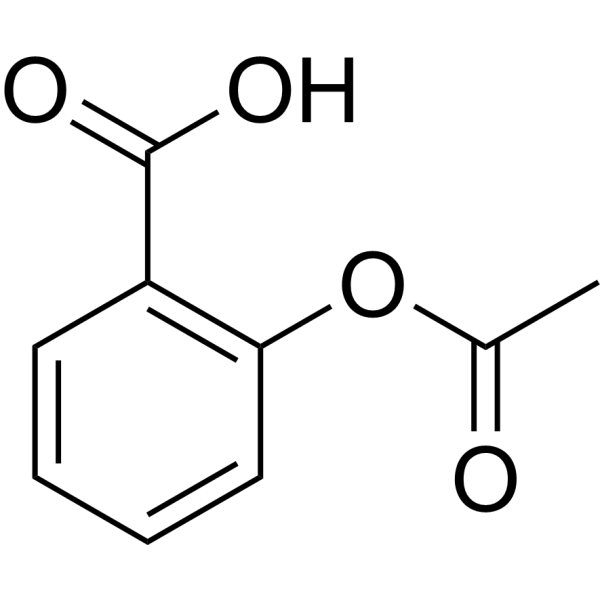
    Aspirin
    30+ Cited Publications

    Acetylsalicylic acid; ASA

    Environmental Pollutants Autophagy NF-κB Apoptosis COX Mitophagy Virus Protease Caspase p38 MAPK Cardiovascular Disease Infection Neurological Disease Metabolic Disease Inflammation/Immunology Cancer
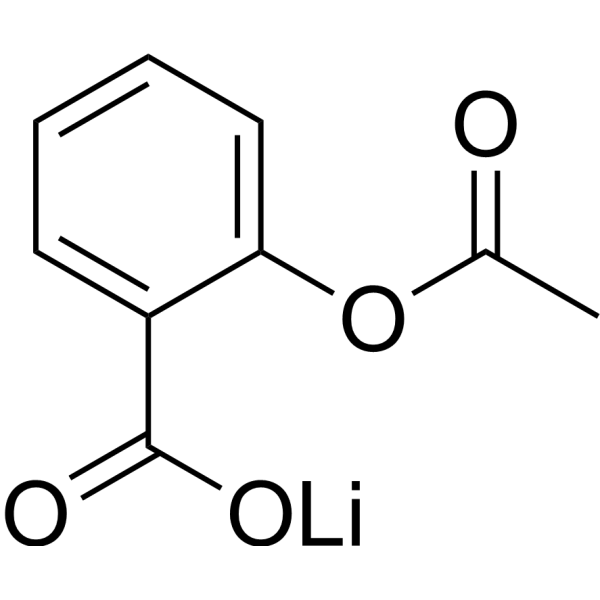
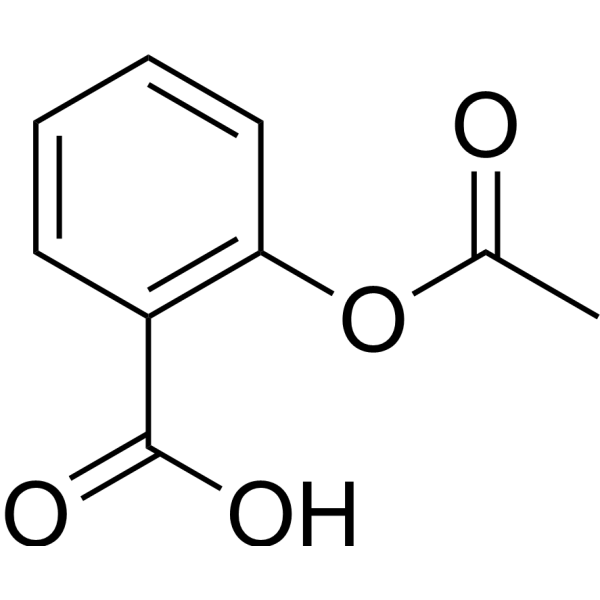
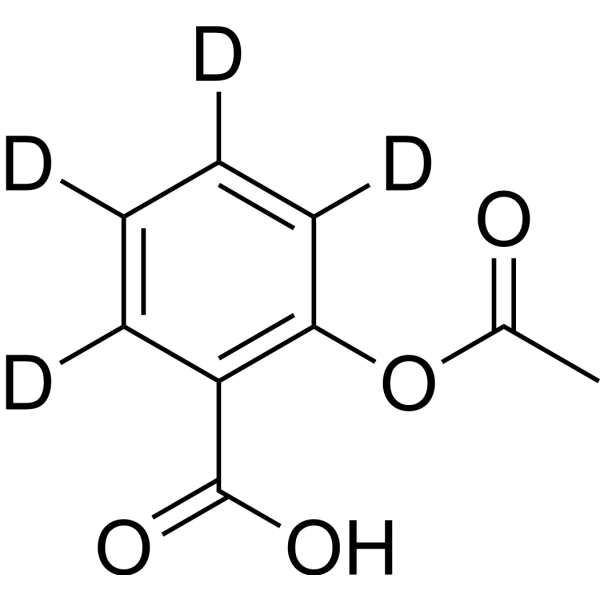
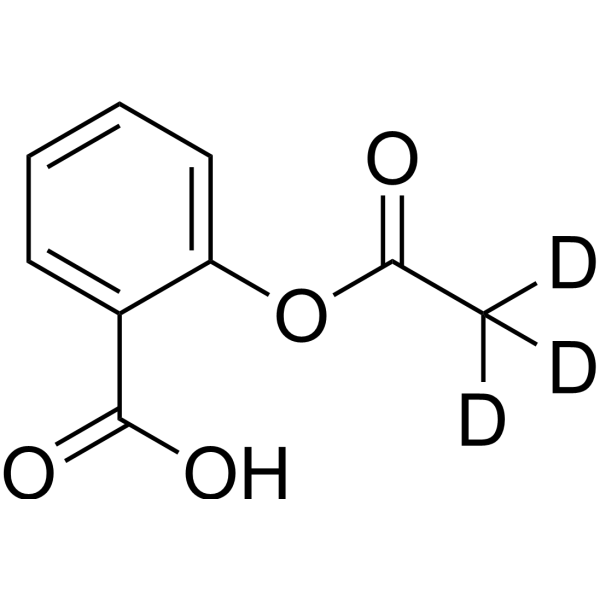
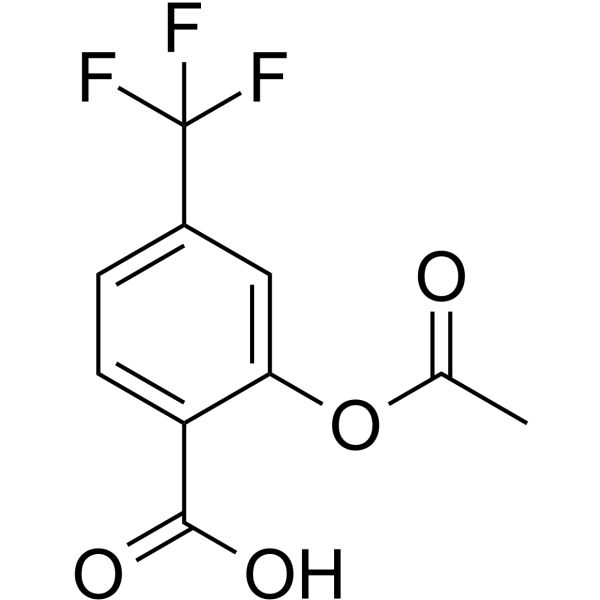
    Aspirin (Acetylsalicylic acid) is an orally active, potent and irreversible inhibitor of cyclooxygenase COX-1 and COX-2, with IC50 values of 5 and 210 μg/mL, respectively. Aspirin induces apoptosis. Aspirin inhibits the activation of NF-κB. Aspirin also inhibits platelet prostaglandin synthetase, and can prevent coronary artery and cerebrovascular thrombosis .
    Aspirin
  • HY-B1777
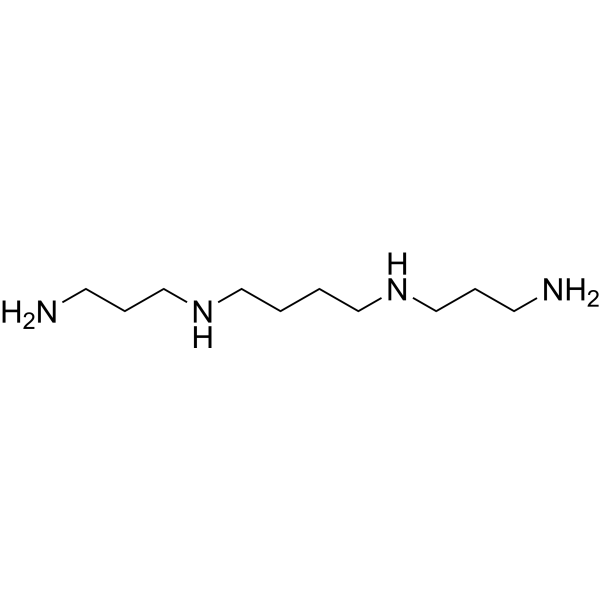
    Spermine
    5+ Cited Publications

    NSC 268508; Neuridine

    Endogenous Metabolite Bacterial Reactive Oxygen Species (ROS) DNA/RNA Synthesis Infection Neurological Disease Inflammation/Immunology
    Spermine is a natural antioxidant and anti-inflammatory agent. Spermine is known to inhibit some bacterial cultures, especially strains of Staphylococcus aureus. Spermine induces neurotoxicity in the striarum dose-dependently. Spermine can reversibly inhibits DNA synthetic response, mixed lymphocyte response and the induction of cytolytic lymphocyte response in primary cultures of murine spleen cells. Spermine tetrahydrochloride is a polyamine nitric oxide donor that can provide nitric oxide to platelets and inhibit platelet activation to a certain extent concentration-dependently. Spermine tetrahydrochloride occurs in mammalian tissues, plants, bacteria, ribosomes and bacteriophage. Spermine tetrahydrochloride inhibits primary human embryo lung fibroblasts in vitro .
    Spermine
  • HY-108635
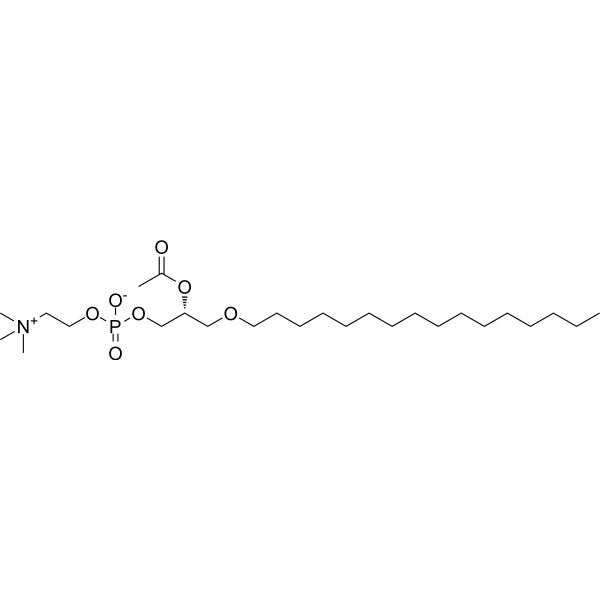
    C16-PAF
    Maximum Cited Publications
    40 Publications Verification

    PAF (C16)

    p38 MAPK MEK ERK Endogenous Metabolite Cardiovascular Disease Inflammation/Immunology
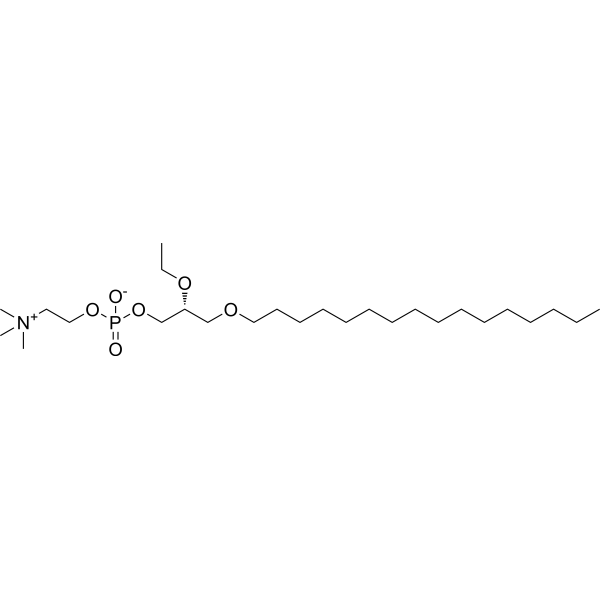
    C16-PAF (PAF (C16)), a phospholipid mediator, is a platelet-activating factor and ligand for PAF G-protein-coupled receptor (PAFR). C16-PAF exhibits anti-apoptotic effect and inhibits caspase-dependent death by activating the PAFR. C16-PAF is a potent MAPK and MEK/ERK activator. C16-PAF induces increased vascular permeability .
    C16-PAF
  • HY-10119
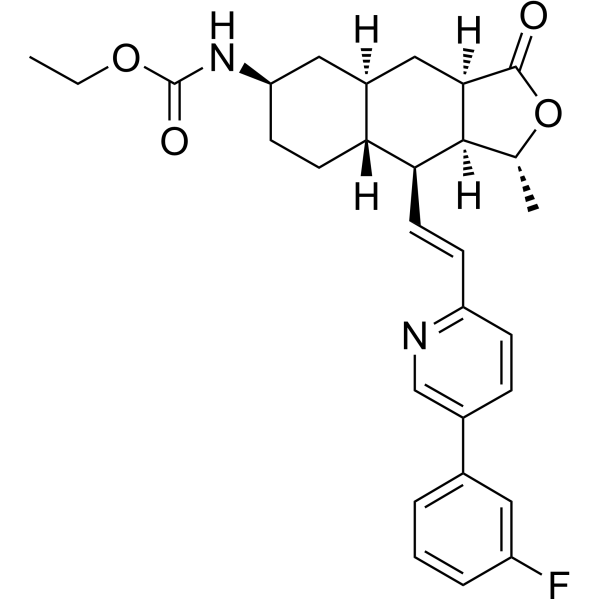
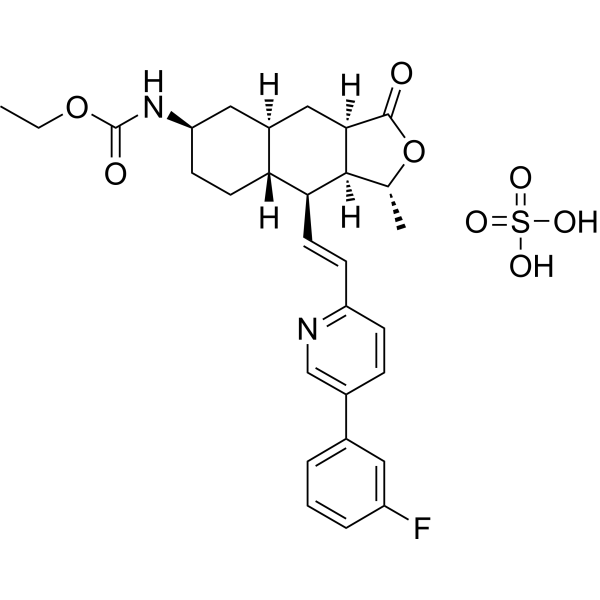
    Vorapaxar
    10+ Cited Publications

    SCH 530348

    Protease Activated Receptor (PAR) Cardiovascular Disease
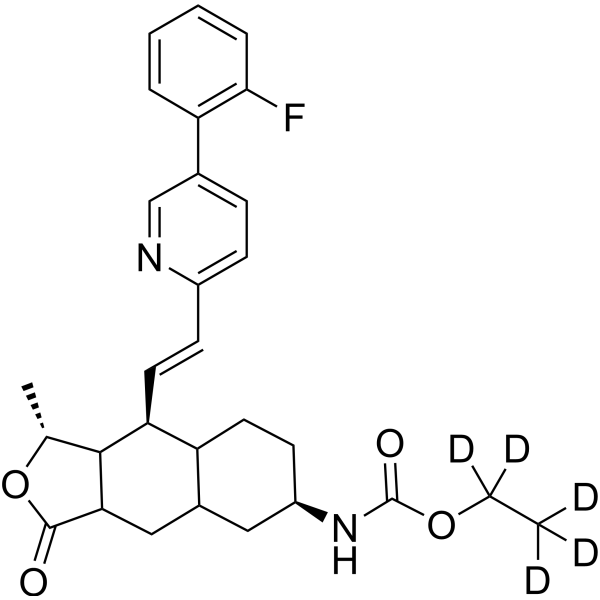
    Vorapaxar (SCH 530348), an antiplatelet agent, is a selective, orally active, and competitive thrombin receptor protease-activated receptor (PAR-1) antagonist (Ki=8.1 nM). Vorapaxar (SCH 530348) inhibits thrombin receptor-activating peptide (TRAP)-induced platelet aggregation in a dose-dependent manner .
    Vorapaxar
  • HY-P1929
    Bivalirudin
    Maximum Cited Publications
    9 Publications Verification

    Thrombin Interleukin Related RSV Infection Cardiovascular Disease Inflammation/Immunology
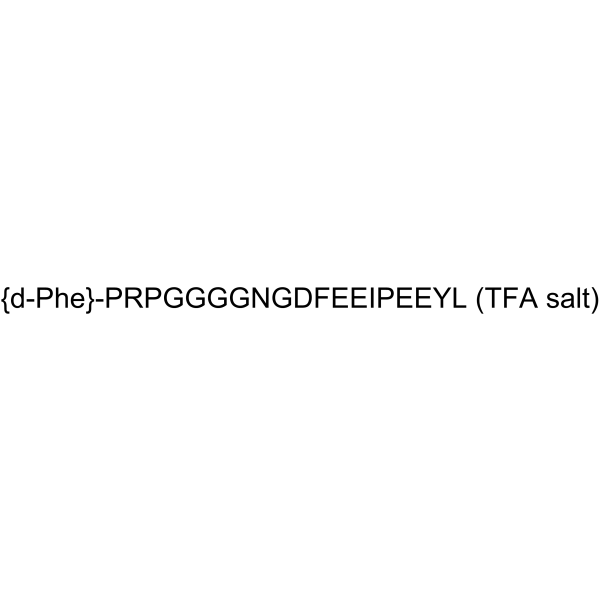
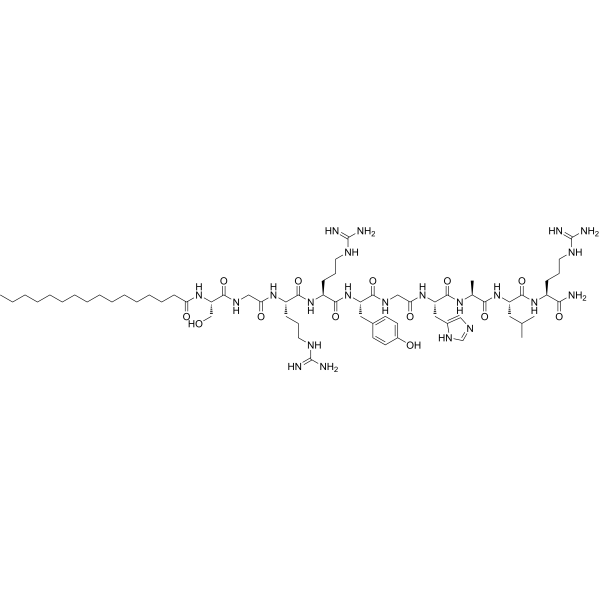
    Bivalirudin, a hirudin analog and anticoagulant, is a direct thrombin inhibitor. Bivalirudin inhibits thrombin-mediated fibrinogen cleavage, coagulation factor activation, and platelet activation by reversibly binding to thrombin. In addition, Bivalirudin also has certain effects of anti-virus, anti-inflammation, and vascular endothelial barrier function protection. Bivalirudin can be used for the research of thrombotic diseases and others .
    Bivalirudin
  • HY-13965
    Parmodulin 2
    5 Publications Verification

    ML161

    Protease Activated Receptor (PAR) Cardiovascular Disease
    Parmodulin 2 (ML161) is an allosteric inhibitor of protease-activated receptor 1 (PAR1) with an IC50 of 0.26 μM . Parmodulin 2 is a potent and non-competitive inhibitor of SFLLRN-induced P-selectin expression leading to inhibition of platelet aggregation in vitro and platelet thrombus formation in vivo .
    Parmodulin 2
  • HY-14993
    SCH79797
    5 Publications Verification

    Protease Activated Receptor (PAR) Apoptosis Cardiovascular Disease
    SCH79797 is a highly potent, selective nonpeptide protease activated receptor 1 (PAR1) antagonist. SCH79797 inhibits binding of a high-affinity thrombin receptor-activating peptide to PAR1 with an IC50 of 70 nM and a Ki of 35 nM. SCH79797 inhibits thrombin-induced platelet aggregation with an IC50 of 3 μM. SCH79797 has antiproliferative and pro-apoptotic effects, and limits myocardial ischemia/reperfusion injury in rat hearts. SCH79797 also potently prevents PAR1 activation in vascular smooth muscle cells, endothelial cells, and astrocytes .
    SCH79797
  • HY-P0074
    GPRP
    3 Publications Verification

    Gly-Pro-Arg-Pro; Pefa 6003

    Thrombin Cardiovascular Disease
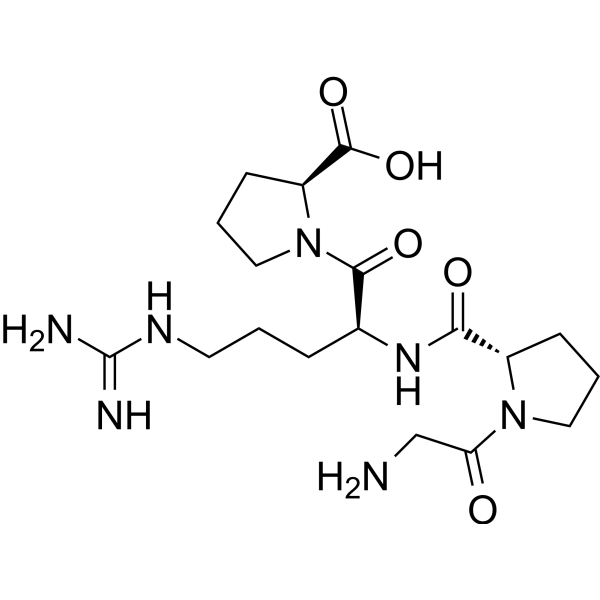
    GPRP (Gly-Pro-Arg-Pro; Pefa 6003) is a fibrin polymerization inhibitor that inhibits the interaction between fibrinogen and the platelet membrane glycoprotein Ⅱb/IIIa complex (glycoprotein IIb/IIIa receptor) . GPRP increases the level of free thrombin in activated platelet-rich plasma by reducing the adsorption of thrombin onto fibrin. GPRP inhibits platelet aggregation and prolongs the thrombin-initiated clotting time in plasma. GPRP is applicable for research related to thrombosis and thrombotic diseases .
    GPRP
  • HY-10119A
    Vorapaxar sulfate
    10+ Cited Publications

    SCH 530348 sulfate

    Protease Activated Receptor (PAR) Cardiovascular Disease
    Vorapaxar sulfate (SCH 530348 sulfate), an antiplatelet agent, is a selective, orally active, and competitive thrombin receptor protease-activated receptor (PAR-1) antagonist (Ki=8.1 nM). Vorapaxar sulfate inhibits thrombin receptor-activating peptide (TRAP)-induced platelet aggregation in a dose-dependent manner .
    Vorapaxar sulfate
  • HY-B1777A
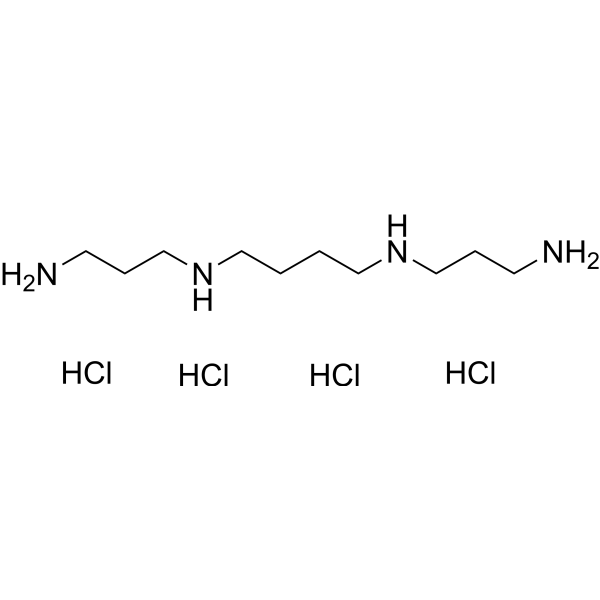
    Spermine tetrahydrochloride
    5+ Cited Publications

    Endogenous Metabolite Bacterial Reactive Oxygen Species (ROS) DNA/RNA Synthesis Infection Neurological Disease Inflammation/Immunology
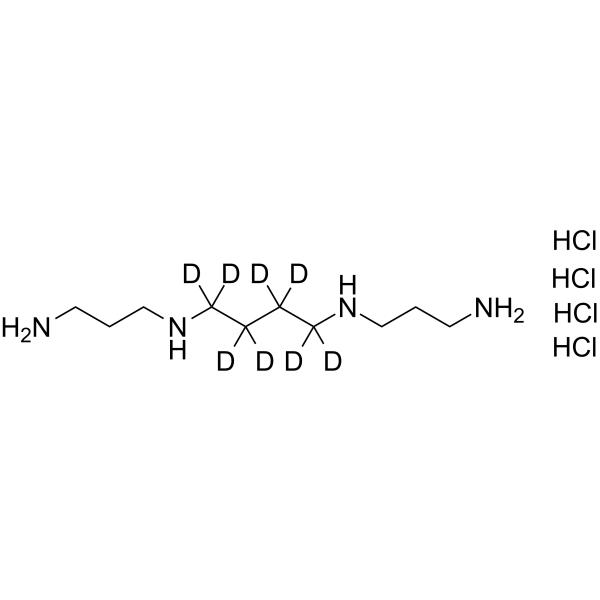
    Spermine tetrahydrochloride is a polyamine nitric oxide donor that can provide nitric oxide to platelets and inhibit platelet activation to a certain extent concentration-dependently. Spermine tetrahydrochloride occurs in mammalian tissues, plants, bacteria, ribosomes and bacteriophage. Spermine tetrahydrochloride inhibits primary human embryo lung fibroblasts in vitro. Spermine is a natural antioxidant and anti-inflammatory agent. Spermine is known to inhibit some bacterial cultures, especially strains of Staphylococcus aureus. Spermine induces neurotoxicity in the striarum dose-dependently. Spermine can reversibly inhibits DNA synthetic response, mixed lymphocyte response and the induction of cytolytic lymphocyte response in primary cultures of murine spleen cells .
    Spermine tetrahydrochloride
  • HY-107613
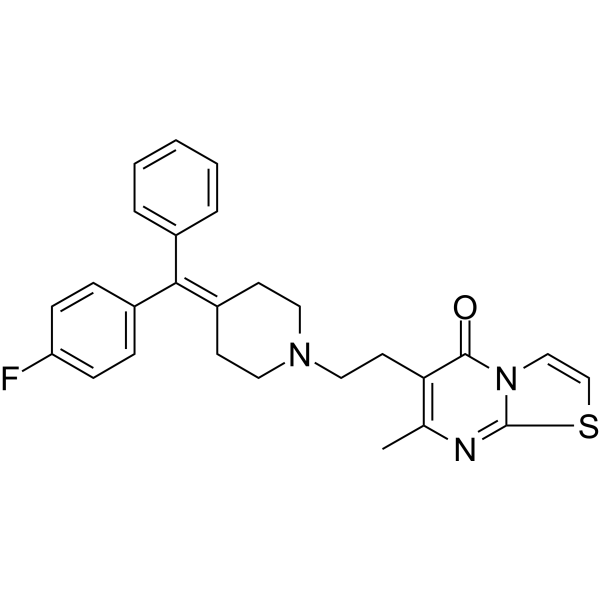
    R 59-022
    2 Publications Verification

    DKGI-I; Diacylglycerol kinase inhibitor I

    PKC 5-HT Receptor Inflammation/Immunology
    R 59-022 (DKGI-I) is a DGK inhibitor (IC50: 2.8 µM). R 59-022 inhibits the phosphorylation of OAG to OAPA. R 59-022 is a 5-HT Receptor antagonist, and activates protein kinase C (PKC). R 59-022 potentiates thrombin-induced diacylglycerol production in platelets and inhibits phosphatidic acid production in neutrophils .
    R 59-022
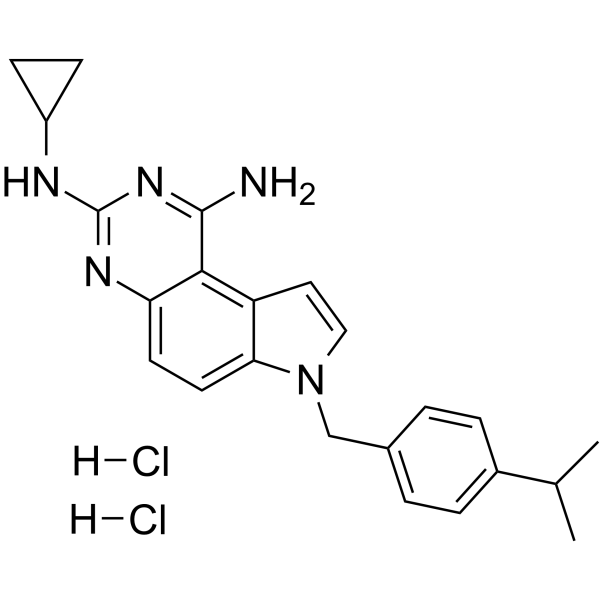
  • HY-14994
    SCH79797 dihydrochloride
    5 Publications Verification

    Protease Activated Receptor (PAR) Apoptosis Cardiovascular Disease
    SCH79797 dihydrochloride is a highly potent, selective nonpeptide protease activated receptor 1 (PAR1) antagonist. SCH79797 dihydrochloride inhibits binding of a high-affinity thrombin receptor-activating peptide to PAR1 with an IC50 of 70 nM and a Ki of 35 nM. SCH79797 dihydrochloride inhibits thrombin-induced platelet aggregation with an IC50 of 3 μM. SCH79797 dihydrochloride has antiproliferative and pro-apoptotic effects, and limits myocardial ischemia/reperfusion injury in rat hearts. SCH79797 dihydrochloride also potently prevents PAR1 activation in vascular smooth muscle cells, endothelial cells, and astrocytes .
    SCH79797 dihydrochloride
  • HY-15840
    YLF-466D
    2 Publications Verification

    C24

    AMPK Cancer
    YLF-466D is a newly developed AMPK activator, which inhibits platelet aggregation.
    YLF-466D
  • HY-N2163

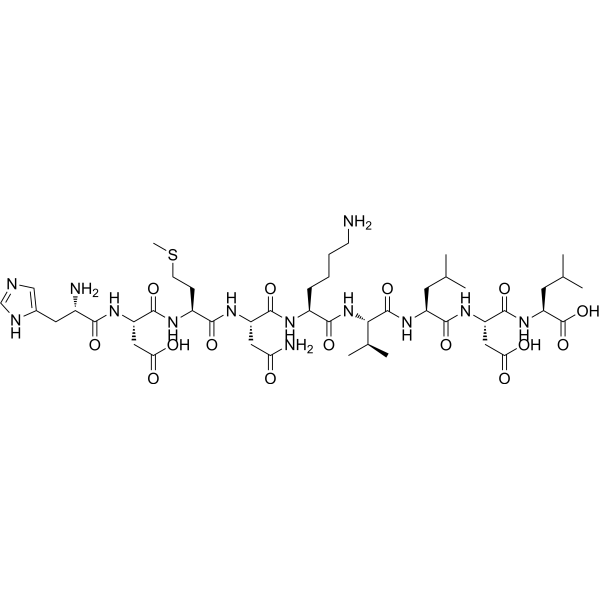
    PDI Cardiovascular Disease
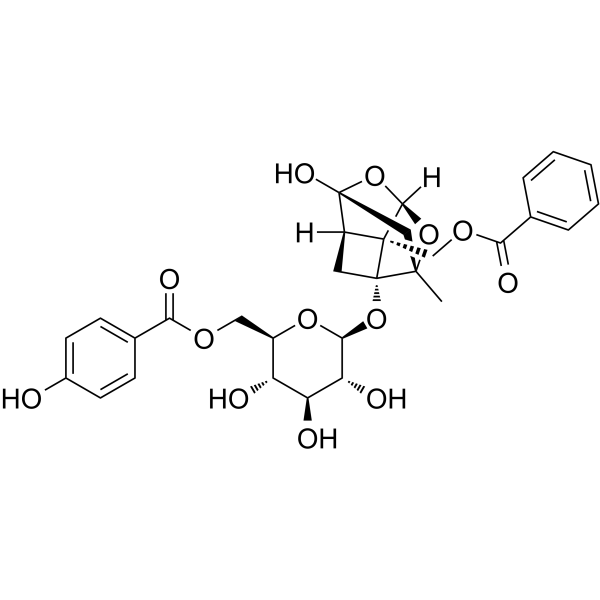
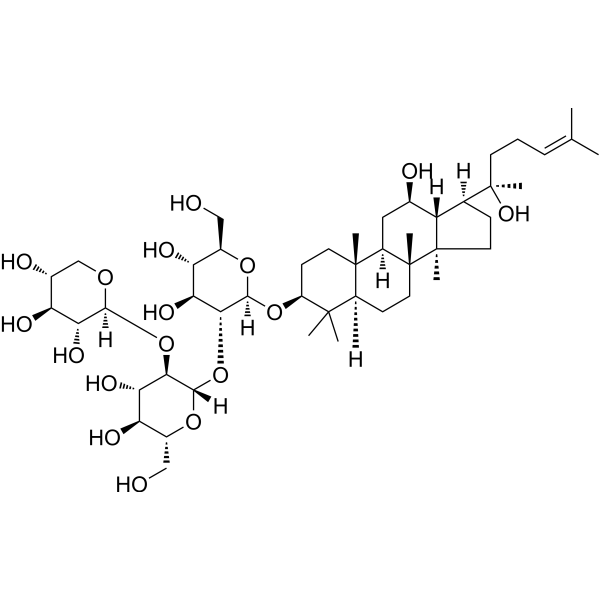
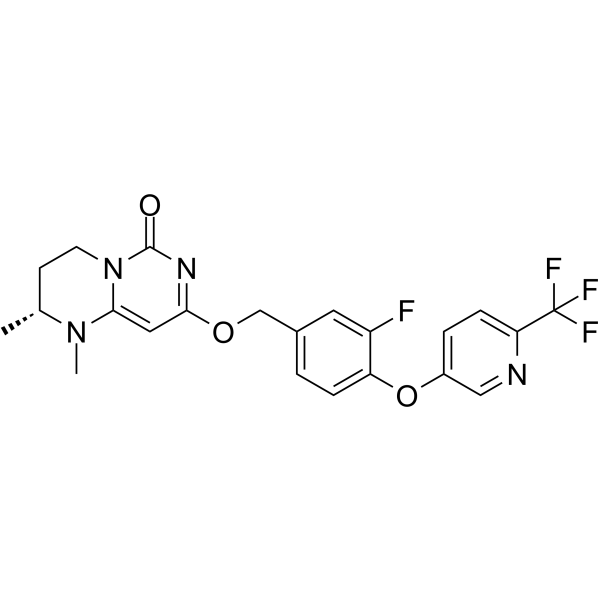
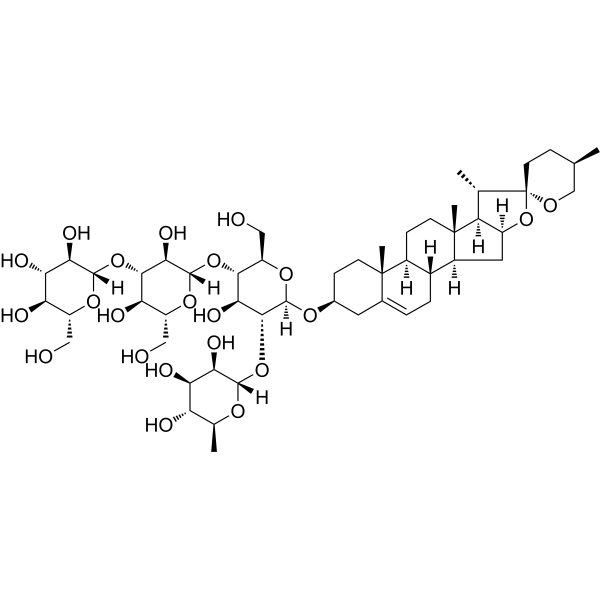
    Mudanpioside C is a protein disulfide isomerase (PDI) inhibitor with a human IC50 of 3.31 μM and human Kd of 3.9 μM. Mudanpioside C suppresses collagen-induced platelet aggregation, interferes with platelet activation, adhesion, and spreading. Mudanpioside C can be used for the research of cardiovascular diseases .
    Mudanpioside C
  • HY-Y0152
    Cinchonine
    5 Publications Verification

    (8R,9S)-Cinchonine; LA40221

    Apoptosis Parasite Autophagy Caspase Calcium Channel Others Inflammation/Immunology Cancer
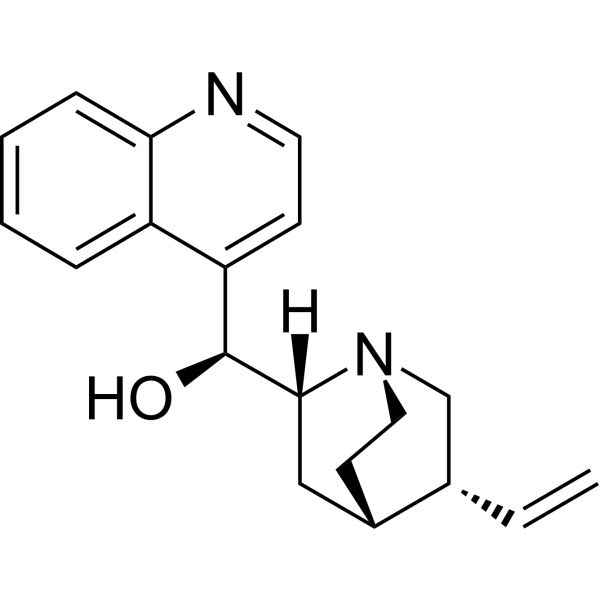
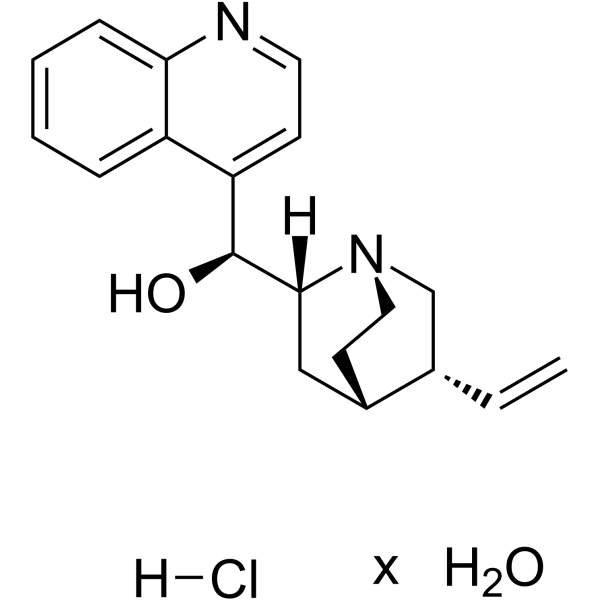
    Cinchonine is a natural compound present in Cinchona bark with antimalarial, antitumor, anti-inflammatory, anti platelet-aggregation and anti-obesity properties. Cinchonine inhibits cells proliferation and autophagy and induces apoptosis through activation of Caspase-3. Cinchonine activates endoplasmic reticulum stress-induced apoptosis in human liver cancer cells .
    Cinchonine
  • HY-15664
    Bivalirudin TFA
    Maximum Cited Publications
    9 Publications Verification

    Thrombin Interleukin Related RSV Infection Cardiovascular Disease Inflammation/Immunology
    Bivalirudin TFA, a hirudin analog and anticoagulant, is a direct thrombin inhibitor. Bivalirudin TFA inhibits thrombin-mediated fibrinogen cleavage, coagulation factor activation, and platelet activation by reversibly binding to thrombin. In addition, Bivalirudin TFA also has certain effects of anti-virus, anti-inflammation, and vascular endothelial barrier function protection. Bivalirudin TFA can be used for the research of thrombotic diseases and others .
    Bivalirudin TFA
  • HY-138053

    Ristomycin III

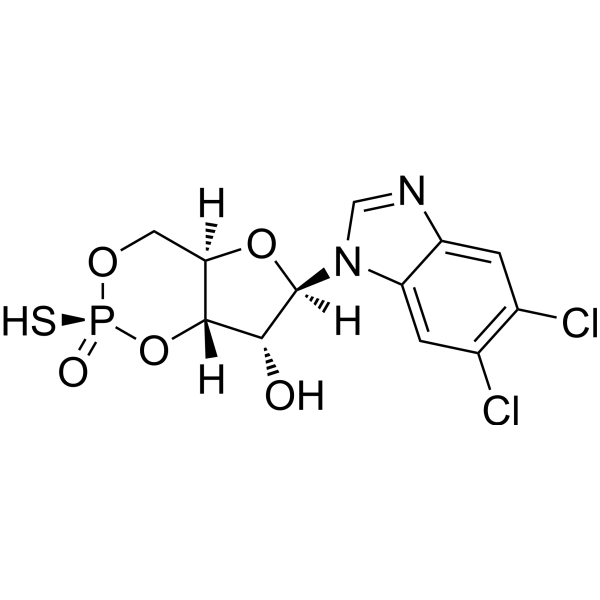
    Antibiotic Cardiovascular Disease Infection
    Ristocetin A sulfate (Ristomycin III) is a glycopeptide antibiotic that binds to von Willebrand factor (VWF) and bacterial cell wall components. Ristocetin A sulfate interferes with the biosynthesis of bacterial peptidoglycan by inhibiting transpeptidation. As an inducer of platelet adhesion and aggregation, Ristocetin A sulfate drives conformational changes by binding to the A1 domain of VWF, thereby activating downstream signaling pathways and promoting cytoskeletal rearrangement. Ristocetin A sulfate not only enhances platelet adhesion and spreading on immobilized VWF, but also induces the formation of asymmetric dimers with anticooperativity between platelets and plasma VWF. Ristocetin A sulfate is widely used in studies related to thromboembolic diseases and bacterial infections .
    Ristocetin A sulfate
  • HY-109897

    Platelet-activating Factor Receptor (PAFR) Cardiovascular Disease
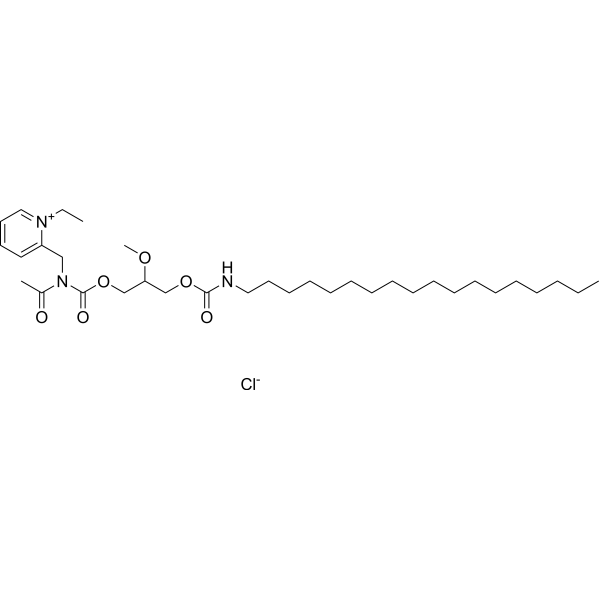
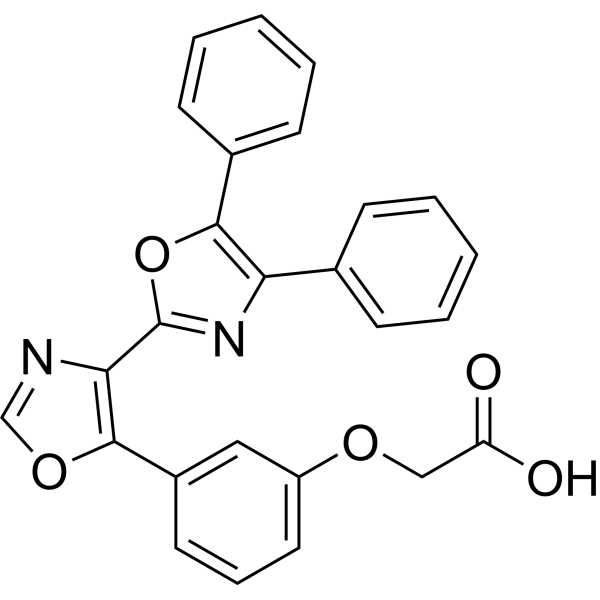
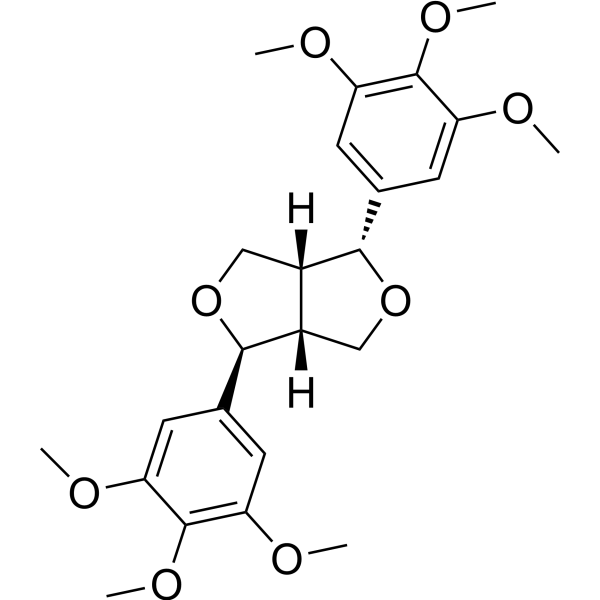
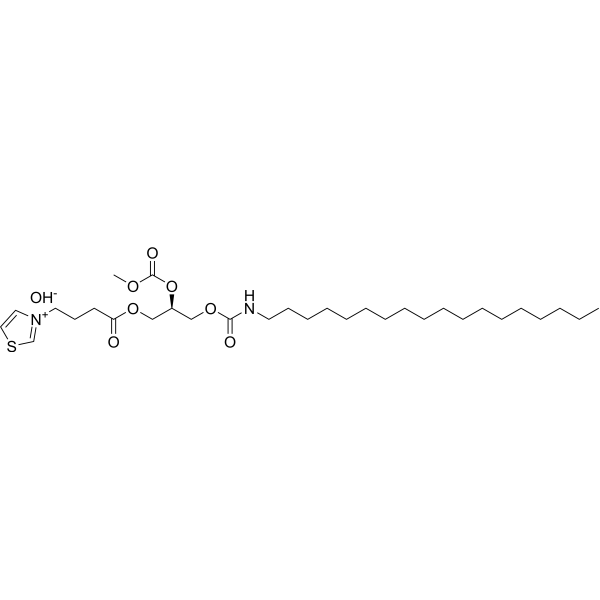
    CV-6209 is a potent antagonist of platelet activating factor (PAF). CV-6209 inhibits the PAF-induced aggregation of rabbit and human platelets, with IC50s of 75 nM and 170 nM, respectively. CV-6209 can inhibit PAF-induced hypotension in rats .
    CV-6209
  • HY-107867

    P2Y Receptor Cardiovascular Disease Inflammation/Immunology
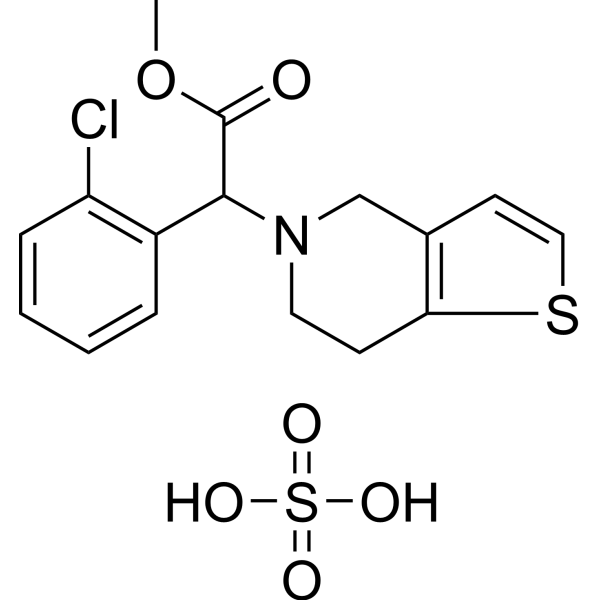
    (±)-Clopidogrel bisulfate is a platelet P2Y12 receptor inhibitor and an adenosine diphosphate (ADP) receptor antagonist. (±)-Clopidogrel bisulfate inhibits the binding of ADP to its receptors on the membranes of platelet cells, and blocks ADP-mediated activation of the glycoprotein GPIIb/IIIa complex. (±)-Clopidogrel bisulfate reduces vascular inflammation and angiotensin II induced-abdominal aortic aneurysm progression. (±)-Clopidogrel bisulfate has anti-inflammatory effects .
    (±)-Clopidogrel bisulfate
  • HY-102004
    Rilapladib
    3 Publications Verification

    SB 659032

    Phospholipase Neurological Disease Inflammation/Immunology
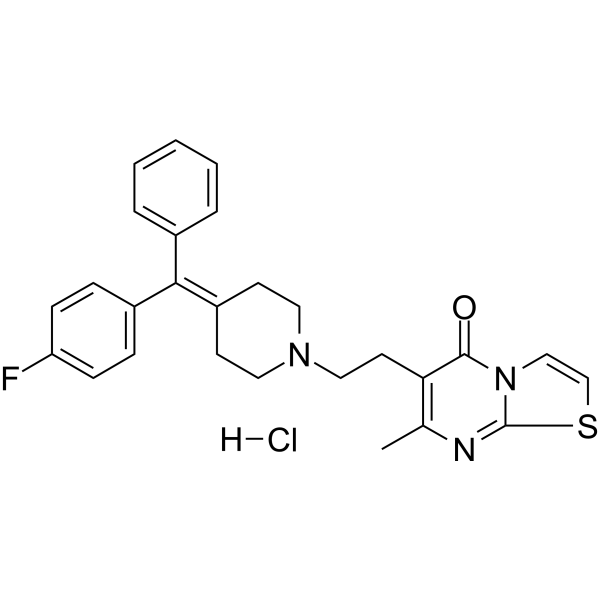
    Rilapladib (SB 659032) is a selective Lp-PLA2 (lipoprotein-associated phospholipase A2) inhibitor with an IC50 of 230 pM . Rilapladib (SB 659032) is also a PAFR (Platelet Activating Factor Receptor) antagonist .
    Rilapladib
  • HY-48917

    Phospholipase Apoptosis Inflammation/Immunology
    C10 Bisphosphonate is an acid sphingomyelinase (aSMase) inhibitor with an IC50 of 0.02 μM in rats. C10 Bisphosphonate inhibits Dexamethasone (HY-14648)-induced cell apoptosis (apoptosis) and alleviates platelet-activating factor (PAF)-induced pulmonary edema. C10 Bisphosphonate can be used for the research of pulmonary edema .
    C10 Bisphosphonate
  • HY-123669A

    P2Y Receptor Cardiovascular Disease
    Trans-R-138727 is the trans isomer of R-138727 (HY-123669). R-138727 is the active metabolite of the antiplatelet agent Prasugrel (HY-15284). R-138727 is an irreversible inhibitor for the platelet receptor P2Y12, and inhibits ADP-induced platelet activation and aggregation .
    trans-R-138727
  • HY-128694

    SR27417

    Platelet-activating Factor Receptor (PAFR) Cardiovascular Disease
    Foropafant (SR27417) highly potent, competitive, selective and orally active antagonist of platelet-activating factor (PAF) receptor, with a Ki value of 57 pM for [ 3H]PAF binding, at least 5-fold lower than that of unlabeled PAF itself. Foropafant potently inhibits PAF-induced aggregation of rabbit and human platelets .
    Foropafant
  • HY-111053

    Phospholipase Cancer
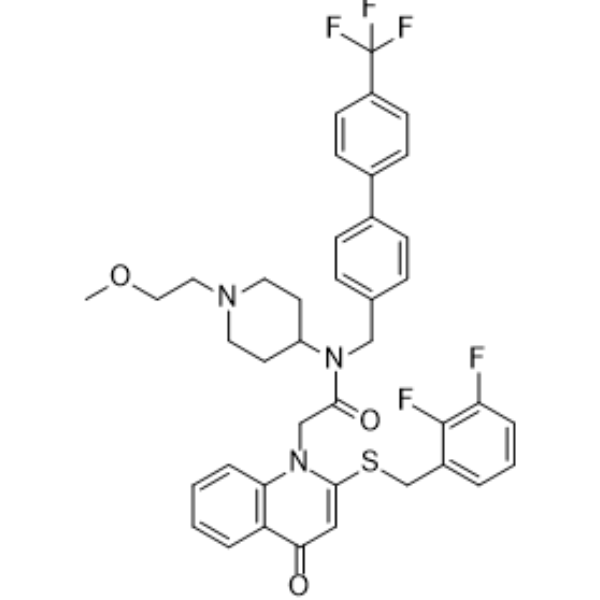
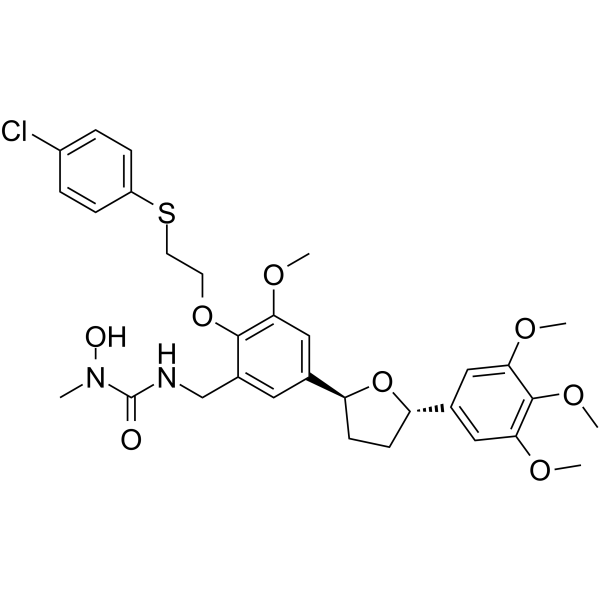
    P11 is a selective inhibitor of platelet-activating factor acetylhydrolases (PAFAHs) 1b2 and 1b3 that impairs cancer cell survival. P11 exhibits IC50 values of ~40 and 900 nM for PAFAH1b2 and 1b3, respectively .
    P11
  • HY-19121A

    Platelet-activating Factor Receptor (PAFR) Cancer
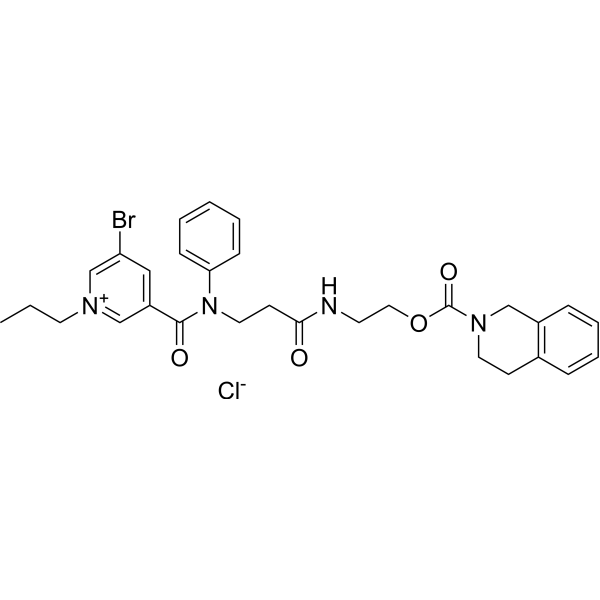
    TCV-309 chloride is a potent and specific platelet activating factor (PAF) antagonist. TCV-309 chloride specifically inhibits PAF-induced aggregation of rabbit and human platelets, and [3H]PAF binding to rabbit platelet microsomes with IC50 values of 33 nM, 58 nM and 27 nM, respectively. TCV-309 chloride has beneficial effects in anaphylactic shock .
    TCV-309 chloride
  • HY-14256
    BMS-191095
    1 Publications Verification

    Potassium Channel Cardiovascular Disease Neurological Disease
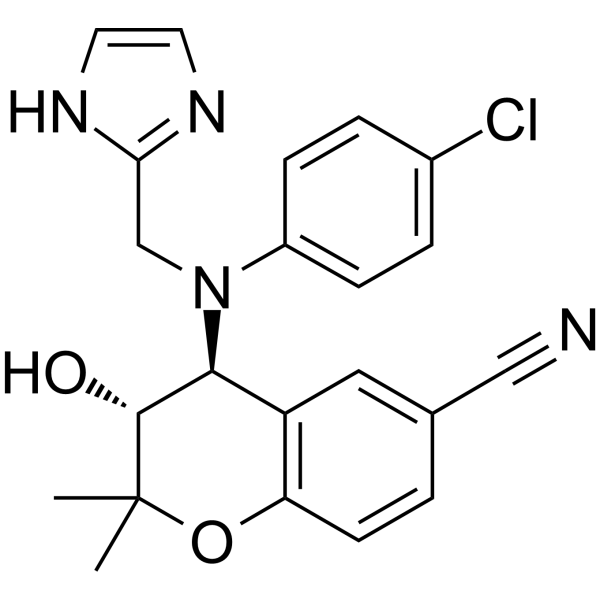
    BMS-191095 is a selective activator of mitochondrial ATP-sensitive potassium (mitoKATP) channels. BMS-191095 inhibits human platelet aggregation by opening mitochondrial K(ATP) channels .
    BMS-191095
  • HY-130354
    Dibutyryl-cGMP sodium
    2 Publications Verification

    Bt2cGMP sodium

    Potassium Channel Cardiovascular Disease
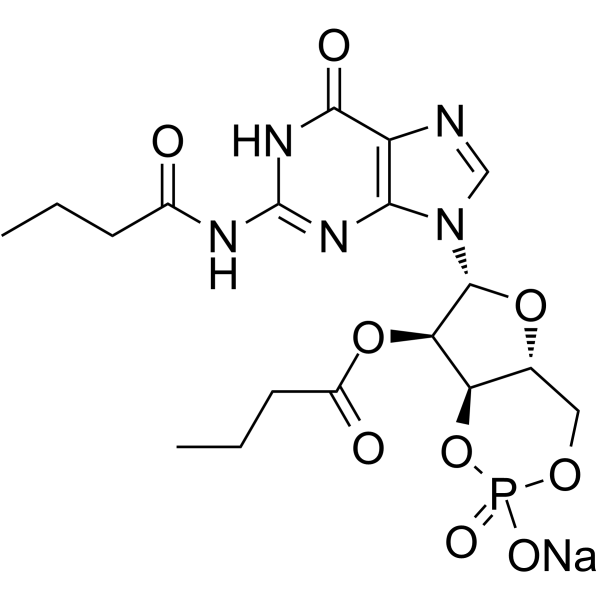
    Dibutyryl-cGMP sodium (Bt2cGMP sodium) is a cell-permeable cGMP analogue. Dibutyryl-cGMP sodium preferentially activates cGMP-dependent protein kinase (PKG). Dibutyryl-cGMP sodium inhibits the release of [ 3H]-arachidonic acid from γ thrombin-stimulated human platelets. Dibutyryl-cGMP sodium induces peripheral antinociception via activation of ATP-sensitive K + channels .
    Dibutyryl-cGMP sodium
  • HY-108565

    Adenylate Cyclase Prostaglandin Receptor Cardiovascular Disease
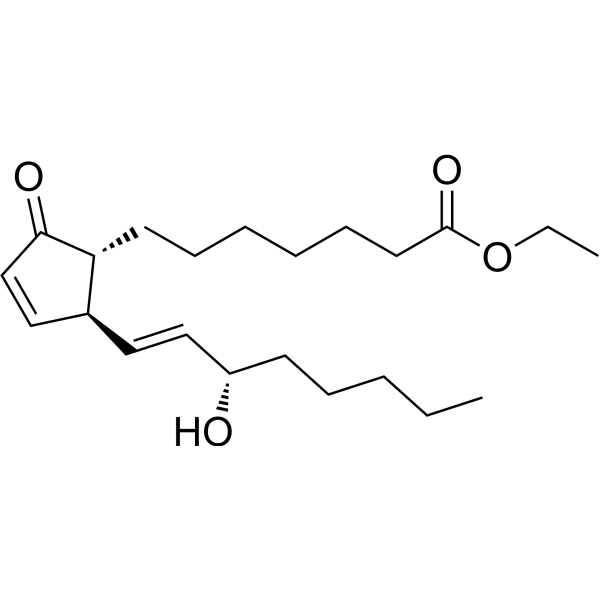
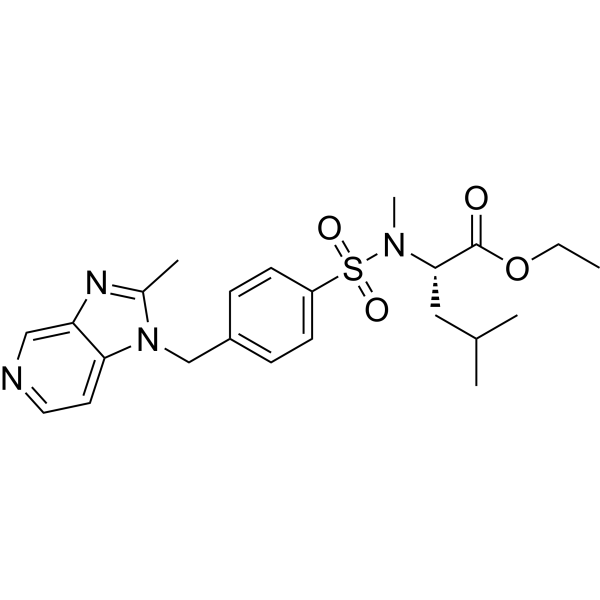
    BMY 45778 is a non-prostanoid prostacyclin mimetic. BMY 45778 inhibits human (IC50 = 35 nM), rabbit (IC50: 136 nM) and rat (IC50 : 1.3 μM) platelet aggregation. BMY 45778 also activates adenylyl cyclase. BMY 45778 is a partial agonist at the prostacyclin receptor .
    BMY 45778
  • HY-120265

    PI3K Cardiovascular Disease
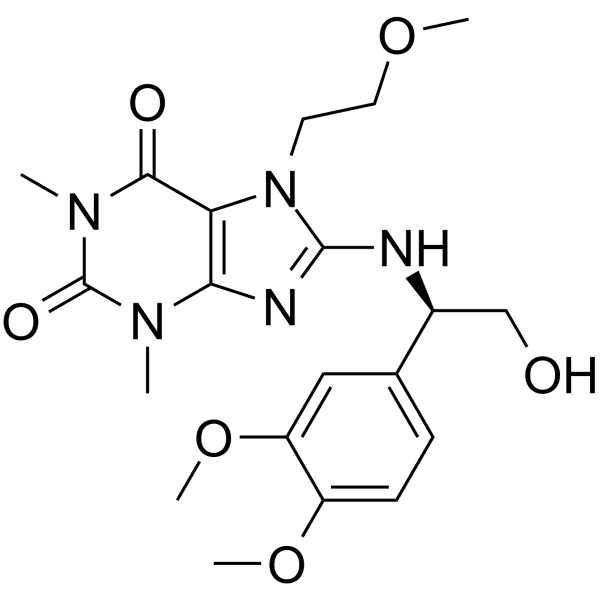
    MIPS-9922 is a potent and selective PI3Kβ inhibitor with an IC50 of 63 nM. MIPS-9922 inhibits PI3Kβ with >30-fold higher potency than PI3Kδ. MIPS-9922 blocks PI3K mediated activation of platelet glycoprotein αIIbβ3 activation and platelet adhesion in vitro. MIPS-9922 shows anti-platelet and anti-thrombotic activities .
    MIPS-9922
  • HY-146332

    P-selectin Cardiovascular Disease
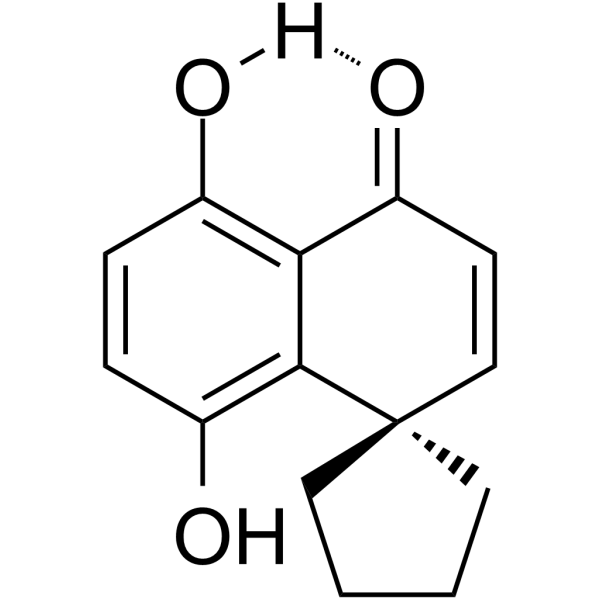
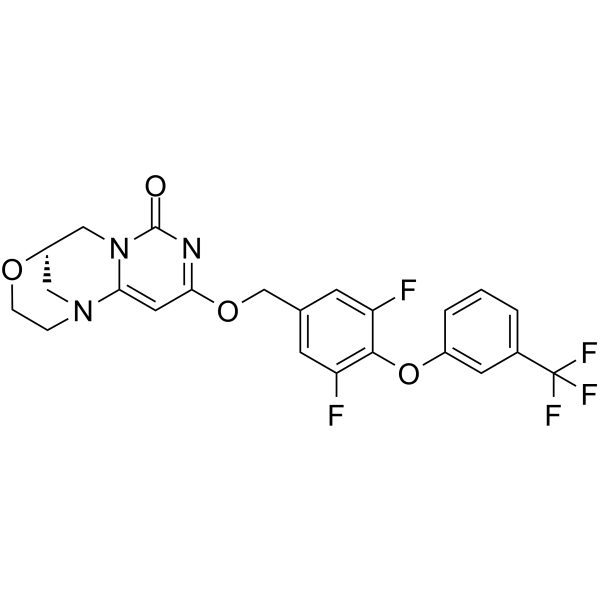
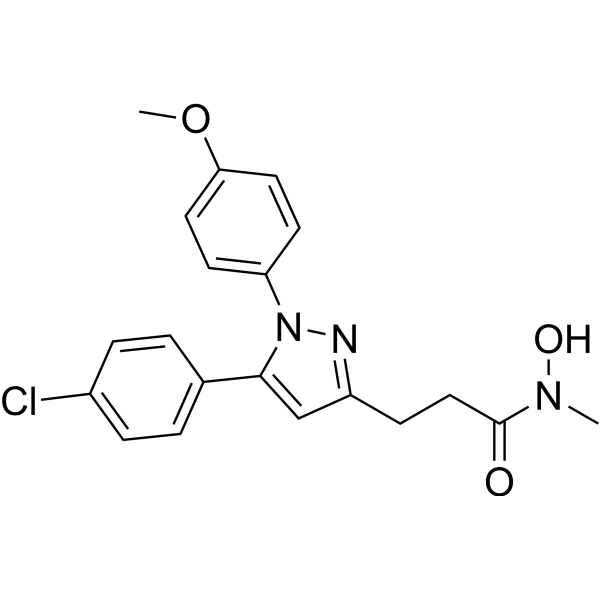
    Collagen-IN-1 (compound 3), an ortho-carbonyl hydroquinone derivative, is a selective inhibitor on collagen. Collagen-IN-1 inhibits agonist-induced platelet aggregation in a non-competitive manner with an IC50 value of 1.77 μM. Collagen-IN-1 reduces the expression of P-selectin, activation of glycoprotein IIb/IIIa, and release of adenosine triphosphate and CD63 from platelet. Collagen-IN-1 has the potential for platelet-related thrombosis diseases research .
    Collagen-IN-1
  • HY-100164

    MKS 492

    Phosphodiesterase (PDE) Inflammation/Immunology
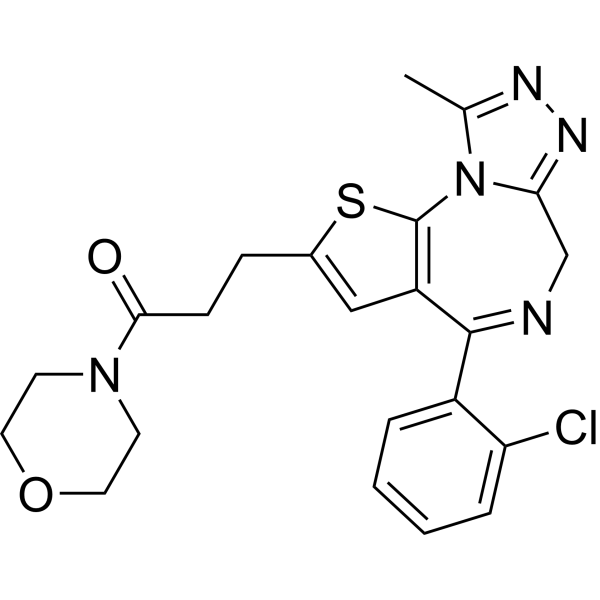
    SDZ-MKS 492 (MKS 492) is a selective inhibitor of cyclic GMP-inhibited phosphodiesterase (type III PDE). SDZ-MKS 492 inhibits antigen- or platelet activating factor (PAF)-induced bronchoconstriction and allergic reactions in guinea pigs and rats .
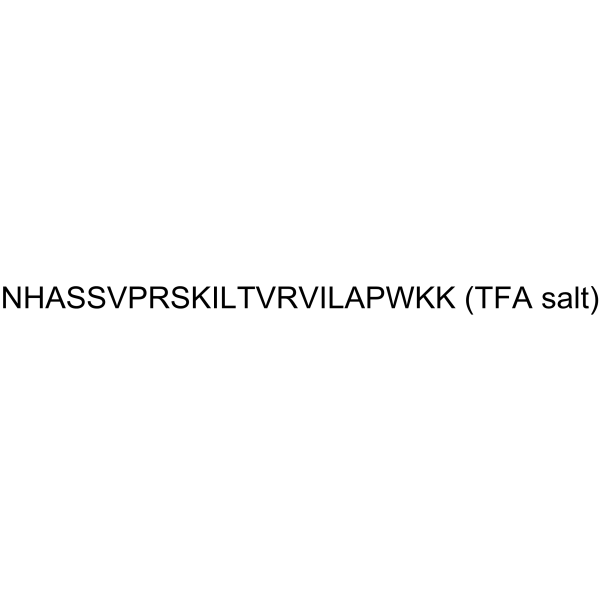
    SDZ-MKS 492
  • HY-101837

    PDGFR Inflammation/Immunology
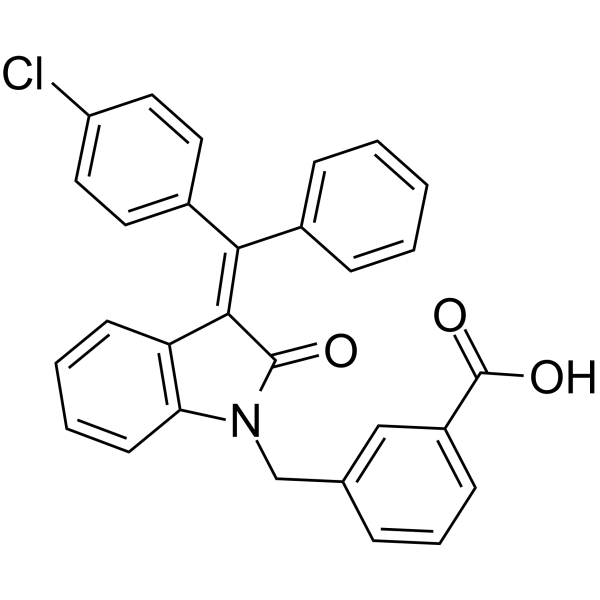
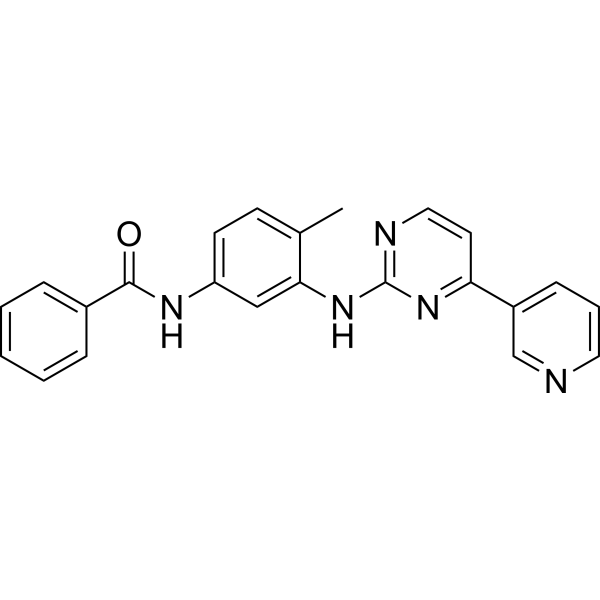
    CGP 53716 is a potent protein tyrosine kinase inhibitor. CGP 53716 has selective activity of platelet-derived growth factor (PDGF) receptor. CGP 53716 can be used in the study of disease induced by abnormal cell proliferation induced by PDGF receptor activation .
    CGP 53716
  • HY-170655

    PDI Integrin Cardiovascular Disease
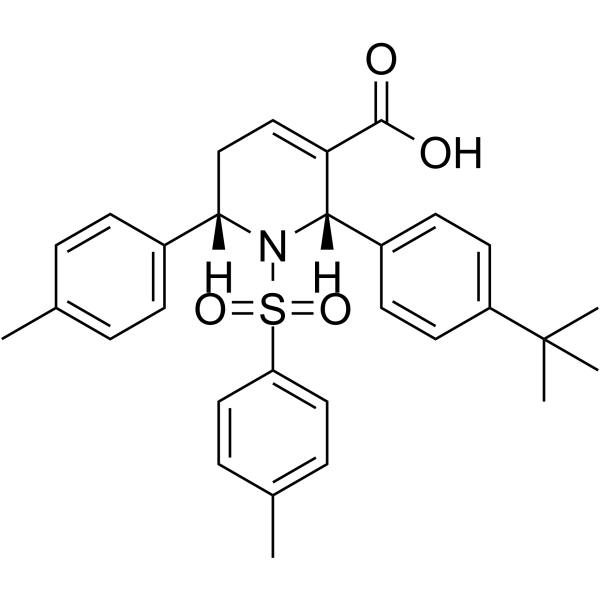
    PDI-IN-4 (Compound 14d) is an inhibitor of protein disulfide isomerase, with an IC50 value of 0.48 μM. PDI-IN-4 suppresses platelet aggregation and thrombus formation by attenuating GPIIb/IIIa activation without significantly causing cytotoxicity. PDI-IN-4 can be used in research on thrombosis .
    PDI-IN-4
  • HY-148400

    TXC hydrochloride

    Ser/Thr Protease Drug Derivative Metabolic Disease
    Cetyl tranexamate (TXC) hydrochloride is an ester derivative of Tranexamic acid (HY-B0149). Cetyl tranexamate hydrochloride is an inhibitor of fibrinogen activation and can reduce the production of fibrinogen in keratinocytes induced by ultraviolet rays or damage, indirectly inhibiting the melanin production pathway. Cetyl tranexamate hydrochloride also targets melanin (dark spots) and hemoglobin (red spots), reducing vascular dilation and pigmentation by inhibiting inflammatory mediators (such as prostaglandins, platelet activating factors). Cetyl tranexamate hydrochloride can be used as a cosmetic ingredient and is suitable for epidermal pigment disorders such as photoaging, post-inflammatory hyperpigmentation (PIH), and melasma .
    Cetyl tranexamate hydrochloride
  • HY-107613A
    R 59-022 hydrochloride
    2 Publications Verification

    DKGI-I hydrochloride; Diacylglycerol kinase inhibitor I hydrochloride

    PKC 5-HT Receptor Infection Inflammation/Immunology Cancer
    R 59-022 (DKGI-I) hydrochloride is a DGK inhibitor (IC50: 2.8 µM). R 59-022 hydrochloride inhibits the phosphorylation of OAG to OAPA. R 59-022 hydrochloride is a 5-HT Receptor antagonist, and activates protein kinase C (PKC). R 59-022 hydrochloride potentiates thrombin-induced diacylglycerol production in platelets and inhibits phosphatidic acid production in neutrophils .
    R 59-022 hydrochloride
  • HY-139133

    LPL Receptor Inflammation/Immunology
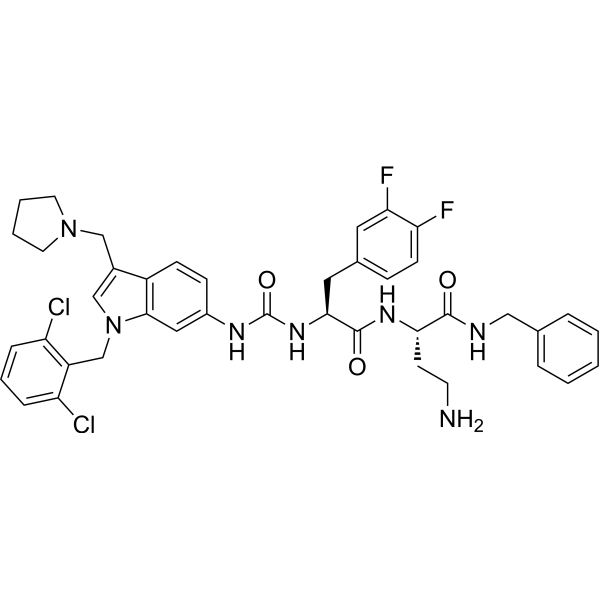
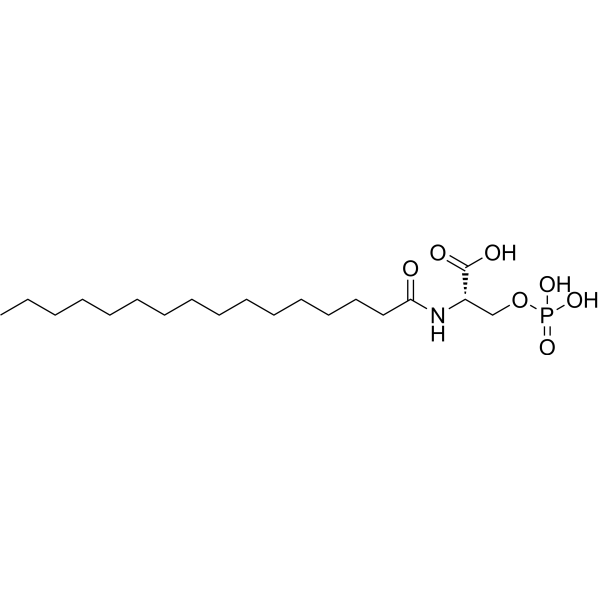
    L-NASPA is a ophosphatidic acid (LPA) inhibitor useful in the study of platelet activation .
    L-NASPA
  • HY-113492
    5(S)15(S)-DiHETE
    1 Publications Verification

    Interleukin Related Cardiovascular Disease Inflammation/Immunology
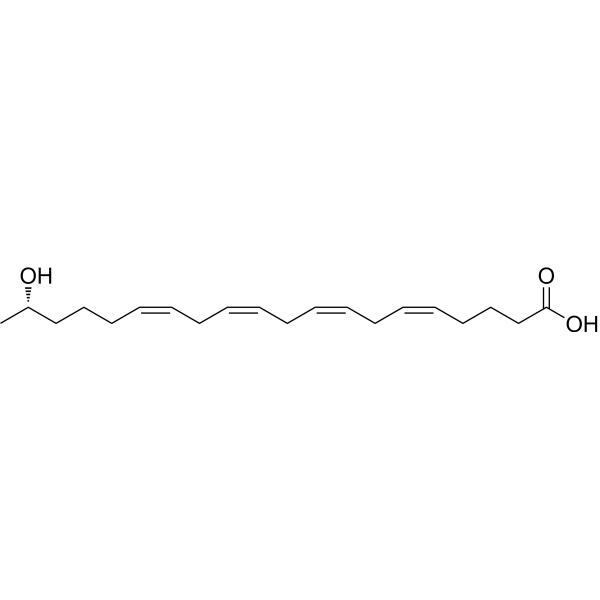
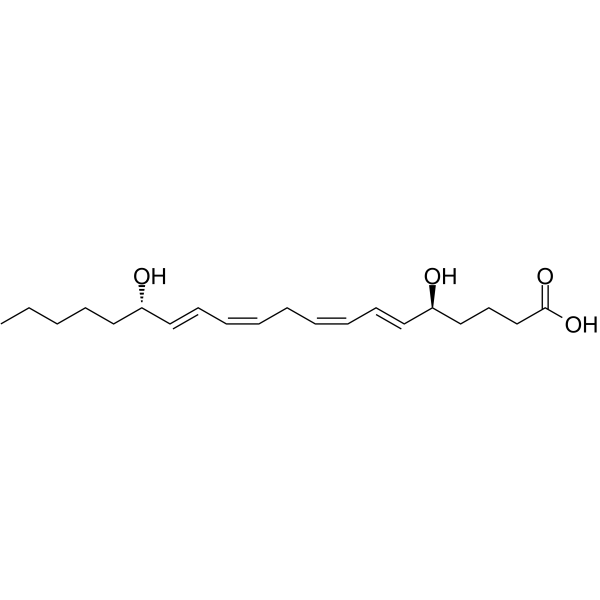
    5(S)15(S)-DiHETE is an “activated” intermediate, inhibits platelet aggregation with an IC50 of 1.3 μM. 5(S)15(S)-DiHETE enhances the rate of either LXA4 or LXB4 biosynthesis .
    5(S)15(S)-DiHETE
  • HY-W700638A

    AH 21-132

    Platelet-activating Factor Receptor (PAFR) Phosphodiesterase (PDE) Cancer
    Benafentrine maleate is a platelet activating factor receptor (PAFR) antagonist and a PDE 4 inhibitor .
    Benafentrine maleate
  • HY-105198

    BB-882

    Platelet-activating Factor Receptor (PAFR) Inflammation/Immunology
    Lexipafant is a platelet-activating factor (PAF) antagonist that inhibits the inflammatory response and is used in the research of acute pancreatitis.
    Lexipafant
  • HY-136501

    P2Y Receptor Cardiovascular Disease
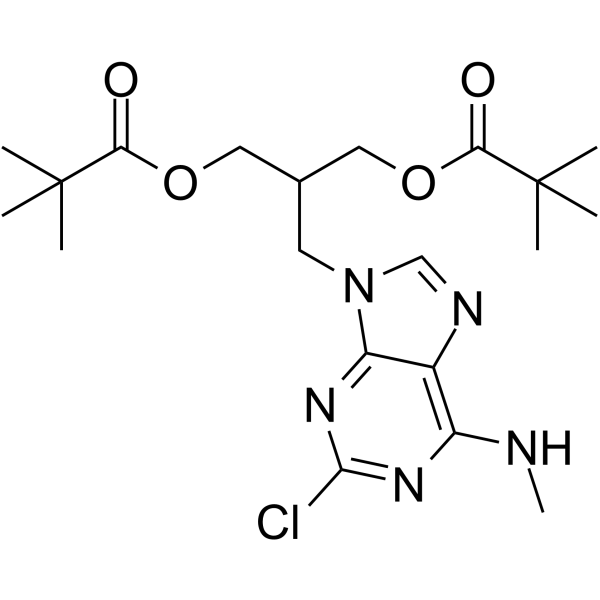
    MRS2395, an dipivaloyl derivative, is a potent P2Y12 receptor antagonist. MRS2395 inhibits ADP-induced platelet activation with a Ki of 3.6 μM. MRS2395 inhibits cAMP induced by ADP in rat platelets in the presence of PGE1 with an IC50 of 7 µM. MRS2395 enhances platelet dense granule release in response to TRAP-6 .
    MRS2395
  • HY-N2892

    Aristololactam A IIIa; Sch 546909

    DYRK Cardiovascular Disease Cancer
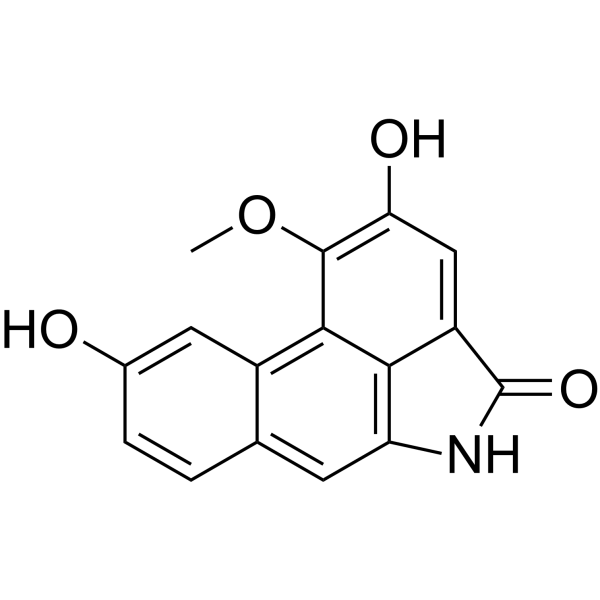
    Aristolactam A IIIa (Sch 546909) is an aristolactam-type alkaloid that can be isolated from Glycosmis chlorosperma. Aristolactam A IIIa is a DYRK1A Inhibitor. Aristolactam A IIIa inhibits platelet aggregation induced by arachidonic acid (AA), collagen and platelet-activating factor (PAF). Aristolactam A IIIa has strong cytotoxic effect on HeLa cells .
    Aristolactam A IIIa
  • HY-Y1094

    Chloro(1,5-cyclooctadiene)rhodium(I) dimer

    Biochemical Assay Reagents Cardiovascular Disease
    [Rh(cod)Cl]2 (Chloro(1,5-cyclooctadiene)rhodium(I) dimer) is a rhodium (I) organometallic dimer complex. [Rh(cod)Cl]2 can inhibit platelet-activating factor-mediated platelet aggregation with IC50 values of 5.2 and 43.3 μM in washed rabbit platelets and human platelet-rich plasmas. [Rh(cod)Cl]2 also can inhibit thrombin-, ADP (HY-W010918)- and collagen-induced aggregation with IC50 values of 16.7, 162 and 69.8 μM. [Rh(cod)Cl]2 can be used for the research of cardiovascular disease, such as thrombosis .
    [Rh(cod)Cl]2
  • HY-129496

    Thrombin Cardiovascular Disease
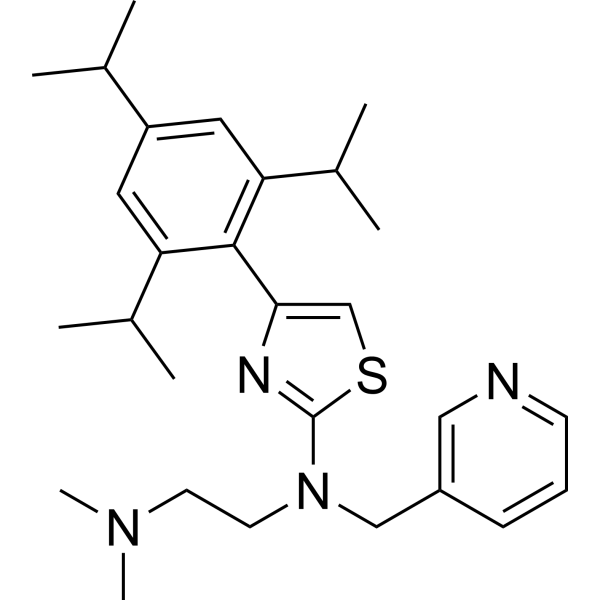
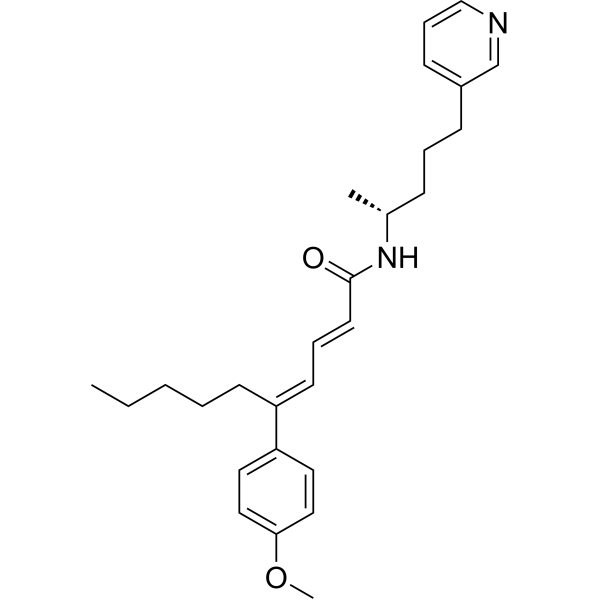
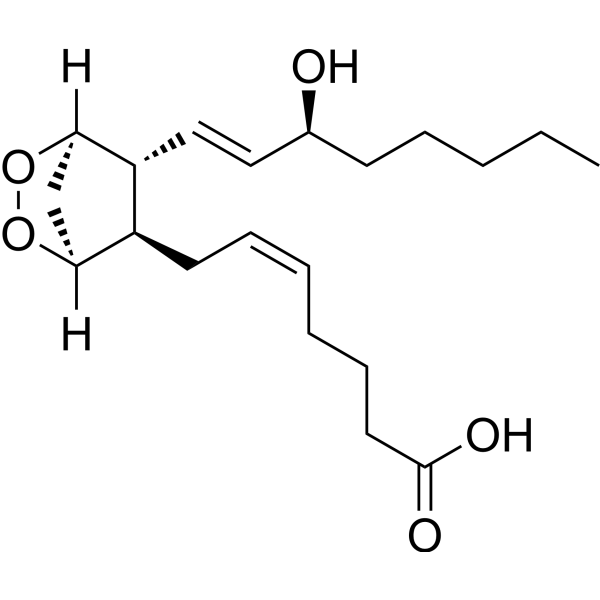
    NP-313 is a potent antithrombotic agent that inhibits platelet aggregation and activation. NP-313 has dual inhibition of thromboxane A 2 synthesis and selective inhibition of SOCC-mediated Ca 2+ inward flow .
    NP-313
  • HY-122813

    Drug Metabolite Thrombin Cardiovascular Disease
    Dabigatran acyl-β-D-glucuronide is an active metabolite of the thrombin inhibitor Dabigatran (HY-10163). Dabigatran acyl-β-D-glucuronide increases activated partial thromboplastin time (aPTT) in isolated human platelet-poor plasma.
    Dabigatran acyl-β-D-glucuronide
  • HY-W040175

    LPL Receptor Inflammation/Immunology
    L-NASPA ammonium is a ophosphatidic acid (LPA) inhibitor useful in the study of platelet activation .
    L-NASPA ammonium
  • HY-N7314

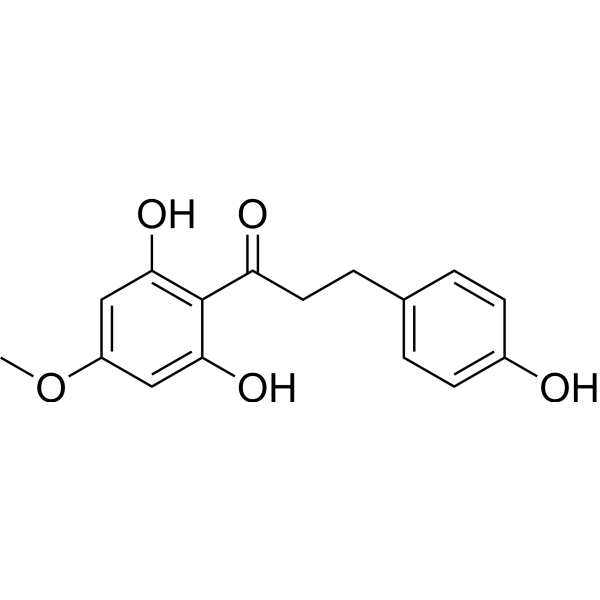
    Syk Inflammation/Immunology
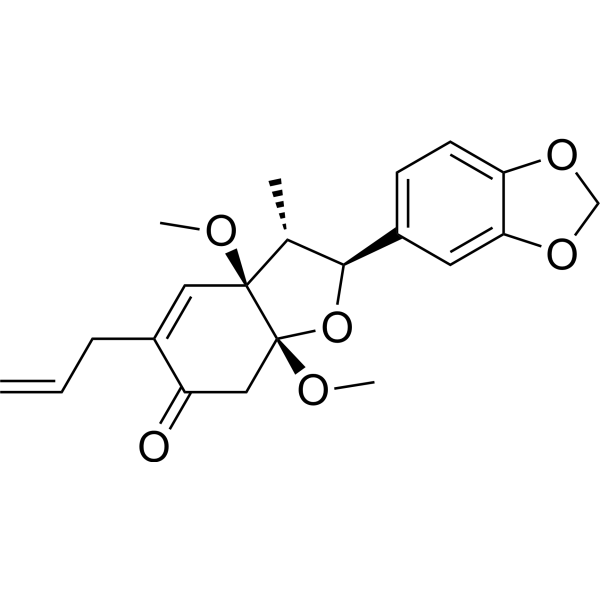
    Asebogenin has antimalarial activity in vitro . Asebogenin can inhibit the phosphorylation of Syk, thereby effectively suppressing platelet activation and the formation of neutrophil extracellular traps .
    Asebogenin
  • HY-N8218

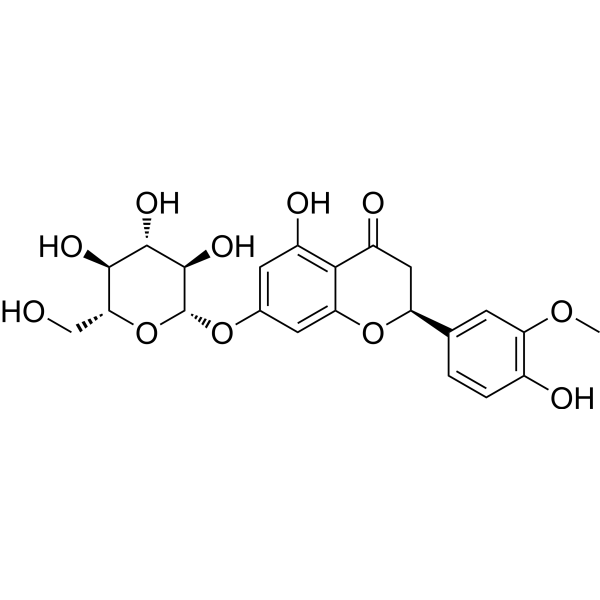
    Platelet-activating Factor Receptor (PAFR) Cardiovascular Disease
    Homoeriodictyol 7-O-β-D-glucoside is a natural platelet-activating factor (PAF) antagonist. Homoeriodictyol 7-O-β-D-glucoside inhibits human and rabbit platelet aggregation induced by PAF, with an IC50 of 0.8 μM .
    Homoeriodictyol 7-O-β-D-glucoside
  • HY-118019

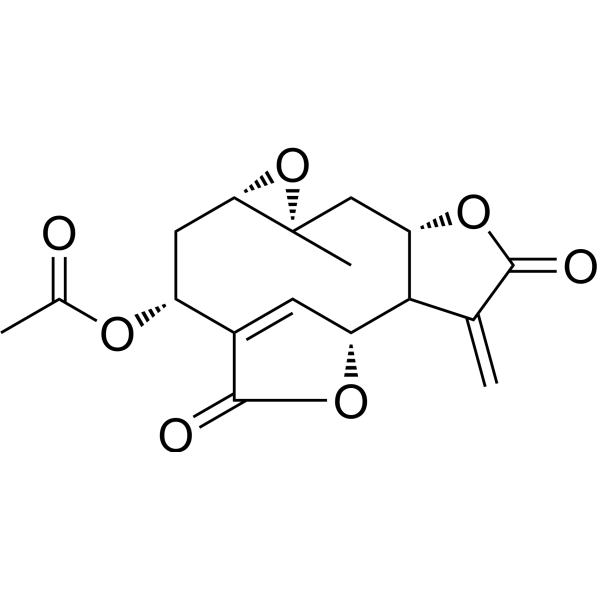
    Platelet-activating Factor Receptor (PAFR) Cardiovascular Disease
    Scandenolide is a sesquiterpene lactone that can be found in Philippines medicinal plant Mikania cordata. Scandenolide inhibits leukotriene and platelet activating factor synthesis in leukocytes .
    Scandenolide
  • HY-116120

    SCH-37370

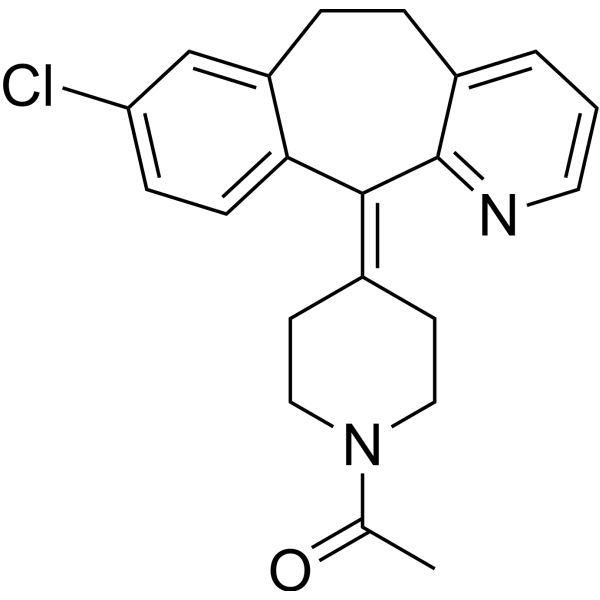
    Platelet-activating Factor Receptor (PAFR) Histamine Receptor Inflammation/Immunology
    N-Acetyldesloratadine (SCH-37370) is a potent, orally active dual antagonist of platelet-activating factor (PAF) and histamine. N-Acetyldesloratadine inhibits PAF-induced aggregation of human platelets, with an IC50 of 0.6 µM. N-Acetyldesloratadine can be used for the study of allergic diseases, such as asthma .
    N-Acetyldesloratadine
  • HY-14654B

    Acetylsalicylic acid DL-lysine; ASA DL-lysine

    COX NF-κB p38 MAPK Cardiovascular Disease Others Inflammation/Immunology
    Aspirin DL-lysine (ASA DL-lysine) is a lysine-containing aspirin derivative. Aspirin DL-lysine inhibits cyclooxygenase (COX) in platelets, blocks the synthesis of thromboxane A2 (TXA2), and thus inhibits platelet aggregation and activation. Aspirin DL-lysine can be used to study thrombin generation in patients with unstable angina pectoris .
    Aspirin DL-lysine

Inquiry Online

Your information is safe with us. * Required Fields.

Salutation


Country or Region *

Applicant Name *


Organization Name *

Department *


Email Address *


Product Name *

Cat. No.


Requested quantity *

Phone Number *


Remarks

Inquiry Online

Inquiry Information

Product Name:
Cat. No.:
Quantity:
MCE Japan Authorized Agent: