Search Result
Results for "
Alpha+Inhibitors
" in MedChemExpress (MCE) Product Catalog:
6
Isotope-Labeled Compounds
| Cat. No. |
Product Name |
Target |
Research Areas |
Chemical Structure |
-
- HY-10231
-
-
-
- HY-125840
-
|
PT2977; MK-6482
|
HIF/HIF Prolyl-Hydroxylase
|
Cancer
|
|
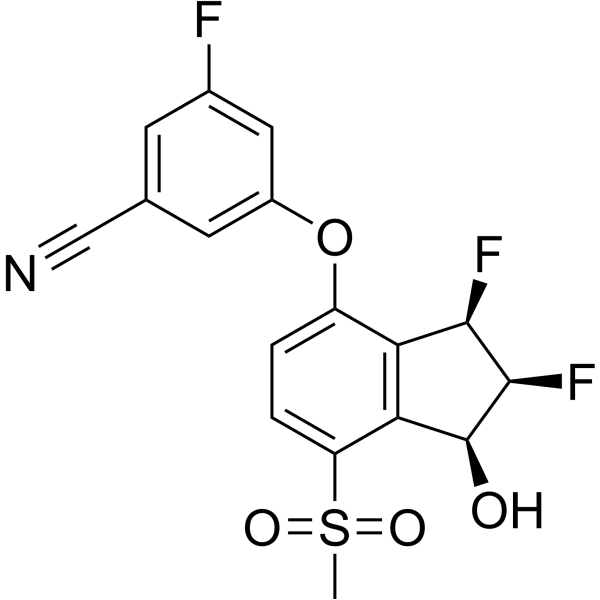
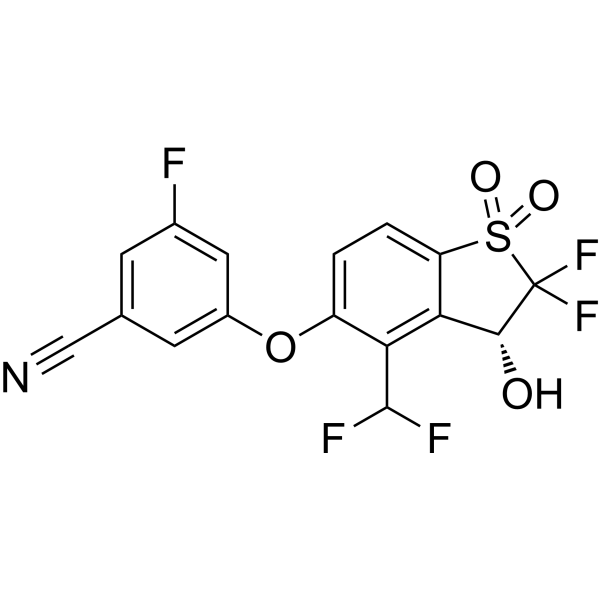
Belzutifan (PT2977) is an orally active and selective HIF-2α inhibitor with an IC50 of 9 nM. Belzutifan, as a second-generation HIF-2α inhibitor, increases potency and improves pharmacokinetic profile. Belzutifan is a potential treatment for clear cell renal cell carcinoma (ccRCC) .
|
-
-
- HY-12867
-
-
-
- HY-156681
-
|
STX-478; STX-478-101; LY4064809
|
PI3K
|
Cancer
|
|
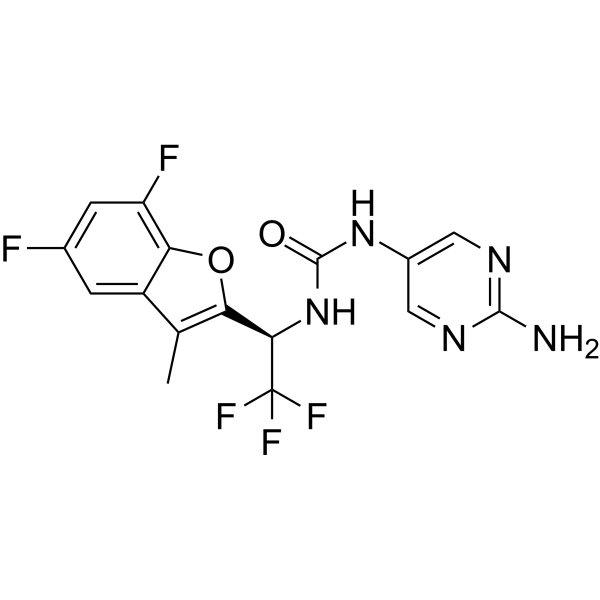
STX-478 (compound 80) is an oral CNS-penetrant allosteric mutant-selective PI3Kα inhibitor. STX-478 shows robust and durable tumor regression and can be used in cancer research .
|
-
-
- HY-114368
-
|
AMG-18
|
IRE1
|
Inflammation/Immunology
|
|
Kira8 (AMG-18) is a mono-selective IRE1α inhibitor that allosterically attenuates IRE1α RNase activity with an IC50 of 5.9 nM .
|
-
-
- HY-19710
-
|
|
IRE1
|
Cancer
|
|
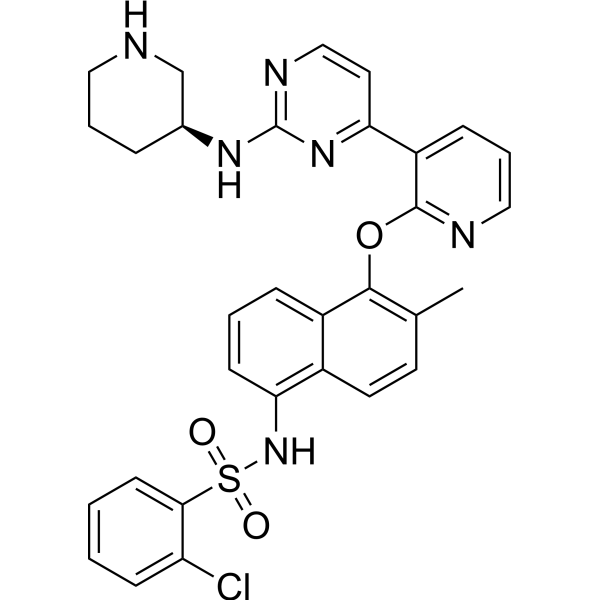
MKC3946 is a potent IRE1α inhibitor, used for cancer research.
|
-
-
- HY-15845
-
|
|
IRE1
|
Cancer
|
|
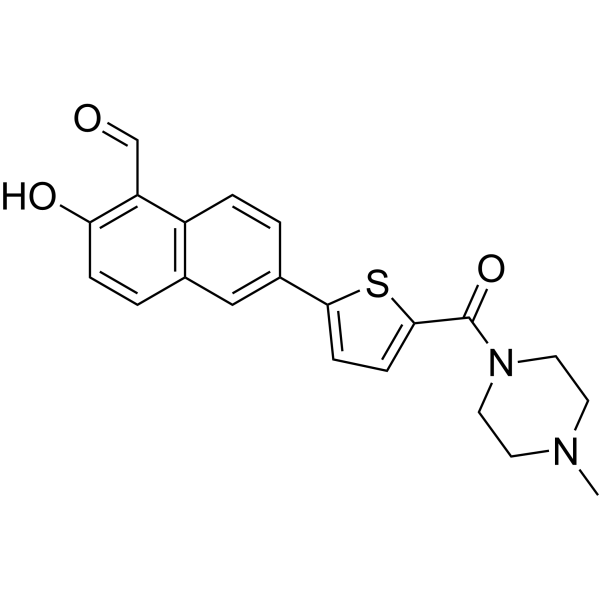
STF-083010 is a specific IRE1α inhibitor. STF-083010 inhibits Ire1 endonuclease activity, without affecting its kinase activity, after endoplasmic reticulum stress.
|
-
-
- HY-16937
-
|
|
PI4P5K
|
Cancer
|
|
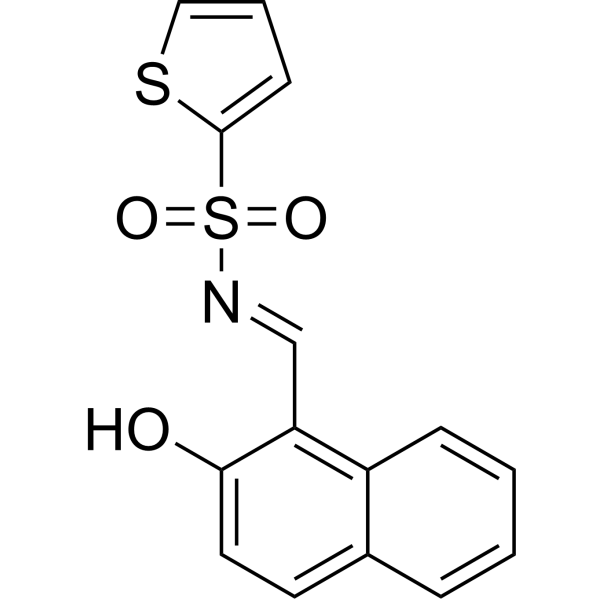
ISA-2011B is a PIP5K1α inhibitor with promising anticancer effects .
|
-
-
- HY-10801
-
|
|
Phospholipase
|
Inflammation/Immunology
|
|
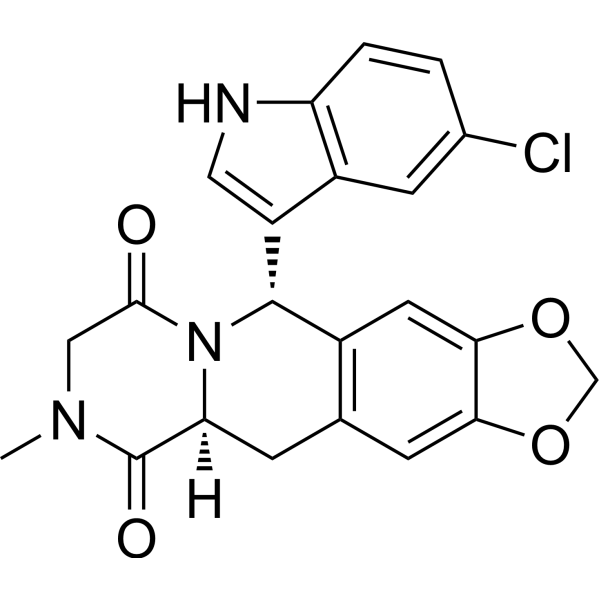
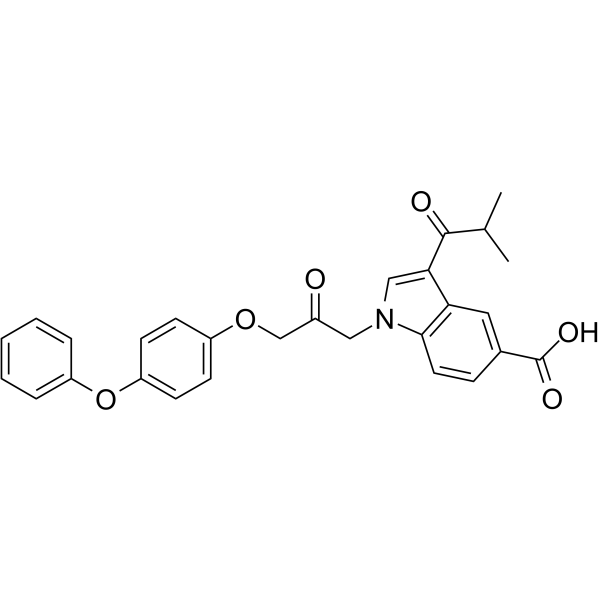
CAY10650 is a highly potent cytosolic phospholipase A2α (cPLA2α) inhibitor with an IC50 value of 12 nM. CAY10650 suppresses lipid droplets formation and PGE2 secretion .
|
-
-
- HY-108431
-
MN58b
1 Publications Verification
|
Apoptosis
|
Cancer
|
|
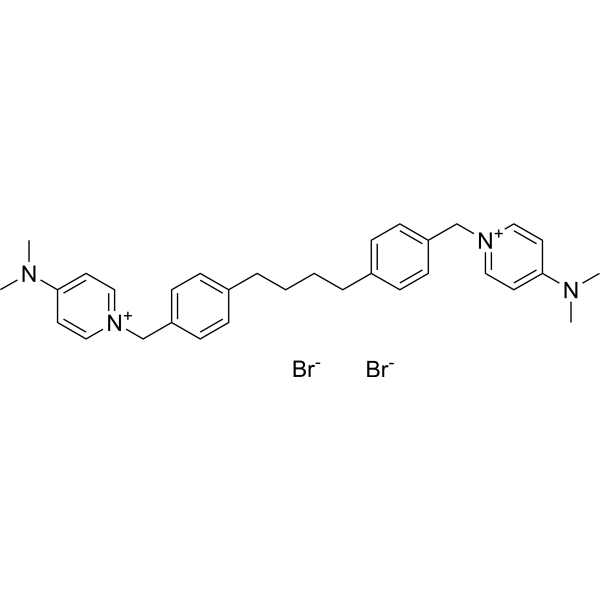
MN58b is a selective choline kinase α (CHKα) inhibitor, and results in inhibition of phosphocholine synthesis. MN58b reduces cell growth through the induction of apoptosis, and also has antitumoral activity .
|
-
-
- HY-111376
-
-
-
- HY-16596
-
|
|
PI3K
|
Cancer
|
|
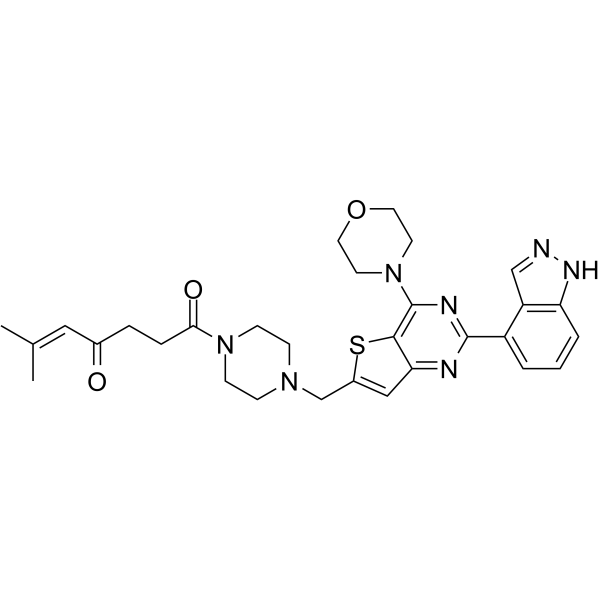
CNX-1351 is a potent and isoform-selective targeted covalent PI3Kα inhibitor with IC50 of 6.8 nM.
|
-
-
- HY-129571
-
-
-
- HY-12285
-
|
MLN1117; INK1117; TAK-117
|
PI3K
|
Cancer
|
|
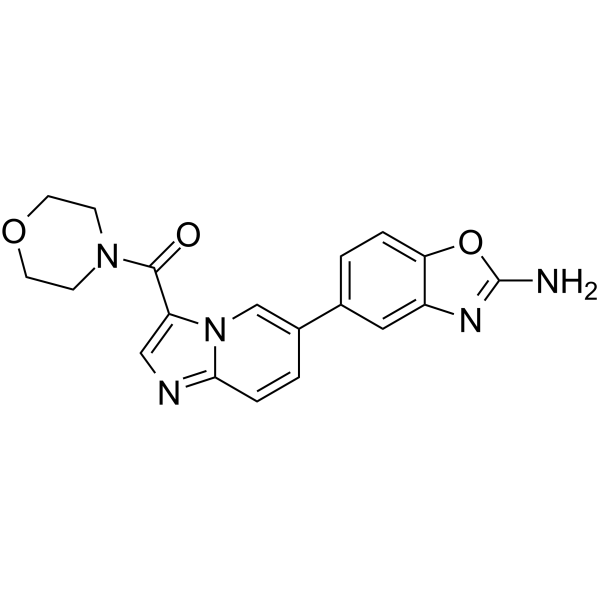
Serabelisib (MLN1117) is a selective p110α inhibitor with an IC50 of 15 nM.
|
-
-
- HY-13261
-
A66
3 Publications Verification
|
PI3K
|
Cancer
|
|
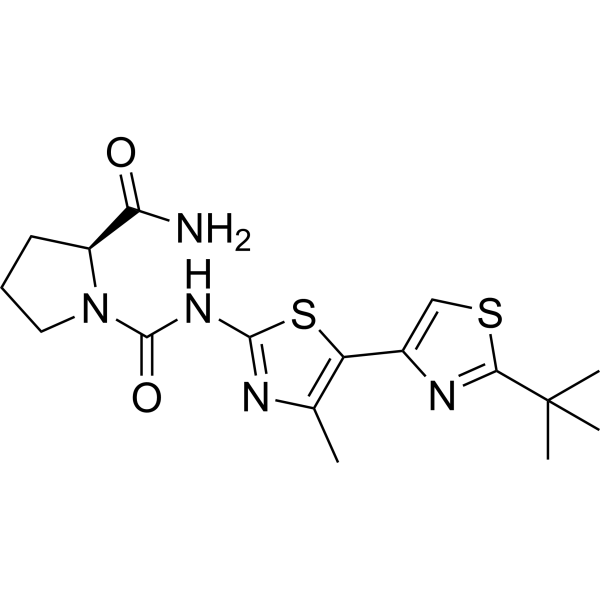
A66 is a highly specific and selective p110α inhibitor with an IC50 of 32 nM.
|
-
-
- HY-100735
-
-
-
- HY-14975
-
|
|
p38 MAPK
Autophagy
|
Cancer
|
|
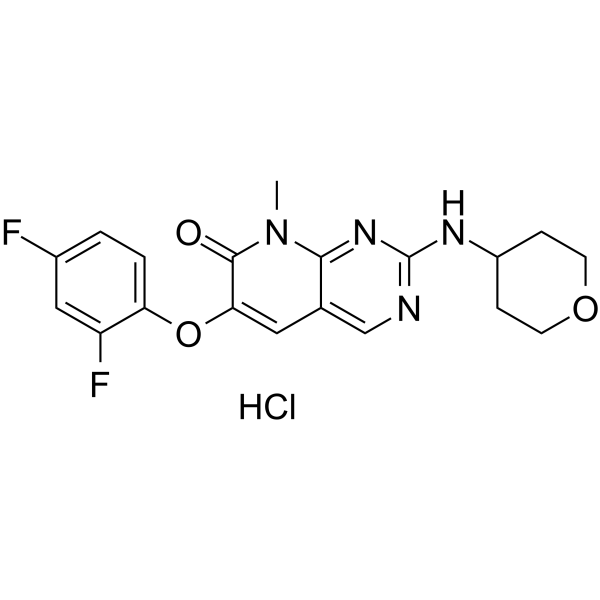
R1487 Hydrochloride is a highly potent and selective p38α inhibitor, with Kd values of 0.2 nM and 29 nM for p38α and p38β, respectively .
|
-
-
- HY-W067427
-
|
|
IKK
|
Cancer
|
|
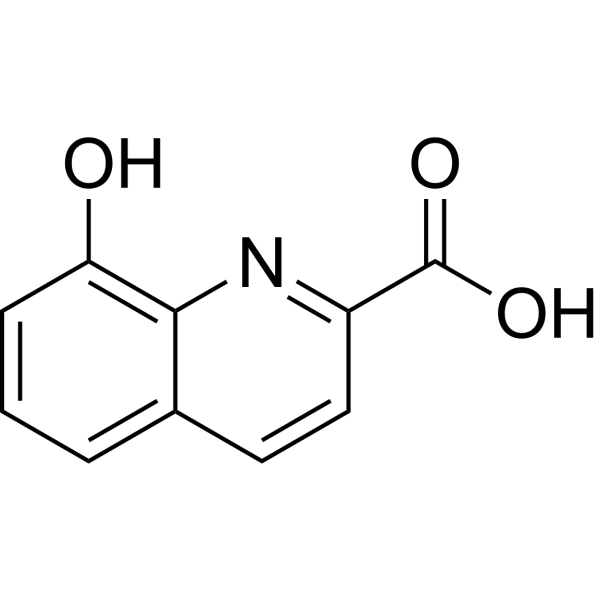
BAY32-5915 is a potent IKKα inhibitor with an IC50 value of 60 nM. BAY32-5915 has not affect Doxorubicin (HY-15142A)-induced NF-κB activation .
|
-
-
- HY-101272
-
|
|
PI3K
|
Cancer
|
|
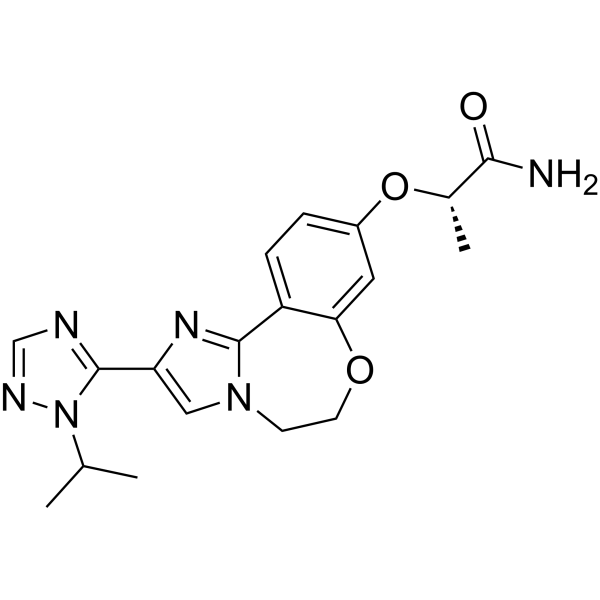
GDC-0326 is a potent and selective PI3Kα inhibitor with a Ki of 0.2 nM.
|
-
-
- HY-115746
-
-
-
- HY-119019
-
-
-
- HY-12825
-
-
-
- HY-121944
-
|
|
Casein Kinase
Wnt
|
Others
|
|
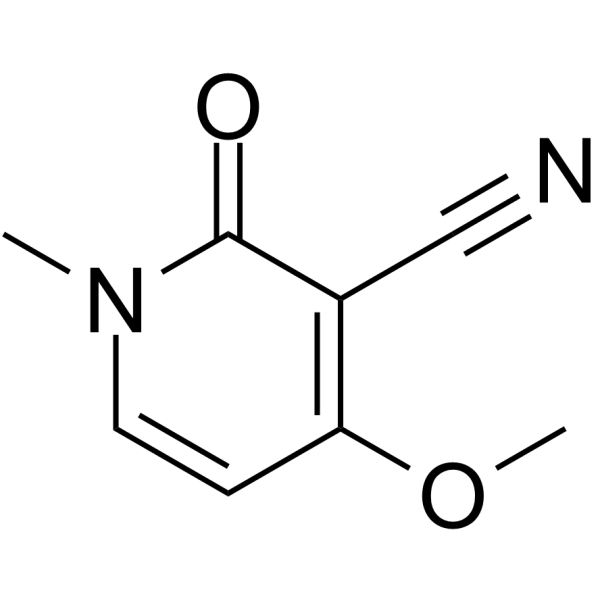
Ricinine exhibits hepatoprotection in CCl4-induced liver damage. Ricinine is also a CK1α inhibitor, and may activate Wnt pathway .
|
-
-
- HY-112275
-
-
-
- HY-13864
-
|
|
PI3K
Apoptosis
|
Cancer
|
|
PF-4989216 is a potent and selective PI3Kα inhibitor with a Ki of 0.6 nM.
|
-
-
- HY-147078
-
-
-
- HY-106253
-
-
-
- HY-B1550
-
-
-
- HY-19949
-
-
-
- HY-N4121
-
|
|
Estrogen Receptor/ERR
Apoptosis
|
Cancer
|
|
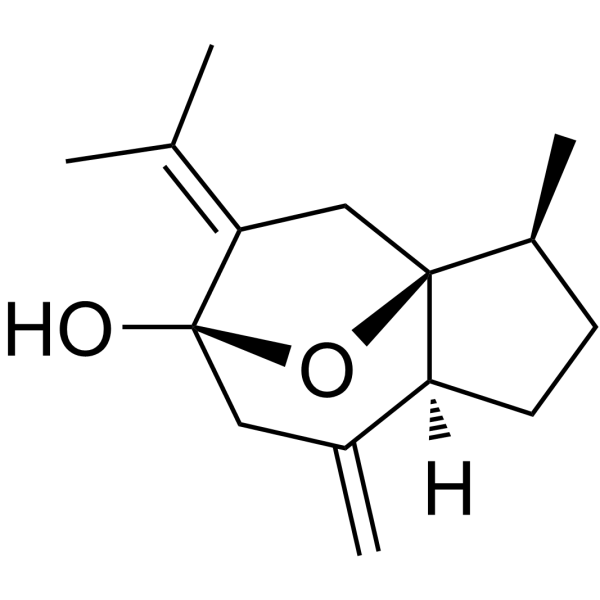
Isocurcumenol, an estrogen receptor alpha (ERα) inhibitor isolated from Curcuma zedoaria Rhizomes, possesses anti-tumor acticity, with IC50 values of 99.1μg/mL and 178.2 μg/mL in DLA and KB cells, respectively .
|
-
-
- HY-16187
-
|
|
HIF/HIF Prolyl-Hydroxylase
Apoptosis
|
Cancer
|
|
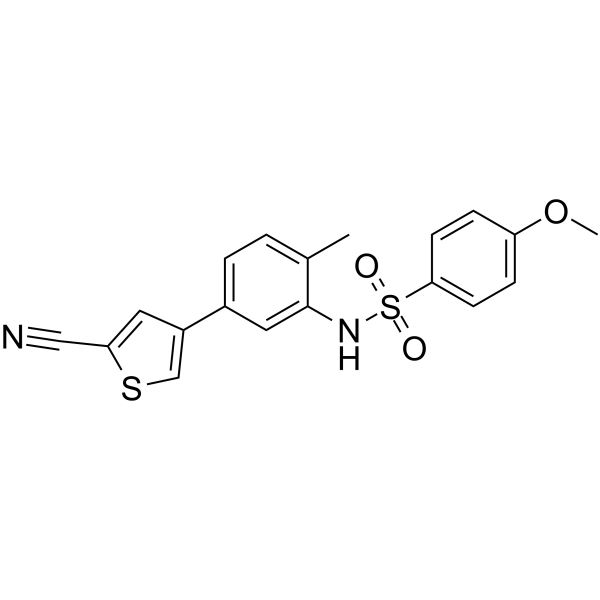
EL-102 is a hypoxia-induced factor 1 (Hif1α) inhibitor. EL-102 induces apoptosis, inhibits tubulin polymerisation and shows activities against prostate cancer. EL-102 can be used for the research of cancer .
|
-
-
- HY-N8251
-
-
-
- HY-131335
-
|
|
p38 MAPK
|
Inflammation/Immunology
|
|
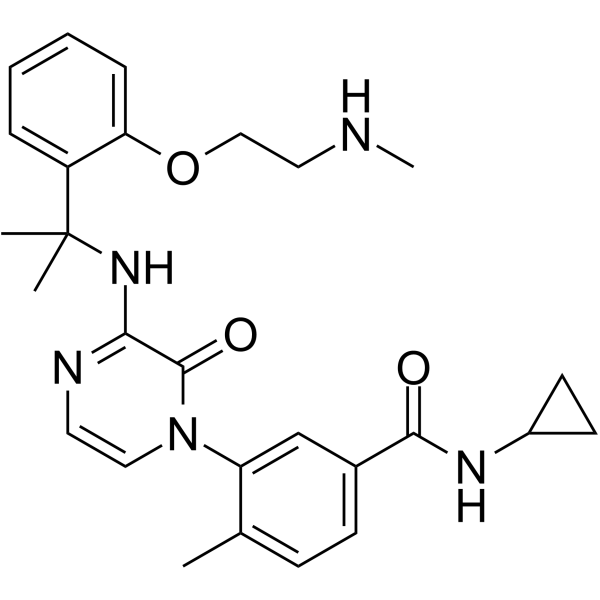
p38α inhibitor 2 is a highly potent and selective p38α MAPK inhibitor, with a pIC50 of 9.6. p38α inhibitor 2 inhibits the hERG ion channel (IC50=27 μM) and shows a promising selectivity profile when tested in a panel of 51 other protein kinases (<30% inhibition at 10 μM concentration) and a panel of 141 other biological targets .
|
-
-
- HY-11105
-
|
XL147 analogue
|
PI3K
Apoptosis
|
Cancer
|
|
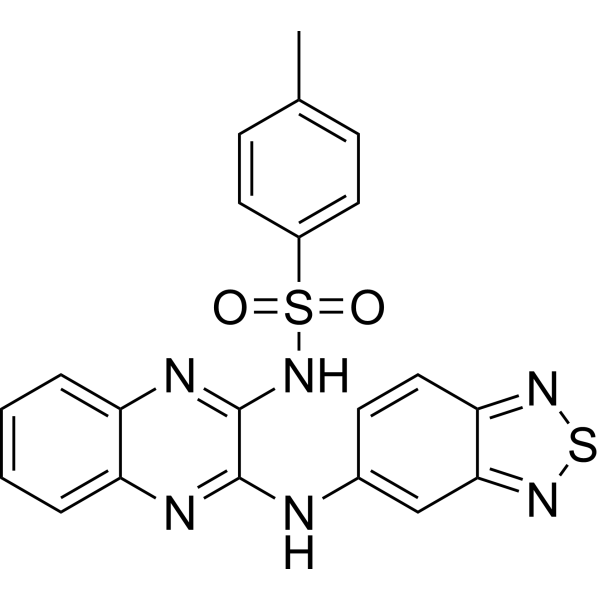
Pilaralisib analogue (XL147 analogue) is a representative and selective PI3Kα inhibitor extracted from patent WO2012006552A1, Compound 147 in Table 1.
|
-
-
- HY-170331
-
|
|
IFNAR
|
Inflammation/Immunology
|
|
IFNα-IN-1 (AJ2-18) is a IFNα inhibitor that inhibits IFN-α production. IFNα-IN-1 can be used for research of inflammation .
|
-

-
- HY-137144
-
|
ZB716
|
Estrogen Receptor/ERR
|
Cancer
|
|
Fulvestrant-3-boronic acid is an orally active ERα inhibitor, which binds to ERα competitively (IC50 = 4.1 nM) and effectively degrades ERα in breast cancer cells .
|
-

-
- HY-W009338
-
|
Val-Tyr
|
IKK
NF-κB
|
Inflammation/Immunology
Cancer
|
|
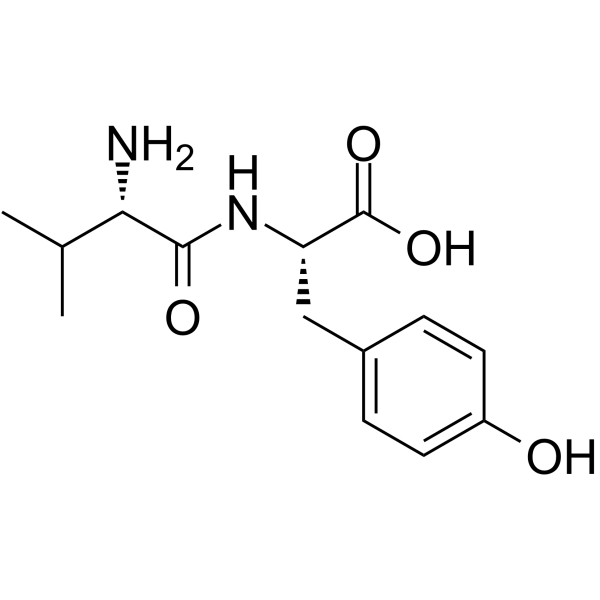
H-Val-Tyr-OH (Val-Tyr) is a dipeptide formed by the connection of valine and tyrosine via a peptide bond. H-Val-Tyr-OH is a potential IKKα inhibitor and can be used in the research of cancer and inflammatory diseases .
|
-
-
- HY-116301
-
|
|
Phospholipase
|
Inflammation/Immunology
|
|
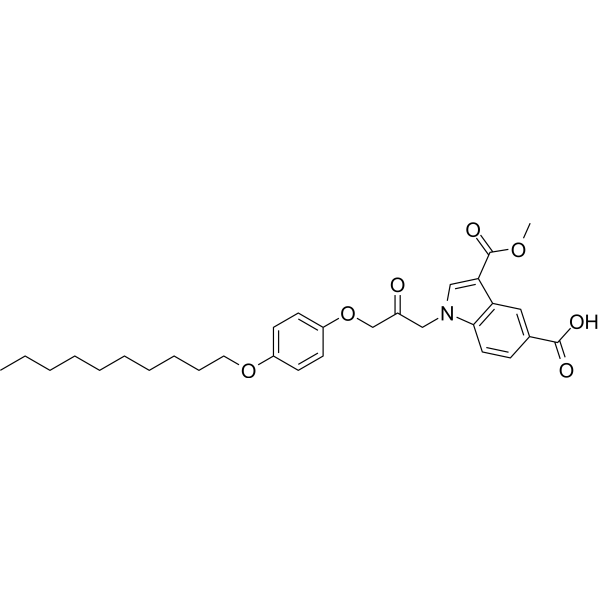
CAY10502 is a potent, calcium-dependent cytosolic phospholipase A2 α (cPLA2α) inhibitor with an IC50 of 4.3 nM for isolated enzyme. CAY10502 can be used in the research of retinopathy and inflammatory diseases .
|
-
-
- HY-114423
-
-
-
- HY-125840R
-
|
PT2977 (Standard); MK-6482 (Standard)
|
HIF/HIF Prolyl-Hydroxylase
Reference Standards
|
Cancer
|
|
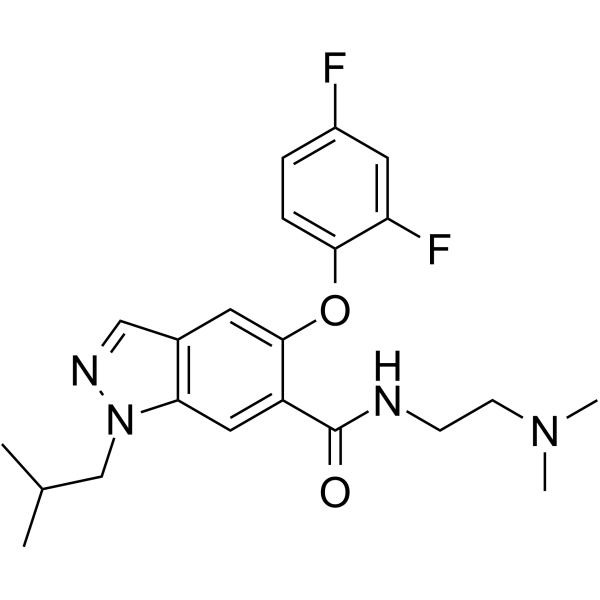
Belzutifan (Standard) is the analytical standard of Belzutifan. This product is intended for research and analytical applications. Belzutifan (PT2977) is an orally active and selective HIF-2α inhibitor with an IC50 of 9 nM. Belzutifan, as a second-generation HIF-2α inhibitor, increases potency and improves pharmacokinetic profile. Belzutifan is a potential treatment for clear cell renal cell carcinoma (ccRCC) .
|
-

-
- HY-133807A
-
|
|
TNF Receptor
|
Inflammation/Immunology
|
|
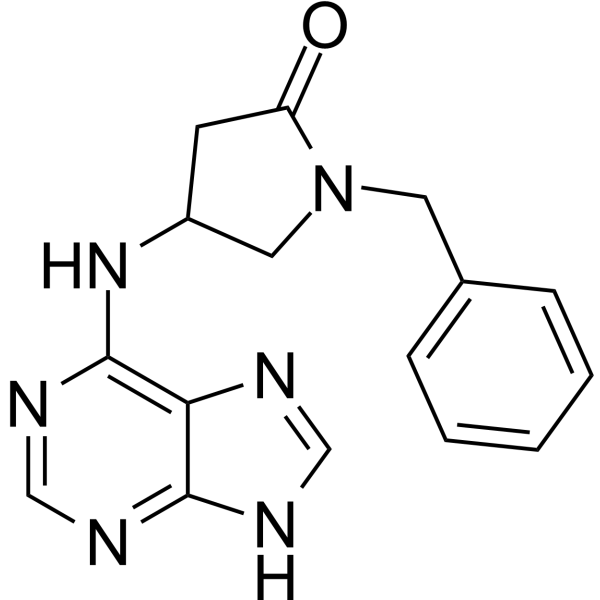
(Rac)-Benpyrine, a racemate of Benpyrine, is a potent and orally active TNF-α inhibitor. (Rac)-Benpyrine has the potential for TNF-α mediated inflammatory and autoimmune disease research .
|
-
-
- HY-108697A
-
|
|
HIF/HIF Prolyl-Hydroxylase
|
Cancer
|
|
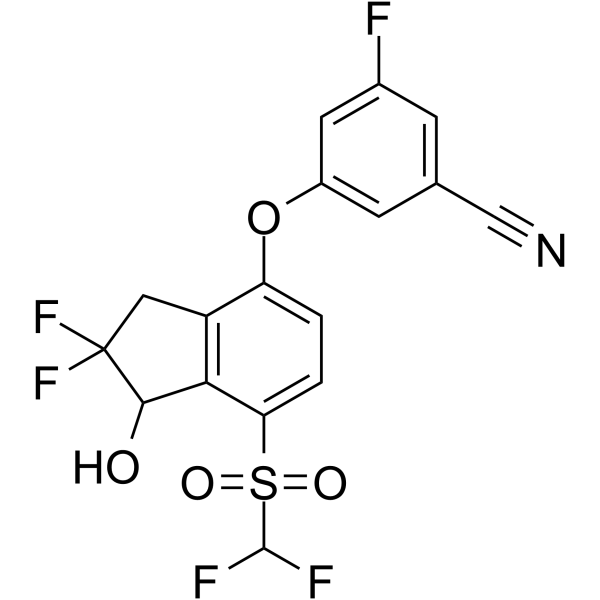
(Rac)-PT2399 (Compound 10e), the racemate of PT2399, acts as a potent and specific hypoxia-inducible factor 2a (HIF-2α) inhibitor with an IC50 of 0.01 μM .
|
-
-
- HY-159799
-
|
|
p38 MAPK
|
Cancer
|
|
p38α inhibitor 5 (compound 1) is a PROTAC-type target protein ligand targeting p38 and can be used to synthesize NR-11c (HY-159798) .
|
-

-
- HY-114368A
-
|
AMG-18 Hydrochloride
|
IRE1
|
Inflammation/Immunology
|
|
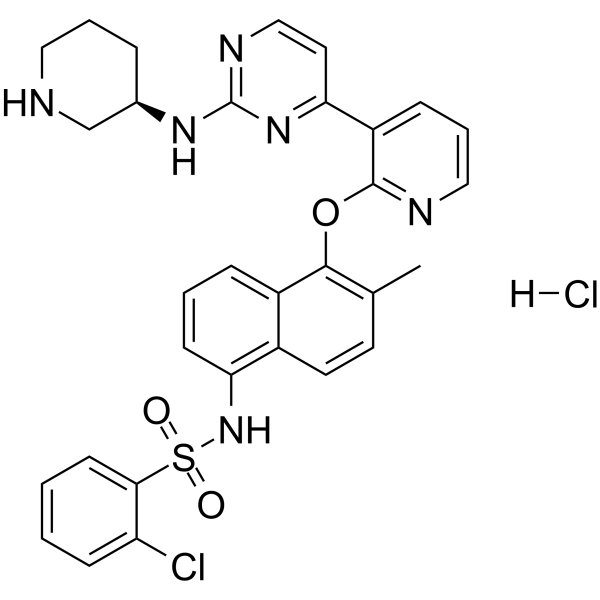
Kira8 Hydrochloride (AMG-18 Hydrochloride) is a mono-selective IRE1α inhibitor that allosterically attenuates IRE1α RNase activity with an IC50 of 5.9 nM .
|
-
-
- HY-172608
-
|
|
TNF Receptor
|
Inflammation/Immunology
|
|
TNF-α-IN-24 (Example 15) is a TNF-α inhibitor with an IC50 of 4.1 nM. TNF-α-IN-24 can be used in study of inflammatory and autoimmune disorders such as rheumatoid arthritis and Crohn’s disease .
|
-

-
- HY-153330
-
-
-
- HY-W150426
-
|
|
CMV
DNA/RNA Synthesis
|
Infection
|
|
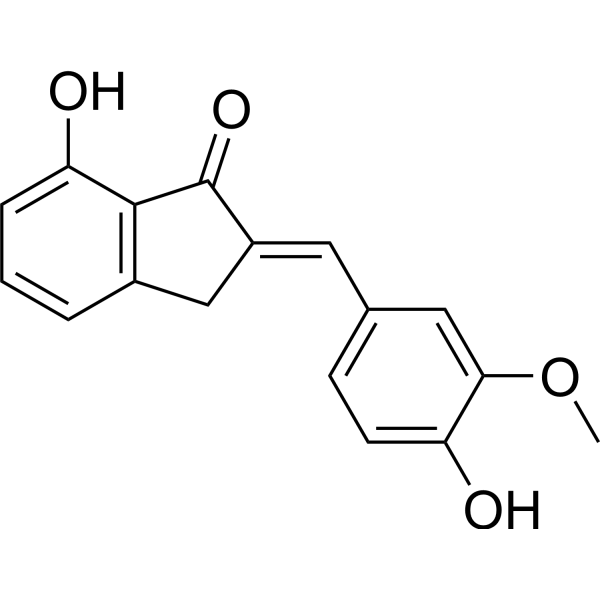
Naphthol AS-BS (Compound 1) is a human cytomegalovirus (HCMV) DNA polymerase alpha inhibitor with an IC50 of 12 μM. Naphthol AS-BS can be used for the research of infection .
|
-

-
- HY-U00179
-
-
-
- HY-178287
-
|
|
TNF Receptor
|
Inflammation/Immunology
|
|
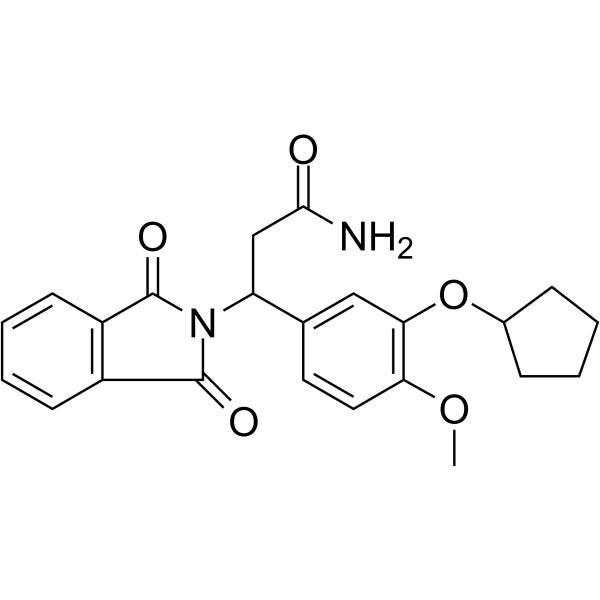
TNF-α-IN-27 (Compound 1) is a TNF-α inhibitor with inhibition rate of 64% at 10 μM. TNF-α-IN-27 can be used for the researches of inflammation and immunology, such as asthma .
|
-

-
- HY-162599
-
|
|
TNF Receptor
|
Infection
Cancer
|
|
Spirohypertone B is a potent Tumor necrosis factor-α (TNF-α) inhibitor. Spirohypertone B protects L929 cells from death induced by co-incubation with TNF-α and Actinomycin D (HY-17559) .
|
-

- HY-158386
-
|
|
IRE1
|
Cancer
|
|
IRE1a-IN-1 (Compound 10) is an IRE1α inhibitor, with an IC50 of less than 100 nM for XBP1 mRNA. IRE1a-IN-1 can be used for the research of cancer .
|
-

- HY-P99782
-
|
|
TNF Receptor
|
Inflammation/Immunology
|
|
Opinercept is a recombinant fusion protein comprising an TNFRSF1B fused to a human IgG1 Fc . Opinercept is a tumor necrosis factor-alpha (TNF-alpha) inhibitor. Opinercept can be used for the research of rheumatoid arthritis (RA) .
|
-

- HY-174991
-
|
|
IRE1
|
Neurological Disease
Cancer
|
|
CPD-2828 is an orally active and selective IRE1α inhibitor with an IC50 value of 1.2 μM. CPD-2828 is promising for research of endoplasmic reticulum stress-related diseases (e.g., cancer, neurodegenerative diseases) .
|
-

- HY-152195
-
|
|
Apoptosis
|
Cancer
|
|
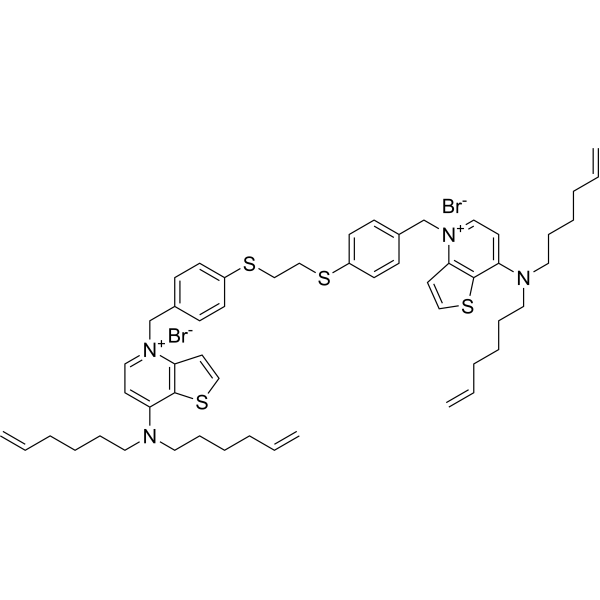
ChoKα inhibitor-5 is a sulphur-containing choline kinase inhibitor. ChoKα inhibitor-5 can inhibit HChoK α1 with an IC50 value of 0.64 μM. ChoKα inhibitor-5 also can induce apoptosis. ChoKα inhibitor-5 can be used for the research of cancer .
|
-
- HY-152191
-
|
|
Apoptosis
|
Cancer
|
|
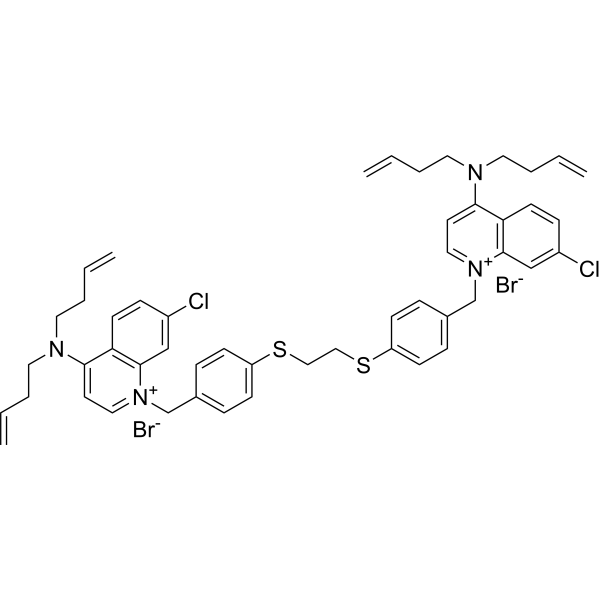
ChoKα inhibitor-3 is a sulphur-containing choline kinase inhibitor. ChoKα inhibitor-3 can inhibit HChoK α1 with an IC50 value of 0.66 μM. ChoKα inhibitor-3 also can induce apoptosis. ChoKα inhibitor-3 can be used for the research of cancer .
|
-
- HY-153002
-
-
- HY-116836
-
|
|
p38 MAPK
|
Inflammation/Immunology
|
|
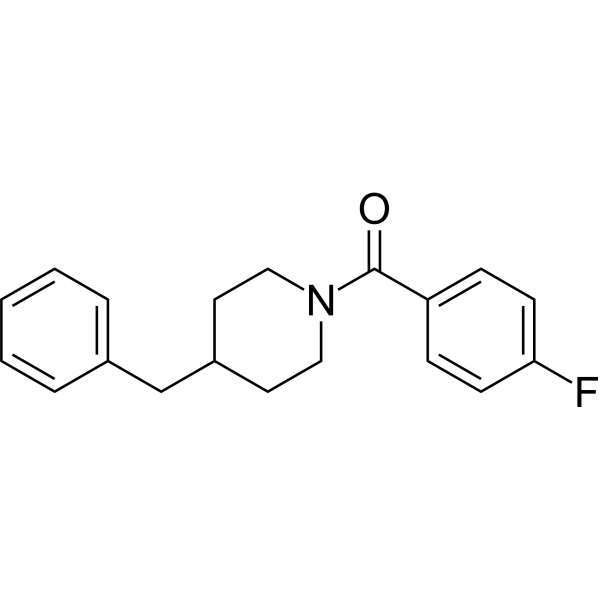
p38α inhibitor 7 (compound 1) is an effective p38α inhibitor with oral efficacy and generally favorable pharmacokinetic properties .
|
-

- HY-14412
-
|
|
p38 MAPK
|
Cancer
|
|
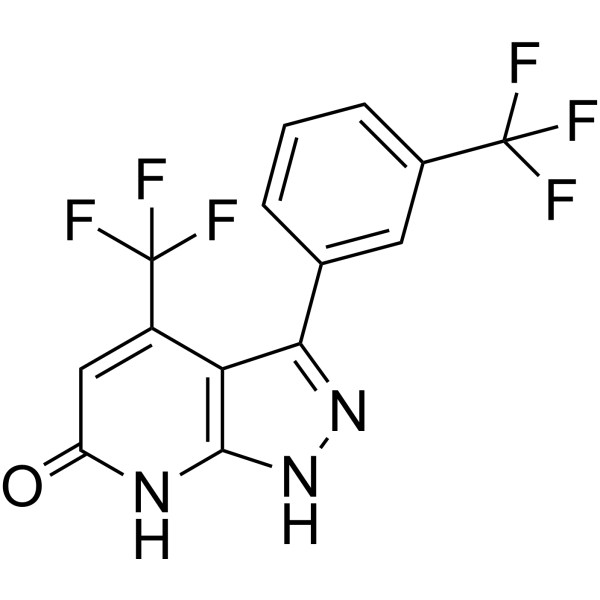
p38α inhibitor 4 (compound 10) is a selective and allosteric p38α inhibitor with an IC50 value of 1.2 μM. p38α inhibitor 4 exhibits no activity against p38β, p38γ, and p38δ .
|
-
- HY-159938
-
|
|
p38 MAPK
Apoptosis
Bcl-2 Family
MDM-2/p53
Caspase
|
Cancer
|
|
p38α inhibitor 6 (compound 19) is a p38α inhibitor with the IC50 of 0.68 μM. p38α inhibitor 6 induces cell apoptosis and arrests cell cycle at G0 and G2/M phase. p38α inhibitor 6 decreases the TNF-α concentration as well as increased the expression of tumor suppressor gene p53, Bax/BCL-2 ratio and caspase 3/7 .
|
-

- HY-152193
-
|
|
Apoptosis
|
Cancer
|
|
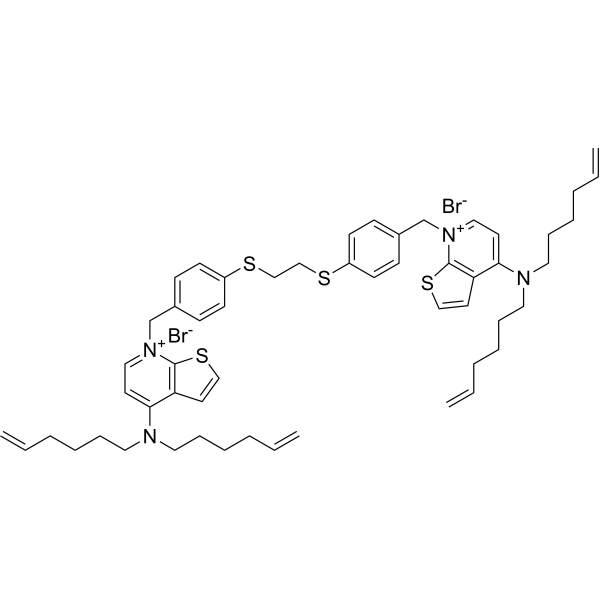
ChoKα inhibitor-4 is a bioisosteric inhibitor of HChoK α1 (IC50=0.66 μM), with inhibitory and antiproliferative effect on cancer cells. ChoKα inhibitor-4 induces apoptosis via mitochondrial pathway, and reduces anti-apoptotic proteins expression .
|
-
- HY-126333
-
|
|
Topoisomerase
|
Cancer
|
|
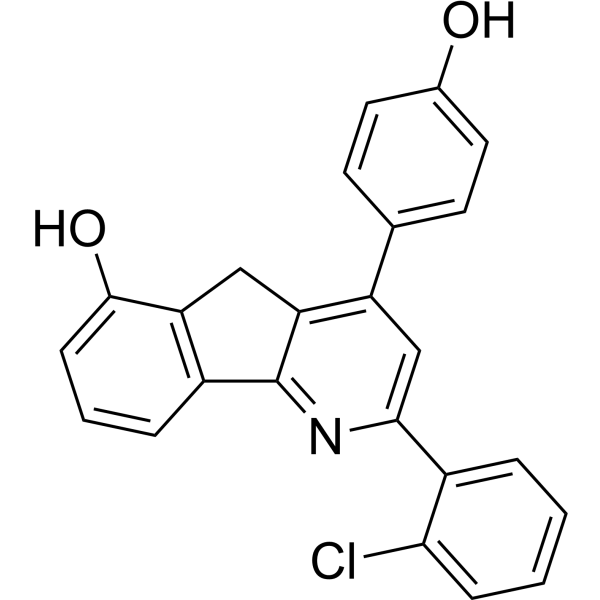
Topoisomerase II inhibitor 1 (compound 89) is a highly efficient and selective topoisomerase IIα inhibitor .
|
-
- HY-142659
-
|
|
IRE1
|
Cancer
|
|
IRE1α kinase-IN-6 is a potent IRE1α inhibitor with an IC50 value of 4.4 nM.
|
-
- HY-144178
-
-
- HY-146424
-
-
- HY-144176
-
-
- HY-153915
-
|
|
PI3K
|
Cancer
|
|
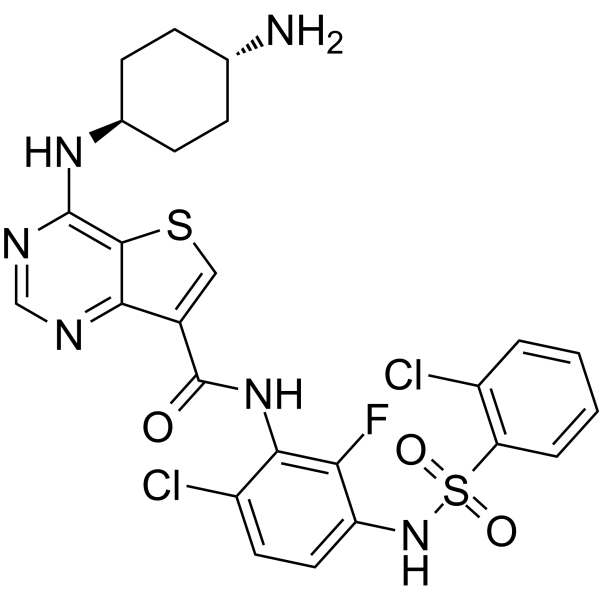
PI3Kα-IN-11 is a potent PI3Kα inhibitor with anticancer activity .
|
-
- HY-162799
-
|
|
Choline Kinase
|
Cancer
|
|
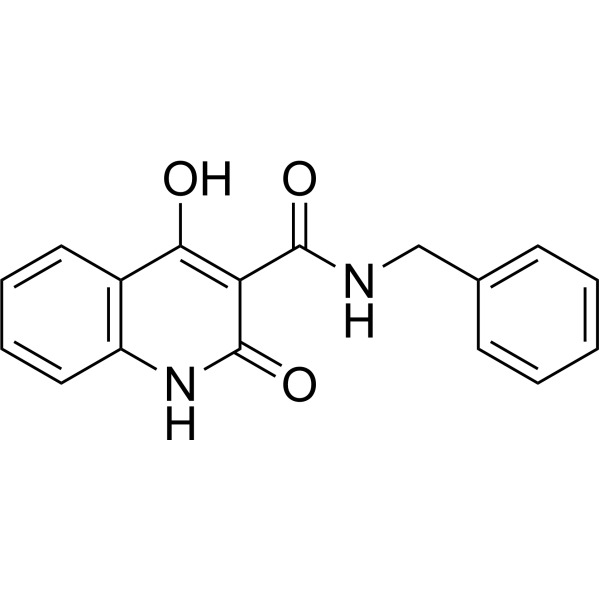
ChoKα inhibitor-6 (compound Fa22) is a less specific ChoKα1 inhibitor with antitumor activity .
|
-

- HY-124079
-
-

- HY-163598
-
-

- HY-160436
-
-
- HY-163361
-
|
|
PI3K
|
Cancer
|
|
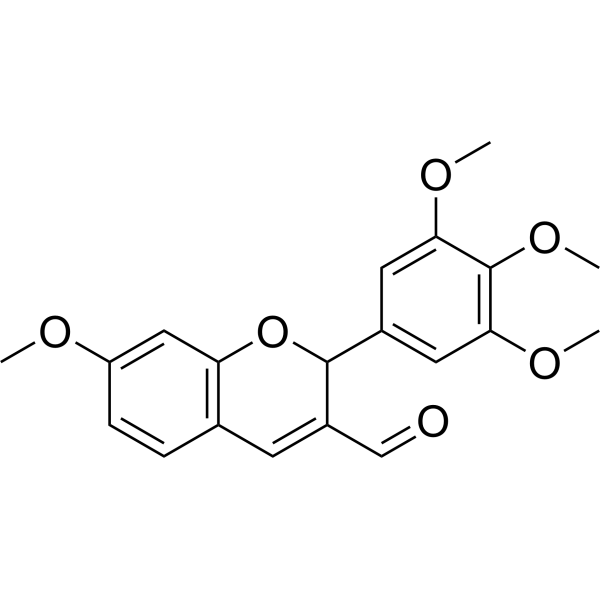
PI3Kα-IN-20 (compound 2) is a selective PI3Kα inhibitor .
|
-
- HY-163602
-
-

- HY-163600
-
-

- HY-163599
-
-

- HY-163601
-
-

- HY-163597
-
-

- HY-163603
-
-

- HY-138871
-
-

- HY-160433
-
-
- HY-124647
-
|
|
PI3K
|
Cancer
|
|
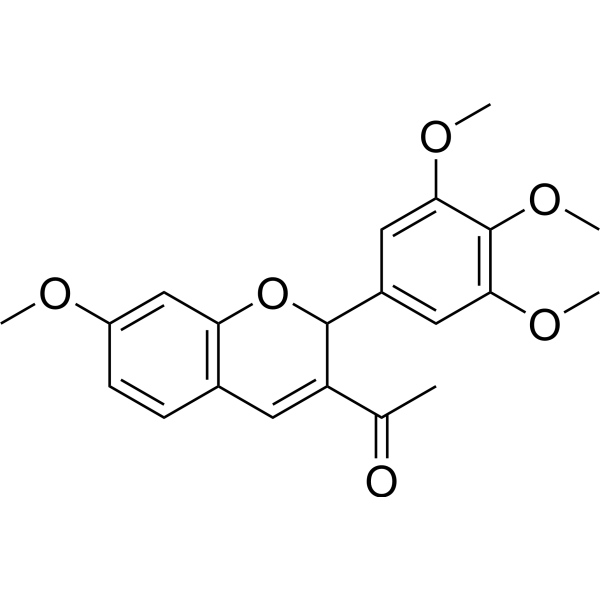
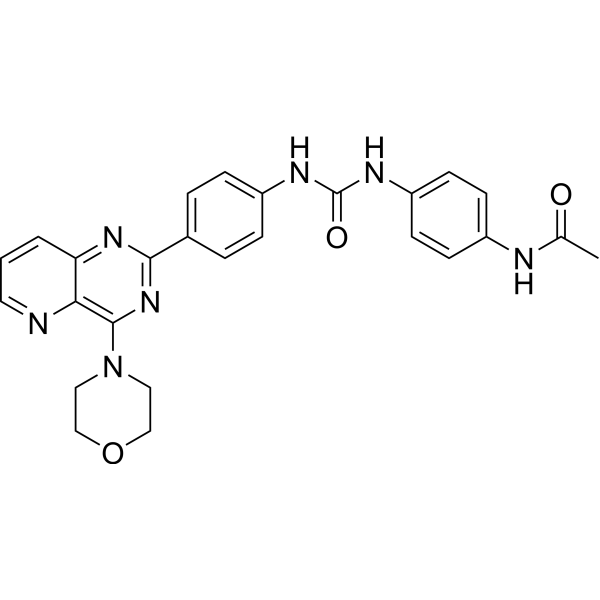
PI3Kα-IN-1 is a PI3Kα inhibitor (IC50 < 0.5 nM), and also inhibits mTOR (IC50: 104 nM) .
|
-
- HY-160437
-
|
|
TNF Receptor
|
Inflammation/Immunology
|
|
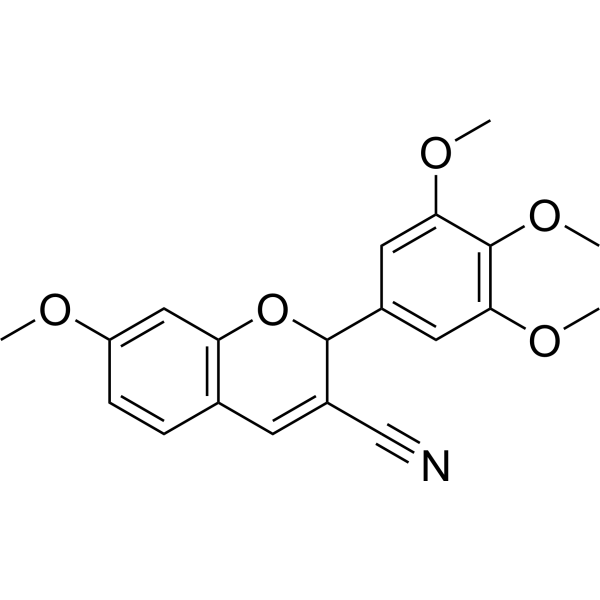
TNF-α-IN-16 is a potent TNFα inhibitor with an IC50 of <0.6 μM. TNF-α-IN-16 has antiinflammatory properties (WO2001072735A2; example 18) .
|
-
- HY-160434
-
-
- HY-171468
-
|
|
TNF Receptor
|
Cancer
|
|
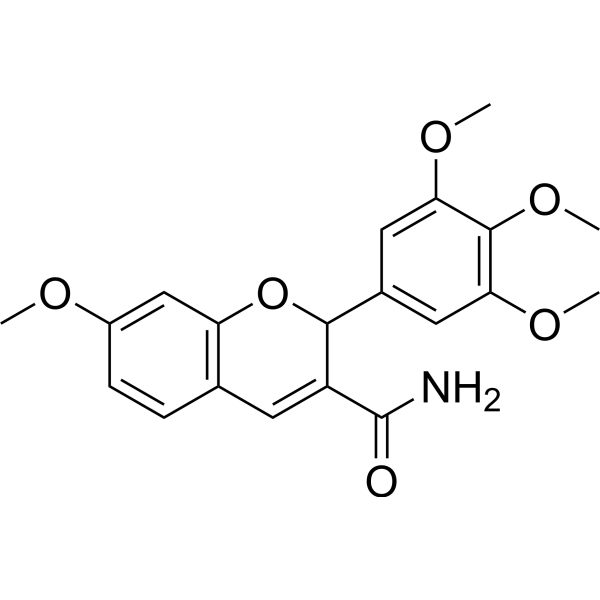
CC-1069, a structural analog of thalidomide (HY-14658), is a TNF-α inhibitor that inhibits endothelial. CC-1069 can be used to study angiogenesis-dependent tumors such as gliomas .
|
-

- HY-171300
-
-

- HY-145419
-
|
|
IRE1
|
Others
|
|
IRE1α kinase-IN-4 (compound 6) is a potent IRE1α inhibitor with an Ki of 140 nM. IRE1α kinase-IN-4 is the ATP-competitive ligands of IRE1α .
|
-
- HY-160435
-
|
|
TNF Receptor
|
Inflammation/Immunology
|
|
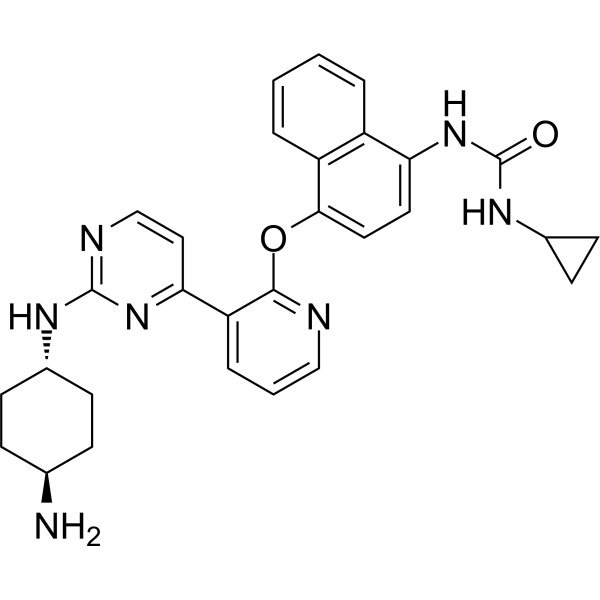
TNF-α-IN-14 is a potent and selective TNFα inhibitor with an IC50 value of 1.1 µM. TNF-α-IN-14 shows antiinflammatory properties (WO2001072735A2; compound 12) .
|
-
- HY-156576
-
|
|
DGK
|
Cancer
|
|
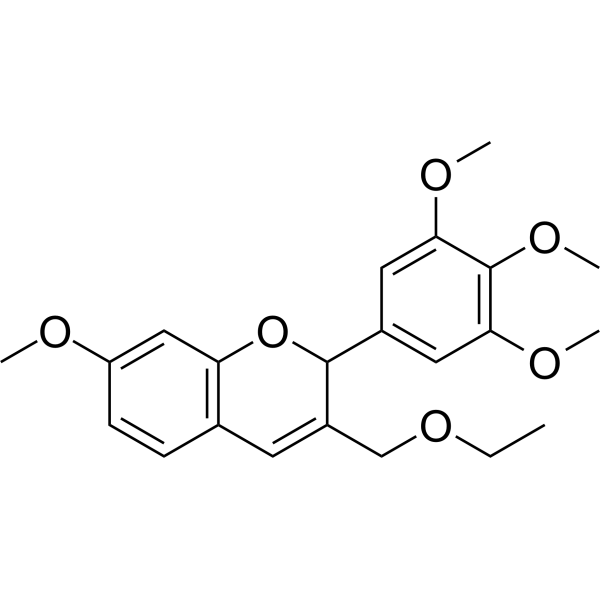
DGKα-IN-6 is a DGKα inhibitor with the IC50 of 1.377 nM, extracted from patent WO2022271650 (compound 143). DGKα-IN-6 has the potential for cancer study.
|
-
- HY-145420
-
|
|
IRE1
|
Others
|
|
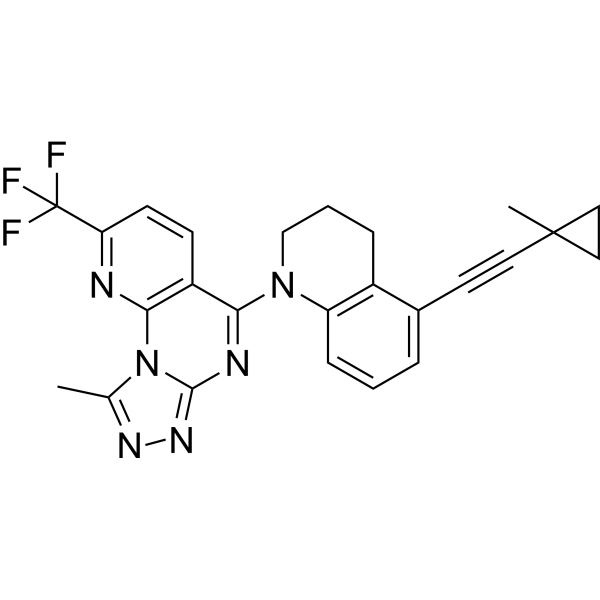
IRE1α kinase-IN-5 (compound 7) is a potent IRE1α inhibitor with an Ki of 98 nM. IRE1α kinase-IN-5 is the ATP-competitive ligands of IRE1α .
|
-
- HY-145418
-
|
|
IRE1
|
Others
|
|
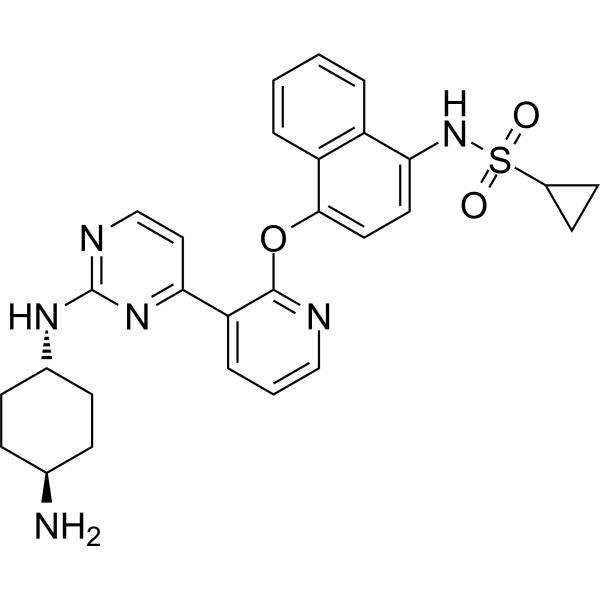
IRE1α kinase-IN-3 (compound 2) is a potent IRE1α inhibitor with an Ki of 480 nM. IRE1α kinase-IN-3 is the ATP-competitive ligands of IRE1α .
|
-
- HY-156577
-
|
|
DGK
|
Cancer
|
|
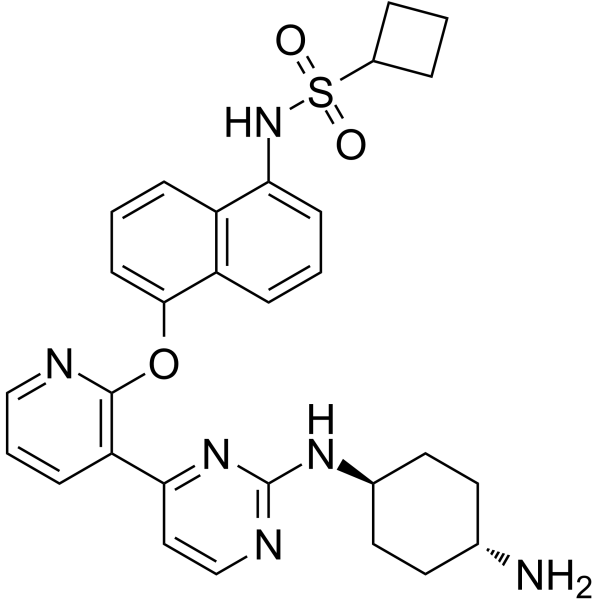
DGKα-IN-7 is a DGKα inhibitor with the IC50 of 6.225 nM, extracted from patent WO2022271684 (compound 100). DGKα-IN-7 has the potential for cancer study.
|
-
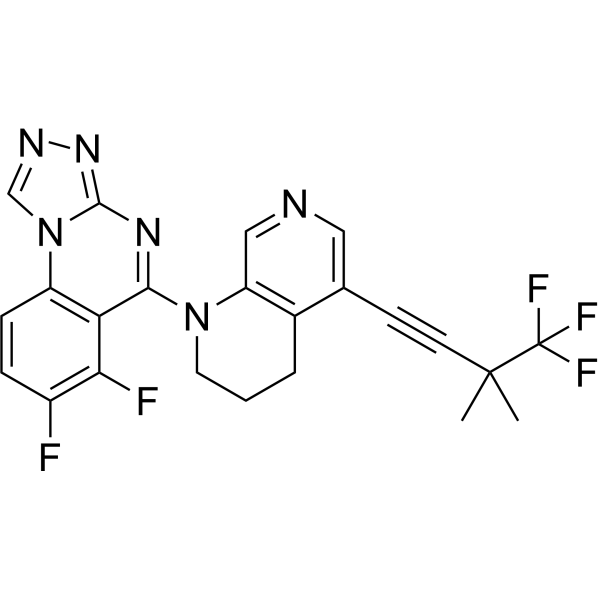
- HY-158393
-
|
|
IRE1
|
Cancer
|
|
IRE1a-IN-2 (Compound 30) is an IRE1α inhibitor, with an IC50 of over than 200 nM for XBP1 mRNA. IRE1a-IN-2 can be used for the research of cancer .
|
-

- HY-116704
-
-
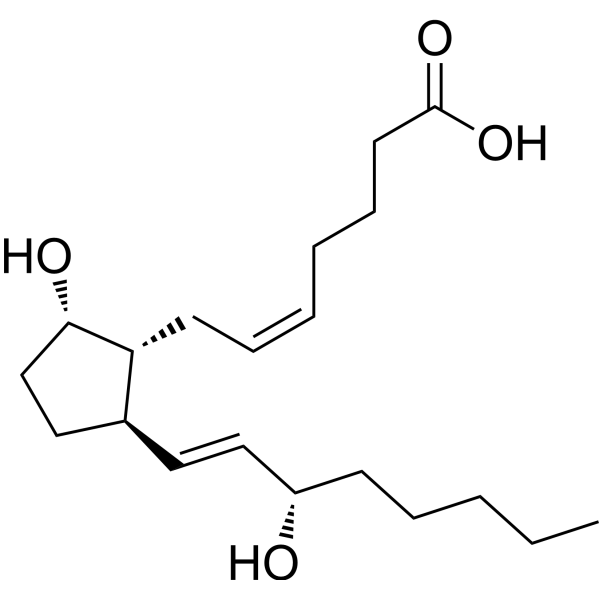
- HY-146020
-
|
|
Topoisomerase
|
Cancer
|
|
Topoisomerase IIα-IN-1 (compound 2) is a potent DNA-binding ligands and topoisomerase IIα inhibitor. Topoisomerase IIα-IN-1 exhibits high antiproliferative activity against human cancer cell lines .
|
-
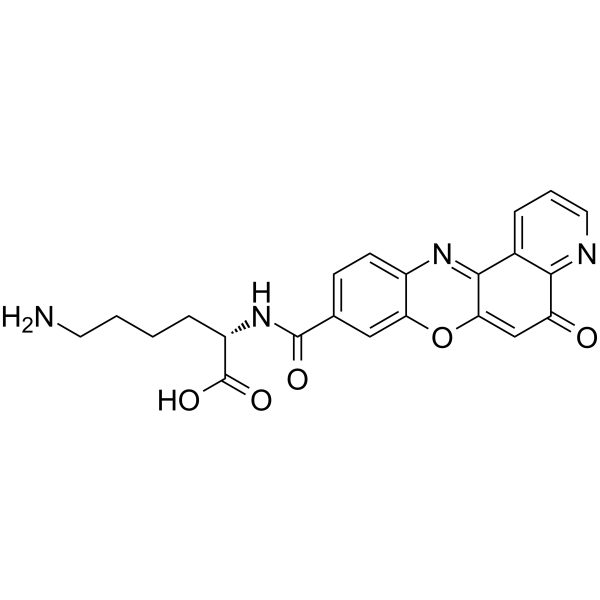
- HY-156458A
-
|
|
REV-ERB
|
Inflammation/Immunology
|
|
(R)-SR-29065 is a selective REV-ERBα inhibitor with a IC50 of 10 nM. (R)-SR-29065 is applicable to research related to autoimmune diseases .
|
-

- HY-118340
-
|
|
DAGL
|
Inflammation/Immunology
|
|
L-Isoleucine orlistat (Compound 15) is a diacylglycerol lipase α (DAGLα) inhibitor with an IC50 value of < 50 nM. L-Isoleucine orlistat is promising for research of neural signaling and inflammation-related diseases .
|
-

- HY-18882
-
|
|
p38 MAPK
|
Cancer
|
|
P38α-IN-11 (Compound 16c) is a p38α inhibitor with a KD value of 586 nM. P38α-IN-11 can be used for research on cervical cancer .
|
-

- HY-N19295
-
|
|
PI4K
|
Cancer
|
|
Echiguanine A is a phosphatidylinositol 4-kinase (PI4KIIα) inhibitor with an IC50 of 0.04 μg/mL. Echiguanine A inhibits phosphatidylinositol 4-kinase activity in cell membrane extracts. Echiguanine A is applicable for cancer research .
|
-

- HY-181270
-
|
|
HIF/HIF Prolyl-Hydroxylase
|
Cancer
|
|
RH01504 is a HIF2α inhibitor with a Kd value of 5.42 nM against human HIF2α. RH01504 inhibits the growth of renal cancer cells. RH01504 can be used in research related to renal cell carcinoma .
|
-

- HY-N19756
-
|
|
RAR/RXR
|
Cancer
|
|
Cochinchinone P is a retinoid X receptor-α (RXRα) inhibitor that inhibits 9-cis-retinoic acid (HY-15128)-induced transcriptional activity of RXRα in vitro. Cochinchinone P can be used in cancer research .
|
-

- HY-181172
-
|
|
Estrogen Receptor/ERR
|
Cancer
|
|
FRAGHIT-4 is an estrogen receptor alpha (ERα) inhibitor. FRAGHIT-4 exhibits antineoplastic activity against breast cancer via targeting ER signaling. FRAGHIT-4 can be used for the research of breast cancer .
|
-

- HY-101491
-
|
|
PGC-1α
Autophagy
|
Metabolic Disease
|
|
SR-18292 is a PPAR gamma coactivator-1α (PGC-1α) inhibitor, which increases PGC-1α acetylation, suppresses gluconeogenic gene expression and reduces glucose production in hepatocytes.
|
-
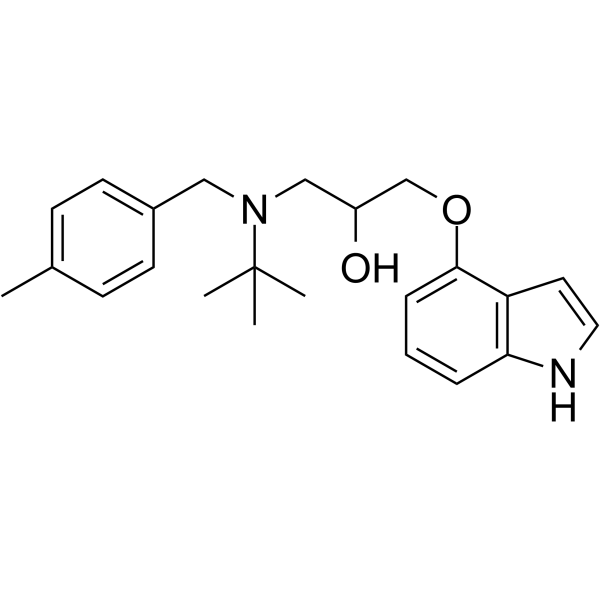
- HY-130264
-
|
|
HIF/HIF Prolyl-Hydroxylase
|
Cancer
|
|
HIF-2α-IN-2 is a hypoxia-inducible factors (HIF-2α) inhibitor extracted from patent WO2015035223A1, Compound 232, has an IC50 of 16 nM in scintillation proximity assay (SPA) .
|
-
- HY-153329
-
|
|
TNF Receptor
|
Others
|
|
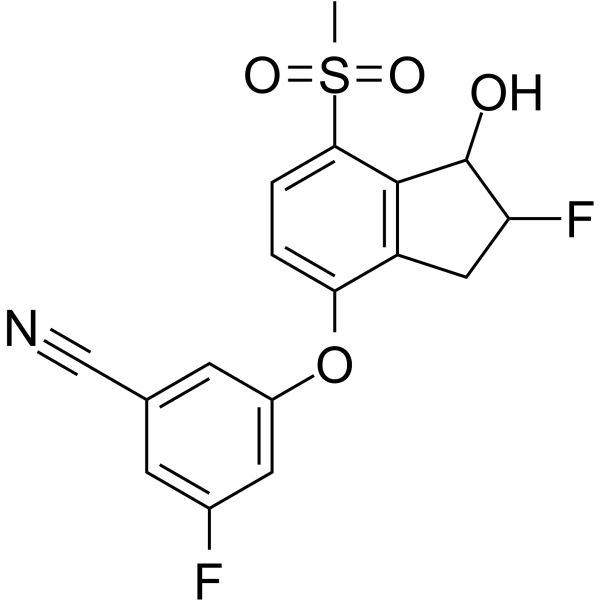
TNF-α-IN-9 (compound 48) is a analog of NDM-1 inhibitor-3 (HY-150758). TNF-α-IN-9 is a TNF-α inhibitor. TNF-α-IN-9 shows low inhibitory activity .
|
-
- HY-156454
-
|
|
TNF Receptor
|
Inflammation/Immunology
|
|
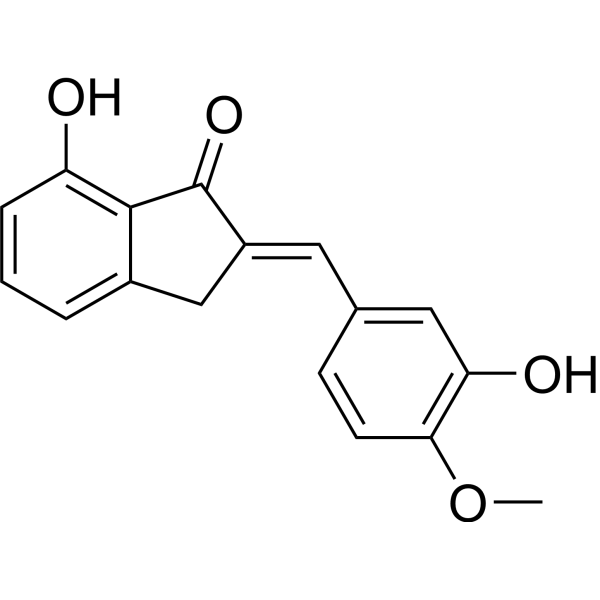
UCB-6876 is a TNFα inhibitor. UCB-6876 specifically binds to the asymmetric crystalline form of TNF-α trimer with a KD of 22 μM. UCB-6876 is applicable to research related to autoimmune diseases (rheumatoid arthritis and Crohn's disease) .
|
-
- HY-183638
-
-

- HY-147813
-
-
- HY-10328
-
|
VX-745
|
p38 MAPK
Autophagy
|
Inflammation/Immunology
|
|
Neflamapimod (VX-745) is a potent, blood-brain barrier penetrant, highly selective inhibitor of p38α inhibitor with an IC50 for p38α of 10 nM and for p38β of 220 nM. Neflamapimod (VX-745) possesses anti-inflammatory activity.
|
-
- HY-145940
-
|
BRD3727
|
Casein Kinase
|
Cancer
|
|
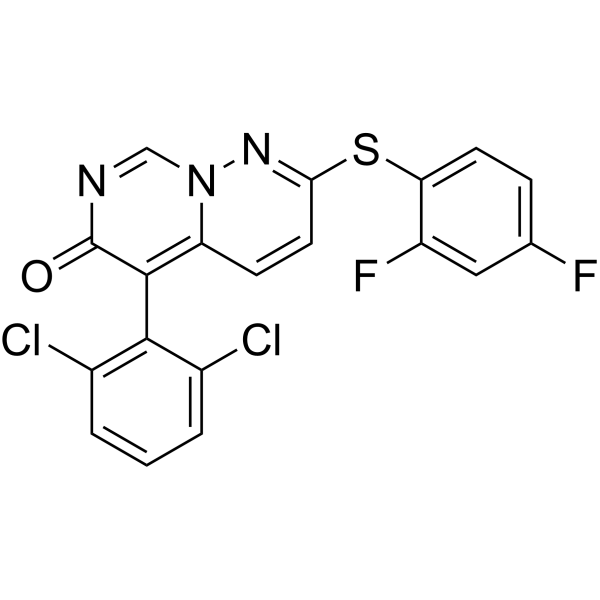
BAY-204 (BRD3727) is a potent, ATP-competitive, and selective CSNK1α inhibitor (IC50 = 2 nM at 10 μM ATP; 12 nM at 1 mM ATP). BAY-204 can be used for the study of acute myeloid leukemia (AML) .
|
-
- HY-172139
-
|
|
PI3K
|
Cancer
|
|
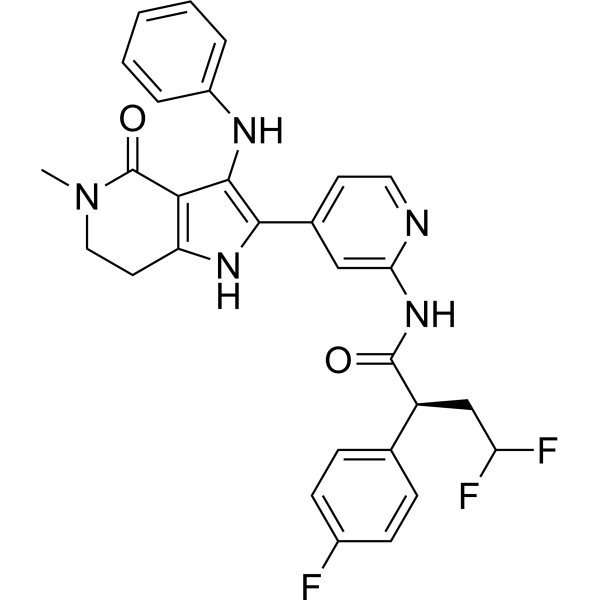
PI3Kα-IN-25 (Compound Djh1) is a selective PI3Kα inhibitor. PI3Kα-IN-25 can be used in triple-negative breast cancer research .
|
-

- HY-123954
-
BTX-A51
1 Publications Verification
Casein Kinase inhibitor A51
|
Casein Kinase
CDK
Apoptosis
|
Cancer
|
|
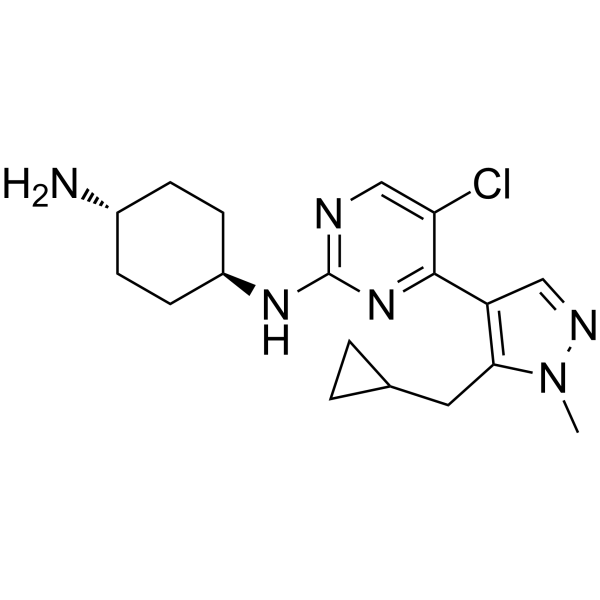
BTX-A51 (Casein Kinase inhibitor A51) is a potent and orally active casein kinase 1α (CK1α) inhibitor. BTX-A51 induces leukemia cell apoptosis, and has potent anti-leukemic activities .
|
-
- HY-N0835
-
-
- HY-P99153
-
|
MORAb-003
|
Antibiotic
|
Cancer
|
|
Farletuzumab (MORAb-003) is a potent folate receptor-alpha (FRα) inhibitor. Farletuzumab is a humanized monoclonal antibody with high affinity for FRα. Farletuzumab possesses growth-inhibitory functions on cells overexpressing FRα. Farletuzumab can be used in research of cancer .
|
-

- HY-173210
-
|
|
Apoptosis
TNF Receptor
|
Cancer
|
|
TNF-α-IN-22 (Compound 30) is a TNFα inhibitor. It can induce Apoptosis by inhibiting the downregulation of IkBα induced by TNFα and blocking the cell cycle. TNF-α-IN-22 can be used in the research of triple-negative breast cancer .
|
-

- HY-100735R
-
|
|
TNF Receptor
Reference Standards
|
Inflammation/Immunology
|
|
C 87 (Standard) is the analytical standard of C 87 (HY-100735). This product is intended for research and analytical applications. C 87 is a novel small-molecule TNFα inhibitor; potently inhibits TNFα-induced cytotoxicity with an IC50 of 8.73 μM.
|
-

- HY-148174
-
|
|
DGK
|
Cancer
|
|
JNJ-3790339, a Ritanserin (HY-10791) analog, is a potent and selective diacylglycerol kinase (DGKα) inhibitor with an IC50 of 9.6 μM. JNJ-3790339 has induction of toxicity in malignant cells, and improves ability to upregulate T cell activation .
|
-
- HY-111255A
-
|
|
TNF Receptor
|
Inflammation/Immunology
Cancer
|
|
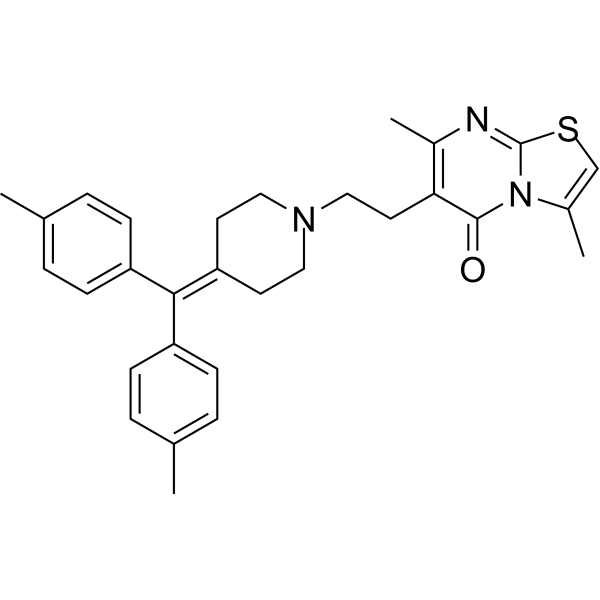
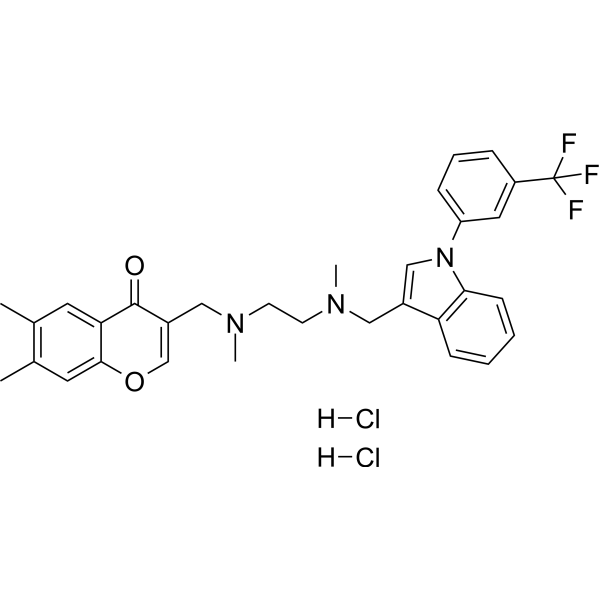
SPD304 dihydrochloride is a selective TNF-α inhibitor, which promotes dissociation of TNF trimers and therefore blocks the interaction of TNF and its receptor. SPD304 has an IC50 of 22 μM for inhibiting in vitro TNF receptor 1 (TNFR1) binding to TNF-α .
|
-
- HY-N7821
-
|
Aphidicolin 17-monoacetate
|
DNA/RNA Synthesis
|
Cancer
|
|
Aphidicolin 17-acetate is a selective eukaryotic DNA polymerase α inhibitor. Aphidicolin 17-acetate does not inhibit DNA polymerase β and γ. Aphidicolin 17-acetate markedly inhibits the in vivo DNA synthesis of sea urchin embryos and HeLa cells but not RNA and protein syntheses .
|
-

- HY-147801
-
|
|
Topoisomerase
Apoptosis
|
Cancer
|
|
Topoisomerase IIα-IN-3 (Compound 12c) is a DNA intercalative topoisomerase-IIα inhibitor. Topoisomerase IIα-IN-3 arrests cell cycle at the G0/G1 phase and induces apoptosis .
|
-
- HY-111255
-
|
|
TNF Receptor
|
Cancer
|
|
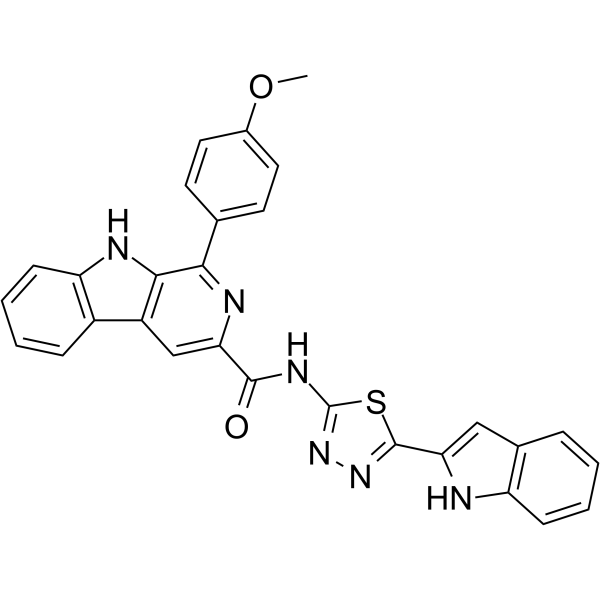
SPD304 is a selective TNF-α inhibitor, which promotes dissociation of TNF trimers and therefore blocks the interaction of TNF and its receptor. SPD304 has an IC50 of 22 μM for inhibiting in vitro TNF receptor 1 (TNFR1) binding to TNF-α .
|
-
- HY-146268
-
|
|
CaMK
|
Neurological Disease
|
|
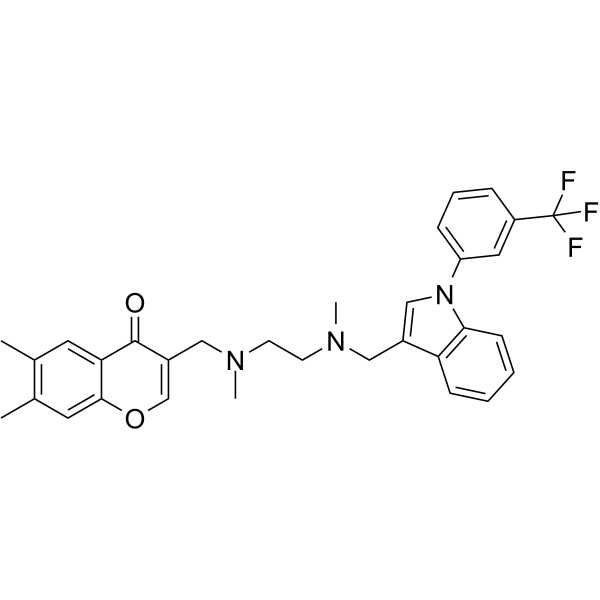
CaMKIIα-IN-1 (Compound 4d) is an orally active Ca 2+/calmodulin-dependent protein kinase II α (CaMKIIα) inhibitor with a KD of 219 nM for CaMKIIα WT hub. CaMKIIα-IN-1 has good metabolic stability .
|
-
- HY-175727
-
|
|
DGK
|
Cancer
|
|
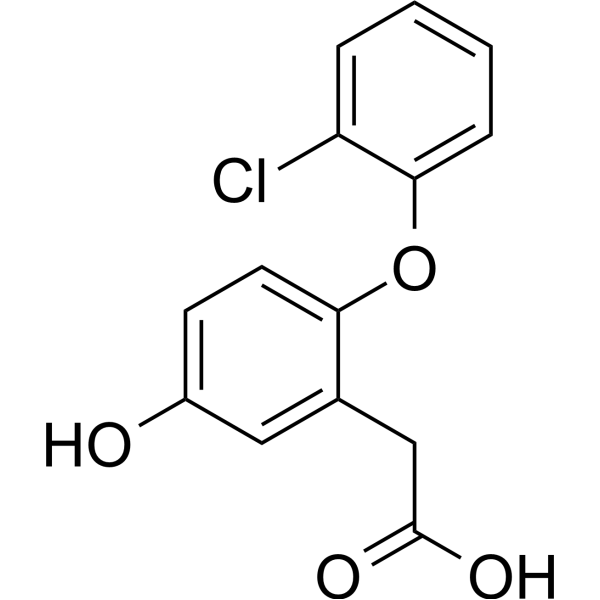
DGKα-IN-9 is a diacylglycerol kinase alpha (DGKα) inhibitor. DGKα-IN-9 demonstrates a tumor growth inhibition in MC38 or or CT26 mouse tumor model. DGKα-IN-9 can be used for the study of cancer .
|
-

- HY-156567
-
|
|
DGK
|
Metabolic Disease
|
|
AMB639752 is a potent DGKα inhibitor. AMB639752 restores restimulation induced cell death (RICD) in SAP deficient lymphocytes by inhibiting DGKα in intact cells. AMB639752 can be used for X-linked lymphoproliferative disease 1(XLP-1) research .
|
-
- HY-163360
-
|
|
PI3K
|
Cancer
|
|
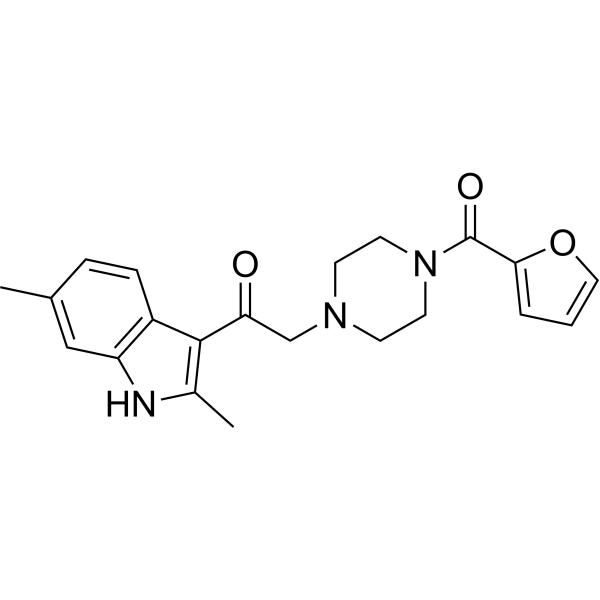
PI3Kα-IN-19 (Compound 1) is a PI3Kα inhibitor with a targeted binding site at the p110α catalytic subunit. PI3Kα is one of the most common dysregulated kinases used in cancer research .
|
-
- HY-153474
-
|
|
IRE1
|
Others
|
|
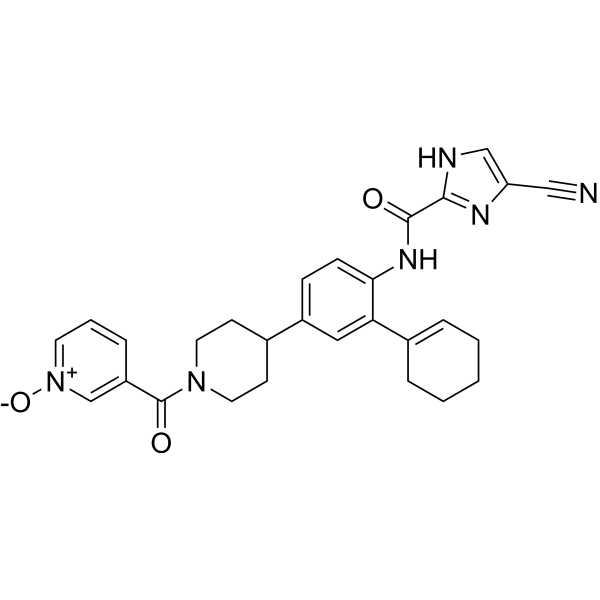
IRE1α kinase-IN-8, a benzoheterocyclecarboxaldehyde derivative, is a potent IRE-1α inhibitor. IRE1α kinase-IN-8 can be used for research in diseases associated with the unfolded protein response or with regulated IRE1-dependent decay (RIDD) .
|
-
- HY-133807
-
|
|
TNF Receptor
|
Inflammation/Immunology
|
|
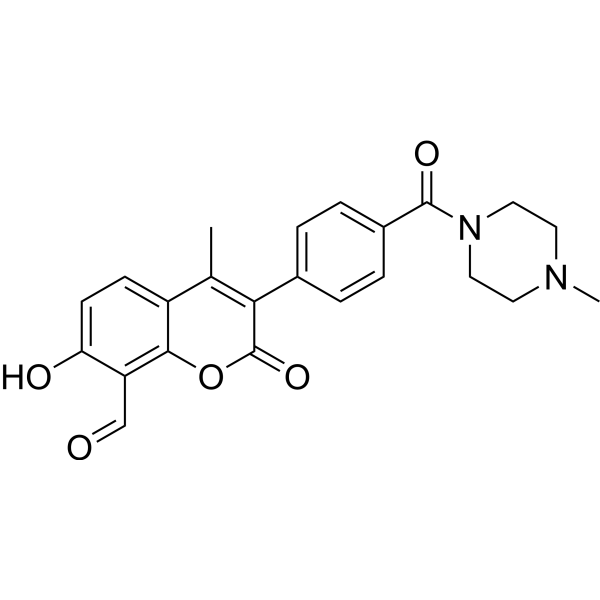
Benpyrine is a highly specific and orally active TNF-α inhibitor with a KD value of 82.1 μM. Benpyrine tightly binds to TNF-α and blocks its interaction with TNFR1, with an IC50 value of 0.109 µM. Benpyrine has the potential for TNF-α mediated inflammatory and autoimmune disease research .
|
-
- HY-103030
-
|
|
PI3K
|
Cancer
|
|
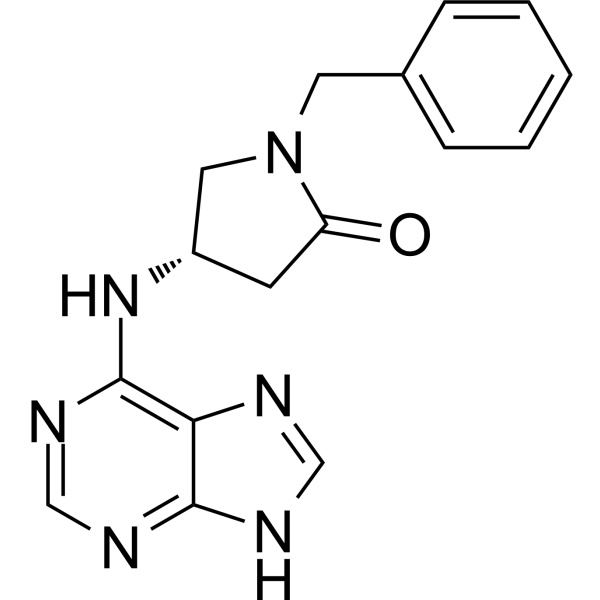
PI3K-IN-32 is an imidazopyridine derivative with a 3-NH2 substituent, and also a PI3K p110α inhibitor. PI3K-IN-32 is applicable for cancer research .
|
-
- HY-D2360
-
|
|
HIF/HIF Prolyl-Hydroxylase
HSP
|
Cancer
|
|
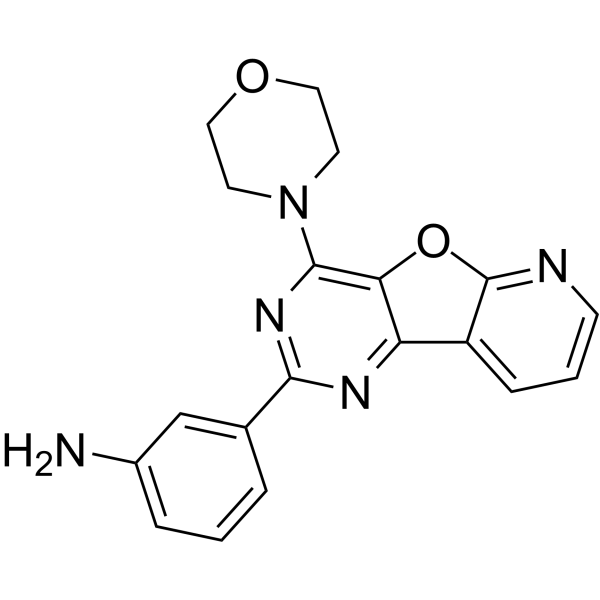
O-Carboranylphenoxyacetanilide is a HIF-1α inhibitor and inhibits HIF-1α activation. O-Carboranylphenoxyacetanilide inhibits transcriptional activity of HIF in HeLa cells (IC50: 0.74 μM). O-Carboranylphenoxyacetanilide inhibits HSP60 chaperone activity and HSP60 ATPase activity .
|
-

- HY-175430
-
|
|
TNF Receptor
|
Inflammation/Immunology
|
|
TNF-α-IN-26 (Compound 18) is a TNF-α inhibitor with an IC50 of 0.10 μM for CSBP ligands. TNF-α-IN-26 inhibits LPS (HY-D1056)-stimulated TNF production in mice model. TNF-α-IN-26 can be used for inflammatory diseases research .
|
-

- HY-116563
-
|
|
PI3K
|
Cancer
|
|
PI3Kα-IN-24 (WR23) is a PI3Kα inhibitor with an IC50 of 0.025 μM and exhibits a significant pAkt Ser473 suppression effect. PI3Kα-IN-24 can be utilized in cancer research .
|
-

- HY-178062
-
|
|
DGK
Interleukin Related
|
Cancer
|
|
DGKα-IN-10 is an orally active and potent DGKα inhibitor with an IC50 of 0.27 nM. DGKα-IN-10 can induce IL-2 release and T cells proliferation. DGKα-IN-10 can be used for the research of cancer, such as colon cancer .
|
-

- HY-156578
-
|
|
DGK
HIV
|
Infection
Cancer
|
|
DGKα-IN-8 (Example 51) is a DGKα inhibitor (IC50=22.491 nM; EC50=0.256 nM). DGKα-IN-8 can be used to study cancer, including solid tumors, and viral infections, such as HIV or hepatitis B virus infection .
|
-
- HY-137005
-
|
|
Topoisomerase
Apoptosis
|
Cancer
|
|
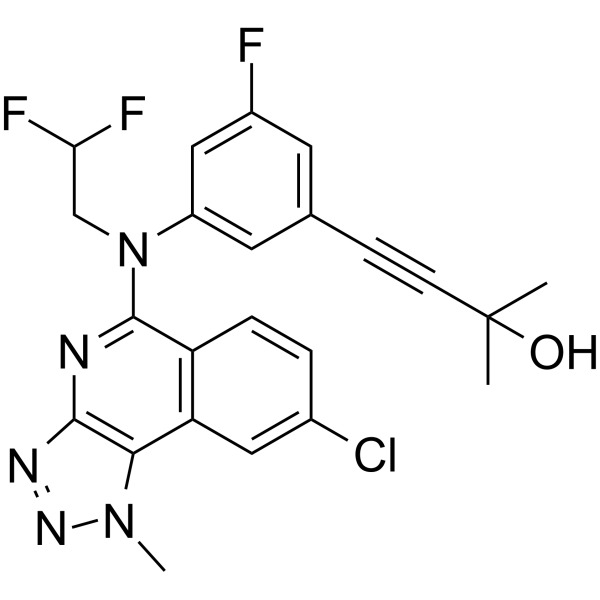
CS1 is a potent DNA Topo II α inhibitor. CS1 displays broad-spectrum in vitro antitumor effects, low toxicity in vivo and potential anti-multidrug resistance capabilities. CS1 leads to DNA damage, cell cycle arrest at G2/M phase and apoptosis .
|
-
- HY-103489
-
|
|
PI4K
Apoptosis
|
Cancer
|
|
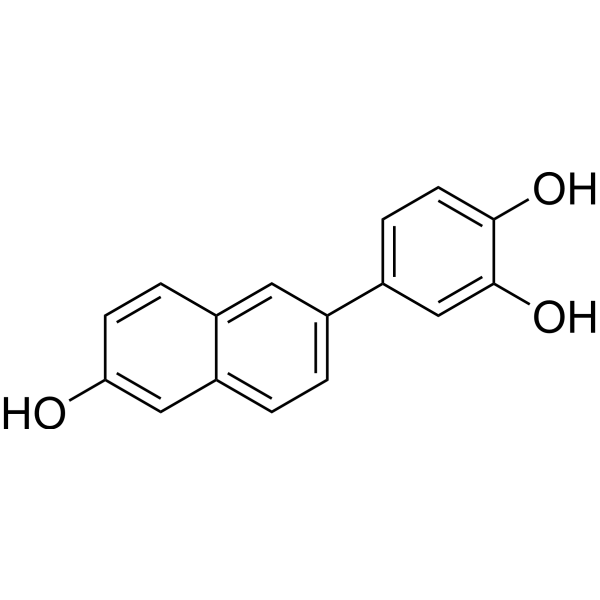
PI-273 is a first reversibly and specific phosphatidylinositol 4-kinase (PI4KIIα) inhibitor with an IC50 of 0.47 μM. PI-273 can inhibit breast cancer cell proliferation, block the cell cycle and induce cell apoptosis .
|
-
- HY-176508
-
|
|
Casein Kinase
|
Cancer
|
|
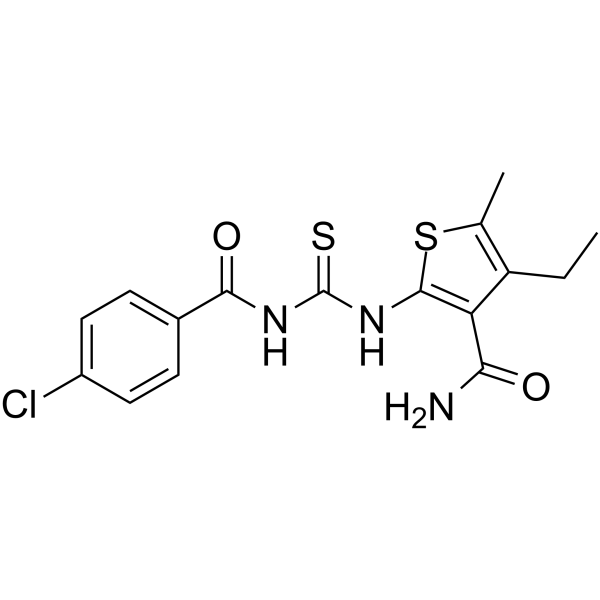
KDX1381 is a bivalent CK2α inhibitor (IC50: 17 nM, KD: 54 nM). KDX1381 has antitumor activity in mouse 786-O and A375 tumor xenograft models. KDX1381 combined with VEGFR inhibitors or DNA damaging agents enhances antitumor efficacy in mouse hepatocellular carcinoma and glioma models .
|
-

- HY-117082
-
|
GBL-5g
|
TNF Receptor
|
Inflammation/Immunology
|
|
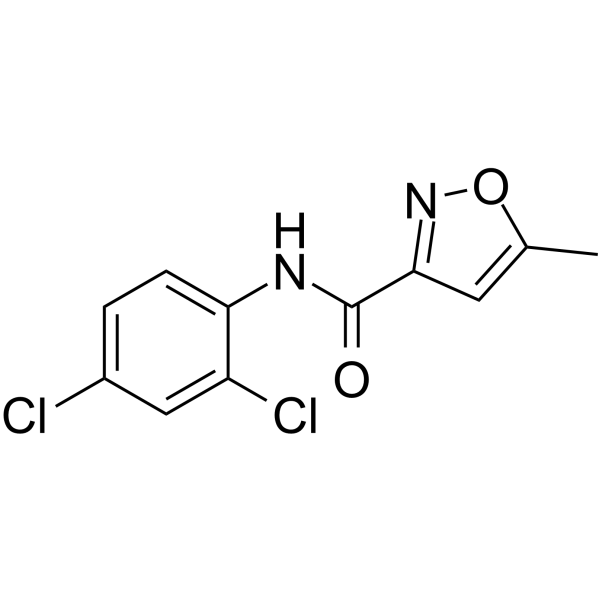
UTL-5g (GBL-5g), an anti-inflammatory TNF-α inhibitor, has chemoprotective and liver radioprotective effects. UTL-5g lowers hepatotoxicity, nephrotoxicity, and myelotoxicity induced by Cisplatin through TNF-α inhibition among other factors .
|
-
- HY-161672
-
|
|
IRE1
|
Cancer
|
|
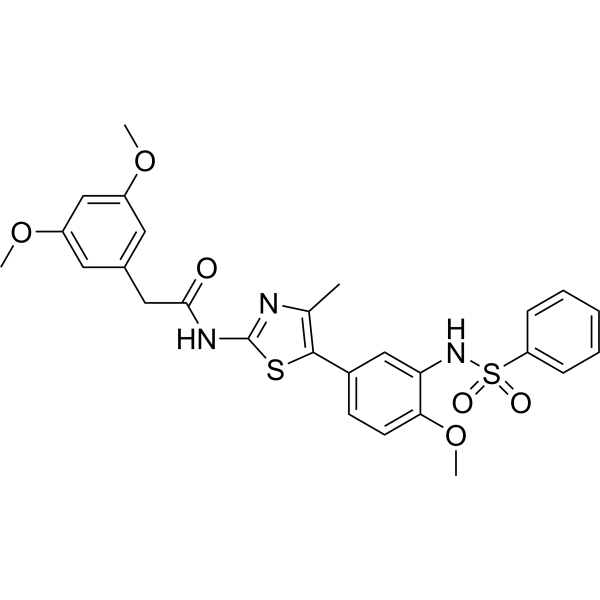
G-5758 is a selective and orally effective IRE1α inhibitor with an IC50 of 38 nM (detected by the XBP1s luciferase reporter cell assay). G-5758 is still well tolerated in rats at oral doses up to 500 mg/kg. G-5758 can be used in the research of multiple myeloma .
|
-

- HY-161357
-
|
|
PI4K
|
Infection
|
|
KR-27370 (compound 7f) is an antiviral agent and selective PI4KIIIβ/PI4KIIIα inhibitor (IC50: 3.1 nM/15.8 nM), against hRV, Ke Saatchivirus and other enteroviruses have inhibitory activity .
|
-
- HY-10231R
-
|
|
Reference Standards
HIF/HIF Prolyl-Hydroxylase
Autophagy
|
Cancer
|
|
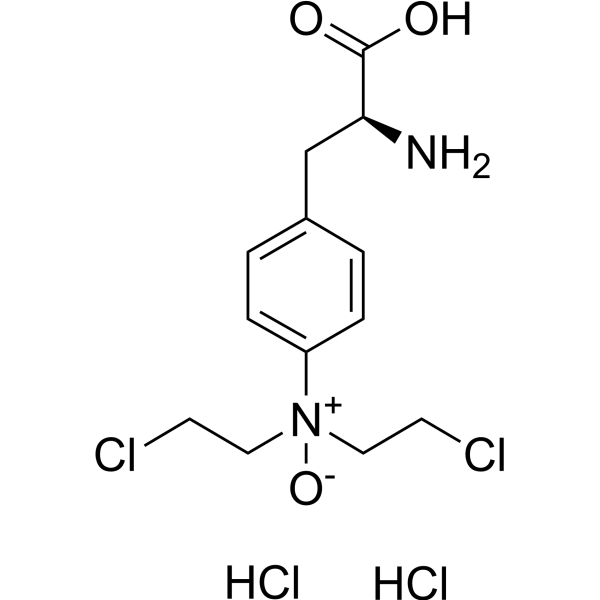
PX-478 (Standard) is the analytical standard of PX-478 (HY-10231). This product is intended for research and analytical applications. PX-478 is an orally active HIF-1α inhibitor with potent antitumor activities. PX-478 can cross the blood-brain barrier .
|
-

- HY-13671
-
|
HIF-1α inhibitor; LW8
|
HIF/HIF Prolyl-Hydroxylase
Apoptosis
|
Cancer
|
|
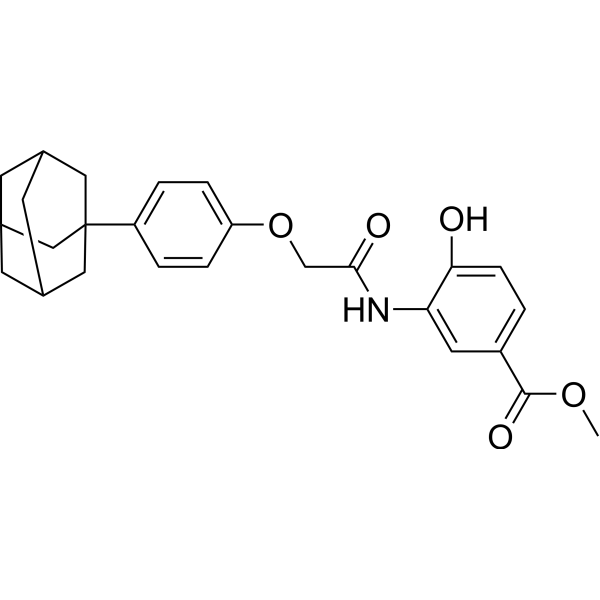
LW6 (HIF-1α inhibitor) is a novel HIF-1 inhibitor with an IC50 value of 4.4 μM, and it is also an inhibitor of MDH2. LW6 decreases HIF-1α protein expression without affecting HIF-1β expression.
|
-
- HY-163370
-
-
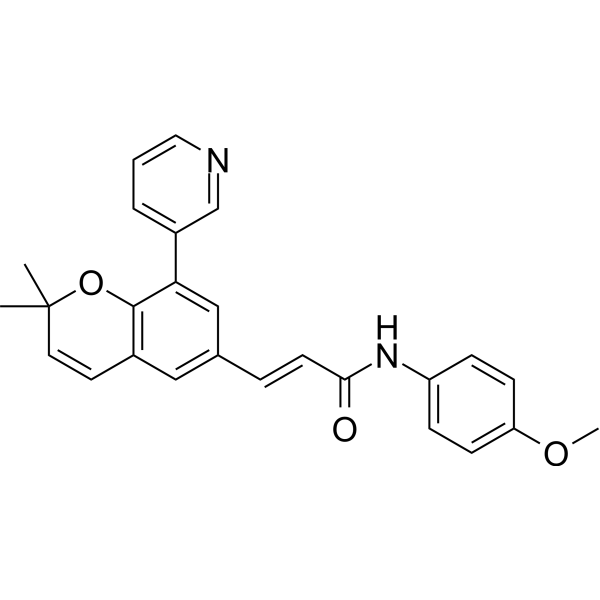
- HY-120851
-
|
|
Cannabinoid Receptor
DAGL
|
Metabolic Disease
|
|
O-7460 is a potent and selective DAGLα inhibitor, with an IC50 of 0.69 μM. O-7460 shows selectivity over onoacylglycerol lipase (MAGL), human CB1 and CB2 cannabinoid receptors. O-7460 can decrease HFD-caused an up-regulation of 2-AG levels .
|
-
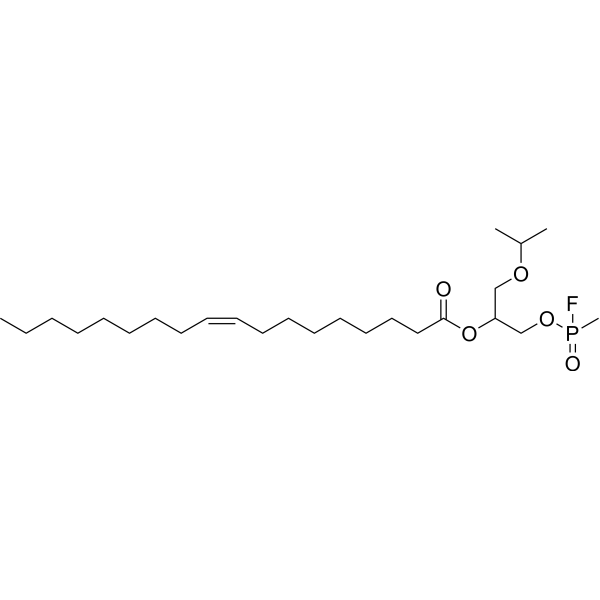
- HY-174156
-
|
|
RANKL/RANK
TNF Receptor
|
Inflammation/Immunology
|
|
Y2641, a etrahydro-β-carboline derivative, is an orally active dual RANKL/TNF-α inhibitor with Kd values of 3.984 μM and 18.59 μM for RANKL and TNF-α, respectively. Y2641 inhibits RANKL-induced osteoclastogenic and has anti-inflammatory and cartilage destruction. Y2641 can be used for study of osteoarthritis .
|
-

- HY-149665
-
BMS-684
1 Publications Verification
|
DGK
|
Cancer
|
|
BMS-684 is a selective DGKα inhibitor with an IC50 of 15 nM. BMS-684 inhibits DGKα kinase activity with >100-fold selectivity over the related DGK type I family members DGKβ and DGKγ. BMS-684 does not inhibit any of the other seven DGK isozymes .
|
-
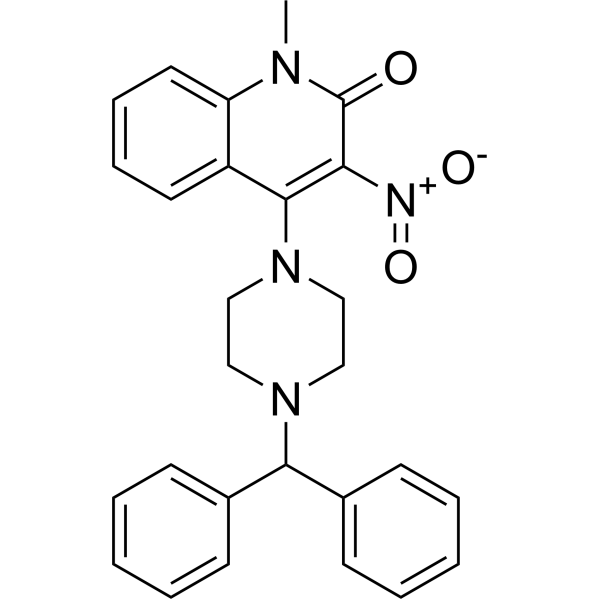
- HY-116830
-
BRD0705
1 Publications Verification
|
GSK-3
|
Cancer
|
|
BRD0705 is a potent, paralog selective and orally active GSK3α inhibitor with an IC50 of 66 nM and a Kd of 4.8 μM. BRD0705 displays increased selectivity for GSK3α (8-fold) versus GSK3β (IC50 of 515 nM). BRD0705 can be used for acute myeloid leukemia (AML) research .
|
-
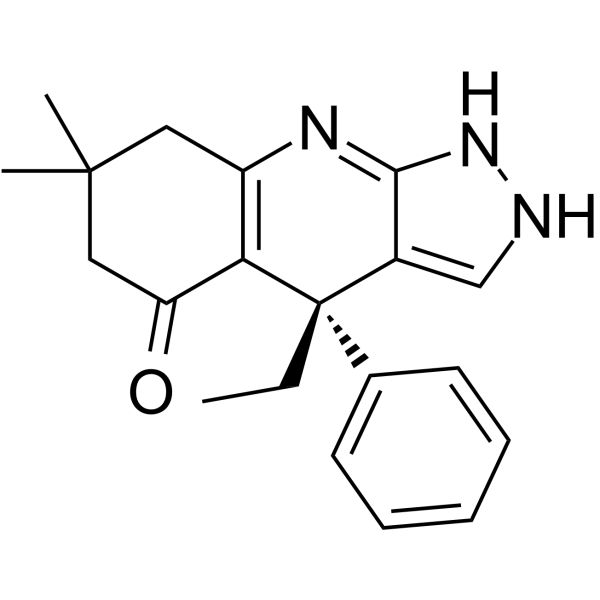
- HY-10801R
-
|
|
Reference Standards
Phospholipase
|
Inflammation/Immunology
|
|
CAY10650 (Standard) is the analytical standard of CAY10650 (HY-10801). This product is intended for research and analytical applications. CAY10650 is a highly potent cytosolic phospholipase A2α (cPLA2α) inhibitor with an IC50 value of 12 nM. CAY10650 suppresses lipid droplets formation and PGE2 secretion .
|
-

- HY-175853
-
|
|
Topoisomerase
Apoptosis
Caspase
|
Cancer
|
|
Topoisomerase II-IN-24 is a Topoisomerase IIα inhibitor with an IC50 of 41.67 μM. Topoisomerase II-IN-24 can inhibit cancer cells proliferation, induce G2/M phase arrest and induce apoptosis. Topoisomerase II-IN-24 can be used for the research of cancer, such as colon cancer .
|
-

- HY-147983
-
|
|
PI3K
Reactive Oxygen Species (ROS)
Apoptosis
|
Cancer
|
|
PI3Kα-IN-8 (Compound 9g) is a selective PI3Kα inhibitor with an IC50 of 0.012 μM. PI3Kα-IN-8 increases intracellular reactive oxygen species level, decreases mitochondrial membrane potential and induces apoptosis .
|
-
- HY-148318
-
|
|
Casein Kinase
|
Cancer
|
|
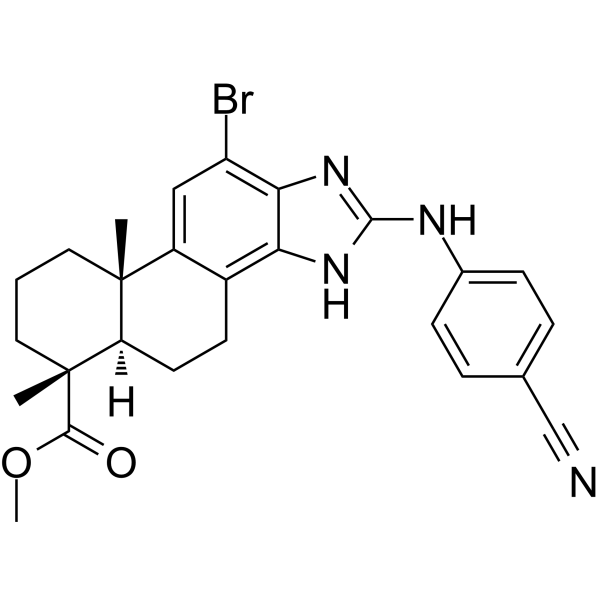
CK2α-IN-1 (compound 2) is a selective CK2α inhibitor (IC50=7.0 µM; Ki=1.6 µM) that exhibits a non-ATP-competitive mode of action. CK2α-IN-1 exhibits good potential for anticancer studies .
|
-
- HY-156406
-
|
|
PI3K
|
Inflammation/Immunology
|
|
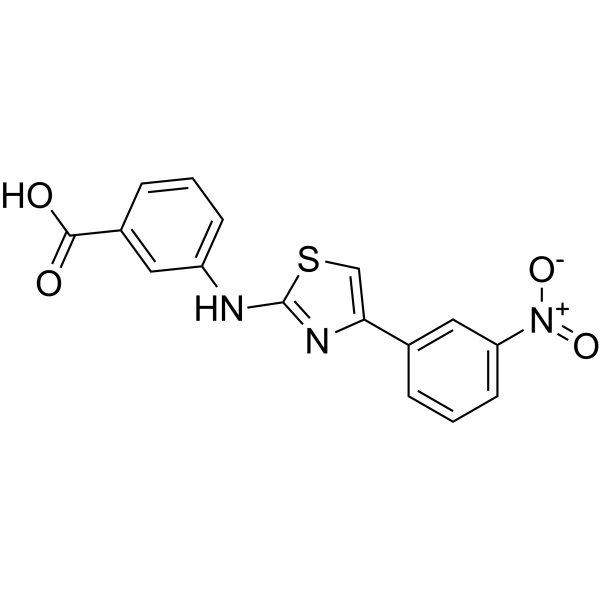
PITCOIN4 is a highly selective Class II Alpha PI3K-C2α inhibitor. PITCOIN4 shows nanomolar inhibition of PI3K-C2α and >100-fold selectivity in a general kinase panel .
|
-
- HY-174837
-
|
|
Topoisomerase
|
Cancer
|
|
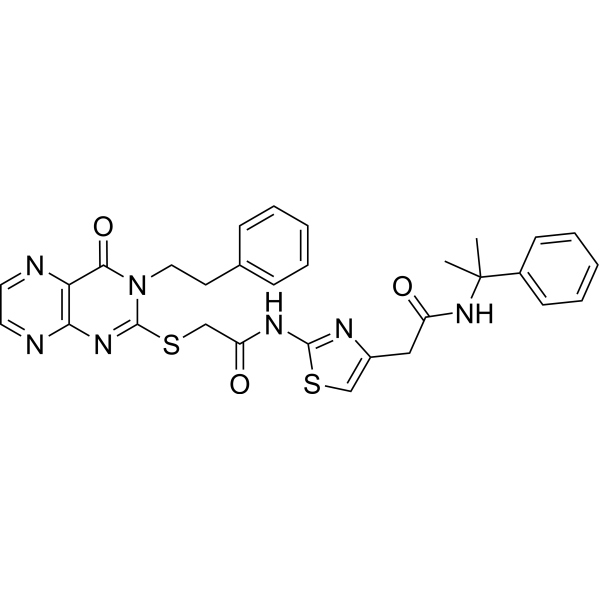
Topoisomerase IIα-IN-11 (Compound 16h) is a potent Topoisomerase IIα inhibitor. Topoisomerase IIα-IN-11 shows significant inhibition on melanoma A2058 cell lines (IC50 3-6 μM). Topoisomerase IIα-IN-11 is promising for research of cancers (especially melanoma) .
|
-

- HY-181048
-
|
|
Casein Kinase
MDM-2/p53
|
Cancer
|
|
CK1α-IN-1 (Compound 7a) is a selective CK1α inhibitor with an IC50 of 10.96 nM. CK1α-IN-1 dose-dependently stabilizes p53 protein. CK1α-IN-1 has anticancer activity against acute monocytic leukemia .
|
-

- HY-148860
-
|
HIF-2α-IN-8
|
HIF/HIF Prolyl-Hydroxylase
|
Cancer
|
|
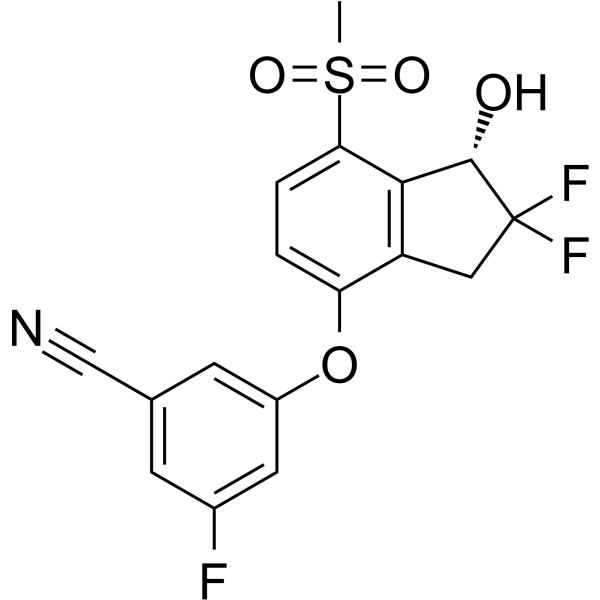
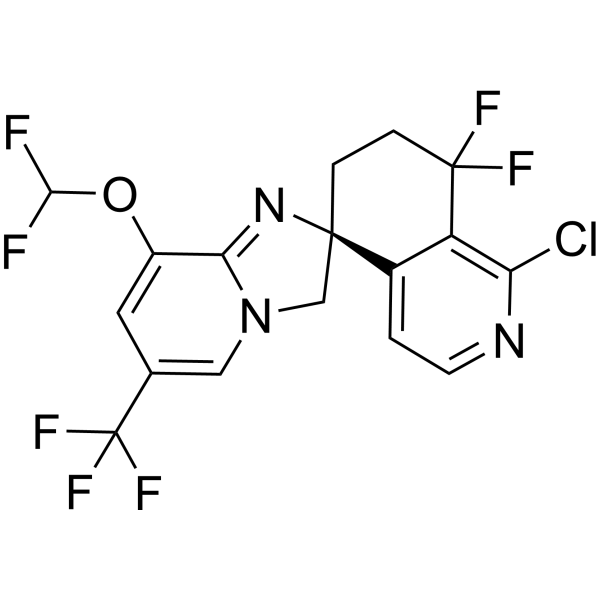
HIF-2α-IN-8 is a potent and orally active HIF2α inhibitor with IC50 values of 9, 37, 246 nM for HIF2α SPA, HIF2α iScript, HIF2α HRE RGA, respectively. HIF-2α-IN-8 shows antitumor activity .
|
-
- HY-123955
-
|
|
Casein Kinase
CDK
Apoptosis
|
Cancer
|
|
Casein Kinase inhibitor A86 is a potent and orally active casein kinase 1α (CK1α) inhibitor. Casein Kinase inhibitor A86 also inhibits of CDK7 (TFIIH) and CDK9 (P-TEFb). Casein Kinase inhibitor A861 induces leukemia cell apoptosis, and has potent anti-leukemic activities .
|
-
- HY-120087
-
|
|
MOFs
HIF/HIF Prolyl-Hydroxylase
|
Cancer
|
|
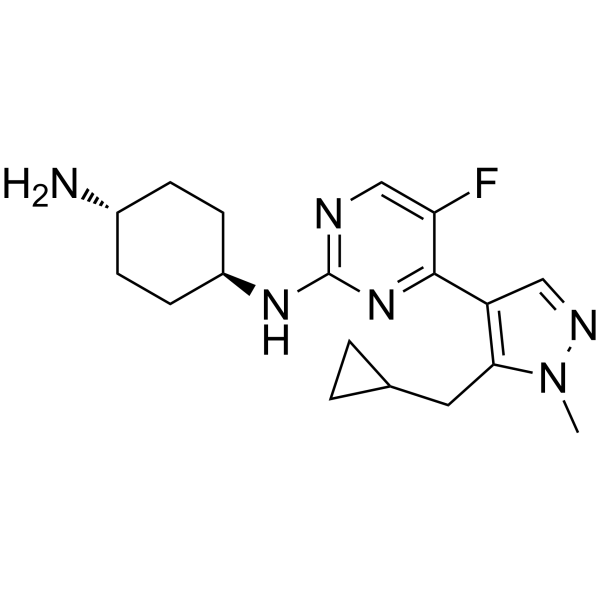
KG-548 is an ARNT/TACC3 disruptor and a HIF-1α inhibitor. KG-548 directly interferes with ARNT/TACC3 complex formation by competing with TACC3 for binding to the ARNT PAS-B domain. ARNT is the aryl hydrocarbon receptor nuclear translocator, also known as HIF-β .
|
-
- HY-153475
-
|
|
IRE1
|
Cancer
|
|
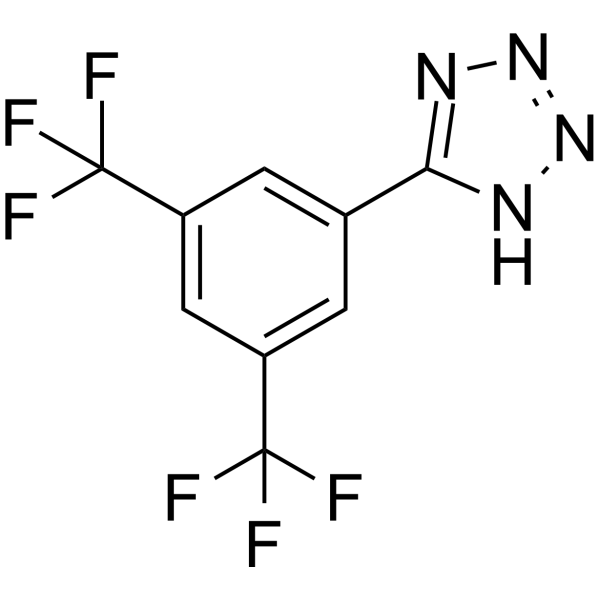
IRE1α kinase-IN-9 (compound 2) is a potent IRE-1α inhibitor,exhibits an average IC50 value of <0.1 μM. IRE1α kinase-IN-9 can be used for research in diseases associated with the unfolded protein response or with regulated IRE1-dependent decay (RIDD) .
|
-
- HY-156571
-
|
|
DGK
|
Cancer
|
|
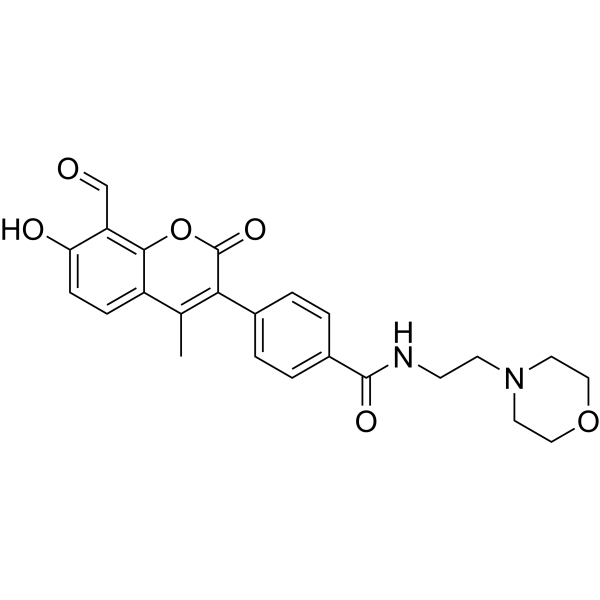
DGKα-IN-4 (example 432) is a DGKα inhibitor with the IC50 of 0.1 nM, extracted from patent WO2021105117. DGKα-IN-2 significantly enhances the anti-tumor effect of anti-PD-1 by increasing the proliferation and function of T cells. DGKα-IN-3 has the potential for cancer and immunology study.
|
-
- HY-156569
-
|
|
DGK
Anaplastic lymphoma kinase (ALK)
|
Inflammation/Immunology
Cancer
|
|
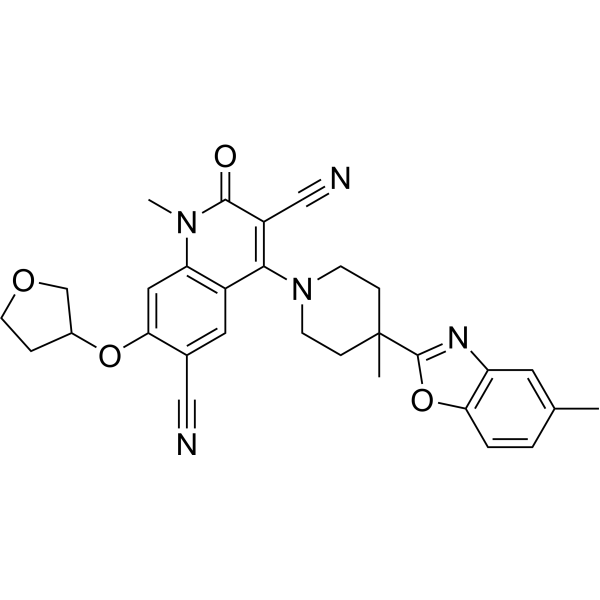
DGKα-IN-2 (example 48) is a DGKα inhibitor with the IC50 of 0.9 nM, extracted from patent WO2021105115. DGKα-IN-2 significantly enhances the anti-tumor effect of anti-PD-1 by increasing the proliferation and function of T cells. DGKα-IN-2 has the potential for cancer and immunology study.
|
-
- HY-151465
-
|
|
HIF/HIF Prolyl-Hydroxylase
|
Cancer
|
|
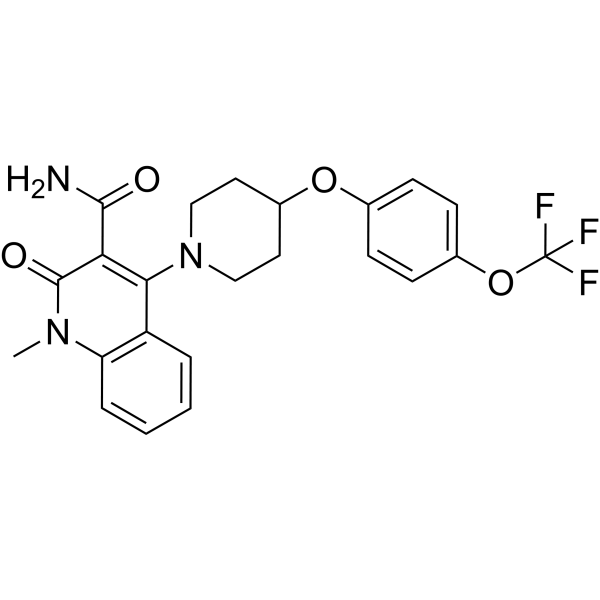
HIF-1α-IN-4 is a HIF-1α inhibitor with an IC50 value of 24 nM (in HEK293T cell). HIF-1α-IN-4 downregulates VEGF and PDK1 mRNA expressions under hypoxia. HIF-1α-IN-4 can be used in the research of cancer .
|
-
- HY-156570
-
|
|
DGK
|
Inflammation/Immunology
Cancer
|
|
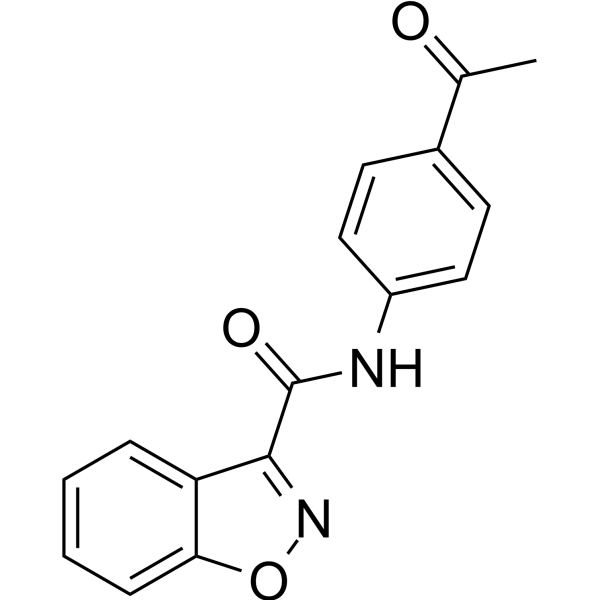
DGKα-IN-3 (example 25) is a DGKα inhibitor with the IC50 of 283 nM, extracted from patent WO2021105115. DGKα-IN-2 significantly enhances the anti-tumor effect of anti-PD-1 by increasing the proliferation and function of T cells. DGKα-IN-2 has the potential for cancer and immunology study.
|
-
- HY-10328R
-
|
VX-745 (Standard)
|
Reference Standards
p38 MAPK
Autophagy
|
Inflammation/Immunology
|
|
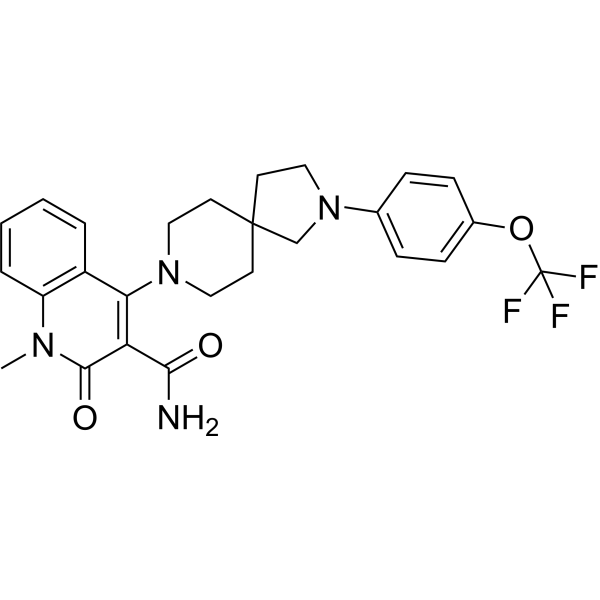
Neflamapimod (Standard) is the analytical standard of Neflamapimod (HY-10328). This product is intended for research and analytical applications. Neflamapimod (VX-745) is a potent, blood-brain barrier penetrant, highly selective inhibitor of p38α inhibitor with an IC50 for p38α of 10 nM and for p38β of 220 nM. Neflamapimod (VX-745) possesses anti-inflammatory activity.
|
-

- HY-108697AR
-
|
|
Reference Standards
HIF/HIF Prolyl-Hydroxylase
|
Cancer
|
|
(Rac)-PT2399 (Standard) is the analytical standard of (Rac)-PT2399 (HY-108697A). This product is intended for research and analytical applications. (Rac)-PT2399 (Compound 10e), the racemate of PT2399, acts as a potent and specific hypoxia-inducible factor 2a (HIF-2α) inhibitor with an IC50 of 0.01 μM .
|
-

- HY-B1550R
-
|
DL-Benzoin (Standard); Desyl alcohol (Standard); (±)-2-Hydroxy-2-phenylacetophenone (Standard)
|
Reference Standards
PI3K
|
Cancer
|
|
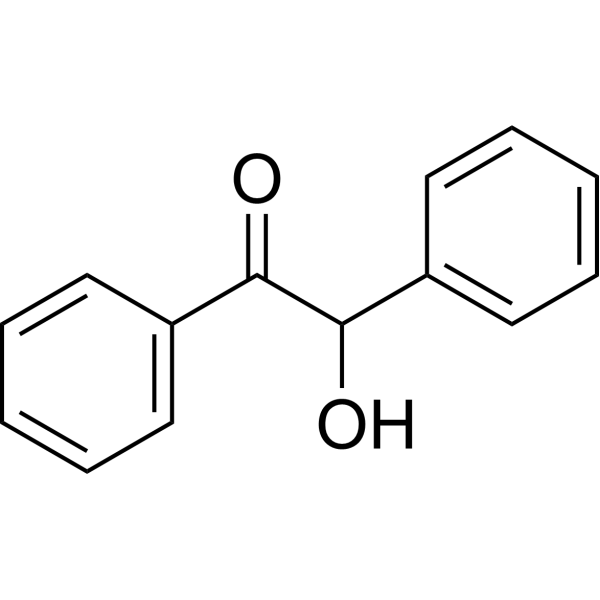
Benzoin (Standard) (DL-Benzoin (Standard)) is the analytical standard of Benzoin (HY-B1550). This product is intended for research and analytical applications. Benzoin (DL-Benzoin), a natural balsamic resin, is a PI3Kα inhibitor with anticancer effects. Benzoin inihits the growth of colon cancer cell line (HCT-116). Benzoin can be used as a food additive.
|
-

- HY-151921
-
|
|
p38 MAPK
|
Inflammation/Immunology
|
|
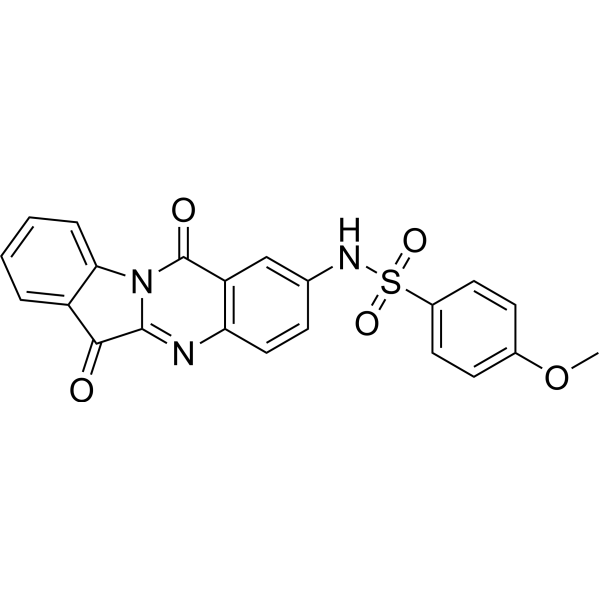
Anti-inflammatory agent 33 is a potent p38α inhibitor. Anti-inflammatory agent 33 inhibits NO production. Anti-inflammatory agent 33 inhibits LPS-induced iNOS, COX-2, p-p38α, p-MK2 protein expression. Anti-inflammatory agent 33 shows anti-inflammatory activity .
|
-
- HY-123853
-
|
|
Casein Kinase
|
Cancer
|
CAM4066 is a potent CK2α inhibitor, with an IC50 value of 300 nM. CAM4066 exhibits high selectivity, with IC50 values of 22.35, 43.55, and > 50 μM for HIPK3, DAPK3, and CLK2, respectively. CAM4066 shows no cell activity. CAM4066 can be used for the development of highly potent CK2 inhibitors .
|
-

- HY-152479
-
|
|
Topoisomerase
|
Cancer
|
|
Topoisomerase IIα-IN-7 is an DNA topoisomerase IIα inhibitor with an IC50 value of 7.7 µM. Topoisomerase IIα-IN-7 has broad-spectrum cytotoxicity to leukemia, lung, colon, melanoma, ovarian, kidney, prostate and breast cancer cells. Topoisomerase IIα-IN-7 has metabolic stability .
|
-
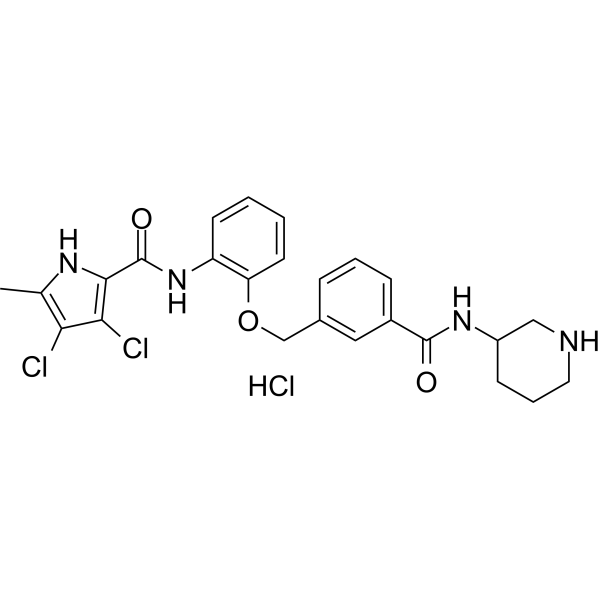
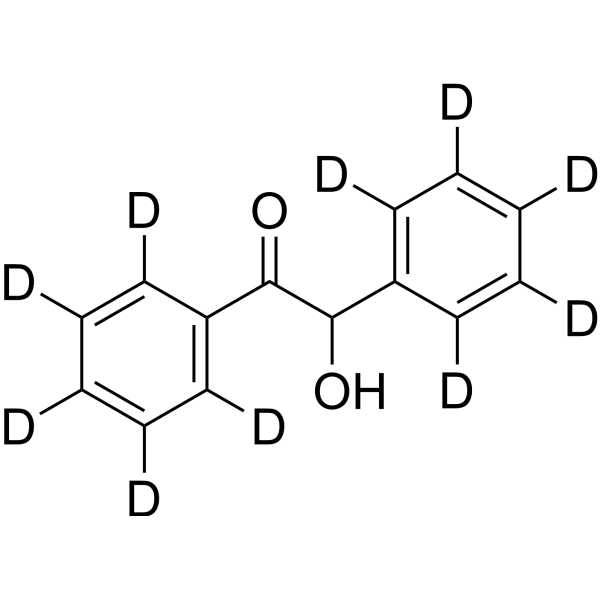
- HY-B1550S
-
|
DL-Benzoin-d10; Desyl alcohol-d10; (±)-2-Hydroxy-2-phenylacetophenone-d10
|
Isotope-Labeled Compounds
PI3K
|
Cancer
|
|
Benzoin-d10 (DL-Benzoin-d10) is the deuterium labeled Benzoin (HY-B1550). Benzoin (DL-Benzoin), a natural balsamic resin, is a PI3Kα inhibitor with anticancer effects. Benzoin inihits the growth of colon cancer cell line (HCT-116). Benzoin can be used as a food additive .
|
-
- HY-148264
-
-
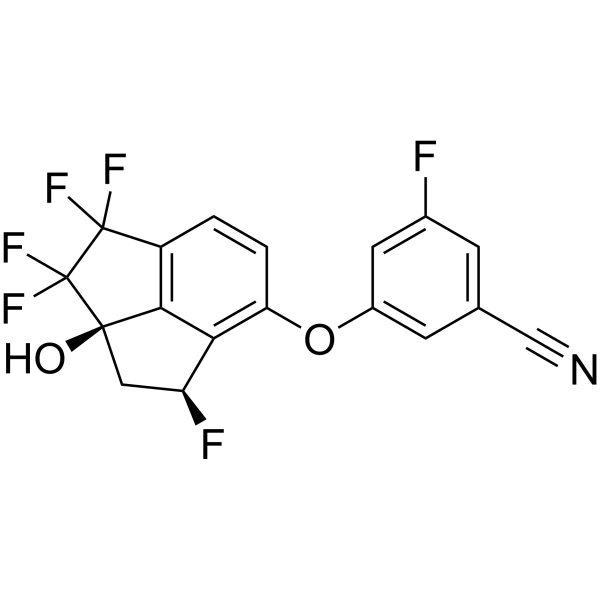
- HY-115903A
-
|
|
HIF/HIF Prolyl-Hydroxylase
|
Cancer
|
|
HIF-1α-IN-2 hydrochloride is an effective HIF-1α inhibitor with anticancer potencies (IC50s of 28 nM and 15 nM in MDA-MB-231 and MiaPaCa-2 cells, respectively). HIF-1α-IN-2 hydrochloride suppresses HIF-1α expression by blocking transcription and protein translation .
|
-
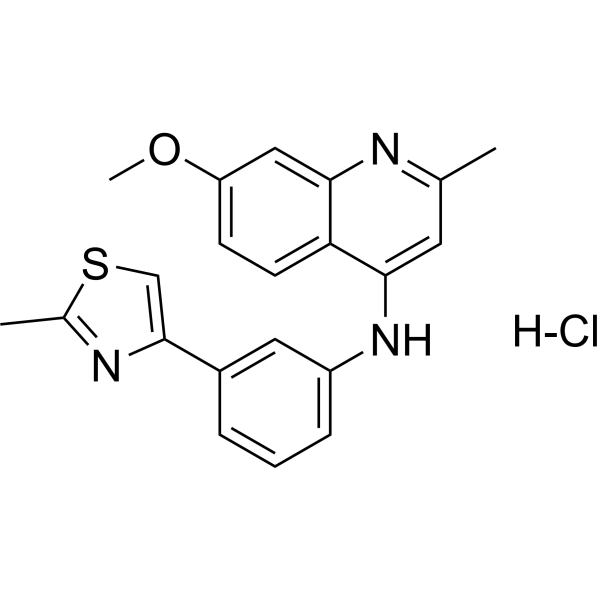
- HY-133807B
-
|
|
TNF Receptor
|
Inflammation/Immunology
|
|
(R)-Benpyrine is the isomer of Benpyrine (HY-133807), and can be used as an experimental control. Benpyrine is a highly specific and orally active TNF-α inhibitor with a KD value of 82.1 μM. Benpyrine tightly binds to TNF-α and blocks its interaction with TNFR1, with an IC50 value of 0.109 μM. Benpyrine has the potential for TNF-α mediated inflammatory and autoimmune disease research .
|
-
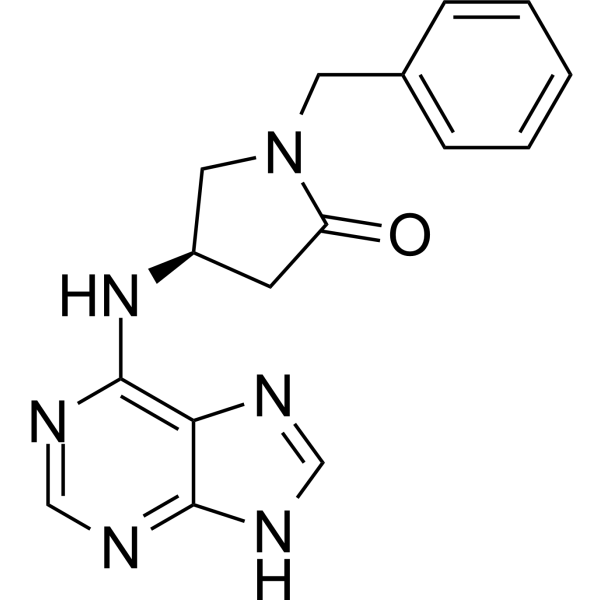
- HY-101491S
-
|
|
Isotope-Labeled Compounds
PGC-1α
Autophagy
|
Metabolic Disease
|
|
SR-18292-d9 is the deuterium labeled SR-18292 (HY-101491). SR-18292 is a PPAR gamma coactivator-1α (PGC-1α) inhibitor, which increases PGC-1α acetylation, suppresses gluconeogenic gene expression and reduces glucose production in hepatocytes .
|
-

- HY-138302
-
|
|
Drug Intermediate
|
Cancer
|
|
PF-06862309 is a PF-06843195 (HY-131972) phosphate ester prodrug. PF-06862309 can be hydrolyzed to PF-06843195 in the presence of alkaline phosphatase. PF-06843195 is a highly selective PI3Kα inhibitor. PF-06862309 can be used for the study of breast cancer with ER +, HER 2-, and PIK3CA mutations .
|
-

- HY-101491R
-
|
|
PGC-1α
Reference Standards
Autophagy
|
Metabolic Disease
|
|
SR-18292 (Standard) is the analytical standard of SR-18292 (HY-101491). This product is intended for research and analytical applications. SR-18292 is a PPAR gamma coactivator-1α (PGC-1α) inhibitor, which increases PGC-1α acetylation, suppresses gluconeogenic gene expression and reduces glucose production in hepatocytes.
|
-

- HY-147767
-
|
|
PI3K
Apoptosis
Reactive Oxygen Species (ROS)
|
Cancer
|
|
PI3Kα-IN-6 (Compound 5b) is a PI3Kα inhibitor. PI3Kα-IN-6 exhibits anticancer potential and no toxicity in normal cells. PI3Kα-IN-6 increases generation of ROS, reduces mitochondrial membrane potential (MMP) and induces apoptosis .
|
-
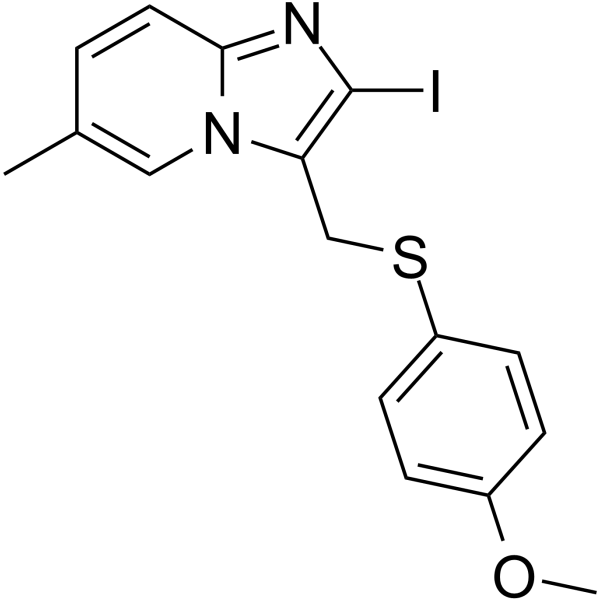
- HY-146021
-
|
|
Topoisomerase
|
Cancer
|
|
Topoisomerase IIα-IN-2 (compound 5) is a potent DNA-binding ligands and topoisomerase IIα inhibitor. Topoisomerase IIα-IN-2 exhibits high antiproliferative activity against human cancer cell lines. Topoisomerase IIα-IN-2 significantly induces DNA damage and arrests cancer cells at G2/M phase .
|
-
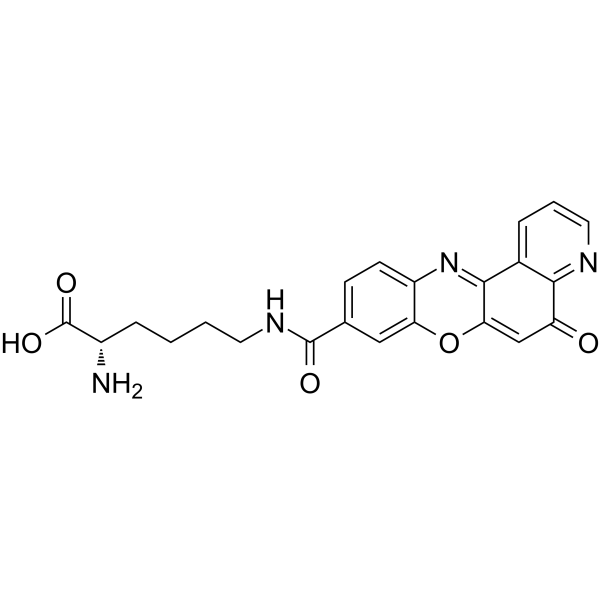
- HY-N0835R
-
-

- HY-134998
-
-

- HY-119094
-
|
|
Phospholipase
|
Inflammation/Immunology
|
|
WAY-196025 is a selective and orally active indole cytosolic phospholipase A2 alpha (cPLA2α) inhibitor with an IC50 of 0.01μM and a Kd of 0.013 μM. WAY-196025 can inhibit the production of prostaglandins (such as PGE2) and leukotrienes (such as LTB4), and reduce the release of inflammatory mediators. WAY-196025 can be used for the researches of inflammation and immunology, such as asthma .
|
-

- HY-149000
-
|
|
PI3K
Apoptosis
|
Cancer
|
|
PI3Kα-IN-7 (Compound A12) is a potent PI3Kα inhibitor. PI3Kα-IN-7 also inhibits PI3Kβ. PI3Kα-IN-7 decreases cancer cells mitochondrial membrane potential and induces apoptosis .
|
-
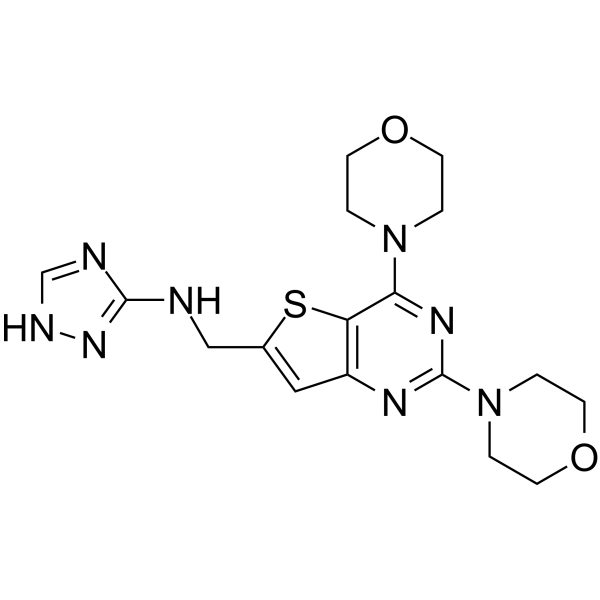
- HY-115903
-
|
|
HIF/HIF Prolyl-Hydroxylase
|
Cancer
|
|
HIF-1α-IN-2 is an effective HIF-1α inhibitor with anticancer potencies (IC50s of 28 nM and 15 nM in MDA-MB-231 and MiaPaCa-2 cells, respectively). HIF-1α-IN-2 suppresses HIF-1α expression by blocking transcription and protein translation .
|
-
- HY-116830A
-
|
|
GSK-3
|
Cancer
|
|
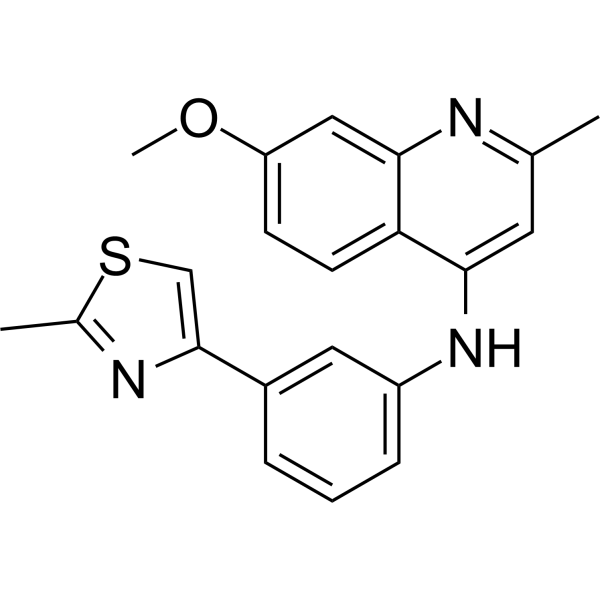
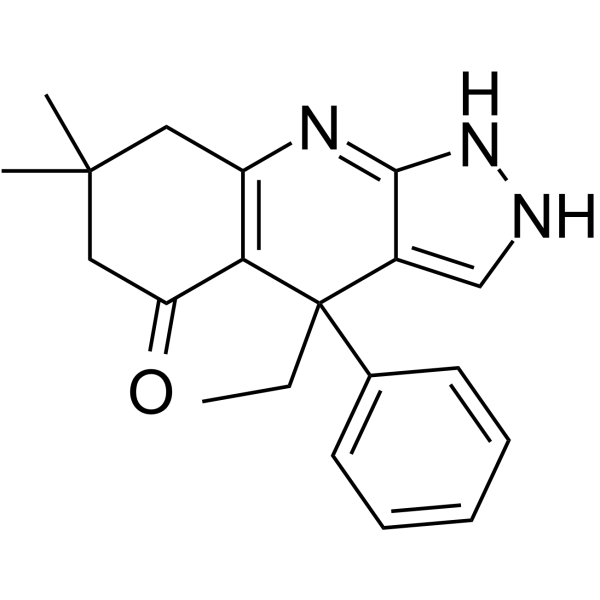
(Rac)-BRD0705 is a less active racemate of BRD0705. BRD0705 is a potent, paralog selective and orally active GSK3α inhibitor with an IC50 of 66 nM and a Kd of 4.8 μM. BRD0705 displays increased selectivity for GSK3α (8-fold) versus GSK3β (IC50 of 515 nM). BRD0705 can be used for acute myeloid leukemia (AML) .
|
-
- HY-178980
-
|
|
Casein Kinase
|
Cancer
|
|
APL-5125 (Compound 61f) is a potent, selective and orally active ATP-competitive CK2α inhibitor with an IC50 of 0.348 nM and a Ki of 0.095 nM. APL-5125 binds to CK2α in a bivalent manner, simultaneously interacting with the ATP-binding site and the αD pocket. APL-5125 exhibits antitumor activity and can be used for the research of cancer, such as colon cancer .
|
-

- HY-177406
-
|
|
TNF Receptor
Apoptosis
NO Synthase
|
Inflammation/Immunology
|
|
VR11 aptamer is a DNA-based TNF-α inhibitor with a KD of 7.0 nM. VR11 aptamer prevents TNFα-induced apoptosis and NO production. VR11 aptamer has non-immunogenicity and does not raise immune responses when injected intraperitoneally into C57BL/6 mice model. VR11 aptamer can be used for inflammatory diseases research .
|
-

- HY-173337
-
|
|
HSP
Interleukin Related
|
Cancer
|
|
HSP90α-IN-1 is a HSP90α inhibitor (IC50 = 111 nM) that exhibits senolytic activity across various cellular senescence models. HSP90α-IN-1 is related to the xanthinic family. HSP90α-IN-1 is involved in research on combating age-related inflammaging and diseases, including cancer, and possibly extend a healthy lifespan .
|
-

- HY-116830B
-
|
(R)-BRD0705
|
GSK-3
|
Cancer
|
|
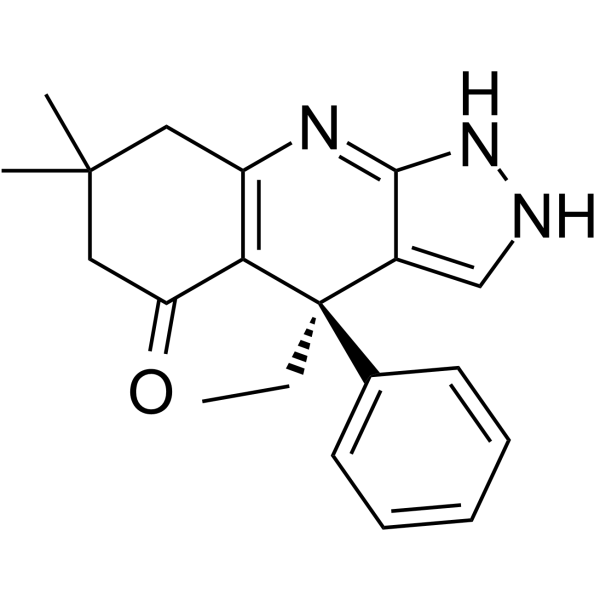
BRD5648 ((R)-BRD0705) is a negative control of BRD0705. BRD0705 is a potent, paralog selective and orally active GSK3α inhibitor with an IC50 of 66 nM and a Kd of 4.8 μM. BRD0705 displays increased selectivity for GSK3α (8-fold) versus GSK3β (IC50 of 515 nM). BRD0705 can be used for acute myeloid leukemia (AML) .
|
-
- HY-107371
-
|
NSC95682
|
IRE1
|
Inflammation/Immunology
Cancer
|
|
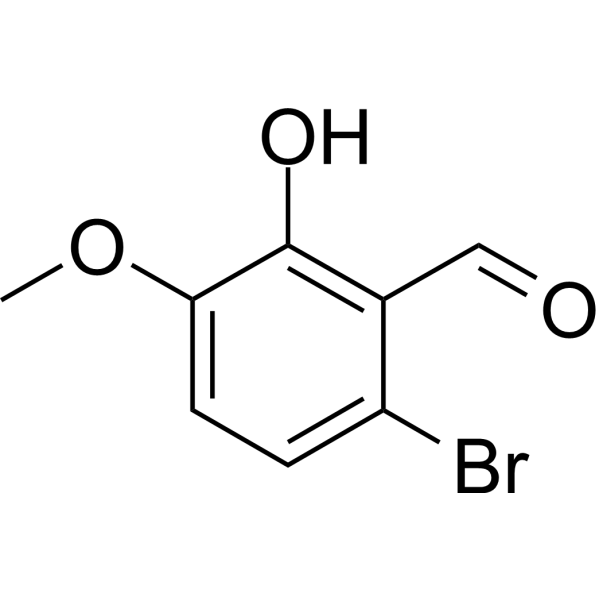
6-Bromo-2-hydroxy-3-methoxybenzaldehyde (NSC95682) (Compound 3-5) is a selective and potent IRE-1α inhibitor with an IC50 value of 0.08 μM. 6-Bromo-2-hydroxy-3-methoxybenzaldehyde can be used for research on diseases associated with the unfolded protein response (UPR), such as cancer and autoimmune diseases .
|
-
- HY-146540
-
|
|
HIF/HIF Prolyl-Hydroxylase
Apoptosis
MDM-2/p53
|
Cancer
|
|
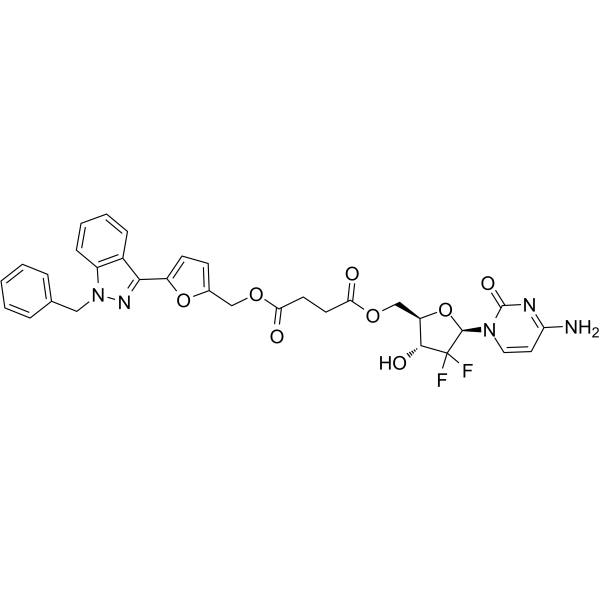
GEM-5 is a gemcitabine-based conjugate containing a HIF-1α inhibitor (YC-1) (IC50=30 nM). GEM-5 can significantly down-regulate the expression of HIF-1α and up-regulate the expression of tumor suppressor p53. GEM-5 induces the apoptosis of A2780 cells and inhibits tumor growth .
|
-
- HY-124852
-
|
PF 5212372
|
Phospholipase
Prostaglandin Receptor
Leukotriene Receptor
|
Inflammation/Immunology
|
|
ZPL-5212372 (PF 5212372) is a cPLA2α inhibitor (IC50 = 7 nM). ZPL-5212372 inhibits the release of prostaglandin D2 (PGD2), cysteyl leukotrienes, leukotriene B4, thromboxane A2, and PGD2 from human lung cells. ZPL-5212372 inhibits delayed bronchoconstriction and airway hyperresponsiveness in a sheep allergic inflammation model. ZPL-5212372 may be used in asthma research .
|
-

- HY-124314
-
|
|
MAGL
DAGL
|
Metabolic Disease
|
|
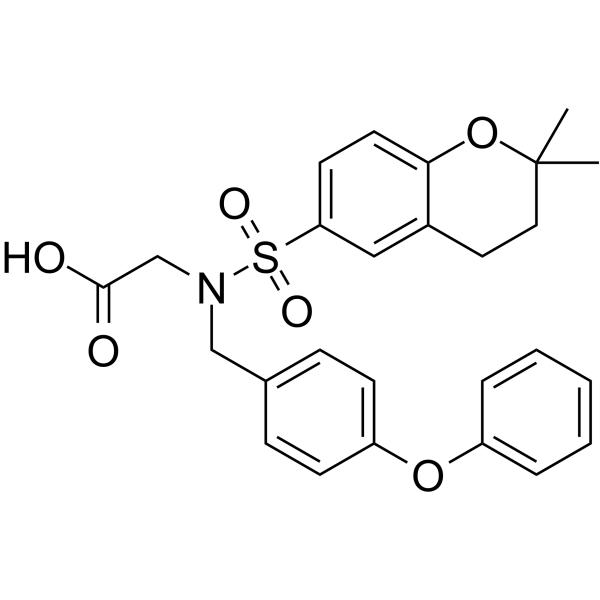
LEI-106 is a dual ABHD6 and DAGL-α inhibitor, with a Ki of 0.8 μM for ABHD6, and an IC50 of 18 nM and a Ki of 0.7 μM for DAGL-α. LEI-106 blocks the synthesis of 2-arachidonoylglycerol, reduces the level of endothelial cell-derived 2-arachidonoylglycerol, without altering the levels of cannabinoids and diacylglycerol. LEI-106 is applicable to research related to diet-induced obesity and metabolic syndrome .
|
-
- HY-180509
-
|
|
Topoisomerase
MDM-2/p53
|
Cancer
|
|
Topoisomerase I/IIα-IN-1 (Compound 20i) is a Topoisomerase I/IIα inhibitor. MDM2-IN-27 can effectively block the inhibitory effect of MDM2 on p53, thereby activating the p53 pathway. MDM2-IN-27 has relatively poor anti-proliferative activity against breast cancer, colon cancer, and cutaneous squamous cell carcinoma .
|
-

- HY-124339
-
|
|
TNF Receptor
|
Neurological Disease
Inflammation/Immunology
Cancer
|
|
JNJ525 is a TNFα inhibitor with IC50 values of 1.2 μM and 1.1 μM against TNFR1 and TNFR2, respectively. JNJ525 forms ordered aggregates and induces quaternary structural transition of TNFα, thereby blocking the protein-protein interaction between TNFα and its receptors. The inhibitory activity of JNJ525 is completely lost in the presence of 0.1% Triton X-100 .
|
-

- HY-175250
-
|
|
TNF Receptor
|
Inflammation/Immunology
|
|
TNF-α-IN-25 is an orally active TNF-α inhibitor. TNF-α-IN-25 shows Fluorescence Polarization (FP) assay IC50 of 103 nM in FP binding assays and L929 assay IC50 of 505 nM in cell-based assays. TNF-α-IN-25 inhibits paw swelling in the glucose-6-phosphate isomerase (GPI) arthritis model. TNF-α-IN-25 can be used for the study of arthritis .
|
-

- HY-149635
-
|
|
HIF/HIF Prolyl-Hydroxylase
|
Cancer
|
|
HIF-1α-IN-6 (compound 3s) is a HIF-1α inhibitor with IC50 values of 0.6 and 53.3 nM observed in MiaPaCa-2 and MDA-MB-231 cells. HIF-1α-IN-6 can inhibit HIF-1α expression by decreasing the level of HIF-1α mRNA .
|
-
- HY-181171
-
|
|
Estrogen Receptor/ERR
|
Cancer
|
|
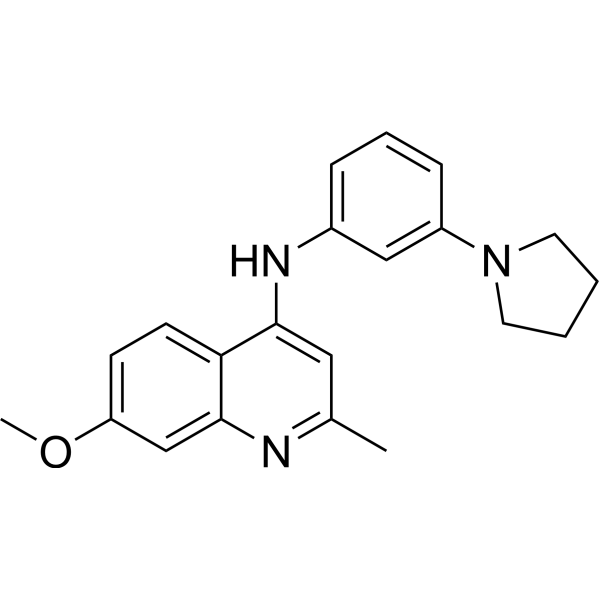
HIT-2 is an estrogen receptor alpha (ERα) inhibitor that can bind to the ERα ligand binding domain. HIT-2 forms stable interactions including hydrogen bonds, π-π stacking, and hydrophobic contacts to disrupt ERα-driven signaling. HIT-2 exhibits antineoplastic activity against breast cancer. HIT-2 can be used for the research of breast cancer .
|
-

- HY-18371
-
|
|
HIF/HIF Prolyl-Hydroxylase
|
Inflammation/Immunology
|
|
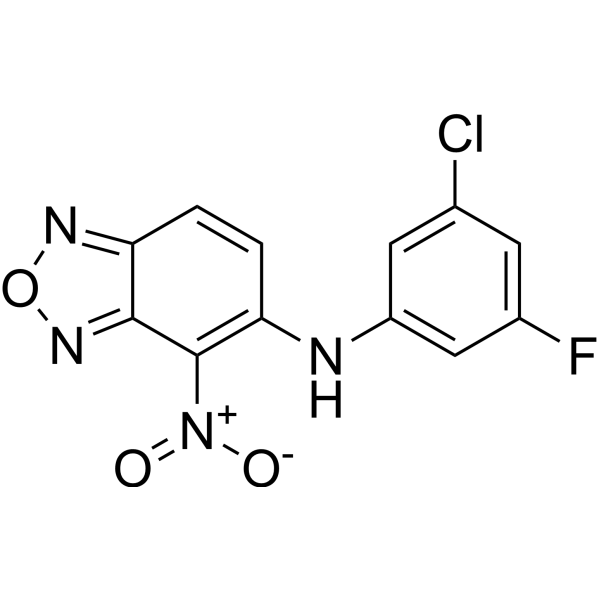
TC-S 7009 is a potent and selective HIF-2α inhibitor with a Kd of 81 nM. TC-S 7009 is more selective for HIF-2α than HIF-1α (Kd ? 5 μM). TC-S 7009 disrupts HIF-2α heterodimerization, decreases DNA-binding activity, and reduces HIF-2α target gene expression .
|
-
- HY-P10426
-
|
|
HIF/HIF Prolyl-Hydroxylase
VEGFR
|
Cancer
|
|
cyclo(CLLFVY) is an inhibitor for hypoxia inducible factor-1 (HIF-1), with IC50 of 19 μM (in U2OS) and 16 μM (in MCF-7). cyclo(CLLFVY) binds to the PAS-B domain of HIF-1α, inhibits HIF-1 dimerization and transcriptional activity. cyclo(CLLFVY) downregulates the expression of hypoxia response genes, such as VEGF and CAIX, exhibits antitumor against the HIF-1 associated cancers .
|
-

- HY-175540
-
|
|
PDGFR
|
Cardiovascular Disease
Cancer
|
|
PDGFRα kinase-IN-2 is a potent PDGFR-α inhibitor with an IC50 of 2.1 nM. PDGFRα kinase-IN-2 exhibits anticancer activity against human colon cancer HT-29 cell with an IC50 of 1.48 μM. PDGFRα kinase-IN-2 has anti-angiogenic activity in zebrafish models and low embryonic lethality. PDGFRα kinase-IN-2 can used for the studies of colon cancer and anti-angiogenesis .
|
-

- HY-15672
-
|
|
HIF/HIF Prolyl-Hydroxylase
|
Neurological Disease
Cancer
|
|
FM19G11 is a hypoxia-inducible factor-1-alpha (HIF-1α) inhibitor, and it inhibits hypoxia-induced luciferase activity with an IC50 of 80 nM in HeLa cells. FM19G11 modulates other signaling pathways, including mTOR and PI3K/Akt/eNOS, when the HIF-1α pathway is inactivated under normoxic conditions .
|
-
- HY-156371
-
|
|
PI3K
|
Cardiovascular Disease
Metabolic Disease
|
|
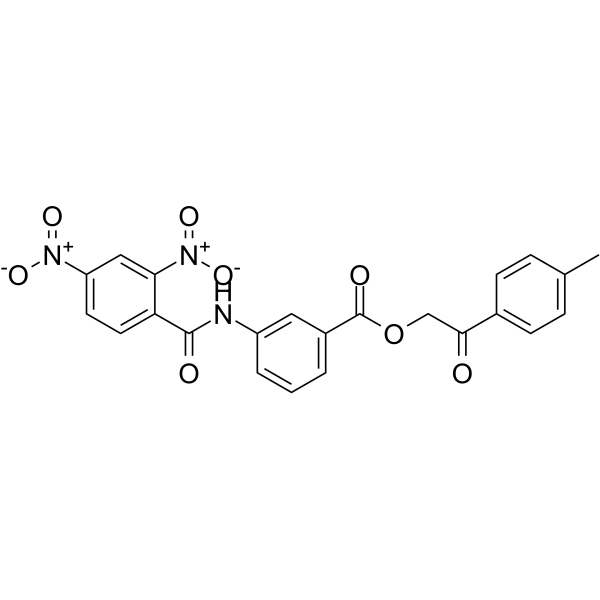
MIPS-21335 is a PI3KC2α inhibitor with an IC50 of 7 nM. MIPS-21335 also inhibits PI3KC2β, p110α, p110β and p110δ, with IC50 values of 43, 140, 386 and 742 nM, respectively. MIPS-21335 has antithrombotic effect. MIPS-21335 can be used for the researches of cardiovascular disease and metabolic disease, such as thrombosis and hyperlipidemia .
|
-
- HY-149331
-
|
|
TNF Receptor
Caspase
NF-κB
|
Inflammation/Immunology
|
|
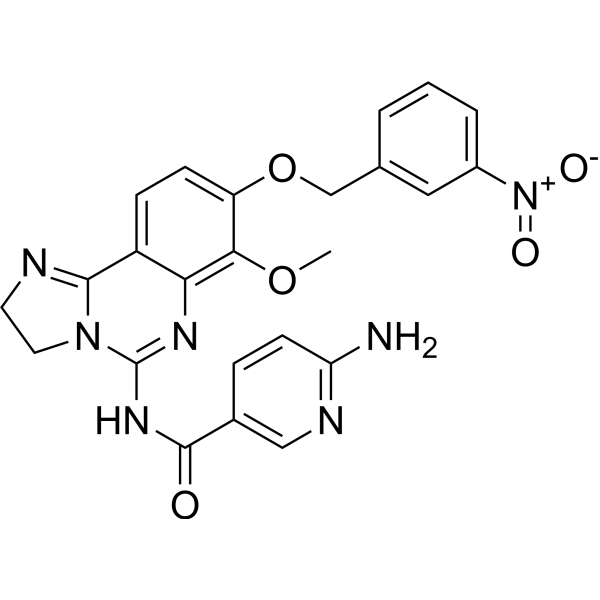
TNF-α-IN-11 (Compound 10) is a TNF-α inhibitor with a KD value of 12.06 μM. TNF-α-IN-11 binds to TNF-α and blocks the activation of TNF-α-trigged caspase and NF-κB signaling pathway. TNF-α-IN-11 inhibits the phosphorylation of IκBα, as well as the nuclear translocation of NF κB p65. TNF-α-IN-11 can be used for research of TNF-α-mediated autoimmune diseases .
|
-
- HY-101145
-
|
|
Choline Kinase
p38 MAPK
PI3K
Akt
Arp2/3 Complex
PERK
|
Cancer
|
|
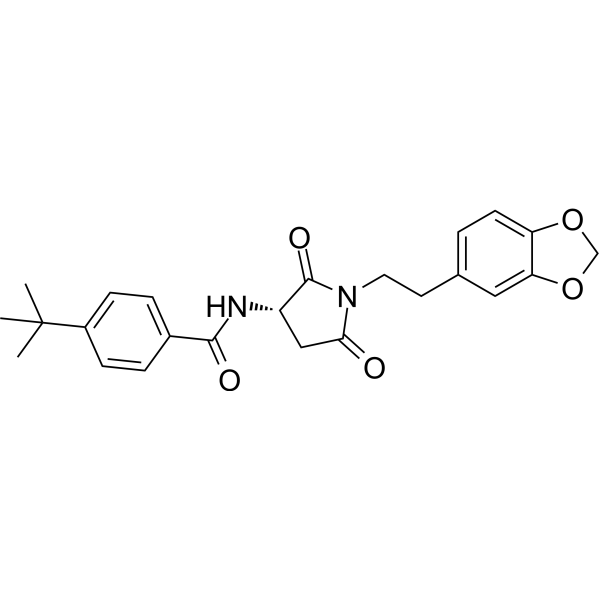
CK37 is a competitive choline kinase-α inhibitor. CK37 inhibits purified recombinant human choline kinase-α activity. CK37 suppresses MAPK and PI3K/AKT signaling, disrupts actin cytoskeletal organization. CK37 diminishs activating phosphorylations of ERK. CK37 exhibits anticancer activity against cervical cancer, melanoma, Lewis lung carcinoma, lung adenocarcinoma, breast cancer, and leukemia .
|
-

- HY-101562
-
|
GDC-0077; RG6114
|
PI3K
Apoptosis
|
Cancer
|
|
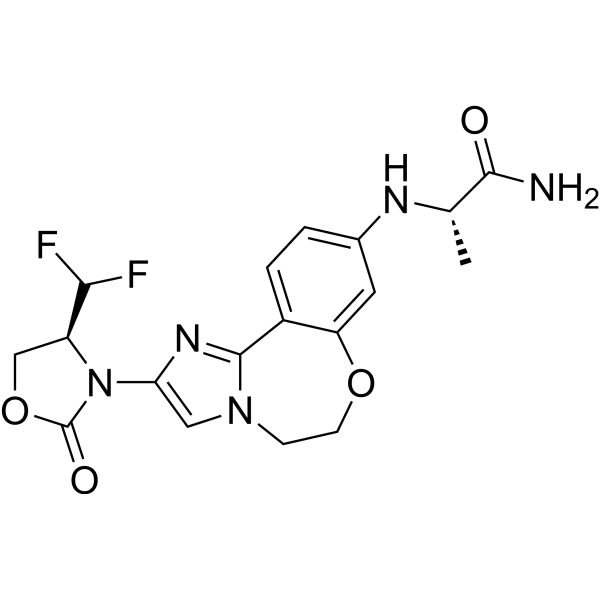
Inavolisib (GDC-0077) is a potent, orally active, and selective PI3Kα inhibitor (IC50=0.038 nM). Inavolisib exerts its activity by binding to the ATP binding site of PI3K, thereby inhibiting the phosphorylation of PIP2 to PIP3. Inavolisib is more selective for mutant versus wild-type PI3Kα. Inavolisib can be used for the study of breast cancer .
|
-
- HY-171878
-
|
|
TGF-β Receptor
PDGFR
TGF-beta/Smad
|
Inflammation/Immunology
Cancer
|
|
BI-4659 is a TGFβRI and PDGFRα inhibitor with IC50 values of 19 nM and 99 nM, respectively. BI-4659 inhibits the kinase activities of TGFβRI and PDGFRα, blocks the downstream TGFβRI signaling pathway, and reduces the phosphorylation level of Smad2/3 without altering the expression of TGF-β1. BI-4659 is applicable to research related to pulmonary fibrosis, cancer, and renal ischemia-reperfusion injury .
|
-

- HY-176281
-
|
|
PI3K
CDK
|
Cancer
|
|
PI3Kα-IN-26 (Compound 11e) is a PI3Kα inhibitor with an IC50 of 75.31 nM. PI3Kα-IN-26 has a broad-spectrum anticancer activity, such as leukemia, colon and breast cancer, without significant cytotoxic effect on the normal Vero cells (mean IC50s of 2.74, 3.50, 3.34 and 85.29 μM, respectively) .
|
-

- HY-151466
-
|
|
HIF/HIF Prolyl-Hydroxylase
Monoamine Oxidase
|
Cancer
|
|
HIF-1α-IN-5 is a HIF-1α inhibitor with an IC50 value of 24 nM (in HEK293T cell). HIF-1α-IN-5 also inhibits MAO-A activity. HIF-1α-IN-5 downregulates VEGF and PDK1 mRNA expressions under hypoxia. HIF-1α-IN-5 can be used in the research of cancer .
|
-
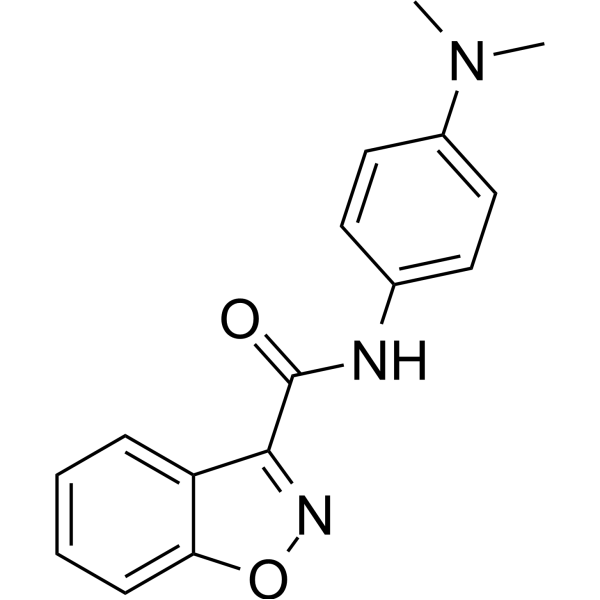
- HY-115463
-
EB-3D
2 Publications Verification
|
AMPK
Apoptosis
|
Cancer
|
|
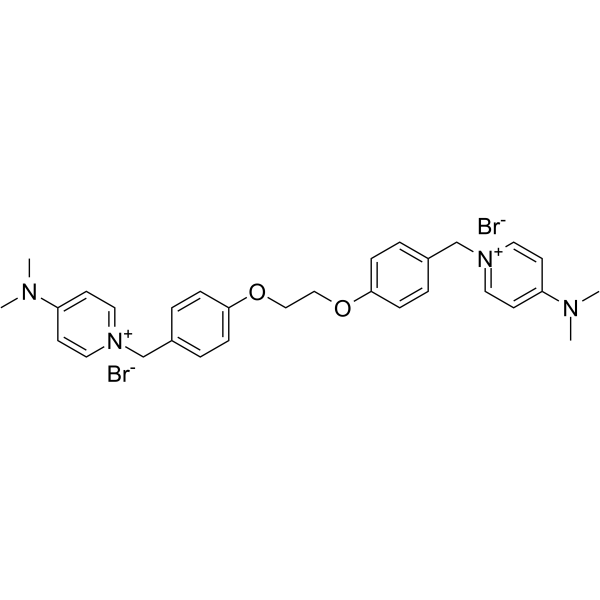
EB-3D is a potent and selective choline kinase α (ChoKα) inhibitor, with an IC50 of 1 μM for ChoKα1. EB-3D exerts effects on ChoKα expression, AMPK activation, apoptosis, endoplasmic reticulum stress and lipid metabolism. EB-3D exhibits a potent antiproliferative activity in a panel of T-leukemia cell lines. Anti-cancer activity .
|
-
- HY-161140
-
|
|
PI3K
Wnt
|
Cancer
|
|
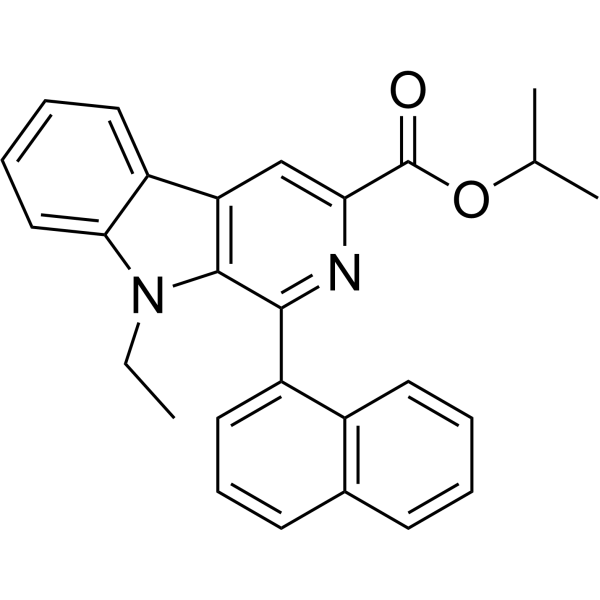
PI3Kα-IN-16 (Z86) is a novel PI3Kα inhibitor with an IC50 value of 4.28 μM. PI3Kα-IN-16 has potent inhibitory efficiency on PI3K-mediated CRCs growth and migration. PI3Kα-IN-16 also inhibits the Wnt signaling pathway .
|
-
- HY-121638
-
|
|
DGK
Apoptosis
Interleukin Related
Caspase
|
Cancer
|
|
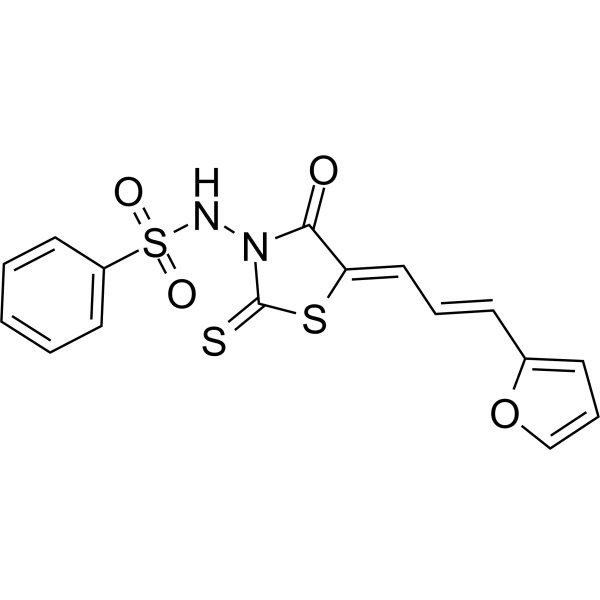
CU-3 is a DGKα inhibitor with an IC50 of 0.6 μM. CU-3 competitively reduces DGKα’s affinity for ATP via binding to the enzyme’s catalytic region. CU-3 induces apoptosis in cancer cells. CU-3 promotes T-cell activation and enhances IL-2 production. CU-3 can be used for the research of hepatocellular carcinoma and cervical cancer .
|
-
- HY-168869
-
|
|
PROTACs
Estrogen Receptor/ERR
|
Cancer
|
|
Tamoxifen-PEG-Clozapine is an estrogen receptor α (ERα) PROTAC degrader. Tamoxifen-PEG-Clozapine degrades ERα via a ubiquitin-proteasome system that uses the ubiquitin protein ligase E3 component N-recognin 5. Tamoxifen-PEG-Clozapine can be used for the research of cancer . (Pink: ERα inhibitor (HY-W271653); Black: linker (HY-168870); Blue: CRBN Ligand (HY-G0021))
|
-

- HY-100513
-
|
|
DNA/RNA Synthesis
Apoptosis
Antibiotic
|
Cancer
|
|
(±)-Dehydroaltenusin, an antibiotic, is a selective eukaryotic DNA polymerase α (pol α) inhibitor with an IC50 of 0.68 μM. (±)-Dehydroaltenusin can be isolated from fungus Alternaria tenuis. (±)-Dehydroaltenusin competitively inhibits the DNA template primer (Ki: 0.23 μM) and non-competitively suppresses the 2'-deoxyribonucleoside 5'-triphosphate substrate (Ki: 0.18 μM). (±)-Dehydroaltenusin induces the cancer cell S-phase cycle arrest and apoptosis. (±)-Dehydroaltenusin can be used for cancers like human adenocarcinoma research .
|
-

- HY-110266
-
|
|
HIF/HIF Prolyl-Hydroxylase
|
Cancer
|
|
GN44028 is a potent and orally active hypoxia inducible factor (HIF)-1α inhibitor, with an IC50 of 14 nM. GN44028 inhibits hypoxia-induced HIF-1α transcriptional activity without suppressing HIF-1α mRNA expression, HIF-1α protein accumulation, or HIF-1α/HIF-1β heterodimerization. GN44028 can be used in the research of cancers .
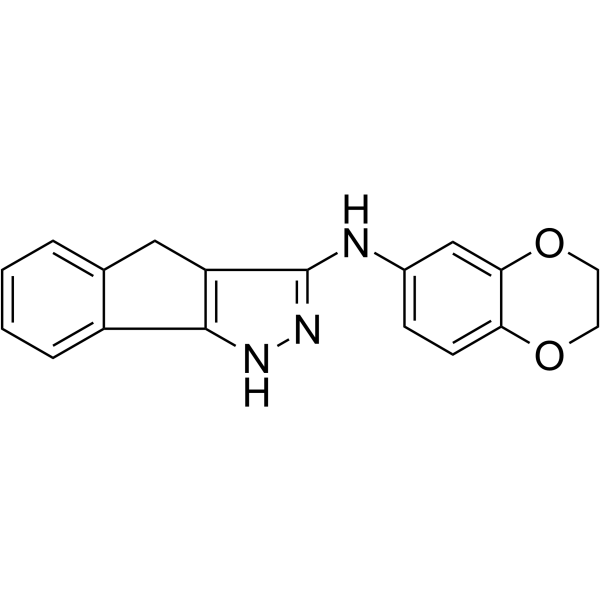
|
-
- HY-N10330
-
|
|
HIF/HIF Prolyl-Hydroxylase
VEGFR
|
Cancer
|
|
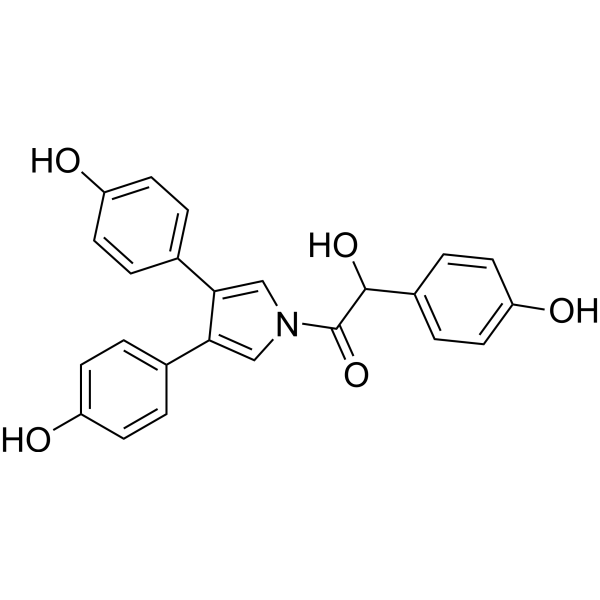
7-Hydroxyneolamellarin A is a natural product that could be derived from sponge Dendrilla nigra. 7-Hydroxyneolamellarin A is a potent hypoxia-inducible factor-1α (HIF-1α) inhibitor. 7-Hydroxyneolamellarin A attenuates the accumulation of hypoxia-inducible factor-1α (HIF-1α) protein and inhibits vascular epidermal growth factor (VEGF) transcriptional activity. 7-Hydroxyneolamellarin A can be used in research of cancer .
|
-
- HY-17412A
-
-
- HY-101144
-
|
TCD-717
|
Choline Kinase
|
Cancer
|
|
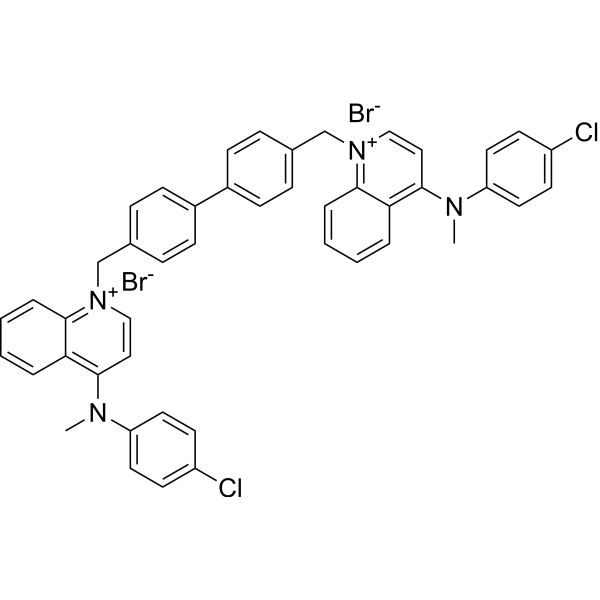
RSM-932A (TCD-717) is a specific ChoKα inhibitor with IC50s of 1 and 33 μM for human recombinant ChoKα and ChoKβ enzymes, respectively. RSM-932A acts as the “first in humans” compound targeting ChoKα. RSM-932A is potent in vitro anti-proliferative and in vivo anti-tumoral activity against human xenografts in mice, showing high efficacy with low toxicity profiles .
|
-
- HY-103489R
-
|
|
Reference Standards
PI4K
Apoptosis
|
Cancer
|
|
PI-273 (Standard) is the analytical standard of PI-273 (HY-103489). This product is intended for research and analytical applications. PI-273 is a first reversibly and specific phosphatidylinositol 4-kinase (PI4KIIα) inhibitor with an IC50 of 0.47 μM. PI-273 can inhibit breast cancer cell proliferation, block the cell cycle and induce cell apoptosis .
|
-

- HY-179341
-
|
|
HIF/HIF Prolyl-Hydroxylase
|
Cancer
|
|
CHNQD-03301 is an orally active hypoxia-inducible factor-1α (HIF-1α) inhibitor (IC50 = 10.97 nM). CHNQD-03301 promotes the proteasomal degradation of HIF-1α protein, leading to its significant suppression. CHNQD-03301 can reverse HIF accumulation-induced angiogenesis and mitigate the HIF-induced erythrocytosis phenotype in zebrafish models. CHNQD-03301 can be used for the study of colon cancer .
|
-

- HY-131972
-
|
|
PI3K
|
Cancer
|
|
PF-06843195 is a highly selective PI3Kα inhibitor with an IC50 of 18 nM in Rat1 fibroblasts. The Kis of PF-06843195 for PI3Kα and PI3Kδ in biochemical kinase assay are less than 0.018 nM and 0.28 nM, respectively. PF-06843195 has great suppression of the PI3K/mTOR signaling pathway and durable antitumor efficacy .
|
-
- HY-17412
-
-
- HY-161968
-
|
|
EGFR
PI3K
|
Cancer
|
|
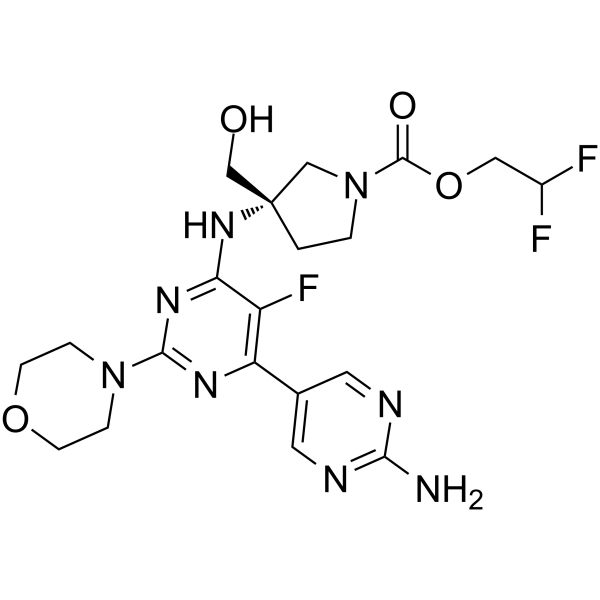
EGFR/PI3Kα-IN-1 (compound 30k) is a dual EGFR/PI3Kα inhibitor with IC50 values of 3.6 nM (EGFRL858R/T790M) and 30 nM (PI3Kα), respectively. EGFR/PI3Kα-IN-1 can inhibit tumor cell proliferation and has anticancer activity .
|
-

- HY-108642B
-
|
|
p38 MAPK
Casein Kinase
|
Inflammation/Immunology
|
|
AMG-548 dihydrochloride, an orally active and selective p38α inhibitor (Ki=0.5 nM), shows slightly selective over p38β (Ki=36 nM) and >1000 fold selective against p38γ and p38δ. AMG-548 dihydrochloride is also extremely potent in the inhibition of whole blood LPS stimulated TNFα (IC50=3 nM) . AMG-548 dihydrochloride inhibits Wnt signaling by directly inhibiting Casein kinase 1 isoforms δ and ε .
|
-
- HY-108642
-
|
|
p38 MAPK
Casein Kinase
|
Inflammation/Immunology
|
|
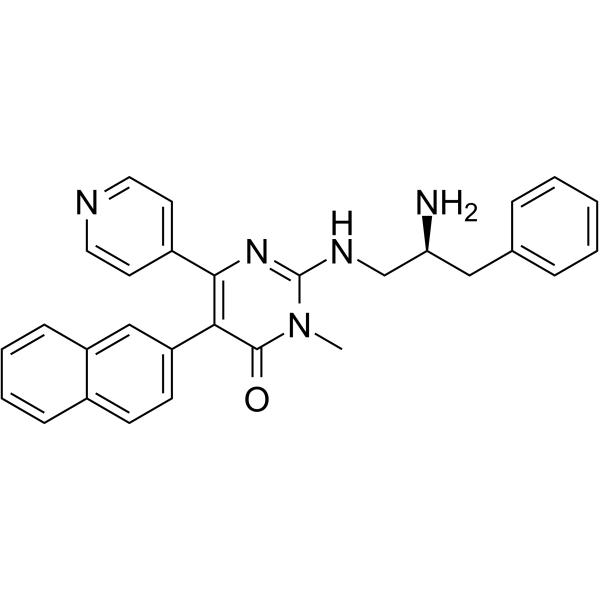
AMG-548, an orally active and selective p38α inhibitor (Ki=0.5 nM), shows slightly selective over p38β (Ki=36 nM) and >1000 fold selective against p38γ and p38δ. AMG 548 is also extremely potent in the inhibition of whole blood LPS stimulated TNFα (IC50=3 nM) . AMG-548 inhibits Wnt signaling by directly inhibiting Casein kinase 1 isoforms δ and ε .
|
-
- HY-108642A
-
|
|
p38 MAPK
Casein Kinase
|
Inflammation/Immunology
|
|
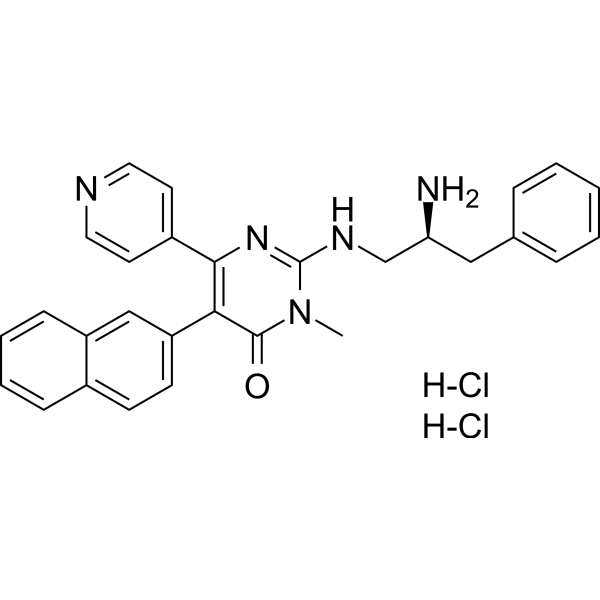
AMG-548 hydrochloride, an orally active and selective p38α inhibitor (Ki=0.5 nM), shows slightly selective over p38β (Ki=36 nM) and >1000 fold selective against p38γ and p38δ. AMG-548 hydrochloride is also extremely potent in the inhibition of whole blood LPS stimulated TNFα (IC50=3 nM) . AMG-548 hydrochloride inhibits Wnt signaling by directly inhibiting Casein kinase 1 isoforms δ and ε .
|
-
- HY-182884
-
|
|
TNF Receptor
|
Inflammation/Immunology
|
|
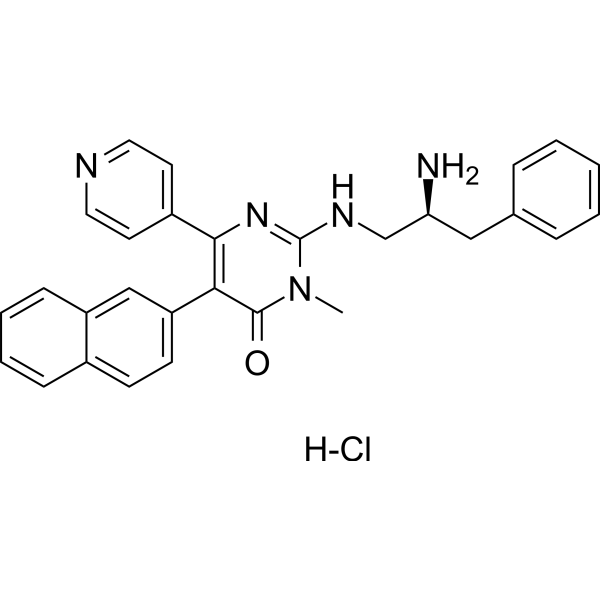
TNF-α-IN-29 is an orally active and selective TNF-α inhibitor, with IC50 values of 123.0 nM against human targets, and a human Kd of 45.9 nM. TNF-α-IN-29 blocks TNF-α-TNFR1 protein-protein interactions and inhibits TNF-α-mediated inflammatory signaling pathways. TNF-α-IN-29 exhibits anti-inflammatory effects in a mouse model of collagen-induced arthritis and promotes articular cartilage repair. TNF-α-IN-29 can be used for the research of rheumatoid arthritis .
|
-

- HY-131404
-
TPBM
2 Publications Verification
|
Estrogen Receptor/ERR
|
Cancer
|
|
TPBM is a potent estrogen receptor α (ERα) inhibitor with an IC50 value of 9 μM for 17β-estradiol (E2)-ERα. TPBM reduces E2·ERα recruitment to an endogenous estrogen-responsive gene. TPBM inhibits E2-dependent growth of ERα-positive cancer cells (IC50=5 μM). TPBM is not toxic to cells and does not affect estrogen-independent cell growth .
|
-
- HY-175593
-
-

- HY-163102
-
|
|
TNF Receptor
NF-κB
|
Inflammation/Immunology
|
|
IA-14069 is an orally active tumor necrosis factor-α (TNF-α) inhibitor. IA-14069 binds directly to TNF-α and TNF-α-triggered signaling (p-IκBα and NF-κB p65) activities. Additionally, IA-14069 exerts a suppressive effect on Dextran sodium sulfate (HY-116282C) (DSS)-induced colitis. IA-14069 can be used for the research of Rheumatoid arthritis (RA) and inflammatory bowel disease (IBD) .
|
-

- HY-W654013
-
-

- HY-149427
-
|
|
PI3K
|
Cancer
|
|
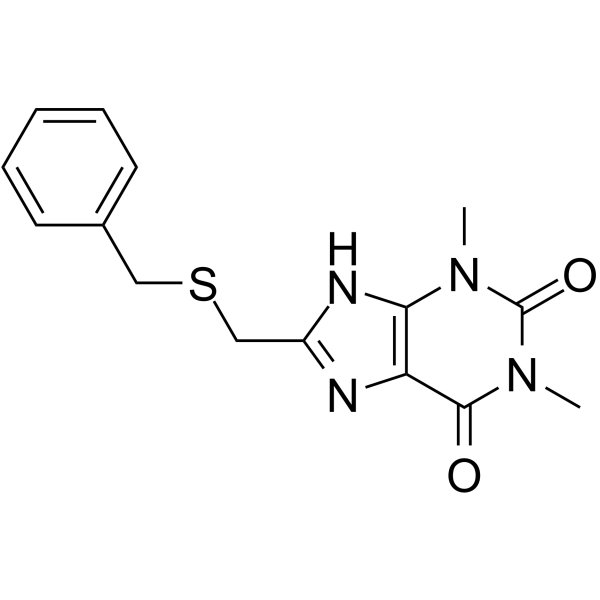
PI3Kα-IN-12 (compound 13) is a highly selective PI3Kα inhibitor (IC50: 1.2 nM). PI3Kα-IN-12 inhibits HCT-116 and U87-MG with IC50s values of 0.83 and 1.25 μM, respectively. PI3Kα-IN-12 (40 mg/kg; IP) causes tumor regression in a U87-MG cell line xenograft mouse model .
|
-
- HY-17412S
-
-
- HY-101562R
-
|
GDC-0077 (Standard); RG6114 (Standard)
|
PI3K
Reference Standards
Apoptosis
|
Cancer
|
|
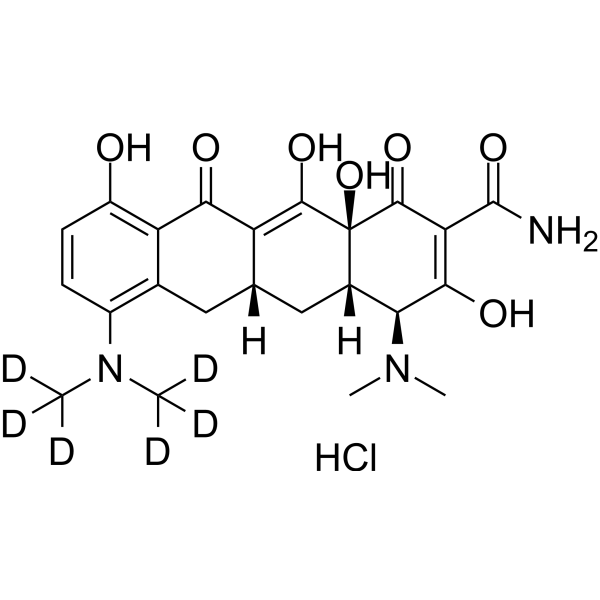
Inavolisib (Standard) is the analytical standard of Inavolisib (HY-101562). This product is intended for research and analytical applications. Inavolisib (GDC-0077) is a potent, orally active, and selective PI3Kα inhibitor (IC50=0.038 nM). Inavolisib exerts its activity by binding to the ATP binding site of PI3K, thereby inhibiting the phosphorylation of PIP2 to PIP3. Inavolisib is more selective for mutant versus wild-type PI3Kα. Inavolisib can be used for the study of breast cancer .
|
-

- HY-147518
-
|
|
p38 MAPK
|
Inflammation/Immunology
|
|
p38-α MAPK-IN-5 (compound 4e) is a potent p38α inhibitor with IC50s of 0.1 nM, 0.2 nM, 944 nM, 4100 nM for p38α, p38 β, p38γ, p38δ, respectively. p38-α MAPK-IN-5 has anti-inflammatory effect. p38-α MAPK-IN-5 has the potential for asthma and chronic obstructive pulmonary disease (COPD) research .
|
-
- HY-159798
-
|
|
PROTACs
p38 MAPK
|
Cancer
|
|
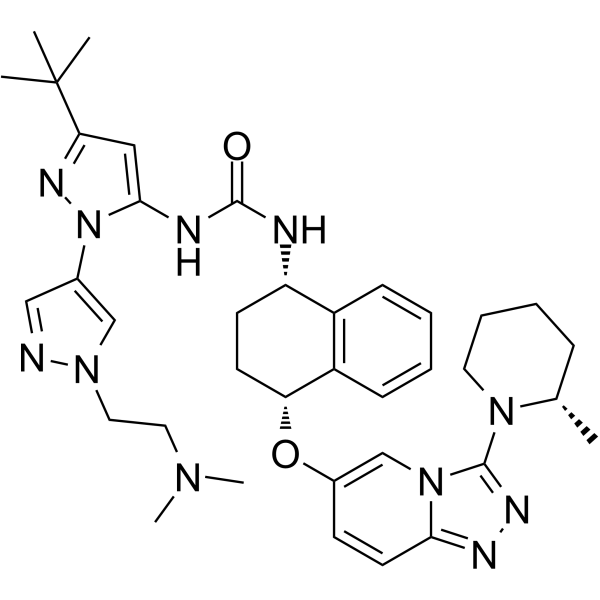
NR-11c is a selective and potent p38α PROTAC degrader. NR-11c effectively degrades p38α in a variety of tumor cells. When administered intraperitoneally or intravenously to mice, NR-11c primarily acts in the liver. NR-11c can be used in cancer research. (Pink: p38α inhibitor 5 (HY-159799); Black: linker (HY-159800); Blue: VHL E3 ligase ligand (HY-112078)) .
|
-

- HY-169019
-
|
|
PI3K
Apoptosis
|
Cancer
|
XJTU-L453 is a PI3Kα inhibitor with an IC50 value of 0.4 nM. XJTU-L453 can inhibit the proliferation of breast cancer cell lines T47D and MCF7, with IC50 values of 0.2 μM and 0.5 μM, respectively. XJTU-L453 can inhibit the PI3K pathway, induce cell cycle arrest, and trigger cell apoptosis (apoptosis). XJTU-L453 also has antitumor activity in MCF7 xenograft mice .
|
-

- HY-17412R
-
-
- HY-17412S1
-
-
- HY-151341
-
|
|
HIF/HIF Prolyl-Hydroxylase
|
Cancer
|
|
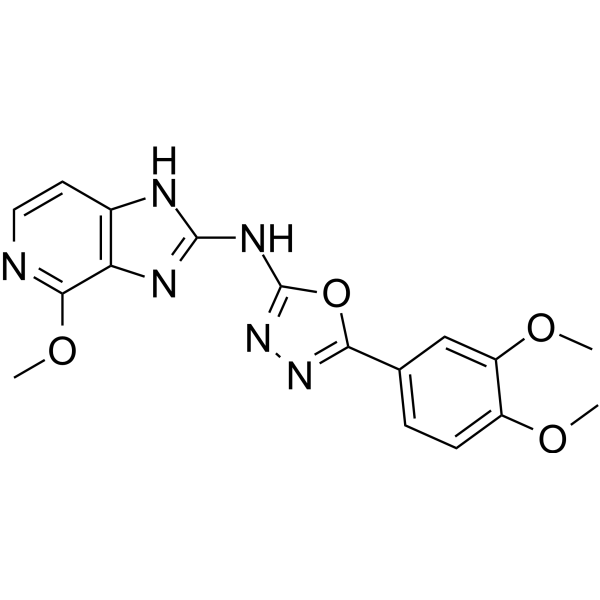
HIF-1/2α-IN-1 is an orally active HIF-2α inhibitor. HIF-1/2α-IN-1 inhibits HIF-2α activity with an IC50 value of 0.92 μM. HIF-1/2α-IN-1 also can decrease HIF-1α levels. HIF-1/2α-IN-1 can be used for the research of clear cell renal cell carcinoma (ccRCC) .
|
-
- HY-17412AS
-
-
- HY-130437
-
|
|
MDM-2/p53
TGF-β Receptor
Caspase
|
Infection
Metabolic Disease
|
|
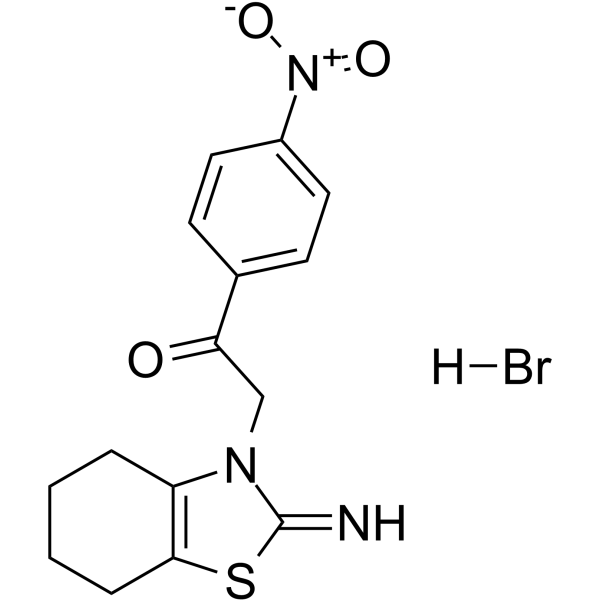
p-nitro-Pifithrin-α, a cell-permeable analog of pifithrin-α, is a potent p53 inhibitor. p-nitro-Pifithrin-α suppresses p53-mediated TGF-β1 expression in HK-2 cells. p-nitro-Pifithrin-α inhibits the activation of caspase-3 by Zika virus (ZIKV) strains. p-nitro-Pifithrin-α attenuates steatosis and liver injury in mice fed a high-fat diet [4].
non-alcoholic fatty liver disease .
|
-
- HY-150618
-
-
- HY-185205
-
|
|
PI3K
Akt
|
Cancer
|
|
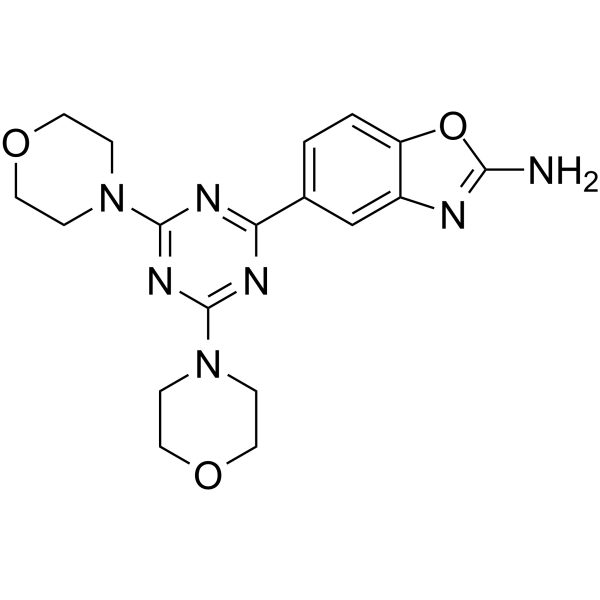
VVD-484 is a PI3K p110α inhibitor with an IC50 of 0.59 μM against human targets.,VVD-484, classified as a "silent ligand", forms a covalent bond with Cys242 of PI3K p110α without disrupting the p110α-KRAS G12C interaction. VVD-484 inhibits phosphorylation (S473) of AKT via a RAS-independent pathway. VVD-484 can be used in the research of HER2-overexpressing cancers .
|
-

- HY-119138
-
|
|
p38 MAPK
MMP
PGE synthase
|
Inflammation/Immunology
|
|
R-130823 is an orally active, highly selective p38α inhibitor with an IC50 of 22 nM against p38α, an IC50 of 820 nM against p38β, and no activity against p38γ or p38δ. R-130823 downregulates downstream cartilage degradation and inflammatory mediators, and inhibits the release of MMP-13, MMP-1 and PGE2. R-130823 reduces hind paw swelling, improves hyperalgesia, and blocks arthritis progression. R-130823 is applicable to research related to osteoarthritis and rheumatoid arthritis .
|
-

- HY-148908
-
|
|
TNF Receptor
|
Cardiovascular Disease
Inflammation/Immunology
Cancer
|
|
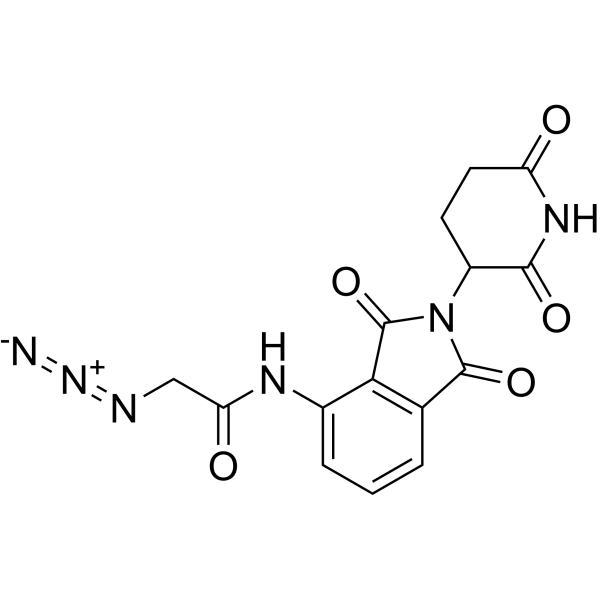
TNF-α-IN-8 (compound I-42) is a TNF-α inhibitor. TNF-α-IN-8 is an isoindole-imide compound. TNF-α-IN-8 can be used for the research of cancer, heart disease, osteoporosis, inflammatory, allergic and autoimmune diseases . TNF-α-IN-8 is a click chemistry reagent, it contains an Azide group and can undergo copper-catalyzed azide-alkyne cycloaddition reaction (CuAAc) with molecules containing Alkyne groups. It can also undergo strain-promoted alkyne-azide cycloaddition (SPAAC) reactions with molecules containing DBCO or BCN groups.
|
-
- HY-180898
-
|
|
DGK
ERK
IFNAR
Interleukin Related
Molecular Glues
|
Inflammation/Immunology
|
|
AHL-7160 is a covalent DGKα inhibitor that possesses dual functions of enzyme activity inhibition (IC₅₀ ≈ 12 nM) and molecular gel-mediated degradation. AHL-7160 can rapidly recruit endogenous DGKα to the cell membrane (EC₅₀ = 39 nM), and this effect has isozyme selectivity. AHL-7160 can stereospecifically block phosphatidylcholine acid (PA) production mediated by DGKα (IC₅₀ = 340 nM). AHL-7160 enhances T cell activation and promotes anti-tumor immune responses. AHL-7160 can be used for research on immunotherapy .
|
-

- HY-121638A
-
|
|
DGK
Apoptosis
Interleukin Related
Caspase
|
Cancer
|
|
(5Z,2E)-CU-3 is an isomer of CU-3 (HY-121638). CU-3 is a DGKα inhibitor with an IC50 of 0.6 μM. CU-3 competitively reduces DGKα’s affinity for ATP via binding to the enzyme’s catalytic region. CU-3 induces apoptosis in cancer cells. CU-3 promotes T-cell activation and enhances IL-2 production. CU-3 can be used for the research of hepatocellular carcinoma and cervical cancer .
|
-
- HY-183285
-
|
|
PI3K
Akt
|
Cancer
|
|
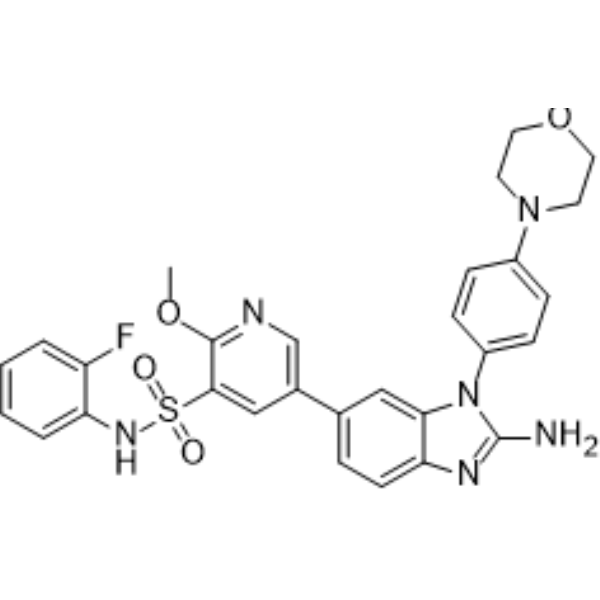
PI3Kα-IN-32 (Compound 11f) is a selective, orally active PI3Kα inhibitor, with an IC50 of 26.3 nM against PI3Kα H1047R. PI3Kα-IN-32 inhibits AKT phosphorylation. PI3Kα-IN-32 exhibits anticancer activity against breast cancer. PI3Kα-IN-32 can be used in the research of HR +/HER2 - breast cancer .
|
-

- HY-125118
-
GSK-A1
2 Publications Verification
|
PI4K
HCV
|
Infection
|
|
GSK-A1 is a selective type III phosphatidylinositol 4-kinase PI4KA (PI4KIIIα) inhibitor with a pIC50 of 8.5-9.8. GSK-A1 inhibits PtdIns(4,5)P2 resynthesis with an IC50 of about 3 nM. GSK-A1 potently decreases the levels of PtdIns(4)P with a negligible effect on PtdIns(4,5)P2. GSK-A1 has the potential for anti-hepatitis C virus (HCV) research .
|
-
- HY-W470101
-
|
|
Hsp-targeting Chimeras
HIF/HIF Prolyl-Hydroxylase
Apoptosis
HSP
Caspase
|
Cancer
|
|
HIF-2α-IN-17 is a selective hypoxia-inducible factor 2α (HIF2α) inhibitor that binds to the PAS-B domain of HIF2α. HIF-2α-IN-17 disrupts the interaction between HIF2α and the molecular chaperone Hsp70, leading to proteasomal degradation of HIF2α. HIF-2α-IN-17 exhibits antitumor activity and induces apoptosis in cancer cells. HIF-2α-IN-17 is applicable for research on cancers such as clear cell renal cell carcinoma .
|
-

- HY-172807
-
|
|
p38 MAPK
MAPKAPK2 (MK2)
CDK
Wee1
|
Cancer
|
|
p38α-IN-9 (Compound 2015) is a p38α inhibitor and blocks p38α’s enzymatic activity with an IC50 lower than 20 nM. p38α-IN-9 inhibits MK2 T334 phosphorylation. p38α-IN-9 activates Cdc25b and Cdc25c and simultaneously inactivates Wee1, leading to mitotic catastrophe, aneuploidy or polyploidy and DNA damage. p38α-IN-9 Inhibits colorectal cancer (CRC) metastasis .
|
-

- HY-183787
-
|
|
PI3K
Akt
mTOR
Apoptosis
CDK
|
Cancer
|
|
PI3Kα-IN-33 is an orally active and selective PI3Kα inhibitor with an IC50 of 9.9 nM. PI3Kα-IN-33 blocks the PI3K/Akt/mTOR signaling pathway. PI3Kα-IN-33 induces apoptosis and triggers G2/M-phase arrest via Cyclin B1 and CDK1 downregulation. PI3Kα-IN-33 can be used for the research of colorectal cancer .
|
-

- HY-178812
-
|
|
PI3K
PAK
mTOR
PERK
Apoptosis
|
Cancer
|
|
PI3Kα-IN-27 (Compound 50b) is an orally active PI3K-α inhibitor, with an IC50 of 40 nM. PI3Kα-IN-27 effectively inhibits PAK3, p110α, phospho-mTOR and phospho-ERK1/2. PI3Kα-IN-27 induces early Apoptosis. PI3Kα-IN-27 shows anticancer activity against pancreatic cancer, lung cancer, breast cancer .
|
-

- HY-15244R
-
|
BYL-719 (Standard)
|
Reference Standards
PI3K
Apoptosis
|
Cancer
|
|
Alpelisib (Standard) is the analytical standard of Alpelisib. This product is intended for research and analytical applications. Alpelisib (BYL-719) is a potent, selective, and orally active PI3Kα inhibitor. Alpelisib (BYL-719) shows efficacy in targeting PIK3CA-mutated cancer. Alpelisib (BYL-719) also inhibits p110α/p110γ/p110δ/p110β with IC50s of 5/250/290/1200 nM, respectively. Antineoplastic activity .
|
-

- HY-183741
-
|
|
PI3K
Akt
|
Cancer
|
|
VVD-844 is an orally active covalent inhibitor of PI3Kα inhibitor. VVD-844 covalently binds to Cys 242 in the RAS binding domain of p110α, blocking RAS-p110α interaction and inhibiting PI3Kα activity. VVD-844 inhibits PI3Kα signaling activation in HER2-overexpressing cells via a RAS-independent mechanism. VVD-844 suppresses tumor growth in mouse. VVD-844 can be used for the research of cancers .
|
-

- HY-100424
-
|
|
PI3K
|
Cancer
|
|
PI3K-IN-63 (compound 9) is a PI3Kα inhibitor with a Ki of 0.35 nM against human targets. PI3K-IN-63 inhibits the phosphorylation of AKT at the S473 site in cellular assays. PI3K-IN-63 reduces the viability of non-small cell lung cancer cell lines carrying PIK3CA mutations. PI3K-IN-63 can be used in studies related to non-small cell lung cancer .
|
-

- HY-124665
-
|
|
TNF Receptor
Interleukin Related
|
Infection
Metabolic Disease
Inflammation/Immunology
|
|
LMP-420 is a selective tumor necrosis factor-α (TNF-α) inhibitor. LMP-420 reduces the release of pro-inflammatory cytokines (e.g., IL-1β, IL-2), inducing the expression of anti-inflammatory cytokine IL-10 and anti-apoptotic molecules SOCS-1 and Mn-SOD. LMP-420 also downregulates chemokines (e.g., IP-10, MCP-1) to reduce immune cell infiltration. LMP-420 is promising for research of type 1 diabetes mellitus, inflammatory diseases (e.g., colitis), and HIV-Mycobacterium tuberculosis coinfection .
|
-

- HY-101144R
-
|
TCD-717 (Standard)
|
Choline Kinase
Reference Standards
|
Cancer
|
|
RSM-932A (Standard) is the analytical standard of RSM-932A (HY-101144). This product is intended for research and analytical applications. RSM-932A (TCD-717) is a specific ChoKα inhibitor with IC50s of 1 and 33 μM for human recombinant ChoKα and ChoKβ enzymes, respectively. RSM-932A acts as the “first in humans” compound targeting ChoKα. RSM-932A is potent in vitro anti-proliferative and in vivo anti-tumoral activity against human xenografts in mice, showing high efficacy with low toxicity profiles .
|
-

- HY-N0853
-
|
|
AMPK
Acetyl-CoA Carboxylase
PPAR
MMP
Interleukin Related
|
Infection
Cardiovascular Disease
Neurological Disease
Metabolic Disease
Inflammation/Immunology
Cancer
|
|
Alisol A is an orally active tetracyclic triterpenoid compound of the prototerpane type. Alisol A can be extracted from the rhizome of Alisma orientale. Alisol A activates AMPK/ACC/SREBP-1c, SIRT1, PPARα, inhibits MMP-2/-9, decreases inflammatory cytokine expression (IL-1β, IL-6, IL-8). Alisol A has anti-tumor activity against breast cancer and colorectal cancer. Alisol A has anti-obesity and anti-atherosclerotic activities. Alisol A can be used in the research of hepatitis B, breast cancer, colorectal cancer, atherosclerosis, and obesity .
|
-
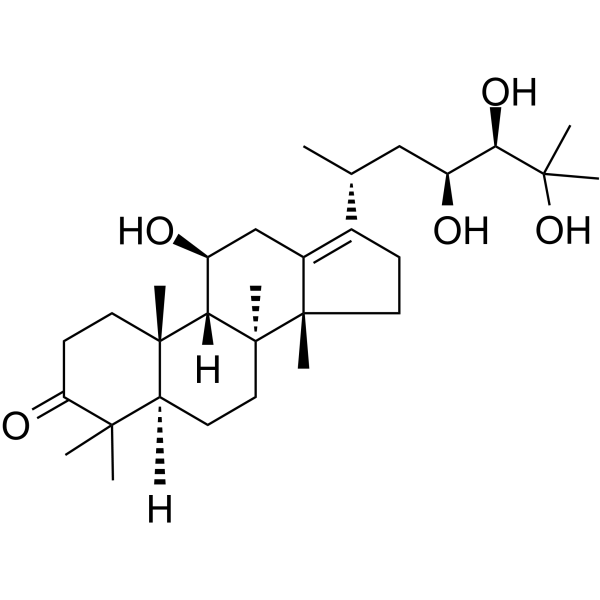
- HY-156018
-
|
|
PI3K
|
Cancer
|
|
PI3Kα-IN-13 (Compound 18a) is a PI3Kα inhibitor (IC50: 2.5 nM). PI3Kα-IN-13 induces tumor cell apoptosis. PI3Kα-IN-13 inhibits cancer cell proliferation with IC50s of 0.75 μM (MCF-7), 3.79 μM (HCT-116), 13.71 μM (MDA-MB-231), 9.85 μM (SW620), respectively. PI3Kα-IN-13 inhibits tumor cell colony formation, migration and invasion .
|
-
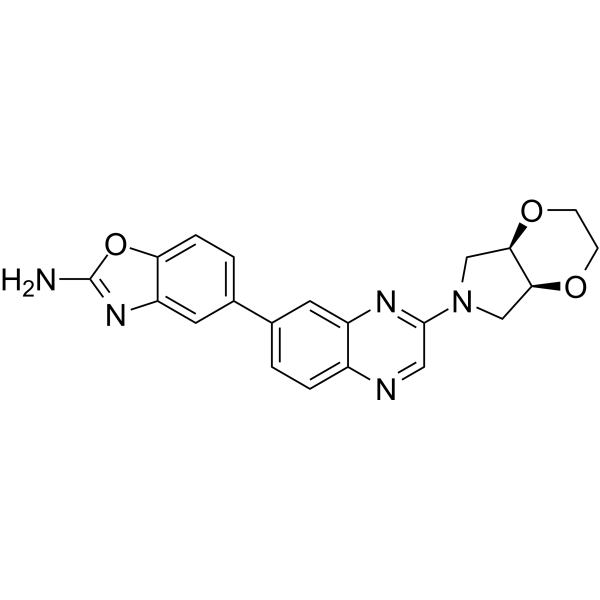
- HY-108642BR
-
|
|
Reference Standards
p38 MAPK
Casein Kinase
|
Inflammation/Immunology
|
|
AMG-548 dihydrochloride (Standard) is the analytical standard of AMG-548 (dihydrochloride) (HY-108642B). This product is intended for research and analytical applications. AMG-548 dihydrochloride, an orally active and selective p38α inhibitor (Ki=0.5 nM), shows slightly selective over p38β (Ki=36 nM) and >1000 fold selective against p38γ and p38δ. AMG-548 dihydrochloride is also extremely potent in the inhibition of whole blood LPS stimulated TNFα (IC50=3 nM) . AMG-548 dihydrochloride inhibits Wnt signaling by directly inhibiting Casein Kinase 1 isoforms δ and ε .
|
-

- HY-20176
-
|
|
Drug Intermediate
Adenosine Receptor
PI3K
|
Infection
|
|
2,4-Dichlorothieno[3,2-d]pyrimidine is a thienopyrimidine scaffold and a key synthetic precursor, which is widely used for constructing 4-arylthieno[3,2-d]pyrimidine compounds. 2,4-Dichlorothieno[3,2-d]pyrimidine serves for the development of 4-arylthieno[3,2-d]pyrimidine-based human adenosine A2a receptor antagonists, as well as thienopyrimidine-based PI3K-α inhibitors. In addition, 2,4-Dichlorothieno[3,2-d]pyrimidine has potential application value in studies related to whipworm disease .
|
-
![2,4-Dichlorothieno[3,2-d]pyrimidine](//file.medchemexpress.com/product_pic/hy-20176.gif)
- HY-107371R
-
|
NSC95682 (Standard)
|
Reference Standards
IRE1
|
Inflammation/Immunology
Cancer
|
|
6-Bromo-2-hydroxy-3-methoxybenzaldehyde (Standard) (NSC95682 (Standard)) is the analytical standard of 6-Bromo-2-hydroxy-3-methoxybenzaldehyde (HY-107371). This product is intended for research and analytical applications. 6-Bromo-2-hydroxy-3-methoxybenzaldehyde (NSC95682) (Compound 3-5) is a selective and potent IRE-1α inhibitor with an IC50 value of 0.08 μM. 6-Bromo-2-hydroxy-3-methoxybenzaldehyde can be used for research on diseases associated with the unfolded protein response (UPR), such as cancer and autoimmune diseases .
|
-

- HY-N13009
-
|
|
Raf
HIF/HIF Prolyl-Hydroxylase
ERK
MEK
Reactive Oxygen Species (ROS)
Apoptosis
Caspase
|
Cancer
|
|
MO-2097 is a RAF-1/HIF-1α inhibitor. MO-2097 induces RAF-1 destabilization, leading to a reduction in
EMT-associated transcription factors and mesenchymal markers. MO-2097 inhibits HIF-1a protein expression mediated by hnRNPA2B1 under hypoxic and mimetic hypoxia. MO-2097 induces mitochondrial ROS, which leads to apoptosis in cells. MO-2097 effectively suppresses colorectal cancer metastasis by inhibiting the RAF/MEK/ERK signaling pathway. MO-2097 attenuates tumor growth in a xenograft HCT116 cell mouse model. MO-2097 can be used for the study of colorectal cancer .
|
-

- HY-157319
-
|
|
PI3K
|
Cancer
|
|
PI3Kα-IN-15 is a potent PI3Kα inhibitor with an IC50 of 0.15?μM. PI3Kα-IN-15 also has acceptable anti-proliferative activity (inhibits SKOV-3, T47D, NCI-H1975, NCI-H460, and MCF-7 growth with IC50 values of 26.6?μM, 7.9?μM,? 32.1?μM,? 17.7??μM, and 9.4??μM, respectively. PI3Kα-IN-15 can be used for cancer research .
|
-
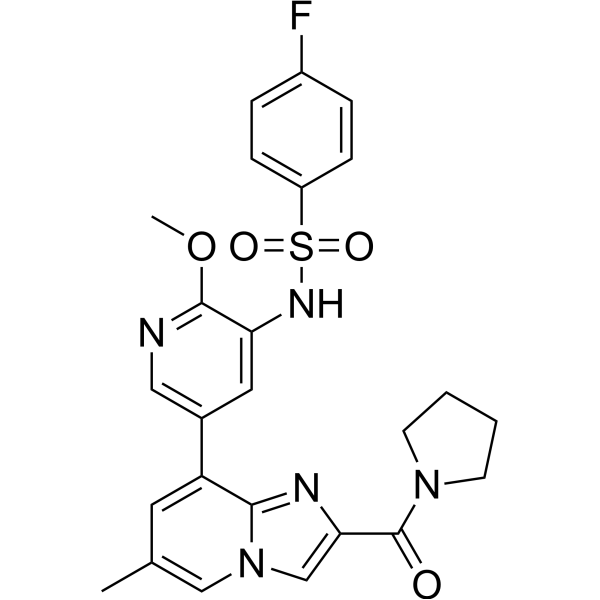
- HY-P990033
-
|
CC-95251; BMS-986351
|
CD47
|
Cancer
|
|
Anzurstobart is a CD47/SIRPα inhibitor with human SIRPα Kd of 0.0541 nM and human SIRPα IC50 of 100 nM. Anzurstobart binds SIRPα at a CD47-overlapping site, blocks CD47-SIRPα interactions, inhibits CD47-SIRPα axis signaling, and binds across 6 prevalent human SIRPα haplotypes. Anzurstobart binds SIRPγ and inhibits CD47-SIRPγ interactions. Anzurstobart can be used for the research of non-Hodgkin's lymphoma, colorectal cancer, squamous cell carcinoma of the head and neck, diffuse large B-cell lymphoma, and advanced solid and hematologic malignancies .
|
-

- HY-182946
-
|
|
PI3K
|
Cancer
|
|
PI3Kα-IN-31 is an orally active and selective PI3Kα inhibitor. PI3Kα-IN-31 shows potent preference for mutant PI3Kα over wild-type PI3Kα. PI3Kα-IN-31 exerts antiproliferative effects in PI3Kα-mutant cancer cells. PI3Kα-IN-31 suppresses tumor growth in xenograft models. PI3Kα-IN-31 can be used for the research of breast cancer .
|
-

- HY-157125
-
|
|
PI3K
Apoptosis
|
Cancer
|
|
PI3Kα-IN-14 (compound F8) is a selective PI3Kα inhibitor with an IC50 of 0.14 nM. PI3Kα-IN-14 induces a great decrease in mitochondrial membrane which caused cell cycle arrest at G1 phase and apoptosis in U87-MG cells. PI3Kα-IN-14 shows significant anti-proliferative activities against three tumor-derived cell lines (PC-3: IC50 of 0.28 μM; HCT-116: IC50 of 0.57 μM; and U87-MG: IC50 of 1.37 μM) .
|
-
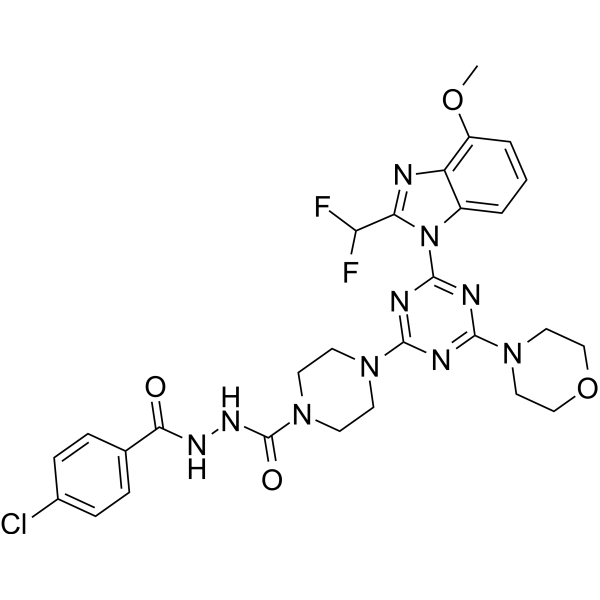
- HY-158029
-
|
|
PI3K
Apoptosis
|
Cancer
|
|
PI3Kα-IN-21 (compound 8) is a PI3Kα inhibitor, and its selectivity for PI3Kα is 10.41/16.99/37.53 times higher than PI3Kβ/γ/δ respectively (IC50: 96.89/568.24/397.48 nM ). PI3Kα-IN-21 inhibits cancer cell activity, proliferation, and migration, and induces mitochondrial apoptosis through the PI3K/Akt/mTOR pathway. PI3Kα-IN-21 exhibits in vivo antitumor potency in a mouse model of non-small cell lung cancer .
|
-

- HY-182368
-
|
|
PI3K
Akt
Apoptosis
|
Cancer
|
|
PI3Kα-IN-30 is an orally active, selective PI3Kα inhibitor with an IC50 of 2.8 nM. PI3Kα-IN-30 inhibits cancer cell proliferation, as well as the phosphorylation of Akt (S473) and pS6 (S240/244). PI3Kα-IN-30 shows low growth inhibitory activity against normal somatic cell lines at a concentration of 30 μM. PI3Kα-IN-30 induces cancer cell apoptosis and exerts anti-tumor efficacy in xenograft models. PI3Kα-IN-30 can be used for the research of breast cancer .
|
-

- HY-N0853R
-
|
|
Reference Standards
AMPK
Acetyl-CoA Carboxylase
PPAR
MMP
Interleukin Related
|
Infection
Cardiovascular Disease
Metabolic Disease
Cancer
|
|
Alisol A (Standard) is the analytical standard of Alisol A (HY-N0853). This product is intended for research and analytical applications. Alisol A is an orally active tetracyclic triterpenoid compound of the prototerpane type. Alisol A can be extracted from the rhizome of Alisma orientale. Alisol A activates AMPK/ACC/SREBP-1c, SIRT1, PPARα, inhibits MMP-2/-9, decreases inflammatory cytokine expression (IL-1β, IL-6, IL-8). Alisol A has anti-tumor activity against breast cancer and colorectal cancer. Alisol A has anti-obesity and anti-atherosclerotic activities. Alisol A can be used in the research of hepatitis B, breast cancer, colorectal cancer, atherosclerosis, and obesity .
|
-

- HY-181420A
-
|
|
Ras
Phosphatase
ERK
Apoptosis
|
Cancer
|
|
BBO-11818 is an orally active, highly selective (relative to NRAS and HRAS), non-covalent pan-KRAS inhibitor (IC50=28-120 nM). BBO-11818 specifically binds to the Switch-II/Helix 3 pocket, disrupts the KRAS:RAF1 interaction by inducing conformational changes, and blocks the MAPK signaling pathway. BBO-11818 exhibits significant anti-tumor activity, which not only inhibits cell proliferation and induces apoptosis, but also drives tumor regression in xenograft models. BBO-11818 produces synergistic effects when combined with Cetuximab (HY-P9905), anti-PD-1 antibody or PI3Kα inhibitor. BBO-11818 is used in the research of KRAS mutation-related malignancies such as pancreatic cancer, non-small cell lung cancer and colorectal cancer .
|
-

- HY-123996
-
|
|
IRE1
Apoptosis
Arrestin
CHIKV
|
Infection
Cancer
|
|
3-ethoxy-5,6-dibromosalicylaldehyde is a potent, non-competitive, selective IRE1 (including IRE1α) inhibitor (IC50s: ∼0.12 μM for hIRE1α-cyto; 6 μM for yeast Ire1). 3-ethoxy-5,6-dibromosalicylaldehyde inhibits XBP-1 splicing. 3-ethoxy-5,6-dibromosalicylaldehyde induces Apoptosis. 3-ethoxy-5,6-dibromosalicylaldehyde upregulates the mRNA expression level of TXNIP, while downregulating the expression level of TXN. 3-ethoxy-5,6-dibromosalicylaldehyde exhibits anticancer activity against pancreatic cancer. 3-ethoxy-5,6-dibromosalicylaldehyde significantly inhibits chikungunya virus replication .
|
-

- HY-N12717
-
|
|
PAK
FASTK
HSP
p38 MAPK
NF-κB
NO Synthase
COX
HSV
Caspase
TNF Receptor
Fungal
Apoptosis
|
Infection
Inflammation/Immunology
Cancer
|
|
Casuarinin is an orally active antiproliferative, anti-inflammatory, antifungal, virucidal and gastroprotective agent. Casuarinin upregulates the expression of p21/WAF1, Fas/APO‑1, mFasL, sFasL and HSP‑70, arrests cell cycle, induces apoptosis and inhibits cancer cell proliferation. Casuarinin inhibits TNF‑α-induced phosphorylation of MAPK and activation of NF‑κB, downregulates the expression of iNOS, NF‑κB, COX‑2 and ICAM‑1, and reduces the production of proinflammatory mediators. Casuarinin attenuates ethanol-induced activation of caspase‑3 and elevation of TNF‑α, inhibits the growth of Candida albicans, and inhibits HSV‑2. Casuarinin can be used in research related to mammary adenocarcinoma, inflammatory skin diseases, gastric ulcers, candidiasis and herpes simplex virus infections .
|
-
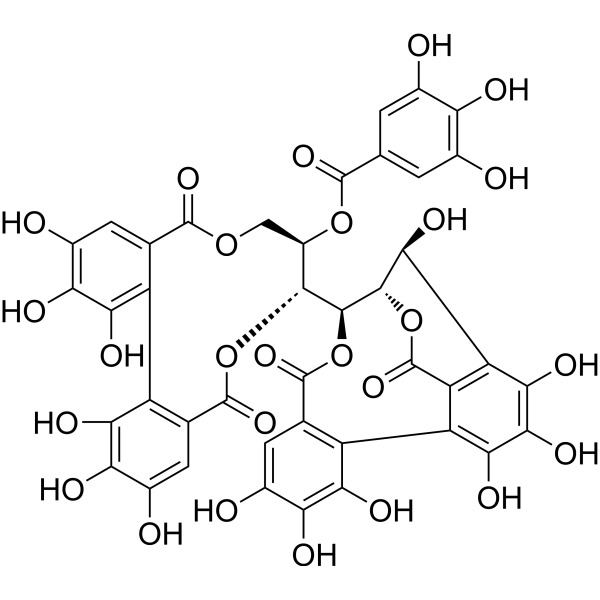
- HY-183583
-
|
|
HIF/HIF Prolyl-Hydroxylase
|
Cancer
|
|
HIF-2α-IN-18 is a selective HIF-2α inhibitor with a human IC50 of 8.1 nM. HIF-2α-IN-18 binds to the HIF-2α PAS-B domain, induces conformational perturbations at the HIF-2α/ARNT dimerization interface, destabilizes the HIF-2α/ARNT heterodimer, and blocks HIF-2α-mediated transcriptional activity. HIF-2α-IN-18 inhibits hypoxia-induced expression of HIF-2α target genes EPO and SERPINE1, without inhibiting HIF-1α target genes PGK1 and PDK1. HIF-2α-IN-18 can be used for the research of clear cell renal cell carcinoma, hepatocellular carcinoma[1].
|
-

- HY-172886
-
|
|
PI3K
Bcl-2 Family
Apoptosis
|
Cancer
|
|
PI3K-IN-58 (Compound 17f) is a PI3Kα inhibitor (IC50: 0.039 μM). PI3K-IN-58 exhibits significant antiproliferative effects on PC-3, 22RV1, MDA-MB-231 and MDA-MB-453 cell lines with IC50s of 3.48 μM, 1.06 μM, 2.21 μM and 0.93 μM, respectively. PI3K-IN-58 induces apoptosis by downregulating the expression levels of anti-apoptotic proteins Bcl-XL and Bcl-2 and upregulating the expression of anti-apoptosis protein BAX. PI3K-IN-58 can be used in PI3K-targeted cancer research .
|
-

- HY-175521
-
|
|
HIF/HIF Prolyl-Hydroxylase
IKK
NF-κB
Apoptosis
Reactive Oxygen Species (ROS)
|
Inflammation/Immunology
|
|
HIF-1α-IN-8 is an orally active HIF-1α inhibitor, with an IC50 of 2.02 μM. HIF-1α-IN-8 significantly suppresses the expression of inflammation factors of IL-6 and NO, reduces hypoxia-induced ROS production and apoptosis in C8-D1A cells. HIF-1α-IN-8 inhibits HIF-1α/IKKα/NF-κB signaling pathway and reduces the expression of blood-brain barrier permeability-related proteins. HIF-1α-IN-8 reduces brain water content and oxidative stress level in mice with high altitude cerebral edema (HACE) model. HIF-1α-IN-8 can be used for the study of high altitude cerebral edema (HACE) .
|
-

| Cat. No. |
Product Name |
Type |
-
- HY-D2360
-
|
|
Fluorescent Dyes
|
|
O-Carboranylphenoxyacetanilide is a HIF-1α inhibitor and inhibits HIF-1α activation. O-Carboranylphenoxyacetanilide inhibits transcriptional activity of HIF in HeLa cells (IC50: 0.74 μM). O-Carboranylphenoxyacetanilide inhibits HSP60 chaperone activity and HSP60 ATPase activity .
|
| Cat. No. |
Product Name |
Target |
Research Area |
-
- HY-P10426
-
|
|
HIF/HIF Prolyl-Hydroxylase
VEGFR
|
Cancer
|
|
cyclo(CLLFVY) is an inhibitor for hypoxia inducible factor-1 (HIF-1), with IC50 of 19 μM (in U2OS) and 16 μM (in MCF-7). cyclo(CLLFVY) binds to the PAS-B domain of HIF-1α, inhibits HIF-1 dimerization and transcriptional activity. cyclo(CLLFVY) downregulates the expression of hypoxia response genes, such as VEGF and CAIX, exhibits antitumor against the HIF-1 associated cancers .
|
| Cat. No. |
Product Name |
Target |
Research Area |
Image |
-
- HY-P99153
-
|
MORAb-003
|
Antibiotic
|
Cancer
|
|
Farletuzumab (MORAb-003) is a potent folate receptor-alpha (FRα) inhibitor. Farletuzumab is a humanized monoclonal antibody with high affinity for FRα. Farletuzumab possesses growth-inhibitory functions on cells overexpressing FRα. Farletuzumab can be used in research of cancer .
|
-

(5)
-
- HY-P990033
-
|
CC-95251; BMS-986351
|
CD47
|
Cancer
|
|
Anzurstobart is a CD47/SIRPα inhibitor with human SIRPα Kd of 0.0541 nM and human SIRPα IC50 of 100 nM. Anzurstobart binds SIRPα at a CD47-overlapping site, blocks CD47-SIRPα interactions, inhibits CD47-SIRPα axis signaling, and binds across 6 prevalent human SIRPα haplotypes. Anzurstobart binds SIRPγ and inhibits CD47-SIRPγ interactions. Anzurstobart can be used for the research of non-Hodgkin's lymphoma, colorectal cancer, squamous cell carcinoma of the head and neck, diffuse large B-cell lymphoma, and advanced solid and hematologic malignancies .
|
-
(5)
-
- HY-P99782
-
|
|
TNF Receptor
|
Inflammation/Immunology
|
|
Opinercept is a recombinant fusion protein comprising an TNFRSF1B fused to a human IgG1 Fc . Opinercept is a tumor necrosis factor-alpha (TNF-alpha) inhibitor. Opinercept can be used for the research of rheumatoid arthritis (RA) .
|
-
(5)
| Cat. No. |
Product Name |
Category |
Target |
Chemical Structure |
-
- HY-N0835
-
-
-
- HY-N0853
-
|
|
Triterpenes
Structural Classification
Alisma plantago-aquatica Linn.
Classification of Application Fields
Terpenoids
Other Diseases
Alismataceae
Plants
Disease Research Fields
Source Classification
|
AMPK
Acetyl-CoA Carboxylase
PPAR
MMP
Interleukin Related
|
|
Alisol A is an orally active tetracyclic triterpenoid compound of the prototerpane type. Alisol A can be extracted from the rhizome of Alisma orientale. Alisol A activates AMPK/ACC/SREBP-1c, SIRT1, PPARα, inhibits MMP-2/-9, decreases inflammatory cytokine expression (IL-1β, IL-6, IL-8). Alisol A has anti-tumor activity against breast cancer and colorectal cancer. Alisol A has anti-obesity and anti-atherosclerotic activities. Alisol A can be used in the research of hepatitis B, breast cancer, colorectal cancer, atherosclerosis, and obesity .
|
-
-
- HY-121944
-
-
-
- HY-B1550
-
-
-
- HY-N4121
-
-
-
- HY-N12717
-
|
|
Terminalia arjuna (Roxb. ex DC.) Wight & Arn.
Structural Classification
Combretaceae
Phenols
Polyphenols
Plants
Source Classification
|
PAK
FASTK
HSP
p38 MAPK
NF-κB
NO Synthase
COX
HSV
Caspase
TNF Receptor
Fungal
Apoptosis
|
|
Casuarinin is an orally active antiproliferative, anti-inflammatory, antifungal, virucidal and gastroprotective agent. Casuarinin upregulates the expression of p21/WAF1, Fas/APO‑1, mFasL, sFasL and HSP‑70, arrests cell cycle, induces apoptosis and inhibits cancer cell proliferation. Casuarinin inhibits TNF‑α-induced phosphorylation of MAPK and activation of NF‑κB, downregulates the expression of iNOS, NF‑κB, COX‑2 and ICAM‑1, and reduces the production of proinflammatory mediators. Casuarinin attenuates ethanol-induced activation of caspase‑3 and elevation of TNF‑α, inhibits the growth of Candida albicans, and inhibits HSV‑2. Casuarinin can be used in research related to mammary adenocarcinoma, inflammatory skin diseases, gastric ulcers, candidiasis and herpes simplex virus infections .
|
-
-
- HY-N8251
-
-
-
- HY-W009338
-
-
-
- HY-N13009
-
|
|
Phenols
Polyphenols
Morus alba L.
Plants
Moraceae
Source Classification
|
Raf
HIF/HIF Prolyl-Hydroxylase
ERK
MEK
Reactive Oxygen Species (ROS)
Apoptosis
Caspase
|
|
MO-2097 is a RAF-1/HIF-1α inhibitor. MO-2097 induces RAF-1 destabilization, leading to a reduction in
EMT-associated transcription factors and mesenchymal markers. MO-2097 inhibits HIF-1a protein expression mediated by hnRNPA2B1 under hypoxic and mimetic hypoxia. MO-2097 induces mitochondrial ROS, which leads to apoptosis in cells. MO-2097 effectively suppresses colorectal cancer metastasis by inhibiting the RAF/MEK/ERK signaling pathway. MO-2097 attenuates tumor growth in a xenograft HCT116 cell mouse model. MO-2097 can be used for the study of colorectal cancer .
|
-
-
- HY-100513
-
|
|
Structural Classification
Microorganisms
Antibiotics
Source Classification
|
DNA/RNA Synthesis
Apoptosis
Antibiotic
|
|
(±)-Dehydroaltenusin, an antibiotic, is a selective eukaryotic DNA polymerase α (pol α) inhibitor with an IC50 of 0.68 μM. (±)-Dehydroaltenusin can be isolated from fungus Alternaria tenuis. (±)-Dehydroaltenusin competitively inhibits the DNA template primer (Ki: 0.23 μM) and non-competitively suppresses the 2'-deoxyribonucleoside 5'-triphosphate substrate (Ki: 0.18 μM). (±)-Dehydroaltenusin induces the cancer cell S-phase cycle arrest and apoptosis. (±)-Dehydroaltenusin can be used for cancers like human adenocarcinoma research .
|
-
-
- HY-162599
-
-
-
- HY-N7821
-
-
-
- HY-B1550R
-
-
-
- HY-N0835R
-
-
-
- HY-N10330
-
|
|
Animals
Phenols
Source Classification
|
HIF/HIF Prolyl-Hydroxylase
VEGFR
|
|
7-Hydroxyneolamellarin A is a natural product that could be derived from sponge Dendrilla nigra. 7-Hydroxyneolamellarin A is a potent hypoxia-inducible factor-1α (HIF-1α) inhibitor. 7-Hydroxyneolamellarin A attenuates the accumulation of hypoxia-inducible factor-1α (HIF-1α) protein and inhibits vascular epidermal growth factor (VEGF) transcriptional activity. 7-Hydroxyneolamellarin A can be used in research of cancer .
|
-
-
- HY-N0853R
-
|
|
Triterpenes
Structural Classification
Alisma plantago-aquatica Linn.
Terpenoids
Alismataceae
Plants
Source Classification
|
Reference Standards
AMPK
Acetyl-CoA Carboxylase
PPAR
MMP
Interleukin Related
|
|
Alisol A (Standard) is the analytical standard of Alisol A (HY-N0853). This product is intended for research and analytical applications. Alisol A is an orally active tetracyclic triterpenoid compound of the prototerpane type. Alisol A can be extracted from the rhizome of Alisma orientale. Alisol A activates AMPK/ACC/SREBP-1c, SIRT1, PPARα, inhibits MMP-2/-9, decreases inflammatory cytokine expression (IL-1β, IL-6, IL-8). Alisol A has anti-tumor activity against breast cancer and colorectal cancer. Alisol A has anti-obesity and anti-atherosclerotic activities. Alisol A can be used in the research of hepatitis B, breast cancer, colorectal cancer, atherosclerosis, and obesity .
|
-
-
- HY-N19295
-
-
-
- HY-N19756
-
-
| Cat. No. |
Product Name |
Chemical Structure |
-
- HY-17412AS
-
|
|
|
Minocycline-d6 is deuterium labeled Minocycline (HY-17412A). Minocycline is an orally active, potent and BBB-penetrated semi-synthetic tetracycline antibiotic. Minocycline is a hypoxia-inducible factor (HIF)-1α inhibitor. Minocycline shows anti-cancer, anti-inflammatory, and glutamate antagonist effects. Minocycline reduces glutamate neurotransmission and shows neuroprotective properties and antidepressant effects. Minocycline inhibits bacterial protein synthesis through binding with the 30S subunit of the bacterial ribosome, resulting in a bacteriostatic effect .
|
-
-
- HY-17412S1
-
|
|
|
Minocycline-d6 sulfate is deuterated labeled Minocycline (HY-17412A). Minocycline is an orally active, potent and BBB-penetrated semi-synthetic tetracycline antibiotic. Minocycline is a hypoxia-inducible factor (HIF)-1α inhibitor. Minocycline shows anti-cancer, anti-inflammatory, and glutamate antagonist effects. Minocycline reduces glutamate neurotransmission and shows neuroprotective properties and antidepressant effects. Minocycline inhibits bacterial protein synthesis through binding with the 30S subunit of the bacterial ribosome, resulting in a bacteriostatic effect .
|
-
-
- HY-17412S
-
|
|
|
Minocycline-d6 hydrochloride is deuterated labeled Minocycline hydrochloride (HY-17412). Minocycline hydrochloride is an orally active, potent and BBB-penetrated semi-synthetic tetracycline antibiotic. Minocycline hydrochloride is a hypoxia-inducible factor (HIF)-1α inhibitor. Minocycline hydrochloride shows anti-cancer, anti-inflammatory, and glutamate antagonist effects. Minocycline hydrochloride reduces glutamate neurotransmission and shows neuroprotective properties and antidepressant effects. Minocycline hydrochloride inhibits bacterial protein synthesis through binding with the 30S subunit of the bacterial ribosome, resulting in a bacteriostatic effect .
|
-
-
- HY-B1550S
-
|
|
|
Benzoin-d10 (DL-Benzoin-d10) is the deuterium labeled Benzoin (HY-B1550). Benzoin (DL-Benzoin), a natural balsamic resin, is a PI3Kα inhibitor with anticancer effects. Benzoin inihits the growth of colon cancer cell line (HCT-116). Benzoin can be used as a food additive .
|
-
-
- HY-101491S
-
|
|
|
SR-18292-d9 is the deuterium labeled SR-18292 (HY-101491). SR-18292 is a PPAR gamma coactivator-1α (PGC-1α) inhibitor, which increases PGC-1α acetylation, suppresses gluconeogenic gene expression and reduces glucose production in hepatocytes .
|
-
-
- HY-W654013
-
|
|
|
Minocycline-d7 is deuterium labeled Minocycline. Minocycline is an orally active, potent and BBB-penetrated semi-synthetic tetracycline antibiotic. Minocycline is a hypoxia-inducible factor (HIF)-1α inhibitor. Minocycline shows anti-cancer, anti-inflammatory, and glutamate antagonist effects. Minocycline reduces glutamate neurotransmission and shows neuroprotective properties and antidepressant effects. Minocycline inhibits bacterial protein synthesis through binding with the 30S subunit of the bacterial ribosome, resulting in a bacteriostatic effect .
|
-
| Cat. No. |
Product Name |
|
Classification |
-
- HY-159799
-
|
|
|
Alkynes
|
|
p38α inhibitor 5 (compound 1) is a PROTAC-type target protein ligand targeting p38 and can be used to synthesize NR-11c (HY-159798) .
|
-
- HY-148908
-
|
|
|
Azide
|
|
TNF-α-IN-8 (compound I-42) is a TNF-α inhibitor. TNF-α-IN-8 is an isoindole-imide compound. TNF-α-IN-8 can be used for the research of cancer, heart disease, osteoporosis, inflammatory, allergic and autoimmune diseases . TNF-α-IN-8 is a click chemistry reagent, it contains an Azide group and can undergo copper-catalyzed azide-alkyne cycloaddition reaction (CuAAc) with molecules containing Alkyne groups. It can also undergo strain-promoted alkyne-azide cycloaddition (SPAAC) reactions with molecules containing DBCO or BCN groups.
|
| Cat. No. |
Product Name |
|
Classification |
-
- HY-177406
-
|
|
|
Aptamers
|
|
VR11 aptamer is a DNA-based TNF-α inhibitor with a KD of 7.0 nM. VR11 aptamer prevents TNFα-induced apoptosis and NO production. VR11 aptamer has non-immunogenicity and does not raise immune responses when injected intraperitoneally into C57BL/6 mice model. VR11 aptamer can be used for inflammatory diseases research .
|
Your information is safe with us. * Required Fields.
Inquiry Information
- Product Name:
- Cat. No.:
- Quantity:
- MCE Japan Authorized Agent:





![2,4-Dichlorothieno[3,2-d]pyrimidine](http://file.medchemexpress.com/product_pic/hy-20176.gif)





