1. Search Result
Search Result
Results for "

Amyloid+β

" in MedChemExpress (MCE) Product Catalog:

187

Inhibitors & Agonists

2

Screening Libraries

3

Fluorescent Dyes

30

Peptides

19

Inhibitory Antibodies

32

Natural
Products

9

Recombinant Proteins

6

Isotope-Labeled Compounds

7

Antibodies

1

Click Chemistry

5

Oligonucleotides

Targets Recommended:
Cat. No. Product Name Target Research Areas Chemical Structure
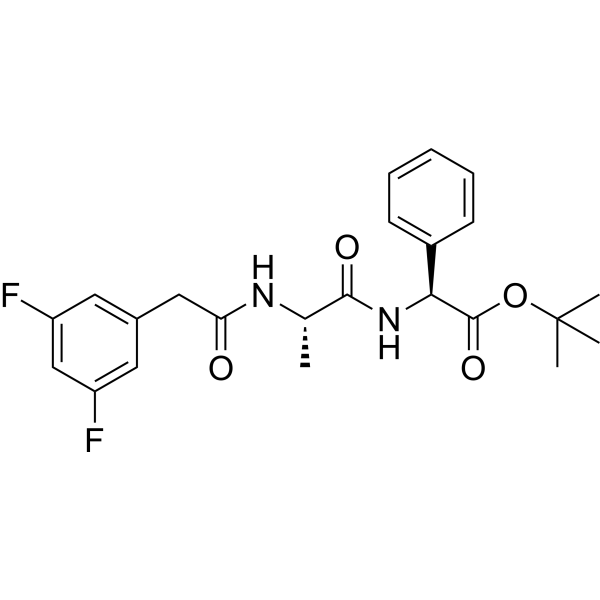
  • HY-13027
    DAPT
    Maximum Cited Publications
    158 Publications Verification

    GSI-IX

    Organoid γ-secretase Amyloid-β Autophagy Notch Apoptosis Neurological Disease Inflammation/Immunology Cancer
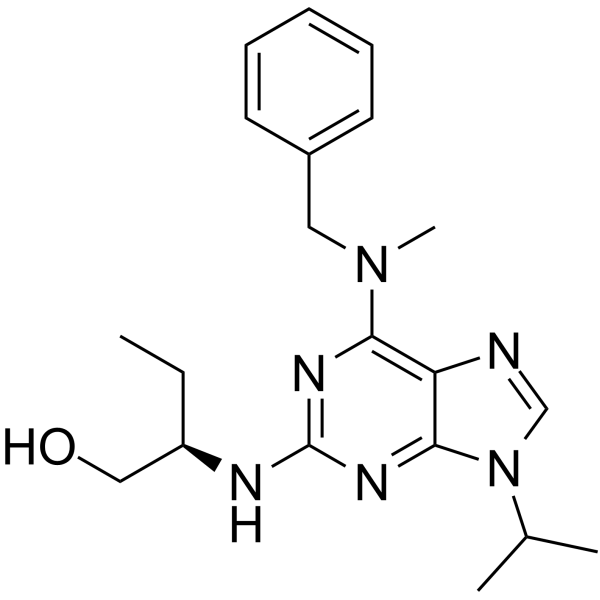
    DAPT (GSI-IX) is a potent and orally active γ-secretase inhibitor with IC50s of 115 nM and 200 nM for total amyloid-β (Aβ) and 42, respectively. DAPT inhibits the activation of Notch 1 signaling and induces cell differentiation. DAPT also induces autophagy and apoptosis. DAPT has neuroprotection activity and has the potential for autoimmune and lymphoproliferative diseases, degenerative disease and cancers treatment .
    DAPT
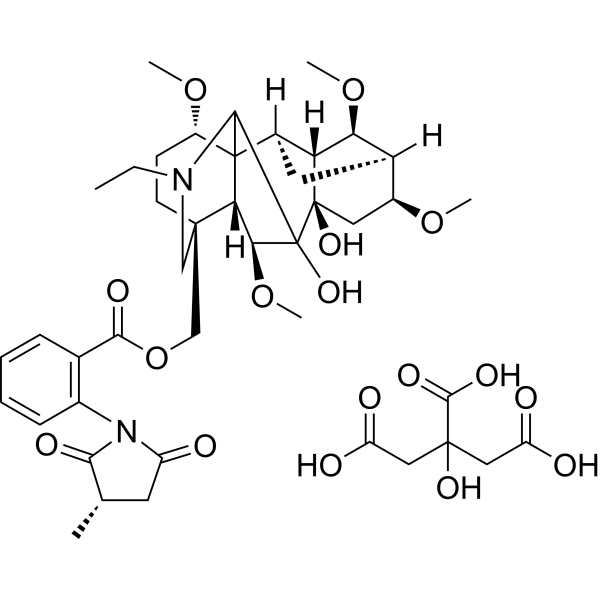
  • HY-N2332A
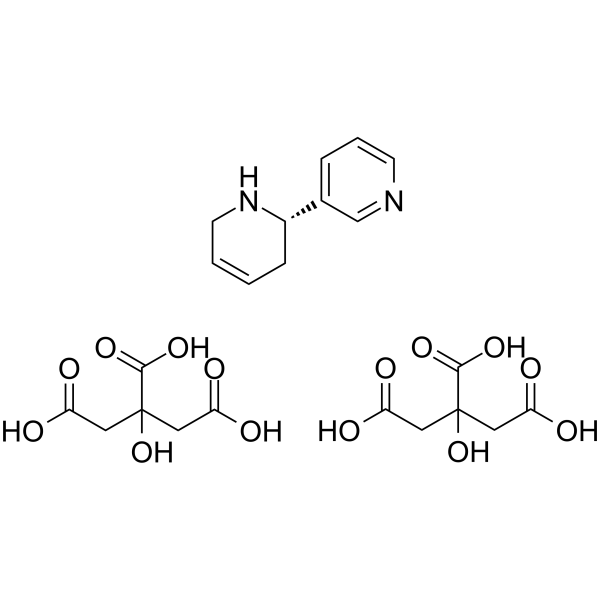
    Methyllycaconitine citrate
    40+ Cited Publications

    MLA citrate

    nAChR Neurological Disease
    Methyllycaconitine (MLA) citrate is a potent, selective, CNS-penetrant, competitive α7nAChR antagonist. Methyllycaconitine citrate alleviates amyloid-β peptides-induced cytotoxicity in SH-SY5Y cells. Methyllycaconitine citrate prevents methamphetamine-induced effects in mouse striatum. Methyllycaconitine citrate can be used for neurological disease research, such as Alzheimer’s disease .
    Methyllycaconitine citrate
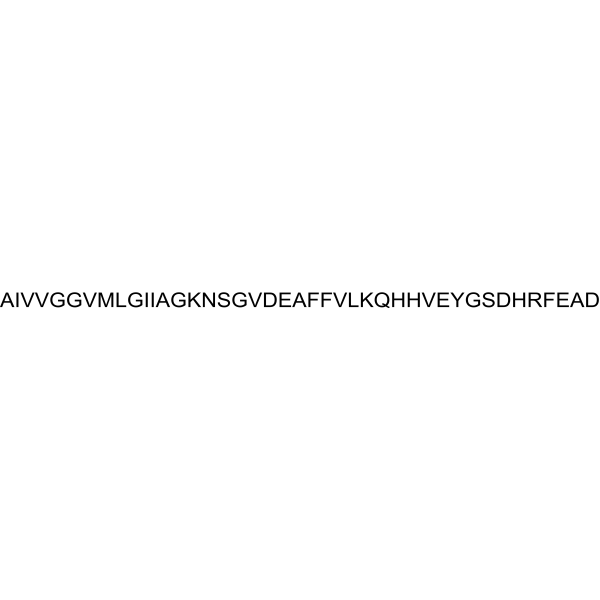
  • HY-P1362
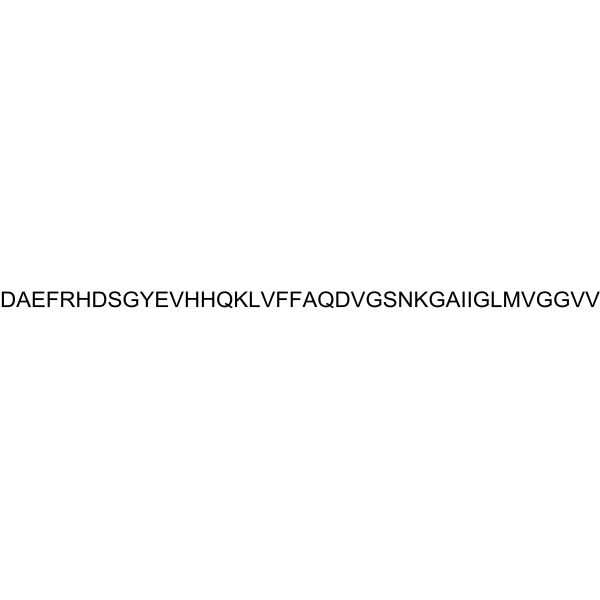
    β-Amyloid (42-1), human
    1 Publications Verification

    Amyloid β Peptide (42-1)(human)

    Amyloid-β Neurological Disease
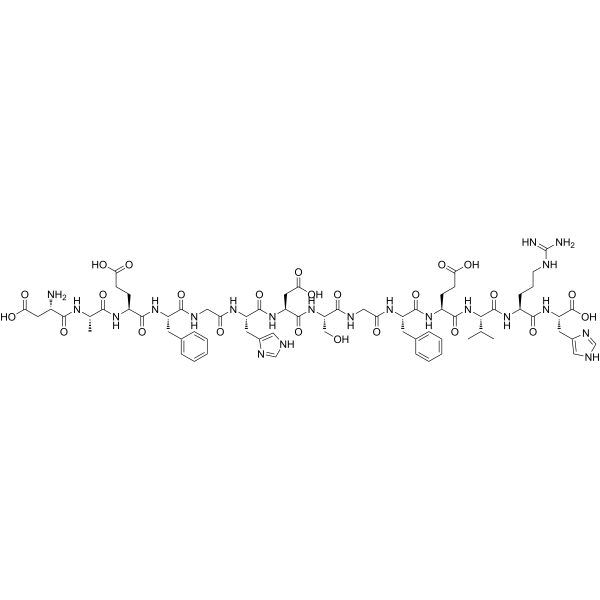
    β-Amyloid (42-1), human is the inactive form of Amyloid β Peptide (1-42). Its active form, β-Amyloid (1-42), may play a key role in the pathogenesis of Alzheimer's disease .
    β-Amyloid (42-1), human
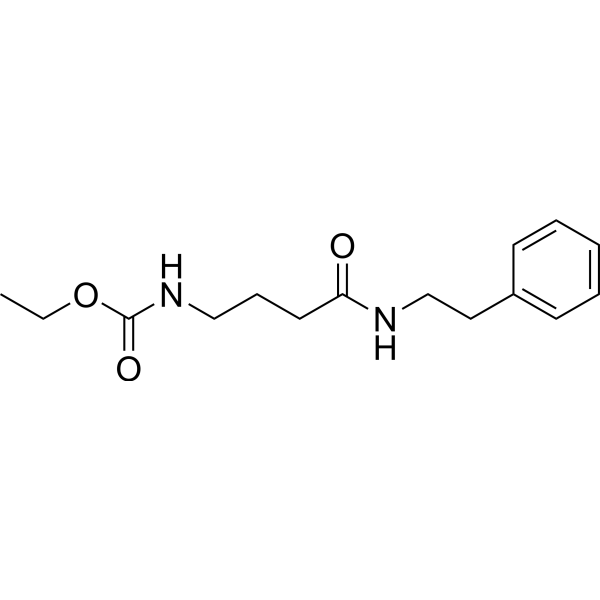
  • HY-N0931
    Santacruzamate A
    Maximum Cited Publications
    19 Publications Verification

    CAY-10683

    HDAC Amyloid-β Neurological Disease Cancer
    Santacruzamate A (CAY-10683, STA) is a potent and selective HDAC2 inhibitor with an IC50 of 119 pM. STA also exerts neuroprotective property against amyloid-β protein fragment 25–35. STA can be used for cancer and neurological disease research .
    Santacruzamate A
  • HY-B0116
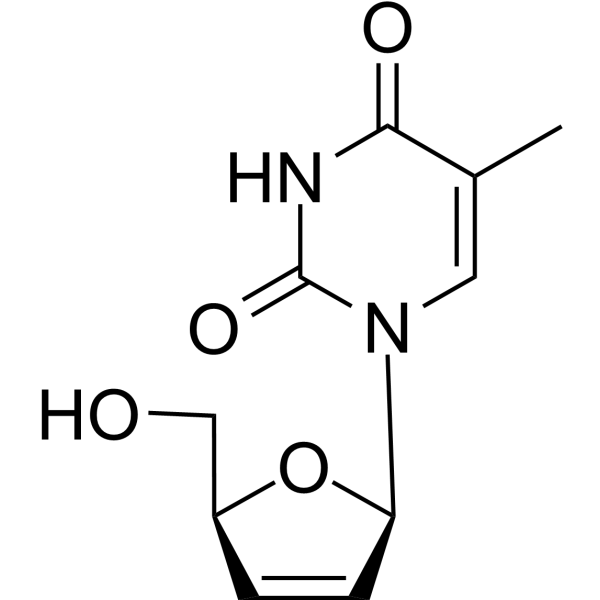
    Stavudine
    4 Publications Verification

    d4T

    Reverse Transcriptase HIV Nucleoside Antimetabolite/Analog NOD-like Receptor (NLR) Autophagy Apoptosis Infection
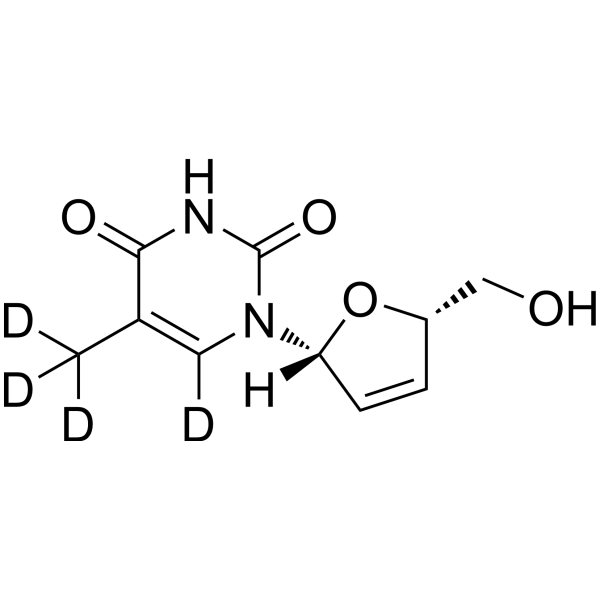
    Stavudine (d4T) is an orally active nucleoside reverse transcriptase inhibitor (NRTI). Stavudine has activity against HIV-1 and HIV-2. Stavudine also inhibits the replication of mitochondrial DNA (mtDNA). Stavudine reduces NLRP3 inflammasome activation and modulates Amyloid-β autophagy. Stavudine induces apoptosis .
    Stavudine
  • HY-111263
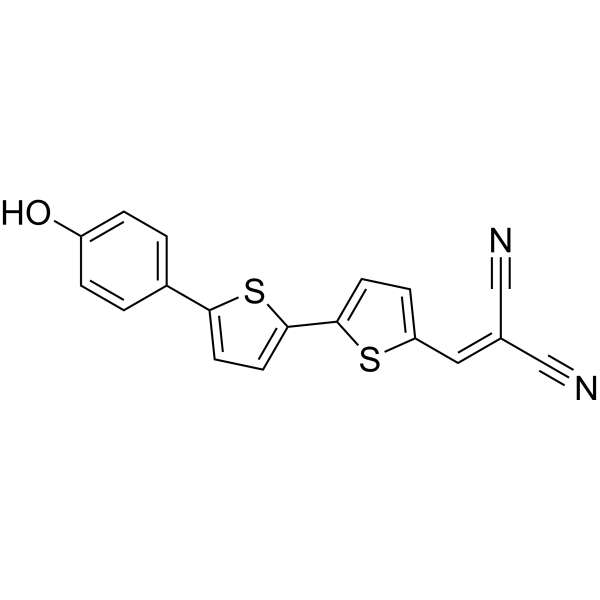
    NIAD-4
    1 Publications Verification

    Fluorescent Dye Amyloid-β Others
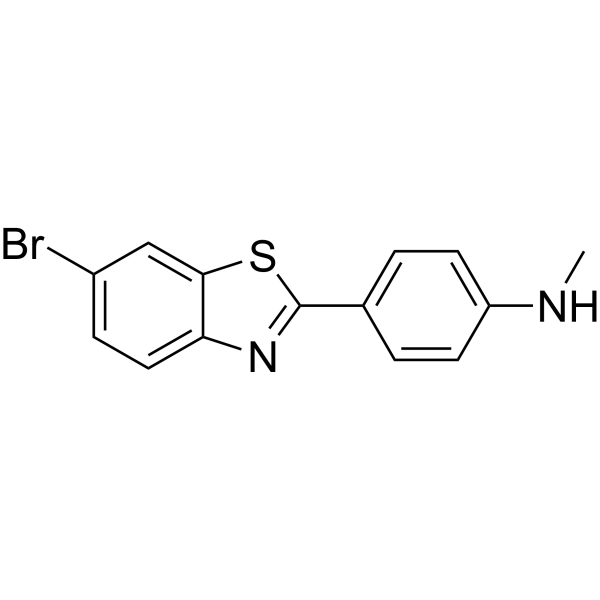
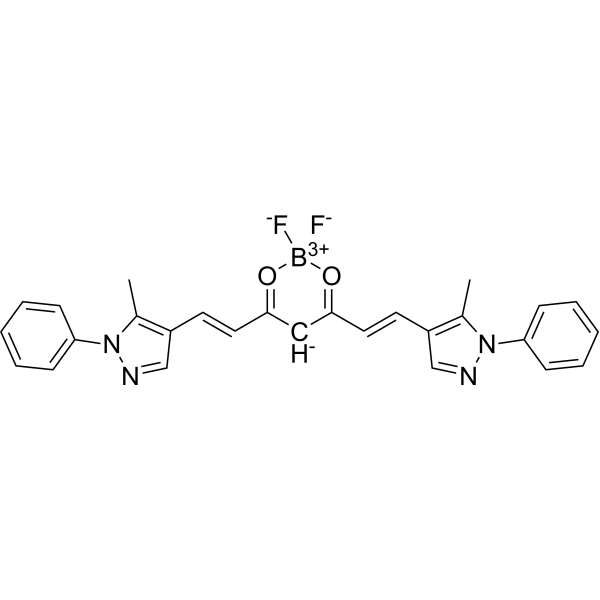
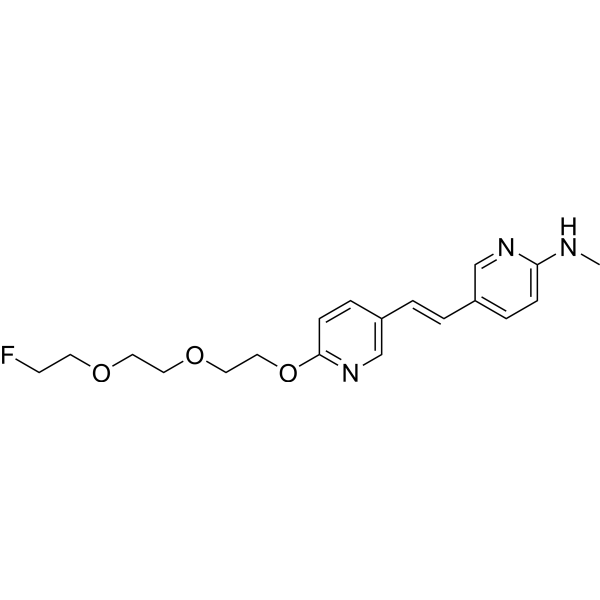
    NIAD-4 is a blood-brain barrier permeable fluorophore for optical imaging of amyloid-β () in the central nervous system (CNS) for Alzheimer’s disease (AD). NIAD-4 binds to the same Aβ site with the binding affinity (Ki) of 10 nM .
    NIAD-4
  • HY-W176557

    Aquaporin Neurological Disease
    TGN-073 is a aquaporin 4 (AQP4) modulator, as well as an orally available, blood-brain barrier-permeable agent. TGN-073 increases the uptake and distribution of brain MRI tracers in the brain parenchyma and reduces the levels of insoluble amyloid-β 40 and β 42. TGN-073 can be used in research related to Alzheimer's disease, dementia, traumatic brain injury and pain .
    TGN-073
  • HY-P99317

    LY-2062430

    Amyloid-β Neurological Disease
    Solanezumab (LY-2062430) is a humanized monoclonal IgG1 antibody directed against the mid-domain of the amyloid-β () peptide. Solanezumab binds to the mid-domain of monomeric amyloid-beta to slow brain amyloid accumulation. Solanezumab can be used for the research of Alzheimer’s disease .
    Solanezumab
  • HY-B1794
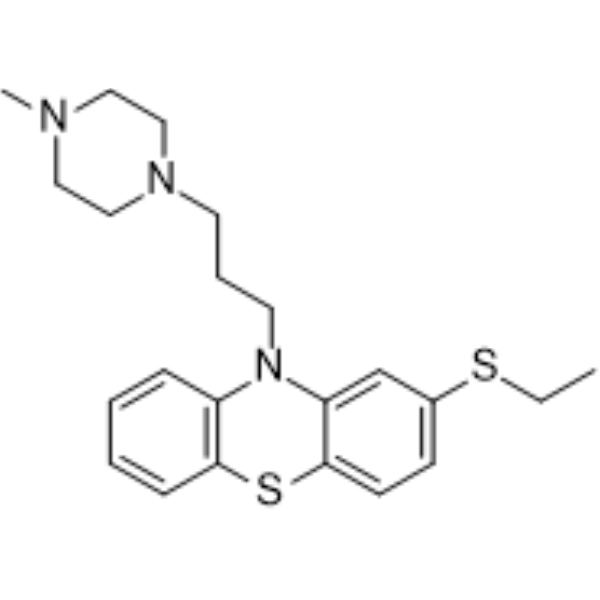
    Thiethylperazine
    3 Publications Verification

    Dopamine Receptor Histamine Receptor Bacterial Amyloid-β Infection Neurological Disease
    Thiethylperazine, a phenothiazine derivate, is an orally active and potent dopamine D2-receptor and histamine H1-receptor antagonist. Thiethylperazine is also a selective ABCC1activator that reduces amyloid-β (Aβ) load in mice. Thiethylperazine has anti-emetic, antipsychotic and antimicrobial effects .
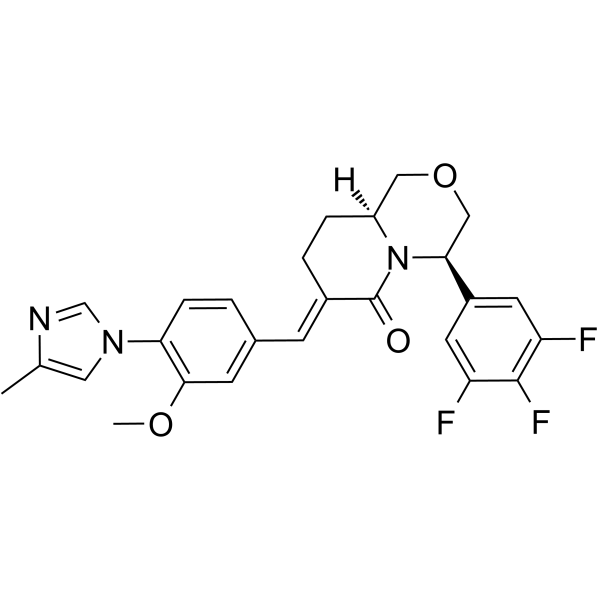
    Thiethylperazine
  • HY-N1487
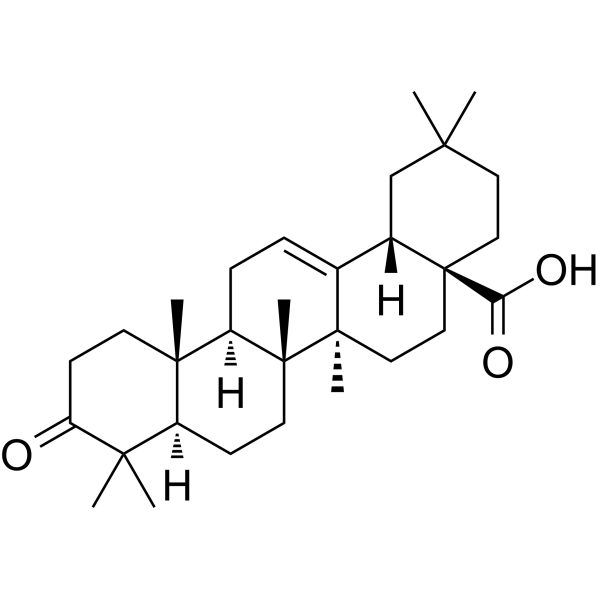
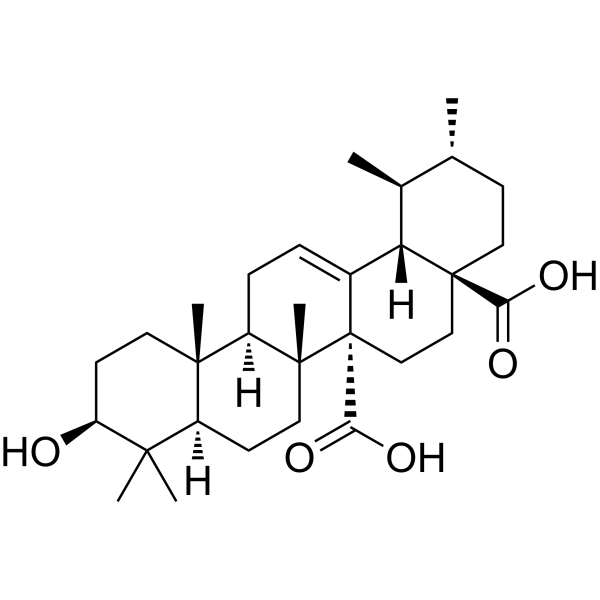
    Oleanonic acid
    2 Publications Verification

    3-Oxooleanolic acid

    HIV Autophagy Ferroptosis Amyloid-β Infection Neurological Disease Inflammation/Immunology Cancer
    Oleanonic acid (3-Oxooleanolic acid) is an orally available triterpene that has anti-inflammatory and insecticidal properties. In vitro, oleanonic acid can improve oxidative stress, autophagy defects, ferroptosis, mitochondrial damage, and endoplasmic reticulum stress induced by Amyloid-β, and in vivo, it can alleviate myocardial hypertrophy in rats .
    Oleanonic acid
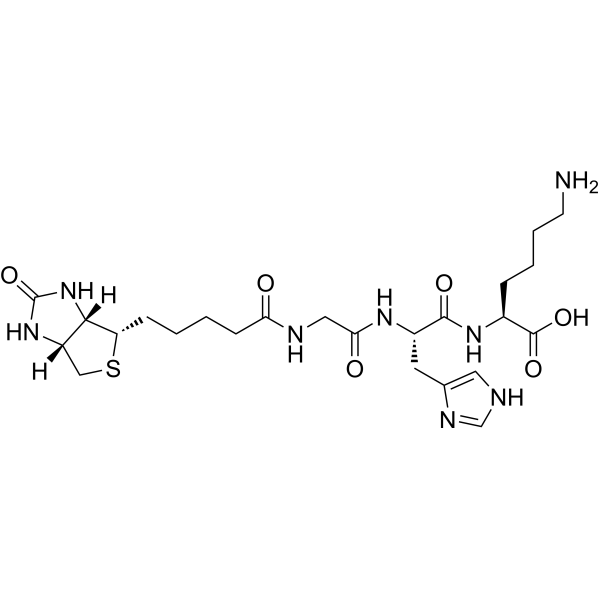
  • HY-125616

    Biotinyl-GHK; Bio-GHK

    Amyloid-β Reactive Oxygen Species (ROS) Neurological Disease
    Biotinoyl tripeptide-1 (Biotinyl-GHK) is a biotinylating reagent linked to a GHK (glycyl-L-histidyl-L-lysine) tripeptide. Biotin tripeptide-1 is a bioactive peptide with hair care (improves the appearance and feel of hair) and hair growth effects. Biotinoyl tripeptide-1 has a certain affinity for streptavidin. Biotinoyl tripeptide-1 inhibits the production of ROS and has antioxidant effects. Biotinoyl tripeptide-1 reduces the production of carbonylated amyloid-β (Aβ) and inhibits Aβ aggregation. Biotinoyl tripeptide-1 can be used in the study of neurodegenerative diseases .
    Biotinoyl tripeptide-1
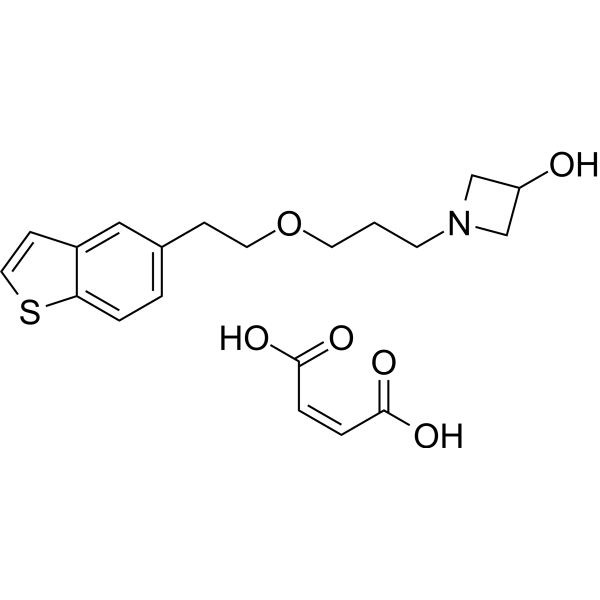
  • HY-17631A

    T-817 maleate; T-817MA

    Amyloid-β Neurological Disease
    Edonerpic maleate is a novel neurotrophic agent which can inhibit amyloid-β peptides ().
    Edonerpic maleate
  • HY-P99216
    Ponezumab
    1 Publications Verification

    PF-04360365; RN 1219

    Amyloid-β Neurological Disease
    Ponezumab (PF-04360365; RN 1219) is a humanized anti-amyloid-β (Amyloid-β) IgG2 monoclonal antibody. Ponezumab reduces levels in the central nervous system and improves the performance of mice in various learning and memory models. Ponezumab is applicable to the research of Alzheimer's disease .
    Ponezumab
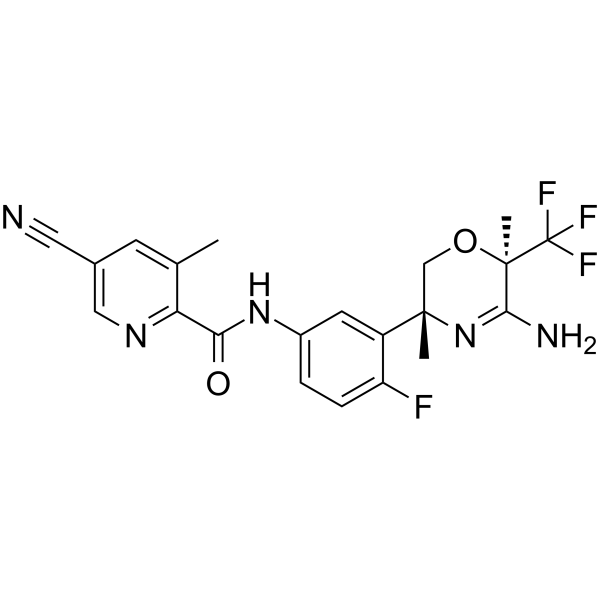
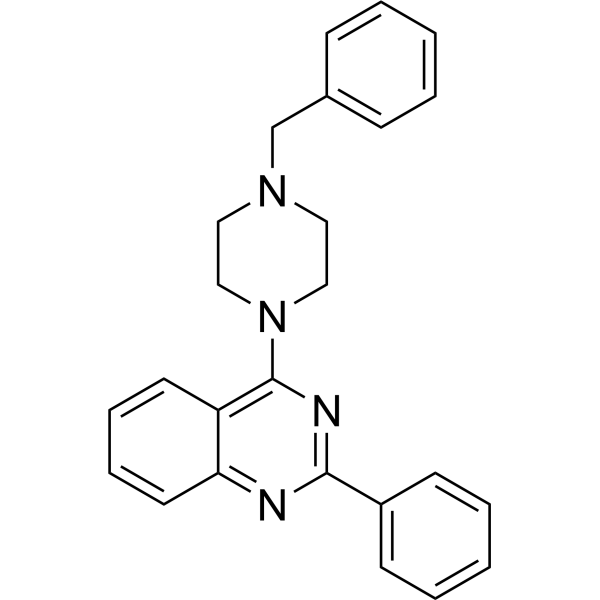
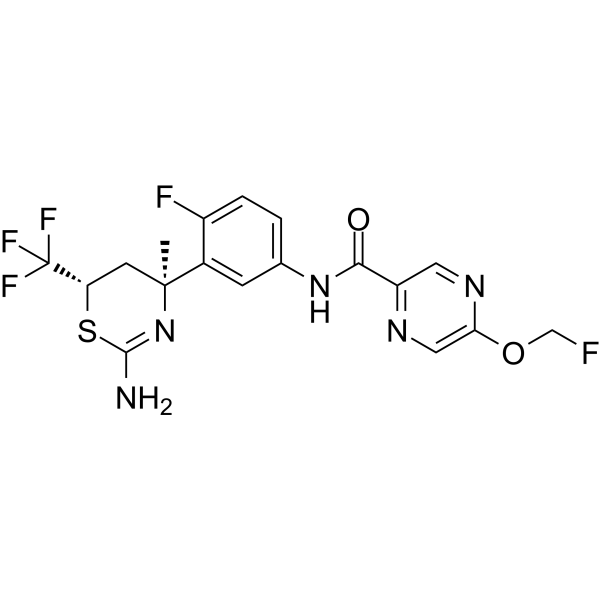
  • HY-124322

    Beta-secretase Amyloid-β Neurological Disease Inflammation/Immunology
    NB-360 is a potent, brain penetrable and orally active β‐secretase 1/2 (BACE1/BACE2) dual inhibitor with IC50 values of 5 and 6 nM. NB-360 can inhibit amyloid-β protein accumulation. NB-360 can be used for the researches of inflammation and neurological disease, such as Alzheimer's disease .
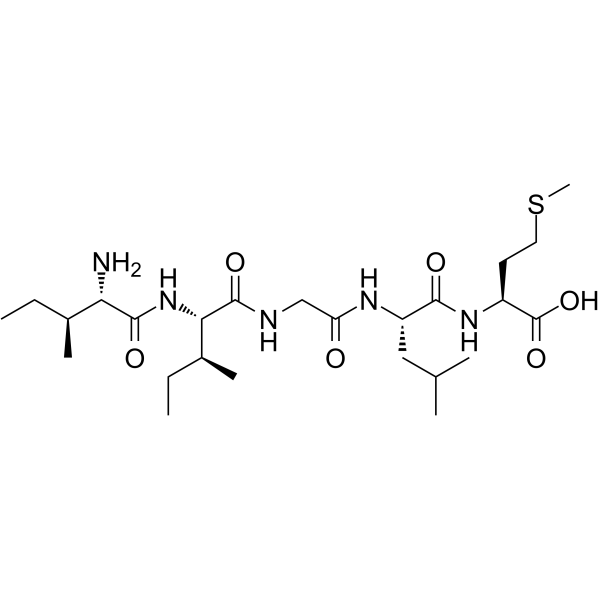
    NB-360
  • HY-P991480

    Transmembrane Glycoprotein Tau Protein Amyloid-β Neurological Disease Cancer
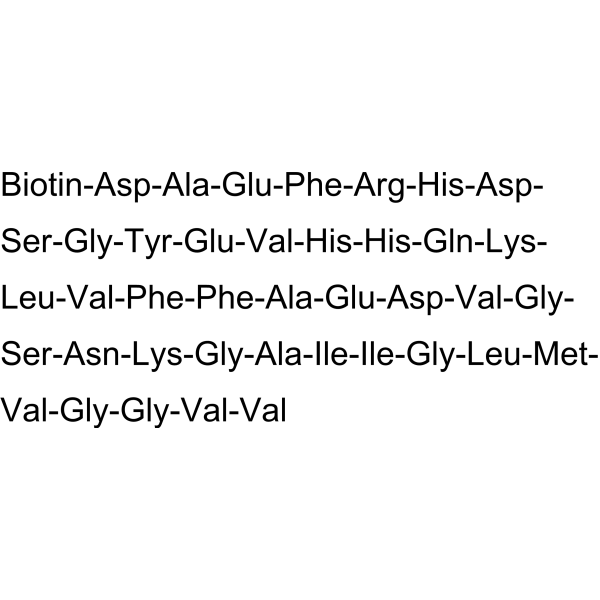
    ONC-841 is a blood-brain barrier-permeable, humanized monoclonal antibody targeting SIGLEC10. As an immune checkpoint inhibitor, ONC-841 restores the functions of immune effector cells such as T cells and enhances anti-tumor immune responses by blocking inhibitory signals mediated by SIGLEC10. ONC-841 restores the phagocytic and migratory activities of microglia, and promotes the phagocytosis of Amyloid-β and Tau protein aggregates by microglia. ONC-841 is applicable to research related to solid tumors and Alzheimer's disease .
    ONC-841
  • HY-174806

    7-(β-D-Galactopyranosyloxy)-4-phenylchromen-2-one

    Mitophagy PINK1/Parkin Amyloid-β Neurological Disease
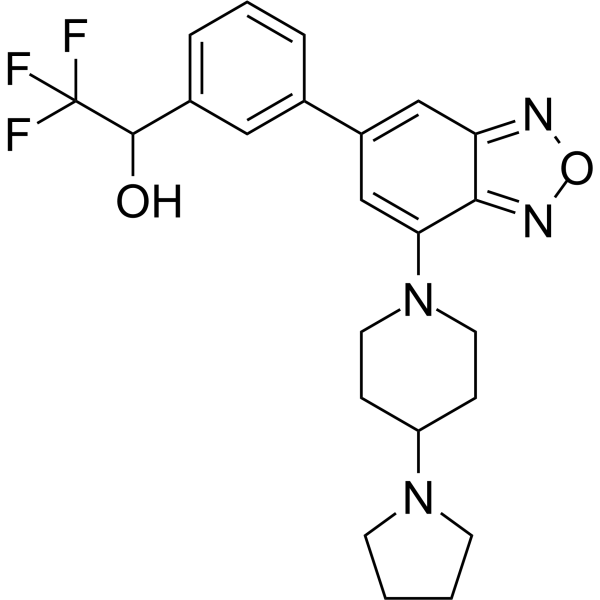
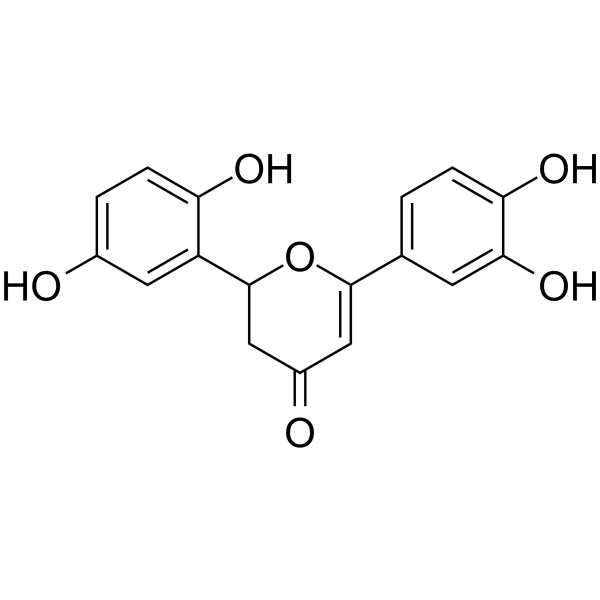
    Y040-7904 is a mitophagy activator. Y040-7904 enhances mitophagy by promoting mitochondria transport to autophagosomes and the fusion of autophagosomes with autolysosomes. Y040-7904 induces mitophagy through the SIRT1/FoxO3 pathway. Y040-7904 upregulates the levels of Parkin, PINK1, and LC3II/I. Y040-7904 reduces amyloid-β () accumulation in both in vitro and in vivo models of Alzheimer’s disease.
    Y040-7904
  • HY-P990301

    Amyloid-β Neurological Disease
    Anti-Human/Mouse/Rat Amyloid-beta Antibody (MOAB-2) is a mouse-derived IgG2b λ type antibody inhibitor, targeting to Amyloid-beta. Anti-Human/Mouse/Rat Amyloid-beta Antibody (MOAB-2) recognizes unaggregated, oligomeric or fibrillar forms of Aβ42 and unaggregated Aβ40. Anti-Human/Mouse/Rat Amyloid-beta Antibody (MOAB-2) is selective for human Aβ42 over Aβ40, but not amyloid precursor protein (APP). Anti-Human/Mouse/Rat Amyloid-beta Antibody (MOAB-2) can immunostain human or rat and mouse tissue. Anti-Human/Mouse/Rat Amyloid-beta Antibody (MOAB-2) can be used for detections of western blot, immunohistochemistry, immunofluorescence, immunoprecipitation and ELISA .
    Anti-Human/Mouse/Rat Amyloid-beta Antibody (MOAB-2)
  • HY-139324
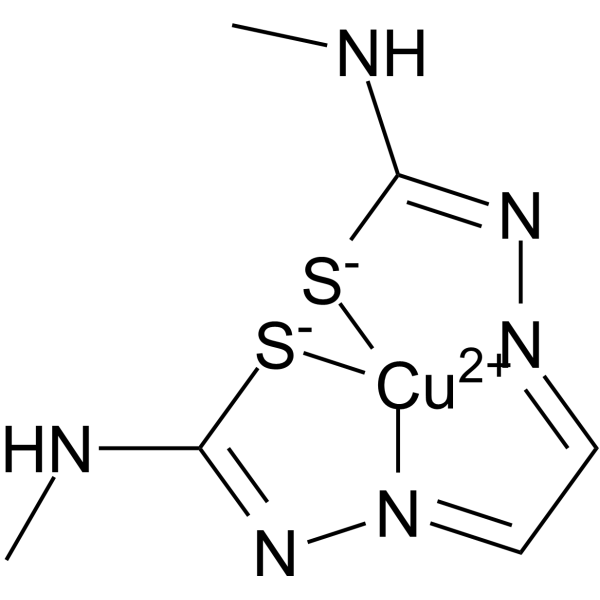
    Cu(II)GTSM
    1 Publications Verification

    GSK-3 Amyloid-β Neurological Disease Cancer
    Cu(II)GTSM, a cell-permeable Cu-complex, significantly inhibits GSK3β. Cu(II)GTSM inhibits Amyloid-β oligomers (AβOs) and decreases tau phosphorylation. Cu(II)GTSM also decreases the abundance of Amyloid-β trimers. Cu(II)GTSM is a potential anticancer and antimicrobial agent .
    Cu(II)GTSM
  • HY-14537

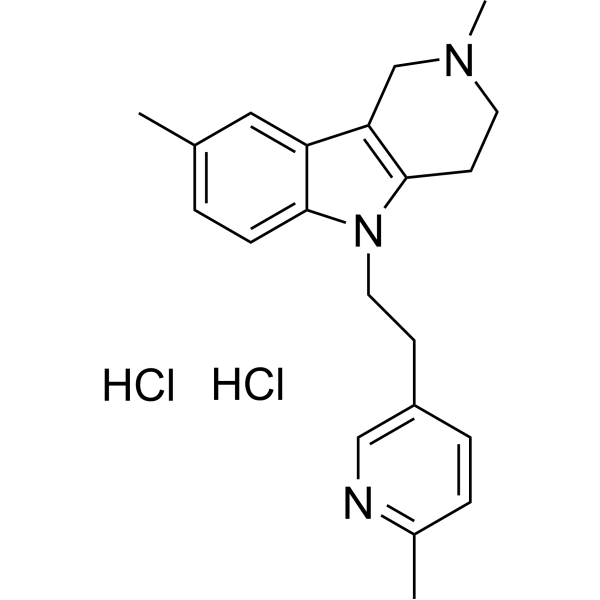
    Dimebolin dihydrochloride

    Amyloid-β Histamine Receptor Adrenergic Receptor 5-HT Receptor Autophagy Neurological Disease Endocrinology
    Latrepirdine dihydrochloride is a neuroactive compound with antagonist activity at histaminergic, α-adrenergic, and serotonergic receptors. Latrepirdine stimulates amyloid precursor protein (APP) catabolism and amyloid-β () secretion.
    Latrepirdine dihydrochloride
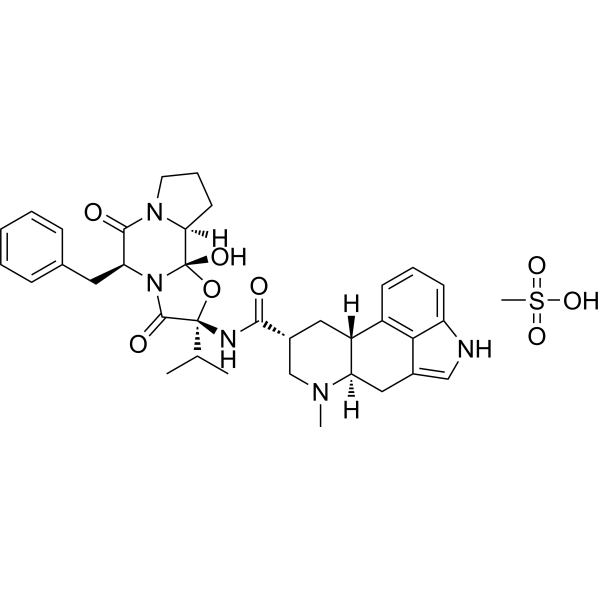
  • HY-N2319
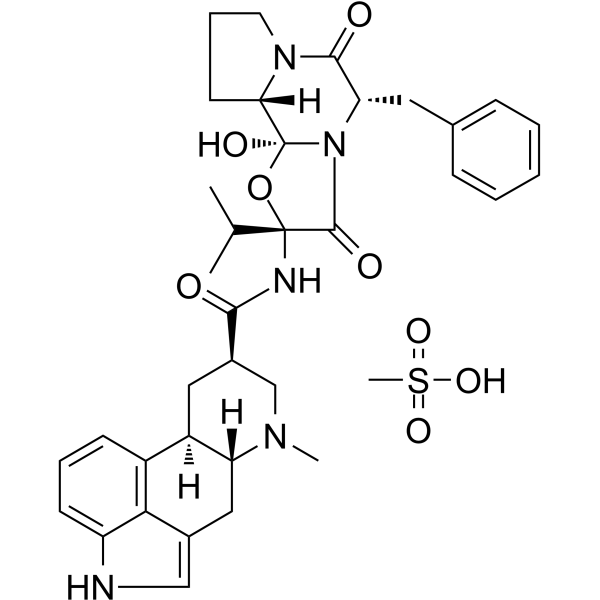
    Dihydroergocristine mesylate
    1 Publications Verification

    DHEC mesylate

    Amyloid-β Neurological Disease
    Dihydroergocristine mesylate (DHEC mesylate) is a inhibitor of γ-secretase (GSI), reduces the production of the Alzheimer's disease amyloid-β peptides, binds directly to γ-secretase and Nicastrin with equilibrium dissociation constants (Kd) of 25.7 nM and 9.8 μM, respectively .
    Dihydroergocristine mesylate
  • HY-P5124

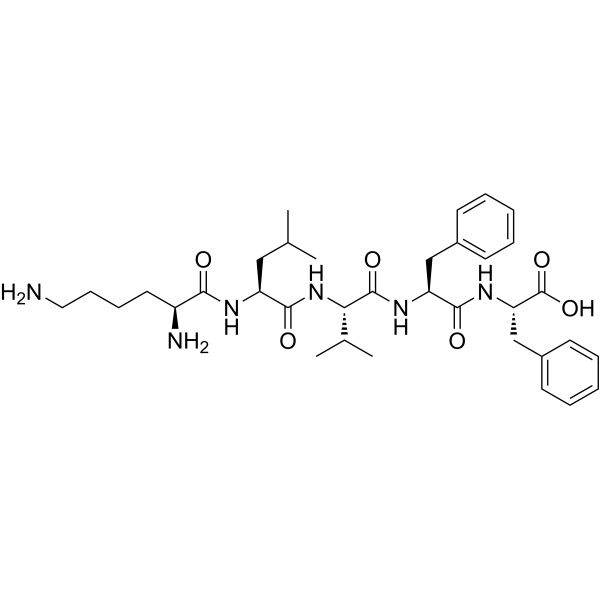
    KLVFF

    Amyloid-β Neurological Disease
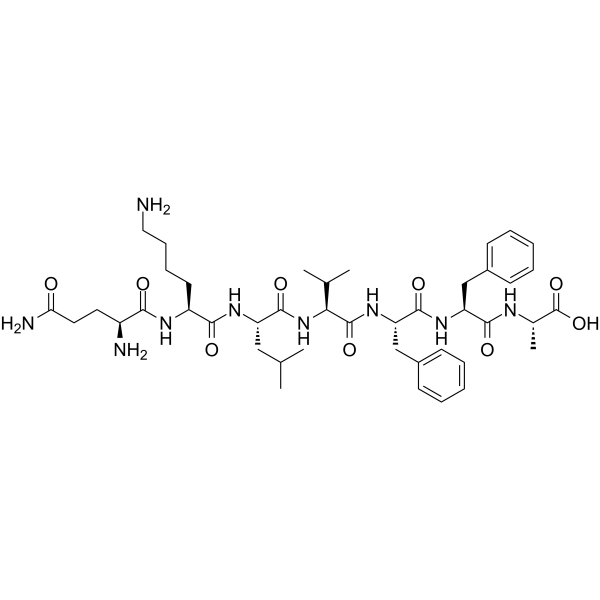
    β-Amyloid peptide(16-20) is a amino acid sequences (KLVFF) of Amyloid-β (Abeta). β-Amyloid peptide(16-20) is an effective inhibitor of Abeta fibril formation, with RG-/-GR-NH2 residues added at N- and C-terminal ends to aid solubility) .
    β-Amyloid peptide(16-20)
  • HY-176293

    Prostaglandin Receptor Amyloid-β Neurological Disease
    EP2 receptor antagonist-3 is a selective EP2 receptor antagonist (IC50: 8 nM in hEP2 SPA assay, 50 nM in hEP2 cAMP assay). EP2 receptor antagonist-3 increases the macrophage-mediated clearance of Amyloid-β plaques. EP2 receptor antagonist-3 can be used for the study of alzheimer’s diseases .
    EP2 receptor antagonist-3
  • HY-14759

    PAZ-417

    PAI-1 Amyloid-β Neurological Disease
    Aleplastinin (PAZ-417) is an orally active, blood-brain barrier permeable, selective SERPINE1 (PAI-1) inhibitor (IC50=655 nM). Aleplastinin activates the tissue type plasminogen activator (tPA)/fibrinolysis cascade by inhibiting PAI-1, thereby promoting the degradation of amyloid-β (Aβ) oligomers and monomers. Aleplastinin can significantly reduce plasma and brain Aβ levels, improve memory impairment, and reverse cognitive impairment. Aleplastinin can be used for research on Alzheimer's disease .
    Aleplasinin
  • HY-P1962

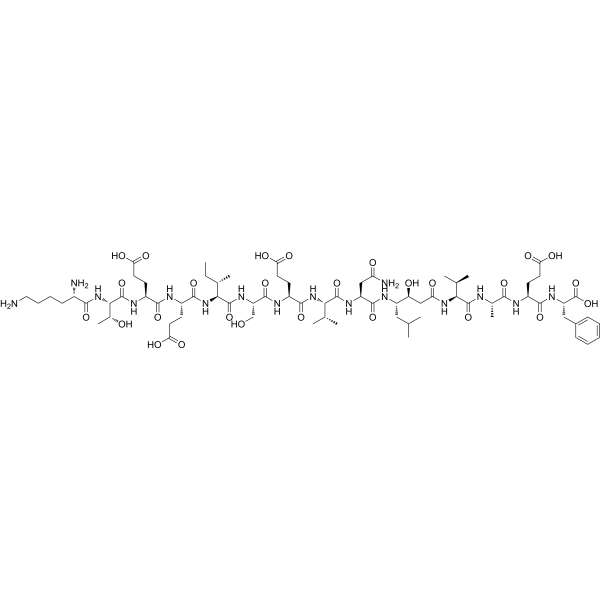
    [Asn670, Sta671, Val672]-Amyloid β Peptide (662-675)

    Beta-secretase Neurological Disease
    β-Secretase inhibitor ([Asn670, Sta671, Val672]-Amyloid β Peptide (662-675)) is a β-secretase and BACE1 inhibitor (IC50: 25 nM for β-secretase) .
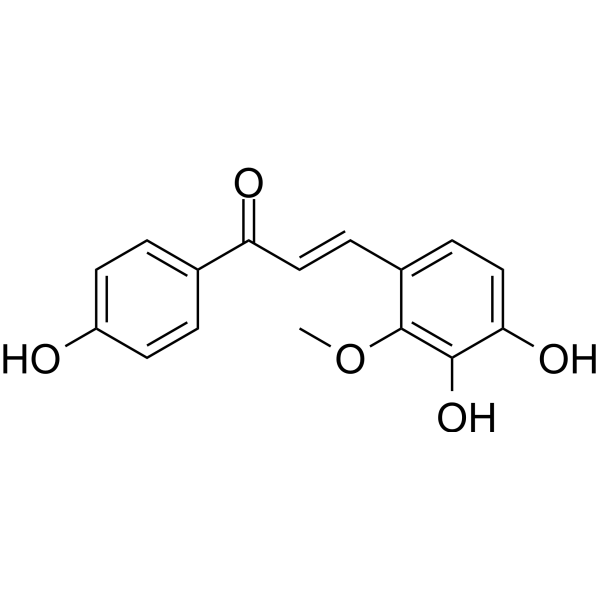
    β-Secretase inhibitor
  • HY-14862

    Dimebolin; Dimebone

    Amyloid-β Histamine Receptor Adrenergic Receptor 5-HT Receptor Autophagy Endocrinology
    Latrepirdine is a neuroactive compound with antagonist activity at histaminergic, α-adrenergic, and serotonergic receptors. Latrepirdine stimulates amyloid precursor protein (APP) catabolism and amyloid-β () secretion.
    Latrepirdine
  • HY-P5905

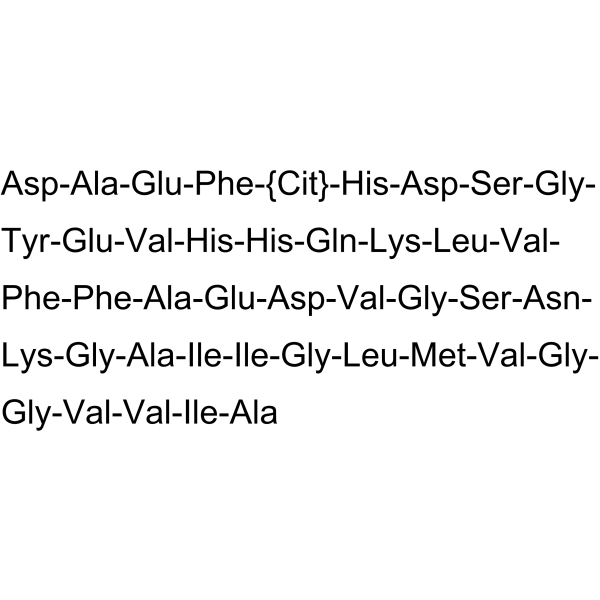
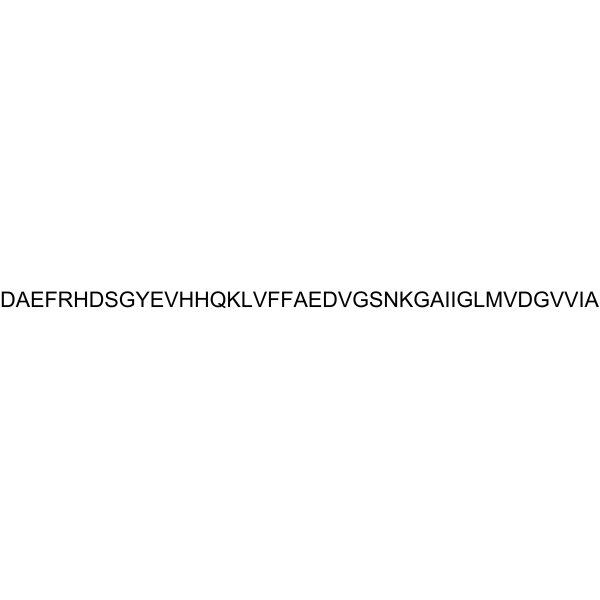
    Citrullinated Aβ (1-42); Citrullinated Aβ42

    Amyloid-β Neurological Disease
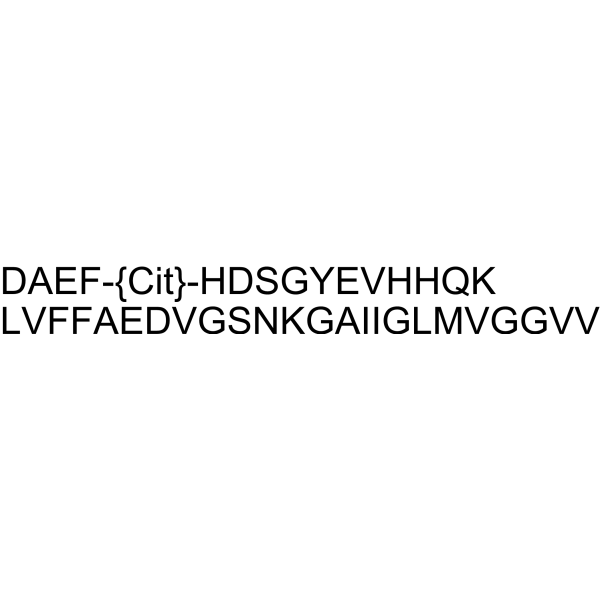
    Citrullinated amyloid-β (1-42) peptide (human) (Citrullinated Aβ (1-42)) is a modified form of β-Amyloid (1-42) (HY-P1363) with a citrullination at the Arg5 site. Compared to the unmodified β-Amyloid (1-42), its formation of soluble low-molecular-weight oligomers is enhanced, the rate of fibril formation is reduced, and like unmodified Aβ42, it forms protofibrils comprised of parallel β-sheets .
    Citrullinated amyloid-β (1-42) peptide (human)
  • HY-P990011

    ACU-193

    Amyloid-β Neurological Disease
    Sabirnetug is a humanized IgG2κ antibody targeting the Amyloid-β A4 precursor protein.
    Sabirnetug
  • HY-P3244

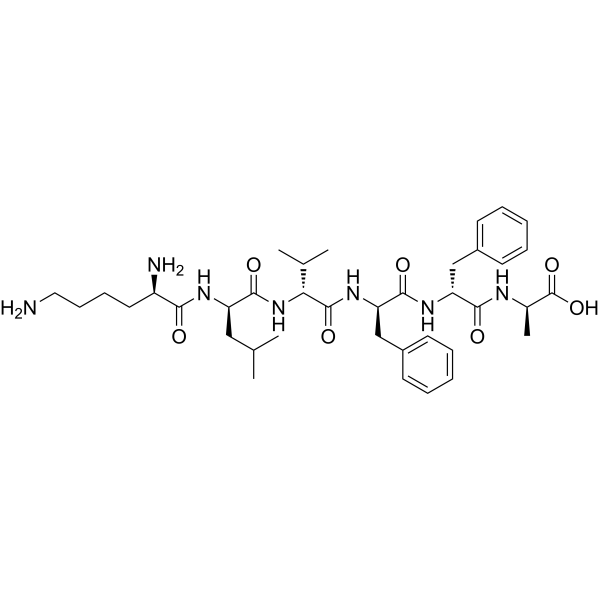
    Amyloid-β Neurological Disease
    D-KLVFFA is the inhibitor of Amyloid-β assembly, with the IC50 of 2.6 μM, that can be used in Alzheimer's disease study .
    D-KLVFFA
  • HY-167843

    Akt Autophagy PTEN Amyloid-β Antibiotic Bacterial Fungal Infection Neurological Disease
    Alborixin is a polycyclic polyether ionophore Antibiotic. Alborixin is isolated from cultures of Streptomyces albus. Alborixin induces Autophagy via PTEN-mediated inhibition of the AKT pathway, thereby clearing Amyloid-β. Alborixin exhibits activity against Gram-positive bacteria and fungi. Alborixin can be used in the research of Alzheimer's disease .
    Alborixin
  • HY-136674

    Amyloid-β Neurological Disease
    Aftin-5 is an inducer for Amyloid-β 42 (Aβ42). Aftin-5 upregulates Aβ42 and downregulates Aβ38 levels in a β-secretase- and γ-secretase-dependent manner by altering the ultrastructure of mitochondria. Aftin-5 exhibits slightly cytotoxicity in cell SH-SY5Y, HT22, N2a and N2a-AβPP695, with IC50s of 180, 194, 178 and 150 μM, respectively .
    Aftin-5
  • HY-171348

    Amyloid-β γ-secretase Neurological Disease
    Amyloid-β-IN-2 (Compound EX.112) is a selective γ-secretase inhibitor. Amyloid-β-IN-2 inhibits Aβ42 secretion in H4 cells with an EC50 value of 226 nM. Amyloid-β-IN-2 is promising for research of Alzheimer's disease (AD) and other diseases related to Aβ deposition .
    Amyloid-β-IN-2
  • HY-P4885

    AβpE3-40

    Amyloid-β Neurological Disease
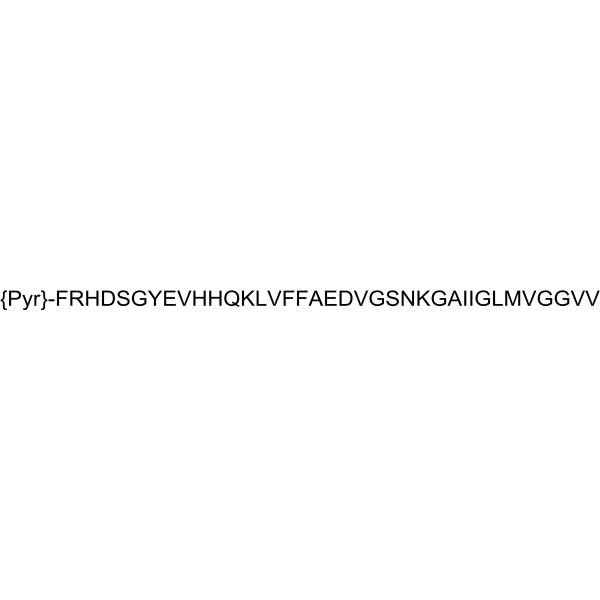
    Glp-Amyloid-β (3-40) Peptide (human) (AβpE3-40) is a minor amounts of pyroglutamate-modified isolated from from 24-month-old Amyloid precursor protein (APP) transgenic Mice .
    Glp-amyloid-β (3-40) peptide (human)
  • HY-171444

    γ-secretase Amyloid-β Neurological Disease
    GSM III is a γ-Secretase complexe (GSEC) modulator. GSM III significantly regulates amyloid-β (Aβ) length at the extracellular interface between the protease (NCT, PSEN) and the substrate APPC99. GSM III can be used for Alzheimer's disease (AD) research .
    GSM III
  • HY-B0116A

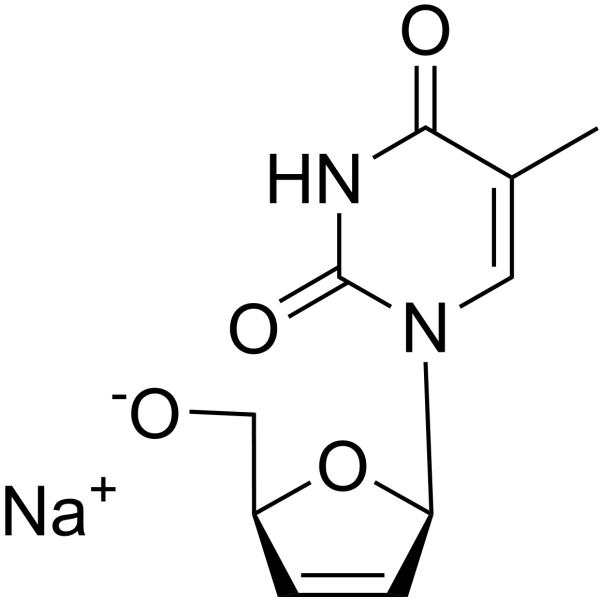
    d4T sodium

    Reverse Transcriptase HIV Nucleoside Antimetabolite/Analog NOD-like Receptor (NLR) Autophagy Apoptosis Infection
    Stavudine (d4T) sodium is an orally active nucleoside reverse transcriptase inhibitor (NRTI). Stavudine sodium has activity against HIV-1 and HIV-2. Stavudine sodium also inhibits the replication of mitochondrial DNA (mtDNA). Stavudine sodium reduces NLRP3 inflammasome activation and modulates Amyloid-β autophagy. Stavudine sodium induces apoptosis .
    Stavudine sodium
  • HY-B0116R

    d4T (Standard)

    Reference Standards Reverse Transcriptase HIV Nucleoside Antimetabolite/Analog NOD-like Receptor (NLR) Autophagy Apoptosis Infection
    Stavudine (Standard) is the analytical standard of Stavudine. This product is intended for research and analytical applications. Stavudine (d4T) is an orally active nucleoside reverse transcriptase inhibitor (NRTI). Stavudine has activity against HIV-1 and HIV-2. Stavudine also inhibits the replication of mitochondrial DNA (mtDNA). Stavudine reduces NLRP3 inflammasome activation and modulates Amyloid-β autophagy. Stavudine induces apoptosis .
    Stavudine (Standard)
  • HY-50900

    Amyloid-β production inhibitor; γ-Secretase Modulators

    Amyloid-β Neurological Disease
    gamma-Secretase Modulators (Amyloid-β production inhibitor) is a Amyloid-β production inhibitor.
    gamma-Secretase Modulators
  • HY-171349

    γ-secretase Amyloid-β Neurological Disease
    Amyloid-β-IN-3 (EX.113) is a selective γ-secretase inhibitor. Amyloid-β-IN-3 inhibits Aβ42 secretion in H4 cells with an EC50 value of 148 nM. Amyloid-β-IN-3 regulates the γ-secretase catalytic activity to decrease Aβ42 production, thereby alleviating neurotoxicity caused by Aβ deposition. Amyloid-β-IN-3 is promising for research of Alzheimer's disease (AD) .
    Amyloid-β-IN-3
  • HY-P1517

    Amyloid-β Neurological Disease
    β-Amyloid (31-35) is the shortest sequence of native Amyloid-β peptide that retains neurotoxic activity.
    β-Amyloid (31-35)
  • HY-P2549

    Fluorescent Dye Neurological Disease
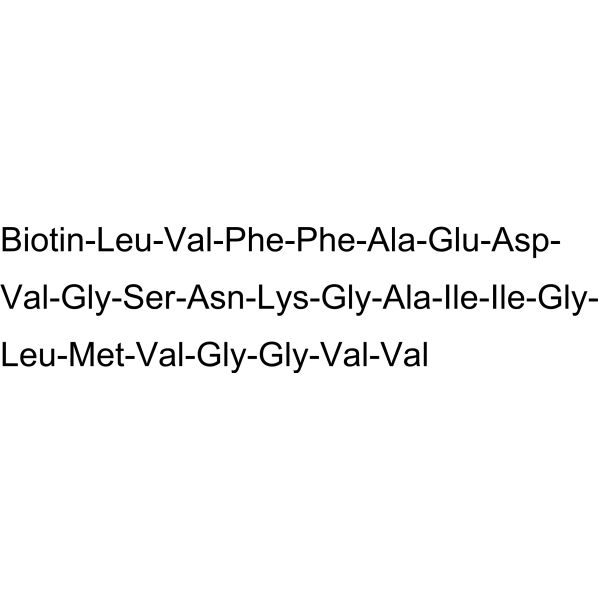
    Biotin-β-Amyloid (1-40) is a N-terminal-labelled biotinylated amyloid-β-(1-40) peptide.
    Biotin-β-Amyloid (1-40)
  • HY-P991130

    Amyloid-β Neurological Disease
    Dalidnetug is a humanized monoclonal antibody targeting human amyloid-beta precursor protein (APP). Dalidnetug specifically binds to APP to reduce the production of amyloid-beta (Aβ), thus exerting the activity of clearing amyloid-beta. Dalidnetug is promising for research of Alzheimer's disease .
    Dalidnetug
  • HY-P1522

    Amyloid beta-protein(29-40)

    Amyloid-β Neurological Disease
    β-Amyloid (29-40) is a fragment of Amyloid-β peptide.
    β-Amyloid (29-40)
  • HY-P1053

    Amyloid-β Neurological Disease
    β-Amyloid (10-20) is a fragment of Amyloid-β peptide and maybe used in the research of neurological disease .
    β-Amyloid (10-20)
  • HY-P5906

    Citrullinated Aβ (1-40); Citrullinated Aβ40

    Amyloid-β Neurological Disease
    Citrullinated amyloid-β (1-40) peptide (human) (Citrullinated Aβ (1-40)) is a modified form of β-Amyloid (1-40) (HY-P0265) with a citrullination at the Arg5 site. Citrullinated amyloid-β (1-40) peptide (human) exhibits increased transient formation of soluble oligomers and insoluble aggregates composed of distorted parallel β-sheets compared with unmodified β-Amyloid (1-40) .
    Citrullinated amyloid-β (1-40) peptide (human)
  • HY-P1362A

    Amyloid β Peptide (42-1)(human) TFA

    Amyloid-β Neurological Disease
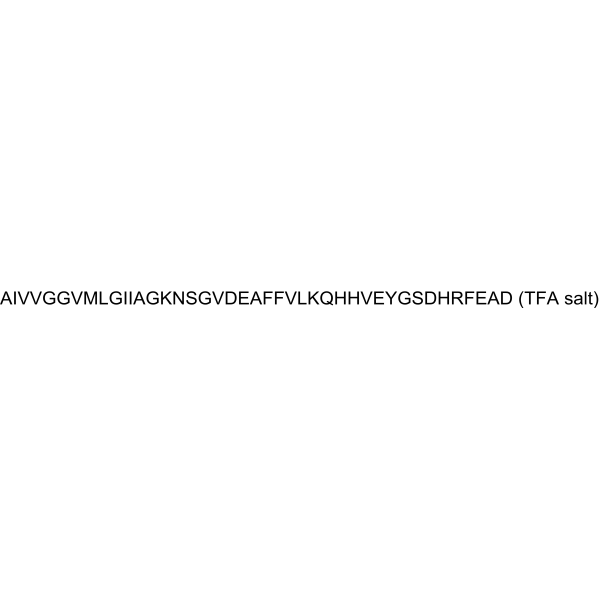
    β-Amyloid (42-1), human TFA is the inactive form of Amyloid β Peptide (1-42). β-Amyloid (42-1), human TFA is a 42-amino acid peptide which plays a key role in the pathogenesis of Alzheimer disease .
    β-Amyloid (42-1), human TFA
  • HY-177854

    Amyloid-β Neurological Disease
    Aβ aggregation-IN-4 can alleviate the neurotoxicity of amyloid-β protein (Aβ) and significantly reduce the level of oligomeric complexes of Aβ (Aβ-OCs). Aβ aggregation-IN-4 does not decrease the level of amyloid-β protein (Aβ). Aβ aggregation-IN-4 attenuates Aβ oligomerization and prevents oligomer-induced death of primary cortical neurons. Aβ aggregation-IN-4 can be used for the study of Alzheimer’s disease (AD) .
    Aβ aggregation-IN-4
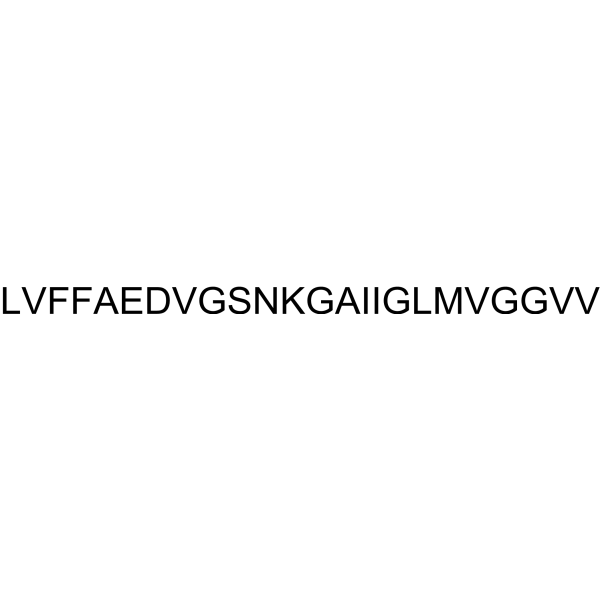
  • HY-P10613

    Amyloid-β Neurological Disease
    RERMS are bioactive peptides produced from the active regions of amyloid-β and A4 protein precursors that promote fibroblast growth and can be used in the study of neurodegenerative diseases .
    RERMS
  • HY-P991535

    Amyloid-β Neurological Disease
    PMN310 is a monoclonal antibody targeting amyloid-β oligomers (AβO). PMN310 prevents AβO-induced memory loss and reduces synaptic loss and inflammation in vivo. PMN310 is potentially useful in Alzheimer's disease research .
    PMN310
  • HY-103538

    Amyloid-β Neurological Disease
    JLK-6 markedly reduce the production of amyloid β-peptide (Aβ) by amyloid-β Precursor protein (APP) expressing HEK293 cells by affecting the γ-secretase cleavage of APP, with no effect on the cleavage of the Notch receptor .
    JLK-6
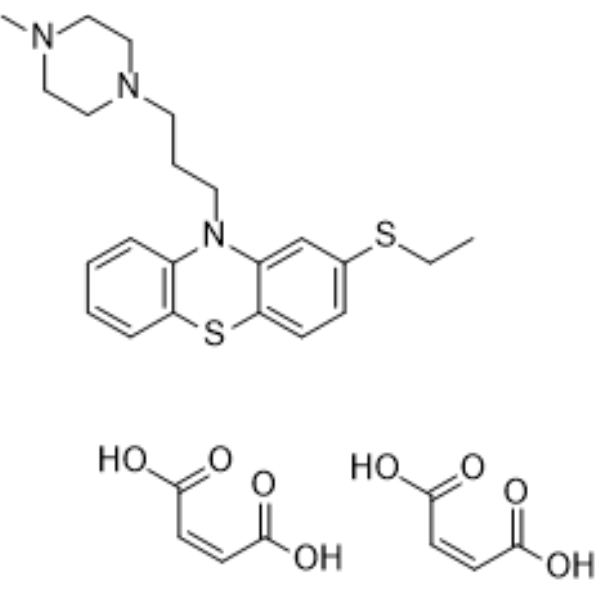
  • HY-B1794A
    Thiethylperazine dimaleate
    3 Publications Verification

    Dopamine Receptor Histamine Receptor Bacterial Amyloid-β Infection Neurological Disease
    Thiethylperazine dimaleate, a phenothiazine derivate, is an orally active and potent dopamine D2-receptor and histamine H1-receptor antagonist. Thiethylperazine dimaleate is also a selective ABCC1activator that reduces amyloid-β (Aβ) load in mice. Thiethylperazine dimaleate has anti-emetic, antipsychotic and antimicrobial effects .
    Thiethylperazine dimaleate
  • HY-179214

    Glycosidase Amyloid-β NF-κB Interleukin Related Neurological Disease
    DEL-C1 is a CHI3L1 inhibitor. DEL-C1 can restore the ability to clear Amyloid-β and repair lysosomal function of astrocytes. DEL-C1 can inhibit NF-κB signaling and IL-6 secretion. DEL-C1 can be used for the researches of inflammation and neurological disease, such as Alzheimer's disease .
    DEL-C1

Inquiry Online

Your information is safe with us. * Required Fields.

Salutation


Country or Region *

Applicant Name *


Organization Name *

Department *


Email Address *


Product Name *

Cat. No.


Requested quantity *

Phone Number *


Remarks

Inquiry Online

Inquiry Information

Product Name:
Cat. No.:
Quantity:
MCE Japan Authorized Agent: