Search Result
Results for "
RAW+264.7
" in MedChemExpress (MCE) Product Catalog:
1
Biochemical Assay Reagents
1
Isotope-Labeled Compounds
| Cat. No. |
Product Name |
Target |
Research Areas |
Chemical Structure |
-
- HY-111152
-
|
|
STAT
|
Cancer
|
|
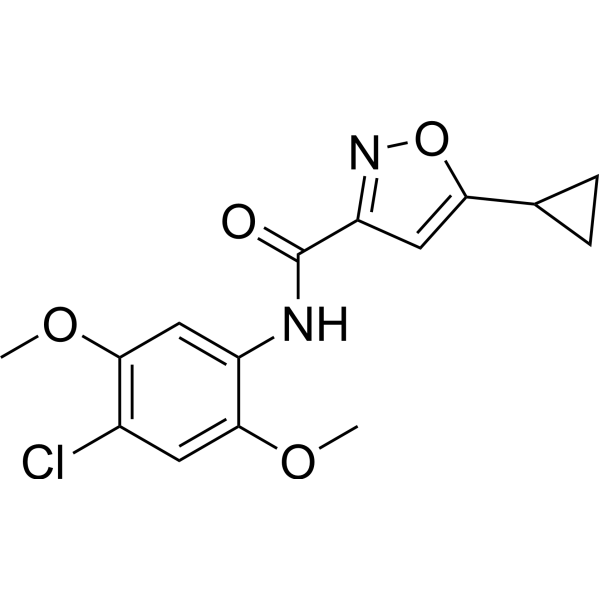
ML115, a molecular probe of the signal transducer, is a selective STAT3 agonist, with an EC50 of 2 nM. ML115 increases the expression of BCL3, a known STAT3-dependent oncogene. ML115 is inactive against the related STAT1, STAT5 and NF-κB anti-targets. ML115 counteracts the effects of Ginsenoside Rc (HY-N0042) on cell viability and inflammatory responses in LPS (HY-D1056)-stimulated H9c2 and RAW264.7 cells, while altering oxidative stress markers. ML115 can be used for the study of breast and prostate cancers .
|
-
-
- HY-N3383
-
|
Ligstroside
|
Mitochondrial Metabolism
|
Neurological Disease
|
|
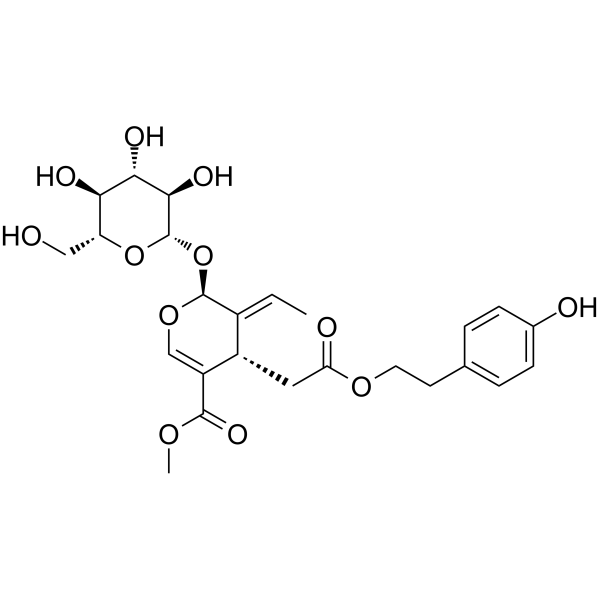
Ligustroside (Ligstroside), a secoiridoid derivative, has outstanding performance on mitochondrial bioenergetics in models of early Alzheimer's disease (AD) and brain ageing by mechanisms that may not interfere with Aβ production. Ligustroside significantly inhibits nitric oxide production in lipopolysaccharide-activated RAW264.7 macrophages .
|
-
-
- HY-N0634
-
|
Cimitin
|
NF-κB
|
Inflammation/Immunology
|
|
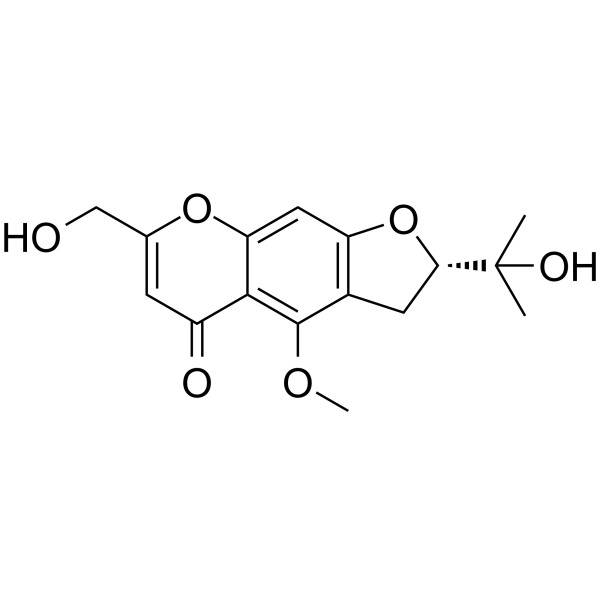
Cimifugin (Cimitin) is a bioactive component of Cimicifuga racemosa, a Chinese herb. Cimifugin suppresses allergic inflammation by reducing epithelial derived initiative key factors via regulating tight junctions . Cimifugin reduces the migration and chemotaxis of RAW264.7 cells and inhibits the release of inflammatory factors and activation of MAPKs and NF-κB signaling pathways induced by LPS .
|
-
-
- HY-N0617
-
|
|
Phosphatase
ERK
NF-κB
Apoptosis
|
Cardiovascular Disease
Inflammation/Immunology
Cancer
|
|
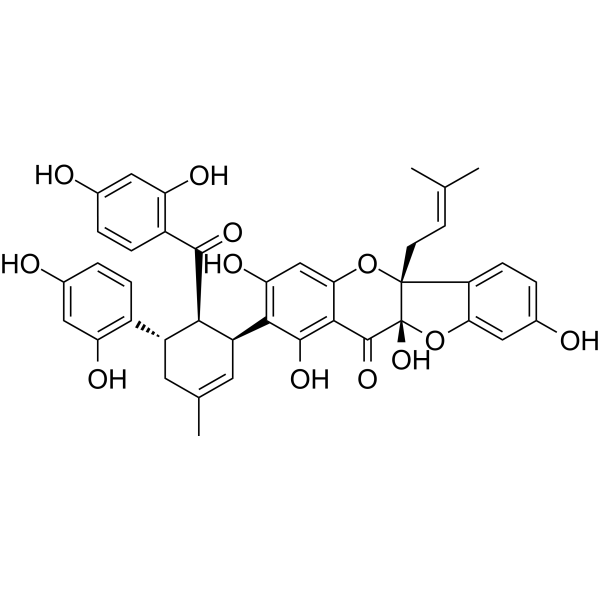
Sanggenon C, a flavonoid, exerts protective effects against cardiac hypertrophy and fibrosis via suppression of the calcineurin/NFAT2 pathway. Sanggenon C inhibits mitochondrial fission to induce apoptosis by blocking the ERK signaling pathway. Sanggenon C inhibits inducible nitric oxide synthase expression in RAW264.7 cells, and TNF-α-stimulated cell adhesion and VCAM-1 expression, by suppressing NF-κB activity. Sanggenon C possesses antioxidant, anti-inflammatory and antitumor activities .
|
-
-
- HY-N2535
-
|
4-Hydroxy-3-methoxycinnamaldehyde
|
Keap1-Nrf2
Apoptosis
|
Inflammation/Immunology
|
|
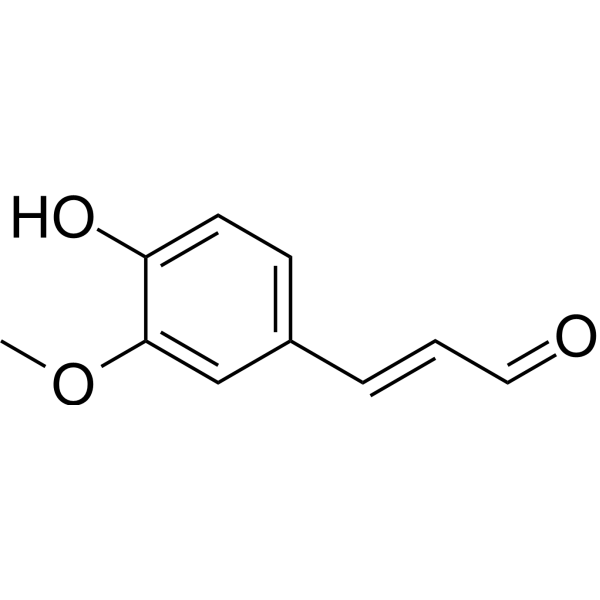
Coniferaldehyde (4-Hydroxy-3-methoxycinnamaldehyde) is an effective inducer of heme oxygenase-1 (HO-1). Coniferaldehyde inhibits LPS-induced apoptosis through the PKCα/β II/Nrf-2/HO-1 dependent pathway in RAW264.7 macrophage cells. Coniferaldehyde has antioxidant and anti-inflammatory activities .
|
-
-
- HY-155751
-
-
-
- HY-W082785A
-
-
-
- HY-34748
-
-

-
- HY-W068682
-
|
Hemipyocyanine; 1-Phenazinol; Hemi-pyocyanin
|
Amylases
Bacterial
|
Infection
Neurological Disease
Metabolic Disease
Inflammation/Immunology
Cancer
|
|
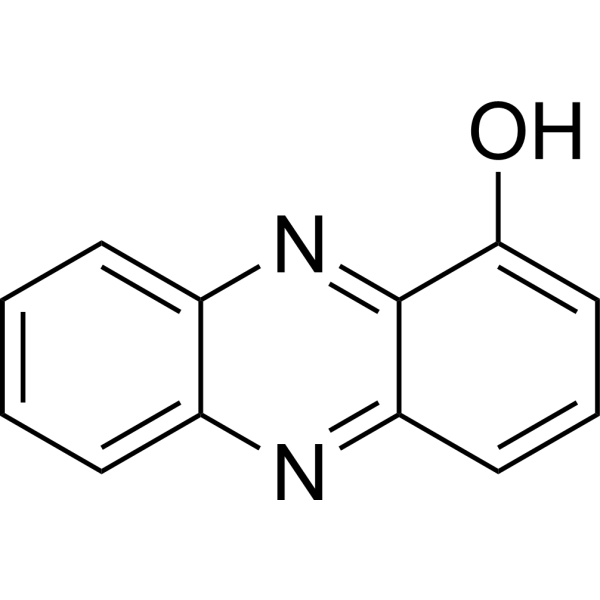
1-Hydroxyphenazine (Hemipyocyanine; 1-Phenazinol; Hemi-pyocyanin) is an inhibitor for α-Amylase with an IC50 of 3.1 μg/mL . 1-Hydroxyphenazine exhibits anticancer and anti-inflammatory activity against cells A549, 1321N1 and RAW264.7, antifungal and antibacterial activity against strains Candida albicans, Aspergillus fumigatus, Escherichia coli and Xanthomonas campestris .
|
-
-
- HY-N2620
-
-
-
- HY-125531
-
|
|
Others
|
Others
|
|
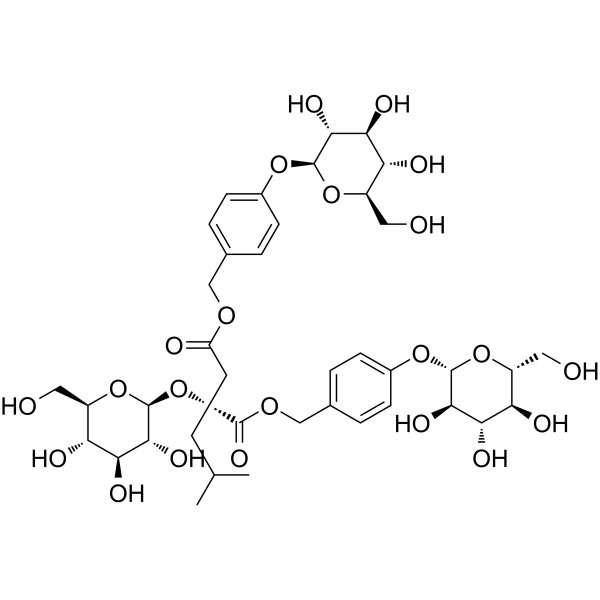
Dactylorhin A, a succinate derivative ester, is isolated from rhizomes of Gymnadenia conopsea. Dactylorhin A exhibits moderate inhibitory effects on NO production effects in RAW 264.7 macrophage cells .
|
-
-
- HY-171274
-
|
|
DOCK
|
Metabolic Disease
|
|
DOCK5-IN-1 (Compound 14) is the inhibitor for DOCK5 and exhibits no toxicity (100 μM) in cell RAW264.7 .
|
-

-
- HY-N8559
-
-

-
- HY-124478
-
|
Ethyl 2,5-dihydroxybenzoate
|
Phosphatase
|
Metabolic Disease
|
|
Ethyl gentisate (Ethyl 2,5-dihydroxybenzoate) is a dual modulator for cell differentiation, that enhances the osteogenic differentiation of human mesenchymal stem cells (hMSCs) and alkaline phosphatase activity, inhibits RANKL-activated osteoclastogenesis in RAW264.7 cells, and balances the bone remodeling process .
|
-

-
- HY-W753791
-
|
|
TNF Receptor
JNK
|
Neurological Disease
Inflammation/Immunology
|
|
(±)-Perillaldehyde has an antidepressant effect by modulating the olfactory nervous system in a mouse model of stress-induced depression. (±)-Perillaldehyde also has anti-inflammatory activity, inducing JNK activation in RAW264.7 cells and inhibiting the expression of TNF-α, with an IC50 of 171.7 μM .
|
-

-
- HY-N13239
-
|
|
Apoptosis
|
Inflammation/Immunology
|
|
Dandelion Extract is a dandelion extract, and its ingredients include: Flavone. Dandelion Extract can reduce LPS-induced inflammatory responses in RAW264.7 cells by regulating cell polarization and apoptosis. Dandelion Extract can also reduce CuSO4-induced inflammatory response in zebrafish larvae. .
|
-

-
- HY-149149
-
|
|
Bacterial
|
Infection
Metabolic Disease
Cancer
|
|
Incadronic acid inhibits growth of Dictyostelium discoideum with an IC50 of 1.6 μM. Incadronic acid binds the farnesyl diphosphate synthase (FPPS) in Leishmania major with the Ki of 23 nM. Incadronic acid inhibits the bone resorption and reduces bone loss, that can be used in osteoporosis research. Incadronic acid inhibits the proliferation of cells RAW264.7, PC-3 and MCF-7 with IC50 of 48 to 228.6 µM .
|
-

-
- HY-N13160
-
|
|
NO Synthase
|
Metabolic Disease
Inflammation/Immunology
|
|
Sanggenon F is a flavonoid compound derived from Morus alba var. multicaulis. It inhibits the differentiation of 3T3-L1 adipocytes and the production of nitric oxide (NO) in RAW264.7 cells induced by lipopolysaccharides (HY-D1056) and IFN-γ (IC50 of 19 nM). Sanggenon F has potential application value in the fields of anti-inflammatory and metabolic diseases .
|
-

-
- HY-N12394
-
|
|
Reactive Oxygen Species (ROS)
NO Synthase
|
Inflammation/Immunology
|
|
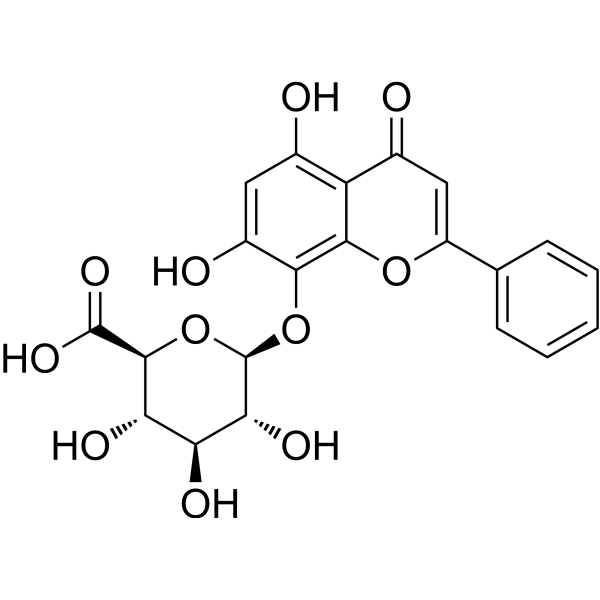
Norwogonin-8-O-glucuronide is a glucuronide that can be isolated from Scutellaria indica. Norwogonin-8-O-glucuronide has anti-inflammatory activity. Norwogonin-8-O-glucuronide is a flavone glycoside. Norwogonin-8-O-glucuronide inhibits NO production in macrophage RAW264.7 cells with an IC50 above 30 μM .
|
-
-
- HY-168336
-
|
|
PPAR
|
Metabolic Disease
|
|
E0924G is an orally active activator for PPARδ with EC50 of 2.82 μM. E0924G promotes the upregulation of osteoprotegerin (OPG) with an EC50 of 0.29 μM. E0924G reduces RANKL-induced osteoclast differentiation and inhibites F-actin ring formation in RAW264.7 macrophages. E0924G regulates the bone density and bone loss in ovariectomized (OVX) and age-related osteoporosis models .
|
-

-
- HY-N4207
-
|
|
Others
|
Others
|
|
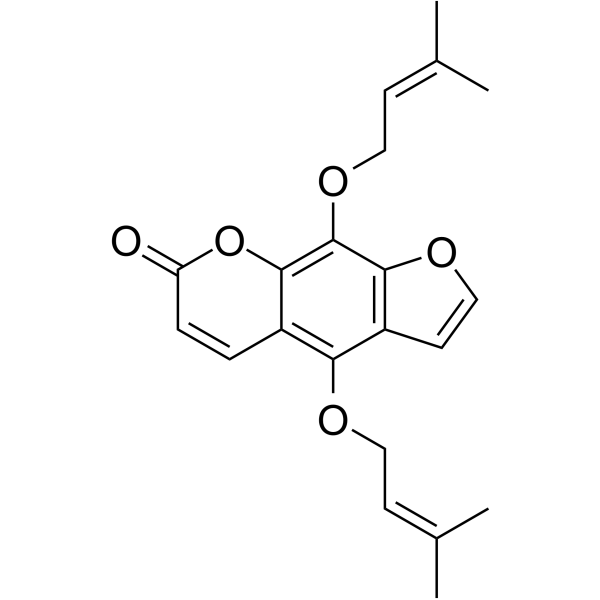
Cnidicin, a coumarin, inhibits the degranulation of mast cell and the nitric oxide (NO) generation in RAW 264.7 cells .
|
-
-
- HY-168207
-
|
|
Toll-like Receptor (TLR)
NF-κB
|
Inflammation/Immunology
|
|
TH023 is an inhibitor for the TLR4 signaling pathway, that targets especially the formation of TLR4 homodimer. TH023 inhibits secreted embryonic alkaline phosphatase in cell HEK-Blue hTLR4 with an IC50 of 0.354 μM, and inhibits the NO expression in RAW264.7 with an IC50 of 1.61μM. TH023 also inhibits the activation of NF-κB, reduces the nuclear translocation of NF-κB p65. TH023 exhibits anti-inflammatory efficacy in LPS (HY-D1056)-induced mouse acute sepsis model, and ameliorates the mouse lung injury .
|
-

-
- HY-N13184
-
|
|
TNF Receptor
|
Inflammation/Immunology
|
Giraldoid B is an active ingredient that can be isolated from Girald Daphne Bark. Giraldoid B can inhibit LPS induced NO and b>TNF-α production in RAW264.7 and has anti-inflammatory activity .
|
-

-
- HY-N16172
-
|
Sanggenone B
|
Others
|
Inflammation/Immunology
|
|
Sanggenon B (Sanggenone B) is a compound that can be extracted from mulberry trees and has an inhibitory effect on NO production in RAW264.7 cells stimulated by LPS (HY-D1056). Sanggenon B has anti-inflammatory activity .
|
-

-
- HY-175640
-
|
|
Pyroptosis
Reactive Oxygen Species (ROS)
Interleukin Related
Caspase
|
Cardiovascular Disease
|
|
Troponin-IN-1 is a troponin inhibitor. Troponin-IN-1 protects OGD/R-injured H9c2 cardiomyocytes by reducing LDH leakage, pyroptosis and ROS accumulation. Troponin-IN-1 inhibits NO production and IL-1β/TNF-α/IL-18 release in LPS (HY-D1056)-induced RAW264.7 cells. Troponin-IN-1 acts via caspase-1/GSDMD/IL-18 pathway. Troponin-IN-1 reduces myocardial infarct size in LAD-induced myocardial ischemia/reperfusion (MI/R) male rats. Troponin-IN-1 can be used for the study of myocardial ischemia/reperfusion (MI/R) injury .
|
-

-
- HY-N13175
-
|
|
NO Synthase
|
Cancer
|
|
Panaxcerol B is a monogalactosyl monoacylglyceride, with an IC50 of 59.4 μM for NO production in LPS-stimulated RAW264.7 cells .
|
-

-
- HY-N2838
-
|
|
NO Synthase
|
Inflammation/Immunology
|
|
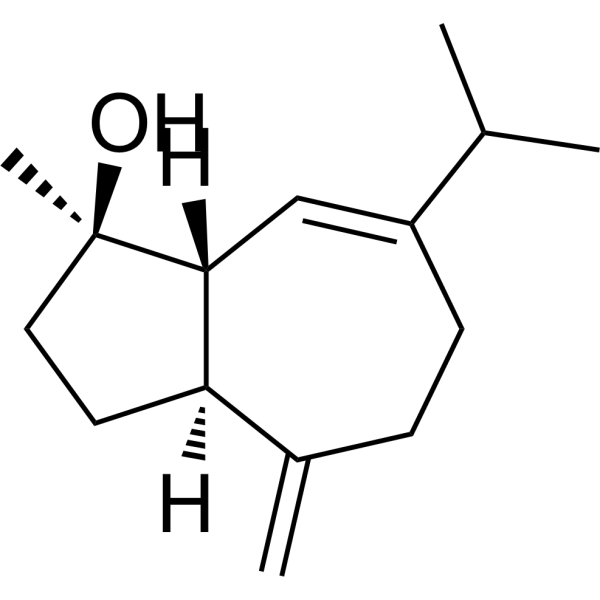
Alismol is a natural sesquiterpene. Alismol shows promising inhibitory effects on INF-γ-induced nitric oxide production in murine macrophage RAW264.7 cells .
|
-
-
- HY-N2989
-
|
|
NO Synthase
|
Inflammation/Immunology
|
|
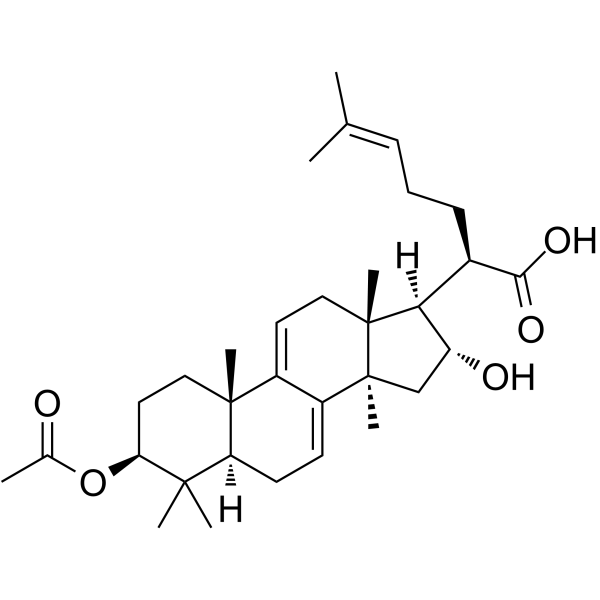
3-O-Acetyl-16α-hydroxydehydrotrametenolic acid, an anti-inflammatory triterpenoid, inhibits NO production and iNOS expression in LPS-stimulated Raw264.7 cells .
|
-
-
- HY-N1912
-
|
|
Others
|
Cancer
|
|
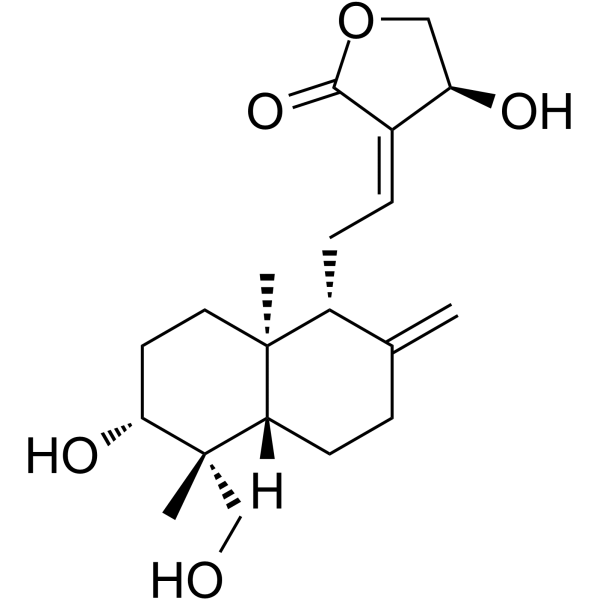
Andropanolide is a natural product that exerts cytotoxicity toward carcinoma cells and significantly inhibits the overproduction of nitric oxide (NO) in Lipopolysaccharides (HY-D1056) (LPS)-stimulated RAW264.7 macrophages .
|
-
-
- HY-N12283
-
|
|
NF-κB
|
Inflammation/Immunology
|
|
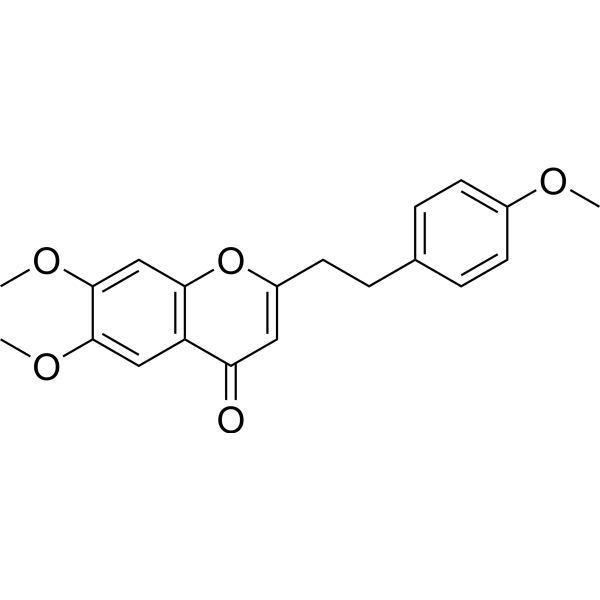
NF-κB-IN-13 (compound 12) can significantly inhibit LPS-induced NF-κB activation and NO production in RAW264.7 macrophages. NF-κB-IN-13 has anti-inflammatory effects .
|
-
-
- HY-N15689
-
|
|
NO Synthase
|
Inflammation/Immunology
|
|
Dichotomine E is a β-carboline alkaloid that can be isolated from the root of Stellaria dichotoma var. lanceolata. Dichotomine E has anti-inflammatory property for the inhibition of NO production in LPS (HY-D1056)-treated RAW264.7 cells .
|
-

-
- HY-N11657
-
|
Sanggenone A
|
NF-κB
Keap1-Nrf2
|
Inflammation/Immunology
|
|
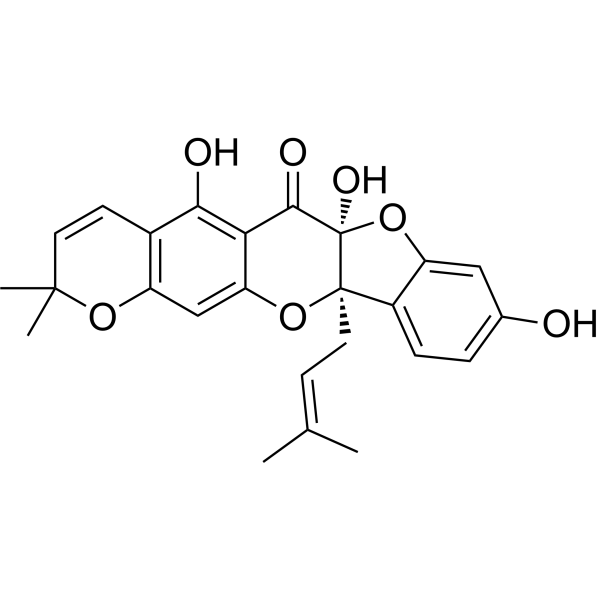
Sanggenon A (Sanggenone A) exerts anti-inflammatory effects by regulating NF-κB and HO-1/Nrf2 signaling pathways in BV2 and RAW264.7 cells. Sanggenon A markedly inhibits the Lipopolysaccharide (LPS; HY-D1056)-induced production of nitric oxide .
|
-
-
- HY-N12042
-
-
-
- HY-172977
-
|
|
Cathepsin
NO Synthase
TNF Receptor
|
Neurological Disease
Inflammation/Immunology
|
|
FGA139 is a cysteine proteases inhibitor with IC50 values of 4.98/3.14 μM for cathepsin B/L. FGA139 reduces LPS-induced NO production in RAW264.7 cells and tumor necrosis factor (TNFα) levels in microglia, and has anti-oxidative stress and anti-inflammatory activities. FGA139 promotes the secretion of neuroprotective metabolites purine and linoleic acid by LPS-stimulated microglia. FGA139 can be used in neuroinflammatory diseases research .
|
-

-
- HY-N10156
-
|
|
Na+/H+ Exchanger (NHE)
Phosphodiesterase (PDE)
NO Synthase
|
Inflammation/Immunology
|
|
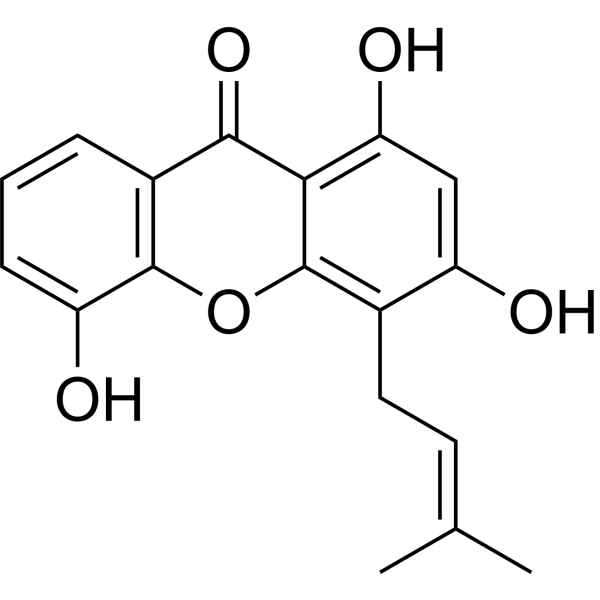
1,3,5-Trihydroxy-4-prenylxanthone is a Na +/H + exchange system inhibitor with a minimum inhibitory concentration of 10 μg/mL . 1,3,5-Trihydroxy-4-prenylxanthone is a phosphodiesterase type 5 (PDE5) inhibitor with an IC50 value of 3.0 μM . 1,3,5-Trihydroxy-4-prenylxanthone inhibits Lipopolysaccharide (LPS) (HY-D1056)-induced NO production in RAW264.7 macrophages, and has anti-inflammatory activities .
|
-
-
- HY-129151
-
|
|
TNF Receptor
|
Inflammation/Immunology
|
|
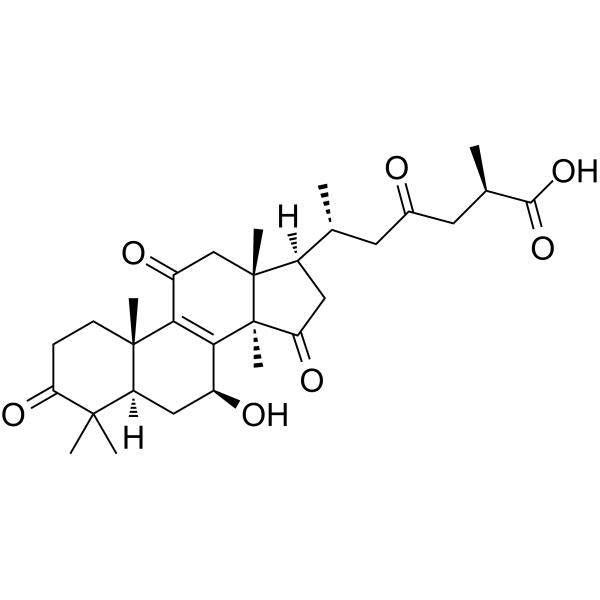
Ganoderic acid C1, a natural compound that could be isolated from G. lucidum, suppresses TNF-α production by murine macrophages (RAW 264.7 cells) .
|
-
-
- HY-N10120
-
-
-
- HY-W573700
-
|
|
Others
|
Others
|
|
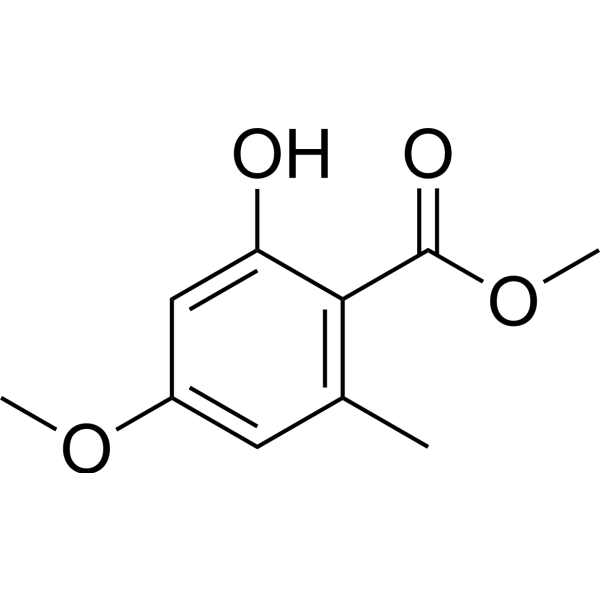
Methyl everninate is the major constituent of the deuterochloroform. Methyl everninate, rhodomollosides A and B are the derivatives of Methyl everninate, with cytotoxicity against RAW264.7 cells. Both of they shows inhibitory effects with a lipopolysaccharide (LPS)-stimulated murine macrophages RAW 264.7 cells model .
|
-
-
- HY-130787
-
|
|
NO Synthase
|
Inflammation/Immunology
|
|
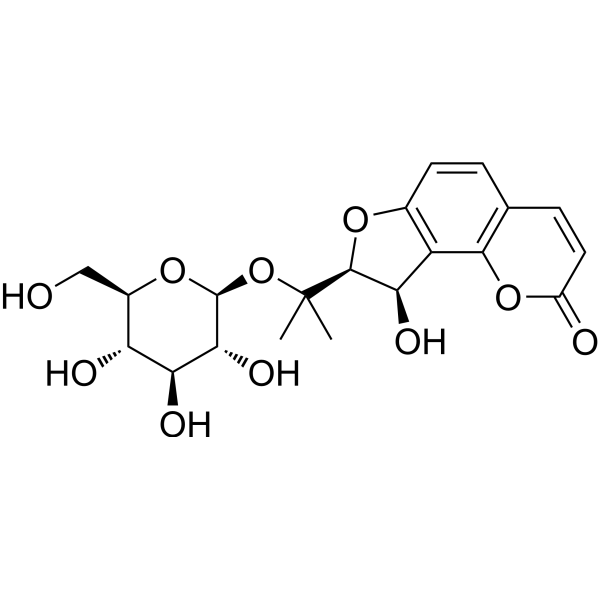
Apterin is a natural compound with anti-inflammatory activity. Apterin shows significantly inhibitory activity on NO production in RAW264.7 cells with an IC50 value of 41.8 μM .
|
-
-
- HY-N10062
-
|
|
RANKL/RANK
|
Others
|
|
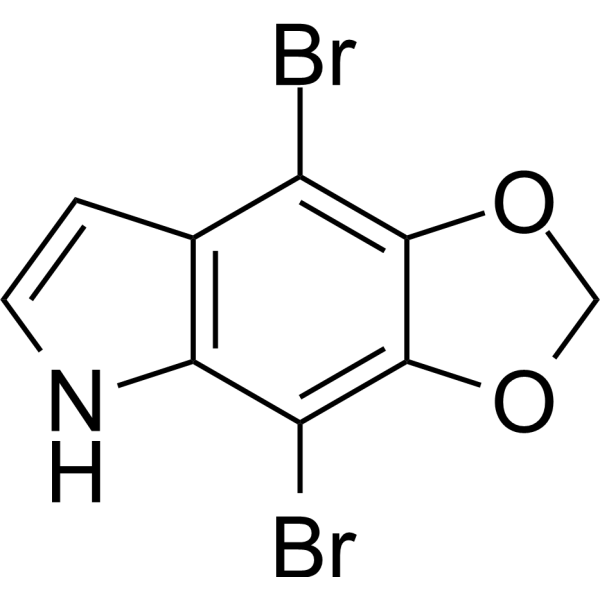
Amakusamine inhibits the receptor activator of nuclear factor-κB ligand (RANKL)-induced formation of multinuclear osteoclasts with an IC50 value of 10.5 μM in RAW264.7 cells.
|
-
-
- HY-161043
-
|
|
Pyroptosis
|
Inflammation/Immunology
|
|
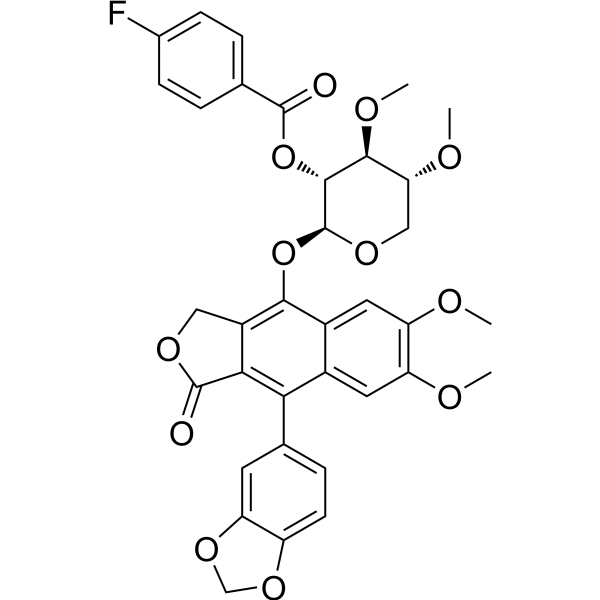
ECDD-S16 is a potent inhibitor of pyroptosis. ECDD-S16 inhibits surface and endosomal TLR ligands activated pyroptosis in Raw264.7 cells .
|
-
-
- HY-N11548
-
|
|
NO Synthase
|
Inflammation/Immunology
|
|
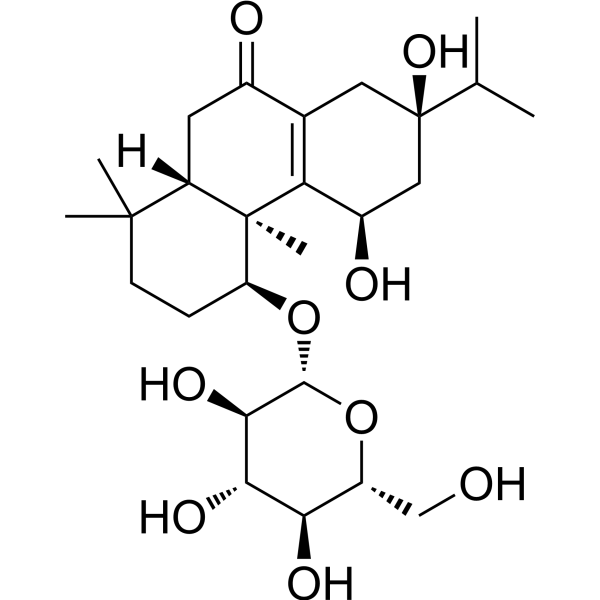
Inflexuside A, an abietane diterpenoid, can be isolated from the aerial parts of Isodon inflexus. Inflexuside B strongly inhibits lipopolysaccharide (LPS)-activated NO production (NO Synthase) in RAW264.7 macrophages .
|
-
-
- HY-N11544
-
|
|
NO Synthase
|
Inflammation/Immunology
|
|
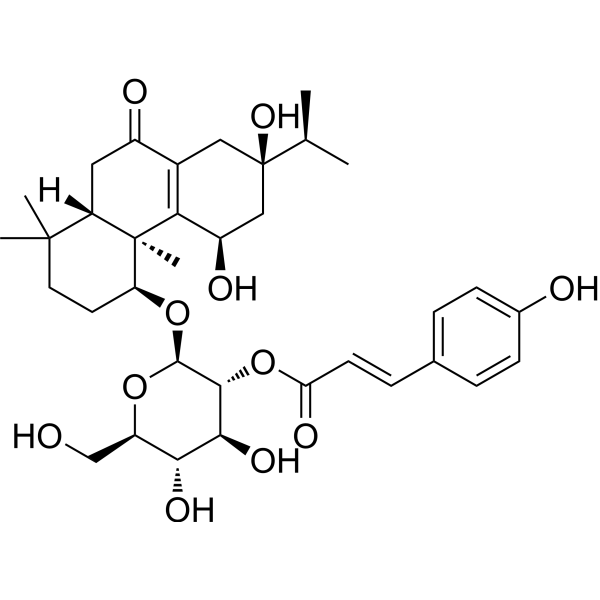
Inflexuside B, an abietane diterpenoid, can be isolated from the aerial parts of Isodon inflexus. Inflexuside B strongly inhibits lipopolysaccharide (LPS)-activated NO Synthase in RAW264.7 macrophages .
|
-
-
- HY-149647
-
-
-
- HY-N15571
-
|
|
NO Synthase
|
Inflammation/Immunology
|
|
Hedopeptolide can be found in the marine cyanobacteria Okeania sp. Hedopeptolide inhibits LSP-induced NO production in RAW264.7 cells (IC50: 4 μM). Hedopeptolide exhibits anti-inflammatory activity .
|
-

-
- HY-N1695
-
|
Regelin acid
|
NO Synthase
|
Inflammation/Immunology
|
|
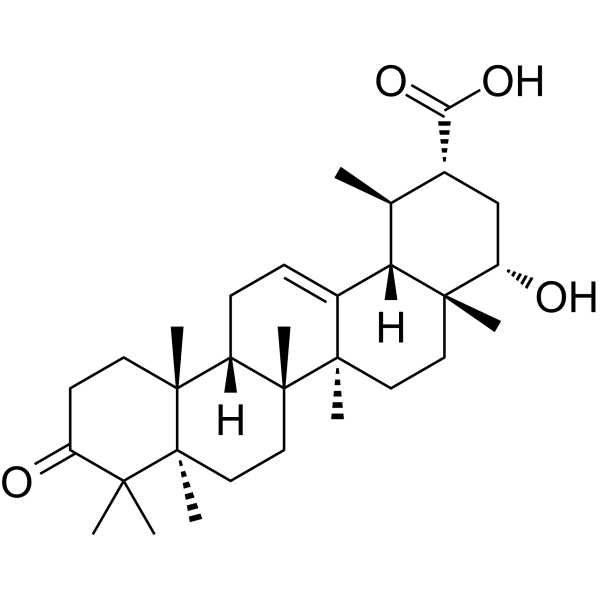
Demethylregelin (Regelin acid), a triterpene, effectively reduces the expression of iNOS protein and subsequent nitric oxide production induced by lipopolysaccharide (HY-D1056) in RAW264.7 cells. Demethylregelin has anti-inflammatory activities .
|
-
-
- HY-149671
-
|
|
NO Synthase
|
Inflammation/Immunology
|
|
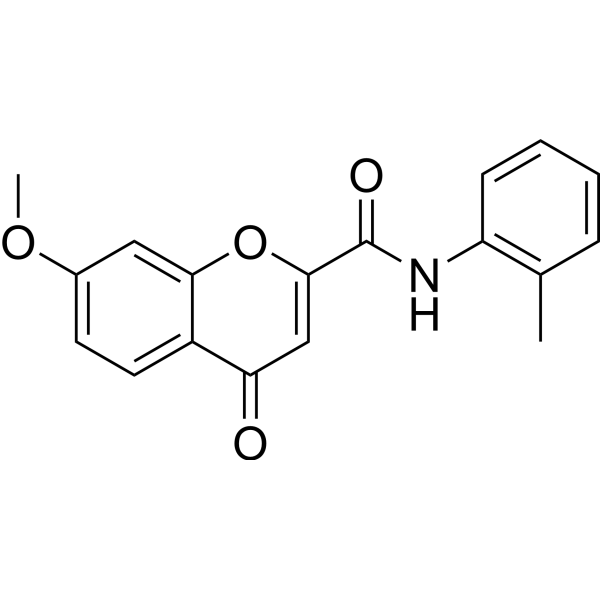
Anti-inflammatory agent 63 is an anti-inflammatory agent that shows optimal inhibitory activity (EC50 = 5.33±0.57 μM) against the production of nitric oxide (NO) induced by lipopolysaccharide (LPS) in RAW264.7 cells .
|
-
-
- HY-125495
-
|
|
NO Synthase
|
Inflammation/Immunology
|
|
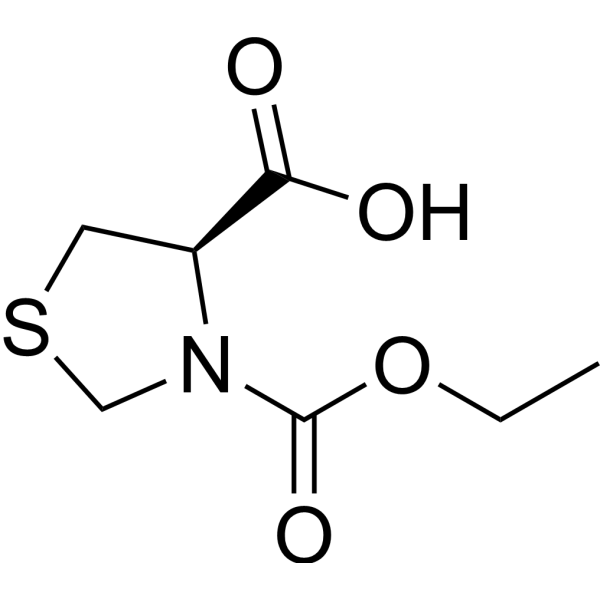
Telmesteine is an amucolitic agent. Telmesteine has anti-protease activity. Telmesteine inhibits LPS-induced NO production in RAW264.7 cells. Telmesteine can be used for research of inflammation, such as acute and chronic bronchitis and obstructive airways disease .
|
-
-
- HY-N13138
-
|
|
NO Synthase
|
Inflammation/Immunology
|
|
Angulasaponin B, a natural product, can be obtained from Vigna angularis. Angulasaponin B inhibits nitric oxide production in LPS-activated RAW264.7 macrophages with IC50 values ranging from 13 μM to 24 μM .
|
-

-
- HY-N12494
-
|
|
NO Synthase
|
Inflammation/Immunology
|
|
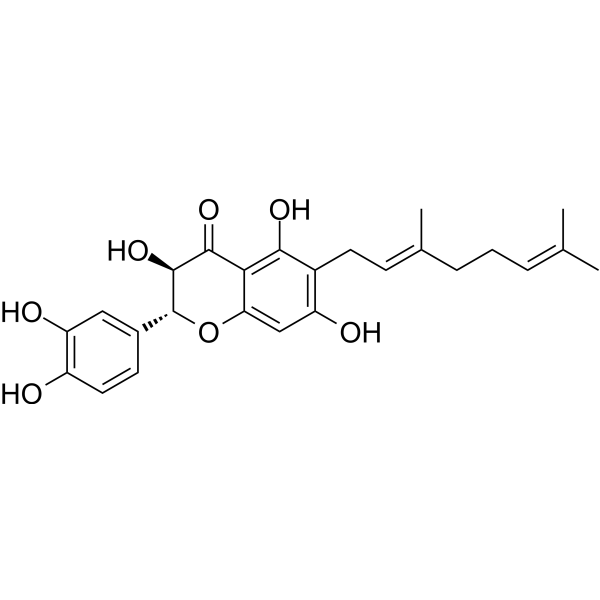
Diplacol is a geranylated flavanone that can be isolated from paulownia trees (Paulownia coreana UYEKI). Diplacol has anti-inflammatory activity. Diplacol inhibits NO production in LPS-stimulated Raw264.7 cells with an IC50 value of 4.53 μM .
|
-
- HY-N9000
-
|
|
TNF Receptor
|
Inflammation/Immunology
|
|
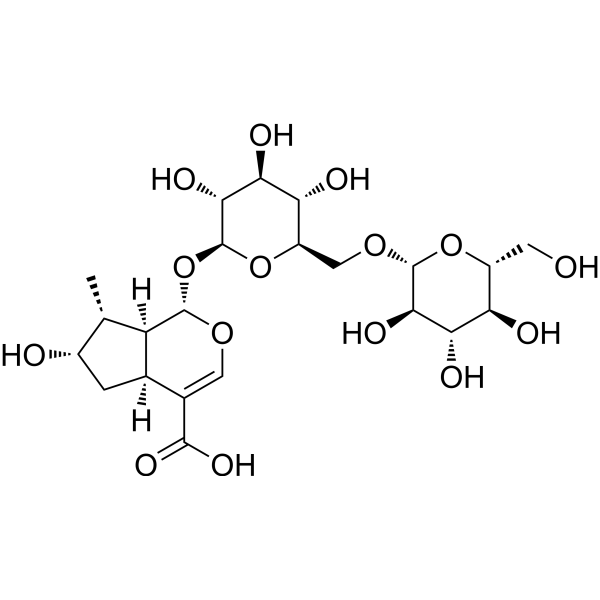
Loganic acid 6′-O-β-D-glucoside, a iridoidal glucoside, is isolated from the whole plant of Gentiana rhodantha (Gentianaceae). Loganic acid 6′-O-β-D-glucoside inhibits LPS-induced NO and TNF-α production in macrophage RAW264.7 cells .
|
-
- HY-158311
-
|
|
RANKL/RANK
p38 MAPK
NF-κB
|
Endocrinology
|
|
Anti-osteoporosis agent-8 (Compound 4aa) is an inhibitor for RANKL, which inhibits RANKL-induced osteoclastogenesis and osteoclast differentiation (IC50 is 2.41 μM) in cells RAW264.7. Anti-osteoporosis agent-8 ameliorates bone loss in an ovariectomized (OVX) mice model .
|
-

- HY-144766
-
|
|
Apoptosis
|
Cancer
|
|
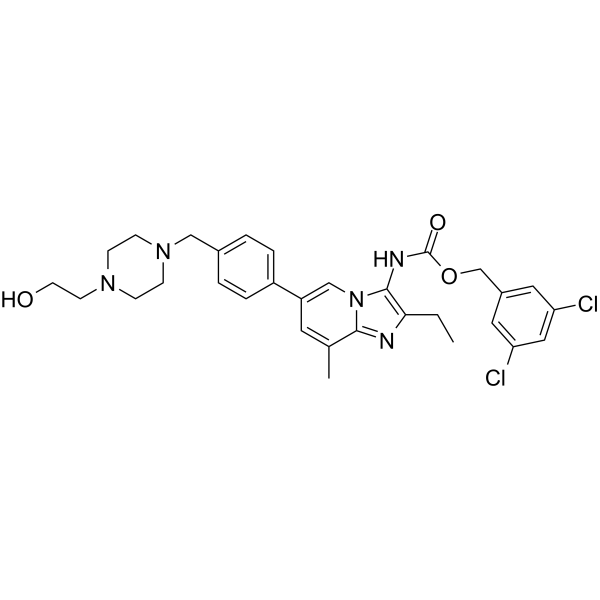
ATX inhibitor 13 (10c) is an orally active and potent ATX inhibitor, with an IC50 of 3.4 nM. ATX inhibitor 13 inhibits proliferation and migration, and induces apoptosis and G2 phase arrest in RAW264.7 cells. ATX inhibitor 13 suppresses tumor cell colony formation .
|
-
- HY-147770
-
|
|
NF-κB
|
Inflammation/Immunology
|
|
NF-κB-IN-6 (Compound 3d) is an anti-inflammatory agent through the mechanism of decreasing the protein expressions of iNOS and COX-2 by suppressing NF-κB signaling pathway. NF-κB-IN-6 inhibits NO production in LPS-induced RAW264.7 cells with an IC50 of 23.1 μM .
|
-
- HY-N3548
-
|
|
NF-κB
|
Inflammation/Immunology
|
|
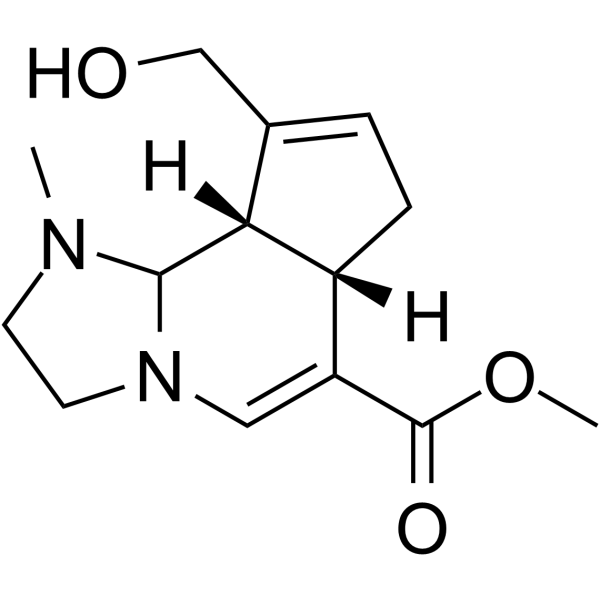
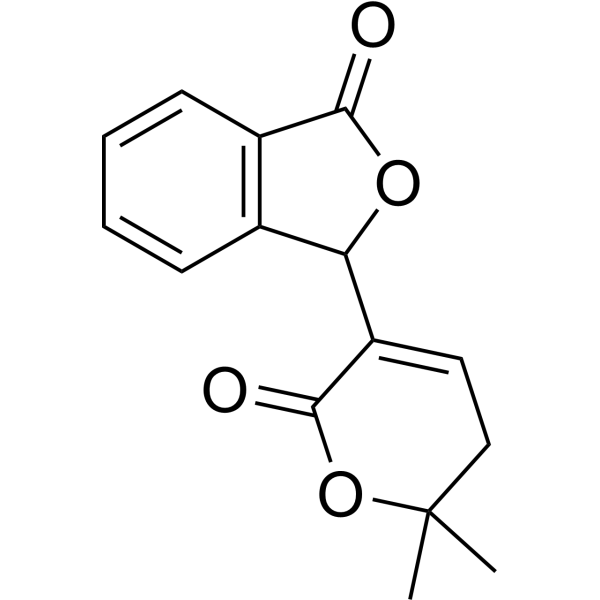
Catalpalactone has anti-inflammatory effect. Catalpalactone inhibits LPS-induced NO production and iNOS expression in RAW264.7 cells, and also inhibits IRF3, NF-κB, and IFN-β/STAT-1 activation. Catalpalactone also inhibits dopamine biosynthesis by reducing tyrosine hydroxylase (TH) and aromatic-l-amino acid decarboxylase (AADC) activities .
|
-
- HY-N12235
-
|
|
Caspase
|
Inflammation/Immunology
|
|
Sarglaroids F (compound 6) is an anti-inflammatory agent isolated from the roots of Grass Coral. Sarglaroids F inhibits LPS/ATP-induced IL-1β release by affecting K+ efflux and reducing Caspase-1(P20) levels. Sarglaroids F is not cytotoxic to RAW264.7 cells .
|
-
- HY-153762
-
|
|
NO Synthase
NF-κB
COX
|
Inflammation/Immunology
|
|
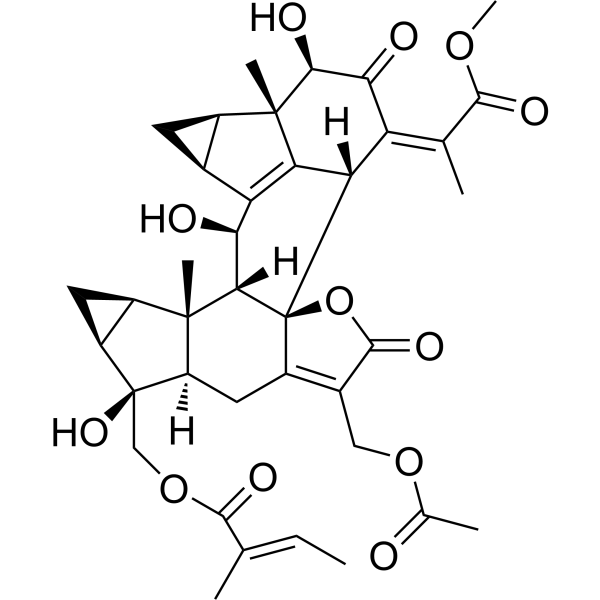
COX-2-IN-32 (Compound 2f) is an iNOS and COX-2 inhibitor. COX-2-IN-32 decreases the expression of NF-κB. COX-2-IN-32 has anti-inflammatory activity by inhibits NO production in LPS-induced RAW264.7 macrophages (IC50: 11.2 μM) .
|
-
- HY-N3289A
-
|
|
Others
|
Inflammation/Immunology
|
|
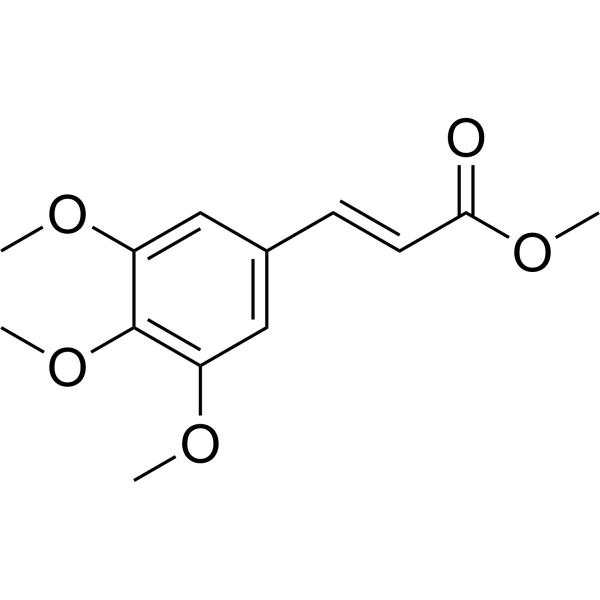
(E)-Methyl 3,4,5-trimethoxycinnamate is a bioactive natural phenylpropanoid. (E)-Methyl 3,4,5-trimethoxycinnamate suppresses inflammation in RAW264.7 macrophages and blocks macrophage-adipocyte interaction. (E)-Methyl 3,4,5-trimethoxycinnamate also has antiarrhythmic effect, leads to suppression of triggered activities in rabbit myocytes .
|
-
- HY-163998
-
|
|
Toll-like Receptor (TLR)
|
Inflammation/Immunology
|
|
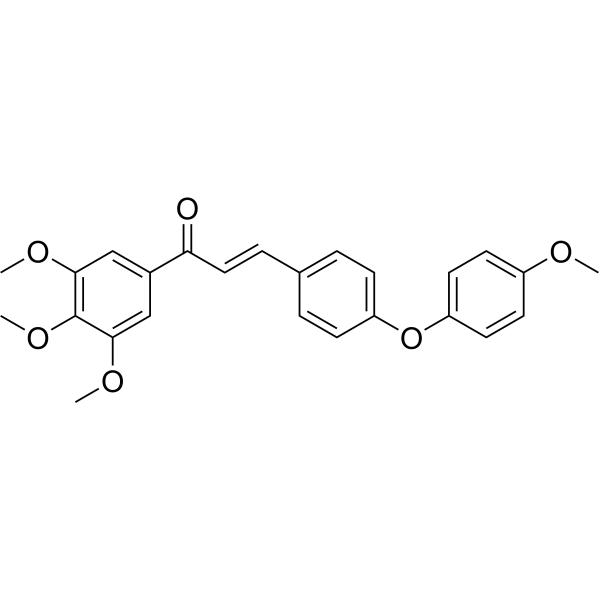
TLR4-IN-1 (compound 3k) inhibits the cell viability of RAW264.7 with an IC50 of 1.02 μM. TLR4-IN-1 inhibits the release of cytokine TNF-α, IL-1β and IL-6, and exhibits anti-inflammatory efficacy in rats rheumatoid arthritis models .
|
-

- HY-N15602
-
|
|
Glycosidase
NO Synthase
|
Inflammation/Immunology
|
|
Isosojagol (Compound 5) is a α-Glucosidase inhibitor with an IC50 of 32.2 μM. Isosojagol can be isolated from the Roots of Dolichos trilobus. Isosojagol has anti-inflammatory activity and inhibits LPS (HY-D1056A1)-induced NO production in RAW264.7 cells. Isosojagol can be used for fracture, soft tissue injuries and rheumatoid arthritis research .
|
-

- HY-159516
-
-

- HY-N0634R
-
|
Cimitin (Standard)
|
Reference Standards
NF-κB
|
Inflammation/Immunology
|
|
Cimifugin (Standard) is the analytical standard of Cimifugin. This product is intended for research and analytical applications. Cimifugin (Cimitin) is a bioactive component of Cimicifuga racemosa, a Chinese herb. Cimifugin suppresses allergic inflammation by reducing epithelial derived initiative key factors via regulating tight junctions . Cimifugin reduces the migration and chemotaxis of RAW264.7 cells and inhibits the release of inflammatory factors and activation of MAPKs and NF-κB signaling pathways induced by LPS .
|
-

- HY-149351
-
|
|
NF-κB
|
Cardiovascular Disease
|
|
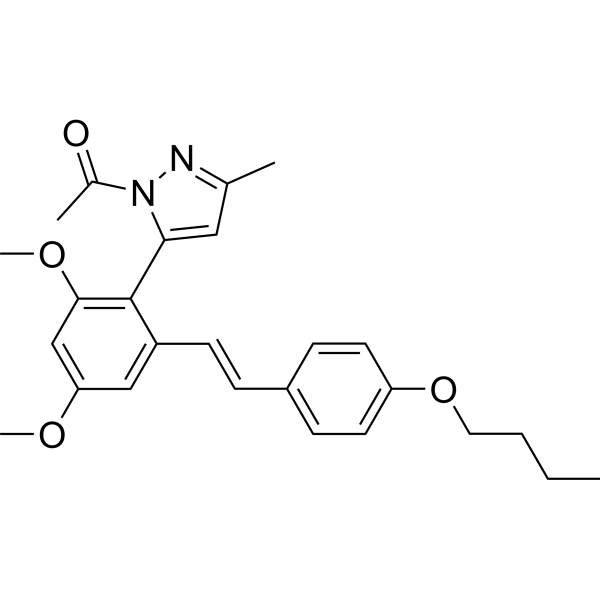
NF-κB-IN-10 (compound E1) is an NF-κB inhibitor that can improve heart failure by reducing oxidative stress and inflammation by regulating Nrf2/NF-κB signaling pathway. NF-κB-IN-10 inhibits LPS-induced NO production and expression of iNOS and COX-2 in RAW264.7 cells. NF-κB-IN-10 can be used in the research of cardiovascular diseases .
|
-
- HY-115780
-
|
|
LXR
ATP-binding cassette (ABC) transporters
|
Cardiovascular Disease
|
|
E17110 is a liver X receptor β (LXRβ) agonist with an EC50 of 0.72 μM. E17110 can increase the expression of ATP-binding cassette transporter A1 (ABCA1) and G1 (ABCG1) in RAW264.7 macrophages. E17110 also reduce cellular lipid accumulation and promoted cholesterol efflux. E17110 can be used for the research of cardiovascular disease, such as atherosclerosis .
|
-

- HY-173187
-
|
|
Keap1-Nrf2
|
Inflammation/Immunology
|
|
Keap1-Nrf2-IN-27 (compound 1C) is a inhibitor of Keap1-Nrf2 protein-protein interaction (PPI) with KD2 value of 0.119 μM. Keap1-Nrf2-IN-27 suppresses the expression of pro-inflammatory cytokine TNF-α and IL-6 in the LPS-induced RAW264.7 cell model .
|
-

- HY-P10329
-
|
|
Fungal
|
Infection
|
|
KK14(R) is an analog of the de novo synthetic peptide KK14, which exhibits antifungal activity against Fusarium culmorum, Penicillium expansum and Aspergillus niger , with MICs of 6.25, 12.5 and 12.5 μg/mL, respecitvely. KK14(R) exhibits good heat- and pH-stability. KK14(R) exhibits cytotoxicity against cells Caco-2 and RAW264.7 .
|
-

- HY-169974
-
|
|
SARS-CoV
Virus Protease
NO Synthase
|
Infection
Inflammation/Immunology
|
|
SARS-CoV-2-IN-107 (Compound A7) is the inhibitor for SARS-CoV-2 3CLpro with an IC50 of 261.3 nM. SARS-CoV-2-IN-107 inhibits the SARS-CoV-2 replication with an EC50 of 11.7 μM. SARS-CoV-2-IN-107 exhibits anti-inflammatory activity with a NO inhibition rate of 68.6% in LPS (HY-D1056)-stimulated RAW264.7 macrophages .
|
-

- HY-161996
-
|
|
Indoleamine 2,3-Dioxygenase (IDO)
|
Inflammation/Immunology
|
IDO1-IN-25 is a dual inhibitor of IDO1/TDO2, with IC50 values of 0.17 μM and 3.2 μM, respectively. IDO1-IN-25 can effectively inhibit the production of NO in RAW264.7 cells stimulated by lipopolysaccharide (LPS). IDO1-IN-25 can exert anti-inflammatory effects in a mouse ear edema acute inflammation model induced by croton oil .
|
-

- HY-N2535R
-
|
4-Hydroxy-3-methoxycinnamaldehyde (Standard)
|
Reference Standards
Keap1-Nrf2
Apoptosis
|
Inflammation/Immunology
|
|
Coniferaldehyde (Standard) is the analytical standard of Coniferaldehyde. This product is intended for research and analytical applications. Coniferaldehyde (4-Hydroxy-3-methoxycinnamaldehyde) is an effective inducer of heme oxygenase-1 (HO-1). Coniferaldehyde inhibits LPS-induced apoptosis through the PKCα/β II/Nrf-2/HO-1 dependent pathway in RAW264.7 macrophage cells. Coniferaldehyde has antioxidant and anti-inflammatory activities .
|
-

- HY-155821
-
|
|
NF-κB
NO Synthase
TNF Receptor
Interleukin Related
|
Inflammation/Immunology
|
|
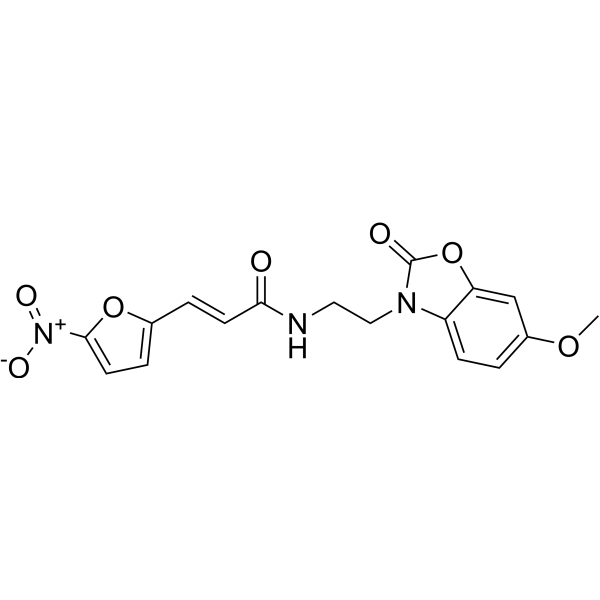
Anti-inflammatory agent 55 (compound 9j) is a derivative of Coixol and has anti-inflammatory activity. Anti-inflammatory agent 54 inhibits the NF-κB pathway and downregulates the expression of iNOS, TNF-α, IL-6 and IL-1β. Anti-inflammatory agent 54 inhibits LPS-induced nitric oxide (NO) production in RAW264.7 macrophages (IC50: 0.8 μM) and exerts in vivo anti-inflammatory activity in a mouse auricular edema model .
|
-
- HY-155820
-
|
|
NF-κB
NO Synthase
TNF Receptor
Interleukin Related
|
Inflammation/Immunology
|
|
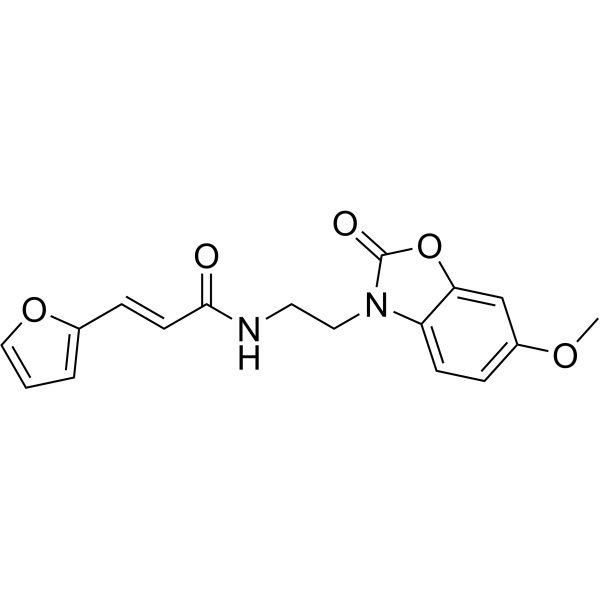
Anti-inflammatory agent 54 (compound 9c) is a derivative of Coixol and has anti-inflammatory activity. Anti-inflammatory agent 54 inhibits the NF-κB pathway and downregulates the expression of iNOS, TNF-α, IL-6 and IL-1β. Anti-inflammatory agent 54 inhibits LPS-induced nitric oxide (NO) production in RAW264.7 macrophages (IC50: 2.4 μM) and exerts in vivo anti-inflammatory activity in a mouse auricular edema model .
|
-
- HY-N15744
-
|
|
NO Synthase
|
Cardiovascular Disease
|
|
Anti-Heart Failure Agent 3 (Compound 2) is an anti-heart failure agent with anti-inflammatory activity found in processed Cornus officinalis. Anti-Heart Failure Agent 3 inhibits NO release in LPS-induced RAW264.7 cells. Anti-Heart Failure Agent 3 alleviates myocardial ischemia-reperfusion injury, reduces myocardial infarction size, and improves myocardial histopathological changes. Anti-Heart Failure Agent 3 is promising for research of heart failure .
|
-

- HY-N12087
-
|
|
NF-κB
NO Synthase
Reactive Oxygen Species (ROS)
|
Inflammation/Immunology
|
|
8-Deoxylactucin is an orally active sesquiterpene lactone. 8-Deoxylactucin inhibits LPS (HY-D1056)-induced NO production in RAW264.7 macrophages with an IC50 value of 4.35 μM. 8-Deoxylactucin exerts anti-inflammatory effects by blocking the NF-κB pathway. 8-Deoxylactucin demonstrates hepatoprotective efficacy in LPS/D-galactosamine-induced acute hepatitis model of mice. 8-Deoxylactucin can be used for the study of inflammatory diseases and inflammatory liver injuries .
|
-

- HY-172409
-
|
|
Cannabinoid Receptor
p38 MAPK
NF-κB
|
Inflammation/Immunology
|
|
CB1R antagonist 2 (Compound 11g) is the antagonist for cannabinoid receptor 1 (CB1R), that inhibits MAPK/NF-κB signaling pathway and exhibits anti-inflammatory activity. CB1R antagonist 2 inhibits LPS (HY-D1056)-induced IL-6, IL-1β and TNF-α expressions in RAW264.7. CB1R antagonist 2 ameliorates OVA-induced allergic rhinitis in mouse models .
|
-

- HY-168096
-
|
|
NO Synthase
Apoptosis
|
Cardiovascular Disease
Neurological Disease
|
|
iNOs-IN-5 (Compound BN-4) is an inhibitor for iNOS with an IC50 of 0.1707 μM, and reduces NO levels in LPS (HT-D1056)-induced RAW264.7 cells. iNOs-IN-5 reduces the hypoxic injury stimulated ROS and lactate dehydrogenase expression, and exhibits anti-necrosis and anti-apoptosis efficacy. iNOs-IN-5 exhibits anti-cerebral ischemia and neuroprotective activities in SD rat models. iNOs-IN-5 is blood-brain barrier penetrable .
|
-

- HY-N9086A
-
|
5,7,4'-Trihydroxy-6-methylflavanone
|
NO Synthase
COX
Interleukin Related
|
Inflammation/Immunology
|
|
(rac)-Poriol (5,7,4'-Trihydroxy-6-methylflavanone) exhibits antioxidant activity, and scavenges free radical DPPH with an IC50 of 0.18 µg/mL. (rac)-Poriol inhibits the LPS (HY-D1056)-induced NO generation in RAW264.7 (98.35% inhibition rate at 10 μM), and exhibits anti-inflammatory activity. (rac)-Poriol exhibits good binding affinity with iNOS, COX-1, COX-2, TNF-α, and IL-1β .
|
-

- HY-170228
-
|
|
c-Kit
|
Inflammation/Immunology
|
|
Kit-IN-9 (Compound D9) is an inhibitor of c-Kit. c-Kit-IN-9 inhibits the inflammatory responses in J774A.1, RAW264.7, MPMs cells and lung tissues by blocking the activation of the NF-κB pathway induced by LPS (HY-D1056). Meanwhile, c-Kit-IN-9 exhibits good anti-inflammatory activities in acute lung injury and sepsis mouse models. c-Kit-IN-9 can be used in the research of acute lung injury and related inflammatory diseases .
|
-

- HY-N3392
-
-
- HY-162963
-
|
|
PPAR
|
Inflammation/Immunology
|
|
PPARδ agonist 11 (Compound 11) is a selective agonist for PPARδ with an EC50 of 20 nM. PPARδ agonist 11 reduces the levels of nitrite oxide (NO), proinflammatory cytokines TNFα and IL-6 in LPS (HY-D1056)-stimulated RAW264.7 cell, and exhibits anti-inflammatory efficacy via NF-κB pathway. PPARδ agonist 11 exhibits good stability in human liver microsomes and plasma. PPARδ agonist 11 ameliorates Carrageenan (HY-125474)-induced foot edema .
|
-

- HY-N16431
-
|
|
AMPK
Nuclear Factor of activated T Cells (NFAT)
Interleukin Related
Endogenous Metabolite
|
Metabolic Disease
Inflammation/Immunology
|
|
NFAT-133 is an aromatic polyketide with immunosuppressive and antidiabetic activity. NFAT-133 activates the AMPK pathway, promoting glucose uptake in L6 muscle fibers, thereby resisting diabetes. NFAT-133 inhibits the transcriptional activity of activated T-cell nuclear factor (NFAT), thereby suppressing the expression of IL-2 and the proliferation of T cells, demonstrating an immunosuppressive effect. NFAT-133 does not exhibit antibacterial activity or cytotoxicity, but it can weaken the production of NO in RAW264.7 cells induced by Lipopolysaccharide (LPS) (HY-D1056) .
|
-

- HY-N10114
-
|
|
Others
|
Inflammation/Immunology
|
|
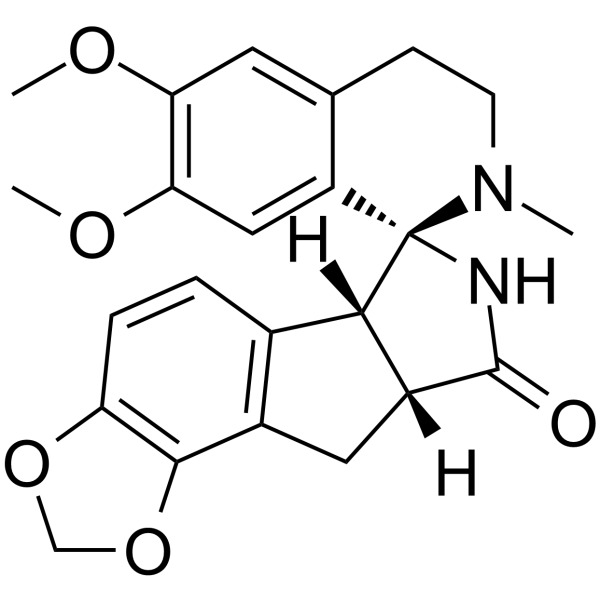
Hyperectumine exhibits moderate anti-inflammatory activity via suppression of LPS-activated inflammatory mediators in RAW 264.7 macrophage cells.
|
-
- HY-177050
-
|
|
G protein-coupled Bile Acid Receptor 1
|
Metabolic Disease
Inflammation/Immunology
|
|
RG-239 is an orally active TGR5 agonist with an EC50 of 120 nM, significantly outperforming Betulinic acid (HY-10529) (EC50 = 1.04 μM). RG-239 demonstrates higher selectivity for TGR5 compared to the FXRα. RG-239 increases mitochondrial activity in adipocytes and promotes neurite outgrowth at higher concentrations. RG-239 inhibits LPS (HY-D1056)-induced iNOS expression and nitrite production in Raw264.7 and microglia cells. RG-239 can be used for the study of type 2 diabetes [1][2][3][4][5].
|
-

- HY-158402
-
|
|
Bacterial
Fungal
|
Infection
Inflammation/Immunology
|
|
Anti-inflammatory agent 84 (Compound 4D) is a derivative of Coumarin (HY-N0709) with antimicrobial and anti-inflammatory activities. Anti-inflammatory agent 84 inhibits E. coli, Candida albicans, Staphylococcus aureus and methicillin-resistant S. aureus (MRSA), with MIC of 312, 156, 19 and 316 μg/mL, respectively. Anti-inflammatory agent 84 inhibits biofilm formation of S. aureus, E. coli and MRSA, with IC50 of 185, 321 and 99 μM, respectively. Anti-inflammatory agent 84 inhibits nitric oxide production in Lipopolysaccharide (HY-D1056)-stimulated RAW264.7 macrophage cell .
|
-

- HY-N9896
-
|
|
NO Synthase
|
Inflammation/Immunology
|
|
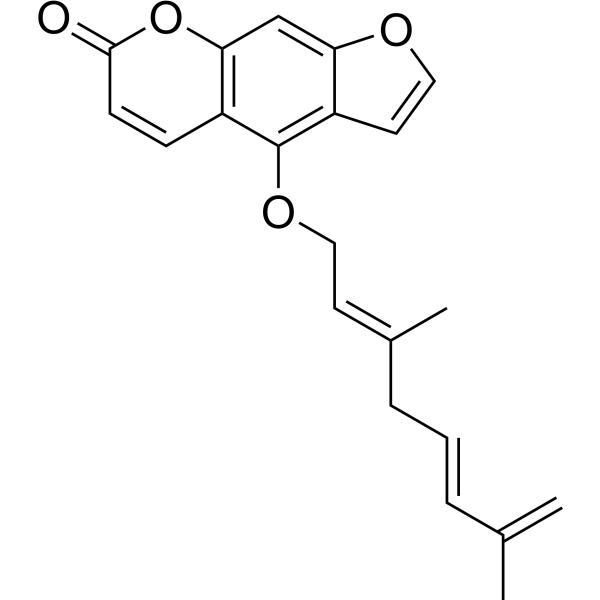
Anhydronotoptol is a potent nitric oxide inhibitory coumarin. Anhydronotoptol inhibits NO production in RAW 264.7 cells induced by LPS with an IC50 value of 36.6 μM .
|
-
- HY-139844
-
|
|
p38 MAPK
NF-κB
|
Inflammation/Immunology
|
|
Anti-inflammatory agent 7 inhibits proinflammatory cytokines by blocking the NF-κB/MAPK signaling pathway in LPS-treated RAW 264.7 cells as well as mice.
|
-
- HY-178950
-
|
|
Src
TNF Receptor
Interleukin Related
NOD-like Receptor (NLR)
Caspase
|
Inflammation/Immunology
|
|
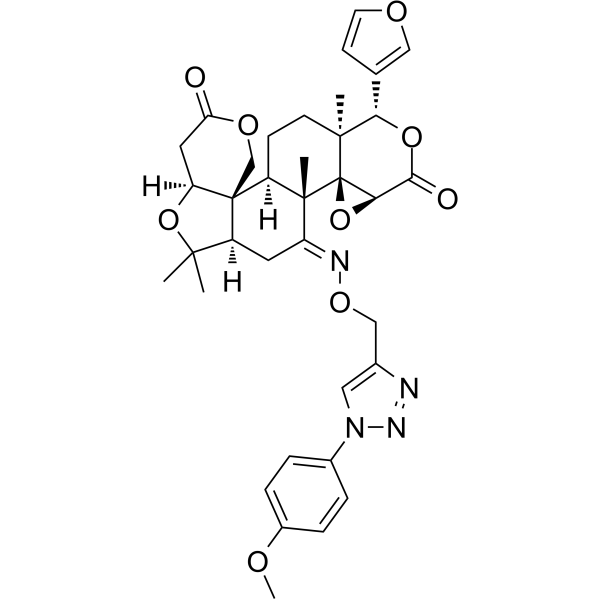
Hck-IN-3 (compound 2D) is an orally effective inhibitor targeting HCK (KD = 3.92 μM). Hck-IN-3 can inhibit the release of NO. Hck-IN-3 has an IC50 of 6.52 μM in RAW264.7 cells. Hck-IN-3 can inhibit the release of TNF-α, IL-6, and IL-1β in a concentration dependent manner. Hck-IN-3 downregulates the protein expression of NLRP3, ASC, pro-caspase-1, and pro-IL-1β in a concentration dependent manner. Hck-IN-3 can be used for research on acute non traumatic inflammatory conditions .
|
-

- HY-N10297
-
|
|
Others
|
Inflammation/Immunology
|
|
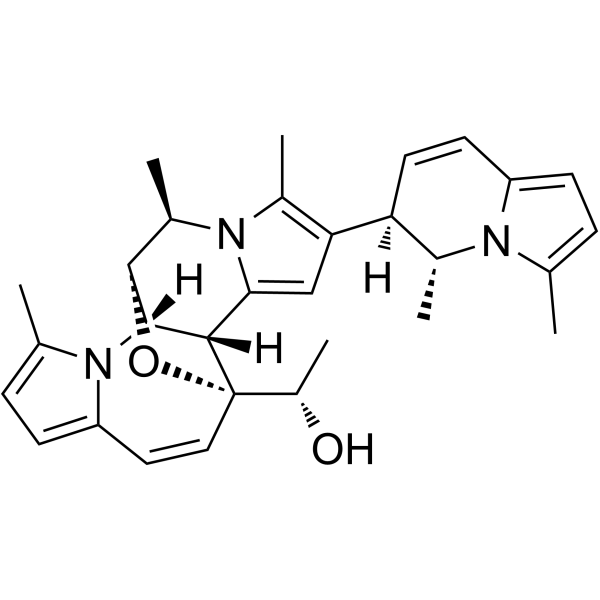
Curindolizine, indolizine alkaloid , displays an anti-inflammatory action in lipopolyssacharide (LPS)-induced RAW 264.7 macrophages with an IC50 value of 5.31 μM .
|
-
- HY-173388
-
|
|
Toll-like Receptor (TLR)
JNK
NF-κB
NO Synthase
COX
|
Inflammation/Immunology
|
|
TLR4-IN-2 (Compound Racemic-11k) is inhibitors of TLR4, JNK, and NF-κB. TLR4-IN-2 inhibits NO production in LPS-stimulated RAW264.7 cells with an IC50 value of 23.2 µM. TLR4-IN-2 exerts anti-inflammatory activity by inhibiting TLR4 expression, reducing JNK phosphorylation, thereby suppressing the activation of NF-κB, blocking the transcription of inflammation-related genes, reducing the expression of iNOS and COX-2, and decreasing the production of inflammatory mediators such as NO, PGE 2, and TNF-α. TLR4-IN-2 is promising for research of inflammatory diseases, such as rheumatoid arthritis and various inflammatory disorders .
|
-

- HY-N1080
-
|
|
Others
|
Inflammation/Immunology
|
|
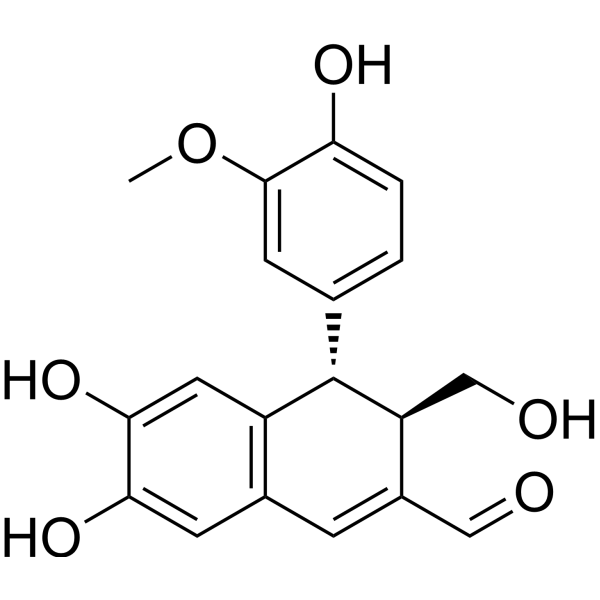
Vitexdoin A is a nitric oxide scavenging lignin. Vitexdoin A inhibits NO production with an IC50 of 0.38 μM in LPS (HY-D1056)-stimulated RAW 264.7 cells .
|
-
- HY-N9891
-
-
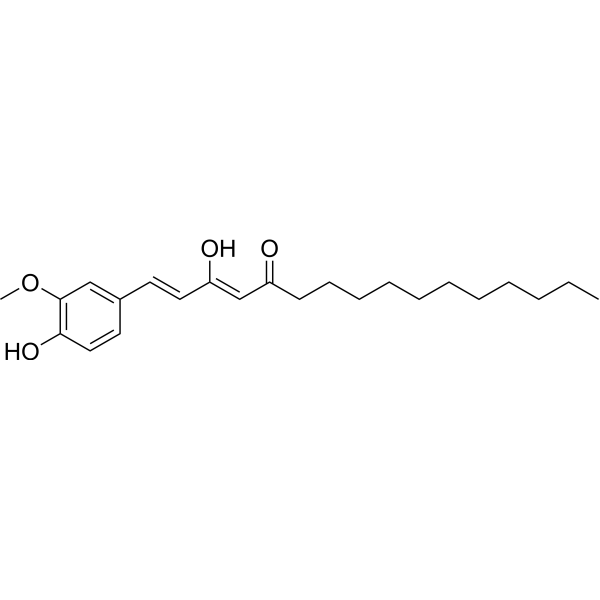
- HY-N4207R
-
|
|
Reference Standards
Others
|
Others
|
|
Cnidicin (Standard) is the analytical standard of Cnidicin. This product is intended for research and analytical applications. Cnidicin, a coumarin, inhibits the degranulation of mast cell and the nitric oxide (NO) generation in RAW 264.7 cells .
|
-

- HY-N10865
-
|
|
NO Synthase
|
Inflammation/Immunology
|
|
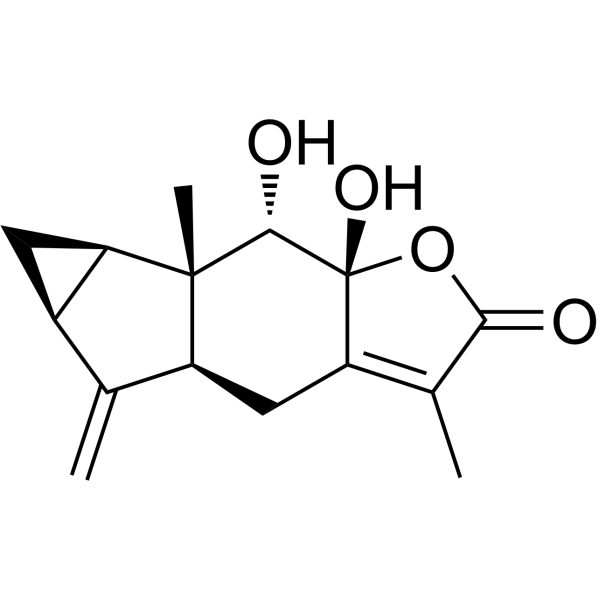
Chloranthalactone E (compound 6), a labdane diterpene, can be isolated from the aerial parts of Chloranthus serratus. Chloranthalactone E inhibits NO production in LPS-activated RAW 264.7 macrophages .
|
-
- HY-N16677
-
|
|
NO Synthase
|
Inflammation/Immunology
|
|
Abiesadine I is a diterpenoid inhibitor targeting LPS-induced NO production (IC50>100 μg/mL) that can be isolated from Abies georgei. Abiesadine I inhibits LPS-induced nitric oxide (NO) production in RAW264.7 macrophages, exhibiting anti-inflammatory activity .
|
-

- HY-N1192
-
|
|
NO Synthase
|
Inflammation/Immunology
|
|
Sutherlandin trans-p-coumarate is a selective γ-hydroxynitrile glycoside compound with moderate inhibitory activity on nitric oxide (NO) production in lipopolysaccharide (LPS)-stimulated RAW264.7 macrophages (56.9% inhibition at a concentration of 25 μg/mL). Sutherlandin trans-p-coumarate can be naturally extracted from the dried aerial parts of Sorbaria sorbifolia (a plant of the genus Sorbaria in the Rosaceae family) .
|
-

- HY-172619
-
|
|
NF-κB
|
Inflammation/Immunology
|
|
BS-153 is a novel synthetic oxazolidinone agent with anti-inflammatory activities by blocking the activation of the NF-κB/PKCθ pathway. BS-153 inhibits the expression levels of iNOS and COX-2 and pro-inflammatory cytokines (TNF-α, IL-1β, and IL-6) on LPS-stimulated RAW264.7 cells .
|
-

- HY-N16774
-
|
|
NO Synthase
|
Inflammation/Immunology
|
|
Balanophonin B is a selective inhibitor (IC50=1.46 μg/mL) that targets the lipopolysaccharide (LPS)-induced nitric oxide (NO) production pathway and can be isolated from Lithocarpus pachylepis. Balanophonin B inhibits the production of NO in LPS-stimulated RAW264.7 macrophages and exerts anti-inflammatory activity to reduce the inflammatory response. Balanophonin B can be used for anti-inflammatory drug development and biological activity research of natural lignan compounds .
|
-

- HY-N15743
-
|
|
NO Synthase
|
Cardiovascular Disease
|
|
Anti-Heart Failure Agent 2 (Compound 1) is an anti-heart failure agent with anti-inflammatory activity found in processed Cornus officinalis. Anti-Heart Failure Agent 2 inhibits NO release in LPS-induced RAW264.7 cells. Anti-Heart Failure Agent 2 alleviates myocardial ischemia-reperfusion injury, reduces myocardial infarction size, and improves myocardial histopathological changes. Anti-Heart Failure Agent 2 is promising for research of heart failure .
|
-

- HY-N15745
-
|
|
NO Synthase
|
Cardiovascular Disease
|
|
Anti-Heart Failure Agent 4 (Compound 3) is an anti-heart failure agent with anti-inflammatory activity found in processed Cornus officinalis. Anti-Heart Failure Agent 4 inhibits NO release in LPS-induced RAW264.7 cells. Anti-Heart Failure Agent 4 alleviates myocardial ischemia-reperfusion injury, reduces myocardial infarction size, and improves myocardial histopathological changes. Anti-Heart Failure Agent 4 is promising for research of heart failure .
|
-

- HY-178355
-
|
|
Drug Derivative
|
Metabolic Disease
|
|
Anti-osteoporosis agent-12 (Compound 18) is an orally active pyrazole-fused betulinic acid derivative with potent anti-osteoporosis activity. Anti-osteoporosis agent-12 exhibits a strong inhibitory effect on RANKL-induced osteoclastogenesis in RAW264.7 cells, with an IC50 of 7.96 nM. Anti-osteoporosis agent-12 can dose-dependently improve key micro-CT parameters of bone, reduce the level of serum bone resorption marker (CTx), and effectively prevent ovariectomy-induced bone loss. Anti-osteoporosis agent can be used for the study of osteoporosis .
|
-

- HY-N16817
-
|
|
NO Synthase
|
Inflammation/Immunology
Cancer
|
|
Rabdoternin E is a potential anti-inflammatory and antitumor agent. 2α-Acetoxy-14,15-cyclopimara-7β,16-diol only inhibits nitric oxide (NO) production in lipopolysaccharide (LPS)-induced RAW264.7 macrophages (IC50=2.3 μM) and exhibits cytotoxicity against human tumor cells such as HL-60 and SW-480 (IC50 values ??of 2.6 μM and 4.1 μM, respectively). Rabdoternin E is an ent-kaurane-type diterpenoid compound that can be naturally extracted from the 70% acetone aqueous extract of the aerial parts of Isodon rosthornii (Diels) Hara (a plant of the Lamiaceae family, Isodon genus) .
|
-

- HY-N1494
-
|
14-Deoxy-ε-caesalpin
|
NO Synthase
|
Inflammation/Immunology
|
|
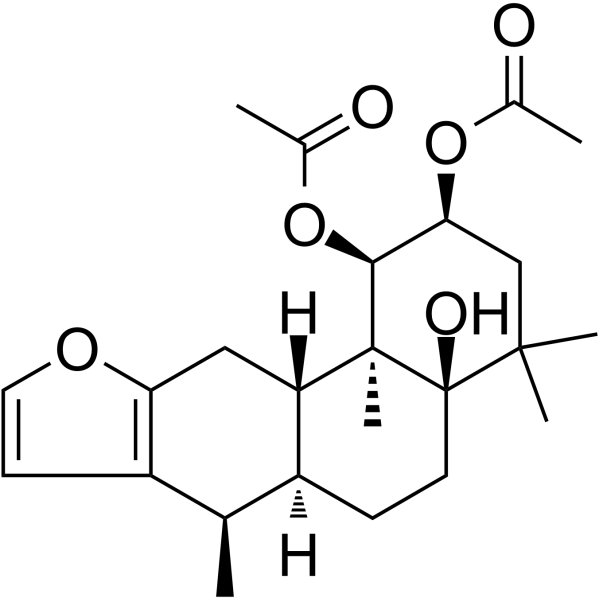
(+)-14-Deoxy-ε-caesalpin (14-Deoxy-ε-caesalpin), a cassane diterpenoid, inhibits nitric oxide (NO) production release of RAW 264.7 cells stimulated by Lipopolysaccharide (LPS) .
|
-
- HY-N11570
-
|
|
Others
|
Inflammation/Immunology
|
|
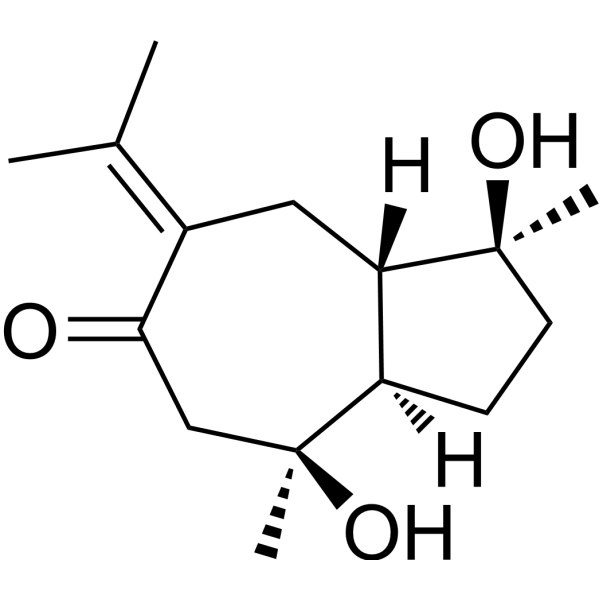
Phaeocaulisin E (Compound 5) is a guaiane-type sesquiterpene that inhibits LPS HY-(HY-D1056)-induced NO production in RAW 264.7 macrophages with an IC50 of 10.3 μM .
|
-
- HY-N2794
-
|
α-Dihydrocaryopterone
|
NO Synthase
|
Inflammation/Immunology
|
|
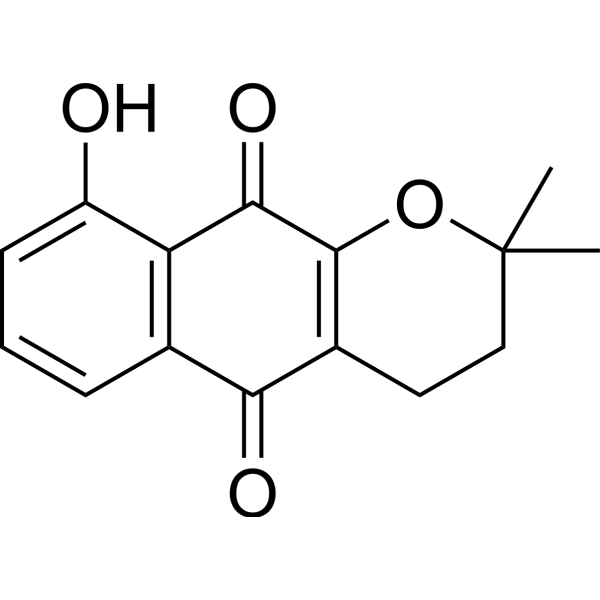
9-Hydroxy-α-lapachone (α-Dihydrocaryopterone) is a natural phenol, exhibits potent inhibitory effects with an IC50 of 4.64 µM on LPS-induced NO production in RAW 264.7 cells .
|
-
- HY-N3211
-
|
cis-N-(4-Hydroxyphenethyl) ferulamide; cis-N-Feruloyltyramine
|
NO Synthase
|
Inflammation/Immunology
|
|
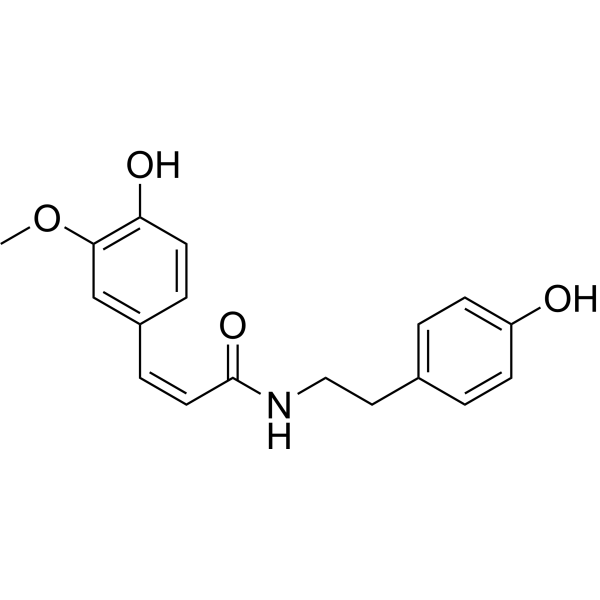
N-cis-Feruloyl tyramine (cis-N-(4-Hydroxyphenethyl) ferulamide) is a natural phenolic compound, exhibits modest inhibitory activity on LPS-activated NO production in RAW 264.7 cells .
|
-
- HY-N13821
-
|
|
NO Synthase
|
Inflammation/Immunology
|
|
2α-Acetoxy-14,15-cyclopimara-7β,16-diol (compound 2) is a potential anti-inflammatory agent, exhibiting weak anti-inflammatory activity by inhibiting inflammation-related NO production. 2α-Acetoxy-14,15-cyclopimara-7β,16-diol only inhibits nitric oxide (NO) production in LPS-induced RAW264.7 macrophages, with an inhibition rate of 28.1%. 2α-Acetoxy-14,15-cyclopimara-7β,16-diol can be naturally extracted from the 70% ethanol extract of the seeds of Caesalpinia minax Hance (a plant of the Caesalpinia genus in the Fabaceae family) .
|
-

- HY-155759
-
|
|
NF-κB
Interleukin Related
Caspase
Apoptosis
|
Inflammation/Immunology
Cancer
|
|
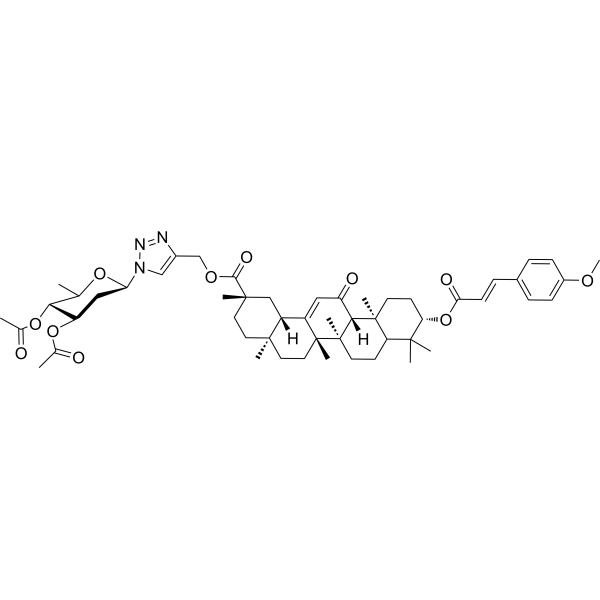
HMGB1-IN-2 (compound 15) is an inhibitor of highly conserved nuclear protein (HMGB1), showing NO inhibitory effect with IC50 value of 20.2 μM in RAW264.7 cells. HMGB1-IN-2 (30 μM) decreases the level of IL-1 β, TNF-α, caspase-1 p20, inhibits the phosphorylation of NF-κB p65, exhibits anti-apoptotic activity. HMGB1-IN-2 (15 mg/kg; ip) relives kidney injury in septic acute kidney injury mouse. HMGB1-IN-2 inhibits Huh7 cells and A549 cells with IC50s of 77.0 μM, and 82.0 μM, respectively .
|
-
- HY-146066
-
|
|
nAChR
JAK
STAT
NO Synthase
Interleukin Related
|
Inflammation/Immunology
|
|
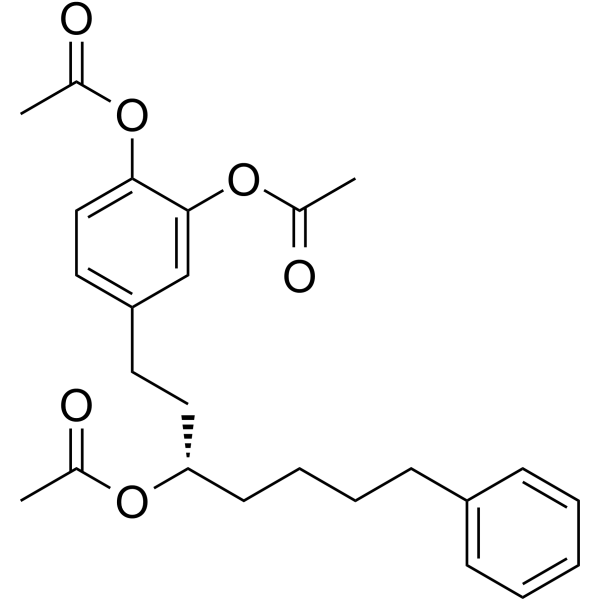
α7 nAchR-JAK2-STAT3 agonist 1 is a potent α7 nAchR-JAK2-STAT3 agonist, with an IC50 value of 0.32 μM for nitric oxide (NO). α7 nAchR-JAK2-STAT3 agonist 1 effectively suppresses the expression of iNOS, IL-1β, and IL-6 in murine RAW264.7 macrophages. α7 nAchR-JAK2-STAT3 agonist 1 can inhibit LPS-induced NO release, NF-κB activation and cytokine production. α7 nAchR-JAK2-STAT3 can be used for researching sepsis .
|
-
- HY-N17678
-
|
Raphanusol B
|
Drug Derivative
NO Synthase
|
Inflammation/Immunology
|
|
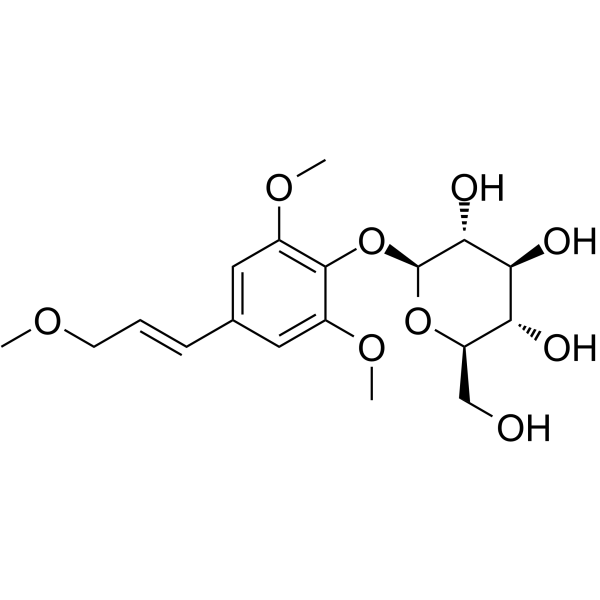
(E)-Sinapoyl glucose is an inflammatory pathway inhibitor. (E)-Sinapoyl glucose inhibits
NO production in RAW 264.7 cells with an IC50 value of 38.32 µM. (E)-Sinapoyl glucose is promising for research of inflammatory diseases .
|
-

- HY-149650
-
-
- HY-N12429
-
|
|
Others
|
Inflammation/Immunology
|
|
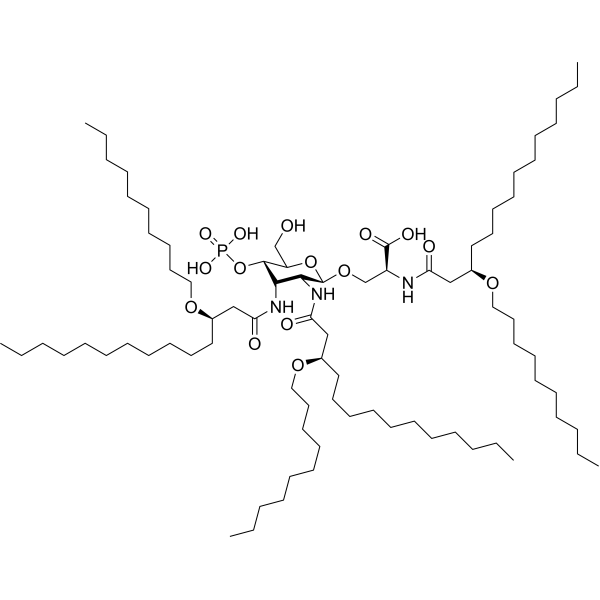
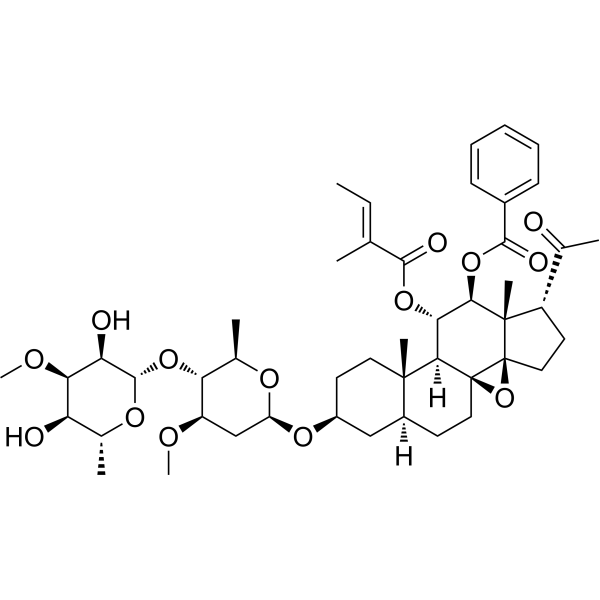
Marstenacisside F1 (compound 1) is a polyoxypregnanoside with anti-inflammatory activity isolated from Marsdenia tenacissima. Marstenacisside F1 inhibits lipopolysaccharide-induced nitric oxide (NO) production in RAW 264.7 cells and is a derivative of Tenacigenin B.
|
-
- HY-180203
-
|
|
COX
|
Cancer
|
|
COX-1/2-IN-10 (compound 3) is a dual COX-1 and COX-2 inhibitor. COX-1/2-IN-10 shows low cytotoxicity in RAW 264.7 cells .
|
-

- HY-149650A
-
-
- HY-N11058
-
|
|
Lipoxygenase
NO Synthase
|
Inflammation/Immunology
|
|
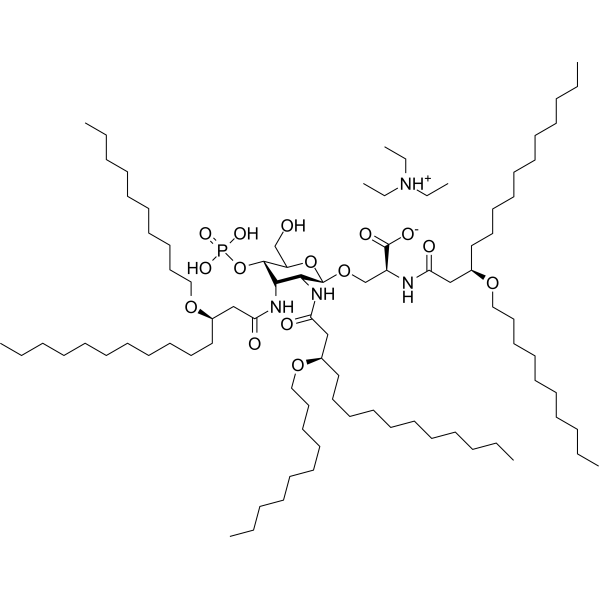
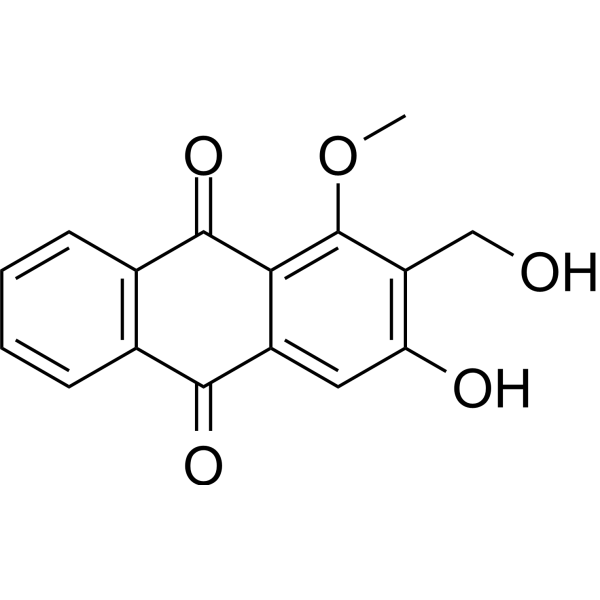
Damnacanthol is a natural product that can be isolated from Damnacanthus major . Damnacanthol has anti-15-lipoxygenase activity and can inhibit nitric oxide production in LPS-activated macrophages RAW 264.7 cells .
|
-
- HY-176126
-
|
|
STING
|
Inflammation/Immunology
|
|
STING agonist-42 (compound 8a) is a potent STING agonist. STING agonist-42 activates STING in THP1 and RAW 264.7 cells with EC50s of 0.06 and 14.15 μM, respectively .
|
-

- HY-N15221
-
|
|
NO Synthase
|
Inflammation/Immunology
|
|
12-Acetoxyganoderic acid D is a triterpenoid compound found in Ganoderma sinense. 12-Acetoxyganoderic acid D exhibits certain anti-inflammatory activity and inhibits NO production in LPS (HY-D1056) stimulated RAW 264.7 macrophages .
|
-

- HY-173518
-
|
|
Heme Oxygenase (HO)
Reactive Oxygen Species (ROS)
NO Synthase
COX
Interleukin Related
|
Inflammation/Immunology
|
|
SIN 14, a derivative of Sinomenine (HY-15122), is an orally active HO-1 activator (KD = 17.2 μM). SIN 14 binds to the catalytic core domain of HO-1 and induces HO-1 activation in catalysis. SIN 14 significantly increases HO-1 stability. SIN 14 has anti-inflammatory effects and inhibits M1 macrophage polarization while promoting M2 polarization in LPS (Lipopolysaccharides)(HY-D1056)-induced RAW264.7 cells. SIN 14 inhibits inflammatory mediator production (eg: NO, IL-6, IL-1β and CCL2, inhibits production of ROS and down-regulates the expression of COX-2 and iNOS. SIN 14 can inhibit RA-related inflammatory edema in collagen-induced arthritis (ClA) mice .
|
-

- HY-N3001
-
|
|
STAT
VEGFR
Bcl-2 Family
Survivin
IAP
NF-κB
Apoptosis
Caspase
|
Neurological Disease
Inflammation/Immunology
Cancer
|
|
Isolinderalactone is a sesquiterpene that exhibits anti-cancer, anti-inflammatory, and neuroprotective effects. Isolinderalactone inhibits VEGF expression and tyrosine phosphorylation of VEGFR2. Isolinderalactone decreases viability and induces apoptosis in U-87 glioblastoma (GBM) cells and colorectal cancer (CRC) cells. Isolinderalactone induces G2/M phase cell cycle arrest, ROS generation, pJNK/p38 MAPK activation, in colorectal cancer (CRC) cells. Isolinderalactone blocks LPS (HY-D1056)-induced NF-κB activation while activating Nrf2-HMOX1 signaling in RAW264.7 macrophages. Isolinderalactone improves cognitive dysfunction in APP/PS1 mice. Isolinderalactone can be used for the study of Glioblastoma multiforme (GBM), colorectal cancer, Alzheimer’s disease and acute lung injury .
|
-
- HY-164361
-
|
|
NO Synthase
|
Inflammation/Immunology
|
|
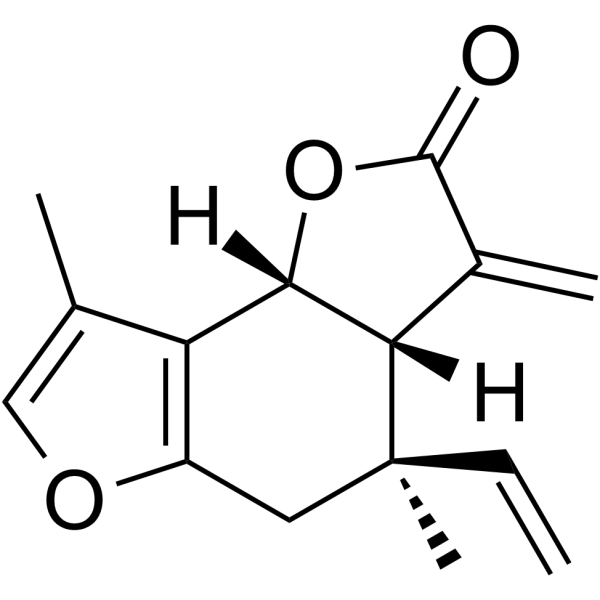
α-Gracinoic acid is a Chalcone (HY-121054) derivative with anti-inflammatory activity. α-Gracinoic acid inhibits nitric oxide production catalyzed by inducible nitric oxide synthase (iNOS) in lipopolysaccharide (LPS)-treated RAW 264.7 cells .
|
-

- HY-N0223
-
-
- HY-N1186
-
|
|
Glycosidase
|
Metabolic Disease
|
|
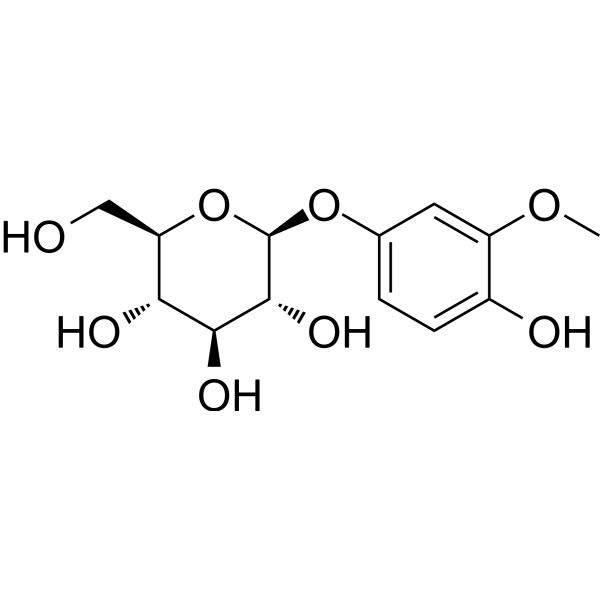
Tachioside inhibits nitric oxide production in lipopolysaccharide (HY-D1056)-stimulated RAW 264.7 cells with IC50 value of 12.14 μM. Tachioside has anti-obesity, antioxidant and α-glucosidase inhibitory activities .
|
-
- HY-N8719
-
|
7-Hydroxy-4'-methoxyflavone
|
NF-κB
|
Inflammation/Immunology
|
|
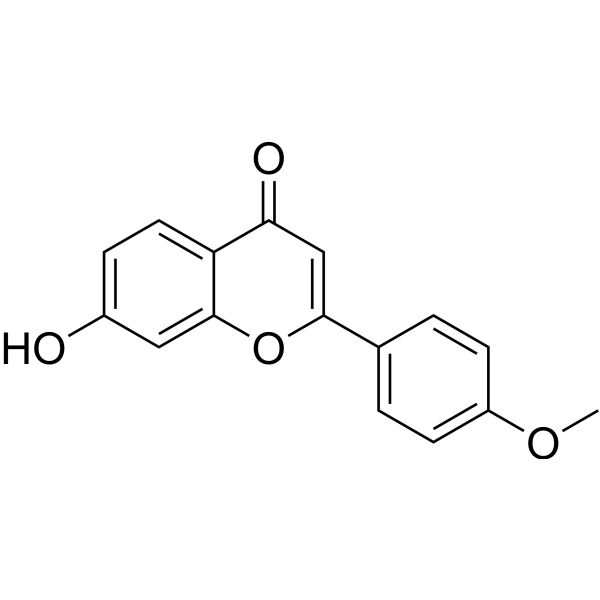
Pratol is a potent inhibitor of NF-κB. Pratol significantly reduces NO and prostaglandin PGE2 production without any cytotoxic in LPS-stimulated RAW 264.7 cells. Pratol reduces proinflammatory cytokines. Pratol can be used in study inflammatory diseases and cancer .
|
-
- HY-124508
-
-

- HY-N9337
-
|
|
NO Synthase
|
Metabolic Disease
Inflammation/Immunology
Cancer
|
|
Amaroswerin is a bioactive secoiridoid glucoside from Swertia mussotii. Amaroswerin has anti-inflammatory, antidiabetic, antiviral, anticholinergic and immunomodulatory activities. Amaroswerin inhibits NO release with an IC50 value of 5.42 μg/mL in RAW264.7 cells .
|
-
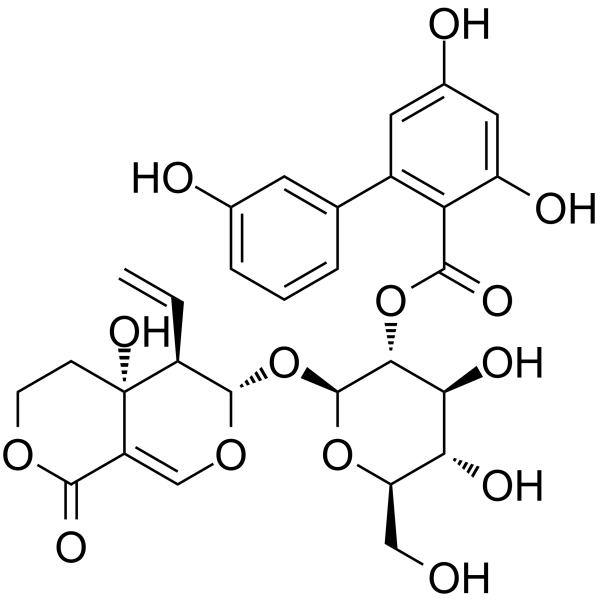
- HY-W168309A
-
|
|
Endogenous Metabolite
|
Inflammation/Immunology
|
|
Trans-Caffeic aldehyde is a type of phenylpropanoid compound, which was discovered in the secondary metabolites of the actinomycete Acrocarpospora punica. Trans-Caffeic aldehyde does not exhibit inhibitory activity against NO production in the mouse macrophage (RAW 264.7) model induced by LPS (HY-D1056) .
|
-

- HY-N3552
-
|
|
NF-κB
|
Inflammation/Immunology
|
|
Catalposide, an iridoid glycoside that could be isolated from Catalpa ovate G. Don (Bignoniaceae), inhibits TNF-α, IL-1β, and IL-6 productions and NF-κB (p65) activation in lipopolysaccharide-activated RAW 264.7 macrophages .
|
-
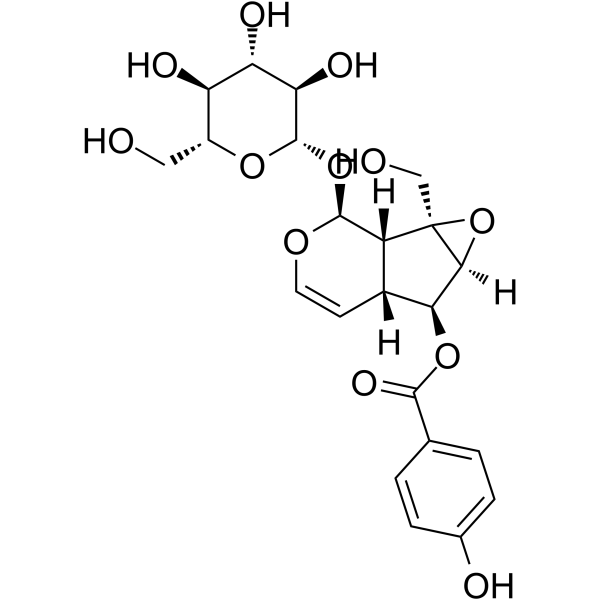
- HY-N17540
-
|
|
NO Synthase
|
Inflammation/Immunology
|
|
8-Epiasterolide is a sesquiterpenoid compound isolated from the rhizomes of Atractylodes japonica Koidzumi. 8-Epiasterolide inhibits NO production in LPS (HY-D1056)-treated RAW 264.7 cells. 8-Epiasterolide can be used in the study of inflammatory diseases .
|
-

- HY-N9866
-
|
|
Others
|
Inflammation/Immunology
|
|
It is a bioactive compound with anti-inflammatory activity that inhibits LPS-induced NO production in RAW 264.7 cells and acts by inhibiting the phosphorylation of MAPK (ERK, JNK and p38) and NF-κB p65. Grasshopper ketone, as an ingredient, has shown its potential in anti-inflammatory inhibition .
|
-

- HY-114730
-
|
|
IKK
|
Inflammation/Immunology
|
|
CGA-JK3 is CGA-JK3 is an ATP-competitive inhibitor of IKKβ-catalyzed kinase activity. CGA-JK3 inhibits IκBα phosphorylation in LPS (HY-D1056) - induced RAW 264.7 cells .
|
-
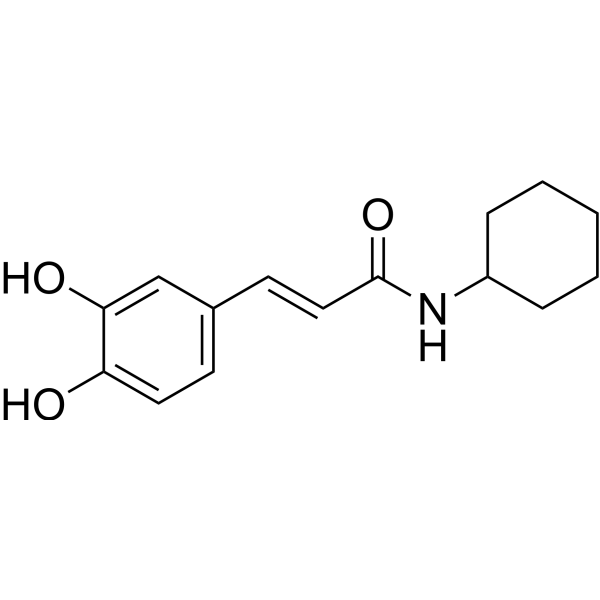
- HY-N15502
-
|
|
NO Synthase
|
Inflammation/Immunology
|
|
Cycloneroside A is a sesquiterpene aminoglycoside compound discovered from Trichoderma sp. SCSIOW21. Cycloneroside A has the activity of inhibiting the production of NO. In the experiment with macrophage RAW 264.7 cells, its IC50 value for inhibiting the production of NO is approximately 100 µM. Cycloneroside A can be used in the research of the anti-inflammatory field .
|
-

- HY-N7422
-
|
ent-Kauran-16β,17-diol
|
Apoptosis
|
Inflammation/Immunology
Cancer
|
|
Kauran-16,17-diol (ent-Kauran-16β,17-diol), a natural diterpene, posseses anti-tumor and inducing-apoptosis activity, with a IC50 of 17 μM on inhibiting NO production in LPS-stimulated RAW 264.7 macrophages .
|
-
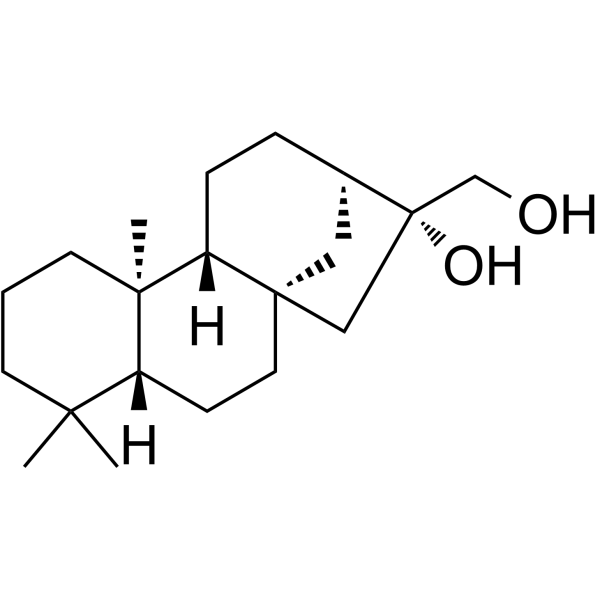
- HY-156431
-
|
|
TNF Receptor
|
Inflammation/Immunology
|
|
Anti-inflammatory agent 61 (Compound 5b) is a potent anti-inflammatory agent. Anti-inflammatory agent 61 reduces TNF-α expression in LPS-induced inflammation in RAW 264.7 cells. Anti-inflammatory agent 61 alleviates APAP-induced inflammation in HepG2 cells .
|
-
- HY-126211
-
|
|
HDAC
|
Inflammation/Immunology
|
|
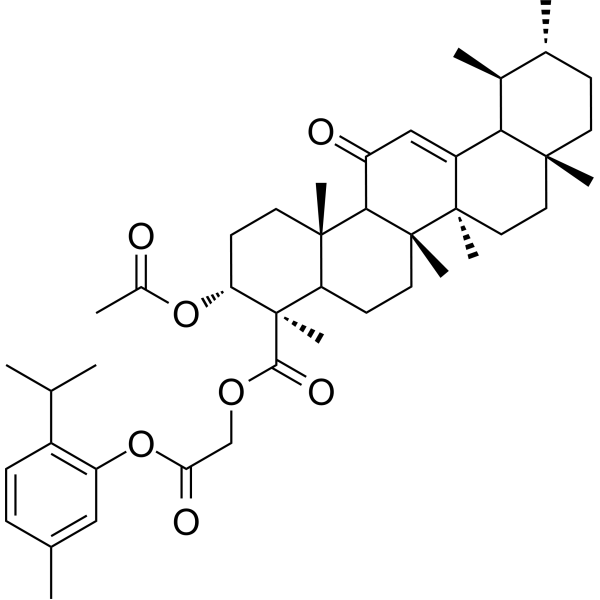
KBH-A42 is a novel histone deacetylase (HDAC) inhibitor with significant anti-inflammatory properties. KBH-A42 against TNF-α and NO production with IC50 values of 1.10 and 2.71 µM, respectively, in the LPS-induced murine macrophage RAW 264.7 cells .
|
-

- HY-N0569
-
-
- HY-172602
-
|
|
Antibiotic
Bacterial
Reactive Oxygen Species (ROS)
|
Infection
|
|
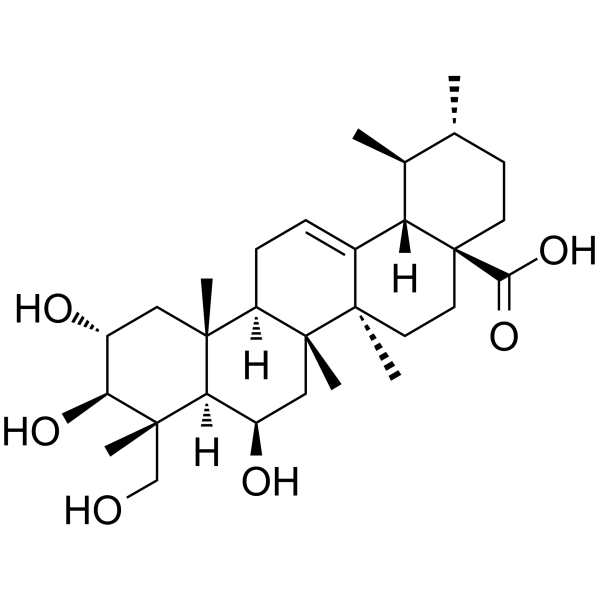
ROS inducer 9 (compound 4e) is an antibacterial agent with a MIC value of 0.25 μg/mL against E. coli. ROS inducer 9 kills bacteria by inhibiting GSH activity and increasing ROS levels. ROS inducer 9 shows low toxicity to erythrocytes and RAW 264.7 cells .
|
-

- HY-N15506
-
|
|
NO Synthase
|
Inflammation/Immunology
|
|
Cycloneroside E is a sesquiterpene aminoglycoside compound discovered from Trichoderma sp. SCSIOW21. Cycloneroside E has the activity of inhibiting the production of NO. In macrophage RAW 264.7 cells, its IC50 value for inhibiting the production of NO is 48.0 µM. Cycloneroside E can be used in the research of the anti-inflammatory field .
|
-

- HY-N15651
-
|
|
NO Synthase
TNF Receptor
Interleukin Related
|
Inflammation/Immunology
|
|
Asperflavin is an anti-inflammatory compound that can be produced by the marine fungus Eurotium amstelodami. Asperflavin inhibits the production of NO, PGE2, and proinflammatory cytokines, as well as the expression of inducible NOS (iNOS) in RAW 264.7 cells treated with LPS (HY-D1056). Asperflavin can be used in the study of inflammatory diseases .
|
-

- HY-N15508
-
|
|
NO Synthase
|
Inflammation/Immunology
|
|
Harzianoside B is a diterpene aminoglycoside compound discovered from Trichoderma sp. SCSIOW21. Harzianoside B has the activity of inhibiting the production of NO. In the experiment with macrophage RAW 264.7 cells, its IC50 value is close to the maximum tested concentration of 100 µM. It can be used in the research of the anti-inflammatory field .
|
-

- HY-N0515
-
|
|
PPAR
NF-κB
Calcium Channel
Reactive Oxygen Species (ROS)
ERK
|
Cardiovascular Disease
Metabolic Disease
Inflammation/Immunology
|
|
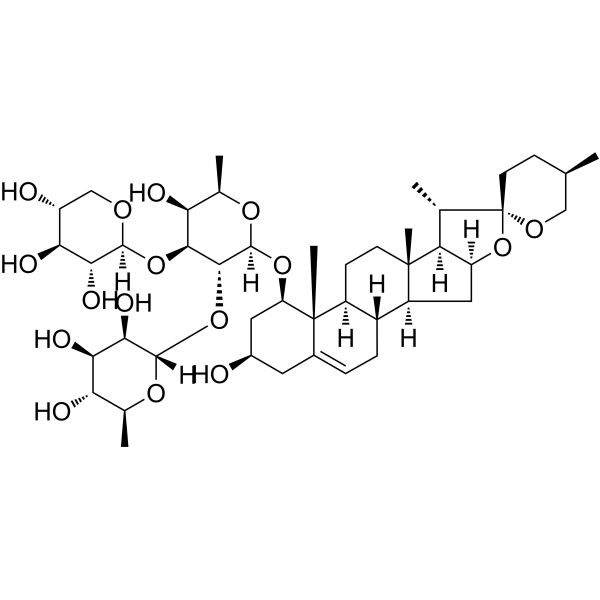
Ophiopogonin D can be isolated from the tubers of Ophiopogon japonicus, is a rare naturally occurring C29 steroidal glycoside. Ophiopogonin D is a CYP2J3 inducer that significantly inhibits Ang II induced NF-κB nuclear translocation, IκBα down-regulation, intracellular Ca 2+ overload and activation of pro-inflammatory cytokines by increasing the expression of CYP2J2/EETs and PPARα in human umbilical vein endothelial cells (HUVECs). Ophiopogonin D can inhibit isteoclastic differentiation in RAW264.7 cells. Ophiopogonin D has protective effect as an antioxidant in H2O2-induced endothelial injury. Ophiopogonin D blocks ERK signaling cascades. Ophiopogonin D alleviates high-fat diet-induced metabolic syndrome and changes the structure of gut microbiota in mice. Ophiopogonin D has been used against inflammatory, metabolic and cardiovascular diseases .
|
-
- HY-N15501
-
|
|
NO Synthase
|
Inflammation/Immunology
|
|
Trichaspside F is a sesquiterpene aminoglycoside compound discovered from Trichoderma sp. SCSIOW21. Trichaspside F has the activity of inhibiting the production of NO. In the experiment with macrophage RAW 264.7 cells, its IC50 value for inhibiting the production of NO is 54.8 µM. Trichaspside F can be used in the research of the anti-inflammatory field .
|
-

- HY-13982
-
JSH-23
Maximum Cited Publications
141 Publications Verification
|
NF-κB
|
Metabolic Disease
Inflammation/Immunology
Cancer
|
|
JSH-23 is an NF-κB inhibitor which inhibits NF-κB transcriptional activity with an IC50 of 7.1 μM in lipopolysaccharide (LPS)-stimulated macrophages RAW 264.7. JSH-23 inhibits nuclear translocation of NF-κB p65 without affecting IκBα degradation .
|
-
- HY-128776
-
|
|
TNF Receptor
|
Cancer
|
|
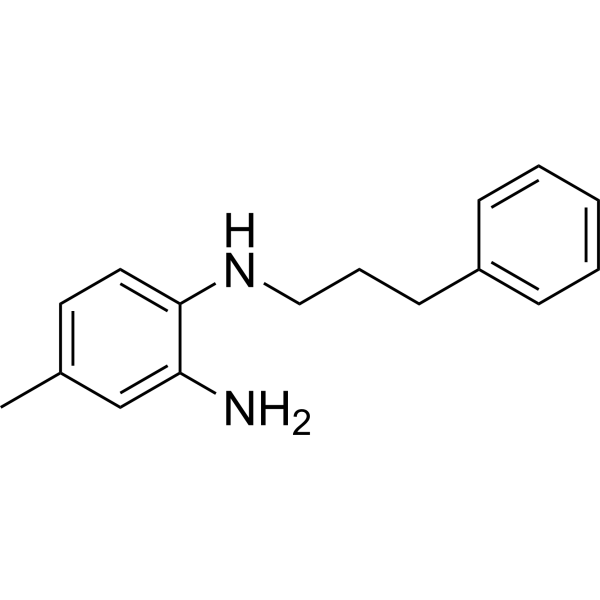
Antitumor agent-19 is an antitumor agent that targets tumor-associated macrophages (TAMs) and can be used as a potent TAMs modulator. Antitumor agent-19 can increase TNF-alpha levels in tumor cells with EC50 values???of 17.18 μM and 18.87 μM in RAW 264.7 cells and BMDM cells, respectively .
|
-
- HY-146066A
-
|
|
nAChR
JAK
STAT
NO Synthase
|
Others
|
|
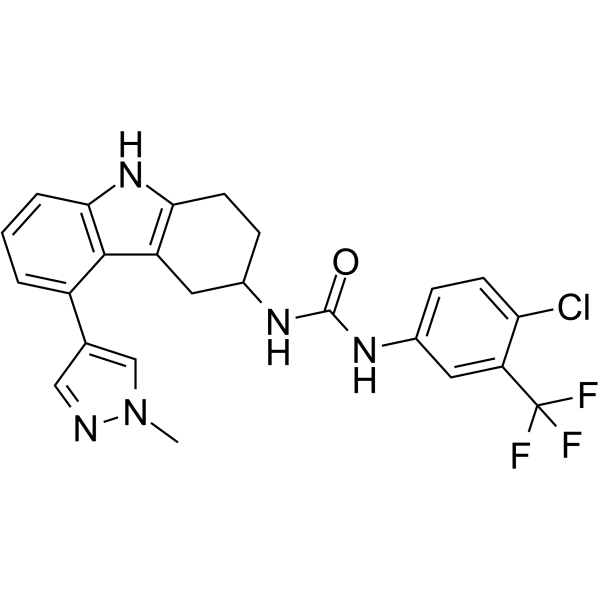
(R)-α7 nAchR-JAK2-STAT3 agonist 1 is the R-enantiomer of α7 nAchR-JAK2-STAT3 agonist 1 (HY-146066). α7 nAchR-JAK2-STAT3 agonist 1 is a potent α7 nAchR-JAK2-STAT3 agonist, with an IC50 value of 0.32 μM for nitric oxide (NO). α7 nAchR-JAK2-STAT3 agonist 1 effectively suppresses the expression of iNOS, IL-1β, and IL-6 in murine RAW264.7 macrophages. α7 nAchR-JAK2-STAT3 agonist 1 can inhibit LPS-induced NO release, NF-κB activation and cytokine production. α7 nAchR-JAK2-STAT3 can be used for researching sepsis .
|
-

- HY-W746847
-
-

- HY-W201317
-
|
|
PPAR
|
Metabolic Disease
|
|
E17241 is an inducer of the expression of ABCA1 that increases the protein levels of ABCA1 in RAW 264.7 macrophages. E17241 is also an agonist of peroxisome proliferator-activated receptors (PPARs ). E17241 decreases plasma glucose levels and body weight in KKAy diabetic mice fed a high-fat and high-glucose (HFHG) diet .
|
-

- HY-129113
-
|
|
COX
|
Inflammation/Immunology
|
|
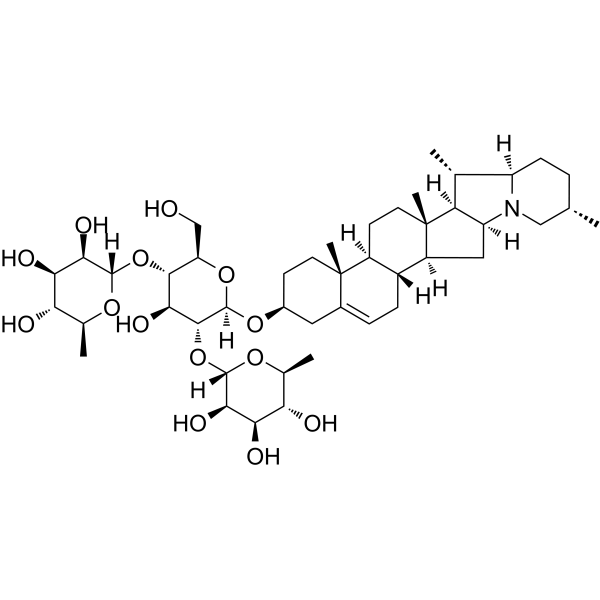
α-Chaconine inhibits the expressions of COX-2, IL-1β, IL-6, and TNF-α at the transcriptional level. α-Chaconine inhibits the LPS-induced expressions of iNOS and COX-2 at the protein and mRNA levels and their promoter activities in RAW 264.7 macrophages. Anti-inflammatory effects .
|
-
- HY-N8160
-
|
|
Keap1-Nrf2
Reactive Oxygen Species (ROS)
|
Inflammation/Immunology
|
|
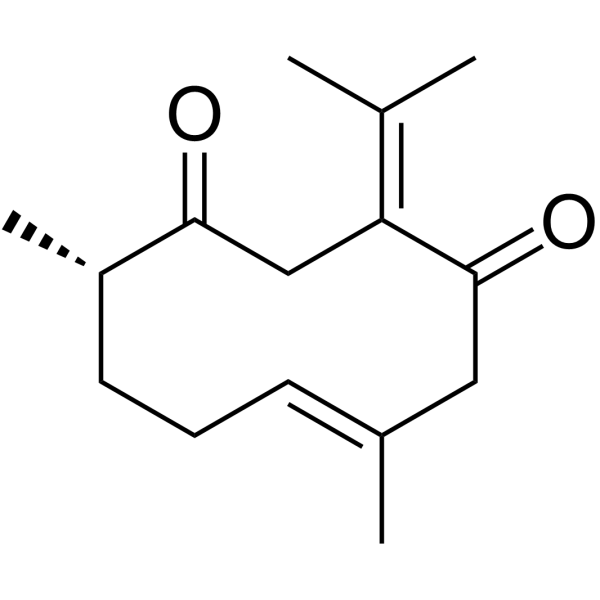
Dehydrocurdione, a zedoary-derived sesquiterpene, induces heme oxygenase (HO)-1, an antioxidative enzyme, in RAW 264.7 macrophages. Dehydrocurdione interacts with Keap1, resulting in Nrf2 translocation followed by activation of the HO-1 E2 enhancer. Dehydrocurdione suppresses lipopolysaccharide-induced NO release, a marker of inflammation. Anti-inflammatory activity .
|
-
- HY-N2939
-
|
|
Others
|
Others
|
|
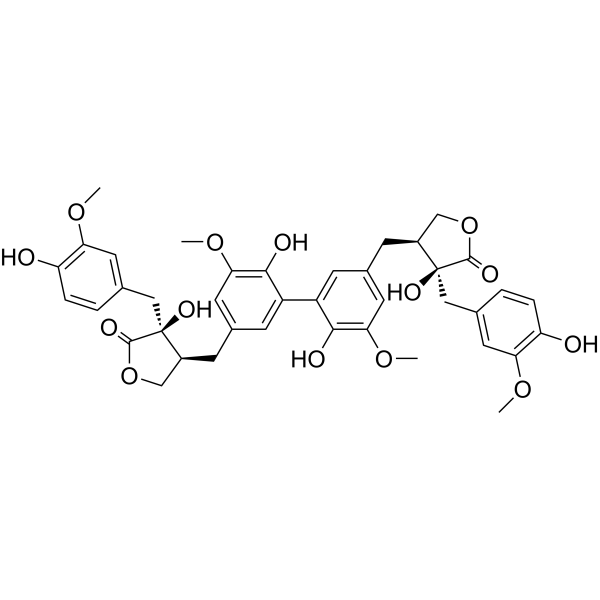
Bis-5,5-Nortrachelogenin is isolated from active extract of root of Wikstroemia indica. Bis-5,5-Nortrachelogenin inhibits nitric oxide (NO) production in a lipopolysaccharide (LPS) and recombinant mouse interferon-γ(IFN-γ) activated murine macrophage-like cell line, RAW 264.7 with an IC50 value of 48.6 mM .
|
-
- HY-162425
-
|
|
PGE synthase
COX
|
Inflammation/Immunology
Cancer
|
|
Anti-inflammatory agent 78 (compound L-37) is a potent anti-inflammatory agent. Anti-inflammatory agent 78 has significant potency on PGE2, PGE1, COX-2 and COX-1 inhibition. Anti-inflammatory agent 78 can inhibits NO release in LPS-stimulated RAW 264.7 cell line .
|
-

- HY-N15505
-
|
|
NO Synthase
|
Inflammation/Immunology
|
|
Cycloneroside D is a novel sesquiterpene aminoglycoside compound discovered from the deep - sea - sediment fungus Trichoderma sp. SCSIOW21. Cycloneroside D has the activity of inhibiting the production of NO. In the experiment with macrophage RAW 264.7 cells, its IC50 value for inhibiting the production of NO is 42.0 μM. Cycloneroside D can be used in the research of the anti - inflammatory field .
|
-

- HY-N15504
-
|
|
NO Synthase
|
Inflammation/Immunology
|
|
Cycloneroside C is a novel sesquiterpene aminoglycoside compound discovered from the deep - sea - sediment fungus Trichoderma sp. SCSIOW21. Cycloneroside C has the activity of inhibiting the production of NO. In the experiment with macrophage RAW 264.7 cells, its IC50 value for inhibiting the production of NO is 57.1 μM. Cycloneroside C can be used in the research of the anti - inflammatory field .
|
-

- HY-N0515R
-
|
|
Reference Standards
PPAR
NF-κB
Calcium Channel
ERK
Reactive Oxygen Species (ROS)
|
Cardiovascular Disease
Metabolic Disease
Inflammation/Immunology
|
|
Ophiopogonin D (Standard) is the analytical standard of Ophiopogonin D. This product is intended for research and analytical applications. Ophiopogonin D can be isolated from the tubers of Ophiopogon japonicus, is a rare naturally occurring C29 steroidal glycoside. Ophiopogonin D is a CYP2J3 inducer that significantly inhibits Ang II induced NF-κB nuclear translocation, IκBα down-regulation, intracellular Ca2+ overload and activation of pro-inflammatory cytokines by increasing the expression of CYP2J2/EETs and PPARα in human umbilical vein endothelial cells (HUVECs). Ophiopogonin D can inhibit isteoclastic differentiation in RAW264.7 cells. Ophiopogonin D has protective effect as an antioxidant in H2O2-induced endothelial injury. Ophiopogonin D blocks ERK signaling cascades. Ophiopogonin D alleviates high-fat diet-induced metabolic syndrome and changes the structure of gut microbiota in mice. Ophiopogonin D has been used against inflammatory, metabolic and cardiovascular diseases .
|
-

- HY-105825
-
|
SH-G 318AB
|
Endogenous Metabolite
|
Inflammation/Immunology
|
|
Sermetacin (SH-G 318AB) is an anti-inflammatory agent with biocompatibility and anti-inflammatory activity. Sermetacin is stable in saline and suitable for compound delivery. Sermetacin exhibits good biocompatibility in the RAW 264.7 mouse macrophage cell line. The anti-inflammatory response of sermetacin is comparable to that of its parent compound, indomethacin. Sermetacin may show potential in future applications of self-delivery of compound delivery .
|
-

- HY-P11183
-
|
|
Bacterial
Toll-like Receptor (TLR)
TNF Receptor
Interleukin Related
JNK
NF-κB
|
Infection
Inflammation/Immunology
|
|
Cathelicidin-PY is an antimicrobial peptide exhibiting strong antimicrobial property. Cathelicidin-PY inhibits the activation of TLR4 inflammatory response pathways induced by lipopolysaccharide (LPS) (HY-D1056). Cathelicidin-PY possesses strong antimicrobial and anti-inflammatory activities and low cytotoxic ability against RAW 264.7 cells. Cathelicidin-PY can be used for antimicrobial and anti-inflammatory research .
|
-

- HY-N0569R
-
|
|
Reference Standards
NO Synthase
COX
TNF Receptor
Interleukin Related
|
Inflammation/Immunology
|
|
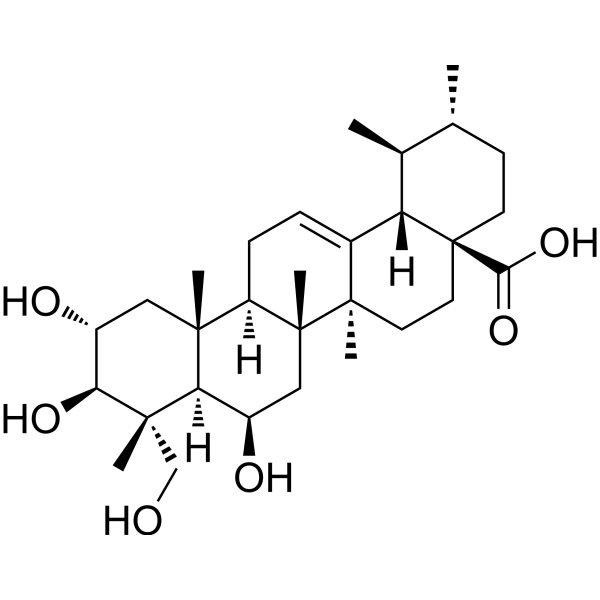
Madecassic acid (Standard) is the analytical standard of Madecassic acid. This product is intended for research and analytical applications. Madecassic acid is isolated from Centella asiatica (Umbelliferae). Madecassic acid has anti-inflammatory properties caused by iNOS, COX-2, TNF-alpha, IL-1beta, and IL-6 inhibition via the downregulation of NF-κB activation in RAW 264.7 macrophage cells .
|
-
- HY-N17239
-
|
|
TNF Receptor
Interleukin Related
NO Synthase
|
Inflammation/Immunology
|
|
Oleracone is a type of alkaloid that can be found in Portulaca oleracea L.. Oleracone exhibits a significant anti-inflammatory effect in the RAW 264.7 macrophage model induced by LPS (HY-D1056), capable of inhibiting NO production and significantly suppressing the secretion of pro-inflammatory cytokines TNF-α, IL-6, and prostaglandin E₂ (PGE₂). Oleracone can be used for the study of inflammatory diseases .
|
-

- HY-13982R
-
|
|
NF-κB
|
Metabolic Disease
Inflammation/Immunology
Cancer
|
|
JSH-23 (Standard) is the analytical standard of JSH-23. This product is intended for research and analytical applications. JSH-23 is an NF-κB inhibitor which inhibits NF-κB transcriptional activity with an IC50 of 7.1 μM in lipopolysaccharide (LPS)-stimulated macrophages RAW 264.7. JSH-23 inhibits nuclear translocation of NF-κB p65 without affecting IκBα degradation .
|
-

- HY-163355
-
|
|
COX
Lipoxygenase
NF-κB
|
Inflammation/Immunology
|
|
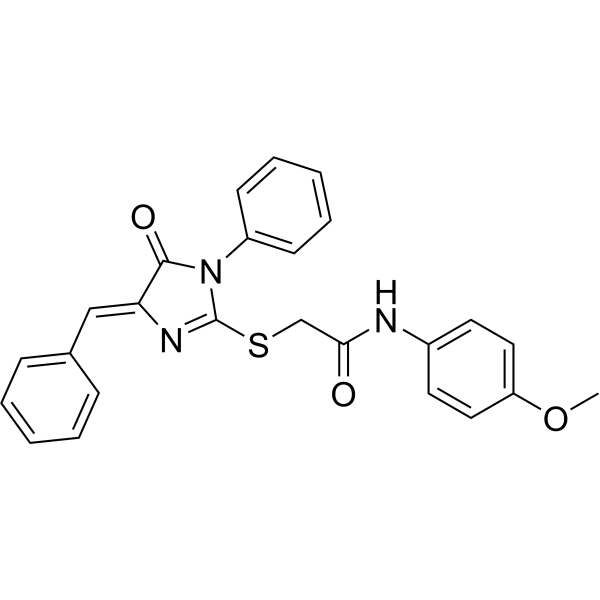
COX-2/15-LOX-IN-5 (Compound 4f) is a dual inhibitor of COX-2/15-LOX. COX-2/15-LOX-IN-5 attenuates increased NF-κB activation in RAW 264.7 macrophages mediated by lipopolysaccharide (HY-D1056). COX-2/15-LOX-IN-5 has anti-inflammatory and antioxidant activities .
|
-
- HY-129113R
-
|
|
Reference Standards
COX
|
Inflammation/Immunology
|
|
α-Chaconine (Standard) is the analytical standard of α-Chaconine. This product is intended for research and analytical applications. α-Chaconine inhibits the expressions of COX-2, IL-1β, IL-6, and TNF-α at the transcriptional level. α-Chaconine inhibits the LPS-induced expressions of iNOS and COX-2 at the protein and mRNA levels and their promoter activities in RAW 264.7 macrophages. Anti-inflammatory effects .
|
-

- HY-146346
-
|
|
PROTACs
HDAC
|
Inflammation/Immunology
|
|
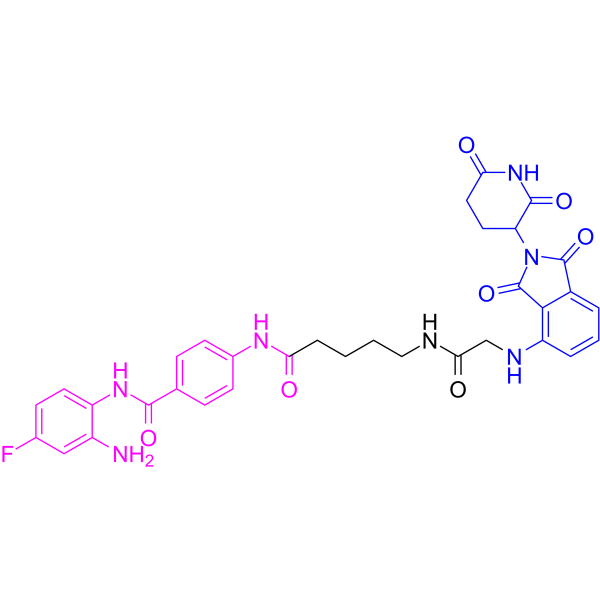
HD-TAC7 is a potent PROTAC HDAC degrader with IC50 values of 3.6 μM, 4.2 μM and 1.1 μM for HDAC1, HDAC2 and HDAC3, respectively. HD-TAC7 can decreases NF-κB p65 in RAW 264.7 macrophages. HD-TAC7 can be used for the research of inflammatory diseases like asthma and chronic obstructive pulmonary disease (COPD) .
|
-
- HY-131626
-
|
1a,1b-Dihomo PGE2
|
COX
|
Metabolic Disease
|
|
1a,1b-Dihomo Prostaglandin E2 (PGE2) is a rare polyunsaturated fatty acid first identified in extracts of sheep vesicular gland microsomes, known to contain COX, incubated with adrenic acid. 1a,1b-Dihomo PGE2 has also been identified in conditioned media of RAW 264.7 macrophages stimulated with endotoxin and arachidonic acid. This product is thought to be produced by elongation of AA to adrenic acid, which is then metabolized sequentially by COX and PGE synthase.
|
-

- HY-W341547
-
|
|
Adrenergic Receptor
|
Inflammation/Immunology
|
|
3,4-Dihydro-6,7-isoquinolinediol (compound 7) is a β2-AR agonist with an EC50 of 106.9 μM in CH-K1/GA1S cells. 3,4-Dihydro-6,7-isoquinolinediol can also inhibit the production of NO in mouse macrophage RAW 264.7 cells induced by lipopolysaccharide, showing anti-inflammatory activity .
|
-

- HY-N3364
-
|
|
Flavivirus
Dengue Virus
TNF Receptor
NF-κB
NO Synthase
COX
JNK
p38 MAPK
IKK
|
Infection
Inflammation/Immunology
|
|
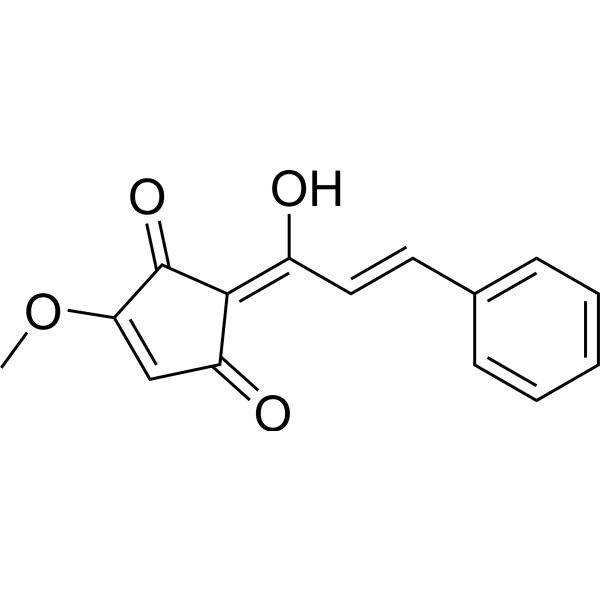
Lucidone, an anti-inflammatory agent that can be isolated from the fruit of Lindera erythrocarpa Makino. Lucidone inhibits LPS-induced NO and PGE2 production in RAW 264.7 mouse macrophages. Lucidone also decreases TNF-α secretion, iNOS and COX-2 expression. Lucidone prevents NF-κB translocation and inhibits JNK and p38MAPK signals. Lucidone also has inhibitory activity against Dengue virus (DENV) (EC50=25 μM) .
|
-
- HY-172208
-
|
|
PROTACs
Cyclic GMP-AMP Synthase
|
Inflammation/Immunology
|
|
PROTAC cGAS degrader-1 is a potent and selective cGAS PROTAC degrader, with DC50 values of 0.9 μM and 4.6 μM in THP-1 and RAW 264.7 cells, respectively. PROTAC cGAS degrader-1 induces proteasome-mediated degradation of cGAS, inhibits the cGAS signaling pathway, and attenuates double-stranded DNA-induced activation of cGAS in human and mouse cells. PROTAC cGAS degrader-1 is applicable to research related to ulcerative colitis .
|
-

- HY-N16376
-
|
MJ 286A
|
NF-κB
STAT
|
Inflammation/Immunology
|
|
Thienodolin (MJ 286A) is an alkaloid that has been found in S. albogriseolus. Thienodolin inhibits nitric oxide production in LPS (HY-D1056)-stimulated RAW 264.7 murine macrophage cells with an IC50 value of 17.2 μM. Thienodolin suppresses iNOS, blocks the degradation of IκBα, attenuates NF-κB p65 accumulation in the nucleus, and reduces the phosphorylation level of STAT1 at Tyr701. Thienodolin can be used for the study of inflammation .
|
-

- HY-N3602A
-
|
Rengyolone
|
TNF Receptor
NF-κB
NO Synthase
|
Inflammation/Immunology
|
|
rel-Cleroindicin F (Rengyolone) is a cyclohexyl acetyl compound that can be isolated from the fruit of forsythia and has anti-inflammatory activity. It strongly inhibits the production of nitric oxide (NO) and tumor necrosis factor-alpha (TNF-α). rel-Cleroindicin F does this by downregulating the activity of NF-κB and NF-κB kinases in RAW 264.7 cells stimulated by LPS (HY-D1056), thus inhibiting the expression of inducible nitric oxide synthase (NO Synthase) and nitric oxide production .
|
-

- HY-107825
-
|
|
Endogenous Metabolite
Bacterial
Cholinesterase (ChE)
|
Cardiovascular Disease
Metabolic Disease
Inflammation/Immunology
Cancer
|
|
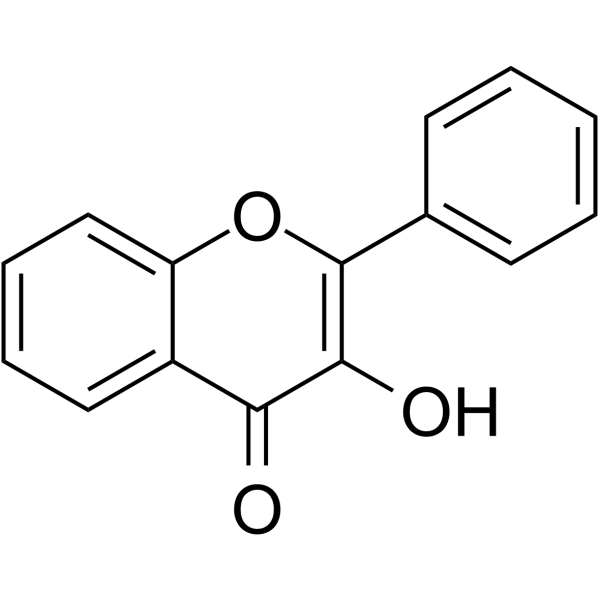
Flavonol is a cholinesterase (ChE) inhibitor, with an IC50 value of 120 μM and a Ki value of 74 μM. Flavonol has antioxidant, free radical-scavenging, antibacterial properties, and immune modulation functions. Flavonol inhibits the PriA helicase of Staphylococcus aureus. Flavonol can suppress the production of NO in LPS-activated RAW 264.7 cells by inhibiting the expression of the iNOS enzyme. Flavonol shows protective and analgesic effects in mice through various neuronal pathways. Flavonol can be used in research related to tumors and atherosclerosis diseases .
|
-
- HY-168935
-
|
|
NO Synthase
TNF Receptor
Interleukin Related
|
Inflammation/Immunology
|
|
Anti-inflammatory agent 95 (Compound 2e) is an anti-inflammatory agent that exhibits the most potent anti-inflammatory activity in LPS (HY-D1056)-induced RAW 264.7 mouse macrophages.
It significantly inhibits the production of NO, with an IC50 of 8.8 μM, and reduces the secretion of TNF-α and IL-1β, with inhibition rates reaching 60% and over 90%, respectively, at a concentration of 100 μM.
Anti-inflammatory agent 95 holds promise for research in the field of inflammatory diseases .
|
-

- HY-N6636
-
|
|
NF-κB
Interleukin Related
|
Inflammation/Immunology
|
|
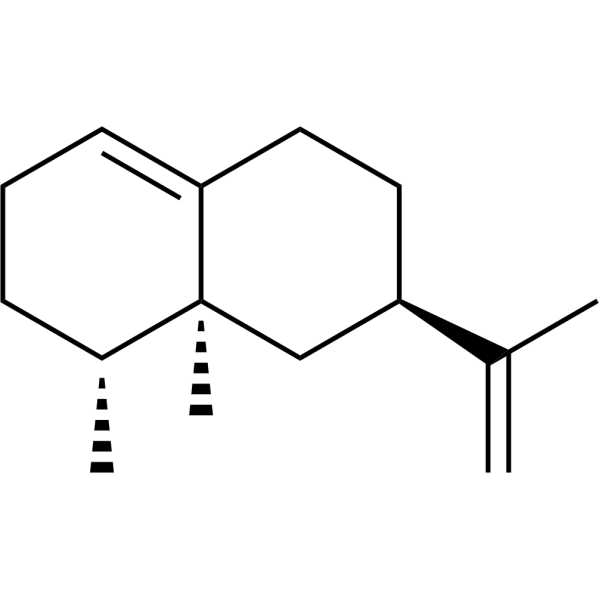
Valencene is a sesquiterpene that can be isolated from Cyperus rotundus. Valencene possesses antiallergic, antimelanogenesis, anti-infammatory, and antioxidant activitivies. Valencene inhibits the exaggerated expression of Th2 chemokines and proinflammatory chemokines through blockade of the NF-κB pathway. Valencene inhibits the production and expression of proinflammatory cytokines IL-1β and IL-6 in LPS-stimulated RAW 264.7 cells. Valencene can reduce atopic dermatitis symptoms and recover decreased expression of filaggrin in DNCB-sensitized mouse model .
|
-
- HY-N12964
-
|
|
Others
|
Others
|
|
4-Hydroxycanthin-6-one is a novel quinoline alkaloid isolated from the stem bark of the tree Ailanthus altissima. Five other known compounds were also found in the study. The structures of the new compounds were determined by interpretation of physical and spectroscopic data, and their absolute configurations were determined by electronic circular dichroism spectroscopy and quantum chemical calculations. These compounds showed significant inhibitory activity against lipopolysaccharide (LPS)-induced nitric oxide (NO) production in RAW 264.7 cells, showing potential anti-inflammatory properties .
|
-

- HY-118816
-
|
11-epi PGF2α-EA; 11β-PGF2α-EA; 11β-Prostamide F2α
|
Drug Metabolite
|
Metabolic Disease
|
|
11β-Prostaglandin F2α ethanolamide (11β-PGF2α-EA) is the theoretical hepatic metabolite of PGD2-EA, produced during COX-2 metabolism of the endogenous cannabinoid AEA which is found in brain, liver, and other mammalian tissues.1 AEA can be used directly by COX-2 and specific PG synthase to produce ethanolamide congeners of the classical PGs. PGD2-EA is formed in activated RAW 264.7 cells treated with AEA.
|
-

- HY-162818
-
|
|
Bacterial
Reactive Oxygen Species (ROS)
|
Infection
|
|
Antibacterial agent 237 (compound Ru-8) is a bacteriostatic agent for Staphylococcus aureus, with MIC of 0.78-1.56 μg/mL. Antibacterial agent 237 destroys bacterial cell membranes, changes their permeability, and induces bacteria to produce Reactive Oxygen Species, leading to bacterial death without causing drug resistance. Antibacterial agent 237 has low hemolytic toxicity to rabbit red blood cells and Raw 264.7 cells, and has significant antibacterial effects against Staphylococcus aureus in mouse skin wound infection models and Bacillus major larvae infection models .
|
-

- HY-107825R
-
|
|
Endogenous Metabolite
Bacterial
Cholinesterase (ChE)
Reference Standards
|
Cardiovascular Disease
Metabolic Disease
Inflammation/Immunology
Cancer
|
|
Flavonol (Standard) is the analytical standard of Flavonol. This product is intended for research and analytical applications. Flavonol is a cholinesterase (ChE) inhibitor, with an IC50 value of 120 μM and a Ki value of 74 μM. Flavonol has antioxidant, free radical-scavenging, antibacterial properties, and immune modulation functions. Flavonol inhibits the PriA helicase of Staphylococcus aureus. Flavonol can suppress the production of NO in LPS-activated RAW 264.7 cells by inhibiting the expression of the iNOS enzyme. Flavonol shows protective and analgesic effects in mice through various neuronal pathways. Flavonol can be used in research related to tumors and atherosclerosis diseases .
|
-

- HY-159564
-
|
|
COX
NO Synthase
|
Inflammation/Immunology
|
|
iNOS/COX-2-IN-3 (compound 7d) is a dual inhibitor of iNOS and COX-2, with potential anti-inflammatory activity against LPS (HY-D1056)-induced RAW 264.7 cells (IC50=3.48 μM). iNOS/COX-2-IN-3 has good plasma stability, oral activity and gastric safety, and its inhibitory activity on iNOS and COX-2 expression is 5.43-fold and 2.37-fold that of Indomethacin (HY-14397), respectively .
|
-

- HY-N8132
-
|
|
Reactive Oxygen Species (ROS)
|
Inflammation/Immunology
|
|
2,4,6-Trichlorol-3-methyl-5-methoxy-phenol 1-O-β-d-glucopyranosyl-(1 → 6)-β-d-glucopyranoside is a chlorophenyl glycoside found in the bulbs of Lilium brownie var. viridulum. 2,4,6-Trichlorol-3-methyl-5-methoxy-phenol 1-O-β-d-glucopyranosyl-(1 → 6)-β-d-glucopyranoside exhibits weak inhibition of NO production in LPS-stimulated RAW 264.7 cells .
|
-
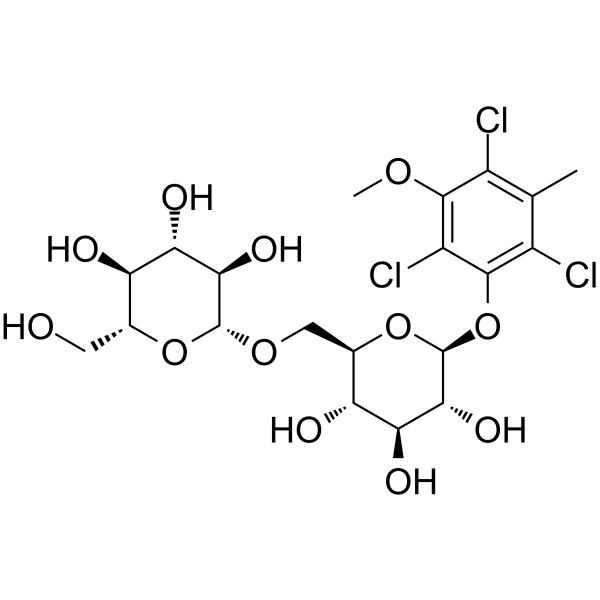
- HY-173115
-
|
|
COX
Lipoxygenase
Interleukin Related
PPAR
|
Metabolic Disease
Inflammation/Immunology
|
|
15-LOX-IN-2 (Compound 2a) is an orally active COX-2/15-LOX inhibitor and a partial agonist of PPARγ. 15-LOX-IN-2 has anti-inflammatory activity and inhibits the levels of 20-HETE, IL-1β and TNF-α in RAW 264.7 cells treated with LPS (HY-D1056). In addition, 15-LOX-IN-2 has significant glucose uptake capacity in the absence of insulin. 15-LOX-IN-2 can be used for the research of metabolic diseases .
|
-

- HY-N18025
-
-

- HY-N6636R
-
|
|
Reference Standards
NF-κB
Interleukin Related
|
Inflammation/Immunology
|
|
Valencene (Standard) is the analytical standard of Valencene. This product is intended for research and analytical applications. Valencene is a sesquiterpene that can be isolated from Cyperus rotundus. Valencene possesses antiallergic, antimelanogenesis, anti-infammatory, and antioxidant activitivies. Valencene inhibits the exaggerated expression of Th2 chemokines and proinflammatory chemokines through blockade of the NF-κB pathway. Valencene inhibits the production and expression of proinflammatory cytokines IL-1β and IL-6 in LPS-stimulated RAW 264.7 cells. Valencene can reduce atopic dermatitis symptoms and recover decreased expression of filaggrin in DNCB-sensitized mouse model .
|
-
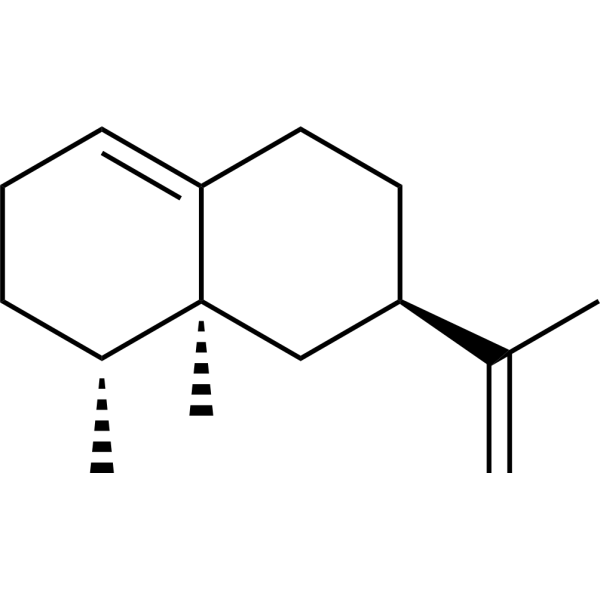
- HY-123789
-
|
|
Toll-like Receptor (TLR)
|
Inflammation/Immunology
|
|
T-5342126 is a toll-like receptor 4 (TLR4) antagonist. It reduces LPS-induced production of nitric oxide (NO) in RAW 264.7 cells (IC50=27.8 μM), as well as decreases LPS-induced IL-8, TNF-α, and IL-6 production in isolated human whole blood (IC50s=110.5, 315.6, and 318.4 μM, respectively). T-5342126 (82 mg/kg) reduces ethanol intake and the abundance of ionized calcium-binding adapter molecule 1 (Iba1), a marker of microglial activation, in the central nucleus of the amygdala in ethanol-dependent mice.
|
-

- HY-N7012
-
|
5-Hydroxy-3',4',7-trimethoxyflavone
|
Lipoxygenase
TNF Receptor
Interleukin Related
COX
Fungal
Parasite
Apoptosis
|
Infection
Inflammation/Immunology
Cancer
|
|
7,3',4'-Tri-O-methylluteolin (5-Hydroxy-3',4',7-trimethoxyflavone) is a flavonoid with multiple biological activities. 7,3',4'-Tri-O-methylluteolin inhibits soybean lipoxygenase (LOX), with an IC50 value of 23.97 µg/mL. 7,3',4'-Tri-O-methylluteolin possesses anti-inflammatory effects in Lipopolysaccharides (HY-D1056) (LPS)-induced RAW 264.7 macrophages. 7,3',4'-Tri-O-methylluteolin inhibits the binding of MDM2 with p53 and induces apoptosis in MCF-7 breast cancer cells. 7,3',4'-Tri-O-methylluteolin also has antioxidant, antifungal and antitrypanosomal activities sup>[4]sup>[5].
|
-
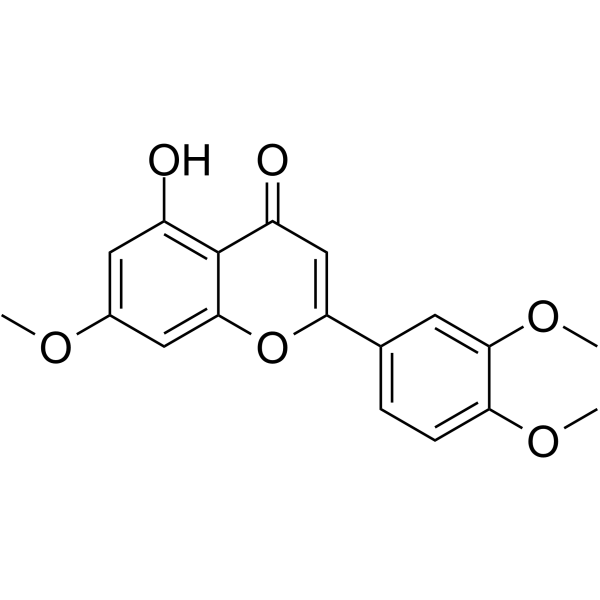
- HY-171895
-
|
12-Nitro-9-cis,12-cis-octadecadienoic acid
|
PPAR
Interleukin Related
NF-κB
TNF Receptor
|
Inflammation/Immunology
|
|
12-Nitrolinoleate (12-Nitro-9-cis,12-cis-octadecadienoic acid) is an activator for peroxisome proliferator-activated receptor γ (PPARγ). 12-Nitrolinoleate is a nitrated form of linoleic acid. 12-Nitrolinoleate can be formed upon exposure to acidified nitrate and found in human red blood cells and plasma. 12-Nitrolinoleate can activate PPARγ-dependent gene expression in MCF-7 cells expressing PPARγ with an EC50 = 0.045 μM. 12-Nitrolinoleate is able to inhibit LPS (HY-D1056)-induced NF-κB transcription in RAW 264.7 cells. 12-Nitrolinoleate can inhibit IL-6, TNF-α and CCL2 induced by LPS .
|
-

- HY-N4155
-
|
|
EBV
HIV Protease
HSV
|
Infection
Cancer
|
|
2α,19α-Dihydroxy-3-oxo-urs-12-en-28-oic acid, a natural ursane-type triterpene, is a potent inhibitor of HIV protease (HIV Protease). 2α,19α-Dihydroxy-3-oxo-urs-12-en-28-oic acid is also an inhibitor of the activation of Epstein-Barr virus early antigen (EBV-EA). 2α,19α-Dihydroxy-3-oxo-urs-12-en-28-oic acid displays an inhibitory activity against nitric oxide production in Lipopolysaccharide (Lipopolysaccharides)-activated RAW 264.7 cells .
|
-
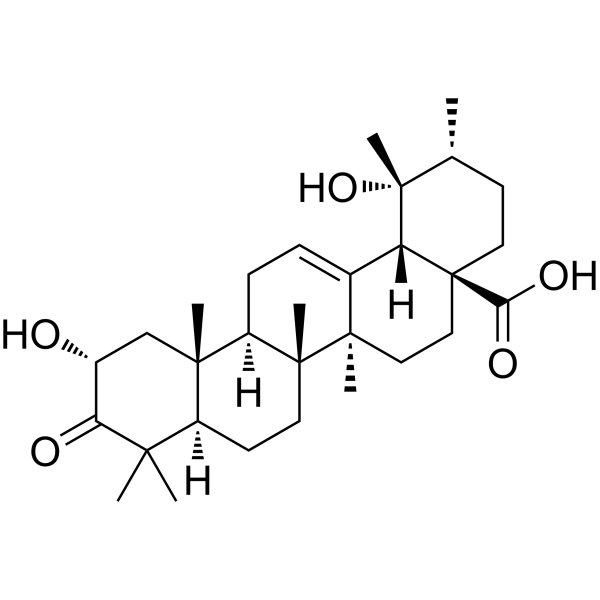
- HY-169859
-
|
|
Prostaglandin Receptor
Interleukin Related
|
Inflammation/Immunology
Cancer
|
|
EP4 receptor antagonist 7 (Compound 14) is an antagonist of the prostaglandin E2 (PGE2) receptor subtype EP4 with an IC50 value of 1.1 nM. EP4 receptor antagonist 7 inhibits PGE2-induced β-arrestin recruitment in HEK293 cells with an IC50 value of 0.9 nM. EP4 receptor antagonist 7 decreases PGE2-induced expression of mRNA encoding IL-4, macrophage mannose receptor 1 (Mrc1), chitinase-like protein 3 (Chil3), chemokine (C-X-C) motif ligand 1 (Cxcl1), triggering receptor expressed on myeloid cells 2 (Trem2), and arginase-1 (Arg1), in RAW 264.7 macrophages. EP4 receptor antagonist 7 combined with an anti-PD-1 antibody inhibits tumor growth and increases infiltration of CD 8+ T cells into tumors in a CT26 murine colon cancer model .
|
-

- HY-W587743
-
|
AMK hydrochloride
|
Prostaglandin Receptor
PGE synthase
COX
Reactive Oxygen Species (ROS)
|
Neurological Disease
Metabolic Disease
|
|
N1-Acetyl-5-methoxykynuramine (AMK) hydrochloride is an active metabolite of the neurohormone melatonin (HY-B0075). N1-Acetyl-5-methoxykynuramine hydrochloride (200 µM) effectively scavenges singlet oxygen (ROS).1 It also inhibits the production of prostaglandin E2 (PGE2) and prostaglandin D2 (PGD2) induced by epinephrine and arachidonic acid in a concentration- and time-dependent manner, and suppresses the increase in COX-2 levels induced by LPS (HY-D1056) in RAW 264.7 macrophages at a concentration of 500 µM. In a mouse model of Parkinson's disease induced by MPTP (HY-15608), N1-Acetyl-5-methoxykynuramine hydrochloride (20 mg/kg) reduces the increase in lipid peroxidation in the cytosol and mitochondria of the substantia nigra and striatum. N1-Acetyl-5-methoxykynuramine hydrochloride can be used in research on metabolic and neurological diseases
|
-

- HY-168384
-
|
|
STING
TNF Receptor
Interleukin Related
CD28
|
Inflammation/Immunology
|
|
M04 is an agonist of STING. It induces the expression of the IFN reporter gene in HEK293T cells expressing wild-type human STING, but does not induce this expression in HEK293T cells expressing the R71H-G230A-R293Q (HAQ) STING variant or in mouse RAW 264.7 cells, indicating that its activity is dependent on allelic and species variations. M04 induces the production of TNF-α, IL-10, IL-1β, and IL-12p70 in human peripheral blood mononuclear cells (PBMCs). At a concentration of 50 µM, M04 stimulates dendritic cells isolated from PBMCs to express the MHC class II cell surface receptor HLA-DR and co-stimulatory molecules CD40, CD80, and CD86, and also enhances their ability to activate T cells in an ex vivo assay. M04 can be used in research on inflammatory immune diseases .
|
-

| Cat. No. |
Product Name |
Type |
-
- HY-34748
-
|
Ethylideneacetone; (3Z)-pent-3-en-2-one
|
Biochemical Assay Reagents
|
|
3-Penten-2-one (Ethylideneacetone) inhibits nitric oxide production and inducible nitric oxide synthase expression via heme oxygenase-1 induction in RAW264.7 macrophages activated with Lipopolysaccharides (HY-D1056) (LPS) .
|
| Cat. No. |
Product Name |
Target |
Research Area |
-
- HY-P10329
-
|
|
Fungal
|
Infection
|
|
KK14(R) is an analog of the de novo synthetic peptide KK14, which exhibits antifungal activity against Fusarium culmorum, Penicillium expansum and Aspergillus niger , with MICs of 6.25, 12.5 and 12.5 μg/mL, respecitvely. KK14(R) exhibits good heat- and pH-stability. KK14(R) exhibits cytotoxicity against cells Caco-2 and RAW264.7 .
|
-
- HY-P11183
-
|
|
Bacterial
Toll-like Receptor (TLR)
TNF Receptor
Interleukin Related
JNK
NF-κB
|
Infection
Inflammation/Immunology
|
|
Cathelicidin-PY is an antimicrobial peptide exhibiting strong antimicrobial property. Cathelicidin-PY inhibits the activation of TLR4 inflammatory response pathways induced by lipopolysaccharide (LPS) (HY-D1056). Cathelicidin-PY possesses strong antimicrobial and anti-inflammatory activities and low cytotoxic ability against RAW 264.7 cells. Cathelicidin-PY can be used for antimicrobial and anti-inflammatory research .
|
| Cat. No. |
Product Name |
Category |
Target |
Chemical Structure |
- HY-N13138
-
-
- HY-N12494
-
-
- HY-N9000
-
-
- HY-N3548
-
|
|
Natural Products
Catalpa ovata G. Don
Plants
Bignoniaceae
Source Classification
|
NF-κB
|
|
Catalpalactone has anti-inflammatory effect. Catalpalactone inhibits LPS-induced NO production and iNOS expression in RAW264.7 cells, and also inhibits IRF3, NF-κB, and IFN-β/STAT-1 activation. Catalpalactone also inhibits dopamine biosynthesis by reducing tyrosine hydroxylase (TH) and aromatic-l-amino acid decarboxylase (AADC) activities .
|
-
- HY-N12235
-
-
- HY-N3289A
-
-
- HY-N15602
-
-
- HY-N0634R
-
|
Cimitin (Standard)
|
Structural Classification
Ranunculaceae
Coumarins
Phenylpropanoids
Plants
Cimicifuga racemosa (L.) Nutt.
|
Reference Standards
NF-κB
|
|
Cimifugin (Standard) is the analytical standard of Cimifugin. This product is intended for research and analytical applications. Cimifugin (Cimitin) is a bioactive component of Cimicifuga racemosa, a Chinese herb. Cimifugin suppresses allergic inflammation by reducing epithelial derived initiative key factors via regulating tight junctions . Cimifugin reduces the migration and chemotaxis of RAW264.7 cells and inhibits the release of inflammatory factors and activation of MAPKs and NF-κB signaling pathways induced by LPS .
|
-
- HY-N2535R
-
-
- HY-N15744
-
|
|
Cornaceae
Cornus officinalis Sieb. et Zucc.
Ketones, Aldehydes, Acids
Plants
Source Classification
|
NO Synthase
|
|
Anti-Heart Failure Agent 3 (Compound 2) is an anti-heart failure agent with anti-inflammatory activity found in processed Cornus officinalis. Anti-Heart Failure Agent 3 inhibits NO release in LPS-induced RAW264.7 cells. Anti-Heart Failure Agent 3 alleviates myocardial ischemia-reperfusion injury, reduces myocardial infarction size, and improves myocardial histopathological changes. Anti-Heart Failure Agent 3 is promising for research of heart failure .
|
-
- HY-N12087
-
-
- HY-N9086A
-
|
5,7,4'-Trihydroxy-6-methylflavanone
|
Flavonoids
Flavonones
Plants
Cephalotaxaceae
Cephalotaxus oliveri Mast.
Source Classification
|
NO Synthase
COX
Interleukin Related
|
|
(rac)-Poriol (5,7,4'-Trihydroxy-6-methylflavanone) exhibits antioxidant activity, and scavenges free radical DPPH with an IC50 of 0.18 µg/mL. (rac)-Poriol inhibits the LPS (HY-D1056)-induced NO generation in RAW264.7 (98.35% inhibition rate at 10 μM), and exhibits anti-inflammatory activity. (rac)-Poriol exhibits good binding affinity with iNOS, COX-1, COX-2, TNF-α, and IL-1β .
|
-
- HY-N3392
-
-
- HY-N16431
-
|
|
Natural Products
Microorganisms
Source Classification
|
AMPK
Nuclear Factor of activated T Cells (NFAT)
Interleukin Related
Endogenous Metabolite
|
|
NFAT-133 is an aromatic polyketide with immunosuppressive and antidiabetic activity. NFAT-133 activates the AMPK pathway, promoting glucose uptake in L6 muscle fibers, thereby resisting diabetes. NFAT-133 inhibits the transcriptional activity of activated T-cell nuclear factor (NFAT), thereby suppressing the expression of IL-2 and the proliferation of T cells, demonstrating an immunosuppressive effect. NFAT-133 does not exhibit antibacterial activity or cytotoxicity, but it can weaken the production of NO in RAW264.7 cells induced by Lipopolysaccharide (LPS) (HY-D1056) .
|
-
- HY-N10114
-
-
- HY-N9896
-
-
- HY-N10297
-
-
- HY-N1080
-
-
- HY-N9891
-
-
- HY-N4207R
-
-
- HY-N10865
-
-
- HY-N11570
-
-
- HY-N2794
-
-
- HY-N12429
-
-
- HY-N8719
-
-
- HY-N1186
-
-
- HY-124508
-
-
- HY-N3552
-
-
- HY-W168309A
-
-
- HY-N15502
-
|
|
Microorganisms
Terpenoids
Sesquiterpenes
Source Classification
|
NO Synthase
|
|
Cycloneroside A is a sesquiterpene aminoglycoside compound discovered from Trichoderma sp. SCSIOW21. Cycloneroside A has the activity of inhibiting the production of NO. In the experiment with macrophage RAW 264.7 cells, its IC50 value for inhibiting the production of NO is approximately 100 µM. Cycloneroside A can be used in the research of the anti-inflammatory field .
|
-
- HY-N15651
-
-
- HY-N2939
-
-
- HY-N15505
-
|
|
Microorganisms
Terpenoids
Sesquiterpenes
Source Classification
|
NO Synthase
|
|
Cycloneroside D is a novel sesquiterpene aminoglycoside compound discovered from the deep - sea - sediment fungus Trichoderma sp. SCSIOW21. Cycloneroside D has the activity of inhibiting the production of NO. In the experiment with macrophage RAW 264.7 cells, its IC50 value for inhibiting the production of NO is 42.0 μM. Cycloneroside D can be used in the research of the anti - inflammatory field .
|
-
- HY-N16376
-
|
MJ 286A
|
Alkaloids
Microorganisms
Pyridine Alkaloids
Source Classification
|
NF-κB
STAT
|
|
Thienodolin (MJ 286A) is an alkaloid that has been found in S. albogriseolus. Thienodolin inhibits nitric oxide production in LPS (HY-D1056)-stimulated RAW 264.7 murine macrophage cells with an IC50 value of 17.2 μM. Thienodolin suppresses iNOS, blocks the degradation of IκBα, attenuates NF-κB p65 accumulation in the nucleus, and reduces the phosphorylation level of STAT1 at Tyr701. Thienodolin can be used for the study of inflammation .
|
-
- HY-N3602A
-
|
Rengyolone
|
Natural Products
Oleaceae
Forsythia koreana (Rehder) Nakai
Plants
Source Classification
|
TNF Receptor
NF-κB
NO Synthase
|
|
rel-Cleroindicin F (Rengyolone) is a cyclohexyl acetyl compound that can be isolated from the fruit of forsythia and has anti-inflammatory activity. It strongly inhibits the production of nitric oxide (NO) and tumor necrosis factor-alpha (TNF-α). rel-Cleroindicin F does this by downregulating the activity of NF-κB and NF-κB kinases in RAW 264.7 cells stimulated by LPS (HY-D1056), thus inhibiting the expression of inducible nitric oxide synthase (NO Synthase) and nitric oxide production .
|
-
- HY-N12964
-
|
|
Alkaloids
Simaroubaceae
Ailanthus altissima (Mill.) Swingle
Quinoline Alkaloids
Plants
Source Classification
|
Others
|
|
4-Hydroxycanthin-6-one is a novel quinoline alkaloid isolated from the stem bark of the tree Ailanthus altissima. Five other known compounds were also found in the study. The structures of the new compounds were determined by interpretation of physical and spectroscopic data, and their absolute configurations were determined by electronic circular dichroism spectroscopy and quantum chemical calculations. These compounds showed significant inhibitory activity against lipopolysaccharide (LPS)-induced nitric oxide (NO) production in RAW 264.7 cells, showing potential anti-inflammatory properties .
|
-
- HY-107825R
-
|
|
Flavonols
Structural Classification
Flavonoids
Endogenous metabolite
Source Classification
|
Endogenous Metabolite
Bacterial
Cholinesterase (ChE)
Reference Standards
|
|
Flavonol (Standard) is the analytical standard of Flavonol. This product is intended for research and analytical applications. Flavonol is a cholinesterase (ChE) inhibitor, with an IC50 value of 120 μM and a Ki value of 74 μM. Flavonol has antioxidant, free radical-scavenging, antibacterial properties, and immune modulation functions. Flavonol inhibits the PriA helicase of Staphylococcus aureus. Flavonol can suppress the production of NO in LPS-activated RAW 264.7 cells by inhibiting the expression of the iNOS enzyme. Flavonol shows protective and analgesic effects in mice through various neuronal pathways. Flavonol can be used in research related to tumors and atherosclerosis diseases .
|
-
- HY-N16677
-
-
- HY-N1192
-
-
- HY-N16774
-
-
- HY-N15743
-
|
|
Cornaceae
Cornus officinalis Sieb. et Zucc.
Ketones, Aldehydes, Acids
Plants
Source Classification
|
NO Synthase
|
|
Anti-Heart Failure Agent 2 (Compound 1) is an anti-heart failure agent with anti-inflammatory activity found in processed Cornus officinalis. Anti-Heart Failure Agent 2 inhibits NO release in LPS-induced RAW264.7 cells. Anti-Heart Failure Agent 2 alleviates myocardial ischemia-reperfusion injury, reduces myocardial infarction size, and improves myocardial histopathological changes. Anti-Heart Failure Agent 2 is promising for research of heart failure .
|
-
- HY-N15745
-
|
|
Cornaceae
Cornus officinalis Sieb. et Zucc.
Ketones, Aldehydes, Acids
Plants
Source Classification
|
NO Synthase
|
|
Anti-Heart Failure Agent 4 (Compound 3) is an anti-heart failure agent with anti-inflammatory activity found in processed Cornus officinalis. Anti-Heart Failure Agent 4 inhibits NO release in LPS-induced RAW264.7 cells. Anti-Heart Failure Agent 4 alleviates myocardial ischemia-reperfusion injury, reduces myocardial infarction size, and improves myocardial histopathological changes. Anti-Heart Failure Agent 4 is promising for research of heart failure .
|
-
- HY-N16817
-
|
|
Structural Classification
Terpenoids
Labiatae
Erythrina arborescensRoxb.
Diterpenoids
Plants
Source Classification
|
NO Synthase
|
|
Rabdoternin E is a potential anti-inflammatory and antitumor agent. 2α-Acetoxy-14,15-cyclopimara-7β,16-diol only inhibits nitric oxide (NO) production in lipopolysaccharide (LPS)-induced RAW264.7 macrophages (IC50=2.3 μM) and exhibits cytotoxicity against human tumor cells such as HL-60 and SW-480 (IC50 values ??of 2.6 μM and 4.1 μM, respectively). Rabdoternin E is an ent-kaurane-type diterpenoid compound that can be naturally extracted from the 70% acetone aqueous extract of the aerial parts of Isodon rosthornii (Diels) Hara (a plant of the Lamiaceae family, Isodon genus) .
|
-
- HY-N13821
-
|
|
Triterpenes
Structural Classification
Terpenoids
Plants
Guilandina minax (Hance) G. P. Lewis
Fabaceae
Source Classification
|
NO Synthase
|
|
2α-Acetoxy-14,15-cyclopimara-7β,16-diol (compound 2) is a potential anti-inflammatory agent, exhibiting weak anti-inflammatory activity by inhibiting inflammation-related NO production. 2α-Acetoxy-14,15-cyclopimara-7β,16-diol only inhibits nitric oxide (NO) production in LPS-induced RAW264.7 macrophages, with an inhibition rate of 28.1%. 2α-Acetoxy-14,15-cyclopimara-7β,16-diol can be naturally extracted from the 70% ethanol extract of the seeds of Caesalpinia minax Hance (a plant of the Caesalpinia genus in the Fabaceae family) .
|
-
- HY-N15221
-
-
- HY-N17540
-
-
- HY-N15506
-
|
|
Microorganisms
Terpenoids
Sesquiterpenes
Source Classification
|
NO Synthase
|
|
Cycloneroside E is a sesquiterpene aminoglycoside compound discovered from Trichoderma sp. SCSIOW21. Cycloneroside E has the activity of inhibiting the production of NO. In macrophage RAW 264.7 cells, its IC50 value for inhibiting the production of NO is 48.0 µM. Cycloneroside E can be used in the research of the anti-inflammatory field .
|
-
- HY-N15508
-
|
|
Microorganisms
Terpenoids
Diterpenoids
Source Classification
|
NO Synthase
|
|
Harzianoside B is a diterpene aminoglycoside compound discovered from Trichoderma sp. SCSIOW21. Harzianoside B has the activity of inhibiting the production of NO. In the experiment with macrophage RAW 264.7 cells, its IC50 value is close to the maximum tested concentration of 100 µM. It can be used in the research of the anti-inflammatory field .
|
-
- HY-N15501
-
|
|
Microorganisms
Terpenoids
Sesquiterpenes
Source Classification
|
NO Synthase
|
|
Trichaspside F is a sesquiterpene aminoglycoside compound discovered from Trichoderma sp. SCSIOW21. Trichaspside F has the activity of inhibiting the production of NO. In the experiment with macrophage RAW 264.7 cells, its IC50 value for inhibiting the production of NO is 54.8 µM. Trichaspside F can be used in the research of the anti-inflammatory field .
|
-
- HY-N15504
-
|
|
Microorganisms
Terpenoids
Sesquiterpenes
Source Classification
|
NO Synthase
|
|
Cycloneroside C is a novel sesquiterpene aminoglycoside compound discovered from the deep - sea - sediment fungus Trichoderma sp. SCSIOW21. Cycloneroside C has the activity of inhibiting the production of NO. In the experiment with macrophage RAW 264.7 cells, its IC50 value for inhibiting the production of NO is 57.1 μM. Cycloneroside C can be used in the research of the anti - inflammatory field .
|
-
- HY-N18025
-
-
- HY-N6636R
-
-
- HY-N7012
-
|
5-Hydroxy-3',4',7-trimethoxyflavone
|
Monophenols
Flavonoids
Classification of Application Fields
Flavones
Labiatae
Phenols
Plants
Swartzia polyphylla DC.
Inflammation/Immunology
Disease Research Fields
Source Classification
|
Lipoxygenase
TNF Receptor
Interleukin Related
COX
Fungal
Parasite
Apoptosis
|
|
7,3',4'-Tri-O-methylluteolin (5-Hydroxy-3',4',7-trimethoxyflavone) is a flavonoid with multiple biological activities. 7,3',4'-Tri-O-methylluteolin inhibits soybean lipoxygenase (LOX), with an IC50 value of 23.97 µg/mL. 7,3',4'-Tri-O-methylluteolin possesses anti-inflammatory effects in Lipopolysaccharides (HY-D1056) (LPS)-induced RAW 264.7 macrophages. 7,3',4'-Tri-O-methylluteolin inhibits the binding of MDM2 with p53 and induces apoptosis in MCF-7 breast cancer cells. 7,3',4'-Tri-O-methylluteolin also has antioxidant, antifungal and antitrypanosomal activities sup>[4]sup>[5].
|
-
- HY-N4155
-
|
|
Rosaceae
Rosa cymosa (L.) Tratt.
Plants
|
EBV
HIV Protease
HSV
|
|
2α,19α-Dihydroxy-3-oxo-urs-12-en-28-oic acid, a natural ursane-type triterpene, is a potent inhibitor of HIV protease (HIV Protease). 2α,19α-Dihydroxy-3-oxo-urs-12-en-28-oic acid is also an inhibitor of the activation of Epstein-Barr virus early antigen (EBV-EA). 2α,19α-Dihydroxy-3-oxo-urs-12-en-28-oic acid displays an inhibitory activity against nitric oxide production in Lipopolysaccharide (Lipopolysaccharides)-activated RAW 264.7 cells .
|
-
| Cat. No. |
Product Name |
Chemical Structure |
-
- HY-W746847
-
|
|
|
Epibetulinic acid-d3 is the deuterium labeled Epibetulinic acid (HY-N0223). Epibetulinic acid exhibits potent inhibitory effects on NO and prostaglandin E2 (PGE2) production in mouse macrophages (RAW 264.7) stimulated with bacterial endotoxin with IC50s of 0.7 and 0.6 μM, respectively. Anti-inflammatory activity .
|
-
| Cat. No. |
Product Name |
|
Classification |
-
- HY-176126
-
|
|
|
Alkynes
|
|
STING agonist-42 (compound 8a) is a potent STING agonist. STING agonist-42 activates STING in THP1 and RAW 264.7 cells with EC50s of 0.06 and 14.15 μM, respectively .
|
-
- HY-173115
-
|
|
|
Alkynes
|
|
15-LOX-IN-2 (Compound 2a) is an orally active COX-2/15-LOX inhibitor and a partial agonist of PPARγ. 15-LOX-IN-2 has anti-inflammatory activity and inhibits the levels of 20-HETE, IL-1β and TNF-α in RAW 264.7 cells treated with LPS (HY-D1056). In addition, 15-LOX-IN-2 has significant glucose uptake capacity in the absence of insulin. 15-LOX-IN-2 can be used for the research of metabolic diseases .
|
-
- HY-159564
-
|
|
|
Azide
|
|
iNOS/COX-2-IN-3 (compound 7d) is a dual inhibitor of iNOS and COX-2, with potential anti-inflammatory activity against LPS (HY-D1056)-induced RAW 264.7 cells (IC50=3.48 μM). iNOS/COX-2-IN-3 has good plasma stability, oral activity and gastric safety, and its inhibitory activity on iNOS and COX-2 expression is 5.43-fold and 2.37-fold that of Indomethacin (HY-14397), respectively .
|
Your information is safe with us. * Required Fields.
Inquiry Information
- Product Name:
- Cat. No.:
- Quantity:
- MCE Japan Authorized Agent:








