Search Result
Results for "
lung adenocarcinoma cell
" in MedChemExpress (MCE) Product Catalog:
4
Biochemical Assay Reagents
| Cat. No. |
상품명 |
Target |
연구분야 |
Chemical Structure |
-
- HY-145928
-
|
GDC-6036
|
Ras
|
Cancer
|
|
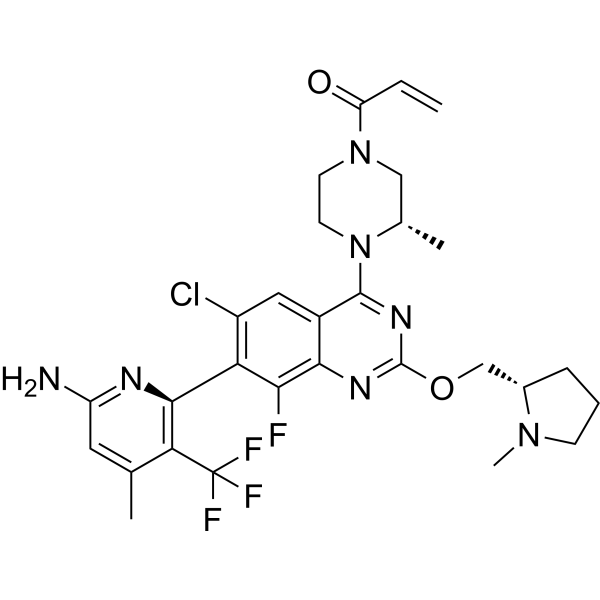
Divarasib (GDC-6036) is an orally active, selective KRAS G12C inhibitor with an IC50 of <0.01 μM. Divarasib covalently binds Cys12 in GDP-bound KRAS G12C, occupies the switch II pocket, blocks GTP binding and SOS-mediated reactivation, and inhibits oncogenic KRAS signaling. Divarasib induces tumor shrinkage and robust tumor growth inhibition in KRAS G12C-positive models and cancer cells. Divarasib can be used for the research of non-small cell lung cancer, colorectal adenocarcinoma, pancreatic ductal adenocarcinoma, and other KRAS G12C-mutated solid tumors .
|
-
-
- HY-146244
-
|
ODN 2006; PF-3512676; CpG 7909; ODN 7909
|
Toll-like Receptor (TLR)
Bacterial
NO Synthase
Apoptosis
|
Infection
Cancer
|
|
Agatolimod ((ODN 2006; PF-3512676; CpG 7909)) is a TLR9 agonist and immunomodulator with an EC50 of 180 nM against human TLR9. Agatolimod activates and upregulates the expression of both TLR9 and TLR6, and mediates downstream signaling pathways via IRAK4, IRF5, IRF7. Agatolimod induces Th1-type innate and adaptive immune responses, activates various immune cells and promotes antigen presentation, regulates antibody levels and immune cell infiltration, upregulates the secretion of multiple cytokines, induces apoptosis and cell cycle arrest, enhances cytotoxicity, and clears intracellular Salmonella. Agatolimod is applicable to research on COVID-19, breast cancer, lung adenocarcinoma, HPV-related tumors, melanoma, and salmonellosis .
|
-

-
- HY-173629
-
|
|
Ras
Apoptosis
|
Cancer
|
|
RMC-5127 is a small molecule inhibitor that binds to GTP-targeted KRAS G12V, with oral bioavailability and blood-brain barrier permeability. RMC-5127 inhibits the activities of the RAS and MAPK pathways, suppresses the proliferation of KRAS G12V-mutant cancer cells and induces their apoptosis. RMC-5127 can be used for the research of KRAS G12V-mutant non-small cell lung cancer, pancreatic ductal adenocarcinoma, colorectal cancer and intracranial KRAS G12V tumors .
|
-

-
- HY-124745
-
|
|
MAP4K
Wnt
Apoptosis
|
Cancer
|
|
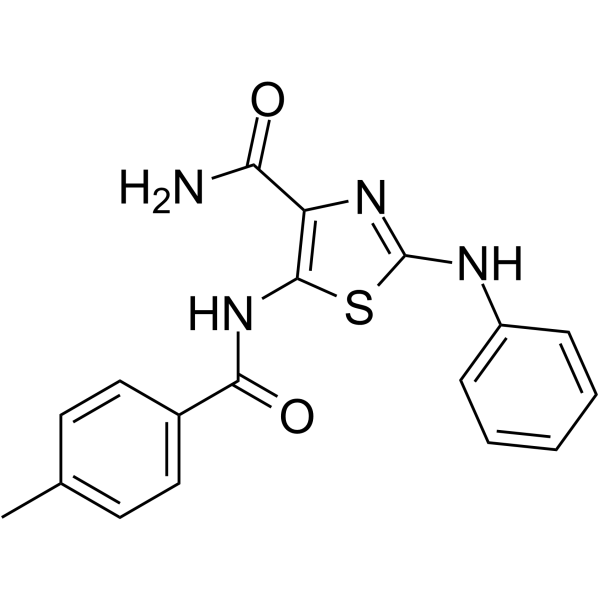
KY-05009 is an ATP-competitive Traf2- and Nck-interacting kinase (TNIK) inhibitor with a Ki of 100 nM. KY-05009 pharmacologically inhibits TGF-β1-induced epithelial-to-mesenchymal transition (EMT) in human lung adenocarcinoma cells. KY-05009 inhibits the protein expression of TNIK and transcriptional activity of Wnt target genes and induces apoptosis in cancer cells. KY-05009 exerts anti-cancer activity .
|
-
-
- HY-401424
-
|
Polyoxyethylene(36) Castor Oil; PEG-36 Castor Oil
|
Environmental Pollutants
Biochemical Assay Reagents
|
Others
|
|
Cremophor EL-36 is a non-ionic surfactant, mainly used as a solubilizing carrier for poorly soluble Paclitaxel (HY-B0015). For example, Cremophor EL-36 can enhance the intracellular influx of Etoposide (HY-13629) without affecting drug efflux, and can dose-dependently increase the accumulation of VP-16 in lung adenocarcinoma cells (such as PC-14 and A549), significantly enhancing its cytotoxic effect .
|
-
-
- HY-P99117
-
|
AK104
|
PD-1/PD-L1
CTLA-4
|
Inflammation/Immunology
Cancer
|
|
Cadonilimab (AK104) is a humanized tetravalent IgG1 bispecific antibody targeting PD1/CTLA4. Cadonilimab blocks both PD-1 and CTLA-4 pathways, thereby relieving their corresponding immunosuppressive effects and reversing tumor specific T cell exhaustion. Cadonilimab significantly downregulates Fc-mediated effector functions, including antibody-dependent cell-mediated cytotoxicity (ADCC), antibody-dependent cellular phagocytosis (ADCP), complement dependent cytotoxicity (CDC). Cadonilimab can be used for research of metastatic cervical cancer, as well as other malignancies such as gastric cancer, GEJ adenocarcinoma and non-small cell lung cancer (NSCLC) .
|
-

-
- HY-P99048
-
|
IBI308
|
PD-1/PD-L1
|
Inflammation/Immunology
Cancer
|
|
Sintilimab (IBI308) is a safe and effectivel humanized IgG4 monoclonal antibody that binds to PD-1 with a KD value of 74 pM. Sintilimab blocks the interaction of PD-1 with its ligands (PD-L1 and PL-L2), consequently helping to restore the endogenous antitumour T-cell response. Sintilimab combined with prebiotics inhibits tumor volume and regulates immune cell subpopulation balance in lung adenocarcinoma mice. Sintilimab can be used for the research of classical Hodgkin's lymphoma, non-small cell lung cancer and oesophageal cancer .
|
-

-
- HY-W1128879
-
|
SKPer1
|
Molecular Glues
E1/E2/E3 Enzyme
|
Cancer
|
|
XMU-MP-8 (SKPer1) is a potent molecular glue degrader that targets the oncoprotein SKP2. XMU-MP-8 simultaneously binds to the F-box domain of SKP2 (Kd ≈ 36 μM) and the N-terminal TPR domain of the E3 ligase STUB1 (Kd ≈ 2.5 μM), forming a stable SKP2-SKPer1-STUB1 ternary complex (Kd ≈ 8.9 nM) that induces SKP2 ubiquitination and proteasomal degradation. XMU-MP-8 selectively eliminates SKP2-expressing cancer cells. XMU-MP-8 exhibits substantial tumour suppression with good safety profiles in vivo. XMU-MP-8 can be used for cancer research, such as non-small cell lung adenocarcinoma (NSCLC) and prostatic adenocarcinoma .
|
-

-
- HY-159127
-
|
|
Ras
MEK
PERK
Apoptosis
|
Cancer
|
|
HRS-4642 is a high affinity, selective, long-acting, and non-covalent KRAS G12D inhibitor with a Kd value of 0.083 nM. HRS-4642 inhibits the binding of KRAS G12D to SOS1 or RAF1, thereby blocking the downstream MEK-ERK signaling pathway. HRS-4642 promotes Apoptosis. HRS-4642 alone or combined with Carfilzomib (HY-10455) effectively shapes the tumor microenvironment. HRS-4642 has an anti-cancer effect on pancreatic and colorectal cancers carrying the KRAS G12D mutation[1][2][3].
|
-

-
- HY-P10944
-
|
NNS309
|
FAP
|
Inflammation/Immunology
Cancer
|
|
Unlabeled FXX489 (NNS309) is a fibroblast activation protein (FAP)-targeting ligand. Unlabeled FXX489 can be labeled with 68Ga and 177Lu and shows anticancer effects. Unlabeled FXX489 can be used for the study of pancreatic ductal adenocarcinoma (PDAC), non-small cell lung cancer (NSCLC), breast cancer (BC), and colorectal cancer (CRC) .
|
-

-
- HY-P99379
-
|
CAN04; Anti-IL-1RAP/IL-1R3 Reference Antibody (nidanilimab)
|
Interleukin Related
|
Cancer
|
|
Nidanilimab (CAN04) is a fully humanized monoclonal anti-IL1RAP antibody with a Kd value of 1.10 pM. Nidanilimab blocks IL1α and IL1β signaling and stimulates the immune system to destroy tumour cells. Nidanilimab can be used in research of non-small lung cancer (NSCLC) and pancreatic ductal adenocarcinoma (PDAC) .
|
-

-
- HY-Y0030
-
|
3-hydroxypyridine-2-carboxylic acid
|
Biochemical Assay Reagents
|
Infection
Cancer
|
|
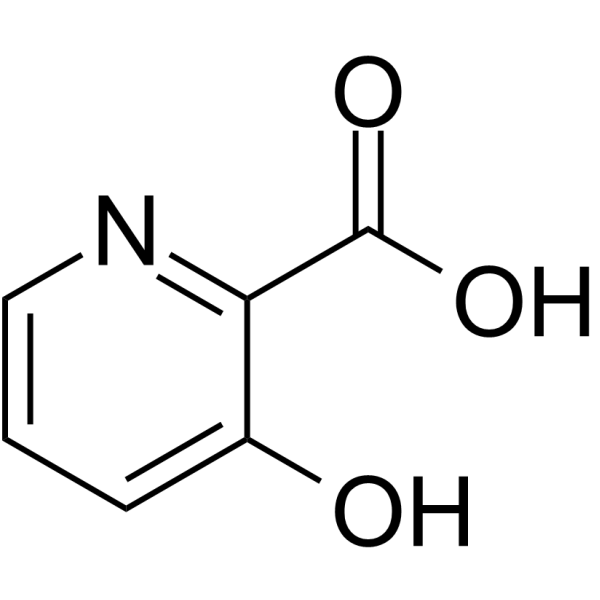
3-Hydroxypicolinic acid is a heterocyclic carboxylic acid ligand and cytotoxin, with a MIC90 of >25 μg/mL against Mycobacterium tuberculosis H37Rv. 3-Hydroxypicolinic acid inhibits the growth of cancer cells and normal fibroblasts. 3-Hydroxypicolinic acid is applicable to research related to chronic myeloid leukemia, human lung adenocarcinoma, and tuberculosis .
|
-
-
- HY-P5098
-
|
|
Integrin
|
Neurological Disease
Cancer
|
|
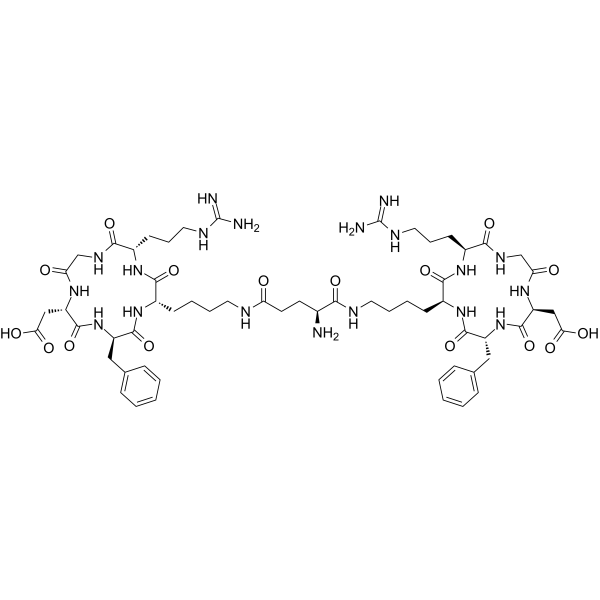
E (c (RGDfK)) 2 is a αvβ3 integrin ligand and tumor-targeting agent. E (c (RGDfK)) 2 binds to αvβ3 integrin, mediates receptor-mediated endocytosis of conjugated payloads, and inhibits integrin-dependent cell adhesion to fibrinogen. E (c (RGDfK)) 2 inhibits the proliferation of cancer cells and endothelial cells. E (c (RGDfK)) 2 preferentially accumulates in orthotopic mouse breast tumors and human ovarian cancer xenograft tumors. E (c (RGDfK)) 2 can be used in research related to glioblastoma, lung cancer, breast adenocarcinoma and ovarian cancer .
|
-
-
- HY-13495
-
ML281
2 Publications Verification
|
STK33
PKA
Aurora Kinase
Bcl-2 Family
Apoptosis
|
Metabolic Disease
Cancer
|
|
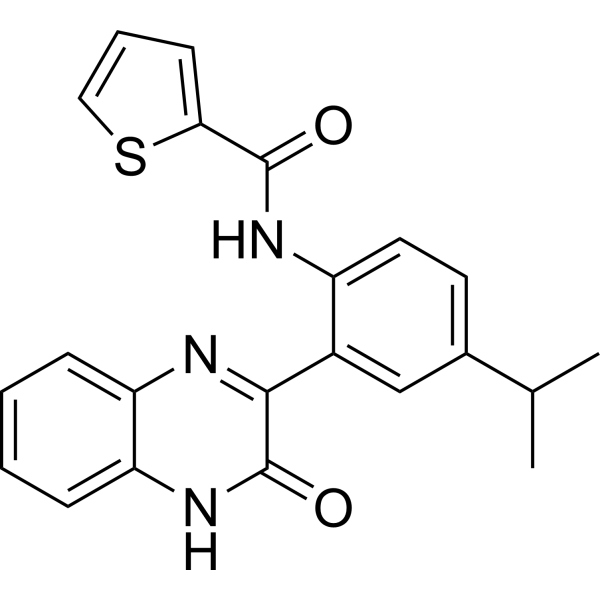
ML281 is a highly selective inhibitor of serine/threonine kinase 33 (STK33) with an IC50 value of 14 nM. ML281 shows 700-fold selectivity over PKA and 550-fold over AurB. ML281 exerts core mechanism by inhibiting STK33: in small cell lung cancer, ML281 downregulates RPS6/BAD signaling phosphorylation, induces apoptosis, and suppresses proliferation, invasion . ML281 reduces STK33-mediated 4-hydroxyphenylpyruvate dioxygenase (HPD) phosphorylation in tyrosinemia . ML281 is suitable for research on STK33 function, KRAS mutation-related cancers (pancreatic cancer, colon cancer, lung adenocarcinoma, etc.), small cell lung cancer, and tyrosinemia-related damage
|
-
-
- HY-139434
-
|
|
Histone Demethylase
|
Cancer
|
|
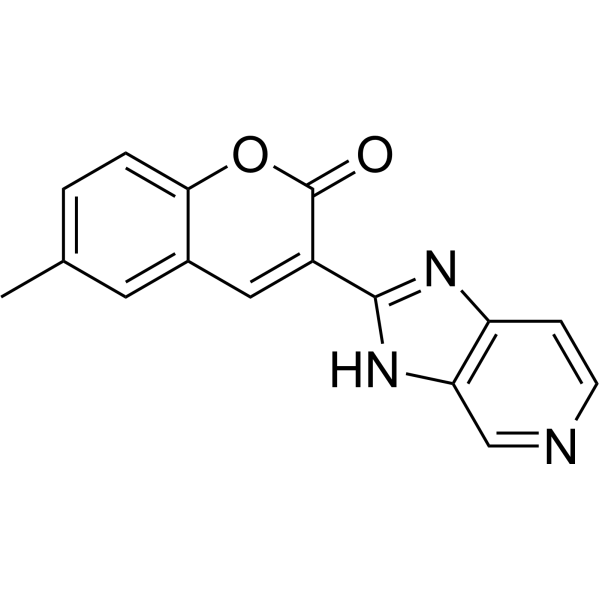
JMJD6-IN-1 is a JMJD6 inhibitor, with an inhibition rate of 82% at 10 μM. JMJD6-IN-1 inhibits MCF-7 and HCC4006 cell proliferation with IC50 values of 19.2 μM and 25.2 μM. JMJD6-IN-1 inhibits JMJD6 demethylase activity. JMJD6-IN-1 can be used for the research of lung adenocarcinoma, prostate cancer, breast cancer, pancreatic cancer, colon cancer, oral squamous cell carcinoma, and glioblastoma .
|
-
-
- HY-W020955
-
|
Chloro(triphenylphosphine)gold(I)
|
Biochemical Assay Reagents
Apoptosis
DNA Alkylator/Crosslinker
Lipoxygenase
|
Cancer
|
|
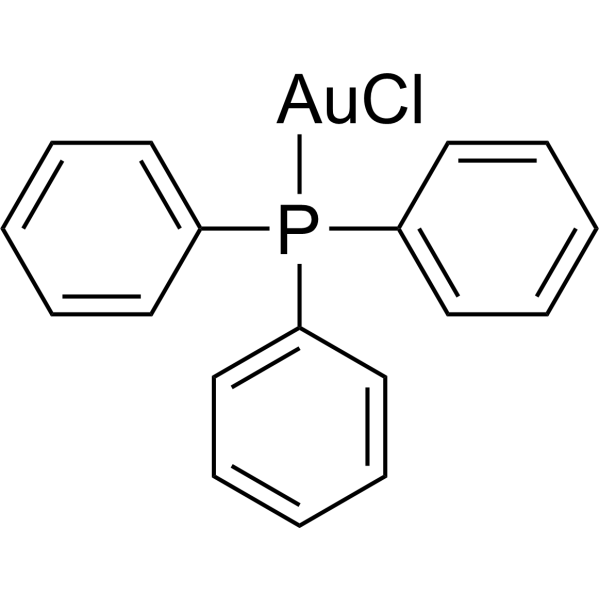
Triphenylphosphinechlorogold (Chloro(triphenylphosphine)gold(I)) is a gold complex, Apoptosis inducer, and catalyst. Triphenylphosphinechlorogold exhibits high LOX inhibitory activity. Triphenylphosphinechlorogold induces cell cycle arrest and apoptosis. Triphenylphosphinechlorogold catalyzes the peroxidation of linoleic acid. A weak interaction exists between Triphenylphosphinechlorogold and DNA. Triphenylphosphinechlorogold displays antiproliferative activity against breast cancer cells .
|
-
-
- HY-135008
-
J14
2 Publications Verification
|
Reactive Oxygen Species (ROS)
|
Cancer
|
|
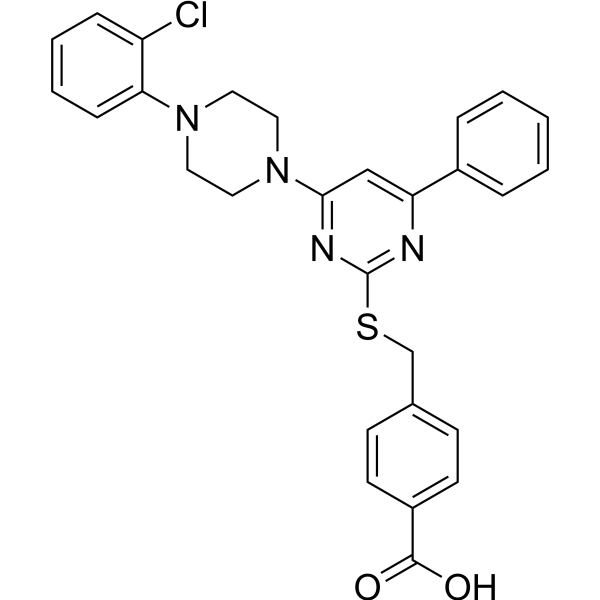
J14 is a reversible sulfiredoxin inhibitor with an IC50 of 8.1 μM. J14 induces oxidative stress (intracellular ROS accumulation) by inhibiting sulfiredoxin, leading to cytotoxicity and cancer cell death .
|
-
-
- HY-N2000
-
|
|
STAT
PI3K
mTOR
Akt
|
Neurological Disease
Inflammation/Immunology
Cancer
|
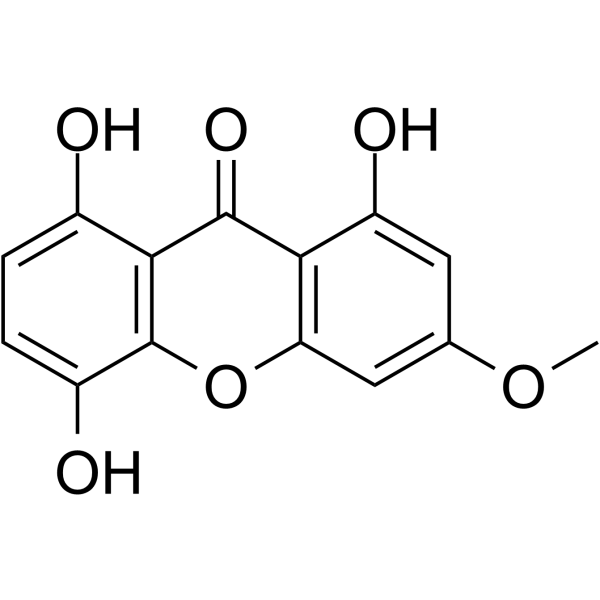
Bellidifolin is an orally active compound with antiproliferative, anti-inflammatory and antioxidant properties. Bellidifolin modulates key signaling pathways including STAT3, PI3K-Akt, mTOR and BRD4, and inhibits the viral protein R (Vpr). Bellidifolin induces cell cycle arrest and apoptosis, exerts significant antifibrotic effects, and protects the heart, liver and nervous system. Bellidifolin is applicable to the research of various diseases such as lung cancer, non-alcoholic fatty liver disease, myocardial hypertrophy and ischemic cranial nerve injury .
|
-
-
- HY-N3225
-
|
|
NAMPT
Sirtuin
Microtubule/Tubulin
Apoptosis
Autophagy
PDGFR
NF-κB
AMPK
|
Cardiovascular Disease
Neurological Disease
Metabolic Disease
Inflammation/Immunology
Cancer
|
|
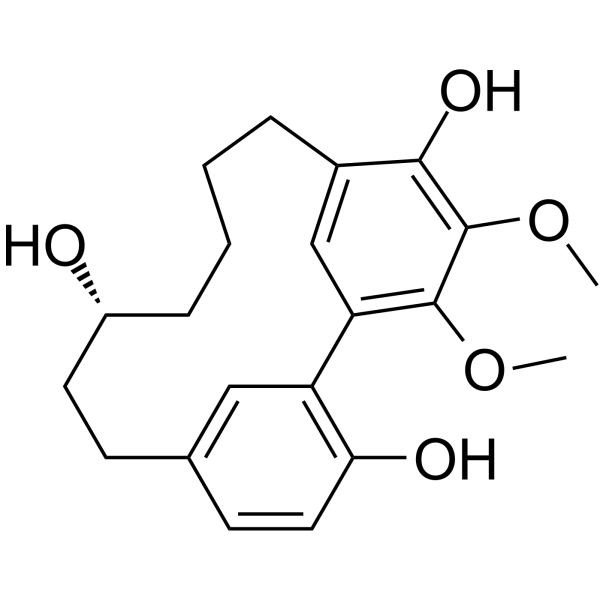
Myricanol is a diarylheptanoid and a Nampt activator. Myricanol exerts anti-inflammatory effects and alleviates glucocorticoid-induced muscle atrophy by increasing Sirtuin 1 (SIRT1) and PRDX5 activities while regulating inflammatory factors. Myricanol exhibits growth inhibition and induces apoptosis in human lung adenocarcinoma A549 cells. Myricanol promotes autophagy-mediated clearance of microtubule-associated protein tau to exert neuroprotective effects. Myricanol protects cardiovascular function by inhibiting PDGFRβ and NF-κB signaling pathways. Myricanol activates mitochondrial transcription factor A (TFAM) expression to exert anti-renal fibrosis effects. Myricanol improves insulin resistance through AMPK activation .
|
-
-
- HY-114356
-
|
|
c-Met/HGFR
|
Cancer
|
|
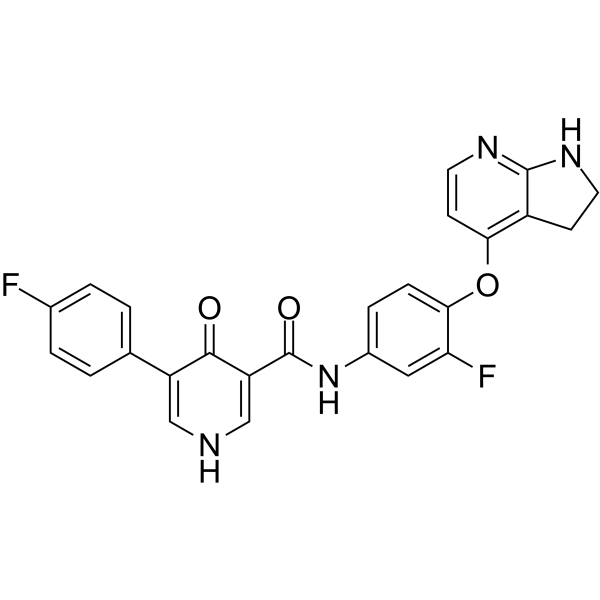
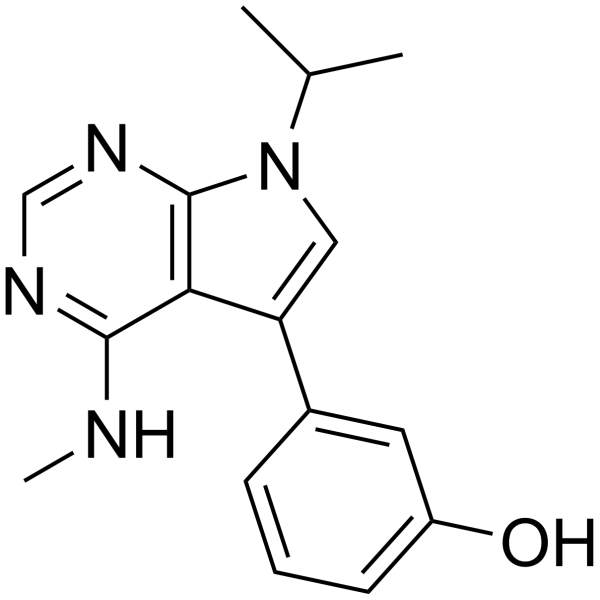
BPI-9016M is a potent, orally active, and selective dual c-Met and AXL tyrosine kinases inhibitor. BPI-9016M suppresses tumor cell growth, migration and invasion of lung adenocarcinoma .
|
-
-
- HY-17663
-
|
|
PARP
STAT
STING
IFNAR
|
Cancer
|
|
KMR-206 is a PARP7 inhibitor with an IC50 of 13.7 nM. KMR-206 relieves AHR-mediated transcriptional repression and enhances CYP1A1 expression in the presence of TCDD. KMR-206 induces the STING-dependent IFN-β signaling pathway and increases the levels of STAT1, pSTAT1 and nuclear PARP7 in cancer cells. KMR-206 reduces the viability of lung adenocarcinoma cells, enhances radiation-induced immunogenic signals, and induces the production of immunogenic signals in glioblastoma cancer stem cells. KMR-206 destabilizes FRA1 to increase IRF1 levels and promotes the IRF3-CBP/p300 interaction. KMR-206 can be used in studies related to lung adenocarcinoma and glioblastoma .
|
-

-
- HY-147328
-
|
|
Apoptosis
|
Cancer
|
|
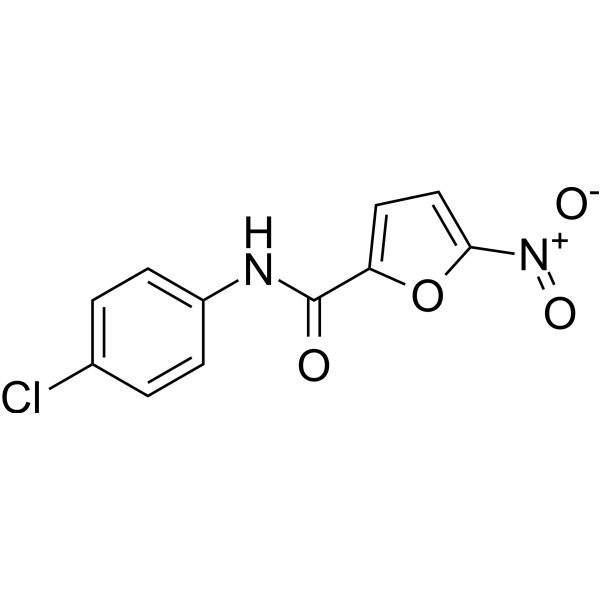
LCS3 is a reversible and uncompetitive glutathione disulfide reductase (GSR) and thioredoxin reductase 1 (TXNRD1) inhibitor (IC50=3.3 µM and 3.8 µM, respectively). LCS3 shows anti-tumor activity, and induces apoptosis. LCS3 can be used in lung adenocarcinoma (LUAD) research .
|
-
-
- HY-156694
-
-
-
- HY-P991481
-
|
|
CCR
|
Inflammation/Immunology
Cancer
|
|
S-531011 is a high-affinity, selective, and reversible CCR8 ligand with antibody-dependent cellular cytotoxicity (ADCC) against CCR8-expressing cells. S-531011 induces the death of tumor-infiltrating CCR8 + regulatory T cells while preserving regulatory T cells in peripheral blood, thereby reinvigorating anti-tumor immunity. The combination of S-531011 with anti-PD-1 antibody effectively inhibits tumor growth, and S-531011 can be used for research on advanced solid tumors and various cancers including non-small cell lung cancer, ovarian cancer, colon cancer, breast cancer, and pancreatic ductal adenocarcinoma .
|
-

-
- HY-147027
-
|
|
PARP
Caspase
Apoptosis
|
Neurological Disease
Inflammation/Immunology
Cancer
|
|
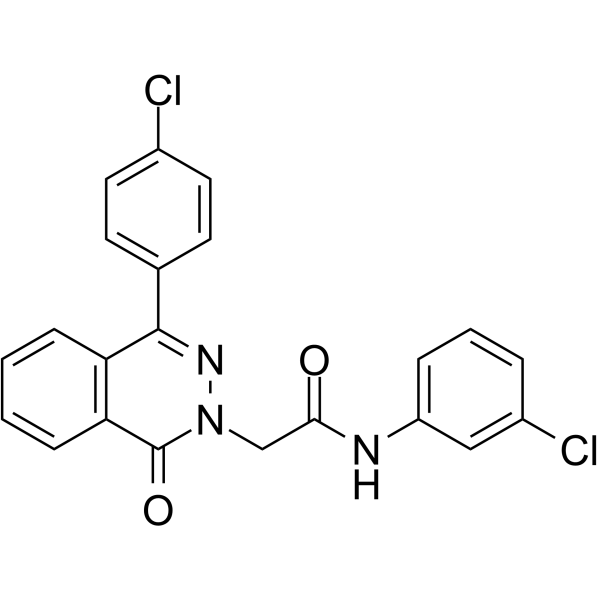
PARP-1-IN-2 (compound 11g) is a potent PARP1 inhibitor, with an IC50 of 149 nM, and ADME prediction indicates it has high blood-brain barrier permeability. PARP1-IN-2 shows significantly potent anti-proliferative activity against Human lung adenocarcinoma epithelial cell line A549. PARP1-IN-2 can induce A549 cells apoptosis .
|
-
-
- HY-N8420
-
|
|
Fungal
|
Infection
Cancer
|
|
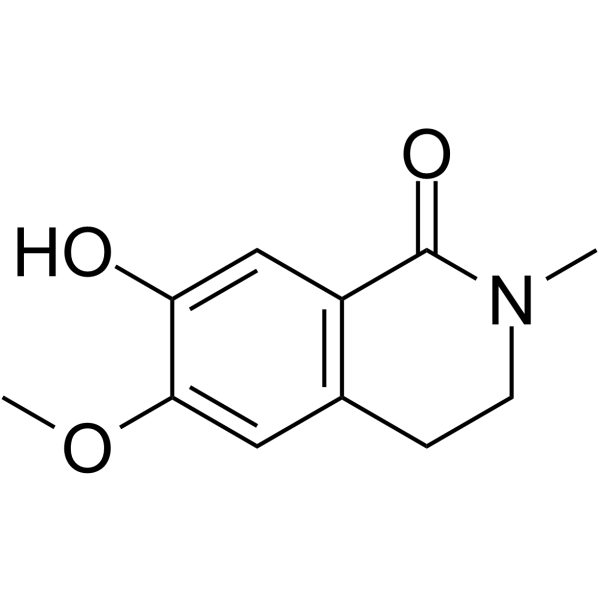
Thalifoline is an isoquinoline alkaloid. Thalifoline exerts cytotoxic effects on cancer cells. Thalifoline inhibits the growth of Fusarium oxysporum f. sp. lycopersici. Thalifoline can be used in research related to lung adenocarcinoma, colon cancer, oral epidermoid carcinoma, and fungal infections .
|
-
-
- HY-P991739
-
|
|
VEGFR
PD-1/PD-L1
|
Cancer
|
|
RC148 is a humanized IgG1 bispecific antibody targeting VEGF and PD-1. RC148 blocks PD-1-PD-L1 and VEGF-VEGFR interactions, triggers VEGF-dependent enhanced PD-1 binding, enables VEGF crosslinking, and inhibits PD-1-mediated immunosuppression. RC148 can be used for the research of metastatic gastric/gastroesophageal junction adenocarcinoma, non-small cell lung cancer, and metastatic breast cancer .
|
-

-
- HY-165245
-
|
|
Transmembrane Glycoprotein
|
Cancer
|
|
SBI-183 is an orally active inhibitor of QSOX1 (Kd: 20 μM). SBI-183 suppresses the proliferative and invasive phenotype of renal cancer cell lines, including triple negative breast cancer cell line, lung adenocarcinoma cell line and pancreatic ductal adenocarcinoma. SBI-183 inhibits tumor growth in two human xenograft mouse models of renal cell carcinoma in vivo .
|
-

-
- HY-145928B
-
|
GDC-6036 adipate
|
Ras
|
Cancer
|
|
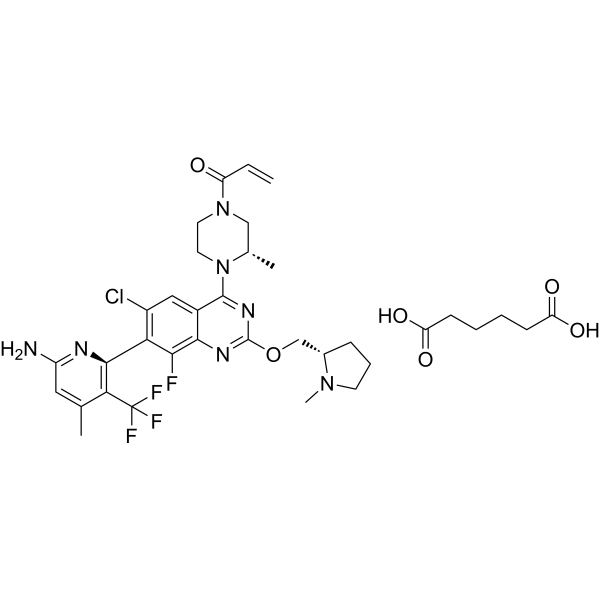
Divarasib (GDC-6036) adipate is an orally active, selective KRASG12C inhibitor with an IC50 of <0.01 μM. Divarasib adipate covalently binds Cys12 in GDP-bound KRASG12C, occupies the switch II pocket, blocks GTP binding and SOS-mediated reactivation, and inhibits oncogenic KRAS signaling. Divarasib adipate induces tumor shrinkage and robust tumor growth inhibition in KRASG12C-positive models and cancer cells. Divarasib adipate can be used for the research of non-small cell lung cancer, colorectal adenocarcinoma, pancreatic ductal adenocarcinoma, and other KRASG12C-mutated solid tumors .
|
-
-
- HY-122751
-
|
|
Phosphodiesterase (PDE)
|
Cancer
|
|
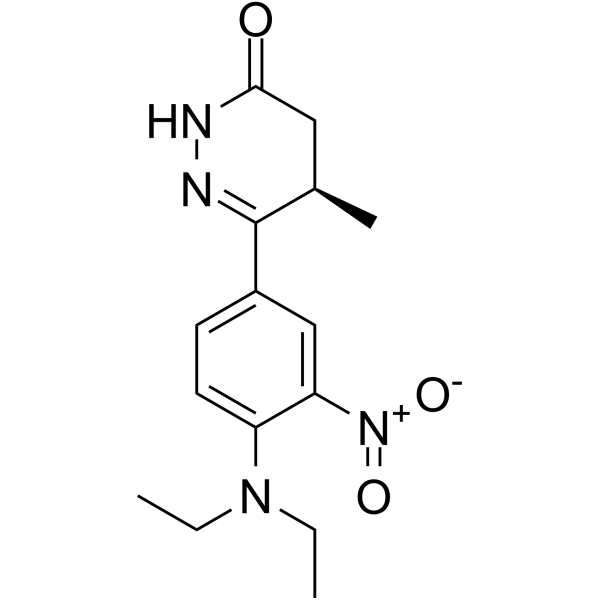
(R)-DNMDP is a potent and selective cancer cell cytotoxic agent. (R)-DNMDP, the R-form of DNMDP, binds PDE3A directly. (R)-DNMDP has a 500-fold lower EC50 compared to the (S)-enantiomer in HeLa cell line .
|
-
-
- HY-16676
-
|
4-epi-Docetaxel; 7-Epidocetaxel; 7-Epitaxotere
|
Drug Metabolite
Cytochrome P450
|
Cancer
|
|
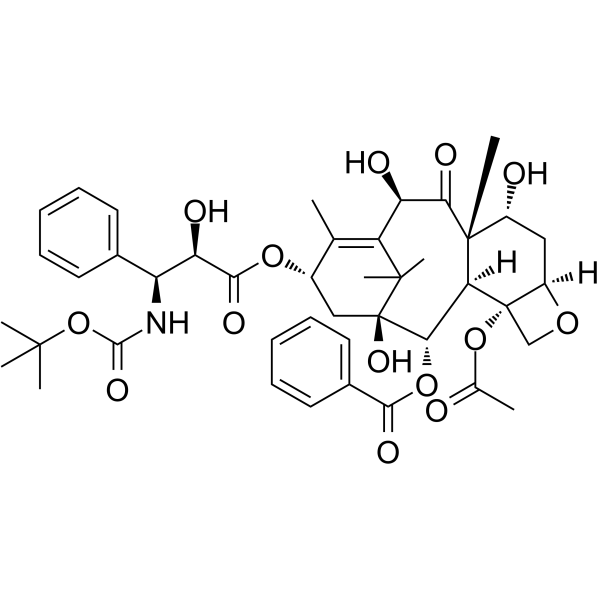
7-Epi-docetaxel (4-epi-Docetaxel; 7-Epidocetaxel; 7-Epitaxotere) is the major C7 epimeric impurity/in vivo metabolite of Docetaxel (HY-B0011). 7-Epi-docetaxel acts as a potent allosteric activator of rhCYP1B1. 7-Epi-docetaxel exhibits certain cell line-specific anti-migratory activity . 7-Epi-docetaxel can be used in research related to melanoma and lung adenocarcinoma .
|
-
-
- HY-W854385A
-
|
SLeA sodium
|
Biochemical Assay Reagents
|
Cancer
|
|
Sialyl Lewis A (SLeA) sodium is a tumor-associated carbohydrate antigen, also known as carbohydrate antigen 19-9 (CA19-9), that binds to E-selectin (ELAM-1) and selectins to mediate cell-endothelium adhesion. Sialyl Lewis A sodium promotes cancer cell-vascular endothelium adhesion, and its surface presence correlates with increased tumorigenicity and invasiveness in cancer cells. Sialyl Lewis A sodium shows elevated expression in human adenocarcinomas of the colon, pancreas, and stomach, with expression levels linked to tumor progression and poor prognosis in colorectal and gastric carcinomas. Sialyl Lewis A sodium can be used for the research of cancers, such as colon, pancreas, stomach, and squamous lung cancer .
|
-

-
- HY-W854385
-
|
SLeA
|
Biochemical Assay Reagents
E-Selectin
|
Cancer
|
|
Sialyl Lewis A (SLeA) is a tumor-associated carbohydrate antigen, also known as carbohydrate antigen 19-9 (CA19-9), that binds to E-selectin (ELAM-1) and selectins to mediate cell-endothelium adhesion. Sialyl Lewis A promotes cancer cell-vascular endothelium adhesion, and its surface presence correlates with increased tumorigenicity and invasiveness in cancer cells. Sialyl Lewis A shows elevated expression in human adenocarcinomas of the colon, pancreas, and stomach, with expression levels linked to tumor progression and poor prognosis in colorectal and gastric carcinomas. Sialyl Lewis A can be used for the research of cancers, such as colon, pancreas, stomach, and squamous lung cancer .
|
-

-
- HY-Y0030R
-
|
3-hydroxypyridine-2-carboxylic acid (Standard)
|
Reference Standards
Biochemical Assay Reagents
Drug Intermediate
|
Infection
|
|
3-Hydroxypicolinic acid (Standard) is an analytical standard for 3-Hydroxypicolinic acid. This product is for research and analytical applications. 3-Hydroxypicolinic acid is a heterocyclic carboxylic acid ligand and cytotoxin, with a MIC90 of >25 μg/mL against Mycobacterium tuberculosis H37Rv. 3-Hydroxypicolinic acid inhibits the growth of cancer cells and normal fibroblasts. 3-Hydroxypicolinic acid is applicable to research related to chronic myeloid leukemia, human lung adenocarcinoma, and tuberculosis .
|
-

-
- HY-148260
-
|
|
Ras
|
Cancer
|
|
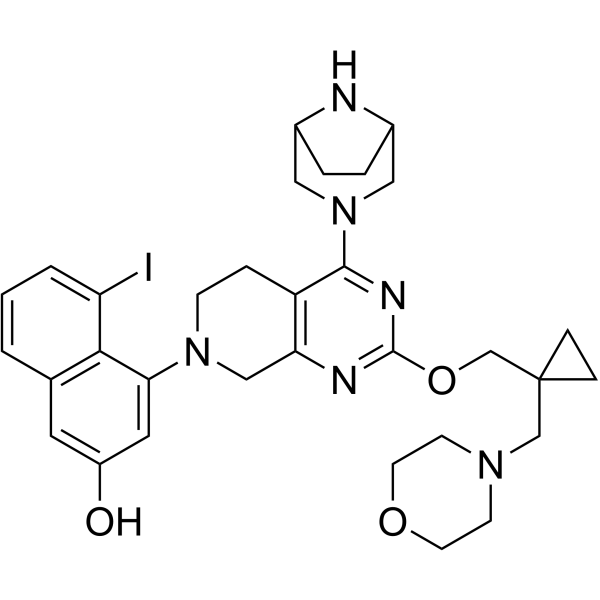
KRAS G12D inhibitor 16 is a KRAS G12D inhibitor. KRAS G12D inhibitor 16 has inhibitory activity against KRAS G12D and KRAS G12D mutation with IC50 value of 0.7 nM and 0.35 μM, respectively. KRAS G12D inhibitor 16 can be used for the research of many malignant tumor, such as pancreatic ductal adenocarcinomas (PDAC), colon and rectal carcinomas (CRC), non-small cell lung carcinomas (NSCLC) .
|
-
-
- HY-P99048A
-
|
IBI308 (Anti-PD-1)
|
PD-1/PD-L1
|
Inflammation/Immunology
Cancer
|
|
Sintilimab (Anti-PD-1) (IBI308 (Anti-PD-1)) is a safe and effectivel humanized IgG4 monoclonal antibody that binds to PD-1 with a KD value of 74 pM. Sintilimab (Anti-PD-1) blocks the interaction of PD-1 with its ligands (PD-L1 and PL-L2), consequently helping to restore the endogenous antitumour T-cell response. Sintilimab (Anti-PD-1) combined with prebiotics inhibits tumor volume and regulates immune cell subpopulation balance in lung adenocarcinoma mice. Sintilimab (Anti-PD-1) can be used for the research of classical Hodgkin's lymphoma, non-small cell lung cancer and oesophageal cancer .
|
-

-
- HY-173124
-
|
|
CDK
VEGFR
PDGFR
Apoptosis
|
Cancer
|
|
CDK2/FLT4/PDGFRA-IN-1 (Compound 4a) is a potent inhibitor of CDK2/cyclin A, FLT4 (VEGFR3) and PDGFRA, with IC50s of 1.672, 0.554, and 0.629 μM, respectively. CDK2/FLT4/PDGFRA-IN-1 exhibits potent antiproliferative effects against cancer cells (lung EBC-1, pancreatic ductal adenocarcinoma AsPC-1, colorectal HT-29 cells). CDK2/FLT4/PDGFRA-IN-1 can also induce apoptosis in cancer cells .
|
-

-
- HY-147030
-
|
|
PARP
|
Cancer
|
|
PARP1-IN-8 (compound 11c) is a potent and BBB-penetrated PARP1 inhibitor, with an IC50 of 97 nM. PARP1-IN-8 shows significantly potent anti-proliferative activity against Human lung adenocarcinoma epithelial cell line A549 .
|
-
-
- HY-105854
-
|
|
Apoptosis
Reactive Oxygen Species (ROS)
JNK
p38 MAPK
MMP
|
Cancer
|
|
Pipoxolan hydrochloride is an anti-spasmotic agent. Pipoxolan hydrochloride induces Apoptosis, increases intracellular ROS. Pipoxolan hydrochloride down-regulates phosphorylation JNK and p38, and then, MMP-2 and -9. Pipoxolan hydrochloride relieves smooth muscle spasms in the digestive, urinary, and gynecological systems. Pipoxolan hydrochloride also exhibits anticancer activity against leukemia, oral squamous cell carcinoma, and lung adenocarcinoma .
|
-

-
- HY-138098
-
|
|
Endogenous Metabolite
|
Cancer
|
|
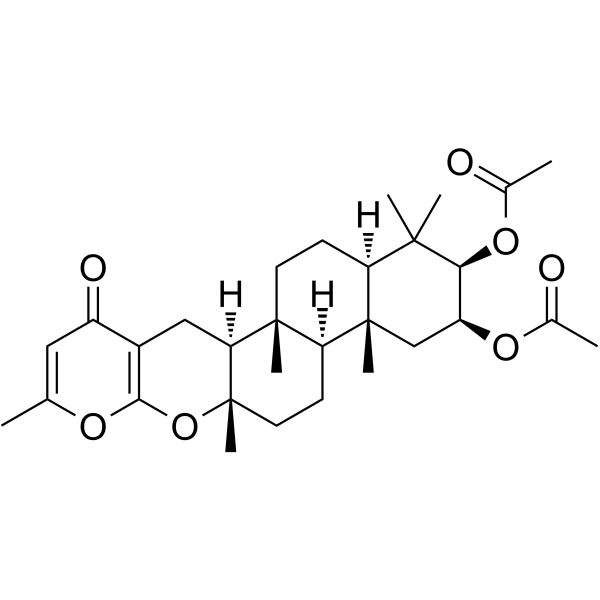
Sartorypyrone B is a 2β-acetoxyl analogue of chevalone C. Sartorypyrone B is yielded from the ethyl acetate extract of the culture of the marine sponge-associated fungus Neosartorya tsunodae (KUFC 9213). Sartorypyrone B exhibits strong growth inhibitory activity, having GI50s of 17.8, 20.5, and 25.0 μM, respectively, for MCF-7, NCI-H460, and A375-C5. Sartorypyrone B has the potential for the research of breast adenocarcinoma, non-small cell lung cancer, and melanoma diseases .
|
-
-
- HY-164713
-
|
|
Others
|
Others
|
|
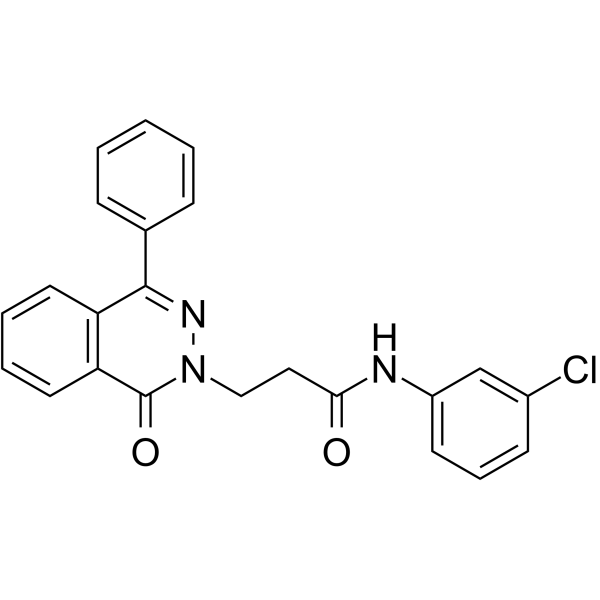
PARP1-IN-31 (compound 11f) is a phthalazinone-based compound, an anti-lung adenocarcinoma compound with inhibitory activity against PARP-1 (IC50 value of 97 nM), inducing apoptosis and inhibiting cell proliferation in lung cancer cell lines.
|
-

-
- HY-N1056
-
|
Zerumbetol
|
Others
|
Cancer
|
|
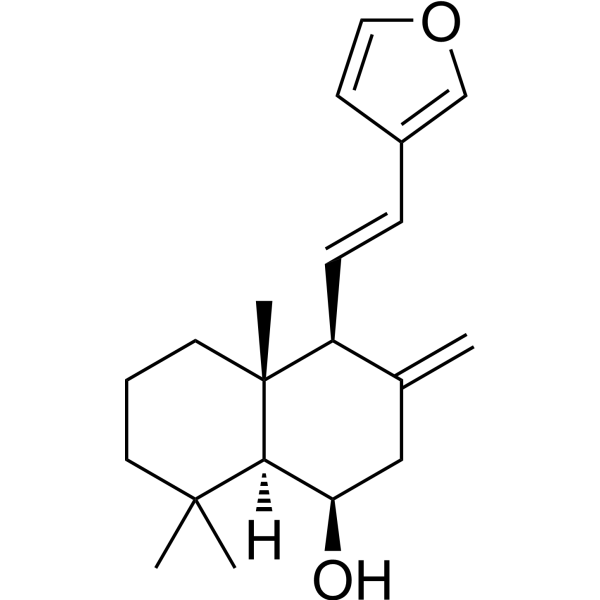
Yunnancoronarin A (Zerumbetol) can be isolated from Hedychium forrestii. Yunnancoronarin A is cytotoxic, with IC50 values of 11.08 and 2.19 μM against lung adenocarcinoma cells A549 and leukemia cells K562, respectively .
|
-
-
- HY-N14303
-
|
|
Antibiotic
Bacterial
|
Infection
Cancer
|
|
16-Methyloxazolomycin is an antibiotic. 16-Methyloxazolomycin has the effect of resisting bacteria and algae. 16-Methyloxazolomycin against leukemia P388 and human lung adenocarcinoma cells .
|
-

-
- HY-N10363
-
|
|
Others
|
Cancer
|
|
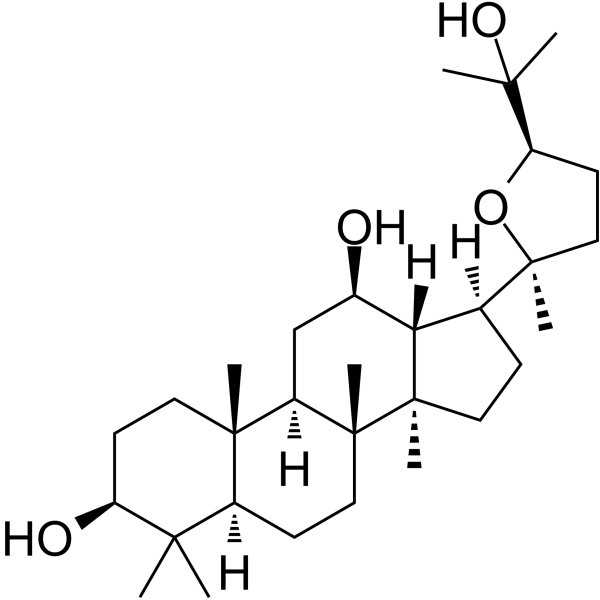
Pixinol, a natural glycoside, shows cytotoxicity against the human lung carcinoma GLC4 and adenocarcinoma COLO 320 cell lines (IC50=71 µM and 43 µM, respectively) .
|
-
-
- HY-111320
-
|
|
Bacterial
Antibiotic
|
Cancer
|
|
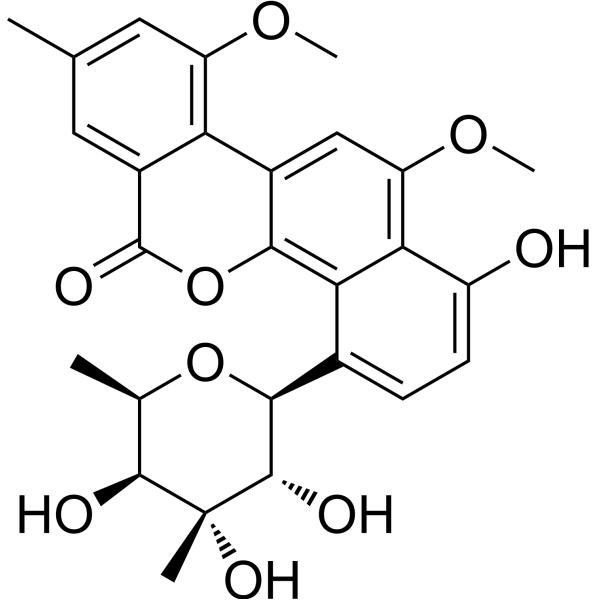
Chrysomycin B is an antibiotic isolated from a strain of Streptomyces. Chrysomycin B causes DNA damage in the human lung adenocarcinoma A549 cell line and inhibits topoisomerase II. Chrysomycin B suppresses the growth of transplantable tumors in mice.
|
-
-
- HY-144361
-
|
|
Apoptosis
|
Cancer
|
|
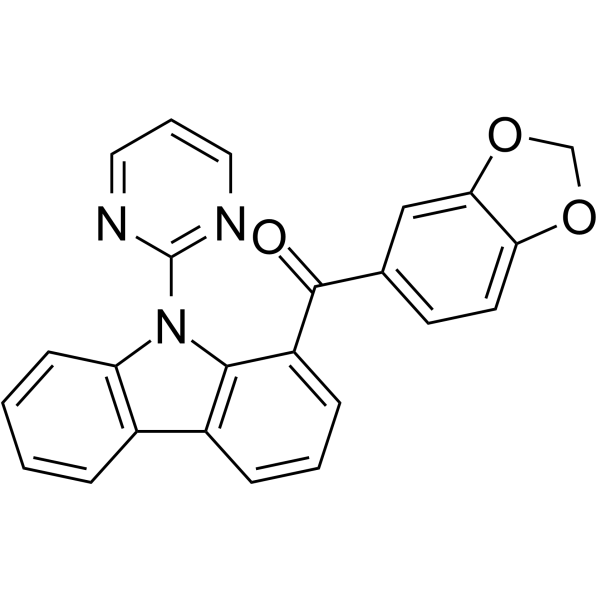
Antitumor agent-44 (Compound 5n) disrupts the mitochondrial homeostasis, induces cell cycle arrest and apoptosis in human adenocarcinoma cells. Antitumor agent-44 (Compound 5n) possesses good anti-tumor activity in a lung-cancer-cell xenograft mice model .
|
-
-
- HY-172881
-
|
|
Pyruvate Kinase
|
Cancer
|
|
PKM2-IN-10 (Compound 16) is a PKM2 inhibitor. PKM2-IN-10 inhibits the proliferation of A549 and HCC1833 cell lines with IC50 of 3.36 μM and 9.20 μM, respectively. PKM2-IN-10 exhibits antitumor activity in human non-small cell lung cancer (NSCLC) and mouse lung adenocarcinoma models. PKM2-IN-10 can be used in lung cancer research .
|
-

-
- HY-111261
-
|
|
Autophagy
|
Cancer
|
|
UNBS3157 is a naphthalimide derivative that shows potent anticancer effect. UNBS3157 induces autophagy and senescence in cancer cells. UNBS3157 displays significant antitumor effects in vivo. UNBS3157 can be used for leukemia, mammary adenocarcinoma, non-small cell lung cancer (NSCLC) and pancreatic cancer research .
|
-

-
- HY-P10010
-
|
|
Galectin
|
Cancer
|
|
DB21, Galectin-1 Antagonist is a dibenzofuran conjugated peptidomimetic that acts as an allosteric inhibitor of galectin-1 (GAL1)binding to cell surface glycans. DB21, Galectin-1 Antagonis increases inhibition of angiogenesis and tumour growth in melanoma, lung adenocarcinoma and ovarian cancer models .
|
-

-
- HY-151295
-
|
|
DNA/RNA Synthesis
|
Cancer
|
|
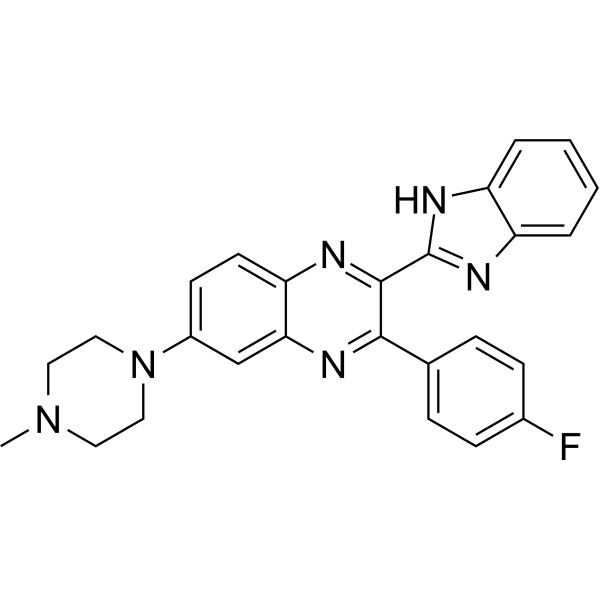
Antitumor agent-75 is a novel potent antitumor agent. Antitumor agent-75 has cytotoxic effects on cancer and normal human cell lines. Antitumor agent-75 shows a highly selective cytotoxic effect against human lung adenocarcinoma (cell line A549) when combined with Antitumor agent-74 (HY-151292), the IC50 value of 2.8 μM. Antitumor agent-75 can be used for the research of cancer .
|
-
- HY-N6969A
-
|
|
Adrenergic Receptor
|
Cancer
|
|
Dicentrine hydrochloride is a drug with anti-inflammatory and anti-cancer activity. Dicentrine hydrochloride exerts its effects by enhancing TNF-α-induced apoptosis in A549 lung adenocarcinoma cells. Dicentrine hydrochloride increases caspase-8, -9, -3 and poly(ADP-ribose) polymerase (PARP) activities. Dicentrine hydrochloride inhibits TNF-α-induced invasion and migration of A549 cells. Dicentrine hydrochloride significantly inhibited the TNF-α-activated TAK1, p38, JNK and Akt signaling pathways, and reduced the transcriptional activities of NF-κB and AP-1 .
|
-

- HY-168497
-
|
|
Histone Methyltransferase
|
Cancer
|
|
C-MS023 is a photo-activatable MS023 (HY-19615) prodrug, achieving spatiotemporal inhibition of Histone Arginine Asymmetric Dimethylation. C-MS023 inhibits PRMT6 mediated asymmetric dimethylation of H3 arginine 2 (H3R2me2a), with an estimate IC50 of 0.2224 μM. The photolysis of C-MS023 could be triggered by visible light irradiation at 420 nm, thereby liberating MS023 for effective downregulation of histone arginine asymmetric dimethylation and DNA replication-related transcriptomic activities .
|
-

- HY-N17957
-
|
|
Others
|
Cancer
|
|
Homoisopogon B is a homoisoflavane found in the tubers of Ophiopogon japonicus. Homoisopogon B shows cytotoxic activity against cancer cells. Homoisopogon B can be used for the research of cancer, such as human lung adenocarcinoma and human melanoma .
|
-

- HY-181113
-
|
|
Anaplastic lymphoma kinase (ALK)
|
Cancer
|
|
ALK-IN-34 is an Anaplastic Lymphoma Kinase (ALK) inhibitor with an IC50 of 0.26 μM. ALK-IN-34 demonstrates antiproliferative activity against lung cancer cells and gastric adenocarcinoma cells .
|
-

- HY-179501
-
|
|
PDK-1
Reactive Oxygen Species (ROS)
Apoptosis
Oxidative Phosphorylation
|
Cancer
|
|
PDK1-IN-5 is a selective PDK1 inhibitor. PDK1-IN-5 activaties PDH by diminishing phosphorylation level via PDK1 inhibition. PDK1-IN-5 effectively reverses the Warburg effect and shifts cellular energy metabolism from glycolysis toward oxidative phosphorylation by increased acetyl-CoA, reduced lactate, elevated mitochondrial ROS, and subsequent induction of apoptosis. PDK1-IN-5 robustly inhibits tumor growth in vivo without inducing systemic toxicity. PDK1-IN-5 can be used for lung adenocarcinoma, human non-small cell lung adenocarcinoma and gastric colorectal .
|
-

- HY-N17684
-
|
|
Others
|
Cancer
|
|
Abietatriene-3β-ol is an anticancer agent. Abietatriene-3β-ol can be isolated from leaves of Thuja orientalis L. Abietatriene-3β-ol exhibits anticancer activity against non-small cell lung adenocarcinoma, ovarian cancer cells,
skin melanoma, and colon cancer .
|
-

- HY-P992347
-
|
|
CD276/B7-H3
|
Cancer
|
|
DS-5573a is a human monoclonal antibody targeting B7-H3, with a Kd of 1.8 nM for the 4Ig isoform and 11 nM for the 2Ig isoform. DS-5573a induces antibody-dependent cellular cytotoxicity and antibody-dependent cellular phagocytosis against B7-H3-expressing cancer cells. DS-5573a exerts dose-dependent anti-tumor activity via effector cells. DS-5573a can be used in the research of cancers including breast adenocarcinoma, non-small cell lung cancer, renal cell adenocarcinoma, gastric cancer and prostate cancer .
|
-

- HY-181250
-
|
|
SHP2
|
Cancer
|
|
SHP2-IN-46 is an orally active SHP2 inhibitor (IC50 = 11.76 μM). SHP2-IN-46 inhibits SHP2 enzymatic activity and mediates anti-tumor activity. SHP2-IN-46 suppresses cell proliferation in various cancer cells. SHP2-IN-46 can be used in research related to lung adenocarcinoma, pancreatic cancer and hepatoblastoma .
|
-

- HY-135146G
-
|
|
DNA Methyltransferase
Apoptosis
|
Cancer
|
|
GSK-3484862 GMP is GSK-3484862 (HY-135146) produced by using GMP guidelines. GMP small molecules works appropriately as an auxiliary reagent for cell therapy manufacture. GSK-3484862 is a highly potent non-covalent inhibitor and demethylating agent of DNMT1. GSK-3484862 induces genome-wide DNA demethylation, including the regulatory elements of DNMT3B and the promoter region of TERT, and significantly inhibits cell viability, growth, proliferation and self-renewal. GSK-3484862 blocks the transformation of young AT2 cells, induces apoptosis, and generates transcriptomic features similar to those of senescent cells. GSK-3484862 is widely used in studies related to lung cancer, oral squamous cell carcinoma and lung adenocarcinoma .
|
-

- HY-P11280A
-
|
|
Melanocortin Receptor
|
Cancer
|
|
PRAME peptide (425-433) acetate is a proteasome-degraded peptide derived from the cancer-testis antigen PRAME (Preferentially Expressed Antigen in Melanoma). PRAME peptide (425-433) acetate is restricted by HLA-A*02:01 and can serve as a target for bispecific T cell engager therapy in the context of major histocompatibility complex I presentation. PRAME peptide (425-433) acetate shows application potential in various malignant tumors and is widely suitable for research related to solid tumors, melanoma, ovarian cancer, endometrial cancer, and lung cancer (including lung adenocarcinoma and lung squamous cell carcinoma). PRAME peptide (425-433) acetate can be used to explore disease of triple-negative breast cancer, diffuse large B-cell lymphoma, and head and neck squamous cell carcinoma .
|
-

- HY-181272
-
|
|
MMP
Caspase
Apoptosis
|
Cancer
|
|
MMP-9-IN-14 is a MMP-9 inhibitor (IC50 = 34.46 μM). MMP-9-IN-14 induces G1-phase cell cycle arrest and caspase-dependent apoptosis in cancer cells. MMP-9-IN-14 promotes the accumulation of phosphorylated γH2AX. MMP-9-IN-14 inhibits the migration and invasion of cancer cells, and downregulates the expressions of MMP-2, MMP-9 and hTERT in cancer cells. MMP-9-IN-14 inhibits tumor growth and angiogenic spread in animal models. MMP-9-IN-14 can be used for the research of cancers such as lung adenocarcinoma, cervical cancer and colorectal cancer .
|
-

- HY-181704
-
|
|
PERK
Ras
|
Cancer
|
|
KRAS-IN-54 is a macrocyclic KRAS inhibitor. KRAS-IN-54 exhibits activity against cell viability and pERK inhibition in cells with KRAS G12D and KRAS G13D mutations. KRAS-IN-54 can be used in the research of KRAS-mutant cancers, including pancreatic adenocarcinoma, colorectal cancer, non-small cell lung cancer, esophageal cancer, gallbladder cancer, melanoma, ovarian cancer and endometrial cancer .
|
-

- HY-183098
-
|
|
PROTACs
IKK
Apoptosis
|
Cancer
|
|
UNC8209 is a selective PROTAC-based TANK-binding kinase 1 (TBK1) degrader. UNC8209 recruits cereblon (CRBN) to mediate ubiquitin-proteasome pathway-dependent TBK1 degradation and reduces AAK1, GAK, and AURKA abundance. UNC8209 suppresses tumor cell proliferation, impairs in vivo tumor growth, inhibits colony and clonogenic growth and enhances tumor cell sensitivity to TNFα or IFN-γ. UNC8209 modulates cell cycle and induces mild apoptosis. UNC8209 can be used for the research of clear cell renal cell carcinoma, non-small cell lung cancer, pancreatic ductal adenocarcinoma .
|
-

- HY-180245
-
|
|
STAT
Ferroptosis
Apoptosis
Glutathione Peroxidase
Bcl-2 Family
Reactive Oxygen Species (ROS)
|
Cancer
|
|
STAT3-IN-51 is a STAT3 inhibitor that directly binds to the STAT3 SH2 domain. STAT3-IN-51 induces apoptosis, ferroptosis, and immunogenic cell death (ICD) to potentiate anti-tumor immunity. STAT3-IN-51 inhibits STAT3 activation (phosphorylation, p-STAT3) and its downstream signaling. STAT3-IN-51 induces ROS generation, decreases Bcl-2 expression, disruptes mitochondrial function, suppresses GPX4 activity, and promotes lipid peroxidation. STAT3-IN-51 can be used for the study of colorectal carcinoma, breast adenocarcinoma, non-small cell lung cancer (NSCLC) and Cisplatin (HY-17394)-resistant pulmonary adenocarcinoma .
|
-

- HY-142079
-
|
|
Drug Derivative
|
Cancer
|
|
Br-C1-CONH-C5-CO-Val-Cit-PAB-MMAE (compound 62) is a drug-linker conjugate that contains a monomethyl auristatin E (MMAE) drug moiety, which is linked to a bromoacetamide-containing extension unit via a valine-citrulline (Val-Cit) dipeptide and a self-immolative p-aminobenzyl (PAB) spacer. Br-C1-CONH-C5-CO-Val-Cit-PAB-MMAE is applicable to the research of breast cancer, anaplastic large cell lymphoma and lung adenocarcinoma .
|
-

- HY-180200
-
|
|
Ras
ERK
|
Cancer
|
|
RNK08954 is an orally active KRASG12D inhibitor with a Kd of 0.0395 nM. RNK08954 selectively binds the inactive GDP-bound KRASG12D form, suppresses downstream KRAS-mediated signaling pathways p-ERK1/2 experssion. RNK08954 inhibits KRASG12D-mutant cell proliferation, induces G0-G1 cell cycle arrest, and inhibits tumor growth in mouse xenograft models. RNK08954 can be used for the research of non-small cell lung cancer, pancreatic ductal adenocarcinoma .
|
-

- HY-181943
-
|
|
Acyltransferase
|
Cancer
|
|
SPT-IN-2 is an orally active serine palmitoyltransferase (SPT) inhibitor (with an IC50 of 0.71 nM against human SPT2). SPT-IN-2 inhibits ceramide synthesis, suppresses cancer cell growth, and exhibits in vivo anti-tumor activity, favorable metabolic stability and cell membrane permeability in xenograft mouse models. SPT-IN-2 blocks the de novo sphingolipid synthesis pathway, significantly reducing intracellular ceramide levels and the levels of 3-ketodihydrosphingosine (3-KDS), the immediate downstream product of SPT. SPT-IN-2 can be used in research related to lung adenocarcinoma, acute promyelocytic leukemia and breast cancer .
|
-

- HY-134505
-
|
|
Ras
Phospholipase
ERK
Akt
|
Cancer
|
|
Avicin G is a sphingomyelinase inhibitor and plasma membrane disruptor. Avicin G inhibits the enzymatic activities of neutral sphingomyelinases (SMPD2/3) and acid sphingomyelinase (SMPD1), elevates intracellular sphingomyelin levels, and alters the distribution of sphingomyelin. Avicin G interferes with the lateral segregation of GTP- and GDP-bound H-Ras, inhibits the signal output of oncogenic K-Ras and H-Ras, reduces the phosphorylation of ERK and Akt, increases lysosomal pH, and inhibits the endocytic recycling of epidermal growth factor receptor. Avicin G can be used in research related to pancreatic ductal adenocarcinoma and non-small cell lung cancer .
|
-

- HY-181964
-
|
|
|
Cancer
|
|
KRAS G12C-IN-77 is an orally active and selective KRAS G12C covalent dual-state inhibitor that binds with high affinity to both GDP-bound (inactive state) and GTP-bound (active state) KRAS G12C (IC50 = 133 nM). KRAS G12C-IN-77 rapidly inhibits ERK1/2 phosphorylation, induces the formation of covalent adducts with endogenous KRAS G12C, suppresses the expression of MAPK pathway genes, and inhibits the proliferation of KRAS G12C-mutant cells. KRAS G12C-IN-77 is applicable to research related to KRAS G12C-mutant solid tumors, including pancreatic ductal adenocarcinoma and non-small cell lung cancer .
|
-

- HY-181657
-
|
|
EGFR
TNF Receptor
Interleukin Related
Apoptosis
|
Cancer
|
|
EGFR-IN-200 is an inhibitor targeting EGFR, TNF-α, and the IL-6/GP130 complex, which potently targets human EGFR (IC50=0.03 μM), TNF-α (IC50=3.1 μM), and the IL-6/GP130 complex (IC50=1.6 μM). EGFR-IN-200 binds to the ATP pocket of EGFR, the trimer interface of TNF-α, and the cytokine-receptor interface of IL-6/GP130, induces G2/M cell cycle arrest, apoptosis, and antiproliferative activity. EGFR-IN-200 exhibits high gastrointestinal absorbability, low BBB permeability, and complies with the Lipinski's rule. EGFR-IN-200 can be used for the research of lung cancer and breast adenocarcinoma .
|
-

- HY-183783
-
|
|
PROTACs
RET
STAT
ERK
Apoptosis
|
Endocrinology
Cancer
|
|
PROTAC RET Degrader 2 is a RET degrader with a target IC50 of 0.36 nM. PROTAC RET Degrader 2 is mainly composed of RET-IN-34 (HY-183729) and Thalidomide (HY-14658). PROTAC RET Degrader 2 mediates RET degradation via the ubiquitin-proteasome system. PROTAC RET Degrader 2 induces apoptosis, inhibits colony-forming ability, and exhibits antiproliferative activity in cancer cells. PROTAC RET Degrader 2 suppresses tumor growth in xenograft models. PROTAC RET Degrader 2 can be used in research related to medullary thyroid carcinoma, papillary thyroid carcinoma, and RET fusion-positive lung adenocarcinoma .
|
-

- HY-N16695
-
|
|
Others
|
Others
|
|
(2S,3S)-Pterosin S 14-O-glucoside is a sesquiterpene glycoside compound that can be isolated from the fern Pteris multifida. (2S,3S)-Pterosin S 14-O-glucoside showed no significant cytotoxicity against A549 (human lung adenocarcinoma), LOVO (colon adenocarcinoma), PANC-1 (human pancreatic cancer), and NCI-H446 (human small cell lung cancer) cell lines (IC50 > 100 μM) .
|
-

- HY-153503
-
|
|
Anaplastic lymphoma kinase (ALK)
Insulin Receptor
|
Cancer
|
|
ALK-IN-24 is an orally active ALK inhibitor with an IC50 value of 1.7 nM. ALK-IN-24 also inhibits insulin receptor kinase with an IC50 value of 6 nM. ALK-IN-24 suppresses the proliferation of lung adenocarcinoma cells. ALK-IN-24 inhibits ALK-driven tumor growth in xenograft mouse models. ALK-IN-24 can be used in research related to non-small cell lung cancer .
|
-

- HY-174271
-
|
|
Apoptosis
|
Cancer
|
|
Antioxidant agent-21 (Compound 9) is a phenolic heterocyclic compound with antioxidant and anticancer activities. Antioxidant agent-21 shows significant cytotoxicity toward human gastric adenocarcinoma (AGS) and lung cancer (A549) cells. Antioxidant agent-21 induces caspase-dependent apoptosis in cancer cells .
|
-

- HY-179318
-
|
|
Ras
|
Cancer
|
KRAS G12D-IN-32 (Page 158) is a KRAS G12D inhibitor. KRAS G12D-IN-32 can be used to study adenocarcinoma, colorectal cancer, and non-small cell lung cancer .
|
-

- HY-181166
-
|
|
EGFR
Apoptosis
|
Cancer
|
|
EGFR-IN-194 is a potent EGFR tyrosine kinase inhibitor with an IC50 of 54.3 nM against human EGFR. EGFR-IN-194 induces apoptosis, inhibits migration in cancer cells, selectively promotes invasion in cancer cells, and exhibits antiproliferative effects across multiple cancer cell lines. EGFR-IN-194 can be used for the research of prostate adenocarcinoma, non-small cell lung carcinoma, breast carcinoma, chronic myeloid leukemia .
|
-

- HY-N11764
-
|
|
Apoptosis
Caspase
|
Cancer
|
|
β-Santalol is a sesquiterpene alcohol with apoptosis (apoptosis)-inducing activity and cytotoxic activity. β-Santalol activates caspase-3, induces nuclear chromatin condensation, and promotes the formation of apoptotic bodies. β-Santalol targets cancer cells. β-Santalol can be used in research related to promyelocytic leukemia, lung adenocarcinoma, and oral squamous cell carcinoma .
|
-

- HY-182377
-
|
|
Interleukin Related
TNF Receptor
|
Inflammation/Immunology
Cancer
|
|
DT-5461 is an IL-1 and TNF-α antagonist. DT-5461 competitively binds lipid A-binding sites on macrophage receptors, blocks LPS (HY-D1056)-initiated signaling, inhibits LPS-induced cytokine release, prevents LPS-induced serum cytokine production in mice, and protects against LPS-induced lethal endotoxemia. DT-5461 can be used for the research of lethal endotoxemia, medullary tubular mammary carcinoma, poorly differentiated colon adenocarcinoma, squamous-cell lung carcinoma, and gelatinous gastric adenocarcinoma .
|
-

- HY-159803
-
|
6-O-(3-Ethoxypropionyl)-3',4'-O-exo-benzylidenechartreusin
|
Endogenous Metabolite
|
Cancer
|
|
IST-622 (6-O-(3-Ethoxypropionyl)-3',4'-O-exo-benzylidenechartreusin) is an anti-tumor agent with significant growth inhibitory activity. IST-622 exhibits significant anti-tumor effects against a variety of mouse tumors such as P388 and L1210 leukemias, B16 melanoma, Lewis lung carcinoma, Colon 26 and Colon 38 adenocarcinomas, and M5076 reticulum cell sarcoma. IST-622 was orally administered and the results showed efficacy in different tumor types. In addition, IST-622 provided significant inhibitory effects against two human tumor xenograft models: large cell lung carcinoma (Lu-116) and gastric adenocarcinoma (St-4). IST-622 also exhibited significant growth inhibitory activity against P388 leukemia in vitro, with a half inhibitory concentration (IC50) more than 20 times lower than CT .
|
-

- HY-183257
-
|
|
Autophagy
Beclin1
Reactive Oxygen Species (ROS)
p97
|
Cancer
|
|
ATI-1 is an autophagy initiation inhibitor. ATI-1 targets valosin-containing protein (VCP/p97, disrupts its interaction with UFL1, impairs UFMylation homeostasis associated with VCP, promotes polyubiquitination and degradation of Beclin1, and blocks the formation of early autophagosomes. ATI-1 induces synergistic death of autophagy-dependent malignant tumor cells under nutrient deprivation conditions, accompanied by decreased mitochondrial membrane potential, reduced ROS levels and lysosomal stress. ATI-1 exhibits anti-tumor efficacy in a pancreatic adenocarcinoma xenograft mouse model. ATI-1 can be used for the research of pancreatic adenocarcinoma and lung cancer .
|
-

- HY-N16811
-
|
|
Others
|
Cancer
|
|
Yunnancoronarin C is a labdane-type diterpenoid that can be isolated from the rhizomes of Hedychium forrestii, exhibits cytotoxicity against leukemia cells. Yunnancoronarin C can be used for the research of leukemia .
|
-

- HY-182918
-
|
|
Drug Intermediate
Apoptosis
Ferroptosis
Cuproptosis
|
Cancer
|
|
DMAPT-DTCs-1,3-diaminopropane-DTCs-DMAPT dimethanesulfonate is an orally active prodrug of MMB-DTCs-1,3-diaminopropane-DTCs-MMB (HY-182917). DMAPT-DTCs-1,3-diaminopropane-DTCs-DMAPT dimethanesulfonate induces apoptosis, ferroptosis, and cuproptosis in lung cancer cells. DMAPT-DTCs-1,3-diaminopropane-DTCs-DMAPT dimethanesulfonate can be used in the research of lung cancer .
|
-

- HY-181174
-
|
|
SOD
Glutathione Peroxidase
Caspase
Interleukin Related
Bcl-2 Family
Apoptosis
|
Cancer
|
|
Antioxidant agent-22 is a paraben derivative tetracyclic spermine cyclotriphosphazene compound. Antioxidant agent-22 exhibits antioxidant, anti-Inflammatory, and apoptotic activities. Antioxidant agent-22 significantly upregulates CAT, SOD, caspase-3 and IL-6 expression, suppresses GSH, IL-1β, and reduces BCL-2 and BAX levels. Antioxidant agent-22 can be used for the research of cancer, such as lung cancer .
|
-

- HY-182003
-
|
|
Akt
Apoptosis
Reactive Oxygen Species (ROS)
|
Cancer
|
|
Anticancer agent 308 is an AKT inhibitor with antitumor activity. Anticancer agent 308 reduces total AKT protein levels, thereby inhibiting the pro-survival PI3K/AKT signaling pathway. Anticancer agent 308 induces apoptosis, disrupts mitochondrial membrane potential, promotes ROS accumulation in mitochondria, and induces cell cycle arrest. Anticancer agent 308 inhibits cancer cell migration. Anticancer agent 308 is applicable to research related to breast cancer, lung adenocarcinoma, cervical cancer, prostate cancer, and hepatocellular carcinoma .
|
-

- HY-182883
-
|
|
Ras
|
Cancer
|
|
KRASG12C IN-20 is an orally potent KRAS G12C inhibitor with an EC50 of 3.9 nM. KRASG12C IN-20 covalently modifies KRAS G12C in its inactive GDP-bound state and locks it to block oncogenic signal transduction. KRASG12C IN-20 exhibits significant activity in lung adenocarcinoma xenograft models. KRASG12C IN-20 can be used for research related to lung adenocarcinoma .
|
-

- HY-N13800
-
|
|
Phytohormone
|
Infection
Cancer
|
|
3-O-Debenzoylzeylenone is a polyoxygenated cyclohexene plant growth hormone that exists in the leaves of Uvaria purpurea and the aerial parts of Uvaria grandiflora. 3-O-Debenzoylzeylenone is an auxin analog that inhibits root growth and promotes shoot growth of Lactuca sativa seedlings. 3-O-Debenzoylzeylenone exhibits cytotoxicity against various cancer cells and can be used in studies related to lung cancer, melanoma, epidermoid carcinoma, liver cancer, gastric cancer, colon adenocarcinoma, acute leukemia, breast cancer, and prostate cancer .
|
-

- HY-P992361
-
|
|
Transmembrane Glycoprotein
|
Cancer
|
|
HB0030 is a TIGIT inhibitor with antibody-dependent cellular cytotoxicity (ADCC) and complement-dependent cytotoxicity (CDC) activities. HB0030 enhances the expression of activation markers in natural killer (NK) cells, promotes the killing of regulatory T cells (Tregs), and reduces the proportion of FoxP3 + Treg in tumor-infiltrating lymphocytes. The combination of HB0030 with the anti-PD-L1/VEGF bispecific antibody HB0025 further enhances tumor suppression efficacy. HB0030 can be used in studies related to colorectal cancer, pancreatic adenocarcinoma, hepatocellular carcinoma, bladder cancer, breast cancer, non-small cell lung cancer, and advanced solid tumors .
|
-

- HY-N17431
-
|
|
Others
|
Cancer
|
|
Cynanoside K is a pregnane glycoside isolated from Cynanchum atratum. Cynanoside K shows no activity against HL-60, KATO-III, and A549 cells .
|
-

- HY-N17550
-
|
|
Bacterial
Parasite
|
Infection
Inflammation/Immunology
Cancer
|
|
25-Hydroperoxycycloart-23-en-3β-ol is an anticancer, antibacterial, and antimalarial agent. 25-Hydroperoxycycloart-23-en-3β-ol can be isolated from Blepharodon nitidum. 25-Hydroperoxycycloart-23-en-3β-ol exhibits anti-Mycobacterium tuberculosis and antileishmanial activities. 25-Hydroperoxycycloart-23-en-3β-ol shows significant cytotoxic activity against a panel of tumor cell lines (large cell lung cancer, melanoma, colon adenocarcinoma, chronic myelogenous leukemia) .
|
-

- HY-181285
-
|
|
Methionine Adenosyltransferase (MAT)
|
Cancer
|
|
MAT2A ligand 1 is a MAT2A ligand inhibitor (IC50=29.5 nM) and PET tracer that crosses the blood-brain barrier. MAT2A ligand 1 enables non-invasive imaging of MAT2A-expressing tumors, with rapid tumor uptake equilibrium, a high tumor-to-muscle ratio, and specific tumor-binding properties. MAT2A ligand 1 is applicable to research related to non-small cell lung cancer, hepatocellular carcinoma, colorectal cancer, gastric cancer, glioblastoma, pancreatic adenocarcinoma, urothelial carcinoma, breast cancer, and prostate cancer .
|
-

- HY-128299
-
|
|
Aldehyde Dehydrogenase (ALDH)
|
Neurological Disease
Cancer
|
|
ALDH3A1-IN-4 is a selective ALDH3A1 inhibitor with an IC50 of 0.2 μM. ALDH3A1-IN-4 binds to the aldehyde-binding pocket of ALDH3A1 via hydrophobic interactions and van der Waals forces. ALDH3A1-IN-4 acts as a chemosensitizer that sensitizes ALDH3A1-expressing cancer cells to the antiproliferative effect of mafosfamide, but does not produce a sensitizing effect on non-cancer cells that do not express ALDH3A1. ALDH3A1-IN-4 is applicable to research related to lung adenocarcinoma and glioblastoma .
|
-

- HY-181965
-
|
|
Ras
ERK
p38 MAPK
|
Cancer
|
|
KRAS G12C-IN-78 is a selective SWII-binding KRASG12C dual inhibitor targeting both inactive and active states. KRAS G12C-IN-78 rapidly inhibits ERK1/2 phosphorylation, induces covalent adduct formation with endogenous KRASG12C, suppresses MAPK pathway gene expression, and inhibits cellular proliferation in KRASG12C mutant cells. KRAS G12C-IN-78 can be used for the research of KRASG12C mutant solid tumors, including pancreatic ductal adenocarcinoma and non-small cell lung cancer .
|
-

- HY-181567
-
|
|
METTL3
|
Cancer
|
|
METTL3-IN-13 is a METTL3 inhibitor. METTL3-IN-13 is applicable to the research of multiple cancers such as hypopharyngeal squamous cell carcinoma and non-small cell lung cancer .
|
-

- HY-N13841
-
|
|
FGFR
Raf
|
Cancer
|
|
2,4,3',4',6'-Penta-O-(3-methylbutanoyl)sucrose is an FGFR3 and BRAF binder, and is an isovaleryl sucrose ester that can be found in Atractylodes japonica. 2,4,3',4',6'-Penta-O-(3-methylbutanoyl)sucrose shows low cytotoxicity against cancer cells .
|
-

- HY-111103
-
|
|
PAK
LIM Kinase (LIMK)
MMP
|
Cancer
|
|
CZh226 is a selective PAK4 inhibitor with an IC50 of 0.0111 μM and a Ki of 0.009 μM. CZh226 functionally inhibits PAK4 activity and reduces the phosphorylation level of downstream signaling molecules. CZh226 inhibits the migration and invasion of tumor cells. CZh226 is applicable to lung cancer-related research .
|
-

- HY-182760
-
|
|
DNA Alkylator/Crosslinker
Bcl-2 Family
Caspase
Apoptosis
Topoisomerase
|
Cancer
|
|
MN33-63 is a Bcl-2 inhibitor, caspase-3 activator and DNA crosslinker with broad-spectrum anticancer activity. MN33-63 improves the water solubility of SN-38 (HY-13704), inhibits tumor growth and proliferation in a dose-dependent manner, and causes no obvious toxicity. MN33-63 relieves the inhibition of the mitochondrial apoptotic pathway, initiates the apoptosis program, inhibits Topo I activity, and promotes its degradation via the ubiquitin-proteasome and autophagy-lysosome pathways. MN33-63 induces DNA crosslinking, G2/M cell cycle arrest, inhibition of cancer cell migration, and cancer cell apoptosis through the mitochondrial pathway. MN33-63 can be used in the research of colorectal cancer, cervical cancer, hepatocellular carcinoma, lung adenocarcinoma and gastric cancer .
|
-

- HY-P992341
-
|
|
MMP
|
Cancer
|
|
D8P1C1 is a high-affinity ADAM17 inhibitor (with a Kd of 180 pM targeting ADAM17-ECD) that reduces the shedding and phosphorylation of EGFR ligands. D8P1C1 inhibits cancer cell proliferation in vitro and tumor growth in xenograft models. 89Zr-DFO-D8P1C1 radioimmunological PET imaging shows its substantial accumulation in ovarian tumor xenografts, serving as a platform for generating bispecific T-cell engager derivatives. D8P1C1 can be applied to research on related diseases including triple-negative breast cancer, various types of ovarian cancer, lung adenocarcinoma, glioma, and colon cancer .
|
-

- HY-N16806
-
-

- HY-182917
-
|
|
|
Cancer
|
|
MMB-DTCs-1,3-diaminopropane-DTCs-MMB is a Cuproptosis/Ferroptosis/Apoptosis inducer, and serves as the active metabolite of DMAPT-DTCs-1,3-diaminopropane-DTCs-DMAPT dimethanesulfonate (HY-182918). MMB-DTCs-1,3-diaminopropane-DTCs-MMB induces mitochondrial dysfunction, promotes reactive oxygen species (ROS) production, disrupts redox homeostasis, and triggers apoptosis, ferroptosis and cuproptosis in lung cancer cells. MMB-DTCs-1,3-diaminopropane-DTCs-MMB can be used in the research of lung cancer .
|
-

- HY-164346
-
|
|
Microtubule/Tubulin
Drug-Linker Conjugates for ADC
|
Cancer
|
|
Amine-PEG8-Val-Cit-PAB-MMAE is a potent drug-linker conjugate for antibody-drug conjugates (ADCs).Amine-PEG8-Val-Cit-PAB-MMAE consists of the linker amine-PEG8-Vali-Cit-PAB and the payload MMAE (HY-15162), and can be used to synthesize ADCs. Amine-PEG8-Val-Cit-PAB-MMAE can be used for the research of gastric cancer, colon cancer, lung adenocarcinoma .
|
-

- HY-179439
-
|
|
COX
VEGFR
HIF/HIF Prolyl-Hydroxylase
Caspase
Bcl-2 Family
Apoptosis
MMP
|
Cancer
|
|
Multi-kinase-IN-8 is a muti-kinase inhibitor. Multi-kinase-IN-8 inhibits COX-1 (IC50 of 12.6 μM), COX-2 (IC50 of 0.05 μM) and VEGFR-2 (IC50 of 0.12 nM). Multi-kinase-IN-8 inhibits tumor-associated carbonic anhydrases (CA IX and CA XII with Ki of 31.5 nM and 386.9 nM, respectively). Multi-kinase-IN-8 triggers cell cycle arrest and apoptosis through upregulation of Caspase 9 and Bax along with downregulation of Bcl 2. Multi-kinase-IN-8 suppresses PGE2, p-VEGFR-2, MMP-9 and HIF-1α and exhibits growth-inhibitory activity against breast cancer, lung cancer, and colorectal adenocarcinoma .
|
-

- HY-180404
-
|
|
DNA/RNA Synthesis
|
Cancer
|
|
SU0383 is a dual MTH1 and OGG1 inhibitor with IC50 values of 0.034 μM and 0.49 μM, respectively. SU0383 induces cytotoxicity in cancer cells and increases sensitivity of tumor cells to oxidative stress, and showing low toxicity in normal cells. SU0383 can be used for cancer research .
|
-

- HY-16261A
-
|
(E/Z)-Aldoxorubicin; Doxorubicin(6-maleimidocaproyl)hydrazone
|
ADC Payload
Topoisomerase
|
Cancer
|
|
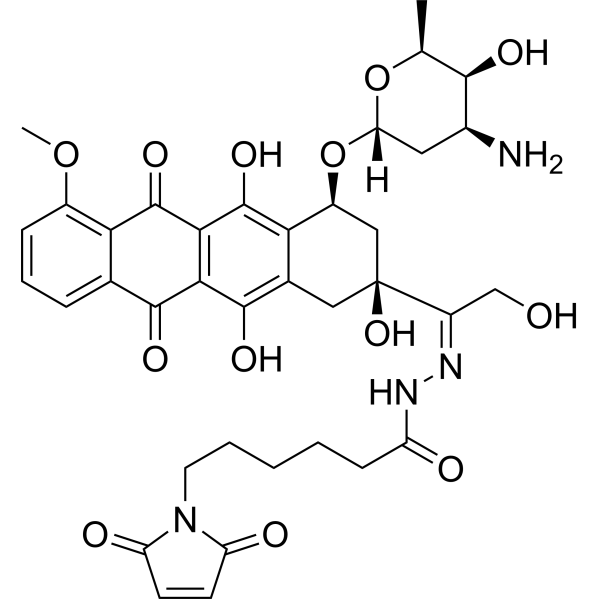
MC-DOXHZN ((E/Z)-Aldoxorubicin; Doxorubicin(6-maleimidocaproyl)hydrazone) is an albumin-binding proagent of Doxorubicin (HY-15142A) (DNA topoisomerase II inhibitor), with acid-sensitive properties. MC-DOXHZN can be used to synthesize ADC .
|
-
- HY-142997
-
|
|
Liposome
|
Cancer
|
|
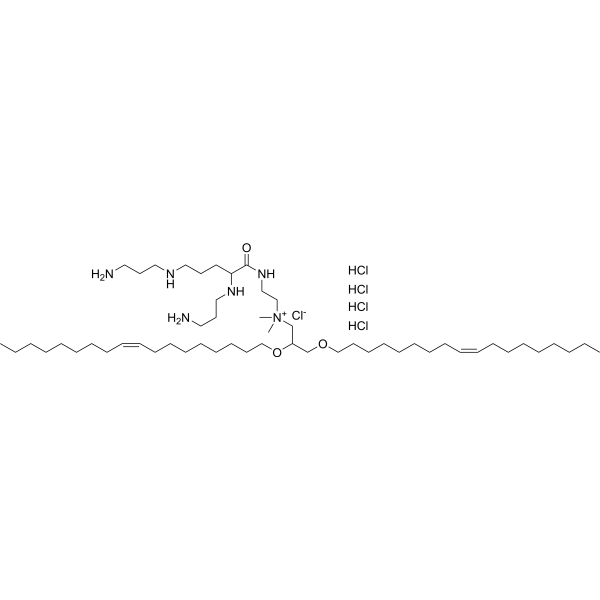
DOSPA is a cationic lipid. DOSPA can form lipid nanoparticles with DOPE (HY-112005) to serve as a carrier for nucleic acid transfection. DOSPA is applicable in research related to drug delivery .
|
-
- HY-P99237
-
|
MMUC 1206A
|
Mucin
|
Cancer
|
|
Sofituzumab (MMUC 1206A) is an anti-MUC16 antibody with a Kd of 0.3-0.9 nM. Sofituzumab can bind multiple adjacent antibody molecules to the repeat sequences of the same MUC16 molecule. Sofituzumab exhibits no anti-tumor activity in the HPAC pancreatic adenocarcinoma xenograft model .
|
-

- HY-13631J
-
|
(1R,9R)-DX8951f
|
Drug Derivative
Topoisomerase
Apoptosis
|
Cancer
|
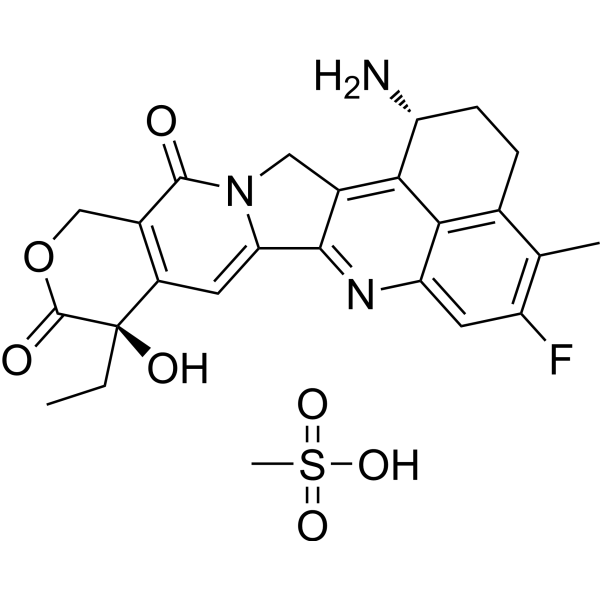
(1R,9R)-Exatecan mesylate ((1R,9R)-DX8951f) is a non-prodrug camptothecin derivative and a potent topoisomerase I inhibitor (IC50=0.975 μg/mL in mice and 0.82 μg/mL in humans). (1R,9R)-Exatecan mesylate blocks enzyme activity and induces apoptosis by stabilizing the enzyme-DNA cleavable complex. (1R,9R)-Exatecan mesylate not only effectively inhibits the proliferation of various malignant tumor cells and tumor growth, but also circumvents P-glycoprotein-mediated multidrug resistance. (1R,9R)-Exatecan mesylate is widely used in preclinical studies of multiple cancers including pancreatic cancer, lung cancer, breast cancer, and leukemia . The low-activity isomer of (1R,9R)-Exatecan mesylate is (1S,9R)-Exatecan mesylate (HY-13631I).
|
-
- HY-183788
-
|
|
EGFR
Apoptosis
|
Cancer
|
|
EGFR-IN-212 is an EGFR inhibitor with human IC50 values of 1.83 μM. EGFR-IN-212 reduces EGFR mRNA expression and induces apoptosis. EGFR-IN-212 can be used for the research of non-small cell lung carcinoma .
|
-

- HY-148819A
-
|
|
ADC Payload
Topoisomerase
|
Cancer
|
|
NH2-bicyclopentane-7-MAD-MDCPT hydrochloride (Formula I) is a topoisomerase I (TOP1) inhibitor. NH2-bicyclopentane-7-MAD-MDCPT hydrochloride is applicable to the synthesis of the ADC ABBV-969. NH2-bicyclopentane-7-MAD-MDCPT hydrochloride is used in research on lung adenocarcinoma and melanoma .
|
-
![NH2-bicyclo[1.1.1]pentane-7-MAD-MDCPT hydrochloride](//file.medchemexpress.com/product_pic/hy-148819a.gif)
- HY-183582
-
|
|
Galectin
|
Cancer
|
|
GB1841 is an orally active and selective galectin inhibitor with human galectin-1 Kd of 0.027 μM, human galectin-3 Kd of 0.14 μM, mouse galectin-1 Kd of 0.034 μM and mouse galectin-3 Kd of 1.170 μM. GB1841 can be used for the research of lung cancer .
|
-

- HY-181067
-
|
|
MEK
ERK
|
Cancer
|
|
IK-595 is a MEK1/MEK2 inhibitor with high affinity (7.39 nM).IK-595 blocks EGF-induced ERK1/2 phosphorylation in AsPC-1 cells with IC50 value of 0.1 nM. IK-595 has oral activity and blood-brain barrier penetration. IK-595 can be used for the research of Ras/MAPK pathway-altered cancers .
|
-

- HY-181087
-
|
|
PERK
Apoptosis
Autophagy
Reactive Oxygen Species (ROS)
Caspase
Bcl-2 Family
|
Cancer
|
|
Anticancer agent 296 is a potent anticancer agent that activates the PERK-eIF2α-CHOP signaling pathway to induce endoplasmic reticulum stress, thereby regulating caspase and Bcl-2 family proteins, ultimately leading to apoptosis. Anticancer agent 296 increases intracellular levels of reactive oxygen species (ROS), reduces mitochondrial membrane potential, and promotes Ca 2+ release. Anticancer agent 296 suppresses cell colony formation and S-phase cell proliferation, and induces autophagy. Anticancer agent 296 is applicable for research on non-small cell lung cancer (NSCLC) .
|
-

- HY-15266
-
|
PRI 2202; Impurity D of Calcipotriol
|
Drug Derivative
VD/VDR
|
Cancer
|
|
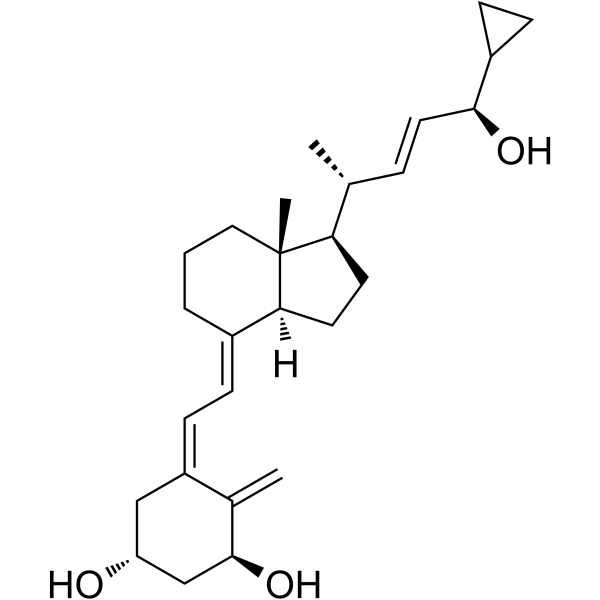
24R-Calcipotriol (PRI 2202; Impurity D of Calcipotriol), an isomer of Calcipotriol (HY-10001), is a synthetic vitamin D analog. 24R-Calcipotriol exhibits synergistic antiproliferative effects with low-dose cytostatics in in vitro. 24R-Calcipotriol produces tumor growth inhibition when combined with Cyclophosphamide (HY-17420) and Cisplatin (HY-17394) in mice models. 24R-Calcipotriol can increase serum calcium levels and reduce blood leukocyte counts . 24R-Calcipotriol can be used for the research of mammary cancer and Lewis lung cancer .
|
-
- HY-105854A
-
|
|
Ras
MEK
ERK
PI3K
Akt
MMP
Keap1-Nrf2
Heme Oxygenase (HO)
Reactive Oxygen Species (ROS)
Apoptosis
|
Cardiovascular Disease
Neurological Disease
Inflammation/Immunology
Cancer
|
|
Pipoxolan is an orally active smooth muscle relaxant, anti-inflammatory agent and anticancer agent. Pipoxolan modulates PI3K/AKT signaling pathways, and reduces the levels of Ras/MEK/p-ERK, MMP-2 and MMP-9. Pipoxolan inhibits pro-inflammatory transcription factor pathways, activates Nrf2/HO-1, and suppresses the production of pro-inflammatory mediators. Pipoxolan induces ROS generation, endogenous mitochondrial Apoptosis, and G0/G1 cell cycle arrest. Pipoxolan reduces cerebral infarction size and inhibits intimal hyperplasia. Pipoxolan can be used in research related to cerebral ischemia, intimal hyperplasia, oral squamous cell carcinoma, leukemia and lung cancer .
|
-

- HY-N1745A
-
|
|
Reactive Oxygen Species (ROS)
Apoptosis
|
Infection
Inflammation/Immunology
Cancer
|
|
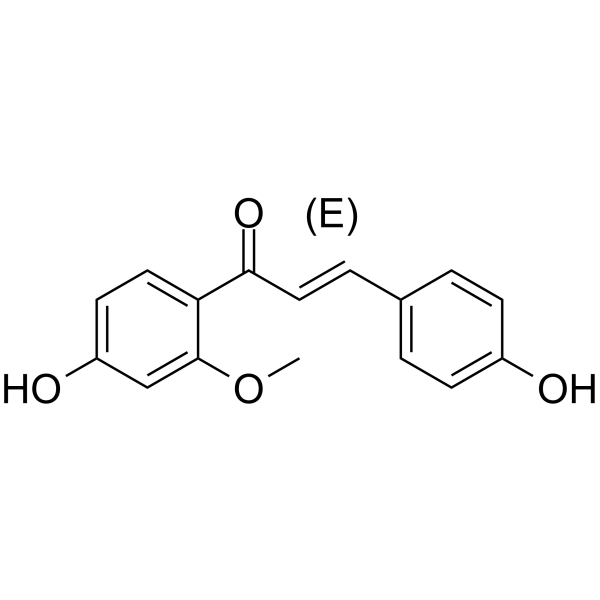
3-Deoxysappanchalcone is a natural chalcone compound isolated from the heartwood of Caesalpinia sappan L. 3-Deoxysappanchalcone induces cell cycle arrest, ROS production, and apoptosis. 3-Deoxysappanchalcone exhibits anti-inflammatory, anti-allergic, anticoagulant, and antithrombotic activities. 3-Deoxysappanchalcone is applicable to research related to lung cancer, esophageal squamous cell carcinoma, thrombosis, and influenza virus infection .
|
-
- HY-170428
-
|
|
Molecular Glues
Ras
Ligands for E3 Ligase
|
Cancer
|
|
IPS-06061 is an orally active molecular glue forming a ternary complex of CRBN-KRAS G12D-IPS06061, degrading KRAS G12D with a DC50 value lower than 500 nM. IPS-06061 shows a strong anti-tumor efficacy .
|
-

- HY-N17311
-
|
|
Others
|
Cancer
|
|
(22E,24R)-5α,6α-Epoxyergosta-8,22-diene-3β,7β-diol (Compound 3) is an ergosterol. (22E,24R)-5α,6α-Epoxyergosta-8,22-diene-3β,7β-diol can be isolated from A. subjunquillea. (22E,24R)-5α,6α-Epoxyergosta-8,22-diene-3β,7β-diol can be used in the research of non-small cell lung cancer, ovarian cancer, melanoma, and colon cancer .
|
-

- HY-181658
-
|
|
Parasite
|
Infection
Cancer
|
|
Antimalarial agent 59 is an antimalarial agent. Antimalarial agent 59 inhibits the growth of Chloroquine (HY-17589A)-resistant FcB1 strain of Plasmodium falciparum with an IC50 of 46 nM. Antimalarial agent 59 also shows cytotoxic activity against cancer cells. Antimalarial agent 59 can be used for the researches of malaria and ovarian cancer .
|
-

- HY-P992180
-
|
|
Ferroptosis
|
Inflammation/Immunology
Cancer
|
|
AMB8LK is a human monoclonal antibody targeting H-ferritin, with specificity for tumor-associated heterologous ferritin. AMB8LK specifically recognizes and binds to H-ferritin overexpressed on the surface of tumor cells. AMB8LK can be used in research related to cancer and immune diseases .
|
-

- HY-P11845
-
|
|
Radionuclide-Drug Conjugates (RDCs)
Neurotensin Receptor
|
Cancer
|
|
DOTA-NT-20.3-IPBA is a Neurotensin receptor 1 (NTR1)-targeting albumin binder with specific high-affinity binding to NTR1. DOTA-NT-20.3-IPBA is formed by the conjugation of DOTA-NT-20.3 and IPBA. DOTA-NT-20.3-IPBA can be used for positron emission tomography (PET) imaging following labeling with [ 68Ga]Ga .
|
-

- HY-P99809
-
|
MK-1308
|
CTLA-4
|
Cancer
|
|
Quavonlimab (MK-1308) is a humanized IgG1 monoclonal antibody targeting CTLA-4. As a competitive inhibitor of CTLA-4, Quavonlimab blocks the binding of CTLA-4 to its ligands CD80 and CD86. Quavonlimab increases interferon production, expands and activates T cells, reduces tumor regulatory T cells, inhibits tumor growth, and induces the proliferation of Ki67-positive CD4 and CD8 cells. Quavonlimab can be used in studies related to solid tumors .
|
-

- HY-186120A
-
|
|
Amino Acid Derivatives
|
Cancer
|
|
N-(Aminoiminomethyl)-N-methyl-L-alanine is an Amino acid analog. N-(Aminoiminomethyl)-N-methyl-L-alanine can be used in cancer-related research .
|
-

- HY-104004
-
|
Fmoc-Ser-(GalNAc(Ac)3-alpha-D)-OH; Fmoc-Ser[GalNAc(Ac)3-α-D]-OH; Fmoc-Ser(Ac3AcNH-α-Gal)-OH
|
Amino Acid Derivatives
Drug Intermediate
|
Cancer
|
|
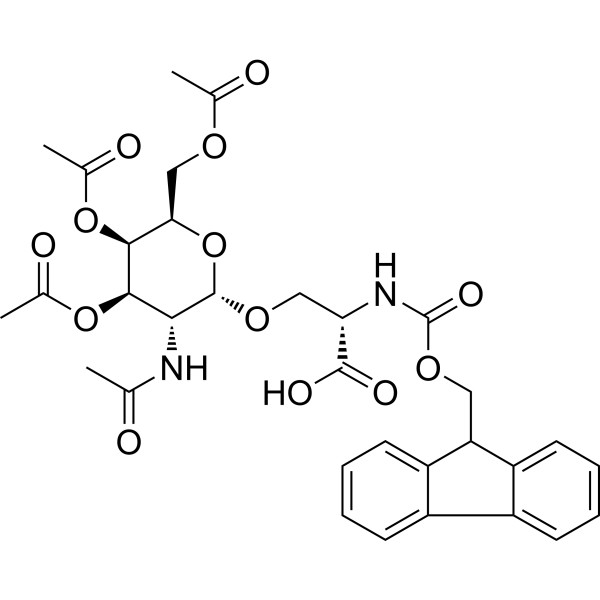
Fmoc-Ser (O-α-D-GalNAc (OAc) 3)-OH (Fmoc-Ser-(GalNAc(Ac)3-alpha-D)-OH) is a protected glycosylated amino acid and Tn antigen. Fmoc-Ser (O-α-D-GalNAc (OAc) 3)-OH serves as a building block in the solid-phase synthesis of Tn-based cancer vaccine constructs. Fmoc-Ser (O-α-D-GalNAc (OAc) 3)-OH supports solid-phase peptide synthesis .
|
-
- HY-181989
-
|
|
Glucosylceramide Synthase (GCS)
|
Cancer
|
|
CAIF is an irreversible, selective allosteric covalent inhibitor of ucosyltransferase 8 (FUT8) with an IC50 of 5.7 μM. CAIF inhibits core fucosylation modification in cancer cells, and suppresses the invasion and migration of cancer cells. CAIF is applicable for cancer research .
|
-

- HY-13902
-
Berzosertib
Maximum Cited Publications
24 Publications Verification
VE-822; VX-970; M6620
|
ATM/ATR
Apoptosis
STING
Caspase
|
Infection
Metabolic Disease
Cancer
|
|
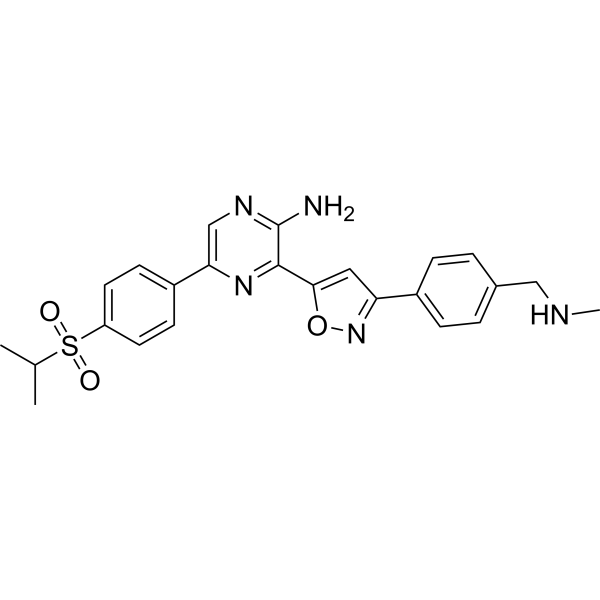
Berzosertib (VE-822) is an orally active, CNS-penetrant, and selective ATR kinase inhibitor. Berzosertib blocks ATR kinase activity, abrogates G2/M cell cycle checkpoint, impairs DNA damage repair. Berzosertib induces apoptosis, inhibnits conlony migration, inhibits cell proliferation, and activates cGAS-STING axes in cancer cells. Berzosertib can be used for the research of cancers, such as head and neck squamous cell carcinoma, and colorectal cancer .
|
-
- HY-13902A
-
|
VE-822 hydrochloride; VX-970 hydrochloride; M6620 hydrochloride
|
ATM/ATR
Apoptosis
STING
Caspase
|
Neurological Disease
Cancer
|
|
Berzosertib (VE-822) hydrochloride is an orally active, CNS-penetrant, and selective ATR kinase inhibitor. Berzosertib hydrochloride blocks ATR kinase activity, abrogates G2/M cell cycle checkpoint, impairs DNA damage repair. Berzosertib hydrochloride induces apoptosis, inhibnits conlony migration, inhibits cell proliferation, and activates cGAS-STING axes in cancer cells. Berzosertib hydrochloride can be used for the research of cancers, such as head and neck squamous cell carcinoma, and colorectal cancer .
|
-

- HY-P99943
-
|
KN-046
|
PD-1/PD-L1
CTLA-4
|
Cancer
|
|
Erfonrilimab (KN-046) is a monoclonal antibody targeting PD-L1/CTLA-4. Erfonrilimab blocks the PD-L1 and CTLA-4 pathways, thereby regulating T cell function. Erfonrilimab enhances the secretion of IL-2 in superantigen-stimulated peripheral blood mononuclear cells. Erfonrilimab inhibits tumor growth in xenograft and double gene knock-in mouse models. Erfonrilimab can be used in research related to a variety of advanced solid tumors, including non-small cell lung cancer and nasopharyngeal carcinoma.
|
-

- HY-181794
-
|
|
Apoptosis
|
Cancer
|
|
Z19024498 is a heat sensitizer. Z19024498 inhibits SAFB granule formation under heat stress conditions. Z19024498 enhances heat stress-induced Apoptosis. Z19024498 exerts anticancer activity against cervical cancer in synergy with heat stress .
|
-

- HY-182266
-
|
|
Mitochondrial Metabolism
Apoptosis
Reactive Oxygen Species (ROS)
DNA/RNA Synthesis
|
Cancer
|
|
FBP is a mitochondria-targeted, selective anticancer agent. FBP induces oxidative stress and mitochondrial dysfunction, leading to Apoptosis. FBP generates ROS and causes double-strand DNA breaks in cancer cells. FBP exhibits cytotoxic efficacy against cancer cells, with cervical cancer cells being the most sensitive. FBP can be used for the research of cervical cancer, lung cancer, melanoma and breast cancer .
|
-

- HY-W075517
-
|
2-Methylimidazole zinc salt
|
Caspase
Pyroptosis
MOFs
|
Cancer
|
|
ZIF-8 (2-Methylimidazole zinc salt) is a caspase-1/Gasdermin D activator and a pH- and stimulus-responsive inducer of drug release, which serves as a highly efficient drug delivery carrier. ZIF-8 is a metal-organic framework (MOF). ZIF-8 activates the caspase-1/Gasdermin D-dependent pyroptosis pathway, induces pyroptosis, necrosis and immunogenic cell death, initiates in situ anti-tumor immunity, reprograms the immunosuppressive tumor microenvironment and inhibits tumor proliferation. ZIF-8 is applicable to related research on multiple cancers including colorectal cancer and breast cancer .
|
-

-
- HY-135146G
-
|
|
Fluorescent Dyes
|
|
GSK-3484862 GMP is GSK-3484862 (HY-135146) produced by using GMP guidelines. GMP small molecules works appropriately as an auxiliary reagent for cell therapy manufacture. GSK-3484862 is a highly potent non-covalent inhibitor and demethylating agent of DNMT1. GSK-3484862 induces genome-wide DNA demethylation, including the regulatory elements of DNMT3B and the promoter region of TERT, and significantly inhibits cell viability, growth, proliferation and self-renewal. GSK-3484862 blocks the transformation of young AT2 cells, induces apoptosis, and generates transcriptomic features similar to those of senescent cells. GSK-3484862 is widely used in studies related to lung cancer, oral squamous cell carcinoma and lung adenocarcinoma .
|
-
- HY-401424
-
|
Polyoxyethylene(36) Castor Oil; PEG-36 Castor Oil
|
Biochemical Assay Reagents
|
|
Cremophor EL-36 is a non-ionic surfactant, mainly used as a solubilizing carrier for poorly soluble Paclitaxel (HY-B0015). For example, Cremophor EL-36 can enhance the intracellular influx of Etoposide (HY-13629) without affecting drug efflux, and can dose-dependently increase the accumulation of VP-16 in lung adenocarcinoma cells (such as PC-14 and A549), significantly enhancing its cytotoxic effect .
|
-
- HY-W020955
-
|
Chloro(triphenylphosphine)gold(I)
|
Biochemical Assay Reagents
|
|
Triphenylphosphinechlorogold (Chloro(triphenylphosphine)gold(I)) is a gold complex, Apoptosis inducer, and catalyst. Triphenylphosphinechlorogold exhibits high LOX inhibitory activity. Triphenylphosphinechlorogold induces cell cycle arrest and apoptosis. Triphenylphosphinechlorogold catalyzes the peroxidation of linoleic acid. A weak interaction exists between Triphenylphosphinechlorogold and DNA. Triphenylphosphinechlorogold displays antiproliferative activity against breast cancer cells .
|
-
- HY-142997
-
|
|
Biochemical Assay Reagents
|
|
DOSPA is a cationic lipid. DOSPA can form lipid nanoparticles with DOPE (HY-112005) to serve as a carrier for nucleic acid transfection. DOSPA is applicable in research related to drug delivery .
|
-
- HY-135146G
-
|
|
Biochemical Assay Reagents
|
|
GSK-3484862 GMP is GSK-3484862 (HY-135146) produced by using GMP guidelines. GMP small molecules works appropriately as an auxiliary reagent for cell therapy manufacture. GSK-3484862 is a highly potent non-covalent inhibitor and demethylating agent of DNMT1. GSK-3484862 induces genome-wide DNA demethylation, including the regulatory elements of DNMT3B and the promoter region of TERT, and significantly inhibits cell viability, growth, proliferation and self-renewal. GSK-3484862 blocks the transformation of young AT2 cells, induces apoptosis, and generates transcriptomic features similar to those of senescent cells. GSK-3484862 is widely used in studies related to lung cancer, oral squamous cell carcinoma and lung adenocarcinoma .
|
| Cat. No. |
상품명 |
Target |
Research Area |
-
- HY-P10944
-
|
NNS309
|
FAP
|
Inflammation/Immunology
Cancer
|
|
Unlabeled FXX489 (NNS309) is a fibroblast activation protein (FAP)-targeting ligand. Unlabeled FXX489 can be labeled with 68Ga and 177Lu and shows anticancer effects. Unlabeled FXX489 can be used for the study of pancreatic ductal adenocarcinoma (PDAC), non-small cell lung cancer (NSCLC), breast cancer (BC), and colorectal cancer (CRC) .
|
-
- HY-P5098
-
|
|
Integrin
|
Neurological Disease
Cancer
|
|
E (c (RGDfK)) 2 is a αvβ3 integrin ligand and tumor-targeting agent. E (c (RGDfK)) 2 binds to αvβ3 integrin, mediates receptor-mediated endocytosis of conjugated payloads, and inhibits integrin-dependent cell adhesion to fibrinogen. E (c (RGDfK)) 2 inhibits the proliferation of cancer cells and endothelial cells. E (c (RGDfK)) 2 preferentially accumulates in orthotopic mouse breast tumors and human ovarian cancer xenograft tumors. E (c (RGDfK)) 2 can be used in research related to glioblastoma, lung cancer, breast adenocarcinoma and ovarian cancer .
|
-
- HY-P10010
-
|
|
Galectin
|
Cancer
|
|
DB21, Galectin-1 Antagonist is a dibenzofuran conjugated peptidomimetic that acts as an allosteric inhibitor of galectin-1 (GAL1)binding to cell surface glycans. DB21, Galectin-1 Antagonis increases inhibition of angiogenesis and tumour growth in melanoma, lung adenocarcinoma and ovarian cancer models .
|
-
- HY-P11280A
-
|
|
Melanocortin Receptor
|
Cancer
|
|
PRAME peptide (425-433) acetate is a proteasome-degraded peptide derived from the cancer-testis antigen PRAME (Preferentially Expressed Antigen in Melanoma). PRAME peptide (425-433) acetate is restricted by HLA-A*02:01 and can serve as a target for bispecific T cell engager therapy in the context of major histocompatibility complex I presentation. PRAME peptide (425-433) acetate shows application potential in various malignant tumors and is widely suitable for research related to solid tumors, melanoma, ovarian cancer, endometrial cancer, and lung cancer (including lung adenocarcinoma and lung squamous cell carcinoma). PRAME peptide (425-433) acetate can be used to explore disease of triple-negative breast cancer, diffuse large B-cell lymphoma, and head and neck squamous cell carcinoma .
|
-
- HY-P11845
-
|
|
Radionuclide-Drug Conjugates (RDCs)
Neurotensin Receptor
|
Cancer
|
|
DOTA-NT-20.3-IPBA is a Neurotensin receptor 1 (NTR1)-targeting albumin binder with specific high-affinity binding to NTR1. DOTA-NT-20.3-IPBA is formed by the conjugation of DOTA-NT-20.3 and IPBA. DOTA-NT-20.3-IPBA can be used for positron emission tomography (PET) imaging following labeling with [ 68Ga]Ga .
|
| Cat. No. |
상품명 |
Target |
Research Area |
Image |
-
- HY-P99117
-
|
AK104
|
PD-1/PD-L1
CTLA-4
|
Inflammation/Immunology
Cancer
|
|
Cadonilimab (AK104) is a humanized tetravalent IgG1 bispecific antibody targeting PD1/CTLA4. Cadonilimab blocks both PD-1 and CTLA-4 pathways, thereby relieving their corresponding immunosuppressive effects and reversing tumor specific T cell exhaustion. Cadonilimab significantly downregulates Fc-mediated effector functions, including antibody-dependent cell-mediated cytotoxicity (ADCC), antibody-dependent cellular phagocytosis (ADCP), complement dependent cytotoxicity (CDC). Cadonilimab can be used for research of metastatic cervical cancer, as well as other malignancies such as gastric cancer, GEJ adenocarcinoma and non-small cell lung cancer (NSCLC) .
|
-

(5)
-
- HY-P99048
-
|
IBI308
|
PD-1/PD-L1
|
Inflammation/Immunology
Cancer
|
|
Sintilimab (IBI308) is a safe and effectivel humanized IgG4 monoclonal antibody that binds to PD-1 with a KD value of 74 pM. Sintilimab blocks the interaction of PD-1 with its ligands (PD-L1 and PL-L2), consequently helping to restore the endogenous antitumour T-cell response. Sintilimab combined with prebiotics inhibits tumor volume and regulates immune cell subpopulation balance in lung adenocarcinoma mice. Sintilimab can be used for the research of classical Hodgkin's lymphoma, non-small cell lung cancer and oesophageal cancer .
|
-
(5)
-
- HY-P99379
-
|
CAN04; Anti-IL-1RAP/IL-1R3 Reference Antibody (nidanilimab)
|
Interleukin Related
|
Cancer
|
|
Nidanilimab (CAN04) is a fully humanized monoclonal anti-IL1RAP antibody with a Kd value of 1.10 pM. Nidanilimab blocks IL1α and IL1β signaling and stimulates the immune system to destroy tumour cells. Nidanilimab can be used in research of non-small lung cancer (NSCLC) and pancreatic ductal adenocarcinoma (PDAC) .
|
-
(5)
-
- HY-P99237
-
|
MMUC 1206A
|
Mucin
|
Cancer
|
|
Sofituzumab (MMUC 1206A) is an anti-MUC16 antibody with a Kd of 0.3-0.9 nM. Sofituzumab can bind multiple adjacent antibody molecules to the repeat sequences of the same MUC16 molecule. Sofituzumab exhibits no anti-tumor activity in the HPAC pancreatic adenocarcinoma xenograft model .
|
-
(5)
-
- HY-P99943
-
|
KN-046
|
PD-1/PD-L1
CTLA-4
|
Cancer
|
|
Erfonrilimab (KN-046) is a monoclonal antibody targeting PD-L1/CTLA-4. Erfonrilimab blocks the PD-L1 and CTLA-4 pathways, thereby regulating T cell function. Erfonrilimab enhances the secretion of IL-2 in superantigen-stimulated peripheral blood mononuclear cells. Erfonrilimab inhibits tumor growth in xenograft and double gene knock-in mouse models. Erfonrilimab can be used in research related to a variety of advanced solid tumors, including non-small cell lung cancer and nasopharyngeal carcinoma.
|
-
(5)
-
- HY-P991481
-
|
|
CCR
|
Inflammation/Immunology
Cancer
|
|
S-531011 is a high-affinity, selective, and reversible CCR8 ligand with antibody-dependent cellular cytotoxicity (ADCC) against CCR8-expressing cells. S-531011 induces the death of tumor-infiltrating CCR8 + regulatory T cells while preserving regulatory T cells in peripheral blood, thereby reinvigorating anti-tumor immunity. The combination of S-531011 with anti-PD-1 antibody effectively inhibits tumor growth, and S-531011 can be used for research on advanced solid tumors and various cancers including non-small cell lung cancer, ovarian cancer, colon cancer, breast cancer, and pancreatic ductal adenocarcinoma .
|
-
(5)
-
- HY-P99809
-
|
MK-1308
|
CTLA-4
|
Cancer
|
|
Quavonlimab (MK-1308) is a humanized IgG1 monoclonal antibody targeting CTLA-4. As a competitive inhibitor of CTLA-4, Quavonlimab blocks the binding of CTLA-4 to its ligands CD80 and CD86. Quavonlimab increases interferon production, expands and activates T cells, reduces tumor regulatory T cells, inhibits tumor growth, and induces the proliferation of Ki67-positive CD4 and CD8 cells. Quavonlimab can be used in studies related to solid tumors .
|
-
(5)
-
- HY-P991739
-
|
|
VEGFR
PD-1/PD-L1
|
Cancer
|
|
RC148 is a humanized IgG1 bispecific antibody targeting VEGF and PD-1. RC148 blocks PD-1-PD-L1 and VEGF-VEGFR interactions, triggers VEGF-dependent enhanced PD-1 binding, enables VEGF crosslinking, and inhibits PD-1-mediated immunosuppression. RC148 can be used for the research of metastatic gastric/gastroesophageal junction adenocarcinoma, non-small cell lung cancer, and metastatic breast cancer .
|
-
(5)
-
- HY-P99048A
-
|
IBI308 (Anti-PD-1)
|
PD-1/PD-L1
|
Inflammation/Immunology
Cancer
|
|
Sintilimab (Anti-PD-1) (IBI308 (Anti-PD-1)) is a safe and effectivel humanized IgG4 monoclonal antibody that binds to PD-1 with a KD value of 74 pM. Sintilimab (Anti-PD-1) blocks the interaction of PD-1 with its ligands (PD-L1 and PL-L2), consequently helping to restore the endogenous antitumour T-cell response. Sintilimab (Anti-PD-1) combined with prebiotics inhibits tumor volume and regulates immune cell subpopulation balance in lung adenocarcinoma mice. Sintilimab (Anti-PD-1) can be used for the research of classical Hodgkin's lymphoma, non-small cell lung cancer and oesophageal cancer .
|
-
(5)
-
- HY-P992347
-
|
|
CD276/B7-H3
|
Cancer
|
|
DS-5573a is a human monoclonal antibody targeting B7-H3, with a Kd of 1.8 nM for the 4Ig isoform and 11 nM for the 2Ig isoform. DS-5573a induces antibody-dependent cellular cytotoxicity and antibody-dependent cellular phagocytosis against B7-H3-expressing cancer cells. DS-5573a exerts dose-dependent anti-tumor activity via effector cells. DS-5573a can be used in the research of cancers including breast adenocarcinoma, non-small cell lung cancer, renal cell adenocarcinoma, gastric cancer and prostate cancer .
|
-
(5)
-
- HY-P992361
-
|
|
Transmembrane Glycoprotein
|
Cancer
|
|
HB0030 is a TIGIT inhibitor with antibody-dependent cellular cytotoxicity (ADCC) and complement-dependent cytotoxicity (CDC) activities. HB0030 enhances the expression of activation markers in natural killer (NK) cells, promotes the killing of regulatory T cells (Tregs), and reduces the proportion of FoxP3 + Treg in tumor-infiltrating lymphocytes. The combination of HB0030 with the anti-PD-L1/VEGF bispecific antibody HB0025 further enhances tumor suppression efficacy. HB0030 can be used in studies related to colorectal cancer, pancreatic adenocarcinoma, hepatocellular carcinoma, bladder cancer, breast cancer, non-small cell lung cancer, and advanced solid tumors .
|
-
(5)
-
- HY-P992341
-
|
|
MMP
|
Cancer
|
|
D8P1C1 is a high-affinity ADAM17 inhibitor (with a Kd of 180 pM targeting ADAM17-ECD) that reduces the shedding and phosphorylation of EGFR ligands. D8P1C1 inhibits cancer cell proliferation in vitro and tumor growth in xenograft models. 89Zr-DFO-D8P1C1 radioimmunological PET imaging shows its substantial accumulation in ovarian tumor xenografts, serving as a platform for generating bispecific T-cell engager derivatives. D8P1C1 can be applied to research on related diseases including triple-negative breast cancer, various types of ovarian cancer, lung adenocarcinoma, glioma, and colon cancer .
|
-
(5)
-
- HY-P992180
-
|
|
Ferroptosis
|
Inflammation/Immunology
Cancer
|
|
AMB8LK is a human monoclonal antibody targeting H-ferritin, with specificity for tumor-associated heterologous ferritin. AMB8LK specifically recognizes and binds to H-ferritin overexpressed on the surface of tumor cells. AMB8LK can be used in research related to cancer and immune diseases .
|
-
(5)
| Cat. No. |
상품명 |
Category |
Target |
Chemical Structure |
-
- HY-Y0030
-
-
-
- HY-N2000
-
-
-
- HY-N3225
-
|
|
Myrica ceriferaL.
Phenols
Polyphenols
Plants
Source Classification
Myricaceae
|
NAMPT
Sirtuin
Microtubule/Tubulin
Apoptosis
Autophagy
PDGFR
NF-κB
AMPK
|
|
Myricanol is a diarylheptanoid and a Nampt activator. Myricanol exerts anti-inflammatory effects and alleviates glucocorticoid-induced muscle atrophy by increasing Sirtuin 1 (SIRT1) and PRDX5 activities while regulating inflammatory factors. Myricanol exhibits growth inhibition and induces apoptosis in human lung adenocarcinoma A549 cells. Myricanol promotes autophagy-mediated clearance of microtubule-associated protein tau to exert neuroprotective effects. Myricanol protects cardiovascular function by inhibiting PDGFRβ and NF-κB signaling pathways. Myricanol activates mitochondrial transcription factor A (TFAM) expression to exert anti-renal fibrosis effects. Myricanol improves insulin resistance through AMPK activation .
|
-
-
- HY-N1745A
-
-
-
- HY-N8420
-
-
-
- HY-Y0030R
-
-
-
- HY-138098
-
-
-
- HY-N1056
-
-
-
- HY-N14303
-
-
-
- HY-N10363
-
-
-
- HY-N6969A
-
|
|
Alkaloids
Other Alkaloids
Stephania epigaea Lo
Plants
Menispermaceae
Source Classification
|
Adrenergic Receptor
|
|
Dicentrine hydrochloride is a drug with anti-inflammatory and anti-cancer activity. Dicentrine hydrochloride exerts its effects by enhancing TNF-α-induced apoptosis in A549 lung adenocarcinoma cells. Dicentrine hydrochloride increases caspase-8, -9, -3 and poly(ADP-ribose) polymerase (PARP) activities. Dicentrine hydrochloride inhibits TNF-α-induced invasion and migration of A549 cells. Dicentrine hydrochloride significantly inhibited the TNF-α-activated TAK1, p38, JNK and Akt signaling pathways, and reduced the transcriptional activities of NF-κB and AP-1 .
|
-
-
- HY-N17957
-
-
-
- HY-N17684
-
-
-
- HY-134505
-
|
|
Structural Classification
Acacia victoriae Benth.
Terpenoids
Plants
Pentacyclic Triterpenoids
Fabaceae
Source Classification
|
Ras
Phospholipase
ERK
Akt
|
|
Avicin G is a sphingomyelinase inhibitor and plasma membrane disruptor. Avicin G inhibits the enzymatic activities of neutral sphingomyelinases (SMPD2/3) and acid sphingomyelinase (SMPD1), elevates intracellular sphingomyelin levels, and alters the distribution of sphingomyelin. Avicin G interferes with the lateral segregation of GTP- and GDP-bound H-Ras, inhibits the signal output of oncogenic K-Ras and H-Ras, reduces the phosphorylation of ERK and Akt, increases lysosomal pH, and inhibits the endocytic recycling of epidermal growth factor receptor. Avicin G can be used in research related to pancreatic ductal adenocarcinoma and non-small cell lung cancer .
|
-
-
- HY-N16695
-
-
-
- HY-N11764
-
-
-
- HY-N16811
-
-
-
- HY-N13800
-
|
|
Structural Classification
Uvaria grandiflora Roxb.
Other Phenylpropanoids
Phenylpropanoids
Plants
Annonaceae
Source Classification
|
Phytohormone
|
|
3-O-Debenzoylzeylenone is a polyoxygenated cyclohexene plant growth hormone that exists in the leaves of Uvaria purpurea and the aerial parts of Uvaria grandiflora. 3-O-Debenzoylzeylenone is an auxin analog that inhibits root growth and promotes shoot growth of Lactuca sativa seedlings. 3-O-Debenzoylzeylenone exhibits cytotoxicity against various cancer cells and can be used in studies related to lung cancer, melanoma, epidermoid carcinoma, liver cancer, gastric cancer, colon adenocarcinoma, acute leukemia, breast cancer, and prostate cancer .
|
-
-
- HY-N17431
-
-
-
- HY-N17550
-
-
-
- HY-N13841
-
-
-
- HY-N16806
-
-
-
- HY-N17311
-
|
|
Structural Classification
Microorganisms
Steroids
Source Classification
|
Others
|
|
(22E,24R)-5α,6α-Epoxyergosta-8,22-diene-3β,7β-diol (Compound 3) is an ergosterol. (22E,24R)-5α,6α-Epoxyergosta-8,22-diene-3β,7β-diol can be isolated from A. subjunquillea. (22E,24R)-5α,6α-Epoxyergosta-8,22-diene-3β,7β-diol can be used in the research of non-small cell lung cancer, ovarian cancer, melanoma, and colon cancer .
|
-
| Cat. No. |
상품명 |
|
Classification |
-
- HY-180200
-
|
|
|
Alkynes
|
|
RNK08954 is an orally active KRASG12D inhibitor with a Kd of 0.0395 nM. RNK08954 selectively binds the inactive GDP-bound KRASG12D form, suppresses downstream KRAS-mediated signaling pathways p-ERK1/2 experssion. RNK08954 inhibits KRASG12D-mutant cell proliferation, induces G0-G1 cell cycle arrest, and inhibits tumor growth in mouse xenograft models. RNK08954 can be used for the research of non-small cell lung cancer, pancreatic ductal adenocarcinoma .
|
| Cat. No. |
상품명 |
|
Classification |
-
- HY-146244
-
|
ODN 2006; PF-3512676; CpG 7909; ODN 7909
|
|
CpG ODNs
|
|
Agatolimod ((ODN 2006; PF-3512676; CpG 7909)) is a TLR9 agonist and immunomodulator with an EC50 of 180 nM against human TLR9. Agatolimod activates and upregulates the expression of both TLR9 and TLR6, and mediates downstream signaling pathways via IRAK4, IRF5, IRF7. Agatolimod induces Th1-type innate and adaptive immune responses, activates various immune cells and promotes antigen presentation, regulates antibody levels and immune cell infiltration, upregulates the secretion of multiple cytokines, induces apoptosis and cell cycle arrest, enhances cytotoxicity, and clears intracellular Salmonella. Agatolimod is applicable to research on COVID-19, breast cancer, lung adenocarcinoma, HPV-related tumors, melanoma, and salmonellosis .
|
-
- HY-142997
-
|
|
|
Cationic Lipids
|
|
DOSPA is a cationic lipid. DOSPA can form lipid nanoparticles with DOPE (HY-112005) to serve as a carrier for nucleic acid transfection. DOSPA is applicable in research related to drug delivery .
|
| Cat. No. |
상품명 |
Target |
연구분야 |
Chemical Structure |
-
- HY-135146G
-
|
|
DNA Methyltransferase
Apoptosis
|
Cancer
|
|
GSK-3484862 GMP is GSK-3484862 (HY-135146) produced by using GMP guidelines. GMP small molecules works appropriately as an auxiliary reagent for cell therapy manufacture. GSK-3484862 is a highly potent non-covalent inhibitor and demethylating agent of DNMT1. GSK-3484862 induces genome-wide DNA demethylation, including the regulatory elements of DNMT3B and the promoter region of TERT, and significantly inhibits cell viability, growth, proliferation and self-renewal. GSK-3484862 blocks the transformation of young AT2 cells, induces apoptosis, and generates transcriptomic features similar to those of senescent cells. GSK-3484862 is widely used in studies related to lung cancer, oral squamous cell carcinoma and lung adenocarcinoma .
|
-
Your information is safe with us. * Required Fields.
Inquiry Information
- 상품명:
- Cat. No.:
- 수량:
- MCE Japan Authorized Agent:





![NH2-bicyclo[1.1.1]pentane-7-MAD-MDCPT hydrochloride](http://file.medchemexpress.com/product_pic/hy-148819a.gif)





