
1. Search Result
Search Result
Results for "

Cyclopropane

" in MedChemExpress (MCE) Product Catalog:

184

Inhibitors & Agonists

1

Fluorescent Dye

1

Biochemical Assay Reagents

189

Peptides

28

Natural
Products

4

Isotope-Labeled Compounds

1

Click Chemistry

Cat. No. Product Name Target Research Areas Chemical Structure
  • HY-P0023
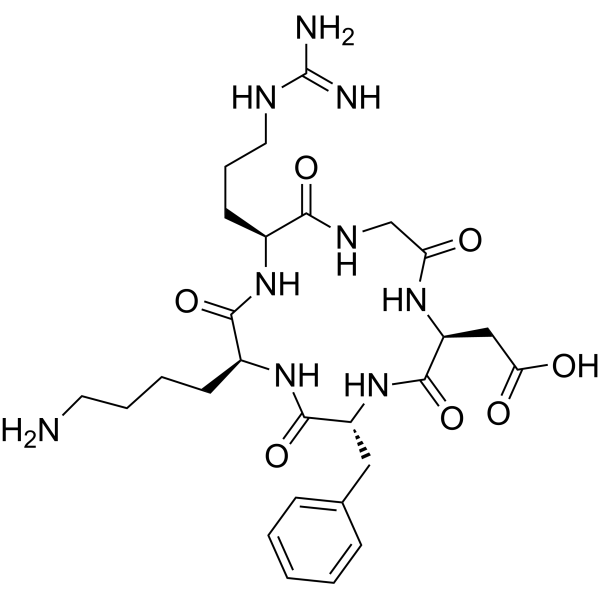
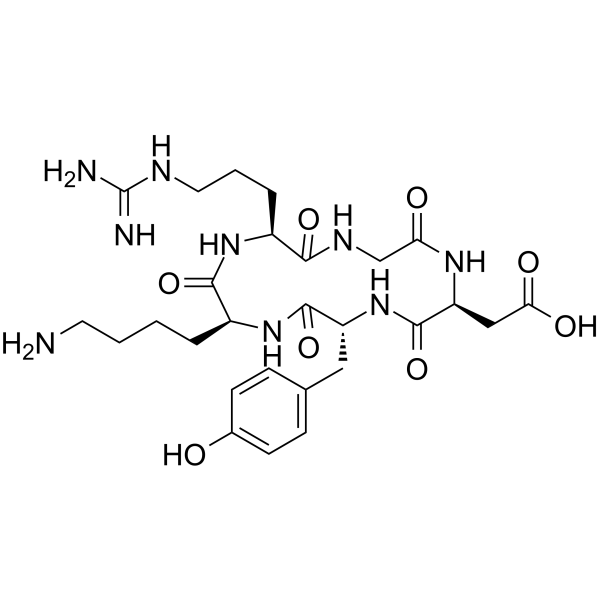
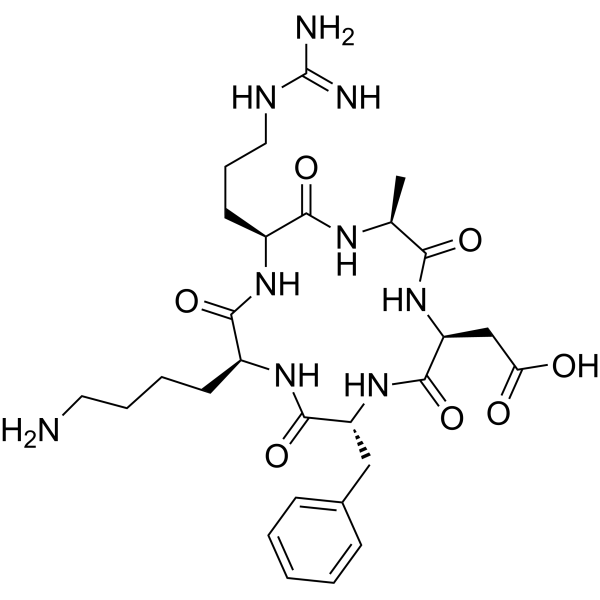
    Cyclo(-RGDfK)
    Maximum Cited Publications
    27 Publications Verification

    Integrin Cancer
    Cyclo(-RGDfK) is a potent and selective inhibitor of the αvβ3 integrin, with an IC50 of 0.94 nM. Cyclo(-RGDfK) potently targets tumor microvasculature and cancer cells through the specific binding to the αvβ3 integrin on the cell surface .
    Cyclo(-RGDfK)
  • HY-148668

    SHR-A1811 Drug-linker

    Drug-Linker Conjugates for ADC Topoisomerase Cancer
    MC-Gly-Gly-Phe-Gly-(R)-Cyclopropane-Exatecan (SHR-A1811 Drug-linker) is a agent-linker conjugates for ADC, consisting Exatecan (HY-13631). Exatecan is a DNA Topoisomerase I inhibitor (IC50=2.2 μM) .
    MC-Gly-Gly-Phe-Gly-(R)-Cyclopropane-Exatecan
  • HY-100563A
    Cyclo(RGDyK)
    4 Publications Verification

    Integrin Cancer
    Cyclo(RGDyK) is a potent and selective αVβ3 integrin inhibitor with an IC50 of 20 nM.
    Cyclo(RGDyK)
  • HY-P1934A

    Fungal Bacterial IFNAR Reactive Oxygen Species (ROS) Infection Inflammation/Immunology Cancer
    Cyclo(L-Phe-L-Pro), isolated from Pseudomonas fluorescens and Pseudomonas alcaligenes cell-free culture supernatants is an antifungal cyclic dipeptide . Cyclo(L-Phe-L-Pro) inhibits IFN-β production by interfering with retinoic-acid-inducible gene-I (RIG-I) activation . Cyclo(L-Phe-L-Pro) exhibits free-radical scavenging activity with the IC50 of 24 µM in the DPPH assay .
    Cyclo(L-Phe-L-Pro)
  • HY-125905
    VH032-cyclopropane-F
    1 Publications Verification

    VHL ligand 3; E3 ligase Ligand 19

    Ligands for E3 Ligase Cancer
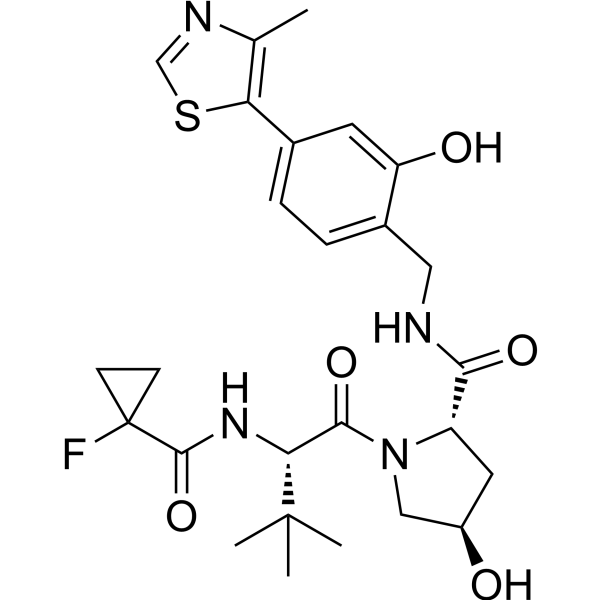
    VH032-cyclopropane-F is the VH032-based VHL ligand. VH032-cyclopropane-F can be connected to the ligand for protein (e.g., SMARCA BD ligand) by a linker to form PROTACs (e.g., PROTAC 1). PROTAC 1 is a partial degrader of SMARCA2 and SMARCA4 .
    VH032-cyclopropane-F
  • HY-P2300
    Cyclo(Arg-Gly-Asp-D-Phe-Cys)
    2 Publications Verification

    Cyclo(RGDfC)

    Integrin Cancer
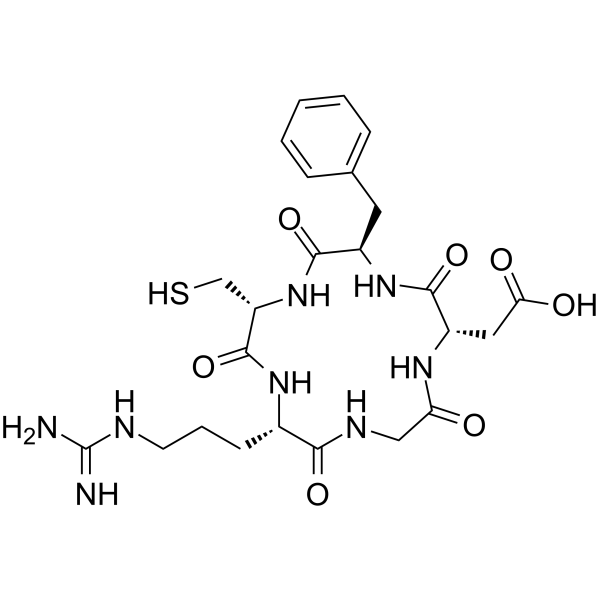
    Cyclo(Arg-Gly-Asp-D-Phe-Cys) (Cyclo RGDfC), a cyclic RGD peptide which has high affinity to αvβ3, can disrupt cell integrin interactions. Cyclo(Arg-Gly-Asp-D-Phe-Cys) inhibits pluripotent marker expression in embryonic stem cells (ESCs) and the tumorigenic potential of mESCs in vivo. Cyclo(Arg-Gly-Asp-D-Phe-Cys) can be used in the research of tumors .
    Cyclo(Arg-Gly-Asp-D-Phe-Cys)
  • HY-P0023A
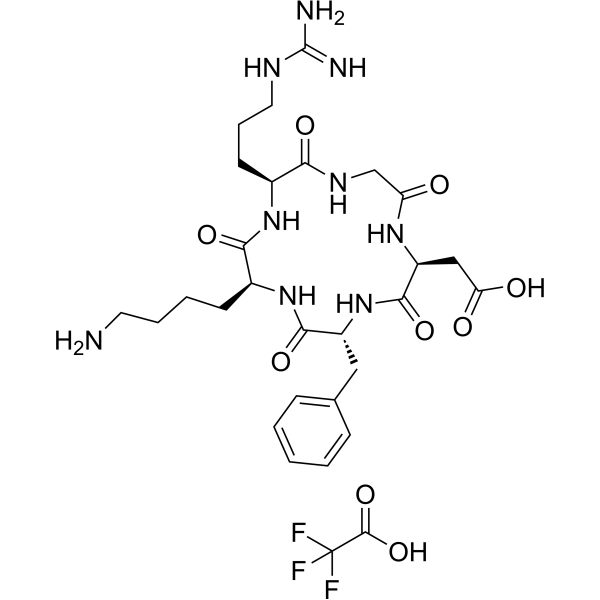
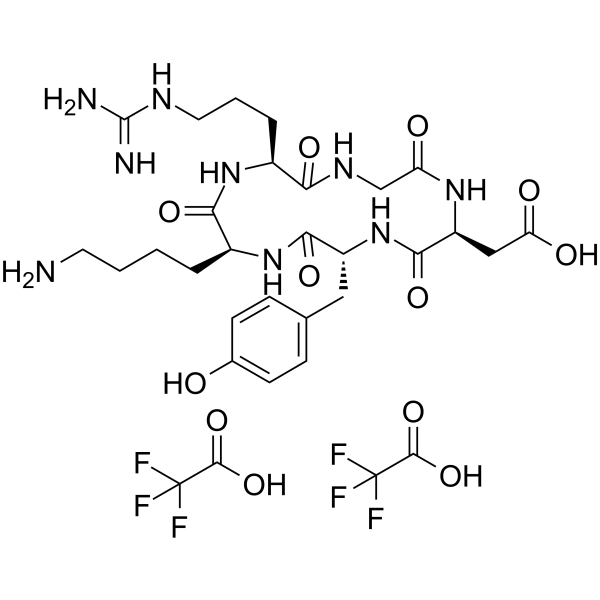
    Cyclo(-RGDfK) TFA
    Maximum Cited Publications
    27 Publications Verification

    Integrin Cancer
    Cyclo(-RGDfK) TFA is a potent and selective inhibitor of the αvβ3 integrin, with an IC50 of 0.94 nM . Cyclo(-RGDfK) TFA potently targets tumor microvasculature and cancer cells through the specific binding to the αvβ3 integrin on the cell surface .
    Cyclo(-RGDfK) TFA
  • HY-P1934
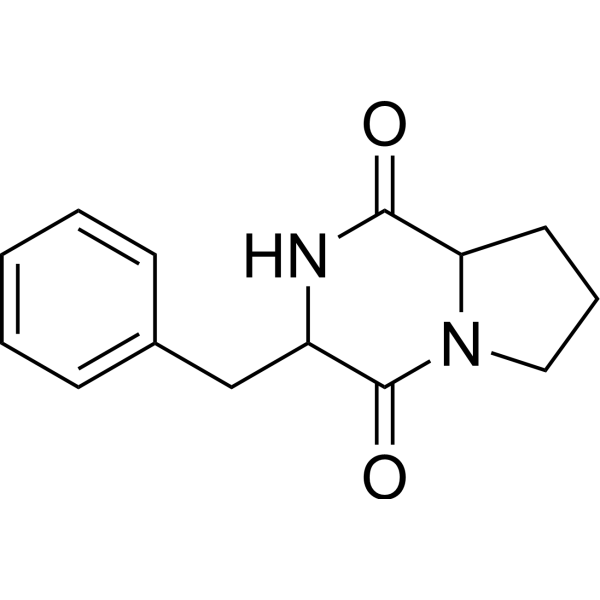
    Cyclo(Phe-Pro)
    5+ Cited Publications

    Cyclo(phenylalanylprolyl); A-64863

    HCV Bacterial Antibiotic Reactive Oxygen Species (ROS) Infection
    Cyclo(Phe-Pro) (Cyclo(phenylalanylprolyl)) is a quorum-sensing molecule of Vibrio vulnificus that specifically interacts with RIG-I, inhibiting RIG-I polyubiquitination, suppressing IRF-3 activation, and reducing type I interferon production. Cyclo(Phe-Pro) enhances susceptibility to HCV and influenza virus and also alleviates plant aluminum toxicity stress. The mechanism of Cyclo(Phe-Pro) involves the regulation of host immune signaling pathways, bacterial virulence gene expression, and plant antioxidant systems, making it a promising candidate for research in viral infections, bacterial virulence regulation, and agricultural stress resistance .
    Cyclo(Phe-Pro)
  • HY-P1938

    Bacterial Infection Inflammation/Immunology
    Cyclo(L-Pro-L-Val) is an antimicrobial and anti-inflammatory agent. Cyclo(L-Pro-L-Val) has toxic activity against plant pathogens such as R. fascians LMG 3605, and its potency may be comparable to that of Chloramphenicol (HY-B0239). Cyclo(L-Pro-L-Val) can inhibit the phosphorylation of IKKα, IKKβ, NF-κB, etc., and the activation of iNOS and COX-2, thereby exerting anti-inflammatory activity. Cyclo(L-Pro-L-Val) can be used in the research of biopesticides in the agricultural field, as well as in the research of inflammation-related diseases .
    Cyclo(L-Pro-L-Val)
  • HY-101402

    Cyclohistidyl-proline; Histidylproline diketopiperazine

    NF-κB Endogenous Metabolite Neurological Disease Inflammation/Immunology
    Cyclo(his-pro) (Cyclo(histidyl-proline)) is an orally active cyclic dipeptide structurally related to tyreotropin-releasing hormone . Cyclo(his-pro) could inhibit NF-κB nuclear accumulation. Cyclo(his-pro) can cross the brain-blood-barrier and affect diverse inflammatory and stress responses .
    Cyclo(his-pro)
  • HY-P5712
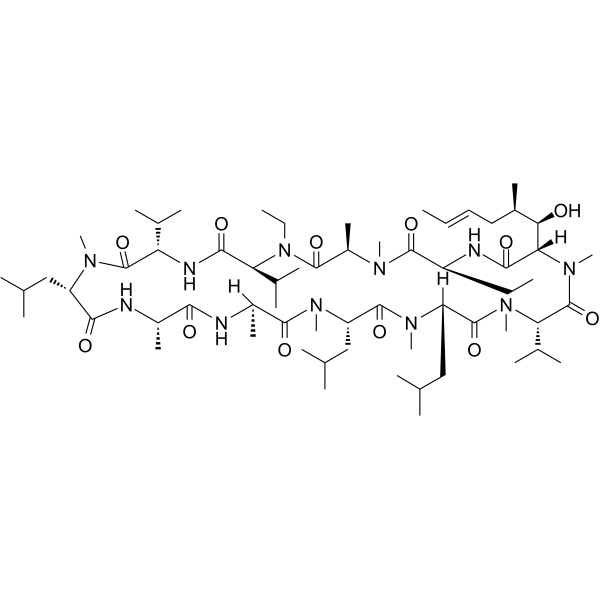
    Gramicidin S
    1 Publications Verification

    Gramicidin soviet

    Antibiotic Bacterial Na+/K+ ATPase Infection
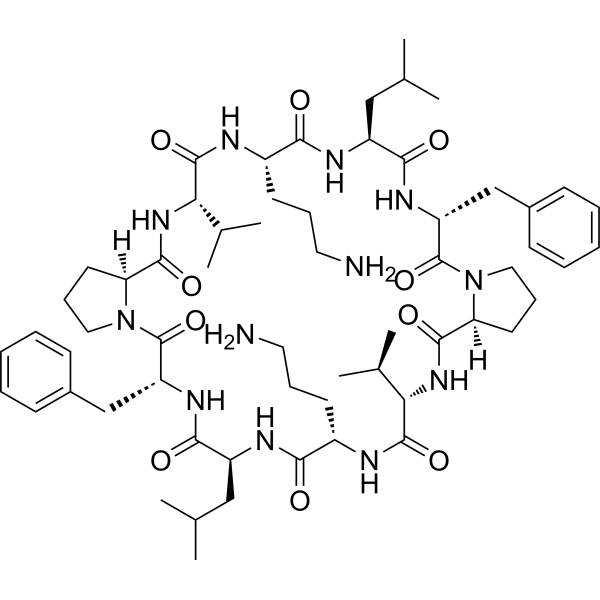
    Gramicidin S (Gramicidin soviet) is a cationic cyclic peptide antibiotic that selectively targets bacterial cell membranes and has anticancer activity. Gramicidin S also exerts antibacterial activity by destroying membrane integrity and interfering with membrane protein function. Gramicidin S inserts into the phospholipid bilayer through hydrophobic amino acid residues, specifically binds to negatively charged membrane lipids and disrupts membrane structure, thereby inhibiting cell division and cell wall synthesis, and ultimately causing bacterial death. Gramicidin S also inhibits ion channels, with IC50s of 41 μM, 24 μM, and 3 μM for Na +/K +-ATPase, tobacco leaf plasma membrane Mg 2+/K +-ATPase, and rat heart plasma membrane Ca 2+-ATPase, respectively .
    Gramicidin S
  • HY-100563
    Cyclo(RGDyK) trifluoroacetate
    4 Publications Verification

    Integrin Cancer
    Cyclo(RGDyK) trifluoroacetate is a potent and selective αVβ3 integrin inhibitor with an IC50 of 20 nM.
    Cyclo(RGDyK) trifluoroacetate
  • HY-P10304

    Cyclo(Pro-Arg)

    Fungal Others
    Cyclo(Arg-Pro) (Cyclo(Pro-Arg)) is an inhibitor for chitinase. Cyclo(Arg-Pro) inhibits cell separation of Saccharomyces cerevisiae, without affecting its growth. Cyclo(Arg-Pro) inhibits the morphological change of Candida albicans from yeast form to filamentous form .
    Cyclo(Arg-Pro)
  • HY-P10856

    P-glycoprotein Cancer
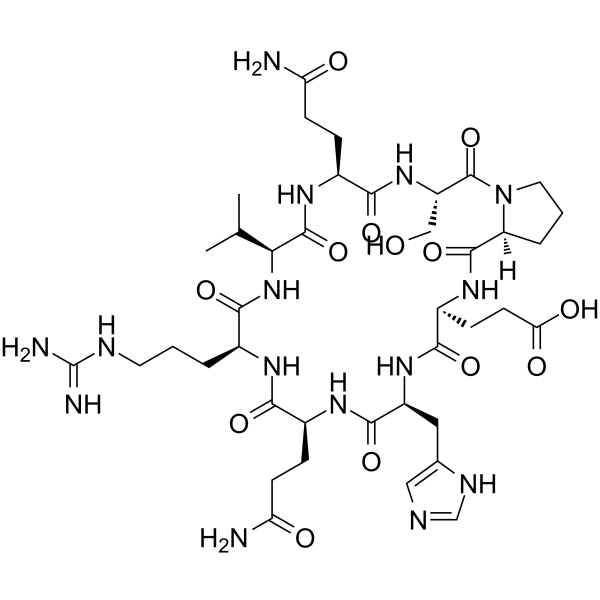
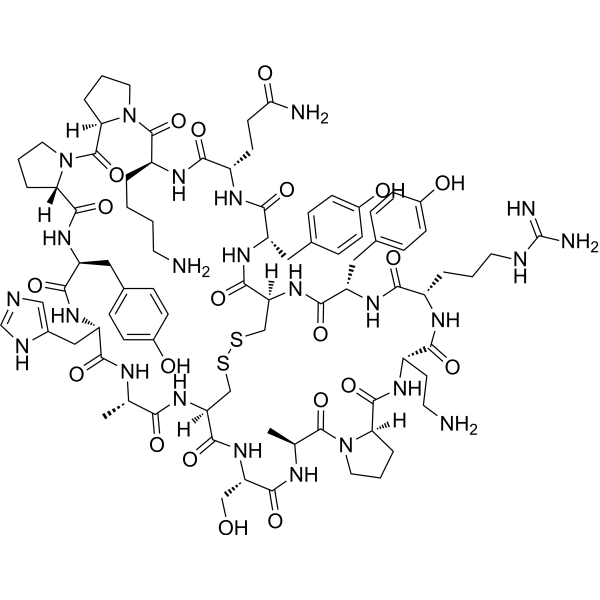
    CPI1 is a multidrug resistance protein 1 (MRP1) inhibitor with a Ki value of 100 nM. CPI1 binds to the same substrate-binding site as leukotriene C4, stabilizes MRP1 in an apo-like inward-facing conformation, blocks the conformational changes required for ATP hydrolysis and substrate transport, and inhibits the ATPase activity of human and bovine MRP1. CPI1 serves as a tool for investigating the substrate transport mechanism of MRP1. CPI1 is applicable to research related to cancer multidrug resistance .
    CPI1
  • HY-148668A

    Drug-Linker Conjugates for ADC Topoisomerase Cancer
    MC-Gly-Gly-Phe-Gly-(R)-Cyclopropane-Exatecan is a agent-linker conjugates for ADC, consisting Exatecan (HY-13631). Exatecan is a DNA Topoisomerase I inhibitor (IC50=2.2 μM) .
    MC-Gly-Gly-Phe-Gly-(S)-Cyclopropane-Exatecan
  • HY-107245
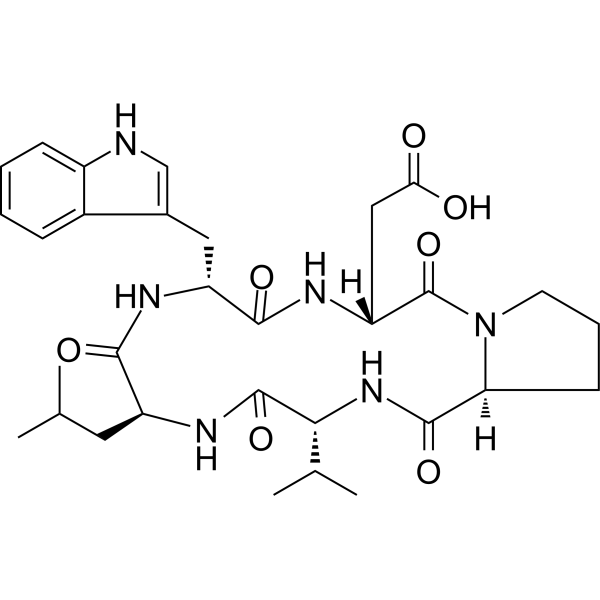
    Segetalin B
    2 Publications Verification

    Estrogen Receptor/ERR Sirtuin RUNX Metabolic Disease
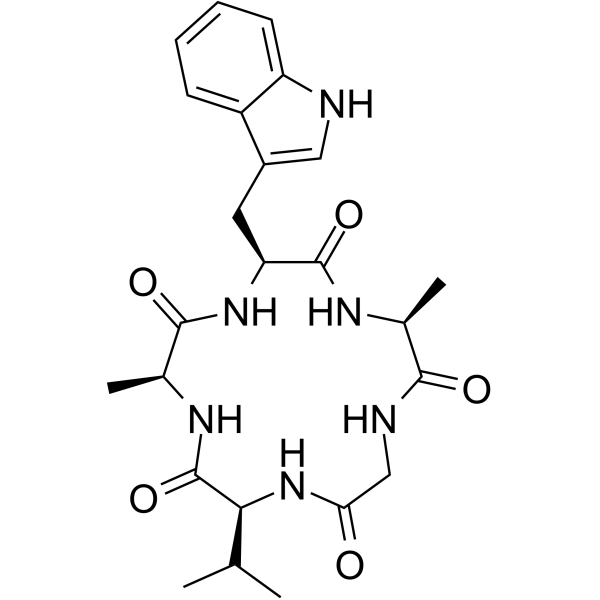
    Segetalin B, an orally active cyclopentapeptide found in Vaccaria segetalis, possesses estrogen-like activity. Segetalin B promotes mineralization of ovariectomized rat-derived bone marrow mesenchymal stem cells (BMSCs) in vitro and increases the level of osteocalcin, BMP-2, ALP, and SIRT1 activity. Segetalin B is promising for research of post-menopausal osteoporosis (PMOP) .
    Segetalin B
  • HY-P0231
    AZP-531
    2 Publications Verification

    GHSR Metabolic Disease Endocrinology
    AZP-531 is an analogue of unacylated ghrelin designed to improve glycaemic control and reduce weight.
    AZP-531
  • HY-126810A

    Fungal Infection
    NP213 TFA is a rapidly acting, novel, first-in-class synthetic antimicrobial peptide (AMP), has anti-fungal activities. NP213 TFA targets the fungal cytoplasmic membrane and plays it role via membrane perturbation and disruption. NP213 TFA is effective and well-tolerated in resolving nail fungal infections .
    NP213 TFA
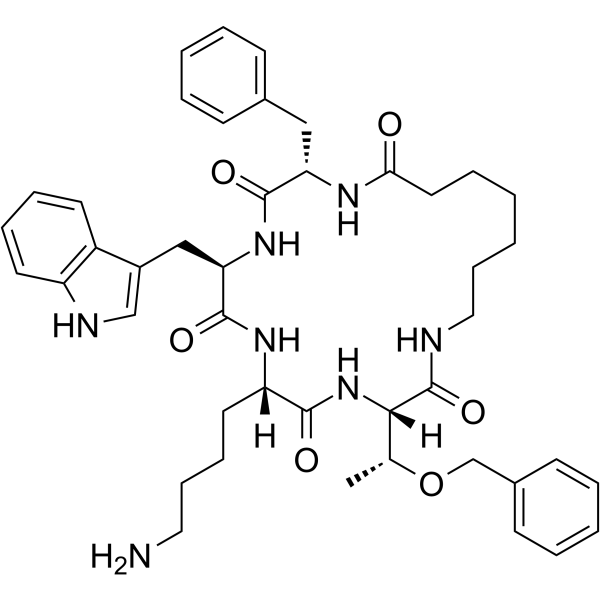
  • HY-P1676
    cyclo(RLsKDK)
    2 Publications Verification

    BK-1361

    MMP Cancer
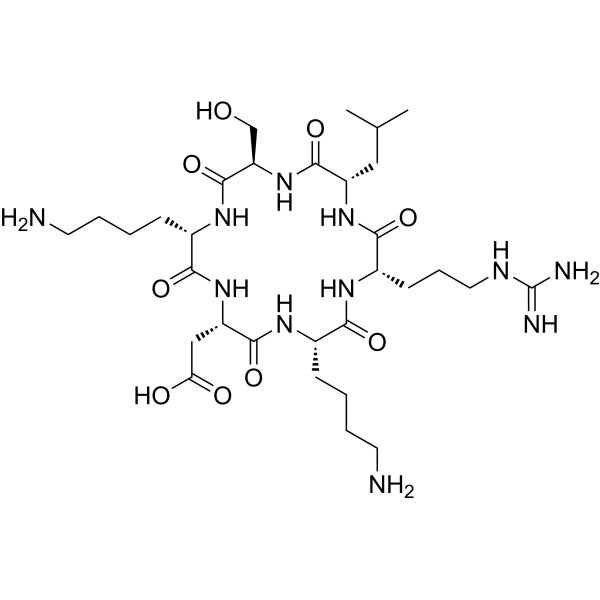
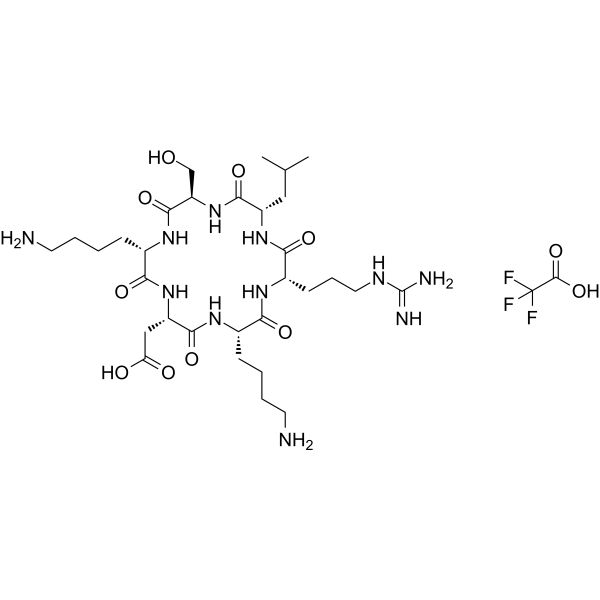
    cyclo(RLsKDK) (BK-1361) is a specific inhibitor of metalloproteinase ADAM8 with an IC50 value of 182 nM. cyclo(RLsKDK) has potential applications in inflammatory diseases and cancer .
    cyclo(RLsKDK)
  • HY-P10426

    HIF/HIF Prolyl-Hydroxylase VEGFR Cancer
    cyclo(CLLFVY) is an inhibitor for hypoxia inducible factor-1 (HIF-1), with IC50 of 19 μM (in U2OS) and 16 μM (in MCF-7). cyclo(CLLFVY) binds to the PAS-B domain of HIF-1α, inhibits HIF-1 dimerization and transcriptional activity. cyclo(CLLFVY) downregulates the expression of hypoxia response genes, such as VEGF and CAIX, exhibits antitumor against the HIF-1 associated cancers .
    cyclo(CLLFVY)
  • HY-75564

    Endogenous Metabolite Cancer
    Cyclo(Ala-Gly), a metabolite of a mangrove endophytic fungus, Penicillium thomi, exhibits cytotoxicity against A549, HepG2 and HT29 cells. The IC50 values range from 9.5 to 18.1 μM .
    Cyclo(Ala-Gly)
  • HY-101402A

    Cyclohistidyl-proline TFA; Histidylproline diketopiperazine TFA

    NF-κB Endogenous Metabolite Neurological Disease Inflammation/Immunology
    Cyclo(his-pro) TFA (Cyclo(histidyl-proline) TFA) is an orally active cyclic dipeptide structurally related to tyreotropin-releasing hormone . Cyclo(his-pro) TFA could inhibit NF-κB nuclear accumulation. Cyclo(his-pro) TFA can cross the brain-blood-barrier and affect diverse inflammatory and stress responses .
    Cyclo(his-pro) TFA
  • HY-P5314

    EGFR STAT Others
    OK2, a specific inhibitor of the CCN2/EGFR interaction, efficiently blocks CCN2/EGFR interaction through binding to the CT domain of CCN2. OK2 can be used for kidney fibrosis and chronic kidney disease research .
    OK2
  • HY-P10221A

    HIF/HIF Prolyl-Hydroxylase Cancer
    Cyclo(CKLIIF) TFA is an inhibitor of HIF-1α and HIF-2α. The KD values of Cyclo(CKLIIF) TFA for the PAS-B domains of HIF1-α and HIF2-α are 2.6 μM and 2.2 μM, respectively. Cyclo(CKLIIF) TFA disrupts the protein-protein interaction between HIF-1α and HIF-1β. Cyclo(CKLIIF) TFA can be used in cancer research .
    Cyclo(CKLIIF) TFA
  • HY-148696A

    ADC Payload Topoisomerase Cancer
    Gly-Cyclopropane-Exatecan involves in the synthesis of anti-B7-H4 ADC, containing Exatecan (HY-13631), a DNA Topoisomerase I inhibitor. Gly-Cyclopropane-Exatecan participated in the formation of the ADC hu2F7-Exatecan (compound 34), which showed antitumor activity in vivo and in vitro .
    Gly-Cyclopropane-Exatecan
  • HY-126810

    Fungal Infection
    NP213 is a rapidly acting, novel, first-in-class synthetic antimicrobial peptide (AMP), has anti-fungal activities. NP213 targets the fungal cytoplasmic membrane and plays it role via membrane perturbation and disruption. NP213 is effective and well-tolerated in resolving nail fungal infections .
    NP213
  • HY-P4047

    Drug Derivative Others
    Cyclo(RGDfK(Mal)) is a pentapeptide. Cyclo(RGDfK(Mal)) improves the attachment and infiltration of human pluripotent stem cells. Cyclo(RGDfK(Mal)) can be used for 3D stem cell culture and expansion .
    Cyclo(RGDfK(Mal))
  • HY-P5840

    Biochemical Assay Reagents Cancer
    Cyclo(RGDyC) is a cyclic pentapeptide with anti-angiogenic abilities. Cyclo(RGDyC) can be combined with liposome delivery systems for research on ocular neovascular diseases and cancer .
    Cyclo(RGDyC)
  • HY-W549438

    Amino Acid Derivatives Others
    Cyclo(Phe-Phe) is a polypeptide that can be found by peptide screening. Peptide screening is a research tool that pools active peptides primarily by immunoassay. Peptide screening can be used for protein interaction, functional analysis, epitope screening, especially in the field of agent research and development .
    Cyclo(Phe-Phe)
  • HY-P2092

    Cyclo(Leu-Trp)

    Bacterial Fungal Melatonin Receptor Infection Neurological Disease
    Cyclo(L-leucyl-L-tryptophyl) (Cyclo(-Leu-Trp)) is a cyclic dipeptide that inhibits a various of bacteria and fungi. Cyclo(L-leucyl-L-tryptophyl) is a melatonin receptor agonist and is also used as a bitter ligand .
    Cyclo(L-leucyl-L-tryptophyl)
  • HY-P1935

    Biochemical Assay Reagents Cancer
    Cyclo(Ala-Pro) is an anticancer agent that is toxic to cancer cells such as A549, HCT-116 and HepG2 .
    Cyclo(Ala-​Pro)
  • HY-P10222

    HIF/HIF Prolyl-Hydroxylase Cancer
    Cyclo CRLLIF is a dual inhibitor for hypoxia inducible factor (HIF) 1 and 2, which disrupts the interaction of both HIF1-α and HIF2-α with HIF1-β, with affinity for HIF1-α and HIF2-α PAS-B domains KD of 14.5 and 10.2 μM, respectively .
    Cyclo(CRLLIF)
  • HY-P10304C

    Fungal Infection
    Cyclo(Pro-dArg) is an inhibitor of chitinase. Cyclo(Pro-dArg) inhibits the cell separation of Saccharomyces cerevisiae but does not affect its growth. Cyclo(Pro-dArg) inhibits the transition of Candida albicans from yeast to filamentous morphology.
    Cyclo(Pro-dArg)
  • HY-P1676A
    cyclo(RLsKDK) TFA
    2 Publications Verification

    BK-1361 TFA

    MMP Cancer
    cyclo(RLsKDK) (TFA) (BK-1361 (TFA)) is a specific inhibitor of metalloproteinase ADAM8 with an IC50 value of 182 nM. cyclo(RLsKDK) (TFA) has potential applications in inflammatory diseases and cancer .
    cyclo(RLsKDK) TFA
  • HY-P0031
    Cyclo(RADfK)
    1 Publications Verification

    Integrin Others
    Cyclo(RADfK) can be used as a control for Cyclo(-RGDfK) (HY-P0023) .
    Cyclo(RADfK)
  • HY-P10053

    Phospholipase Metabolic Disease
    sPLA2-IIA Inhibitor is a cyclic pentapeptide analog of FLSYK (cyclic 2-Nal-Leu-Ser-2-Nal-Arg (c2)), that binds to hGIIA (human IIA phospholipase A2) and inhibits its hydrolytic ability. sPLA2 is a member of the esterase superfamily that catalyzes the hydrolysis of the ester bond at the sn-2 position of glycerophospholipids, releasing free fatty acids such as arachidonic acid and lysophospholipids .
    sPLA2-IIA Inhibitor
  • HY-W063971

    Drug Intermediate Others
    (1R,2R)-2-(Pyridin-3-yl)cyclopropane-1-carboxylic acid is a drug intermediate for synthesis of various active compounds.
    (1R,2R)-2-(Pyridin-3-yl)cyclopropane-1-carboxylic acid
  • HY-124003

    Endogenous Metabolite Inflammation/Immunology
    Phytomonic acid is a long-chain fatty acid containing a cyclopropane ring produced by Lactobacillus reuteri. Lactobacilli that normally produce Lactobacillic acid also have the ability to resist TNF-α .
    Phytomonic acid
  • HY-177711

    SHR-A1921

    Antibody-Drug Conjugates (ADCs) Cancer
    Tizetatug rezetecan (SHR-A1921) is an Antibody-drug Conjugate (ADC) composed of antibody Tizetatug (HY-P991032) and MC-Gly-Gly-Phe-Gly-(R)-Cyclopropane-Exatecan (HY-148668). Tizetatug rezetecan can be used for the research of cancer .
    Tizetatug rezetecan
  • HY-P3472

    Cyclo(L-Pro-L-Ile)

    Amino Acid Derivatives Inflammation/Immunology
    Cyclo(IP) (Cyclo-(L-Pro-L-Ile)), a Diketopiperazine can be derived From Bacillus thuringiensis JCK-1233, results in suppression of PWD severity and increased the expression of defense-related genes similarly to Bacillus thuringiensis JCK-1233 treatment .
    Cyclo(IP)
  • HY-P11224

    DNA/RNA Synthesis Cancer
    RMI-L4 is an efficient cyclic peptide inhibitor that can specifically disrupt the interaction between FANCM and RMI proteins with an IC50 of 54 nM. RMI-L4 engages the FANCM-binding pocket of RMI1/2 with nanomolar affinity (KD = 2.5 nM). RMI-L4 cannot penetrate the cell membrane and can be used to study the FANCM-RMI pathway targeting cancer with alternate lengthening of telomeres (ALT) .
    RMI-L4
  • HY-P5023A

    c(RADyK) TFA

    Biochemical Assay Reagents Cancer
    Cyclo (ARG-ALA-ASP- (D-Tyr) -LYS) (TFA) (C (Radyk) (TFA)) is a control peptide for c(RGDyK) .
    Cyclo(Arg-Ala-Asp-(D-Tyr)-Lys) TFA
  • HY-P1613

    Cyclo(RGDfV); C(RGDfV)

    Integrin Apoptosis Cancer
    Cyclo(Arg-Gly-Asp-D-Phe-Val) (Cyclo(RGDfV)) is an integrin αvβ3 inhibitor. Cyclo(Arg-Gly-Asp-D-Phe-Val) has antitumor activity. Cyclo(Arg-Gly-Asp-D-Phe-Val) can be used for the research of acute myeloid leukemia .
    Cyclo(Arg-Gly-Asp-D-Phe-Val)
  • HY-179204

    ADC Payload Cancer
    7-MAD-MDCPT-AC-(s-cyclopropane) is a derivative of camptothecin. 7-MAD-MDCPT-AC-(s-cyclopropane) can be connected to monoclonal antibodies via linkers to form antibody-drug conjugate (ADC) molecules. 7-MAD-MDCPT-AC-(s-cyclopropane) can be used for cancer research .
    7-MAD-MDCPT-AC-(s-cyclopropane)
  • HY-176302

    Ligands for E3 Ligase Cancer
    (S,S,S)-VH032-cyclopropane-F is a ligand for E3 ubiquitin ligases. (S,S,S)-VH032-cyclopropane-F can be linked to target protein ligands via a linker to form the PROTAC cis-VZ185 (HY-114322A) .
    (S,S,S)-VH032-cyclopropane-F
  • HY-W731085

    ADC Linker Cancer
    MC-GGFG-NH-CH2-O-CH2-(s-cyclopropane)-COOH is an ADC linker that can be combined with the cytotoxic Camptothecin (HY-16560) to form an ADC-related drug-linker conjugate (Drug- Linker Conjugates for ADC).MC-GGFG-NH-CH2-O-CH2-cyclopropane-COOH is conjugated to Camptothecin, which can further bind to the antibody Trastuzumab (HY-P9907) to form Antibody-Drug Conjugates (ADCs) .
    MC-GGFG-NH-CH2-O-CH2-(s-cyclopropane)-COOH
  • HY-176338

    E3 Ligase Ligand-Linker Conjugates Cancer
    (S,S,S)-VH032-cyclopropane-F-C4-aldehyde is an E3 ligase ligand-linker conjugate used in the synthesis of PROTAC cis-VZ185 (HY-114322A) .
    (S,S,S)-VH032-cyclopropane-F-C4-aldehyde
  • HY-W364968

    PROTAC Linkers Cancer
    rel-(1S,2R)-2-(((tert-butoxycarbonyl)amino)methyl)cyclopropane-1-carboxylic acid is a PROTAC linker that can be used in the synthesis of PROTACs.
    rel-(1S,2R)-2-(((tert-butoxycarbonyl)amino)methyl)cyclopropane-1-carboxylic acid
  • HY-W250541

    ADC Linker Cancer
    Fmoc-Gly-NH-CH2-O-Cyclopropane-CH2COOH is an intermediate in the synthesis of ADC linker.The linker composed of Benzyl 2-cyclopropyl-2-hydroxyacetate can be coupled to Exatecan (HY-13631) and combined with antibodies (such as antibody hu2F7) .
    Fmoc-Gly-NH-CH2-O-Cyclopropane-CH2COOH
  • HY-178146

    ADC Linker Cancer
    Mc-Lys(PEG12)-Cap-Ala-Ala-PABC is a linker of MC-Gly-Gly-Phe-Gly-(R)-Cyclopropane-Exatecan (HY-178146) .
    Mc-Lys(PEG12)-Cap-Ala-Ala-PABC

Inquiry Online

Your information is safe with us. * Required Fields.

Salutation


Country or Region *

Applicant Name *


Organization Name *

Department *


Email Address *


Product Name *

Cat. No.


Requested quantity *

Phone Number *


Remarks

Inquiry Online

Inquiry Information

Product Name:
Cat. No.:
Quantity:
MCE Japan Authorized Agent:

