1. Search Result
Search Result
Results for "

cardiac receptor

" in MedChemExpress (MCE) Product Catalog:

192

Inhibitors & Agonists

1

Fluorescent Dyes

12

Biochemical Assay Reagents

18

Peptides

2

Inhibitory Antibodies

20

Natural
Products

15

Isotope-Labeled Compounds

1

Oligonucleotides

1

GMP Molecules

Cat. No. Product Name Target Research Areas Chemical Structure
  • HY-B0468
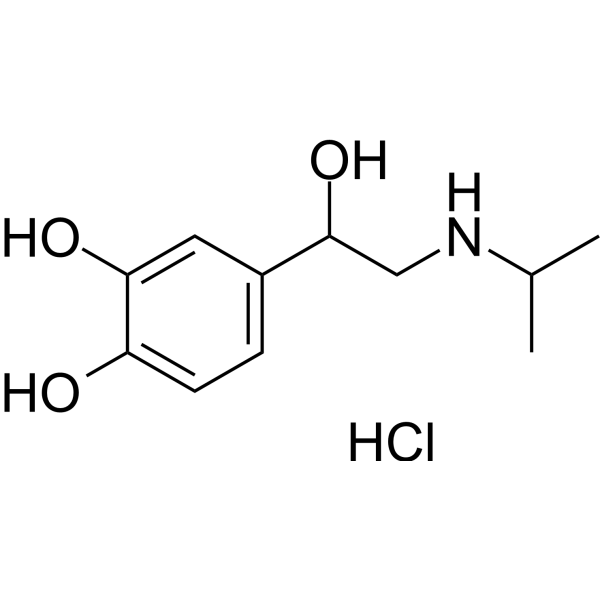
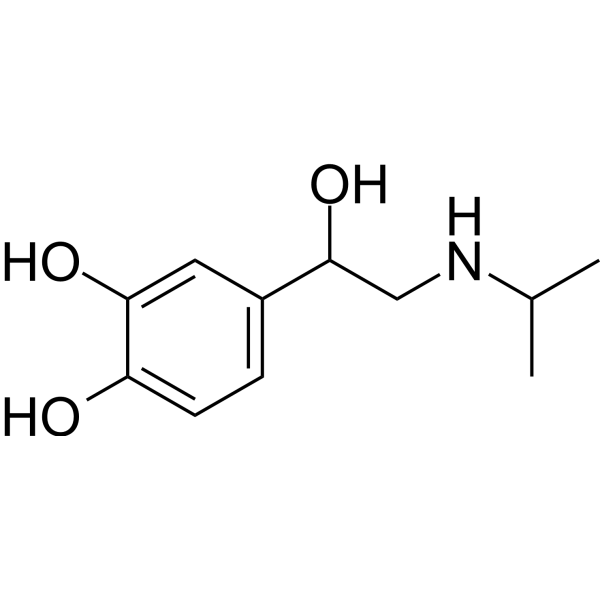
    Isoprenaline hydrochloride
    Maximum Cited Publications
    87 Publications Verification

    Isoproterenol hydrochloride

    Adrenergic Receptor Endogenous Metabolite Cardiovascular Disease Endocrinology
    Isoprenaline (Isoproterenol) hydrochloride is a non-selective, orally active β-adrenergic receptor agonist. Isoprenaline has potent peripheral vasodilator, bronchodilator, and cardiac stimulating activities. Isoprenaline can be used for the research of bradycardia and bronchial asthma .
    Isoprenaline hydrochloride
  • HY-N2333
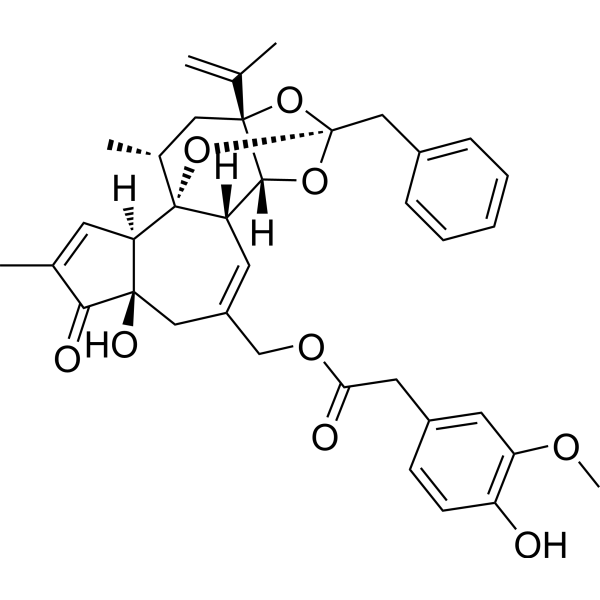
    Resiniferatoxin
    5+ Cited Publications

    (+)-Resiniferatoxin

    TRP Channel Cardiovascular Disease Cancer
    Resiniferatoxin ((+)-Resiniferatoxin), is a selective agonist of transient receptor potential vanilloid 1 (TRPV1) receptor agonist. Resiniferatoxin can be isolated from the Euphorbia resinifera plant. Resiniferatoxin eliminates TRPV1+ primary sensory afferents and blunt cardiac sympathetic afferent reflex for a relatively long period .
    Resiniferatoxin
  • HY-17417
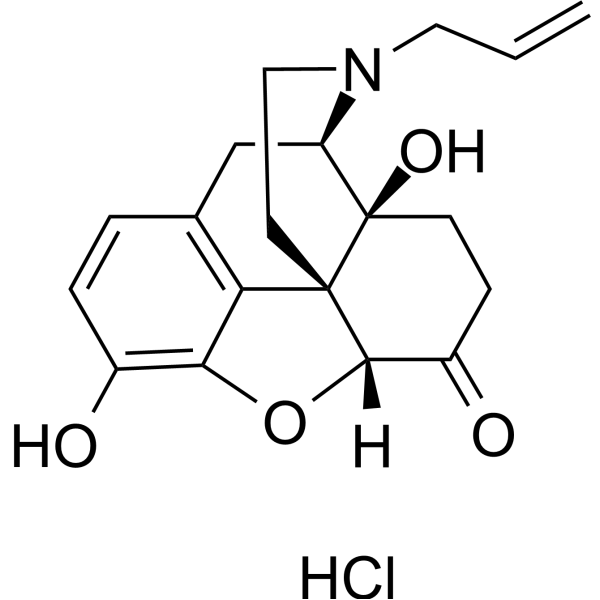
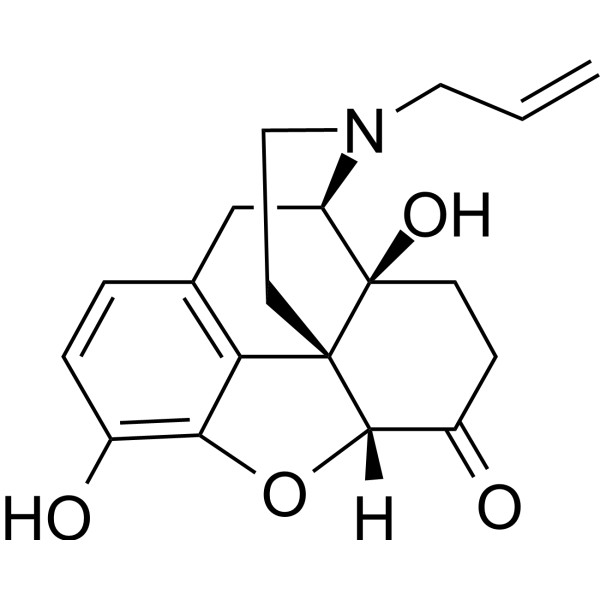
    Naloxone hydrochloride
    5+ Cited Publications

    Opioid Receptor Neurological Disease Cancer
    Naloxone hydrochloride is an antagonist of Opioid receptor. Naloxone hydrochloride alleviates opioid-overdose-induced respiratory depression. Naloxone hydrochloride may cause pulmonary edema and cardiac arrhythmias .
    Naloxone hydrochloride
  • HY-B1108
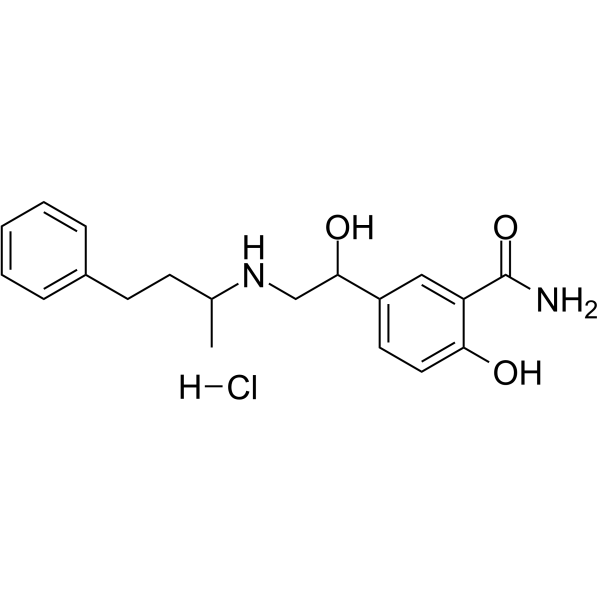
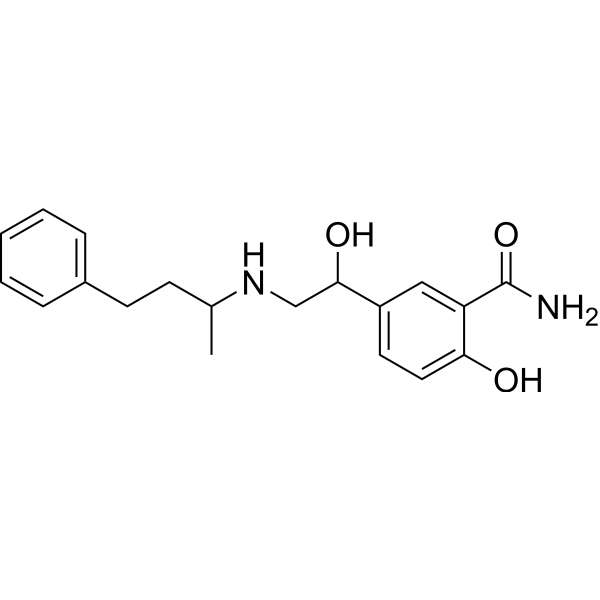
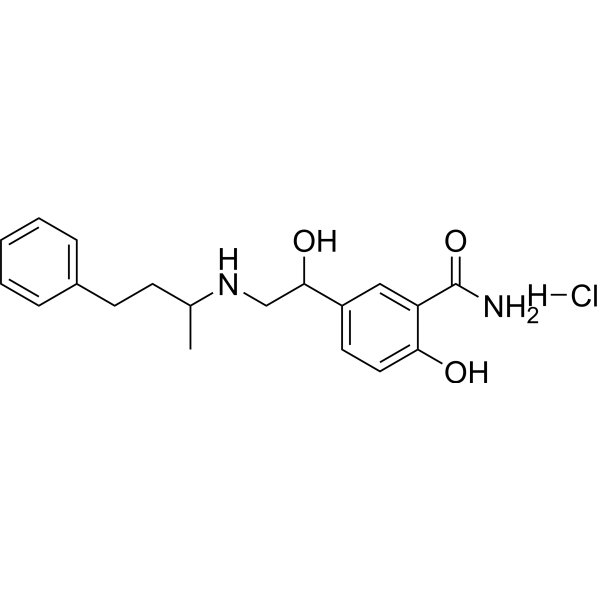
    Labetalol hydrochloride
    5 Publications Verification

    AH-5158 hydrochloride; Sch-15719W

    Adrenergic Receptor Cardiovascular Disease Inflammation/Immunology Endocrinology
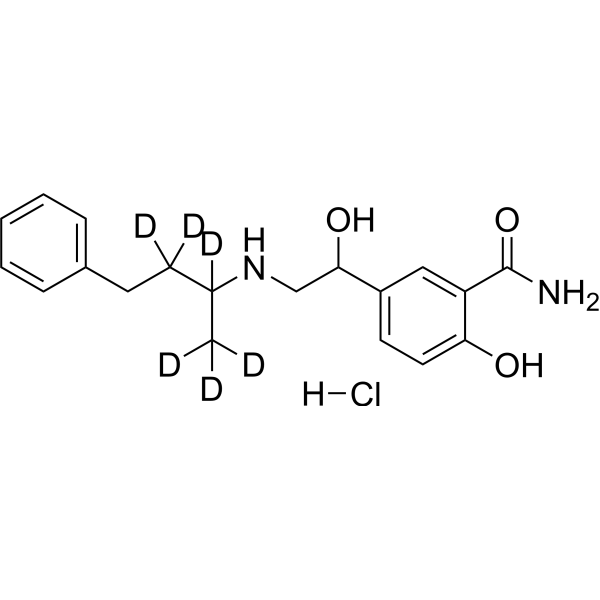
    Labetalol (AH5158) hydrochloride is an orally available, selective α1-adrenergic recepto and non-selective β-adrenergic receptor competitive antagonist. Labetalol hydrochloride is an antihypertensive molecule that partially crosses the blood-brain barrier and has little effect on cardiac output. Labetalol hydrochloride can be used in the study of cardiovascular diseases, such as hypertension during pregnancy .
    Labetalol hydrochloride
  • HY-121383
    Labetalol
    5 Publications Verification

    AH5158; Sch-15719W free base

    Adrenergic Receptor Cardiovascular Disease Inflammation/Immunology Endocrinology
    Labetalol (AH5158) is an orally available, selective α1-adrenergic recepto and non-selective β-adrenergic receptor competitive antagonist. Labetalol is an antihypertensive molecule that partially crosses the blood-brain barrier and has little effect on cardiac output. Labetalol can be used in the study of cardiovascular diseases, such as hypertension during pregnancy .
    Labetalol
  • HY-17417A
    Naloxone
    5+ Cited Publications

    Opioid Receptor Neurological Disease Cancer
    Naloxone is an antagonist of Opioid receptor. Naloxone alleviates opioid-overdose-induced respiratory depression. Naloxone may cause pulmonary edema and cardiac arrhythmias .
    Naloxone
  • HY-17497A
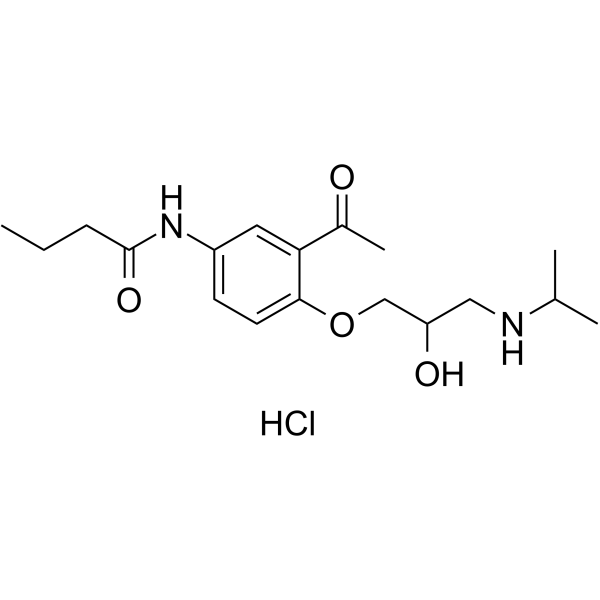
    Acebutolol hydrochloride
    3 Publications Verification

    Adrenergic Receptor Cardiovascular Disease Endocrinology
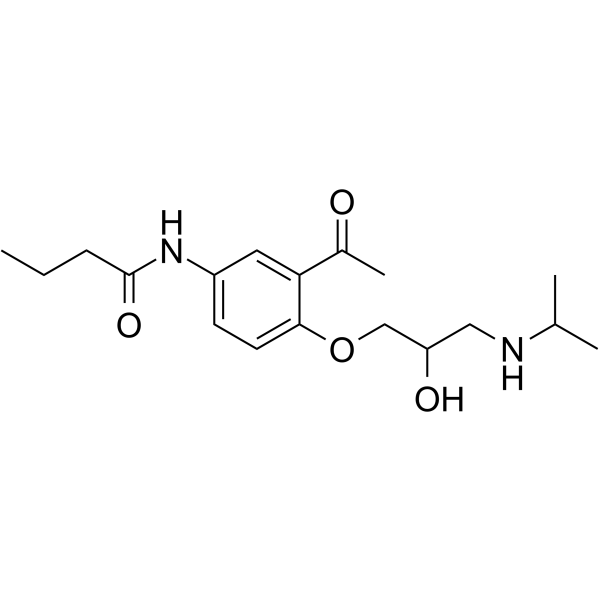
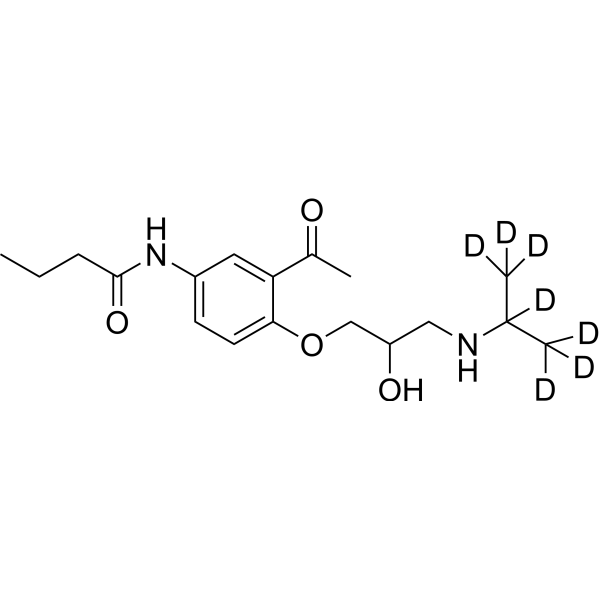
    Acebutolol hydrochloride is an orally active β1 adrenergic receptor (β1AR) antagonist. Acebutolol hydrochloride is used in the treatment of hypertension, angina pectoris and cardiac arrhythmias .
    Acebutolol hydrochloride
  • HY-W010950
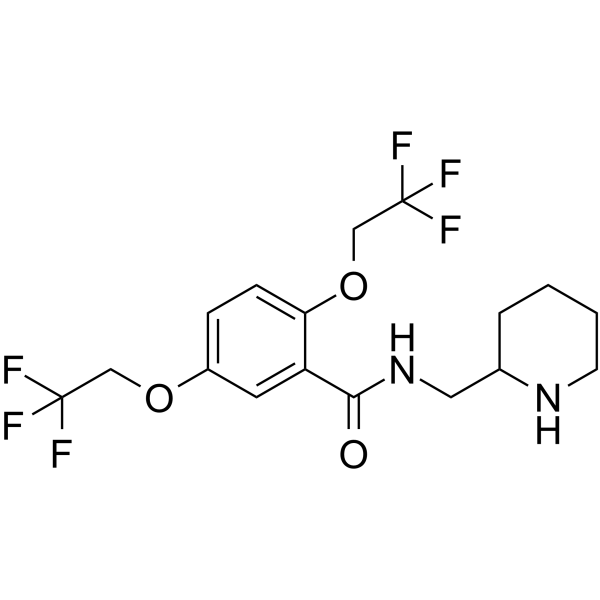
    Flecainide
    3 Publications Verification

    Potassium Channel Sodium Channel Cardiovascular Disease
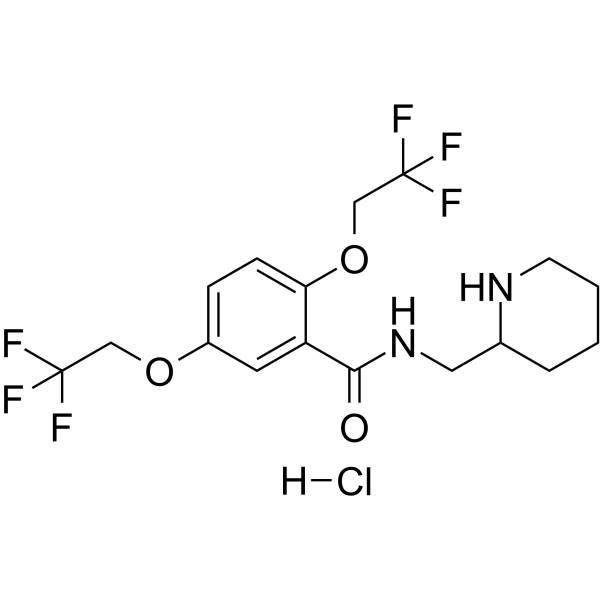
    Flecainide is an orally active antiarrhythmic agent. Flecainide can block sodium channels and inhibit calcium ion release mediated by the cardiac ryanodine receptor (RyR2). Flecainide can be used in the research of diseases such as catecholaminergic polymorphic ventricular tachycardia (CPVT) .
    Flecainide
  • HY-108353
    Isoprenaline
    Maximum Cited Publications
    87 Publications Verification

    Adrenergic Receptor Endogenous Metabolite Cardiovascular Disease Endocrinology
    Isoprenaline is a non-selective, orally active β-adrenergic receptor agonist. Isoprenaline has potent peripheral vasodilator, bronchodilator, and cardiac stimulating activities. Isoprenaline can be used for the research of bradycardia and bronchial asthma .
    Isoprenaline
  • HY-19765
    GSK2798745
    5+ Cited Publications

    TRP Channel Cardiovascular Disease
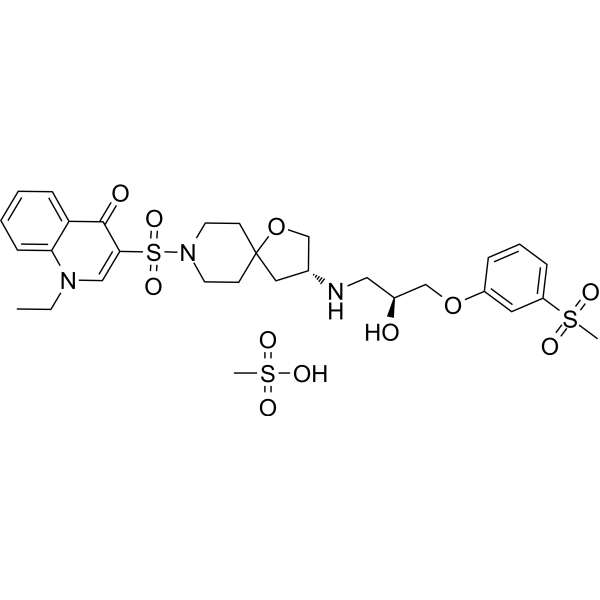
    GSK2798745 is a potent, selective, and orally active transient receptor potential vanilloid 4 (TRPV4) ion channel blocker with IC50s of 1.8 and 1.6 nM for hTRPV4 and rTRPV4, respectively. GSK2798745 can be used in cardiac and respiratory diseases research .
    GSK2798745
  • HY-160187

    Orphan GPCR Angiotensin Receptor Cardiovascular Disease
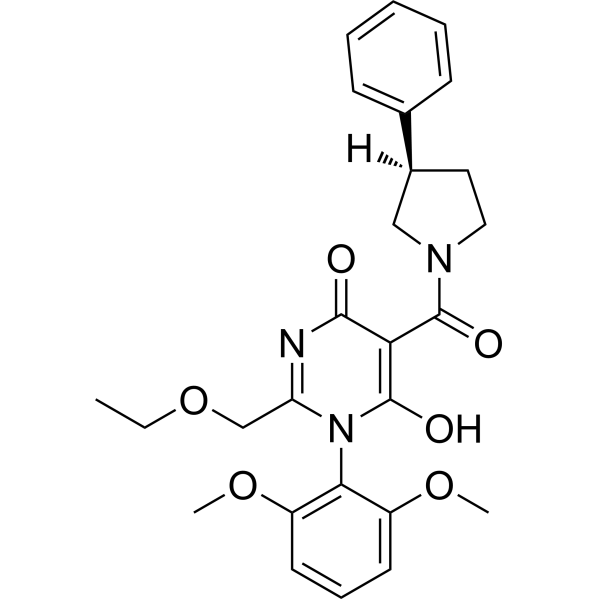
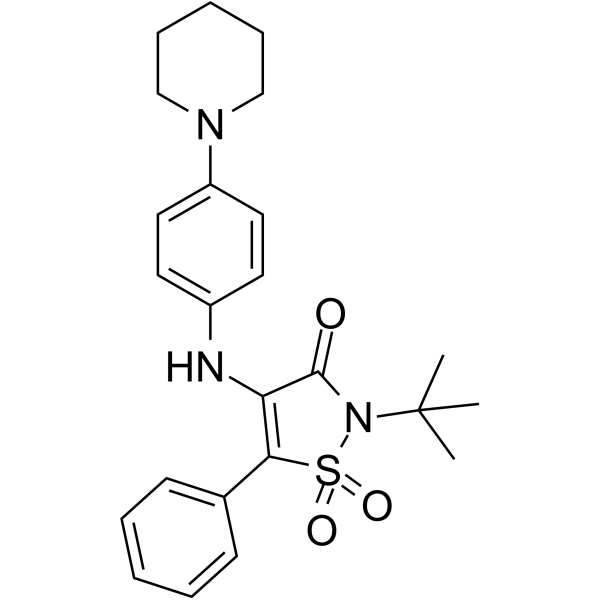
    AAA is an orally active 20-HETE receptor antagonist. AAA exerts antihypertensive and organoprotective effects. AAA blocks 20-HETE prohypertensive actions, suppresses intrarenal and circulating angiotensin II levels, and interferes with renin-angiotensin system interactions. AAA attenuates development of, and reverses established, ANG II (HY-13948)-dependent malignant hypertension. AAA reduces albuminuria, glomerulosclerosis, and cardiac hypertrophy linked to malignant hypertension. AAA can be used for the research of malignant hypertension .
    AAA
  • HY-12717A
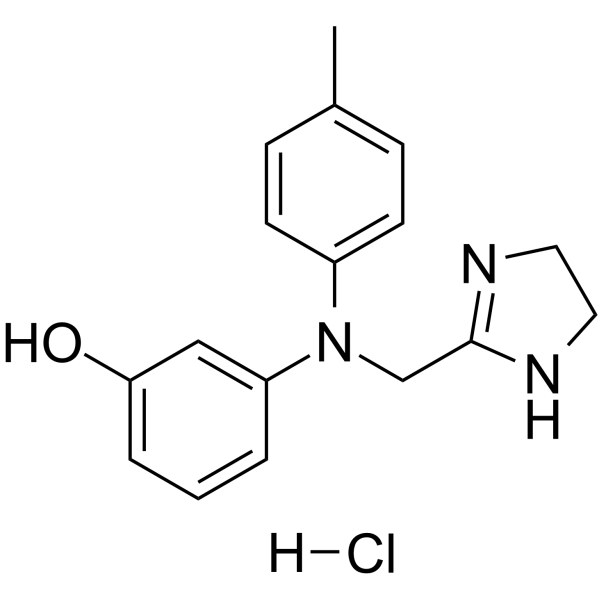
    Phentolamine hydrochloride
    5+ Cited Publications

    Adrenergic Receptor Cardiovascular Disease Endocrinology
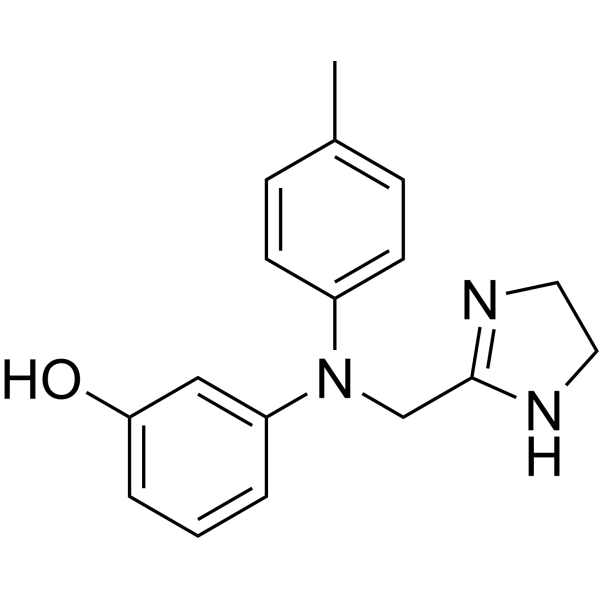
    Phentolamine hydrochloride is an orally active, selective α1 and α2 Adrenergic receptor antagonist. Phentolamine hydrochloride antagonizes the vasodilatory effect of Cromakalim (HY-110011) on isolated circumflex coronary artery segments in dogs. Phentolamine hydrochloride reduces systemic vascular resistance and increases cardiac output. Phentolamine hydrochloride improves erectile dysfunction. Phentolamine hydrochloride can be used for the research of erectile dysfunction .
    Phentolamine hydrochloride
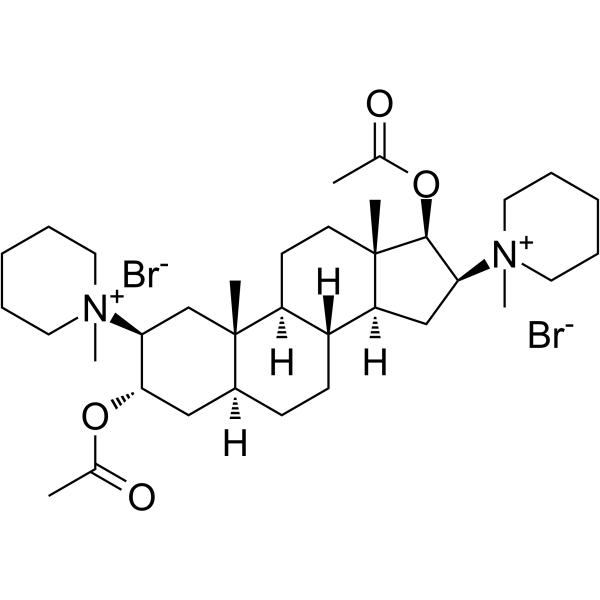
  • HY-B0429

    nAChR Neurological Disease
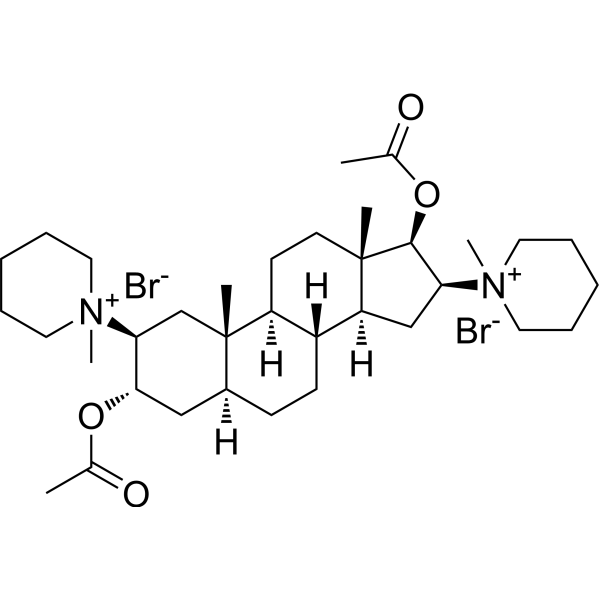
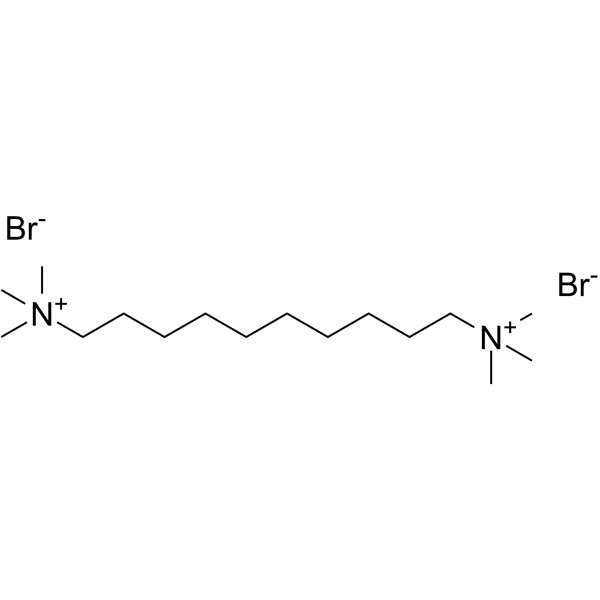
    Pancuronium dibromide, a bis-quaternary steroid, is a neuromuscular relaxant. Pancuronium dibromide inhibits neuromuscular transmission by competing with acetylcholine for binding sites on nACh receptors. Pancuronium dibromide also inhibits cardiac muscarinic receptors and has a sympathomimetic action .
    Pancuronium dibromide
  • HY-14858
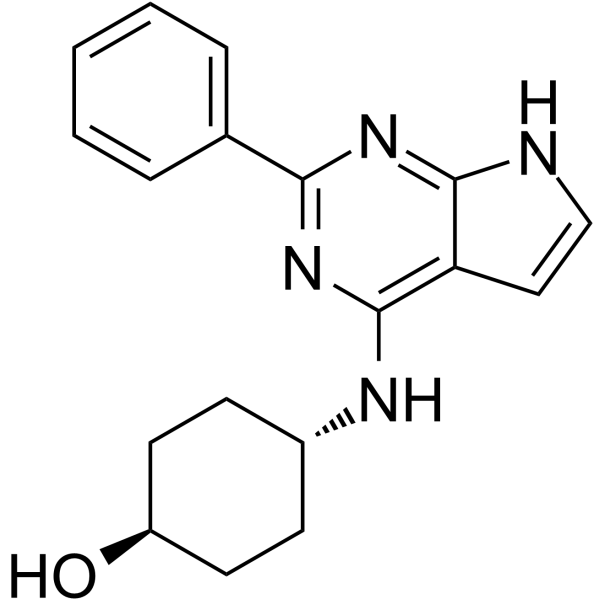
    Derenofylline
    2 Publications Verification

    SLV 320

    Adenosine Receptor Cardiovascular Disease
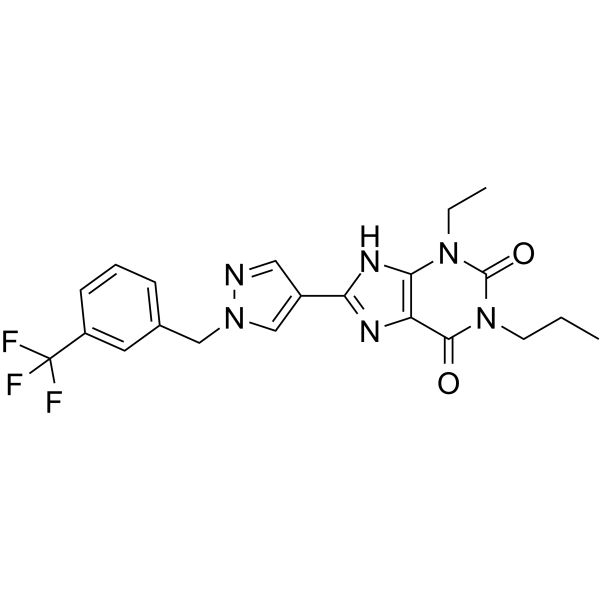
    Derenofylline (SLV 320) is a potent, selective and orally active adenosine A1 receptor antagonist, with Ki values of 1 nM, 200 nM and 398 nM for human A1, A3 and A2A receptors respectively. Derenofylline suppresses cardiac fibrosis and attenuates albuminuria without affecting blood pressure in rats .
    Derenofylline
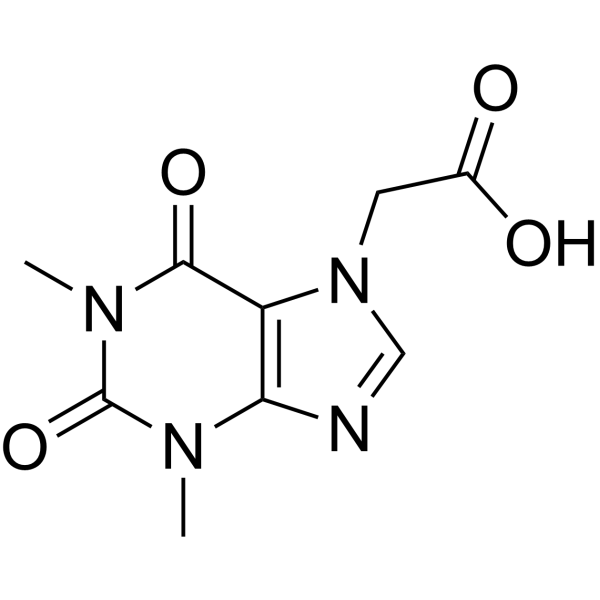
  • HY-B1505
    Acefylline
    1 Publications Verification

    Theophyllineacetic acid; Theophylline-7-acetic acid

    Adenosine Receptor Protein Arginine Deiminase Phosphodiesterase (PDE) Cardiovascular Disease Neurological Disease Inflammation/Immunology
    Acefylline (Theophyllineacetic acid), a xanthine derivative, is an Adenosine Receptor antagonist. Acefylline is a peptidylarginine deiminase (PAD) activator. Acefylline is also a bronchodilator and cardiac stimulant that inhibits rat lung cAMP phosphodiesterase isoenzymes. Acefylline can be used in asthma research .
    Acefylline
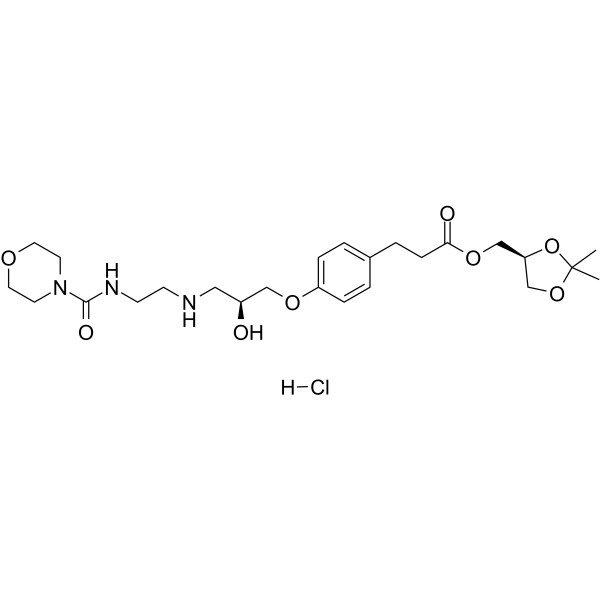
  • HY-100607A

    ONO1101 hydrochloride

    Adrenergic Receptor Calcium Channel Potassium Channel Reactive Oxygen Species (ROS) Cardiovascular Disease Inflammation/Immunology Endocrinology
    Landiolol (ONO1101) hydrochloride is a highly selective, ultra-short-acting competitive inhibitor of β1 adrenergic receptors. Landiolol hydrochloride specifically blocks cardiac β1 receptors, reducing heart rate and myocardial oxygen consumption. Landiolol hydrochloride inhibits TNF-α-induced excessive mitochondrial oxygen consumption and reactive oxygen species production in a sepsis model, alleviating renal injury. Landiolol hydrochloride has little effect on cardiac ion channels (such as L-type calcium current and inward rectifier potassium current) and has a weak negative inotropic effect. Landiolol hydrochloride can be used for perioperative tachycardia control and protection studies of sepsis-related acute kidney injury .
    Landiolol hydrochloride
  • HY-10081
    GS-6201
    1 Publications Verification

    CVT-6883

    Adenosine Receptor Inflammation/Immunology
    GS-6201 (CVT-6883) is a selective adenosine A2B receptor antagonist. GS-6201 displays high affinity and selectivity for the human adenosine A2B receptors (Ki=22 nM) . GS-6201 reduces caspase-1 activity in the heart, and attenuates cardiac remodeling after acute myocardial infarction (AMI) in the mouse . GS-62013 attenuates the airway reactivity induced by NECA, AMP, or allergen in sensitized mice .
    GS-6201
  • HY-17497
    Acebutolol
    3 Publications Verification

    Adrenergic Receptor Cardiovascular Disease
    Acebutolol is an orally active β1 adrenergic receptor (β1AR) antagonist. Acebutolol is used for hypertension, angina pectoris and cardiac arrhythmias research .
    Acebutolol
  • HY-W010950A
    Flecainide hydrochloride
    3 Publications Verification

    Potassium Channel Sodium Channel Cardiovascular Disease
    Flecainide hydrochloride is an orally active antiarrhythmic agent. Flecainide hydrochloride can block sodium channels and inhibit calcium ion release mediated by the cardiac ryanodine receptor (RyR2). Flecainide hydrochloride can be used in the research of diseases such as catecholaminergic polymorphic ventricular tachycardia (CPVT) .
    Flecainide hydrochloride
  • HY-P3136

    TRV120055

    Angiotensin Receptor ERK Cardiovascular Disease
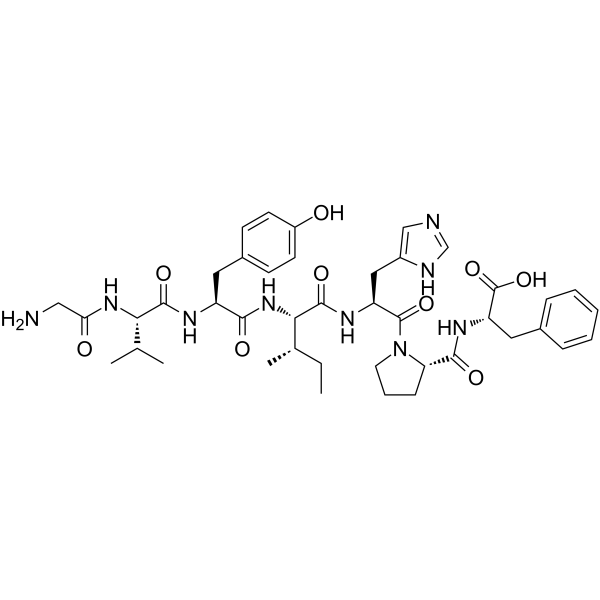
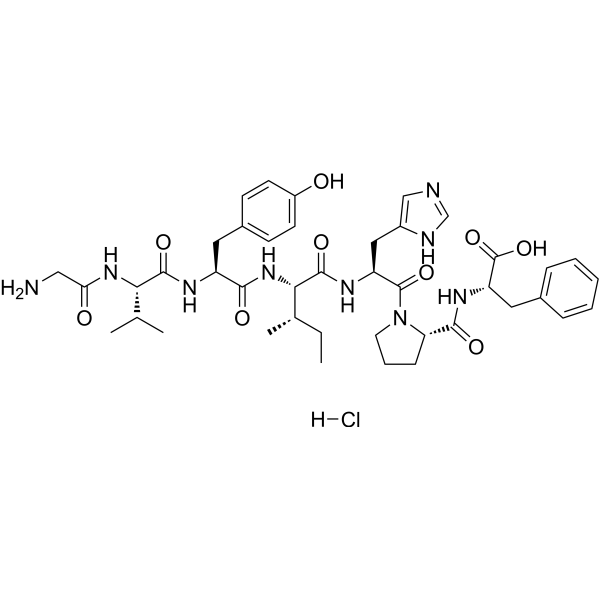
    TRV055 (TRV120055) is a G protein-biased agonist of angiotensin II type 1 receptors (AT1Rs). TRV120055 induces fibroblast proliferation, overexpression of collagen I and α-SMA, and stress fibre formation in human cardiac fibroblasts. TRV055 activates AT1 receptor/Gαq-mediated signaling pathways, upregulates TGF-β1 and p-ERK1/2. TRV055 induces collagen secretion in adult rat myofibroblasts at a level comparable to Ang II. TRV055 can be used to study the role of G protein-biased signaling of AT1Rs in regulating fibrotic responses [1]
    TRV055
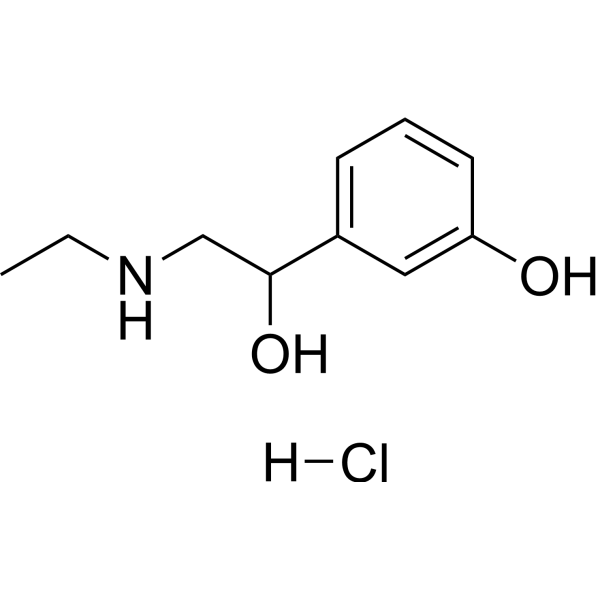
  • HY-A0144A

    Adrenergic Receptor AMPK Akt Cardiovascular Disease
    Etilefrine hydrochloride is a sympathetic nerve agonist and AMPK activator that selectively targets α1/β1 adrenergic receptors. Etilefrine hydrochloride stimulates α1 adrenergic receptors, leading to contraction of vascular smooth muscle and increased peripheral resistance. Etilefrine hydrochloride also stimulates β1 receptors to enhance myocardial contractility and increase heart rate, thereby increasing blood pressure and improving cardiac output. Etilefrine hydrochloride also bidirectionally regulates the AMPK/Akt pathway and modulates the phosphorylation levels. Etilefrine hydrochloride can be used in cardiovascular research, such as postural hypotension, chylothorax, and improving low cardiac output .
    Etilefrine hydrochloride
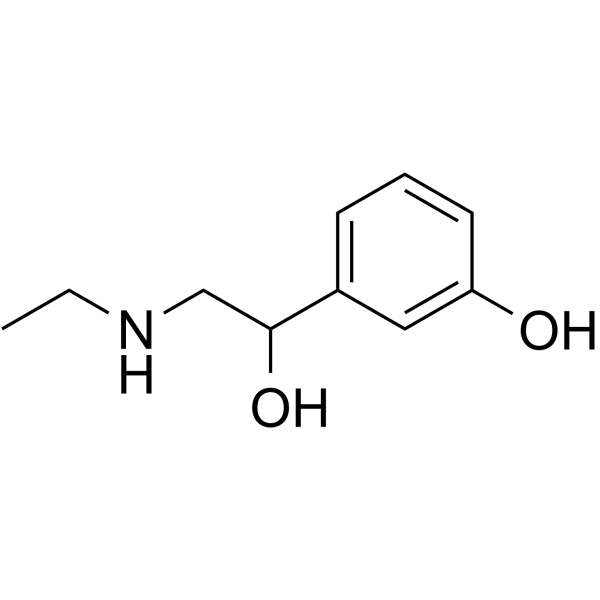
  • HY-A0144

    Adrenergic Receptor AMPK Akt Cardiovascular Disease
    Etilefrine is a sympathetic nerve agonist and AMPK activator that selectively targets α1/β1 adrenergic receptors. Etilefrine stimulates α1 adrenergic receptors, leading to contraction of vascular smooth muscle and increased peripheral resistance. Etilefrine also stimulates β1 receptors to enhance myocardial contractility and increase heart rate, thereby increasing blood pressure and improving cardiac output. Etilefrine also bidirectionally regulates the AMPK/Akt pathway and modulates the phosphorylation levels. Etilefrine can be used in cardiovascular research, such as postural hypotension, chylothorax, and improving low cardiac output .
    Etilefrine
  • HY-P1271

    Catestatin (cattle)

    nAChR Cardiovascular Disease
    Catestatin is a 21-amino acid residue, cationic and hydrophobic peptide. Catestatin is an endogenous peptide that regulates cardiac function and blood pressure . Catestatin is a non-competitive nicotinic antagonist acting through nicotinic acetylcholine receptors (nAChRs) to inhibit catecholamine release .
    Catestatin
  • HY-120006A
    (rel)-AR234960
    1 Publications Verification

    ERK Cardiovascular Disease
    (rel)-AR234960 is a selective and competitive agonist of the G protein-coupled receptor MAS. (rel)-AR234960 binds to the MAS receptor to activate the downstream ERK1/2 signaling pathway, inducing the expression of connective tissue growth factor (CTGF) and its downstream collagen subtype genes (such as COL1A1, COL3A1). (rel)-AR234960 promotes collagen synthesis in cardiac fibroblasts through the MAS-ERK1/2-CTGF pathway and aggravates extracellular matrix remodeling. (rel)-AR234960's in vitro effect can be blocked by the MAS inverse agonist AR244555 and MEK1 inhibitor. (rel)-AR234960 regulates the expression of cardiac fibrosis-related genes and can be used in the study of heart failure .
    (rel)-AR234960
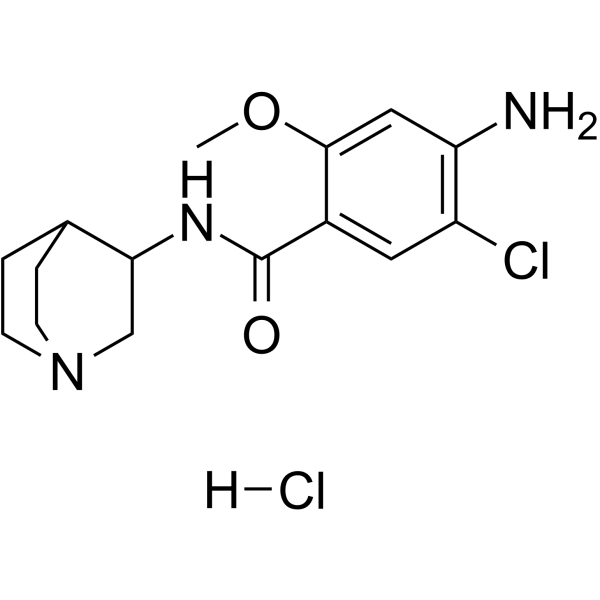
  • HY-103137
    Zacopride hydrochloride
    1 Publications Verification

    5-HT Receptor Cardiovascular Disease Neurological Disease
    Zacopride hydrochloride is an orally active 5-HT3 receptor (Ki of 0.38 nM) antagonist and 5-HT4 receptor (Ki of 373 nM) agonist. Zacopride hydrochloride exhibits multiple activities, such as regulating gastrointestinal motility, affecting cardiac function, and exerting anxiolytic and antiemetic effects. Zacopride hydrochloride is currently mainly used in the research of gastrointestinal diseases, cardiovascular diseases, and psychiatric diseases such as anxiety .
    Zacopride hydrochloride
  • HY-119802

    Adrenergic Receptor Cardiovascular Disease
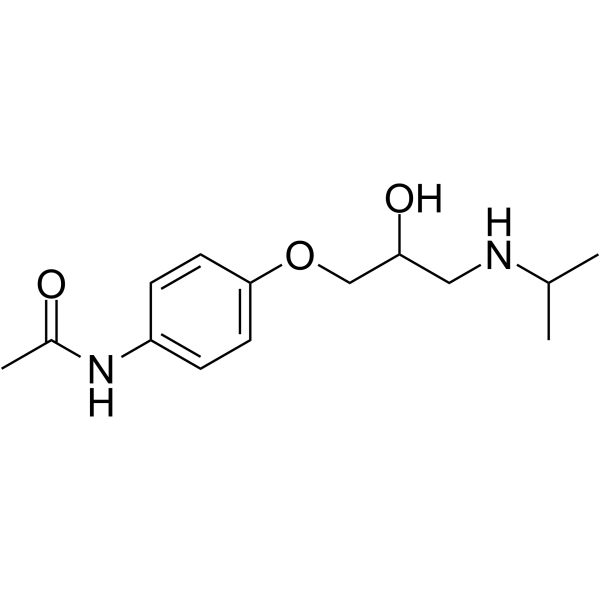
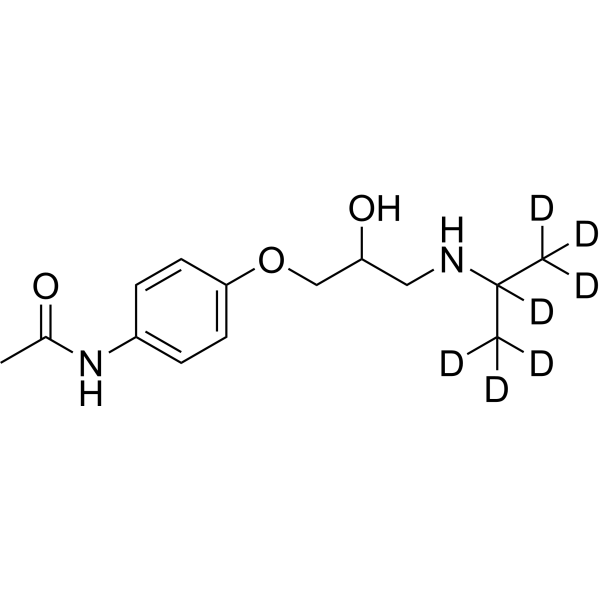
    Practolol is a potent and selective β1-adrenergic receptor antagonist. Practolol can be used for the research of cardiac arrhythmias .
    Practolol
  • HY-116675

    Adenosine Receptor Cardiovascular Disease
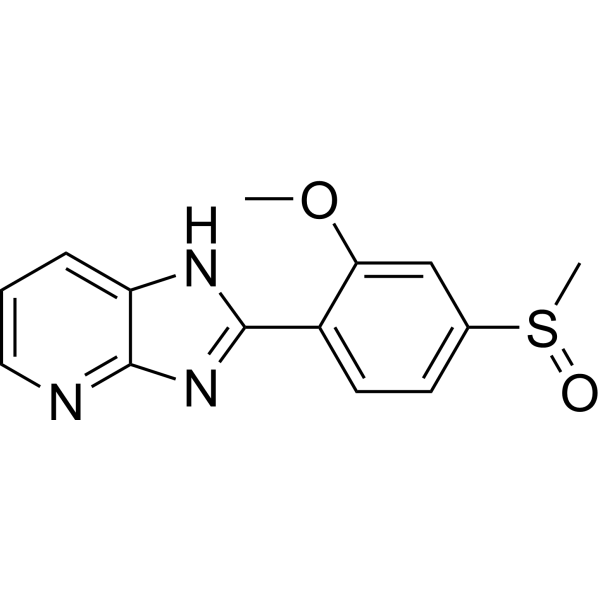
    Sulmazole is a cardiotonic agent. Sulmazole has competitive inhibitory for A1 adenosine receptor. Sulmazole can improve cardiac index and reduce pulmonary capillary wedge pressure .
    Sulmazole
  • HY-126028A

    (S)-Sotalol

    Adrenergic Receptor Cardiovascular Disease Neurological Disease
    (+)-Sotalol ((S)-Sotalol) is the S-isomer of Sotalol (HY-103196). Sotalol is an orally active, non-selective β-adrenergic receptor blocker. (+)-Sotalol is an antiarrhythmic agent. (+)-Sotalol can prolong action potential duration in isolated cardiac muscle .
    (+)-Sotalol
  • HY-P1131

    Neuropeptide Y Receptor Cardiovascular Disease
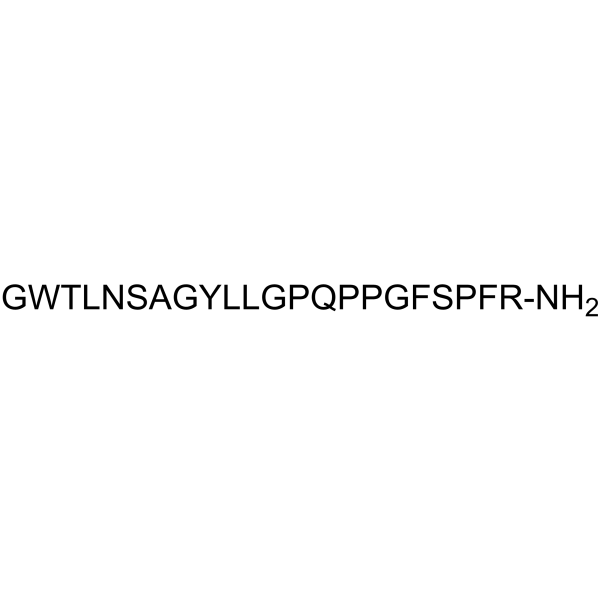
    M617 is a selective galanin receptor 1 (GAL1) agonist, with Kis of 0.23 and 5.71 nM for GAL1 and GAL2, respectively. M617, acting through its central GAL1, can promote GLUT4 expression and enhance GLUT4 content in the cardiac muscle of type 2 diabetic rats .
    M617
  • HY-162897

    mAChR Cardiovascular Disease
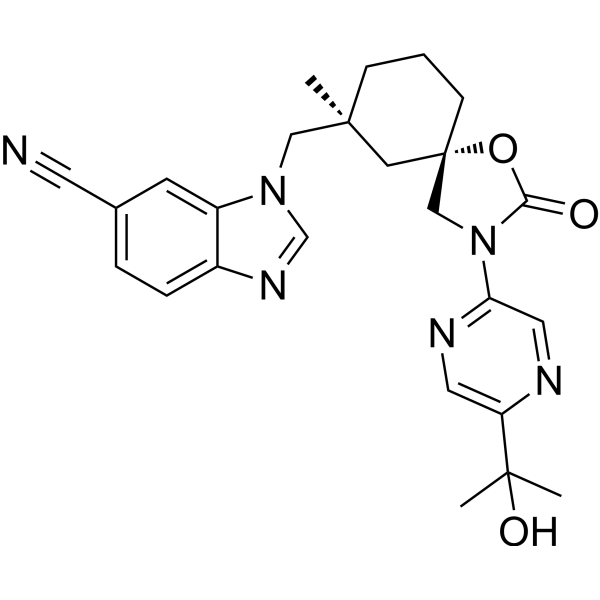
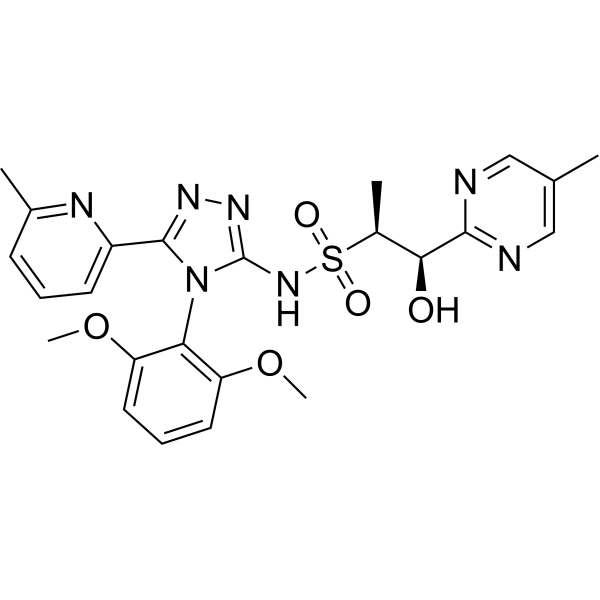
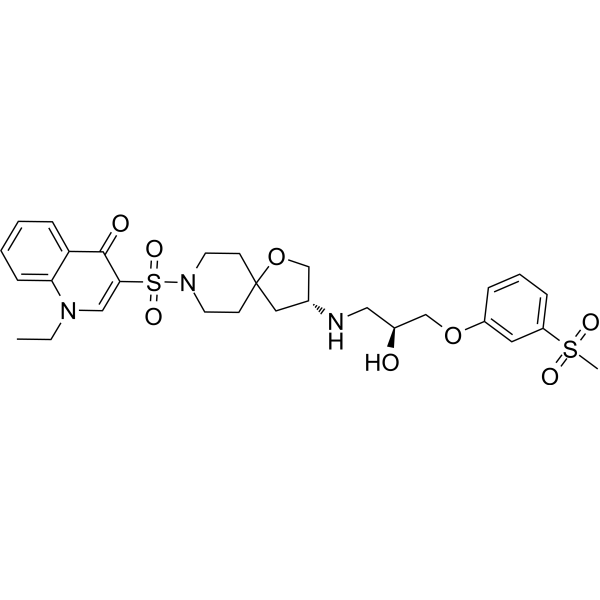
    BAY-2413555 is an orally active muscarinic acetylcholine receptor M2 modulator that protects the heart and improve cardiac function. BAY-2413555 is promising for research of heart failure .
    BAY-2413555
  • HY-18347

    YM 087 free base

    Vasopressin Receptor Cardiovascular Disease
    Conivaptan (YM 087 free base) is antagonist for vasopressin V1A receptor and vasopressin V2 receptor. Conivaptan ameliorates congestive heart failure, improves cardiac systolic function .
    Conivaptan
  • HY-P2196

    Apelin Receptor (APJ) Cardiovascular Disease
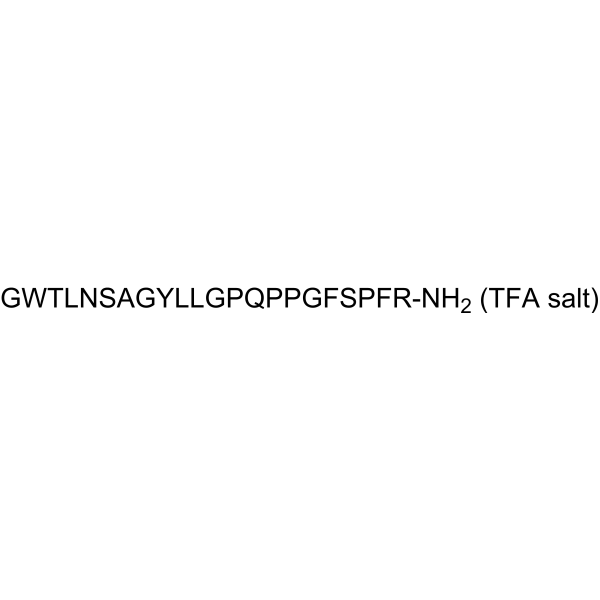
    ELA-32 (human) is a potent critical cardiac developmental peptide that acts through the G-protein–coupled apelin receptor .
    ELA-32(human)
  • HY-17417R

    Reference Standards Opioid Receptor Neurological Disease Cancer
    Naloxone (hydrochloride) (Standard) is the analytical standard of Naloxone (hydrochloride). This product is intended for research and analytical applications. Naloxone hydrochloride is an antagonist of Opioid receptor. Naloxone hydrochloride alleviates opioid-overdose-induced respiratory depression. Naloxone hydrochloride may cause pulmonary edema and cardiac arrhythmias .
    Naloxone hydrochloride (Standard)
  • HY-108353A
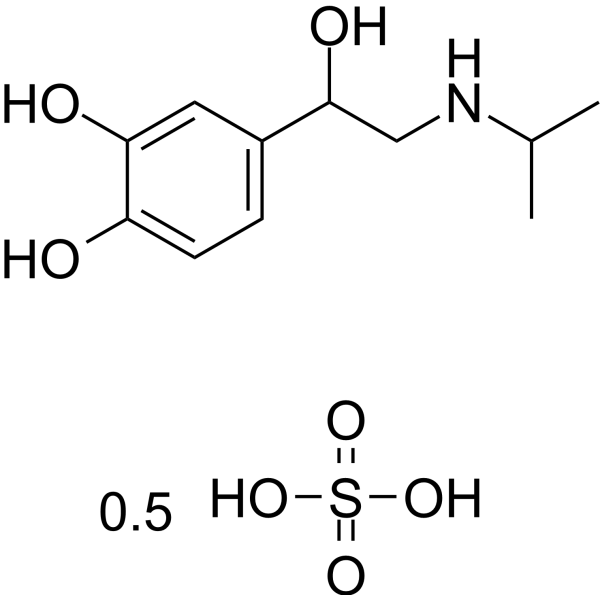
    Isoprenaline hemisulfate
    Maximum Cited Publications
    87 Publications Verification

    Adrenergic Receptor Endogenous Metabolite Cardiovascular Disease Endocrinology
    Isoprenaline hemisulfate is a non-selective, orally active β-adrenergic receptor agonist. Isoprenaline has potent peripheral vasodilator, bronchodilator, and cardiac stimulating activities. Isoprenaline can be used for the research of bradycardia and bronchial asthma .
    Isoprenaline hemisulfate
  • HY-B1505A

    Theophyllineacetic acid piperazine; Theophylline-7-acetic acid piperazine

    Adenosine Receptor Protein Arginine Deiminase Phosphodiesterase (PDE) Cardiovascular Disease Neurological Disease Inflammation/Immunology
    Acefylline (Theophyllineacetic acid) piperazine, a xanthine derivative, is an Adenosine Receptor antagonist. Acefylline piperazine is a peptidylarginine deiminase (PAD) activator. Acefylline piperazine is also a bronchodilator and cardiac stimulant that inhibits rat lung cAMP phosphodiesterase isoenzymes. Acefylline piperazine can be used in asthma research .
    Acefylline piperazine
  • HY-157220

    Vasopressin Receptor Cardiovascular Disease

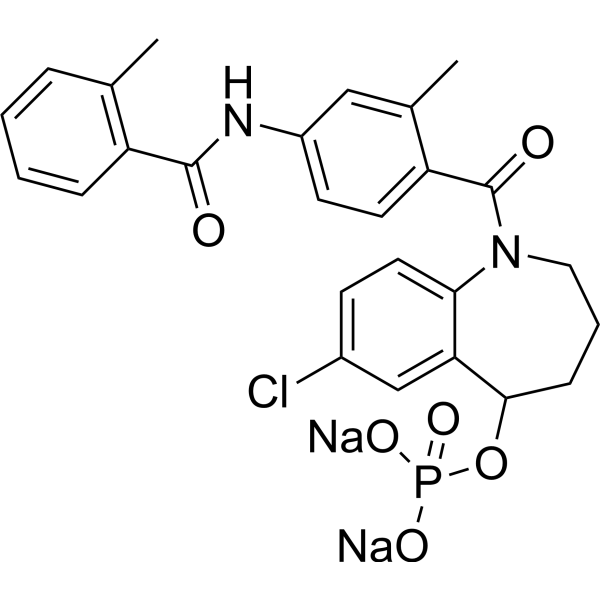
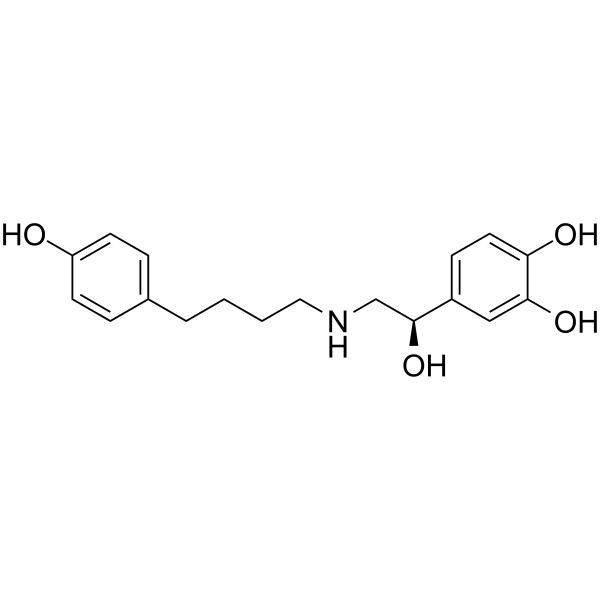
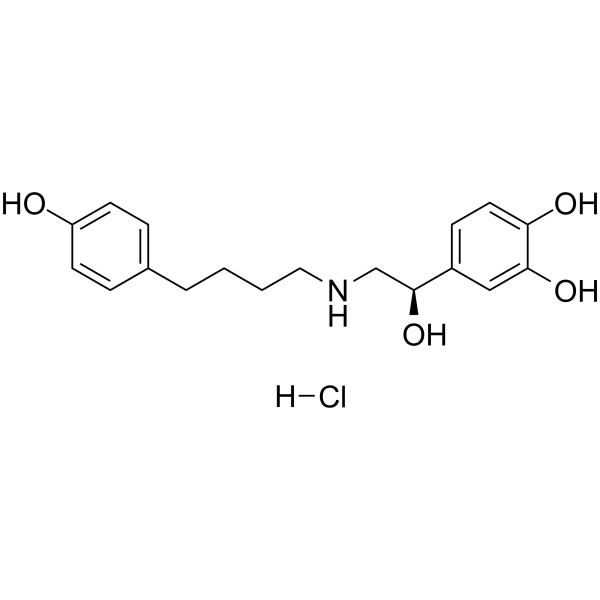
    Tolvaptan phosphate ester sodium, a prodrug of Tolvaptan (HY-17000), can be used in the study of cardiac edema. Tolvaptan is a selective, competitive and orally active vasopressin receptor 2 (V2R) antagonist with an IC50 of 1.28 μM for the inhibition of arginine vasopressin (AVP)-induced platelet aggregation .
    Tolvaptan phosphate ester sodium
  • HY-P3678

    Neuropeptide Y Receptor Cardiovascular Disease Neurological Disease
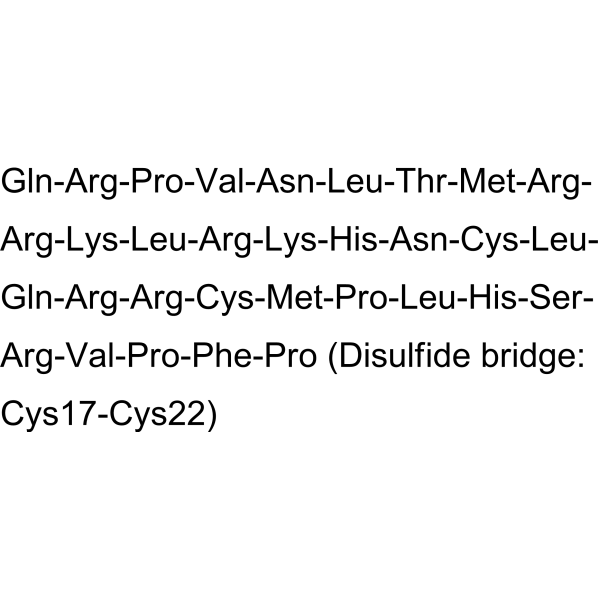
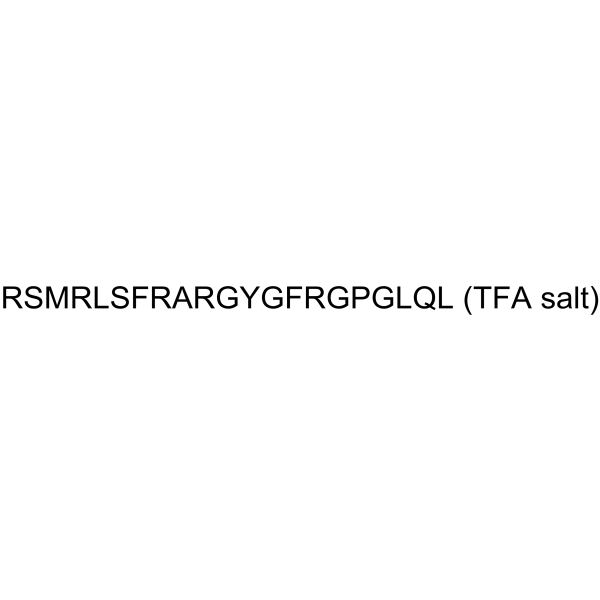
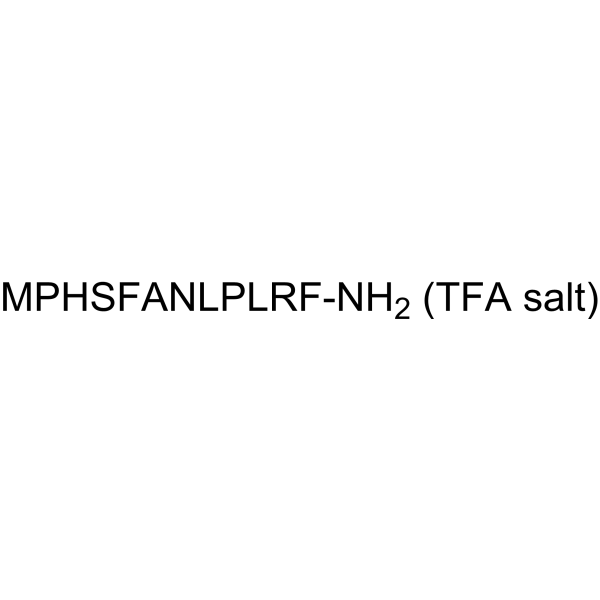
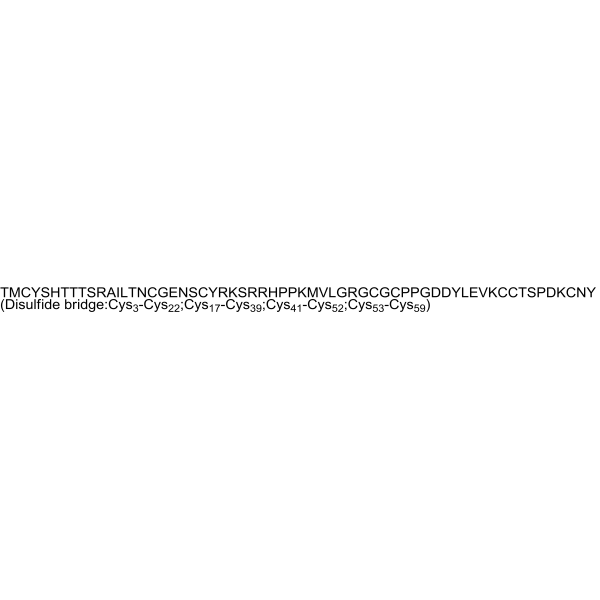
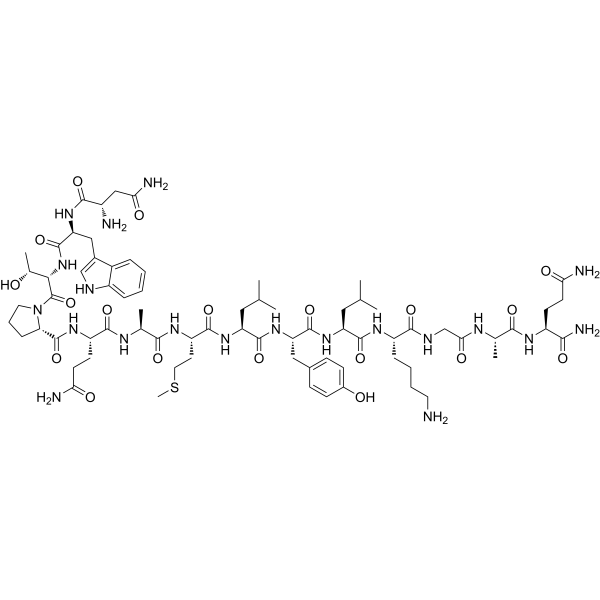
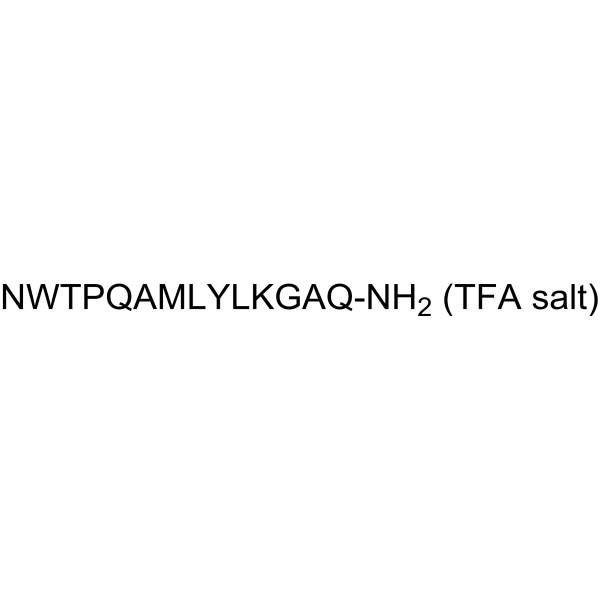
    Neuropeptide Y (18-36) (porcine) is a competitive neuropeptide Y (NPY) cardiac receptor antagonist. Neuropeptide Y (18-36) (porcine) inhibits the binding of I-NPY to cardiac ventricular membranes in a concentration-dependent manner with an IC50 value of 158 nM and an Ki value of 140 nM. Neuropeptide Y (18-36) (porcine) can be used for the research of congestive heart failure .
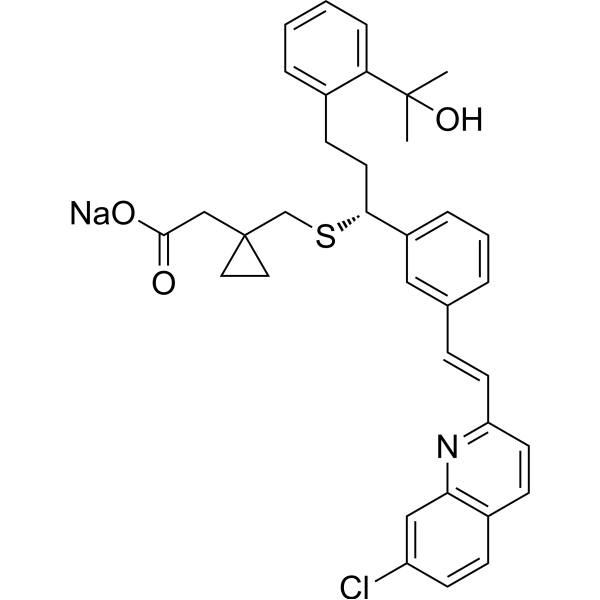
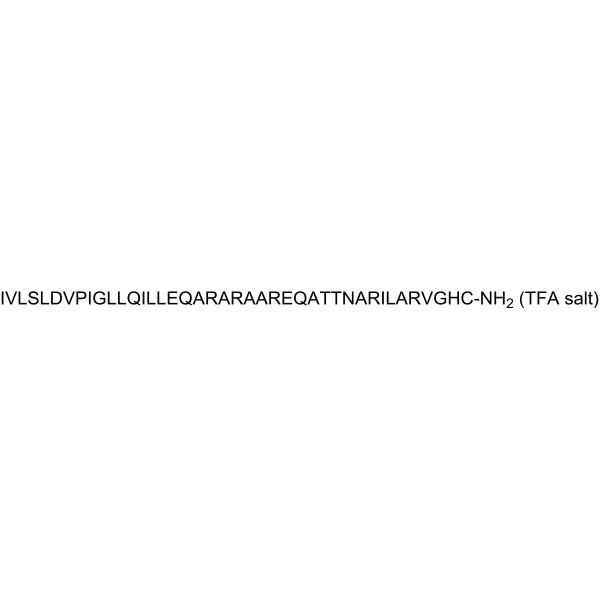
    Neuropeptide Y (18-36) (porcine)
  • HY-16056

    Adrenergic Receptor Cardiovascular Disease
    Arbutamine is a short-acting, potent and nonselective β-adrenoceptor agonist. Arbutamine stimulates cardiac β1-, tracheal β2-, and adiopocyte β3- adrenergic receptors. Arbutamine provides cardiac stress increases heart rate, cardiac contractility, and systolic blood pressure. Arbutamine can be used for cardiac stress agent .
    Arbutamine
  • HY-16056A

    Adrenergic Receptor Cardiovascular Disease
    Arbutamine hydrochloride is a short-acting, potent and nonselective β-adrenoceptor agonist. Arbutamine hydrochloride stimulates cardiac β1-, tracheal β2-, and adiopocyte β3- adrenergic receptors. Arbutamine hydrochloride provides cardiac stress increases heart rate, cardiac contractility, and systolic blood pressure. Arbutamine hydrochloride can be used for cardiac stress agent .
    Arbutamine hydrochloride
  • HY-P1271A

    nAChR Cardiovascular Disease
    Catestatin TFA is a 21-amino acid residue, cationic and hydrophobic peptide. Catestatin TFA is an endogenous peptide that regulates cardiac function and blood pressure . Catestatin TFA is a non-competitive nicotinic antagonist acting through nicotinic acetylcholine receptors (nAChRs) to inhibit catecholamine release .
    Catestatin TFA
  • HY-W010950S

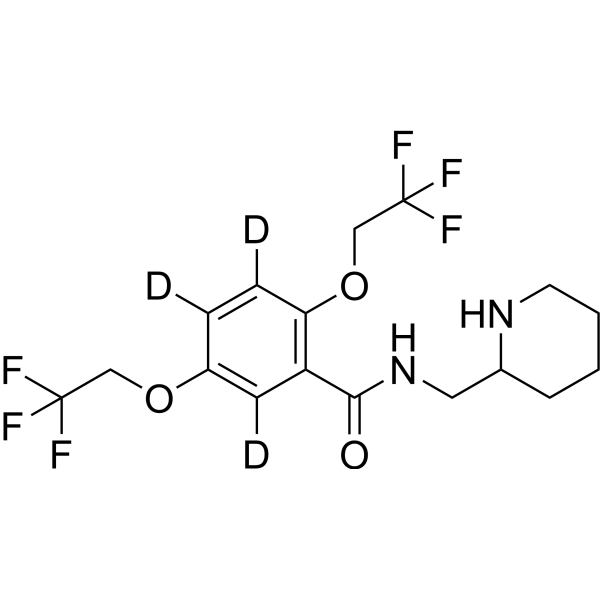
    Potassium Channel Sodium Channel Isotope-Labeled Compounds Cardiovascular Disease
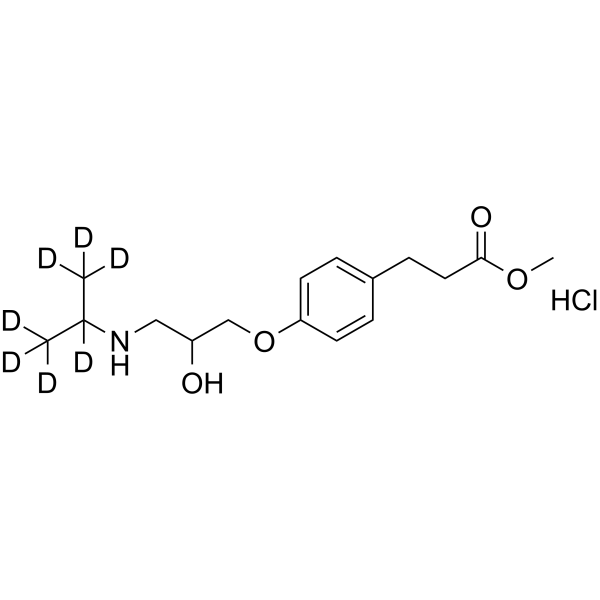
    Flecainide-d3 is the deuterium labeled Flecainide. Flecainide is an orally active antiarrhythmic agent. Flecainide can block sodium channels and inhibit calcium ion release mediated by the cardiac ryanodine receptor (RyR2). Flecainide can be used in the research of diseases such as catecholaminergic polymorphic ventricular tachycardia (CPVT) .
    Flecainide-d3
  • HY-B0203B

    (Rac)-R 065824

    Adrenergic Receptor NADPH Oxidase Cardiovascular Disease
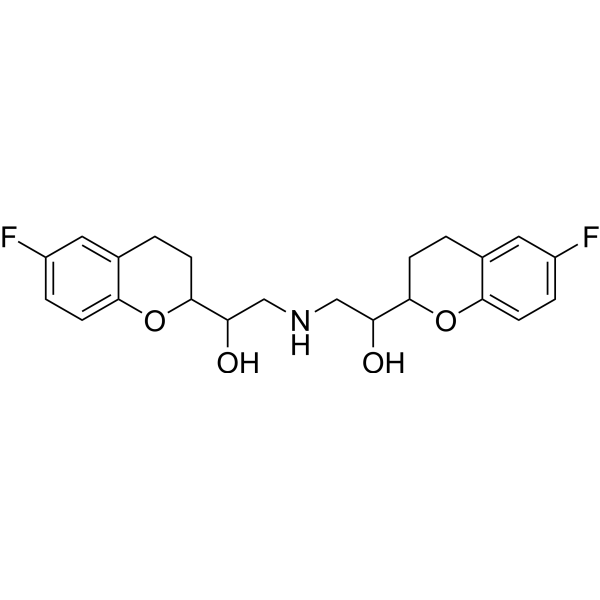
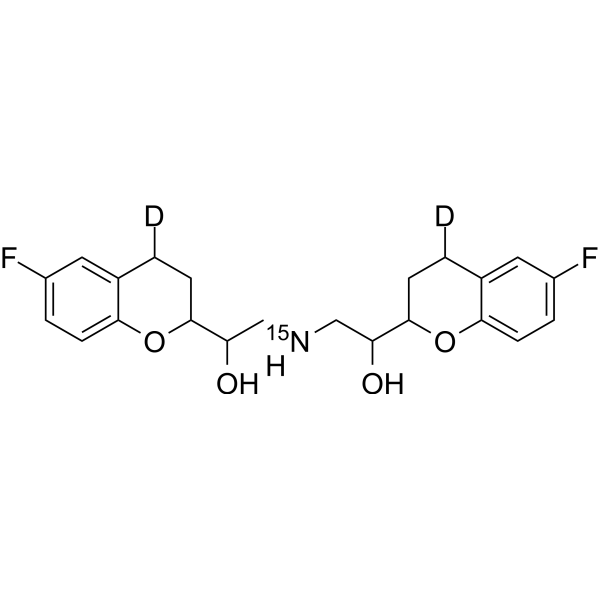
    (Rac)-Nebivolol ((Rac)-R 065824) is a racemic isomer of Nebivolol. Nebivolol is a selective β1-adrenergic receptor antagonist with an IC50 value of 0.8 nM. Nebivolol can prevent up-regulation of Nox2/NADPH oxidase and lipoperoxidation in the early stages of ethanol-induced cardiac toxicity. Vasodilatory activity .
    (Rac)-Nebivolol
  • HY-145285

    Apelin Receptor (APJ) Cardiovascular Disease
    APJ receptor agonist 5 (compound 3) is a potent and orally active agonist of apelin receptor (APJ) with an EC50 of 0.4 nM. APJ receptor agonist 5 displays excellent pharmacokinetic profiles in the rodent heart failure (HF) model. APJ receptor agonist 5 also shows an acceptable safety profile in preclinical toxicology studies. APJ receptor agonist 5 leads to improved cardiac function and can be used for researching the HF disease .
    APJ receptor agonist 5
  • HY-160076

    Apelin Receptor (APJ) Cardiovascular Disease
    APJ receptor agonist 8 (compound 99) is an agonist of APJ receptor. APJ receptor agonist 8 increases the load independent cardiac contractility of isolated perfused rat hearts .
    APJ receptor agonist 8
  • HY-21796

    4-Phenylbutan-2-amine

    Apelin Receptor (APJ) Cardiovascular Disease
    ELA-32(human) is a potent critical cardiac developmental peptide that acts through the G-protein–coupled apelin receptor .
    1-Methyl-3-phenylpropylamine
  • HY-105011A

    Angiotensin Receptor Cardiovascular Disease
    YM-358 hydrate potassium is an orally active angiotensin II type 1 (AT1)-receptor antagonist. YM-358 hydrate potassium can decrease cardiac volume overload. YM-358 hydrate potassium can be used for the research of cardiovascular disease, such as hypertension .
    YM-358 hydrate potassium
  • HY-179277

    Adenosine Receptor Cardiovascular Disease
    MIPS3526 is a potent and selective A2B adenosine receptor (A2BR) agonist with a pEC50 of 10.17 (EC50 of 58 pM). MIPS3526 shows highly receptor subtype selective versus the A1R, A2AR, and A3R. MIPS3526 ameliorates angiotensin II stimulating effects in both cardiac myocytes and fibroblasts. MIPS3526 can be used for the study of cardiovascular disease including heart failure where cardiac remodeling is a major driver .
    MIPS3526
  • HY-19253A

    Angiotensin Receptor Cardiovascular Disease Metabolic Disease
    KRH-594 is an orally active angiotensin AT1 receptor antagonist. KRH-594 ameliorates the progression of diabetic nephropathy and hyperlipidaemia. KRH-594 inhibits cardiac hypertrophy .
    KRH-594
  • HY-164631

    Calcium Channel Cardiovascular Disease
    EL20 is a selective cardiac ryanodine receptor 2 (RyR2) inhibitor. EL20 inhibits diastolic Ca 2+ leakage from the sarcoplasmic reticulum, reducing delayed afterdepolarizations and triggered arrhythmias. EL20 is promising for research of cardiovascular diseases .
    EL20
  • HY-13315S1

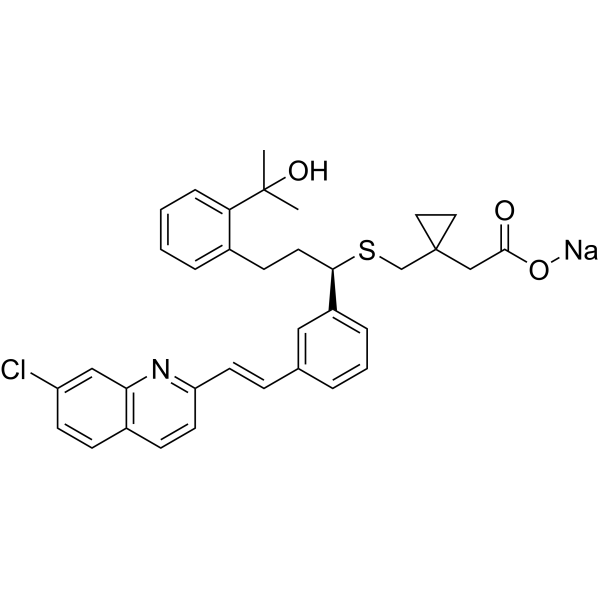
    MK0476-d6

    Leukotriene Receptor Inflammation/Immunology
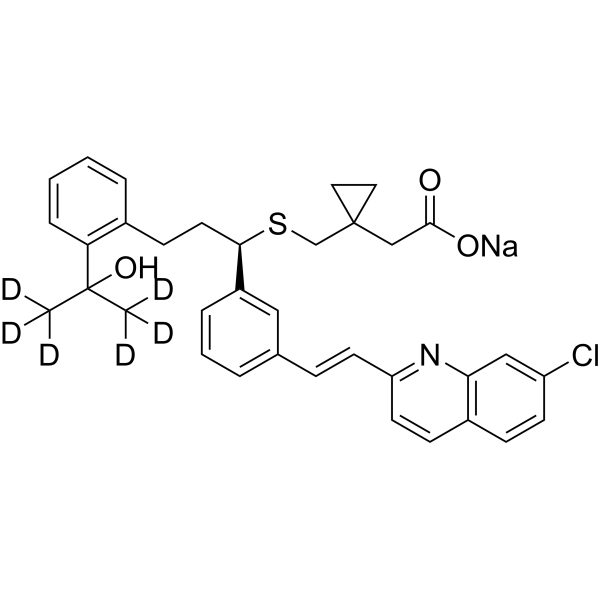
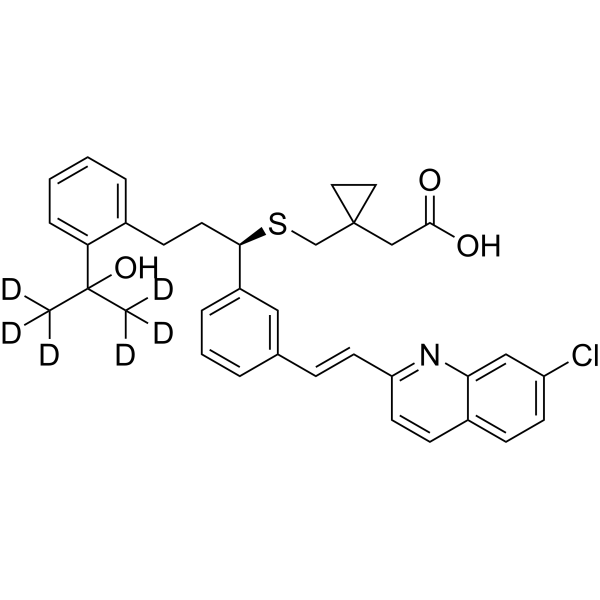
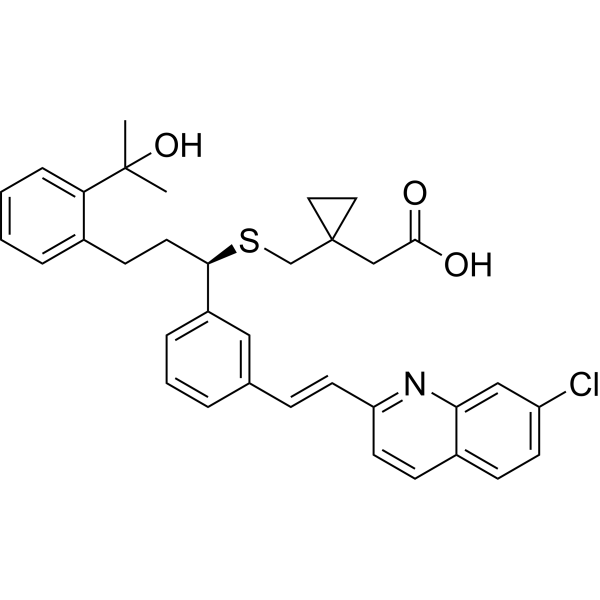
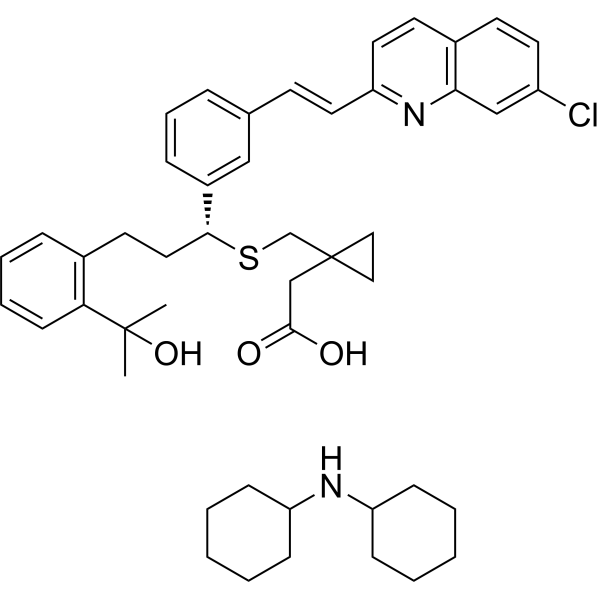
    Montelukast-d6 (sodium) is the deuterium labeled Montelukast (sodium). Montelukast sodium is a potent, selective and orally active antagonist of cysteinyl leukotriene receptor 1 (Cysltr1). Montelukast sodium can be used for the reseach of asthma and liver injury. Montelukast sodium also has an antioxidant effect in intestinal ischemia-reperfusion injury, and could reduce cardiac damage .
    Montelukast-d6 sodium

Inquiry Online

Your information is safe with us. * Required Fields.

Salutation


Country or Region *

Applicant Name *


Organization Name *

Department *


Email Address *


Product Name *

Cat. No.


Requested quantity *

Phone Number *


Remarks

Inquiry Online

Inquiry Information

Product Name:
Cat. No.:
Quantity:
MCE Japan Authorized Agent: