Search Result
Results for "
escherichia coli infection
" in MedChemExpress (MCE) Product Catalog:
4
Biochemical Assay Reagents
13
Isotope-Labeled Compounds
| Cat. No. |
Product Name |
Target |
Research Areas |
Chemical Structure |
-
- HY-P2764
-
Apyrase
3 Publications Verification
|
NTPDase
|
Inflammation/Immunology
|
|
Apyrase is an Nucleoside triphosphate diphosphohydrolase (NTPDase). Apyrase can hydrolyze extracellular adenosine triphosphate (ATP) and adenosine diphosphate (ADP). Apyrase can inhibit Stx2 toxin release of enterohemorrhagic Escherichia coli (EHEC) infection and protect the intestinal barrier function. Apyrase can be used for the research of infection and inflammation, such as hemorrhagic colitis .
|
-

-
- HY-164036
-
|
|
Antibiotic
Bacterial
|
Infection
|
|
Lolamicin is an orally effective inhibitor that specifically targets the Gram-negative bacteria lipoprotein transport system LolCDE complex. It selectively inhibits the transmembrane transport of outer membrane lipoproteins by competitively binding to lipoprotein binding sites. Lolamicin destroys the integrity of the bacterial outer membrane, leading to cell death, and has both bactericidal and antibacterial activity. It has significant effects on multidrug-resistant Enterobacteriaceae pathogens (such as Escherichia coli and Klebsiella pneumoniae). Lolamicin can be used to inhibit the study of acute pneumonia, sepsis and other infections caused by Gram-negative bacteria .
|
-

-
- HY-B0147
-
|
Pefloxacinium
|
Antibiotic
Bacterial
Parasite
DNA/RNA Synthesis
Topoisomerase
|
Infection
Inflammation/Immunology
|
|
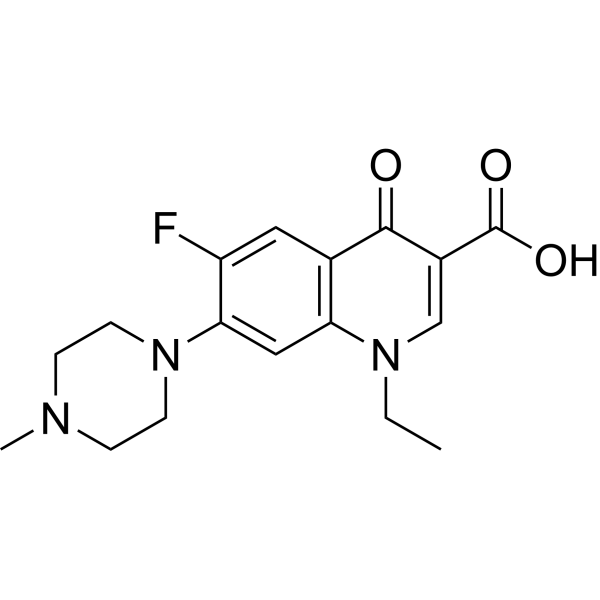
Pefloxacin (Pefloxacinium) is a broad spectrum antibiotic. Pefloxacin blocks DNA replication by inhibiting DNA gyrase. Pefloxacin inhibits DNA relaxation catalyzed by topoisomerase I with an IC50 of 45 μg/mL. Pefloxacin exhibits antibacterial activity against Escherichia coli, Pseudomonas aeruginosa, and Bacteroides fragilis with MIC90s of 0.12, 4, and 16 mg/L, respectively. Pefloxacin has anti-Plasmodium yoelii infection activity. Pefloxacin increase UVA-induced edema and immunesuppression. Pefloxacin can be used for infection studies .
|
-
-
- HY-A0111
-
|
Ro 15-8074; Deacetoxycefotaxime
|
Antibiotic
Bacterial
Penicillin-binding protein (PBP)
Drug Metabolite
|
Infection
|
|
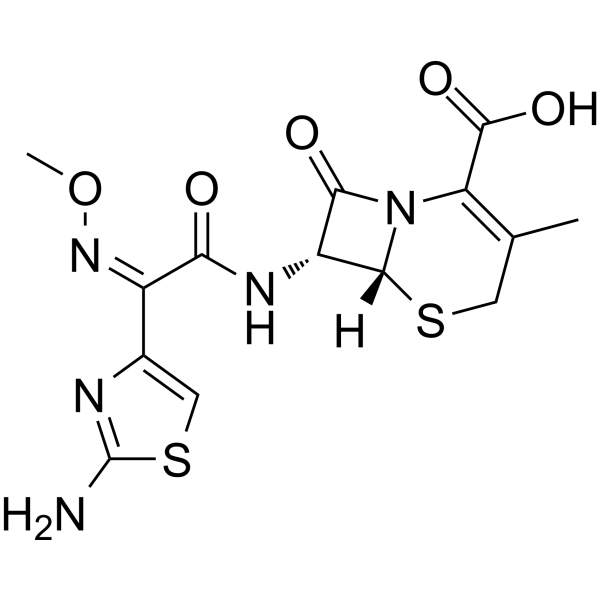
Cefetamet (Ro 15-8074) is a cephalosporin antibiotic and the active metabolite of Cefetamet pivoxil (HY-B1894A). Cefetamet binds to bacterial penicillin-binding protein (PBP) (IC50 for PBP3 in Escherichia coli W3110 is 2.5 μg/mL). Cefetamet has significant activity against Gram-negative bacteria such as Enterobacteriaceae, Neisseria species, and Haemophilus influenzae, as well as Gram-positive bacteria such as Streptococcus. Cefetamet kills and lyses Treponema pallidum. Cefetamet can be used in the research of respiratory tract, urinary tract, ear, nose and throat infections, and syphilis .
|
-
-
- HY-W011117
-
|
|
Bacterial
DNA/RNA Synthesis
Antibiotic
|
Infection
|
|
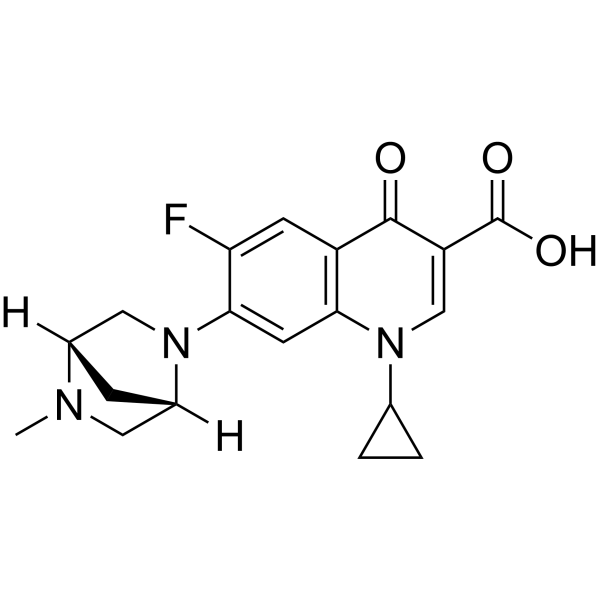
Danofloxacin is an orally active quinolone antibiotic. Danofloxacin targets bacterial DNA gyrase and inhibits bacterial DNA replication, transcription and growth. Danofloxacin can be used for various bacterial infections caused by Escherichia coli, Mycoplasma and other pathogens .
|
-
-
- HY-B0333
-
|
|
Antibiotic
Bacterial
|
Infection
|
|
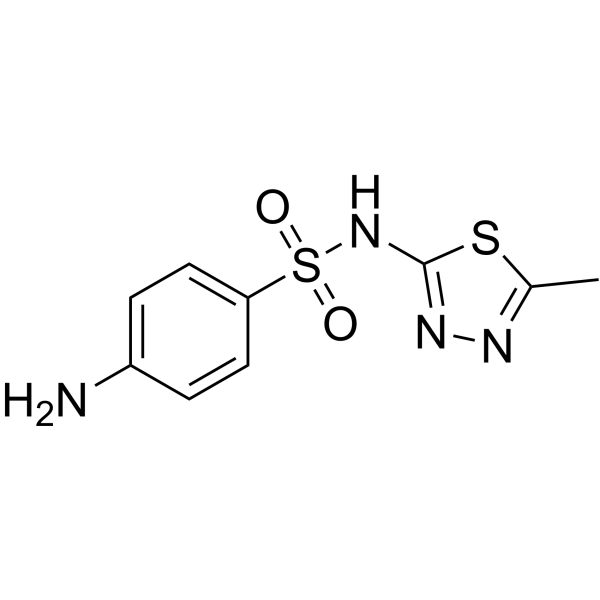
Sulfamethizole is a sulfathiazole antibiotic. Sulfamethizole inhibits the synthesis of folic acid and thymine, and selectively suppresses Photobacterium phosphoreum bioluminescence. Sulfamethizole exerts antibacterial activity against Escherichia coli-mediated urinary tract infections but no activity against sulII gene-positive Escherichia coli. Sulfamethizole is applicable for the research of urinary tract infections and Photobacterium phosphoreum bioluminescence mechanisms .
|
-
-
- HY-N3651
-
|
|
Bacterial
Reactive Oxygen Species (ROS)
Apoptosis
PI3K
Akt
mTOR
|
Infection
Cancer
|
|
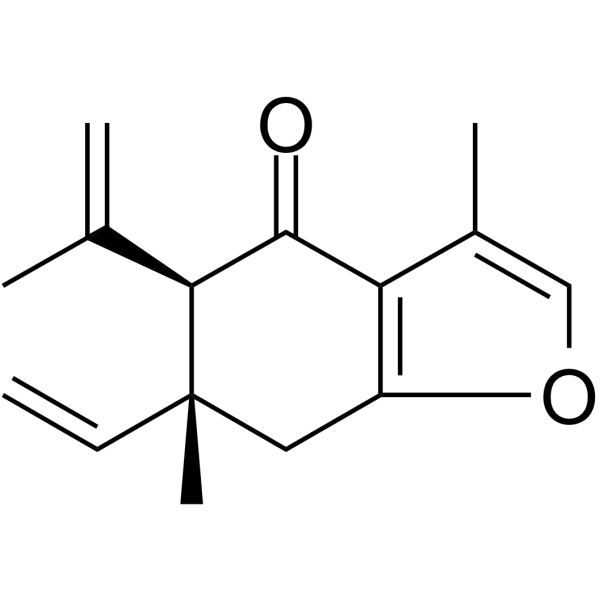
Curzerenone is an orally active sesquiterpene compound and Antibacterial agent. Curzerenone can be isolated from Curcuma zedoaria and Curcuma aeruginosa plants. Curzerenone increases ROS levels, activates Apoptotic signaling pathways, and attenuates the PI3K/AKT/mTOR signaling pathway. Curzerenone exhibits anticancer activity against liver cancer and cervical cancer. Curzerenone has antioxidant effects. Curzerenone shows weak antibacterial activity against Escherichia coli. Curzerenone can be used in research related to hepatocellular carcinoma, cervical cancer, and Escherichia coli infection .
|
-
-
- HY-30236
-
|
|
Bacterial
|
Infection
|
|
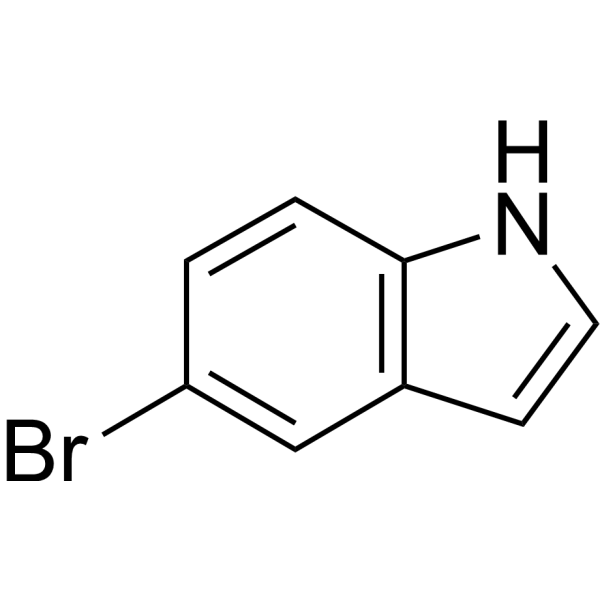
5-Bromoindole is an antibacterial agent with a MIC of 200 μg/mL. 5-Bromoindole inhibits biofilm and curli formation, reduces swarming motility and swimming motility. 5-Bromoindole can be used for the research of enterohemorrhagic escherichia coli o157:h7 infection .
|
-
-
- HY-N8574
-
|
Heptacosan-1-ol
|
Biochemical Assay Reagents
|
Infection
|
|
1-Heptacosanol (Heptacosan-1-ol) is a long-chain fatty alcohol with antifungal, antibacterial (against Escherichia coli and Staphylococcus aureus), nematicidal, anticancer and antioxidant activities. 1-Heptacosanol can be isolated from leaf extracts of Ficus septica and Lecaniodiscus cupanioides. 1-Heptacosanol not only effectively resists pathogenic fungal infections, but also shows potential against pepper anthracnose in phytopathology. 1-Heptacosanol can be used in the research of fungal infections, cancer and oxidative stress-related diseases .
|
-

-
- HY-B1415
-
|
Chlorofibrinic acid
|
PPAR
Bacterial
SOD
|
Infection
Metabolic Disease
Cancer
|
|
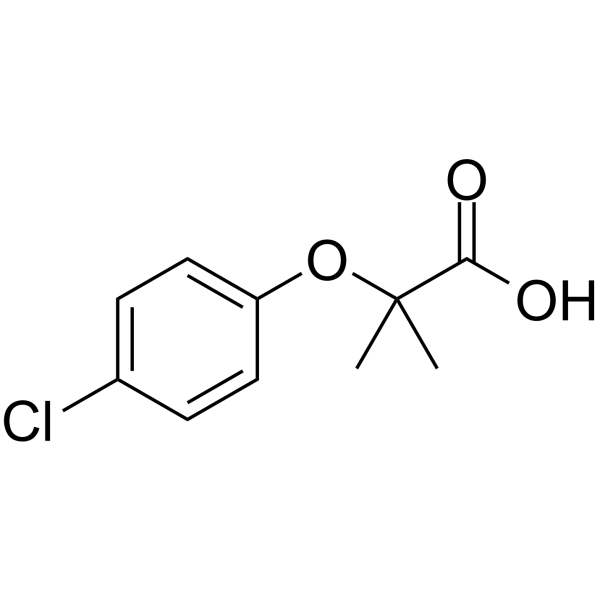
Clofibric acid (Chlorofibrinic acid) is an orally active PPARα agonist. Clofibric acid inhibits the fimbriation of Escherichia coli. Clofibric acid increases SOD activity. Clofibric acid lowers blood lipids and prevents experimental pyelonephritis. Clofibric acid has anticancer activity against ovarian cancer. Clofibric acid is also a herbicide. Clofibric acid is used in ovarian cancer, liver cancer, obesity, and urinary tract infection research .
|
-
-
- HY-N7101
-
|
U-76,252; CS-807
|
Bacterial
Antibiotic
Penicillin-binding protein (PBP)
|
Infection
|
|
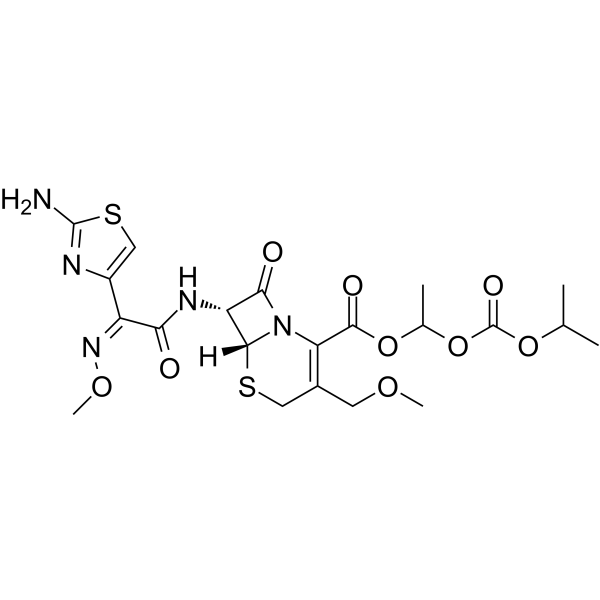
Cefpodoxime Proxetil is an orally active broad spectrum third-generation cephalosporin with potent antibacterial activity against both Gram-positive and Gram-negative bacteria including staphylococci, streptococci, Haemophilus influenzae, Neisseria gonorrhoeae, Escherichia coli, Klebsiella pnuemoniae, Citrobacter spp, and Proteus spp. Cefpodoxime Proxetil binds to penicillin binding proteins (PBPs), which inhibits peptidoglycan synthesis, finally results in interfering bacterial cell wall biosynthesis. Cefpodoxime Proxetil can be used against skin structure infections, acute otitis media, pharyngitis, tonsillitis, upper respiratory tract infection, urinary tract infections and sexually transmitted diseases .
|
-
-
- HY-B0960
-
|
N-Sulfanilylbenzamide
|
Bacterial
Autophagy
MDM-2/p53
Caspase
PARP
DNA-PK
Akt
|
Infection
Cancer
|
|
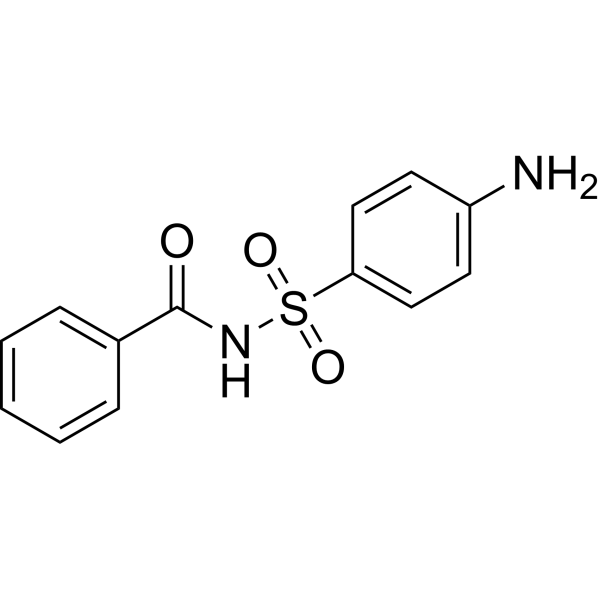
Sulfabenzamide (N-Sulfanilylbenzamide) is a sulfonamide antibacterial agent. Sulfabenzamide exhibit antibacterial activity against Staphylococcus aureus (ATCC 25923) and Escherichia coli (ATCC 8739). Sulfabenzamide can promote autophagic cell autophagy in breast cancer cells through p53/ DRAM pathway. Sulfabenzamide increases caspase-3 activity, deactivates PARP1 and DNA-PK, downregulates AKT1 and AKT2. Sulfabenzamide can be used for the researches of breast cancer and bacterial infections .
|
-
-
- HY-P3302
-
|
|
Bacterial
|
Infection
|
|
Sialylglycopeptide is an orally active glycopeptide found in egg yolk. Sialylglycopeptide inhibits the binding of Salmonella enteritidis and Escherichia coli to intestinal cells, and protects mice from Salmonella infection. Sialylglycopeptide can be used in the research of Salmonella infection .
|
-
-
- HY-B0147A
-
|
Pefloxacinium mesylate
|
Topoisomerase
DNA/RNA Synthesis
Antibiotic
Bacterial
Parasite
|
Infection
Inflammation/Immunology
|
|
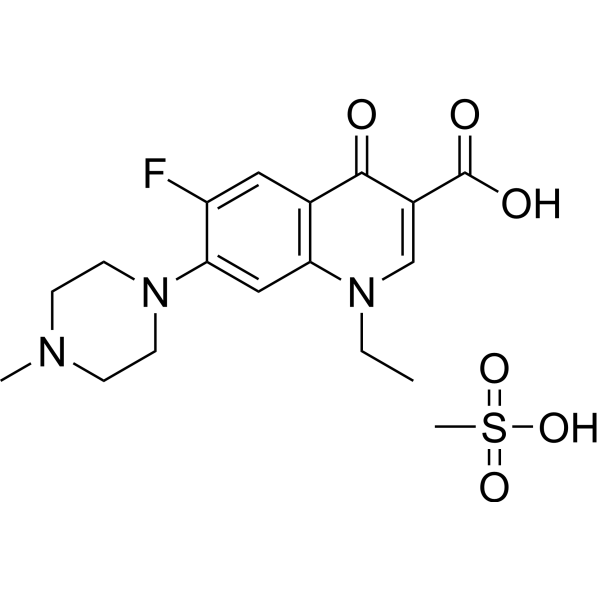
Pefloxacin (Pefloxacinium) mesylate is a broad spectrum antibiotic. Pefloxacin blocks DNA replication by inhibiting DNA gyrase. Pefloxacin mesylate inhibits DNA relaxation catalyzed by topoisomerase I with an IC50 of 45 μg/mL. Pefloxacin mesylate exhibits antibacterial activity against Escherichia coli, Pseudomonas aeruginosa, and Bacteroides fragilis with MIC90s of 0.12, 4, and 16 mg/L, respectively. Pefloxacin mesylate has anti-Plasmodium yoelii infection activity. Pefloxacin mesylate increase UVA-induced edema and immunesuppression. Pefloxacin mesylate can be used for infection studies .
|
-
-
- HY-148442
-
|
|
MetAP
Bacterial
|
Infection
|
|
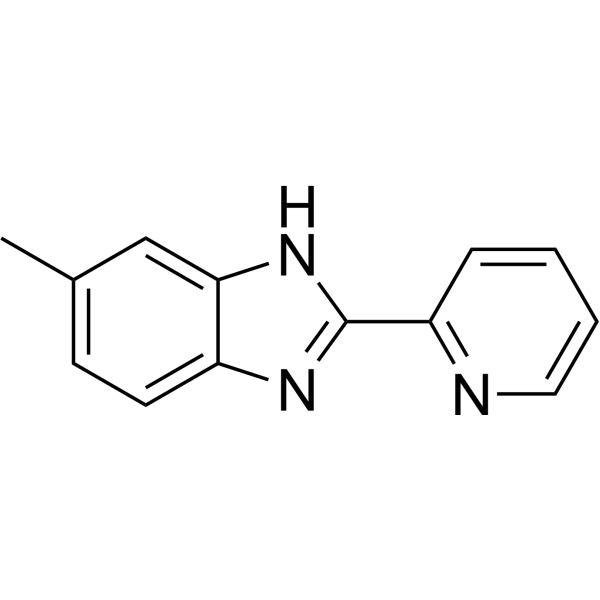
ecMetAP-IN-1 is an inhibitor of E. coli methionine aminopeptidase (ecMetAP) with an IC50 of 2.086 μM. ecMetAP-IN-1 is applicable to research related to bacterial infections caused by E. coli .
|
-
-
- HY-W009886
-
|
|
Bacterial
Drug Intermediate
|
Infection
|
|
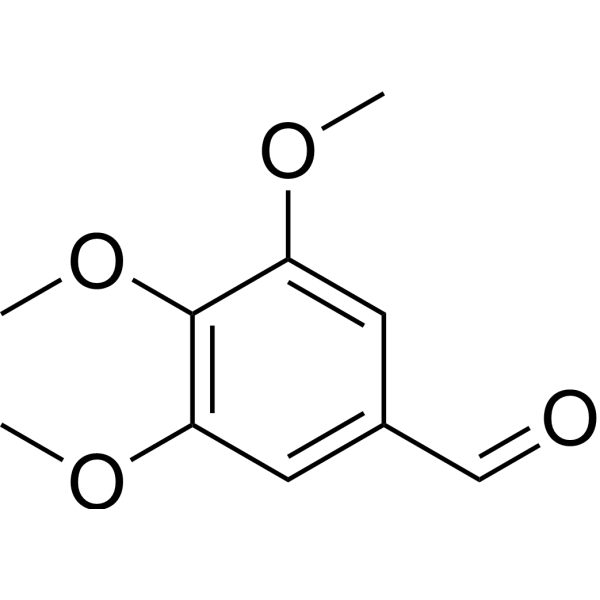
3,4,5-Trimethoxybenzaldehyde is a derivative of benzaldehyde. 3,4,5-Trimethoxybenzaldehyde has antimicrobial activity. 3,4,5-Trimethoxybenzaldehyde is also an important intermediate for the synthesis of various drugs, such as Trimethoprim (HY-B0510) .
|
-
-
- HY-W014665
-
|
Phthaloyl glycine
|
Bacterial
Fungal
|
Infection
|
|
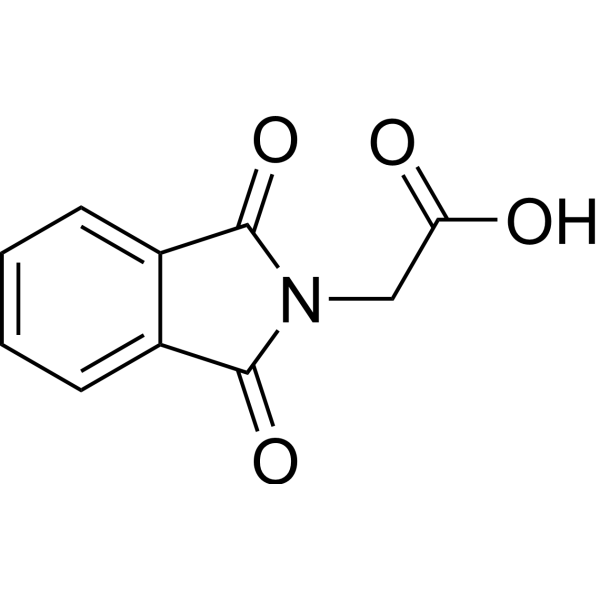
N-Phthaloylglycine (Phthaloyl glycine) is a Type II fragmentary hapten (FX-type) with antimicrobial activity. N-Phthaloylglycine acts against Candida albicans, Escherichia coli, and Staphylococcus epidermidis. N-Phthaloylglycine can be used for the research of fungal and bacterial infection .
|
-
-
- HY-Y1718S
-
|
N-Tridecanoic acid-d2
|
Isotope-Labeled Compounds
Endogenous Metabolite
Bacterial
|
Infection
|
|
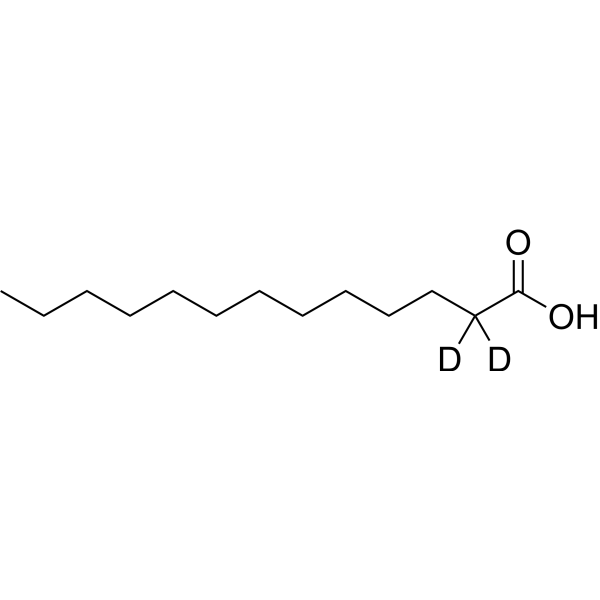
Tridecanoic acid-d2 is the deuterium labeled Tridecanoic acid. Tridecanoic acid (N-Tridecanoic acid), a 13-carbon medium-chain saturated fatty acid, can serve as an antipersister and antibiofilm agent that may be applied to research bacterial infections. Tridecanoic acid inhibits Escherichia coli persistence and biofilm formation .
|
-
-
- HY-Y1718S1
-
|
N-Tridecanoic acid-d25
|
Isotope-Labeled Compounds
Endogenous Metabolite
Bacterial
|
Cancer
|
|
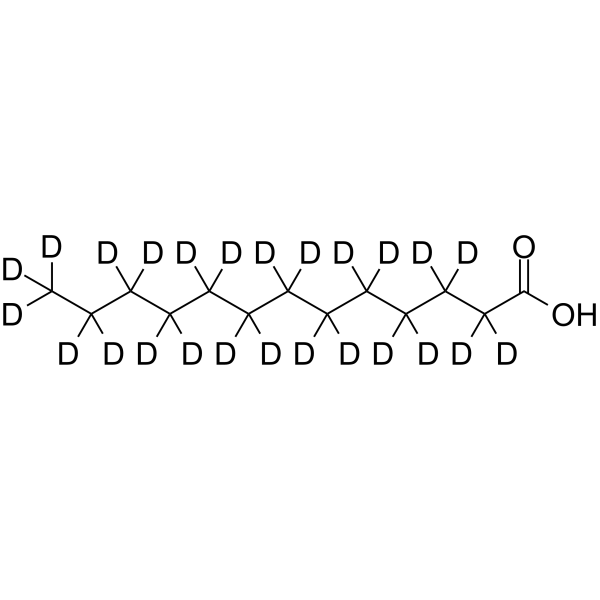
Tridecanoic acid-d25 is the deuterium labeled Tridecanoic acid. Tridecanoic acid (N-Tridecanoic acid), a 13-carbon medium-chain saturated fatty acid, can serve as an antipersister and antibiofilm agent that may be applied to research bacterial infections. Tridecanoic acid inhibits Escherichia coli persistence and biofilm formation .
|
-
-
- HY-123515
-
|
|
|
Infection
|
|
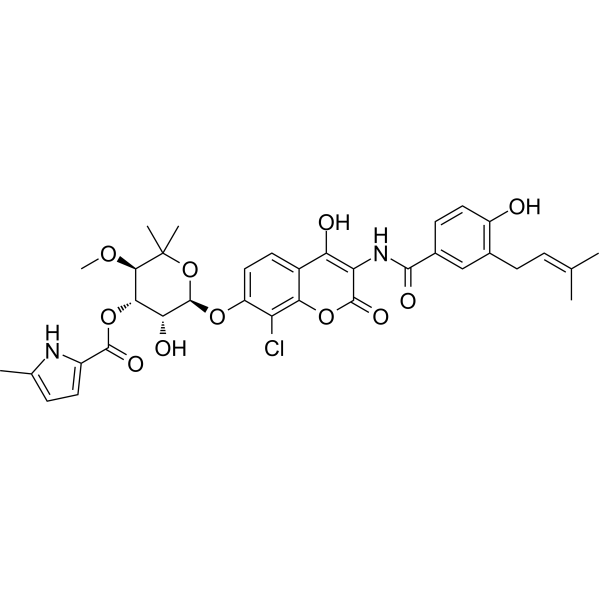
Clorobiocin is an antibacterial agent with an IC50 of 0.21 μM against the B subunit of E. coli DNA gyrase. Clorobiocin targets the mLaC protein of Gram-negative bacteria. Clorobiocin potently inhibits bacterial DNA replication. Clorobiocin can be used in studies on Gram-negative bacterial infections, such as Acinetobacter baumannii and E. coli infections .
|
-
-
- HY-148790
-
|
FL058
|
Bacterial
Beta-lactamase
|
Infection
|
|
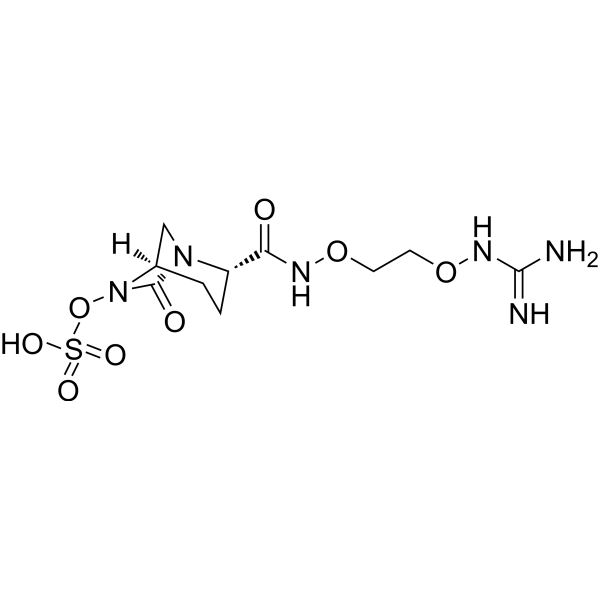
Pralurbactam (FL058) is a β-lactamase (Beta-lactamase) inhibitor. Pralurbactam enhances the antibacterial activity of Imipenem against Mycobacterium abscessus. Pralurbactam reduces the pulmonary bacterial load in neutropenic mice infected with Mycobacterium abscessus. Pralurbactam can be used in research related to infections caused by Mycobacterium abscessus complex, Escherichia coli, and Klebsiella pneumoniae .
|
-
-
- HY-175597
-
|
|
ClpP
|
Infection
|
|
ClpP modulator-1 (Compound BC8a), a peptidomimetic, is an allosteric ClpP modulator. ClpP modulator-1 is a ClpP activator at low concentration with EC50s of 0.35 and 0.58 μM for for Neisseria meningitides ClpP (NmClpP) and Escherichia coli ClpP (EcClpP), resepectively. ClpP modulator-1 also inhibits peptidase activity at high concentration by competitively inhibiting substrate protein (LY-AMC) binding to ClpP C sites. ClpP modulator-1 has antibacterial activity. ClpP modulator-1 can be used for bacterial infections research .
|
-

-
- HY-W011549
-
|
|
Bacterial
|
Infection
|
|
2'-Amino-2'-deoxyguanosine is a nucleoside antibiotic. 2'-Amino-2'-deoxyguanosine exhibits lethal activity against certain strains of Escherichia coli, with its antibacterial effect reversible by guanosine and other purine nucleosides. 2'-Amino-2'-deoxyguanosine can be used for the study of bacterial infection .
|
-

-
- HY-N11554
-
|
|
Bacterial
|
Infection
|
|
(-)-Codonopsine is an alkaloid with antibacterial activity. (-)-Codonopsine can be used in research related to Staphylococcus aureus and Escherichia coli infections .
|
-

-
- HY-P10364
-
|
UBI(29-41)
|
Bacterial
Antibiotic
|
Infection
Inflammation/Immunology
|
|
Ubiquicidin (29-41) (UBI (29-41)) is an Antimicrobial peptide and infection-localizing agent. Ubiquicidin (29-41) acts as an infection-specific imaging agent and infection-targeting agent. Ubiquicidin (29-41) serves as an antibiotic efficacy monitoring agent, and its aggregation level in infections induced by Staphylococcus aureus is higher than that in infections induced by Escherichia coli .
|
-

-
- HY-B0967
-
|
|
Antibiotic
Bacterial
|
Infection
|
|
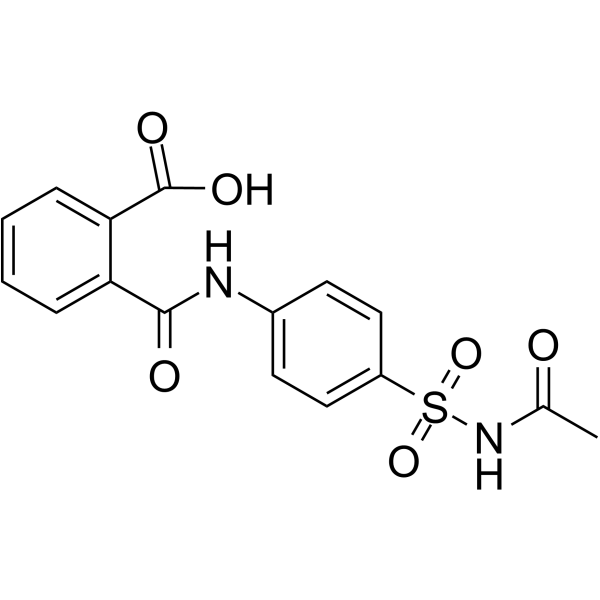
Phthalylsulfacetamide is an orally active sulfonamide antibiotic and New Delhi metallo-β-lactamase-1 (NDM-1) inhibitor with an IC50 of 15.4 μM. Phthalylsulfacetamide stably binds to the active hydrolysis center of NDM-1, interacts with Zn2+, and interacts with key amino acid residues Val73 and His122 to inhibit enzyme activity. Phthalylsulfacetamide can be used for the research of Escherichia coli infection .
|
-
-
- HY-177716
-
|
|
Beta-lactamase
Bacterial
|
Infection
|
|
Ciprofloxacin prodrug-1 (Compound 35) is an activated prodrug of β-lactase. Ciprofloxacin prodrug-1 exhibits good antibacterial activity against bacteria containing β-lactase (MIC = 63 nM). After being hydrolyzed by β-lactase, Ciprofloxacin prodrug-1 can release Ciprofloxacin (HY-B0356), thereby inhibiting the activity of DNA gyrase. Ciprofloxacin prodrug-1 can be used to study infections caused by enzyme-producing drug-resistant bacteria (such as uropathogenic Escherichia coli) .
|
-

-
- HY-P10980
-
|
|
DNA/RNA Synthesis
Bacterial
|
Infection
|
|
Citrocin is a potent bacterial RNA polymerase (RNAP) inhibitor. Citrocin shows significant inhibitory activity against Escherichia coli RNAP with an MIC range of 16-125 μM. Citrocin specifically binds to and inhibits RNA polymerase to block bacterial transcription and enters cells mainly through inner membrane protein SbmA. Citrocin is promising for research of Gram-negative bacterial infections, such as enterohemorrhagic E. coli .
|
-

-
- HY-175596
-
|
|
ClpP
Bacterial
|
Infection
|
|
ACP1-01 is a bacterial ClpP activator with EC50s of 3.4 and 2.6 μM for Neisseria meningitides ClpP (NmClpP) and Escherichia coli ClpP (EcClpP). ACP1-01 noncovalently binds to ClpP C sites and activates the protease. ACP1-01 has antibacterial activity. ACP1-01 can be used for bacterial infections research .
|
-

-
- HY-B0147B
-
|
Pefloxacinium mesylate dihydrate
|
Topoisomerase
DNA/RNA Synthesis
Antibiotic
Bacterial
Parasite
|
Infection
Inflammation/Immunology
|
|
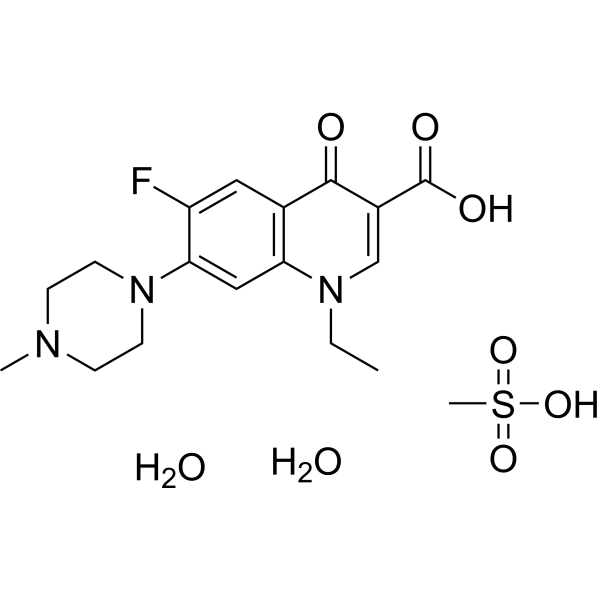
Pefloxacin (Pefloxacinium) mesylate dihydrate is a broad spectrum antibiotic. Pefloxacin mesylate dihydrate blocks DNA replication by inhibiting DNA gyrase. Pefloxacin mesylate dihydrate inhibits DNA relaxation catalyzed by topoisomerase I with an IC50 of 45 μg/mL. Pefloxacin mesylate dihydrate exhibits antibacterial activity against Escherichia coli, Pseudomonas aeruginosa, and Bacteroides fragilis with MIC90s of 0.12, 4, and 16 mg/L, respectively. Pefloxacin mesylate dihydrate has anti-Plasmodium yoelii infection activity. Pefloxacin mesylate dihydrate increase UVA-induced edema and immunesuppression. Pefloxacin mesylate dihydrate can be used for infection studies .
|
-
-
- HY-U00380
-
|
|
Antibiotic
Beta-lactamase
Bacterial
|
Infection
|
|
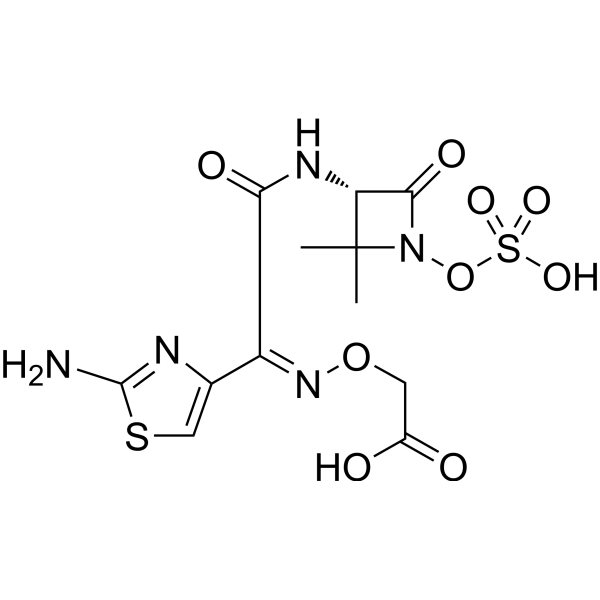
Tigemonam is an orally active monobactam antibiotic with a Ki of 0.86 μM against Enterobacter cloacae P99 β-lactamase and 50.8 μM against Escherichia coli TEM-1 β-lactamase. Tigemonam binds to penicillin-binding proteins 1a, 3, and 4, inhibits bacterial cell wall synthesis, and exhibits bactericidal activity against aerobic gram-negative bacteria including Enterobacteriaceae, Haemophilus influenzae, and Neisseria gonorrhoeae. Tigemonam resists hydrolysis by multiple β-lactamase enzymes, reduces bacterial load in systemic, pyelonephritic, lung, and thigh muscle infections in rodents, and shows minimal difference between minimum inhibitory and bactericidal concentrations. Tigemonam can be used for the research of gram-negative bacterial infections, acute pyelonephritis, lung infection, and thigh muscle infection .
|
-
-
- HY-B0960S
-
|
N-Sulfanilylbenzamide-d4
|
Bacterial
Autophagy
Isotope-Labeled Compounds
MDM-2/p53
Caspase
PARP
DNA-PK
Akt
|
Infection
Cancer
|
|
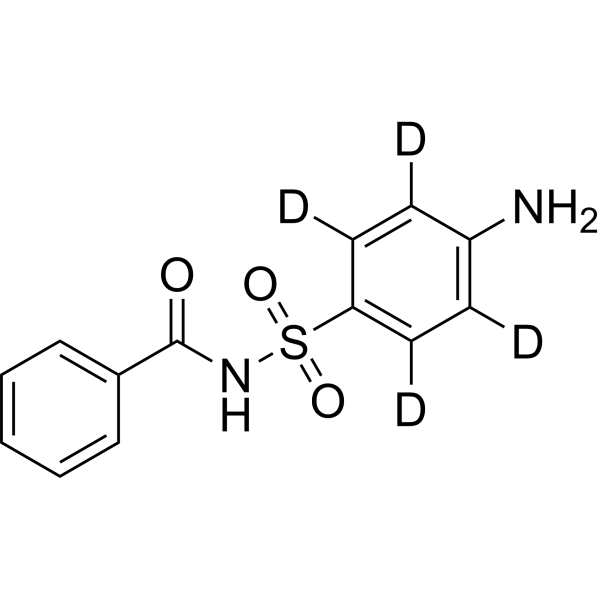
Sulfabenzamide (N-Sulfanilylbenzamide)-d4 is the deuterium labeled Sulfabenzamide (HY-B0960). Sulfabenzamide is a sulfonamide antibacterial agent. Sulfabenzamide exhibit antibacterial activity against Staphylococcus aureus (ATCC 25923) and Escherichia coli (ATCC 8739). Sulfabenzamide can promote autophagic cell autophagy in breast cancer cells through p53/ DRAM pathway. Sulfabenzamide increases caspase-3 activity, deactivates PARP1 and DNA-PK, downregulates AKT1 and AKT2. Sulfabenzamide can be used for the researches of breast cancer and bacterial infections .
|
-
-
- HY-101444
-
|
|
Bacterial
|
Infection
|
|
MC-207110 is a broad-spectrum efflux pump inhibitor. MC-207110 is active against all three known Mex efflux pumps from P. aeruginosa and their close Escherichia coli efflux pump homolog (AcrAB-TolC). MC-207110 can decrease the intrinsic resistance of P. aeruginosa to fluoroquinolones. MC-207110 can be used for the research of infection .
|
-

-
- HY-117951
-
|
|
Beta-lactamase
|
Infection
|
|
ANT431 is a metallo-β-lactamase inhibitor that also restores the effectiveness of Meropenem (HY-13678) in a mouse thigh Escherichia coli infection model .
|
-

-
- HY-107064
-
|
CGP 9000; Oraspor
|
Bacterial
Antibiotic
|
Infection
|
|
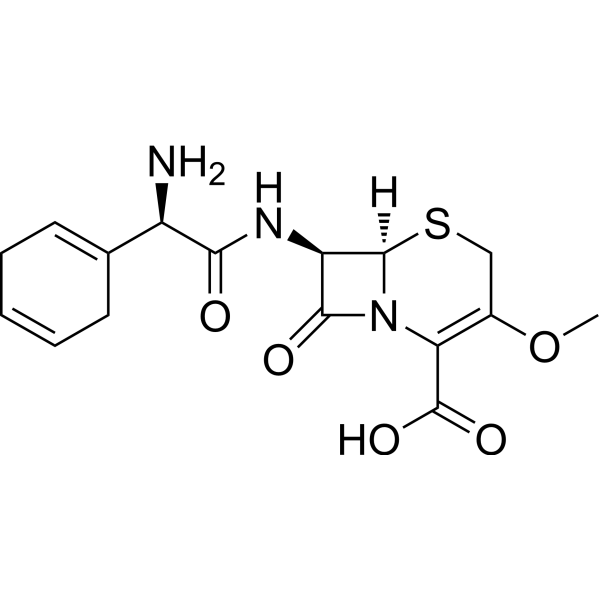
Cefroxadine (CGP 9000) is an orally active cephalosporin antibiotic. Cefroxadine is more effective than cephalexin against Escherichia coli and Klebsiella pneumoniae with MIC values of 3.13 and 1.56 μg/mL respectively with a concentration of 10 6 μg/mL. Cefroxadine can be used for the research of infection .
|
-
-
- HY-B0960R
-
|
N-Sulfanilylbenzamide (Standard)
|
Reference Standards
Bacterial
Autophagy
MDM-2/p53
Caspase
PARP
DNA-PK
Akt
|
Infection
Cancer
|
|
Sulfabenzamide (N-Sulfanilylbenzamide) (Standard) is the analytical standard of Sulfabenzamide (HY-B0960). This product is intended for research and analytical applications. Sulfabenzamide is a sulfonamide antibacterial agent. Sulfabenzamide exhibit antibacterial activity against Staphylococcus aureus (ATCC 25923) and Escherichia coli (ATCC 8739). Sulfabenzamide can promote autophagic cell autophagy in breast cancer cells through p53/ DRAM pathway. Sulfabenzamide increases caspase-3 activity, deactivates PARP1 and DNA-PK, downregulates AKT1 and AKT2. Sulfabenzamide can be used for the researches of breast cancer and bacterial infections .
|
-

-
- HY-170835
-
|
|
Beta-lactamase
Bacterial
|
Infection
Inflammation/Immunology
|
|
NDM-1 inhibitor-7 (Compound A8) is a NDM-1 inhibitor, with IC50 of 10.284 μM. NDM-1 inhibitor-7 restores the ability of MEM to penetrate the cell wall of gram-negative bacteria. NDM-1 inhibitor-7 effectively restores the antibacterial activity of MEM against NDM-1-positive Escherichia coli. NDM-1 inhibitor-7 demonstrates strong efficacy in both the Galleria mellonella infection model and murine peritonitis infection model .
|
-

-
- HY-161404
-
|
|
Bacterial
|
Infection
|
|
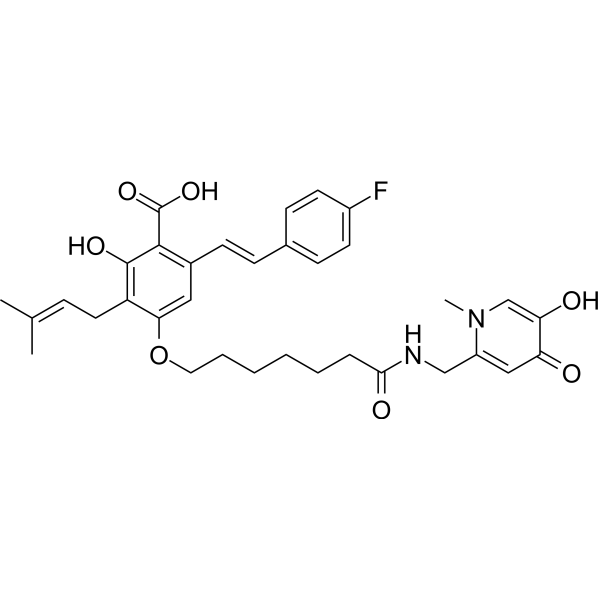
Antibacterial agent 202 (compound 45c) is a low cytotoxicity bacterial inhibitor with good activity against Gram-negative bacteria, including Escherichia coli, Klebsiella pneumonia, especially Pseudomonas aeruginosa, (MIC (minimum inhibitory concentration)=7.8-31.25 μM). Antibacterial agent 202 can exert antibacterial activity by destroying the integrity of cell membranes and can be used in the research of bacterial infections .
|
-
-
- HY-B0333S
-
|
|
Isotope-Labeled Compounds
Androgen Receptor
|
Infection
|
|
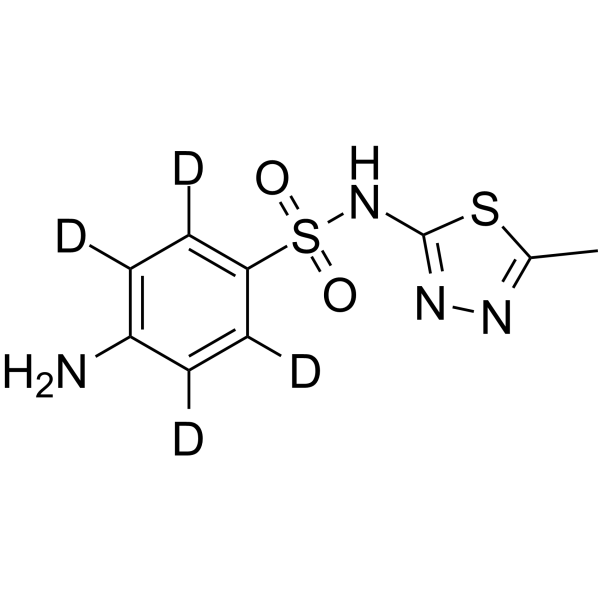
Sulfamethizole-d4 is the deuterium labeled Sulfamethizole (HY-B0333). Sulfamethizole is a sulfathiazole antibiotic. Sulfamethizole inhibits the synthesis of folic acid and thymine, and selectively suppresses Photobacterium phosphoreum bioluminescence. Sulfamethizole exerts antibacterial activity against Escherichia coli-mediated urinary tract infections but no activity against sulII gene-positive Escherichia coli. Sulfamethizole is applicable for the research of urinary tract infections and Photobacterium phosphoreum bioluminescence mechanisms .
|
-
-
- HY-B0333S2
-
|
|
Isotope-Labeled Compounds
Androgen Receptor
Bacterial
Antibiotic
|
Infection
|
|
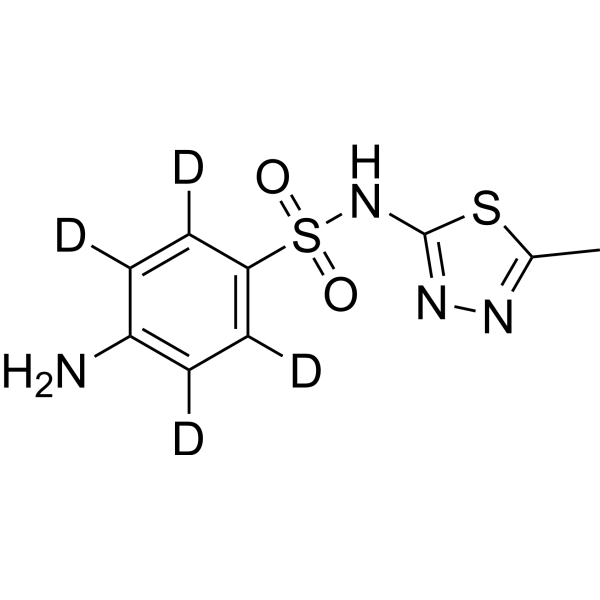
Sulfamethizole-d4-1 is the deuterium labeled Sulfamethizole (HY-B0333). Sulfamethizole is a sulfathiazole antibiotic. Sulfamethizole inhibits the synthesis of folic acid and thymine, and selectively suppresses Photobacterium phosphoreum bioluminescence. Sulfamethizole exerts antibacterial activity against Escherichia coli-mediated urinary tract infections but no activity against sulII gene-positive Escherichia coli. Sulfamethizole is applicable for the research of urinary tract infections and Photobacterium phosphoreum bioluminescence mechanisms .
|
-
-
- HY-B0333R
-
|
|
Reference Standards
Antibiotic
Bacterial
|
Infection
|
|
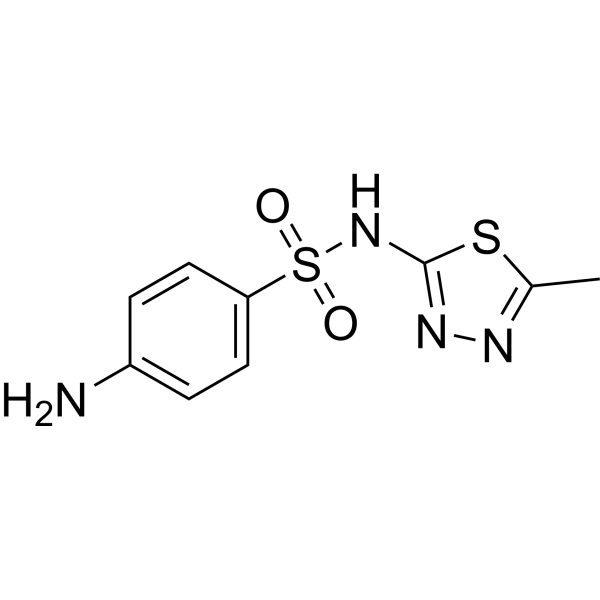
Sulfamethizole (Standard) is the analytical standard of Sulfamethizole (HY-B0333). This product is intended for research and analytical applications. Sulfamethizole is a sulfathiazole antibiotic. Sulfamethizole inhibits the synthesis of folic acid and thymine, and selectively suppresses Photobacterium phosphoreum bioluminescence. Sulfamethizole exerts antibacterial activity against Escherichia coli-mediated urinary tract infections but no activity against sulII gene-positive Escherichia coli. Sulfamethizole is applicable for the research of urinary tract infections and Photobacterium phosphoreum bioluminescence mechanisms .
|
-
-
- HY-162884
-
|
|
β-glucuronidase
|
Infection
|
|
EcGUS-IN-1 (Compound E-9) is a non-competitive β-glucuronidase inhibitor, with an IC50 of 2.68 μM and a Ki value of 1.64 μM. EcGUS-IN-1 can improve gastrointestinal adverse events (GIAE) caused by Escherichia coli infection by inhibiting E. coli β-glucuronidase activity .
|
-

-
- HY-170567
-
|
|
Topoisomerase
Bacterial
Antibiotic
|
Infection
|
|
DNA gyrase/Topo IV-IN-1 (Compound 27) is an inhibitor of DNA gyrase and topoisomerase IV, exhibiting antibacterial activity. For Escherichia coli and methicillin-resistant Staphylococcus aureus DNA gyrases, DNA gyrase/Topo IV-IN-1 has an IC50 of 11 and 17 nM respectively, and for topoisomerase IV of Escherichia coli and methicillin-resistant Staphylococcus aureus, the IC50 values are 83 and 21 nM respectively. DNA gyrase/Topo IV-IN-1 can be used for research in the field of anti-infection .
|
-

-
- HY-159809
-
|
|
Bacterial
|
Infection
Inflammation/Immunology
|
|
Antibacterial agent 249 demonstrates broad-spectrum antimicrobial properties, effectively inhibiting the growth of Aspergillus niger, Bacillus subtilis, Pseudomonas albicans, Escherichia coli, and Staphylococcus aureus, while also exhibiting anti-inflammatory activity in vitro, making it a potential candidate for treating bacterial infections.
|
-

-
- HY-W011117S
-
|
|
Isotope-Labeled Compounds
Bacterial
DNA/RNA Synthesis
Antibiotic
|
Infection
|
|
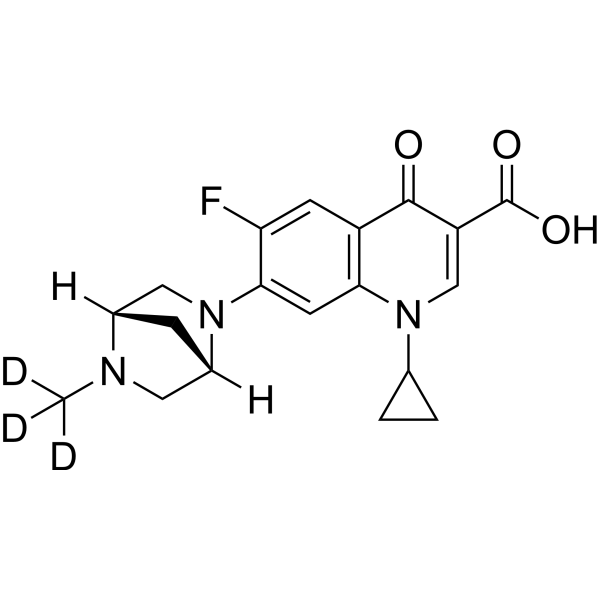
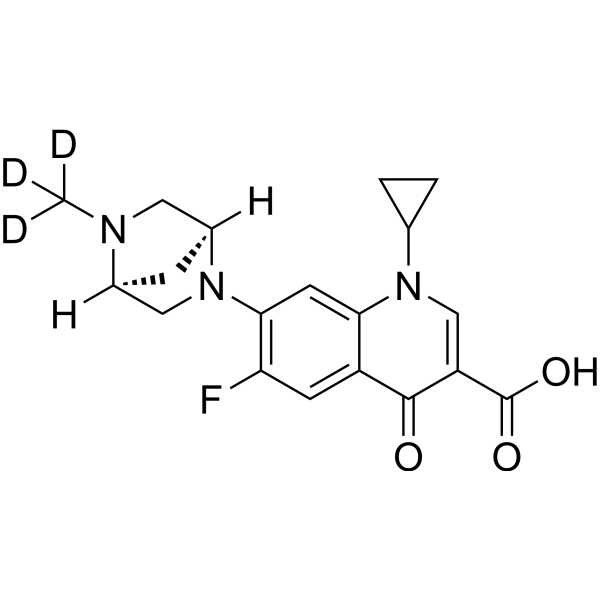
Danofloxacin-d3 is deuterium labeled Danofloxacin. Danofloxacin is an orally active quinolone antibiotic. Danofloxacin targets bacterial DNA gyrase and inhibits bacterial DNA replication, transcription and growth. Danofloxacin can be used for various bacterial infections caused by Escherichia coli, Mycoplasma and other pathogens.
|
-
-
- HY-W011117S1
-
|
|
Isotope-Labeled Compounds
Bacterial
DNA/RNA Synthesis
Antibiotic
|
Infection
|
|
Danofloxacin-d3-1 is deuterium labeled Danofloxacin. Danofloxacin is an orally active quinolone antibiotic. Danofloxacin targets bacterial DNA gyrase and inhibits bacterial DNA replication, transcription and growth. Danofloxacin can be used for various bacterial infections caused by Escherichia coli, Mycoplasma and other pathogens.
|
-
-
- HY-Y1718S2
-
|
N-Tridecanoic acid-d9
|
Isotope-Labeled Compounds
Endogenous Metabolite
Bacterial
|
Infection
|
|
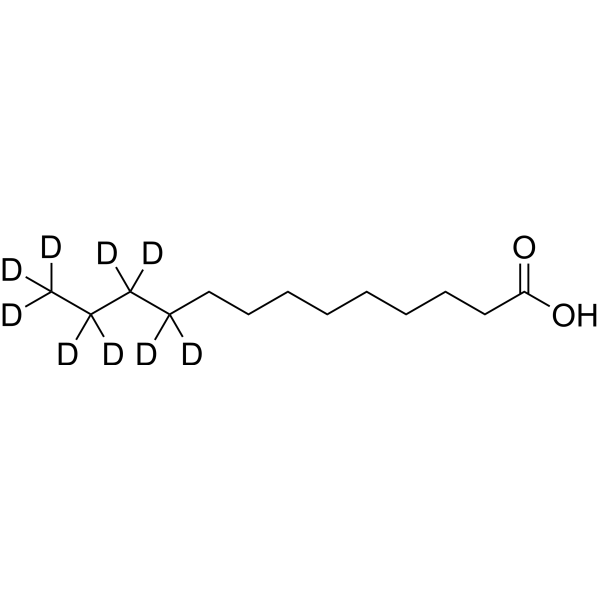
Tridecanoic acid-d9 is the deuterium labeled Tridecanoic acid. Tridecanoic acid (N-Tridecanoic acid), a 13-carbon medium-chain saturated fatty acid, can serve as an antipersister and antibiofilm agent that may be applied to research bacterial infections. Tridecanoic acid inhibits Escherichia coli persistence and biofilm formation .
|
-
-
- HY-W011117R
-
|
|
Reference Standards
Bacterial
DNA/RNA Synthesis
Antibiotic
|
Infection
|
|
Danofloxacin (Standard) is the analytical standard of Danofloxacin. This product is intended for research and analytical applications. Danofloxacin is an orally active quinolone antibiotic. Danofloxacin targets bacterial DNA gyrase and inhibits bacterial DNA replication, transcription and growth. Danofloxacin can be used for various bacterial infections caused by Escherichia coli, Mycoplasma and other pathogens.
|
-

-
- HY-Y1718R
-
|
N-Tridecanoic acid (Standard)
|
Reference Standards
Endogenous Metabolite
Bacterial
|
Infection
Metabolic Disease
|
|
Tridecanoic acid (Standard) is the analytical standard of Tridecanoic acid. This product is intended for research and analytical applications. Tridecanoic acid (N-Tridecanoic acid), a 13-carbon medium-chain saturated fatty acid, can serve as an antipersister and antibiofilm agent that may be applied to research bacterial infections. Tridecanoic acid inhibits Escherichia coli persistence and biofilm formation .
|
-

-
- HY-119086
-
|
|
Lipoxygenase
|
Inflammation/Immunology
|
|
L-651392 is an orally active and specific 5-lipoxygenase inhibitor that inhibits the production of leukotrienes. L-651392 controls the inflammatory process in Escherichia coli pyelonephritis by preventing inflammatory cells from reaching the site of infection and protecting the renal tubules from inflammation-related damage during pyelonephritis .
|
-

- HY-172229
-
|
|
Topoisomerase
Bacterial
|
Infection
|
|
NBTI 5463 is a bacterial type II topoisomerases (topoisomerase II) inhibitor with antibacterial activity. NBTI 5463 inhibits GyrA and TopoIV in Pseudomonas aeruginosa and Escherichia coli. NBTI 5463 binds to topoisomerase II to prevent DNA cleavage and religation, inhibiting bacterial DNA replication and transcription. NBTI 5463 is promising for research of Gram-negative bacterial infection .
|
-

- HY-107120
-
|
|
Drug Derivative
Antibiotic
Bacterial
|
Infection
|
|
CB-182804, Polymyxin B (HY-149179) analogue, is a polypeptide antibiotic. CB-182804 has inhibitory activity against all Gram-negative pathogenic bacteria, including Escherichia coli, Klebsiella pneumoniae, Acinetobacter baumannii, and Pseudomonas aeruginosa with MIC50 values of 2 μg/mL. CB-182804 is mainly used for the research on refractory infections caused by multidrug-resistant (MDR) Gram-negative bacteria .
|
-

- HY-173190
-
|
|
Bacterial
DNA/RNA Synthesis
Reactive Oxygen Species (ROS)
|
Infection
|
|
Antibacterial agent 271 is an antibacterial agent with significant inhibition against Escherichia coli (MIC: 2.2 μM). Antibacterial agent 271 reduces metabolic activity by disrupting the integrity of bacterial membranes. Antibacterial agent 271 binds to DNA grooves to inhibit replication and induces accumulation of reactive oxygen species (ROS) , ultimately leading to bacterial death. Antibacterial agent 271 shows significant potential in combating bacterial infections .
|
-

- HY-117736
-
|
|
Penicillin-binding protein (PBP)
Bacterial
|
Infection
Inflammation/Immunology
|
|
Ro 09-1428 is a broad-spectrum parenteral cephalosporin. Ro 09-1428 has potent antibacterial activities against Pseudomonas aeruginosa and Acinetobacter caloaceticus, with MIC90s of 0.39 and 6.25 μg/mL, respectively, better than Ceftazidime (HY-B0593). Additionally, Ro 09-1428 shows high activity against Escherichia coli, Kkbsielia pneumoniae, Proteus mirabilis, P. aeruginosa, staphylococci, and more. Ro 09-1428 preferentially attacks PBP 3 for target in E. coli and P. aeruginosa, which is promising for research of septicemias and serious P. aeruginosa infections .
|
-

- HY-182049
-
|
|
Bacterial
|
Infection
|
|
Antibacterial agent 332 is an inhibitor of DsbA from Escherichia coli (EcDsbA). Antibacterial agent 332 reduces the swarming motility of Escherichia coli without affecting bacterial growth. Antibacterial agent 332 can be used in the research of bacterial infections caused by Escherichia coli .
|
-

- HY-N7101R
-
|
U-76,252 (Standard); CS-807 (Standard)
|
Reference Standards
Bacterial
Antibiotic
Penicillin-binding protein (PBP)
|
Infection
|
|
Cefpodoxime Proxetil (Standard) is the analytical standard of Cefpodoxime Proxetil. This product is intended for research and analytical applications. Cefpodoxime Proxetil is an orally active broad spectrum third-generation cephalosporin with potent antibacterial activity against both Gram-positive and Gram-negative bacteria including staphylococci, streptococci, Haemophilus influenzae, Neisseria gonorrhoeae, Escherichia coli, Klebsiella pnuemoniae, Citrobacter spp, and Proteus spp. Cefpodoxime Proxetil binds to penicillin binding proteins (PBPs), which inhibits peptidoglycan synthesis, finally results in interfering bacterial cell wall biosynthesis. Cefpodoxime Proxetil can be used against skin structure infections, acute otitis media, pharyngitis, tonsillitis, upper respiratory tract infection, urinary tract infections and sexually transmitted diseases .
|
-

- HY-B1415R
-
|
Chlorofibrinic acid (Standard)
|
Reference Standards
PPAR
Bacterial
SOD
|
Infection
Metabolic Disease
Cancer
|
|
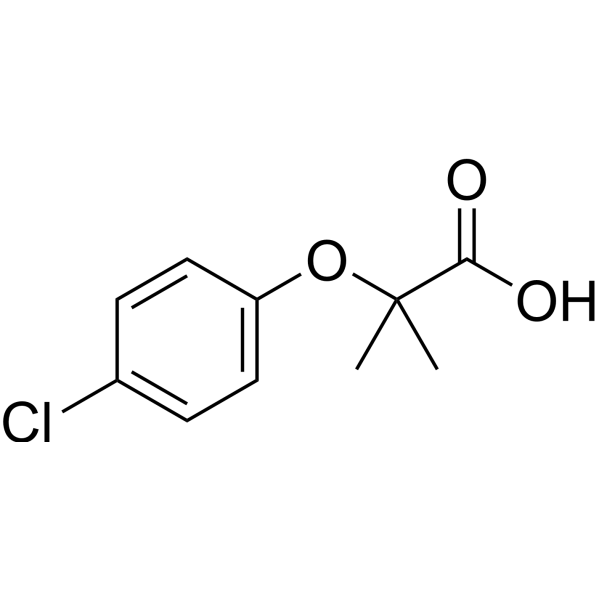
Clofibric acid (Standard) is the analytical standard of Clofibric acid (HY-B1415). This product is intended for research and analytical applications. Clofibric acid (Chlorofibrinic acid) is an orally active PPARα agonist. Clofibric acid inhibits the fimbriation of Escherichia coli. Clofibric acid increases SOD activity. Clofibric acid lowers blood lipids and prevents experimental pyelonephritis. Clofibric acid has anticancer activity against ovarian cancer. Clofibric acid is also a herbicide. Clofibric acid is used in ovarian cancer, liver cancer, obesity, and urinary tract infection research .
|
-
- HY-P11109
-
|
|
Antibiotic
Bacterial
|
Infection
|
|
RL-37 is an alpha-helical antimicrobial peptide. RL-37 can be isolated for rhesus monkey bone marrow. RL-37 rapidly permeabilizes the membranes of Escherichia coli ML-35p and lysed liposomes. RL-37 has effective antibacterial activity against staphylococci, such as wild-type and Methicillin (HY-121544)-resistant S. aureus strains and S. epidermidis ATCC 49741. RL-37 can be used for human skin infections research .
|
-

- HY-B1415S
-
|
Chlorofibrinic acid-d4
|
Isotope-Labeled Compounds
PPAR
Bacterial
SOD
|
Infection
Metabolic Disease
Cancer
|
|
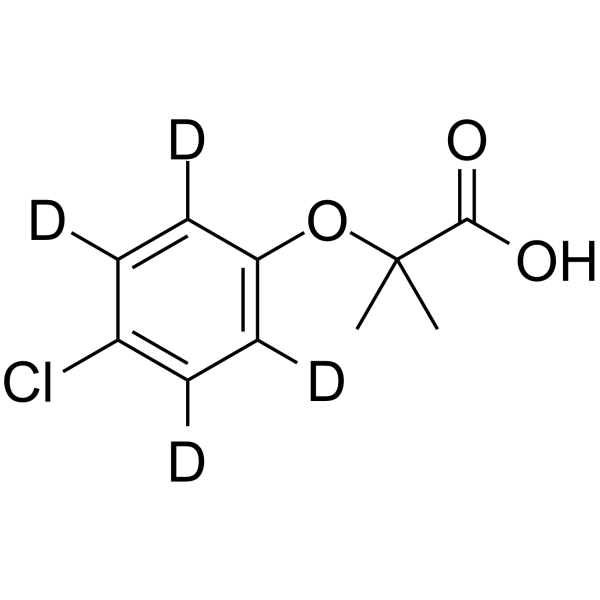
Clofibric acid-d4 is the deuterium labeled Clofibric acid (HY-B1415). Clofibric acid also is an herbicideClofibric acid (Chlorofibrinic acid) is an orally active PPARα agonist. Clofibric acid inhibits the fimbriation of Escherichia coli. Clofibric acid increases SOD activity. Clofibric acid lowers blood lipids and prevents experimental pyelonephritis. Clofibric acid has anticancer activity against ovarian cancer. Clofibric acid is also a herbicide. Clofibric acid is used in ovarian cancer, liver cancer, obesity, and urinary tract infection research .
|
-
- HY-B0147S1
-
|
Pefloxacinium-d3
|
Isotope-Labeled Compounds
Topoisomerase
DNA/RNA Synthesis
Antibiotic
Bacterial
Parasite
|
Infection
Inflammation/Immunology
|
|
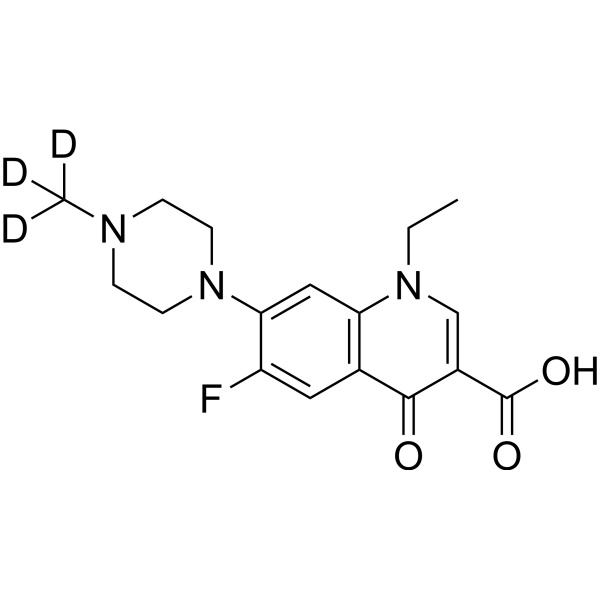
Pefloxacin-d3 (Pefloxacinium-d3) is the deuterium labeled Pefloxacin (HY-B0147). Pefloxacin (Pefloxacinium) is a broad spectrum antibiotic. Pefloxacin blocks DNA replication by inhibiting DNA gyrase. Pefloxacin inhibits DNA relaxation catalyzed by topoisomerase I with an IC50 of 45 μg/mL. Pefloxacin exhibits antibacterial activity against Escherichia coli, Pseudomonas aeruginosa, and Bacteroides fragilis with MIC90s of 0.12, 4, and 16 mg/L, respectively. Pefloxacin has anti-Plasmodium yoelii infection activity. Pefloxacin increase UVA-induced edema and immunesuppression. Pefloxacin can be used for infection studies .
|
-
- HY-B0147S
-
|
Pefloxacinium-d5
|
Isotope-Labeled Compounds
Topoisomerase
DNA/RNA Synthesis
Antibiotic
Bacterial
Parasite
|
Infection
Inflammation/Immunology
|
|
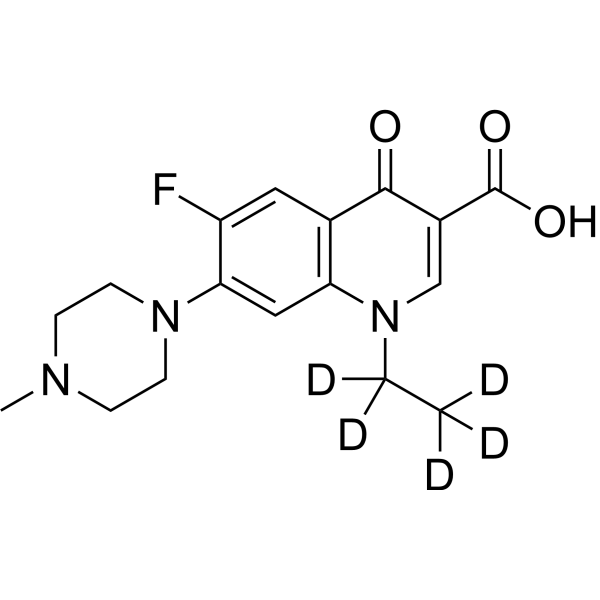
Pefloxacin-d5 (Pefloxacinium-d5) is the deuterium labeled Pefloxacin (HY-B0147). Pefloxacin (Pefloxacinium) is a broad spectrum antibiotic. Pefloxacin blocks DNA replication by inhibiting DNA gyrase. Pefloxacin inhibits DNA relaxation catalyzed by topoisomerase I with an IC50 of 45 μg/mL. Pefloxacin exhibits antibacterial activity against Escherichia coli, Pseudomonas aeruginosa, and Bacteroides fragilis with MIC90s of 0.12, 4, and 16 mg/L, respectively. Pefloxacin has anti-Plasmodium yoelii infection activity. Pefloxacin increase UVA-induced edema and immunesuppression. Pefloxacin can be used for infection studies .
|
-
- HY-B0147R
-
|
Pefloxacinium (Standard)
|
Reference Standards
Topoisomerase
DNA/RNA Synthesis
Antibiotic
Bacterial
Parasite
|
Infection
Inflammation/Immunology
|
|
Pefloxacin (Standard) (Pefloxacinium (Standard)) is the analytical standard of Pefloxacin (HY-B0147). This product is intended for research and analytical applications. Pefloxacin (Pefloxacinium) is a broad spectrum antibiotic. Pefloxacin blocks DNA replication by inhibiting DNA gyrase. Pefloxacin inhibits DNA relaxation catalyzed by topoisomerase I with an IC50 of 45 μg/mL. Pefloxacin exhibits antibacterial activity against Escherichia coli, Pseudomonas aeruginosa, and Bacteroides fragilis with MIC90s of 0.12, 4, and 16 mg/L, respectively. Pefloxacin has anti-Plasmodium yoelii infection activity. Pefloxacin increase UVA-induced edema and immunesuppression. Pefloxacin can be used for infection studies .
|
-

- HY-B0147AR
-
|
Pefloxacinium mesylate (Standard)
|
Reference Standards
Topoisomerase
DNA/RNA Synthesis
Antibiotic
Bacterial
Parasite
|
Infection
Inflammation/Immunology
|
|
Pefloxacin mesylate (Standard) (Pefloxacinium mesylate (Standard)) is the analytical standard of Pefloxacin mesylate (HY-B0147A). This product is intended for research and analytical applications. Pefloxacin (Pefloxacinium) mesylate is a broad spectrum antibiotic. Pefloxacin blocks DNA replication by inhibiting DNA gyrase. Pefloxacin mesylate inhibits DNA relaxation catalyzed by topoisomerase I with an IC50 of 45 μg/mL. Pefloxacin mesylate exhibits antibacterial activity against Escherichia coli, Pseudomonas aeruginosa, and Bacteroides fragilis with MIC90s of 0.12, 4, and 16 mg/L, respectively. Pefloxacin mesylate has anti-Plasmodium yoelii infection activity. Pefloxacin mesylate increase UVA-induced edema and immunesuppression. Pefloxacin mesylate can be used for infection studies .
|
-

- HY-B0147BR
-
|
Pefloxacinium mesylate dihydrate (Standard)
|
Reference Standards
Topoisomerase
DNA/RNA Synthesis
Antibiotic
Bacterial
Parasite
|
Infection
Inflammation/Immunology
|
|
Pefloxacin (Pefloxacinium) mesylate dihydrate (Standard) is the analytical standard of Pefloxacin mesylate dihydrate (HY-B0147B). This product is intended for research and analytical applications. Pefloxacin (Pefloxacinium) mesylate dihydrate is a broad spectrum antibiotic. Pefloxacin mesylate dihydrate blocks DNA replication by inhibiting DNA gyrase. Pefloxacin mesylate dihydrate inhibits DNA relaxation catalyzed by topoisomerase I with an IC50 of 45 μg/mL. Pefloxacin mesylate dihydrate exhibits antibacterial activity against Escherichia coli, Pseudomonas aeruginosa, and Bacteroides fragilis with MIC90s of 0.12, 4, and 16 mg/L, respectively. Pefloxacin mesylate dihydrate has anti-Plasmodium yoelii infection activity. Pefloxacin mesylate dihydrate increase UVA-induced edema and immunesuppression. Pefloxacin mesylate dihydrate can be used for infection studies .
|
-

- HY-A0111A
-
|
Ro15-8074/001; Deacetoxycefotaxime sodium
|
Antibiotic
Bacterial
Penicillin-binding protein (PBP)
Drug Metabolite
|
Infection
|
|
Cefetamet (Ro 15-8074) sodium is a cephalosporin antibiotic and the active metabolite of Cefetamet pivoxil (HY-B1894A). Cefetamet sodium binds to bacterial penicillin-binding protein (PBP) (IC50 for PBP3 in Escherichia coli W3110 is 2.5 μg/mL). Cefetamet sodium has significant activity against Gram-negative bacteria such as Enterobacteriaceae, Neisseria species, and Haemophilus influenzae, as well as Gram-positive bacteria such as Streptococcus. Cefetamet sodium kills and lyses Treponema pallidum. Cefetamet sodium can be used in the research of respiratory tract, urinary tract, ear, nose and throat infections, and syphilis .
|
-

- HY-A0111B
-
|
Ro 15-8074 hydrochloride; Deacetoxycefotaxime hydrochloride
|
Antibiotic
Bacterial
Penicillin-binding protein (PBP)
Drug Metabolite
|
Infection
|
|
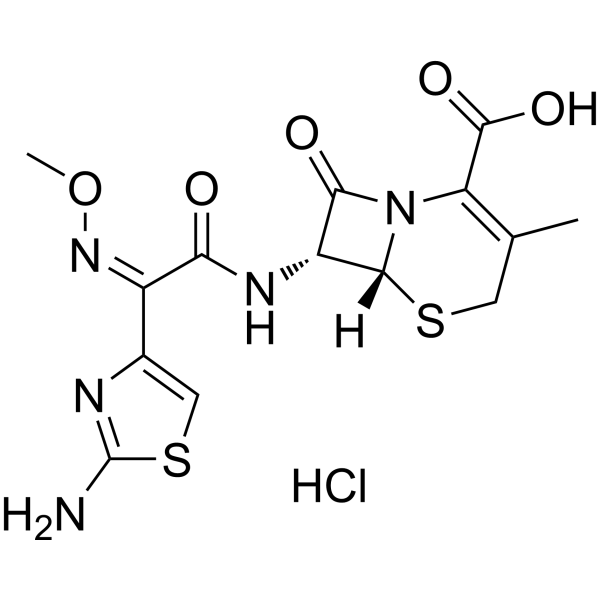
Cefetamet (Ro 15-8074) hydrochloride is a cephalosporin antibiotic and the active metabolite of Cefetamet pivoxil (HY-B1894A). Cefetamet hydrochloride binds to bacterial penicillin-binding protein (PBP) (IC50 for PBP3 in Escherichia coli W3110 is 2.5 μg/mL). Cefetamet hydrochloride has significant activity against Gram-negative bacteria such as Enterobacteriaceae, Neisseria species, and Haemophilus influenzae, as well as Gram-positive bacteria such as Streptococcus. Cefetamet hydrochloride kills and lyses Treponema pallidum. Cefetamet hydrochloride can be used in the research of respiratory tract, urinary tract, ear, nose and throat infections, and syphilis .
|
-
- HY-W083821
-
|
1-(4-Nitrobenzyl)-1,4-diazepane
|
Bacterial
|
Infection
|
|
1-[(4-Nitrophenyl) methyl]-1,4-diazepane (1-(4-Nitrobenzyl)-1,4-diazepane) is an anti-biofilm agent. 1-[(4-Nitrophenyl) methyl]-1,4-diazepane reduces biofilm formation in Escherichia coli. 1-[(4-Nitrophenyl) methyl]-1,4-diazepane is used for the research of Escherichia coli biofilm-related infections .
|
-
![1-[(4-Nitrophenyl)methyl]-1,4-diazepane](//file.medchemexpress.com/product_pic/hy-w083821.gif)
- HY-N19782
-
|
|
Bacterial
Apoptosis
Reactive Oxygen Species (ROS)
|
Infection
Neurological Disease
|
|
Striatisporolide A is an antibacterial agent. Striatisporolide A exhibits antibacterial activity against Escherichia coli in vitro. Striatisporolide A damages the cell wall and cell membrane of Escherichia coli, and induces changes in protein levels and morphology. Striatisporolide A reduces the level of apoptosis (apoptosis) in HUVECs, inhibits excessive production of ROS, and possesses pro-proliferative and mild cytoprotective effects. Striatisporolide A can be used in studies related to bacterial infections and degenerative diseases .
|
-

- HY-183702
-
|
|
Antibiotic
Bacterial
|
Infection
|
|
BDM91531 is a AcrB inhibitor with an EC50 of 0.16 μM against E. coli. BDM91531 acts as an antibiotic potentiator to restore the sensitivity of wild-type Escherichia coli to multiple AcrB substrate antibiotics. BDM91531 exhibits antibacterial activity. BDM91531 can be used in the research of bacterial infections .
|
-

- HY-N17858
-
|
|
Bacterial
|
Infection
|
|
Guajaphenone A is a benzophenone glycoside antibacterial agent that can be found in the leaves of Psidium guajava L. Guajaphenone A inhibits the growth of Gram-positive Staphylococcus aureus and Gram-negative Escherichia coli. Guajaphenone A is applicable to research related to bacterial infections .
|
-

- HY-P11825
-
|
|
Bacterial
|
Infection
|
|
APH-IN-1 is an Aminoglycoside phosphotransferase (APH) inhibitor with a Kd values of 63 nM against Escherichia coli APH(3′)-Ia. APH-IN-1 binds primarily to the ATP-binding pocket of APH in an ATP-competitive manner, with binding affinity enhanced by divalent metal ions (Mg 2+ and Ca 2+). APH-IN-1 can be used for the research of aminoglycoside-resistant bacterial infections .
|
-

- HY-P11657
-
|
|
Bacterial
|
Infection
|
|
GN-2 peptoid is a 9-mer cationic amphipathic peptoid and bactericidal agent with an overall net charge of +4, broad-spectrum antimicrobial activity, and low hemolytic and cytotoxic activity against mammalian cells. GN-2 peptoid exerts bactericidal action against Escherichia coli in a concentration-dependent manner. GN-2 peptoid exhibits antimicrobial activity against Gram-positive Staphylococcus aureus and Gram-negative Escherichia coli, Pseudomonas aeruginosa strains. GN-2 peptoid shows low toxicity against human red blood cells and HeLa cells. GN-2 peptoid maintains antimicrobial activity in the presence of 50% human blood plasma. GN-2 peptoid can be used for the research of bacterial infections .
|
-

- HY-181892
-
|
|
Bacterial
|
Infection
|
|
LpxC-IN-17 (Compound a5) is a non-covalent LpxC inhibitor and Antibacterial agent. LpxC-IN-17 chelates catalytic zinc ions and forms extensive non-covalent interactions within the LpxC active site, thereby functionally inhibiting the enzyme. LpxC-IN-17 exhibits antibacterial activity against Gram-negative pathogens including Escherichia coli, Klebsiella pneumoniae and Pseudomonas aeruginosa. LpxC-IN-17 is applicable to research related to Gram-negative bacterial infections .
|
-

- HY-181674
-
|
|
Aminopeptidase
Bacterial
|
Infection
|
|
ZHO-197 is a dual bacterial peptide deformylase and methionine aminopeptidase inhibitor with antibacterial activity. ZHO-197 exhibits an Escherichia coli peptide deformylase IC50 of 0.021 μM and a human peptide deformylase IC50 of 3.289 μM. ZHO-197 displays broad-spectrum antibacterial activity against gram-positive and gram-negative bacterial strains. ZHO-197 can be used for the research of bacterial infection .
|
-

- HY-181751
-
|
|
Bacterial
|
Infection
|
|
FabI-IN-1 is a FabI (enoyl-acyl carrier protein reductase) inhibitor with a Ki of 0.32 μM against E. coli FabI. FabI-IN-1 inhibits exhibits activity against Gram-negative bacteria including Escherichia coli (MIC = 6.25 μM) and Klebsiella pneumoniae. FabI-IN-1 rescues Galleria mellonella larvae from lethal Escherichia coli infection. FabI-IN-1 exerts a synergistic effect with Colistin (HY-113678) against Escherichia coli. FabI-IN-1 can be used for the research of gram-negative bacterial infection .
|
-

- HY-116558
-
|
|
Bacterial
|
Infection
|
|
E-4441 is an orally active Antibacterial agent. E-4441 exerts broad-spectrum in vitro antibacterial activity against Gram-positive bacteria and aerobic bacteria. E-4441 exhibits protective effects against Staphylococcus aureus, Escherichia coli, and Pseudomonas aeruginosa infections. E-4441 can be used in the research of systemic bacterial infections (Staphylococcus aureus, Escherichia coli, and Pseudomonas aeruginosa infections) .
|
-

- HY-177012
-
|
ADP-heptose; ADP-L-β-D-heptose
|
Drug Intermediate
|
Infection
|
|
ADP-Hep (ADP-heptose) is a precursor for lipopolysaccharide assembly in Gram-negative bacteria. ADP-Hep is used in studies of Escherichia coli infection .
|
-

- HY-180456
-
|
|
Phosphatase
|
Infection
|
|
Phosphatase-IN-2 (Compound 26) is a CpxA phosphatase inhibitor. Phosphatase-IN-2 can be used in the research of Escherichia coli infection .
|
-

- HY-181686
-
|
|
Bacterial
Reactive Oxygen Species (ROS)
|
Infection
|
|
Antibacterial agent 326 is a bactericide that inhibits the growth of various bacterial strains. Antibacterial agent 326 inhibits biofilm formation in Escherichia coli, disrupts bacterial cell membranes, induces oxidative stress and lipid peroxidation in Escherichia coli, increases ROS levels, and reduces GSH activity. Antibacterial agent 326 can be used in studies of bacterial infections, including those caused by Escherichia coli, Staphylococcus aureus, Enterococcus faecalis, Listeria spp., Bacillus subtilis, Serratia marcescens, Salmonella enteritidis and Acinetobacter calcoaceticus .
|
-

- HY-N12752
-
|
Casbene
|
Bacterial
Fungal
|
Infection
|
|
(-)-Casbene (Casbene) is an antimicrobial agent that can be found in Euphorbiaceae plants. (-)-Casbene retards Aspergillus niger development, and inhibits Escherichia coli growth. (-)-Casbene can be used for the research of bacterial and fungal infection .
|
-

- HY-W093378
-
|
|
Biochemical Assay Reagents
Bacterial
|
Infection
|
|
Silver (I) sulfide is a biochemical reagent. Silver (I) sulfide nanoparticles exert Antibacterial effects against a variety of resistant bacteria, including Gram-positive and Gram-negative bacteria. Silver (I) sulfide can be used in the research of bacterial infections, such as infections caused by Staphylococcus aureus, Streptococcus agalactiae, Escherichia coli and Pseudomonas species .
|
-

- HY-181100
-
|
|
Dihydrofolate reductase (DHFR)
Bacterial
|
Infection
|
|
DHFR-IN-26 is an Escherichia coli dihydrofolate reductase (ecDHFR) inhibitor with an IC50 of 0.75 nM. DHFR-IN-26 exerts broad-spectrum antibacterial activity. DHFR-IN-26 disrupts folate metabolism, nucleotide synthesis, and bacterial amino acid metabolic pathways. DHFR-IN-26 disrupts bacterial inner membranes, inhibited biofilm formation, and attenuated phage-related processes. DHFR-IN-26 shows lower toxicity to non-cancerous cells. DHFR-IN-26 can be used for the research of bacterial infections (including infections caused by methicillin-resistant Staphylococcus aureus, multidrug-resistant Escherichia coli, multidrug-resistant Pseudomonas aeruginosa, and lysogenic bacteria) .
|
-

- HY-76611
-
|
|
Bacterial
|
Infection
|
|
Antimicrobial agent-48 (P119 103) is an antimicrobial agent. Antimicrobial agent-48 binds to paНО. Antimicrobial agent-48 exhibits a MIC50 of >250 μg/mL. Antimicrobial agent-48 can be used in research on Escherichia coli infections .
|
-

- HY-W039443
-
|
|
Parasite
Bacterial
|
Infection
|
|
(S)-4-Thiazolidinecarboxylic acid (L-4-thioproline) is a glutamate 5-kinase inhibitor with an IC50 of 1.8 mM against LdG5K. (S)-4-Thiazolidinecarboxylic acid can be used in the research of leishmaniasis and Escherichia coli infections .
|
-

- HY-180459
-
|
|
Bacterial
|
Infection
|
|
FabH-IN-3 (Compound 12) is an inhibitor of FabH. FabH-IN-3 exhibits MIC against Bacillus subtilis, Escherichia coli, Pseudomonas fluorescens, and Staphylococcus aureus are all 50 μg/mL. FabH-IN-3 can be used for research on Gram-negative bacterial infections .
|
-

- HY-106911
-
|
GV 118819X
|
Antibiotic
Bacterial
|
Infection
|
|
Sanfetrinem cilexetil (GV 118819X), a prodrug of Sanfetrinem (HY-106922), is an orally active antibiotic. Sanfetrinem cilexetil shows potent efficacy against experimental murine septicemia caused by Staphylococcus aureus, Streptococcus pyogenes, and Escherichia coli and against murine respiratory infections caused by Streptococcus pneumoniae .
|
-

- HY-178368
-
|
|
Bacterial
|
Infection
|
|
Antibacterial agent 293 (Compound 5) is an antibacterial agent, exhibiting potent anti-Gram-negative bacterial activity. Antibacterial agent 293 shows activity against Escherichia coli, Acinetobacter baumannii and Klebsiella pneumonia. Antibacterial agent 293 can be used for the research of diseases related to Gram-negative bacterial infections .
|
-

- HY-100569
-
|
Bisphosphocin NU-3
|
Bacterial
|
Infection
|
|
NU-3 (Bisphosphocin NU-3) is a Bisphosphocin compound and antibacterial agent. NU-3 causes DNA condensation and cell wall deformation. NU-3 can be used in studies of Escherichia coli and Pseudomonas aeruginosa infections .
|
-

- HY-172132
-
|
|
Bacterial
|
Infection
|
|
MurA-IN-5 (compound 4c) exhibits (MIC) = 1.95 μg/mL against Escherichia coli and demonstrating significant potency as a MurA inhibitor with (IC50) of 3.77 μg/mL. MurA-IN-5 displays an antibiofilm activity against multiple microorganisms, indicating its potential to combat biofilm-related infections .
|
-

- HY-182684
-
|
|
Bacterial
Dihydrofolate reductase (DHFR)
|
Infection
|
|
MMV675968 is an inhibitor of Acinetobacter baumannii dihydrofolate reductase (AbDHFR) with an IC50 of 8.5 nM, and it exhibits selectivity against human DHFR. MMV675968 inhibits dihydrofolate reductase in Cryptosporidium, Plasmodium, and Escherichia coli, disrupting the thymidylate cycle and folate biosynthesis pathway. MMV675968 inhibits the growth of multiple A. baumannii strains, including clinical isolates and environmental isolates. MMV675968 is applicable to research related to A. baumannii infections .
|
-

- HY-P11136
-
|
|
Bacterial
|
Infection
|
|
Latarcin 2a is a linear cationic antibacterial peptide that can be isolated from the venom of the spider Lachesana tarabaevi, with broad-spectrum antibacterial activity. Latarcin 2a has a MIC of 0.5 μM for both Bacillus subtilis and Escherichia coli. Latarcin 2a is often used in the research of infectious conditions .
|
-

- HY-181144
-
|
|
COX
Bacterial
Reactive Oxygen Species (ROS)
|
Infection
Inflammation/Immunology
|
|
COX-2-IN-65 is a selective cyclooxygenase-2 (COX-2) inhibitor with an IC50 of 10.24 μM. COX-2-IN-65 inhibits Staphylococcus aureus and Escherichia coli growth. COX-2-IN-65 scavenges reactive oxygen species (ROS). COX-2-IN-65 can be used for the researches of bacterial infections and inflammation .
|
-

- HY-183700
-
|
|
DNA/RNA Synthesis
Topoisomerase
Bacterial
|
Infection
|
|
DNA gyrase/Topo IV-IN-3 is an inhibitor of Escherichia coli DNA gyrase and Topoisomerase IV, with IC50 values of 1.75 μM and 3.47 μM, respectively. DNA gyrase/Topo IV-IN-3 acts as a biofilm inhibitor and exhibits antibacterial activity against both Gram-negative and Gram-positive bacteria. DNA gyrase/Topo IV-IN-3 can be used in studies related to bacterial infections .
|
-

- HY-182020
-
|
|
Bacterial
|
Infection
|
|
LpxH-IN-3 is a Klebsiella pneumoniae LpxH inhibitor with an IC50 of 0.17 μM. LpxH-IN-3 binds to the L-shaped hydrophobic binding pocket of Klebsiella pneumoniae LpxH, forms hydrogen bonds and other interactions with key residues, disrupts lipid A biosynthesis, and induces bacterial death. LpxH-IN-3 exhibits moderate antibacterial activity against Klebsiella pneumoniae and Escherichia coli. LpxH-IN-3 can be used for the research of klebsiella pneumoniae infection .
|
-

- HY-181715
-
|
|
Bacterial
Penicillin-binding protein (PBP)
|
Infection
|
|
PBP1b-IN-1 is a penicillin-binding protein inhibitor, with an IC50 of 0.042 μM against PBP1b of Streptococcus pneumoniae and an IC50 of 7.6 μM against PBP3 of Escherichia coli. PBP1b-IN-1 exerts antibacterial activity by targeting penicillin-binding proteins to inhibit bacterial peptidoglycan cross-linking. PBP1b-IN-1 can be used in studies related to bacterial infections .
|
-

- HY-W166491
-
|
|
Bacterial
Fungal
|
Infection
|
|
Citronellyl butyrate is a terpenoid ester with antibacterial, antifungal and other biological activities. Citronellyl butyrate has inhibitory effects on both Staphylococcus aureus and Escherichia coli. Citronellyl butyrate has inhibitory and bactericidal effects on various strains of Candida albicans (MIC: 156-1250 μg/mL). Citronellyl butyrate can be used in the research of infectious conditions .
|
-

- HY-180330
-
|
|
Bacterial
|
Infection
|
|
Antimicrobial agent-46 is a inhibitor of Salmonella typhimurium serine acetyltransferase (StSAT) with an IC50 of 48.6 μM. Antimicrobial agent-46 inhibits bacterial growth in minimal medium lacking cysteine (LB 20%). Antimicrobial agent-46 exerts its effect by targeting the cysteine biosynthesis pathway, which is crucial for bacterial persistence and adaptability. Antimicrobial agent-46 exhibits antibacterial activity against the Gram-negative bacterium Escherichia coli. Antimicrobial agent-46 can be used in infection-related research .
|
-

- HY-W009886R
-
|
|
Bacterial
Reference Standards
Drug Intermediate
|
Infection
|
|
3,4,5-Trimethoxybenzaldehyde (Standard) is the analytical standard of 3,4,5-Trimethoxybenzaldehyde (HY-W009886). This product is intended for research and analytical applications. 3,4,5-Trimethoxybenzaldehyde is a derivative of benzaldehyde. 3,4,5-Trimethoxybenzaldehyde has antimicrobial activity. 3,4,5-Trimethoxybenzaldehyde is also an important intermediate for the synthesis of various drugs, such as Trimethoprim (HY-B0510) .
|
-

- HY-111034
-
|
|
Antibiotic
Bacterial
|
Infection
|
|
CGP 31523A is a broad-spectrum aminothiazole cephalosporin. CGP 31523A exhibits potent inhibitory effects on Enterobacteriaceae, Neisseria, Haemophilus influenzae, and Streptococcus (except Enterococcus faecalis), among others. CGP 31523A can be hydrolyzed by the common Escherichia coli type Ic β-lactamase, but is stable against the Ia type enzyme. CGP 31523A is neither an effective β-lactamase inhibitor nor does it induce the production of β-lactamase. CGP 31523A can be used for studying infections caused by Gram-negative bacteria (including drug-resistant strains) .
|
-

- HY-N18194
-
|
|
Fungal
|
Infection
|
|
Ducloudine C is an alkaloid present in the roots of Aconitum duclouxii with antifungal activity. Ducloudine C has an MIC of 128 μg/mL against Candida albicans .
|
-

- HY-D1056A3
-
|
LPS, from escherichia coli (O26:B6)
|
Toll-like Receptor (TLR)
|
Inflammation/Immunology
|
Lipopolysaccharides, from E. coli (Escherichia coli) O26:B6 are lipopolysaccharide endotoxins and TLR-4 activators derived from E. coli, classified as S-type LPS, which can activate pathogen-associated molecular patterns (PAMP) of the immune system and induce cellular secretion of migrasomes. Lipopolysaccharides, from E. coli O26:B6 exhibit a typical three-part structure: O-antigen, core oligosaccharide, and lipid A, and can be recognized by the core-specific monoclonal antibody MAb J8-4C10. Lipopolysaccharides, from E. coli O26:B6 can promote an increase in pro-inflammatory cytokines in plasma, thereby triggering hypothalamic-pituitary-adrenal (HPA) activation and leading to adrenal oxidative damage. The pathogenic effects of Lipopolysaccharides, from E. coli O26:B6 can be used to construct various models, such as cellular inflammation models, sepsis, acute lung injury models, adrenal dysfunction models, and bladder infection models, etc .
It is recommended to prepare a solution with concentration ≥2 mg/mL. Vortex thoroughly for more than 10 minutes. Due to the adsorption characteristics of LPS, silanized container or low adsorption centrifuge tubes should be used for aliquoting and storage, and mix thoroughly before use.
|
-

- HY-W110755
-
|
|
Biochemical Assay Reagents
Bacterial
Fungal
|
Infection
|
|
Poly diallyldimethylammonium chloride is a cationic polymer with quaternary ammonium side groups, which exhibits excellent flocculation performance and thermal stability. Poly diallyldimethylammonium chloride also possesses microbicidal activity. Poly diallyldimethylammonium chloride can be used in studies on bacterial and fungal infections, as well as in research related to water treatment, textile printing and dyeing, papermaking chemical industry and other fields, with a wide range of applications .
|
-

- HY-N7101S
-
|
U-76-d7,252-d7; CS-807-d7
|
Isotope-Labeled Compounds
Bacterial
Antibiotic
Penicillin-binding protein (PBP)
|
Infection
|
|
Cefpodoxime proxetil-d7 (U-76-d7,252-d7; CS-807-d7) is the deuterium labeled Cefpodoxime Proxetil (HY-N7101). Cefpodoxime Proxetil is an orally active broad spectrum third-generation cephalosporin with potent antibacterial activity against both Gram-positive and Gram-negative bacteria including staphylococci, streptococci, Haemophilus influenzae, Neisseria gonorrhoeae, Escherichia coli, Klebsiella pnuemoniae, Citrobacter spp, and Proteus spp. Cefpodoxime Proxetil binds to penicillin binding proteins (PBPs), which inhibits peptidoglycan synthesis, finally results in interfering bacterial cell wall biosynthesis. Cefpodoxime Proxetil can be used against skin structure infections, acute otitis media, pharyngitis, tonsillitis, upper respiratory tract infection, urinary tract infections and sexually transmitted diseases .
|
-

- HY-P11085A
-
|
|
Bacterial
|
Infection
|
|
WLBU2 acetate is a engineered cationic antimicrobial peptide (eCAP) that overcomes the environmental sensitivity of natural antimicrobial peptides (AMPs). WLBU2 acetate exhibits rapid bactericidal effect, with the MIC values of ≤ 10 μM against both Gram-negative and Gram-positive bacteria including MRSA, vancomycin-resistant enterococci, K. pneumoniae, E.aerogenes, E. cloacae, Escherichia coli, et, al. WLBU2 acetate prevents P. aeruginosa biofilm growth and retains its activity in an environment rich in mucus, low pH and high salt concentrations without negative effects on human airway epithelial cells. WLBU2 acetate can be used for the studies of cystic fibrosis (CF) and Pseudomonas aeruginosa infections .
|
-

- HY-P11085
-
|
|
Bacterial
|
Infection
|
|
WLBU2 is a engineered cationic antimicrobial peptide (eCAP) that overcomes the environmental sensitivity of natural antimicrobial peptides (AMPs). WLBU2 exhibits rapid bactericidal effect, with the MIC values of ≤ 10 μM against both Gram-negative and Gram-positive bacteria including MRSA, vancomycin-resistant enterococci, K. pneumoniae, E.aerogenes, E. cloacae, Escherichia coli, et, al. WLBU2 prevents P. aeruginosa biofilm growth and retains its activity in an environment rich in mucus, low pH and high salt concentrations without negative effects on human airway epithelial cells. WLBU2 can be used for the studies of cystic fibrosis (CF) and Pseudomonas aeruginosa infections .
|
-

- HY-116872
-
|
|
Bacterial
|
Infection
|
|
MAC13772 is a BioA inhibitor with an IC50 of 0.28 μM against E. coli and an IC50 of 0.269 μM against A. baumannii. MAC13772 inhibits bacterial growth by targeting the biotin biosynthesis pathway. MAC13772 can be used in studies related to bacterial infections .
|
-
- HY-106095
-
|
|
Antibiotic
Bacterial
Penicillin-binding protein (PBP)
|
Infection
|
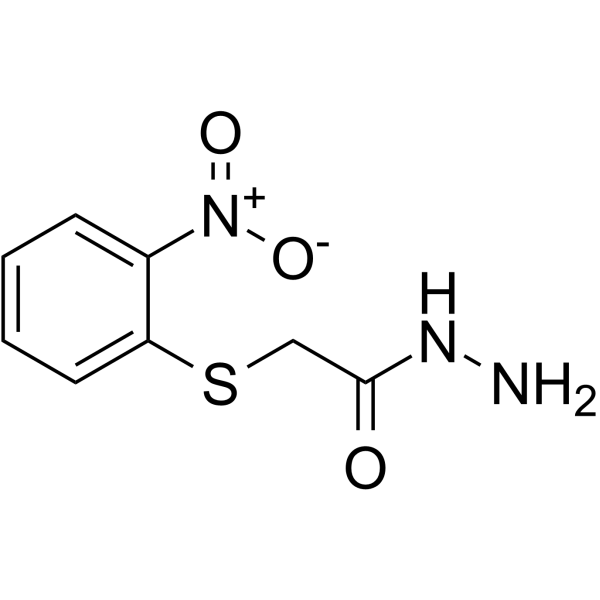
DQ 2556 is a semi-synthetic cephalosporin antibiotic. DQ-2556 exhibits significant activity against both Gram-positive and Gram-negative bacteria, particularly Gram-positive bacteria and Enterobacteriaceae infections. DQ 2556 exerts its bactericidal effect by interfering with cell division. DQ-2556 has a strong affinity for the penicillin-binding proteins (PBPs) of Escherichia coli: PBP1A/1B (IC₅₀ = 0.57-0.73 μg/mL) and PBP3 (IC₅₀ = 0.088 μg/mL). DQ-2556 demonstrates significant in vivo protective effects. DQ-2556 can be used in the development of injectable cephalosporins .
|
-

- HY-A0111R
-
|
Ro 15-8074 (Standard); Deacetoxycefotaxime (Standard)
|
Reference Standards
Antibiotic
Bacterial
Penicillin-binding protein (PBP)
Drug Metabolite
|
Infection
|
|
Cefetamet (Standard) is the analytical standard of Cefetamet (HY-A0111). This product is intended for research and analytical applications. Cefetamet (Ro 15-8074) is a cephalosporin antibiotic and the active metabolite of Cefetamet pivoxil (HY-B1894A). Cefetamet binds to bacterial penicillin-binding protein (PBP) (IC50 for PBP3 in Escherichia coli W3110 is 2.5 μg/mL). Cefetamet has significant activity against Gram-negative bacteria such as Enterobacteriaceae, Neisseria species, and Haemophilus influenzae, as well as Gram-positive bacteria such as Streptococcus. Cefetamet kills and lyses Treponema pallidum. Cefetamet can be used in the research of respiratory tract, urinary tract, ear, nose and throat infections, and syphilis .
|
-

- HY-113718
-
|
|
Bacterial
Topoisomerase
DNA/RNA Synthesis
|
Infection
|
|
DS21412020 is a fluoroquinolone antibacterial agent. DS21412020 inhibits bacterial DNA gyrase (GyrA) and topoisomerase IV, leading to DNA breaks. DS21412020 exhibits significant activity against Gram-positive bacteria such as Staphylococcus aureus (MIC = 0.006 μg/mL), Streptococcus pneumoniae (MIC = 0.05 μg/mL), and Methicillin (HY-121544)-resistant Staphylococcus aureus (MIC = 0.2 μg/mL), and Gram-negative bacteria such as Escherichia coli (MIC = 0.006 μg/mL) and Pseudomonas aeruginosa (MIC = 0.78 μg/mL). DS21412020 significantly reduces bacterial load in mouse pneumonia and MRSA infection models. DS21412020 can be used in the development of next-generation quinolone antibiotics .
|
-

- HY-Y1718
-
|
N-Tridecanoic acid
|
Endogenous Metabolite
Bacterial
|
Infection
|
|
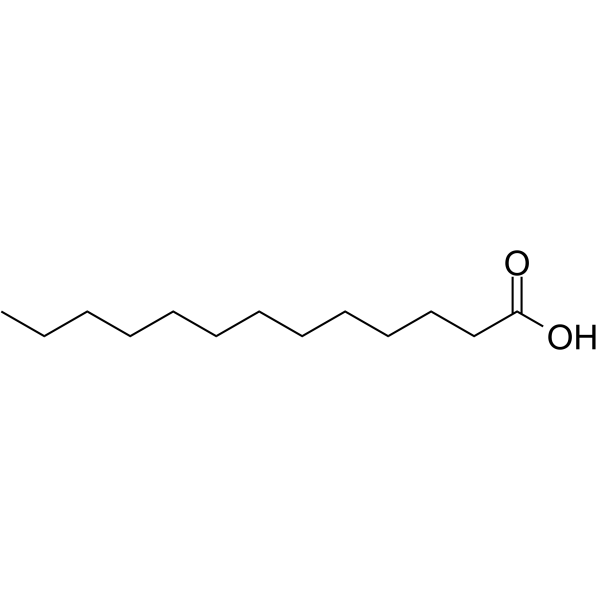
Tridecanoic acid (N-Tridecanoic acid) is a medium-chain saturated fatty acid and inhibitor with no antibacterial activity against enterohemorrhagic E. coli (EHEC). When used in combination with Ciprofloxacin (HY-B0356) or Ampicillin (HY-B0522), Tridecanoic acid suppresses persister formation in exponentially growing E. coli and EHEC, but exerts no inhibitory effect on persister formation induced by Kanamycin (HY-16566) or in stationary-phase cells. Tridecanoic acid inhibits biofilm formation in EHEC. It can be used in the research of bacterial infections .
|
-
- HY-W743473
-
|
Ro 15-8074-d3; Deacetoxycefotaxime-d3
|
Isotope-Labeled Compounds
Bacterial
Antibiotic
Penicillin-binding protein (PBP)
Drug Metabolite
|
Infection
|
|
Cefetamet-d3 (Ro 15-8074-d3; Deacetoxycefotaxime-d3) is the deuterium labeled Cefetamet (HY-A0111). Cefetamet (Ro 15-8074) is a cephalosporin antibiotic and the active metabolite of Cefetamet pivoxil (HY-B1894A). Cefetamet binds to bacterial penicillin-binding protein (PBP) (IC50 for PBP3 in Escherichia coli W3110 is 2.5 μg/mL). Cefetamet has significant activity against Gram-negative bacteria such as Enterobacteriaceae, Neisseria species, and Haemophilus influenzae, as well as Gram-positive bacteria such as Streptococcus. Cefetamet kills and lyses Treponema pallidum. Cefetamet can be used in the research of respiratory tract, urinary tract, ear, nose and throat infections, and syphilis .
|
-

- HY-43806
-
|
|
Fungal
Bacterial
|
Infection
|
|
Antifungal agent 143 is potent antifungal agent which also exihibits antibacterial activity. Antifungal agent 143 inhibits growth of Candida albicans and Aspergillus niger, Escherichia coli, Pseudomonas aeruginosa, Staphylococcus aureus, and Streptococcus pyogenes. Antifungal agent 143 can be used for antimicrobial research .
|
-

- HY-108307
-
|
Gentamicin C2b sulfate; Antibiotic XK-62-2 sulfate; Sagamicin sulfate
|
Antibiotic
Bacterial
|
Infection
|
|
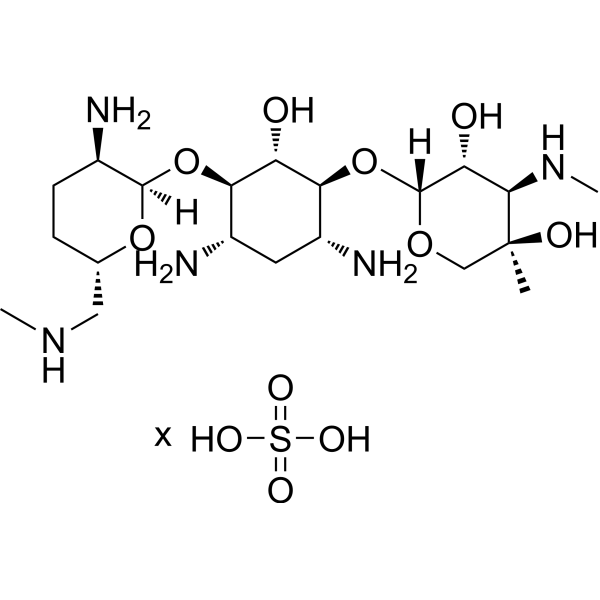
Micronomicin sulfate (Gentamicin C2b sulfate) is an aminoglycoside antibiotic isolated from Micromonospora. Micronomicin sulfate is a broad-spectrum antibiotic close to the gentamicin-type antibiotics, exhibits a high activity against Pseudomonas, Proteus, Klebsiella pneumoniae, Serratia, etc (MIC=0.001-8.3 μg/ml) .
|
-
- HY-181939
-
|
|
Bacterial
|
Infection
|
|
Antibacterial agent 329 (Compound 9c) is an antibacterial agent. Antibacterial agent 329 inhibits the activity of MraY. Antibacterial agent 329 exhibits antibacterial activity against Escherichia coli K12 and Bacillus subtilis W23 with a MIC of 16 μg/mL, but shows no activity against Pseudomonas fluorescens Pf-5. Antibacterial agent 329 exerts antibacterial activity against Acinetobacter baumannii 19606, Staphylococcus aureus MRSA USA300 JE2, Enterobacter cloacae 19434, Klebsiella pneumoniae 700603 and Enterococcus faecium 19434, with MIC values of 8, 8, 16-32, 16-32 and 16 μg/mL, respectively, while it shows no activity against Pseudomonas aeruginosa NCTC 13437 .
|
-

- HY-178952
-
|
|
Bacterial
|
Infection
|
|
Anti-infective agent 12 (Compound A09) is a competitive inhibitor of type I signal peptidease (SPase I), with an IC50 of 4.475 μM and a Kd of 16.3 μM. Anti-infective agent 12 has the ability to disrupt bacterial membranes and remove biofilms. Anti-infective agent 12 exhibits potent bactericidal activity against Gram-positive bacteria, with MIC values of 4, 4, 8, and 8 μg/mL for Staphylococcus aureus, Enterococcus faecalis, Enterococcus faecium, and Streptococcus suis, respectively. Anti-infective agent 12 remains effective against multi-drug resistant strains, but has weaker activity against Gram-negative bacteria (such as Escherichia coli and Salmonella), with MIC values > 64 μg/mL. Anti-infective agent 12 has low hemolytic activity and shows significant efficacy in mouse skin infection models .
|
-

- HY-N18080
-
|
|
Parasite
DNA Alkylator/Crosslinker
Bacterial
|
Infection
Inflammation/Immunology
Cancer
|
|
Parthenin is a pseudoguaianolide-type sesquiterpene lactone present in Parthenium hysterophorus L. Parthenin induces chromosomal aberrations, mainly chromatid breaks, in human peripheral blood lymphocytes. Parthenin exhibits toxicity against Salmonella typhimurium and Escherichia coli strains, with reduced toxicity in the presence of a metabolic activation system (S9). Parthenin acts as an antifeedant against the 6th instar larvae of the tobacco cutworm (Spodoptera litura). Parthenin shows insecticidal activity against adult cowpea weevils (Callosobruchus maculatus). Parthenin inhibits seed germination and seedling growth of sicklepod (Cassia tora). Parthenin possesses nematicidal activity against the 2nd instar larvae of the southern root-knot nematode (Meloidogyne incognita). Parthenin serves as a research agent for studies related to cancer, malaria, amoebiasis, inflammatory diseases, and bacterial infections .
|
-

- HY-B0395E
-
|
(1S,2R,7S)-DU-6859a; DU-6856
|
Antibiotic
Bacterial
Topoisomerase
|
Infection
|
|
(1S,2R,7S)-Sitafloxacin (DU-6856) is an enantiomer of Sitafloxacin (HY-B0395). (1S,2R,7S)-Sitafloxacin is a topoisomerase inhibitor. (1S,2R,7S)-Sitafloxacin is an antibiotic. (1S,2R,7S)-Sitafloxacin has inhibitory activity against Escherichia coli DNA gyrase (IC50 0.18 μg/mL) and Staphylococcus aureus topoisomerase IV. (1S,2R,7S)-Sitafloxacin has antibacterial activity and can be used in the study of various bacterial infections .
|
-

- HY-B1387
-
|
|
Antibiotic
Bacterial
|
Inflammation/Immunology
|
|
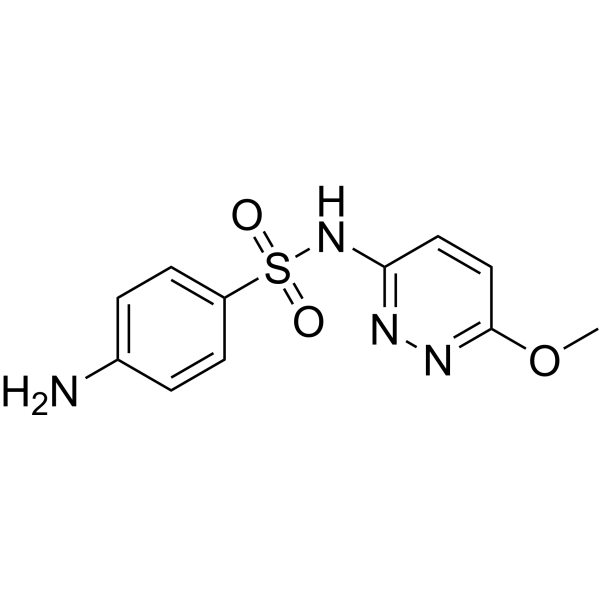
Sulfamethoxypyridazine is an orally active and brain-penetrant sulfonamide antibiotic. Sulfamethoxypyridazine exhibits antibacterial activity and inhibits growth of susceptible bacterial strains. Sulfamethoxypyridazine can be used for the research of pyelonephritis, urinary tract infections, and dermatitis herpetiformis .
|
-
- HY-124237A
-
|
C8-HSL
|
Bacterial
|
Infection
Inflammation/Immunology
|
|
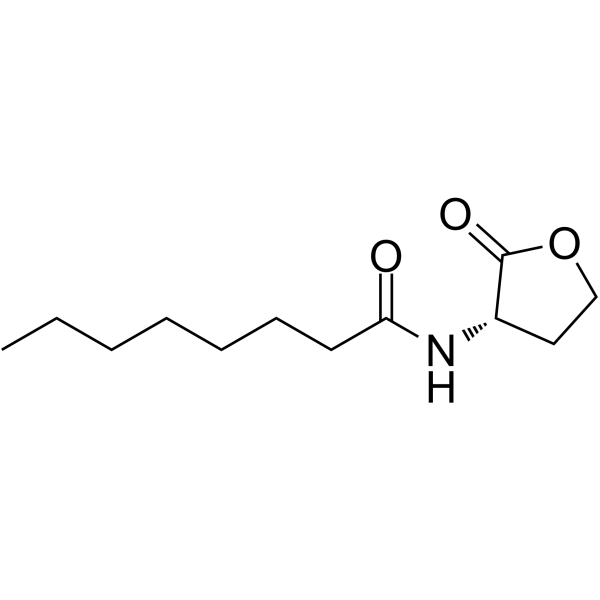
N-Octanoyl-L-homoserine lactone is an autoinducer. It mainly serves as a key inter- and intra-species communication medium or "signal molecule" in Gram-negative bacteria. N-Octanoyl-L-homoserine lactone microparticles exhibit adjuvant potential when used in combination with various particulate vaccines .
|
-
- HY-Y0492
-
|
|
Bacterial
Fungal
|
Infection
|
|
2-Cyanothioacetamide is an antimicrobial agent with activity against Gram-positive bacteria, Gram-negative bacteria, and fungi. 2-Cyanothioacetamide inhibits essential microbial enzymes and disrupts microbial cell membrane integrity.2-Cyanothioacetamide can be used for the research of bacterial infections and fungal infections .
|
-

- HY-N2198
-
|
|
Fungal
Bacterial
Topoisomerase
Apoptosis
|
Infection
Inflammation/Immunology
Cancer
|
|
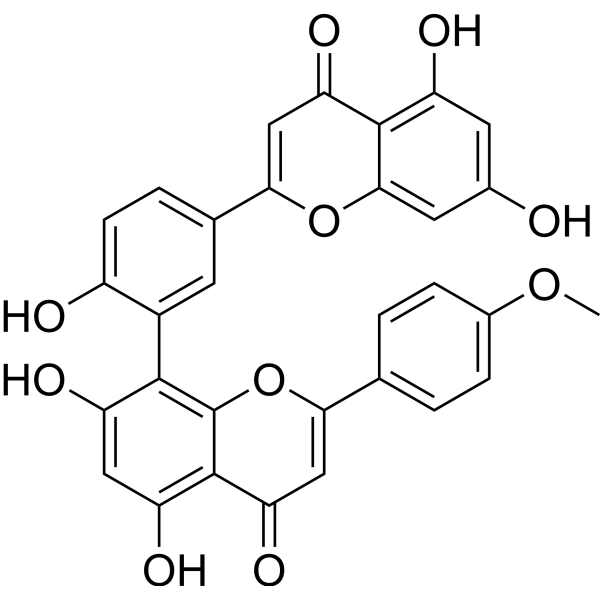
Podocarpusflavone A is a biflavonoid present in the leaves of Podocarpus henkelii, with anti-tumor, topoisomerase I inhibitory, antibacterial and antifungal activities. Podocarpusflavone A exhibits antibacterial activity against Enterococcus faecalis and Pseudomonas aeruginosa. Podocarpusflavone A shows weak activity against fungal pathogens. Podocarpusflavone A targets topoisomerase I and induces cell cycle arrest and apoptosis in MCF-7 cells. Podocarpusflavone A can be used for studies on cancer, bacterial and fungal infections .
|
-
- HY-152296
-
|
|
Nucleoside Antimetabolite/Analog
Bacterial
|
Infection
|
|
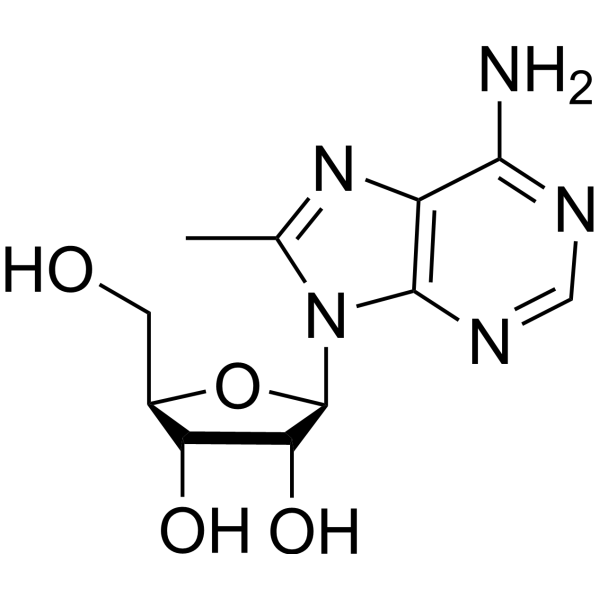
8-Methyladenosine is a modified adenosine nucleoside. Through methylation at the 8-position, 8-Methyladenosine confers bacterial resistance to five classes of antibiotics that bind to the ribosomal peptidyl transferase center. 8-Methyladenosine can be used in studies of antibiotic-resistant bacterial infections .
|
-
- HY-N0542
-
|
|
Bacterial
|
Cardiovascular Disease
Infection
Neurological Disease
Cancer
|
|
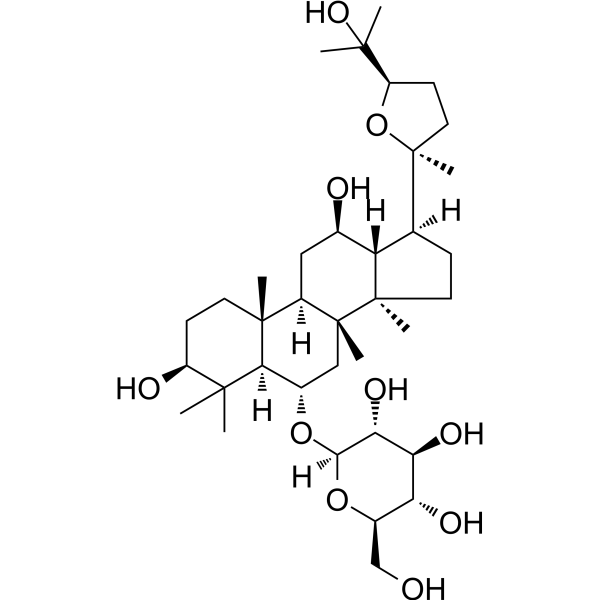
Pseudoginsenoside RT5 is an orally active ocotillol-type ginsenoside and Antibacterial agent. Pseudoginsenoside RT5 can be isolated from American ginseng, transgenic American ginseng crown gall tumors and Panax japonicus. Pseudoginsenoside RT5 exerts cardioprotective effects against myocardial injury, and also possesses antibacterial and antitumor activities. Pseudoginsenoside RT5 can be used in research related to Alzheimer's disease, myocardial injury, tumors and bacterial infections .
|
-
- HY-W014141
-
|
L-Ascorbic acid 5,6-acetonide
|
Biochemical Assay Reagents
|
Infection
|
|
5,6-O-Isopropylidene-L-ascorbic acid (L-Ascorbic acid 5,6-acetonide) is an organic compound and a derivative of L-ascorbic acid (vitamin C). 5,6-O-Isopropylidene-L-ascorbic acid inhibits biofilm formation by pathogenic bacteria. 5,6-O-Isopropylidene-L-ascorbic acid is applicable to studies related to bacterial infections .
|
-
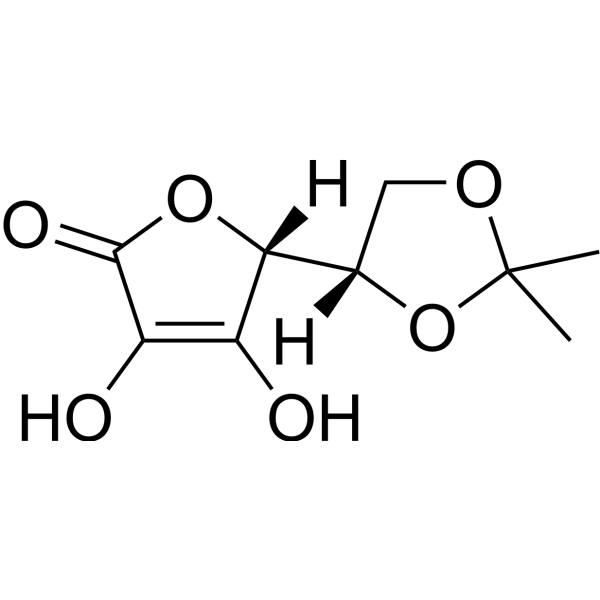
- HY-N18007
-
|
|
Bacterial
|
Infection
|
|
3-Hydroxyglabrol is an Antibacterial agent. 3-Hydroxyglabrol can be isolated from Glycyrrhiza glabra L. var. typica. 3-Hydroxyglabrol inhibits the growth of Staphylococcus aureus (ATCC 13709) and Mycobacterium smegmatis (ATCC 607), with a MIC of 6.25 mcg/mL. 3-Hydroxyglabrol can be used for the research of Staphylococcus aureus infection, Mycobacterium smegmatis infection .
|
-

- HY-W094710
-
|
Sodium hydrogen diacetate
|
Environmental Pollutants
Bacterial
|
Infection
|
|
Sodium diacetate (Sodium hydrogen diacetate) is a multifunctional biochemical reagent with antibacterial (bacteria) and antifungal (fungi) activities. Sodium diacetate exerts its antimicrobial effect mainly by effectively penetrating the cell walls of microorganisms and interfering with enzyme interactions. Sodium diacetate inhibits the growth and survival of fungi such as Botrytis cinerea, as well as bacteria such as Listeria and Escherichia coli. Sodium diacetate inhibits the growth of endothelial cells. Sodium diacetate can be used in the synthesis of food preservatives, flavoring agents and pH control additives .
|
-

- HY-D3192
-
|
|
Fluorescent Dye
Bacterial
Amyloid-β
|
Infection
|
|
CDy11 is a fluorescent probe and amyloid-binding dye (λex=590 nm; λem=612 nm), with a Ka of 29 μM for Pseudomonas aeruginosa Fap. CDy11 specifically recognizes amyloid fibrils in bacterial biofilms and exhibits significantly enhanced fluorescence upon binding to the target. CDy11 shows no staining effect on amyloid-deficient mutant strains, planktonic cells or protein monomers. CDy11 supports in vivo imaging of Pseudomonas aeruginosa biofilms in mouse implant and corneal infection models. CDy11 is widely used in studies of Staphylococcus aureus biofilm infections, dental caries, and Pseudomonas aeruginosa-associated implant and corneal infections .
|
-

- HY-123448
-
|
|
Bacterial
Antibiotic
|
Infection
|
|
CCG-120304 is a TonB system inhibitor and bacteriostatic agent. CCG-120304 inhibits TonB-dependent functions. CCG-120304 is applicable to research related to urinary tract infections .
|
-

- HY-182823
-
|
|
Drug Derivative
Bacterial
|
Infection
|
|
N-Nitrosovancomycin is an antibacterial agent and an N-terminal nitrosated derivative of vancomycin. N-Nitrosovancomycin exhibits antibacterial activity against Gram-positive bacteria in vitro, but shows no activity against Gram-negative E. coli. The modified N-terminal amino group of N-Nitrosovancomycin cannot be protonated, yet the compound still retains in vitro antibacterial activity. N-Nitrosovancomycin can be used in studies related to Gram-positive bacterial infections .
|
-

- HY-170333
-
|
CICL1
|
Liposome
|
Inflammation/Immunology
|
|
Lipid A-11 (Compound A-11) (CICL1) is an ionizable cationic lipid. Lipid A-11 can be used to prepare lipid nanoparticles. Lipid A-11 can be used in research involving T cell-targeted transfection .
|
-

- HY-N14664
-
|
|
Antibiotic
Bacterial
|
Infection
|
|
Actithiazic acid is a thiazolidinone antibiotic that targets biotin synthase. Actithiazic acid interferes with essential bacterial metabolism by inhibiting the final step of biotin synthesis (conversion of desthiobiotin to biotin, IC50 = 0.45 μM). Actithiazic acid can be used in studies related to mycobacterial infections .
|
-

- HY-P0307B
-
|
|
Biochemical Assay Reagents
|
Neurological Disease
|
|
Penetratin-Cys is a cell-penetrating peptide derived from Antennapedia Peptide (HY-P0307) via C-terminal cysteine modification. Penetratin-Cys acts as a cytotoxin and reduces the viability of differentiated neuronal cells. Penetratin-Cys localizes to the perinuclear region and binds to the Golgi apparatus. Penetratin-Cys can be used in research related to neurological disorders .
|
-

- HY-N17734
-
|
|
Bacterial
Fungal
|
Infection
|
|
2-Deethoxy-2-hydroxyphantomolin, Germacranolide, is an Antifungal and Antibacterial agent. 2-Deethoxy-2-hydroxyphantomolin can be isolated from Elephantopus tomentosus Linn and E. mollis. 2-Deethoxy-2-hydroxyphantomolin is moderately active against Candida albicans (14 mm clearing zone) and slightly active against Escherichia coli (12 mm), Pseudomonas aeruginosa (12 mm), Bacillus subtilis (14 mm), and Trichophyton mentagrophytes (13 mm) .
|
-

- HY-16955
-
|
ACHN 490
|
Antibiotic
Bacterial
|
Infection
Inflammation/Immunology
|
|
Plazomicin (ACHN 490) is a semi-synthetic aminoglycoside Antibiotic. Plazomicin acts as a substrate for Aminoglycoside acetyltransferase and Aminoglycoside phosphotransferase. Plazomicin is not modified by various common aminoglycoside-modifying enzymes. Plazomicin selectively inhibits MATE2-K. Plazomicin exhibits activity against multidrug-resistant bacteria, including carbapenem-resistant Enterobacterales .
|
-

- HY-W077690
-
|
|
Bacterial
|
Infection
|
|
3-(2-Hydroxyethyl)quinazoline-2,4(1H,3H)-dione is an metal chelating agent and anti-bacterial agent. 3-(2-Hydroxyethyl)quinazoline-2,4(1H,3H)-dione shows inhibitory activity against gram-positive and gram-negative bacterial strains .
|
-

- HY-W342467
-
|
D821
|
Bacterial
|
Infection
|
|
Dioctyldimethylammonium chloride (D821), a quaternary ammonium salt, is a bactericide. Dioctyldimethylammonium chloride exerts bactericidal activity via disruption of membrane integrity, and intracellular lysate leakage. Dioctyldimethylammonium chloride also can be used as a petroleum additive, antistatic agent, softening agent, rare metal flotation agent, and corrosion inhibitor .
|
-

- HY-165460
-
|
|
Antibiotic
Beta-lactamase
Bacterial
Penicillin-binding protein (PBP)
|
Infection
|
|
AM-112 is a β-lactamase (β-lactamase) inhibitor and antibacterial agent, with IC50 values ranging from 0.0002 μg/mL to 0.67 μg/mL against class A, C, and D β-lactamase. By inhibiting PBP2, the penicillin-binding protein of E. coli, and protecting Ceftazidime (HY-B0593) from enzymatic hydrolysis, AM-112 significantly enhances the antibacterial efficacy of Ceftazidime against Gram-negative bacteria, enterococci, and staphylococci. AM-112 exhibits favorable pharmacokinetic properties and acid-base stability. AM-112 can be used for the research of bacterial infections .
|
-

- HY-123565
-
|
|
Tie
Fungal
Bacterial
|
Infection
Cancer
|
|
TP-S1-68 (Compound 10) is a TIE-2 inhibitor with an IC50 of 3.65 μM. TP-S1-68 exhibits antibacterial activity against a variety of fungal and bacteria. TP-S1-68 serves as a starting compound for the further development of TIE-2 inhibitors. TP-S1-68 can be used in research related to solid tumors, bacterial infections and fungal infections .
|
-

- HY-N10342
-
|
|
Apoptosis
Bcl-2 Family
Caspase
PARP
Reactive Oxygen Species (ROS)
Bacterial
PI3K
Akt
NF-κB
P-glycoprotein
|
Infection
Cancer
|
|
Cajanol is an isoflavanone that can be isolated from the roots of Cajanus cajan (L.) Millsp. . Cajanol inhibits cancer cell proliferation and induces cancer cell apoptosis. Cajanol promotes the expression of Bax, inhibits the expression of Bcl-2, activates caspase-9 and caspase-3, induces PARP cleavage, arrests the cell cycle at the G2/M phase, generates ROS, disrupts mitochondrial membrane potential and triggers cytochrome c release. Cajanol induces bacterial DNA damage, disrupts bacterial cell membranes, and exerts antibacterial activity in vitro. Cajanol reduces the expression of PI3K, inhibits the phosphorylation of Akt and NF-κB, downregulates the expression and transport function of P-gp, restores the sensitivity of drug-resistant cancer cells to Paclitaxel, and inhibits the growth of Paclitaxel-resistant metastatic ovarian tumors. Cajanol is applicable to research related to breast cancer, ovarian cancer and bacterial infections .
|
-

- HY-182622
-
|
|
Antibiotic
Bacterial
|
Infection
|
|
Etimicin is a fourth-generation semisynthetic aminoglycoside antibiotic. Etimicin exhibits broad spectrum of activity against gram-positive, gram-negative, and aminoglycoside-resistant bacterial strains, with lower ototoxicity and nephrotoxicity. Etimicin exerts rapid, concentration-dependent bactericidal activity against bacteria. Etimicin can be used for the research of bacterial infections .
|
-

- HY-102072
-
|
|
Bacterial
DNA/RNA Synthesis
|
Infection
|
|
GKL003 is a bacterial transcription inhibitor that targets the RNAP-σ interaction interface, with a Ki of 5.79 nM. GKL003 specifically binds to the RNAP β' clamp helix region at the σ A factor binding site, blocks the formation of RNAP holoenzyme, and inhibits the formation of bacterial transcription initiation complexes. GKL003 inhibits the growth of both Gram-positive and Gram-negative bacterial cells, and also exhibits activity against drug-resistant strains .
|
-

- HY-111664A
-
|
(-)-Citronellal
|
Drug Isomer
|
Cancer
|
|
(S)-(-)-Citronellal ((-)-Citronellal) is an oxygenated monoterpenoid found in Citrus limon (L.) Burm. F. essential oils. (S)-(-)-Citronellal is a chiral isomers of (R)-(+)-Citronellal (HY-111664) and does not possess microtubule-disrupting activity. (S)-(-)-Citronellal can be used for cancer research .
|
-
- HY-W142206
-
|
|
Fungal
|
Infection
|
|
Cyclopent-4-ene-1,3-dione is a potent antifungal inhibitor of chitin synthesis. Cyclopent-4-ene-1,3-dione is potently antifungal against human pathogenic Candida species (IC50 = 1-2 μM). Cyclopent-4-ene-1,3-dione is detected in feijoa cultivars with high antifungal bioactivity. Cyclopent-4-ene-1,3-dione can be used for the research of fungal infections .
|
-

| Cat. No. |
Product Name |
Type |
-
- HY-D3192
-
|
|
Fluorescent Dyes
|
|
CDy11 is a fluorescent probe and amyloid-binding dye (λex=590 nm; λem=612 nm), with a Ka of 29 μM for Pseudomonas aeruginosa Fap. CDy11 specifically recognizes amyloid fibrils in bacterial biofilms and exhibits significantly enhanced fluorescence upon binding to the target. CDy11 shows no staining effect on amyloid-deficient mutant strains, planktonic cells or protein monomers. CDy11 supports in vivo imaging of Pseudomonas aeruginosa biofilms in mouse implant and corneal infection models. CDy11 is widely used in studies of Staphylococcus aureus biofilm infections, dental caries, and Pseudomonas aeruginosa-associated implant and corneal infections .
|
| Cat. No. |
Product Name |
Type |
-
- HY-D1056A3
-
|
LPS, from escherichia coli (O26:B6)
|
Biochemical Assay Reagents
|
Lipopolysaccharides, from E. coli (Escherichia coli) O26:B6 are lipopolysaccharide endotoxins and TLR-4 activators derived from E. coli, classified as S-type LPS, which can activate pathogen-associated molecular patterns (PAMP) of the immune system and induce cellular secretion of migrasomes. Lipopolysaccharides, from E. coli O26:B6 exhibit a typical three-part structure: O-antigen, core oligosaccharide, and lipid A, and can be recognized by the core-specific monoclonal antibody MAb J8-4C10. Lipopolysaccharides, from E. coli O26:B6 can promote an increase in pro-inflammatory cytokines in plasma, thereby triggering hypothalamic-pituitary-adrenal (HPA) activation and leading to adrenal oxidative damage. The pathogenic effects of Lipopolysaccharides, from E. coli O26:B6 can be used to construct various models, such as cellular inflammation models, sepsis, acute lung injury models, adrenal dysfunction models, and bladder infection models, etc .
It is recommended to prepare a solution with concentration ≥2 mg/mL. Vortex thoroughly for more than 10 minutes. Due to the adsorption characteristics of LPS, silanized container or low adsorption centrifuge tubes should be used for aliquoting and storage, and mix thoroughly before use.
|
-
- HY-N8574
-
|
Heptacosan-1-ol
|
Biochemical Assay Reagents
|
|
1-Heptacosanol (Heptacosan-1-ol) is a long-chain fatty alcohol with antifungal, antibacterial (against Escherichia coli and Staphylococcus aureus), nematicidal, anticancer and antioxidant activities. 1-Heptacosanol can be isolated from leaf extracts of Ficus septica and Lecaniodiscus cupanioides. 1-Heptacosanol not only effectively resists pathogenic fungal infections, but also shows potential against pepper anthracnose in phytopathology. 1-Heptacosanol can be used in the research of fungal infections, cancer and oxidative stress-related diseases .
|
-
- HY-W014141
-
|
L-Ascorbic acid 5,6-acetonide
|
Biochemical Assay Reagents
|
|
5,6-O-Isopropylidene-L-ascorbic acid (L-Ascorbic acid 5,6-acetonide) is an organic compound and a derivative of L-ascorbic acid (vitamin C). 5,6-O-Isopropylidene-L-ascorbic acid inhibits biofilm formation by pathogenic bacteria. 5,6-O-Isopropylidene-L-ascorbic acid is applicable to studies related to bacterial infections .
|
-
- HY-W011549
-
|
|
Biochemical Assay Reagents
|
|
2'-Amino-2'-deoxyguanosine is a nucleoside antibiotic. 2'-Amino-2'-deoxyguanosine exhibits lethal activity against certain strains of Escherichia coli, with its antibacterial effect reversible by guanosine and other purine nucleosides. 2'-Amino-2'-deoxyguanosine can be used for the study of bacterial infection .
|
| Cat. No. |
Product Name |
Target |
Research Area |
-
- HY-P3302
-
|
|
Bacterial
|
Infection
|
|
Sialylglycopeptide is an orally active glycopeptide found in egg yolk. Sialylglycopeptide inhibits the binding of Salmonella enteritidis and Escherichia coli to intestinal cells, and protects mice from Salmonella infection. Sialylglycopeptide can be used in the research of Salmonella infection .
|
-
- HY-P11085
-
|
|
Bacterial
|
Infection
|
|
WLBU2 is a engineered cationic antimicrobial peptide (eCAP) that overcomes the environmental sensitivity of natural antimicrobial peptides (AMPs). WLBU2 exhibits rapid bactericidal effect, with the MIC values of ≤ 10 μM against both Gram-negative and Gram-positive bacteria including MRSA, vancomycin-resistant enterococci, K. pneumoniae, E.aerogenes, E. cloacae, Escherichia coli, et, al. WLBU2 prevents P. aeruginosa biofilm growth and retains its activity in an environment rich in mucus, low pH and high salt concentrations without negative effects on human airway epithelial cells. WLBU2 can be used for the studies of cystic fibrosis (CF) and Pseudomonas aeruginosa infections .
|
-
- HY-P10364
-
|
UBI(29-41)
|
Bacterial
Antibiotic
|
Infection
Inflammation/Immunology
|
|
Ubiquicidin (29-41) (UBI (29-41)) is an Antimicrobial peptide and infection-localizing agent. Ubiquicidin (29-41) acts as an infection-specific imaging agent and infection-targeting agent. Ubiquicidin (29-41) serves as an antibiotic efficacy monitoring agent, and its aggregation level in infections induced by Staphylococcus aureus is higher than that in infections induced by Escherichia coli .
|
-
- HY-P10980
-
|
|
DNA/RNA Synthesis
Bacterial
|
Infection
|
|
Citrocin is a potent bacterial RNA polymerase (RNAP) inhibitor. Citrocin shows significant inhibitory activity against Escherichia coli RNAP with an MIC range of 16-125 μM. Citrocin specifically binds to and inhibits RNA polymerase to block bacterial transcription and enters cells mainly through inner membrane protein SbmA. Citrocin is promising for research of Gram-negative bacterial infections, such as enterohemorrhagic E. coli .
|
-
- HY-P11109
-
|
|
Antibiotic
Bacterial
|
Infection
|
|
RL-37 is an alpha-helical antimicrobial peptide. RL-37 can be isolated for rhesus monkey bone marrow. RL-37 rapidly permeabilizes the membranes of Escherichia coli ML-35p and lysed liposomes. RL-37 has effective antibacterial activity against staphylococci, such as wild-type and Methicillin (HY-121544)-resistant S. aureus strains and S. epidermidis ATCC 49741. RL-37 can be used for human skin infections research .
|
-
- HY-P11825
-
|
|
Bacterial
|
Infection
|
|
APH-IN-1 is an Aminoglycoside phosphotransferase (APH) inhibitor with a Kd values of 63 nM against Escherichia coli APH(3′)-Ia. APH-IN-1 binds primarily to the ATP-binding pocket of APH in an ATP-competitive manner, with binding affinity enhanced by divalent metal ions (Mg 2+ and Ca 2+). APH-IN-1 can be used for the research of aminoglycoside-resistant bacterial infections .
|
-
- HY-P11657
-
|
|
Bacterial
|
Infection
|
|
GN-2 peptoid is a 9-mer cationic amphipathic peptoid and bactericidal agent with an overall net charge of +4, broad-spectrum antimicrobial activity, and low hemolytic and cytotoxic activity against mammalian cells. GN-2 peptoid exerts bactericidal action against Escherichia coli in a concentration-dependent manner. GN-2 peptoid exhibits antimicrobial activity against Gram-positive Staphylococcus aureus and Gram-negative Escherichia coli, Pseudomonas aeruginosa strains. GN-2 peptoid shows low toxicity against human red blood cells and HeLa cells. GN-2 peptoid maintains antimicrobial activity in the presence of 50% human blood plasma. GN-2 peptoid can be used for the research of bacterial infections .
|
-
- HY-P11136
-
|
|
Bacterial
|
Infection
|
|
Latarcin 2a is a linear cationic antibacterial peptide that can be isolated from the venom of the spider Lachesana tarabaevi, with broad-spectrum antibacterial activity. Latarcin 2a has a MIC of 0.5 μM for both Bacillus subtilis and Escherichia coli. Latarcin 2a is often used in the research of infectious conditions .
|
-
- HY-P11085A
-
|
|
Bacterial
|
Infection
|
|
WLBU2 acetate is a engineered cationic antimicrobial peptide (eCAP) that overcomes the environmental sensitivity of natural antimicrobial peptides (AMPs). WLBU2 acetate exhibits rapid bactericidal effect, with the MIC values of ≤ 10 μM against both Gram-negative and Gram-positive bacteria including MRSA, vancomycin-resistant enterococci, K. pneumoniae, E.aerogenes, E. cloacae, Escherichia coli, et, al. WLBU2 acetate prevents P. aeruginosa biofilm growth and retains its activity in an environment rich in mucus, low pH and high salt concentrations without negative effects on human airway epithelial cells. WLBU2 acetate can be used for the studies of cystic fibrosis (CF) and Pseudomonas aeruginosa infections .
|
-
- HY-P0307B
-
|
|
Biochemical Assay Reagents
|
Neurological Disease
|
|
Penetratin-Cys is a cell-penetrating peptide derived from Antennapedia Peptide (HY-P0307) via C-terminal cysteine modification. Penetratin-Cys acts as a cytotoxin and reduces the viability of differentiated neuronal cells. Penetratin-Cys localizes to the perinuclear region and binds to the Golgi apparatus. Penetratin-Cys can be used in research related to neurological disorders .
|
| Cat. No. |
Product Name |
Category |
Target |
Chemical Structure |
-
- HY-B0147
-
|
Pefloxacinium
|
Infection
Classification of Application Fields
Disease Research Fields
|
Antibiotic
Bacterial
Parasite
DNA/RNA Synthesis
Topoisomerase
|
|
Pefloxacin (Pefloxacinium) is a broad spectrum antibiotic. Pefloxacin blocks DNA replication by inhibiting DNA gyrase. Pefloxacin inhibits DNA relaxation catalyzed by topoisomerase I with an IC50 of 45 μg/mL. Pefloxacin exhibits antibacterial activity against Escherichia coli, Pseudomonas aeruginosa, and Bacteroides fragilis with MIC90s of 0.12, 4, and 16 mg/L, respectively. Pefloxacin has anti-Plasmodium yoelii infection activity. Pefloxacin increase UVA-induced edema and immunesuppression. Pefloxacin can be used for infection studies .
|
-
-
- HY-N3651
-
-
-
- HY-108307
-
-
-
- HY-111664A
-
-
-
- HY-Y1718
-
-
-
- HY-N2198
-
-
-
- HY-W009886
-
-
-
- HY-N0542
-
-
-
- HY-N11554
-
-
-
- HY-N14664
-
-
-
- HY-Y1718R
-
-
-
- HY-N19782
-
-
-
- HY-N17858
-
-
-
- HY-N12752
-
-
-
- HY-W166491
-
-
-
- HY-W009886R
-
|
|
Clerodendrum trichotomum Thunb.
Structural Classification
Ketones, Aldehydes, Acids
Verbenaceae
Plants
Source Classification
|
Bacterial
Reference Standards
Drug Intermediate
|
|
3,4,5-Trimethoxybenzaldehyde (Standard) is the analytical standard of 3,4,5-Trimethoxybenzaldehyde (HY-W009886). This product is intended for research and analytical applications. 3,4,5-Trimethoxybenzaldehyde is a derivative of benzaldehyde. 3,4,5-Trimethoxybenzaldehyde has antimicrobial activity. 3,4,5-Trimethoxybenzaldehyde is also an important intermediate for the synthesis of various drugs, such as Trimethoprim (HY-B0510) .
|
-
-
- HY-N18194
-
-
-
- HY-N18080
-
|
|
Structural Classification
Terpenoids
Sesquiterpenes
Antheroporum pierrei Gagnep.
Plants
Compositae
Source Classification
|
Parasite
DNA Alkylator/Crosslinker
Bacterial
|
|
Parthenin is a pseudoguaianolide-type sesquiterpene lactone present in Parthenium hysterophorus L. Parthenin induces chromosomal aberrations, mainly chromatid breaks, in human peripheral blood lymphocytes. Parthenin exhibits toxicity against Salmonella typhimurium and Escherichia coli strains, with reduced toxicity in the presence of a metabolic activation system (S9). Parthenin acts as an antifeedant against the 6th instar larvae of the tobacco cutworm (Spodoptera litura). Parthenin shows insecticidal activity against adult cowpea weevils (Callosobruchus maculatus). Parthenin inhibits seed germination and seedling growth of sicklepod (Cassia tora). Parthenin possesses nematicidal activity against the 2nd instar larvae of the southern root-knot nematode (Meloidogyne incognita). Parthenin serves as a research agent for studies related to cancer, malaria, amoebiasis, inflammatory diseases, and bacterial infections .
|
-
-
- HY-N18007
-
-
-
- HY-N17734
-
|
|
Structural Classification
Other Monoterpenes
Terpenoids
Plants
Boraginaceae
Source Classification
|
Bacterial
Fungal
|
|
2-Deethoxy-2-hydroxyphantomolin, Germacranolide, is an Antifungal and Antibacterial agent. 2-Deethoxy-2-hydroxyphantomolin can be isolated from Elephantopus tomentosus Linn and E. mollis. 2-Deethoxy-2-hydroxyphantomolin is moderately active against Candida albicans (14 mm clearing zone) and slightly active against Escherichia coli (12 mm), Pseudomonas aeruginosa (12 mm), Bacillus subtilis (14 mm), and Trichophyton mentagrophytes (13 mm) .
|
-
-
- HY-N10342
-
|
|
Structural Classification
Flavonoids
Leguminosae
Phenols
Polyphenols
Plants
Isoflavones
Cajanus cajan (L.) Millsp.
Source Classification
|
Apoptosis
Bcl-2 Family
Caspase
PARP
Reactive Oxygen Species (ROS)
Bacterial
PI3K
Akt
NF-κB
P-glycoprotein
|
|
Cajanol is an isoflavanone that can be isolated from the roots of Cajanus cajan (L.) Millsp. . Cajanol inhibits cancer cell proliferation and induces cancer cell apoptosis. Cajanol promotes the expression of Bax, inhibits the expression of Bcl-2, activates caspase-9 and caspase-3, induces PARP cleavage, arrests the cell cycle at the G2/M phase, generates ROS, disrupts mitochondrial membrane potential and triggers cytochrome c release. Cajanol induces bacterial DNA damage, disrupts bacterial cell membranes, and exerts antibacterial activity in vitro. Cajanol reduces the expression of PI3K, inhibits the phosphorylation of Akt and NF-κB, downregulates the expression and transport function of P-gp, restores the sensitivity of drug-resistant cancer cells to Paclitaxel, and inhibits the growth of Paclitaxel-resistant metastatic ovarian tumors. Cajanol is applicable to research related to breast cancer, ovarian cancer and bacterial infections .
|
-
-
- HY-W142206
-
-
| Cat. No. |
Product Name |
Chemical Structure |
-
- HY-Y1718S
-
|
|
|
Tridecanoic acid-d2 is the deuterium labeled Tridecanoic acid. Tridecanoic acid (N-Tridecanoic acid), a 13-carbon medium-chain saturated fatty acid, can serve as an antipersister and antibiofilm agent that may be applied to research bacterial infections. Tridecanoic acid inhibits Escherichia coli persistence and biofilm formation .
|
-
-
- HY-Y1718S1
-
|
|
|
Tridecanoic acid-d25 is the deuterium labeled Tridecanoic acid. Tridecanoic acid (N-Tridecanoic acid), a 13-carbon medium-chain saturated fatty acid, can serve as an antipersister and antibiofilm agent that may be applied to research bacterial infections. Tridecanoic acid inhibits Escherichia coli persistence and biofilm formation .
|
-
-
- HY-B0960S
-
|
|
|
Sulfabenzamide (N-Sulfanilylbenzamide)-d4 is the deuterium labeled Sulfabenzamide (HY-B0960). Sulfabenzamide is a sulfonamide antibacterial agent. Sulfabenzamide exhibit antibacterial activity against Staphylococcus aureus (ATCC 25923) and Escherichia coli (ATCC 8739). Sulfabenzamide can promote autophagic cell autophagy in breast cancer cells through p53/ DRAM pathway. Sulfabenzamide increases caspase-3 activity, deactivates PARP1 and DNA-PK, downregulates AKT1 and AKT2. Sulfabenzamide can be used for the researches of breast cancer and bacterial infections .
|
-
-
- HY-W743473
-
|
|
|
Cefetamet-d3 (Ro 15-8074-d3; Deacetoxycefotaxime-d3) is the deuterium labeled Cefetamet (HY-A0111). Cefetamet (Ro 15-8074) is a cephalosporin antibiotic and the active metabolite of Cefetamet pivoxil (HY-B1894A). Cefetamet binds to bacterial penicillin-binding protein (PBP) (IC50 for PBP3 in Escherichia coli W3110 is 2.5 μg/mL). Cefetamet has significant activity against Gram-negative bacteria such as Enterobacteriaceae, Neisseria species, and Haemophilus influenzae, as well as Gram-positive bacteria such as Streptococcus. Cefetamet kills and lyses Treponema pallidum. Cefetamet can be used in the research of respiratory tract, urinary tract, ear, nose and throat infections, and syphilis .
|
-
-
- HY-B0333S
-
|
|
|
Sulfamethizole-d4 is the deuterium labeled Sulfamethizole (HY-B0333). Sulfamethizole is a sulfathiazole antibiotic. Sulfamethizole inhibits the synthesis of folic acid and thymine, and selectively suppresses Photobacterium phosphoreum bioluminescence. Sulfamethizole exerts antibacterial activity against Escherichia coli-mediated urinary tract infections but no activity against sulII gene-positive Escherichia coli. Sulfamethizole is applicable for the research of urinary tract infections and Photobacterium phosphoreum bioluminescence mechanisms .
|
-
-
- HY-B0333S2
-
|
|
|
Sulfamethizole-d4-1 is the deuterium labeled Sulfamethizole (HY-B0333). Sulfamethizole is a sulfathiazole antibiotic. Sulfamethizole inhibits the synthesis of folic acid and thymine, and selectively suppresses Photobacterium phosphoreum bioluminescence. Sulfamethizole exerts antibacterial activity against Escherichia coli-mediated urinary tract infections but no activity against sulII gene-positive Escherichia coli. Sulfamethizole is applicable for the research of urinary tract infections and Photobacterium phosphoreum bioluminescence mechanisms .
|
-
-
- HY-W011117S
-
|
|
|
Danofloxacin-d3 is deuterium labeled Danofloxacin. Danofloxacin is an orally active quinolone antibiotic. Danofloxacin targets bacterial DNA gyrase and inhibits bacterial DNA replication, transcription and growth. Danofloxacin can be used for various bacterial infections caused by Escherichia coli, Mycoplasma and other pathogens.
|
-
-
- HY-W011117S1
-
|
|
|
Danofloxacin-d3-1 is deuterium labeled Danofloxacin. Danofloxacin is an orally active quinolone antibiotic. Danofloxacin targets bacterial DNA gyrase and inhibits bacterial DNA replication, transcription and growth. Danofloxacin can be used for various bacterial infections caused by Escherichia coli, Mycoplasma and other pathogens.
|
-
-
- HY-Y1718S2
-
|
|
|
Tridecanoic acid-d9 is the deuterium labeled Tridecanoic acid. Tridecanoic acid (N-Tridecanoic acid), a 13-carbon medium-chain saturated fatty acid, can serve as an antipersister and antibiofilm agent that may be applied to research bacterial infections. Tridecanoic acid inhibits Escherichia coli persistence and biofilm formation .
|
-
-
- HY-B1415S
-
|
|
|
Clofibric acid-d4 is the deuterium labeled Clofibric acid (HY-B1415). Clofibric acid also is an herbicideClofibric acid (Chlorofibrinic acid) is an orally active PPARα agonist. Clofibric acid inhibits the fimbriation of Escherichia coli. Clofibric acid increases SOD activity. Clofibric acid lowers blood lipids and prevents experimental pyelonephritis. Clofibric acid has anticancer activity against ovarian cancer. Clofibric acid is also a herbicide. Clofibric acid is used in ovarian cancer, liver cancer, obesity, and urinary tract infection research .
|
-
-
- HY-B0147S1
-
|
|
|
Pefloxacin-d3 (Pefloxacinium-d3) is the deuterium labeled Pefloxacin (HY-B0147). Pefloxacin (Pefloxacinium) is a broad spectrum antibiotic. Pefloxacin blocks DNA replication by inhibiting DNA gyrase. Pefloxacin inhibits DNA relaxation catalyzed by topoisomerase I with an IC50 of 45 μg/mL. Pefloxacin exhibits antibacterial activity against Escherichia coli, Pseudomonas aeruginosa, and Bacteroides fragilis with MIC90s of 0.12, 4, and 16 mg/L, respectively. Pefloxacin has anti-Plasmodium yoelii infection activity. Pefloxacin increase UVA-induced edema and immunesuppression. Pefloxacin can be used for infection studies .
|
-
-
- HY-B0147S
-
|
|
|
Pefloxacin-d5 (Pefloxacinium-d5) is the deuterium labeled Pefloxacin (HY-B0147). Pefloxacin (Pefloxacinium) is a broad spectrum antibiotic. Pefloxacin blocks DNA replication by inhibiting DNA gyrase. Pefloxacin inhibits DNA relaxation catalyzed by topoisomerase I with an IC50 of 45 μg/mL. Pefloxacin exhibits antibacterial activity against Escherichia coli, Pseudomonas aeruginosa, and Bacteroides fragilis with MIC90s of 0.12, 4, and 16 mg/L, respectively. Pefloxacin has anti-Plasmodium yoelii infection activity. Pefloxacin increase UVA-induced edema and immunesuppression. Pefloxacin can be used for infection studies .
|
-
-
- HY-N7101S
-
|
|
|
Cefpodoxime proxetil-d7 (U-76-d7,252-d7; CS-807-d7) is the deuterium labeled Cefpodoxime Proxetil (HY-N7101). Cefpodoxime Proxetil is an orally active broad spectrum third-generation cephalosporin with potent antibacterial activity against both Gram-positive and Gram-negative bacteria including staphylococci, streptococci, Haemophilus influenzae, Neisseria gonorrhoeae, Escherichia coli, Klebsiella pnuemoniae, Citrobacter spp, and Proteus spp. Cefpodoxime Proxetil binds to penicillin binding proteins (PBPs), which inhibits peptidoglycan synthesis, finally results in interfering bacterial cell wall biosynthesis. Cefpodoxime Proxetil can be used against skin structure infections, acute otitis media, pharyngitis, tonsillitis, upper respiratory tract infection, urinary tract infections and sexually transmitted diseases .
|
-
| Cat. No. |
Product Name |
|
Classification |
-
- HY-170333
-
|
CICL1
|
|
Cationic Lipids
|
|
Lipid A-11 (Compound A-11) (CICL1) is an ionizable cationic lipid. Lipid A-11 can be used to prepare lipid nanoparticles. Lipid A-11 can be used in research involving T cell-targeted transfection .
|
-
- HY-152296
-
|
|
|
Nucleoside Analogs
Adenosine
|
|
8-Methyladenosine is a modified adenosine nucleoside. Through methylation at the 8-position, 8-Methyladenosine confers bacterial resistance to five classes of antibiotics that bind to the ribosomal peptidyl transferase center. 8-Methyladenosine can be used in studies of antibiotic-resistant bacterial infections .
|
Your information is safe with us. * Required Fields.
Inquiry Information
- Product Name:
- Cat. No.:
- Quantity:
- MCE Japan Authorized Agent:





![1-[(4-Nitrophenyl)methyl]-1,4-diazepane](http://file.medchemexpress.com/product_pic/hy-w083821.gif)





