1. Search Result
Search Result
Results for "

falciparum malaria

" in MedChemExpress (MCE) Product Catalog:

132

Inhibitors & Agonists

2

Fluorescent Dyes

3

Peptides

30

Natural
Products

4

Isotope-Labeled Compounds

Cat. No. Product Name Target Research Areas Chemical Structure
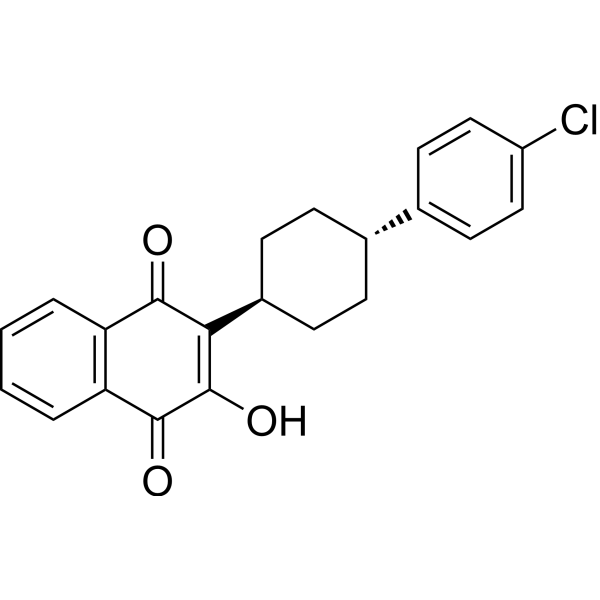
  • HY-13832
    Atovaquone
    4 Publications Verification

    Atavaquone

    Parasite Cytochrome P450 Antibiotic Bacterial Infection Cancer
    Atovaquone (Atavaquone) is a potent, selective and orally active inhibitor of the parasite’s mitochondrial cytochrome bc1 complex. Atovaquone is against human and  P. falciparum cytochrome bc1 activity with IC50 values of 460 nM and 2.0 nM, respectively. Atovaquone is an antimalarial agent and has the potential for the investigation of neumocystis pneumonia, toxoplasmosis, malaria, and babesia .
    Atovaquone
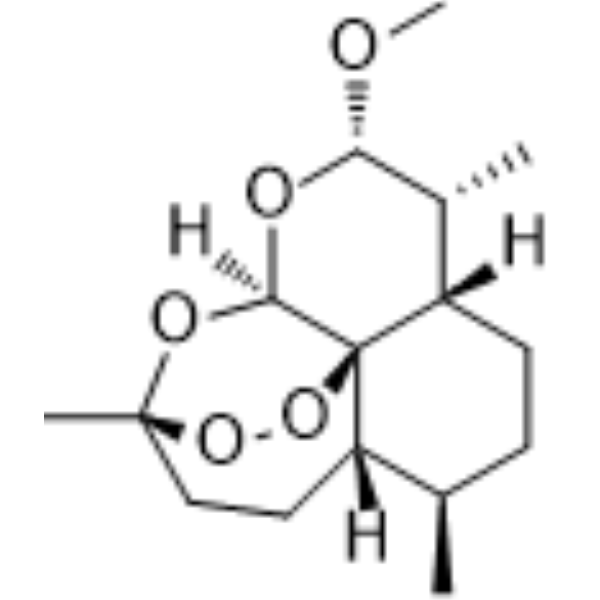
  • HY-N0402
    Artemether
    3 Publications Verification

    Dihydroqinghaosu methyl ether; Dihydroartemisinin methyl ether; SM224

    Parasite Infection Inflammation/Immunology Cancer
    Artemether is an anti-malarial compound that targets drug-resistant strains of falciparum malaria .
    Artemether
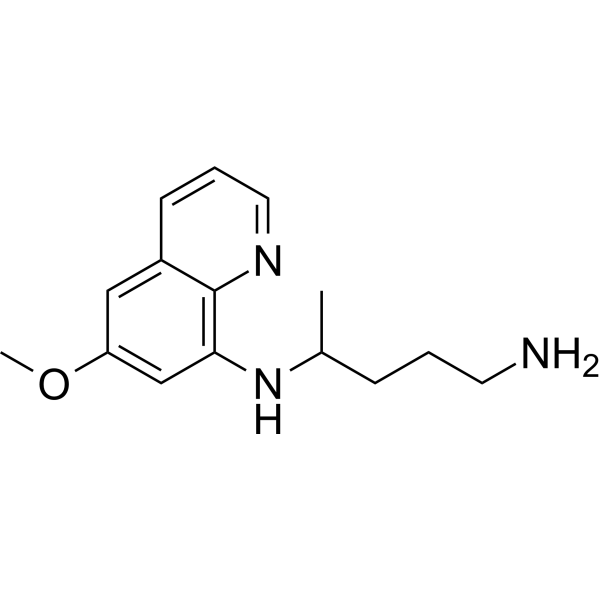
  • HY-12651A
    Primaquine
    5+ Cited Publications

    Parasite Infection Cancer
    Primaquine is a potent antimalaria agent and a potent gametocytocide in falciparum malaria. Primaquine prevents relapse in vivax and ovale malaria .
    Primaquine
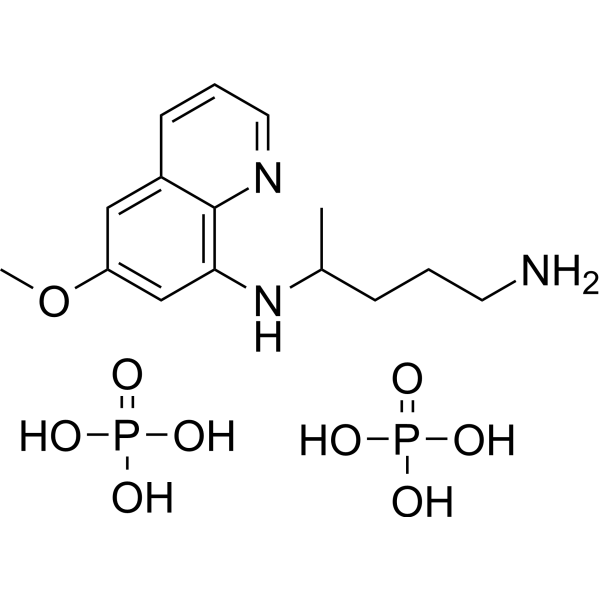
  • HY-12651
    Primaquine diphosphate
    5+ Cited Publications

    Primaquine phosphate; Primaquine bisphosphate

    Parasite Infection Cancer
    Primaquine diphosphate is a potent antimalaria agent and a potent gametocytocide in falciparum malaria. Primaquine diphosphate prevents relapse in vivax and ovale malaria .
    Primaquine diphosphate
  • HY-A0148A
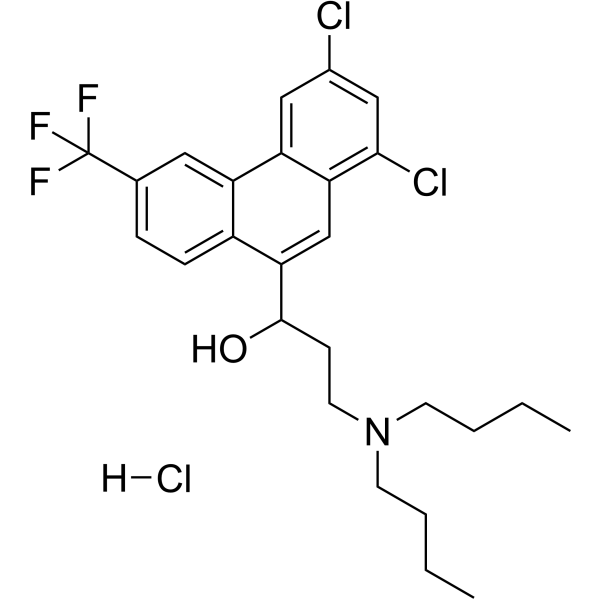
    Halofantrine hydrochloride
    2 Publications Verification

    SKF-102886; WR-171669 hydrochloride

    Parasite Fungal Reactive Oxygen Species (ROS) Potassium Channel Infection
    Halofantrine hydrochloride (SKF-102886 hydrochloride; WR-171669 hydrochloride) is a blocker that delays the delayed rectifier potassium current by inhibiting human ERG channels, and it is a potent antimalarial agent with oral activity. Halofantrine hydrochloride inhibits the Cap1-dependent oxidative stress response of Candida albicans, suppresses ROS responses, and enhances the antifungal (Fungal) activity of oxidative damage agents. Halofantrine hydrochloride exhibits antifungal activity in the Galleria mellonella model, and shows antimalarial activity against Plasmodium strains both in vitro and in animal models. Halofantrine hydrochloride can be used in studies related to invasive candidiasis, falciparum malaria, and vivax malaria .
    Halofantrine hydrochloride
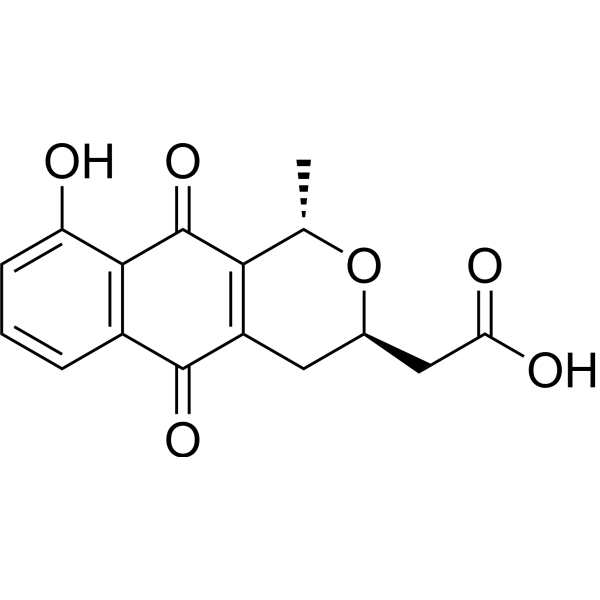
  • HY-103397
    Nanaomycin A
    4 Publications Verification

    Antibiotic DNA Methyltransferase Parasite Infection Cancer
    Nanaomycin A is the first selective DNMT3B inhibitor with an IC50 of 500 nM. Nanaomycin A, a quinone antibiotics, reactivates silenced tumor suppressor genes in human cancer cells . Nanaomycin A inhibits in vitro growth of the human malaria parasite Plasmodium falciparum with an IC80 value of 33.1 nM .
    Nanaomycin A
  • HY-B0770
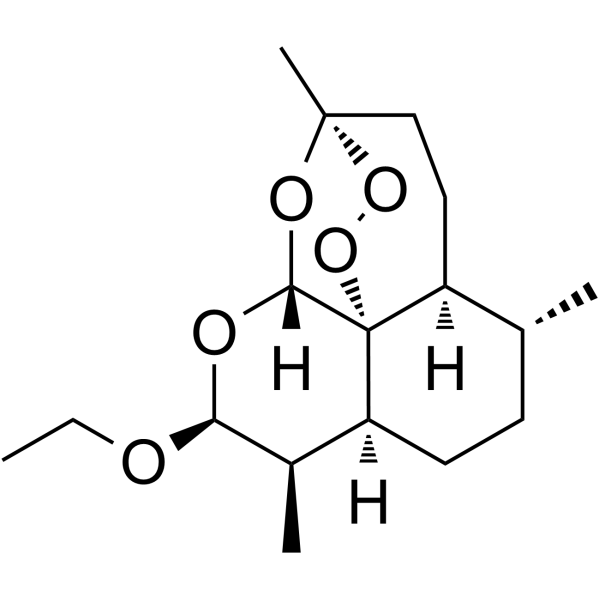
    Artemotil
    1 Publications Verification

    β-Arteether; (+)-Arteether; Arteether

    CXCR Parasite Infection Cancer
    Artemotil (β-Arteether) has antimalarial activity for the treatment of chloroquine-resistant Plasmodium falciparum malaria with an IC50 of 1.61 nM. Artemotil also has central nervous system (CNS) neurotoxicity and anorectic toxicity in rats, dogs and monkeys .
    Artemotil
  • HY-103353
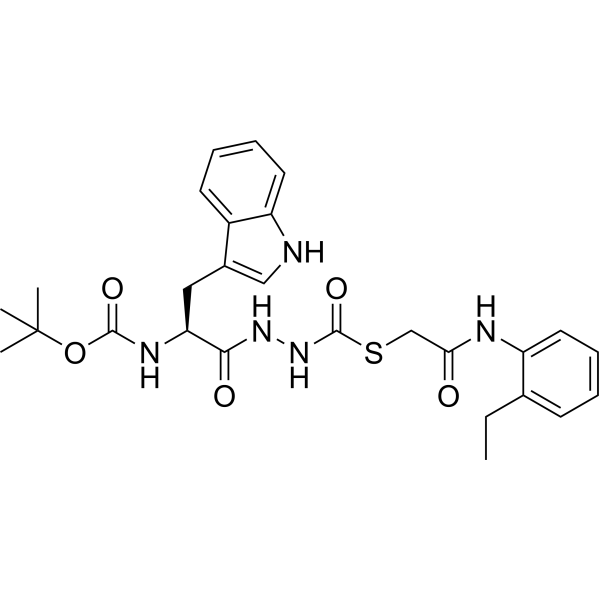
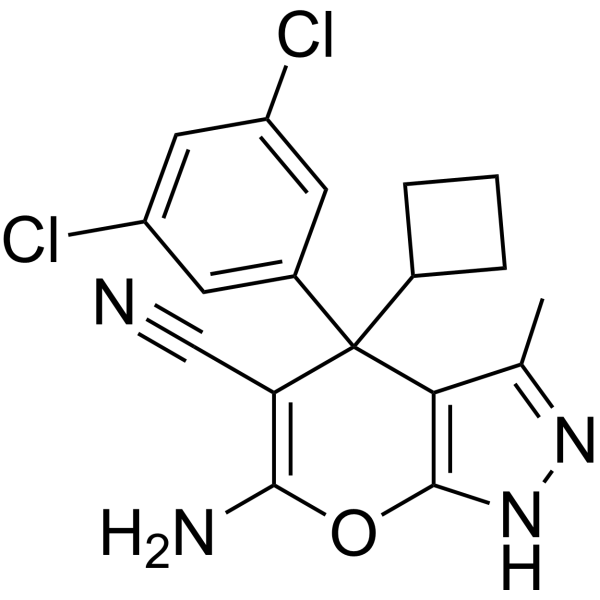
    SID 26681509
    5 Publications Verification

    Cathepsin Parasite Infection Cancer
    SID 26681509 is a potent, reversible, competitive, and selective inhibitor of human cathepsin L with an IC50 of 56 nM. SID 26681509 inhibits in vitro propagation of malaria parasite Plasmodium falciparum and inhibits Leishmania major with IC50s of 15.4 μM and 12.5 μM, respectively. SID 26681509 shows no inhibitory activity against cathepsin G .
    SID 26681509
  • HY-A0130

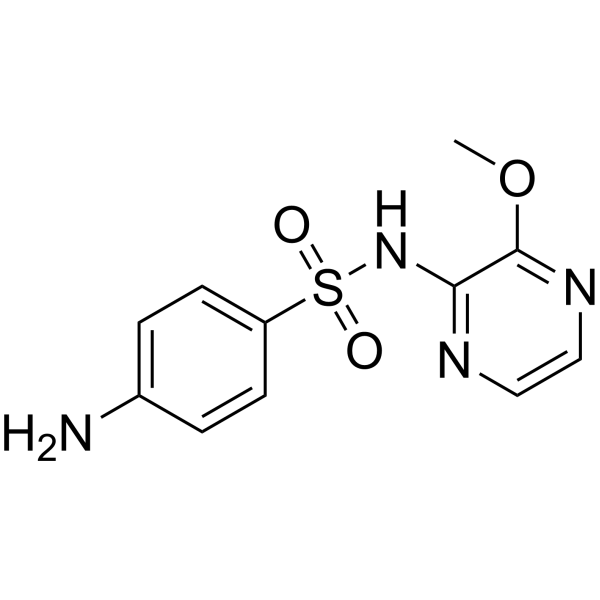
    Sulfametopyrazine; AS-18908

    Parasite Bacterial Infection Inflammation/Immunology
    Sulfalene (Sulfametopyrazine) is an orally active antimalarial agent. Sulfalene competes with para-aminobenzoic acid in plasmodial and bacterial folic acid synthesis pathways. Sulfalene reduces trachoma-associated pathological changes. Sulfalene can be used for the research of acute falciparum malaria, Schistosoma mansoni infection, trachoma, chronic bronchitis, and bacteriuria in pregnancy .
    Sulfalene
  • HY-153007

    Dihydrofolate reductase (DHFR) Infection
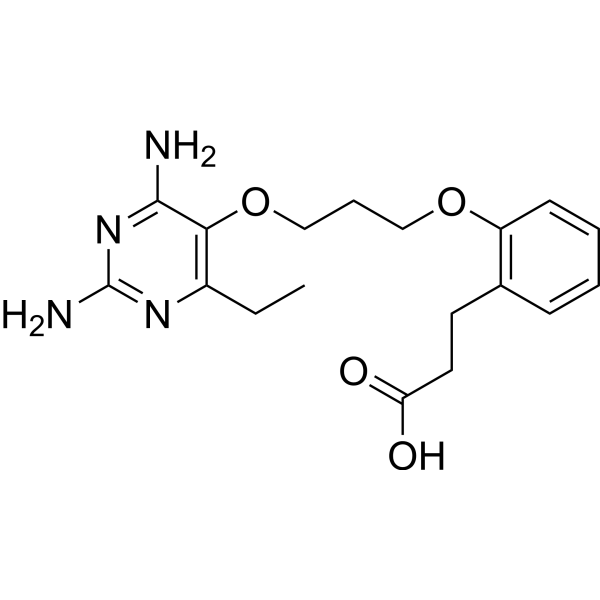
    DHFR-IN-5 is a potent and orally active dihydrofolate reductase (DHFR) inhibitor with a Ki value of 0.54 nM for quadruple mutant Plasmodium falciparum DHFR. DHFR-IN-5 shows anti-malaria activity .
    DHFR-IN-5
  • HY-129476

    Parasite Endogenous Metabolite Infection Cancer
    L-Canaline is a nonprotein amino acid stored in many leguminous plants. L-Canaline is a cytotoxic metabolite catalyzed by L-canavanine and its arginase. L-Canaline is a potent and irreversible inhibitor of ornithine aminotransferase. L-Canaline inhibits the growth of the malaria parasite Plasmodium falciparum with an IC50 of 297 nM. L-Canaline has anticancer and antiproliferative effects .
    L-Canaline
  • HY-15873A

    Farnesyl Transferase Ras p38 MAPK Cancer
    FTI 276 TFA is a farnesyltransferase (FTase) inhibitor with an IC50 of 0.5 nM, and it exhibits selectivity for FTase over geranylgeranyltransferase I (GGTase I). FTI 276 TFA blocks the farnesylation of H-Ras and K-Ras4B, causes inactive Ras-Raf complexes to accumulate in the cytoplasm, and inhibits constitutive MAPK activation. FTI 276 TFA reduces the number, incidence and volume of tumors, and restricts the growth of tumors expressing activated K-ras. FTI 276 TFA can be used in research related to pulmonary adenoma .
    FTI 276 TFA
  • HY-N7583

    Parasite Infection
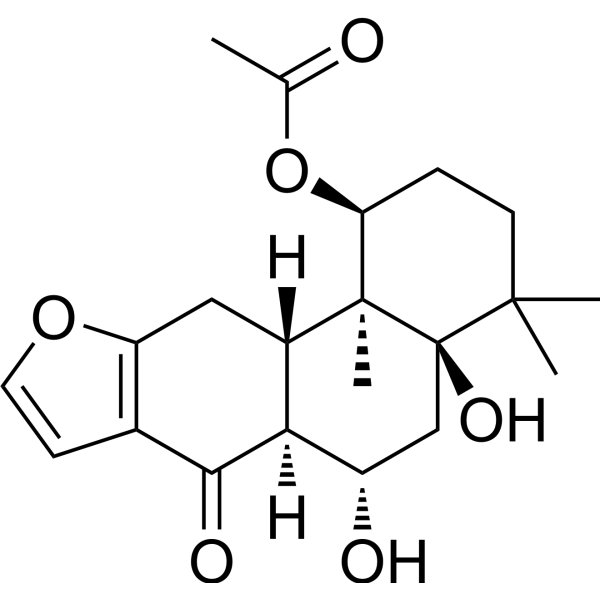
    Norcaesalpinin E, a C-17-norcassane-type diterpene found in Caesalpinia crista, is a Plasmodium falciparum growth inhibitor with an IC50 of 90 nM. Norcaesalpinin E induces dose-dependent growth inhibition of Plasmodium falciparum. Norcaesalpinin E can be used for the research of malaria .
    Norcaesalpinin E
  • HY-129651

    SHMT Infection
    SHMT-IN-1 is a Plasmodium falciparum Serine Hydroxymethyltransferase (PfSHMT) inhibitor with an IC50 of 350 nM. SHMT-IN-1 can be used for the research of malaria .
    SHMT-IN-1
  • HY-100662

    Bisdesethylchloroquine

    Drug Metabolite Cardiovascular Disease Infection
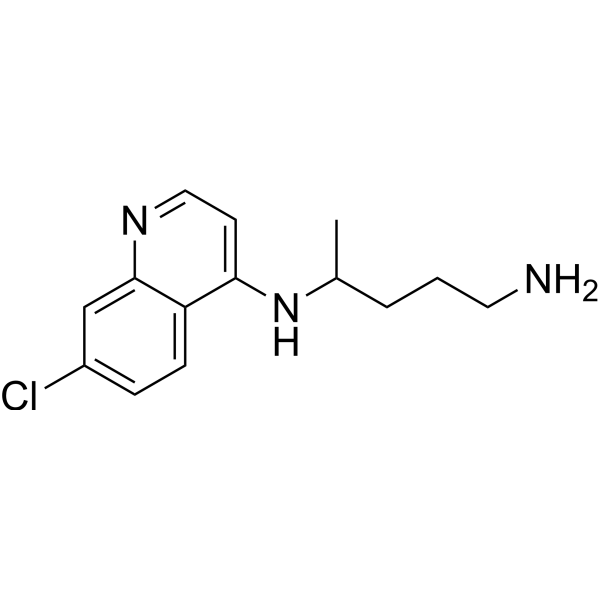
    Didesethyl chloroquine (Bisdesethylchloroquine) is the major metabolite of the antimalarial agent Chloroquine (HY-17589A). Didesethyl chloroquine is a potent myocardial inhibitor. Didesethyl chloroquine reduces calcium binding and accumulation in cardiac mitochondria, induces mitochondrial swelling, rupture and membrane conformational changes. Didesethyl chloroquine inhibits the growth of Plasmodium falciparum strains. Didesethyl chloroquine can be used in research related to malaria, chikungunya virus infection, and cardiovascular and cerebrovascular diseases .
    Didesethyl chloroquine
  • HY-151574

    Ser/Thr Kinase Parasite GSK-3 Infection
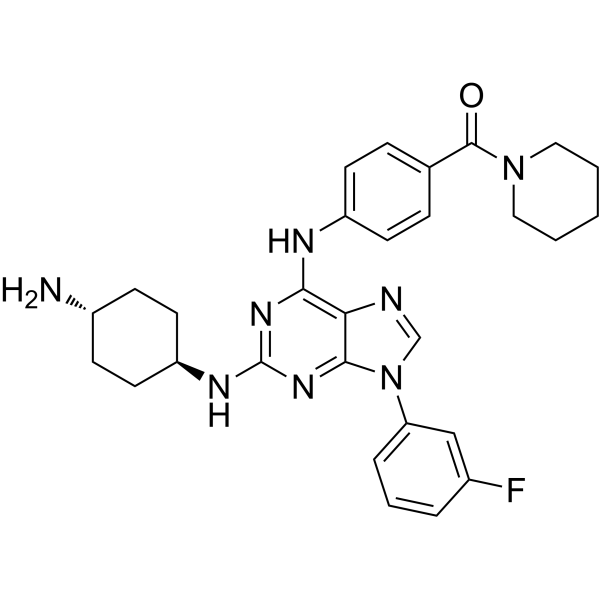
    PfGSK3/PfPK6-IN-1 is a dual Plasmodium serine/threonine kinase inhibitor, with an IC50 of 97 nM against PfGSK3 and 8 nM against PfPK6 of Plasmodium falciparum. PfGSK3/PfPK6-IN-1 inhibits the proliferation of blood-stage parasites of Plasmodium falciparum 3D7. PfGSK3/PfPK6-IN-1 shows low cytotoxicity to hepatocytes at a concentration of 200 nM, and reduces cell viability at a concentration of 2 μM. PfGSK3/PfPK6-IN-1 is applicable to malaria-related research .
    PfGSK3/PfPK6-IN-1
  • HY-117015

    Parasite Infection
    Purfalcamine is an orally active, selective Plasmodium falciparum calcium-dependent protein kinase 1 (PfCDPK1) inhibitor with an IC50 of 17 nM and an EC50 of 230 nM. Purfalcamine has antimalarial activity and causes malaria parasites developmental arrest at the schizont stage .
    Purfalcamine
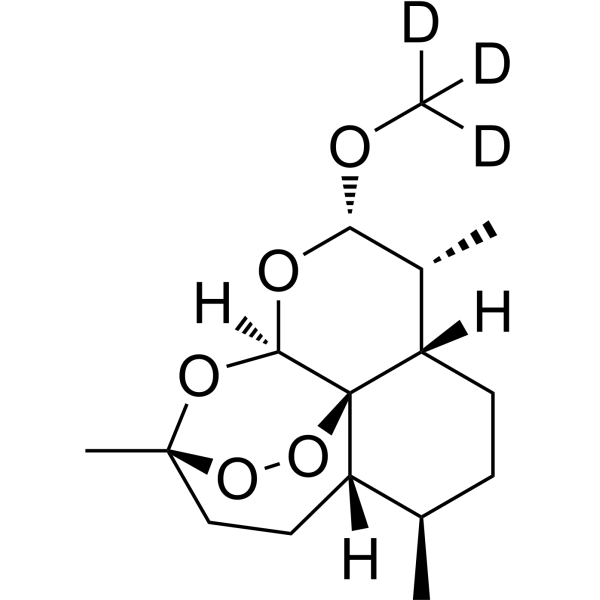
  • HY-N0402S

    Dihydroqinghaosu methyl ether-d3; Dihydroartemisinin methyl ether-d3; SM224-d3

    Isotope-Labeled Compounds Parasite Infection Cancer
    Artemether-d3 is the deuterium labeled Artemether. Artemether is an antimalarial for the treatment of resistant strains of falciparum malaria.
    Artemether-d3
  • HY-148433

    Parasite Infection Inflammation/Immunology
    SpdSyn binder-1 is a weak binder, which binds in the active site of plasmodium falciparum spermidine synthase. SpdSyn binder-1 can be used for the research of malaria .
    SpdSyn binder-1
  • HY-17656

    Parasite Infection
    C3361 is a moderate specific Plasmodium falciparum hexose transporter 1 (PfHT1) and Plasmodium berghei hexose transporter 1 (PbHT1) inhibitor with Ki values of 8.6 and 9.4 μM. C3361 inhibits TgGT1 with a Ki of 82 μM. C3361 attenuates hepatic (IC50 = 15 μM) and ookinete development of P. berghei. C3361 can suppress the growth of blood-stage parasites. C3361 can be used for the research of infection, such as malaria .
    C3361
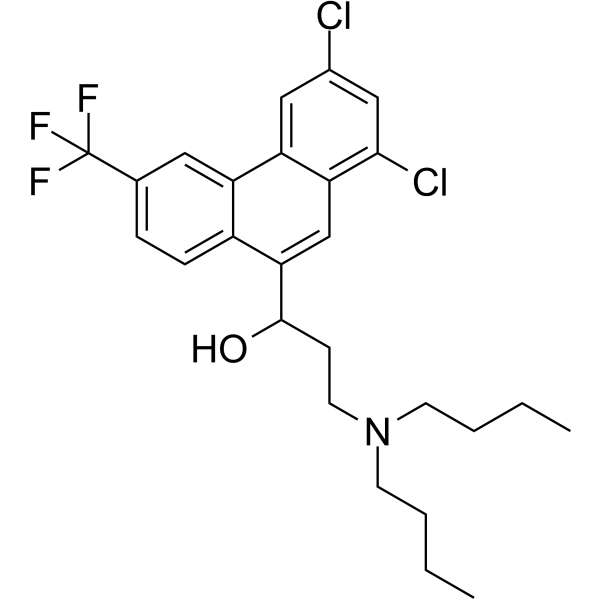
  • HY-A0148

    SKF-102886 free base; WR-171669

    Parasite Fungal Potassium Channel Reactive Oxygen Species (ROS) Infection Cancer
    Halofantrine (SKF-102886 hydrochloride; WR-171669 hydrochloride) is a blocker that delays the delayed rectifier potassium current by inhibiting human ERG channels, and it is a potent antimalarial agent with oral activity. Halofantrine inhibits the Cap1-dependent oxidative stress response of Candida albicans, suppresses ROS responses, and enhances the antifungal (Fungal) activity of oxidative damage agents. Halofantrine exhibits antifungal activity in the Galleria mellonella model, and shows antimalarial activity against Plasmodium strains both in vitro and in animal models. Halofantrine can be used in studies related to invasive candidiasis, falciparum malaria, and vivax malaria .
    Halofantrine
  • HY-N15159

    Cyclic GMP-AMP Synthase STING Parasite Infection Inflammation/Immunology
    Cladophorol A is a cyclic GMP-AMP synthase (cGAS) inhibitor. Cladophorol A binds to the conserved adenosine nucleobase binding site within the cGAS active site to inhibit its catalytic activity. Cladophorol A effectively inhibits the overactivation of the cGAS-STING pathway with an IC50 of 370 nM. Cladophorol A inhibits asexual blood-stage Plasmodium falciparum with an EC50 of 0.7 μg/mL. Cladophorol A can be used for the researches of inflammatory disease and malaria .
    Cladophorol A
  • HY-12651R

    Primaquine phosphate (Standard); Primaquine bisphosphate (Standard)

    Reference Standards Parasite Infection Cancer
    Primaquine (diphosphate) (Standard) is the analytical standard of Primaquine (diphosphate). This product is intended for research and analytical applications. Primaquine diphosphate is a potent antimalaria agent and a potent gametocytocide in falciparum malaria. Primaquine diphosphate prevents relapse in vivax and ovale malaria .
    Primaquine diphosphate (Standard)
  • HY-134914

    Antibiotic Parasite Infection
    Fosmidomycin is an orally active antibiotic, which exhibits antimalarial activity through inhibition of 1-deoxy-D-xylulose 5-phosphate reductoisomerase (DOXP reductoisomerase). Fosmidomycin inhibits P. falciparum strains 3D7, HB3, Dd2 and A2, with IC50s of 150, 71, 170 and 150 ng/mL, respectively. Fosmidomycin exhibits synergistic effect with Clindamycin (HY-B1455), and ameliorates malaria in mouse model .
    Fosmidomycin
  • HY-N2891

    Aristololactam A II

    Parasite COX Infection
    Aristolactam A II (Aristololactam A II) is a weak COX inhibitor with cytotoxic and anti-plasmodial activities. Aristolactam A II exhibits inhibitory activity against Chloroquine (HY-17589A)-sensitive strains, and exerts its inhibitory effect on Plasmodium falciparum growth by inducing cell membrane damage marked by LDH release. Aristolactam A II can be applied to the research of malaria-related mechanisms .
    Aristolactam A II
  • HY-N10928

    Parasite Infection
    Lettowienolide, a geranylbenzoquinonoid, exhibits mild in vitro activity against the Plasmodium falciparum malaria parasite (IC50~20 μg/mL) .
    Lettowienolide
  • HY-N10096

    Parasite Infection
    Epoxyazadiradione is a limonoid purified from neem (Azadirachta indica) fruits. Epoxyazadiradione inhibits the tautomerase activity of MIF of both human (huMIF) and malaria parasites (Plasmodium falciparum (PfMIF) and Plasmodium yoelii (PyMIF)) non-competitively in a reversible fashion (Ki, 2.11-5.23 μM). Epoxyazadiradione has the potential against proinflammatory reactions induced by MIF of both malaria parasites and human .
    Epoxyazadiradione
  • HY-120104

    (±)-Nitidanin

    Parasite HCV Infection
    Nitidanin ((±)-Nitidanin) is an antimalarial and antiviral compound that can be isolated from the wood of Xanthoxylum nitidun D. C. Nitidanin is shows IC50 values of 21.2 and 18.4 μM for D6 and W2 clones of Plasmodium falciparum, respectively. Nitidanin can be used for the research of malaria and virus infection .
    Nitidanin
  • HY-N15748

    (-)-Pelorol

    Parasite Infection
    Pelorol ((-)-Pelorol) is a sesquiterpene found in the tropical marine sponge Dactylospongia elegans. Pelorol has weak antitrypanosomal activity with an IC50 of 17.4 μg/mL and antiplasmodial activity against Plasmodium falciparum clones K1 and NF54 with IC50 values of 786 ng/mL and 1911 ng/mL, respectively. Pelorol is promising for research of parasitic diseases, such as trypanosomiasis and malaria .
    Pelorol
  • HY-175732

    PI4K Parasite Infection
    PI4Kβ-IN-1 is an orally active and selective PI4Kβ inhibitor, with an IC50 of 0.9 nM. PI4Kβ-IN-1 exhibits inhibitory activity against all stages of the P. falciparum life cycle, including blood, liver, and transmission stages. PI4Kβ-IN-1 demonstrates potent antimalarial efficacy in the mouse model infected with Plasmodium falciparum. PI4Kβ-IN-1 can be used for the study of malaria caused by Plasmodium falciparum .
    PI4Kβ-IN-1
  • HY-149289

    Parasite DNA Methyltransferase Others
    DNMT-IN-3 is an DNA Methyltransferase (DNMT) inhibitor, and plays an antimalarial role with IC50 of 60 nM against Plasmodium falciparum (Plasmodium). DNMT-IN-3 can be used for malaria related research .
    DNMT-IN-3
  • HY-N7648

    Atherospermine

    Parasite Phosphodiesterase (PDE) Infection
    Atherosperminine (Atherospermine) is a phosphodiesterase inhibitor. Atherosperminine inhibits growth of chloroquine-resistant Plasmodium falciparum. Atherosperminine scavenges DPPH free radicals, exhibits ferric reducing power, and chelates metal ions. Atherosperminine can be used for the research of malaria .
    Atherosperminine
  • HY-103397R

    Antibiotic Reference Standards DNA Methyltransferase Parasite Infection Cancer
    Nanaomycin A (Standard) is the analytical standard of Nanaomycin A. This product is intended for research and analytical applications. Nanaomycin A is the first selective DNMT3B inhibitor with an IC50 of 500 nM. Nanaomycin A, a quinone antibiotics, reactivates silenced tumor suppressor genes in human cancer cells[1]. Nanaomycin A inhibits in vitro growth of the human malaria parasite Plasmodium falciparum with an IC80 value of 33.1 nM[2].
    Nanaomycin A (Standard)
  • HY-N3702

    Syk Infection Inflammation/Immunology
    Dehydroabietinol is a SYK inhibitor with an IC50 of 46.4 μM. Dehydroabietinol inhibits the growth of Trypanosoma cruzi epimastigotes, Leishmania braziliensis promastigotes and Leishmania infantum promastigotes. Dehydroabietinol indirectly inhibits the growth of Plasmodium falciparum, alters the erythrocyte membrane, and induces spherostomatocyte transformation and endovesicle formation. Dehydroabietinol can be used in studies related to immune-mediated diseases, Chagas disease, leishmaniasis and malaria .
    Dehydroabietinol
  • HY-146143

    Parasite Infection
    Falcipain-2/3-IN-2 (Compound 12) is a dual falcipain-2 and falcipain-3 inhibitor .
    Falcipain-2/3-IN-2
  • HY-175362

    Parasite Infection
    WEHI-326 is a potent antimalarial agent targeting Plasmodium falciparum ROM8 and CSC1 proteins (IC50=0.006 μM). WEHI-326 is promising for research of malaria .
    WEHI-326
  • HY-169233

    Parasite Infection
    MED6-189, a kalihinol analog, disrupts apicoplast function and vesicular trafficking in P. falciparum malaria (IC50 < 50 nM). MED6-189 targets the apicoplast, a nonphotosynthetic plastid found in most Apicomplexa parasites that is crucial for the synthesis of isoprenoids .
    MED6-189
  • HY-174342

    Cytochrome P450 Parasite Infection
    ELQ-453 is an inhibitor targeting the Qo site of the Plasmodium falciparum cytochrome bc1 complex (CytB) with an IC50 value of 0.57 nM. ELQ-453 blocks the mitochondrial function of the parasite, and suppresses Plasmodium infection in mosquitoes. ELQ-453 is promising for research of malaria .
    ELQ-453
  • HY-10852A

    OZ 277 maleate; RBx 11160 maleate

    Parasite Infection
    Arterolane (OZ 277) (maleate) is an orally active antimalarial. Arterolane exhibits potent activity against erythrocytic stages of P. falciparum and Plasmodium vivax. Arterolane (maleate) is promising for research of falciparum malaria .
    Arterolane maleate
  • HY-12651AR

    Parasite Reference Standards Infection Cancer
    Primaquine (Standard) is the analytical standard of Primaquine. This product is intended for research and analytical applications. Primaquine is a potent antimalaria agent and a potent gametocytocide in falciparum malaria. Primaquine prevents relapse in vivax and ovale malaria .
    Primaquine (Standard)
  • HY-145704

    Parasite Infection
    Antimalarial agent 8 (Compound 7e) is a novel orally active class of antimalarials. Antimalarial agent 8 is potent in vitro against P. falciparum and is orally efficacious (40 mg/kg) in an in vivo mouse model of malaria .
    Antimalarial agent 8
  • HY-W078844

    Dihydroorotate Dehydrogenase Parasite Infection
    PfDHODH-IN-2, a dihydrothiophenone derivative (Compound 11), is a potent Plasmodium falciparum dihydroorotate dehydrogenase (PfDHODH) inhibitor with an IC50 of 1.11 µM. PfDHODH-IN-2 acts as an antimalarial agent and can be used for the research of malaria .
    PfDHODH-IN-2
  • HY-151575

    GSK-3 Infection
    PfGSK3/PfPK6-IN-2 is a potent dual PfGSK3/PfPK6 (Plasmodium falciparum GSK3/PK6) inhibitor (IC50: 172 nM and 11 nM respectively). PfGSK3/PfPK6-IN-2 can be used in the research of Malaria .
    PfGSK3/PfPK6-IN-2
  • HY-148178

    Parasite Infection
    MMV688533 is an antimalarial agent. MMV688533 interferes with intracellular trafficking, lipid utilization, and endocytosis pathways in Plasmodium falciparum. MMV688533 rapidly kills asexual blood-stage Plasmodium falciparum and Plasmodium vivax parasites in vitro and reduces parasitemia in a Plasmodium falciparum NSG mouse model. MMV688533 can be used for the research of malaria .
    MMV688533
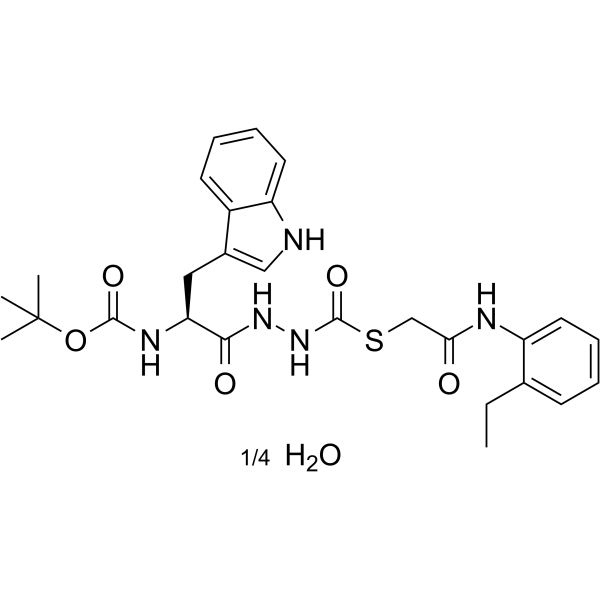
  • HY-103353A
    SID 26681509 quarterhydrate
    5 Publications Verification

    Cathepsin Parasite Infection Cancer
    SID 26681509 quarterhydrate is a potent, reversible, competitive, and selective inhibitor of human cathepsin L with an IC50 of 56 nM. SID 26681509 quarterhydrate inhibits in vitro propagation of malaria parasite Plasmodium falciparum and inhibits Leishmania major with IC50s of 15.4 μM and 12.5 μM, respectively. SID 26681509 quarterhydrate shows no inhibitory activity against cathepsin G .
    SID 26681509 quarterhydrate
  • HY-A0130R

    Sulfametopyrazine (Standard); AS-18908 (Standard)

    Reference Standards Parasite Infection
    Sulfalene (Standard) is the analytical standard of Sulfalene. This product is intended for research and analytical applications. Sulfalene (Sulfametopyrazine; AS-18908) is an orally active antimalarial agent. Sulfalene competes for para-aminobenzoic acid binding in plasmodial folic acid synthesis. Sulfalene, combined with Trimethoprim (HY-B0510), clears parasites, resolves fever, and resists induced resistance against drug-sensitive and drug-resistant Plasmodium falciparum. Sulfalene can be used for the research of acute falciparum malaria and Schistosoma mansoni infection .
    Sulfalene (Standard)
  • HY-169816

    Parasite Infection
    MMV03 is an anti-malaria agent, and is active against P. falciparum (EC50: 0.6 μM) .
    MMV03
  • HY-A0148B

    (-)-SKF-102886 free base; (-)-WR-171669

    Parasite Infection
    (-)-Halofantrine ((-)-SKF-102886 free base; (-)-WR-171669) is an inhibitor of the malignant malaria parasite (P. falciparum) and targets multidrug-resistant P. falciparum. The pharmacokinetic parameters of (-)-Halofantrine in rats vary depending on the route of administration, distinguishing it from other isomers .
    (-)-Halofantrine
  • HY-N8513

    Parasite Infection
    Brevicompanine B, a diketopiperazine alkaloid, is an antiplasmodial agent. Brevicompanine B is active against the malaria parasite Plasmodium falciparum 3D7 IC50 of 35 mg/mL .
    Brevicompanine B
  • HY-160675

    Parasite Infection
    TCMDC-137332 is a compound that exhibits antimalarial activity against Plasmodium falciparum with an IC50 value of 7 nM. TCMDC-137332 can be utilized for the research of malaria .
    TCMDC-137332

Inquiry Online

Your information is safe with us. * Required Fields.

Salutation


Country or Region *

Applicant Name *


Organization Name *

Department *


Email Address *


Product Name *

Cat. No.


Requested quantity *

Phone Number *


Remarks

Inquiry Online

Inquiry Information

Product Name:
Cat. No.:
Quantity:
MCE Japan Authorized Agent:

