1. Search Result
Search Result
Pathways Recommended: Stem Cell/Wnt Cell Cycle/DNA Damage
Results for "

human HepG2 cells

" in MedChemExpress (MCE) Product Catalog:

129

Inhibitors & Agonists

4

Biochemical Assay Reagents

4

Peptides

2

Inhibitory Antibodies

49

Natural
Products

1

Isotope-Labeled Compounds

2

Oligonucleotides

Cat. No. Product Name Target Research Areas Chemical Structure
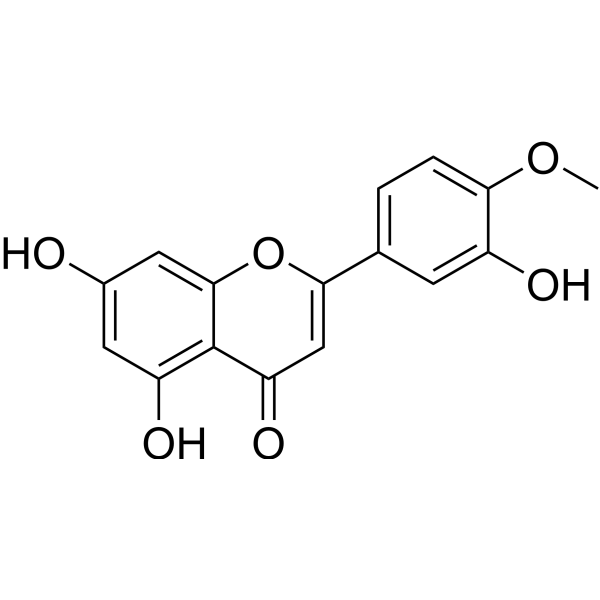
  • HY-N0125
    Diosmetin
    Maximum Cited Publications
    20 Publications Verification

    Cytochrome P450 Cancer
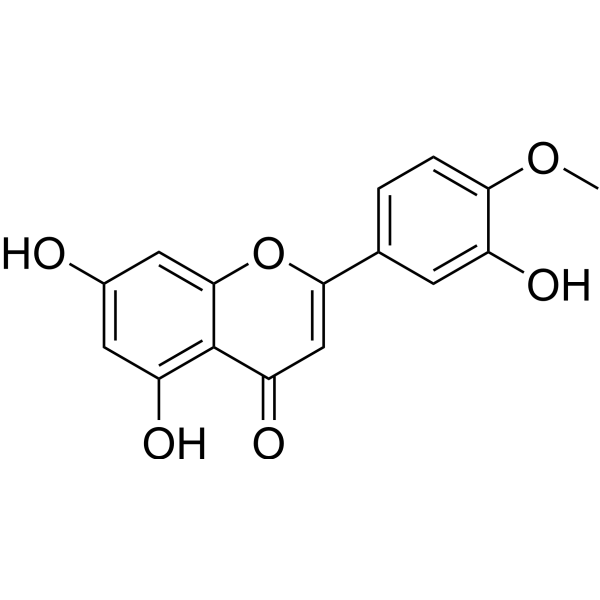
    Diosmetin is a natural flavonoid which inhibits human CYP1A enzyme activity with an IC50 of 40 μM in HepG2 cell.
    Diosmetin
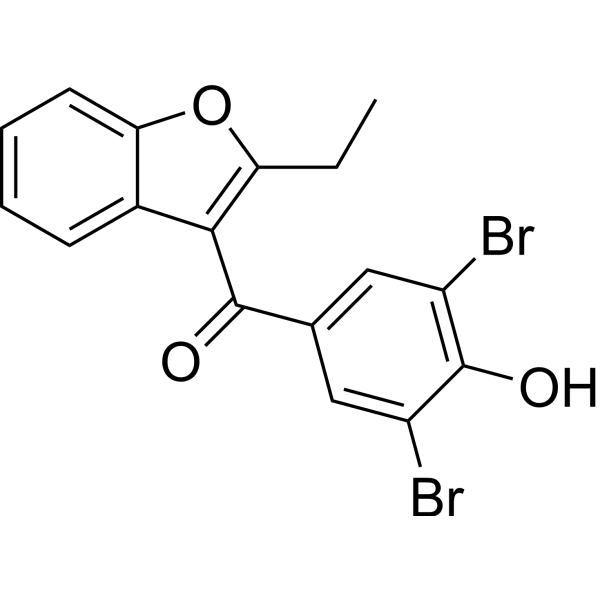
  • HY-B1135
    Benzbromarone
    5+ Cited Publications

    Xanthine Oxidase Apoptosis Interleukin Related Keap1-Nrf2 SOD Caspase Bcl-2 Family NF-κB JNK HSP Metabolic Disease
    Benzbromarone is an orally active anti-gout agent. Benzbromarone has anti-infammatory, anti-oxidative stress and nephroprotective effects. Benzbromarone can be used for the research of hyperuricemia and gout .
    Benzbromarone
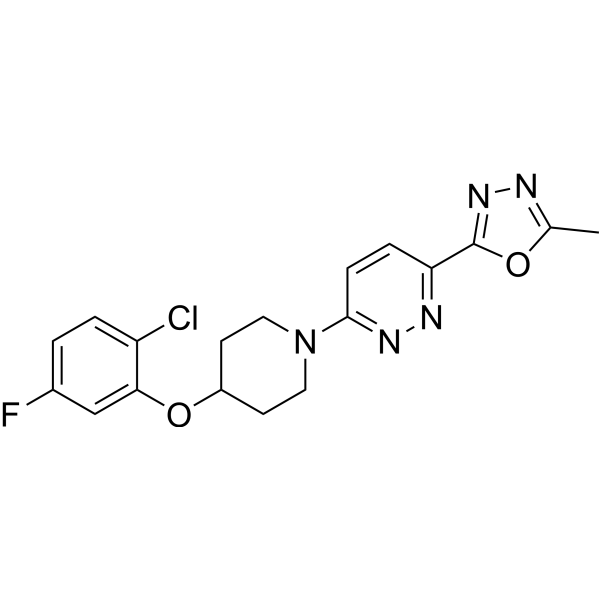
  • HY-15823
    CAY10566
    15+ Cited Publications

    Stearoyl-CoA Desaturase (SCD) Cancer
    CAY10566 is a potent, orally bioavailable and selective stearoyl-CoA desaturase1 (SCD1) inhibitor with IC50s of 4.5 and 26 nM in mouse and human enzymatic assays, respectively. CAY10566 also shows excellent cellular activity in blocking the conversion of saturated long-chain fatty acid-CoAs (LCFA-CoAs) to monounsaturated LCFA-CoAs in HepG2 cells (IC50=7.9 nM or 6.8 nM) .
    CAY10566
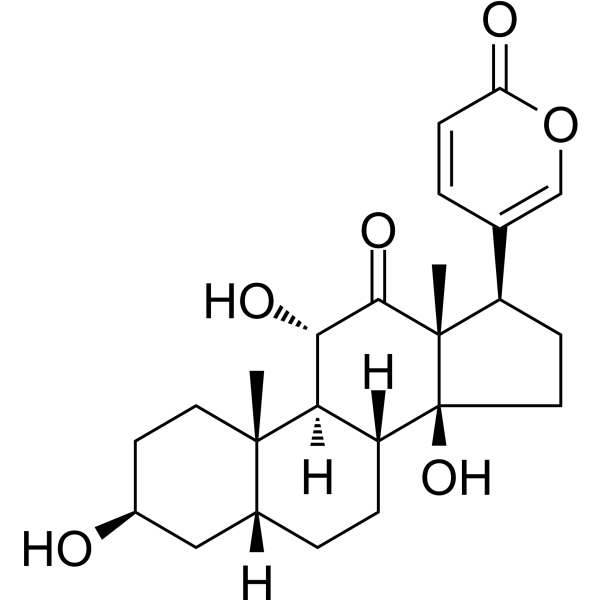
  • HY-N0876
    Arenobufagin
    4 Publications Verification

    Apoptosis Autophagy PI3K Akt mTOR PARP Caspase Atg8/LC3 Cancer
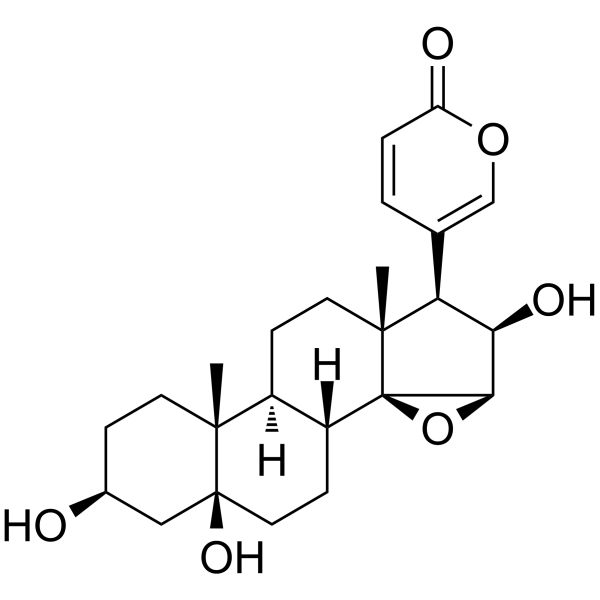
    Arenobufagin is a natural bufadienolide that can be extracted from toad venom. Arenobufagin can induce apoptosis and autophagy in human hepatocellular carcinoma cells through inhibition of PI3K/Akt/mTOR pathway. Arenobufagin has potent antineoplastic activity against HCC HepG2 cells as well as corresponding multidrug-resistant HepG2/ADM cells. Arenobufagin can inhibit VEGF-mediated angiogenesis through suppression of VEGFR-2 signaling pathway .
    Arenobufagin
  • HY-167874

    Heme Oxygenase (HO) NF-κB Transmembrane Glycoprotein Cardiovascular Disease
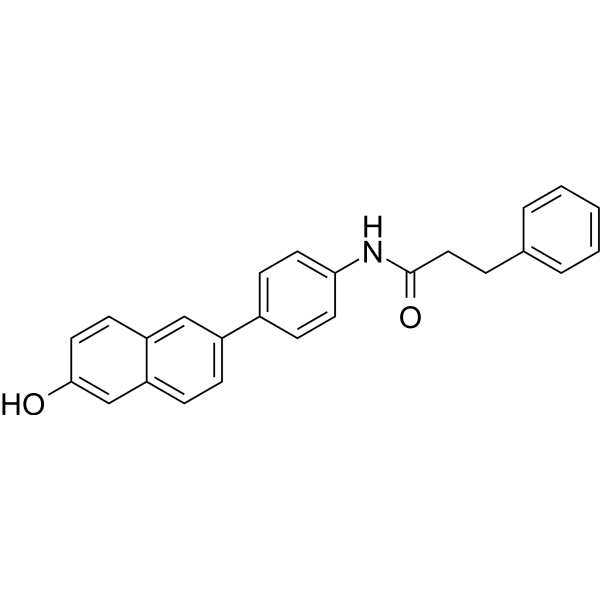
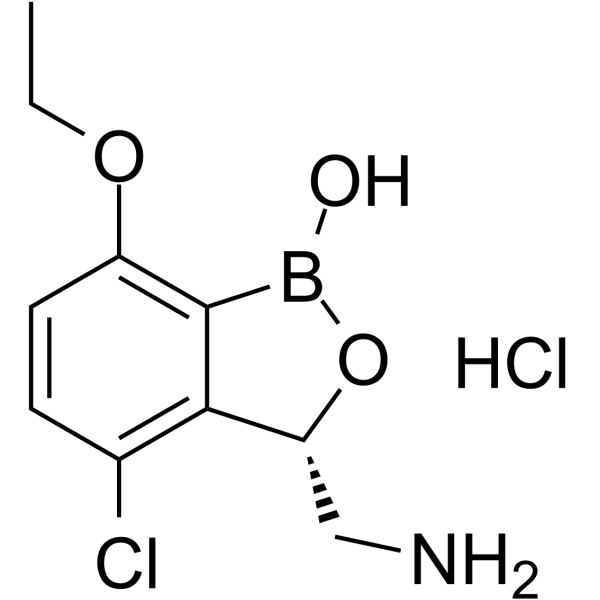
    ASP-8731 is an orally active BACH1 inhibitor. ASP-8731 activates antioxidant, anti-inflammatory and globin gene pathways by relieving the inhibitory effect of BACH1 on NRF2-mediated gene transcription. ASP-8731 significantly upregulates the expression of HMOX1, FTH1 and various globins (such as HGB, HBG, HBA), increases fetal hemoglobin (HbF) levels, and effectively induces F-cell production in hydroxyurea-unresponsive cells. Meanwhile, ASP-8731 reduces inflammatory responses and white blood cell counts by downregulating VCAM1, ICAM-1 and the phosphorylation level of NF-κB(p65), and blocks heme-induced glutathione depletion and microcirculatory stasis. ASP-8731 holds potential for inhibiting sickle cell disease and related hematological disorders .
    ASP-8731
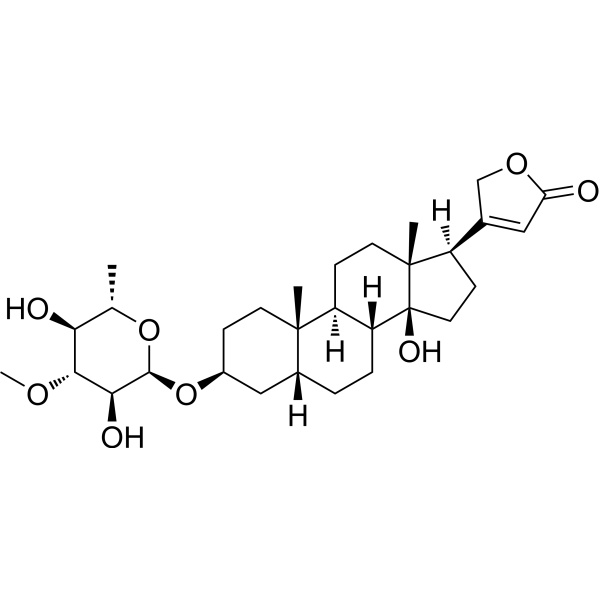
  • HY-N8441

    17β-Neriifolin

    Atg8/LC3 Na+/K+ ATPase Apoptosis Beclin1 Cardiovascular Disease Inflammation/Immunology Cancer
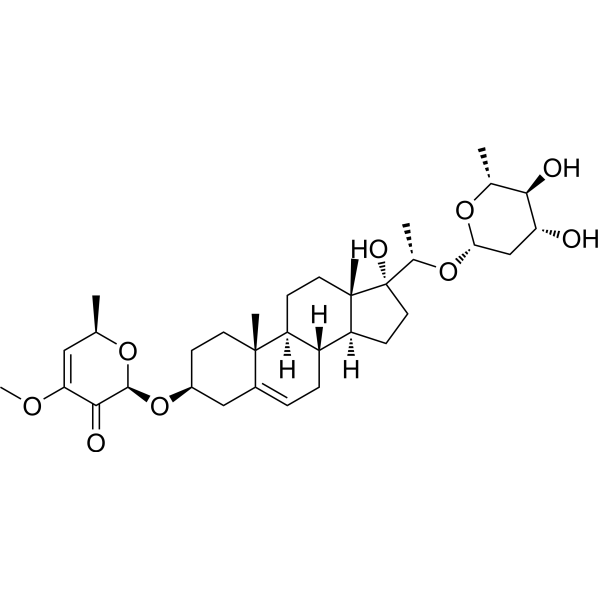
    Neriifolin, a CNS-penetrating cardiac glycoside, is an inhibitor of the Na +, K +-ATPase. Neriifolin can target beclin 1, inhibits the formation of LC3-associated phagosomes and ameliorates experimental autoimmune encephalomyelitis (EAE) development. Neriifolin induces cell cycle arrest and apoptosis in human hepatocellular carcinoma HepG2 cells [2.
    Neriifolin
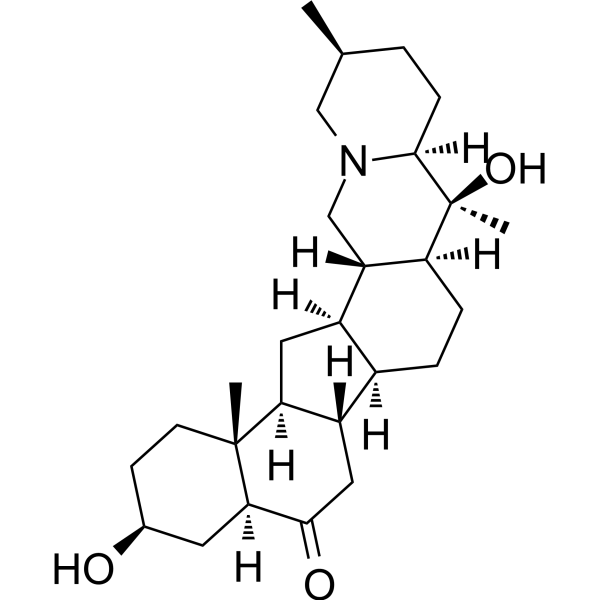
  • HY-N0213
    Peiminine
    5+ Cited Publications

    Verticinone; Raddeanine

    Autophagy Caspase Bcl-2 Family PARP p38 MAPK ERK NF-κB Apoptosis Inflammation/Immunology Cancer
    Peiminine is a compound that can be isolated from Bolbostemma paniculatum (Maxim) Franquet (Cucurbitaceae family). Peiminine can induce apoptosis in human hepatocellular carcinoma HepG2 cells through both extrinsic and intrinsic apoptotic pathways. Peiminine has anti-inflammatory, anticancer, anti-osteoporosis, cardioprotective and other activities in many animal models .
    Peiminine
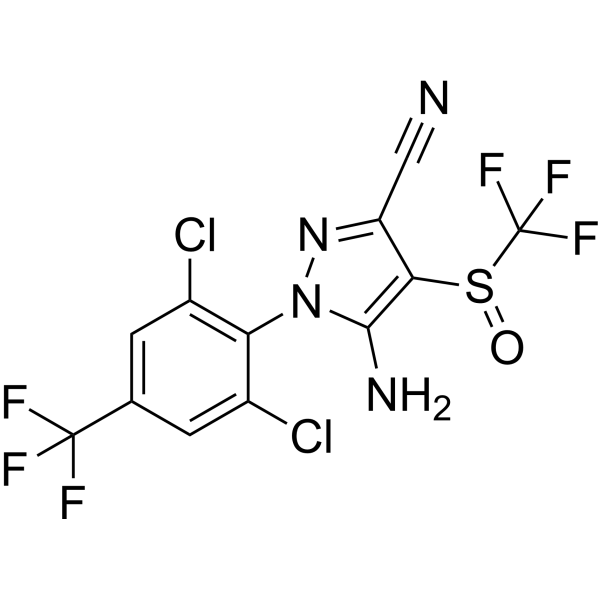
  • HY-B0822

    Environmental Pollutants Cytochrome P450 GABA Receptor Apoptosis Neurological Disease
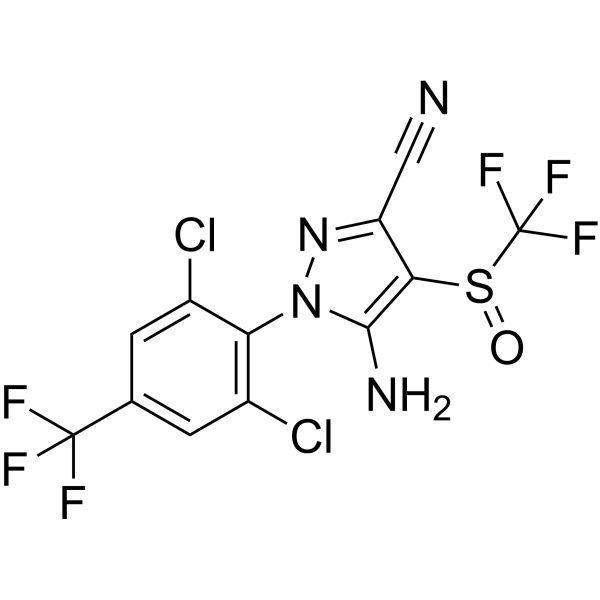
    Fipronil is a broad-spectrum insecticide effective against Lepidoptera species as well as thrips, locusts, ants, cockroaches, fleas and ticks. Fipronil selectively inhibits GABA receptor with IC50s of 30 nM and 1600 nM for cockroach and rat GABA receptors, respectively. Glutamate-gated chloride channels (GluCls), which are present in cockroaches but not in mammals, are sensitive to the blocking effect of Fipronil. Fipronil also induces apoptosis in HepG2 cells and promotes the expression of CYP1A1 and CYP3A4 mRNA in human hepatocytes .
    Fipronil
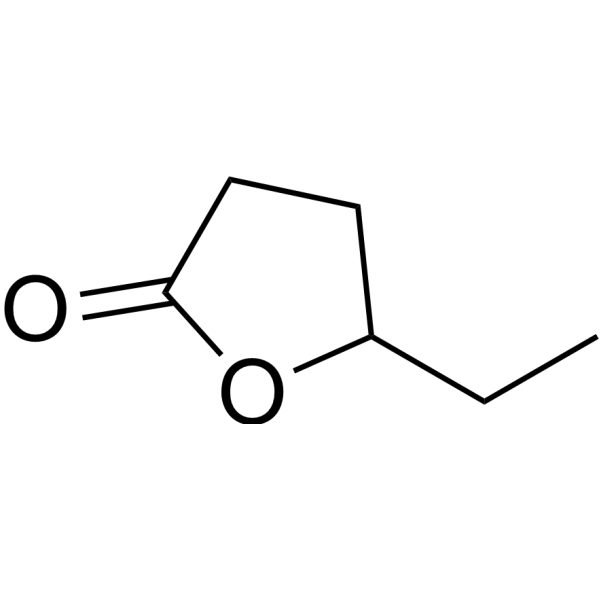
  • HY-W015892

    γ-Caprolactone

    Interleukin Related TNF Receptor Insecticide Infection
    γ-Hexalactone (γ-Caprolactone) is a gamma-lactone found in ripe fruits. γ-Hexalactone induces DNA damage in human lymphocytes and HepG2 cells, modulates cytokine secretion in human lymphocytes, and reduces recombinant PON1 activity. γ-Hexalactone serves as a dose-dependent oviposition inhibitor against Bactrocera oleae. γ-Hexalactone can be used for the research of Bactrocera oleae pest management .
    γ-Hexalactone
  • HY-142684
    Pyruvate Carboxylase-IN-1
    2 Publications Verification

    Mitochondrial Metabolism Cancer
    Pyruvate Carboxylase-IN-1 (compound 37) is a potent pyruvate carboxylase inhibitor with antiproliferative activity. The IC50 values ​​of pyruvate carboxylase-IN-1 against PC in cell lysates and cells are 0.204 and 0.104 μM, respectively .
    Pyruvate Carboxylase-IN-1
  • HY-113000

    Endogenous Metabolite Cardiovascular Disease
    Cetoleic acid is a long-chain monounsaturated fatty acid found in deep-sea fish. Cetoleic acid can promote the synthesis of ALA in human HepG2 cells and EPA in vitro in salmon liver cells, affecting cholesterol levels in rodents. Cetoleic acid has potential applications in cardiovascular disease research .
    Cetoleic acid
  • HY-21191

    PFBS

    Biochemical Assay Reagents PPAR Reactive Oxygen Species (ROS) Metabolic Disease
    Perfluorobutanesulfonic acid (PFBS) is a short-chain perfluoroalkyl substance and the main replacement for perfluorooctanesulfonic acid. Perfluorobutanesulfonic acid induces fat accumulation in human HepG2 hepatoma cells. Perfluorobutanesulfonic acid promotes lipid accumulation by activating PPARγ pathway and triggering oxidative stress, endoplasmic reticulum stress and calcium dyshomeostasis. Perfluorobutanesulfonic acid impairs reproduction and causes developmental disorders in offspring of Caenorhabditis elegans. Perfluorobutanesulfonic acid disrupts pancreatic organogenesis and lipid homeostasis in zebrafish embryos. Perfluorobutanesulfonic acid can be used in environmental toxicology, lipid metabolism and developmental toxicity studies .
    Perfluorobutanesulfonic acid
  • HY-G0006
    Omeprazole sulfide
    2 Publications Verification

    Ufiprazole

    Drug Metabolite Aryl Hydrocarbon Receptor Bacterial Infection Metabolic Disease
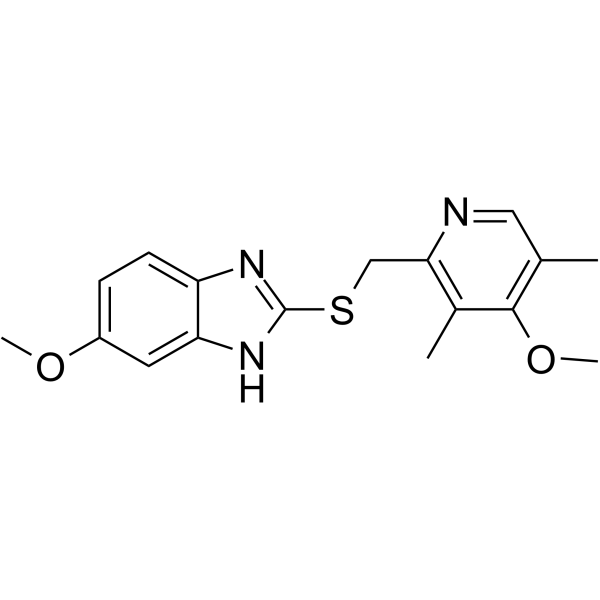
    Omeprazole sulfide (Ufiprazole) is a metabolic degradation product of Omeprazole (HY-B0113). Omeprazole sulfide acts as a modulator of AhR. Omeprazole sulfide in cells with low CYP3A4 expression, functions as an AhR antagonist; however, in cells with high CYP3A4 expression, it is rapidly metabolized to Omeprazole, thereby acting as an AhR agonist. Omeprazole sulfide exhibits antibacterial activity when conjugated with silver nanoparticles (AgNPs). Omeprazole sulfide can be used in research on acid suppression and bacterial infections .
    Omeprazole sulfide
  • HY-160250

    Fluorescent Dye UGT Metabolic Disease
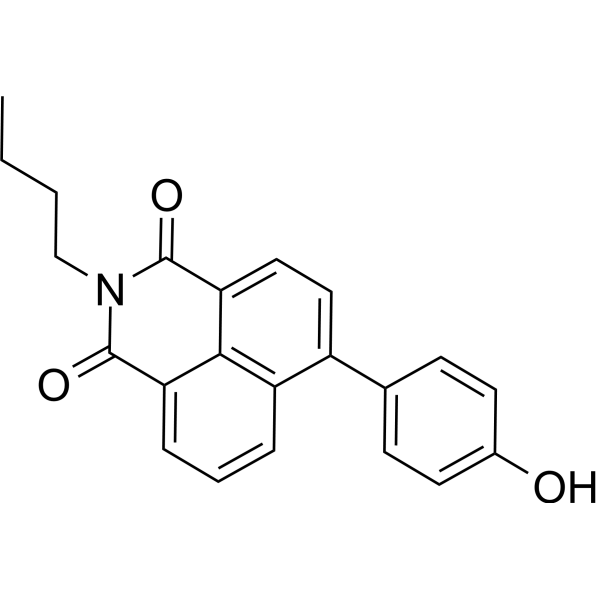
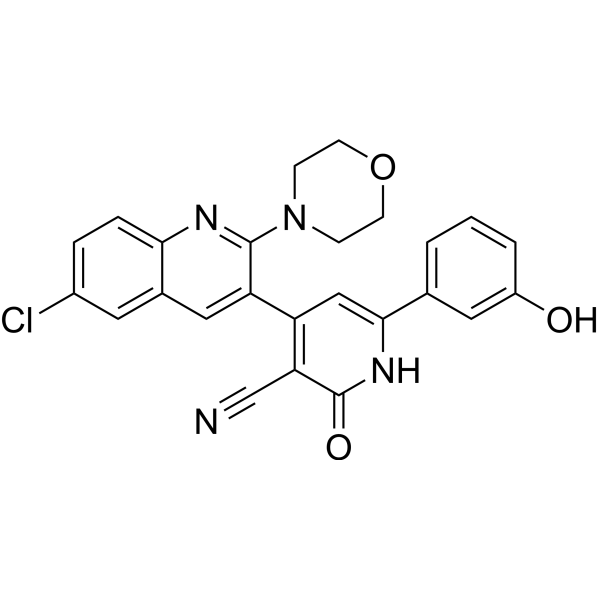
    UGT1A1-IN-1 is a UGT1A1 inhibitor and fluorescent probe (Ex=370 nm, Em=520 nm), with an IC50 of 1.33 μM and a Ki of 5.02 μM. UGT1A1-IN-1 is selectively glucuronidated by UGT1A1 at the bilirubin homologous binding site, and its PET effect is blocked along with this reaction, triggering fluorescence changes. UGT1A1-IN-1 can serve as a substitute for bilirubin to detect UGT1A1 activity and perform high-throughput screening of UGT1A1 modulators .
    UGT1A1-IN-1
  • HY-B0822R

    Reference Standards GABA Receptor Cytochrome P450 Apoptosis Neurological Disease
    Fipronil (Standard) is the analytical standard of Fipronil. This product is intended for research and analytical applications. Fipronil is a broad-spectrum insecticide effective against Lepidoptera species as well as thrips, locusts, ants, cockroaches, fleas and ticks. Fipronil selectively inhibits GABA receptor with IC50s of 30 nM and 1600 nM for cockroach and rat GABA receptors, respectively. Glutamate-gated chloride channels (GluCls), which are present in cockroaches but not in mammals, are sensitive to the blocking effect of Fipronil. Fipronil also induces apoptosis in HepG2 cells and promotes the expression of CYP1A1 and CYP3A4 mRNA in human hepatocytes .
    Fipronil (Standard)
  • HY-174830

    PD-1/PD-L1 Cancer
    GJ19 is a PD-L1 inhibitor with an IC50 of 32.06 nM. GJ19 can effectively bind to human/murine PD-L1 protein with Kd values of 171 and 290 nM, respectively. GJ19 concentration-dependently promotes HepG2 cell mortality in a co-culture model of HepG2/hPD-L1 and Jurkat T/hPD-1 cells. GJ19 effectively suppresses tumor growth in a B16-F10 melanoma mouse model. GJ19 can be used for the study of tumor immunotherapy .
    GJ19
  • HY-151574

    Ser/Thr Kinase Parasite GSK-3 Infection
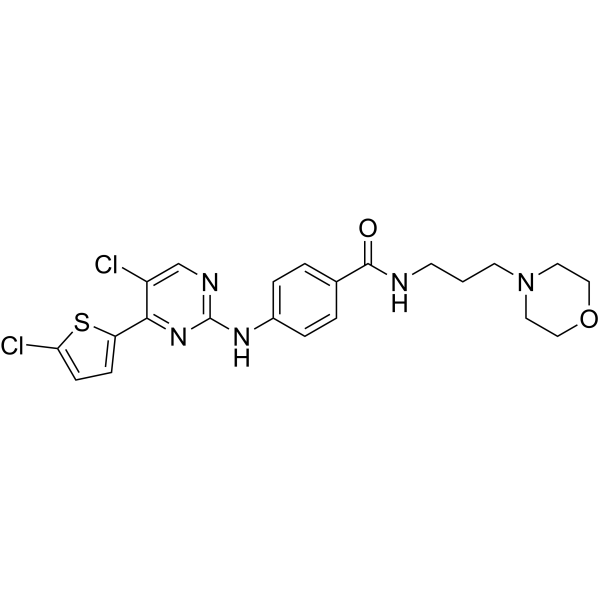
    PfGSK3/PfPK6-IN-1 is a dual Plasmodium serine/threonine kinase inhibitor, with an IC50 of 97 nM against PfGSK3 and 8 nM against PfPK6 of Plasmodium falciparum. PfGSK3/PfPK6-IN-1 inhibits the proliferation of blood-stage parasites of Plasmodium falciparum 3D7. PfGSK3/PfPK6-IN-1 shows low cytotoxicity to hepatocytes at a concentration of 200 nM, and reduces cell viability at a concentration of 2 μM. PfGSK3/PfPK6-IN-1 is applicable to malaria-related research .
    PfGSK3/PfPK6-IN-1
  • HY-P2282
    APTSTAT3-9R
    1 Publications Verification

    STAT Cancer
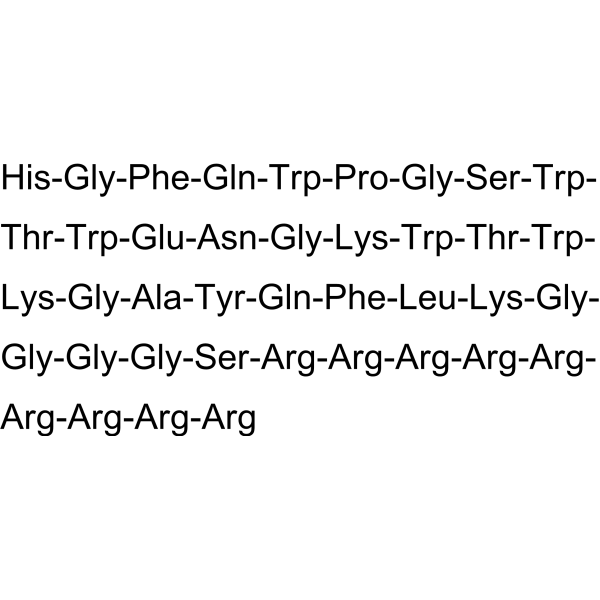
    APTSTAT3-9R, a specific STAT3-binding peptide, inhibits STAT3 activation and downstream signaling by specifically blocking STAT3 phosphorylation. APTSTAT3-9R exerts antiproliferative effects and antitumor activity .
    APTSTAT3-9R
  • HY-B1072

    Environmental Pollutants Parasite Insecticide Infection
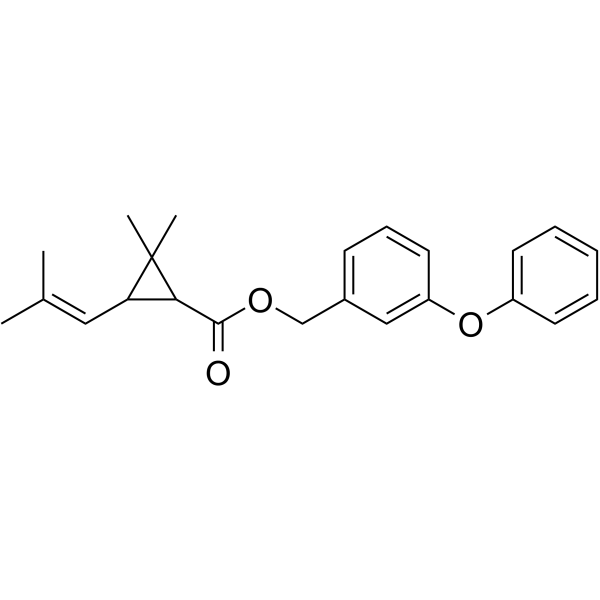
    Phenothrin is a Type I pyrethroid insecticide. Phenothrin induces dose-dependent DNA damage in human peripheral blood lymphocytes and hepatocytes, and exhibits definite genotoxic potential. Phenothrin acts as an insecticide for pest control in agriculture, households and public health, as well as for the elimination of human head lice infestations .
    Phenothrin
  • HY-N0143A
    Phlorizin dihydrate
    10+ Cited Publications

    Floridzin dihydrate

    SGLT PI3K Akt GLUT NF-κB JAK STAT Caspase Apoptosis DNA/RNA Synthesis mTOR Bacterial Infection Neurological Disease Metabolic Disease Cancer
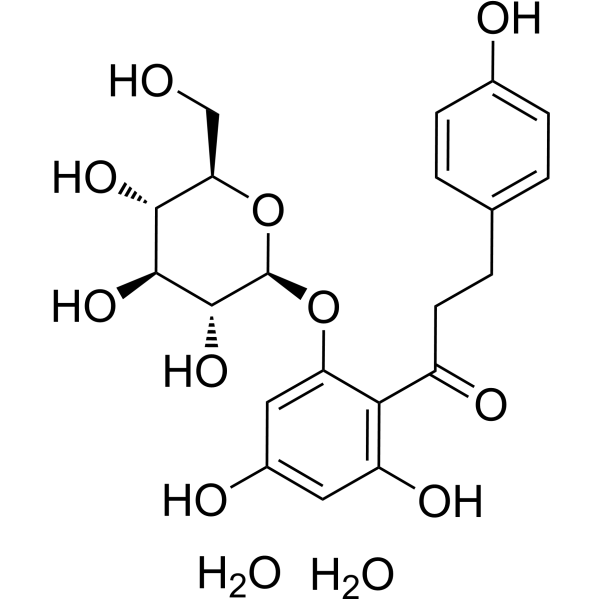
    Phlorizin (Floridzin) dihydrate is an orally active non-selective sodium-glucose cotransporter (SGLT) inhibitor, with an IC50 of 0.04 μM and a Ki of 39 nM against hSGLT2, and an IC50 of 0.17 μM and a Ki of 0.31 μM against hSGLT1. Phlorizin dihydrate promotes GLUT4 translocation, inhibits gluconeogenesis and promotes glycogen synthesis by activating the PI3K/Akt/mTOR pathway. Phlorizin dihydrate reduces DNA damage and apoptosis (apoptosis) by inhibiting the NF-κB inflammatory pathway. Phlorizin dihydrate induces apoptosis via activating the Caspase pathway by antagonizing the JAK/STAT3 and PCK pathways. Phlorizin dihydrate also exhibits antibacterial, anti-inflammatory and neuroprotective activities .
    Phlorizin dihydrate
  • HY-177291

    Microsomal Triglyceride Transfer Protein (MTP) Smo Hedgehog LDLR Cardiovascular Disease Cancer
    LAB687 is a microsomal triglyceride transfer protein (MTP) inhibitor with an IC50 of 0.9 nM for apolipoprotein B (apoB) secretion in HepG2 cells. LAB687 also acts as a Smoothened (Smo) antagonist, with IC50 values of 2.48 μM and 3.42 μM against mouse and human Smo receptors, respectively. LAB687 reduces triglyceride and low-density lipoprotein cholesterol (LDL-C) levels, and inhibits the Hedgehog signaling pathway. LAB687 can be used in studies related to Hedgehog-dependent cancers .
    LAB687
  • HY-N6674

    ECO-4601; TLN-4601; BU 4664L

    Apoptosis Bacterial Cathepsin Parasite Endogenous Metabolite Infection Inflammation/Immunology Cancer
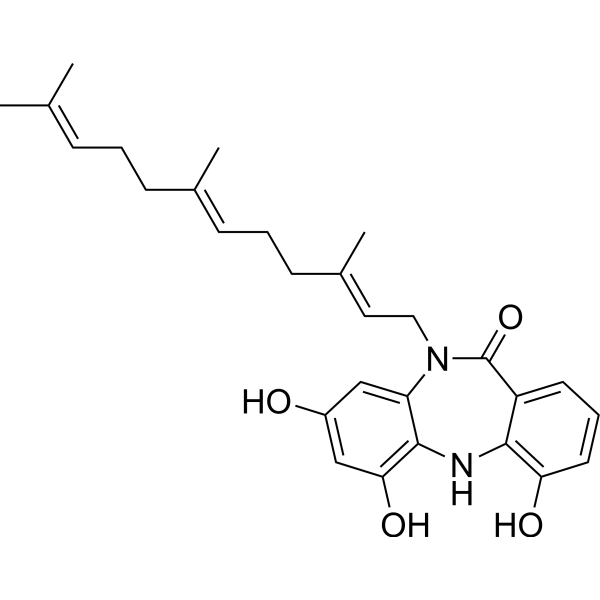
    Diazepinomicin (ECO-4601) is an anticancer and antibacterial agent. Diazepinomicin can be produced by a Micromonospora strain. Diazepinomicin induces Apoptosis. Diazepinomicin inhibits the proteases Rhodesain and Cathepsin L at an IC50 of 70-90 μM. Diazepinomicin possesses anti-inflammatory and anti-tumor activity. Diazepinomicin has demonstrated activity against hepatocellular carcinoma. Diazepinomicin shows antiparasitic activity against trypomastigote forms of Trypanosoma brucei with an IC50 of 13.5 μM. Diazepinomicin exhibits moderate antibacterial activity against specific Gram-positive bacteria, with an MIC of approximately 32 μg/mL .
    Diazepinomicin
  • HY-N0125R
    Diosmetin (Standard)
    Maximum Cited Publications
    20 Publications Verification

    Reference Standards Cytochrome P450 Cancer
    Diosmetin (Standard) is the analytical standard of Diosmetin. This product is intended for research and analytical applications. Diosmetin is a natural flavonoid which inhibits human CYP1A enzyme activity with an IC50 of 40 μM in HepG2 cell.
    Diosmetin (Standard)
  • HY-N7605

    Others Metabolic Disease
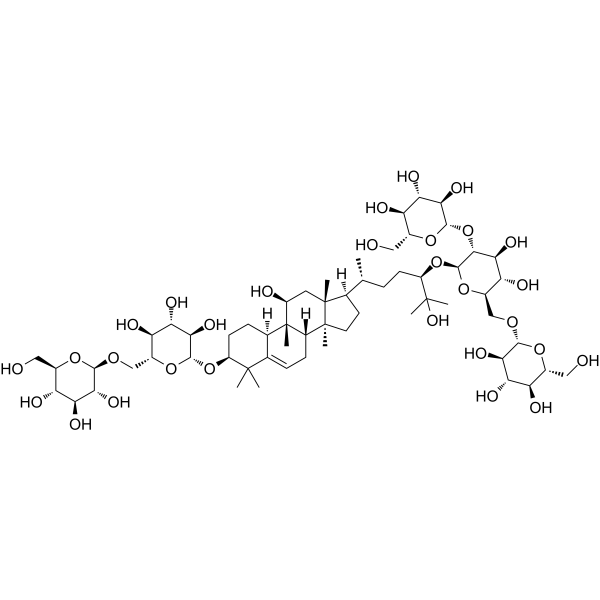
    11-epi-mogroside V is a mogroside in the fruit of Siraitia grosvenori. 11-epi-mogroside V exhibits considerable bioactivity in promoting glucose uptake in human HepG2 cells in vitro .
    11-epi-mogroside V
  • HY-N0855

    Alisol-G; 25-Anhydroalisol A

    Carboxylesterase (CES) Bacterial HBV Infection Cancer
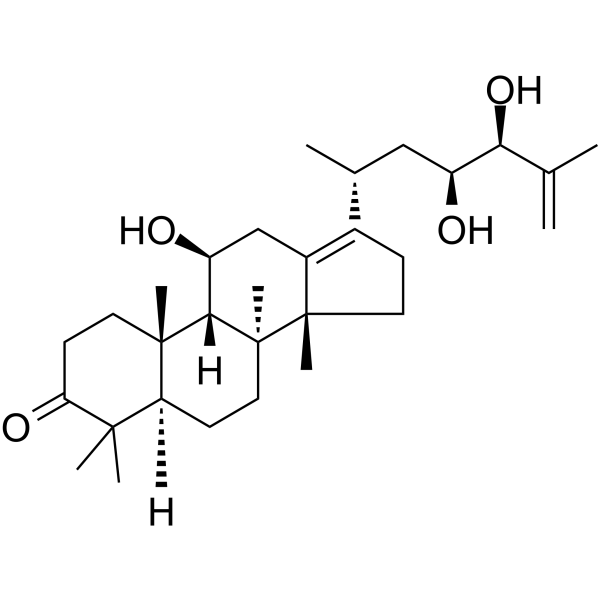
    Alisol G (25-Anhydroalisol A) is a human carboxylesterase 2 (hCES2) inhibitor with an IC50 of 3.85 μM. Alisol G exhibits cytotoxic activity against human cancer cells, antibacterial activity against Gram-positive strains, and anti-hepatitis B virus activity. Alisol G can be used in research related to lung cancer, breast cancer, prostate cancer, bacterial infections, and HBV infections .
    Alisol G
  • HY-N16513

    Others Metabolic Disease
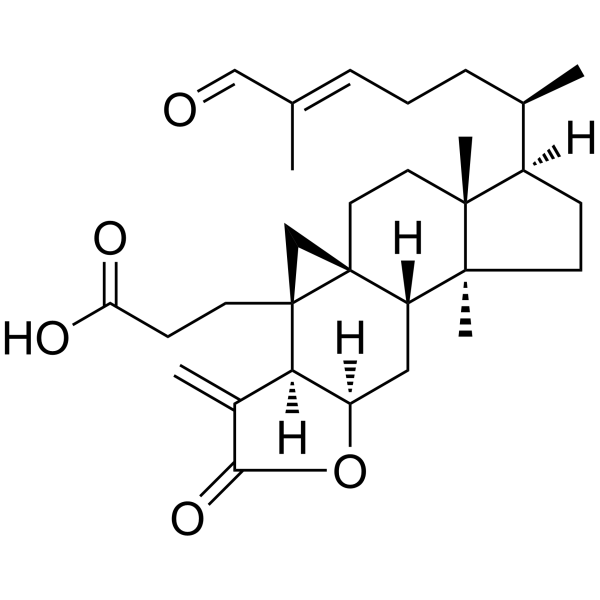
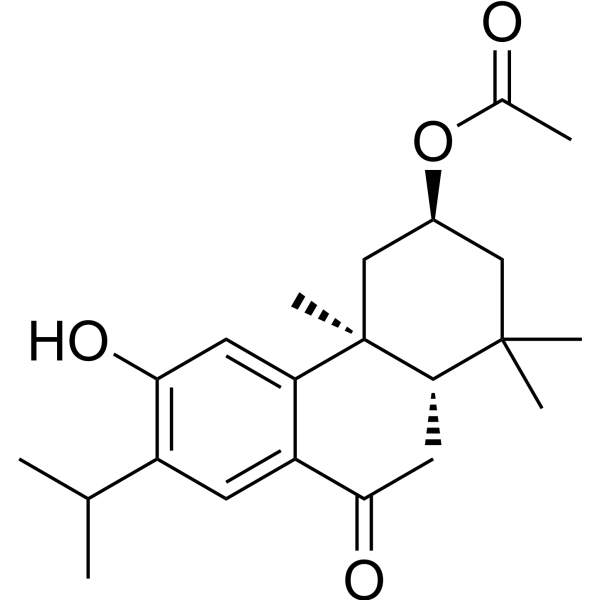
    Muurol-4-ene-3,8-dione (Compound 2), a sesquiterpene, is one of the main hepatotoxic components in Eupatorium adenophorum. Muurol-4-ene-3,8-dione has an inhibitory effect on the growth of both the normal human hepatocyte cell L02 and the human hepatocellular carcinoma cell HepG2 with IC50 values of 87.52 and 104.48 μM .
    Muurol-4-ene-3,8-dione
  • HY-151453

    Topoisomerase Apoptosis Cancer
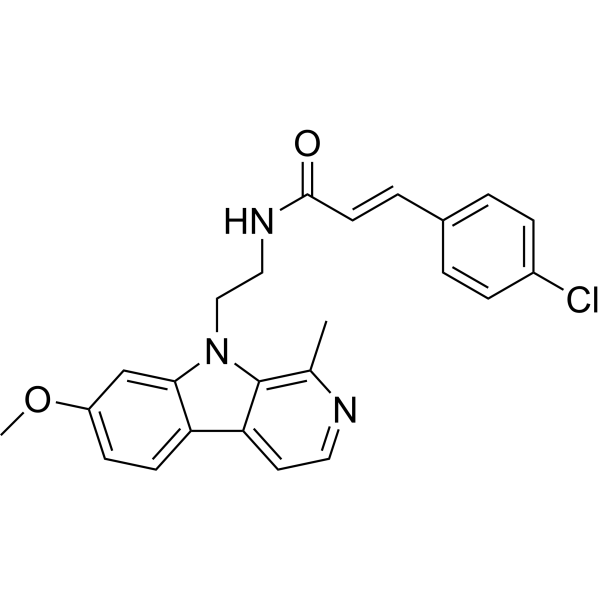
    Topoisomerase IIα-IN-4 (F2) is a non-intercalative ATP-competitive human DNA topoisomerase II inhibitor with an IC50 value of 3.8 and 10.1 μM for TopoIIα and TopoIIβ, respectively. Topoisomerase IIα-IN-4 shows potent potency in apoptosis induction and cell cycle arrest in HepG2 cells. Topoisomerase IIα-IN-4 exhibits strong antitumor activities against human cancer cell lines, it can be used for the research of cancer .
    Topoisomerase IIα-IN-4
  • HY-P11334

    Aminopeptidase Phosphatase Angiotensin-converting Enzyme (ACE) DNA/RNA Synthesis Cancer
    Cyanostatin B, a cyanobacterial lipopeptide, is a leucine aminopeptidase M (LAP) inhibitor (IC50 = 12 ng/mL). Cyanostatin B is a weak inhibitor of protein phosphatase (PP2A) and also exhibits weak inhibitory activity against angiotensin-converting enzyme (ACE), with an IC50 value of 130 μg/mL. Cyanostatin B demonstrates both cytotoxic and genotoxic effects on human hepatocytes, although non-toxic to Artemia salina. Cyanostatin B inhibits the proliferation of HepG2 cells, induces DNA single-strand breaks, and causes genomic instability. .
    Cyanostatin B
  • HY-147128

    Aryl Hydrocarbon Receptor Cytochrome P450 Interleukin Related Inflammation/Immunology
    PY109 is an orally active and highly selective aryl hydrocarbon receptor (AHR) agonist. PY109's EC50 values in human-derived HepG2 and mouse Hepa-1c1c7 cells are 1.2 nM and 1.4 nM respectively. PY109 significantly upregulates the expression of CYP1A1 and IL-22, and inhibits the expression of IL-17A. PY109 significantly improves colitis in mice. PY109 can be used for research on colitis .
    PY109
  • HY-124187

    Ethyl pinolenate

    Biochemical Assay Reagents Others
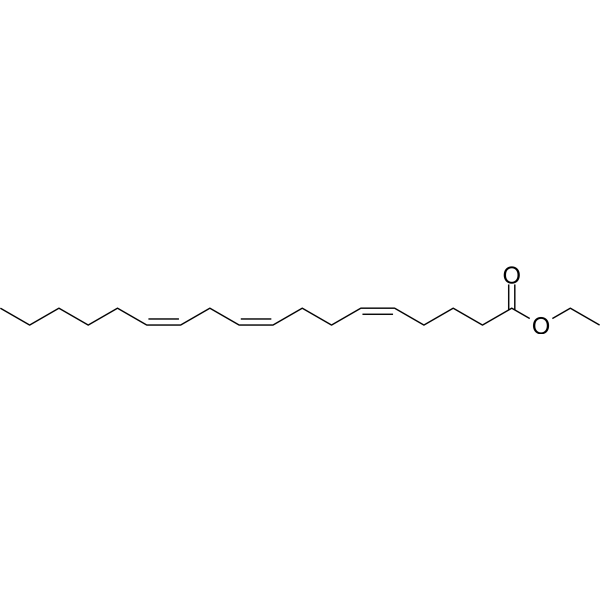
    Pinolenic acid is a polyunsaturated fatty acid found in the seed oils of red pine (Pinus orientalis) and maritime pine (Pinus pinaster). Both oils were found to have lipid-lowering properties. A diet containing marine pine nut oil (MPSO) reduces HDL and ApoA1 levels in transgenic mice expressing human ApoA1. MPSO was found to reduce cholesterol efflux in vitro. Korean pine nut oil supplements may help obesity by reducing appetite. People who take this oil experience an increase in the satiety hormones CCK and GLP-1 and a decrease in appetite. The activity of the oil is attributed to pinolenic acid. Pinolenic acid is not metabolized to arachidonic acid and can reduce the level of arachidonic acid in the phosphatidylinositol fraction of HepG2 cells from 15.9% to 7.0%. Pinolenic acid ethyl ester is a neutral, more lipophilic form of the free acid.
    Pinolenic acid ethyl ester
  • HY-N0882

    Deacetylcinobufotalin

    Apoptosis Bcl-2 Family Inflammation/Immunology Cancer
    Desacetylcinobufotalin is an active component isolated from Venenum Bufonis, which exhibits significant cytotoxicity against human hepatocellular carcinoma HepG2 cells (IC50 = 0.0279 µmol/mL). Desacetylcinobufotalin upregulates Bax protein expression, downregulates Bcl-2 protein expression, and induces apoptosis via the mitochondrial pathway. Desacetylcinobufotalin inhibits cancer cell survival, and shows lower cytotoxicity compared to its parent compound Cinobufagin (HY-N0421). Desacetylcinobufotalin can be used in hepatocellular carcinoma-related research .
    Desacetylcinobufotalin
  • HY-126644

    Bacterial Fungal Infection Cancer
    Halocyamine B exhibits antimicrobial activity against a variety of bacteria and yeasts. Halocyamine B exhibits cytotoxicity to cultured neural cells of rat fetal brain, mouse neuroblastoma N18 cells, and human hepatoma HepG2 cells .
    Halocyamine B
  • HY-B1135R

    Reference Standards Xanthine Oxidase Apoptosis Interleukin Related Keap1-Nrf2 SOD Caspase Bcl-2 Family NF-κB JNK HSP Metabolic Disease
    Benzbromarone (Standard) is the analytical standard of Benzbromarone. This product is intended for research and analytical applications. Benzbromarone is an orally active anti-gout agent. Benzbromarone has anti-infammatory, anti-oxidative stress and nephroprotective effects. Benzbromarone can be used for the research of hyperuricemia and gout .
    Benzbromarone (Standard)
  • HY-173033

    Pregnane X Receptor (PXR) Constitutive Androstane Receptor Cytochrome P450 Metabolic Disease
    MI-883 is the orally active agonist for Constitutive Androstane Receptor (CAR, EC50=73 nM) and the antagonist for Pregnane X Receptor (PXR, IC50=0.1 μM). MI-883 stimulates CAR LBD assembly (EC50=0.38 µM) and CAR3 variant activation (EC50=0.074 µM), induces CYP2B6 mRNA expression in HepaRG and primary human hepatocytes. MI-883 inhibits basal PXR activity IC50=2.03 µM) in transiently transfected HepG2 cells, blocks CYP3A4 mRNA expression in HepG2. MI-883 regulates cholesterol metabolism and bile acid excretion, improves hypercholesterolemia in mouse models .
    MI-883
  • HY-175171

    Topoisomerase VEGFR c-Met/HGFR EGFR Estrogen Receptor/ERR Cancer
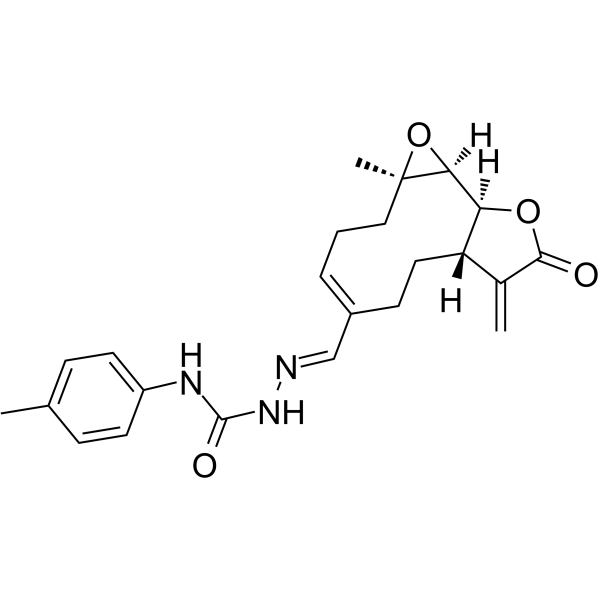
    Anticancer agent 276 (Compound 5) is a multi-target anticancer agent. Anticancer agent 276 has a potent anticancer activity against human tumor cells with IC50s of 6.90 and 4.48 μM for HEPG2 and MCF7 cells, respectively. Anticancer agent 276 shows strong and stable interactions across multiple targets, including Topoisomerase II, VEGFR2, c-Met, EGFR and ERα .
    Anticancer agent 276
  • HY-N15577

    Drug Derivative Cancer
    Antiproliferative agent-69 (Compound 1) is a prenylated kaempferol derivative found in the fresh bud’s fur of Platanus acerifolia. Antiproliferative agent-69 shows significant antiproliferative effects against human breast cancer cells (MCF-7) and human hepatocellular carcinoma cells (Hep-G2) with IC50 values of 38.2 μM and 39.5 μM, respectively. Antiproliferative agent-69 is promising for research of breast cancer and liver cancer .
    Antiproliferative agent-69
  • HY-N9778

    Apoptosis Bcl-2 Family Caspase Drug Derivative Cancer
    Phoyunbene B is a similar substance to Resveratrol (HY-16561). Phoyunbene B exhibits stronger growth inhibitory activity against human liver cancer cells HepG2 compared to Resveratrol. Phoyunbene B induces G2/M phase cell cycle arrest and apoptosis. Phoyunbene B increases Bax/Bcl-2 and activates Caspase-3. Phoyunbene B inhibits the invasion and migration of cancer cells. Phoyunbene B can be used for research on liver cancer .
    Phoyunbene B
  • HY-157404

    Pim Cancer
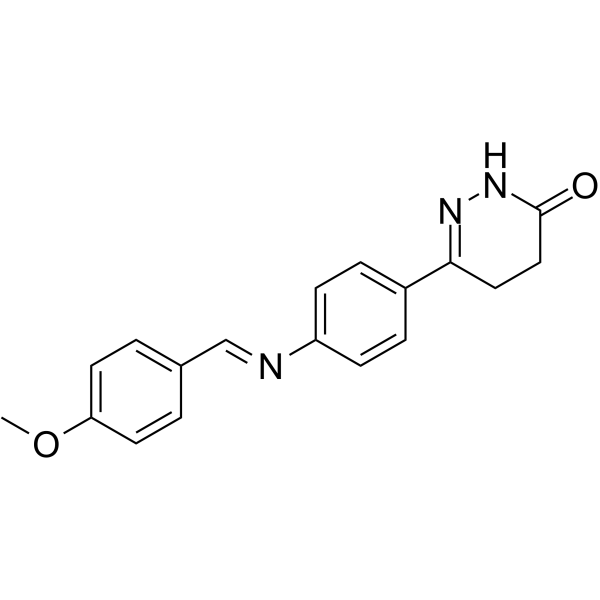
    Pim-1/2 kinase inhibitor 2 (compound 5b) is a competitive PIM-1 and PIM-2 kinase inhibitor with IC50s of 1.31 μM and 0.67 μM, respectively. Pim-1/2 kinase inhibitor 2 shows in-vitro low cytotoxicity against normal human lung fibroblast Wi-38 cell line and potent in-vitro anticancer activity against myeloid leukaemia (NFS-60), liver (HepG-2), prostate (PC-3), and colon (Caco-2) cancer cell lines .
    Pim-1/2 kinase inhibitor 2
  • HY-178133

    Pim Apoptosis Caspase Cancer
    Pim-1 kinase-IN-14 is a PIM-1 kinase inhibitor with an IC50 value of 94 nM. Pim-1 kinase-IN-14 shows broad-spectrum and high-efficiency anticancer activity against multiple human cancer cell lines, including liver cancer (HepG-2), colon cancer (Caco-2), myeloid leukemia (NFS-60), and prostate cancer (PC-3) cells. Pim-1 kinase-IN-14exerts its anticancer effects by inducing apoptosis and activating caspase 3/7. Pim-1 kinase-IN-14 can be used for the study of cancers associated with PIM-1 kinase overexpression .
    Pim-1 kinase-IN-14
  • HY-178960

    Microtubule/Tubulin Apoptosis Cancer
    Tubulin-IN-59 (Compound 8g) is an orally active Tubulin inhibitor. Tubulin-IN-59 exhibits potent anti-proliferative activity against HCT116 colorectal cancer, HeLa cervical cancer, and HepG2 liver cancer cell lines, with its IC₅₀ value ranging from 16 to 35 nM. Tubulin-IN-59 arrests HeLa cells in the G2/M phase and induces cell apoptosis. Tubulin-IN-59 demonstrates significant anti-tumor activity in the HT29 human colon cancer mouse xenograft model. Tubulin-IN-59 can be used for the study of colorectal cancer and cervical cancer .
    Tubulin-IN-59
  • HY-178330

    Others Topoisomerase Infection
    IKE16 is a fungi-selective eukaryotic topoisomerase II inhibitor, with an IC50 value of 13.68 μM. IKE16 suppresses both the DNA relaxation activity and the decatenation activity of yTOPOII selectively. IKE16 shows moderate activity against standard fungal strains (Candida albicans ATCC 10231, Saccharomyces cerevisiae ATCC 89763) with a minimum inhibitory concentration (MIC) of 2 μg/mL against S. cerevisiae ATCC 89763. IKE16 exhibits high cytotoxicity against human cells, with an EC50 of 0.07 μM in HepG2 and 0.045 μM in HEK-293. IKE16 can be used for the study of antifungal infection .
    IKE16
  • HY-146465

    Microtubule/Tubulin Cancer
    Anticancer agent 60 (compound 3h) has antiproliferative activity against human HepG2 cells (IC50 = 4.13 μM) and presents antitumor efficacy in a human HepG2 xenograft mouse model .
    Anticancer agent 60
  • HY-122324

    (+)-(S)-Tylophorine; DCB-3500; NSC-717335

    Others Cancer
    Tylophorine and its analogs are benzoindole alkaloids, most of which are derived from Garcinia plants. Tylophorine analogs all show potent growth inhibition against human hepatocellular carcinoma HepG2 and human nasopharyngeal carcinoma KB cell lines. Tylophorine analogs can also induce increased albumin expression and inhibit α-fetoprotein expression in HepG2 cells, and have the potential to induce HepG2 cell differentiation .
    Tylophorine
  • HY-160059

    Fluorescent Dye Cancer
    JHIT2e aptamer sodium is a molecular probe based on the aptamer JHIT2 of human liver cancer cell line HepG2 cells. JHIT2e aptamer sodiu retains the ability to specifically bind HepG2 and can deliver fluorescent materials or radionuclides to tumors .
    JHIT2e aptamer sodium
  • HY-N10207

    Endogenous Metabolite Infection Cancer
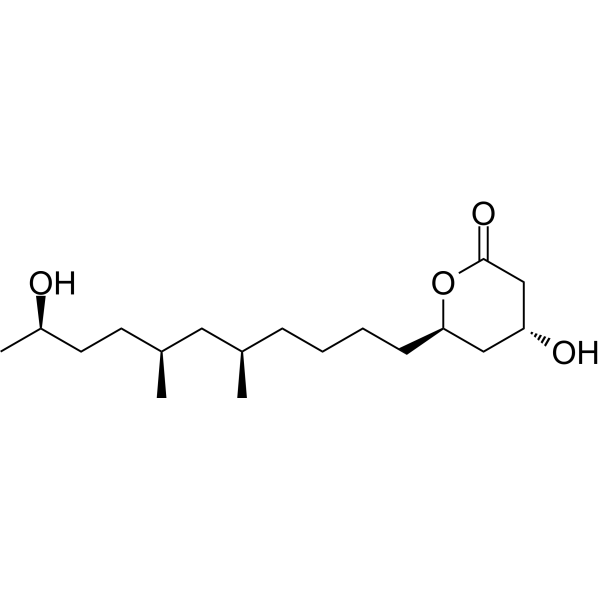
    Penicitide A is a marine secondary metabolite. Penicitide A shows moderate cytotoxicity against pathogen A. brassicae and the human hepatocellular liver carcinoma (HepG2) cell line .
    Penicitide A
  • HY-N0876R

    Reference Standards Apoptosis Autophagy PI3K Akt mTOR PARP Caspase Atg8/LC3 Cancer
    Arenobufagin is a natural bufadienolide that can be extracted from toad venom. Arenobufagin can induce apoptosis and autophagy in human hepatocellular carcinoma cells through inhibition of PI3K/Akt/mTOR pathway. Arenobufagin has potent antineoplastic activity against HCC HepG2 cells as well as corresponding multidrug-resistant HepG2/ADM cells. Arenobufagin can inhibit VEGF-mediated angiogenesis through suppression of VEGFR-2 signaling pathway .
    Arenobufagin (Standard)
  • HY-N0125S

    Isotope-Labeled Compounds Cytochrome P450 Cancer
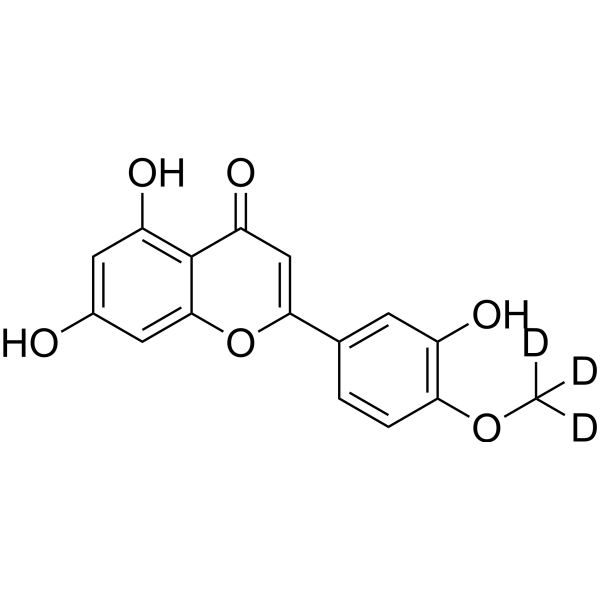
    Diosmetin-d3 is the deuterium labeled Diosmetin. Diosmetin is a natural flavonoid which inhibits human CYP1A enzyme activity with an IC50 of 40 μM in HepG2 cell.
    Diosmetin-d3
  • HY-N14892

    Bacterial Infection Cancer
    Cetoniacytone A has weak activity against Gram-positive and negative bacteria. Cetoniacytone A can inhibit the growth of HEPG2 and MCF7 human tumor cell lines, with GI50 values of 3.2 μM .
    Cetoniacytone A
  • HY-162564

    Bacterial Infection
    Antibacterial agent 221 (compound 3k) is a potent inhibitor of Gram-positive Methicillin-resistant Staphylococcus aureus (MRSA). Antibacterial agent 221 shows significant cytotoxicity against human LO2 and HepG2 cells .
    Antibacterial agent 221
  • HY-N12128

    Others Cancer
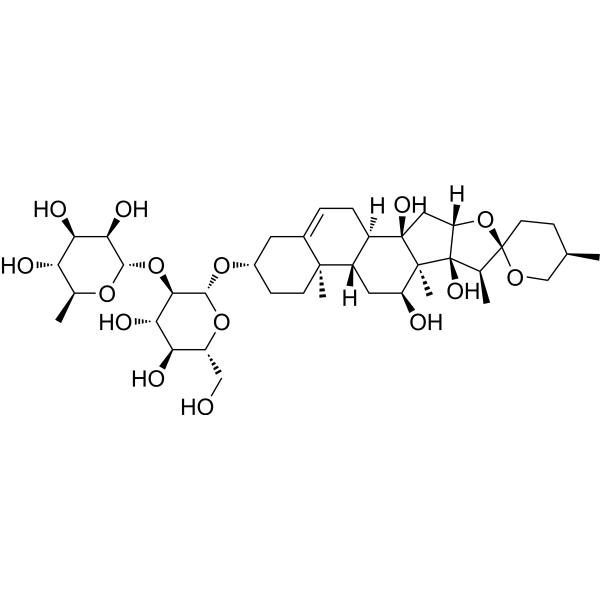
    Ophiopogonin R (compound 3) is a steroid saponin. Ophiopogonin R was isolated and purified from natural ophiopogonin. Ophiopogonin R was not cytotoxic to five human tumor cell lines (HepG2, HLE, BEL7402, BEL7403 and Hela) .
    Ophiopogonin R

Inquiry Online

Your information is safe with us. * Required Fields.

Salutation


Country or Region *

Applicant Name *


Organization Name *

Department *


Email Address *


Product Name *

Cat. No.


Requested quantity *

Phone Number *


Remarks

Inquiry Online

Inquiry Information

Product Name:
Cat. No.:
Quantity:
MCE Japan Authorized Agent: