



Arenobufagin
Based on 4 publication(s) in Google Scholar
Arenobufagin is a natural bufadienolide that can be extracted from toad venom. Arenobufagin can induce apoptosis and autophagy in human hepatocellular carcinoma cells through inhibition of PI3K/Akt/mTOR pathway. Arenobufagin has potent antineoplastic activity against HCC HepG2 cells as well as corresponding multidrug-resistant HepG2/ADM cells. Arenobufagin can inhibit VEGF-mediated angiogenesis through suppression of VEGFR-2 signaling pathway.
商品は「研究用試薬」です。人や動物の医療用・臨床診断用・食品用の製品ではありません。
研究用途以外に使用した場合、当社は一切の責任を負いかねます。
- 純度 : 99.82%
- CAS 番号: 464-74-4
- 分子式: C24H32O6
- 分子量:416.51
-
保管条件:Powder -20°C, 3 years , 4°C, 2 years ; In solvent -80°C, 6 months , -20°C, 1 month

To place orders, for customer services and technical support, please contact: MedChemExpress USA
Tel: 609-228-6898 E-mail: [email protected] [email protected]


-
 生物活性
生物活性
-
化学情報
-
溶剤 & 溶解度
- プロトコル
- 純度とドキュメンテーション
- 参考文献
-
 Help & FAQs


-
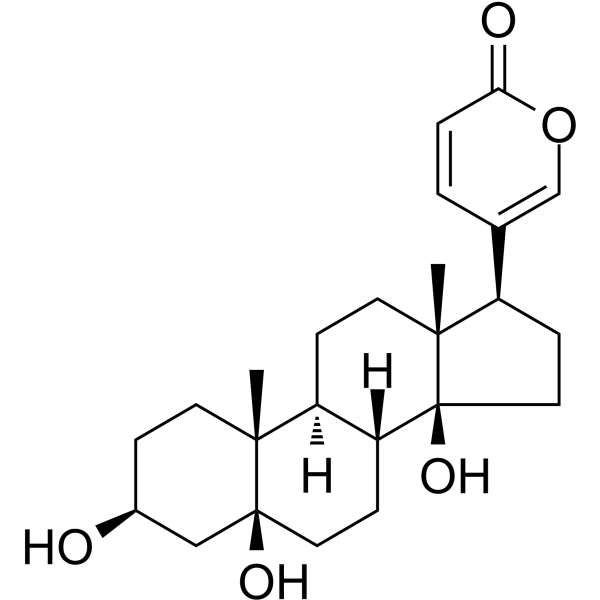
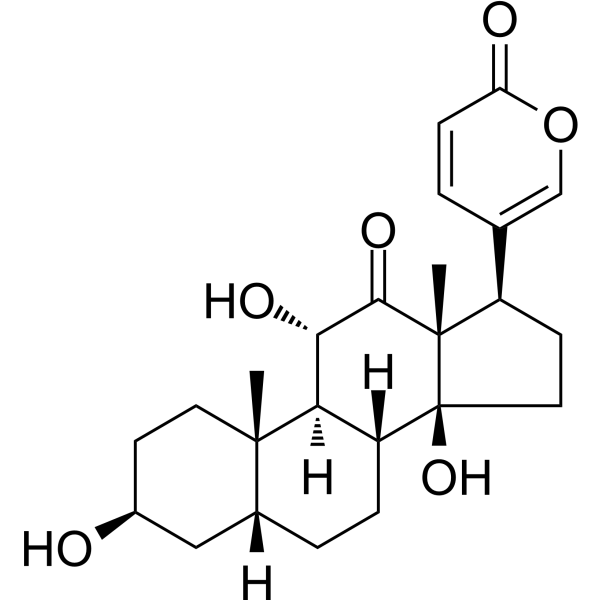
HY-N0885
TelocinobufaginAnticancer Agent -
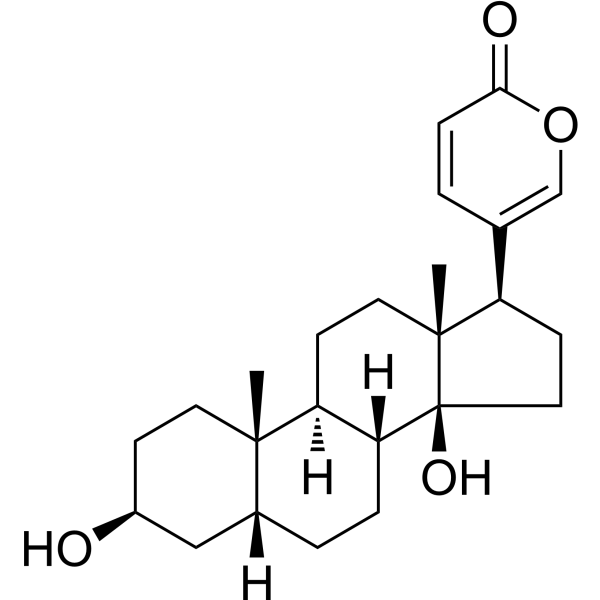
HY-N0877
BufalinNa+/K+ ATPase Inhibitor -
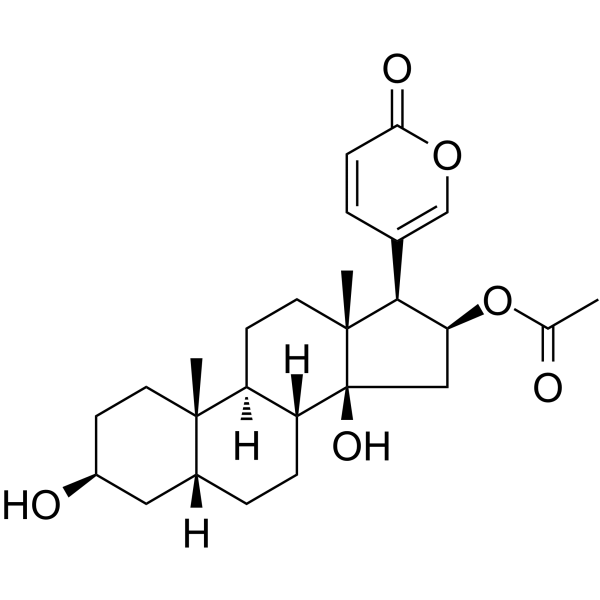
HY-N0878
BufotalinApoptosis Inducer -
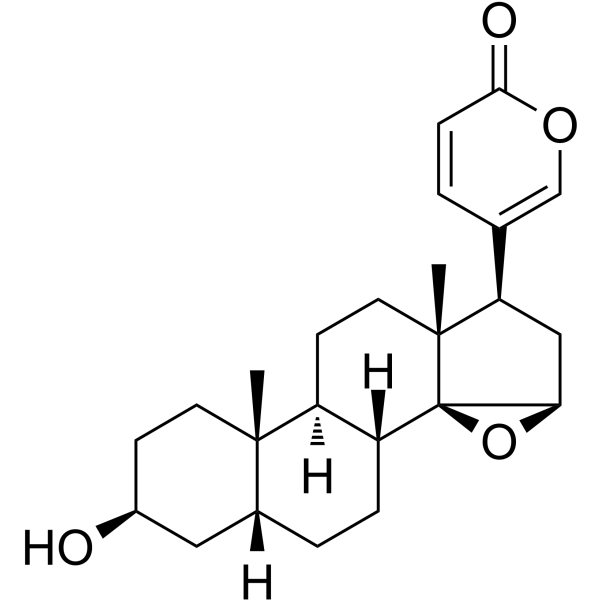
HY-N0815
ResibufogeninAntioxidant/Antitumor Agent -
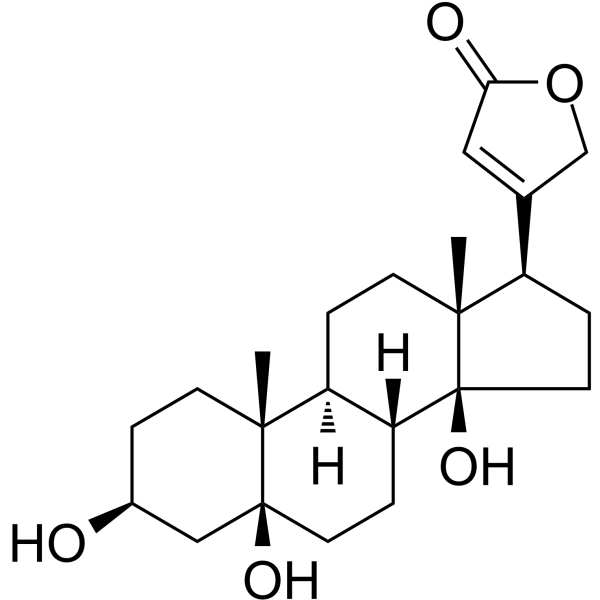
HY-N2414
PeriplogeninCardiac Glycoside -
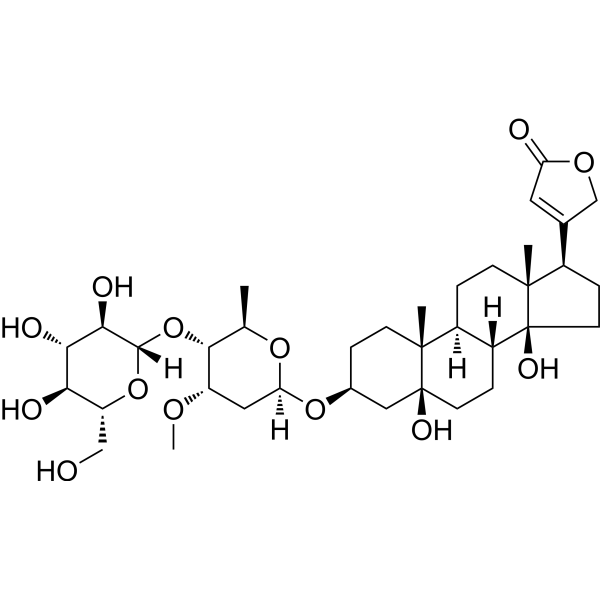
HY-N1381
PeriplocinAkt Inhibitor -
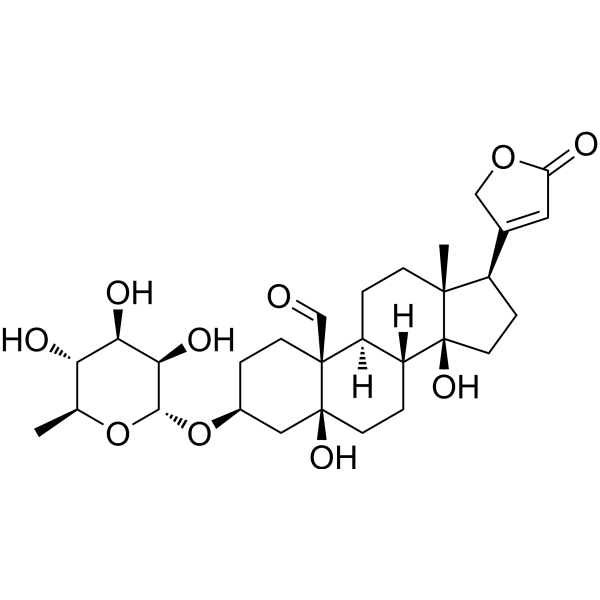
HY-N2453
ConvallatoxinPPARγ Activator -
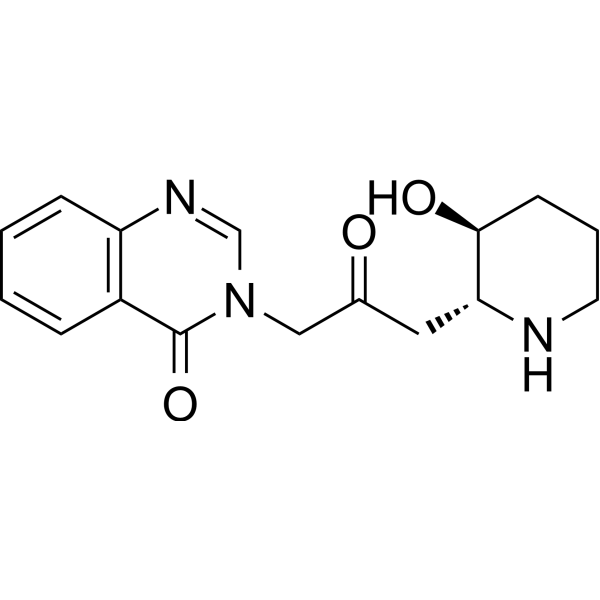
HY-N2384
FebrifugineAntimalarial Agent -
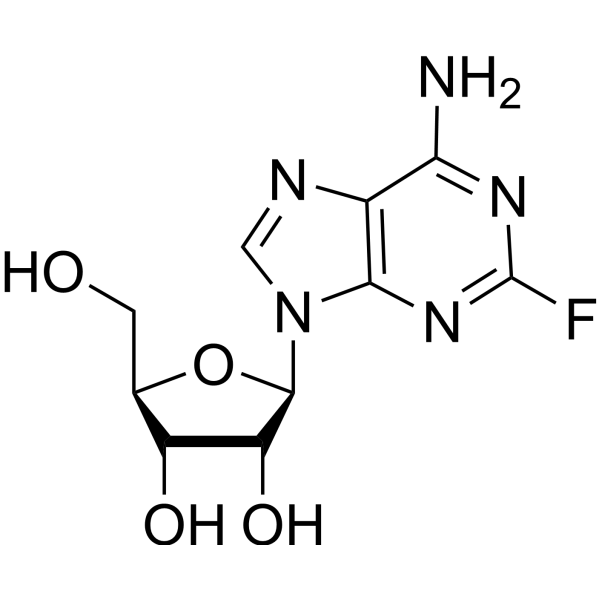
HY-W011517
2-FluoroadenosineNucleoside Analogue -
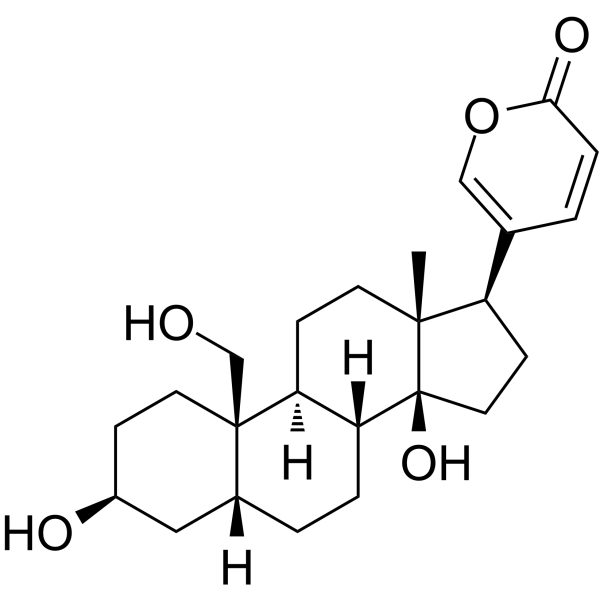
HY-N7019
19-Hydroxybufalin -
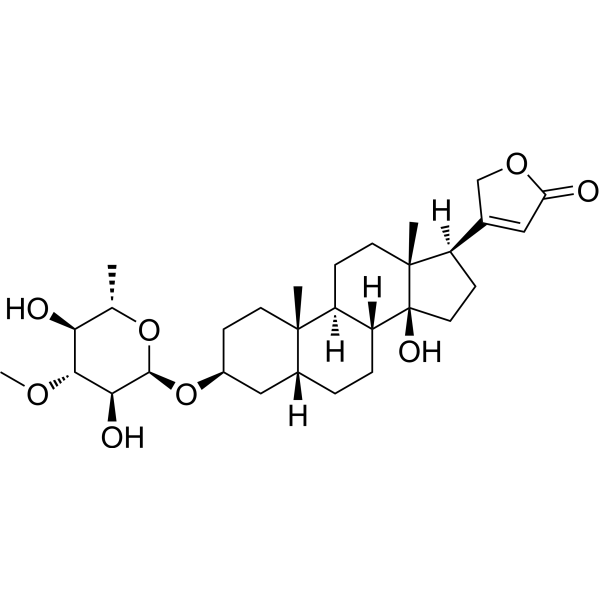
HY-N8441
NeriifolinApoptosis Inhibitor -

HY-N0876R
Arenobufagin (Standard)Anticancer Agent
MedChemExpress(MCE)の使用を引用している文献 Arenobufagin
More Customer Validation & Images

-
Flow Cytometry

-
Bio/Physico-chemical Assay

-
WB
-
Cell Proliferation/Viability Assay

-
Cell Imaging/Staining

Caspase アイソフォーム固有の製品をすべて表示
More

生物活性
製品説明
Cellular Effect
|
Cell Line

|
Type | Value | Description | References |
|---|---|---|---|---|
| HepG2 | IC50 |
0.02 μM
Compound: Arenobufagin
|
Antiproliferative activity against human HepG2 cells by MTT assay
Antiproliferative activity against human HepG2 cells by MTT assay
|
[PMID: 30181060] |
| HepG2 | IC50 |
0.0001 μM
Compound: Arenobufagin
|
Antiproliferative activity against human HepG2 cells after 48 hrs by MTT assay
Antiproliferative activity against human HepG2 cells after 48 hrs by MTT assay
|
[PMID: 30181060] |
| HepG2 | IC50 |
0.1 nM
Compound: Arenobufagin
|
Antiproliferative activity against human HepG2 cells after 48 hrs by MTT assay
Antiproliferative activity against human HepG2 cells after 48 hrs by MTT assay
|
[PMID: 30181060] |
| HepG2/Adm | IC50 |
0.056 μM
Compound: Arenobufagin
|
Antiproliferative activity against human HepG2/ADM cells by MTT assay
Antiproliferative activity against human HepG2/ADM cells by MTT assay
|
[PMID: 30181060] |
| MCF7 | IC50 |
8.88 nM
Compound: Arenobufagin
|
Antiproliferative activity against FAP-alpha deficient human MCF7 cells incubated for 48 hrs by MTT assay
Antiproliferative activity against FAP-alpha deficient human MCF7 cells incubated for 48 hrs by MTT assay
|
[PMID: 28595013] |
| MDA-MB-231 | IC50 |
15.67 nM
Compound: Arenobufagin
|
Antiproliferative activity against FAP-alpha deficient human MDA-MB-231 cells incubated for 48 hrs by MTT assay
Antiproliferative activity against FAP-alpha deficient human MDA-MB-231 cells incubated for 48 hrs by MTT assay
|
[PMID: 28595013] |
| MDA-MB-435 | IC50 |
22.45 nM
Compound: Arenobufagin
|
Antiproliferative activity against wild type human MDA-MB-435 cells expressing FAP-alpha incubated for 48 hrs by MTT assay
Antiproliferative activity against wild type human MDA-MB-435 cells expressing FAP-alpha incubated for 48 hrs by MTT assay
|
[PMID: 28595013] |
体外実験
Arenobufagin (10 nM-10 μM, 48-72 h) potently inhibits the growth of both HepG2 and HepG2/ADM cells in a dose- and time-dependent manner, with the IC50 of 20.24 and 7.46 nM after 72 h[1].
Arenobufagin (20-500 nM, 24 h) increases the percentage of apoptotic (annexin positive) cells in HCC cells[1].
Arenobufagin (20-500 nM, 48 h) induces a specific cleavage of poly (ADP-ribose) polymerase (PARP) and a decrease in pro-caspase-9 and -3[1].
Arenobufagin (20 nM, 0-24 h) induces autophagic cell death and a significant increase in LC3-II in HepG2/ADM cells[1].
Arenobufagin (0-500 nM, 0-24 h) inhibits the activation of PI3K/Akt pathways in HCC cells[1].
Arenobufagin (0-125 nM, 12-48 h) inhibits cell viability in a dose- and time-dependent manner in HUVECs[2].
Arenobufagin (5-125 nM, 12-48 h) significantly suppresses VEGF-induced HUVECs viability in a dose- and time-dependent manner[2].
Arenobufagin (0-50 nM, 6 h) inhibits VEGF-induced endothelial cell migration and invasion[2].
MedChemExpress (MCE) has not independently confirmed the accuracy of these methods. They are for reference only.
-
Cell Line:Hepatoma carcinoma cells
-
Concentration:20, 200, 500 nM
-
Incubation Time:24 h
-
Result:Depolarized mitochondrial membrane potential dose-dependently.
体内実験
Arenobufagin (0-10 mg/kg, s.c., 21 d) inhibits VEGF-induced blood vessel formation in C57BL/6J mice[2].
MedChemExpress (MCE) has not independently confirmed the accuracy of these methods. They are for reference only.
-
Animal Model:Nude mice with HepG2/ADM xenografts[1]
-
Dosage:3 and 6 mg/kg
-
Administration:Intraperitoneal injection (i.p.), 28 d
-
Result:Significantly reduced the tumor volume.
Resulted in remarkable decrease in levels of proliferating cell nuclear antigen, PARP, total and phosphorylated mTOR as well as increase of LC3-II.
Decreased the degree of phposphorylation of mTOR at Ser2448.
- Detection of Apoptosis
- TUNEL staining for apoptotic DNA fragmentation
- Human pluripotent stem cell endothelial-cell differentiation
- Vascular/Branching Fractal Analysis
- Annexin V plus membrane-impermeant dye apoptosis staining
- Autophagy
- Endothelial Tube Formation Assay
- Apoptosis Solutions
- Lysosome and acidic-vesicle live-cell staining
- Liver Cancer Modeling
- Macroautophagy Solutions
- Endothelial Cell Migration/Angiogenic Sprouting Assay


化学情報
-
CAS 番号 464-74-4
-
性状 Solid
-
分子量 416.51
-
分子式 C24H32O6
-
Color White to off-white
-
SMILES
C[C@]([C@@H](C(C=C1)=COC1=O)CC2)(C3=O)[C@]2([C@@](CC[C@@]4([H])[C@@]5(CC[C@H](O)C4)C)([H])[C@]5([H])[C@@H]3O)O
-
Structure Classification
-
Initial Source
toad
-
輸送条件
Room temperature in continental US; may vary elsewhere.
-
保管条件
Powder -20°C 3 years 4°C 2 years In solvent -80°C 6 months -20°C 1 month


Publications (4)
-
Journal Impact Factor
-
Most Recent
-
Molecules
Arenobufagin Induces Apoptotic Cell Death in Human Non-Small-Cell Lung Cancer Cells via the Noxa-Related Pathway. [Abstract]2017 Sep 11;22(9):1525. PMID: 28892004
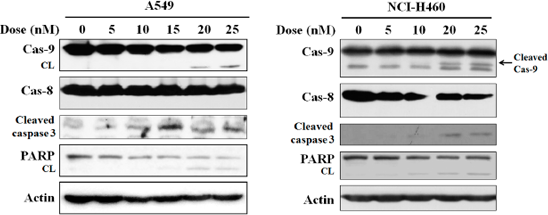
Arenobufagin purchased from MedChemExpress. Usage Cited in: Molecules. 2017 Sep 11;22(9):1525. [Abstract]
A549 and NCI-H460 cells are treated with Arenobufagin at the indicated concentrations for 24 h, and protein extracts are subjected to Western blot assay with indicated antibodies;
Arenobufagin purchased from MedChemExpress. Usage Cited in: Molecules. 2017 Sep 11;22(9):1525. [Abstract]
The inhibitory effects of Arenobufagin (0, 2.5, 5, 10, 25, 50 nM) on A549 cells analyzed by (MTT) assay.
Arenobufagin purchased from MedChemExpress. Usage Cited in: Molecules. 2017 Sep 11;22(9):1525. [Abstract]
A549 and NCI-H460 cells were treated with the indicated concentrations of Arenobufagin (0, 20, 25 nM) for 24 h, and apoptotic morphological changes were evaluated by Hoechst 33258 staining.

Arenobufagin purchased from MedChemExpress. Usage Cited in: Molecules. 2017 Sep 11;22(9):1525. [Abstract]
Reverse-Transcription PCR (RT-PCR) analysis of the expression of Noxa at the mRNA level in NCI-H460 cells treated with Arenobufagin (25 nM) for indicated time points.
-
Toxicon
Arenobufagin suppresses lung cancer cell growth by disrupting mitochondrial function and inducing relocalization of ATP synthase. [Abstract]2026 Jun 15:276:109067. PMID: 41833738 -
-
Evid Based Complement Alternat Med
Arenobufagin Promoted Oxidative Stress-Associated Mitochondrial Pathway Apoptosis in A549 Non-Small-Cell Lung Cancer Cell Line. [Abstract]2020 Apr 22:2020:8909171. PMID: 32382311
Arenobufagin purchased from MedChemExpress. Usage Cited in: Evid Based Complement Alternat Med. 2020 Apr 22:2020:8909171. [Abstract]
A549 cells were pretreated with Arenobufagin (ARE) at concentrations of 10, 20, and 40 nM for 24 h ), Flow cytometry was used to detect apoptotic cells.
Arenobufagin purchased from MedChemExpress. Usage Cited in: Evid Based Complement Alternat Med. 2020 Apr 22:2020:8909171. [Abstract]
Arenobufagin (ARE) (10, 20, 40 nM) treatment increased the level of MDA in A549 cells.


溶剤 & 溶解度
体外:
DMSO : 100 mg/mL (240.09 mM; Need ultrasonic; Hygroscopic DMSO has a significant impact on the solubility of product, please use newly opened DMSO)
Ethanol : 10 mg/mL (24.01 mM; Need ultrasonic)
Please refer to the solubility information to select the appropriate solvent. Once prepared, please aliquot and store the solution to prevent product inactivation from repeated freeze-thaw cycles.
Storage method and period of stock solution: -80°C, 6 months; -20°C, 1 month. When stored at -80°C, please use it within 6 months. When stored at -20°C, please use it within 1 month.
Please refer to the solubility information to select the appropriate solvent. Once prepared, please aliquot and store the solution to prevent product inactivation from repeated freeze-thaw cycles.
Storage method and period of stock solution: -80°C, 6 months; -20°C, 1 month. When stored at -80°C, please use it within 6 months. When stored at -20°C, please use it within 1 month.
濃度 (開始) × 体積 (開始) = 濃度 (終了) × 体積 (終了)
体内:
Select the appropriate dissolution method based on your experimental animal and administration route.
- For the following dissolution methods, please ensure to first prepare a clear stock solution using an In Vitro approach and then sequentially add co-solvents:
- To ensure reliable experimental results, the clarified stock solution can be appropriately stored based on storage conditions. As for the working solution for In Vivo experiments, it is recommended to prepare freshly and use it on the same day.
- The percentages shown for the solvents indicate their volumetric ratio in the final prepared solution. If precipitation or phase separation occurs during preparation, heat and/or sonication can be used to aid dissolution.
Add each solvent one by one: 10% DMSO 40% PEG300 5% Tween-80 45% Saline
Solubility: ≥ 6.25 mg/mL (15.01 mM); Clear solution
This protocol yields a clear solution of ≥ 6.25 mg/mL (saturation unknown).
Taking 1 mL working solution as an example, add 100 μL DMSO stock solution (62.5 mg/mL) to 400 μL PEG300, and mix evenly; then add 50 μL Tween-80 and mix evenly; then add 450 μL Saline to adjust the volume to 1 mL.
Preparation of Saline: Dissolve 0.9 g sodium chloride in ddH₂O and dilute to 100 mL to obtain a clear Saline solution.
Add each solvent one by one: 10% DMSO 90% (20% SBE-β-CD in Saline)
Solubility: ≥ 6.25 mg/mL (15.01 mM); Clear solution
This protocol yields a clear solution of ≥ 6.25 mg/mL (saturation unknown).
Taking 1 mL working solution as an example, add 100 μL DMSO stock solution (62.5 mg/mL) to 900 μL 20% SBE-β-CD in Saline, and mix evenly.
Preparation of 20% SBE-β-CD in Saline (4°C, storage for one week): 2 g SBE-β-CD powder is dissolved in 10 mL Saline, completely dissolve until clear.
Add each solvent one by one: 10% EtOH 40% PEG300 5% Tween-80 45% Saline
Solubility: ≥ 1 mg/mL (2.40 mM); Clear solution
This protocol yields a clear solution of ≥ 1 mg/mL (saturation unknown).
Taking 1 mL working solution as an example, add 100 μL EtOH stock solution (10.0 mg/mL) to 400 μL PEG300, and mix evenly; then add 50 μL Tween-80 and mix evenly; then add 450 μL Saline to adjust the volume to 1 mL.
Preparation of Saline: Dissolve 0.9 g sodium chloride in ddH₂O and dilute to 100 mL to obtain a clear Saline solution.
Add each solvent one by one: 10% EtOH 90% (20% SBE-β-CD in Saline)
Solubility: ≥ 1 mg/mL (2.40 mM); Clear solution
This protocol yields a clear solution of ≥ 1 mg/mL (saturation unknown).
Taking 1 mL working solution as an example, add 100 μL EtOH stock solution (10.0 mg/mL) to 900 μL 20% SBE-β-CD in Saline, and mix evenly.
Preparation of 20% SBE-β-CD in Saline (4°C, storage for one week): 2 g SBE-β-CD powder is dissolved in 10 mL Saline, completely dissolve until clear.
Add each solvent one by one: 10% EtOH 90% Corn Oil
Solubility: ≥ 1 mg/mL (2.40 mM); Clear solution
This protocol yields a clear solution of ≥ 1 mg/mL (saturation unknown). If the continuous dosing period exceeds half a month, please choose this protocol carefully.
Taking 1 mL working solution as an example, add 100 μL EtOH stock solution (10.0 mg/mL) to 900 μL Corn oil, and mix evenly.
In Vivo Dissolution Calculator
Please enter the basic information of animal experiments:
-
-
-
-
Recommended: Prepare an additional quantity of animals to account for potential losses during experiments.
Please enter your animal formula composition:
-
%DMSO +
Recommended: Keep the proportion of DMSO in working solution below 2% if your animal is weak.
-
%+
-
+%Tween-80 + +
-
%Saline +
The co-solvents required include: DMSO, . All of co-solvents are available by MedChemExpress (MCE). , Tween 80. All of co-solvents are available by MedChemExpress (MCE).
Working solution concentration: 0.22 mg/mL
Method for preparing stock solution: mg drug dissolved in μL DMSO. Stock solution concentration: mg/mL.
1. Take μL DMSO stock solution;
2. Add μL .
μL , mix evenly;
3. Then add μL Tween 80, mix evenly;
4. Then add μL
Please ensure that the stock solution in the first step is dissolved to a clear state, and add co-solvents in sequence. You can use ultrasonic heating (ultrasonic cleaner, recommended frequency 20-40 kHz), vortexing, etc. to assist dissolution.


純度とドキュメンテーション
-
データシート (284 KB)
-
SDS (251 KB)
- English - EN (251 KB)
- Français - FR (251 KB)
- Deutsch - DE (251 KB)
- Norwegian - NO (251 KB)
- Español - ES (251 KB)
- Swedish - SV (251 KB)
- Italian - IT (251 KB)
- Korean - KR (251 KB)
- Portuguese - PT (251 KB)
-
取扱説明書 (2659 KB)
参考文献
[1]. Zhang DM, et al. Arenobufagin, a natural bufadienolide from toad venom, induces apoptosis and autophagy in human hepatocellular carcinoma cells through inhibition of PI3K/Akt/mTOR pathway. Carcinogenesis. 2013 Jun;34(6):1331-42. [Content Brief]
[2]. Li M, et al. Arenobufagin, a bufadienolide compound from toad venom, inhibits VEGF-mediated angiogenesis through suppression of VEGFR-2 signaling pathway. Biochem Pharmacol. 2012 May 1;83(9):1251-60. [Content Brief]
[3]. Cruz Jdos S, et al. Arenobufagin, a compound in toad venom, blocks Na(+)-K+ pump current in cardiac myocytes. Eur J Pharmacol. 1993 Aug 3;239(1-3):223-6. [Content Brief]


Complete Stock Solution Preparation Table
Please refer to the solubility information to select the appropriate solvent. Once prepared, please aliquot and store the solution to prevent product inactivation from repeated freeze-thaw cycles.
Storage method and period of stock solution: -80°C, 6 months; -20°C, 1 month. When stored at -80°C, please use it within 6 months. When stored at -20°C, please use it within 1 month.
| Optional Solvent | Concentration Solvent Mass | 1 mg | 5 mg | 10 mg | 25 mg |
|---|---|---|---|---|---|
| Ethanol / DMSO | 1 mM | 2.4009 mL | 12.0045 mL | 24.0090 mL | 60.0226 mL |
| 5 mM | 0.4802 mL | 2.4009 mL | 4.8018 mL | 12.0045 mL | |
| 10 mM | 0.2401 mL | 1.2005 mL | 2.4009 mL | 6.0023 mL | |
| 15 mM | 0.1601 mL | 0.8003 mL | 1.6006 mL | 4.0015 mL | |
| 20 mM | 0.1200 mL | 0.6002 mL | 1.2005 mL | 3.0011 mL | |
| DMSO | 25 mM | 0.0960 mL | 0.4802 mL | 0.9604 mL | 2.4009 mL |
| 30 mM | 0.0800 mL | 0.4002 mL | 0.8003 mL | 2.0008 mL | |
| 40 mM | 0.0600 mL | 0.3001 mL | 0.6002 mL | 1.5006 mL | |
| 50 mM | 0.0480 mL | 0.2401 mL | 0.4802 mL | 1.2005 mL | |
| 60 mM | 0.0400 mL | 0.2001 mL | 0.4002 mL | 1.0004 mL | |
| 80 mM | 0.0300 mL | 0.1501 mL | 0.3001 mL | 0.7503 mL | |
| 100 mM | 0.0240 mL | 0.1200 mL | 0.2401 mL | 0.6002 mL |


Arenobufagin 関連分類
HY-N0876 関連分類
 Powered by Bioz