1. Search Result
Search Result
Results for "

mast+cells

" in MedChemExpress (MCE) Product Catalog:

193

Inhibitors & Agonists

2

Fluorescent Dyes

5

Biochemical Assay Reagents

17

Peptides

8

Inhibitory Antibodies

43

Natural
Products

11

Isotope-Labeled Compounds

2

Oligonucleotides

Cat. No. Product Name Target Research Areas Chemical Structure
  • HY-115768
    Compound 48/80
    5 Publications Verification

    Poly-p-methoxyphenethylmethylamine

    Phospholipase Neurological Disease Cancer
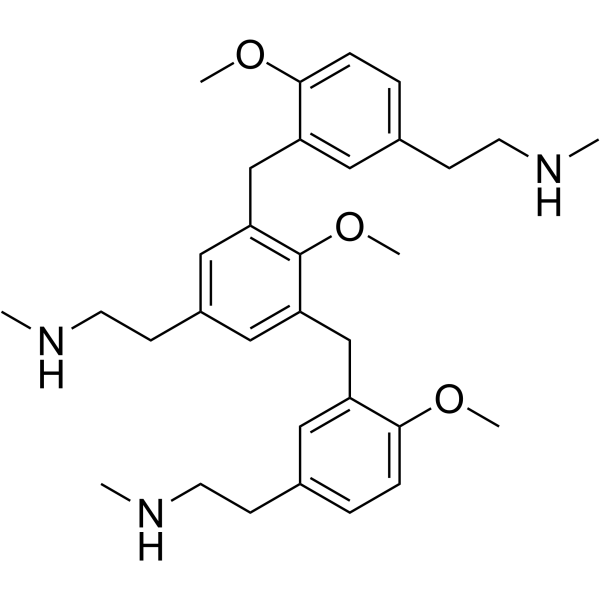
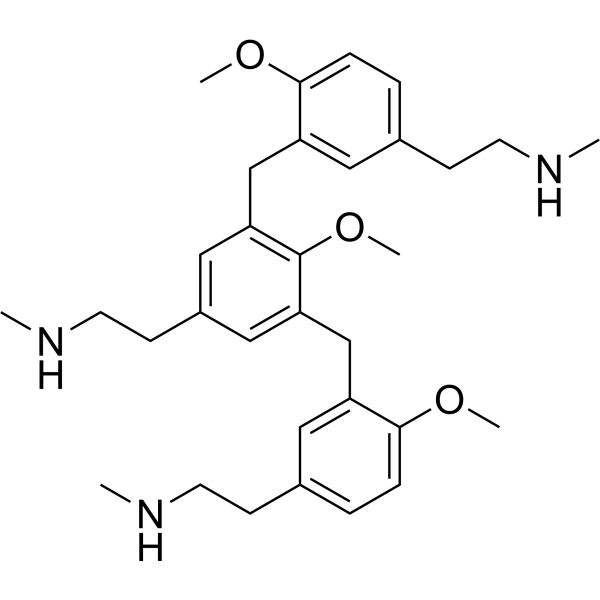
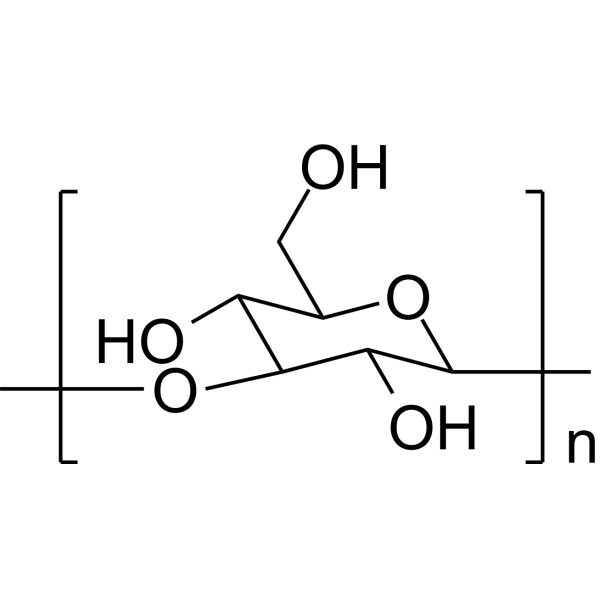
    Compound 48/80 (Poly-p-methoxyphenethylmethylamine) is widely used in animal and tissue models as a "selective" mast cell activator. Compound 48/80 acts at the mast cell membrane to stimulate trimeric G-proteins and induces degranulation via phospholipase C and D pathways .
    Compound 48/80
  • HY-B0320A
    Cromolyn disodium
    5+ Cited Publications

    Cromoglycate disodium; Cromoglicic acid disodium; FPL-670

    GSK-3 NF-κB Amyloid-β Neurological Disease Metabolic Disease Inflammation/Immunology Cancer
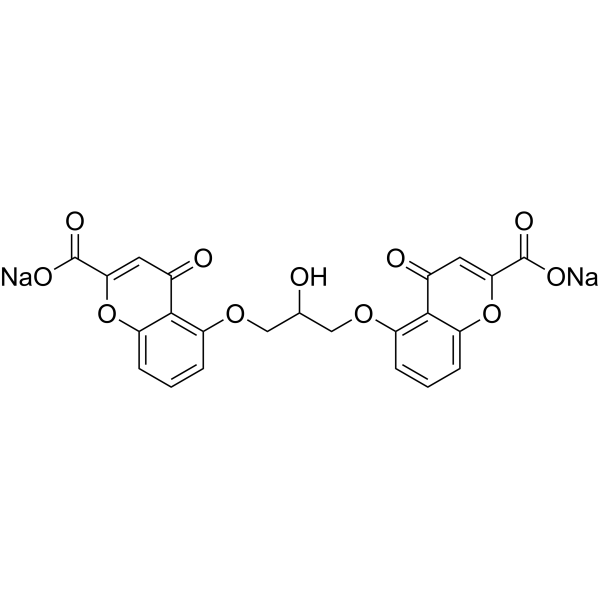
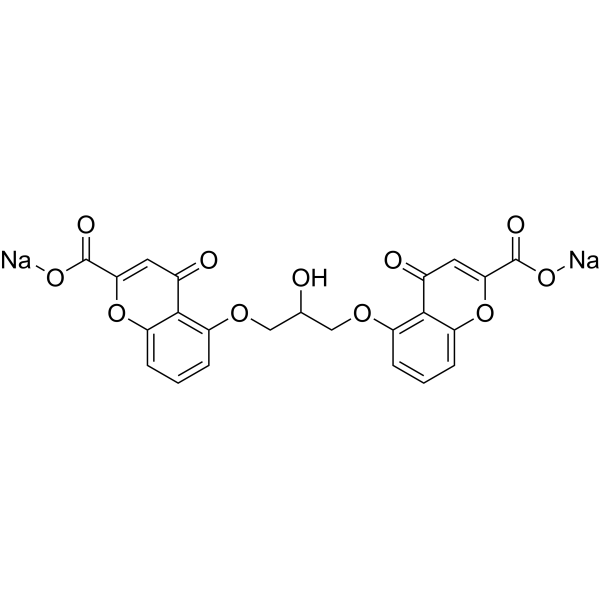
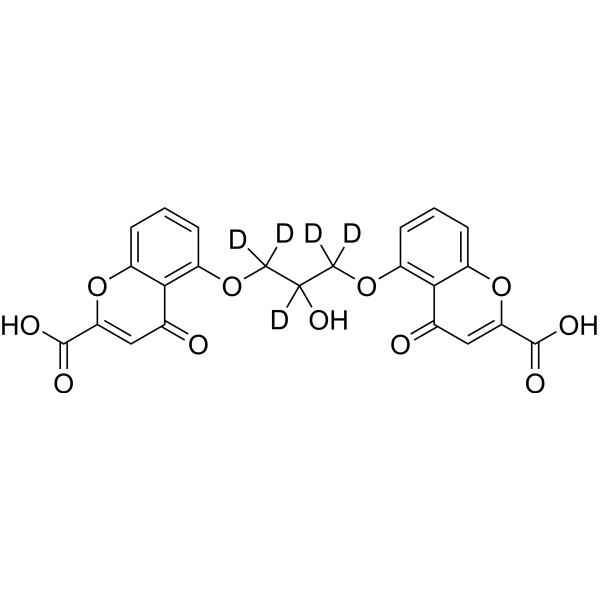
    Cromolyn (Cromoglycate) disodium is an orally active GSK-3β inhibitor with an IC50 of 2.0 μM. Cromolyn disodium is also a mast cell stabilizer that can inhibit the release of mediators from mast cells, regulate reflex bronchoconstriction, and reduce non-specific bronchial hyperreactivity, and Cromolyn disodium can be used in the research of bronchial asthma. In addition, Cromolyn disodium has multiple activities such as anti-inflammatory, anti-allergic, anti-histamine, anti-cancer, and neuroprotective effects .
    Cromolyn disodium
  • HY-P99462

    c-Kit Inflammation/Immunology
    Barzolvolimab is a humanized anti-KIT IgG1 monoclonal antibody. Barzolvolimab specificity and potently inhibits KIT activation by SCF. Barzolvolimab can reduce skin mast cells and disease activity in chronic inducible urticaria .
    Barzolvolimab
  • HY-130592
    Compound 48/80 trihydrochloride
    5 Publications Verification

    C48/80 trihydrochloride

    Phospholipase Neurological Disease
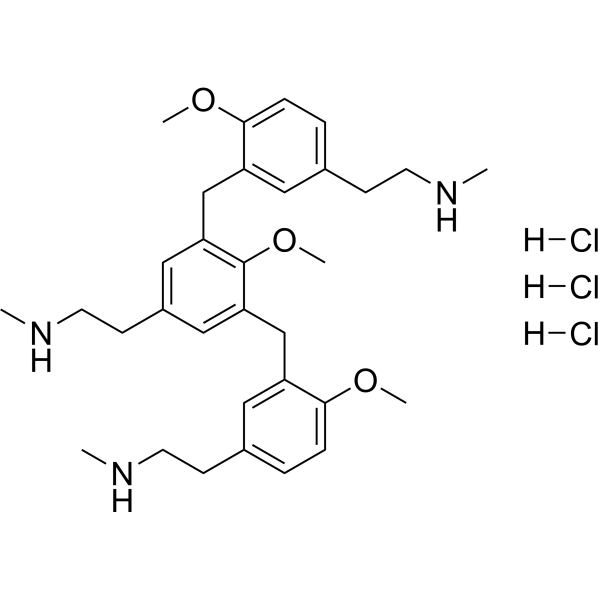
    Compound 48/80 trihydrochloride (C48/80 trihydrochloride) is a mixture of condensation products of N-methyl-p-methoxyphenethylamine with formaldehyde. Compound 48/80 trihydrochloride is also a histamine releaser and a mast cell degranulator. Compound 48/80 inhibits phosphatidylinositol-specific phospholipase C activity from human platelets .
    Compound 48/80 trihydrochloride
  • HY-156619

    EVT-8565072; THB335

    c-Kit PDGFR Metabolic Disease Inflammation/Immunology
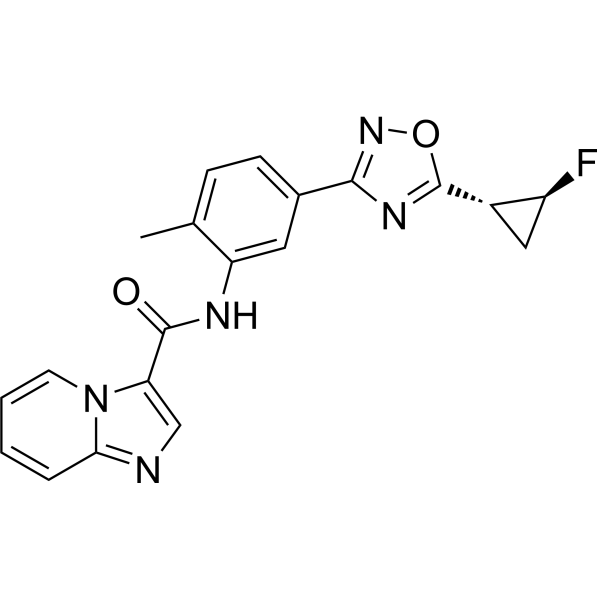
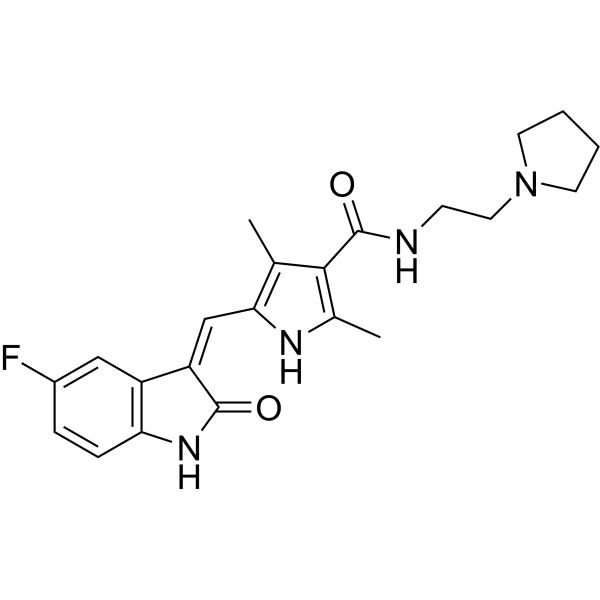
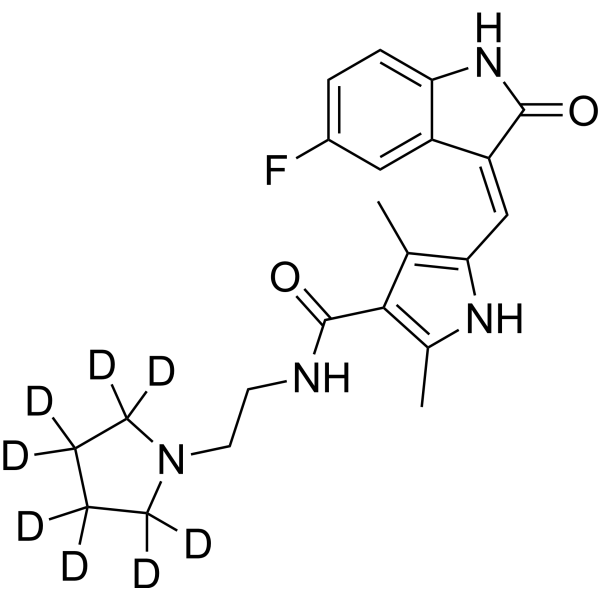
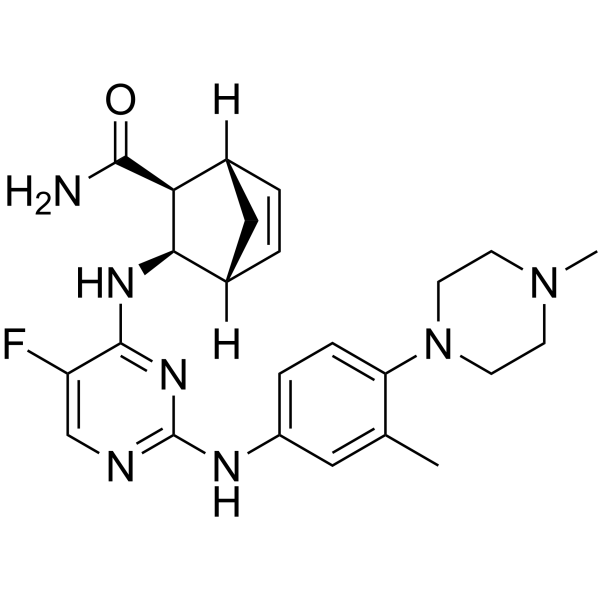
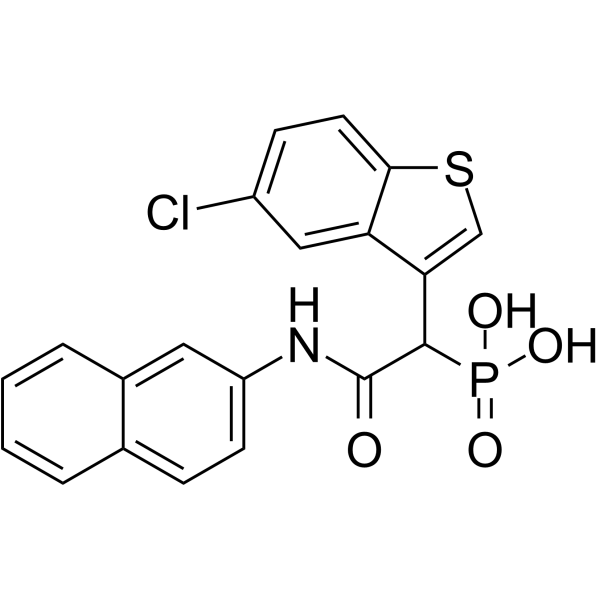
    Labuxtinib (EVT-8565072; THB335) is a potent dual inhibitor of c-Kit and PDGFR. Labuxtinib exhibits potent inhibitory activity against wild-type c-Kit (IC50 = 0.005 μM). Labuxtinib inhibits SCF-dependent and PDGF-dependent cell proliferation, and blocks the proliferation of cells dependent on c-Kit or PDGFR signaling pathways. In animal models of skin allergy, Labuxtinib depletes skin mast cells and significantly alleviates anaphylactic shock responses. Labuxtinib can be used in research on mast cell-related diseases, respiratory diseases, inflammatory diseases, fibrotic diseases, metabolic diseases, and other related conditions .
    Labuxtinib
  • HY-10330A

    SU11654 phosphate; PHA 291639E phosphate

    PDGFR VEGFR c-Kit Cancer
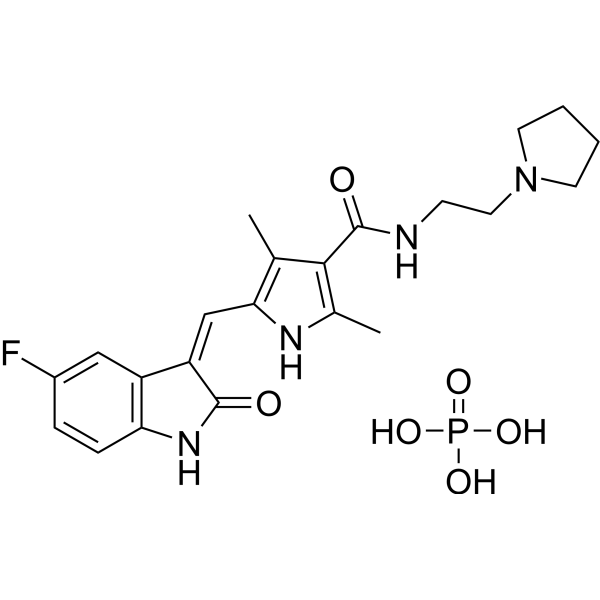
    Toceranib phosphate (SU11654 phosphate) is an orally active receptor tyrosine kinase (RTK) inhibitor, and it potently inhibits PDGFR, VEGFR, and Kit with Kis of 5 and 6 nM for PDGFRβ and Flk-1/KDR, respectively. Toceranib phosphate (SU11654 phosphate) has antitumor and antiangiogenic activity, and used in the treatment of canine mast cell tumors .
    Toceranib phosphate
  • HY-B1619
    Cromolyn
    5+ Cited Publications

    Cromoglycate; Cromoglicic acid; FPL-670 free acid

    GSK-3 NF-κB Amyloid-β Neurological Disease Metabolic Disease Inflammation/Immunology Cancer
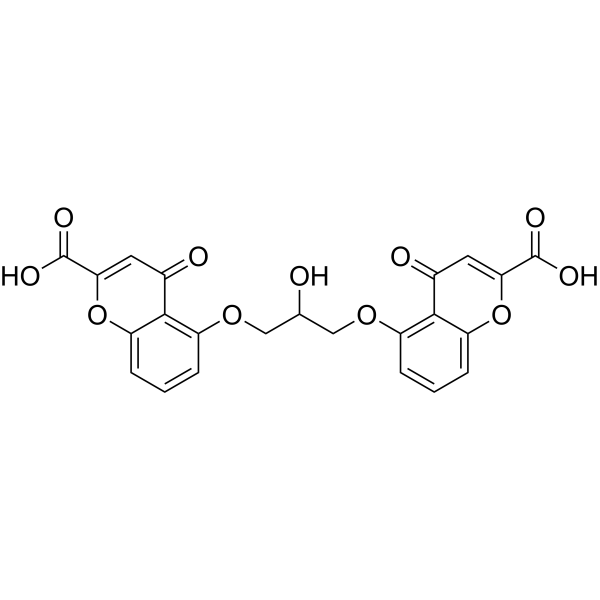
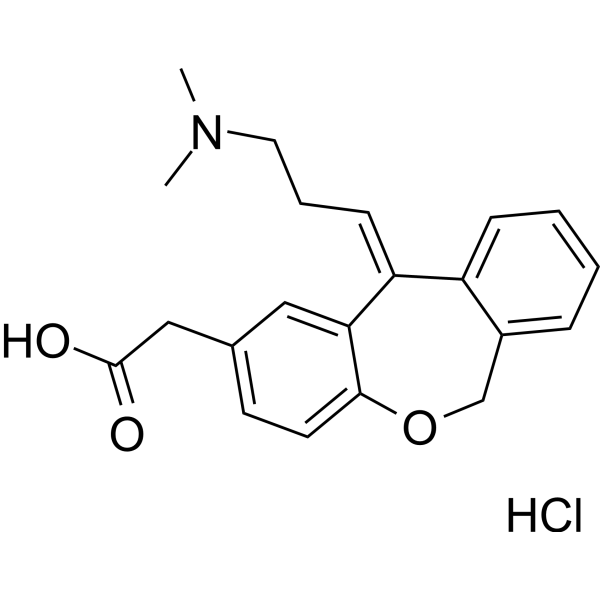
    Cromolyn (Cromoglycate) is an orally active GSK-3β inhibitor with an IC50 of 2.0 μM. Cromolyn is also a mast cell stabilizer that can inhibit the release of mediators from mast cells, regulate reflex bronchoconstriction, and reduce non-specific bronchial hyperreactivity, and Cromolyn can be used in the research of bronchial asthma. In addition, Cromolyn has multiple activities such as anti-inflammatory, anti-allergic, anti-histamine, anti-cancer, and neuroprotective effects .
    Cromolyn
  • HY-124257

    D-Citronellol; (R)-(+)-β-Citronellol

    Endogenous Metabolite Inflammation/Immunology
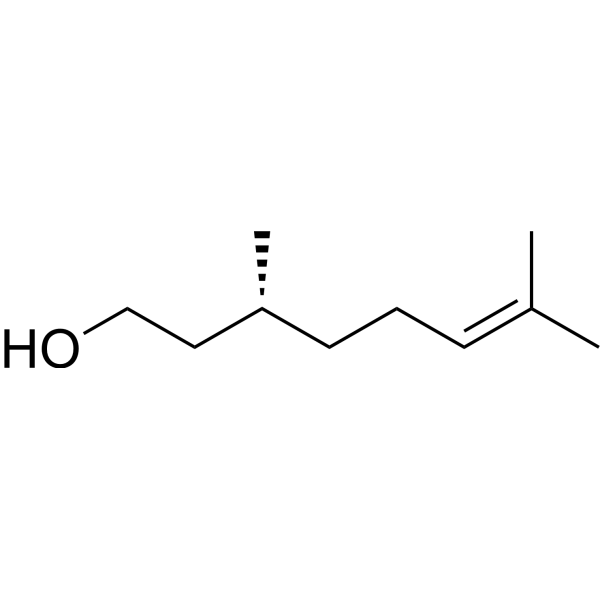
    (R)-Citronellol (D-Citronellol) is an alcoholic monoterpene found in geranium essential oil. (R)-Citronellol inhibits degranulation of mast cells and does not affect caffeine bitterness perception. (R)-Citronellol can be used in decorative cosmetics, toiletries as well as in non-cosmetic products .
    (R)-Citronellol
  • HY-107411
    Bromoenol lactone
    3 Publications Verification

    (6E)-Bromoenol lactone

    Phospholipase Inflammation/Immunology
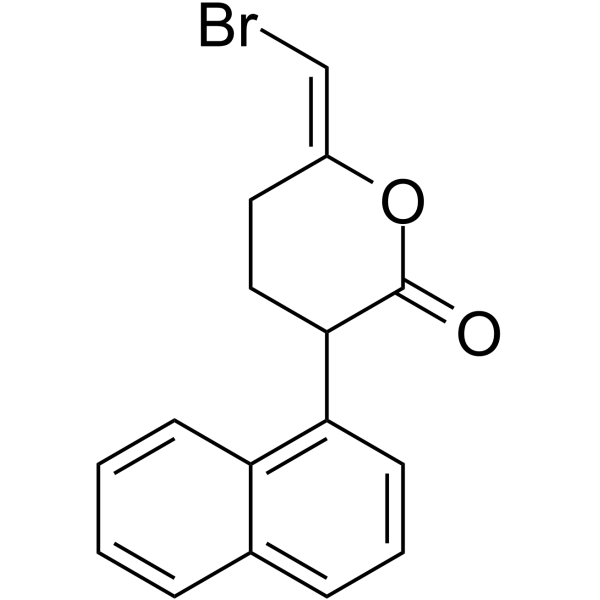
    Bromoenol lactone ((6E)-Bromoenol lactone) is a suicide-based irreversible, selective, potent inhibitor of calcium-independent phospholipase A2 (iPLA2β) with an IC50 value of approximately 7 μM, which inhibits antigen-stimulated mast cell exocytosis without blocking Ca 2+ influx .
    Bromoenol lactone
  • HY-10330

    SU11654; PHA 291639E

    PDGFR VEGFR c-Kit Cancer
    Toceranib phosphate (SU11654 phosphate) is an orally active receptor tyrosine kinase (RTK) inhibitor, and it potently inhibits PDGFR, VEGFR, and Kit with Kis of 5 and 6 nM for PDGFRβ and Flk-1/KDR, respectively. Toceranib phosphate (SU11654 phosphate) has antitumor and antiangiogenic activity, and used in the treatment of canine mast cell tumors .
    Toceranib
  • HY-P99371

    AK002; Antolimab

    Apoptosis Inflammation/Immunology
    Lirentelimab (AK002) is a humanized IgG1 monoclonal antibody that targets sialic acid-binding Ig-like lectin 8 (SIGLEC8). Lirentelimab induces cell apoptosis of IL-5-activated eosinophils and inhibits IgE-mediated mast cell activation. Lirentelimab can be used for the research of eosinophilic gastritis and duodenitis .
    Lirentelimab
  • HY-P991636

    Transmembrane Glycoprotein Inflammation/Immunology
    AK006 is a humanized IgG1 monoclonal antibody agonist targeting Sialic acid-binding immunoglobulin-like lectin6 (Siglec-6). AK006 potently inhibits IgE-mediated human mast cell activation. AK006 can be used for inflammatory diseases like chronic urticaria (CU) and asthma research .
    AK006
  • HY-14270
    Lodoxamide
    2 Publications Verification

    U-42585E free acid

    Histamine Receptor Inflammation/Immunology Endocrinology
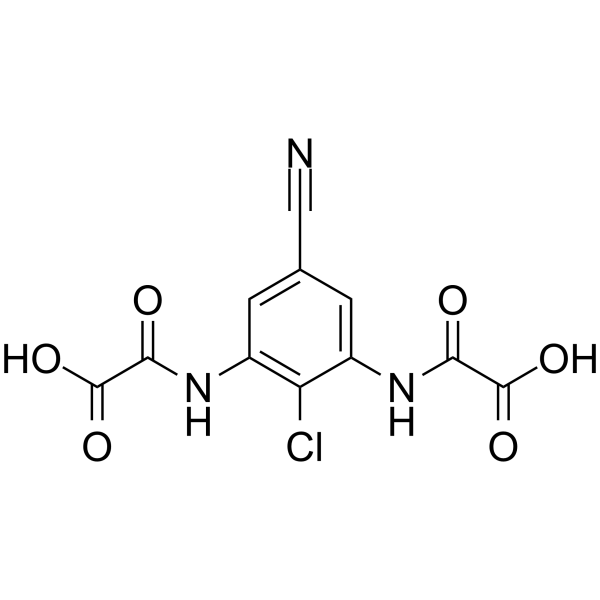
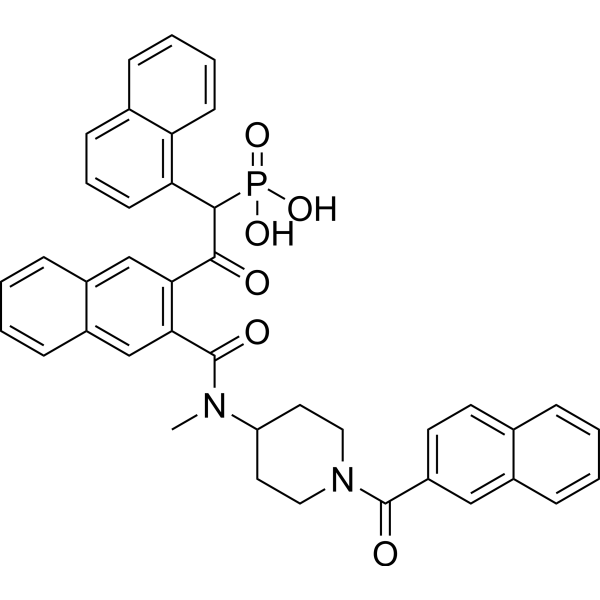
    Lodoxamide (U-42585E free acid) is an antiallergic compound acting as a mast-cell stabilizer for the treatment of asthma and allergic conjunctivitis.
    Lodoxamide
  • HY-43521

    Target Protein Ligand-Linker Conjugates Btk STAT Inflammation/Immunology Cancer
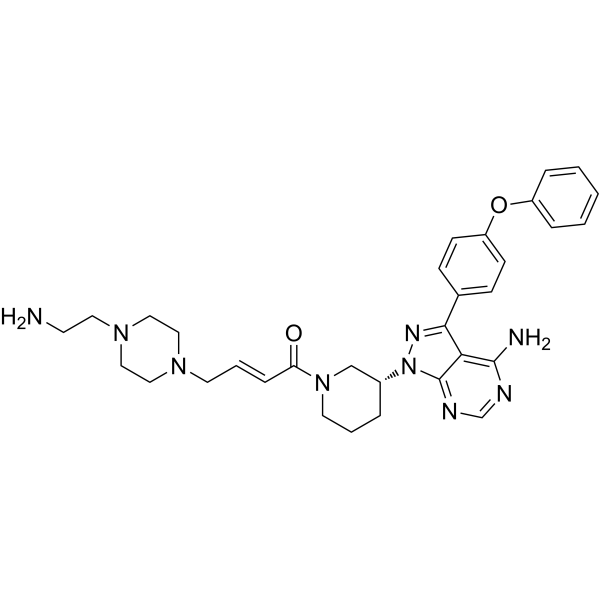
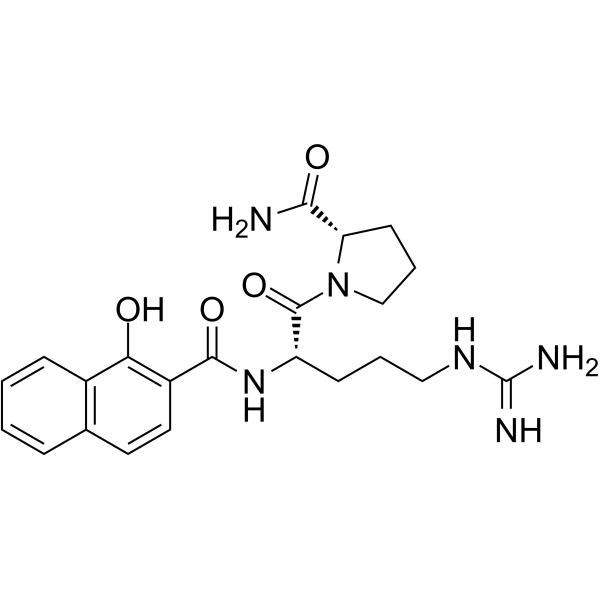
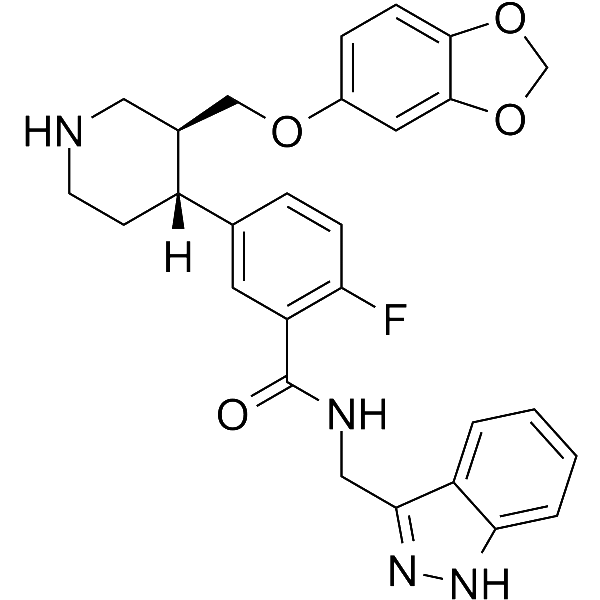
    Ibrutinib-MPEA is an orally active, blood-brain barrier permeable inhibitor of BTK and STAT5. As a derivative of Ibrutinib (HY-10997) conjugated with a PROTAC linker, Ibrutinib-MPEA allows the synthesis of a series of PROTAC molecules. Ibrutinib-MPEA significantly reduces the proliferation of neoplastic mast cells and primary mastocytoma cells by inducing apoptosis and inhibiting IgE-dependent histamine release. Ibrutinib-MPEA is applicable to the research of canine mast cell tumors, cerebral ischemia/reperfusion injury in diabetic mice, and neuroinflammation-related diseases .
    Ibrutinib-MPEA
  • HY-135490

    Adrenergic Receptor Phosphodiesterase (PDE) Inflammation/Immunology
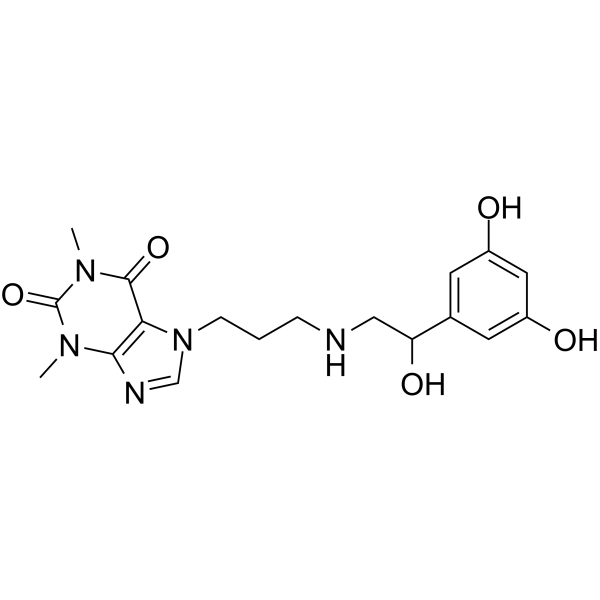
    Reproterol is a selective β2-adrenoceptor agonist and cAMP phosphodiesterase (PDE) inhibitor. Reproterol inhibits adenylate cyclase-induced phosphodiesterase activity. Reproterol inhibits histamine release from mast cells. Reproterol is applicable to research related to asthma .
    Reproterol
  • HY-W159754

    p-Hydroxyallylbenzene

    Cholinesterase (ChE) Inflammation/Immunology
    Chavicol (p-Hydroxyallylbenzene) is a phenylpropane compound. Chavicol can be isolated from the bark of Sassafras tzumu. Chavicol exhibits Acetylcholinesterase inhibitory activity (IC50 = 7.42 μM). Chavicol produces a 3% inhibitory effect on antigen-IgE-mediated degranulation in mast cells .
    Chavicol
  • HY-P99641

    PD-1/PD-L1 Cancer
    Gilvetmab is a potent caninized anti-PD-1 monoclonal antibody. Gilvetmab blocks the interaction between PD-1 and its ligand PD-L1/L2. Gilvetmab can be used in malignant melanoma and mast cell tumor research .
    Gilvetmab
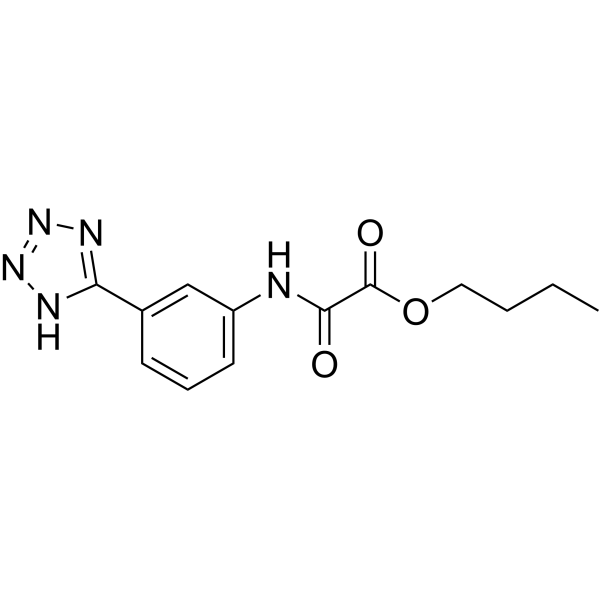
  • HY-101810

    TO 188; Tazalest; Tazanol

    Calcium Channel PKC Inflammation/Immunology
    Tazanolast is a selective mast-cell-stabilizing agent, on ozone-induced airway hyperresponsiveness in guinea pigs.
    Tazanolast
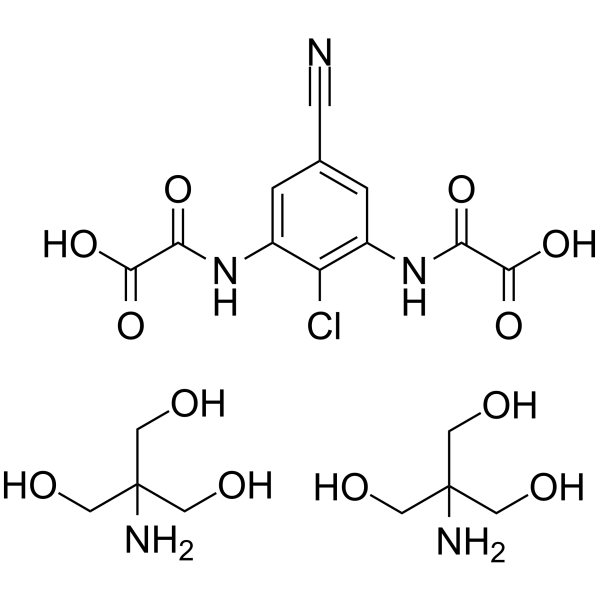
  • HY-16289
    Lodoxamide tromethamine
    2 Publications Verification

    U-42585E

    Histamine Receptor Inflammation/Immunology Endocrinology
    Lodoxamide tromethamine (U-42585E) is a medication for the treatment of prophylaxis of mast cell-mediated allergic disease.
    Lodoxamide tromethamine
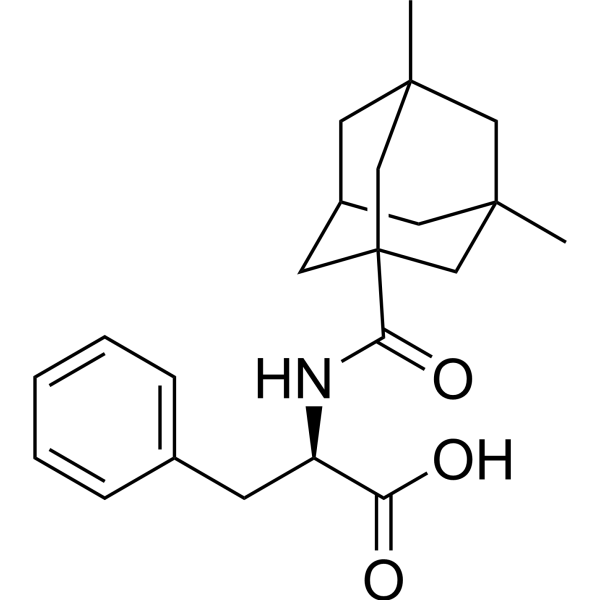
  • HY-148244
    MS47134
    1 Publications Verification

    Mas-related G-protein-coupled Receptor (MRGPR) Others
    MS47134 is a potent and selective MRGPRX4 agonist with an EC50 value of 149 nM. MS47134 can be used for research of pain, itch and mast cell-mediated hypersensitivity .
    MS47134
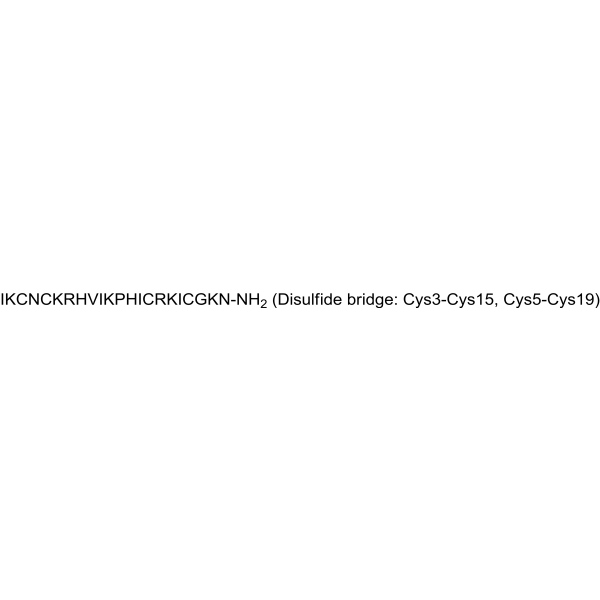
  • HY-12537

    Histamine Receptor 5-HT Receptor Inflammation/Immunology Endocrinology
    Peptide 401, a potent mast cell degranulating factor from bee venom, suppresses the increased vascular permeability due to intradermal injection of various smooth muscle spasmogens (histamine, and 5-HT).
    Peptide 401
  • HY-101005

    Nα-Methylhistamine dihydrochloride

    Histamine Receptor Inflammation/Immunology
    N-Methylhistamine (Nα-Methylhistamine) dihydrochloride is a potent agonist of the histamine H3 receptor, exhibiting significant implications in the diagnosis and management of mastocytosis. N-Methylhistamine (dihydrochloride) also serves as a biomarker for assessing mast cell accumulation in clinical evaluations.
    N-Methylhistamine dihydrochloride
  • HY-P99193

    MEDI-528

    Interleukin Related Inflammation/Immunology
    Enokizumab (MEDI-528) is a monoclonal antibody targeting to interleukin (IL)-9. IL-9 regulates the development of airway inflammation, mucus production, airway hyperresponsiveness, and airway fibrosis largely by increasing mast cell numbers and activity in the airways .
    Enokizumab
  • HY-105999

    Ser/Thr Protease Inflammation/Immunology
    APC 366 is a selective inhibitor of mast cell tryptase (Ki=7.1 μM). APC 366 inhibits antigen-induced early asthmatic response (EAR), late asthmatic response (LAR), and bronchial hyperresponsiveness (BHR) in a sheep model of allergic asthma .
    APC 366
  • HY-P1793

    Opioid Receptor Biochemical Assay Reagents Neurological Disease Inflammation/Immunology Cancer
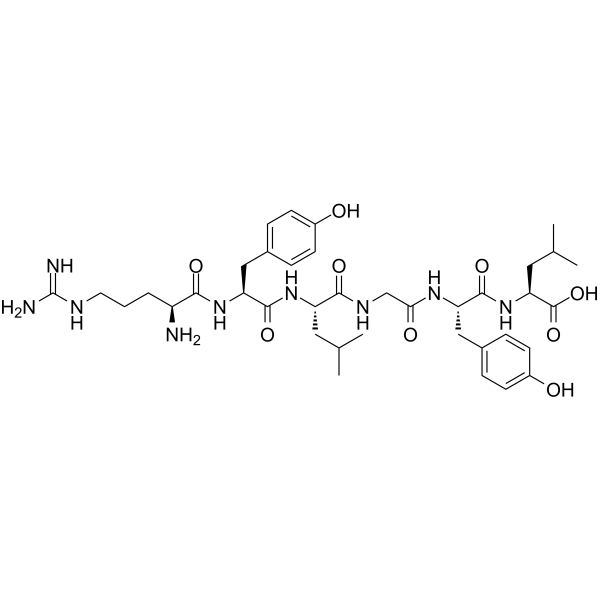
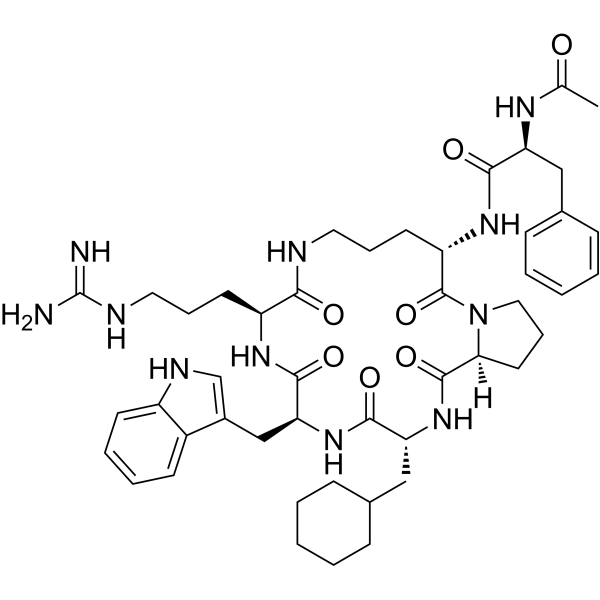
    α-Casein (90-95) is a partial agonist of opioid receptors and a copper ion ligand, with opioid activity. α-Casein (90-95) inhibits the secretion of β-hexosaminidase by rat peritoneal mast cells (PMC) with IC50= 0.1 μM. α-Casein (90-95) inhibits the proliferation of prostate cancer cells LNCaP, DU145, and PC3 with IC50 of 0.94 nM, 137 nM, and 6.92 nM, respectively. α-Casein (90-95) activates Gi-like proteins through a membrane-assisted, receptor-independent pathway, or reversibly binds to opioid receptors, inducing intracellular calcium release and conformational changes, and exerts the activity of promoting mast cell secretion and inhibiting tumor cell proliferation. α-Casein (90-95) can be used in the study of the mechanisms of allergic diseases and prostate cancer .
    α-Casein (90-95)
  • HY-123532

    VUF6002

    Histamine Receptor Neurological Disease
    JNJ10191584 (VUF6002) is an orally active and selective histamine H4 receptor antagonist with a Ki value of 26 nM. JNJ10191584 shows 540-fold selectivity to H4 receptor over H3 receptor with a Ki value of 14.1 μM. JNJ10191584 inhibits chemotaxis of eosinophils and mast cells with IC50 values of 530 nM and 138 nM, respectively .
    JNJ10191584
  • HY-124252

    ETI

    Lipoxygenase Cancer
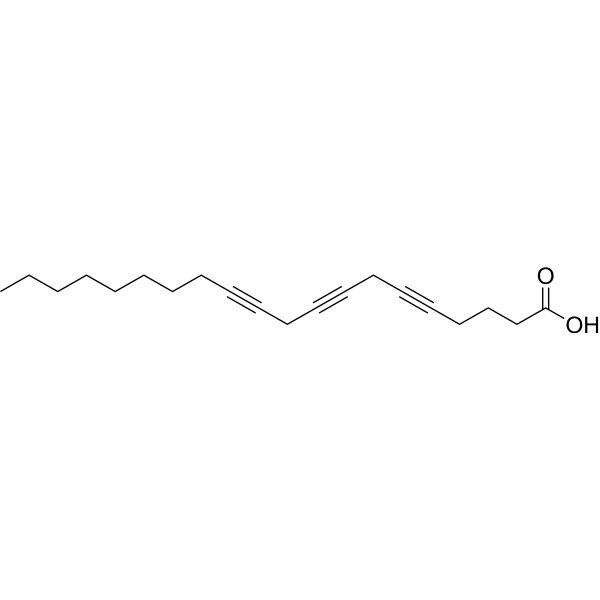
    5,8,11-Eicosatriynoic acid (ETI) is a lipoxygenase inhibitor that blocks LTC4 biosynthesis in mast cell tumor cells .
    5,8,11-Eicosatriynoic acid
  • HY-N12254

    p38 MAPK Others
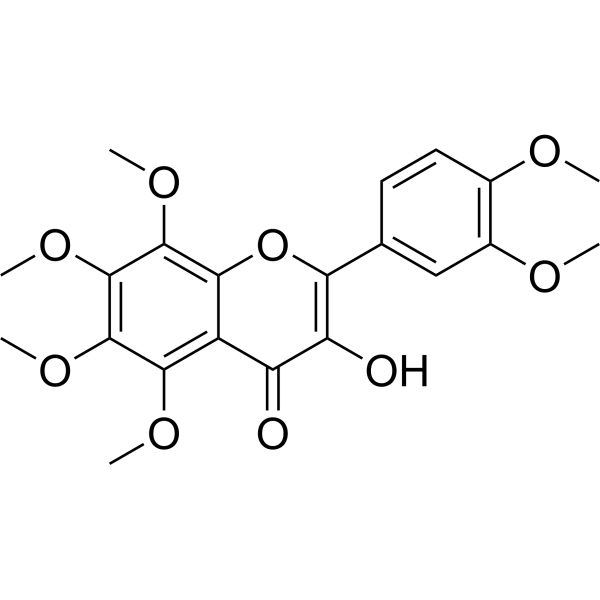
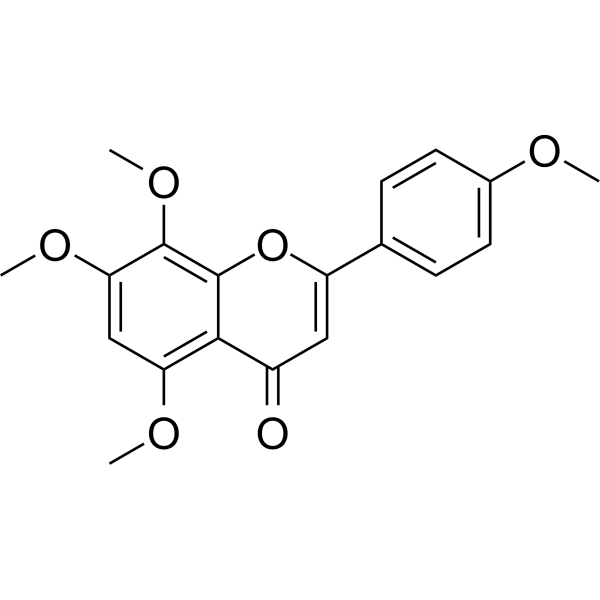
    Natsudaidain is a kind of polymethoxyflavone. Natsudaidain can be isolated from Citrus plants. Natsudaidain inhibits tumor necrosis factor-α and cyclooxygenase-2 production n by suppressing p38 MAPK phosphorylation on mast cells .
    Natsudaidain
  • HY-P2922

    Cathepsin Cancer
    Cathepsin C is a lysosomal cysteine protease essential for catalytic activation of many serine proteases, including proteinase 3 (PR3), neutrophil elastase (NE), cathepsin G (CTSG), granzyme A/B/C, and mast cell chymase .
    Cathepsin C
  • HY-122295

    Apoptosis Inflammation/Immunology Cancer
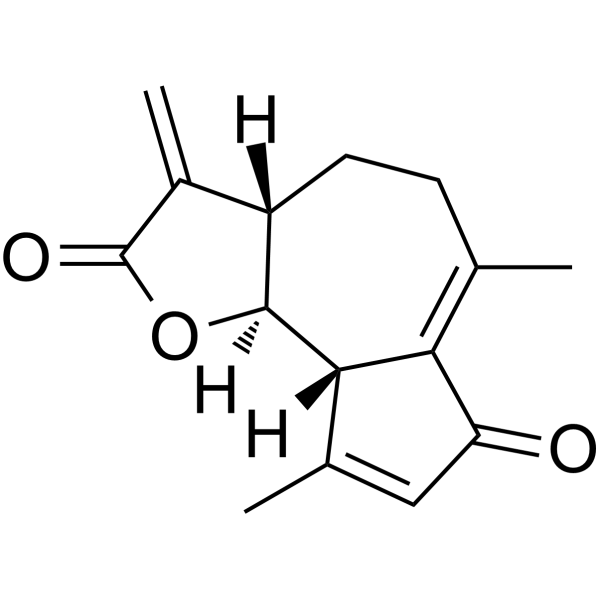
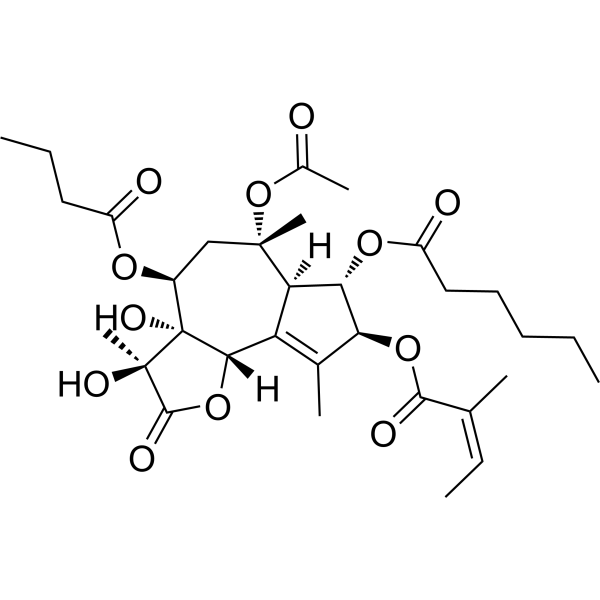
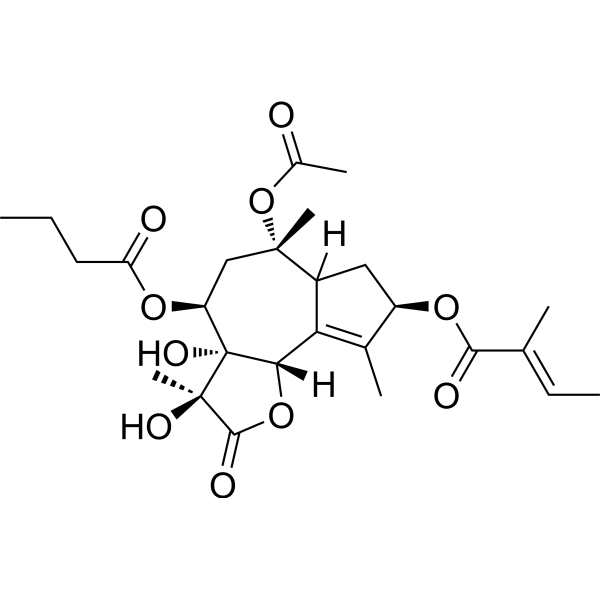
    Dehydroleucodine is a sesquiterpene lactone isolated from Artemisia douglasiana. Dehydroleucodine is a mast cell stabilizer that inhibits tmast cell degranulation induced by compound 48/80. Dehydroleucodine inudces cells apoptosis, and has gastric ulcer inhibition and antileukemic effects .
    Dehydroleucodine
  • HY-N3007A

    Others Inflammation/Immunology
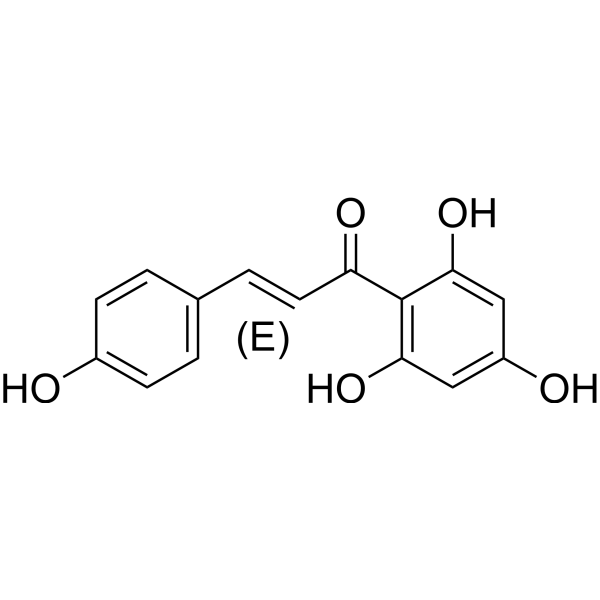
    (E)-Naringenin chalcone is an orally active anti-allergic agent. (E)-Naringenin chalcone also has antioxidant, anti-inflammatory activities. (E)-Naringenin chalcone can improve adipocyte functions. (E)-Naringenin chalcone inhibits histamine release from rat peritoneal mast cell .
    (E)-Naringenin chalcone
  • HY-N4207

    Others Others
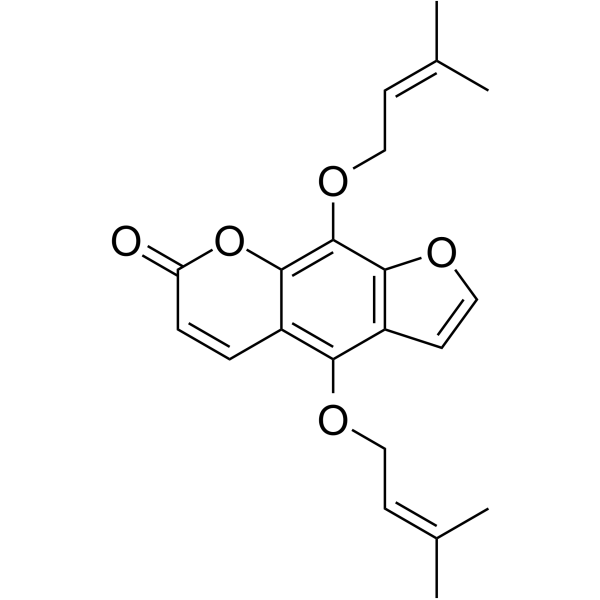
    Cnidicin, a coumarin, inhibits the degranulation of mast cell and the nitric oxide (NO) generation in RAW 264.7 cells .
    Cnidicin
  • HY-122161

    RWJ-355871

    Cathepsin Inflammation/Immunology
    JNJ-10311795 (RWJ-355871), a potent dual inhibitor of neutrophil cathepsin G (Ki = 38 nM) and mast cell chymase (Ki = 2.3 nM), exhibits noteworthy antiinflammatory activity .
    JNJ-10311795
  • HY-B0320AR

    Cromoglycate disodium (Standard); Cromoglicic acid disodium (Standard); FPL-670 (Standard)

    Reference Standards GSK-3 NF-κB Amyloid-β Neurological Disease Metabolic Disease Inflammation/Immunology Cancer
    Cromolyn disodium (Standard) (Cromoglycate disodium (Standard)) is the analytical standard of Cromolyn disodium (HY-B0320A). This product is intended for research and analytical applications. Cromolyn (Cromoglycate) disodium is an orally active GSK-3β inhibitor with an IC50 of 2.0 μM. Cromolyn disodium is also a mast cell stabilizer that can inhibit the release of mediators from mast cells, regulate reflex bronchoconstriction, and reduce non-specific bronchial hyperreactivity, and Cromolyn disodium can be used in the research of bronchial asthma. In addition, Cromolyn disodium has multiple activities such as anti-inflammatory, anti-allergic, anti-histamine, anti-cancer, and neuroprotective effects .
    Cromolyn disodium (Standard)
  • HY-N7885

    (-)-(25R)-Spirost-4-ene-3,12-dione

    Others Inflammation/Immunology
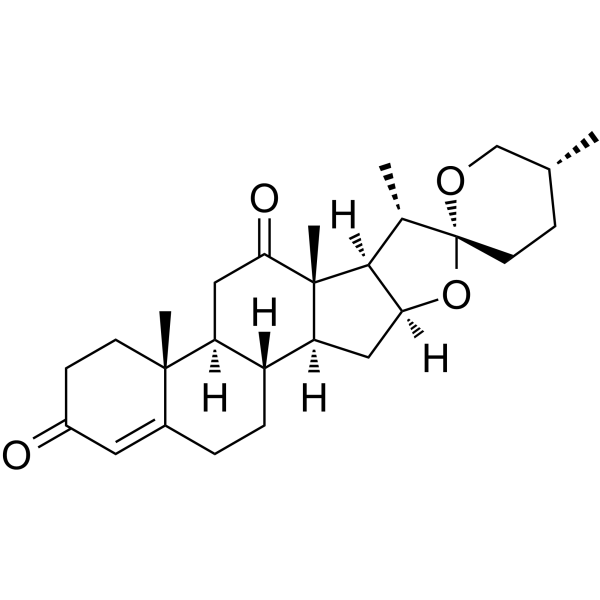
    (25R)-Spirost-4-ene-3,12-dione ((-)-(25R)-Spirost-4-ene-3,12-dione) is a natural product that has an inhibitory effect on neutrophil superoxide anion production and histamine release from mast cells .
    (25R)-Spirost-4-ene-3,12-dione
  • HY-P2706

    Histamine Receptor Endocrinology
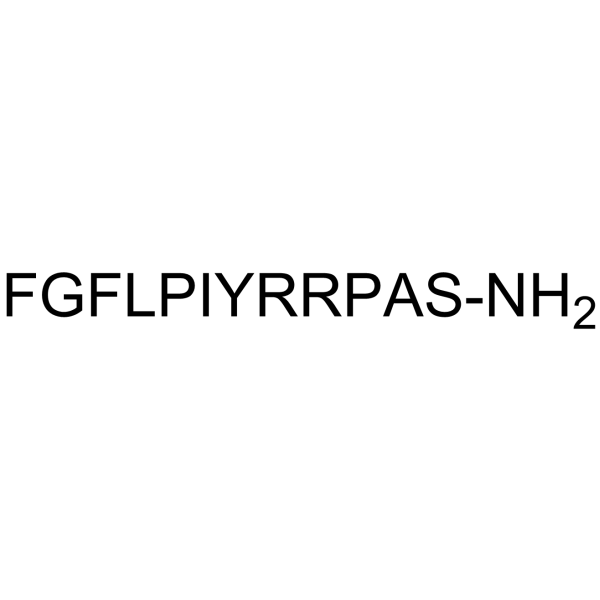
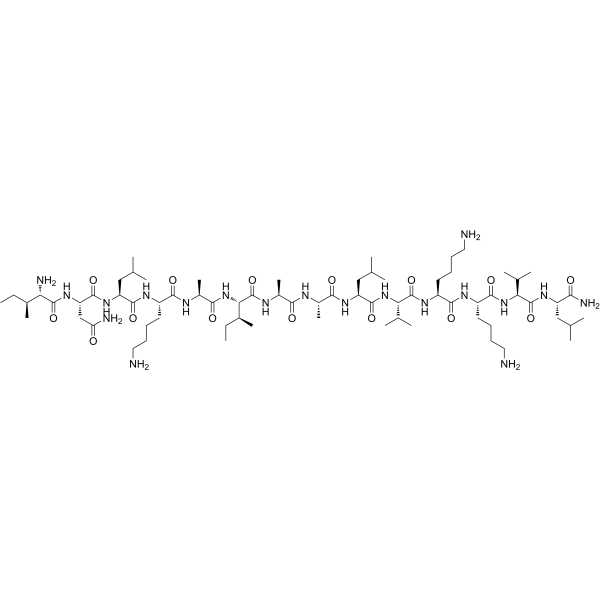
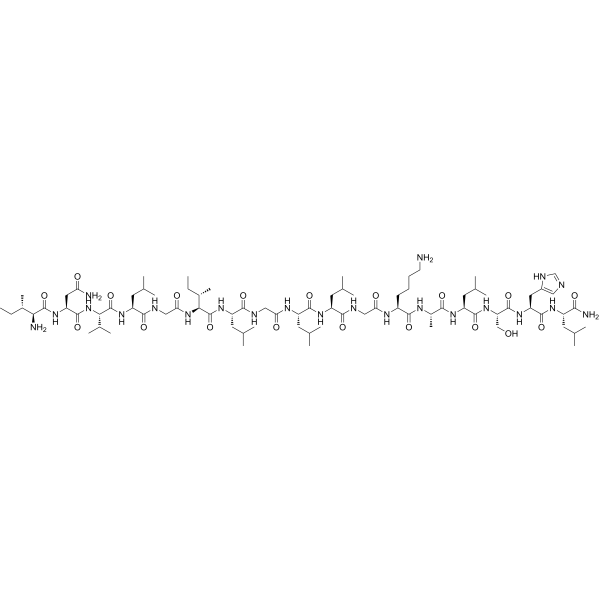
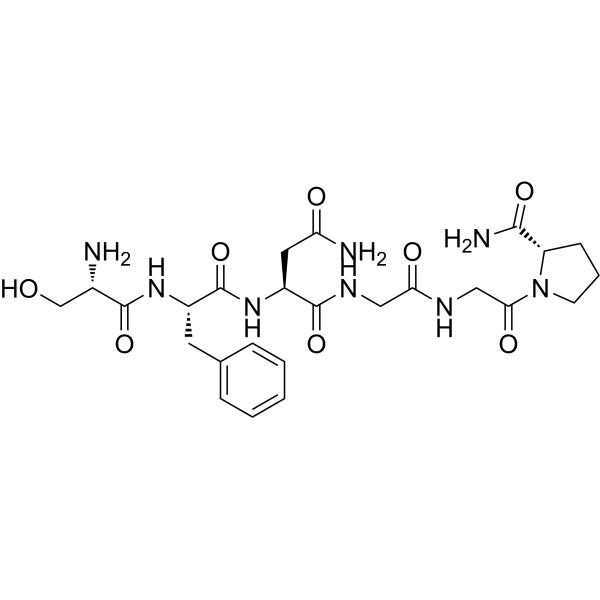
    Granuliberin R is a new mast cell degranulating peptide comes from amphibian, can be isolated from the skin of frog Rana rugosa. Granuliberin R is a dodecapeptide, can act on rat peritoneal mast cell to liberate granules and release histamine .
    Granuliberin R
  • HY-P4580

    Proteasome Others
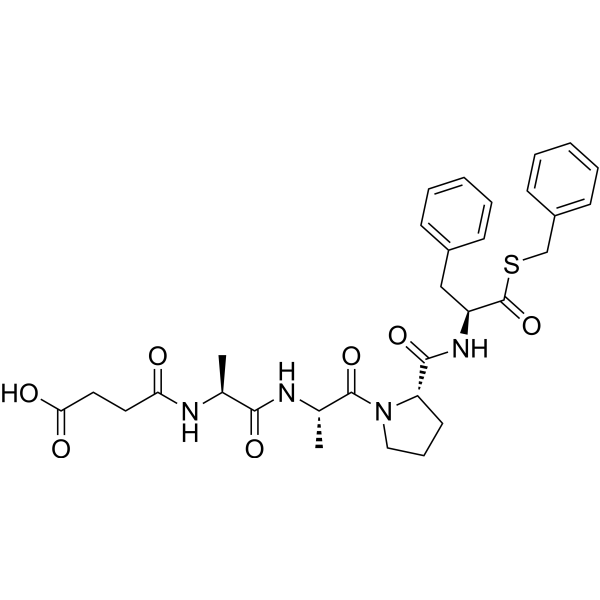
    Suc-Ala-Ala-Pro-Phe-SBzl can be used as the substrate of rat intestinal mast cell protease (RMCP I), rat skeletal muscle mast cell protease (RMCP II) and Chymotrypsin (HY-108910). Suc-Ala-Ala-Pro-Phe-SBzl can be hydrolyzed by glycine (R208G) .
    Suc-Ala-Ala-Pro-Phe-SBzl
  • HY-100269

    Proteasome Inflammation/Immunology
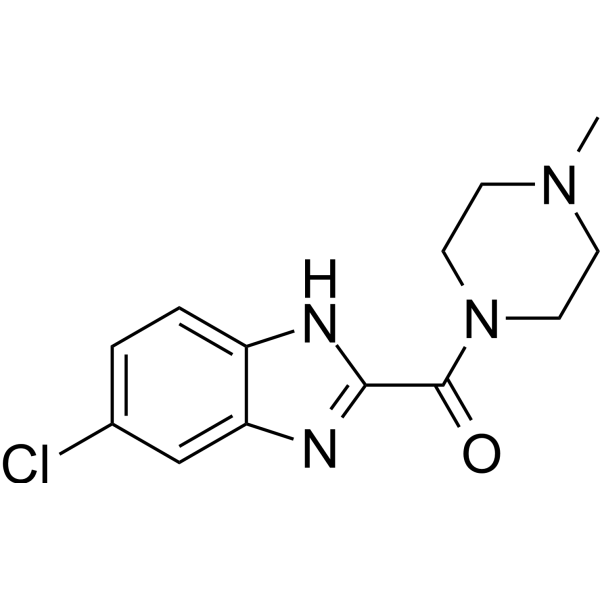
    Chymase-IN-1 is a potent, selective, orally active, nonpeptide inhibitor of human mast cell chymase with an IC50 of 29 nM.
    Chymase-IN-1
  • HY-124146

    Syk Inflammation/Immunology
    BI1002494 is an orally active, potent, and selective spleen tyrosine kinase (SYK) inhibitor. BI 1002494 exhibits an IC50 of 115 nM in inhibiting high-affinity IgE receptor-mediated mast cell and basophil degranulation. BI1002494 can be utilized in immunology reesearch .
    BI1002494
  • HY-N3421

    Interleukin Related TNF Receptor Influenza Virus Infection Inflammation/Immunology Cancer
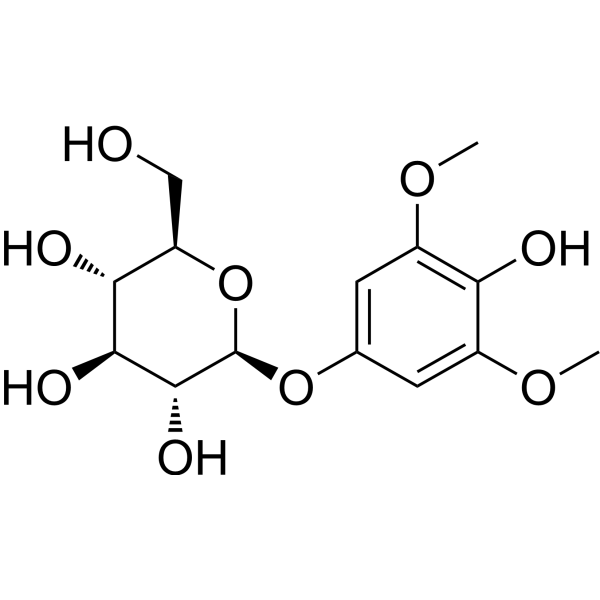
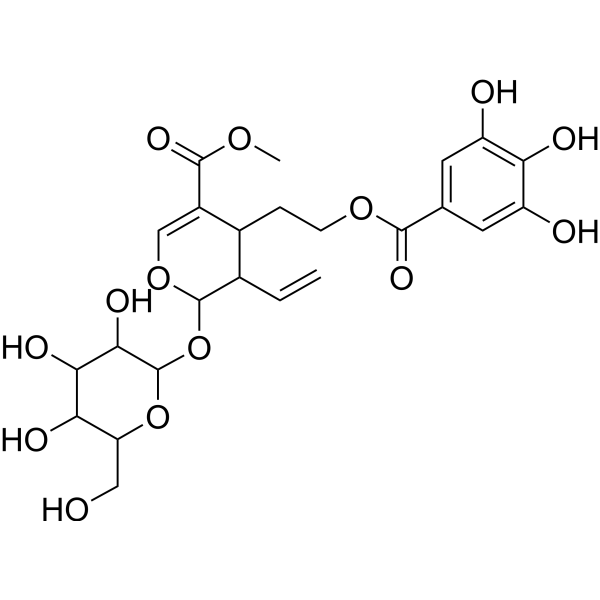
    Koaburaside is a cytoprotective and anti-inflammatory natural compound. Koaburaside shows antioxidant activity with an IC50 of 9.0 μM for DPPH-free radical scavenging assay. Koaburaside inhibits histamine release and expressions of IL-6 and TNF-α in human mast cells. Koaburaside also effectively inhibits influenza A neuraminidase .
    Koaburaside
  • HY-105999B

    Protease Activated Receptor (PAR) Others
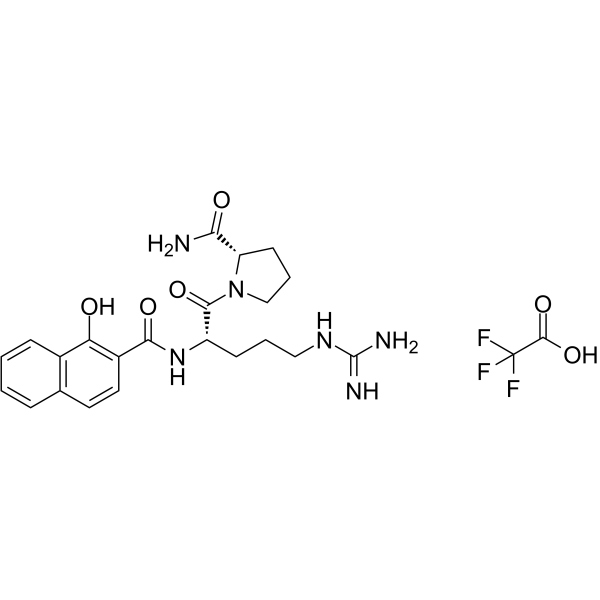
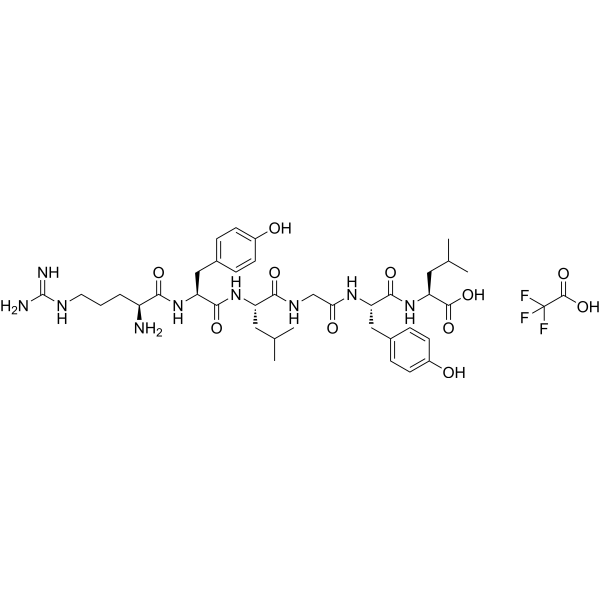
    APC 366 (TFA) is an irreversible mast cell tryptase inhibitor. APC 366 (TFA) can be used for the research of allergic diseases .
    APC 366 TFA
  • HY-P5727

    Bacterial Infection
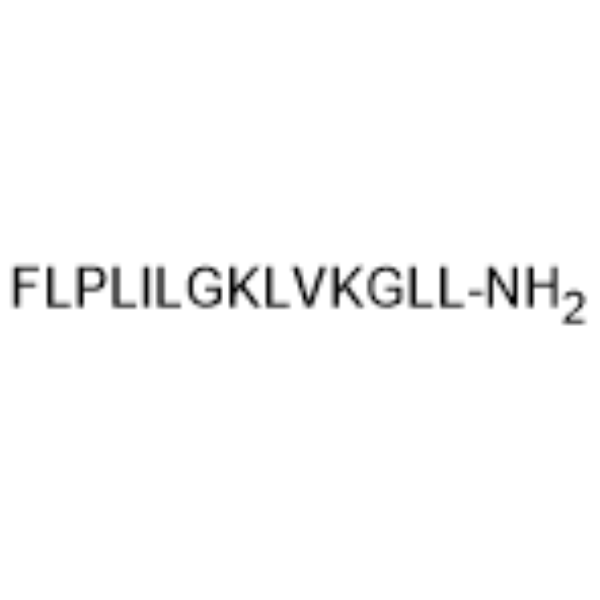
    HR1 is a mastoid protease. HR1 can increase the permeability of human erythrocyte membrane. HR1 can induce cytoplasmic membrane permeation in bacteria and mast cells .
    HR1
  • HY-B1619R

    Cromoglycate (Standard); Cromoglicic acid (Standard); FPL-670 free acid (Standard)

    GSK-3 NF-κB Amyloid-β Reference Standards Neurological Disease Metabolic Disease Inflammation/Immunology Cancer
    Cromolyn (Standard) is the analytical standard of Cromolyn. This product is intended for research and analytical applications. Cromolyn (Cromoglycate) is an orally active GSK-3β inhibitor with an IC50 of 2.0 μM. Cromolyn is also a mast cell stabilizer that can inhibit the release of mediators from mast cells, regulate reflex bronchoconstriction, and reduce non-specific bronchial hyperreactivity, and Cromolyn can be used in the research of bronchial asthma. In addition, Cromolyn has multiple activities such as anti-inflammatory, anti-allergic, anti-histamine, anti-cancer, and neuroprotective effects .
    Cromolyn (Standard)
  • HY-B0157AS

    Histamine Receptor SARS-CoV Influenza Virus Inflammation/Immunology Endocrinology
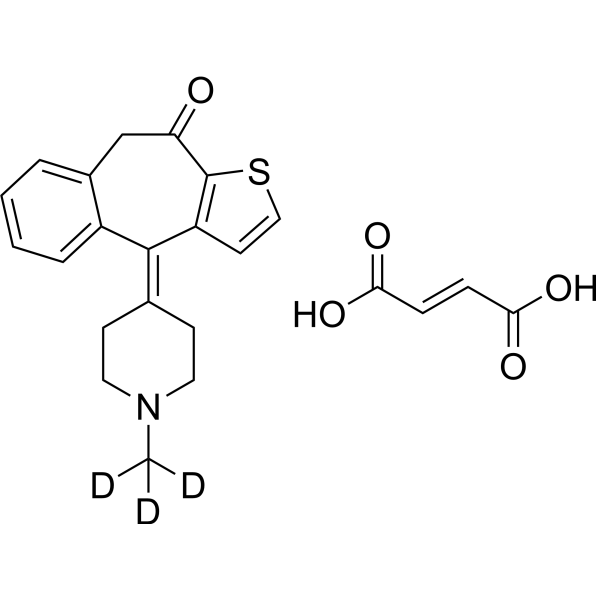
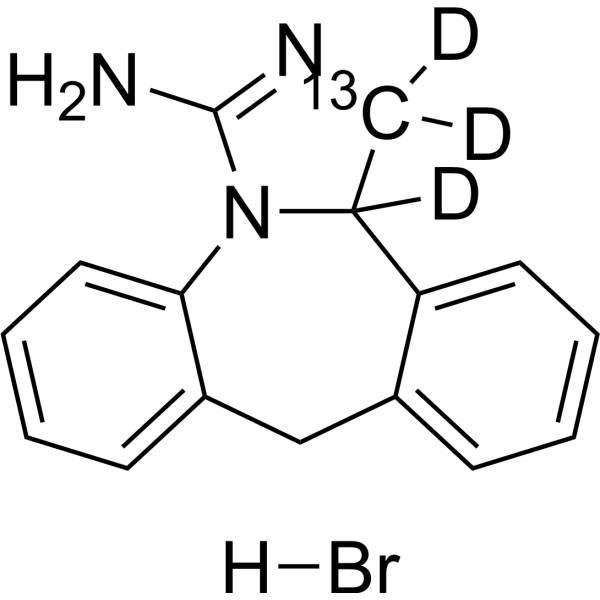
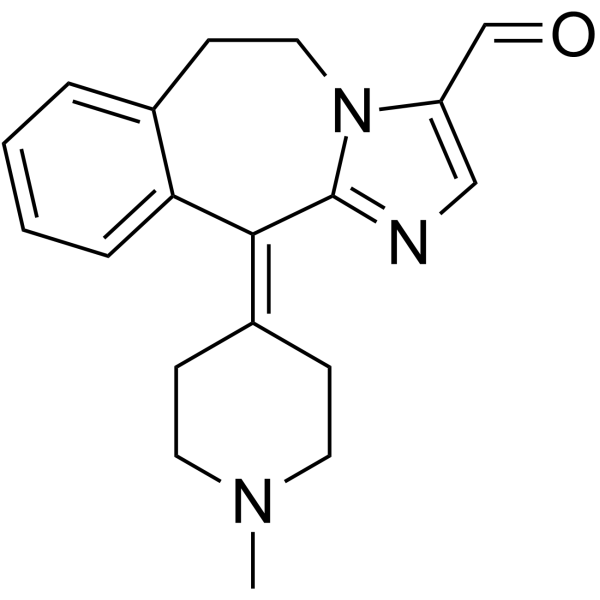
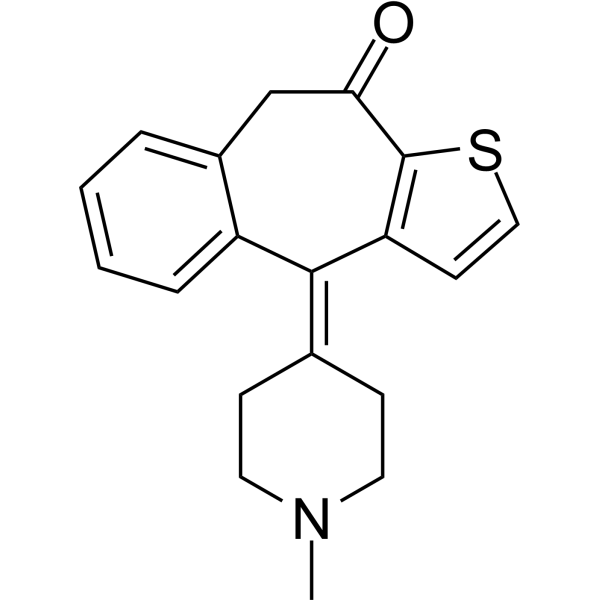
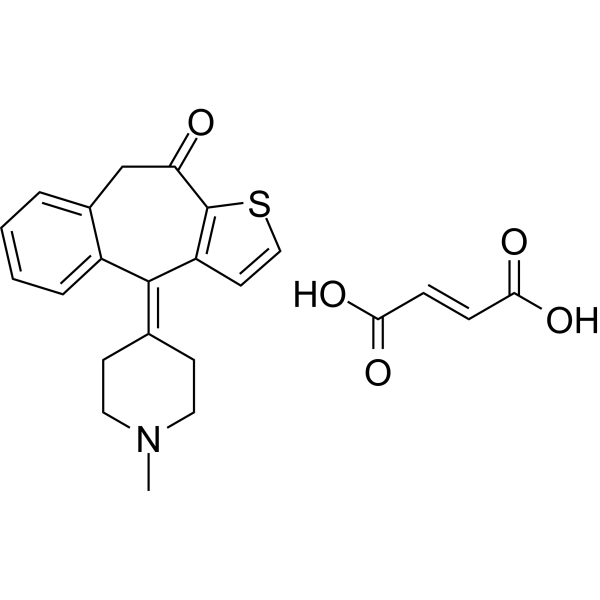
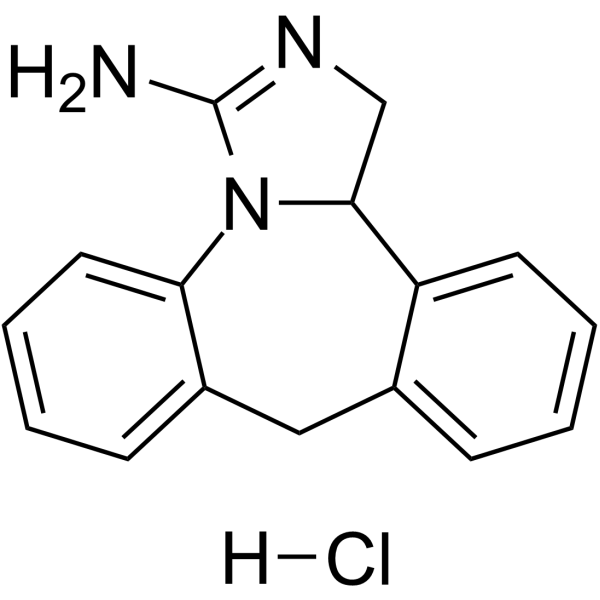
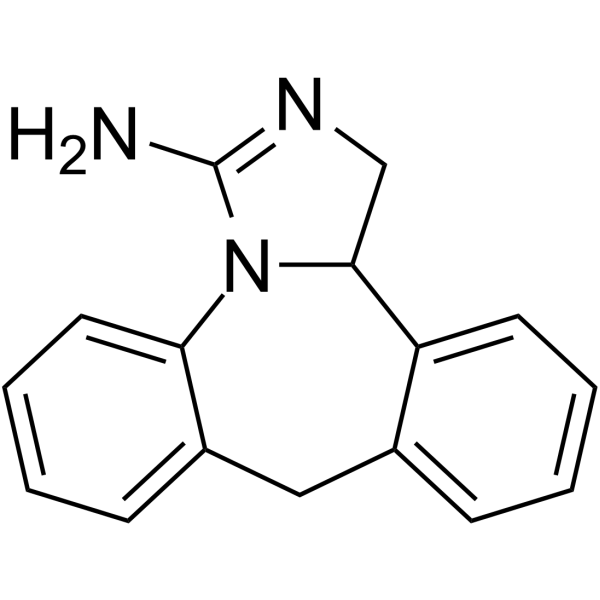
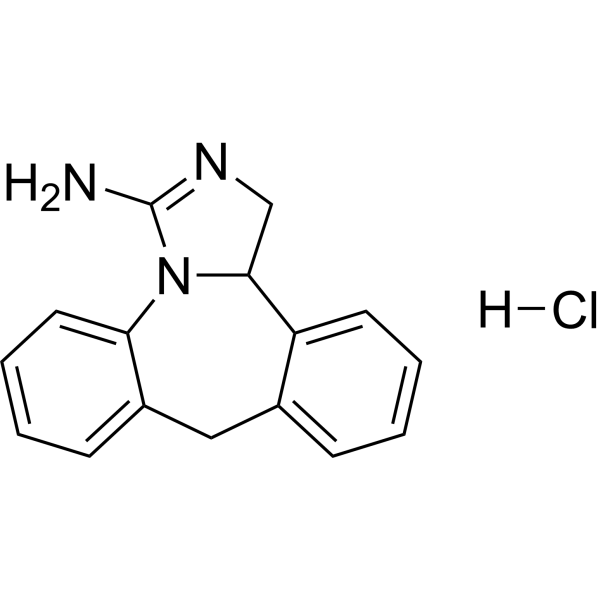
    Ketotifen-d3 (fumarate) is the deuterium labeled Ketotifen fumarate. Ketotifen (HC 20511) fumarate is a second-generation noncompetitive H1-antihistamine and mast cell stabilizer, which is used to prevent asthma attacks .
    Ketotifen-d3 fumarate
  • HY-N13148

    Others Others
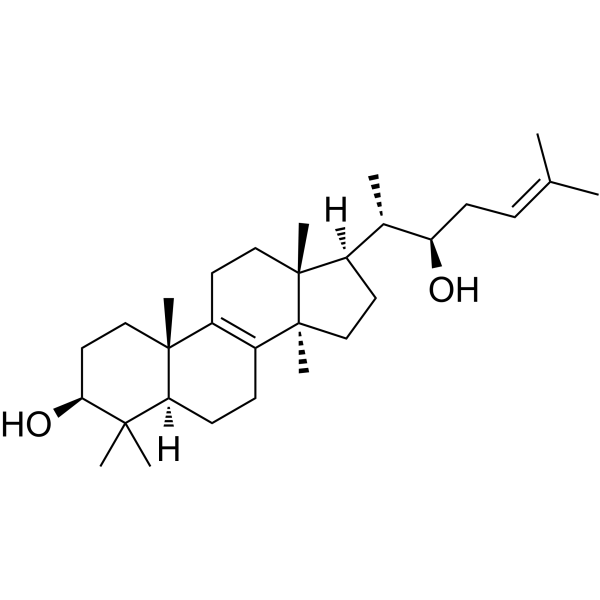
    Ganodermatriol is a lanostane type triterpenoid compound derived from Ganoderma lucidum. These compounds have been reported to possess various biological activities, such as inhibiting histamine release from rat mast cells and exhibiting anti-hepatoma cell activity in vitro .
    Ganodermatriol
  • HY-23120

    Antibiotic Virus Protease Infection Cancer
    1-Hydroxyguanidine sulfate is an antitumor agent that inhibits mast cell P815, leukaemia P388, leukaemia L1210 and carcinosarcoma Walker 256 cells growth. 1-Hydroxyguanidine sulfate also has antiviral activity .
    1-Hydroxyguanidine sulfate
  • HY-110013

    Btk Antibiotic Infection Inflammation/Immunology
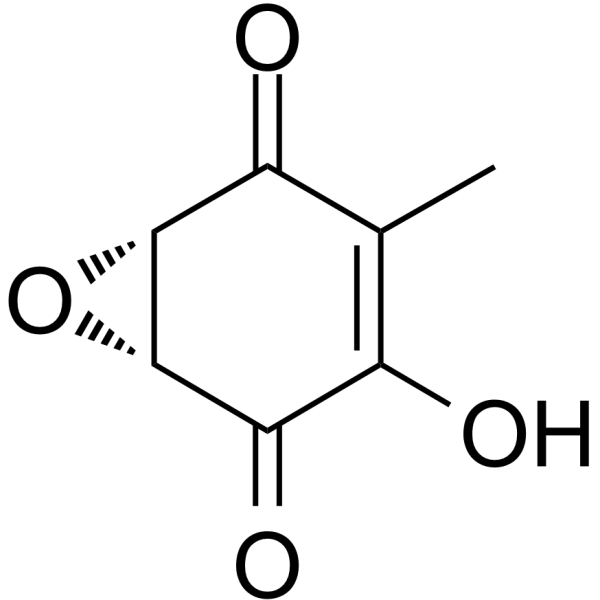
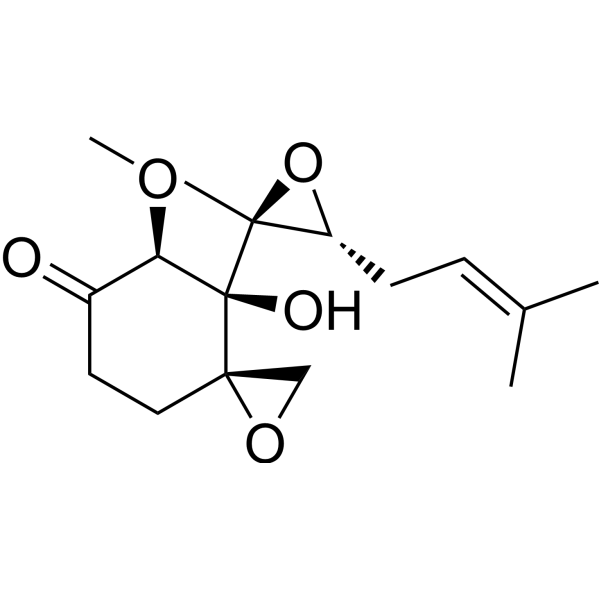
    Terreic acid, a quinone epoxide antibiotic, acts as an effective Btk inhibitor. Terreic acid blocks the interaction between PKC and the pleckstrin homology domain of Btk. Terreic acid inhibits the binding of GST-BtkPH to PKC in lysates of HMC-1 human mast cells with an IC50 of approximately 100 μM .
    Terreic acid
  • HY-19075

    Leukotriene Receptor Inflammation/Immunology
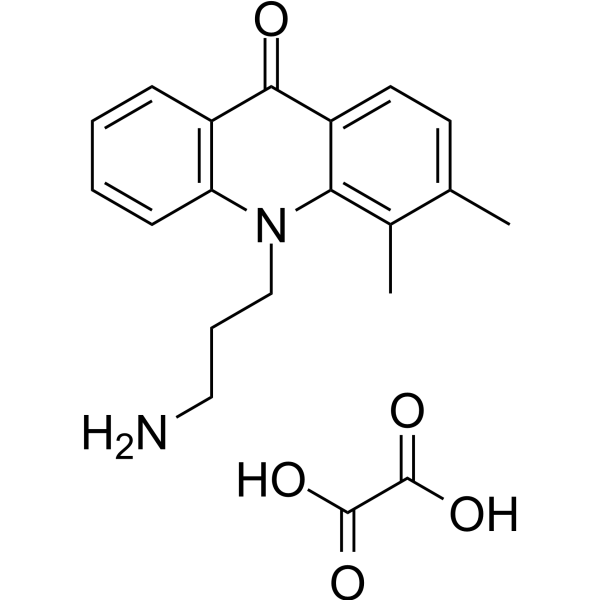
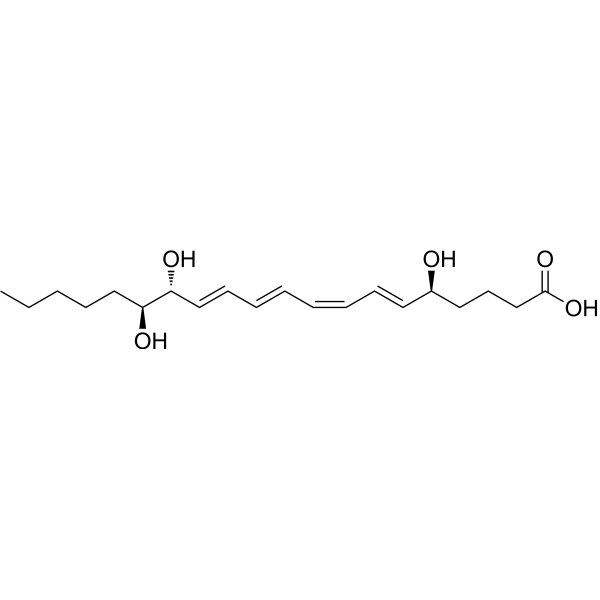
    DS 4574 is an orally active peptidoleukotriene receptor antagonist and mast cell stabilizer. DS 4574 has antiulcer, gastroprotective and antisecretory effects. DS 4574 inhibits various types of experimental asthma models. DS 4574 protects rats from endotoxin-induced intestinal injury .
    DS 4574
  • HY-12521
    GSK-5498A
    3 Publications Verification

    CRAC Channel Inflammation/Immunology
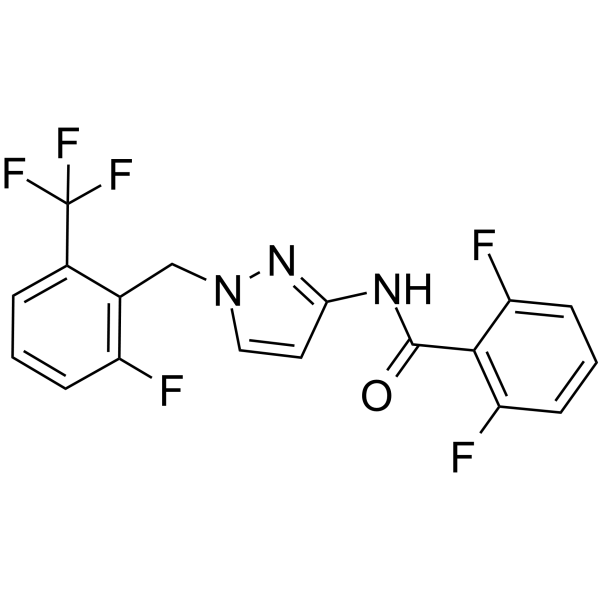
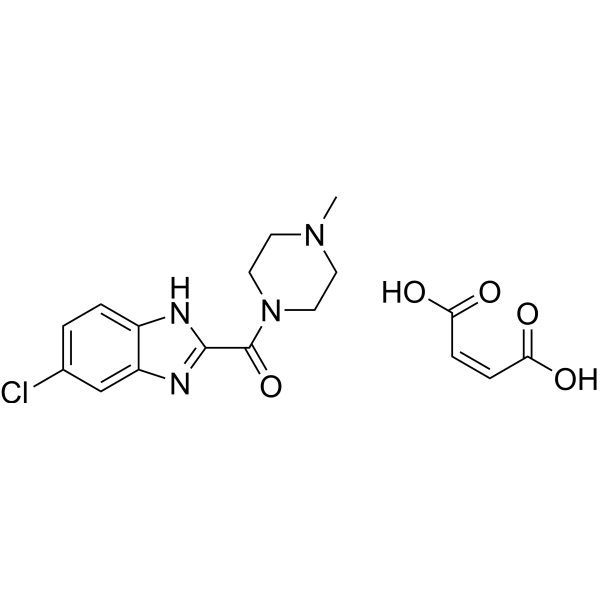
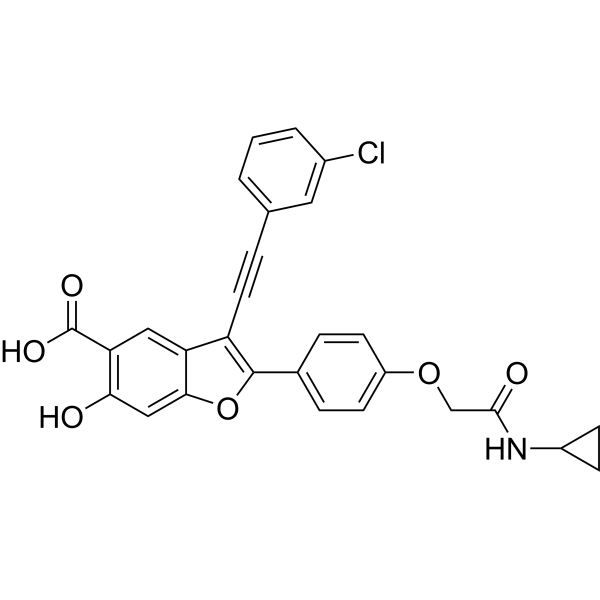
    GSK-5498A is a selective CARC channel inhibitor (IC50: 1 μM). GSK-5498A inhibits mediators release from mast cells and pro-inflammatory cytokines release from T cells. GSK-5498A can be used in the research of inflammatory disorders .
    GSK-5498A
  • HY-131162

    Angiotensin Receptor Cardiovascular Disease
    Chymase is a protein-digester enzyme found primarily in mast cells (MC), fibroblasts, and vascular endothelial cells. Chymase is released into the extracellular stroma in the context of inflammatory signals, tissue injury and cellular stress. Chymase is also involved in angiotensin II (Ang II) production, which is used in cardiovascular disease studies .
    Chymase

Inquiry Online

Your information is safe with us. * Required Fields.

Salutation


Country or Region *

Applicant Name *


Organization Name *

Department *


Email Address *


Product Name *

Cat. No.


Requested quantity *

Phone Number *


Remarks

Inquiry Online

Inquiry Information

Product Name:
Cat. No.:
Quantity:
MCE Japan Authorized Agent: