Search Result
Results for "
MAPK+signaling+pathway
" in MedChemExpress (MCE) Product Catalog:
2
Biochemical Assay Reagents
2
Isotope-Labeled Compounds
| Cat. No. |
Product Name |
Target |
Research Areas |
Chemical Structure |
-
- HY-111431
-
|
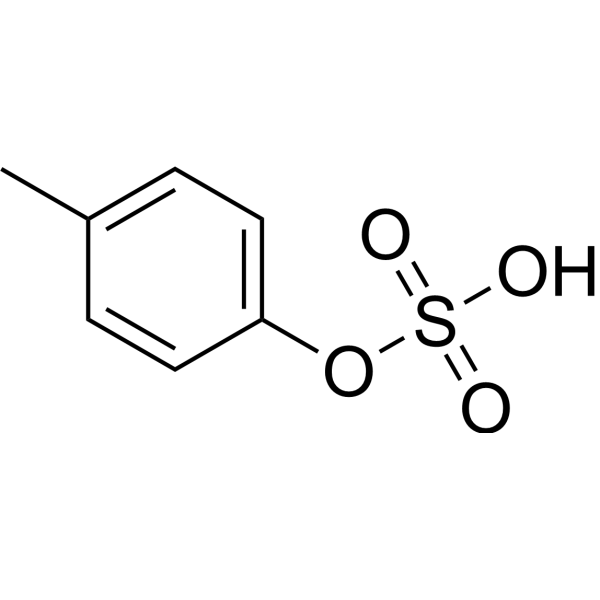
p-Tolyl sulfate
|
JNK
p38 MAPK
Reactive Oxygen Species (ROS)
|
Metabolic Disease
|
|
p-Cresyl sulfate (p-Tolyl sulfate) is a uremic toxin, that can cause renal damage and dysfunction. p-Cresyl sulfate shows antiproliferation activity. p-Cresyl sulfate increases the protein expression of HIF-1α and VHL, decreases the protein expression of HIF-2α. p-Cresyl sulfate induces epithelial-mesenchymal transition (EMT). p-Cresyl sulfate activates the JNK and p38 MAPK signaling pathways .
|
-
-
- HY-N0457
-
|
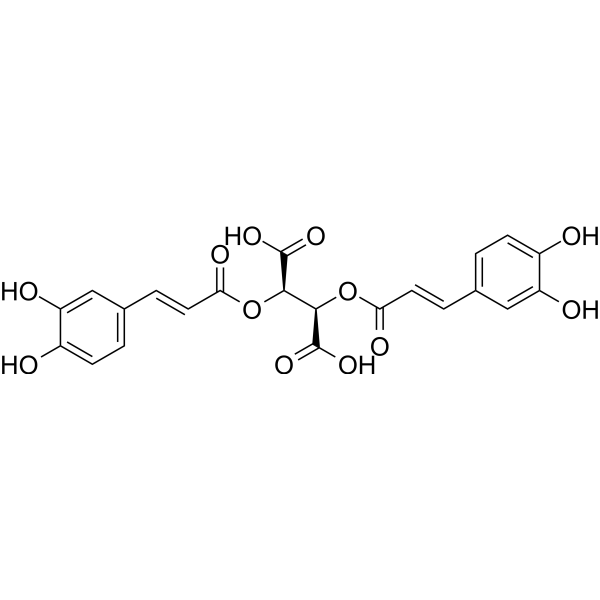
Cichoric acid; Dicaffeoyltartaric acid
|
Reactive Oxygen Species (ROS)
Apoptosis
|
Metabolic Disease
Inflammation/Immunology
|
|
Chicoric acid (Cichoric acid), an orally active dicaffeyltartaric acid, induces reactive oxygen species (ROS) generation. Chicoric acid inhibits cell viability and induces mitochondria-dependent apoptosis in 3T3-L1 preadipocytes through ROS-mediated PI3K/Akt and MAPK signaling pathways. Chicoric acid increases glucose uptake, improves insulin resistance, and attenuates glucosamine-induced inflammation. Chicoric acid has antidiabetic properties and antioxidant, anti-inflammatory effects .
|
-
-
- HY-111431A
-
-
-
- HY-N0188
-
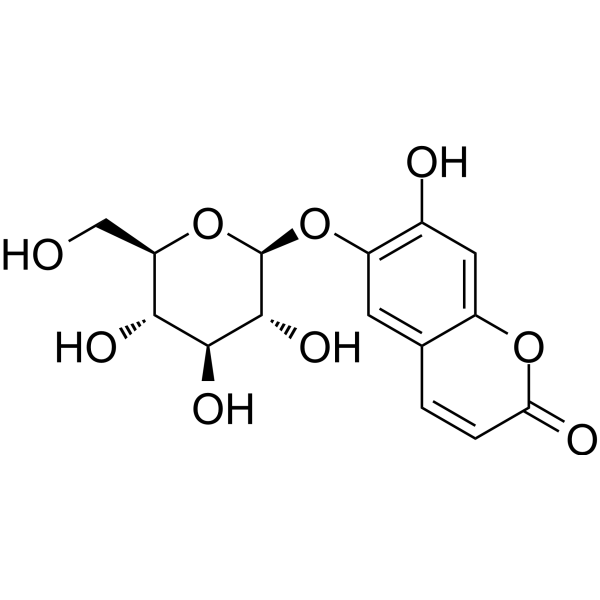
Esculin
5 Publications Verification
|
p38 MAPK
|
Inflammation/Immunology
Cancer
|
|
Esculin is a fluorescent coumarin glucoside, the active ingredient in ash bark. Esculin has antidiabetic effects, improves cognitive impairment in experimental diabetic nephropathy (DN) via the MAPK signaling pathway, and exerts antioxidant stress and anti-inflammatory effects. Esculin also has anticancer, antibacterial, antiviral, neuroprotective, antithrombotic, and therapeutic properties for eye diseases .
|
-
-
- HY-N0330
-
|
|
Apoptosis
Autophagy
PI3K
c-Myc
|
Metabolic Disease
Inflammation/Immunology
Cancer
|
|
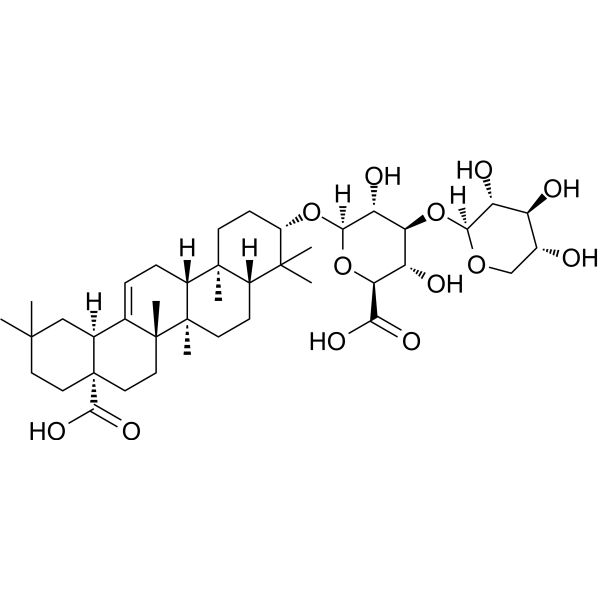
Momordin Ic is an orally active triterpenoid saponin that can be isolated from Kochia scoparia. It is also a SUMO specific protease 1 (SENP1) inhibitor, SENP1/c-MYC signaling pathway inhibitor, and apoptosis inducer. Momordin Ic induces autophagy and apoptosis in liver cancer cells through the PI3K/Akt and MAPK signaling pathways mediated by reactive oxygen species. Momordin Ic has the ability to control glucose induced blood glucose elevation, inhibit gastric emptying, resist rheumatoid arthritis, reduce CCl4 (HY-Y0298) induced hepatotoxicity and anti-tumor activity .
|
-
-
- HY-N0632
-
|
|
COX
NF-κB
|
Inflammation/Immunology
|
|
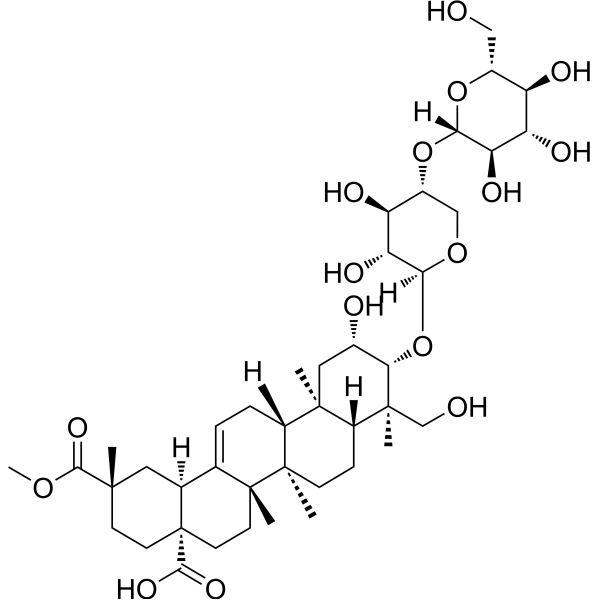
Esculentoside A (EsA), a kind of triterpene saponin isolated from roots of Phytolacca esculenta .
Esculentoside A (EsA) possesses anti-inflammatory activity in acute and chronic experimental models , has selective inhibitory activity towards cyclooxygenase-2 (COX-2) .
Esculentoside A (EsA) suppresses inflammatory responses in LPS-induced acute lung injury (ALI) through inhibition of the nuclear factor kappa B (NF-ΚB) and mitogen activated protein kinase (MAPK) signaling pathways .
|
-
-
- HY-161834
-
|
|
Pyroptosis
Aquaporin
NOD-like Receptor (NLR)
p38 MAPK
|
Infection
Metabolic Disease
Inflammation/Immunology
|
|
RG100204 is a selective, orally available inhibitor of the aquaporin AQP9. RG100204 directly inhibits AQP9 channel function, preventing the transmembrane transport of water, glycerol, and H 2O 2. RG100204 reduces the activation of the NLRP3 inflammasome and p38 MAPK signaling pathways, thereby alleviating inflammation and pyroptosis. RG100204 reduces multi-organ dysfunction in a mouse sepsis model and shows glucose-regulating effects in diabetic db/db mice .
|
-

-
- HY-N6246
-
|
|
NF-κB
ERK
|
Inflammation/Immunology
Cancer
|
|
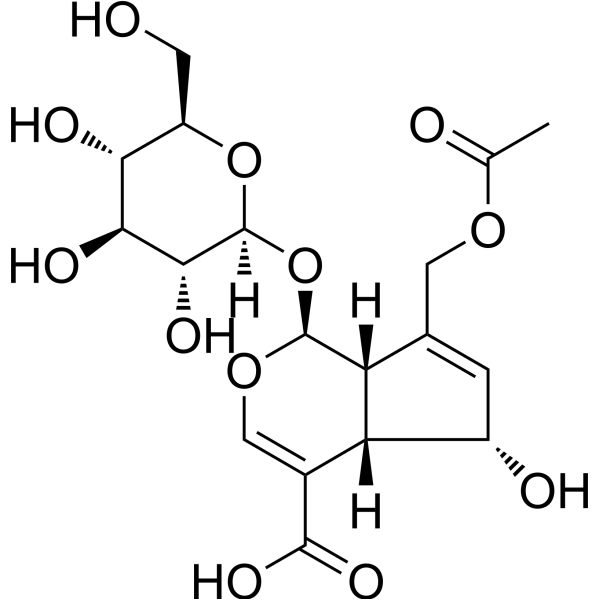
Asperulosidic Acid (ASPA), a bioactive iridoid glycoside, is extracted from the herbs of Hedyotis diffusa Willd. Asperulosidic Acid (ASPA) has anti-tumor, anti-oxidant, and anti-inflammatory activities .
ASPA is related to the inhibition of inflammatory cytokines (TNF-α, IL-6) and mediators via suppression of the NF-κB and mitogen-activated protein kinase (MAPK) signaling pathways .
|
-
-
- HY-P10408
-
|
|
EGFR
MMP
Calcium Channel
NOD-like Receptor (NLR)
ERK
p38 MAPK
|
Infection
Inflammation/Immunology
|
|
Candidalysin is a cytolytic peptide toxin secreted by the fungus Candida albicans. Candidalysin drives epithelial immune responses by activating the EGFR-MAPK signaling pathway, inducing MMP expression and calcium influx, and regulating the c-Fos transcription factor and MKP1 via p38 MAPK and ERK1/2 respectively. Candidalysin is essential for mucosal and systemic infections, activating NLRP3 to promote inflammatory responses, neutrophil recruitment, and Th17 immunity. Candidalysin activates LDH causing membrane damage and exhibiting cytotoxicity
|
-

-
- HY-W017982
-
|
CMI/MI
|
Environmental Pollutants
Bacterial
Reactive Oxygen Species (ROS)
p38 MAPK
Mitochondrial Metabolism
|
Infection
Neurological Disease
Inflammation/Immunology
|
|
CMIT/MIT is a CMIT and MIT mixture. CMIT and MIT are powerful synthetic biocidal substances. CMIT and MIT are used as preservatives in various cosmetics and industrial products. CMIT and MIT are present in many water-soluble consumer products, such as shampoos, toothpastes. CMIT/MIT (3:1 mixture of CMIT and MIT) produces mitochondrial ROS via inhibiting mitochondrial complex I and II. CMIT/MIT (in 3:1 ratio) induces neurotoxicity through the upregulation of the MAPKs signaling pathways. CMIT/MIT can be used in the research of respiratory diseases and neuroblastoma .
|
-

-
- HY-N0763
-
|
Isopsoralen
|
Apoptosis
Virus Protease
NF-κB
p38 MAPK
JNK
Caspase
|
Infection
Inflammation/Immunology
Cancer
|
|
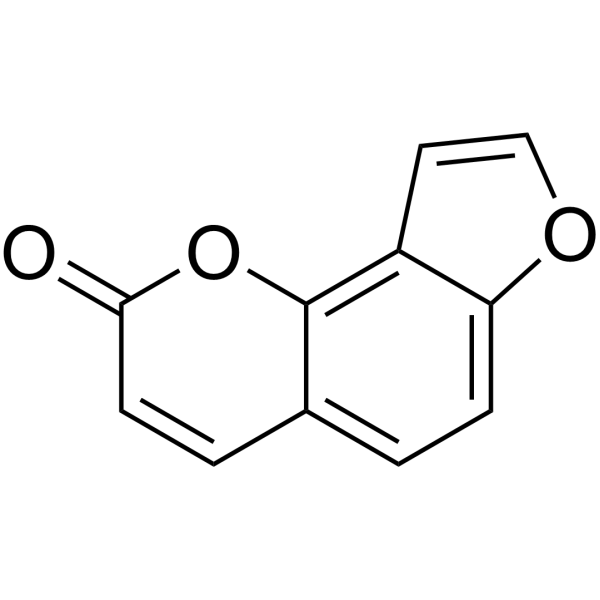
Angelicin is a furanocoumarin compound that functions as an inhibitor of NF-κB and MAPK signaling pathways, exhibiting anti-inflammatory, antiviral, and antitumor activities. It suppresses the lytic replication of γ-herpesviruses, such as MHV-68, early during viral infection, potentially inhibiting RTA gene expression (IC50=28.95 μM). Angelicin also mitigates inflammation by inhibiting the phosphorylation and nuclear translocation of NF-κB, and the phosphorylation of p38 and JNK. Furthermore, it induces apoptosis in neuroblastoma cells by downregulating anti-apoptotic proteins like Bcl-2, Bcl-xL, and Mcl-1, while activating caspase-9 and caspase-3.
|
-
-
- HY-12687
-
|
TIZ
|
Bacterial
HIV
Autophagy
Parasite
IKK
Influenza Virus
|
Infection
Cancer
|
|
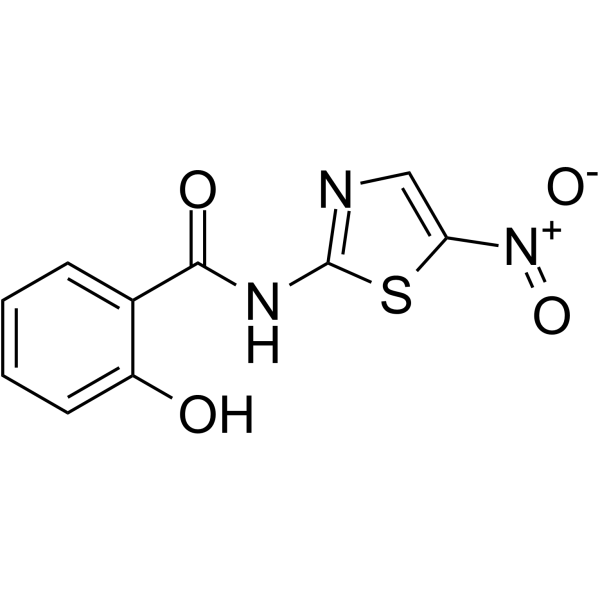
Tizoxanide (TIZ) is the active metabolite of Nitazoxanide, which is a thiazolide anti-infective compound against anaerobic bacteria, protozoa, and a range of viruses. Tizoxanide (TIZ) has anti-HIV-1 activities and potent inhibition of both HBV and HCV replication with values EC50 of 0.46μM and 0.15 μM, respectively. Tizoxanide also exerts anti-inflammatory effects by inhibiting the production of pro-inflammatory cytokines and suppressing of the activation of the NF-κB and the MAPK signaling pathways in LPS-treated macrophage cells .
|
-
-
- HY-N10503
-
|
|
Tyrosinase
Ras
Raf
MAPKAPK2 (MK2)
Apoptosis
|
Cancer
|
|
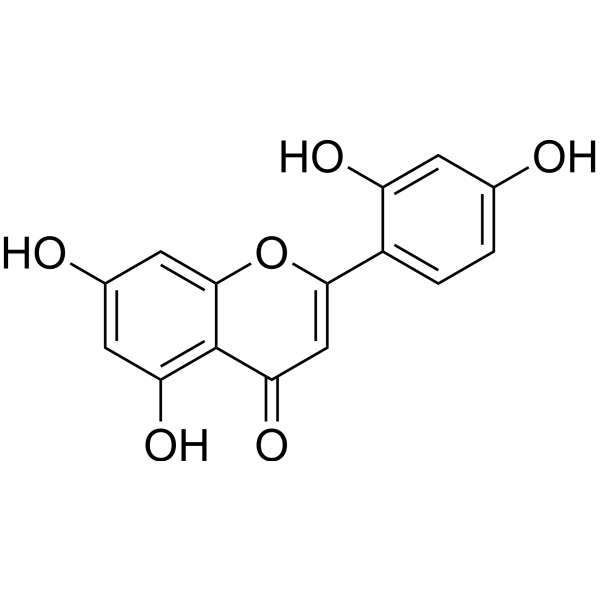
Norartocarpetin is a tyrosinase inhibitor. Norartocarpetin has strong tyrosinase inhibitory activity with an IC50 value of 0.47 μM. Norartocarpetin as an antibrowning agent can be used for the research of food systems. Norartocarpetin also has a significant anticancer activity in lung carcinoma cells (NCI-H460) with an IC50 value of 22 μM. Norartocarpetin has antiproliferative effects are mediated via targeting Ras/Raf/MAPK signalling pathway, mitochondrial mediated apoptosis, S-phase cell cycle arrest and suppression of cell migration and invasion in human lung carcinoma cells .
|
-
-
- HY-159788
-
|
|
PROTACs
Ras
|
Cancer
|
|
PROTAC K-Ras Degrader-4 (Compound 4) is a PROTAC degrader for KRAS that degrades KRAS G12D in GP5d and degrades KRAS G12V in cell SW620 with DC50s of 1 nM and 13 nM. PROTAC K-Ras Degrader-4 inhibits MAPK signaling pathway . (Pink: ligand for target protein pan-KRAS degrader 1 (HY-162960); Black: linker (HY-159790); Blue: ligand for E3 ligase VHL (HY-W998248))
|
-

-
- HY-N1988
-
|
Hemslecin A
|
Survivin
Apoptosis
EGFR
Caspase
p38 MAPK
Autophagy
MEK
Raf
ERK
STAT
CaMK
|
Inflammation/Immunology
Cancer
|
|
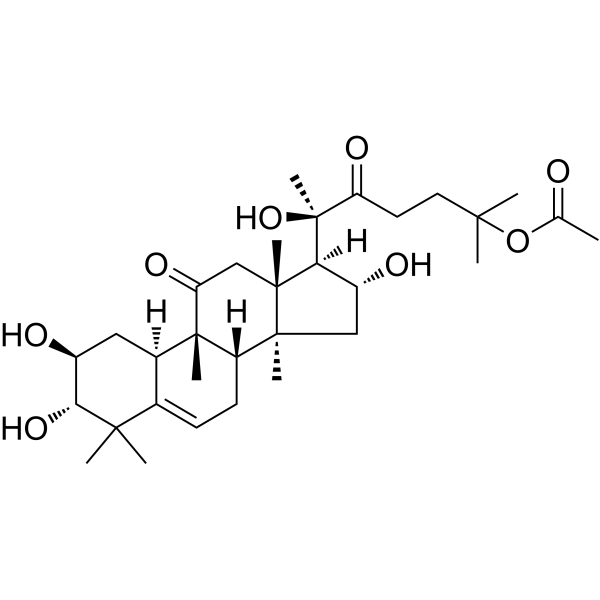
Cucurbitacin IIa (Hemslecin A) is an orally active, blood-brain barrier-permeable EGFR inhibitor with an IC50 of 1.455 nM against human EGFR. Cucurbitacin IIa induces caspase-3-dependent apoptosis, downregulates survivin expression, enhances autophagy levels, disrupts the actin cytoskeleton via actin aggregation, arrests the cell cycle at the G2/M phase, and exerts anti-inflammatory activity by inhibiting the EGFR-MAPK signaling pathway. Cucurbitacin IIa can be used in the research of inflammation-related diseases, depression, and cancers such as non-small cell lung cancer .
|
-
-
- HY-105935
-
-
-
- HY-N1382
-
-
-
- HY-B1104
-
|
(±)-Indoprofe
|
Akt
AMPK
NF-κB
p38 MAPK
|
Inflammation/Immunology
|
|
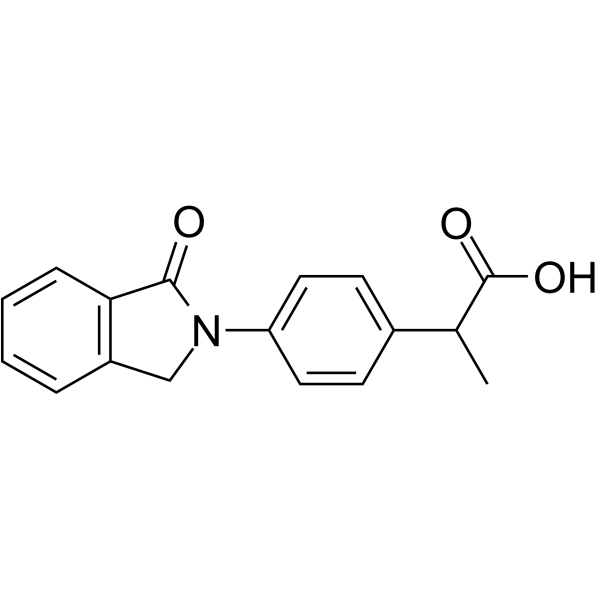
Indoprofen ((±)-Indoprofe) activates AKT-AMPK signaling pathway, inhibits NF-κB/MAPK signaling pathway. Indoprofen exhibits anti-inflammatory and immunomodulatory activities. Indoprofen is orally active .
|
-
-
- HY-N7085
-
|
5,7-Dimethoxycoumarin; Limettin
|
Environmental Pollutants
ERK
p38 MAPK
JNK
|
Neurological Disease
Inflammation/Immunology
Cancer
|
|
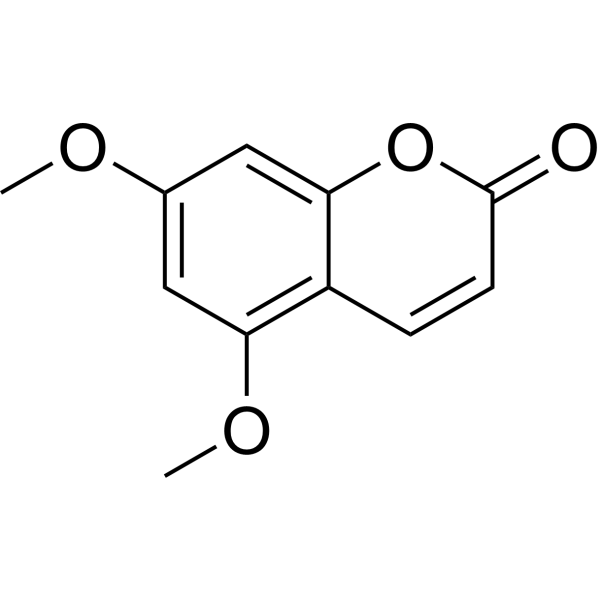
Citropten (5, 7-dimethoxycoumarin) is one of the coumarin derivatives. Citropten is an effective oral anticancer agent. Citropten has anti-proliferative activity against A2058 and B16 melanoma cells. Citropten exerts anti-inflammatory effects through the NFκB and MAPK signaling pathways. Citropten acts as an antidepressant through heat shock protein-70, monoamine oxidase-A and inhibition of apoptosis .
|
-
-
- HY-P99866
-
|
MEHD-7945A; RG 7597
|
EGFR
Akt
p38 MAPK
Apoptosis
|
Cancer
|
|
Duligotuzumab (MEHD-7945A; RG 7597) is a humanized IgG-κ monoclonal antibody targeting EGFR. Duligotuzumab blocks the binding of ligands to these two receptors, inhibits downstream HER/ErbB, AKT and MAPK signaling pathways, induces antibody-dependent cellular cytotoxicity, reduces the proliferation and migration abilities of cancer cells, promotes apoptosis, exerts radiosensitizing effects, and reverses EGFR resistance in cancer cells. Duligotuzumab can be used in tumor-related research .
|
-

-
- HY-13468
-
KW-2478
4 Publications Verification
|
HSP
Apoptosis
Bcr-Abl
p38 MAPK
CDK
STAT
|
Cancer
|
|
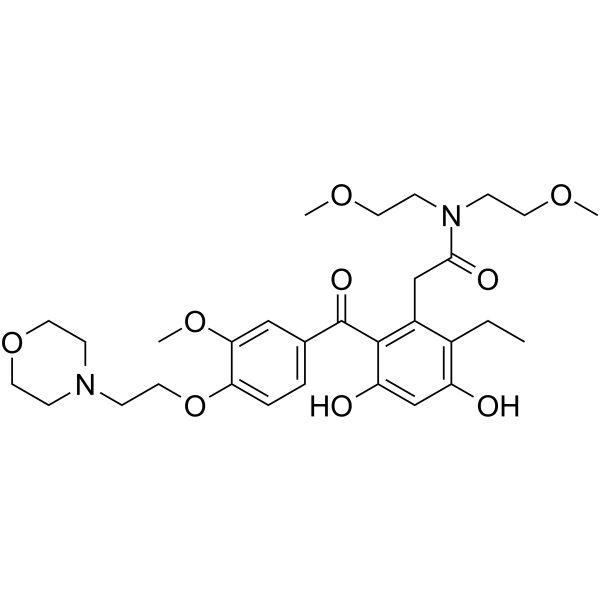
KW-2478 is an HSP90 inhibitor (IC50 = 3.8 nM). KW-2478 inhibits the growth and induces apoptosis in chronic myeloid leukemia (CML) cells and liver cancer cells. KW-2478 weakens the BCR/ABL and MAPK signaling pathways, leading to increased p27 and p21 expression and decreased cyclin B1 expression. KW-2478 downregulates STAT3 expression. KW-2478 may be used in research on cancers such as CML and liver cancer .
|
-
-
- HY-N2353
-
|
(±)-Arabinose; DL-Arabinose; dl-Arabinose
|
Environmental Pollutants
Endogenous Metabolite
|
Neurological Disease
Inflammation/Immunology
Cancer
|
|
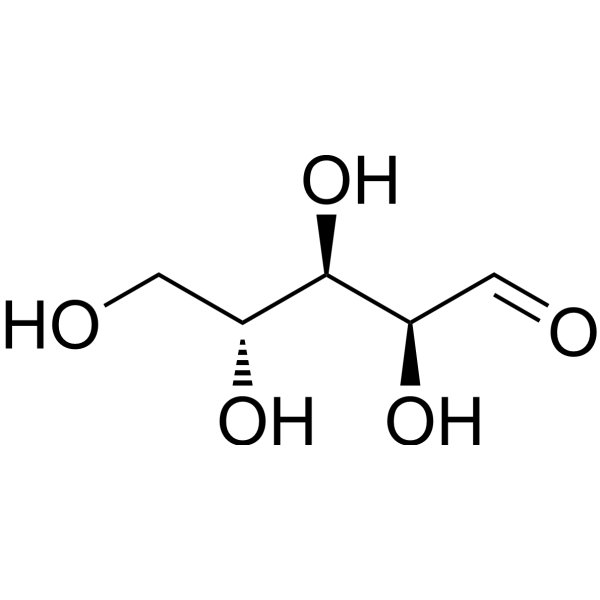
Arabinose is a pentose sugar commonly found in plants. Arabinose alleviates immune dysregulation and inflammation by promoting balanced immune responses and reducing inflammation. Arabinose induces cytotoxicity, autophagy (Autophagy), and cell cycle arrest in breast cancer cells through the p38-MAPK signaling pathway. Arabinose activates the ACSS2-PPARγ/TFEB-AMPK axis in neuroblastoma cells, thereby exerting neuromodulatory/antidepressant effects. Arabinose can also be used as an intermediate in compound synthesis. Arabinose may be applied in research related to immune inflammation, depression, breast cancer, and other diseases .
|
-
-
- HY-N1966
-
|
|
p38 MAPK
PPAR
|
Cancer
|
|
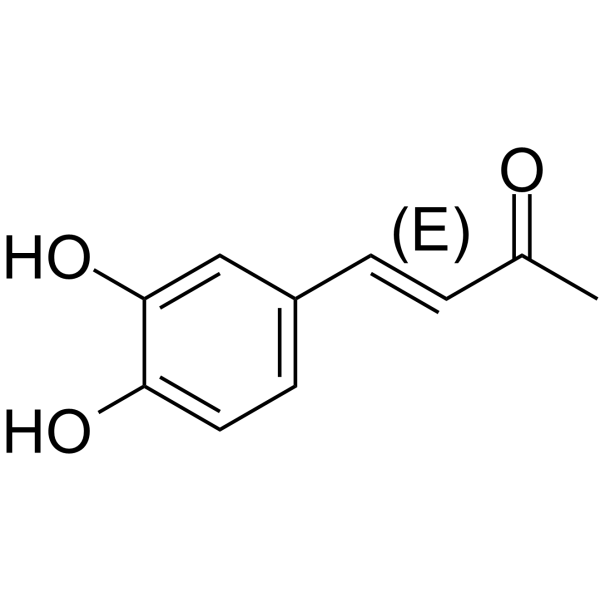
(E)-Osmundacetone is an inhibitor of the MAPK pathway. (E)-Osmundacetone inhibits the activation of the MAPK signaling pathway and restores the expression of PPARα/ACOX1. (E)-Osmundacetone abrogates abnormal cell proliferation, migration and liver metastasis induced by PTPRO silencing in colorectal cancer cells. (E)-Osmundacetone blocks OA-RD17-mediated activation of the MAPK signaling pathway, thereby reducing macrophage proliferation and migration. (E)-Osmundacetone is applicable to relevant research on colorectal cancer .
|
-
-
- HY-W015300
-
|
Octanedioic acid
|
Endogenous Metabolite
Akt
TGF-β Receptor
p38 MAPK
|
Metabolic Disease
|
|
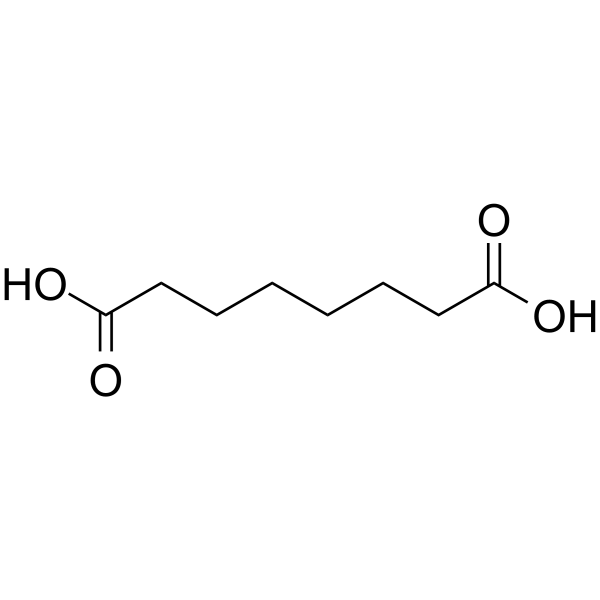
Suberic acid (Octanedioic acid) is an orally active crystalline dibasic acid. Suberic acid activates the Akt signaling pathway and regulates the expression of molecules related to the TGF-β and MAPK signaling pathways. Suberic acid inhibits skin dryness .
|
-
-
- HY-P991413
-
|
|
Trk Receptor
ERK
Akt
p38 MAPK
|
Neurological Disease
Inflammation/Immunology
|
|
ZEB85 is a human monoclonal antibody (mAb) targeting TrkB. ZEB85 activates TrkB and its downstream cascades, including the ERK, PLCγ, AKT, MAPK signaling pathways and cFOS expression, and enhances neuronal activity. ZEB85 prevents β-amyloid toxicity in cultured hippocampal neurons. ZEB85 is applicable to the research of Alzheimer's disease (AD) .
|
-

-
- HY-N2259
-
|
(+)-Curcumenol
|
Cytochrome P450
|
Neurological Disease
Inflammation/Immunology
Cancer
|
|
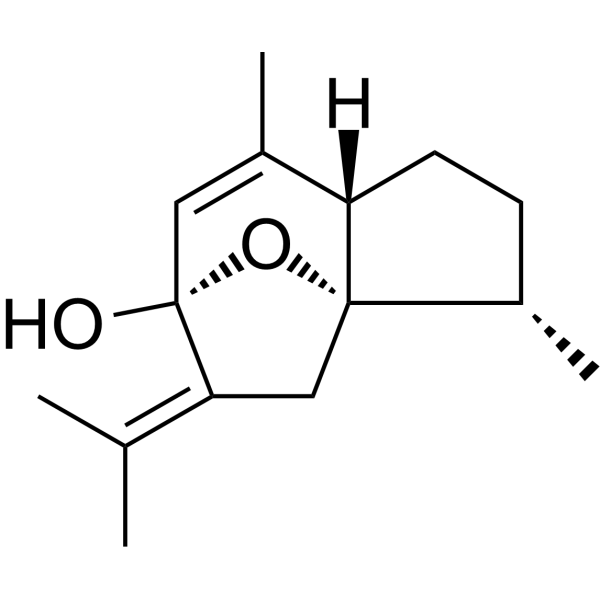
Curcumenol ((+)-Curcumenol) is a potent CYP3A4 inhibitor with an IC50 of 12.6 μM, which is one of constituents in the plants of medicinally important genus of Curcuma zedoaria, with neuroprotection, anti-inflammatory, anti-tumor and hepatoprotective activities. Curcumenol ((+)-Curcumenol) suppresses Akt-mediated NF-κB activation and p38 MAPK signaling pathway in LPS-stimulated BV-2 microglial cells .
|
-
-
- HY-148385
-
|
|
Endogenous Metabolite
Integrin
FAK
Src
ERK
p38 MAPK
|
Neurological Disease
Cancer
|
|
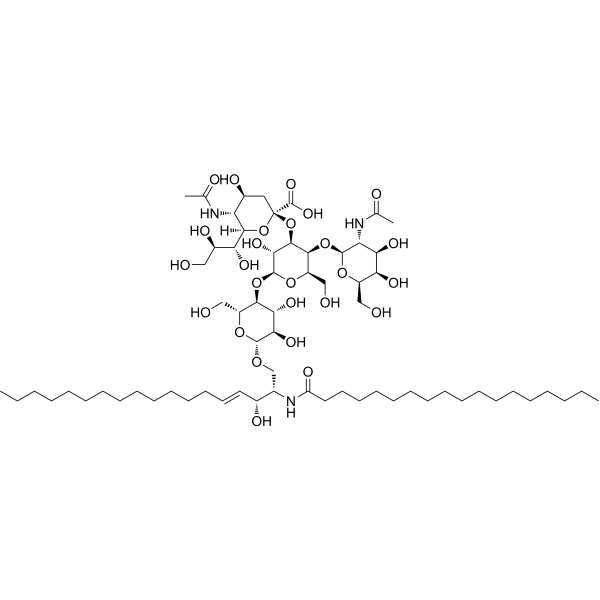
Ganglioside GM2 is a human tumor antigen predominantly found in human tumor cells and fetal brain tissue. As a sialylated glycosphingolipid, Ganglioside GM2 is involved in processes such as cell signaling, adhesion, and motility. Ganglioside GM2 abnormal expression and accumulation are associated with tumors and neurodegenerative disorders. Ganglioside GM2 promotes tumor cell migration and invasion by directly binding to the integrin β1 receptor, activating the FAK/Src/Erk-MAPK signaling pathway, and inducing actin cytoskeleton remodeling .
|
-
-
- HY-N6002
-
|
|
Apoptosis
Autophagy
|
Cancer
|
|
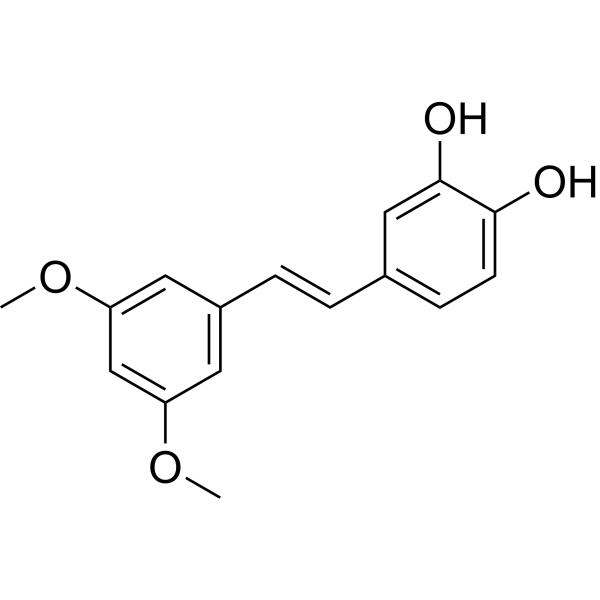
3'-Hydroxypterostilbene is a Pterostilbene (HY-N0828) analogue. 3'-Hydroxypterostilbene inhibits the growth of COLO 205, HCT-116 and HT-29 cells with IC50s of 9.0, 40.2 and 70.9 μM, respectively. 3'-Hydroxypterostilbene significantly down-regulates PI3K/Akt and MAPKs signaling pathways and effectively inhibits the growth of human colon cancer cells by inducing apoptosis and autophagy. 3'-Hydroxypterostilbene can be used for the research of cancer .
|
-
-
- HY-N4322
-
|
|
PKC
|
Inflammation/Immunology
Cancer
|
|
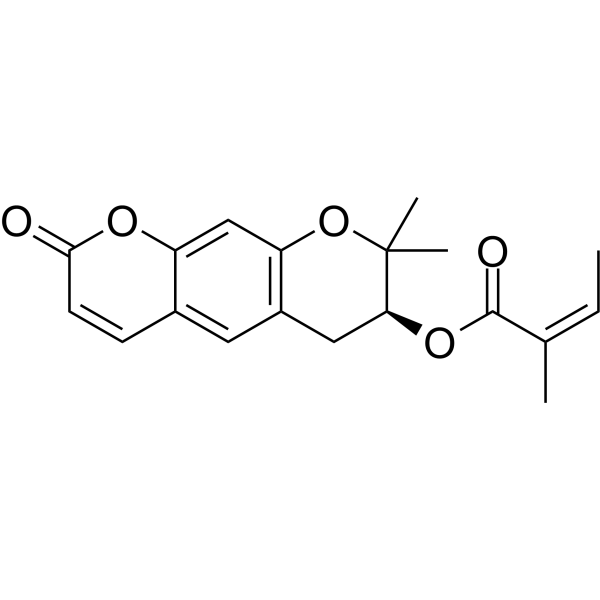
Decursinol angelate acts as a PKC activator and GDH inhibitor, with an IC50 of 1.432 μM against human GDH. Decursinol angelate activates PKC, downregulates PKCα and PKCβII isoforms, and exerts cytotoxic activity against cancer cells. Decursinol angelate binds to GDH and inhibits its enzymatic activity. Decursinol angelate inhibits VEGF-induced autophosphorylation of VEGFR2, downstream p42/44 ERK and JNK-MAPK signaling pathways, as well as the angiogenesis process. Decursinol angelate is applicable to research related to cancer and leukemia .
|
-
-
- HY-N2435
-
|
|
COX
Apoptosis
|
Cancer
|
|
[8]-Shogaol, a kind of stimulating compound in ginger, has antiplatelet (IC50=5 μM), anti-cancer and anti-inflammatory activity. [8]-Shogaol inhibited COX-2 (IC50=17.5 μM), which led to the decline of human leukemia cells. 8-Shogaol Selective direction TAK1 sum TAK1-TAB1 (IC50=5 μM), suppress IKK, Akt sum MAPK signal pathway, and reverse synovitis synovial sum Air dampness (RA).
|
-
![[8]-Shogaol](//file.medchemexpress.com/product_pic/hy-n2435.gif)
-
- HY-N2132
-
-
-
- HY-W018197
-
-
-
- HY-N0204
-
|
Anemoside A3
|
NF-κB
p38 MAPK
|
Cardiovascular Disease
Neurological Disease
Inflammation/Immunology
Cancer
|
|
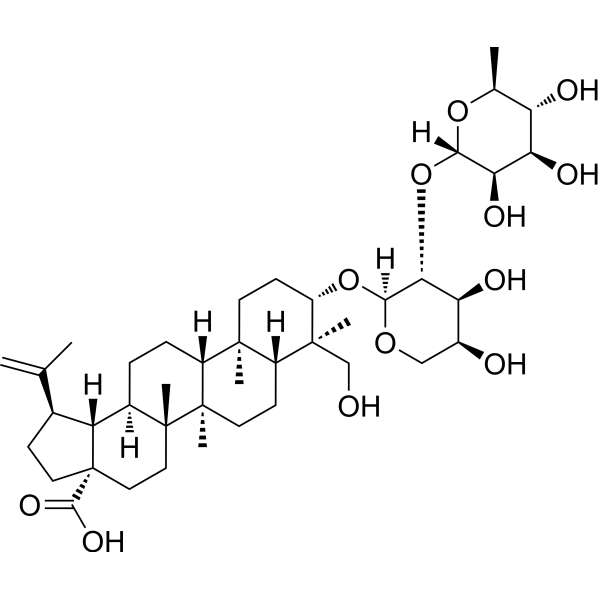
Pulchinenoside A (Anemoside A3) is an orally active triterpenoid glycoside found in the root of Pulsatilla chinensis. Pulchinenoside A has amti-inflammation, antitumor, antidepressant, immunoregulatory and neuroprotective efrects. Pulchinenoside A activates NF-κB/MAPK signaling pathway. Pulchinenoside A can induce relaxing effect in rat renal arteries. Pulchinenoside A can be used for the researches of experimental autoimmune encephalomyelitis, breast cancer, depression and renovascular hypertension .
|
-
-
- HY-121537
-
|
|
COX
Akt
Apoptosis
|
Neurological Disease
Inflammation/Immunology
Cancer
|
|
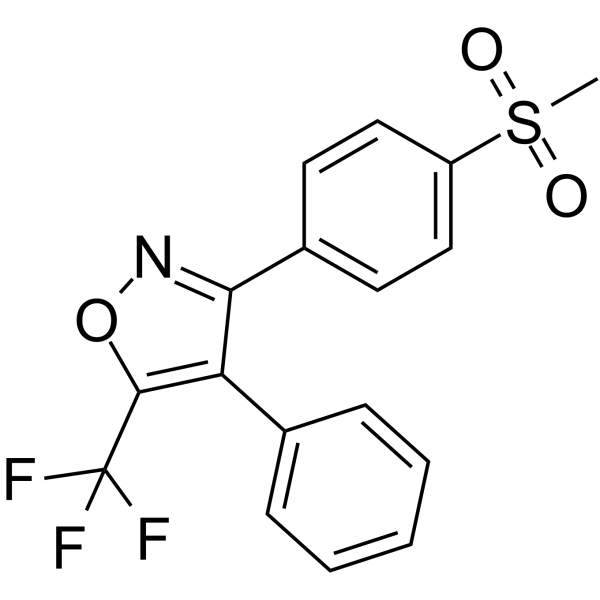
CAY10404 is a potent and selective cyclooxygenase-2 (COX-2) inhibitor with an IC50 of 1 nM and a selectivity index (SI; COX-1 IC50/COX-2 IC50) of >500000. CAY10404 is a potent PKB/Akt and MAPK signaling pathways inhibitor and induces apoptosis in non-small cell lung cancer (NSCLC) cells. CAY10404, a diarylisoxazole, has good analgesic, anti-inflammatory, and anti-cancer activities .
|
-
-
- HY-N0363
-
|
(S)-Columbianetin
|
ERK
JNK
Collagen
TGF-beta/Smad
p38 MAPK
Reactive Oxygen Species (ROS)
|
Others
|
|
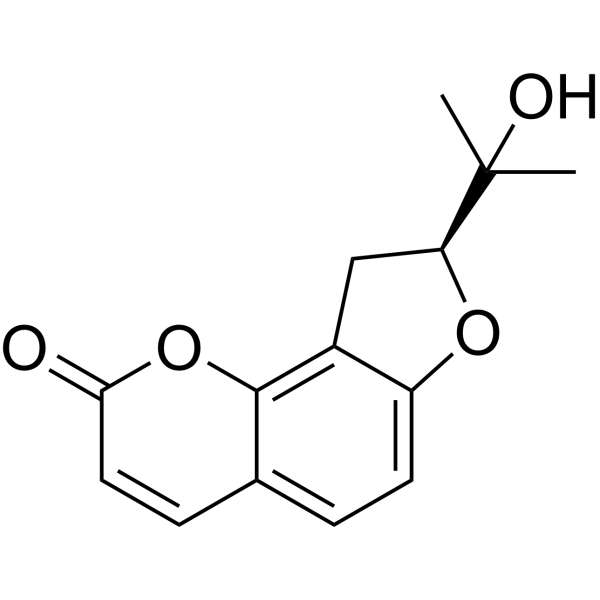
(+)-Columbianetin ((S)-Columbianetin) acts as an inhibitor of JNK/ERK. (+)-Columbianetin inhibits UVA-induced phosphorylation of JNK and ERK, reduces the production of MMP-1, reverses UVA-induced Collagen (HY-NP003) degradation, and alleviates UVA-mediated inhibition of Smad2/3 phosphorylation and translocation. (+)-Columbianetin regulates the AP-1 and ASK1-MAPK signaling pathways, inhibits the production of ROS and blocks sub-G1 cell cycle arrest. (+)-Columbianetin is applicable to research related to skin aging .
|
-
-
- HY-W166297
-
|
|
p38 MAPK
|
Cancer
|
|
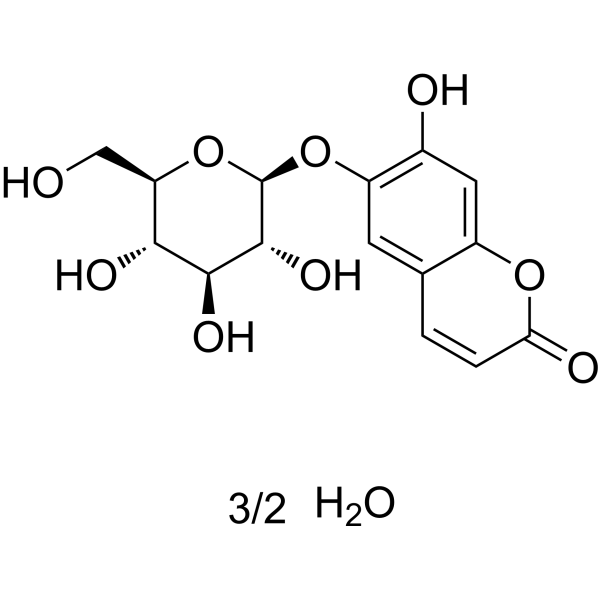
Esculin sesquihydrate, a fluorescent coumarin glucoside, is an active ingredient of ash bark. Esculin sesquihydrate ameliorates cognitive impairment in experimental diabetic nephropathy (DN), and exerts anti?oxidative stress and anti?inflammatory effects, via the MAPK signaling pathway .
|
-
-
- HY-146195
-
-
-
- HY-P6084
-
|
|
NOD-like Receptor (NLR)
p38 MAPK
Apoptosis
|
Inflammation/Immunology
|
|
RP-220 is a renalase peptide targeting NLRP3. RP220 has anti-inflammatory and anti-apoptotic activities. RP220 inhibits renal tubular epithelial cells apoptosis with alkaline insult by activating MAPK signaling pathway. RP220 significantly inhibits NLRP3 expression and reduces macrophage infiltration and kidney tissue damage in acute kidney injury (AKI) mice model. RP-220 can be uses for systemic lupus erythematosus (SLE) and its complication lupus nephritis (LN) research .
|
-

-
- HY-164350
-
|
|
Ras
ERK
p38 MAPK
|
Cancer
|
|
KRAS inhibitor-27 (Compound 15h) is the inhibitor for KRAS. KRAS inhibitor-27 inhibits KRAS G12D/G12V mutated cells AsPC-1, SW620 and KRAS wildtype cell HT-29 with IC50 of 378, 0.6 and 3230 nM, respectively. KRAS inhibitor-27 inhibits ERK phosphorylation (IC50 in cell AsPC-1 and SW620 is 0.6 nM and 1 nM), reduces the expression of DUSP4, thereby inhibiting MAPK signaling pathway .
|
-

-
- HY-P10438
-
|
|
Raf
|
Cancer
|
|
TAT-Braftide is a peptide inhibitor designed to block the dimerization of BRAF, thereby inhibiting its kinase activity. The destruction of BRAF dimer by TAT-Braftide makes BRAF protein more susceptible to proteasome degradation, directly inhibits the activity of BRAF kinase, and reduces the activation of MAPK signaling pathway. Tat-braftide can be used for the role of RAF kinase in MAPK signaling pathway and for the study of BRAF mutant cancers .
|
-

-
- HY-126858
-
|
(+)-Ambuic acid
|
ERK
JNK
NO Synthase
COX
|
Infection
Inflammation/Immunology
|
|
Ambuic acid exhibits antimicrobial activity against Staphylococcus aureus, with IC50 of 43.9 μM for strain ATCC 6538. Ambuic acid is an inhbitor for the biosynthesis of cyclic peptide quorum sensing molecules (quormones) in gram-positive bacteria. Ambuic acid exhibits anti-inflammatory activity through ERK/JNK/MAPK signaling pathway .
|
-

-
- HY-N6651
-
|
|
STAT
Phosphatase
Apoptosis
Autophagy
p38 MAPK
EGFR
JAK
Bcl-2 Family
Survivin
Akt
mTOR
PARP
Caspase
Atg8/LC3
CDK
|
Cancer
|
|
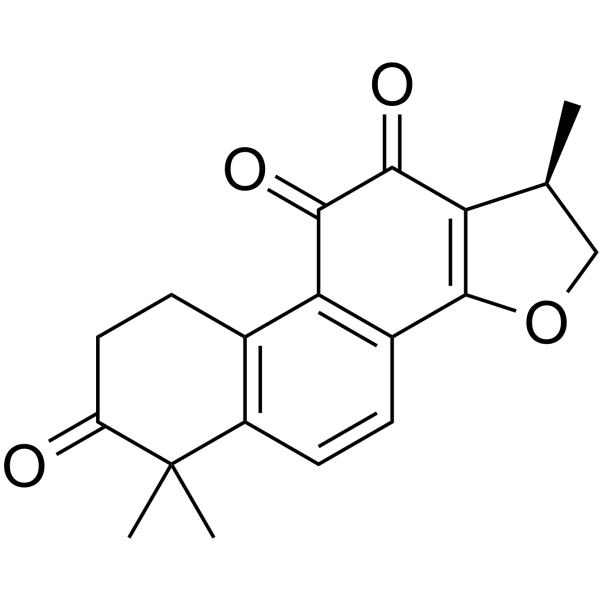
Isocryptotanshinone is a dual STAT3 and PTP1B (IC50 = 56.1 μM) inhibitor. Isocryptotanshinone inhibits STAT3 by binding to the STAT3 SH2 domain to block phosphorylation and nuclear translocation [1][2]. Isocryptotanshinone exerts its anti-proliferative effect via the induction of cell cycle arrest, apoptosis, and pro-death autophagy, through the regulation of STAT3, AKT/mTOR and MAPK signaling pathways. Isocryptotanshinone suppresses the xenograft gastric cancer (GC) tumor growth in BALB/c nude mice. Isocryptotanshinone can be used for cancer research, such as lung cancer, breast cancer and GC .
|
-
-
- HY-N7635
-
|
β-D-Glucopyranosyl oleanolate
|
NO Synthase
COX
Interleukin Related
Claudin
p38 MAPK
Akt
PI3K
|
Inflammation/Immunology
|
|
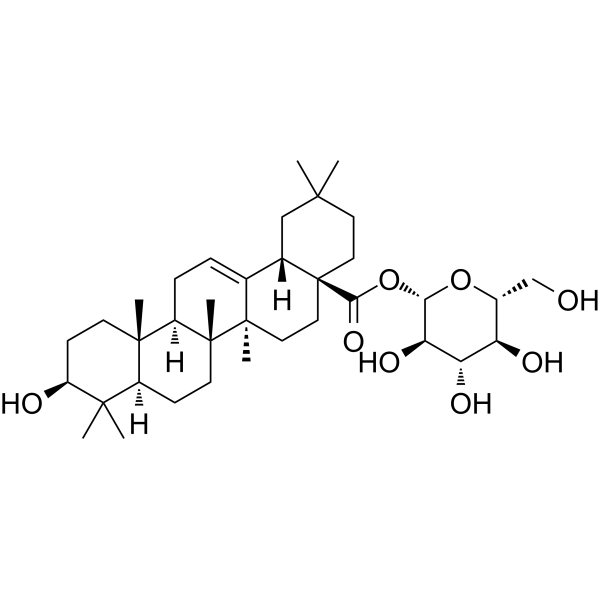
Oleanolic acid 28-O-β-D-glucopyranoside (β-D-Glucopyranosyl oleanolate) is an orally active pentacyclic triterpenoid compound. Oleanolic acid 28-O-β-D-glucopyranoside has anti-inflammatory effects. In ulcerative colitis models, Oleanolic acid 28-O-β-D-glucopyranoside can inhibit the inflammatory response, enhance the intestinal epithelial barrier function, and modulate the gut microbiota. Its mechanism of action is related to the PI3K-AKT and MAPK signaling pathways. Oleanolic acid 28-O-β-D-glucopyranoside can be used in the research of diseases such as colitis .
|
-
-
- HY-126941
-
|
|
ERK
MMP
Reactive Oxygen Species (ROS)
NF-κB
p38 MAPK
NOD-like Receptor (NLR)
TRP Channel
TNF Receptor
Interleukin Related
|
Infection
Neurological Disease
Inflammation/Immunology
Endocrinology
|
|
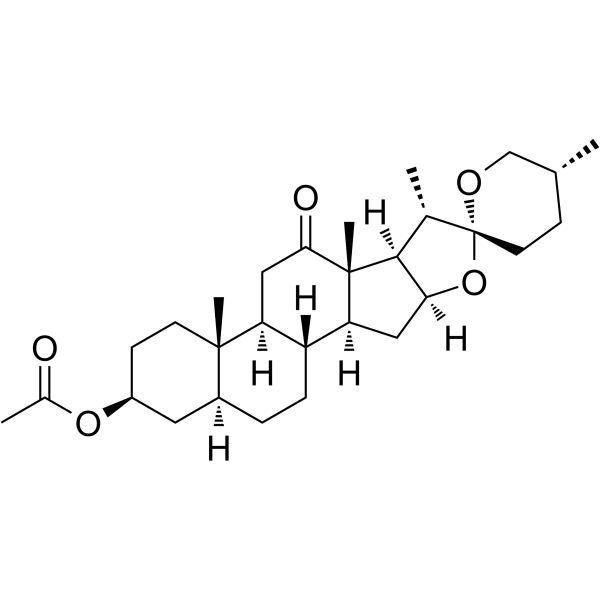
Hecogenin acetate is an orally active steroid saponin aglycone with extensive biological activities. Hecogenin acetate inhibits the phosphorylation of NF-κB and p38 MAPK signaling pathways, antagonizes TRPA1/TRPM8 channels, inhibits the production of pro-inflammatory cytokines, and has anti-inflammatory and analgesic effects. Hecogenin acetate inhibits the production of ROS and the activation of NLRP3 inflammasome; downregulates the expression of MMP-2, and has neuroprotective and anti-tumor activities. Hecogenin acetate enhances gastric mucosal defense and promotes ulcer healing. Hecogenin acetate can be used in combination with certain antibiotics to regulate bacterial efflux pumps and restore antibiotic sensitivity .
|
-
-
- HY-142019
-
|
|
Akt
AMPK
|
Cardiovascular Disease
|
|
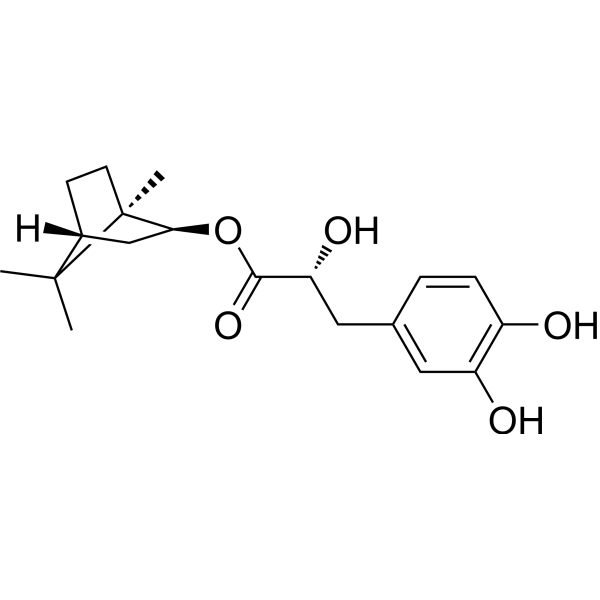
Tanshinol borneol ester, an angiogenesis stimulator, promoted multiple key steps of angiogenesis through Akt and MAPK signalling pathways. Tanshinol borneol ester has anti-ischemic and anti-atherosclerosis activities .
|
-
-
- HY-125980
-
LX-3
1 Publications Verification
|
p38 MAPK
|
Cancer
|
|
LX-3 is a selective activator of the p38 MAPK signaling pathway and activates EGFP reporter genes that are silenced by DNA methylation, such as TNF, EGR1, LY6K, and ISG20 .
|
-

-
- HY-P10436
-
|
|
Raf
|
Cancer
|
|
Braftide is an allosteric inhibitor for BRAF kinase by targeting the dimer interface of BRAF kinase and inhibiting the formation of BRAF dimers. Braftide inhibits wild-type BRAF and oncogenic BRAF G469A with IC50 of 364 nM and 172 nM, respectively. Braftide inhibits MAPK signaling pathway, inhibits proliferation of KRAS mutant tumor cells (EC50 is 7.1 and 6.6 μM, for HCT116 and HCT-15), in combination of TAT sequence. Braftide can be used for cancer research .
|
-

-
- HY-W721119
-
|
|
p38 MAPK
Autophagy
|
Inflammation/Immunology
Cancer
|
|
7-Methylsulfinylheptyl isothiocyanate is an activator for MAPK signaling pathway, which downregulates the melanogenesis related proteins and suppresses the melanin synthesis in B16-F1 cells. 7-Methylsulfinylheptyl isothiocyanate induces autophagy. 7-Methylsulfinylheptyl isothiocyanate is an inducer for phase II enzyme, which exhibits chemoprotective effect against carcinogen. 7-Methylsulfinylheptyl isothiocyanate can be used as cosmetic ingredient for skin whitening and anti-inflammation .
|
-

-
- HY-N7085R
-
|
5,7-Dimethoxycoumarin (Standard); Limettin (Standard)
|
ERK
JNK
p38 MAPK
Reference Standards
|
Neurological Disease
Inflammation/Immunology
Cancer
|
|
Citropten (Standard) is the analytical standard of Citropten. This product is intended for research and analytical applications. Citropten (5, 7-dimethoxycoumarin) is one of the coumarin derivatives. Citropten is an effective oral anticancer agent. Citropten has anti-proliferative activity against A2058 and B16 melanoma cells. Citropten exerts anti-inflammatory effects through the NFκB and MAPK signaling pathways. Citropten acts as an antidepressant through heat shock protein-70, monoamine oxidase-A and inhibition of apoptosis .
|
-

-
- HY-N6576
-
|
|
p38 MAPK
ERK
JNK
IAP
PARP
Apoptosis
Caspase
|
Cancer
|
|
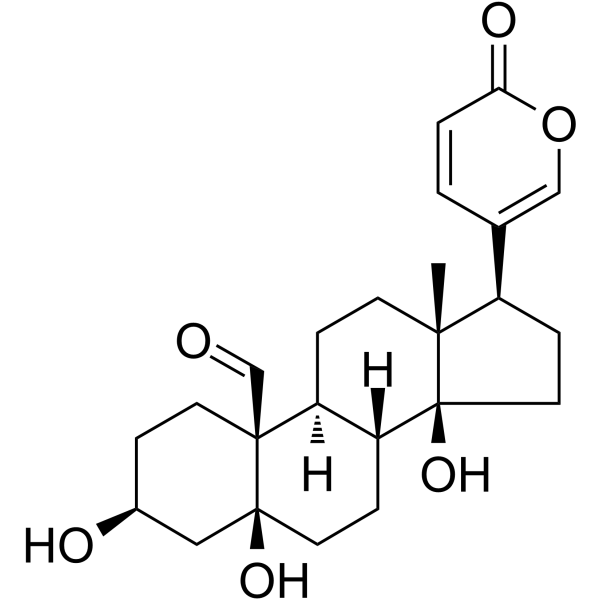
Hellebrigenin is an inhibitor that selectively targets the MAPK signaling pathway (ERK, p38, JNK) and XIAP, and can inhibit Akt expression and phosphorylation. Hellebrigenin can activate endogenous apoptosis pathways (such as mitochondrial membrane potential disruption, Caspase family activation, PARP cleavage), downregulate anti-apoptotic proteins (Bcl-2, Bcl-xL) and upregulate pro-apoptotic proteins (Bax, Bak). Hellebrigenin can also induce DNA double-strand breaks to activate the ATM pathway. Hellebrigenin can inhibit tumor cell proliferation and clone formation, and is mainly used in the study of oral squamous cell carcinoma, liver cancer and other cancers .
|
-
- HY-N0188R
-
|
|
Reference Standards
p38 MAPK
|
Inflammation/Immunology
Cancer
|
|
Esculin (Standard) is the analytical standard of Esculin. This product is intended for research and analytical applications. Esculin is a fluorescent coumarin glucoside, the active ingredient in ash bark. Esculin has antidiabetic effects, improves cognitive impairment in experimental diabetic nephropathy (DN) via the MAPK signaling pathway, and exerts antioxidant stress and anti-inflammatory effects. Esculin also has anticancer, antibacterial, antiviral, neuroprotective, antithrombotic, and therapeutic properties for eye diseases .
|
-

- HY-136778
-
|
|
PARP
Reactive Oxygen Species (ROS)
Bcl-2 Family
Caspase
ERK
p38 MAPK
|
Cardiovascular Disease
|
|
INH2BP is a poly(ADP-ribose) polymerase (PARP) inhibitor with antioxidant and anti-apoptotic activities. INH2BP reduces the production of intracellular reactive oxygen species (ROS), modulates the expression of apoptosis-related proteins such as Bax, Bcl-2 and cleaved caspase-3 and enhances cell survival through the activation of the ERK1/2 and p38 MAPK signaling pathways. INH2BP is promising for research of cardiovascular diseases .
|
-

- HY-13468A
-
|
|
HSP
Apoptosis
Bcr-Abl
p38 MAPK
CDK
STAT
|
Cancer
|
|
KW-2478 hydrochloride is an HSP90 inhibitor (IC50 = 3.8 nM). KW-2478 hydrochloride inhibits the growth and induces apoptosis in chronic myeloid leukemia (CML) cells and liver cancer cells. KW-2478 hydrochloride weakens the BCR/ABL and MAPK signaling pathways, leading to increased p27 and p21 expression and decreased cyclin B1 expression. KW-2478 hydrochloride downregulates STAT3 expression. KW-2478 hydrochloride may be used in research on cancers such as CML and liver cancer .
|
-

- HY-111431AR
-
|
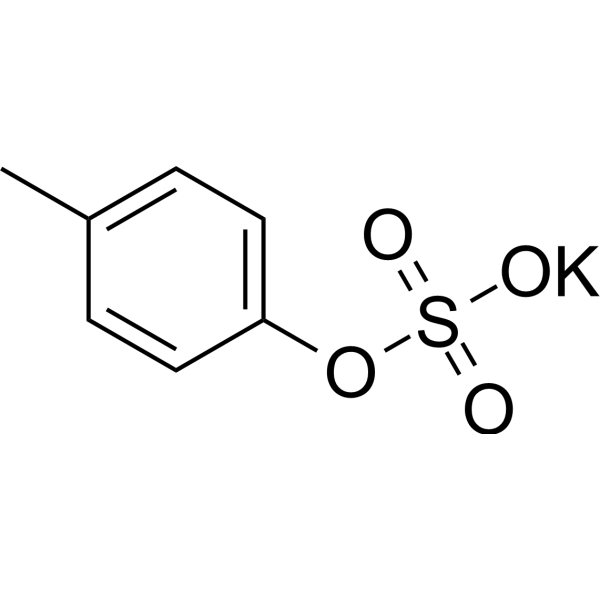
p-Tolyl sulfate potassium (Standard)
|
JNK
p38 MAPK
Reactive Oxygen Species (ROS)
Reference Standards
|
Metabolic Disease
|
|
p-Cresyl sulfate (potassium) (Standard) is the analytical standard of p-Cresyl sulfate (potassium). This product is intended for research and analytical applications. p-Cresyl sulfate (p-Tolyl sulfate) potassium is a uremic toxin, that can cause renal damage and dysfunction. p-Cresyl sulfate potassium shows antiproliferation activity. p-Cresyl sulfate potassium increases the protein expression of HIF-1α and VHL, decreases the protein expression of HIF-2α. p-Cresyl sulfate potassium induces epithelial-mesenchymal transition (EMT). p-Cresyl sulfate potassium activates the JNK and p38 MAPK signaling pathways .
|
-

- HY-N4019
-
|
|
TGF-β Receptor
|
Metabolic Disease
|
|
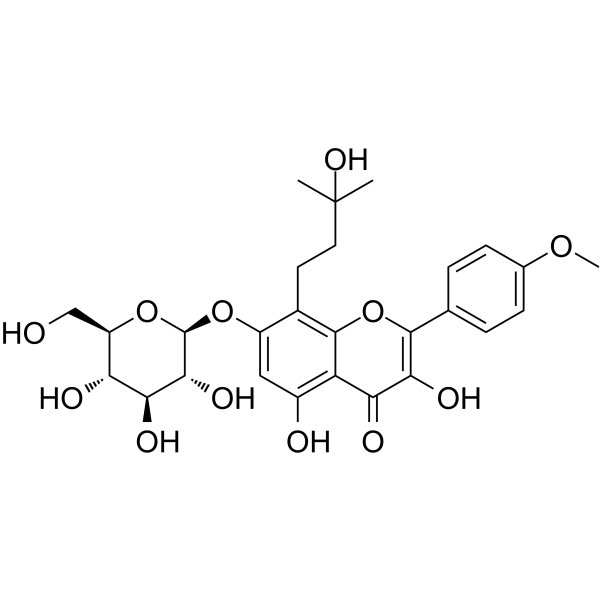
Maohuoside A, a single compound isolated from the E. koreanum that potently promotes osteogenesis. Maohuoside A enhances the osteogenesis of bone marrow-derived mesenchymal stem cells via bone morphogenetic protein (BMP) and MAPK signaling pathways .
|
-
- HY-105935R
-
-

- HY-N2259R
-
|
(+)-Curcumenol (Standard)
|
Reference Standards
Cytochrome P450
|
Neurological Disease
Inflammation/Immunology
Cancer
|
|
Curcumenol ((+)-Curcumenol) is a potent CYP3A4 inhibitor with an IC50 of 12.6 μM, which is one of constituents in the plants of medicinally important genus of Curcuma zedoaria, with neuroprotection, anti-inflammatory, anti-tumor and hepatoprotective activities. Curcumenol ((+)-Curcumenol) suppresses Akt-mediated NF-κB activation and p38 MAPK signaling pathway in LPS-stimulated BV-2 microglial cells .
|
-

- HY-171777
-
|
ErPC3; Erucylphosphohomocholine
|
PI3K
Akt
Ras
Raf
p38 MAPK
|
Cancer
|
|
Erufosine is an inhibitor of PI3K/Akt and Ras/Raf/MAPK signaling pathways. Erufosine inhibits the activity of breast cancer cell lines MCF-7 and MDA-MB 231 (IC50: 40.95/40.8 μM). Erufosine reduces the phosphorylation of PI3K (p85), Akt (PKB), and cRaf. Erufosine can be used in the study of breast cancer and myeloid leukemia .
|
-

- HY-169100
-
|
|
VEGFR
PI3K
Akt
mTOR
p38 MAPK
HIF/HIF Prolyl-Hydroxylase
|
Cancer
|
|
Antiproliferative agent-57 (compound M2) is a tumor angiogenesis inhibitor. Antiproliferative agent-57 inhibits the secretion of VEGF in SiHa cells under hypoxic conditions (IC50=0.68 μM) without inducing cytotoxicity. Antiproliferative agent-57 can modulate the PI3K/AKT/mTOR and MAPK signaling pathways in tumor cells to inhibit the expression of HIF-1α and VEGF in tumor tissues .
|
-

- HY-171096
-
|
|
Protease Activated Receptor (PAR)
p38 MAPK
|
Neurological Disease
Inflammation/Immunology
|
|
PAR2 modulator-1 (Compound C781) is a protease activated receptor type 2 (PAR2) antagonist. PAR2 modulator-1 can specifically inhibit the PAR2-dependent MAPK signaling pathway with an IC50 value of 8.5 μM. PAR2 modulator-1 can block the pain response triggered by PAR2 agonists. PAR2 modulator-1 can be used for the researches of inflammation, immunology and neurological disease, such as chronic pain and asthma .
|
-

- HY-157793
-
|
|
Toll-like Receptor (TLR)
NF-κB
MAPKAPK2 (MK2)
|
Inflammation/Immunology
Cancer
|
|
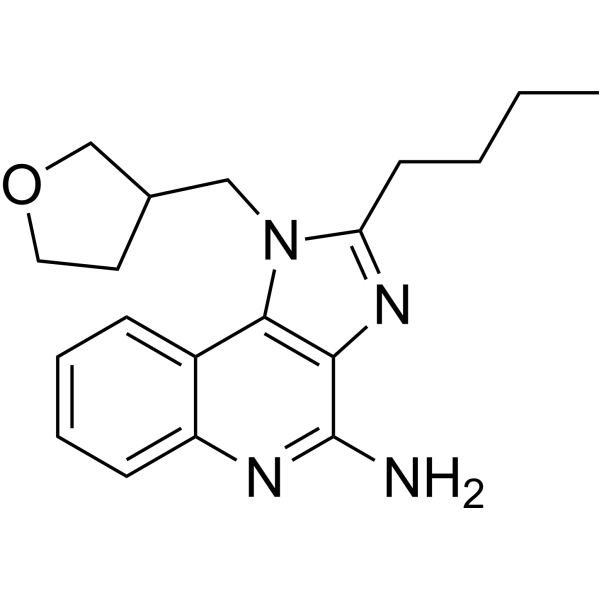
SMU-L11 is a specific TLR7 agonist (EC50=0.024 μM), which recruits MyD88 adapter protein and activates downstream NF-κB and MAPK signaling pathways. In murine models, SMU-L11 significantly enhances immune cell activation and promotes the proliferation of CD4 + T and CD8 + T cells, thereby directly killing tumor cells and inhibiting tumor growth. SMU-L11 can be used for cancer research, and also has the potential for studying immune system diseases .
|
-
- HY-N0632R
-
|
|
Reference Standards
COX
NF-κB
|
Inflammation/Immunology
|
|
Esculentoside A (Standard) is the analytical standard of Esculentoside A. This product is intended for research and analytical applications. Esculentoside A (EsA), a kind of triterpene saponin isolated from roots of Phytolacca esculenta .
Esculentoside A (EsA) possesses anti-inflammatory activity in acute and chronic experimental models , has selective inhibitory activity towards cyclooxygenase-2 (COX-2) .
Esculentoside A (EsA) suppresses inflammatory responses in LPS-induced acute lung injury (ALI) through inhibition of the nuclear factor kappa B (NF-ΚB) and mitogen activated protein kinase (MAPK) signaling pathways .
|
-

- HY-N0457R
-
|
Cichoric acid (Standard); Dicaffeoyltartaric acid (Standard)
|
Reference Standards
Reactive Oxygen Species (ROS)
Apoptosis
|
Metabolic Disease
Inflammation/Immunology
|
|
Chicoric acid (Standard) is the analytical standard of Chicoric acid. This product is intended for research and analytical applications. Chicoric acid (Cichoric acid), an orally active dicaffeyltartaric acid, induces reactive oxygen species (ROS) generation. Chicoric acid inhibits cell viability and induces mitochondria-dependent apoptosis in 3T3-L1 preadipocytes through ROS-mediated PI3K/Akt and MAPK signaling pathways. Chicoric acid increases glucose uptake, improves insulin resistance, and attenuates glucosamine-induced inflammation. Chicoric acid has antidiabetic properties and antioxidant, anti-inflammatory effects .
|
-

- HY-12687R
-
|
TIZ (Standard)
|
Reference Standards
Bacterial
HIV
Autophagy
Parasite
IKK
Influenza Virus
|
Infection
Cancer
|
|
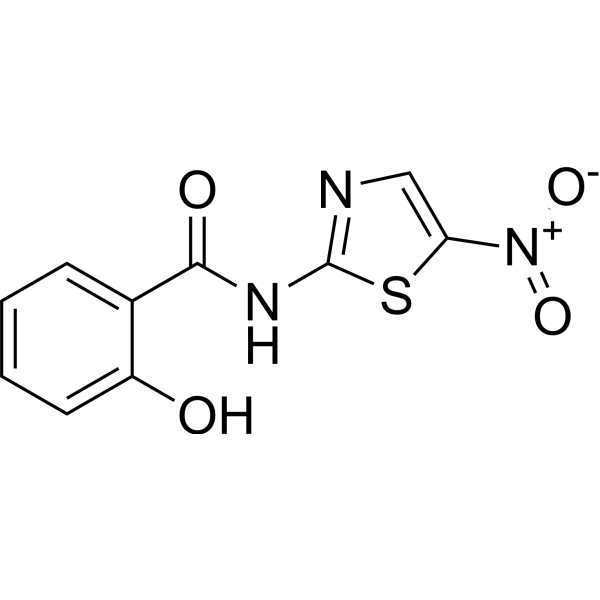
Tizoxanide (Standard) is the analytical standard of Tizoxanide. This product is intended for research and analytical applications. Tizoxanide (TIZ) is the active metabolite of Nitazoxanide, which is a thiazolide anti-infective compound against anaerobic bacteria, protozoa, and a range of viruses. Tizoxanide (TIZ) has anti-HIV-1 activities and potent inhibition of both HBV and HCV replication with values EC50 of 0.46μM and 0.15 μM, respectively. Tizoxanide also exerts anti-inflammatory effects by inhibiting the production of pro-inflammatory cytokines and suppressing of the activation of the NF-κB and the MAPK signaling pathways in LPS-treated macrophage cells .
|
-
- HY-121033
-
|
|
Sigma Receptor
p38 MAPK
Apoptosis
|
Cancer
|
|
BS148 is a selective sigma-2 receptor (S2R) agonist with a Ki 20 nM. BS148 shows >80-fold selective for S2R than S1R. BS148 activates the endoplasmic reticulum stress response through the upregulation of protein kinase R-like ER kinase (PERK), activating transcription factor 4 (ATF4) genes, and C/EBP homologous protein (CHOP). BS148 induces apoptosis in melanoma cell. BS148 downregulates genes related to the cholesterol pathway and activates the MAPK signaling pathway. BS148 can be used for the study of melanoma .
|
-

- HY-139844
-
|
|
p38 MAPK
NF-κB
|
Inflammation/Immunology
|
|
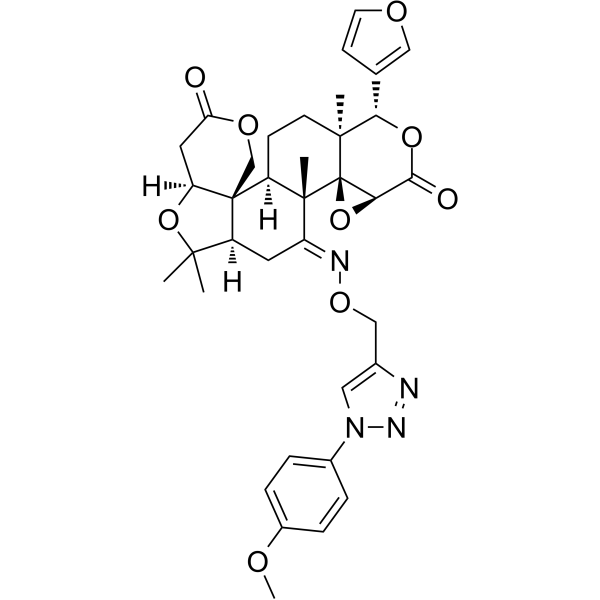
Anti-inflammatory agent 7 inhibits proinflammatory cytokines by blocking the NF-κB/MAPK signaling pathway in LPS-treated RAW 264.7 cells as well as mice.
|
-
- HY-N8311
-
|
|
NF-κB
|
Inflammation/Immunology
|
|
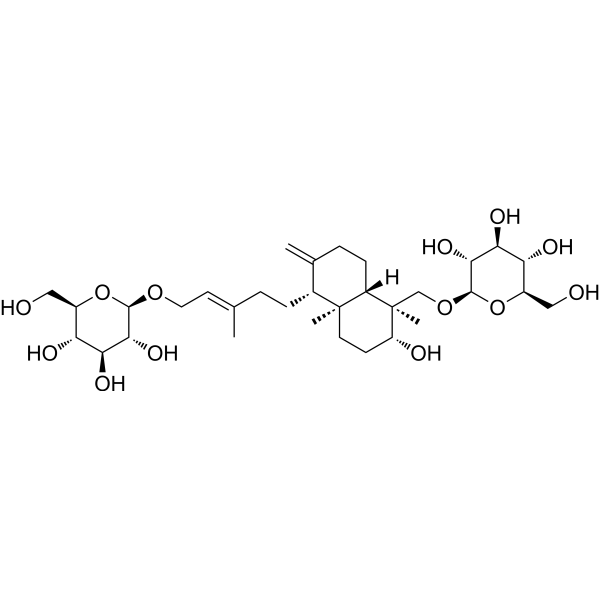
Goshonoside F5 can be isolated from the unripe fruits of Rubus chingii. Goshonoside F5 has anti-inflammatory activity, and inhibits NF-κB and MAPK signaling pathway .
|
-
- HY-N1966R
-
|
|
Reference Standards
p38 MAPK
PPAR
|
Cancer
|
|
(E)-Osmundacetone (Standard) is the analytical standard of (E)-Osmundacetone (HY-N1966). This product is intended for research and analytical applications. (E)-Osmundacetone is an inhibitor of the MAPK pathway. (E)-Osmundacetone inhibits the activation of the MAPK signaling pathway and restores the expression of PPARα/ACOX1. (E)-Osmundacetone abrogates abnormal cell proliferation, migration and liver metastasis induced by PTPRO silencing in colorectal cancer cells. (E)-Osmundacetone blocks OA-RD17-mediated activation of the MAPK signaling pathway, thereby reducing macrophage proliferation and migration. (E)-Osmundacetone is applicable to relevant research on colorectal cancer .
|
-

- HY-B1104R
-
|
(±)-Indoprofe (Standard)
|
Akt
AMPK
Reference Standards
NF-κB
p38 MAPK
|
Inflammation/Immunology
|
|
Indoprofen (Standard) is the analytical standard of Indoprofen. This product is intended for research and analytical applications. Indoprofen activates AKT-AMPK signaling pathway, inhibits NF-κB/MAPK signaling pathway. Indoprofen exhibits anti-inflammatory and immunomodulatory activities. Indoprofen is orally active .
|
-

- HY-N1382R
-
|
|
Reference Standards
NO Synthase
|
Metabolic Disease
Inflammation/Immunology
|
|
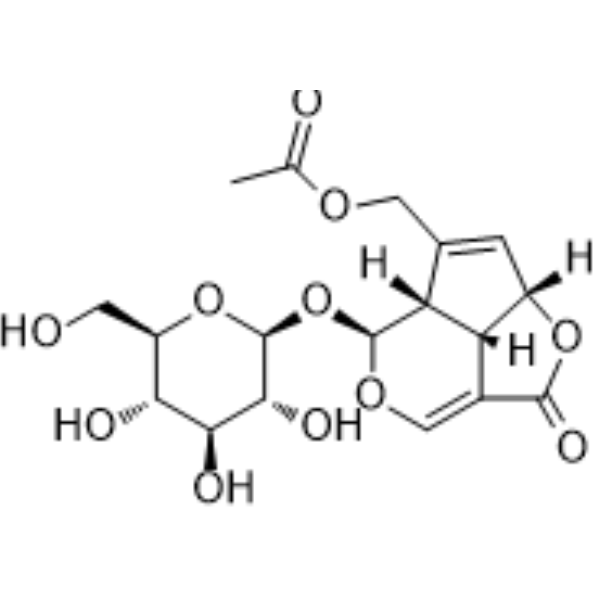
Asperuloside (Standard) is the analytical standard of Asperuloside. This product is intended for research and analytical applications. Asperuloside is an iridoid isolated from Hedyotis diffusa, with anti-inflammatory activity. Asperuloside inhibits inducible nitric oxide synthase (iNOS), suppresses NF-κB and MAPK signaling pathways .
|
-

- HY-157211
-
|
|
NF-κB
p38 MAPK
|
Inflammation/Immunology
|
|
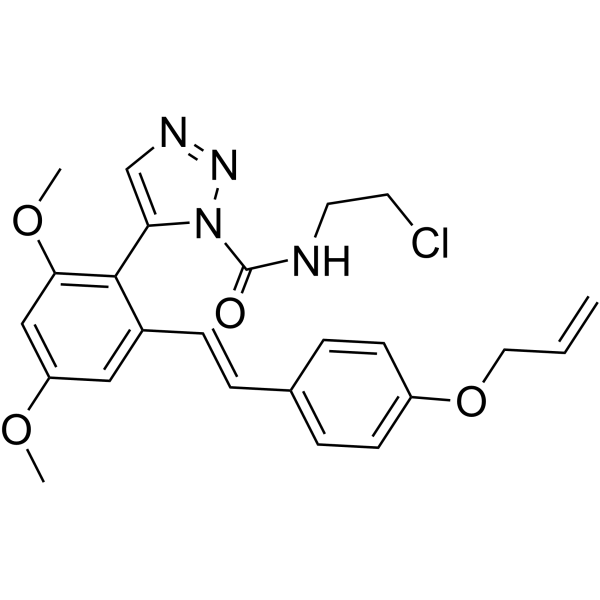
Anti-inflammatory agent 66 (compound 8) is a pterostilbene derivative with anti-inflammatory activity. Anti-inflammatory agent 66 inhibits pro-inflammatory cytokines by blocking the LPS-induced NF-κB/MAPK signaling pathway and effectively alleviates DSS-induced acute colitis in mice .
|
-
- HY-W015300R
-
|
Octanedioic acid (Standard)
|
Reference Standards
Endogenous Metabolite
|
Metabolic Disease
|
|
Suberic acid (Standard) is the analytical standard of Suberic acid. This product is intended for research and analytical applications. Suberic acid is an orally active crystalline dibasic acid. Suberic acid activates the Akt signaling pathway and regulates the expression of molecules related to the TGF-β and MAPK signaling pathways. Suberic acid inhibits skin dryness .
|
-

- HY-162170
-
|
|
NF-κB
Keap1-Nrf2
p38 MAPK
|
Inflammation/Immunology
|
|
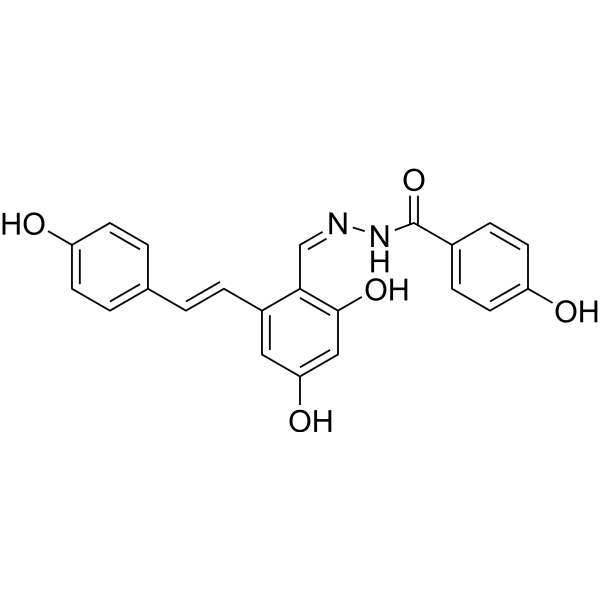
Anti-inflammatory agent 72 (compound 5) is a novel resveratrol derivative hybrid with benzoylhydrazine. Anti-inflammatory agent 72 shows anti-inflammatory and antioxidant activities by activating Nrf2 and inhibiting NF-κB p65/iNOS and MAPKs signaling pathways .
|
-
- HY-W654121
-
|
p-Tolyl sulfate-d4 potassium
|
Isotope-Labeled Compounds
Endogenous Metabolite
p38 MAPK
JNK
|
Inflammation/Immunology
|
|
p-Cresol sulfate-d4 (potassium) is deuterium labeled p-Cresyl sulfate (potassium). p-Cresyl sulfate potassium is a uremic toxin that binds to a prototype protein. p-Cresyl sulfate potassium activates the JNK and p38 MAPK signaling pathways. p-Cresyl sulfate potassium has pro-inflammatory activity .
|
-

- HY-161513
-
|
|
COX
NO Synthase
|
Inflammation/Immunology
|
|
iNOS/COX-2-IN-1 (Compound 12e) is an inhibitor of cyclooxygenase-2 (COX-2) and inducible nitric oxide synthase (iNOS). iNOS/COX-2-IN-1 inhibits the NF-κB and MAPKs signaling pathways and thus exerts anti-inflammatory effects .
|
-

- HY-149496
-
-
- HY-168567
-
|
|
RIP kinase
NF-κB
p38 MAPK
|
Inflammation/Immunology
|
|
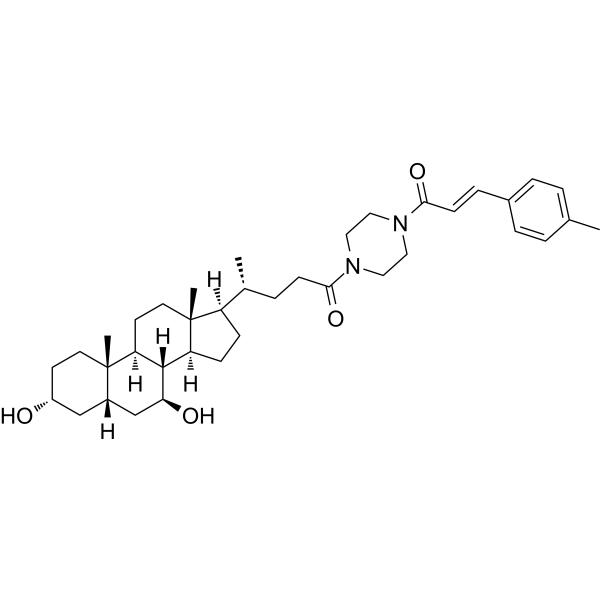
RIPK2-IN-6 (Compound 15a) is an inhibitor for RIPK, that inhibits the phosphorylation of RIPK2, and thus inhibits the NF-κB and MAPK signaling pathways. RIPK2-IN-6 exhibits anti-inflammatory and anti-fibrotic activities in Dextran sodium sulfate (HY-116282C)-induced mice colitis models .
|
-

- HY-146421
-
|
|
NO Synthase
NF-κB
Reactive Oxygen Species (ROS)
|
Inflammation/Immunology
|
|
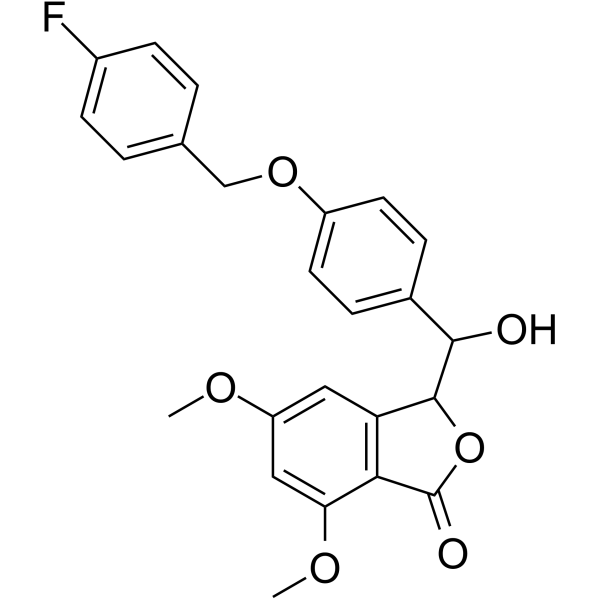
Anti-inflammatory agent 21 (compound 9o) is an orally active and low cytotoxic anti-inflammatory agent, with an IC50 value of 0.76 μM for NO. Anti-inflammatory agent 21 acts via accumulation ROS and blocks the NF-κB/MAPK signaling pathway. Anti-inflammatory agent 21 can ameliorate cartilage destruction and inflammatory cell infiltration in arthritis rats model .
|
-
- HY-W018197R
-
-

- HY-N6246R
-
|
|
Reference Standards
NF-κB
ERK
|
Inflammation/Immunology
Cancer
|
|
Asperulosidic Acid (Standard) is the analytical standard of Asperulosidic Acid. This product is intended for research and analytical applications. Asperulosidic Acid (ASPA), a bioactive iridoid glycoside, is extracted from the herbs of Hedyotis diffusa Willd. Asperulosidic Acid (ASPA) has anti-tumor, anti-oxidant, and anti-inflammatory activities .
ASPA is related to the inhibition of inflammatory cytokines (TNF-α, IL-6) and mediators via suppression of the NF-κB and mitogen-activated protein kinase (MAPK) signaling pathways .
|
-

- HY-168893
-
|
|
Src
Apoptosis
IAP
Survivin
Akt
mTOR
JAK
STAT
Ras
p38 MAPK
|
Cancer
|
|
K882 (Compound 4e) is a Src inhibitor, with KD of 0.315 μM. K882 induces Apoptosis. K882 inhibits XIAP and Survivin. K882 inhibits the activation of PI3K/Akt/mTOR, Jak1/Stat3, Ras/MAPK signaling pathways. K882 shows anti-tumor activity against non-small cell lung cancer .
|
-

- HY-N13174
-
|
|
Reactive Oxygen Species (ROS)
Apoptosis
|
Inflammation/Immunology
|
Peanut procyanidin A is a type of A-type procyanidin that can be extracted from peanut skins. Peanut procyanidin A can protect prostate DU145 cells from H2O2-induced oxidative stress damage through the MAPKs signaling pathway, alleviate cell cycle arrest, and reduce cell apoptosis. Peanut procyanidin A can also regulate gut microbiota and metabolism in mice with DSS (HY-116282)-induced ulcerative colitis .
|
-

- HY-N15347
-
|
|
NF-κB
p38 MAPK
Interleukin Related
TNF Receptor
NO Synthase
COX
|
Inflammation/Immunology
|
|
Talaromyketide B is a polyketide compound with anti-inflammatory activity, discovered in the soil bacterium Talaromyces sp. KYS-41. Talaromyketide B inhibits the activation of the NF-κB and MAPK signaling pathways and dose-dependently suppresses pro-inflammatory cytokines, such as IL-1β, IL-6, IL-10, and TNF-α, as well as the transcriptional activity of inflammatory mediators, including iNOS and COX-2. Talaromyketide B holds potential for research in the fields of immunity and inflammatory diseases .
|
-

- HY-163151
-
|
|
PI3K
Akt
p38 MAPK
|
Neurological Disease
Inflammation/Immunology
|
|
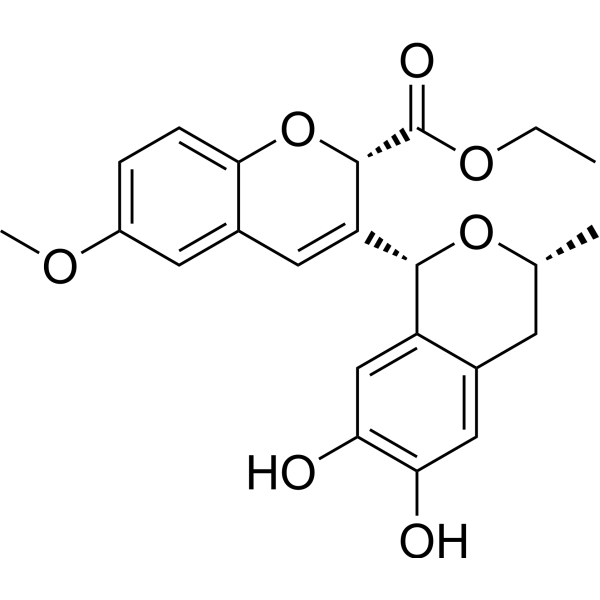
JE-133 is an optically active isochromane-2H-chromene conjugate. JE-133 exhibits antioxidant and anti-inflammatory activities. JE-133 is a neuroprotective agent that effectively inhibits neuronal oxidative damage associated with PI3K/Akt and MAPK signaling pathways. JE-133 can also inhibit lipopolysaccharide (LPS) (HY-D1056)-induced neuroinflammation by regulating JAK/STAT and Nrf2 signaling pathways .
|
-
- HY-N0272R
-
|
|
Reference Standards
Others
|
Inflammation/Immunology
|
|
Eleutheroside E (Standard) is the analytical standard of Eleutheroside E. This product is intended for research and analytical applications. Eleutheroside E is an important component of Eleutheroside and has antioxidant, anti-fatigue, anti-inflammatory, antibacterial, immunomodulatory and cardioprotective effects. Eleutheroside E may inhibit the MAPK signaling pathway, thereby inhibiting H/R-induced NF-κB activation and oxidative stress, reducing metabolic reprogramming, and protecting myocardium from ischemia-reperfusion (I/R) injury. Eleutheroside E also counteracts the effects of high altitude hypobaric hypoxia (HAHI) by inhibiting inflammation and pyroptosis .
|
-

- HY-121537R
-
|
|
COX
Akt
Apoptosis
|
Neurological Disease
Inflammation/Immunology
Cancer
|
|
CAY10404 (Standard) is the analytical standard of CAY10404. This product is intended for research and analytical applications. CAY10404 is a potent and selective cyclooxygenase-2 (COX-2) inhibitor with an IC50 of 1 nM and a selectivity index (SI; COX-1 IC50/COX-2 IC50) of >500000. CAY10404 is a potent PKB/Akt and MAPK signaling pathways inhibitor and induces apoptosis in non-small cell lung cancer (NSCLC) cells. CAY10404, a diarylisoxazole, has good analgesic, anti-inflammatory, and anti-cancer activities .
|
-

- HY-E70765
-
|
|
Raf
|
Cancer
|
|
Ras-associated factor -1 (RAF1) belongs to the RAF protein kinases family, also known as C-Raf. RAF1 participates in Ras-RAF-MEK-ERk signaling pathway (MAPK signaling pathway), and transmits extracellular signals into the nucleus through cell membrane receptors, thereby mediating the expression of intracellular specific proteins and participating in the regulation of cell proliferation, differentiation, apoptosis, autophagy and other functions. RAF1 YDYD is a mutant of RAF1. RAF1 YDYD Recombinant Human Active Protein Kinase is a recombinant RAF1 YDYD protein that can be used to study RAF1 YDYD-related functions .
|
-

- HY-162641
-
|
|
IRAK
NF-κB
p38 MAPK
TNF Receptor
|
Inflammation/Immunology
|
|
AF-45 inhibits IRAK4 and IRAK1, with IC50s of 128 nM and 1765 nM. AF-45 inhibits the release of IL-6 and TNF-α in macrophages, with IC50s of 0.53-1.54 μM and 0.6-2.75 μM. AF-45 is also an inhibitor for NF-κB/MAPK signaling pathway. AF-45 exhibits anti-inflammatory activities against DSS-induced ulcerative colitis and Lipopolysaccharide (HY-D1056)-induced acute lung injury in mouse model. AF-45 exhibits good pharmacokinetic characteristics in rat models .
|
-

- HY-152003S
-
|
|
Isotope-Labeled Compounds
|
Others
|
|
Ganglioside GM2-d3 (ammonium) is the deuterium labeled Ganglioside GM2 (HY-148385). Ganglioside GM2 is a human tumor antigen predominantly found in human tumor cells and fetal brain tissue. As a sialylated glycosphingolipid, Ganglioside GM2 is involved in processes such as cell signaling, adhesion, and motility. Ganglioside GM2 abnormal expression and accumulation are associated with tumors and neurodegenerative disorders. Ganglioside GM2 promotes tumor cell migration and invasion by directly binding to the integrin β1 receptor, activating the FAK/Src/Erk-MAPK signaling pathway, and inducing actin cytoskeleton remodeling .
|
-

- HY-183936
-
|
|
SHP2
p38 MAPK
ERK
|
Cancer
|
|
SDUY127 is a bivalent SHP2 inhibitor with an IC50 value of 16 nM. SDUY127 binds simultaneously to the tunnel allosteric site and latch allosteric site of SHP2 at a 1:1 stoichiometric ratio, stabilizes the protein in an inactive conformation, and induces sustained inhibition of the MAPK signaling pathway. SDUY127 can be used in research related to leukemia and hepatocellular carcinoma .
|
-

- HY-N17888
-
|
|
NF-κB
p38 MAPK
FAK
Akt
Apoptosis
NO Synthase
COX
TNF Receptor
Interleukin Related
|
Inflammation/Immunology
Cancer
|
|
Ephemeranthol A is a phenanthrene compound with anticancer and anti-inflammatory activities. Ephemeranthol A exerts significant anti-inflammatory effects in macrophages by inhibiting the NF-κB and MAPK signaling pathways. Ephemeranthol A induces apoptosis and inhibits metastasis of lung cancer cells by suppressing the FAK/Akt signaling and EMT processes. Ephemeranthol A can be used for the research of acute and chronic inflammatory diseases and non-small cell lung cancer .
|
-

- HY-181817
-
|
|
Reactive Oxygen Species (ROS)
Apoptosis
p38 MAPK
PERK
|
Cancer
|
|
(S)-IP-DK143 is a polymeric micellar formulation. (S)-IP-DK143 inhibits the proliferation of cervical cancer cells, induces ROS-mediated apoptosis, and triggers mitochondrial dysfunction. (S)-IP-DK143 activates the p38 MAPK signaling pathway, increases the phosphorylation level of p38. (S)-IP-DK143 can be used for the research of cervical cancer .
|
-

- HY-118817
-
|
|
Reactive Oxygen Species (ROS)
Calcium Channel
JNK
ERK
p38 MAPK
Apoptosis
|
Neurological Disease
|
|
Evariquinone is an anthraquinone compound isolated from the endophytic fungus Colletotrichum sp. JS-0367 of mulberry. Evariquinone possesses direct antioxidant activity. It inhibits excessive phosphorylation of the JNK, ERK1/2 and p38 MAPK signaling pathways by suppressing ROS and Ca 2+, thereby reducing neuronal apoptosis. Evariquinone can be used to study glutamate excitotoxicity-related neurological disorders (such as Alzheimer's disease, Parkinson's disease, cerebral ischemia, etc.) .
|
-

- HY-N19215
-
|
|
p38 MAPK
ERK
JNK
NO Synthase
PGE synthase
Interleukin Related
COX
|
Inflammation/Immunology
|
|
Arnicolide B is a sesquiterpene lactone. Arnicolide B is isolated from Centipeda minima. Arnicolide B inhibits the phosphorylation of ERK, JNK and p38 proteins in the MAPK signaling pathway. Arnicolide B reduces the production of inflammatory mediators NO, PGE2 and IL-6. Arnicolide B downregulates the overexpression of inflammatory proteins iNOS and COX-2. Arnicolide B has no effect on IκB-α degradation or NF-κB pathway activation. Arnicolide B is applicable to inflammation-related research .
|
-

- HY-180807
-
|
|
p38 MAPK
Reactive Oxygen Species (ROS)
Mitochondrial Metabolism
ERK
JNK
|
Cardiovascular Disease
Neurological Disease
|
|
MAPK-IN-6 (compound 116B) is a CNS-penetrant compound that inhibits the MAPK signaling pathway. MAPK-IN-6 reduces oxidative stress in SH-SY5Y neuronal cells by reducing ROS, restoring mitochondrial function, and inhibiting MAPK-driven inflammation. MAPK-IN-6 demonstrates profound neuroprotective efficacy in a rat tBCCAO/R model via ERK-P38-JNK signaling. MAPK-IN-6 can be used as a neuroprotective agent in ischemic stroke research .
|
-

- HY-180112
-
|
|
Keap1-Nrf2
Reactive Oxygen Species (ROS)
PI3K
Akt
p38 MAPK
|
Metabolic Disease
|
|
SH543 is a potent anti-osteoporosis agent. SH543 inhibits nuclear factor κB ligand (RANKL)-induced osteoclastogenesis with an IC50 of 3.3 nM. SH543 directly binds to KEAP1, activates the Nrf2-HO-1 antioxidant pathway, reduces ROS levels, and inhibits PI3K-AKT and MAPK signaling pathways. SH543 attenuates pathological bone loss in ovariectomized mice. SH543 can be used for osteoporosis research .
|
-

- HY-181073
-
|
|
Apoptosis
Necroptosis
NF-κB
p38 MAPK
|
Neurological Disease
Cancer
|
|
Apoptosis/necroptosis inducer 1 is an orally active and brain-penetrant apoptosis and necroptosis inducer. Apoptosis/necroptosis inducer 1 induces mitochondria-dependent (intrinsic pathway) apoptosis. Apoptosis/necroptosis inducer 1 induces necroptosis by activating the TNF-α/NF-κB/MAPK signaling pathway. Apoptosis/necroptosis inducer 1 exhibits antiproliferative activity in glioblastoma cell lines and multiple solid tumor types. Apoptosis/necroptosis inducer 1 inhibits growth of orthotopic glioblastoma in animal models and improves survival rate. Apoptosis/necroptosis inducer 1 can be used for the research of glioblastoma .
|
-

- HY-181098
-
|
|
Reactive Oxygen Species (ROS)
Apoptosis
p38 MAPK
CDK
Caspase
Bcl-2 Family
|
Cancer
|
|
FKA-9i is an orally active anticancer agent. FKA-9i directly binds to and promotes the degradation of oncoproteins LRPPRC (kd: 7.387 μM), YBX1 (kd: 16.52 μM) and RPN1 (kd: 26.82 μM). FKA-9i inhibits the MAPK signaling pathway and mitochondrial oxidative phosphorylation. FKA-9i also induces cancer cell cycle arrest, apoptosis, mitochondrial dysfunction and ROS accumulation. FKA-9i can be used in the research of tumors such as gastric cancer .
|
-

- HY-N17850
-
|
|
Influenza Virus
Ferroptosis
Apoptosis
Glutathione Peroxidase
NF-κB
p38 MAPK
Interleukin Related
|
Infection
|
|
5-Hydroxy-6,7-dimethoxyflavone is an orally active inhibitor of ferroptosis (Ferroptosis). 5-Hydroxy-6,7-dimethoxyflavone inhibits H1N1 virus-induced ferroptosis by upregulating the expression of SLC7A11 and GPX4. 5-Hydroxy-6,7-dimethoxyflavone alleviates inflammatory responses and inhibits apoptosis by suppressing the activation of the NF-κB and p38 MAPK signaling pathways. 5-Hydroxy-6,7-dimethoxyflavone can be used in studies related to H1N1 influenza virus infection .
|
-

- HY-183674
-
|
|
Molecular Glues
MEK
Raf
PERK
Ras
p38 MAPK
Apoptosis
|
Cancer
|
|
MEK-IN-10 is an orally active pan-MEK/RAF non-degrading molecular glue with an IC50 of 782 nM against human MEK1. MEK-IN-10 blocks the phosphorylation of MEK and ERK, induces and stabilizes the MEK1-RAF complex, and disrupts the RAS-MAPK signaling pathway. MEK-IN-10 induces apoptosis in cancer cells and arrests cells at the G0/G1 phase. MEK-IN-10 induces tumor growth inhibition in mouse xenograft models. MEK-IN-10 can be used in the research of RAS-driven cancers, such as colorectal cancer and pancreatic cancer .
|
-

- HY-176740
-
|
|
PROTACs
Bcl-2 Family
p38 MAPK
Reactive Oxygen Species (ROS)
Mitochondrial Metabolism
Apoptosis
ERK
JNK
|
Cancer
|
|
PROTAC Bcl-xL degrader-4 (Compound 2-38-III) is a Bcl-xL PROTAC degrader. PROTAC Bcl-xL degrader-4 has strong anti-tumor activity against HepG2 cells and HUVEC cells. PROTAC Bcl-xL degrader-4 induces cells apoptosis by decreasing mitochondrial membrane potential and activating the MAPK signaling pathway. PROTAC Bcl-xL degrader-4 significantly inhibits tumor growth in xenograft tumor mouse models . Pink: MAPK ligand (HY-176741); Blue: CRBN ligase ligand (HY-10984); Black: linker (HY-W017440)
|
-

- HY-N0484
-
-
- HY-N1988R
-
|
Hemslecin A (Standard)
|
Reference Standards
Apoptosis
EGFR
Autophagy
MEK
Caspase
ERK
STAT
Survivin
Raf
p38 MAPK
CaMK
|
Inflammation/Immunology
Cancer
|
|
Cucurbitacin IIa (Hemslecin A) (Standard) is the analytical standard for Cucurbitacin IIa (HY-N1988). This product is used for research and analytical applications. Cucurbitacin IIa is an orally active, blood-brain barrier-penetrating EGFR inhibitor with an IC50 of 1.455 nM for human EGFR. Cucurbitacin IIa induces caspase-3 dependent cell apoptosis, downregulates survivin expression, enhances autophagy levels, disrupts the actin cytoskeleton through actin aggregation, blocks the cell cycle at the G2/M phase, and inhibits the EGFR-MAPK signaling pathway to exert anti-inflammatory activity. Cucurbitacin IIa can be used in research on inflammatory-related diseases, depression, and non-small cell lung cancer and other cancers.
|
-

- HY-N6002R
-
|
|
Apoptosis
Reference Standards
Autophagy
|
Cancer
|
|
3'-Hydroxypterostilbene (Standard) is the analytical standard of 3'-Hydroxypterostilbene (HY-N6002). This product is intended for research and analytical applications. 3'-Hydroxypterostilbene is a Pterostilbene (HY-N0828) analogue. 3'-Hydroxypterostilbene inhibits the growth of COLO 205, HCT-116 and HT-29 cells with IC50s of 9.0, 40.2 and 70.9 μM, respectively. 3'-Hydroxypterostilbene significantly down-regulates PI3K/Akt and MAPKs signaling pathways and effectively inhibits the growth of human colon cancer cells by inducing apoptosis and autophagy. 3'-Hydroxypterostilbene can be used for the research of cancer .
|
-

- HY-175764
-
|
|
PROTACs
IRAK
NF-κB
p38 MAPK
TNF Receptor
Interleukin Related
|
Inflammation/Immunology
|
|
FIP22 is a potent and selective IRAK4 PROTAC degrader (HEK293T cells: DC50 = 3.2 nM; THP-1 cells: DC50 = 10.6 nM). FIP22 induces the ubiquitin-proteasome system by forming an IRAK4-FIP22-CRBN ternary complex (EC50 = 12.63 nM), thereby potently blocking IRAK4-mediated NF-κB and MAPK signaling pathways. FIP22 can be used for the study of atopic dermatitis (Pink: IRAK4 ligand (HY-175765); Blue: CRBN ligand (HY-W087383); Black: Linker (HY-46871)) .
|
-

- HY-118828B
-
|
12-OPDA (≥90%)
|
NF-κB
p38 MAPK
TNF Receptor
Interleukin Related
NO Synthase
Keap1-Nrf2
|
Neurological Disease
Inflammation/Immunology
|
|
12-Oxo phytodienoic acid (≥90%) (12-OPDA (≥90%)) is a plant lipid-derived anti-inflammatory compound. 12-Oxo phytodienoic acid (≥90%) induces the expression of SOCS-1 and inhibits LPS (HY-D1056)-induced activation of the NF-κB and p38 MAPK signaling pathways. 12-Oxo phytodienoic acid (≥90%) inhibits LPS-induced expression of IL-6 and TNF-α, and reduces LPS-induced NO production by decreasing iNOS levels. 12-Oxo phytodienoic acid (≥90%) induces activation of the Nrf2 signaling cascade. 12-Oxo phytodienoic acid (≥90%) can be used for the research of neurodegenerative diseases .
|
-

- HY-W160358
-
|
|
SARS-CoV
Virus Protease
Fungal
Apoptosis
Reactive Oxygen Species (ROS)
ATP Synthase
Glutathione Peroxidase
SOD
p38 MAPK
|
Infection
Cancer
|
|
2,5-Dimethylcyclohexanol, a volatile organic compound, is a fatty acid that can be isolated from Amphora sp.. 2,5-Dimethylcyclohexanol has significant antineoplastic and antiviral activities with inhibition of SARS-CoV-2 Mpro. 2,5-Dimethylcyclohexanol also has potent antifungal activity against Pseudogymnoascus destructans. 2,5-Dimethylcyclohexanol compromises cell wall and membrane integrity while perturbing energy metabolism, increases the levels of ROS, ATP, Superoxide anion and GSH, and decreases CAT and SOD activities. And 2,5-Dimethylcyclohexanol alters virulence ribosomal genes expression, and disrupts the MAPK signaling pathways, inducing fungal cell apoptosis .
|
-

- HY-181676
-
|
|
Cathepsin
|
Inflammation/Immunology
|
|
Anti-inflammatory agent 113 (compound B5) is a Cathepsin L (CTSL) inhibitor and anti-inflammatory agent with a CTSL IC50 of 5.52 μM. Anti-inflammatory agent 113 suppresses CTSL maturation, attenuates NF-κB and p38 MAPK signaling pathway activation, and binds stably in CTSL’s active site via noncovalent interactions with Asp162, Cys25, and Glu63. Anti-inflammatory agent 113 inhibits pro-inflammatory cytokine (IL-6, IL-8) production, reduces inflammatory cell lung infiltration, and alleviates lung tissue injury. Anti-inflammatory agent 113 can be used for the research of acute lung injury .
|
-

- HY-168963
-
|
|
PROTACs
Btk
Itk
p38 MAPK
|
Inflammation/Immunology
Cancer
|
|
PROTAC BTK Degrader-13 (Compound 25) is the PROTAC degrader for BTK with a DC50 of 0.27 μM. PROTAC BTK Degrader-13 inhibits the activity of BTK with an IC50 of 0.44 μM, inhibits IL-2-induced T cell kinase (ITK) with an IC50 of 2.16 μM. PROTAC BTK Degrader-13 inhibits p38 MAPK signaling pathway, block the activation of the BCR (B cell receptor) signaling pathway . (Pink: ligand for target protein BTK ligand 15 (HY-168965); Black: linker (HY-Y0524); Blue: ligand for E3 ligase cereblon (HY-103596))
|
-

- HY-P99463
-
|
AVB-500; AVB-S6-500
|
TAM Receptor
PI3K
Akt
p38 MAPK
|
Cancer
|
|
Batiraxcept (AVB-500; AVB-S6-500) is a selective, soluble AXL receptor and GAS6 inhibitor that targets the GAS6-AXL signaling axis. Batiraxcept is orally inactive and does not cross the blood-brain barrier. Batiraxcept competitively binds to GAS6 ((KD <1 nM), preventing its interaction with the AXL receptor tyrosine kinase, thereby inhibiting downstream PI3K/AKT and MAPK signaling pathways, reducing tumor cell glycolysis, angiogenesis, and metastatic potential. Batiraxcept has demonstrated antitumor activity in preclinical models of endometrial, cholangiocarcinoma, and ovarian cancer by inhibiting tumor growth, invasion, and metastasis .
|
-

- HY-N2435R
-
|
|
Reference Standards
COX
Apoptosis
|
Cancer
|
|
-Shogaol (Standard) is the analytical standard of -Shogaol. This product is intended for research and analytical applications. -Shogaol, a kind of stimulating compound in ginger, has antiplatelet (IC50=5 μM), anti-cancer and anti-inflammatory activity. -Shogaol inhibited COX-2 (IC50=17.5 μM), which led to the decline of human leukemia cells. 8-Shogaol Selective direction TAK1 sum TAK1-TAB1 (IC50=5 μM), suppress IKK, Akt sum MAPK signal pathway, and reverse synovitis synovial sum Air dampness (RA) .
|
-
![[8]-Shogaol (Standard)](//file.medchemexpress.com/product_pic/hy-n2435r.gif)
- HY-158156
-
|
|
NF-κB
Apoptosis
|
Cancer
|
|
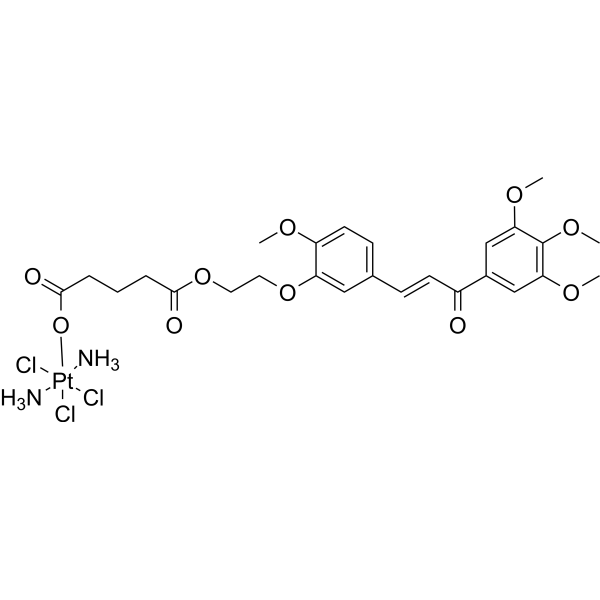
NF-κB-IN-16 (compound 9) is a complex (Pt(IV) complex) of NF-κB inhibitor and Cisplatin (HY-17394), which has high efficacy and low toxicity in anti-tumor activity. active. NF-κB-IN-16 can cause DNA damage, induce mitochondrial dysfunction, produce reactive oxygen species, and induce apoptosis through the mitochondrial pathway and endoplasmic reticulum stress. NF-κB-IN-16 potently inhibits the NF-κB/MAPK signaling pathway and disrupts PI3K/AKT signaling. NF-κB-IN-16 also exhibits excellent in vivo antitumor efficiency and low toxicity in A549 or A549/CDDP xenograft models .
|
-
- HY-172209
-
|
|
p38 MAPK
Apoptosis
Reactive Oxygen Species (ROS)
Caspase
Bcl-2 Family
|
Cancer
|
|
PPIA-IN-1 is a PPIA inhibitor with a Kd value of 0.52 μM. PPIA-IN-1 inhibits the PPIA/MAPK signaling pathway to exert antiproliferative activity. PPIA-IN-1 induces G0/G1 cell cycle arrest in cancer cells. PPIA-IN-1 upregulates the expression of Bax and caspase-3, downregulates Bcl-2 expression, and induces apoptosis in cancer cells. PPIA-IN-1 induces increased ROS levels, DNA damage, endoplasmic reticulum stress, and mitochondrial dysfunction in cancer cells. PPIA-IN-1 exhibits antitumor activity in a mouse colon cancer xenograft model. PPIA-IN-1 can be used for the research of colorectal cancer .
|
-

- HY-N0330R
-
|
|
Reference Standards
Apoptosis
Autophagy
PI3K
c-Myc
|
Metabolic Disease
Inflammation/Immunology
Cancer
|
|
Momordin Ic (Standard) is the analytical standard of Momordin Ic. This product is intended for research and analytical applications. Momordin Ic is an orally active triterpenoid saponin that can be isolated from Kochia scoparia. It is also a SUMO specific protease 1 (SENP1) inhibitor, SENP1/c-MYC signaling pathway inhibitor, and apoptosis inducer. Momordin Ic induces autophagy and apoptosis in liver cancer cells through the PI3K/Akt and MAPK signaling pathways mediated by reactive oxygen species. Momordin Ic has the ability to control glucose induced blood glucose elevation, inhibit gastric emptying, resist rheumatoid arthritis, reduce CCl4 (HY-Y0298) induced hepatotoxicity and anti-tumor activity .
|
-

- HY-N5014
-
-
- HY-168715
-
|
|
SHP2
Apoptosis
MAPKAPK2 (MK2)
|
Cancer
|
|
SHP2-IN-33 (Compound D13) is an allosteric inhibitor of SHP2 with an IC50 of 1.2 μM. In cellular studies, SHP2-IN-33 demonstrates antiproliferative activity with an IC50 of 38 μM against Huh7 cells by arresting the G0/G1 cell cycle, promoting apoptosis (Apoptosis), and suppressing the MAPK signaling pathway. In an in vivo Huh7 xenograft mouse model, SHP2-IN-33 exhibits significant antitumor activity and favorable pharmacokinetics, including 54% oral bioavailability and a half-life of 10.57 hours. SHP2-IN-33 is a promising compound for studying tumor diseases associated with SHP2 .
|
-

- HY-183352
-
|
|
Cholinesterase (ChE)
Toll-like Receptor (TLR)
p38 MAPK
Interleukin Related
Complement System
|
Neurological Disease
|
BuChE-IN-23 is an orally active, blood-brain barrier permeable butyrylcholinesterase (eqBuChE) inhibitor with an IC50 of 15.59 μM and a Ki of 29.33 μM. BuChE-IN-23 exhibits an IC50 of 38.65 μM against hBuChE and shows selectivity for butyrylcholinesterase over acetylcholinesterase. BuChE-IN-23 inhibits LPS (HY-D1056)-induced nitric oxide production, attenuates hippocampal glial cell activation and neuroinflammation, suppresses the TLR4/p38 MAPK signaling pathway, and regulates the IL-1β/C3-mediated microglia-astrocyte inflammatory axis. BuChE-IN-23 can be used for the research of Alzheimer's disease .
|
-

- HY-10966
-
|
|
Raf
Apoptosis
|
Neurological Disease
Metabolic Disease
Cancer
|
|
SB-590885 is a BRAF/c-Raf kinase inhibitor that selectively targets B-Raf, and it amplifies the ERK/MAPK signaling pathway in RAS-activated cells. SB-590885 effectively inhibits the malignant proliferation, transformation and tumorigenicity of oncogenic B-Raf cells; it also induces the proliferation of erythroid progenitor cells, delays their differentiation and promotes hemoglobin synthesis, thereby improving ineffective erythropoiesis and reducing apoptosis. SB-590885 exerts a synergistic effect with TGF-β inhibitors and glucocorticoids, significantly promoting the formation of erythroid colonies in cells from patients with Diamond-Blackfan anemia (DBA). SB-590885 is mainly used in relevant studies on DBA, cisplatin-induced myelosuppression-related anemia, and pan-cancers such as melanoma and colorectal cancer .
|
-
- HY-164530
-
|
|
Src
VEGFR
Raf
p38 MAPK
|
Cancer
|
|
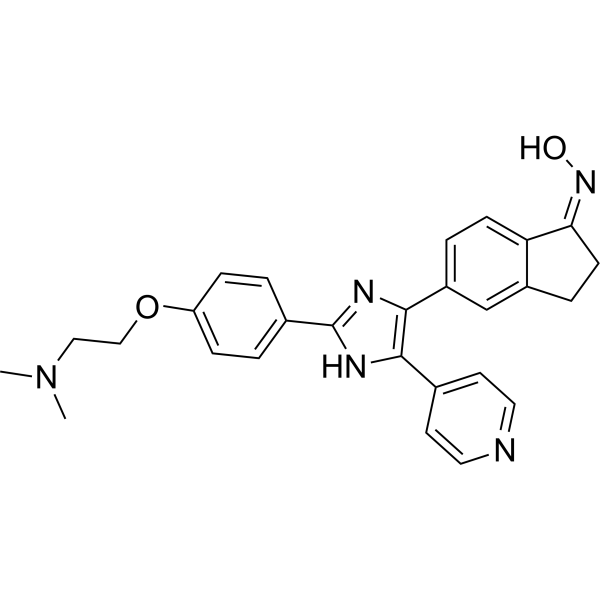
SKLB646 is an orally active multi-target kinase inhibitor. SKLB646 shows significant inhibitory effects on SRC and VEGFR2 with IC50 values ??of 0.002 μmol/L and 0.012 μmol/L, respectively. SKLB646 also shows significant inhibitory effects on B-Raf and C-Raf with IC50 values ??of 0.022 μmol/L and 0.019 μmol/L, respectively. SKLB646 inhibits the activation of the SRC signaling pathway and blocks the MAPK signaling pathway by inhibiting Raf kinase. In addition, SKLB646 can inhibit the proliferation, migration and invasion of human umbilical vein endothelial cells (HUVEC) to inhibit tumor-induced angiopoietic formation. SKLB646 shows significant anti-proliferative and anti-survival activities against triple-negative breast cancer (TNBC) cell lines .
|
-

- HY-W100287
-
|
|
NF-κB
p38 MAPK
Interleukin Related
IKK
JNK
β-catenin
Wnt
|
Neurological Disease
Inflammation/Immunology
Cancer
|
|
Murrayafoline A is a carbazole alkaloid that can be extracted from Murraya tetramera. Murrayafoline A directly targets Specificity protein 1 (Sp1), thereby inhibiting NF-κB and MAPK signaling pathways. Murrayafoline a induces a G0/G1-phase arrest in platelet-derived growth factor (PDGF)-stimulated vascular smooth muscle cells. Murrayafoline A attenuates the Wnt/β-catenin pathway by promoting the degradation of intracellular β-catenin proteins. Murrayafoline A enhances the contraction of rat ventricular myocytes and L-type calcium current by activating protein kinase C. Murrayafoline A inhibits LPS (HY-D1056)-induced neuroinflammation in vivo. Murrayafoline A can be used for the study of inflammation, vascular complications and colon cancer .
|
-

- HY-120406
-
|
|
Btk
Akt
mTOR
p38 MAPK
ERK
CCR
Apoptosis
|
Cancer
|
|
LPS-123 is a covalently irreversible BTK inhibitor with an IC50 of < 5 nM. LPS-123 simultaneously inhibits the catalytic activity of BTK at Tyr551 and its self-activation at Tyr223. LPS-123 inhibits phosphorylation of the AKT/mTOR and MAPK signaling pathways, activation of PLCγ2, ERK1/2, p38, AKT, and mTOR, and blocks the production of CCL3 and CCL4 chemokines. LPS-123 exhibits significant anti-proliferative activity against various B-cell lymphoma cell lines and effectively induces apoptosis via a caspase-dependent pathway. LPS-123 also demonstrates significant antitumor activity in the OCI-Ly7 xenograft model. LPS-123 can be used for lymphoma research .
|
-

- HY-15947G
-
|
GDC-0994
|
ERK
c-Myc
Hexokinase
Lactate Dehydrogenase
|
Cancer
|
|
Ravoxertinib GMP is Ravoxertinib (HY-15947) produced by using GMP guidelines. GMP small molecules works appropriately as an auxiliary reagent for cell therapy manufacture. Ravoxertinib (GDC-0994) is an orally active ERK1/2 inhibitor. Ravoxertinib inhibits the ERK1/2 MAPK signaling pathway and reduces the expression levels of c-Myc, HK2 and LDHA. Ravoxertinib decreases mammosphere formation, and exerts additive and/or superadditive cytotoxicity when combined with Ipatasertib (HY-15186) in 3D tumor sphere models. Ravoxertinib can be used in research related to various cancers including breast cancer, melanoma, head and neck cancer, non-small cell lung cancer, ovarian cancer and Merkel cell carcinoma .
|
-

- HY-N1916
-
|
|
Glutathione S-transferase
P-glycoprotein
Apoptosis
iGluR
CaMK
p38 MAPK
Reactive Oxygen Species (ROS)
Bacterial
|
Infection
Cardiovascular Disease
Neurological Disease
Inflammation/Immunology
Cancer
|
|
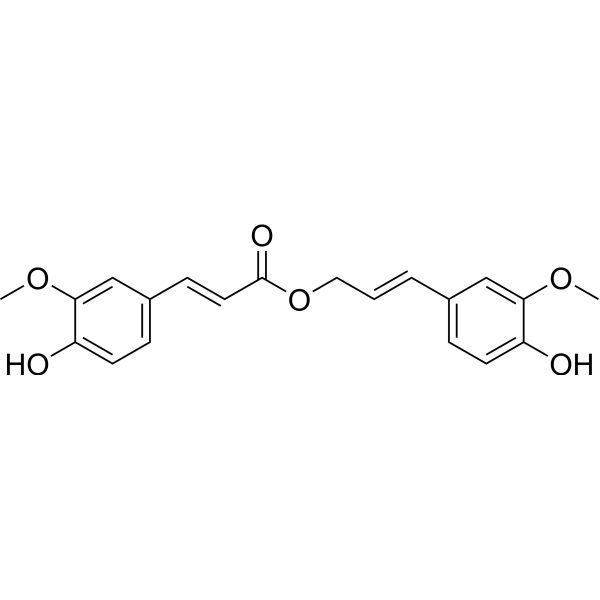
Coniferyl ferulate is an orally active phenolic acid compound. Coniferyl ferulate is a potent inhibitor of glutathione S-transferase (GST) (IC50 = 0.3 μM), which downregulates P-gp expression, induces apoptosis in B-MD-C1 (ADR+/+) cells, and reverses multidrug resistance. Coniferyl ferulate blocks the NMDAR/NR2B-CaMKII-MAPKs signaling pathway, inhibits ROS production and mitochondrial apoptosis, while reshapes the intestinal microbiota and microbial metabolism, ameliorates colonic inflammation and alleviates depressive symptoms in mice. Coniferyl ferulate can alleviate the toxicity of xylene to hematopoietic stem and progenitor cells by targeting Mgst2. Coniferyl ferulate exhibits antibacterial activity against the Gram-positive Bacillus subtilis and Staphylococcus aureus .
|
-
- HY-N0484R
-
|
|
Reference Standards
Reactive Oxygen Species (ROS)
Autophagy
Apoptosis
VEGFR
JAK
Amyloid-β
p38 MAPK
HIF/HIF Prolyl-Hydroxylase
STAT
PI3K
JNK
Akt
|
Cardiovascular Disease
Neurological Disease
Cancer
|
|
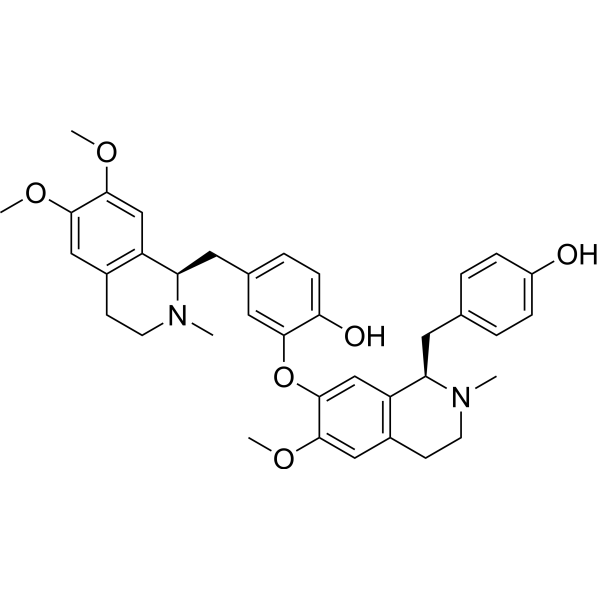
Liensinine (Standard) is the analytical standard of Liensinine (HY-N0484). This product is intended for research and analytical applications. Liensinine is a bisbenzylisoquinoline alkaloid. By inhibiting the PI3K/AKT and JNK/p38-MAPK signaling pathways, Liensinine suppresses autophagy and apoptosis, clears Aβ, and exerts anti-inflammatory, antioxidant and neuroprotective effects. Liensinine activates AMPK and inhibits the expression of HIF-1α and VEGF, thereby suppressing angiogenesis. Liensinine exerts anti-tumor effects through ROS-mediated inhibition of the JAK2/STAT3 signaling pathway. Liensinine can be used for the research of diseases such as Alzheimer's disease, hepatocellular carcinoma, osteosarcoma, sepsis-induced organ injury and stroke .
|
-

- HY-181420A
-
|
|
Ras
Phosphatase
ERK
Apoptosis
|
Cancer
|
|
BBO-11818 is an orally active, highly selective (relative to NRAS and HRAS), non-covalent pan-KRAS inhibitor (IC50=28-120 nM). BBO-11818 specifically binds to the Switch-II/Helix 3 pocket, disrupts the KRAS:RAF1 interaction by inducing conformational changes, and blocks the MAPK signaling pathway. BBO-11818 exhibits significant anti-tumor activity, which not only inhibits cell proliferation and induces apoptosis, but also drives tumor regression in xenograft models. BBO-11818 produces synergistic effects when combined with Cetuximab (HY-P9905), anti-PD-1 antibody or PI3Kα inhibitor. BBO-11818 is used in the research of KRAS mutation-related malignancies such as pancreatic cancer, non-small cell lung cancer and colorectal cancer .
|
-

- HY-10966R
-
|
|
Reference Standards
Raf
Apoptosis
|
Cancer
|
|
SB-590885 (Standard) is the analytical standard of SB-590885 (HY-10966). This product is intended for research and analytical applications. SB-590885 is a BRAF/c-Raf kinase inhibitor that selectively targets B-Raf, and it amplifies the ERK/MAPK signaling pathway in RAS-activated cells. SB-590885 effectively inhibits the malignant proliferation, transformation and tumorigenicity of oncogenic B-Raf cells; it also induces the proliferation of erythroid progenitor cells, delays their differentiation and promotes hemoglobin synthesis, thereby improving ineffective erythropoiesis and reducing apoptosis. SB-590885 exerts a synergistic effect with TGF-β inhibitors and glucocorticoids, significantly promoting the formation of erythroid colonies in cells from patients with Diamond-Blackfan anemia (DBA). SB-590885 is mainly used in relevant studies on DBA, cisplatin-induced myelosuppression-related anemia, and pan-cancers such as melanoma and colorectal cancer .
|
-

- HY-P11617
-
|
|
NF-κB
ERK
JNK
p38 MAPK
Interleukin Related
|
Inflammation/Immunology
|
|
CLP-d2 is a multi-target anti-inflammatory agent, osteoclastogenesis inhibitor and immunomodulator with superior pharmacokinetic properties to Daptomycin (HY-B0108) and good safety profiles. CLP-d2 inhibits the NF-κB and MAPK signaling pathways by reducing the expression levels of c-Fos and NFATc1, and decreasing the phosphorylation levels of IκBα, p65, ERK and JNK, thereby reducing the secretion of pro-inflammatory cytokines such as IL-6, TNF-α and IL-1β to exert anti-inflammatory activity. CLP-d2 inhibits intra-articular osteoclastogenesis in mice, alleviates bone erosion and joint swelling, reduces synovial hyperplasia and inflammatory cell infiltration, and decreases serum rheumatoid factor (RF) levels. CLP-d2 is applicable to related research on rheumatoid arthritis .
|
-

- HY-W100287R
-
|
|
NF-κB
Reference Standards
p38 MAPK
Interleukin Related
IKK
JNK
β-catenin
Wnt
|
Neurological Disease
Inflammation/Immunology
Cancer
|
|
Murrayafoline A (Standard) is the analytical standard of Murrayafoline A (HY-W100287). This product is intended for research and analytical applications. Murrayafoline A is a carbazole alkaloid that can be extracted from Murraya tetramera. Murrayafoline A directly targets Specificity protein 1 (Sp1), thereby inhibiting NF-κB and MAPK signaling pathways. Murrayafoline a induces a G0/G1-phase arrest in platelet-derived growth factor (PDGF)-stimulated vascular smooth muscle cells. Murrayafoline A attenuates the Wnt/β-catenin pathway by promoting the degradation of intracellular β-catenin proteins. Murrayafoline A enhances the contraction of rat ventricular myocytes and L-type calcium current by activating protein kinase C. Murrayafoline A inhibits LPS (HY-D1056)-induced neuroinflammation in vivo. Murrayafoline A can be used for the study of inflammation, vascular complications and colon cancer .
|
-

- HY-N1431
-
|
|
NOD-like Receptor (NLR)
Apoptosis
Cytochrome P450
NF-κB
PI3K
Akt
CDK
Caspase
Interleukin Related
p38 MAPK
|
Inflammation/Immunology
Cancer
|
|
Tabersonine is a selective, orally active NLRP3 inhibitor. Tabersonine directly binds to the NACHT domain of NLRP3, inhibiting its ATPase activity and oligomerization, thereby blocking ASC spot formation and caspase-1 activation, and reducing the release of pro-inflammatory cytokines such as IL-1β. Tabersonine also inhibits K63-linked ubiquitination of TRAF6, blocking NF-κB, PI3K/Akt, and p38 MAPK signaling pathways. Tabersonine can inhibit inflammatory responses, induce apoptosis of liver cancer cells through mitochondrial pathways and death receptor pathways, reduce mitochondrial membrane potential, promote cytochrome c release, and activate caspase proteins. Tabersonine is mainly used in the study of NLRP3-driven inflammatory diseases (such as acute lung injury, sepsis, peritonitis) and tumors such as liver cancer .
|
-
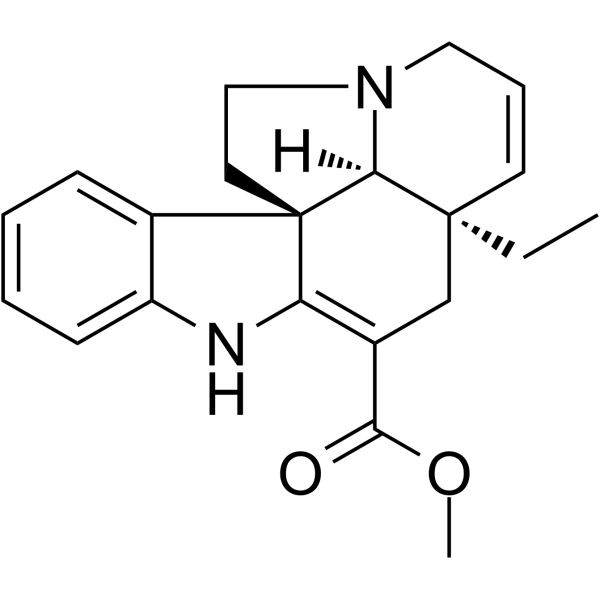
- HY-N1431A
-
|
|
NOD-like Receptor (NLR)
Apoptosis
Cytochrome P450
NF-κB
PI3K
Akt
CDK
Caspase
Interleukin Related
p38 MAPK
|
Neurological Disease
Inflammation/Immunology
|
|
Tabersonine hydrochloride is a selective, orally active NLRP3 inhibitor. Tabersonine hydrochloride directly binds to the NACHT domain of NLRP3, inhibiting its ATPase activity and oligomerization, thereby blocking ASC spot formation and caspase-1 activation, and reducing the release of pro-inflammatory cytokines such as IL-1β. Tabersonine hydrochloride also inhibits K63-linked ubiquitination of TRAF6, blocking NF-κB, PI3K/Akt, and p38 MAPK signaling pathways. Tabersonine hydrochloride can inhibit inflammatory responses, induce apoptosis of liver cancer cells through mitochondrial pathways and death receptor pathways, reduce mitochondrial membrane potential, promote cytochrome c release, and activate caspase proteins. Tabersonine hydrochloride is mainly used in the study of NLRP3-driven inflammatory diseases (such as acute lung injury, sepsis, peritonitis) and tumors such as liver cancer .
|
-
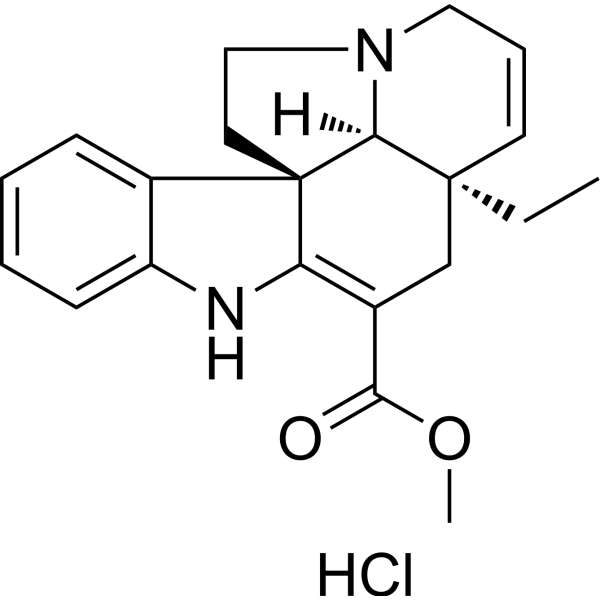
- HY-W715812
-
|
|
Fungal
Apoptosis
Caspase
Reactive Oxygen Species (ROS)
MDM-2/p53
SOD
Bcl-2 Family
PERK
JNK
p38 MAPK
|
Cardiovascular Disease
Infection
Endocrinology
Cancer
|
|
Bromuconazole is a triazole fungicide with oral efficacy and blood-brain barrier permeability . Bromuconazole protects crops from various fungal contaminations. Bromuconazole exhibits cytotoxicity against a variety of cancer cells, induces G0/G1 cell cycle arrest and inhibits DNA synthesis in cancer cells, and triggers cytoskeletal structural disorder, genotoxic damage, apoptotic (apoptosis) cell death, and mitochondrial membrane depolarization. Bromuconazole activates caspase-3, induces excessive production of ROS, p53 and Bax, lipid peroxidation, increased activities of SOD and CAT, and downregulates Bcl-2. By upregulating p-ERK1/2 and p-JNK, Bromuconazole disrupts the MAPK signaling pathway, impairs the cellular stress response of human trophoblast cells and endometrial cells, and damages the implantation process . Bromuconazole is applicable to research related to glioma, colon cancer, reproductive injury (implantation dysfunction), and cardiac dysfunction .
|
-

- HY-10966G
-
|
|
Raf
Apoptosis
|
Cardiovascular Disease
Cancer
|
|
SB-590885 GMP is SB-590885 (HY-10966) produced by using GMP guidelines. GMP small molecules works appropriately as an auxiliary reagent for cell therapy manufacture. SB-590885 is a BRAF/c-Raf kinase inhibitor that selectively targets B-Raf, and it amplifies the ERK/MAPK signaling pathway in RAS-activated cells. SB-590885 effectively inhibits the malignant proliferation, transformation and tumorigenicity of oncogenic B-Raf cells; it also induces the proliferation of erythroid progenitor cells, delays their differentiation and promotes hemoglobin synthesis, thereby improving ineffective erythropoiesis and reducing apoptosis. SB-590885 exerts a synergistic effect with TGF-β inhibitors and glucocorticoids, significantly promoting the formation of erythroid colonies in cells from patients with Diamond-Blackfan anemia (DBA). SB-590885 is mainly used in relevant studies on DBA, cisplatin-induced myelosuppression-related anemia, and pan-cancers such as melanoma and colorectal cancer .
|
-

- HY-179042
-
|
|
TGF-beta/Smad
p38 MAPK
Phosphodiesterase (PDE)
|
Inflammation/Immunology
|
|
TGF-β/Smad-IN-3 (Compound 4w) is an effective TGF-β/Smad inhibitor. TGF-β/Smad-IN-3 exerts anti-pulmonary fibrosis activity by simultaneously inhibiting the TGF-β/Smad and MAPK signaling pathways. TGF-β/Smad-IN-3 significantly inhibits collagen deposition induced by TGF-β1, with its IC50 value being 3.21 μM. TGF-β/Smad-IN-3 has an IC₅₀ of 46.77 nM for the autocrine motility factor (ATX). TGF-β/Smad-IN-3 significantly reduces the expression levels of α-SMA, COL1A1 and FN in TGF-β1-induced CCC-HPF-1 cells, and effectively inhibited TGF-β1-induced cell migration. TGF-β/Smad-IN-3 can be used for the study of pulmonary fibrosis .
|
-

- HY-175236
-
|
|
PD-1/PD-L1
Apoptosis
ERK
JNK
Cadherin
p38 MAPK
GSK-3
IFNAR
Caspase
Bcl-2 Family
|
Cancer
|
|
SF-9-2 is a PD-L1/PD-1 binding inhibitor (IC50 = 24.9 nM). SF-9-2 inhibits epithelial-mesenchymal transition, migration, invasion, and proliferation of SK-N-SH cells, and also induces apoptosis and cell cycle arrest. SF-9-2 blocks PD-L1-induced SK-N-SH cell growth through the MAPK signaling pathway. SF-9-2 restores GSK-3β activity and enhances PD-L1 degradation through the ubiquitin-proteasome pathway. SF-9-2 inhibits tumor growth in the SK-N-SH NOG mouse model without significant toxicity. SF-9-2 also acts as an immune checkpoint inhibitor, blocking PD-L1 to restore T cell function. SF-9-2 can be used in neuroblastoma research .
|
-

- HY-169412
-
|
|
MDM-2/p53
CDK
Caspase
Bcl-2 Family
Reactive Oxygen Species (ROS)
p38 MAPK
ERK
JNK
|
Cancer
|
|
MAPK-IN-3 (Compound 4a) is an anti-proliferative agent that shows particularly strong inhibitory effects on KYSE 30, HCT 116, and HGC 27, with IC50 values of 0.57 μM, 3.27 μM, and 2.28 μM, respectively. MAPK-IN-3 blocks the cell cycle via a p53-dependent mechanism and induces cell apoptosis through a p53-independent mechanism. MAPK-IN-3 downregulates the expression of cell cycle-related proteins like Cyclin D1 and cyclin B1, upregulates pro-apoptotic proteins such as cleaved PARP, cleaved caspase-7, and cleaved caspase-9, and reduces the expression of anti-apoptotic proteins like Bcl-2. Additionally, MAPK-IN-3 increases the intracellular level of ROS in KYSE 30 cells and upregulates the expression of members of the MAPK signaling pathway associated with ROS, such as p-ERK, p-p38 and p-JNK .
|
-

- HY-181420
-
|
|
ERK
Apoptosis
Phosphatase
Ras
|
Cancer
|
|
(S,R,S)-BBO-11818 is an orally active, highly selective (relative to NRAS and HRAS), non-covalent pan-KRAS inhibitor (IC50=28-120 nM). (S,R,S)-BBO-11818 specifically binds to the Switch-II/Helix 3 pocket, disrupts the KRAS:RAF1 interaction by inducing conformational changes, and blocks the MAPK signaling pathway. (S,R,S)-BBO-11818 exhibits significant anti-tumor activity, which not only inhibits cell proliferation and induces apoptosis, but also drives tumor regression in xenograft models. (S,R,S)-BBO-11818 produces synergistic effects when combined with Cetuximab (HY-P9905), anti-PD-1 antibody or PI3Kα inhibitor. (S,R,S)-BBO-11818 is used in the research of KRAS mutation-related malignancies such as pancreatic cancer, non-small cell lung cancer and colorectal cancer .
|
-

- HY-N2255
-
|
|
Akt
Apoptosis
NF-κB
Reactive Oxygen Species (ROS)
p38 MAPK
ERK
Interleukin Related
TNF Receptor
NO Synthase
nAChR
Bacterial
|
Cancer
|
|
Crebanine is an isoquinoline-like alkaloid that can be derived from Stephania. Crebanine is an antagonist of the α7-nAChR with an IC50 of 19.1 μM. Crebanine suppresses the proliferation, migration, and invasion of cancer cells, triggers reactive oxygen species (ROS) burst, and promotes apoptosis. Crebanine inhibits the AKT/FoxO3a, NF-κB and MAPK signaling pathways. Crebanine attenuates NOX2 hyperactivation, exhibits antioxidant properties by reducing reactive oxygen species and peroxidation in microglia cells. Crebanine inhibits voltage-dependent Na + current in guinea-pig ventricular myocytes. Crebanine has high inhibitory activity against gram-positive animal pathogenic bacteria. Crebanine ameliorates ischemia-reperfusion brain damage in middle cerebral artery occlusion and reperfusion (MCAO/R) rats. Crebanine significantly improves Scopolamine (HY-N0296)-induced cognitive deficits in ICR mice. Crebanine can be used for the study of hepatocellular carcinoma (HCC), cerebral ischemia and Alzheimer's disease .
|
-
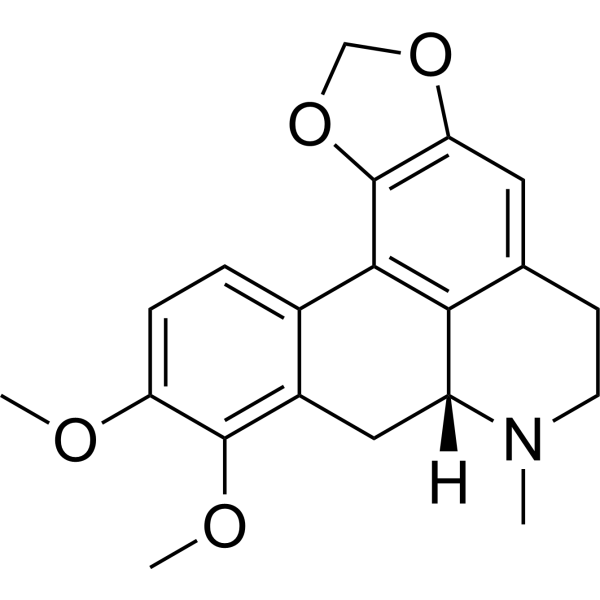
- HY-N5073
-
|
4''-O-Glucosylvitexin
|
JNK
p38 MAPK
Interleukin Related
TNF Receptor
Caspase
Lactate Dehydrogenase
Apoptosis
|
Cardiovascular Disease
Metabolic Disease
|
|
Vitexin-4''-O-glucoside (4''-O-Glucosylvitexin) is an orally active natural flavonoid component with multiple pharmacological effects including antioxidation, anti-inflammation, cytoprotection and anti-apoptosis. Vitexin-4''-O-glucoside regulates the MAPK signaling pathway by downregulating the phosphorylation levels of JNK and p38, thereby blocking endoplasmic reticulum stress responses. Vitexin-4''-O-glucoside alleviates oxidative stress by reducing MDA content and upregulating the activities of SOD and CAT, attenuates inflammation by downregulating the expressions of inflammatory factors TNF-α, IL-1β and IL-6, and also reduces LDH release and inhibits caspase-3 activation. Vitexin-4''-O-glucoside effectively improves drug-induced acute liver injury and exerts significant protective effects against myocardial hypoxia/reoxygenation injury. Vitexin-4''-O-glucoside can be used in studies on acute liver injury, cardiovascular diseases and myocardial hypoxia-reoxygenation injury .
|
-
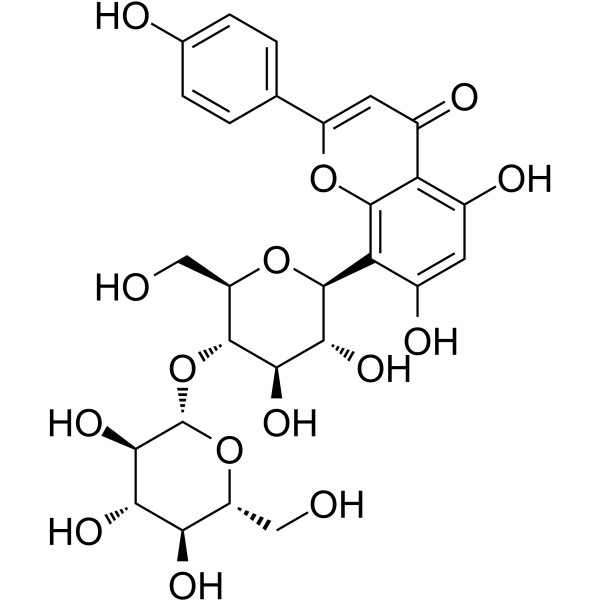
- HY-P992401
-
|
|
EGFR
CD3
PI3K
Akt
p38 MAPK
Caspase
Apoptosis
IFNAR
TNF Receptor
Interleukin Related
|
Cancer
|
|
M802 is an anti-HER2/CD3 bispecific antibody, with a Kd of 0.578 nM for human HER2 and a Kd of 71.2 nM for human CD3. M802 inhibits the PI3K/AKT and MAPK signaling pathways, suppresses tumor cell proliferation, activates caspase-3, and promotes tumor cell apoptosis (apoptosis). M802 recruits and activates CD3-positive immune cells, mediates cytotoxicity against HER2-positive tumor cells, and induces immune cells to secrete IFN-γ, TNF-α, IL-2 and IL-6. M802 exhibits anti-tumor efficacy in mice with gastric cancer xenografts. M802 can be used in research related to HER2-positive breast cancer, HER2-positive gastric cancer and other cancers. The recommended isotype control is human IgG1 kappa (HY-P99001) .
|
-

- HY-P11242
-
|
|
Bacterial
NF-κB
p38 MAPK
JNK
ERK
TNF Receptor
Interleukin Related
|
Infection
|
Cm-CATH2 is an antimicrobial peptide discovered from Chelonia mydas. Cm-CATH2 has a potent, broad-spectrum and rapid bactericidal ability by rapidly destroying the integrity of bacterial cell membranes. It shows strong activity against Gram-positive bacteria (such as VREF, Staphylococcus aureus), Gram-negative bacteria (such as Escherichia coli, Klebsiella pneumoniae), and fungi (such as Candida albicans) with MICs ranges from 1.17 to 18.75 μg/mL. Cm-CATH2 is also effective against various aquatic pathogenic bacteria. Cm-CATH2 not only inhibits biofilm formation but can also remove the formed biofilms. Cm-CATH2 has immunomodulatory functions and chemotactic effects on immune cells, and can inhibit the production of pro-inflammatory cytokines by macrophages stimulated by LPS (HY-D1056). Cm-CATH2 prevents the activation of NF-κB by inhibiting the degradation of IκBα, and also inhibits the phosphorylation of MAPK signaling pathways (p38, JNK, ERK). Cm-CATH2 demonstrates strong anti-infective ability in mouse peritonitis models and pneumonia models .
|
-

- HY-N2423B
-
|
(E/Z)-Allyl-glucosinolate free base; (E/Z)-2-Propenyl-glucosinolate free base
|
NF-κB
p38 MAPK
Apoptosis
|
Cardiovascular Disease
Infection
Inflammation/Immunology
Cancer
|
|
(E/Z)-Sinigrin ((E/Z)-Allyl-glucosinolate; (E/Z)-2-Propenyl-glucosinolate) free base is an orally active aliphatic thioglucoside anti-leukemia compound. Allyl isothiocyanate, produced by the hydrolysis of (E/Z)-sinigrin free base by myrosinase, has an IC50 of 2.71 μM against HL60 leukemia cells. The hydrolysis products of (E/Z)-sinigrin free base can further activate apoptosis pathways, inhibit NF-κB and MAPK signaling pathways, and induce phase II metabolic enzyme activity, thus exhibiting anti-cancer, anti-inflammatory, antibacterial, antioxidant, and wound healing activities. (E/Z)-Sinigrin free base can be used in research on cancer, inflammation-related diseases (such as atherosclerosis), and infectious diseases. (E/Z)-Sinigrin free base can be naturally extracted from the seeds of Brassica nigra, Brassica juncea, and other Brassicaceae plants such as broccoli and Brussels sprouts. Methyl pechueloate is a guaiane-type sesquiterpene ester compound and a potential precursor of xerantholide. It is useful in the structural elucidation and biosynthetic pathway studies of sesquiterpenoids. Methyl pechueloate can be naturally extracted from the aerial parts of Pechuel-Loeschea leibnitziae (Kuntze) O. Hoffm .
|
-

- HY-N0566
-
|
Anemosapogenin
|
Apoptosis
Autophagy
Bcl-2 Family
Caspase
Survivin
p38 MAPK
MMP
|
Cancer
|
|
23-Hydroxybetulinic acid (Anemosapogenin) is an orally active triterpenoid with broad-spectrum anticancer activity. 23-Hydroxybetulinic acid reduces the levels of Bcl-2 and survivin, elevates the level of Bax, promotes the cleavage/activation of caspase-3 and caspase-9, and induces apoptosis via the endogenous mitochondrial pathway involving cytochrome C release and mitochondrial membrane potential disruption. 23-Hydroxybetulinic acid arrests the cell cycle at S and G1 phases, inhibits cancer cell proliferation, blocks the MAPK signaling pathway, regulates MMP2, and induces autophagic apoptosis by upregulating beclin-1. 23-Hydroxybetulinic acid inhibits the activity and efflux function of P-gp, increases the intracellular accumulation of chemotherapeutic drugs, and synergistically enhances cytotoxicity with Doxorubicin (HY-15142). 23-Hydroxybetulinic acid inhibits the phosphorylation and nuclear translocation of STAT6, blocks M2 macrophage polarization, and reduces M2 macrophage-mediated apoptosis resistance of colon cancer cells. 23-Hydroxybetulinic acid can be used in related studies on chronic myeloid leukemia, hepatocellular carcinoma, sarcoma 180, multidrug-resistant breast cancer, leukemia, Doxorubicin-induced cardiotoxicity, and colorectal cancer .
|
-
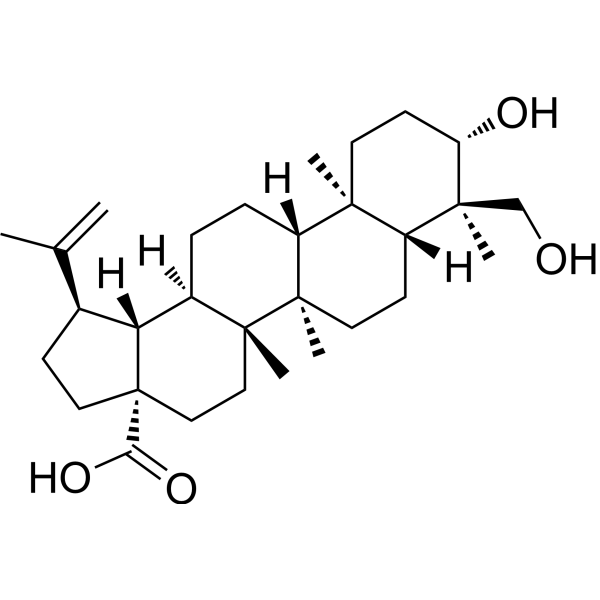
- HY-N0566R
-
|
Anemosapogenin (Standard)
|
Reference Standards
Apoptosis
Autophagy
Bcl-2 Family
Caspase
Survivin
p38 MAPK
MMP
|
Cancer
|
|
23-Hydroxybetulinic acid (Standard) is the analytical standard of 23-Hydroxybetulinic acid (HY-N0566). This product is intended for research and analytical applications. 23-Hydroxybetulinic acid (Anemosapogenin) is an orally active triterpenoid with broad-spectrum anticancer activity. 23-Hydroxybetulinic acid reduces the levels of Bcl-2 and survivin, elevates the level of Bax, promotes the cleavage/activation of caspase-3 and caspase-9, and induces apoptosis via the endogenous mitochondrial pathway involving cytochrome C release and mitochondrial membrane potential disruption. 23-Hydroxybetulinic acid arrests the cell cycle at S and G1 phases, inhibits cancer cell proliferation, blocks the MAPK signaling pathway, regulates MMP2, and induces autophagic apoptosis by upregulating beclin-1. 23-Hydroxybetulinic acid inhibits the activity and efflux function of P-gp, increases the intracellular accumulation of chemotherapeutic drugs, and synergistically enhances cytotoxicity with Doxorubicin (HY-15142). 23-Hydroxybetulinic acid inhibits the phosphorylation and nuclear translocation of STAT6, blocks M2 macrophage polarization, and reduces M2 macrophage-mediated apoptosis resistance of colon cancer cells. 23-Hydroxybetulinic acid can be used in related studies on chronic myeloid leukemia, hepatocellular carcinoma, sarcoma 180, multidrug-resistant breast cancer, leukemia, Doxorubicin-induced cardiotoxicity, and colorectal cancer.
|
-

-
-
HY-L010
-
|
|
1,081 compounds
|
|
MAPK families play an important role in complex cellular programs like proliferation, differentiation, development, transformation, and apoptosis. In mammalian cells, four MAPK families have been clearly characterized: ERK1/2, C-Jun N-terminal kinse/stress-activated protein kinase (JNK/SAPK) , p38 kinase and ERK5. They respond to different signals. Each MAPK-related cascade consists of three enzymes that are activated in series: a MAPK kinase kinase (MAPKKK), a MAPK kinase (MAPKK) and a MAP kinase (MAPK). MAPK signaling pathways has been implicated in the development of many human diseases including Alzheimer's disease (AD), Parkinson's disease (PD), amyotrophic lateral sclerosis (ALS) and various types of cancers.
MCE designs a unique collection of 1,081 MAPK signaling pathway inhibitors that act as a useful tool for MAPK-related drug screening and disease research.
|
| Cat. No. |
Product Name |
Type |
-
- HY-15947G
-
|
GDC-0994
|
Fluorescent Dyes
|
|
Ravoxertinib GMP is Ravoxertinib (HY-15947) produced by using GMP guidelines. GMP small molecules works appropriately as an auxiliary reagent for cell therapy manufacture. Ravoxertinib (GDC-0994) is an orally active ERK1/2 inhibitor. Ravoxertinib inhibits the ERK1/2 MAPK signaling pathway and reduces the expression levels of c-Myc, HK2 and LDHA. Ravoxertinib decreases mammosphere formation, and exerts additive and/or superadditive cytotoxicity when combined with Ipatasertib (HY-15186) in 3D tumor sphere models. Ravoxertinib can be used in research related to various cancers including breast cancer, melanoma, head and neck cancer, non-small cell lung cancer, ovarian cancer and Merkel cell carcinoma .
|
-
- HY-10966G
-
|
|
Fluorescent Dyes
|
|
SB-590885 GMP is SB-590885 (HY-10966) produced by using GMP guidelines. GMP small molecules works appropriately as an auxiliary reagent for cell therapy manufacture. SB-590885 is a BRAF/c-Raf kinase inhibitor that selectively targets B-Raf, and it amplifies the ERK/MAPK signaling pathway in RAS-activated cells. SB-590885 effectively inhibits the malignant proliferation, transformation and tumorigenicity of oncogenic B-Raf cells; it also induces the proliferation of erythroid progenitor cells, delays their differentiation and promotes hemoglobin synthesis, thereby improving ineffective erythropoiesis and reducing apoptosis. SB-590885 exerts a synergistic effect with TGF-β inhibitors and glucocorticoids, significantly promoting the formation of erythroid colonies in cells from patients with Diamond-Blackfan anemia (DBA). SB-590885 is mainly used in relevant studies on DBA, cisplatin-induced myelosuppression-related anemia, and pan-cancers such as melanoma and colorectal cancer .
|
| Cat. No. |
Product Name |
Type |
-
- HY-15947G
-
|
GDC-0994
|
Biochemical Assay Reagents
|
|
Ravoxertinib GMP is Ravoxertinib (HY-15947) produced by using GMP guidelines. GMP small molecules works appropriately as an auxiliary reagent for cell therapy manufacture. Ravoxertinib (GDC-0994) is an orally active ERK1/2 inhibitor. Ravoxertinib inhibits the ERK1/2 MAPK signaling pathway and reduces the expression levels of c-Myc, HK2 and LDHA. Ravoxertinib decreases mammosphere formation, and exerts additive and/or superadditive cytotoxicity when combined with Ipatasertib (HY-15186) in 3D tumor sphere models. Ravoxertinib can be used in research related to various cancers including breast cancer, melanoma, head and neck cancer, non-small cell lung cancer, ovarian cancer and Merkel cell carcinoma .
|
-
- HY-10966G
-
|
|
Biochemical Assay Reagents
|
|
SB-590885 GMP is SB-590885 (HY-10966) produced by using GMP guidelines. GMP small molecules works appropriately as an auxiliary reagent for cell therapy manufacture. SB-590885 is a BRAF/c-Raf kinase inhibitor that selectively targets B-Raf, and it amplifies the ERK/MAPK signaling pathway in RAS-activated cells. SB-590885 effectively inhibits the malignant proliferation, transformation and tumorigenicity of oncogenic B-Raf cells; it also induces the proliferation of erythroid progenitor cells, delays their differentiation and promotes hemoglobin synthesis, thereby improving ineffective erythropoiesis and reducing apoptosis. SB-590885 exerts a synergistic effect with TGF-β inhibitors and glucocorticoids, significantly promoting the formation of erythroid colonies in cells from patients with Diamond-Blackfan anemia (DBA). SB-590885 is mainly used in relevant studies on DBA, cisplatin-induced myelosuppression-related anemia, and pan-cancers such as melanoma and colorectal cancer .
|
| Cat. No. |
Product Name |
Target |
Research Area |
-
- HY-P10408
-
|
|
EGFR
MMP
Calcium Channel
NOD-like Receptor (NLR)
ERK
p38 MAPK
|
Infection
Inflammation/Immunology
|
|
Candidalysin is a cytolytic peptide toxin secreted by the fungus Candida albicans. Candidalysin drives epithelial immune responses by activating the EGFR-MAPK signaling pathway, inducing MMP expression and calcium influx, and regulating the c-Fos transcription factor and MKP1 via p38 MAPK and ERK1/2 respectively. Candidalysin is essential for mucosal and systemic infections, activating NLRP3 to promote inflammatory responses, neutrophil recruitment, and Th17 immunity. Candidalysin activates LDH causing membrane damage and exhibiting cytotoxicity
|
-
- HY-P6084
-
|
|
NOD-like Receptor (NLR)
p38 MAPK
Apoptosis
|
Inflammation/Immunology
|
|
RP-220 is a renalase peptide targeting NLRP3. RP220 has anti-inflammatory and anti-apoptotic activities. RP220 inhibits renal tubular epithelial cells apoptosis with alkaline insult by activating MAPK signaling pathway. RP220 significantly inhibits NLRP3 expression and reduces macrophage infiltration and kidney tissue damage in acute kidney injury (AKI) mice model. RP-220 can be uses for systemic lupus erythematosus (SLE) and its complication lupus nephritis (LN) research .
|
-
- HY-P10438
-
|
|
Raf
|
Cancer
|
|
TAT-Braftide is a peptide inhibitor designed to block the dimerization of BRAF, thereby inhibiting its kinase activity. The destruction of BRAF dimer by TAT-Braftide makes BRAF protein more susceptible to proteasome degradation, directly inhibits the activity of BRAF kinase, and reduces the activation of MAPK signaling pathway. Tat-braftide can be used for the role of RAF kinase in MAPK signaling pathway and for the study of BRAF mutant cancers .
|
-
- HY-P10436
-
|
|
Raf
|
Cancer
|
|
Braftide is an allosteric inhibitor for BRAF kinase by targeting the dimer interface of BRAF kinase and inhibiting the formation of BRAF dimers. Braftide inhibits wild-type BRAF and oncogenic BRAF G469A with IC50 of 364 nM and 172 nM, respectively. Braftide inhibits MAPK signaling pathway, inhibits proliferation of KRAS mutant tumor cells (EC50 is 7.1 and 6.6 μM, for HCT116 and HCT-15), in combination of TAT sequence. Braftide can be used for cancer research .
|
-
- HY-P11242
-
|
|
Bacterial
NF-κB
p38 MAPK
JNK
ERK
TNF Receptor
Interleukin Related
|
Infection
|
Cm-CATH2 is an antimicrobial peptide discovered from Chelonia mydas. Cm-CATH2 has a potent, broad-spectrum and rapid bactericidal ability by rapidly destroying the integrity of bacterial cell membranes. It shows strong activity against Gram-positive bacteria (such as VREF, Staphylococcus aureus), Gram-negative bacteria (such as Escherichia coli, Klebsiella pneumoniae), and fungi (such as Candida albicans) with MICs ranges from 1.17 to 18.75 μg/mL. Cm-CATH2 is also effective against various aquatic pathogenic bacteria. Cm-CATH2 not only inhibits biofilm formation but can also remove the formed biofilms. Cm-CATH2 has immunomodulatory functions and chemotactic effects on immune cells, and can inhibit the production of pro-inflammatory cytokines by macrophages stimulated by LPS (HY-D1056). Cm-CATH2 prevents the activation of NF-κB by inhibiting the degradation of IκBα, and also inhibits the phosphorylation of MAPK signaling pathways (p38, JNK, ERK). Cm-CATH2 demonstrates strong anti-infective ability in mouse peritonitis models and pneumonia models .
|
-
- HY-P11617
-
|
|
NF-κB
ERK
JNK
p38 MAPK
Interleukin Related
|
Inflammation/Immunology
|
|
CLP-d2 is a multi-target anti-inflammatory agent, osteoclastogenesis inhibitor and immunomodulator with superior pharmacokinetic properties to Daptomycin (HY-B0108) and good safety profiles. CLP-d2 inhibits the NF-κB and MAPK signaling pathways by reducing the expression levels of c-Fos and NFATc1, and decreasing the phosphorylation levels of IκBα, p65, ERK and JNK, thereby reducing the secretion of pro-inflammatory cytokines such as IL-6, TNF-α and IL-1β to exert anti-inflammatory activity. CLP-d2 inhibits intra-articular osteoclastogenesis in mice, alleviates bone erosion and joint swelling, reduces synovial hyperplasia and inflammatory cell infiltration, and decreases serum rheumatoid factor (RF) levels. CLP-d2 is applicable to related research on rheumatoid arthritis .
|
| Cat. No. |
Product Name |
Target |
Research Area |
Image |
-
- HY-P99866
-
|
MEHD-7945A; RG 7597
|
EGFR
Akt
p38 MAPK
Apoptosis
|
Cancer
|
|
Duligotuzumab (MEHD-7945A; RG 7597) is a humanized IgG-κ monoclonal antibody targeting EGFR. Duligotuzumab blocks the binding of ligands to these two receptors, inhibits downstream HER/ErbB, AKT and MAPK signaling pathways, induces antibody-dependent cellular cytotoxicity, reduces the proliferation and migration abilities of cancer cells, promotes apoptosis, exerts radiosensitizing effects, and reverses EGFR resistance in cancer cells. Duligotuzumab can be used in tumor-related research .
|
-

(5)
-
- HY-P991413
-
|
|
Trk Receptor
ERK
Akt
p38 MAPK
|
Neurological Disease
Inflammation/Immunology
|
|
ZEB85 is a human monoclonal antibody (mAb) targeting TrkB. ZEB85 activates TrkB and its downstream cascades, including the ERK, PLCγ, AKT, MAPK signaling pathways and cFOS expression, and enhances neuronal activity. ZEB85 prevents β-amyloid toxicity in cultured hippocampal neurons. ZEB85 is applicable to the research of Alzheimer's disease (AD) .
|
-
(5)
-
- HY-P99463
-
|
AVB-500; AVB-S6-500
|
TAM Receptor
PI3K
Akt
p38 MAPK
|
Cancer
|
|
Batiraxcept (AVB-500; AVB-S6-500) is a selective, soluble AXL receptor and GAS6 inhibitor that targets the GAS6-AXL signaling axis. Batiraxcept is orally inactive and does not cross the blood-brain barrier. Batiraxcept competitively binds to GAS6 ((KD <1 nM), preventing its interaction with the AXL receptor tyrosine kinase, thereby inhibiting downstream PI3K/AKT and MAPK signaling pathways, reducing tumor cell glycolysis, angiogenesis, and metastatic potential. Batiraxcept has demonstrated antitumor activity in preclinical models of endometrial, cholangiocarcinoma, and ovarian cancer by inhibiting tumor growth, invasion, and metastasis .
|
-
(5)
-
- HY-P992401
-
|
|
EGFR
CD3
PI3K
Akt
p38 MAPK
Caspase
Apoptosis
IFNAR
TNF Receptor
Interleukin Related
|
Cancer
|
|
M802 is an anti-HER2/CD3 bispecific antibody, with a Kd of 0.578 nM for human HER2 and a Kd of 71.2 nM for human CD3. M802 inhibits the PI3K/AKT and MAPK signaling pathways, suppresses tumor cell proliferation, activates caspase-3, and promotes tumor cell apoptosis (apoptosis). M802 recruits and activates CD3-positive immune cells, mediates cytotoxicity against HER2-positive tumor cells, and induces immune cells to secrete IFN-γ, TNF-α, IL-2 and IL-6. M802 exhibits anti-tumor efficacy in mice with gastric cancer xenografts. M802 can be used in research related to HER2-positive breast cancer, HER2-positive gastric cancer and other cancers. The recommended isotype control is human IgG1 kappa (HY-P99001) .
|
-
(5)
| Cat. No. |
Product Name |
Category |
Target |
Chemical Structure |
-
- HY-N0484
-
-
-
- HY-111431
-
-
-
- HY-N0457
-
-
-
- HY-111431A
-
-
-
- HY-N0188
-
-
-
- HY-N0330
-
-
-
- HY-N0632
-
-
-
- HY-N6246
-
-
-
- HY-N0763
-
|
Isopsoralen
|
Classification of Application Fields
Leguminosae
Coumarins
Phenylpropanoids
Psoralea corylifolia L.
Plants
Disease Research Fields
Source Classification
Cancer
|
Apoptosis
Virus Protease
NF-κB
p38 MAPK
JNK
Caspase
|
|
Angelicin is a furanocoumarin compound that functions as an inhibitor of NF-κB and MAPK signaling pathways, exhibiting anti-inflammatory, antiviral, and antitumor activities. It suppresses the lytic replication of γ-herpesviruses, such as MHV-68, early during viral infection, potentially inhibiting RTA gene expression (IC50=28.95 μM). Angelicin also mitigates inflammation by inhibiting the phosphorylation and nuclear translocation of NF-κB, and the phosphorylation of p38 and JNK. Furthermore, it induces apoptosis in neuroblastoma cells by downregulating anti-apoptotic proteins like Bcl-2, Bcl-xL, and Mcl-1, while activating caspase-9 and caspase-3.
|
-
-
- HY-N10503
-
|
|
Flavonoids
Flavones
Plants
Moraceae
|
Tyrosinase
Ras
Raf
MAPKAPK2 (MK2)
Apoptosis
|
|
Norartocarpetin is a tyrosinase inhibitor. Norartocarpetin has strong tyrosinase inhibitory activity with an IC50 value of 0.47 μM. Norartocarpetin as an antibrowning agent can be used for the research of food systems. Norartocarpetin also has a significant anticancer activity in lung carcinoma cells (NCI-H460) with an IC50 value of 22 μM. Norartocarpetin has antiproliferative effects are mediated via targeting Ras/Raf/MAPK signalling pathway, mitochondrial mediated apoptosis, S-phase cell cycle arrest and suppression of cell migration and invasion in human lung carcinoma cells .
|
-
-
- HY-N1988
-
-
-
- HY-105935
-
-
-
- HY-N1382
-
-
-
- HY-N7085
-
-
-
- HY-N2353
-
-
-
- HY-N1431
-
|
|
Apocynaceae
Alkaloids
Structural Classification
Plants
Indole Alkaloids
Catharanthus roseus (L.) G. Don
Source Classification
|
NOD-like Receptor (NLR)
Apoptosis
Cytochrome P450
NF-κB
PI3K
Akt
CDK
Caspase
Interleukin Related
p38 MAPK
|
|
Tabersonine is a selective, orally active NLRP3 inhibitor. Tabersonine directly binds to the NACHT domain of NLRP3, inhibiting its ATPase activity and oligomerization, thereby blocking ASC spot formation and caspase-1 activation, and reducing the release of pro-inflammatory cytokines such as IL-1β. Tabersonine also inhibits K63-linked ubiquitination of TRAF6, blocking NF-κB, PI3K/Akt, and p38 MAPK signaling pathways. Tabersonine can inhibit inflammatory responses, induce apoptosis of liver cancer cells through mitochondrial pathways and death receptor pathways, reduce mitochondrial membrane potential, promote cytochrome c release, and activate caspase proteins. Tabersonine is mainly used in the study of NLRP3-driven inflammatory diseases (such as acute lung injury, sepsis, peritonitis) and tumors such as liver cancer .
|
-
-
- HY-N1966
-
|
|
Structural Classification
Microorganisms
Phenols
Polyphenols
Source Classification
|
p38 MAPK
PPAR
|
|
(E)-Osmundacetone is an inhibitor of the MAPK pathway. (E)-Osmundacetone inhibits the activation of the MAPK signaling pathway and restores the expression of PPARα/ACOX1. (E)-Osmundacetone abrogates abnormal cell proliferation, migration and liver metastasis induced by PTPRO silencing in colorectal cancer cells. (E)-Osmundacetone blocks OA-RD17-mediated activation of the MAPK signaling pathway, thereby reducing macrophage proliferation and migration. (E)-Osmundacetone is applicable to relevant research on colorectal cancer .
|
-
-
- HY-W015300
-
-
-
- HY-N2259
-
-
-
- HY-N6002
-
-
-
- HY-N4322
-
-
-
- HY-N2435
-
-
-
- HY-N2132
-
-
-
- HY-N1916
-
-
-
- HY-N2255
-
-
-
- HY-W018197
-
-
-
- HY-N0204
-
-
-
- HY-N0363
-
-
-
- HY-N0566
-
|
Anemosapogenin
|
Triterpenes
Structural Classification
other families
Classification of Application Fields
Terpenoids
Plants
Disease Research Fields
Source Classification
Cancer
|
Apoptosis
Autophagy
Bcl-2 Family
Caspase
Survivin
p38 MAPK
MMP
|
|
23-Hydroxybetulinic acid (Anemosapogenin) is an orally active triterpenoid with broad-spectrum anticancer activity. 23-Hydroxybetulinic acid reduces the levels of Bcl-2 and survivin, elevates the level of Bax, promotes the cleavage/activation of caspase-3 and caspase-9, and induces apoptosis via the endogenous mitochondrial pathway involving cytochrome C release and mitochondrial membrane potential disruption. 23-Hydroxybetulinic acid arrests the cell cycle at S and G1 phases, inhibits cancer cell proliferation, blocks the MAPK signaling pathway, regulates MMP2, and induces autophagic apoptosis by upregulating beclin-1. 23-Hydroxybetulinic acid inhibits the activity and efflux function of P-gp, increases the intracellular accumulation of chemotherapeutic drugs, and synergistically enhances cytotoxicity with Doxorubicin (HY-15142). 23-Hydroxybetulinic acid inhibits the phosphorylation and nuclear translocation of STAT6, blocks M2 macrophage polarization, and reduces M2 macrophage-mediated apoptosis resistance of colon cancer cells. 23-Hydroxybetulinic acid can be used in related studies on chronic myeloid leukemia, hepatocellular carcinoma, sarcoma 180, multidrug-resistant breast cancer, leukemia, Doxorubicin-induced cardiotoxicity, and colorectal cancer .
|
-
-
- HY-W100287
-
|
|
Alkaloids
Murraya tetramera C. C. Huang
Rutaceae
Carbazole Alkaloids
Plants
Source Classification
|
NF-κB
p38 MAPK
Interleukin Related
IKK
JNK
β-catenin
Wnt
|
|
Murrayafoline A is a carbazole alkaloid that can be extracted from Murraya tetramera. Murrayafoline A directly targets Specificity protein 1 (Sp1), thereby inhibiting NF-κB and MAPK signaling pathways. Murrayafoline a induces a G0/G1-phase arrest in platelet-derived growth factor (PDGF)-stimulated vascular smooth muscle cells. Murrayafoline A attenuates the Wnt/β-catenin pathway by promoting the degradation of intracellular β-catenin proteins. Murrayafoline A enhances the contraction of rat ventricular myocytes and L-type calcium current by activating protein kinase C. Murrayafoline A inhibits LPS (HY-D1056)-induced neuroinflammation in vivo. Murrayafoline A can be used for the study of inflammation, vascular complications and colon cancer .
|
-
-
- HY-N5073
-
-
-
- HY-126858
-
|
(+)-Ambuic acid
|
Microorganisms
Ketones, Aldehydes, Acids
Source Classification
|
ERK
JNK
NO Synthase
COX
|
|
Ambuic acid exhibits antimicrobial activity against Staphylococcus aureus, with IC50 of 43.9 μM for strain ATCC 6538. Ambuic acid is an inhbitor for the biosynthesis of cyclic peptide quorum sensing molecules (quormones) in gram-positive bacteria. Ambuic acid exhibits anti-inflammatory activity through ERK/JNK/MAPK signaling pathway .
|
-
-
- HY-N6651
-
-
-
- HY-N7635
-
-
-
- HY-126941
-
-
-
- HY-142019
-
-
-
- HY-W721119
-
|
|
Natural Products
Eutrema wasabi (Siebold) Maximowicz
Plants
Brassicaceae
Source Classification
|
p38 MAPK
Autophagy
|
|
7-Methylsulfinylheptyl isothiocyanate is an activator for MAPK signaling pathway, which downregulates the melanogenesis related proteins and suppresses the melanin synthesis in B16-F1 cells. 7-Methylsulfinylheptyl isothiocyanate induces autophagy. 7-Methylsulfinylheptyl isothiocyanate is an inducer for phase II enzyme, which exhibits chemoprotective effect against carcinogen. 7-Methylsulfinylheptyl isothiocyanate can be used as cosmetic ingredient for skin whitening and anti-inflammation .
|
-
-
- HY-N7085R
-
-
-
- HY-N6576
-
|
|
Animals
Classification of Application Fields
Disease Research Fields
Steroids
Source Classification
Cancer
|
p38 MAPK
ERK
JNK
IAP
PARP
Apoptosis
Caspase
|
|
Hellebrigenin is an inhibitor that selectively targets the MAPK signaling pathway (ERK, p38, JNK) and XIAP, and can inhibit Akt expression and phosphorylation. Hellebrigenin can activate endogenous apoptosis pathways (such as mitochondrial membrane potential disruption, Caspase family activation, PARP cleavage), downregulate anti-apoptotic proteins (Bcl-2, Bcl-xL) and upregulate pro-apoptotic proteins (Bax, Bak). Hellebrigenin can also induce DNA double-strand breaks to activate the ATM pathway. Hellebrigenin can inhibit tumor cell proliferation and clone formation, and is mainly used in the study of oral squamous cell carcinoma, liver cancer and other cancers .
|
-
-
- HY-N1431A
-
|
|
Apocynaceae
Alkaloids
Plants
Indole Alkaloids
Catharanthus roseus (L.) G. Don
Source Classification
|
NOD-like Receptor (NLR)
Apoptosis
Cytochrome P450
NF-κB
PI3K
Akt
CDK
Caspase
Interleukin Related
p38 MAPK
|
|
Tabersonine hydrochloride is a selective, orally active NLRP3 inhibitor. Tabersonine hydrochloride directly binds to the NACHT domain of NLRP3, inhibiting its ATPase activity and oligomerization, thereby blocking ASC spot formation and caspase-1 activation, and reducing the release of pro-inflammatory cytokines such as IL-1β. Tabersonine hydrochloride also inhibits K63-linked ubiquitination of TRAF6, blocking NF-κB, PI3K/Akt, and p38 MAPK signaling pathways. Tabersonine hydrochloride can inhibit inflammatory responses, induce apoptosis of liver cancer cells through mitochondrial pathways and death receptor pathways, reduce mitochondrial membrane potential, promote cytochrome c release, and activate caspase proteins. Tabersonine hydrochloride is mainly used in the study of NLRP3-driven inflammatory diseases (such as acute lung injury, sepsis, peritonitis) and tumors such as liver cancer .
|
-
-
- HY-N0188R
-
|
|
Structural Classification
Monophenols
other families
Coumarins
Phenols
Phenylpropanoids
Plants
Source Classification
|
Reference Standards
p38 MAPK
|
|
Esculin (Standard) is the analytical standard of Esculin. This product is intended for research and analytical applications. Esculin is a fluorescent coumarin glucoside, the active ingredient in ash bark. Esculin has antidiabetic effects, improves cognitive impairment in experimental diabetic nephropathy (DN) via the MAPK signaling pathway, and exerts antioxidant stress and anti-inflammatory effects. Esculin also has anticancer, antibacterial, antiviral, neuroprotective, antithrombotic, and therapeutic properties for eye diseases .
|
-
-
- HY-111431AR
-
-
-
- HY-N5014
-
-
-
- HY-N4019
-
-
-
- HY-105935R
-
-
-
- HY-N2259R
-
-
-
- HY-N0632R
-
|
|
Triterpenes
Structural Classification
Terpenoids
Phytolacca acinosa Roxb.
Plants
Phytolaccaceae
Source Classification
|
Reference Standards
COX
NF-κB
|
|
Esculentoside A (Standard) is the analytical standard of Esculentoside A. This product is intended for research and analytical applications. Esculentoside A (EsA), a kind of triterpene saponin isolated from roots of Phytolacca esculenta .
Esculentoside A (EsA) possesses anti-inflammatory activity in acute and chronic experimental models , has selective inhibitory activity towards cyclooxygenase-2 (COX-2) .
Esculentoside A (EsA) suppresses inflammatory responses in LPS-induced acute lung injury (ALI) through inhibition of the nuclear factor kappa B (NF-ΚB) and mitogen activated protein kinase (MAPK) signaling pathways .
|
-
-
- HY-N0457R
-
-
-
- HY-N8311
-
-
-
- HY-N1966R
-
|
|
Structural Classification
Microorganisms
Phenols
Polyphenols
Source Classification
|
Reference Standards
p38 MAPK
PPAR
|
|
(E)-Osmundacetone (Standard) is the analytical standard of (E)-Osmundacetone (HY-N1966). This product is intended for research and analytical applications. (E)-Osmundacetone is an inhibitor of the MAPK pathway. (E)-Osmundacetone inhibits the activation of the MAPK signaling pathway and restores the expression of PPARα/ACOX1. (E)-Osmundacetone abrogates abnormal cell proliferation, migration and liver metastasis induced by PTPRO silencing in colorectal cancer cells. (E)-Osmundacetone blocks OA-RD17-mediated activation of the MAPK signaling pathway, thereby reducing macrophage proliferation and migration. (E)-Osmundacetone is applicable to relevant research on colorectal cancer .
|
-
- HY-N1382R
-
-
- HY-W015300R
-
-
- HY-W018197R
-
-
- HY-N6246R
-
|
|
Structural Classification
Iridoids
Terpenoids
Rubiaceae
Plants
Morinda officinalis How
Source Classification
|
Reference Standards
NF-κB
ERK
|
|
Asperulosidic Acid (Standard) is the analytical standard of Asperulosidic Acid. This product is intended for research and analytical applications. Asperulosidic Acid (ASPA), a bioactive iridoid glycoside, is extracted from the herbs of Hedyotis diffusa Willd. Asperulosidic Acid (ASPA) has anti-tumor, anti-oxidant, and anti-inflammatory activities .
ASPA is related to the inhibition of inflammatory cytokines (TNF-α, IL-6) and mediators via suppression of the NF-κB and mitogen-activated protein kinase (MAPK) signaling pathways .
|
-
- HY-N13174
-
-
- HY-N15347
-
|
|
Natural Products
Microorganisms
Source Classification
|
NF-κB
p38 MAPK
Interleukin Related
TNF Receptor
NO Synthase
COX
|
|
Talaromyketide B is a polyketide compound with anti-inflammatory activity, discovered in the soil bacterium Talaromyces sp. KYS-41. Talaromyketide B inhibits the activation of the NF-κB and MAPK signaling pathways and dose-dependently suppresses pro-inflammatory cytokines, such as IL-1β, IL-6, IL-10, and TNF-α, as well as the transcriptional activity of inflammatory mediators, including iNOS and COX-2. Talaromyketide B holds potential for research in the fields of immunity and inflammatory diseases .
|
-
- HY-N0272R
-
|
|
Structural Classification
Lignans
Phenylpropanoids
Acanthopanax senticosus (Rupr. et Maxim.) Harms
Plants
Araliaceae
Source Classification
|
Reference Standards
Others
|
|
Eleutheroside E (Standard) is the analytical standard of Eleutheroside E. This product is intended for research and analytical applications. Eleutheroside E is an important component of Eleutheroside and has antioxidant, anti-fatigue, anti-inflammatory, antibacterial, immunomodulatory and cardioprotective effects. Eleutheroside E may inhibit the MAPK signaling pathway, thereby inhibiting H/R-induced NF-κB activation and oxidative stress, reducing metabolic reprogramming, and protecting myocardium from ischemia-reperfusion (I/R) injury. Eleutheroside E also counteracts the effects of high altitude hypobaric hypoxia (HAHI) by inhibiting inflammation and pyroptosis .
|
-
- HY-W160358
-
|
|
Structural Classification
Natural Products
Cyperus esculentus L.
Cyperaceae
Plants
Source Classification
|
SARS-CoV
Virus Protease
Fungal
Apoptosis
Reactive Oxygen Species (ROS)
ATP Synthase
Glutathione Peroxidase
SOD
p38 MAPK
|
|
2,5-Dimethylcyclohexanol, a volatile organic compound, is a fatty acid that can be isolated from Amphora sp.. 2,5-Dimethylcyclohexanol has significant antineoplastic and antiviral activities with inhibition of SARS-CoV-2 Mpro. 2,5-Dimethylcyclohexanol also has potent antifungal activity against Pseudogymnoascus destructans. 2,5-Dimethylcyclohexanol compromises cell wall and membrane integrity while perturbing energy metabolism, increases the levels of ROS, ATP, Superoxide anion and GSH, and decreases CAT and SOD activities. And 2,5-Dimethylcyclohexanol alters virulence ribosomal genes expression, and disrupts the MAPK signaling pathways, inducing fungal cell apoptosis .
|
-
- HY-N1988R
-
-
- HY-N2435R
-
-
- HY-N0330R
-
|
|
Kochia scoparia L. Schrad.
Triterpenes
Structural Classification
Terpenoids
Plants
Chenopodiaceae
Source Classification
|
Reference Standards
Apoptosis
Autophagy
PI3K
c-Myc
|
|
Momordin Ic (Standard) is the analytical standard of Momordin Ic. This product is intended for research and analytical applications. Momordin Ic is an orally active triterpenoid saponin that can be isolated from Kochia scoparia. It is also a SUMO specific protease 1 (SENP1) inhibitor, SENP1/c-MYC signaling pathway inhibitor, and apoptosis inducer. Momordin Ic induces autophagy and apoptosis in liver cancer cells through the PI3K/Akt and MAPK signaling pathways mediated by reactive oxygen species. Momordin Ic has the ability to control glucose induced blood glucose elevation, inhibit gastric emptying, resist rheumatoid arthritis, reduce CCl4 (HY-Y0298) induced hepatotoxicity and anti-tumor activity .
|
-
- HY-N0484R
-
-
- HY-N0566R
-
|
Anemosapogenin (Standard)
|
Triterpenes
Structural Classification
other families
Terpenoids
Plants
Source Classification
|
Reference Standards
Apoptosis
Autophagy
Bcl-2 Family
Caspase
Survivin
p38 MAPK
MMP
|
|
23-Hydroxybetulinic acid (Standard) is the analytical standard of 23-Hydroxybetulinic acid (HY-N0566). This product is intended for research and analytical applications. 23-Hydroxybetulinic acid (Anemosapogenin) is an orally active triterpenoid with broad-spectrum anticancer activity. 23-Hydroxybetulinic acid reduces the levels of Bcl-2 and survivin, elevates the level of Bax, promotes the cleavage/activation of caspase-3 and caspase-9, and induces apoptosis via the endogenous mitochondrial pathway involving cytochrome C release and mitochondrial membrane potential disruption. 23-Hydroxybetulinic acid arrests the cell cycle at S and G1 phases, inhibits cancer cell proliferation, blocks the MAPK signaling pathway, regulates MMP2, and induces autophagic apoptosis by upregulating beclin-1. 23-Hydroxybetulinic acid inhibits the activity and efflux function of P-gp, increases the intracellular accumulation of chemotherapeutic drugs, and synergistically enhances cytotoxicity with Doxorubicin (HY-15142). 23-Hydroxybetulinic acid inhibits the phosphorylation and nuclear translocation of STAT6, blocks M2 macrophage polarization, and reduces M2 macrophage-mediated apoptosis resistance of colon cancer cells. 23-Hydroxybetulinic acid can be used in related studies on chronic myeloid leukemia, hepatocellular carcinoma, sarcoma 180, multidrug-resistant breast cancer, leukemia, Doxorubicin-induced cardiotoxicity, and colorectal cancer.
|
-
- HY-N17888
-
-
- HY-118817
-
-
- HY-N19215
-
-
- HY-N17850
-
-
- HY-N6002R
-
-
- HY-W100287R
-
|
|
Structural Classification
Alkaloids
Murraya tetramera C. C. Huang
Rutaceae
Carbazole Alkaloids
Plants
Source Classification
|
NF-κB
Reference Standards
p38 MAPK
Interleukin Related
IKK
JNK
β-catenin
Wnt
|
|
Murrayafoline A (Standard) is the analytical standard of Murrayafoline A (HY-W100287). This product is intended for research and analytical applications. Murrayafoline A is a carbazole alkaloid that can be extracted from Murraya tetramera. Murrayafoline A directly targets Specificity protein 1 (Sp1), thereby inhibiting NF-κB and MAPK signaling pathways. Murrayafoline a induces a G0/G1-phase arrest in platelet-derived growth factor (PDGF)-stimulated vascular smooth muscle cells. Murrayafoline A attenuates the Wnt/β-catenin pathway by promoting the degradation of intracellular β-catenin proteins. Murrayafoline A enhances the contraction of rat ventricular myocytes and L-type calcium current by activating protein kinase C. Murrayafoline A inhibits LPS (HY-D1056)-induced neuroinflammation in vivo. Murrayafoline A can be used for the study of inflammation, vascular complications and colon cancer .
|
-
- HY-N2423B
-
|
(E/Z)-Allyl-glucosinolate free base; (E/Z)-2-Propenyl-glucosinolate free base
|
Structural Classification
Glucosinolates
Plants
Brassicaceae
Source Classification
Mutarda nigra (L.) Bernh.
|
NF-κB
p38 MAPK
Apoptosis
|
|
(E/Z)-Sinigrin ((E/Z)-Allyl-glucosinolate; (E/Z)-2-Propenyl-glucosinolate) free base is an orally active aliphatic thioglucoside anti-leukemia compound. Allyl isothiocyanate, produced by the hydrolysis of (E/Z)-sinigrin free base by myrosinase, has an IC50 of 2.71 μM against HL60 leukemia cells. The hydrolysis products of (E/Z)-sinigrin free base can further activate apoptosis pathways, inhibit NF-κB and MAPK signaling pathways, and induce phase II metabolic enzyme activity, thus exhibiting anti-cancer, anti-inflammatory, antibacterial, antioxidant, and wound healing activities. (E/Z)-Sinigrin free base can be used in research on cancer, inflammation-related diseases (such as atherosclerosis), and infectious diseases. (E/Z)-Sinigrin free base can be naturally extracted from the seeds of Brassica nigra, Brassica juncea, and other Brassicaceae plants such as broccoli and Brussels sprouts. Methyl pechueloate is a guaiane-type sesquiterpene ester compound and a potential precursor of xerantholide. It is useful in the structural elucidation and biosynthetic pathway studies of sesquiterpenoids. Methyl pechueloate can be naturally extracted from the aerial parts of Pechuel-Loeschea leibnitziae (Kuntze) O. Hoffm .
|
-
| Cat. No. |
Product Name |
Chemical Structure |
-
- HY-W654121
-
|
|
|
p-Cresol sulfate-d4 (potassium) is deuterium labeled p-Cresyl sulfate (potassium). p-Cresyl sulfate potassium is a uremic toxin that binds to a prototype protein. p-Cresyl sulfate potassium activates the JNK and p38 MAPK signaling pathways. p-Cresyl sulfate potassium has pro-inflammatory activity .
|
-
-
- HY-152003S
-
|
|
|
Ganglioside GM2-d3 (ammonium) is the deuterium labeled Ganglioside GM2 (HY-148385). Ganglioside GM2 is a human tumor antigen predominantly found in human tumor cells and fetal brain tissue. As a sialylated glycosphingolipid, Ganglioside GM2 is involved in processes such as cell signaling, adhesion, and motility. Ganglioside GM2 abnormal expression and accumulation are associated with tumors and neurodegenerative disorders. Ganglioside GM2 promotes tumor cell migration and invasion by directly binding to the integrin β1 receptor, activating the FAK/Src/Erk-MAPK signaling pathway, and inducing actin cytoskeleton remodeling .
|
-
| Cat. No. |
Product Name |
Target |
Research Areas |
Chemical Structure |
-
- HY-15947G
-
|
GDC-0994
|
ERK
c-Myc
Hexokinase
Lactate Dehydrogenase
|
Cancer
|
|
Ravoxertinib GMP is Ravoxertinib (HY-15947) produced by using GMP guidelines. GMP small molecules works appropriately as an auxiliary reagent for cell therapy manufacture. Ravoxertinib (GDC-0994) is an orally active ERK1/2 inhibitor. Ravoxertinib inhibits the ERK1/2 MAPK signaling pathway and reduces the expression levels of c-Myc, HK2 and LDHA. Ravoxertinib decreases mammosphere formation, and exerts additive and/or superadditive cytotoxicity when combined with Ipatasertib (HY-15186) in 3D tumor sphere models. Ravoxertinib can be used in research related to various cancers including breast cancer, melanoma, head and neck cancer, non-small cell lung cancer, ovarian cancer and Merkel cell carcinoma .
|
-
-
- HY-10966G
-
|
|
Raf
Apoptosis
|
Cardiovascular Disease
Cancer
|
|
SB-590885 GMP is SB-590885 (HY-10966) produced by using GMP guidelines. GMP small molecules works appropriately as an auxiliary reagent for cell therapy manufacture. SB-590885 is a BRAF/c-Raf kinase inhibitor that selectively targets B-Raf, and it amplifies the ERK/MAPK signaling pathway in RAS-activated cells. SB-590885 effectively inhibits the malignant proliferation, transformation and tumorigenicity of oncogenic B-Raf cells; it also induces the proliferation of erythroid progenitor cells, delays their differentiation and promotes hemoglobin synthesis, thereby improving ineffective erythropoiesis and reducing apoptosis. SB-590885 exerts a synergistic effect with TGF-β inhibitors and glucocorticoids, significantly promoting the formation of erythroid colonies in cells from patients with Diamond-Blackfan anemia (DBA). SB-590885 is mainly used in relevant studies on DBA, cisplatin-induced myelosuppression-related anemia, and pan-cancers such as melanoma and colorectal cancer .
|
-
Your information is safe with us. * Required Fields.
Inquiry Information
- Product Name:
- Cat. No.:
- Quantity:
- MCE Japan Authorized Agent:





![[8]-Shogaol](http://file.medchemexpress.com/product_pic/hy-n2435.gif)


![[8]-Shogaol (Standard)](http://file.medchemexpress.com/product_pic/hy-n2435r.gif)





